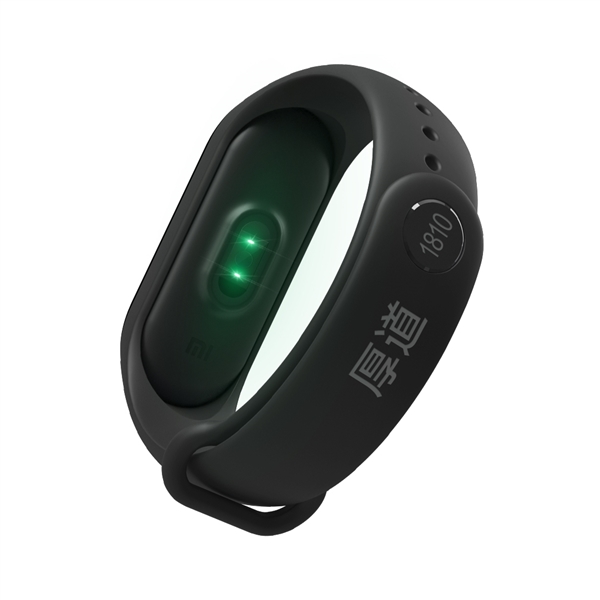
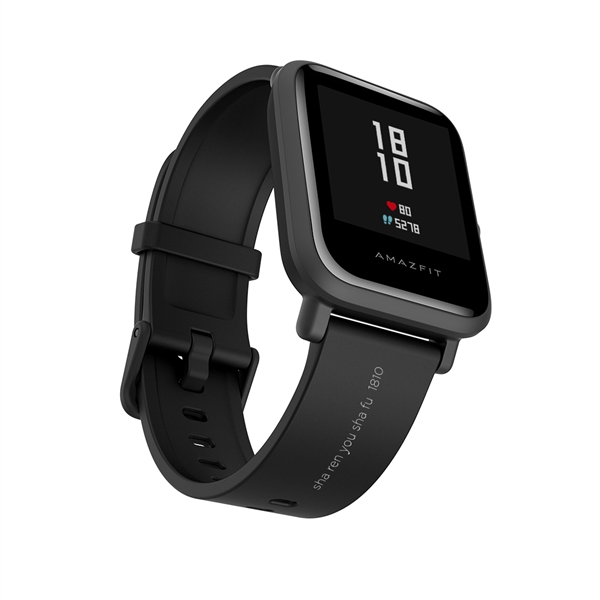
Huami Technologies, maker of Xiaomi‘s line of smart band has hinted that it is set to release a customised edition of the Mi Band 3 to mark Xiaoami’s IPO offering. The company will also release a commemorative edition of the Amazfit Bip Lite smartwatch. The smartwatch was released late last year and even has a price tag which makes it a preferable wearable to the Mi Band 3.
The pictures of the two customized versions were shared online and there isn’t really anything special to be excited about. The difference with the regular Mi Band 3 is that a couple of texts in Chinese is printed on the wristband, including Xiaomi’s stock code “1810”. The same thing goes for the Amazfit Bip Lite custom version.
At the moment, we don’t know if there will be other special design features at the front aspect since we can only see the straps on the Band 3 renders. Xiaomi or Huami also haven’t disclosed when this version will become available.
Huawei recently launched its P20 series smartphones, changing the naming pattern to the increments of tens instead of ones. Now, the company seems to have adopted the similar naming pattern for its Mate series flagship smartphones as well.
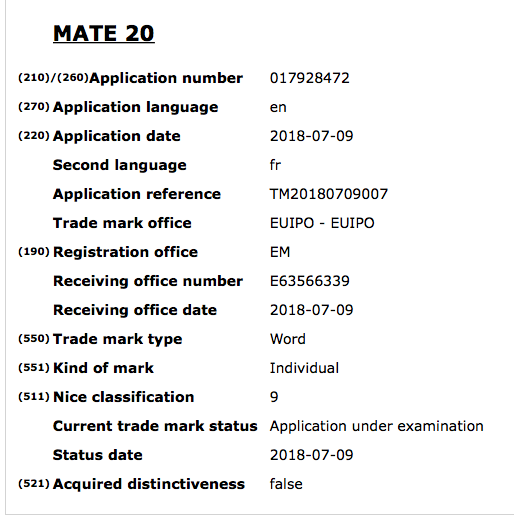
The China-based company has filed a trademark application for numerous names, including the Mate 20, which confirms that the upcoming Mate series flagship will be called the Mate 20 and not Mate 11, which will be the successor of the Mate 10 series launched last year.
Along with filing the trademark for Mate 20, the company has also trademarked Mate 30, Mate 40, etc. which goes all the up to Mate 90. This also hints at the company’s long-term plans for the Huawei Mate series smartphones.
Earlier, Huawei had filed applications for the names of Huawei P30 and P40, confirming that the company has already planned for the next two generation of its P-series flagship smartphones. However, the latest applications are in contrast, suggesting that the company has plans of Mate-series devices until 2025, which we are speculating based on the company’s current launch timeline.
Currently, Huawei is expected to launch the Mate 20 series smartphones in October or November this year and it is reported that the series will consist of three smartphones, just like the Mate 10-series. Other than that, very little is known about this upcoming smartphones.
However, some reports have indicated that the larger Mate 20 Pro could come with a big 6.9-inch display and is also expected to come with the triple-camera module on the back side, similar to the P20 Pro. For the regular Mate 20, Huawei is expected to stick with the dual-camera setup and a 6.1-inch display panel.
We expect the smartphones to be powered by the company’s own Kirin 980 processor along with either 6GB RAM or 8GB RAM. It is said that the devices will have Qualcomm’s under-display fingerprint scanner. We are expecting to get more details of the Mate 20 series as the phone’s launch nears.
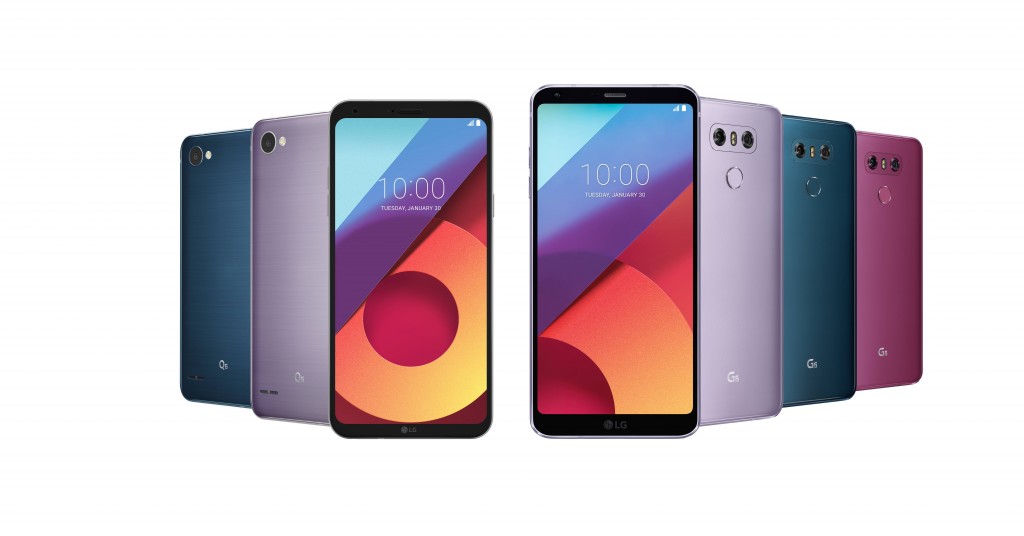
With the LG G6 out of the way with respect to receiving the Android Oreo update, LG has turned its attention to the lower mid-range LG Q6 series.
Reports from Korea say the LG Q6 has started receiving an update to Android Oreo and along with the jump to the new version of Android comes some new features.
Other than the new features Android Oreo brings by default, the Q6 also gets DTS:X 3D stereo sound support with the update. It also brings some new features to the camera LED. For example, the LED flashes when a call is coming in. You can also set it to blink in sync with a song you are playing on the phone. Another feature is the addition of a QR code reader to the camera.
The update which is about 1170MB in size seems to still be exclusive to Korea for now. There is no info as to when it will arrive in other markets such as India and Europe. There is also no info on if the update is arriving on the LG Q6α and LG Q6+.
The LG Q6 trio launched in July 2017 with Android Nougat out of the box. All three phones have 5.5-inch 18:9 FHD+ displays, a Snapdragon 435 processor, and a 3000mAh battery. They also have a single 13MP rear camera and a 5MP front-facing camera.
The difference between the models boils down to RAM and storage. The Q6α has 2GB of RAM and 16GB of storage, the Q6 has 3GB of RAM and 32GB of storage, and the Q6 Plus has 4GB of RAM and 64GB of storage.
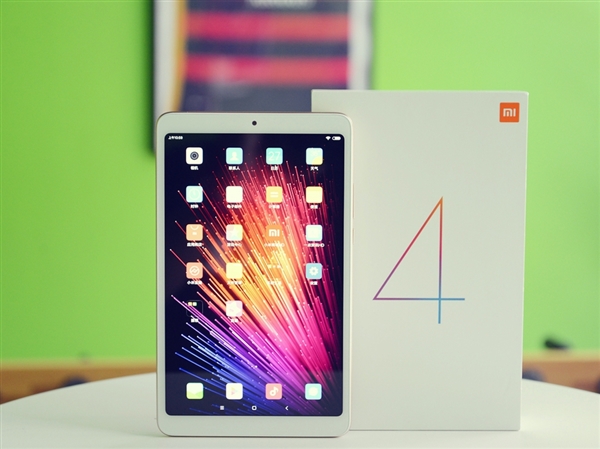
Xiaomi had launched the MIUI 10 in May, but the Mi Pad 4 tablet that was launched in June had arrived with MIUI 9 onboard. It seems that the stable version of MIUI 10 will be soon coming to Mi Pad 4 as the company has just rolled out its beta edition.
The MIUI 10 global beta has a version number of 8.7.5. The last two numbers indicate that beta update is just five days old. The update which can be sideloaded on the tablet weighs 1.21 GB. MIUI 10 comes with improved design and it promises faster performance than MIU 9. MIUI 10 also includes support for gestures like long press and swiping actions. However, the gesture-based actions are only meant for smartphones and it does not apply for the Mi Pad 4.
Apart from Mi Pad 4, the other Xiaomi devices that have the MIUI 10 global beta 8.7.5 are Mi 6, Mi Mix 2, Redmi S2, Redmi Note 5 Pro, Redmi Note 5, Mi MIX 2S, Mi 5, Mi Note 2 and Mi MIX. The MIUI 10 global beta 8.7.5 also includes LDAC for Bluetooth devices. However, only Xiaomi devices that are running on Android Oreo will be receiving the support for LDAC.
The Mi Pad 4 comes with an 8-inch IPS LCD display that supports 16:10 aspect ratio and a resolution of 1920 x 1200 pixels. The Snapdragon 660 SoC is present under the hood of the tablet. It has an f/2.0 aperture rear camera of 13-megapixel and an f/2.0 aperture frontal shooter of 5-megapixel. The front-facing camera also supports face unlock. There is no microSD card slot on the tablet.
The 3 GB RAM variant includes 32 GB of storage whereas the 4 GB model has 64 GB of storage. These variants only support Wi-Fi connectivity and they are respectively priced at 1,099 Yuan (~$165) and 1,399 Yuan (~$210). There is another 4 GB RAM + 64 GB storage model that carries support for LTE connectivity. It carries a price tag of 1,499 Yuan (~$225).
While Samsung will be launching the Galaxy Note 9 smartphone on 9th August, the company’s next-generation Galaxy S-series smartphone, Galaxy S10, has been the talk of the town since past few weeks.
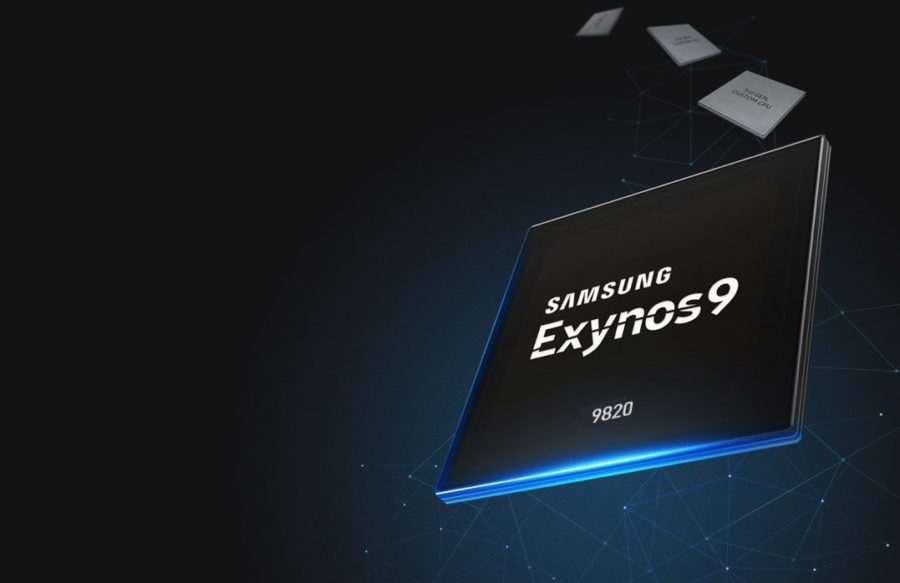
The South Korean giant is expected to use the Samsung Exynos 9820 octa-core chipset to power the Galaxy S10, but there isn’t much known about this new processor. However, the latest information coming from Ice Universe suggets that the company might follow MediaTek’s footsteps.
According to the latest report, Samsung could be opting for a three-cluster CPU core arrangement which will feature four lightweight Cortex-A55 cores, two Cortex-A75 or A76 cores for medium tasks, and two fourth-generation custom Mongoose CPU cores for heavyweight tasks.
Thus, the processor will still have eight-cores but instead of the usual four heavy cores and four light cores aggangement, the company will be opting for 2+2+4 arrangement. This arranagement is similar to MediaTek Helio X-series chipsets which has its ten cores arranged in cluster of lightweight/medium/heavy cores.
According to MediaTek, such cluster arrangement of cores could help in improving the battery performance on the smartphone. While it’s unclear whether MediaTek’s approach is indeed better than solutions from Qualcomm and Samsung, it looks like an interesting take.
However, there are few concerns, including whether Samsung has access to Arm’s DynamIQ tech, which makes these flexible CPU core arrangements possible. Arm’s DynamIQ technology allows silicon manufacturers to mix and match Arm’s own CPU cores but it doesn’t apply to Samsung’s own cores on paper.
The Samsung Galaxy S10 is reported to come with a display capable of emitting sound. The South Korean firm had showcased its sound-emitting display concept at the Society of Information Displays (SID) 2018 where instead of an earpiece, the vibration and bone conduction of the display panel carries the sound.
Further, it is also speculated that the Galaxy S10 could also be Samsung’s first phone to come with 3D facial recognition similar to iPhone X and Xiaomi Mi 8 Explorer Edition. Along with Exynos 9820, the Galaxy S10’s another variant is expected to be powered by Qualcomm’s upcoming Snapdragon 855 chipset, may get officially announced in January 2019.
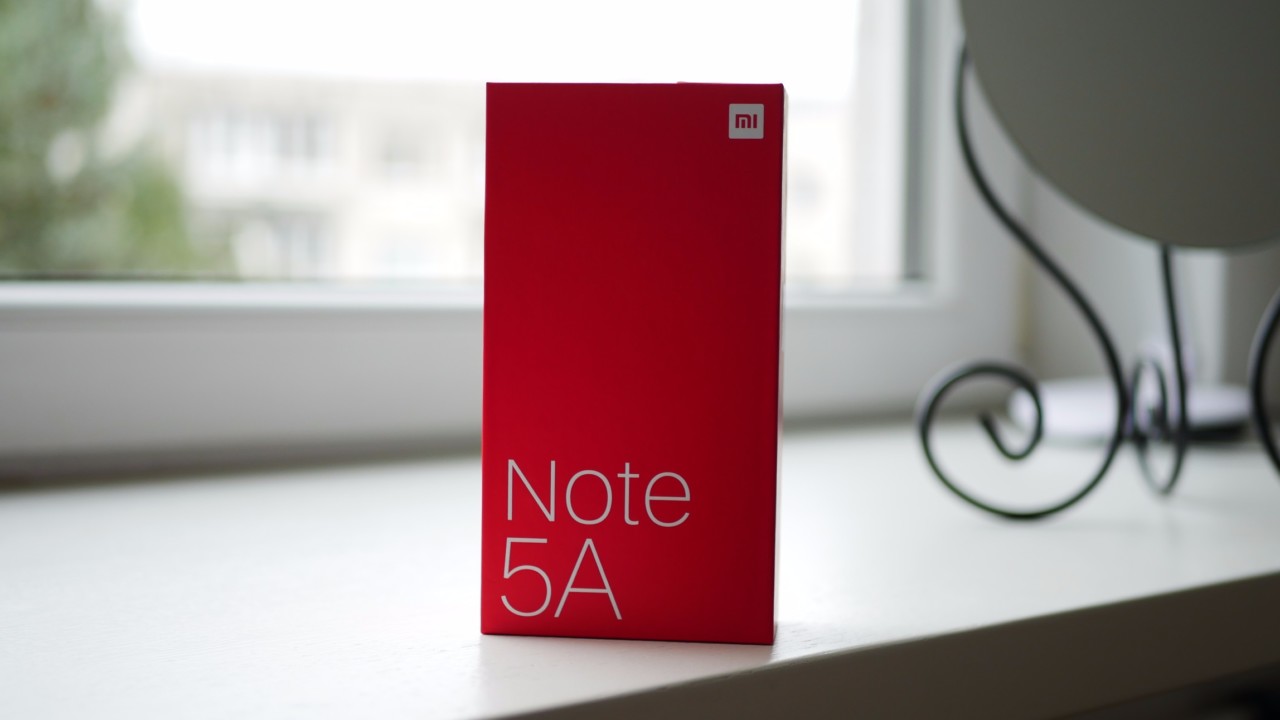
Looks like Xiaomi fans are in for a treat. DD4 is doling out big discounts on a myriad of Xiaomi-branded smartphones and phablets. Deemed as one of China’s leading online shopping site for electronics, mobile devices, and lots more, DD4 is will be selling the Redmi Note 5A, Redmi 6, and the Mi 8 SE smartphones at a considerably lowered price.
Xiaomi Redmi Note 5A 4G Phablet
Sporting a big 5.5 inches IPS HD display, the Redmi Note 5A is an irresistible phablet. The overwhelming device would normally set you back a pretty penny on DD4 but much to the relief of cost-conscious buyers, the site is offering a 15% off on its original asking price.
As a result, the 3GB RAM /32GB ROM version of the Redmi Note 5A now bears a reduced price tag of $149.15 on DD4. Alternatively, you can go for the 2GB RAM/16GB ROM option which is currently available at a lowered price of just $109.95.
You can follow this link to take advantage of the discount. Note that the deal is slated to end in 11 days.
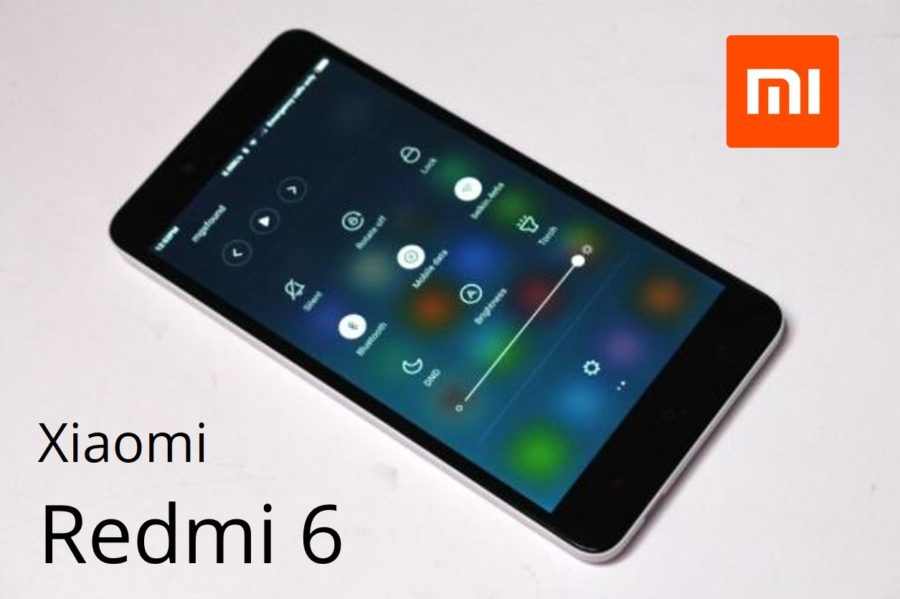
Xiaomi Redmi 6 4G Smartphone
The well-received Xiaomi Redmi 6 boasts an array of awe-inspiring specs and features that make an irresistible smartphone. Regrettably, the MediaTek MT6762 Helio P22-powered phone doesn’t come cheap.
The Redmi 6 smartphone is currently up for grabs bearing a relatively steep price tag of $269.66 on DD4. But if you’re on a tight budget and aren’t willing to shell out a fortune for a smartphone, we got good news for you.
You can save $59.33 by applying the promotion code ‘REDMI6DD4’ during the check out process. In other words, you can reduce your grand total to just $210.33 without breaking much of a sweat with the help of the above-mentioned promotion code.
All you need to do in order to get the discount is follow this link before the promotion code expires.
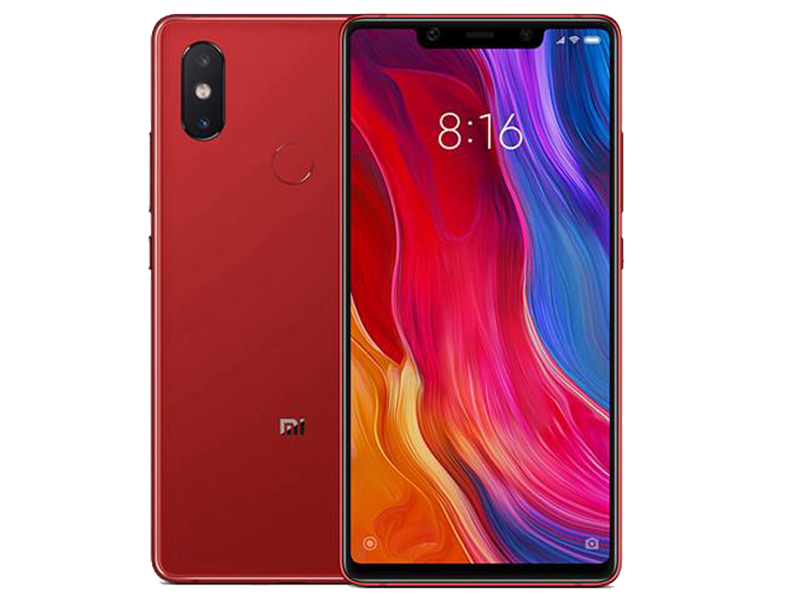
Xiaomi Mi 8 SE Phablet
DD4 is offering a noteworthy 16% off on the Mi 8 SE phablet which became an instant hit among tech buffs after hitting the store shelves in May this year. The feature-laden device can now be yours at a slashed price of just $368.75. You can visit this link to check out the full specification and grab the deal which will be wrapping up in 11 days. The discount is valid for the 4GB RAM/64GB ROM version which is available in golden color option.
Mi Collections
DD4 is giving buyers an opportunity to choose from a broad range of the stylish Mi Collection. As part of the promotion, the site will be offering 5% off on orders that exceed $0, and $6 off on orders that are over $60.
As if that weren’t enough, DD4 is offering big discounts on a slew of electronics and other items that you can check out by visiting this link.
Xiaomi’s new headphone dubbed, the Mi Game Headset was made available to the public earlier this year, much to the delight of avid gamers that have been waiting to get their hands on a high-end gaming headset without emptying their pocket. Regrettably, the newfangled headphone didn’t come cheap.
The Xiaomi Mi Game Headset is currently up for grabs bearing a steep price of $79.99 on GearVita. Despite being uneconomical, the Mi Game Headset is nothing short of outstanding.
The Mi Game headset boasts a 7.1 virtual surround sound engine that dols out stereo surround sound to give its wearer an unparalleled gaming experience. Moreover, the device features a 40mm graphene composite diaphragm that creates impeccable sound scalability.
While its awe-inspiring features justify the dizzying price tag the Mi Game headset carries, if you aren’t willing to spend that kind of money on a gaming headphone, we got good news for you. You can get a $40 off on the device’s original asking price by using the coupon code ‘XMGAMEHS’ during the check out process.
In other words, you can bring your grand total down to just $65.99 simply by applying the aforesaid coupon code. But if that doesn’t impress you much, GearVita is also offering free shipping.
The Mi Game headphone’s enclosed sound chamber design, coupled with a soft PET laminate layer makes it an ideal companion whether you are playing a game or just listening to your favorite music. The device adopts a Dual microphone ENC ambient noise reduction technology.
You can customize the lighting effects and the color of the LED of the Mi Game headset. Furthermore, the plug-n-play headphones come with two types of connectors including USB Type-C and 3.5mm audio interface, which allows you to connect it to a PC and a smartphone as well.
You can head straight to this link in order to check out the full specification and use the coupon code before it expires.
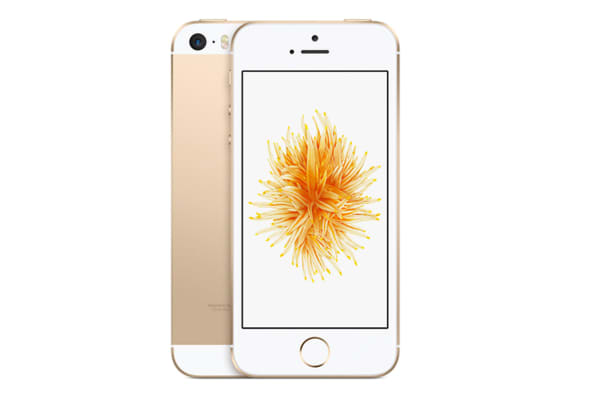
Apple will announce three new iPhones this year but a new report says it will stop production of two others – the iPhone X and the iPhone SE.
The info comes from a report by analysts, BlueFin Research. Apple is doing this to be able to meet up with demands for the forthcoming iPhones which is put at 91 million units for Q3 and Q4 2018 and 92 million units for Q1 and Q2 2019.
In its report, BlueFin refers to the three new iPhones as the iPhone 9 which will have an LCD screen and the iPhone 11 and iPhone 11 Plus which will both have OLED displays. Apple is betting big on the success of the three devices. It believes those who didn’t update to the new iPhones released in 2017 will do so this year.
The analysts said Apple will likely make 28 million units of all three iPhones in Q3, 63 million units in Q4 (shouldn’t be surprising since folks will already start shopping for the holidays), and 46 million units each for Q1 and Q2 2019. Actual shipments in those quarters are expected to be less.
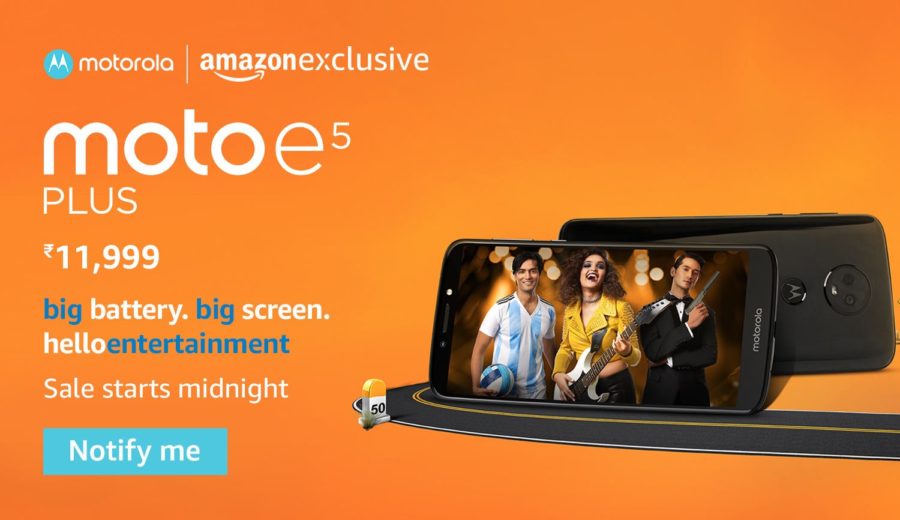
Motorola has announced the Moto E5 and Moto E5 Plus in India. Both phones pack large batteries but are slightly different from the versions announced for Europe.
Moto E5
The Moto E5 has a 5.7-inch 1440 x 720 display. It is powered by the Snapdragon 425 mobile platform with 2GB of RAM and 16GB of expandable storage.
It has a 13MP rear camera and a 5MP front-facing camera both with LED flash. It also has a fingerprint scanner, dual SIM slot, and a micro USB port. Supported LTE bands are – 1, 3, 5, 8, 38, 40, and 41.
The Moto E5 packs a 4000mAh battery and comes with a 10W charger. It will be sold for INR 9,999 (~$145) and be available at Moto Hubs across the country. Available colors are Flash Gray and Fine Gold.
Moto E5 Plus
The Moto E5 Plus comes with a larger 6-inch display but the same HD+ resolution. It has 3GB of RAM and 32GB of expandable storage. It also has a more powerful Snapdragon 430 processor but less powerful than the Snapdragon 435 of the European variant.
There is a 12MP 1.25um sensor on the rear and an 8MP selfie camera with its own LED flash. It also has a rear-mounted fingerprint scanner, dual SIM slots, and runs Android Oreo. Powering the Moto E5 Plus is a 5,000mAh battery which Motorola says can last for more than a day on a single charge.
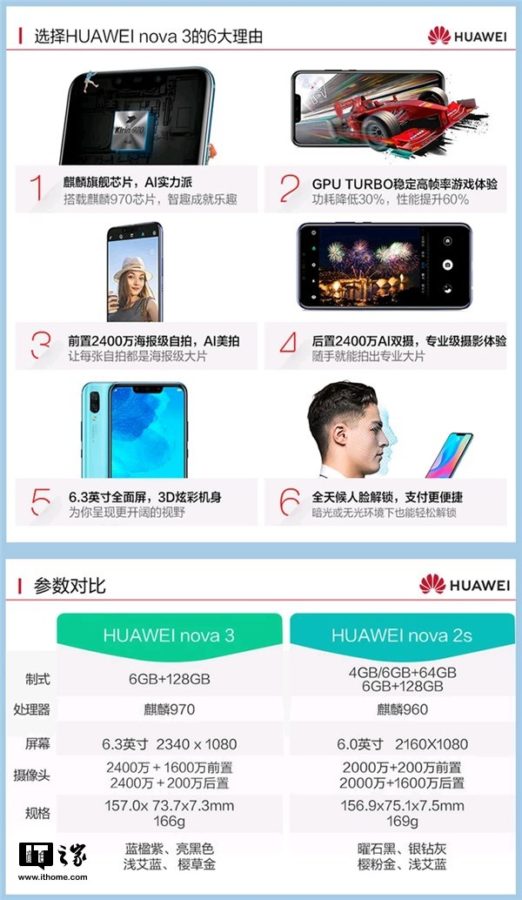
We are just a week away from the official launch of the Huawei Nova 3, which will come alongside the fitness tracker Huawei TalkBand B5. Today, a new picture is showing a lot of information about the upcoming smartphone and some of the detail are surprising. According to the picture, the handset will not be a mid-ranger as you may have thought if you know its predecessors 1 and 2, but it will be a flagship.
Indeed, the leaked specs sheet mentions the presence of an octa-core Kirin 970 chipset, which is the best processor by Huawei, running at a max frequency of 2.4 GHz. Further, Huawei Nova 3 will come with 6 GB of RAM and 128 GB of internal storage. Its body will measure 157 x 73.7 x 7.3 mm and it will weigh just 166 grams. Pretty small dimensions if we consider that it houses a wide 6.3-inch display.
According to the image, the display will have a notch, a 19:9 aspect ratio and a Full HD+ resolution of 2340 x 1080 pixels. Its primary camera will consist of a dual setup with 24 and 16 MP resolutions, while the front camera will have 24 and 2 MP resolutions and the support to artificial intelligence. There will also be the GPU Turbo technology on the Huawei Nova 3, which is able to increase performance by 60% while reducing consumption by up to 30%.
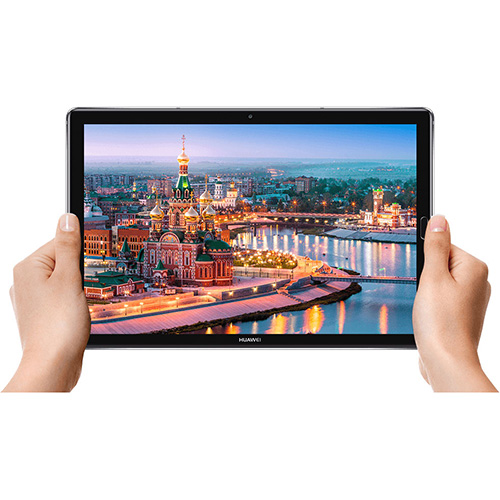
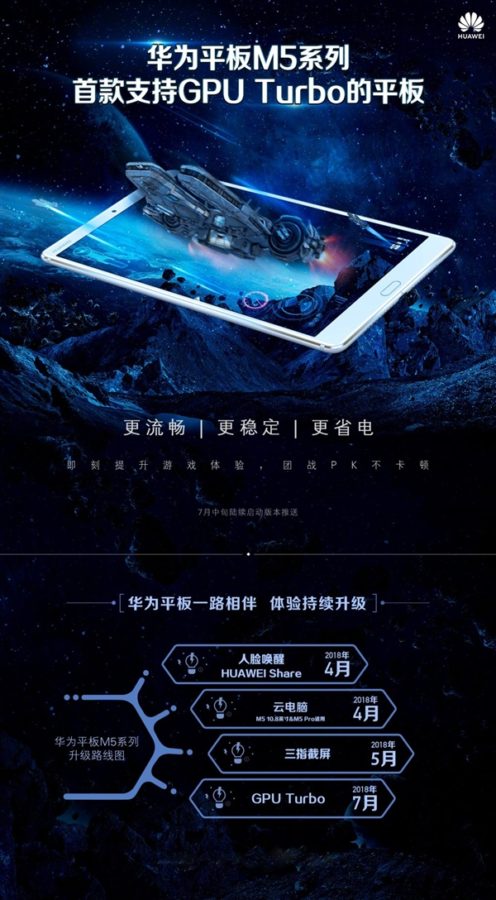
Huawei has announced through its official Weibo handle that the MediaPad M5 tablet will usher in a robust upgrade that would set it apart from its predecessor. The MediaPad M5 tablet will be upgraded so as to support Huawei’s latest GPU Turbo technology. The upgrade will roll out this July and makes the MediaPad M5 series the first tablets that would have the GPU Turbo technology onboard.
The MediaPad M5 was first unveiled in April this year and it comes in three versions; an 8.4-inch, as well as a 10.8-inch. There is also a model dubbed M5 Pro. Both the Mediapad M5 and M5 Pro are equipped with an Hisilicon Kirin 960 flagship chipset. The device comes with 4GB RAM across all models and there are three internal storage versions; 32GB, 64GB and 128GBGB models.
HMD Global is about to launch the Nokia X5 tomorrow, but it seems that we will not have to wait until then to know how it will look. Indeed, as we told you yesterday the new mid-ranger has just appeared in detailed renders showing its full design. The renders have been posted on the known microblogging platform Weibo and they show the aesthetics of the handset in two color variants: Blue and Black. The back side seems to be made of glass, while the frame should be made of aluminum. The upcoming affordable device features a borderless display with a notch and a chin containing the Nokia branding.
The brand is also present on the rear side on which you can also find a dual camera setup with a LED flash. According to the source, Nokia X5 will come with an octa-core Helio P60 chipset by MediaTek, actually the most powerful MediaTek SoC from the latest generation. It rivals with the Snapdragon 660 by Qualcomm with a clock frequency of 2 GHz. If this is to be believed and the price of this phone will be lower than the X6, this device may represent a true best-buy.
Besides this SoC, the handset is tipped to come with a 5.86-inch display which will show images at an HD+ resolution with the IPS technology and a 19:9 aspect ratio. Nokia X5 is expected to sport a dual camera setup with resolutions of 13 and 5 MP, as well as an 8 MP selfie camera on the front side. The battery should come with a 3000 mAh capacity, which should provide a good battery life given the efficient SoC and display. The handset may be launched in China first and then it should arrive in the global market with a different name: Nokia 5.1 Plus. Or at least that is the name appeared in the FCC certification.
ASUS has started rolling out an update to its flagship killer, the Zenfone 5Z. The new update brings a number of new features, improvements, and a security patch.
The update which is already rolling out as an OTA in India fixes the screen flickering problem that occurs when you start or stop video recording. It has also improved the quality of video calls and the focus speed of the camera when recording a video.
There are also improvements for the notification LED, NFC, and secure album. The release note also mentions a security patch (June 5).
If you already have the Zenfone 5Z, check for the update under System Updates. You can also manually download it on to your device from here. Copy the file to the root folder of your device and you should get a notification to install the update.
The Zenfone 5Z rocks a 6.2-inch 2246 x 1080 display with an 18.7:9 aspect ratio. Thre is a Snapdragon 845 processor under the hood paired with 4GB/6GB/8GB of RAM and 64GB/128GB/256GB of storage.
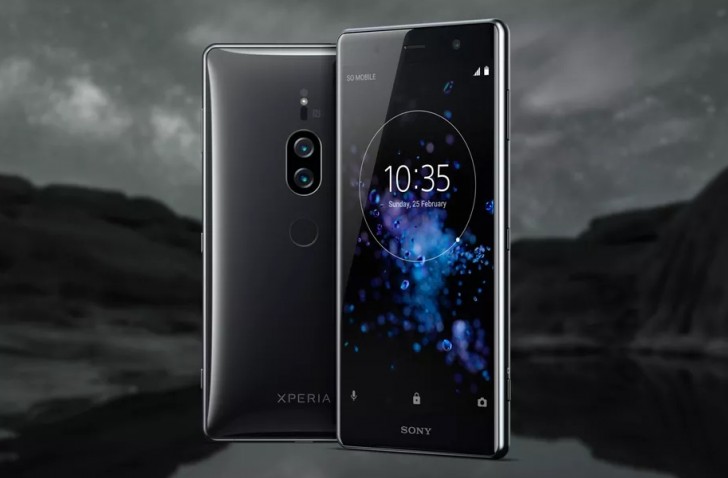
Sony Xperia XZ2 Premium was officially unveiled back in April, but only recently the Japanese company revealed the details about its availability and price tag. As the company promised, the new flagship has been made available for pre-orders in the U.S. on July 9. The device went on pre-order on Amazon with a very expensive price tag of $999.99. Some may define this price quite extravagant considering that Sony is far from the top 5 best smartphone manufacturers in terms of sales.
But we know this company is in the smartphones market only for strategic reasons and not to dominate it. Note that Sony Xperia XZ2 Premium is offered with a free pair of wireless headphones: the Xperia Ear Duo. The promotion is limited only to people who will pre-order the device and it will end when it starts shipping. After the pre-orders phase, the handset will be officially on sale in the U.S. starting from July 30. At the moment, it is available only in the Chrome Black color variant, while the Chrome Silver option will come later. With its $999.99 price tag, this flagship is the most expensive smartphone at the moment if we exclude the iPhone X.
But Sony Xperia XZ2 Premium also packs impressive specs. Indeed, it is the only new-gen smartphone with a 4K display and HDR technology. The notchless screen has a size of 5.8 inches and an 18:9 aspect ratio. On the hardware side, the device has an octa-core Snapdragon 845 chipset by Qualcomm running at a max frequency of 2.45 GHz, paired with 6 GB of RAM and 64 GB of internal storage expandable via micro SD up to 512 GB. On the rear glass, there is a dual camera setup with resolutions of 19 and 12 MP, f/1.8 and f/1.6 apertures, while the battery has a 3540 mAh capacity.
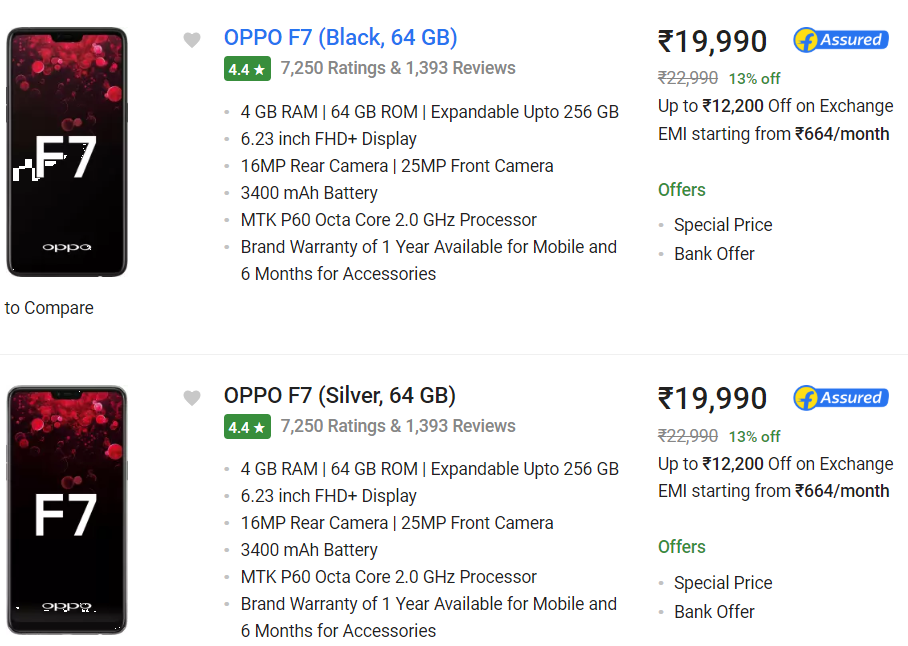
The OPPO F7 is one of the many mid-range devices released by OPPO this year. When it first launched in India, it had a starting price of INR 22,990 (~$320), it has now received a price slash.
Flipkart, one of the online retailers, has slashed the price of the base model which has 4GB of RAM and 64GB of ROM to INR 19,990 (~$290). The price is applicable to the black and silver variants. The Solar Red variant is out of stock.
The 6GB RAM + 128GB model has also received a price slash from INR 27,990 (~$407) to INR 23,990 (~$349). Unfortunately, Flipkart is out of stock on that model.
Amazon, on the other hand, has the 4GB RAM + 64GB model available at the same price as above and even has the Solar Red variant in stock. It also has the 6GB RAM model available in black and red for the same INR 23,990 price.
The OPPO F7 has a 6.23-inch FHD+ display with a notch at the top. One of its selling points is the 25MP selfie camera housed within the notch which has lots of AI features including AR stickers and face unlock. On the rear of the phone sits a single 16MP camera which is also packed with AI features.
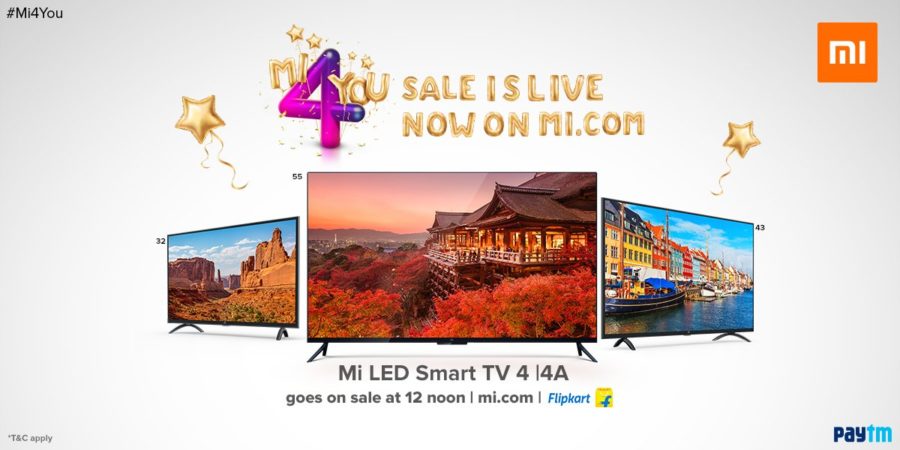
Xiaomi has kicked off its fourth Mi Anniversary celebrations today in India. Yes, the Chinese tech giant is rolling out the drums to celebrate its fourth year in India. It has been four remarkable years which has seen the company rising through the ranks to emerge as the number one smartphone brand in India so there are many reasons to celebrate. The Mi 4th Anniversary activities will take place online via Mi.com where Xiaomi products will sell at heavily discounted prices from 10 am IST and will terminate at midnight of July 12.
Top among the activities that will mark the three days celebrations will be giving of priority access to Mi community members and that has commenced since noon on Sunday, July 8. Other activities lined out include attractive deals such as an Rs. 4 flash sales for the Mi LED Smart TV 4 (55-inch), Redmi Y2, Redmi Note 5 Pro, and Mi Band 2. The lightning Rs. 4 daily flash sales will hold on Mi.com at 4 pm daily. There will also be at least Rs. 1,000 discount on handsets such as the Mi Mix 2 and Mi Max 2.
In addition, the Chinese company is reported to have entered partnerships with payment platforms SBI, Paytm, and MobiKwik to offer instant discounts and cash backs to buyers. SBI credit card holders who make purchases are entitled to receive a flat Rs. 500 discount on a minimum transaction of Rs. 7,500. Similarly, purchases of minimum Rs. 8,999 through Paytm are eligible for cashback worth Rs. 500. While MobiKwik purchases are eligible for receiving 25 percent SuperCash (maximum worth Rs. 3,000) on their purchases. Other goodies such as coupons, souvenirs and giveaways will be available all through the anniversary sale.
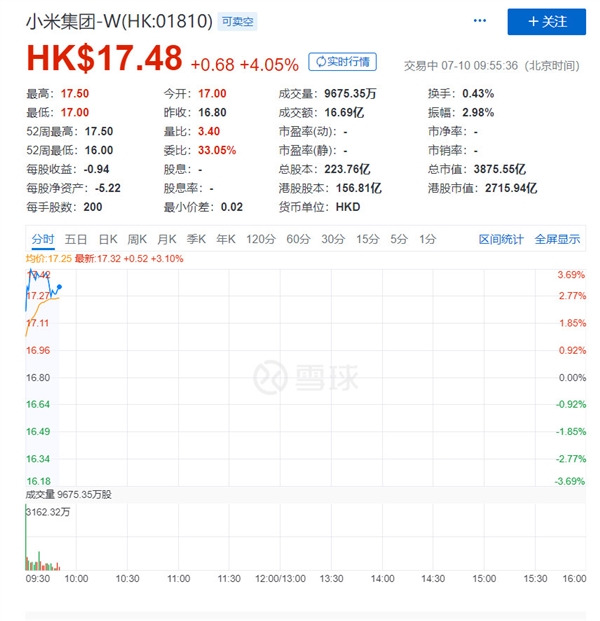
Xiaomi share price has experienced a rebound on the second day of trading, according to reports from Hong Kong. The Chinese tech giant officially listed for trading on the Hong Kong Stock Exchange on July 9 with the stock code 01810. The stock traded for HK$16.6 on the first day which was 2.35% lower than the issue price of HK$17. But today, the stock price soared higher than the issuing price of HK$17, going as high as HK$17.48. At a point, the stock price peaked at HK$17.50 and as at the time of writing it has risen even further to HK$18.34, which is 9.17%. higher than the listing price.
Xiaomi is set to be included in the Hong Kong Hang Seng Index on July 23, which is a reflection of the company’s valuation. The Hang Seng Index (abbreviated: HSI) is a free-float capitalization-weighted stock market index in Hong Kong. It is used to record and monitor daily changes of the largest companies of the Hong Kong stock market and is the main indicator of the overall market performance in Hong Kong.
Although the initial trading price was disappointing, the rise in the trading price is a positive sign that it is just not over yet. Xiaomi could still come out of this with a successful record. Perhaps, if you plan to buy some Xiaomi shares, this is the best time to do it as the prices may continue soaring higher. Despite scepticisms which affected the company’s final valuation, the company is well positioned to be a highly profitable internet company and not just a hardware firm as some view it.
The OnePlus 3 and OnePlus 3T are nearing their end of life with respect to software updates. Although if we are to go by OnePlus’s recent statement on updates, both devices should still get security updates up until next year.
Yesterday, OnePlus released new beta builds for the OnePlus 3 (open beta 39) and OnePlus 3T (open beta 30). The open beta builds are said to be the last for both phones.
The update brings new features and optimizations to the launcher and camera app. Below is the complete changelog:
Launcher
Improved search tags in App drawer
Added “New installs” category tag in App drawer
Improved app list for hidden space and toolbox
Camera
Optimized switching between front and rear camera
Multimedia
Added capability to scrub/seek through AAC audio file timelines
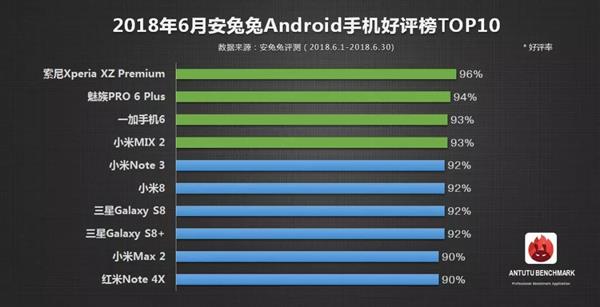
After releasing the list of top 10 high performance Android phones for June month, AnTuTu has now released the list of top 10 most favorite smartphones for the same month. The following list contains Android phones that were highly rated by users on the AnTuTu app between June 1 and June 30.
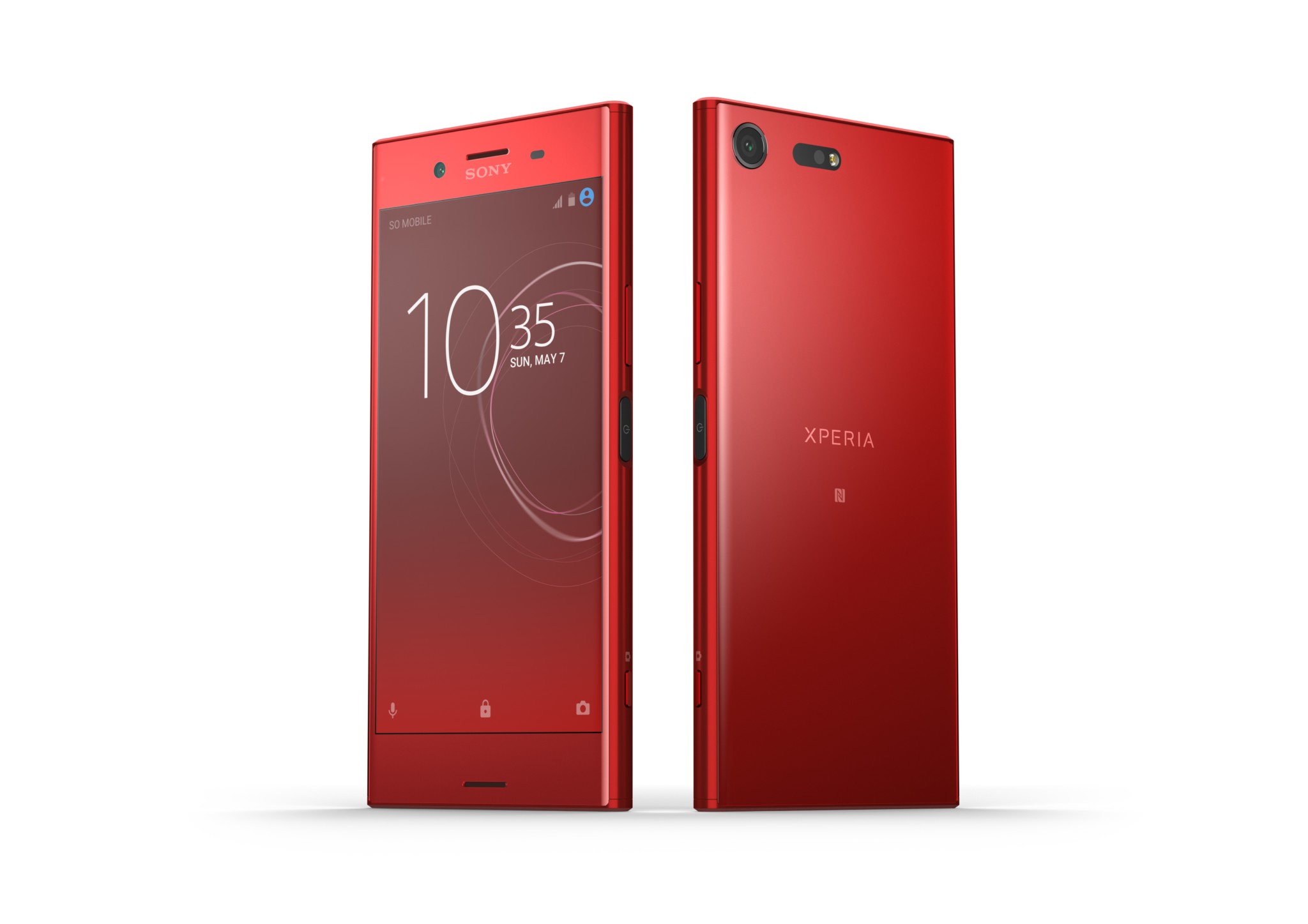
The Sony Xperia XZ Premium is leading the list with a positive rating of 95 percent. The handset was launched in early 2017. It features a regular 4K HDR display of 5.5 inches and is powered by Snapdragon 834. Other specs of the XZ Premium include SD835, 64 GB storage, 4 GB RAM, 19-megapixel rear camera and 3,230mAh battery.
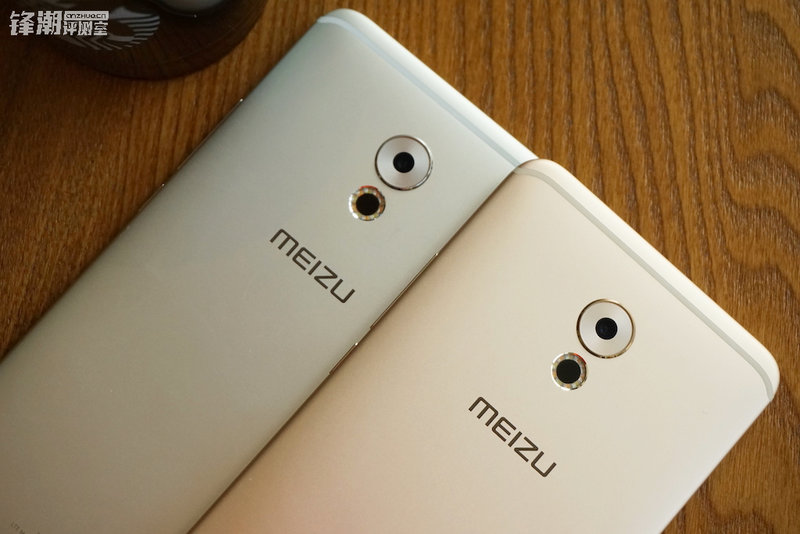
The Meizu PRO 6 Plus that was launched at the end of 2016 follows XZ Premium with a positive rating of 94 percent. It includes 5.7-inch 2K display, Exynos 8890 SoC, 4 GB RAM, 12-megapixel rear camera with 4-axis OIS and 3,400mAh battery.
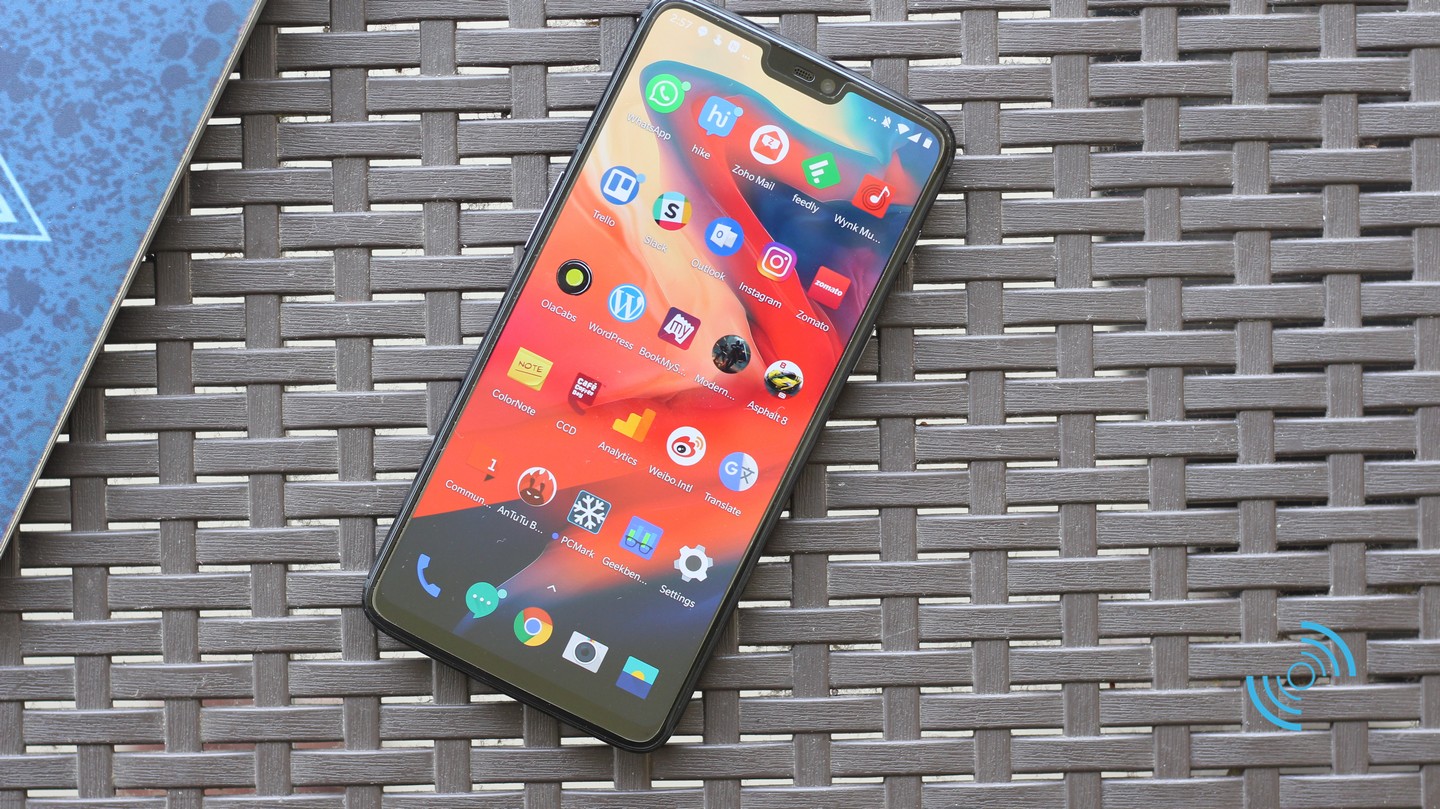
The OnePlus 6 and Xiaomi Mi MIX 2 are tied on the third spot with a positive score of 93 percent. The OP6 is a 2018 flagship phone that features a 6.28-inch notched Optic AMOLED display, SD845 SoC, 6GB / 8GB RAM, 64 GB / 128 GB / 256 GB storage, 20-megapixel + 16-megapixel dual camera and 3,300mAh battery. The Mi MIX 2 has 5.99-inch 18:9 aspect ratio screen, Snapdragon 835, up to 8 GB RAM, up to 256 GB storage, 12-megapixel rear camera and 3,400mAh battery.
The above list is mainly dominated by older phones and the only new phones to make it to the list are OnePlus 6 and Xiaomi Mi 8. Surprisingly, the list does not include a single phone by Huawei. Newer smartphones are expected to appear in the forthcoming list of top 10 most favorite Android phones by AnTuTu.
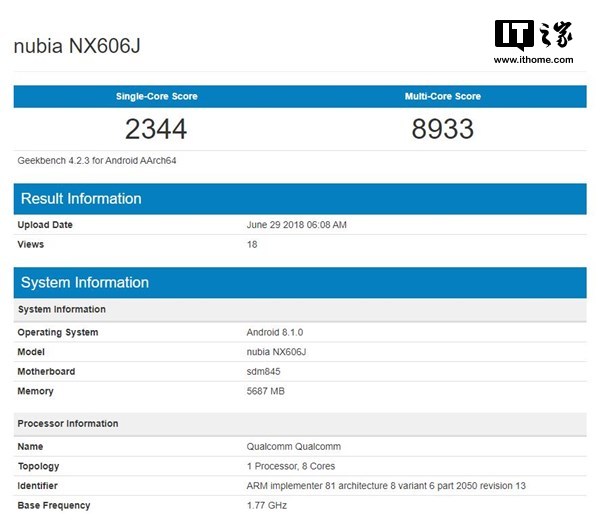
ZTE‘s sub-brand Nubia is gearing up to launch its flagship smartphone Nubia Z18. While the phone’s launch date is not revealed by the company, the device has now appeared on benchmarking website Geekbench.
The Geekbench listing shows a mobile with model number NX606J, which is believed to be the Nubia N18. A few months ago, a phone with the same model number was seen on AnTuTu, which also revealed that it will be available in more than two color variants.
The listing shows that the smartphone is powered by Qualcomm‘s Snapdragon 845 processor, 6GB RAM, and runs on Android 8.1 Oreo operating system. The phone’s single-core score is 2344 while the multi-core score is 8933.
Reports reveal that the Nubia Z18 will come with a notched display. The TENAA listing of the Nubia NX606J reveals that it will feature a 5.99-inch Full-HD+ display with screen resolution of 1080 x 2160 pixels. The octa-core processor will be clocked at 2.649 GHz.
The TENAA listing also suggested that the phone will be available in two variants — one with 6GB of RAM and 64GB of storage and another with 8GB of RAM and 128GB of storage. The smartphone is also expected to feature a fingerprint sensor on the back side and will be powered by a 3,350mAh battery.
There are dual cameras on the rear and the primary sensor is of 24-megapixel while the secondary sensor is of 8-megapixel. On the front side, it has an 8-megapixel camera sensor for taking selfies and video calling.
Along with the Nubia Z18, the company is also expected to launch the Nubia Z18S smartphone with notchless and almost bezel-less display. While the launch date is not yet known, we expect the phone to soon get launched in China.
We use cookies on our website to give you the most relevant experience by remembering your preferences and repeat visits. By clicking “Accept”, you consent to the use of ALL the cookies.
This website uses cookies to improve your experience while you navigate through the website. Out of these, the cookies that are categorized as necessary are stored on your browser as they are essential for the working of basic functionalities of the website. We also use third-party cookies that help us analyze and understand how you use this website. These cookies will be stored in your browser only with your consent. You also have the option to opt-out of these cookies. But opting out of some of these cookies may affect your browsing experience.
Necessary cookies are absolutely essential for the website to function properly. This category only includes cookies that ensures basic functionalities and security features of the website. These cookies do not store any personal information.
Any cookies that may not be particularly necessary for the website to function and is used specifically to collect user personal data via analytics, ads, other embedded contents are termed as non-necessary cookies. It is mandatory to procure user consent prior to running these cookies on your website.

 You can visit