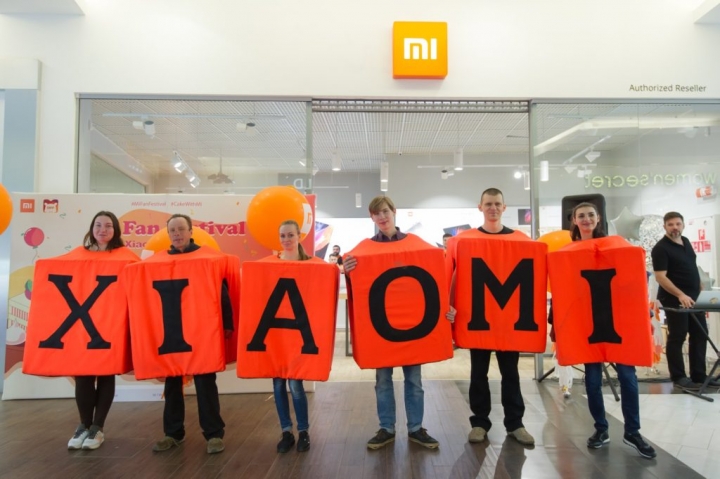
The Chinese government has stated that the U.S. is opening fire towards the world with their menaces regarding new commercial tariffs. New tariffs from the U.S. for $34 billion of Chinese goods will come into force starting from tomorrow. China will reply to this with its own fees which could come into force even before due to the time zone.
A few days ago, the U.S. President Donald Trump said that if Beijing will rebel to U.S. fees with further retaliation, he will be ready to set further tariffs which may hit up to $450 billion of Chinese products. Beijing said it will never fire the first shot and this means that the latest Chinese tariffs are just an answer to the ones set by the U.S. But if the U.S. will set $50 billion worth of tariffs on Chinese technologies and intellectual properties, Beijing will be ready to retaliate.
According to Beijing, China is not seeking a trade war, as long as the U.S. stops opening fire on the entire world with its extra duties aimed to enhance the U.S. economy and discourage exports. Consumers from the U.S. should not be affected by the new duties, but Chinese companies such as Huawei and ZTE would be.
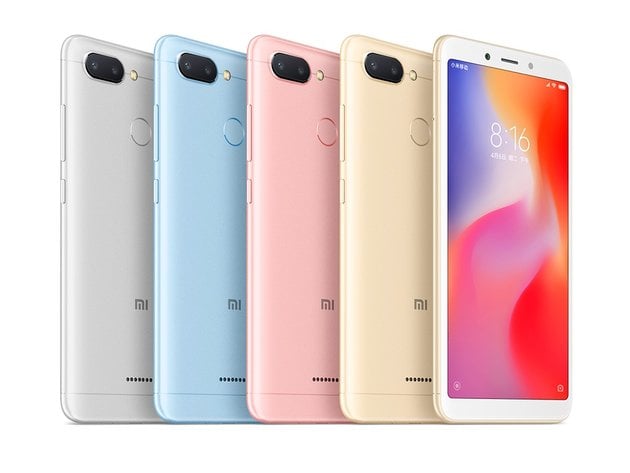
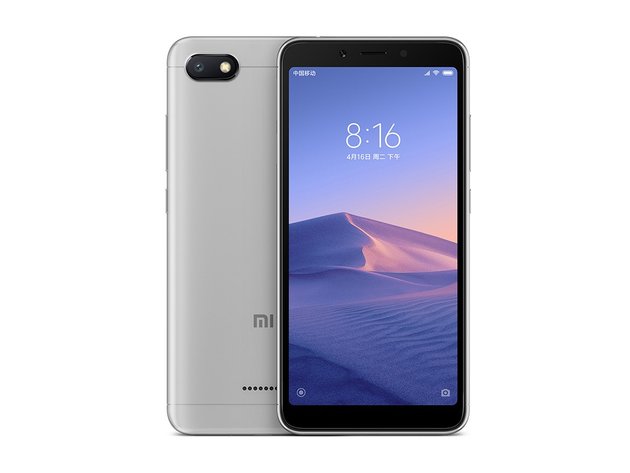
Last month, Xiaomi had introduced the Redmi 6 series in China. The Redmi 6 and Redmi 6A were launch together while the Redmi 6 Pro was unveiled later in the same month. Xiaomi had been using Snapdragon chipsets for its Redmi phones since the past few years, but after a long time it has used MediaTek SoCs on Redmi 6 and 6A smartphones. Fresh information reveals that the MediaTek SoC powered Redmi 6 and 6A phones may debut in India in September.
Since 2014, Xiaomi has been launching Snapdragon powered smartphones in India. The reason behind it is that Ericsson had filed a case in 2014 which prevented Xiaomi from launching phones fueled by MediaTek SoCs in India. The companies involved in the legal battle have settled the issue which Xiaomi is allowed to launch phones with MediaTek chipsets in India.
The Redmi 5 smartphone was launched in India in March while the modest Redmi 5A was introduced in November last year. Hence, the Chinese manufacturer is unlikely to launch Redmi 6 and 6A phones early in India. According to 91Mobiles, these budget-friendly smartphones may get announced in September. As of this writing, there is no information available on the Indian arrival of Redmi 6 Pro.
The Redmi 6 and 6A phones feature 5.45-inch IPS LCD display that produces 18:9 aspect ratio and HD+ resolution of 720 x 1440 pixels. The Redmi 6 is powered by Helio P22 whereas the 6A phone has Helio A22. The Redmi 6 smartphone has 2 GB of RAM and an internal storage of 16 GB. On the other side, the Redmi 6 comes in two models such as 3 GB of RAM and 32 GB of inbuilt storage and 4 GB of RAM and 64 GB of native storage.
The Redmi 6 has 12-megapixel + 5-megapixel dual camera setup on its back and a 5-megapxiel selfie camera. The Redmi 6A features a 13-megapixel rear camera and a front snapper of 5-megapixel. Both the phones are driven by 3,000mAh batteries. The Redmi 6 duo are running on MIUI 9 flavored Android 8.1 Oreo OS.
There is no information on the pricing of Redmi 6 and 6A phones for India. In China, the Redmi 6A is available for 599 Yuan (~$90) whereas the 32 GB and 64 GB variants of Redmi 6 are respectively priced at 799 Yuan (~$120) and 999 Yuan (~$150).
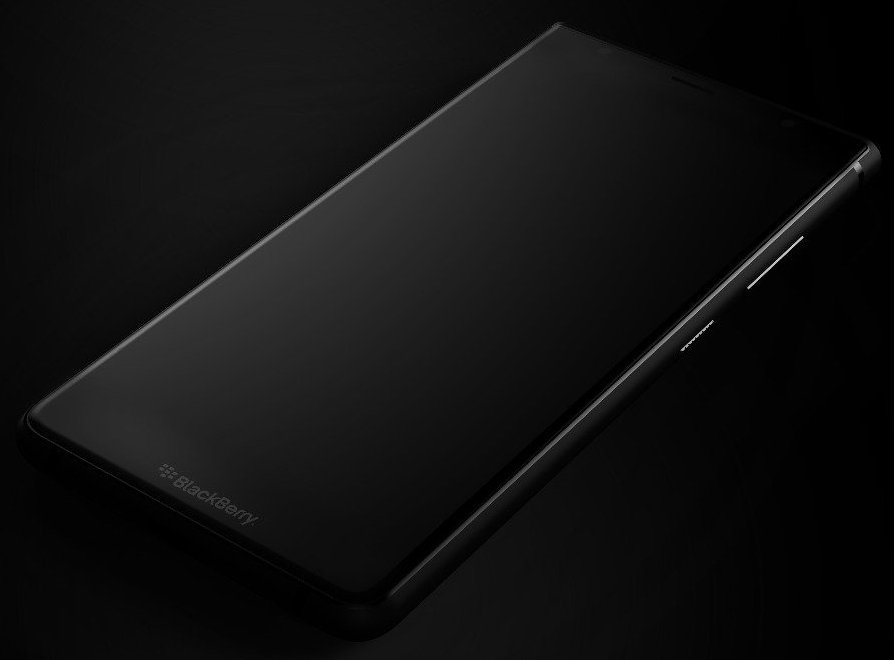
Ever since TCL acquired BlackBerry, it has never really launched a true flagship smartphone. The first one should be BlackBerry Ghost alongside its Pro variant, and the last year, there have been a consistent amount of rumors and leaks about it. Today Evan Blass, one of the most famous and reliable leaksters, has revealed new juicy details about the upcoming device which, unlike the latest BB phone KeyONE, will not sport a physical QWERTY keyboard. According to Evan Blass, Ghost will be a flagship-class device with a large 4000 mAh battery.
It is the biggest capacity you can actually find on a flagship and it is a big added value which may attract people to get a unit. Note that it would even be the biggest capacity ever seen on a BB phone. Given that BlackBerry Ghost will probably feature a Snapdragon SoC by Qualcomm, we also expect to see a great efficiency and a low energy consumption. Sadly, these are the only details revealed by Evan Blass today, but the official announcement of the device is expected to come soon, so we will not have to wait so much to know everything about it.
From what the latest reports suggested, BlackBerry Ghost will be the first BB phone to have a display with an 18:9 aspect ratio. So, it is likely to have narrow bezels. According to a leaked render it will sport a metal frame with a volume keys and a power key on the right side, while on the bottom front part of the front panel there will be the company branding. This phone is expected to have a much better camera over its predecessors. Indeed, there should be a dual camera setup on the rear side which will be able to shoot detailed photos even in low-light conditions, and it may also support optical zoom.
When Xiaomi launched the Mi A1 last year, the company never expected the level of interest the device would elicit. But it turned fans loved the idea of having a Mi phone running stock Android. The Mi A1 was Xiaomi’s first Android One phone. The company is expected to launch the Mi A2 any moment from now. The device is expected to have the same design and specification as the Mi A2 except that it would run Android Oreo.
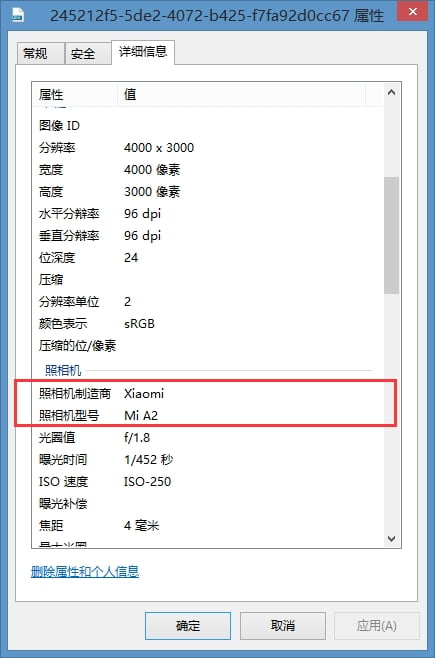
A recently leaked “About phone” page coupled with its NCC listing had shown the Mi A2 is already around the corner. The “about phone” page confirms that the device will run on Android 8.1 which should be under the Android One program. A sample photo shot by the device has now been spotted online. The picture was shared by a user on the MIUI community in Spain and from the photograph’s EXIF data, it could be seen that the nice photo was indeed shot by the Xiaomi Mi A2.
Since the device has the same configuration with the Mi 6X, it is no surprise that camera sample is of awesome quality. The device packs a 20MP + 12MP rear camera with AI capabilities while at the front is a 20MP selfie shooter. This aspect might see some changes considering the Redmi Note 5 camera configuration is different from that of India’s Redmi Note 5 Pro. However, the Mi A2 will have a 5.99-inch display, 3101mAh battery and should be powered by a Qualcomm Snapdragon 660 processor. Since this is the same SoC on the Mi A1, we might see something else onboard, perhaps the Snapdragon 710 chipset.
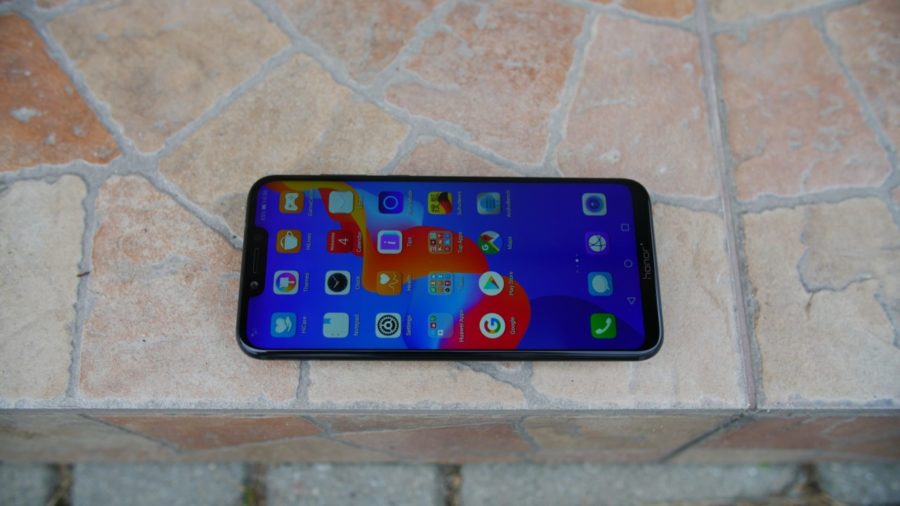
Honor is the Huawei’s subsidiary brand that makes pretty good and affordable phones that usually offer great specs and nice design. The Honor Play is one of the first phones to feature the turbo GPU for excellent gaming and all-around performance. Obviously, his phone has a ton of other premium features we need to talk about, that’s why you need to stay tuned to the full Honor Play review.
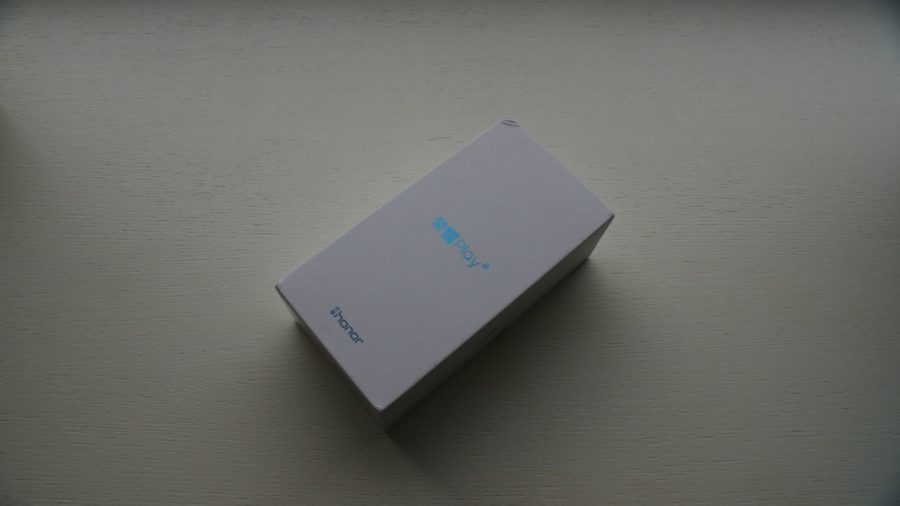
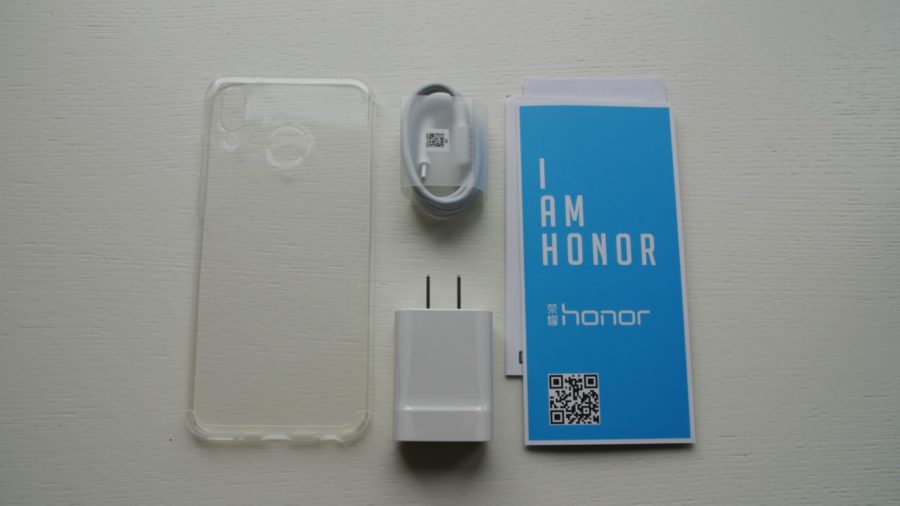
The phone ships with all the usual items and some extras include a soft TPU case.
DESIGN and DISPLAY
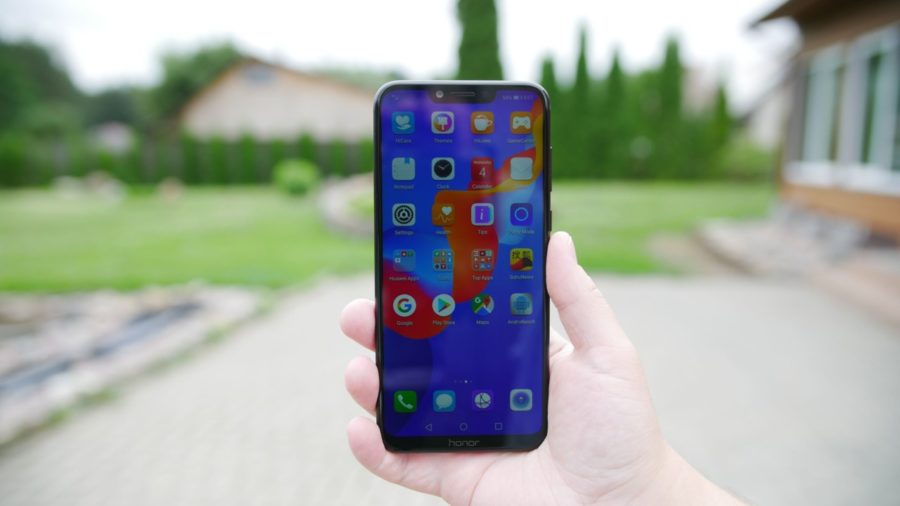
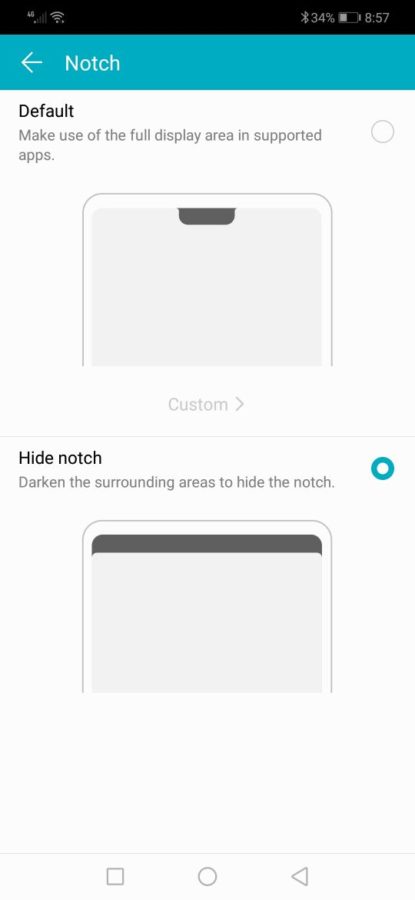
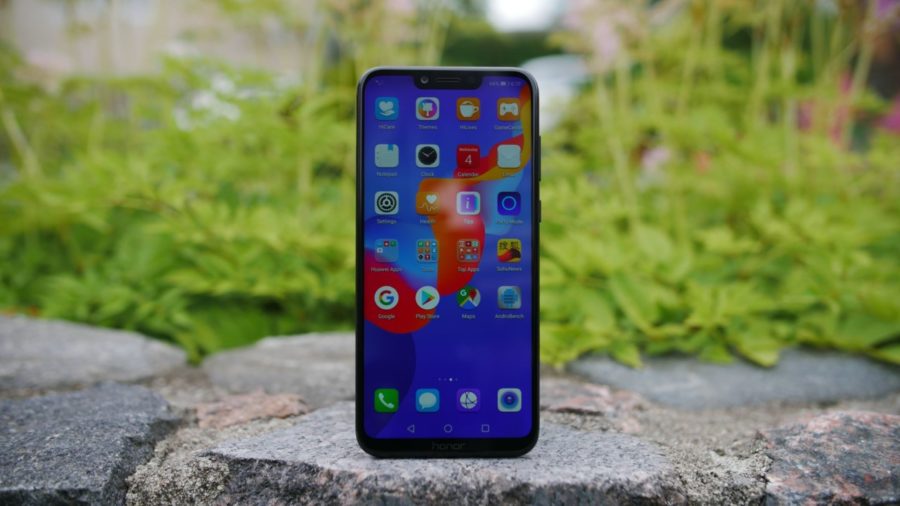
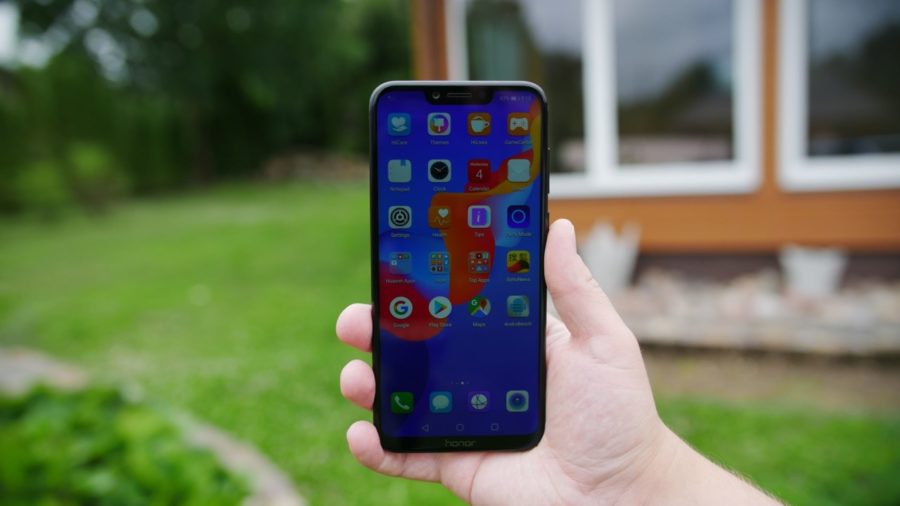
The notch display is one of the highlights of the phone and it is a great, sharp and a large panel. Sunlight legibility is not the best but it’s decent.
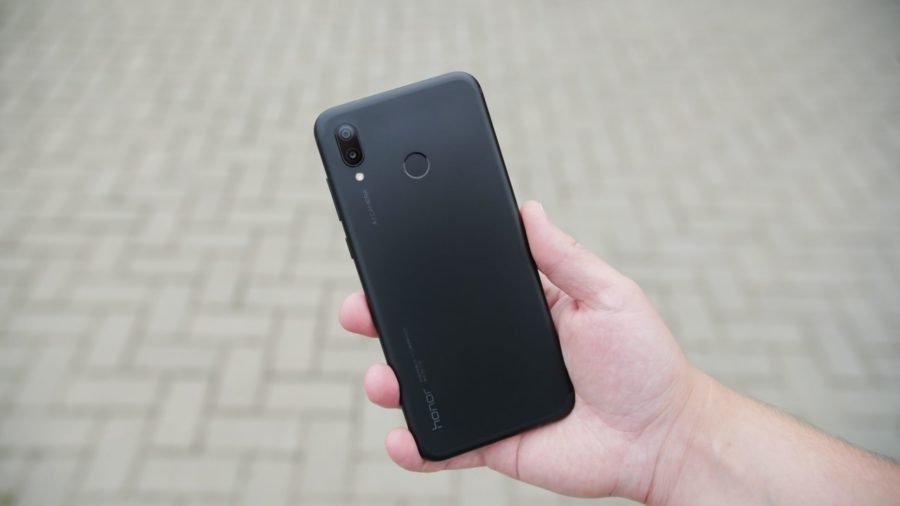
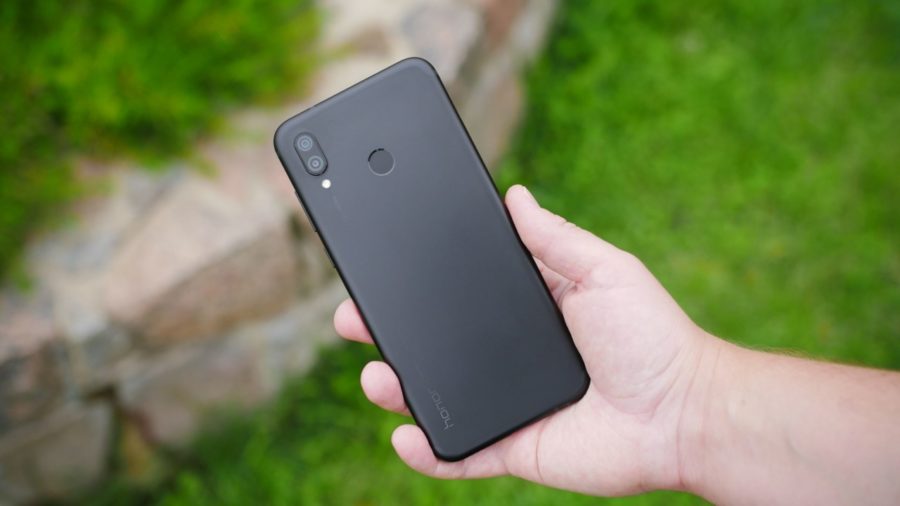
The phone feels very premium in the hand because its all metal construction and the build quality is excellent. One of the drawbacks of the matte black color is that it attracts fingerprints very quickly and it’s really hard to clean them but I guess that’s the shortcoming you can live with.
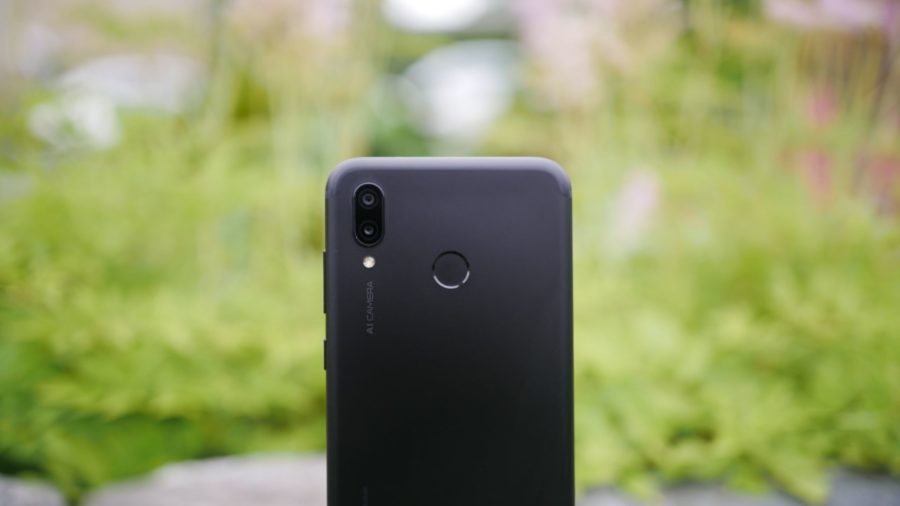
The AI camera is another highlight of this device as it uses two sensors but as usual, I will talk about image quality a bit later in this review. There is a beefy 16MP selfie shooter that sits next to the notification LED light.
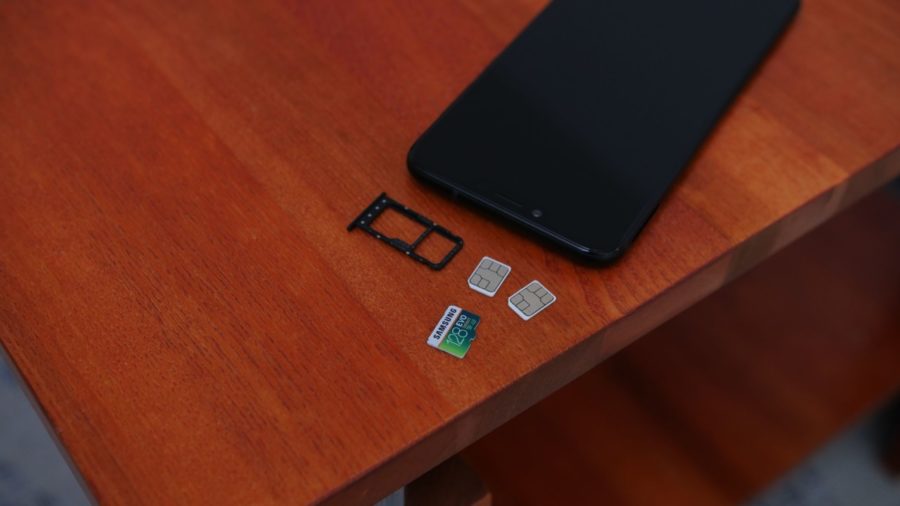
Other features you need to know: the fingerprint scanner is very accurate and blazing fast, and the phone has face unlock feature that is also pretty good. There is also a hybrid dual-SIM card tray, a headset jack that provides good sound quality and quite good loudspeaker. Here is an audio sample.
HARDWARE and PERFORMANCE
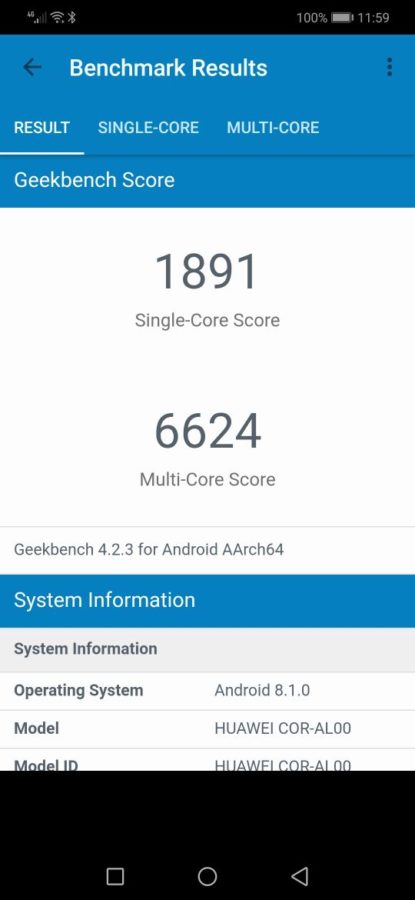
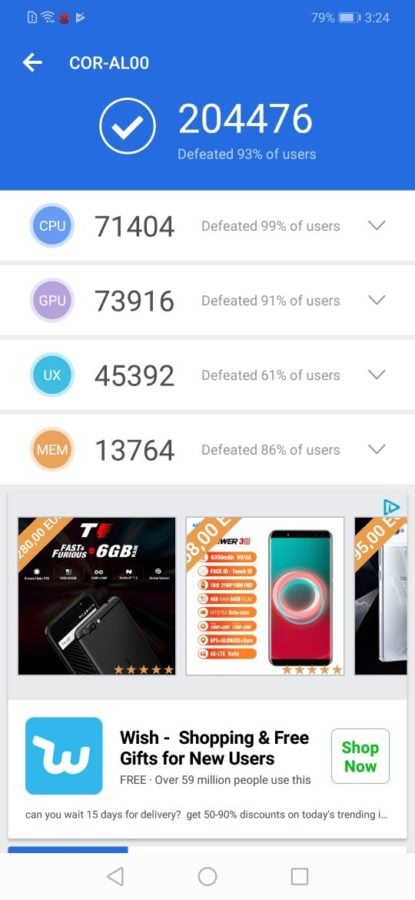
The Honor Play has a powerful Kirin 970 CPU that is accompanied by the new turbo GPU.
The phone is advertised to give you 4D gaming experience but I can’t tell the difference between this and other phones. What I can tell you is that the overall gaming performance is just excellent. I played quite a few 3D games on the highest graphics settings and the phone just flies through everything. Even the Pubg on the highest graphics works absolutely fine. Flagship grade performance.
USER INTERFACE
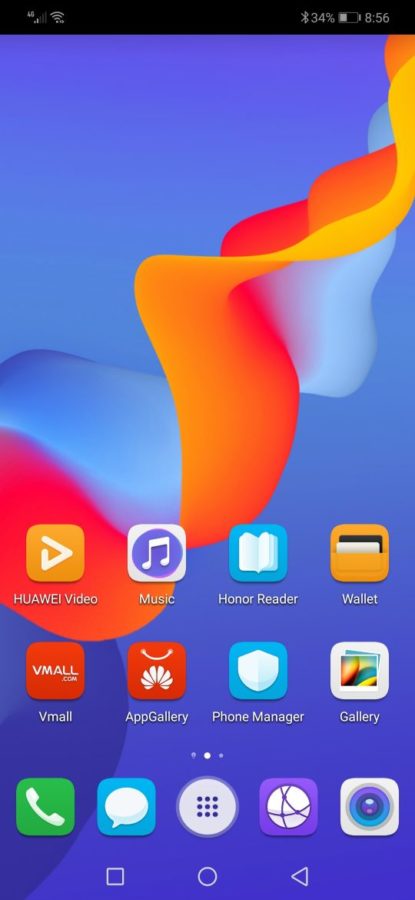
The phone ships with the EMUI 8.2 which is based on Android 8.1.
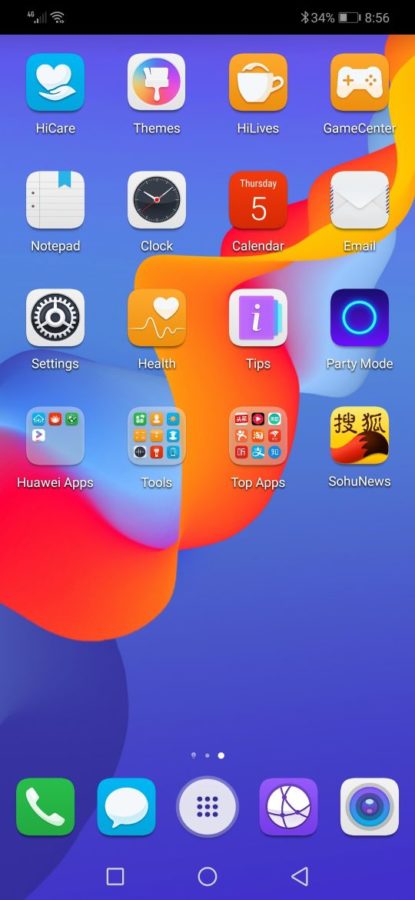
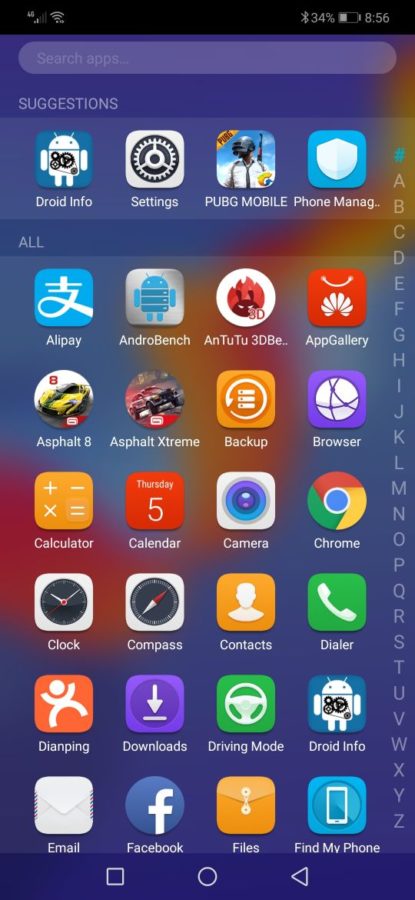
In general, the Honor Play looks and feels like a Huawei phone in terms of user interface. Since I have a Chinese model, my phone shipped without Google Services pre-installed and there were plenty of bloatware apps. A good thing is that it takes just a minute to install Google Services and all the bloatware apps can be removed.
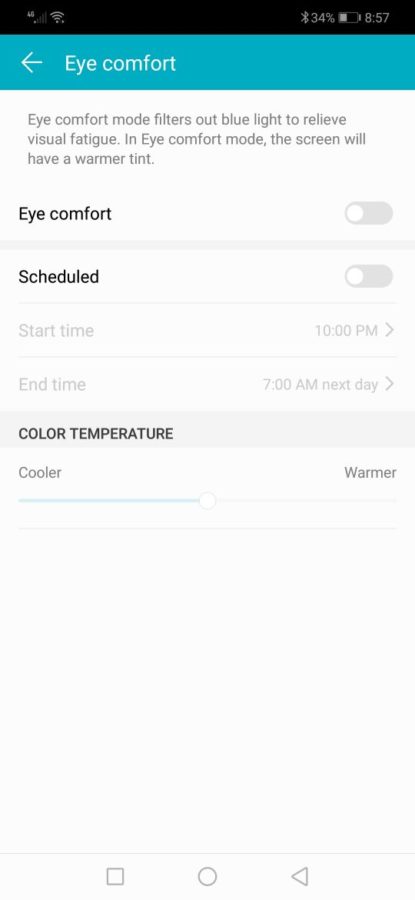
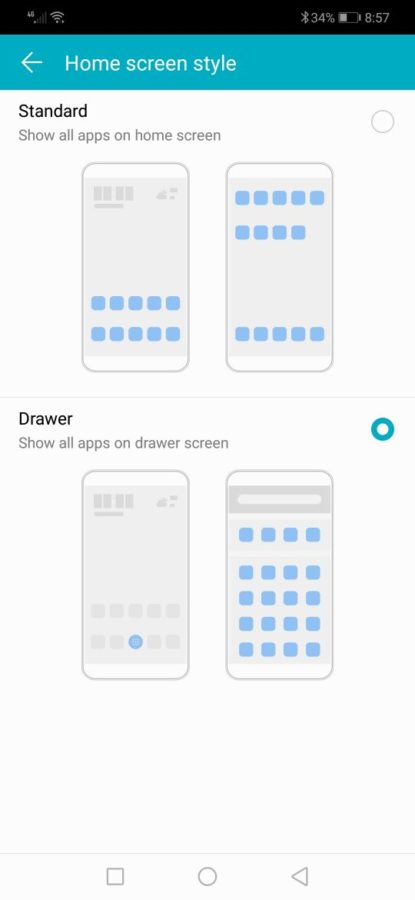
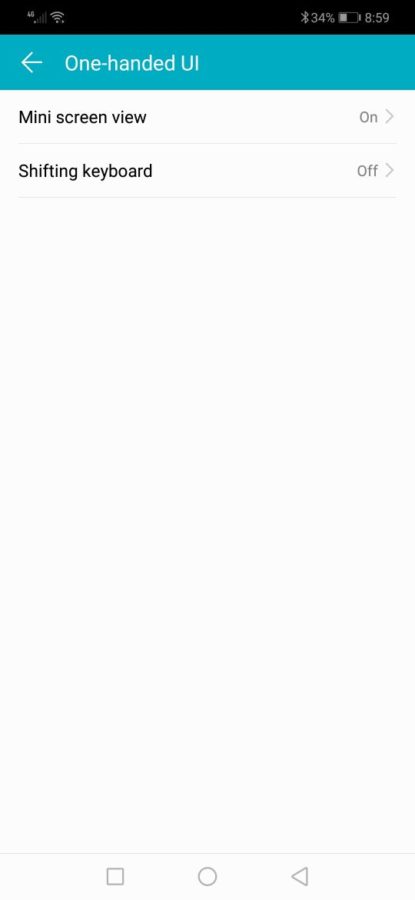
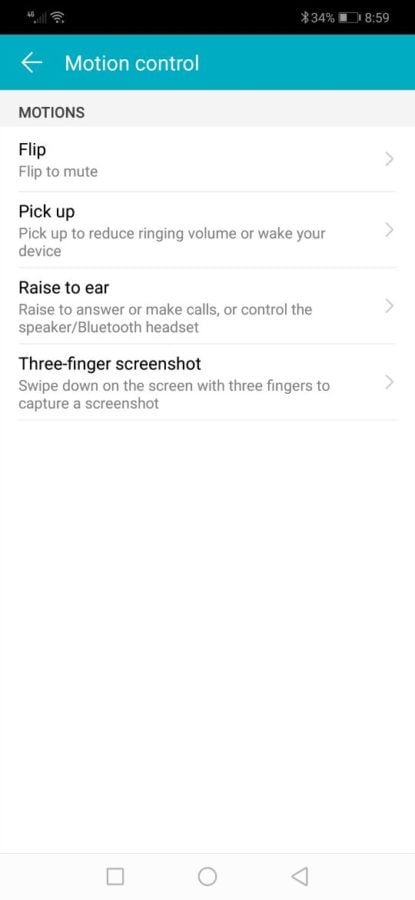
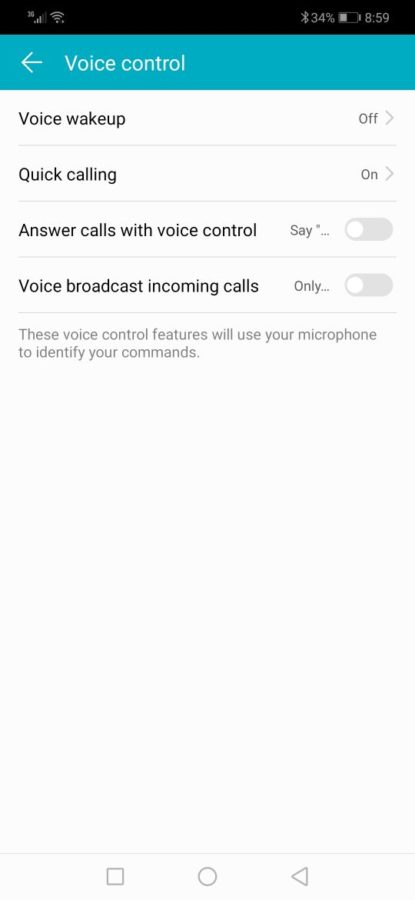
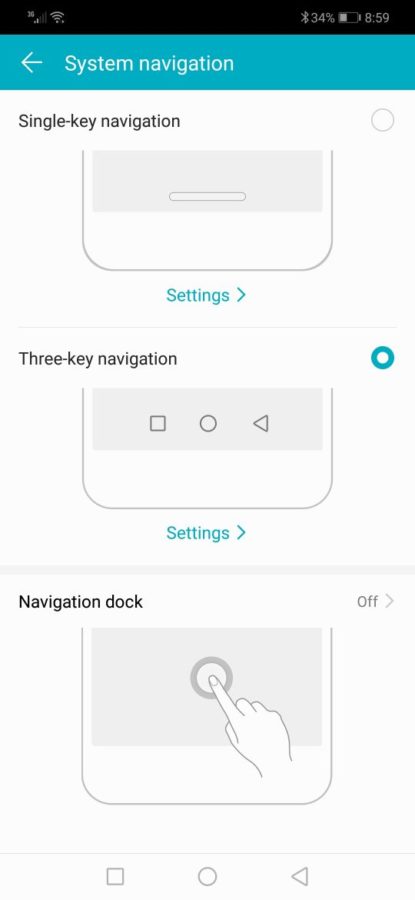
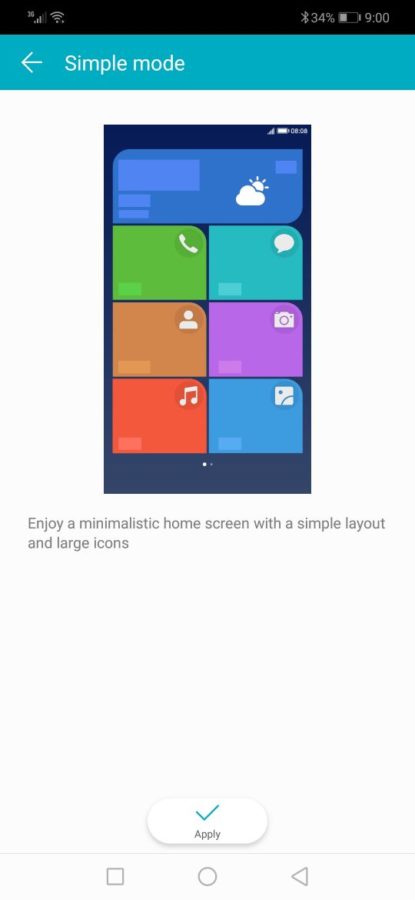
Just like any Huawei phone, there are plenty of features and customization options to choose from. There are many display settings, smart features, you can choose between different navigation ways and so on. In general, the phone feels very fast and smooth all the time, very good overall performance.
IMAGE QUALITY
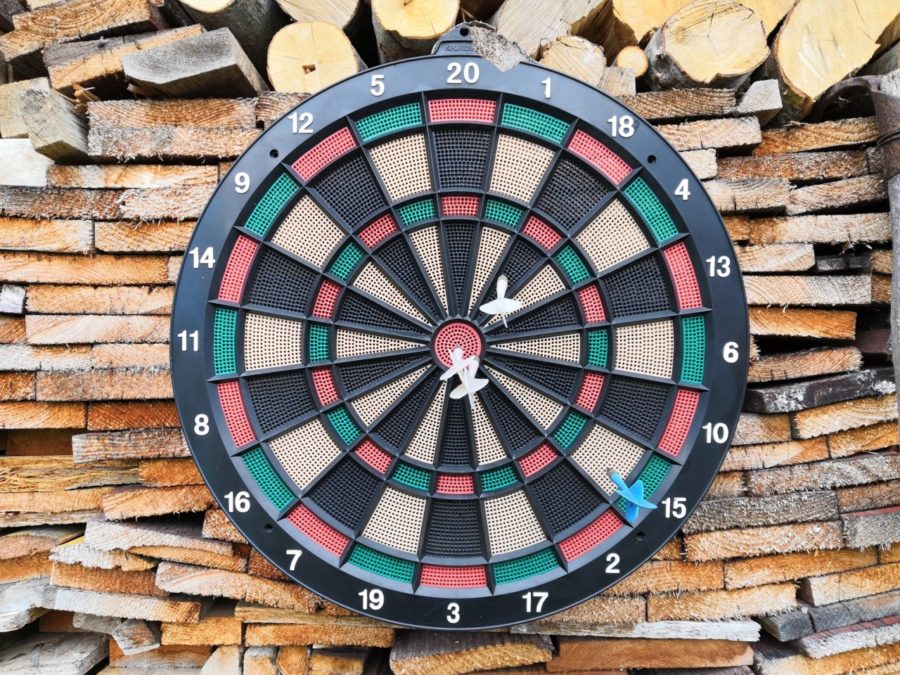
The overall image quality is very good. The pictures are sharp and vibrant, and there is plenty of detail. Every time you take a picture, the AI recognizes the scene and applies the best image settings.
I found the AI to do a pretty good job but usually, the pictures come out with a high-contrast and colors that are a bit too punchy. On the other hand, the images tend to have a wow factor which is a must for social media.
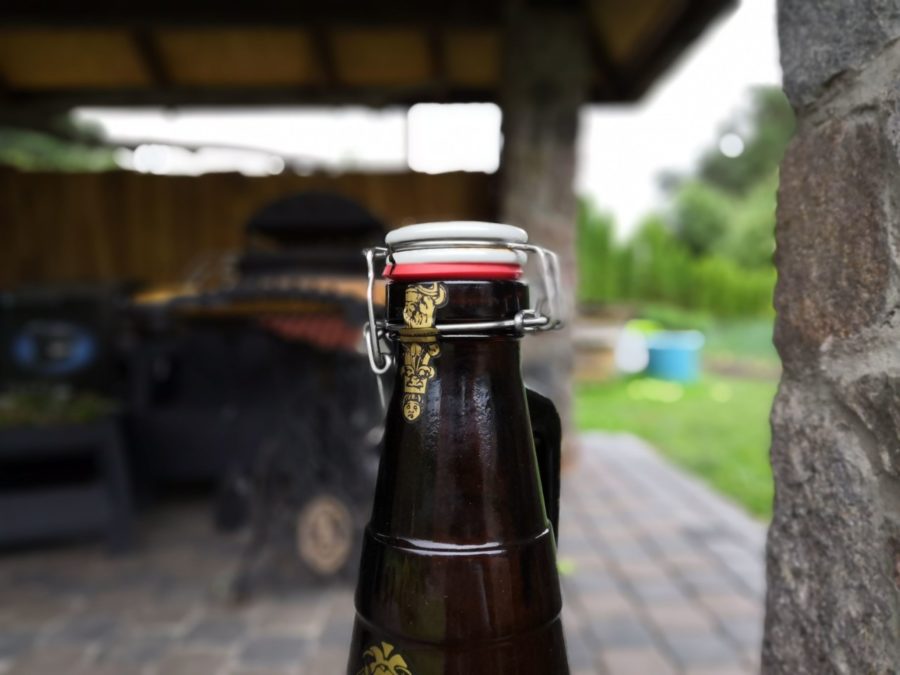
Portrait or wide-aperture pictures look quite nice too as the object is nicely separated from the background with just minimal artifacts.
Selfies usually come out nice and sharp and portrait mode does a decent job with the bokeh effect.
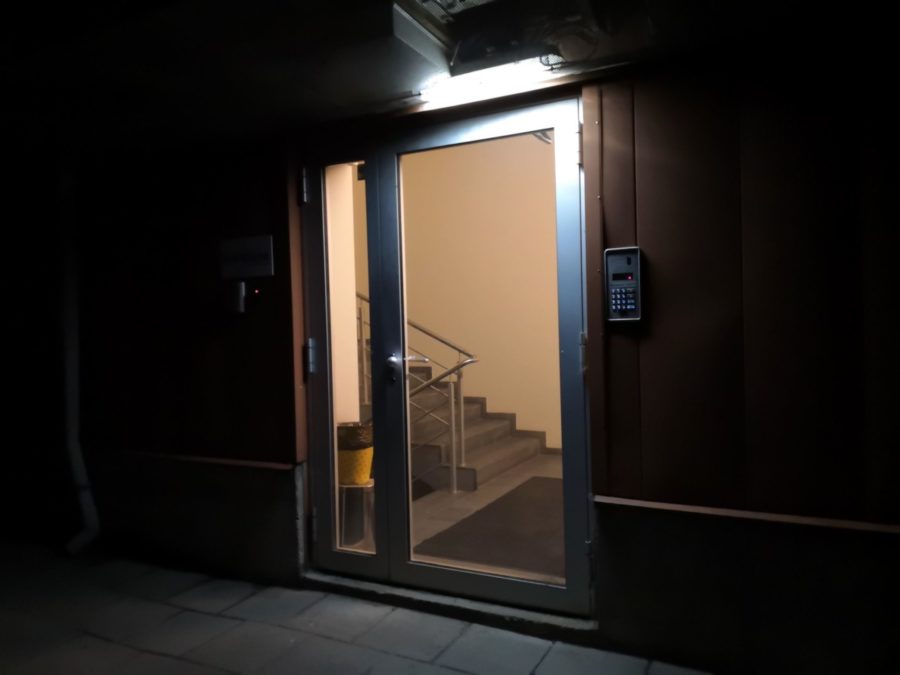
Low-light is where I expected a better performance out of this phone. I can’t say the images look bad but I expected pictures to have less noise and more detail.
4K video quality is pretty good. The only complaint is that there is no image stabilization, so the footage is a bit shaky.
1080p selfie video looks great as the footage has plenty of detail. Also, the sound recording quality is quite decent.
CONNECTIVITY
In terms of connectivity, the Honor Play is excellent. Call quality and signal reception have been great, GPS is very accurate and other connectivity options work fine. There are quite a few sensors including a gyroscope.
BATTERY LIFE
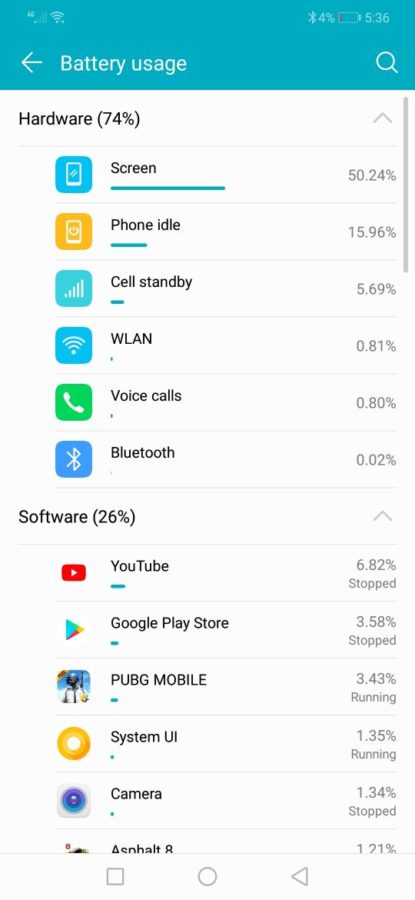
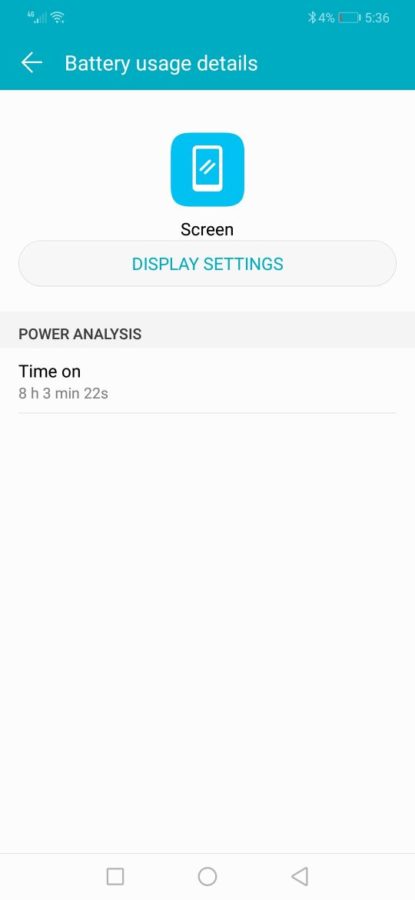
Battery life has been great. My record screen-on time was about 10 hours and my usage involved taking a lot of pictures, using the phone for social media and a bit of gaming.
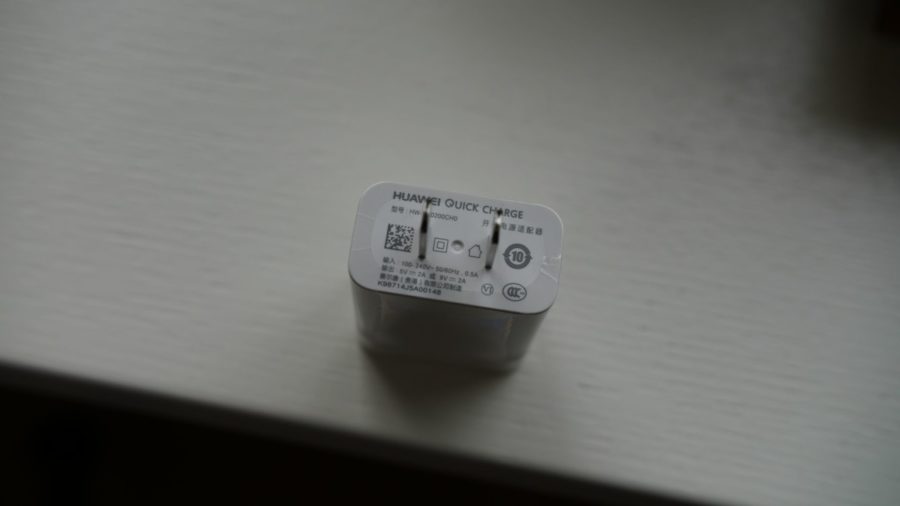
Also, it takes just about 1,5h to fully charge the phone with the supplied fast charger.
CONCLUSIONS
Overall, the Honor Play shapes up to be a solid phone that has a lot of premium features for the price of about $370.
Low-light image quality could be better but other than that, you get a premium-looking phone with a nice display, excellent day-to-day and gaming performance, solid cameras and good battery life.
I’m not going to assert this is the only phone you need to buy but the Honor Play is a very solid option that has quite a few flagship features for the price. Therefore, I can definitely suggest you check it out.
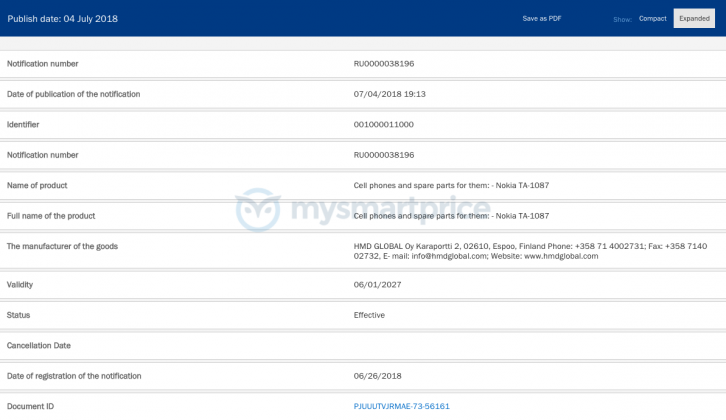
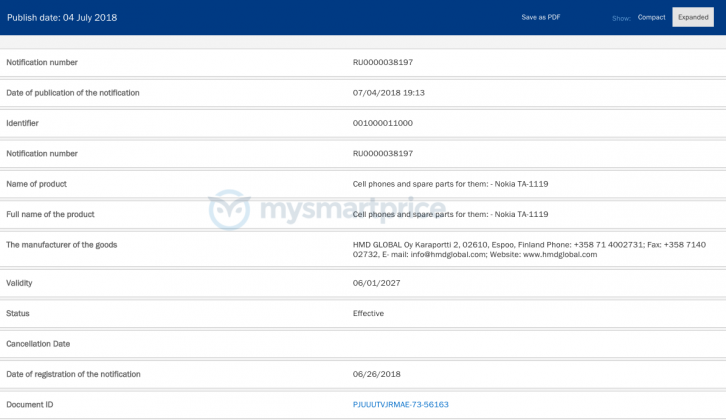
HMD Global seems to be readying the launch of two new Nokia smartphones. Two unknown devices have just been certified by the Russian EEC (Eurasian Economic Commission) and they carry the model numbers TA-1119 and TA-1087. Most of the times when devices get certified means that their launch is not so far. So, we can prepare to see new HMD Global smartphones to be announced. Unfortunately, the EEC did not disclose any info about the specs of the new devices, so we do not have any idea about which kind of smartphones we are talking about. But we expect new info to surface in the coming weeks.
At the moment, according to the latest rumors, HMD Global is developing the Nokia 9 which is expected to be the best HMD flagship of 2018. Among the rumored specs there is the most powerful SoC by Qualcomm: the octa-core Snapdragon 845 running at a max frequency of 2.8 GHz. Further, the upcoming flagship is expected to arrive with an in-display fingerprint scanner such as the latest Vivo flagships. This means that the screen-to-body ratio will be very high, unlike most Nokia devices released in the last year. The Nokia 9 should also sport a better camera setup than the actual flagships with Carl Zeiss lens and more than one sensor on the rear side.
Above, you can see the listings showing TA-1119 and TA-1087 model numbers which have been filed yesterday 4th July 2018 at 19:13 PM local time. In the meantime, HMD Global has been busy launching the banana phone 8110 in Europe with a price tag of €89. The company has also announced that it is looking forward to adding the support to WhatsApp to this phone (in case you do not know, it is a feature phone, a re-visitation of the iconic 8110 launched in 1996), even though it does not have Android but it runs KaiOS, a fork of Firefox OS.
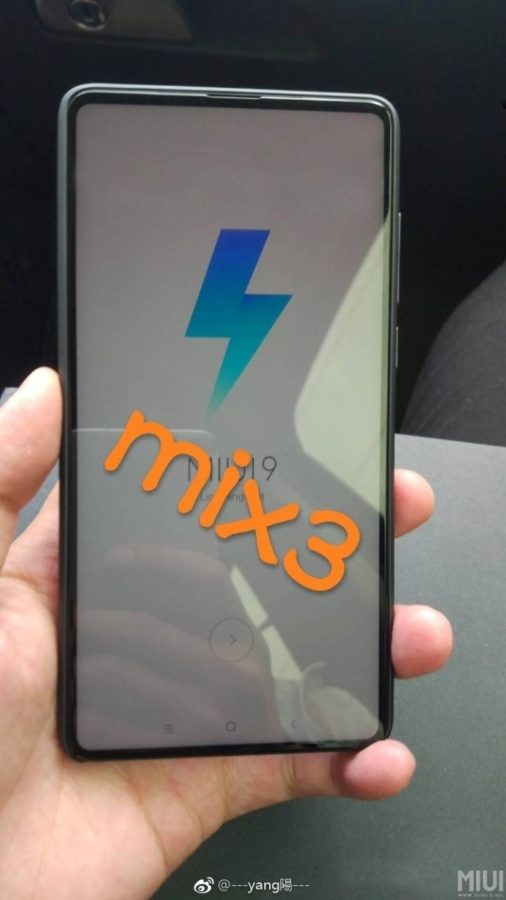
The Mi MIX 2S is just three months old but Xiaomi is already working on a successor. The MIX 3 as the device is known has surfaced in leaks recently. A new leak has surfaced and it gives us yet another look at the front of the device.
For the Mi MIX 3, Xiaomi has focused on keeping the bezels to a minimum. The lower bezel which houses the front camera has been shaved off and is now the same thickness as the other bezels. This gives the Mi MIX 3 a “truly bezel-less” appearance.
So where are the front camera, sensors, and earpiece? The earpiece is still at the top – a small slit carved into the little bezel at the top. However, the sensors and the front-facing camera are both missing. There are rumors that Xiaomi will also use a pop-up camera similar to that of the Vivo NEX. Sadly, none of the leaked photos have confirmed this.
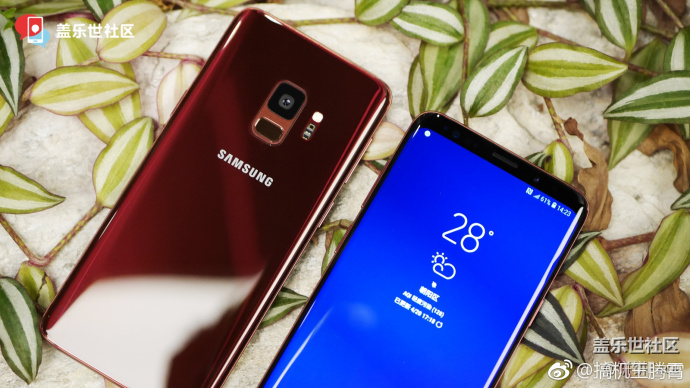
Samsung may still be the number one smartphone maker globally but the company is gradually feeling the heat being generated by the growing profile of its competitors. Several analysts who are familiar with the company’s operations have hinted that the Galaxy S9 is not selling so well globally compared to the performance of the Samsung Galaxy S8. This is particularly a cause for concern considering that last year’s Galaxy S8 was said to have performed poorly in comparison with the Galaxy S7.
It is not actually easy to know the exact number of units that have been sold so far. Basically, data of smartphone sales are heavily reliant on research by firms like IDC which usually release quarterly/yearly reports based on individual brand and other indices. The figures they come out with are at best estimates as we can’t know exactly how many units of a particular model were sold. In this case, unless Samsung will share its sales figure which is not likely to happen.
The point being made is that Samsung phones are not selling well like before. We could recall the tech giant sold up to 80 million Galaxy S4 units. That was then, anyway. With mounting pressure from Chinese manufacturers who offer phones with the same build quality and specs at lower prices, things won’t remain the same for Sammy for long. Chinese manufacturers like Huawei, Xiaomi, OPPO and Vivo have even brought innovative features like triple camera setup, full-screen design, pop-up cameras to the scene on their flagship offerings. Samsung shares are said to have dropped by 9% and already, the company has been edged out of the top spot in India. The same thing would likely have happened in the U.S if not for the difficulty Chinese companies face when attempts are made to enter the lucrative U.S market. So, if Samsung plans to keep its leadership position, it has got to sit up and bring in more innovations to the table. We have seen enough of phones like the Galaxy S8, S9 and perhaps the Note 8 and Note 9 coming with similar designs. The mid-range segment is worst off as it is usually difficult to tell the difference between some of the Galaxy series based on their designs.
Back in May, Xiaomi announced a new lamp under the Yeelight brand. The new lamp called the Yeelight Eye Lamp Pro is the first lamp with eye protection and can now be purchased starting today.
The lamp uses a special kind of LED that uses purple light instead of blue light which is similar to natural illumination and is easy on the eyes.
The lamp has a metallic body with an adjustable arm. The part that houses the LED itself is also adjustable. Power consumption for the Yeelight Eye Lamp Pro is 15W. It also has smart capabilities, so you can turn it on and off via the Mi Home app or even adjust brightness levels or set modes. There is also a touch control on the base of the lamp.
Xiaomi recently shared a promotional video on the official Xiaomi phone Weibo handle. The video is actually a promotional one for the Mi Max which was launched in May 2016 and it is curious that the video is being shared now by the company. This move is seen as a strong indication that the next-generation Mi Max model, the Mi Max 3 will be released soon.
You would recall also that Xiaomi’s CEO Lei Jun recently shared a picture of the Mi Max 3’s retail packaging box. This latest promotional video and the leaked retail box point to the likelihood of the device getting launched this month. Xiaomi is yet to release any launch detail but since the month is still at its infancy, an official announcement could happen in the coming days.
The Mi Max 3 image has already met with us via its TENAA listing. The device will come with a 6.99-inch display which will make it the biggest phone in Xiaomi’s lineup. The screen is a Fullview display with a resolution of 2160 x 1080pixels and an 18:9 aspect ratio. The third-gen Mi Max series continues with the big battery trend of its predecessors, packing a 5400mAh battery. This is slightly bigger than the 5300mAh battery on the Mi Max 2. The phone is likely powered by a Qualcomm Snapdragon 636 processor and there will be three memory versions; 3GB+32GB, 4GB+64GB and 6GB+128GB options.
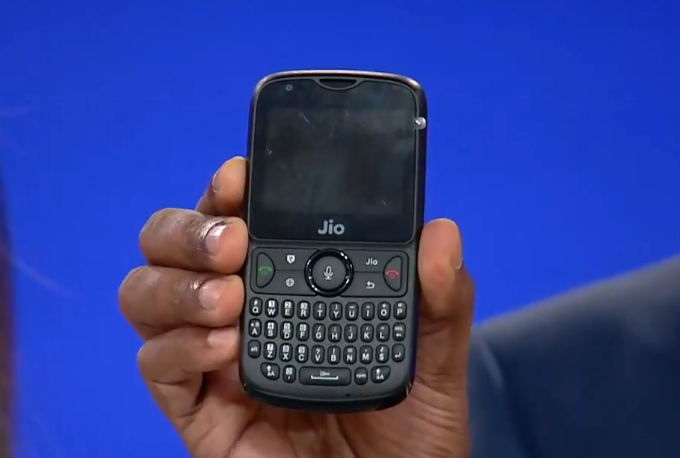
India’s best selling feature 4G phone, the JioPhone, now has a successor. The JioPhone 2 comes with a new design and tons of new features while keeping a few ones from its predecessor.
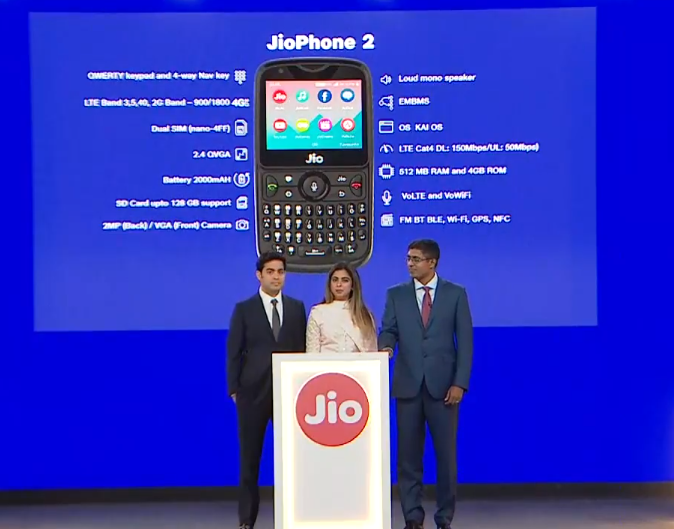
The biggest change in the JioPhone is its design. Gone is the candy bar design. The JioPhone 2 is now wider, thanks to a full QWERTY keyboard. The display is still 2.4-inches but now sits in landscape mode.
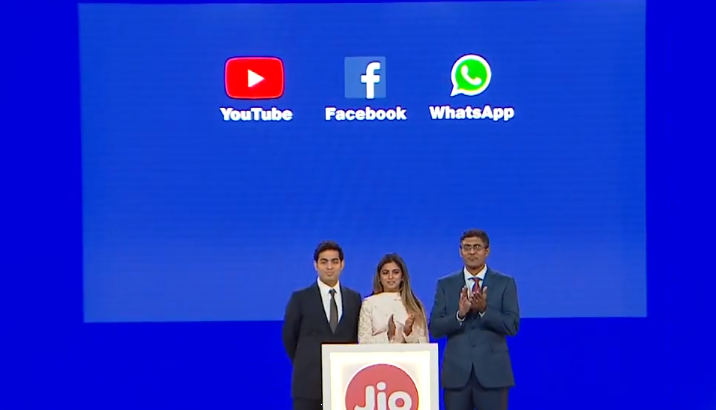
It still has 512MB of RAM and 4GB of storage with a MicroSD card slot for adding up to an additional 128GB of storage. The JioPhone 2 also runs KaiOS and will be getting Facebook, WhatsApp, and YouTube support when it goes on sale on August 15. The original JioPhone will also get it on the same day.
Another upgrade in the JioPhone 2 is support for dual nano-SIM cards. It also has a 2MP rear camera and a VGA front camera. There is Cat. 4 LTE, VoLTE, VoWiFi, Bluetooth, Wi-Fi, GPS and even NFC. There is also an FM radio, Google Assistant, and a single mono speaker.
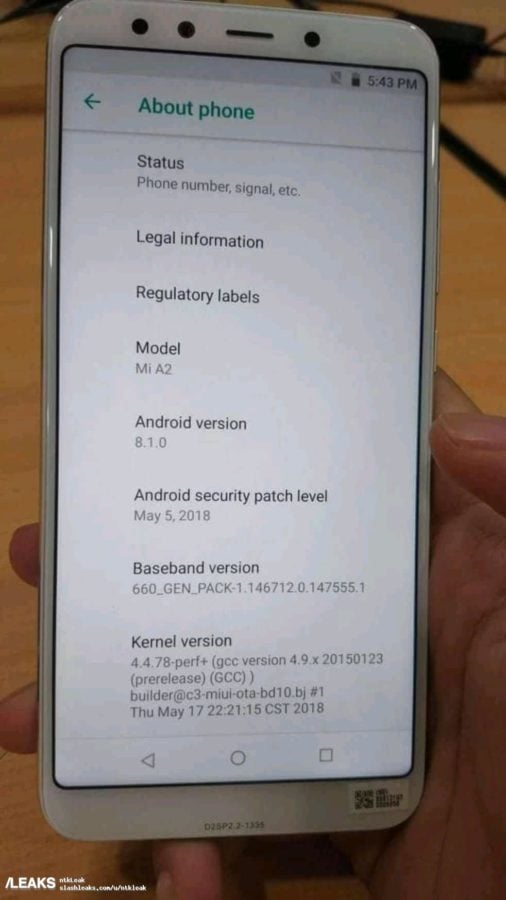
With each passing day, the launch of the Xiaomi Mi A2 draws nearer. But until the device finally launches, we probably won’t stop getting leaks. The latest is a live photo of the device that shows the “About Phone” section.
The Mi A2 in the photo has white front bezels. It’s hard to tell what color the rear is, but our guess is it is the Champagne Gold variant. There is a LED flash, sensor, earpiece and front camera at the top bezel while the bottom is bare.
The image confirms this is indeed the Mi A2 as seen from the model name. it is running Android 8.1 Oreo with May 2018’s security patch installed.
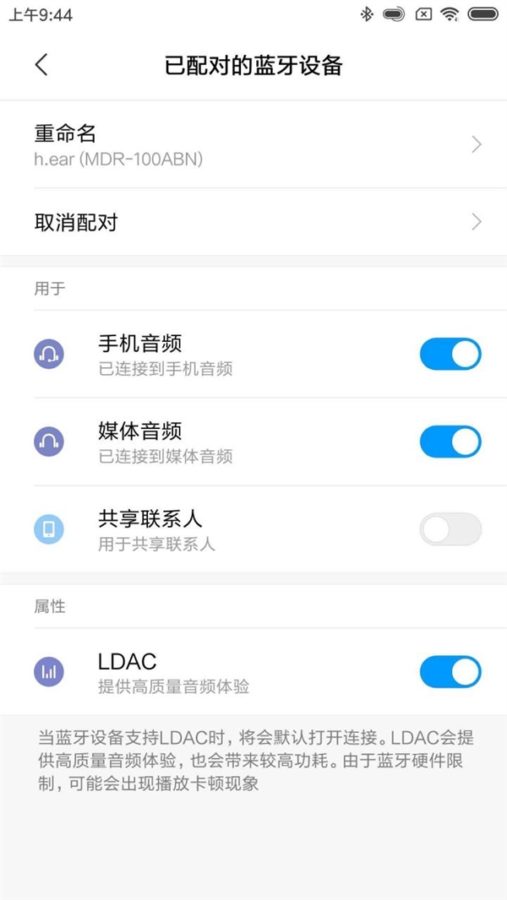
Xiaomi phones running on Android 8 Oreo Developer version now have support for LDAC. The new feature comes with the new upgrade of the public beta of the Development version. The new feature will also be available on the Stable version when the Android O update hits.
LDAC is an audio coding technology developed by Sony that enables the transmission of High-Resolution (Hi-Res) Audio content wirelessly, even over a Bluetooth connection. Unlike other Bluetooth compatible coding technologies such as SBC, it operates without any down-conversion of the Hi-Res Audio content and allows approximately three times more data than those other technologies to be transmitted over a Bluetooth wireless network with unprecedented sound quality, by means of efficient coding and optimized packetization. The technology was unveiled at CES 2015 and is 3X more efficient than standard Bluetooth coding.
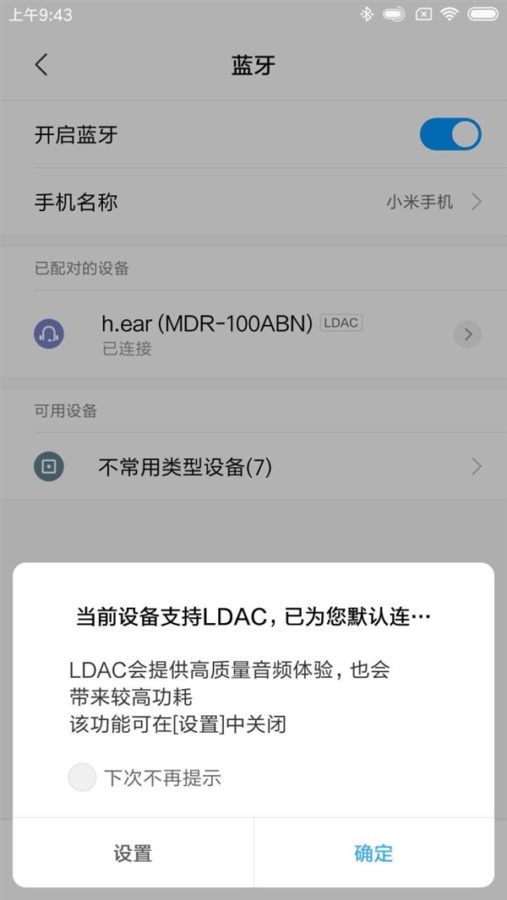
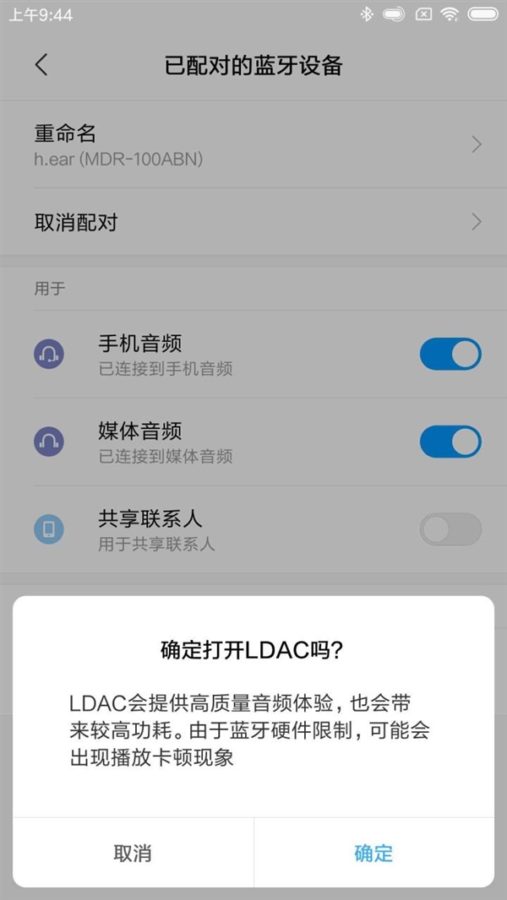
With this new LDAC technology onboard, the eligible Xiaomi models now have a significant improvement in their performance when connecting to a Bluetooth headset, wireless gaming pad and other peripherals. That’s if the device that is connected to the phone supports LDAC. A connection to an LDAC compatible device makes the LDAC icon to be displayed on the screen after the connected device’s name. A new Window will also pop-up notifying that LDAC is currently supported and enabled by default.
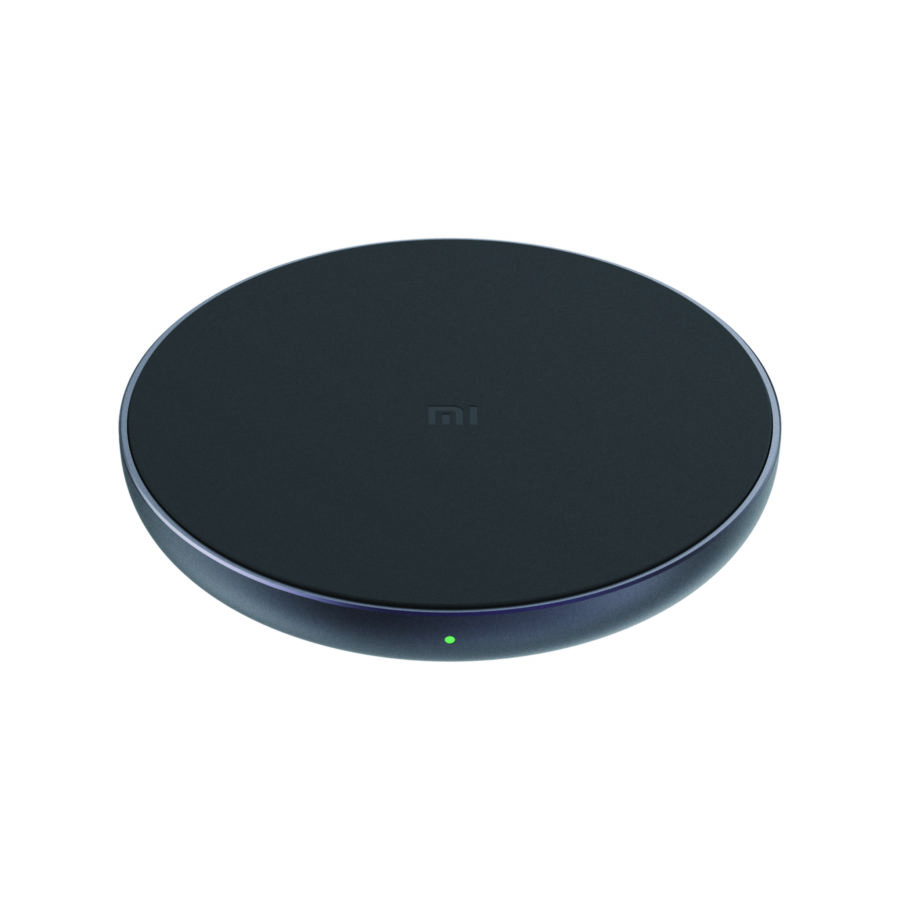
The Mi MIX 2S is the first Xiaomi phone to support wireless charging. Along with its release, Xiaomi also announced its first wireless charging pad. Now, there is news of a second wireless charging pad.
The new wireless charging pad was seen on the website of the Wireless Power Consortium and has been certified. The pad was registered yesterday and already has its Qi registration ID.
There is even a photo of the charging pad. The design is different from the one that comes with the Mi MIX 2S and it comes in black. Although it has the same green LED in front.
We don’t know if Xiaomi plans to announce this new wireless charging pad separately or will launch it with a new device. According to leaker Roland Quandt who first spotted the charging pad on the WPC site, he thinks it may launch with the Mi MIX 3 later this year.
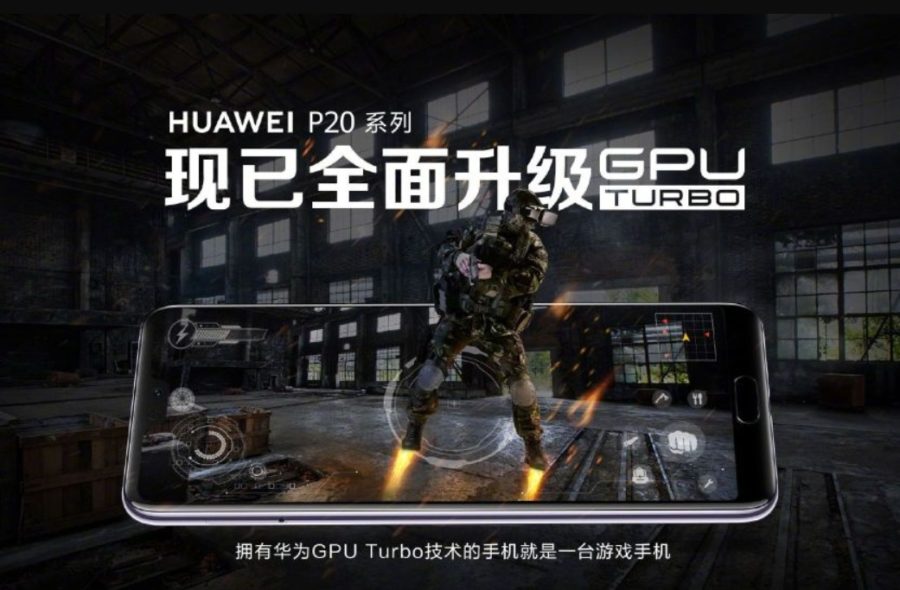
Last week, Huawei announced that will soon open its beta testing program for the EMUI 8.1 for the users of Huawei P20 and Huawei P20 Pro smartphones. Now, the company has officially started rolling out the update which comes with Huawei’s GPU Turbo technology.
Earlier, the company said that the beta testing program was limited to 2,000 participants but it seems that Huawei has now started rolling out the update for all the users of the P20 series smartphones. To get this update, users can log-in to the member service application and navigate to the service section. In that, once the user opts to upgrade to the early adopters, the system will be upgraded to the version number EML-AL00 8.1.0.150 (C00).
Most of the changes for the EMUI 8.1 are minor but the update brings Huawei’s “breakthrough technology” GPU Turbo which promises double-digit gains in performance and efficiency. The company claims that the technology provides 60 percent better graphics performance and 30 percent better SoC power consumption.
Earlier, the company had officially announced the EMUI 8.1 beta testing for the customers using the Mate-series, P-series, Honor V10, Honor 10 and Honor 9i smartphones. After the P20-series, the users of Honor 9, Honor V9, Honor Play 7X, and Honor 9 Youth Edition will get their hands on this new feature.
The Huawei P20 Pro comes with a 6.1-inch AMOLED display that supports 2240 x 1080 pixels resolution and an aspect ratio of 18.7:9. It is powered by Kirin 970 chipset, coupled with 6GB of RAM and 128GB internal storage. It is the first smartphone ever to feature a triple camera setup that includes a 40-megapixel RGB sensor, an 8-megapixel telephoto sensor, and a 20-megapixel monochrome sensor. On the front side, there’s a 24-megapixel snapper for taking selfies and video calling.
On the other hand, the Huawei P20 has a 5.8-inch LTPS IPS LCD screen with the same resolution and aspect ratio like P20 Pro. It is powered by Kirin 970 SoC along with 4GB of RAM and 64GB of onboard storage. It features a dual camera setup consisting of a 12-megapixel RGB sensor and a 20-megapixel monochrome sensor. On the front side, this one too comes with a 24-megapixel sensor for taking selfies and video calling.
Both smartphones are running Android 8.1 Oreo operating system out of the box. While the P20 is powered by a 3,400mAh battery, the P20 Pro is powered by a 4,000mAh battery with 4.5V/5A fast charging technology.
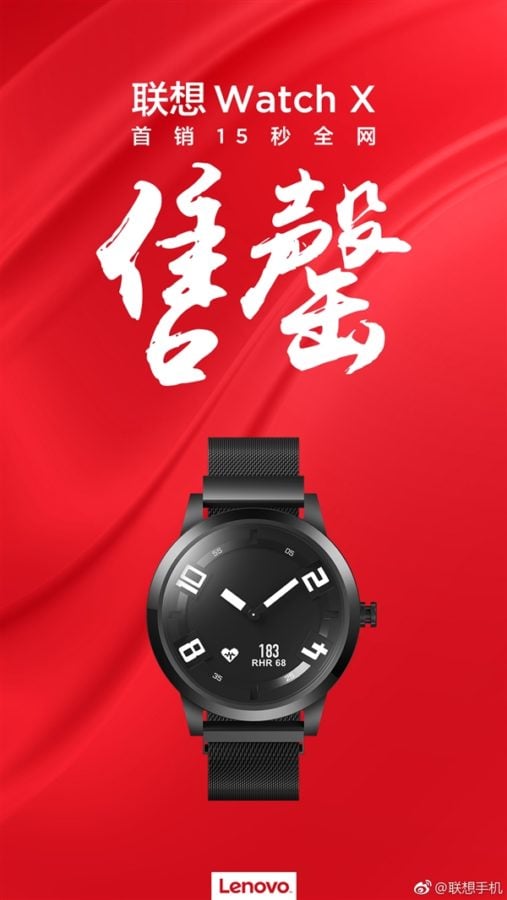
Lenovo had unveiled the Lenovo Watch X smartwatch alongside the Lenovo Z5, A5 and K5 Note smartphones in China in the previous month. Its first sale was carried out today through JD.com at 10 AM. The smartwatch has met with an overwhelming response in its first sale as it was sold out in just 15 seconds.
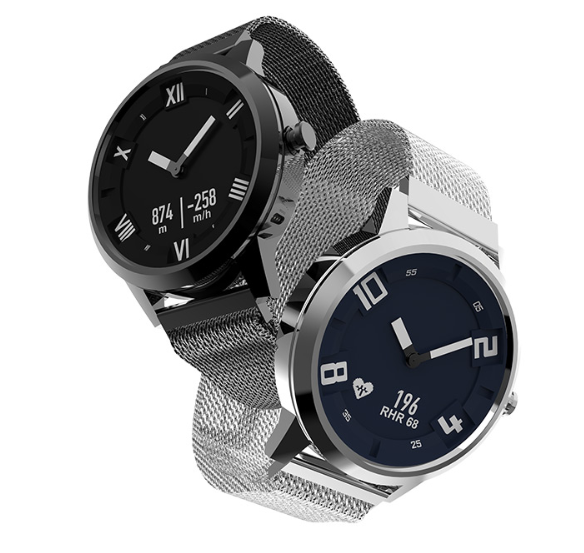
The Lenovo Watch X is an advanced version of the Lenovo 9 smartwatch that was launched earlier in this year. What sets the Watch X apart from the Watch 9 is that the new smartwatch features a mechanical dial and an OLED screen. The Lenovo Watch X has arrived with a price tag of 299 (~$45) in China.
The Watch X that appears like a traditional wristwatch features 316L surgical grade steel body along with a sapphire crystal watch face. It has a waterproof chassis and comes with a comfortable Milanese strap enabled with a magnetic clasp.
The luminous watch hands and markings makes it convenient to check time in dark. It is equipped with six kinds of sensors such as heart rate, gravity, geomagnetic, barometer, gyroscope and blood pressure. On a single charge, the Lenovo X’s 600mAh battery can last for up to 45 days. The Lenovo Watch app can be used to pair it with a smartwatch via Bluetooth 5.0 LE.
The Chinese manufacturer has confirmed that it will be selling a leather strap edition of the Watch X later. It will be arriving with a pricing of 399 Yuan (~$63).
The Watch X is currently available for buying exclusively in China. The Chinese manufacturer is yet to confirm whether the smartwatch will be made available in countries outside of the home country.
What’s your opinion on the Lenovo K5 Note? Share us your thoughts by adding your comments below.
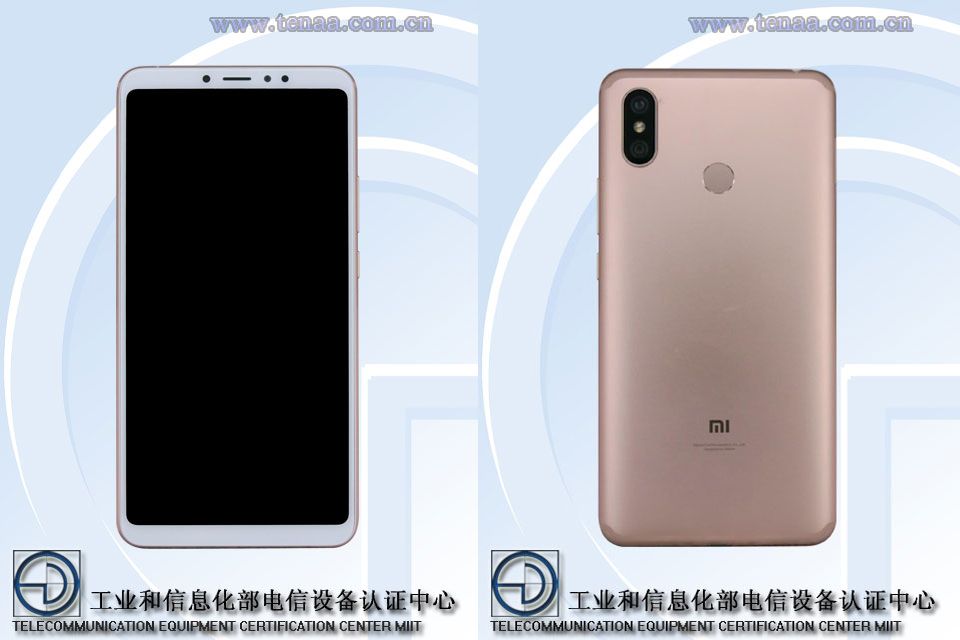
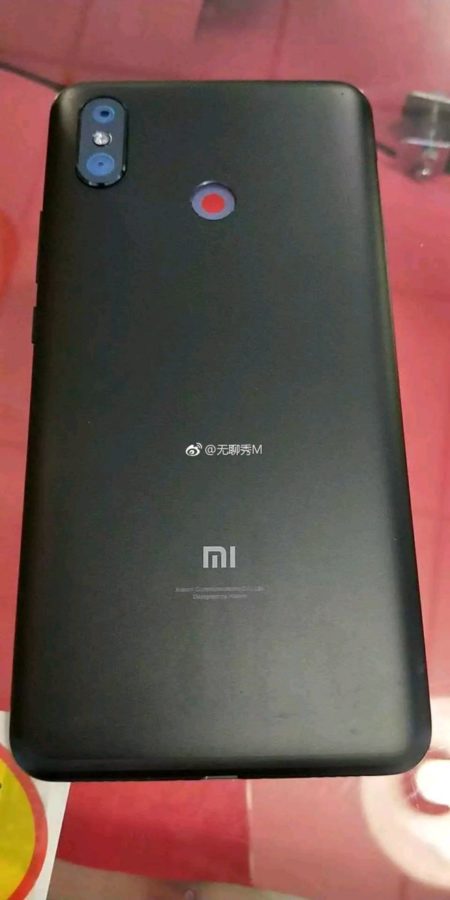
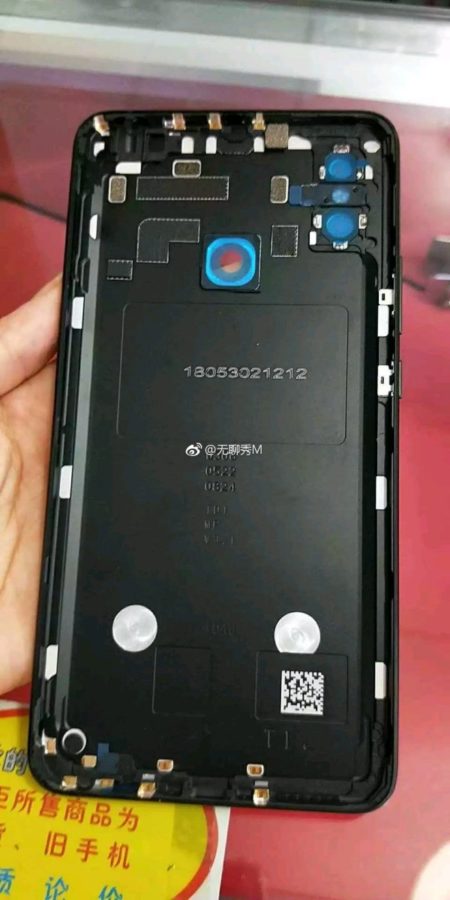
The Xiaomi Mi Max 3 is slated to break cover in this month. Since the first week of July will soon come to an end, it appears that the company may announce the Mi Max 3 by the end of this month. A recent report had revealed the LCD panel of the upcoming Mi Max 3 phone. Fresh photos of the rear shell of the phablet have surfaced today to reveal its design.
The rear design of the Xiaomi Mi Max 3 is quite similar to the predecessor Mi Max 2 smartphone. Also, the Mi Max 3 features a vertical dual camera setup like the ones found on recent Xiaomi phones.
The back panel of the phone seems to be made out of metal. A fingerprint scanner is also lying on the back of the phone. Yesterday’s report on the Mi Max 3 cases had also revealed that except for the inclusion of vertical dual camera setup, the handset won’t be coming with any changes in design.
Multiple reports including the TENAA listing of the Mi Max 3 has revealed that it will be equipped with a very large 6.99-inch display that will offer an aspect ratio of 18:9 and FHD+ resolution. A massive battery of 5,400mAh capacity may power the phablet. There is no confirmation on whether the battery will be equipped with support for fast charging.
It is likely to arrive in storage and RAM options like 32 GB storage + 3 GB RAM, 64 GB storage + 4 GB RAM and 128 GB storage + 6 GB RAM. For more storage, it will also feature a microSD card slot.
The 128 GB variant could be arriving with Mi Max 3 Pro moniker and it may feature the Snapdragon 710 SoC. The remaining models may either feature the Snapdragon 636 SoC or the newly announced Snapdragon 632 chipset. Even though it will be arriving with MIUI 9 flavored Android 8.1 Oreo, it could be one of the first Xiaomi phones to get updated to MIUI 10. An 8-megapixel front-facing camera could be available for snapping selfies while the dual camera setup may include a primary sensor of 12-megapixel.
Since the past few months, the rumor mill has been claiming that Samsung will be using the Consumer Electronics Show (CES) 2019 tech event in January to announce the Galaxy S10 and S10+ smartphones and the alleged Galaxy X foldable phone may go official at the Mobile World Congress (MWC) 2019 in February. However, a reliable tipster who holds a consistent track record on leaking accurate information of upcoming Samsung devices has claimed that the company has swapped the launch venues of these devices.
According to the tipster, Samsung’s first foldable smartphone will be made official at the CES 2019 event. A January announcement for the smartphone could mean that it could be made available for buying in February. Previous reports have revealed that the alleged Galaxy X foldable phone will be a limited-edition device as the company is expected to manufacture only 300,000 to 500,000 units. Rumors have it that the first foldable phone from Samsung may cost around $1,850.
Since the Galaxy S9 and Galaxy S9+ have encountered lackluster sales, it was previously speculated that the company may consider launching the Galaxy S10 series in January. Samsung has been using the MWC platform to announce its Galaxy S series of smartphones. Going by the fresh information shared by the Chinese tipster, it seems that the Galaxy S10 and S10+ may go official at MWC 2019. Rumors have it that a smaller Galaxy S flagship phone may also debut alongside the Galaxy S10 duo.
Samsung is yet to comment on the Galaxy S10 and S10 Plus as it is currently focused on the Galaxy Note 9 that is slated to go official on Aug. 9. Reports have revealed that the Note 9 won’t be coming with any major change in its design. The phablet is rumored to arrive with a Bluetooth enabled S Pen and some improved internals such as 8 GB of RAM, up to 512 GB of storage, 4,000mAh battery and variable aperture dual camera. The South Korean company is also expected to debut Gear S4 smartwatch on Aug. 9. The rumored Galaxy Tab S4 may go official at IFA 2018 in September.
Despite bearing a relatively low price tag than a Fitbit, the Mi Band 3 is crammed with awe-inspiring features. As a result, just 17 days after hitting the store shelves, Xiaomi managed to sell a whopping million pieces around the world.
In a bid to offer the best bang for your buck, Banggood is doling out a considerable 38% off the Mi Band 3’s original asking price. Let’s delve straight into the details.
The Xiaomi Mi Band 3 would normally set you back $59.99 on Banggood. But the popular Chinese online store is currently selling the power-packed fitness tracker at a slashed price of just $36.99.
On top of that, you can apply coupon code ‘7miba3nd’ to get an additional discount during the checkout process. All you need to do is use the aforesaid coupon code to save $5.99 and brings your already discounted grand total down to only $31.
The Mi Band 3 boasts a broad range of features that make it an excellent fitness tracker to place on your wrist. Announced in May this year, the Xiaomi-branded fitness tracker is the follow-up to the well-received Mi Band 2. The device comes with a slew of useful features such as fitness tracking, and sleep monitoring. The Mi Band 3 sports a bigger 0.78 inch OLED touchscreen display.
Moreover, the Mi Band 3 comes with a 5ATM water resistant rating. In other words, it can withstand pressures equivalent to 50 meters of depth, making it an ideal wearable that stays unharmed when exposed to rain, accidental submersion, splashing, surface, swimming or even showering.
You can follow this link in order to get the discount and use the coupon code which is likely to expire soon. Note that the discount will be valid only for the black color version of the Mi Band 3.
In an interview with Reuters, Xiaomi’s Senior Vice President Wang Xiang has claimed that the company will be arriving in the U.S. in the coming year. Since the Chinese firm aims to enter the U.S. soon, it will start making phones that are compatible with network frequencies of the U.S.
Even though Xiang has made a bold statement about Xiaomi’s arrival in the U.S., the company is yet to reach a final agreement with leading carriers of the country. He said that the company has been planning to enter the U.S. since the past few years. However, it is only now that the company seems to be ready to make its debut in the U.S.
The political situation between the U.S. and China is quite sensitive. Earlier this year, Huawei had attempted to sell its phones through the U.S. carriers. However, higher authorities in the U.S. had reportedly instructed the mobile operators to not to sell Huawei phones. This happened just after the ZTE was told to stop its operations in the country since it had violated the embargo agreements and had also failed to cooperate with U.S. officials.
Still Xiaomi seems to be quite optimistic about entering the U.S. One of the reasons behind it is the good relationship between Xiaomi and the U.S. based companies like Qualcomm and Alphabet. Moreover, many of the company’s investors and engineers are from the U.S. Interestingly, Xiang was working with Qualcomm in China before he had joined Xiaomi.
In China, Xiaomi has been selling a wide range of products such as phones, tablets, notebooks, smart home products, home appliances, electric scooters and bicycles, backpack bags, toothbrushes, rice cookers and more. Among these, the Chinese manufacturer may focus on mainly selling its aggressively priced smartphones in the western countries.
Xiaomi had entered the India market in 2014 and in just three years it managed to dethrone Samsung to become India’s number one smartphone brand. The Chinese manufacturer began selling its devices in eastern European countries at the beginning of this year and it is also aiming to conquer the western European nations later this year.
We use cookies on our website to give you the most relevant experience by remembering your preferences and repeat visits. By clicking “Accept”, you consent to the use of ALL the cookies.
This website uses cookies to improve your experience while you navigate through the website. Out of these, the cookies that are categorized as necessary are stored on your browser as they are essential for the working of basic functionalities of the website. We also use third-party cookies that help us analyze and understand how you use this website. These cookies will be stored in your browser only with your consent. You also have the option to opt-out of these cookies. But opting out of some of these cookies may affect your browsing experience.
Necessary cookies are absolutely essential for the website to function properly. This category only includes cookies that ensures basic functionalities and security features of the website. These cookies do not store any personal information.
Any cookies that may not be particularly necessary for the website to function and is used specifically to collect user personal data via analytics, ads, other embedded contents are termed as non-necessary cookies. It is mandatory to procure user consent prior to running these cookies on your website.



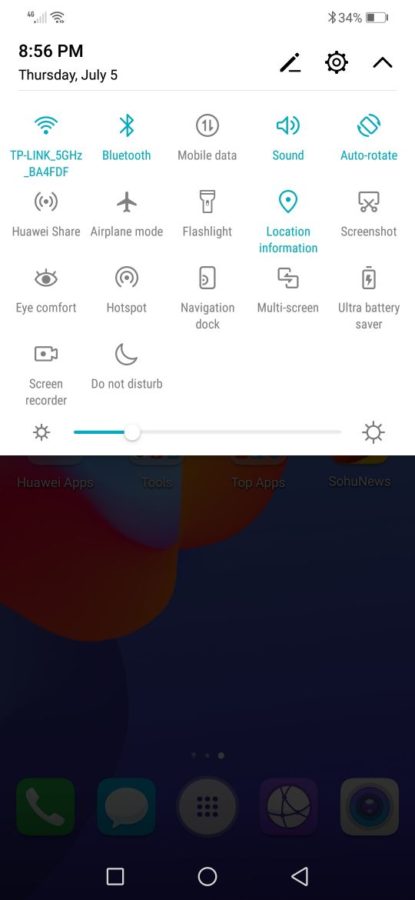
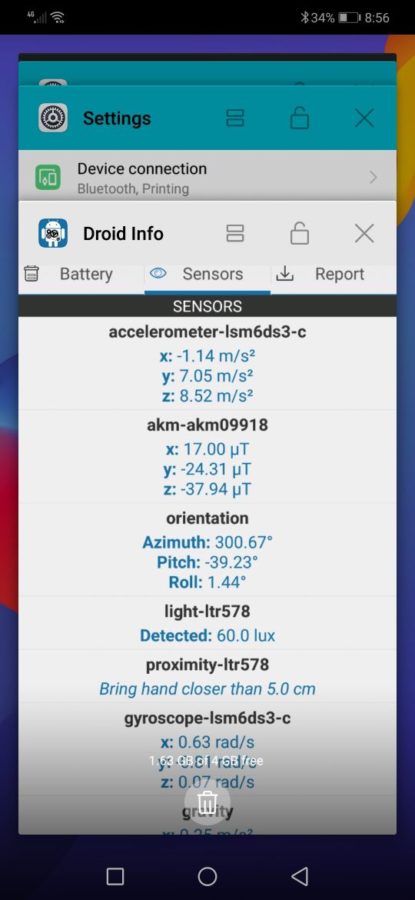
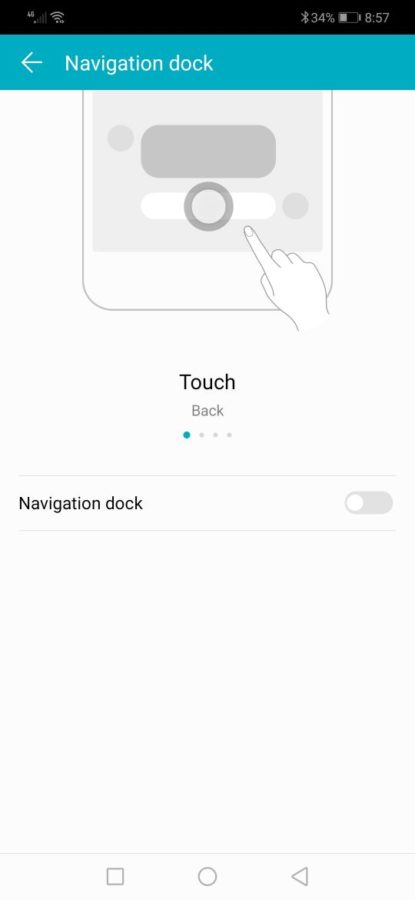
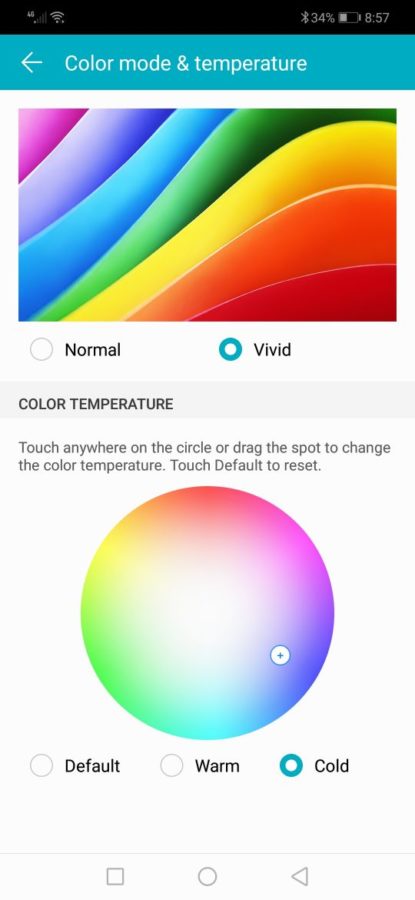







































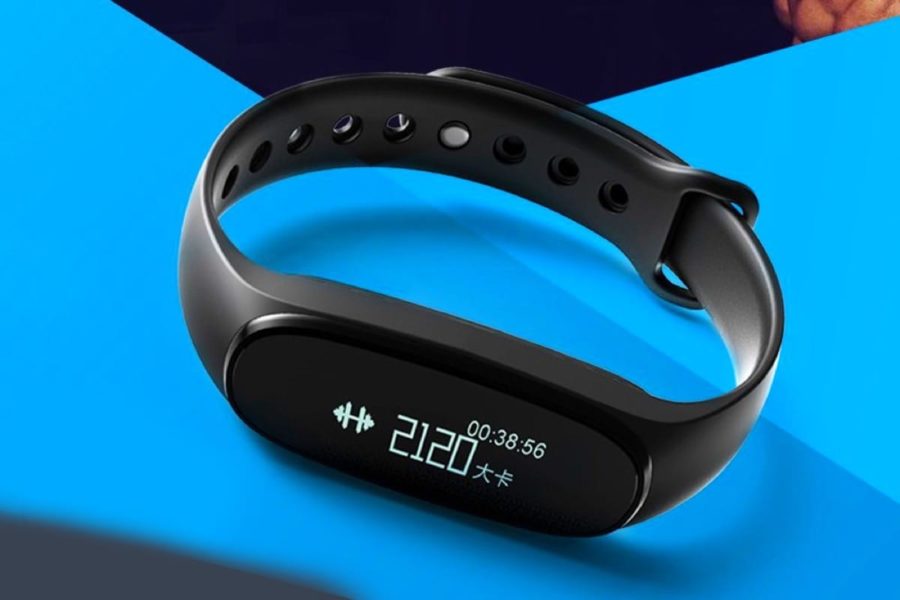
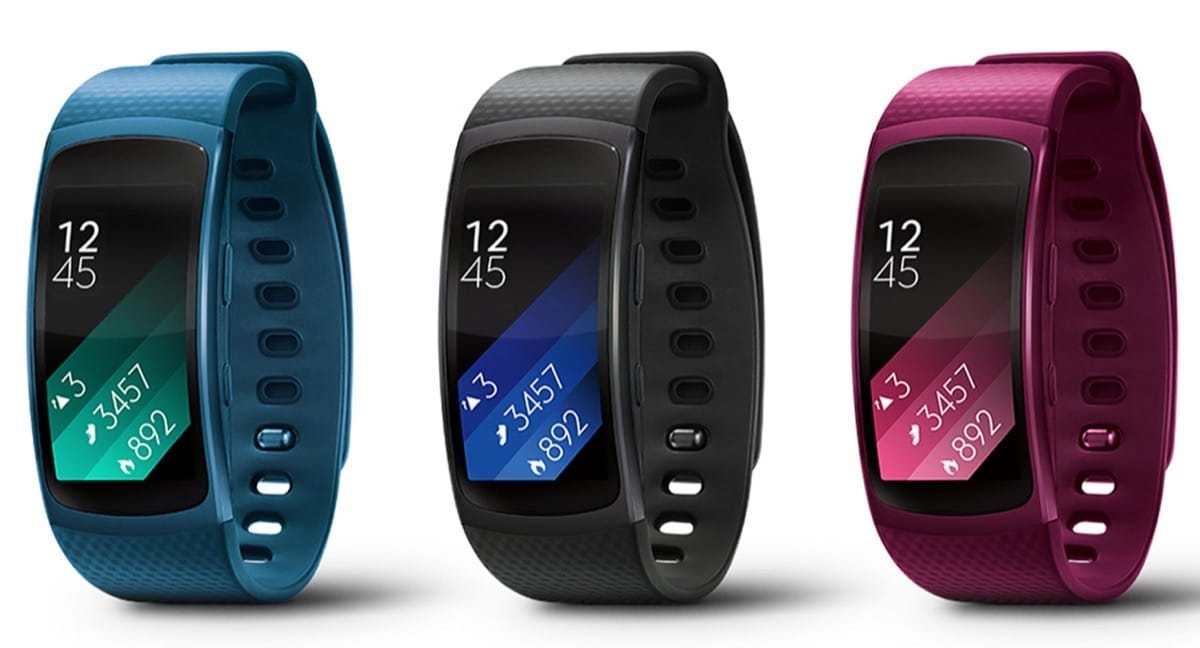 The device comes with a slew of useful features such as fitness tracking, and sleep monitoring. The Mi Band 3 sports a bigger 0.78 inch OLED touchscreen display.