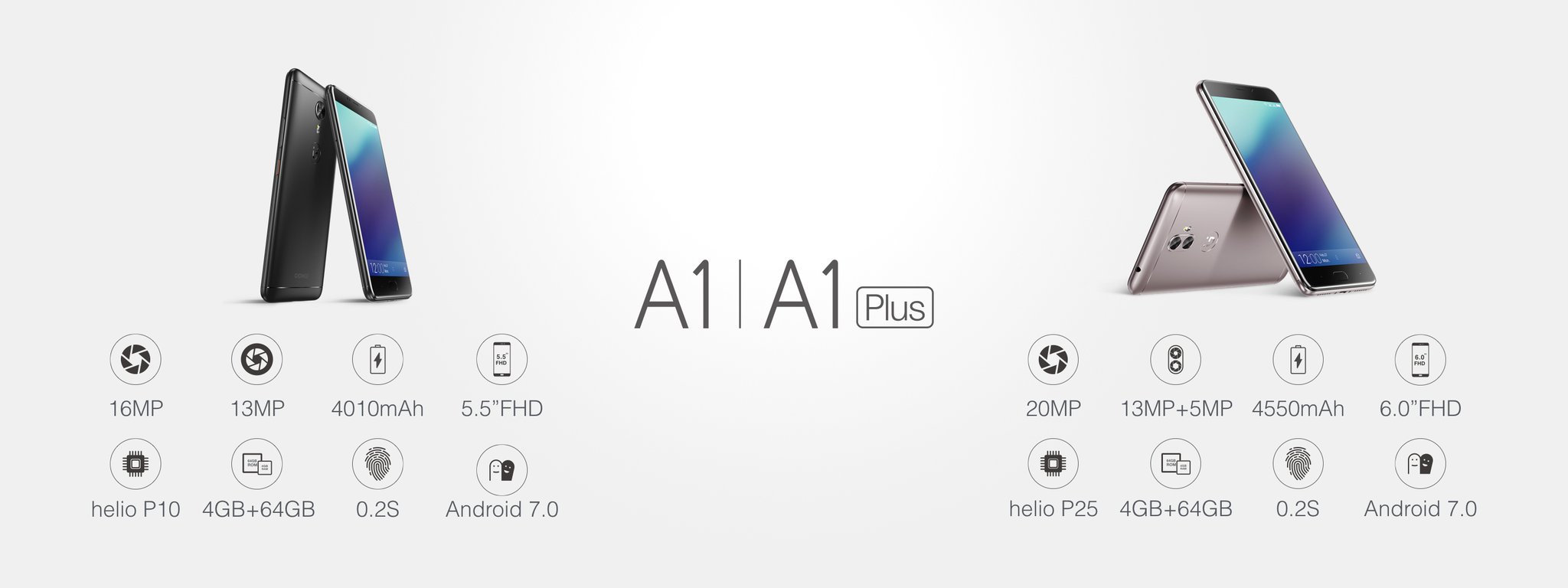
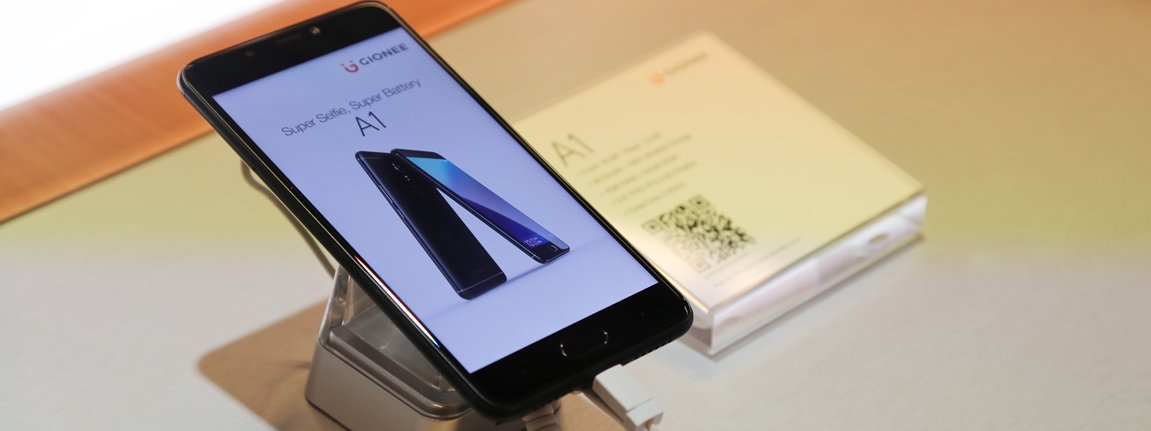
Gionee has launched two new smartphones at MWC 2017, the Gionee A1 and the Gionee A1 Plus. Like the name suggests, the latter is the larger variant of the two and comes with pretty good features and specs. Both the phones focus on providing a great selfie experience (both phones have flash on the front as well as back) along with large battery life. They both feature fingerprint sensors.
The Gionee A1 Plus comes with a large 6-inch 1080p display along with 4GB of RAM and Helio P25 chipset inside. There’s 4G LTE connectivity as well as 64GB of internal storage expandable up to 256GB. Given its large 4550mAh battery, the phone measures 9.1mm in thickness and weighs 226 grams. In the camera department, the Gionee A1 Plus comes with a large 20MP Selfie camera on the front along with a dual 13MP + 5MP setup at the back.
Coming to the less powerful Gionee A1, the phone comes with a 5-inch Full HD display and will be powered by the Helio P10 chipset. There will be 4GB of RAM and 64GB of internal storage, again expandable up to 256GB. There’s a 5.5-inch 1080p display as well. In the camera department, there will be a 13MP sensor at the back (f/2.0) and a 16MP selfie shooter up front. The battery is large on this model as well and will come with 4010mAh capacity. The phone is 8.5mm thick and weighs 182 grams.
Both the phone will run on Android 7 Nougat and come with Amigo UI on top.
Pricing and availability details are yet to be announced.
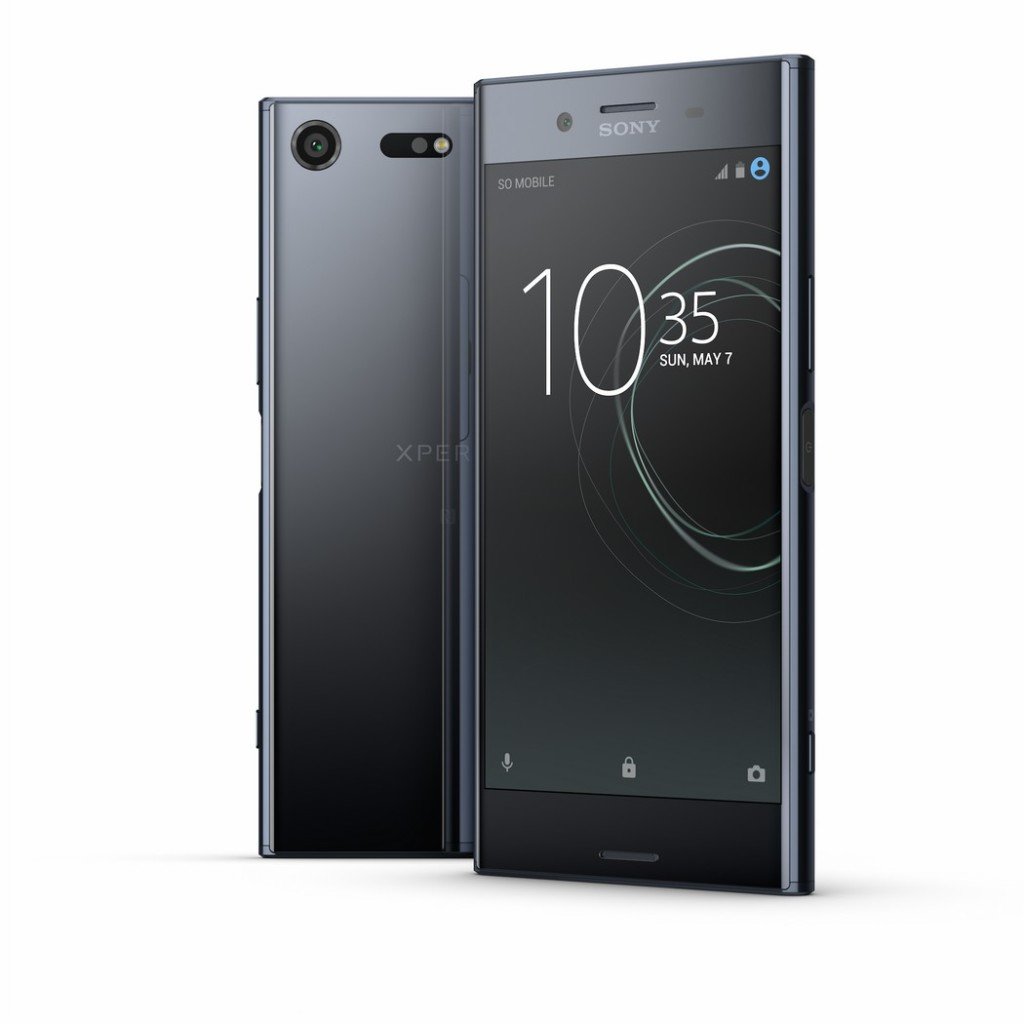
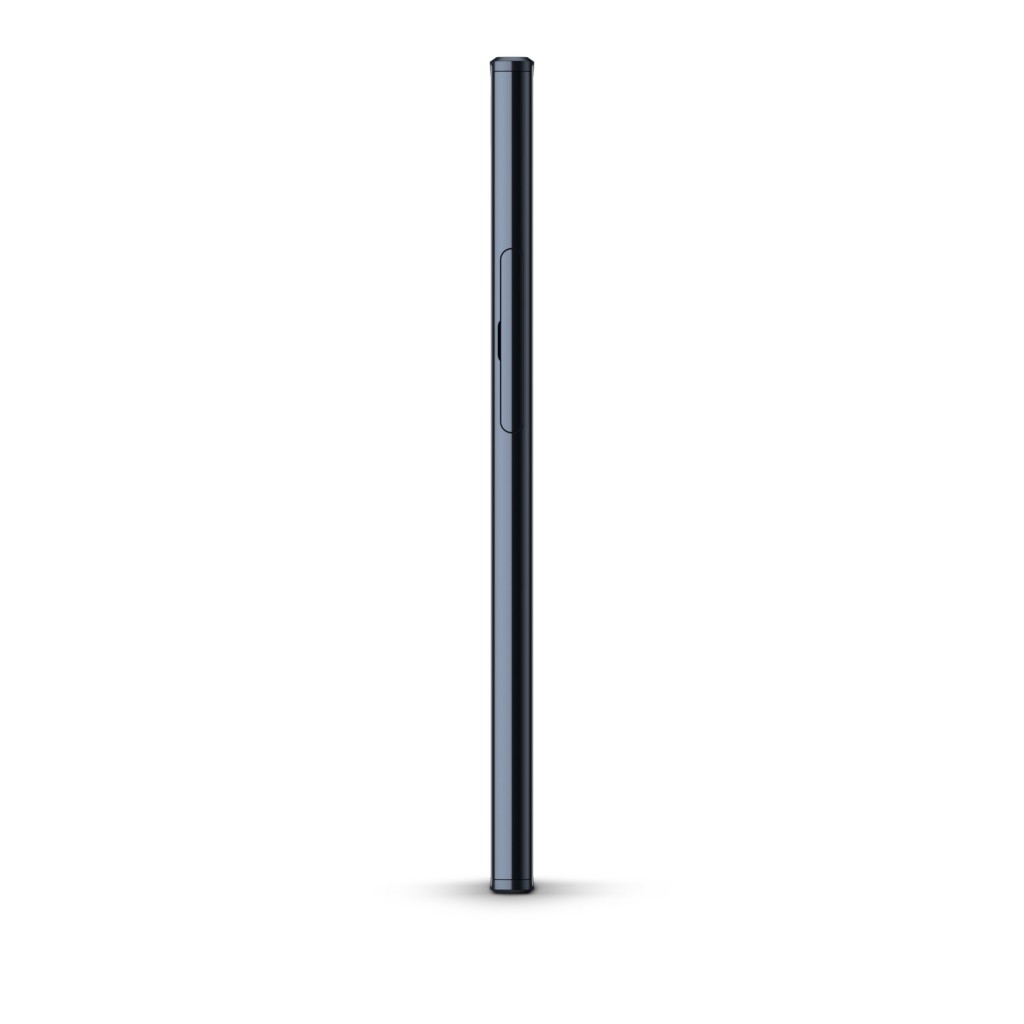
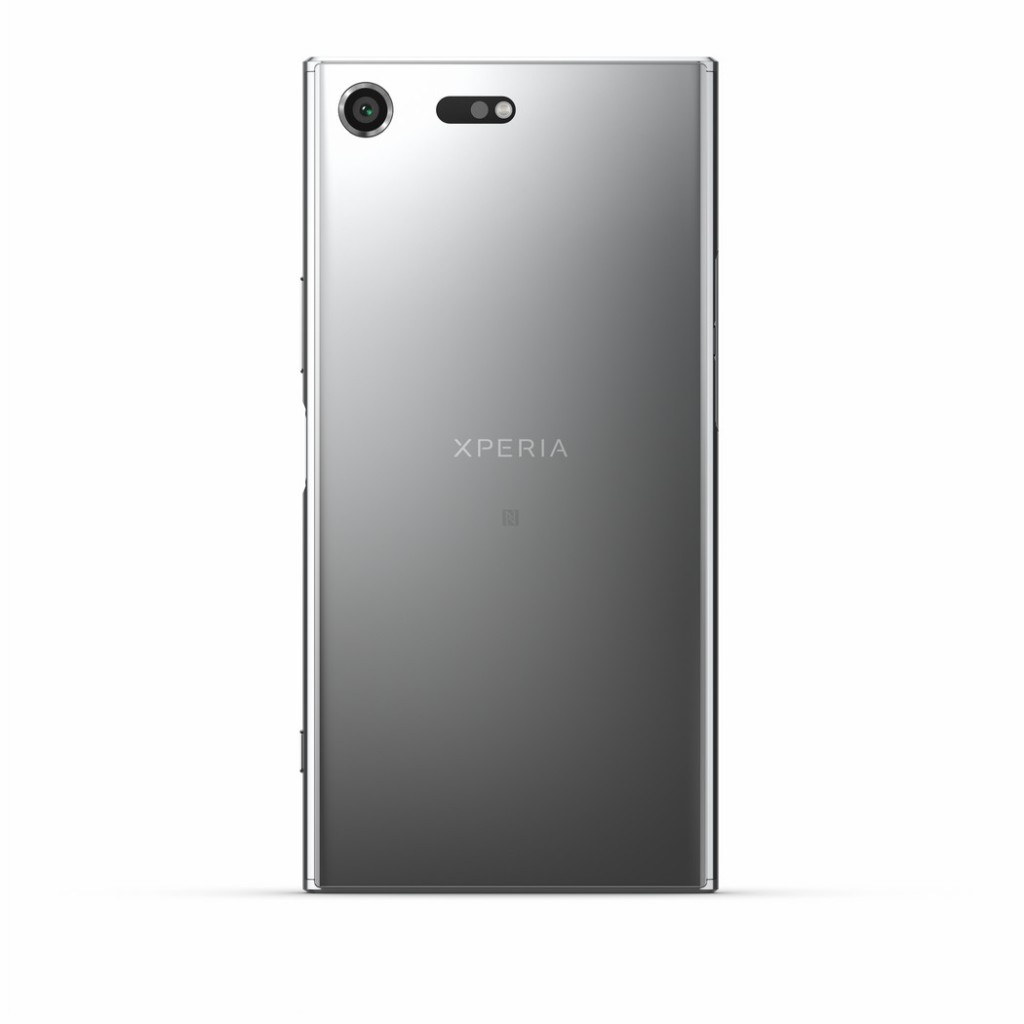
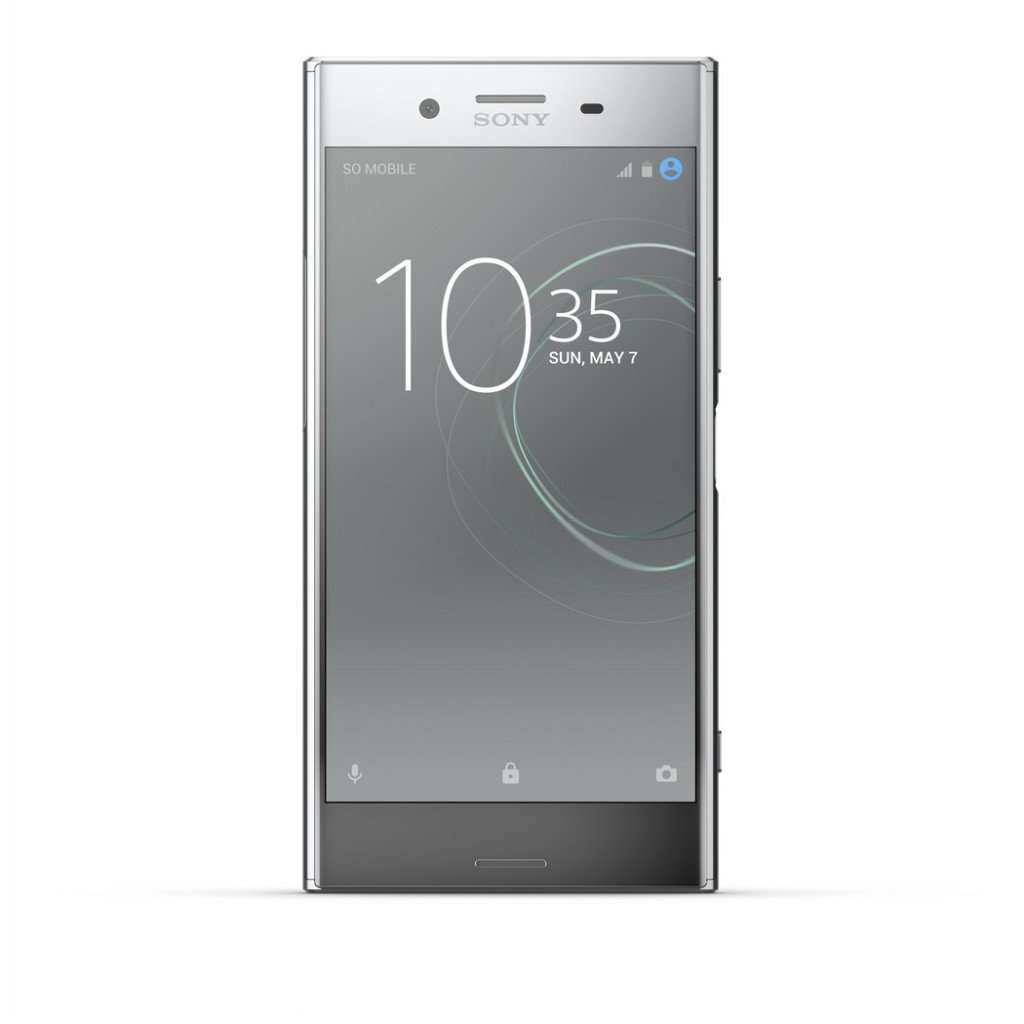
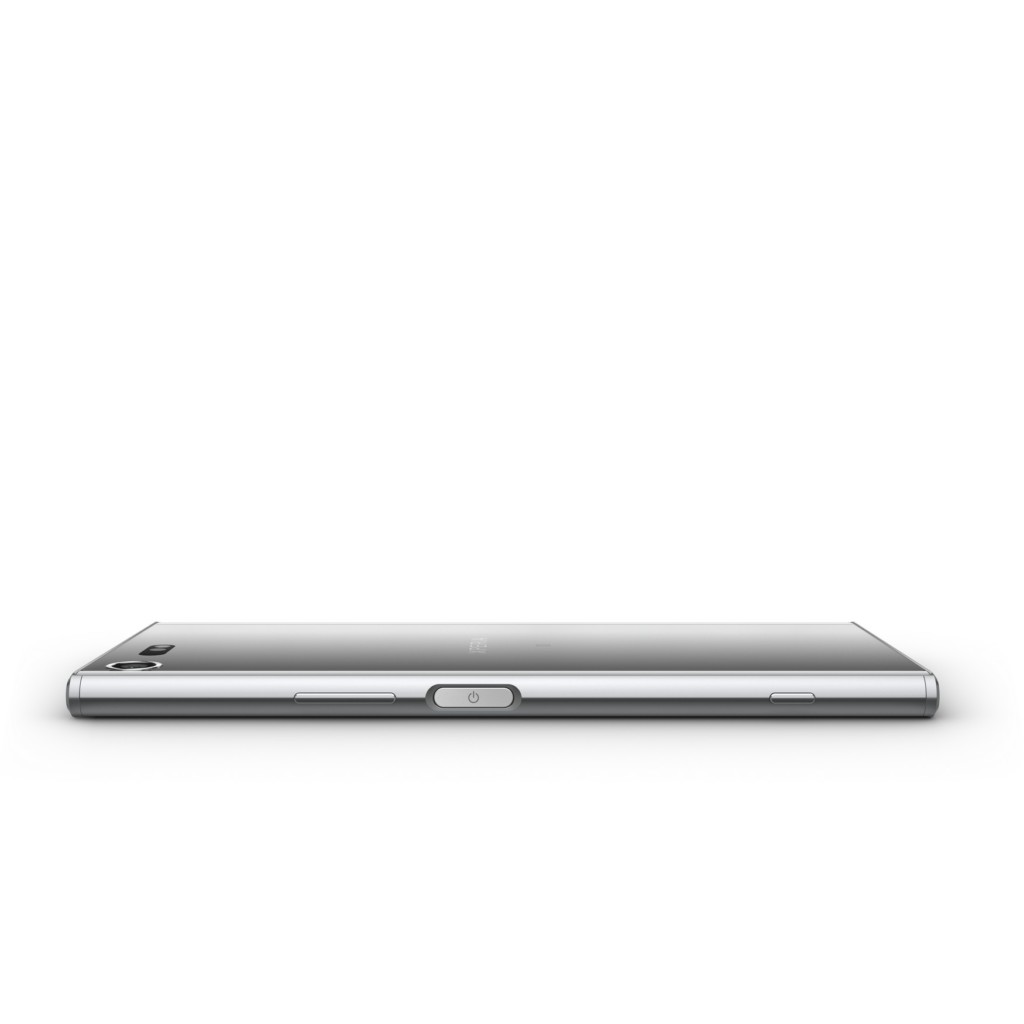
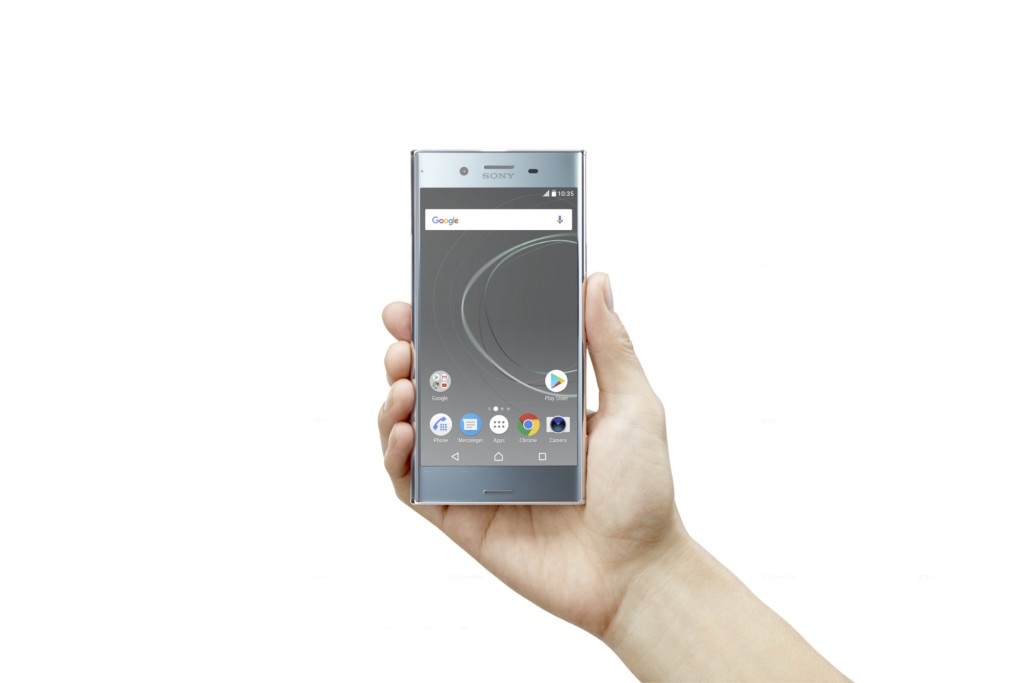
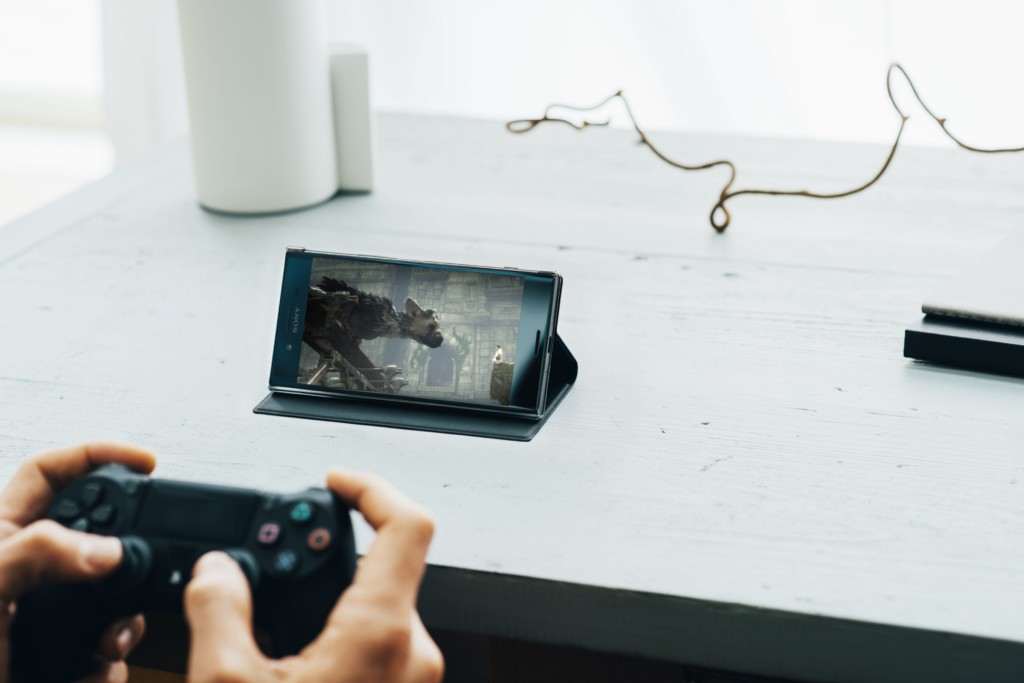
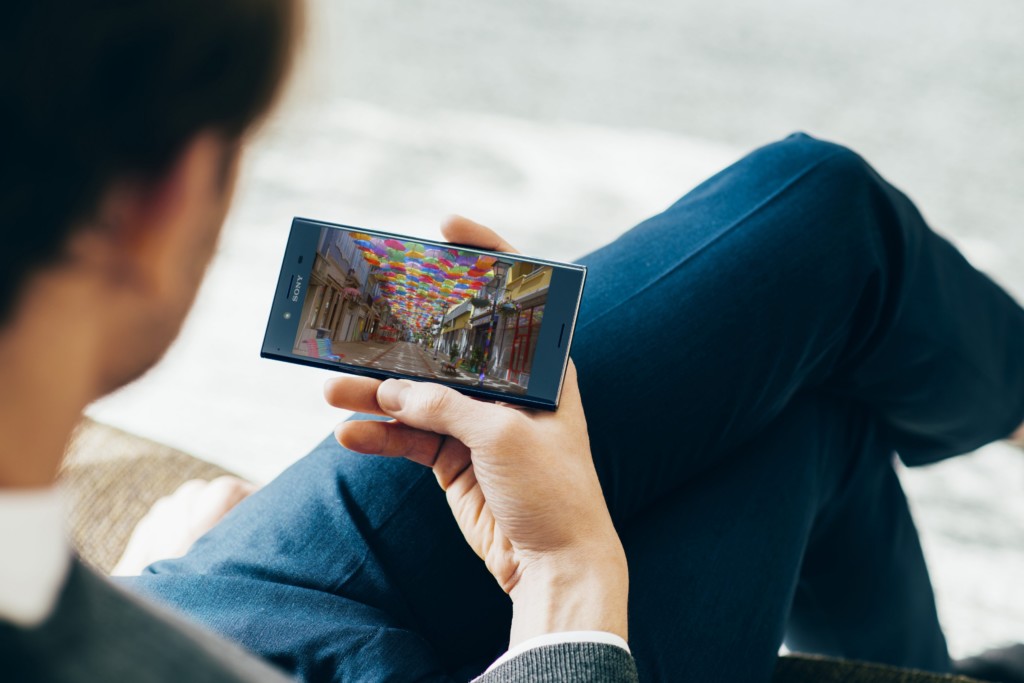
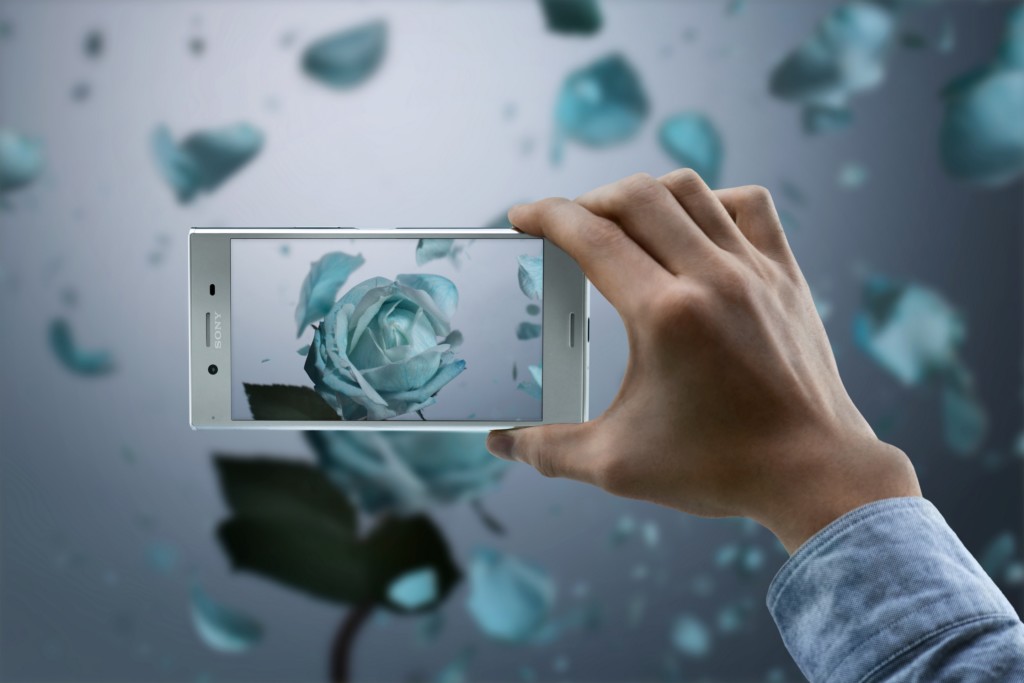
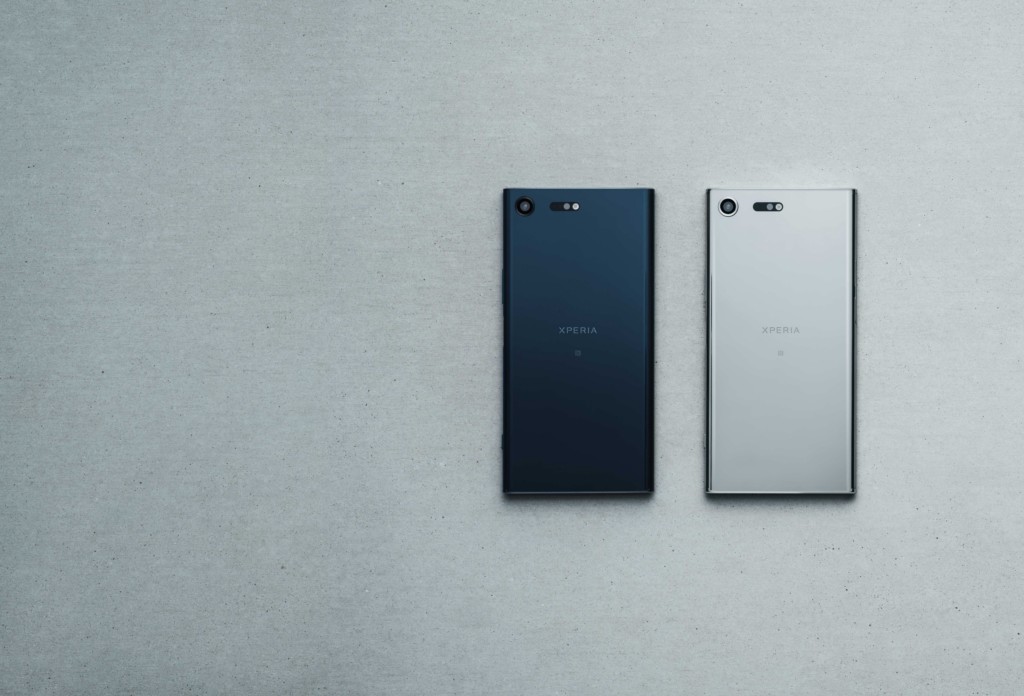
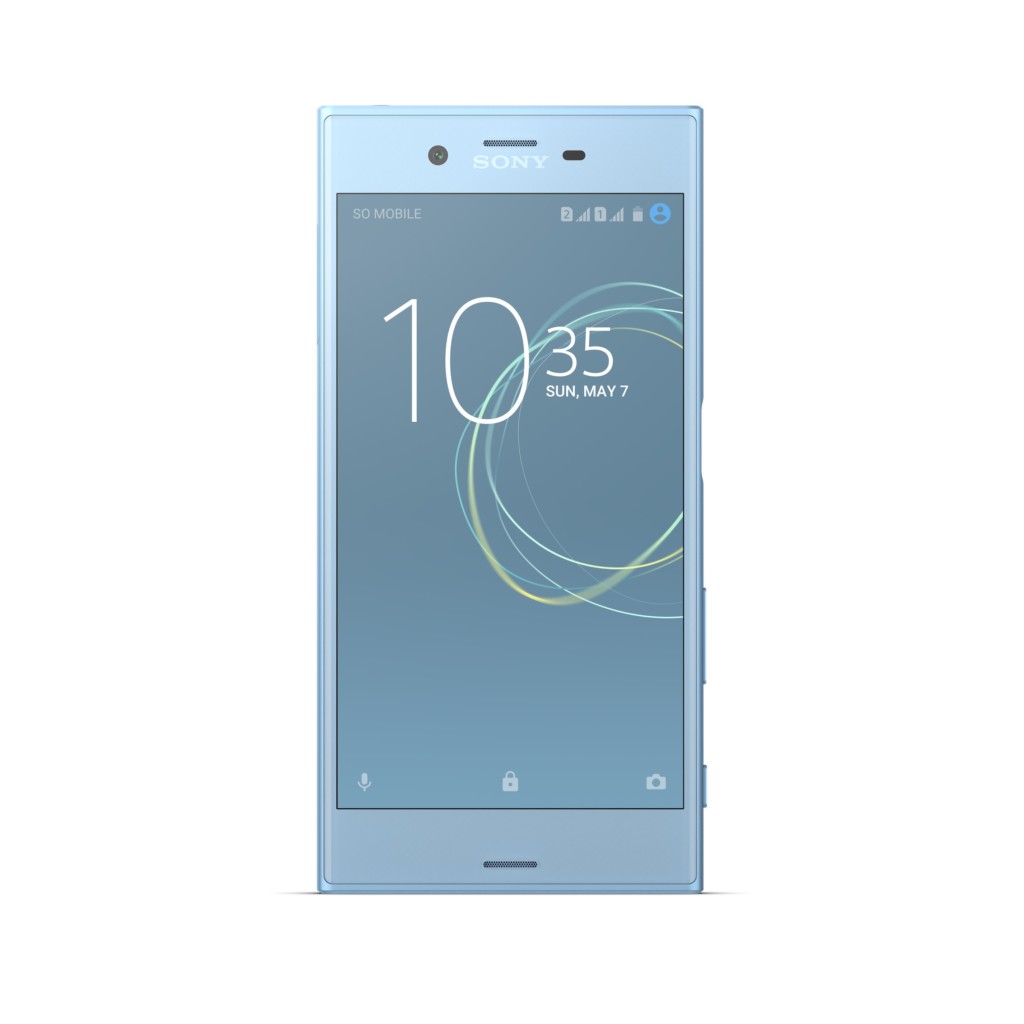
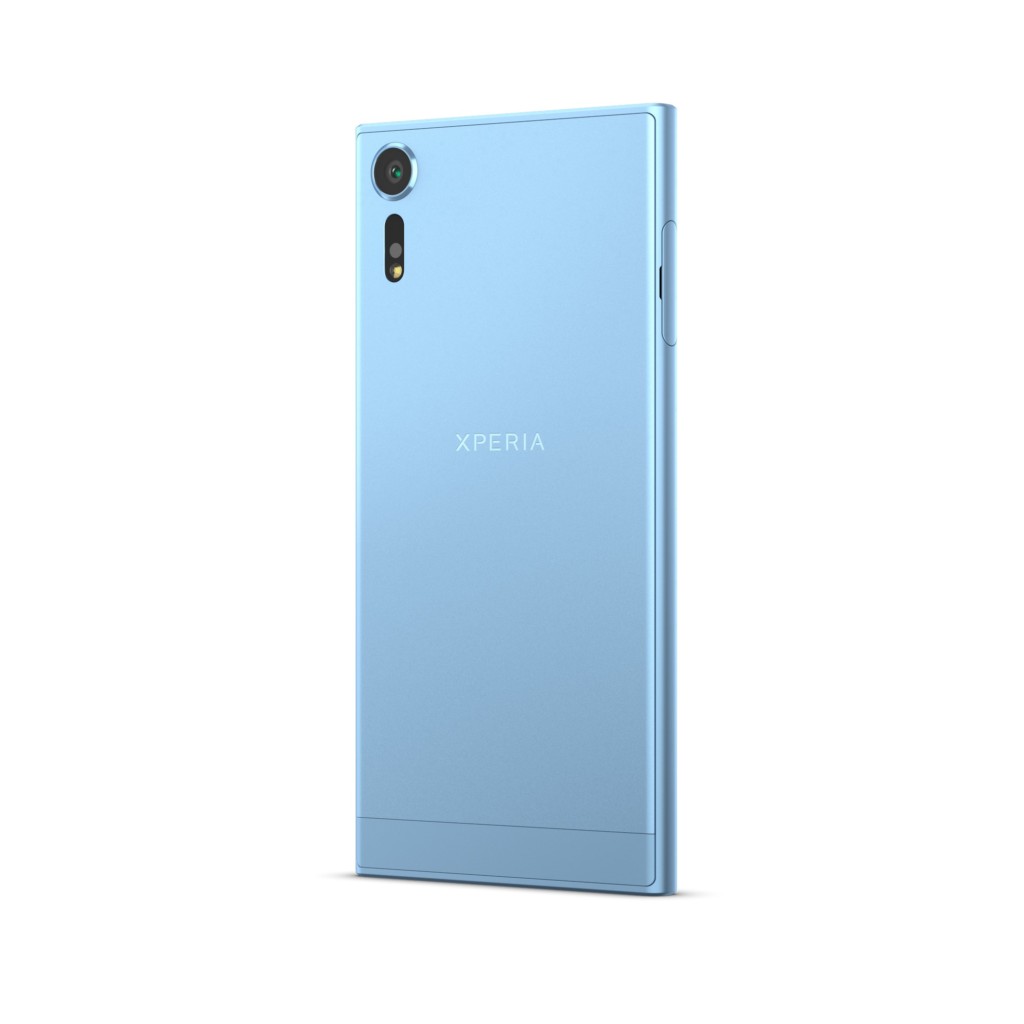
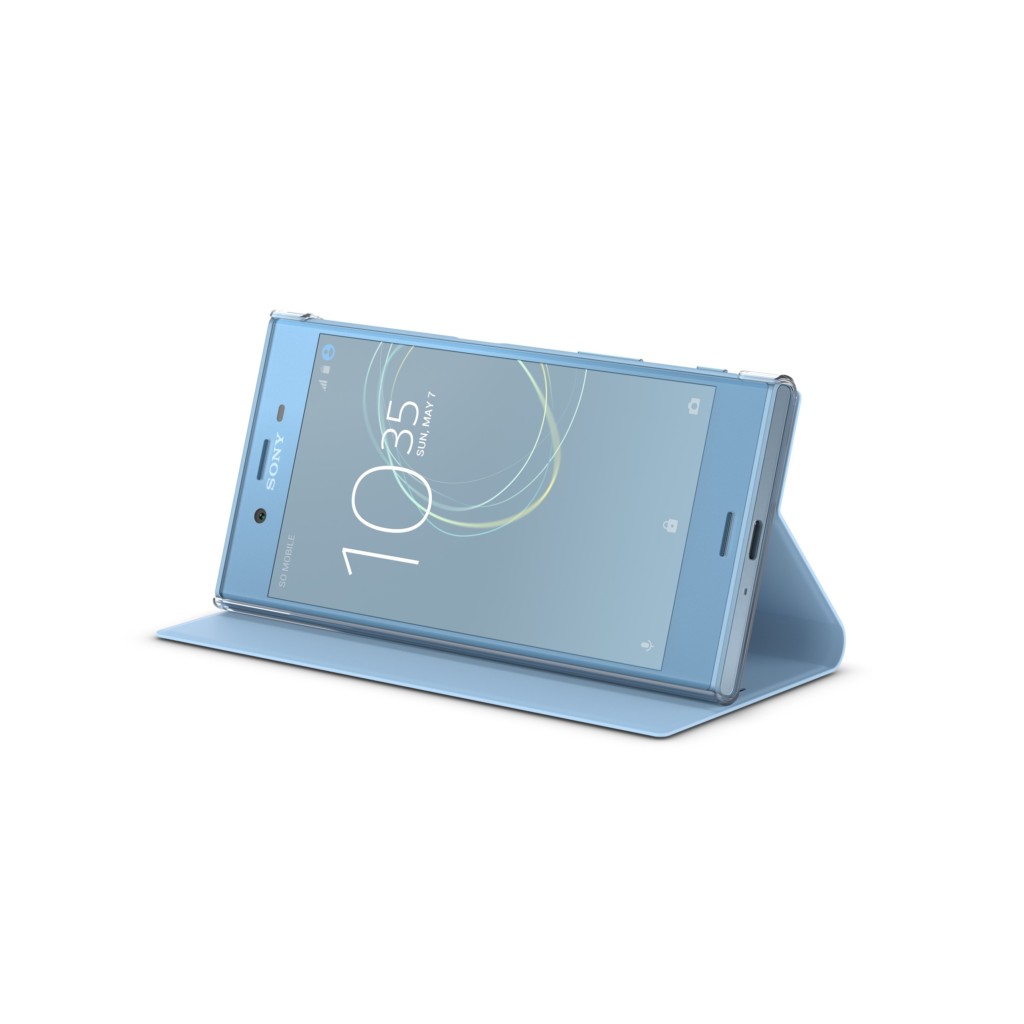
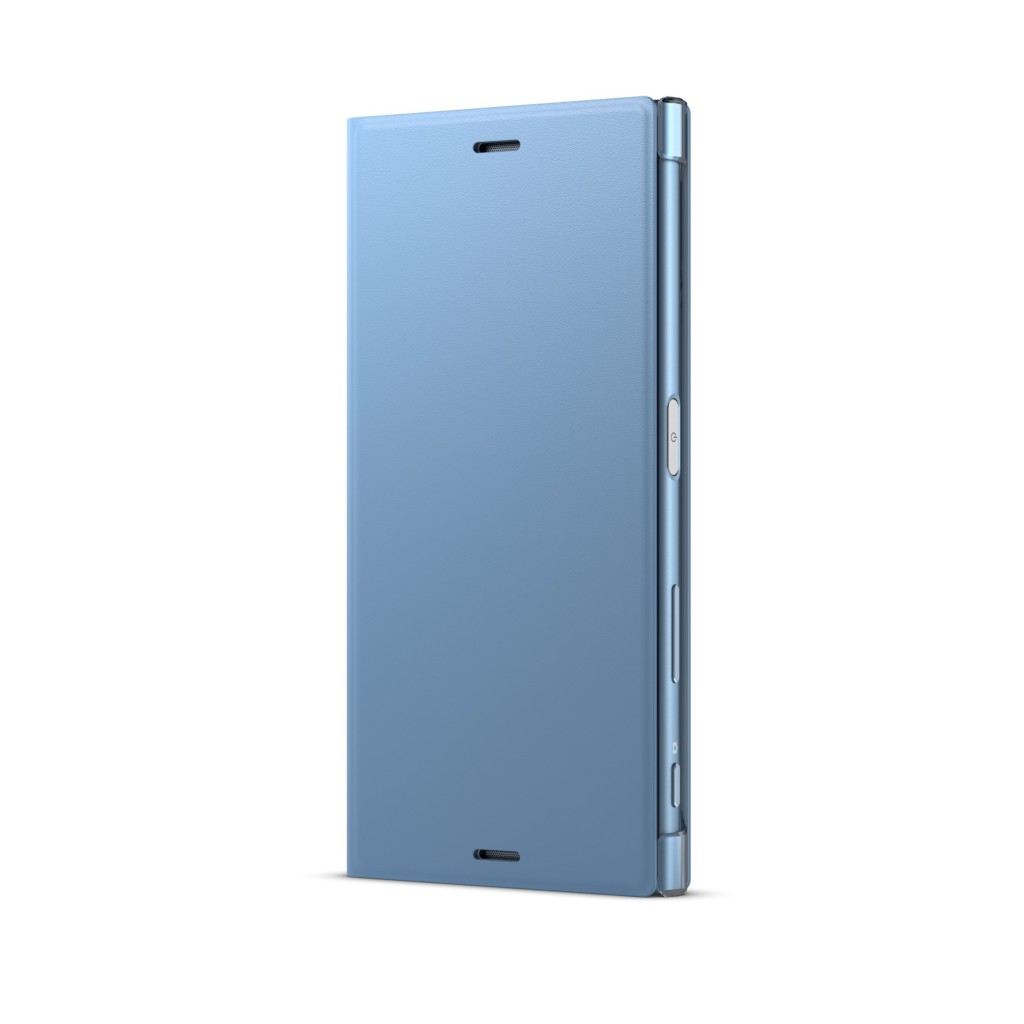
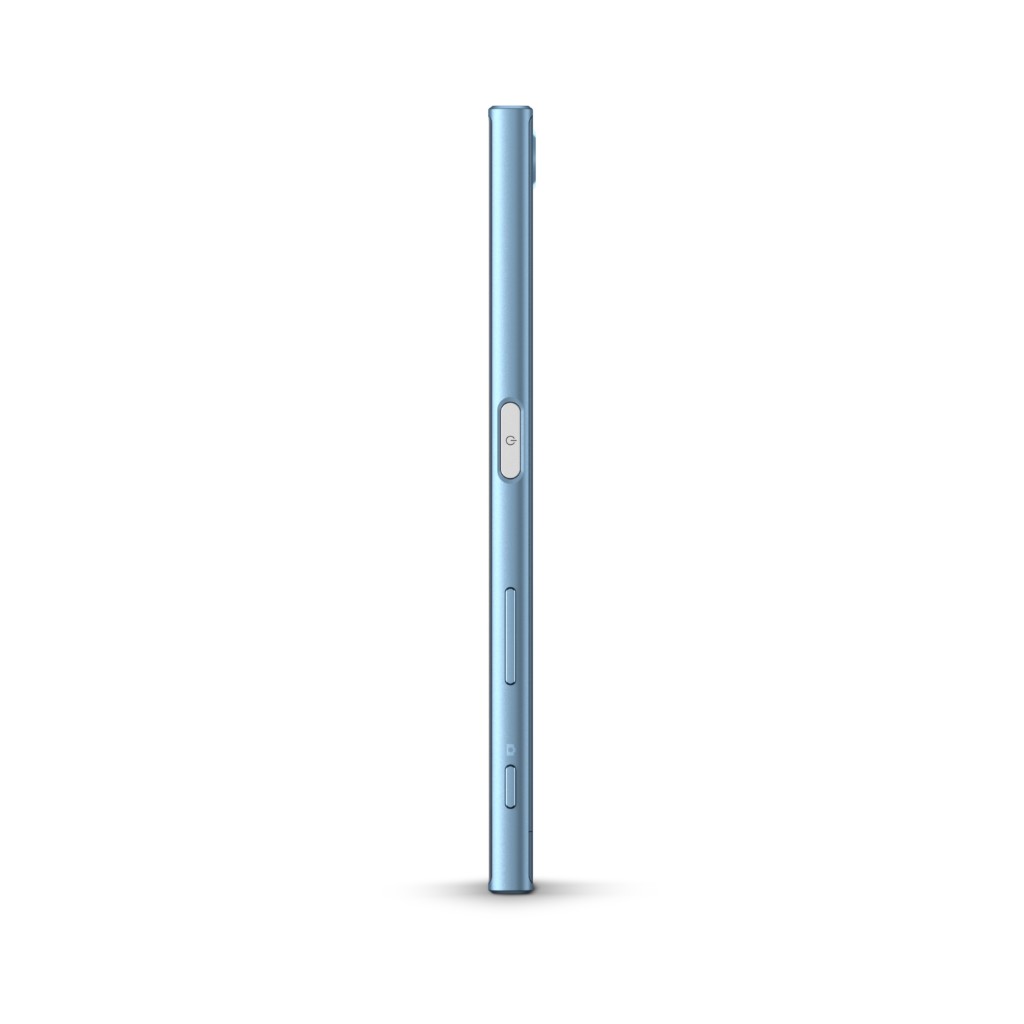
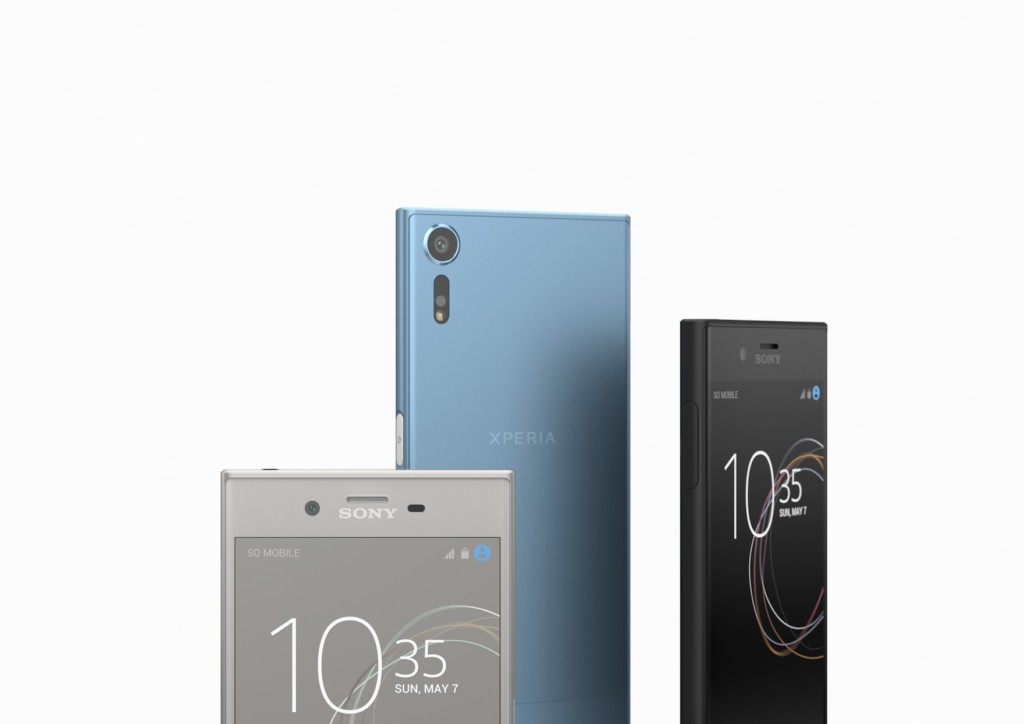
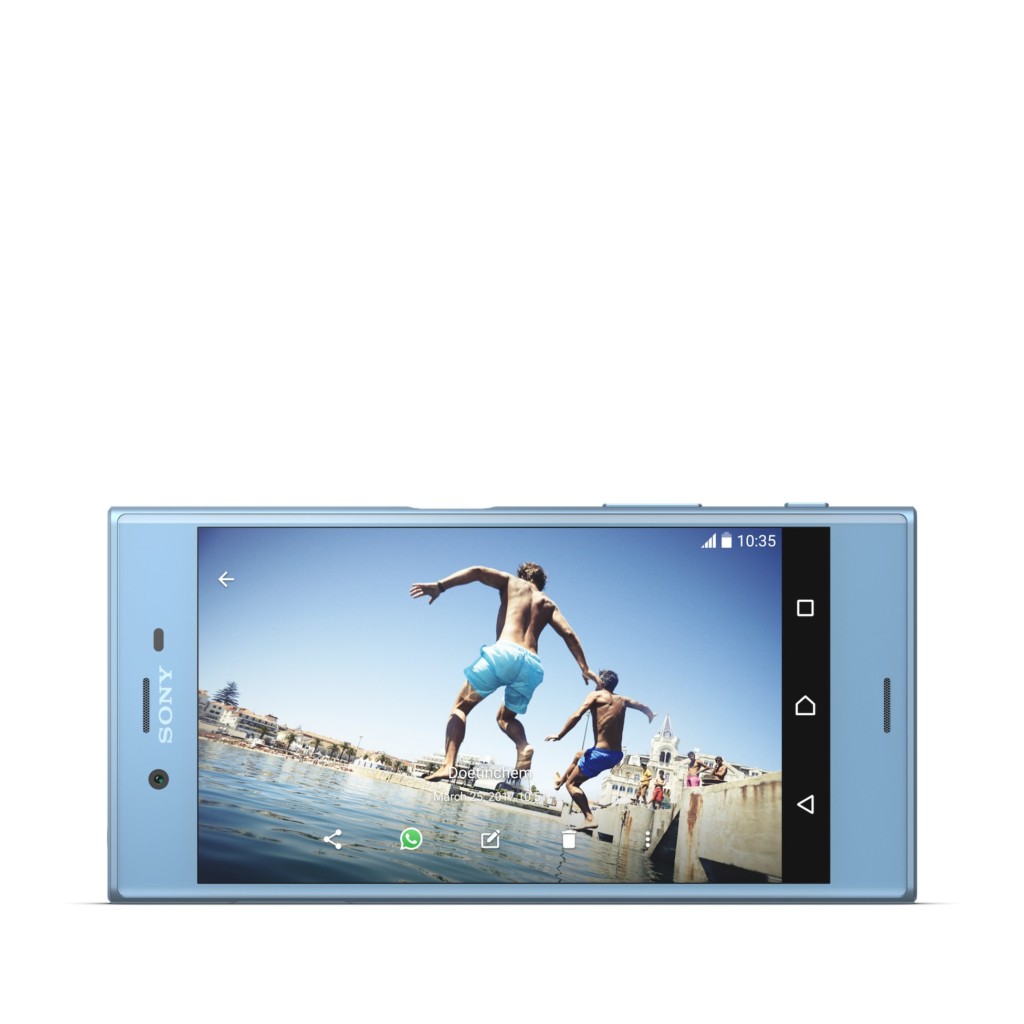
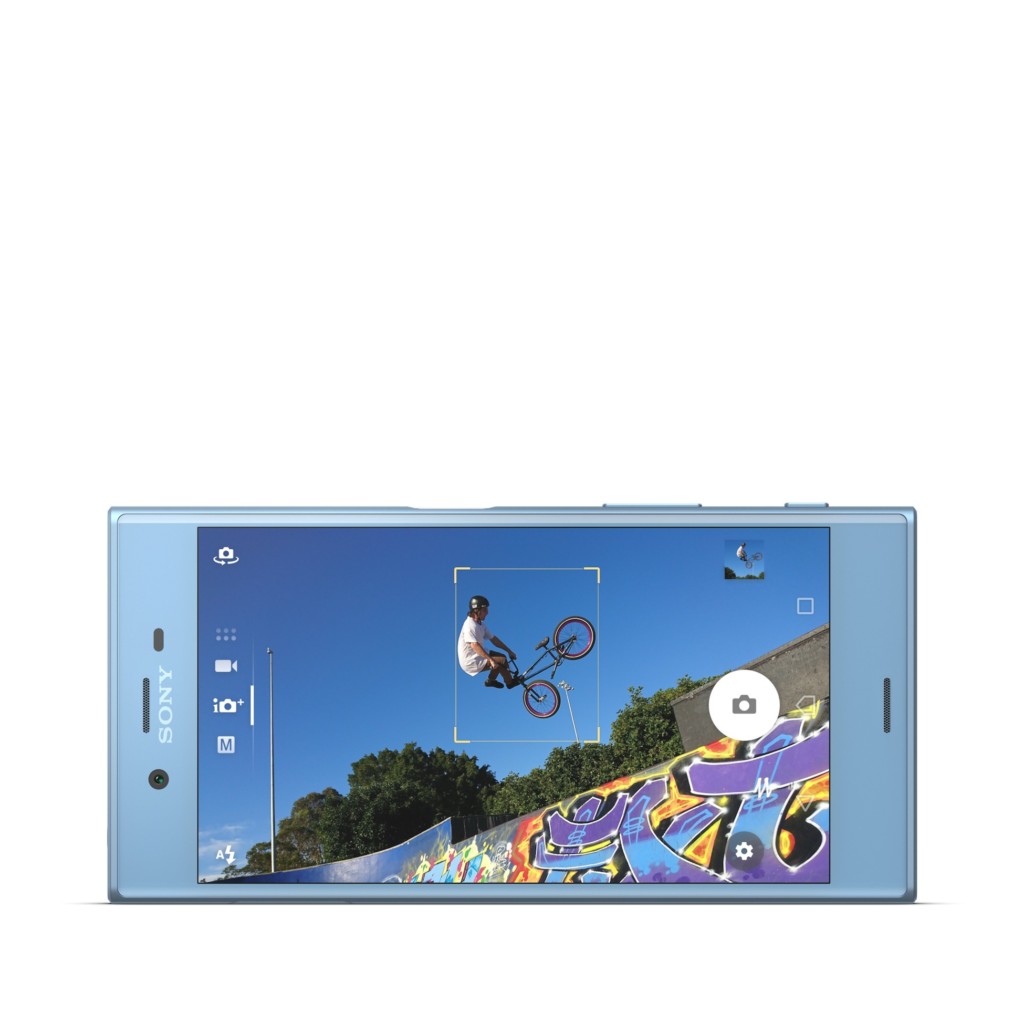
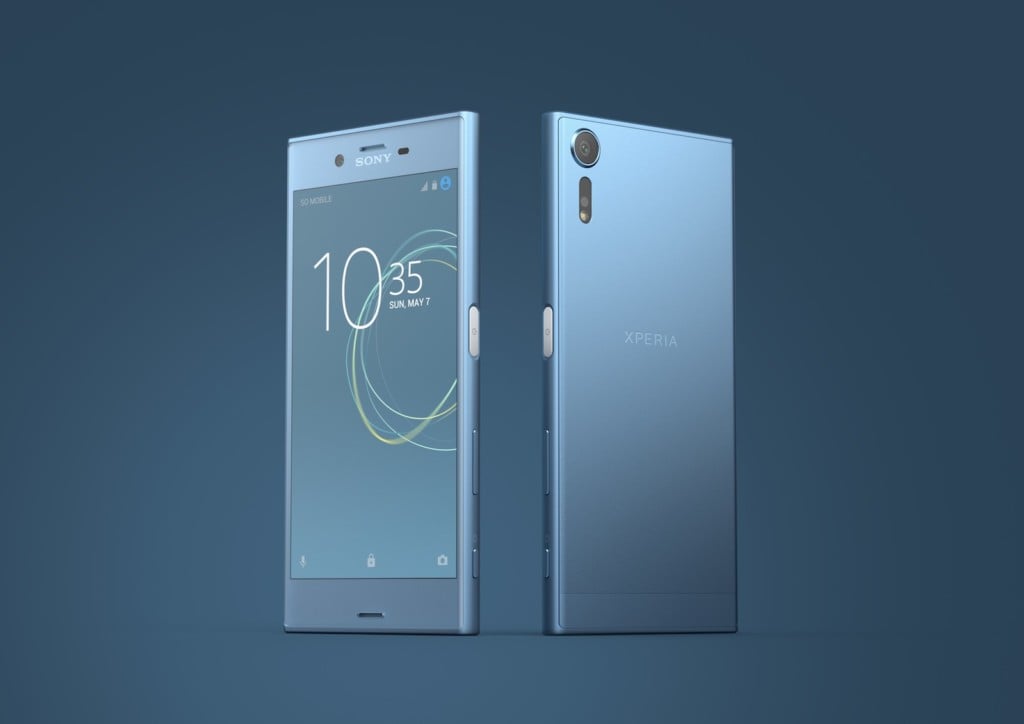
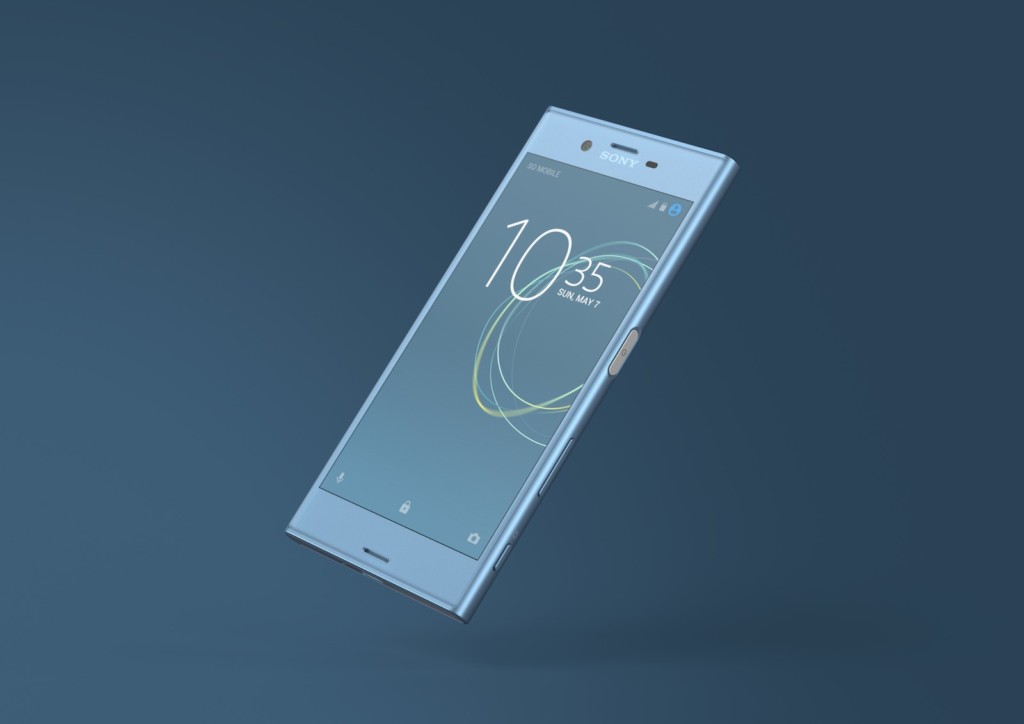
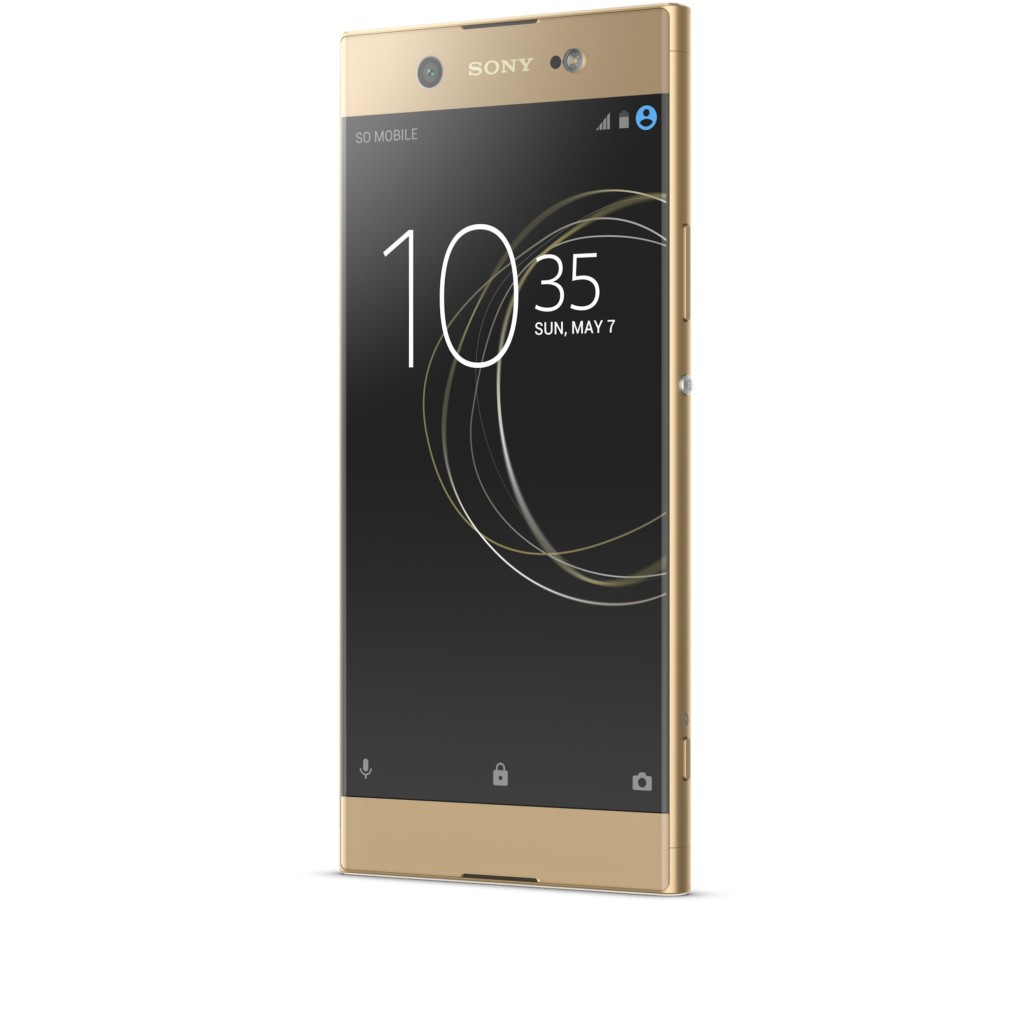
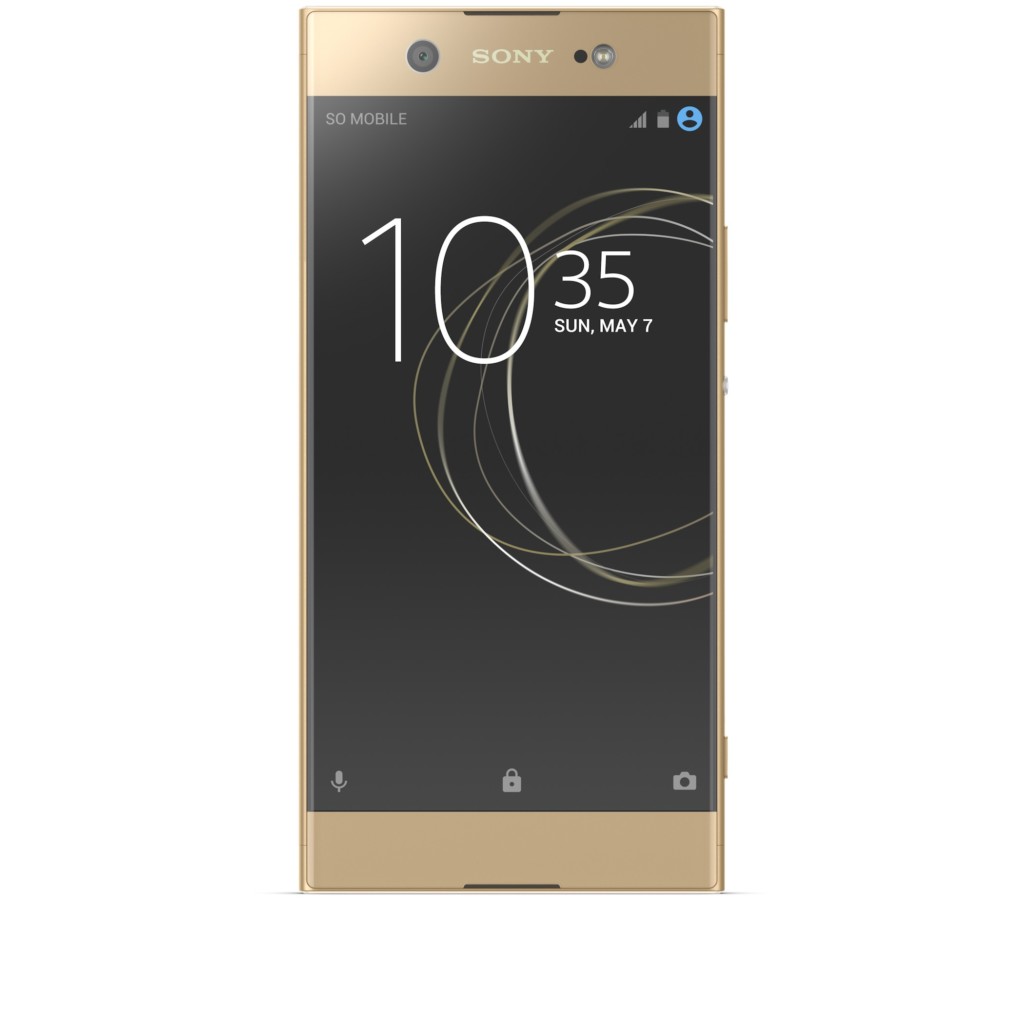
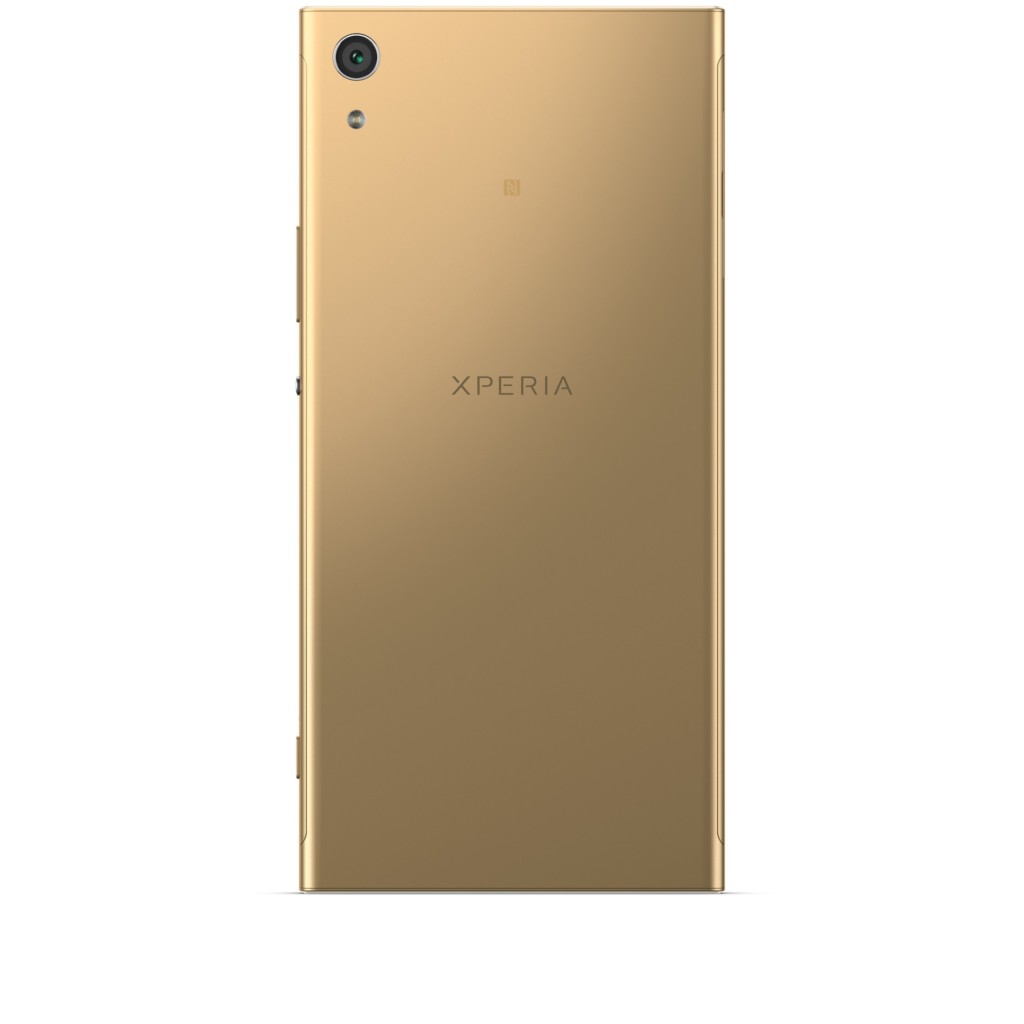
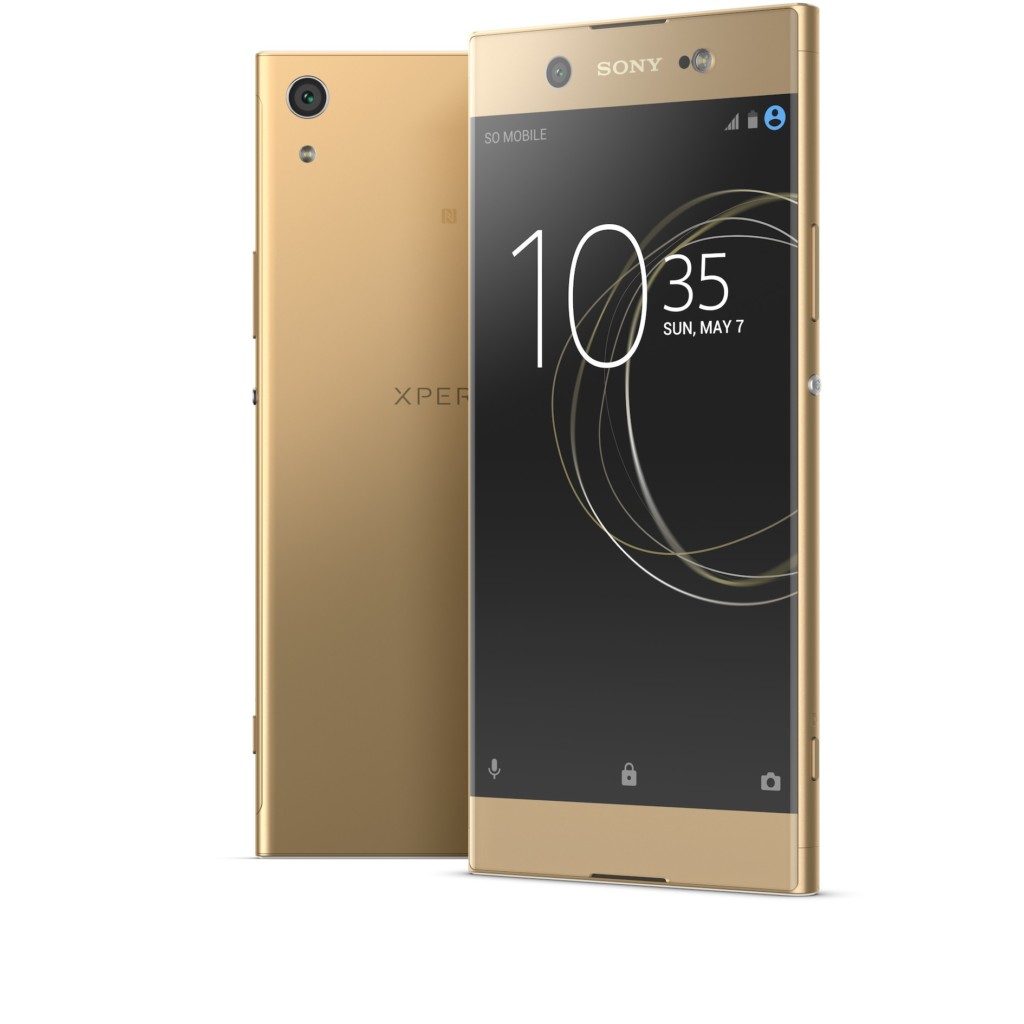
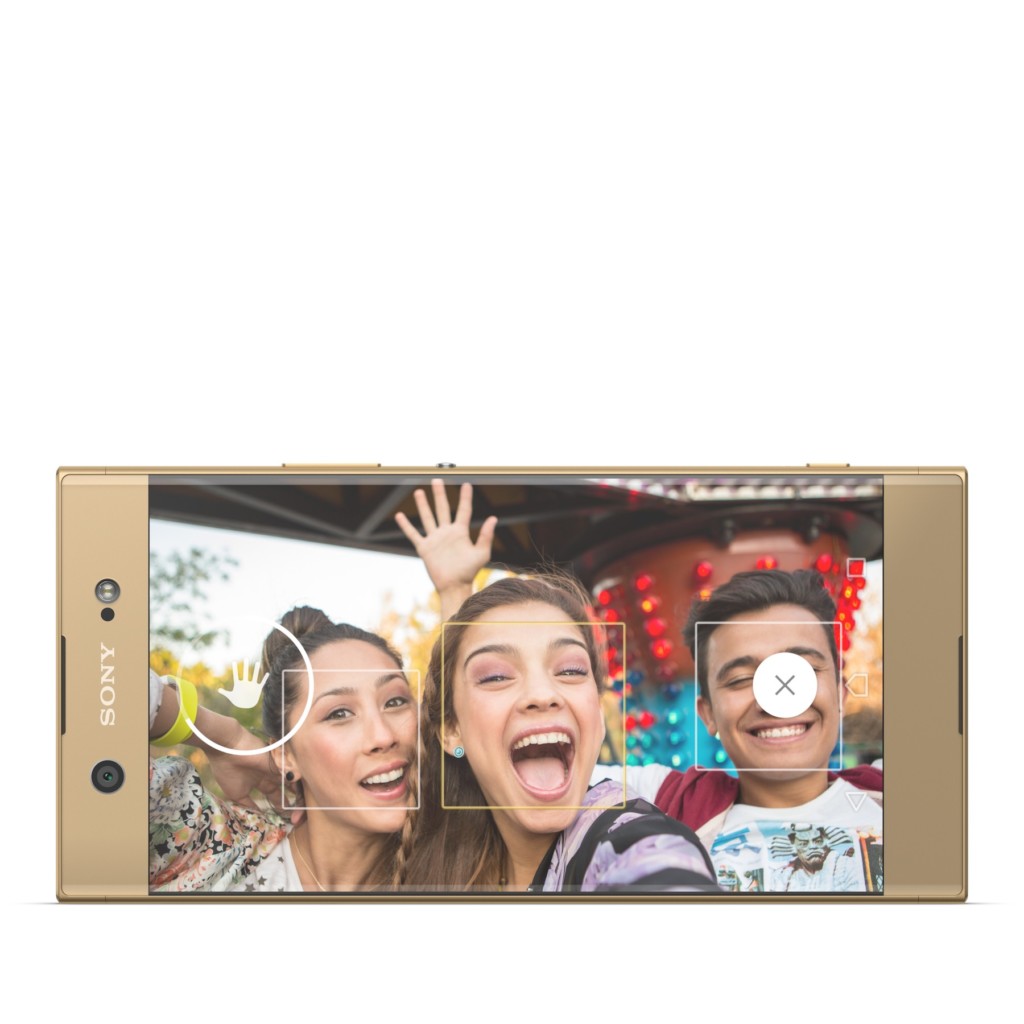
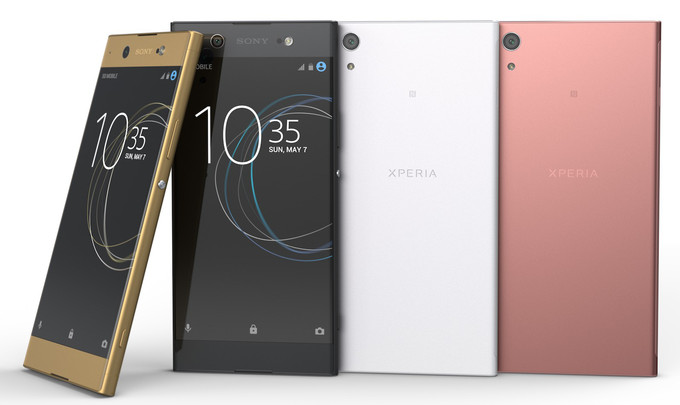
As the rumor mill had hinted, today Sony has unveiled four smartphones at Mobile World Congress (MWC) 2017 such as Xperia XZ Premium, Xperia XZs, Xperia XA1 and Xperia XA1 Ultra. Here are all the official images and information their pricing and release dates.
Sony Xperia XZ Premium Official Images, Specs, Pricing, Release Date
The Sony Xperia XZ Premium comes with fitted with a 5.5-inch 4K Tirluminos display coupled with Gorilla Glass 5. It is powered by Snapdragon 835 chipset and 4 GB of RAM. Its native storage is 64 GB along with external storage. Its 19-megapixel rear snapper can shoot 960 fps slow motion videos of 720 pixels. It has a 13-megapixel wide-angle selfie camera. It is packed with a 3,230 mAh battery. It runs on Android 7.1 Nougat OS and features a IP68 certified chassis.
The Xperia XZ Premium is expected to cost around $799. Since it is running on Snapdragon 835, it is pegged to launch in April or May. It will be available in two colors like Black and Silver.
Sony Xperia XZs Official Images, Specs, Pricing, Release Date
The Xperia XZs has a 5.2-inch full HD display and its powered by Snapdragon 820 chipset and 4 GB of RAM. Its internal storage is 64 GB and a microSD card slot. It features the same 19-megapixel snapper present on Xperia XZ Premium. It also features 13-megapixel wide-angle selfie shooter. It has a battery of 2,900 mAh capacity. It also comes preloaded with Android 7.0 Nougat.
The Sony Xperia XZs will be available for purchase in April with a pricing of $699. It also features a IP68 rated body and comes in color choices of Black, Silver and Blue.
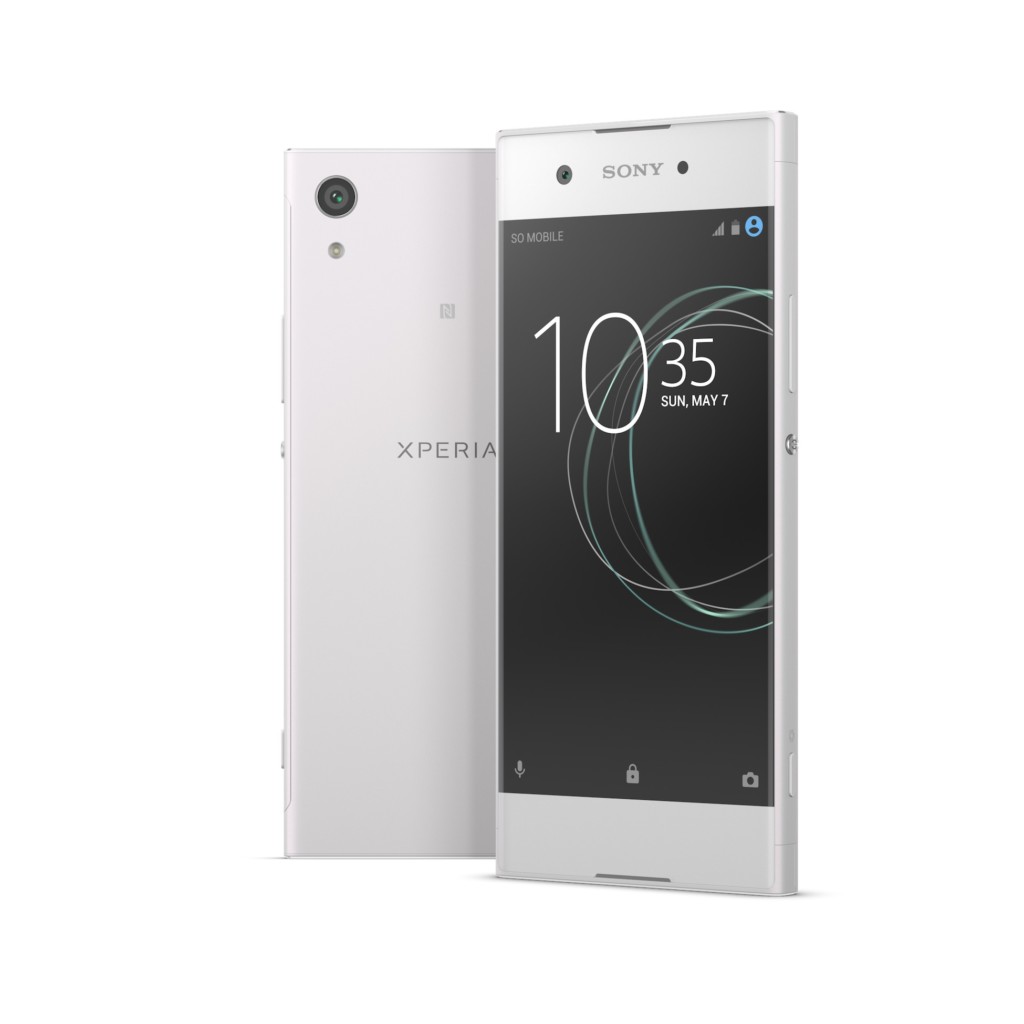
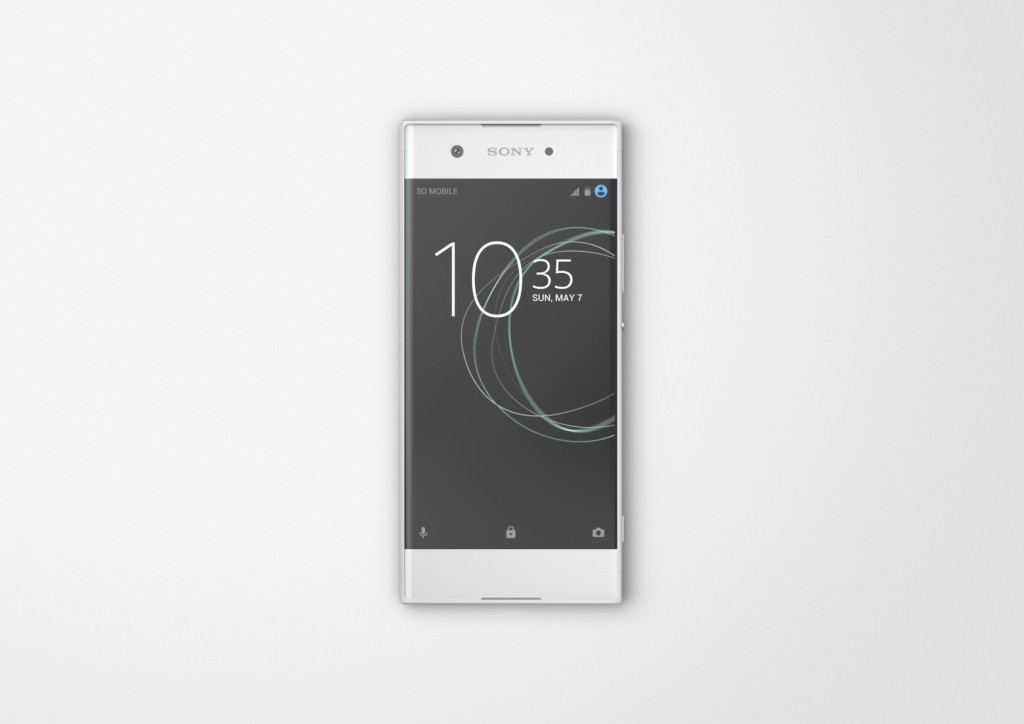
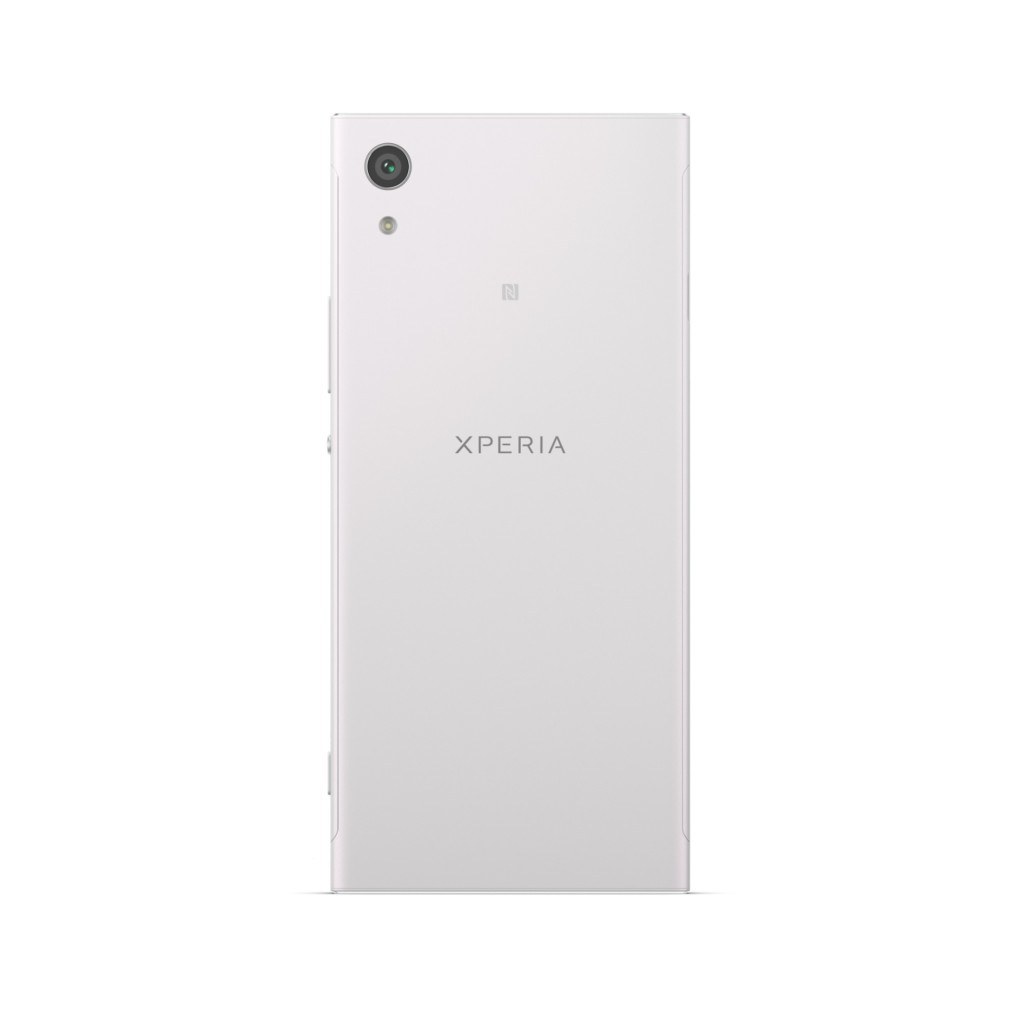
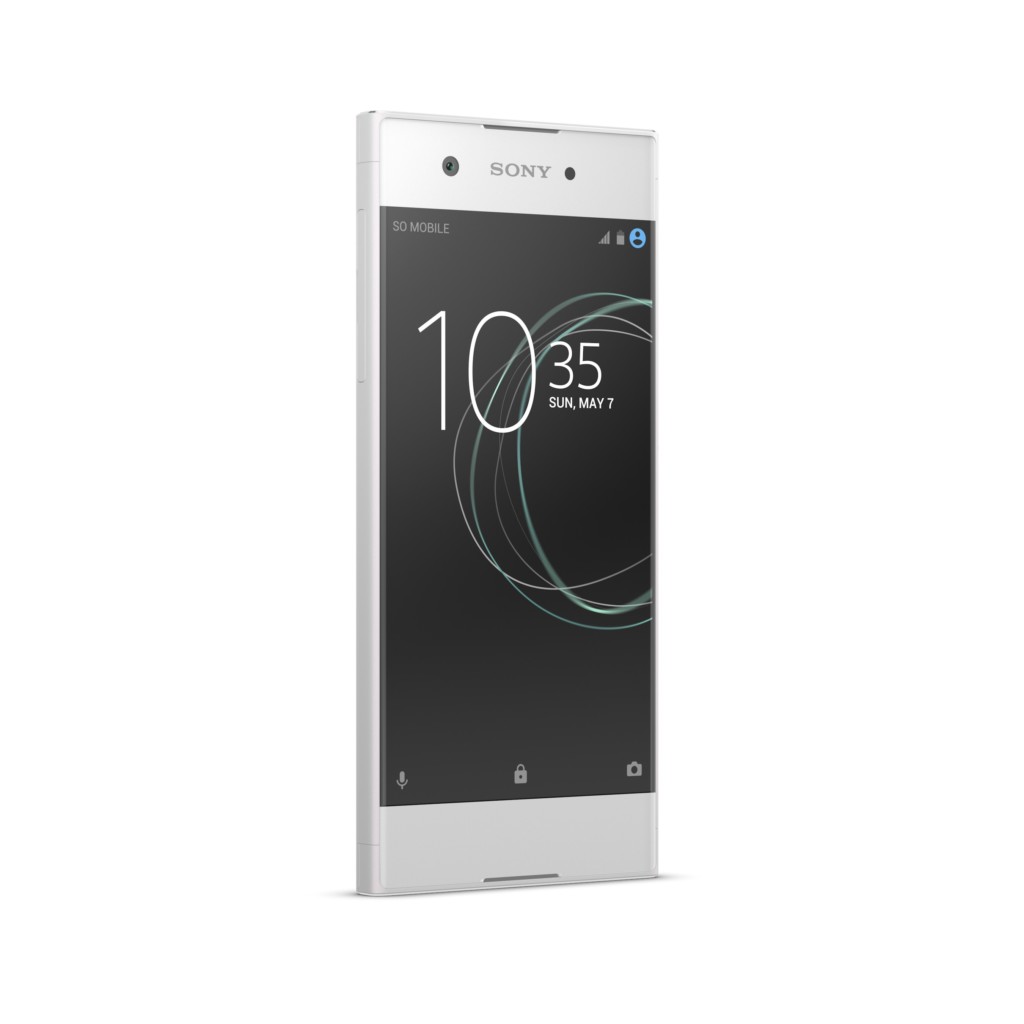
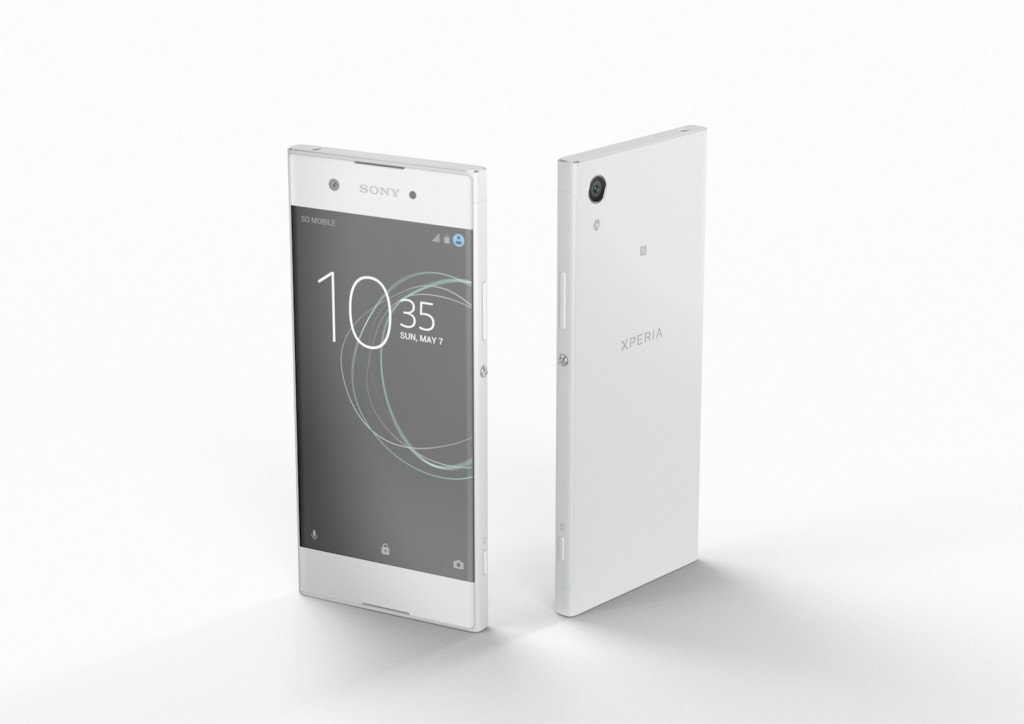
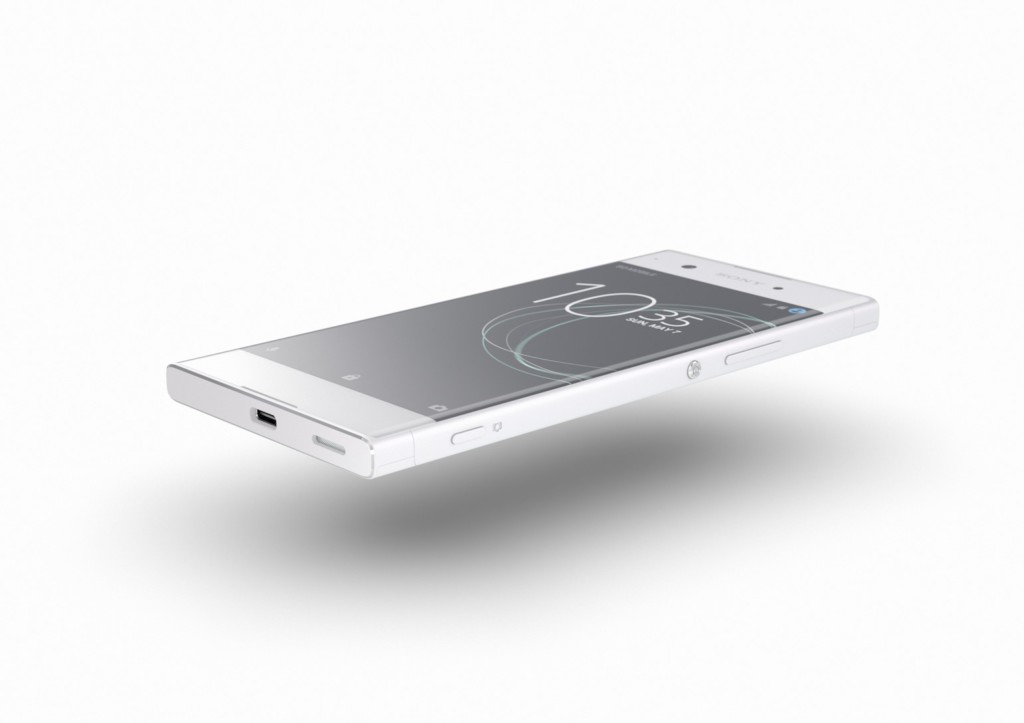
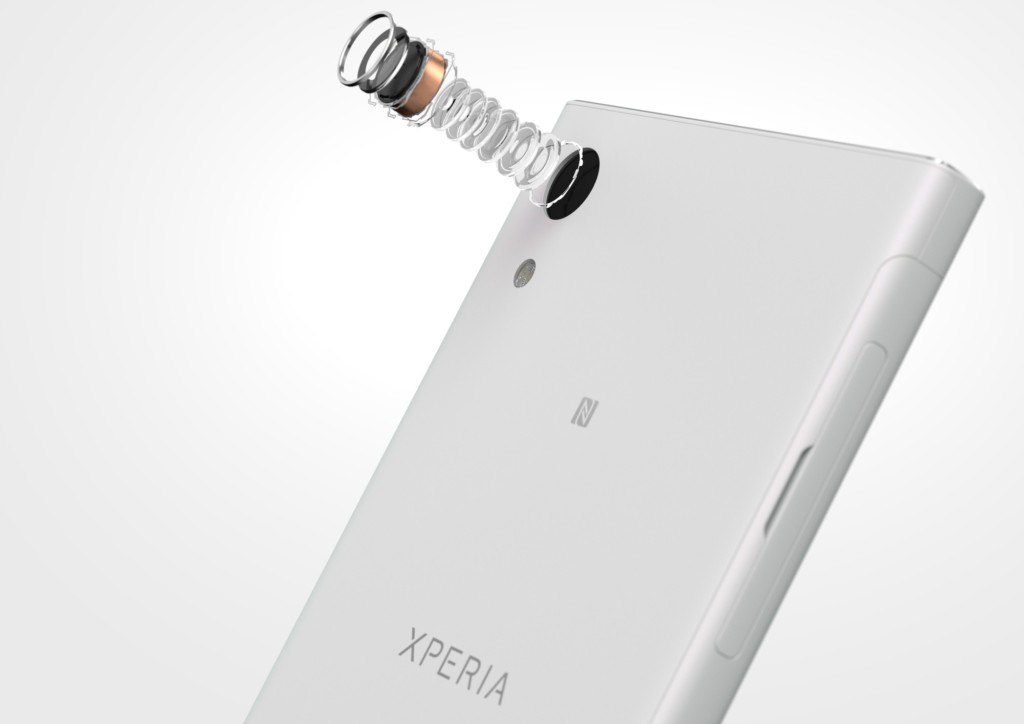
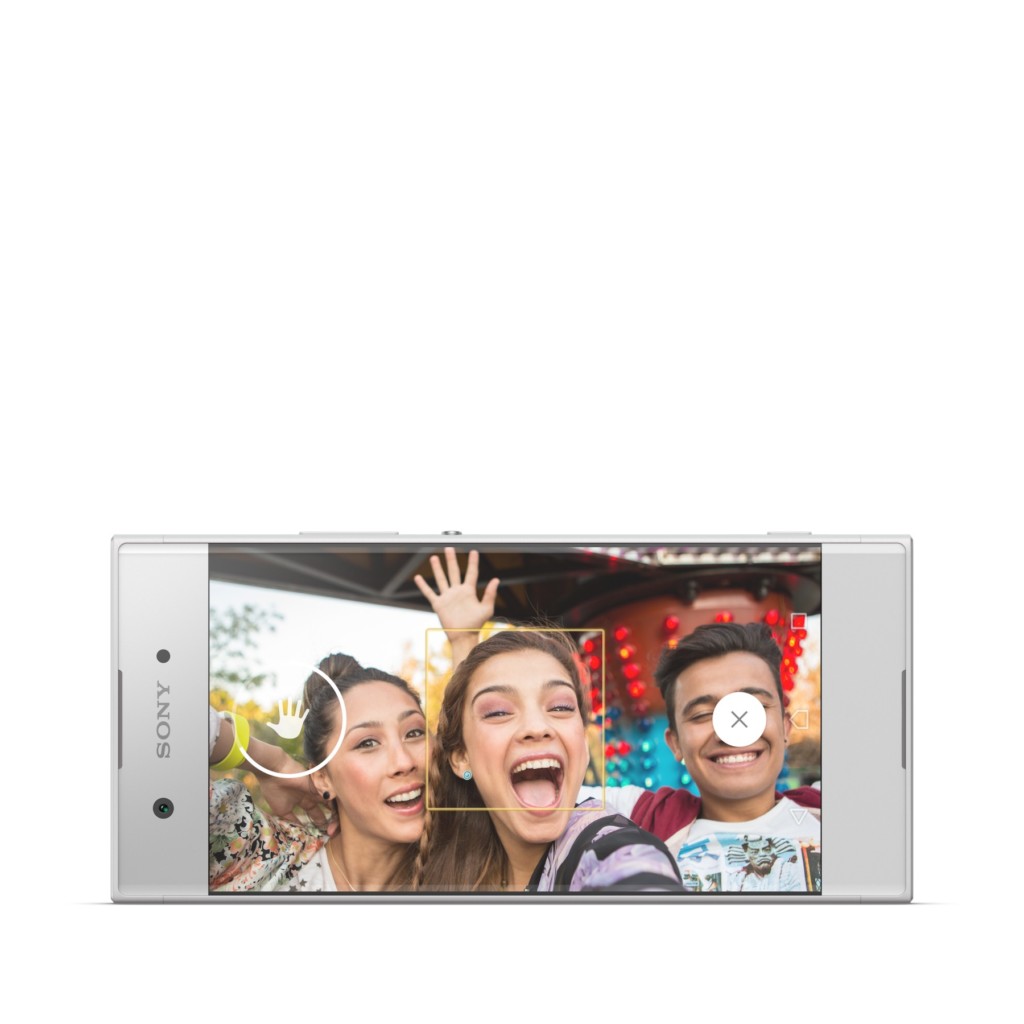
Sony Xperia XA1 and Xperia XA1 Ultra Official Images, Specs, Pricing, Release Date
The Xperia XA1 has a 5-inch HD display whereas the Xperia XA1 Ultra has a 6-inch full HD edge-to-edge screen. Both smartphones are powered by MediaTek Helio P20 chipset. The XA1 has 3 GB of RAM and 32 GB of storage whereas its Ultra variant has 4 GB of RAM and 64 GB of storage. Both smartphones feature microSD card slots.
The XA1 and XA1 Ultra feature 23-megapixel rear cameras. The front-facing camera on XA1 is of 8-megapixel whereas an OIS enabled 16-megapixel selfie camera is present on Xperia XA1 Ultra. Both phones run on Android 7.0 Nougat OS. The Xperia XA1 comes with a 2,300 mAh battery whereas its larger sibling includes a 2,700 mAh battery.
The Sony Xperia XA1 will go on sale from April 26 with a price tag of $299. The pricing of Xperia XA1 Ultra was not announced at the launch event. It is pegged to be available for purchase by summer.
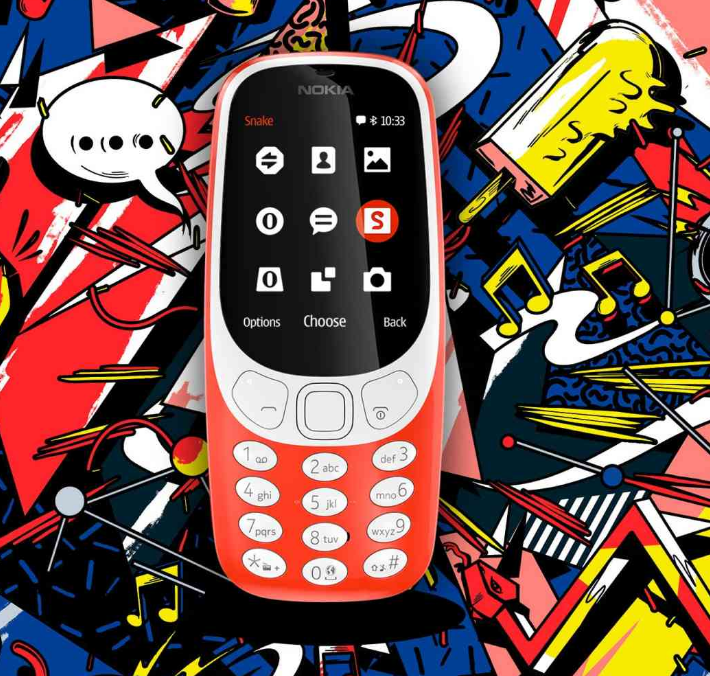
The legendary Nokia 3310 is back, and for most readers out here, it would have been one of the first phones that you every played with. There is no question about the importance of the old Nokia 3310 in the phone market, however, is a feature phone like the 3310 still relevant in the current market?
The Nokia 3310 comes with a refreshed design, in bright new colors (some of which I’m personally not a big fan of) and an increased battery life. Yes, the phone boasts of 22 hours of talk time and over 50 hours of music playback. Then there’s the legendary Snake game included in the phone that was probably the first game we played on our phones. All these things are enough for a healthy dose of nostalgia. But is it enough for fans to purchase the phone at $52?
Since most of the readers on gizmochina are obsessed with the best value for money smartphones, we would like to hear from you whether you would consider purchasing the refreshed Nokia 3310.
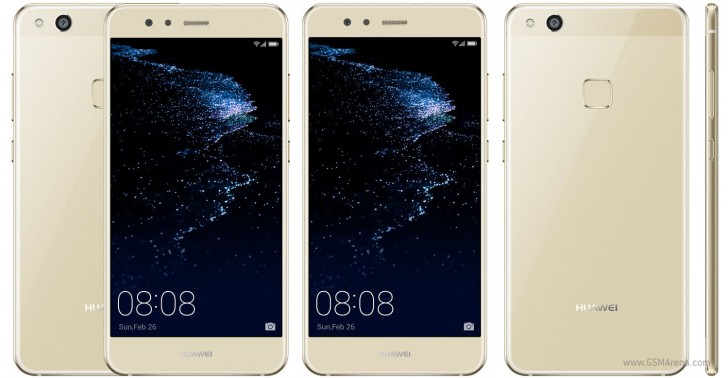
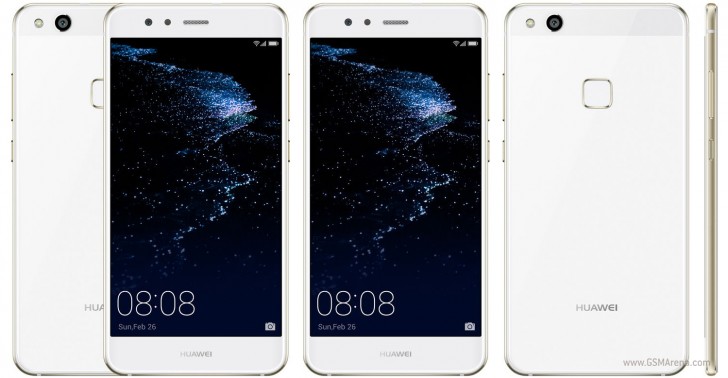
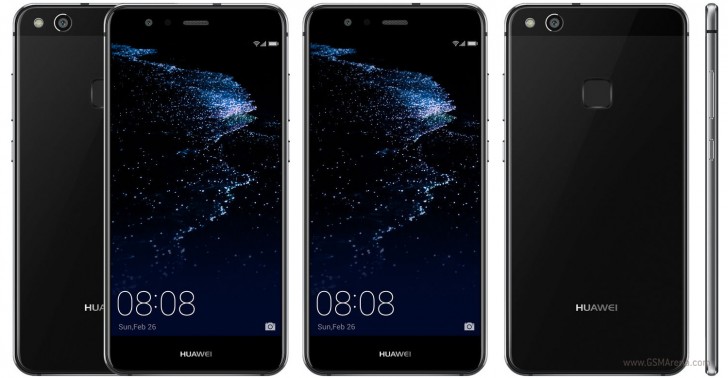
Ordinarily, we’d have thought the P10 Lite would pack trimmed down specs and design similar to those of the P10 but the flagship does not come with a design similar to that of the P10. The P10 Lite features an attractive design, nonetheless. For one, the P10 Lite packs a single camera at the rear and its entire design resembles that of the Huawei P8 Lite. The P10 Lite uses a metal frame with dual glass on both sides and a fingerprint sensor is also mounted at the rear.
On the specs angle, the Huawei P10 Lite will come with a 5.2-inch IPS display with full HD resolution. It is expected to be powered by an octa-core Kirin 655 chip with the Mali-T830 GPU firing up the graphics. The P10 Lite will pack 4GB of RAM inside as well as 32GB of expandable storage. The camera affairs would be piloted by a 12MP rear camera with f/2.2 aperture and LED flash while up front there’ll be an 8MP sensor. Huawei’s latest EMUI 5.1 based on Android Nougat is expected to provide the interface on the P10 Lite.
We won’t see the P10 Lite very soon as it is said to have a March launch date. The P10 Lite would be available in black, gold and white colors and is expected to be priced around €349 ( approx. 2,539 Yuan).
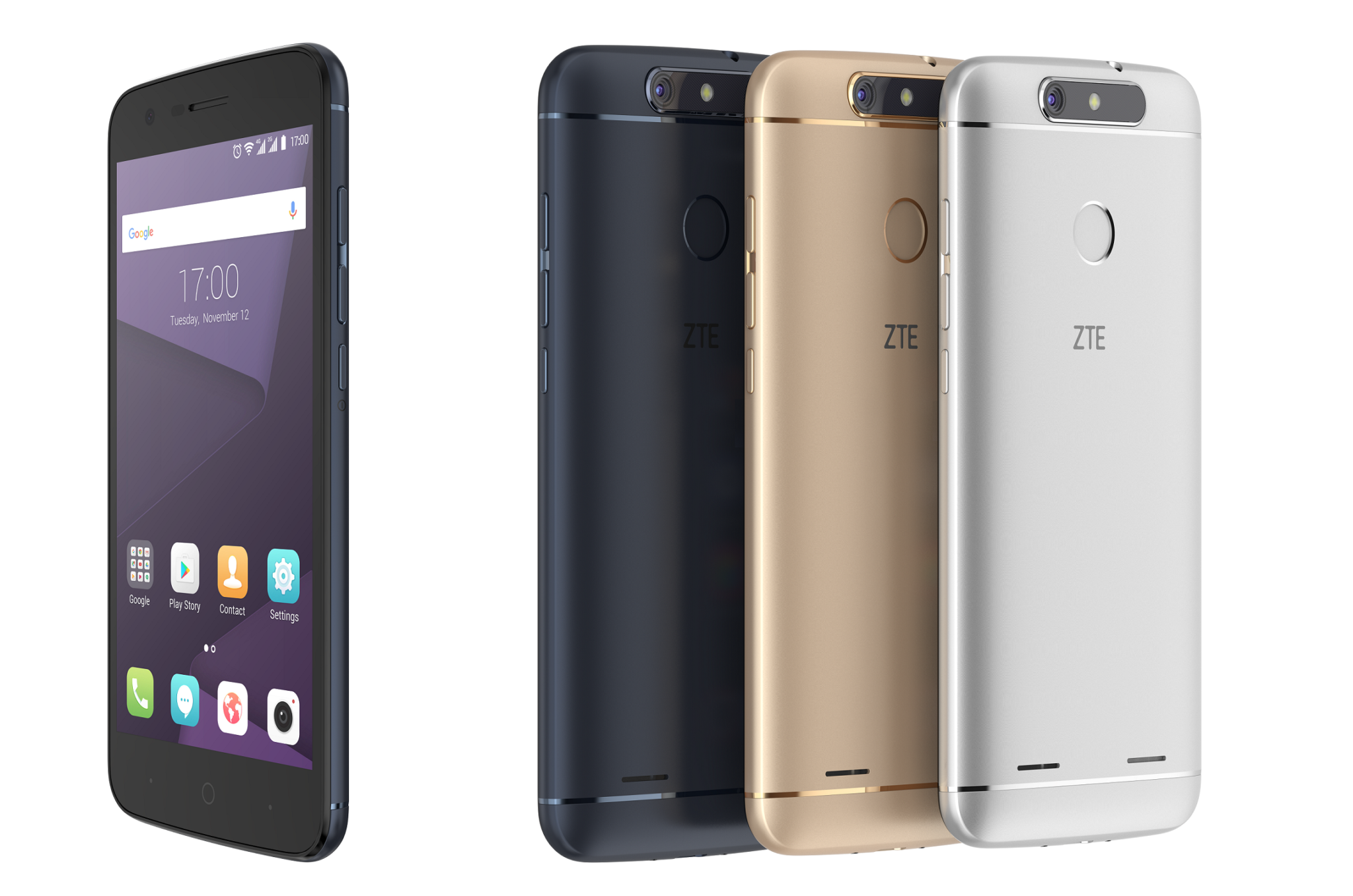
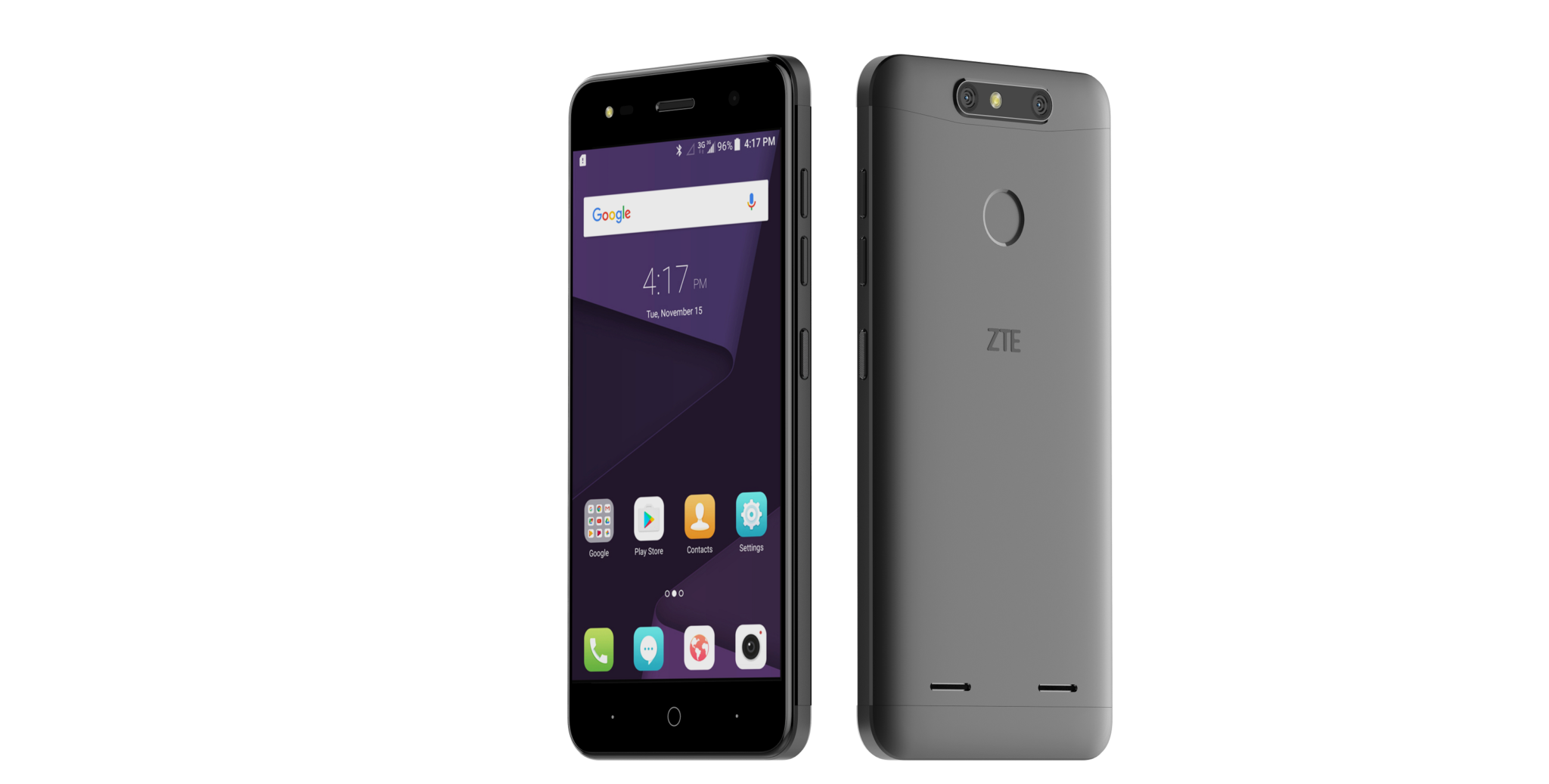
The Blade series is ZTE’s line of affordable smartphones. This year, they have announced four Blade phones already: the ZTE Blade V8, Blade V8 Pro, Blade A2 Plus, and the ZTE Blade A610 Plus. They don’t seem to be done yet as they have announced the ZTE Blade V8 Lite and Blade V8 Mini at MWC.
ZTE Blade V8 Lite
Blade V8 Lite
The Blade V8 Lite is inspired by French upholstery. It sports a curved design and a slim metal body with Zircon sand blasting finish. There is a 5-inch HD display, 2GB of RAM, and 16GB ROM with SD card support (128GB max.) It is powered by an MTK6750 octa-core processor.
The V8 Lite has an 8MP autofocus rear camera with LED flash and a 5MP fixed focus camera up front for selfies. There is a non-removable 2500mAh battery under the hood,a fingerprint scanner, and a 3.5mm audio jack.
The Blade V8 Lite comes with Android Nougat out of the box, has Bluetooth 4.1, FM Radio and VoLTE support. It supports Bands 3, 7, and 28 FDD LTE.
ZTE Bade V8 Mini
Blade V8 Mini
The Blade V8 Mini is the more sophisticated one of the two. Like the V8 Pro and V8, the V8 mini also comes with dual cameras. ZTE says it is aimed at photography lovers who want to take bokeh pictures without buying a DSLR. The Blade V8 Mini also supports 3D photos. What it does is combine two pictures taken by the dual cameras into a single 3D image.
The ZTE Blade V8 Mini has the same 5-inch 720p display as the V8 Lite and even the same RAM and ROM. The processor however differs. ZTE has settled for the now popular Snapdragon 430 which is present in the Nokia 6, Nokia 5 and Moto G5 The dual rear cameras are a combination of a 13MP sensor and a 2MP sensor. The front camera is a 5MP shooter but has a moonlight flash to brighten up your selfies.
There is also a rear-mounted fingerprint scanner that does more than unlock your phone. You can configure it to open a certain app when you touch it when the screen is off. The V8 Mini also lets you create a sort of private space that encrypts your pictures, documents, messages and apps.
There is a 2800mAh battery powering the Blade V8 Mini. It runs Android Nougat with ZTE’s MiFavor 4.2 overlay and also supports VoLTE.
ZTE has not mentioned the price details for both phones or when they plan to hit the shelves.
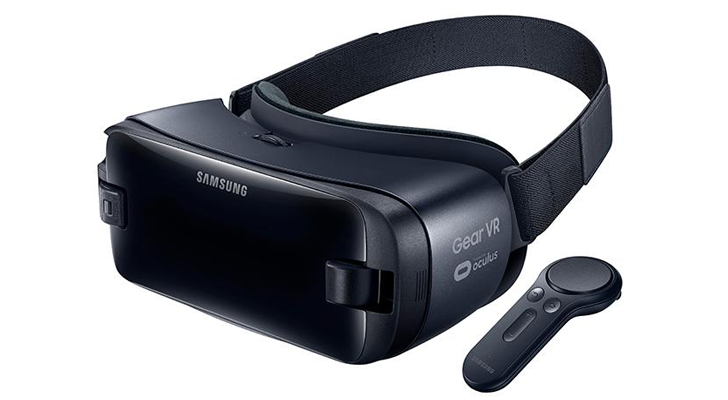
Samsung unveiled the Galaxy Tab S3 yesterday in Barcelona. Asides that, it also announced the new Gear VR headset which now comes with a controller.
The new Gear VR headset, like the former is made in partnership with Oculus and comes with a controller that makes interacting with games easier and much more fun. For those of you with keen eyes, you will notice the controller looks very much like that of HTC’s Vive.
The controller has a circular touchpad for navigation; a trigger button for grabbing, shooting, and aiming depending on the app; and also has integrated home, volume, and back buttons. Samsung has designed the controller such that it works with one hand.
Since there is a new controller, Samsung and Oculus are working on over 70 new titles that will take advantage of the new hardware. They have also said the controller will work with existing touchpad apps. The controller’s SDK will also be available to developers in a few weeks and you can even submit your request here.
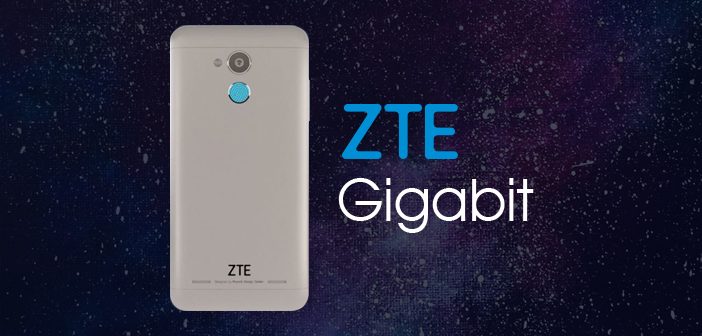
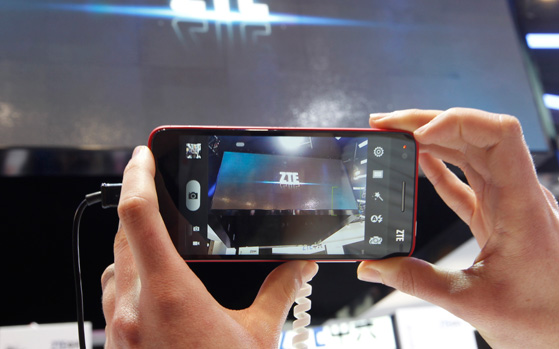
ZTE on Sunday, unveiled its first 5G-capable smartphone, the ZTE Gigabit Phone. The phone is said to be capable of achieving an ultra-fast download speed of up to 1Gbps using carrier aggregation. You might want to think we are already entering another phase of mobile telephony, just that the ZTE Gigabit phone is just a concept.
ZTE might never actually sell the 5G smartphone but it showcases the potential in terms of lightning-fast download speeds which 5G network offers. But you need not worry, 5G network may actually be the next feature smartphones manufacturers would be jostling to have on their devices. Already, Intel, Qualcomm, and Samsung have all announced new chipsets that can support gigabit LTE speeds. US carriers, AT&T and Verizon are planning to roll out their own 5G network later this year.
The ZTE Gigabit is powered by the Qualcomm Snapdragon 835 chipset, which features an integrated Snapdragon X16 LTE modem.This is a combination of wireless carrier aggregation with 4×4 MIMO antenna technology and 256-QAM modulation to achieve download speeds of up to 1Gbps. The phone is still on display at MWC 2017 in Barcelona and the practical demonstration of this technology is ongoing. In addition, the Gigabit makes 360-degree VR, 4K video, and instant cloud storage possible while on the move.
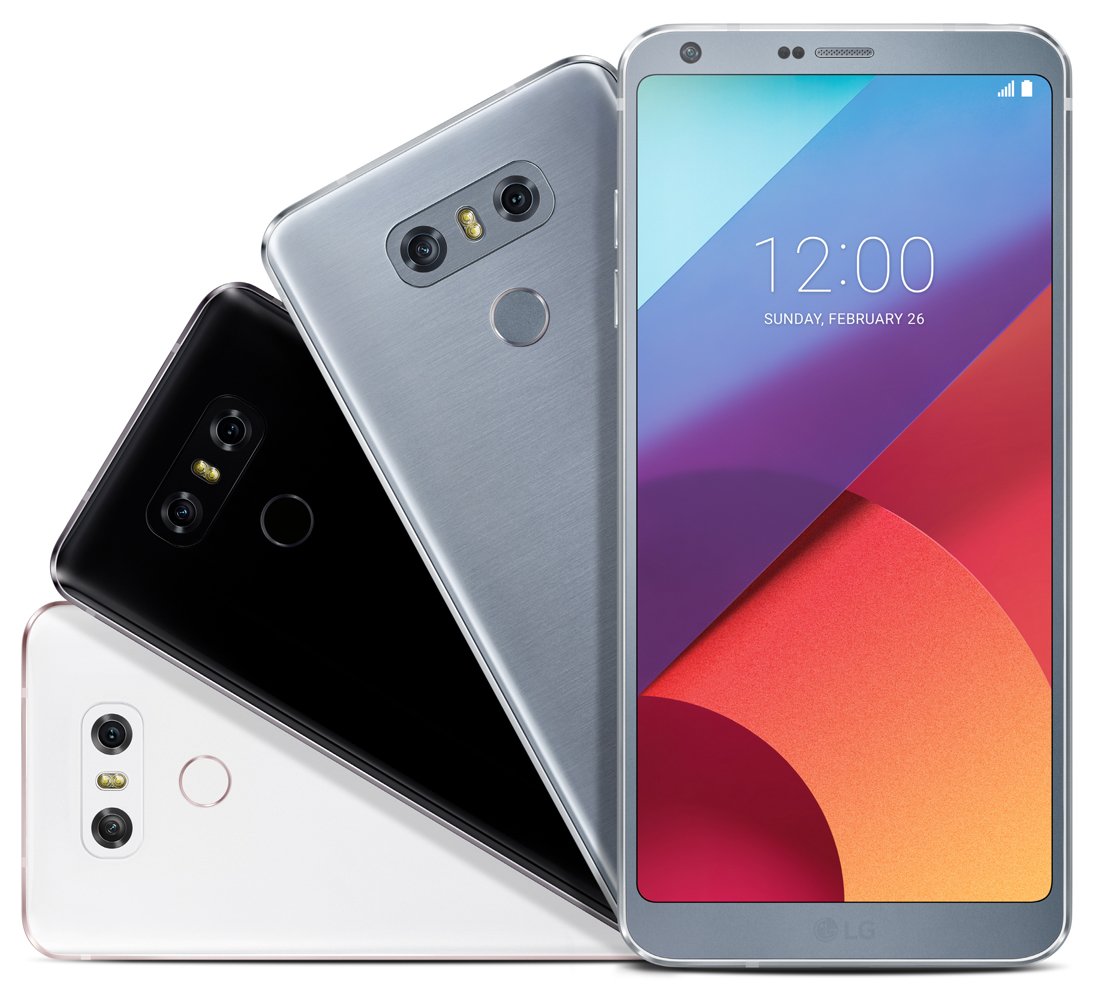
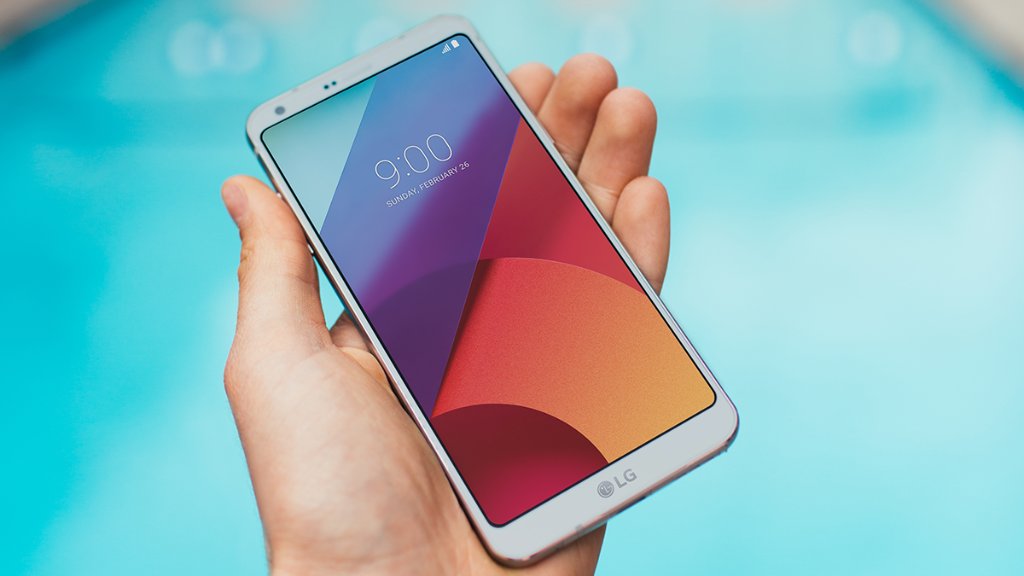
The LG G6 was officially announced on Feb. 26. It comes with an impressive design and specs. Since the Samsung Galaxy Note 7 met with premature death because of its faulty batteries, its rivals have been putting full efforts to reveal how safe their devices are. During a recent press meet, an LG executive had dismantled the LG G6 to reveal its internal components.
In the LG G6 teardown video, the executive can be seen opening the back panel of the smartphone that features Gorilla Glass 5. Removing it reveals a large-sized fingerprint sensor module. It also reveals the wireless charging coil. LG has confirmed that the wireless charging would be available only on the U.S. variant of the LG G6.
The antenna assembly along with the loudspeaker can be removed by unscrewing the screws from the rear side. Removing the top antenna detaches the wireless charging coil to reveal other components like the mainboard and the battery.
The advanced heat pipe with a copper plate can be over the Li-Po battery at the center by disconnecting a few connectors. Internal testing has revealed that the heat pipe can reduce the temperature of the Snapdragon 821 chipset by 10 percent. The heat pipe contains 0.1g of liquid cooling solution to prevent overheating.
A report from DigitalTrends that LG has performed numerous tests and analysis on the LG G6 batteries to ensure complete safety of its users. Driving a sharp nail through it, exposing it to extreme temperatures and dropping heavy objects on it to test its ability to withstand intense pressure are some of the tests carried out by LG to demonstrate the safety of the LG G6 batteries. All these tests confirm that the LG G6 batteries are safe and they do not explode on general use.
The LG G6 is expected to be available in South Korea and some regions by March 10. The LG G6 pre-orders will run through March 2 to 9 and its shipments will begin from March 10. As far as the U.S. release of the smartphone is concerned, the U.S. carriers are expected to begin its sales by spring.
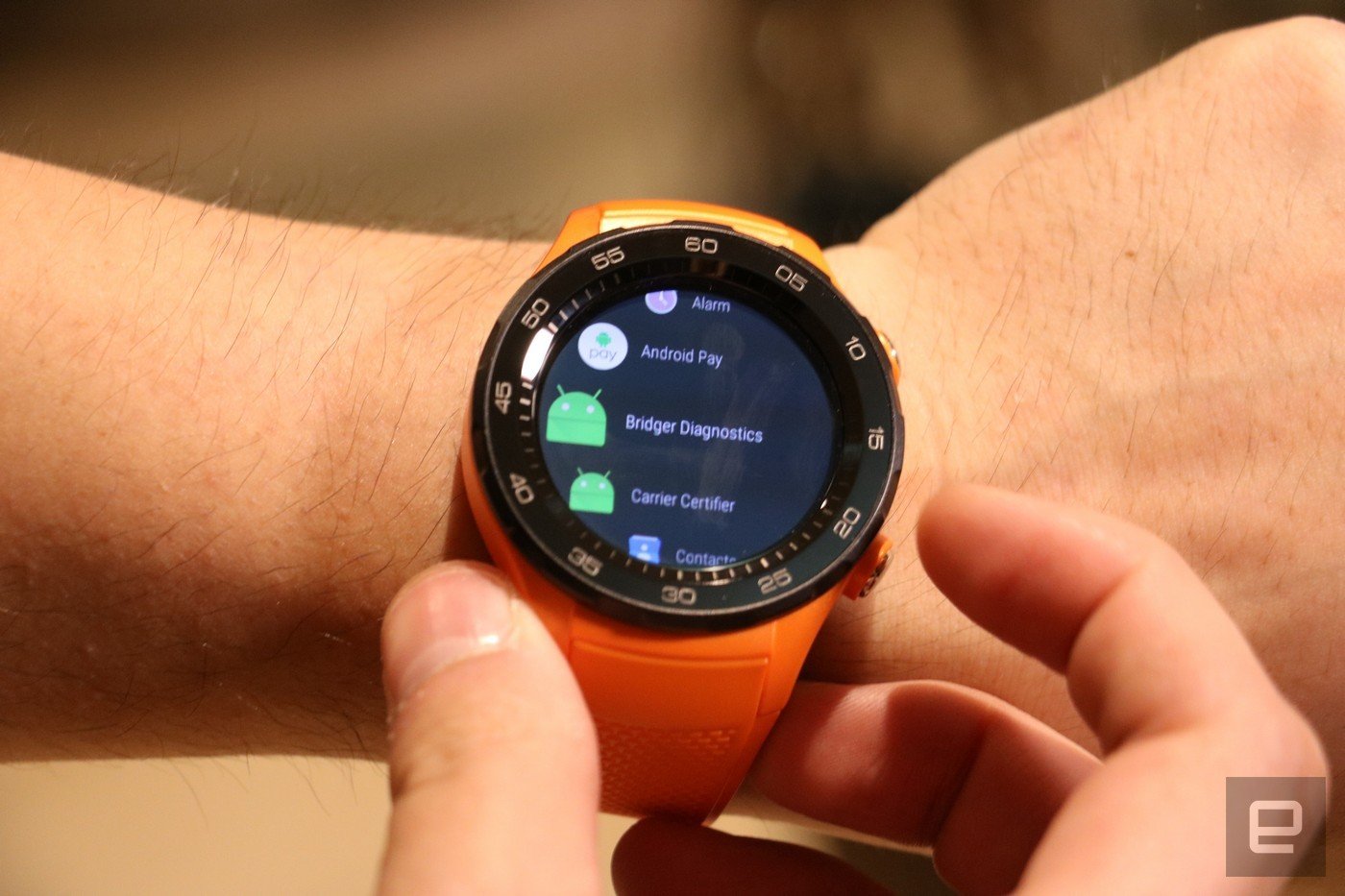
Huawei recently launched the P10 and P10 Plus flagships at MWC 2017 and in addition to the two smartphones, the company also announced its latest smartwatch, the Huawei Watch 2. The Huawei Watch 2 joins LG’s smartwatch as the first two watches which runs on Google’s Android Wear 2.0.
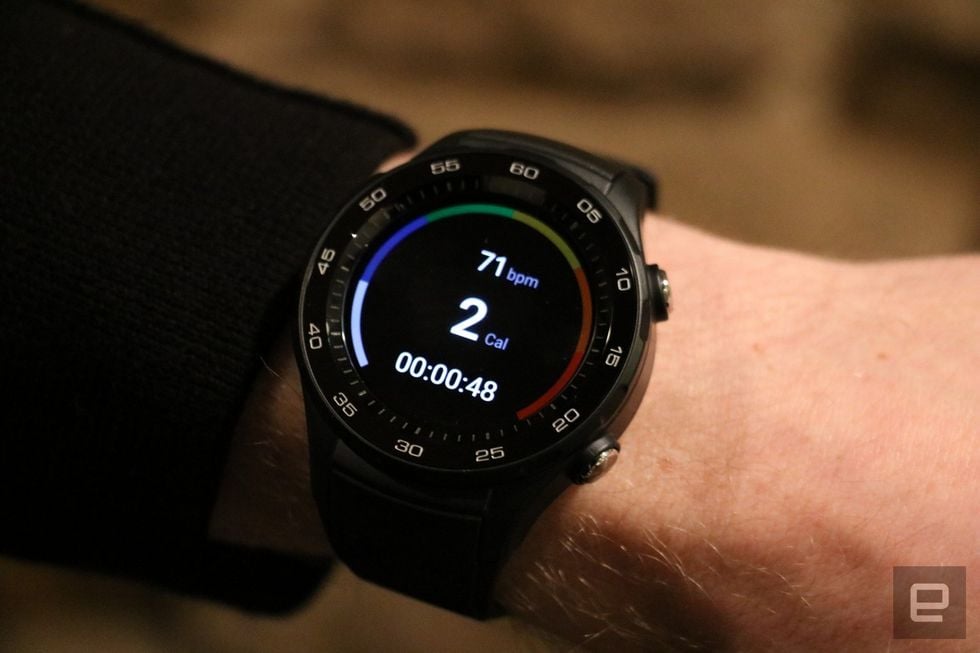
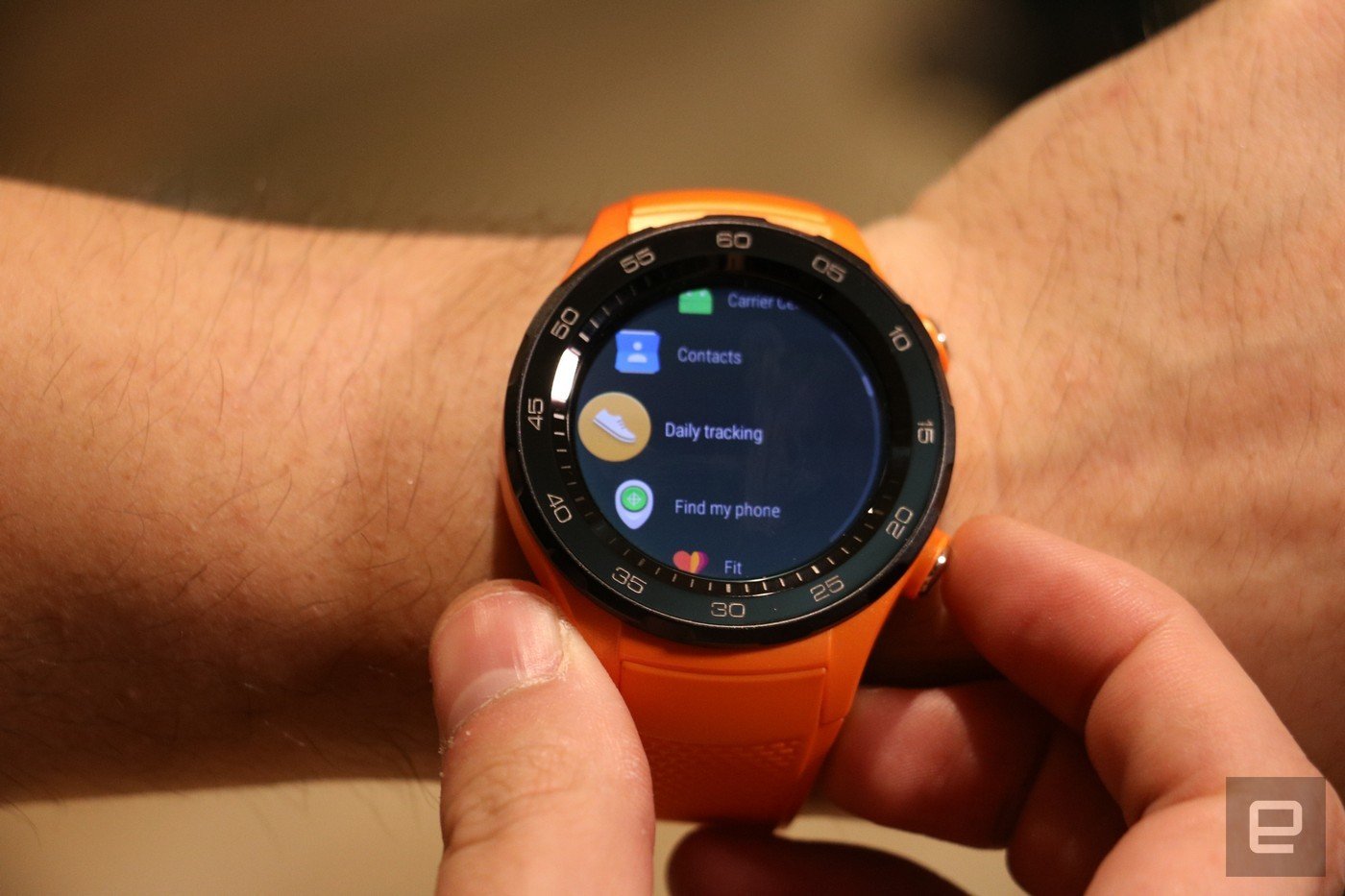
Apart from Google’s latest OS running inside the Huawei smartwatch, the Watch 2 comes with a sportier body and equally has a Classic model with a black paint job and leather straps. The Watch 2 sports a circular 1.2-inch face. The display is surrounded by etched ceramic bezels which add a premium feel to the device. It is powered by a Snapdragon 2100 chipset and features NFC which can be used for Android Pay. There is also the prospect of LTE support onboard, depending on your region.
The Watch 2 is a complete fitness band, packing features like heart rate monitor, fitness features for monitoring activities like running, cycling or working out on the treadmill. There is also IP68 level of protection against water and moisture, so there is no cause for concern about using the device in wet conditions. Huawei did well in cramming a large 420mAh battery inside the device which can last up to 25 days under the Watch mode. Under normal usage, though, the smartwatch can last up to 2 days.
The Huawei Watch 2 also comes in gray, yellow, black and bright orange variants and carries a price tag of 329 Euros ( around $350). The device will start shipping to the US in April, while some European countries would get a feel of it earlier on in March.
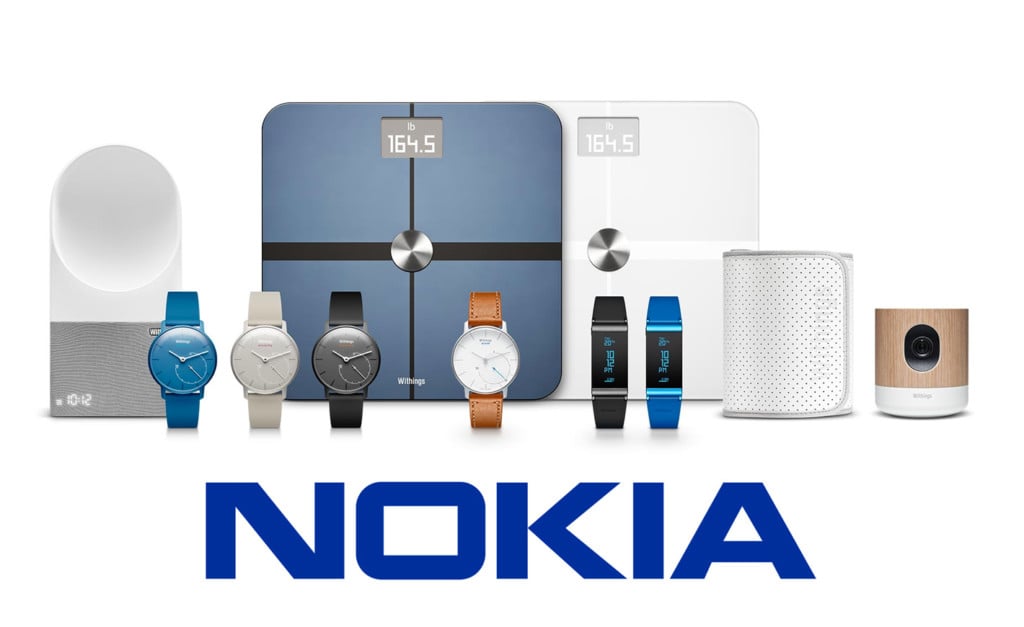
Nokia has officially three new phones at the Mobile World Congress (MWC) 2017 namely, Nokia 3, Nokia 5 and an updated edition of Nokia 3310. At MWC 2017, Nokia also confirmed that the Withings wearables will be sold as Nokia products starting from summer this year.
In June 2016, Nokia had acquired Withings for $191 million. Withings is a French based firm that specializes in making smart health devices like smartwatches, fitness bands, connected scales, blood pressure monitors, thermometers, home cameras and more. These products as well as its software will be rebranded as Nokia devices.
Since Nokia is a well-known brand name, it makes sense for the company to kill Withings branding. The rebranding was officially confirmed by Cedric Hutchings, the Vice President of Digital Health for Nokia and the former CEO of Withings. According to Hutchings, ”Withings joined Nokia because we share a vision to inspire individuals to take control of their own health. With the full power of a brand recognized for trust, reliability and quality, we will reach more people and impact more lives to help the human family be healthier together.”
Nokia will be relaunching the Health Mate app from Withings with a new design. It will arrive as HIPAA-compliant Patient Care Platform that will serve as a common place to get information from all the health devices by giving users with a “360-degree view of health.” The app is expected to include ‘in-depth coaching programs” that will provide users with up to eight weeks of fitness plans.
Through the Patient Care Platform, doctors and health experts will be able use smart devices to monitor the health of their patients in order to provide them with timely treatment and prevent unneeded visits to the hospital.
The decision of rebranding Withings to Nokia has come at a time when there is less demand for wearables in the market. The sales of Fitbit health bands are declining and Pebble was acquired by Fitbit for $23 million as it met with financial troubles. HMD Global has relaunched the Nokia brand by releasing phones like Nokia 6, Nokia 5, Nokia 3 and the updated Nokia 3310. With Nokia branding for health products, the company aims to broaden its consumer products profile.
Samsung has officially announced the Galaxy Tab S3 tablet and as rumors had stated the company has also released an official teaser to confirm the Samsung Galaxy S8 launch date.
Samsung has been launching its Galaxy S series smartphones a day before Mobile World Congress event since the past few years. However, this year it used the pre-MWC 2017 press conference to announce devices like Galaxy Tab S3, 10.6-inch and 12-inch Galaxy Book. The Galaxy S8 was not unleashed at the event.
The discontinuation of Galaxy Note 7 has allegedly resulted in the pushing back of the Samsung Galaxy S8 launch date. At the Galaxy Tab S3 launch event, the company also revealed a new teaser of the Galaxy to reveal its launch date. The teaser has revealed that the Galaxy S8 Unpacked event will be held on March 29. The launch event will be held at New York.
Here is the official teaser of Galaxy S8 launch event:
The Samsung Galaxy S8 and its larger sibling the Galaxy S8+ would be the first smartphones to feature the Snapdragon 835 chipset. Recent rumors have stated that Qualcomm has allotted the first batch of SD 835 chipsets to Samsung to power the Galaxy S8 and S8+ units. Hence, smartphones from other brands running on Snapdragon 835 are expected to hit the market only after the release of Galaxy S8.
In the past week, Korean media had revealed that the Galaxy S8 would go on sale by April 21 across the world. Previous rumors had stated that the Galaxy S8 would be launching in South Korea on April 14. However, newer information suggests that factors like size of supplies has resulted in the pushing back of the Galaxy S8 release date to April 21 in the home country.
The LG G6, one of the major rivals of the Galaxy S8 was announced earlier today. The company did not reveal any information on its pricing, but it is expected to sell with a pricing of around $649 to $699. Its pre-orders will run from March 2 to 9 and its shipping will start from March 10.
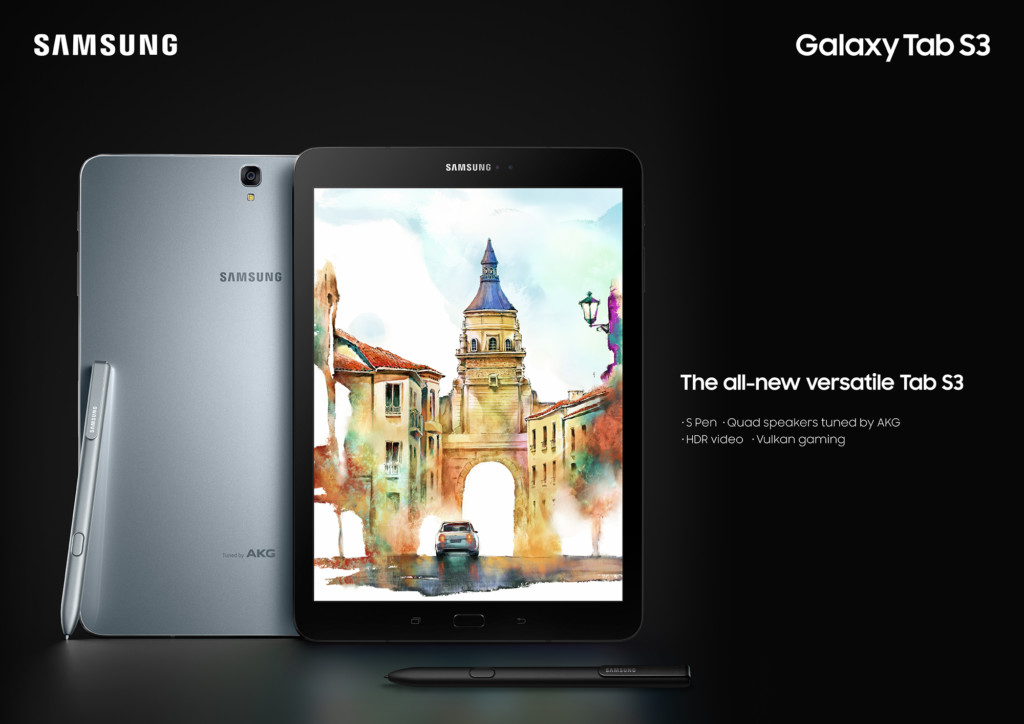
The much-awaited Samsung Galaxy Tab S3 has been officially announced. It not only comes with beefed up specs compared to its predecessor, the Galaxy Tab S2 from 2015, but also comes added features like S-Pen and keyboard (as optional accessory).
Samsung Galaxy Tab S3 Specifications, Features
The Galaxy Tab S3 appears like the Galaxy Tab A 10.1 from last year. Its dimensions are 169 x 237.3 x 6 mm and its Wi-Fi only variant weighs 429 grams whereas its LTE variant weighs 435 grams. It is the first ever tablet running on Android to come with a glass panel on the rear side.
It comes with a 9.7-inch Super AMOLED display that produces a resolution of 1,536 x 2,048 pixels. It delivers an aspect ratio of 4:3 and supports a pixel density of 264 ppi. Below the display is the physical Home button that includes a fingerprint scanner under it.
The device is flanked with quad speakers from AKG. With 10-bit HDR support on the screen, the Galaxy Tab S3 seems to a good tablet for multimedia experience.
The Galaxy Tab S3 is driven by Snapdragon 820 chipset and 4 GB of RAM. The native storage of the device is 32 GB and it can support a microSD card of up to 256 GB on its external storage. It has a single LED enabled f/1.9 aperture 13-megapixel rear camera and a frontal shooter of 5-megapixel with f/2.2 aperture.
The Tab S3 come with connectivity options like a USB Type-C port, a 3.5 mm headphone jack, and dual band Wi-Fi. The Samsung Galaxy Tab S3 is powered by 6,000 mAh battery which is slightly bigger than the 5,870 mAh battery present inside its predecessor model.
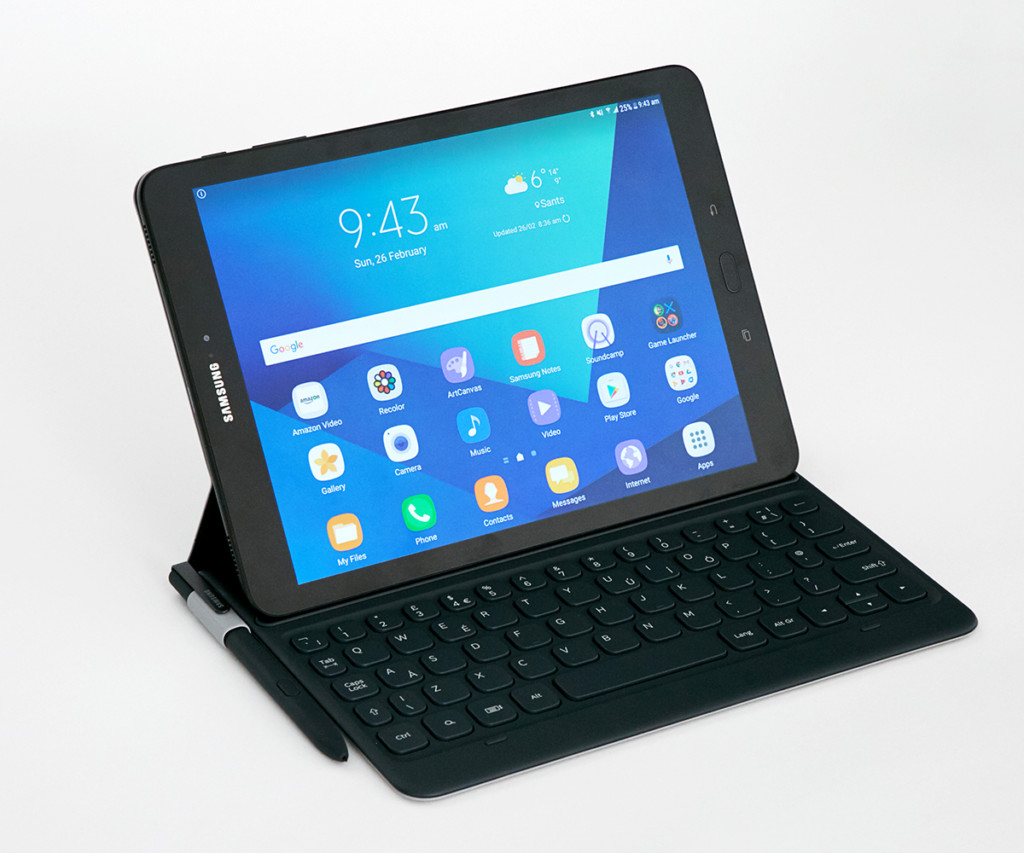
The Samsung tablet comes loaded with Android 7.0 Nougat OS. It comes bundled with a S-Pen stylus that appears like a real pen. It can be used for editing, drawing and for signing on documents. The tablet does not feature a dedicated slot for the stylus.
The optional keyboard features a lanyard that can be used to slot the stylus. It can be attached to the pogo pins present on the left bezel of the tablet. The Galaxy Tab S3 comes with two kinds of covers, one featuring a keyboard and another that does not include it. Both can be used as covers as well as stands.
The Seoul-based tech giant has confirmed that the tablet would be hitting European markets in the next month. The Wi-Fi only variant is priced at €679 ($717) and its LTE edition costs €769 ($812). As of this writing, there is no information on its availability for other markets.
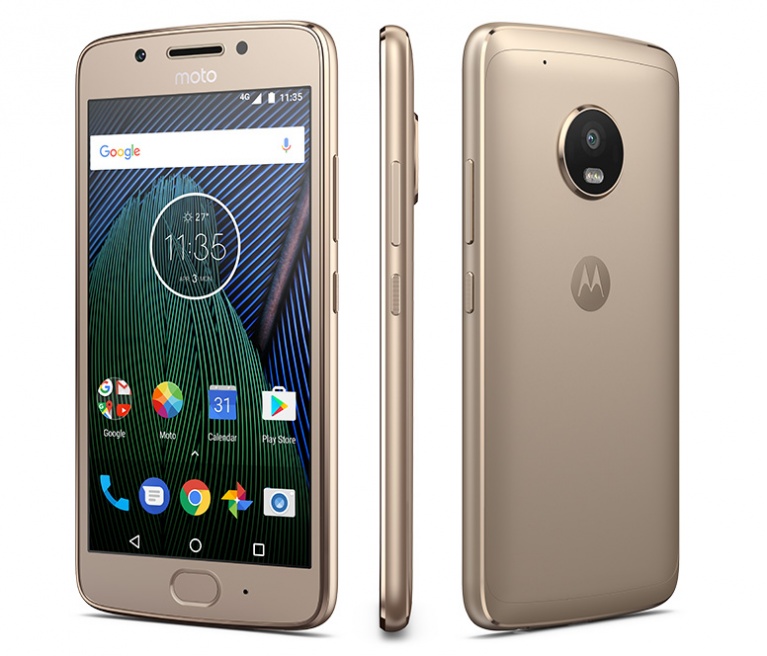
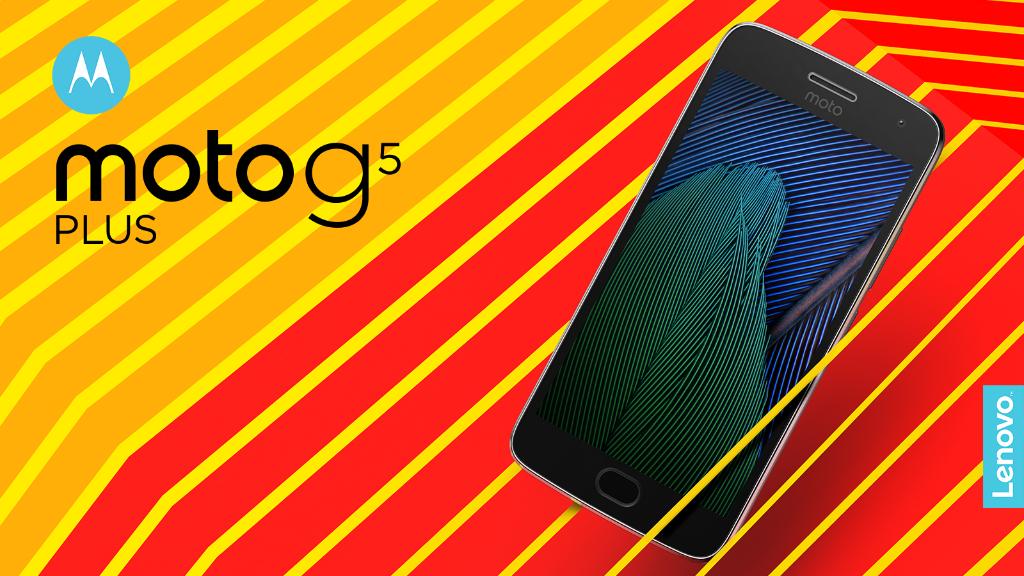
Motorola has taken the wraps of the Moto G5 and Moto G5 Plus at this year’s edition of MWC. The Moto G5 and G5 Plus both feature a new all-metal design but apart from that brings nothing particularly exciting.
Moto G5
The Moto G5 is the smaller variant with a 5-inch display. The resolution has been bumped up to 1080p and there is Gorilla Glass 3 protection. There is a Snapdragon 430 processor, 2GB/3GB of RAM, and 16GB of built-in storage with a slot for expansion.
The rear camera is a 13MP shooter with dual-LED flash and PDAF while the front facing camera is a 5MP OmniVision 5693 sensor. Motorola has also kept to the trend of giving the Moto G series a water repellent coating. It now also sports a fingerprint scanner.
The Moto G5 due to the smaller display also gets a reduction in battery capacity. It now has a 2800mAh battery with support for Motorola’s 10W Turbo Charge.
The Moto G5 doesn’t escape the reduction in display size. It is now 5.2-inches, down from 5.5-inches in the G4 Plus. Resolution stays the same at 1920 x 1080 and there is Gorilla Glass 3. The Moto G5 Plus is powered by Qualcomm’s Snapdragon 625 processor, the same in the BlackBerry KEYone. Depending on the market, there is either 2GB, 3GB or 4GB of RAM and 32GB or 64GB of storage.
The Moto G5 Plus sports a 12MP Sony IMX362 f/1.7 camera on the rear with dual LED flash, slow motion video and 4K recording at 30fps. The front facing camera is a 5MP OmniVision 5695 f/2.2 sensor with display flash.
One new design you sure will like is the front-mounted fingerprint scanner. Last year’s square-shaped scanner felt out of place but the new one looks way better. It also doubles as controls for the phone in case you do not want to use on-screen navigational buttons.
The Moto G5 Plus has a water repellent nano-coating and a 3000mAh battery with Turbo Charge.
Both the Moto G5 and G5 Plus ship with near stock Android 7.0 Nougat and Google Assistant.
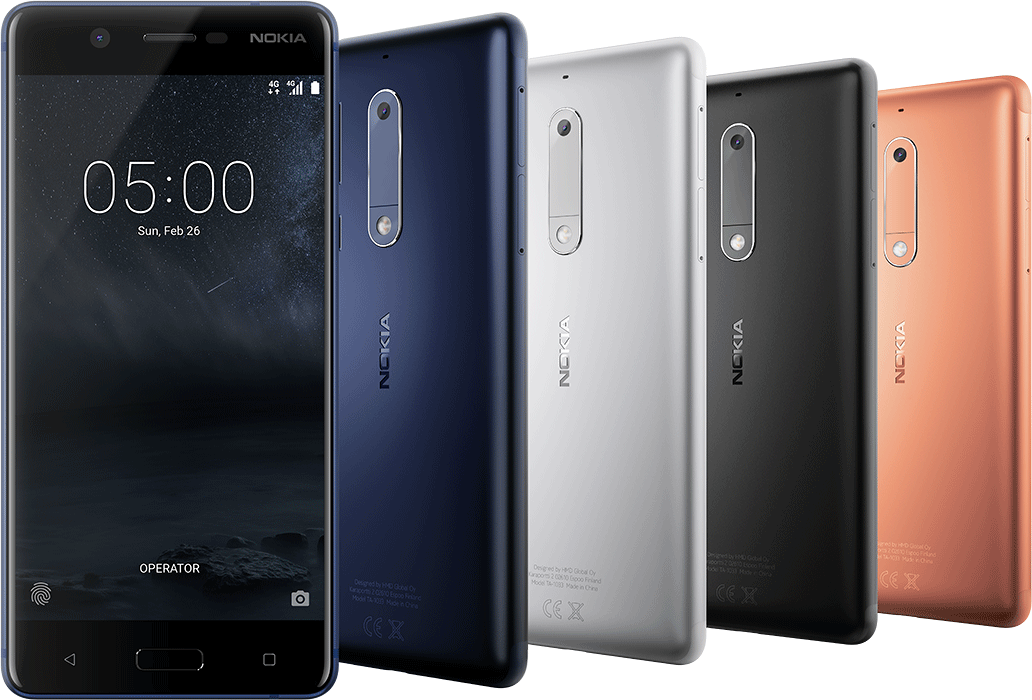
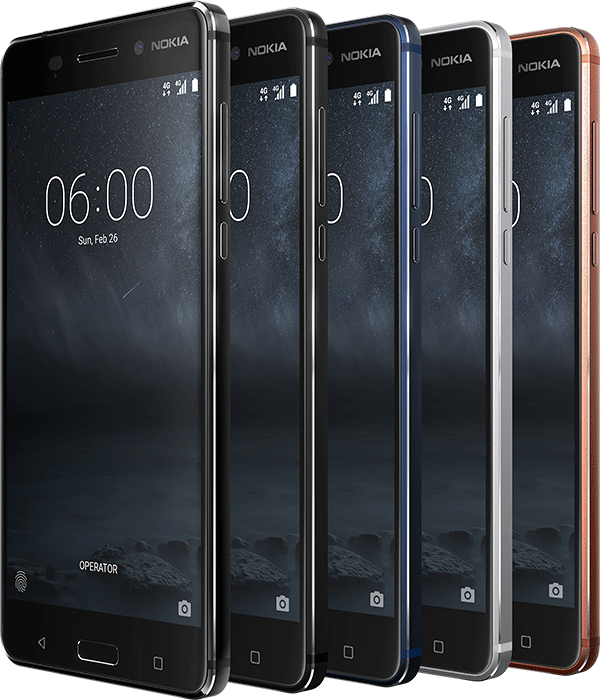
Nokia has just announced four new smartphones for the global market, including the iconic Nokia 3310 (covered here). The three other phones are the Nokia 3, Nokia 5 and the Nokia 6. We have already covered the Nokia 6 in detail since it’s already sold in China, but now the same phone goes global.
As expected, these three are entry level smartphones that cater to the needs of budget customers. All the three phones are made out of 6000 series Aluminum with Gorilla Glass protection on top. They will feature laminated and polarized displays for better sunlight visibility and reading. There are single SIM and dual SIM options as well. Also, they will come with Google Assistant inbuilt along with a promise of regular monthly Android security updates. Further, the company will provide a pure Android experience on these devices, running Android Nougat builds out of the box. It’s worth pointing out that Google Assistant will be coming to many other phones in the coming weeks.
The Nokia 6 is the fastest of the lot, coming with Snapdragon 430 chipset inside with up to 4GB RAM. But since the phone was already announced back in China, let’s first take a look at the Nokia 3 and Nokia 5 smartphones.
Nokia 3
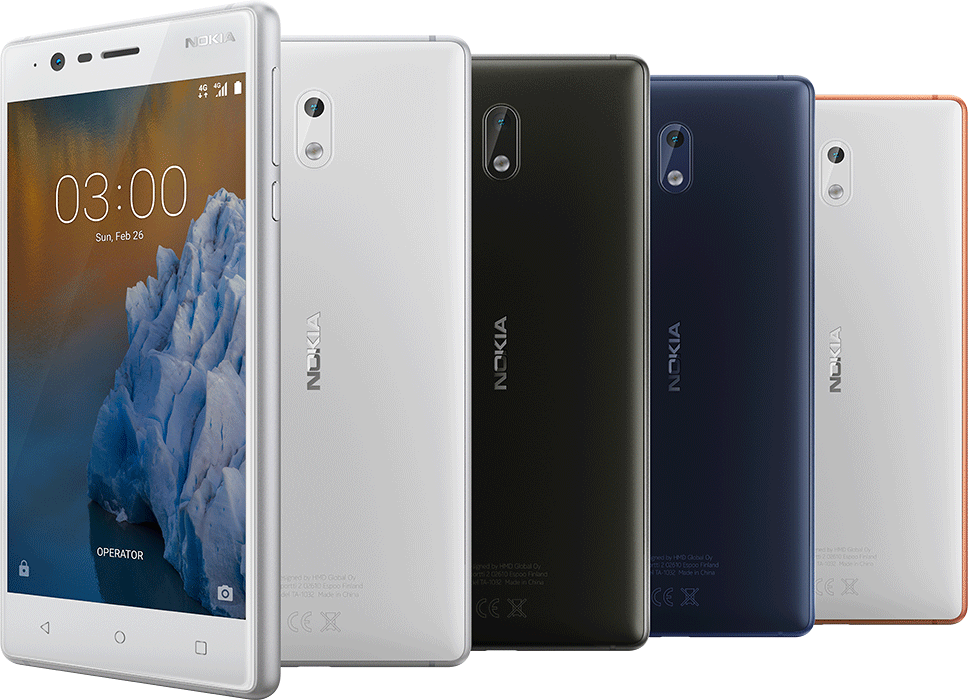
Nokia 3 is the lowest placed phone among the three and comes with a MediaTek MT6737 quad-core chipset clocked at 1.3GHZ with 2GB RAM and Android 7 out of the box. There will be 16GB of internal storage, expandable up to 128GB via MicroSD. The display is of 5-inches with 720p resolution. At the back, the phone comes with an 8MP AF camera with 1.12um sensor and f/2.0 aperture with LED flash. The front camera is also an 8MP sensor with 84 degrees wide angle lens and display flash. Further, there is a non-removable 2650mAh battery on board along with NFC, USB OTG and Cat. 4 LTE support.
There are four color options for the Nokia 3 — Silver White, Matte Black, Tempered Blue, and Copper White.
Nokia 5
The next in line is the Nokia 5, which comes with a 5.2-inch HD display with 2.5D glass and Snapdragon 430 chip. There is 2GB of RAM on board, 16GB of expandable storage up to 128GB and Android 7.1.1 Nougat out of the box. For camera, the phone comes with a 13MP sensor (1.12um, f/2.0) with PDAF and dual tone flash. Up front, the phone has an 8MP shooter with 84 degrees wide angle lens. The phone also support NFC and features a 3000mAh battery. There are four color options, Tempered Blue, Silver, Matte Black and the unique Copper.
Nokia 6
The Nokia 6 is the pick of the announcements with full HD 5.5-inch 1080p display, dual speakers with Dolby Atmos certification, Snapdragon 430 chip, 3GB of RAM, 32GB storage and Android Nougat 7.1.1. Full Nokia 6 specs are here.
While these specs are already known, the company also announced a Nokia 6 Art Black special edition for the global markets. This particular version comes in a glossy piano black finish and features 4GB + 64GB memory combination.
The Nokia 3 goes on sale for 139 Euros (~147), Nokia 5 for 189 Euros (~$199), Nokia 6 for 229 Euros (~$242) and Nokia 6 Art Black Edition for 299 Euros (~$316). They are said to go on sale in Q2 2017.
HMD global just announced four new smartphones, the Nokia 3, Nokia 5, Nokia 6, and Nokia 3310 for the global market. HMD Global CEO Arto Nummela was sure to use the iconic “One More Thing” gesture from Steve Jobs to relaunch the legendary Nokia 3310 smartphone.
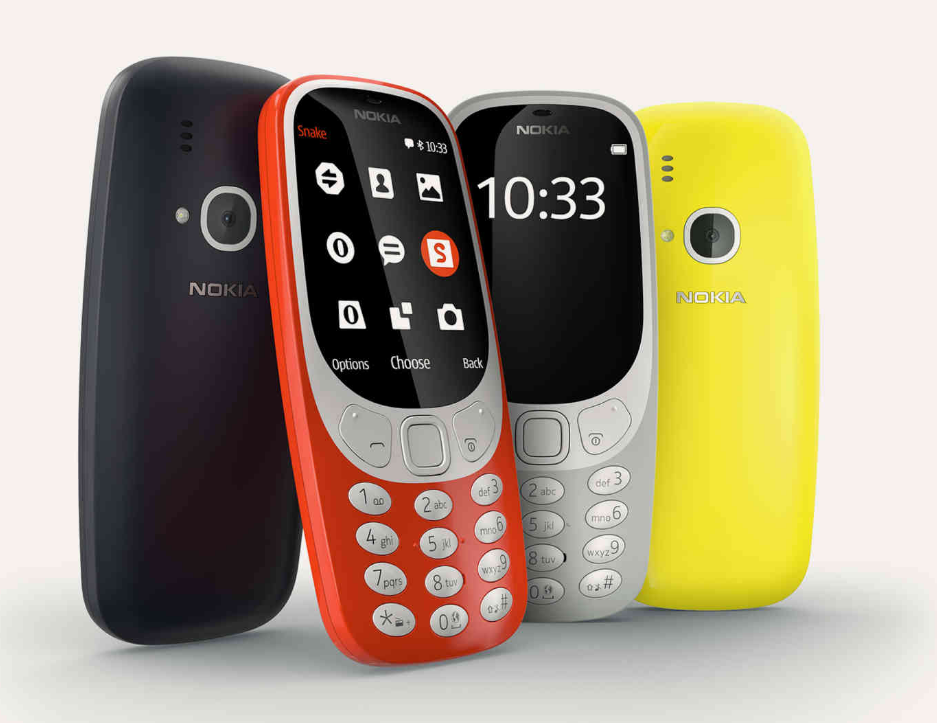
The company has redesigned the Nokia 3310 giving it a futuristic look. The phone comes with a 2.4-inch curved window screen with polarized later for better sunlight readability. Note that this being a feature phone, the display does not support touch. The size is compact but it’s quite thick with the following measurements: 115.6 x 51 x 12.8mm. No details on the weight yet, but expect it to be super light. There are four color options — Warm Red and Yellow with glossy texture and Grey and Dark Blue with Matte finish.
One of the highlights of the Nokia 3310 is its battery life, just like its first generation model. The refreshed version boasts of up to 22.1 hours of talktime, thanks to its 1200mAh battery inside. Further, the phone has a standby time of up to one month. And yes, in case you are wondering, you get the legendary Snake Game on this new device. The company revealed that you can also play the same game via Facebook Messenger games. Further, the phone also features the iconic Nokia ringtone.
Specs are not something that you obsess about in a feature phone, but for those who are still interested, the Nokia 3310 features a 2MP rear camera with LED flash, 16MB storage expandable up to 32GB, Bluetooth 3.0, Nokia Series 30+ operating system, 2G GSM connectivity, FM Radio, MP3 Player, 3.5mm headphone jack and MicroUSB 2.0. Thank god for the MicroUSB port as you can charge it using any standard Android charger. On the software side, the interface is customized for a better experience.
The phones goes on sale in Q2 2017 globally for €49 (~$52).
Today is turning out to be very exciting. Fresh on the heels of the LG G6 launch is Huawei’s announcement of the Huawei P10 and P10 Plus, two greatly anticipated devices from the largest manufacturer in China.
The Huawei P10 and P10 Plus are the flagships for 2017 from the Chinese manufacturer and they will be taking over from the P9 and P9 Plus from last year.
Looking at the Huawei P10 and P10 Plus and it is obvious Huawei has borrowed the best features from top manufacturers. From the underglass fingerprint scanner similar to that of the Xiaomi Mi 5s to the attractive colors that pay homage to the Google Pixel, and the superfast charging technology that has a nearly identical tag to OnePlus 3′ “a day’s power in half an hour” Dash Charge technology.
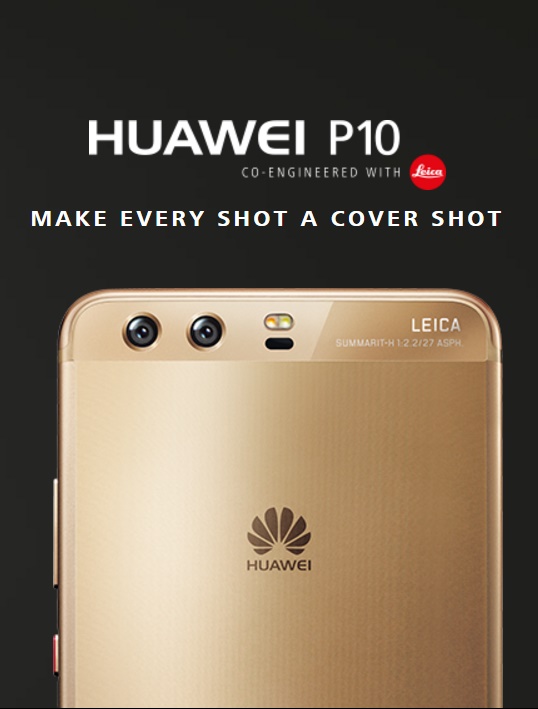
That isn’t to say the Huawei P10 and P10 Plus bring nothing new to the table. They have partnered with Leica again on the cameras and have even extended it to the camera in front. They have also thrown in water-resistance which would have been a major deal breaker if it were missing.
Huawei P10
The Huawei P10 packs a 5.1-inch 1080p display (sadly no Daydream support) with Gorilla Glass 5, 4GB of RAM, and 64GB of built-in storage. There is an octa-core Kirin 960 processor and a Mali G71 MP8 GPU. It has dual SIM support with one slot doubling as a microSD card slot that takes up to 256GB cards.
Huawei continues its partnership with Germany’s Leica and they are calling it Leica Dual Camera 2.0. The rear cameras are a combination of a 12MP sensor that shoots in color and a 20MP monochrome sensor. Both have f/2.2 apertures and there is laser focus, optical image stabilization, PDAF and dual LED flash. The Leica treatment has been extended to the 8MP f/2.2 front camera too.
The Huawei P10 is equipped with a 3200mAh battery with Huawei’s SuperCharge which provides a day’s usage just by charging for 30 minutes.
Huawei has ditched the rear-mounted fingerprint scanner for a front facing one embedded under the front glass just like in Xiaomi’s Mi 5s. Swiping on it will bring up recent apps, holding it down will take you home, and tapping it will take you back.
Huawei P10 Plus
The bigger sibling is the Huawei P10 Plus and it shows it in a lot of ways. First the screen is bigger at 5.5-inches and the resolution has been bumped up to Quad HD (2560 x 1440). The P10 Plus also gets 6GB of RAM and 128GB of storage, though there is a 4GB/64GB variant as well. The camera sensors and the processor are the same but its Leica cameras are called Lecia Dual Camera 2.0 Pro. I guess the Pro comes into play in the f/1.9 aperture and autofocus feature of the front camera.
The phone sports a larger 3750mAh battery and this means it also weighs more at 165g compared to the 145g weight of the P10. Huawei says the “P10 Plus is the world’s first 4.5G LTE smartphone with the potential to reach up to 600Mbps on CAT12”. The P10 Plus is also water resistant.
Extra Features
The Huawei P10 and P10 Plus will come with EMUI 5.1 based on Android 7.1 Nougat. The new UI has a special feature that lets the theme on the phone blend with the color of your phone. EMUI 5.1 will be available to some other phones such as the Mate 9, Mate 9 Pro/Porsche Design and Huawei Nova to name a few.
Both devices feature NFC, USB Type-C and have global connectivity support.
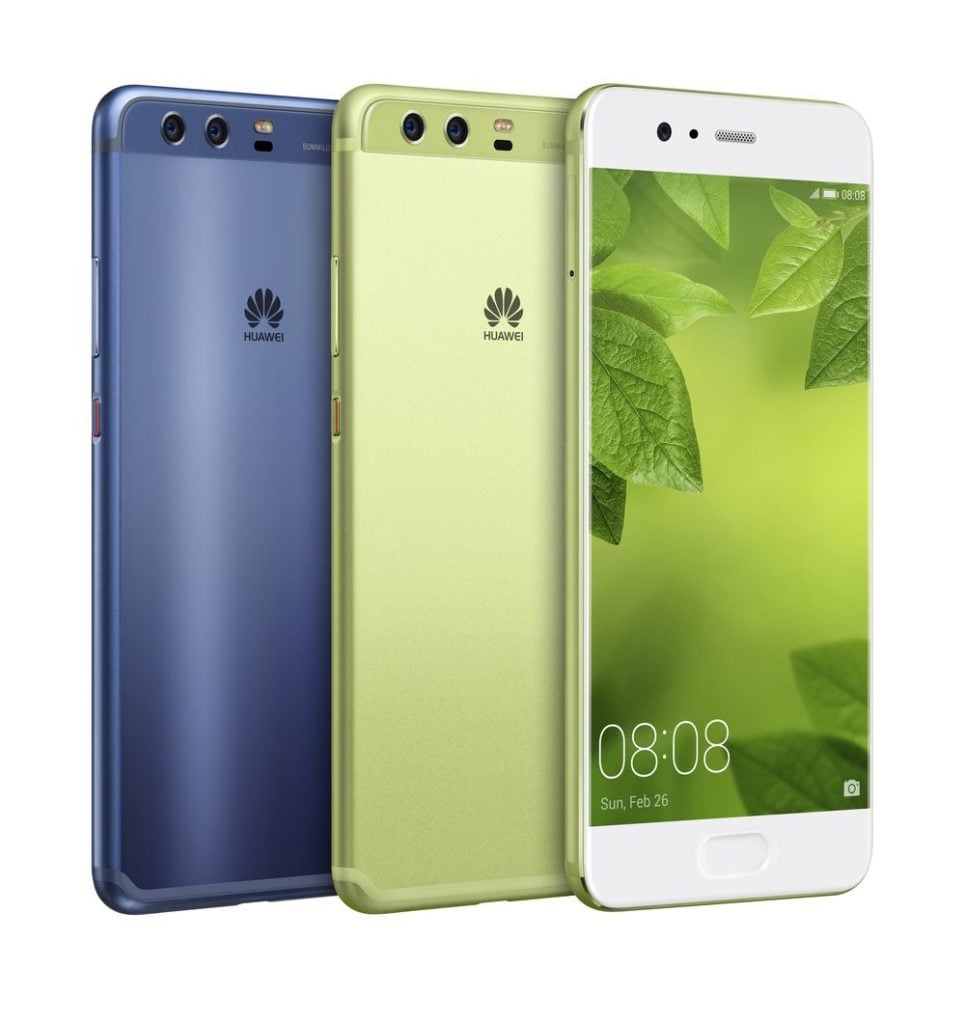
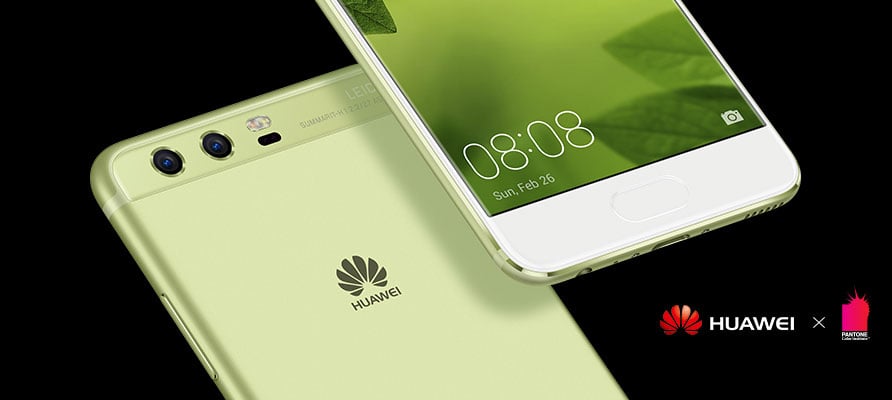
The Huawei P10 and P10 Plus are available in eight different colors. You can choose any color from Dazzling Blue, Graphite Black, Dazzling Gold, Rose Gold, Greenery, White Ceramic, Mystic Silver, or Prestige Gold.
Huawei P10 and P10 Plus Price
The Huawei P10 will sell for 699 Euros (~$738) while the P10 Plus will be priced at 799 Euros (~$844).
The LG G6 has been officially announced to replace the lackluster LG G5 from 2016. One of its major attractive features is its large-sized display that is different from the screens available on conventional smartphones. Here is a comparison between the LG G6 and the Xiaomi Mi Mix that is praised for its high screen-to-body ratio.
LG G6 vs. Xiaomi Mi Mix: Design and Display
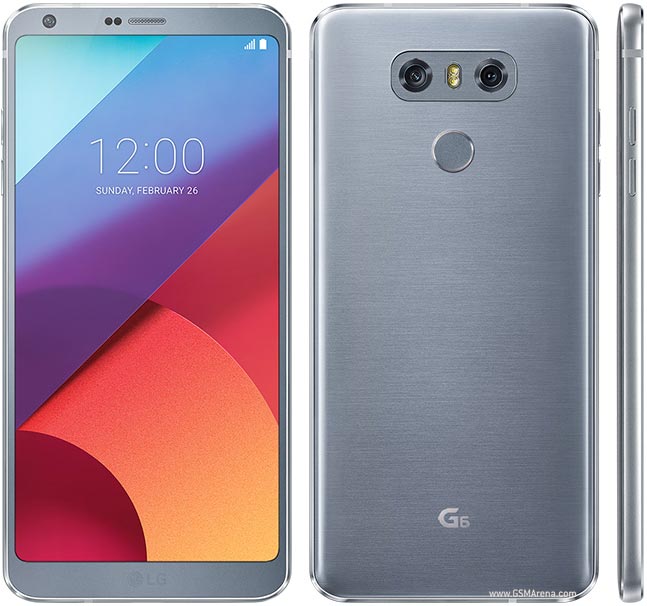
The LG G6 has an appealing glass body flanked with a metallic frame. The front side features Gorilla Glass 3 on top of the display whereas its rear has a Gorilla Glass 5. It measures 148.9 x 71.9 x 7.9 mm and its weight is 163 grams. It is the first LG G series smartphone to come with an IP68 certified water and dust resistant chassis. It comes in color options like Mystic White, Astro Black, and Ice Platinum.
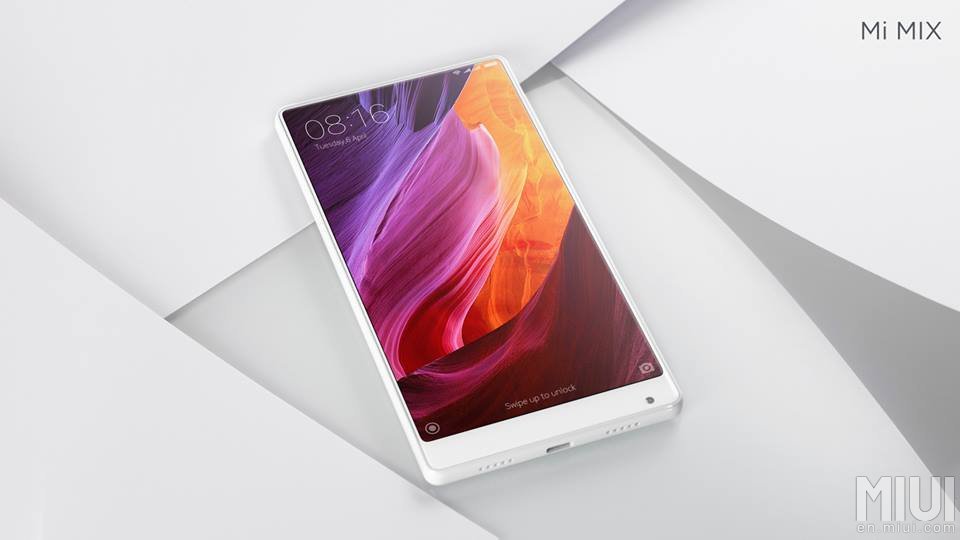
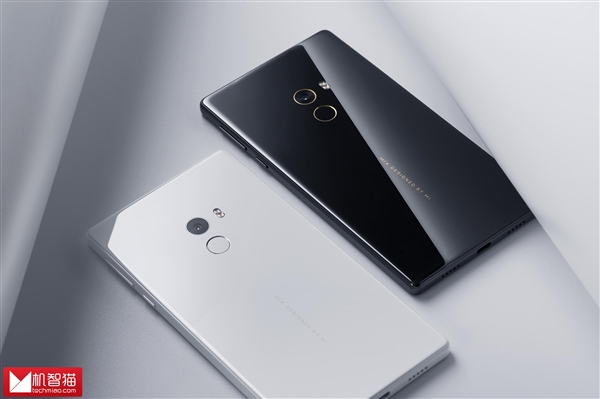
The Xiaomi Mi Mix is a concept phone with a premium appeal as its rear panel is made up of ceramic. Also, other parts of the body chassis such as the frame and buttons for volume controllers and power are made of ceramic. It is taller and wider than the LG G6 as it measures 158 x 81.9 mm. However, its thickness is same as that to LG G6. It is heavier as its weight is 209 grams. Mi Mix comes in colors like black and white.
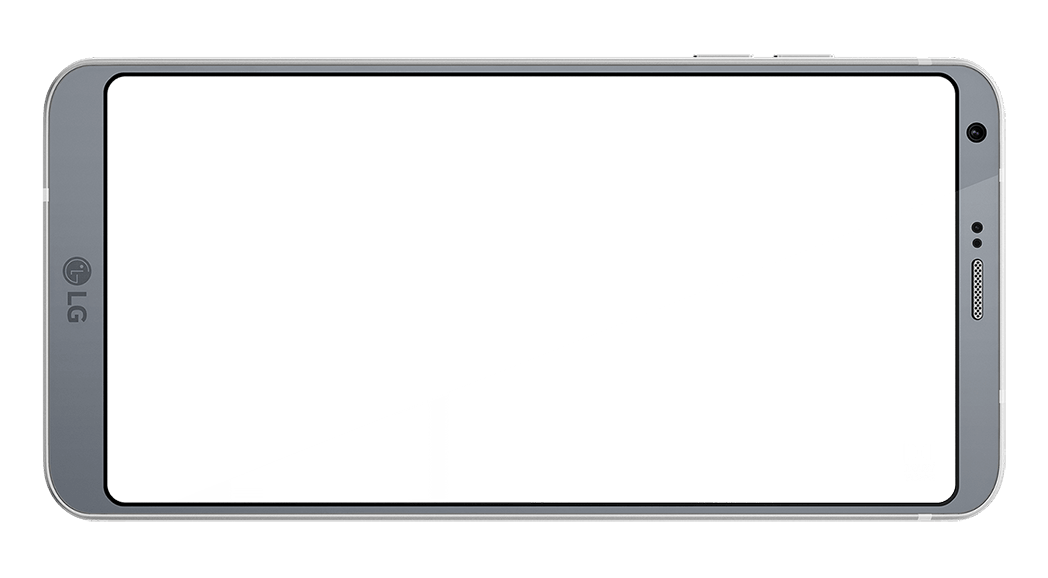
The LG G6 has a 5.7-inch IPS LCD screen that is officially known as FullVision. It produces a resolution of 2,880 x 1,440 pixels along with a pixel density of 565 ppi. It produces an aspect ratio 18:9 which means LG G6’s display is taller as well as narrower than conventional 16:9 screens. The super-slim bezels on the LG G6 makes it possible to produce a screen-to-body ratio of 78.37 percent.
The Xiaomi Mi Mix is an unconventional smartphone with a huge IPS LCD display of 6.4 inches that supports a resolution of 1,080 x 2,040 pixels and a pixel count of 362 ppi. It offers an uncommon aspect ratio of 17:9. Xiaomi has not confirmed on the glass protection that it has used for the display of Mi Mix. Even though Xiaomi has been advertising that the Mi Mix is a bezel-less smartphone with a screen-to-body ratio of 91.3 percent, GSM Arena’s review has stated its actual screen-to-body ratio is 84.72 percent which is still higher than that of LG G6.
LG G6 vs. Xiaomi Mi Mix: Hardware, Camera and Battery
Both smartphones are fueled by Snapdragon 821 chipset. The 32 GB and 64 GB native storage options of LG G6 feature 4 GB of RAM. Its single model has a dedicated microSD card slot. On its dual-SIM version, users can add a microSD card on its second SIM slot. On the other side, the Mi Mix with 128 GB native storage has 4 GB of RAM. Its 256 GB storage model has 6 GB of RAM. It does not feature a microSD card slot.
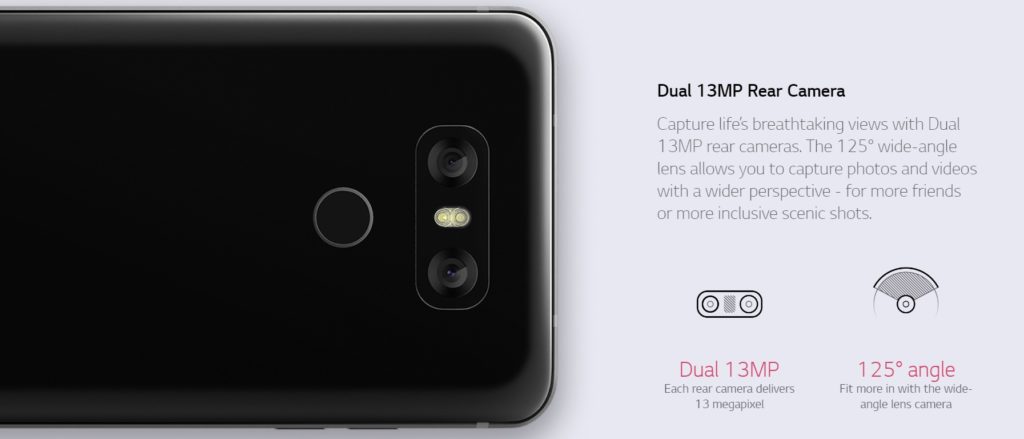
The LG G6 has a dual camera setup on its rear panel that comprises of a pair of 13-megapixel snapper. One of them is a wide-angel shooter whereas the other one comes with features like OIS and autofocus. It is coupled with a dual LED flash. Its selfie shooter is of 5-megapixel.
The Xiaomi Mi Mix has a dual-LED enabled 16-megapixel rear camera that comes with features like EIS and phase detection autofocus. It also features a 5-megapixel selfie snapper.
Both smartphones feature fingerprint scanner and USB Type-C port. The LG G6 lacks NFC, but the Xiaomi Mi Mix features it. For crisper audio, the LG G6 features Quad DAC, a feature that is unavailable on Mi Mix.
The LG phone has a 3,300 mAh battery and the Mi Mix is packed with 4,400 mAh battery. Both devices support Quick Charge 3.0 fast charging.
LG G6 vs. Xiaomi Mi Mix: Software and Price
The LG G6 runs on Android 7.0 Nougat OS customized with LG UX 6.0 UI. The Mi Mix comes loaded with MIUI 8 flavored Android 6.0 Marshmallow OS.
The South Korean company did not announce LG G6 pricing at its launch event. However, it is expected to cost around $649-$699. The 4 GB RAM model of Mi Mix is priced at 3,499 Yuan ($509) and its 6 GB RAM variant costs 3,999 Yuan ($581).
After weeks of leaks and teases, LG finally launches its LG G6 flagship. We basically know all there is about the LG G6 but the launch has revealed some new features.
LG G6 Design
With the LG G6, LG has taken a different approach to the design of the phone. The phone features a combination of metal and glass but the real change is in the size. The LG G6 features a large 5.7-inch display but has been designed to fit in one hand. The phone also features more curves than its predecessors as the display itself is also curved at the edges. LG says the new design doesn’t come at the expense of durability. The phone has a metal frame that runs around it to absorb shocks from falls. They have also taken great care in making sure it is safe.
LG G6 Specifications
The LG G6 has a 5.7-inch 18:9 QHD+ FullVision display with an 80% screen-to-body ratio. The phone supports HDR 10 and is the first smartphone in the world to have Dolby Vision. It is no news that the G6 has a Snapdragon 821 processor but the chip has been optimized specifically for the phone. There is 4GB of RAM and either 32GB or 64GB of storage depending on the market. Storage is expandable via a microSD card slot.
In the optics department, the G6 sports dual rear cameras: a 13MP f/2.4 125° wide-angle sensor and another 13MP f/1.8 71° camera with OIS. Up front is a 5MP f/2.2 100° wide angle camera for groupies and selfies. The camera comes with a number of cool features such as match shot, grid shot, guide shot, and 360° panorama. There is also a fingerprint scanner just below the rear cameras.
The LG G6 is powered by a 3300mAh non-removable battery with support for Quick Charge 3.0. It also supports wireless charging but it is limited to the US edition. The US variant might be getting wireless charging but it will not be getting the Hi-Fi Quad DAC feature. Lest we forget, the G6 is also IP68 certified meaning you can take it for a swim or rinse it under the tap.
The LG G6 comes will come with Android 7.1.1 Nougat out of the box. It is also the first phone apart from the Google Pixels to have Google Assistant.
Surprisingly, LG did not reveal the price of the LG G6 or when it will hit markets. Once we get our hands on that, we sure will let you know. However it will be available in mystic black, astro white and ice platinum as revealed by Evan Blass yesterday.
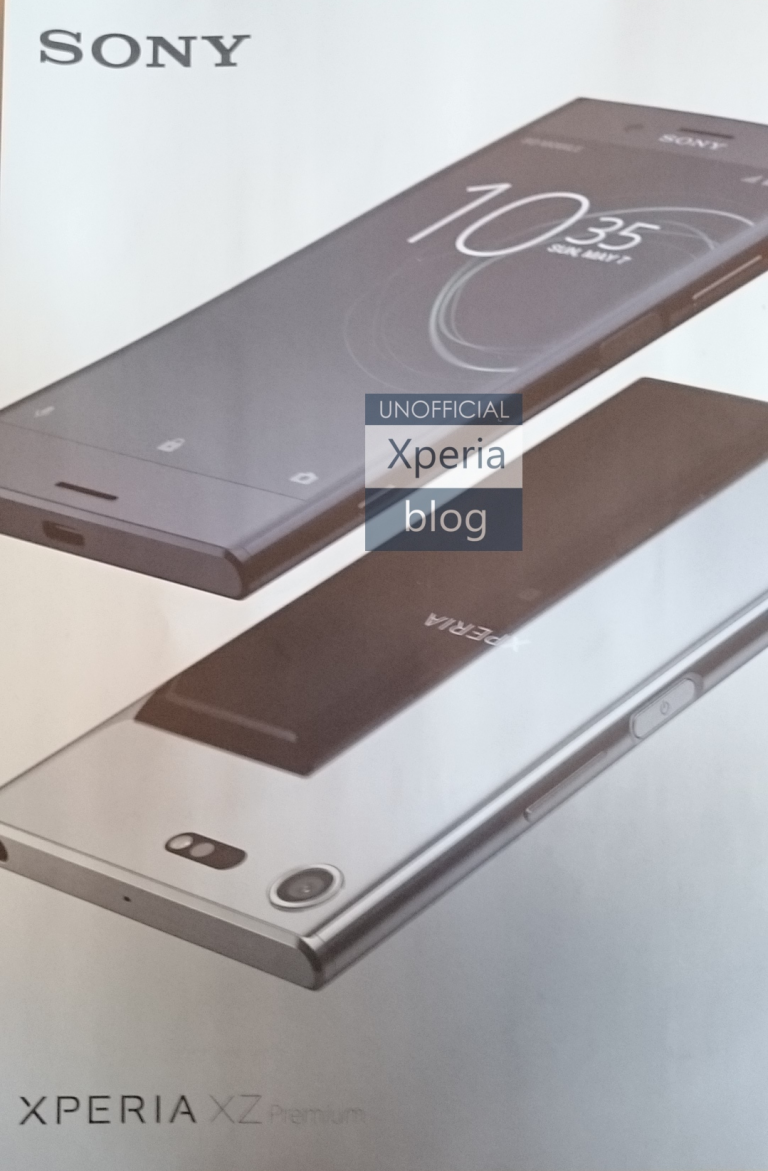
Sony is launching a number of phones at Mobile World Congress but we are most concerned about its flagship for the year. A report from XperiaBlog has revealed that Sony’s flagship device, the Xperia XZ Premium will have a 4K display. An image of the device has also been released online.
The Xperia XZ Premium shares design similarities to the Xperia XZ released in October last year. The reflective chrome design, large top and bottom bezels and stereo front facing speakers still make a comeback. However, it packs a number of new features such as a 4K HDR display, a Snapdragon 835 processor, and a 20MP 1.22um camera.
OPPO has announced it will be making an appearance at MWC. The announcement included a teaser for a phone with 5x optical zoom and nothing more. However, an OPPO advert seen on Baidu has revealed more details.
A loose translation of the advert mentions dual cameras with 5x lossless zoom. The iPhone 7 Plus which also sports dual cameras has 2x lossless zoom, a feat that isn’t easy to achieve. OPPO’s ad is saying this upcoming phone of theirs has dual cameras with 5x optical zoom making people wonder how they achieved it.
Since OPPO is keeping things secret about this new device, we have no choice than to wait till the launch takes place to find out how they achieved it.
We use cookies on our website to give you the most relevant experience by remembering your preferences and repeat visits. By clicking “Accept”, you consent to the use of ALL the cookies.
This website uses cookies to improve your experience while you navigate through the website. Out of these, the cookies that are categorized as necessary are stored on your browser as they are essential for the working of basic functionalities of the website. We also use third-party cookies that help us analyze and understand how you use this website. These cookies will be stored in your browser only with your consent. You also have the option to opt-out of these cookies. But opting out of some of these cookies may affect your browsing experience.
Necessary cookies are absolutely essential for the website to function properly. This category only includes cookies that ensures basic functionalities and security features of the website. These cookies do not store any personal information.
Any cookies that may not be particularly necessary for the website to function and is used specifically to collect user personal data via analytics, ads, other embedded contents are termed as non-necessary cookies. It is mandatory to procure user consent prior to running these cookies on your website.