Air pollution is a big problem in urban cities. Caused by a number of factors, the poor quality of air can cause respiratory problems leading residents of some of these cities to wear air masks when outdoors to protect themselves.
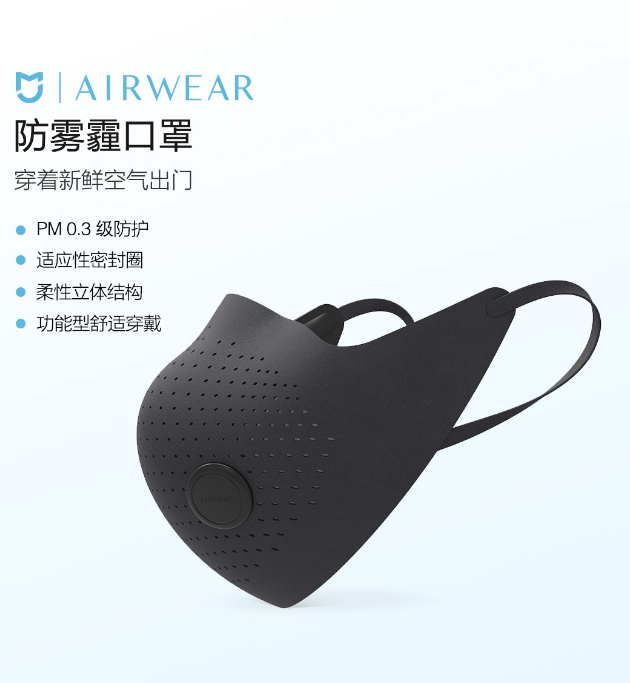
Xiaomi is not new to the business of clean air. They already have three air purifiers that are currently available in China and India but those are to help clean up the air indoors. To protect you outdoors, the phone maker’s sub-brand, Mijia, has a new and stylish air mask that you can wear when you leave your homes or offices.
The mask is released under the Airwear brand and is specially designed for the Chinese people. Yes, for the Chinese people. According to the manufacturer, they had to collect tons of data covering the physical features of the heads of thousands of people in order to design a mask that will fit almost anyone who purchases one.
The Airwear Mask is made of a flexible material with leather-like texture and a three-dimensional design that fits snugly across the chin and side jaws. Its toraymicron disposable air-filter cartridges has an effective particle capture efficiency of up to 98% and will protect wearers from particles smaller than 0.3 micrometers (PM 0.3) such as bacteria, pollen, and particles in car exhaust smoke and haze.
This year has been a great one for OnePlus. The Chinese company launched it’s third major flagship, the OnePlus 3, which received positive feedback from the tech community at large. Then they ran into supply issues due to shortage of AMOLED displays and had to suspend sales in some countries for a while.
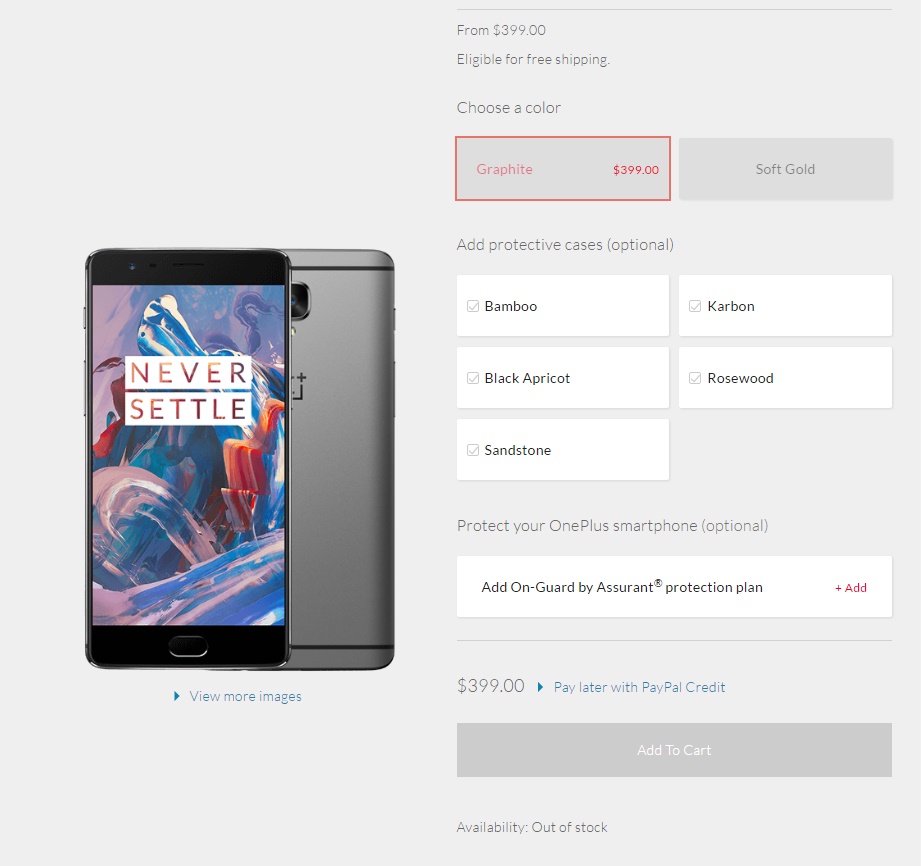
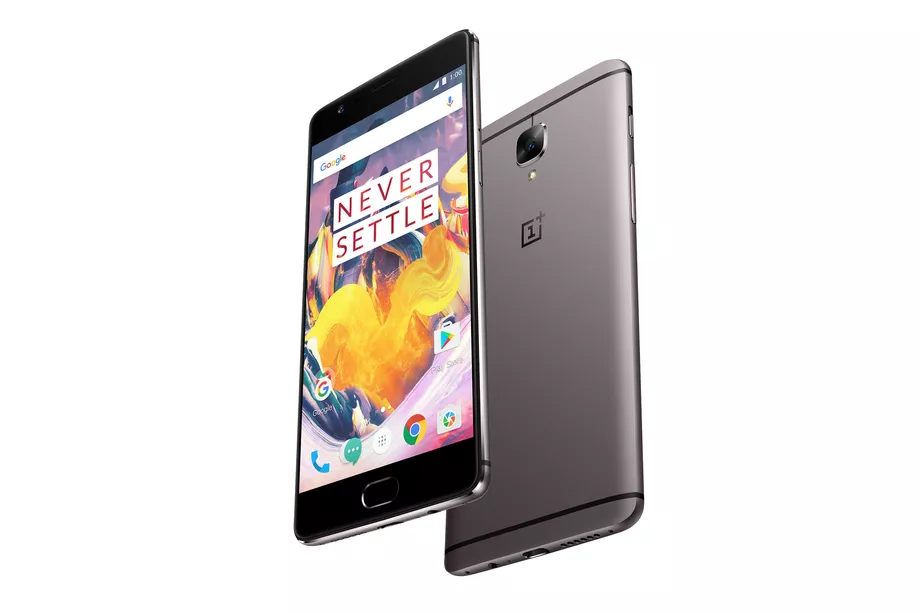
OnePlus eventually released a new phone, the OnePlus 3T, which still uses an optic AMOLED display but features a newer processor, a larger battery and better front facing camera. But shortly before its release, the OnePlus 3 went out of stock. It was assumed it was just a marketing move to drum up hype for the new phone, and that it would show up as available later. OnePlus has however been contacted to find out if the unavailability of the OnePlus 3 in Europe and the US was temporary and they have confirmed that it is a permanent decision.
OnePlus will not be selling the OnePlus 3 anymore in the US and Europe.
If you head to the official website, the phone is still listed there but when you try to check out you get something similar to the image above.
OnePlus has not released an official statement yet but this move will make the Oneplus 3 the second phone to have a short production life following the discontinuation of the Samsung Galaxy Note 7. Although the discontinuation of the former has nothing to do with safety issues.
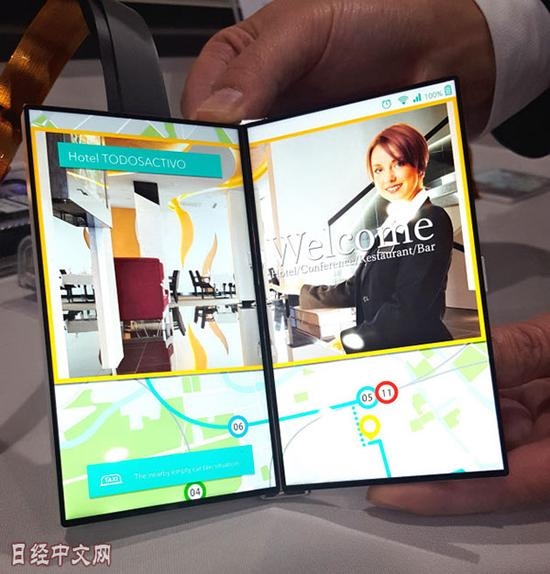
Latest news from Japan indicates that Japan Displays Inc. (JDI) has developed an off-screen LCD display for smartphones which combines two panels and can open and close like a book or a photo album.
According to Japanese website Nikkei, the display comes with ultra-slim bezels and the width can be controlled below 1mm. The display can even get more than two, as up to three panels can be designed together with a distance of 2mm or less between the panels. another thing is the display seems to be removable.
It is also said that the displays can be connected into a screen and is ideal for multitasking, like watching a video and browsing at the same time. The good thing is, this design will start finding its way into smartphones from summer of 2017. It is reported that JDI will be working in partnership with Chinese smartphone manufacturers to jointly develop new terminals. We don’t know yet which Chinese phone maker they are in talks with at present but we’ll keep you informed as new details unfold.
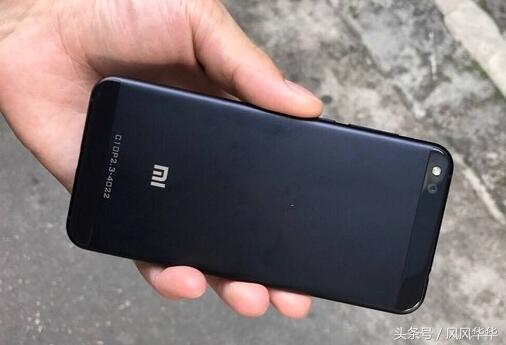
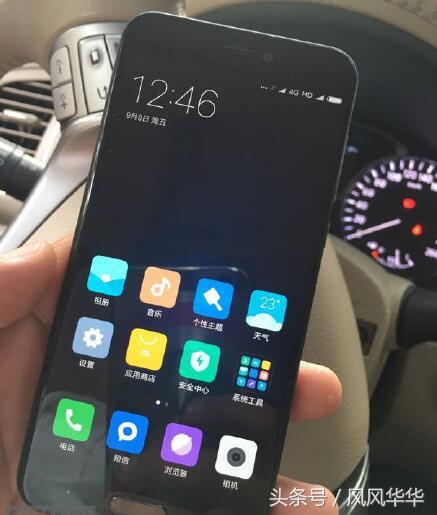
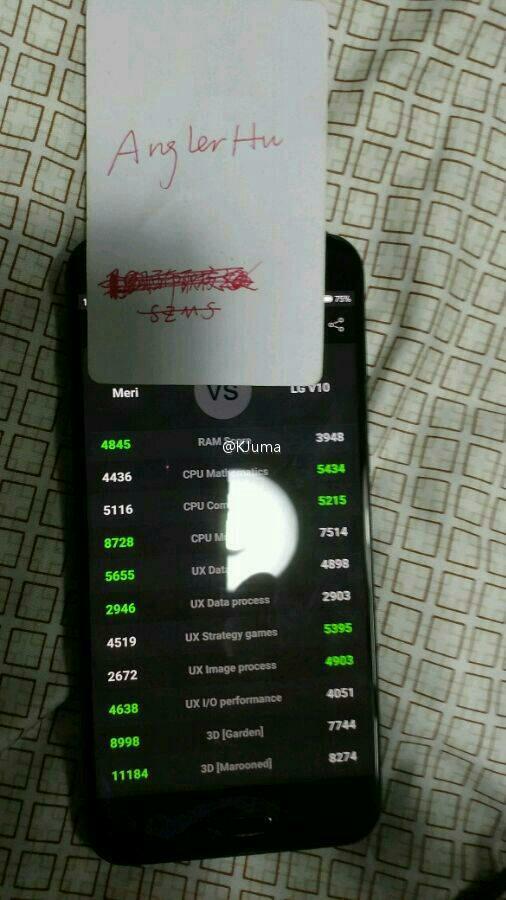
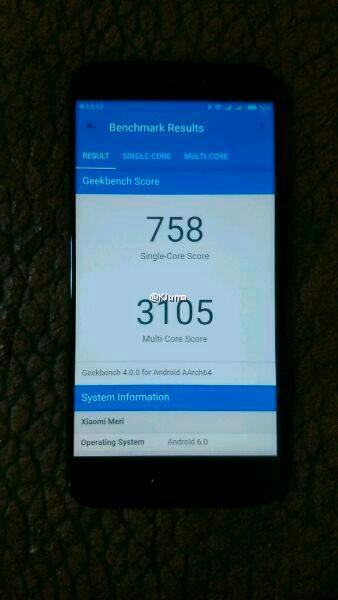
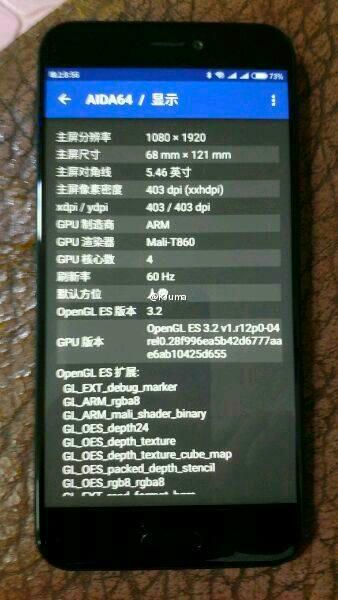
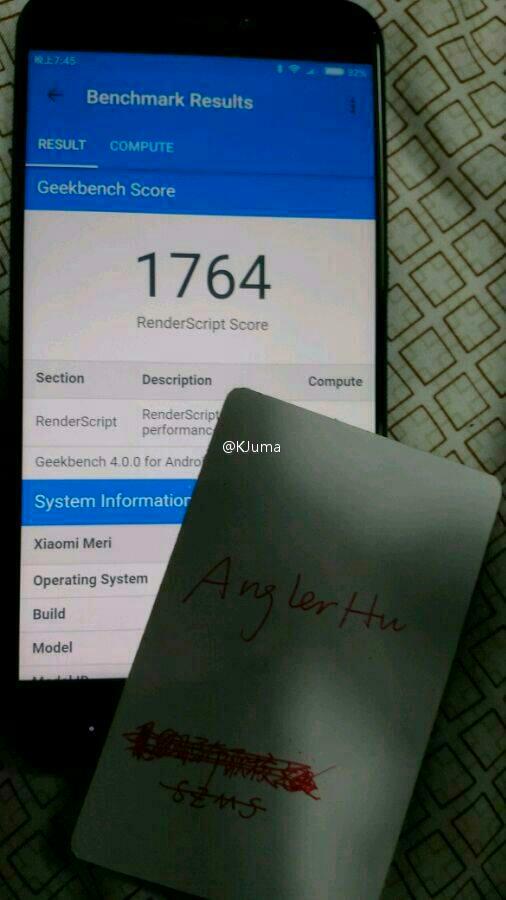
Xiaomi just released the Mi Note 2 and Xiaomi Mix as well as the Redmi 4 and Redmi 4A not too long ago, but it seems the tech giant isn’t done yet with smartphone releases for this year. This is because the device identified as Xiaomi Meri which did appear on AnTuTu and GeekBench is back in the news.
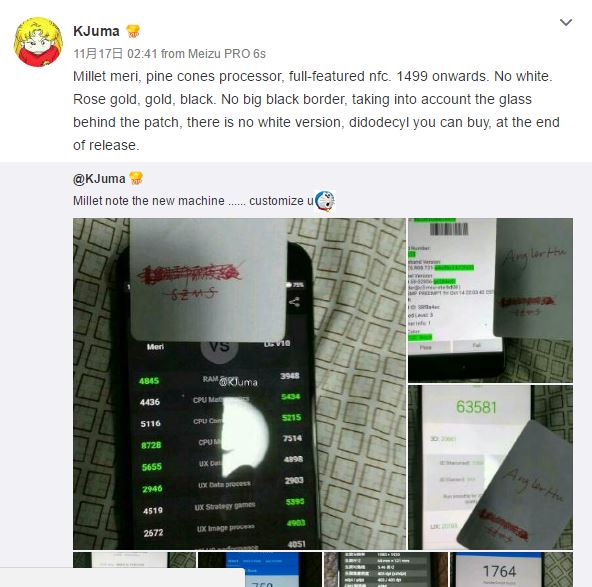
It would be recalled that the Xiaomi Meri came with a surprisingly new in-house processor said to have been developed by Xiaomi. Now, a set of leaked images have explicitly showed the Meri’s performance while running GeekBench 4.0 test, something it did in October. While these images and data are not new, they come with some added information. As would be recalled, the device manages a total score of 758 on the single-core test while it did poll 3105 points on the multi-core test. When compared to the AnTuTu result of 63581, it seems very likely that the device would be using a low-end processor.
Now a new leaked information has revealed that the Xiaomi Meri would come in Rose gold, gold and black colors, with the leakster specifically mentioning that there will be no white variant. The device will be powered by the Pine Cone processor developed by Xiaomi and also doesn’t have big black borders at the edge of the display. There is also NFC on the device among other features.
According to the latest rumor, the device comes in at around 1499 yuan ($219) and would likely be available for purchase during the 12.12 sales slated for December 12. What that means is that the device should launch later this month, according to the source.
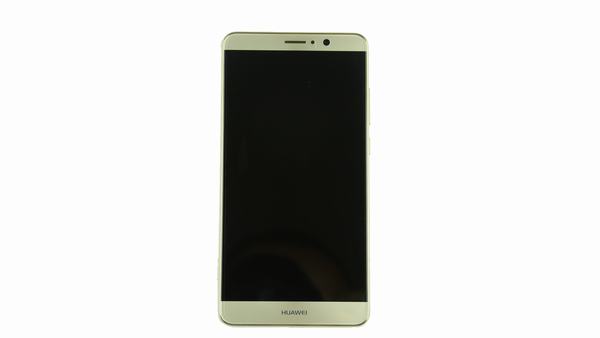
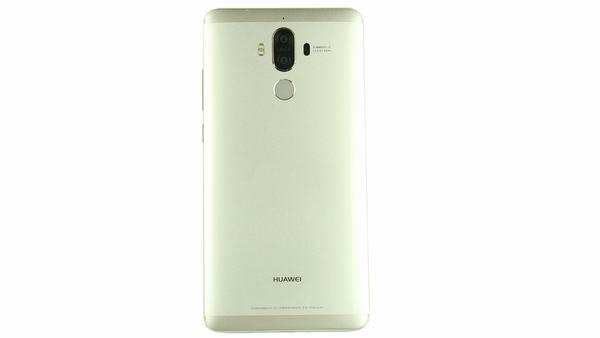
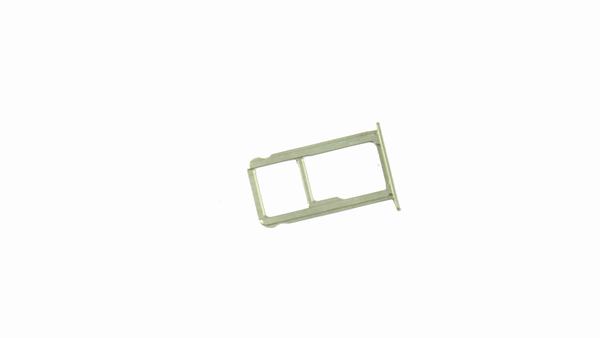
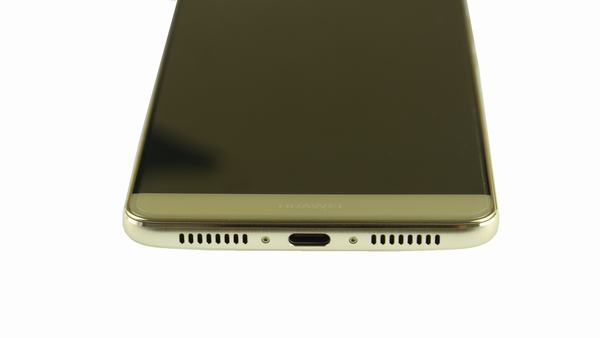
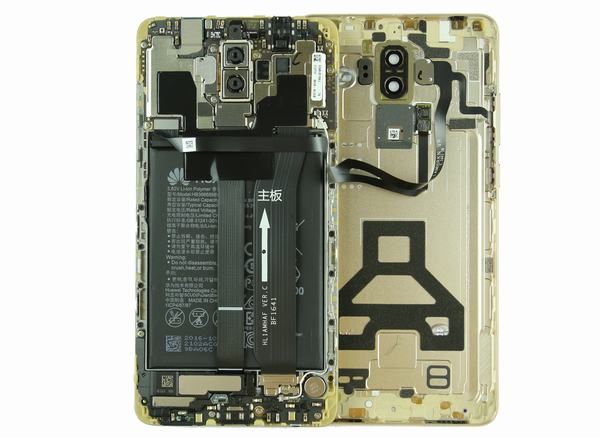
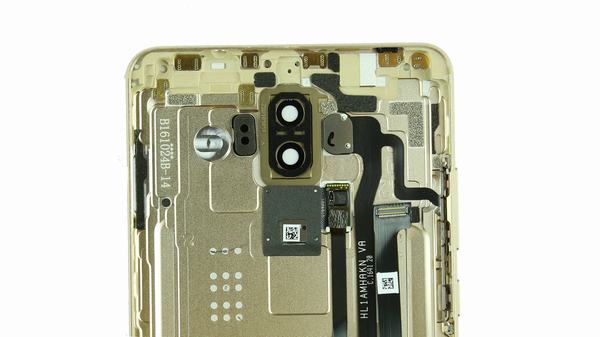
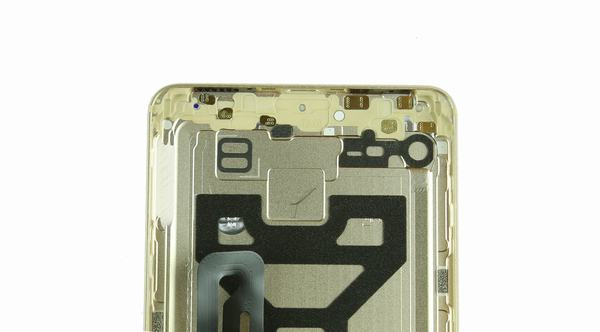
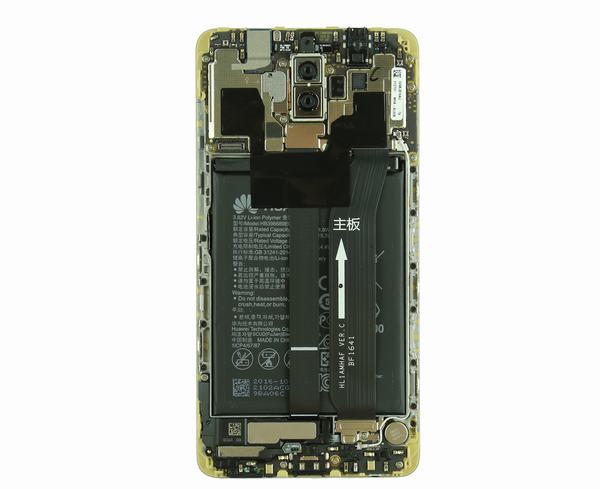
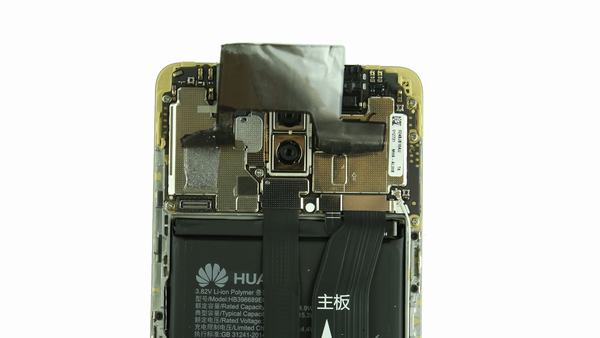
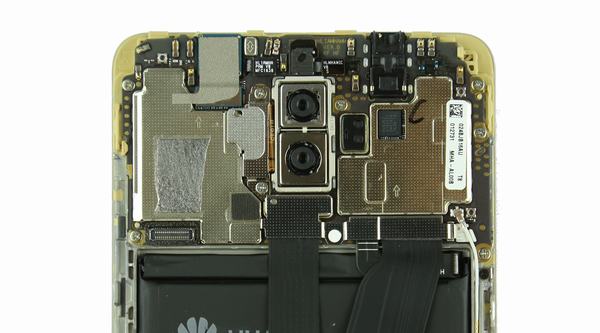
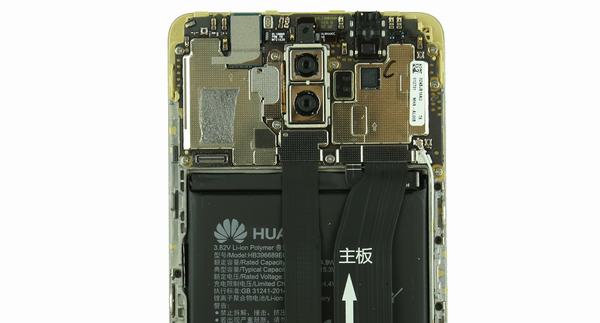
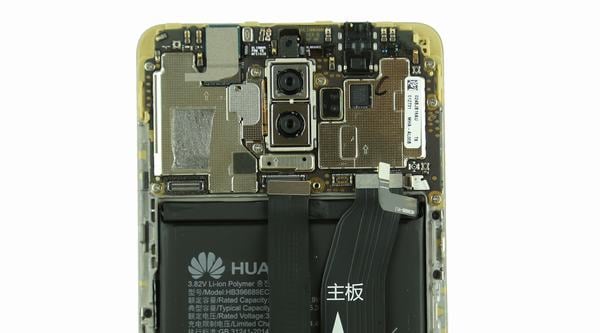
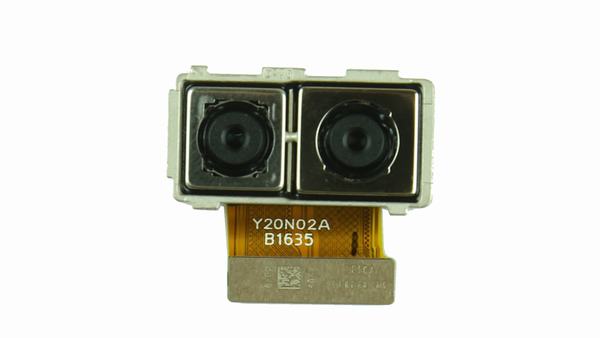
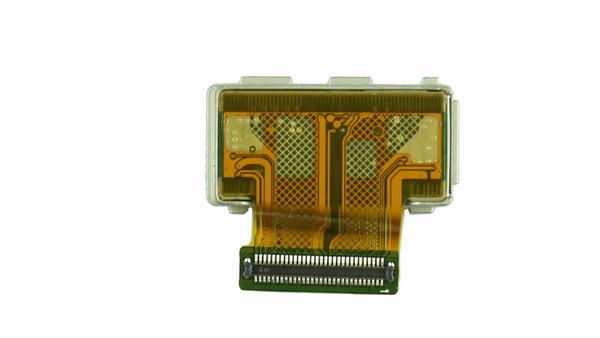
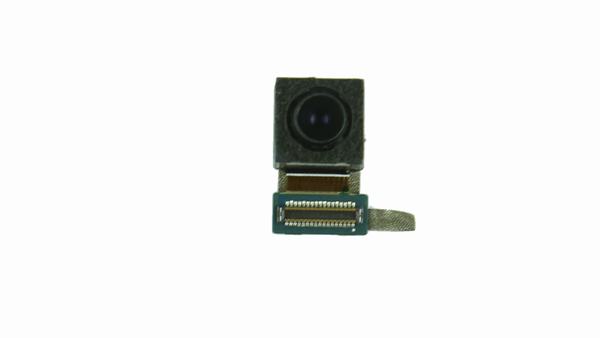
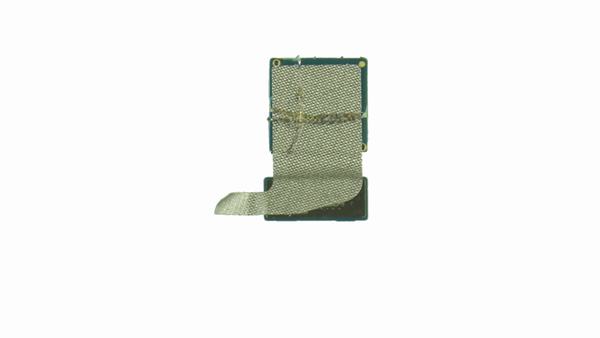
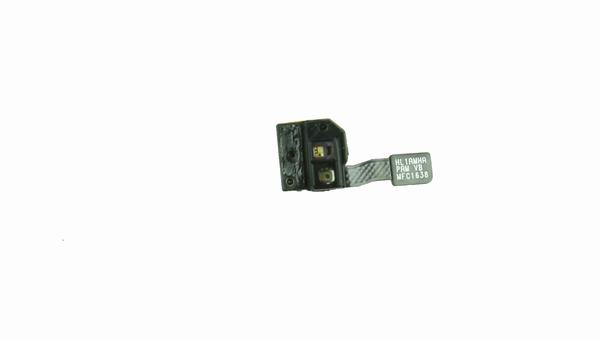
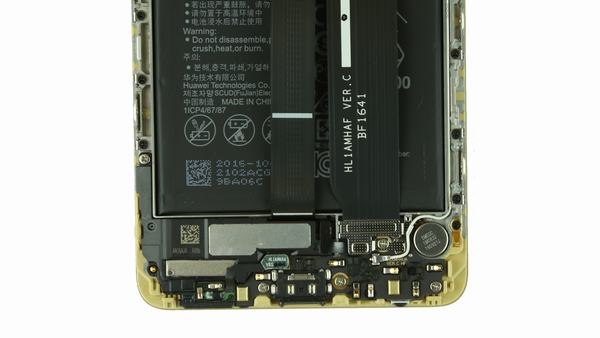
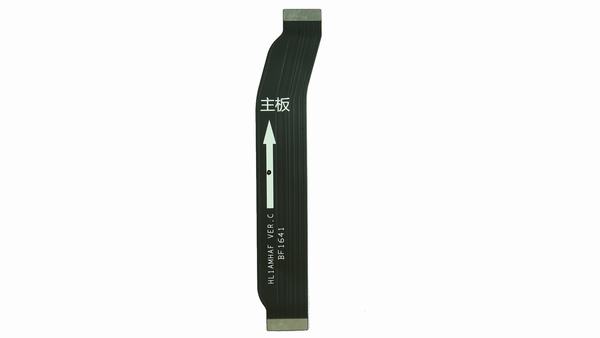
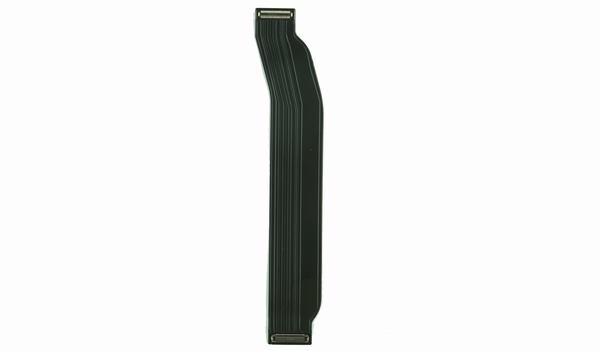
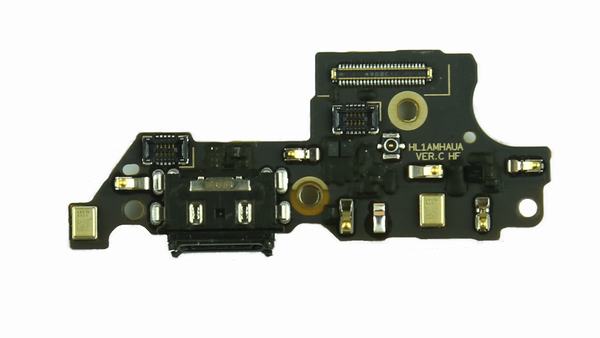
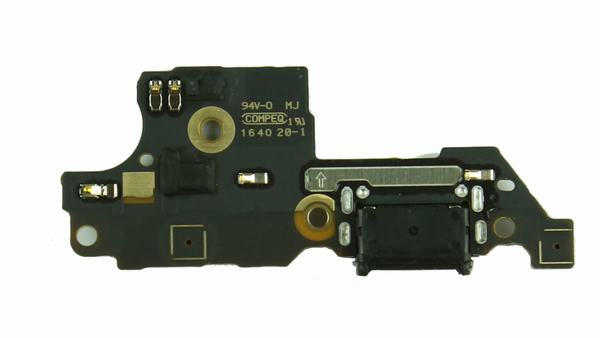
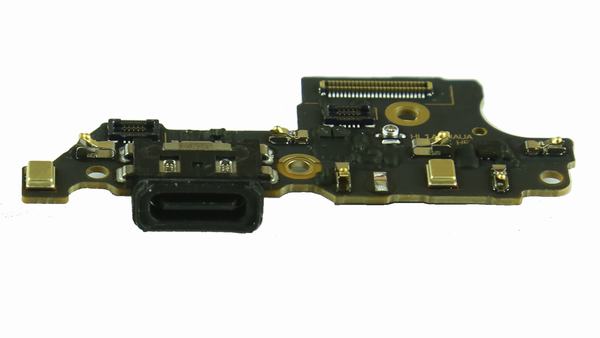
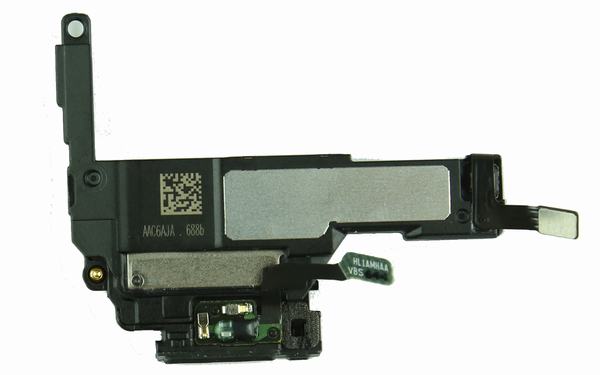
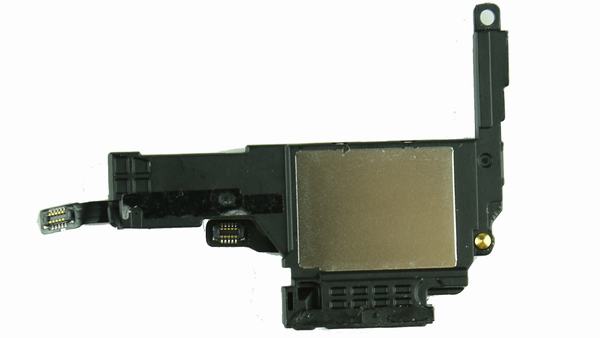
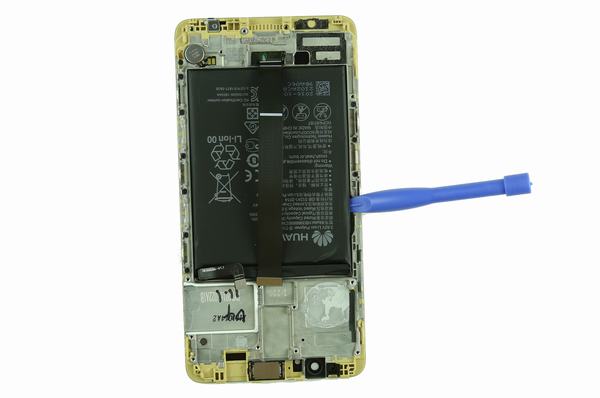
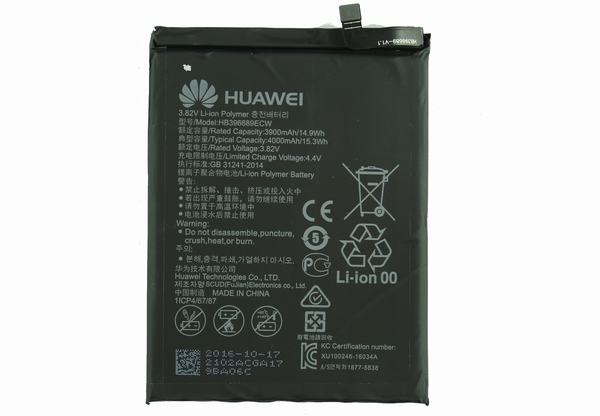
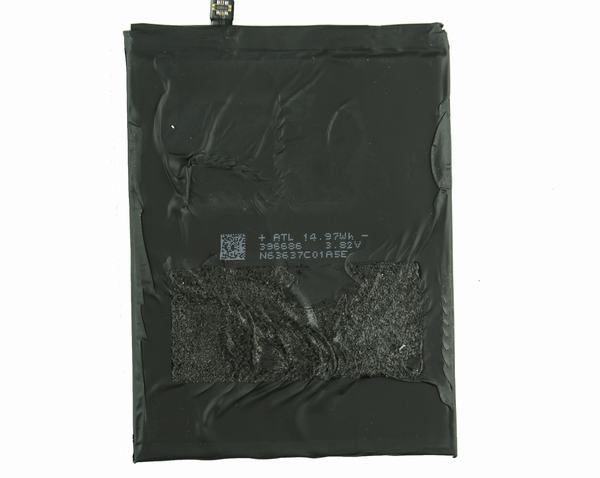
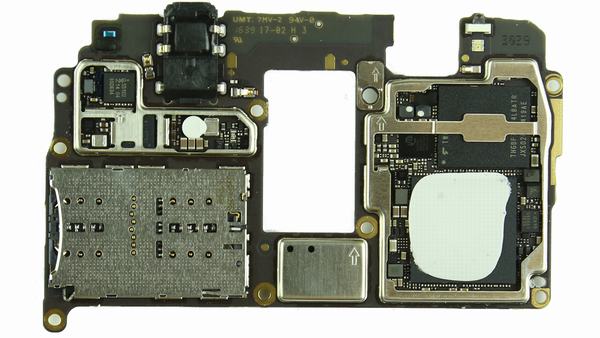
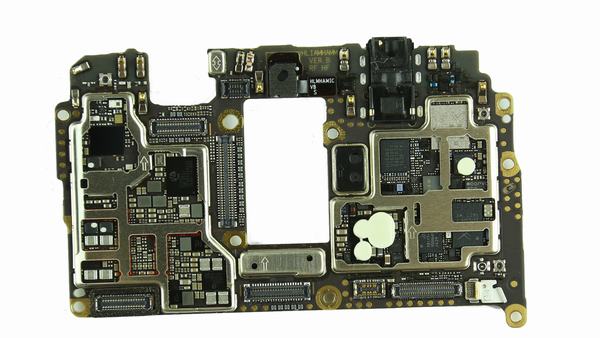
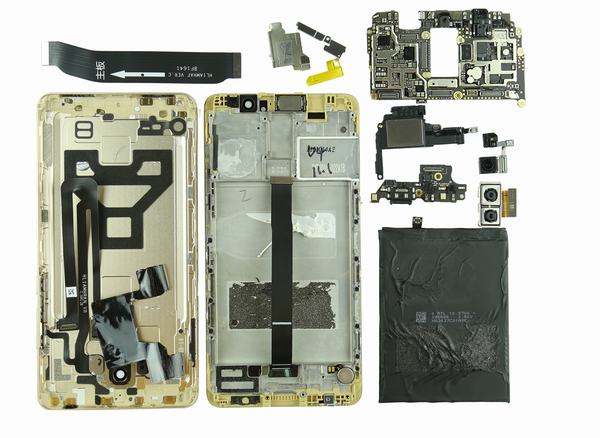
The Huawei Mate 9 flagship has joined the league of devices that got the tear-down treatment soon after launch. The Huawei Mate 9 teardown comes courtesy of the guys at LaptopMain and it reveals the flagship’s internals in its entirety. Quite frankly, the device is shown to come with a mountain load of screws. For a $775 device, it definitely won’t be a good idea to try this out if you’re not a professional. However, the internals showed the Mate 9 isn’t laced with lots of tiny parts and so may not be a problem fixing if faulty.
Just to refresh our memories about the Mate 9 hardware, the device packs an HiSilicon Kirin 960 chip along side the Mali-G71 MP8 GPU. The device also features 4GB of RAM, 64GB storage which is expandable, and there is a 4,000mAh non-removable battery onboard as well.
The Mate 9 also has a 20MP + 12MP dual Leica camera setup at the rear with dual tone LED flash, as well as an 8MP front shooter with f/1.9 aperture. The Mate 9 is a dual SIM smartphone comprised two nano-SIM slots. The second nano-SIM slot also functions as the microSD slot.
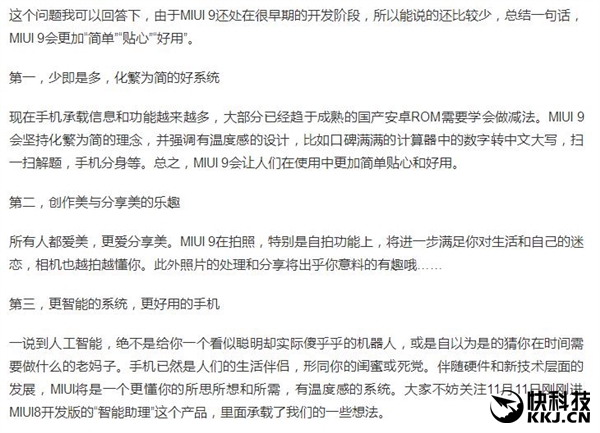
Xiaomi is actively working on the next version of its MIUI ROM and in a question and answer session with its product manager, @Little Lulu Mima, we learnt about new features coming to MIUI 9.
In terms of optimisation, MIUI 9 will have a simpler UI compared to previous versions. There will also be improvements in performance and reduction in power consumption and by heating. We’ve also been asked to look forward to seeing a screen recording function in the new ROM.
In other news, Xiaomi India posted on twitter that they are currently looking for Xiaomi Mi 5 owners who are willing to be alpha testers for MIUI 8 based on Android Nougat.
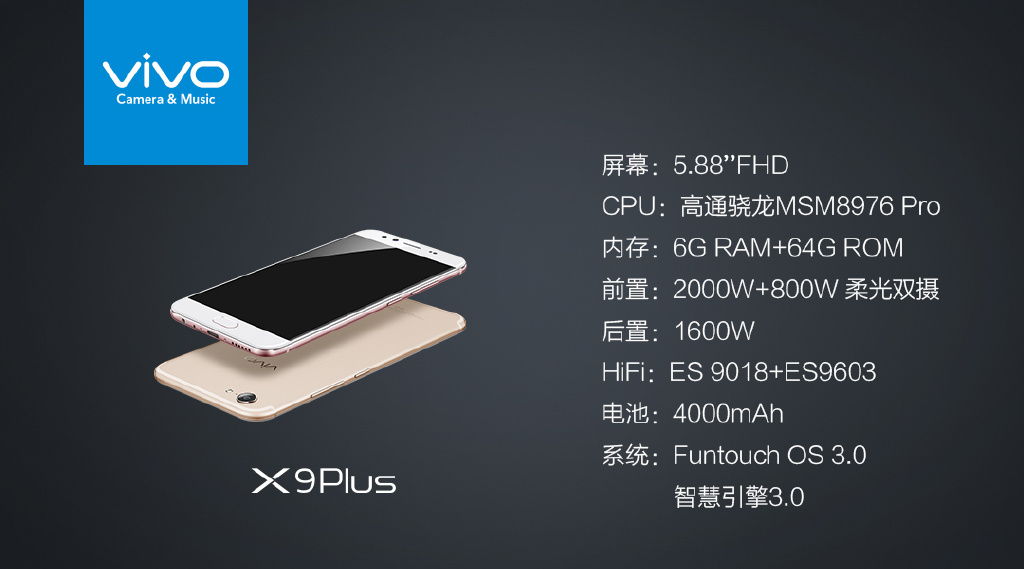
Vivo officially announced a total of three devices today comprising the flagship Vivo XPlay 6, the Vivo X9 as well as the X9 Plus with a larger screen size. The Vivo X9 Plus features not just a larger display size than the X9, but also a larger RAM size, as well as a different Qualcomm SoC and bigger battery capacity. Besides these features, the X9 Plus seems not to be different from the X9.
Taking a look at the specifications, the Vivo X9 Plus features a mammoth 5.88-inch IPS display which places it in the category of a phablet. The display comes with Full HD resolution (aka 1080 pixels). The device features an aluminum body which limits the thickness to just 7.45mm despite the larger capacity battery crammed inside. the device also weighs 199g.
The Vivo X9 Plus is fired up by an Octa-core Qualcomm Snapdragon 653 (MSM8976 Pro) processor comprising four Cortex-A72 cores clocked at 1.95GHz and four Cortex-A53 cores clocked at 1.4GHz. The X9 Plus packs a larger 6GB of RAM inside as well as 64GB of internal storage which is non-expandable. Vivo did retain the same front-facing dual camera set up on the X9 Plus packing same 20MP + 8MP sensors. There is also a 16MP rear camera with LED flash and the device also runs Funtouch OS 3.0 based on Android Marshmallow 6.0.
Furthermore, the Vivo X9 packs a larger 4,000mAh battery under its hood and comes in Rose gold and gold color variants as well. The device also features HiFi audio system integrated with ES9018 + ES9603 chips.In case you’re wondering what price the X9 Plus comes in at, you’ll have to wait some more as Vivo will announce the retail price on December 26. However, the device would go on sale via online and offline channels as well.
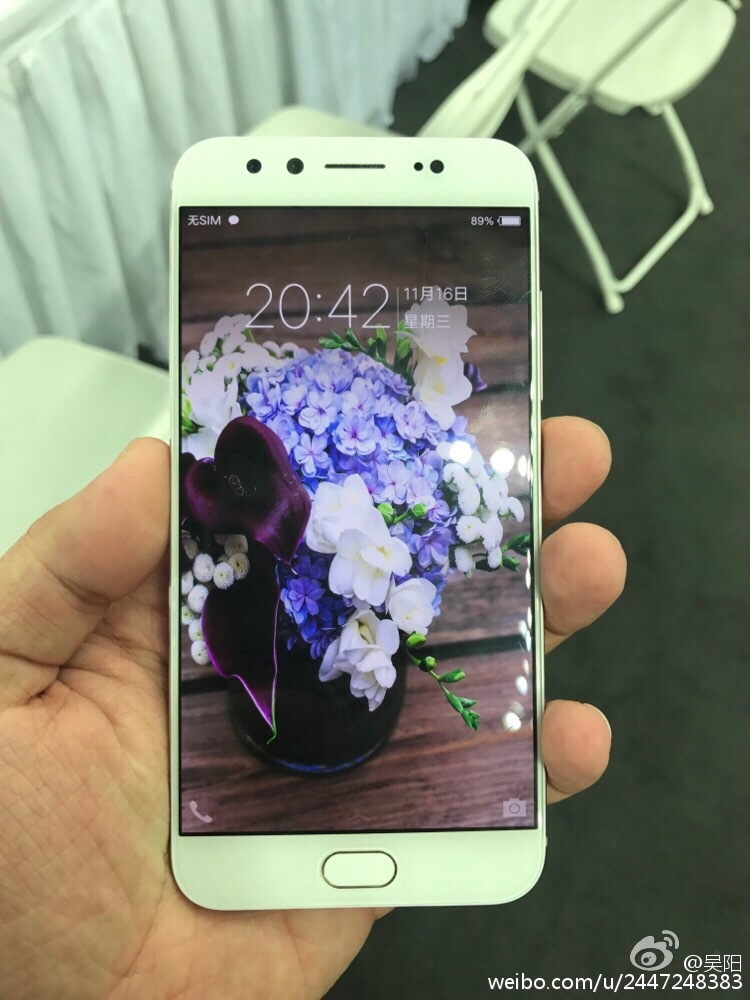
Vivo has officially taken the wraps off the Vivo X9 and X9 Plus alongside the XPlay 6 today in China. The Vivo X9 comes having as its major highlight a front-facing dual camera setup, a first for Vivo. This makes the device a hot favorite among selfie lovers and besides that the device also comes with a well packed specs line-up.
Design & Hardware
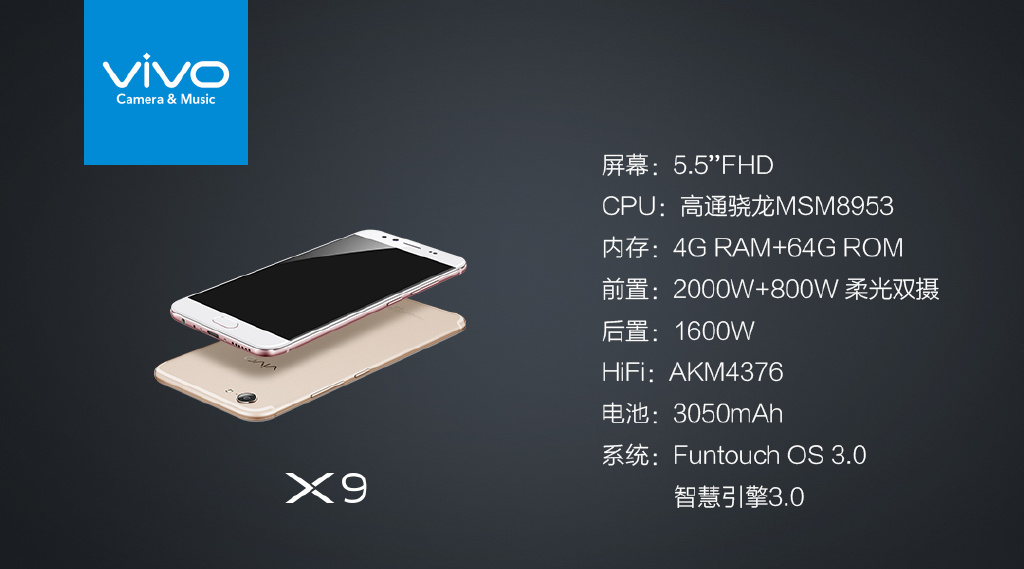
The Vivo X9 features a 5.5-inch AMOLED display with a resolution of 1080 pixels with a pixel density of 401 ppi. The display is further protected with the latest Corning Gorilla Glass 5 protection. The device also comes powered by the Qualcomm Snapdragon 625 processor supported by a modest 4GB RAM. There is also 64GB of internal storage inside the device.
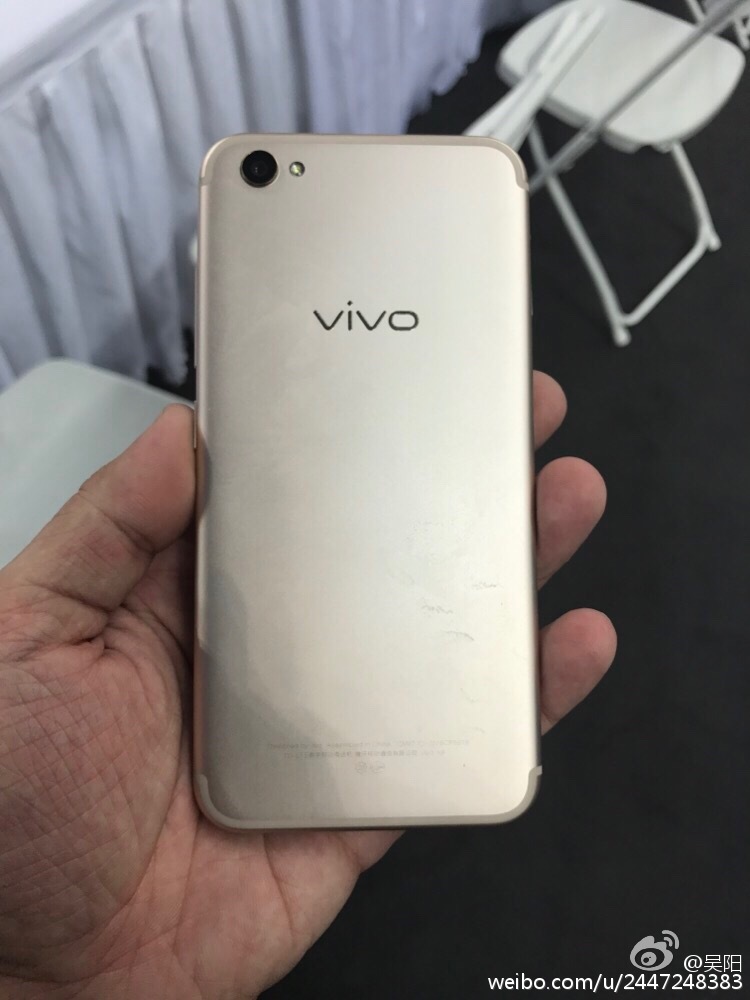
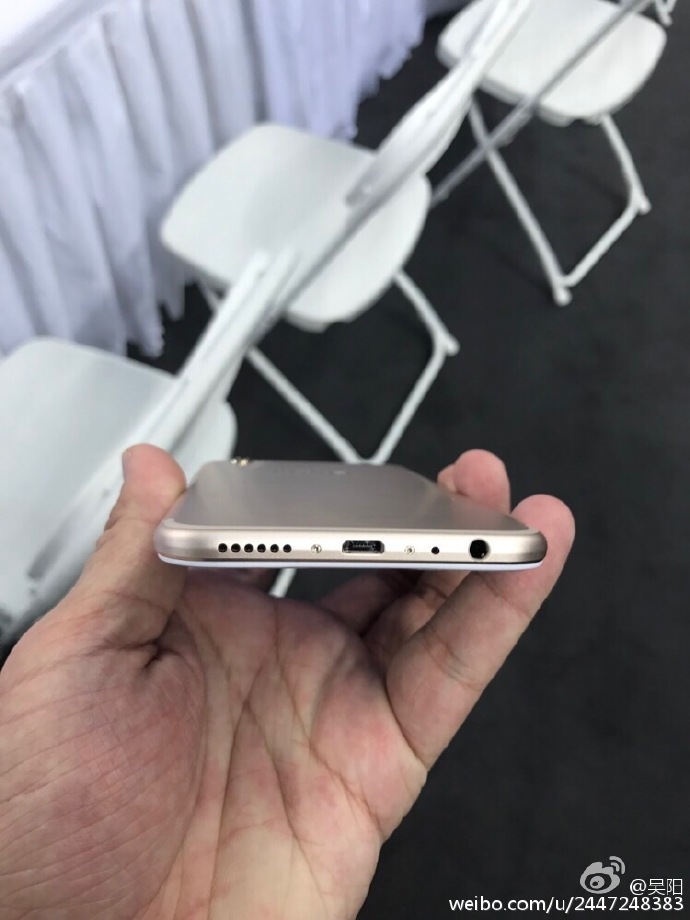
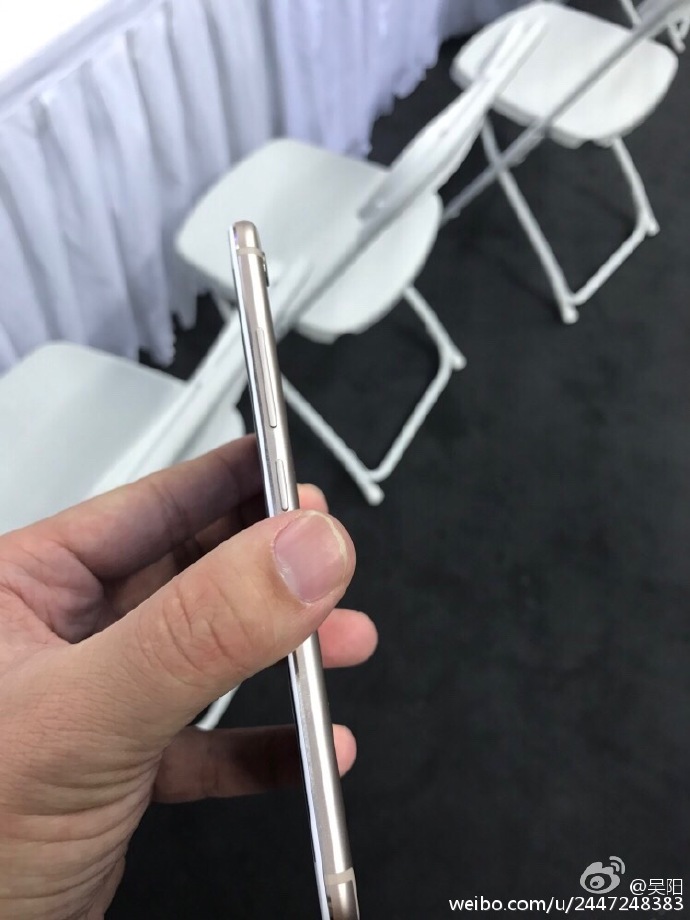
On the design, the Vivo X9 features an all-metal body with the same fused antenna band design as found on the iPhone 7. The device also features super narrow bezels at the edges around the display. The V9 itself comes flat at only 6.99mm thick and weighing 154g.
As stated, the biggest feature on the X9 is perhaps the front dual cameras whih the device packs. The selfie cameras are composed of a 20MP main sensor and an 8MP depth of field sensor. We had earlier seen some teased sample images said to have been shot by the X9’s selfie shooter and they are not disappointing at all. Going further, there is also a 16MP rear camera with LED flash which should hold its own in being capable of delivering crisp clear photo shots.
The X9 also crams a 3,050mAh built-in battery under its hood and runs on Vivo’s custom Funtouch OS 3.0 based on Android 6.0 Marshmallow. The device also has the AK4376 HiFi audio chip onboard which is capable of delivering improved audio output.
Pricing
The Vivo X9 comes in just gold and Rose gold color variants and carries an hefty price tag of 2798 Yuan ( around $406). The X9 would officially go on sale in China via both offline and online channels on November 24.
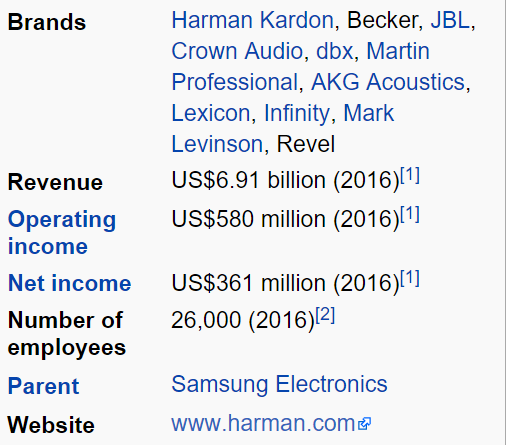
The name Harman Kardon should be familiar to audiophiles but not everyone knows they (Harman International Industries) are the parent company for other popular audio brands like JBL and AKG Acoustics. Fewer people even know they are into the design and manufacturing of connected products for automobiles.
The American company has however been acquired by Korean electronics giant, Samsung, in a move for Samsung to accelerate it’s growth in automotive and connected technologies.
Harman’s technology which includes telematics, infotainment, connected safety and security is currently in use in more than 30 million vehicles. Even a large chunk of their $7 billion 2016 fiscal year earnings which ended in September is automotive related. Samsung wants to be at the forefront of the technology used in smart cars when it goes mainstream as they believe the same revolution that happened to phones will happen to cars too.
Harman’s Wikipedia Page
The acquisition will see both parties benefit greatly from each other. Samsung will have access to long term automobile partners of Harman, and Harman will in turn gain access to Samsung’s experience in displays, semi-conductors, and user experience. We may also see future Samsung mobile devices have better audio performance. How soon the latter will happen is unknown but I won’t rule out the Samsung S8 being the first device to feature enhanced audio or possibly shipping the phone with JBL earphones like the ZTE Axon Pro.
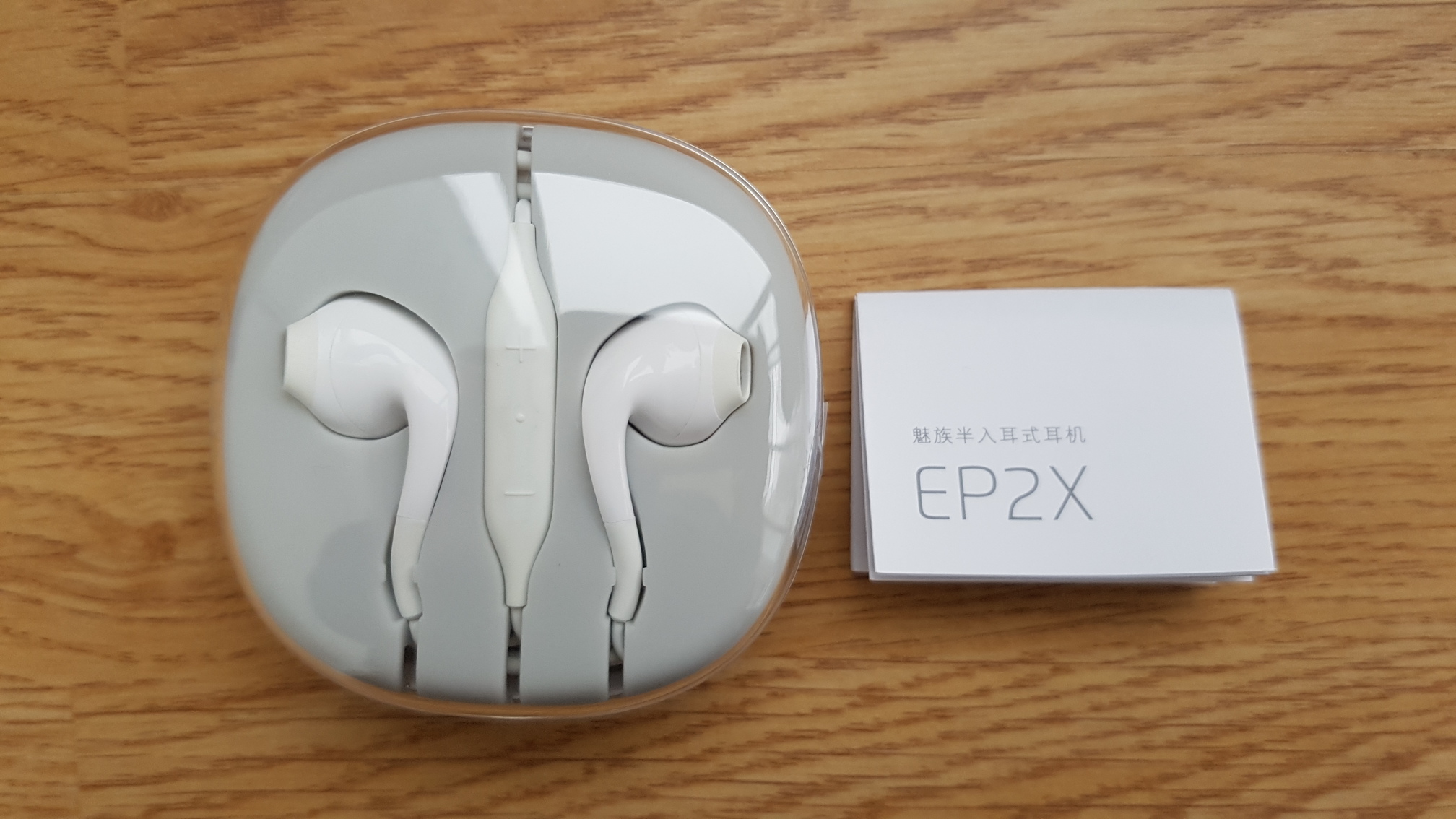
Meizu has been known to a lot of people mainly because of its huge smartphone portfolio. However, the company produces all sorts of gadgets and the EP2X earphones are one of them. After testing this headset for quite a bit of time, we believe it brings a lot of value to the table as it offers very good sound quality, it is comfortable to wear and it can be bought for just 129 Yuan ($18) in China . Learn more in our full review.
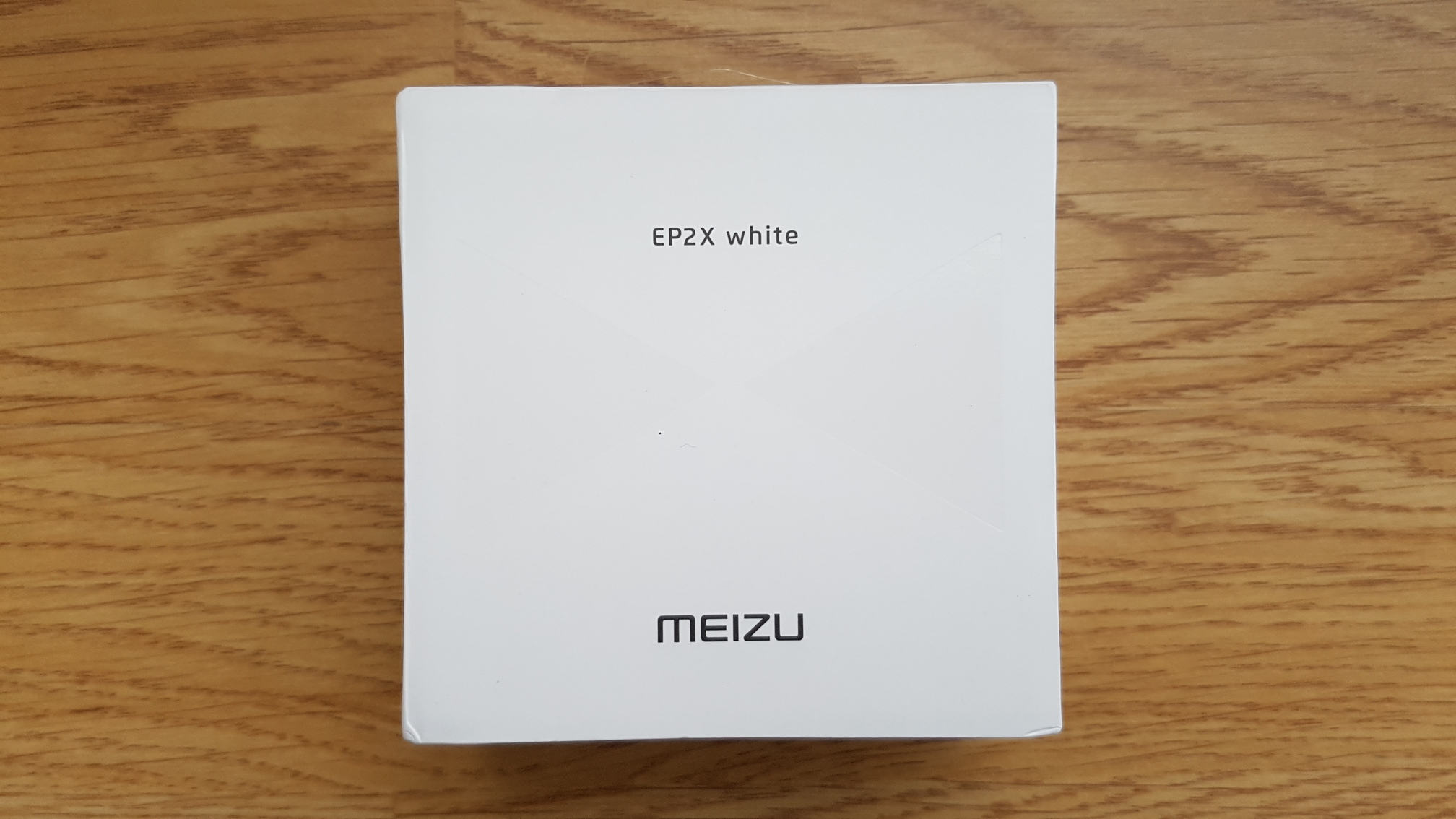
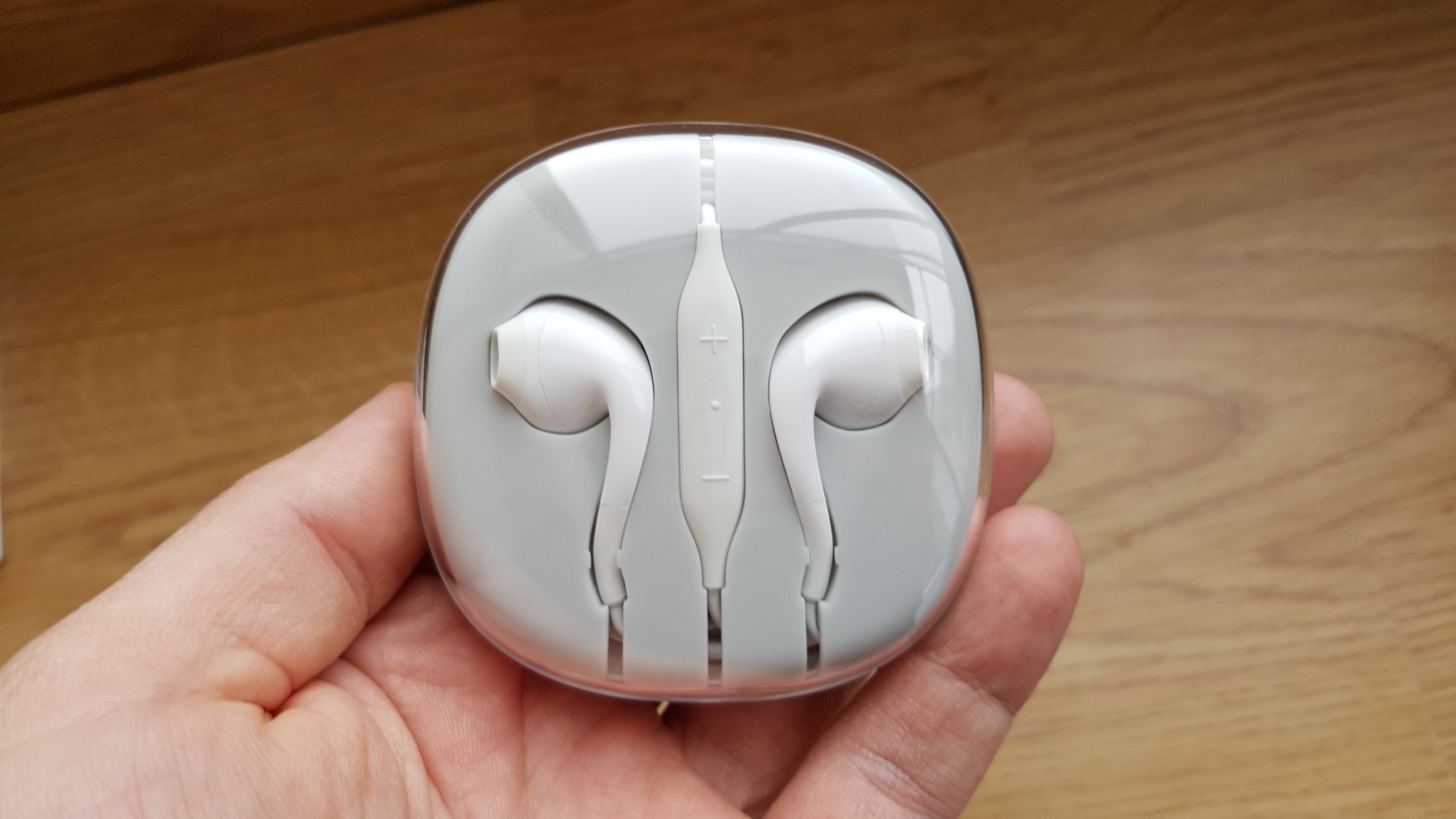
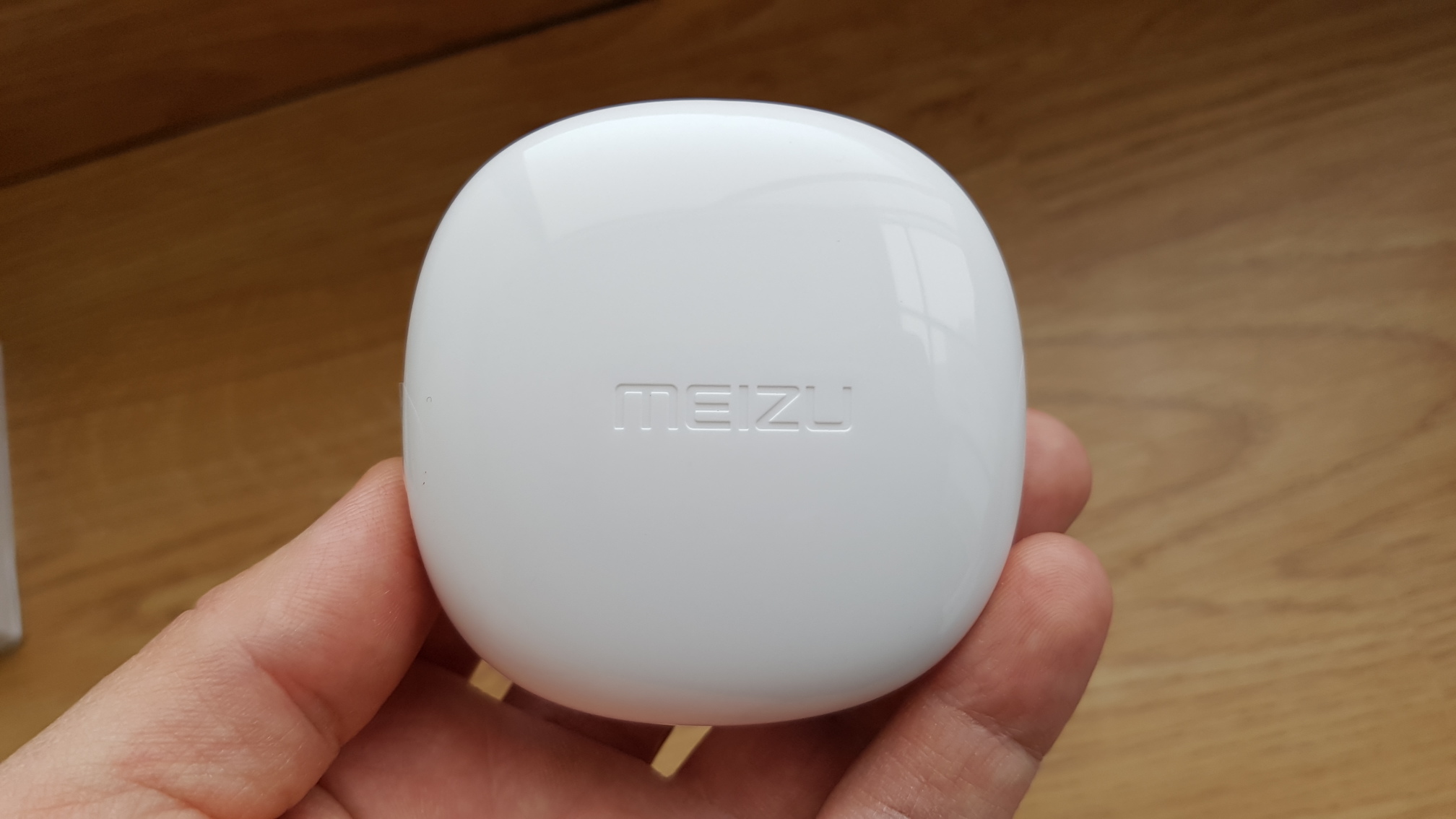
The earphones ship in quite a premium box. Also, you get a high-quality hard plastic travel case.
Meizu EP2X Earphones Review: DESIGN and FEATURES
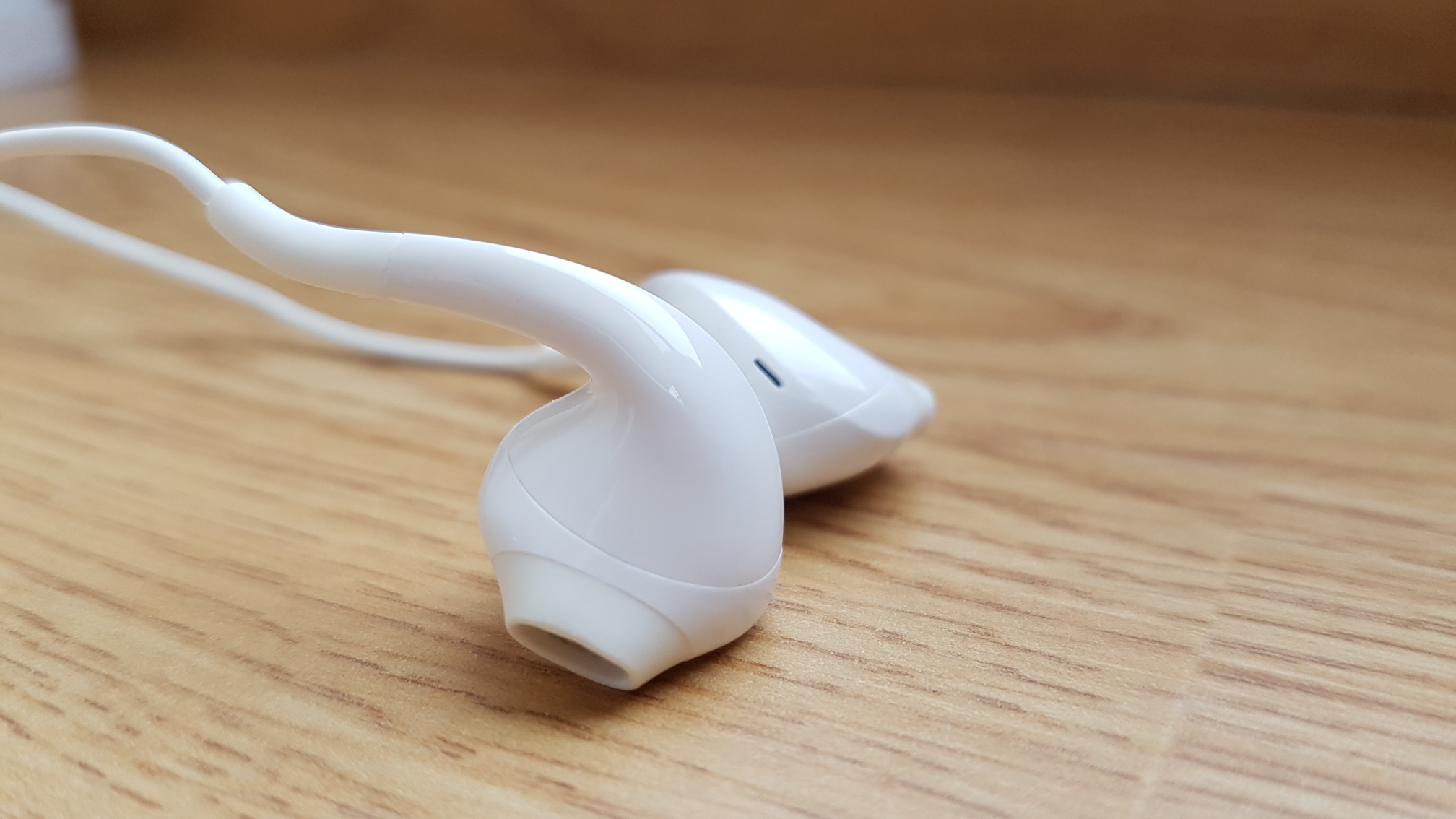
The earphones are made of glossy plastic and the build quality is top-notch. The earphone sports a streamlined tail-pipe, which is made to assure a great comfort while using the headset.
The cable is tangle-free and it looks and feels high-quality too.
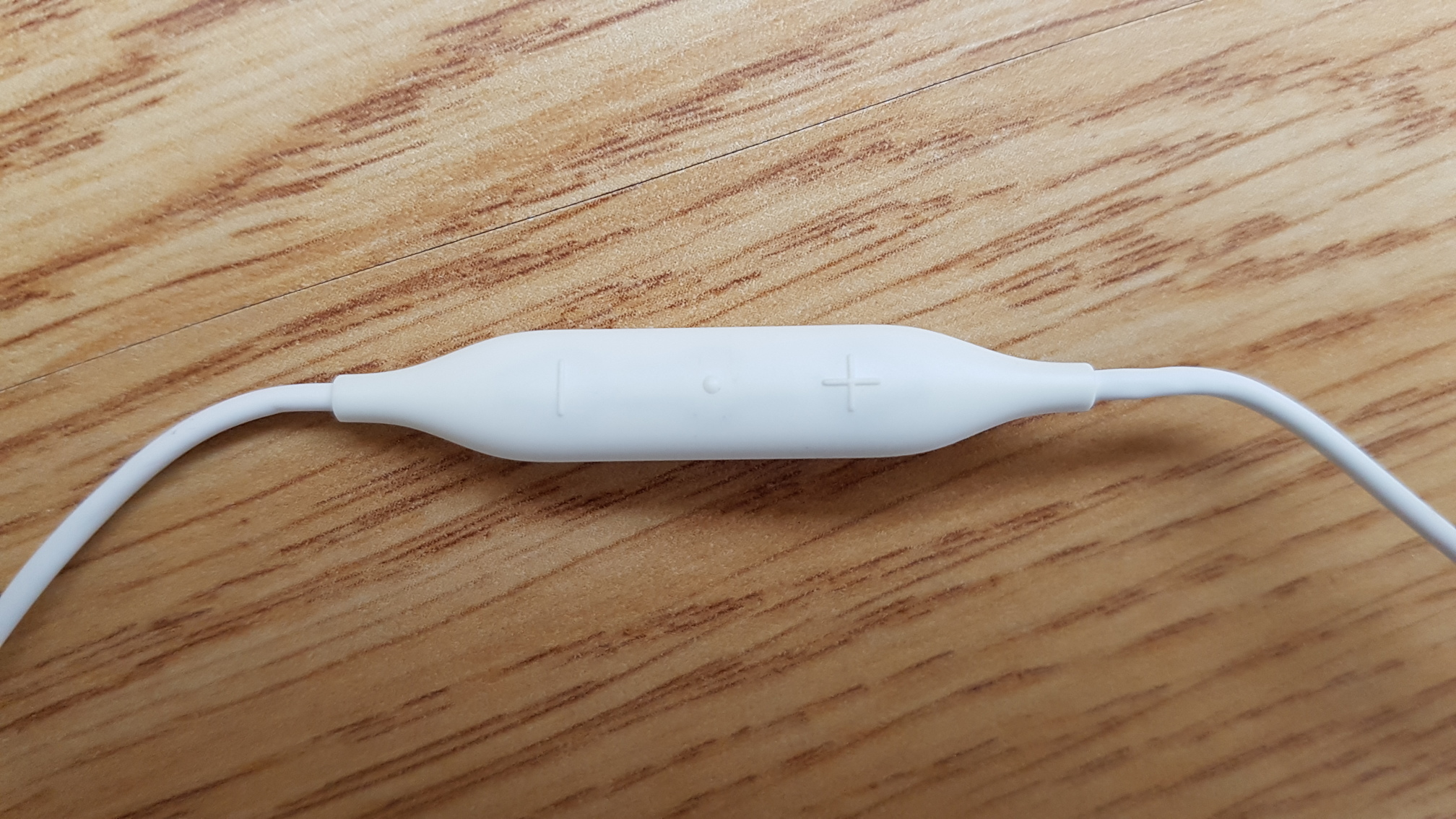
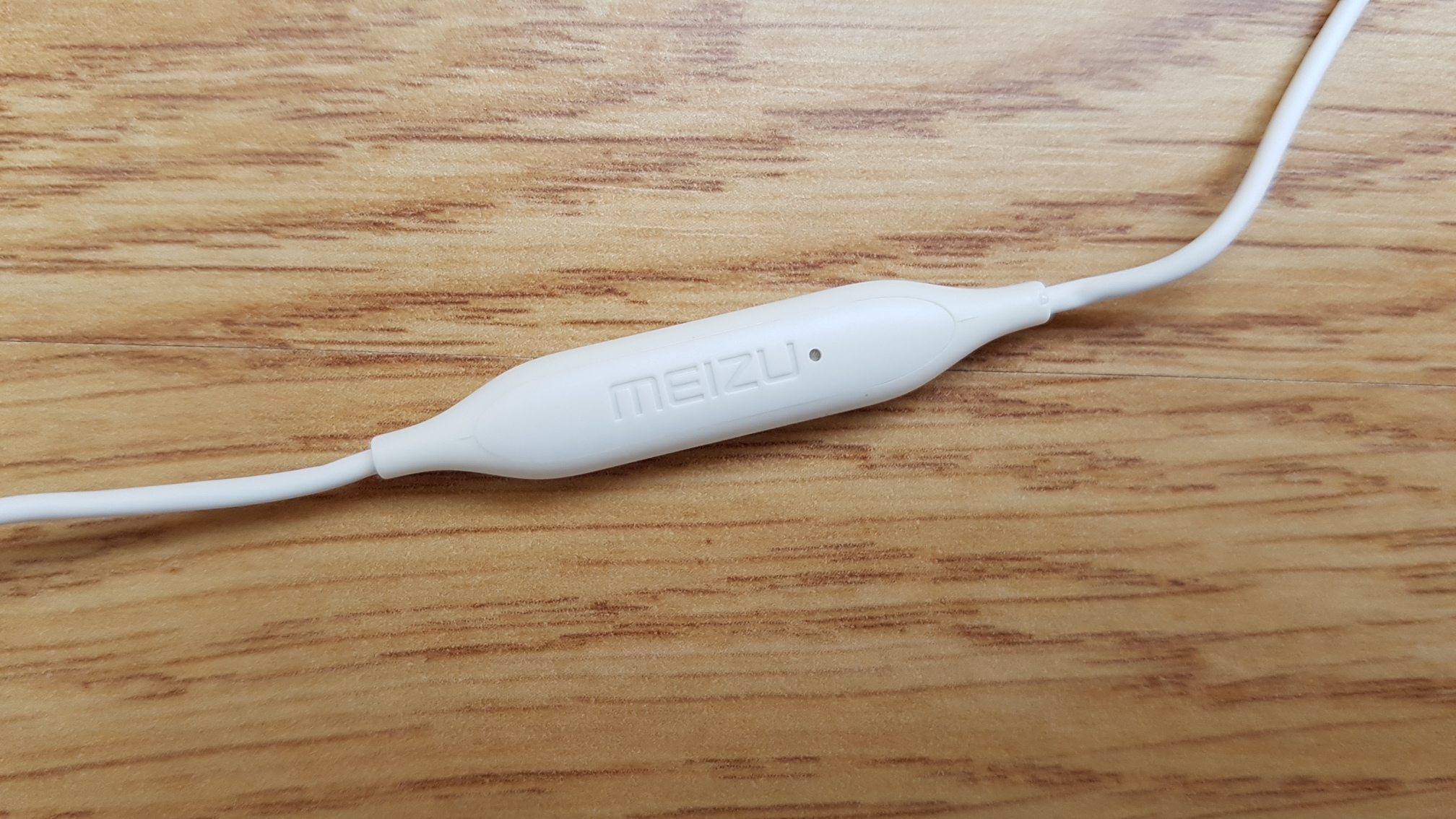
We have a built-in controller, which allows you to play/pause, skip tracks, control volume and answer the calls via the mic. The controls work well with the Android phones I tested – Samsung Galaxy S7 edge, Xiaomi Mi 5s and LeEco Le Pro 3. In addition, the controller works fine with my iPad Air.
The call quality is actually very good. I’ve made like 20 calls using this headset and none of the people had any complaints.
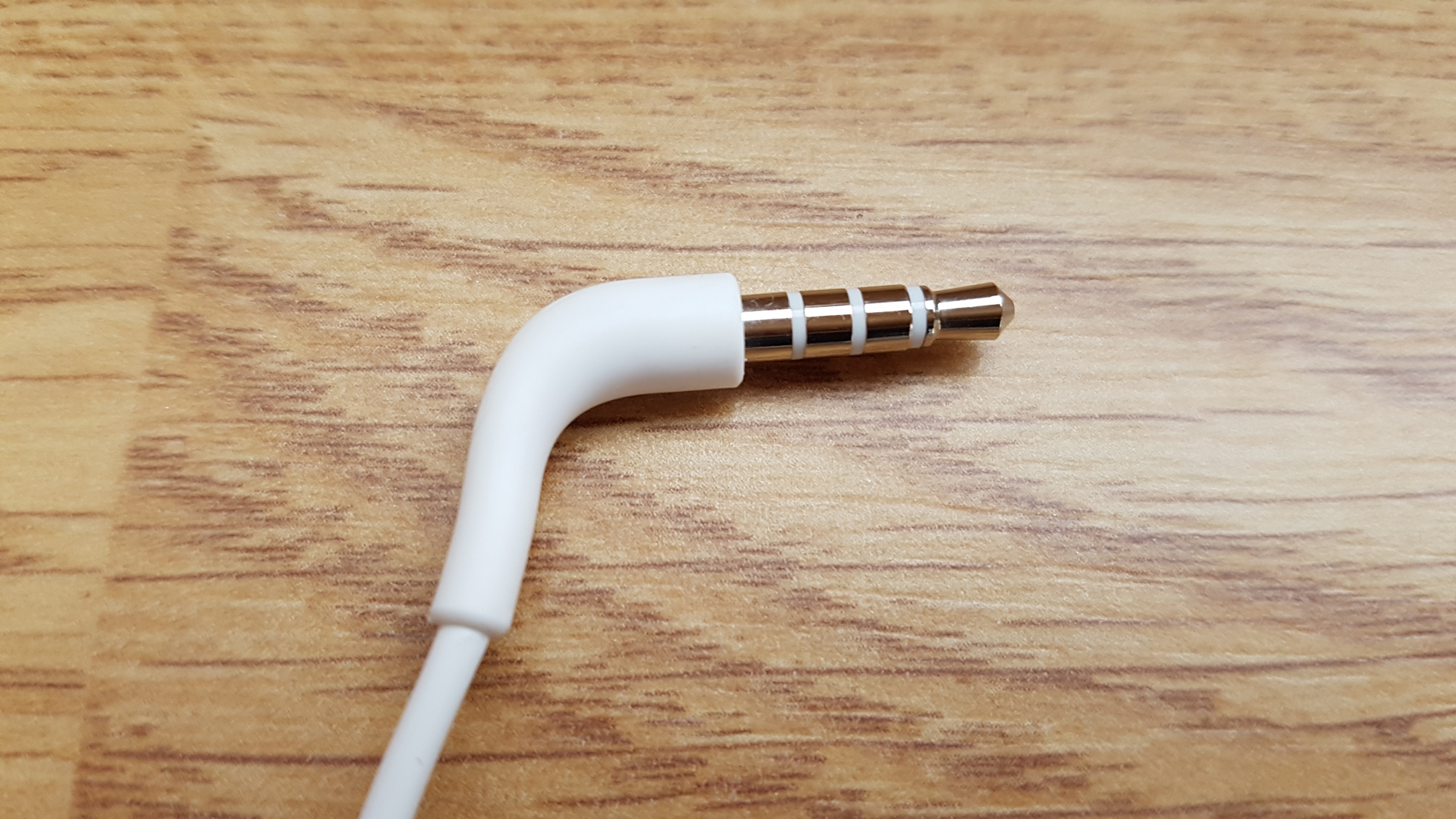
The headset jack is the L-shaped. I always prefer the I-shaped jacks but I can also live with this one.
Meizu EP2X Earphones Review: SOUND QUALITY and COMFORT
Meizu put a lot of work into these earphones to make sure they deliver excellent audio. The speaker diaphragms are made of micro bio paper fibre, the edge diaphragm is made of high compliant TPU materials, the unique free-edge design helps reduce distortions and enhance the deep, booming bass.
But how that tech talk translates into the real-life listening experience? Well, it is indeed pretty good considering the low price of this headset. You should not expect any Hi-Fi qualities but the sound is rich, crisp and pronounced. In addition, there is a pretty decent balance between mids, highs and lows. However, you should not expect the same amount of bass as using the classic in-ear earphones that make a good seal between your eardrum and the earbud. Still, I believe this is one of the best-sounding headsets in its class I’ve tested so far.
When it comes to comfort, the Meizu earphones are designed in the way “one size fits all”. There is no need to look for the right size of earbuds or anything. The headset is comfortable to wear and it stays firmly in the ears while moving around or shaking your head.
Meizu EP2X Earphones Review: CONCLUSIONS
The Meizu EP2X earphones do bring quite a lot of value to the table since they are made of high-quality materials, they sound great and they are comfortable to wear.
Also, for the price of just $18 in China, you get a nice travel case. Finally, the Meizu earphones can be highly recommended since we haven’t noticed any shortcomings that could be a dealbreaker.
Smartphone makers are increasingly surprising fans at its launch event, releasing products in addition to what we expect. We know how Xiaomi managed to surprise us all with the Xiaomi Mi Mix concept phone at the Xiaomi Mi Note 2 unveiling and looks like Vivo has also done something similar at its Vivo X9 and X9 Plus launch event today. The company unveiled an additional flagship, the Vivo XPlay 6 coming with slightly upgraded features as compared to the previous generation Vivo XPlay 5.
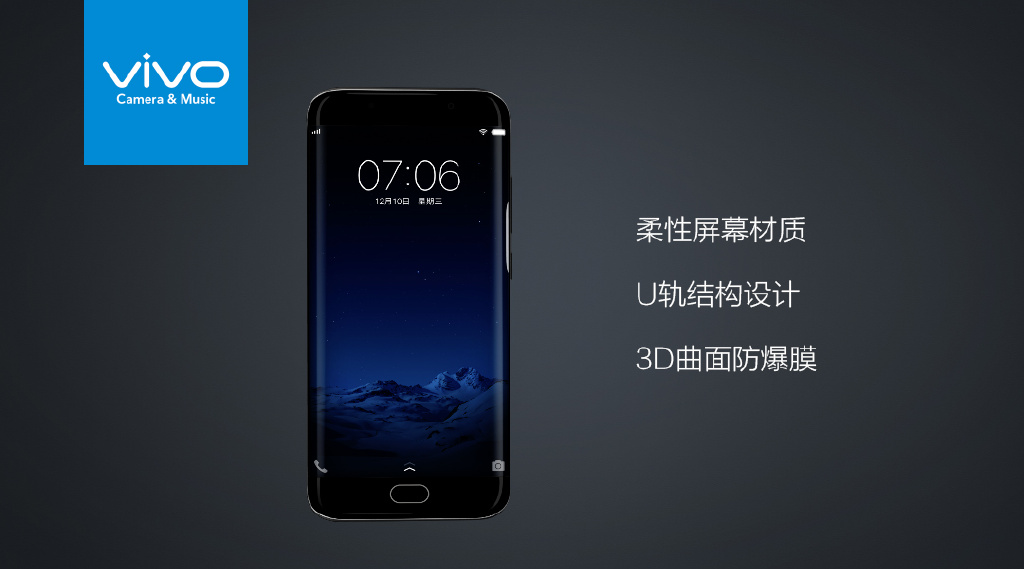
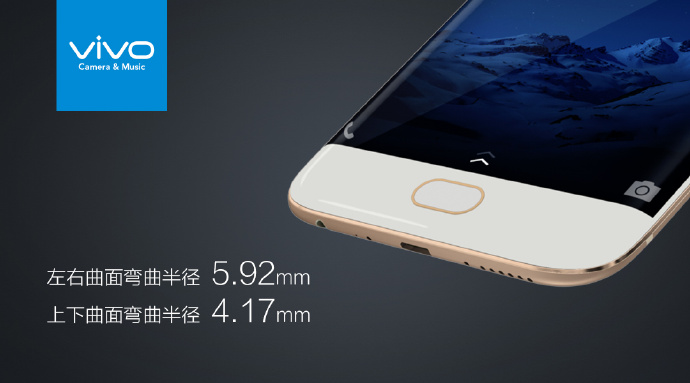
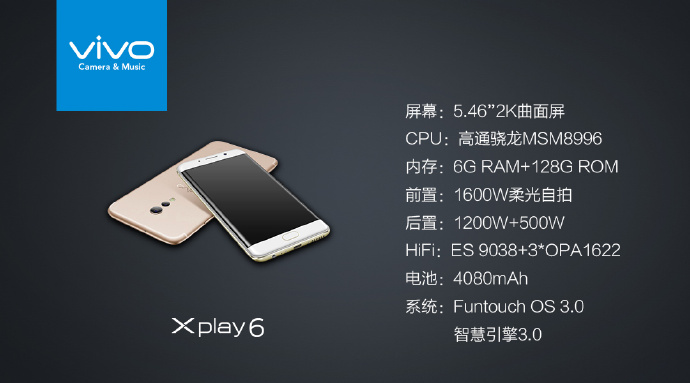
Continuing the tradition, the new Vivo XPlay 6 also comes with a dual curved display on the front. The screen is of 5.46-inches and comes with 2K resolution. Inside, there is a surprise — Snapdragon 820. Yes, despite launching near the end of the year, the company has used Snapdragon 820 quad-core chip instead of the updated and slightly faster Snapdragon 821. There is 6GB of RAM on board and 128GB of internal storage. The battery is quite large as well, measuring 4080mAh in capacity with fast charging support. The company has somehow limited the thickness of the phone to just 5.2mm, despite this large battery.
As for the camera, Vivo has made sure that the XPlay 6 comes with powerful sensors, both up front as well as the back. The flagship comes with a 12MP Sony IMX362 sensor at the back along with another 5MP secondary sensor. So, it’s a dual camera setup. The camera module comes with 4-axis OIS, large f/1.7 aperture, 1.2μ pixels, 0.03s focus, and depth of field effect, thanks to the additional camera at the back. Up front, the phone features a capable 16MP sensor with soft lights.
Vivo’s smartphones are known for its Hi-Fi audio, and the Vivo XPlay 6 is no different. The phone comes with ES9038 + 3xOPA1622 audio chip to ensure top quality audio output. Other features of the phone include an all metal body, dual SIM dual standby and new Funtouch 3.0 OS.
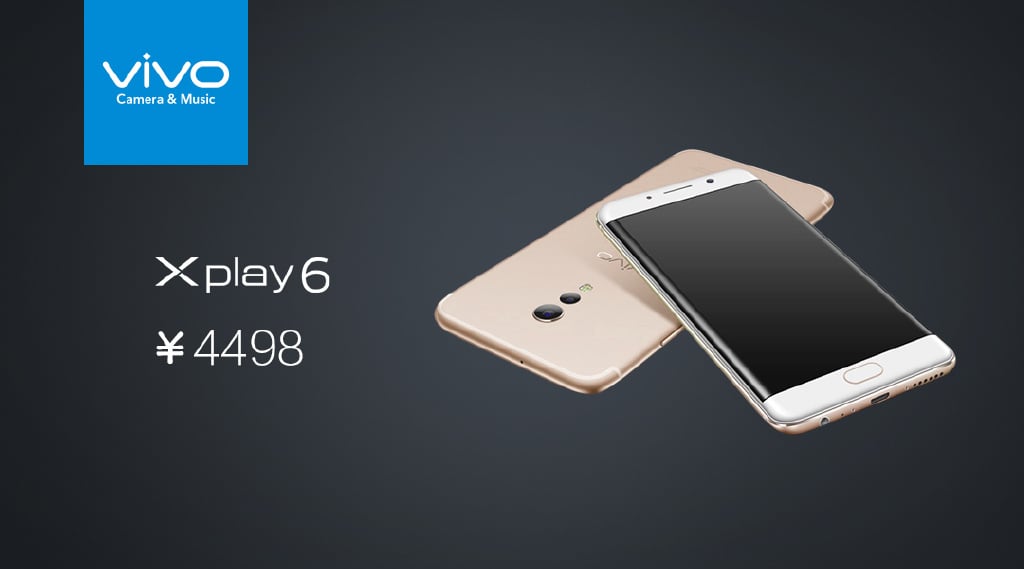
Vivo’s premium smartphones are never cheap, and neither is the Vivo XPlay 6. The phone is priced at 4498 Yuan ($655) and will go on sale from December 12 via offline and online sales channels.
Research firm, International Data Corporation (IDC), has released the smartphone shipment report for India for the third quarter of the year. The report shows that there has been a growth of 11% compared to the same period last year.
The growth in shipment has been attributed to a number of factors such as the festive holidays, online mega sales, and early importation of phones due to Chinese holidays in September (Mid-Autumn Festival) and October (National Day).
IDC puts the total number of shipments for the quarter at about 72.3 million (smartphone and feature phones) which translates to a growth of 18.1 percent.
The big winners for the quarter are Samsung with 23%; Lenovo (and Motorola) with 9.6%; Micromax with 7.5%; Xiaomi with 7.4%; and Reliance Jio with 7% of the total shipment
According to the report, Xiaomi’s shipment has grown over 2.5 times compared to the same period last year and may continue to do so due to its plan to expand its offline channels.
Next year’s iPhone is expected to be different and there are already a bunch of rumors circulating around on what to expect. One that seems to be true is the use of an OLED display which will be a first for the Cupertino-based company. Today there is fresh news on the display from a supply chain analyst firm.
The firm, KGI Securities, issued a report predicting the lineup of Apple’s next phone. The report says Apple will be releasing not two, but three iPhone 8 models of which only one will sport an OLED display, the other two will use IPS LCD screens.
And if you have been expecting the dual-camera setup on the iPhone 7 Plus to be available on all models henceforth, sorry to burst your bubble as the firm says it will still be a Plus exclusive. However the unit with the OLED display will have dual rear cameras as well.
So to put in a simpler form, next year’s line-up may look like this:
4.7” model with a single rear camera and a LCD screen
5.5” model with dual rear cameras and a LCD screen
5.5” model with dual rear cameras and an OLED screen
These three models will also be available in multiple storage variants which means the iPhone 8 with an OLED display and 256GB storage might as well be priced over a thousand dollars.
Other rumors we have heard include the return to an all glass back and the a complete ditching of the home button.
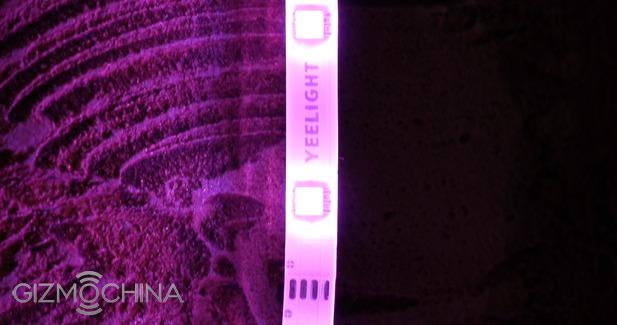
If you are looking for something to pimp your setup, the LED light strip is one of the most simple and awesome-looking solutions. The Xiaomi Yeelight Smart Light Strip is one of the best LED lighting solutions in terms of quality and price.
We have reviewed this product a month ago and I’ve been still using it on the daily basis, it works absolutely fine.
We suggest checking out our video review above or a written review for more details about this Xiaomi LED strip.
In short, the Xiaomi Yeelight Smart Light Strip can be controlled with the wired controller. You can press it once to power it on or press and hold it to change the color.
However, it is much more fun to control it wirelessly as the LED strip has a built-in Wifi and it can be controlled via the Yeelight app. You can change the colors of the strip, adjust the brightness, select from different flow and scene modes and adjust a variety of settings if you wish so.
Currently Gearbest has this LED light strip on sale and you can get it for an amazinglylow price of just $28.99 (regular price: $42.59). Make sure to use the coupon code: XYSTRIP during checkout.
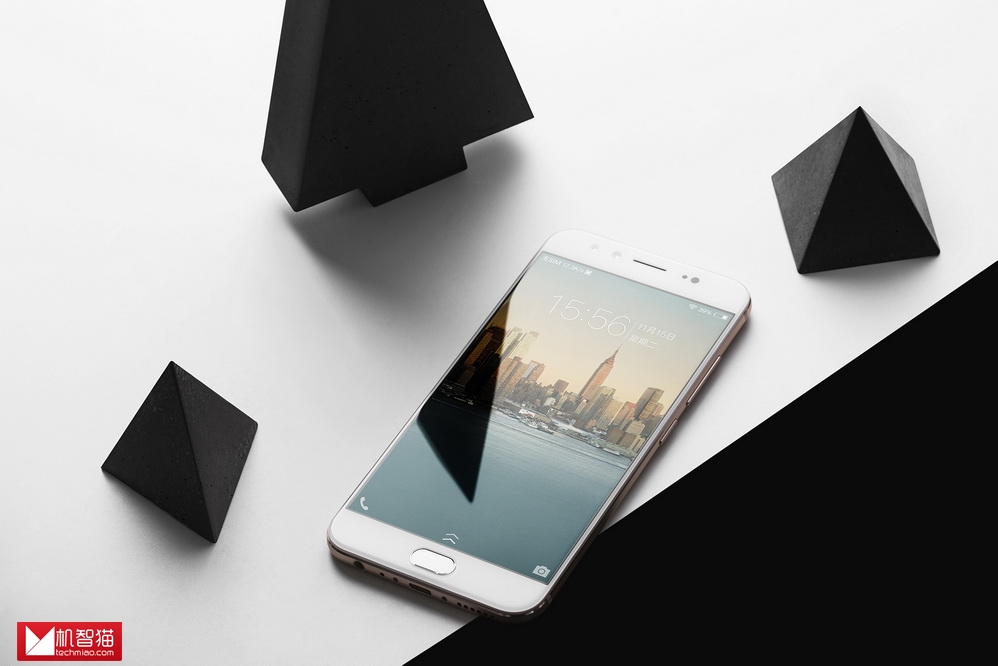
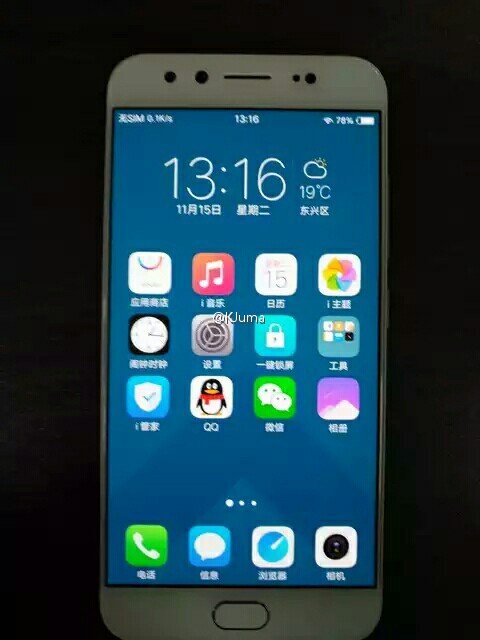
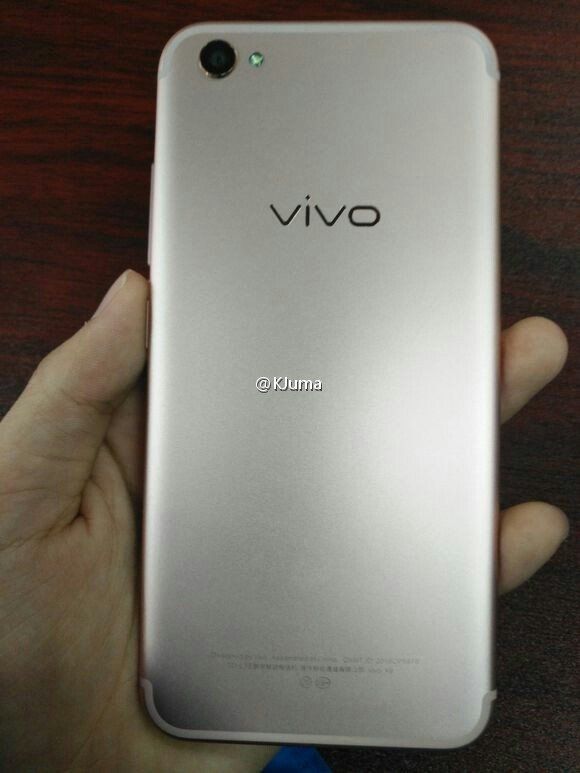
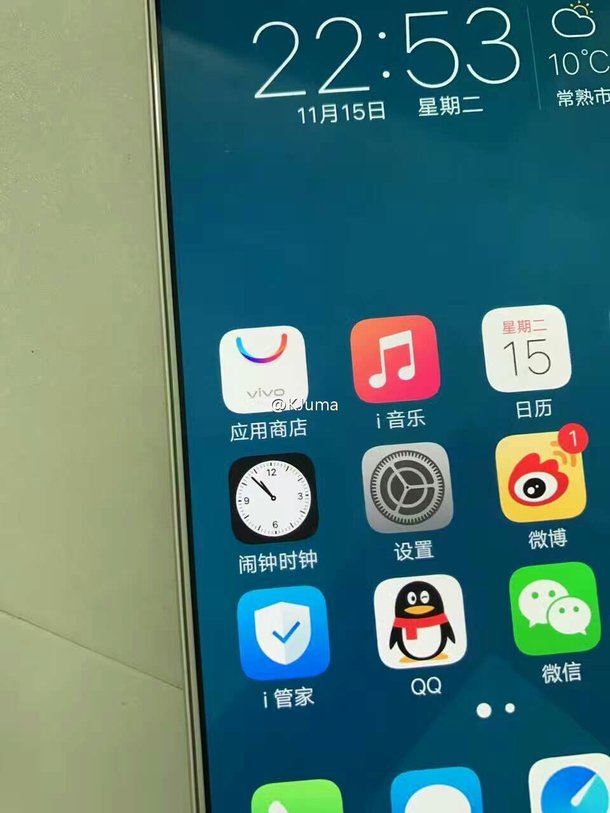
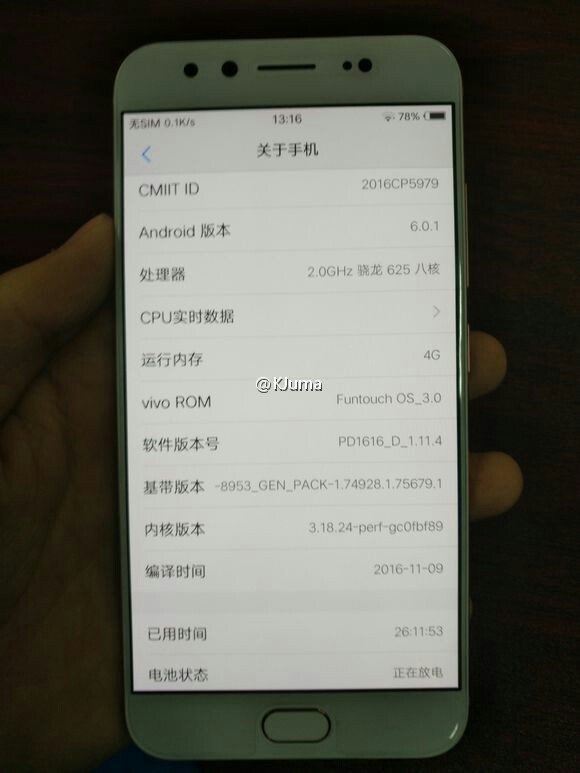
Ahead of its launch slated for later today, the Vivo X9 has featured in a set of leaked renders courtesy of popular tipster @kjuma. The renders show the device having a white-colored front face around the display while it comes with silver color at the back, which is most likely one of its color variants.
The front view render shows the device’s most potent offering which is the front dual camera, with both sensors sitting at one side of the front earpiece while the proximity sensor is at the other end. The device is also shown to have a physical home button at the front which would likely function as a fingerprint scanner.
At the back, the main camera is located at the top left corner of the device, with an LED flash lying at its side. The Vivo X9 also comes with an antenna band design that is similar to those on the iPhone 7. We are beginning to see more devices adopting this form of antenna band design, by the way. The phone also features a design with narrow bezels around the display screen.
We had earlier seen the key specifications of the Vivo X9 and X9 Plus via a leaked box casing. However as a reminder, the X9 features a 5.5-inch Full HD display, 4GB of RAM, 64GB of storage, and an unspecified Snapdragon processor which is tipped to be the Snapdragon 625 chip. The front facing cameras are a combination of a 20MP sensor and an 8MP sensor with soft light, and there is a 16MP shooter on the rear.
In addition, the Vivo X9 will have a 3050mAh battery, a front fingerprint scanner,and a dedicated AK4376 HiFi audio chip. The bands supported have also been listed as: B1, B2, B3, B4, B5, B8, B38, B39, B40, and B41 while the device would run Android 6.0 Marshmallow-based Funtouch OS 3.0. There is also dual SIM/ Dual standby support on the device.
ZUK managed to release one of the cheapest Snapdragon 820 smartphones in the market today with the price of the ZUK Z2 going as low as 1499 Yuan ($219). While the company is known to make affordable flagship phones, it does have some powerful handsets in its lineup like the ZUK Z2 Pro with 6GB of RAM. Now, it looks like Lenovo’s ZUK brand is preparing to release another smartphone called the ZUK Edge.
Chang Cheng, the head of ZUK, recently revealed a new image which reveals the name ZUK Edge. This basically confirms the existence of the device, but he failed to reveal more details such as a release date. Since there are two colors shown in the image, it is likely that the ZUK Edge comes in black and white color options.
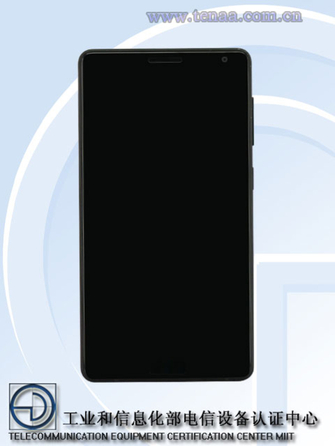
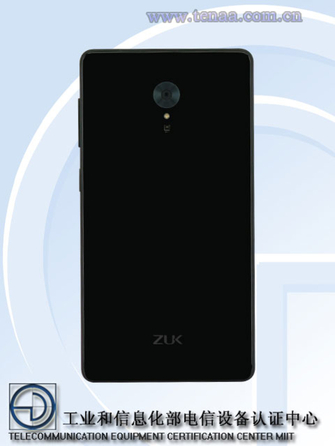
The timing of this image is interesting given that we found a new ZUK smartphone pass through TENAA a few days back. However, the ZUK Z2151 model, certified on the website doesn’t seem to feature a curved display. So, if this is the ZUK Edge, why is it called the ‘Edge’? Either this could be a different smartphone or there are some who say that the screen proportion of the model will be very high, justifying its Edge name tag.
TENAA revealed that the ZUK Edge will come with Snapdragon 821 chipset inside with 4GB RAM and 32GB / 64GB ROM options. There will be a 5.5-inch 1080p display, 13MP rear camera, and an 8MP front shooter.
As you can see, while these specs are pretty good, it still lags behind some flagships in the market like the OnePlus 3T, Google Pixel XL, and Mi 5S Plus. At this point, we can’t be sure that the model that passed through TENAA is indeed the ZUK Edge, so we better wait for more details.
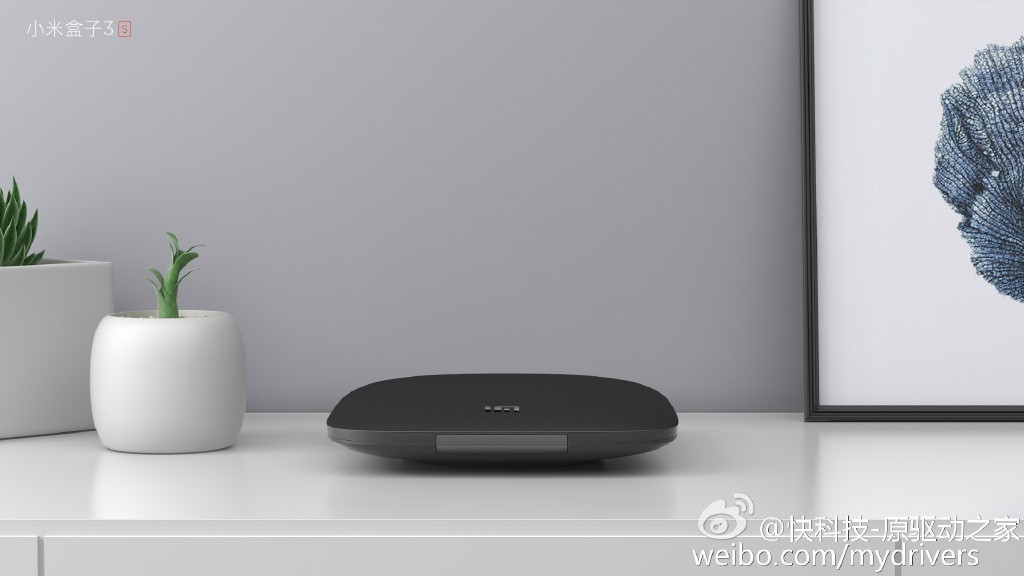
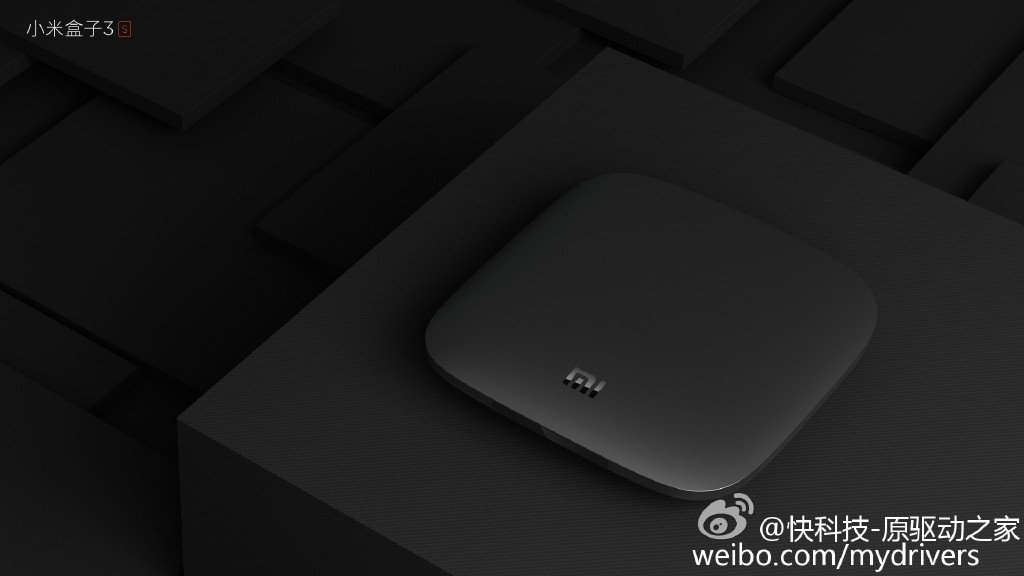
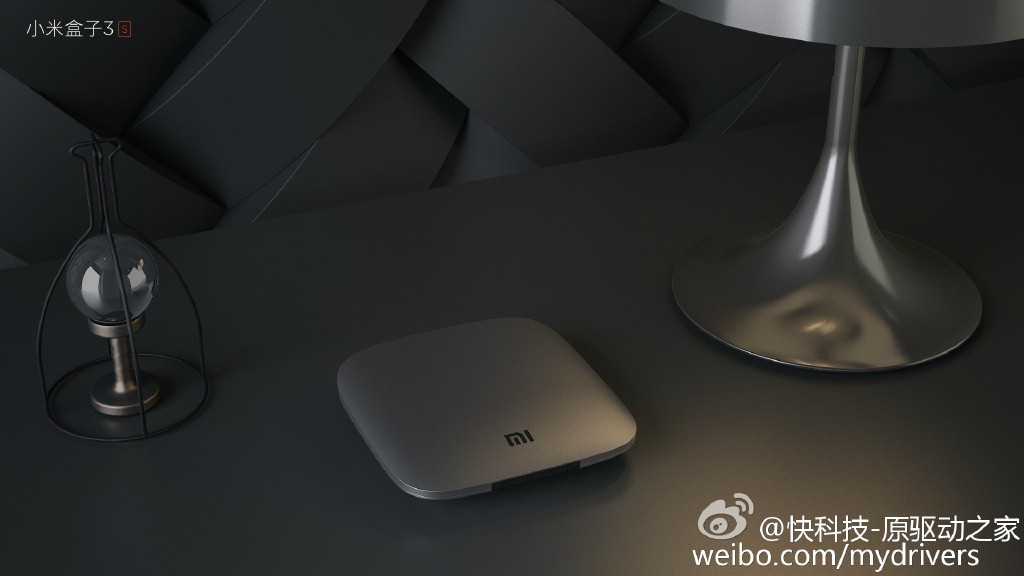
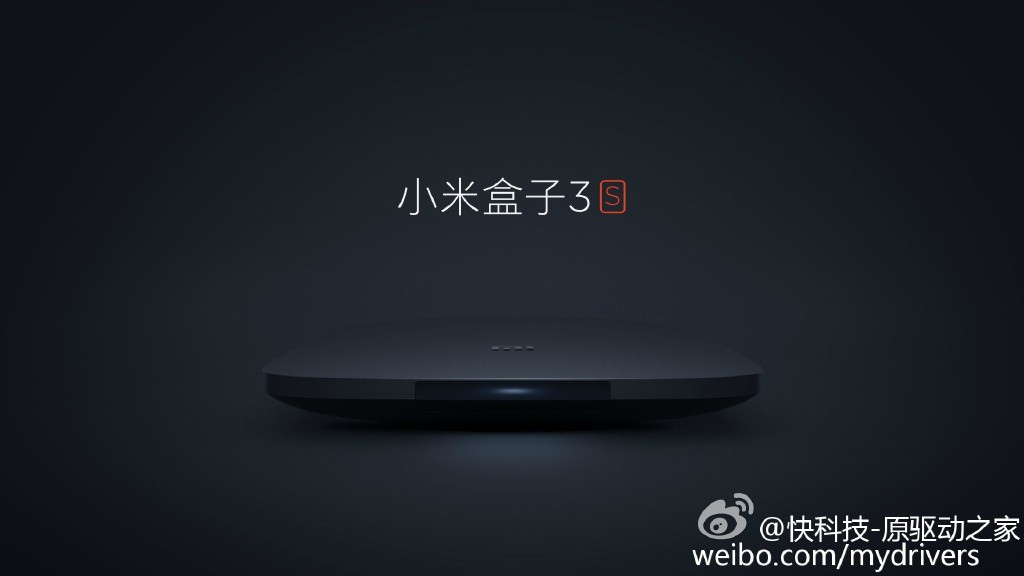
Xiaomi has today officially launched the latest version of its Mi TV Box, this time around dubbed the Mi Box 3s. The Xiaomi Mi Box 3s comes with a design that looks alike with that of its predecessor’s smallish but sleek-looking body like that of a flat pebble.
The Xiaomi Mi Box 3s features rounded shell with a matte texture, with Xiaomi’s MI logo complementing the design. The TV Box also features an AV interface, an HDMI interface, a USB port, and a power connector.
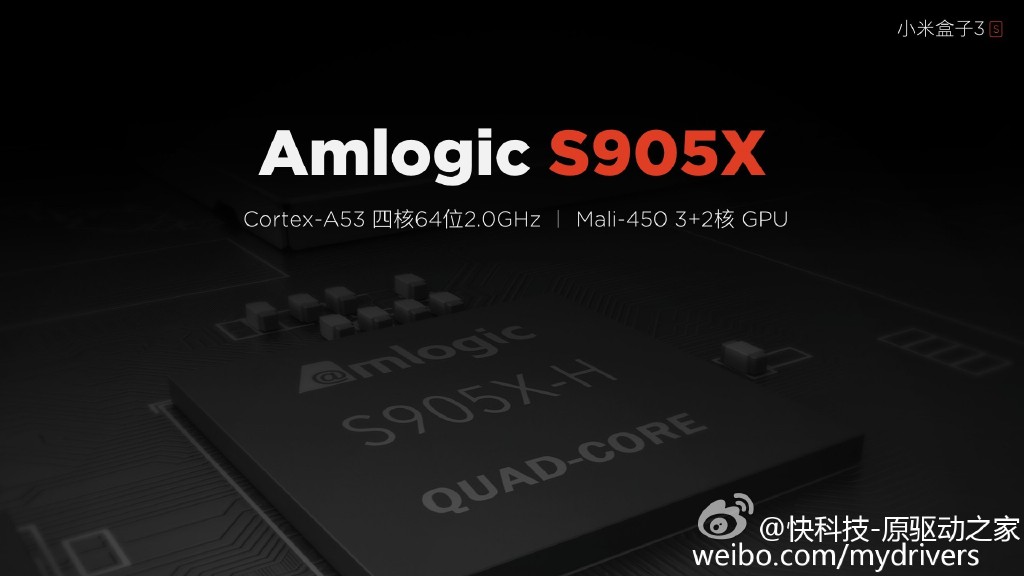
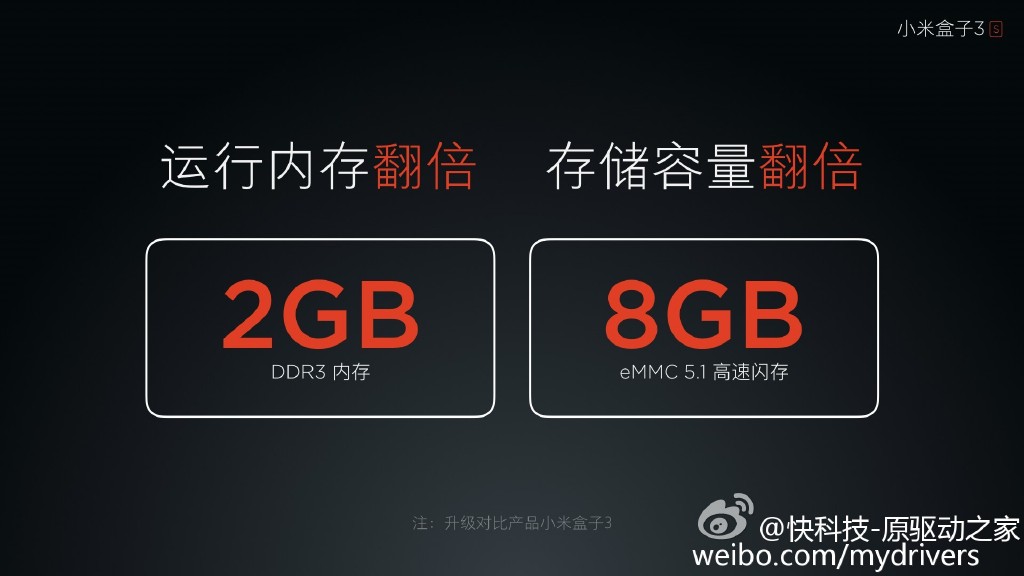
The Mi Box 3s packs a flagship Amlogic S905X processor which supports HDMI 2.0a. The set top box also supports VP94K at 60 frames per seconds hardware decoding. There is a large 2GB RAM and 8GB storage onboard which is double of what the previous version offers, thus better performance.
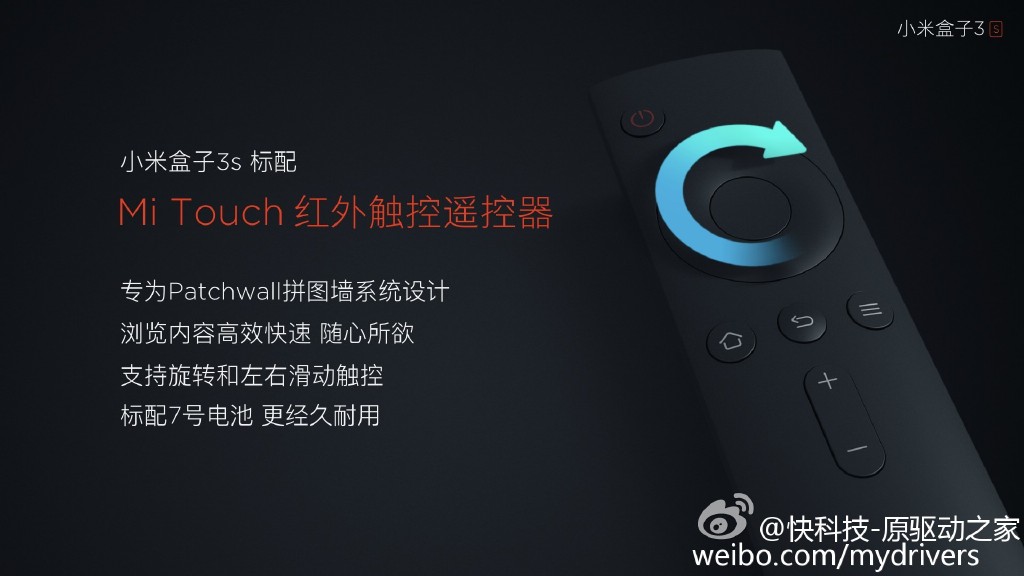
In addition, the TV Box comes with support for high dynamic range HDR image technology and offers more contents from various video streaming sites in China like Tencent, Youku, Iqiyi, Sohu video site Big Four etc. There is also a new improved remote control and the device also comes with Wi-Fi 802.11ac, 2.4 / 5GHz dual-band Wi-Fi, Bluetooth 4.1, as well as support for Dolby and DTS sound.
Relatively, the Mi Box 3s comes with hardware and software upgrades, a larger range and more functionality. However, it is not yet known why the device is said to have artificial intelligence. More details on that and the price later.
Huawei is in the news again, not because of the Mate 9 or any of its siblings but because of the company’s next expected flagship, the Huawei P10. Renders which are said to be those of the Huawei P10 were recently leaked on the internet, giving us a peek at the device and some of its physical attributes.
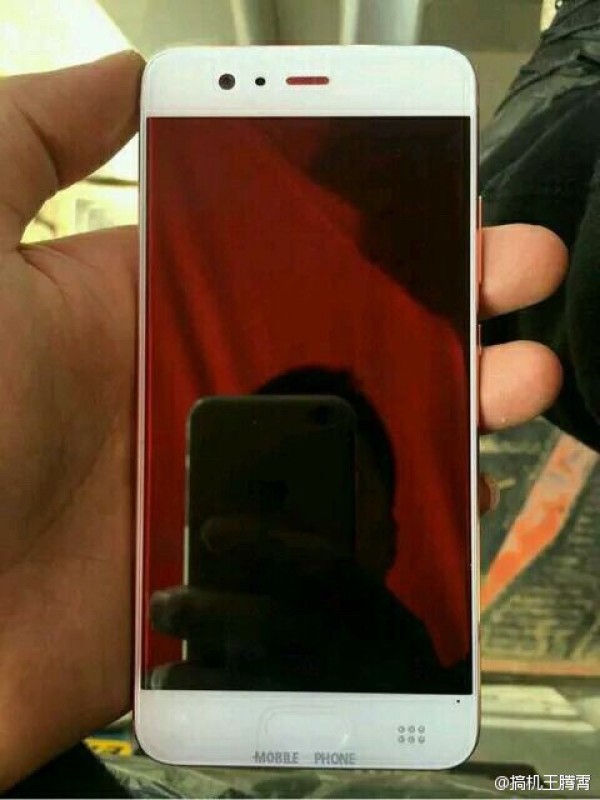
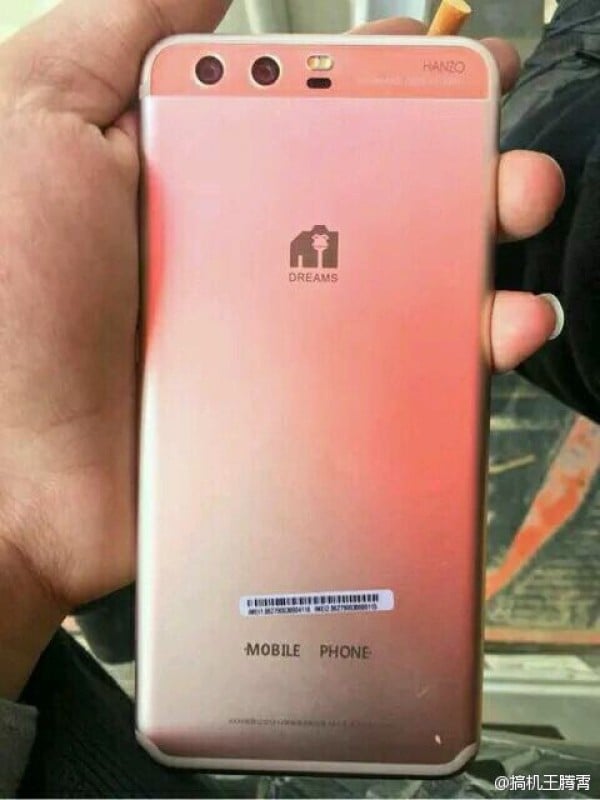
The renders capture the device both from the front and from the back view of which an horizontally aligned dual camera set up forms one of the main highlight that could be seen from them. There is also a new antenna design which adopts similar approach as the iPhone 7’s with the antenna bands located at the top and the bottom edges. The P10’s design looks somewhat similar to that of the Mate 9, with it also having well curved edges as well as narrow bezels at the side. There is a physical homebutton just below the display which is also said to function as a fingerprint sensor reinforcing earlier rumors of a front fingerprint sensor on the P10.
The Huawei P10 isn’t expected until next year, so we just have to be rest assured that more leaks would come out to confirm if these renders are indeed true representation of the device or not. Meanwhile, the P10 passed through GeekBench recently as Huawei LON-L29 and the specs are listed as a 5.5-inch Quad HD display, powered by the Kirin 960 chip clocked at 2.3GHz and supported by 6GB of RAM and 256GB of internal storage. The device is also listed as running Android 7.0 Nougat out-of-the-box, tagging along a 12MP rear camera as well as an 8MP front sensor.
The phone whose model number is LON-L29 (the Huawei P9′ model number is LON-L19) has a 5.5” Quad HD display and is powered by Huawei’s latest processor, the Kirin 960 which is clocked at 2.3GHz. The Kirin 960 is the same processor present in the recently released Huawei Mate 9. The P10 sports 6GB of RAM, 256GB of storage, and runs Android 7.0 Nougat. There is also NFC on board and there is likely a 4GB RAM version coming also.
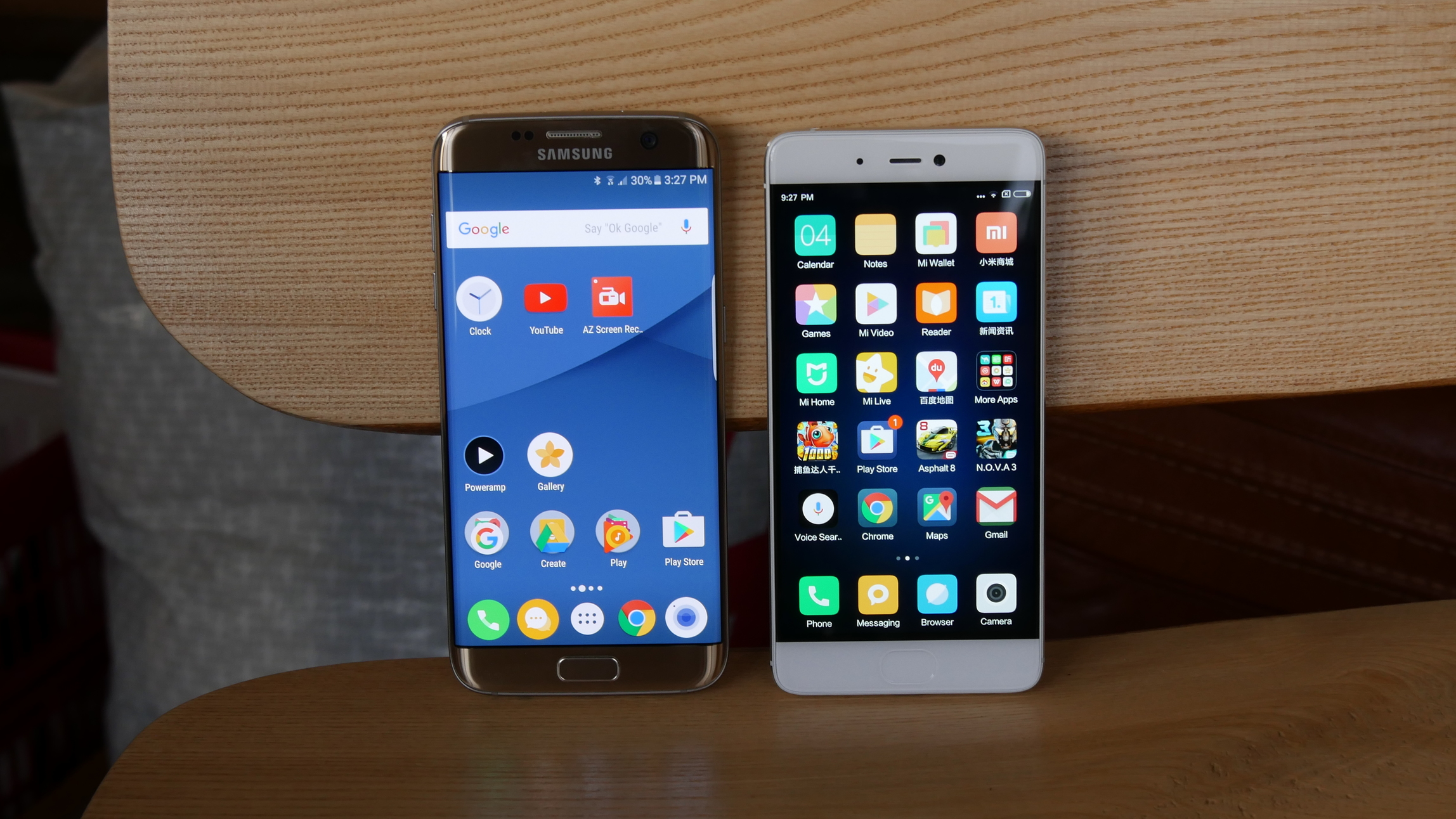
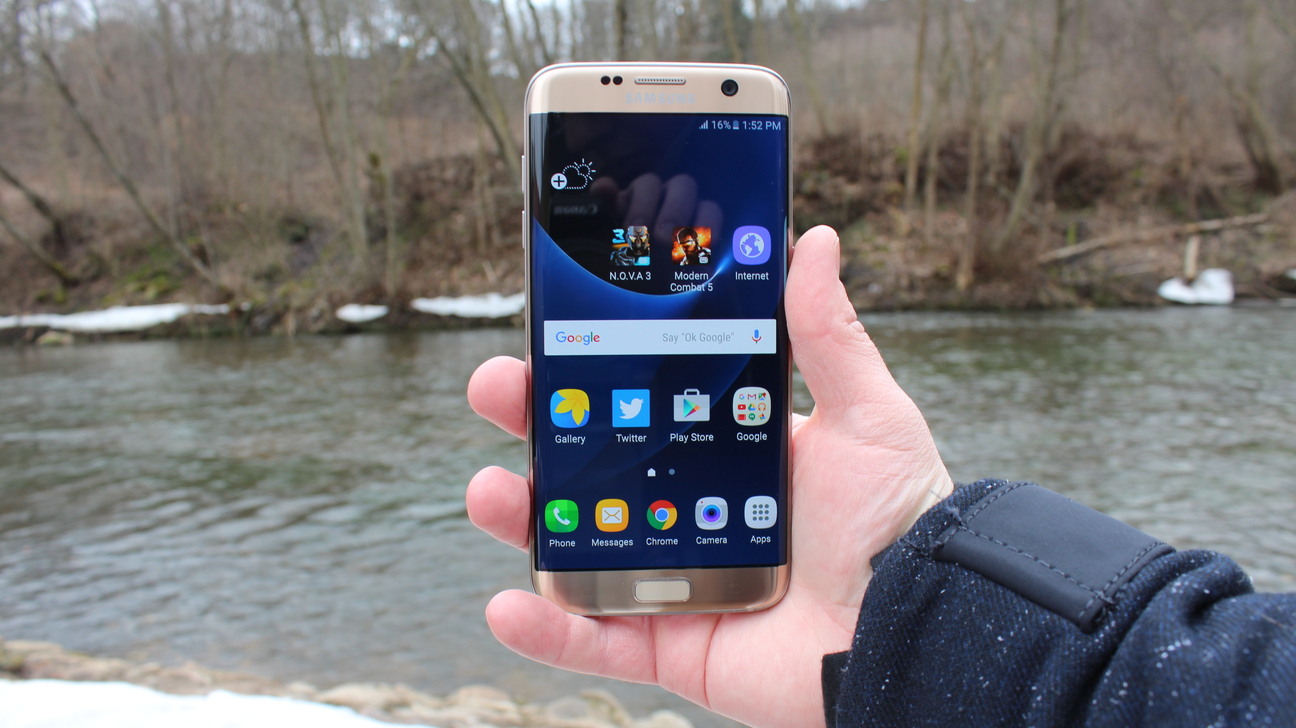
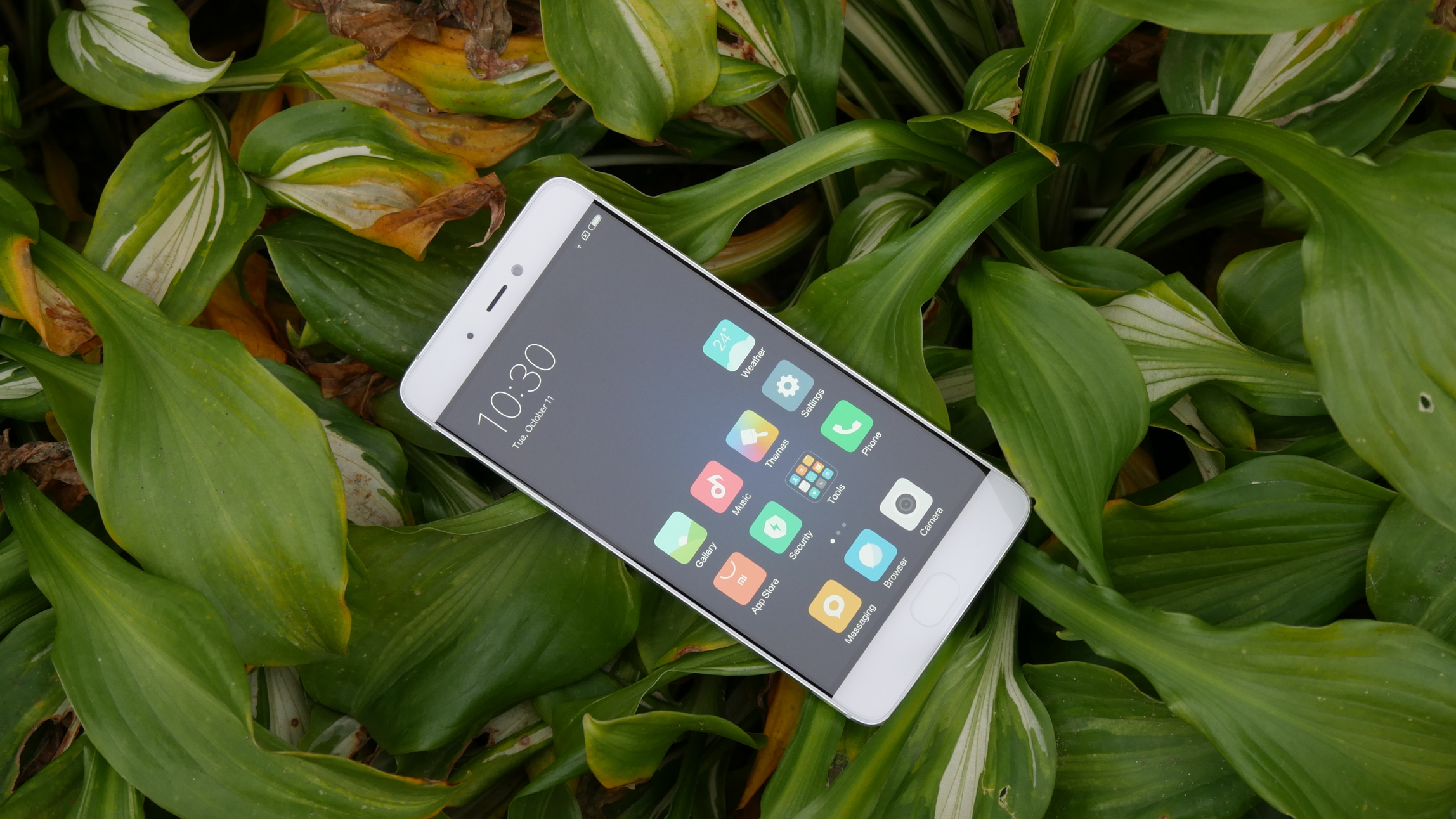
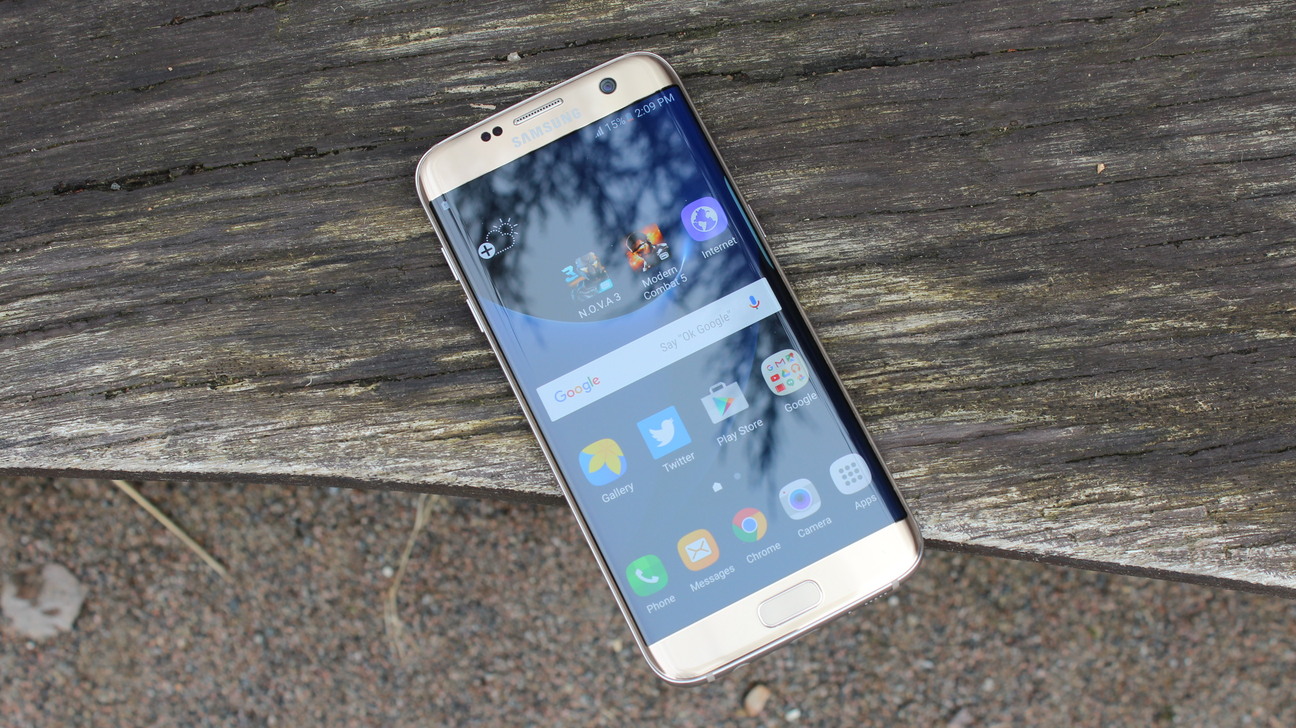
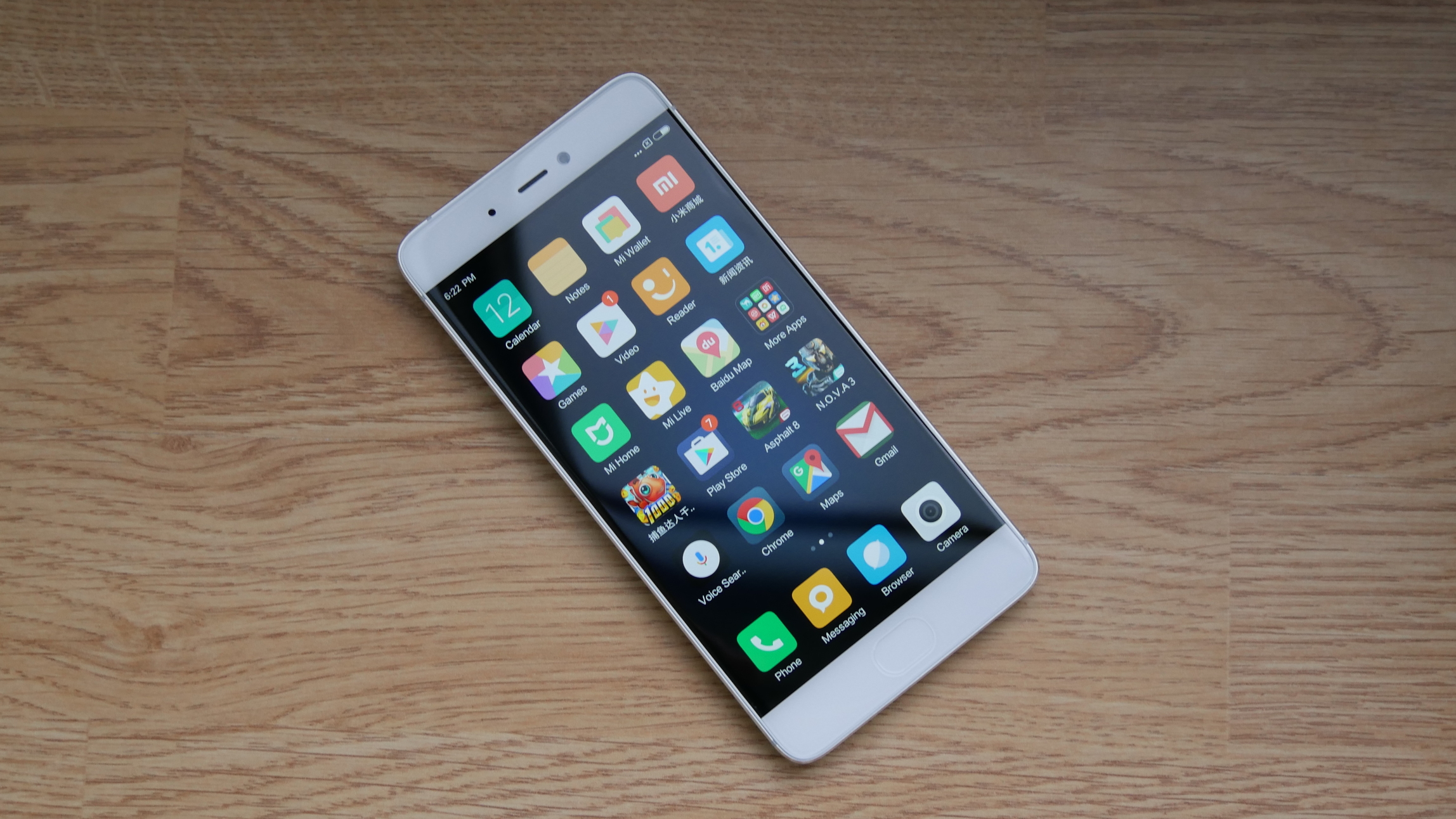
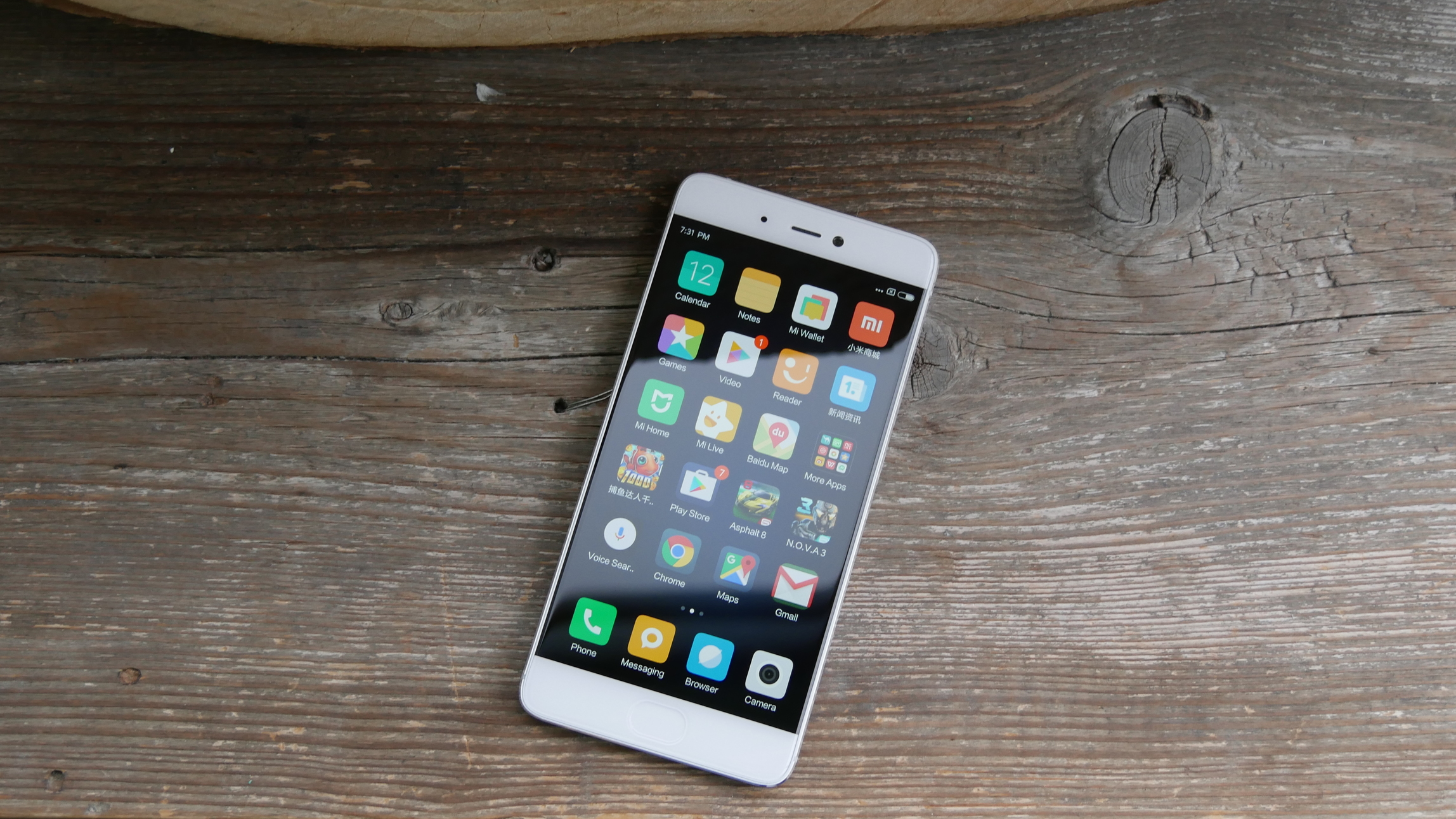
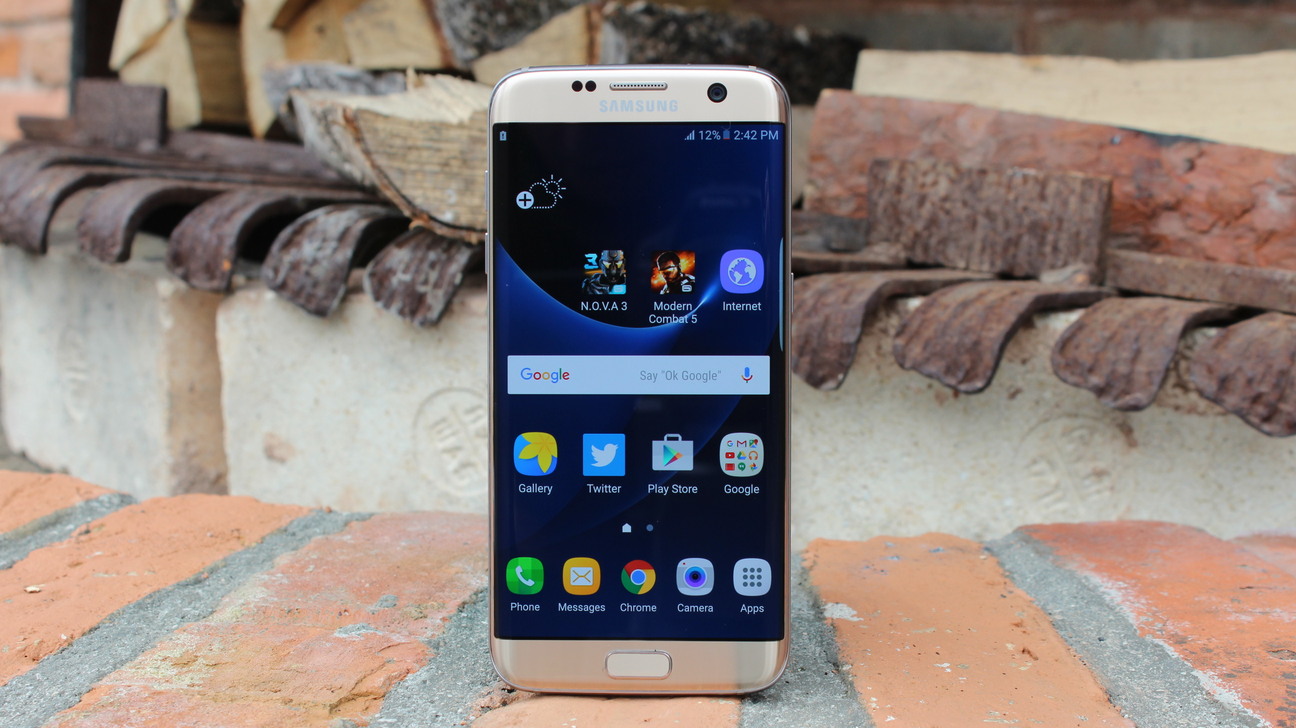
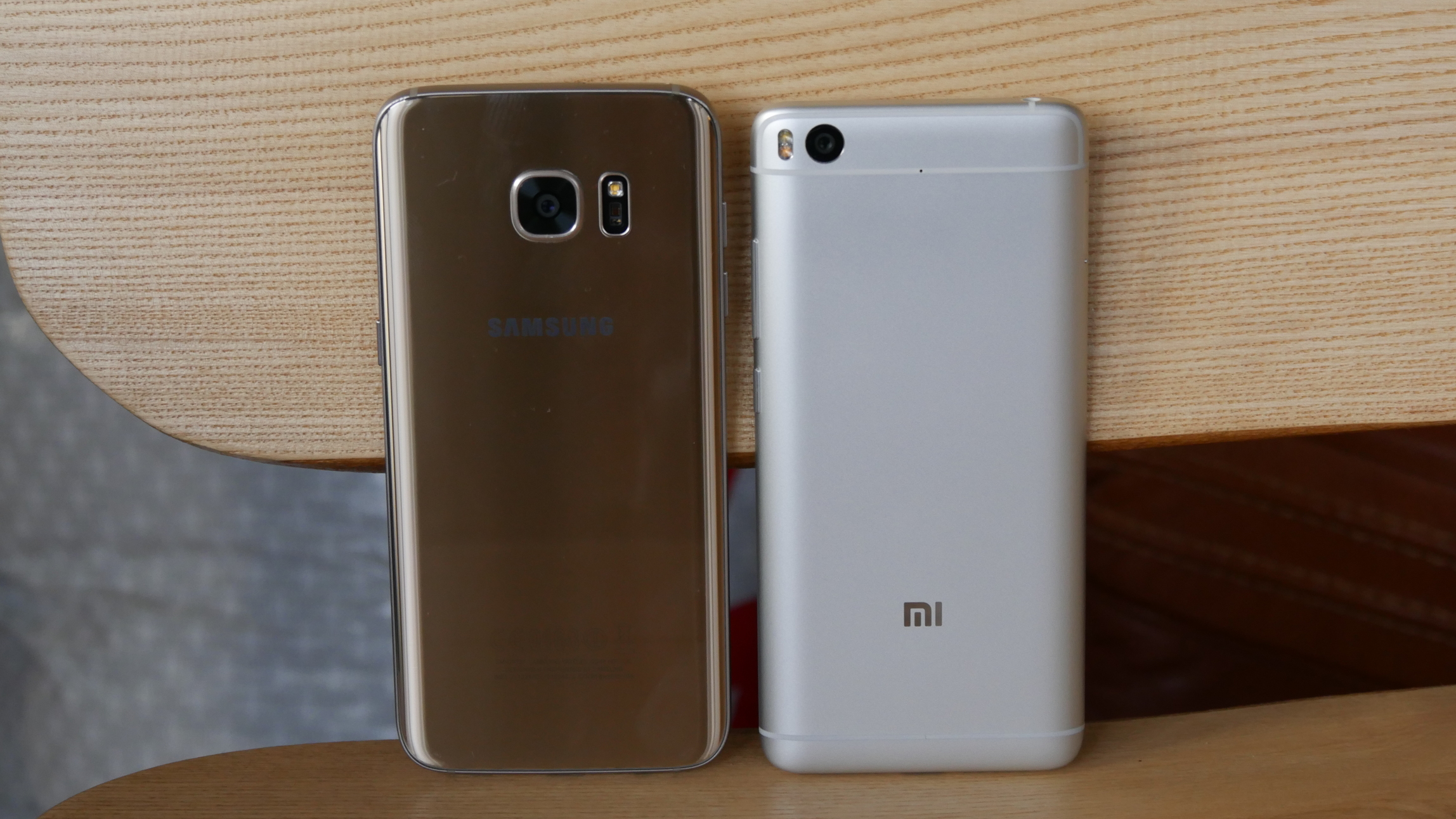
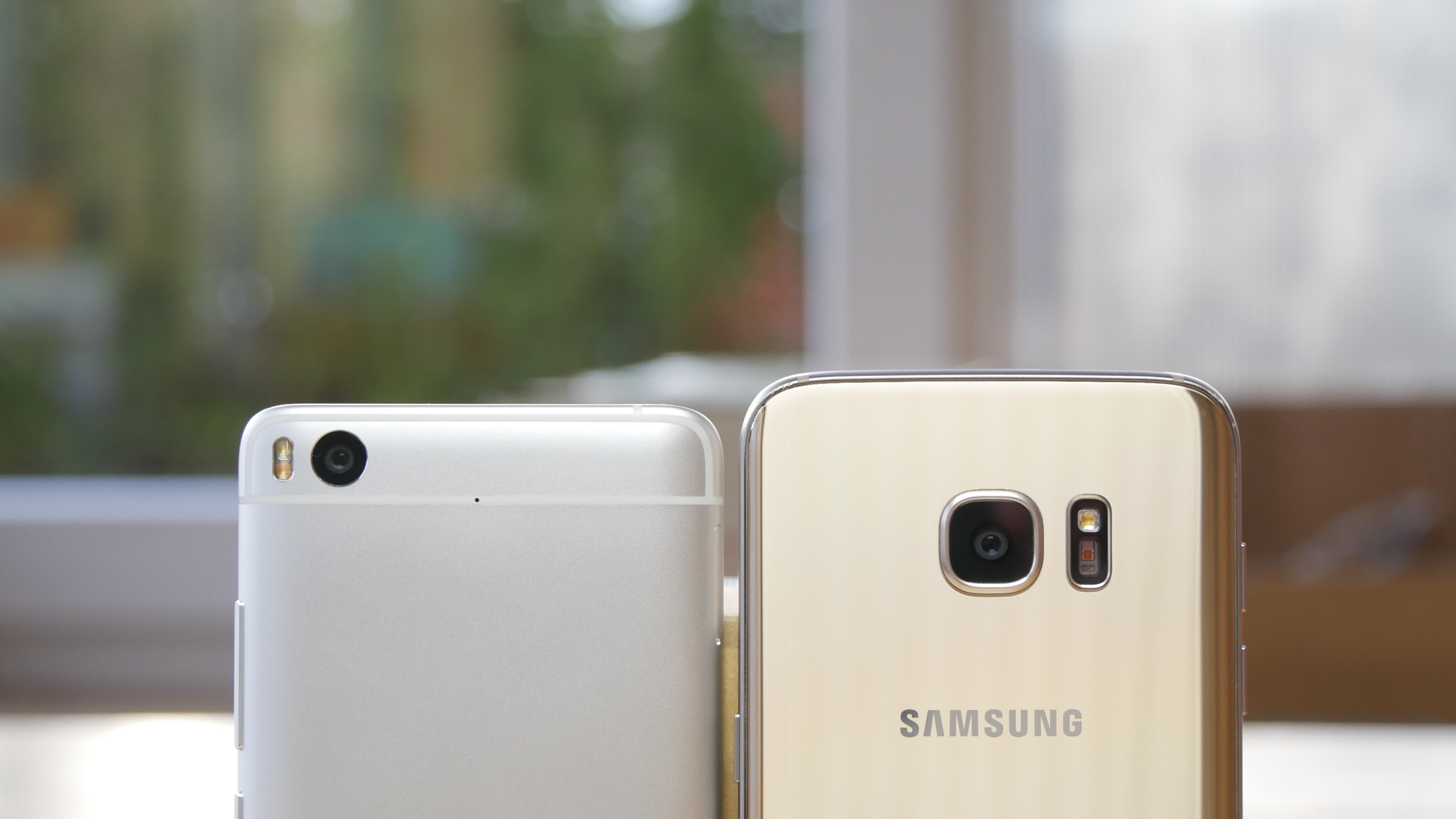
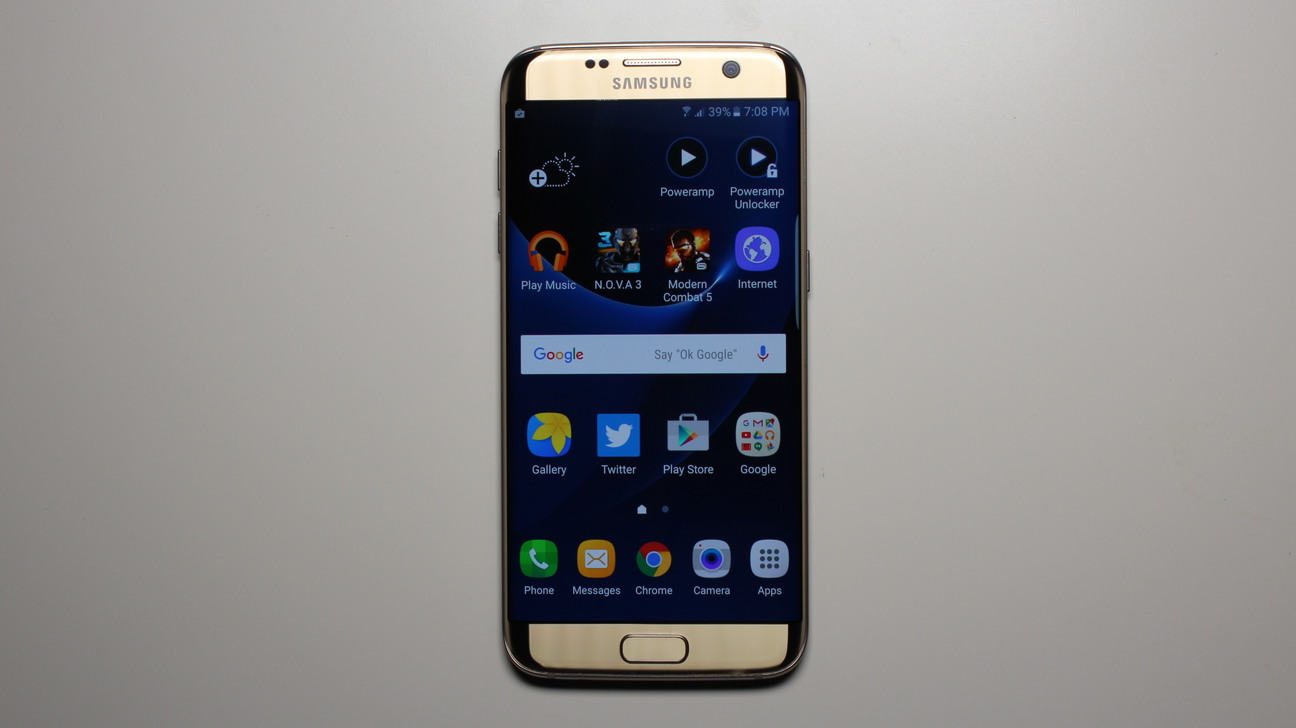
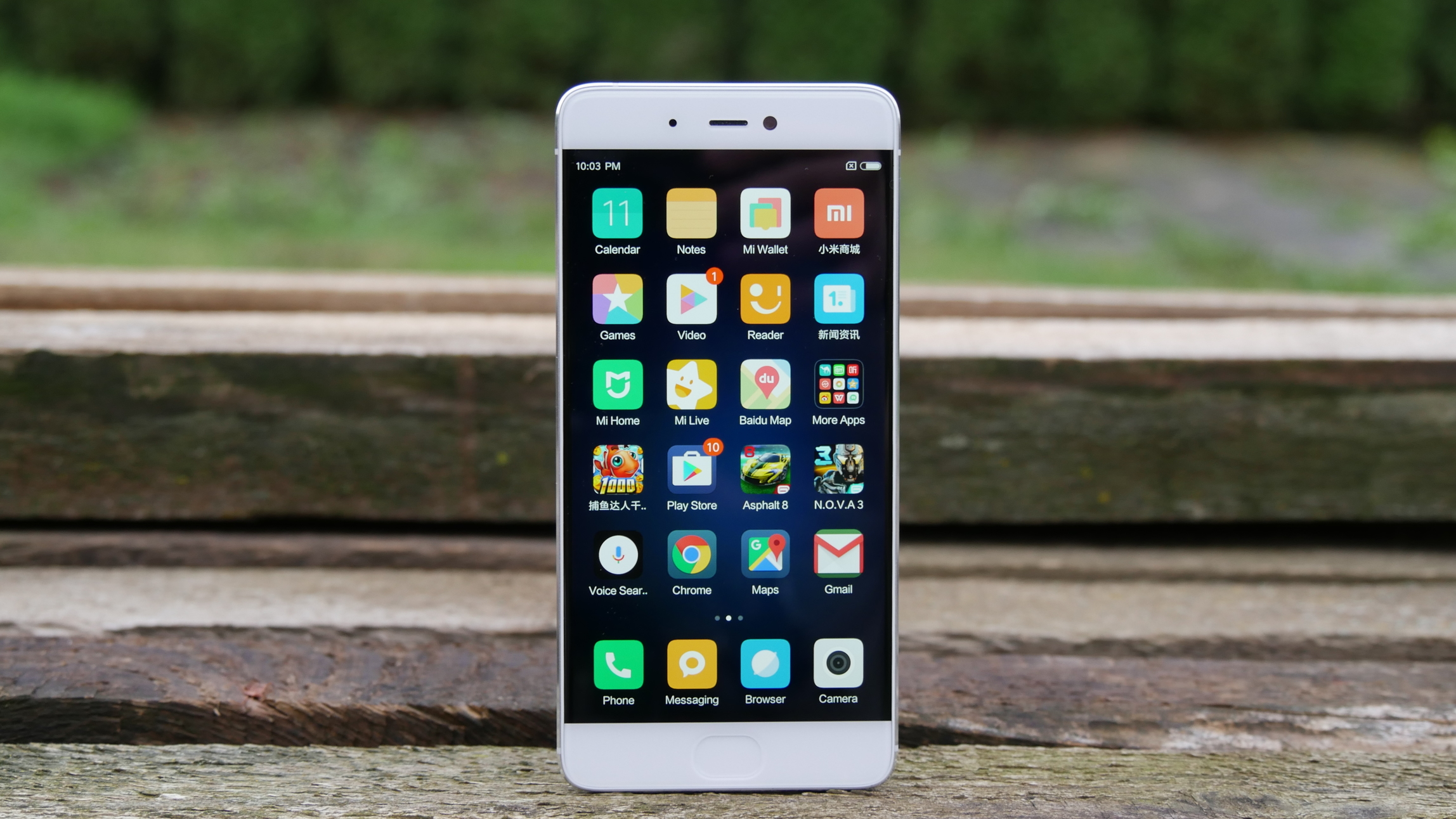
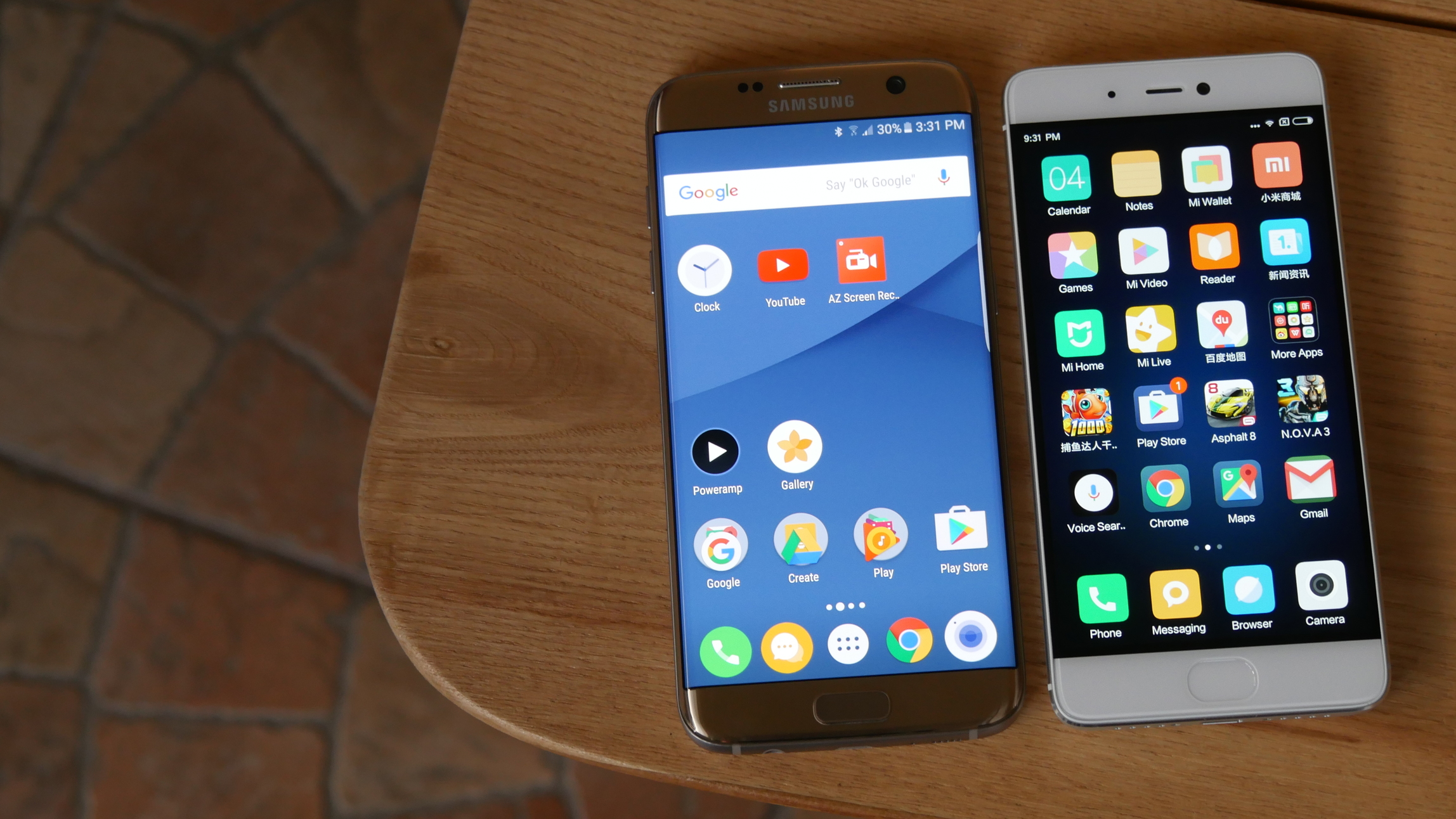
Xiaomi is the Chinese company that constantly challenges the concept of flagship smartphones by producing some devices that have top-shelf specs, premium design and a very low price. The Mi 5s is one of those phones. How does it stack up against the 8 month old Samsung Galaxy S7 edge? Learn more in our comparison review.
First of all, the price. The prices of the Mi 5s start at about $330 via the third part resellers. The Galaxy s7 edge still costs at least as twice as much despite the fact it was released back in March.
When it comes to the design, we have a little bit different approaches here but let’s talk about the similarities first.
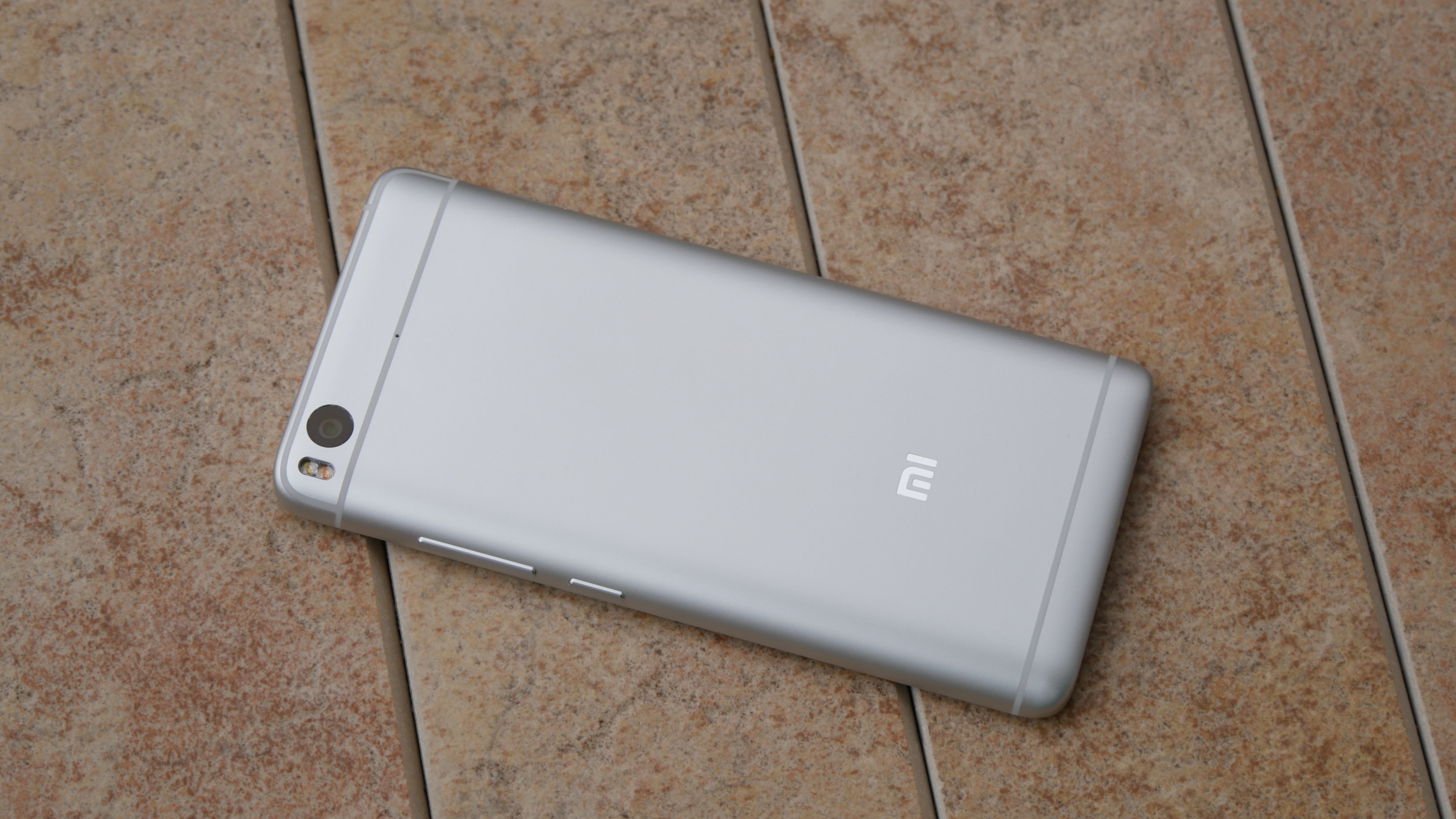
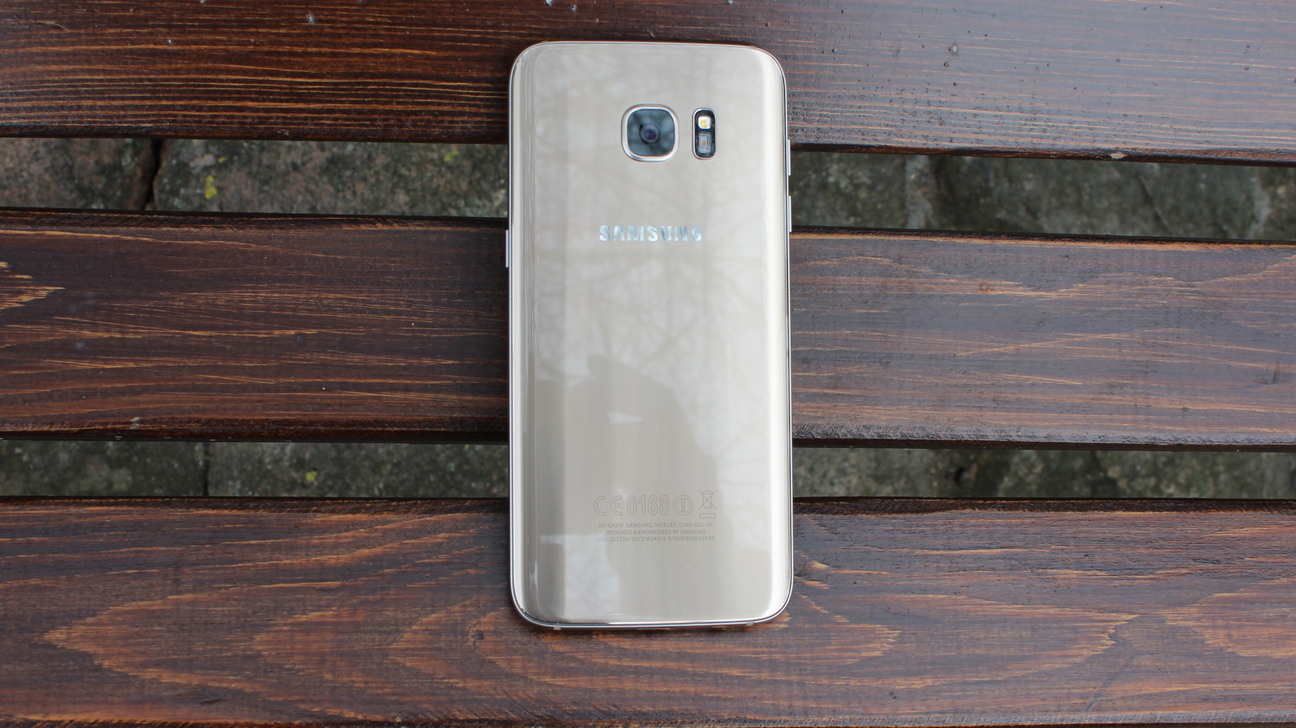
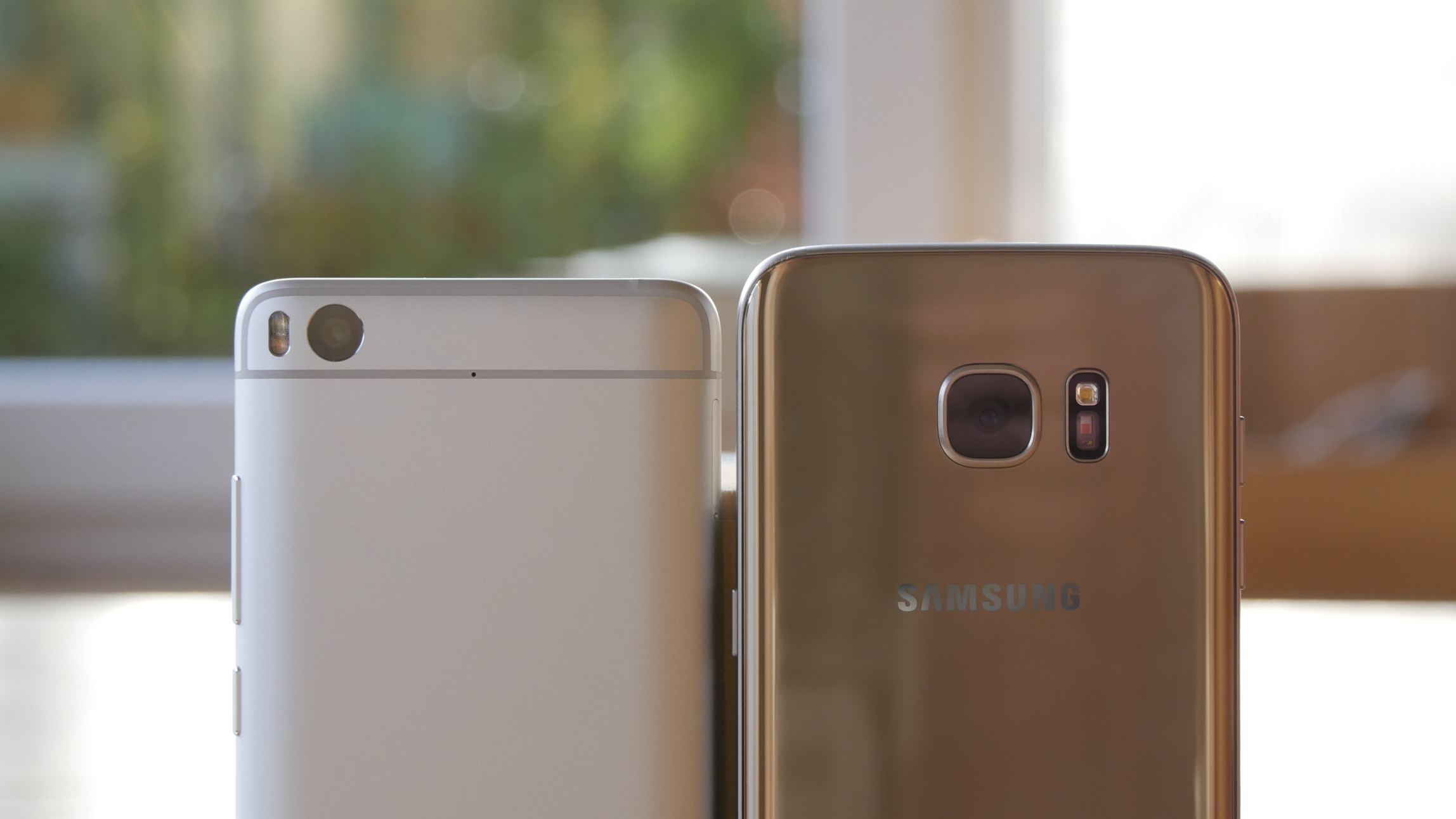
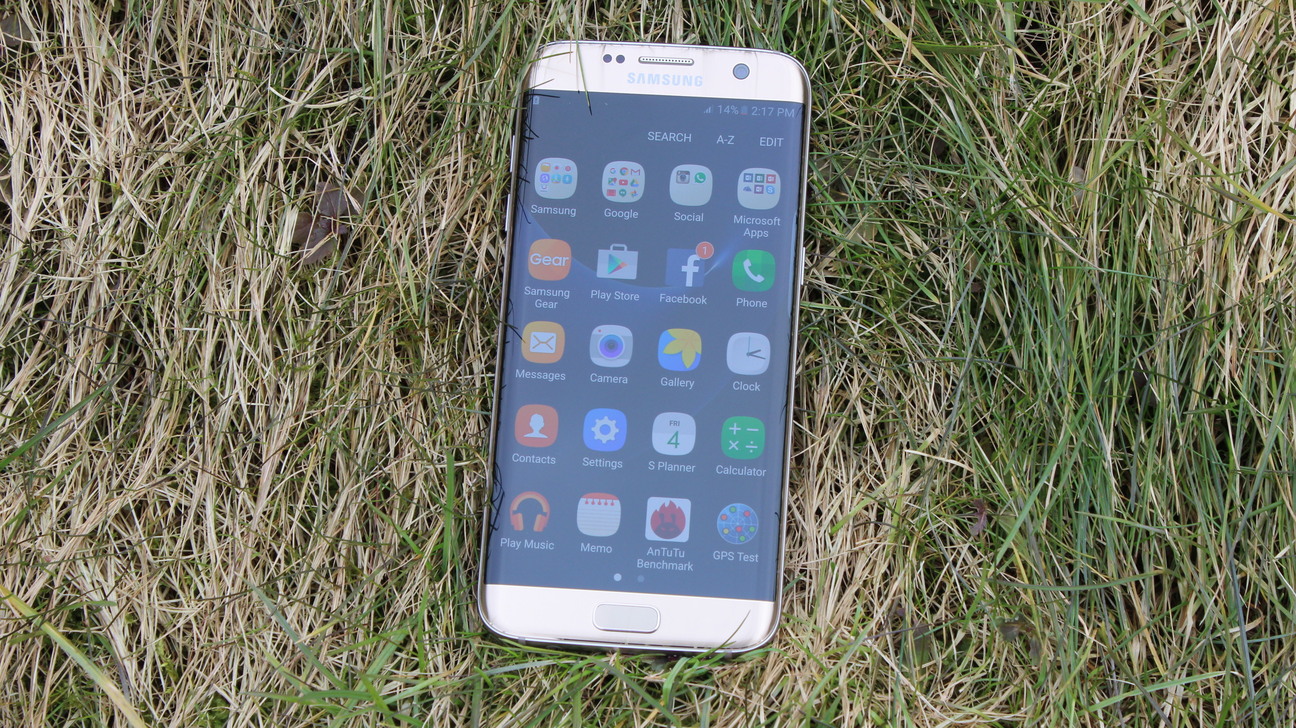
Both phones look and feel premium but the Mi 5s has unibody metal design as opposed to the glass on the S7 edge, which attracts fingerprints and smudges very easily….but you can always wash those smudges out as the Galaxy s7 edge is water resistant.
Both devices have capable selfie shooters, notification LED lights and fingerprint scanners on the front. The Mi5 s is a clear winner when it comes to fingerprint security as it is simply faster and more reliable.
The Mi 5s ships with just 5.15” 1080p display but the S7 edge is not that larger despite the fact it has a 5.5” 2k resolution panel.
Speaking of those displays, both are great but the S7 edge has a better overall panel, which looks sharper, more punchy and more visible outdoors.
When it comes to optics, we have 12MP Sony shooters on both devices. The S7 edge has an edge since it has a built-in OIS and a much brighter f/1.7 aperture as opposed to f/2.0 aperture on the Mi 5s.
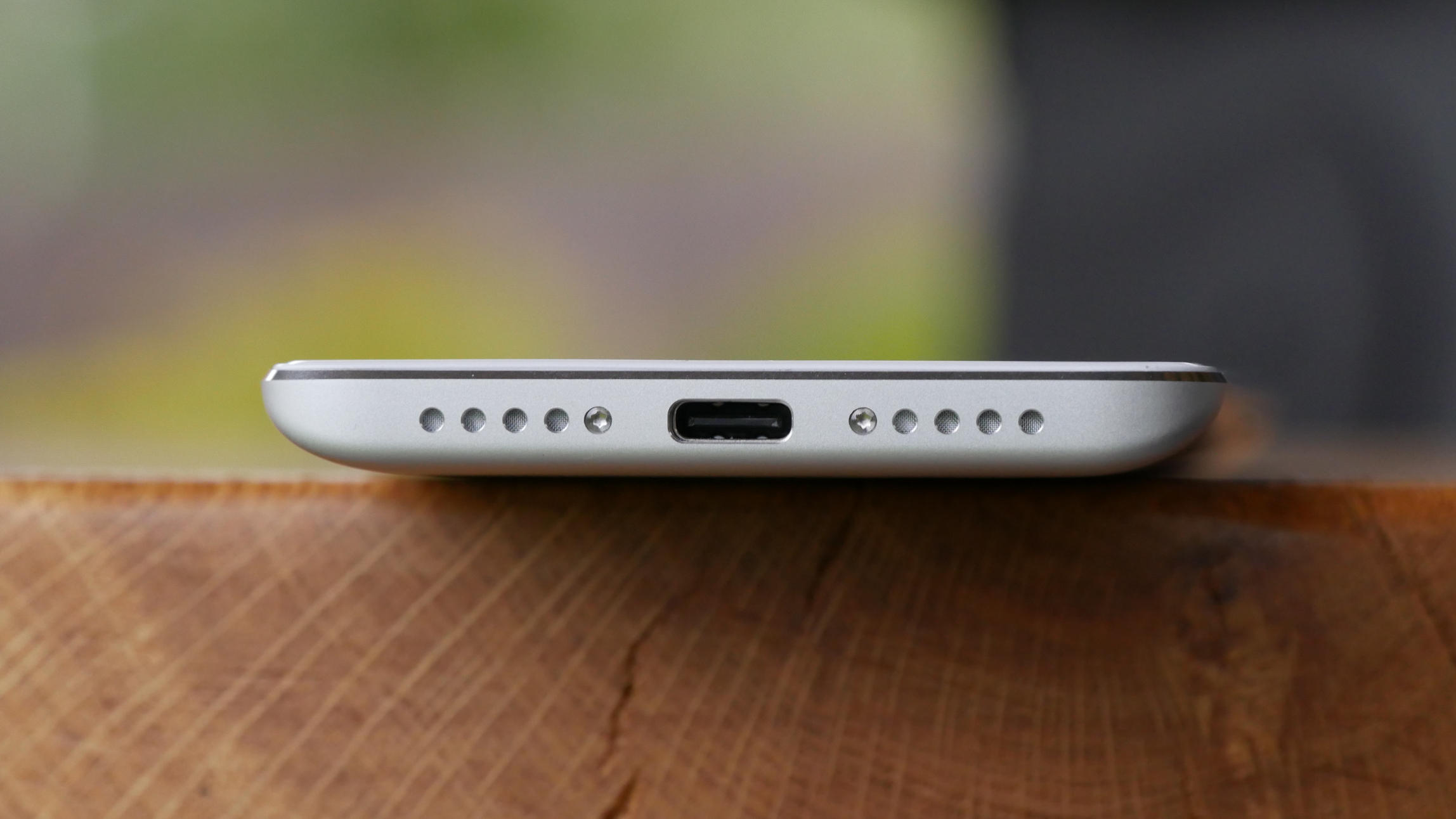
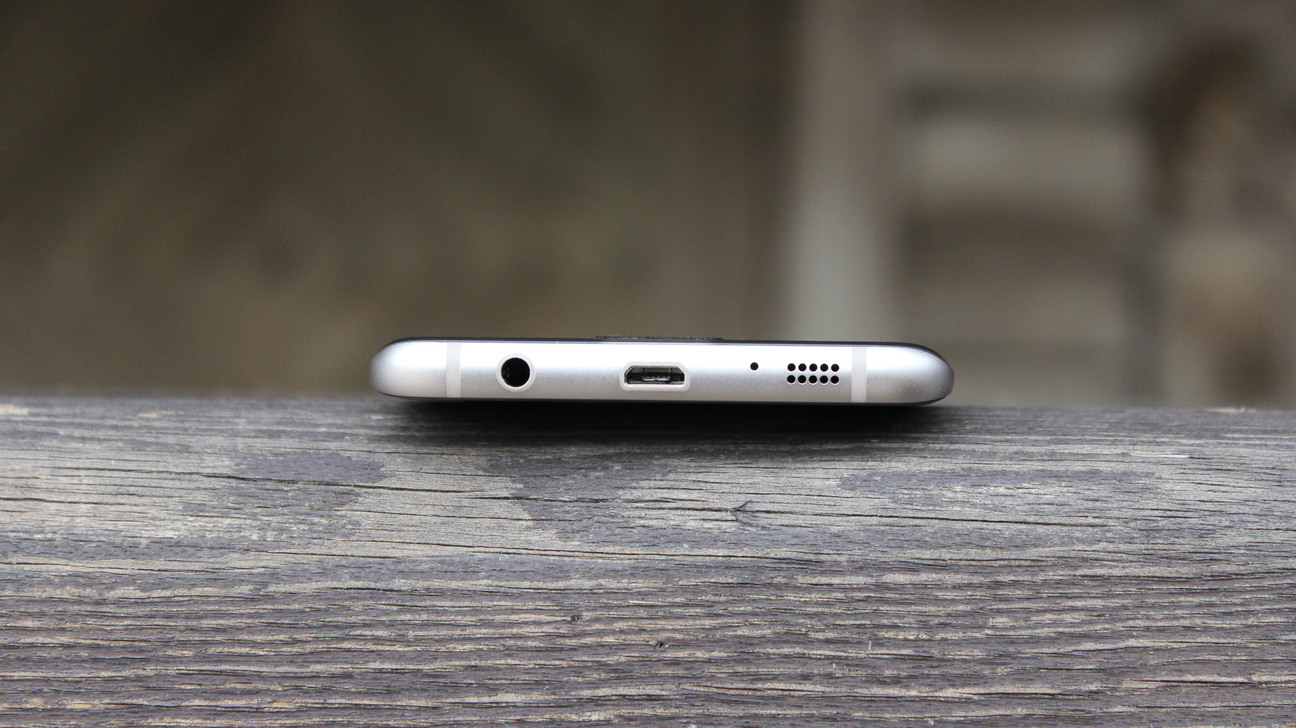
As for loudspeakers, neither phone will impress you. Still, the Galaxy device has a better sound quality. Keep in mind that that S7 edge uses the micro USB port whereas the Mi 5s uses the USB type C port.
HARDWARE and PERFORMANCE
When it comes to hardware, things are getting interesting since the Xiaomi Mi 5s is a more powerful phone, at least on paper.
I have the high-end model that sports a brand new Snapdragon 821 chip, 4GB of LPDDR4 RAM and whopping 128GB UFS 2.0-based storage.
You can also opt in for a lower-end model that has 3GB of RAM and 64GB of storage. Keep in mind, however, that only the high-end model has a pressure-sensitive display.
The Galaxy S7 edge is already 8 months old but it still rocks some impressive hardware components.
My review unit is the EU model and it sports a home-brewed octa-core Exynos 8890 chip with the clock speeds of up to 2.6GHz, 4GB of RAM and 32GB of expandable storage.
As expected, both phones can handle anything you throw at them and the latest 3D just fly.
USER INTERFACE
Xiaomi and Samsung have completely different approaches when it comes to the user interface.
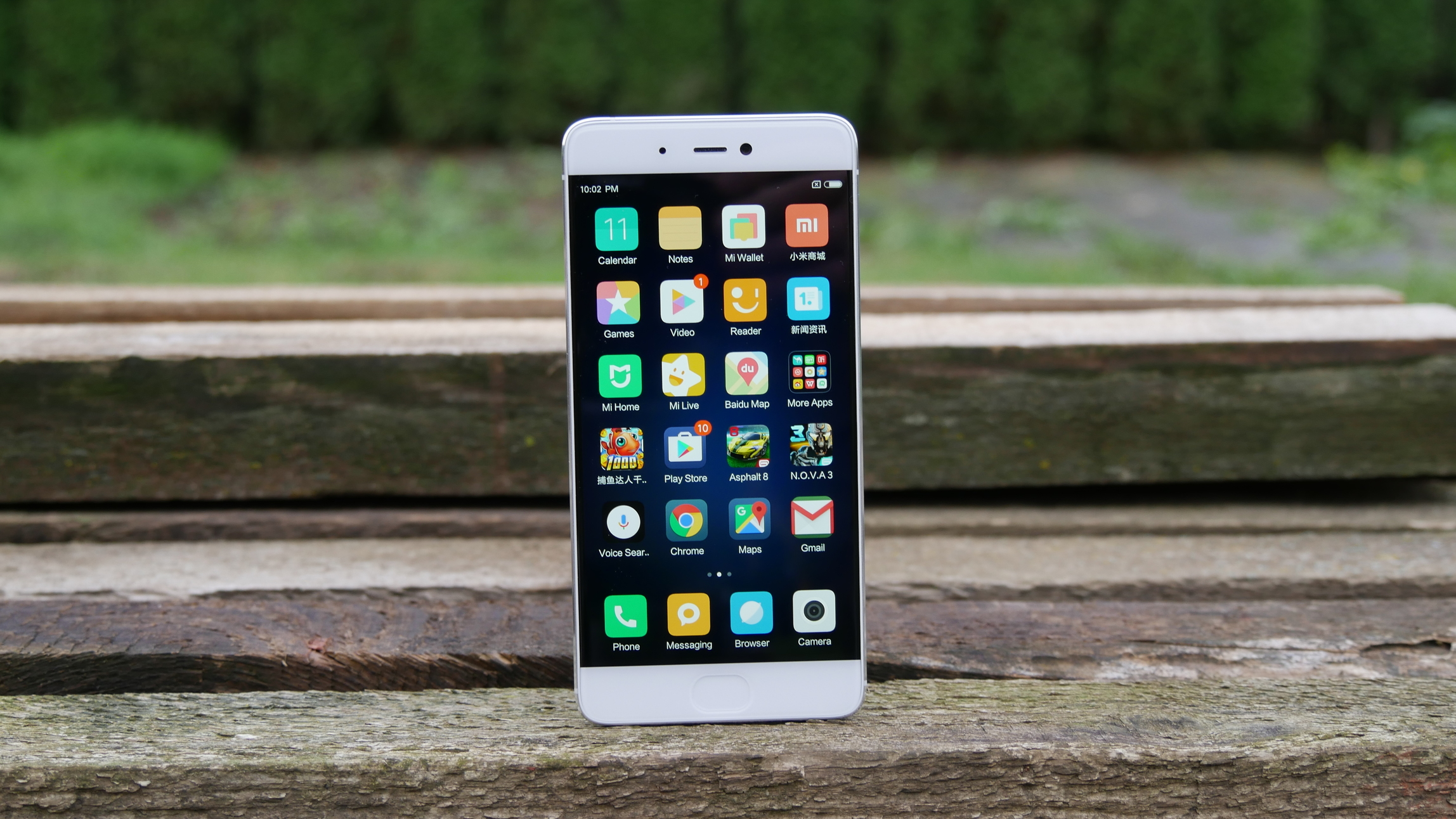
The Mi 5s runs on the MIUI 8, which is based on Android 6.0.
As usual, we have a ton of customization options, various settings, tweaks and little features to make the phone look your own.
One of the key features is the pressure-sensitive display, which works great with certain apps. It is not a feature I can’t live without but hey, if you get used to using it, it may increase your productivity.
The Galaxy S7 edge runs on the very familiar Touchwiz skin.
If you’ve used a Samsung device before, you will feel pretty familiar with the user interface. We have a bit cartoonish looking icons, a lot of quick settings toggles and what has become usual to the South-Korean manufacturer, quite a lot of features and customization options.
One of my favorite features is the always-on display, which makes the best out the power-efficient Amoled panel.
Both phones are pretty similar in terms of the UI performance as everything has been running smoothly without any lag.
IMAGE QUALITY
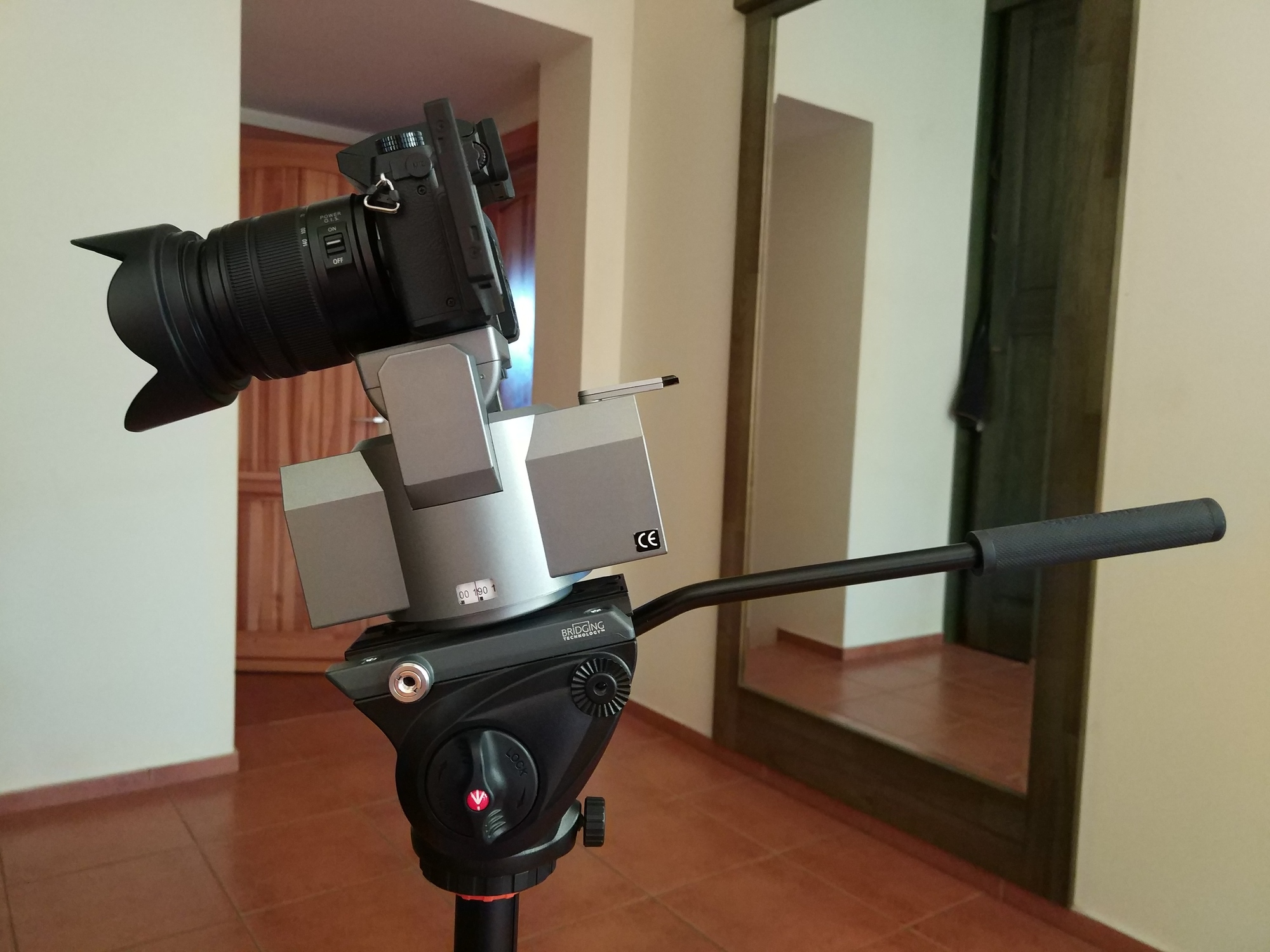
Xiaomi Mi 5s:
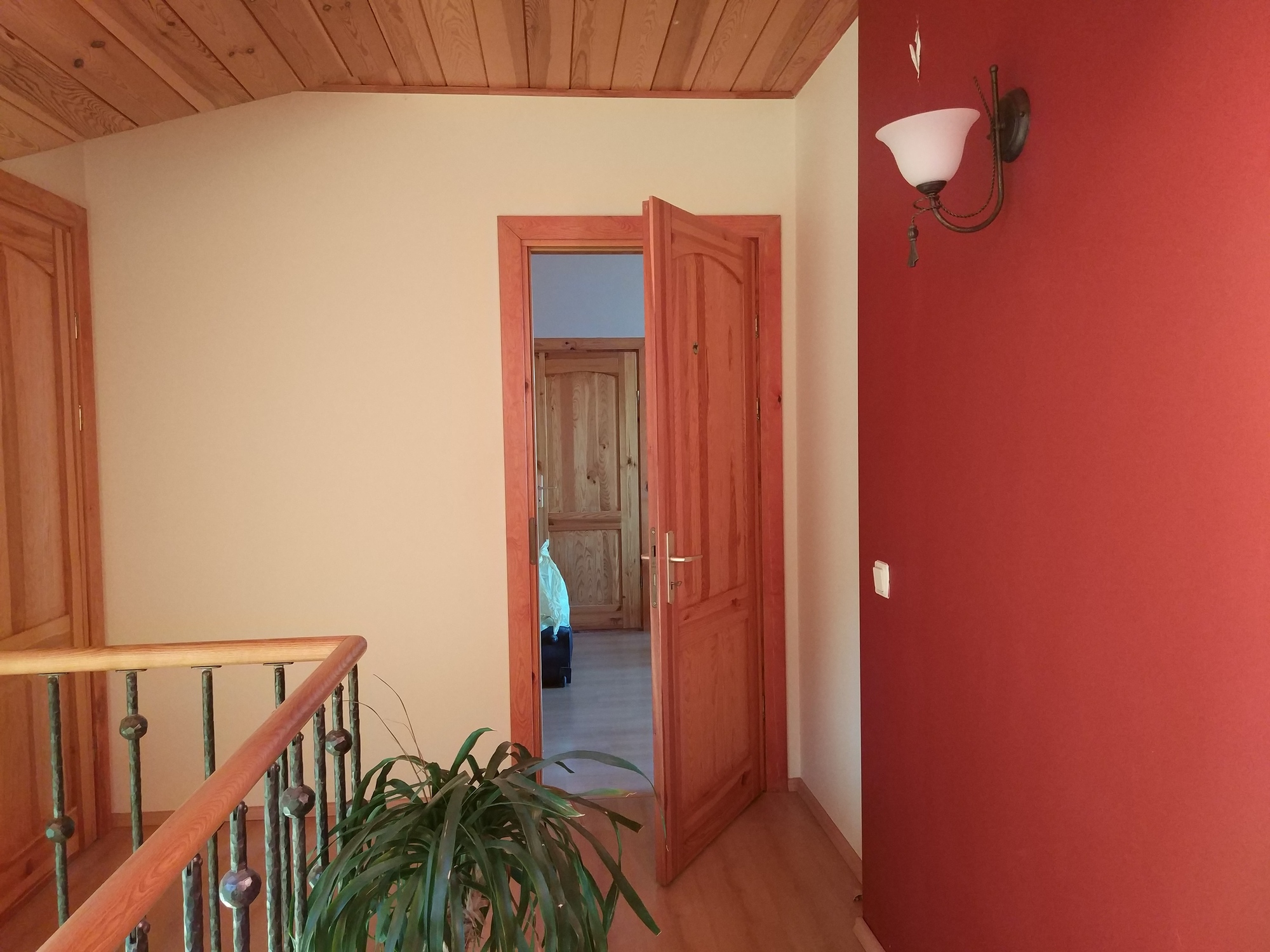
Galaxy s7 edge:
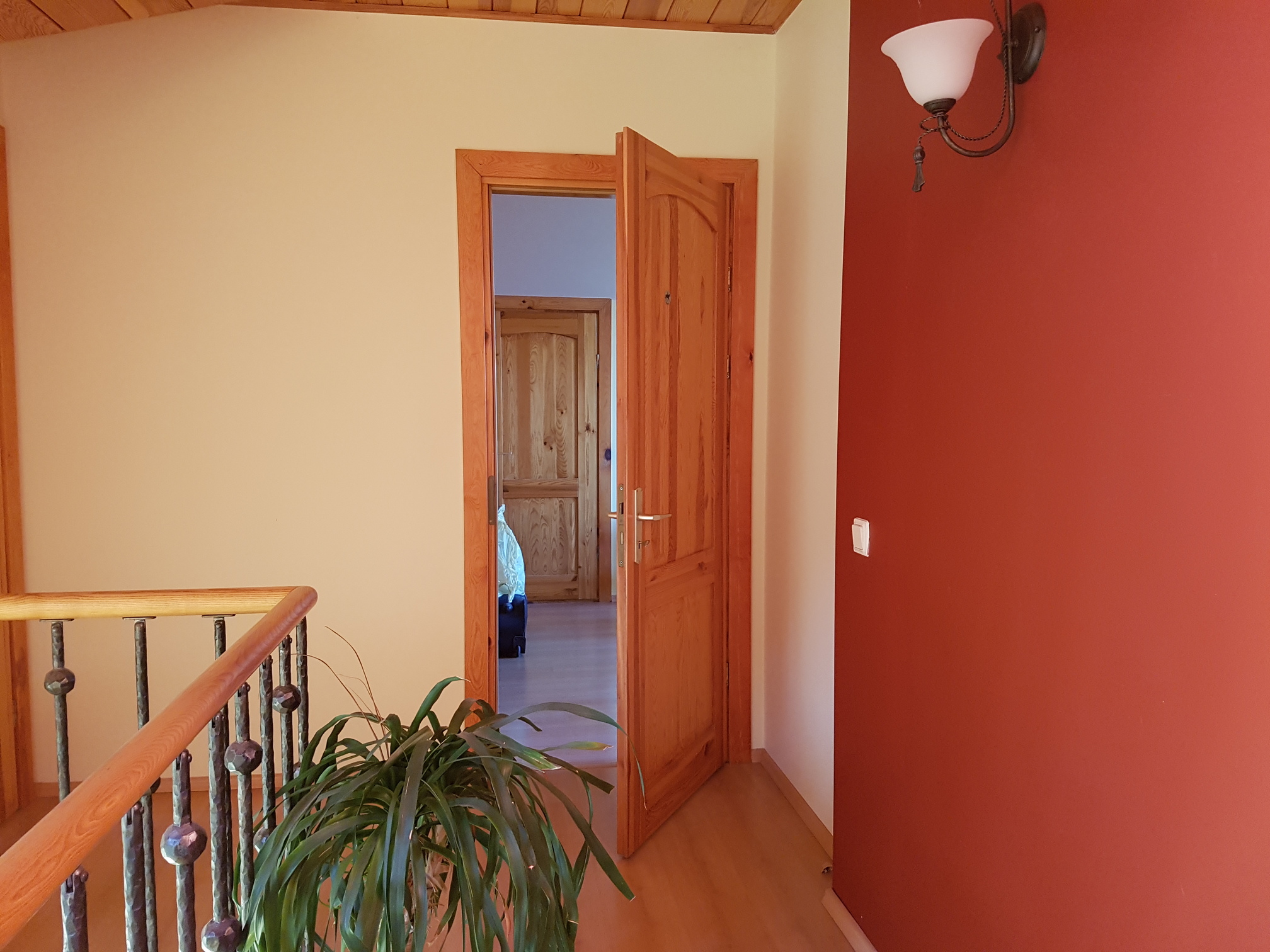
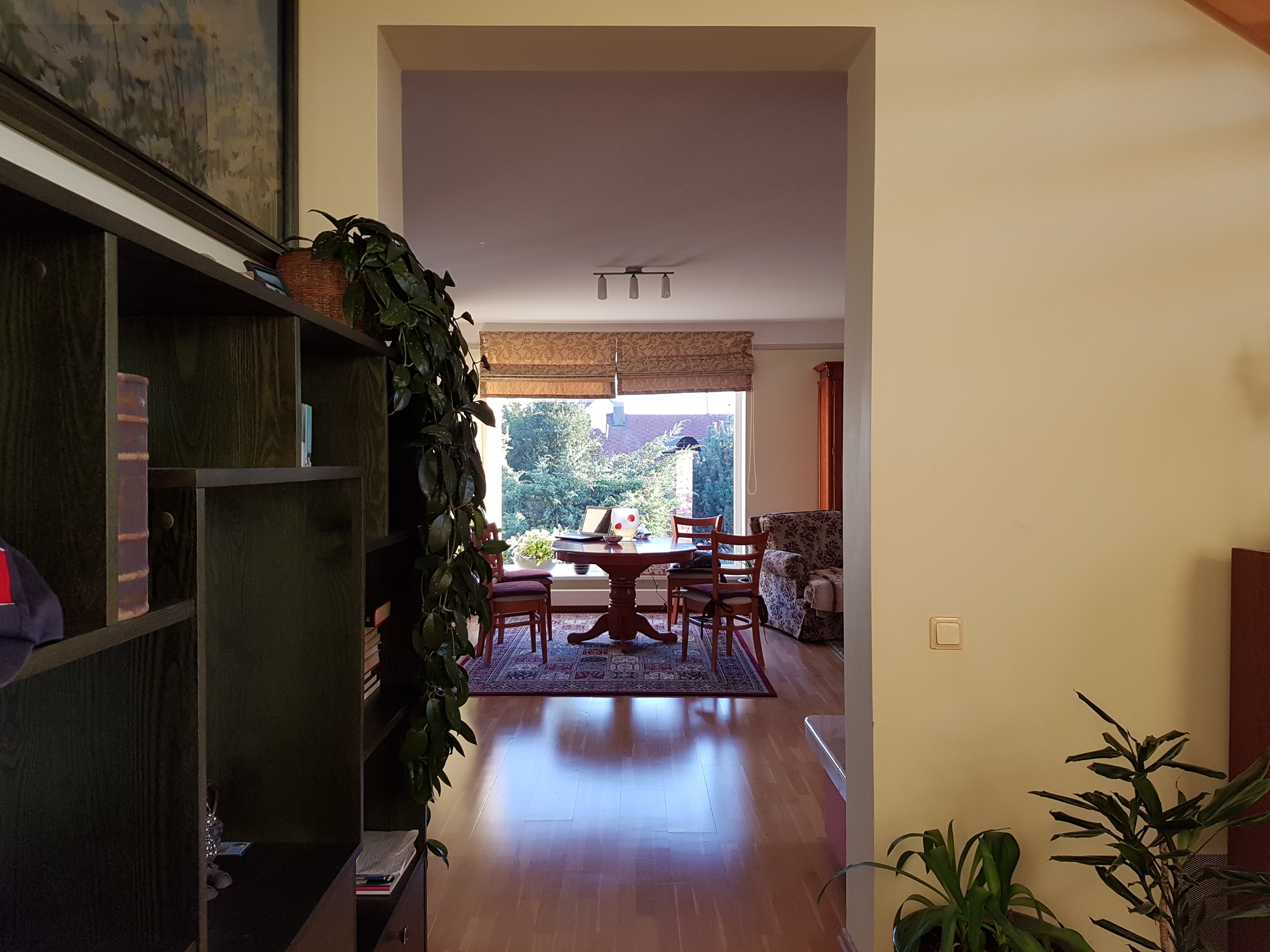
When it comes to the image quality, the Galaxy S7 edge is a better performer in most of the situations as the pictures usually look sharper and have more detail.
The s7 edge also tends to perform better in low-light thanks to the faster lens and OIS. Also, the Samsung phone shoots 4k videos that one of the best on any phone.
Still, the Xiaomi Mi 5s does a fairly impressive job both in picture taking and 4k video recording, and it definitely has one of the best cameras in its price range.
BATTERY LIFE
When it comes to the battery life, both phones perform great.
The Xiaomi Mi 5s has a smaller 3100mAh battery that supports Quick Charge 3.0 but the phone does not ship with the fast charger. The phone will get you through the day even if you are a heavy user and you will get at least two full days if you are a light user. That translates to over 6 hours of screen-on time, depending on the usage.
The S7 Edge has a 3600mAh battery that can be charged using the supplied fast charger in just 1:15 mins. Also, you can charge the phone wirelessly, which is very convenient in practice.
The battery life is very similar on the Galaxy phone. You will get around 2 full days or around 5-6 hours of SOT, depending on the usage.
CONCLUSIONS
So, there you have it, Xiaomi Mi 5s vs. Galaxy S7 edge.
Obviously, the S7 edge is a better phone overall but the Xiaomi Mi 5s is no slouch at all.
Sure, the Galaxy phone has a better camera, water resistance, wireless charging, sharper display but when I say better, the gap is not always that significant.
The Mi 5s is comparable to the Galaxy S7 edge in some of the departments and it is even better in others like 128GB of on-board storage or more features in the UI.
Even though the Samsung phone has an edge, the Xiaomi Mi 5s is a very solid phone, for half the price.
OnePlus is back with a brand new flagship, the OnePlus 3T, which is faster and more capable than the existing OnePlus 3. While the new device may not be better than the current gen. model in all aspects, it still packs just enough upgrades to justify its release.
So, what’s changed on the OnePlus 3T?
The new flagship comes with a faster chipset, larger battery as well as a more capable front facing camera ideal for selfies. Rest of the phone seems to be exactly the same as the OnePlus 3 including the size (152.7 x 74.7 x 7.35) and the weight (158g)
Inside, the OnePlus 3T comes with the new Snapdragon 821 chipset clocked at 2.35GHz. Qualcomm reveals that this new chip is 10% faster than the Snapdragon 820 processor that powers the old OnePlus 3. Yes, I just used the word old because with the 3T in town, the OnePlus 3 is now a generation behind. Not fair for users who just bought the device, but that’s just how the tech industry works.
Unlike the earlier rumors, there isn’t 8GB of RAM inside. So, you are still stuck with 6GB of RAM but now you have up to 128GB storage. So, there is a 64GB variant as well as a 128GB variant with UFS 2.0 standard. The phone retains the fingerprint sensor on the front which unlocks the phone in just 0.2 seconds. OnePlus CEO had said that future OnePlus smartphones will continue to use AMOLED displays. So, the OnePlus 3T also comes with the company’s Optic AMOLED panel with 1080p resolution. There are dual SIM card slots on board and USB Type-C along with a regular 3.5mm headphone jack.
While the rear camera seems to be the same 16MP sensor as found on the OnePlus 3 (with OIS, EIS, and 4K video support), what’s significantly upgraded is the front camera sensor on the new device. OnePlus has fitted the 3T with a 16MP sensor on the front, making sure that the phone is now capable of taking clear selfies even in low light. For selfie fanatics, this is definitely a welcome move. But to be honest, I hoped the rear camera sensor was upgraded to something more powerful (apart from adding EIS) as well to justify the new release.
Another upgrade is in the battery department, with the phone now featuring a larger 3400mAh battery (13 percent better battery life as compared to the OP3) with Dash Charge (5V, 4A). As for the software, the phone will be stuck on Android Marshmallow OS with OxygenOS on top. However, the company seems to have confirmed Android 7 Nougat on both the OnePlus 3T and the OnePlus 3 by the end of the year.
There are two color options, Gunmetal and Soft Gold.
So, that was the OnePlus 3T. As you can see, there aren’t many upgrades on the new device, at least not significant enough for OnePlus 3 users to be disappointed. The upgrade in the processor department with SD821 won’t make the phone significantly faster and neither will a 400mAh battery increase. The 16MP front camera could be a reason for the upgrade, but that’s going to be an individual choice, especially because the OnePlus 3T asks for a slightly premium price tag as compared to the OnePlus 3.
The OnePlus 3T will go on sale on November 22 in the US for $439 (64GB model) and $479 ($128GB model). In Europe, the phone will start selling from November 28.
So, what’s your take on the new OnePlus 3T? Will you be ready to shell out $40 more for the above-mentioned upgrades?
We use cookies on our website to give you the most relevant experience by remembering your preferences and repeat visits. By clicking “Accept”, you consent to the use of ALL the cookies.
This website uses cookies to improve your experience while you navigate through the website. Out of these, the cookies that are categorized as necessary are stored on your browser as they are essential for the working of basic functionalities of the website. We also use third-party cookies that help us analyze and understand how you use this website. These cookies will be stored in your browser only with your consent. You also have the option to opt-out of these cookies. But opting out of some of these cookies may affect your browsing experience.
Necessary cookies are absolutely essential for the website to function properly. This category only includes cookies that ensures basic functionalities and security features of the website. These cookies do not store any personal information.
Any cookies that may not be particularly necessary for the website to function and is used specifically to collect user personal data via analytics, ads, other embedded contents are termed as non-necessary cookies. It is mandatory to procure user consent prior to running these cookies on your website.