Huawei P9 turned out to be a surprisingly good camera smartphone. Till now, Samsung and iPhone were considered to manufacture the best camera phones in the market, but that changed this year with the introduction of the Huawei P9 with its Lecia certified dual cameras at the back. Now, it’s been almost six months since the phone was released and we are expecting to see the Huawei Mate 9, which is the company’s top-end flagship of 2016 pretty soon.
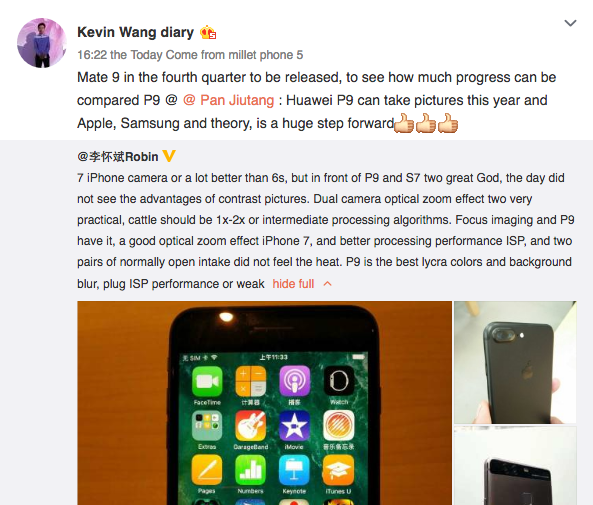
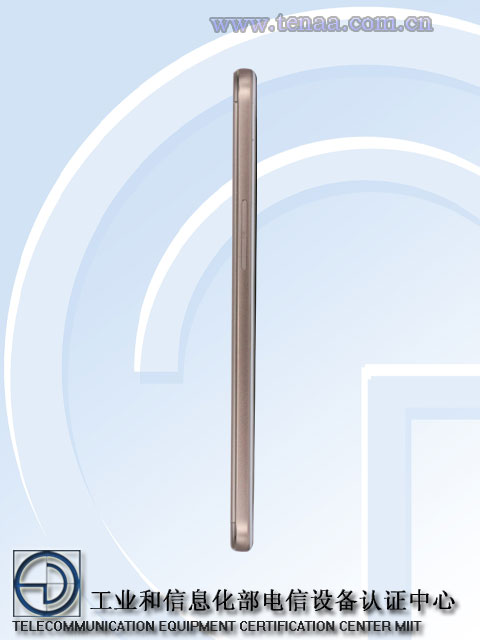
Now, IHS Analyst Kevin Wang has said that the Huawei Mate 9 flagship should be released in the fourth quarter of this year. This is in line with the expected release schedule as we saw the Mate 8 release in November last year. This year, we can expect the Mate 9 to release sometime in December.
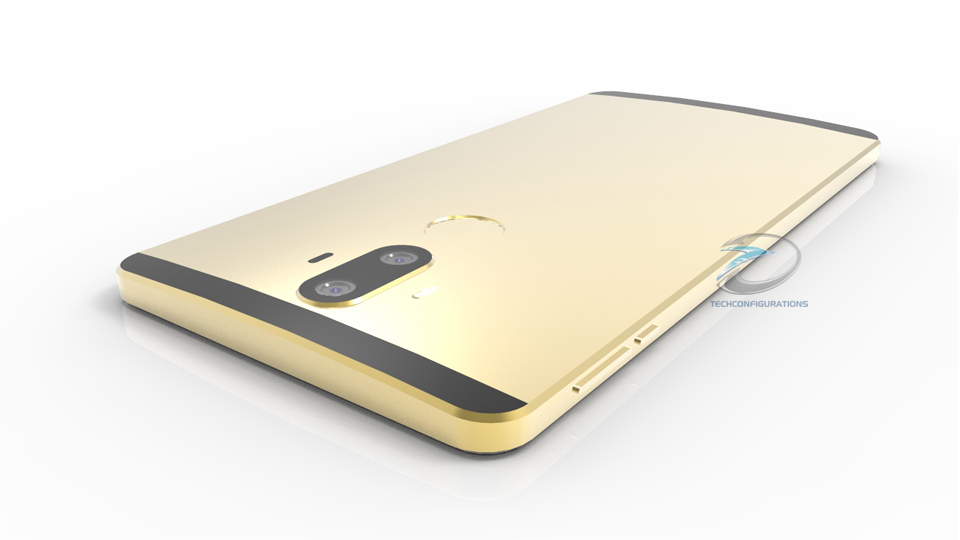
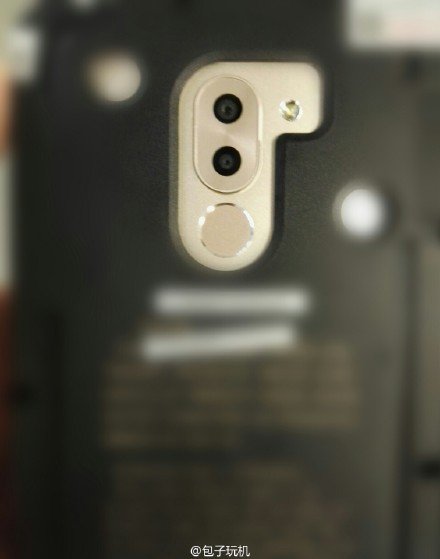
Since this is going to be the company’s best flagship of 2016, we expect the camera on the back of the device to be even better than the Huawei P9. According to the recent rumors, we should see a 20MP dual camera setup at the back, better than the 12MP dual cameras found on the back of the P9.
Earlier Leaked Mate 9 Image
As for the other specs, the Huawei Mate 9 is said to come with the new Kirin 960 flagship chipset featuring Cortex A73 Artemis cores manufactured on 16nm process. Rest of the details about the upcoming flagship are scarce at the moment, but we can expect more details in the weeks to come. There’s still a few weeks left for December and more details should emerge by then.
Mediatek announced the next generation Helio X30 chipset a couple of weeks back. We also got some important details about the upcoming chipset like its architecture and GPU. Now, Taiwanese media seems to have more details on the new Helio X30 and X35 chipset.
Like expected, the Helio X30 chipset is said to be manufactured on TSMC’s 10nm process. Considering that the Helio X20 was built on 20nm process, this is a much-needed upgrade for the new age chip. It is said that MediaTek first planned on using TSMC’s 16nm manufacturing node for its new chips, but after considering the stiff competition from Qualcomm’s Snapdragon range, it decided to use the much more advanced and efficient 10nm process.
It is also said that the production and design of the new chip is on schedule and the chip should enter mass production sometime by the end of this year / early 2017. So, if you were expecting to meet this new Cortex A73 Artemis powered chipset, then your wait will easily extend to mid-2017.
As for the Helio X35, like this year, expect the difference to be in the maximum frequency. According to the company, the Helio X30 will come with 2 x Cortex A73 Artemis cores clocked at 2.8GHz, 4 x Cortex A53 cores clocked at 2.2GHz and 4 x Cortex A35 Cores clocked at 2.0 GHz. Even the GPU is upgraded, now using PowerVR 7XT quad-core GPU chip. Helio X35 should use the same architecture but clocked at a higher frequency. Now, considering that Helio X30 is already clocked at 2.8GHz, can we expect 3GHz on the X35? Also, it will be built on the same efficient 10nm process as the Helio X30.
There’s still a lot of time for the official launch of an Helio X30 powered smartphone, and things might change to a certain extent during this period. So, stay tuned to gizmochina as more details about these upcoming chips emerge in the next few months.
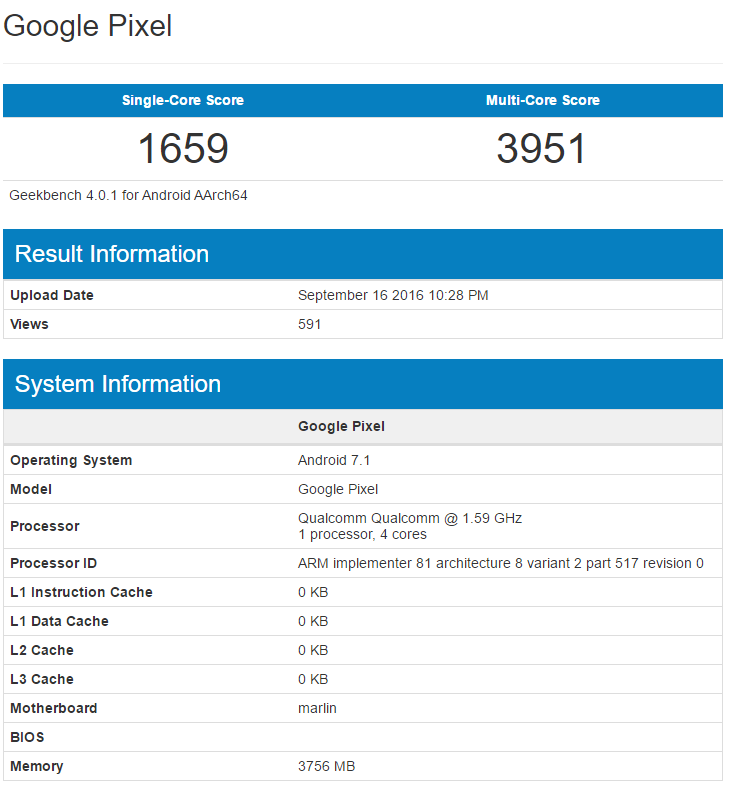
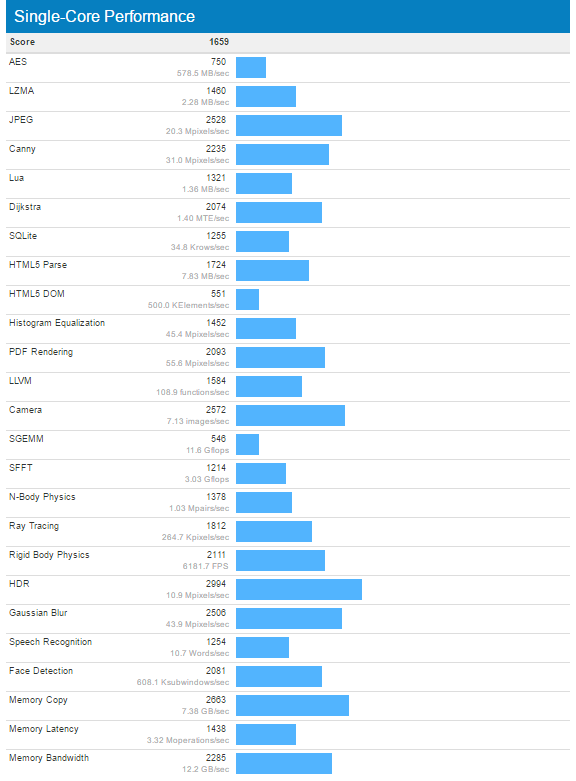
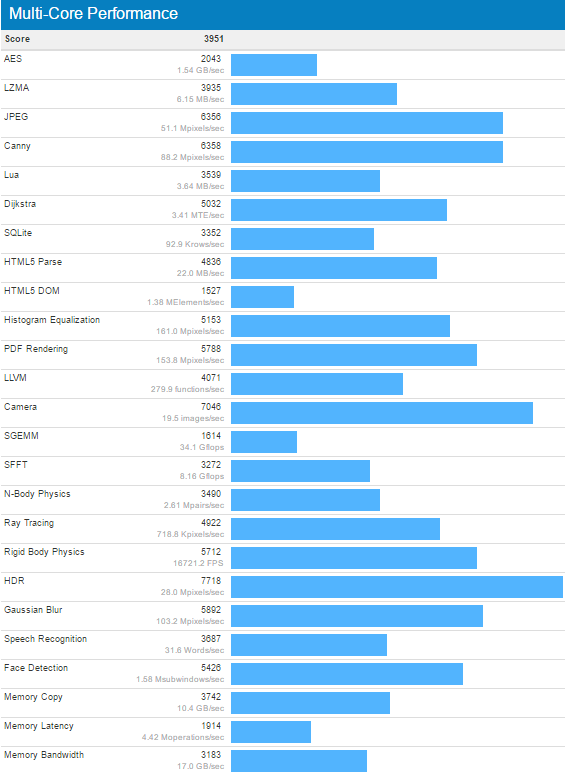
New details for Google’s upcoming phones have been leaked. One of the leak is a new benchmark result for the Pixel from Geekbench. The results reveals that the phone is running Android 7.1 and features 4GB of RAM and a snapdragon 820 SoC.
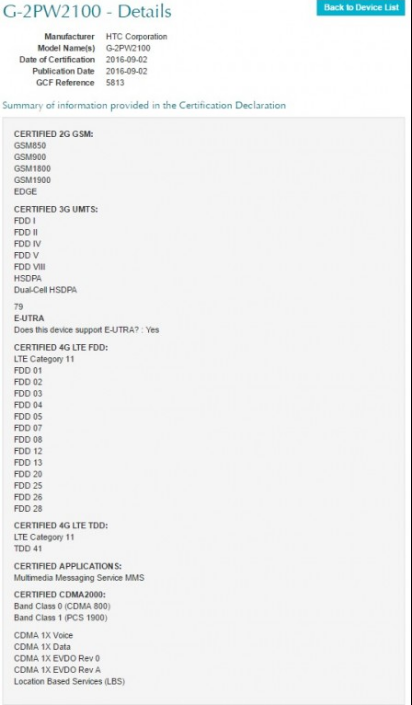
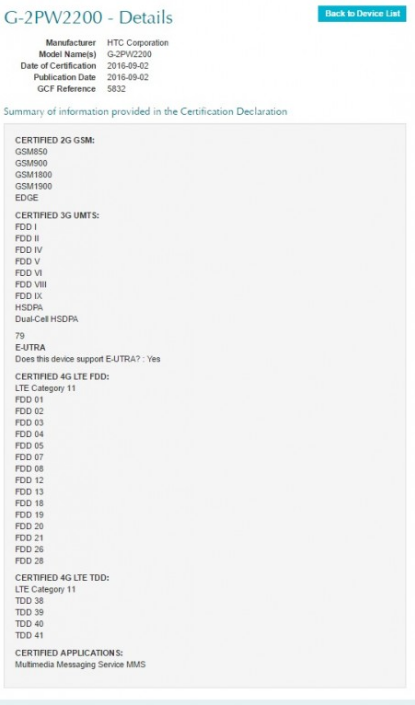
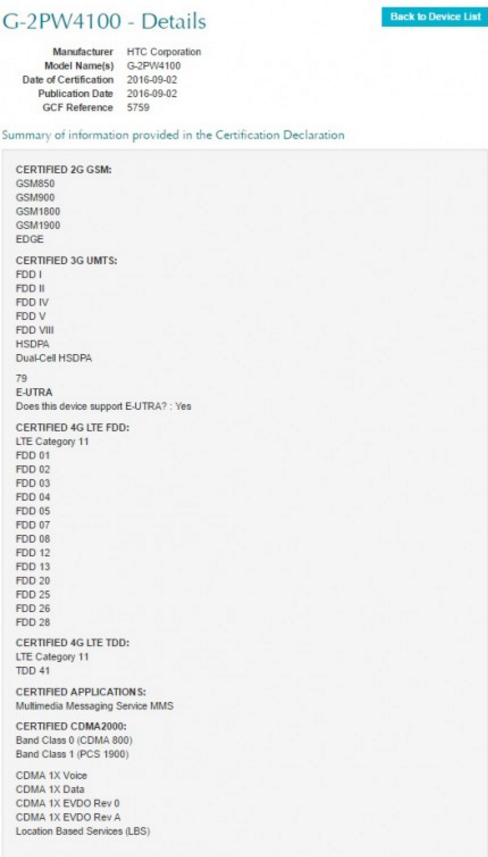
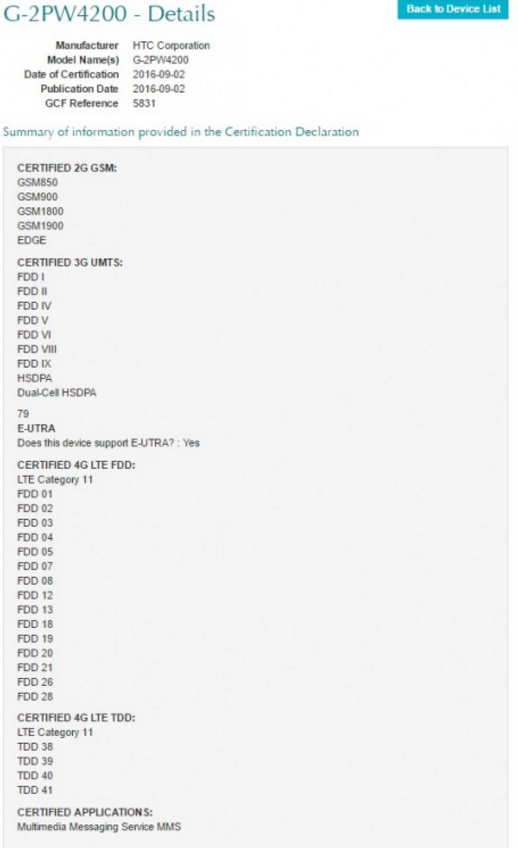
Another detail leaked is of the varying bands of the new phones. From the look of things, there will be 2 versions for each phone: a US version and an international version. This finding was made when the phones made a visit to the Global Certification Forum. The reason for this is to cater for the variation in band support. Every other thing should be the same and both versions should also sell for the same price. The GCF listing also mentions that the manufacturer for the devices is HTC.
You can check the images below for the bands supported by each device. The Pixel is the one with the G-2PW2100 and G-2PW2200 names and the Pixel XL has the G-2PW4100 and G-2PW4200 listing.
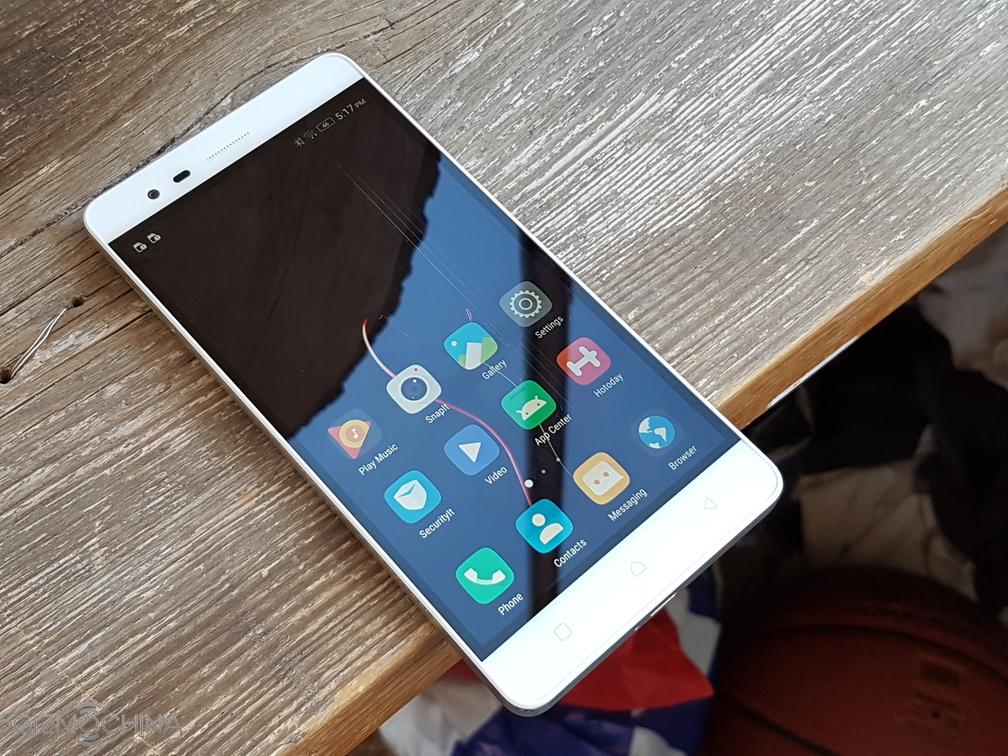
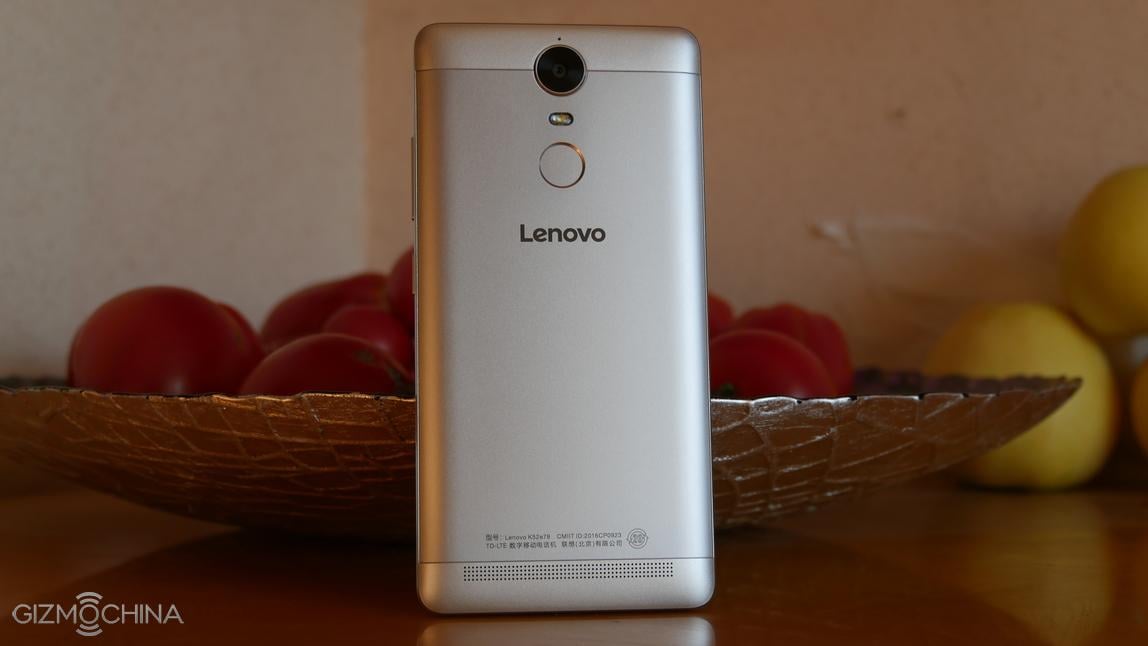
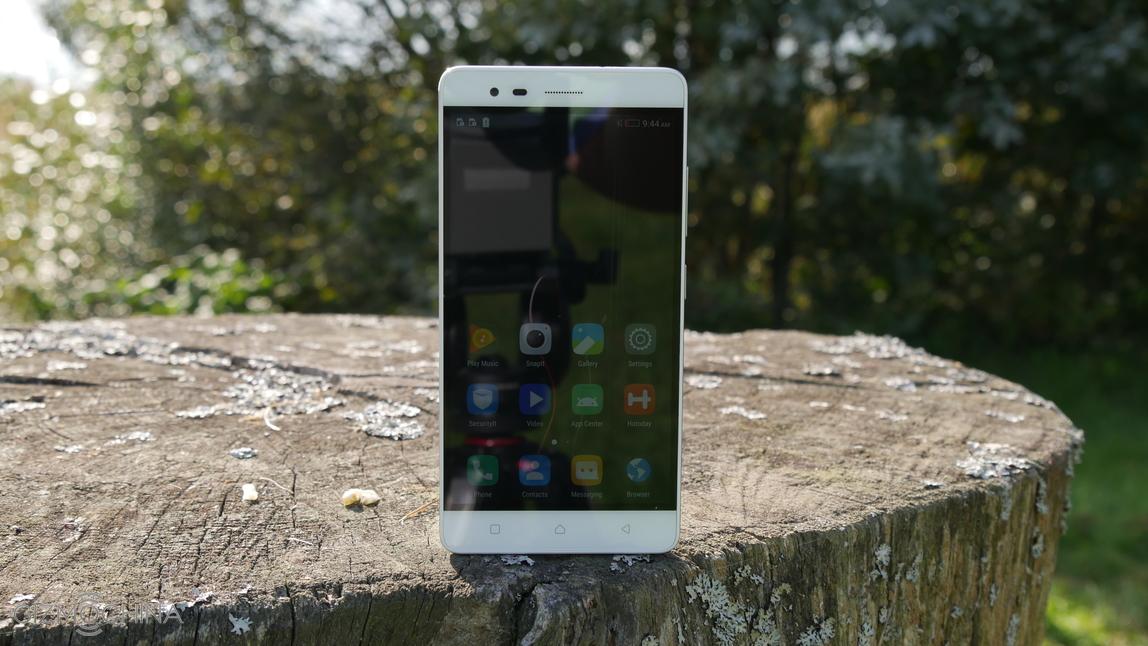
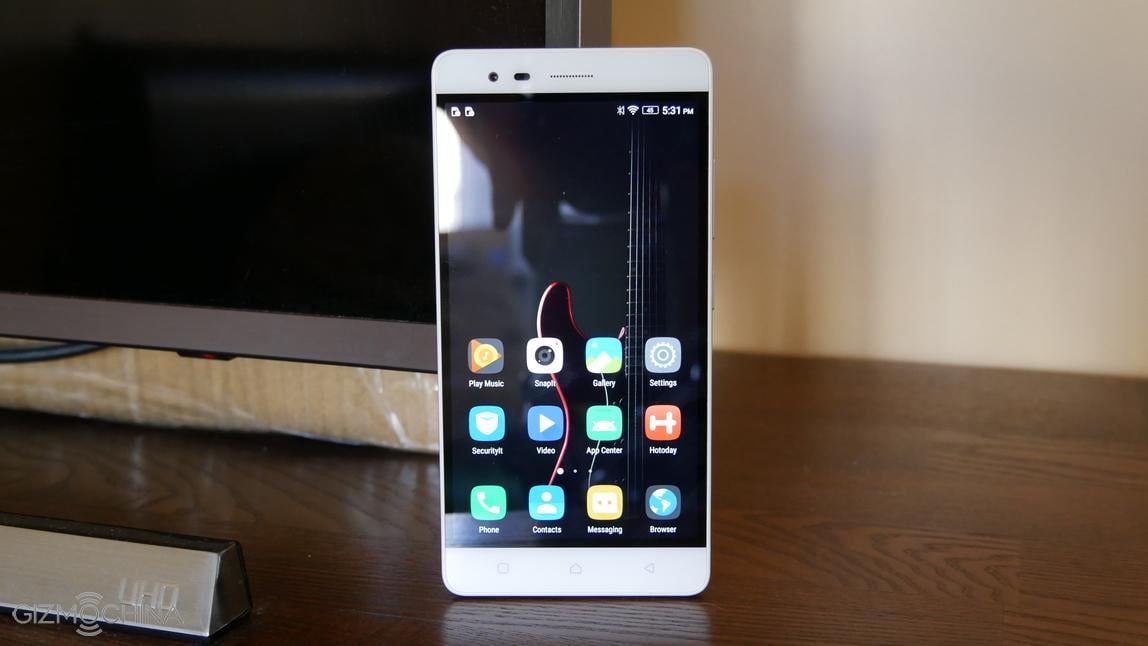
Lenovo has been known for producing some high-quality phones at affordable prices. Although the K6 Note has been already announced at IFA 2016, I wanted to take a look at the K5 Note. It is a phone that costs just $150 but it brings quite a lot to the table. Learn more in our full review.
32GB (expandable via microSD card slot up to 256GB)
Lenovo K5 Note Review: DESIGN and DISPLAY
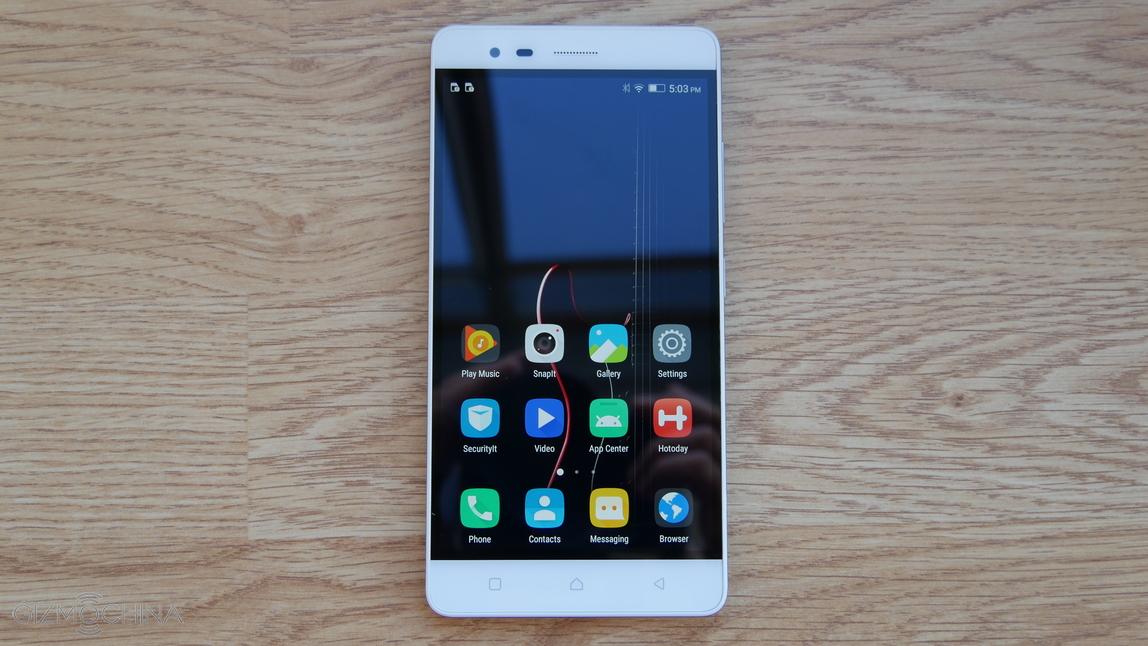
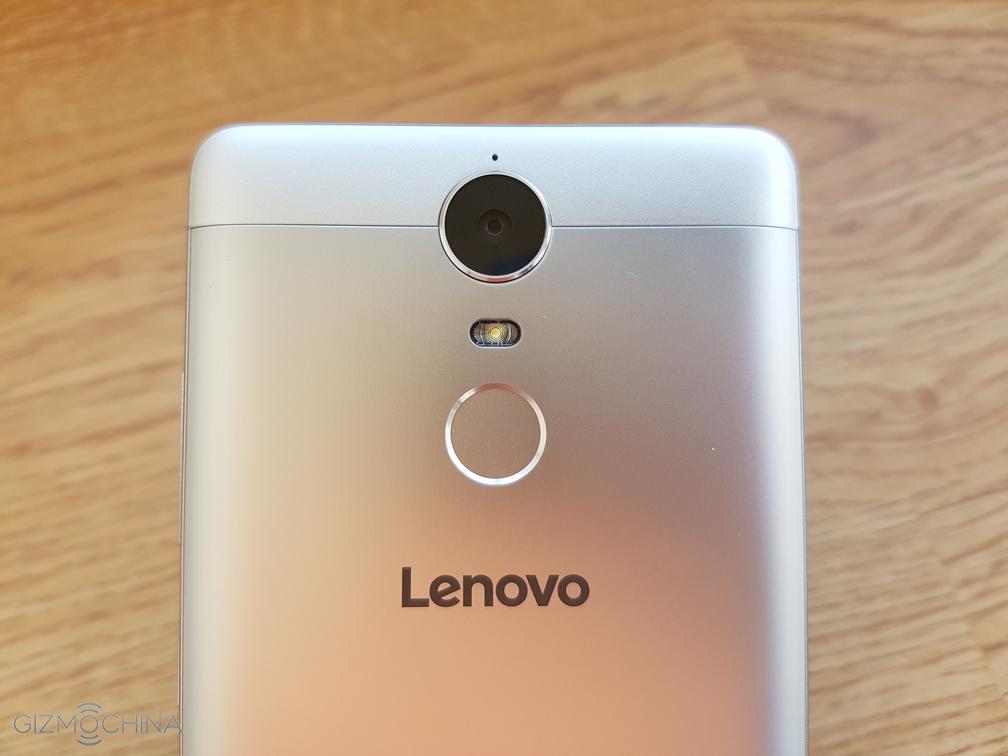
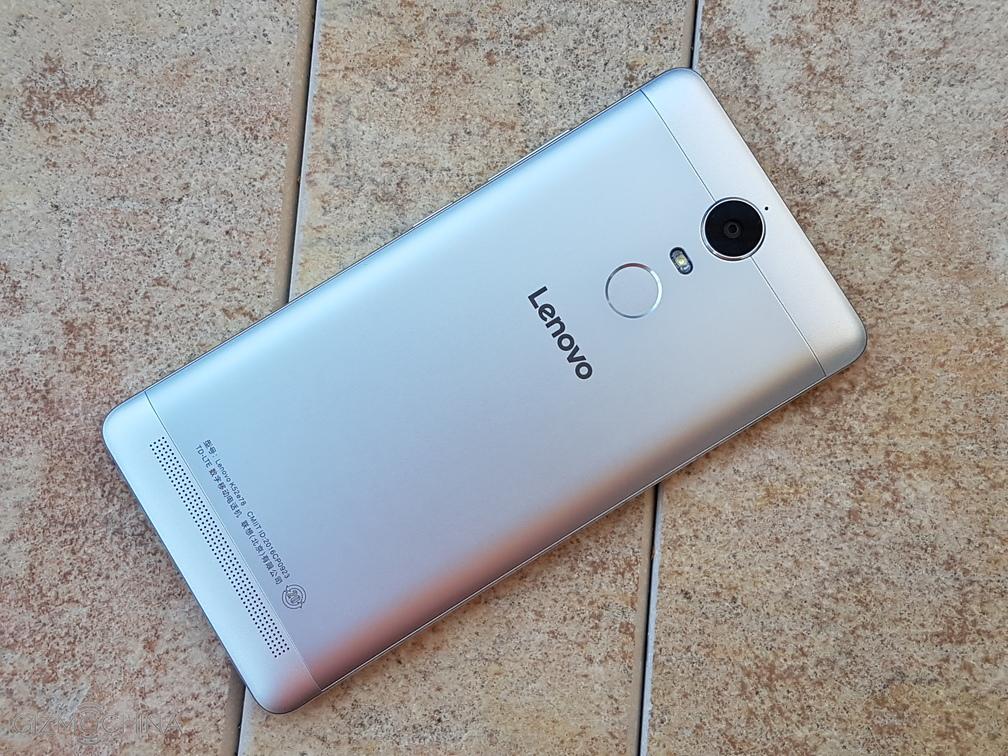
When it comes to the design of the phone, the K5 Note does not sport any exceptional looks that would differentiate it from other phones.
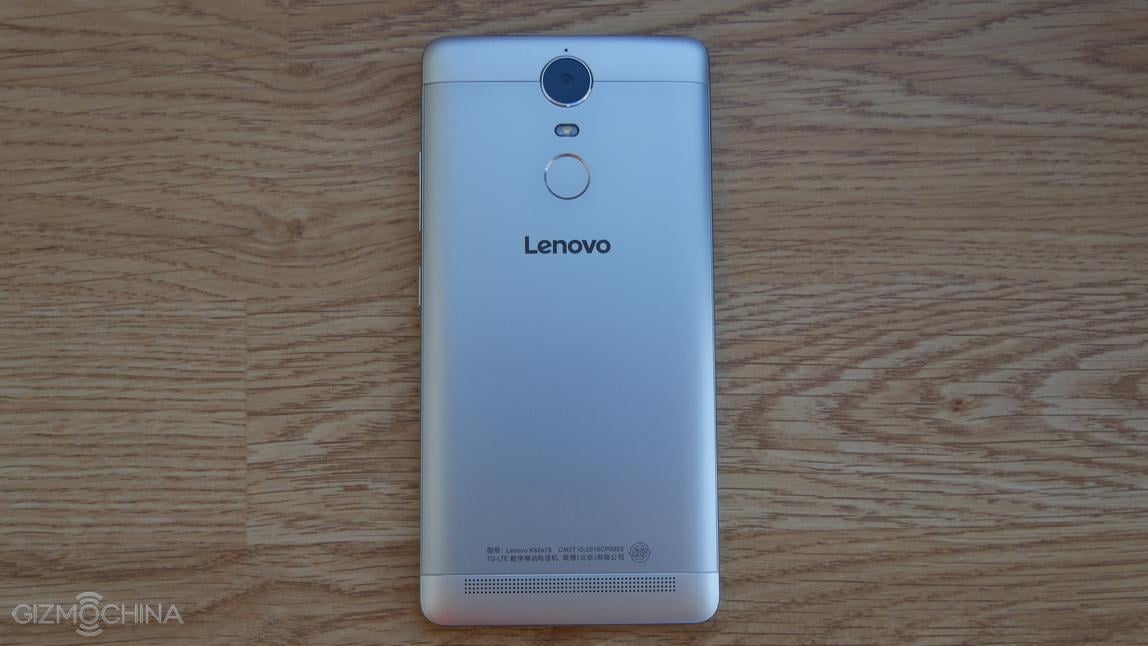
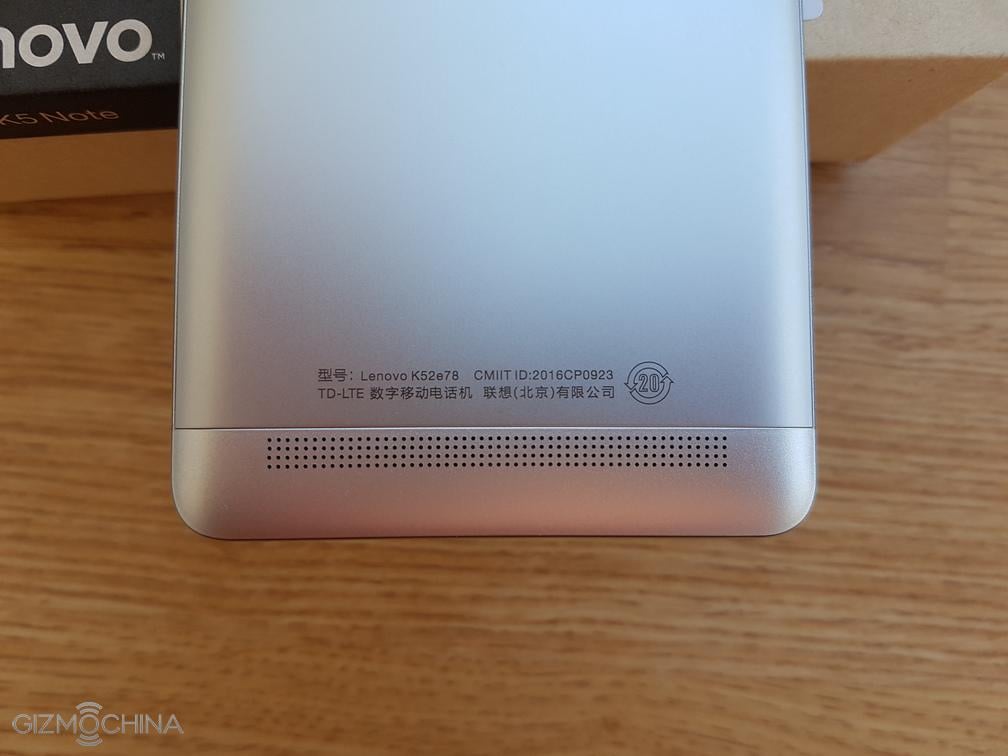
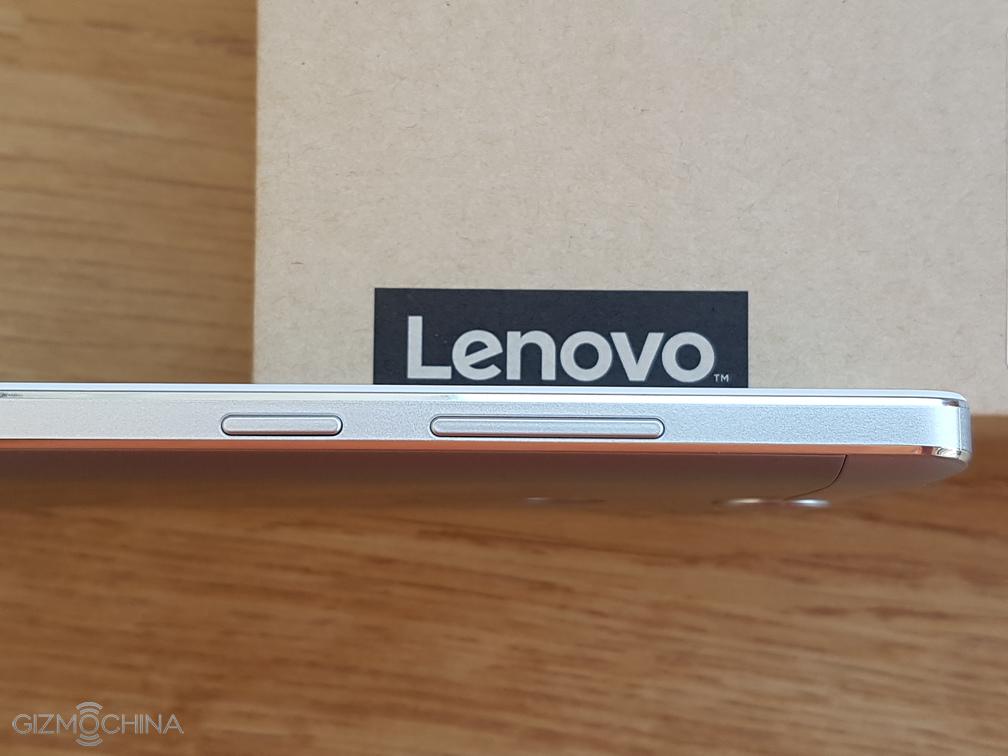
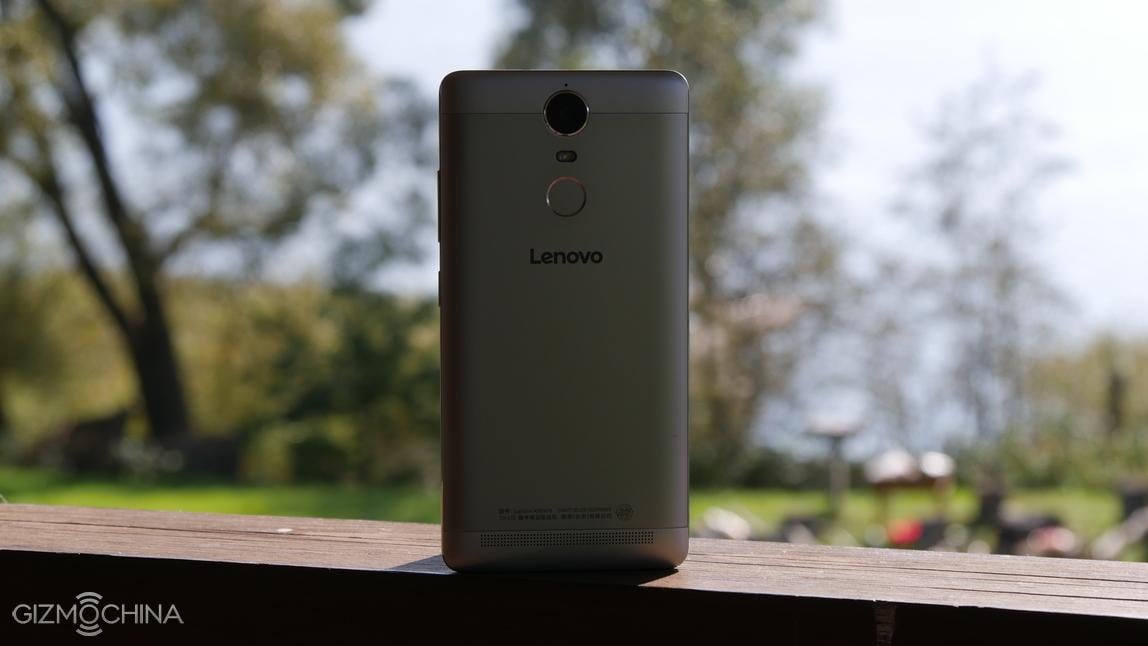
The device is well-built and it uses a metal backplate. However, the top and bottom parts, the buttons and the entire chassis are made of plastic, which is kind of a letdown considering the fact that even some super cheap phones use metal.
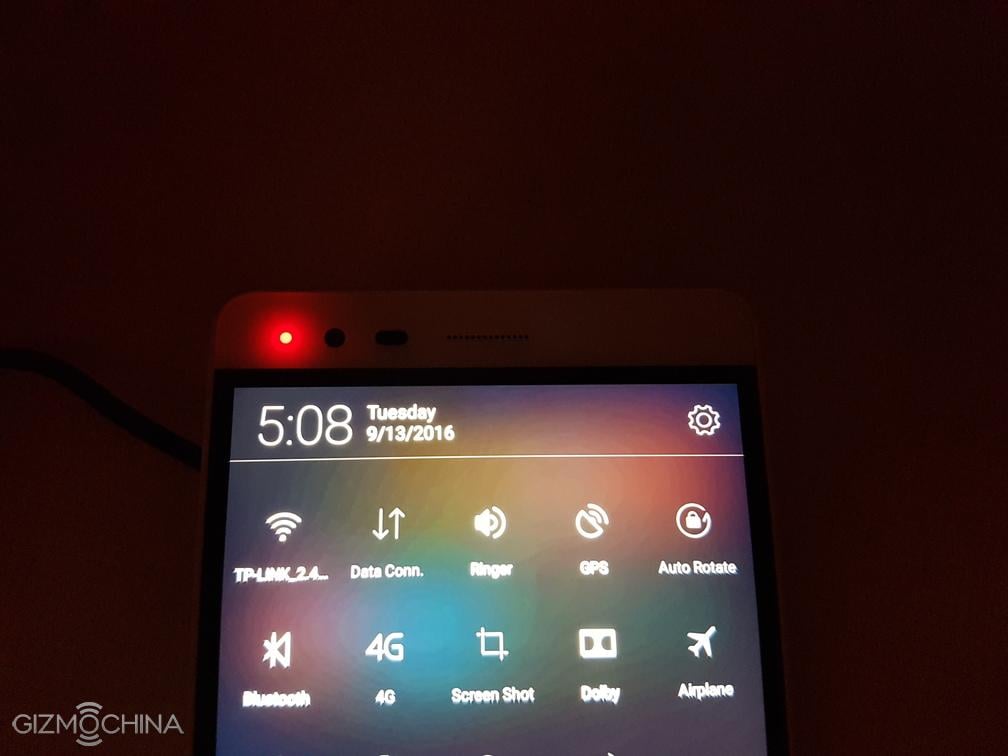
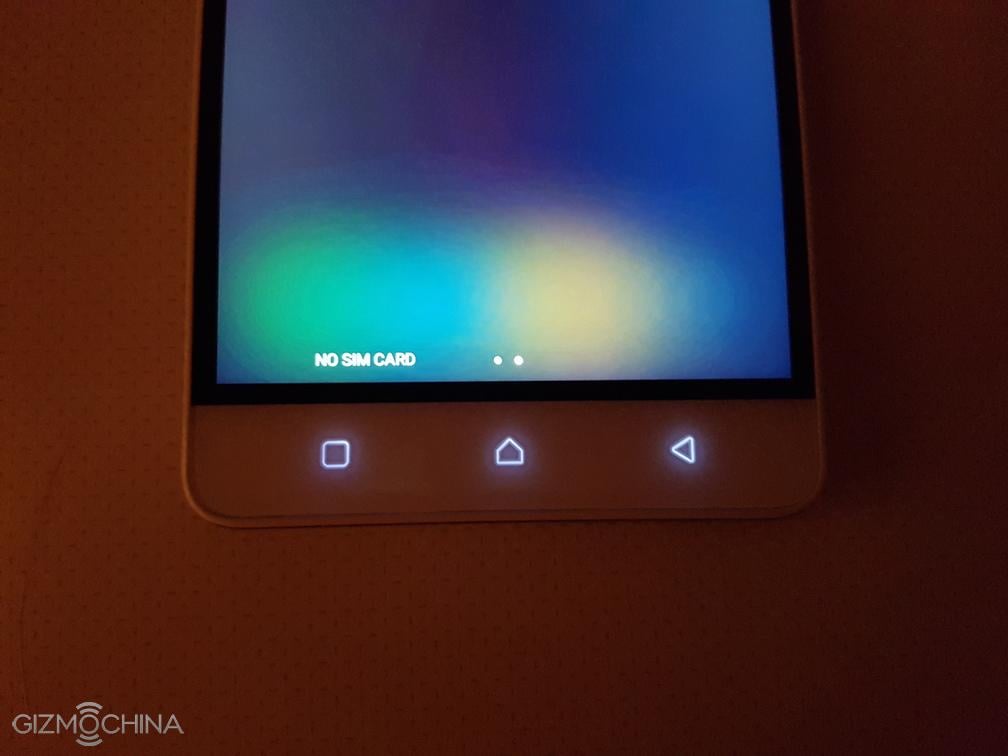
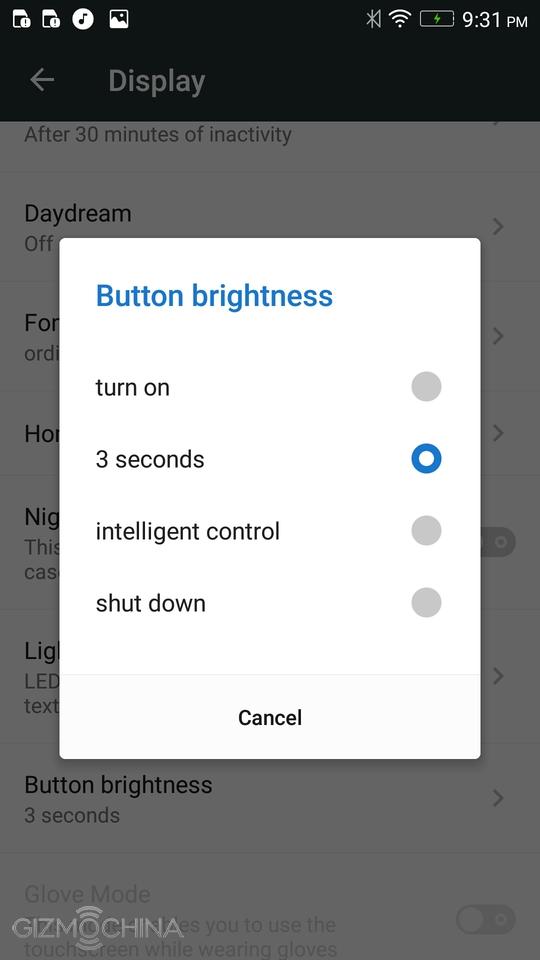
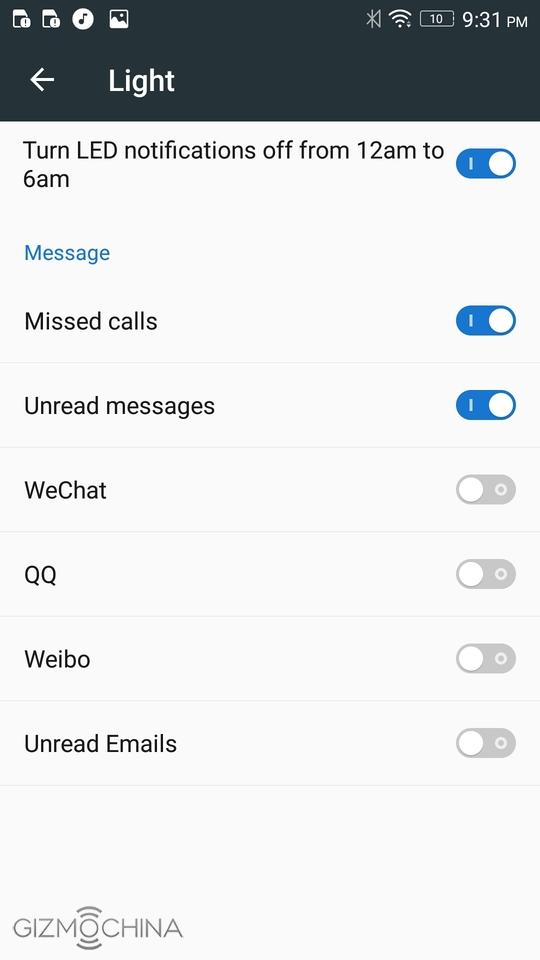
On the other hand, the Lenovo K5 Note comes with the LED notification light and backlit capacitive buttons that some of the cheaper phones lack.
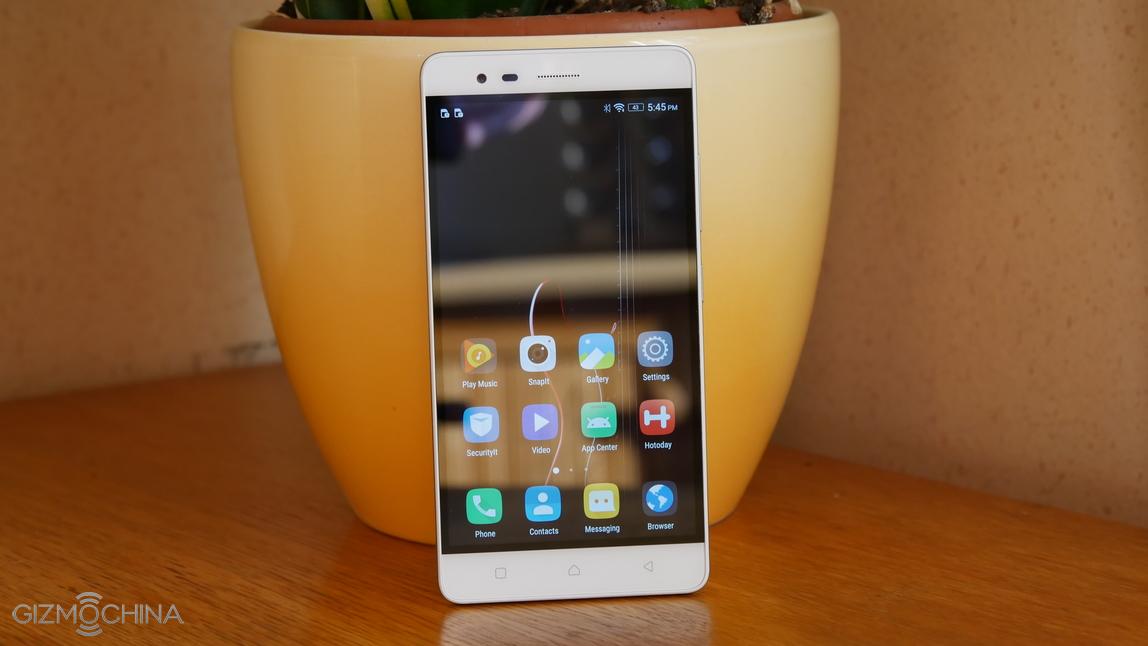
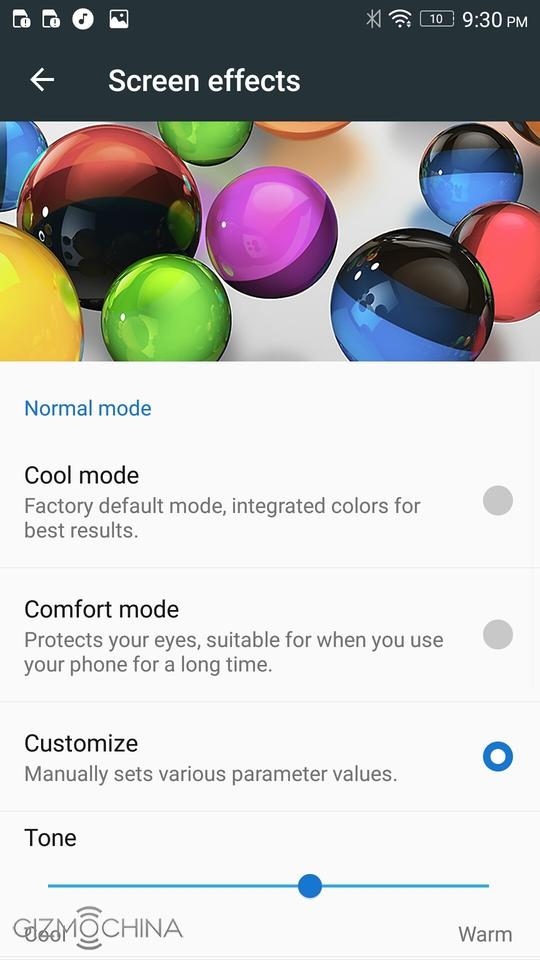
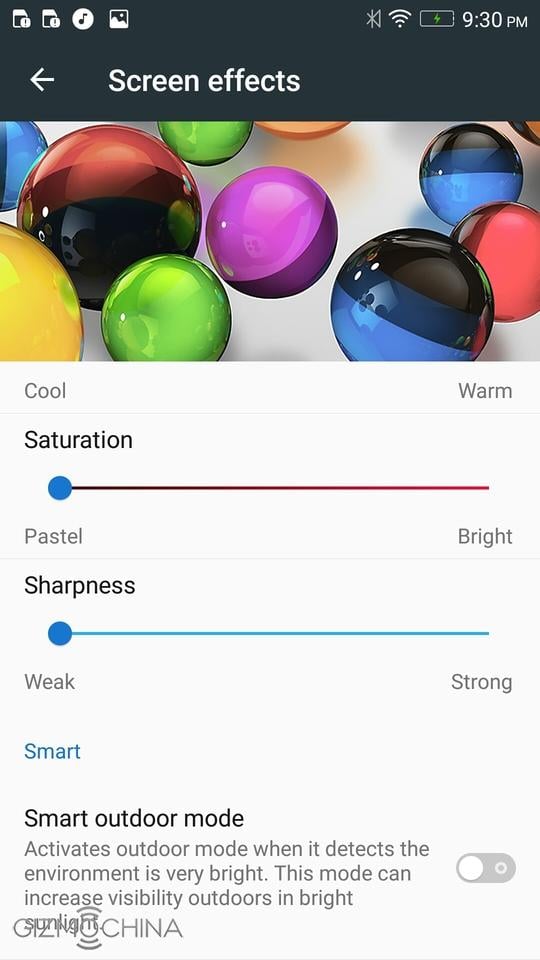
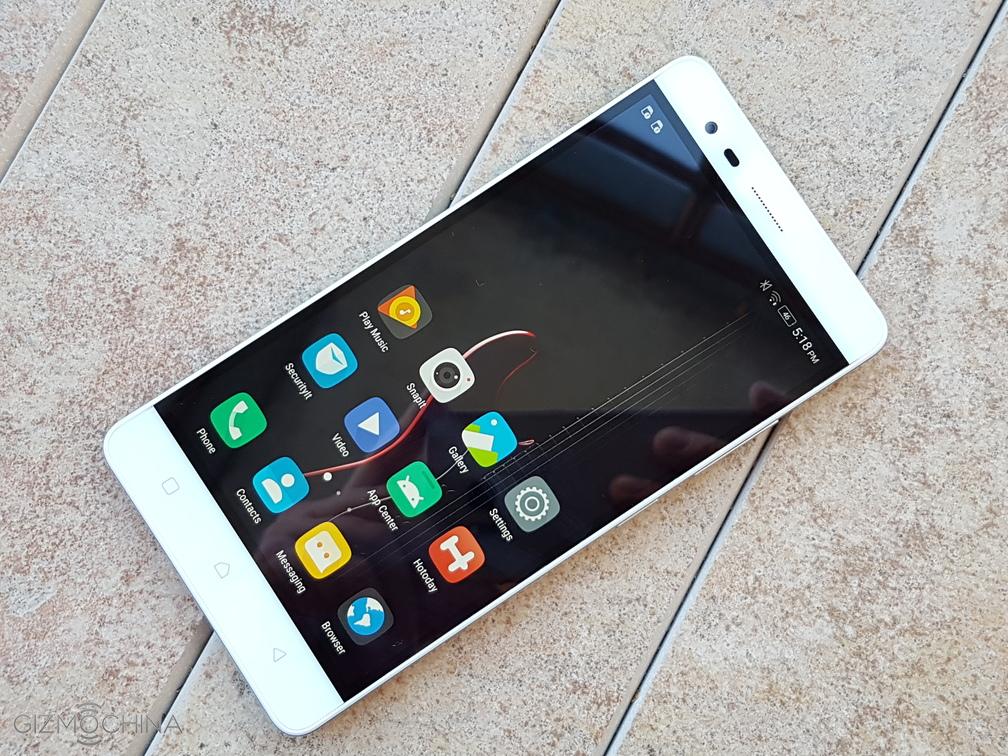
We have a 5.5” 1080p display, which is great. The panel is sharp, bright and you can adjust the color temperature to your liking in the settings menu.
As for optics, we have a 13MP shooter with f/2.2 aperture and a single LED flash.
The fingerprint sensor works fine. It is fast, accurate and you can unlock the phone from the standby mode. Also, there are some other ways to use the fingerprint scanner, e.g. long press it and it works as a home button.
The loudspeaker quality is one of the best you can find on a $150 phone.
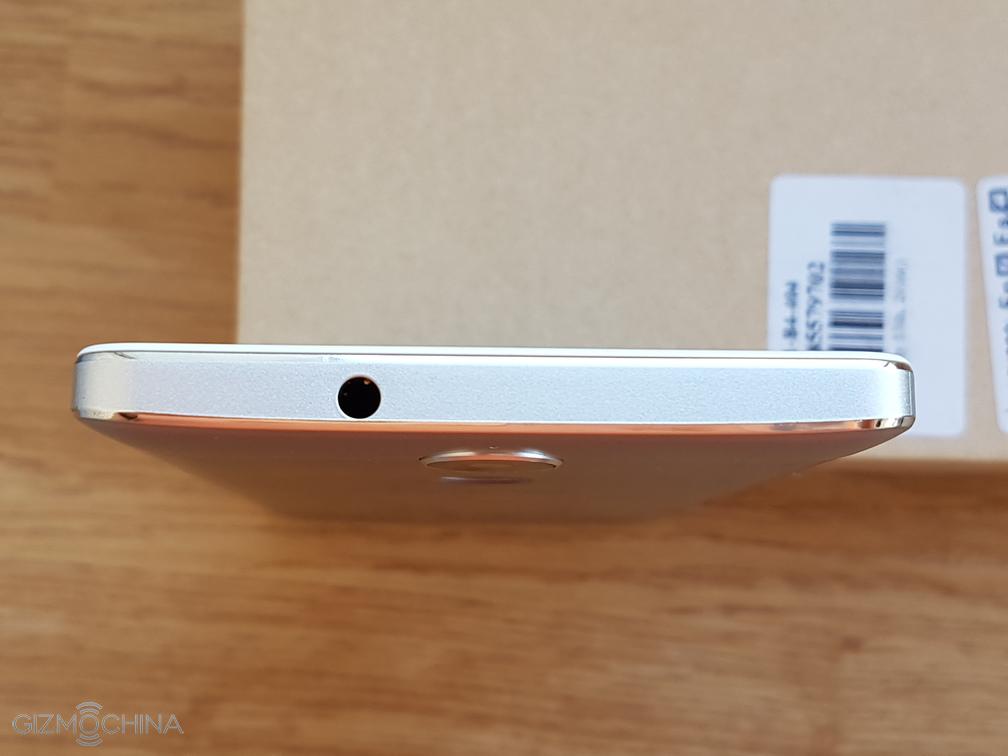
The quality of sound via the headset jack is one of the best in class and that is thanks to the built-in Hi-Fi audio chip.
Lenovo K5 Note Review: HARDWARE and PERFORMANCE
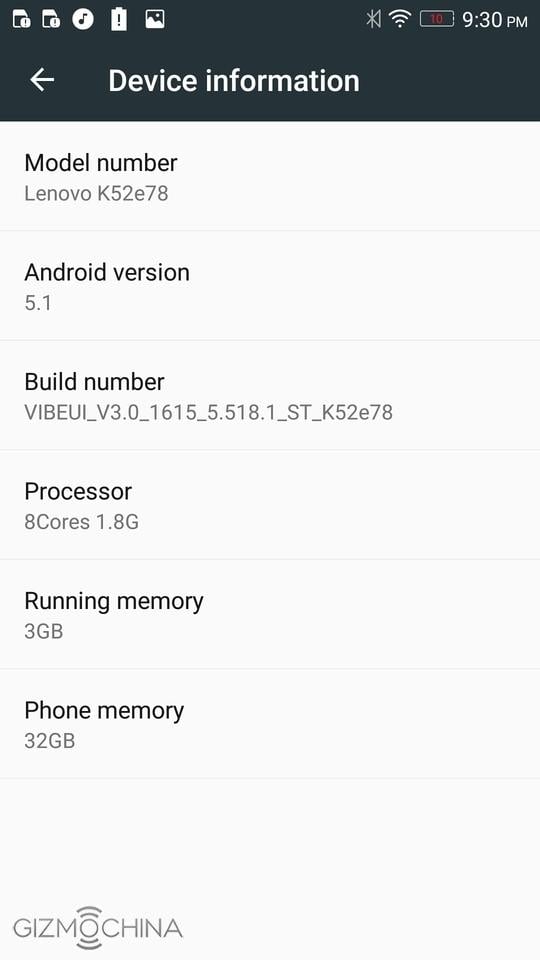
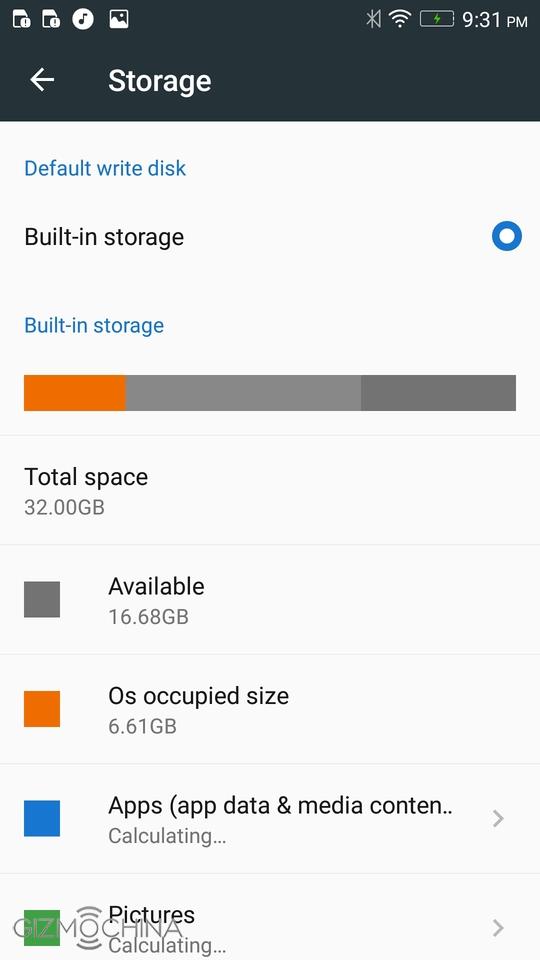
Lenovo K5 Note ships with an octa-core Mediatek MT6755 Helio P10 chip with the max. clock speeds of 1.8GHz, 3GB of RAM and 32GB of expandable storage.
I’ve never been impressed with the Helio P10 chips when it comes to the 3D gaming and the K5 Note is no exception.
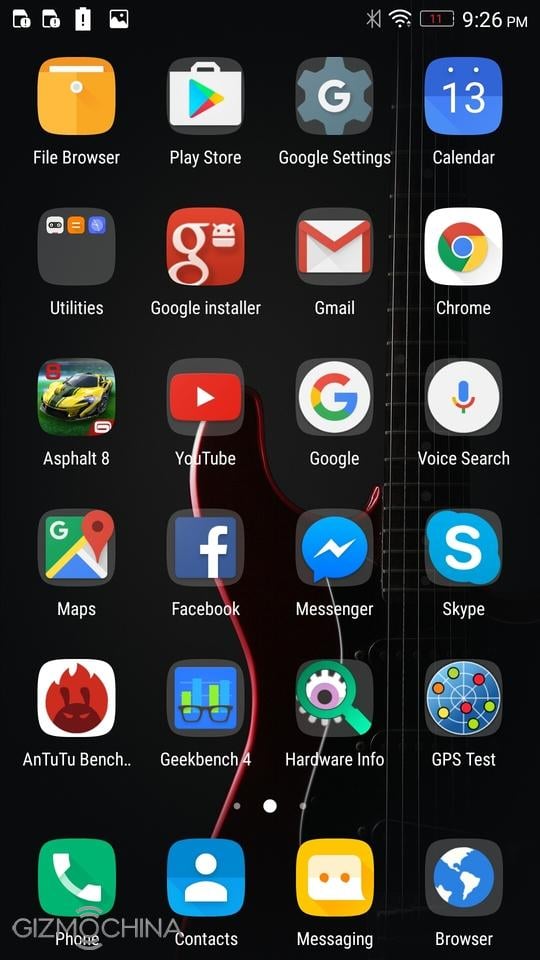
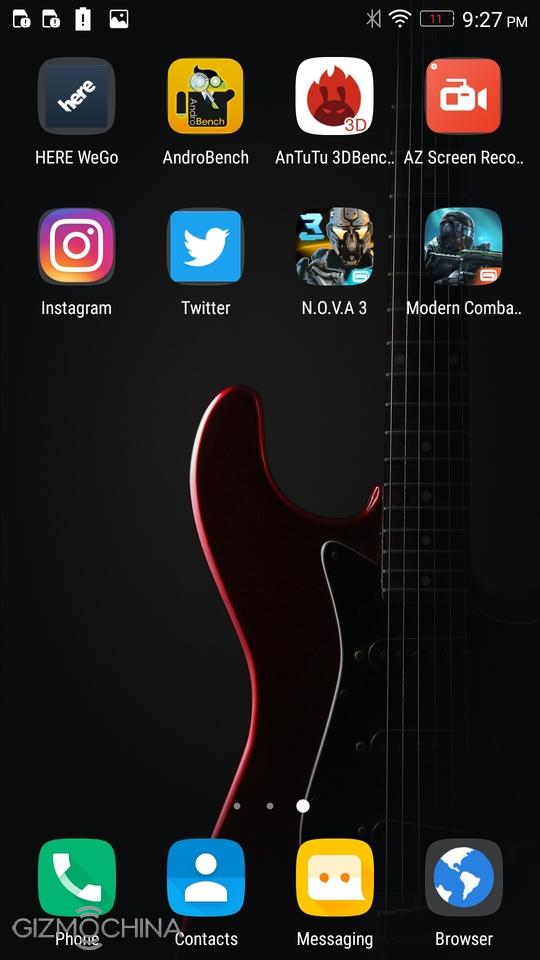
You can only play Asphalt 8 on medium graphics to avoid stutter and lag. On the other hand, games like Nova 3 and Modern Combat 5 run quite well.
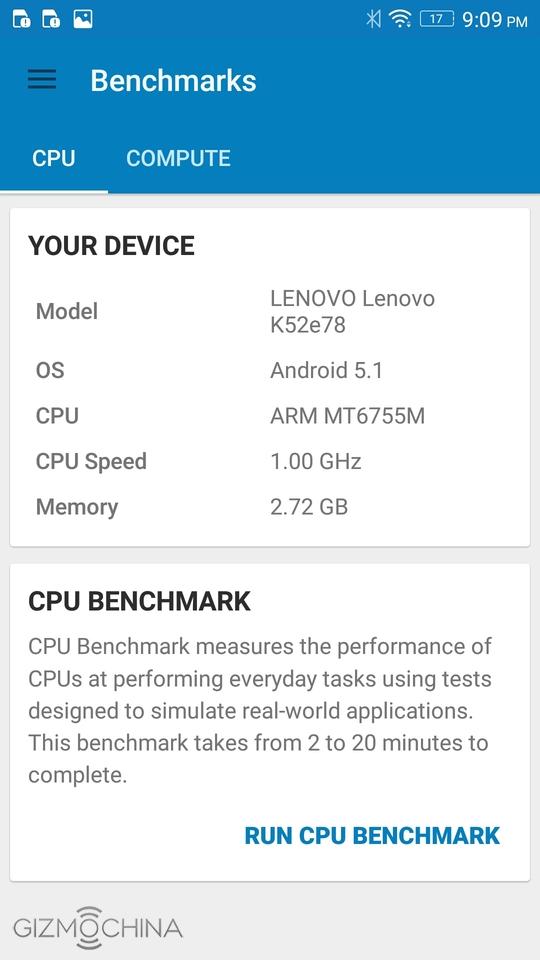
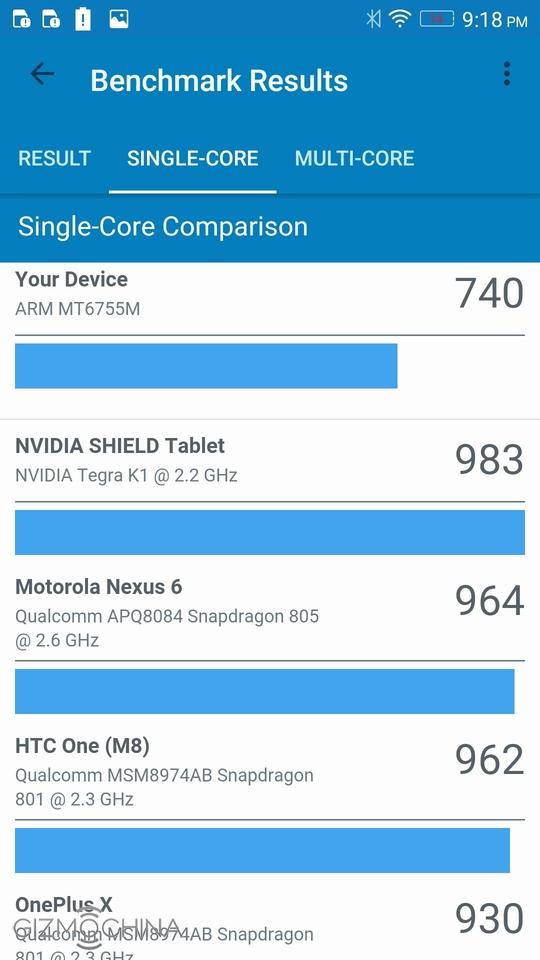
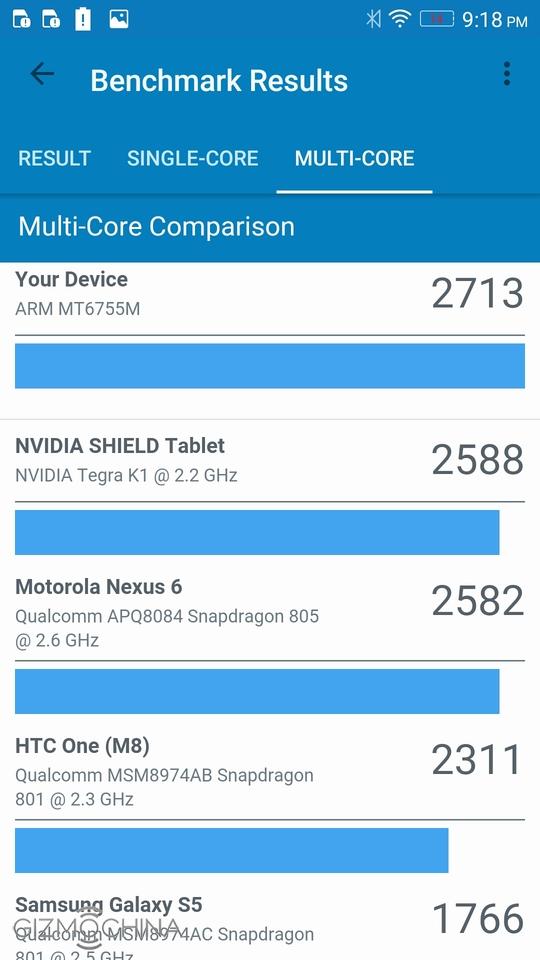
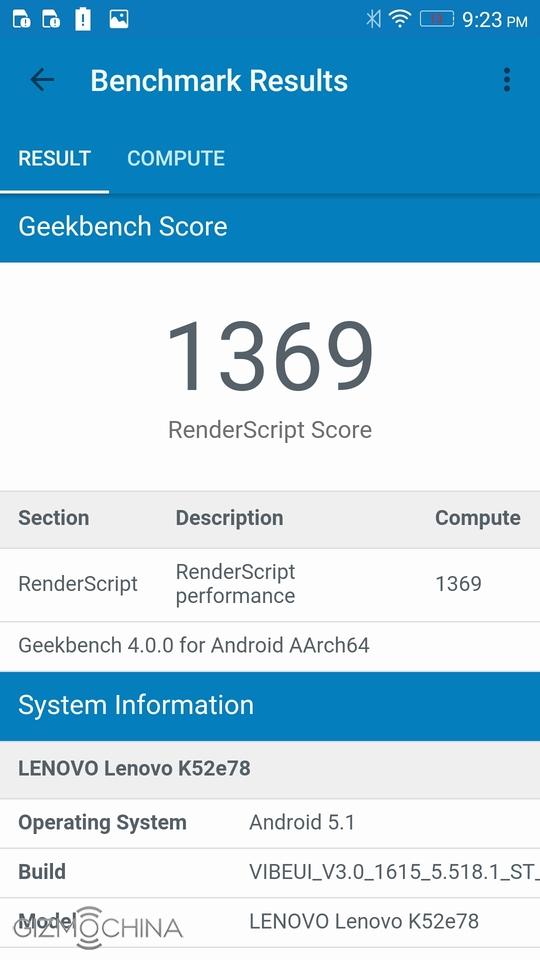
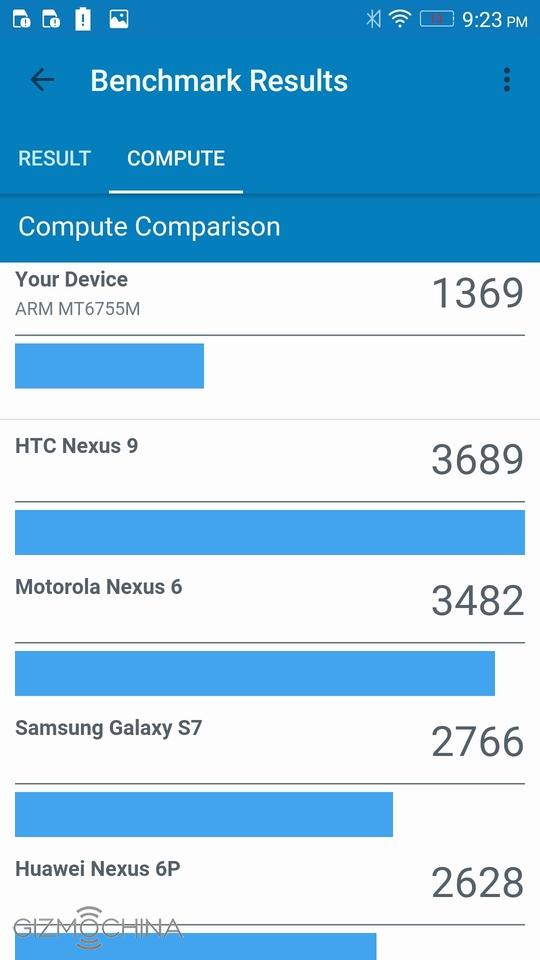
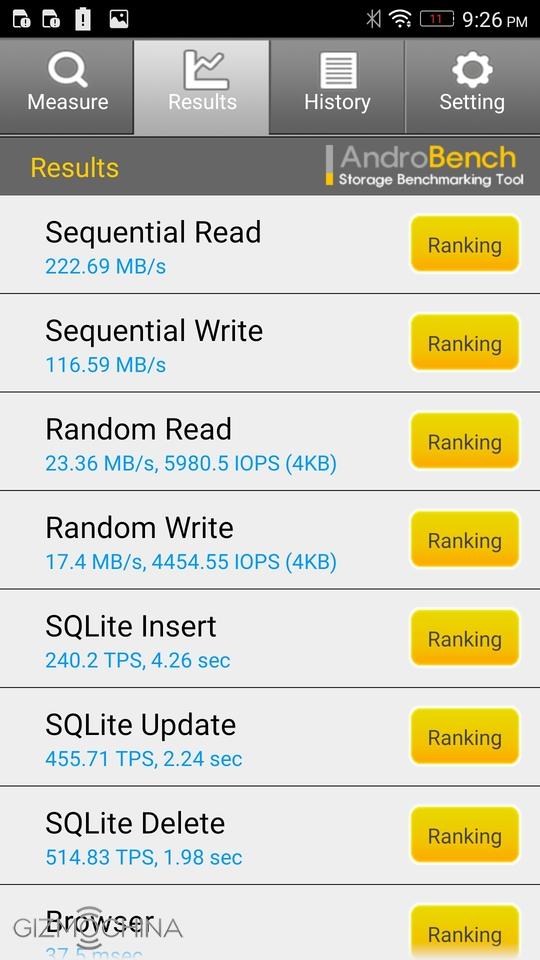
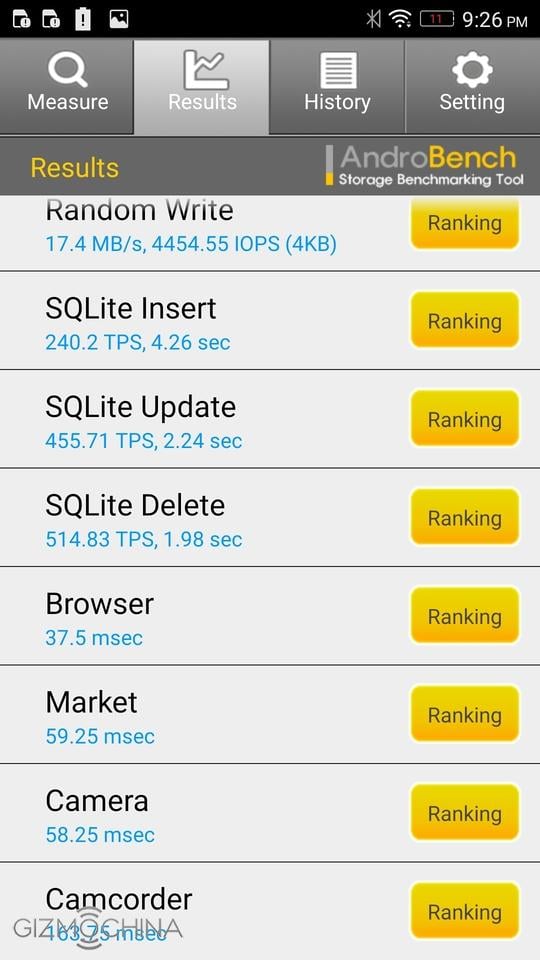
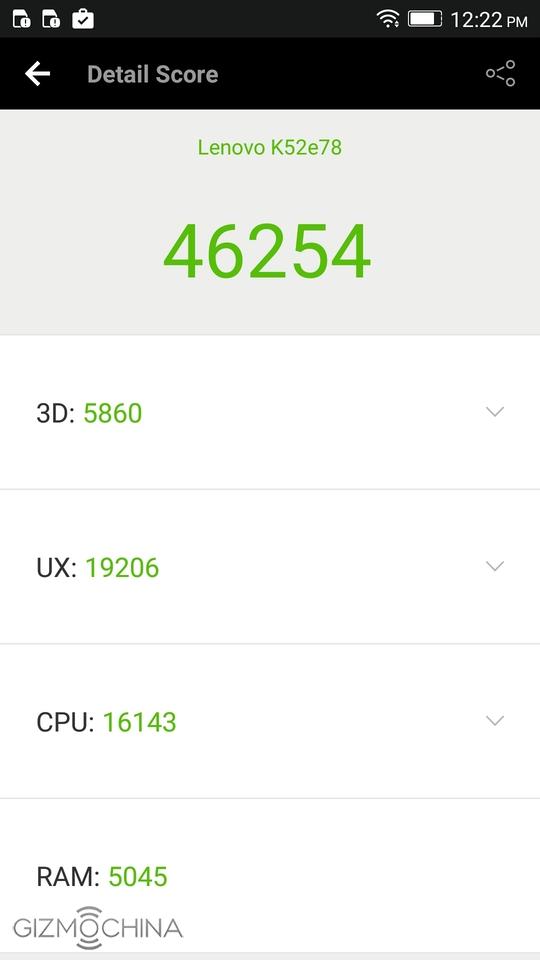
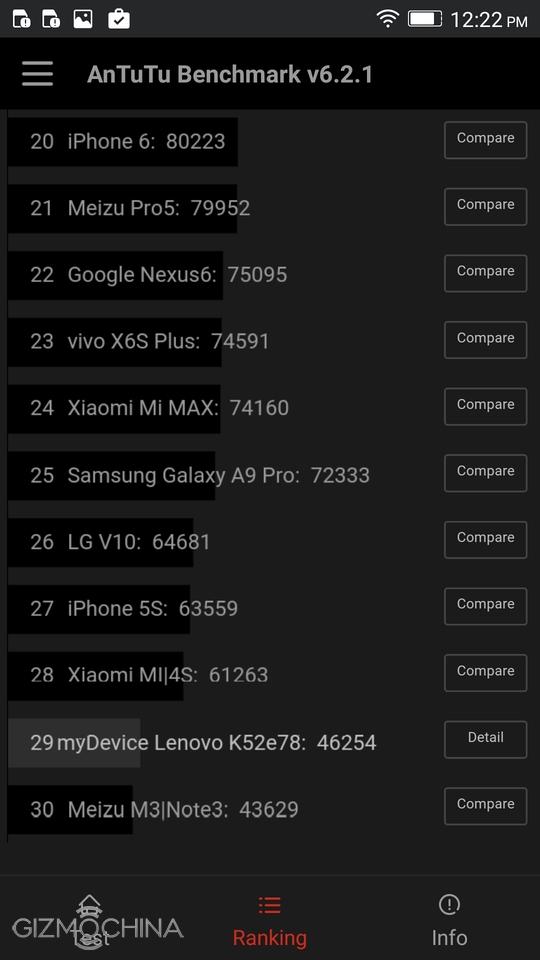
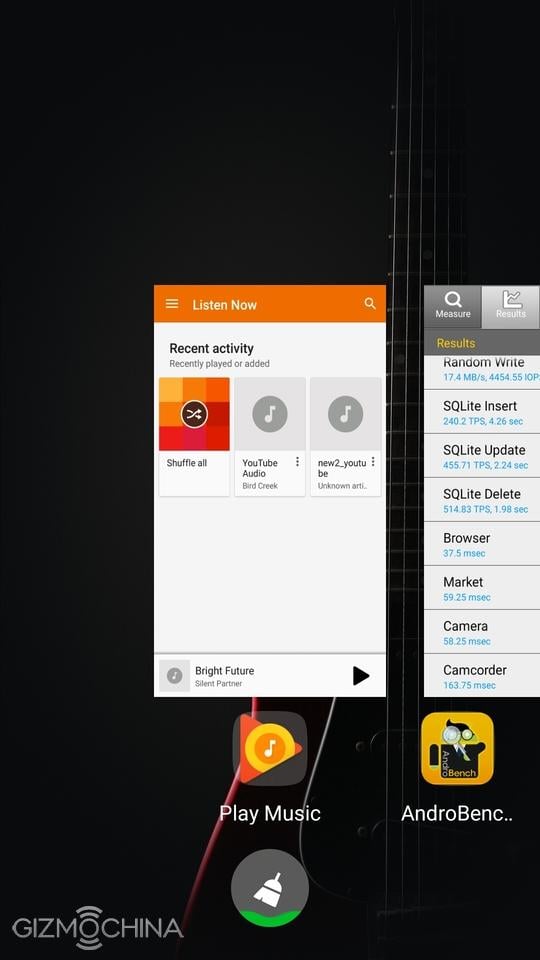
Lenovo K5 Note Review: BENCHMARKS
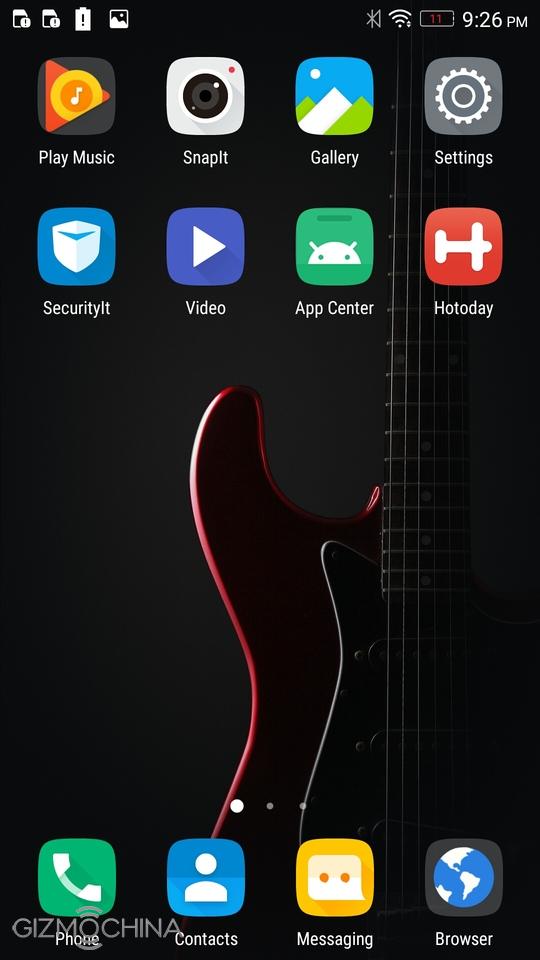
Lenovo K5 Note Review: USER INTERFACE
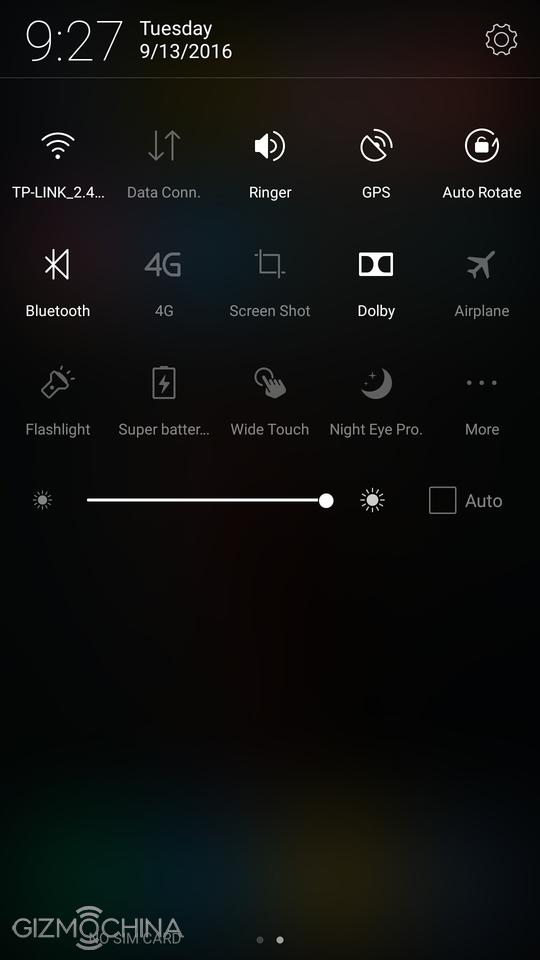
Speaking of the day-to-day user interface performance, the phone is fast, fluid and I didn’t have any issues with it. I’m quite disappointed that the phone ships with the outdated Android 5.1 with the Lenovo’s skin on top of it. It’s is not a deal-breaker for a budget phone but there are plenty of cheap phones that already have the Android 6.0.
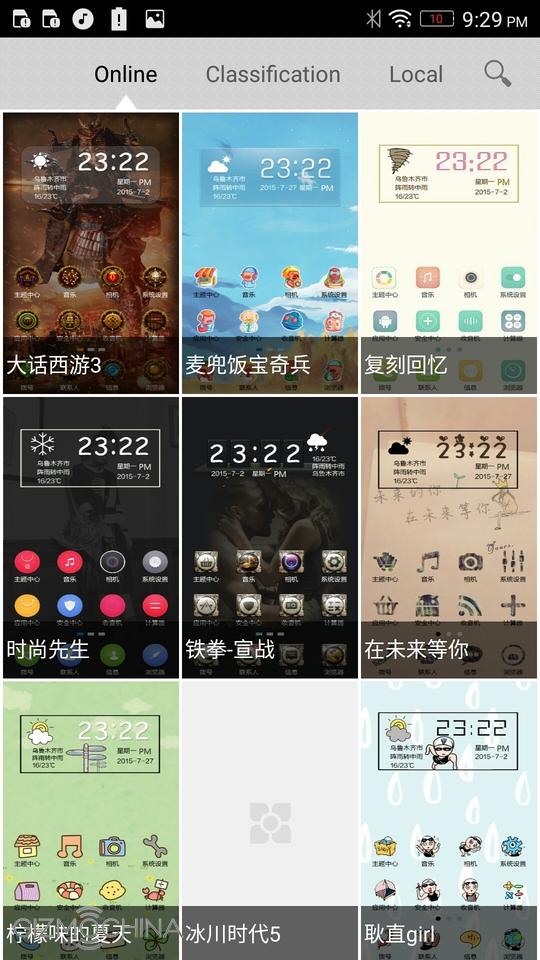
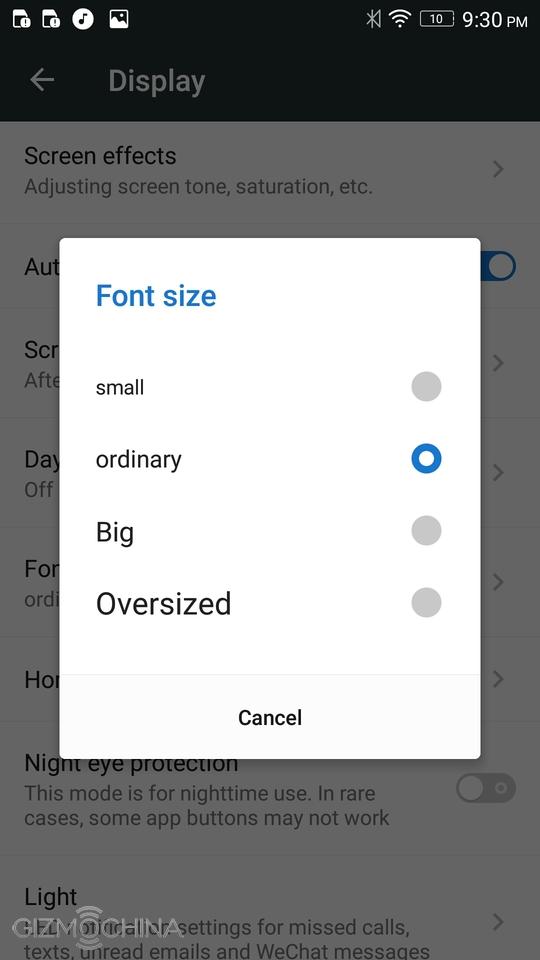
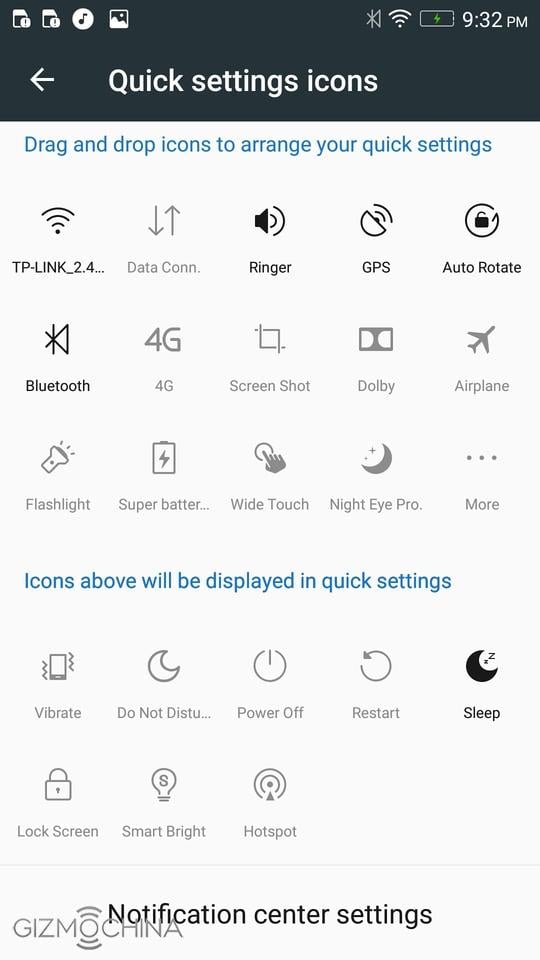
On the other hand, I like the Lenovo’s skin as there are quite a few features and customization options to play with. Just to name a few, you can quickly launch the camera straight from the standby mode, draw a letter C to trigger one-handed operation mode or use a few gesture controls that work great. You can also select from a variety of themes, change transition effects and so on.
Lenovo K5 Note Review: CAMERA
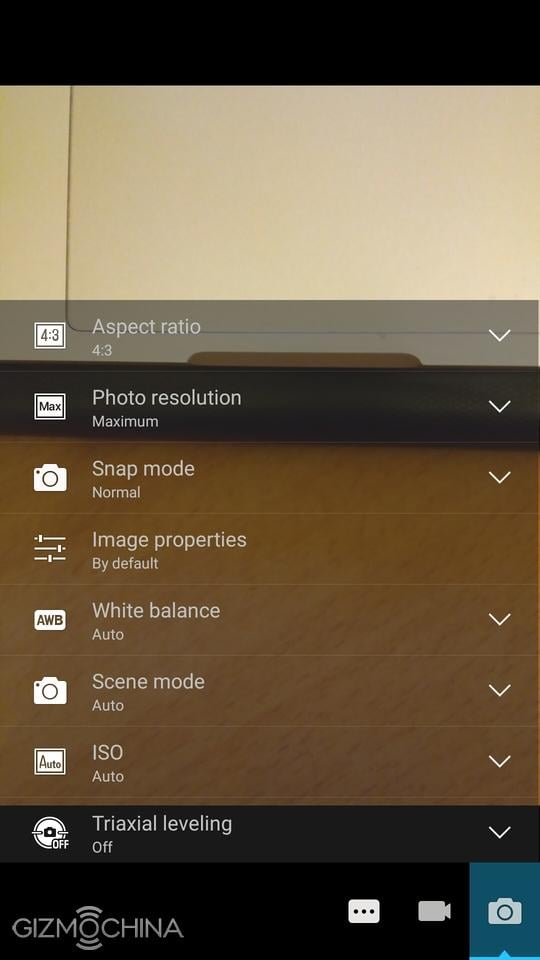
The pictures taken with the 13MP camera look quite nice. There is a good amount of detail and the colors look natural. However, the camera is inconsistent with the dynamic range adjustment and I got a few shots that were out of focus.
As for low-light image quality, $150 phones have never impressed me and the K5 Note is no exception. Well, the phone has one of the better cameras in its class but all the low-light images will look grainy and noisy.
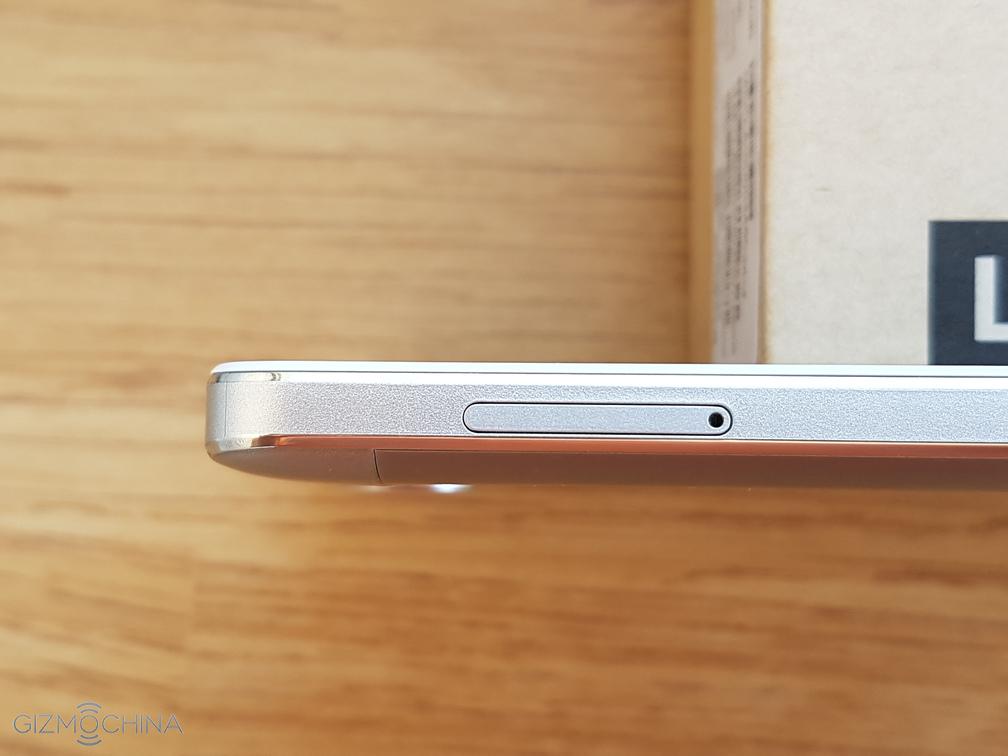
The K5 Note comes with a hybrid dual-SIM card tray, which can take either 2 SIMs or 1 SIM and the microSD card.
The call quality, signal reception, GPS, Wifi and all other connectivity options work just fine.
Lenovo K5 Note Review: BATTERY LIFE
The phone ships with the 3500mAh battery that performs well. It will definitely get you through the day or even 2 days, depending on the usage.
On my usage, I could get over 5 hours of screen-on time, which is a good result.
Lenovo K5 Note Review: CONCLUSIONS
So, there you have it, a $150 Lenovo K5 Note. It is one of the best phones in this price range but it is definitely not perfect.
The phone sports a good build quality, nice and sharp display, user interface that has a lot of features, pretty good cameras, and Hi-Fi audio via the headset jack. Also, the K5 Note has an accurate fingerprint sensor, a good loudspeaker and some little features that some of the cheap phones lack – a notification LED light and backlit capacitive buttons.
On the other hand, the phone does not have a metal trim as it used plastic instead. It is a letdown considering the fact that even the cheapest phones use metal frames in its construction.
Although I enjoyed the user interface performance, the phone runs on the outdated Android 5.1. Finally, the Helio P10 chip is not the best option for you if you enjoy playing the latest 3D games.
At the end of the day, the Lenovo K5 Note is still a solid phone for the price and it definitely has more pros than cons.However, you have to consider if the previously mentioned shortcomings are important to you or not.
Flip phones or clam-shell phones, it doesn’t matter which one you like, used to be the rave back when feature phones were in vogue. They had this aura of sophistication they gave a wielder. They get a call, flip it open, place it next to their ear and start talking. No need for dragging call icons across the screen like we do now. Then touch-screen devices came into existence and people started to move away from flip phones to phones with the candy bar form factor. Now, if you were to pick 1000 random people and ask them for their phones, the chance of seeing a flip phone is next to none.
Samsung (and LG and Gionee) wants to change that. Samsung believes there is still a market for flip phones and have been releasing flip phones for a couple of years now. This year alone, they have released two flip phones, the Galaxy Folder 2 and Samsung W2016. The latter can be classified as a mid-range phone as it comes with 3GB of RAM, 64GB of storage, and a 16MP rear camera. Samsung already has a successor in the works, the SM-W2017 (codename: Veyron) whose live images surfaced online recently.
The SM-W2017 has been reported to feature a 4.2” Super-AMOLED screen, a snapdragon 820 chip, 4GB RAM, 64GB ROM, and a 12MP rear camera that can shoot 4K videos. There’s a 5MP camera in front for selfies and a USB Type-C port. When you close the phone, there’s another screen up-front. There’s no mention of the type of display but there’s a chance it might be the same type as the main one.
16.30 x 8.30 x 1.10 cm / 6.42 x 3.27 x 0.43 inches
OS
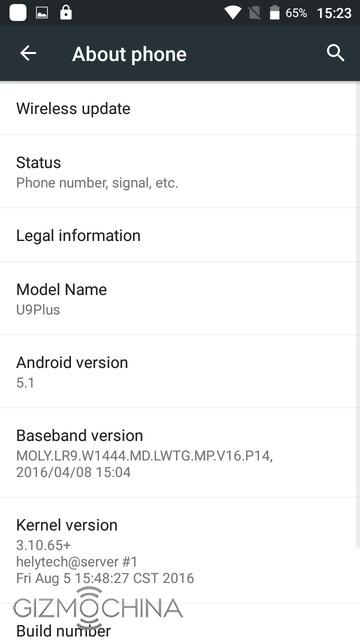
Android 5.1
Storage
16GB (expandable via microSD card slot up to 64GB)
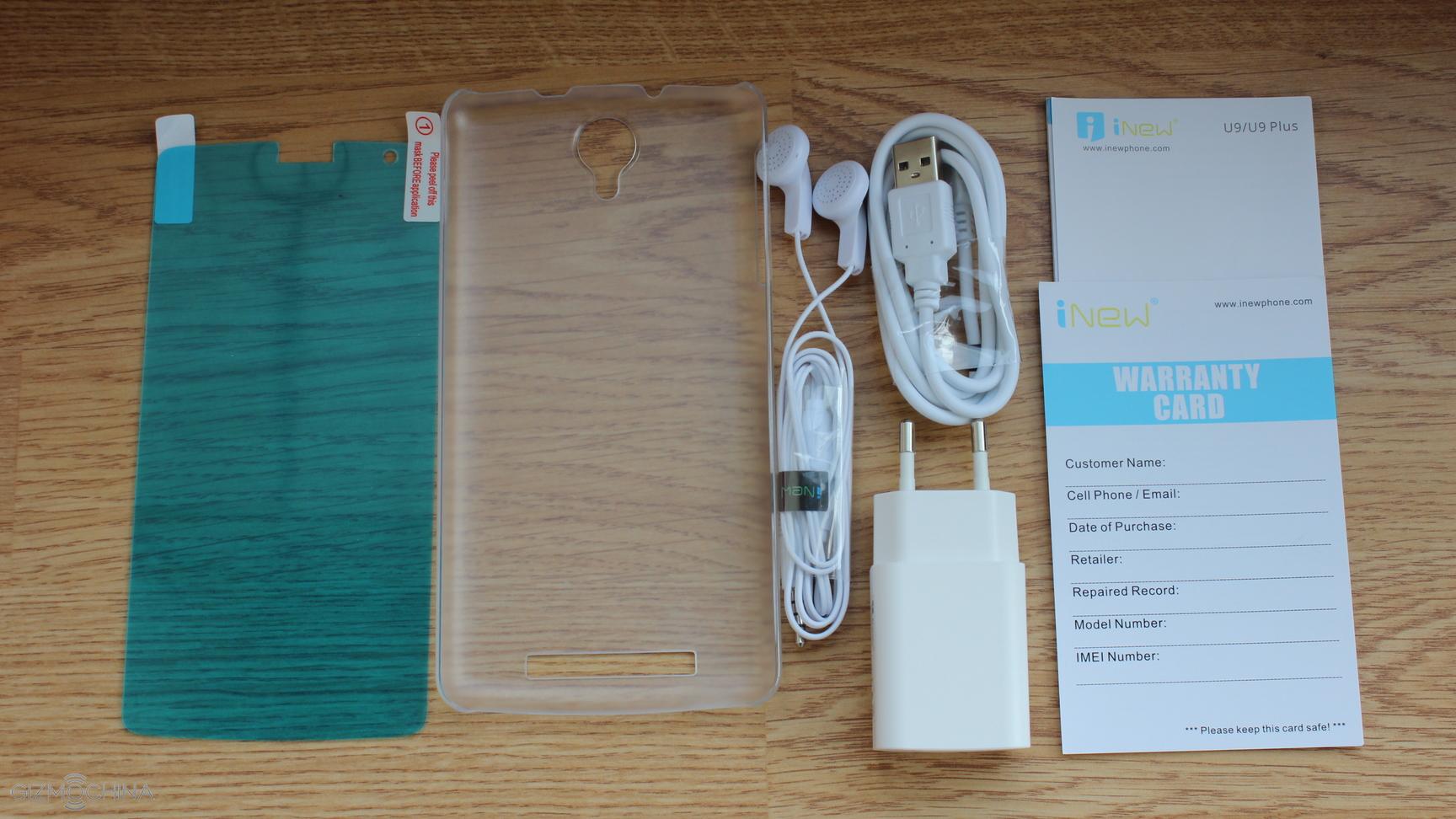
iNew U9 Plus Review: DESIGN and DISPLAY
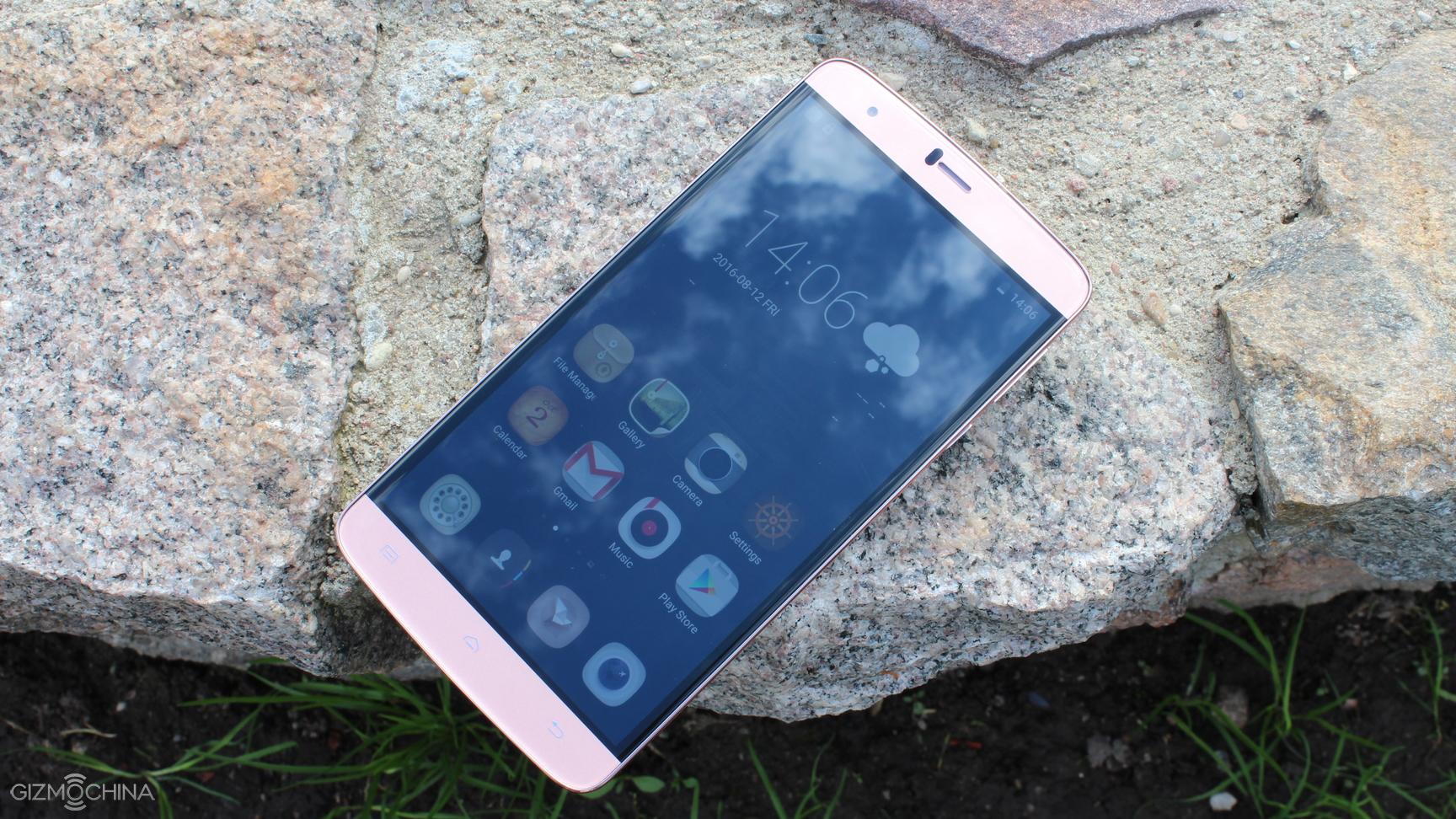
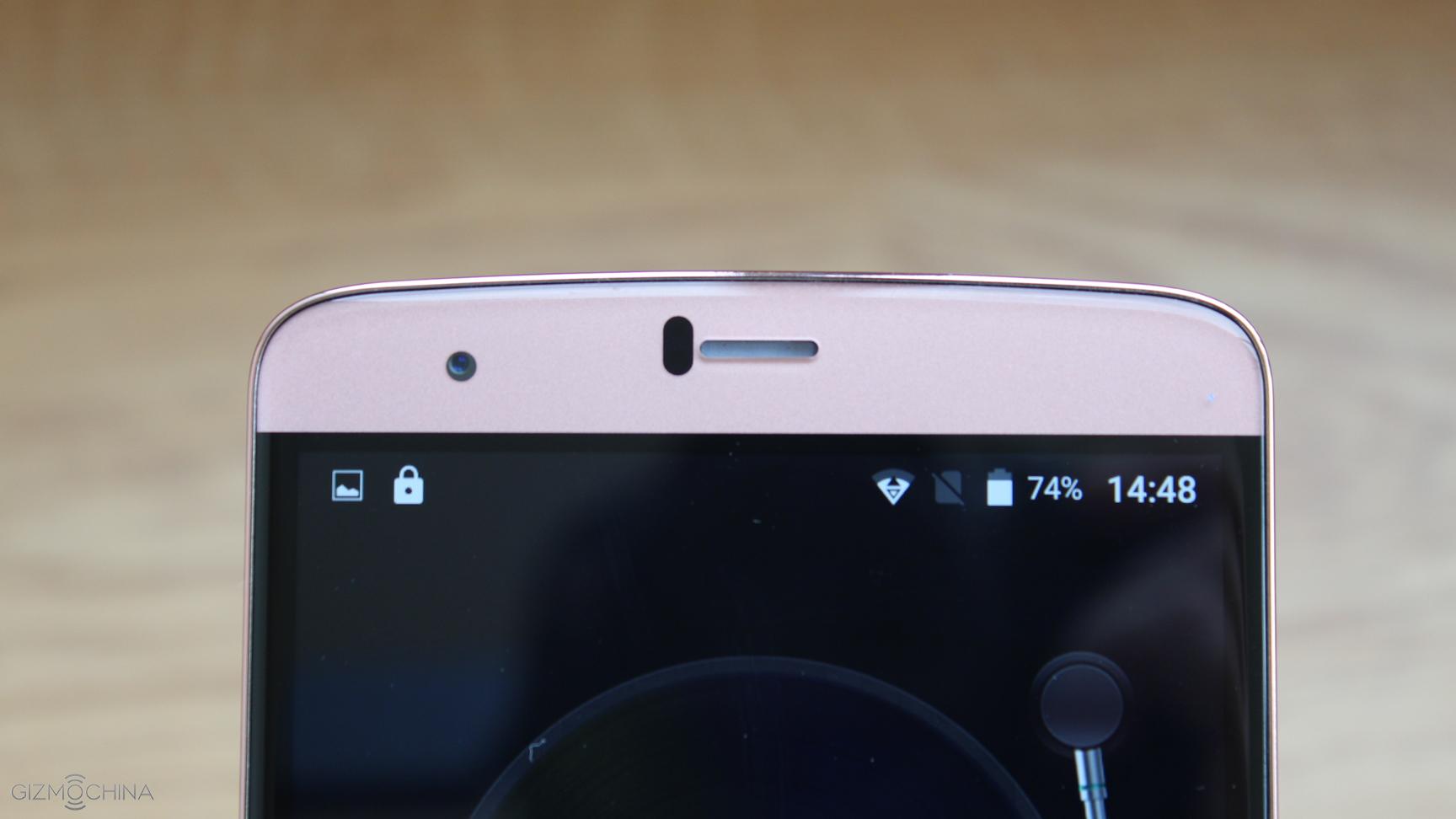
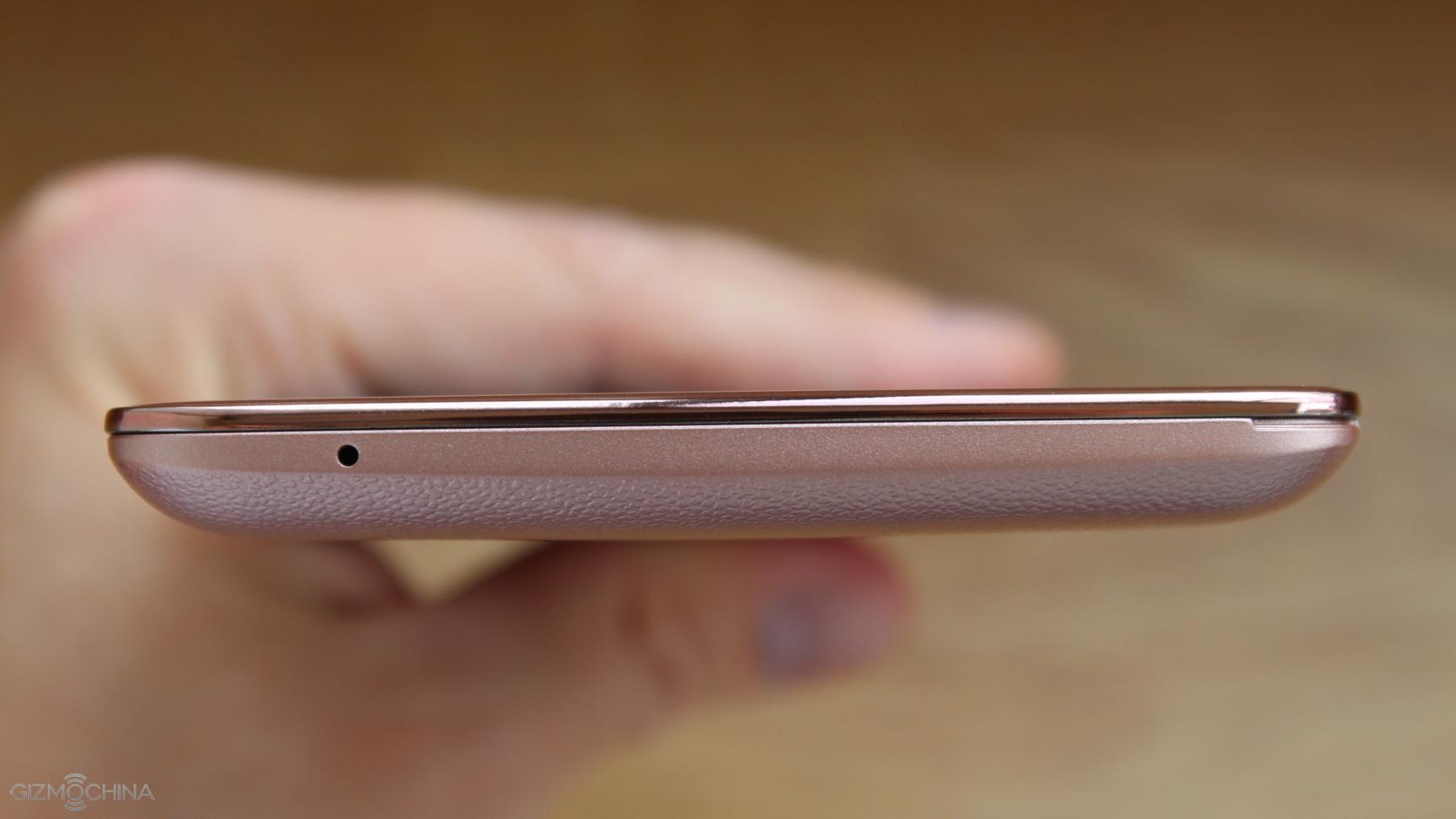
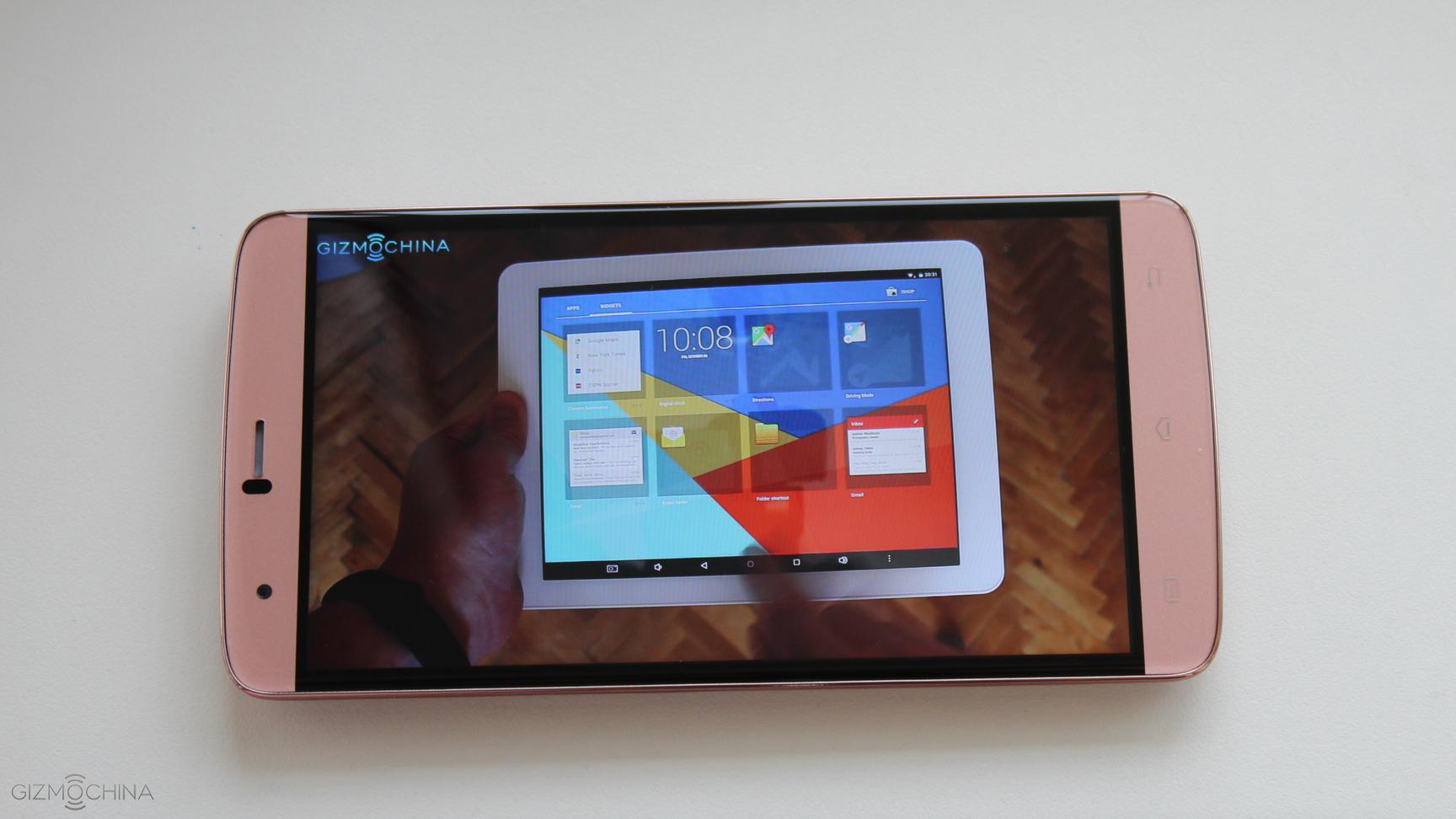
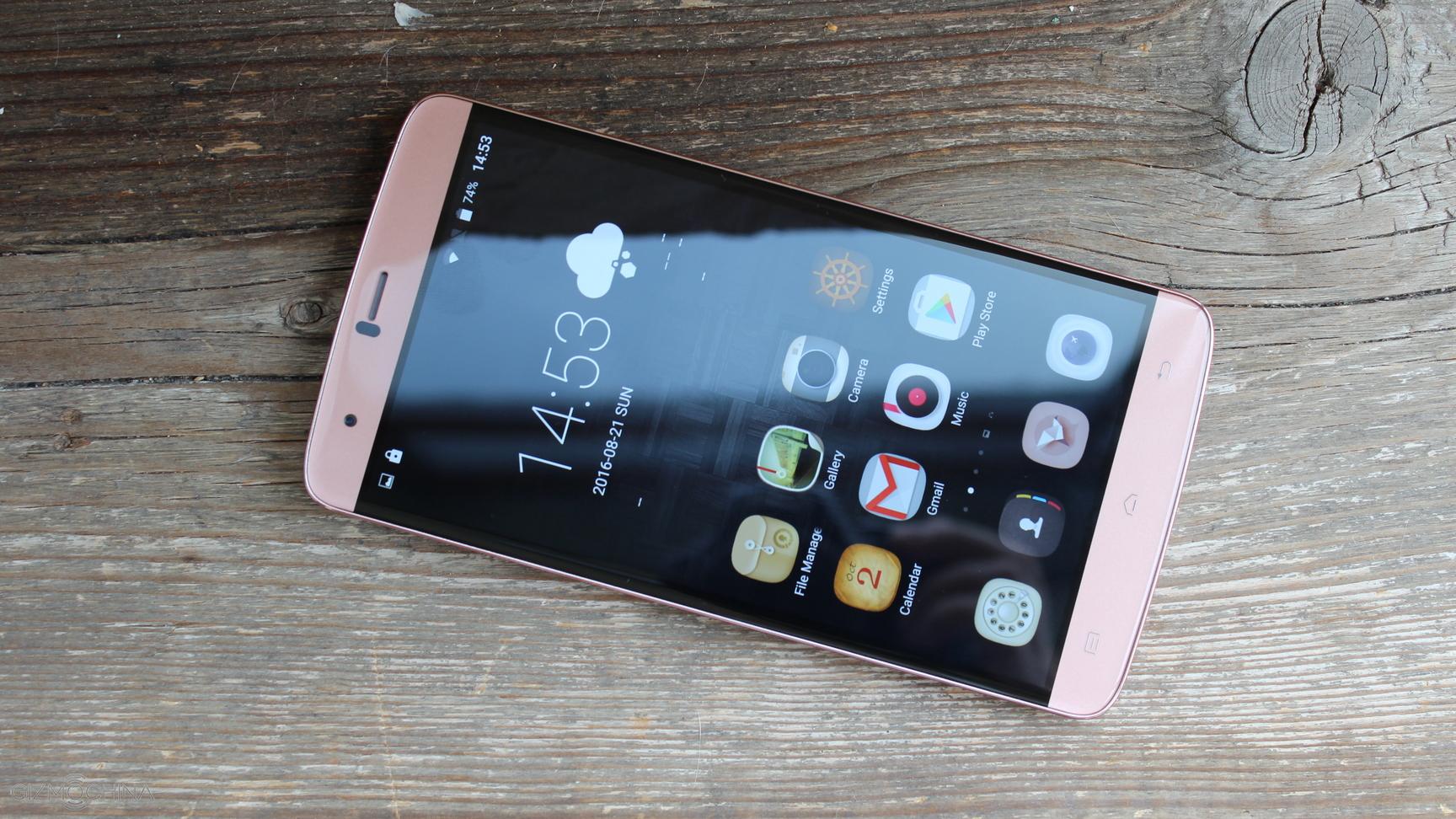
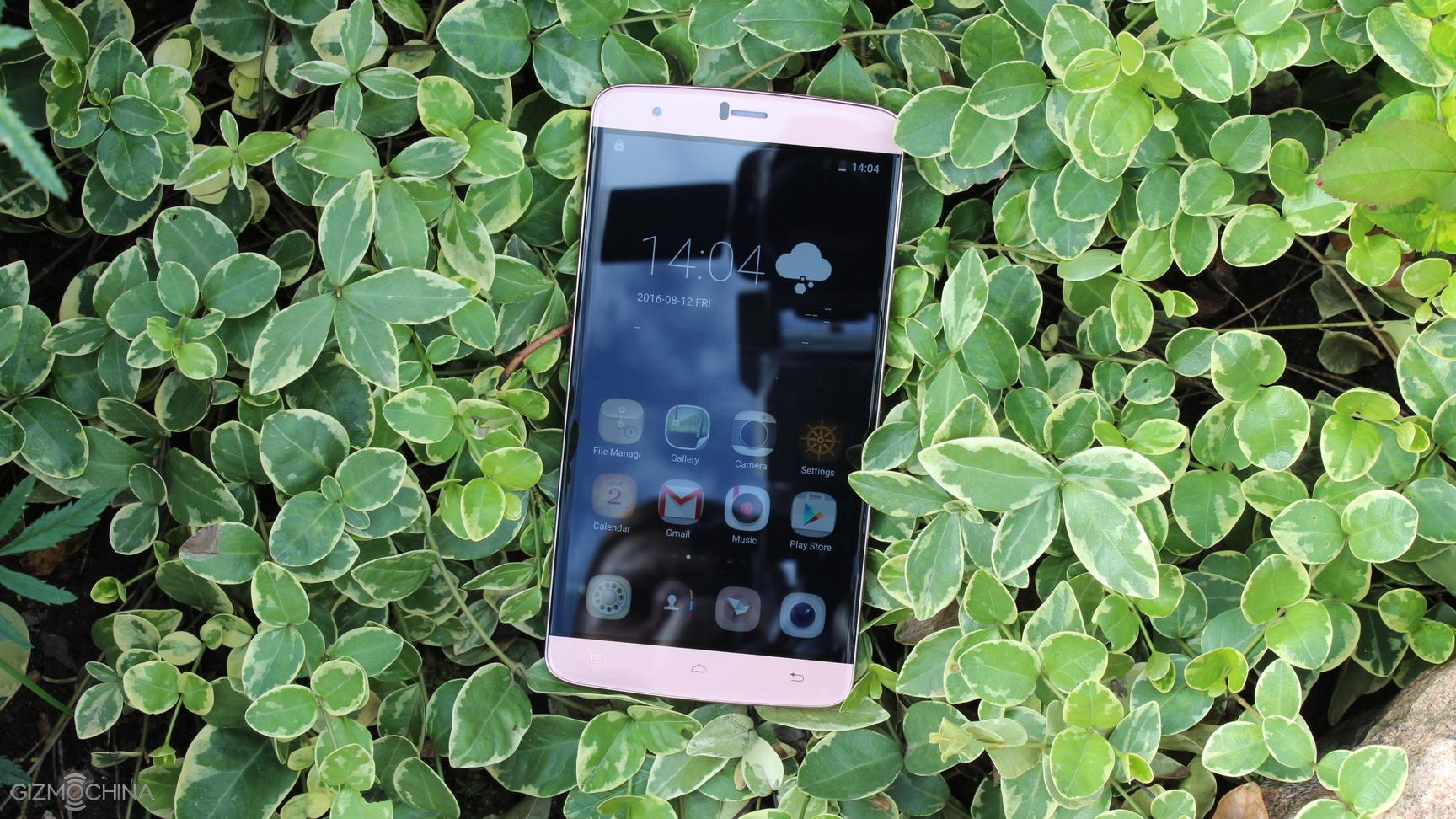
When it comes to the design, the U9 Plus is obviously a huge phone due to it’s 6” display.
Speaking of the display,it has only 720p resolution but it is still quite sharp for a phone that costs just above $100.
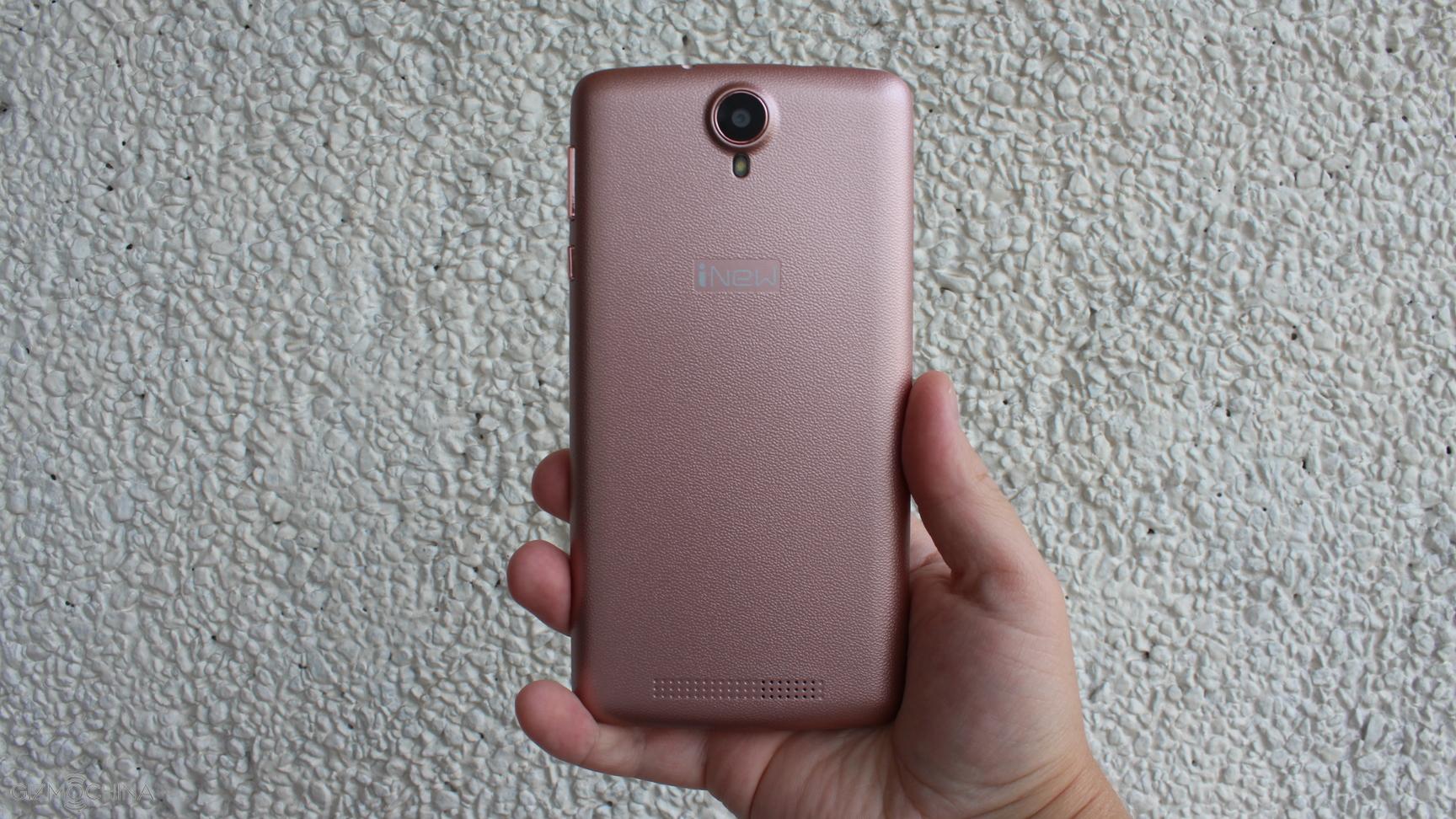
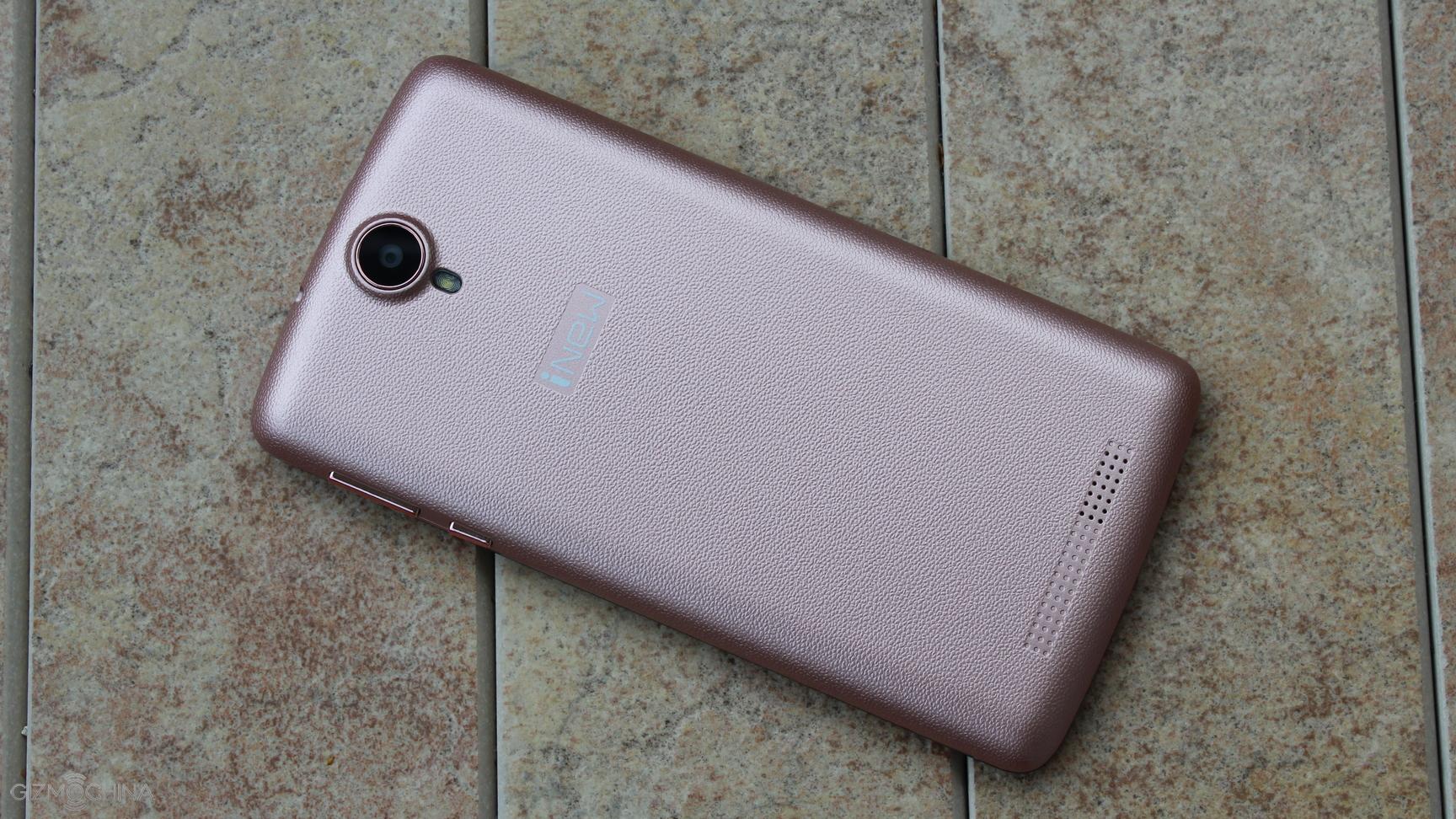
As far as the overall build quality, the phone is well-made but I have to admit that the phone feels a bit plasticky and cheap since it uses only plastic in its construction.
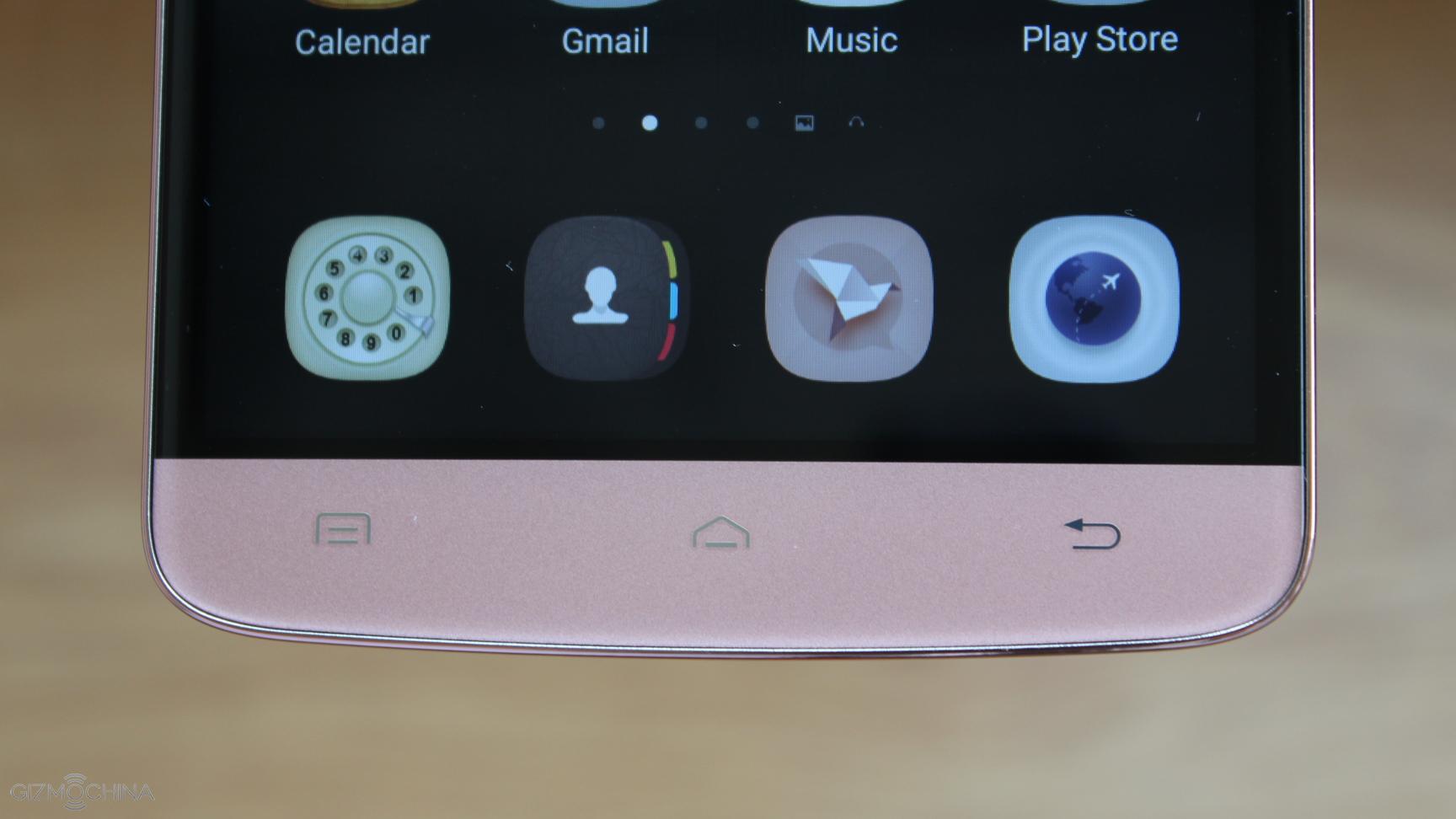
We have a 5MP selfie shooter. Unfortunately, there is no LED notification light and the capacitive buttons are not backlit.
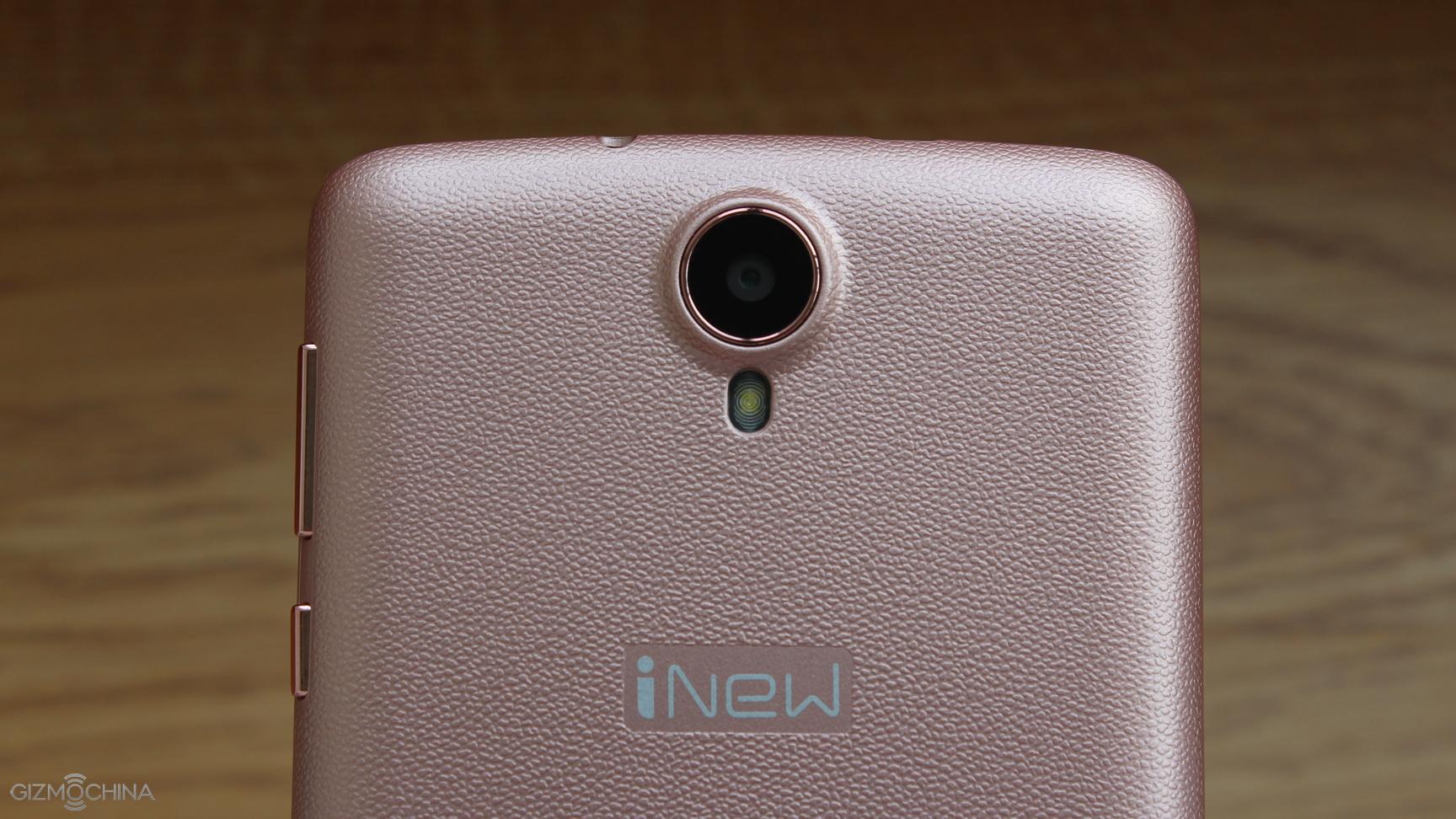
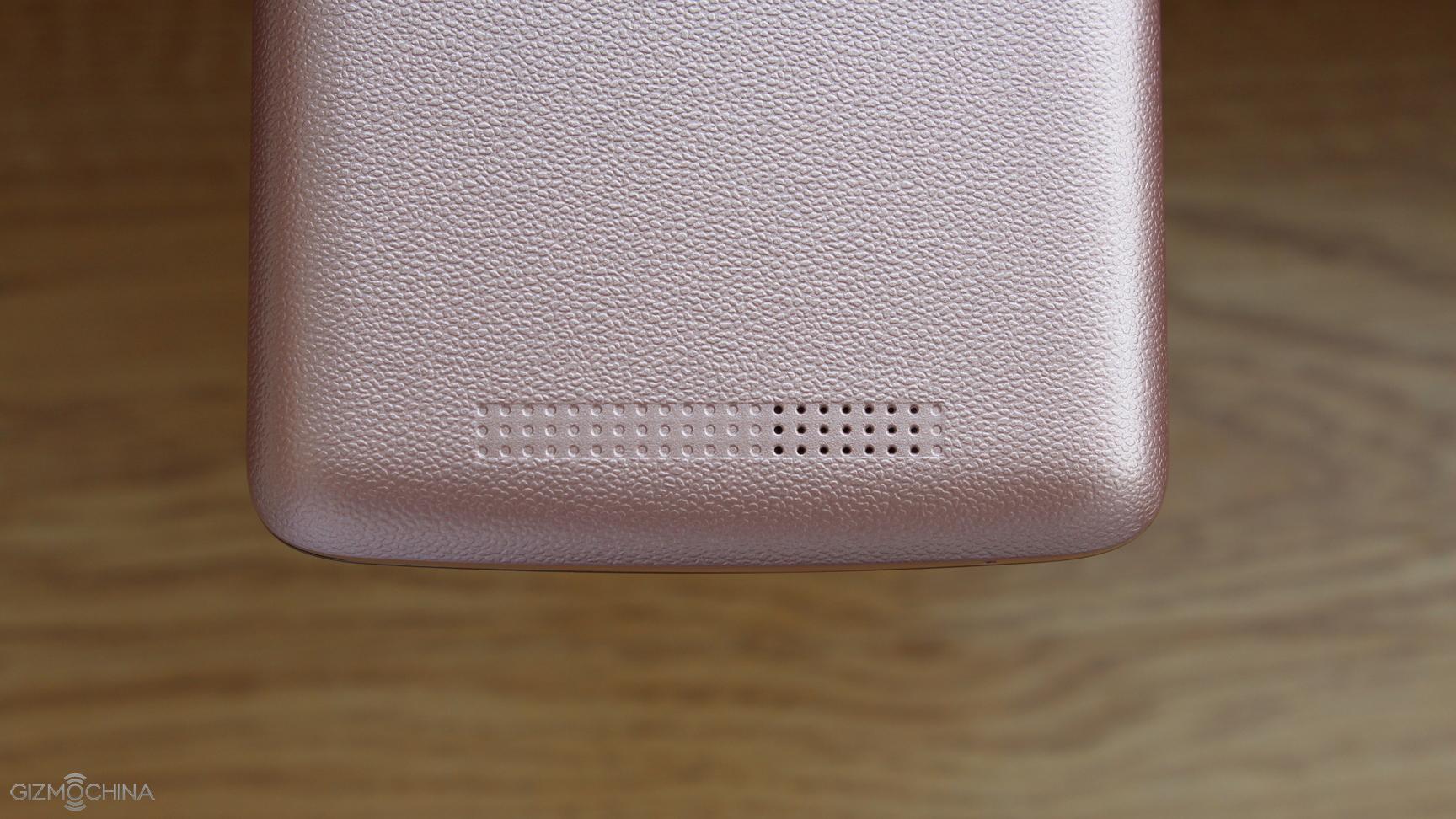
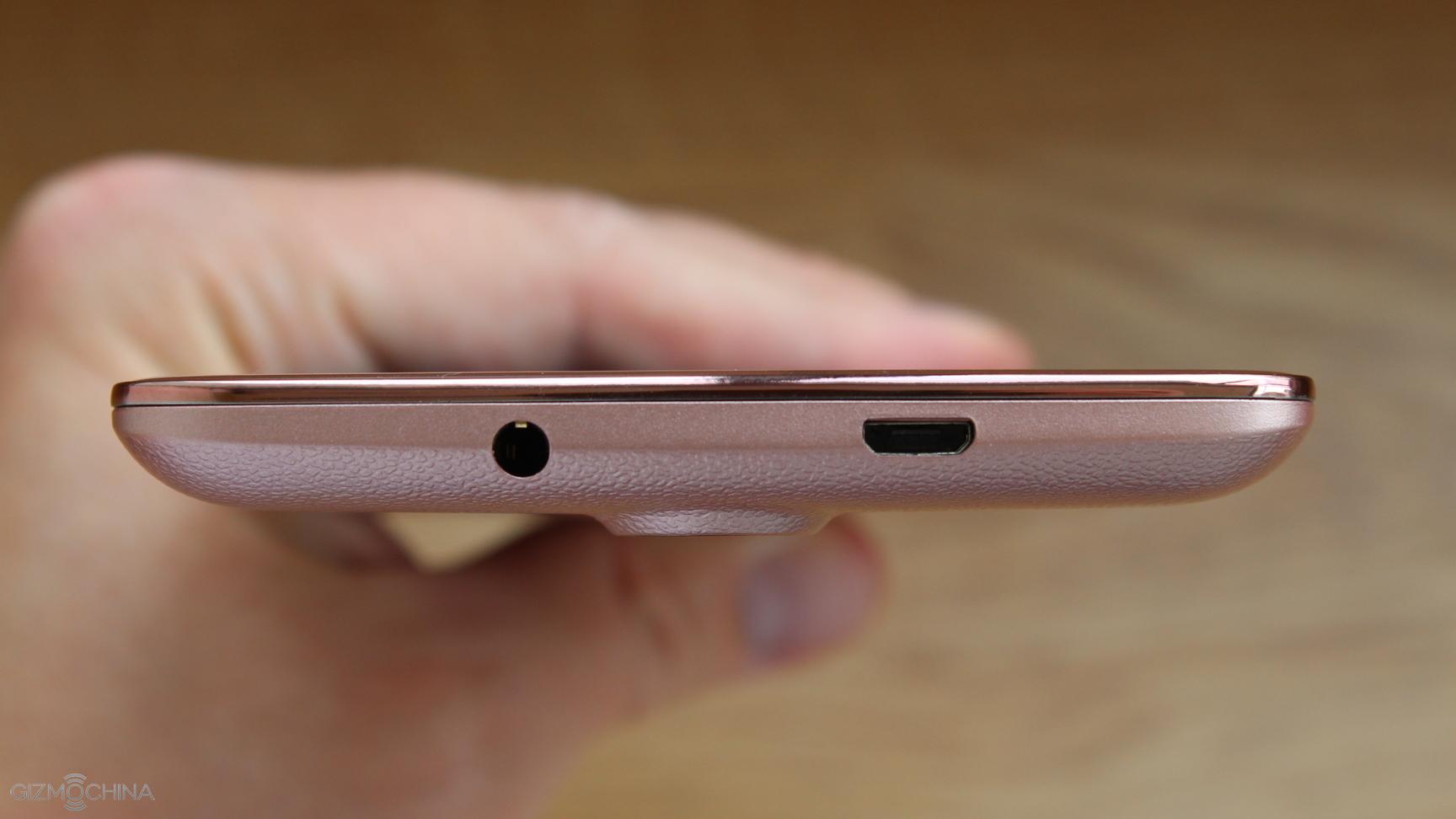
There is a 13MP camera coupled with a single LED flash. On the bottom, we have a loudspeaker, which is not very good but it is not bad for the price of the phone.
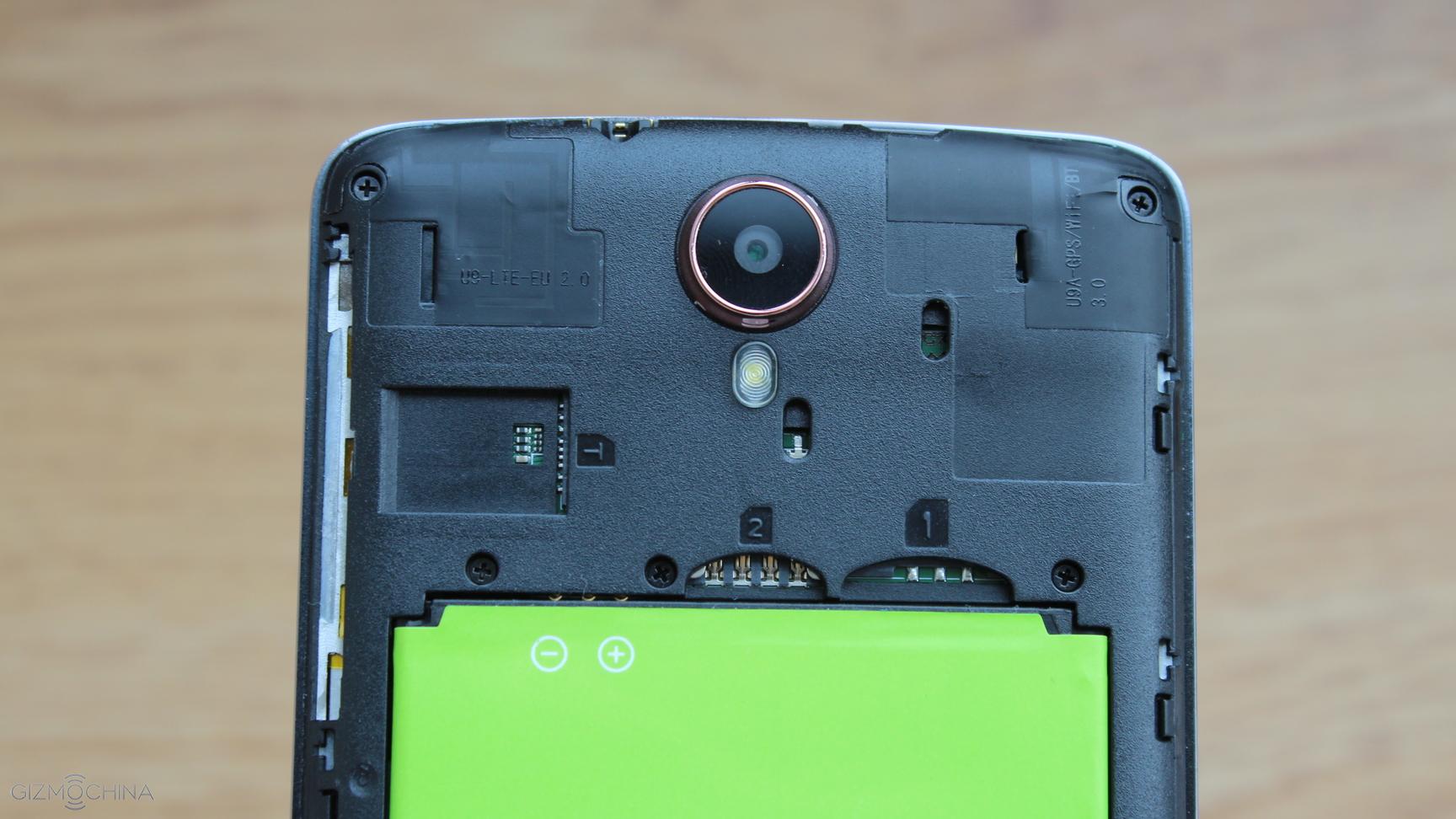
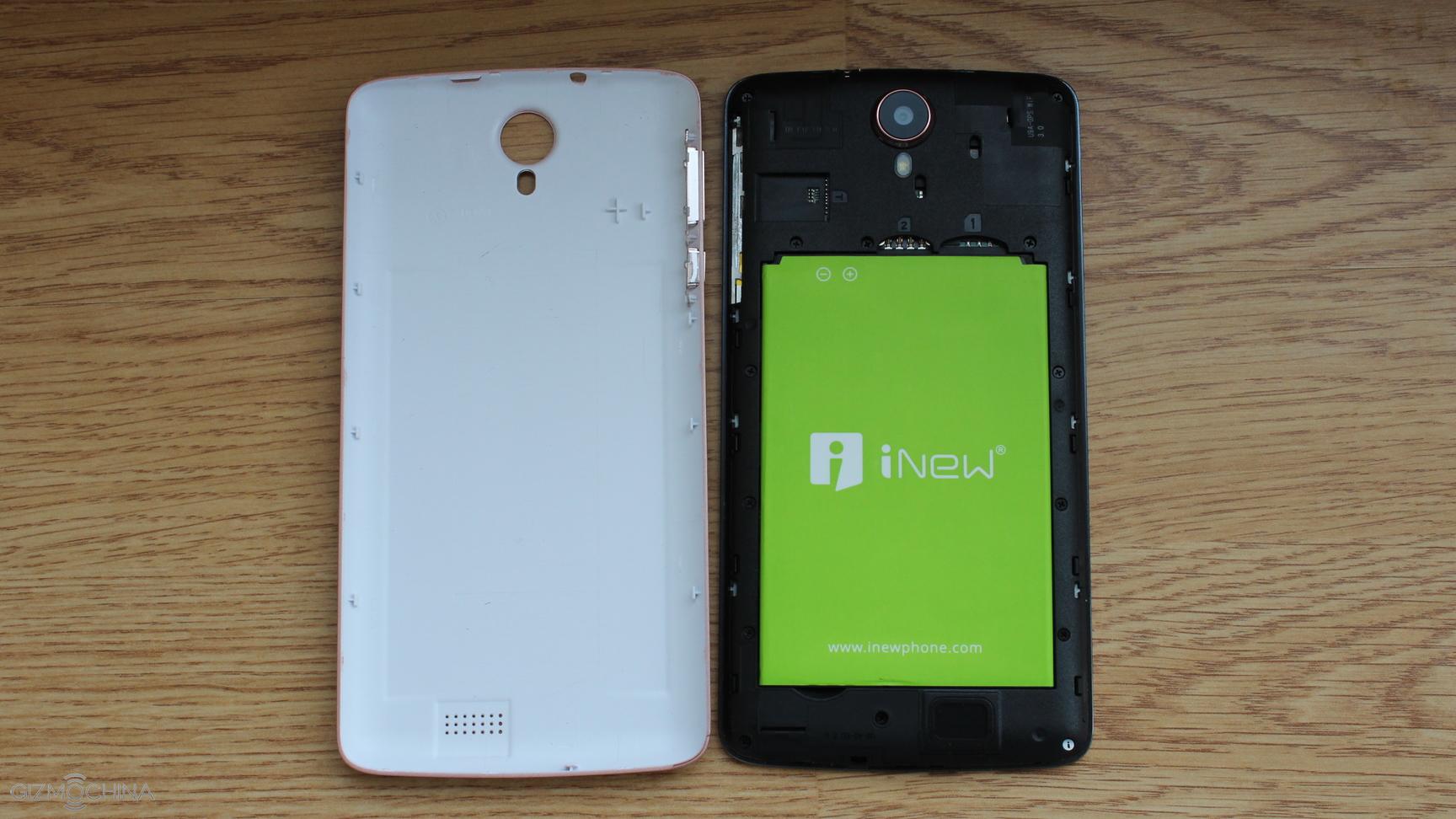
The backplate can be easily removed and underneath it you can find a replaceable 3000mAh battery, 2 SIM card slots and the microSD card slot.
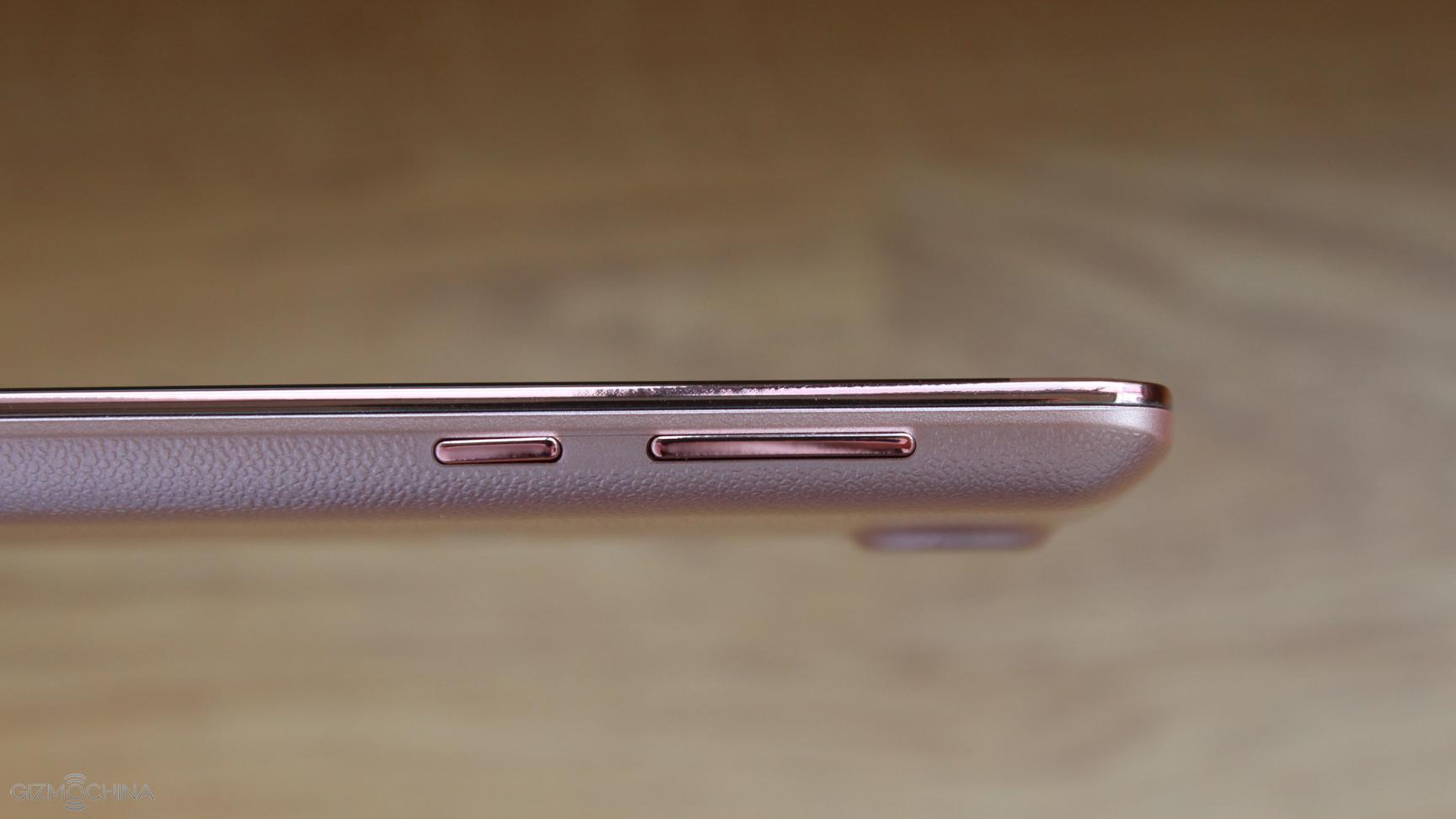
The buttons sit on the right side and they are tactile. However, they are made of plastic and feel a bit cheap.
iNew U9 Plus Review: HARDWARE and PERFORMANCE
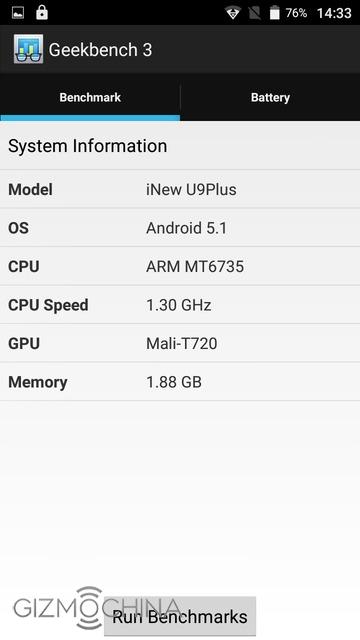
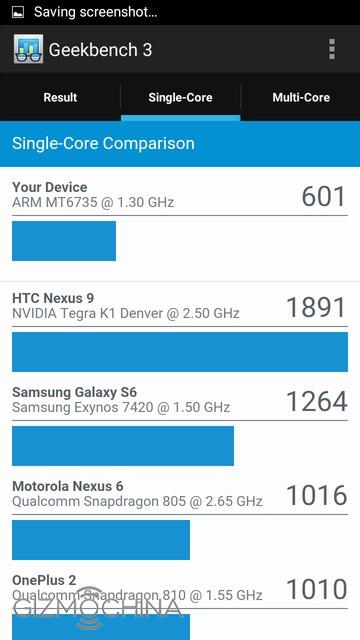
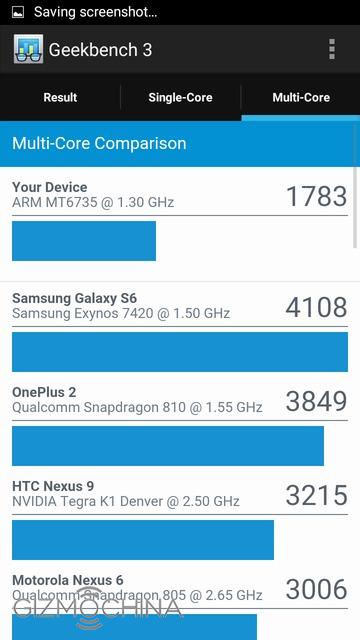
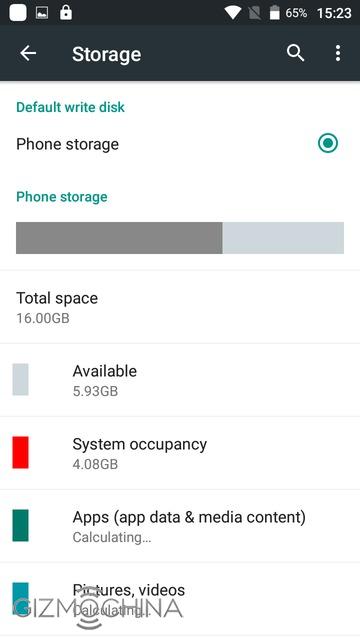
The phone has a quad-core MTK6735 with the max. clock speeds of 1.3GHz, 2GB of RAM and 16GB of expandable storage.
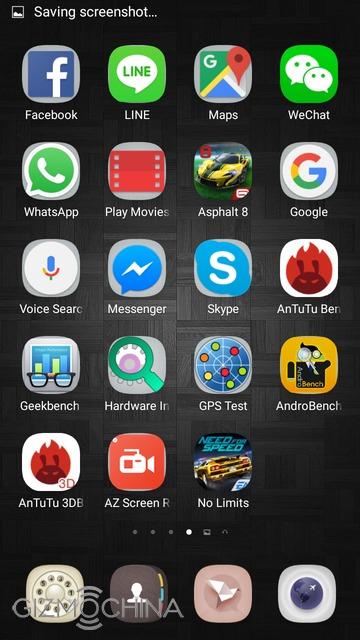
The gaming performance is pretty good. I played Asphalt 8 on medium graphics and there were no lags. Also, the phone does not overheat.
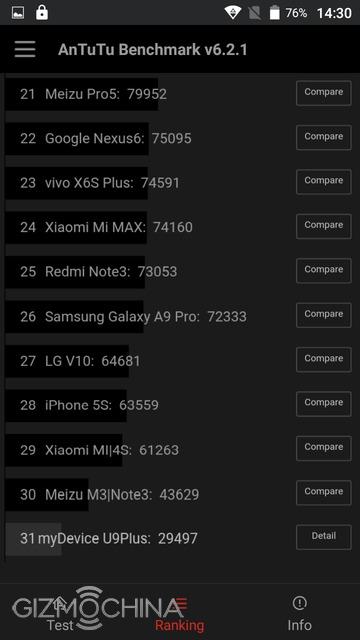
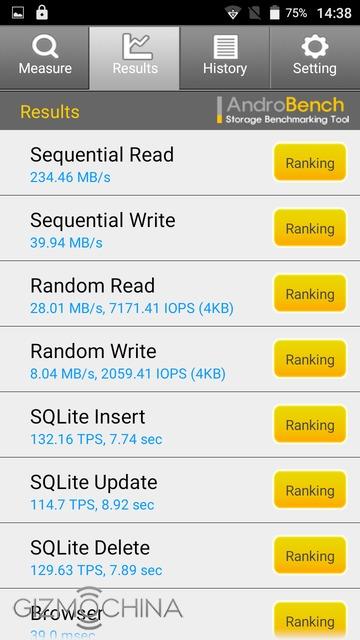
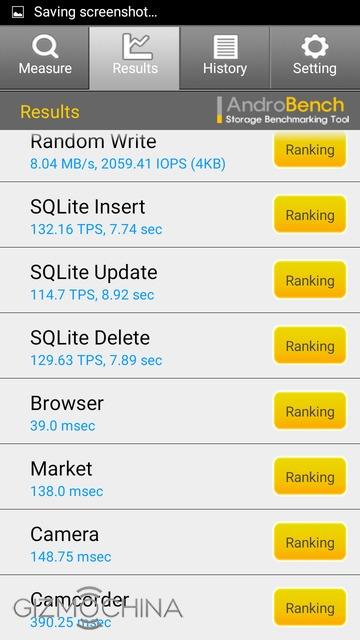
iNew U9 Plus Review: BENCHMARKS
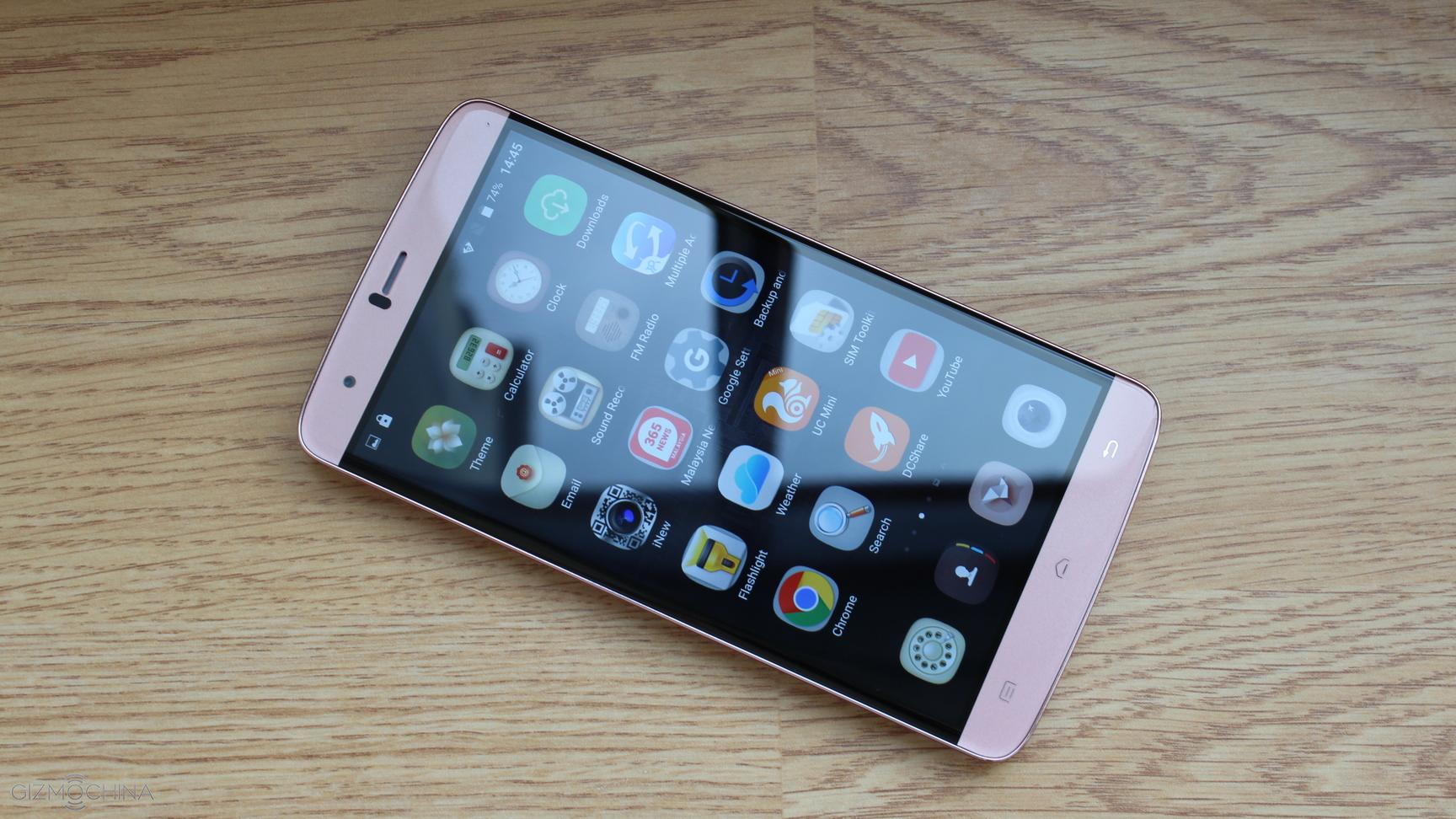
iNew U9 Plus Review: USER INTERFACE
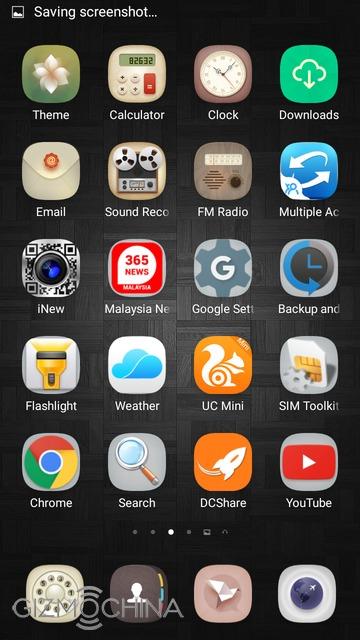
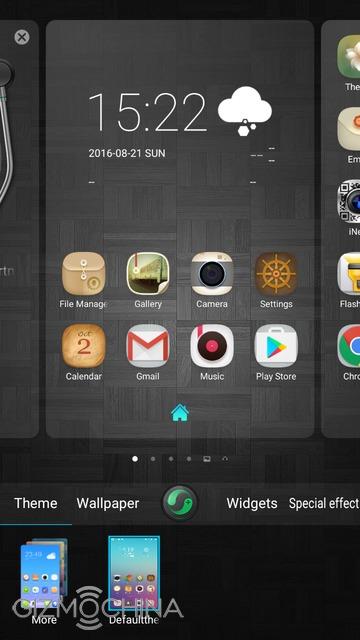
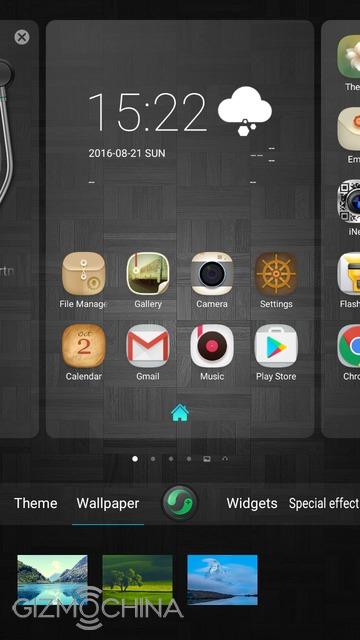
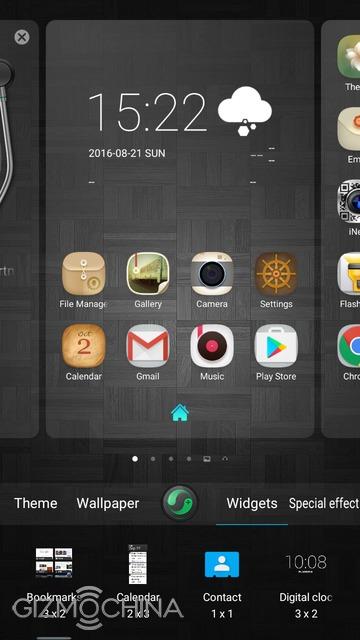
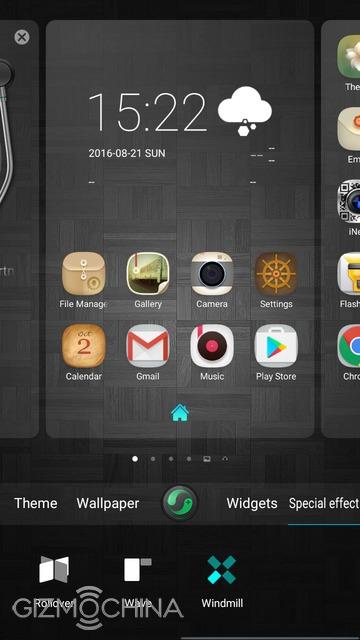
The phone ships with the already outdated Android 5.1 and iNew’s skin on top of it. There is no app tray but there are quite a few fancy widgets and customization options.
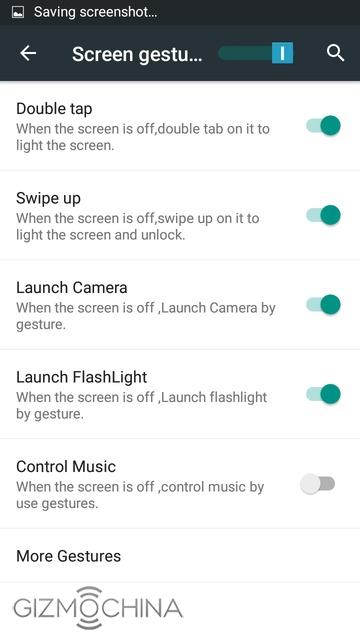
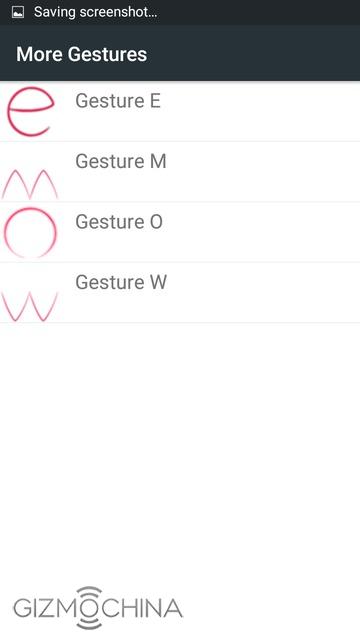
Also, there are some gesture and motion controls but the phone is kind of slow to react to some of the gestures.
The user interface could have been nice but there are some pre-installed apps and even some apps that are designed for Chinese market.
Most importantly, the animations and transitions once you simply scroll through the different menus are slow. Thus, the whole user experience is not as good as I expected. This is something iNew should take a look at to fix this issue with the future software updates.
iNew U9 Plus Review: IMAGE QUALITY
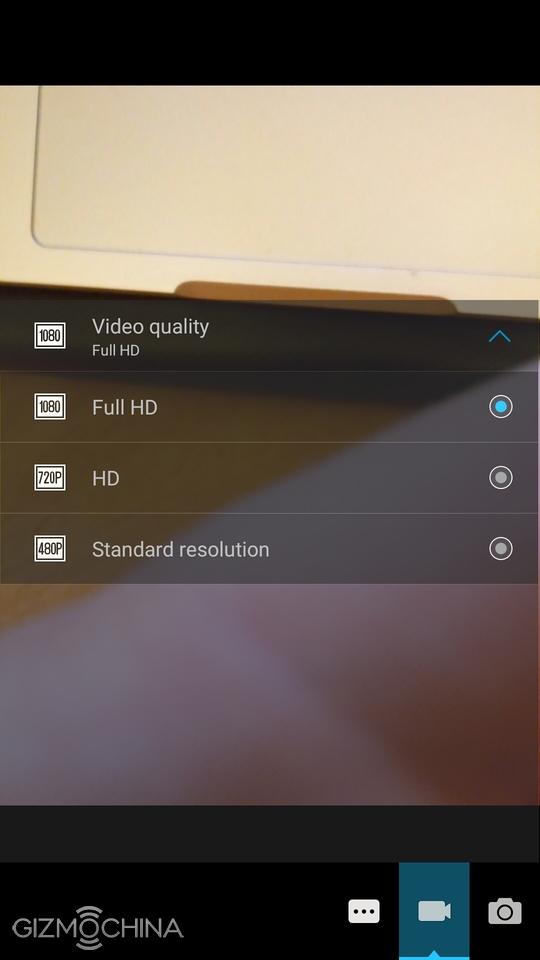
The 13MP camera does not impress. Even the daylight images lack detail and sharpness. Also, the dynamic range adjustment is poor in most of the shots. Finally, the color reproduction is not always consistent.
The low-light shots do not impress either as there is a low amount of detail and quite a bit of noise.
The video quality is okay for the phone this cheap but don’t expect any great results.
A 5MP front-facing camera is not good either as most of the shots have a soft focus.
iNew U9 Plus Review: CONNECTIVITY
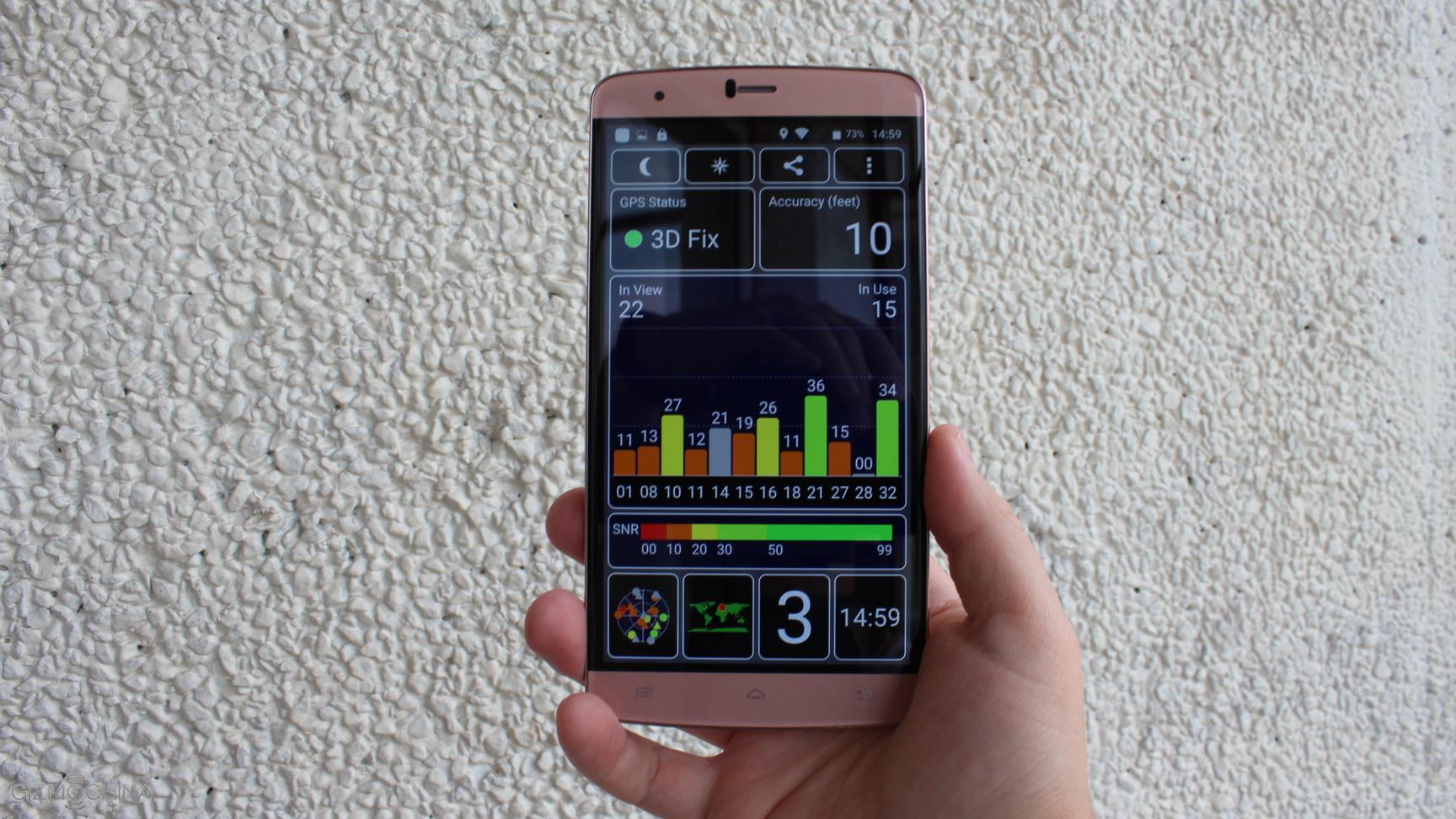
I didn’t have any connectivity issues. Even the GPS was very fast to find the position and pretty accurate to use.
iNew U9 Plus Review: BATTERY LIFE
The 3000mAh battery does not look impressive on paper but it performs pretty well considering its low capacity and a large display.
I could get around 5 hours of screen-on time on time but your results may vary, depending on the usage.
iNew U9 Plus Review: CONCLUSIONS
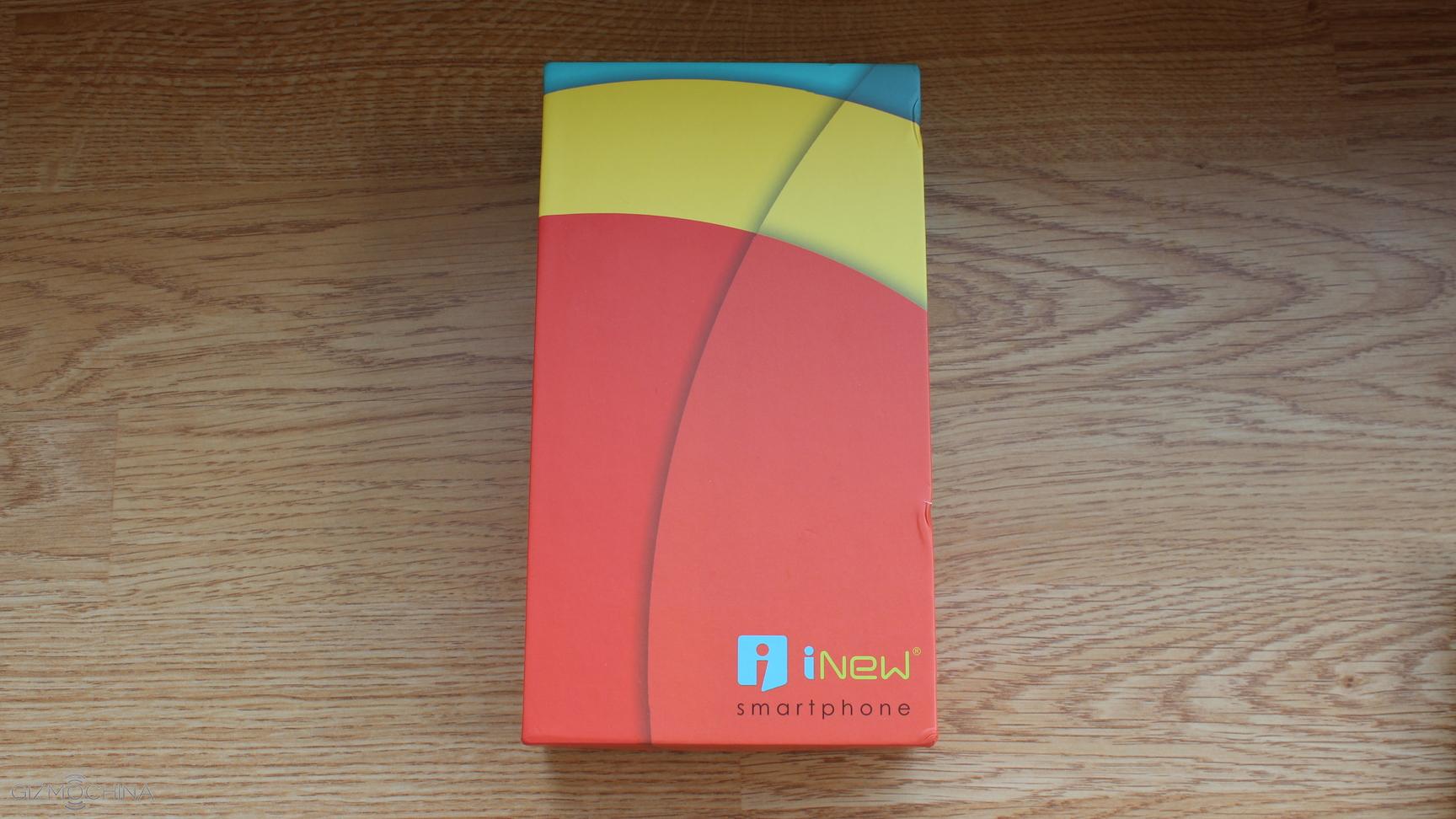
The iNew U9 Plus is a phone that aims to bring a huge 6” display and decent specs for a low price.
It succeeds in a couple of ways. It has a pretty sharp display that is great for multimedia consumption or gaming. Speaking of the 3D games, the phone handles them pretty well if don’t set the graphics on the maximum settings.
Also, the phone has a pretty good battery life considering its low capacity.
On the other hand, the phone has a decent build quality but it looks kind of cheap due to the fact that it uses plastic in its construction.
Also, I was disappointed that the transitions and animations in the user interface are slow, both cameras do not impress, there is no LED notification light and the capacitive buttons are not backlit.
In conclusion, the iNew U9 Plus could have been a nice phone but it has some shortcomings that you have to consider before buying it. Some of the cons hopefully will be fixed with the future software updates but at the moment, you would have to live with them.
Offline stores are very important to the success of a company. A device may be good on paper but being able to check out a phone and see if it has that one feature that will help seal your decision to buy it is very important. Features like being able to lock on to 3G or 4G, LTE band support, and the likes are part of the things that will help a buyer decide if a device is right.
OnePlus gets the importance after listening to their customers request for more experience stores. The Chinese company has partnered with Idea Cellular to offer over 100 experience zones in major cities. The announcement was made by the general manager of OnePlus India, Vikaas Agarwal. In his words ”Our partnership with IDEA Cellular will offer our customers easy access to touch, feel, and experience the OnePlus 3 before making a purchase decision”.
Idea Cellular sweetens the experience by offering all their customers who upgrade to the OnePlus 3, 10GB 4G data at the price of 1GB. The carrier is also offering customers who purchase the OP3 double the usual data when they subscribe for the next 12 months. Because what is a phone without internet connection? A brick.
The first phone by Google, the HTC-made Nexus One was released over 6 years ago. After 7 phones made in collaboration with other manufacturers such as Samsung, LG, Motorola, and Huawei; Google is going back to their first partner to release not one, but two phones which will also have new names, the Pixel and Pixel XL.
With a launch scheduled for October 4, the Pixel and Pixel XL will be the beginning of a new era of smartphones made by Google.
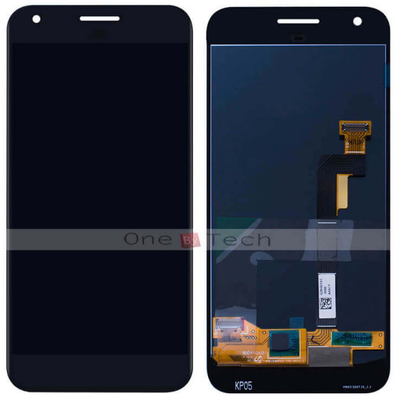
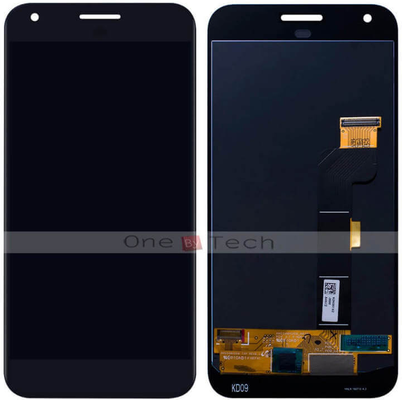
Lately, we have been getting leaks, renders, and sightings of the new phones which is not unusual. Today we have new renders showing the front-facing panels of both devices. The renders have been provided by a parts dealer in Hong Kong who has also revealed their screen sizes. The Pixel’s panel is 4.99 inches while that of the XL comes in at 5.46 inches. This means the Motorola-made Nexus 6 is still the largest phone from Google with a massive 5.9” display.
Render of Pixel Front PanelRender of Pixel XL Front Panel
Keeping the Pixel XL at 5.5” also makes sense if the rumour about a new Nexus/Pixel 7 tablet made by Huawei is true. The info leaked by Evan Blass, mentions that the tablet will sport 4GB of RAM. While Google doesn’t activate call capabilities on their tablet, we can’t rule out the possibility of that happening now and if that happens, people (especially outside of Europe and North America) might be inclined to pick that over a Pixel XL that is larger than 5.5”.
Xiaomi happens to be one of the Chinese phone makers having a strong presence in India. The company dubbed the Apple of China had in the past launched its smartphones in India after the official launch in China. But seems the tech giant is making in-roads into other smart home products. The tech company has sent out invitations for the launch of its first Mi Ecosystem product, the Mi Air Purifier 2 in India. The launch event is slated for September 21 and would be held in New Delhi.
The Mi Ecosystem was launched as a sub-brand of Xiaomi inc. in March this year and it includes products which do not fall under the smartphones, Smart TVs, and smart router categories. The Mi Air Purifier 2 launch in India is seen as an attempt to further stamp its footprint in the India market. Products in the Mi ecosystem in China is usually built by partner firms but funded by Xiaomi, with some of the products nurtured by Xiaomi as well.
The Mi Air Purifier 2 was launched in China in November 2015 and just like its Mi Air Purifier predecessor, has almost the size of an A4 paper. The smart gadget features triple-filter protection which sieves out PM2.5 formaldehyde and other micro-dust particles from the air. The company claims that the Mi Air Purifier 2 has a CADR (Clean Air Delivery Rate) of up to 406-cubic meters per hour, covering an area of 48 square meters.
Just like the rest of the Mi Ecosystem products, the Mi Purifier 2 can be controlled using the Mi Home app on Xiaomi smartphones. The purifier is Wi-Fi (802.11n) enabled and remains connected to your home’s Wi-Fi connection in order to work with the Xiaomi’s dedicated Mi Home app. The intelligent Mi Home app which comes in both Android and iOS versions controls the Mi Purifier 2 and indicates when to switch on the Air purifier based on the air condition.
The Mi Air Purifier 2 carries a price tag of 699 Yuan ($ ) in China and may likely be priced around Rs. 7,000 in India. You can catch up with the launch event live at 12pm IST on September 12 by tuning to Xiaomi’s YouTube channel.
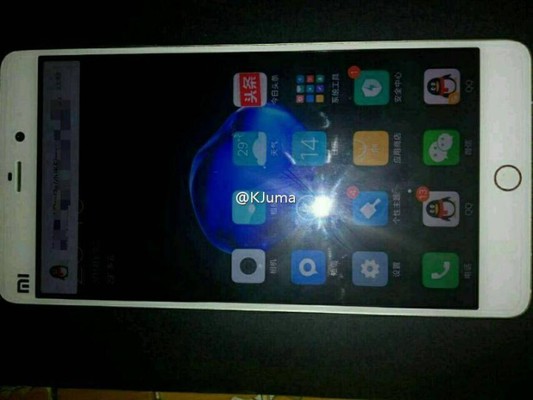
With the avalanche of leaks that have so far surfaced around the Xiaomi Mi 5s, something big is anticipated. The flagship is billed to be the world’s first smartphone with under glass fingerprint scanner and we saw an illustration of how that works. What we didn’t see was the live image of the Mi 5s devoid of the physical home button. Well, a live photo of the Mi 5s has surfaced online on Weibo and it gave us our first glimpse of what the device looks like. The leaked photo seem to have come from well-known tipster @kjuma who has got an authentic track record.
While we cannot say the design is out of this world, we can at least spot one notable new feature on the render and that is the round shaped home button right at the bottom edge of the display screen. The home buttons on the Mi 5 is oblong shaped but this one takes an all new round-shaped design, just like those on iPhones. The button doesn’t look like it is protruding out of the screen surface so it is possible it is a virtual button. Recall that the home button is rumored to also house the under glass ultrasonic fingerprint sensor that is said to work even when the fingers are wet.
The expected Xiaomi Mi 5S’ AnTuTu record had earlier appeared on AnTuTu’s Weibo page revealing it pulled a total score of about 150K points. The AnTuTu record listed the device as coming with a 2.15GHz Snapdragon 821 processor alongside an Adreno 531 GPU and Android 6.0 Marshmallow OS, which would likely be embellished with MIUI 8. Also, the Mi 5s will sport a 5.15-inch display with 1080p resolution and Force Touch. The device is also rumored as having three versions with 3GB RAM + 64GB ROM, 4GB RAM + 128GB ROM and a top-end version with 6GB RAM + 256GB of internal storage.
On the camera end, the Mi 5s is rumored to come rocking a 16MP rear sensor with a 4-axis OIS, PDAF for quick focusing, and an aperture of f/1.8, and an 8MP front-facing selfie shooter. A 3490mAh battery is said to power the flagship device which may likely drop anytime soon.
The new Zenfone 3 was released way back in May and didn’t go on sale until last month in select markets. From the looks of it, it should be available in China soon as two variants have made it to TENAA for certifications.
One of the variants has 3GB RAM with 32GB of storage while the other has 4GB of RAM and doubles the storage to 64GB. Both units sport 5.5” Super IPS screens, 16MP rear cameras with 4-axis optical image stabilisation, laser focus, and PDAF; and an 8MP selfie shooter.
There is a snapdragon 625 processor under the hood clocked at 2.0GHz and an Adreno 506 GPU on board. Other features include dual SIM slots with one doubling as a SD card slot, a fingerprint scanner, USB Type-C, 3.5 mm audio jack, dual Wi-Fi bands, Bluetooth 4.2, Cat 6 LTE, and a 3000mAh battery.
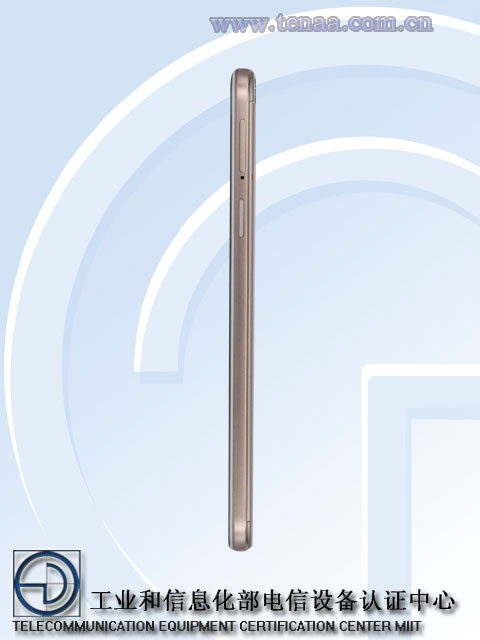
ASUS has changed the design of the Zenfone 3. The volume rocker is no longer on the back like that of the Zenfone 2 but is now on the right beside the power button (which used to be at the top).
A new set of Nexus Pixel phones will soon be upon us. The Pixel name isn’t new to Google (remember the Pixel C?), but quite a number of people are used to the phones going by Nexus, so the new name might take a while to get used to. The HTC-made phones are called the Pixel and Pixel XL and have leaked multiple times in recent weeks.
A real image of the Pixel XL surfaced on twitter recently and a Reddit user by the name bndki decided to make a render based on it. The original image and the render have been mashed together to make the gif below.
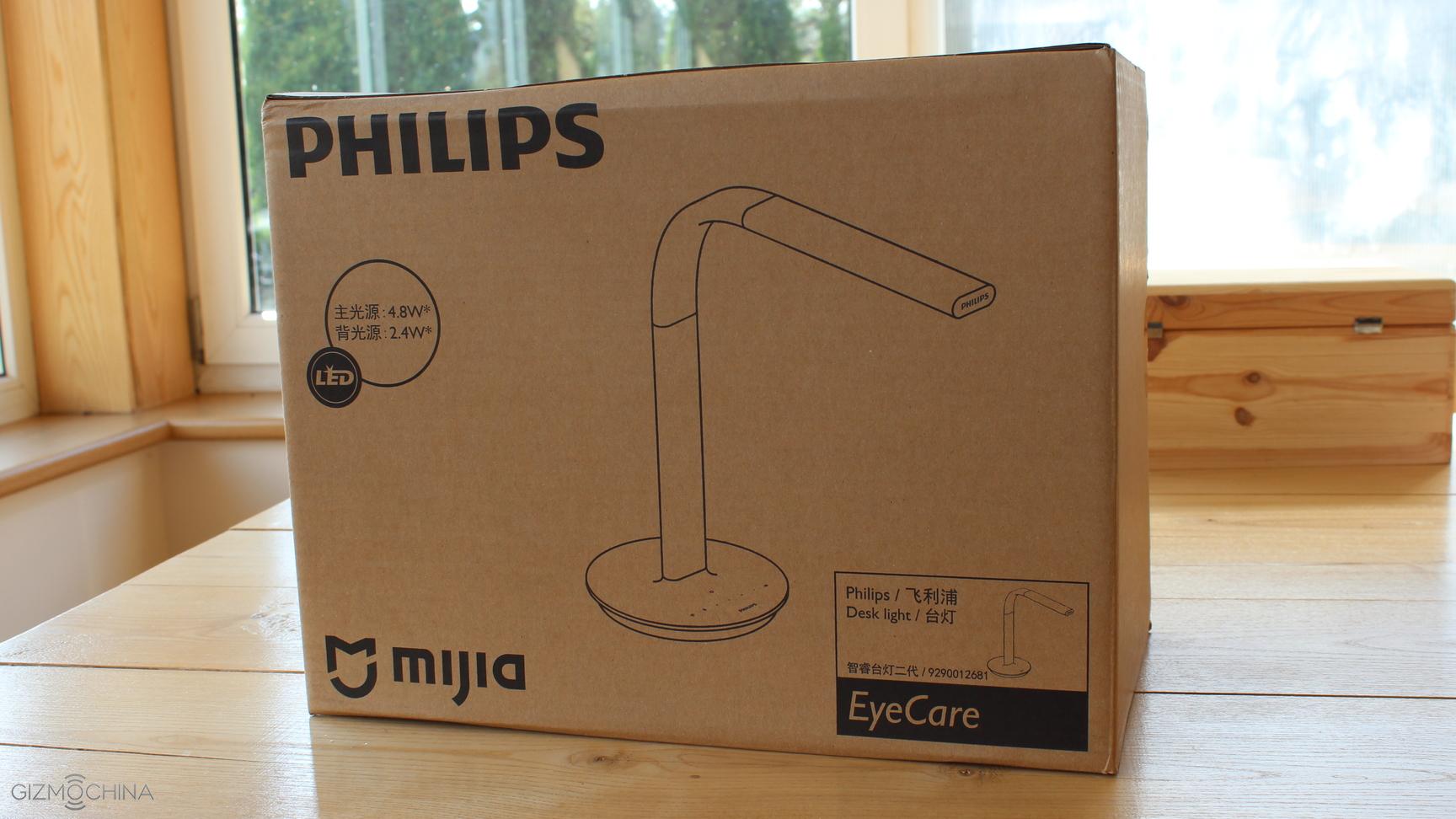
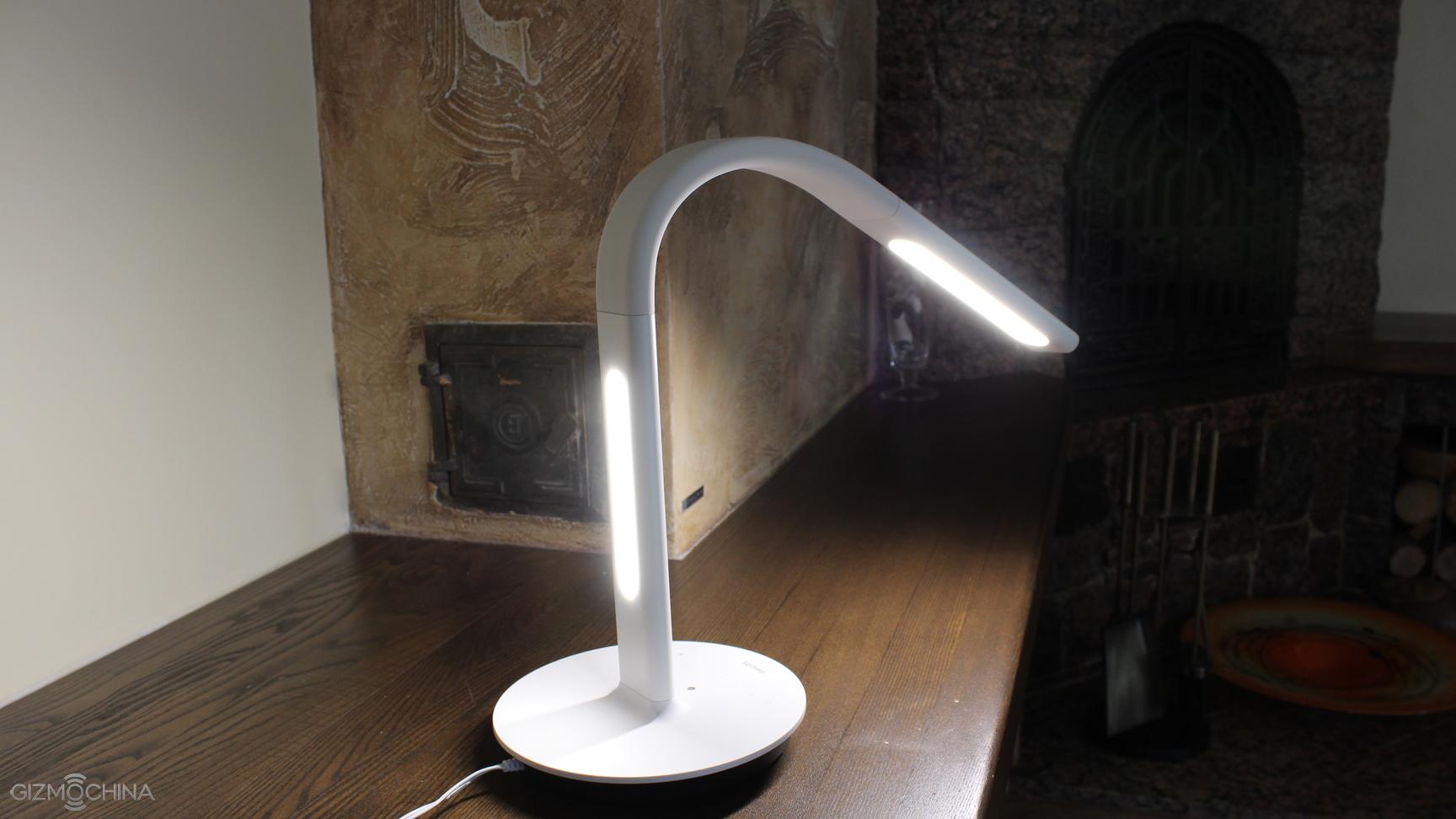
We all know that Xiaomi produces all sorts of gadgets including desk lamps. In fact, the company collaborated with Philips to bring you one of the best looking smart desk LED lamps.
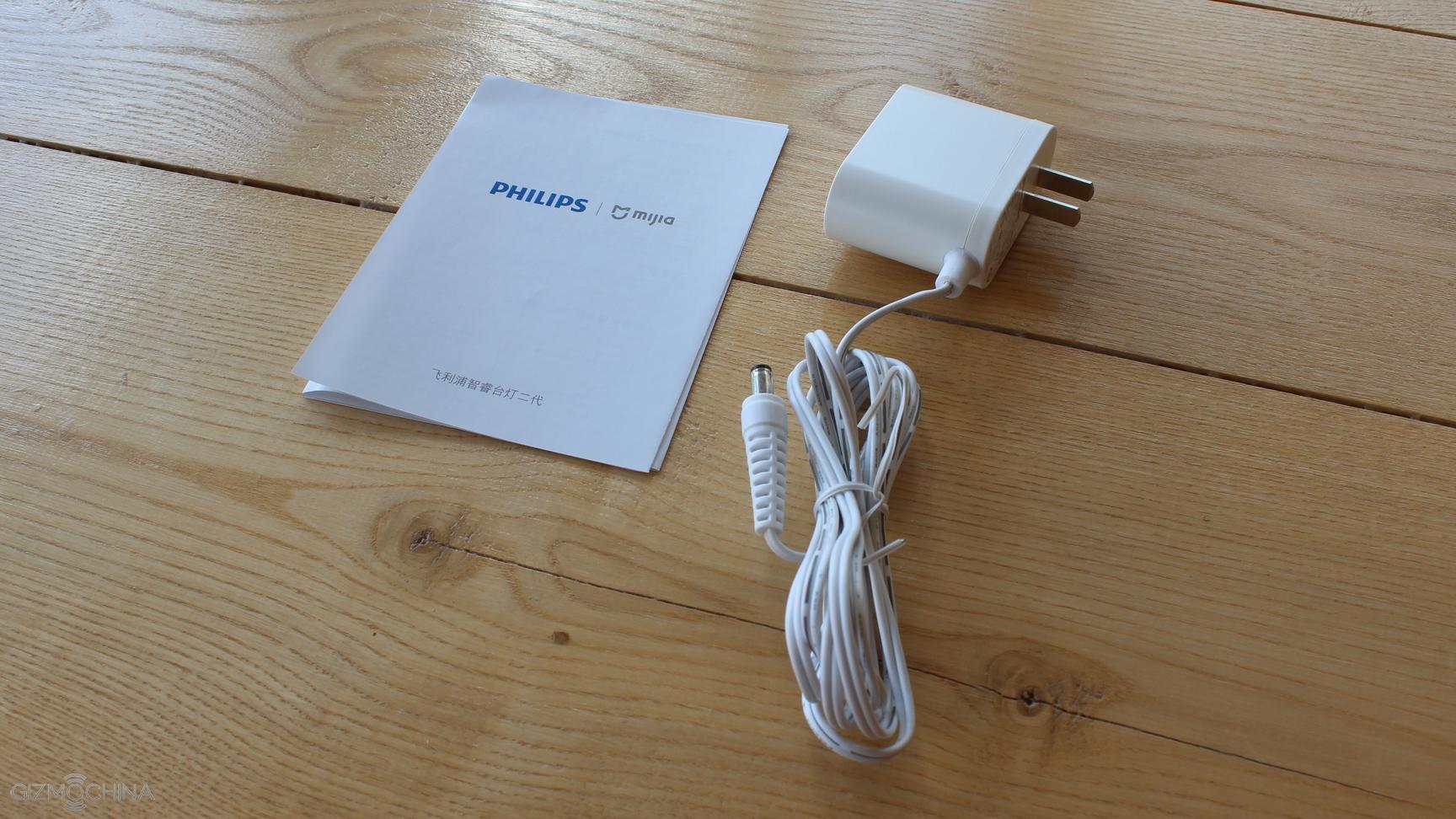
The lamp comes with some paperwork and a charging plug.
Philips-Xiaomi Desk Lamp Review: DESIGN and FEATURES
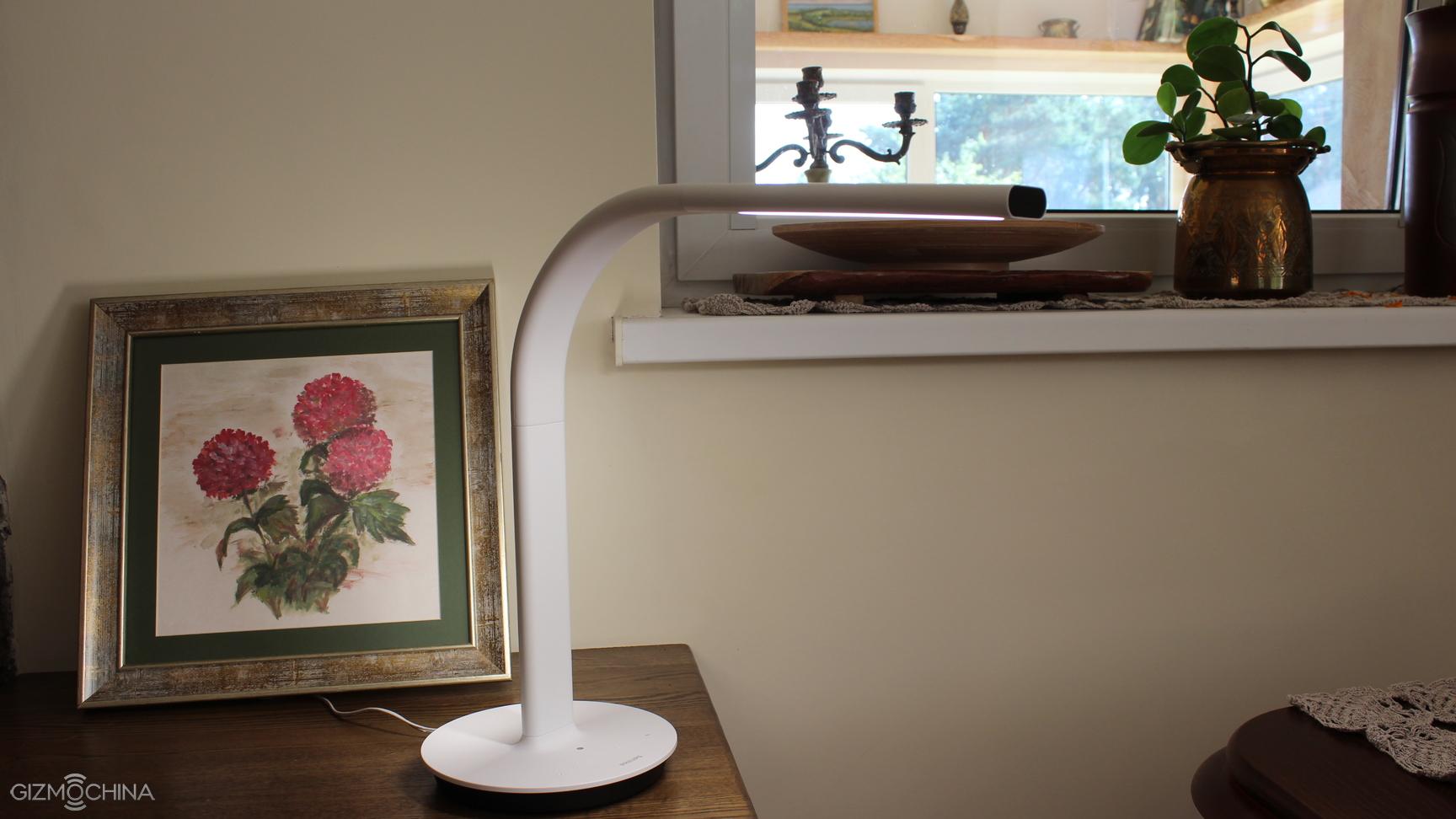
Once you take the lamp out of the box, you are going to notice a very good build quality of it.
First of all, it is very flexible, so you can use it at many different angles. Also, it has 2 LED lights for even more flexibility and luminance area and that translates to a total power output of 10W. In fact, the combo of 2 LED lights is one of my favorite features of the device.
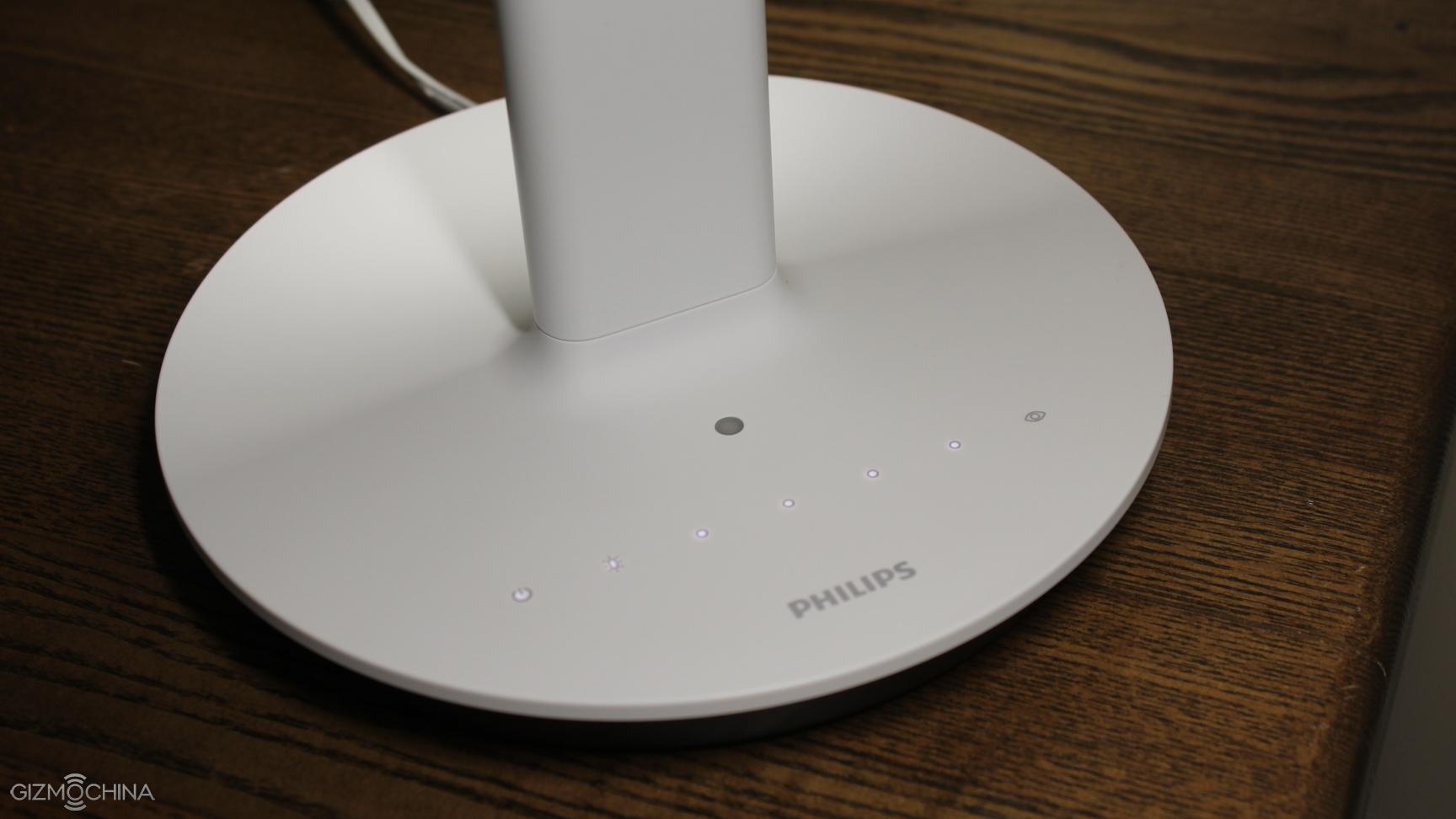
The lamp has a very responsive and convenient touch panel to control brightness. Also, there isan ambient light sensor, so the lamp dims automatically to reduce the eye strain.
Since the Xiaomi Philips Eyecare Smart Lamp has a built-in Wifi, it can be controlled wirelessly using the Mi Home app.
Within the app, you can adjust the brightness, select from a few eye care presets, set the timer for the lamp to turn itself off and adjust various other settings.
Philips-Xiaomi Desk Lamp Review: CONCLUSIONS
I’ve used this lamp for 3 weeks already and I have to say it’s been working fine. It is flexible, so I can adjust the angles of it. Most importantly, I can confirm that LED lights itself assure a noticeably better eye comfort in comparison to some other LED desk lamps I’ve tested.
The Philips-Xiaomi desk lamp costs $55 and some may say it is a lot for a desk lamp but given the overall feature set, great design and outstanding build quality, it is a great option if you are in the market of smart desk LED lamps.
LeEco isn’t holding back when it comes to drumming up hype for their upcoming phone, the LeEco Pro 3. The company released a poster yesterday teasing the small capacity batteries in the new iPhones. Today, they’ve released another image taking aim at the lack of fast charging in Apple’s new release.
The LeEco Le Max 2 supports Qualcomm’s Quick Charge 2.0 and uses a 24W high power charger for it’s 3100mAh battery. Both versions of the Le Pro 3 will feature batteries with higher capacities than that of the Le Max 2 (4070mAh and 5000mAh). So it’s a no-brainer that they should support fast charge (most likely Quick Charge 3.0) as well.
The LeEco Le Pro 3 will launch on the 21st of September and is already shaping up to be one of the best devices of the year. Users will be able to choose either a 6GB+64GB version with a 16MP rear camera and an 8MP front facing camera or the industry’s first 8GB RAM phone which has 256GB of storage, dual 13 megapixel cameras on the rear, and a 16MP camera in front. Both units will sport Qualcomm’s newest SD 821 chip and will be priced between $314 and $449.
If you feel you don’t need all those specs, the LeEco Le Max 2 is one of the best value for money flagships right now. It has a 2K display, uses a snapdragon 820 chip, has a 21MP rear camera with OIS and PDAF, NFC, and a fingerprint scanner. The icing on the cake is that it sells for less than $270 for the 4GB RAM version with 32GB of built-in storage.
Samsung is alleged to be working on an Exynos 8895 chipset which would use the 10nm process and run at a maximum power of just 5 watts. Now, a new rumor out of China alleges that the expected Exynos 8895 chip will feature improvements in image processing by up to between 70% and 80% and is capable of reaching a clock speed of up to 3.0GHz. That is a whole lot of processing speed.
The Exynos 8895 chip if actually manufactured on the 10nm process would be Samsung’s first chip manufactured on that level and also Samsung’s first to run at a max power draw of just 5 watts. This could improve processing speed to a lightning bolt level and at the same time the device won’t get too hot.
The Exynos 8895 found a worthy rival in Qualcomm’s Snapdragon 830 chips which would likely hit the market next year, also manufactured on the 10nm process. Already, the Exynos 8895 is alleged to have hit Geekbench, pulling an amazing score of 2301 for the single-core and 7019 for multi-core tests.
We are already getting rumors of an early debut for next year’s Galaxy S8 and S8 Edge flagships due to the Note 7’s mishap. The model numbers of the duo have been leaked, meaning they are already in the works and it is believed they would launch spotting the Exynos 8895. It is only then we can determine the true power of Samsung’s next-gen chip.
The use of dual cameras in smartphones is not new, many brands including Huawei, Xiaomi, LG and of late Apple as well as others have adopted the technology but yet the trend seems to be growing large by the day. Qualcomm has unveiled it latest dual camera system which they called Clear Sight. The dual camera technology was developed mainly to promote the upgraded photo quality photo on offer, working with its own set of systems. The Clear Sight technology is touted to simulate human vision, thus giving users amazing picture quality.
The Qualcomm Clear Sight dual cameras are similar in dynamics to Huawei P9’s Leica dual cameras in the kind of sensors they use. The both use one camera sensor, while the other is a black and white sensor as well as packing powerful optimization software. The dual camera lenses can thus simultaneously capture two different images and stitch them in real time. The advantage of this process is that the black and white filters behind the lens can accommodate more light, resulting in sharper picture output, with reduced image noise and increase focusing speed. Images captured with this system produces a special bokeh effect where the background images are blurred, with the main target clearly captured.
This technology is different from that Apple infused into the iPhone 7 Plus, in that the dual cameras on the 7 Plus cannot work at the same time because one of the lenses is to produce wide angle view of up to 140 degrees, and the second lens is to zoom in.
The Clear Sight dual camera system can work well powered by Qualcomm’s Snapdragon 820 and 821 processors. Before now, we had gotten wind of an impending flagship phone launch by Xiaomi, equipped with Snapdragon 821 processor, and dual cameras. It is possible that the expected Xiaomi phone may adopt this technology or something similar.
Xiaomi has disclosed via the Mi community’s official Weibo page, that a new device would be released from its stable on September 21 which is just a week away. Although no other detail was revealed in the post, the teased photo announcing the date contained certain clues which give us an idea of what we should be expecting.
The number 100 is shown to be written on the teased and at the same time, the three digits which make up 100 are designed to look like different types of connectivity ports that would be on the USB. One of the ports resembles the USB Type-C interface which is an indication the Powerbank will likely feature a USB Type-C port. In addition, there is the drawing of the USB 2.0 port as well as another that looks like that of a typical charging port or data port.
Basically, the expected device would likely come with a line-up that includes the three ports, meaning it might be able to charge more than one device at the same time. this would require a large battery capacity, and the largest of Xiaomi’s Mi Powerbank boasts of a 20,000mAh battery capacity. It is possible that the expected power pack would get a notch in its battery capacity.
OPPO holds the title of second largest manufacturer in China for H1 2016 and they are holding on to that spot as tightly as possible. The company launched the best-selling selfie-focused R9 earlier this year and even made a special FC Barcelona Edition. It seems they will be launching another camera-centric phone soon judging from the specs of a phone that showed up at TENAA for its certification.
This new device is the OPPO A59s. It shares design similarities to other OPPO phones which have been criticised for aping the iPhone 6s.
The phone is made out of metal, and has the camera sensor and LED flash at the top left corner just before the upper antenna line. There is the OPPO brand name sitting a few millimetres from the middle, a little text, and the lower antenna line. Nothing we have not seen before.
The OPPO A59s is equipped with 4GB of RAM, 32GB of built-in storage, a 16MP front-facing camera, and a 13MP rear camera. OPPO says there is a memory card slot for storage expansion, a 2980mAh battery, and a 64-bit 8-core processor clocked at 1.5GHz (probably the MT6750).
The phone will weigh 160 grams and will have a thickness of 7.38 mm. The phone’s fingerprint scanner will definitely be placed in front, doubling as a home button.
Unless you are living under a rock, I’m sure you must have heard about the spate of exploding phones happening in recent times. The phone suffering from this is the Galaxy Note 7 and Samsung has issued a compulsory recall. Xiaomi seems to have caught the exploding bug as reports say there have been 2 cases of Xiaomi phones exploding this month.
The first incident involved the large screen phablet, the Mi Max, which exploded while it was charging. The phone was said to be charged with the official travel charger before it exploded and damaged a part of the house.
Xiaomi Mi Max
The second case involved a Mi 4c that exploded while sitting in the back pocket of its owner. The man suffered 3rd degree burns as a result of the explosion. Both phones were said to have been purchased from Xiaomi’s official online store.
While Samsung has issued an official statement faulting an issue with the battery of the Note 7, Xiaomi has not made public the result of their findings. The incident has affected 3 different Xiaomi phones already which means it can happen to any other Xiaomi phone as well. Let’s hope the company issues an official statement before another incident occurs.
LeEco has a conference scheduled for September 21, which is exactly a week from now. The event will hold in Beijing and will see the company launch their new flagship device, the LeEco Pro 3.
In the spirit of the launch, a new poster for the event has been released on weibo, and apart from reminding us of the date, LeEco has gone further by dissing Apple’s recently launched iPhone 7 and iPhone 7 Plus.
The poster mocks Apple’s statement that says the iPhone 7 Plus offers an extra hour of battery life over previous models. There is also an image of a battery squashing an apple with blood splattered around on the poster.
Part of the highlights of the upcoming phone is the new battery and in a leak from yesterday, we know there will be two versions of the Le Pro 3. One will have a battery capacity of 4070 mAh, and a higher-end version will have a larger 5000 mAh battery. If we compare these two battery sizes to that of the iPhone 7 (1960 mAh) and the iPhone 7 Plus (2900 mAh), LeEco sure has the bragging rights.
The Le Pro 3 will launch with Qualcomm’s Snapdragon 821 processor and will have two versions: a base model with 6GB of RAM and 64GB of ROM, and a high-end version that will be the first phone to launch with 8GB of RAM and 256GB of built-in storage.
We use cookies on our website to give you the most relevant experience by remembering your preferences and repeat visits. By clicking “Accept”, you consent to the use of ALL the cookies.
This website uses cookies to improve your experience while you navigate through the website. Out of these, the cookies that are categorized as necessary are stored on your browser as they are essential for the working of basic functionalities of the website. We also use third-party cookies that help us analyze and understand how you use this website. These cookies will be stored in your browser only with your consent. You also have the option to opt-out of these cookies. But opting out of some of these cookies may affect your browsing experience.
Necessary cookies are absolutely essential for the website to function properly. This category only includes cookies that ensures basic functionalities and security features of the website. These cookies do not store any personal information.
Any cookies that may not be particularly necessary for the website to function and is used specifically to collect user personal data via analytics, ads, other embedded contents are termed as non-necessary cookies. It is mandatory to procure user consent prior to running these cookies on your website.