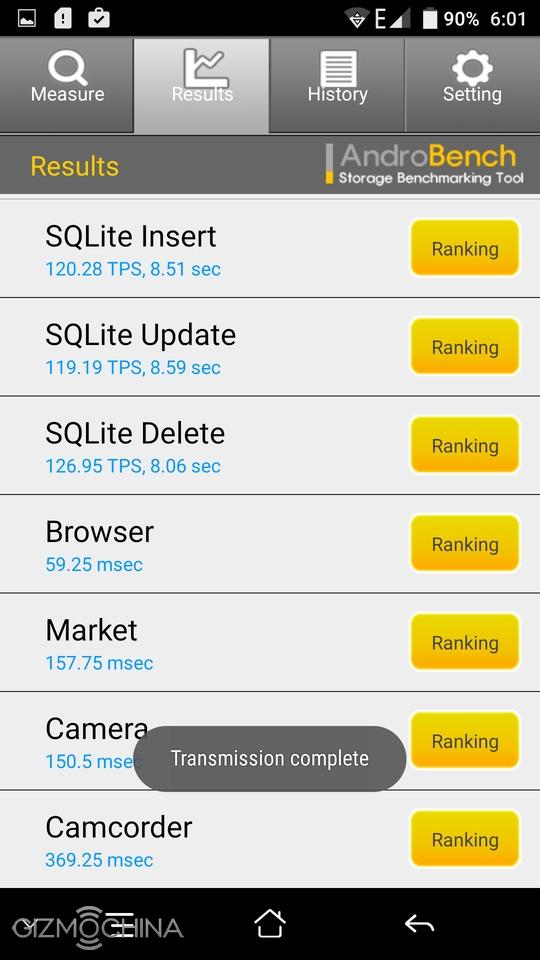
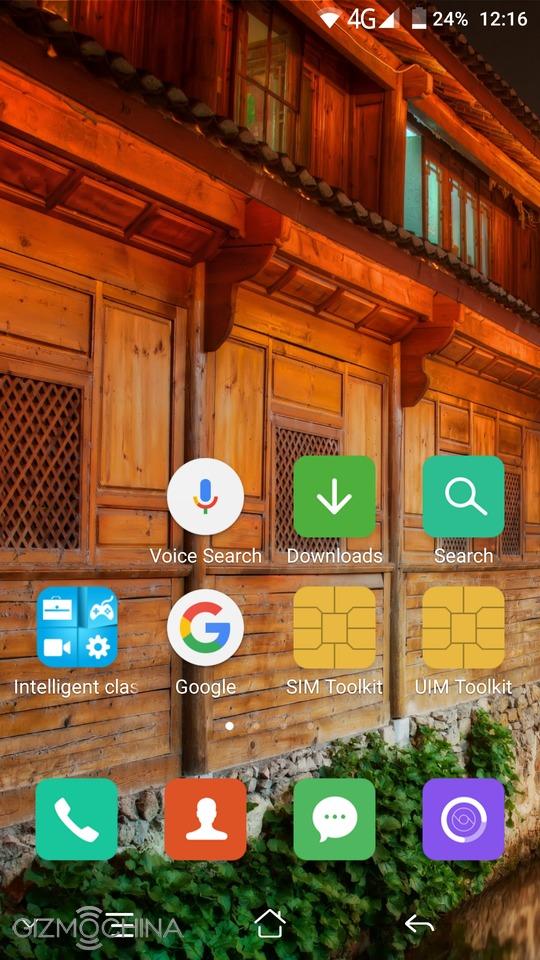
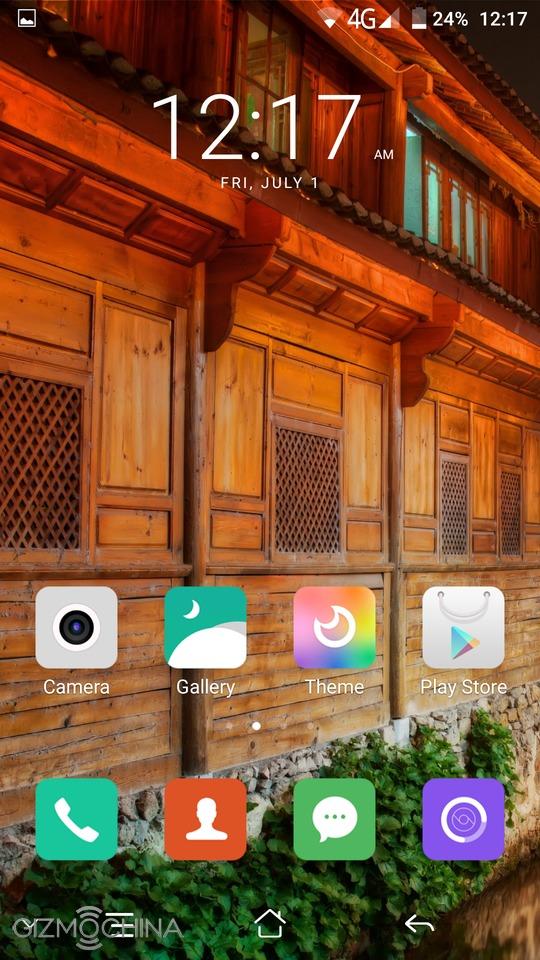
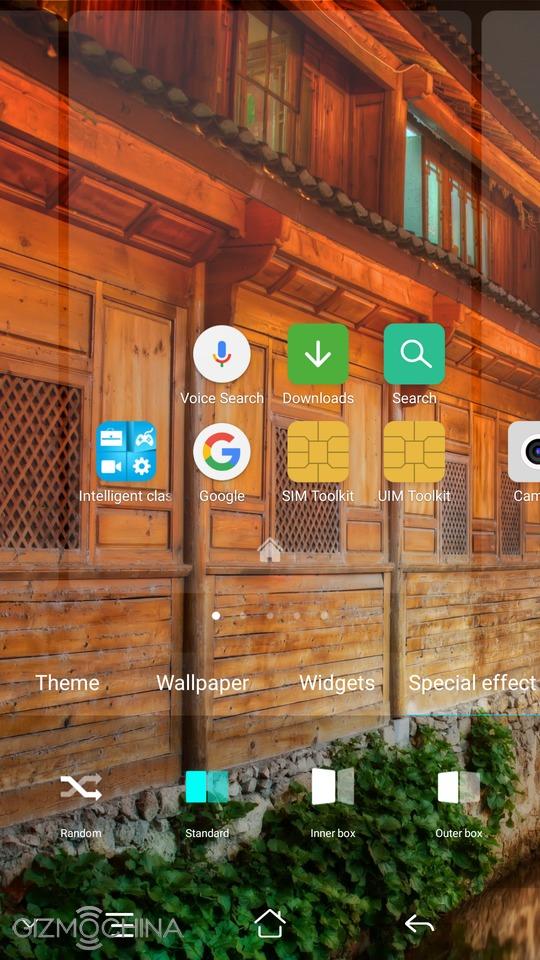
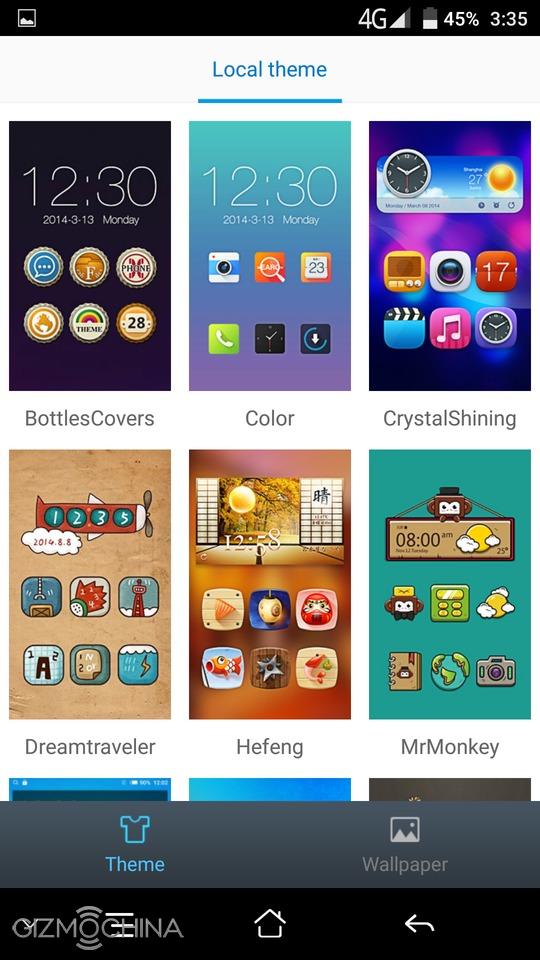
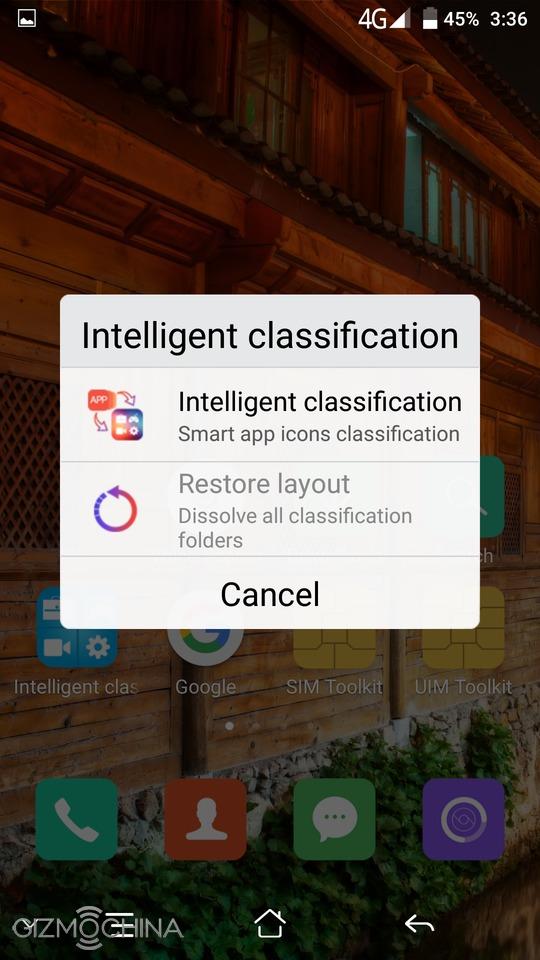
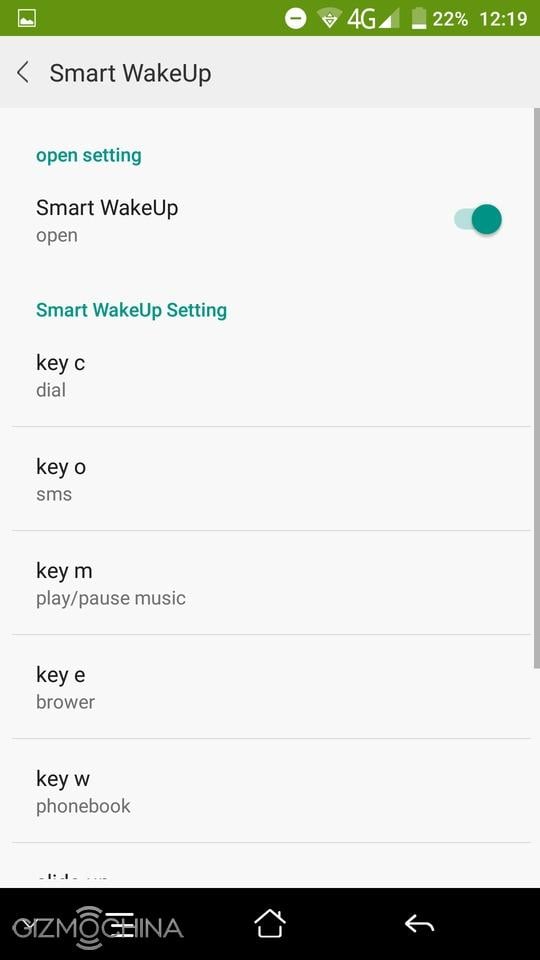
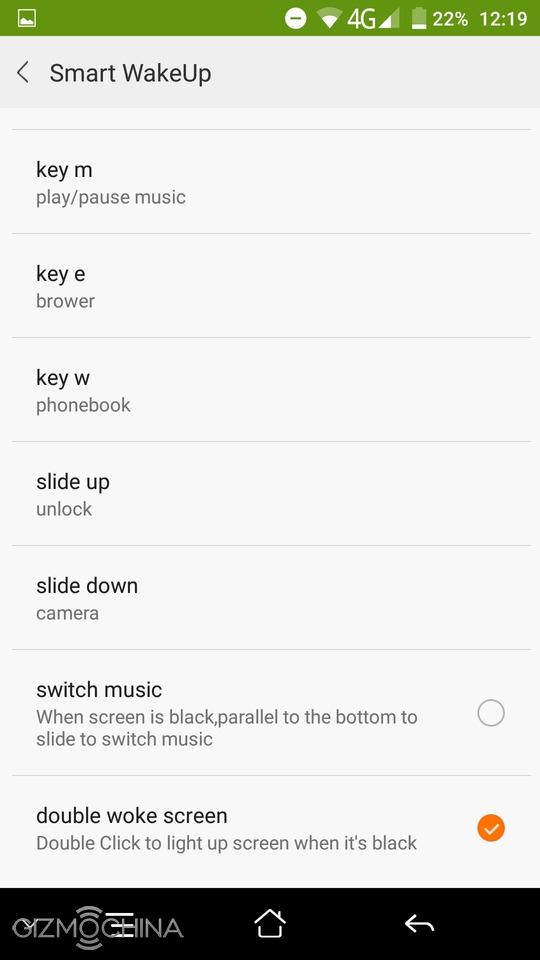
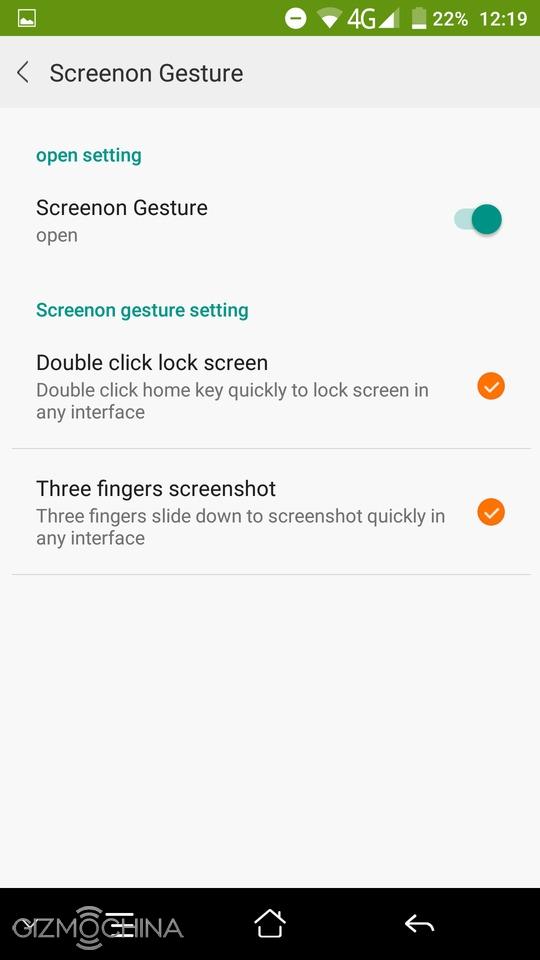
Earlier teasers about the new brand from BBK “imoo learning phone” were not certain to describe its features. We knew that the youngest brand of the BBK family will come targeting education, therefore targeting students first. Other members of the family are Oppo, Vivo and OnePlus as we highlighted in this article. Now we know most of the specs and why its called a learning phone for young students.
Lesson/subject synchronization, teacher consulting and parent safety (probably tracking of the children) are some info related about “student and school” relationship. Students can use the data-saving feature of imoo phone, thereby using less internet for their learning. They will also have the chance to track their schedule/lessons online from imoo.
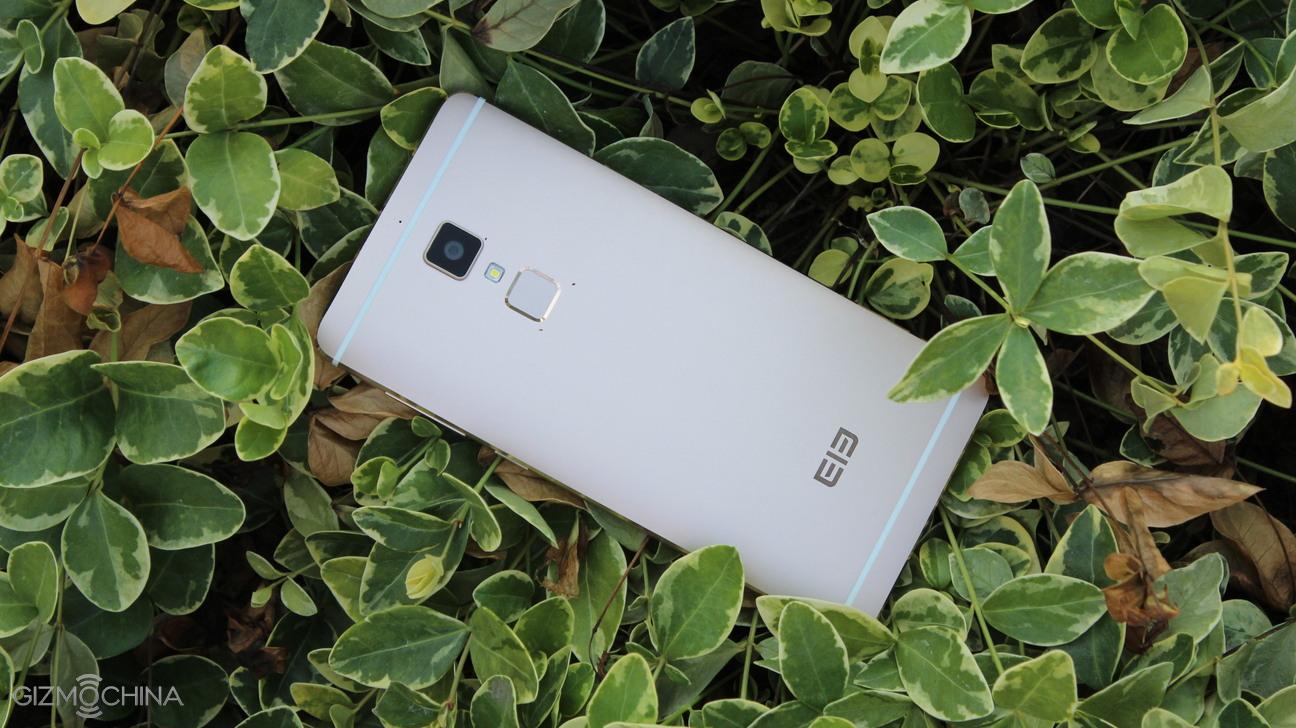
Imoo looks like its big brother, Vivo V3Max in front. Back side of the phone is similar to the iPhone 6s except the hole between the camera and the flash. It could be a place for the laser focus in addition to some other feature, which we will know for sure after the official launch. What’s more interesting is that we can’t see any fingerprint scanner back or front and imoo may have thought that it’s not necessary for children.
The learning phone comes with a 5.5″ Full HD AMOLED screen, equipped with MediaTek P10 eight-core 2GHz processor. 3GB RAM, 32GB ROM, 2930mAh battery, 13MP rear camera, 5MP selfie camera are the other specs of the phone as we know for now. It will have Android 6.0 out of the box measuring 158 x 78 x 7 mm and 154.5 gm.
We all know that Chinese students are a big community, following mobile technology very well. Most of them will probably want a new phone for the next school period and parents might choose to buy imoo for their children because of the education oriented abilities of the new brand. Price for the imoo phone will be around 2000 Yuan – $300.
Blackview has produced quite a few devices over the but it is not every day that we are reviewing a rugged, water, dust and shock resistant phone. Learn more in our full review.
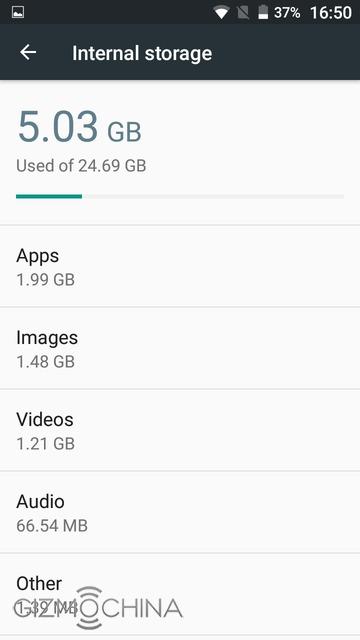
32GB (expandable via microSD card slot up to 256GB)
Blackview BV6000 Review: DESIGN and DISPLAY
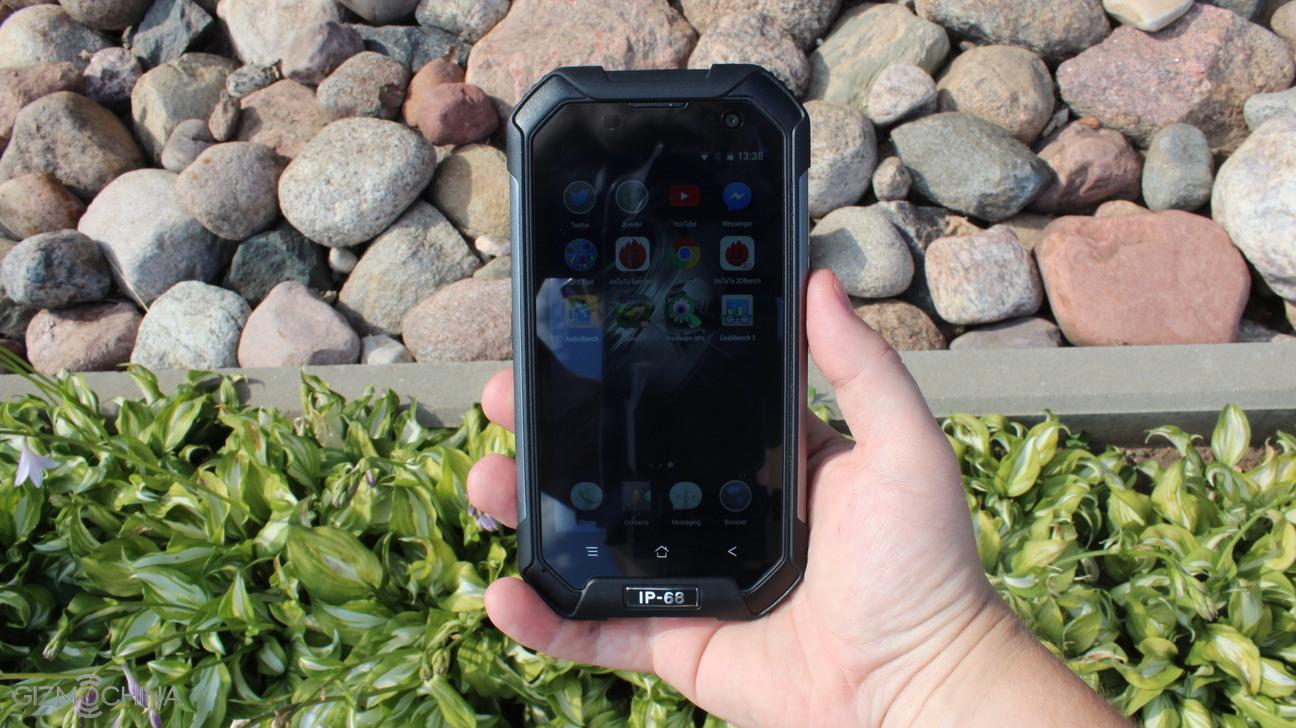
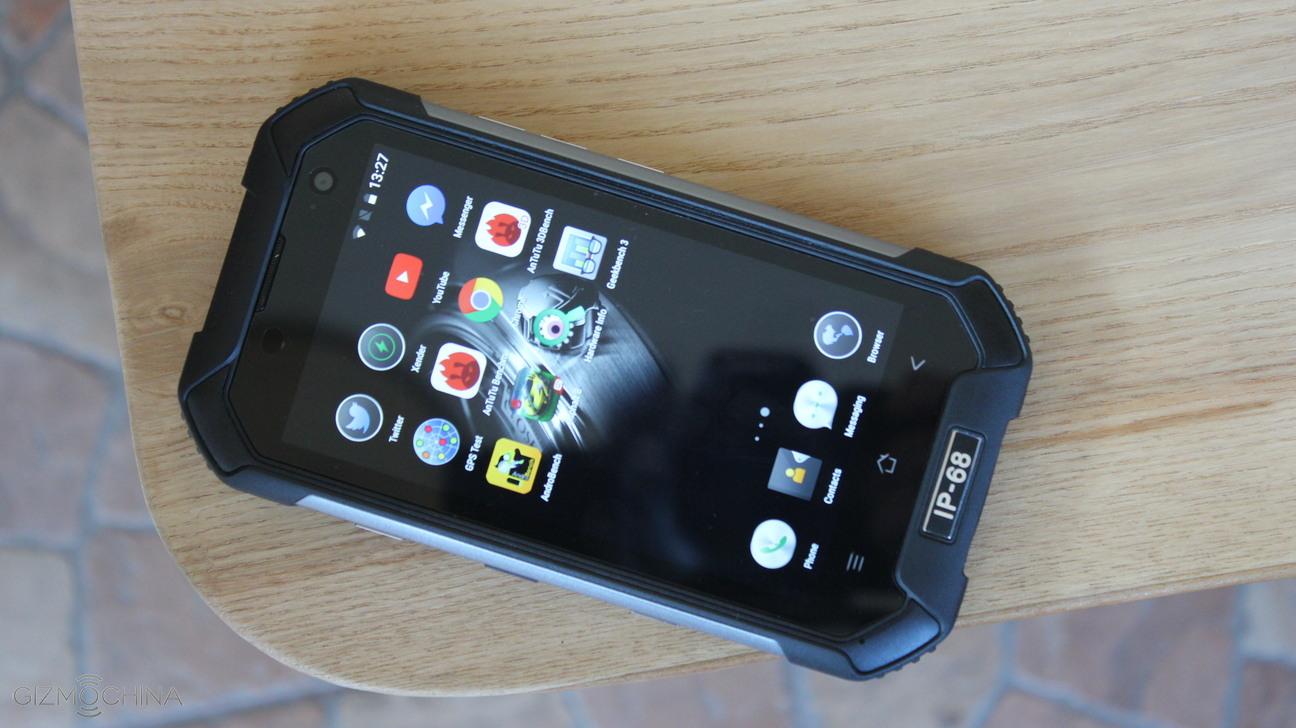
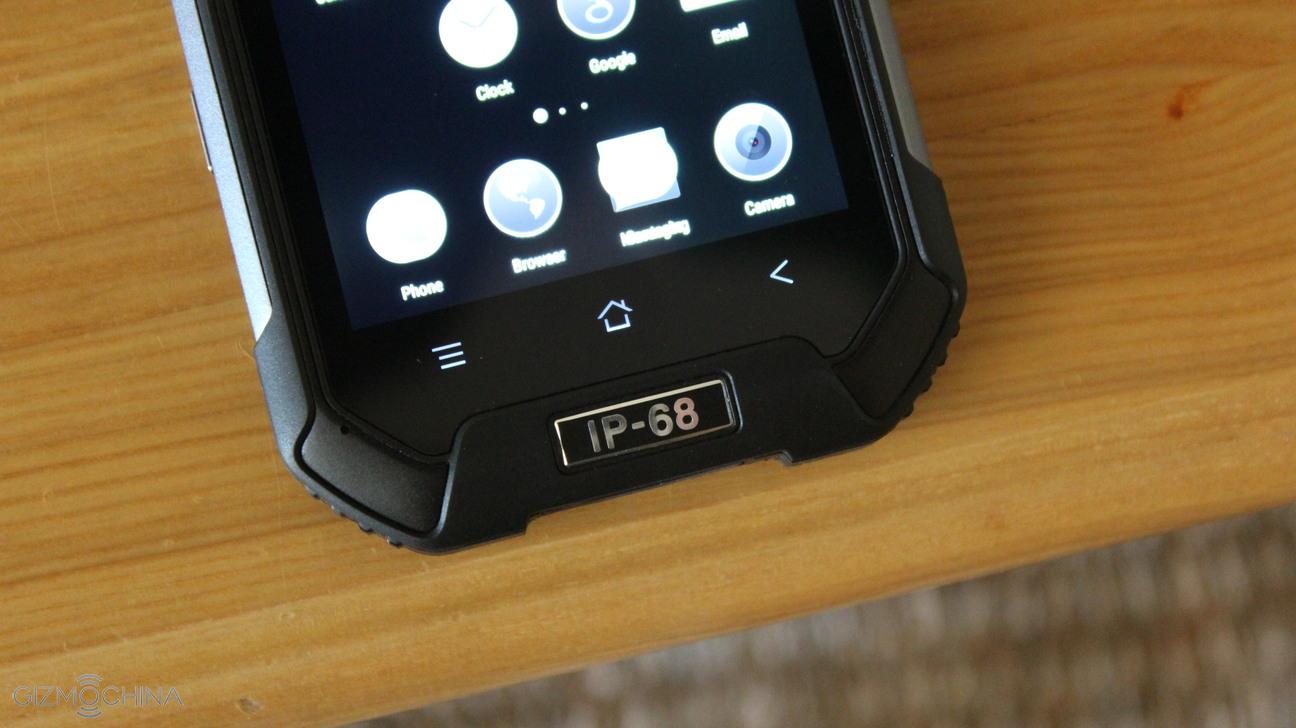
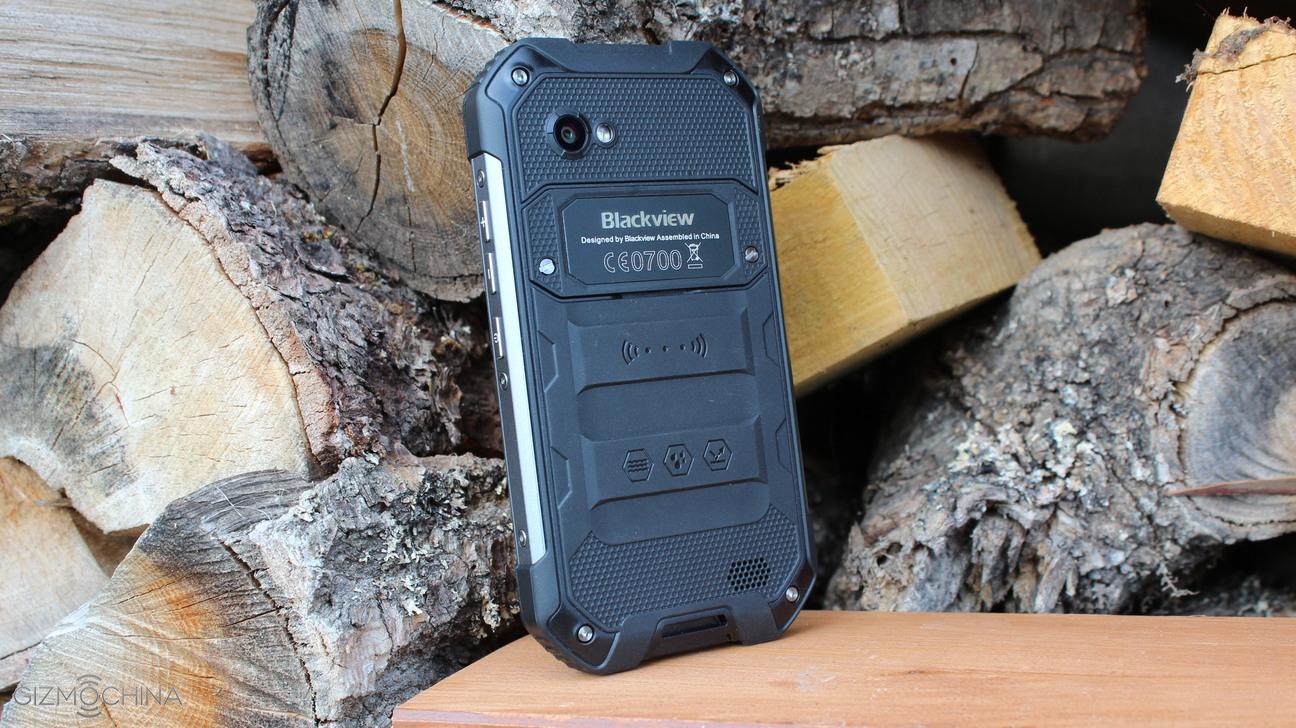
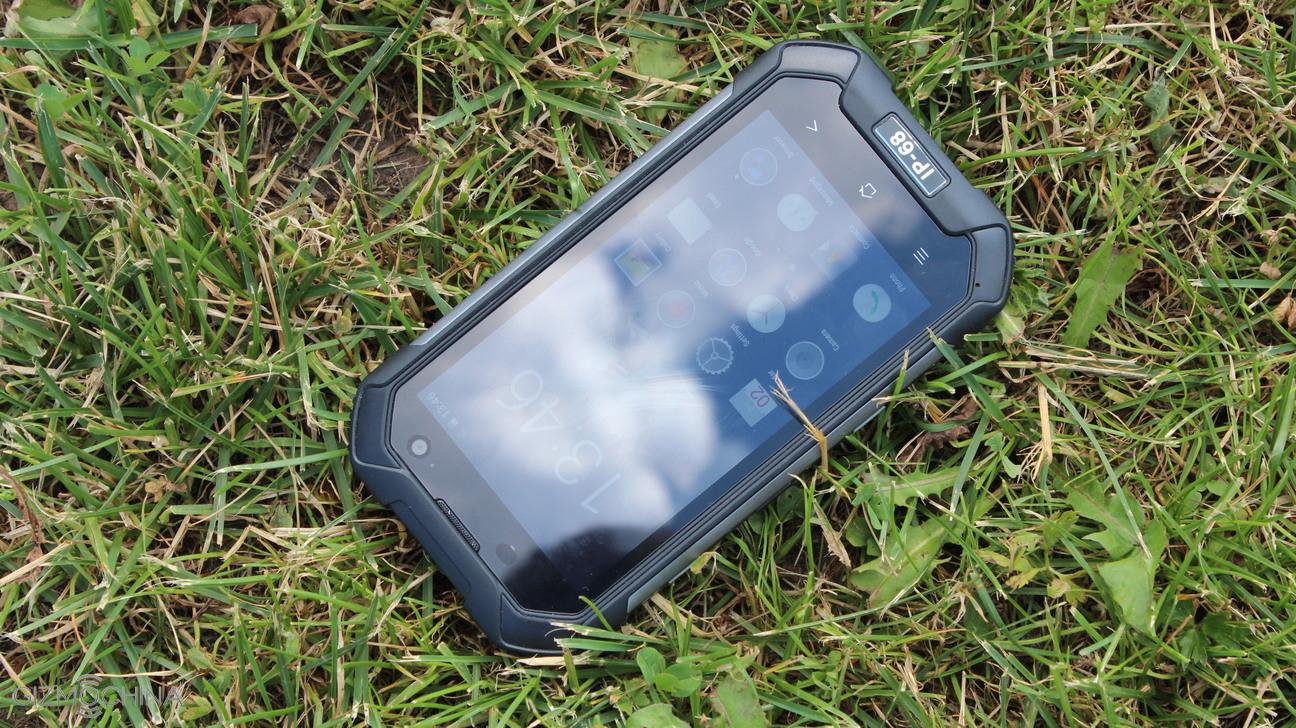
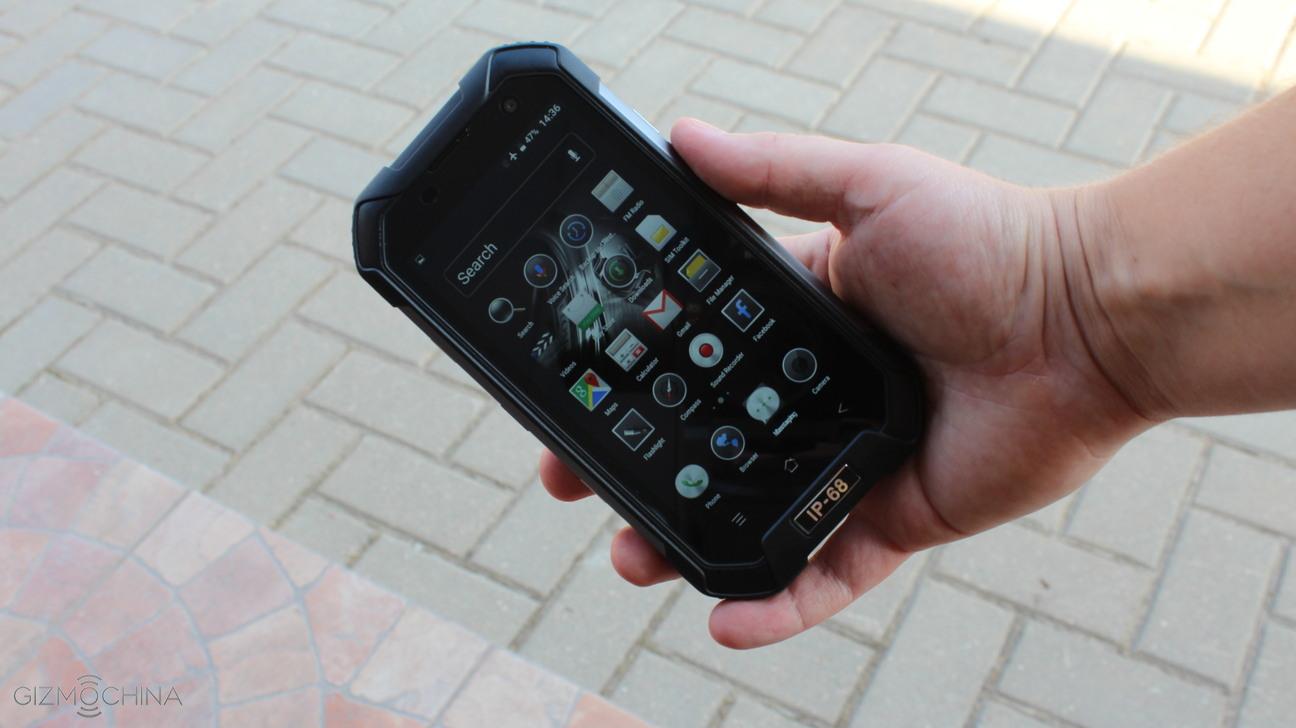
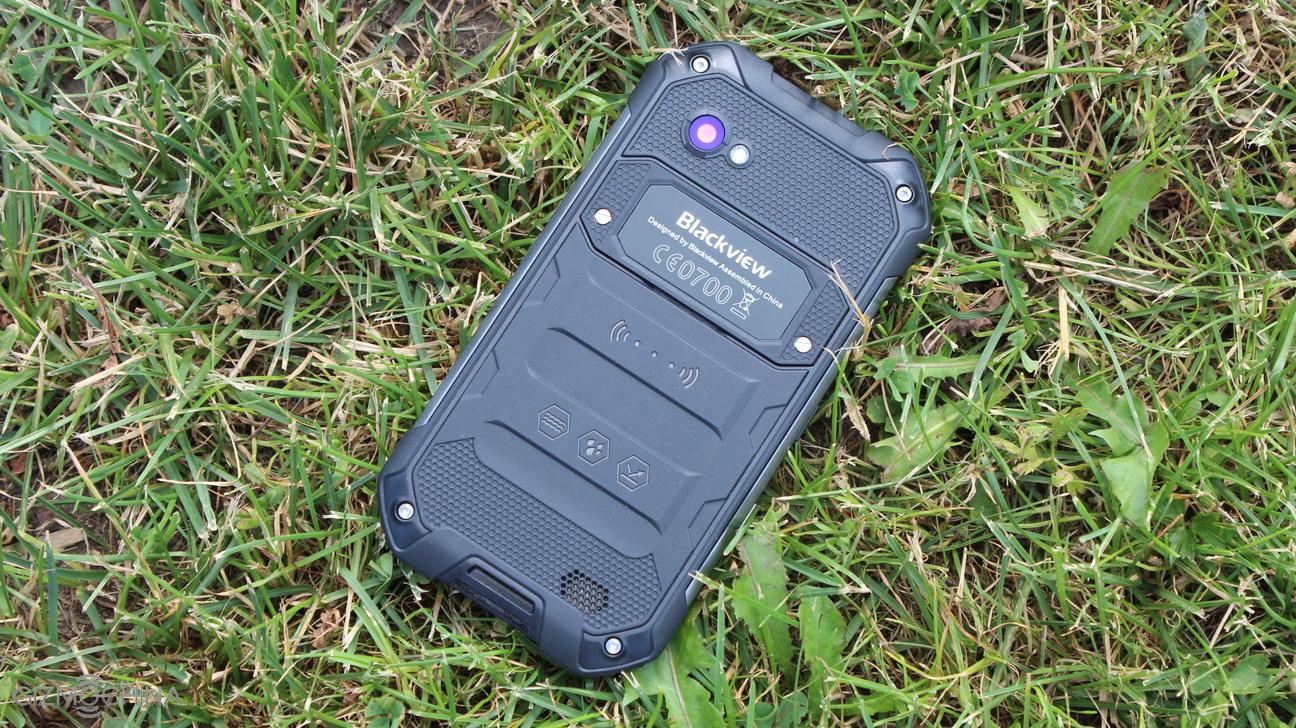
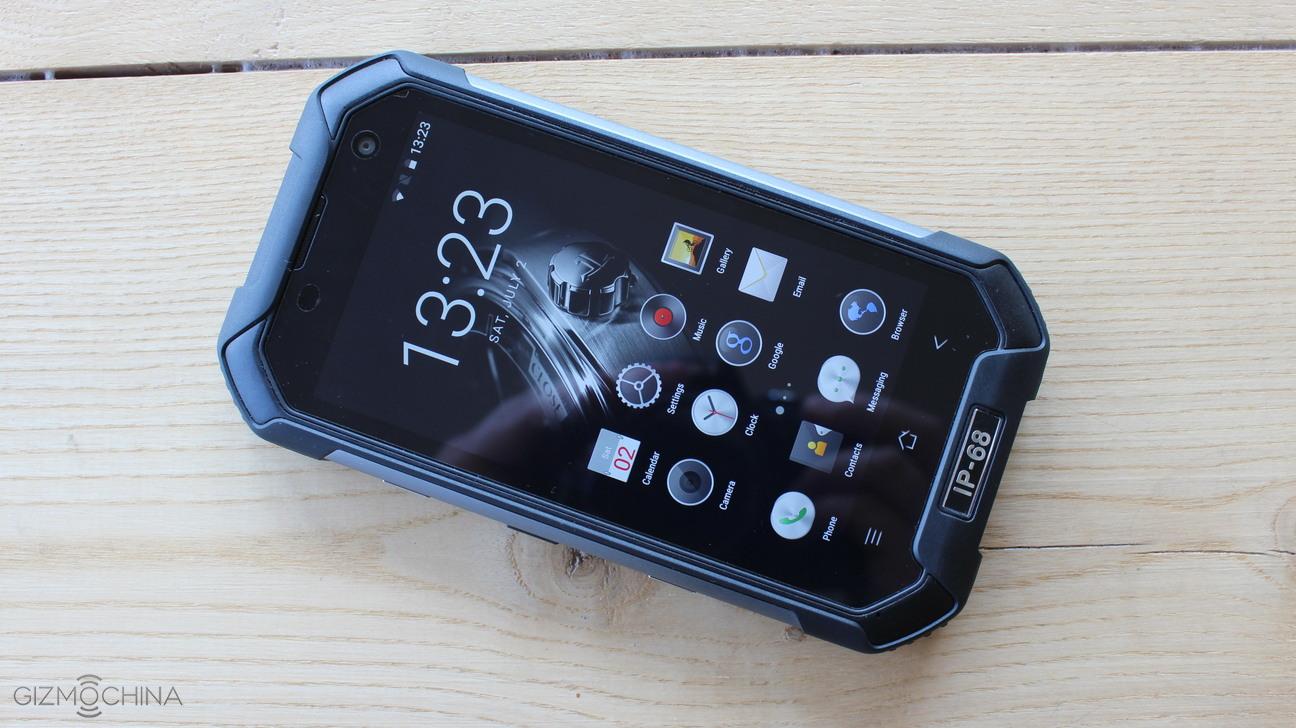
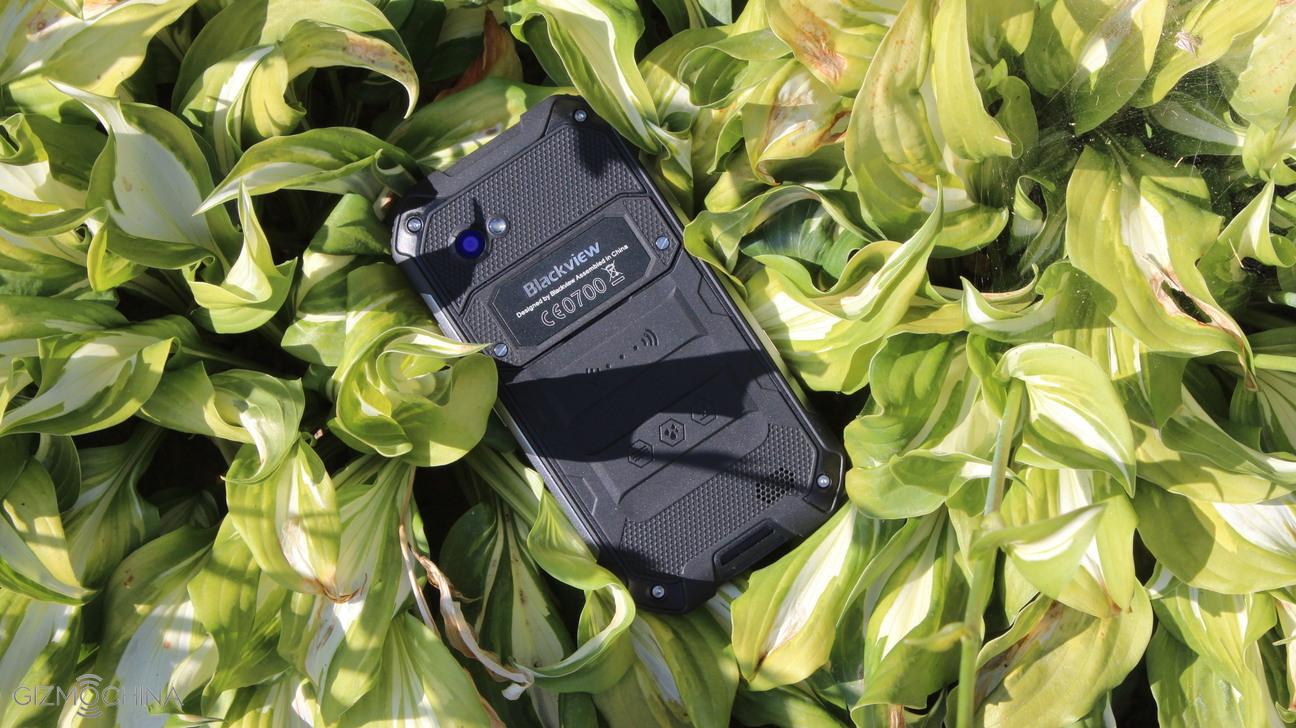
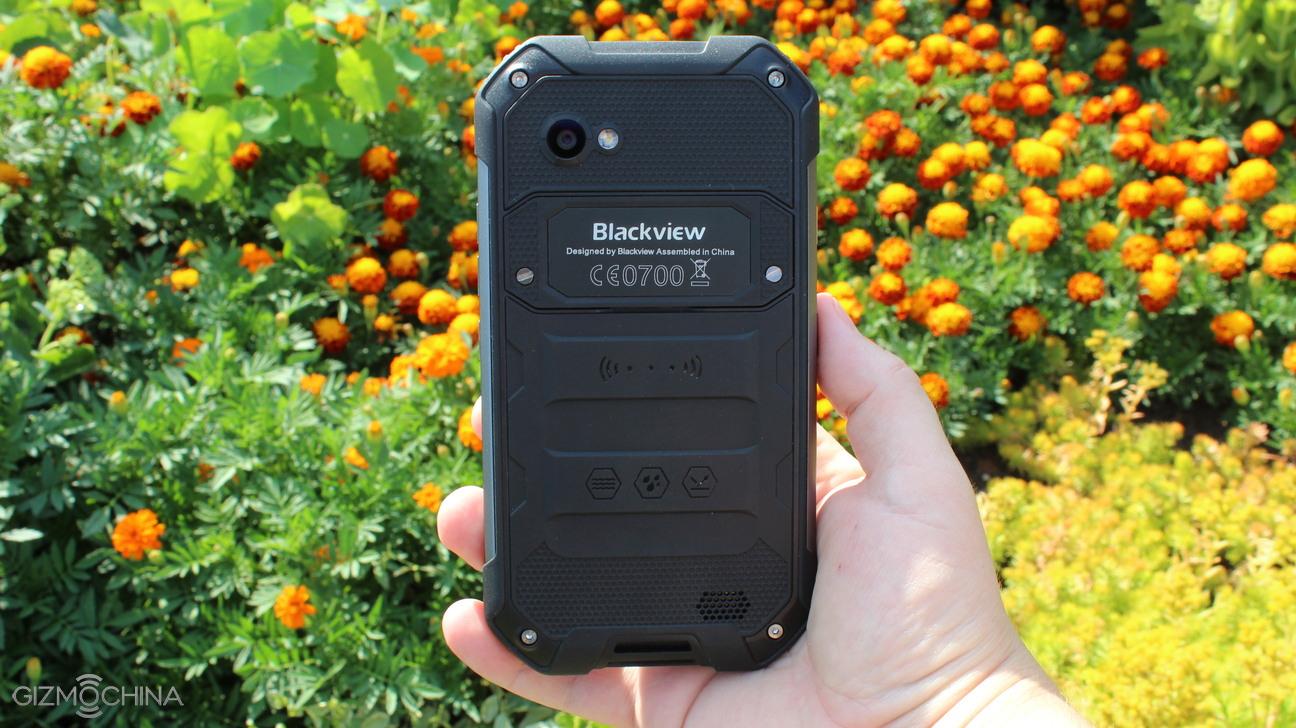
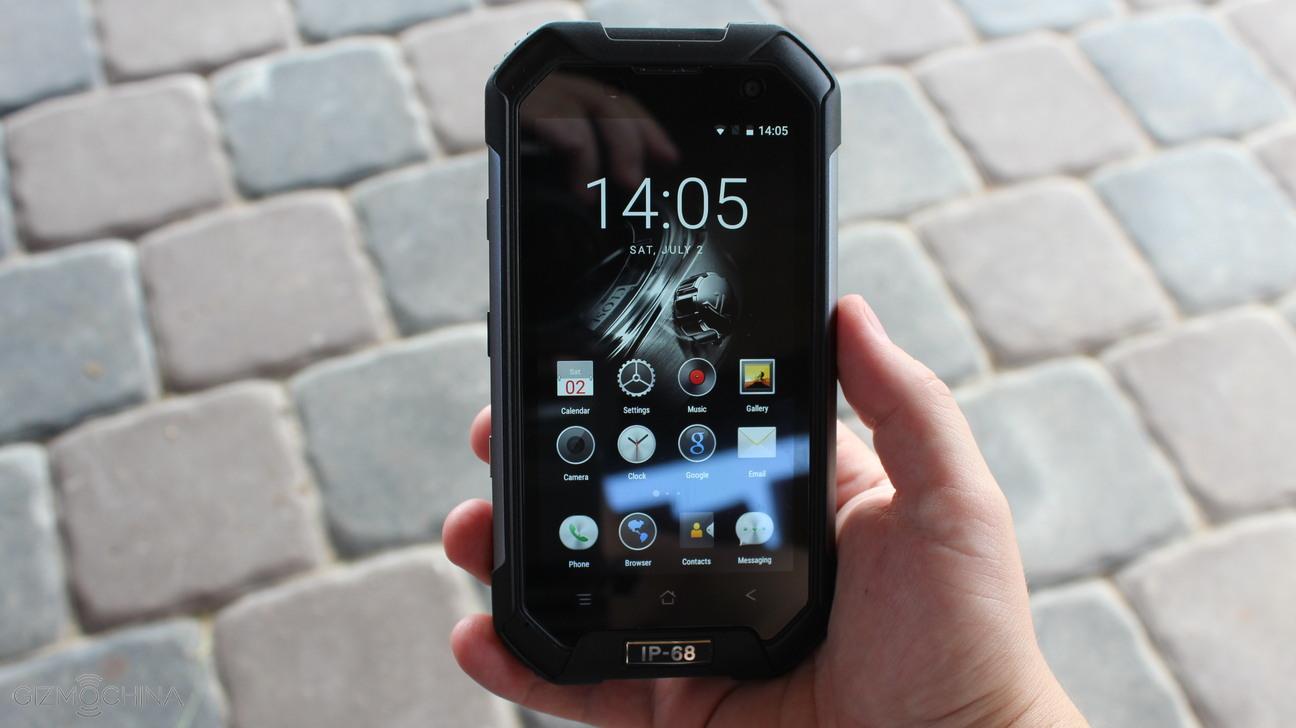
The phone is quite a brick due to its rugged design. The device is IP68-certified, meaning that it is water, dust and shock resistant.
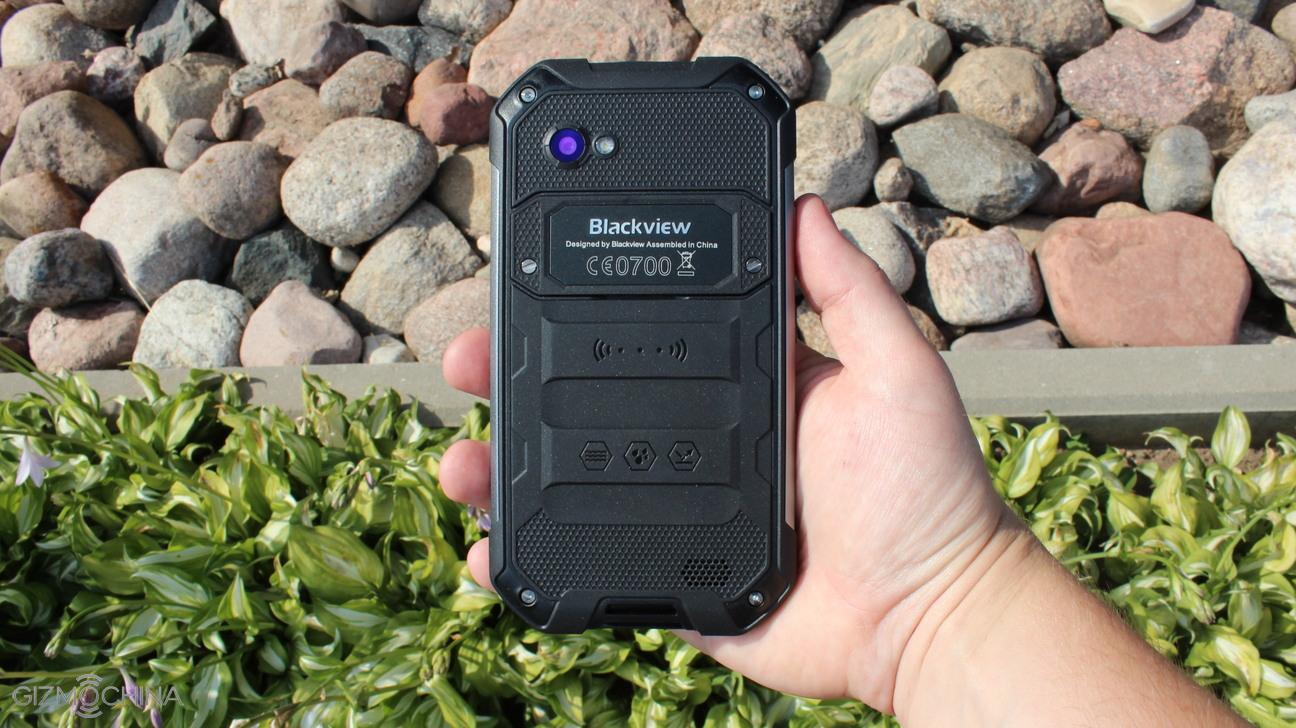
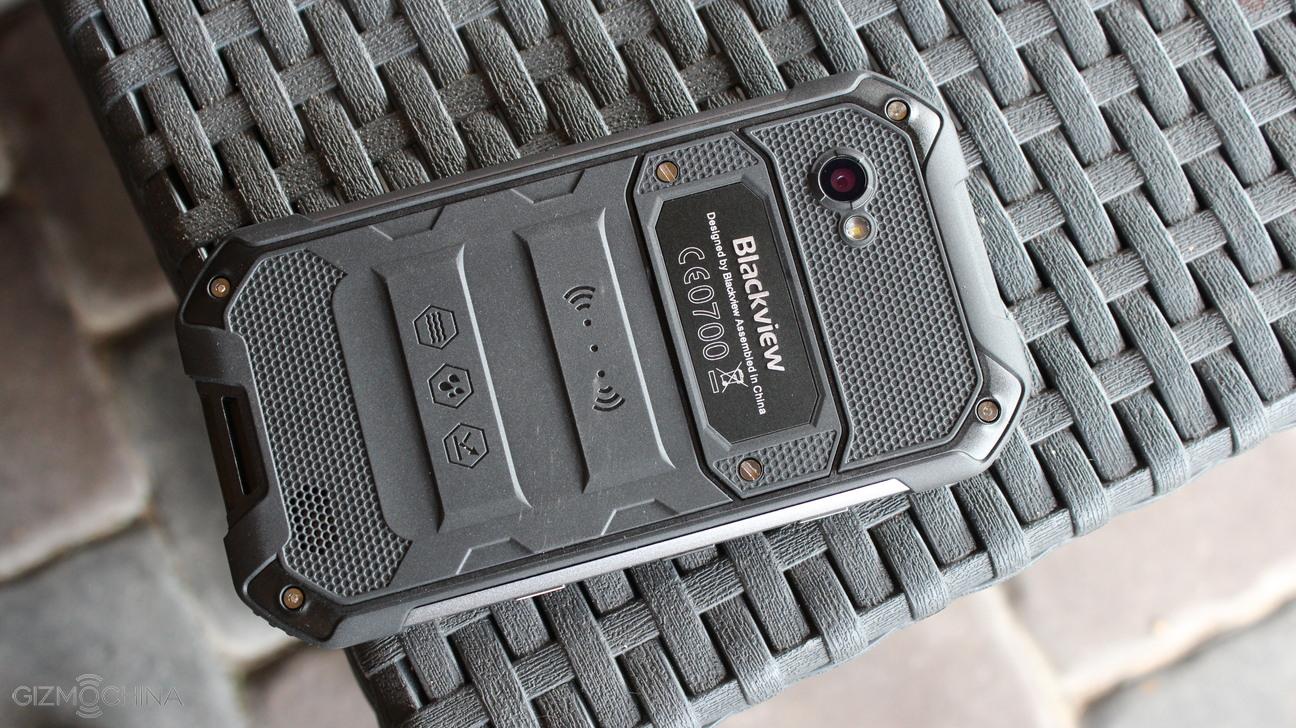
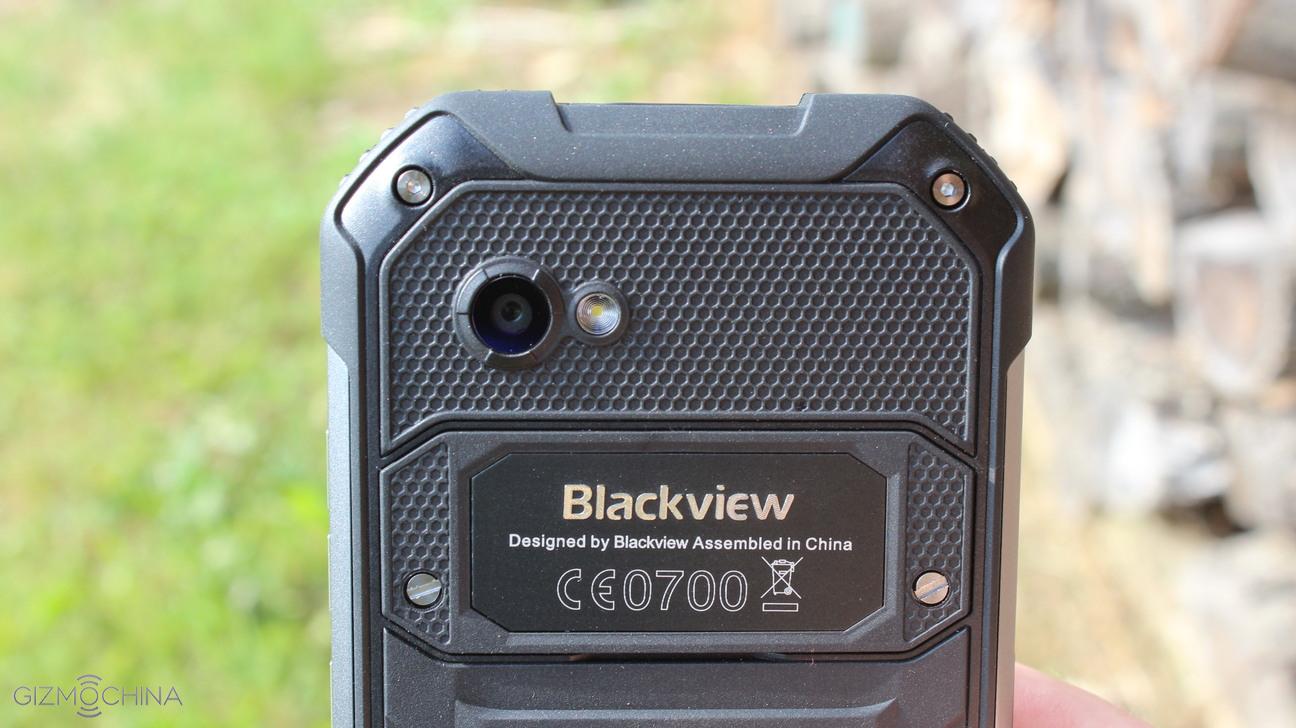
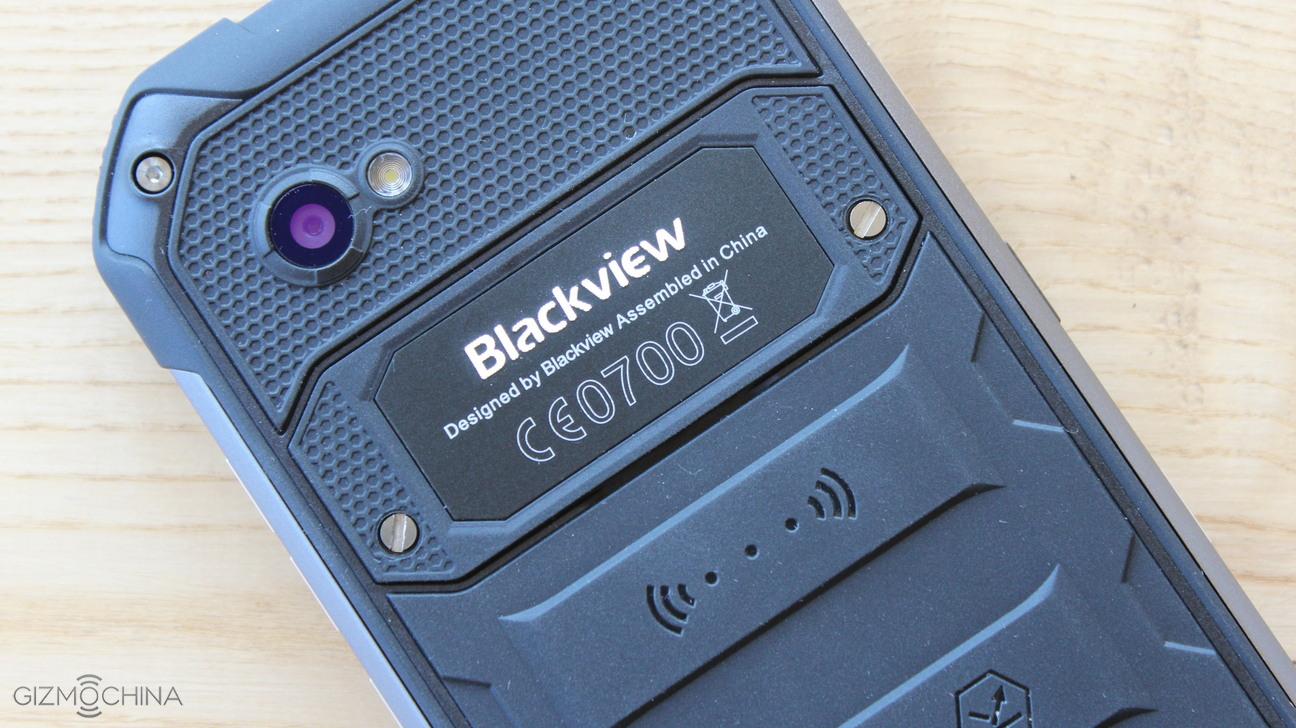
The device is well built and it uses rubberized plastic as well as metal in its construction.
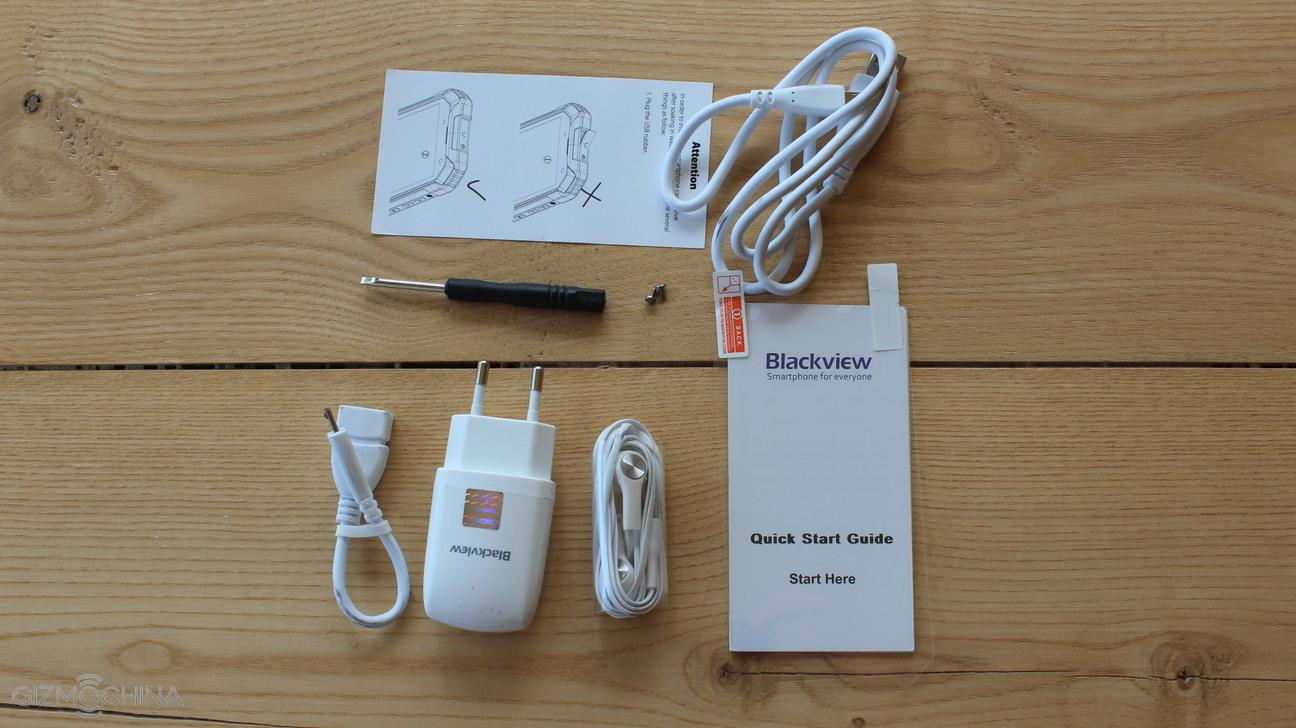
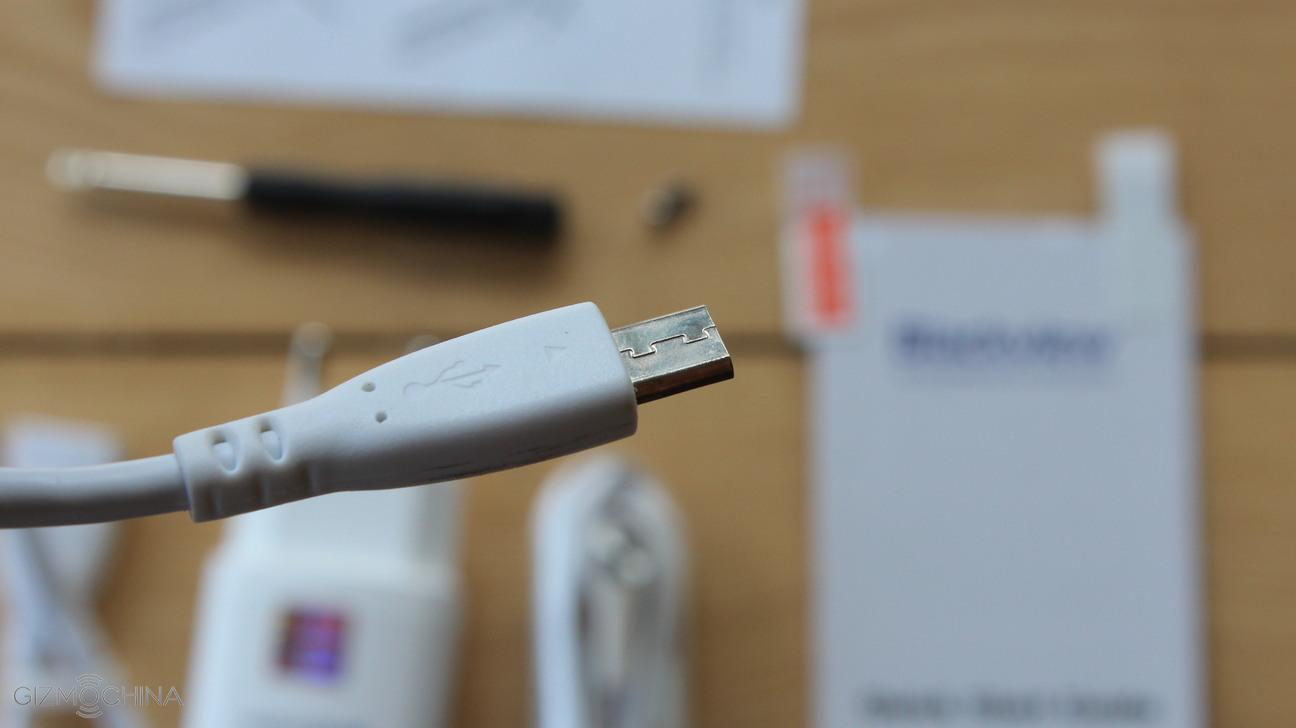
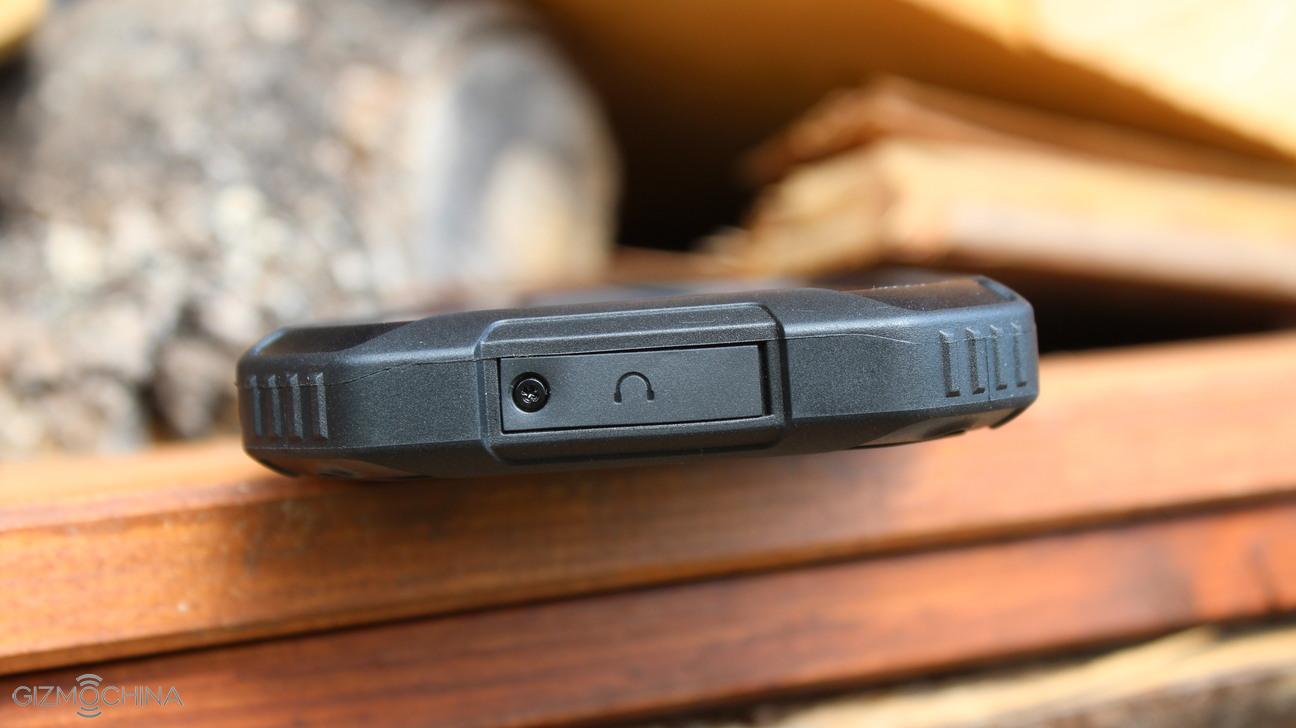
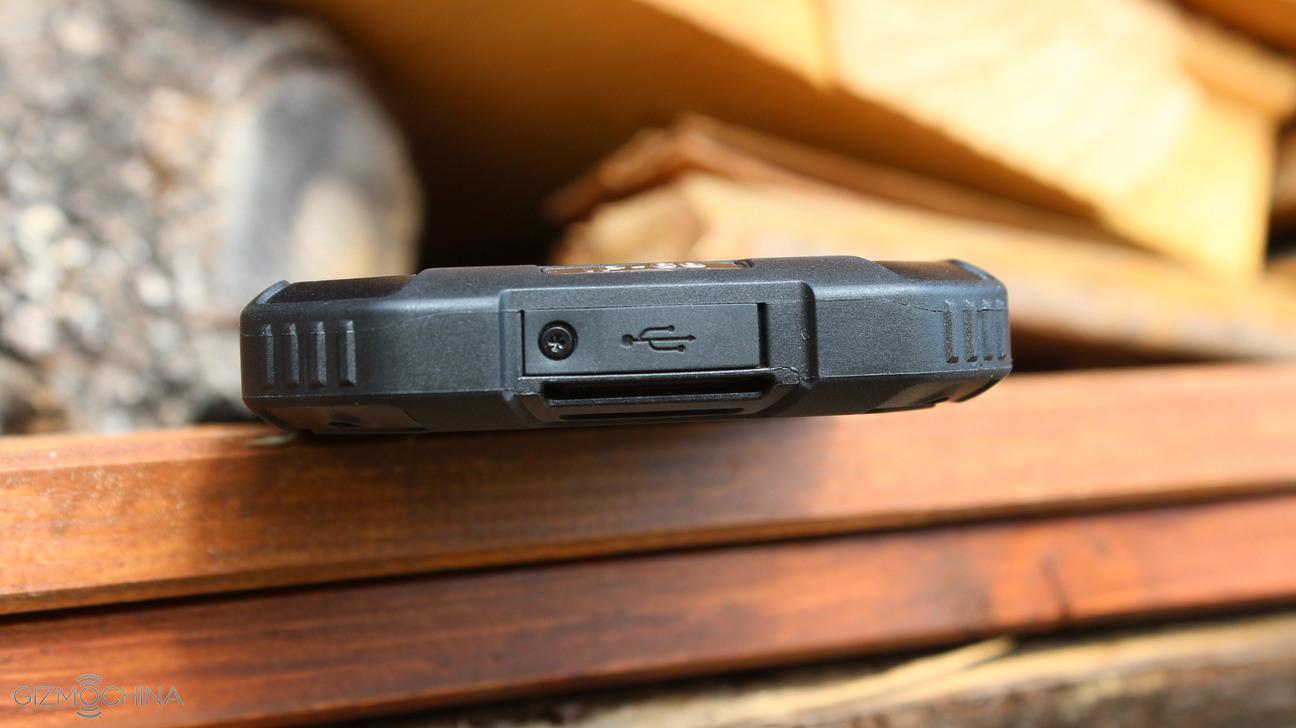
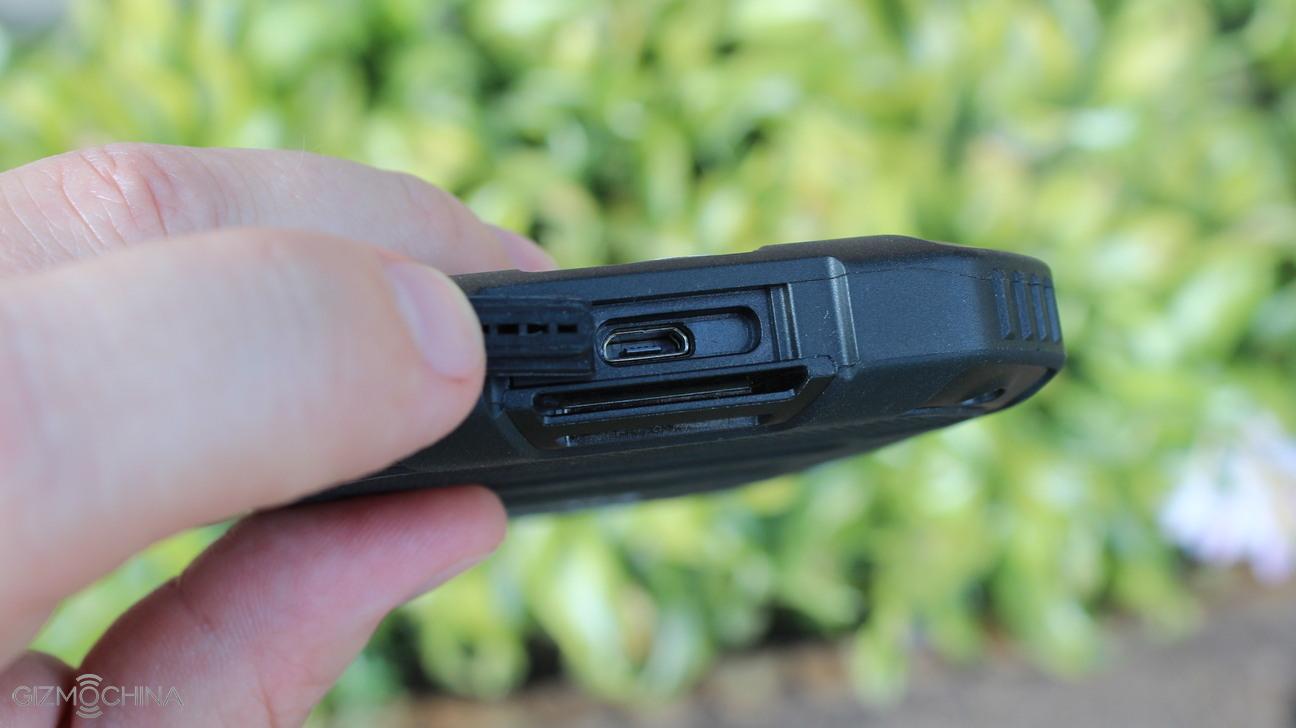
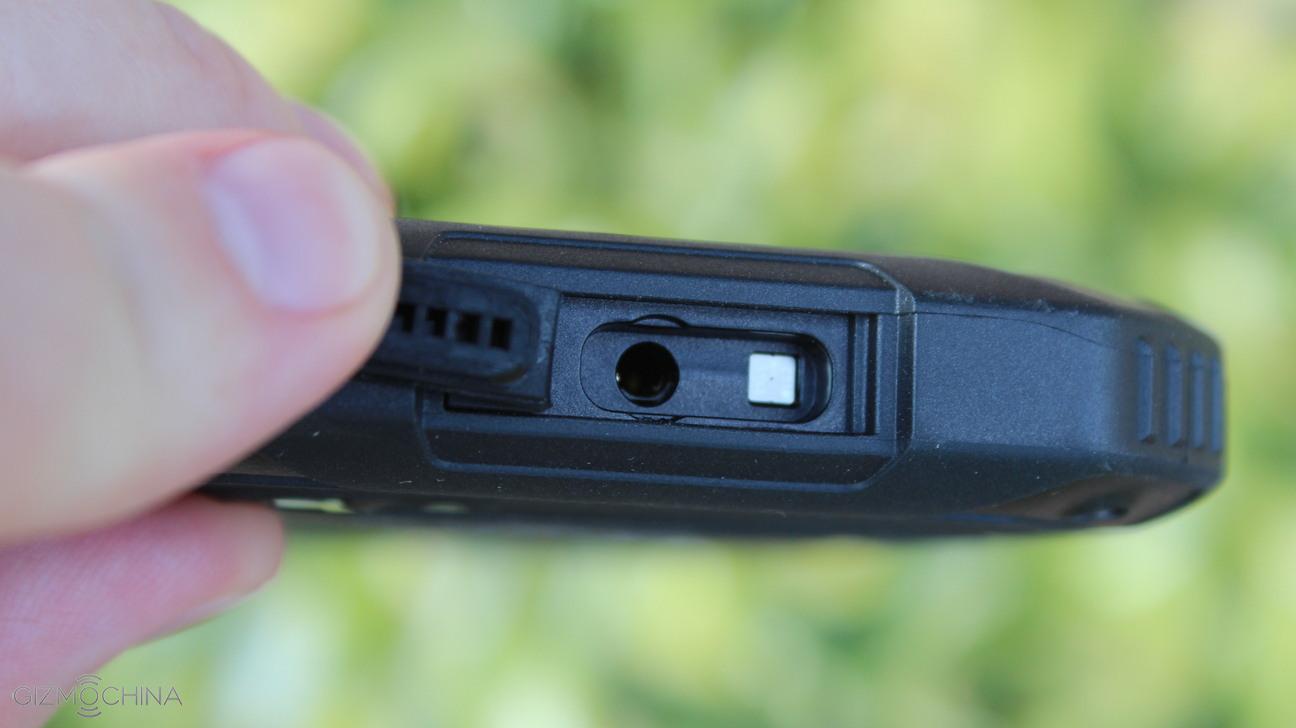
All the ports are covered with flaps, so the water does not reach in. You have to keep in mind that the phone requires a longer than usual USB connector meaning that regular USB cables will not work with this phone.
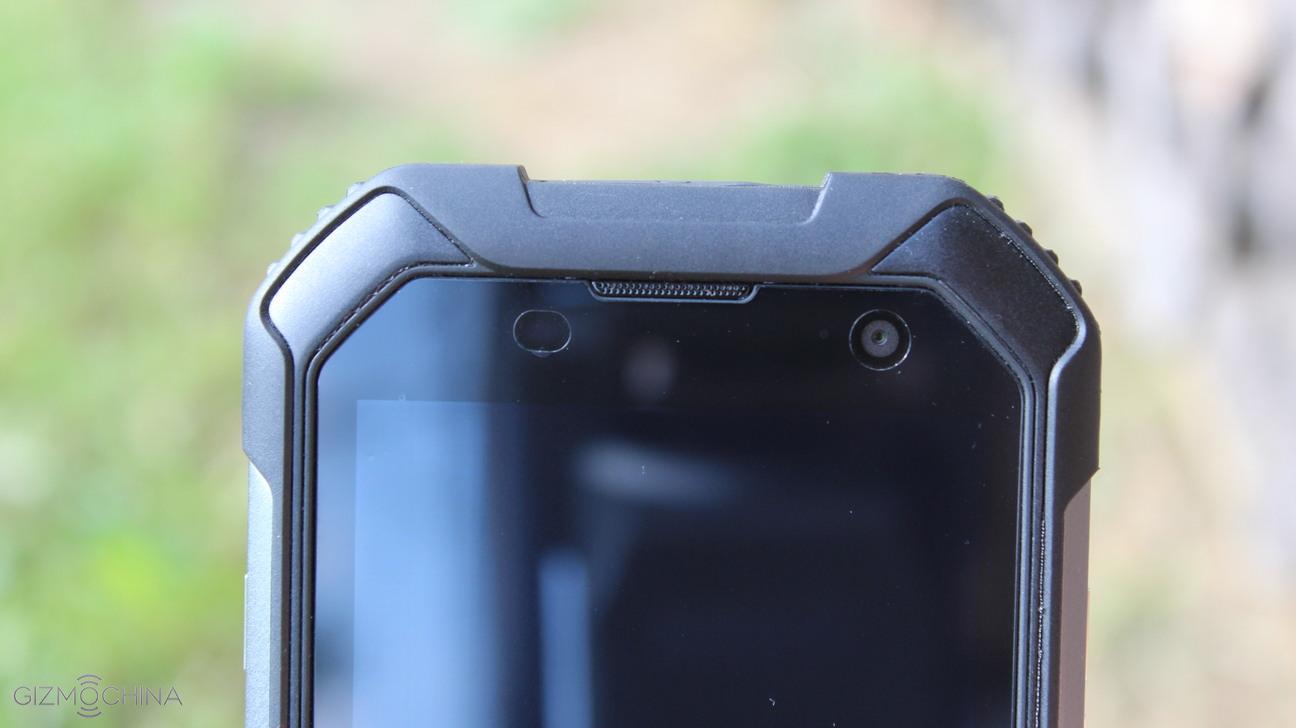
We have a 4.7” 720p panel, which is okay for a phone like this but the display could be slightly brighter. The phone is designed for outdoor use after all.
There are 3 nicely backlit capacitive buttons but it is disappointing that there is no LED notification light. As for selfies, we have an 8MP interpolated camera (5MP sensor).
On the back, we have a 13MP camera, which can take 18MP pictures.
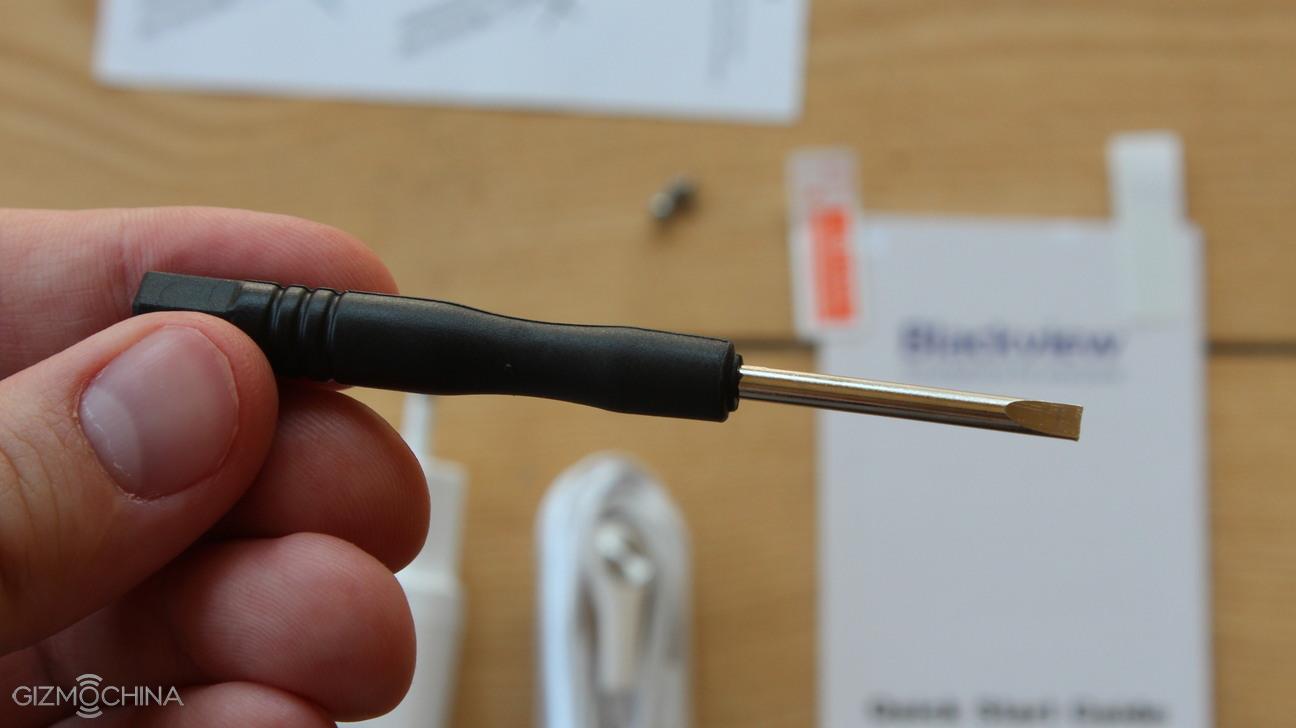
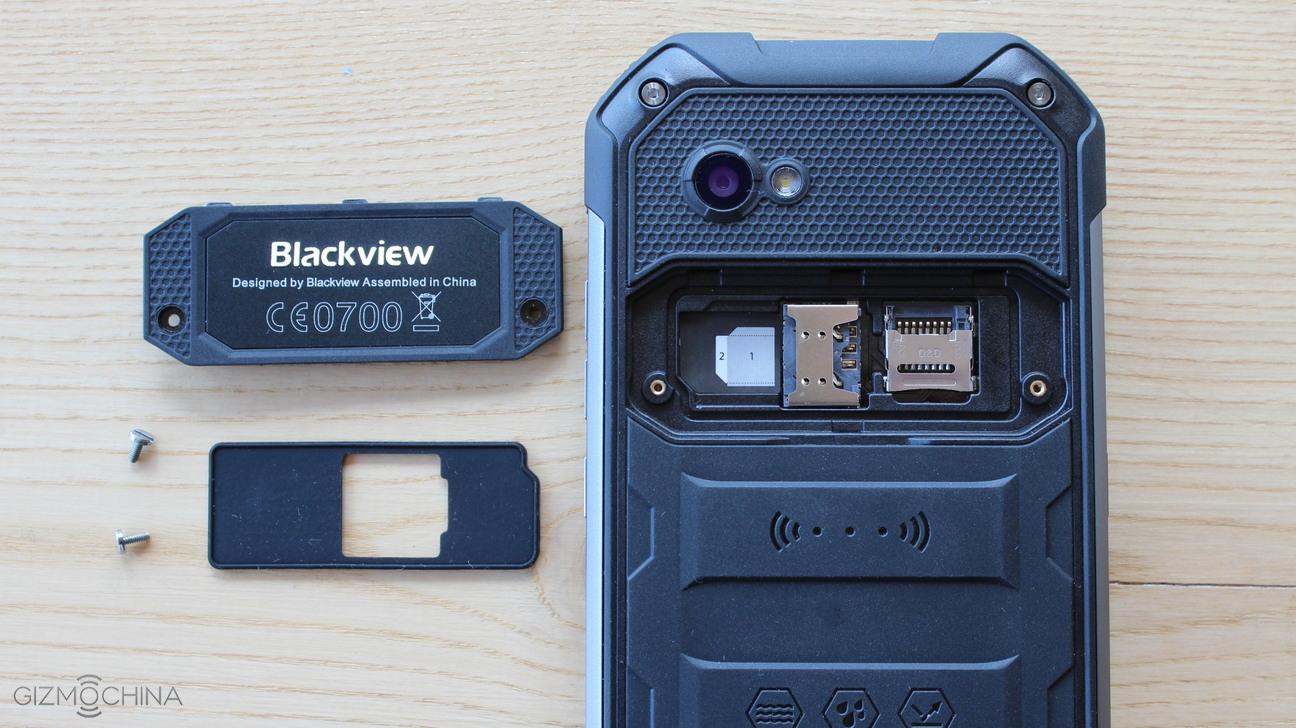
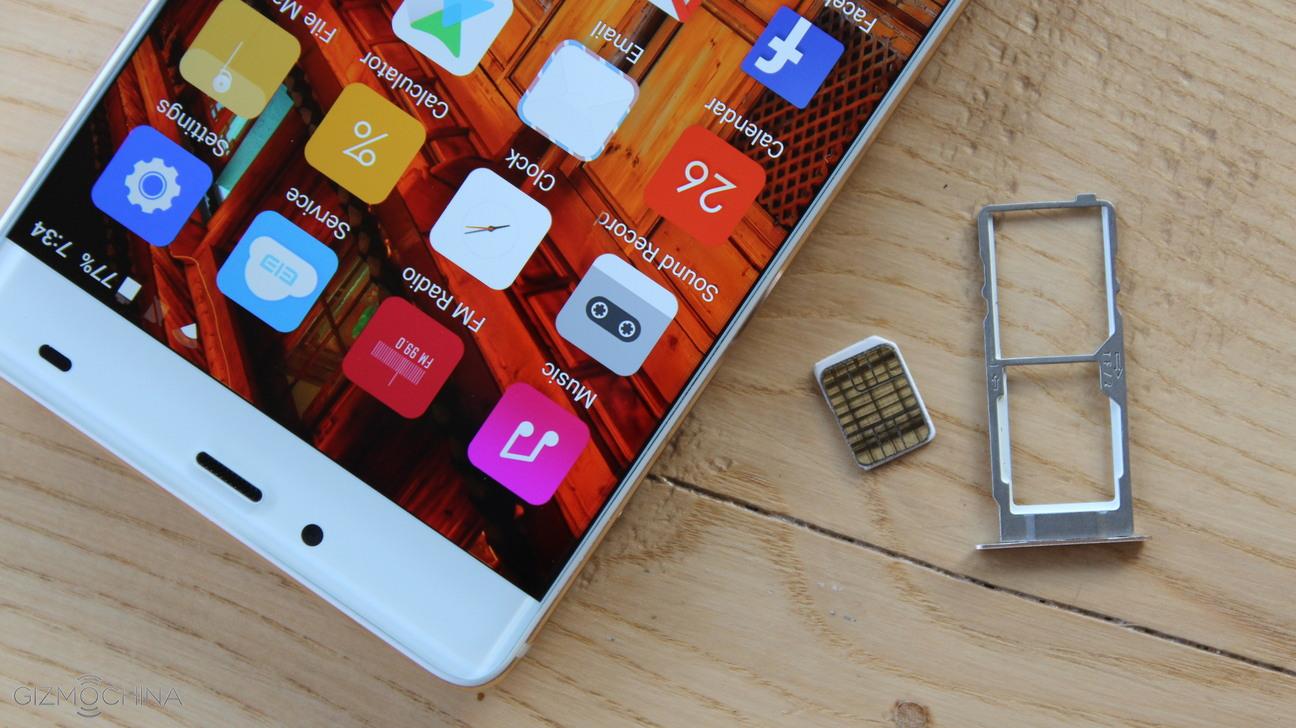
In order to access two SIM card slots as well as the microSD card slot, you have to use the supplied screw driver to open up the cover.
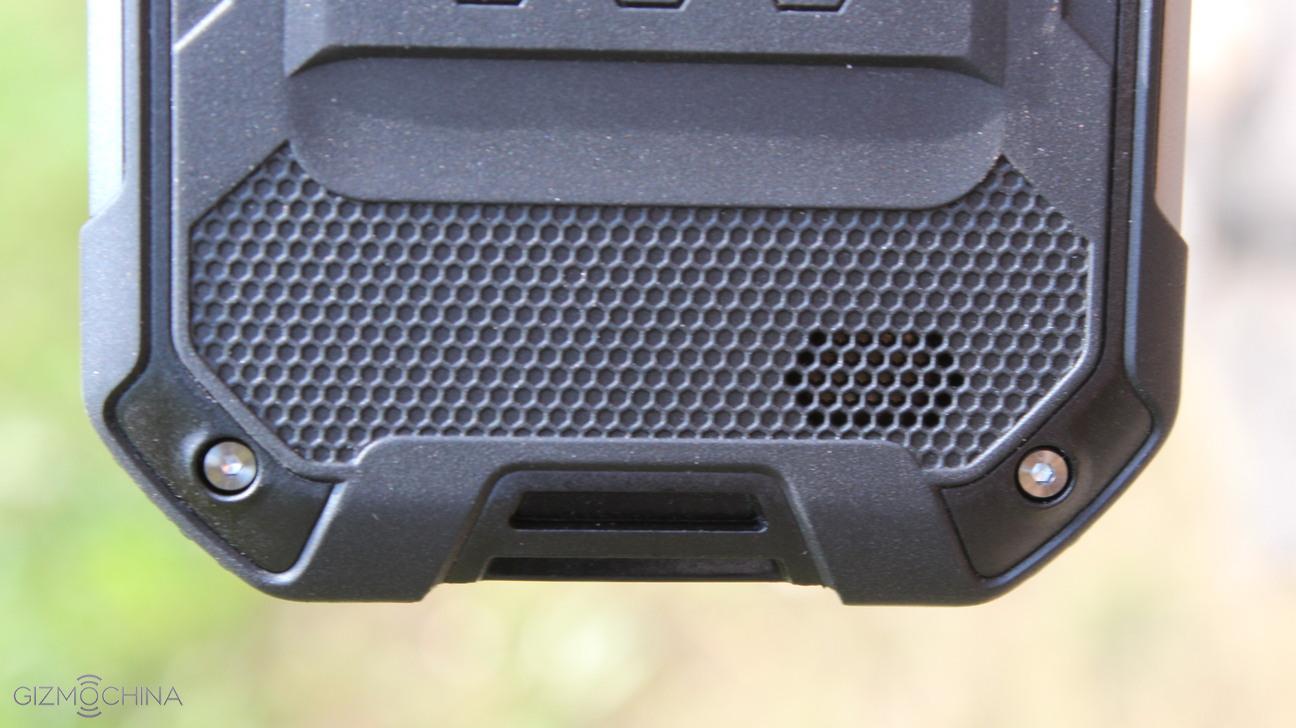
The loudspeaker is far from the best I’ve heard. The sound is tinny and it gets distorted at the highest volume settings.
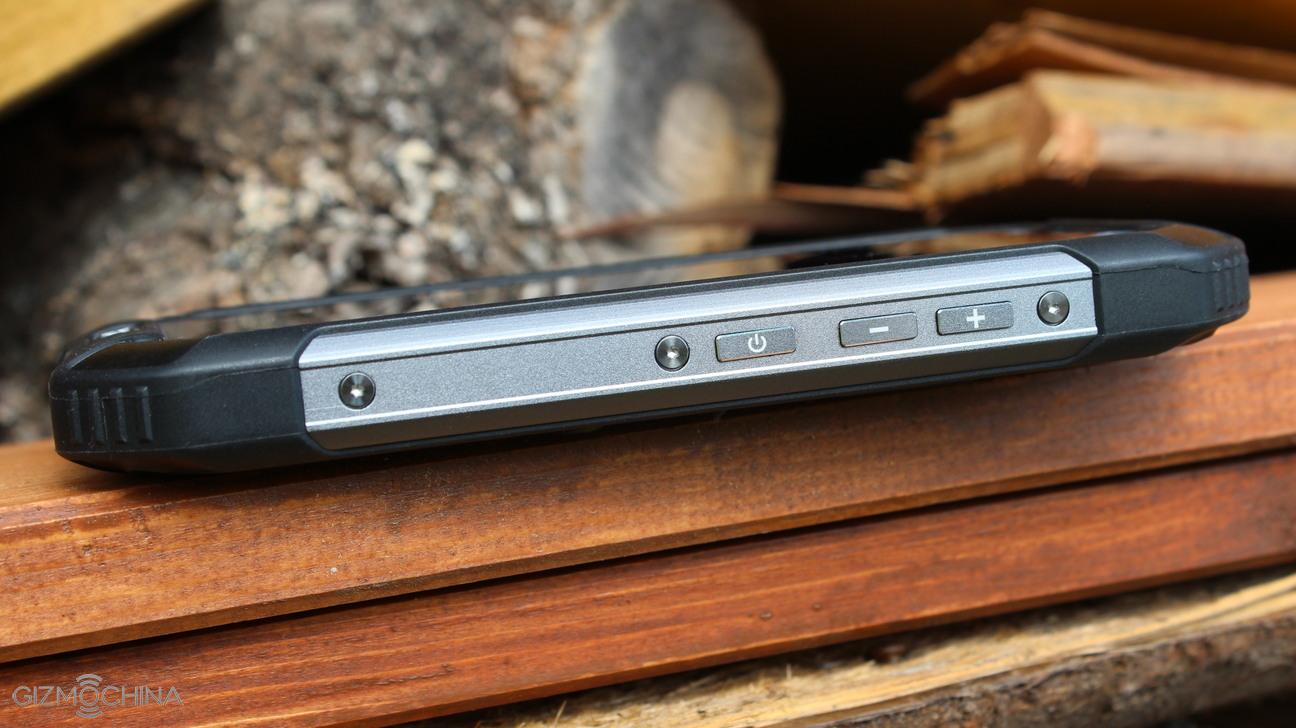
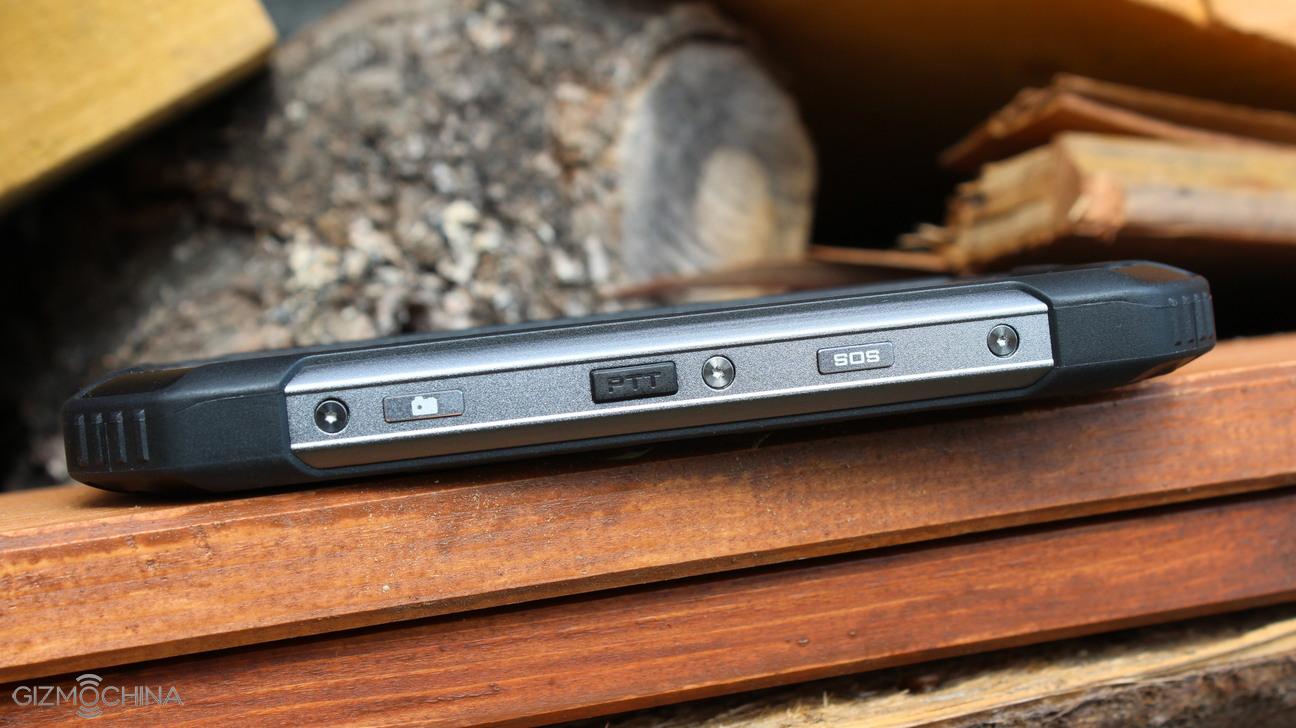
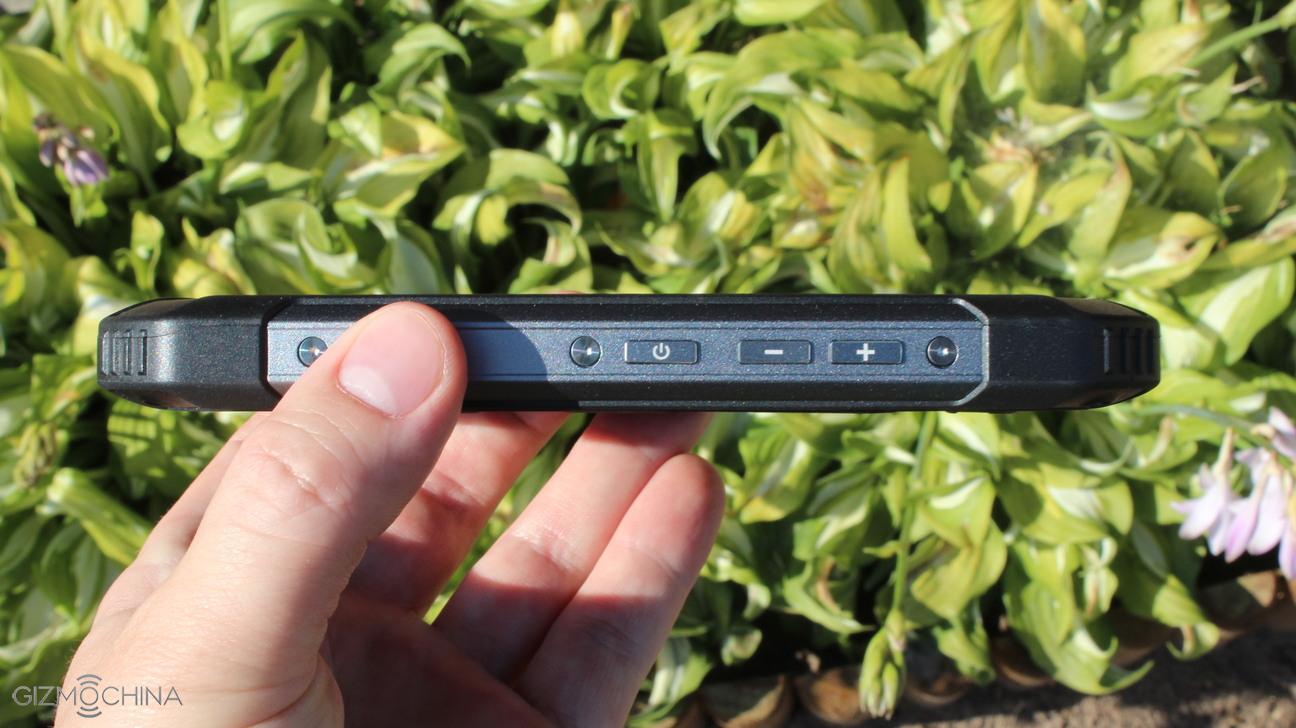
The usual buttons are nice and tactile. Also, we have some extra buttons like a camera key, which acts as a shutter button. It is supposed to open up the camera app but it simply takes too long to do that. We also have the PPT (Push to Talk) button. Unfortunately, I didn’t have a chance to test this feature out. Lastly, we have the SOS button, which automatically sends your GPS coordinates to the set contact number in case of emergency.
Overall, the phone is thick and heavy but it is built like a tank to survive those extreme situations.
Blackview BV6000 Review: HARDWARE and PERFORMANCE
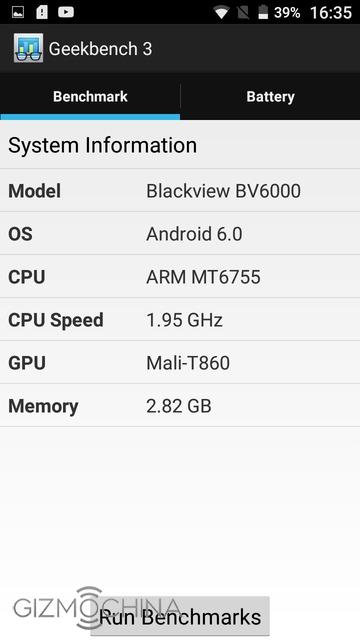
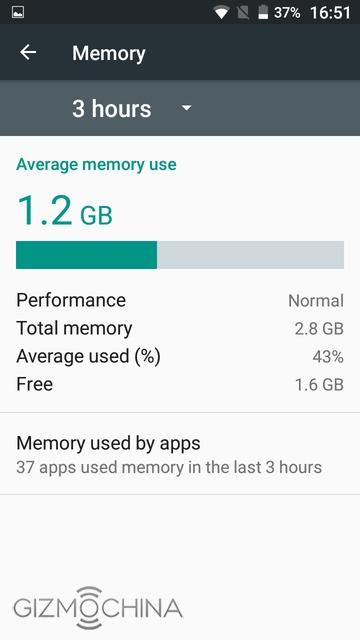
The phone doesn’t skimp on the hardware either. It sports a Mediatek Helio P10 chip with the clock speeds of 2.0GHz, 3GB of RAM and 32GB of expandable storage.
Surprisingly, the device can handle 3D games very well. Asphalt 8 runs fine on the highest graphics with just some minor skipped frames and the phone does not overheat.
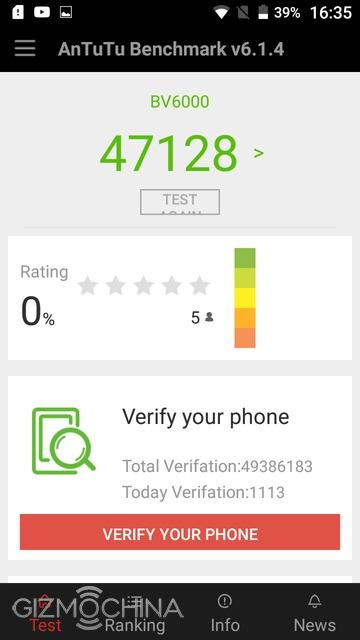
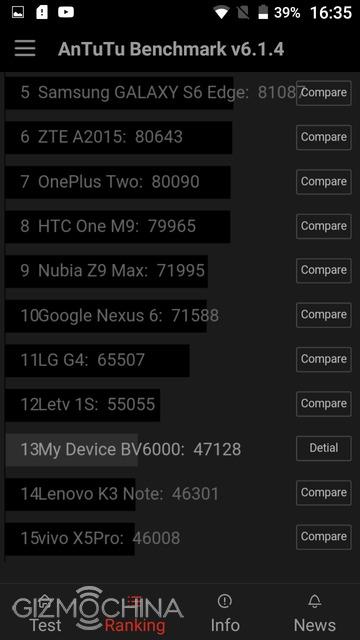
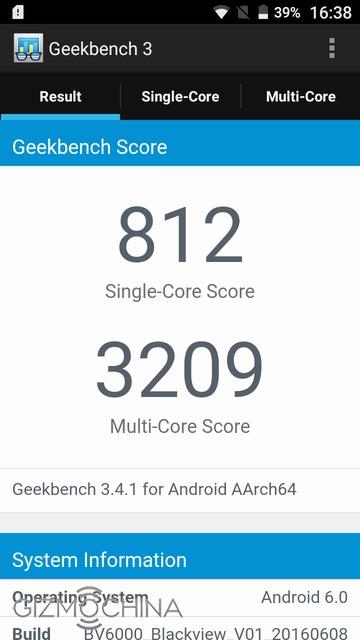
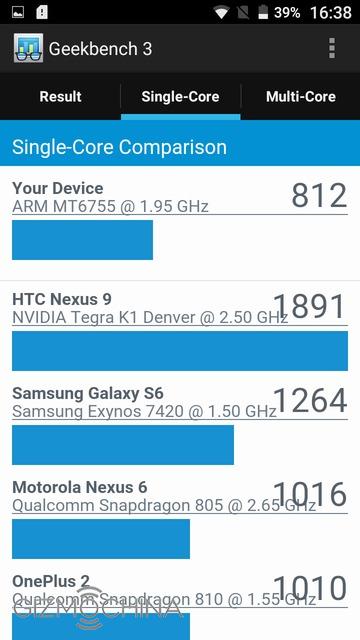
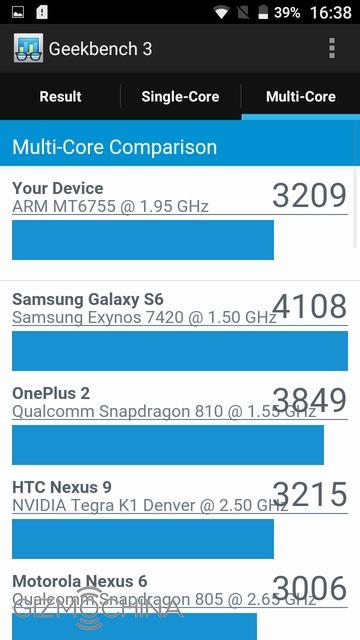
Blackview BV6000 Review: BENCHMARKS
Blackview BV6000 Review: USER INTERFACE
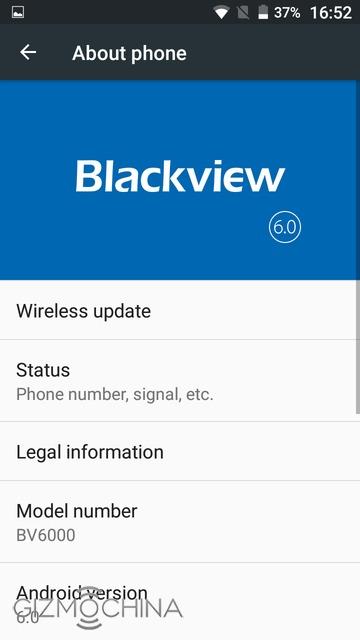
When it comes to the UI, the device runs on Android 6.0 with Blackview’s skin on top of it.
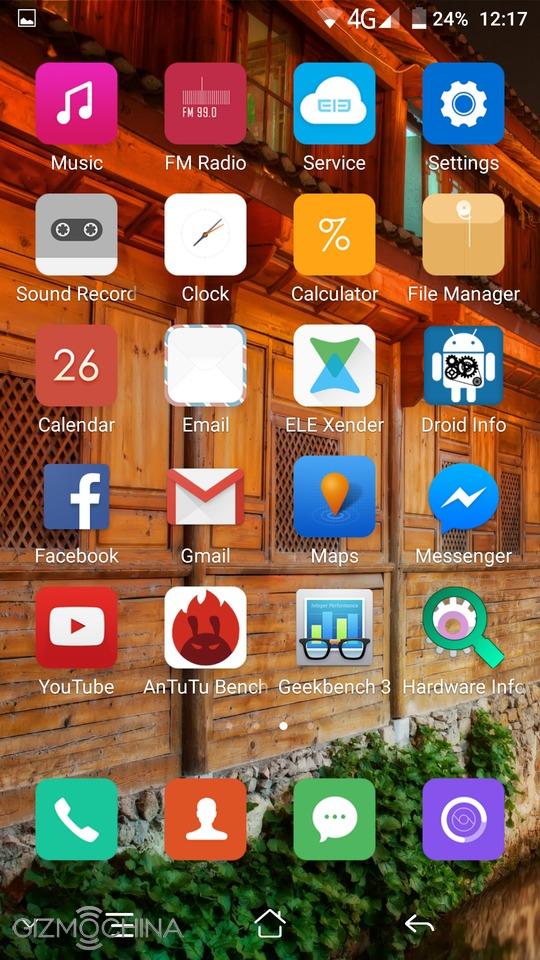
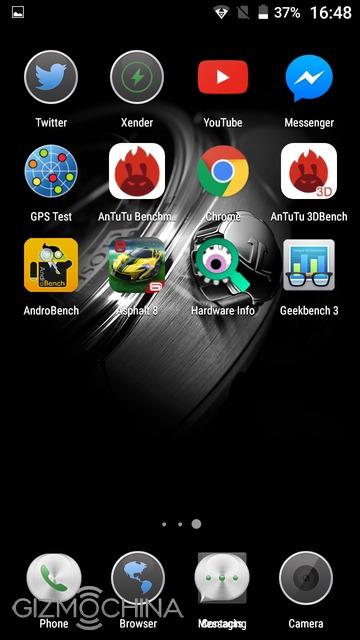
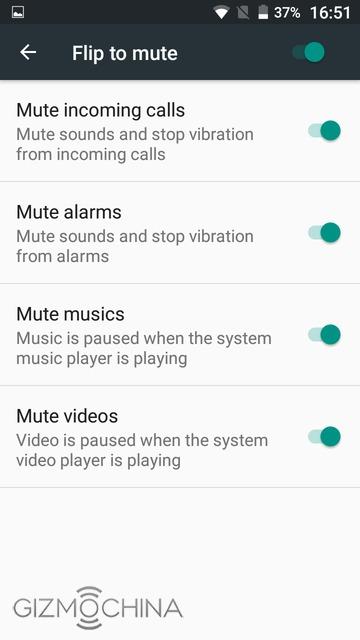
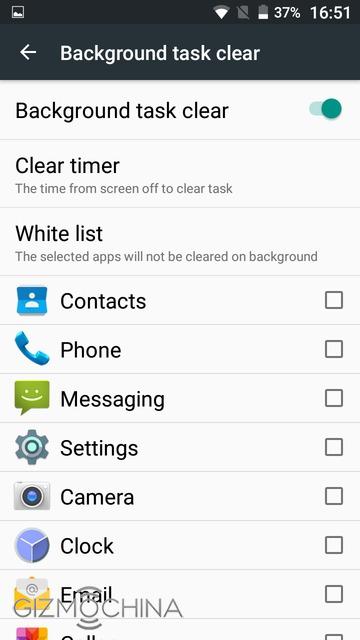
We have some redesigned icons and the app tray is removed. Also, there are some basic customization options and quite a few gesture controls. Some of them work fine while others not so fine.
Most importantly, the UI runs fast without any hiccups or lag on a daily basis.
Blackview BV6000 Review: IMAGE QUALITY
The 13MP camera can take some okay looking images but they are definitely not the best in class. The pictures could have more sharpness and detail and the quality decreases in lower-lit situations.
The 1080P video is okay looking too. Nothing spectacular but not bad either. See a video review for a video sample.
The front camera takes some noisy looking selfies but it may be enough for social media.
Blackview BV6000 Review: CONNECTIVITY
As for connectivity, we have all the usual options that work great. Also, the device supports NFC.
Blackview BV6000 Review: BATTERY LIFE
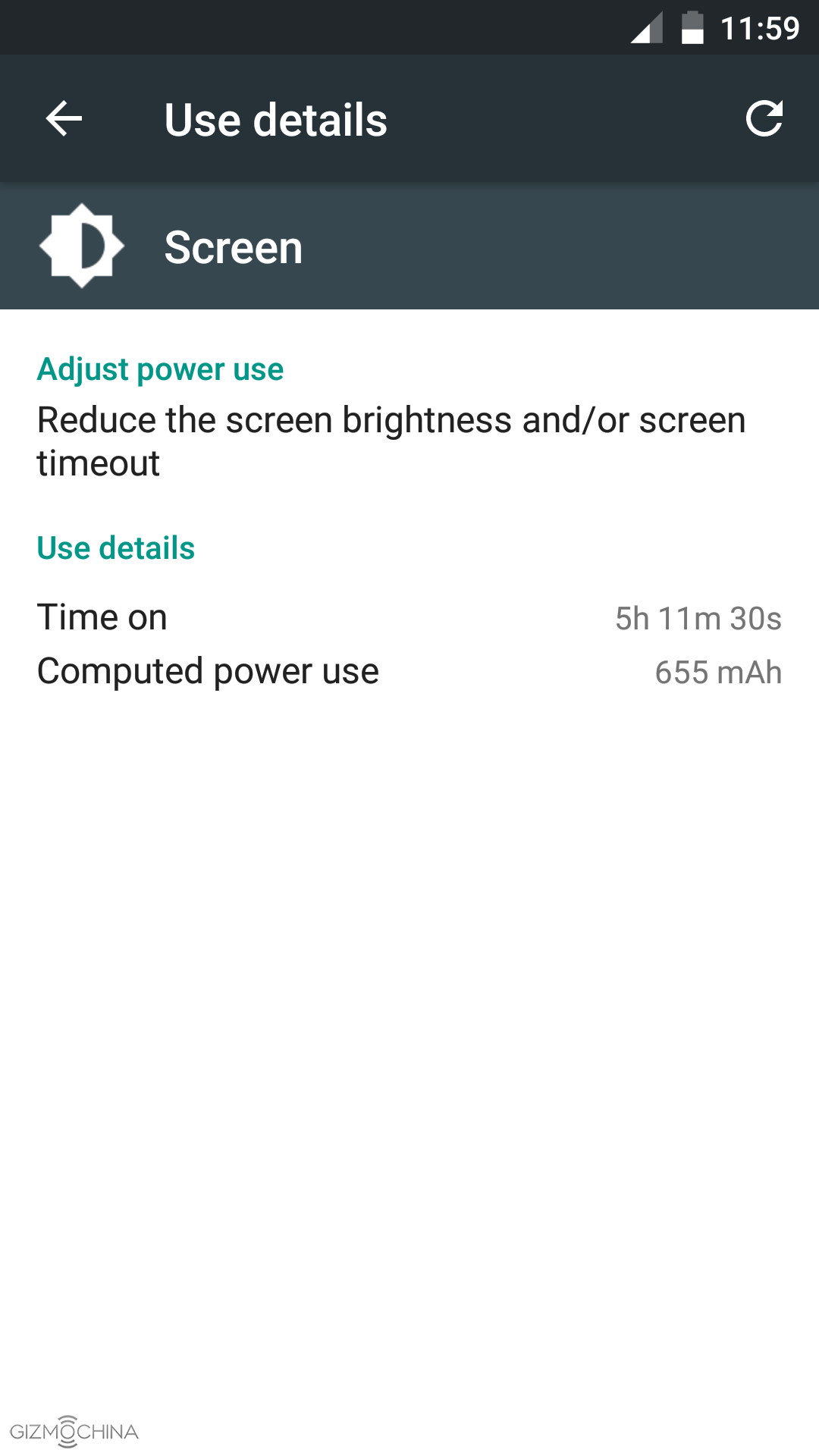
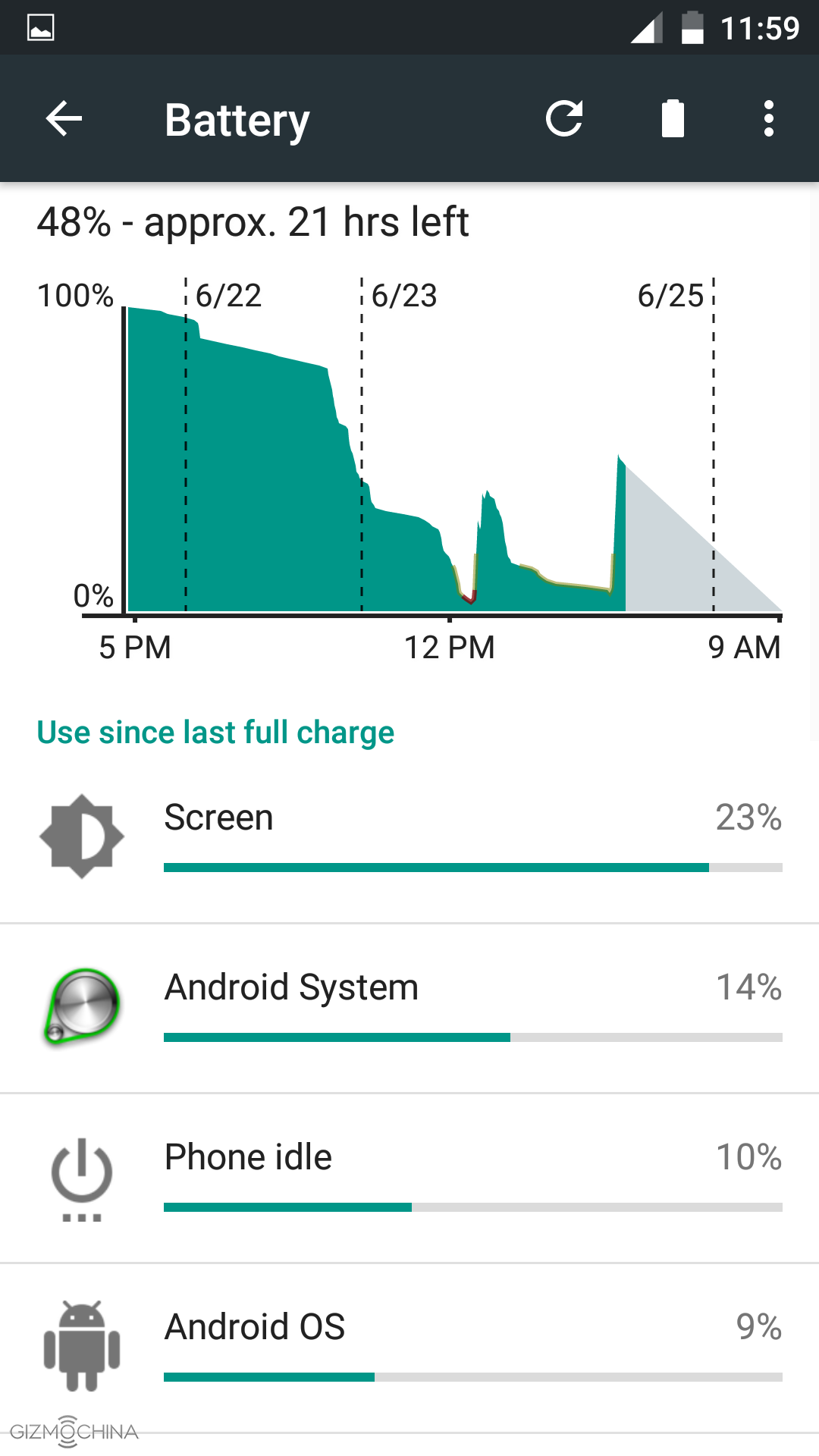
The device ships with a beefy 4500mAh battery, which performs great and it will definitely get you through the day. I could get way over 5 hours of screen on time despite using the phone quite intensively and that is a good result. On a light use, I could get over 6,5 hours of SOT.
Blackview BV6000 Review: CONCLUSIONS
Blackview BV6000 is a rugged phone that is actually pretty good.
It is well-built but not too large, it has quite powerful internals that assure a smooth UI and even gaming performance. Also, a large battery powers up the phone for quite a long time without the need to recharge it.
On the other hand, the display could be brighter knowing the fact that that the device is mainly designed for outdoor use.
While the camera is not bad and you can take some okay looking images, Blackview could have invested in higher quality lens.
All in all, Blackview BV6000 may not be perfect but it is a decent offering if you are in the market of IP68-certified phones.
Oppo’s line of high-end phones is the Find Series and it’s been over 2 years since they released a new phone in this lineup. The announcement of the new Oppo Find 9 was expected in June this year but that clearly didn’t happen.
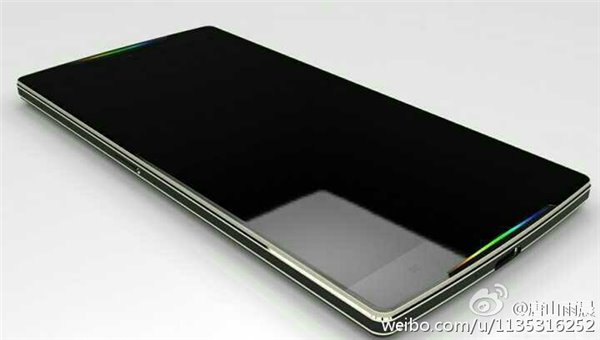
While June has passed us and a new release date isn’t yet known, what appears to be a render of the Find 9 has appeared online. You should take this leak with a pinch of salt because there is no official statement with respect to the image and there’s no Oppo branding on the device. The only reason why we think it is the Find 9 is because of the skyline breathing light associated with the Find series. The phone also appears to sport dual front facing speakers and a 2.5D front panel glass. There’s no fingerprint scanner upfront and no physical button, which leaves the Find 9 having its fingerprint scanner at the back.
The Find 9 is expected to feature a 5.5” QHD screen, 8GB of RAM, 128GB of ROM, a Snapdragon 821 processor, a 4100mAh battery with VOOC fast charging, a 21MP rear camera and 16MP up front.
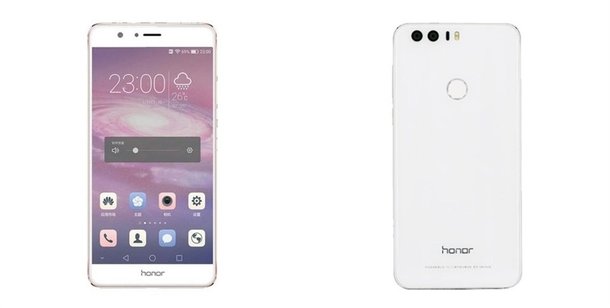
July 11 is the date to mark on your calendar for the release of the Huawei Honor 8. I am excited about it solely because I want to see a comparison of its dual cameras against those of the Huawei P9 and Honor V8.
Honor 8 RenderHonor V8
We’ve been able to lay our hands on renders of a white version of the upcoming phone. It doesn’t look bad at all. The front camera and sensor are positioned in the same place as that of the Honor V8. If both phones are placed side by side, the only way to tell the difference will be by the screen size. The back is where the changes are. The camera lens don’t share a single lens glass like that of the V8 and the laser and LED flash are standing vertically. Another the difference is the fingerprint scanner which is a circle on the Honor 8 but looks more like a squircle on the V8.
The Honor 8 will come with a 5.2 FHD display, come in 3 versions: 3GB RAM + 32GB, 4GB RAM + 32GB, and 4GB RAM + 64GB; and be powered by a Kirin 950 processor clocked at 2.3GHz. The dual cameras at the back are 12MP and there is an 8MP up front for selfies. Battery is 3150mAh with fast charging and it will come with Android 6.0 out of the box with pricing starting at $306.
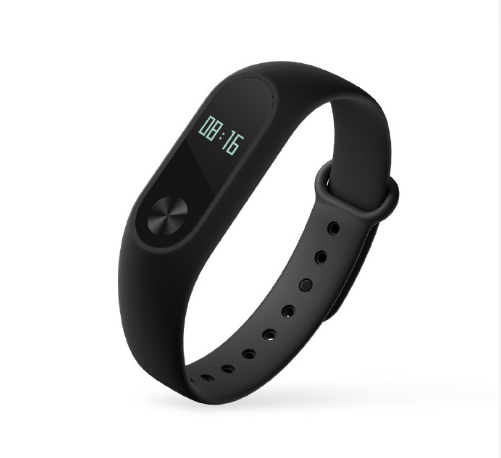
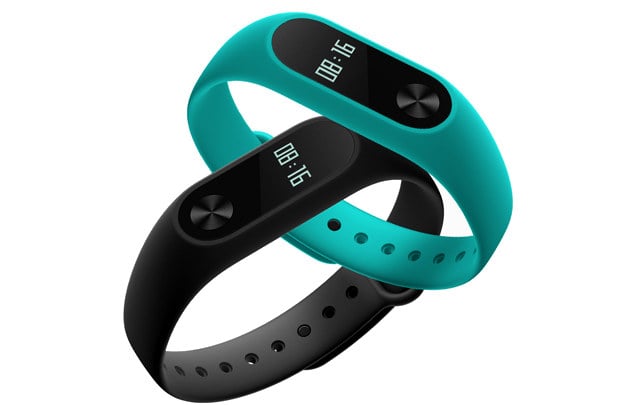
Last month we wrote about the shortage of Xiaomi’s Mi Band 2 which led to some major malls selling it at prices higher than normal. To curb this, the CEO of Xiaomi, Lei Jun, and Mr. Huang Wang who heads Huami, the company producing the band, mentioned that production for the smartband will double but might not still be enough to meet the high demand.
News reaching us today says the Mi Band 2 will go on open sale in October so that customers can buy all they want when they want it. October is still a long time from now, so customers who wish to wait will have to be extremely patient. Presently, the smartband is not even available on Xiaomi’s website. The Mi Band 2 has an OLED display, is IP67 certified, has a 20-day battery and costs 149 Yuan.
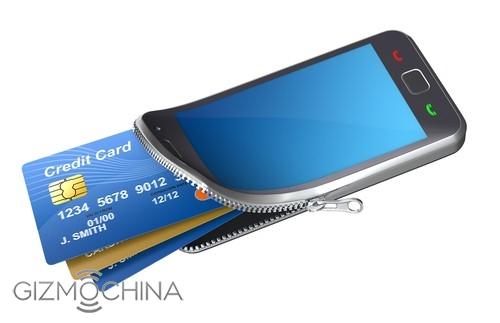
On a side note, owners of the Xiaomi Mi 5 can now pay for bus and train fares using their phones built-in NFC chip. The service is however limited to Shanghai and Shenzen for now.
Xiaomi registered the Beijing Xiaomi Payment Technology Ltd in December 2013 with a quoted capital investment of 50 million Yuan. Last year, Xiaomi wallet was launched as a beta money market fund on Xiaomi phone. It was only made available to Xiaomi phone users running developer build in China. The Xiaomi Wallet is expected to support online shopping payment, accessing of personal credit information, financial products, and third-party payment.
Xiaomi had also earlier this year announced plans to partner with China UnionPay to launch its own mobile payment tech to work exclusively on its own smartphones.The partnership is obviously to expand the functions of the Xiaomi Wallet. Thus with this move, more payment functions are expected to roll into the payment app this fall according to reports.
In a related development, the Xiaomi team indicated that fingerprint payment is also being worked. When that happens, users of Xiaomi smartphones with fingerprint sensors will be able to pay by fingerprint.
Its no surprise Xiaomi is making strong efforts to develop its own payment platform. The convenience of making payments is very important for monetizing any content or services on mobile. Mobile payment has become a strategic tool for some Chinese tech companies such as Tencent and Alibaba and more financial products are expected to be created based on it.
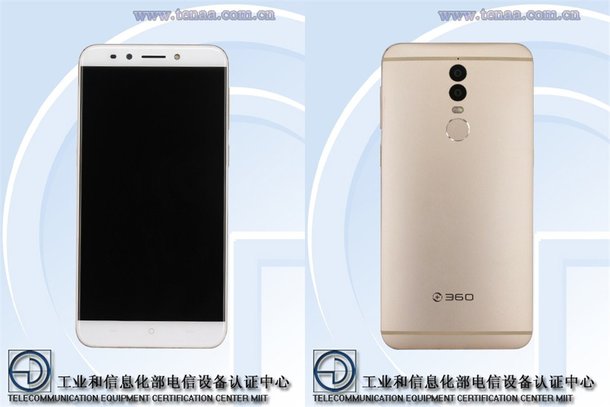
A lite version of the 360 Q4 has arrived at TENAA and appears to be a smaller version of the original that was seen on TENAA a few weeks back. While cutting down the specs in some places and keeping others, the Q4 Lite has a strong feature of its own that the Q4 doesn’t have.
The 360 Q4 Lite features a smaller 5.5” FHD AMOLED screen as against its sibling’s 6” display, a 1.4GHz octa-core processor probably the Snapdragon 435 processor as compared to the SD820 of the Q4 and a 3200mAh battery. The Q4 Lite, however, has a massive 128GB ROM which dwarfs the 64GB on its big brother.
360 Mobiles is giving the Lite dual 13MP rear cameras as well, and an 8MP camera in front for selfies. There is also a fingerprint scanner stacked below the dual camera lens. The phone runs on Android 6.0.1 Marshmallow and is expected to be priced at 1499 Yuan ($226).
The Q4 Lite is 360 Mobile’s second phone under the Q Series which is aimed at the high end but a snapdragon 435 processor doesn’t sound like high end to me.
Last year, Huawei shipped well over 100 million smartphones globally, which happened to be the largest shipment by any of the over 300 of China’s phone manufacturers. The monumental achievement helped Huawei climb to the enviable position as the world’s third largest smartphone maker, just behind global giants Samsung and Apple.
In a bid to build on last year’s successes, the company did set a goal of 140 million smartphone shipment for 2016 and recent reports point to the fact that the Chinese phone company is well on its way to achieving its set goal.
According to reports in the Electronic times, Huawei recently announced that its mobile phones shipment for the first quarter of 2016 reached a whopping 28.3 million units.
Huawei’s flagship P9 and P9 Plus devices released just two months back, have recorded sales exceeding 2.6 million units according to recent data from Huawei. Both the Huawei P9 and P9 Plus sport dual rear cameras manufactured by renowned German camera maker – Leica as their strongest selling point.
Again, Huawei is expected to release another flagship device this July – the Huawei Honor 8, which is expected to carry a moderate price of 2000 Yuan. Then in September, the Huawei Mate series gets a new baby tagged Mate S2 which is expected to carry of between 4000 – 5000 Yuan. These two heavyweights are expected to further boost Huawei’s smartphone sales for the remaining part of the year.
According to Richard Yu, Chief executive of Huawei’s consumer business group in a TV interview at Mobile World Congress in Barcelona, the smartphone giant still targets 140 million phone shipments this 2016, an ambitious figure which would see the company’s growth jump over 30%.
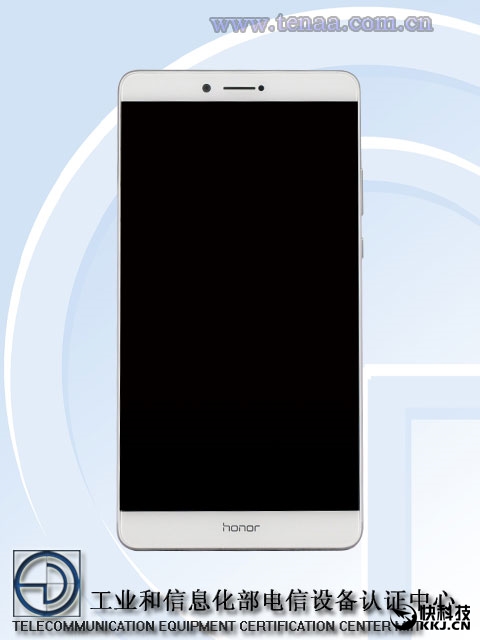
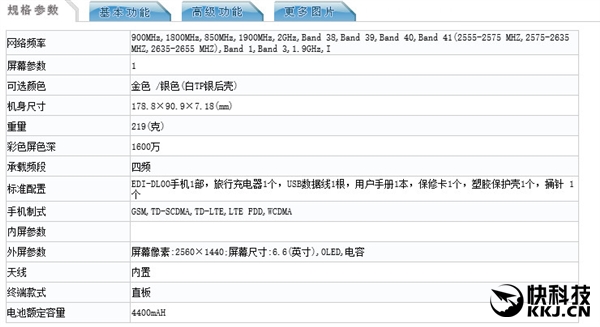
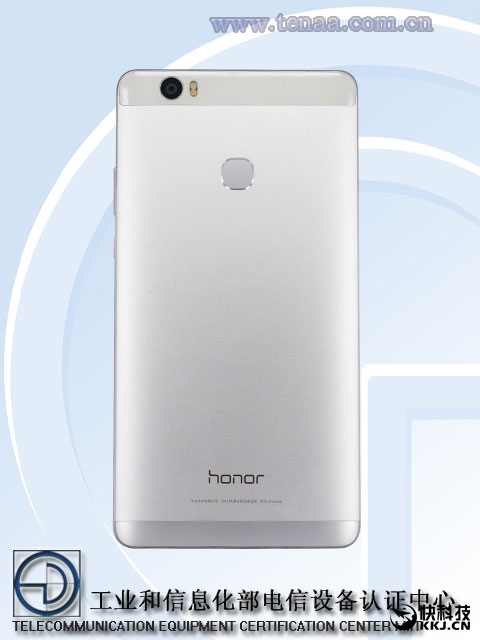
Huawei is going to release the Honor 8 on July 11 and it seems that isn’t the only phone launching. This new phone showed up at TENAA with model number EDI-DL00 and is sort of a max version of the Honor 8. So, could it be called Honor 8 Max? While we wait for the official name to be confirmed, let’s take a look at some of the specs.
The phone will feature a massive 6.6” screen with a 2K resolution, a Kirin 950 octa-core processor clocked at 2.3GHz, 3GB of RAM, 32GB of ROM,and will run Android 6.0 Marshmallow. Huawei has decided to give the phone a 4400mAh battery which we expect should support fast charge.
Sadly, the ”Honor 8 Max” will not get the dual camera treatment like its other siblings. Camera configuration is 8MP in front and 13MP at the rear. Dimensions are 178.8 x 90.9 x 7.18 (mm) and weight has been kept at 219 grams.
For a phone this large, you’d expect Huawei to put the fingerprint scanner in front or positioned lower even if it is going to be at the back, but it sits at the upper part. So unless you have really large hands (and long fingers), unlocking the phone might pose some difficulties.
If the ”Honor 8 Max” is meant to take on the Xiaomi Mi Max, it’ll do well to be priced at more or less the same price range as its rival. The Mi Max while sporting a smaller FHD screen (6.44”) features a larger battery(4850mAh), has NFC, and cost $230 for 650 processor; $260 for the 3GB/32GB with a SD652 chipset; and $307 for the 4GB/128GB version with the snapdragon 652 SoC.
A mysterious device identified only as Xiaomi markw has been spotted on benchmark site, Geekbench. Geekbench has amassed a renowned reputation and popularity in helping us verify that most of the hardware on Android devices works as it should.
One good thing about Geekbench is that they put all scores up publicly which makes it the go-to guy when searching for specs of upcoming devices. However, details revealed on Geekbench are usually scanty, omitting key details like device size, battery power, presence or lack of microSD, number of SIM slots and others.
Even at that Geekbench helps us know what to expect, and now we know a new Android device is coming in from Xiaomi with the name Xiaomi markw. It is not known as of this moment if that is the name the device will sport on launch day or just a codename.
What we know, though, from the Geekbench listing is that the device promises to be a solid mid-ranger sporting Snapdragon 625 processor which could imply that the device will support Tango and Daydream VR headgears. The Snapdragon 625 SoC is far from being the best, but it’s still a beast.
The Geekbench listing showed that the Snapdragon 625 SoC on the markw clocked at 2.02 GHz, sporting 8 cores. The SoC also manages to pull down a respectable single core score of 923, with its multi-core score skyrocketing to a cool 4,537, which indicates a great teamwork from processor cores which is only half as powerful as those found in the Snapdragon 820. The memory performance averages around 3 gigabytes per second in tests, meaning this device will have very fast response time when multitasking or opening new apps.
Backing the Snapdragon 625 processor is a 3GB RAM but the size of the on-board memory is not revealed.
Other details revealed on the listing include that the device will boot Android 6.0 Marshmallow out-of-the-box and an Adreno 510 GPU. The Adreno 510 superstar GPU on board the device levels the playing field, making this mystery mid-ranger nearly as good for hardcore gaming outside of emulators as its flagship counterparts.
For now, the results listed on Geekbench are all there is to the mystery Xiaomi markw. Perhaps as time goes on more leaks surrounding the markw will surface.
Xiaomi’s Mi Band, which has now been followed by the Mi Band 2, stormed the market with a compact size and cheap price tag, and is arguably regarded as the world’s most successful smart band product with its record performance in the market.
The second generation – Mi Band 2 was released early last month after a long wait occasioned by the company’s desire to ensure the device meets the market demand for the highly sought after smart band. The expected release date was even postponed severally to shore up the available stock.
Despite all these measures, the Mi Band 2 is still very difficult to get in the market. The high demand for the second generation smart band has caused its price to spiral upwards and is currently sold for as high as 229 Yuan. Bear in mind that the Mi Band 2 launched at 149 Yuan in June 2016.
But now, all that is set to change as Huami has made plans to further increase production of the Mi Band. According to Mr. Huang Wang, CEO of Huami which is the company that produces the Mi Band, production of the Mi Band 2 will be doubled next month but it still won’t be enough to meet the high demand.
Lei Jun, the founder and CEO of Xiaomi, whose brand name the Mi Band carries, also admitted via his Weibo account that even though they had repeatedly increased production, the demand for the Mi Band 2 has not been fully met. Lei further corroborated Huang’s information that the Mi Band 2’s production will be doubled from next month in order to meet demand.
The Mi Band 2 packs a wide array of features which makes it a must have for many, considering the affordable price tag. It has an OLED-display and a touch panel, granting users access to more information about distance covered, time, heart rate, body temperature and many other useful data with just one touch of a finger.
Apart from that the device functions as both a fitness tracker and wristwatch with smart technology which responds to your movements. As soon as you raise your hand, the bracelet will display the current time.
Are you one of those fans who buy iPhones as soon as they are launched ? if yes, then you may not have to worry about the safety of your device and won’t have to look around for alternate solutions for protecting the screen and the phone itself.
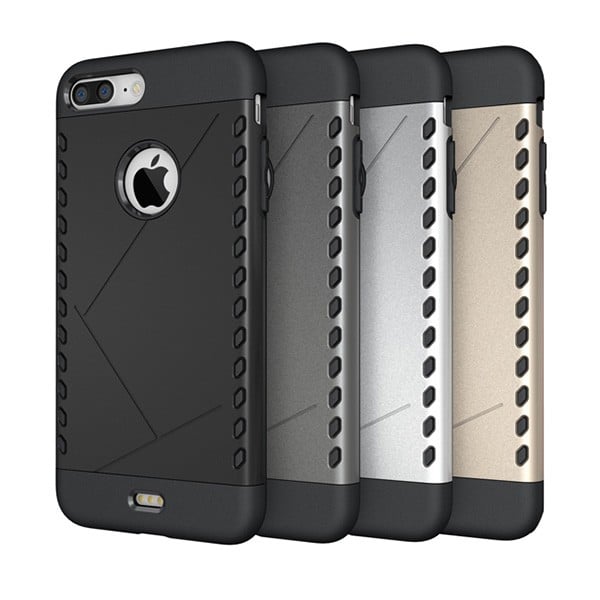
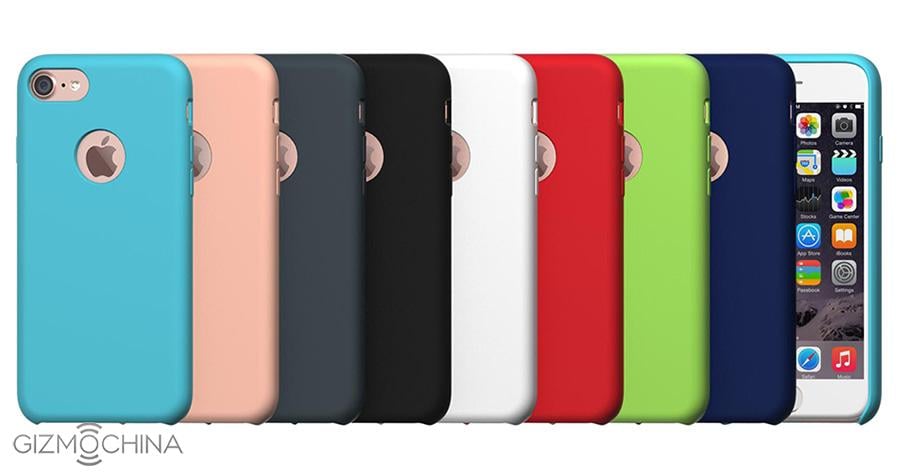
eCommerce portal OPPOMART has listed not one but 17 iPhone 7 and 7 Plus accessories for sale. While most of the cases for iPhone 7 are available to purchase, the cases for iPhone 7 Plus are up for preorder. Even tempered glass covers for both iPhone 7 and iPhone 7 Plus are listed which wasn’t the case when we first covered this news.
These cases and protective glass covers may give you a fair idea of the design, size of the phone as well as the screen. What we can make out from the cases is that iPhone 7 Plus will have twin rear cameras while the iPhone 7 may just come with a single rear camera. There may be a speaker grill on the back side on iPhone 7 Plus while the iPhone 7 may not have one. Touch id would remain at the front, just below the screen.
While the pricing of these accessories may be pretty attractive, starting $2.99 and going up to $19.99, we would still suggest you, to rein in your spending right now and wait till the official launch of the devices first and then buy relevant accessories.
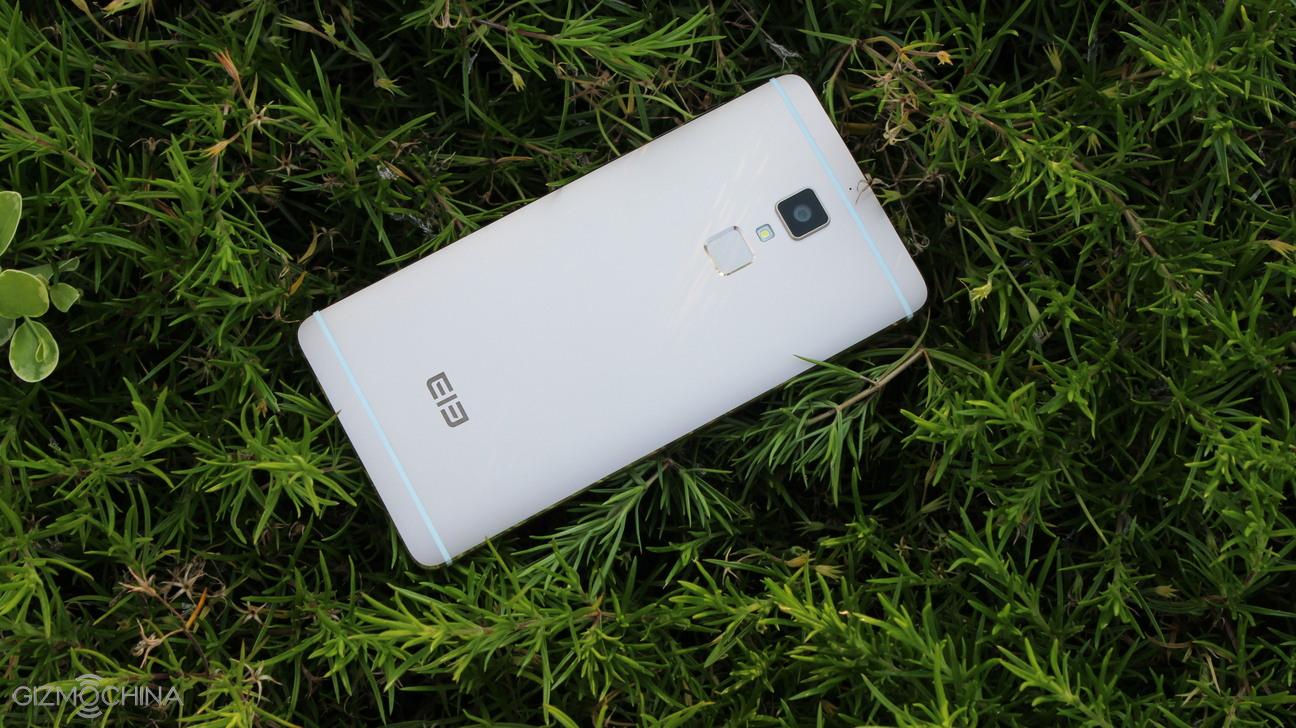
Elephone has one unique device – the S3. The main selling points of this phone are its bezel-less design and affordable price. This is Linus, find out if this phone is any good in our full review.
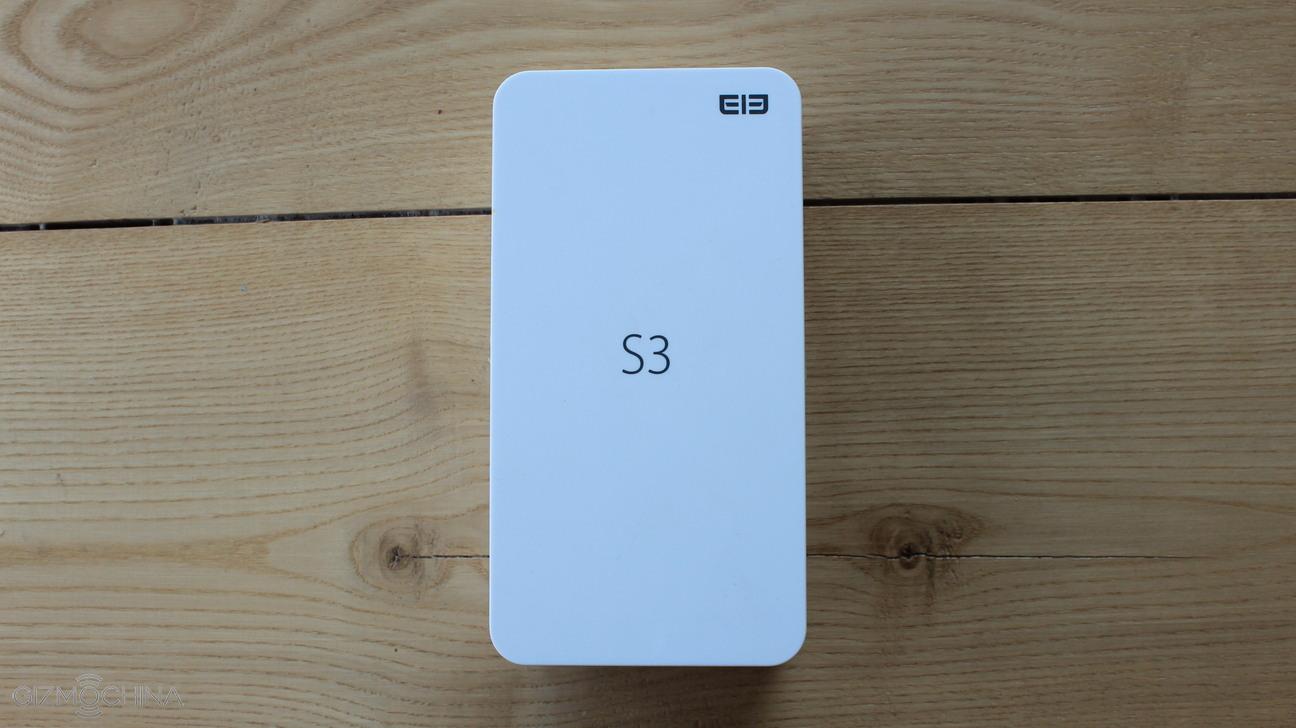
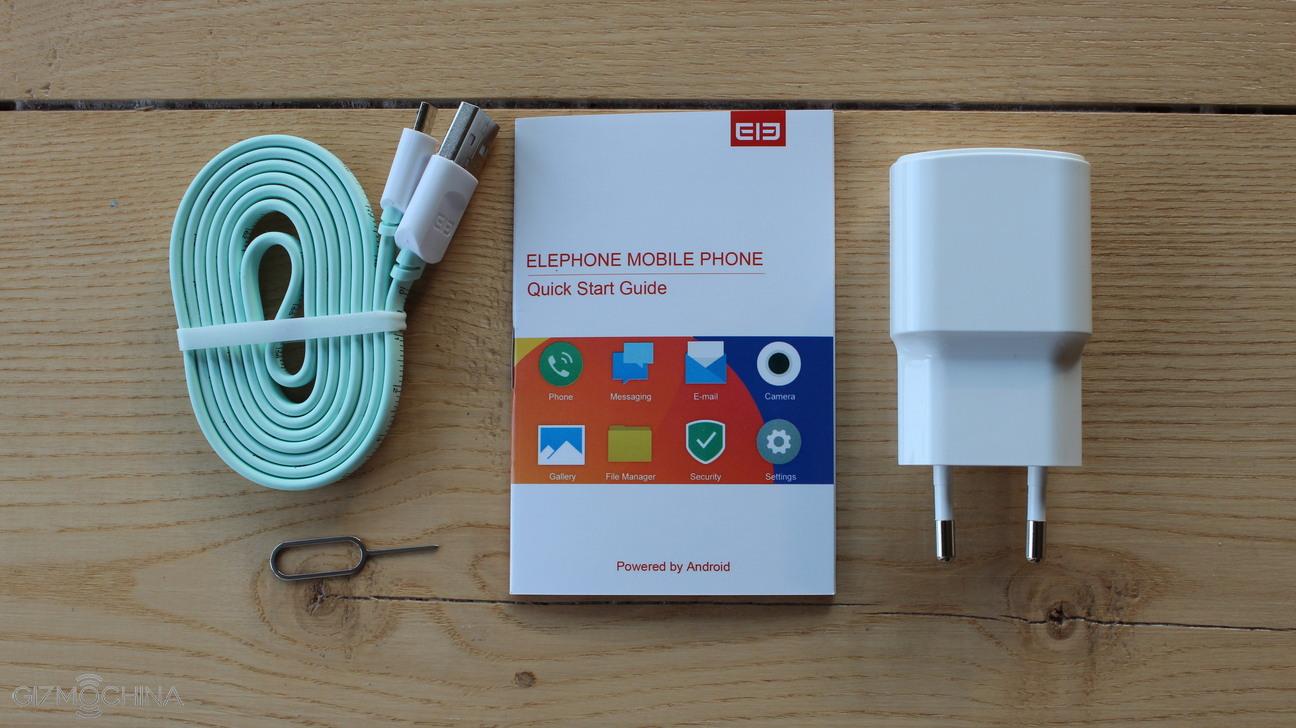
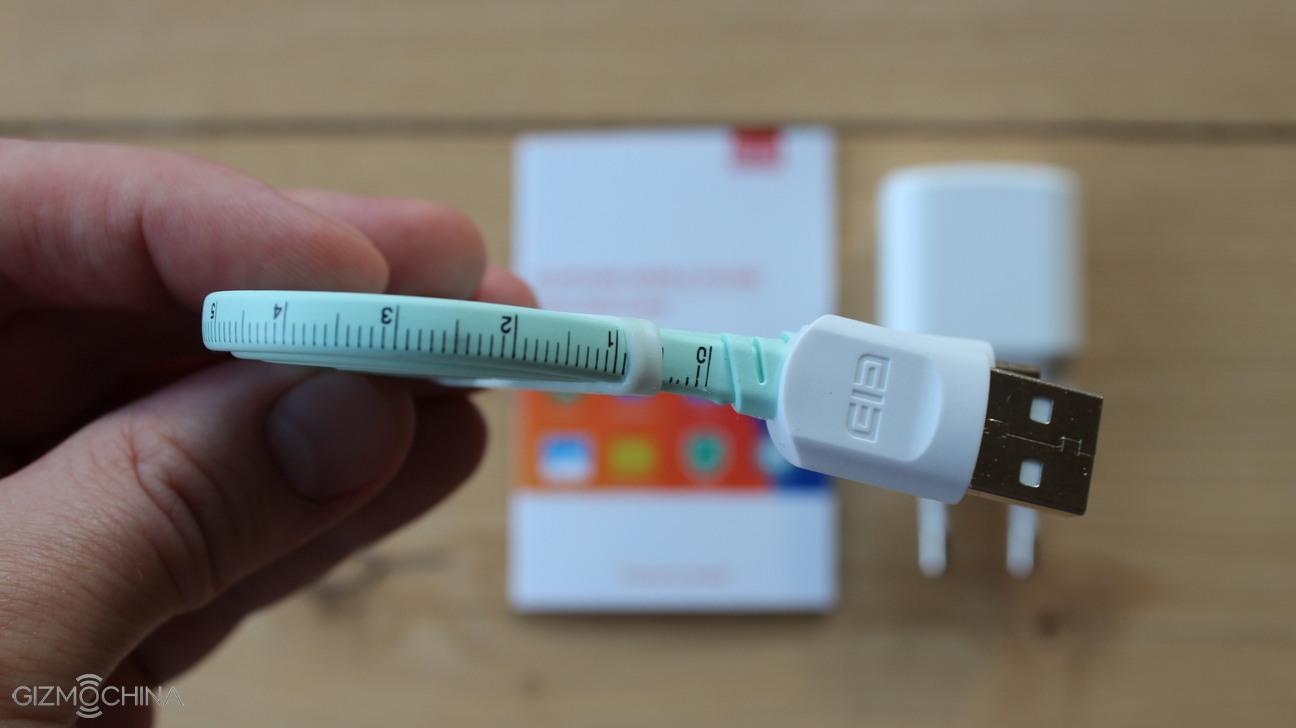
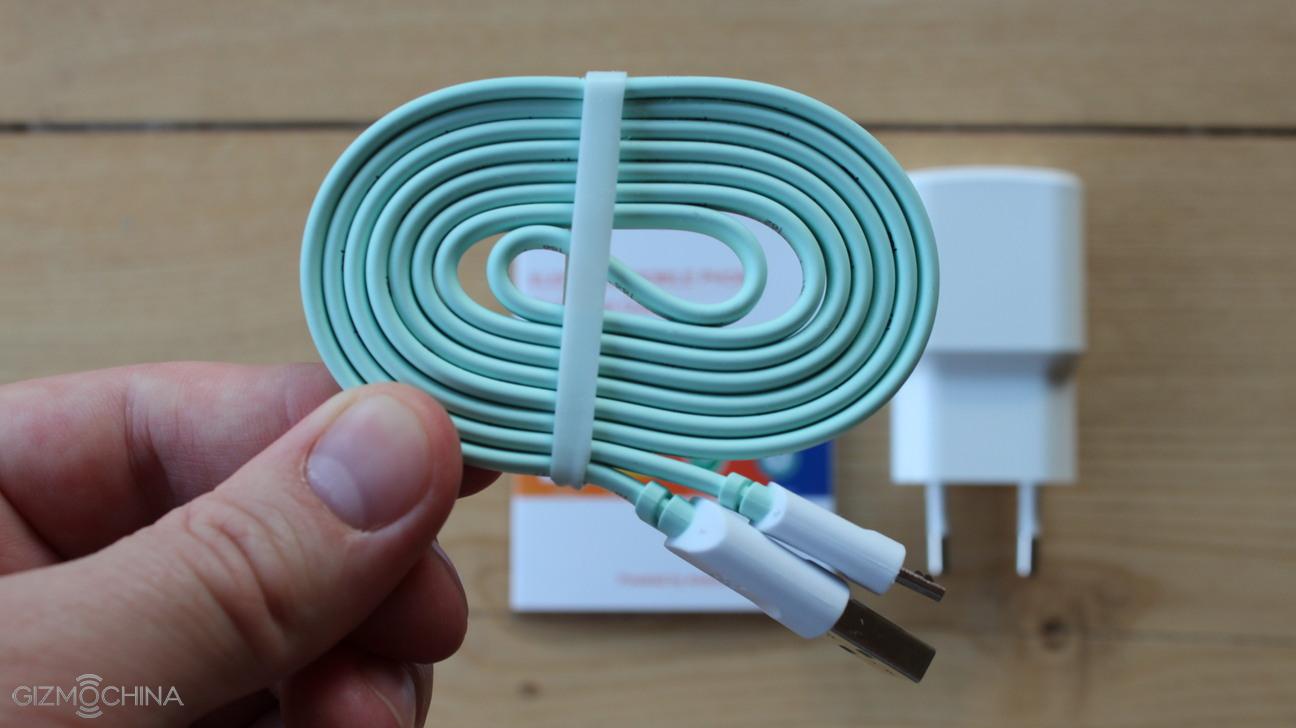
The phone ships in quite a premium hard plastic box and the contents of the packaging include some paperwork, SIM ejector pin, a charging brick and a nice tangle-free USB cable.
Elephone S3 Review: SPECS
Display
5.2″ 1080p (Full-HD)
Processor
Mediatek MTK6753, 64-bit, octa-core (up to 1.3GHz)
16GB (expandable via microSD card slot up to 256GB)
Elephone S3 Review: DESIGN and DISPLAY
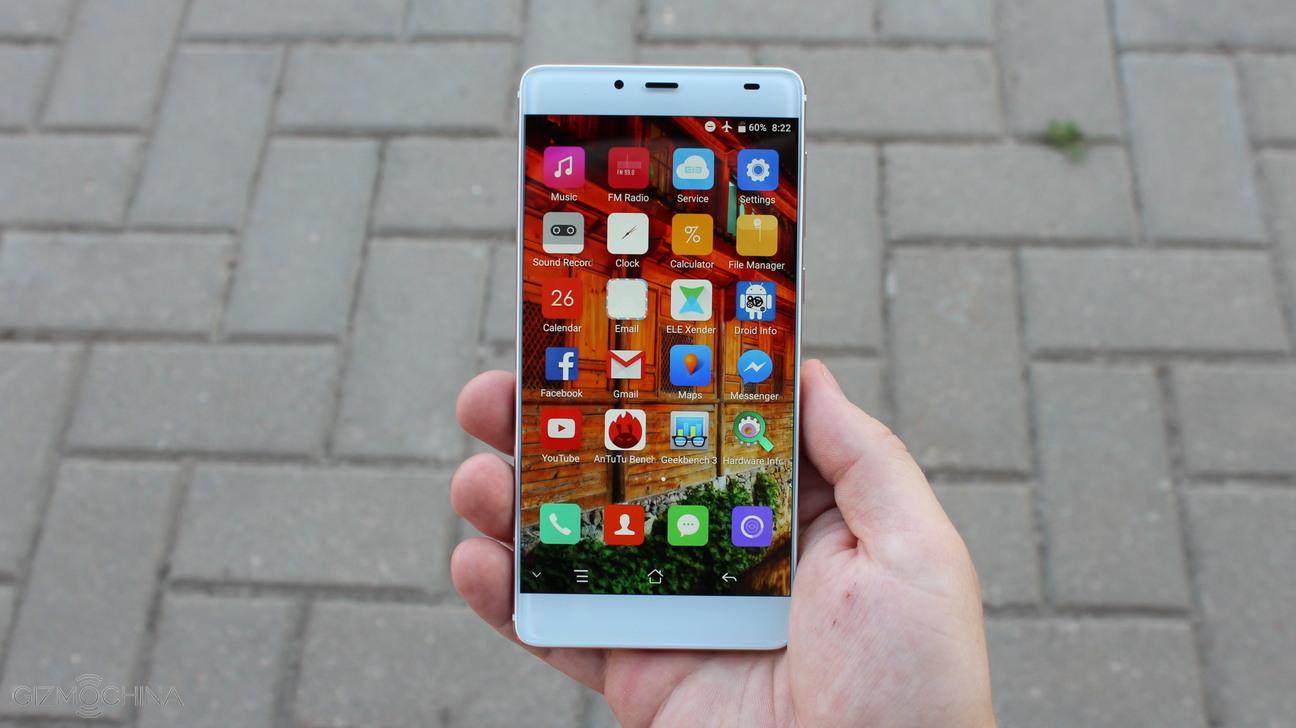
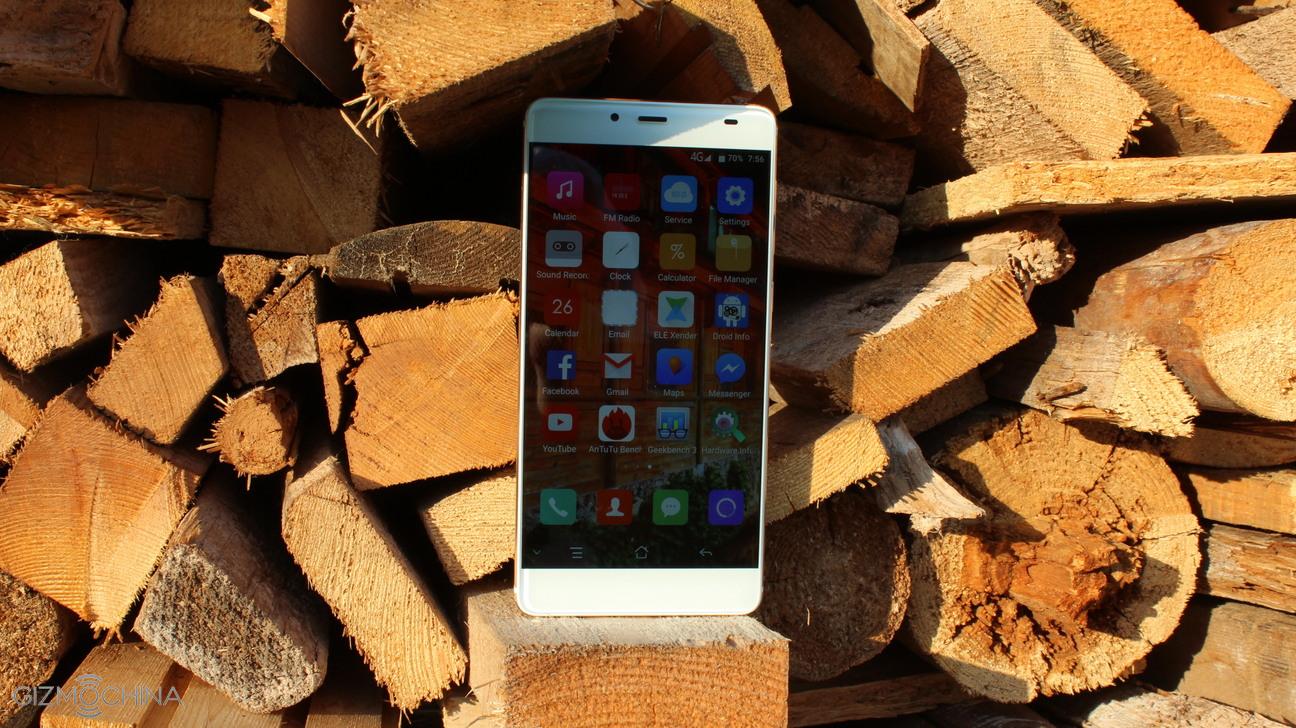
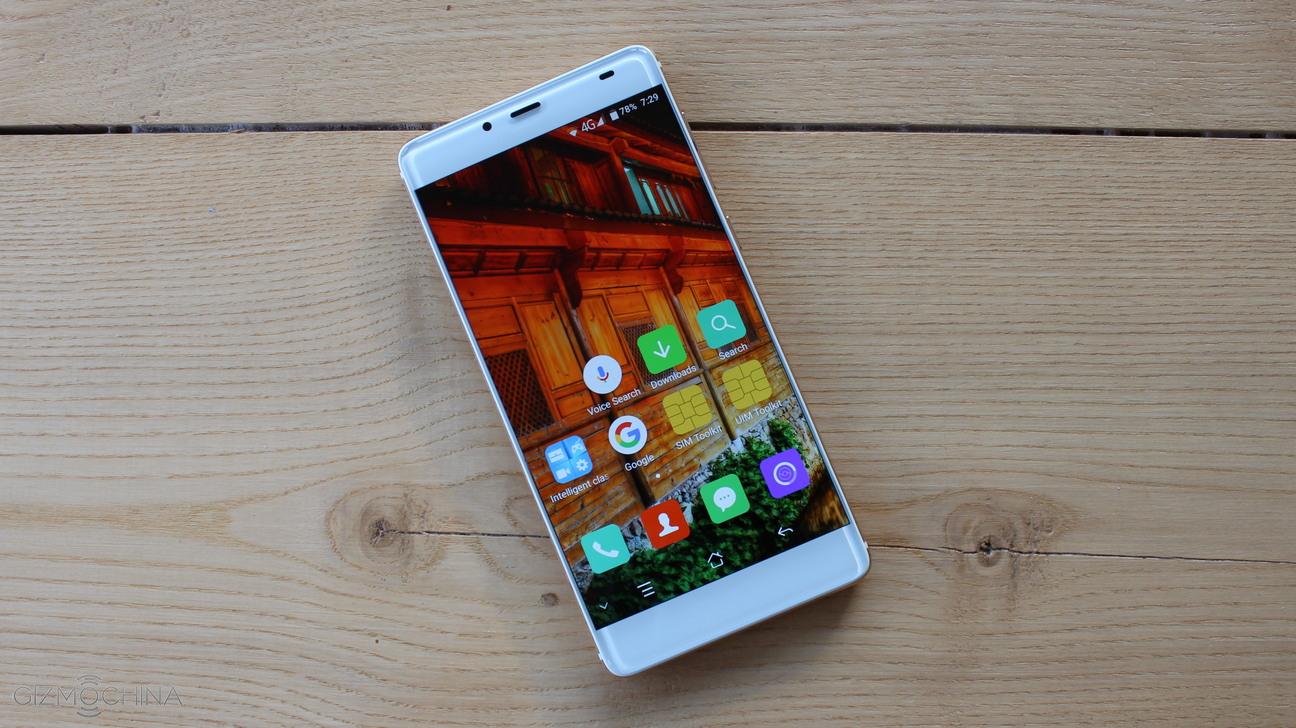
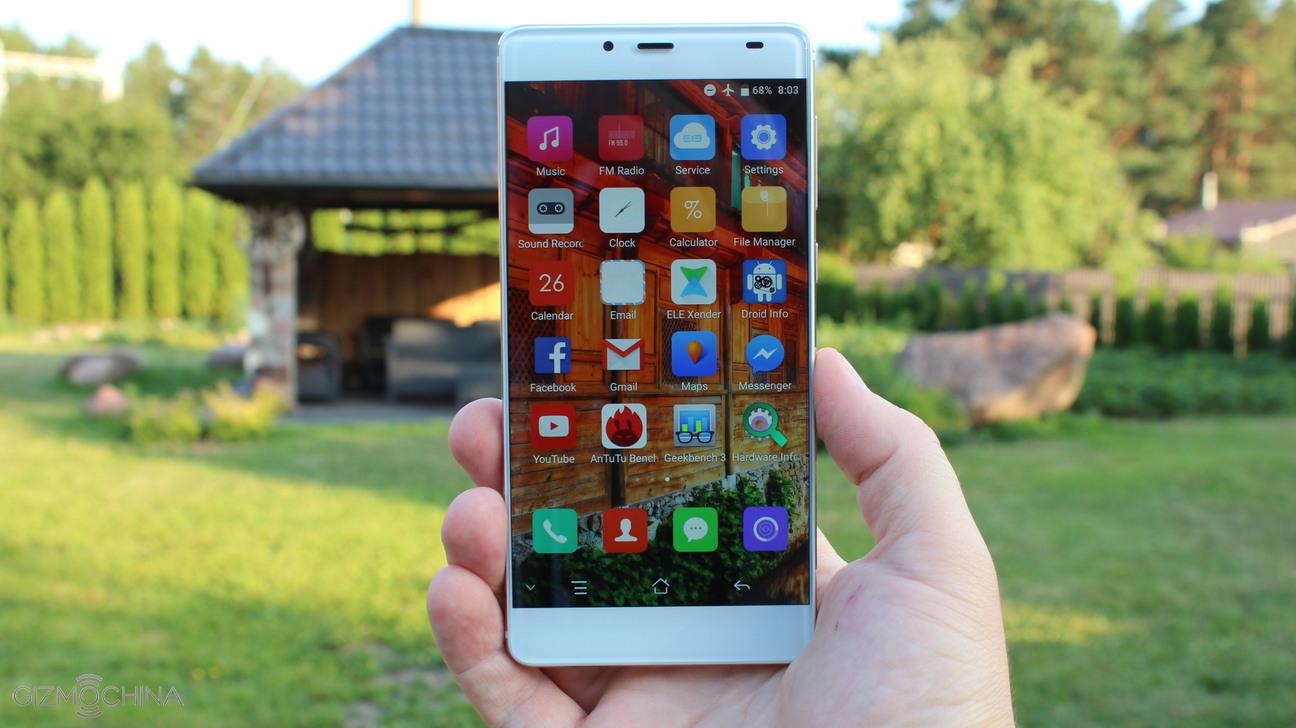
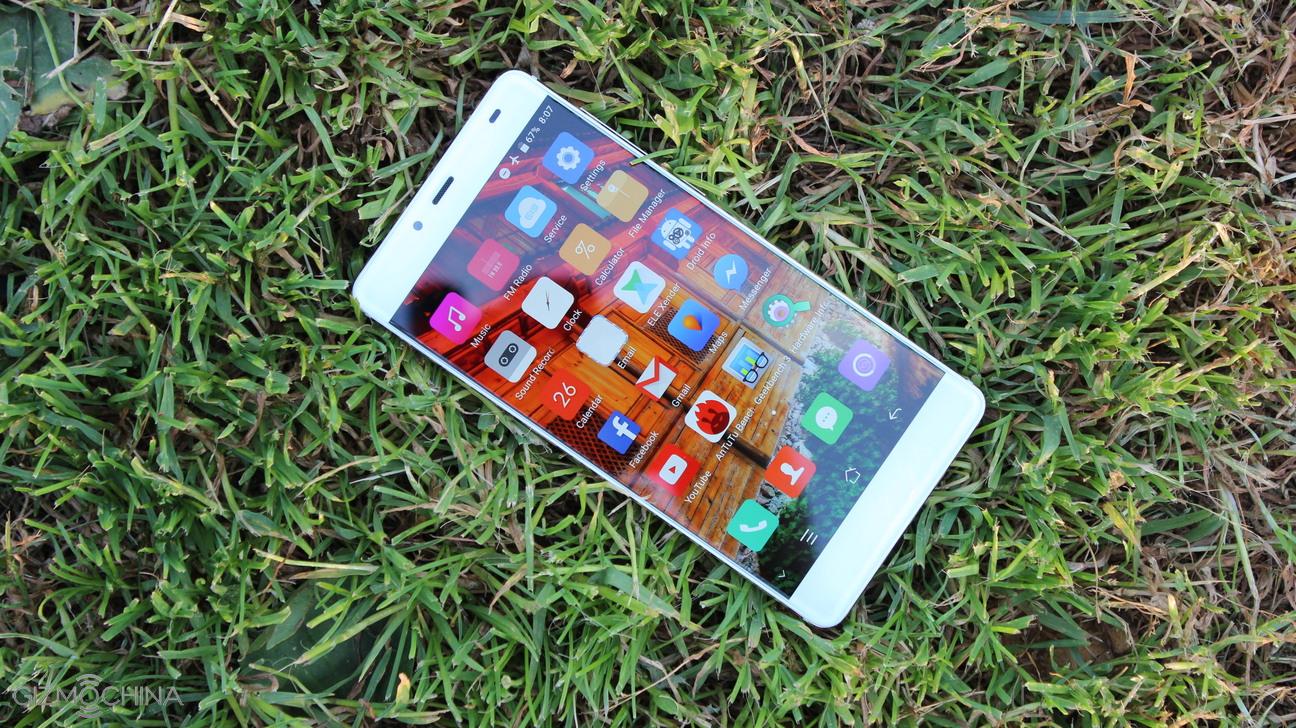
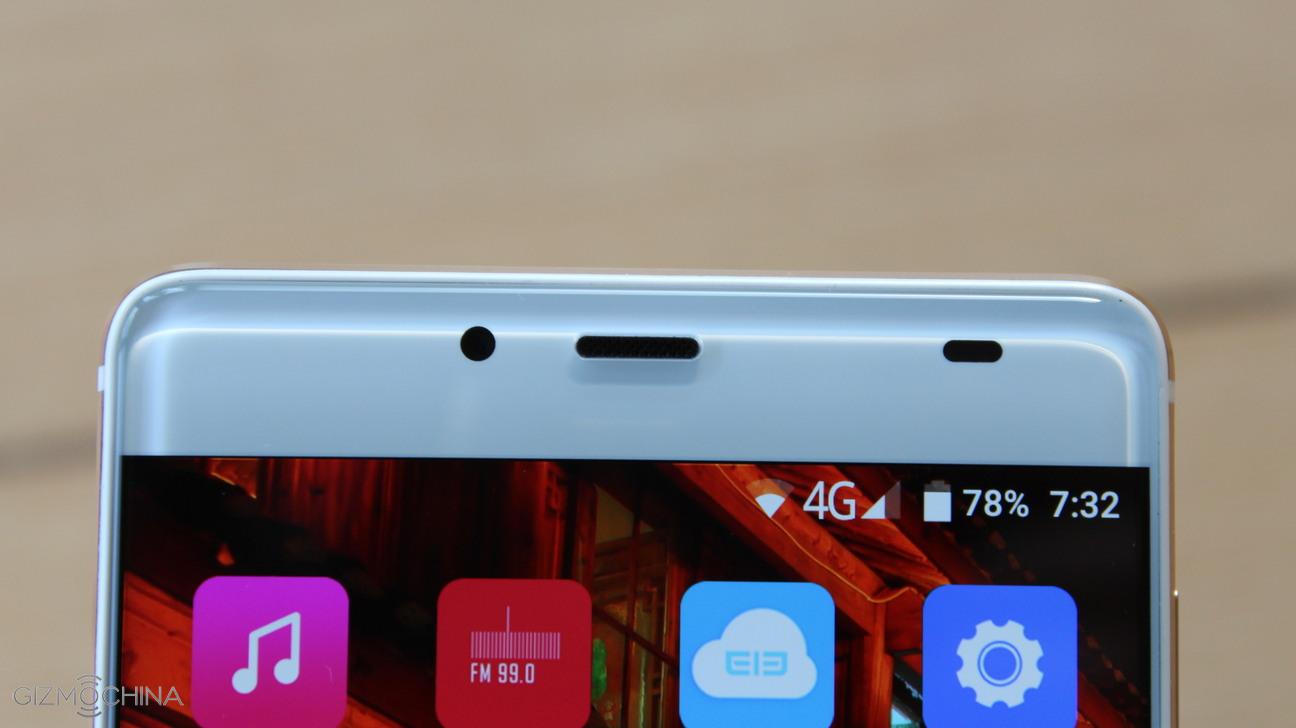
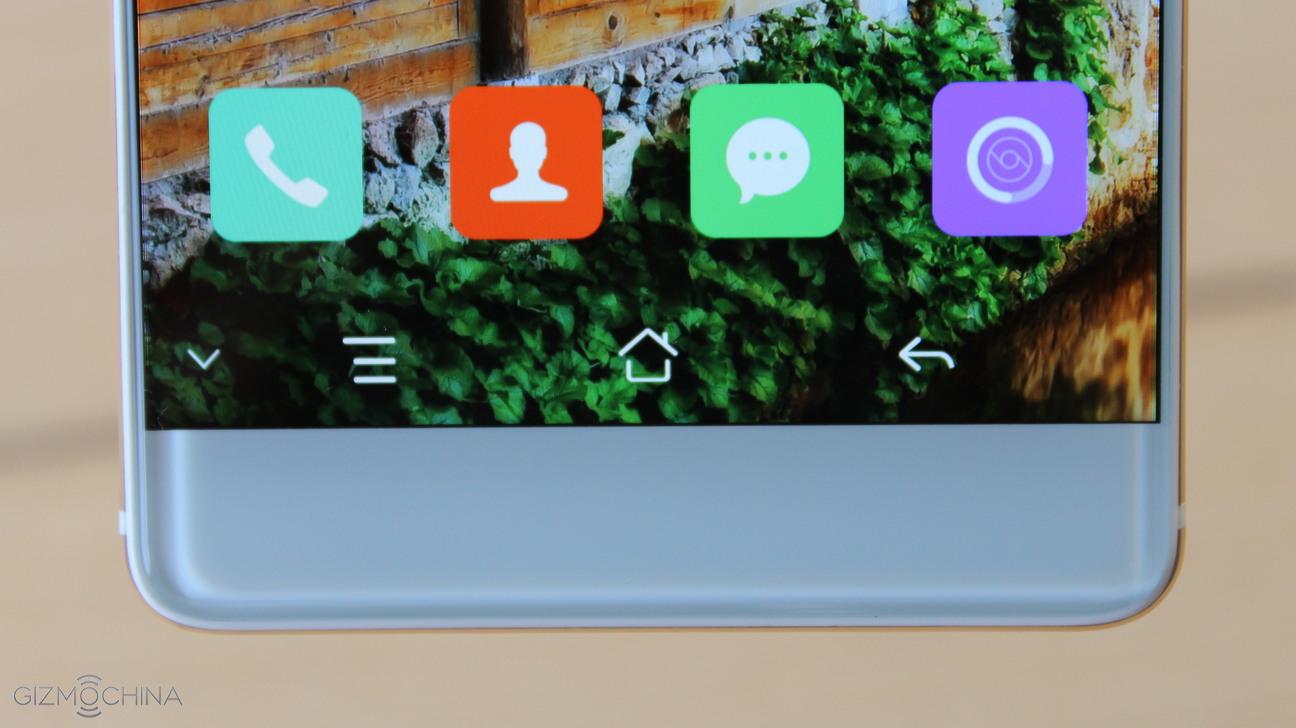
Elephone S3 stands out from the crowd of affordable devices due to its bezel-less display. I have to tell you that it indeed looks great. However, the view on the very edges of the display is distorted quite a bit to make that bezel-less look but I’m okay with that.
The 5.2” 1080p LCD panel itself is great. It is sharp and crisp, and color reproduction is good.
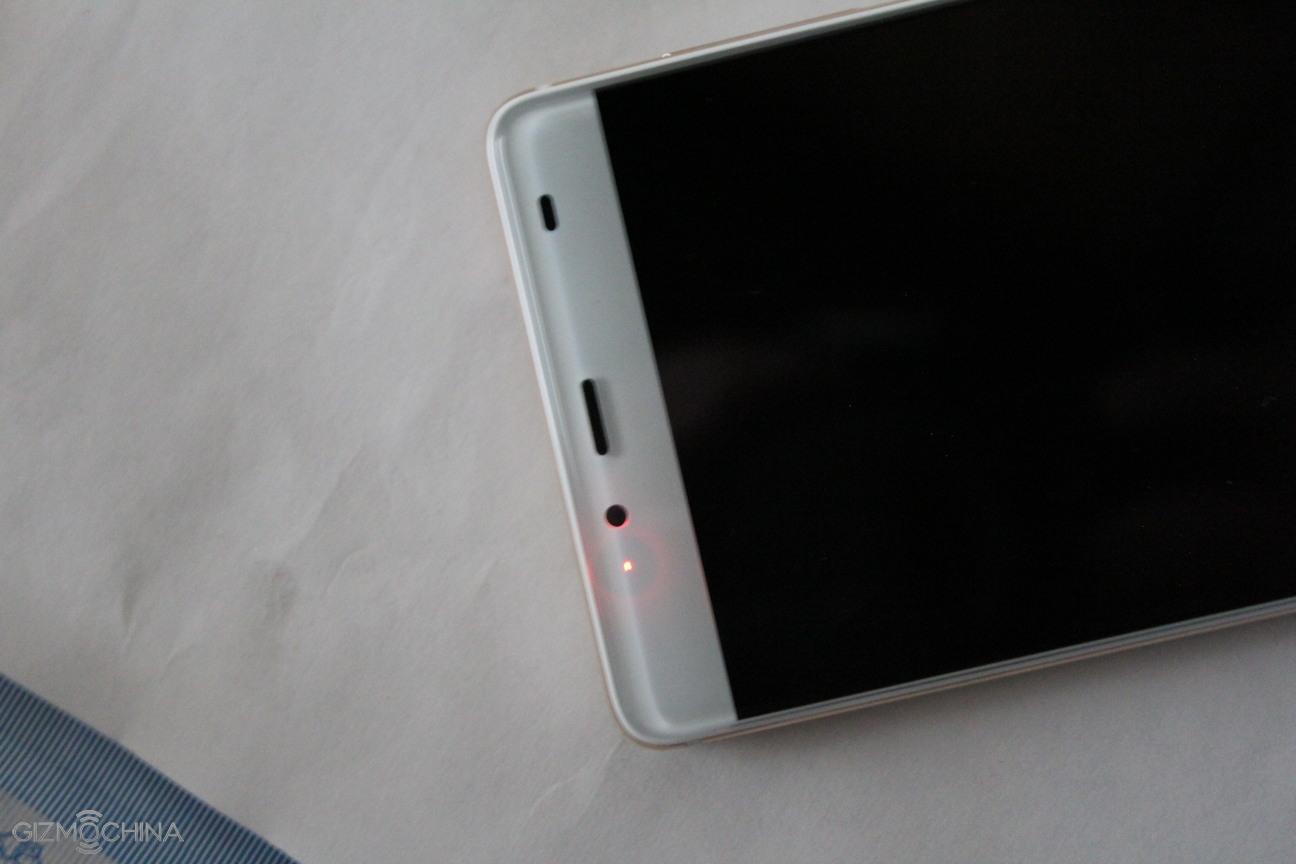
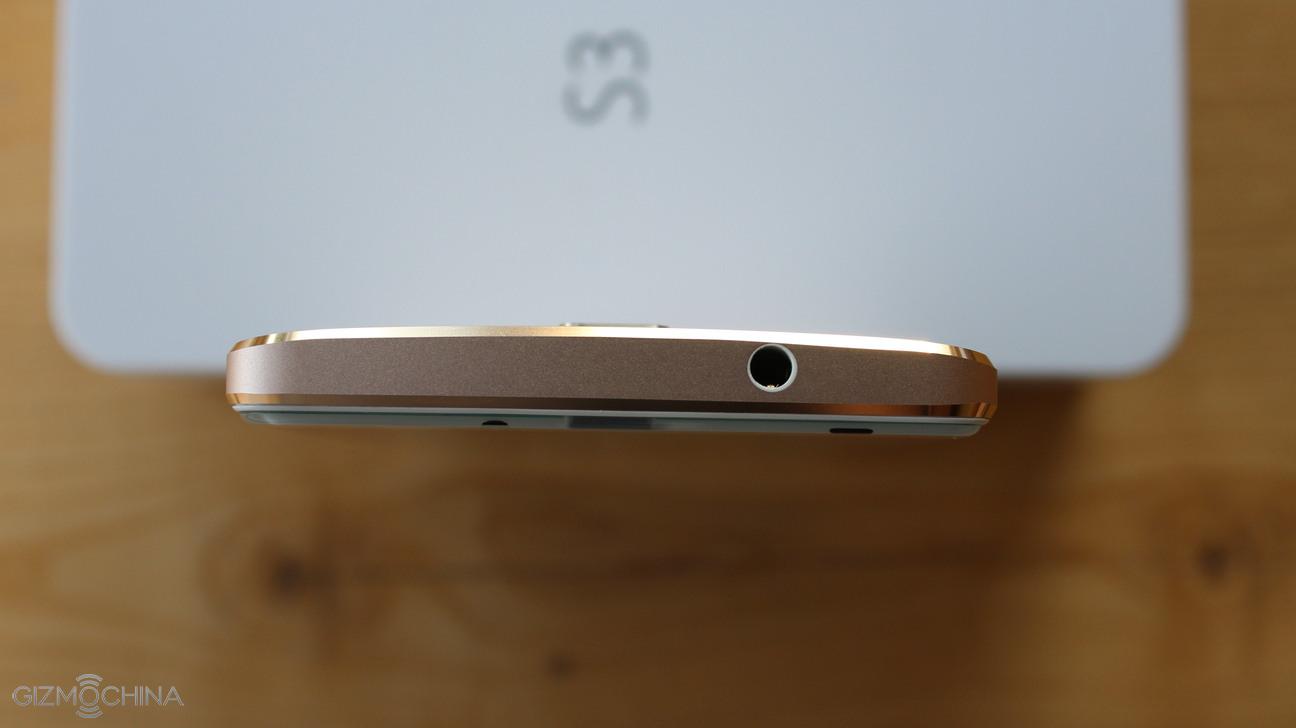
We have a 5MP selfie shooter along with the non-customisable LED flash on the top and on-screen navigation buttons instead of capacitive ones.
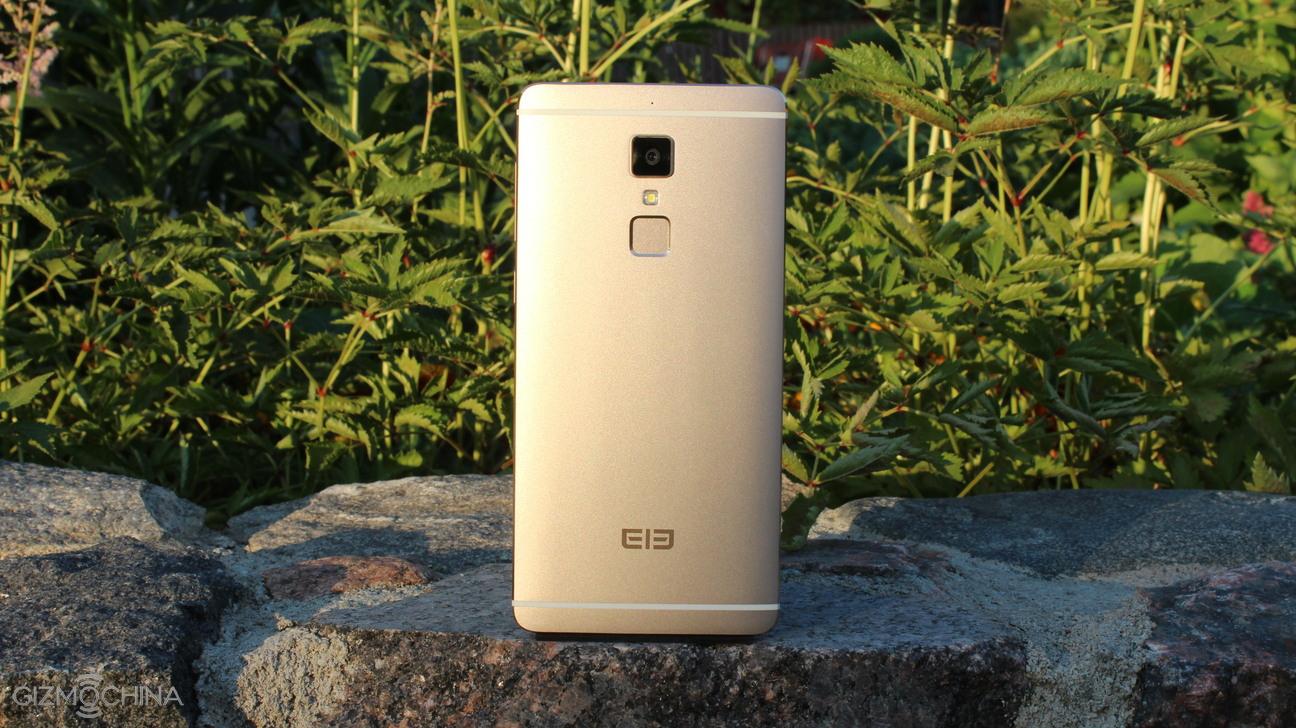
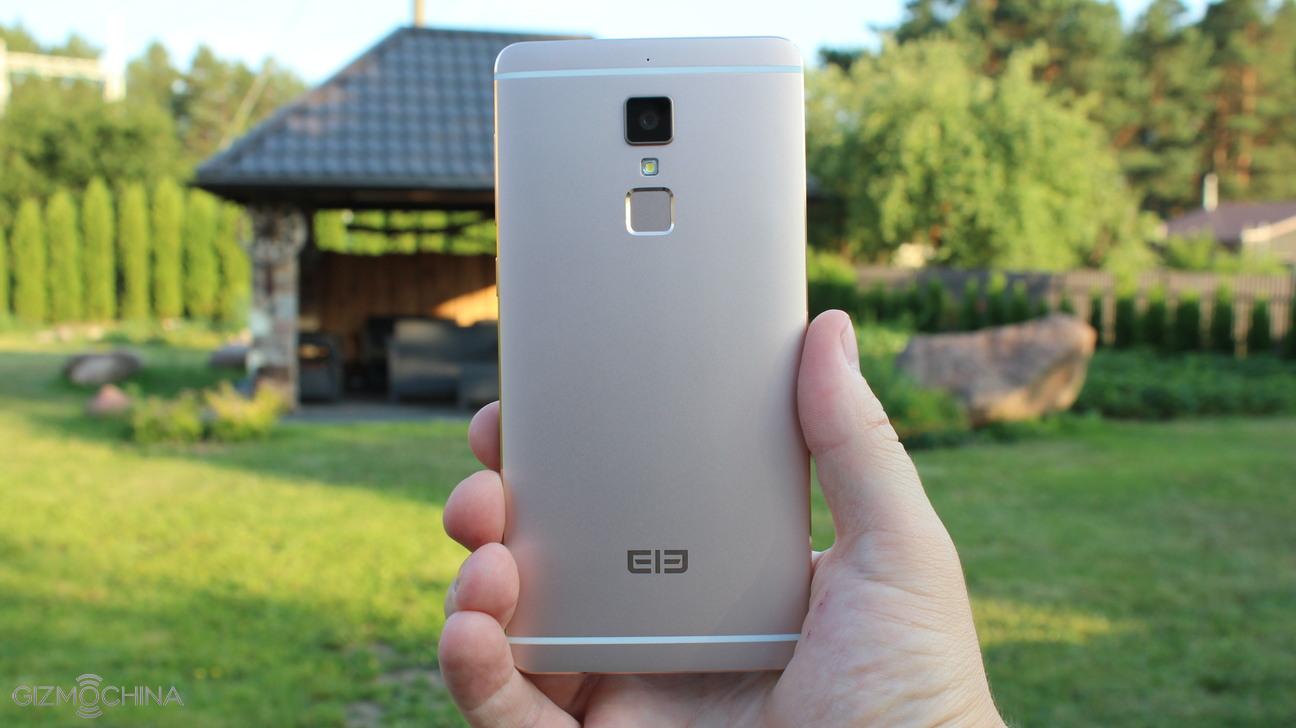
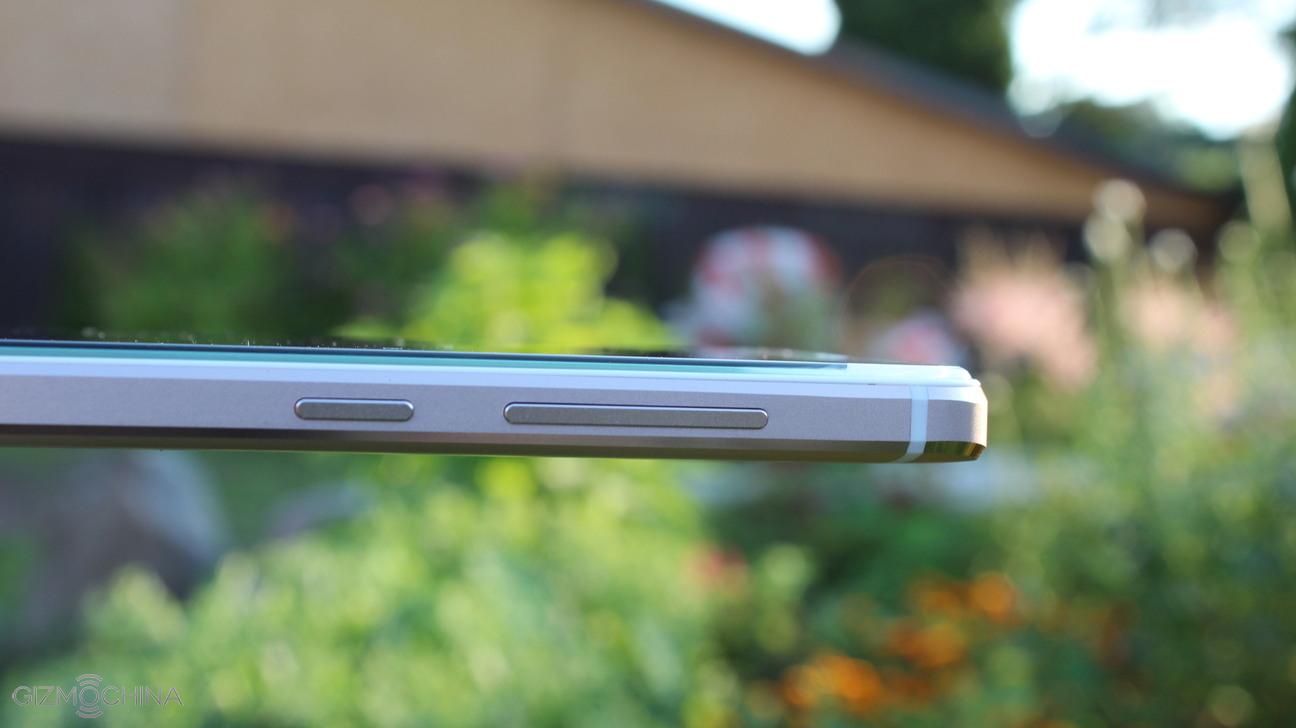
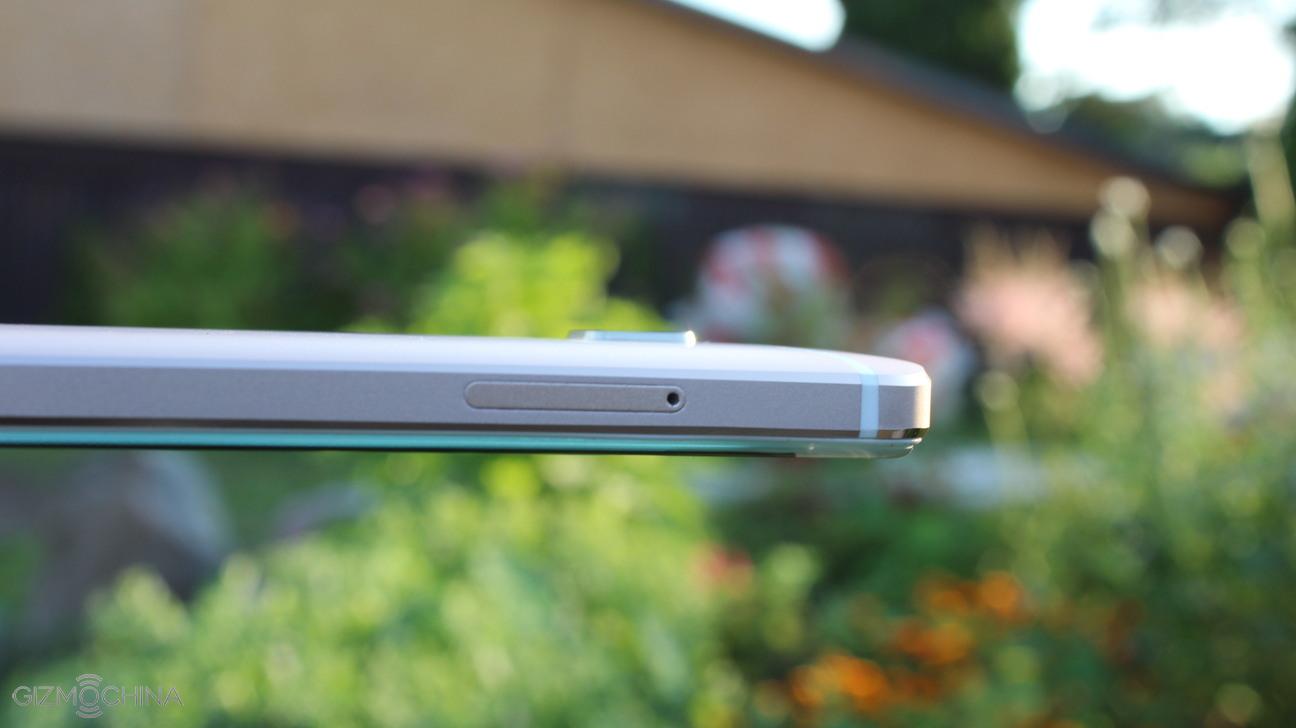
Also, the phone sports all-metal design and superb flagship-grade build quality. The buttons are nice and tactile and the phone feels very nice in the hand.
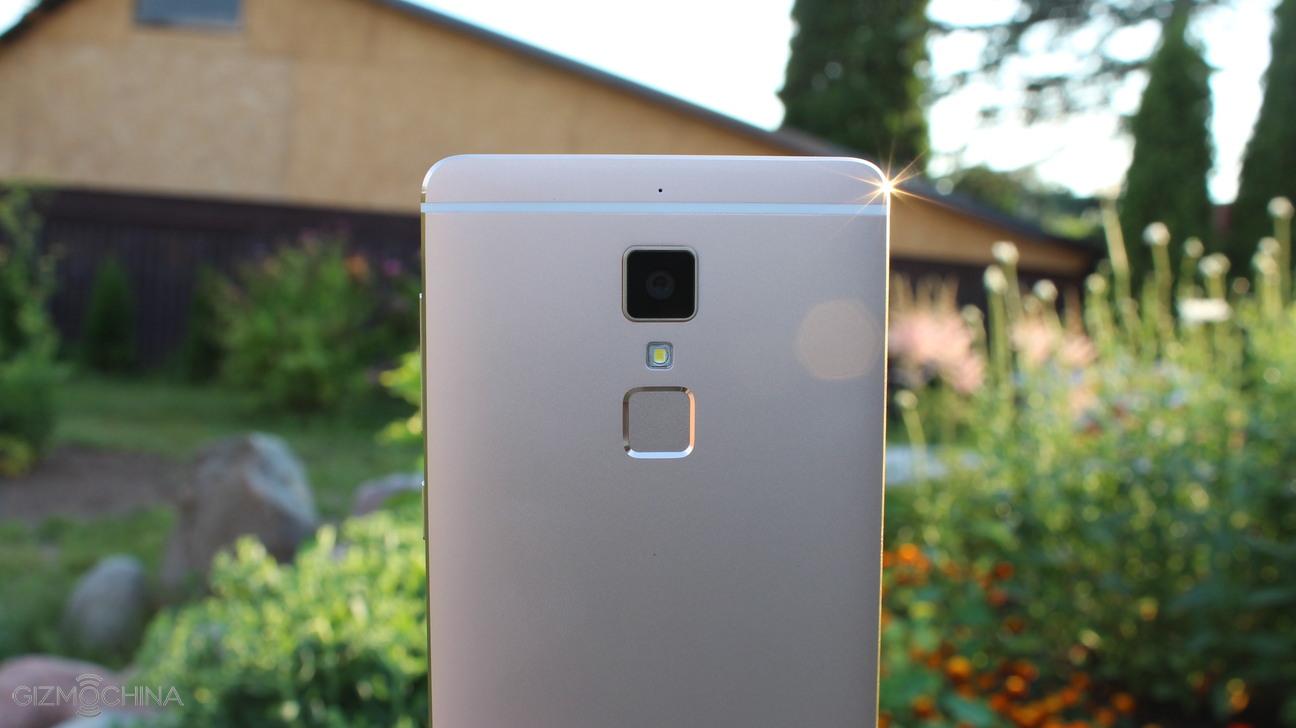
We have a 13MP Sony camera coupled with a single LED flash. Right below the camera, there is a fingerprint scanner, which is accurate and recognizes a fingerprint from the standby mode. However, I found the display to respond slower than usual if you unlock the phone very quickly several times in a row.
The loudspeaker sits on the bottom and the sound quality is okay but as usual to the budget phones, the sound lacks depth.
Overall, I really love the top-notch build quality of the phone and the device looks great due to its bezel-less design.
Elephone S3 Review: HARDWARE and PERFORMANCE
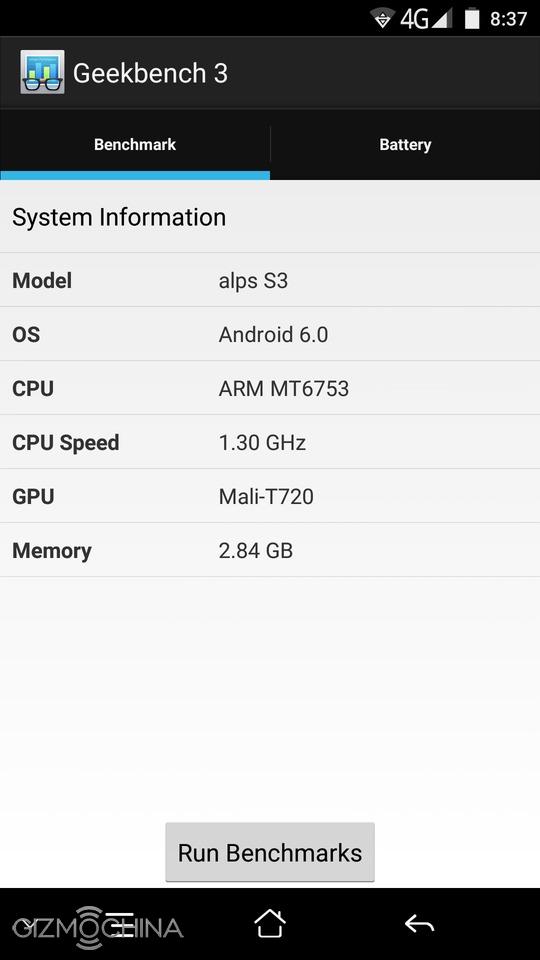
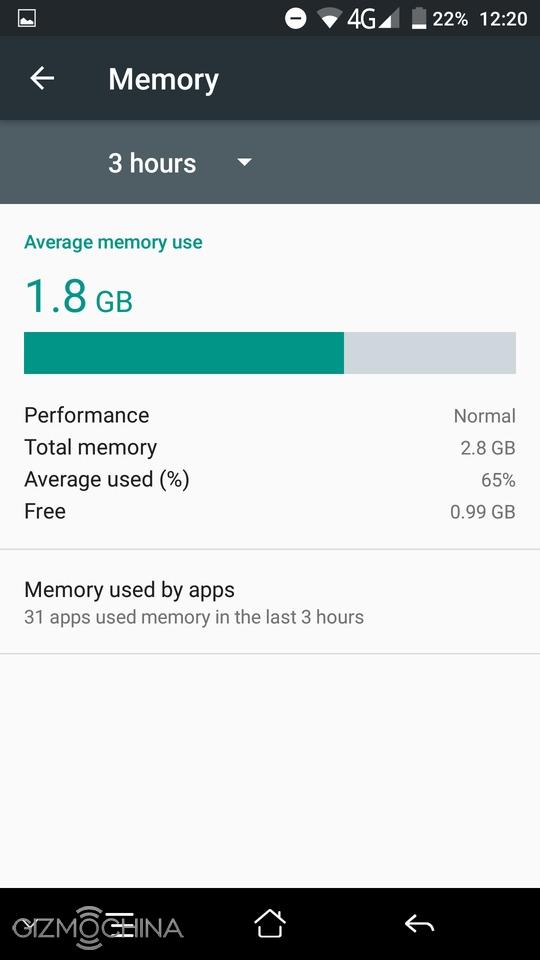
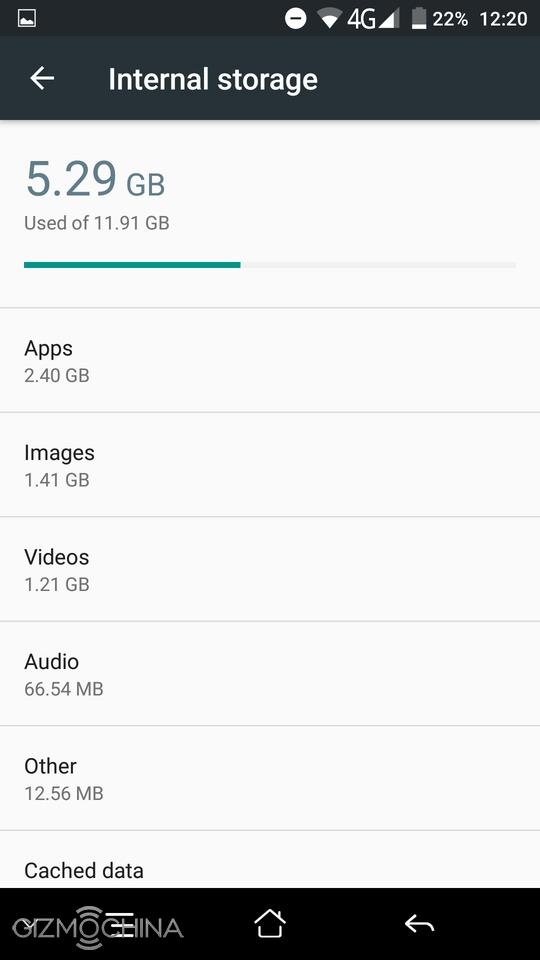
When it comes to hardware, it is obvious that Elephone S3 is a budget device after all. It sports an octa-core MTK6753 chip (1.3GHz), 3GB of RAM and 16GB of expandable storage.
These specs will let you enjoy 3D games only if you play them on medium graphics. Still, you should expect occasional stutter and quite a few skipped frames. Also, the phone tends to get warm pretty quickly but does not overheat.
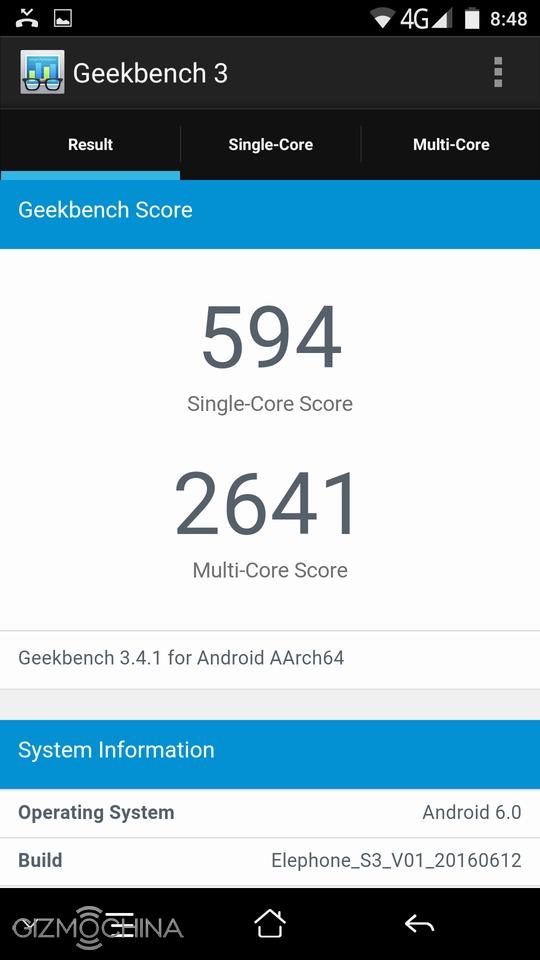
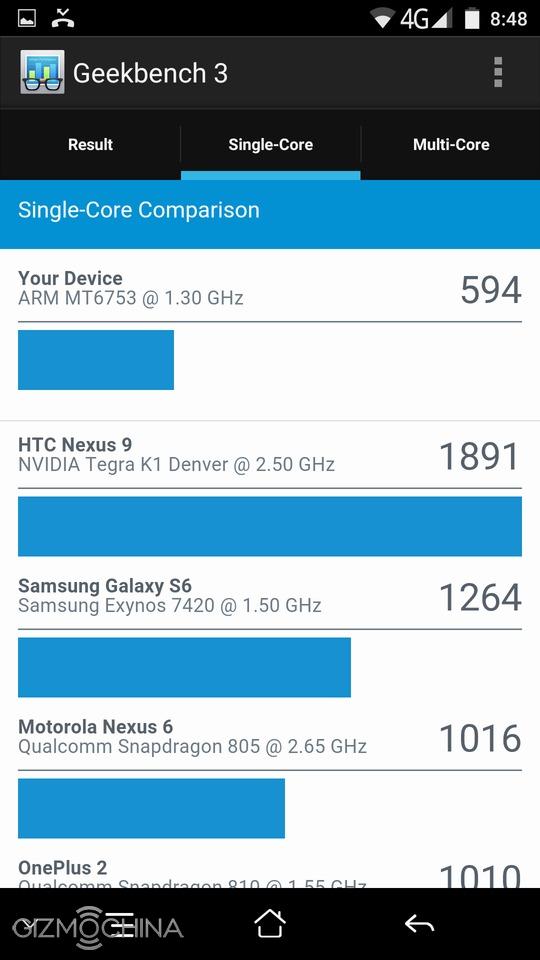
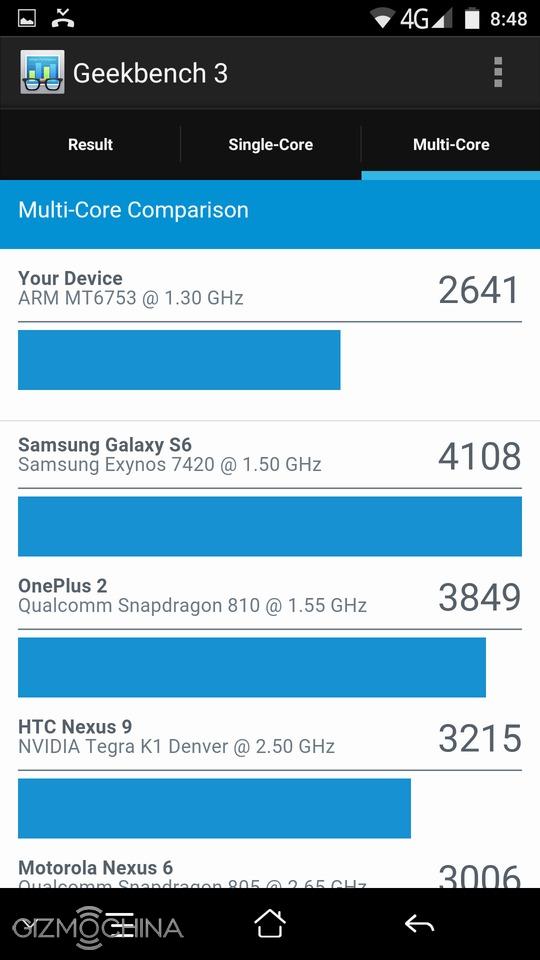
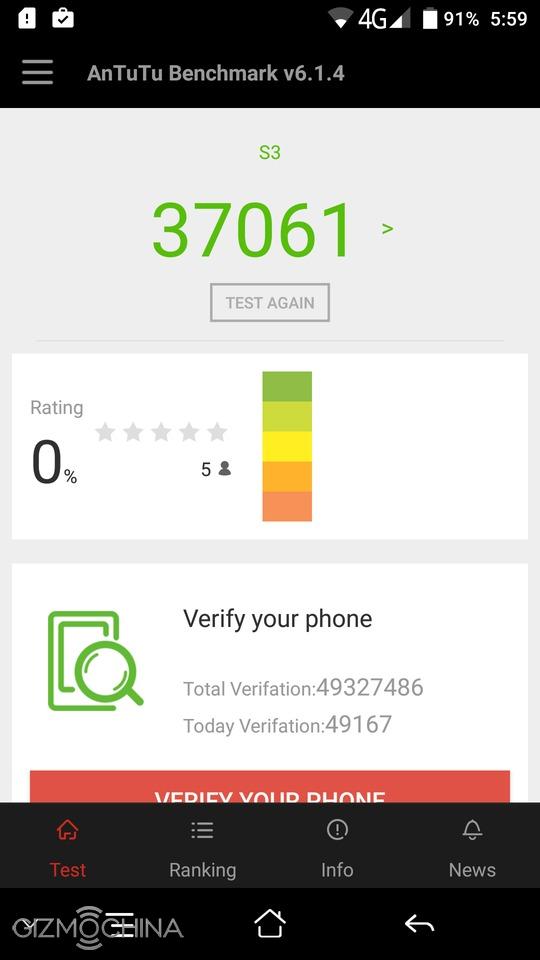
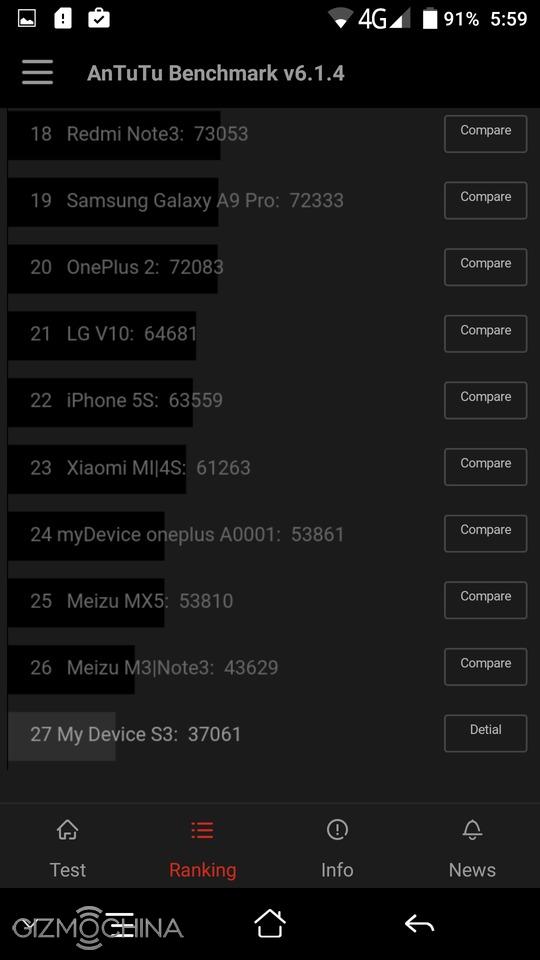
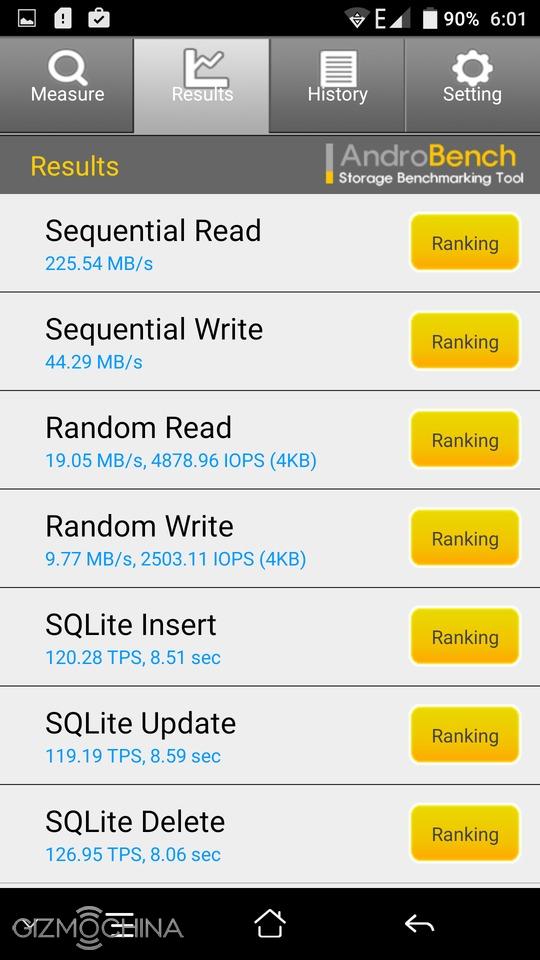
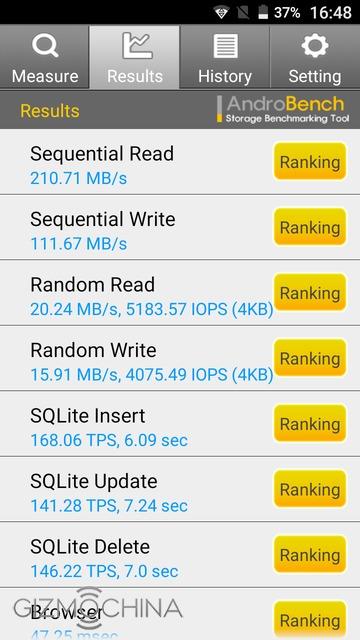
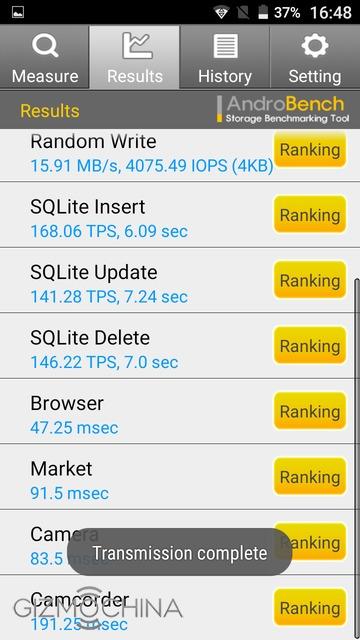
Elephone S3 Review: BENCHMARKS
Elephone S3 Review: USER INTERFACE
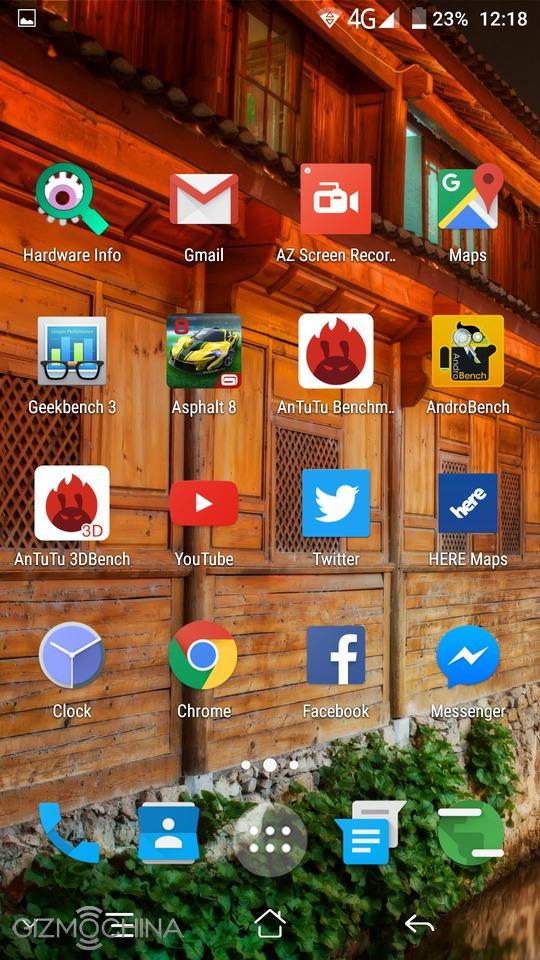
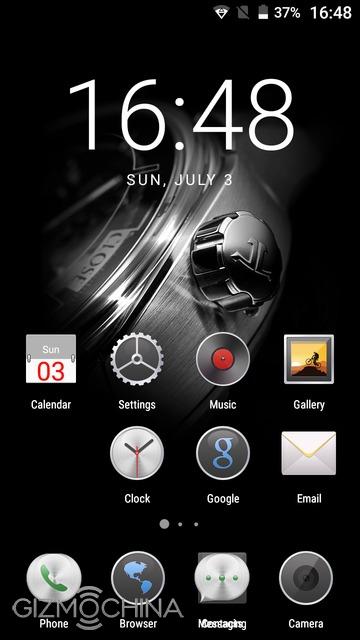
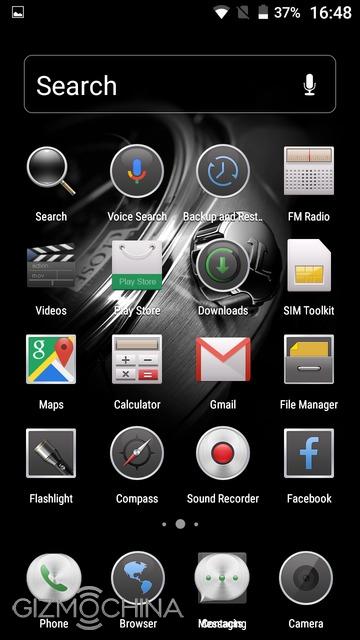
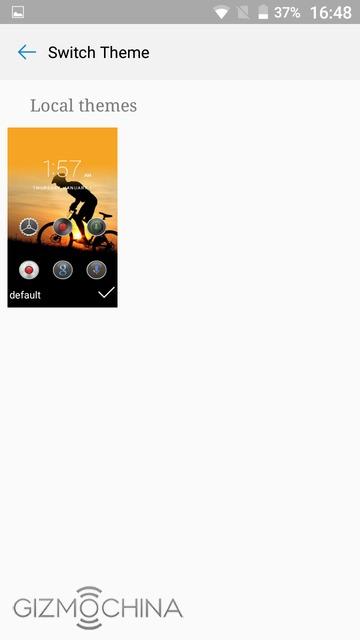
When it comes to the UI, we have a few options out of the box. You can either go with ELE launcher, which removed the app tray and has some redesigned icons or you can select a stock Android launcher for a more conventional look.
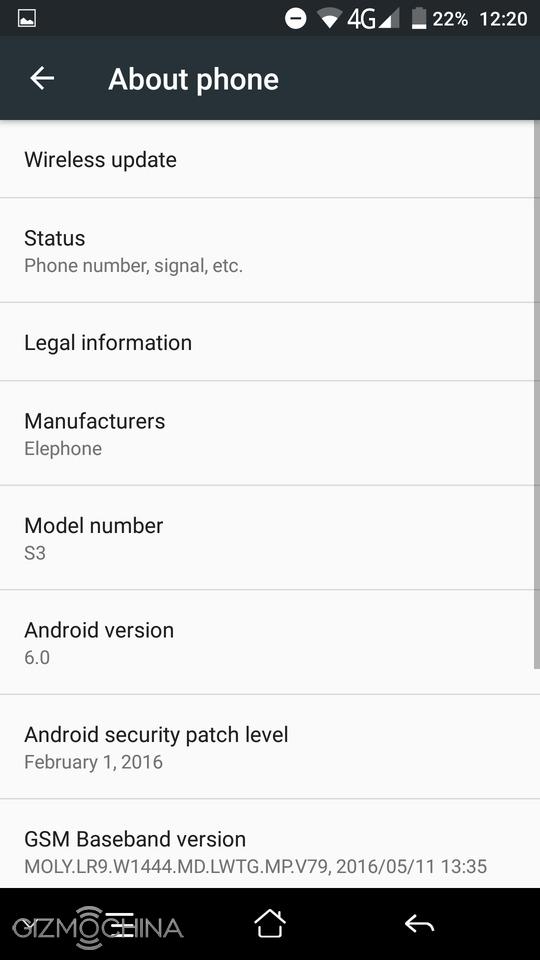
Either way, the phone runs on Android 6.0. We have some customization options like a baked-in theming engine, the ability to change the transition effects and so on.
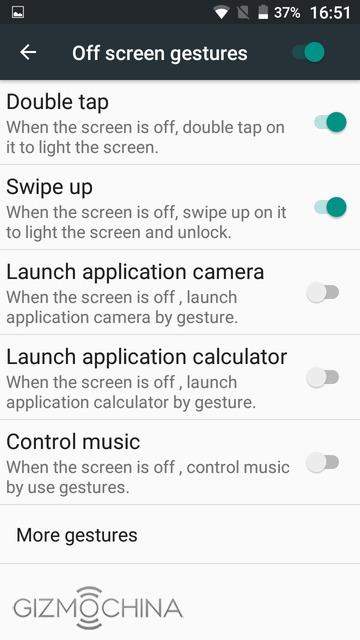
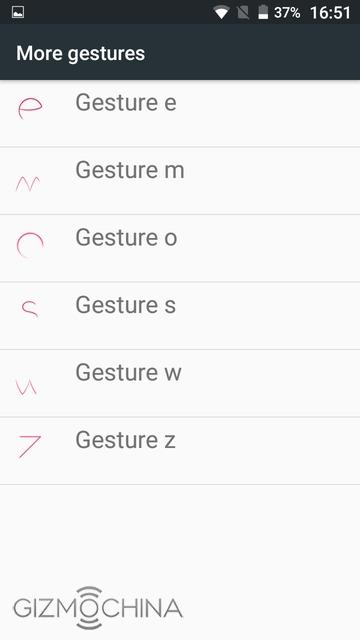
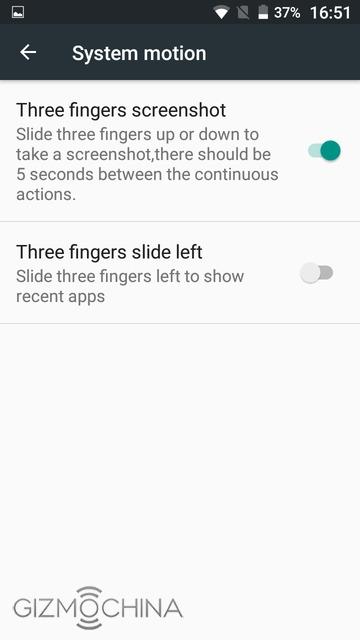
Also, we have plenty of gesture controls that work fine. As usual, I just use a couple of them e.g. double tap to wake gesture.
Overall, the UI runs fast and fluid, and I just had a few minor hiccups over the time but you don’t need to worry about that.
Elephone S3 Review: IMAGE QUALITY
The image quality is kind of a disappointment. The main issues are with soft and uneven focus throughout the image. That means that most of the images will not look good.
Some decent looking macro shots are possible but again, they could look better.
The low-light camera performance does not impress and the images look darker than in reality, there is quite a bit of noise and low amount of detail.
A 5MP selfie shooter will do the trick will social media but again, there is a lack of detail in most of the shots.
The video quality is okay in general but the main issue here is aggressive auto color shifting once you move the camera. See a video review for a video sample.
Elephone S3 Review: CONNECTIVITY
As for connectivity, I don’t have any complaints as everything has been working fine. However, the GPS lock speeds could be slightly faster.
Elephone S3 Review: BATTERY LIFE
The phone ships with just 2100mAh battery and it is one of the weakest points of this device. I could get just over 2 hours of screen-on time on a mixed use. Also, the phone tends to drain quite a bit of power on standby. Hopefully, Elephone improves the power management in the future software updates.
Elephone S3 Review: CONCLUSIONS
Elephone S3 tries to stand out from the crowd of the budget smartphones and it delivers in certain ways.
Its bezel-less design, sharp display and top-notch (or even flagship-grade) build quality are the best aspects of this phone.
Also, we have the UI, which has some nice customization options and it runs fast most of the times.
However, the gaming performance could be better, the camera does not impress and the battery life is disappointing.
All in all, we should applaud Elephone’s effort trying to stand out from the crowd but we also have to say that this phone delivers in some ways but falls short in quite a few departments.
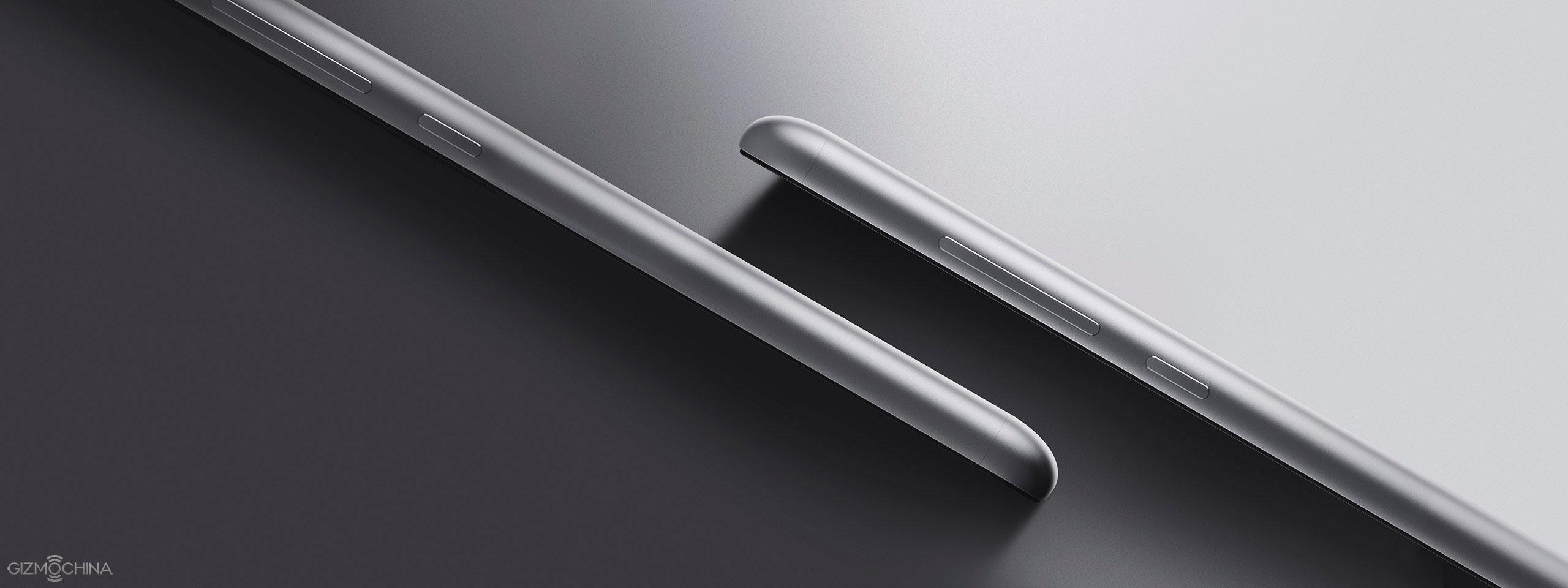
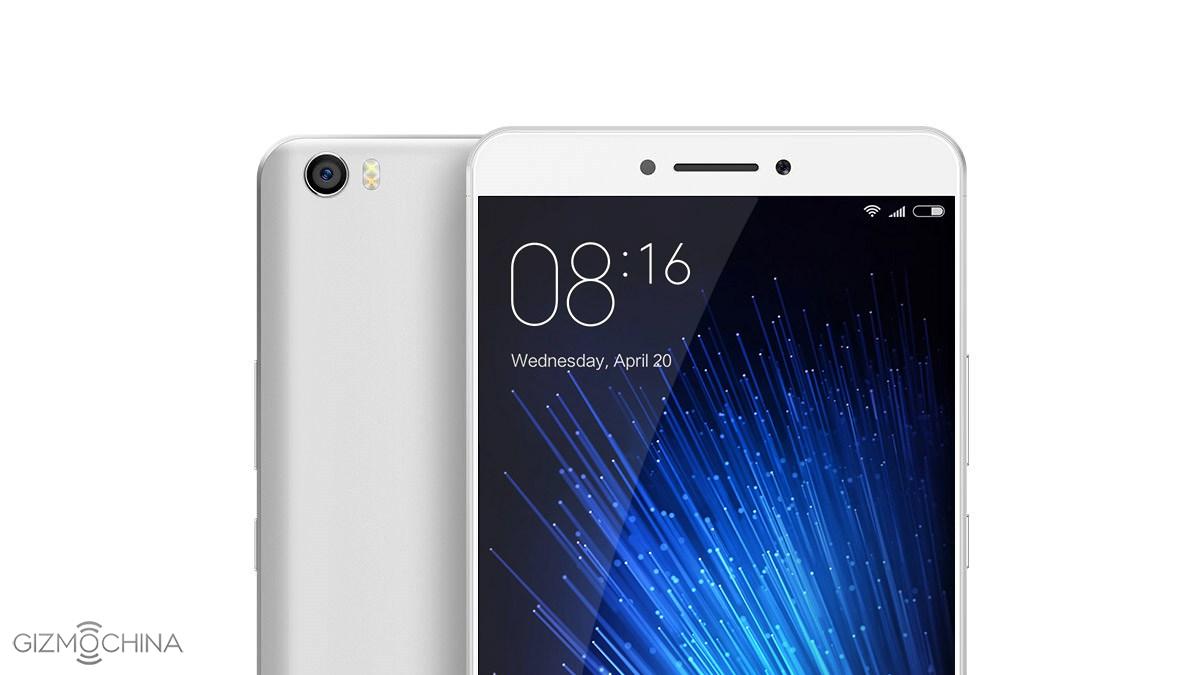
Xiaomi seems to be releasing new Redmi models every few months. In June, the company unveiled two new Redmi models, the Redmi 3S and the Redmi 3X (carrier version of the 3S). Now, we might have just spotted two more Redmi variants.
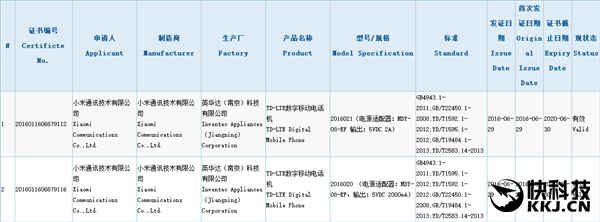
Two new models with code numbers 2,016,020 and 2,016,021 are seen at National Quality Certification Center’s website in China. Both are equipped with 5V/2A charger specifications and dated for 29th June. Judging this info, we might say these are probably the new Redmi series models, or maybe new variants of the Xiaomi Max series with 2GB RAM options.
For now, there is no announcement from Xiaomi about these phones, let’s see what will come up in the next days.
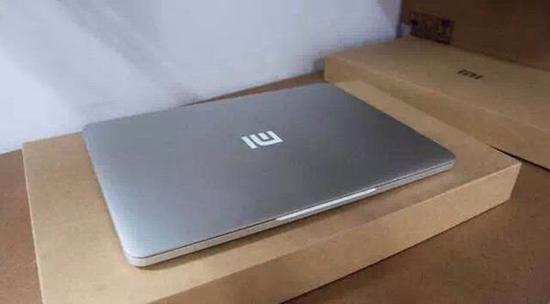
For the past few months, Xiaomi has been rumored to release its first laptop in the second half of 2016. Since, today, we officially enter the second half, we are all excited to see when the new Xiaomi laptop will be officially announced. While recently, Xiaomi CEO, Lei Jun said that “he couldn’t talk about the product yet“, it kind of confirms the existence of the laptop. And a few hours ago, a new alleged image of the Xiaomi laptop was leaked online.
This is probably the first real and clear image of the Mi laptop that we have seen. And it does reveal a few things about the upcoming device. First of all, like expected, it looks like the Mi laptop has been heavily inspired from the Apple Macbook Pro. The all metal silver design with the Mi logo up front, is almost identical to Apple’s Macbook Pro series.
According to the previous rumors, the Xiaomi Notebook is expected to come in three display variants, 12.5-inches, 13.3-inches and a 15.6-inch model. The small display variants are expected to hit the market first. The specs are expected to be high-end and the pricing should be aggressive as well. The company is said to target the young generation with this new laptop, unlike Huawei, who was targeting the business users with its new Matebook convertible.
The Xiaomi Notebook is expected to release in Summer this year, sometime in the month of September. We haven’t got an official confirmation of the product yet, but for now, the CEO’s comment on this matter is good enough to confirm that the laptop exists and is in development.
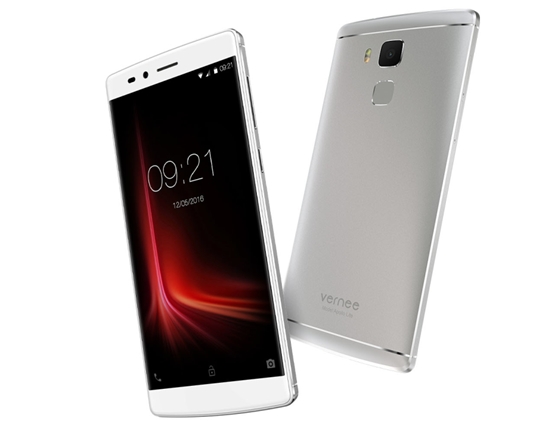
Vernee is all set to promote the two new devices that it announced in the market this year, namely the Vernee Apollo Lite and the Vernee Thor. The company is keeping promotional sales activity throughout this month which will give readers a chance to win free smartphones, participate in discounted flash sales as well as get coupons for purchasing smartphones from Vernee.
For example, in order to get a $30 coupon, you just have to submit your e-mail address and you will be emailed a $30 OFF coupon for purchasing the Vernee Apollo Lite flagship. You can even participate in the flash sales campaign organized by the company every Friday during this period, wherein the Apollo Lite will be available for just $199.99. If you want your phone shipped early, you better participate in the campaign soon as the first batch of Apollo Lite shipments will be out on July 10.
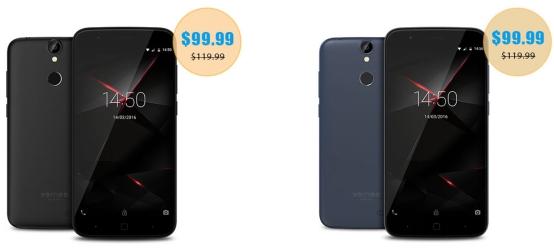
If you are looking to purchase the Vernee Thor, the company has got you covered here as well. You can participate in the Vernee Thor flash sale every Wednesday during this campaign period, wherein you can purchase the device for just $99.99. The Thor shipments are already in stock, so it should ship quite fast.
Finally, the company is also giving away Apollo Lite and Thor to its fans during this promo period. You can check out more details from the company’s official website.
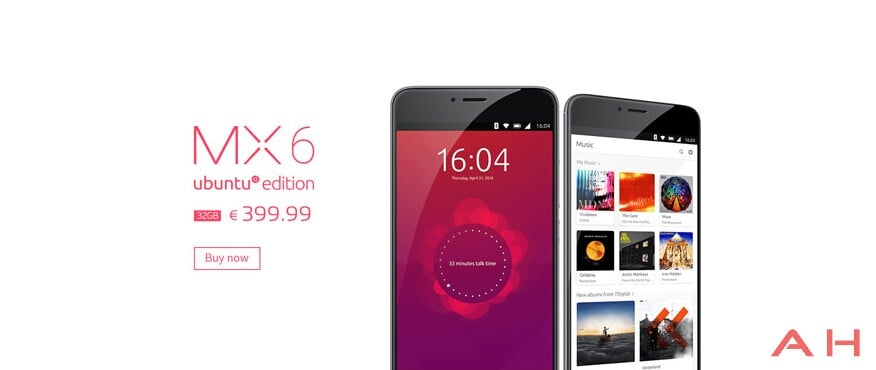
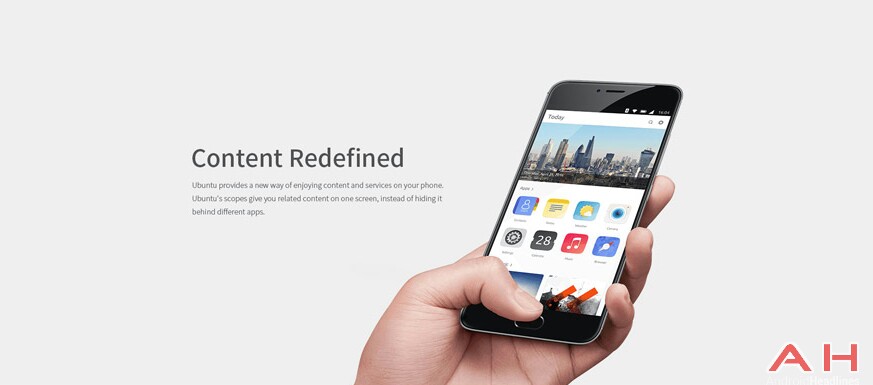
Unlike other manufacturers, Meizu has a unique strategy when it comes to smartphones. It was one of the few manufacturers to use Samsung’s chipsets inside its flagship phones, and for other devices, it uses Mediatek and not Qualcomm chips. Further, it has become a tradition for the company to unveil Ubuntu edition variants of its flagship smartphones, and it looks like this year, the company will continue the same. So, after releasing Meizu MX4, and Pro 5 Ubuntu Edition, the company is now set to release the Meizu MX6 Ubuntu Edition model. Today, a few promo pictures of the device were leaked online.
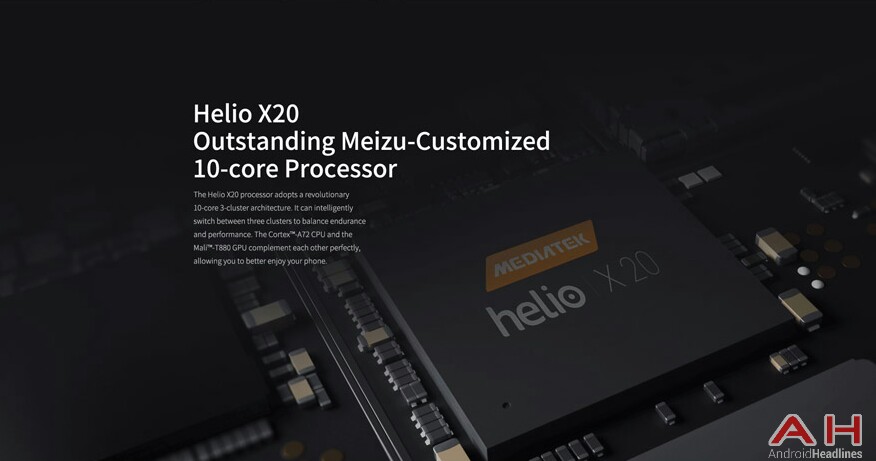
This year it looks like the MX6 is getting the Ubuntu variant. The images confirm the model as well as the pricing, which will be 399 Euros. Another confirmation is the processor inside, which will be none other than the deca-core Helio X20 chip with Mali-T880 GPU.
Looks wise, there are no surprises. We already have seen a couple of back cover images of the MX6 in previous leaks, but this is probably how it will end up looking on the front. These images also confirm that the phone will feature the company’s mBack home button which should also have a fingerprint sensor on board.
Our previous experience tells us that the Ubuntu editions have specs identical to the regular Flyme powered versions. So, it is likely that the MX6 regular edition also runs on Helio X20. Other possible features similar on both the variants should be 4GB of RAM. According to the latest information, Meizu is expected to unveil the brand new device on July 19 but we haven’t received a confirmation from the company yet.
Vernee Apollo Lite is one the most sought after mid-range flagship in the market, coming with the Helio X20 deca-core chip and 4GB of RAM inside. The official retail price of the handset is $229.99, but you can get it on stores like Gearbest for just $199.99. In fact, Gearbest is currently selling the Apollo Lite for just $199.99 without the need for any coupons but for a limited number of units. The sale started with 400 units and now less than 100 units are left for grabs to customers. So, if you were planning to purchase the new Vernee flagship, head over to the Gearbest website for more details.
To recap, the Vernee Apollo Lite comes with a 5.5-inch 1080p display with Corning Gorilla Glass 3 protection and a solid aluminum unibody. There will be 32GB of internal storage, further expandable up to 128GB via MicroSD. At the back, the phone comes with the Samsung S5K3P3 16MP sensor with PDAF and 4K recording support while up front, you get a 5MP shooter.
The phone supports dual SIM dual standby with Cat. 6 4G LTE. It runs on Android 6.0 out of the box. Other features of the Apollo Lite include a fingerprint sensor located on the back which unlocks in 0.1 seconds, 3180mAh battery with Pump Express 3.0 fast charging, USB Type-C audio output, and 3.5mm headphone jack. There are two colors available right now, Moonlight Silver and Space Gray.
As you can see, the Apollo Lite is a powerful flagship smartphone that is priced aggressively. You can check out more details from the Gearbest listing page.
There have been minor rumors going around recently about a new smartphone from the Chinese company Leagoo, called as the Leagoo M5. Now, we have a few more details to add about this upcoming device.
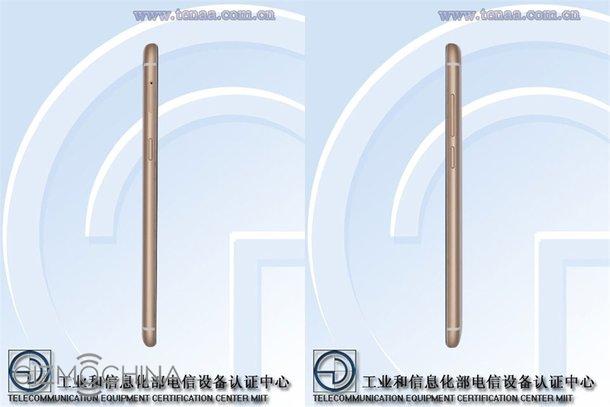
The new image reveals that the Leagoo M5 will come with a metal frame. We are not quite sure whether the body is made out of plastic or glass. But what we do know is that the phone will be compact, since it is expected to come with a 5-inch display. The compact and slim body should be good enough for one-handed operation. The volume buttons and the power button are all located on the right side of the device, while the USB port is situated at the bottom. This should mean that the speakers are located on the back of the phone.
As for the specs, the Leagoo M5 is said to come with 2GB RAM and 16GB ROM. The company will be using the FreemeOS 6.0 on the device, which is based on Android 6.0. We have no idea about the CPU inside, but it should be an entry level mid-ranger. While we don’t see it in the picture, at the back, the phone is also said to come with a fingerprint sensor, which has become a standard feature among Leagoo smartphones recently.
The price is said to be reasonable, but we have no official figures as of now. Stay tuned for more details in the coming days.
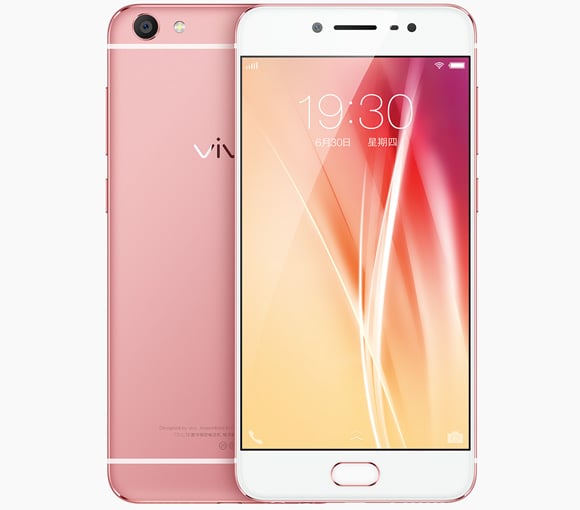
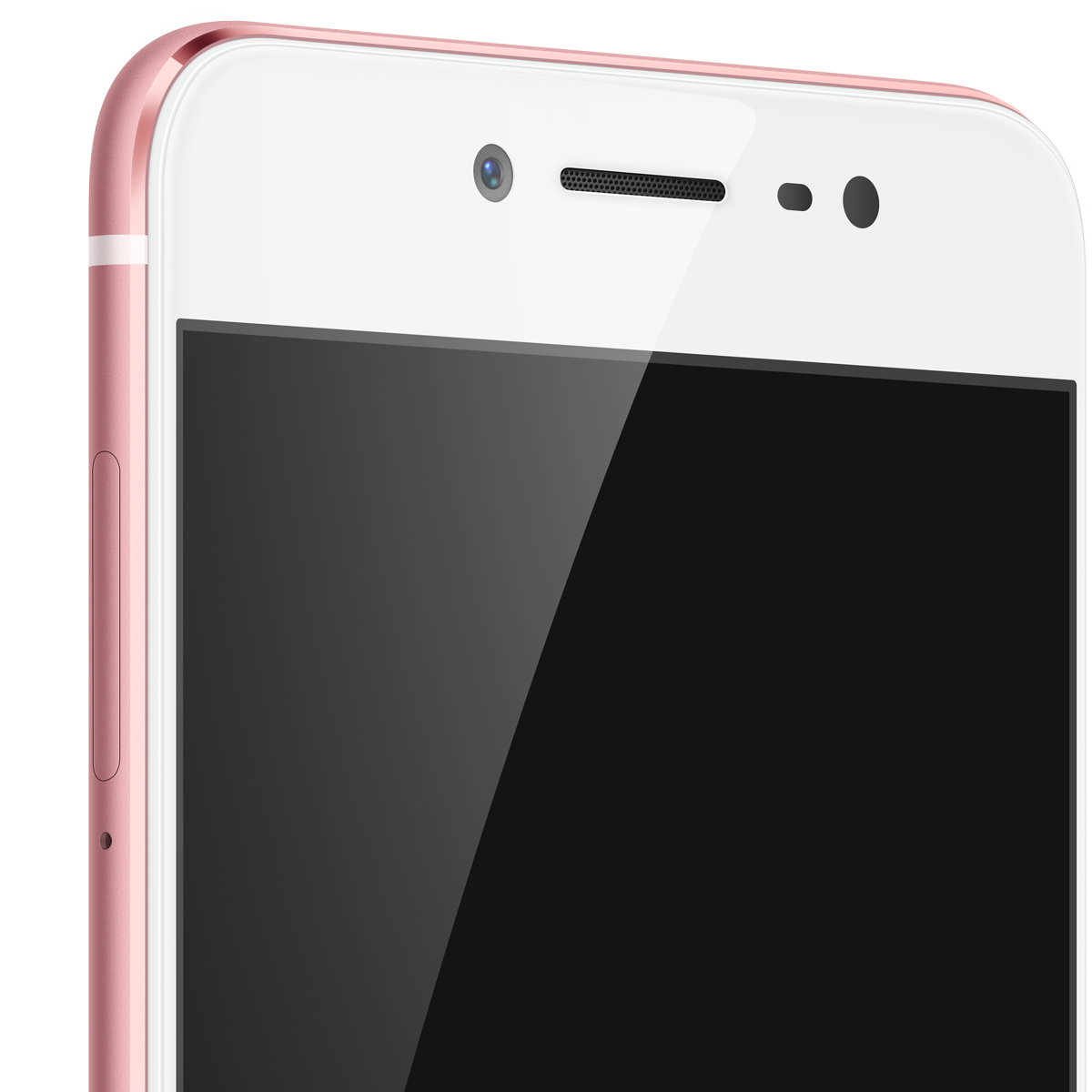
Vivo is establishing its presence in the smartphone market, and what better way than to release products that cater to the needs of the customers. Today, this Chinese company known for its Hi-Fi equipped smartphones just unveiled two new products, namely the Vivo X7 and the Vivo X7 Plus. It looks like Vivo is trying to follow a similar path as the OPPO, as both the models have similar design and configuration as the OPPO R9 series model which are doing very well in China.
Design wise, the Vivo X7 and the X7 Plus come with a thin body, measuring just 7.2mm. The body is made out of magnesium aluminum alloy with matte double C technology and 3D cutting and trimming. The full dimensions of both the models are as follows:
Vivo X7 – 147.3mm x 71.85mm x 7.24mm Weight: 151 grams
Vivo X7 Plus – 158.86mm x 77.94mm x 7.49mm Weight: 183.5 grams
So, the overall finish of both the models should be top-notch. The Vivo X7 comes with a compact 5.2-inch FHD Super AMOLED display, while the X7 Plus bumps up the size to 5.7-inches. Both feature 1080p resolutions.
Under the hood, both the models have surprisingly the same chipset, namely the Snapdragon 652 octa-core processor clocked at 1.8GHz. The memory combination is also the same, i.e. 4GB RAM + 64GB of internal storage. But the Vivo X7 Plus gets an additional 128GB storage variant. Remember that there’s no expandable storage on board.
As for the camera, at the back of the X7, you have a 13MP shooter with PDAF and f/2.2 aperture. The X7 is one of the rare smartphones in the market which feature a better camera up front. On the front, you get a 16MP shooter with f/2.0 aperture and moonlight studio flash. So, selfies are never going to be a problem, even at night when there’s no light. Coming to the Vivo X7 Plus, you get a 16MP f/2.0 (Sony IMX298) on both the front as well as the back. Also, like the X7, there’s flash on the front and the back. The company has partnered with Arcsoft to improve low light imaging on both the smartphones, making images sharper and blur free.
Under the hood, the Vivo X7 comes with a 3000mAh battery, while the larger X7 Plus features a 4000mAh capacity battery. There’s support for fast charging as well. Other features of both the devices include Hi-Fi AK4376 chip (supports QQ Music), dual SIM dual standby with 4G+, USB 2.0, Bluetooth 4.0, Wi-Fi etc. Unfortunately, for software, both the devices are still running on Android 5.1. But these Vivo phones feature split screen multi-tasking as well as the company’s wisdom engine. Also, both the phones have fingerprint sensors embedded into the home button, which supports fingerprint payments. The phone unlocks with the fingerprint in just 0.2 seconds (from sleep). You can also double-click the home button to directly open up your favorite application.
As for the pricing, the Vivo X7 starts at 2498 Yuan ($376) and will go on sale in China on July 7. Vivo didn’t reveal the price tag for the X7 Plus, but we will get more details on July 15 during the company’s Shanghai sales meet.
We use cookies on our website to give you the most relevant experience by remembering your preferences and repeat visits. By clicking “Accept”, you consent to the use of ALL the cookies.
This website uses cookies to improve your experience while you navigate through the website. Out of these, the cookies that are categorized as necessary are stored on your browser as they are essential for the working of basic functionalities of the website. We also use third-party cookies that help us analyze and understand how you use this website. These cookies will be stored in your browser only with your consent. You also have the option to opt-out of these cookies. But opting out of some of these cookies may affect your browsing experience.
Necessary cookies are absolutely essential for the website to function properly. This category only includes cookies that ensures basic functionalities and security features of the website. These cookies do not store any personal information.
Any cookies that may not be particularly necessary for the website to function and is used specifically to collect user personal data via analytics, ads, other embedded contents are termed as non-necessary cookies. It is mandatory to procure user consent prior to running these cookies on your website.














































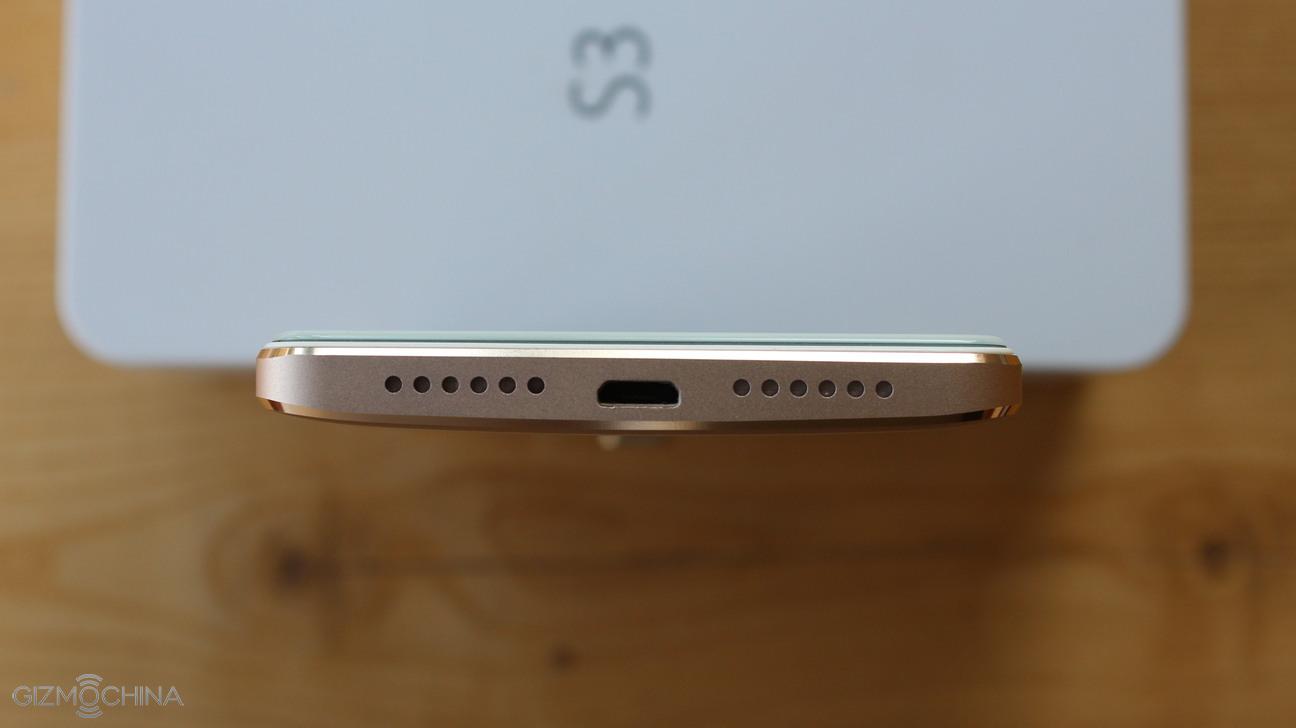
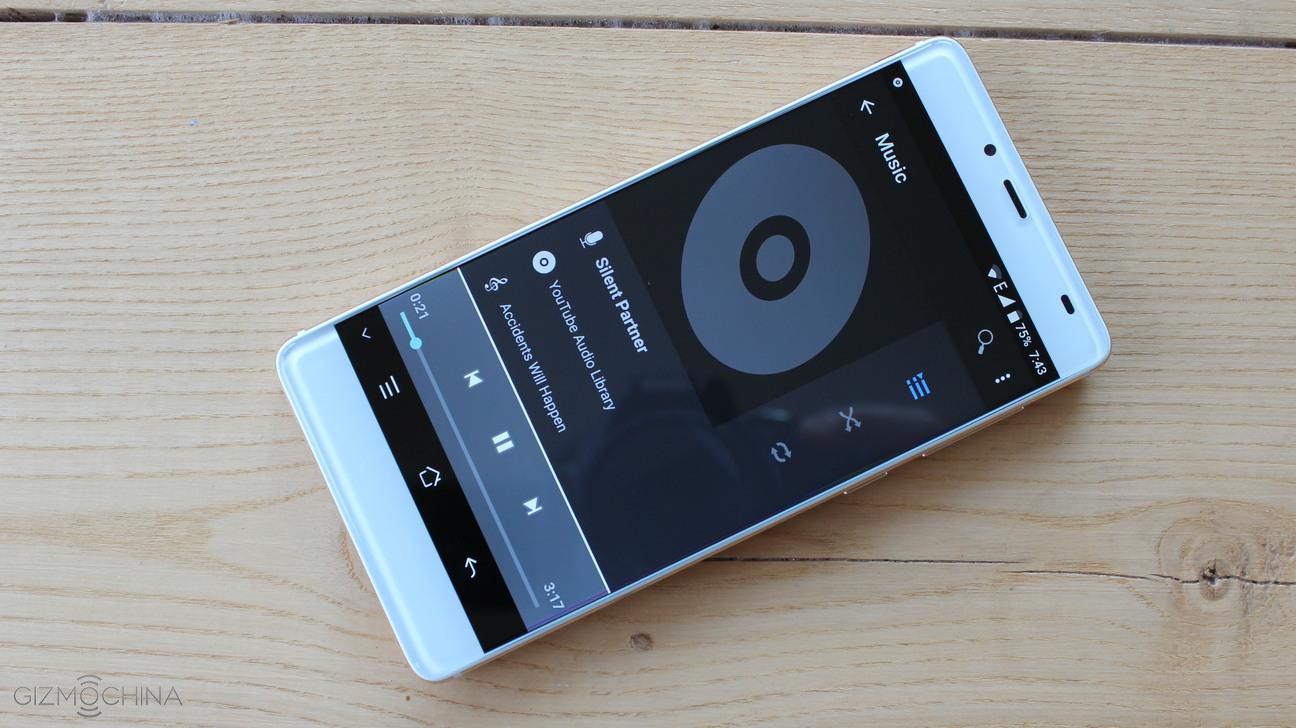 The loudspeaker sits on the bottom and the sound quality is okay but as usual to the budget phones, the sound lacks depth.