Lightinthebox is one of the top ranking Chinese resellers in the market right now and the e-commerce website turns 9 today. To celebrate this milestone, the company is keeping a sitewide sale of products ranging from tech to clothes. The site sells a lot of things, which includes smartphones and tablets, which we are all interested in.
The seller has a lot of phones and tablets listed for discount during the sale, including products from big names like Xiaomi, Lenovo, LeTV etc. But there are products which are cheap as well from local Chinese makers like HOMTOM, OUKITEL, Allwinner etc. They have a separate deal section for phones and tablets which you can check out from here. There are deals on other tech products like smartwatches, 3D printers as well.
You have tablets that start at just $30 and smartphones ranging from $50 to even $600 (Mate 8). But in case you are interested in other products, there are things like quadcopters, work tools, shoes, bags, accessories, in short basically a bit of everything. The seller is offering cash rewards and coupons as well in many cases, which you can check out from their site.
You can check out the anniversary sale discounts and offers from the link given below.
The Chinese smartphone manufacturer Cubot is looking for someone who can design a mascot. In this regard, Cubot is asking its fans to submit a few entries to the company. So, if you are a bit creative with innovative ideas for a mascot, read on.
Cubot is offering a year of Cubot smartphones for free for the best mascot design. So, you could be the first to experience all Cubot smartphones and can be a tester for the company. You can even make suggestions for improvements or features in a product.
Apart from the best design award, there are 5 Good Design Awards, and if your design is selected for this award, you will win a Cubot S500 smartphone. Finally, 50 lucky winners who will like the Cubot Facebook page and the post will get the Cubot mascot.
To clarify, the company is in the lookout for a mascot and not a logo. So, it needs to some kind of an animal or anything that can represent the company in addition to its logo. Cubot has told us that the company prefers a horse as the mascot since it stands for independence, endurance, strength and positive attitude. However, the company is also open to other animals as the mascot. So, if you have some other animal in mind which can be a creative mascot, then that will do as well. But, it will have to be unique and innovative.
Whatever you submit, make sure that the design is cute, smart, professional and can somehow portray the company’s image positively.
Mediatek has come a long way from being a local Chinese chipmaker. Last year, the company upped its game with its new range of 64-bit chips and managed to take on the US-based Qualcomm to some extent. The company’s advantage has always been its low cost pricing, which has driven the adoption of MTK chips inside low-cost smartphones.
However, when it comes to the high-end segment, Mediatek still has a long way to go. The initial benchmark results of the Helio X20 chip, the world’s first deca-core processor show that its targeted at the upper mid-range market, scoring about 85K on AnTuTu. On the other hand, the top-end Snapdragon 820 chip can score as much as 133K on the same benchmarking test.
So, even this year, Mediatek has not really caught up with Qualcomm’s Snapdragon in the high-end segment. But the company seems to have high hopes for its upcoming Helio X30 chipset, which is said to take on the big guns in the industry next year. Zhu Shangzu, the COO of Mediatek, recent said that the Helio X30 chip is going to be a power house which can take on premium chipmakers like Qualcomm and Samsung.
The company will reportedly continue with its deca-core architecture built on the 16nm process on its upcoming top-end chip. The possible architecture of the Helio X30 could be 2 x 1GHz Cortex A53 + 2 x 1.5GHz Cortex A53 + 2 x 2GHz Cortex A72 and 4 X 2.5GHz Cortex A72 cores. We still don’t know what GPU will be inside the new chip, but we sure hope that it’s powerful enough to take on the GPUs used in Samsung and Qualcomm SoCs. So, let’s hope that company does not continue with its tradition of using powerful CPU’s but crappy GPUs inside its high-end lineup.
We still have no word on the release date of the chip, but considering that Mediatek announced the Helio X20 quite early last year, we may see an announcement of the X30 sometime in the next few months.
In a suprising move, the US department of commerce decided to ban exports to China’s ZTE. This reportedly comes as a result of ZTE’s decision to sell products using components from US companies to Iran. The Commerce Department retaliated to this by forcing US companies to apply for export licenses to sell to ZTE. With such restrcitions enforced by the department, these export licenses will most likely be denied.
While this will affect ZTE greatly, who relies on US suppliers for up to 43 percent of its components, US chipmakers will also be affected adversely. Qualcomm and Intel will no longer be able to sell its chipsets to the Chinese smartphone maker, possibly affecting its sales and revenue in the coming quarters.
Ban on sales to ZTE may not just result into short terms losses for these companies. Chinese Government has always stressed on being independent, and this might present as a good opportunity for ZTE to invest in component manufacturers in its home country. So, even if the ban is lifted in the coming months, not all of the company’s previous business might return back to US. So, it looks like companies like Qualcomm, Intel and even Broadcom could lose some business as a result of this ban.
Late last month, Taiwanese media reported that Chinese manufacturers were looking to release smartphones with curved edge displays this year. In this regard, we saw Vivo release the Vivo XPlay5, making it the first smartphone manufacturer apart from Samsung to release a dual curved edged smartphone.
Now, according to industry insiders, there are several other Chinese manufacturers who are developing curved edge display smartphones and these phones are expected to hit the market by the fourth quarter of 2016. So, before the end of the year, you may have three to four choices of curved edge smartphones, with a majority of them being offered by Chinese makers.
This makes sense to some extent. Samsung developed a technology which was unique, however, the company must have spent millions, if not billions, in the successful development of its curved edge panel. Supplying its panels to Chinese companies who manage to sell millions of smartphones in China and outside, could generate further revenue for the company. But it does come at a cost, the S7 Edge is no longer the exclusive smartphone with dual edge display. So, it needs to be better and offer much more than other competitors, soon to be available in the market, to be considered by consumers.
As for the possible Chinese manufacturers who could release a dual edge curved display, it will most likely be Huawei and Xiaomi. Both these companies were earlier rumored to release such a device. It is said that the Xiaomi Mi Note 2 could be an ideal candidate for featuring a dual curved edge display. Other rumored specs of the phone include Snapdragon 820, 4GB RAM and a pricing of around 3000 Yuan. But these are all just speculations at the moment, so make sure you take most of the information in the post with a pinch of salt.
We are almost into the second quarter of the year (time flies by!), and fourth quarter isn’t looking too far off.
So, what do you think? Is it a good idea for Samsung to supply its dual curved edge display to other manufacturers?
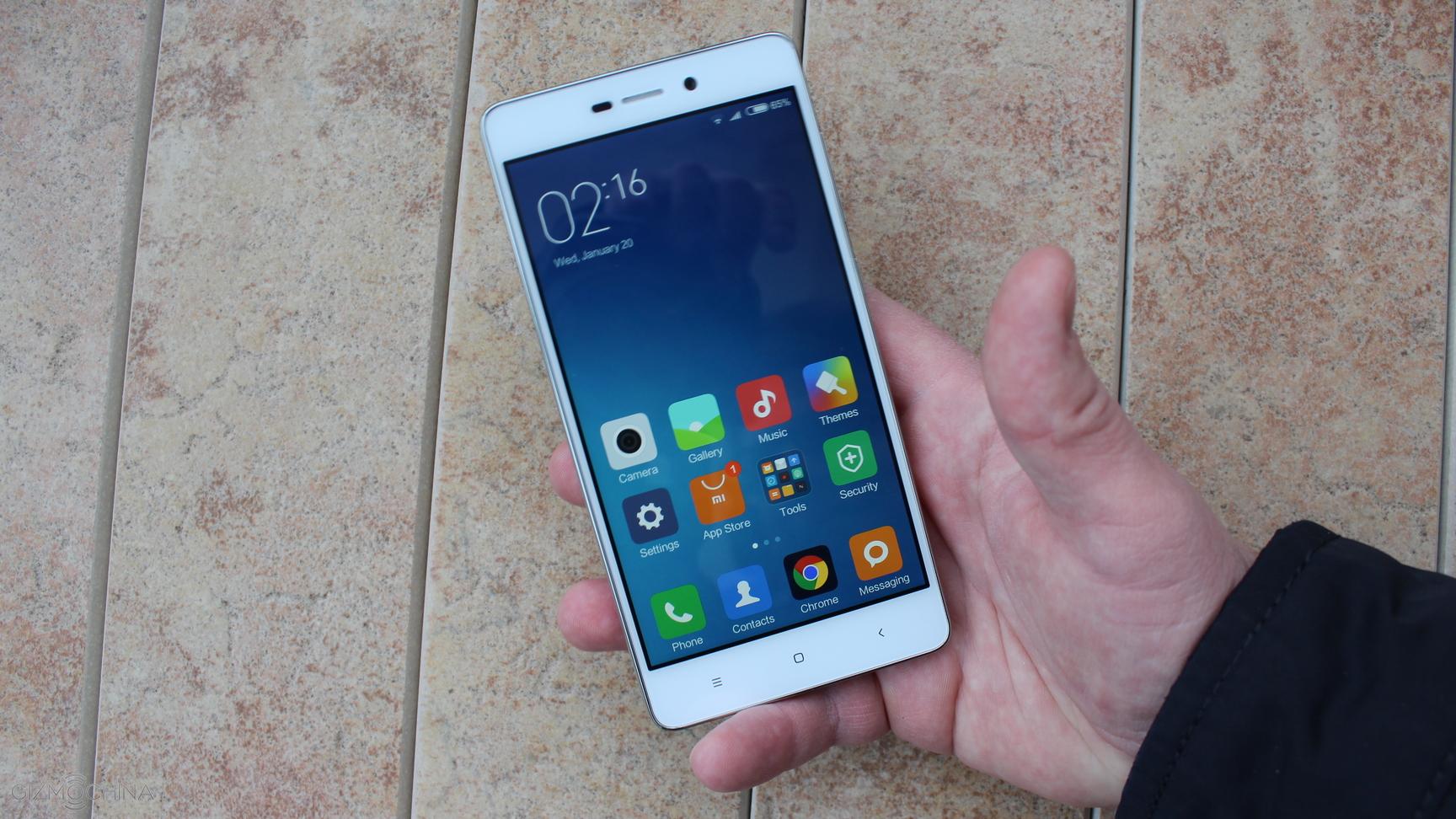
Xiaomi has always taken things to a whole new level with its smartphones. The Redmi 3 with Snapdragon 616, the mid-range Redmi Note 3 with Snapdragon 650, and the powerful Xiaomi Mi 5 with Snapdragon 820 are all very good examples of the company’s competitive smartphone lineup. Now, it looks like Xiaomi is all set to upgrade its Redmi 3 budget smartphone with a fingerprint sensor.
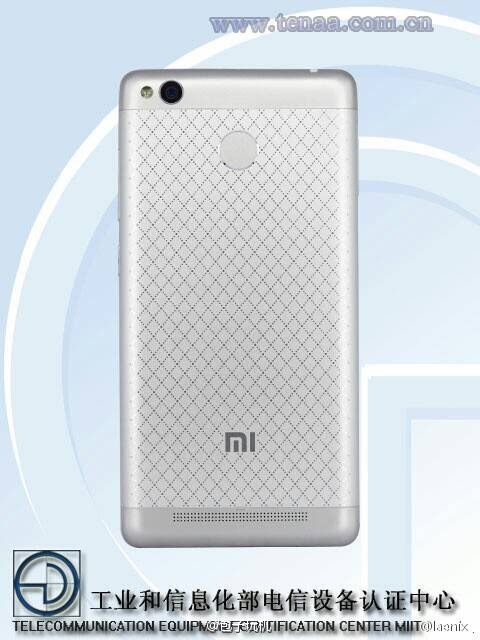
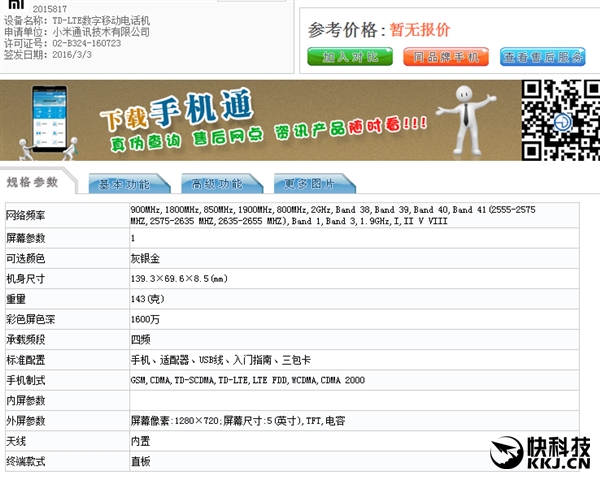
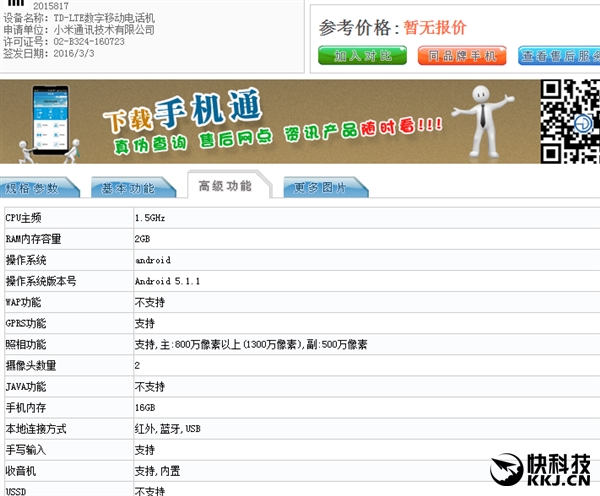
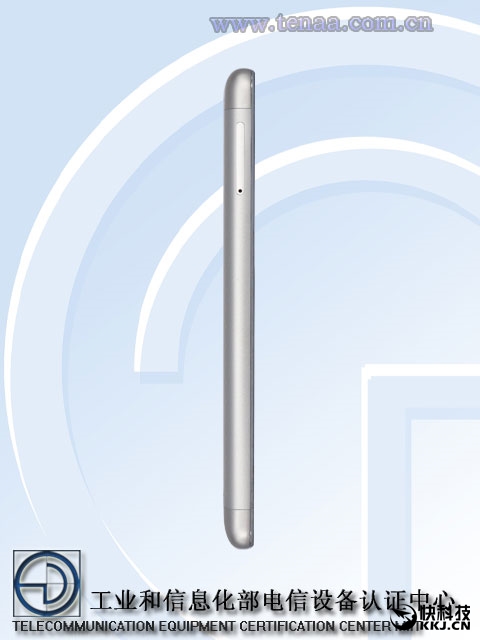
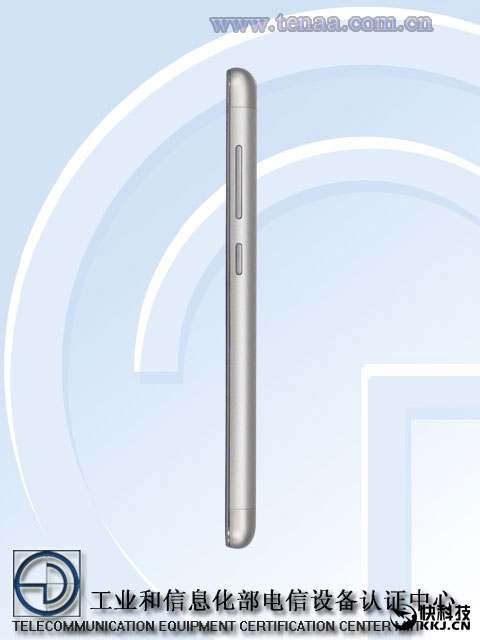
The phone had previously hit TENAA revealing some of the features of the device like support for entire network in China, 8.5mm thin body and a large 4000mAh battery. At that time, we didn’t get the pictures of the phone via the TENAA website, instead it was revealed by one of the weibo users. But now, the model 2015817, which will most likely be called as the Redmi 3S or the REdmi 3 Pro has been listing on TENAA with full pictures and specifications.
First of all, the 2015817 model, comes with the same 5-inch 720p display as the Redmi 3. Even the chpset is expected to be the same, an octa-core processor clocked at 1.5GHz which is likely the Snapdragon 616. There will be 2GB of RAM on board with 16GB storage and a 13MP rear and 5MP front cameras. There will reportedly be three color options for the device, namely gold, silver and grey. Also, as you can see in the pictures, the phone will come equipped with a fingerprint sensor at the back.
It is said that the Redmi 3S will retail at a competitive price tag of 799 Yuan which comes to just $122. If true, then the Redmi 3S will naturally be the first choice for customers. The release is expected to be around the company’s sixth anniversary in April.
Looks like another great smartphone from Xiaomi is on the way! Apart from the fingerprint sensor, what else would you like to see upgraded on the Redmi 3 model?
Recently, there was a rumor going around on the internet regarding an equity investment opportunity in the Chinese company, Xiaomi. Naturally, this rumor spread like fire.
According to Chinese media, the document leaked about the investment opportunity from CITIC Capital Projects revealed that Xiaomi was looking to raise about $110 million USD in equity investments for subscription of 0.45% stake in the company. This would have valued the company around $24.4 billion, much, much lower than the earlier valuation of $45 billion.
Considering the spread of this news, Xiaomi made an official statement saying that the company had no plans for an IPO. In fact, the company stressed that it has over 10 billion Yuan in cash at the moment, which comes to nearly $1.54 billion USD. Xiaomi further added that it is under no financial pressure and has no plans for new financing or IPO offerings. So, the rumors about the document from CITIC Capital are not true.
Xiaomi CEO, Lei Jun also stressed at an event that the company was not looking for financing rounds as it is carrying over (10 billion Yuan) $1.54 billion USD in cash.
We have been hearing a lot about the upcoming Le 2 smartphone, which is expected to come in two variants, one with the powerful Snapdragon 820 and the other with the mid-range Helio X20. Recent rumors have shed very little light on the phone’s camera, but now, a new leaked image claims that the Le 2 will come with a dual camera setup.
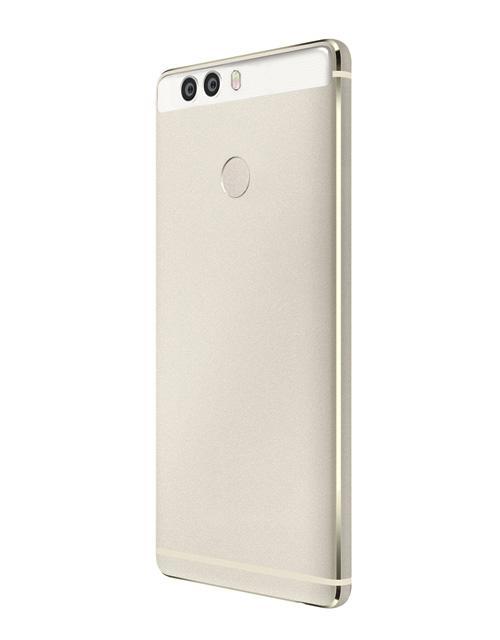
Although we have seen dual camera setup on a few devices in the past couple of years, the trend seemed to have gone out of fashion last year. But this year, for some reason, companies are looking to bring back dual rear camera setup and two noted Chinese manufacturers, namely Huawei and now LeEco are expected to release phones with such a setup soon. In fact, the Le 2 could debut as soon as the end of this month.
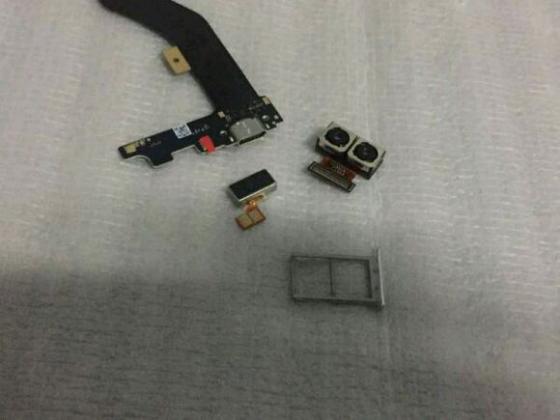
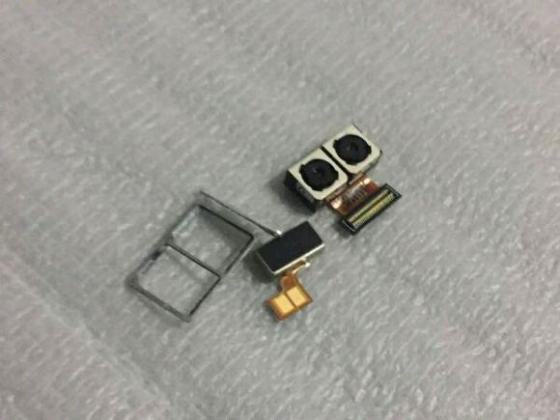
The image reportedly comes from supply chain sources. Along with the dual cameras, the phone also come with dual nano SIM card slots and a new vibration motor. Also, we can see what looks like a USB Type-C port besides the camera setup.
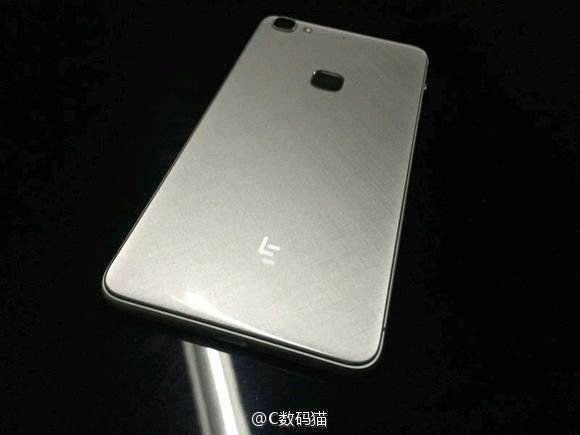
We have already seen the new images of the LeEco Le 2 with the new logo, and they are quite different than the other smartphones from the company till date. The phone reportedly features a double sided glass design, instead of a metal body. The fingerprint sensor is located at the back, and there’s the company’s new LE logo as well. However, the camera on the phone seems to be a traditional one, so it remains to be seen whether any of the variants of the Le 2 ends up with a dual camera setup.
According to the previous Le 2 specs leak, the phone will come with Snapdragon 820 chipset with a 5.7-inch 2K display, 4GB RAM and 64GB of storage. At the back, there will be a traditional 21MP rear camera while up front, it features an 8MP shooter. The Le 2 Pro supports dual card dual standby with Quick Charging, USB Type-C, IR port, 3100mAh battery and an ultrasonic fingerprint sensor.
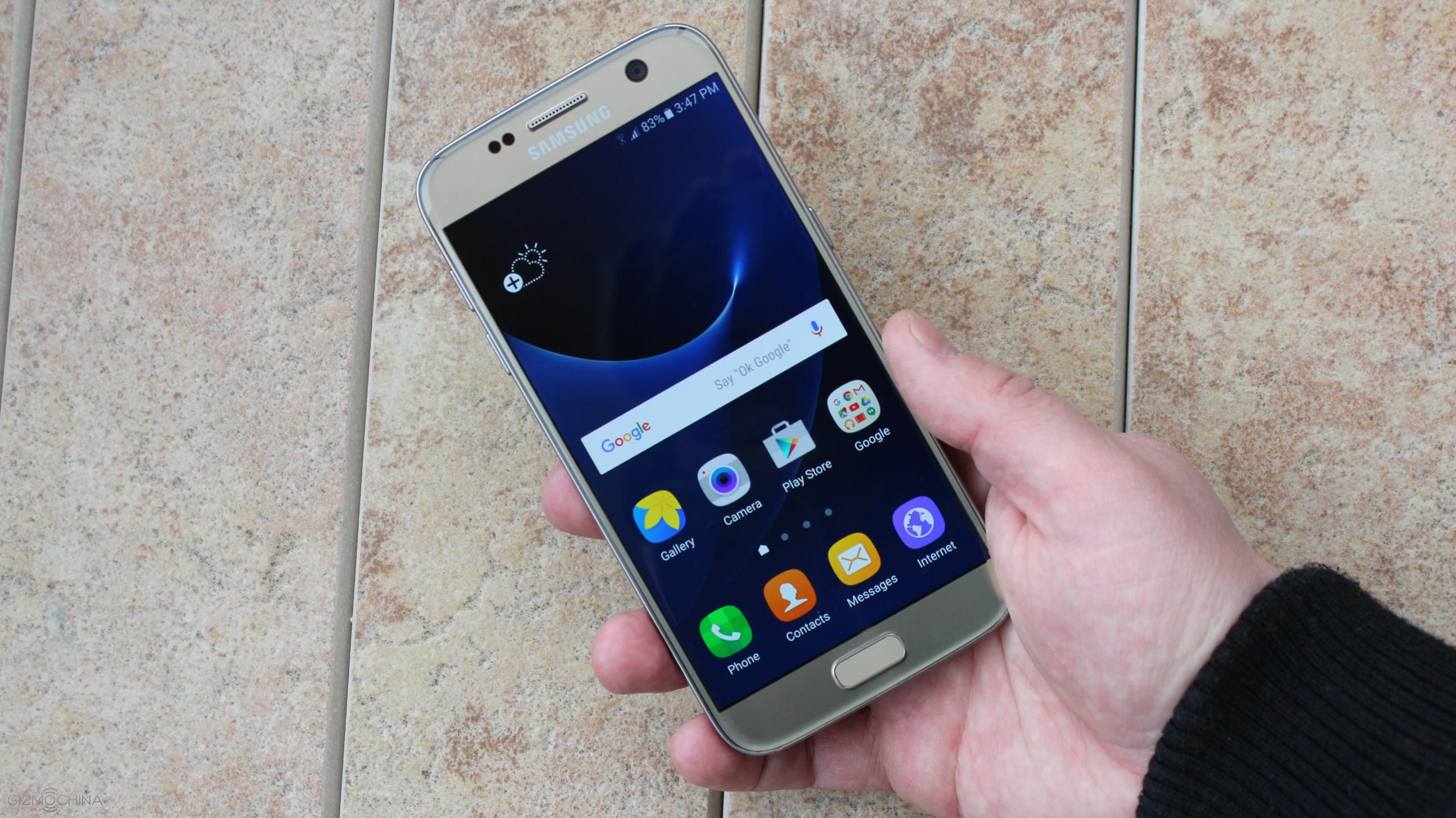
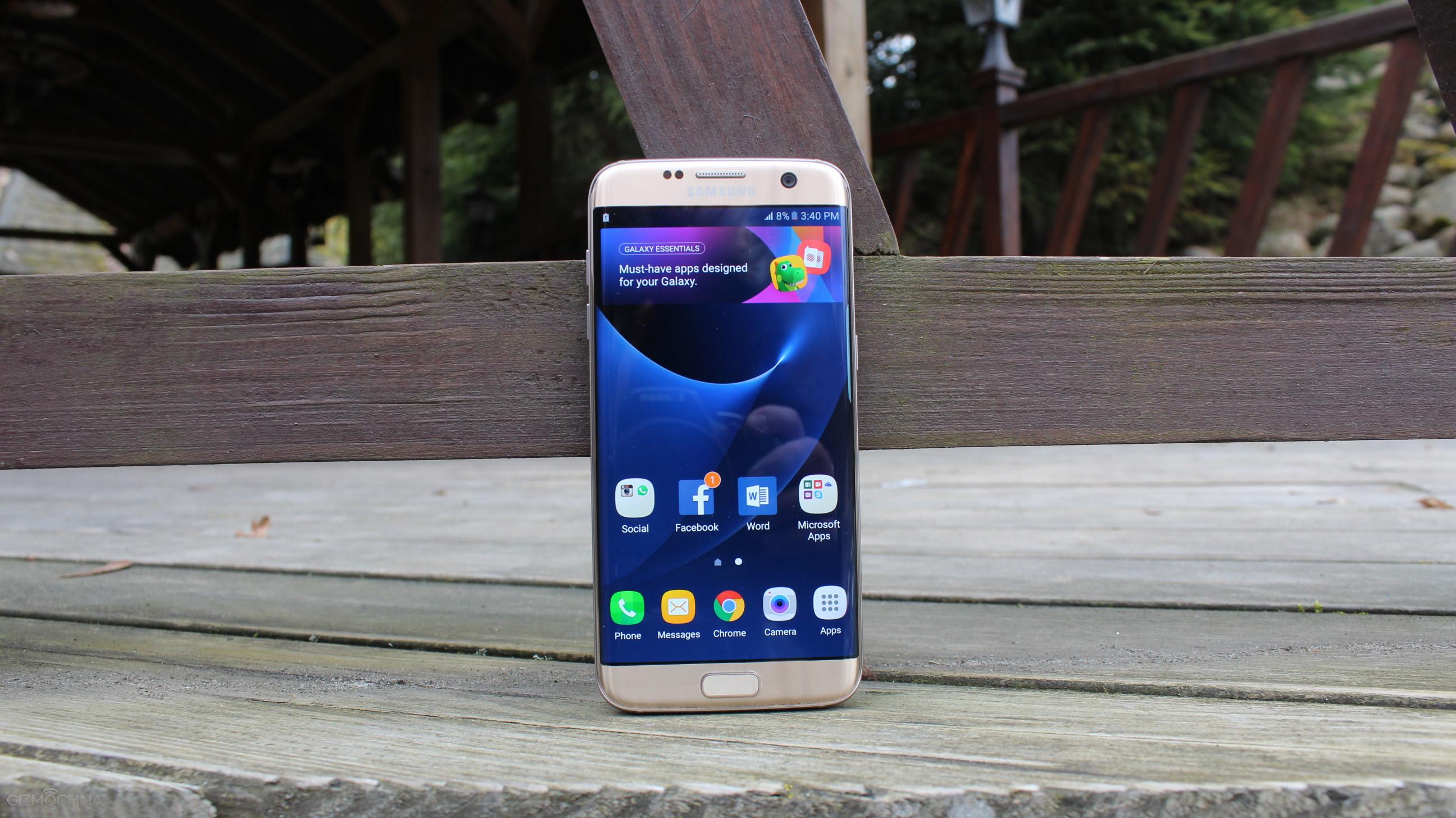
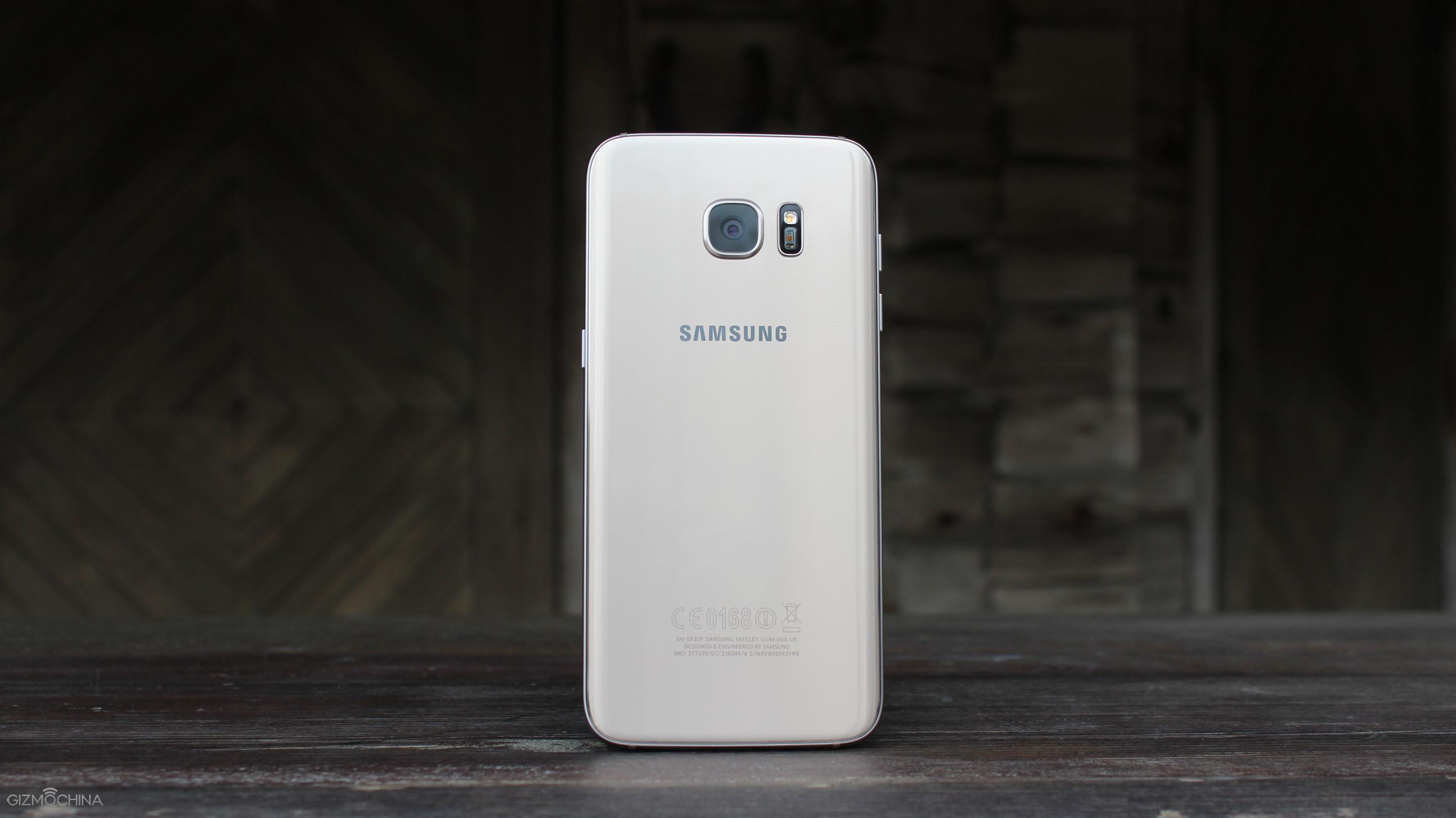
Last year we finally saw Samsung doing the right thing with its design. The company made the phones that look premium and expensive. This year we have the upgraded Galaxies and the S7 Edge is one of them. Will it once again be one of the best smartphones on the market?
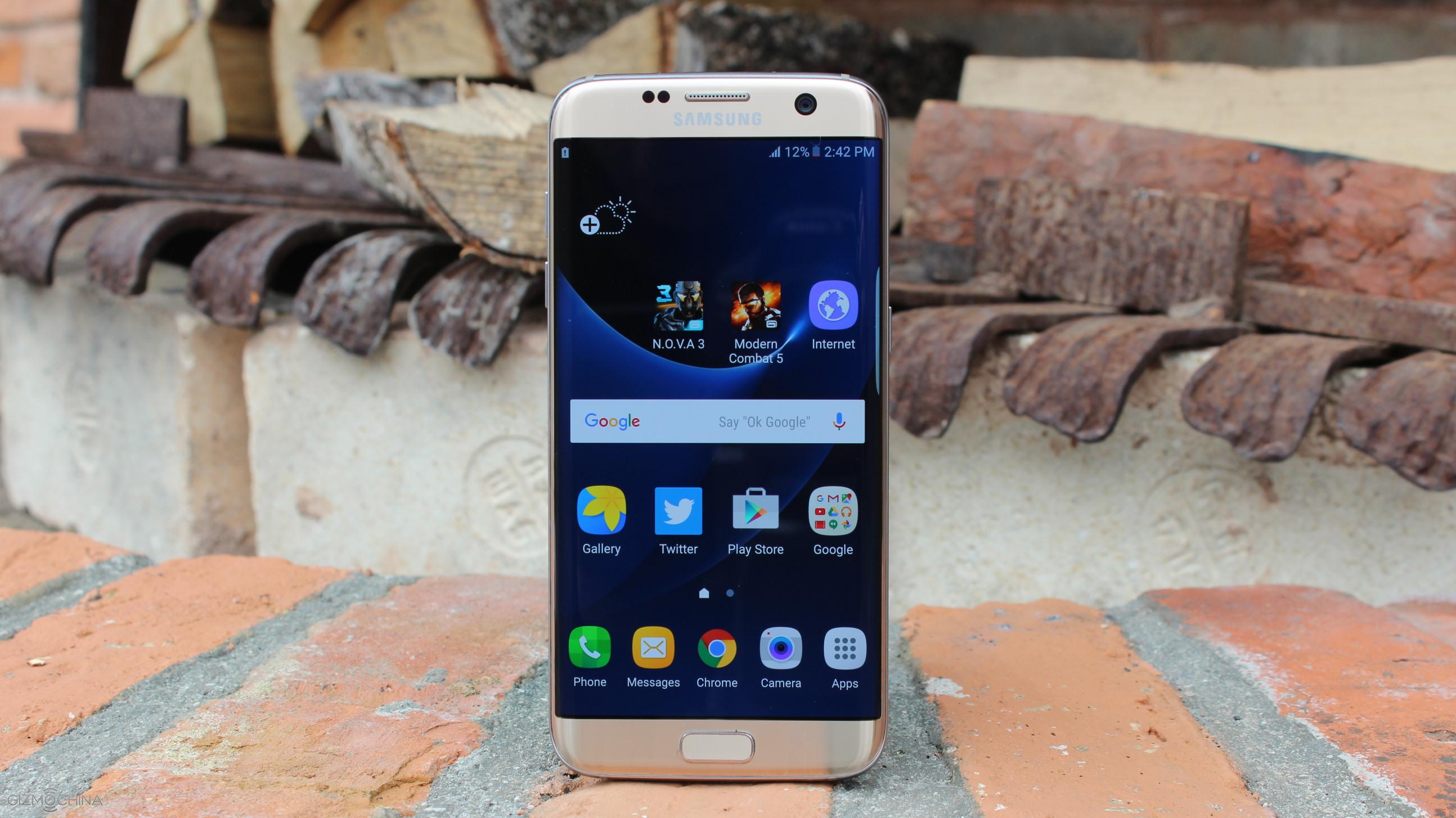
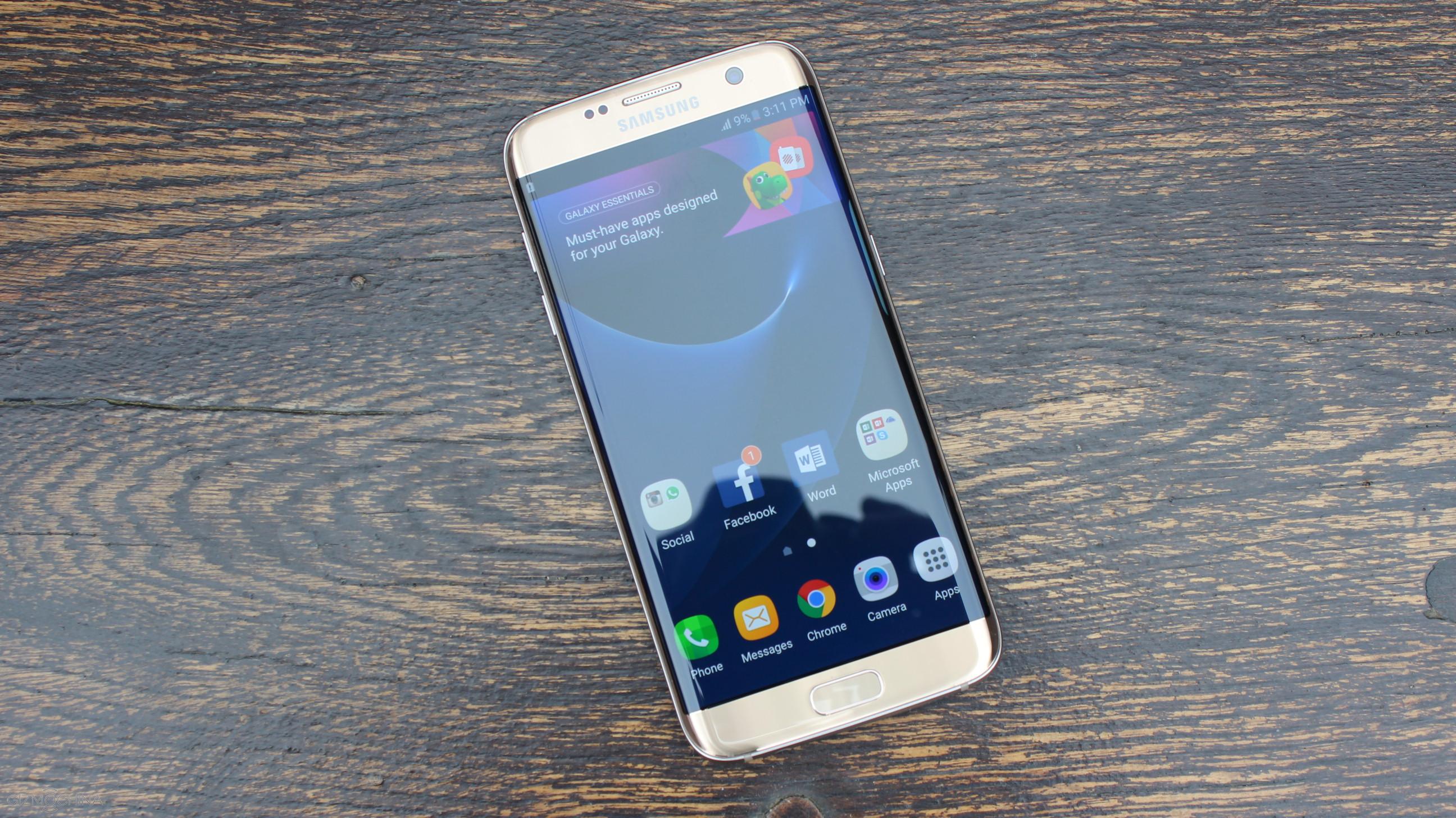
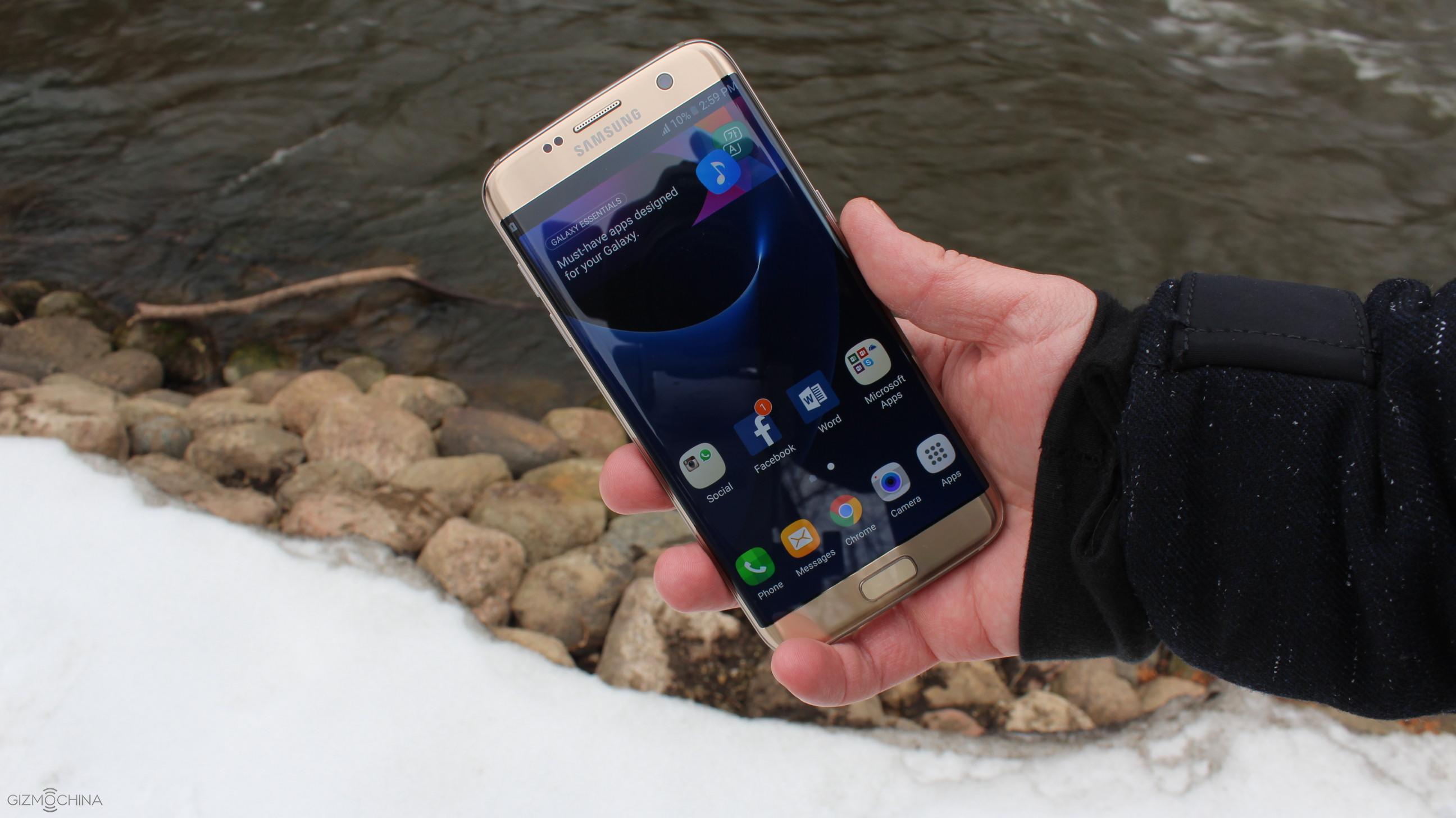
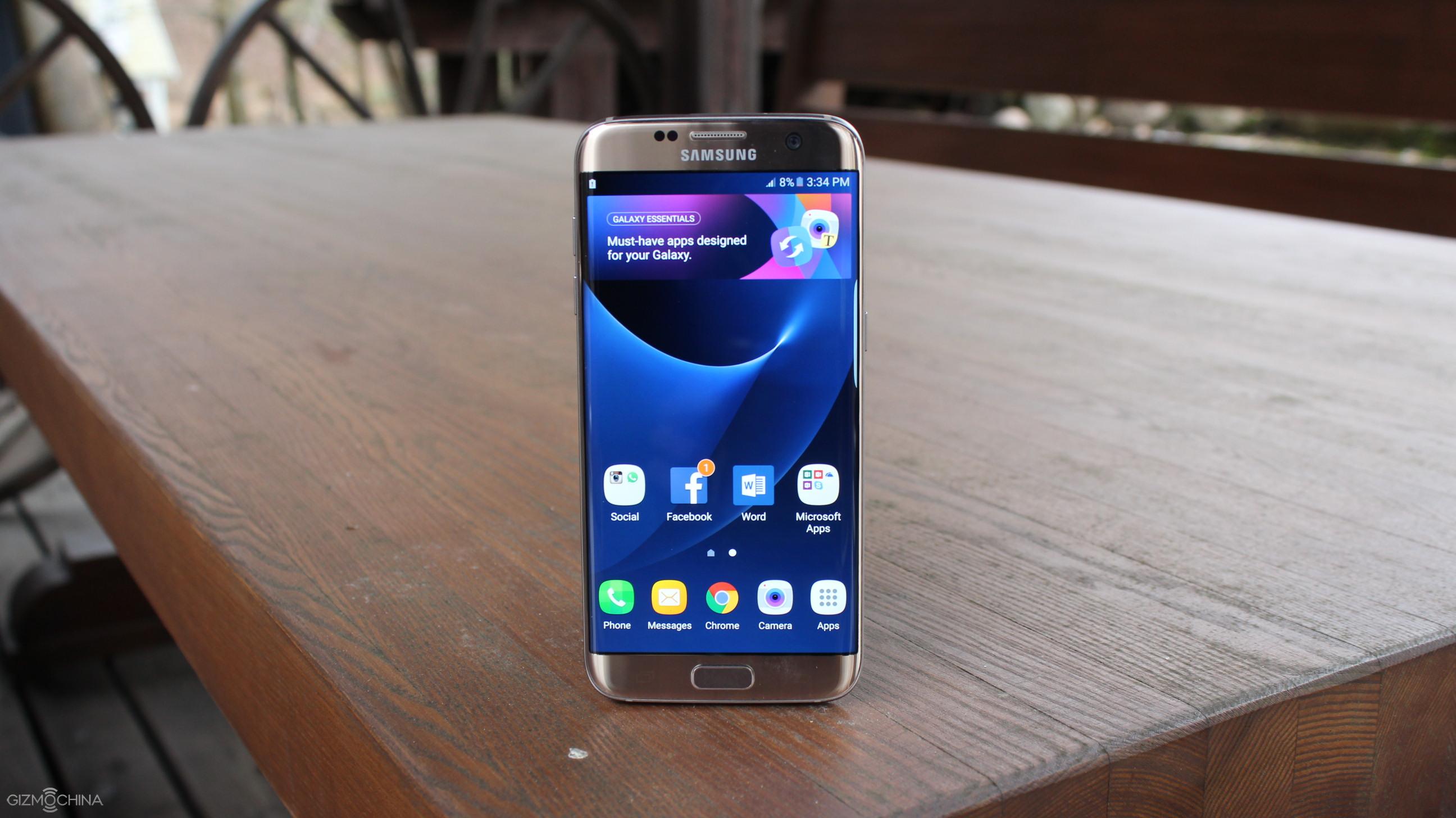
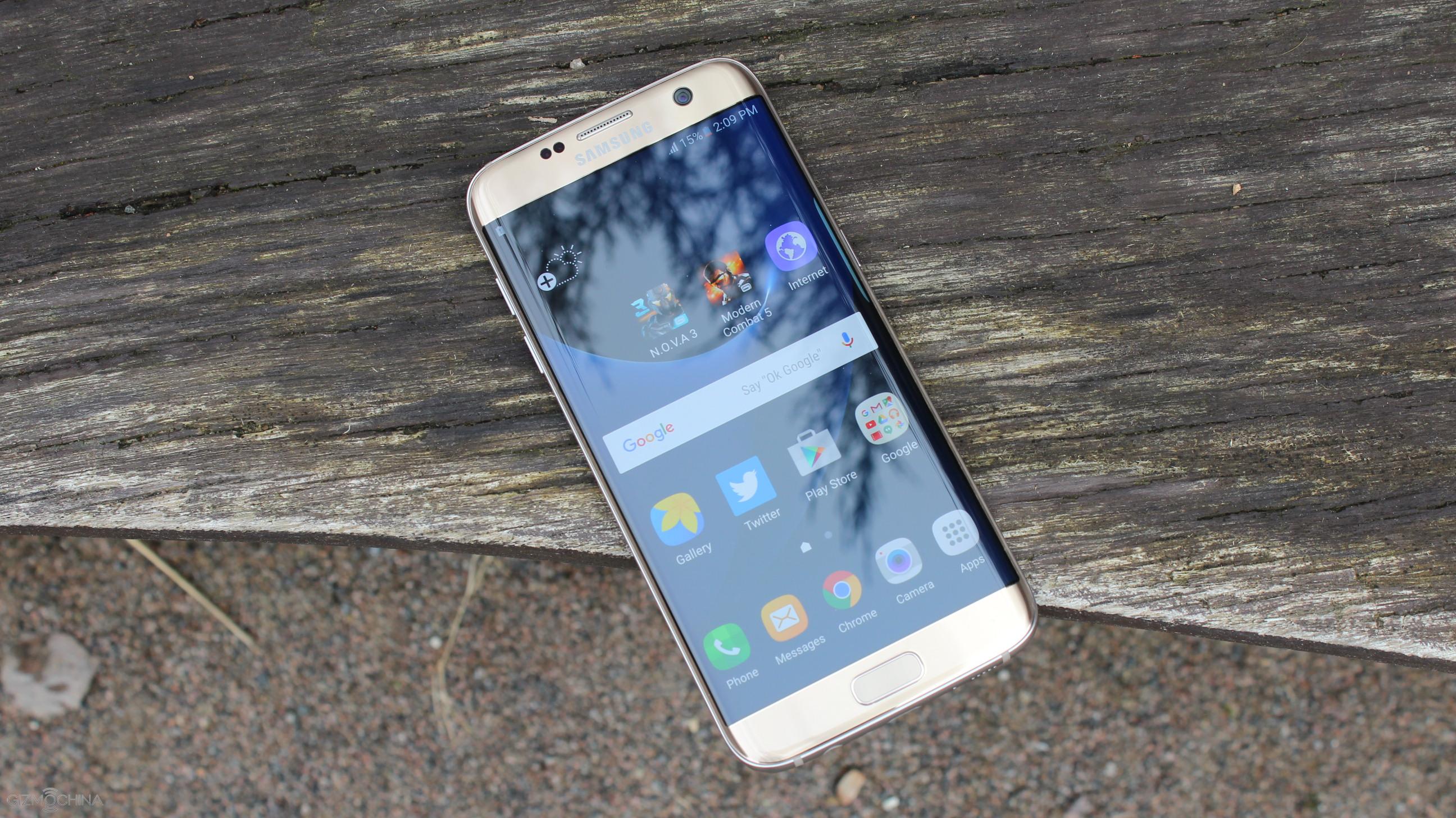
When it comes to the design, we are looking at the device that has a gorgeous 5.5” 2K display. We all know that Samsung have had one of the best screens on the market and the S7 Edge is no exception. The panel that is covered by the Gorilla Glass 5, is sharp, vibrant, bright and definitely on of the best on any smartphone.
You will be able to see this great screen even under water as the Galaxy S7 edge is IP68-certified, meaning that it can be used for 30 mins up to 1.5m under water. Also, it can survive a little bit of dust, too. I would say that is a huge advantage over the majority of the competition.
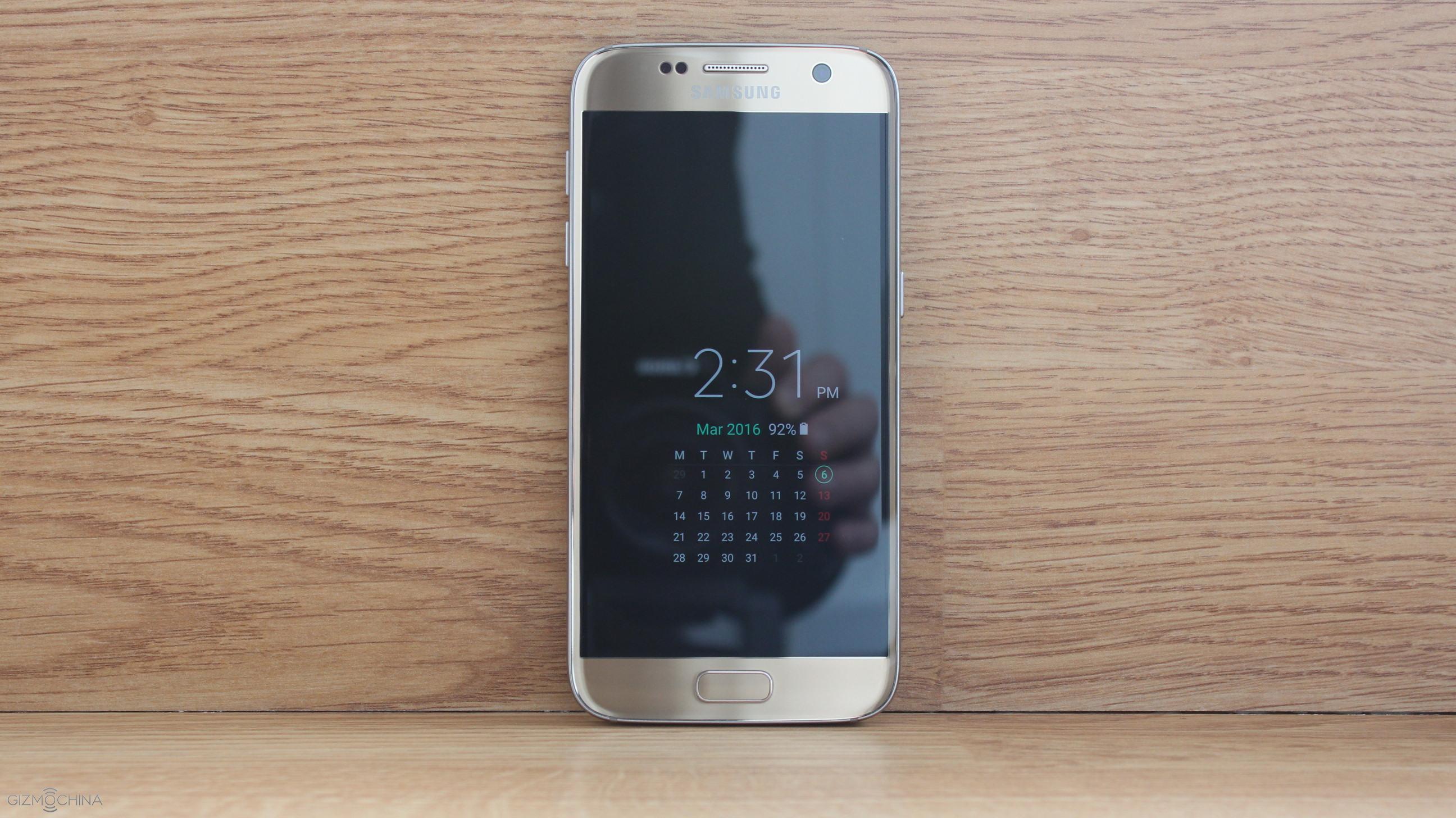
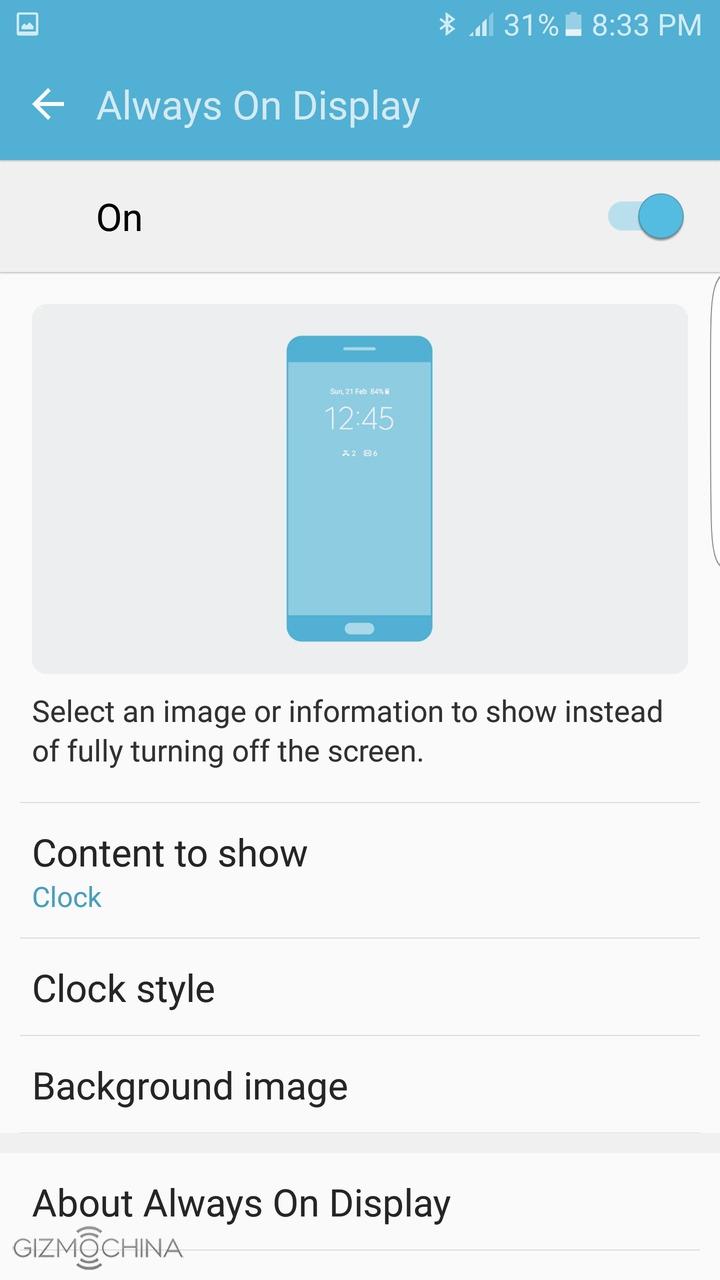
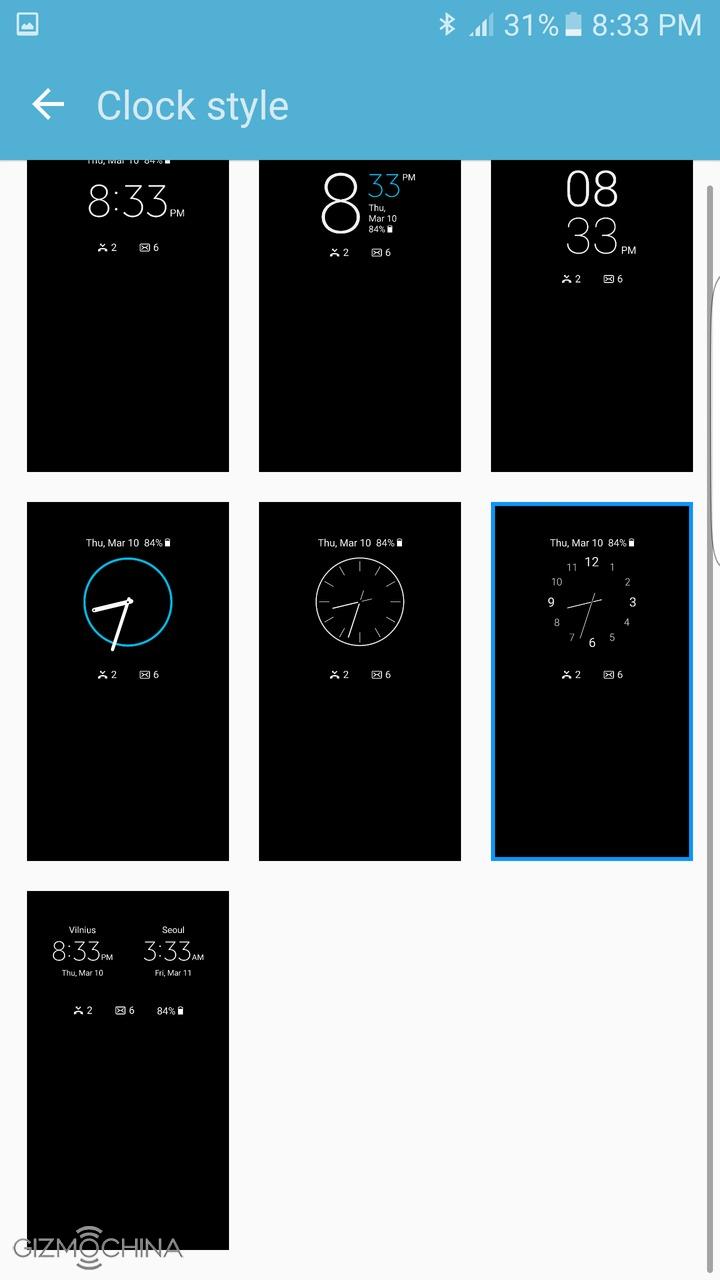
We have a really cool innovation – always-on display and this feature is really neat. Basically, what it does, it shows the clock, calendar and some useful stuff, and this feature uses a very low amount of energy. To be honest, it took me a few days to get used to it as I wanted to turn the display off manually but I really love this feature.
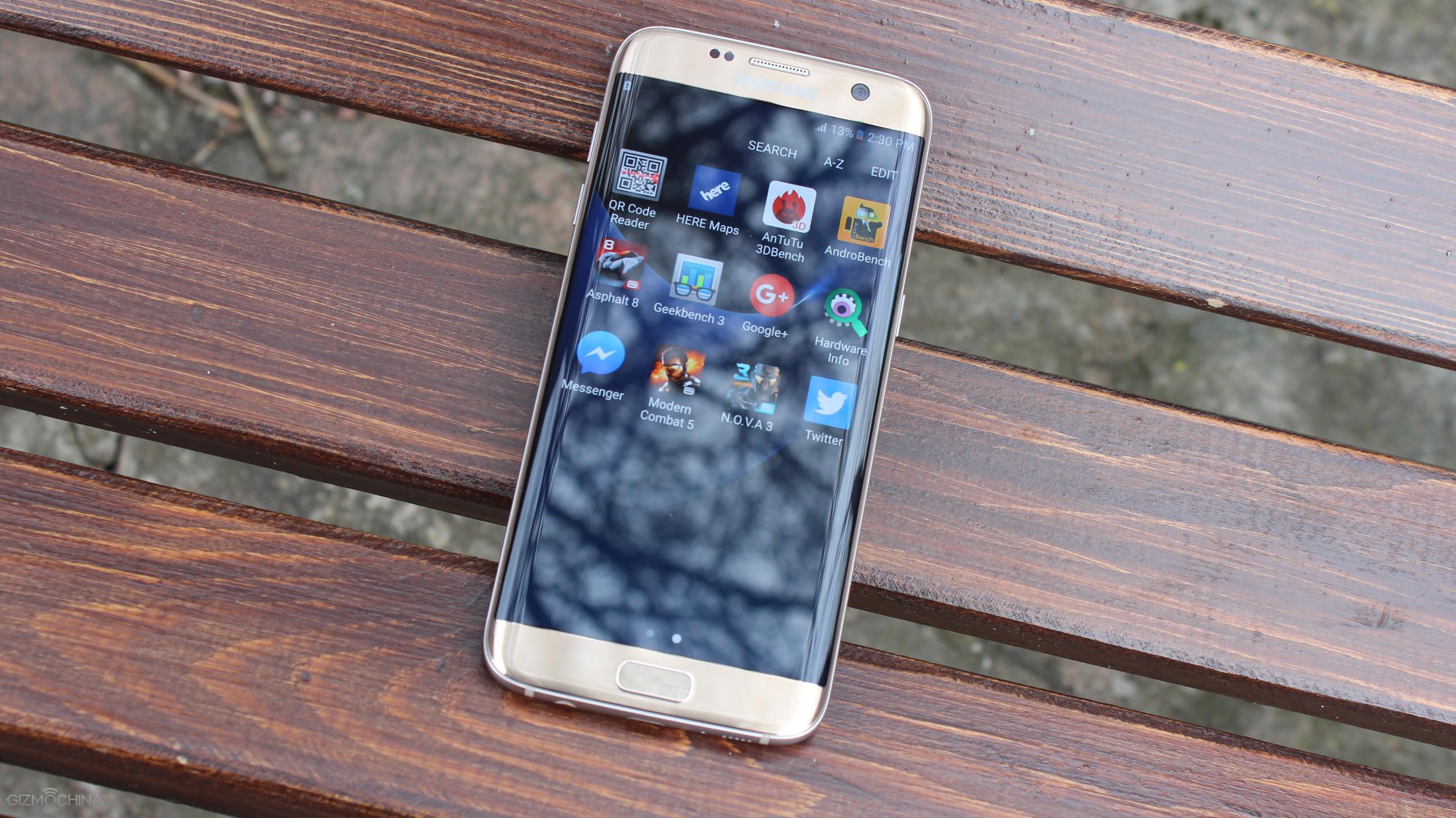
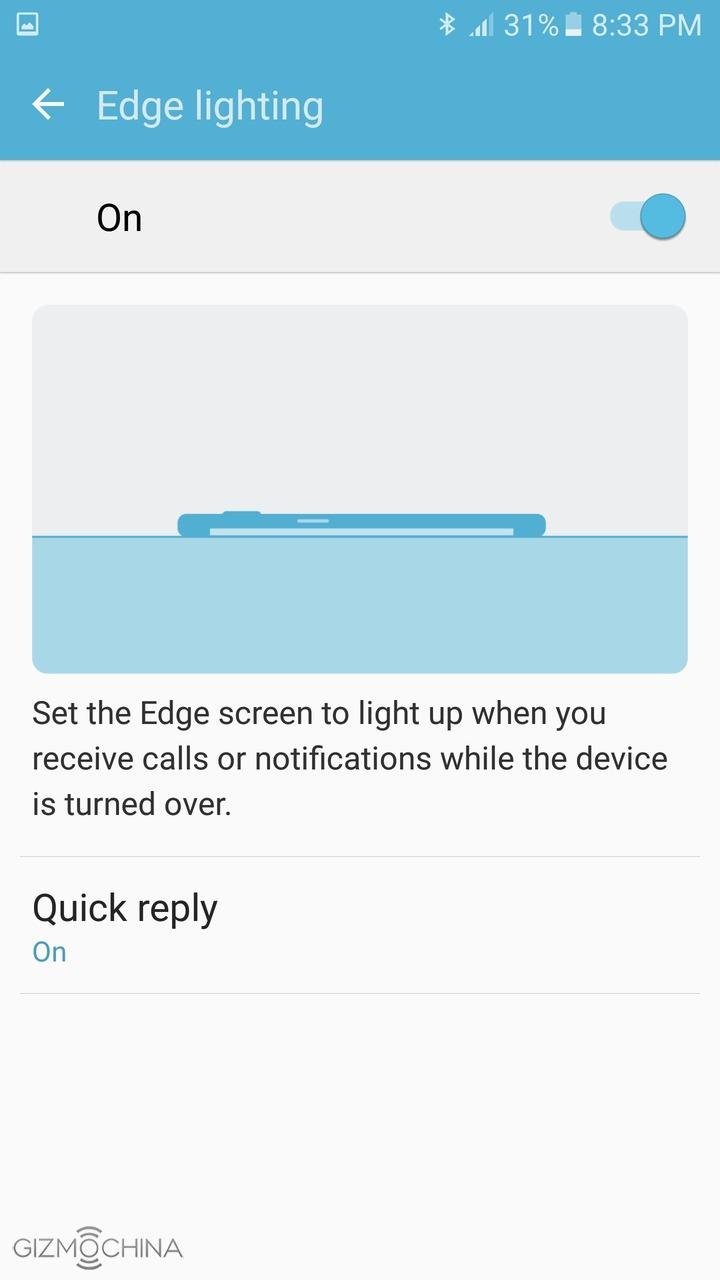
As the name implies, the display has edges on both sides and it adds a lot of character to the design. Sometimes it even makes an impression that the display is bezel-less.
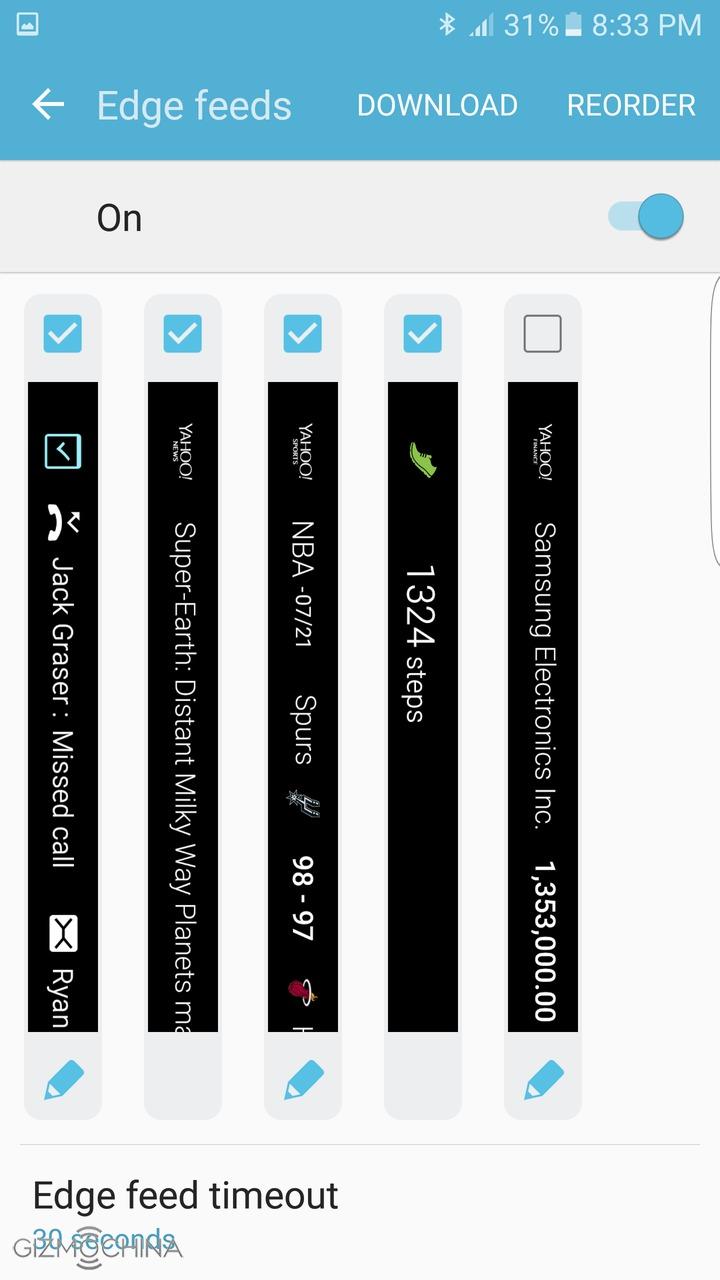
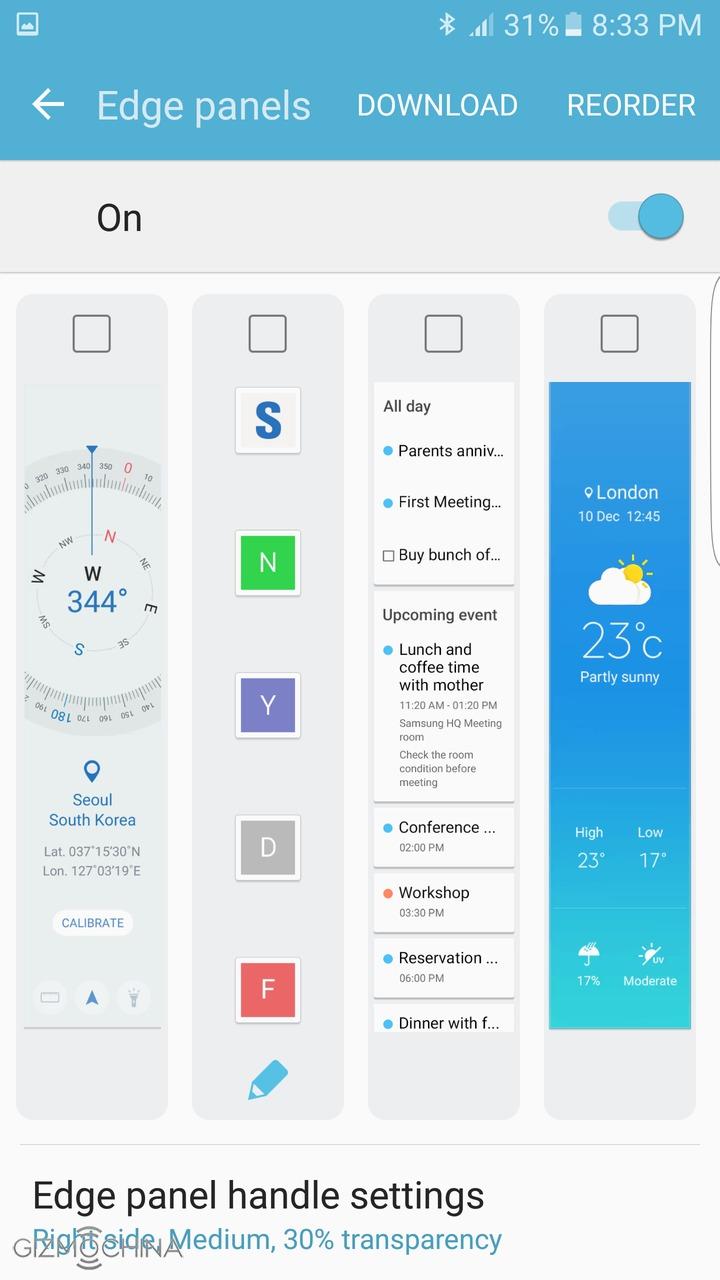
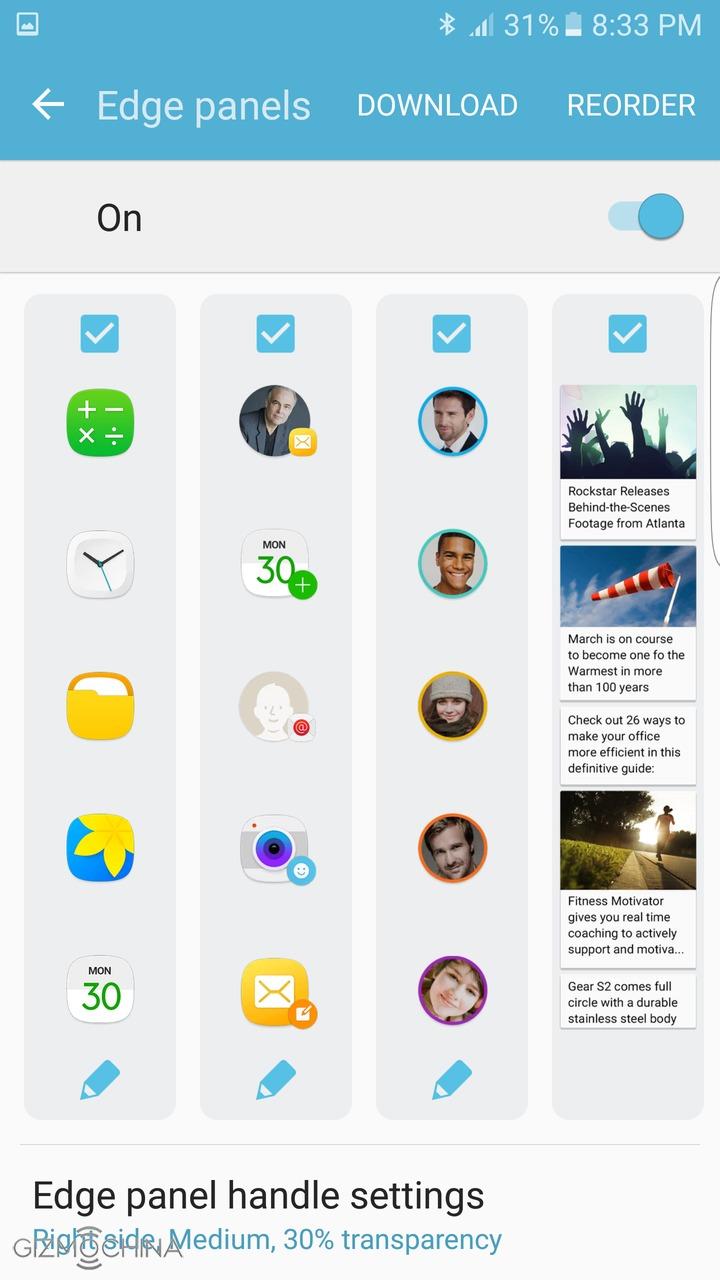
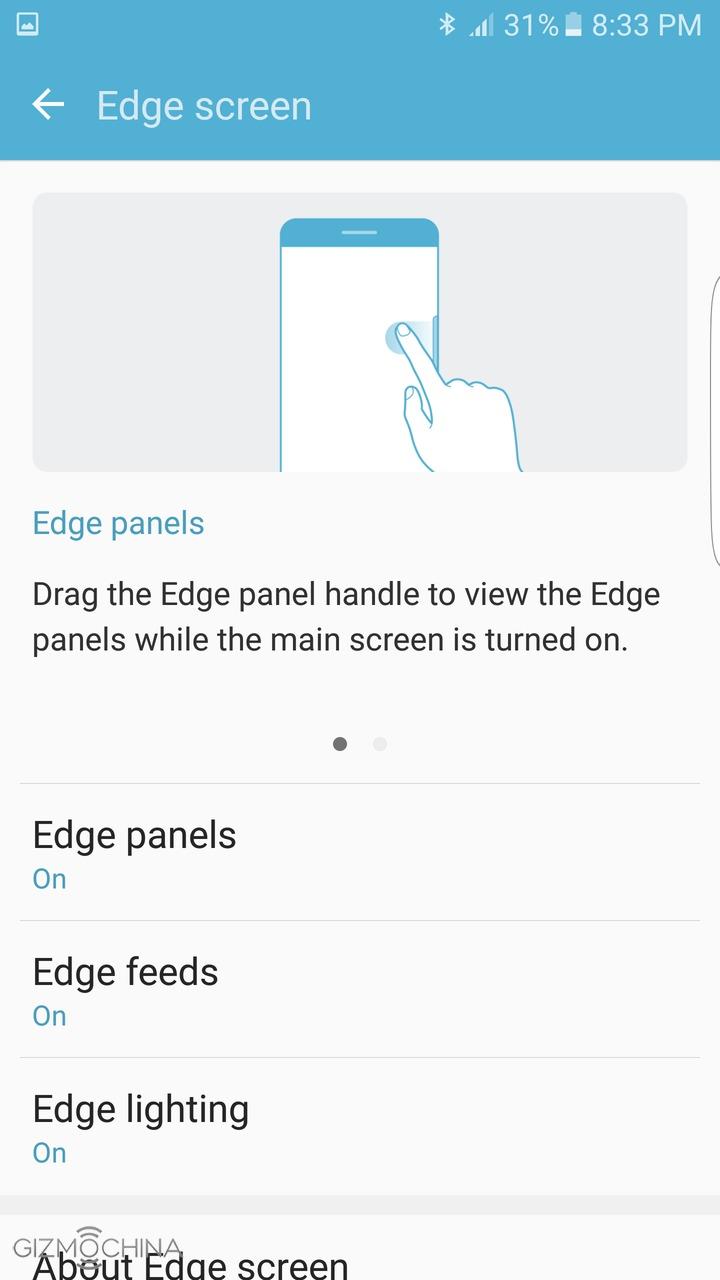
Of course, there is a functional part of those edges. For example, you can create shortcuts to some tasks, quickly access contacts, news, apps and so on.
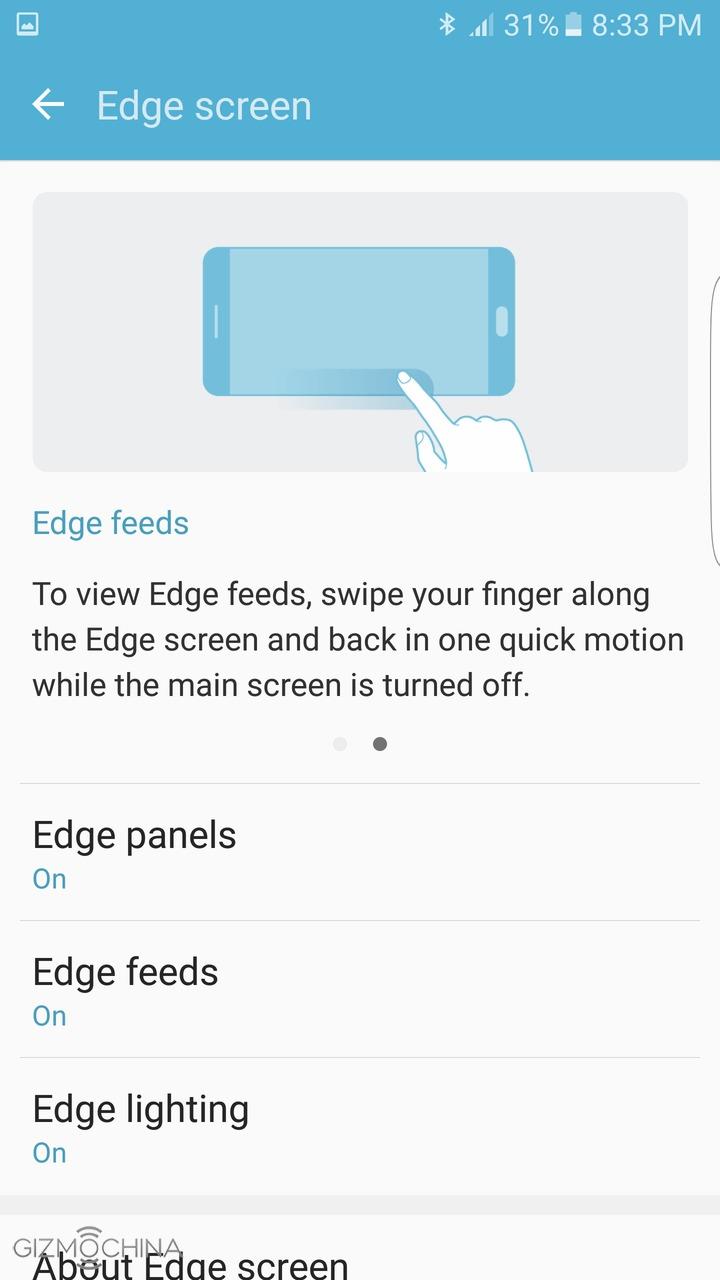
If you swipe your finger along the edge screen while the display is off, you’ll get some other useful info too.
On the front, we have a 5MP selfie shooter, notification LED and other usual stuff. On the bottom, there is a classic Samsung’s button layout – nicely backlit capacitive keys and the physical home button, which also doubles as a fingerprint scanner.
Speaking of which, it is very fast and accurate but I am disappointed that it does not work straight from the standby mode, meaning that you should press the home or power key first.
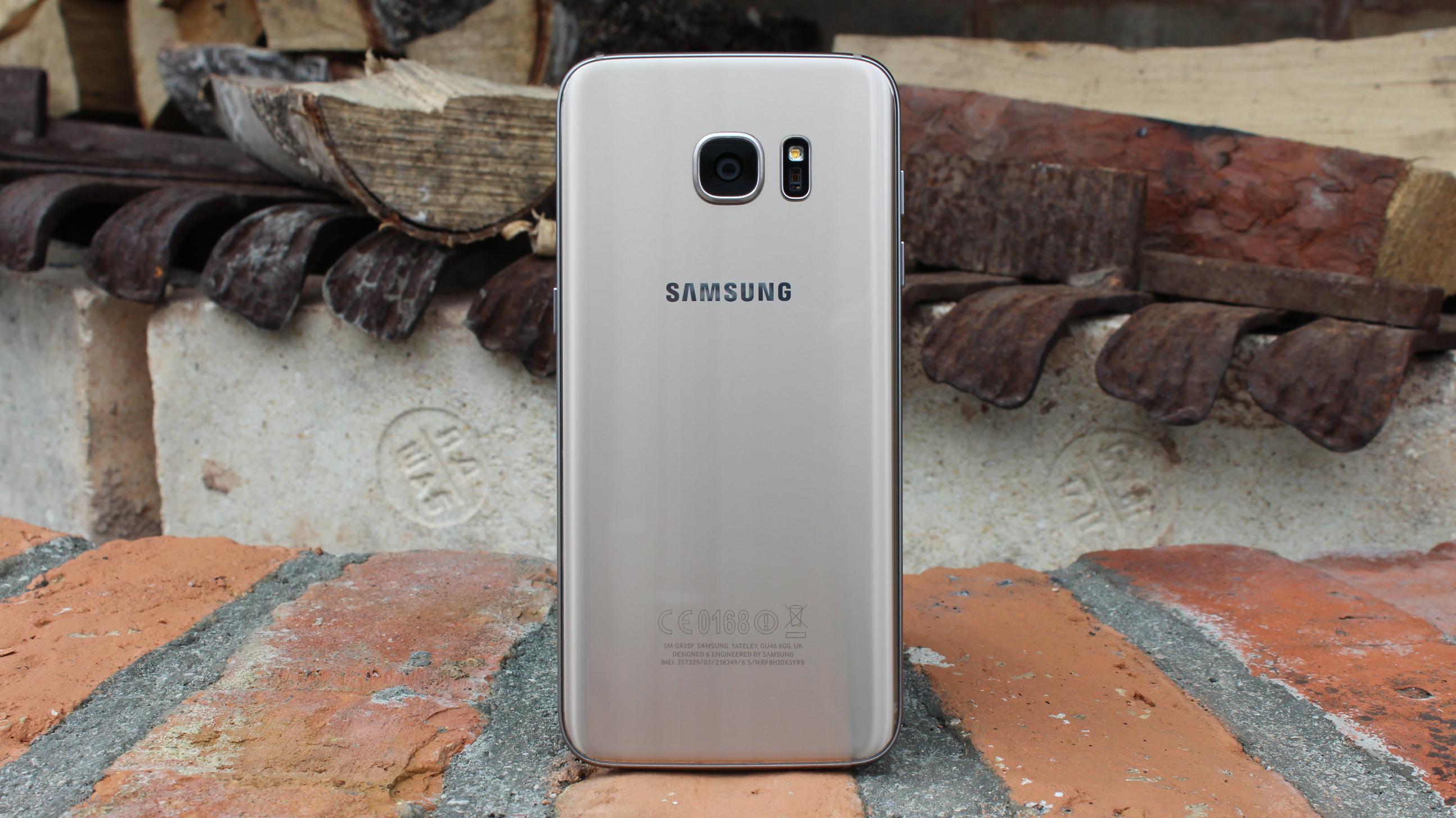
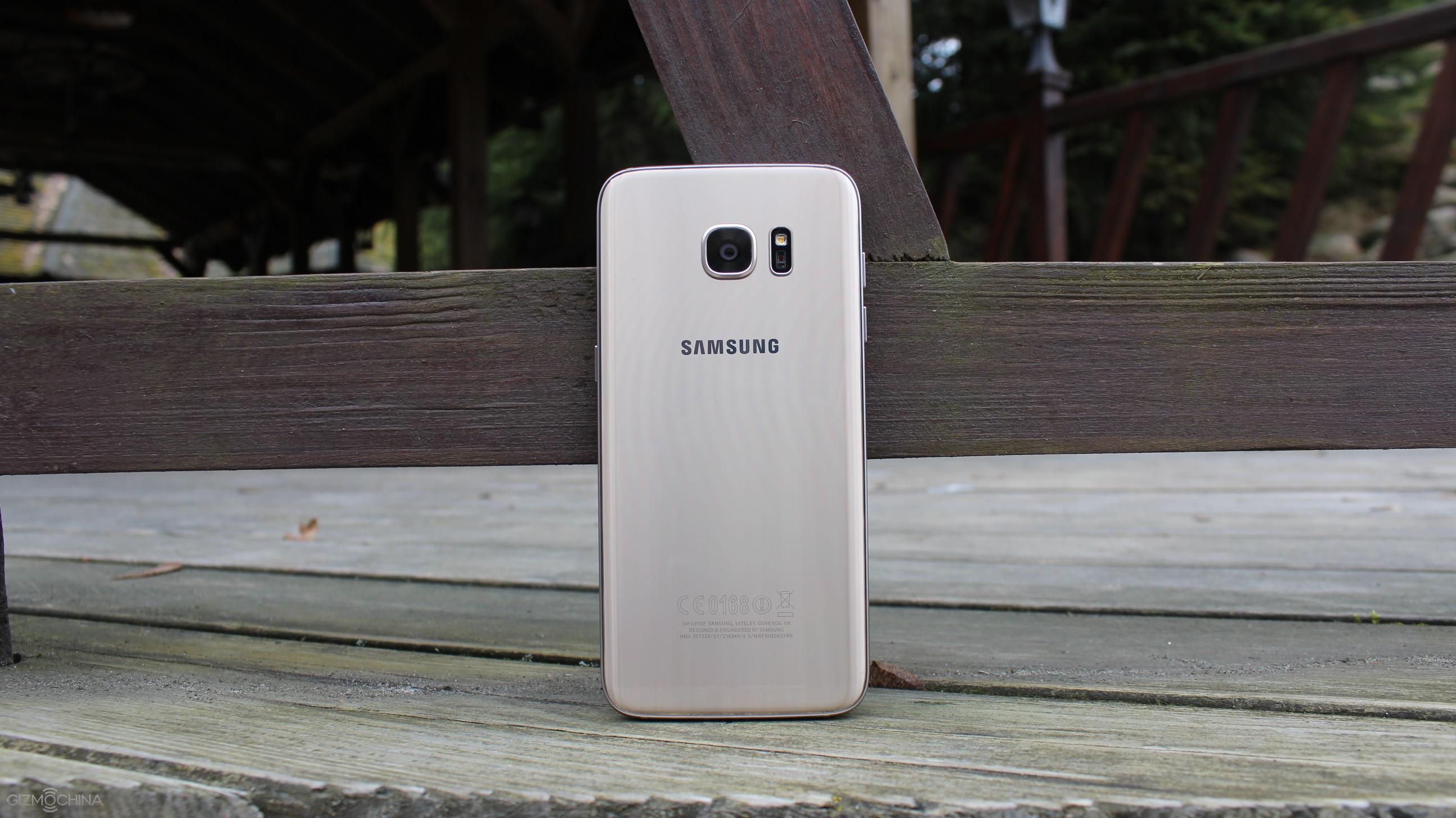
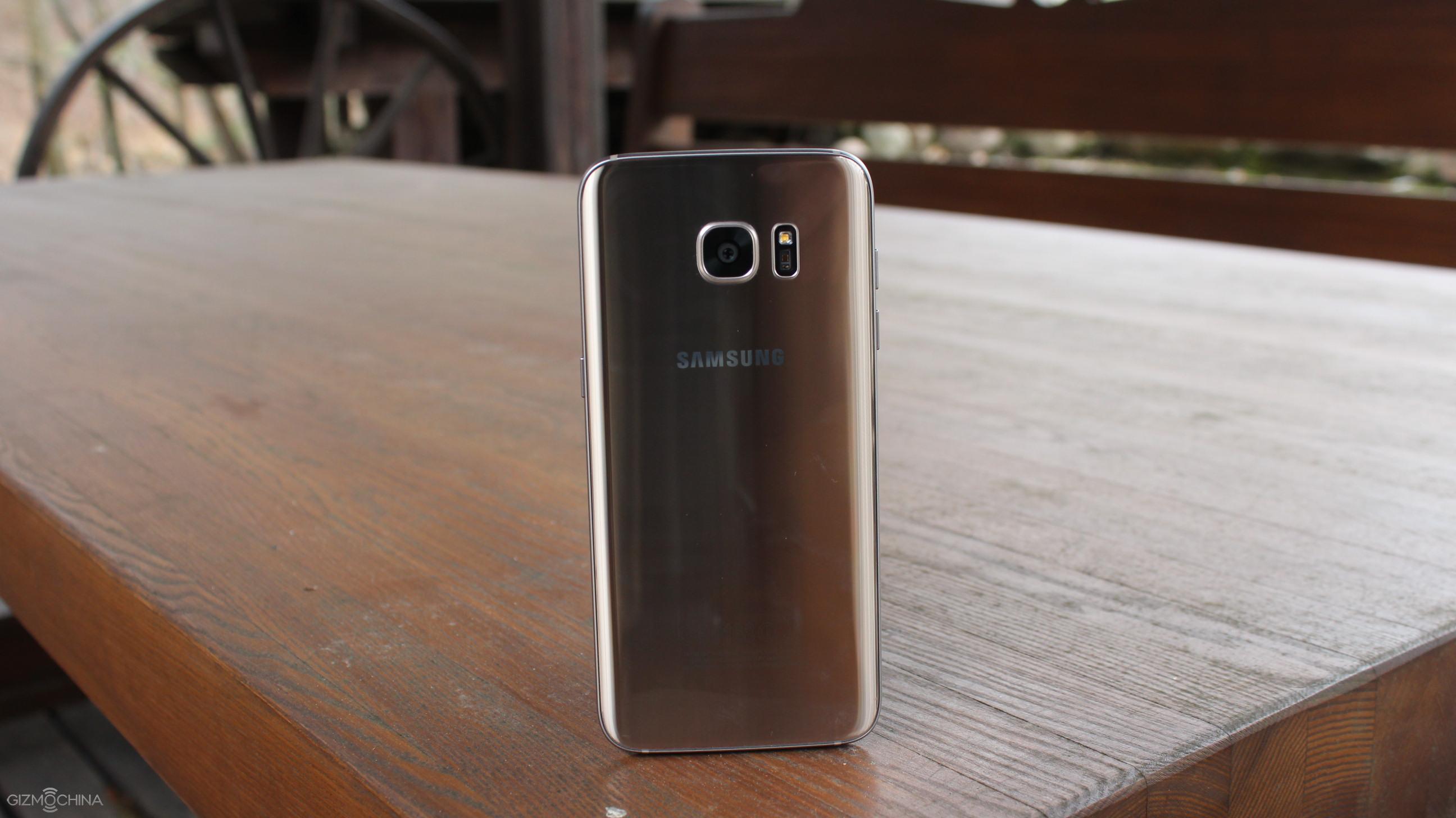
The back is made of another sheet of Gorilla Glass 5 and the edges of it are also slightly curved. I gotta tell you that those curves make a huge difference in terms of comfort and ergonomics while holding the phone in the hand.
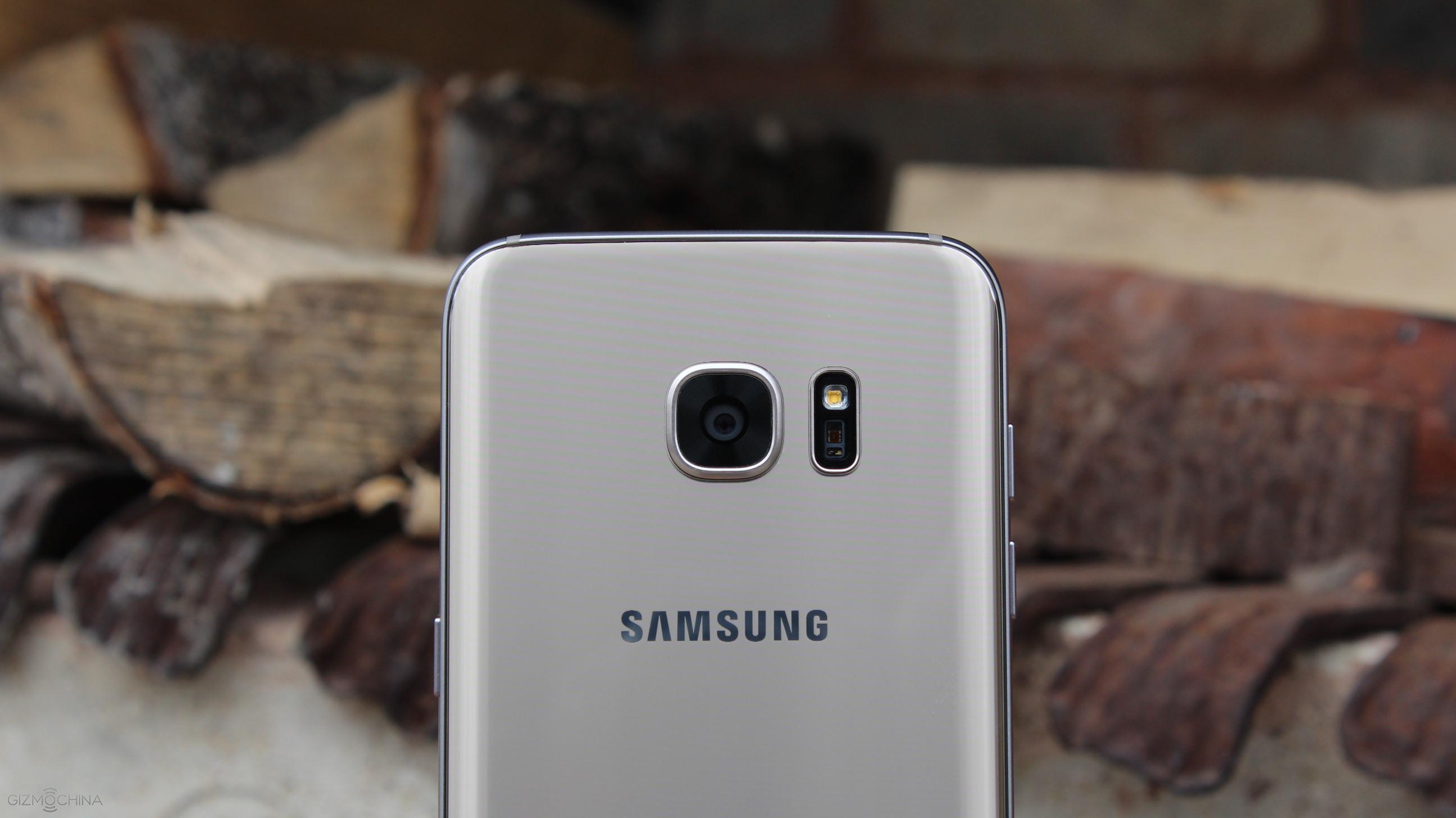
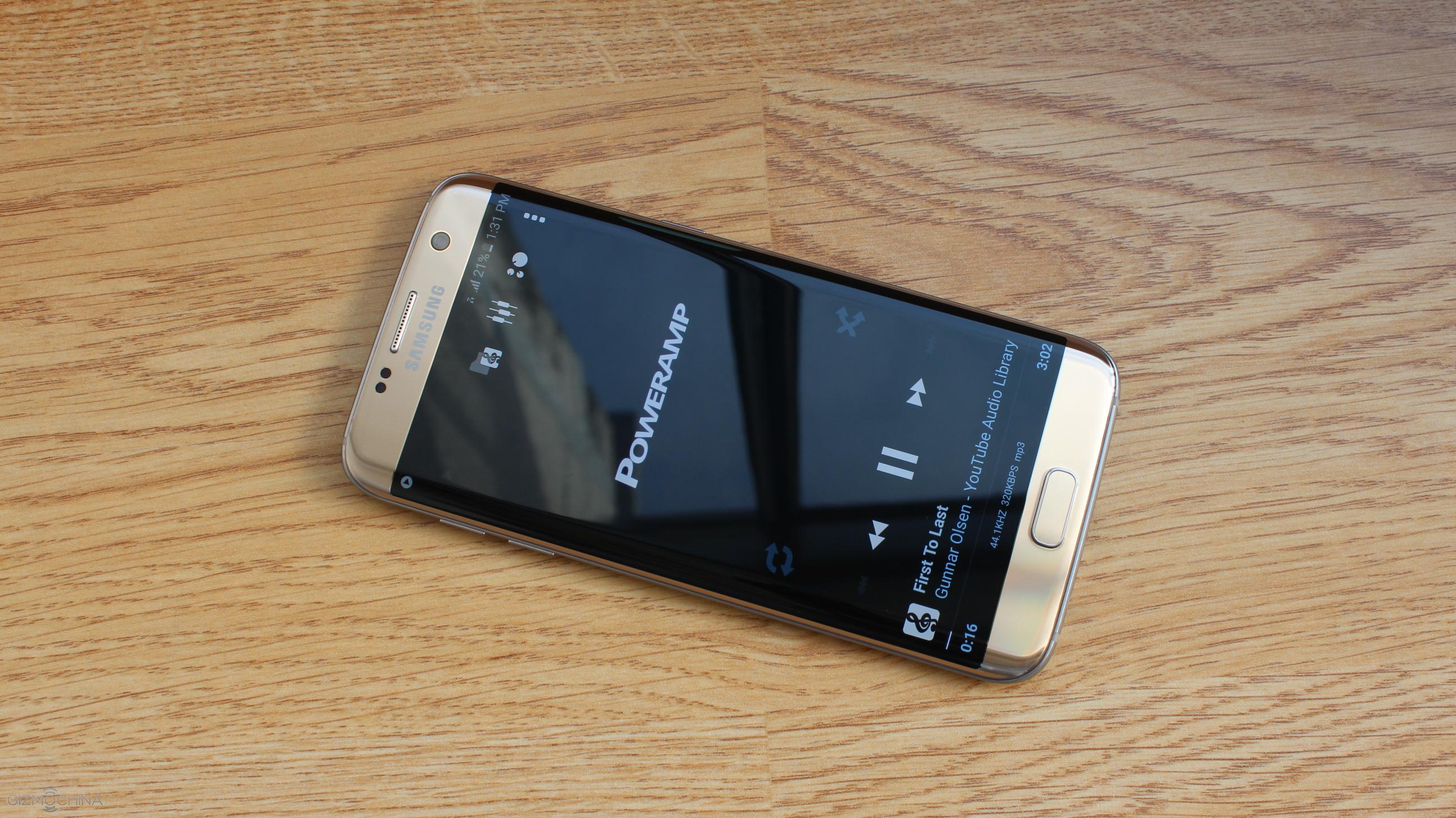
The camera has 12MP, which sounds like a downgrade but we have all sorts of tech going on here. It has a dual-pixel tech to assure crazy fast auto-focus and believe me, it is the fastest I’ve seen. Also, the camera has OIS, PDAF and a whopping very bright f/1.7 aperture.
Next to the camera we have the LED flash and a heart rate monitor to help you track your exercise routines.
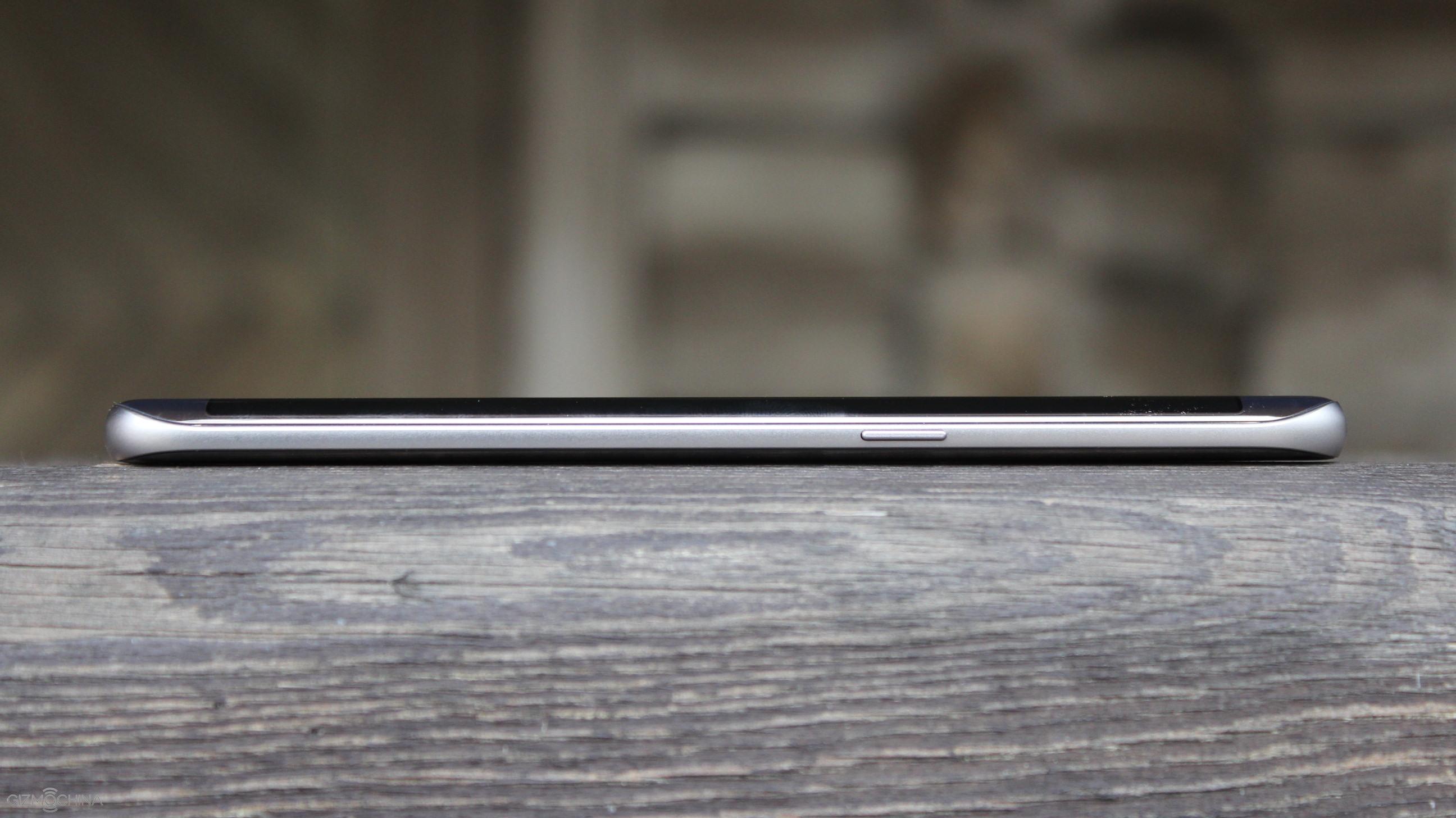
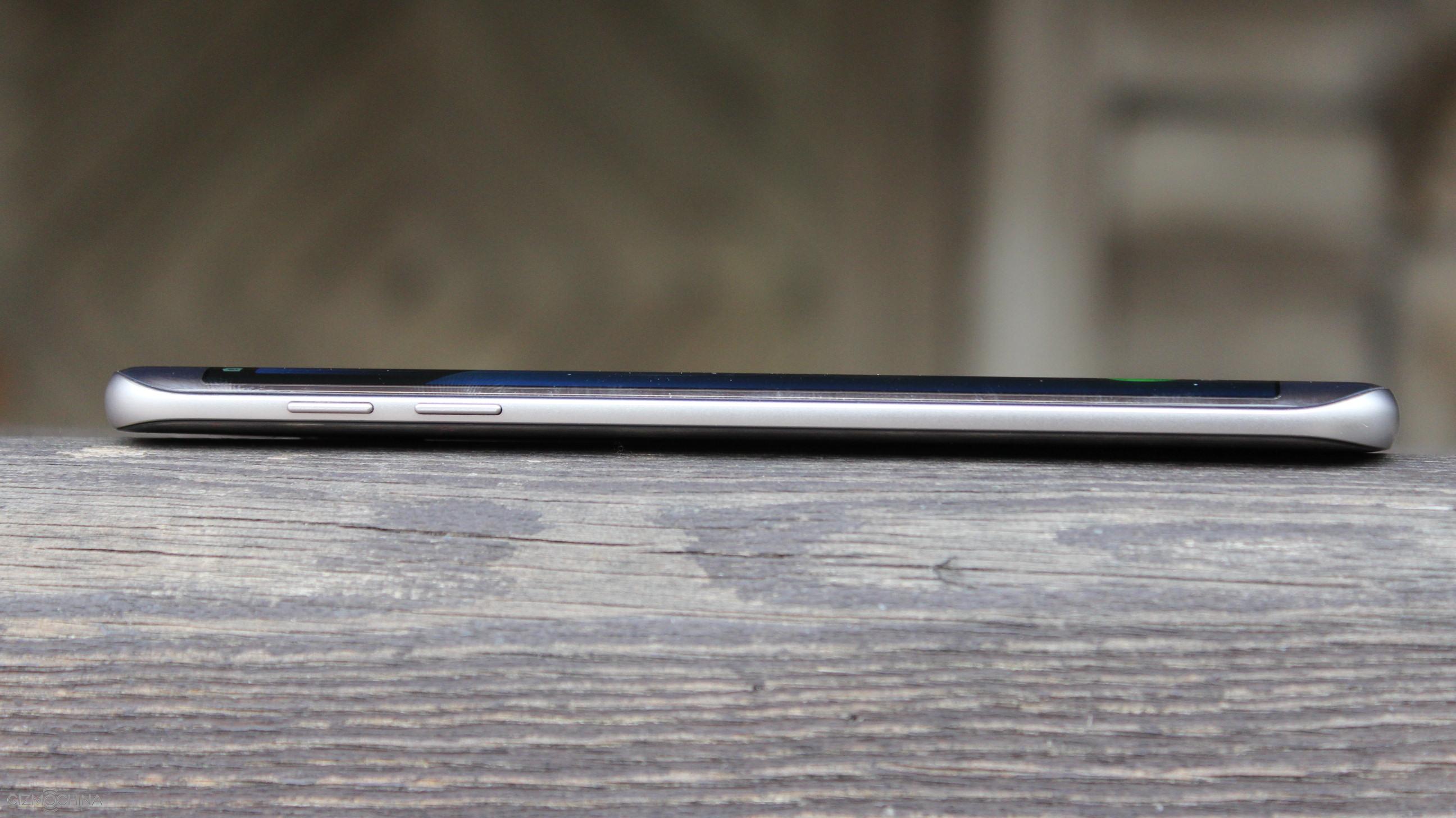
The power button, which is on the right along with volume keys, which are on the left, are very clicky and responsive.
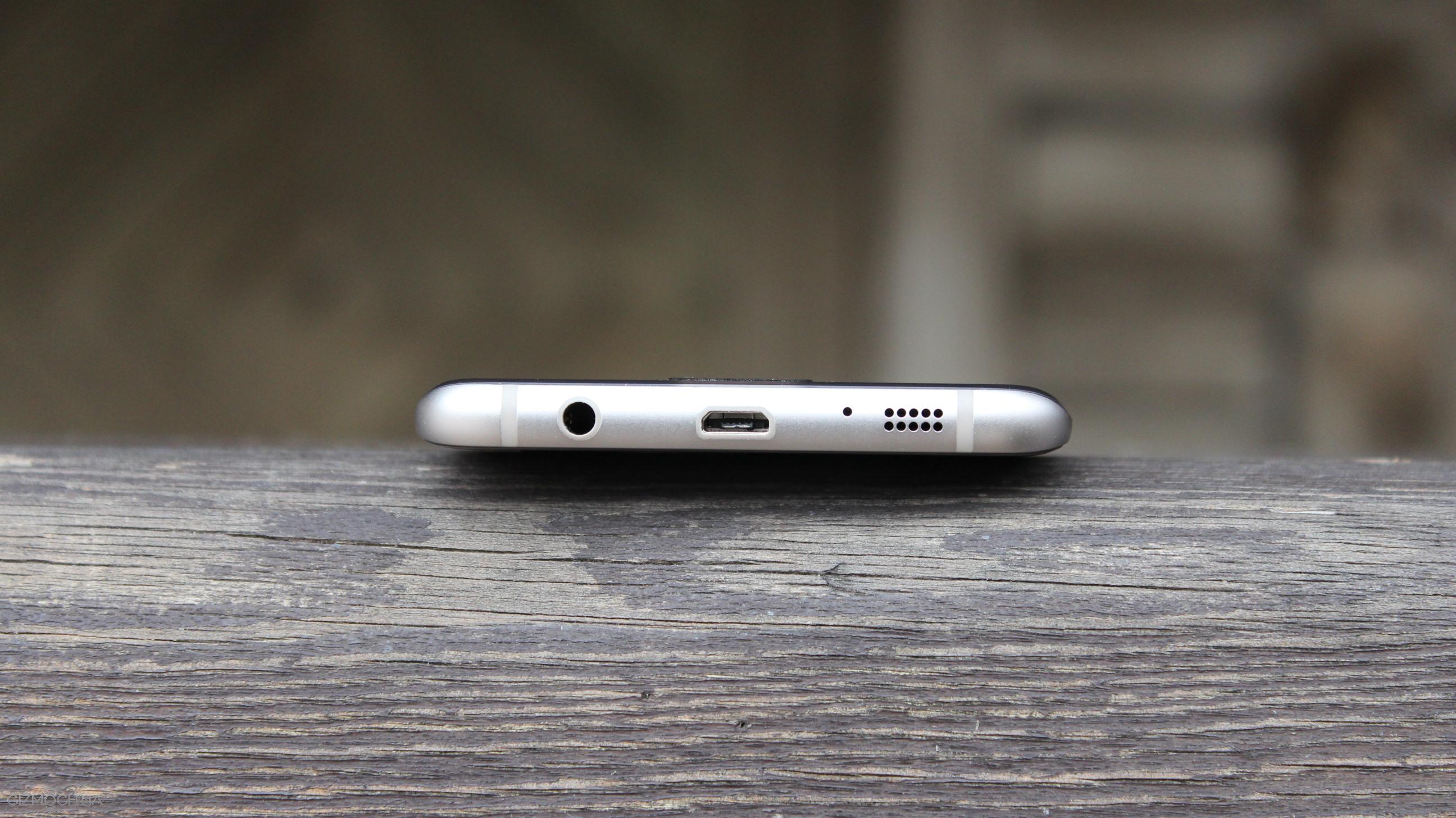
On the bottom, we have the regular ports, the loudspeaker, and neither of them are covered by flaps despite waterproof properties of the phone.
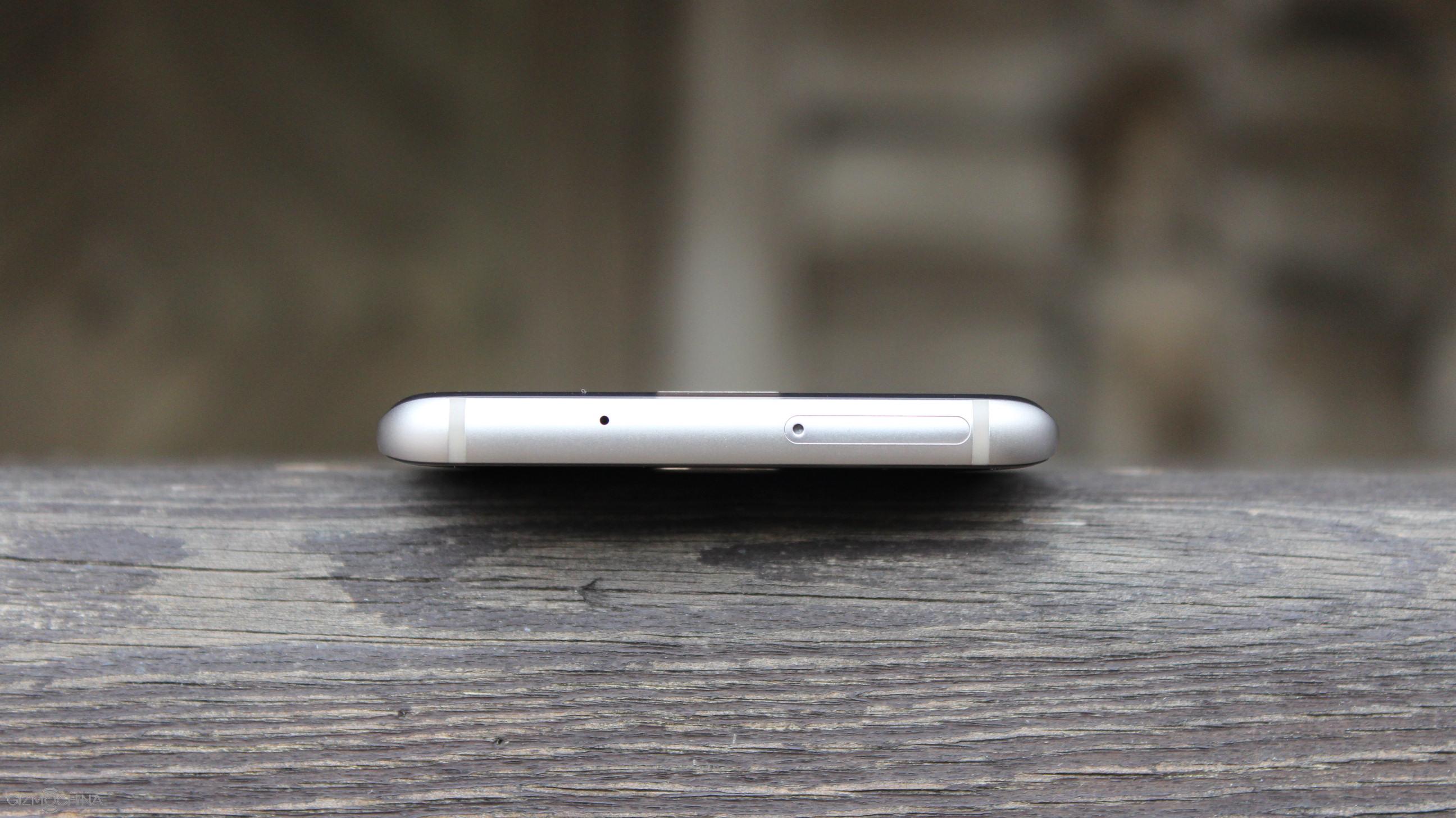
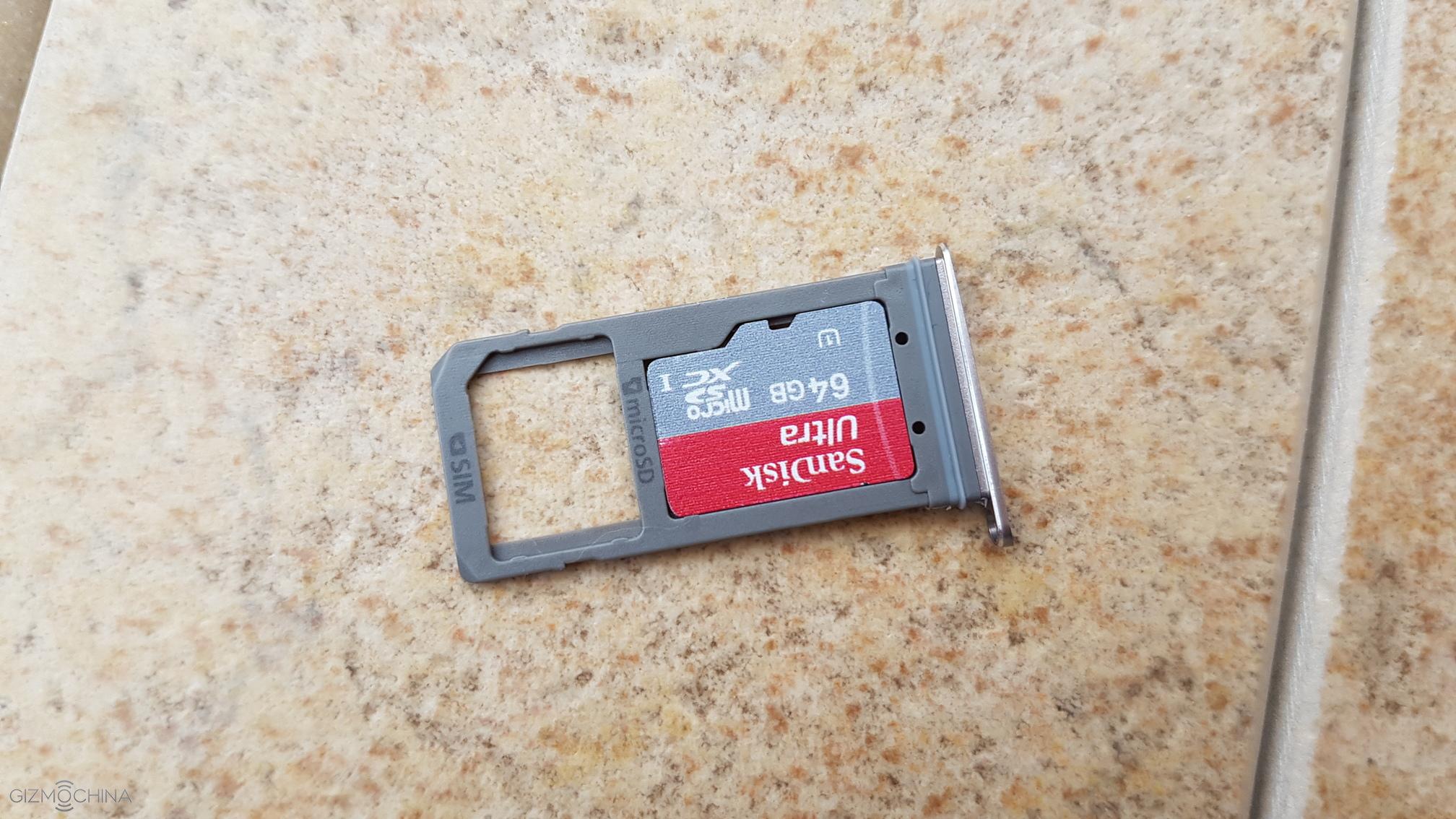
On the top, there is a secondary mic and the nano SIM and microSD card tray. Yes, Samsung finally brought a cheap storage expansion option and you can add up to 200GB of local storage.
It is quite an interesting choice that we don’t have the IR blaster anymore. Well, I’ve never used it anyway but it was cool knowing it was there on the Galaxy S6.
Overall, the phone looks amazing and I love the design ot it. It screams premium and it sits comfortably in the hand despite being a device with 5.5”display. However, keep in mind that the glass back attracts fingerprints and smudges very quickly.
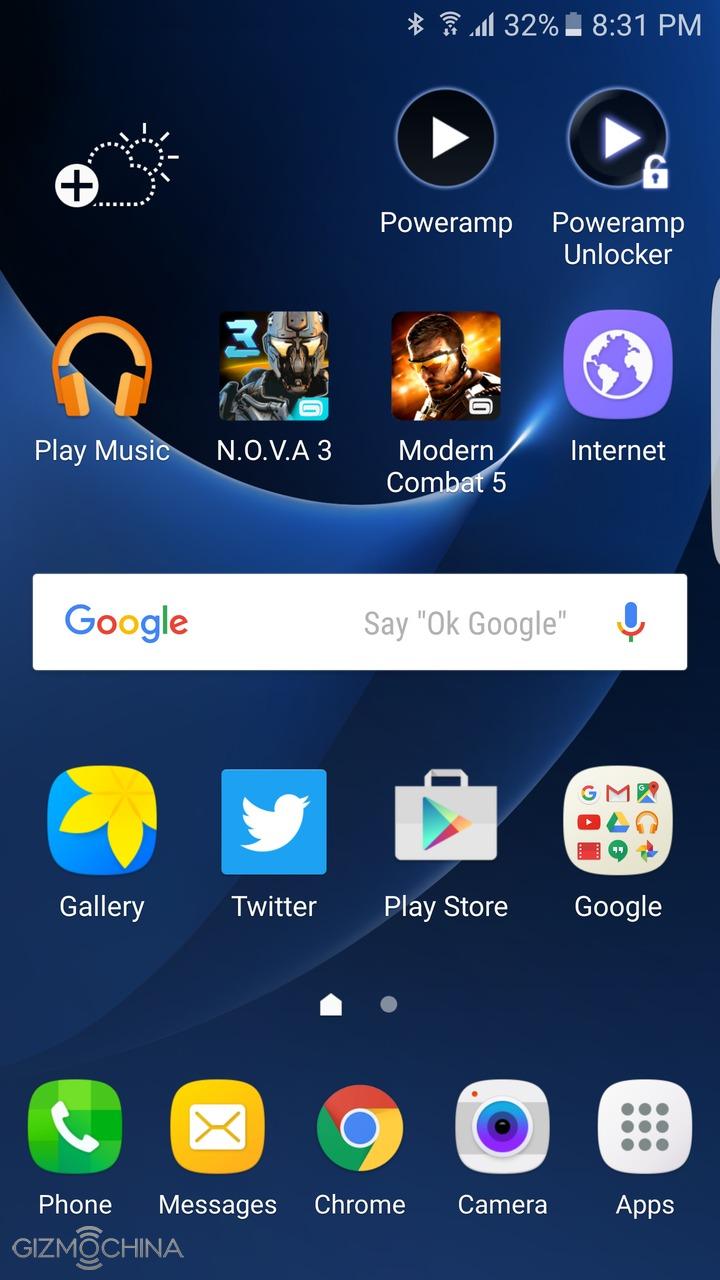
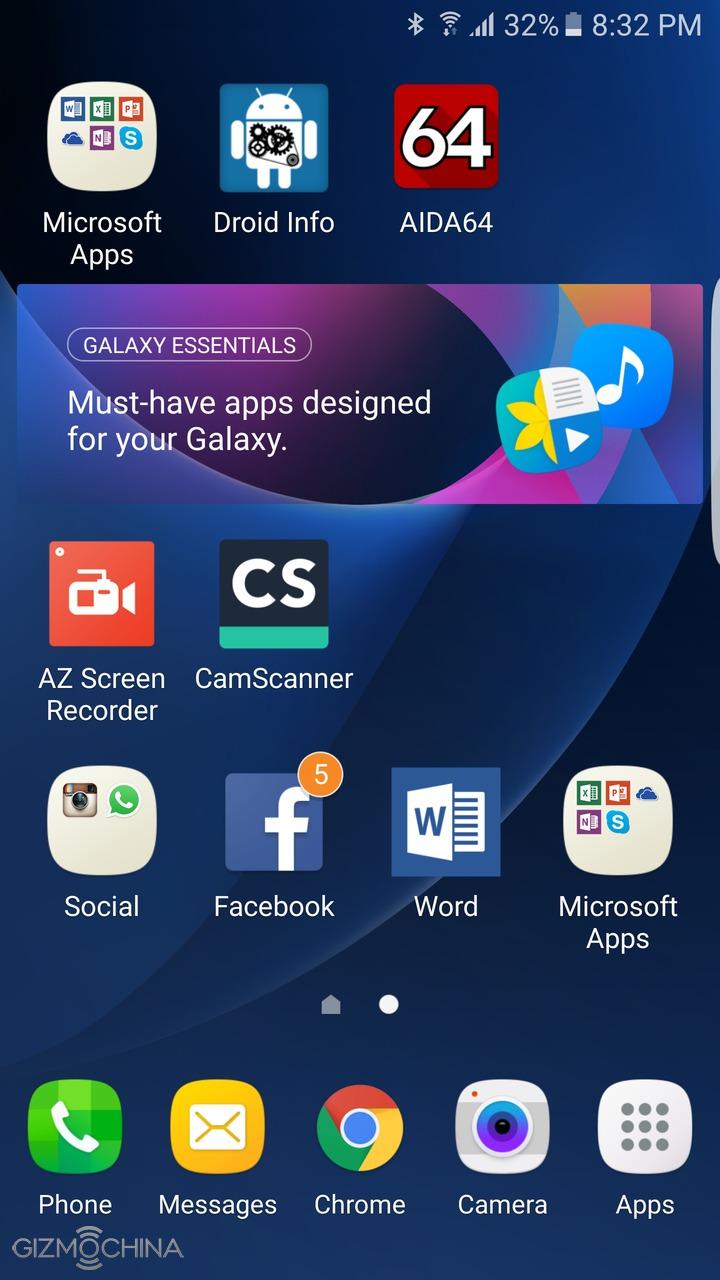
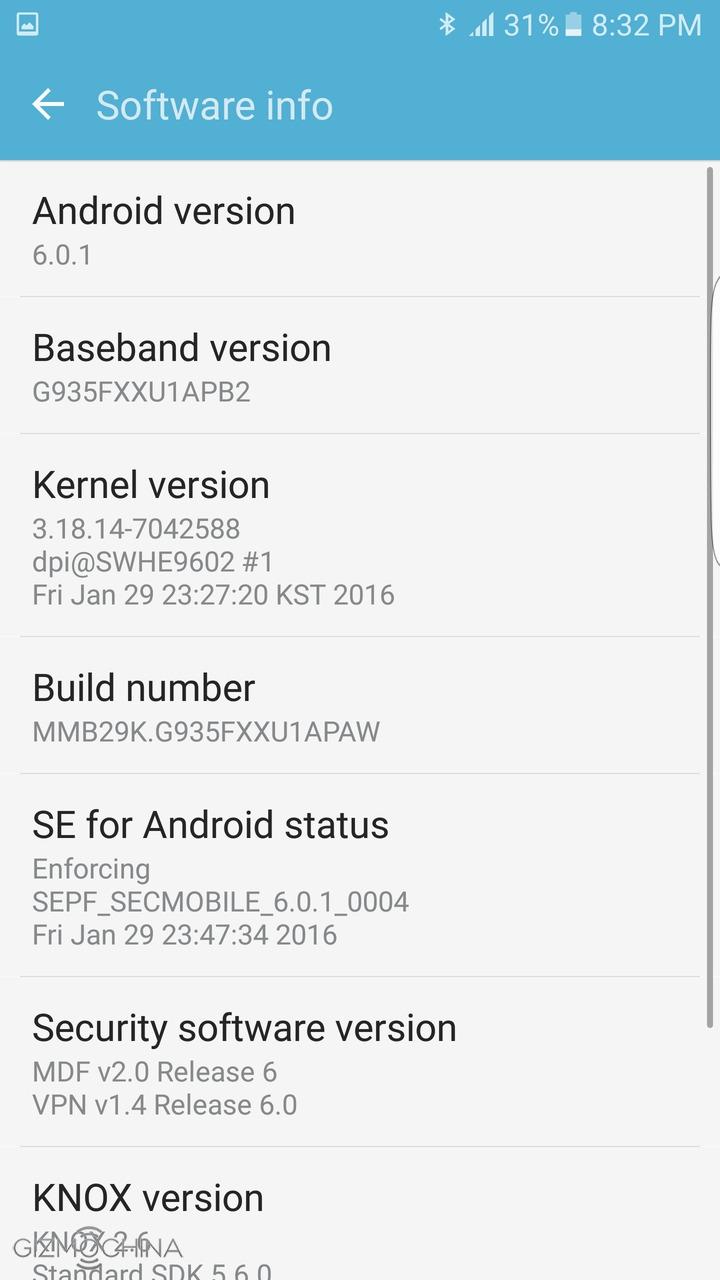
When it comes to the UI, we have Samsung’s Touchwiz, which is built on top of Android 6.0 Marshmallow.
If you’ve used a Samsung device before, you will feel pretty familiar with the user interface. Most importantly, everything is running smoothly most of the times and I didn’t have any lags.
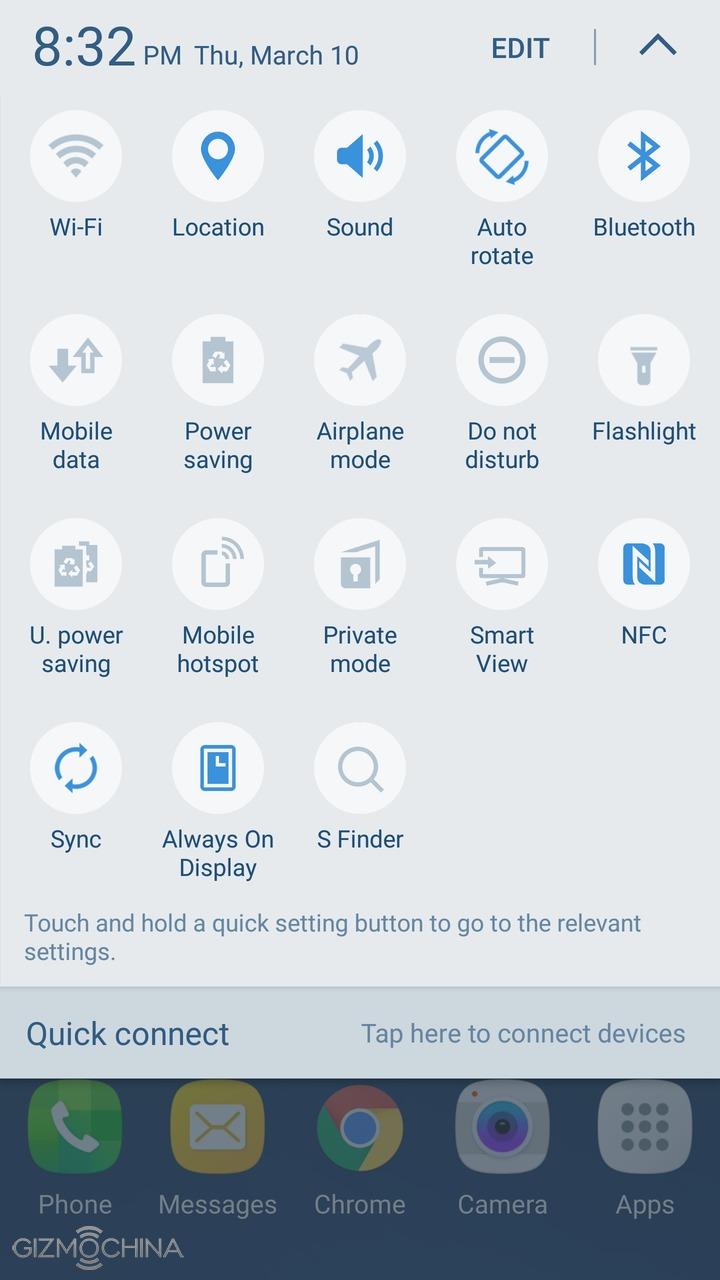
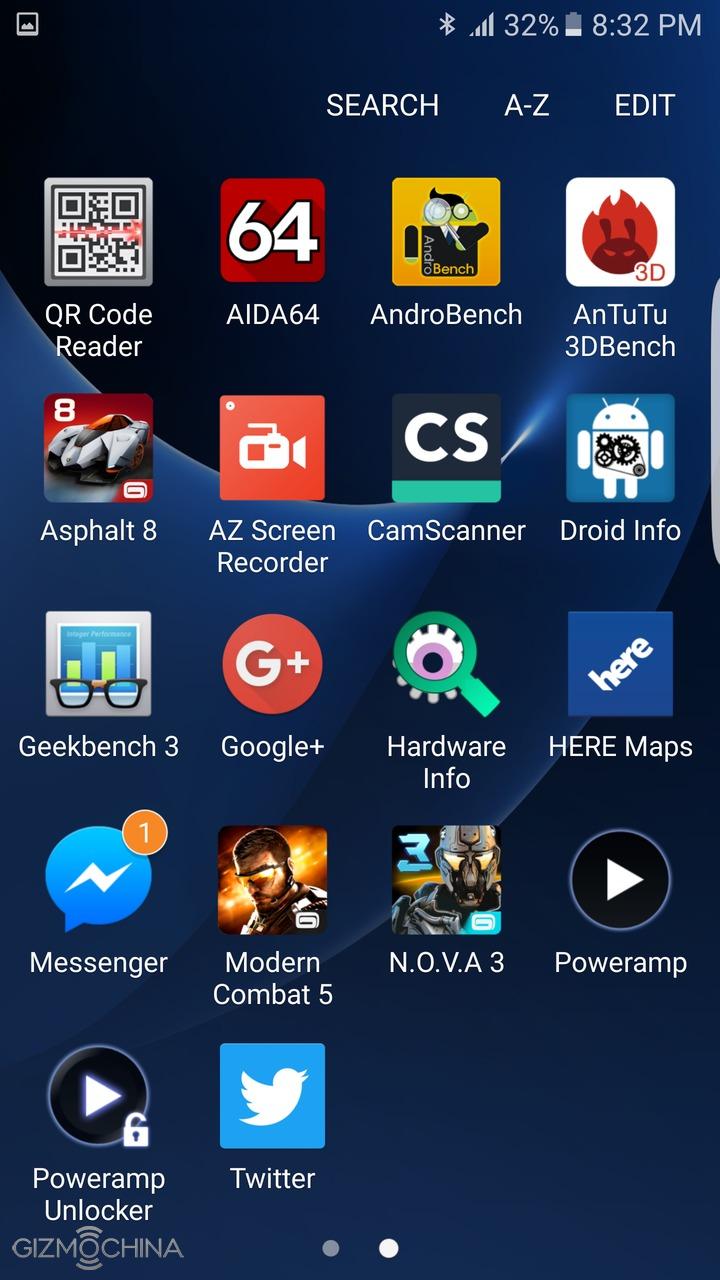
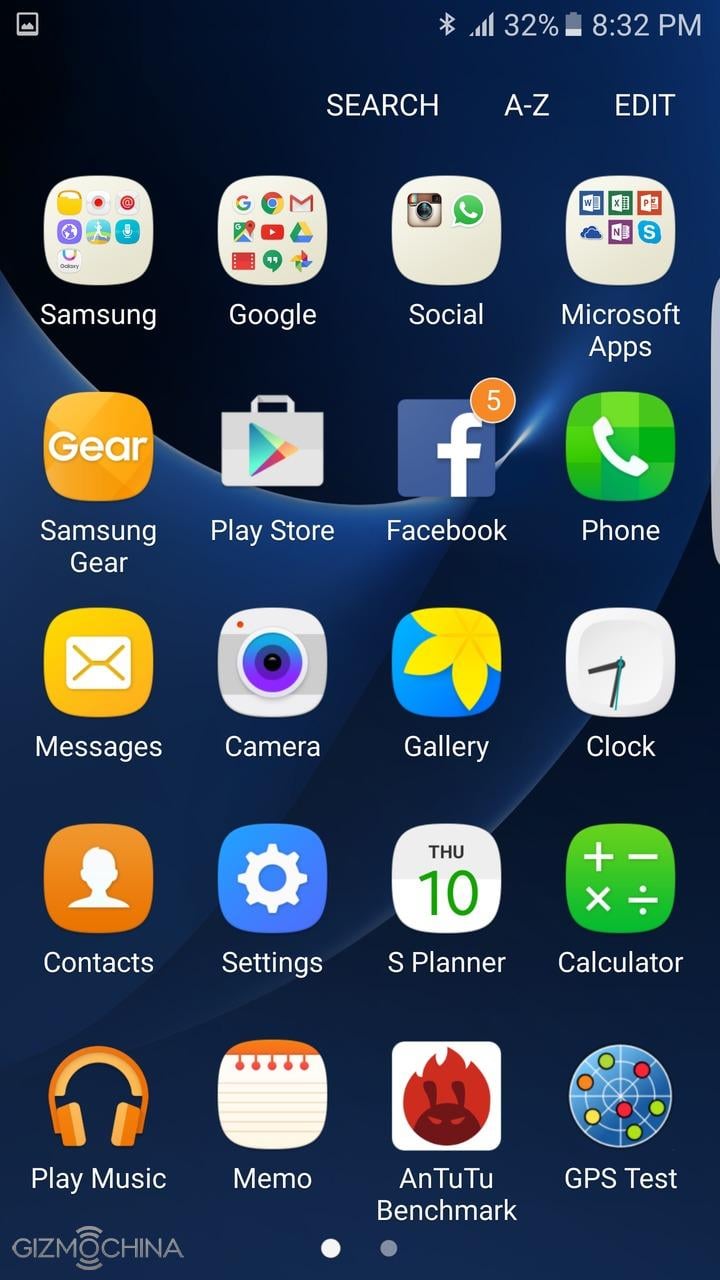
We have a bit cartoonish looking icons, a lot of quick settings toggles and what has become usual to the South-Korean manufacturer, quite a lot of features and customisation options.
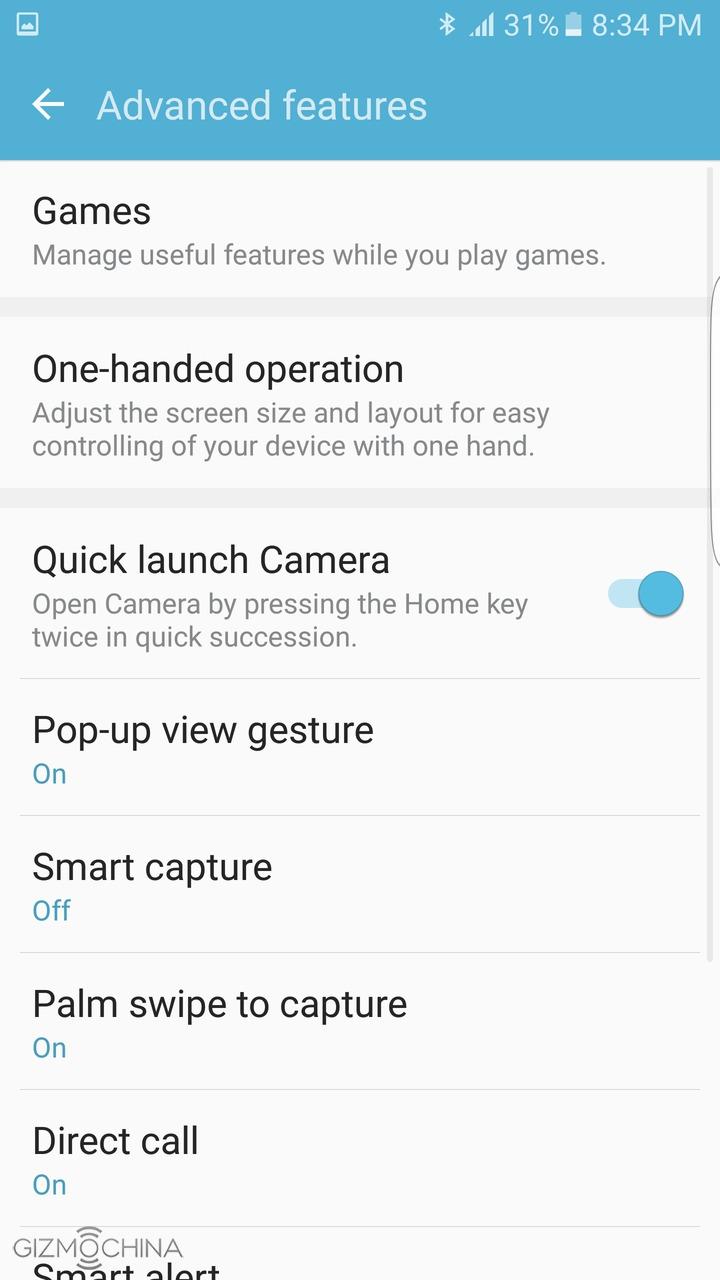
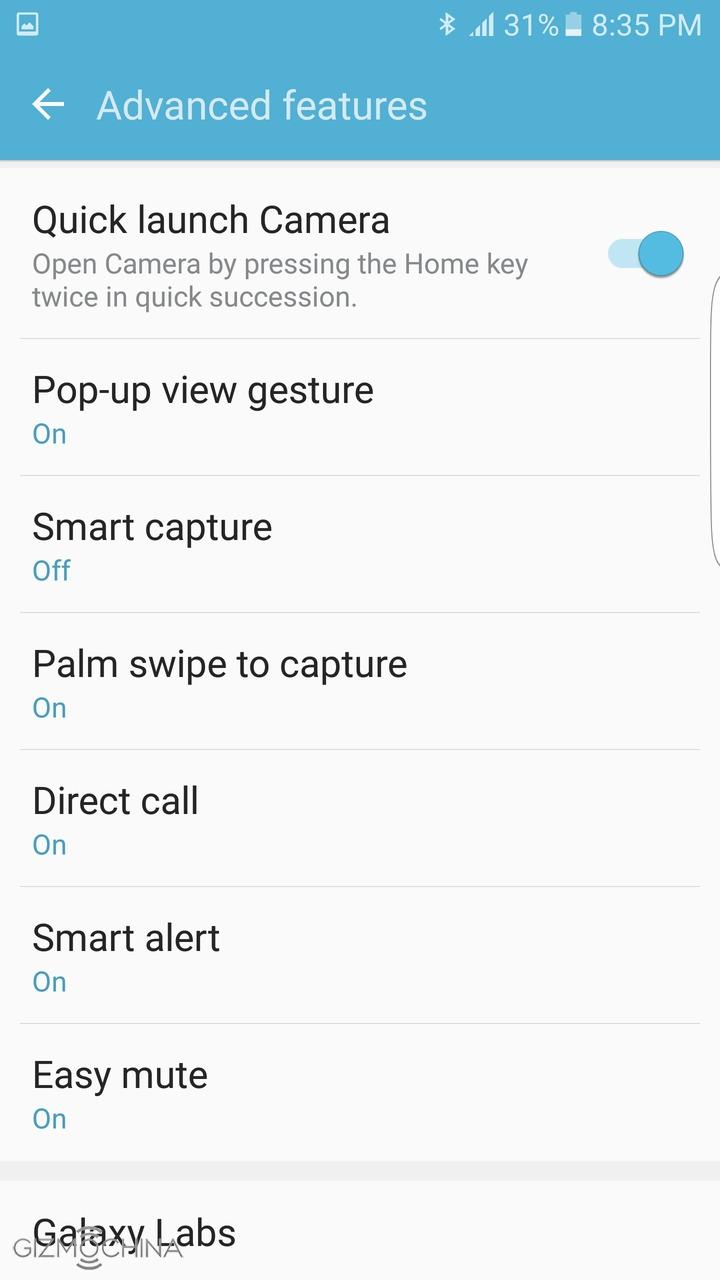
Just to name a few, you can quickly launch the camera by double clicking the home button. Also, you can trigger one handed operation if click the home button three times.
There is pop-up window mode or split-screen feature for those who can’t live without multitasking.
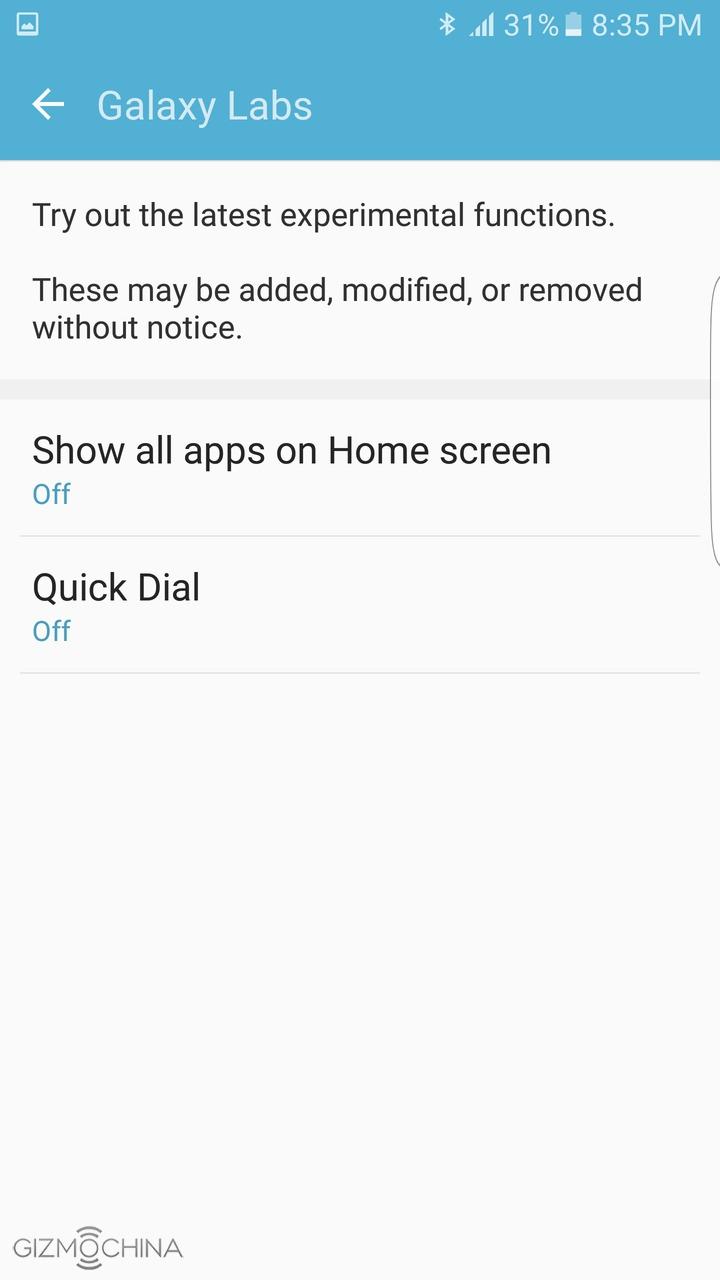
There are some other features too. Some of them may sound gimmicky, while others are even called experimental.
Finally, you can customise your Galaxy device with a variety of different themes, wallpapers and so on.
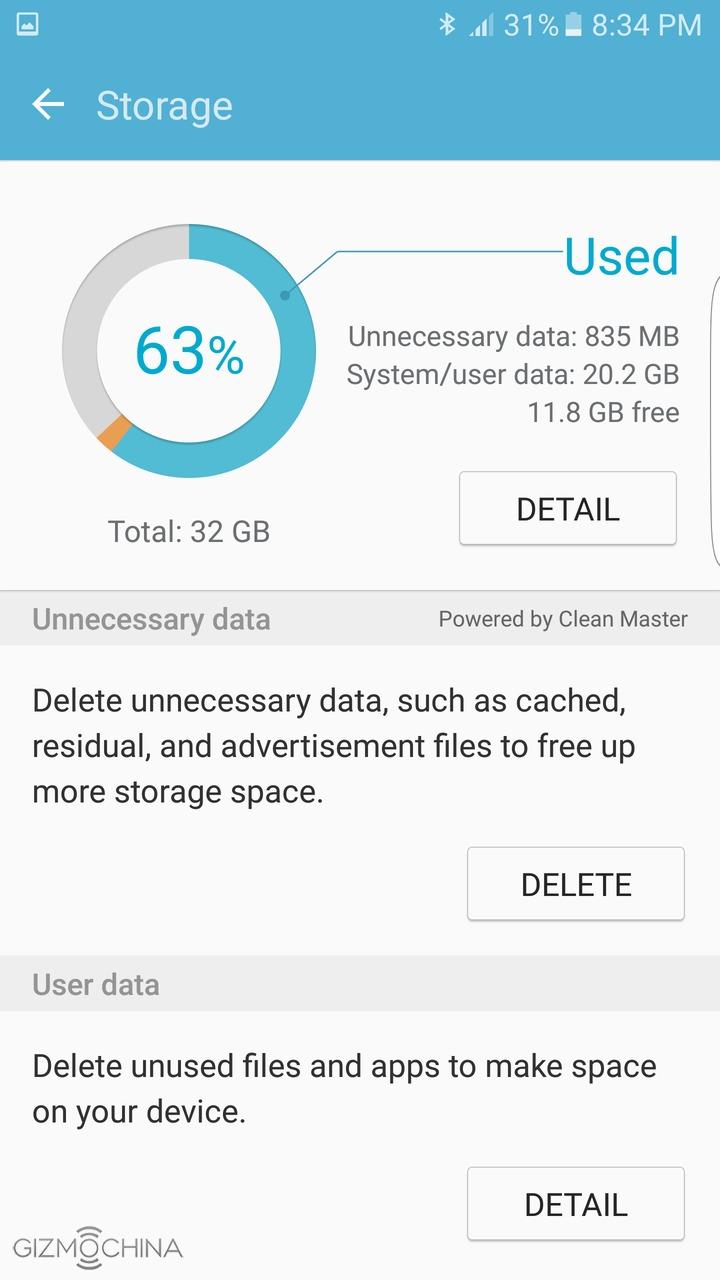
All in all, the Touchwiz UI runs fast and fluid and I had a pleasant overall experience. However, it uses around 8GB of internal storage, which is too much I would say.
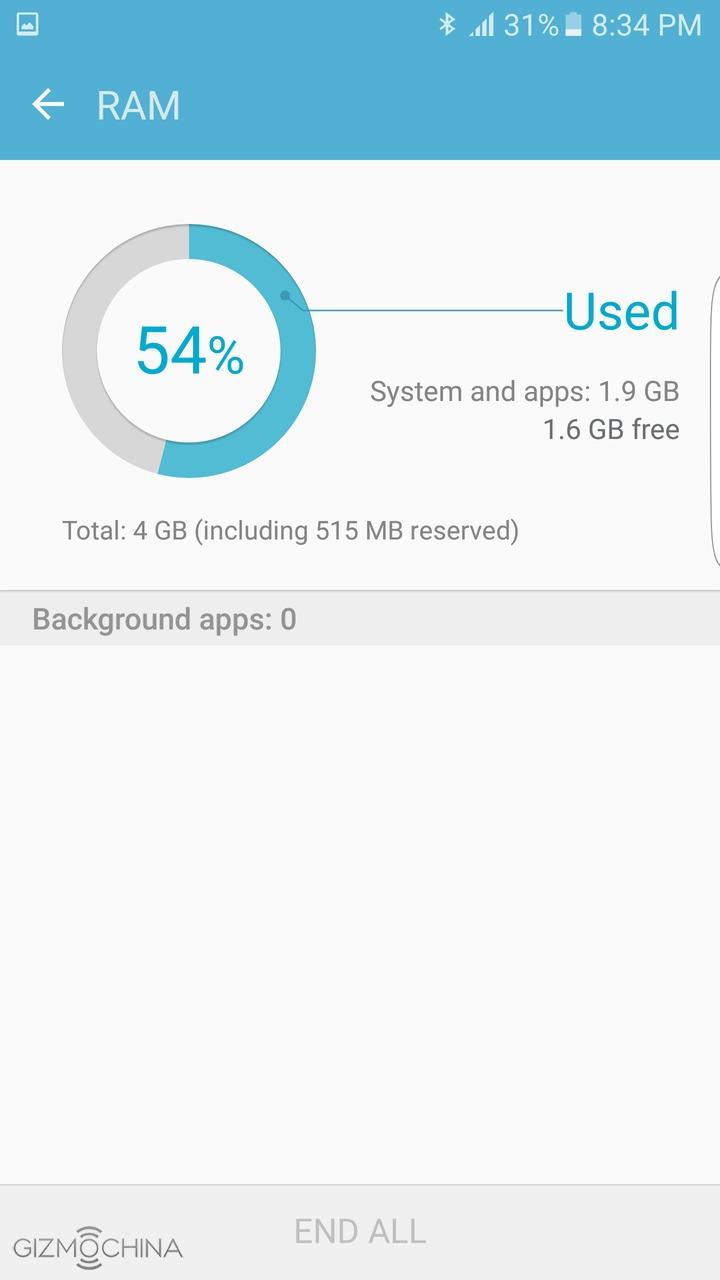
Also, the RAM management is not yet perfect. Seriously, this is 4GB RAM phone and there is only 1.2GB of RAM free after killing all the background tasks? Hopefully, this is what Samsung is going to fix with the software update soon.
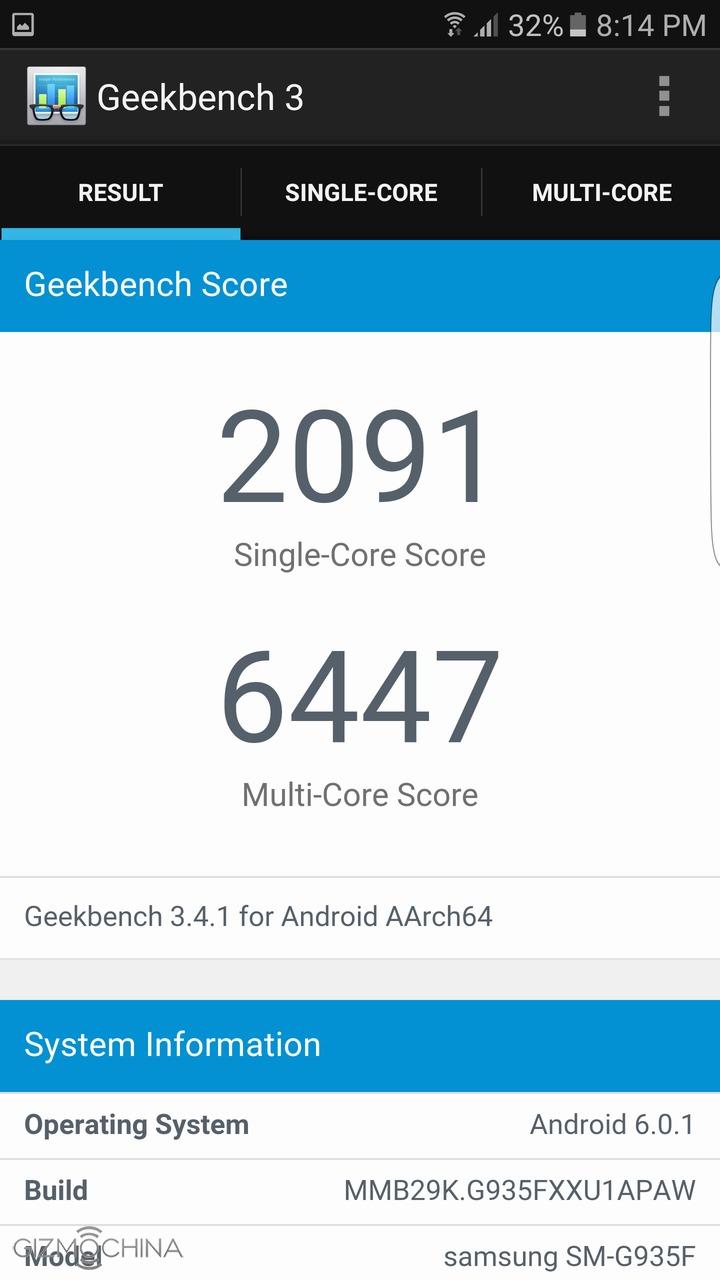
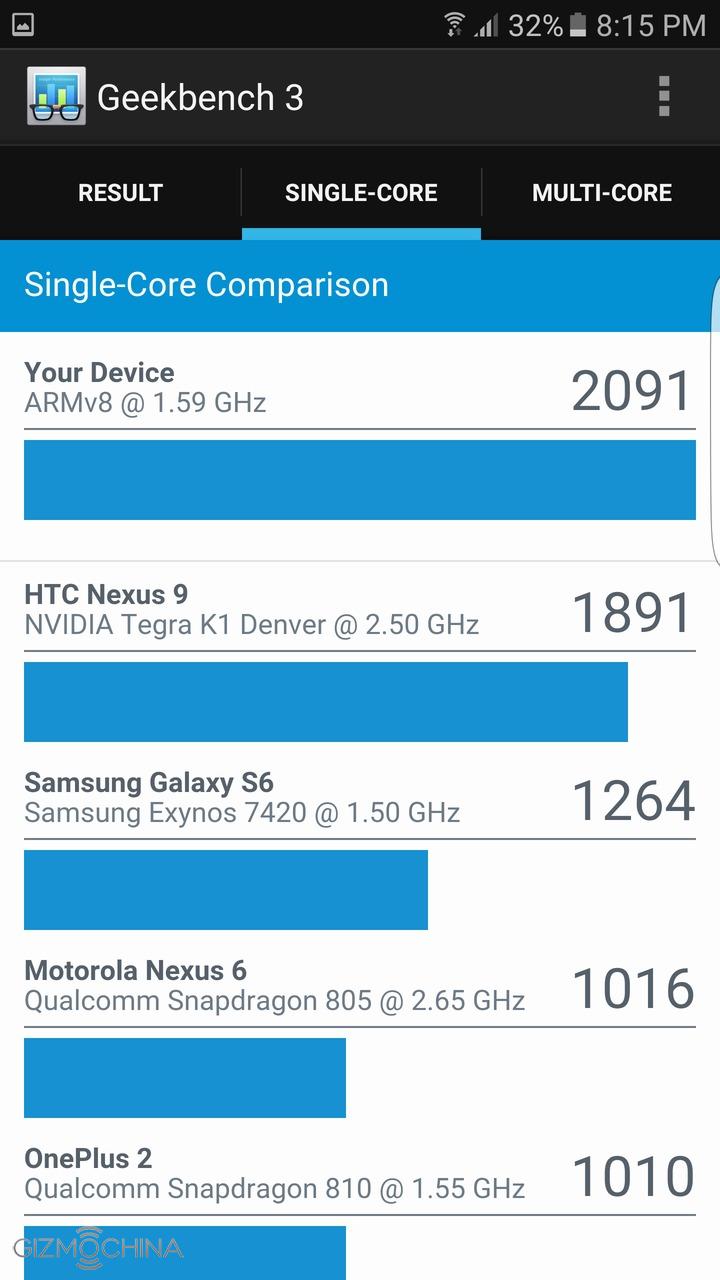
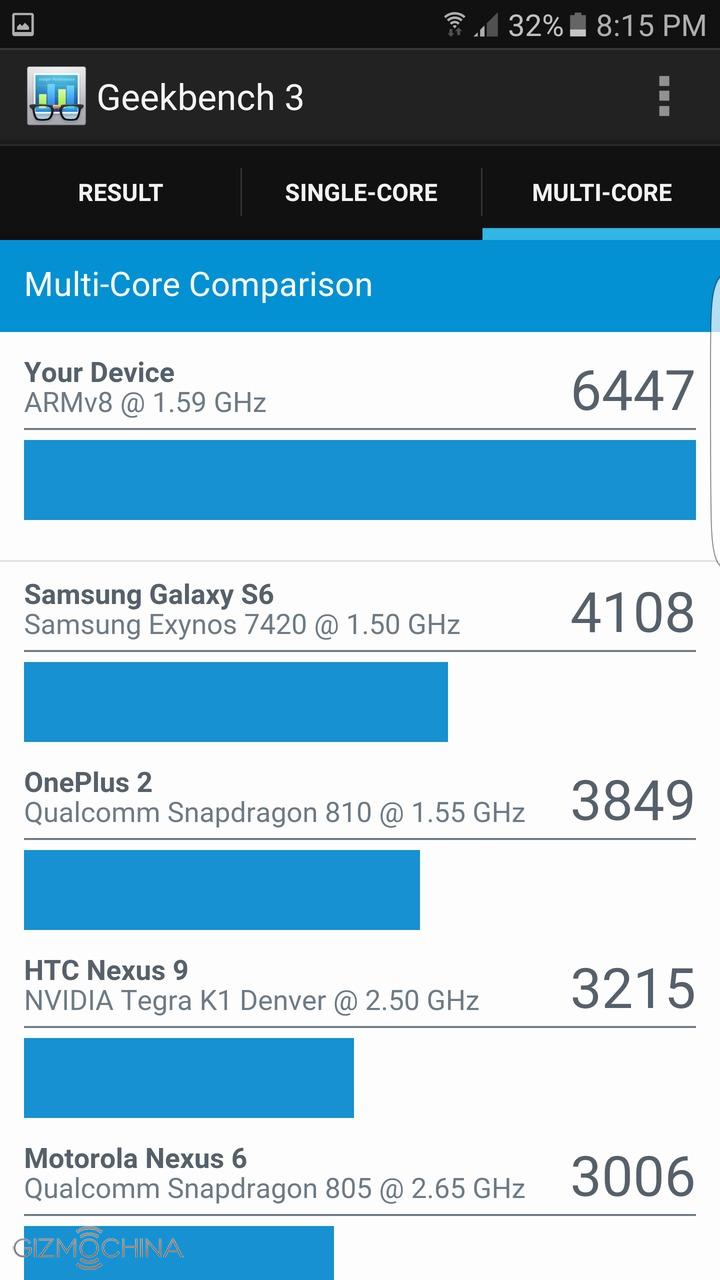
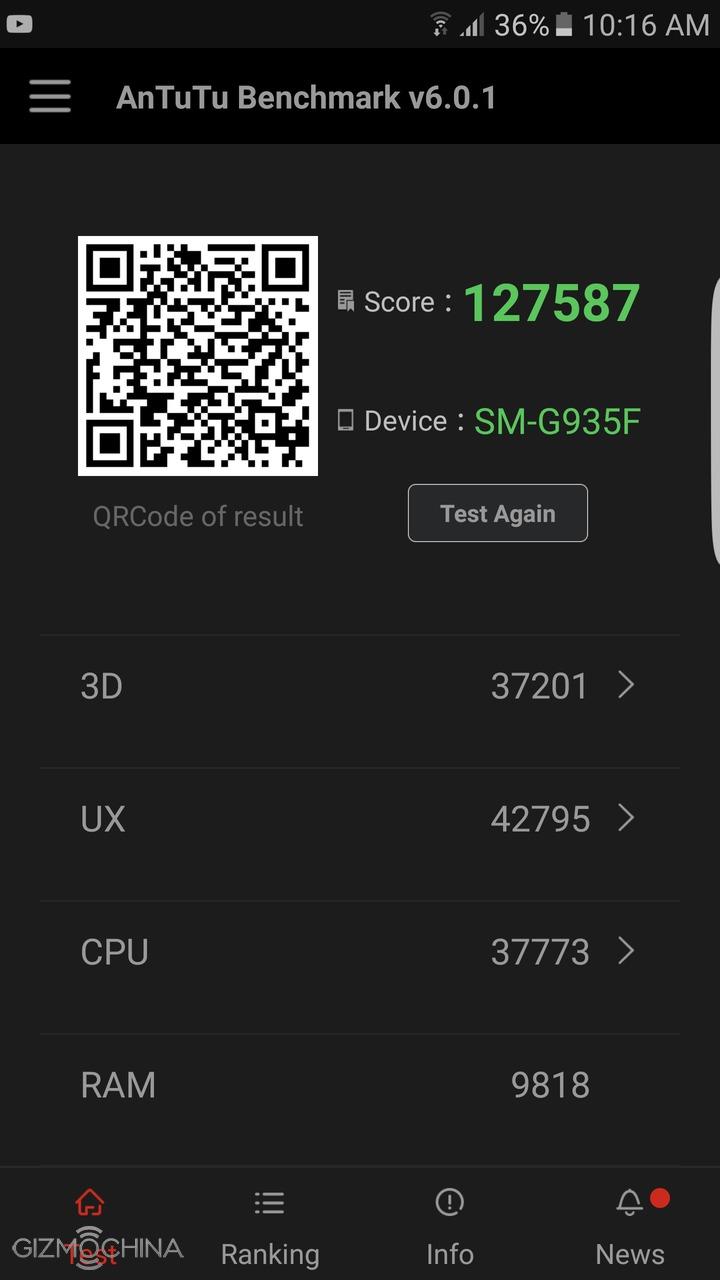
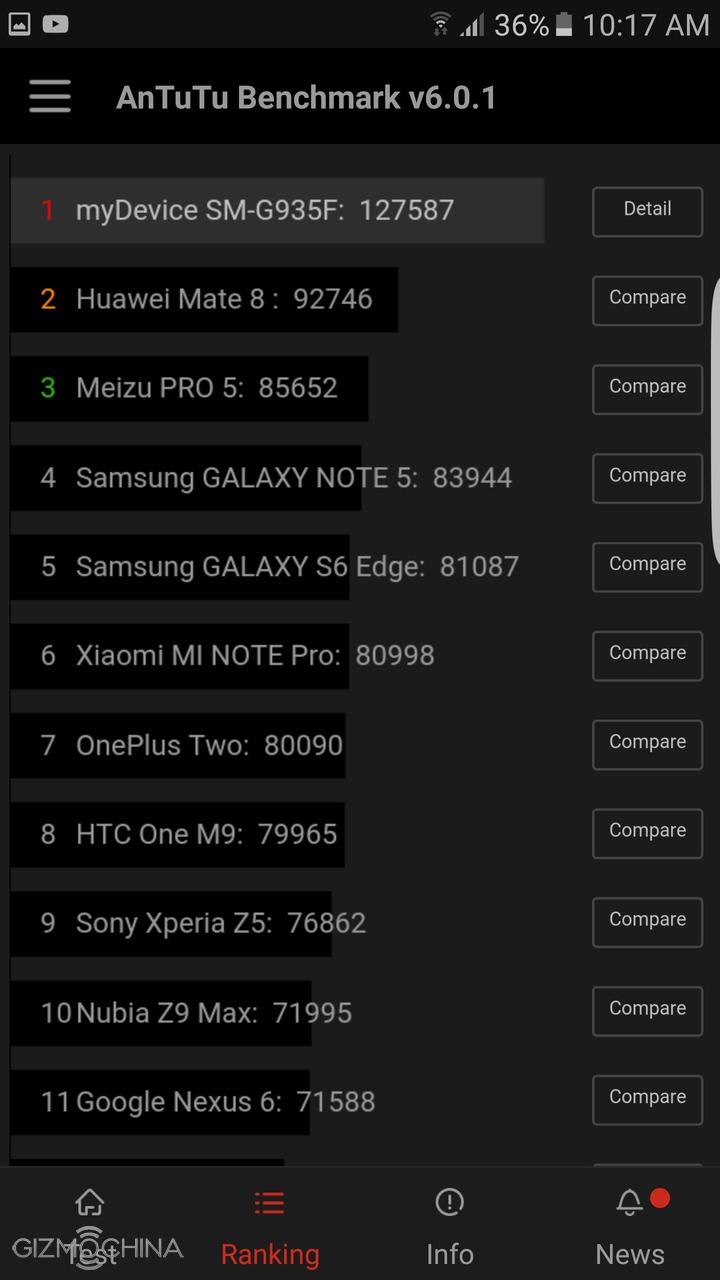
Samsung Galaxy S7 Edge Review: BENCHMARKS
Samsung Galaxy S7 Edge Review: HARDWARE and PERFORMANCE
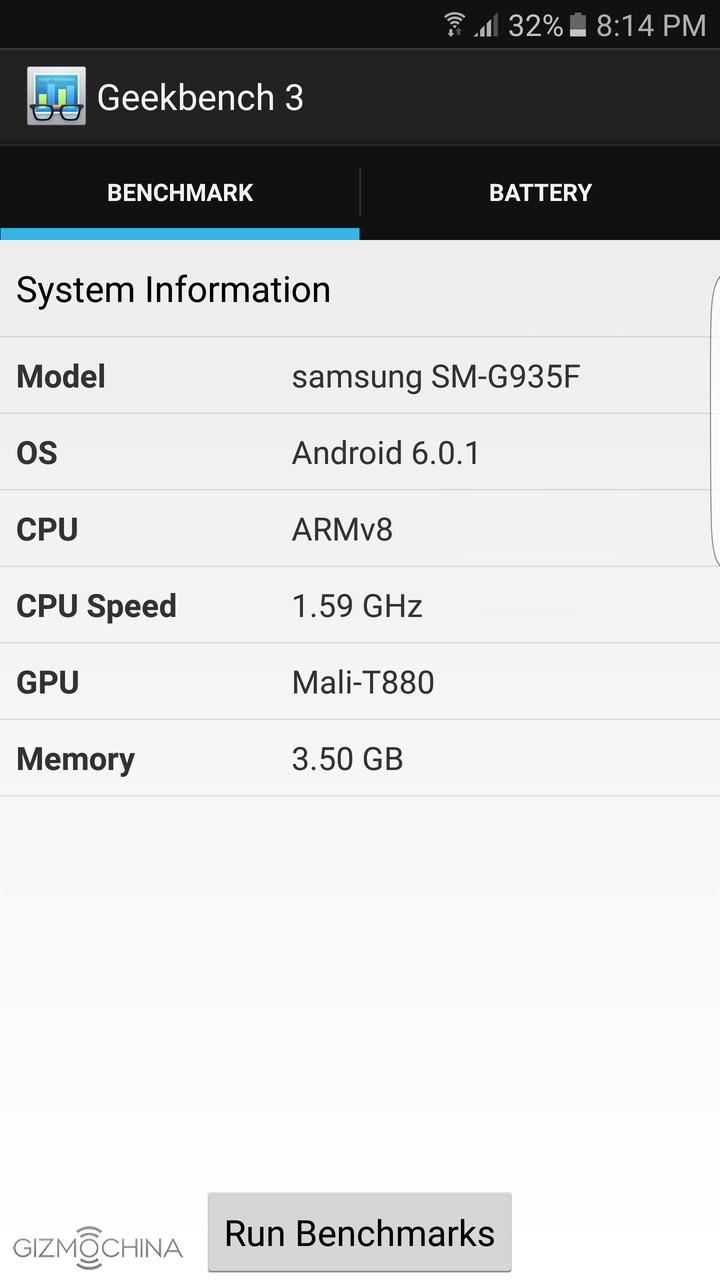
The Samsung Galaxy S7 Edge has a few hardware modifications but you can be rest assured that either model will have bleeding edge specifications.
My review unit is the EU model and it sports a home-brewed octa-core Exynos 8890 chip with the clock speeds of up to 2.6GHz, 4GB of RAM and 32GB of expandable storage.
If you are wondering what this combo of specs is capable of, all 3D games just fly. There is no stutter or any skipped frames, the graphics look awesome and the games load amazingly fast.
In addition, there is a dedicated Game Tools app that provides some convenient features like the ability to turn off alerts during the game or record the gameplay.
Also, the phone does not heat up at all even after extensive periods of gaming and that is thanks to the Volcano API and liquid-cooling system.
Samsung Galaxy S7 Edge Review: MULTIMEDIA
When it comes to multimedia consumption, the sound quality via earphones is near excellent and the volume output is loud. However, the external speaker could be slightly louder and it sounds a little bit muffled. I believe that may be due to its waterproof properties.
Once you fire up the camera app, you will be blown away by the blazing fast auto-focus speeds in any light.
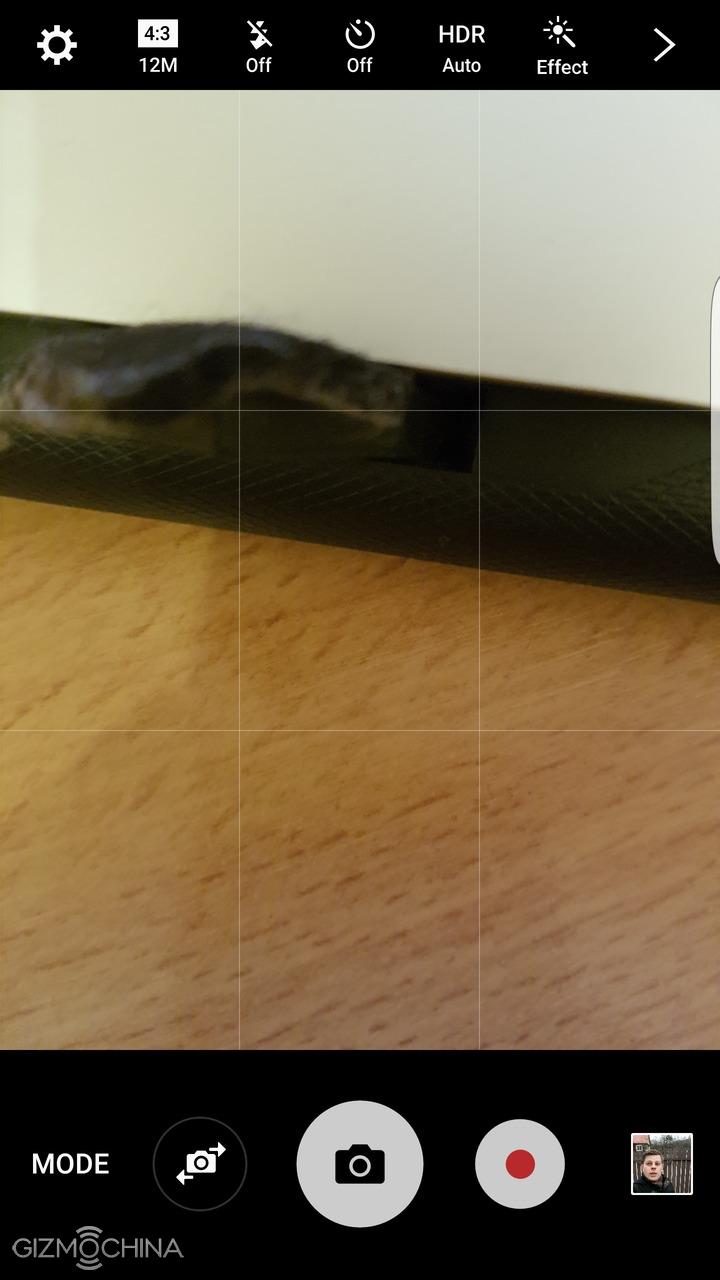
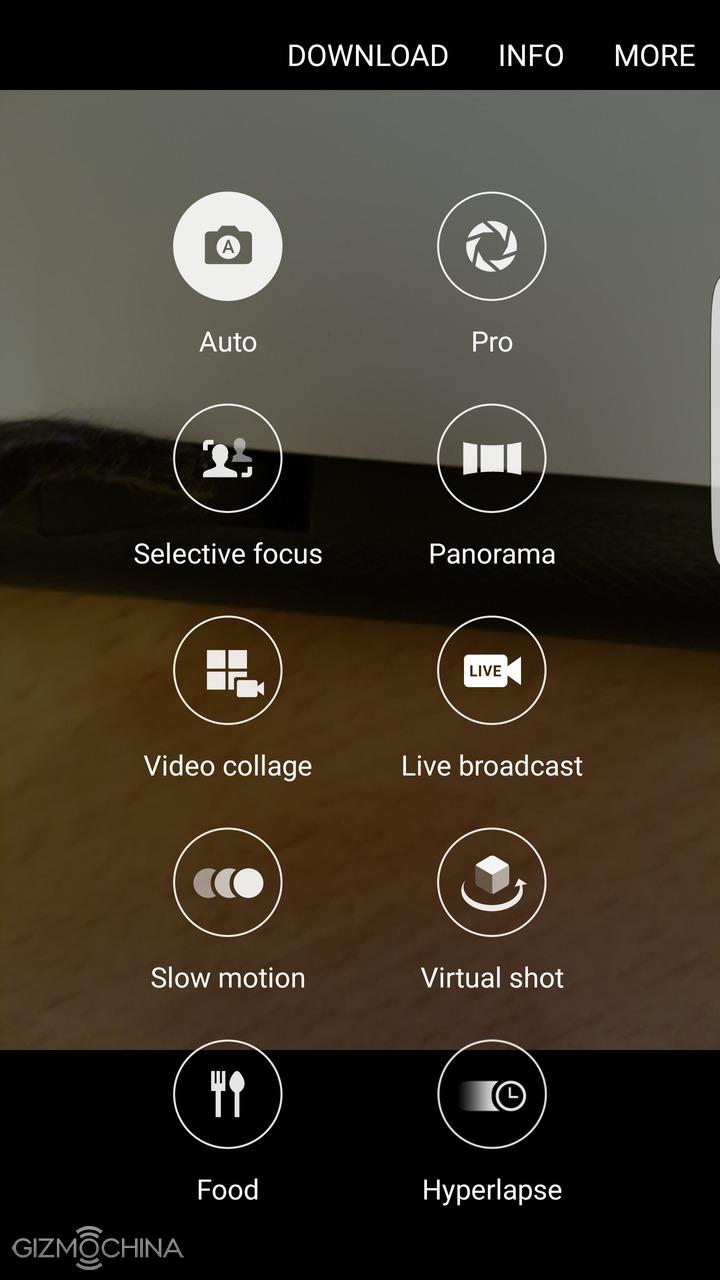
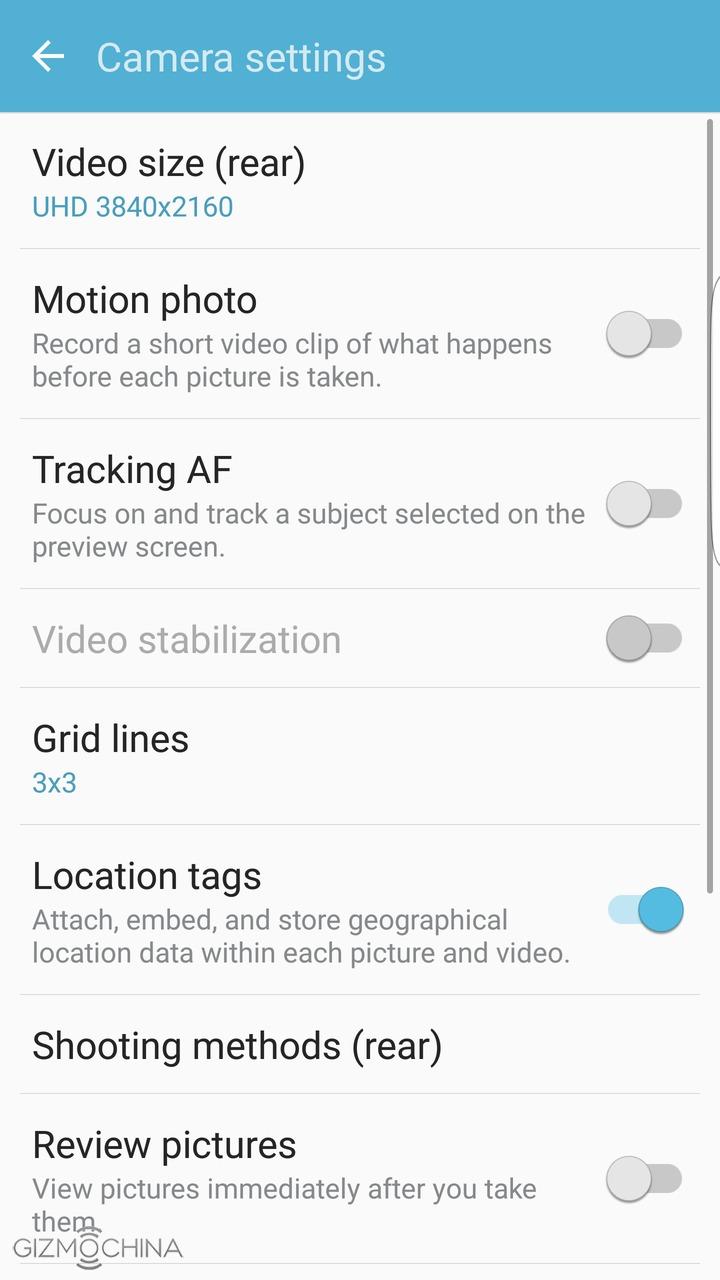
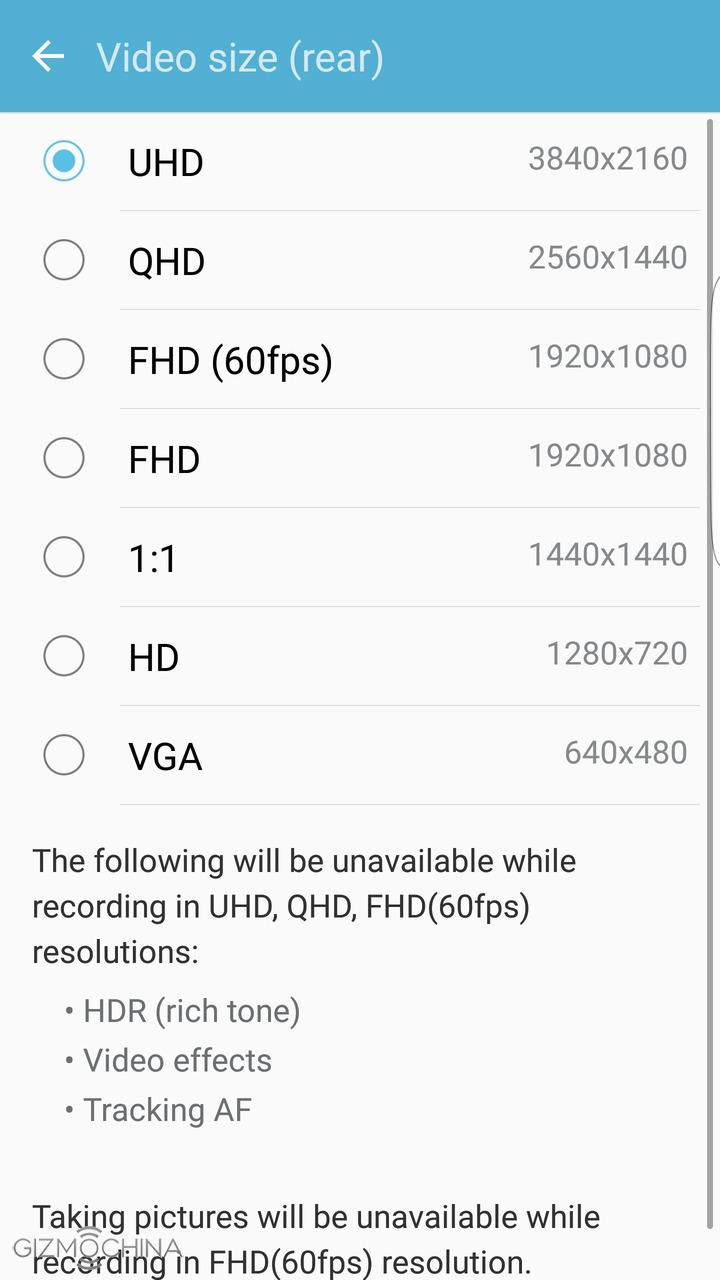
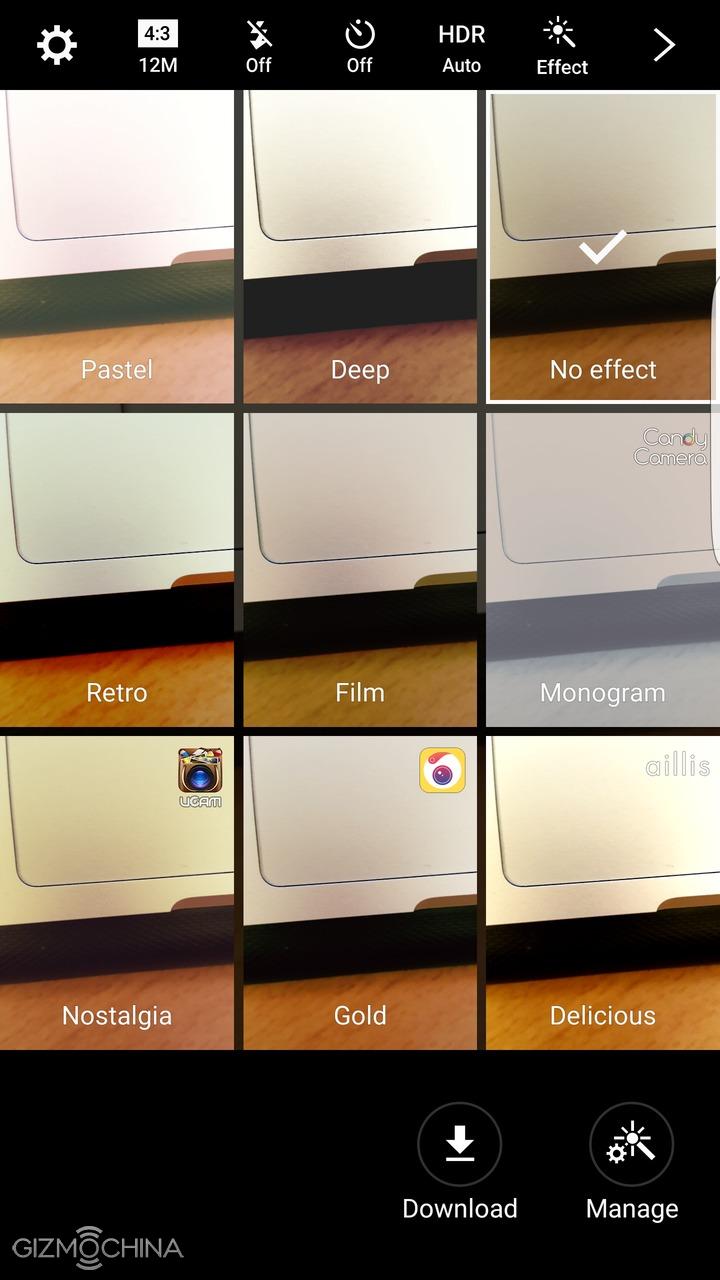
What we have here is typical Samsung, which brings quite a few settings and shooting modes, and you can even download more modes if you wish.
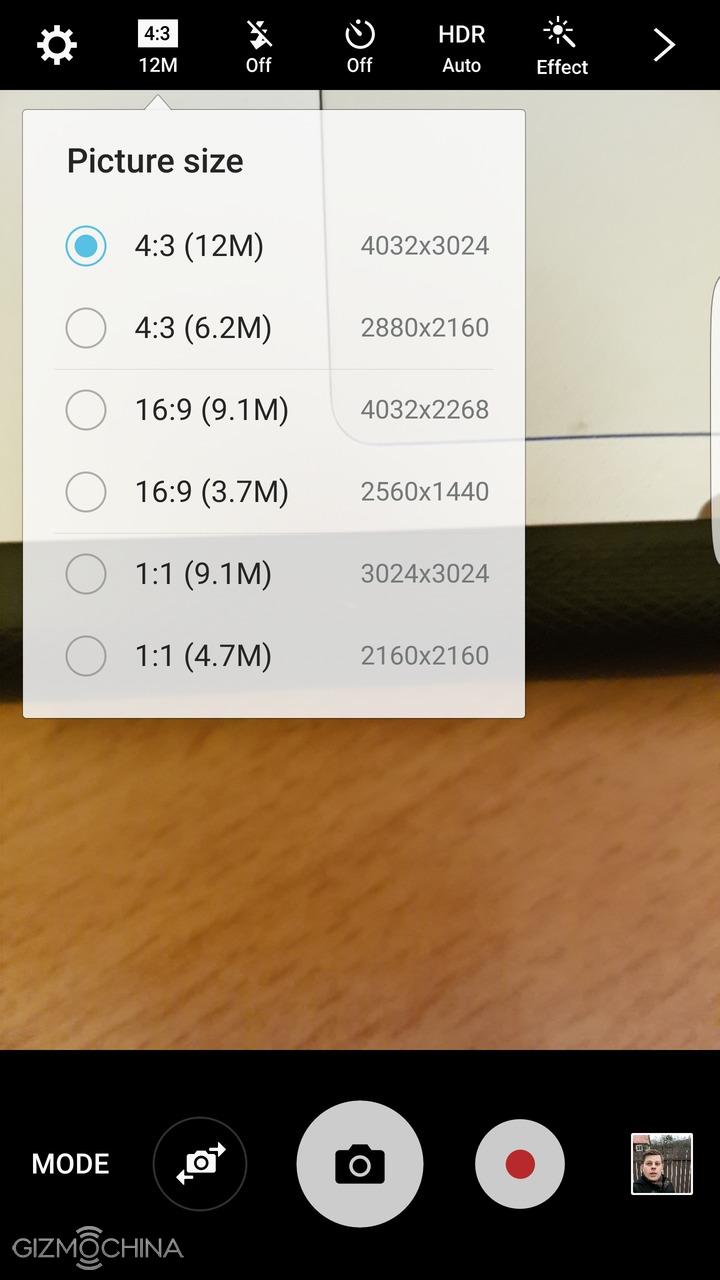
One thing I was really disappointed by is that the sensor uses a native 4:3 aspect ratio, meaning that the images will not be full screen if you shoot at the maximum resolution.
Samsung Galaxy S7 Edge Review: IMAGE QUALITY
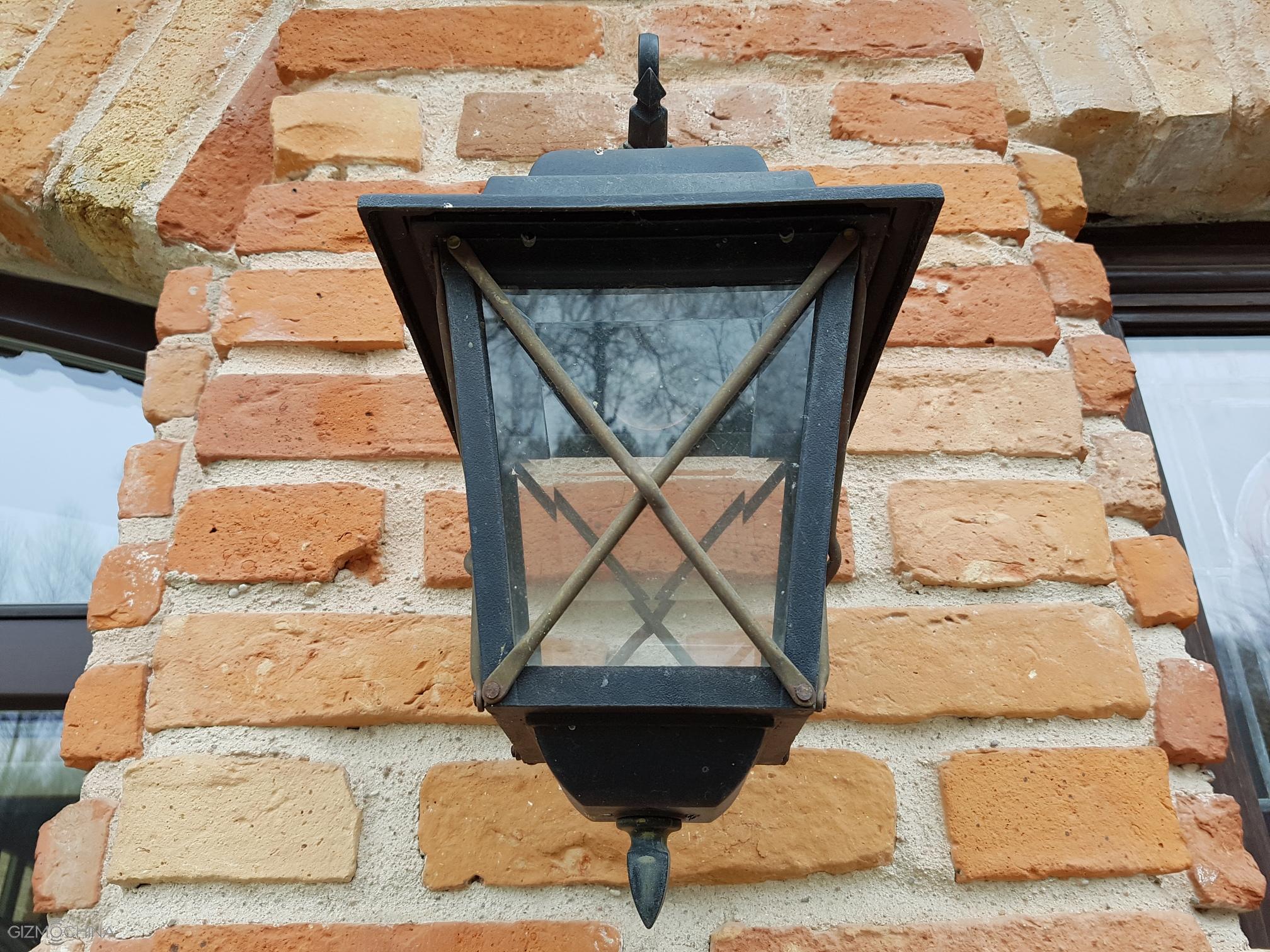
When it comes to the actual image quality, it is definitely on of the best in class. The daylight pictures look sharp, have lots of detail, the colour look natural and other aspects like dynamic range and exposure and handled well.
It is a similar story with indoor and macro shots as the camera manages to capture a great amount of detail despite worse lighting conditions.
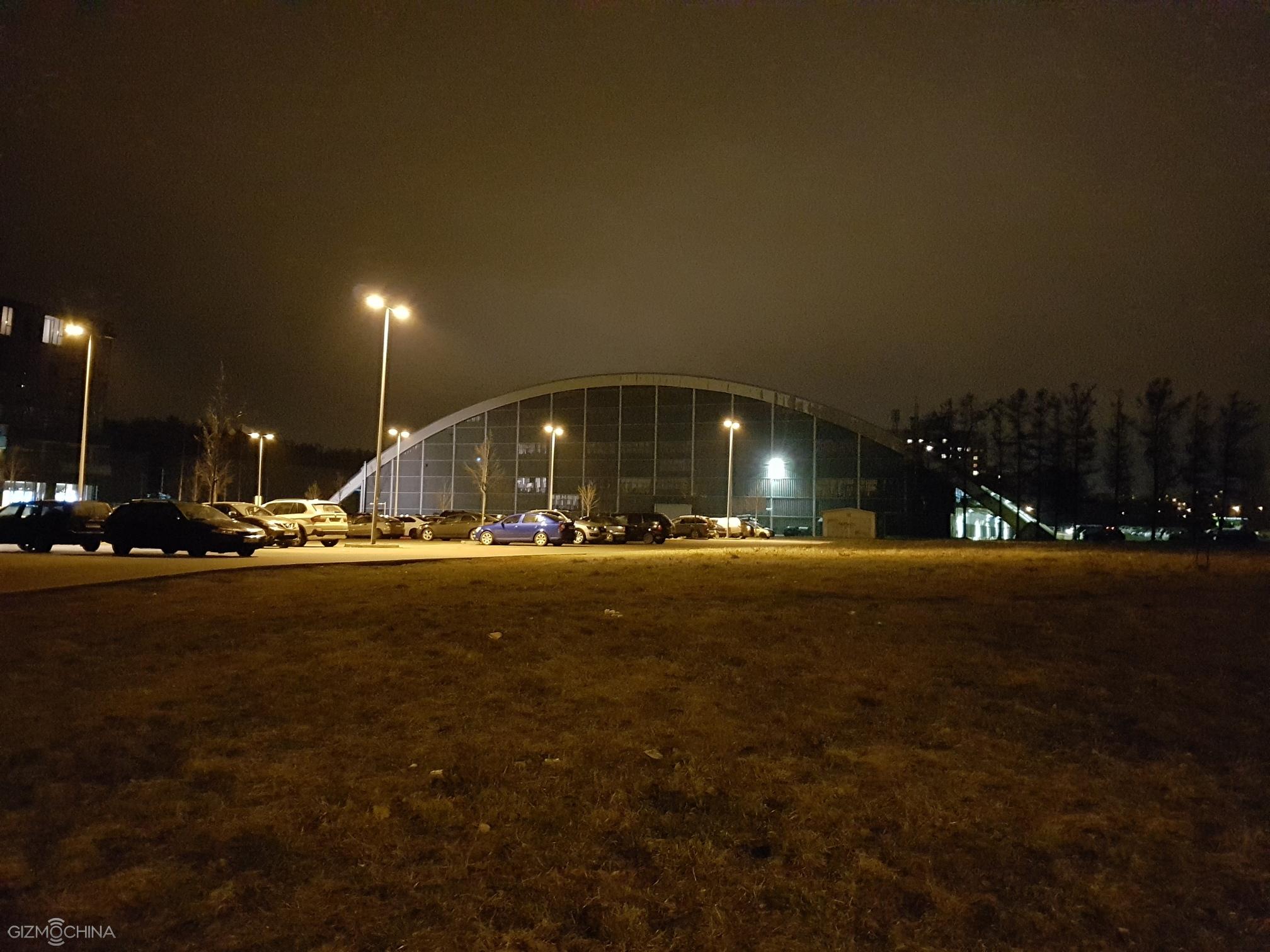
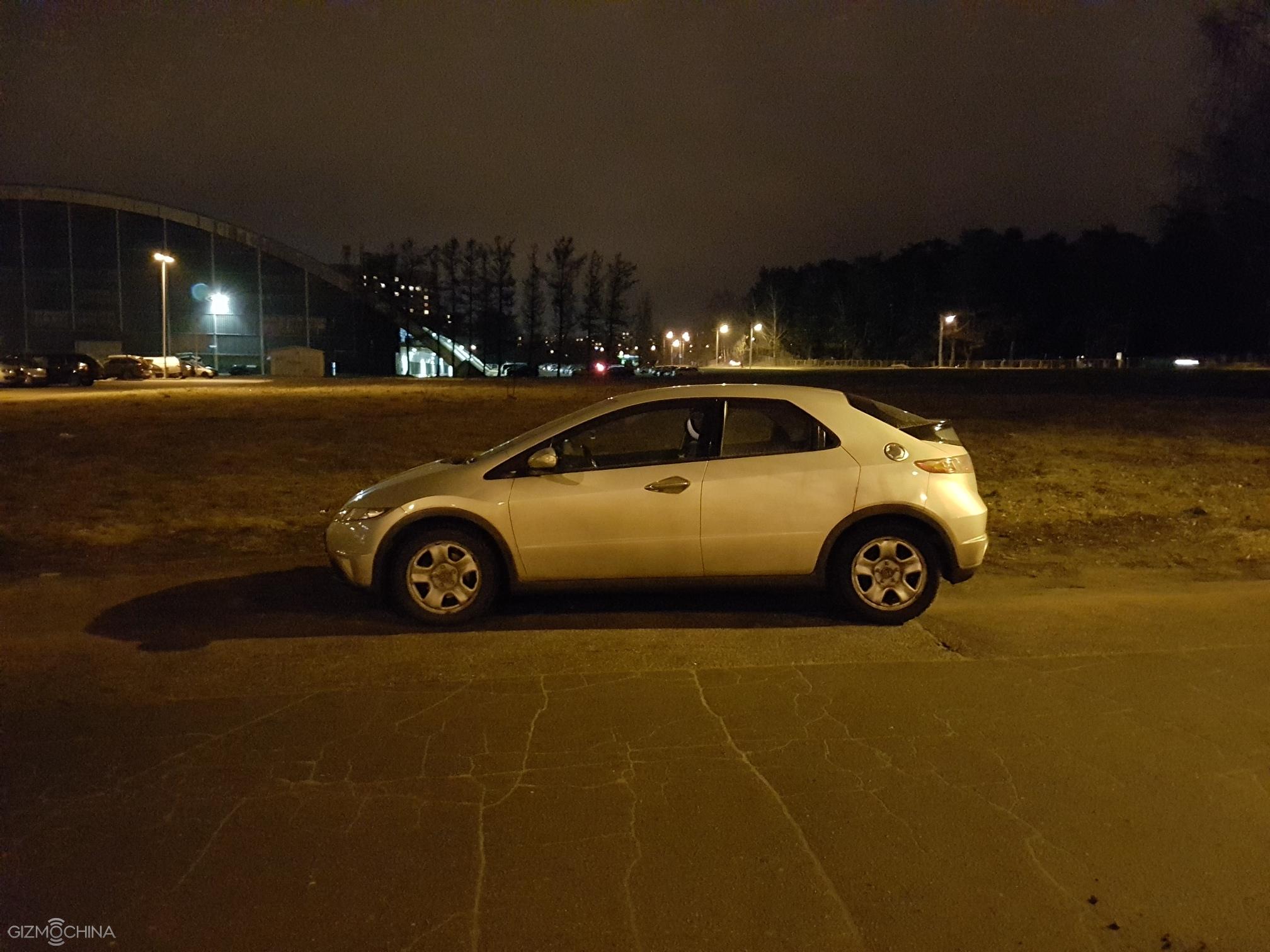
The low-light camera performance is fantastic. It not only focuses very fast but also manages to produce great looking photos. Naturally, there is less detail but the level of it is still very good. Also, the noise levels are kept to minimum. The only shortcoming is that the auto post-processing leads to a slight yellow tint in some of the pictures.
The front facing camera takes very good selfies even in low light and that is thanks to the bright aperture.
Both 1080p and 4K videos look stunning. The footage is sharp and very detailed, the OIS does its job very well and the videos are one of the best I’ve seen.
All the connectivity options that include Wifi, Bluetooth and GPS are working fine. Also, the signal reception is excellent and the call quality is good.
Samsung Galaxy S7 Edge Review: BATTERY
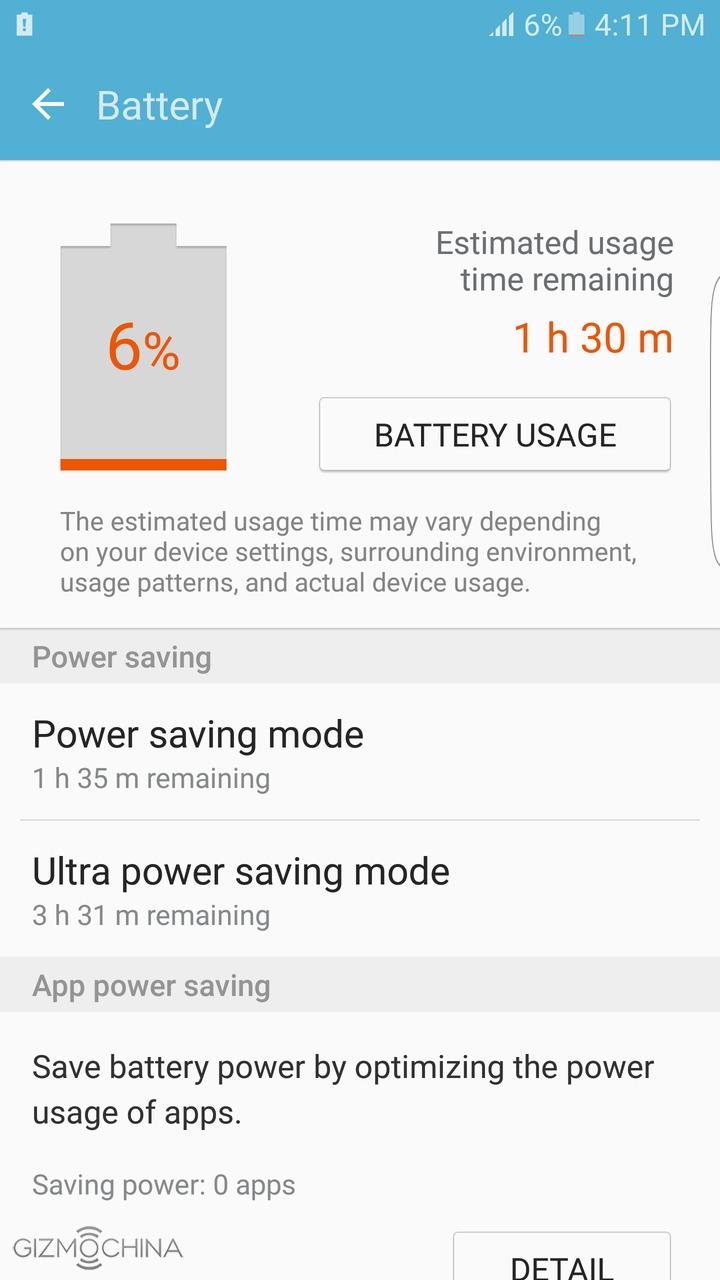
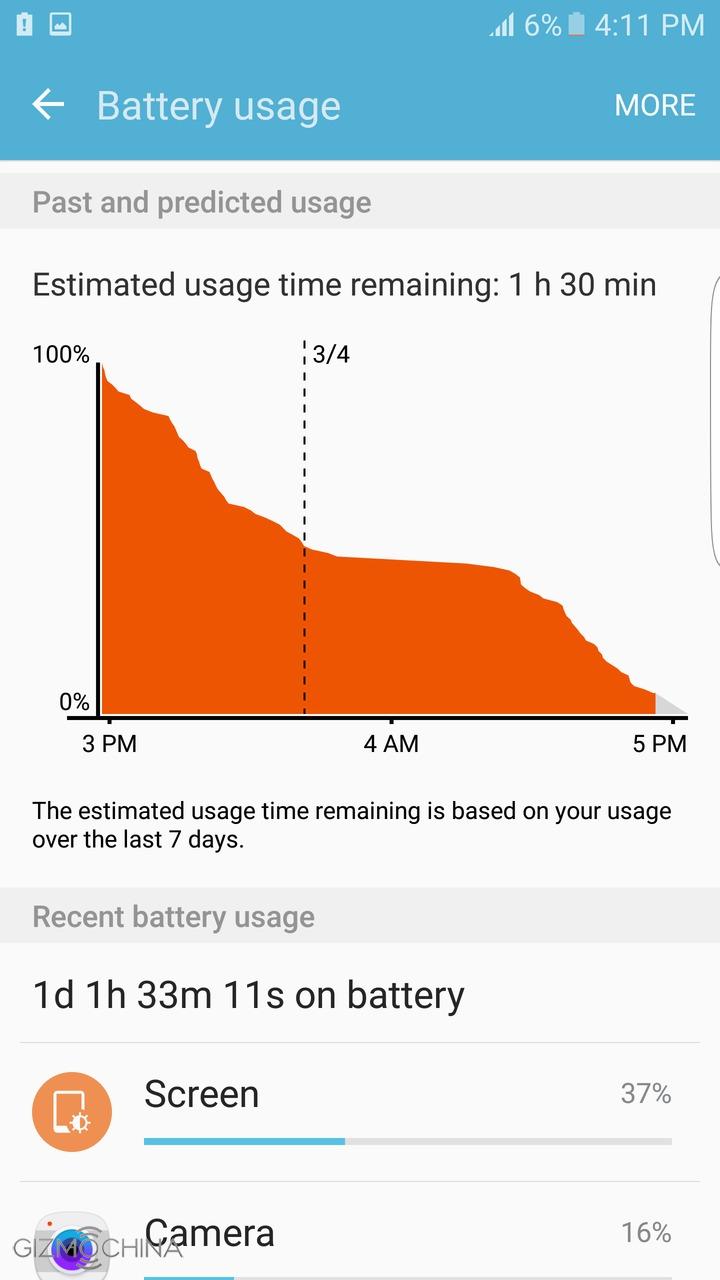
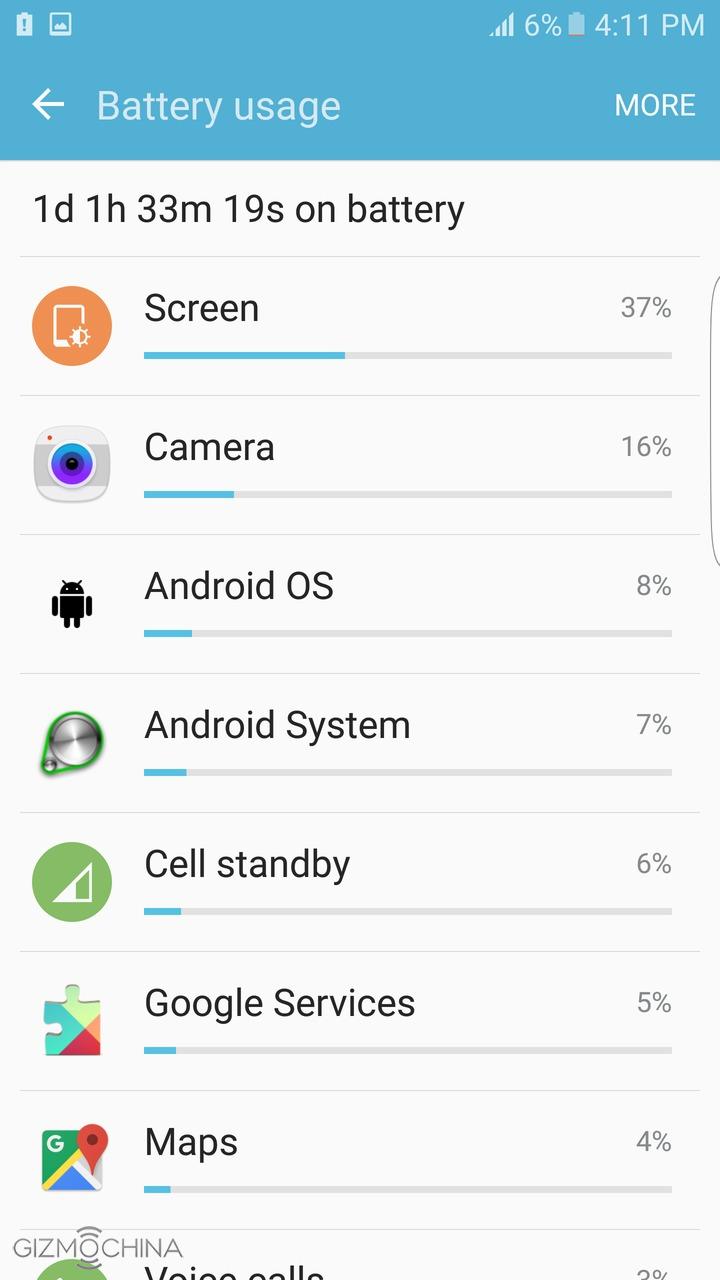
The S7 Edge has a 3600mAh battery and I was curious how it performs with the always-on display.
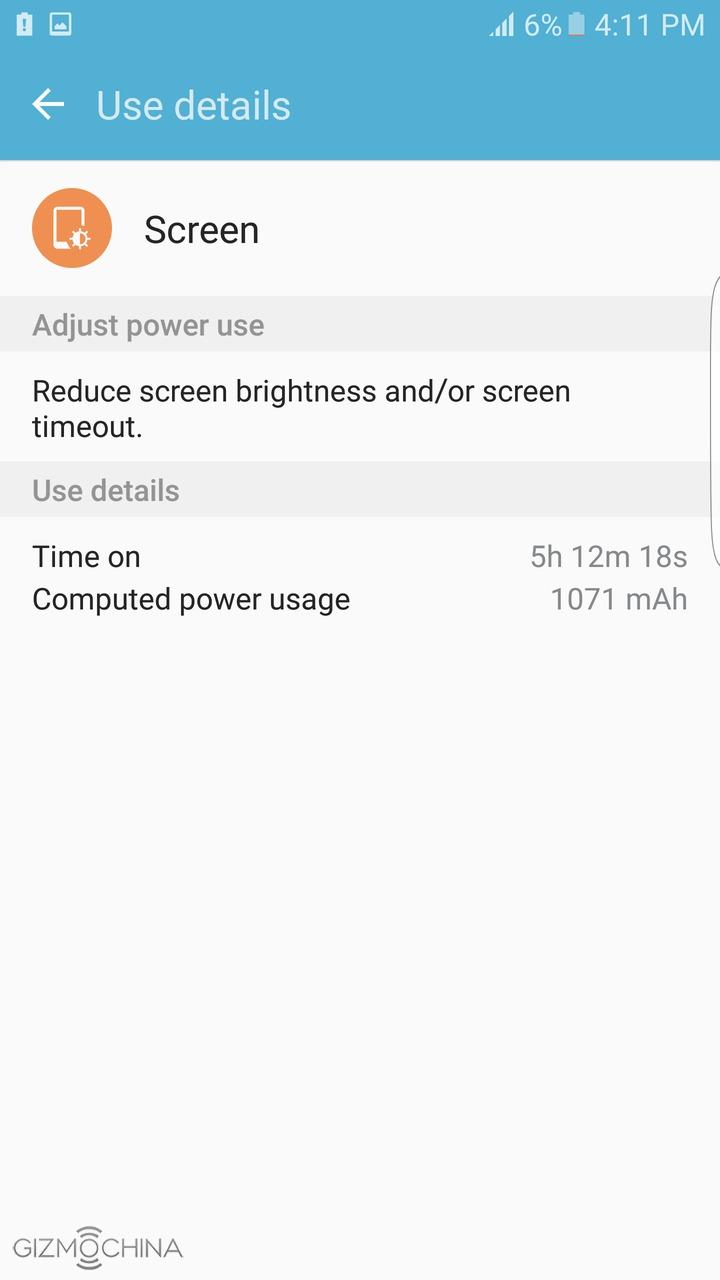
I gotta tell you that I was quite impressed with the results. I could get over 5 hours of screen-on time while taking lots of pictures, shooting a lot 4k videos, gaming, browsing the web and so on.
If you need to top up the battery, the phone charges up really fast and that is thanks to the fast charging feature. Also, there is an embedded wireless charging feature that helps cut a few wires.
Samsung Galaxy S7 Edge Review: CONCLUSIONS
So, there you have it, the Samsung Galaxy S7 Edge. This is the best Samsung phone ever and definitely on of the best on the market.
The design is really flashy, the curved screen with the always-on display feature is fantastic, the UI is running fast and the phone has one of the best specs currently available that can handle even the most demanding tasks without a sweat or overheating.
Also, the S7 Edge has awesome camera, a great battery life and yeah, this thing is fully waterproof.
On the other hand, the glass backplate is a huge fingerprint magnet, the UI takes a lot of storage space and uses lots of RAM, and the current state of software does not support Android 6.0’s adaptable storage. Also, the camera sensor has a native 4:3 aspect ratio and oh boy, this phone is expensive. It costs around $800 and perhaps not everyone is going to buy it.
All in all, the Samsung Galaxy S7 Edge is a fantastic phone and it will be one of the best devices out there for months ahead despite having a few shortcomings. Just remember, premium phone comes at a premium price.
We came across these multi-colour LED strips. We liked them, because they are cheap and high quality. Learn more in our review.
As a matter of fact, Gearbest currently has these strips on sale. You can get it for just above $10 and you will find all the links down below the review article.
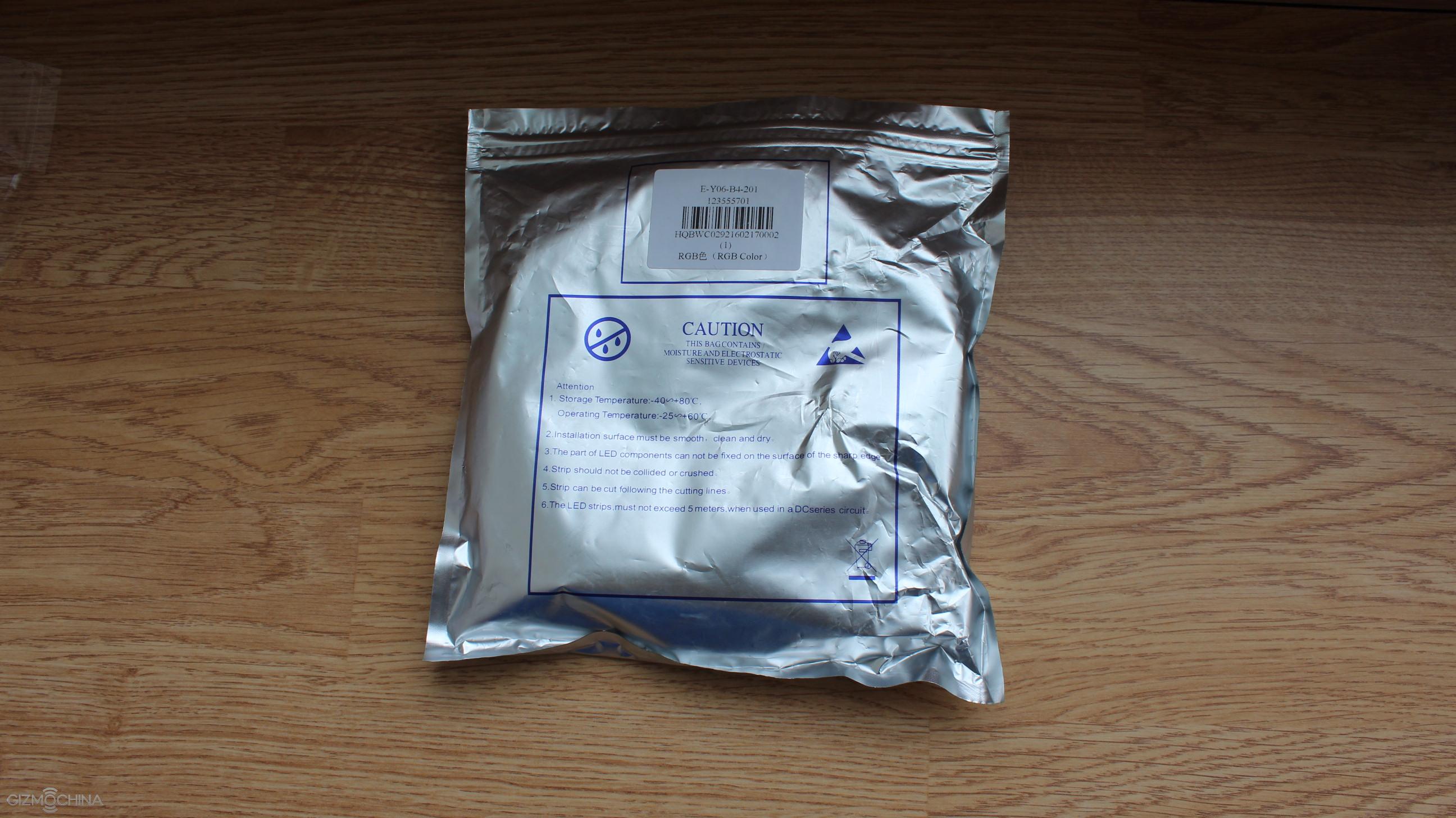
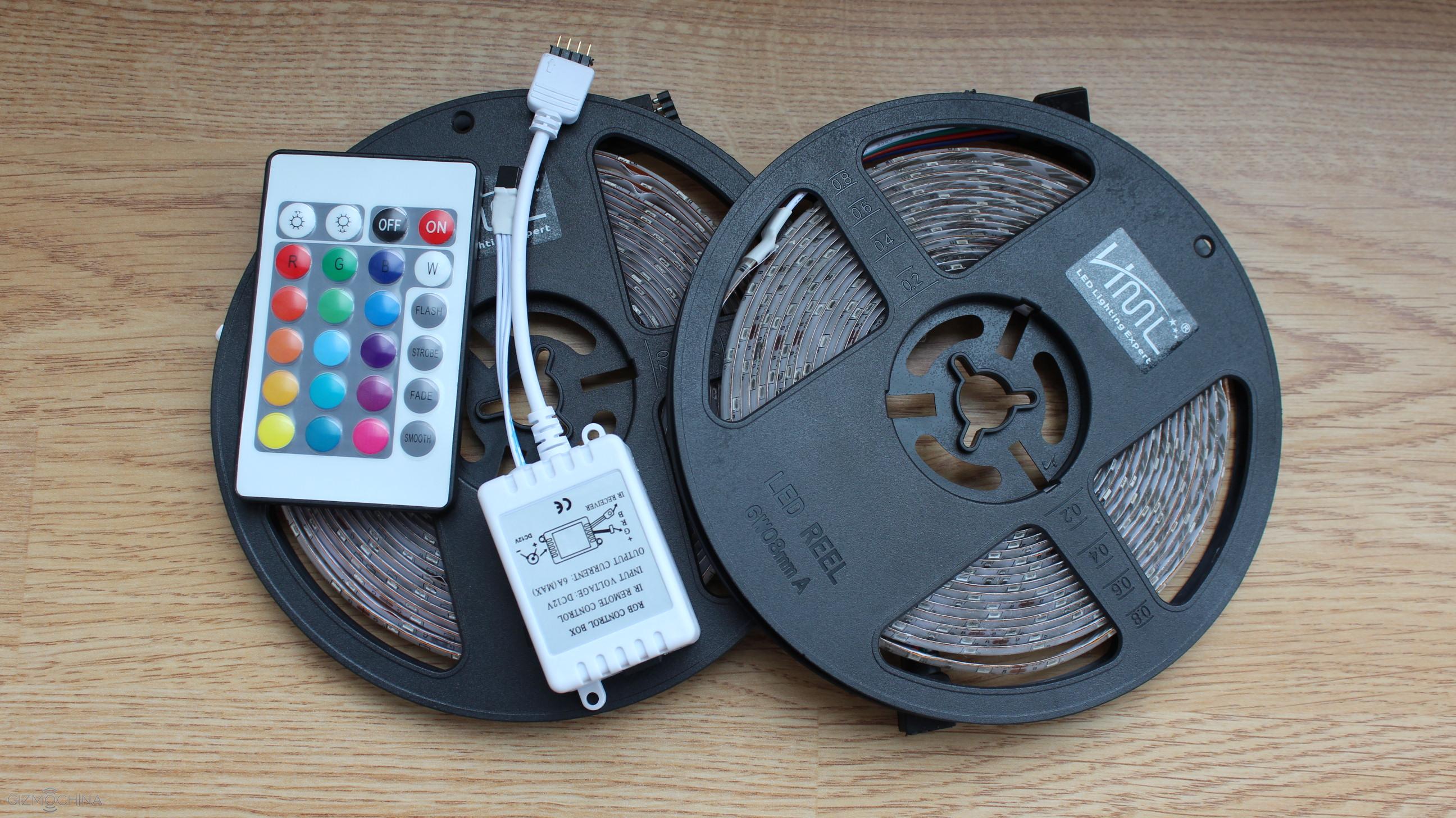
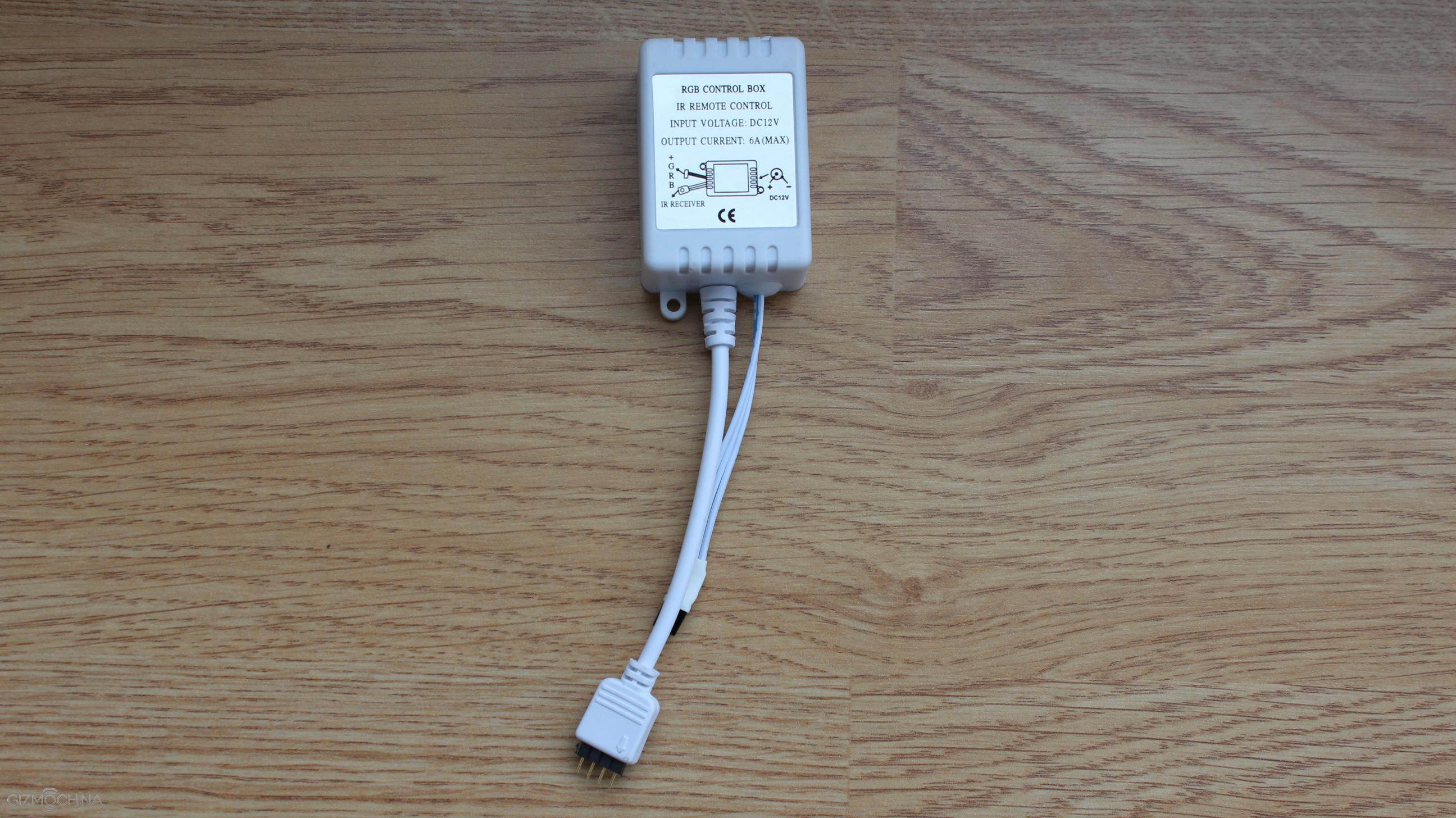
What you are getting in the packaging include two rolls of LED strips, 5M each. You can use them separately or connect, so you will have 10m in total.
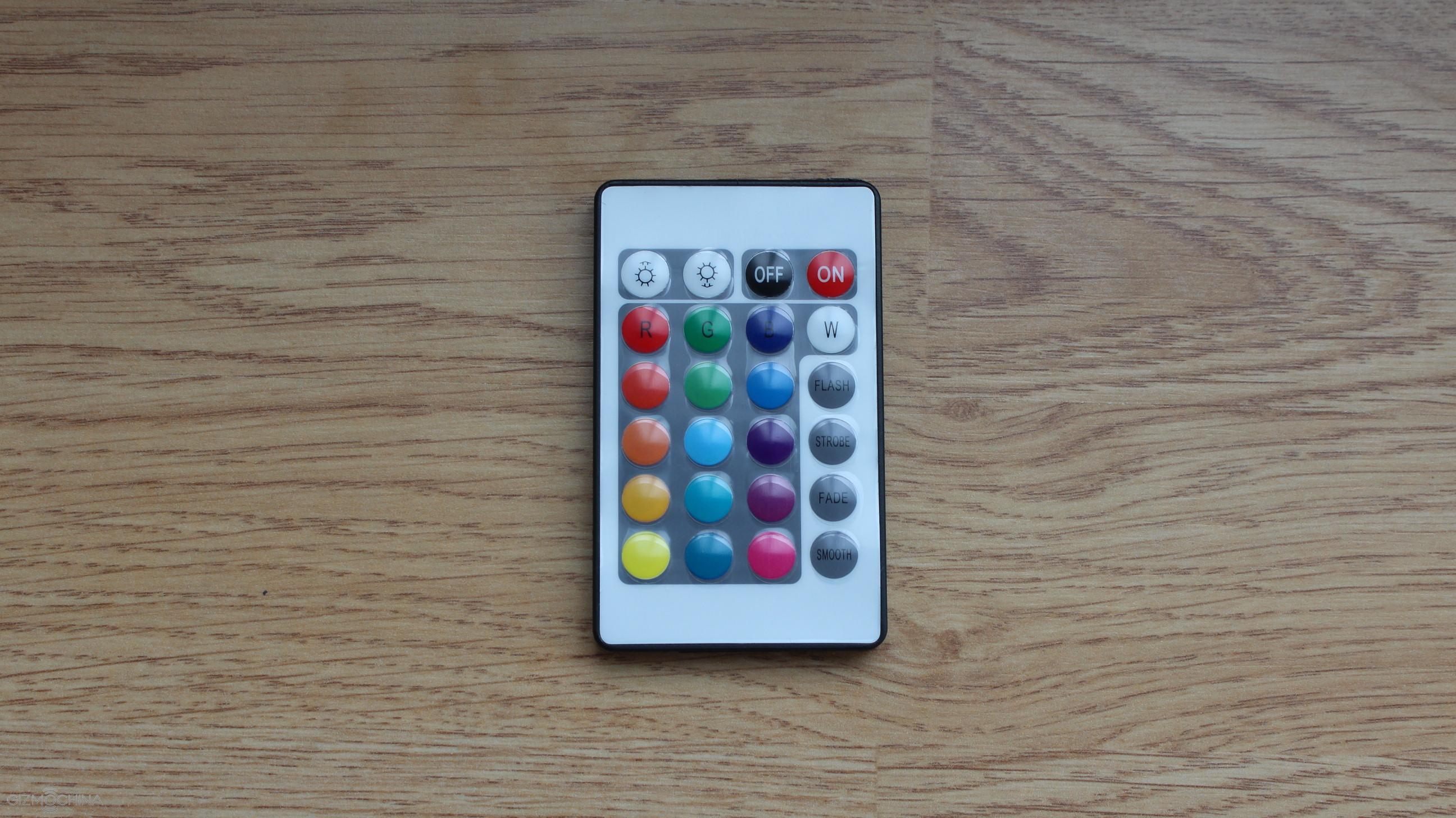
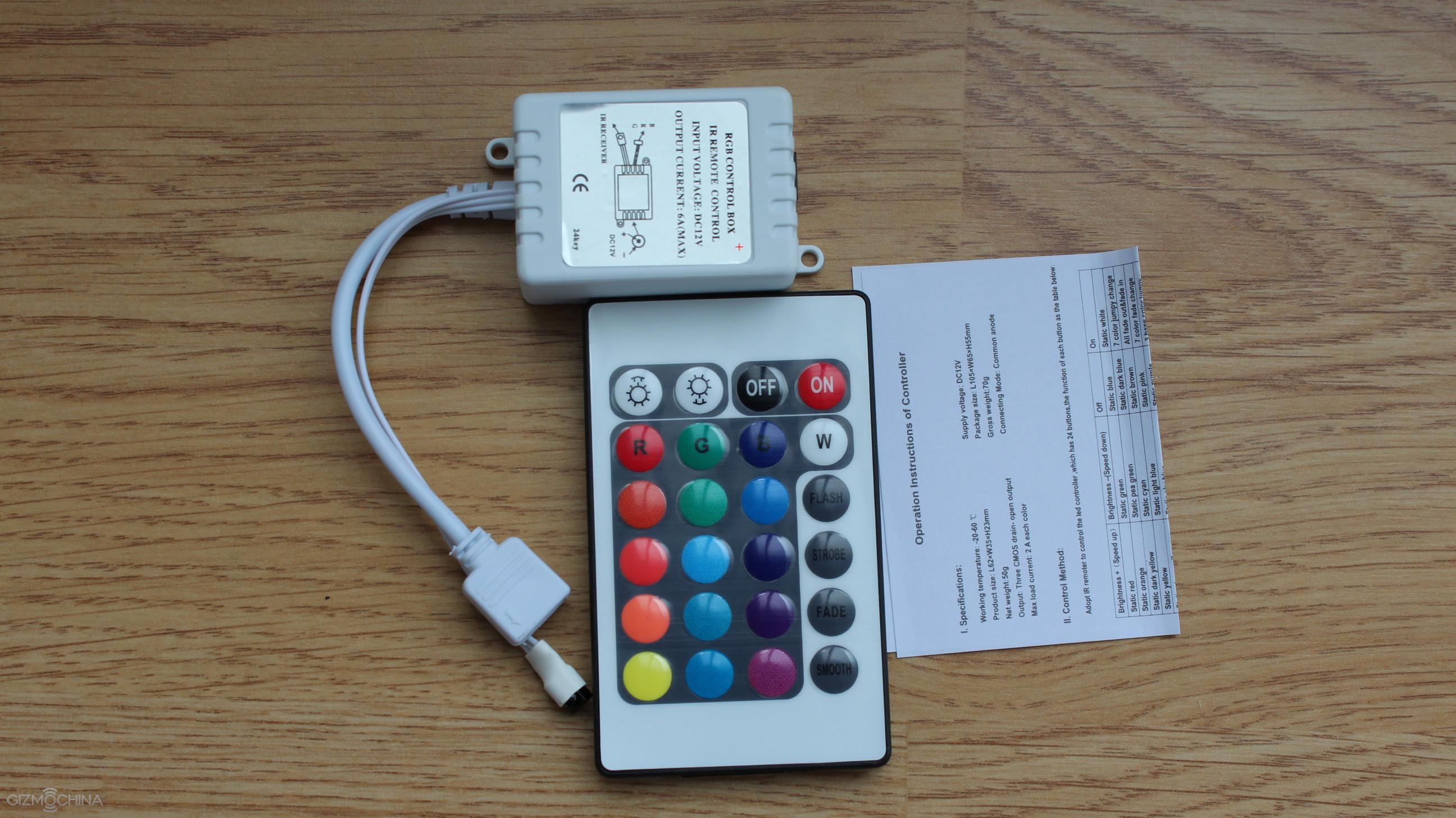
Also, you are getting an RGB control box along with the remote control, which has a pre-installed removable battery.
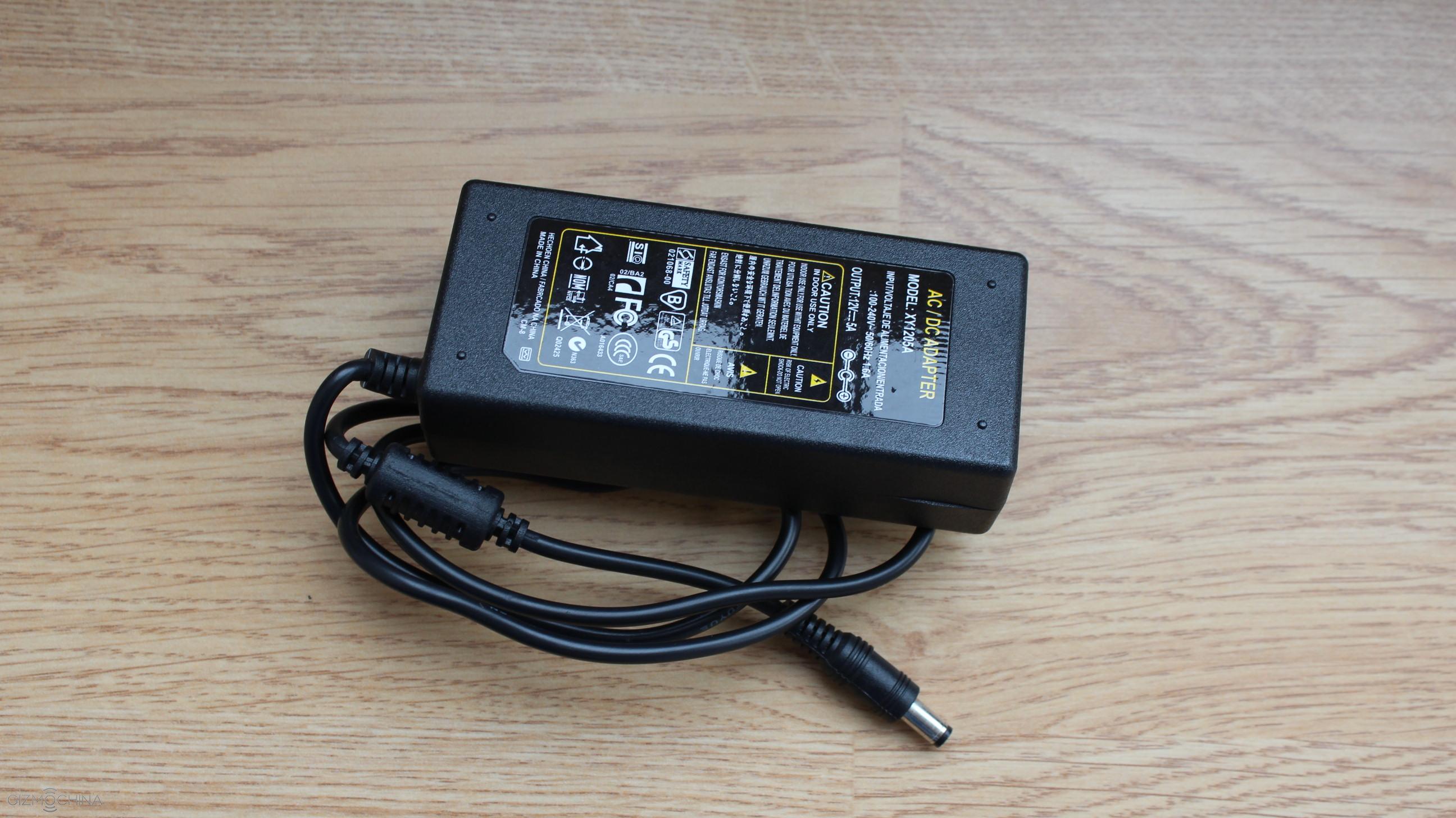
To power the LED strips up, you have to connect the RGB control box to the LED strip. Then you have to connect it to the power cord, which is sold separately. Gearbest were kind enough to supply me with the affordable power cord and I will leave a link down below.
In fact, you can also order another remote control (in case you loose the included one), which is very cheap.
The LED strips have the adhesive, which allows you to stick it anywhere including outdoors as these LED strips are waterproof too.
Everything else is pretty much self-explanatory.
The remote control allows you to change colours, adjust the brightness or select different lighting modes.
I’ve used these LED strips for a week and everything is working fine. All in all, I can tell you that it is a pretty good deal. For $10 you are getting two rolls of LED strips and a remote control.
Leagoo is a known brand in the Chinese smartphone market for its low cost smartphones. We have seen many smartphones from the company offering good specs for a fraction of the cost as compared to other players. Now, the company is back in the game with a brand new smartphone, namely the Leagoo Alfa 2. It’s not a powerful phone, rather it’s targeted at those users who are looking for a decent Android experience at a budget price tag.
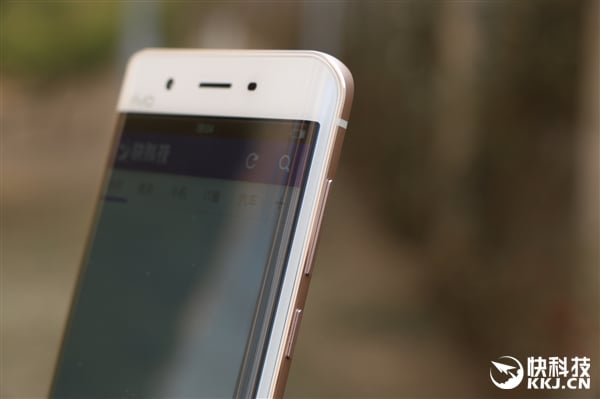
The Leagoo Alfa 2 will come with the quad-core MT6580A processor based on Cortex A7 cores clocked at 1.3GHz with 1GB of RAM on board and 16GB of internal storage. The memory can be further expanded up to 32GB via MicroSD. The phone features a decent 5-inch display with 720p resolution which translates into pixel density of 294 ppi. One of the highlights of the device is the 2.5D glass up front, which gives it a premium curved look.
At the back, the Leagoo Alfa 2 comes with a 13MP Sony camera with AutoFocus f/2.2 aperture and dual LED flash. Up front, you will find a 5MP fast focus shooter with front flash and 71 degrees wide angle lens for your selfies. The phone comes with a 2600mAh removeable battery fitted inside a 7.5mm body. Connectivity features include 3G, 802.11 b/g/n Wi-Fi, Bluetooth 4.1 and GPS. As for software, the Alfa 2 comes with Android 5.1 with Leagoo OS 1.1 on top. Other features include support for 12 smart gestures, double click to wake, Beauty camera, back touch etc.
The Leagoo Alfa 2 will come in four different colors namely Dark Grey, White, Pink and Gold. We still don’t know the official pricing or availability details of the device but will keep you updated on the same in the coming days. So stay tuned!
As we known, the high-end flagship LEAGOO Shark 1 is coming.
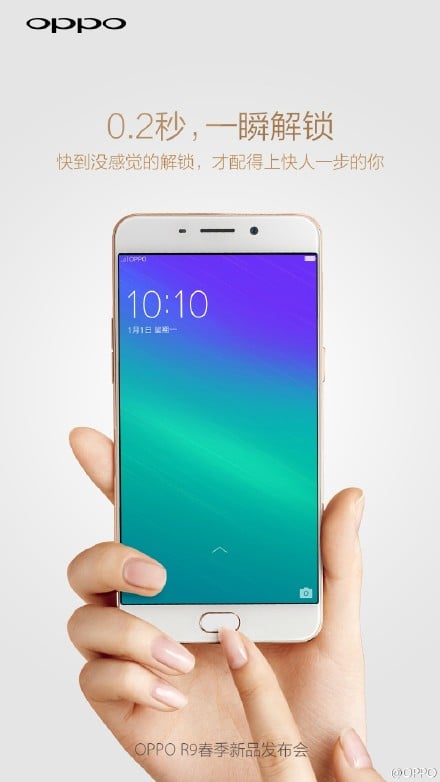
OPPO has been teasing the features of its upcoming OPPO R9 flagship for the past few weeks. We already know that the phone will come with a metal body with matte finish and a screen with super narrow bezels. Now the latest teaser from OPPO reveals that the upcoming flagship will feature a fast fingerprint sensor.
The company revealed via a couple of teasers that the R9 will come with a front facing fingerprint sensor that unlocks within 0.2 seconds. So, you will be able to start using the phone almost instantly you touch the front facing home button integrated with fingerprint sensor.
Apart from revealing that the sensor unlocks the phone instantly, the company also hinted that its ideal for making mobile payments. Now, OPPO doesn’t have its own payment service like Apple, Samsung or even Huawei (the company recently unveiled the Huawei Pay). Could we see an OPPO Pay mobile payment service launch alongside the R9? There have been reports about Chinese companies planning to release such a service, and Huawei was the first one to jump into the mobile payment market. But we are not entirely sure whether OPPO will enter the payment market as well.
In one of its teasers, we can see that the R9’s fingerprint looks a lot like the oval sensor from Meizu. Some manufacturers, like Xiaomi for example, have used an oblong shaped sensor probably to differentiate itself from other manufacturers. But OPPO seems to be taking the usual approach to fingerprint ID, instead of a different design.
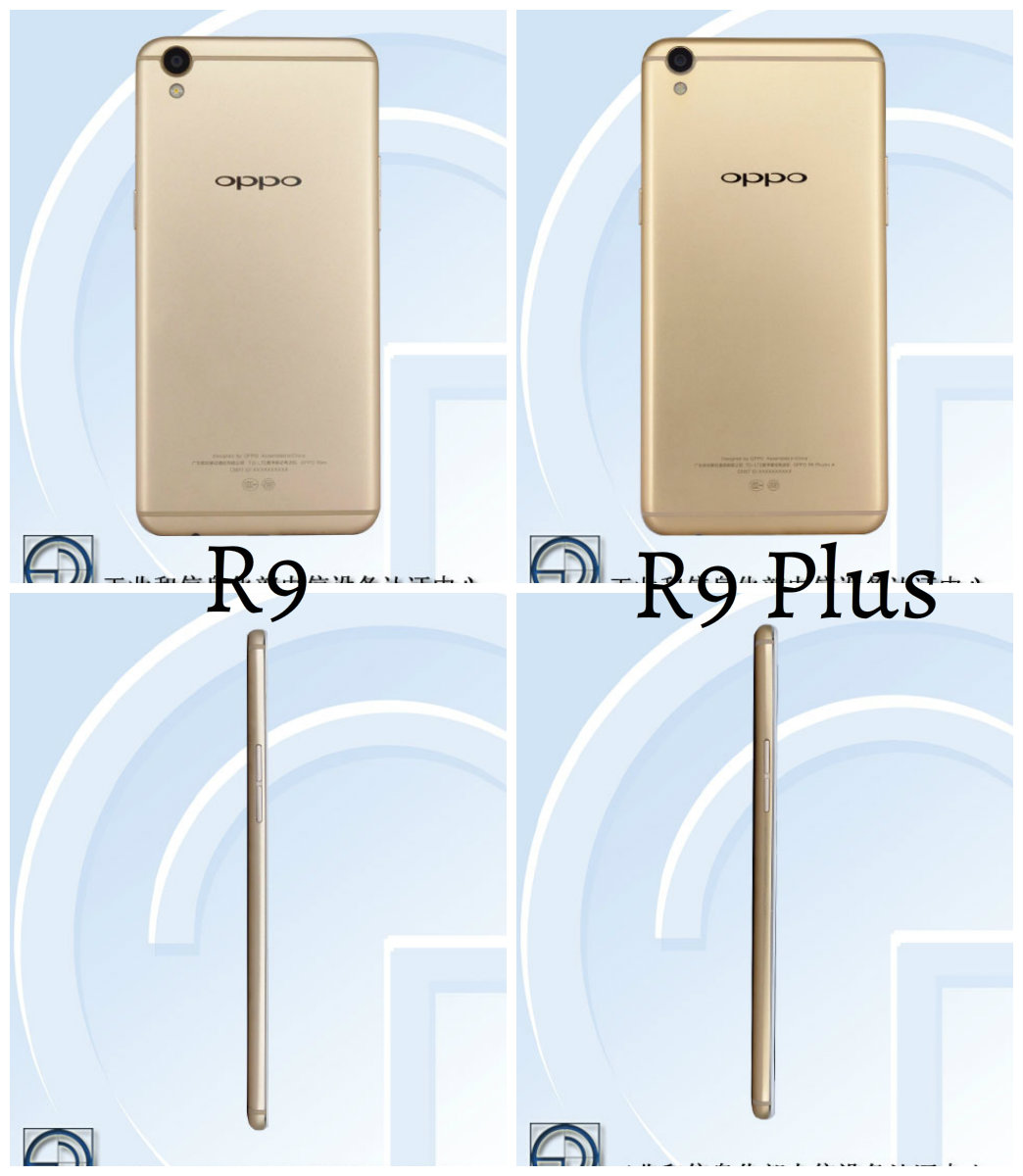
Although OPPO isn’t officially confirming any other device apart from the OPPO R9, we are almost sure that we will meet a larger sibling, namely the OPPO R9 Plus at the event. Instead of an octa-core chip which is likely the Helio X10 inside the OPPO R9, the Plus variant will reportedly come with Snapdragon 652 and a larger 4000mAh battery as well. Other specs will be the same like 16MP rear and front cameras, and 4GB RAM.
Pricing was never the strong point of OPPO devices, and it said that the phone could retail for as much as 2999 Yuan which comes to $460. The R9 Plus could be even more costlier, retailing for 3499 Yuan ($537).
So, we have been hearing about the slowdown of the Chinese smartphone market. There have been reports about layoffs among startup smartphone manufacturers like OnePlus and now, Dakele announced yesterday that the company has gone bankrupt. The founder of the company, Ding Xiuhong made the announcement via a weibo post yesterday surprising many fans.
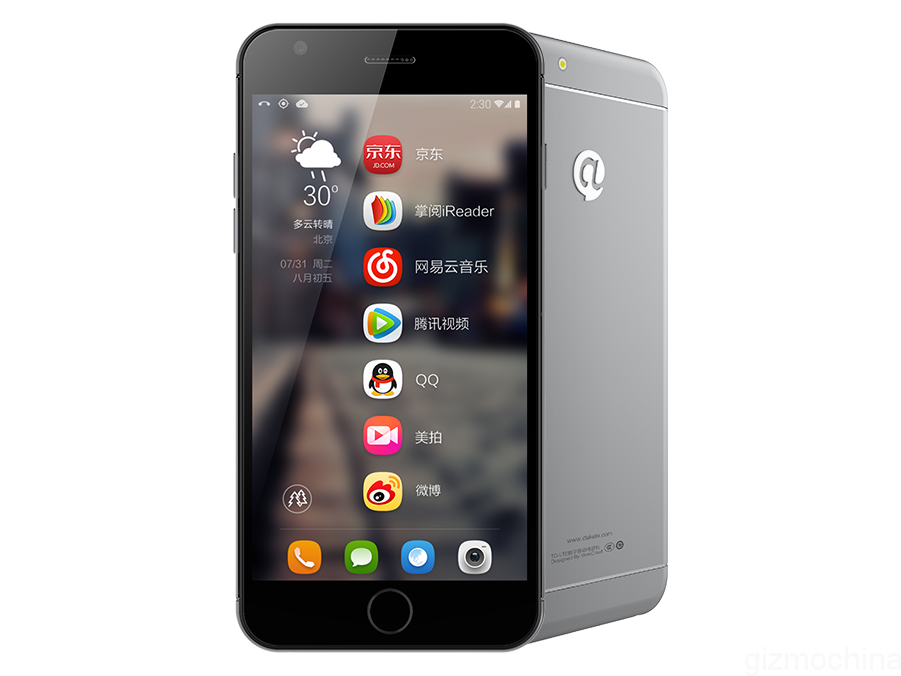
In case you remember, Dakele became famous among Chinese clone smartphone lovers as they had made an amazing iPhone 6 clone called as the Dakele 3. But unlike other clone devices, this particular smartphone came with powerful specs, attracting the likes of many. Further, the phone was priced at just $240 in China, which made it a pretty good deal.
Dakele has always focused on affordable smartphones, with marketing helping it find new customers. But with increased competition from both top and low-end players, it became hard for the company to survive. From the founder’s statement, it looks like the financial backing for the company recently dried out, which ultimately led to Dakele’s closure.
Small time smartphone manufacturers are always at risk of closure, especially if they are focused solely in the local market. Chinese smartphone industry is highly saturated at the moment, with even big players like Xiaomi struggling to reach its goals. Last year, Xiaomi aimed to sell more than 80 million smartphones, but ended up selling only about 70 million. This shows that the slowdown is affecting even large players, and in such an environment, it’s really hard for the small time players, whose only source of business is smartphones, to survive.
Apart from the company’s financial problems, there have been reports about many component suppliers filing bankruptcy in China. Component makers are the heart of any smartphone manufacturer, so if they fail to deliver, the company fails to launch its products. Remember how an earthquake in Taiwan which damaged a display supplier’s factory resulted in the scrapping of the upcoming Meizu Pro 5 Mini handset?
The demise of Dakele is a strong indicator of how small time Chinese smartphone makers are struggling in the country. After Dakele, there could be other small smartphone players as well who could file for bankruptcy or may even be taken over in 2016.
In the past couple of days, we have seen some information about a new variant of the Redmi 3 budget smartphone that was announced in January this year. While at that time we had no clue about the name or even the features of the new handset, recent reports from China have thrown some light about the device’s specs.
First of all, according to the latest information, it is being said that the new Redmi 3 variant will be called as the Redmi 3S. This name is possible since the updated version of the Redmi 1 was called as the 1S. As for the specs, most of the hardware is expected to be the same as the Redmi 3, however, the new Redmi 3S will most likely bring a fingerprint sensor to the device.
As for the pricing, the Redmi 3S is rumored to retail at a price tag of 799 Yuan which comes to around $122. So, you will have to shell out around $15 more than the usual pricing for the addition of a fingerprint scanner. Finally, you can expect to meet the Redmi 3S on April 6 which will be the company’s sixth anniversary. Lot’s of new products are expected to be launched on that day and the Redmi 3S could be one of them.
Thanks to yesterday’s TENAA listing, we know that the Xiaomi Redmi 3S will look exactly the same as the previous version, featuring a 4000mAh battery inside its 8.5mm body. The phone will also continue with the all metal design as the Redmi 3.
As for the specs, if it’s the same as the Redmi 3, you can expect Snapdragon 616 on board with 2GB of RAM, 13MP rear camera with PDAF, 5MP front shooter, dual SIM dual standby and a 5-inch 720p display. A possible upgrade on the Redmi 3S could be the screen resolution (bump it up to 1080p), but we are not yet sure of that.
There’s also a rumor going around that Xiaomi will release the Redmi 3A, as an upgrade to the Redmi 2A budget device. Pricing is expected to be cheap, around 599 Yuan which is less than $100.
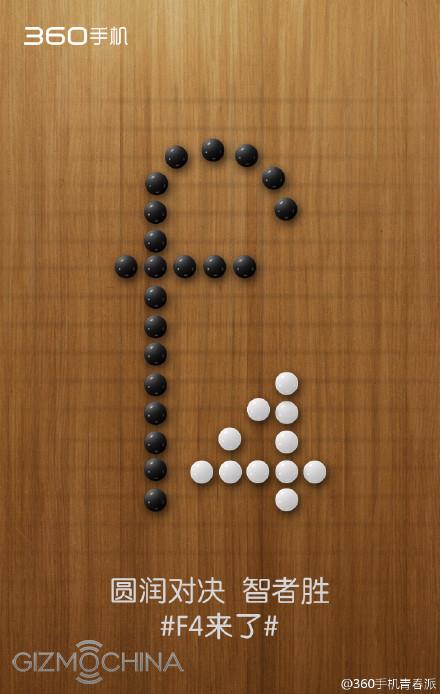
For the past couple of days, we have been hearing about two upcoming smartphones from QiKu. Thanks to AnTuTu listing, we have seen two new QiKu smartphones, one powered by Snapdragon 820 and another powered by Helio X20. Now, it looks like one of these smartphones will meet us on March 21 as the company has started revealing teasers for the launch of its QiKu F4 smartphone.
The company has changed its account name on Weibo to 360 mobile and looks like, the new smartphone is also going to get a new name. From the teasers, we can see that the phone will be called as the F4. The latest teaser reveals that the phone will be sleek and stylish and will be comfortable to hold. Since the company started teasing the new device only recently, we can expect more information in the coming days to the launch.
According to the previous AnTuTu listing, two new QiKu phones are in development. The high-end version, code-named QiKu 1509-A02 will come with the powerful quad-core Snapdragon 820 under the hood with 4GB RAM and 128GB internal storage. The screen size is unknown, but it will feature a 1080p FHD display. At the back, we can expect a dual camera setup, with two 13MP sensors. Finally, for software, the phone is running on Android 6.0.1.
As for the second QiKu device, code-named QiKu 1503_M02, it will feature slightly lower specs. The phone comes with the deca-core MT6797 Helio X20 under the hood with 3GB of RAM and 32GB ROM. The display size is once again unknown but the resolution is 1080p. The rear camera will be of 13MP while up front, you will find a 5MP front facing shooter. This particular device is also running on the latest version of Android Marshmallow OS.
We could see one of these two devices or even both of them at the scheduled QiKu event in Beijing on March 17. Stay tuned for more details.
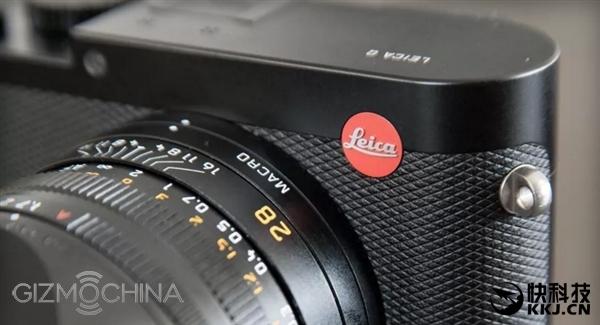
We all know that Huawei is all ready to announce it flagship P9 at the event in London on 6th of april. As the news came before, this device will use dual rear cameras. Also, the company had announced a partnership with Leica to boost its camera performance and we may see something exciting in the optics department of the device.
Today evening, three of Huawei executives on the microblogging site (weibo) posted the same line, “later, 9 Lai” (translated). Obviously, this is implied in the upcoming Huawei P9, and “Lai” word is probably hinting at “Leica.”
Specs-wise, the phone is supposed to come with powerful features. In fact, it is said that the P9 will come in four different variants, namely P9 standard edition, P9 Lite, P9 Premium and P9 Max as per the recent rumor. All the details about the different variants of the P9 can be found here.
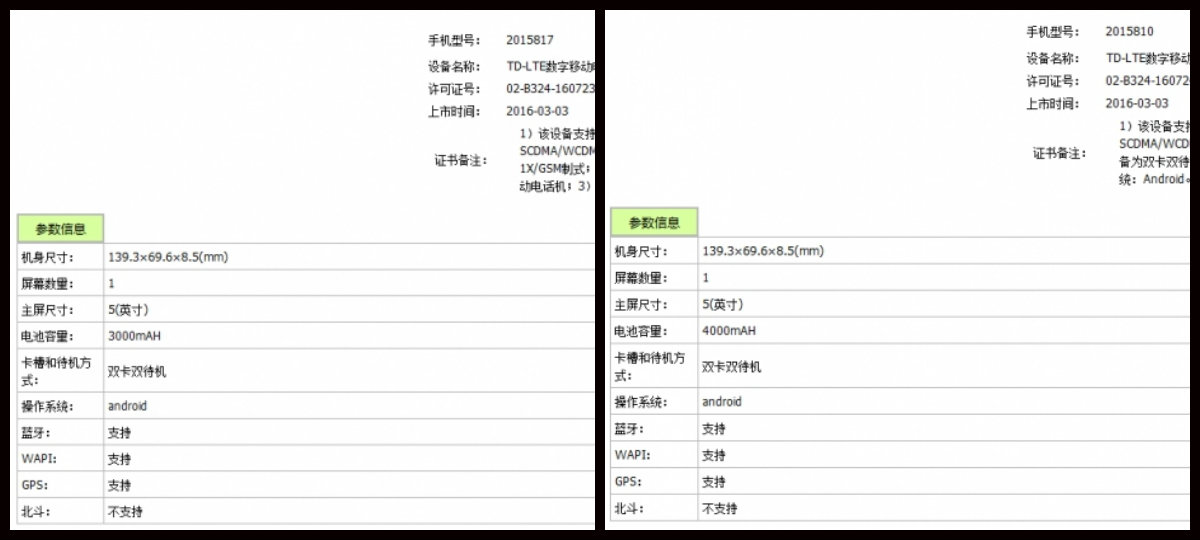
Now that the Xiaomi Mi 5 and it’s less popular sibling, the Mi 4S are announced, it’s time to focus on the other upcoming smartphones from the company. Yesterday, we reported that we spotted four new models, probably from the Redmi series on the 3C certification website with the following model numbers: 2015810, 2015817, 2015818, and 2015819. At that time, we said that there was a good chance that these models could of the Redmi 4, or variants of the existing Redmi 3.
Thanks to the TENAA listing of two of these models, namely the 2015810 and 2015817, we can be sure that at least these two are variants of the Redmi 3. TENAA reveals that 2015817 model comes with an 8.5mm body and 3000mAh battery, while the 2015810 model features a larger 4000mAh battery inside a same sized body. Both feature 5-inch displays. Considering these specs, its almost confirmed that they are some kind of variants of the existing Redmi 3 which also features similar specs. So, what could these new variants bring to the table?
The Redmi 3 was already a great budget device, but it lacked one common feature that is usually found in most mid-range and flagship smartphones in the market today — Fingerprint sensor. And now, we might have the first glimpse of the Redmi 3 with Fingerprint ID.
So, from this image, it looks like the new variants add a fingerprint sensor to the Redmi 3. We don’t know whether there are any new additions, but the company will probably reveal them in the coming days.
So, what do you think? Will Xiaomi price the Redmi 3 with fingerprint ID at just 699 Yuan ($107)? Or will it retail at a higher price tag?
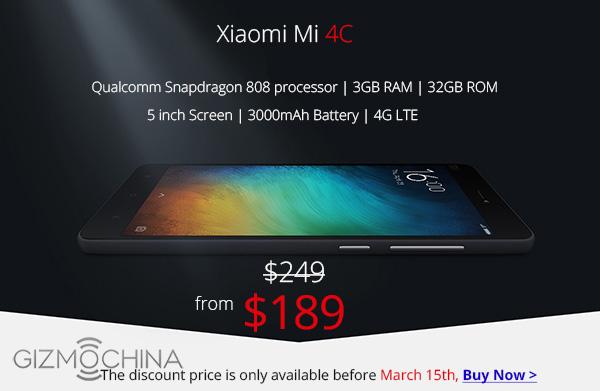
Xiaomi Mi 4C was released last year as the Chinese variant of the Mi 4i. But the Mi 4C featured much better specs as compared to the latter, making it a pretty good mid-range smartphone. While the phone used to retail for more than $250 on various third party sellers, now OPPOMART is selling the Xiaomi Mi 4C smartphone at just $189.99. Considering the specs that the phone features, the Mi 4C is actually a pretty powerful smartphone and at this price, it’s a good deal.
To recap, the Xiaomi Mi 4C comes with a compact 5-inch Sharp/ JDI display with 1920 x 1080 pixel resolution. Under the hood, the phone comes with the capable Snapdragon 808 hexa-core processor. This particular chipset powered many flagships of 2015, so its powerful enough for your day to day needs.
So, for $189.99 you get the 2GB RAM variant. If you are looking to buy the 3GB variant, you will have to shell out $50 more. There’s 16GB / 32GB / 64GB storage options available. At the back, the phone features a 13MP sensor with dual tone flash while up front, you get a 5MP front shooter. The Mi 4C supports 4G LTE networks and should support most European networks. The supported LTE bands include 1800 / 2100 / 2600.
Inside, you get a 3000mAh battery, which is decent considering the phone comes with a small 5-inch display. It supports dual SIM dual standby and measures 7.8mm in thickness. The phone runs on MIUI 7.
Overall, the Xiaomi Mi 4C is an all around mid-ranger and for $189.99, this is not a bad deal at all. There are two color options available, white and black and both the versions seem to be in stock right now. You can check out more details from the link given below.
With the advancement of mobile phone camera technology, home video cameras (camcorders) have pretty much become a thing of the past.
These days we all have a device in our pockets that is capable of capturing video almost instantly, but whilst we can all record videos on our phones it is not always the case that the video will look great.
The big differences between amateur looking recordings and more professional ones has a lot to do with how steady the recorder can be held.
For big professional video cameras a weighted and balanced rig is used, this ensures the camera is not affected by every small movement of the operator.
Some newer phones such as the Xiaomi Mi5 come with 4 Axis optical image stabilization, a system that compensates for user motion to give a much smother less jumpy recording.
The Gizcam Redfox has been designed to work with mobile phones and action cams to give you the steady recording that can make your videos look great.
Gizcam Redfox is available in 2 variants for Smartphones And Action Cameras
The mobile phone version of the Gizcam Redfox weighs in at around 430 grams, whilst the action cam version comes in at just under 100 grams less at 338 grams).
Part of that weight is made up of a 3,000mAh battery, that has enough juice to run the Gizcam Redfox for around 10 hours, the Redfox can also function as a power bank to keep your phone or action camera charged up.
Gizcam Redfox features three different modes
Pan following mode-
Locks tilt and roll axes – The camera pans to follow the handles direction.
Locking mode –
Pan – Roll – Tilt are all lockable
Pan and tilt following mode
Locks the roll axis the camera follows the pan and tilt motion of the handle.
Degrees of movement
Construction
The Gizcam Redfox is made from light weight aluminium
Gizcam Redfox smartphone compatibility list, the following phones are confirmed working by the manufacturer, but it should also work with the vast majority of android phones available.
iPhone 5s
iPhone 6s
iPhone 6s Plus
And is currently on sale at just $220.99 available from Amazon here
Gizcam Redfox action camera is confirmed to work with the following action cams, but it is likely that it will also work with many other similarly styled action cams available from china.
And is currently on sale at just $230.99 available from Amazon here
So what do you think? are you looking to make great movies or home videos? can you see the benefits of the Gizcam Redfox? I am hoping to receive one soon to do a full product review.
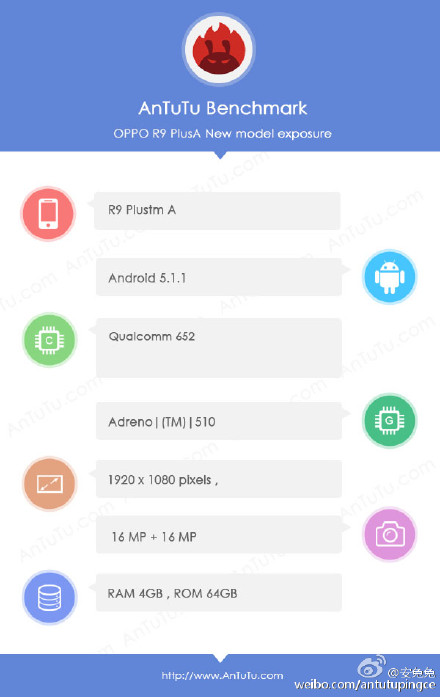
Not a day goes by without news about the upcoming OPPO R9 and the R9 Plus smartphones. Earlier, we reported that the upcoming OPPO smartphones could be quite costly in China, and now, the larger model in the lineup, namely the OPPO R9 Plus has been spotted on the benchmarking website AnTuTu. Thanks to the listing, we can once again confirm the specs of the device. Earlier, TENAA listing had revealed the internals of the device.
The model number as given by AnTuTu is R9 Plustm A, which indicates that this is the larger and more powerful variant. The listing further confirms that the OPPO R9 Plus will come with Qualcomm Snapdragon 652 octa-core chip. While this chip isn’t as powerful as SD820, it’s still powerful enough to drive a flagship smartphone. Further, the Adreno 510 GPU will ensure that the phone’s graphics performance is up to the mark.
Other features are just as revealed by TENAA. So, there is 4GB of RAM on board along with 64GB of internal storage. While AnTuTu doesn’t reveal the display size, TENAA confirmed a 6-inch 1080p screen on the device. Another interesting information revealed by the listing is the camera up front. As you can see in the listing, the R9 Plus will feature a 16MP front-facing shooter, which should capture great selfies. The rear camera will also be the same 16MP sensor.
While these look like pretty decent specs for a 6-inch phablet, what we are really concerned about is the software on board. Android 5.1.1 on a 2016 flagship? We don’t think so. OPPO may not be so frequent with their Android updates, but we hope that the retail version of the OPPO R9 Plus ships with the latest Android 6.0 Marshmallow on board.
With these specs, the phone managed to score about 70K on AnTuTu, which is pretty decent. But it’s still below the deca-core Helio X20 which gets around 85K.
Now, coming to the pricing, a recent leak said that the phone could be priced at around 3499 Yuan which is a lot for such a device. It comes to around $537. That’s way more than the official $354 (2699 Yuan) price of the Xiaomi Mi 5 Pro.
We use cookies on our website to give you the most relevant experience by remembering your preferences and repeat visits. By clicking “Accept”, you consent to the use of ALL the cookies.
This website uses cookies to improve your experience while you navigate through the website. Out of these, the cookies that are categorized as necessary are stored on your browser as they are essential for the working of basic functionalities of the website. We also use third-party cookies that help us analyze and understand how you use this website. These cookies will be stored in your browser only with your consent. You also have the option to opt-out of these cookies. But opting out of some of these cookies may affect your browsing experience.
Necessary cookies are absolutely essential for the website to function properly. This category only includes cookies that ensures basic functionalities and security features of the website. These cookies do not store any personal information.
Any cookies that may not be particularly necessary for the website to function and is used specifically to collect user personal data via analytics, ads, other embedded contents are termed as non-necessary cookies. It is mandatory to procure user consent prior to running these cookies on your website.


























































































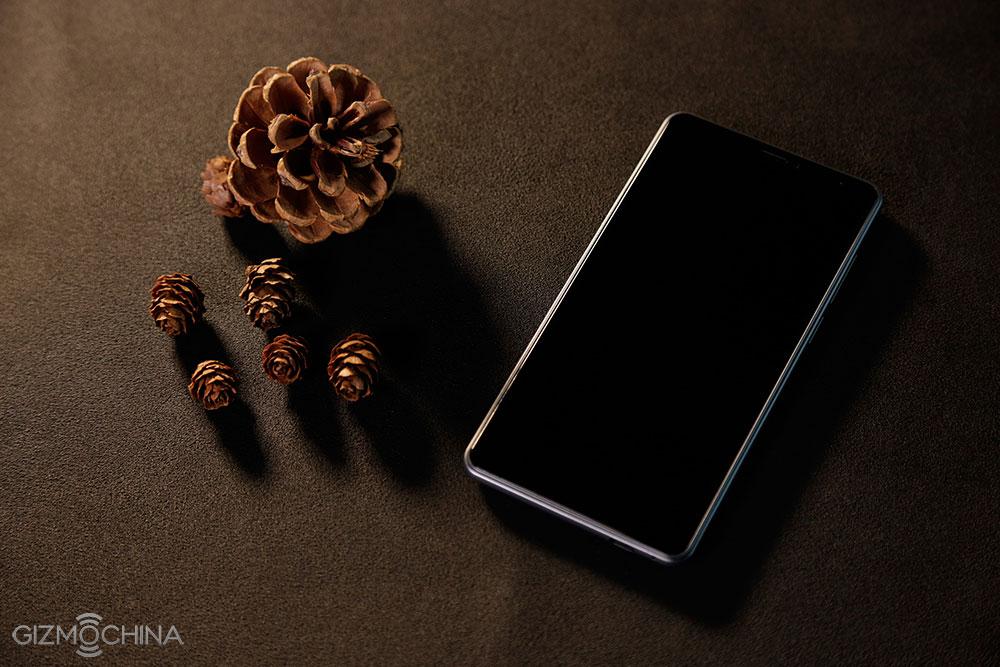
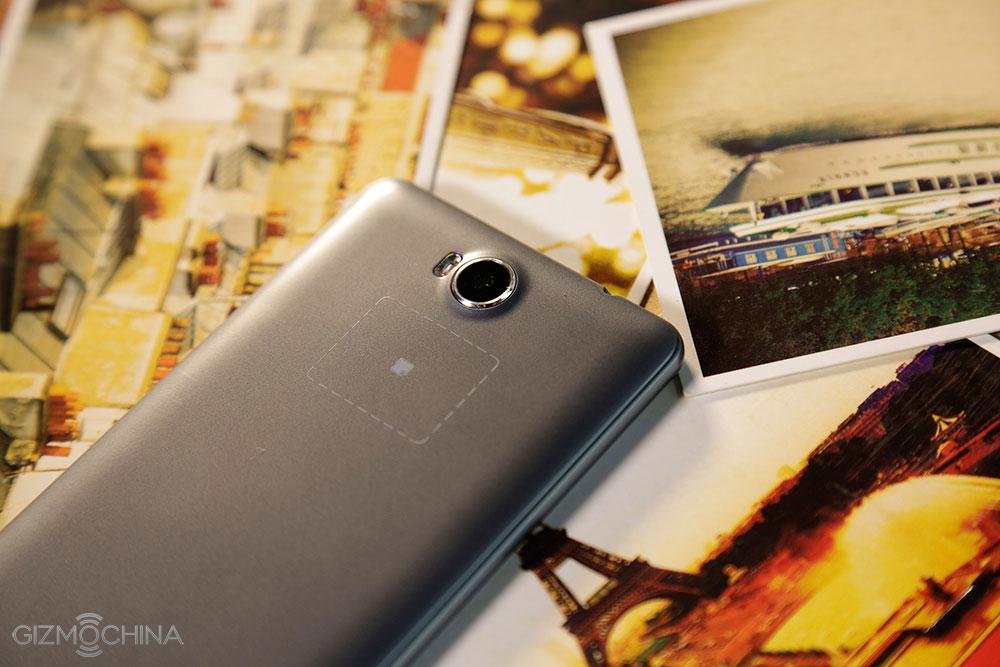 At the back, the Leagoo Alfa 2 comes with a 13MP Sony camera with AutoFocus f/2.2 aperture and dual LED flash. Up front, you will find a 5MP fast focus shooter with front flash and 71 degrees wide angle lens for your selfies. The phone comes with a 2600mAh removeable battery fitted inside a 7.5mm body. Connectivity features include 3G, 802.11 b/g/n Wi-Fi, Bluetooth 4.1 and GPS. As for software, the Alfa 2 comes with Android 5.1 with Leagoo OS 1.1 on top. Other features include support for 12 smart gestures, double click to wake, Beauty camera, back touch etc.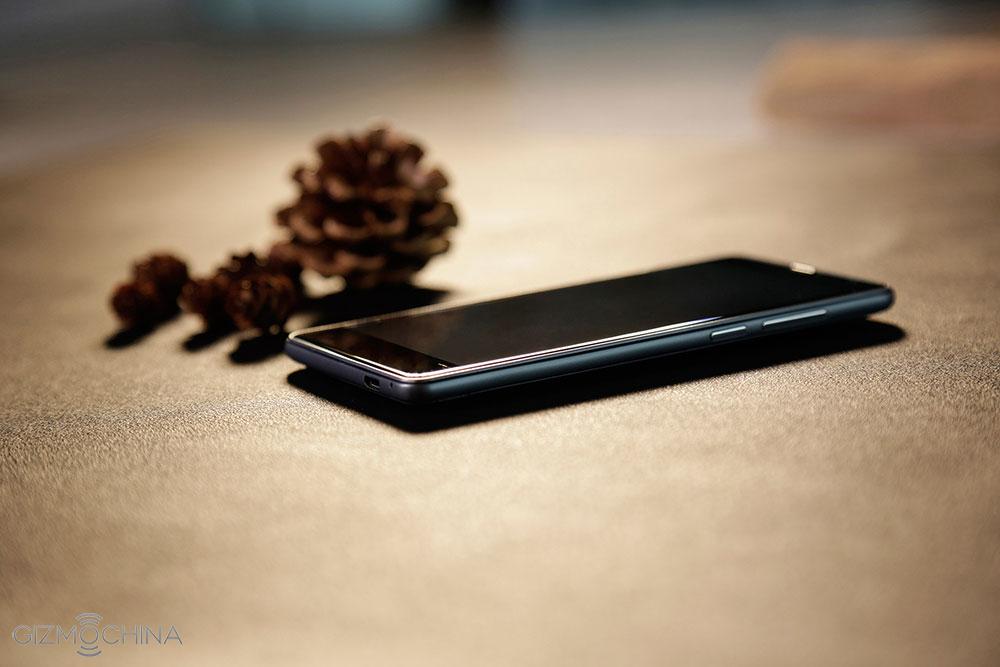
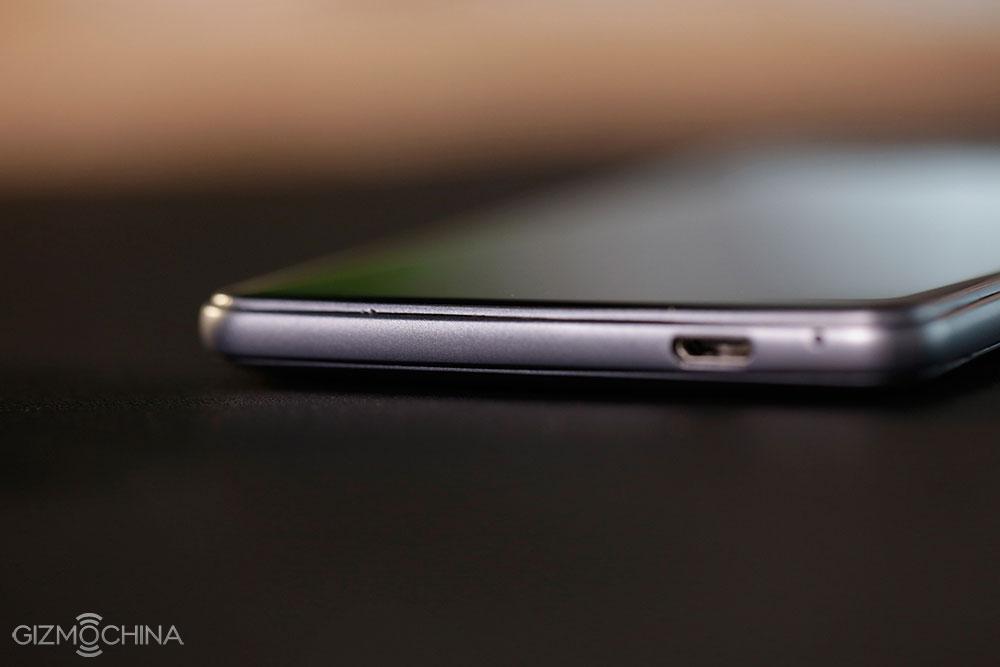





 With the advancement of mobile phone camera technology, home video cameras (camcorders) have pretty much become a thing of the past.