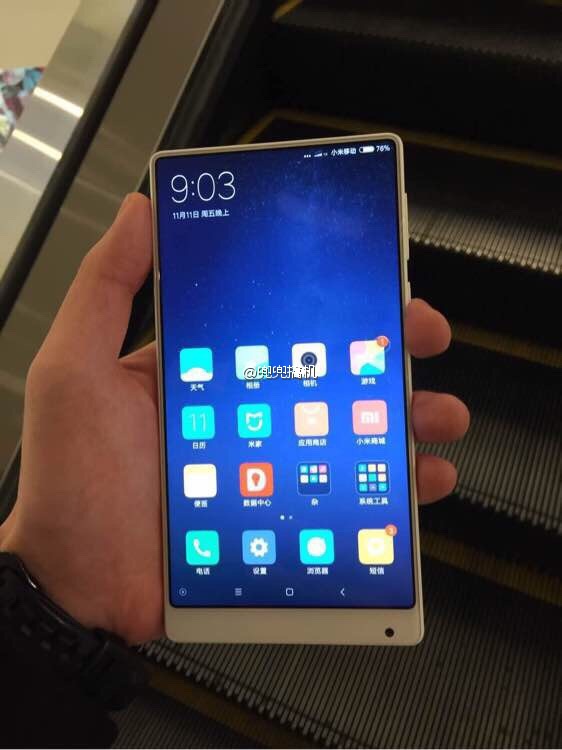
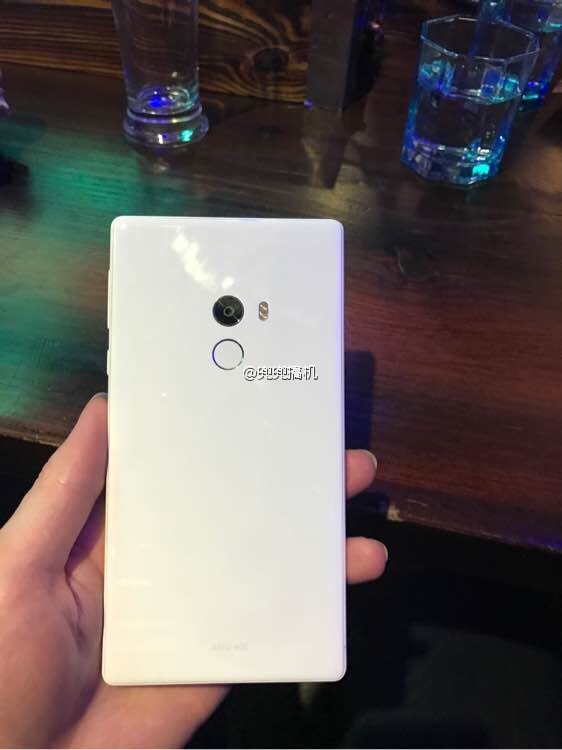
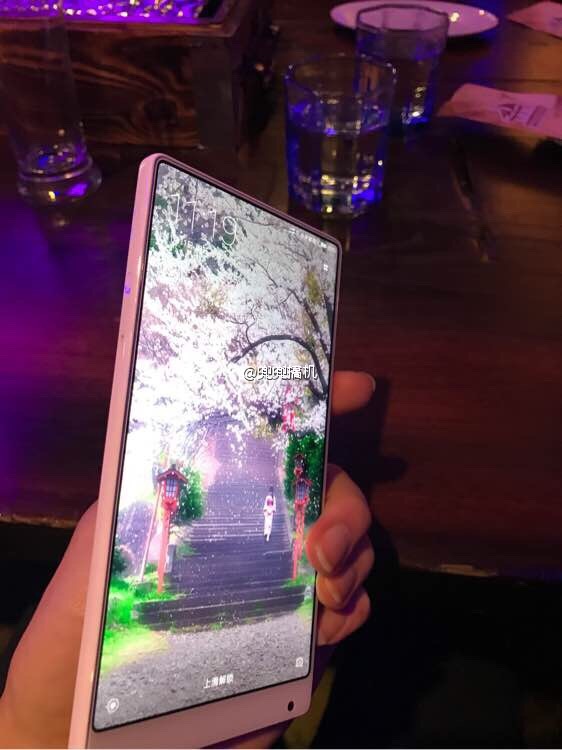
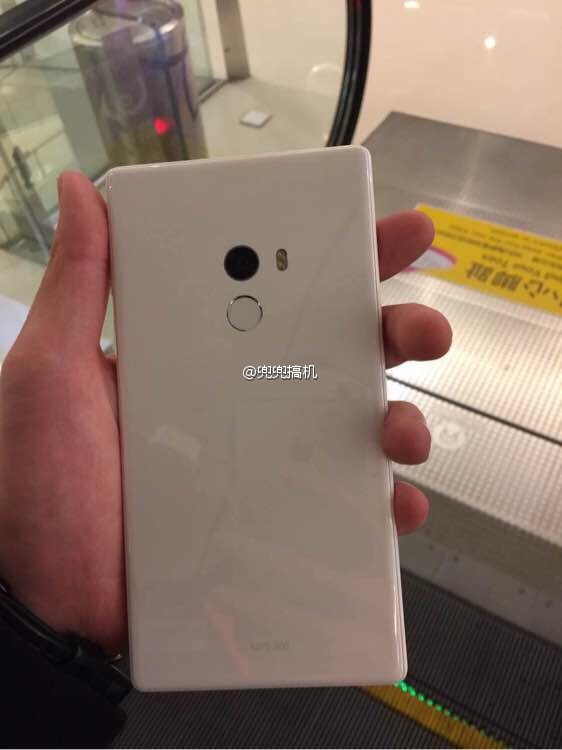
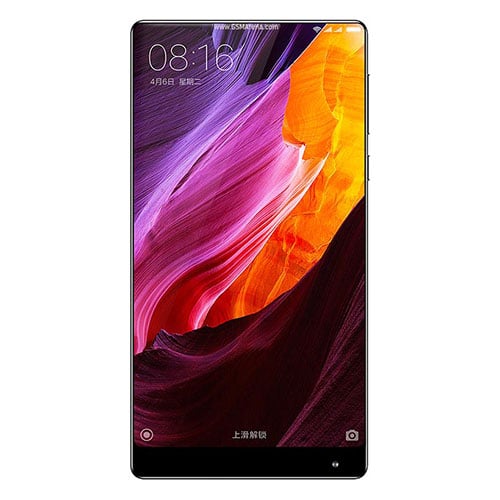
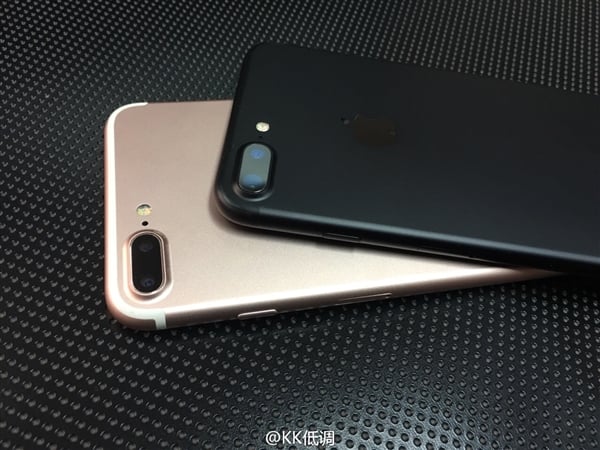
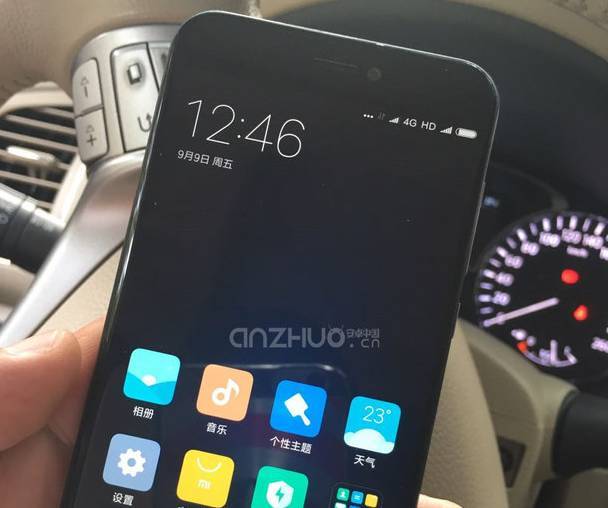
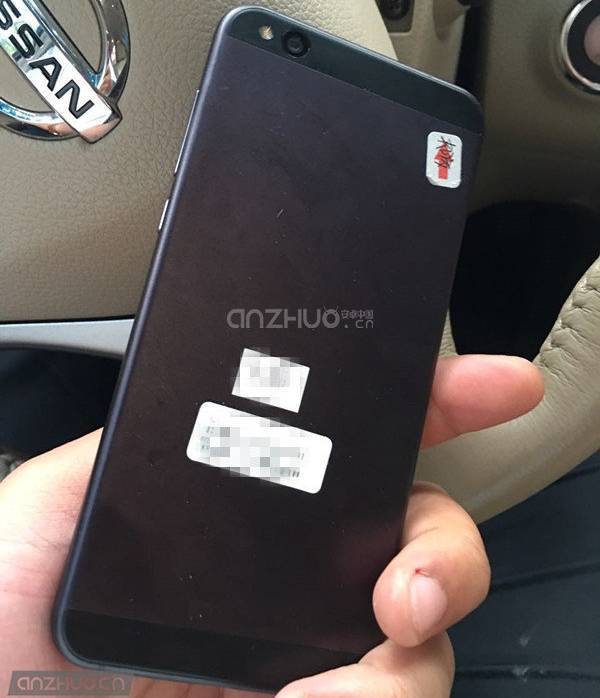
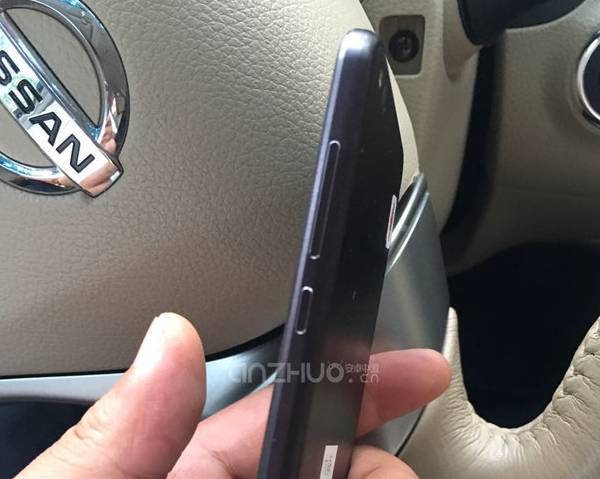
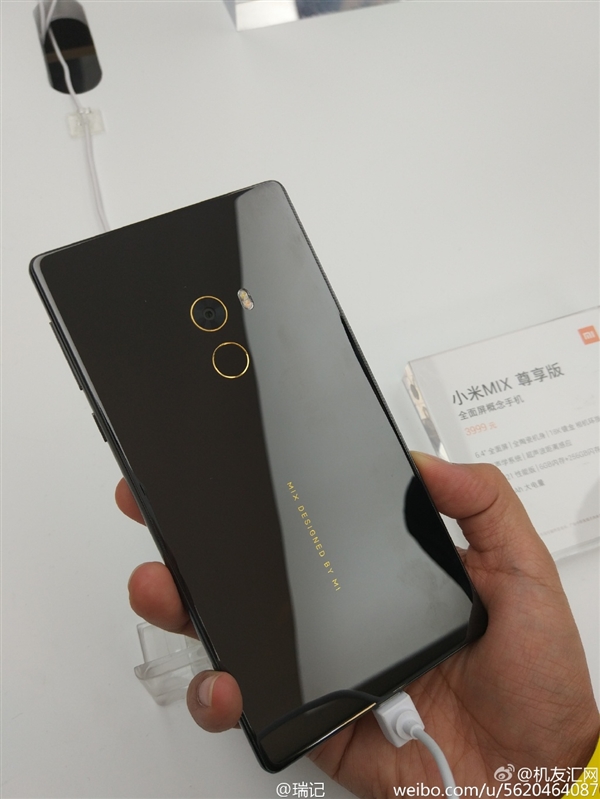
The Xiaomi Mi MIX is a ”concept phone” that you can buy. It is a bezel-less 6.4” phone with a Sharp display that fits in your palms like you are holding a 5.5-inch phone. It is a beautiful phone that will turn heads every single time but its only available in black or so it seems as leaked photos of a white Xiaomi Mi MIX have surfaced online.
The white unit is no different from the black. It should have the same RAM and storage as the black version unless they decide to make it a 6GB RAM exclusive. There is still a Snapdragon 821 chip, a 16MP rear camera, a 5MP front facing shooter, and a 4400mAh battery with Quick Charge 3.0.
The white ceramic will also break the same way as the black and like most white phones from Chinese manufacturers, that ugly black line that runs across the edges of the display are visible. Apart from the above mentioned downsides, everything else should be fine and it should still turn heads.
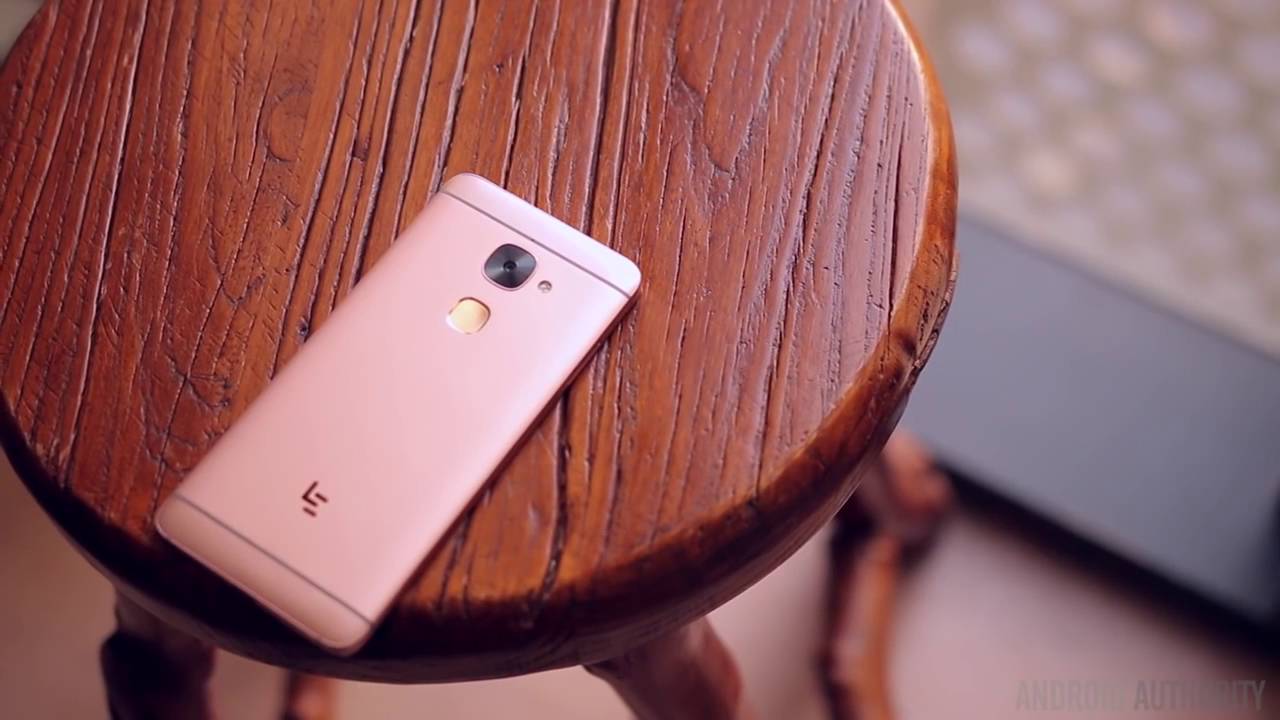
LeEco Max 2, might be the best buy for the money you spend as for just above 200$ you get a Snapdragon 820 power house under a 5.7″ 2K screen in a very well crafted metal unibody. 4GB Ram is more than enough for all of us. LeEco’s bootloaders are easy to unlock and being a popular phone there are many developers who are developing or porting custom roms. Here we open the door to custom rom world. To be able to flash a custom rom ( or even a stock rom, we will do it in this guide) we need a custom recovery first and that custom recovery is Twrp mostly. These things are not so hard on paper if you are an experienced user. You just need to read carefully all the steps and use right files of course. What if something goes wrong ? You can end up with a hard bricked phone in your hands that can’t boot anymore, no sign of life. Why ? Because you messed up your phones boot partitions or its partition table. That failure can only be fixed if you have service rom of your model. I mentioned in my Xiaomi unbrick guide, for some models these roms are very easy to find, all “fastboot” roms for Qualcomm Xiaomi models are also service roms with all necessary key files to unbrick in them. For phones like LeEco Snapdragon models that service roms leak after a couple of months. Today we will learn how to unbrick/rescue our dead LeEco Max 2 X820’s that we finally have service rom in our hands.
We won’t be using Qfil Qualcomm flasher this time, we will use a program called “FlashOne1.9”, I don’t know the developer of this software but a very big thanks to him that it makes flashing much easier than Qfil, it still uses inbuilt Qfil of course but with less clicks and easier GUI.
STEP 1:
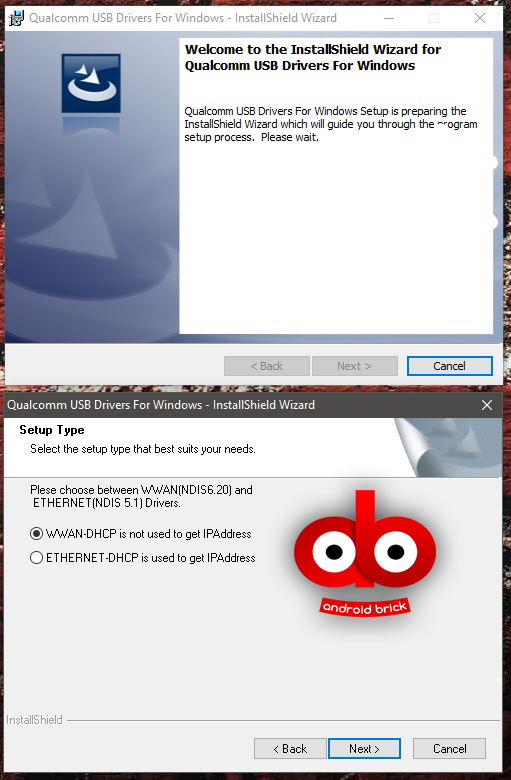
This rescue operation is not only for hard bricked Max 2’s, you can use this method to return of a stock “unlocked” developer rom too, your phone is booting but stuck at the logo or for any situation that you want to fix. Thanks to LeEco we can open our service/EDL port very easily with a key combination (even dead brick). Just press volume + and volume – buttons together while powering up, phone will get into EDL mode. After that step 1 is to install our Qualcomm QDLoader 9008 driver, it’s a signed driver so no need to disable driver signature of Windows OS. Just double click driver package,
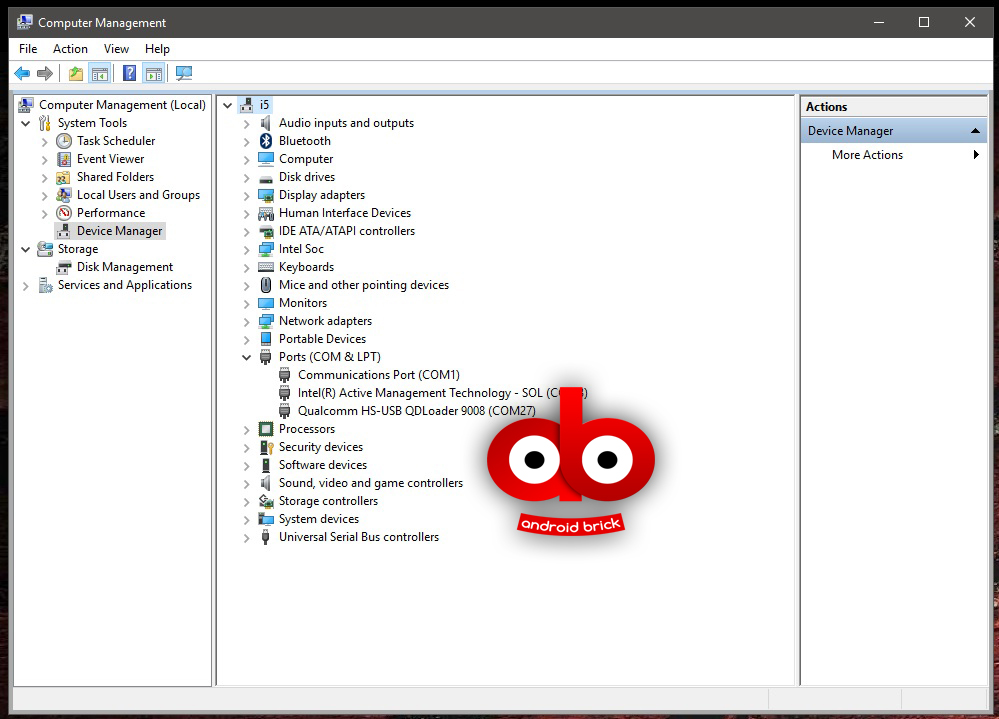
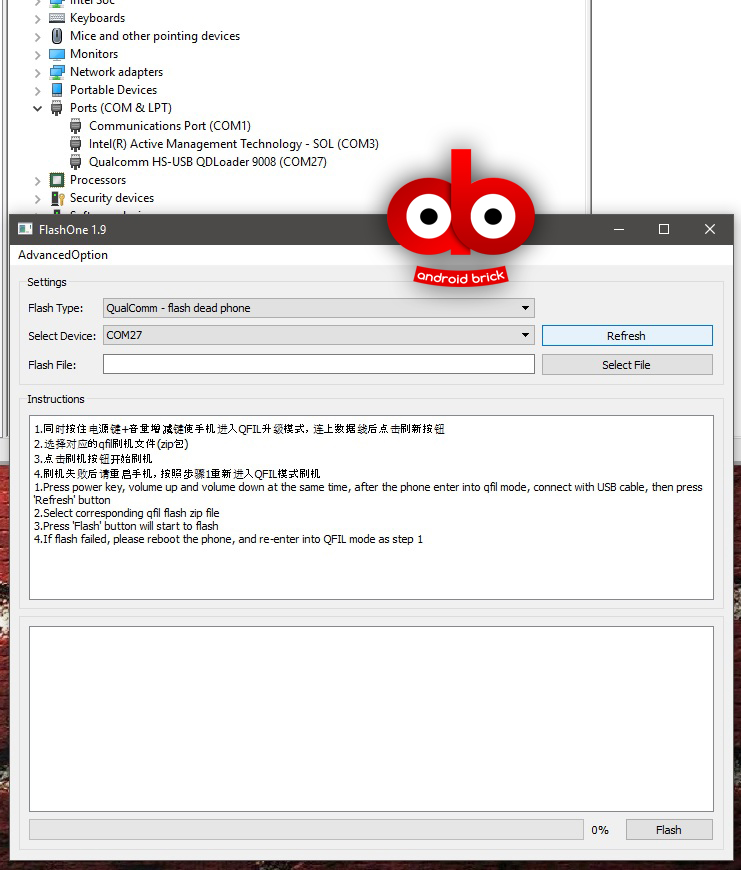
Choose WWAN or ETHERNET in this window, it’s not important which one to select, and finish the installation. You should see your Qualcomm QDLoader 9008/EDL (emergency download) port after under “ports” tab in your device manager. It is COM27 in my example.
STEP 2:
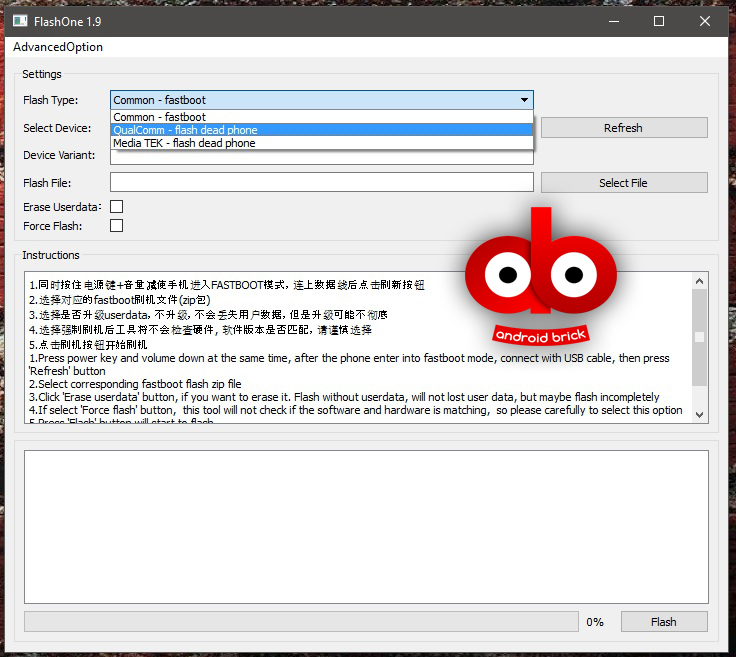
Unzip FlashOne 1.9 file that you have downloaded anywhere you want and double click the “main.exe” inside the folder. First, choose “Qualcomm – flash dead phone” from the drop down menu next to “Flash type”.
Then click “Refresh button” next to “Select Device”, your 9008 port will show up.
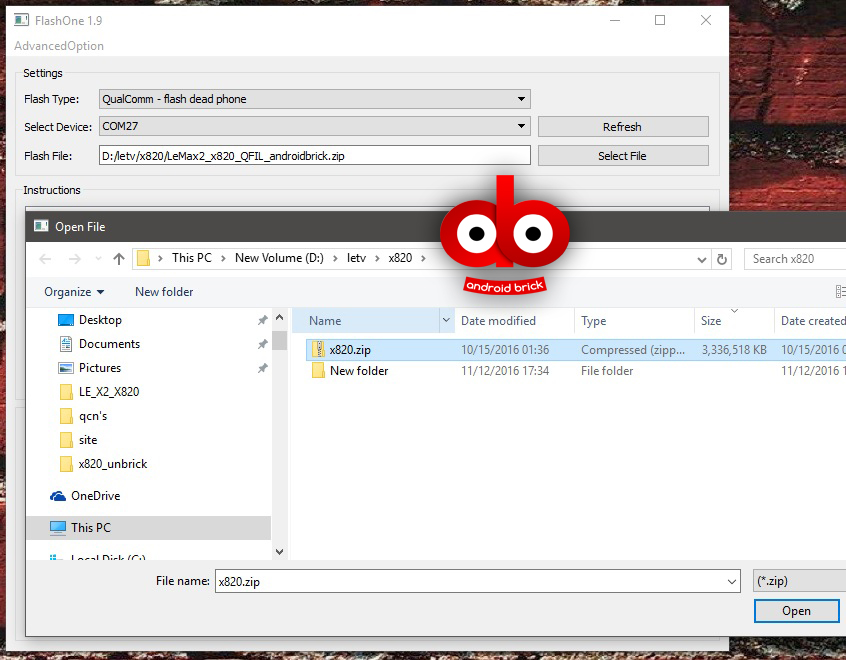
Next, we will browse for our Qfil/service rom by clicking “Select File” and choose the rom file you have downloaded before, no need to unzip it, the flasher will do it.
After everything is set up under “Settings” we are ready to click “Flash” button.
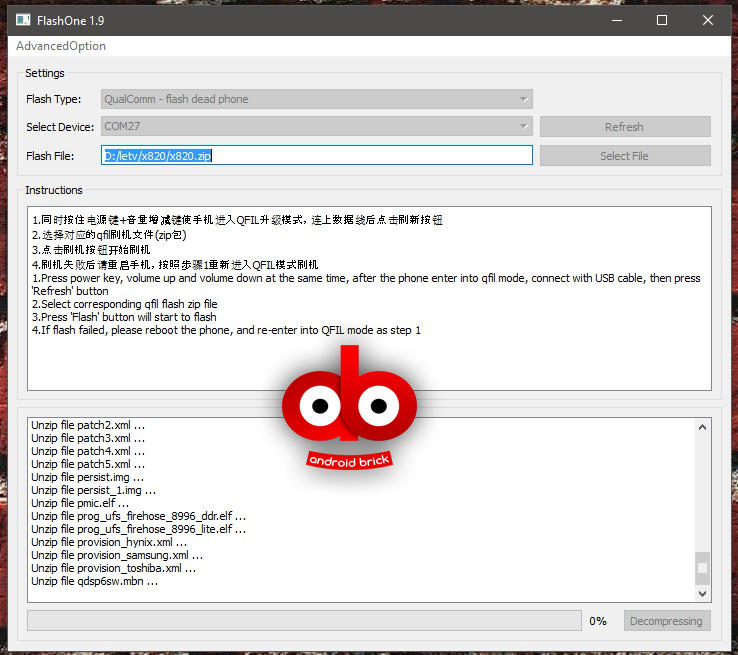
After you click flash button, FlashOne will start to unzip the rom, this will take minimum 10 minutes or more depending on your PC’s power, so you are free to go and make a coffee in between, or your cup of Earl Grey if you are a tea guy like me 🙂
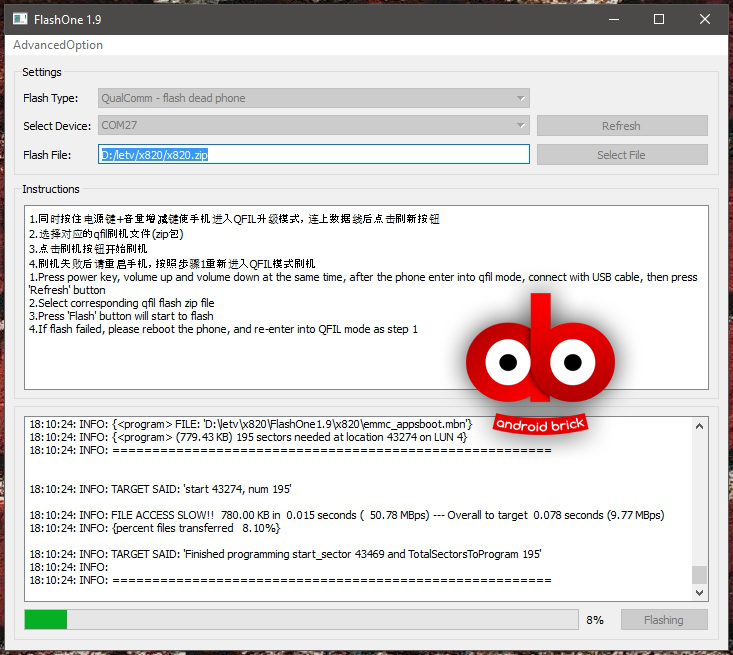
After decompressing is done, the actual flash procedure will start.
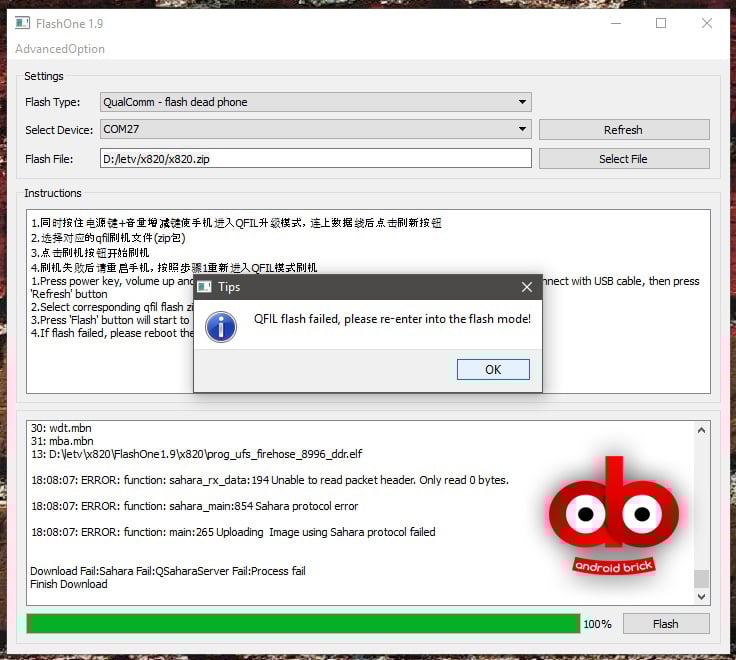
If you get an error like this, just put your phone into EDL mode again by pressing both volume buttons and power buttons (hear the USB unplug and plugged sound), then click the flash button again, choose “not to unzip” the rom file this time because it’s already done.
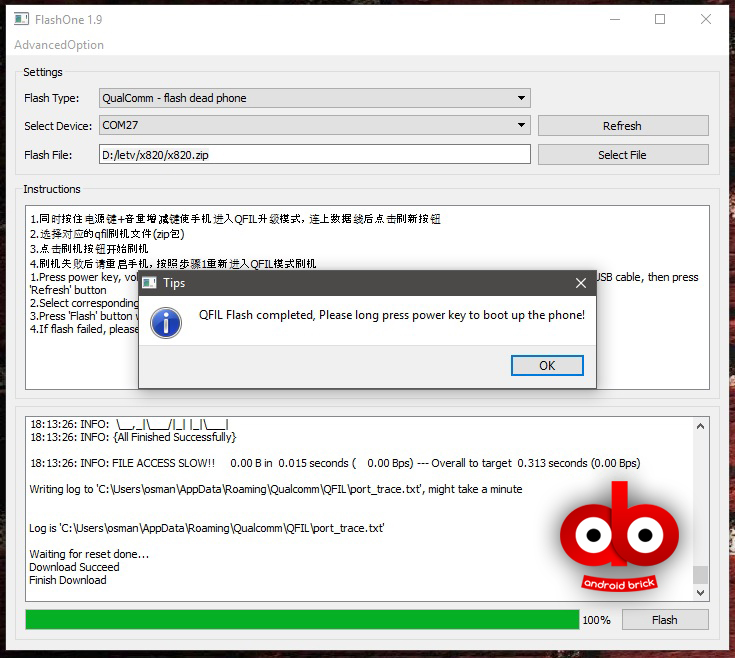
Done! Wait for about 10-15 seconds after you see this message, if your x820 won’t power itself and reboot, do as the message — long press power button to reboot it manually.
Your Max 2 will boot with a developer version of EUI, with an unlocked bootloader.
STEP 3:
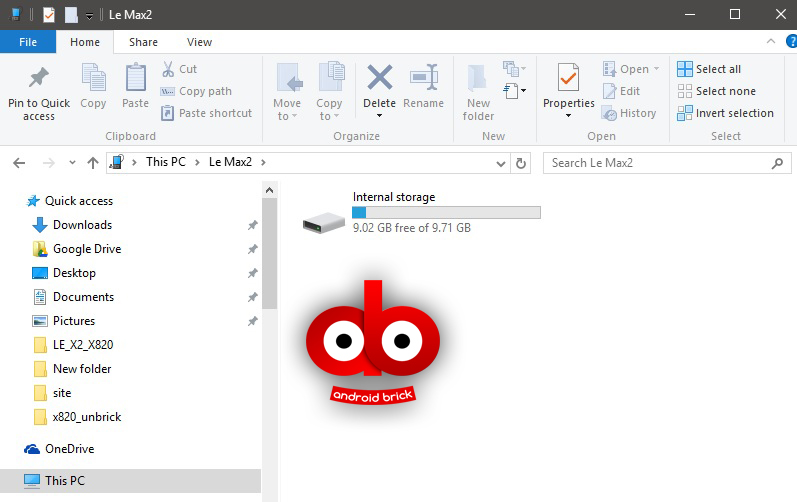
After your phone boots, you will see that its storage is abnormally 9.71 GB, to fix this just factory reset your phone choosing the option “Format Virtual SD card”. The File system will be restored to normal values.
STEP 4: (Optional)
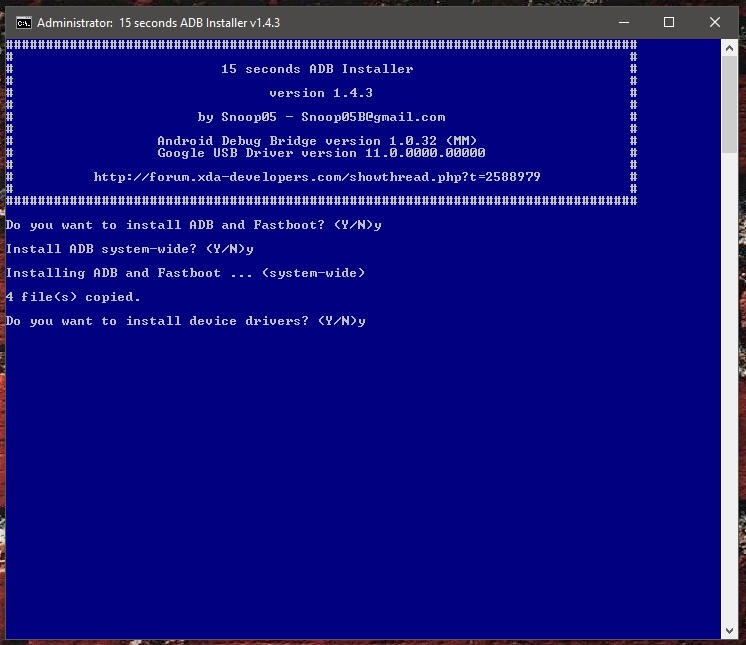
“Official TWRP 3.0.2-0 for LeEco Max 2 x820” — Download this custom recovery and Snoop05’s “adb setup“. Install adb and fastboot to your system if you haven’t done it before, choosing “Yes” in every step including “install device drivers” too.
Put your Max 2 into fastboot mode while pressing volume “-“ and powering up.
Unzip twrp to any folder you want, go to that folder, right click holding down “Shift” key on your keyboard and choose “Open command window here“.
Type :
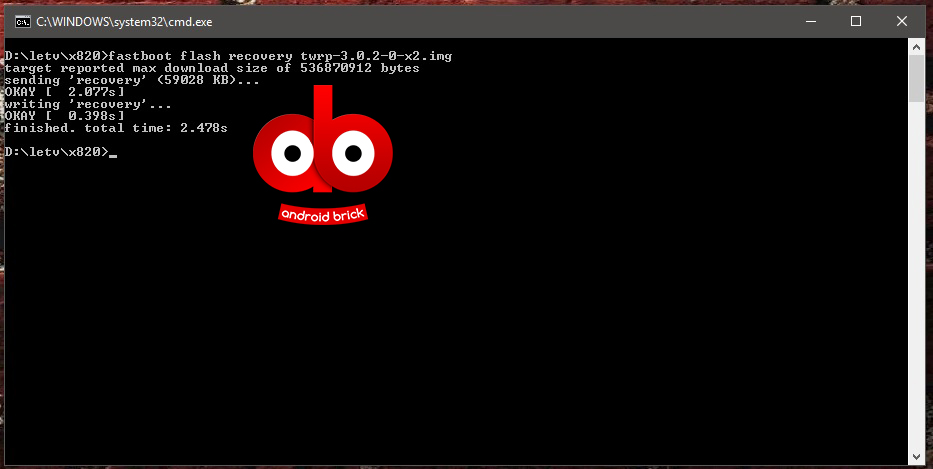
fastboot flash recovery twrp-3.0.2-0-x2.img (copy from here and paste to command window > right click > paste )
And press enter. Reboot your phone into recovery while pressing volume “+” button and long pressing power button till it reboots. You will see TWRP screen, thick “Never show this screen during boot again” and “Swipe to Allow Modifications”.
That’s all folks. You are ready to flash any stock or custom rom to your LeEco Max 2 now. Here is the latest 5.8.019S (Stable) official rom, it’s multilanguage and Google preinstalled.
The Xiaomi Mi Mix has been on sale for about two weeks now and those who were able to snag a unit during the extremely short flash sales have started receiving their phones.
The Xiaomi Mix is a fragile phone and this is due to its lack of bezels on three sides and its ceramic body. So you have to be very careful if you own one as chances of it surviving a drop is very slim. So at what height does the Mi Mix crack? YouTuber, JerryRigEverything has decided to find out for us in his drop test.
First he mentions that in his durability test of the phone, the Mi Mix’ ceramic body is pretty strong, scoring almost 8 on the scale of hardness. The first drop test is from a height of 6 inches and the Mix survives without a scratch. The second drop test cranks it up to 1 foot and it still doesn’t shatter even though the fall causes it to bounce off the concrete and flip over.
The straw height that breaks the Mix’s back is 2 feet and to be honest it may have survived the fall if it had landed face flat and not on the top right corner. The fall chips out the ceramic and leaves two cracks that run across the whole length of the display.
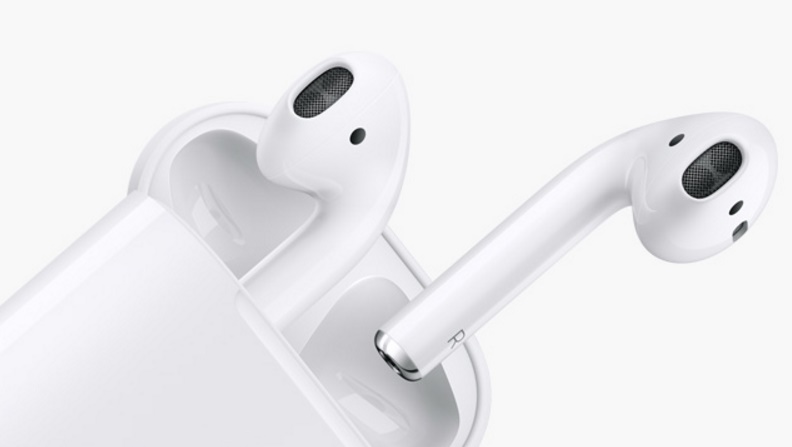
Apple eventually removed the earphone jack from their new phones and in typical Apple fashion, they announced a pair of expensive wireless in-ear earphones called Airpods that you can purchase for your phone.
While we don’t want to start on how ridiculous the Airpods look, we’d rather talk about the availability. The Apple Airpods are not yet on sale, if you check the Apple store it is listed as unavailable. But that doesn’t mean you can’t get your hands on it, that is if you are comfortable buying knock offs.
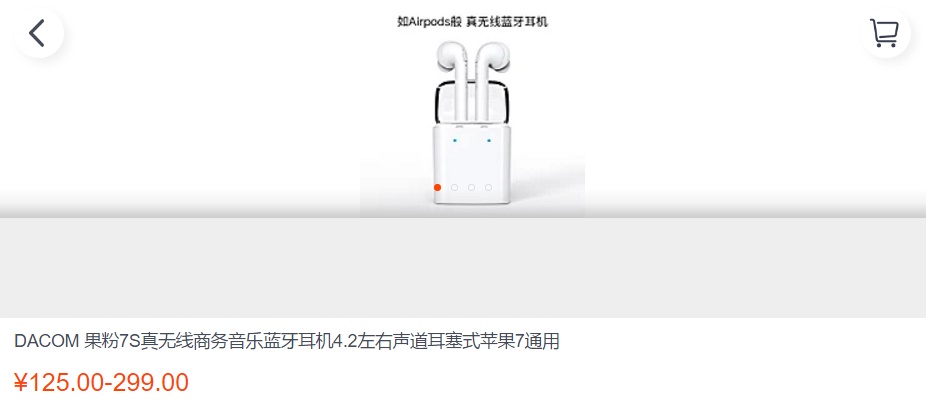
Chinese online mall Taobao has a pair of Airpods look alike made by a manufacturer called Dacom that are priced between ¥125-¥299 (~$18-$43) which is way cheaper than the ¥1095 ($159) Apple is asking for.
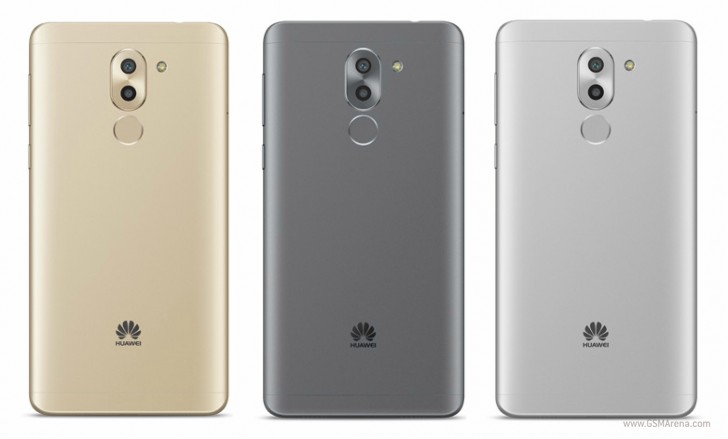
I do not remember who started the trend of releasing a smaller version of a flagship phone but my earliest memories of that trend comes from Samsung. Their flagships like the Galaxy S3, S4, and S5 all have mini variants which are not only smaller but have watered-down specs. Huawei does the same thing too but uses the word ”Lite”, and in what can be regarded as little or no fanfare at all, they have released the Huawei Mate 9 Lite.
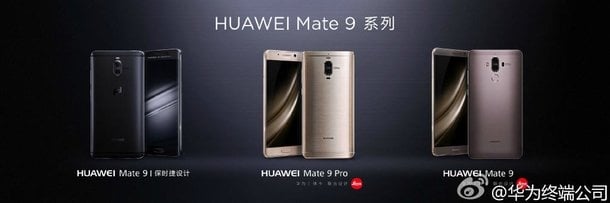
The Mate 9 Lite is the Mate 9 for those on a budget. It has a metal build and a 5.5” 2.5D screen like the Mate 9 Porsche Design and Mate 9 Pro but lacks a 2K resolution, instead it settles for 1080p. There is a Kirin 655 chip under the hood paired with either 3GB RAM + 32GB ROM or 4GB RAM + 64GB ROM.
Huawei has also retained the dual camera setup on the rear. However it is a 12MP + 2MP combo that doesn’t have Leica’s branding. The 12MP sensor has 1.25nm pixels and PDAF. It does the bulk of the work while the 2MP sensor captures depth information. There is an 8MP shooter in front for selfies.
The Huawei Mate 9 Lite has a fingerprint scanner on the rear, a 3340mAh battery, runs Android Marshmallow out of the box and doesn’t even get EMUI 5.0. While it is too early to say, the chances of it being upgraded to Nougat are slim but might get EMUI 5.0 though. I guess toning down the software is also part of the ”lite” definition.
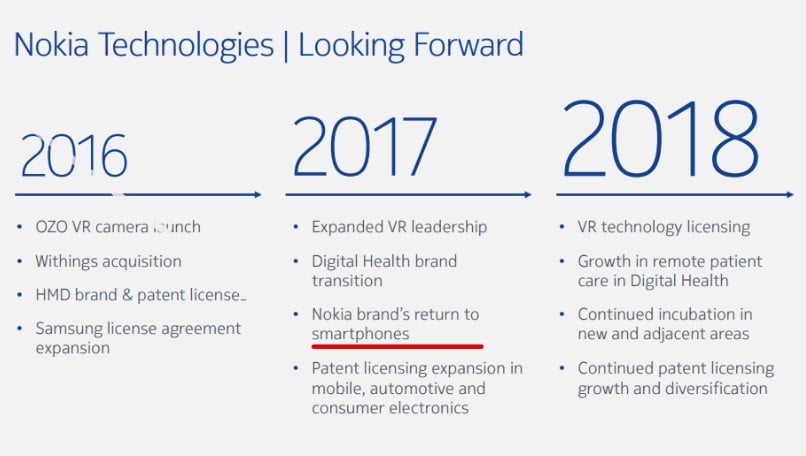
News of Nokia’s return to smartphone manufacturing has been going round for a while but the company didn’t confirm when that would happen, not until a few days ago during an event.
The former tech giant has an annual event called Capital Markets Day (CMD) where they review the company’s strategy, operations, and financial targets. This year’s edition was held in Barcelona and a slide shown at the event states that 2017 will be the year of (the) ”Nokia brand’s return to smartphones”.
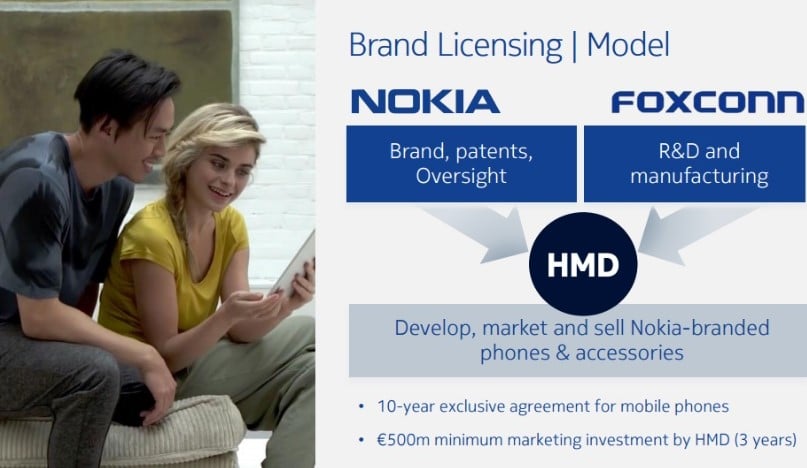
Like previous rumors have already stated, Nokia would not be making the smartphones itself but it will be working in collaboration with Finnish company, HMD Global, and Taiwanese company; Hon Hai Precision Industry Co, which we all know as Foxconn.
Nokia will provide patents which HMD will use to develop, market, and sell Nokia-branded phones and accessories. Foxconn on the other hand will handle manufacturing and research and development (R&D). The agreement will run for a period of ten years after which they might decide to renew it or end it.
The first Nokia branded smartphone expected to be released next year is the Nokia D1C which showed up on Antutu and Geekbench a few months ago. The D1C is expected to launch with Android Nougat, an unconfirmed screen size with a 1080p resolution, 3GB of RAM, 32GB of storage, and a Snapdragon 430 SoC.
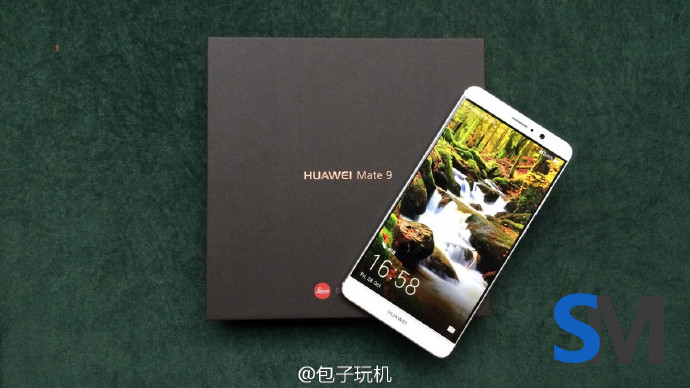
Renowned e-commerce outfit Oppomart is offering the Huawei Mate 9 flagship device for a price starting at $559 for the 4GB + 32GB version. Oppomart ships orders to any location globally so this isn’t a China-exclusive offer but one you can catch in on from wherever you are worldwide. What’s surprising is that the Mate 9 was launched in Munich, Germany a couple of weeks back clutching a massive $775 price tag for the same version.
The thing is the Mate 9 was again launched earlier this week in China, Huawei’s home country. Even though the specifications with Europe’s Mate 9 were similar, the device came in with a cheaper price tag than the one announced in Europe. You’ll agree it won’t be a bad idea to catch in on this cheap offer from Oppomart while it lasts. That is if you are very much interested in the sleek and well studded Mate 9.
There is nothing to worry about as the Huawei Mate 9 on offer comes with Full network support globally, including the 4G LTE global bands. So users will enjoy consistent call quality and a stable Internet connection with reduced power consumption and data usage around the globe. The Huawei Mate 9 as would be recalled, sports a mammoth 5.9-inch display and is powered by the latest Hisilicon Kirin 960 chipset which has been discovered to be way ahead of all the chip models around presently. The device doesn’t disappoint not only in the internals but also in the camera zone, packing a dual camera setup at the rear comprised of a 20MP + 12MP sensors. There is also a large 4,000mAh battery with SuperCharger despite the power efficient Kirin 960. So what you get is a powerful device which exerts less strain on the battery.
On top of all these, the Mate 9 runs an all new Android Nougat-based EMUI 5.0 with cool interface and attractive features onboard. Just like an old wine, Huawei touts the device as getting better and more efficient with time. Even at that, Oppomart still offers a one year warranty if you buy the Mate 9 and it covers repairs if need be. How about that?
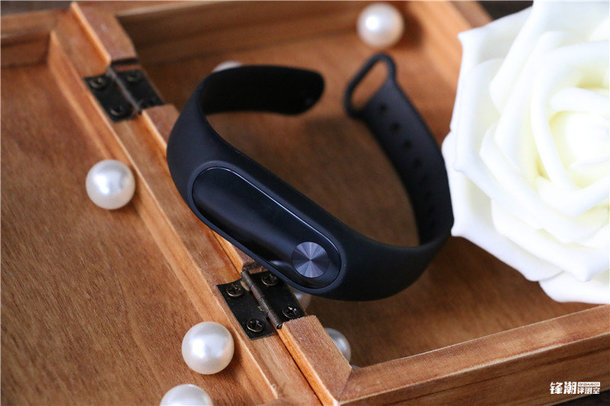
Xiaomi Mi Band 2 is one of the best selling smart bands in the market today. The device comes with great features which pretty have become standard among fitness trackers these days. However, it looks like a new feature is going to be added to the Mi Band 2.
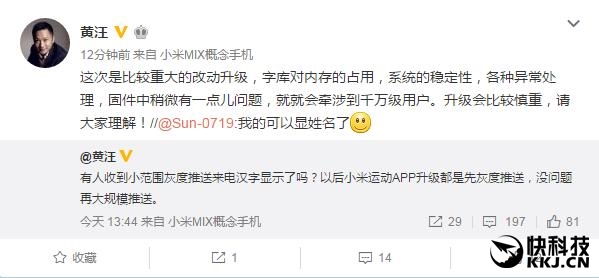
The CEO of Huami, the company which manufactures Xiaomi’s fitness trackers, just revealed on Weibo that Xiaomi’s wearable will receive a new update which will add support for Chinese characters. This will come in handy to add new features such as displaying the name of the caller on the band’s OLED display. Unfortunately, we still don’t know whether the company plans to update the Mi Band 2 with English characters, which if possible would be awesome, as there are millions of users outside China using this fitness tracker.
RELATED: Smartband F1: No.1’s first smartband better than Mi Band 2?
However, Huami’s CEO adds that the update may not be stable as adding Chinese font would take up some memory, so it looks like initially, the update would roll out to a limited number of users. If you don’t want to take the risk, it’s better to stay off this update until we see some feedback from updated users. The update rolls out from Friday i.e. today.
A tech analyst with KGI Securities, Ming-Chi Kuo has hinted that the upcoming Apple 2017 iPhone 8 flagship will likely feature dual cameras which on their own would have dual optical image stabilization(OIS).
Dual cameras are not customary to Apple device, found only on the iPhone 7 Plus and not on the iPhone 7. But the well-known analyst posits that Apple will re-engineer the 2017 flagship’s lenses to support optical image stabilization and auto focus as well.This he said will be to enhance the phone’s selling point because of the improvement it will bring to the photo quality and optical zoom range.
The iPhone 8 is rumored as having a version with 5.1- 5.2 inches OLED display in addition to the traditional 5.5-inch LCD display sporting one. Mr Kuo hinted that both versions will this time around feature dual cameras with dual IOS. However, there is also a 4.7-inch model which the analyst says will retain a single-lens camera but will also have optical image stabilization feature. The 6P and telephoto lens on all three new models are expected to be supplied by longstanding Apple supplier Largan Precision, according to the analyst.
The year is almost drawing to a close but that doesn’t mean the Chinese smartphone makers are taking their foot off the pedal just yet. We recently got feelers Meizu was working on a MediaTek P10-powered Meizu Note 5. Well, Xiaomi is also not left out as the company is reportedly working on a couple of devices, one of which is the Xiaomi Mi 5C.
The Xiaomi Mi 5C was first imprinted on our psyche in early October when we saw renders alleged to be of the device. Recall that we were also treated to renders and specs of a device code-named Meri on GeekBench and AnTuTu benchmarks sporting a self-developed Pinecone processor.. The latest report hints that the said Xiaomi Meri is in really, the Mi 5C.
The Mi 5C is in fact said to be a lower version of the highly popular Mi 5 which sported a sleek design. From the renders, the Mi 5C actually looks like the Mi 5 and without doubt, also look similar to the device code-named Meri.
The Mi 5C had earlier been rumored to come with an all-metal rounded body. The device also features the trademark oblong Mi button just under the display. There is a fingerprint sensor on the device which is embedded on the home button. The Mi 5C is also touted as having a 2.5D arc glass on the display with an entirely thin body build.
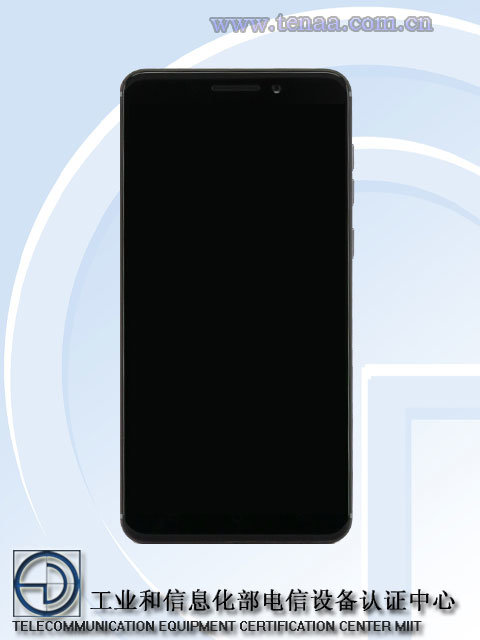
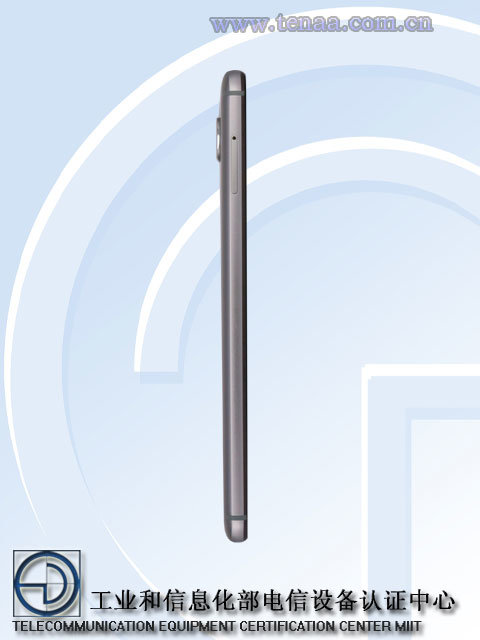
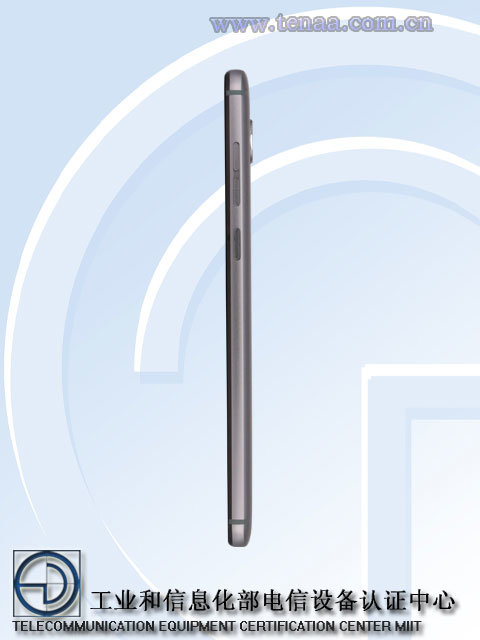
Coolpad and LeEco recently announced the Cool1 Dual smartphone aimed at the mid-range segment. Now, it looks like the collaboration is back with a new Cool device, as it recently passed through the network certification website TENAA.
From the design of this new smartphone, it looks like a variant of the Le Pro 3 that was announced by LeEco a while back. The back texture seems to be a bit different and the writing near the bottom now features Cool’s logo as well as ‘LeEco Inside’ tagline. Rest of the design is exactly the same as the Le Pro 3. The website reveals that there will be different color options like gold, white, silver, blue, black etc.
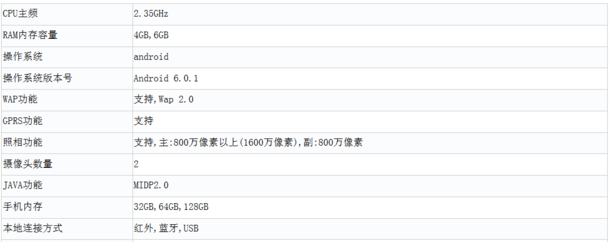
As for the specs, the new Cool smartphone will feature a 5.5-inch 1080p display with Snapdragon 821 (2.35GHz) inside and 4GB / 6GB RAM options. There will be three storage variants, namely 32GB, 64GB, and 128GB. Further, like the Le Pro 3, this new phone also features a large 4000mAh battery.
For camera, the phone will have a 16MP sensor at the back and an 8MP sensor up front. As for the software, it is running on Android 6.0.1.
There are no further details available about this device, but given that it has passed through TENAA, we can expect more info in the coming days. It will be interesting to see how different this Coolpad + LeEco flagship will turn out to be as compared to the Le Pro 3.
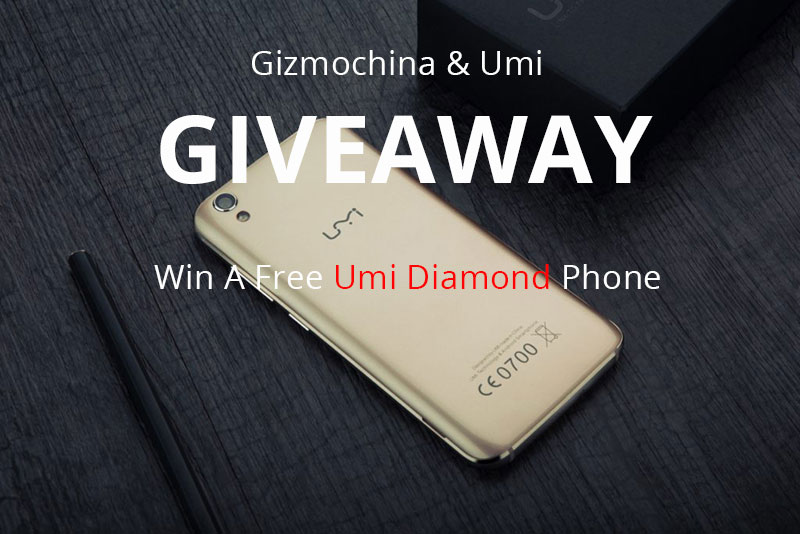
Gizmochina along with Umi official is conducting a Umi Diamond phone Giveaway to gift a brand new device to one of our lucky readers. Like always, you just have to follow the steps mentioned on the Gleam widget to get a chance to win this amazing smartphone.
As we know, the compact UMi Diamond is a 5″ device of HD resolution with a 2.5D glass on top. Its name is Dual T2X-1 glass and it allows it to better resist accidental bumps and scratches. In addition, the SoC is the Octa-Core MT6753 clocked at 1.5 Ghz, the RAM is 3GB and the internal storage has 16GB with support up to 128GB Micro-SD Card. Furthermore, the rear camera has an 8MP sensor and the front a 2MP one. The battery has 2.650mAh capacity with Android 6.0 Marshmallow preinstalled.
UMi Diamond vs the hard street life in this video:
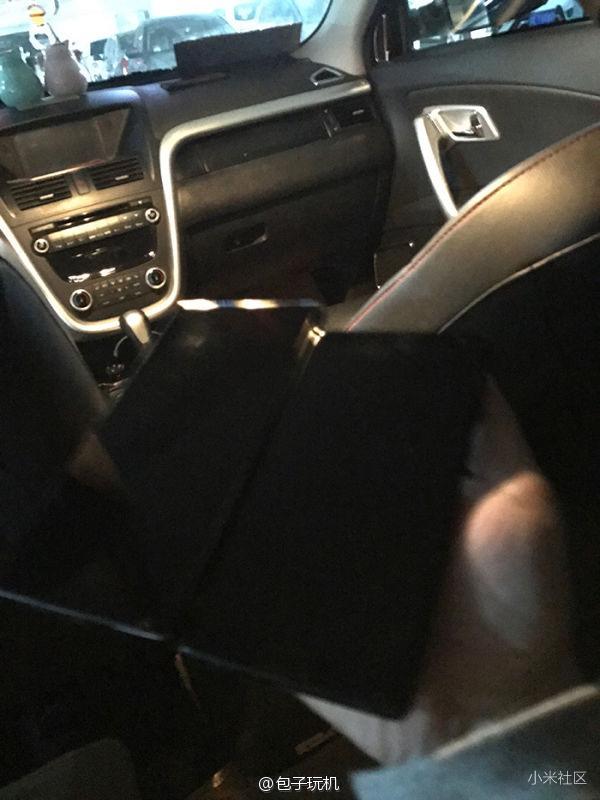
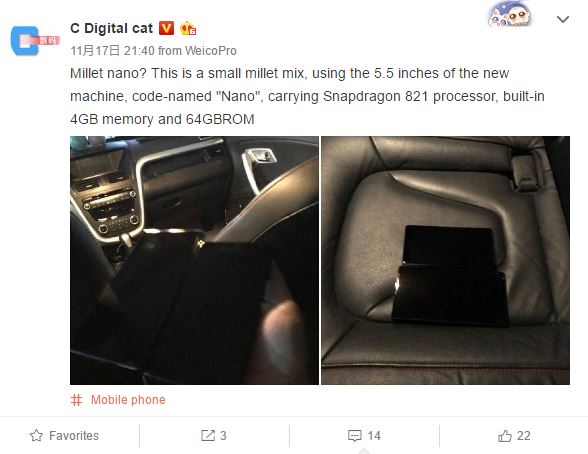
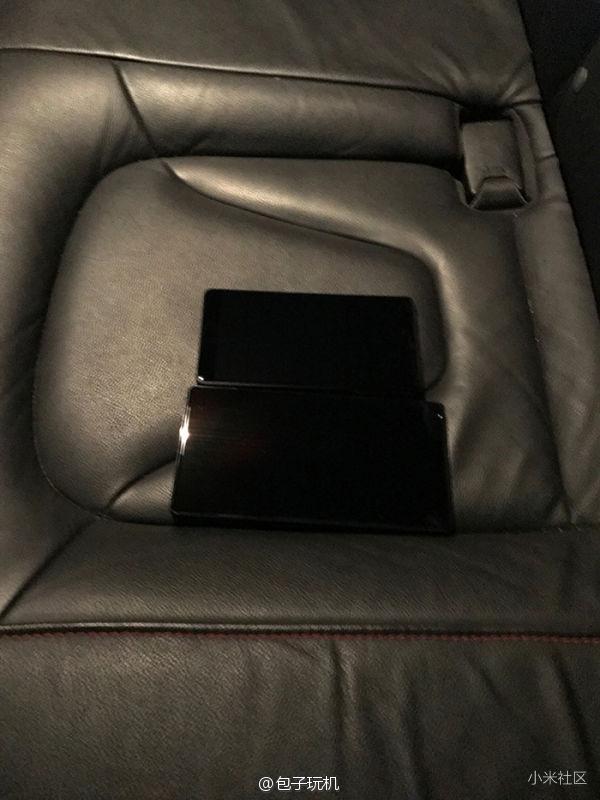
Xiaomi gifted us the Mi Mix and at the same time gave us the impression that the device was a concept phone that would be limited in production by the ceramic glass body it featured and the device is indeed scarce. Well, it seems the company is coming up with something to make up for the scarcity of the Mi Mix, as latest leaked renders suggest a Xiaomi Mi Mix mini version is allegedly in the works.
The renders, which we cannot verify their authenticity, seems to pitch the mini Mi Mix with the original Xiaomi Mix. The shots are a bit blurred or too distant to be able to make out in clear terms, the features of the device. But from the little we can see, the device seems not to possess any button on the display
According to the leak, the Xiaomi Mi Mix Mini goes by the code-name “Nano” and sports a smaller 5.5-inch display when compared to the 6.44-inch Mi Mix. The Mi Mix Mini is also rumored to come equipped with Qualcomm Snapdragon 821 processor which implies there is an Adreno 503 GPU onboard in addition to a Quad-core CPU. In addition, the Mini device is said to pack a modest 4GB RAM as well as 64GB of storage inside it.
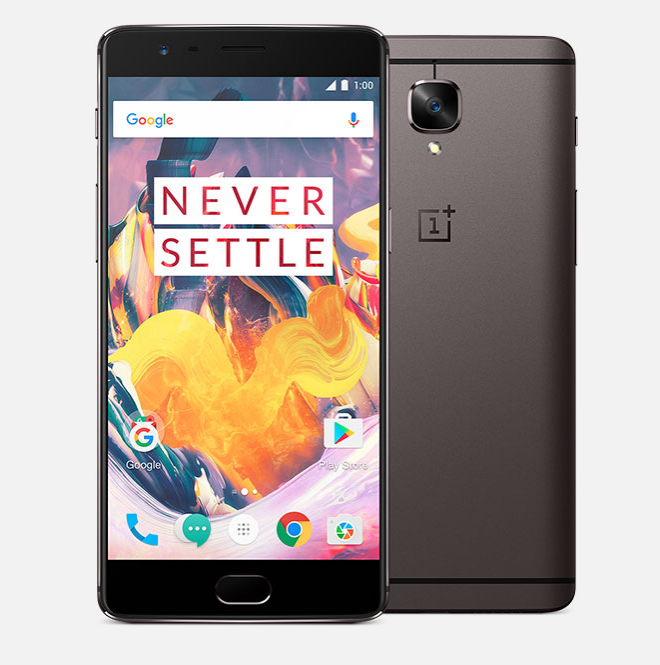
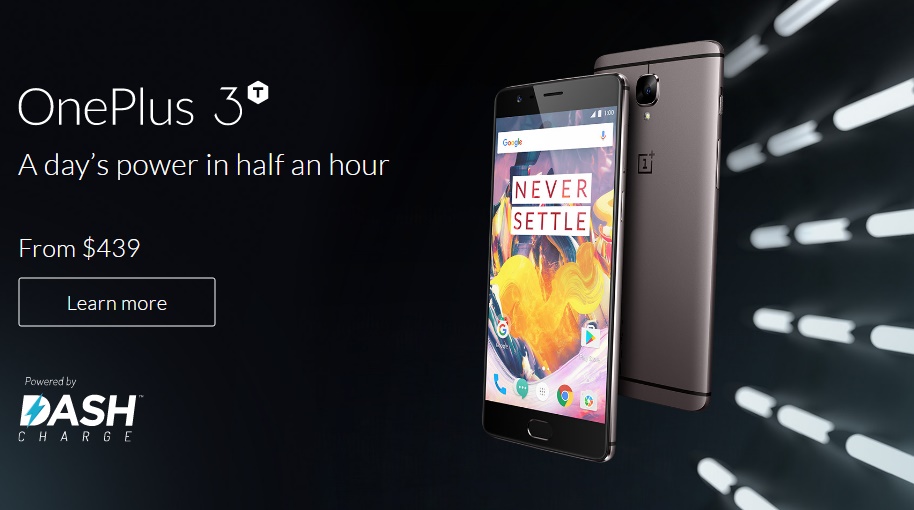
OnePlus’ latest smartphone was announced a couple of days ago and one disappointing feature is the Android 6.0 Marshmallow OS the device was still stuck on. The OnePlus 3T was thought to come running Google’s latest Android version but that did not end up happening. Not for long though, as OnePlus has indicated that it is planning to roll out Android 7.0 Nougat on the OnePlus 3T in December. The latest flagship will get the upgrade alongside the OnePlus 3 which had long been teased as getting Android N soon.
The OnePlus 3 will start receiving the beta version of Android N later this month but OnePlus has confirmed that the 3T won’t get that. However, that will not stop Android N update from rolling out on the 3T when the company starts pushing the update next month. The company also disclosed that bot the OnePlus 3 and 3T would get updates at the same time in the future.
The OnePlus 3T features just a slight upgrade in its hardware from that of the OnePlus 3, if not, both models are relatively the same phones, including the size (152.7 x 74.7 x 7.35) and the weight (158g). The new flagship comes with a faster Snapdragon 821 chipset, larger 3,400mAh battery as well as a more capable 16MP front-facing camera ideal for selfies.
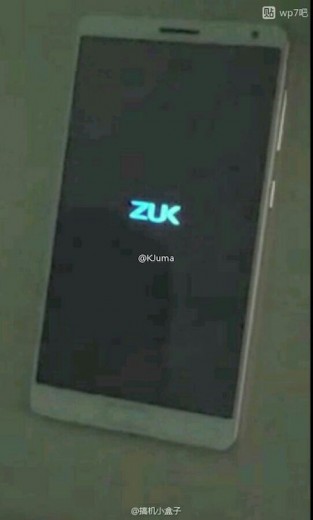
UPDATE: Another photo popped up yesterday, this time clearly showing off its ultra thin bezels.
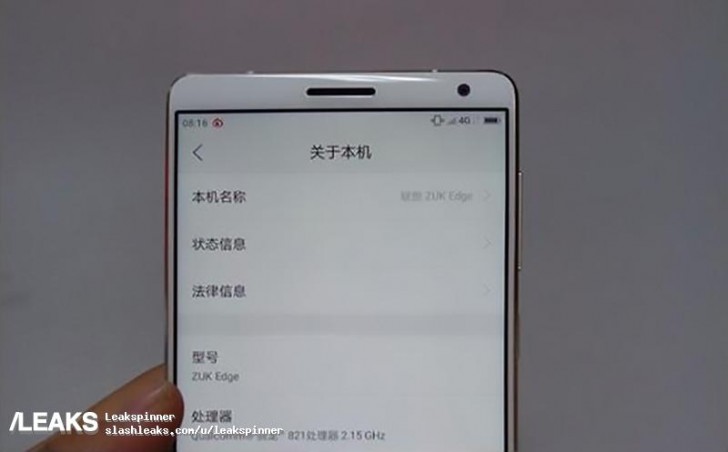
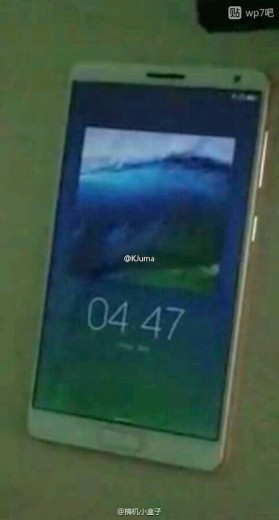
Yesterday, we reported that Lenovo-owned ZUK has a new phone called the ZUK Edge which might be released anytime soon. Today a leaked image of what is suspected to be the new device leaked online.
The new phone is called Edge and the general belief is that it should have a curved display, right? But surprisingly this phone doesn’t have a curved display. If we were to relate the name to it probably having no bezels like an edge-to-edge display, it still doesn’t fit as the phone still has bezels on all sides and the fact that this is a white unit also lets us see that black ugly bar that goes around the display. So why is the phone called the ZUK Edge? We have no idea.
However, one thing we can see from the image is that it sports a large physical home button. This is not surprising as the screen is said to be 5.5-inches in size, so using a large home button that can be easily reached irrespective of the size of the user’s hand is the right thing to do.
Qualcomm has announced the much anticipated Qualcomm Snapdragon 835 chipset which will start hitting flagships from early 2017. This new chip will succeed the highly popular Snapdragon 820 and Snapdragon 821 chips that power the top-end phones currently in the market. While the company hasn’t revealed an exact time frame for first Snapdragon 835 powered smartphones to hit the market, we can probably expect it sometime around MWC 2017 in February.
Like tradition, this is just the basic announcement of the Snapdragon 835 chip as the company is yet to reveal intricate details about it. But what Qualcomm did reveal is that the new chipset will be manufactured by Samsung on a 10nm FinFET process. Yes, finally, we are entering the stage where we meet 10nm chipset, which means SD835 will be much more efficient than existing processors in the market.
How much improvement you ask?
Qualcomm reveals that the Snapdragon 835 will deliver up to 27 percent higher performance at the same time using 40 percent less power than the Snapdragon 821 chip based on the 14nm process.
Another highlight of the new chip is the support for Quick Charge 4.0. The new fast charging tech will ensure that your phone will be charged quicker and more efficiently. The company reveals that a five-minute charge using Quick Charge 4.0 will be enough to provide up to 5 hours of battery life. Similarly, the tech can charge the phone’s battery up to 50 percent in just 5 minutes, which is amazing.
As compared to the previous generation QC 3.0, the Quick Charge 4.0 will be 20 percent faster and 30 percent more efficient. The tech also takes care of thermal management, thanks to its third generation INOV (Intelligent Negotiation for Optimum Voltage) wherein both the voltage and current will be monitored during the charging process to ensure that the temperature remains below a standard level and prevent overcharging. Further, the new charging standard will also be compliant with USB Power Delivery standard and USB Type-C specification.
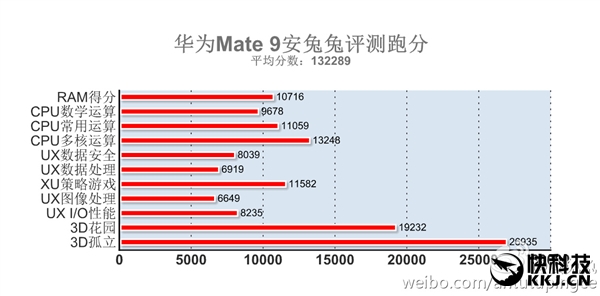
The Mate 9 is the latest flagship from tech giant, Huawei, and the phone sports the powerful Kirin 960 processor which has been compared to the Snapdragon 821 and even trumps it in certain aspects. The Huawei Mate 9 is the first phone to feature the new chip and it has been benchmarked on Antutu to see how it performs.
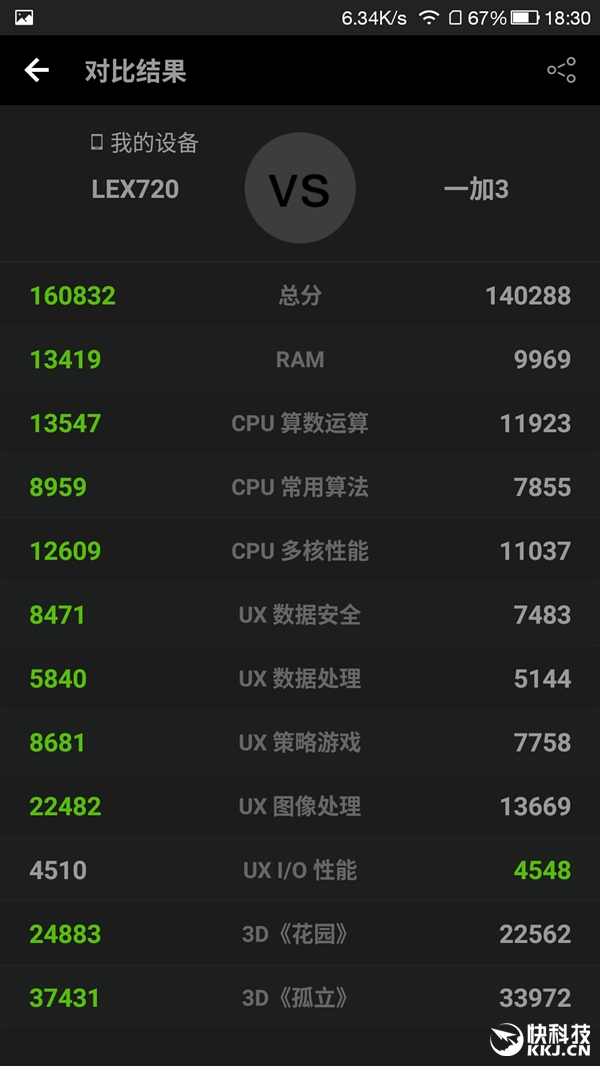
After running it on Antutu, the Mate 9 scored a total of 132,289 points on the benchmarking app. The score is lower than that of Snadragon 821 devices which have managed to pull in more than 160,000 points. Where the Kirin 960 fails is in GPU tests as it pales behind the Adreno 530 of the Snapdragon 821 found in the LeEco Le Pro 3.
The Kirin 960 is built using TSMC’s 16nm FinFET process. It features four cortex-A73 cores and four cortex-A53 cores. The GPU is a Mali G71 which is still not as powerful as Qualcomm’s Adreno but still offers significant improvement over previous models.
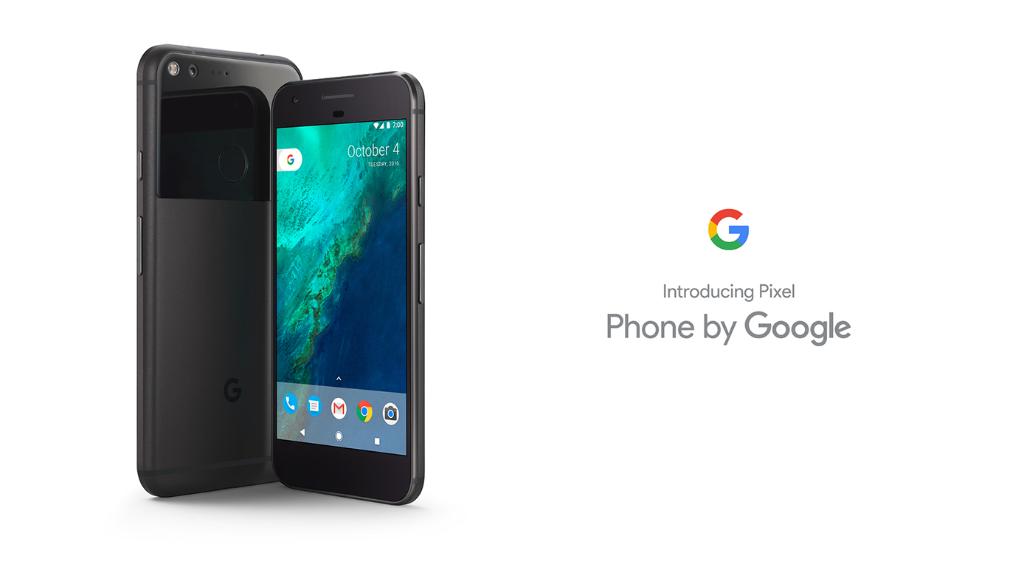
You know how we like to pit phones against each other, right? Today is no different. Today’s battle is between the newly announced OnePlus 3T and Google’s own Pixel. First a brief introduction of both devices.
The OnePlus 3T is the ”successor” to the OnePlus 3 that was launched a couple of months ago. OnePlus has added a couple of improvements to make the already great OnePlus 3 better with this new device. There is the new Qualcomm Snapdragon 821 SoC, a larger 34000mAh battery, an upgraded 16MP selfie camera, and a 128GB storage option.
The Pixel is made by Google even though it is made by HTC. This is the device taking the baton from Nexus devices as google has alread shut down that line. It is the first android device made by Google the way they want and how they want android devices to be. It comes in two sizes: a 5-inch and a 5.5” variant which both have 32GB and 128GB storage options. And apart from those two differences, they are the same all through.
Round One: Display
The OnePlus 3T has a 5.5″ Full HD Optic AMOLED Display that is protected by Corning Gorilla Glass 4. The Pixel, on the other hand, has two display sizes. There’s a 5-inch model for those who want something compact and a 5.5-inch version called the Pixel XL, for those who want the extra screen estate. Both phones have AMOLED displays too and have Gorilla Glass 4 protection but the OnePlus 3T has a higher screen-to-body ratio than the Pixel XL.
Round 2: Chip, ROM, and RAM
Both phones share the same Snapdragon 821 chip but are clocked differently. OnePlus has gone with the highest clocking at 2.35GHz but the Pixels are clocked at 2.15GHz. Will you notice the difference? It’s hard to tell because reviews say the Pixel is a very fast phone and that should be no surprise. The OnePlus isn’t a slow beast too. It’s Oxygen OS is well optimized and can be said to be one of the best ROMs after stock android.
The OnePlus 3T will, however, be able to run more apps at the same time with its generous 6GB of RAM. The Pixel, on the other hand has just 4GB of RAM on both versions but that should be enough even for power users.
There are no SD card slots on any of the phones so you have to choose either 64GB or 128GB of storage if you want the OnePlus 3T or 32GB or 128GB if you want the Pixel.
Round 3: Cameras
The Pixel has received very high praises for the performance of its primary sensor. There is a 12.3-megapixel camera with a f/2.0 aperture, EIS, PDAF, and laser autofocus on the rear and an 8MP f/2.4 sensor in front for selfies.
The OnePlus 3T uses the same primary camera as the OnePlus 3, a Sony IMX298 sensor which has been rated average at best but it now has Electronic Image Stabilization in addition to OIS to allow you record more stable videos.
The company has given the front camera an upgrade. Moving it from 8MP all the way up to a 16MP Samsung 3P8SP sensor which allows you to take better-looking selfies and live stream in HD. Now that Whatsapp has added video calling to its list of features, this should come in handy.
Round 4: Software
OnePlus touts their Oxygen OS as better than stock android but that is a debate for another day. The 3T runs version 3.5 of Oxygen OS and it brings a number of customizations that you won’t find on stock android. It is still based on Marshmallow though but OnePlus promises an Android Nougat update by the end of the year. We hope the update hits phones before Christmas.
The Pixel, on the other hand, runs the latest version of Android, Nougat 7.1. It is the phone that will get a new Android update first before any other device in the world. If you want to stay ahead of everyone else when it comes to software updates, the Pixel is the device to go for.
Round 5: Battery, Other Features, and Price
The OnePlus 3T packs a 3400mAh battery which is larger than the 2770mAh in the Pixel but just a tiny bit smaller than the 3450mAh battery in the Pixel XL. They both have fast charging but a comparison video puts OnePlus’s Dash Charge ahead of the Pixel’s USB Power Delivery fast charge.
While we have covered the basics, each phone still has certain features that will help determine which one you eventually settle for.
The OnePlus, for example, has dual SIM slots (nano only) allowing you the choice of having two different lines on one phone. The Pixel, on the other hand, is a single SIM device. The OnePlus has no IP rating but the Pixel is splash and dust resistant.
Pricing for the OnePlus starts at $349 for the 64GB model and $479 for the 128GB version. The Pixel starts at $649 for the 32GB version of the 5-inch model and goes up to $749 for the 128GB option. The Pixel XL is priced at $769 for the 32GB version and $869 for the 128GB variant.
Xiaomi Mix is unarguably one of the best smartphones to come out from the China-based smartphone maker. The bezel-less flagship device still commands lots of attention all over the world, even featuring in the New York Times magazine recently. Curiously, the Mix looks very fragile because of its concept ceramic glass body but there hasn’t been a test to see how durable the device is. Not anymore.
Popular online technology analyst/tester JerryRigEverything has released a YouTube video where he subjected the Xiaomi Mix to series of durability and resistance tests. The video is embedded after this writ-up for you to check out but it is worthy to note that despite its fragile looks, the Mi Mix withstood all the tests and still functioned very well.
The first test the Mix was subjected to was the scratch test and that is done with the help of picks that helps determine the degree of resistance the device can endure when it is scratched. The test result places the Xiaomi Mix at the same level with most modern flagships. The analyst also subjected the camera lens, the display to different test involving the use of heat as well as physically bending the phone to see the degree of strain it can withstand. Yet, the device still functioned very well after all the stress and strain. We duff our hat for this rugged, sleek, beauty.
People often think that buying a smartphone is a one-time large investment, and they are right usually. However, there are times when your large screen smartphone decides to just slip out of your hand and hit the ground. It’s not something anyone would want for their phones, but it happens sometimes and when your phone is brand new and costs nearly $600, things can’t get worse.
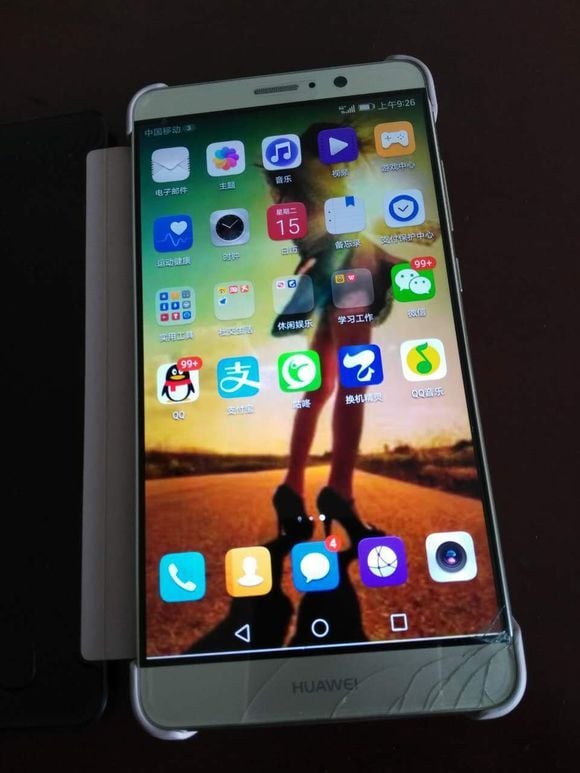
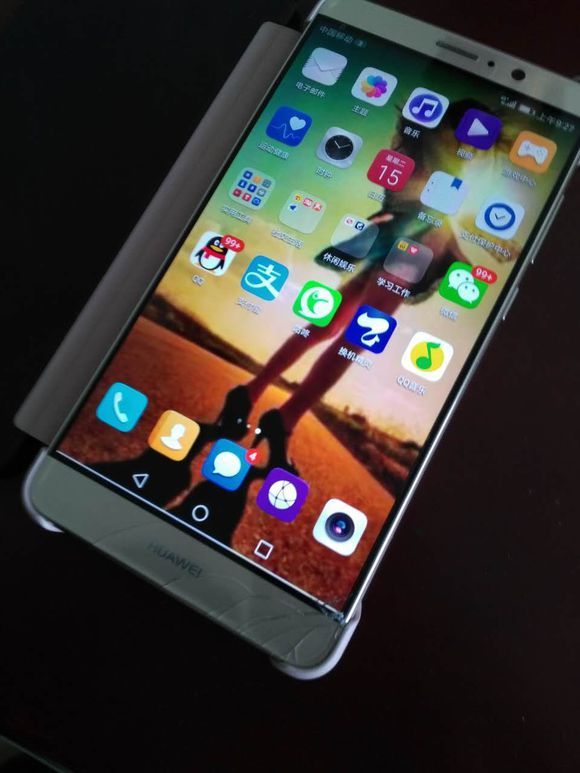
Recently, one of the Huawei Mate 9 users in China had such an unfortunate moment. A user recently revealed on social media that his Mate 9’s screen cracked when it fell on the ground. While this was bad, what was even worse was that he had bought this expensive 4499 Yuan ($655) flagship (6GB + 128GB) just 12 hours before this incident happened.
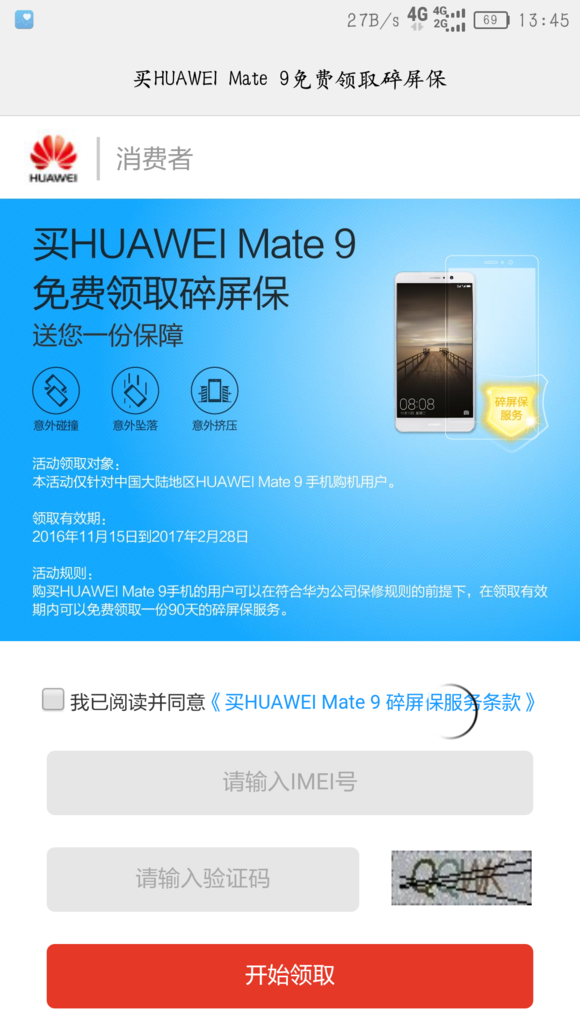
Now usually, you would have to shell out a few hundred dollars replacing the cracked screen on your brand new smartphone, but Huawei Mate 9 users in China need not fret. Huawei is offering Mate 9 users free screen replacement insurance for three months from the date of purchase. So, if you happen to drop your Mate 9 within three months accidentally, the company will offer you a free screen replacement, which sounds like a great deal.
We use cookies on our website to give you the most relevant experience by remembering your preferences and repeat visits. By clicking “Accept”, you consent to the use of ALL the cookies.
This website uses cookies to improve your experience while you navigate through the website. Out of these, the cookies that are categorized as necessary are stored on your browser as they are essential for the working of basic functionalities of the website. We also use third-party cookies that help us analyze and understand how you use this website. These cookies will be stored in your browser only with your consent. You also have the option to opt-out of these cookies. But opting out of some of these cookies may affect your browsing experience.
Necessary cookies are absolutely essential for the website to function properly. This category only includes cookies that ensures basic functionalities and security features of the website. These cookies do not store any personal information.
Any cookies that may not be particularly necessary for the website to function and is used specifically to collect user personal data via analytics, ads, other embedded contents are termed as non-necessary cookies. It is mandatory to procure user consent prior to running these cookies on your website.