The ongoing criminal case between the U.S. Department of Justice and the Chinese tech giant Huawei has once again come under the spotlight. According to reports from The Wall Street Journal and Reuters, negotiations for a settlement have hit a snag, leading to a scheduled trial directly in January 2026.
At the hearing, the Assistant U.S. Attorney updated U.S. District Judge Ann Donnelly about the deadlock in settlement talks. Judge Donnelly then suggested starting the trial in early January 2026 because of this issue.
Prosecutors expect the trial to last between four to six months because the case is complex. Nonetheless, Huawei, represented by Douglas Axel, agreed with the proposed schedule before the trial.
This legal dispute started back in 2018 when the case initially surfaced with a sealed indictment. Among the accusations leveled against Huawei are allegations of misleading banks regarding business dealings in Iran, alongside other charges such as conspiracy to steal trade secrets.
A significant event in this case was when Huawei’s CFO, Sabrina Meng, was arrested in Canada in December 2018 at the request of the U.S. However, after 4 years, she was released in September 2021 after reaching an agreement with U.S. authorities, leading to the dropping of charges against her.
Huawei’s response to the legal proceedings includes an intention to file a motion seeking to split the case into two parts. This motion aims to separate fraud charges from trade secret-related charges, a move the US government opposes strongly.
With negotiations stalled, all eyes are now on the upcoming trial. Set to commence in January 2026, this case holds the potential to significantly impact the technology industry and reshape the global geopolitical dynamics between the United States and China.
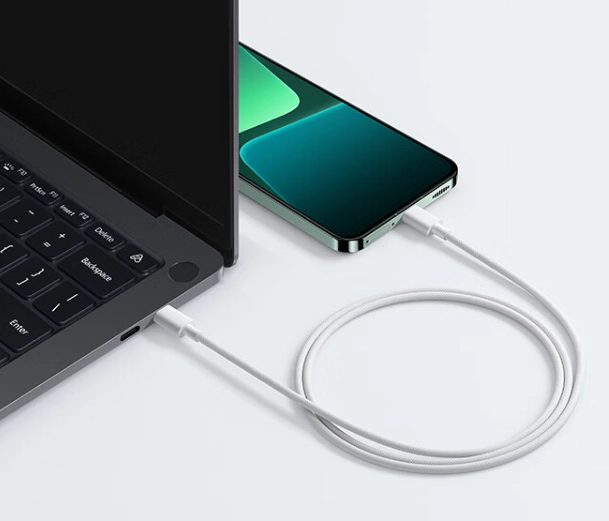
Xiaomi has launched a new 3A braided fast charging data cable on JD.com for just 29 yuan. This budget-friendly cable boasts a stylish braided design that adds a touch of elegance compared to traditional data cables. The braided exterior not only looks good, but it’s also built to last. Xiaomi claims the high-density braiding is both flexible and durable, having passed rigorous testing.
The cable can also handle high-speed data transmission at 480Mbps
This new cable offers up to 60W fast charging thanks to its support for a rated current of 3A. It can also handle high-speed data transmission at 480Mbps, making it suitable for transferring large files or syncing devices.
Versatility is another key feature. The cable supports charging a wide range of devices, including smartphones, tablets, laptops, and even wearables. To ensure it fits most needs, Xiaomi has opted for a standard 1-meter cable length. Braided charging cables offer a clear advantage over regular ones. Their braided exterior makes them much more durable, protecting them from fraying, kinking, and general wear and tear. This translates to a longer lifespan, saving you money on replacements. Additionally, braided cables tend to be more tangle-resistant, saving you the frustration of untangling a mess before you can charge your device.
The rumor mill is churning around OpenAI‘s GPT-5 with netizens abuzz after receiving red team testing invitations. This has many speculating that the release of this next-generation language model might be closer than expected. Social media is flooded with screenshots of individuals receiving red team testing emails from OpenAI. This fuels speculation, with some even urging OpenAI CEO Sam Altman to expedite the release. The timing adds weight to the rumors, as previous whispers suggested a June 2024 launch for GPT-5.
Some internet users are arguing that the invites might not be specific to GPT-5
However, caution is needed. Some argue these red team invites might not be specific to GPT-5, and could be part of a broader testing initiative. Additionally, the potential risks of releasing such a powerful language model can’t be ignored. ChatGPT’s massive user base highlights the need for thorough security testing before unleashing GPT-5 on the world.
OpenAI understands the importance of security, especially considering the potential impact of GPT-5. Let’s not forget that To B businesses – those paying for customized versions of ChatGPT – are a key source of income for OpenAI. A security breach in GPT-5 could have serious repercussions, damaging both public trust and OpenAI’s bottom line.
Red team testing serves as a crucial line of defense. These red teams, comprised of security experts, are tasked with identifying vulnerabilities in the system. Their mission is to exploit these vulnerabilities in a controlled environment, mimicking the tactics real attackers might use. Examples of potential attacks include “prompt attacks” where malicious instructions are used to manipulate GPT-5’s behavior. Earlier this year, a college student reportedly used such tactics to extract confidential information from a large company.
The prospect of GPT-5’s arrival has ignited the imaginations of users worldwide. Online communities are buzzing with wish lists for the new model. Many are hoping for a significant leap in capabilities, from a vastly expanded context window to lightning-fast inference speeds and the ability to perform complex tasks like long-term strategic planning.
While the exact timeframe for GPT-5’s release remains uncertain, the red team testing reports are a positive sign. If the rumors hold true, we could be on the cusp of a new era in AI, with GPT-5 bringing a future of next-gen language processing.
Samsung is all set to expand its television portfolio in India. The South Korean brand has announced that it will launch a new range of televisions later this month. The upcoming offerings are confirmed to be loaded with AI features. Additionally, the company has already started taking pre-orders for the new range of AI TVs. Those who pre-book will be eligible for benefits.
Samsung to announce AI-powered televisions in India this month
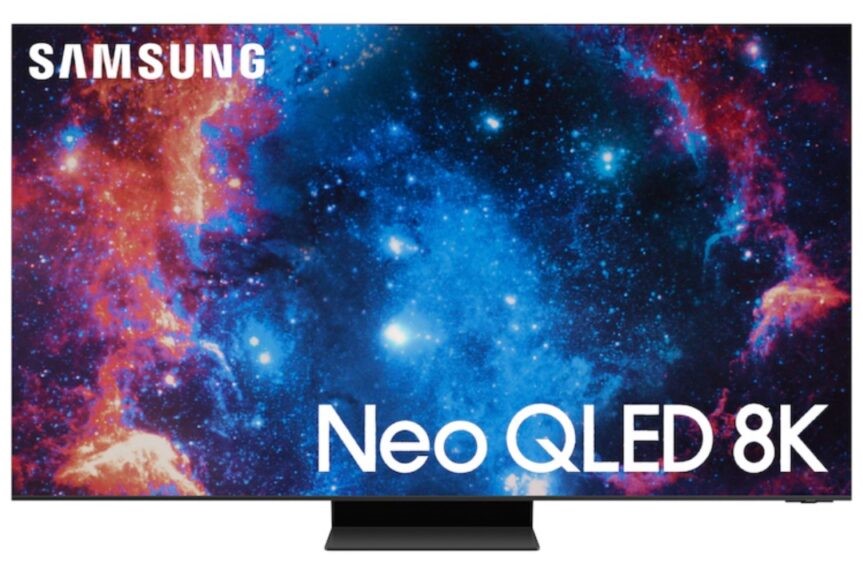
Samsung has confirmed that the new television range with AI features will launch on April 17. The lineup will include the Neo QLED 8K series, Neo QLED 4K series, and OLED series televisions. All televisions in the aforementioned range will come with AI features.
The launch of the upcoming televisions comes on the back of bespoke AI appliances including a refrigerator, washing machine, air conditioner, and microwave announced earlier this week. To recall, Samsung first debuted Galaxy AI in January with the Galaxy S24 series smartphones. It seems that the South Korean brand is committing to the Galaxy AI ecosystem.
Those interested in buying the new range of AI televisions can pre-order by paying Rs 5,000 on Samsung’s website and Samsung Shop app. On pre-booking the Neo QLED 8K series, customers can avail of benefits worth Rs 15,000 on the purchase. Meanwhile, they will be eligible for pre-booking benefits of Rs 10,000 on pre-booking the Neo QLED 4K and OLED series when purchasing them.
Samsung announced Galaxy AI with the release of the Galaxy S24 series, and it was a big win for the brand. These mind-blowing AI features caught people’s attention, which resulted in high sales of the latest Samsung flagship.
Thankfully, Galaxy AI isn’t limited to the Galaxy S24 series, as the brand is already rolling it out to the last-generation flagship phones and tablets with the One UI 6.1 update. If you have already received the One UI 6.1 update (with Galaxy AI features) or are desperately waiting for it, here are the 6 mind-blowing AI features you can’t afford to miss.
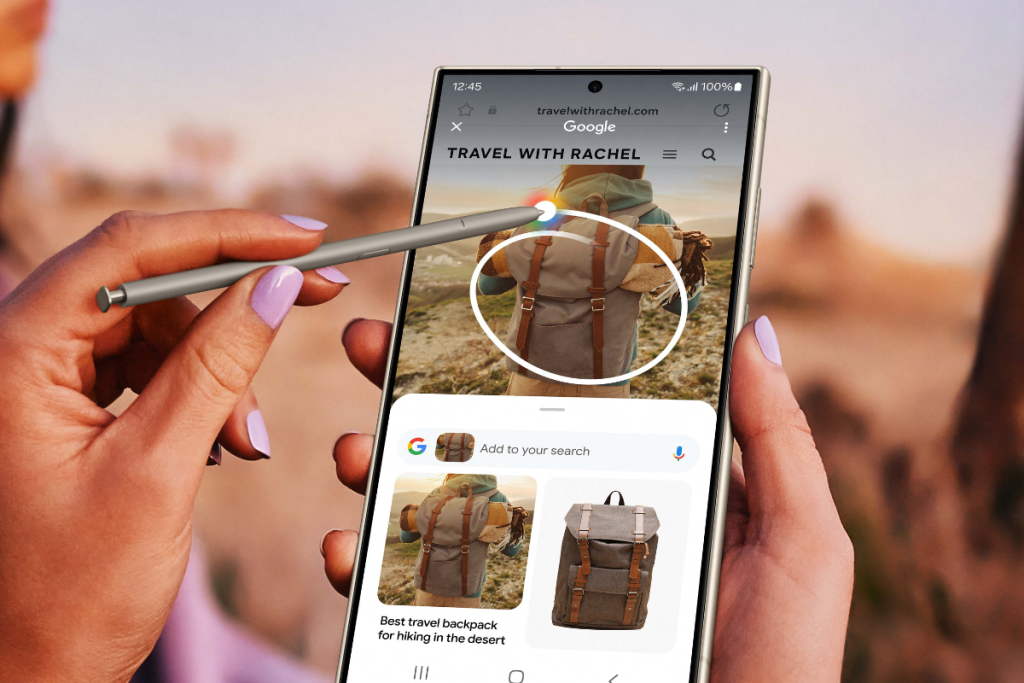
It’s one of the best AI features added to One UI 6.1. You circle an object or text on your screen and get the results from Google. There is no need to open a separate app; hence saving more time.
Wow, what is he/she wearing in the video? Which gadget is on his desk? How can I get the same product? If you ask the same questions while watching Instagram Reels or videos on YouTube or other platforms, thank Samsung for this AI feature.
To use the Circle to Search feature, long press the home button or the navigation bar button, and use your finger or s-pen to circle an object on your screen. You can also tap on a specific object to use it. The best part is that you get the results in the same window. There’s no need to leave the app.
You can also tap on text to copy or translate it. This feature has many use cases, and it’s definitely a great addition to One UI 6.1.
2. Powerful AI Image Editing
The One UI 6.1 upgrade has brought several amazing AI image editing features to the built-in Gallery app, helping you get a perfect shot.
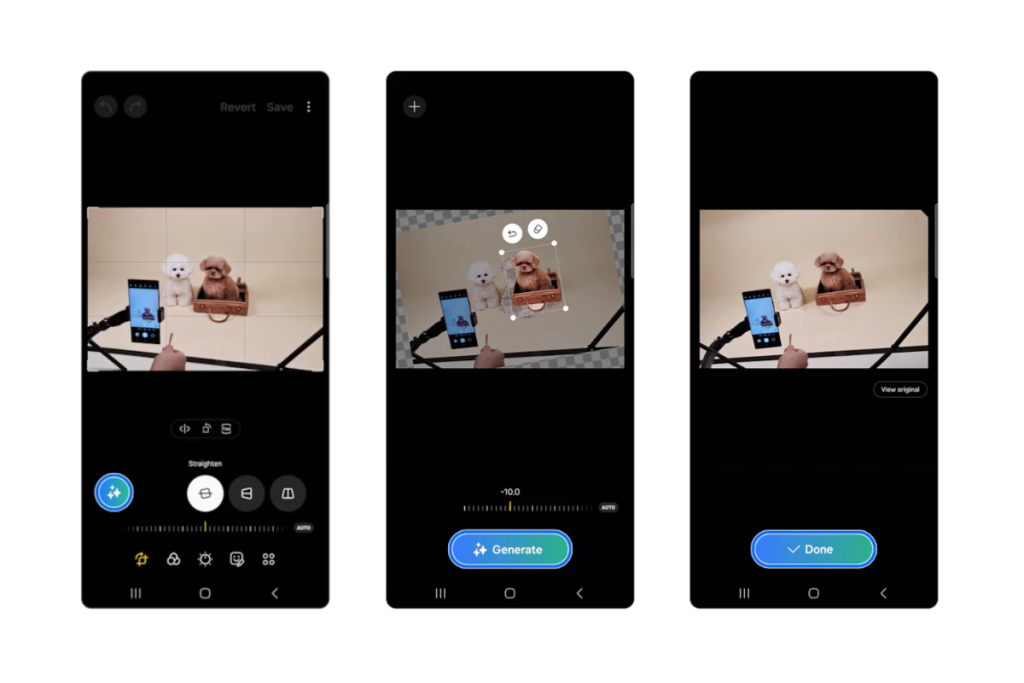
Open the Gallery app, tap on an image, and hit the edit (pencil) icon. Now, click the Galaxy AI icon in the lower left side, and then the AI magic comes into the picture.
You can rotate the image and tap Generate to fill the portion outside of the frame. It can take a few seconds. Galaxy AI was able to fill the remaining portions with accurate colours in most pictures during my tests.
Got an unwanted object ruining your photo? No worries. Galaxy AI can remove it and smartly fill the removed portion. You can even resize and move objects.
You can press and hold an object to save it as a sticker. You can also paste it to a different image.
3. Instant Slow-Mo Videos
Any video in the Gallery app can be instantly converted to a slow-mo video in One UI 6.1. AI does the magic here by analyzing existing frames and generating new frames to make the video look smoother.
To use this feature, open the Gallery app, tap on a video, and hold on to it. The video starts playing in slow-motion.
Tapping the pencil icon at the bottom gives you more options. You can choose from different slow-mo speeds, select a specific portion from the video to convert slow-mo or save the slow-mo video to your device.
4. Texting Gets a Major Upgrade
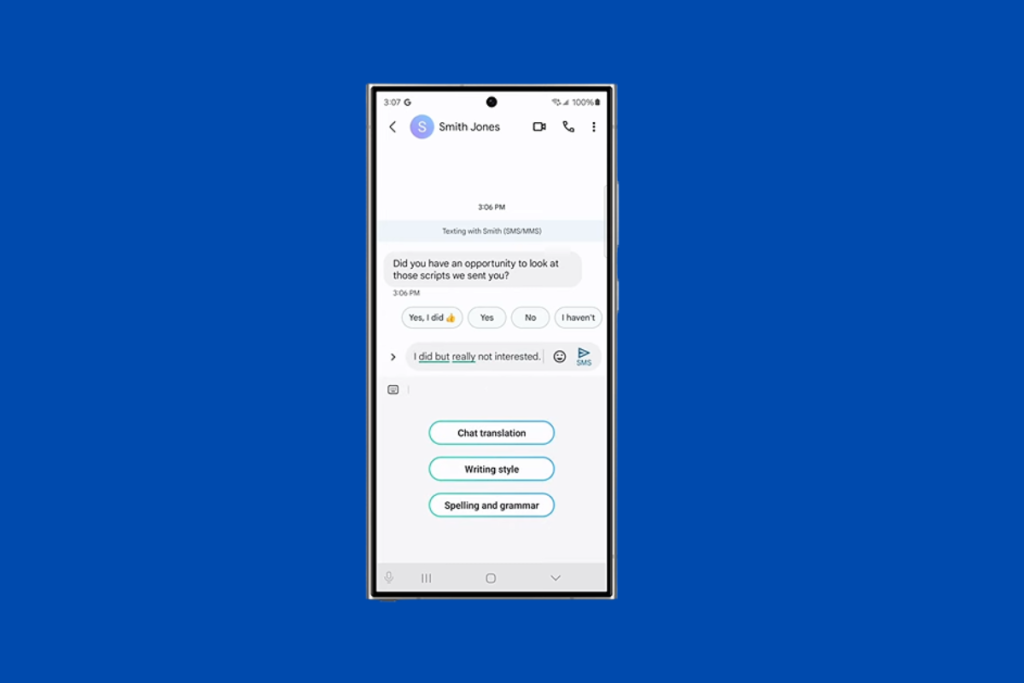
Samsung Keyboard gets interesting AI features with the One UI 6.1 update. You can now change the tone of your texts and check the spelling and grammar.
Want to sound like a cool guy or maintain a professional tone while chatting with your boss? Galaxy AI has got you covered.
Open a texting app (WhatsApp, Messages, etc.), and write in your style. Now, select the texts, tap on the AI icon in the keyboard layout, and choose Writing style. Galaxy AI will rewrite in multiple tones. Choose the one you like and send it to the other person.
When sending professional messages or emails, you can use the Spelling and grammar feature to not get embarrassed later.
These AI texting features only work with the Samsung Keyboard, so that’s a prerequisite. You can also use them on any texting apps, such as WhatsApp, Telegram, Gmail, LinkedIn, and Messages.
5. Real-Time Call Translation
Samsung phones with Galaxy AI features can translate calls on the go. This impressive AI feature translates your voice into a selected language and sends that AI-processed voice to the listener. All this happens in real time.
The tech community has highly praised this real-time call translation AI feature, as it can greatly remove the language barrier. What’s more interesting is that the other person doesn’t need a Samsung phone.
This feature is excellent for people and businesses with international clients.
6. Intelligent Notes App
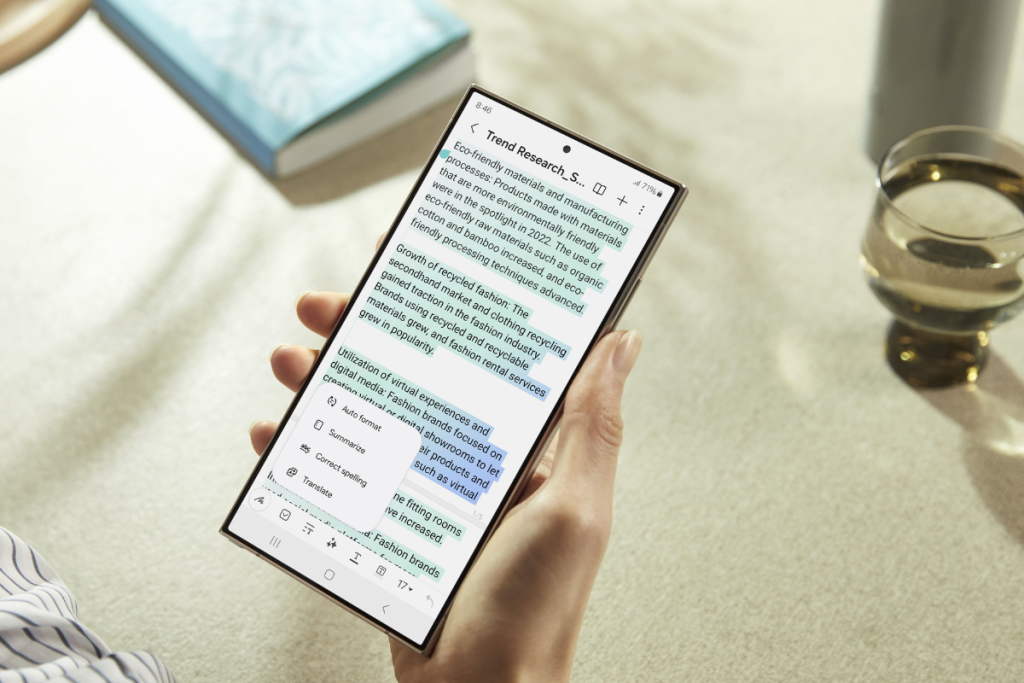
I use Samsung Notes quite extensively, and the integration of AI features has made my life a lot easier. It can format my long notes into headers and bullets for better readability, summarise big paragraphs, and correct spelling.
The new Notes app in One UI 6.1 can also translate texts into different languages.
To use it, open the Notes app, tap on a note, and click the Galaxy AI icon to see the AI features.
If you take a lot of notes on the Samsung Notes app, you’ll love these AI integrations.
These are the 6 best AI features I like in One UI 6.1. I really wanted to include the Generative AI Wallpaper feature in this list, but it has very few options for creating a wallpaper of your choice.
One UI 6.1 also offers an Intelligent Samsung Browser that can summarise and translate web pages. It can save you a lot of time. The latest One UI skin also has a feature to show lock screen wallpaper on the Always on Display (AOD), but this feature is exclusive to the Galaxy S24 series and won’t come to older Galaxy devices.
Which AI feature from One UI 6.1 do you use the most? Do let us know in the comment section below.
Huawei was gearing up to unveil its latest Huawei P70 series of flagship smartphones this week. But it appears that the launch event was reportedly canceled. So while the release may have been pushed back, here’s a detailed roundup breaking down the specs, design, pricing, and more regarding the upcoming devices.
Huawei P70 Series: Design & Display
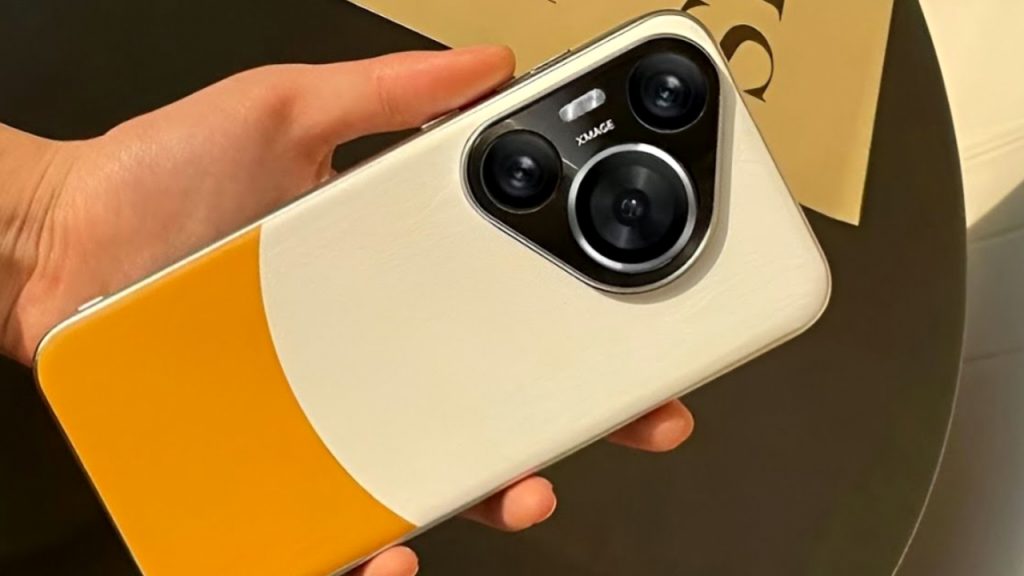
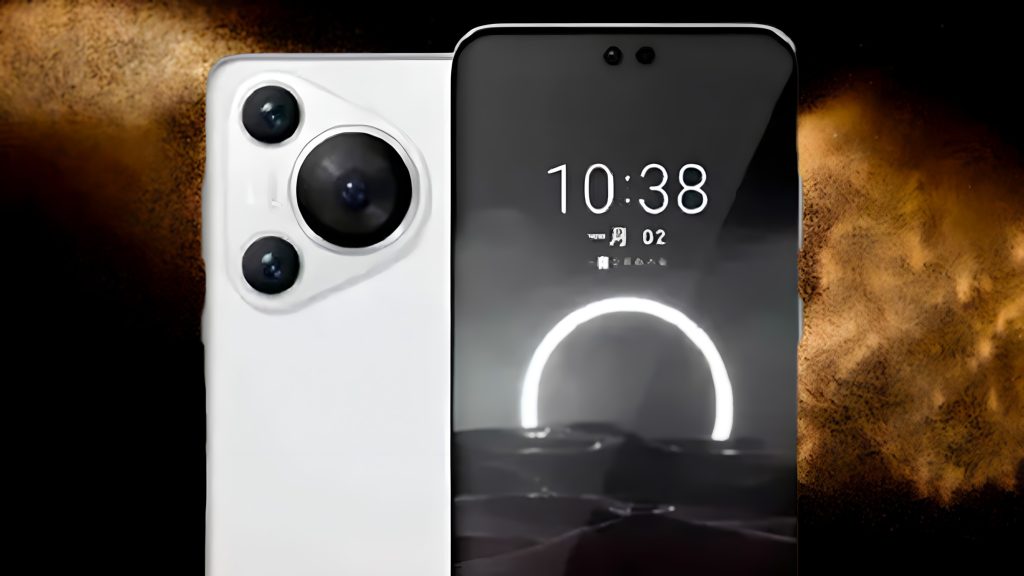
The next-gen P70 series features the Chinese tech giant’s “camera Deco” layout on the rear. It features a triangular camera island that houses the camera sensors. This design was primarily seen for the Huawei P70 Pro Art model, but is believed to be uniform across the entire lineup. For those unaware, the series consists of the Huawei P70, P70 Pro, P70 Pro+, and the P70 Pro Art. Overall, all four phones will get a design refresh over their predecessors.
On the front, the base model is expected to sport a 6.59-inch LTPO OLED display, while the three higher end variants are rumored to sport a taller 6.76-inch LTPO OLED panel. These panels could be sourced from Chinese OLED display makers like BOE, CSOT, Visionox, and Tianma. All four models will likely offer curved edges, 1.5K resolution, and a higher refresh rate. The panel reportedly has a punch hole cutout for the selfie shooter and house an in-display fingerprint scanner as well.
Huawei P70 Series: Specs
Under the hood, the Huawei P70 series is expected to feature the Kirinm 9000S chipset. However, the performance might not be the same across all models. In a recent GeekBench sighting, it was revealed that the ALT-AL10 and ALT-AL80 are equipped with the Kirin 9000S. However, the higher-end P70 Pro+ and P70 Pro Art may feature a faster chipset. The more expensive models may feature an entirely new Kirin processor since they have a different core structure and clock speeds. But there’s a chance that these might just be refreshed or overclocked versions of the existing Kirin 9000S.
All four models will likely offer at least 12GB of RAM and 256GB of internal storage. But the P70 Pro+ and P70 Pro Art could go up to 16GB RAM with 512GB of storage as well. The base model might be powered by a 5,000mAh battery pack, while the P70 Pro may feature a larger 5,200mAh cell. The other two versions feature a 5,100mAh battery. These smartphones could bring support for 88W wired fast charging. However, the vanilla P70 tops out at 50W wireless fast charging and the rest come with 80W wireless fast charging. Another notable feature arriving on the P70 lineup is the satellite communication technology.
Huawei P70 Pro: Camera
For photography, the lineup is believed to offer a triple camera setup on the rear. The primary camera is a 50-megapixel OV50H sensor that features a 1/1.3-inch size. This sensor could also arrive with the P70 Pro model as well. On the other hand, the P70 Pro+ and P70 Pro Art will arrive with the 50-megapixel Sony IMX989 primary shooter that has a 1-inch sensor size.
The last two cameras are likely a 50-megapixel ultra-wide angle lens and a 50-megapixel periscope telephoto shooter that offers 4x optical zoom. For video calls and selfies, the front may pack a 13-megapixel camera that has a 1/2.36-inch sensor size.
Xiaomi recently announced its new Redmi Turbo series, with the Redmi Turbo 3 as the first smartphone in the lineup. While the company hasn’t shared much official information, a Geekbench listing revealed details about its processor.
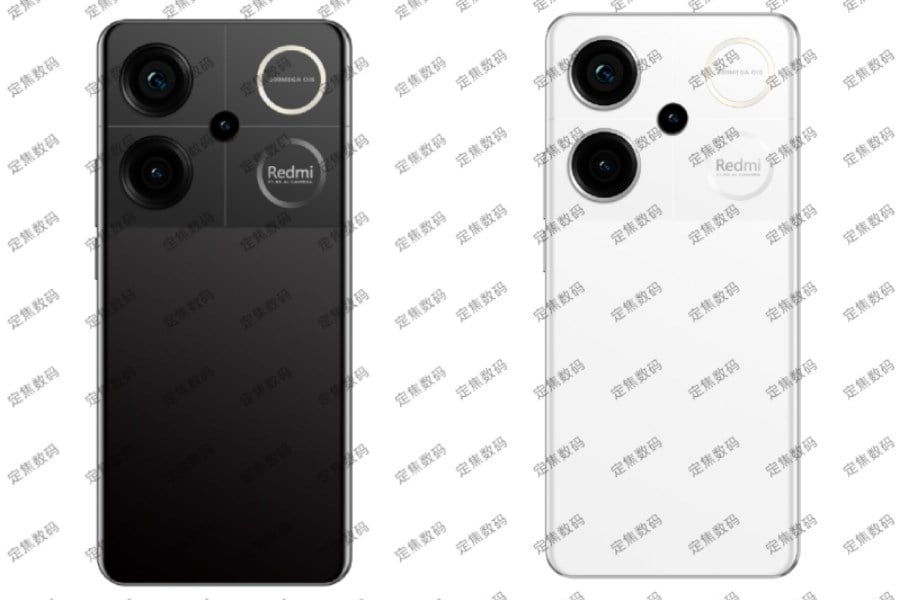
Now, both renders and real-life images of the smartphone have surfaced online, revealing its design. The images show a unique rear design of the Redmi Turbo 3 – unlike anything we’ve seen on previous Redmi phones.
The camera module essentially covers the top of the smartphone but what’s interesting is the actual camera sensor placement. There are two camera lenses that are vertically stacked on the left. One of them is said to be a main 200MP camera with Optical Image Stabilization (OIS).
Additionally, there’s a small cutout in the center that likely houses a macro sensor. Adjacent to it is an LED ring-shaped light and the Redmi logo.
While the hands-on image may be somewhat blurry, we’ve included a set of renders below for a clearer view of the design. The back panel also has a dual-tone design and curved edges likely for improved grip when holding the smartphone.
Redmi Turbo 3’s Geekbench listing previously revealed that the smartphone will be powered by a Snapdragon 8s Gen 3 processor with up to 16GB of RAM. A Redmi Turbo device, potentially the Turbo 3, was also spotted on 3C certification last month, hinting at support for 90W charging.
The phone is expected to come with a 5500mAh battery. Other rumored specifications of the Turbo 3 include a 6.67-inch 120Hz OLED display and HyperOS based on Android 14.
The Redmi Turbo 3 is expected to launch later this month, with Xiaomi likely to begin teasing its arrival and confirming the launch date soon.
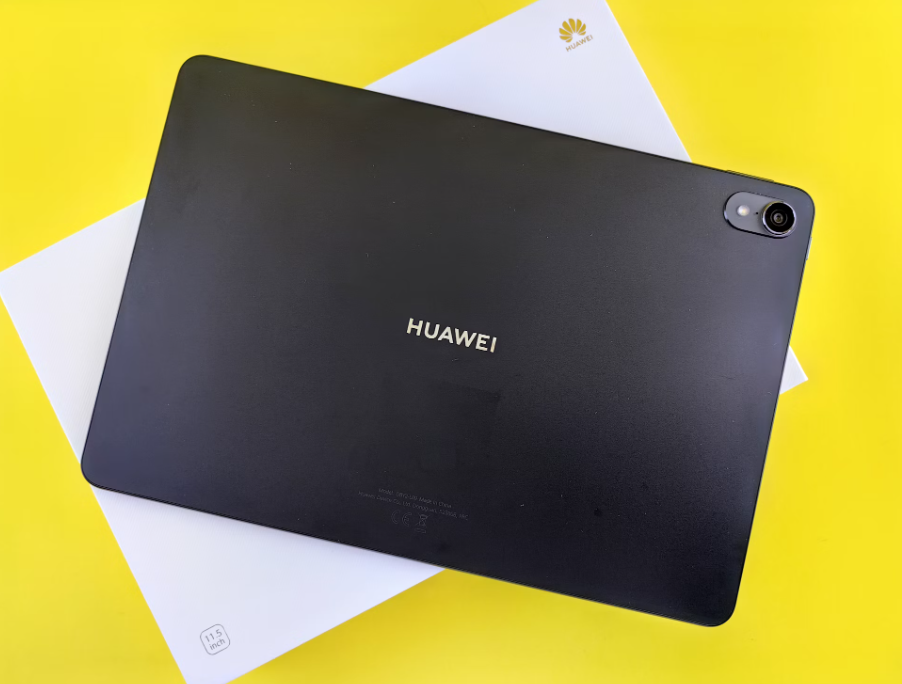
Huawei is gearing up to release its latest MatePad tablet, having secured radio and network certification for the device. The tablet, with the model number TGR-L10, is expected to join the MatePad series as its latest addition.
According to reliable sources, including tipster @DigitalChatStation, the TGR-L10 MatePad tablet is set to be a powerhouse, potentially featuring the Kirin 9000 chipset. This chipset is renowned for its performance prowess, promising seamless multitasking and smooth user experience.
Certification details indicate that the MatePad TGR-L10 will support various network standards, including TD-LTE, LTE FDD, WCDMA, and GSM, ensuring widespread connectivity capabilities. Despite specific design and internal parameter details being kept under wraps, there’s substantial speculation regarding its potential features.
Moreover, rumors suggest that Huawei might introduce a MatePad Paper variant, designed for enhanced productivity and efficiency. This model is expected to support Nearlink technology, enabling seamless connectivity with compatible accessories such as keyboards and mice. Such accessories could potentially harness the power of a new Kirin chip, further elevating the user experience.
The anticipation surrounding the MatePad TGR-L10 and the potential MatePad Paper variant highlights Huawei’s innovative approach in the tablet market. With Nearlink technology likely to be integrated into flagship devices, users can expect enhanced connectivity for efficient file transfers and browsing experiences.
While specific details regarding the MatePad TGR-L10’s design, internal specifications, and charging capabilities are yet to be disclosed, enthusiasts eagerly await its official unveiling. Huawei’s track record of delivering cutting-edge technology coupled with the excitement surrounding the MatePad series ensures that all eyes will be on the company’s upcoming announcements.
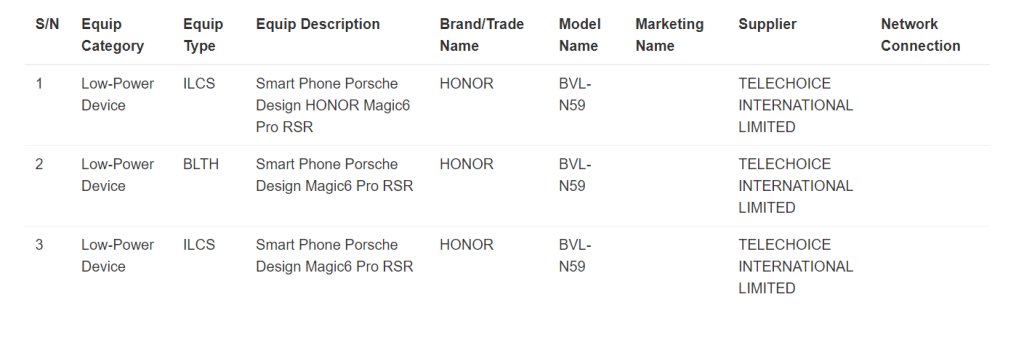
Last month, Honor debuted its latest range of flagship-tier smartphones in its home market of China including the Honor Magic 6 RSR Porsche Design and the Magic 6 Ultimate. Now, the Honor Magic 6 Pro RSR Porsche Design smartphone has also emerged on the IMDA certification website, revealing that it might soon debut in the global market.
While the IMDA certification does not reveal any specifications onboard the Magic 6 Pro RSR Porsche Design design device, it does confirm its model number BVL-N59. This listing also means that the device is greenlit to launch in Singapore in the coming days.
That being said, the BVL-N59 model number is the same as the Magic 6 RSR Porsche Design’s model number, which indicates that the brand could rebrand the Magic 6 RSR Porsche Design as the Magic 6 Pro RSR Porsche Design for the global launch. This is currently a mere speculation so it should be taken with a pinch of salt until further confirmation. In the meantime, you can check out the specifications of the Honor Magic 6 RSR Porsche Design below.
Honor Magic 6 RSR Porsche Design specs:
The Honor Magic 6 RSR Porsche Design draws inspiration from the Porsche Taycan electric sports car for its design. It boasts a 6.80-inch OLED display with 1280×2800 pixels resolution, 120Hz refresh rate, and 1800 nits peak brightness that can go up to 5,000 nits while viewing HDR content.
Under the hood, the device is powered by a Snapdragon 8 Gen 3 SoC and operates on MagicOS 8.0. It packs 24GB of RAM and 1TB of internal storage. In the camera department, it features a triple rear camera setup consisting of a 50MP wide-angle camera with OIS, a 180MP periscope telephoto camera with OIS, and a 50MP ultra wide-angle camera. For selfies, there’s a 50MP wide-angle camera on the front.
The device is fueled by a 5600mAh battery that supports fast charging with 80W Honor SuperCharge technology and 66W Honor Wireless SuperCharge capability.
Huawei‘s upcoming launch is expected to feature the P70 series smartphones, although there have been reports of delays. Despite this setback, leaks have been continuously surfacing shedding light on the features of the upcoming smartphones.
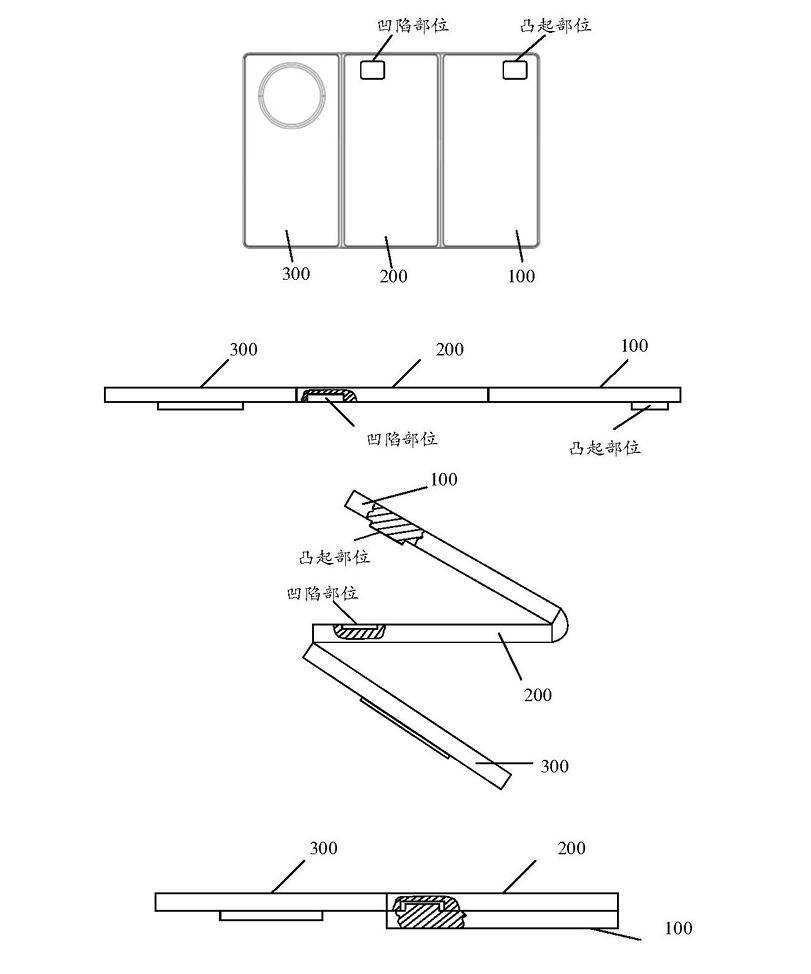
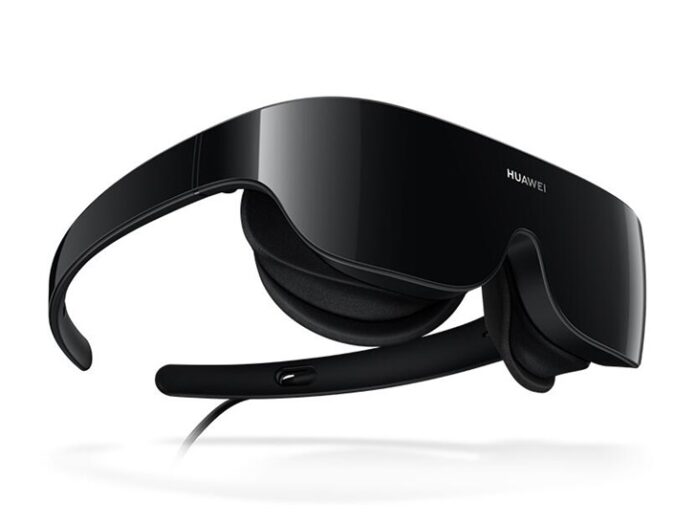
In addition to the P70 series, Huawei is also working on several other products, including a tri-fold smartphone and an MR headset named Huawei Vision Pro. According to a Weibo blogger known as SmartPikachu, Huawei has now completed the development of these two products.
The blogger also hinted that Huawei is eager to “put them into stores” suggesting that their launch might be imminent.
The triple-folding phone from Huawei has been a topic of discussion for some time now. It is expected to feature a Z-shaped or S-shaped folding design with a screen size of approximately 10 inches (25.4 cm).
Reports suggest that BOE will supply the panels for Huawei’s new folding phone, while companies like Zhaoli and Fusda are involved in hinge production. Huawei is said to have commenced large-scale material procurement for this project.
Huawei’s Vision Pro headset, on the other hand, is reportedly an MR headset equipped with a flagship-grade chipset. The high-end processor would help in offering a more immersive and seamless experience.
The wearable is also expected to address a major concern of other MR headsets: thermal dissipation. Rumors are that Huawei will offer the headset with a robust cooling mechanism.
However, nothing is confirmed at the moment, so it’s best to take these details with a grain of salt. While details about Huawei’s new triple-folding phone and headset remain limited, we will continue to keep you updated on any developments regarding these products.
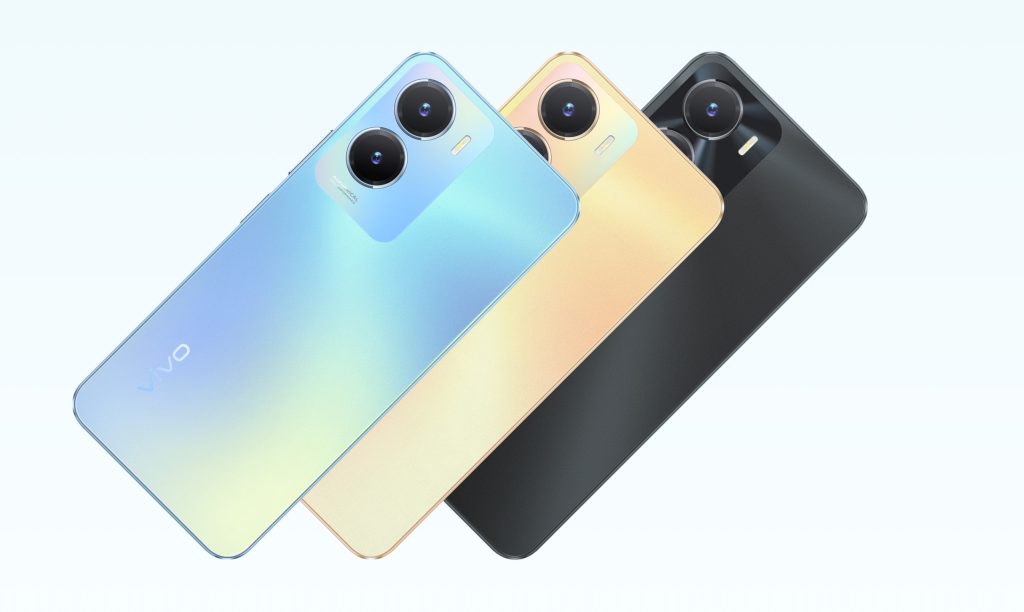
Vivo is expected to add another compelling contender to its T series of smartphones with the upcoming T3x. The device has recently been spotted on both Bluetooth SIG and BIS certifications, confirming its name and hinting at an imminent launch in India.
Now, a report by MySmartPrice has revealed some of the key specifications of the device. Let’s take a closer look.
Vivo T3x Specifications (Rumored)
According to the report, the Vivo T3x will be equipped with the Snapdragon 6 Gen 1 chipset. It’s an octa-core configuration manufactured on a 4nm process. Its core architecture includes four Cortex-A78 and four Cortex-A55 cores, along with an Adreno GPU.
Vivo T2x
Furthermore, the T3x is touted to be Vivo’s first slim smartphone to house a massive 6000mAh battery. The phone will have a rated battery life of up to two days. In terms of audio, the phone will feature a dual stereo speaker setup with an audio booster, delivering a volume increase of up to 300%.
Beyond these details, the report doesn’t offer further information about the smartphone. However, there are speculations that Vivo might unveil the device sometime in the third week of April, possibly between April 19th and 22nd.
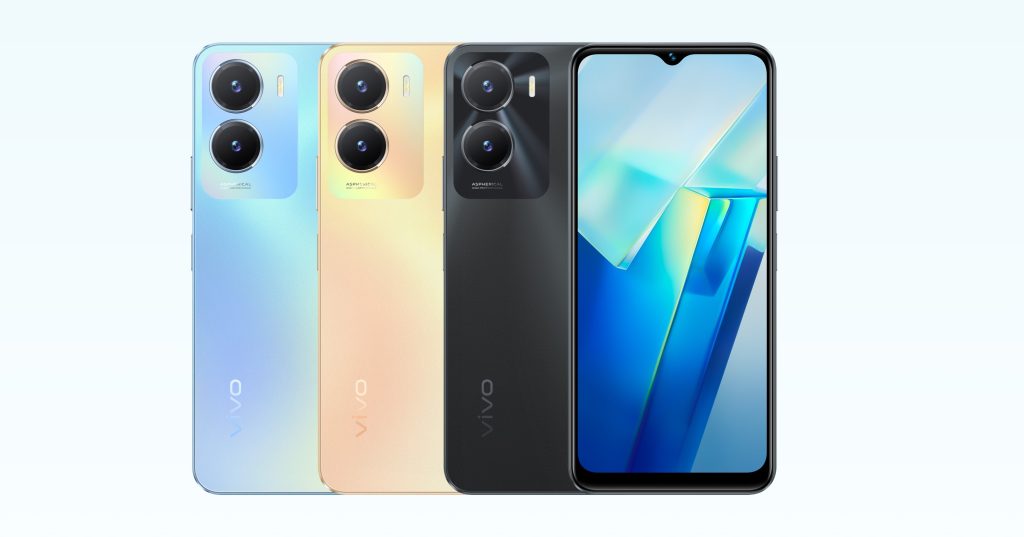
The Vivo T3x will succeed the Vivo T2x, which was launched in April 2023. The T2x boasted a 6.58-inch IPS LCD display with FHD resolution and a water-drop style notch.
Vivo T2x
Under the hood, it was powered by a Dimensity 6020 processor paired with up to 8GB of RAM and 128GB of storage. The camera setup included a 50MP main sensor and a 2MP macro sensor on the rear, along with an 8MP lens on the front for selfies. The device was fueled by a 5000mAh battery with support for 18W charging.
Apple users primarily opt for the Apple AirPods for better integration and enhanced music experience. These have become a must-have for iPhone and iPad users who often spend a lot of time attending calls or listening to music. Well, it’s a good time to grab the Apple AirPods 2, as the retail price is discounted to $89, which is down from $129. Moreover, there’s a $20 discount on the Apple AirPods (3rd generation), which are retailing for $149, down from $169.
Apple AirPods 2 Deal Details
Launched in 2019, the AirPods 2 are still worth the price, considering the quality and features. The price of the AirPods 2 is down to $89 for the first time this year. It was available at a similar price during the festival season last year. It features an H1 headphone chip, offering low latency, clear sound, and touch gestures. Users can play and pause the song by double-tapping, and more such gestures are part and parcel of the AirPods 2.
Moreover, the second-generation Apple AirPods offer about 24 hours of battery backup once fully charged. It is a deal worth grabbing, as the AirPods still offer good quality features and premium sound.
The discount is not only limited to AirPods (2nd Generation); there’s a $20 discount on the Apple AirPods 3, which are on sale for $149. There’s a total 13% discount from the usual retail price of $169. There are slight improvements, including enhanced sound quality and increased battery life. There’s also a deal ongoing for the second-generation Apple AirPods Pro, which are currently retailing for $199. It offers noise-cancellation features, premium sound, H2 Chip, and a MagSafe USB-C charging case.
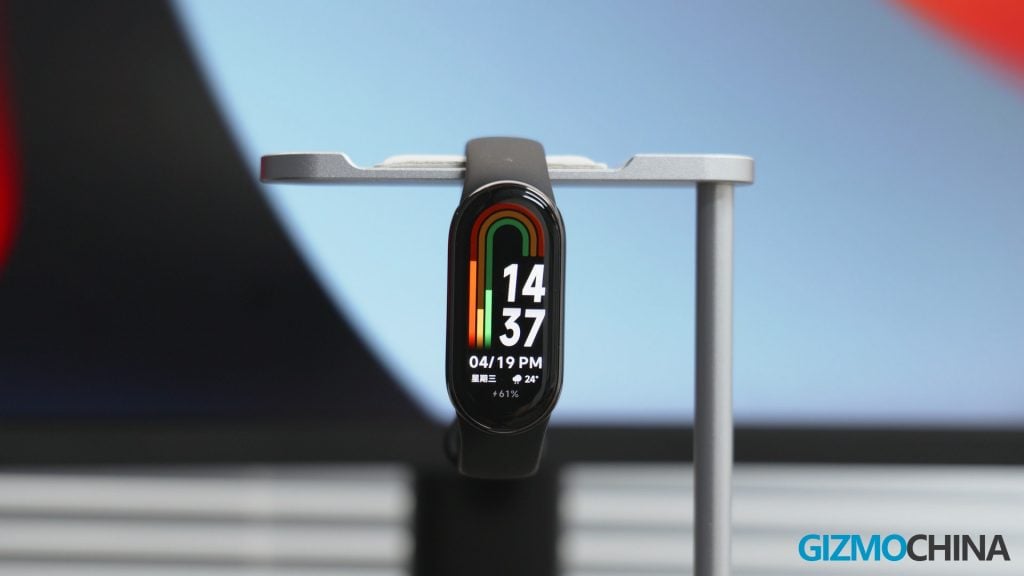
Xiaomi could be working on a successor to the Smart Band 8 series. The wearable was unveiled last year in the brand’s home market of China. But now, it appears that a Xiaomi Smart Band 9 may be launching soon. So here’s everything you need to know.
Xiaomi Smart Band 9 visits Singaporean Certification
The Chinese tech giant’s upcoming Smart Band model surfaced in the IMDA database, which is a Singaporean certification. This means that the Smart Band 9 will also be launching in the global market soon. The listing confirms the M2345B1 model number for the base version and the M2346B1 model number for the Smart Band 9 with NFC. Unfortunately, finer details regarding this device like its specs, features, design, and more are still unclear.
The Xiaomi Smart Band 9 and Smart Band 9 NFC were spotted in China, getting the radio certification as well last month. Back in February 2024, the previous-gen Smart Band 8 Pro finally went on sale in Europe, despite it first arriving in China in August 2023. On the other hand, the base Smart Band 8 launched back in April 2023. So now, we can expect the Smart Band 9 launch to be imminent as well. You can even check out review for the Smart Band 8 by clicking here.
It is worth noting that this is still just an unconfirmed report so take this news with a pinch of salt. For those unaware, last year’s Smart Band 8 features a 1.6-inch AMOLED display that offered 600 nits of peak brightness and Always On Display. It offered various health-related trackers like the heart-rate monitor, SpO2 sensor, sleep tracker, and menstrual cycle monitor. On a single full charge, the device lasted for up to 16 days. So we can expect similar specs along with some possible hardware upgrades under the hood.
Samsung fans are expected to see new improvements on the Galaxy Z Fold 6, which is expected to debut in July this year. New leaks, courtesy of reliable leaker Ice Universe, have revealed the battery size and charging capabilities of the Z Fold 6. Unfortunately, the leak reveals that these departments will not see any improvements this year. However, the Z Fold 6 is said to be lighter than the previous generation.
Samsung Galaxy Z Fold 6 battery size, charging
Samsung Galaxy Z Fold 5
According to the leaker, the Galaxy Z Fold 6 will have a 4,400mAh battery and support 25W fast charging. Remember, the Galaxy Z Fold 3, Fold 4, and Fold 5 all featured the same-sized battery and supported 25W wired charging. Like the Z Fold 5, the Fold 6 may also support 15W wireless charging and 4.5W reverse wireless charging.
Samsung Galaxy Z Fold 6 dimensions, screen sizes leaked
The Galaxy Z Fold 6 will have a thickness of 5.6mm in its unfolded state, claims the leaker. He added that the device will measure 12.1mm when folded. In comparison, the Z Fold 5 measures 6.1mm when folded and 13.4mm when unfolded.
To recall, the Z Fold 5 weighs 253 grams. The leaker claims that the Z Fold 6 will now weigh 239 grams, a reduction of 15 grams.
The tipster said that the Galaxy Z Fold 6 is said to house a 6.3-inch cover display with a 22:9 aspect ratio. On the inside, it may feature a 7.6-inch foldable screen with a 7:6 aspect ratio.
Reports state that, apart from the Galaxy Z Fold 6 and Z Flip 6, Samsung may also launch the Galaxy Z Fold 6 Ultra. However, the rumor mill is yet to leak the specifications of the Ultra model.
There haven’t been any smartphone launches for the past several days. However, that won’t be the case in the next few days.
Three brands have scheduled events. But only one of these conferences will witness the announcement of a new product and it will be a foldable from Nubia.
On the other hand, Samsung and Infinix will bring their already official phones to India. These will be budget and mid-range models.
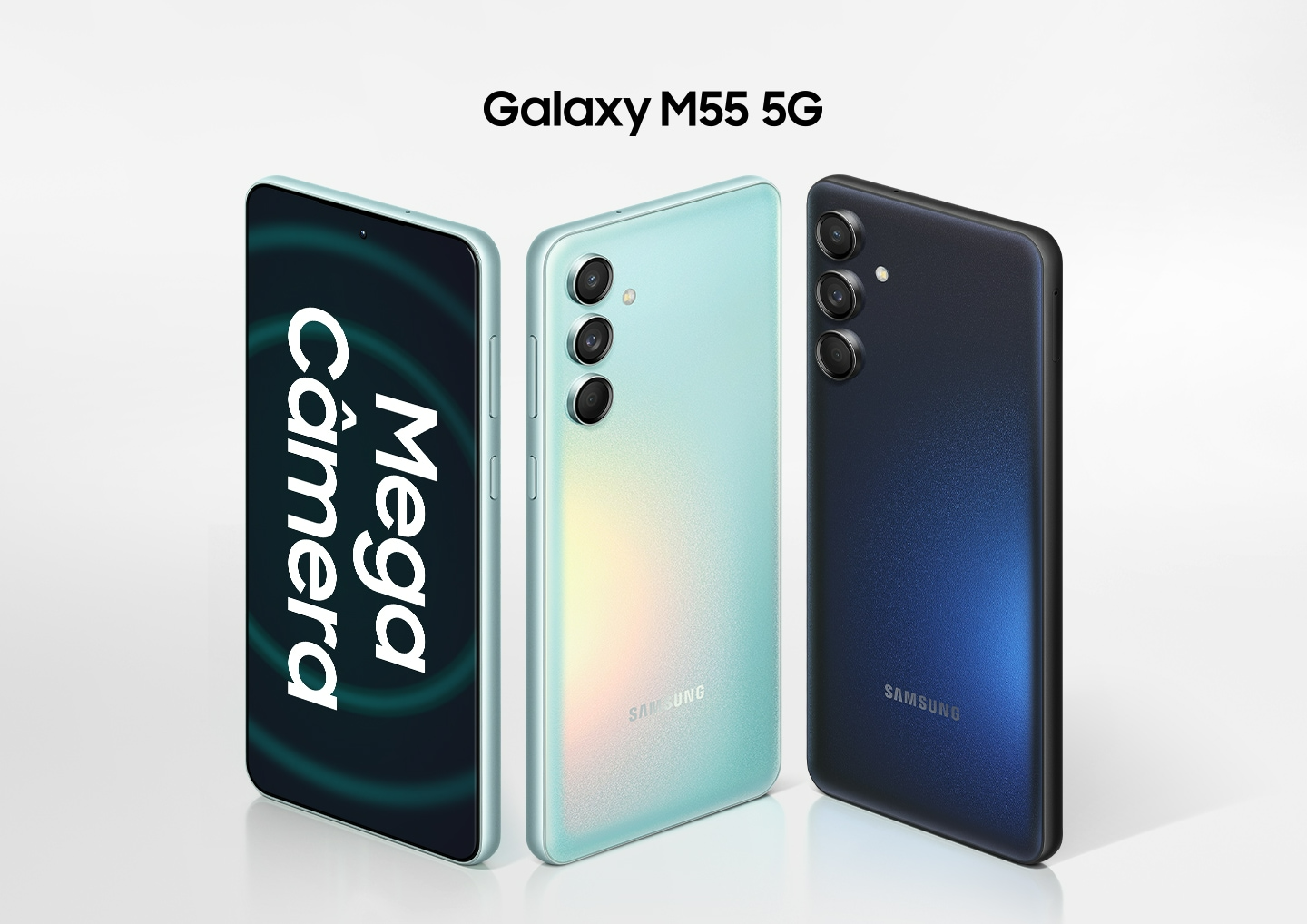
Samsung has announced an event for April 8 (Monday) in India. The company will take wraps off the Galaxy M15 and the Galaxy M55, both of which went official in some markets a while back.
The Galaxy M15 comes with a 90Hz FHD+ dewdrop notched AMOLED display, a MediaTek Dimensity 6100 Plus chip, a 50MP rear camera, a 13MP selfie camera, a 6,000mAh battery, and 25W charging support.
Whereas the Galaxy M55 arrives with a Qualcomm Snapdragon 7 Gen 1 SoC, a 6.7-inch FHD+ 120Hz centered punch-hole AMOLED display, a 50MP selfie camera, an OIS-assisted 50MP main camera, a 5,000mAh battery, and 45W charging support.
Both of them boot Android 14 and will receive four generations of Android updates.
2. Nubia Flip 5G
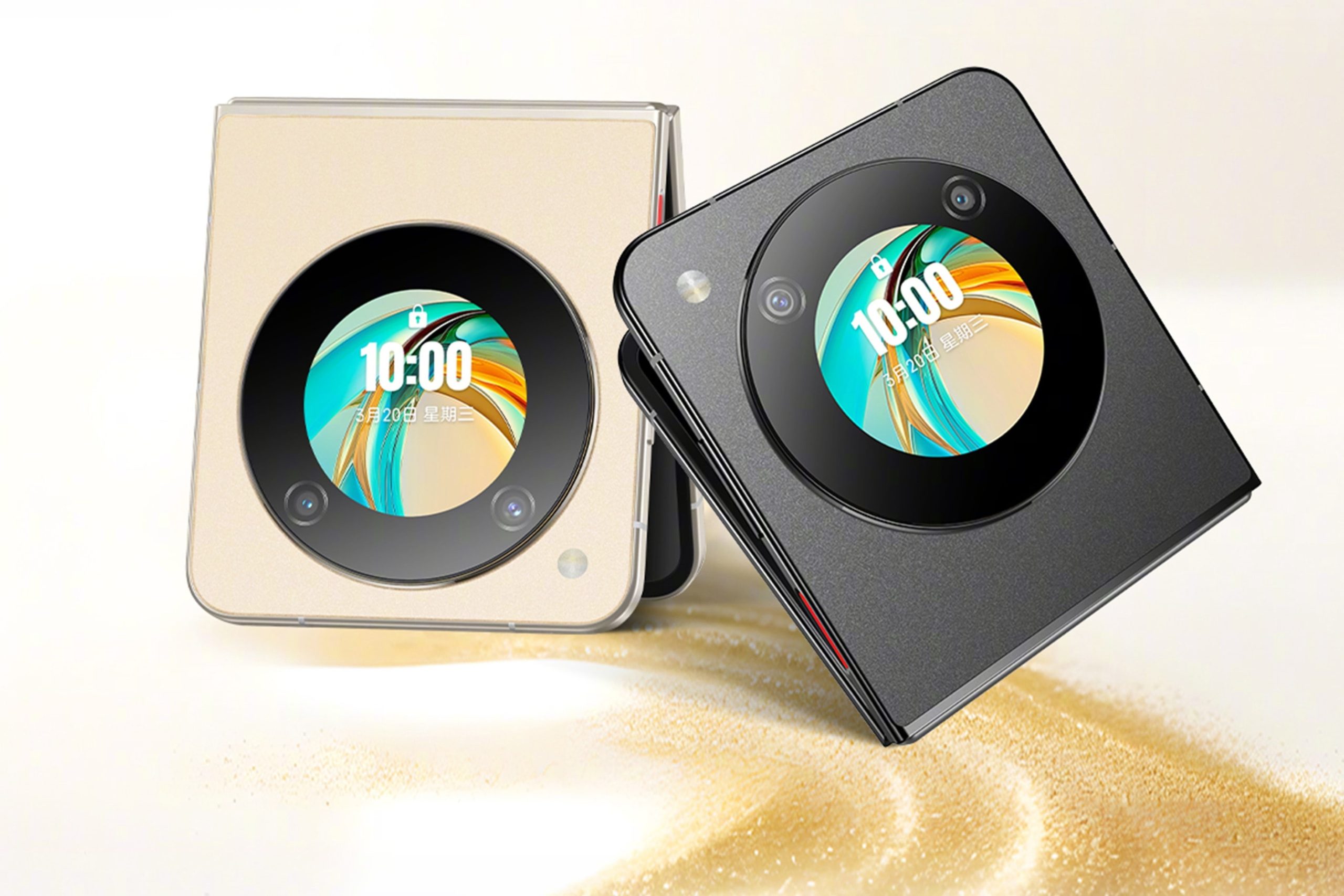
The Nubia Flip 5G will be made official on April 9 (Tuesday). As per teaser and leaks, the device will be a rebranded ZTE Libero Flip.
The Nubia Flip 5G will launch as the brand’s first clamshell foldable smartphone. It will arrive with mid-range specs and a price to match them. It is expected to be more affordable than last year’s Motorola Razr 40.
The phone will offer a 6.9-inch main display, a 1.43-inch circular cover screen, a Qualcomm Snapdragon 7 Gen 1 chipset, a 50MP rear camera, a 16MP selfie camera, a 4,310mAh battery, and 33W charging support.
3. Infinix Note 40 Pro 5G Series
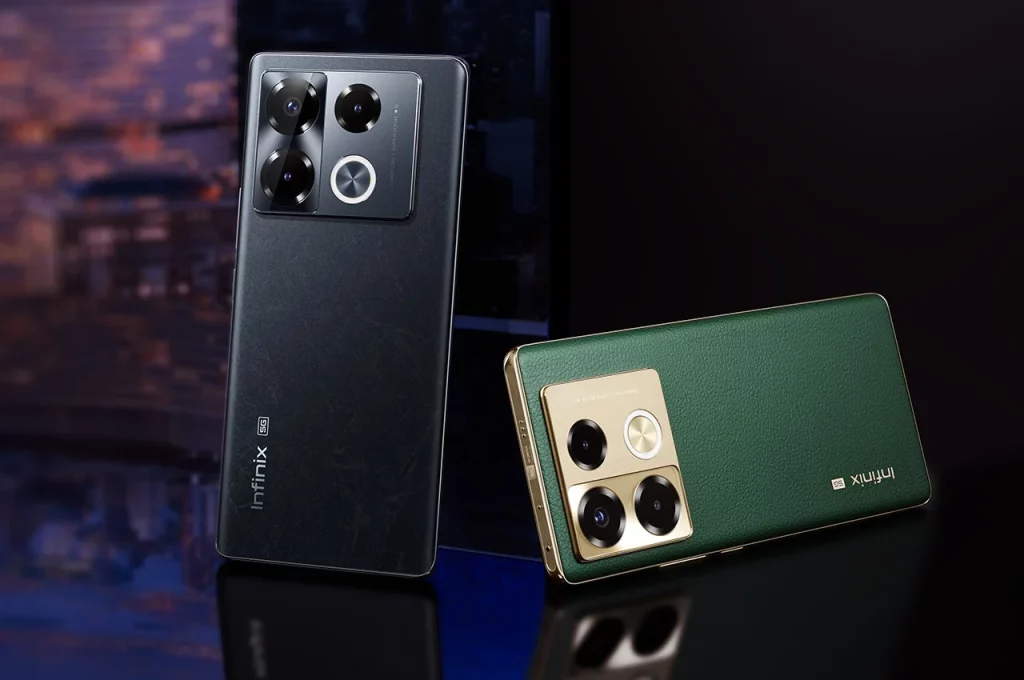
The Infinix Note 40 Pro 5G series is set to launch in India on April 12 (Friday). The company will unveil Infinix Note 40 Pro 5G and Infinix Note 40 Pro Plus 5G. The duo was announced globally recently.
Both these phones come with nearly identical specs. They only differ in terms of battery and charging speed. The ‘Pro’ variant houses a 5,000mAh battery and supports 45W wired charging as opposed to a 4,600mAh battery and 100 wired charging on the ‘Pro Plus.’
Apart from the aforementioned differences, the duo arrives with a 6.78-inch FHD+ 120Hz curved AMOLED display, a MediaTek Dimensity 7020 SoC, a 108MP rear camera, a 32MP selfie camera, JBL-tuned dual stereo speakers, and 20W wireless MagCharge support.
Apple is expected to introduce new iPads soon, possibly including two iPad Pro and two iPad Air models. Recently, two new iPads appeared on the Bureau of Indian Standards (BIS) website, indicating an imminent launch in India.
The listing on the BIS website shows that the iPads are labeled with model numbers A2836 and A2837. However, as is typical with BIS listings, no specific device specifications have been revealed, leaving uncertainty about whether these are iPad Pro or iPad Air models.
The sequential nature of the model numbers hints at the possibility of these iPads being two variations of the same model. This could mean different screen sizes and connectivity options, like one having Wi-Fi only and the other offering both Wi-Fi and 5G. Historically, Apple has released iPad Pro models in multiple sizes.
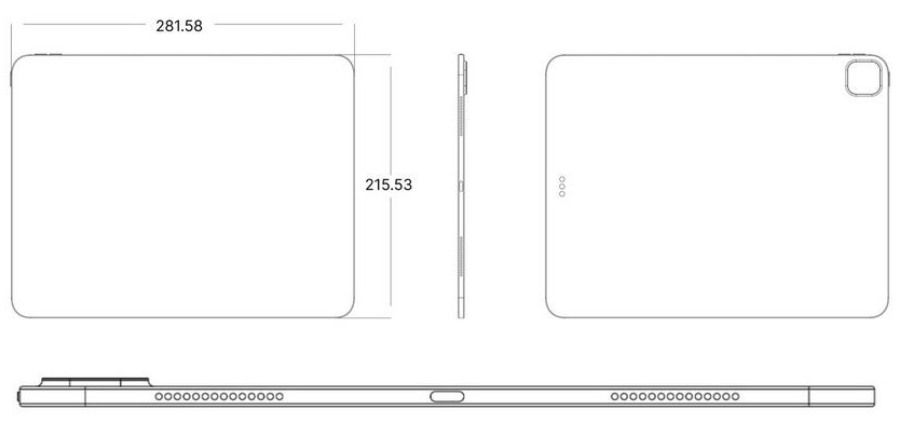
Rumors suggest that the new iPad Pro will come in 11-inch and 13-inch sizes and may feature an OLED display. This would bring significant advantages over traditional LCD or Mini LED displays, including improved content viewing experience and a slimmer device design.
11-inch iPad Pro (2024)13-inch iPad Pro (2024)
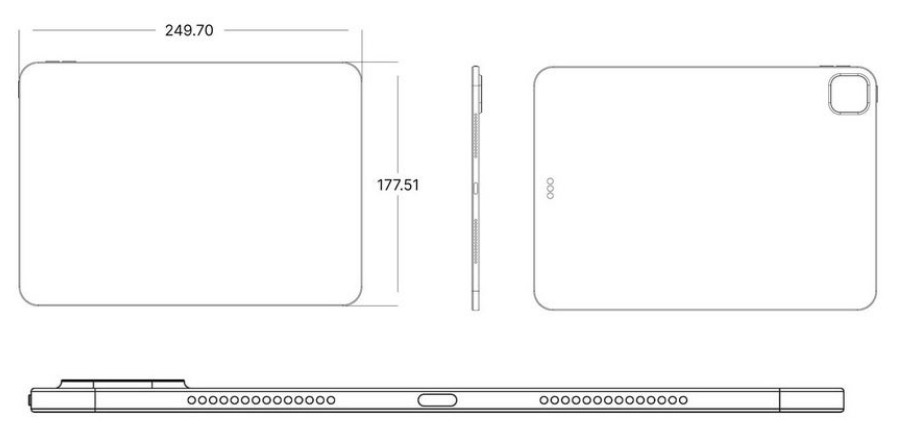
Moreover, leaked sketches of both the 11-inch and 13-inch iPad Pro models show a design similar to their predecessors, with the rear camera island positioned in the upper left corner and speakers and USB-C port located at the bottom.
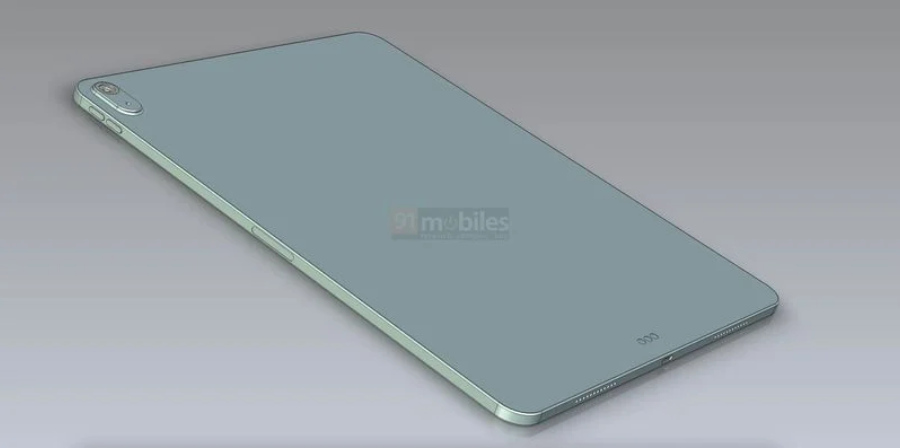
Additionally, there are rumors of a larger 12.9-inch screen option for the upcoming iPad Air.
iPad Air 2024
Previous renders of the rumored new iPad Air from January show a front design similar to the 4th or 5th generation models but with a larger screen size to accommodate the 12.9-inch display. The back of the device appears to feature a longer, pill-shaped camera setup, akin to those seen on the iPhone X and XS.
There’s speculation that the next iPad Air could be powered by the M2 chip, an upgrade from the current M1 chip.
After the Moto Edge 50 Pro launch in India earlier this week, Motorola is expected to launch another Edge 50 series device soon called the Motorola Edge 50 Fusion. Readers and specifications of the device leaked last month, and now, tipster Evan Blass has leaked the promo video of the Edge 50 Fusion.
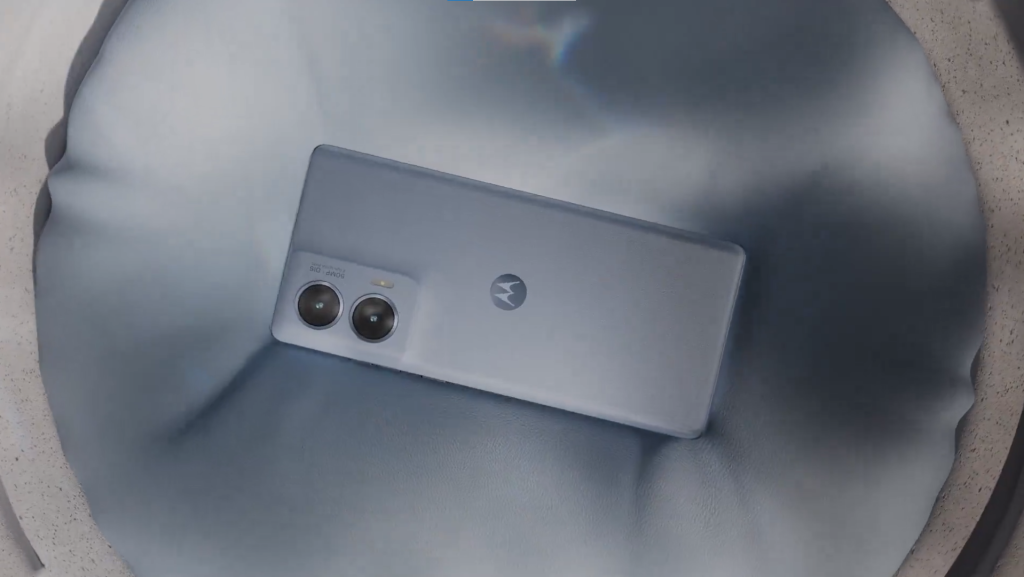
The teaser video verifies the earlier render leaks, revealing that the device has two camera cutouts on the back, with curved edges and a curved display. The camera island has 50MP OIS written on it, which confirms OIS stabilization for its primary camera. It also reveals that the phone will be launching in three color options: Ballad Blue, Peacock Pink, and Tidal Teal. The Ballad Blue color option appears to feature a textured back, which is likely made of vegan leather.
As per the previous leak, the Motorola Edge 50 Fusion has a 6.7-inch pOLED display, featuring Gorilla Glass 5 protection. A Geekbench listing of the device has revealed that the device features a Snapdragon 6 Gen 1 processor, paired with up to 8GB RAM. The phone is also said to include a 5,000mAh battery and 68W fast charging support.
The Edge 50 Fusion is rumored to sport a 50-megapixel main camera with OIS, alongside a 13-megapixel ultrawide camera and a 32-megapixel front camera for optics. Additionally, it’s expected to come with IP68 water and dust resistance. The anticipated price point for this device is around $300 USD or roughly Rs 25,000 in India. Currently, there is no official word on a launch date, however, we expect to hear from Motorola soon.
itel, a well-known smartphone brand renowned for its affordable devices, has broadened its range of products with the introduction of the itel VOLTX 65W Fast Charger in India. So let’s delve into its specifications, features, and price here.
itel VOLTX 65W Charger Features
The itel VOLTX 65W Fast Charger boasts a sleek and modern design, characterized by its compact, minimalist white appearance. Notably, it comes equipped with two USB Type-C ports. This thoughtful design offers versatility, enabling users to charge their smartphones and compatible laptops simultaneously.
itel claims that the VOLTX provides charging speeds up to 3 times faster than standard chargers. Additionally, it includes overvoltage protection to ensure device safety during the charging process.
The itel VOLTX 65W Fast Charger utilizes GaN (Gallium Nitride) technology, known for enabling faster and more efficient charging in a smaller form factor.
itel VOLTX 65W GaN Fast Charger Specifications:
Elegant design
65W GaN Technology
Two Type-C ports
Wide compatibility
Overvoltage Protection
White color
Price and Availability
The itel VOLTX 65W Fast Charger is priced at just Rs 1,699 in India. For the price, it offers a compact form factor, GaN technology, fast 65W charging, and multiple charging interfaces, making it a really worthy deal.
Initially, itel is exclusively offering the VOLTX 65W Fast Charger through offline retail channels. This decision, according to the company, is to reinforce the brand’s bond with its extensive network of retail partners while highlighting its presence in the offline market.
Noise has just unveiled a brand-new smartwatch that arrives with a familiar look. The ColorFit Ore is its latest wearable model, and it features a design that resembles the Apple Watch. But unlike Apple’s smartwatch, this model is a lot more affordable. So let’s have a look.
Noise ColorFit Ore Specs
The company’s new smartwatch sports a tall 2.1-inch AMOLED display that offers 448 x 368 pixel resolution along with 600 nits of peak brightness. This display is housed in a metal casing and is available in a leather, silicone, and metal band options. This casing also features a functional crown. It features a built-in microphone that enables Bluetooth Calling functionality via Tru Sync support that offers fast pairing and a wide range of up to 18 meters.
On a single full charge, the Noise ColorFit Ore can last for up to 7 days. Although, this falls to just 2 days with Bluetooth calling enabled. Users also get access to alarms, weather updates, and music controls. When paired with the NoiseFit App, you can also get a detailed insight into your sleep cycle as well thanks to the sleep monitoring feature. This launch arrives mere weeks after the company also unveiled the Noise ColorFit Icon 3 Plus, which featured a similar Apple Watch-like design as well.
Noise ColorFit Ore Pricing and Availability
The new smartwatch is listed in multiple variants, the silicone variant includes the Jet Black and Space Blue colors, while the Classic Brown variant is for the leather strap option. The premium metallic bands include the Elite Black and Elite Silver as well. Noise has released the ColorFit Ore on Amazon India for a special launch price of 2,999 INR (roughly 36 US Dollars). The device has yet to kick off sales of this wearable, so stick around for more updates.
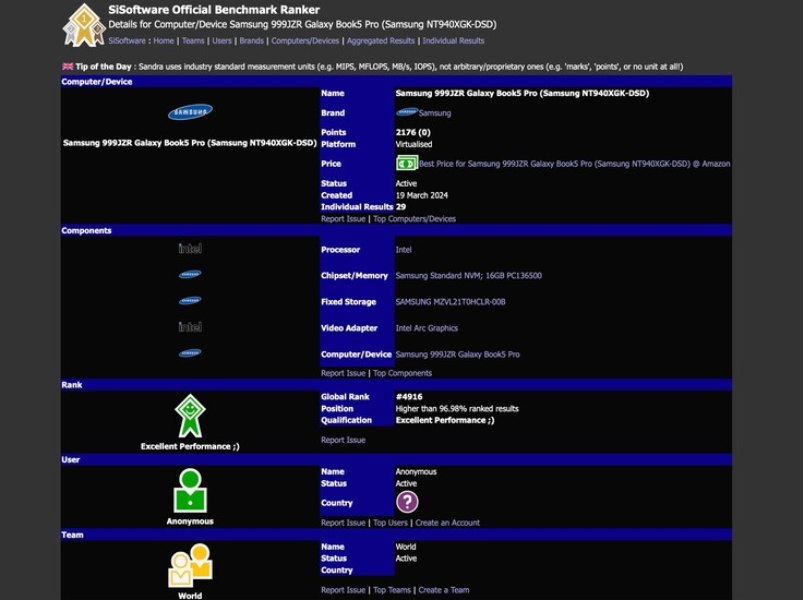
In addition, Samsung seems to be readying the next generation of Galaxy Book 5 laptops. Recently, the Galaxy Book 5 Pro was spotted in SiSoftware’s benchmark database, featuring a processor from Intel’s Core Ultra 200 series.
The upcoming Intel processor is expected to be based on the Lunar Lake architecture and is expected to launch later this year. However, looks like the early samples have already reached the laptop manufacturers.
Lunar Lake is expected to introduce a new design for Intel’s CPU featuring four ‘Lion Cove’ performance cores and four ‘Skymont’ efficiency cores. It’s a change from the previous setup of two performance and eight efficiency cores in Meteor Lake U.
In total, the chip will house eight computing cores, and the benchmarks show a base clock speed of 1.6 GHz and a boost clock of 2.8 GHz, although these speeds are likely for early prototypes and will improve in subsequent versions.
Additional specifications of the chip include two 12 MB L3 caches (likely allocated for performance and efficiency cores respectively) and 2.5 MB L2 caches per core. The device will also feature 16 GB of LPDDR5X 8533 RAM.
Intel is also expected to equip Lunar Lake chips with Arc graphics based on the new Xe2 architecture.
According to the benchmark, the Galaxy Book 5 Pro variant will utilize a smaller iGPU configuration with 4 Xe cores, 64 execution units, 512 shaders, and an 8 MB L2 cache. While not as powerful as the top-tier Arc iGPU, it still represents a significant graphics enhancement for laptops.
We use cookies on our website to give you the most relevant experience by remembering your preferences and repeat visits. By clicking “Accept”, you consent to the use of ALL the cookies.
This website uses cookies to improve your experience while you navigate through the website. Out of these, the cookies that are categorized as necessary are stored on your browser as they are essential for the working of basic functionalities of the website. We also use third-party cookies that help us analyze and understand how you use this website. These cookies will be stored in your browser only with your consent. You also have the option to opt-out of these cookies. But opting out of some of these cookies may affect your browsing experience.
Necessary cookies are absolutely essential for the website to function properly. This category only includes cookies that ensures basic functionalities and security features of the website. These cookies do not store any personal information.
Any cookies that may not be particularly necessary for the website to function and is used specifically to collect user personal data via analytics, ads, other embedded contents are termed as non-necessary cookies. It is mandatory to procure user consent prior to running these cookies on your website.