Advertisement

Google schedules event for October 9 and these are what we expect to be announced

Google has officially revealed a date for its launch event. The date is October 9 and the venue is in New York. The venue is surprising since Google is known to host its launch events in California.

While the Pixel 3 and Pixel 3 XL are the expected devices to be announced on that day, we are sure those are just two of all the new hardware that will be unveiled. Below is a list of other products that will also likely be announced:


1.Android TV Dongle (Chromecast Ultra’ successor)

Earlier this year, a Chromecast-like dongle was seen at the FCC. The dongle has Google’s “G” logo on it and an HDMI-out connector at one end. The FCC document referred to it as the “4K ATV” stick which means it supports streaming in 4K.
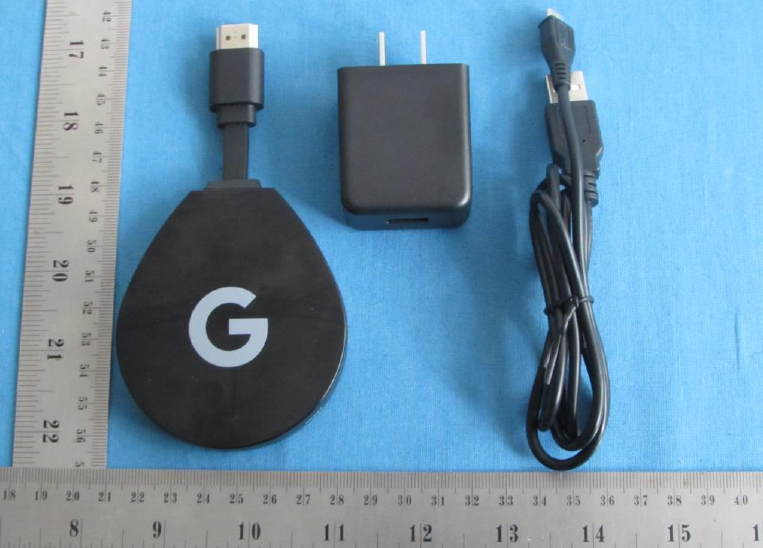
Google Android TV Dongle

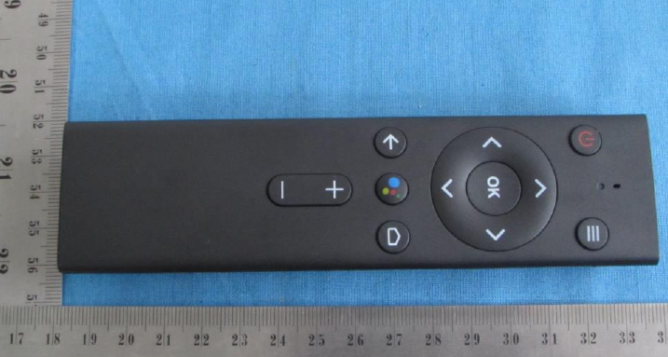
Google Android TV Dongle remote

It has 2GB of RAM, 8GB of storage and is powered by an Amlogix S905X processor. The dongle also has a remote similar to that of the Mi Box but with a dedicated Google Assistant button. Our guess is that this is the successor to the Chromecast Ultra but with Android TV on it so you have no need for your phone, tablet, or PC.


2. Mi Box 2 (Mi Box 4)

The Mi Box is the Android TV version of the Mi Box 3 that is sold in China. Announced back in 2016, Google (and Xiaomi) may announce a successor at the October 9 event.
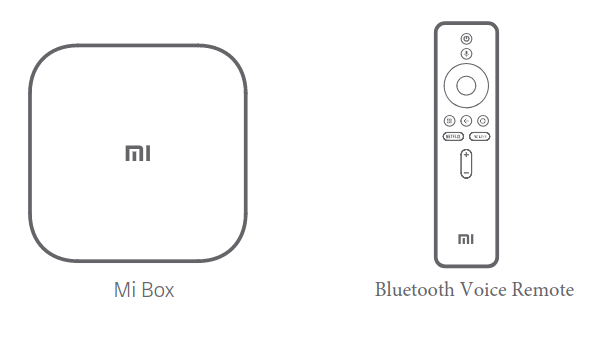
The new box which may be officially called the Mi Box 2 was seen at the FCC a few months ago. It has the same design as the Mi Box 4 sold in China but comes with a different remote. The remote has a dedicated Google Assistant key like that of the TV dongle above but also adds a dedicated Netflix button and another button for Live TV.

The design of the box and the new remote seems to be the biggest upgrades as the internals don’t seem to have changed at all. It still has 2GB of RAM and 8GB of storage. It also keeps the full-sized USB port in case you want to connect a USB flash drive or a wireless gamepad.
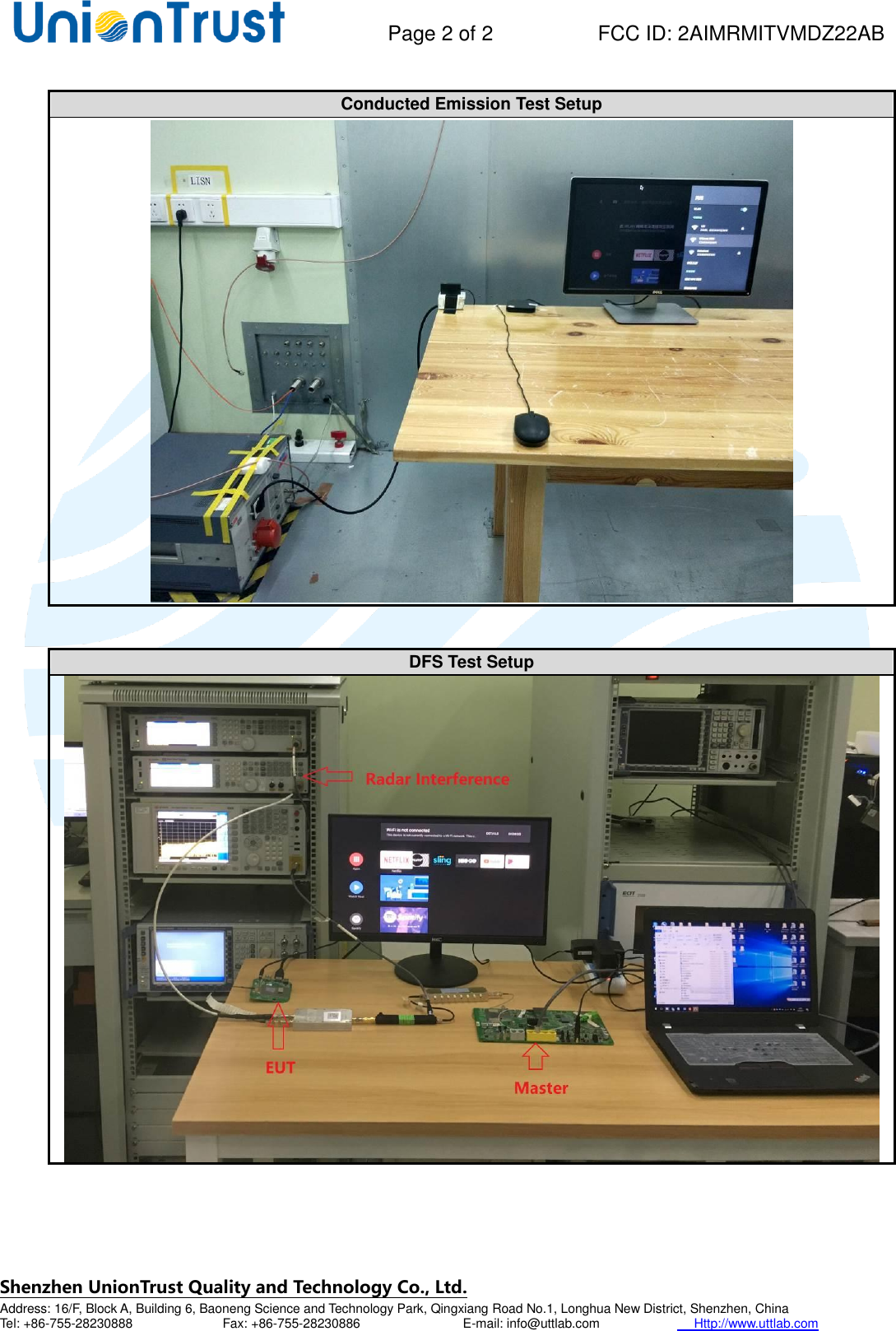
Mi Box 2 test photos

A test photo of the device at the FCC shows an interface similar to that of Android TV 8.0 Oreo. This is not surprising since Android TV 9.0 Pie isn’t yet available. By the way, Google has made a rule that Android TV boxes launched after December 15 must come with Android Pie.


3. A new Google Home with a display

A number of manufacturers have released smart speakers with displays. Lenovo’s Smart Display (8” and 10” models) and the JBL Link View are two examples. However, Google may launch its own smart display at the event.
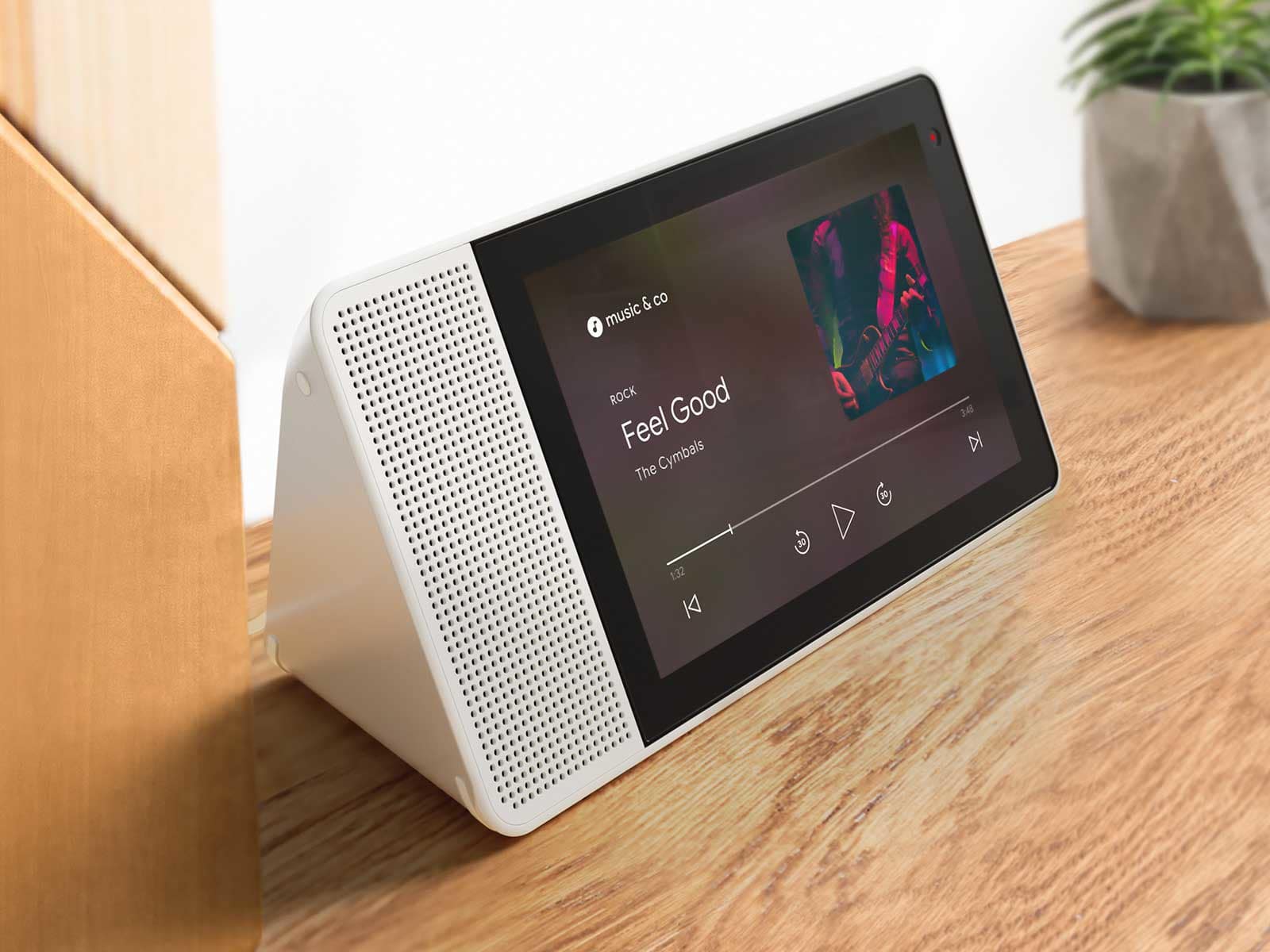
Lenovo Smart Display

News of Google’s own smart display was first reported last month by Nikkei Asian Review. The smart display will launch before the holidays and is expected to challenge Amazon’s own Echo Show. Google is said to have set a target of 3 million shipments for the first batch.

The device which will likely be made by Taiwan’s Quanta Computer will be the latest member of the Google Home family when it launches.


4. Pixelbook 2

The Pixelbook is still one of the best Chromebooks on the market but it is already a year old which means its internals are a bit outdated. A new Pixelbook is said to be in development and goes by the codename “Nocturne”. It is said to be detachable, allowing it to be used as a ChromeOS tablet. Nocturne has also been reported to have a fingerprint scanner, a first for a Chrome OS device.

With respect to specs, Nocturne has a 2400 x 1600 screen, two USB-C ports, and is missing a MicroSD card slot.

However, it isn’t the only ChromeOS device in development by Google. A second device codenamed “Meowth” was also discovered in Chromium source code. It has been reported as being detachable and working with the same keyboard base as “Nocturne”  and goes by the codename “Whiskers”. Meowth has also been reported to be less powerful than “Nocturne”.

The keyboard dock is detachable and has a backlight which adjusts automatically based on ambient light. It can also be folded to serve as a stand when “Nocturne” or “Meowth” is in tablet form. When in this form, the keys and touchpad are automatically disabled.

We don’t have further proof to back any of these findings yet but there is a possibility Google may announce at least one new Pixelbook.

READ MORE: No Pixel smartwatch(es) this year says Google
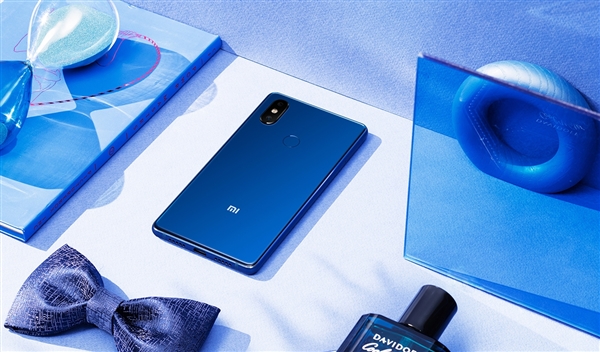
Xiaomi Mi 8 SE gets yet another price cut

The Xiaomi Mi 8 SE has been a best-selling model since it officially went on sale. Barely one month after the model got its first price cut for the 6GB + 64GB version, Xiaomi has activated another cut in the price of the mid-range model. This time around, the 4GB + 64GB version is on offer for 1699 yuan (~$248) which is 100 yuan lower than its launch price tag. The Mi 8 SE went on sale on June 8 with a starting price of 1799 yuan for the 4GB+64GB version while the 6GB+64GB sold for 1999 yuan.Xiaomi Mi 8 SE


The slight price reduction is likely going to be a limited time offer but there is no indication as to when it will end. However, we draw some optimism from these consistent price reductions to look forward to a slash in the price of the model outside China.

Read More: MIUI 10 Stable ROM update rolls out on Xiaomi Mi 8 SE and Mix 2

 Xiaomi Mi 8 SE comes with a 5.88-inch AMOLED display, dual cameras and fingerprint sensor at the rear, as well as a powerful 3120mAh battery and more. Aside from having a beautiful design, the main standout feature of the Mi 8SE is definitely the Snapdragon 710 chipset onboard. This is Qualcomm’s latest premium mid-range chipset with some level of improved performance and energy efficiency over the Snapdragon 660 chipset. The device is available in 4GB + 64GB and 6GB + 64GB variants. A high-end 6GB+128GB memory variant was announced towards the end of July and went on sale a couple of weeks back for 2299 yuan (~$338).

(source)Xiaomi Mi 8 SE

Mysterious Huawei Y10 trademarked in Europe

With all its devices and the ones from its Honor sub-brand, Huawei is one of the most prolific smartphone manufacturers, besides being the second one in terms of sales in the last period. The Y series is known as the line-up with the most affordable Huawei devices, and now the Chinese company has trademarked a new device from this series in Europe. Its name is Huawei Y10 and the trademark has been filed at EUIPO (European Union Intellectual Property Office). This means that a new device may be making its way in the European smartphones market.

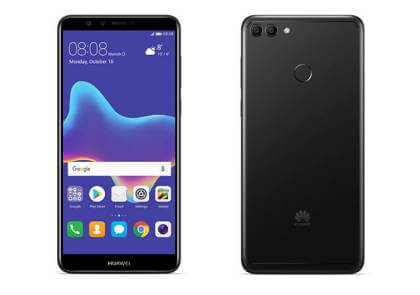
Huawei Y9 2018

Judging from the model number, this could be the most powerful and expensive device from the Y line-up, but given that this is an entry-level series, we expect it to be a mid-ranger. However, this is in contrast with the latest reports suggesting that the company is planning the launch of a new gaming smartphone by the end of 2018. Someone is even thinking that Huawei Y10 is the upcoming foldable smartphone that, according to the company, will be launched in 2019. But there is to consider that a single trademark filed at EUIPO does not mean that a device called Huawei Y10 will be necessarily launched soon.
Alongside the Huawei Y10, the Chinese company has also trademarked other monikers: P66, P77, P88 and some mispronunciations of its brands such as Wawei, Honer, Huawey, Homor and more. At the moment, the closest device to the Y10 is Huawei Y9 (2018) and it has been announced back in March. It sports an all-metal design and a 5.93-inch display with a Full HD+ resolution of 1080 x 2160 pixels. On the hardware side, it has an octa-core Kirin 659 chipset alongside up to 4 GB of RAM and up to 128 GB of internal storage. It even has a dual camera (16 and 2 MP resolutions, f/2.2 aperture) and a big 4000 mAh battery.

(via)

Rumoured Nokia 9 (TA-1094) packing five rear cameras spotted online

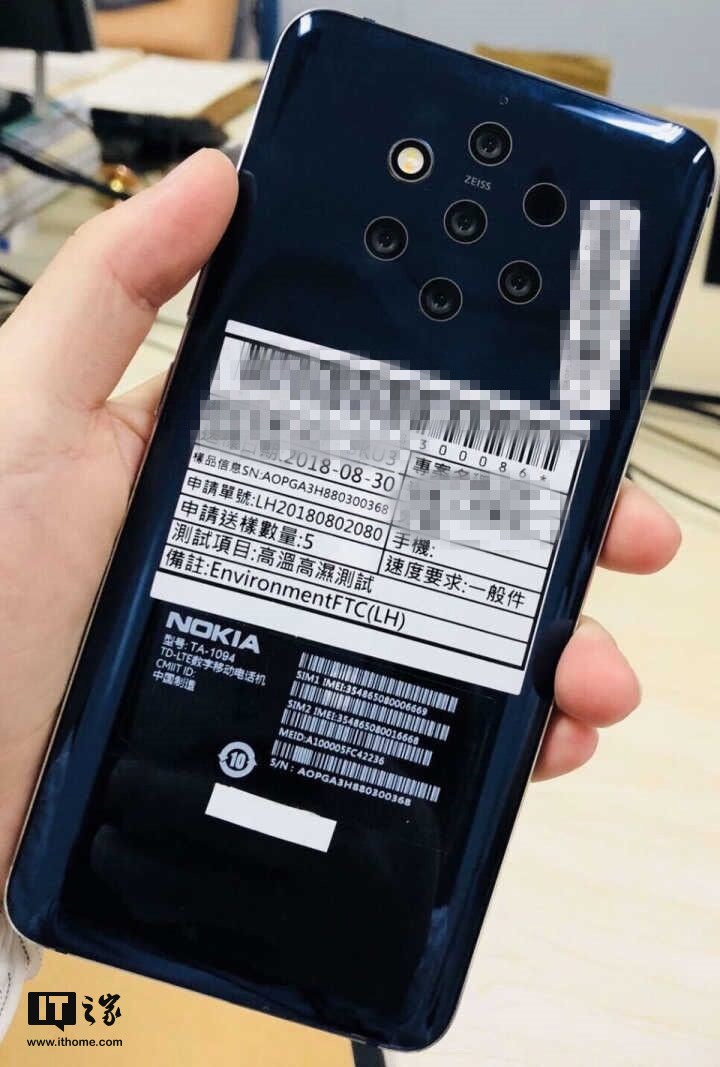
A new Nokia smartphone suspected to be the Nokia 9 has been spotted online. The picture which was first posted on Chinese blog IThomes’ forum and was later published by the blog shows the device which is said to be the Nokia 9 with a five rear camera setup. This is quite an interesting one as the highest we have seen so far on a smartphone is the triple camera setup of the Huawei P20 Pro which was released earlier this year.nokia 9

This isn’t the first time Nokia has been rumoured to be working on a Penta-lens camera-packing smartphone but this is the first time we are seeing a real-life prototype and not a concept render. While the tipster calls it the Nokia 9, IThomes believes it could be called Nokia 10. The phone comes with the model number TA-1094 and so could be called Nokia 9. However, we recall that several renders of the Nokia 10 concept made the rounds earlier this year. A tipster who claimed to have got knowledge of all the Snapdragon 845 smartphones equally released a list which contains the Nokia 10 as one of the models that would be launched packing Qualcomm’s 2018 flagship Snapdragon 845 System-0n-Chips. The Nokia 10’s schematics had also been the subject of a recent leak, pointing at a revolver-like camera setup but in this picture, the lenses are fixed.

Read Also: While We Wait For Nokia 9, a Nokia 10 Drawing Leaks With Penta-Lens Camera

The camera has the ZEISS badge which means it is manufactured by ZEISS. A recent ZEISS patent of the Penta camera setup perhaps gives an insight of how the setup will work. The patented technology utilizes an array of additional lenses having different focal lengths and mounted on a rotating lens base which sits between the camera sensor and a normal fixed lens. In this case, there is no rotating base and so it is possible software will do the work of changing from one sensor to another. The roles of the five lenses could be related to telephoto, black and white, color, blur, and multi-lens pixel synthesis but we are not so sure about that. There is no word on when Nokia will unveil its 2018 flagship but we expect that to happen soon.

(source)


[UPDATE] Huawei and Honor busted! Flagships caught cheating on benchmarks, Company admits

UPDATE: After the below episode, some of the most important Huawei handsets have been delisted from the following benchmarking platforms: UL Benchmarks, Futuremark and 3DMark. Until now, devices removed are Huawei P20 Pro, Nova 3, and Honor Play.

You should never completely trust benchmarks. Never. We are not telling this to you because benchmarking platforms are not reliable, and neither because benchmarks are not the only factor to consider in order to evaluate the performance of a smartphone. You should not trust benchmarks because faking them has become a common practice, especially among Chinese smartphones manufacturers. Or at least this is what the president of Huawei’s software division, Mr. Wang Chenglu thinks. Yes, after the accusations on OnePlus and Meizu last year, even Huawei and Honor phones have been caught cheating on benchmarks to achieve higher results.

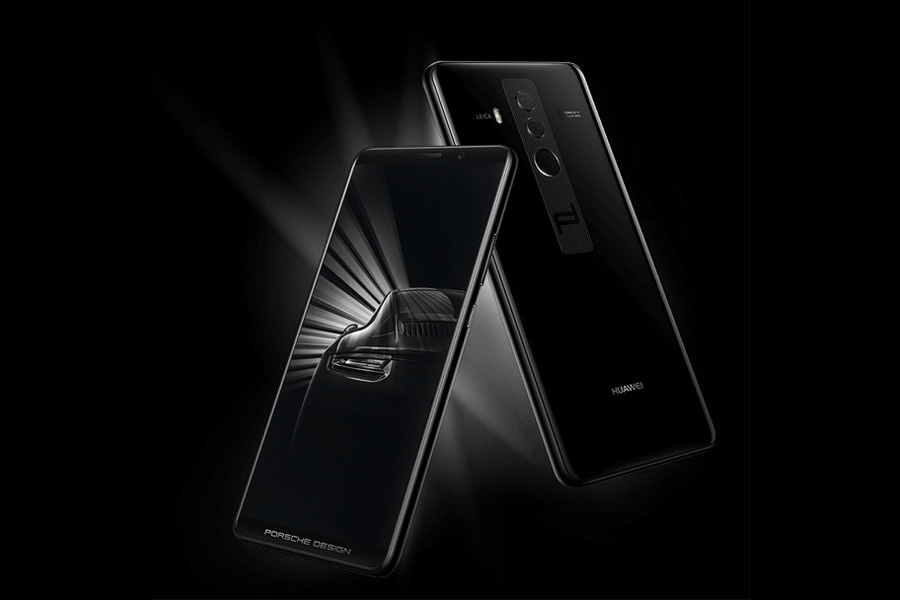
Huawei P20 porsche

The sad discovery has been made by the guys from Anandtech, who have detected weird results on benchmarks after testing Huawei and Honor flagships, so they decided to dig deeper. An initial test has highlighted that Huawei P20 and P20 Pro obtained an inferior score on graphics benchmarks compared with the predecessor Huawei Mate 10, even though they had the same SoC (the octa-core Kirin 970) and the GPU with the same frequency. After another test, they have noticed a similar result with the new Honor Play. In a few words, these flagships are able to detect when the user is running a benchmark app and they increase their performance temporarily to obtain higher scores.

The Chinese company also used to highlight these scores to promote the devices. Anandtech revealed that the handsets are able to achieve up to 50% better results on benchmarks thanks to the trick. But while the smartphone cheats, it heats much more and energy consumption gets way higher. Chenglu has implicitly admitted the guilt at IFA 2018 and promised more transparency in the future. According to him and as we said above, faking benchmarks has become a common practice in China (he also mentioned a known Chinese manufacturer faking benchmarks) and Huawei had to adapt.

(source)

You can now check Nokia phones security updates status on the official site

It is never easy to find the exact status of smartphone updates on the web, but HMD Global had a wonderful idea to solve the problem. Now, it is possible to check in detail the status of updates on Nokia phones by heading to a page of the official website. This page is not new, but it has just been updated to include detailed info. Sadly, it only regards security updates, but still better than nothing.

Nokia 6.1 Plus color variants

Now, it is very easy to check which is the latest security patch rolled out on each Nokia phones, in each specific variant. You just have to click the source link at the end of this article, then select the desired phone to check the status of its security updates and even its major Android version.

The website will show you both the security patches and the maintenance releases rolled out, alongside the date when they have been made available. If you own a Nokia phone and you want to compare the update status of your devices with the one on the website, you just have to head to the settings and select the About device info, then compare the build numbers. Note that currently Nokia 5.1 Plus and 6.1 Plus are missing from the list.

(source, via)

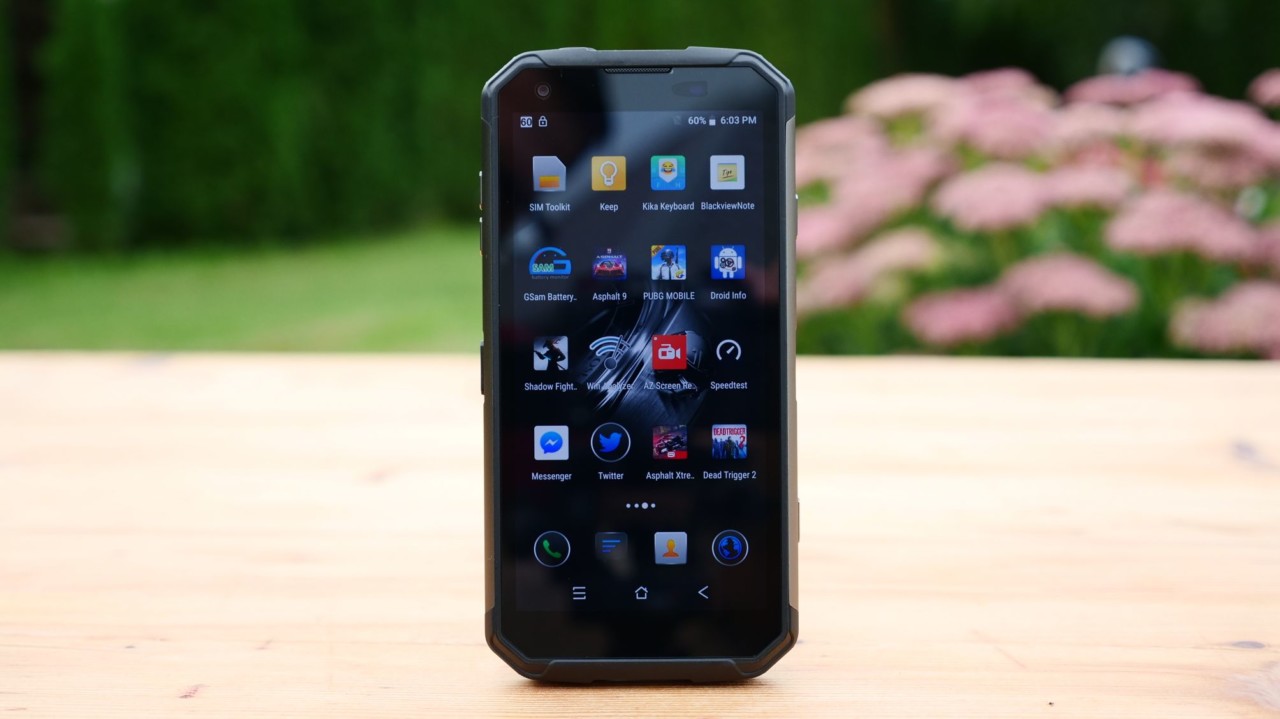
Blackview BV9500 Review – Solid 10000mAh Rugged Smartphone!

Blackview BV9500 is quite a unique phone that costs just about $330 but it has a massive 10000mAh battery that is packed into a water-resistant and shockproof body. As always, I will go through all the pros and cons of this device, so stay tuned.

VIDEO REVIEW

[embedyt] https://www.youtube.com/watch?v=Da0NekjFG3o[/embedyt]


UNBOXING

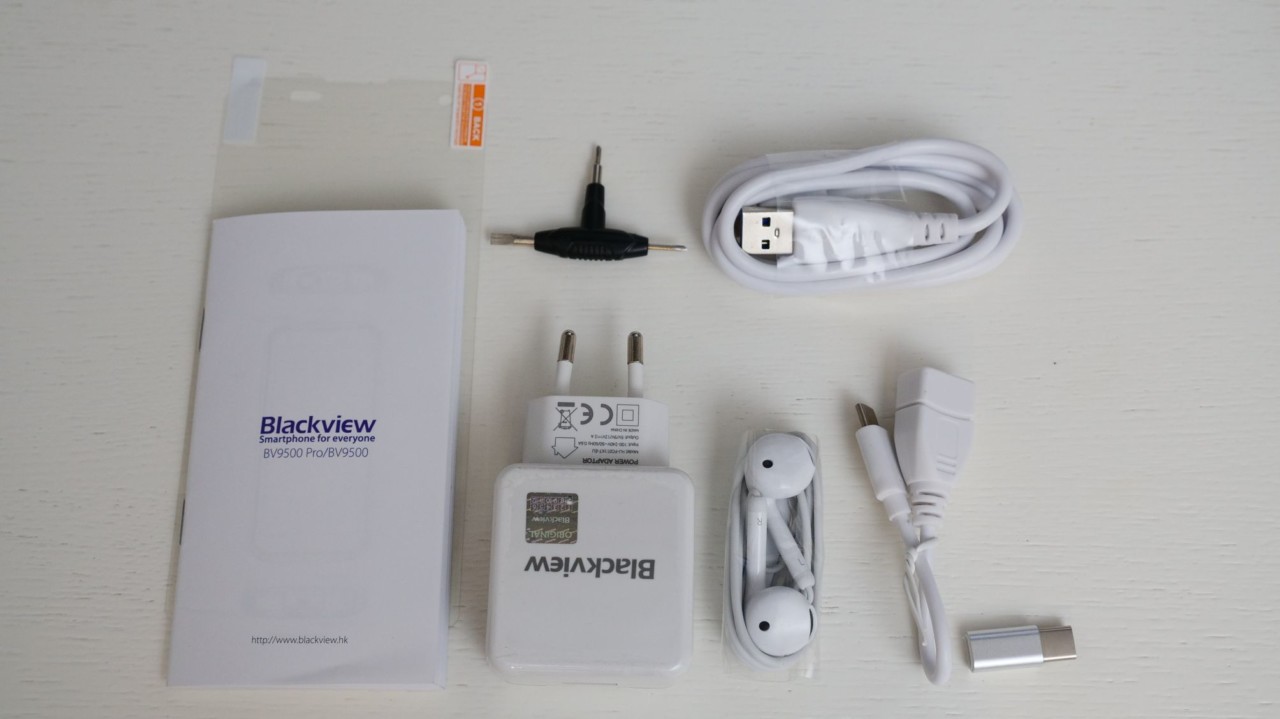
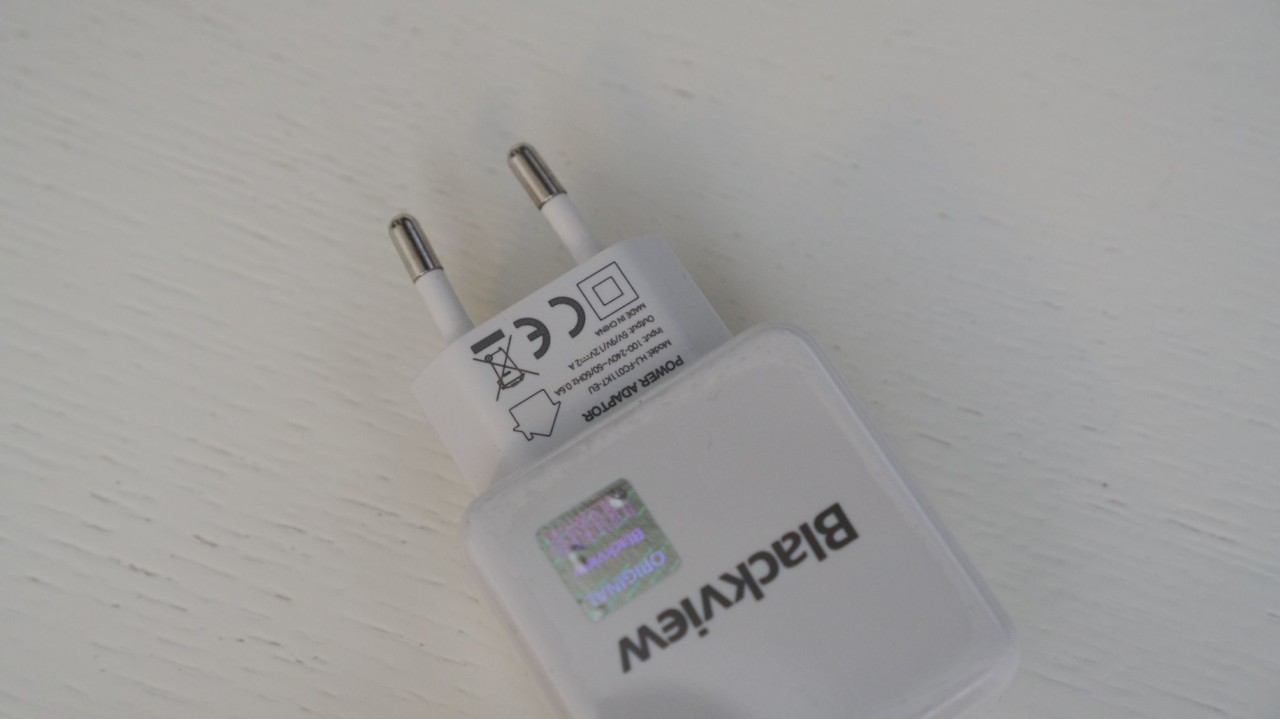
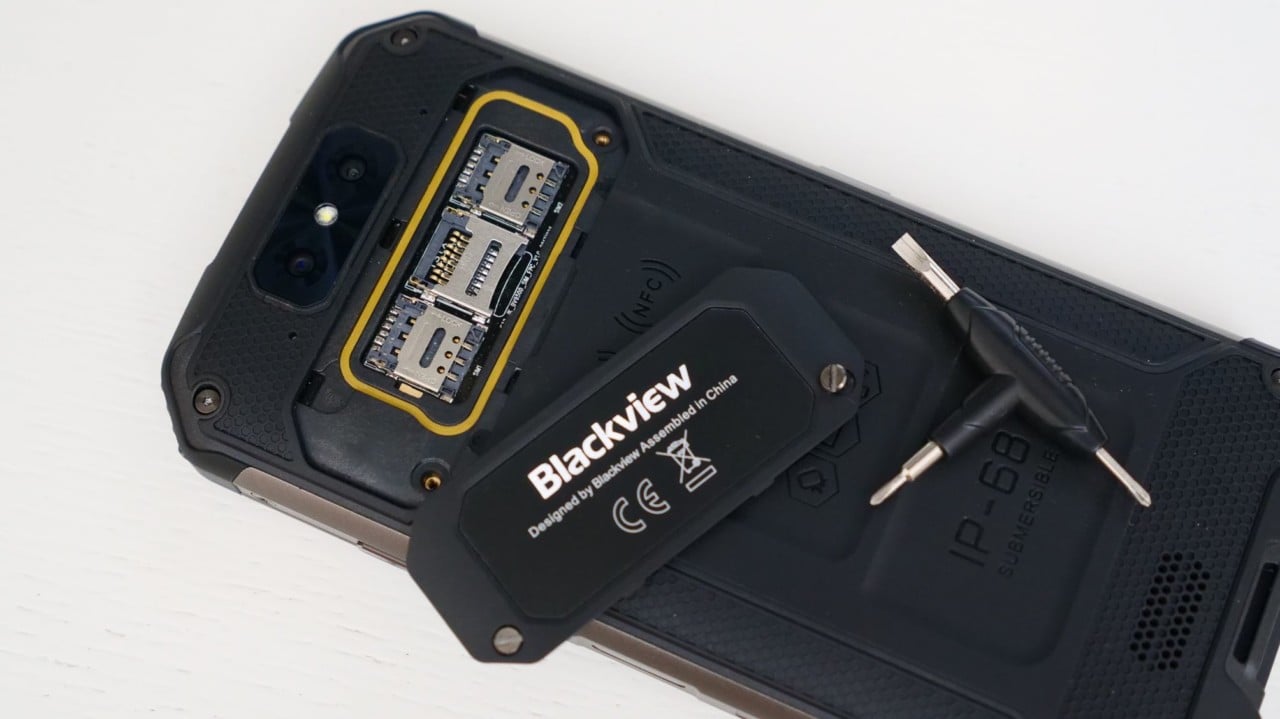
The phone ships with all the usual items and some extras include USB OTG cable, USB-C adapter, a pair of earphones, a screen protector and a tool to open up the SIM card tray.

DESIGN, DISPLAY, BATTERY LIFE

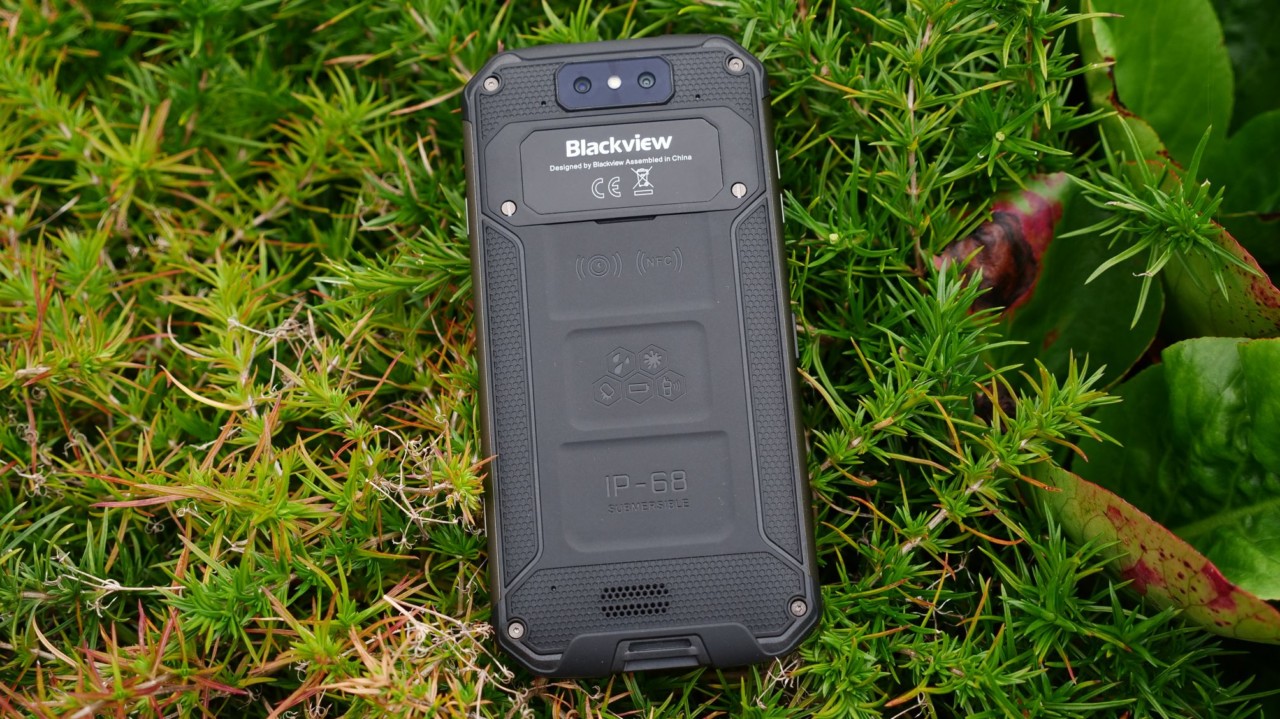
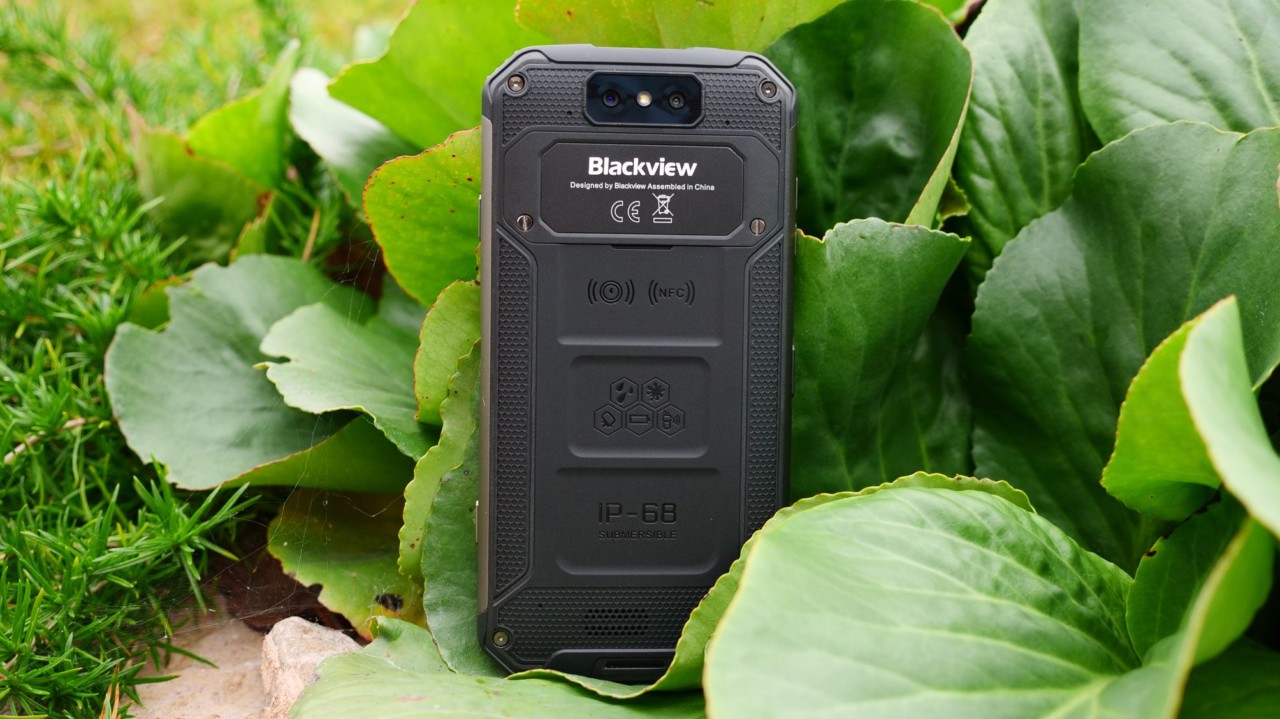
The Blackview BV9500 is a really big and heavy device but it has a few serious reasons for that: an insanely huge 10000 battery and rugged, water-resistant and shockproof body.

Let’s start with the battery. Obviously, the phone will last you forever on standby mode but if you use it on the daily basis, you should expect to get up to 24 hours of screen-on time, which is an amazing result, to say the least.

You can also charge it up in just about 2.5h thanks to the supplied fast charger. The phone supports wireless charging for added convenience and this feature works fine.

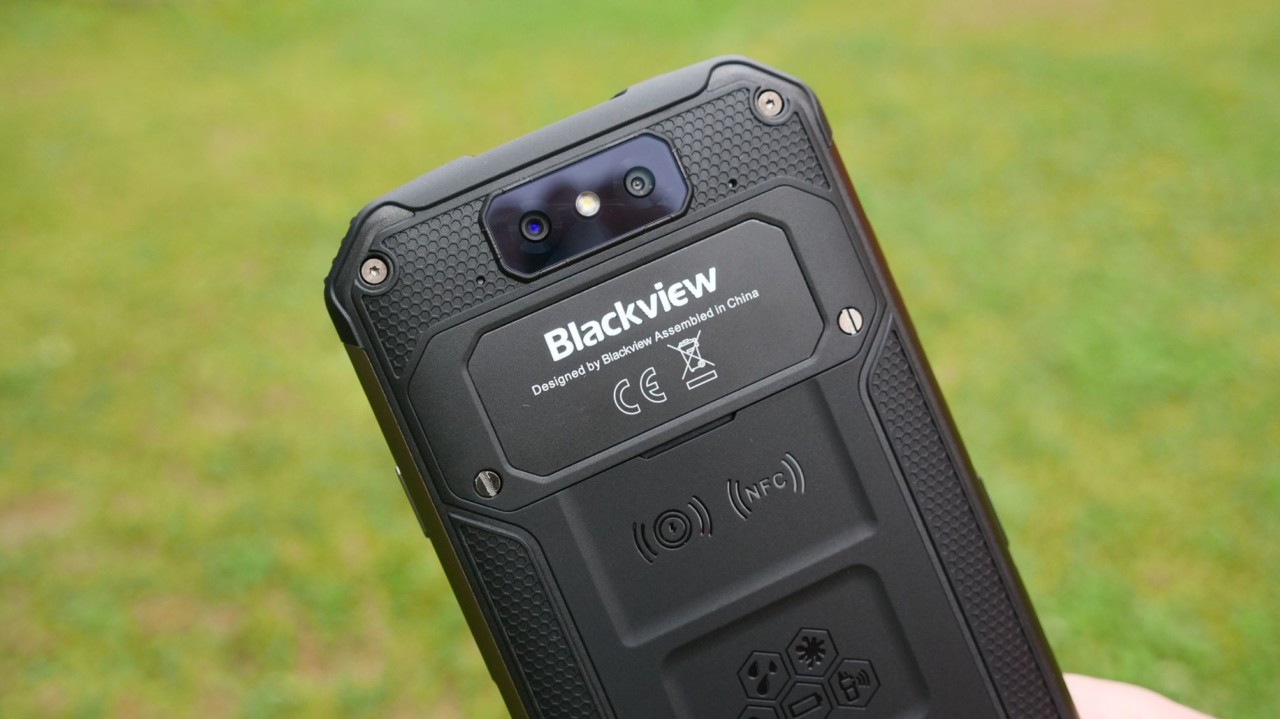
The overall build quality is excellent. The phone uses a hefty metal frame on the sides and shockproof rubber on the top and bottom, and on the back of the device.

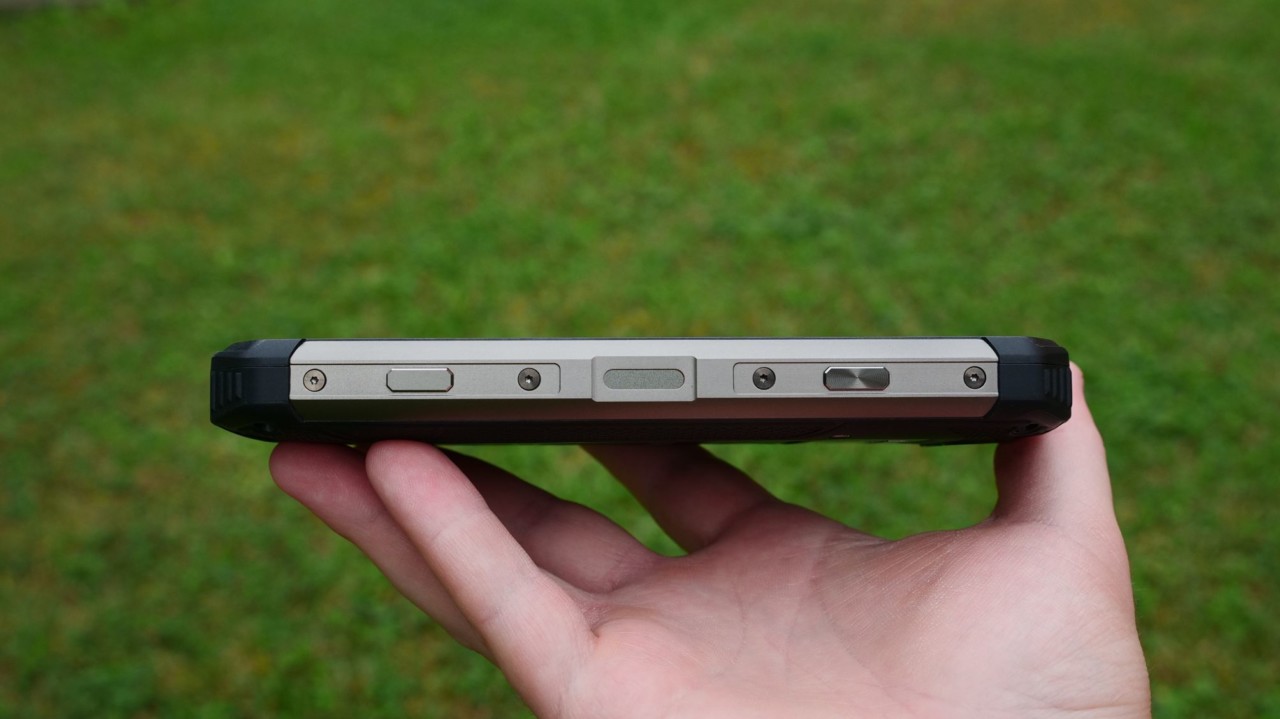
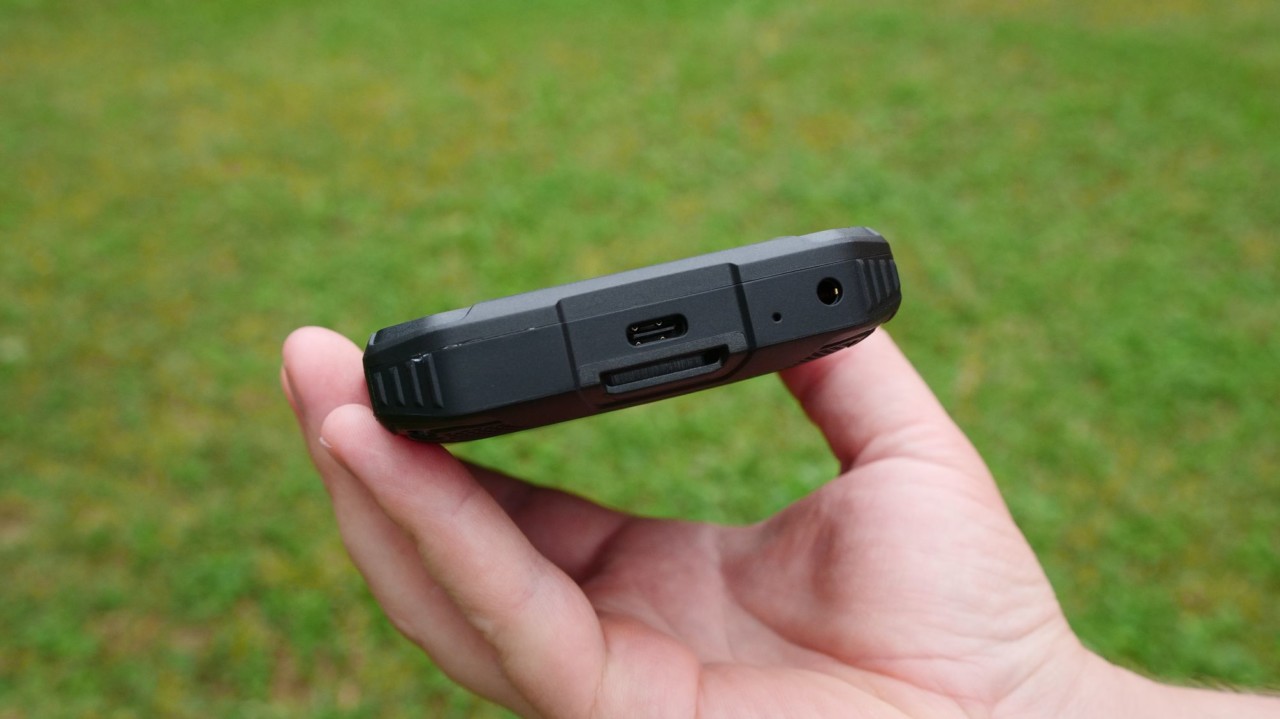
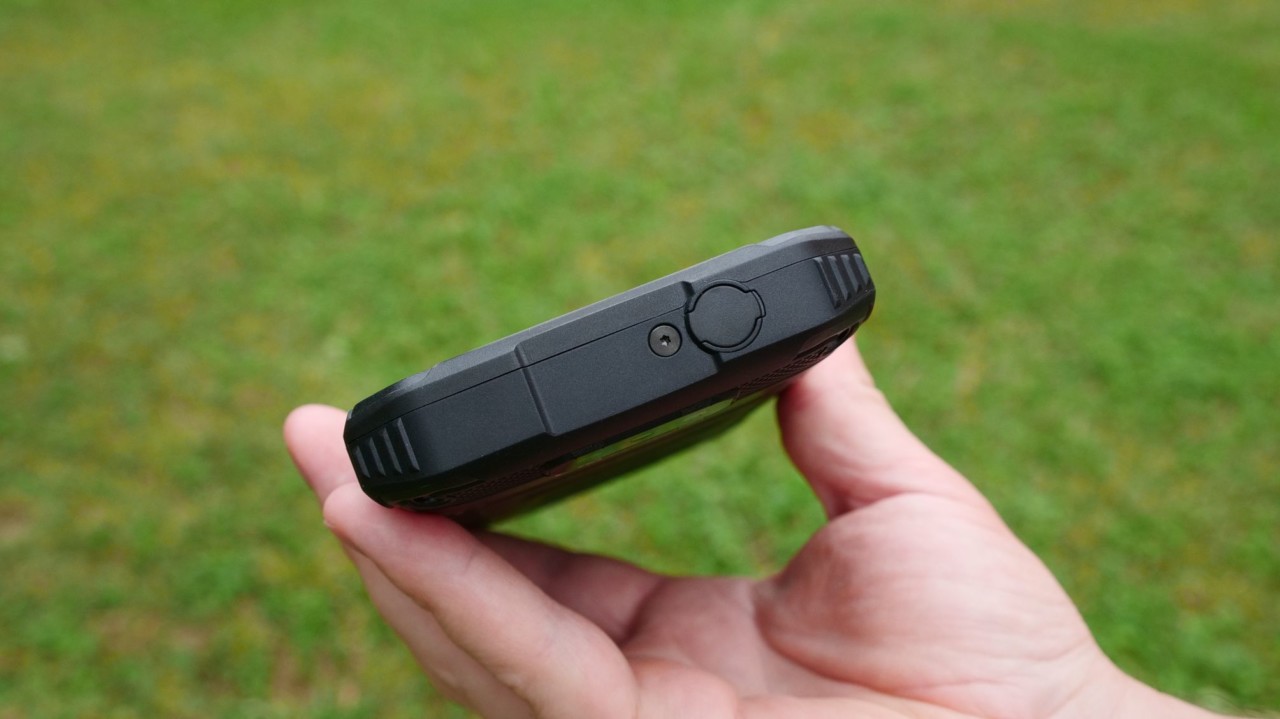
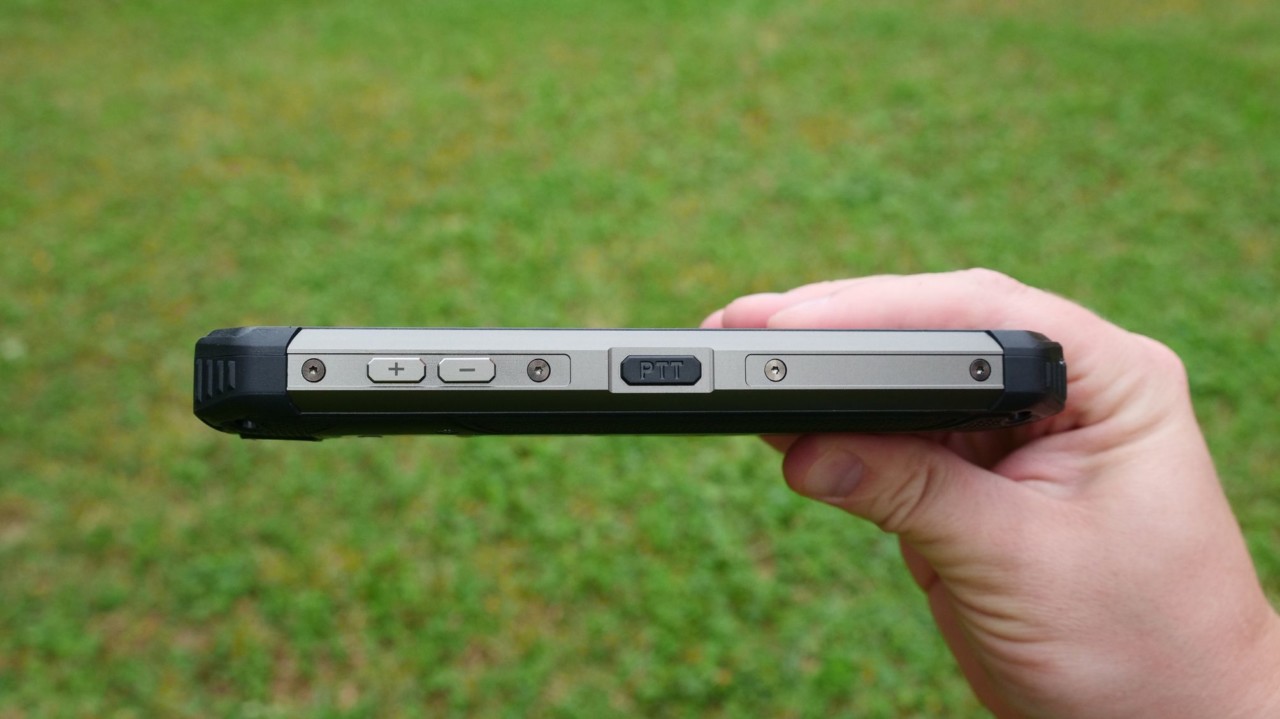
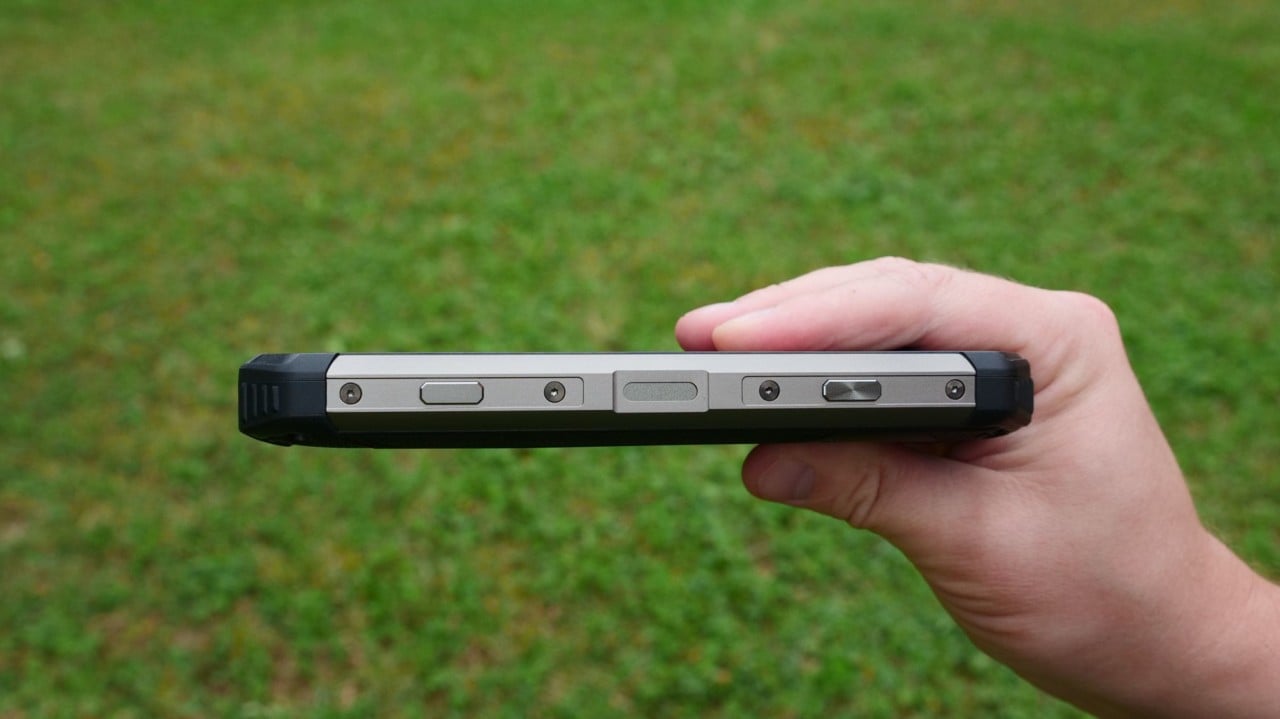
The buttons are very nice and premium too. There is also a programmable key that can be assigned to open up an app you want.  In addition, there is a dedicated PTT button, if you ever need to use the push-to-talk feature. On the top of the phone, there is what I believe a port to attach an external antenna. On the bottom, you can find USB-C port and a headset jack. There is a lanyard hole if you ever need to carry the phone around your neck.

The phone has the IP68 rating, meaning it is water and dust resistant. Also, the device’s tough credentials include MIL-SPEC 810G and Gorilla Glass 5 screen protection. That means that the BV9500 is salt, dust, humidity, rain, vibration, solar radiation, transport, and thermal shock resistant. In real life, you can rest assured that the phone will survive drops from up to 1.8 meters.

Obviously, to assure rugged properties of this device, Blackview had to make a few tradeoffs. For example, you need to remove a SIM card door with the screwdriver to access two SIM card slots and the SD card tray.

The display is very good overall. It’s plenty sharp and vibrant, and it is bright enough for outdoor use thanks to 500 nits of brightness.

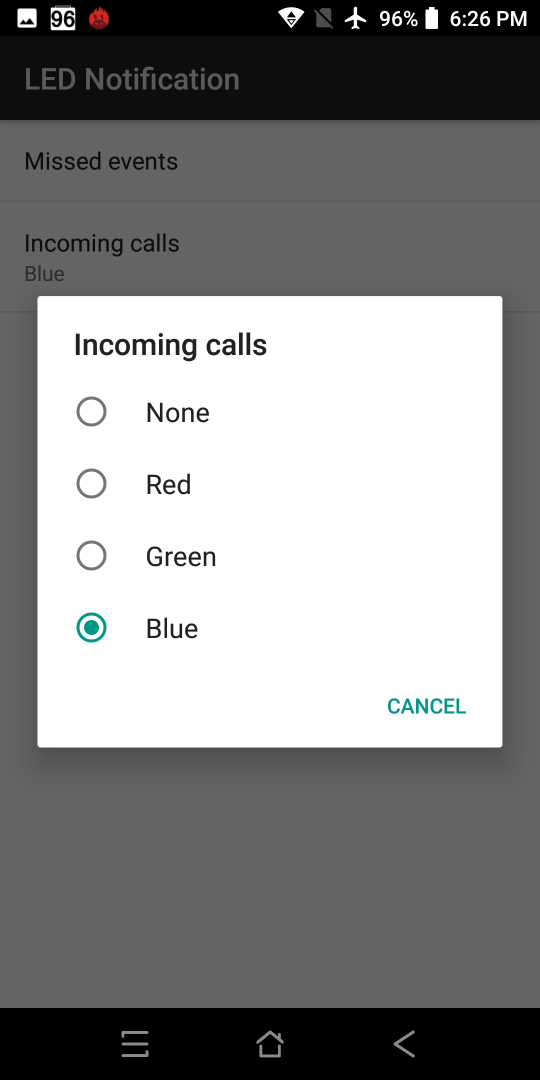
As for cameras, we are looking at a dual-optics system. On the front, there is a 13MP selfie shooter and LED notification light.

The fingerprint scanner is implemented on the side and it’s really convenient to reach. Also, it is very accurate and fast. There is also a face unlock feature that actually works surprisingly well.

I found the headset jack to provide good sound quality. The loudspeaker is probably the best I’ve heard on any rugged smartphone. First of all, it can get really loud but most importantly, the sound is quite balanced and there is even a decent amount of bass. 


HARDWARE and PERFORMANCE

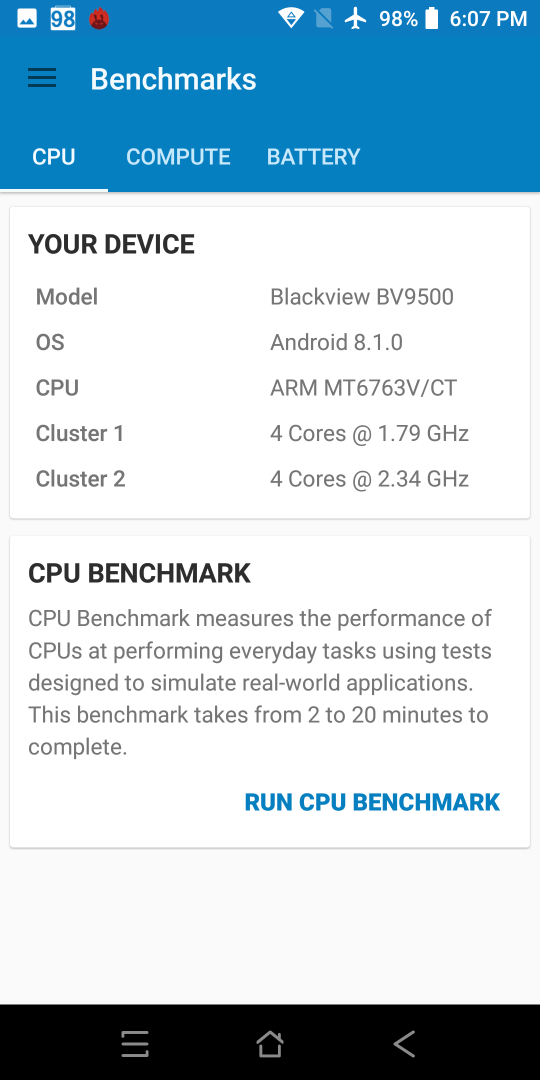
In terms of hardware, we are looking at a well-specced out phone.

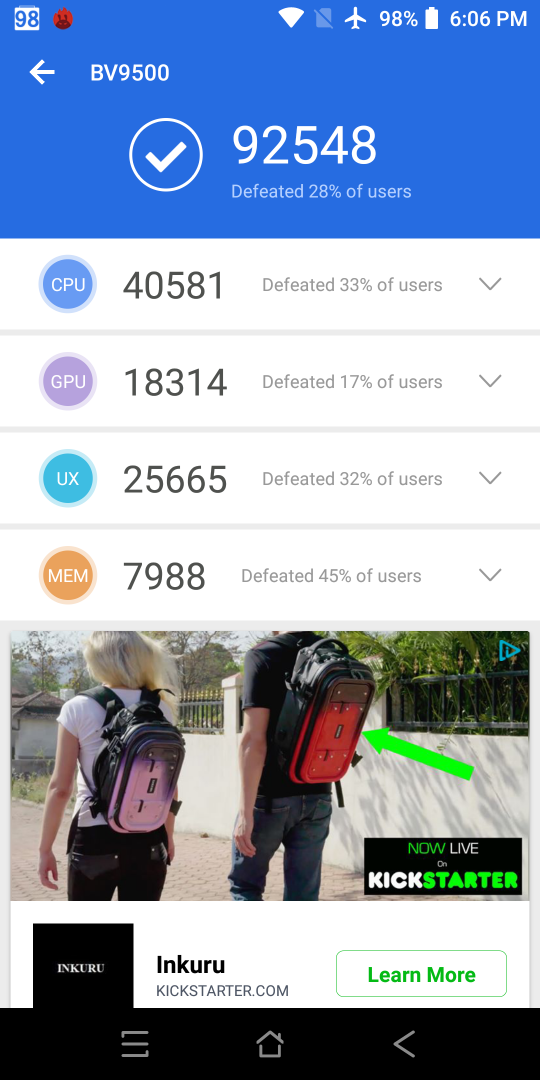
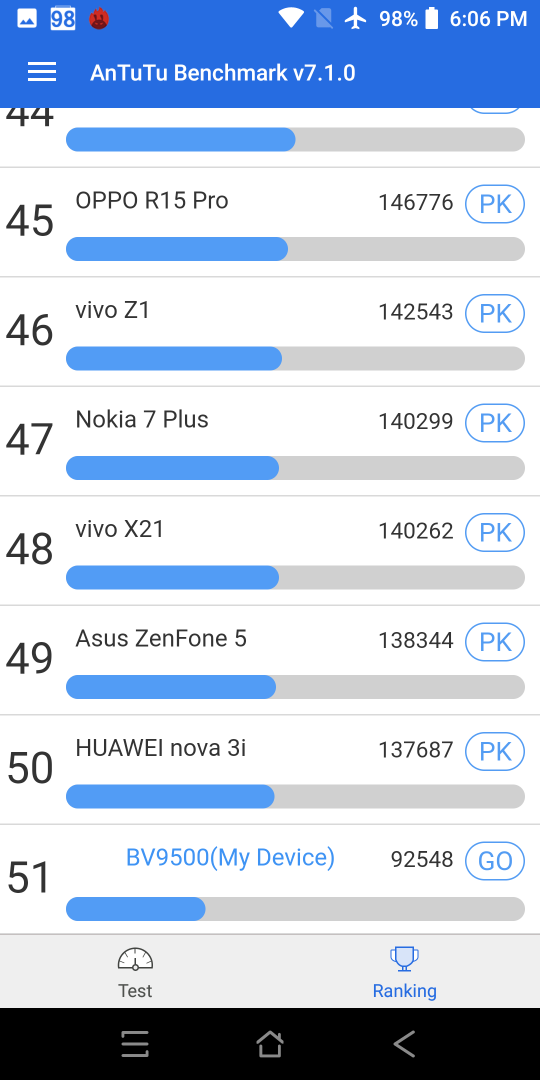
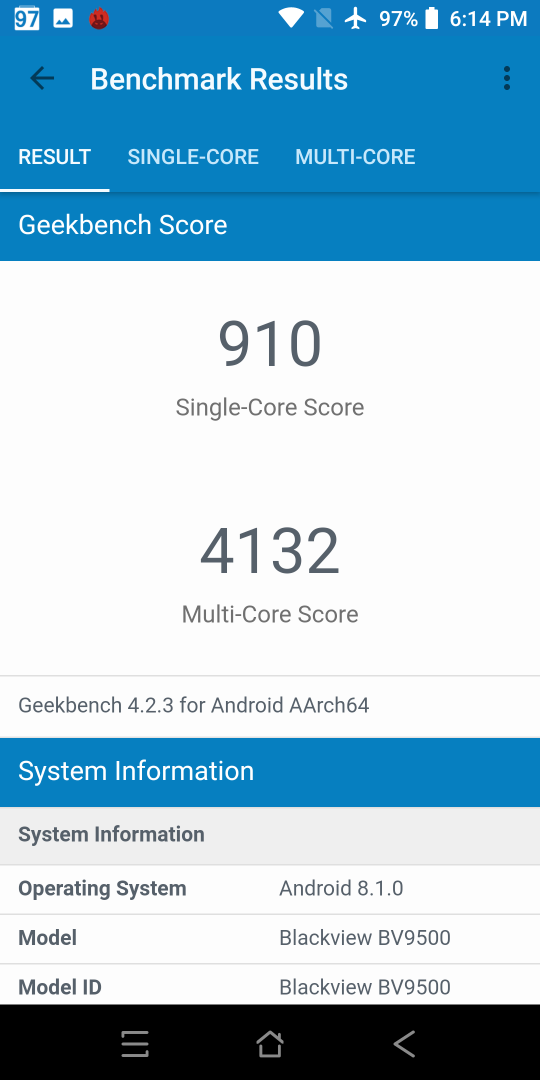
Gaming performance is quite good but not perfect. You will be able to run most of the 3D games but you should expect some stutter and skipped frames. Also, there is some lag in Pubg even on medium graphics but the game is still playable.


USER INTERFACE

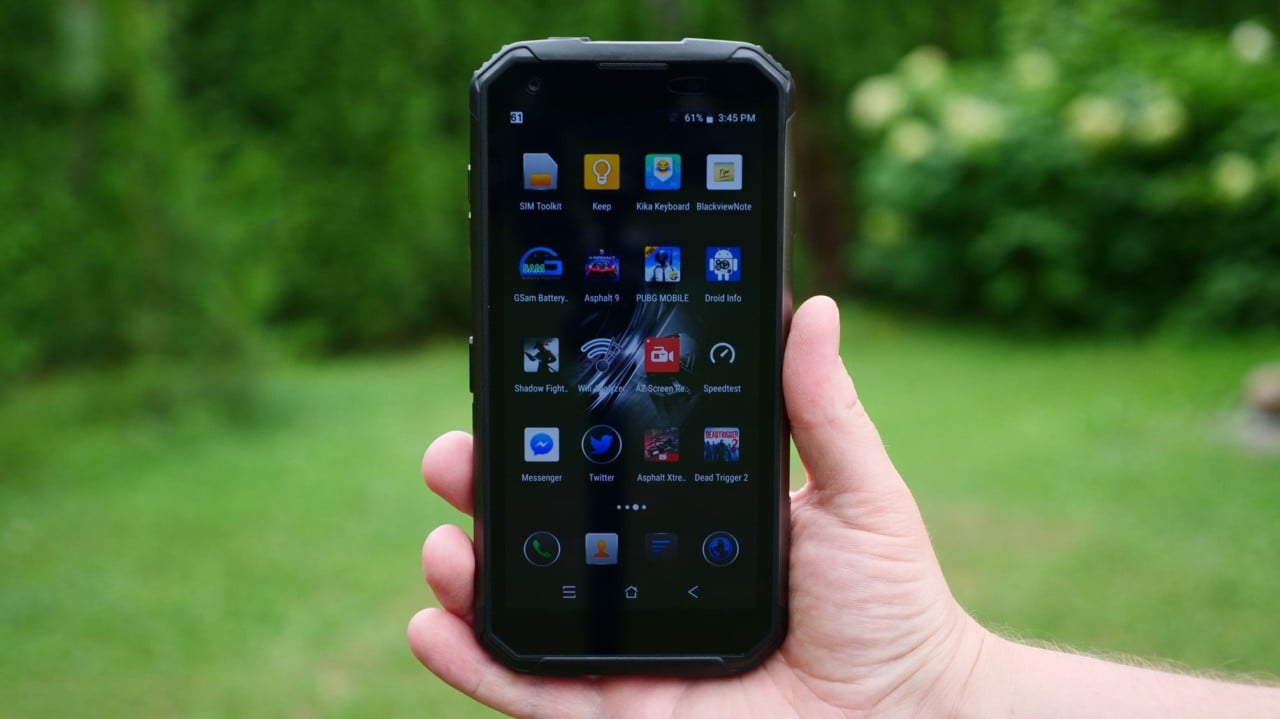
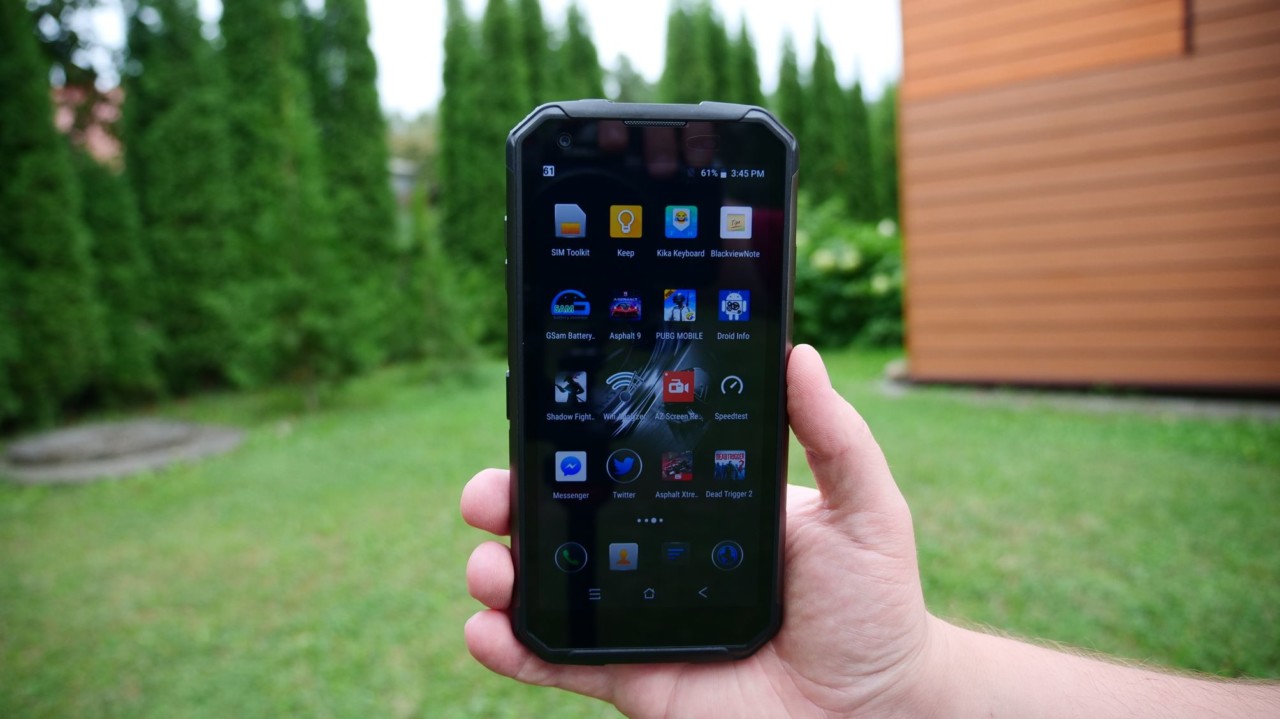
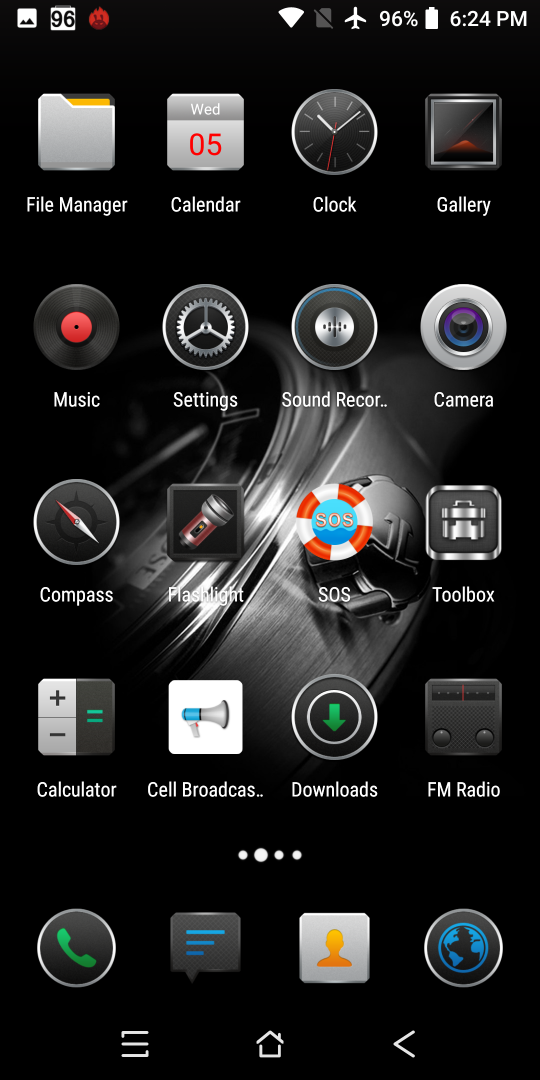
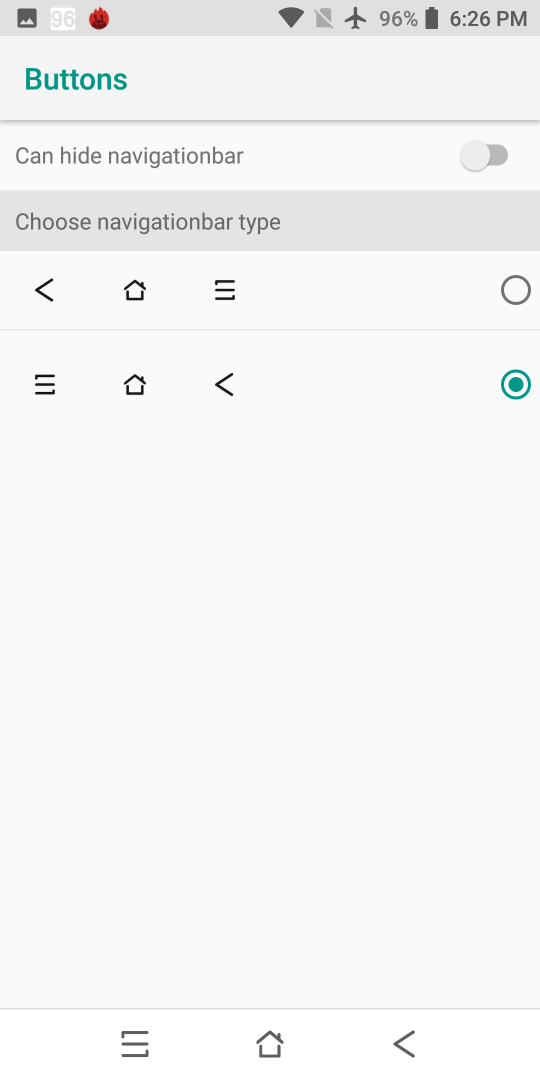
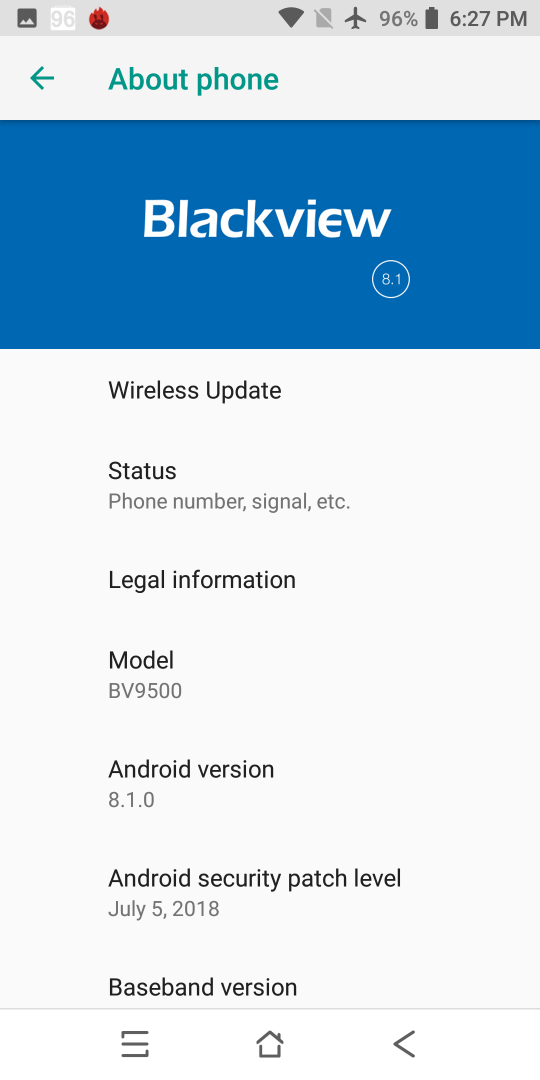
As for the user interface, the phone ships with the Android 8.1 but it has the Blackview’s skin built on top of it. That means we have redesigned icons and some added features but in general, you get a stock Android experience which is great.

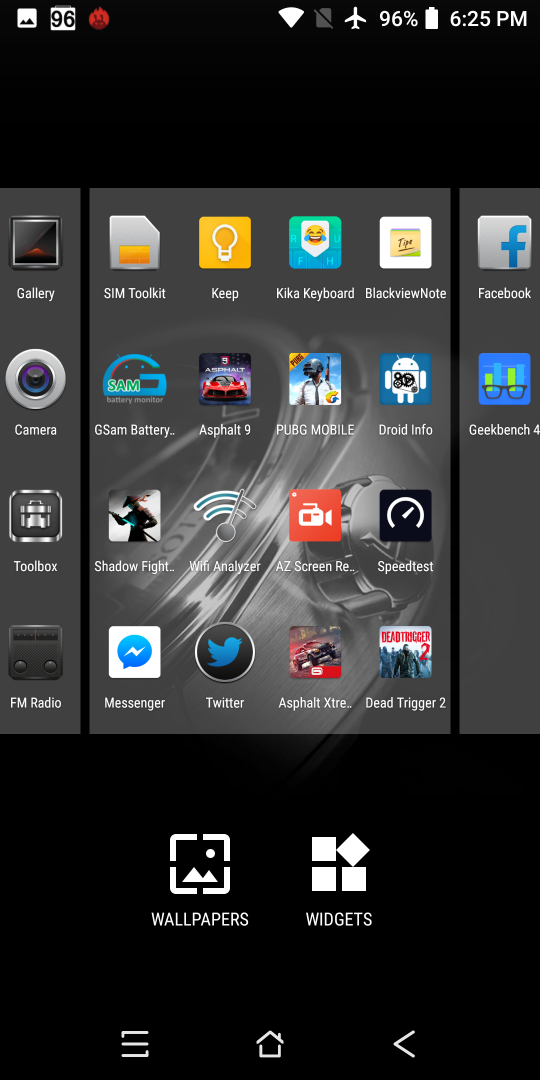
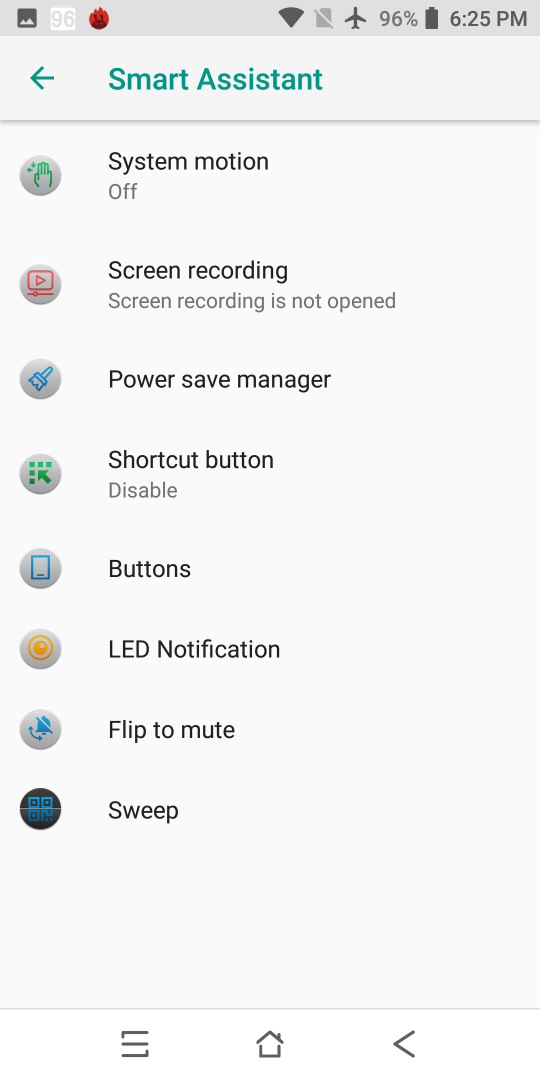
A few notable features include a toolbox that utilizes a variety of sensors inside the phone. There is also a new Blackview Note app and quite a few smart assist features like gestures, the ability to customize the phone and so on.  

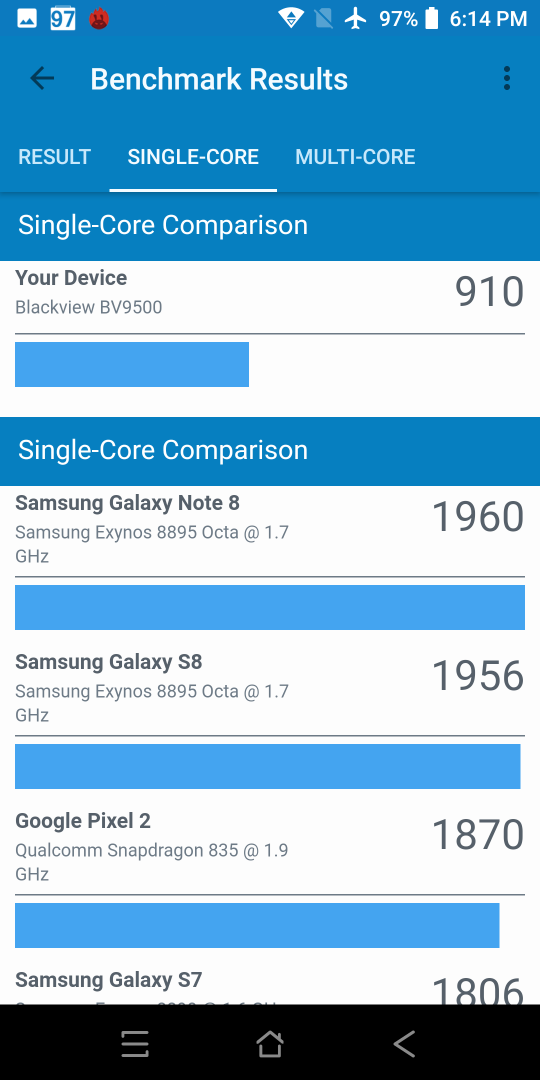
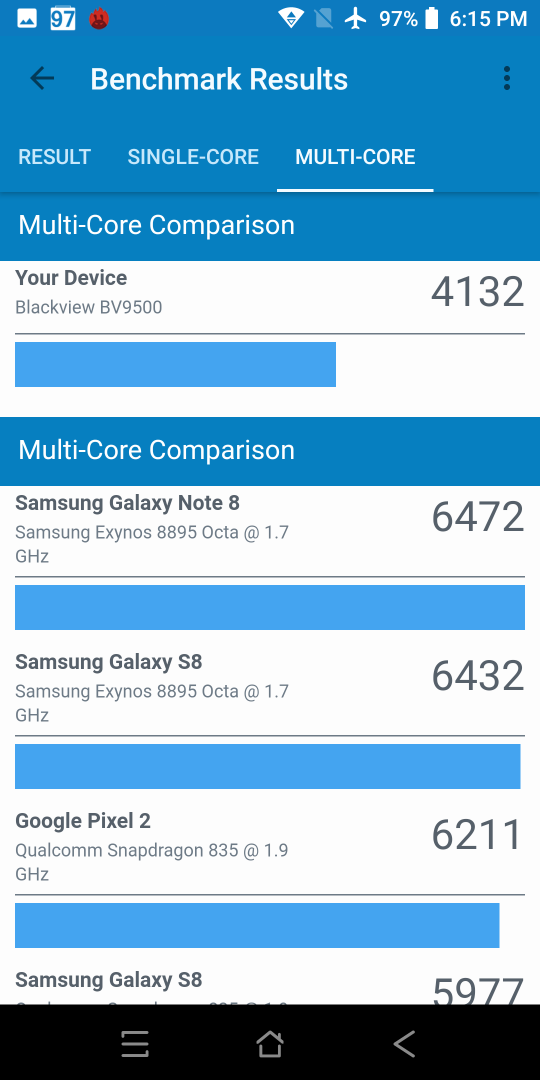
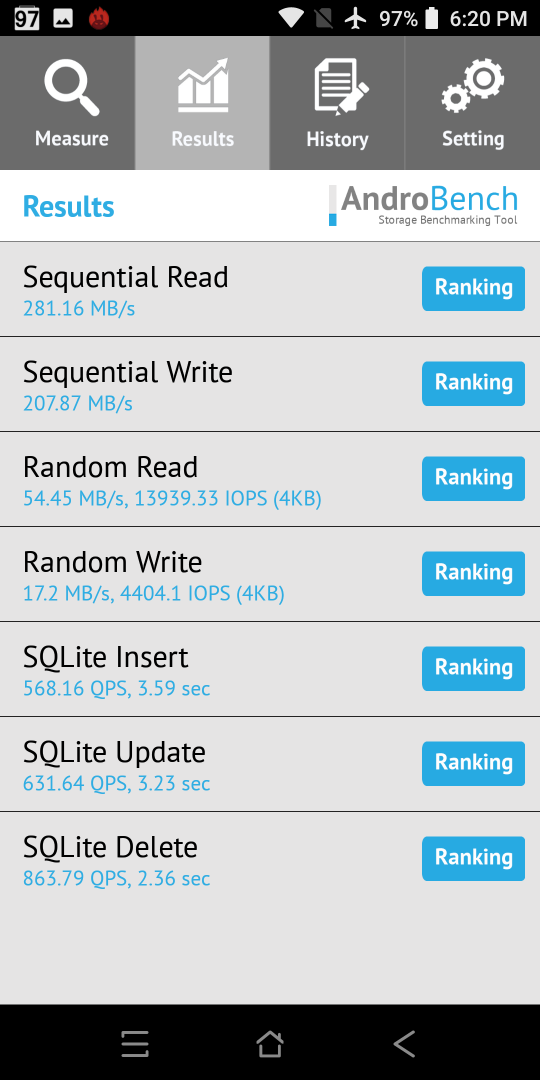
I’m happy to report that the overall performance of the UI is very good. The device feels fast all the time and I’m yet to see it lag or stutter.


IMAGE QUALITY

The overall image quality is actually pretty good. You can take some nice daylight pictures that have a good amount of detail and colors are fairly accurate. However, there are quite a few pictures were corners or a certain part of the image is out of focus. Portrait shots may look quite good on social media. 

In terms of low-light performance, it’s not mind-blowing but you can take some decent pictures considering this is a budget rugged phone

Selfies look really nice. The pictures are very sharp and detailed and even low-light selfie quality is decent.

[embedyt] https://www.youtube.com/watch?v=rcu4FR0CPl0[/embedyt]

1080p video quality is quite decent but there is no continuous auto-focus which is a bit frustrating.

[embedyt] https://www.youtube.com/watch?v=0KACFHZgwgs[/embedyt]

1080p video selfie video quality is quite good too. However, sound recording quality could be better.


CONNECTIVITY

I didn’t have any connectivity issues with this device as the call quality and signal reception are pretty good, and the GPS lock speeds and accuracy were okay.

The phone has quite a few sensors including a gyroscope, so you will be able to use the device with VR headsets. Finally, the phone has NFC and FM radio.


CONCLUSIONS

The Blackview BV9500 turns out to be a very solid rugged smartphone that offers a nice and sturdy design, great display, good overall performance, amazing battery life, very good loudspeaker, plenty of sensors and connectivity options, and even good cameras.

However, I wish we didn’t need to use the screwdriver to open up the SIM card tray. Also, there is no continuous auto-focus in video recording.

At the end of the day, these are just minor complaints. I believe the Blackview BV9500 is a very good super battery phone that has a sturdy rugged body and I can easily recommend you checking it out.

Buy Blackview BV9500

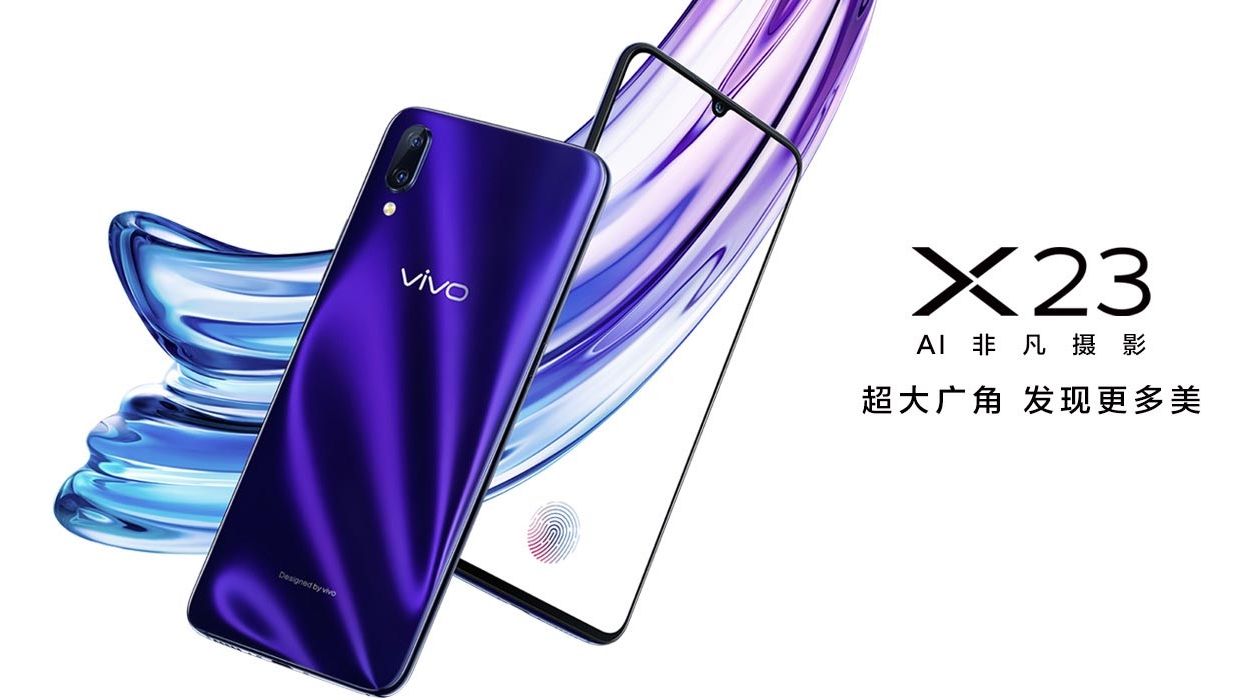
Vivo X23 with 6.4-inch screen, SD 670, in-display fingerprint sensor and impressive design goes official

Earlier today, Vivo announced the Vivo V11 Pro smartphone in India and now it has unveiled the Vivo X23 phone through a launch event in China. The X23 has arrived with fourth generation in-display fingerprint reader and it boasts a premium appeal thanks to its 3D glass rear.

Vivo X23 Official Website Listing

Design and Display

According to Vivo, the 3D glass back of the Vivo X23 has been constructed by engraving tens of thousands of silk ridges on a diaphragm of less than 80cm2 along with plasma polishing using a unique gas. The size of the metallic frame has been reduced to 2.6mm from 3.2mm when compared to the predecessor phone.

The phone comes in multiple  color options such as color gradient Phantom Purple, Phantom Red which has a bright red appearance, Magic Night that has a touch of blue hue. There are two other color gradient models such as Fashion Purple and Fashion Orange that have large-sized Vivo branding across the rear panel. The handset measures 157.68 x 74.06 x 7.47mm and it weighs 160.5 grams.

Vivo X23 Magic Night

The Vivo X23 features a 6.4-inch Super AMOLED screen with slim bezels and a reduced notch because of which it offers an aspect ratio of 19.5:9. Built with COF process, the display panel carries support Full HD+ resolution of 2340 x 1080 pixels. It offers an impressive screen-to-body ratio of 19.5:9. The display is slightly curved towards the left and right edges.

The fourth generation in-display fingerprint scanner is embedded under the screen of the phone. The improved biometric recognition technology can unlock the phone in just 0.35 seconds.

Vivo X23 Phantom Red

Chipset, RAM and Battery

The Vivo X23 is equipped with Snapdragon 670 chipset. It is assisted by 8 GB of RAM. It has an internal storage of 128 GB. The handset runs on Android 8.1 Oreo OS that is overlaid with FunTouch OS 4.1 skin. The device also includes Jovi AI assistant. The handset is fueled by 3,400mAh battery that carries support for 22.5W fast charging.

Vivo has introduced twin-turbo acceleration technology through the X23 which includes two features such as System Turbo and Game Turbo. The work of System Turbo is to improve the performance of the apps by 100 percent whereas the Game Turbo arranges the resources of the phone to ensure smooth gaming experience. Vivo has developed the Game Turbo in collaboration with Unreal Engine, Tencent Game Lab and Netease Game Lab in China.

Vivo X23 Fashion Purple

Cameras and Other Features

The Vivo X23 has a front-facing camera of 12-megapixel with f/2.0 aperture. The back panel of features a vertical dual camera setup that includes a 12-megapixel Sony IMX363 primary sensor with f/1.8 aperture and a 13-megapixel wide-angle lens with f/2.4 aperture and field of view of 125 degrees. The X23 offers various photography features such as AI beauty, AI scene detection, AR stickers and more.

For Hi-Fi audio performance, the Vivo X23 is equipped with AK4377A audio chip. The handset supports facial scanning through the front camera. For facial identification in dark, the X23 is equipped with IR lens. The connectivity features available on the X23 include dual 4G VoLTE, Bluetooth 5.0, Wi-Fi 802.11ac, USB-C, GPS and 3.5mm audio jack.

Vivo X23 Fashion Orange

Pricing and Availability

The Vivo X23 has arrived with a price of 3,498 Yuan (~$510) in China. The official sales of the smartphone will begin in the home market on Sept. 14. The special Vivo Logo Phone variants will be available in the market by Oct. 1. As of this writing, there is no confirmation on the other markets that will be receiving the X23 handset.

What’s your opinion on the specs and pricing of the Vivo X23? Share us your thoughts by posting your comments below.

Motorola P30 Play gets listed ahead of official release

The launch of the third device in the Motorola P30 series may be coming soon. The P30 series includes the P30 itself which was first unveiled last month, the P30 Note announced at the beginning of the week and the yet to be unveiled P30 Play.

Motorola P30 Play

For a short time today, the P30 Play was listed on the official Motorola website before it was taken down. Thankfully, details of the phone were saved before the page was taken down.

Judging from the specs, we believe the Motorola P30 Play is the same device as the Motorola XT1941-2 that was on TENAA a few weeks ago and the Chinese variant of the motorola one.

The phone has a 5.8-inch screen with a 1520 x 720 notched LCD display. It is powered by the Snapdragon 625 processor with 4GB of RAM and 64GB of storage which can be expanded.

There are dual cameras on the P30 Play – a 13MP primary sensor paired with a 2MP secondary camera. An 8MP sensor sits inside the notch for selfies and video calls. The cameras have AI features for portrait mode, beauty mode, and nighttime photos.

[envira-gallery id=”210277″]

READ MORE: Live photos of a Moto G6 Plus (or Moto G6S Plus) with water-drop notch surface, drags along a Motorola One too

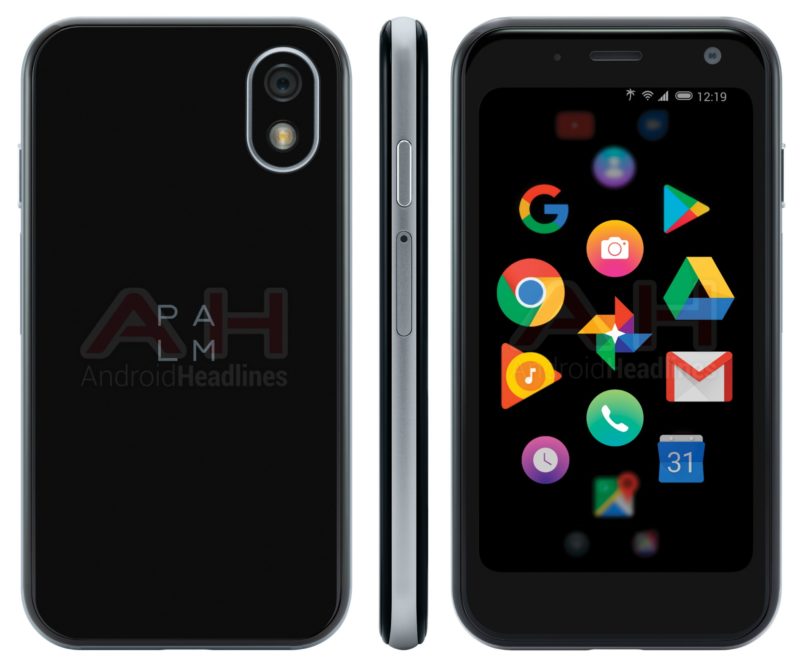
Another Palm Phone render surfaces, still no launch date

TCL is about to resurrect another popular phone brand. This time it is Palm, makers of the PDAs which ruled before iPhones and Android phones took over. TCL now owns the brand and it is planning to launch a new Palm phone.

Renders of the phone which is codenamed Pepito already leaked weeks ago along with details of the specs. A new render has surfaced which is of a higher quality and provides more details.

Palm phone render

The Palm Pepito’s model number has been revealed to be PVG100. Although, the device doesn’t pack impressive specs, what it has going for it is its size. TCL most likely believes there are people who want really small phones seeing as the Palm Pepito has a 3.3-inch screen. The overall size will be close to a 4-inch device since there are huge bezels at the top and bottom of the screen.

There is a single camera on the back of the device and it is on the right which is unusual for modern phones. The camera sensor and LED flash share the same housing. We are not sure of the material on the back of the device though we can see it looks glossy. The frame is probably metal.

READ MORE: TCL unveils its expanded range of AI-enabled TVs at IFA 2018

Huawei to announce Maimang 7 on September 12

It has been a year since Huawei announced the Maimang 6 in China. So it comes as no surprise when it announced today the launch date for the Maimang 7. According to the official poster, the Maimang 7 will be unveiled on September 12 but that isn’t the only thing the poster revealed.

Huawei isn’t hiding anything with respect to the phone’s design as all the angles of the phone are shown on the poster. This isn’t surprising since the Maimang 7 is actually the same device as the Mate 20 Lite which is already official.

Maimang 7 launch poster

The Maimang 7 has a notched display and curved glass on the back. Just like its predecessor, the phone also has dual cameras on each side. The dual rear cameras are arranged vertically and are in line with the fingerprint scanner.

The Maimang 7 will come with a 6.3-inch 2340 x 1080 screen with a 19.5:9 aspect ratio. It will pack the new Kirin 710 processor paired with 6GB of RAM and 64GB of expandable storage.

READ MORE: Honor 8X and Honor 8X Max announced: large displays, Kirin & Snapdragon processors and big batteries

Mysterious OPPO phone with Snapdragon 710, 6 GB RAM spotted; Could it be R17 Pro variant?

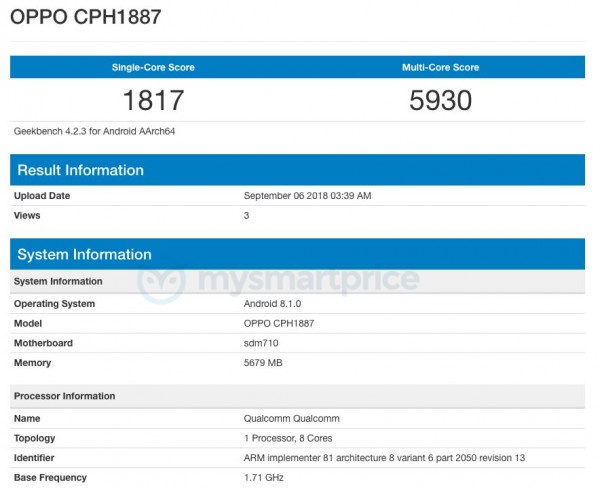
An unidentified OPPO phone that has a model number of CPH1887 has cropped up on Geekbench benchmarking platform. The Chinese manufacturer has already launched the R17 Pro smartphone with Snapdragon 710 chipset. However, the newly spotted CPH1887 seems to be another SD710 phone from the company.

OPPO CPH1887 Geekbench

On Geekbench’s single-core test, the OPPO CPH1887 has recorded a score of 1817 and it has scored 5930 in the multi-core test. The Snapdragon 710 SoC is accompanied by 6 GB of RAM. The Geekbench listing is no longer available. It is difficult to determine the exact identity of the CPH1887 since no information on it is available through sources. The R17 Pro smartphone features Snapdragon 710 and 8 GB of RAM. Could it be a lower variant of the smartphone?

In the recent past, another OPPO phone labelled as PAGM00 with Snapdragon 710 and 6 GB of RAM was also spotted on Geekbench. The Geekbench listing of the CPH1887 and PAGM00 phones suggest that these could be the two upcoming Snapdragon 710 powered phones from the company.

The Oppo R17 that was launched alongside the R17 Pro is the first phone to feature Snapdragon 670. The R17 and R17 Pro are the first phones to feature Gorilla Glass 6. The handset is equipped with 6.4-inch AMOLED with waterdrop notch. The display offers FHD+ resolution and 19.5:9 aspect ratio. It receives power from 3,700mAh battery that is equipped with Super VOOC fast charging at 5V/10A.

Oppo R17 Pro Image

The R17 Pro has an internal storage of 128 GB and it also includes a microSD card slot. For photography, 12-megapixel + 20-megapixel dual cameras on the rear. There is an additional ToF 3D stereo camera on ther rear panel for AR. The handset features a selfie shooter of the 25-megapixel. The handset is selling in China with a price tag of 4,299 Yuan (~$629).

The OPPO R17 Pro is fitted with an in-display fingerprint scanner. If the CPH1871 OPPO phone ends up as a lower edition of the R17 Pro, it may come with a regular fingerprint sensor on its back.

(via)

Carbon dioxide leak at Samsung chip plant leaves one dead with two others unconscious

South Korea’s poor labour safety practices reared its ugly head yet again with a recent report of casualties from a carbon dioxide leakage at a Samsung Electronics chip plant in Suwon. The casualties include one dead worker and two others who are still unconscious as at the time of filing this report.Samsung

Official account states that the three persons were found lying unconscious in the basement of the factory devoted to the manufacture of semiconductors in Suwon, south of the country’s capital, Seoul. The unfortunate accident happened on Tuesday while the trio was inspecting the factory’s gas-related facilities. The deceased is a 24-year-old man who was pronounced dead in hospital hours later while the two unconscious victims are aged 26 and 54.

Read More: Samsung to allegedly unveil 1st phone with 4 rear cameras in 2018

Samsung says the cause of death is likely suffocation due to a carbon dioxide leak but an investigation is still on. Fatal accidents at major companies like this one have made frequent headlines in South Korea, which still struggles to improve poor safety standards in factories. Just January this year, four workers were reportedly killed by suffocation due to a gas leak at a steel factory owned by Posco – the country’s top steelmaker in the southern city of Pohang. Four workers were also killed in August last year when the fuel tank of a vessel under construction exploded at the headquarters of STX Offshore and Shipbuilding in the southern city of Changwon.

(source)

Xiaomi Poco F1 update improves camera, now unlock its bootloader in just 3 days

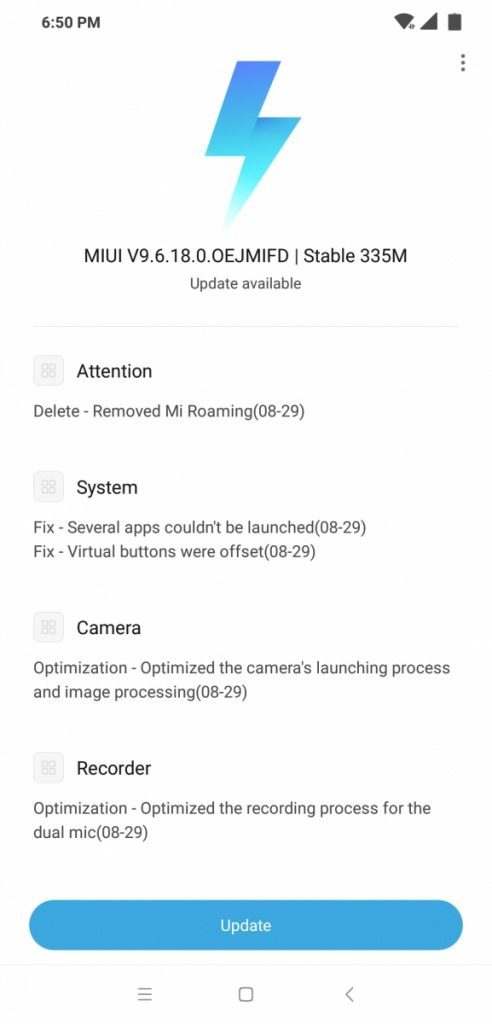
Xiaomi Poco F1 has received its first update after going on sale. The new update brings some new improvements and enhancements to the device. It has received camera optimizations, app improvements and few other changes. Xiaomi Poco F1 update is now available via OTA (Over The Air) and will fully rollout within next few days to all units.

Xiaomi Poco F1 has received a new AOSP navigation buttons via the update. Technically, the update weighs 335 MB and comes with the build number MIUI V9.6.18.OEJMIFD. Xiaomi Poco F1 update optimises camera processing and improves image processing which will overall lead to better photo quality. The update carries some fixes which will resolve the issues with several apps. It also improves its dual microphone’s recording process and removes the Mi Roaming app from the device.

Xiaomi poco f1 update

If you are lucky enough to have the Poco F1 then note that the update will hit the device soon. Usually, update takes a few days time to reach each and every unit but you can also manually check for it. You can do so by heading over to the Settings > System Update>> and can check for the new update. Also, make sure to connect with WiFi, if you want to save some carrier data.


Yesterday, Global Product Head at Pocophone, Jai Mani, confirmed that Poco F1 bootloader unlock time has been reduced to three days.

Additionally, Xiaomi Pocophone F1 carries Snapdragon 845 on board with 6/64 GB, 6/128GB and 8/256 GB of storage. It runs on Android 8.1 Oreo with MIUI 9.6 on the top with 6.18-inch Full HD+ IPS LCD display. The Poco F1 flaunts dual camera 12 megapixel +5 megapixel on the back and 20 megapixel selfie camera powered with AI on the front. The major pro of the device is its price and it can be termed as cheapest Android device running Snapdragon 845.

How many of you have got your hands-on Poco F1 ?

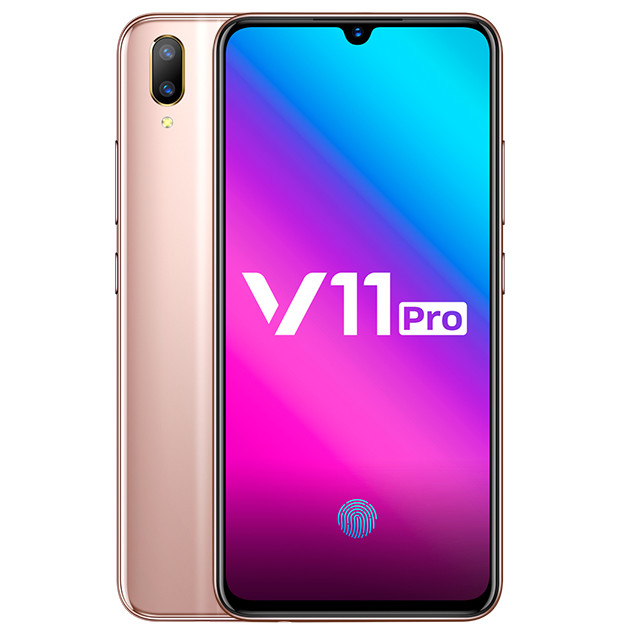
Vivo V11 Pro with 6.41-inch Halo FullView display, SD660 SoC and in-display fingerprint sensor launched in India

As promised, Vivo has today launched its new smartphone in the Indian market — Vivo V11 Pro. This is the same smartphone that was launched in China as Vivo V11 and made its way to Thailand yesterday. It seems that the only difference between the V11 Pro and V11 is the internal storage capacity. The phone is the successor of the Vivo V9, which was launched about six months ago.

The Vivo V11 Pro, which is manufactured in India, is priced at Rs. 25,990 (approximately $361). The phone is now available for pre-booking and will be available for purchase from 12th September through online and offline stores across the country.

Vivo V11 Pro

The Vivo V11 Pro features a 6.41-inch Full HD+ Super AMOLED display with waterdrop notch on top and minimal bezels surrounding the screen which the company calls “Halo FullView” display. It offers 2340 x 1080 pixels screen resolution, 402ppi pixel density, 19.5:9 aspect ratio and about 91.27 percent screen-to-body ratio.

Under the hood, the device is powered by the capable Qualcomm Snapdragon 660 AIE octa-core processor clocked at 2.2GHz, along with Adreno 512 graphics processor. It packs 6GB RAM and comes with 64GB of internal storage in India compared to the 128GB onboard storage in the Vivo V11.

The phone also has a dedicated microSD card slot, so that you can expand the storage up to 256GB. Coming to the front-facing snapper, the smaller notch on top of the display houses a 24-megapixel camera sensor with f/2.0 aperture, HDR support, and AI Selfie Lighting. The front camera also comes with Infrared Face Access, enabling you to unlock the device with facial recognition even in low-light conditions.

On the phone’s back panel, you’ll find a dual-camera module on the top-left corner with sensors placed vertically. It features a 12-megapixel primary camera sensor and a 5-megapixel secondary lens with dual-pixel technology. It also comes with artificial intelligence based scene recognition, AI Backlight HDR, and AI assistant for portrait shots.

Vivo V11 Pro

The Vivo V11 Pro comes with an in-display fingerprint sensor, a first for the Vivo’s V-series, which is not common to find in a budget device as of now. The company has used the fourth-generation fingerprint sensor, which is claimed to be 50 percent faster than previous generations.

The phone is running on Android 8.1 Oreo operating system with the company’s highly customized FunTouch OS 4.5. Vivo has not yet commented about the Android Pie update for the V11 Pro. It also has Game Mode 4.0 that provides an immersive gaming experience.

The device supports the standard set of connectivity options, which includes Dual SIM, 4G VoLTE, Wi-Fi b/g/n/ac dual-band, Bluetooth 5.0, GPS with A-GPS / GLONASS, and a micro USB port. The phone is fuelled by a 3,400mAh battery which comes with Dual Engine Fast Charging and 9-layer of protection

Read More: Vivo X23 appears on AnTuTu, confirms Snapdragon 670 processor and 8GB RAM

In India, the Vivo V11 Pro will be available in two color variants — Dazzling Gold and Starry Night Black. It’ll go on sale from 12th September, for a price of Rs. 25,990, which roughly converts to $361. With such specifications and pricing, the Vivo V11 Pro will be competing against the likes of Xiaomi Mi A2, POCO F1, and Honor Play, among others.

Huawei Mate 20 Pro to support Quad HD+ resolution; Mate 20, 20 Pro display panels leaked

Last year, Huawei had launched the Mate 10 Pro and Mate 10 smartphones with different kinds of displays. The Mate 10 came with LCD screen with 16:9 aspect ratio whereas the Mate 10 Pro will be coming with AMOLED screen with 18:9 aspect ratio. Fresh information reveals that the Mate 20 and Mate 20 Pro arriving may also feature different kinds of display. The UAProfs of Mate 20 and Mate 20 Pro first spotted by a Dutch site suggests that these handsets will respectively support QHD+ and FHD+ resolutions.

Huawei Mate 20 and Mate 20 Pro UAProf

The above shown images of the UAProf of Mate 20 Pro shows that it carries support for Quad HD+ resolution of 1440 x 3120 pixels. The screen resolution is supported by the LG G7 ThinQ which indicates that it may carry support for 19.5:9. Rumors have it that the Mate 20 Pro will be equipped with an AMOLED screen of 6.9 inches. Also, the handset is expected to carry support for an in-screen fingerprint scanner.

The Mate 20 UAProf reveals that it carries support for Full HD+ resolution of 2244 x 1080 pixels which indicates that it may produce an aspect ratio of 18.7:9. Unlike the Mate 20 Pro, the Mate 20 may feature an LCD screen as it is expected to come with a rear-mounted fingerprint reader. It is speculated that the Mate 20 may arrive with a 6.3-inch LCD display.

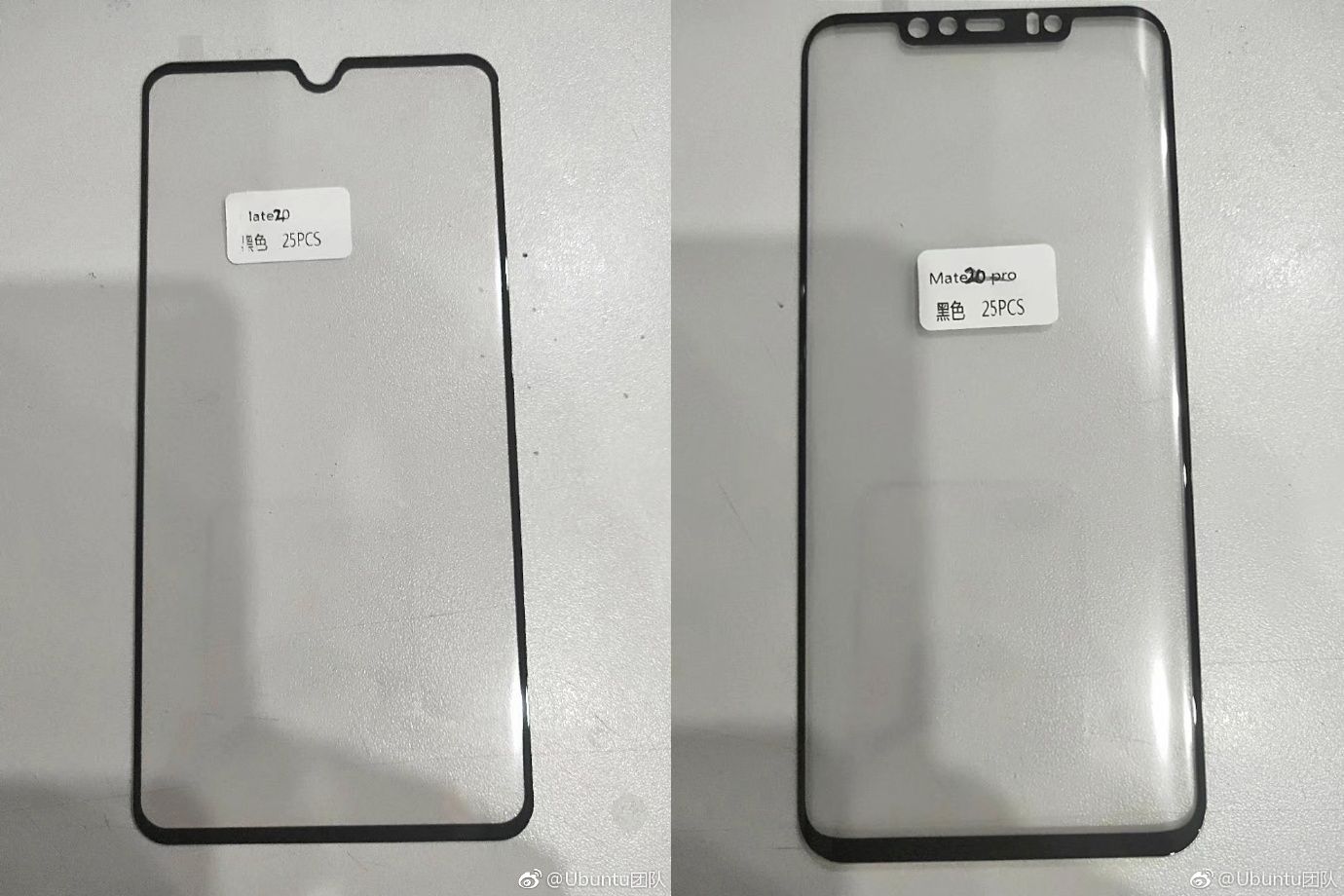
Huawei Mate 20 and Mate 20 Pro display panels

The above image shows that the Mate 20 Pro (on the right) will feature a wider notch that may house the necessary components such as front camera, IR camera and IR illuminator for 3D facial recognition. The display panel of the Mate 20 Pro seems to be curved towards the left and right edges. On the left side of the image is the display panel of the Mate 20 which features a smaller waterdrop notch.

The Kirin 980 is a 7nm chipset which includes three separate clusters each featuring 2x Cortex-A76 working at 2.6 GHz, 2x Cortex-A76 running at 1.92 GHz and four cores of Cortex-A55 that operates at 1.8 GHz. Both smartphones are expected to come preinstalled with Android 9 Pie OS and feature triple rear cameras along with 4,200mAh batteries.

(source)

Xiaomi launches the MIIW Business Card Holder with push button ejector

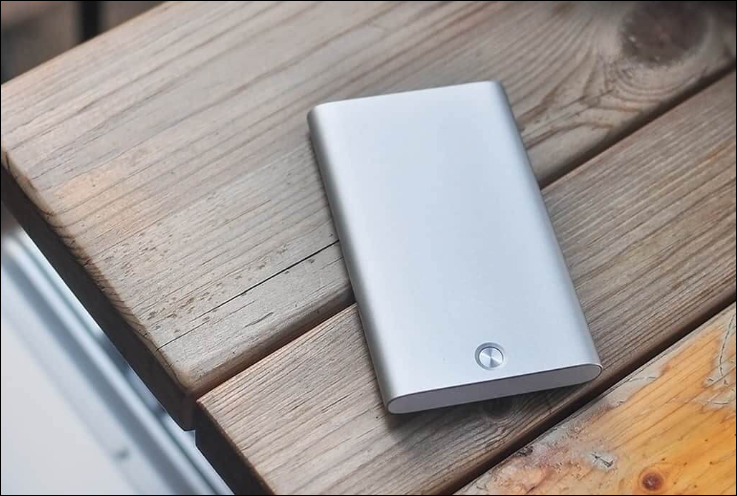
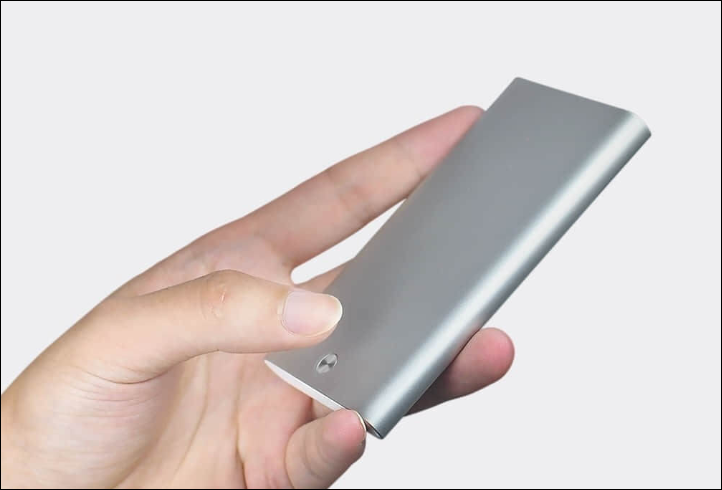
Xiaomi‘s ecological chain company MIIW Technology has launched the MIIW Business Card holder which is priced at just 49 yuan. The product serves as a storage compartment for business cards as well as ATM cards among others. The product is manufactured by MIIW technology which specializes in the production of PC peripherals and efficiency tools. Perhaps, the company’s most notable product is the Xaomi Portable mouse which was released in November 2016 and whose sales had exceeded 1 million units as at October 2017.MIIW Business Card Holder

The new MIIW card storage case looks very much like the Mi power bank. It comes with an all-aluminium shell with an elegant mechanical button which pops it open. The aluminium alloy case is treated by anodizing sandblasting process which makes it tough and resistant to falling, corrosion and moistures like sweat. It is not only stylish but also portable. The card holder measures 109.1×65.7mmx11.5mm. Which means it is just 11.5mm thick. It is smaller than the average smartphone and has a 180° arc which is designed to give a comfortable grip.MIIW Business Card Holder

Read Also: Xiaomi Mi TV 4A launched in Indonesia at a crazy cheap price alongside Redmi 6 and 6A!

In addition, the MIIW cardholder has a magnetic front cover with a built-in magnet to prevent the business card from falling. The card storage can take 16 business cards or 6 bank cards at the same time, and can also store ID cards, transportation cards, etc. Further, there is a touch-press metal button at the bottom which automatically pops the front cover open with a single click.

The product comes only in silver and is presently available on Xiaomi Youpin for 49 yuan ($7).

Xiaomi MIIW Business Card Holder

Nubia Z18 up for reservation from JD.com, pricing starts at 2799 Yuan (~$410)

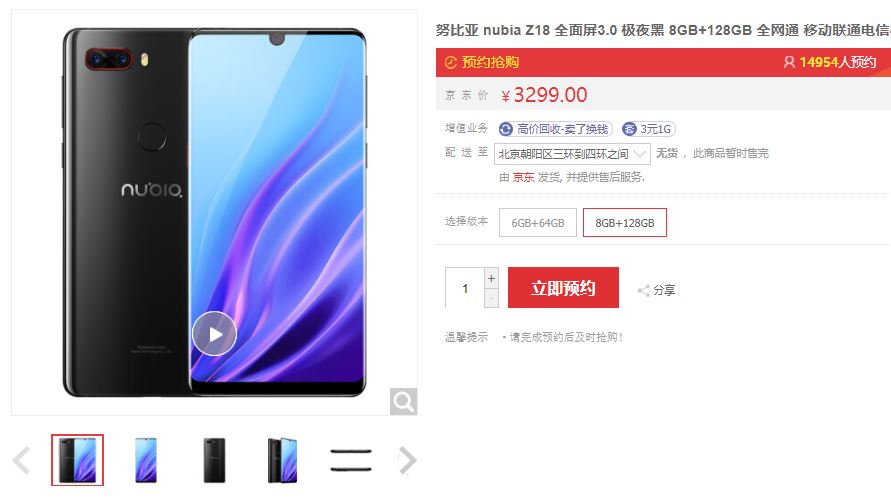
Yesterday, Nubia launched its new flagship device, Nubia Z18 with powerful specs. The Nubia Z18 can be stated as a device with beauty and power. It features a waterdrop notch (“Infinite Drop Screen”) with Snapdragon 845 on the board. Today, it is made available for reservation at JD.com starting from 2799 Yuan (~$410). Anyone who wants to own the device in China can sign up for the reservation by heading to the source link below.

nubia z18 sale jd

Users can sign up for reservation till 9:30 AM (1:30 AM GMT) on September 11th, 2018.  The sale will commence on September 11th at 10:00 AM Beijing Time(2 AM GMT). The Nubia Z18 will be on sale for the next 24 hours till 12th September, 2018, 10: 00 AM Beijing Time (2 AM GMT). It will be available in all three variants, 6GB+64GB version, 2799 yuan (~$410) ; 8GB+128GB version 3299 yuan (~$480); 8GB+128GB Van Gogh collector’s edition for 3599 yuan (~526).

Additionally, Nubia Z18 runs on Snapdragon 845 with 6/8 GB RAM on the board. The processor is 3X faster than the previous generation. Nubia Z18 consists a 24 MP+ 12MP rear AI dual camera having F1.6F aperture with graphics processor Spectra 280 ISP. It also supports OIS (Optical Image Stabilisation) with EIS (Electronic Image stabilisation). On the front side there’s a 8-megapixel snapper with portrait mode. It also support AI intelligent scene recognition and AI post image processing. Its camera can also distinguish noise points along with pixel-level recognition. Nubia has invested a lot in the Nubia Z18 camera and calls it the “king of night photography”.


It is running on Android 8.1 Oreo with Nubia UI 6.0 skin on the top. It has inbuilt AI-based smart voice assistant, Maverick Voice 2.0. There are many other AI based applications which make the device more responsive and easy to use.

There’s a 3450 mAh battery which supports 18 W fast charging powering Neo Charge 2.5 flash charge technology. It packs usual connectivity options including 4G LTE, Wi-Fi, Bluetooth, GPS and USB Type-C.

The device is available in two different variants, Deep Dark Night and Nebula Red. In coming days it will be available for purchase from Jingdong Mall, Suning, and TMall in China. For now, users can head over to JD.com to reserve the Nubia Z18.

(Source)

Buy Xiaomi-Branded Earphones At Dropped Price On Banggood [Coupon Code]


Xiaomi is primarily renowned for manufacturing high-end smartphones. Apart from that, the Chinese tech giant also makes laptops, mobile apps, consumer electronics and even earphones that strike a perfect balance between comfort, sound quality, and convenience.

If you’re looking for feature-laden, yet low-priced Xiaomi earphones, you’ve come to the right place. We’ll not only shed light on Xiaomi-branded earphones that are currently available at a discounted price on Banggood but also show how you can save a considerable amount of extra money at the time of checking out.

Xiaomi Youth Wireless Bluetooth Earphone

Featuring a 360-degree rotation for comfortable use, the Xiaomi Youth Earphone is now up for grabs bearing a discounted price of $24.99 on Banggood. This is a noteworthy 27% reduction in the earphone’s original asking price of $33.99.


You can apply coupon code a35d2e to save an extra $8.75 before proceeding to checkout. This will help you reduce your grand total to just $16.24. Regrettably, the coupon is slated to expire on September 30th.

You can follow this link to avail the discount and use the coupon before it lapses.

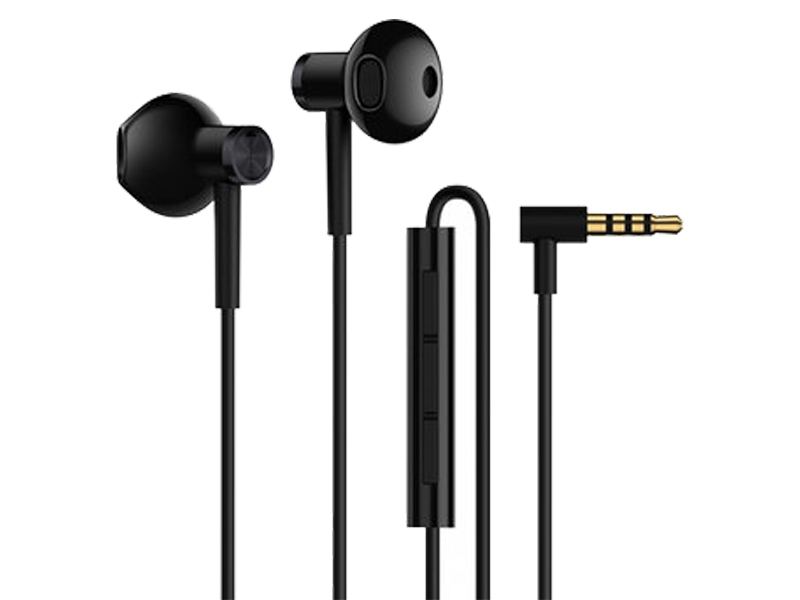
Xiaomi Hybrid Dual Drivers Wired Control Earphone Headphone

This Xiaomi-branded headphone comes with a moving coil and moving iron dual unit for enhanced music. You’d usually need to shell out $19.99 in order to get your hands on it but if you’re on a tight budget, you can apply coupon code 87f8dd to save an extra $5.


In other words, you can reduce your grand total to just $14.99 by applying the above-mentioned coupon code. You can follow this link to receive the discount and use the coupon, which will expire on September 9th.

Xiaomi Dynamic Driver+Ceramics Driver In-ear Wired Earphone Headphone

Made by high-quality TPE materials which do not knot or wind easily, the Dynamic driver + Ceramics Driver earphone are capable of producing rich immersive sound. Taking its popularity into consideration, Xiaomi is offering it at a dropped price of just $19.99 on Banggood.

This is a noteworthy 23% reduction in the headphone’s retail price. You can use coupon code 43d789 in order to get an extra $8 off and reduce your already discounted grand total to just $11.99.
It is imperative for you to bear in mind that the coupon will expire on September 9th. You can click here to avail the discount and apply the coupon.
 Xiaomi Hybrid 2 Graphene Earphone

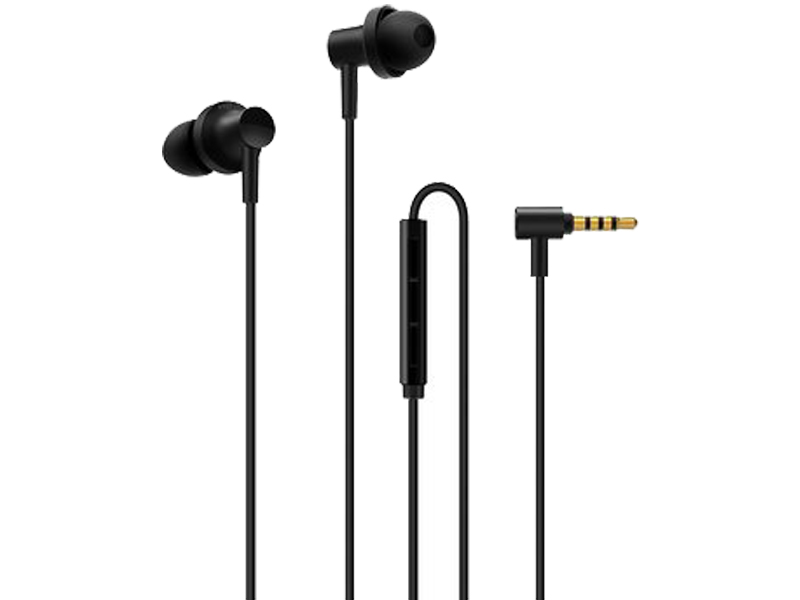
Equipped with dual drivers on each side – Dynamic driver+balanced armature driver that elevates the music in a great measure, the Hybrid 2 Graphene earphone normally sells for $35.99 on Banggood. Much to the delight of cost-conscious buyers, the site is offering a noteworthy 19% off on the coveted earphone’s original selling price.
On top of that, you can use coupon code b8781b to get an additional $12.60 off. This will help you bring your grand total further down to just $16.39. You can visit this link to use the coupon, which is scheduled to expire on September 9th.
Mediatek to release a cheaper and secure version of 3D Face Recognition in partnership with Himax And Megvi

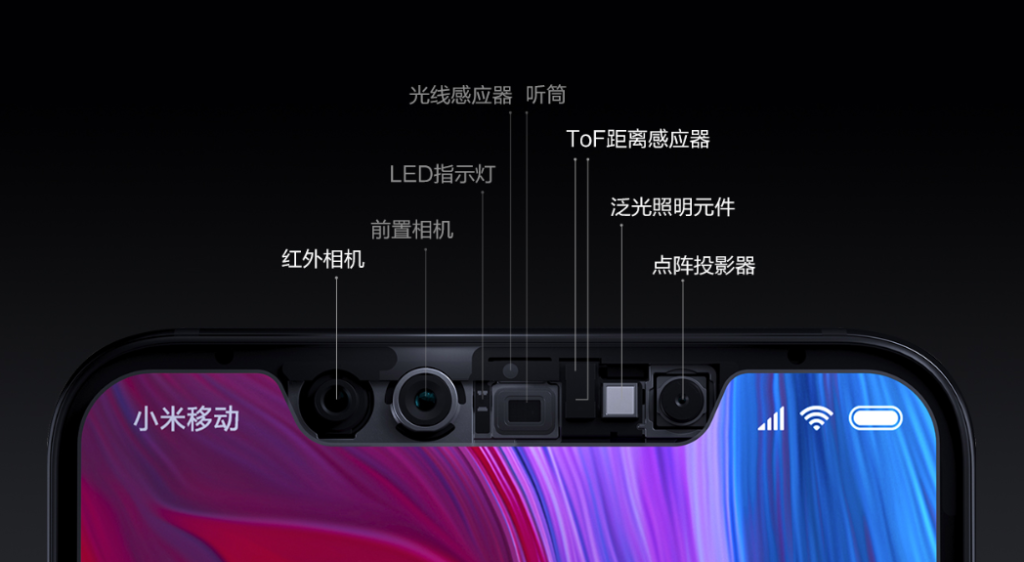
In a major development, Mediatek has joined hands with Hima, a popular manufacturer of display drivers and Megvi, Developer of Face++ to launch a new cheaper version of 3D face Recognition. In a bid to improve the reach of the 3D Face Recognition, Mediatek is collaboratively working on an Industry’s First Active Stereo Camera 3D Sensing Reference Design. Many smartphone manufacturers are already asking for the reference design to implement the tech in their upcoming devices.

All these major giants has shared their world class technology with each other to make the cheaper and secure version of 3D Face recognition. It will help users to have secured online Android payment and facial recognition even in difficult environments. Further, Artificial Intelligence can be used in various ways using ASC 3D face recognition. It can be used to enhance photos and can boost security measures.


It is built using Megvii’s Face++ AI-based computer vision algorithm with Himax’s cutting-edge projector, sensor and laser driver. Then, it combines MediaTek’s stereo matching depth engine. It involves some critical technologies such as Himax’s DOE, WLO Technology, high efficient laser driver IC, etc. Speaking about the new ASC 3D (Active Stereo Camera).

“We are pleased to partner with MediaTek and Megvii. This strong alliance ensures that 3D sensing is affordable for Android mass market and can be easily adopted by smartphone makers to create exciting user experience. I believe ASC will facilitate a broader adoption of 3D sensing on Android smartphone during 2019,” said Jordan Wu, President and Chief Executive Officer of Himax Technologies.

ASC (3D) Face Recognition Features:

  • It creates 7000-1000 invisible dot to layout the face on the 3D map. It helps in improving the precision.
  • ASC (3D) uses 940nm band which will increase its overall efficiency in both indoor and outdoor environments.
  • It involves broken glass detection which will shut down laser if broken glass is found in the projector.
  • ASC (3D) is purely safe for the eyes as it follows IEC 60825 Class 1 standard.
  • It is cheaper than the traditional lightning mode and power efficient.

Mediatek’s ASC Face Recognition debut in smartphones by next year. Given that its cheaper, we can expect a lot more phones gain access to secure 3D face recognition next year.

(Source)