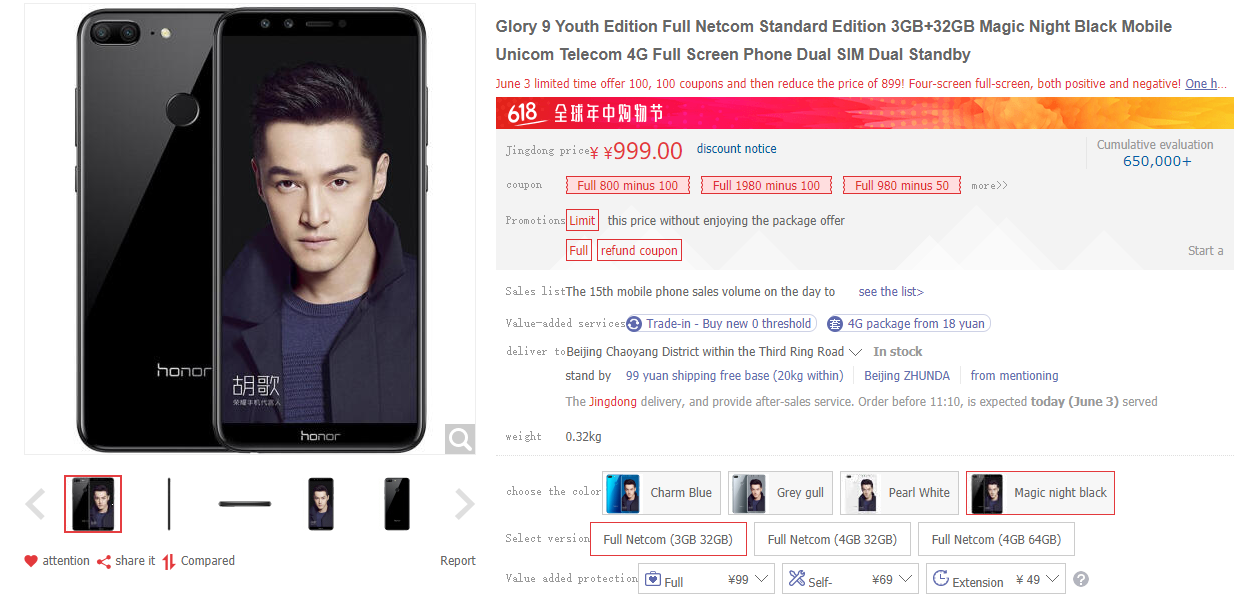
The Honor 9 Lite was released on 21st of December 2017 which means it is almost 6 months old. When it launched it had a starting price of ¥1199 (~$187) but it is now on sale for less.
Every year, Jingdong Mall (JD.com) runs a shopping festival called 618. The event is also a way to celebrate the retailer’s anniversary which is in June. However, items are usually discounted before the main day itself (18th of June). This year one of such items is the Honor 9 Lite.
Instead of its ¥1199 launch price, JD.com has the phone for ¥999 (~$155). This is for the 3GB RAM + 32GB ROM variant. The retail giant also has coupons available that you can grab for an overall lesser price.
The 4GB RAM + 32GB model seems to have gotten a price reduction as it is now ¥1399 (~$218) instead of ¥1499 (~$234) so also is the 6GB RAM + 64GB model which is now ¥1599 (~$249) instead of ¥1799 (~$280).
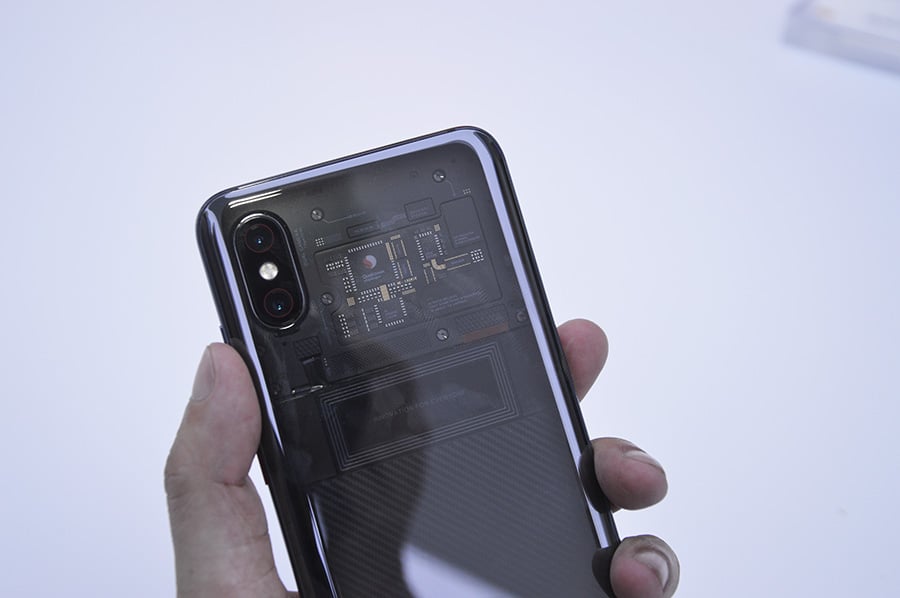
For years now, device manufacturers have released see-through versions of their products. Some examples are game controllers and even game consoles. So it is no surprise that the trend is being picked up by phone manufacturers too. The Xiaomi Mi 8 Explorer Edition is the latest to join the train. However, it hasn’t gotten the type of publicity Xiaomi hoped for.
The Xiaomi Mi 8 Explorer Edition comes with a transparent back which lets you see the internal components. It is actually very beautiful. But if you have seen a video or a picture of a phone torn apart, then you know the internals are not usually as good looking as that or that some of the components cannot be in the position depicted. These concerns led to a conclusion that what we actually see is fake and a sticker.
Xiaomi decided to clear up the brouhaha and issued a statement to The Verge saying that it isn’t a sticker and that the device is indeed transparent. It also said that the parts we see “on the back upper half, for example, are parts of the actual mainboard.”
But if you have seen the HTC U12+ which is translucent or JerryRigEverything’s DIY transparent OnePlus 6, then you know the internals of a phone isn’t that visually appealing. So what is actually happening with Xiaomi’s Mi 8 Explorer Edition?
Xiaomi Mi 8 has just been unveiled and finally, all the important Chinese flagship phones of the first half of 2018 are official. Now there is just one thing left: understanding which one of these devices is worth buying. With Huawei P20 Pro being the most expensive choice among Chinese flagships, Xiaomi Mi 8 and OnePlus 6 are the most suitable devices for a comparison due to their price. We believe that they are currently the best Chinese phones you can get besides Huawei P20 Pro, and this Xiaomi Mi 8 vs OnePlus 6 comparison will shed some light about their differences and similarities.
Xiaomi Mi 8 vs OnePlus 6
Xiaomi Mi 8
OnePlus 6
DIMENSIONS AND WEIGHT
154.9 x 74.8 x 7.6 mm, 175 g
155.7 x 75.4 x 7.8 mm, 177 g
DISPLAY
6.21 inches, 1080 x 2248p (Full HD+), 19:9 ratio, Super AMOLED
Dual 12 + 12 MP, f/1.8 + f/2.4, OIS
20 MP f/2.0 front camera
Dual 16 + 20 MP, f/1.7 + f/1.7, OIS
16 MP f/2.0 front camera
BATTERY
3400 mAh, fast charging (Quick Charge 4.0)
3300 mAh, fast charging 5V / 4A (Dash Charge)
ADDITIONAL FEATURES
Dual SIM slot
Dual SIM slot
Design
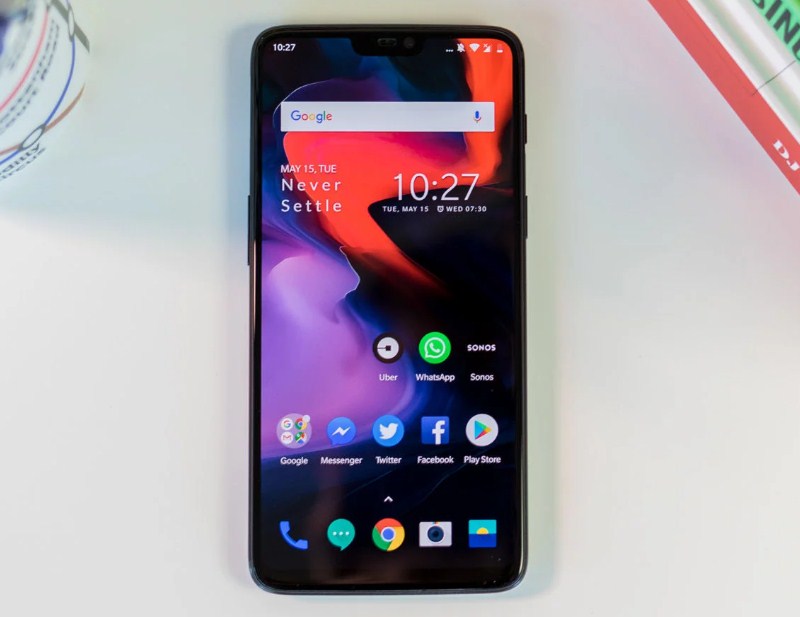
A beautiful design is a must for a flagship to stand out. This is exactly why Xiaomi and OnePlus has put a lot of efforts in the making of the aesthetics of their latest flagships. Both come with an attractive glass back, as well as a notched display which helps to minimize the bezels. Xiaomi Mi 8 ditches the stainless steel frame found on the Mi 6, but it has a 7000-series aluminum frame. On the other hand, OnePlus 6 is a splashproof device according to the company (no IP certification). It is all about tastes: there is no winner when it comes to design, just choose the one you like the most!
Display
Even when it comes to displays, it is a close fight: both these handsets have a notched 6.2-inch display with a Full HD+ resolution and the AMOLED technology. However, Xiaomi Mi 8 seems to be the only one with the HDR10 compliant, which alongside its 60000:1 contrast ratio and its 600 nits max brightness makes it a slightly better display. Note that OnePlus 6’s display is slightly bigger (6.28 inches vs 6.21 inches) and it has a smaller notch. Xiaomi Mi 8 has a bigger notch because it contains infrared sensors for 3D facial recognition which is not present on the OP6.
Hardware/Software
Both the devices are powered by the top-end Snapdragon 845 SoC by Qualcomm which runs at a max frequency of 2.8 GHz. The SoC is paired with up to 256 GB of internal storage, however, the OP6 is the only one to come in a variant with 8 GB of RAM. So, at least in this variant, we expect better performance in multi-tasking. Further, OnePlus 6 should have a better overall performance as its software is usually better optimized . But on the other hand, Xiaomi Mi 8 has MIUI 10 out of the box, which we define a way better UI than OxygenOS due to its huge amount of additional features and customizations. You will probably have to choose between more features (Mi 8) and slightly better performance (OP6): what is your pick?
Camera
Even though we still haven’t shot a photo with Xiaomi Mi 8, we can make some conclusions regarding its camera performance. On the paper, OP6 has better specs. While OnePlus 6 comes with a 16 + 20 MP dual setup with bright f/1.7 and OIS (only 4K videos), Xiaomi Mi 8 has two 12 MP sensors with f/1.8 and f/2.4 apertures. In Gizmochina’s camera comparison, OnePlus 6 has managed to do slightly better than Xiaomi’s previous flagship Mi Mix 2S with its photo quality. However, Xiaomi claims that Mi 8 out-classed the Mi Mix 2S, and DxOMark has placed it in its top 5 best camera phones. So, we believe it will be a very hard challenge. One thing is sure: both are amazing camera phones, so you will not go wrong if you choose them for their cameras.
Battery
None of these devices have a very big battery. These devices willl just have a battery which can reach the end of the day with constant use. Since capacities are almost the same (3400 mAh vs 3300 mAh), they both have an AMOLED display and a similar hardware side, we do not expect a big difference between their battery life. Further, both feature a very efficient fast charging technology.
Price
We cannot make any claims on Xiaomi Mi 8’s price in the global market as it has just been launched in China (for now). In the country, the handset carries a price tag of 2699 Yuan (roughly $421/€360), while OnePlus 6 has been launched at 3199 Yuan ($500/€428). With the actual prices, I think Xiaomi Mi 8 has a higher value for money and there is no real need to spend 80 bucks more.
A couple of months ago, we heard Google was making a mid-range Pixel phone for the Indian market. The report also said the phone may launch in July. We haven’t heard anything since then. However, there is new info on another Google mobile device, one that will not launch until next year.
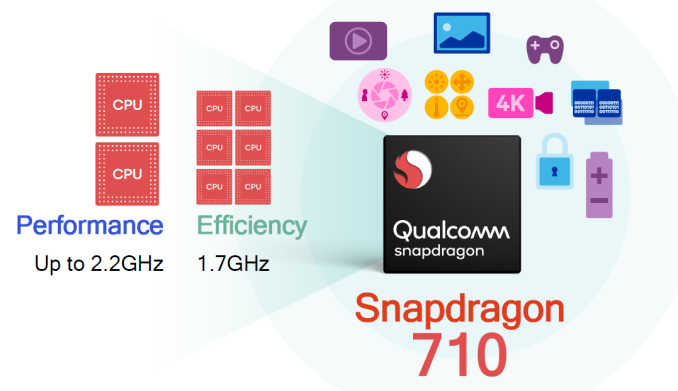
According to popular leaker, Roland Quandt, Google is working on a mobile device that will be powered by a Qualcomm Snapdragon 710. He adds that the device is scheduled to launch in the first half of next year.
Google working on Snapdragon 710 device
Is this the same mid-range device from before or a different one? We can’t say. A follow-up tweet says hardware development began last month.
Off to Taiwan for @computex_taipei today, but here's a tidbit for ya: Google is working on a "mobile" device based on the Snapdragon 710 currently scheduled for launch in the 1st half of 2019. Sounds like this might be the (or one of them) upcoming mid-range Pixel phone.
While we only know the processor and release date, it is safe to say this device will be in the upper mid-range category. The Snapdragon 710 already debuted in its first device – the Xiaomi Mi 8 SE. If the Pixel does launch next year, there is a high chance it will no longer be Qualcomm’s most powerful mid-range chipset. Also, the fact that it will likely bear the Pixel name means it won’t be cheap. Our guess is it will be priced around $500.
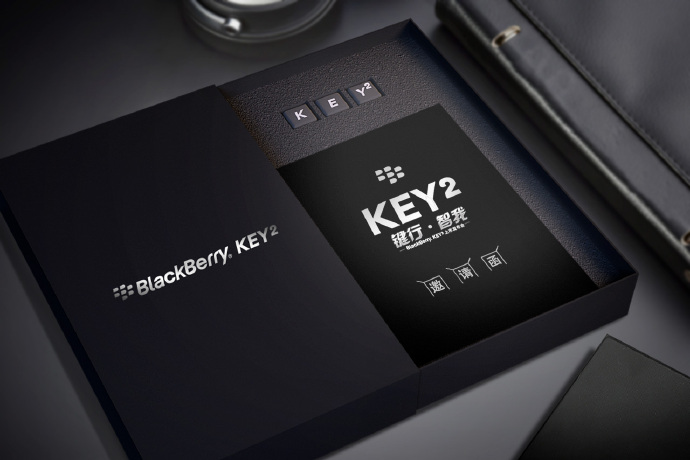
TCL will unveil the BlackBerry KEY² on June 7. The event will hold in New York, which means the phone will go on sale in North America first. If you live in China, you won’t have to wait for long as the phone will head to Asia the next day.
BlackBerry has already sent out invites that reveal the BlackBerry KEY² will launch in Beijing on June 8. The event will begin at 9:30 AM (Beijing time) at the Damai Center (Hall 1).
BlackBerry has also signed a deal with Jingdong to sell the device. We can’t confirm if this is exclusive to the e-commerce giant or if other platforms will sell the phone too. Jingdong has already put up a page for the device. If you are interested you can go on and register.
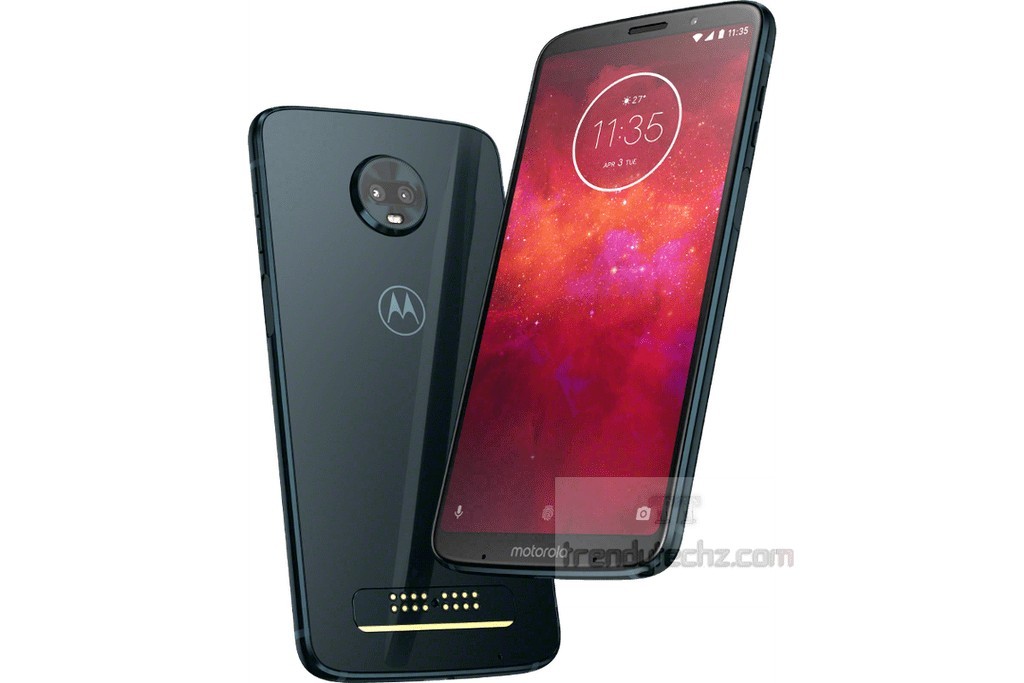
Ahead of its June 6 launch, a fresh set of renders of the MotoZ3 Play accompanied by those of its Moto Mods have appeared online. This set of renders comes just days after we first spotted the Z3 Play’s renders online but in this case, the pictures are more detailed in that they capture the device from all angles.
The fresh leaked renders confirm the presence of the Motorola branding on the lower chin and also that the Z3 Play will have support for Moto Mods. The leaked renders also showcases the glass back design, the dual camera setup and an unknown button positioned on the left side of the device. The right side houses the power button that doubles as a fingerprint sensor with the volume rocker right above it.
The images also include those of two of the Z3 Play’s Moto Mods – one loudspeaker for better multimedia experience and the other one being a projector with a kickstand. One of the promotional images also shows a microSD card meaning the phone will have a microSD slot.
As a reminder, the Moto Z3 Play will be announced on June 6 in Brazil and has a specs lineup that places it in the midrange category. The Z3 Play will have a 6-inch FHD+ display, a Snapdragon 636 processor, 4GB of RAM, and 32GB or 64GB of storage. It will also have dual rear cameras and pack a 3000mAh battery while keeping the thickness to a minimum. The flagship Moto Z3 from the lineup will likely come in the following months as nothing has been heard about it as at this moment.
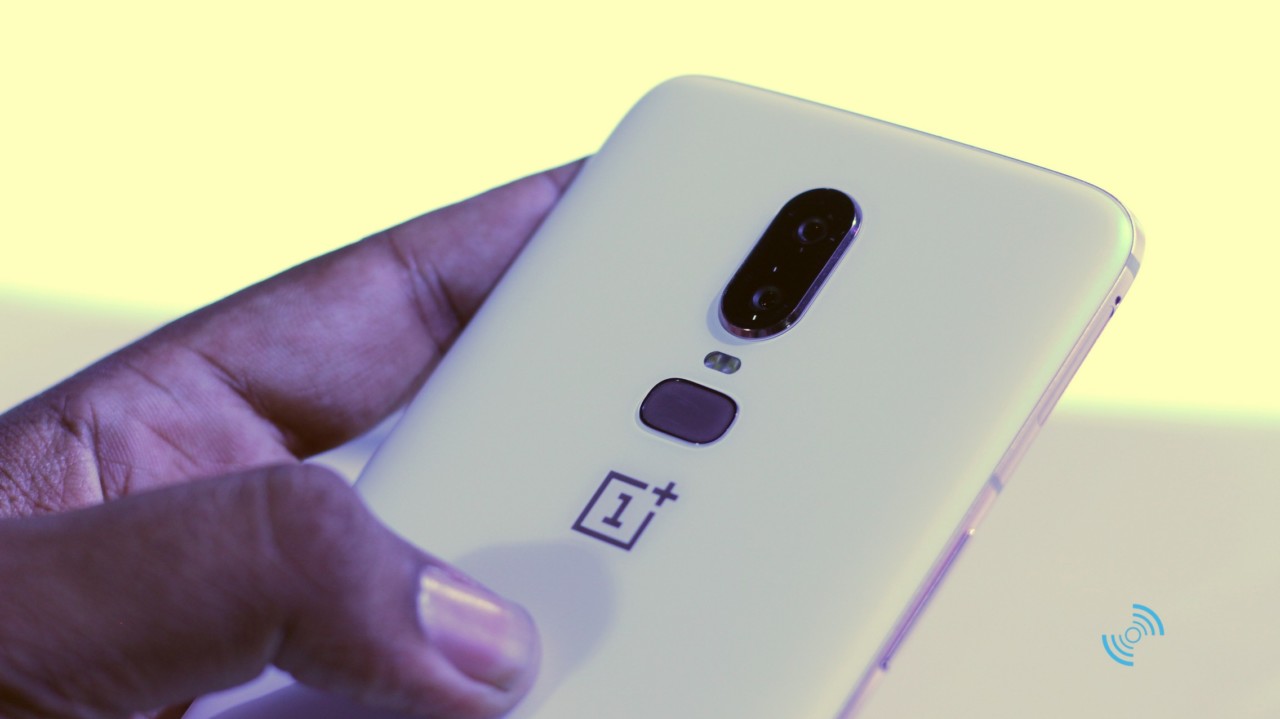
Earlier this year, OnePlus launched its flagship smartphone OnePlus 6 in India in three colors — Mirror Black, Midnight Black, and Silk White Limited Edition. However, only Mirror Black and Midnight Black editions were available for purchase in India till now.
The company has now revealed that the OnePlus 6 Silk White Limited Edition will go on sale in India from 5th June through Amazon and OnePlus.in for Rs. 39,999 (approximately $597). Further, OnePlus has also revealed launch offers.
The company is offering Rs. 2,000 cash back on transactions using Citibank Debit and Credit Card during the first week. It is also offering No Cost EMI for up to 3 months on all popular banks. Further, there’s a 12-month Accidental Damage Insurance by Servify and Rs. 250 for all Amazon Prime Video consumers.
In addition to that, it is also providing discounts up to Rs. 500 on Amazon Kindle e-books, Rs. 2,000 cash back and device Insurance for Idea subscribers, and benefits up to Rs. 25,000 on flight and hotel bookings from ClearTrip.
The smartphone comes with a 6.28-inch notched AMOLED display with screen resolution of 2280 x 1080 pixels and 19:9 aspect ratio. Under the hood, the phone is powered by Qualcomm‘s Snapdragon 845 octa-core processor.
The OnePlus 6 Silk White Limited Edition model comes with 8GB RAM and 128GB internal storage. There are other models which offer 6GB/8GB RAM and 64GB/128GB/256GB internal storage. The phone is powered by a 3,300mAh battery, with support for company’s fast charging technology — Dash Charge.
On the back side, there’s a dual camera setup, sporting a 16MP primary Sony IMX519 sensor with f/1.7 aperture, 1.22um pixels, and OIS, and a 20MP Sony IMX376K secondary camera sensor, mainly for depth information. On the front side, there’s a 16MP snapper for taking selfies and video calling.
The device is running the company’s own OxygenOS, which is based on Android 8.1 Oreo operating system out of the box. However, the OnePlus is already a part of Android P Beta program and thus, users can also try out the upcoming Android P.
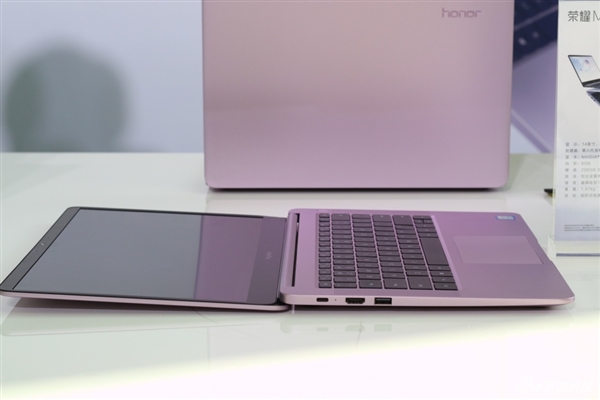
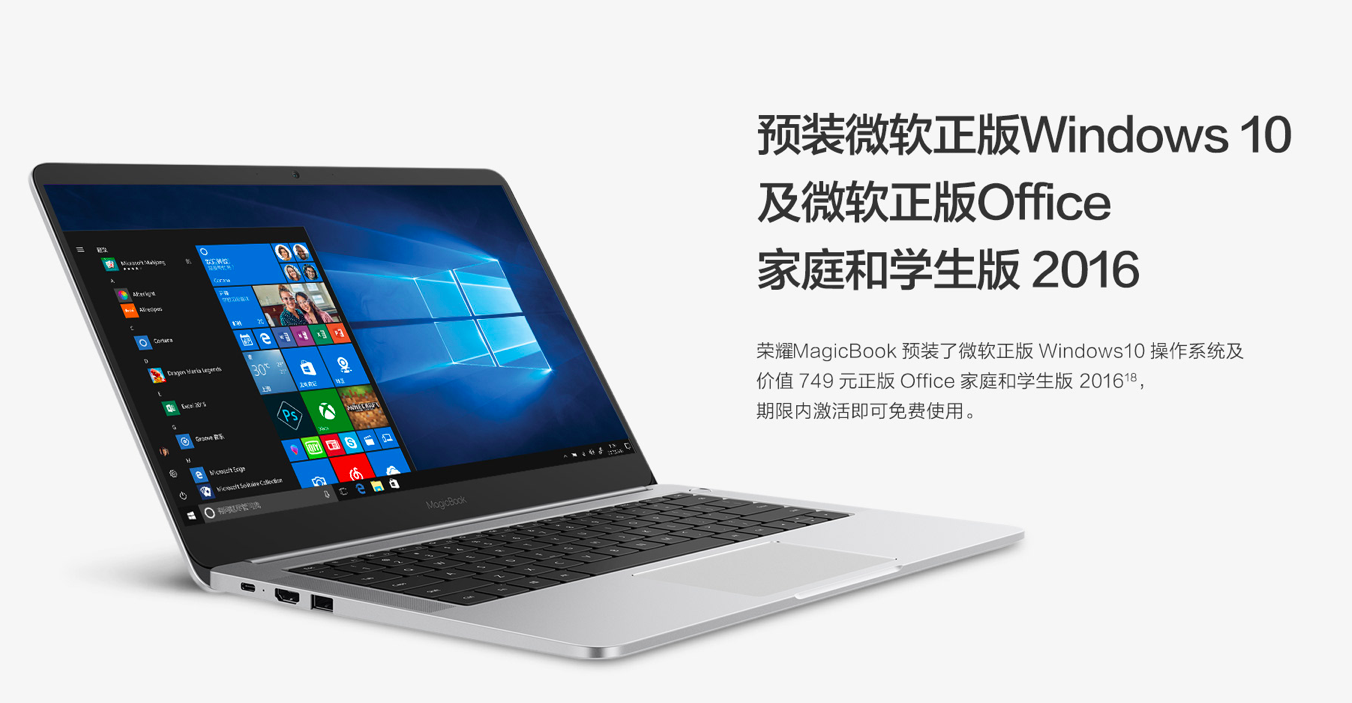
Huawei’s Honor brand has today announced a new version of its flagship Honor MagicBook laptop. The new Honor Magicbook Sharp Dragon Ryzen edition is already on reservation via JD.com but the price tag is still unknown.
The new version comes with an AMD processor which means it will have a lower price tag than the Intel Core i5/i7-powered models. Specifically, the Honor Magicbook Sharp Dragon Ryzen edition is equipped with an AMD R5 2500U processor. The processor is based on 14nm technology and has a Quad-core Octa-thread design. The processor has a default frequency of 2.0GHz and a peak frequency of 3.6GHz. The device is also equipped with Radeon Vega 8 GPU as well as 8GB RAM and 256GB SSD.
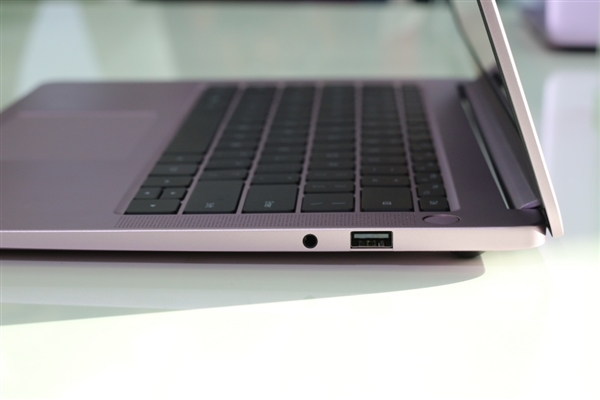
Apart from this, the new version is similar to its contemporaries. The Honor Magicbook adopts a design which sees the side bezels slightly reduced, giving it an 81% screen-to-body ratio. The hinges also come with a spectacular design as the laptop can open up to 180 degrees. We can’t tell for now how this would be of any use but it sure could come in handy someday to the user. The MagicBook sports a metal body and has a full-size QWERTY keyboard. It is just 15.8mm thick and weighs 1.47kg which means it isn’t only portable but also lightweight. The laptop comes in three colour combination Glacier Silver, Starry Ash and Nebula Purple but this new version is available in Glacier Silver only.
In addition, it comes with four speakers and support for Dolby Sound System. There is also a built-in 2 x 2 MIMO dual-antenna Wi-Fi. Another spectacular thing is that it is equipped with a 57Wh battery which the company says can provide 12 hours of native 1080p video playback, 12 hours of web browsing, and 13 hours of document processing.
As stated earlier, the new Magicbook version is on reservation on Jingdong until June 6 when it will go on its first flash sale. There will also be a second flash sale on June 8.
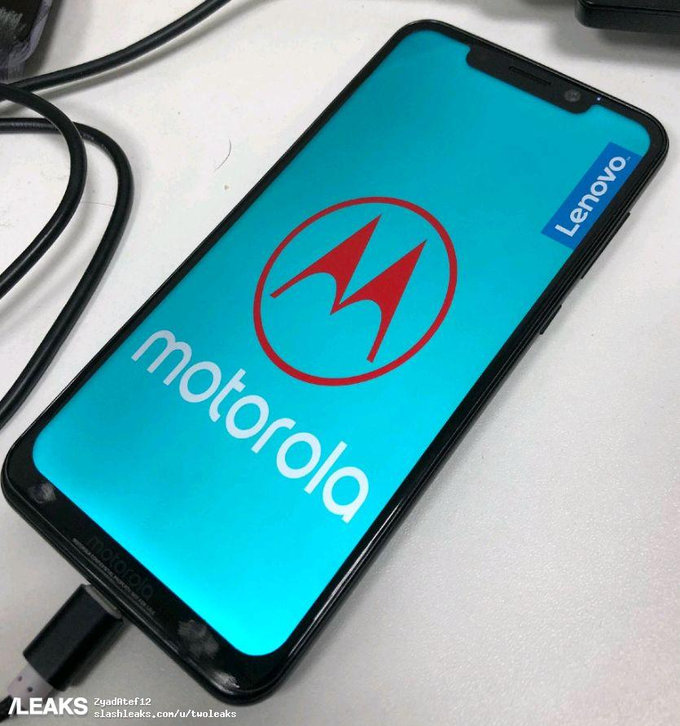
Earlier this week, the unannounced Motorola One Power Android One smartphone was spotted in a leaked render. Today, a new image showing of what appears to be a real One Power phone has appeared on SlashLeaks.
The text “Motorola Confidential Property. Not for Sale” that is mentioned in very tiny letters in the bottom bezel suggests that it could be a prototype of the Motorola One Power. The leaked render of the phone that had surfaced earlier this week had revealed that the bottom bezel will carry “motorola” branding.
The Motorola One Power borrows its notched display design from the Apple iPhone X. Most of the other iPhone X inspired Android smartphones feature smaller notch, except for the newly unveiled Xiaomi Mi 8 series. The iPhone X and Mi 8 Explorer Edition have complex structured light 3D module for 3D facial recognition. The Mi 8 and Mi 8 SE also have wider notch, but they feature infrared face unlock and other components. There is no information available on why Motorola has included a larger notch on the One Power phone.
The new leak does not reveal the posterior of the phone. However, the previously spotted render reveals that it borrows vertical dual camera setup like the iPhone X. The back panel of the phone also features a fingerprint reader.
The specifications of the Motorola One Power handset are yet to appear. Rumors from the beginning of this year had claimed that the Moto X5 will be arriving as the successor for Moto X4 which is the first Android One phone from Motorola. However, recent reports have claimed that the Lenovo-owned company may have cancelled the Moto X5. Hence, it is now being speculated that the Motorola One Power could be some sort of sequel for Moto X4.
As of this writing, there is no information available on the launch date of the Motorola One Power. Most of the Motorola phones have launched in the recent years have Moto branding. After a long time, we may soon see a Motorola phone without Moto branding.
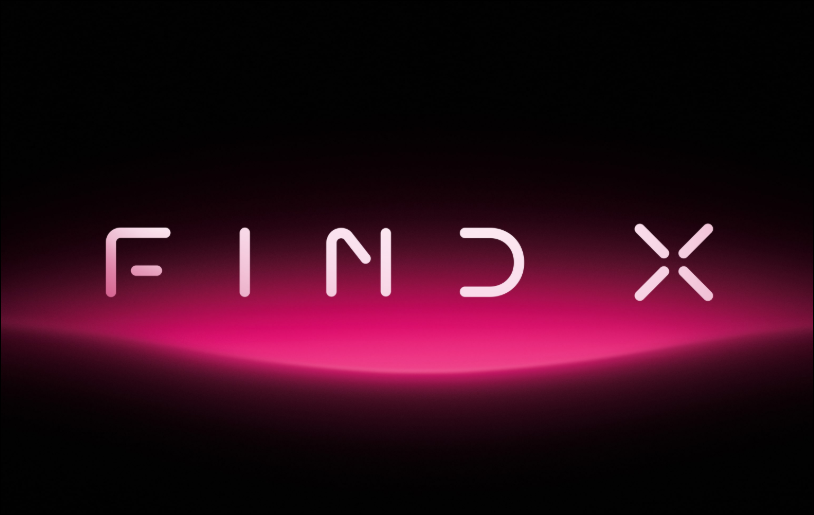
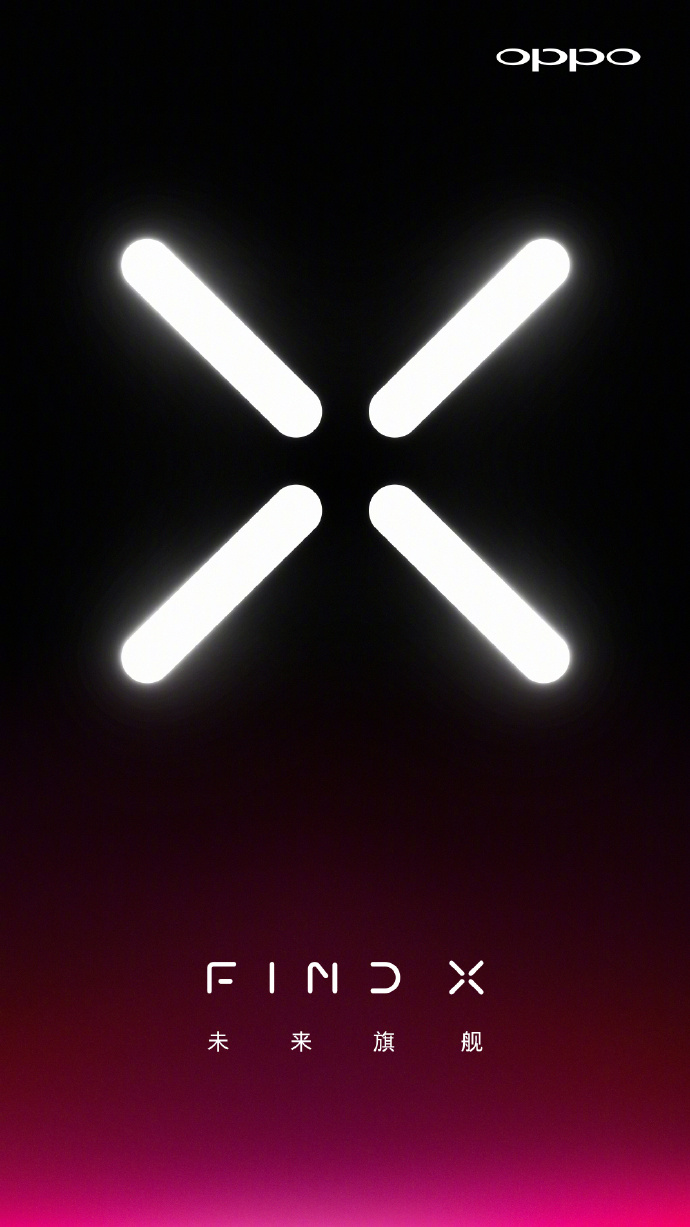
Earlier last month, OPPO filed a trademark for the Find X moniker thus setting the stage for what is likely the impending launch of the flagship device. The renders of the OPPO flagship also appeared online not too long ago and earlier today, the company shared a poster containing the Find X moniker. The source of the poster has now been unravelled. The OPPO Find X website recently went online with the leaker poster sitting as the banner.
The official website is www.oppofind.com and it contains a video teasing the name. The video begins with “Hi” and the next slide says “It’s been a long time” and then a third slide appears which teases the Find X name. The colour of the website’s theme is dynamic, finally ending in the Red colour seen on the leaked poster. We must also add that OPPO India has also teased the Find X and even labelled it a futuristic phone.
The OPPO Find X has been an elusive model that has been a long time coming. The last model that was launched in the series was the Find 7 and that was in 2014. Since then there have been several rumours of a Find 9 and later Find X launching. All that ended up not materializing over the years and it was later disclosed that the Find series has been scrapped in favour of the A and R series.
This upcoming OPPO Find series of new products is different from the previous naming styles. It no longer adopts a digital naming scheme and instead uses X as the product name. In mathematics, X stands for infinite possibilities, which is in line with the discovery spirit that the Find series has always insisted on. It also shows that Find X will be an OPPO product that focuses on the future. Rumours have it that it could be equipped with a structured light 3D module like what is found on Apple’s iPhone X and Xiaomi Mi 8 Explorer Edition for 3D facial recognition. Some of the other features that are expected to arrive on the Find X smartphone include super-fast 15-minute flash charge, 5x lossless zoom and support for 5G connectivity. We expect more details of the device to emerge in the coming days and from the look of things, its launch may be close by.
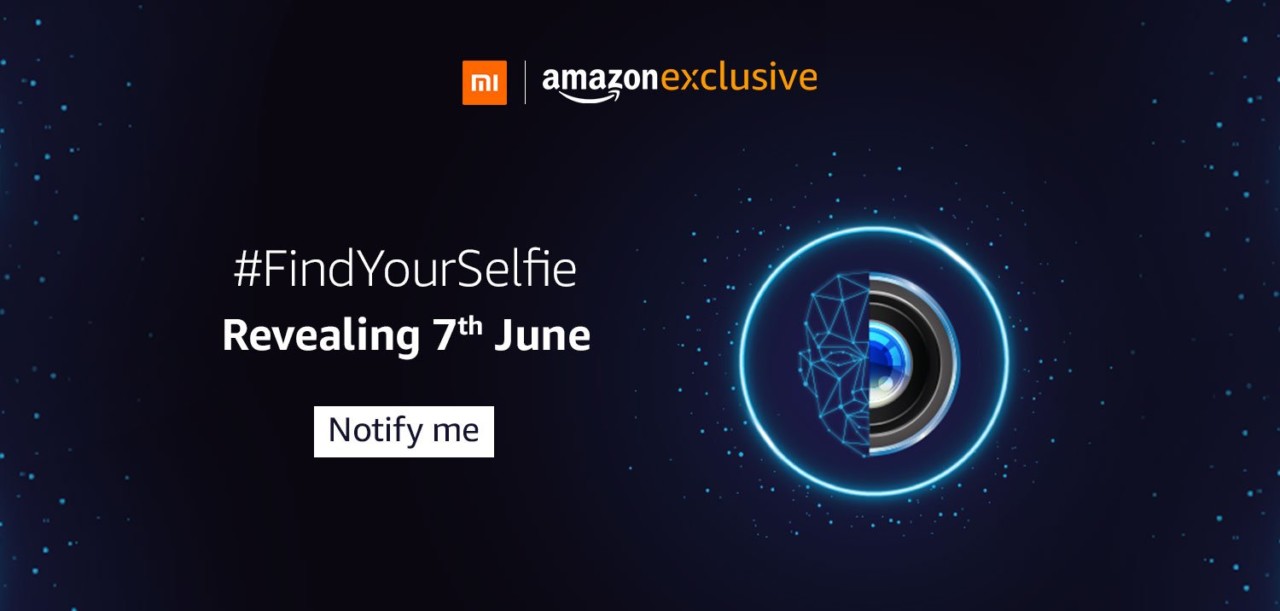
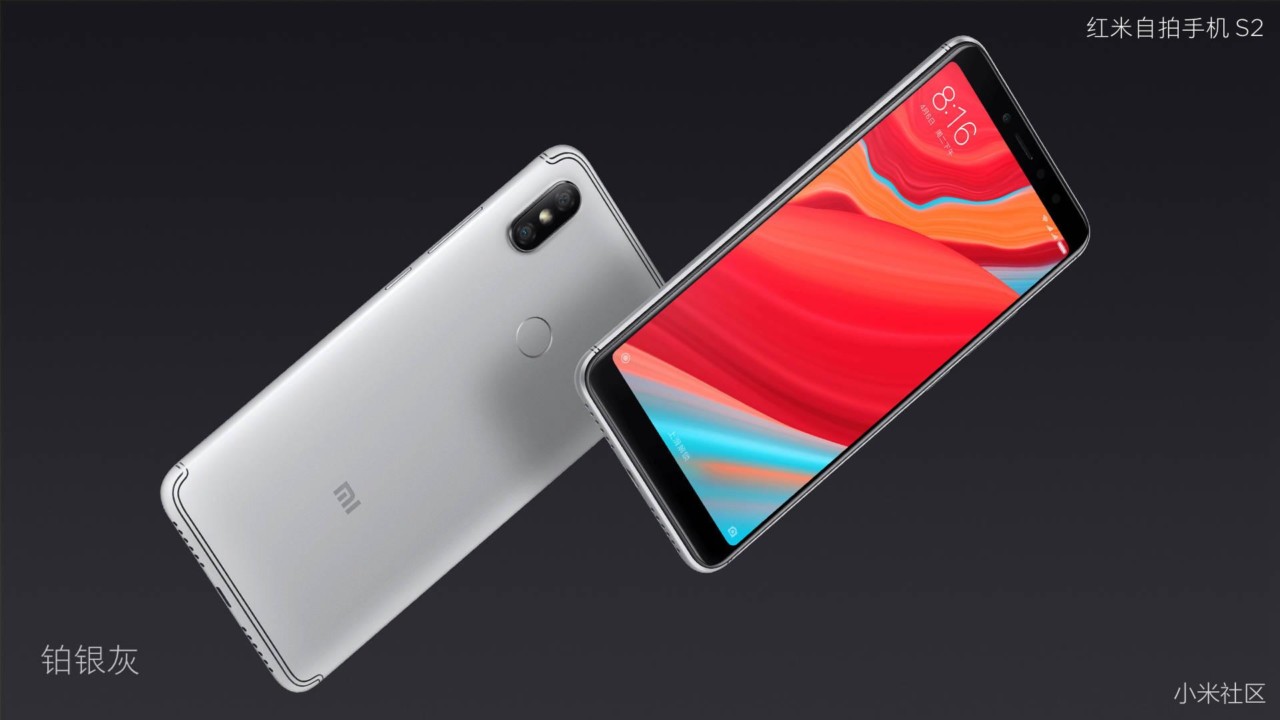
Xiaomi India has scheduled a launch event in India on June 7, where the company is expected to launch its new selfie-focused smartphone. The Chinese manufacturer is expected to launch Redmi Y2, which is the rebranded model of Redmi S2 that was recently launched in China.
While the smartphone’s name has already been confirmed through a leaked benchmark listing, now latest information related to the smartphone has surfaced online, confirming that the Redmi Y2 will be Amazon exclusive in India.
A photo of the smartphone shared by the company has revealed that the device will come with a Dual SIM support and a dedicated microSD card slot in a single SIM tray. Recent benchmark listing has revealed that the smartphone will pack 3GB RAM and will be running Android 8.1 Oreo operating system out of the box. As of the processor, the smartphone will be powered by Qualcomm‘s Snapdragon 625 octa-core processor clocked at 2.0GHz.
The smartphone is expected to come with 5.99-inch HD+ display with 2.5D curved glass on top, 18:9 aspect ratio and a screen resolution of 1440 × 720 pixels. Further, it has 1000:1 contrast ratio, 450 nits Brightness, and 70.8% NTSC color gamut.
While the Geekbench listing shows 3GB RAM, it is expected that the smartphone will also have another variant with 4GB RAM. The 3GB RAM model will pack 32GB internal storage and the 4GB RAM model will come with 64GB internal storage. There’ll also be a microSD card slot for storage expansion up to 256GB.
In the camera department, the phone is expected to sport a 12MP rear camera with LED Flash, 1.25μm pixel size, PDAF, f/2.2 aperture and a 5MP secondary sensor. On the front side, it will come with a 16MP snapper along with an LED flash.
The Xiaomi Redmi Y-series is focused on the front-facing camera and the upcoming Y2 is also expected to follow the suit. It is expected to come with AI-based features to improve the captured images, including two major AI modes — AI portrait and AI beauty.
The smartphone is expected to feature a fingerprint scanner on the back panel. It will be running on company’s own MIUI based on Android Oreo and will be powered by a 3,080mAh battery. Just like the Redmi S2, the Redmi Y2 is expected to come in three color options — Rose Gold, Champagne Gold, and Platinum Silver.
In China, the 3GB RAM + 32GB storage model is priced at 999 yuan ($156) while the 4GB RAM + 64GB storage model costs 1299 Yuan ($204).
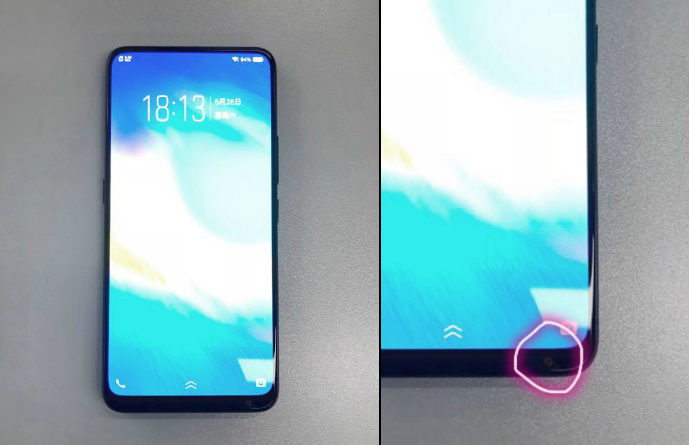
Around a week ago, Vivo confirmed that it will be holding a launch event in Shanghai, China on June 12. It is speculated that the Vivo APEX concept that was unveiled earlier this year may get rebranded and showcased through the upcoming event. Recent reports have revealed that the smartphone may get introduced as Vivo NEX. Today, the Chinese manufacturer has released a new poster on its Weibo account to confirm the Vivo NEX name as well as the June 12 launch date.
The above teaser reveals that the smartphone would be arriving with breakthrough technology. Since it is supposed to be a rebranded edition of the Vivo APEX, it is likely to feature an half-screen fingerprint reader, a display that offers over 90-percent screen-to-body ratio and some other advanced features.
Recent leaks have revealed that there could be two editions of the phone. The base model that is rumored to feature Snapdragon 710 may sport a slightly different design. It is expected to feature a front-facing on the right corner of the bottom bezel. The SD710 chipset is expected to be coupled with features 6 GB of RAM and 128 GB of storage.
The Snapdragon 845 chipset along with 8 GB of RAM is speculated to be power the top variant. It is expected to feature a pop-up camera like the one that was seen on the Vivo APEX phone. This edition is also expected to come with an inbuilt storage of 256 GB.
Also, the Vivo NEX is pegged to carry support for up to 22.5W fast charging. Hence, it will be the first ever smartphone from the company to come with a USB-C port.
Rumors have it either the SD710 or SD845 variant will be arriving with Vivo NEX S moniker. The base model is expected to carry a pricing of 4,998 Yuan (~$779) while the higher edition may cost 6,998 Yuan (~$1,090).
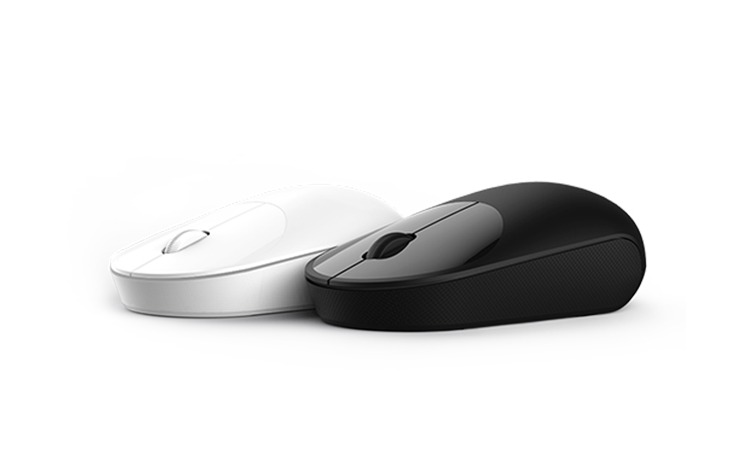
Xiaomi has today launched a new variant of its wireless mouse — Mi Wireless Mouse Youth Edition. The mouse, which carries model number WXSB01MW, will be available in two color options — Black and White, for a price of 49 Yuan, which roughly converts to $8.
This Mi Wireless Mouse Youth Edition is the cheapest mouse available from the Chinese manufacturer. It comes with a glossy finish and comes with an ergonomic design. The first half is gently angled while the second half is appropriately raised. This ensures that the mouse can fit the palm of the hand.
The mouse uses the original phase photoelectric sensor and has 1200dpi precise positioning. The main body of Xiaomi‘s Mi Mouse Youth Edition is made of ABS plastic material and has two-segment type pad. The company says that the mouse can work for more than 3 million clicks and has been designed to meet the office and daily use needs.
It supports 2.4GHz high-speed connectivity that pairs with an included USB dongle. The Mi Wireless Mouse Youth Edition is lightweight, weighing at just 70 grams without battery, and measures 102×58×34mm.
In 2017, during Mi Festival, the company launched a basic mouse — Mi Wireless Mouse, priced at 69 Yuan (approx. ). Unlike this Youth Edition version, the original model comes with high-quality coating for UV resistance, wear resistance, pollution resistance, and fingerprint resistance.
Xiaomi had first launched its mouse in the year 2016 which came with sand-blasted anodized aluminium, a design similar to that used for Apple Macbooks. It promised high-precision sensor with 95% accuracy and can work on a surface with frosted glass or fabric. Last year, Xiaomi crowdfunded finger thinking fingerprint mouse, which was priced at 199 Yuan. It is just like the regular mouse but it comes with a fingerprint sensor at the front, just behind the roller.
According to Winfuture.de, Qualcomm is developing a new processor called Snapdragon 1000 specifically for ARM based Windows devices. At present, PCs powered by Qualcomm’s Snapdragon 835 are not really comparable to mid-range Intel laptops powered by Core i5. So the new processor should be the chipmaker’s answer to offer faster and energy efficient processors for laptops and convertibles.
Snapdragon 1000 doesn’t really fit into any of the company current lineups, so it’s quite possible that Qualcomm may announce it as a separate series. The Snapdragon 4XX, 6XX, 7XX, 8XX are all focused on mobile devices, so this should be a special series made specifically for the laptop market.
While details about Snapdragon 1000 are scarce at the moment, it is said that the CPU will be focused on improving performance of ARM based PCs. The Snapdragon 1000 is rumored to increase CPU power dissipation to 6.5 watts, up from 5 watts on the Snapdragon 845.
As of now, we don’t know whether this is a convertible or a traditional laptop, but Asus is internally calling it as the ‘Primus’. Expected release is around late 2018 or early 2019.
The current state of ARM based Windows laptops is promising but it’s not without issues. There are a lot of limitations in running the full version of Windows because of the ARM based hardware inside. In fact, as of now, the Snapdragon 835 based Windows devices come with a limited Windows S version that can only run apps from the Windows store. You’ll have to upgrade to Windows 10 Pro (free now) to get the full Windows PC experience.
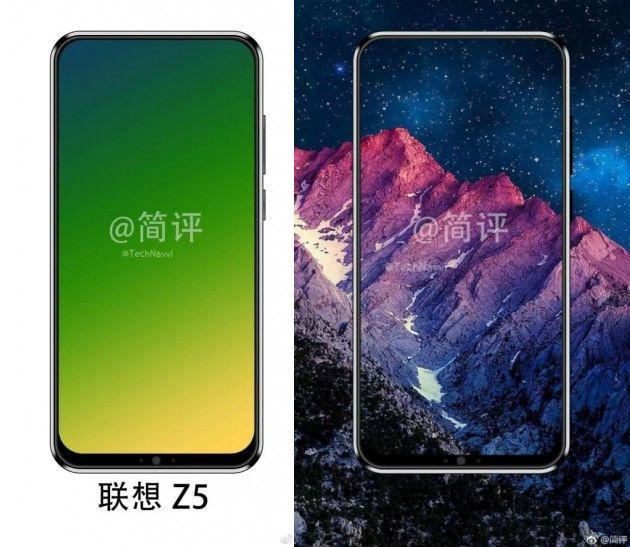
The Lenovo Z5 flagship phone is confirmed to get official on June 5. Chang Cheng, the VP of Lenovo Group has been busy teasing the bezel-less design of the upcoming flagship smartphone that is expected to offer highest ever screen space. Today, fresh renders of the Lenovo Z5 have surfaced on Weibo. The renders show that except for a slightly thick bottom bezel, the handset features super-slim bezels.
The renders of the Lenovo Z5 show that its front side is mainly occupied by display. The chin of the device has a selfie camera positioned at its center. There is no confirmation on the authenticity of above renders as they do appear like fan-made renders.
In the previous month, well-known designer and tipster Benjamin Geskin had examined one of the teasers of the Lenovo Z5 and found that the handset does feature a slightly thick chin.
It is speculated that the ambient sensor and proximity sensor could be also embedded in the bottom bezel. The earpiece is missing which suggests that the it could be placed under the display.
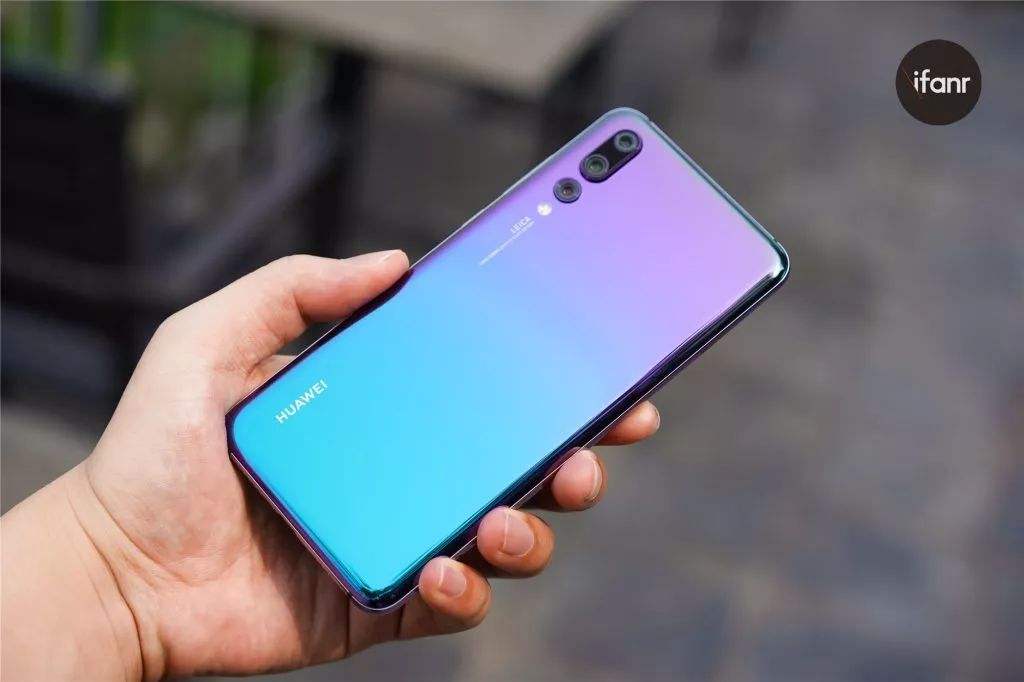
For those who hate the notched display design, the Lenovo Z5 is one of the flagship phones that may want to look forward to as it expected to come with some advanced features like notch-less screen with 95-precent screen-to-body ratio, 4 TB storage, dual camera with AI, 45-day standby time and astounding talk time. The rear side of the smartphone will be sporting gradient glass back like the Huawei P20 and P20 Pro.
As of this writing, there is no information available on the specs of the phone. However, it is speculated to be fueled by Snapdragon 845. Rumors also claim that the handset will be equipped with an under-display fingerprint reader.
What do you think about the design of the Lenovo Z5? Share us your views by posting your comments below.
A recent report had revealed that the Samsung Galaxy S10 that will be launching in the first quarter of 2019 will be the company’s first smartphone to feature an in-screen fingerprint scanner. Fresh information revealed by a South Korean publication states that the Galaxy S10 will be also featuring a triple camera setup.
The demand for the Galaxy S9 and Galaxy S9+ phones have been lower than the company’s expectations. Hence, Samsung is aiming to entice customers by launching triple cameras and a 3D sensor, claimed an analyst from KB Securities. It is speculated that the Galaxy S10 with triple cameras will rival with the upcoming iPhone X Plus that is rumored to came with three cameras.
The three cameras featuring a 3D sensing sensor will not only offer better photography experience like enhanced zoom and better low-light performance, but also it will bring along other features like recording of 3D content and Augmented Reality (AR).
In March, Huawei had introduced the Huawei P20 Pro as the world’s first smartphone with triple camera setup. It includes a 40-megapixel RGB sensor, an 8-megapixel telephoto lens and a 20-megapixel monochrome sensor. Samsung may use a similar camera setup on the Galaxy S10. However, there is no confirmation on it.
Recent reports have also revealed that the Galaxy S10 could be also Samsung’s first phone to come with 3D facial recognition feature like the Apple iPhone X and Xiaomi Mi 8 Explorer Edition. There is no information on other specs of the phone, but it is likely to be driven by the upcoming Snapdragon 855 chipset. Some rumors have claimed that the Galaxy S10 may get official right at the beginning of 2019 and the company may debut its first foldable phone at the Mobile World Congress (MWC) 2019 tech trade show in February next year.
In related news, another South Korean publication has revealed that the Galaxy Note 9’s release date has been delayed by around two weeks. Initial rumors had suggested that the Note 9 may break cover in July, but the fresh development suggests that it may get official in August.
The OPPO Find 7 that was launched in 2014 is the last flagship phone from the company. It was speculated that OPPO may launch the OPPO Find 9 or Find 11 to succeed it. However, the company has not released any flagship phone after Find 7. Hence, it seemed that the Chinese manufacturer would never launch a Find series flagship phone as changed its mobile business strategy and concentrated on releasing low budget, mid-range and upper mid-range phones. Today suddenly, OPPO has just confirmed through its Weibo account that it will be launching a new Find series smartphone called Find X.
Shown above is the official Find X poster released by OPPO on its Weibo account. The Weibo post that accompanies it says, “Hi, waited for a long time” which suggests that the company is well aware of the fact that its fans have been eagerly waiting to see a new flagship phone. OPPO has also changed the its Weibo profile logo to Find X which confirms it will be the next major smartphone from the company. The announcement on the existence of the Find X smartphone has come just after the launch of Xiaomi Mi 8 and Mi 8 Explorer Edition.
At the beginning of the previous month, OPPO had trademarked the OPPO Find X moniker which suggested that it could be an upcoming flagship phone from the company. Also, a leaked render of the smartphone that had appeared in May revealed that it will be equipped with a notched display and a triple camera setup on its rear. As of this writing, there is no information on the specifications of the Find X smartphone.
The image also revealed that the smartphone does not feature a fingerprint scanner. Since the company was recently granted a patent for in-screen fingerprint scanner, it is speculated that this advanced biometric recognition feature might be made available on the OPPO Find X.
Rumors have it that it could be equipped structured light 3D module like Apple iPhone X and Xiaomi Mi 8 Explorer Edition for 3D facial recognition. Some of the other features that are expected to arrive on the Find X smartphone include super-fast 15-minute flash charge, 5x lossless zoom and support for 5G connectivity.
Do you think that the OPPO Find X will be an ultimate flagship phone? Share us your views by posting your comments below.
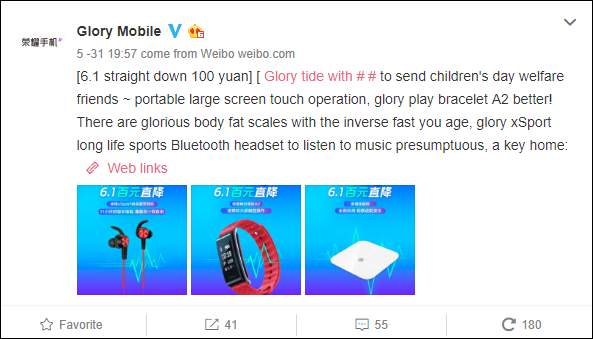
Huawei’s Honor brand has announced a price cut on a number of its products to mark the June 1 Children’s Day celebration in China. The affected products are Honor’s Weighing scale, Bluetooth headset and the Honor A2 Smartband. The eye-popping price cut was perhaps received by the Honor A2 which had over 50% off its initial price. The smartband has an original price tag of 199 Yuan but that has been slashed by 100 Yuan so the device is now available for just 99 Yuan ($15) on Vmall.
The Honor A2 was launched in May last year as the successor to 2016’s Honor A1 released last year. The Honor A2 has a 0.96-inches OLED display and rubber strap which is available in red, white, black and yellow.
The Honor A2 smartband boasts a couple of interesting features. It has a continuous heart rate monitor that is able to differentiate when you are performing a variety of exercises. There is a calorie counter that keeps track of calories burnt, and a pedometer that counts your steps and that can even tell when you are cycling. The smart wearable also has a sedentary reminder, a sleep monitor, and will also provide notification alerts. There is also a find-my-phone feature for those moments when you can’t remember where you dropped your device. The device can also pair with smartphones (both Android and iOS) using Bluetooth 4.2. It has an IP67 rating and packs a 95mAh battery that should offer up to 9-days of battery life.
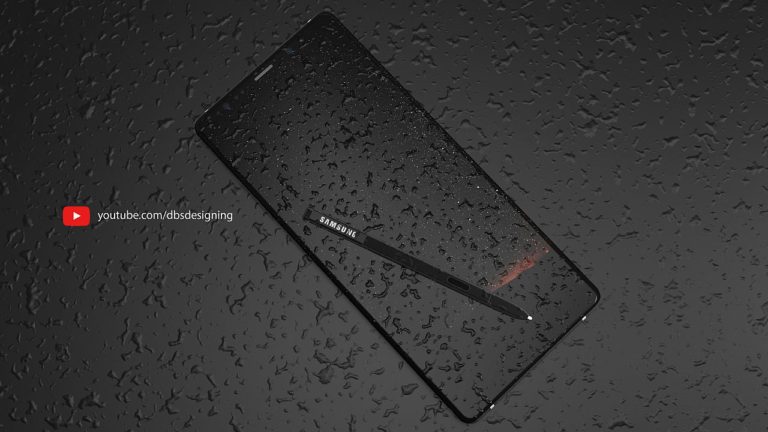
It was reported recently that Samsung will launch the Galaxy Note 9 flagship in July this year. That rumour seems to have some substance but a fresh rumour has emerged, stating that the Galaxy Note 9 launch date has been shifted by two weeks.
While the initial rumour tips the device to drop in July, a second one stated July 29. So with the two weeks shift, the launch may now fall in August. Two weeks is a short time to get disappointed anyway. Besides, it is all for good as the report revealed that Samsun postponed the launch due to a last-minute design change. The report hinted that Samsung’s Vice Chairman Lee Jan-Yong visited a number of local stores in Shenzhen to check out competing smartphones and, upon doing so, the Chairman is said to have realized that other smartphones offer an increased feeling of grip. In light of this, Lee Jan-Yong reportedly spoke to Samsung’s engineers in the hope fixing this issue by reducing the thickness of the Galaxy Note 9’s display glass by 0.5mm, a decision that has ultimately led to a delay of two weeks.
The Galaxy Note 9 is expected to come as a slight upgrade of the Galaxy Note 8. One of the top features will be a minimal increase in display size. The Galaxy Note 8 sports a 6.32-inch panel, whereas the Note 9 is set to feature a 6.38-inch display. On a hardware note, Samsung’s Exynos 9810 will power the device in all markets except the US, where the Snapdragon 845 by Qualcomm will be employed. The processor will be backed by 6GB of RAM and 128GB of internal storage. There are rumours of a 8GB + 512GB variant but that isn’t confirmed.
With this latest development. the Galaxy Note 9 is expected to drop sometime in August with sales commencing before the end of the month.
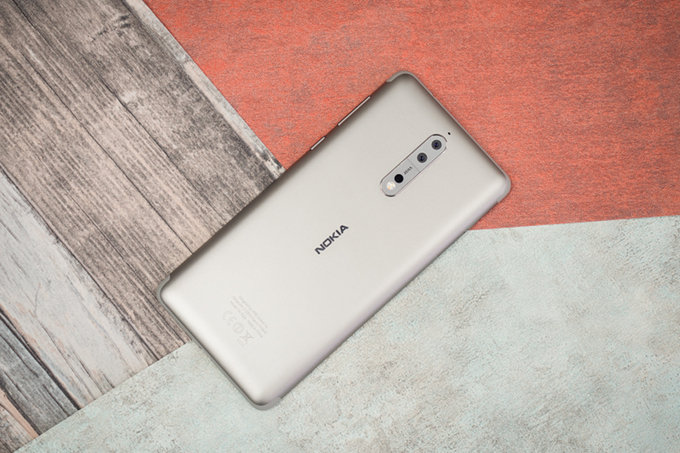
HMD Global sure looks to be heading in the right direction in terms of designs of its smartphones and software support via regular updates. The company announced a couple of months back that the Nokia 8 will in the near future receive some major camera improvements. That position was reiterated about two weeks ago when the Finnish company said an update for the high-end smartphone will be available very soon.
HMD has now announced that the rollout of the Pro Camera mode. In a tweet, HMD’s CPO Juho Sarvikas disclosed that the Pro Camera mode is now available via an update. He also disclosed that the update is now rolling out to all Nokia 8 units around the world. Although this might take some time before it reaches all devices, it is impressive that the company is keeping its word.
The update has a size of 600MB which is quite big but it looks to be worth it. The Pro Camera mode brings some enhancements to the user interface and some improvements to the system stability. This new camera mode lets you adjust the white balance, manually focus the photo, adjust the ISO of the image, set a manual shutter speed, adjust the exposure of the photo and several other features.
We use cookies on our website to give you the most relevant experience by remembering your preferences and repeat visits. By clicking “Accept”, you consent to the use of ALL the cookies.
This website uses cookies to improve your experience while you navigate through the website. Out of these, the cookies that are categorized as necessary are stored on your browser as they are essential for the working of basic functionalities of the website. We also use third-party cookies that help us analyze and understand how you use this website. These cookies will be stored in your browser only with your consent. You also have the option to opt-out of these cookies. But opting out of some of these cookies may affect your browsing experience.
Necessary cookies are absolutely essential for the website to function properly. This category only includes cookies that ensures basic functionalities and security features of the website. These cookies do not store any personal information.
Any cookies that may not be particularly necessary for the website to function and is used specifically to collect user personal data via analytics, ads, other embedded contents are termed as non-necessary cookies. It is mandatory to procure user consent prior to running these cookies on your website.