Chinese tech giant Xiaomi has announced the opening of three new smartphone manufacturing plants in India. The plants are built in partnership with Foxconn and are based in Sri City, Andhra Pradesh and a new campus in Sriperumbudur, Tamil Nadu with over 180 acres of area. Also, the company’s factory in Noida, Uttar Pradesh which was built in partnership with Hipad and dedicated to power bank manufactures has now been expanded to manufacture smartphones.
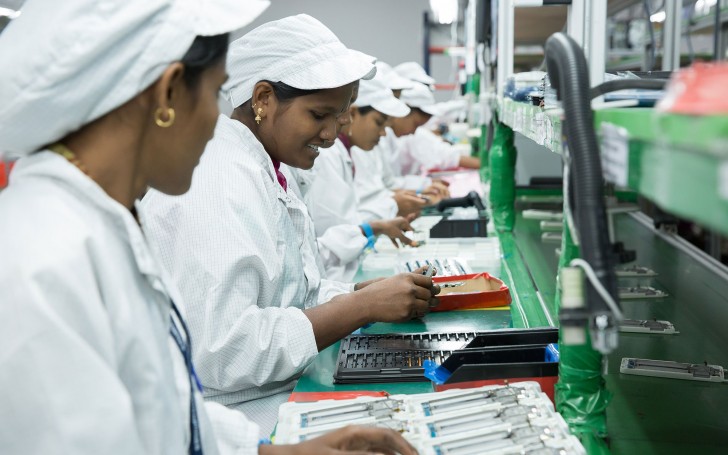
With this development, Xiaomi now has a total of six manufacturing plants in India, all dedicated to the manufacture of smartphones. Xiaomi says 95% of its smartphones sold in India were manufactured locally. The company also disclosed that the factories built in partnership with Foxconn employ over 10000 workers, of which more than 95% are women. All the assembly work is also done by women.
The Chinese company also revealed its plans to start manufacturing Printed Circuit Board (PCB) in India. This may sound insignificant but PCB is a key component in almost every electronic device and is the plastic board onto which other components are soldered on to and it enables connectivity between the components. Xiaomi hopes to continue its rising dominance of the local market. The tech giant currently occupies the number one spot in the Indian market with a 26.8% market share in Q4 2018. Xiaomi also controls the online smartphone shipment segment with a surprising 57% market share.
The last official Android TV box was the Mi Box released in 2016. It is actually the Mi Box 3 but with Android TV installed on it. Google itself hasn’t released a new Android TV device after the Nexus Player but it seems it is working on a dongle in collaboration with Xiaomi.
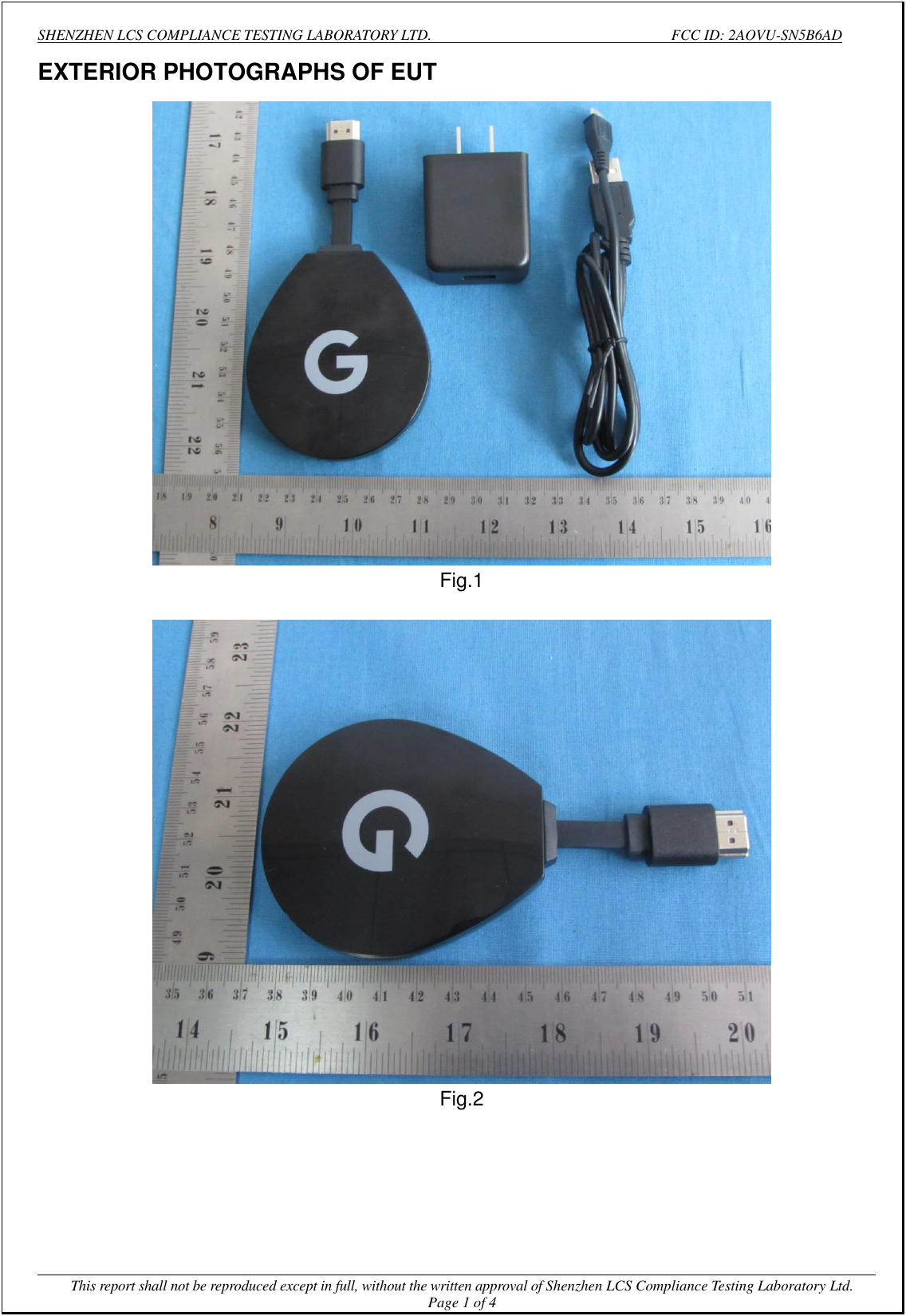
Images of a Google-branded dongle along with a remote that looks like the one bundled with Xiaomi TVs and boxes have been seen at the FCC. The dongle is shaped like a location pin with a short HDMI cable attached to it at one end, a micro USB port and reset button on the side, and a Google G logo on top.
From the design and size, it is obvious the dongle will remain at the back of the TV.
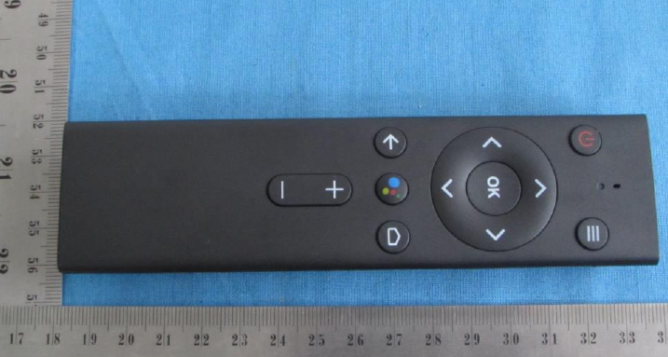
Another photo shows the remote which looks just like the Mi Box Bluetooth voice remote but with a few additions. Opposite the power button is a new options button. The microphone and what appears to be a LED sit between the buttons.
The remote keeps the directional and select buttons but they are now marked. The return key is still there but the home key is now on the left with the old Android home icon. Instead of the microphone key, the third button now has the Google Assistant icon and sits in the middle. The volume rocker remains in its former position.
The TV dongle is powered by an Amlogic S905X – a quad-core processor with support for 4K @ 60fps (VP9 decoding), HDR10, and Dolby Vision. It also has a built-in DAC. There is 2GB of RAM and 8GB of eMMC storage. Power input is via a 5V/2A adapter.
The FCC document reveals that the device which is referred to as “4K ATV Stick” is manufactured by Shenzhen SEI Robotics Co. Apart from the Google logo and the Google Assistant, there is no mention of Google and Xiaomi having anything to do with the hardware on the manual.
The Smartisan Nut 3 was announced yesterday as a mid-range phone with the build and design of a high-end flagship. However, it seems the main flagship phone is on the way.
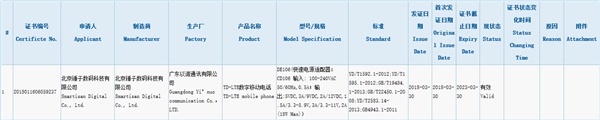
A new Smartisan phone with model number DE106 was seen on the website of the Chinese Certification Commision. The certificate was issued on March 30th and mentions that the phone supports 18W fast charging.
Sources say this might be the Smartisan R1 flagship said to be in development. The R1 is rumored to come with a full-screen IPS display and not AMOLED. It will have its fingerprint scanner on the rear underneath the Smartisan hammer logo and may have a Snapdragon 845 processor powering it.
Xiaomi is working on a successor to last year’s Mi 5X, which is unsurprisingly called the Mi 6X. It was seen on TENAA last month baring all its specs except for the cameras and processor which are still a bit vague.
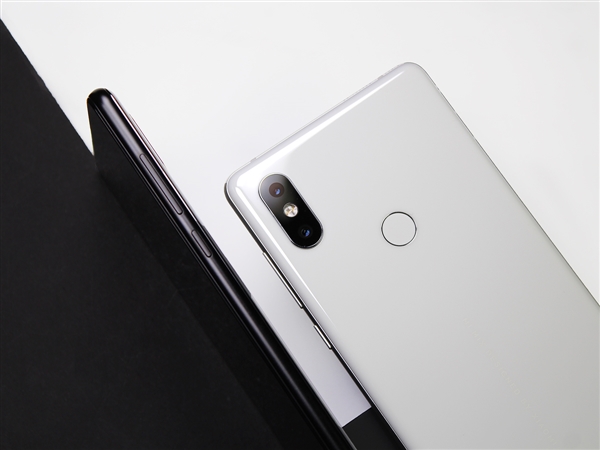
The Mi 6X has a design very similar to that of the Redmi Note 5/Note 5Pro. The dual cameras have the same iPhone X-style arrangement and it has a rear-mounted fingerprint scanner. It also has the same display size.
However, a key difference between the Mi 6X and Redmi Note 5 Pro is that the latter keeps the U-antenna design from its predecessor.
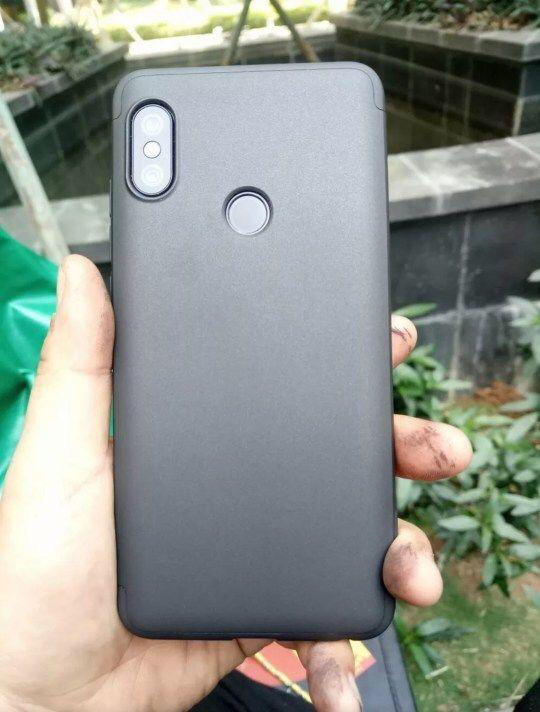
We’ve been able to get our hands on a live photo said to be that of the Mi 6X. When you first look at it, it does seem to be the Mi 6X since it has the U-antenna design mentioned above. Don’t be easily fooled as that is actually a case slapped on the back of the phone.
Since the antenna line is the only way to differentiate between the Redmi Note 5 and Mi 6X and this phone has a case slapped on its back, we’ll say it is a fifty-fifty chance that the phone underneath is indeed the Mi 6X.
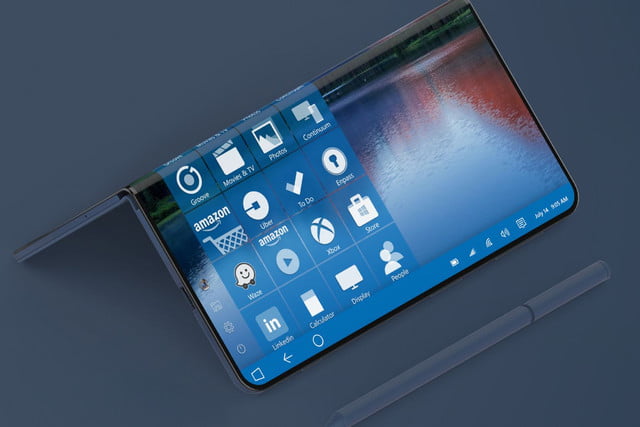
We can’t keep count of the number of foldable phone patents we have seen these past few years. Despite the surge in patents, we can only boast of the ZTE Axon M as the only foldable phone that has been commercialized. Even at that, the Axon M isn’t really a true foldable phone as it appears to be a single phone with two screens. However, a report by DigiTimes says that the first wave of truly foldable smartphones is likely to make their debut at the end of 2018.
According to the report, a number of brand vendors are accelerating their R&D efforts on related projects, according to industry watchers. The smartphone market leader, Samsung is expected to unveil its roadmap for its foldable models in 2018 according to a report by Korea-based ET News. Samsung Electronics already has a number of patents related to foldable smartphones in Korea and the US. The report also says that Samsung has been developing smartphones with inward-folding displays since five years ago and the manufacturing process has reached up to 80% completion.
Apart from Samsung, U.S tech giant Apple is also said to have applied a number of patents for clamshell smartphones, including one for a tri-fold display design, according to the watchers. Apple’s patents are said to have applicability in other products apart from smartphones. So, it is uncertain Apple will join the train this year.
Nevertheless, if Samsung is to release a truly foldable smartphone this year, then we expect a surge in such design by Chinese OEMs. adding that Apple could also use its folding technology in products other than smartphones. Chinese tech leader, Huawei has long been detailed to be working on a foldable phone by various patent applications. The latest patent filing published on the World Intellectual Property Organization (WIPO)website is that of a foldable phone design that can be turned into a tablet Huawei in September 2017 also applied for a patent for a single display screen that can be folded in the middle. In that vein, Huawei is tipped as planning to unveil its first foldable smartphone by the end of 2018.
Other OEMs who have got foldable phone design patents include LG electronics, Oppo, Lenovo and ZTE. OPPO applied patents for foldable smartphones first in 2017, and again for other patents in 2018, with patent authorities in China. Meanwhile, Lenovo has unveiled a foldable smartphone prototype whose display can be extended to 7.8-inch from 5.5-inch when opened. Lenovo has not yet announced a timetable for the production of the foldable smartphone. ZTE may improve on the Axon M design, thus giving us a truly foldable phone. According to Strategy Analytics, global shipments of foldable smartphones are expected to total 700,000 units in 2019 and will gradually expand to 30.4 million in 2021 and to 50.1 million in 2022.
Meizu will celebrate its 15th anniversary by releasing three phones on April 22: Meizu 15, 15 Plus and 15 Lite. According to Chinese sources, Meizu 15 Lite (which will be the cheapest handset as even the name suggests) will have an extremely low price, at least in China. In the country, the device is expected to cost less than €200: in detail, its launch price is tipped to be 1,499 Yuan, which roughly translates into $238/€192. Its an incredibly good deal if we consider the rumored specs of this device.
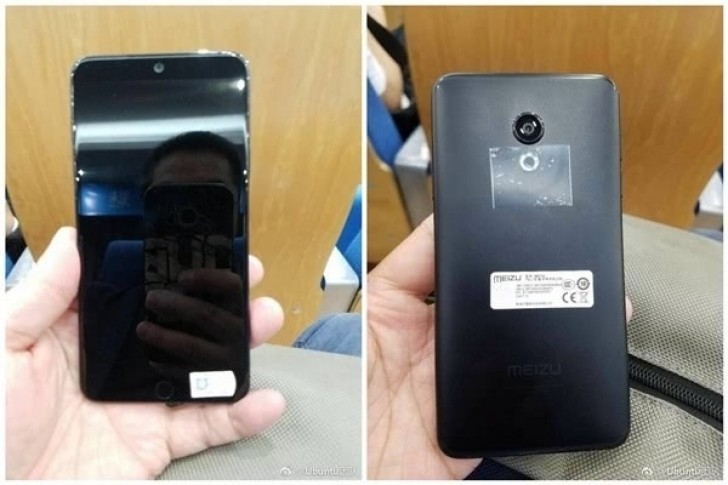
Indeed, according to leaks, the device will be powered by a Snapdragon 660 SoC which is the best midrange chipset by Qualcomm. This is yet to be confirmed and it is also hard to believe, but if it will be so, Meizu 15 Lite will be one of the best handsets in terms of quality-price ratio. Other rumored specs include a 5.46-inch IPS display which will show images at a Full HD resolution. A new render of the phone has just surfaced online: it shows the black variant with a full metal unibody design. On the rear side, there is a single camera paired with a 10-LED flash, while on the front side there is a circular fingerprint reader.
Meizu 15 Lite is expected to be released in several configurations. It will be possible to choose between 3, 4 or 6 GB of RAM and 32, 64 or 128 GB of internal storage. While the Lite variant will be the cheap one, Meizu 15 Plus will be the flagship version. It is tipped to come with a 5.95-inch display showing images at a Quad HD resolution. Under the hood, there should be an octa-core Samsung Exynos 8895 chipset which is the same as Samsung Galaxy S8, 4 or 6 GB of RAM and 64 or 128 GB of internal storage. Unlike its Lite sibling, it will also have a dual camera setup.
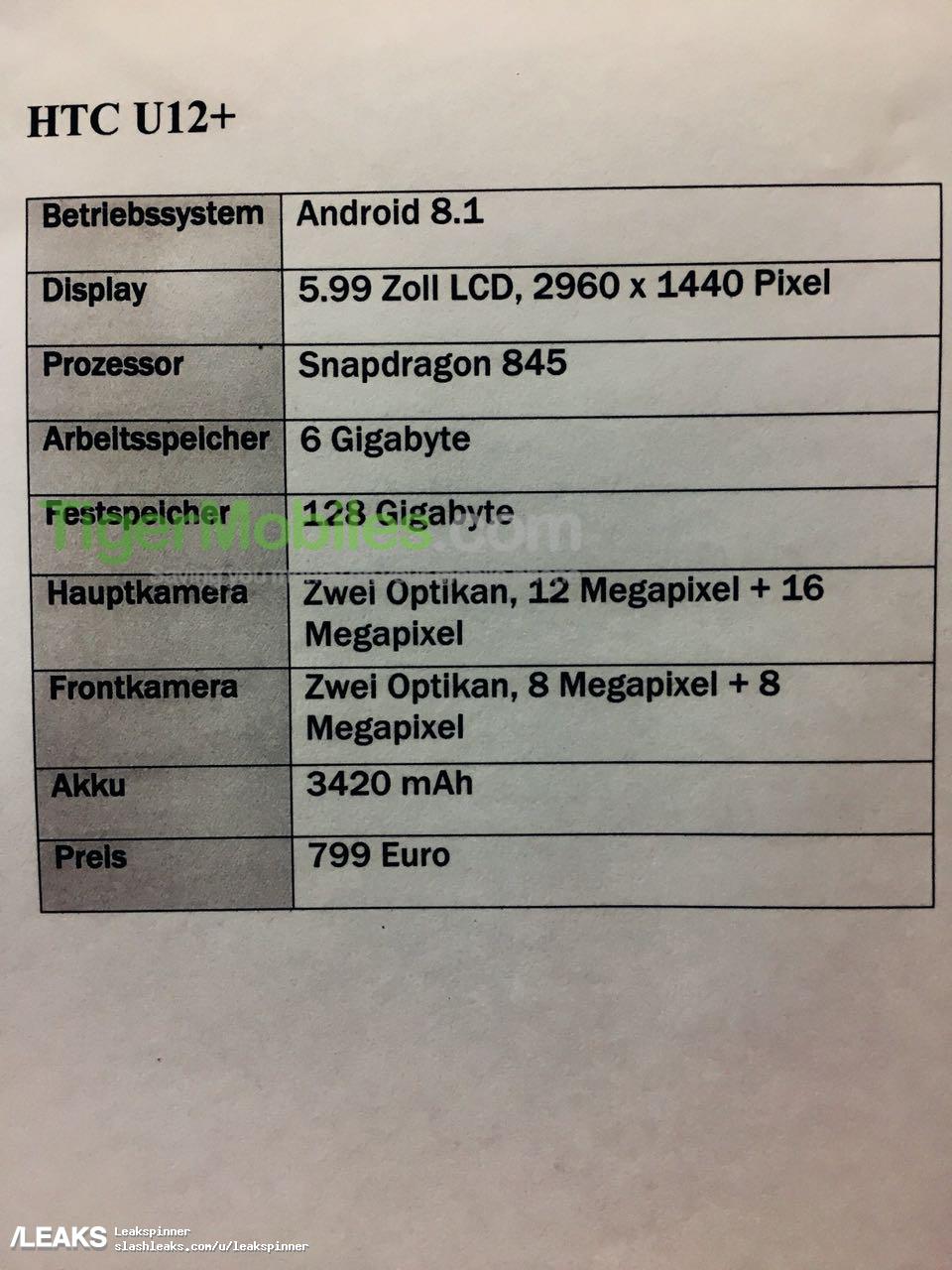
HTC is suffering a strong financial decline in the past few years, so its upcoming flagship HTC U12+ will be very important to decide its future in the smartphones market. A new leak surfaced on Slashleaks is now showing us its main specs and its alleged price. It confirms the rumors and leaks surfaced in the previous months and it obviously shows high-end specifications for the upcoming flagship.
According to the leak, HTC U12+ will boast a 5.99-inch display with the LCD technology and a Quad HD+ resolution of 2960 x 1440 pixels. On the hardware side, HTC U12+ will have an octa-core Qualcomm Snapdragon 845 chipset running at a max frequency of 2.8 GHz, 6 GB of RAM and 128 GB of internal storage.
There will be a total of four cameras on the handset: a dual rear camera with resolutions of 12 and 16 MP and a dual front camera with a resolution of 8 MP for both the sensors. The battery will have a capacity of 3420 mAh, while the listing price for Europe will be €799. According to this leak, the handset will be far from being affordable, but it will be less expensive than the most important flagships such as Samsung Galaxy S8 and Huawei P20 Pro.
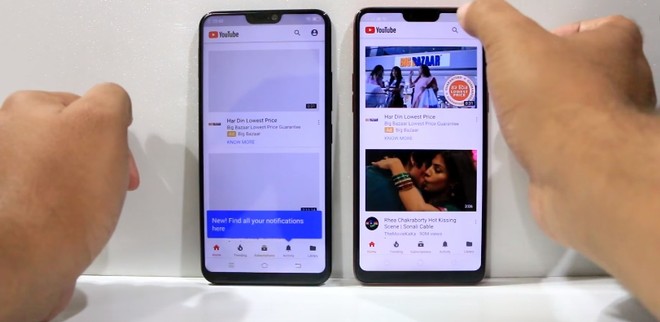
If you live in China and you are looking for a phone with the best quality-price ratio, OPPO F7 and Vivo V9 are among the best choices you have. They are two mid-rangers released by sister companies as both are owned by BBK Electronics. And they are also very similar devices. But even though they come with a similar price and they look similar in terms of aesthetics, it seems that there is a huge difference between them in terms of performance. A known YouTube channel has uploaded a video of a speed test which proved that OPPO F7 performs way better than Vivo V9.
OPPO F7 boots faster than its opponent, it can open apps and games faster and it can even be unlocked faster with the fingerprint reader. Both the phones have also been tested on benchmarks with AnTuTu apps and OPPO won on benchmarks as well. While the F7 scored 107647 on AnTuTu, Vivo V9 obtained a result of just 72874 points. According to the video, OPPO F7 can even reproduce better colors through its display, and it has a higher screen brightness. The F7 comes with an octa-core MediaTek Helio P60, 4 or 6 GB of RAM and 64 or 128 GB of internal storage depending on the configuration you choose. It has a wide 6.23-inch display with an 18:9 aspect ratio and a Full HD+ resolution of 1080 x 2220 pixels.
Vivo V9 boasts of an octa-core Snapdragon 626 chipset by Qualcomm, 4 GB of RAM, and 64 GB of internal storage, while its display has a size of 6.3 inches and a Full HD+ resolution of 1080 x 2280 pixels. Both the device feature an iPhone X-like notch. Oppo F7 has also been compared with the Xiaomi Redmi Note 5 Pro on benchmarks and it was even able to compete with this handset which has a more powerful Snapdragon 636 SoC. You can check the comparison with Redmi Note 5 Pro here. MediaTek finally seems to have done a good job with its Helio P60, but there are other midrange SoCs to beat: Snapdragon 636 and 660.
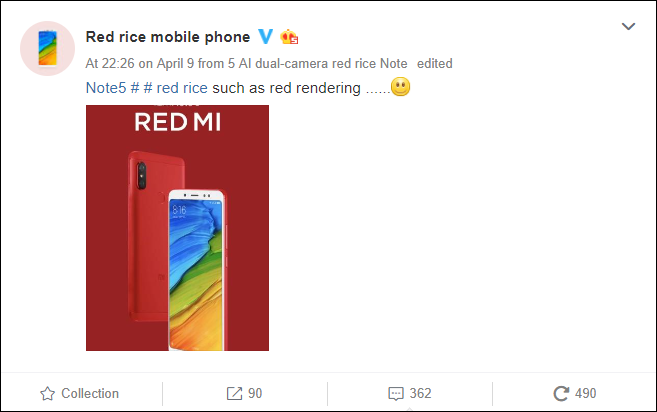
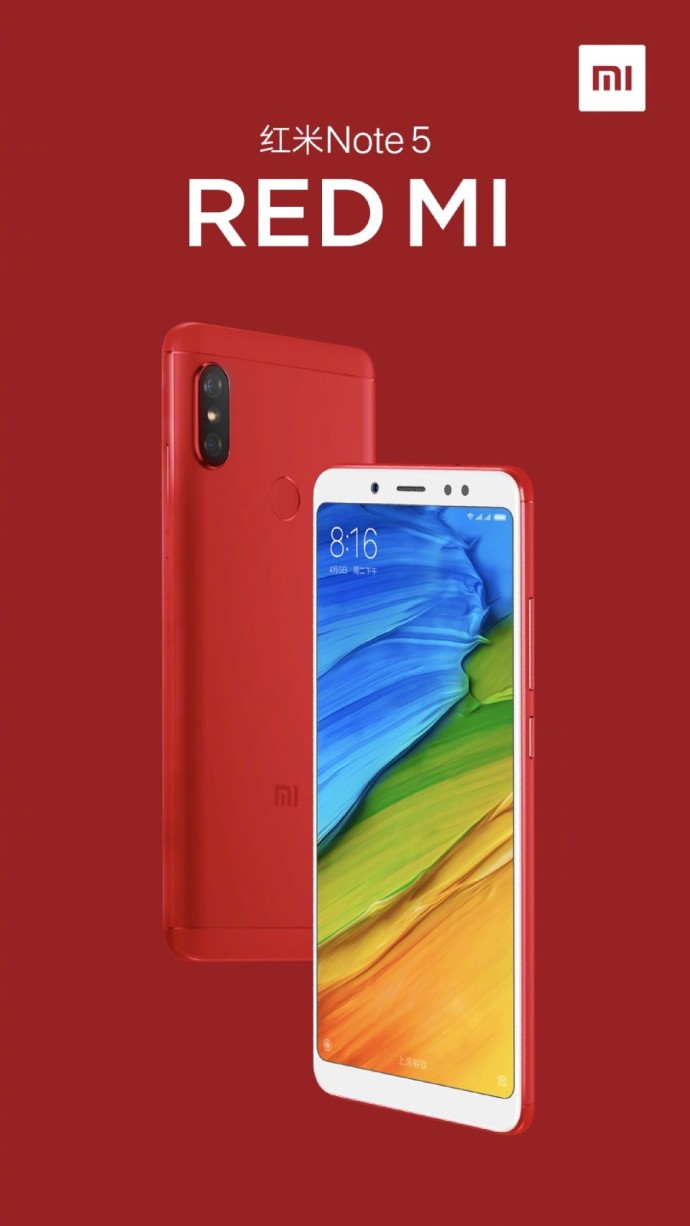
Apple just launched a special Red coloured edition of the iPhone 8 and iPhone 8 Plus, both which are now available. In a swift move, China’s tech giant Xiaomi has teased a red coloured variant of its latest premium midrange Redmi Note 5 smartphone. Xiaomi is well known as the Apple of China and has a long history of imitating the U.S tech giant. That is not to say Apple doesn’t tap from other companies but we could safely say most of Xiaomi’s products draw inspiration from Apple gadgets and this includes the MIUI custom UI which resembles iOS in outlook.
In this case, propping up a red colour variant for the Redmi Note 5 isn’t necessarily an imitation but sharing a teaser of a non-existent variant of its Redmi device immediately after Apple announced its own Red coloured variant reeks of imitation. The renders as shared on the official Redmi phones Weibo page shos the Redmi Note 5 rear coating in red while the front panel still retains its white outlook unlike the iPhone 8 Red special edition whose front panel is black.
Xiaomi Redmi Note 5 is presently available in four different colour variants; Blue, Black, Gold and Rose Gold. There is no indication of when the device will be made available but it may not be very soon. The Redmi Note 5 just launched and is not very available at the moment. The Red variant may be made available in the near future when supply and demand have been stabilised.
Xiaomi turned 8 this April. It’s been an incredible journey for the Chinese smartphone company and the once small startup has managed to garner millions of fan following through its competitive products.
There’s no doubt that Xiaomi changed the way we look at Chinese products. The company focused on bringing the best quality products, at a low cost, and an attractive design. It was the ultimate killer combination that helped Xiaomi emerge into one of the fastest growing companies in recent times. In fact, it is set for a Hong Kong IPO sometime later this year and it’s predicted that the company could be valued at $100 billion at the stock exchange.
In the first year of its operation, in 2010, Xiaomi released its first MIUI OS version. It took one year for the company to release its first smartphone, the Mi 1. It took another year for it to release the second smartphone, the Mi 2. The phone sold well, with sales reportedly crossing 10 million a year after its release. But the real success for the company came in after the launch of the Xiaomi Mi 3 in October 2013. The company decided to expand its operations globally to Singapore, India, Malaysia, and the Philippines in 2014. This is where the company started to see strong growth and Xiaomi’s total shipments in the year rose to over 61 million units!
After that, it was Xiaomi’s dominance with 5-10 smartphone releases every year. We saw new lineups like the best selling Redmi Note series, Mi Max series, Mi Note series, and the innovative Mi Mix series. It has been a wonderful journey for Xiaomi over the past eight years, so let’s take a look at the top smartphones from the company till date. We won’t be selecting phones just on the basis of its sales, so these aren’t necessarily best sellers. Instead, these are the phones that mark a milestone in the company’s product releases in the past 7 years.
1. Xiaomi Mi 3
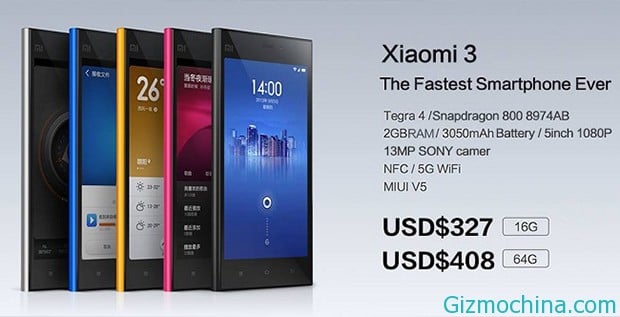
Undoubtedly, Xiaomi Mi 3 is the phone that put the company on the world map. The phone was nothing short of revolutionary, featuring a 1080p 5-inch display, Snapdragon 800 series quad-core processor, 2GB RAM, 16GB ROM, and a large 3000mAh battery. Considering this was a phone sold in September 2013, it was a must buy at just 1999 Yuan (~$327 at 2014 rates!). I know it was my favourite phone back in 2013, and I’m sure many of you remember this one as Xiaomi’s first smartphone.
After Xiaomi announced the Redmi lineup in 2013 (known as Hongmi in China), the company continued to grow with this affordable series. Redmi helped Xiaomi beat Samsung in China by Q2 2014 and since then, we haven’t seen the Chinese startup back down. But the real best seller for Xiaomi was the Redmi Note 3. Yes, I agree all other Redmis have sold well and in fact, the Redmi Note 4 was yet another best seller. However, Redmi Note 3’s release was the real turning point. The phone had everything that you would expect in a mid-ranger, maybe even more, with its large 4050mAh battery and relatively powerful chipset. It was one hell of a mid-range smartphone and the sales figure is proof to its popularity.
2016 was the worst year for Xiaomi. However, it was also a year where we saw some real innovative smartphones from the company. It started with the Xiaomi Mi Max, a brand new lineup featuring a huge 6.44-inch 1080p display. With two processor options, SD650 and SD652, the phone was an instant hit. Nobody had released such a cheap and powerful large display smartphone and considering everyone’s obsession with large screen phones back in 2016, it made perfect sense for Xiaomi to release such a big device. A large 4850mAh battery ensured that the phone had better battery life than any of its competition.
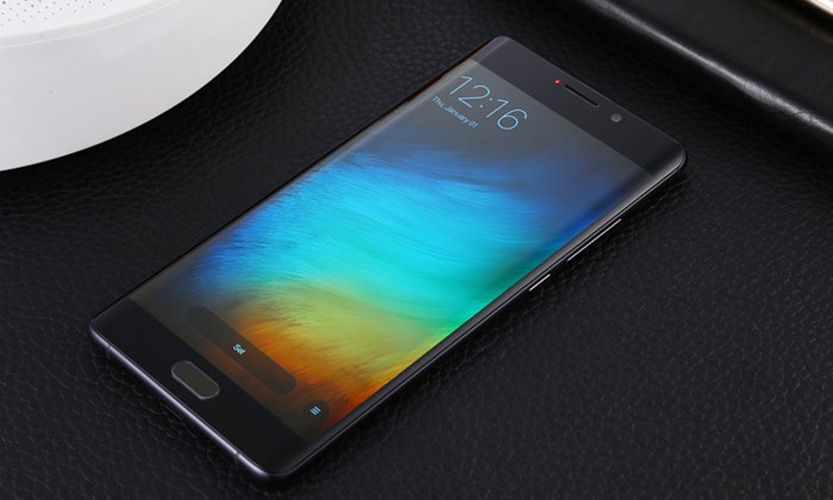
This model didn’t sell very well, but it still marks an important milestone for the company. The Xiaomi Mi Note 2 was the company’s first curved display smartphone. In fact, it was dual curved meaning it was curved on the back as well as the front side. Apart from Samsung, nobody had managed to released such a curved smartphone and it really showed what Xiaomi was capable of. It clearly pushed Xiaomi into the big boy league, showing to the world that it’s not all about cheap and affordable smartphones but also about flagships that offer the latest technology.
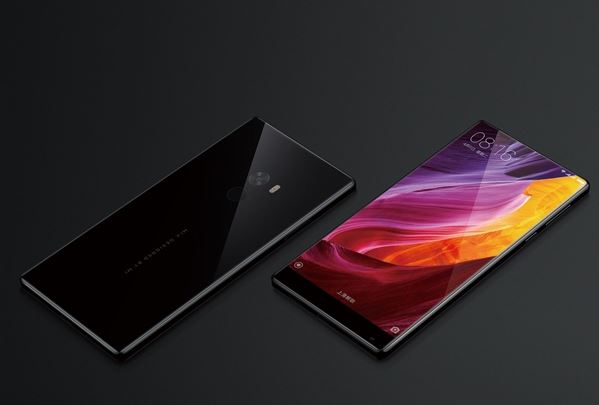
The Xiaomi Mi Mix was the most innovative smartphone of its time. Xiaomi managed to beat everyone in releasing a full screen smartphone, which was something unheard and unseen back in 2016, with the brand new Mi Mix flagship. It was so innovative that the company called it a concept, even though it was available for purchase pretty soon after its release. A full screen front, Cantilever piezoelectric ceramic technology for earpiece, the awkward camera placement — was all innovation. We had never seen such a high screen to body ratio smartphone before and it was really a surprise that this was coming from a company as small as Xiaomi. No doubt that it’s an inspiration to all other full screen smartphones that we are seeing in the past few months.
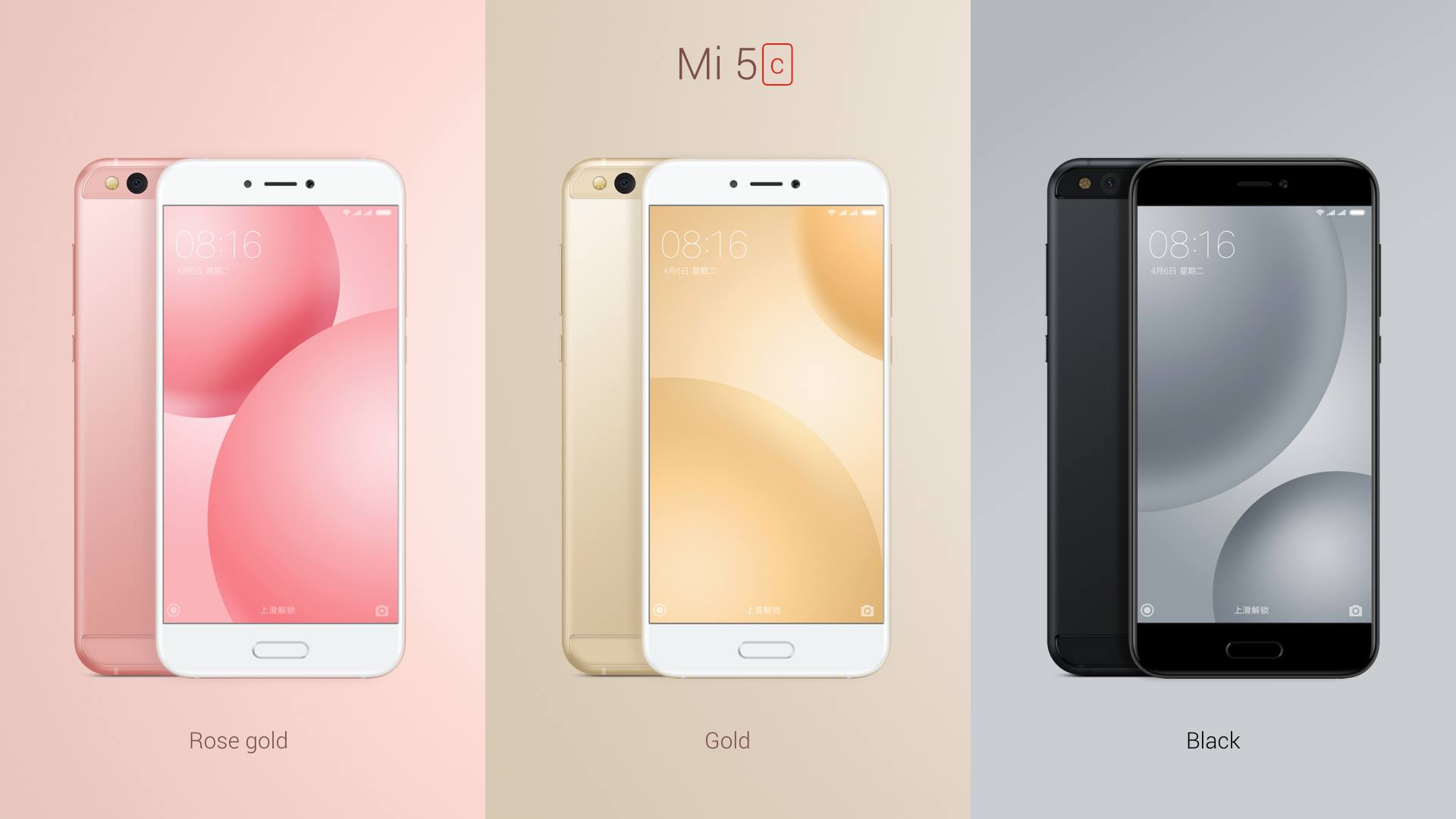
Late 2016 and early 2017 was all about innovation for Xiaomi. The company released its first ever self developed chipset, the Surge S1 inside the Xiaomi Mi 5C in February 2017. It was a big deal considering Xiaomi was now entering the world of big players like Apple, Huawei, and Samsung who make their own processors. Although we haven’t seen much progress in this department from the company yet, the Xiaomi Mi 5C was definitely a milestone smartphone for the company last year.
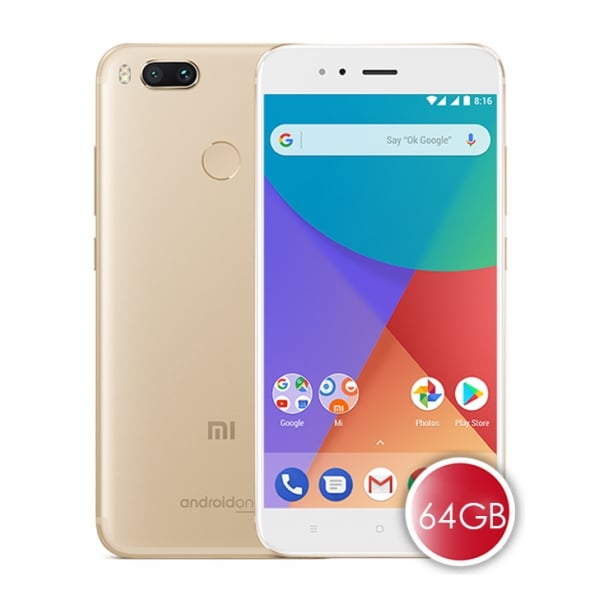
MIUI is a wonderful OS and there are millions of fans all around the world who love this operating system. However, some might prefer stock UI over this highly customised OS and this is why Xiaomi released the Xiaomi Mi A1 smartphone in September 2017. It was basically a Xiaomi Mi 5X with stock UI. The phone was released as a global device, aimed at multiple markets apart from India. Featuring a stock Android UI with promised quick updates to the latest Android OS, it was an instant hit among Xiaomi fans.
Xiaomi Mi Mix was a great phone, and the Mi Mix 2 was even better. But the Xiaomi Mi Mix 2S is the real flagship from the company this year and the phone is an important release in Xiaomi’s timeline because of its impressive camera setup. It is the first device to boast of a camera that can truly take on Samsung’s Galaxy and Apple’s iPhone series. Even DxOMark confirms its superior camera performance. Apart from that, powerful specifications, large battery, and a competitive price tag ensures that it is one of the best Xiaomi smartphones released in the market. We did test out its camera and we were definitely impressed!
RELEASE: Feb. 2018
Snapdragon 845
6GB / 8GB RAM
64GB / 128GB / 256GB ROM
5.99-inch 1080p
Dual 12MP Cameras
3400mAh
MIUI 9.5 based on Android 8
So which is your favourite Xiaomi smartphone? Would you like to add any specific model to this list?
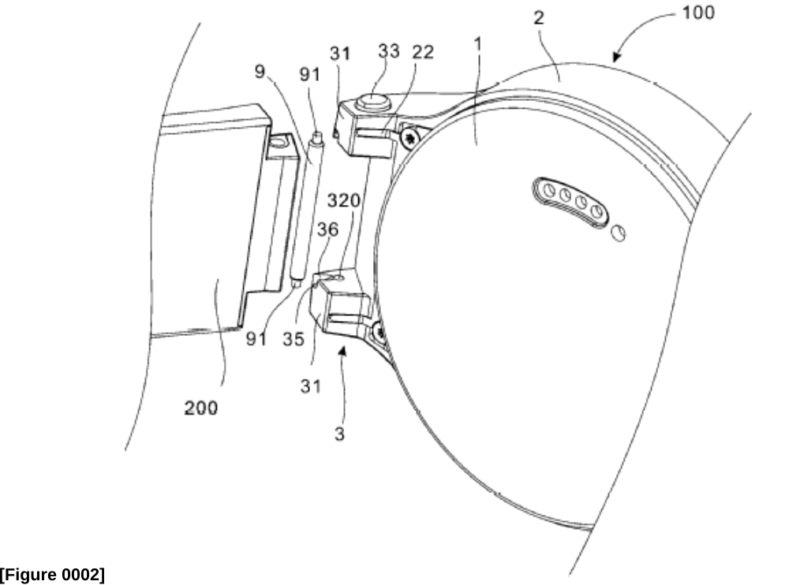
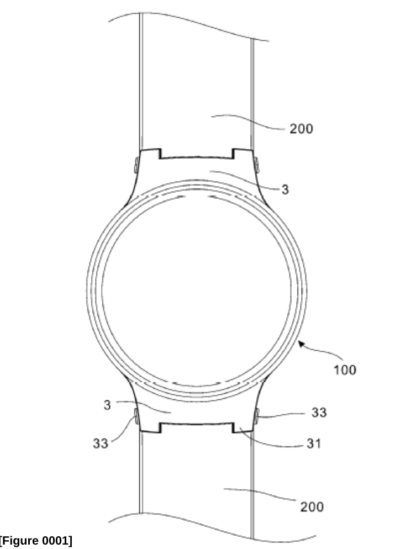
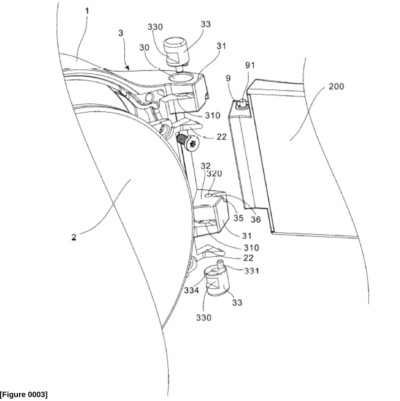
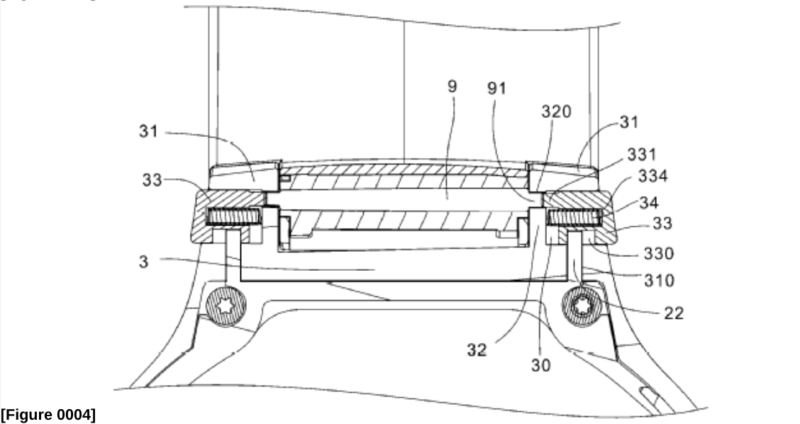
Huawei continues to build its patent portfolio with one of its latest patent that has just been revealed. The new patent as published by the World Intellectual Property Organization (WIPO) is a smartwatch strap design which makes for easy swapping of the watch bands. This design is perhaps building on the popularity of smartwatches and how most owners design to personalize their own with their preferred band design.
This new design is pretty different from the conventional design we have on almost all smartwatch and other wristwatches in the market presently whereby you’ll need a flat object that can pick out the hook at the edge of the strap. But it builds on the quick release spring mechanism found in most modern smartwatches. According to the patent, the quick release spring can be moved into the watch housing instead of being part of the watch band. Thus, if the watch band is to be removed, all that needs to be done is to depress two small buttons at the side of the housing and this will, in turn, compress the spring holding the band to the housing.
W can’t say if Huawei will eventually utilise this patent is their smartwatch any time soon. But if it does, it will be a simple but interesting design.
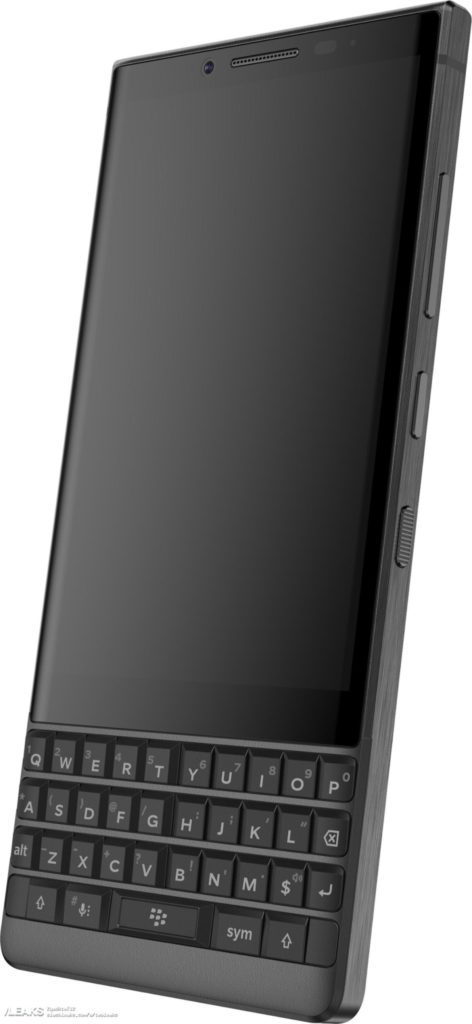
About two months ago, the codenames for three upcoming Blackberry smartphones from TCL surfaced online. One of them is the Athena and renders of the phone just showed up online, courtesy of China’s patent office.
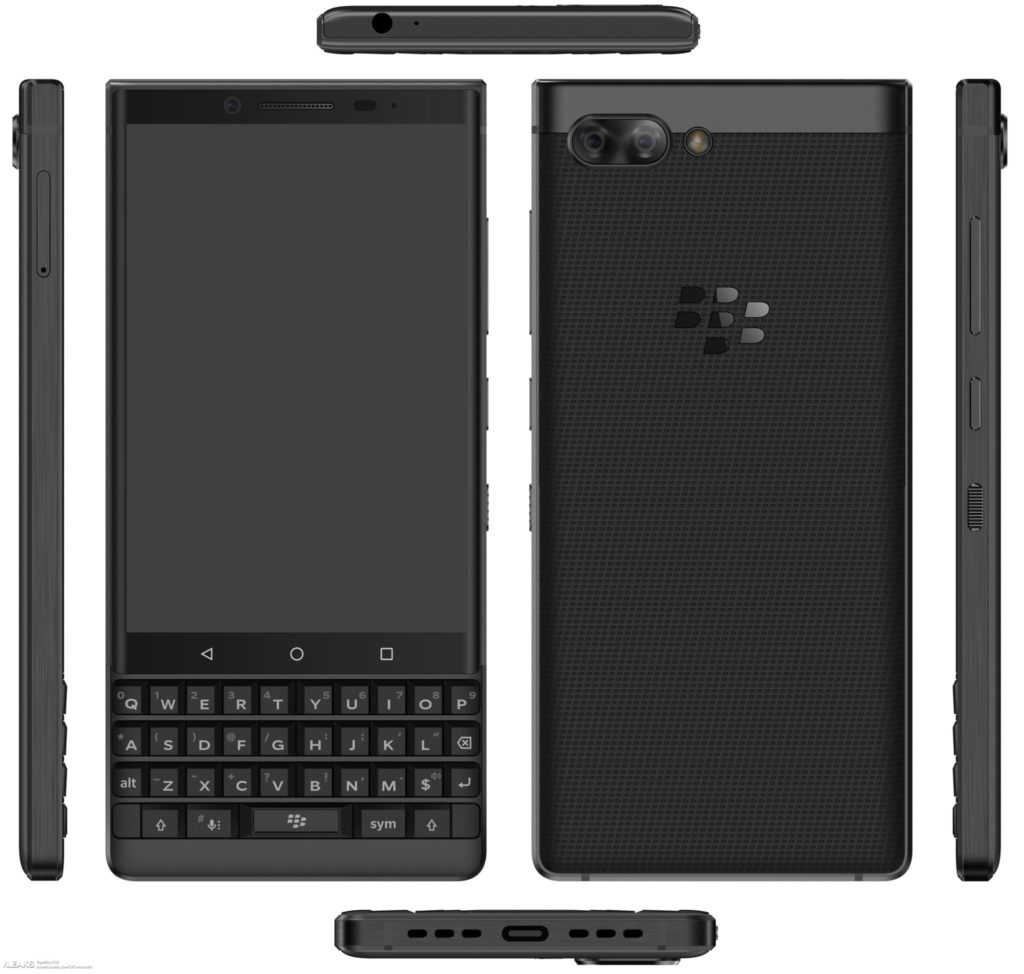
The BlackBerry Athena rocks a QWERTY Keyboard just like the BlackBerry KEYone but much better looking. The display seems to be bigger and the keyboard has been redesigned. The keys are a bit bigger and the fingerprint scanner/spacebar now has the BlackBerry logo. The keyboard area also appears to be covered in leather. Overall we think the keyboard experience should be better on the Athena.
The top of the phone has also been redesigned. The front camera is now in a smaller housing; there is a single cut out for the earpiece, and even the sensor is smaller. The KEYone actually looks very ugly when compared to this device.
However, there are some things TCL hasn’t changed. The phone still uses capacitive Android buttons. One of the complaints of the KEYone is that when scrolling with the keyboard, there are instances where your finger slides over the keyboard and lands on the capacitive keys. This results in you accidentally pressing the recent apps key or even exiting an app.
Switching to on-screen keys while maintaining the bezel if they wish would have been better. Once the phone senses you are scrolling, the on-screen keys fade away. This way, even if you accidentally land on the display, you don’t exit the app or open the recent apps menu.
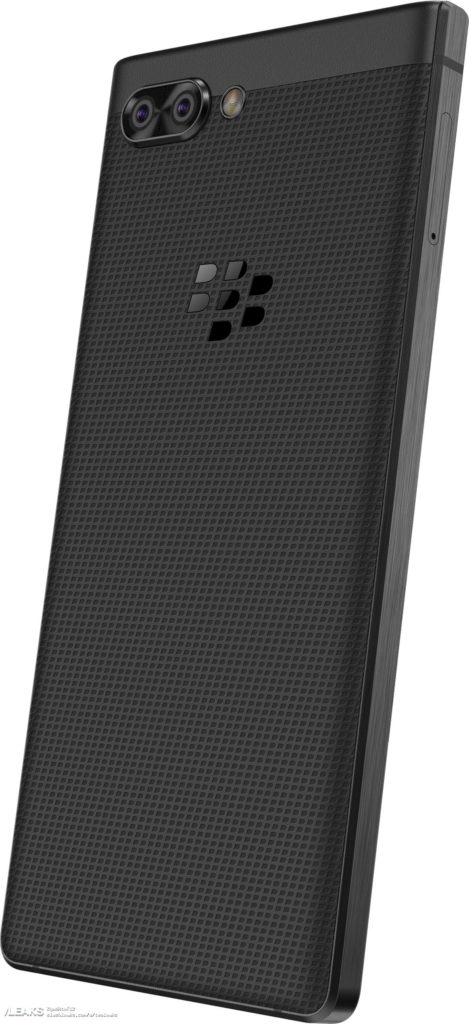
The rear looks good too. Gone is the large circular housing of the KEYone. In its place are dual cameras that share a single housing with a LED flash on the right. The upper part of the back is covered with smooth leather while the rest of the back is textured for a better grip.
The BlackBerry Athena has a metal frame with a brushed finish. There are antenna lines at the top and all the buttons are on the right. We have a single long volume rocker, a power button, and a textured Convenience Key. The SIM tray is now on the left.
The button placement is another problem we have with this device. Another complaint with the KEYone is that the button arrangement doesn’t make it easy to mount the phone. Users will experience the same problem with the Athena as you will only be able to mount it at the bottom.
The BlackBerry Athena has a USB-C port flanked by speaker grilles at the bottom. There is also a 3.5mm audio jack at the top. Overall, this is a better-designed phone than the KEYone though with a few unresolved flaws.
ZTE was in the news yesterday for its Iceberg smartphone which has two notches and an unusual design. Depending on what you think about the phone, you won’t have to worry about it until “after 2018” when it is expected to launch. The focus should instead be on the next Axon phone set to launch this year.
ZTE is expected to release a new Axon phone this year. Apart from a word of mouth confirmation from the CEO and alleged leaked photos and specs, there’s been no other info on the phone called the Axon 9 until today.
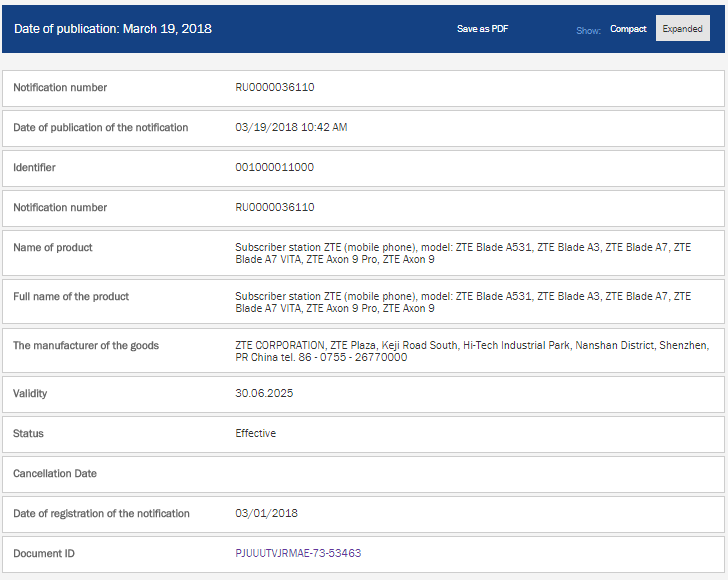
A document from the Eurasian Economic Union has revealed that ZTE has trademarked the Axon 9 name along with an Axon 9 Pro. So it is safe to assume that we will be getting two Axon phones. While there is a chance they might launch together, they also may not. The Axon 7 which has four variants launched over a span of almost 12 months.
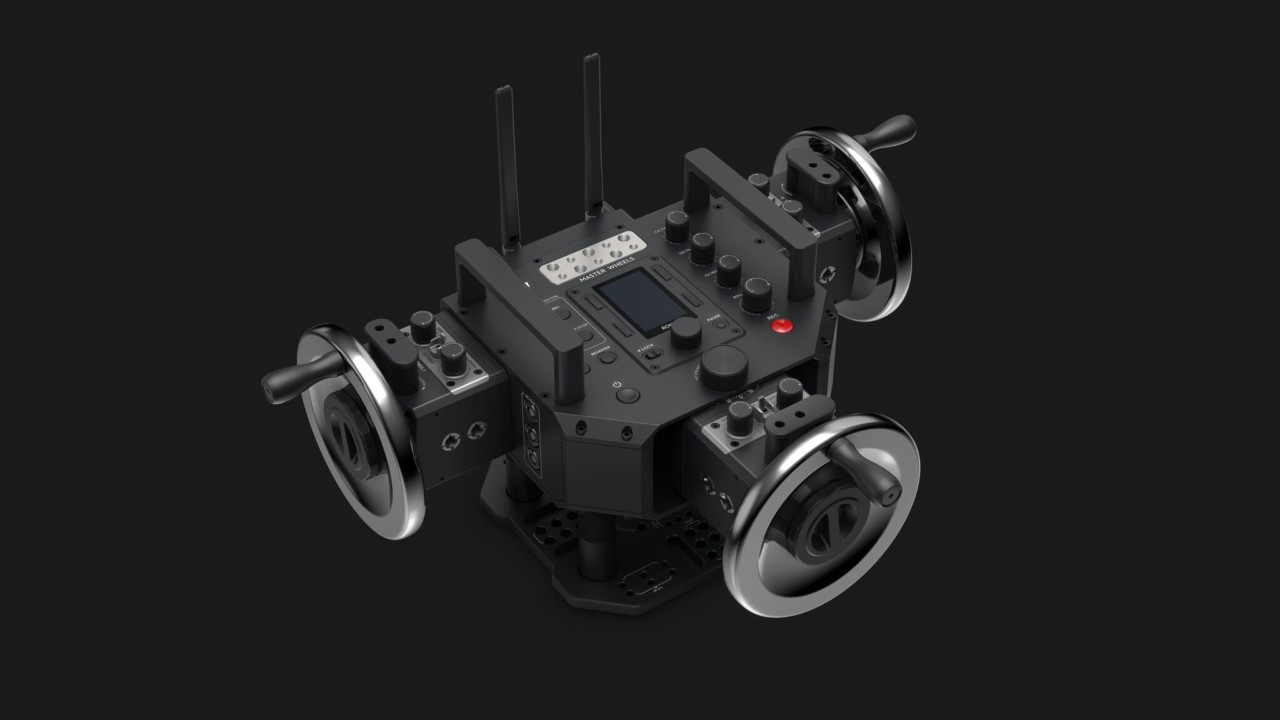
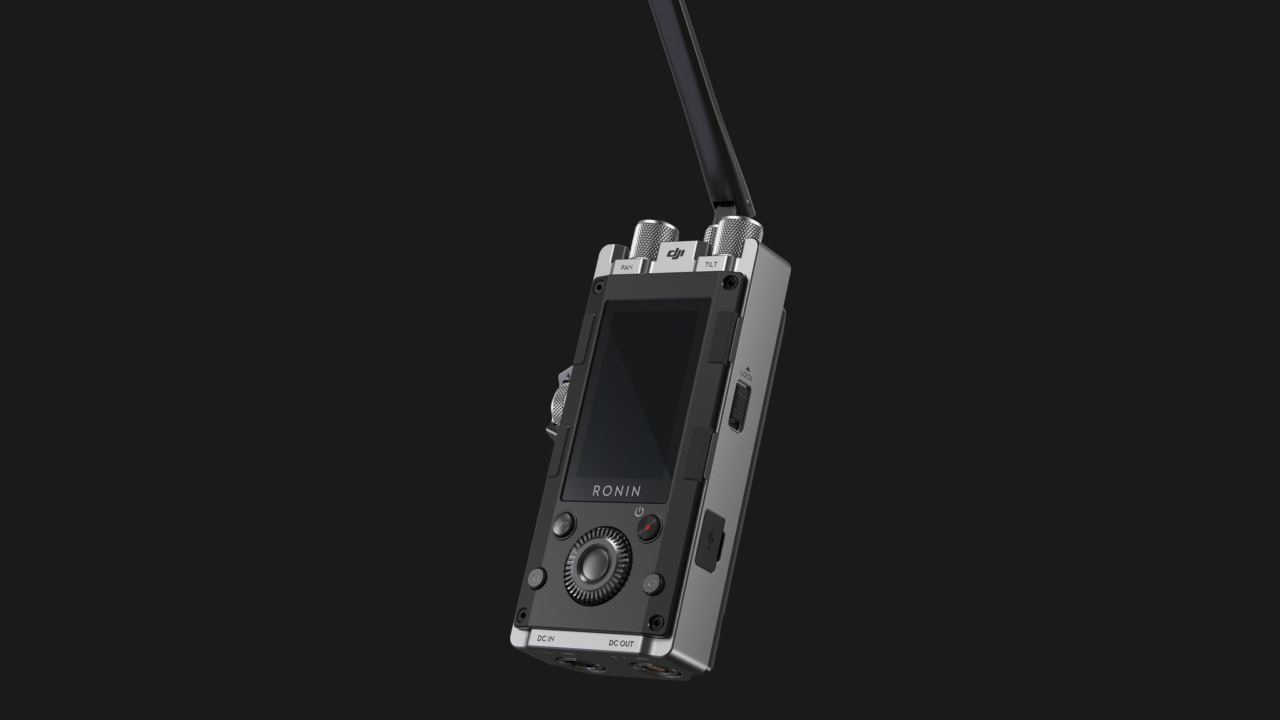
During the National Association of Broadcasters Show on April 9, DJI announced two new gimbal control systems — DJI Force Pro and DJI Master Wheels. While the Force Pro is an intuitive entry-level gimbal control solution, the Master Wheels is a high-end solution for the most precise control.
Both the new devices are aimed at professional camera operators and thus, they have been priced accordingly. These products are compatible with DJI’s Ronin 2 and Ronin-S gimbals as well as some third-party gimbals, allowing for very precise and cinematic movement.
The DJI Master Wheels is a high-precision gimbal control system that can be equipped with 1, 2 or 3 control wheels for very smooth control over pan, tilt, and roll of the gimbal. On the other hand, the Force Pro is a motion-sensing system that lets the user control the gimbal remotely, but it comes with a much smaller form factor than the Master Wheels.
The modular system of the Master Wheels can be set up with as many as three wheels to control each axis along with threads to add accessories. The switches and dials help the user in adjusting various factors like direction, speed, dampening, and smoothness. It supports dual Wi-Fi (2.4 GHz and 5.8 GHz). The company says that it responds in near real-time, with about 10 milliseconds between the control movement and the gimbal’s response.
The Force Pro uses a built-in compass and Inertial Measurement Unit to create both precise and consistent camera movement. Those two components also help to prevent gimbal drift, which allows the camera to remain fixed on a specific frame. For connectivity, the Force Pro has a dual frequency Wi-Fi system, along with a wired option.
As said, the DJI’s Master Wheels and the Force Pro are high-end devices with significant price tags. The DJI Master Wheels is priced at $8,000 for a three-wheeled version while the DJI Force Pro costs $1,200. Both will be available for pre-order tomorrow and will start shipping in June.
The Nokia 8 Sirocco was launched back in February at MWC 2018. It is the most expensive and most powerful phone on the Android One program.
The flagship phone is an upgraded version of the Nokia 8 with all the features users complained were missing now included and more. So, it is no surprise that the Nokia 8 Sirocco has a higher launch price than the Nokia 8 (€749 against €599).
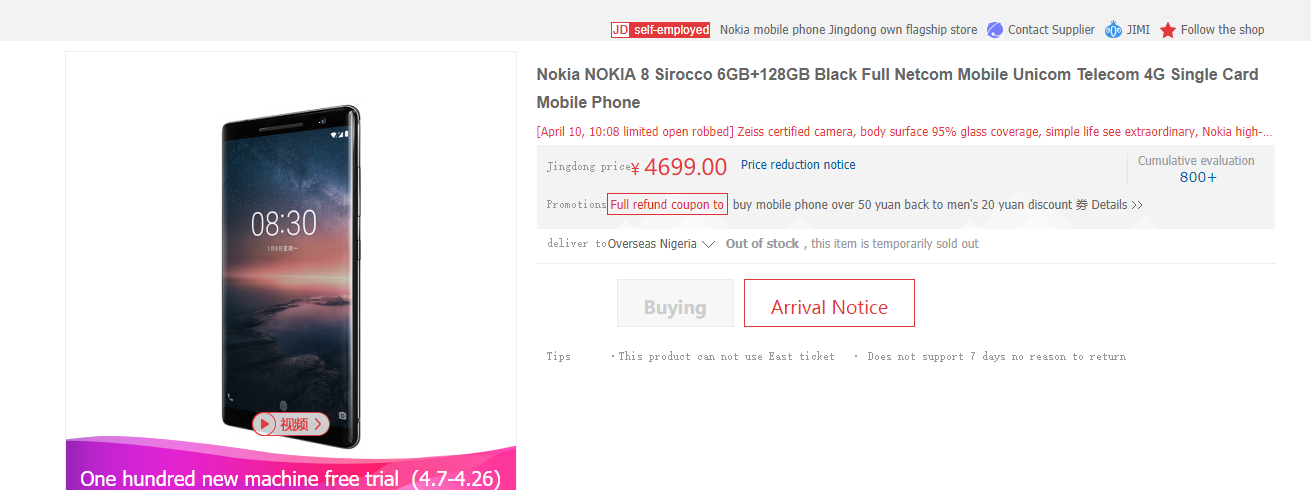
That price doesn’t seem to deter those who want it as it seems to be flying off shelves very fast. It already went on sale in China on JD.com last month but it appears it went out of stock. The online mall again listed it today for sale but is now sold out.
It is a bit surprising as this is something we only associate with brands like Xiaomi. Nevertheless, we can’t tell if this is a case of available stock being smaller than normal or the phone itself is really selling fast.
The Nokia 8 Sirocco is priced at ¥4699 (~$747). It has a 5.5” 2K pOLED curved display with Gorilla Glass 5. It is powered by the Snapdragon 835 with 6GB of RAM and 128GB of storage. There are dual ZEISS lens on the rear in a 12MP + 13MP configuration and a 5MP front-facing camera.
The phone has a 3260mAh battery, supports QC 3.0 and wireless charging, and has an IP67 rating. There is Bluetooth 5.0, NFC, and a USB-C port.
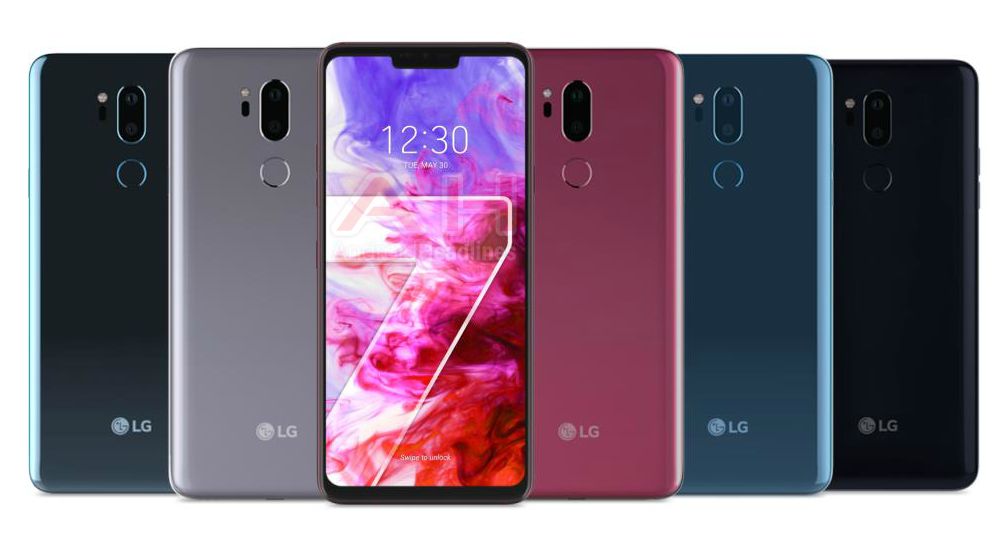
A South Korean publication has revealed that LG will be holding a launch event on May 2 to unveil the LG G7 ThinQ flagship phone. Latest leak has revealed a press render of the phone that showcases its different color variants.
On May 2, LG will be keeping a press event at Metropolitan West in Manhattan, New York, U.S. and on May 3, a media event will be carried out at Yongsan IP Park Mall in Seoul, South Korea to announce the G7 ThinQ smartphone.
In February, LG had used the ThinQ branding for the first time on its LG V30S ThinQ phone. ThinQ branding is LG’s initiative to fulfil its goal of thinking from customer’s viewpoint in order to provide them with features that are most frequently used by them along with AI technology. Vision AI feature on LG G7 ThinQ will deliver improved camera experience. Other AI features that will be arriving on the G7 ThinQ include Empathy AI and Voice AI.
Shown below is a leaked press render of the LG G7 ThinQ. Like the previously leaked photos, the new render shows the G7 ThinQ with notched display and vertically stacked dual camera setup. The new render reveals that it will be arriving in five color options such as Aurora Black, Platinum Grey, Moroccan Blue, Moroccan Blue (Matte), and Raspberry Rose.
According to Android Headlines, the Aurora Black will be the default color variant of the LG G7 ThinQ. The availability of the other colors may vary depending on the region and carrier. Apart from the volume rocker and power key, the handset also features an additional button. It is speculated it could be a dedicated button for AI assistant.
Previous reports have revealed that the LG G7 ThinQ is codenamed as LG Judy. It is rumored to house a 6.1-inch MLCD+ technology display. However, other sources that there could be an OLED screen version of the phone.
The G7 ThinQ is powered by Snapdragon 845 chipset and comes with 6 GB of RAM and 64 GB of storage. It is speculated that there could be another variant called the G7+ ThinQ that will come with a larger inbuilt storage of 128 GB. It is likely to arrive with dual 16-megapixel camera lens with f/1.6 aperture. Rumors have it that the company also announce the LG Q7 mid-range phone alongside the LG G7 ThinQ.
The South Korean company is expected to confirm on the May 2 launch date for LG G7 ThinQ soon.
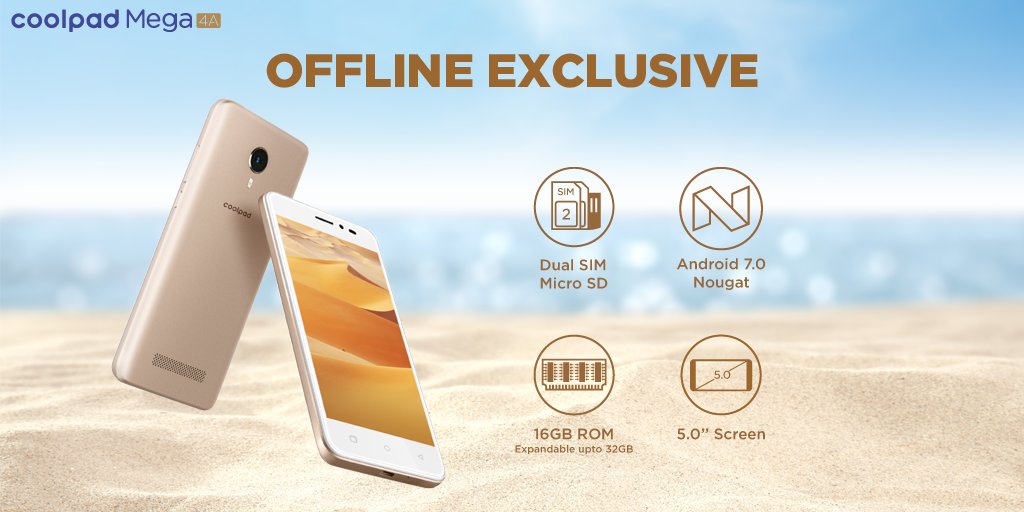
Last year, while announcing the Cool Play 6 smartphone, the China-based Coolpad had announced that it will soon launch Coolpad Mega 4A in India. Now, the company has finally launched the entry-level smartphone in the Indian market, for a price of Rs. 5,999 which roughly translate to $92.
The announcement was made by Coolpad on its official Twitter handle. The smartphone will be available for purchase exclusively through offline retail stores across the nation. Surprisingly, the company has not revealed full specifications of the phone and is asking interested buyers to visit the nearest retail store in order to experience the smartphone.
However, we know that the Coolpad Mega 4A comes with a 5-inch display that has a screen resolution of 1,920 x 1,080 pixels. The device comes with dual SIM support and 16GB of storage which is further expandable up to 32GB using a microSD card.
In the software department, the smartphone runs the older Android 7.0 Nougat operating system out of the box. No further information has been revealed by the company as of now.
This marks the first smartphone launch from Coolpad in India this year. The company had last launched Coolpad Note 5 Lite in India in November last year. Earlier this year, the company slashed the price of its Cool 1, Coolpad Note 5 and Coolpad Note 5 Lite smartphones.
Earlier this year, during Mobile World Congress in Barcelona, Coolpad Group announced that that the Cool Play 6, Note 5, and Note 5 Lite will get Amazon Alexa through an over-the-air (OTA) update, while the future Coolpad devices will include this feature out-of-the-box.
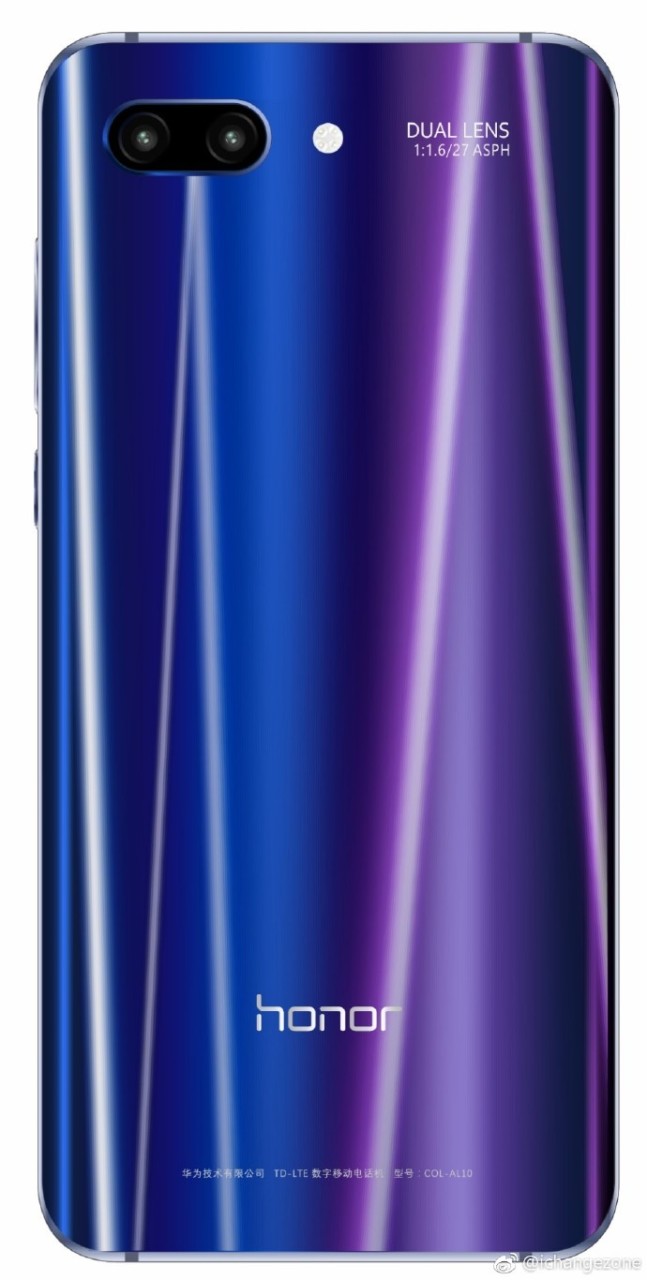
Huawei’s sub-brand Honor has confirmed yesterday that the Honor 10 will be unveiled on April 19 in China. Today, a new image showing the rear panel of the Honor 10 has appeared on Weibo. It reveals that it could be the first Honor flagship phone to feature Leica branded dual cameras.
In the below image, the Honor 10 sporting a color gradient finish of blueish purple. The color gradient is different from the Twilight color option of the Huawei P20. The Honor 10 has a horizontally arranged dual camera module, but the P20 has a vertically arranged dual camera setup. The COL-AL10 model number can be seen at the bottom of the phone.
The rear panel of the Honor 10 seems to be made out of 3D glass and it could be sporting a metallic frame. The volume rocker and power key are present on the right edge (when viewed from front) of the phone. Since the fingerprint scanner is not available on the phone, it is likely to feature a frontal home button embedded fingerprint sensor like the Huawei P20. However, some rumors claim that it may feature under-display fingerprint sensor.
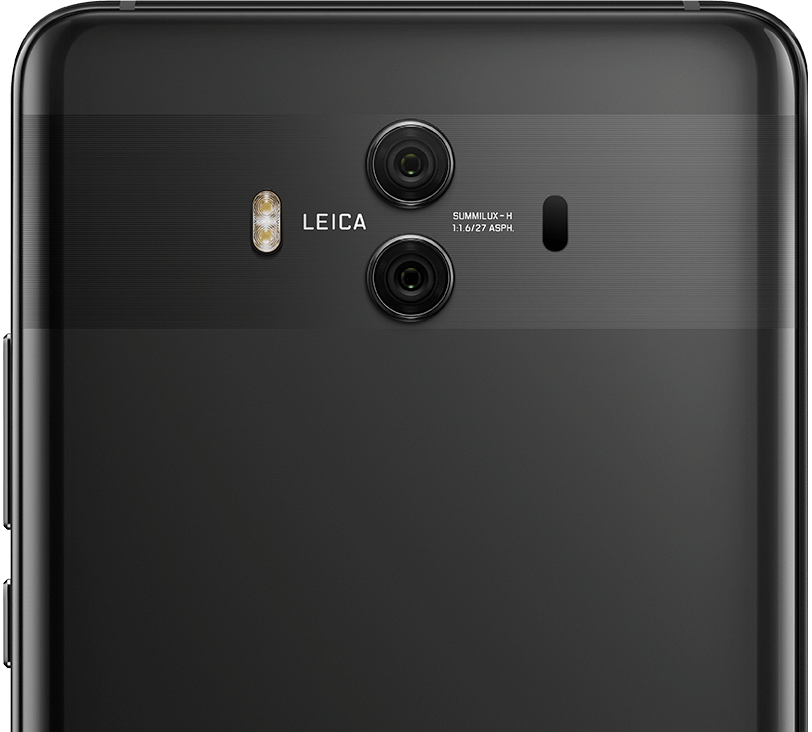
The leaked image has the text “Dual Lens 1:1.6/27 ASPH” mentioned on the top-right corner. The same text can be also found near the dual rear cameras of the Huawei Mate 10 and Mate 10 Pro from October 2017. Hence, the Honor 10 could sport the same dual cameras that can be found on Mate 10.
Huawei had introduced Leica branding for dual rear cameras starting from Huawei P9 series. However, the Honor flagships have never featured Leica cameras. Hence, like the predecessor Honor 9 phone, the Honor 10 may not camera SUMMILUX or Leica branding.
Rumors have it that it may feature a 5.8-inch screen that will be enabled with a notch. The Kirin 970 chipset is expected to power the Honor flagship. Also, it is rumored that the highest configuration variant of the phone may feature 256 GB of internal storage and 6 GB of storage. The launch poster of the phone confirms that it will be equipped with AI capabilities for photography.
As of this writing, there is no information available on the other specs and pricing of Honor 10. After getting unveiled on April 19 in China, the handset is confirmed to debut in London on May 15.
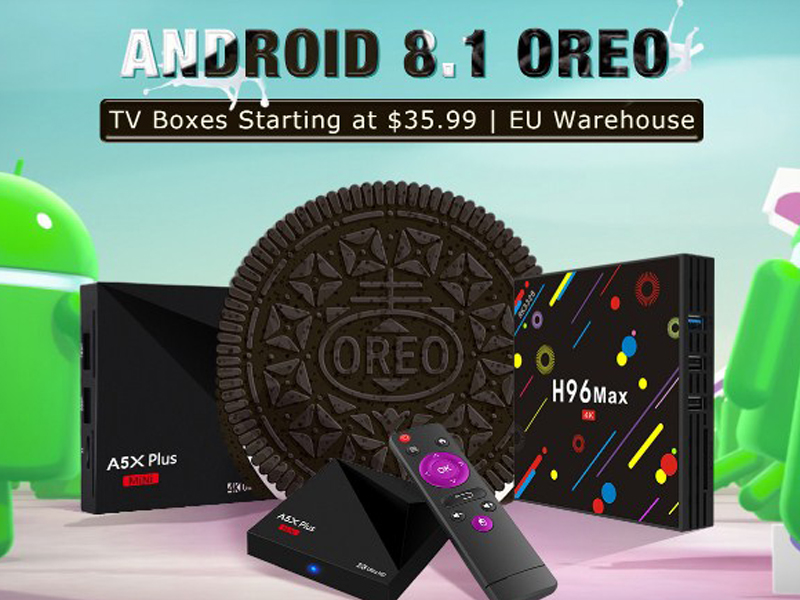
If you’re looking to buy a TV box that doesn’t cost an arm and a leg, we have good news for you. GeekBuying is offering massive discounts on select Android 8.1 Oreo-powered TV boxes and handing out coupon codes that you can use to save an extra amount of money.
Coupons
This category comprises coupon codes for the MX10, A5X Plus, and the Mi Box TV boxes.
A5X Plus TV Box
GeekBuying is offering the A5X Plus TV Box at a reduced price of just $49.99. This is a noteworthy 31% reduction in the device’s retail price of $72.49. On top of that, you can apply coupon code ‘GKBOREO2’ to save an extra $10 at the time of checking out. You can bring your subtotal down to $39.99 by applying the coupon code, which is highly likely to expire soon.
MX10 TV BOX
GeekBuying is giving buyers an opportunity to get their hands on the MX10 TV box at a slashed price. Note that the MX10 normally sells for $91.97 on GeekBuying. The well-received TV box can be yours if you’re willing to shell out just $54.99. This is a noteworthy 40% markdown in the device’s retail price. Regrettably, the promo was on the verge of wrapping up at the time of writing.
China Stock & EU Stock
The products included in this section have further been split into China Stock and EU Stock subcategories in a bid to simplify the search process. The two subcategories comprise a slew of heavily discounted TV boxes.
Under the China Stock, you can buy the MX10 TV box bundled with an iPazzPort 2.4GHz wireless keyboard at a reduced price of just $59.99. Note that the combo would normally set you back $100.12 on GeekBuying. Under the EU Stock subcategory, you can get a massive 41% off on the MECOOL M8S PRO W TV box, which usually bears a price tag of $81.29 on GeekBuying. The Android TV OS-based M8S PRO W can be yours for just $47.99. On the downside, the promotion is on the verge of wrapping up.
A5X MAX TV Box
You can buy the A5X MAX on GeekBuying without shelling out a fortune. The site is giving 21% off on the Rockchip RK3328-equipped TV box for a limited period of time.The A5X MAX usually sells for $71.69 on GeekBuying but the site is currently offering the coveted TV box at a reduced price of just $56.99. The promotion is expected to end shortly.
Android TV OS
This section is crammed with heavily discounted TV boxes. For the sake of an example, you can get a massive 51% discount on the original selling price of the MECOOL M8S PRO W TV box. Buyers normally have to spend $81.29 in order to purchase the M8S PRO W TV box, which is based on the Android TV OS. But, GeekBuying is offering the device for just $39.99 for a short period of time.
Note that the big discounts are likely to come to an end soon. If you’re interested in taking advantage of the deals, head straight to this link before the Geekbuying promotion comes to an end.
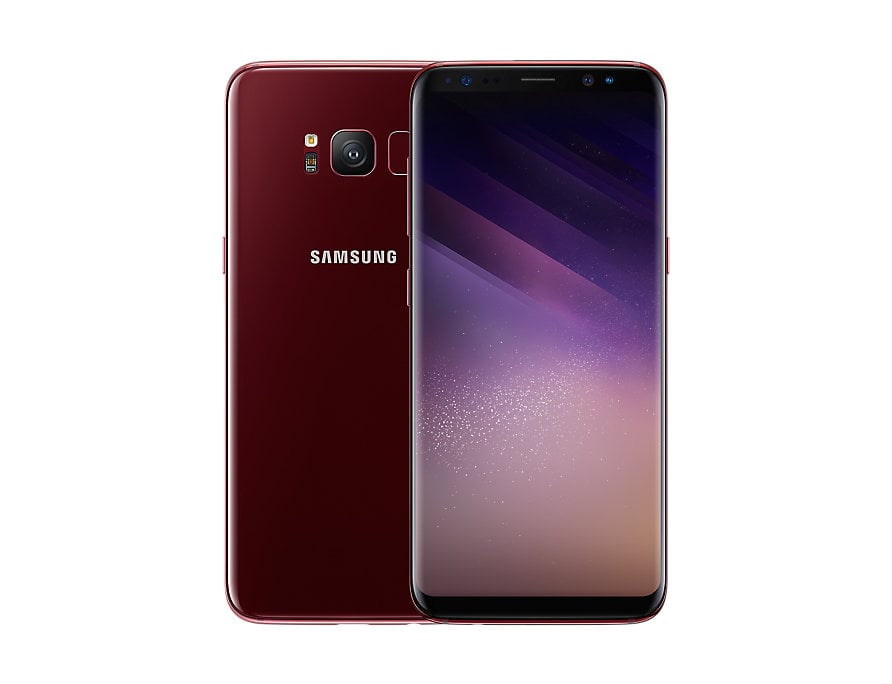
Samsung India has launched a new color variant of its last year’s Galaxy S8 in India. The company has introduced Burgundy Red color for the Samsung Galaxy S8 and says that it is a limited edition model. In India, the phone was already available in Maple Gold and Midnight Black colors as well as the Orchid Grey color.
The Samsung Galaxy S8 Burgundy Red Limited Edition model will be available for Rs. 49,990 for the 64GB storage variant. The smartphone will go on sale in India from 13th April. Additionally, Samsung is offering cashback of Rs. 10,000 if buyers pay via Paytm at the retail stores.
Last month, the South Korean giant launched its latest flagship smartphone and the successor of the Galaxy S8 series — the Samsung Galaxy S9 and S9 Plus. Recently, the Galaxy S8 series received a price cut in the Indian market, bringing down the cost of Galaxy S8 64GB to Rs. 49,990. The Galaxy S8+ 64GB model is priced at Rs. 53,990, while the 128GB storage model costs Rs. 64,900.
To recall, the Samsung Galaxy S8 flaunts a 5.8-inch QHD+ Super AMOLED Infinity Display with screen resolution of 1440 x 2960 pixels, dual-edge screen and 18.5:9 aspect ratio. The display is protected by a layer of Gorilla Glass 5 on top.
In the Indian market, the device is powered by the company’s own Exynos 8895 processor along with 4GB RAM and 64GB internal storage. There’s a microSD card slot, allowing users to further expand the phone’s storage capacity to 256GB.
Coming to the camera department, the Galaxy S8 features a 12-megapixel ‘Dual Pixel’ rear cameras with optical image stabilization and a f/1.7 aperture. On the front, there’s an 8-megapixel front-facing camera with autofocus and an f/1.7 aperture. It has started receiving Android Oreo update. The handset is fuelled by a 3,000mAh battery which also supports wireless charging and fast charging.
We use cookies on our website to give you the most relevant experience by remembering your preferences and repeat visits. By clicking “Accept”, you consent to the use of ALL the cookies.
This website uses cookies to improve your experience while you navigate through the website. Out of these, the cookies that are categorized as necessary are stored on your browser as they are essential for the working of basic functionalities of the website. We also use third-party cookies that help us analyze and understand how you use this website. These cookies will be stored in your browser only with your consent. You also have the option to opt-out of these cookies. But opting out of some of these cookies may affect your browsing experience.
Necessary cookies are absolutely essential for the website to function properly. This category only includes cookies that ensures basic functionalities and security features of the website. These cookies do not store any personal information.
Any cookies that may not be particularly necessary for the website to function and is used specifically to collect user personal data via analytics, ads, other embedded contents are termed as non-necessary cookies. It is mandatory to procure user consent prior to running these cookies on your website.




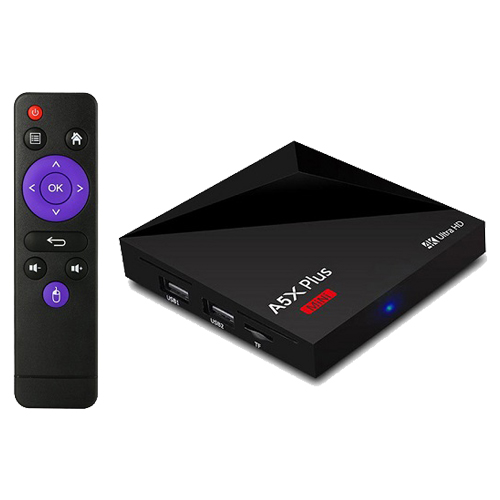 On top of that, you can apply coupon code ‘GKBOREO2’ to save an extra $10 at the time of checking out. You can bring your subtotal down to $39.99 by applying the coupon code, which is highly likely to expire soon.
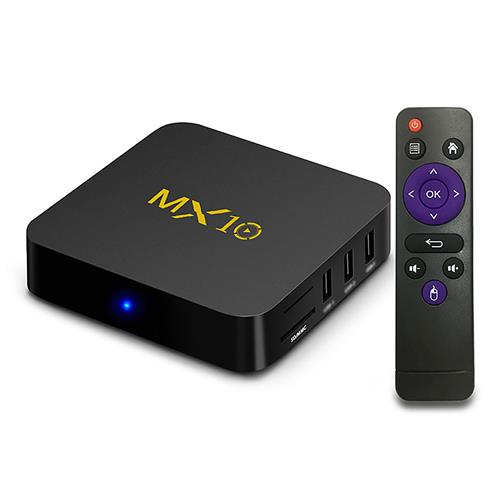 The well-received TV box can be yours if you’re willing to shell out just $54.99. This is a noteworthy 40% markdown in the device’s retail price. Regrettably, the promo was on the verge of wrapping up at the time of writing.
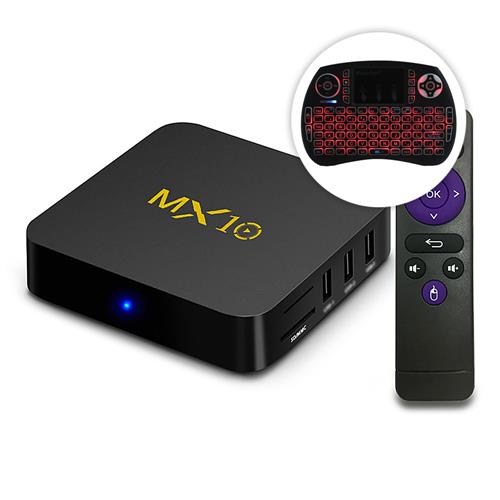 Under the EU Stock subcategory, you can get a massive 41% off on the MECOOL M8S PRO W TV box, which usually bears a price tag of $81.29 on GeekBuying. The Android TV OS-based M8S PRO W can be yours for just $47.99. On the downside, the promotion is on the verge of wrapping up.
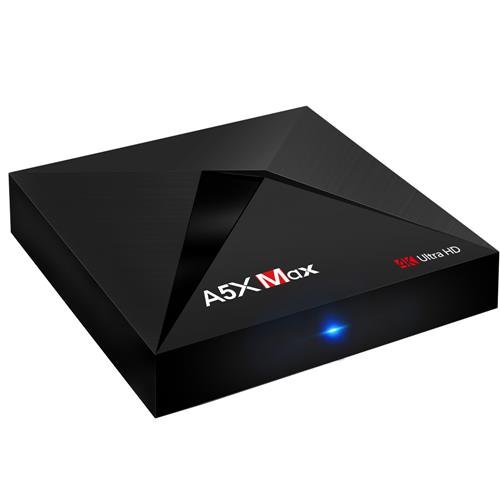 The A5X MAX usually sells for $71.69 on GeekBuying but the site is currently offering the coveted TV box at a reduced price of just $56.99. The promotion is expected to end shortly.
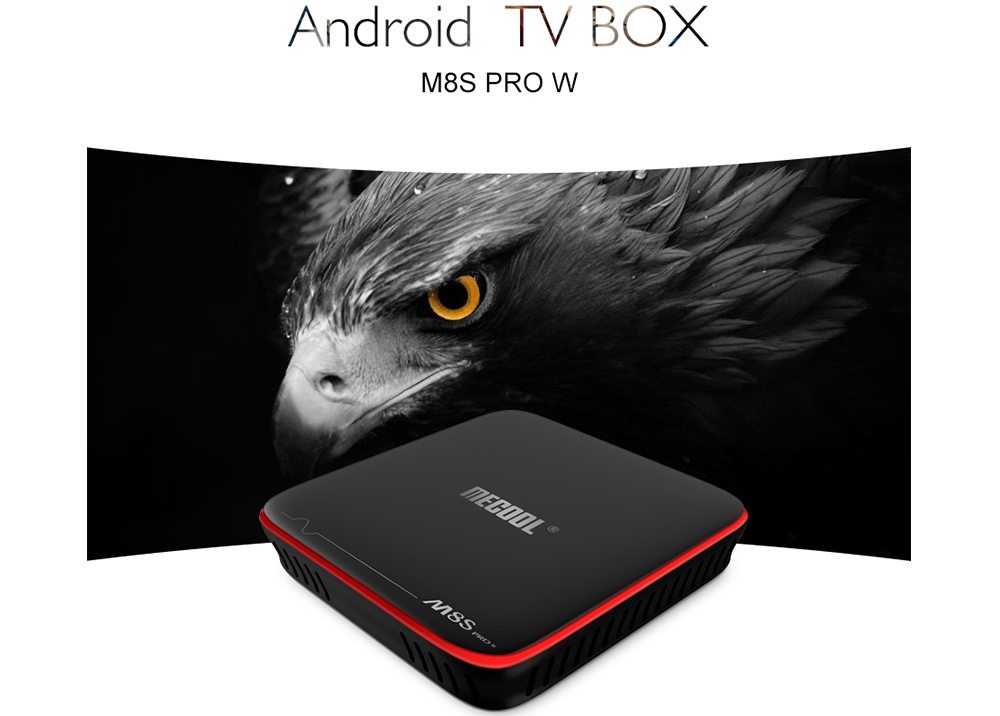 Buyers normally have to spend $81.29 in order to purchase the M8S PRO W TV box, which is based on the Android TV OS. But, GeekBuying is offering the device for just $39.99 for a short period of time.