Advertisement

Mystery Meizu Smartphone Gets 3C Certification, Could Be Meizu 15

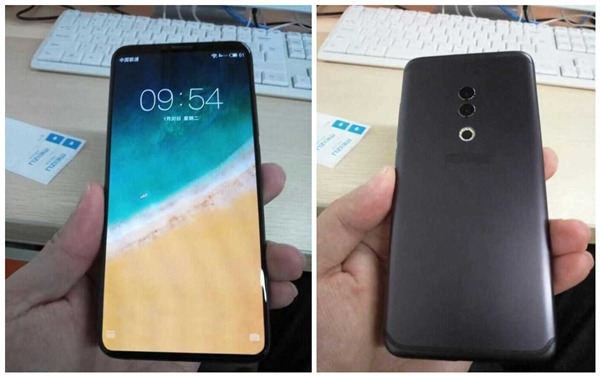
Since after Meizu launched the Meizu M6S, the next models which have kept the Chinese tech media buzzing are the Meizu 15 and 15 Plus. The tech giant is expected to launch both models to mark its 15 years anniversary. But not much is known about the models save for a couple of leaked renders that have appeared online. In what could be its first official appearance, a Meizu model believed to be the M15 has reported gotten 3C Certification. The model appeared with the model number M851Q.Meizu 15
The 3C Certificate, or China Compulsory Certification (CCC) and also called China CCC Certification, is a mandatory product certification system with the aim protecting consumer’s security through the supervision of products meant for the Chinese market. The Ministry of Industry and Information Technology (MIIT) or TENAA already oversees the certification of mobile phones but 3C covers mainly the smartphone charges. So, it is basically the charger ratings that are uncovered whenever a new model is certified. In this case, the M851Q is shown to feature support for 5V/2A, 10V/2A  charger rating. The charger has a power of 20W which isn’t very high. Thus, it is suspected that the Meizu 15 may have a standard edition and a flagship edition. Perhaps, only the Meizu 15 Plus will come with flagship specs just as the Pro 7 had mid-range and flagship versions.Meizu 15

Read More: Meizu M15 Plus Renders Leaked, Packs iPhone-Like Home Button, Ring Flash & More

The specifications of the Meizu 15 and 15 Plus not known but the leaked renders suggest the presence of a full-screen design. The device is also expected to feature dual camera sensors at the rear arranged in the vertical direction while under the camera setup, there will be a unique round LED flash. As for the processor that would power the models, we still don’t know if Meizu will utilize a Qualcomm Snapdragon flagship SoC or a Samsung Exynos chipset. Of course, since they are flagship models we may not find a MediaTek chip onboard because MediaTek has exited the flagship chipset market.

(source)
Live Photo Of Doogee V’s AMOLED Display Panel Surfaces

Early this month, we saw two leaked renders of an unannounced Doogee V smartphone. Although both smartphones had different rear designs, they both had a similar display – an 18:9 display with a notch like that of the iPhone X.

Doogee V display

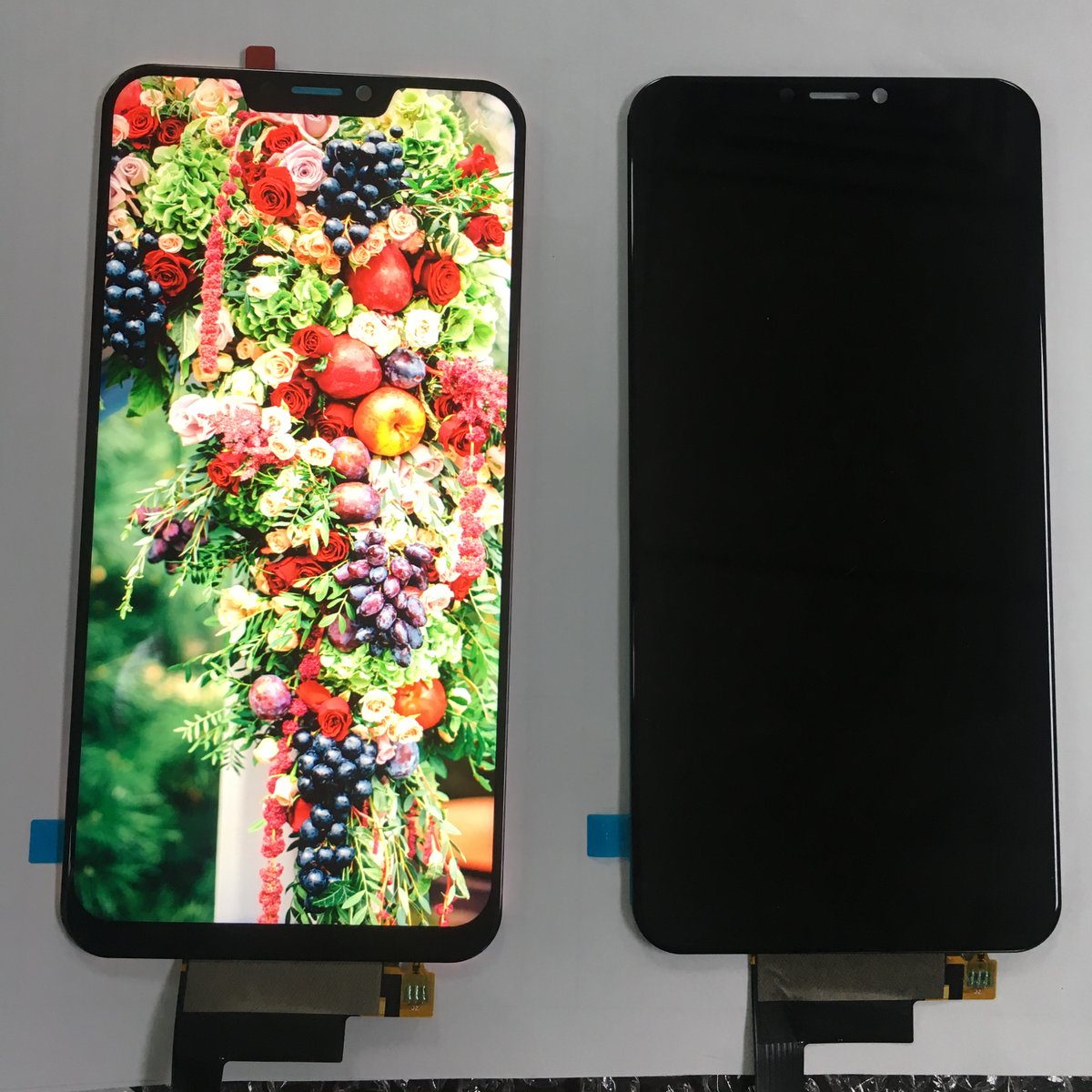
Doogee’s official Twitter account today shared a live photo of the AMOLED display. The picture shows one working prototype and another one turned off.

The color reproduction of the working prototype doesn’t look bad but we won’t pass a final judgement until we get to see the final device. Doogee has done well to keep the bezels on the sides and at the bottom minimal. At the top is a notch that is home to the sensor, earpiece, and front facing camera.

There is no info as to who the supplier for the AMOLED display is. While Samsung may be the first guess, they most likely are not seeing as their production of AMOLED displays will be geared towards their own phones and other bigger clients like Apple and OnePlus. So our best guess is this is from a local Chinese manufacturer like BOE or Japan’s JDI.

READ MORE: Leaked Doogee Mix 3 Photos Shows Honor 7i-Style Camera

You Could Decide What To Call The Next MIUI Version: MIUI X or MIUI 10? Voting Begins!

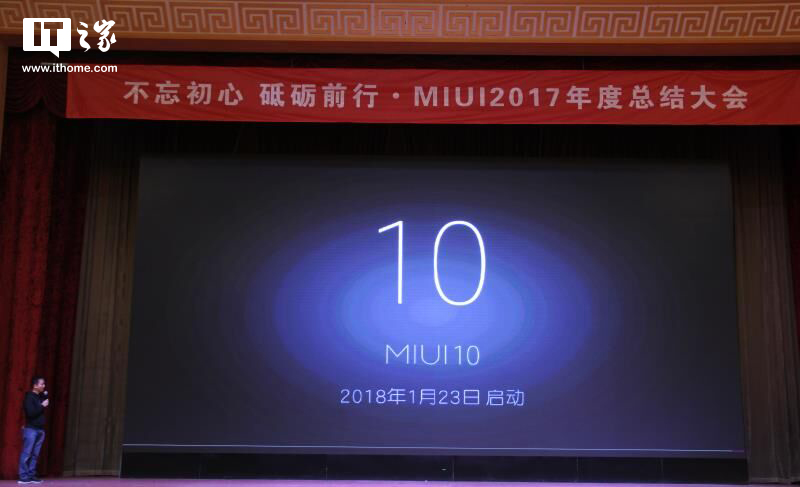
Xiaomi‘s co-founder and Senior VP Hong Feng who is also head of the MIUI team recently announced the commencement of the next generation of its MIUI custom ROM. The senior VP made this known during the company’s 2017 summary meeting. Since then, no further details have been disclosed by the company in that regard. However, Xiaomi has kickstarted an opinion poll where it hopes to get the opinions of her fans on what to call the upcoming MIUI version.MIUI 10

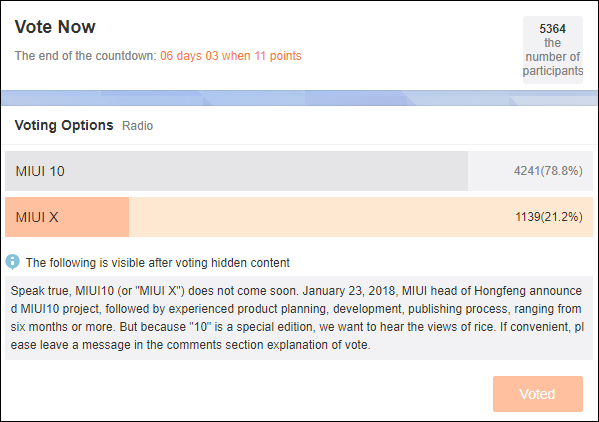
The option poll is hosted on the MIUI  Weibo page and the contention is between MIUI 10 and MIUI X. Surprisingly, during the recent conference where the next MIUI version was announced, it was clearly displayed on the projector screen as MIUI 10. But it seems Xiaomi has other ideas and the reason given for the poll is that the tenth edition of MIUI will be a special one hence the drive to get fans decide the name it woul be called. There were rumors earlier on as carried in one of our previous report that the MIUI 10 may likely be called MIUI X.miui x vs miui 10

Read More: Xiaomi Reportedly Kickstarts MIUI 10 Development; May Be Called MIUI X

Voting is ongoing presently and would be opened for the next six days. As at the time of filing this report, over 5,000 persons have voted, including yours sincerely. Clearly, MIUI 10 is preferred by over 4,000 respondents, representing 78.7% of the total votes cast so far. So, what do you think? MIUI 10 or MIUI X? You too can make your opinion count be heading over to Weibo if you have a registered Weibo account.

(source)
Xiaomi Redmi 5 Gets 100 Yuan ($16) Price Cut In China On Feb 1st!

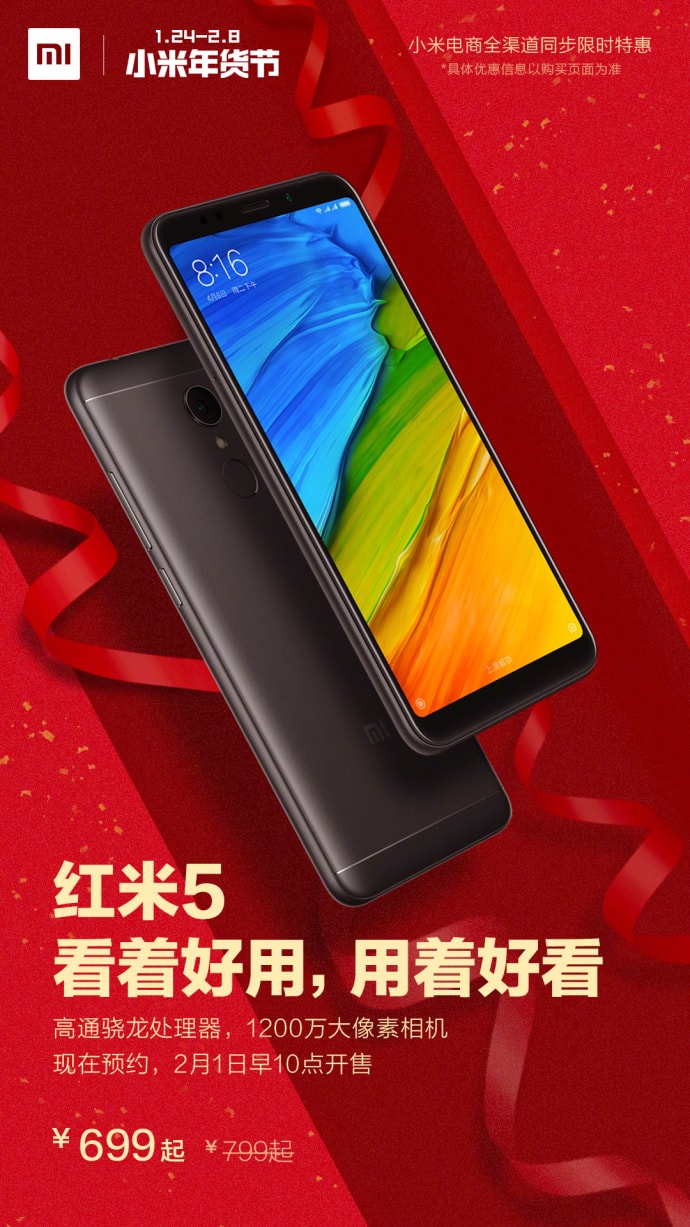
Xiaomi Redmi 5, the first smartphone from Xiaomi to come with a full-screen display will be receiving a 100 Yuan (approximately $16) price cut in China on 1st February. The offer is applicable only for one day and will begin at 10:00 AM. It seems that the offer is only applicable on the Redmi 5 and not the Redmi 5 Plus variant.

With this discount, the 2GB RAM + 16GB internal storage model will be available for 699 Yuan, which roughly converts to $111. Apparently, the discount is only for the 2GB RAM variant and pricing for other variants remains same.

The 3GB RAM + 32GB storage model will cost 899 Yuan (approximately $143) while the 4GB RAM + 32GB variant, which was recently launched, will be available for 1099 Yuan (approximately $175).

Xiaomi Redmi 5 Discount

The Xiaomi Redmi 5 comes with a 5.7-inch HD+ display with 720 x 1440 pixels screen resolution and an aspect ratio of 18:9. Under the hood, the device is powered by Qualcomm‘s Snapdragon 450 octa-core processor, clocked at 1.8GHz, along with Adreno 506 GPU.

It features a f/2.2 aperture 12-megapixel rear camera sensor with 1.25 µm pixel size that is equipped with a Soft-LED flash. It also comes equipped with some other features like PDAF, dark light enhancement technology, facial recognition, HDR, Panorama, and Burst mode. On the front, there’s a 5-megapixel selfie snapper that is coupled with features like Smart Beauty 5.0, facial recognition, and full HD video recording at 30 fps.

Because of the full-screen design, there are no capacitive touch buttons and instead, the users will have to rely on the on-screen buttons for navigation. Also, the fingerprint scanner has been placed on the phone’s back panel.

The device is running on Android Nougat operating system based company’s own MIUI 9. Connectivity options on the device include hybrid dual SIM slot with support for microSD card, microUSB, full netcom support, 4G, Wi-Fi 802.11 b/g/n, 4.2 Bluetooth, 3.5mm audio jack and GPS. The Redmi 5 is powered by a 3,300mAh battery.

Read More: 4-Year Old Xiaomi Redmi Note And Redmi 1s Updated to MIUI 9

The Xiaomi Redmi 5 sports the familiar three-stage design found on other Redmi phones. It comes with a full metallic body and is available in four color options — Gold, Rose Gold, Blue, and Black.


4-Year Old Xiaomi Redmi Note And Redmi 1s Updated to MIUI 9

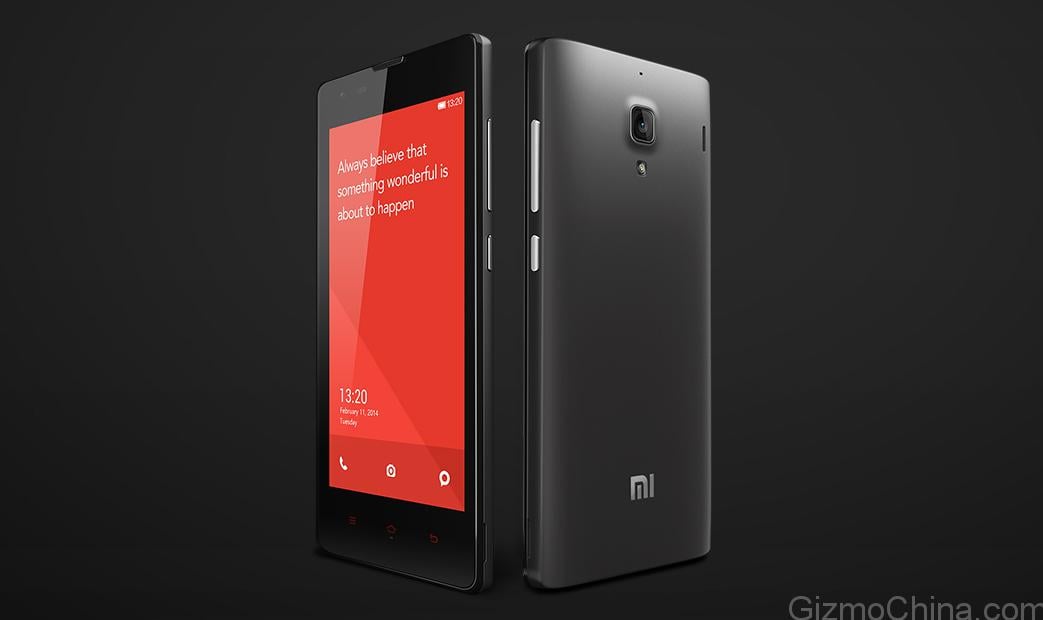
For most of the important smartphones, the software support by companies ends in about two years, but it is not so with Xiaomi phones. The Chinese giant is providing a very long software support for its phones, even though the stable version of Android 8.0 Oreo is yet to make its debut on the recent flagships of the company. But in the meantime, the first Xiaomi Redmi Note from 2014 and the Redmi 1s have been updated to MIUI 9.

redmi 1s

Both these devices were released about 4 years ago, but they have been updated to the latest version of the Mi user interface in 2018. The version of MIUI arrived on Xiaomi Redmi Note and Xiaomi Redmi 1s is the 9.2.2.0, but even though it is the latest version of the user interface, it is still based on Android 4.4 KitKat and not on Android Nougat like the other recent phones updated. Further, the security patch remains very old: it is the one from October 2016. Anyways, this update is still a great thing and it brings the important features of the new MIUI 9 on these two old phones.


RELATED: Coolpad CEO Claims Xiaomi Violated Over 200 of Its Patents & A Lawsuit Is To Create Awareness


Among these features, there is the split screen mode which allows you to open two apps in the same screen, the Search for Apps feature, the Dual Apps which allows having two accounts on a single app in the same device, the customizable Quick Cards and much more. Xiaomi Redmi 1s was released with MIUI 6.0 out of the box. It is actually a low-end device with a quad-core Qualcomm Snapdragon 400 SoC running at a max frequency of 1.6 GHz. The SoC is paired with just 1 GB of RAM and 8 GB of internal storage. Xiaomi Redmi Note has an octa-core MediaTek MT6592 processor with a max frequency of 1.7 GHz and it was released in two configurations with 1 and 2 GB of RAM.

(Source, Via)

Honor 9 Lite Lands In Italy and Russia

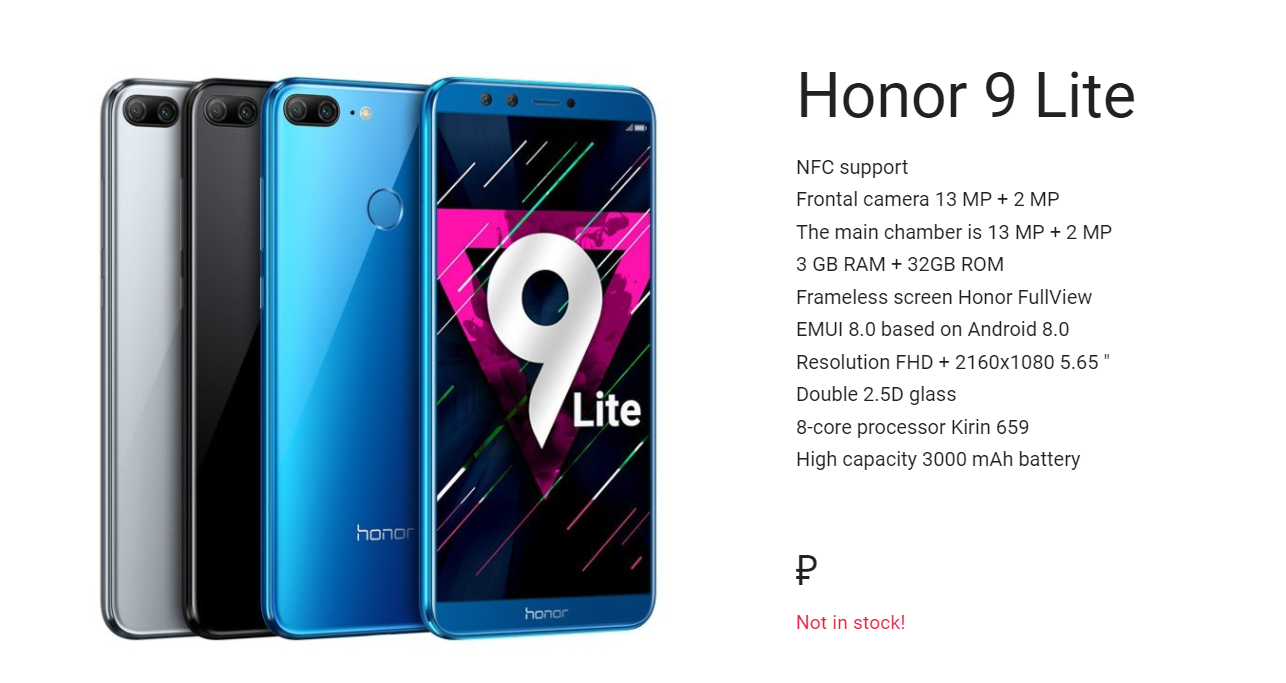
After launching in China and India, the Honor 9 Lite is headed to Europe next. Although Europe already has a mid-range Honor phone in form of the Honor 7X, the Honor 9 Lite will appeal to those who want a smaller 18:9 smartphone.

Honor 9 Lite Russia
Honor 9 Lite as seen on official Russian Huawei site

Italy and Russia are the first two countries that get the Honor 9 Lite. The variant available there and expected to be available in other European countries is the 3GB RAM + 32GB ROM version. However, it is much more expensive than the price in China.

The 3GB Honor 9 Lite is sold for ¥1199 (~$190/~€153) in China but it is priced at a whopping €229 (~¥1790/~$285) in Italy. There is no price info for Russia.

The Honor 9 Lite has a 5.65” FHD+ display and is powered by the same Kirin 659 processor as other Huawei/Honor mid-range phones released in the last couple of months.

Its selling point is its dual front (13MP + 2MP) and dual rear (13MP + 2MP) rear cameras. It has a rear-mounted fingerprint scanner, a microSD card slot (SIM slot 2), and packs a 3000mAh battery. It also runs EMUI 8.0 based on Android 8.0 Oreo out of the box.

READ MORE: Huawei’s Honor Opens First International Brick & Mortar Store In Myanmar

Coolpad CEO Claims Xiaomi Violated Over 200 of Its Patents & Lawsuit Is To Create Awareness

The Chinese media was agog recently with news that Coolpad had sued Xiaomi before a Beijing court for patent infringement. Xiaomi had come out after that to deny the allegation and stated that it is yet to receive the court papers. The latest gist coming out of that story comes from Coolpad’s CEO Jiang Chao who revealed that Xiaomi’s infringement of its patents spans more than 200 patents. The CEO, however, stated that they decided to sue Xiaomi for just six out of the 200.

Jiang Chao hinted that the purpose of selecting just 6 out of the 200 patents that Xiaomi and others infringed pon was to enhance China’s awareness and protection of intellectual property rights. He particularly noted that Coolpad does not intend to take advantage of Xiaomi’s rising status. Jiang also revealed that Coolpad has more than 10,000 patents authorized only for use by Qualcomm, and are not licensed for use by third parties. He noted that hundreds of patents related to dual standby are not even available to Qualcomm.

Read More: LeEco Sells Off Significant Stake In Coolpad, Bears Heavy Losses

Xiaomi in its earlier response disclosed that it holds several patent agreements with Microsoft, Nokia, and other patent holders. In addition to that, the company hinted that it is also increasing its Research & Development effort with investments in that regard. Xiaomi recently opened a new R&D center in Shenzhen, Mainland China. But if Coolpad claims to have the patent in China covering dual standby, then Xiaomi must have dabbled into its dragnet even if the patent it used was from Nokia or Microsoft since Coolpad is a Chinese holder of the same patent.

(source)
Meizu M6S vs Xiaomi Redmi 5 Plus Camera Comparison: Find Out Who’s Better?

Meizu and Xiaomi has always been close rivals. I agree that Xiaomi has managed to grow into a much bigger company as compared to its early rival, but that still doesn’t change the fact its smartphones in the budget and the mid-range segments have always got a tough competition from Meizu.

This year, it’s no different, with the Meizu M6s taking on the Xiaomi Redmi 5 and Xiaomi Redmi 5 Plus smartphones in the sub 1000 Yuan (<$160) market. We know that both the phones are pretty solid contenders in the price segment, offering great value for money. But there’s always one thing that buyers want to know: Which smartphone has a better camera? This is exactly what we try to answer in this Meizu M6S vs Xiaomi Redmi 5 Plus camera comparison. We have taken similar samples from both the phones so that its easy to compare which model has captured the best sample in that particular situation.

So, without wasting any more time, let’s directly move on to the Meizu M6S vs Xiaomi Redmi 5 Plus camera shootout!

On first glance, the Redmi 5 Plus seems to take better images. The major reason for this is because of its saturated photos. Colors pop out nicely in the Redmi 5 Plus samples which makes the images stand out, better than the Meizu M6S. However, there’s a catch — color accuracy. Colors on the samples are highly inaccurate. For example, red looks like its pink and then there are other cases too where colors look much different than in real life. It’s quite evident because the Meizu M6S’ samples are much more color accurate. It looks a bit dull, but the color shades are very close to what you see in real life. Also, in general, the images from the Redmi 5 Plus look a bit whitish.

However, if you don’t mind the issue with its color inaccuracy, the R5P samples look better with its vibrant colors.

As for the details, Meizu M6S seem to have better details in most samples. In some cases, the difference is quite significant, while in some others, it may not be as evident. But in general, the M6S seems to take photos with better detail.

Both are quick to focus and shoot. So, no real issues in this department. As for the dynamic range, it’s slightly better on the R5P. As I had pointed out in the first samples that we saw from the Meizu M6S, the phone does struggle a bit in dynamic range. However, the difference is not as significant as I original thought. For example, check out the pictures of the building in the gallery.

READ MORE: Nokia 6 2018 Hands On: A Refreshing Upgrade!

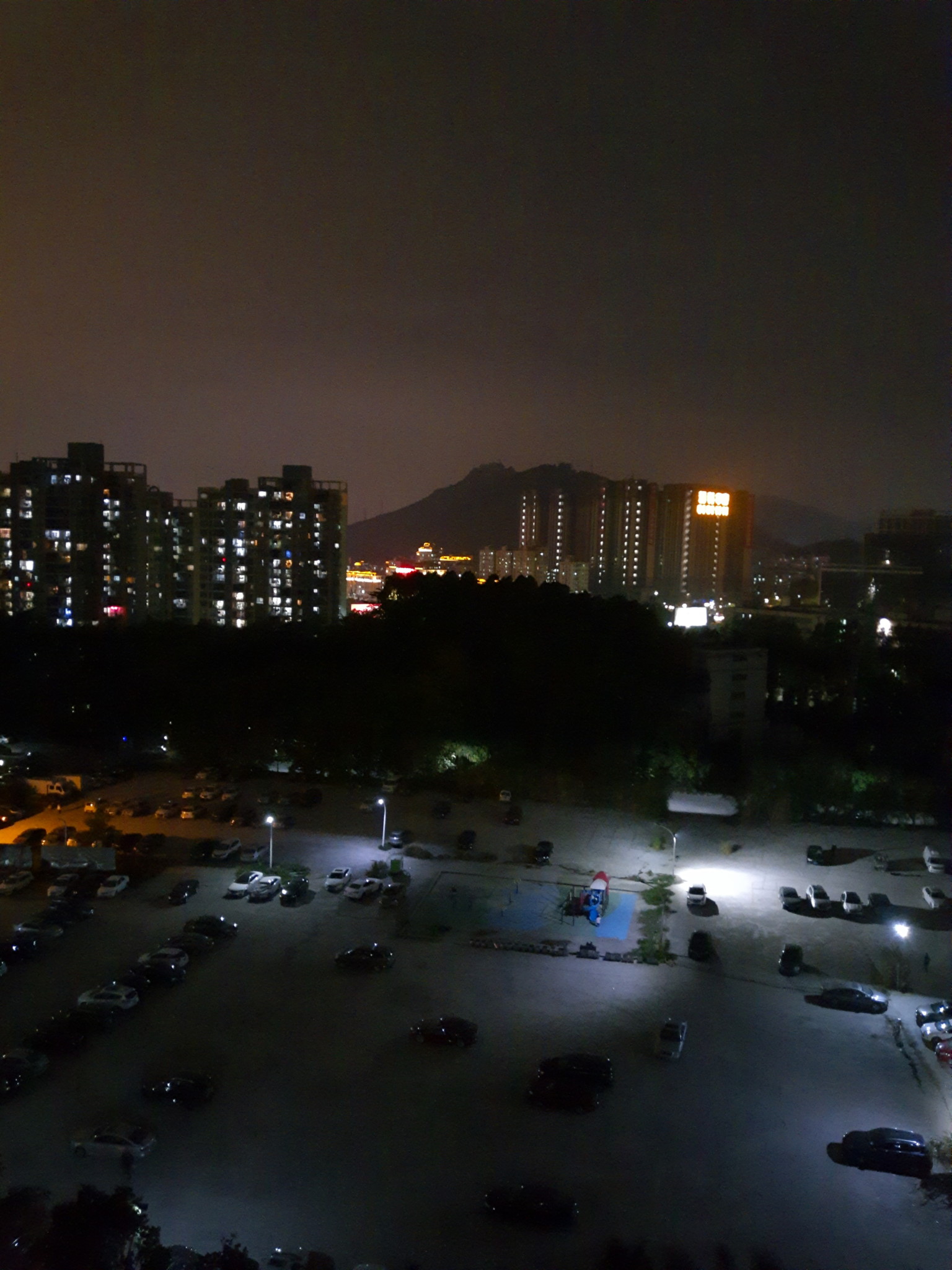
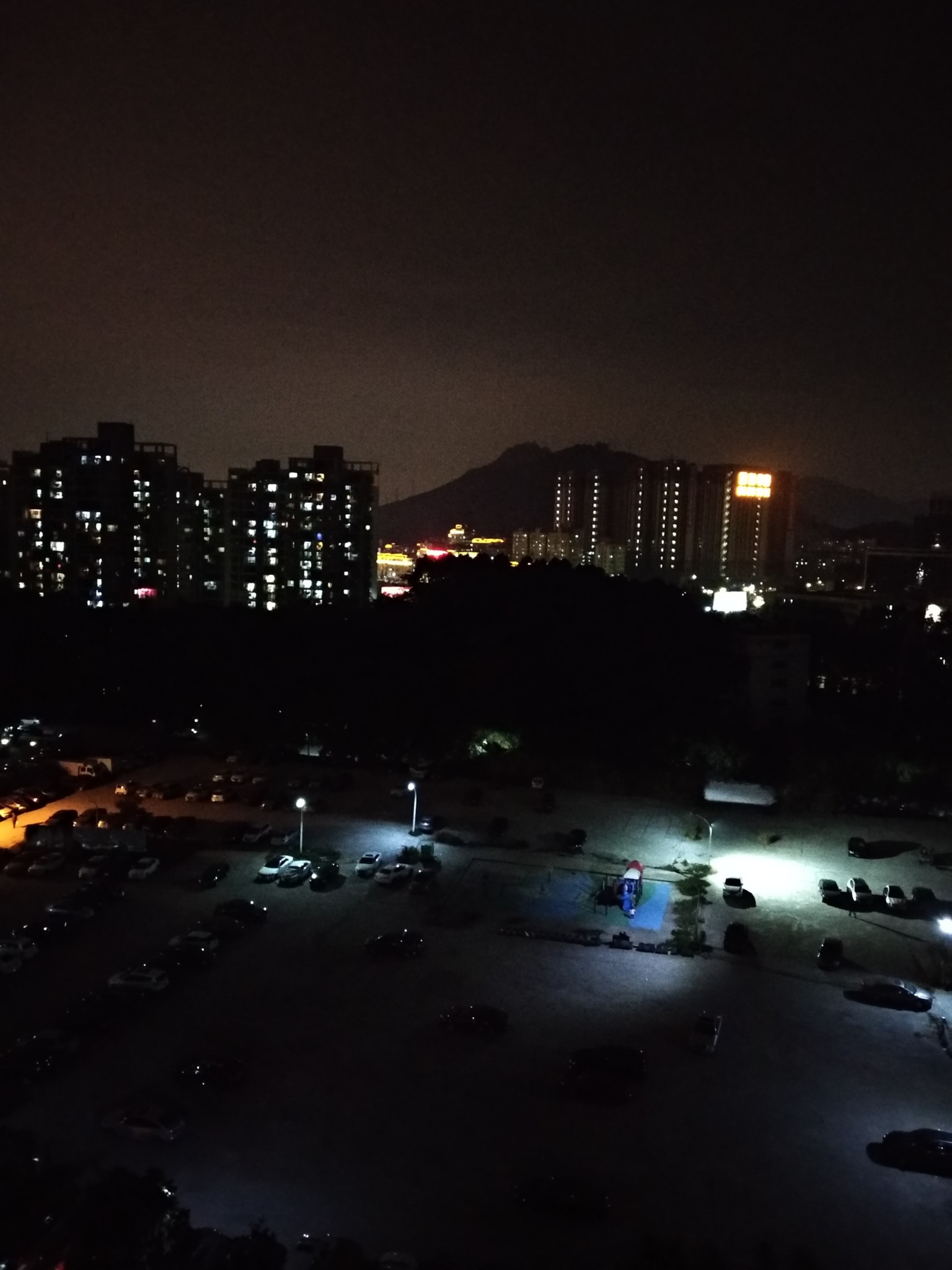
Both phones are decent in low light photography. There’s nothing extraordinary about their performance and even in the comparison,  you may find it hard to pick which one’s better. This is because the M6S seems to take higher details in some low light images, but the R5P captures brighter photos. So, the M6S’ night time samples could look a bit dull. However, it’s worth mentioning that the Meizu M6S does really well in the night time picture of the parking lot with mountains and buildings in the background. The M6S has higher details and overall, the sample looks better balanced than what we got from the R5P.

One major drawback of the Meizu M6S’ photos were its huge size. Samples are anywhere between 10-15MB in size, which is very big as compared to the average 5MB file size of the Redmi 5 Plus samples.

So, which one would you pick in this Meizu M6S vs Redmi 5 Plus camera comparison?


[yop_poll id=”14″]


Check out all the original samples from here!


[envira-gallery id=”170628″]


Samsung To Begin Production Of Hardware For Cryptomining

A number of big names have been linked to the recent blockchain trend. Samsung is one of them but not in the way you think. News has it that Samsung will begin manufacturing hardware for the mining of cryptocurrency.

Samsung

The news was first reported by Korean media The Bell which cited Samsung officials as its source. They said Samsung will supply an unnamed Chinese mining equipment provider the hardware, whom will in turn handle distribution.

A Twitter user also tweeted about it saying Samsung has begun production of ASIC (Application-Specific Integrated Circuit) mining hardware for bitcoin and cryptocurrency mining.

https://twitter.com/iamjosephyoung/status/958287126415593472

Samsung has been linked to cryptocurrency mining as far back as October last year when it demoed a mining rig made from several Galaxy S5 units. It was also reported to have signed an agreement  with Baikal – a Russian bitcoin mining hardware firm for the supply of ASIC chips.

READ MORE: MediaTek’s Fresh Headache: Samsung Reportedly Plans To Sell Exynos Chipsets To OEMs

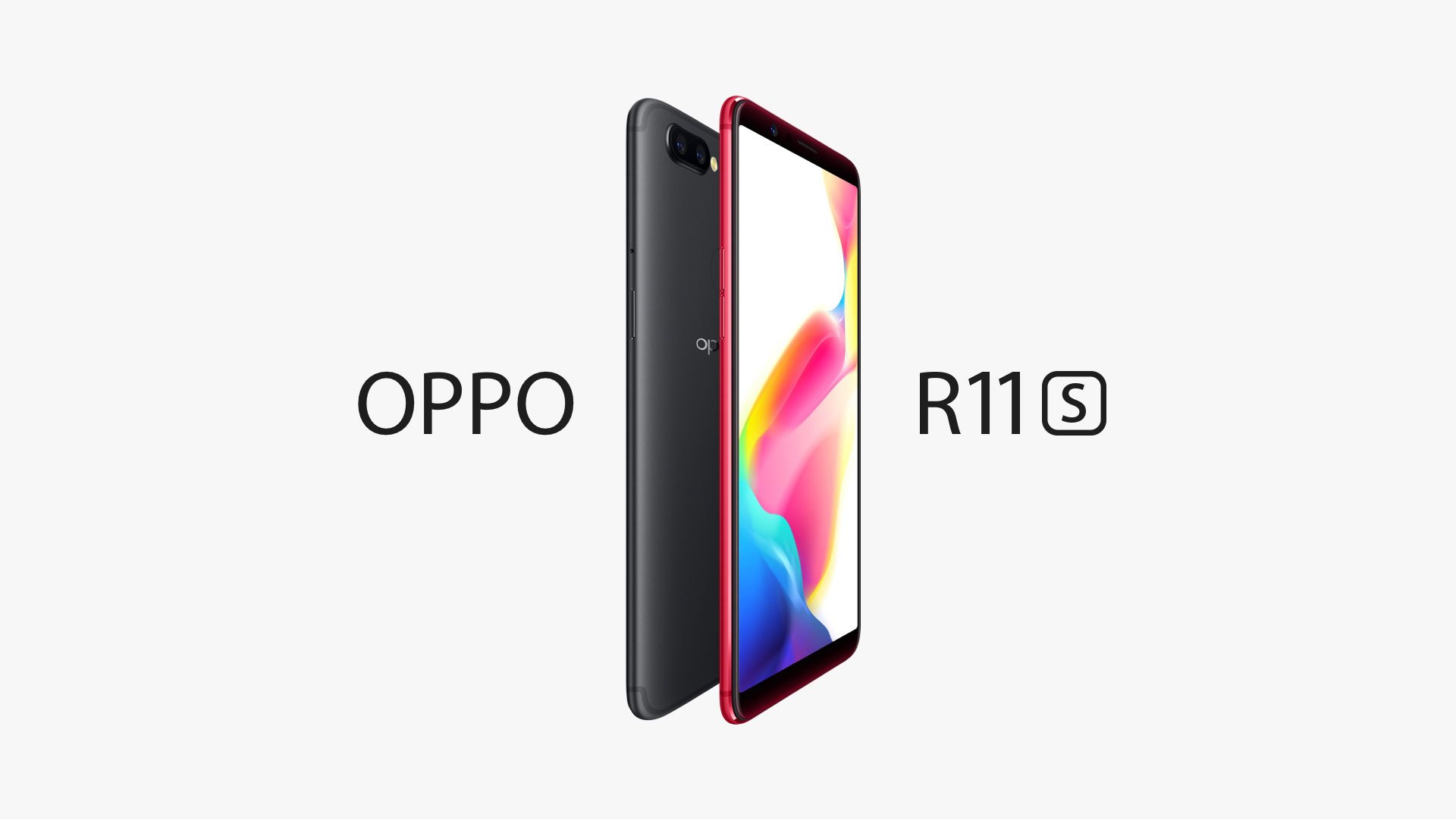
Oppo Starts Operations In Japan, Launches Oppo R11s

Oppo, the Chinese smartphone manufacturer which has also found a place in the world’s top five smartphone brands, has now expanded its operations to Japan. The company has forayed in the Japanese market with the launch of its flagship phone — Oppo R11s.

Apart from Japan, the China-based company is also looking to expand its global footprints. For that, Oppo is planning to roll out operations in the Europen market.

OPPO Logo

According to Deng Yuchen, chief of Japanese operations for Oppo, the company is currently in discussions with NTT Docomo Inc, KDDI Corp, and SoftBank Group Corp for its portfolio. He further adds that the company is making progress with two of those network operators. The Chinese phone maker is also in talks with MVNOs such as Y!mobile and Rakuten Mobile.

Commenting on expanding the Oppo brand to Japan, Deng Yuchen said:

Operating in such a demanding market can enhance our own strength and serve as valuable experience for us to tackle untapped European and US markets in the future. Success in the Japanese market will be an endorsement for our brand.

In a recent interview, Deng Yuchen has revealed that the company is planning to hire around 700 to 800 employees in Japan in the next two years for engineering, marketing, and sales positions. There’s a possibility that Oppo may also open a retail flagship store in Tokyo in the future.

Oppo, which was founded in 2004, is one the leading smartphone brand in China and currently sells its devices in about 30 markets, including Singapore, Australia, New Zealand, India, and Indonesia, among others.

The Oppo R11s, with which the company is foraying in the Japan market, features a 6.01-inch Full HD+ display with a screen resolution of 2160 x 1080 pixels and an aspect ratio of 18:9. The phone is powered by Qualcomm‘s Snapdragon 660 processor.

OPPO R11s

In Japan, the phone will be offered with 4GB RAM and 64GB of internal storage. Recently, the company had launched the 6GB RAM variant with 128GB onboard storage, but the 6GB RAM model remains China-exclusive.

Coming to the camera department, the rear camera features a combination of a 20-megapixel camera sensor with f/1.7 aperture and a 16-megapixel camera sensor with f/1.7 aperture. On the front side, there is a 20-megapixel camera sensor which comes with Artificial Intelligence (AI) features that support more than 200 facial enhancements, scene detection, and portrait mode.

The phone is running Color OS 3.2 and comes with Android 7.1.2 Nougat operating system out-of-the-box. Oppo has recently rolled out Android 8.1 Oreo update to the device in China. The Oppo R11s is fueled by a 3,205mAh battery, which supports company’s own VOOC fast charging technology.

Read More: OPPO Patents Foldable Phone With Flexible Display

While the Oppo has announced the Oppo R11s smartphone for the Japanese market, the company has not yet revealed any information related to its availability and pricing.


Intel May Have Erred By Informing Its Chinese Clients of Meltdown Flaws Before the US Authorities

A major security flaw was recently discovered in a number of modern processors which could grant hackers access to users’ data. The flaw could allow hackers access a user’s passwords, encryption keys and other sensitive information which are stored in the protected kernel memory of his or her computer, phone or tablet. The flaws are simply identified by the names Spectre and Meltdown and they affect chips manufactured by Intel and Arm, with affected models going back several decades. Intel is the largest maker of chips for PCs and laptops so the number of systems that could be affected run into millions of units. Intel’s rival AMD believes its chips are safe, saying in a statement, “Due to differences in AMD’s architecture, we believe there is a near zero risk to AMD processors at this time.”Intel Kaby Lake

Although the chipmakers have hinted that they have got fixes ready to be installed on affected units, but the timeline of who Intel contacted about the flaws and when they did that might be contentious. Wall Street Journal sources have claimed that Intel initially told a handful of customers about the processor vulnerabilities. The company is reported to have informed Chinese tech companies like Alibaba and Lenovo but did not inform the US government since most of the affected chips might be in the hands of Americans and there are several U.S vendors running systems that are vulnerable to the flaws.

Read More: Xiaomi Mi Notebook Air 13.3-inch Gets A Refresh With 8th-Gen. Intel i5 & i7 Processors

Ordinarily, this shouldn’t be an issue as the tech giant needs to coordinate fixes with its partners but because of the Chinese government policy, it portends danger bearing in mind that the Chinese government routinely monitors conversations like this. Thus it is possible that the Chinese government could have theoretically exploited the holes to intercept data before patches were available. We are not sure anything of such ever happened anyway.

An Intel spokesman wasn’t forthcoming on details of who it informed and even added that the company couldn’t notify everyone (including US officials) in time because Meltdown and Spectre had been revealed early. Lenovo, on its part, allayed fears by disclosing that the information was protected by a non-disclosure agreement. Alibaba also released a response labeling any accusations of sharing info with the Chinese government as “speculative and baseless,” but that doesn’t rule out the possibility of Chinese officials intercepting details without Alibaba’s knowledge. There is no evidence that the Chinese government exploited these flaws but informing the U.S government could have helped coordinate disclosures to ensure that enough companies had fixes in place. Big names like Apple, Amazon, Google, and Microsoft were ready relatively quickly, but others were left racing to fix or mitigate the flaws. If viewed from another perspective, it would be realized that Intel had to limit the number of vendors notified in other to minimize leaks before patches are ready.

(source)

Samsung Employees To Receive Up To 50% Bonus Thanks To Chip Sales

It sure is a good day to be a Samsung Employee, most importantly those working for its semiconductor arm. Samsung had a good 2017 and it is rewarding its employees as should any right-thinking organisation.

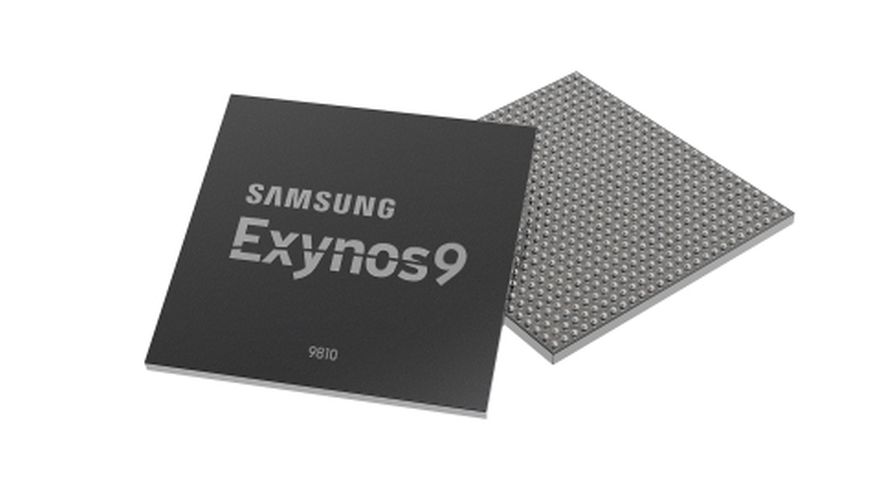
Samsung Exynos 9810

The chip unit of the Korean electronics giant announced on Monday, January 29, that employees will receive up to 50% of their annual salaries as bonuses thanks to its record-high performance. Other than the annual target bonus, the staff of the chip unit also got 400% of their November salary as a special bonus.

Samsung’s semi-conductor business is reported to have recorded 53.65 trillion South Korean Won (~$50.3 billion) in operating profits from sales worth about 239.58 trillion South Korean Won.

Employees of the smartphone and display units will also get 50% of their salaries due to the successful sales of the Galaxy S8 and AMOLED displays.

Those working for the visual display and consumer electronics (TV and home appliances) arms will get 35% and 28% respectively of their annual salary. This is a lower figure compared to last year’s 50% and 40% figures. Reason for this is because while they did meet their targets, their profits are not record high like the chip division’s.

READ MORE: Samsung’s Latest Patent Is A Technology Which Identifies Users Using Their Blood Flow Patterns

OnePlus Releases 2017 Annual Report, Claims Rise In Sales And Revenues

OnePlus, the China-based smartphone manufacturer has released its annual report for the previous year, i.e. 2017. Apart from the sales and revenue figures, the company has also released several statistics about social media, customer support, community, software, and product milestones.

The company claims that in 2017, it has witnessed growth in its annual sale to the tune of 55 percent. Further, the company adds that its revenues more than doubled to $1.4 billion. OnePlus claims to have 776 employees spread over 18 countries, with over 206,000 official hours logged in.

OnePlus presence


OnePlus’ products are now available for purchase in about 32 countries. According to the company, it now has 111,000 Open Beta software users, with 1,700 bugs already caught by these users. Coming to the OnePlus community, the company says that the platform now supports 24 languages and has witnessed 219 percent new user registration growth, compared to the year 2016.

As per the company, the OnePlus community now has more than 1.3 million members and fans met IRL in about 40 pop-up events around the world, with a combined 19,400 people waiting in line. The company claims to have over 11 million fans across various social channels, with posts seen more than 2.3 billion times.

As for the support, the company claims that over 10 million support cases were resolved globally in the past year and introduced a new support language — German. OnePlus also held its first Open Ears Forum in London, and the first Customer Support AMA was held on the OnePlus forums.

Read More: OnePlus Introduces Buyback Program In India For The OnePlus 5T

While the year 2017 has been good for the company in terms of sales and revenues, OnePlus has been a part of a few controversies. As the brand is getting popular, it has started experiencing a higher level of public scrutiny. The most recent controversy is the credit card breach on its official online store, which has impacted up to 40,000 users.

(Source)


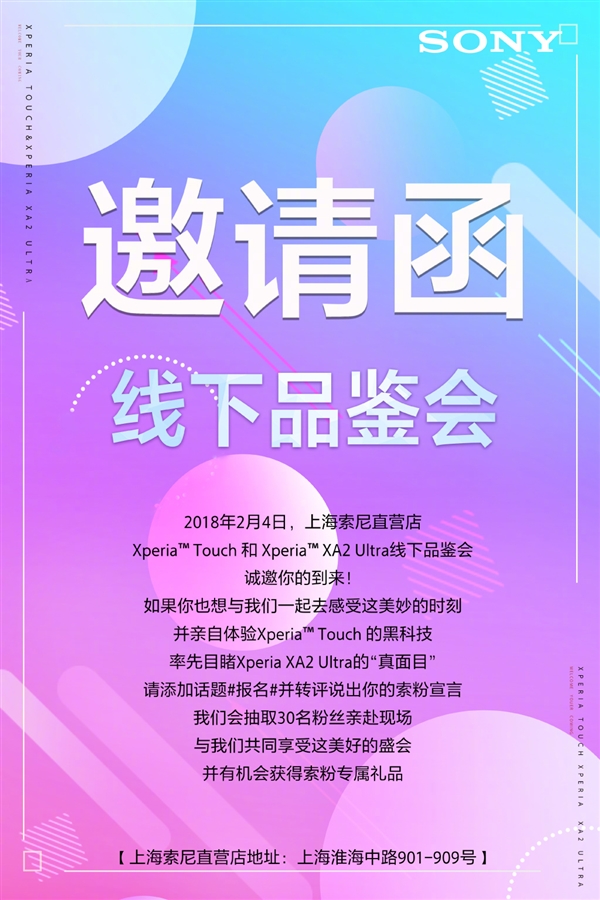
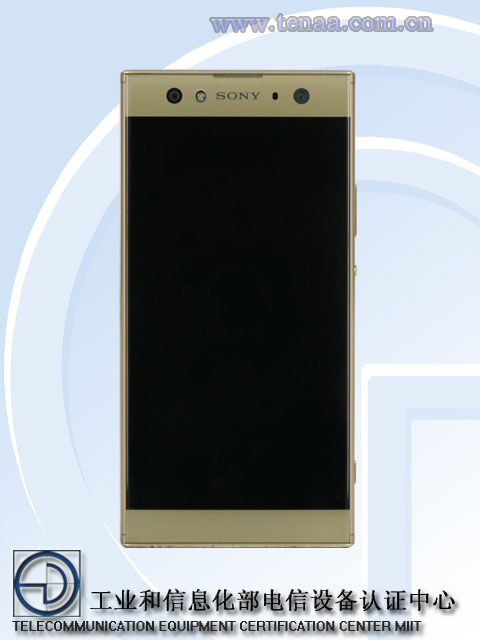
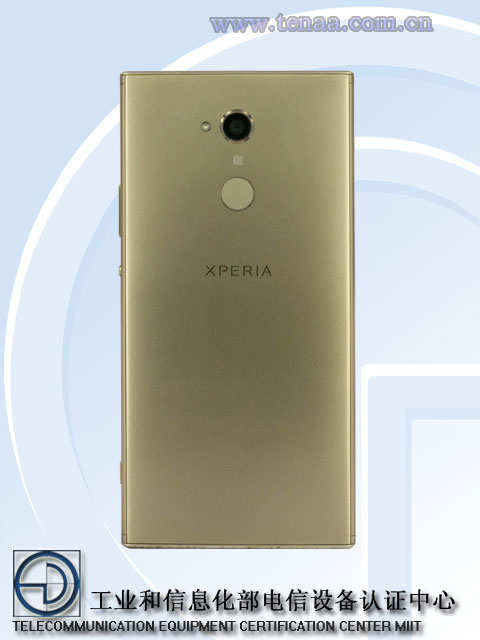
Sony Xperia XA2 Ultra Gets TENAA Approval Ahead of its Launching in China on February 4

Sony Xperia XA2 Ultra was launched alongside the Xperia XA2 and Xperia L2 smartphones at the Consumer Electronics Show (CES) 2018 earlier in this month. The Japanese tech giant has confirmed that the new mid-range phablet along with the XA2 and L2 smartphones will be releasing in the U.S. in the coming month. Next week, the company will be launching the Xperia XA2 Ultra in China. In the previous week, the smartphone had also received approval from TENAA.

The launch invitation released by Sony states that it will be unveiling the Xperia XA2 Ultra and Xperia Touch Android-based smart projector on Feb. 4 in Shanghai. The Xperia Touch was unveiled in February 2017. It seems that the company will be making it available for purchase in China soon.

At CES 2018, Sony had announced that Xperia XA2 Ultra will be available in 32 GB and 64 GB storage models. However, according to the TENAA listing of the phone, China will be receiving only the 64 GB variant of the phone. Also, the Chinese variant is likely to feature a slightly smaller battery of 3,430mAh battery compared to 3,580mAh battery found on the international variant. The other specs of the Chinese edition of the Xperia XA2 Ultra seems to be unchanged.

Read More:Mysterious 5-inch Sony Phone Gets FCC Approval; Could it be the Xperia XZ2 Compact?

The Xperia XA2 Ultra for China features a 6-inch IPS LCD display that supports Full HD resolution. It is driven by a 2.2 GHz octa-core processor, which indicates that it may feature Snapdragon 630 like the international variant. It includes 4 GB of RAM and a microSD card slot. It has a rear camera of 23-megapixel and 16-megapixel dual camera setup at front. The handset will come preinstalled with Android 8.0 Oreo and it will be available in color choices like silver, black, blue and gold.

(source)
 

Xiaomi Launches Circle Kitchen 4L Multifunctional Hot Pot Priced At 239 Yuan (~$38)

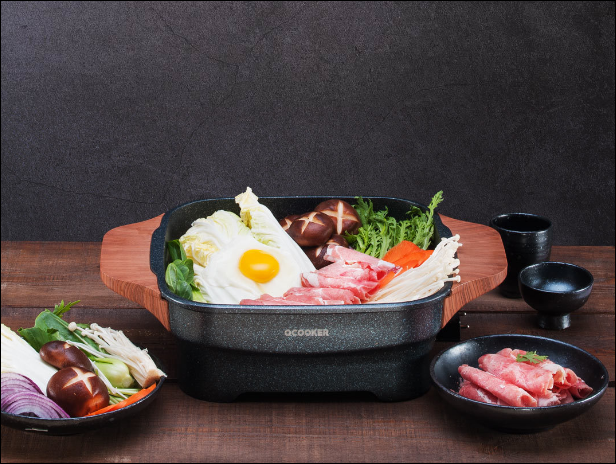
Xiaomi manufactures various products that meet specific needs and it is usually common to see products tailored towards a particular season coming out at the right time. It is presently winter time and Xiaomi has added to its catalog of products that help families tackle the biting cold with the launch of a new product dubbed Circle kitchen multi-functional hot pot. Yes, it is a product for the kitchen and an electric hot pot which serves as a pot and a cooker at the same time.

Xiaomi 4L Multifunctional Cooker

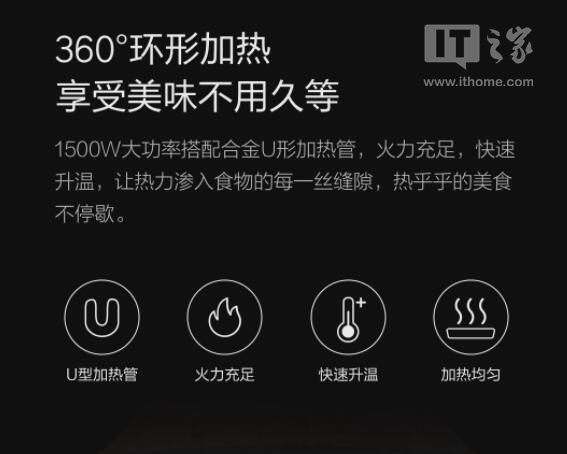
Design wise, the electric cooker is manufactured using waterproof design which protects the electrical components. It also features a separate coupler and has a more secure plug. The home appliance has two wooden handles at the sides which doesn’t get too hot when the pot is in use. There is also a glass lid with a wooden handle. Internally, the hot pot comes with a U-shaped heating pipe inside which ensures it is heated evenly. The heat pipe is isolated from the body so there is no risk of electrocution and since the design is waterproof, water can’t get inside the heating chamber and thus no risk of causing short circuit. It features a 1500W power rating and can achieve rapid heating. 

The Circle kitchen multi-functional hot pot has a capacity of 4L which is large enough to cook meals. The inside is coated with a food-grade non-sticky coating which is easy to clean. There is also a switch which lets users adjust the cooking temperature. The temperature can be adjusted within the range of 38-210 ℃. The types of food that can be cooked in the hot pot varies and that is why it is known as a multi-functional hot pot. It can be used to stir fry, deep fry, and also to make stew, barbecue and several others.

Read Also: AnTuTu’s Top 10 Favorite Smartphones Of 2017 Feature 3 OnePlus & 4 Xiaomi Models!

As stated earlier, the Xiaomi cooker comes with a modest price tag of 239 Yuan (~$38) and is currently available to buy on Xiaomi’s Youpin platform.Xiaomi 4L Multifunctional Cooker

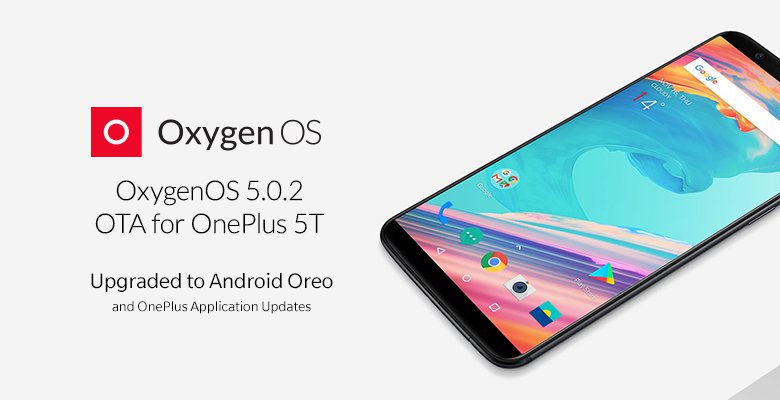
OxygenOS 5.0.2 Brings Android Oreo To The OnePlus 5T

Owners of the OnePlus 5T can now update their phones to Android Oreo. OnePlus’ latest flagship had received the beta update a few weeks ago but has now made the shift to a stable version.

OnePlus 5T Android Oreo

The update, as usual, not only brings Oreo but a number of other upgrades and fixes too. Below is the complete change-log:

System

  • Upgraded Android version to Oreo(8.0)
  • New design for Quick Settings
  • General bug fixes and improvements
  • Applied CPU security patch: CVE-2017-13218

Applications

  • Updated Launcher to v2.2
  • Updated Gallery to v2.0
  • Updated Weather to v1.9
  • Updated File Manager to v1.7.6

The update will gradually roll-out to devices but there is a way to get it immediately. Install a VPN, set your location to Canada or Germany, go to System Update under Settings Menu and check for the update.

The OnePlus 5T has received lots of positive reviews since its launch. It has a 6.01” FHD+ Optic AMOLED display, 6GB/8GB of RAM and 64GB/128GB of storage. It is also powered by the Snapdragon 835 processor like the OnePlus 5.

READ MORE: OnePlus Opens First Offline Store in Mumbai, Offers Bullet V2 Earphones for Free

Xiaomi Mi A1 Battery Drain Issue May Get Resolved Soon

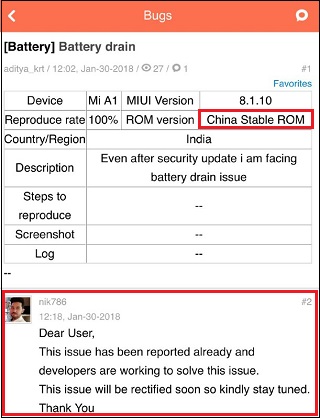
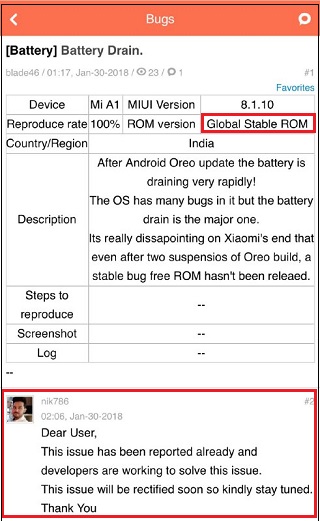
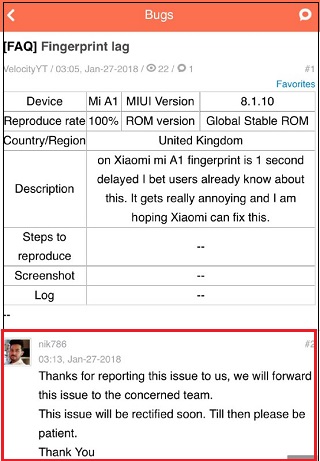
At the end of 2017, Xiaomi had rolled out the Android 8.0 Oreo update for its first Android One smartphone – the Xiaomi Mi A1. However, the Oreo update contained a lot of bugs and it also resulted in fingerprint sensor lag and battery draining issue. Hence, the Chinese manufacturer had to suspend the first Oreo update. The Mi A1 users were treated with a second Oreo update, but it could not resolve fingerprint scanner lag and severe battery drainage problem. Hence, Xiaomi had to suspend the second Oreo update for Mi A1. The company has now confirmed that it is working on a patch to fix these issues.

Users have been complaining on the official Xiaomi support forums and other platforms like XDA and Reddit that there is a short delay of around one second when tying to unlock the phone after installing the Oreo update. Some of the Mi A1 users have also complained that the battery draining issue is so bad that they end up charging the phone twice a day with less usage.

Read More: Xiaomi Mi A1’s Android Nougat Kernel Source Code is Now Available

Apart from the two main issues, Android Oreo update has also resulted in other problems like connectivity issue, random reboots and more. The fingerprint reader lag issue may not sound like a major issue, but when coupled with other bugs and severe battery drainage, these problems may be quite frustrating for Mi A1 users. As it can be seen in the above screenshots, the Chinese manufacturer is working on a fix for the battery issue and it will be addressing the fingerprint sensor lag problem to the concerned team to resolve the issue soon.

(source|via)


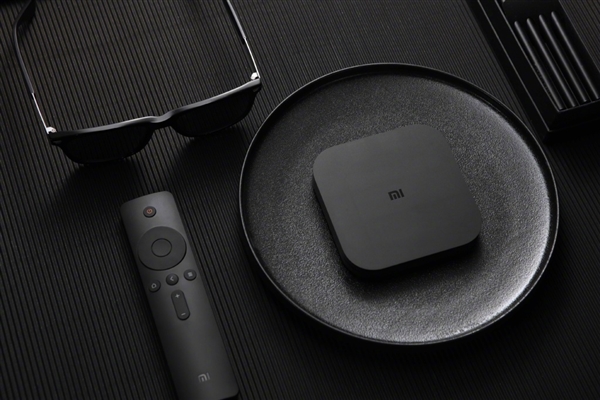
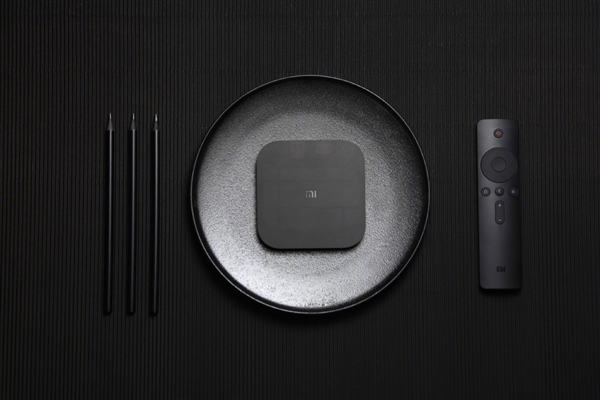
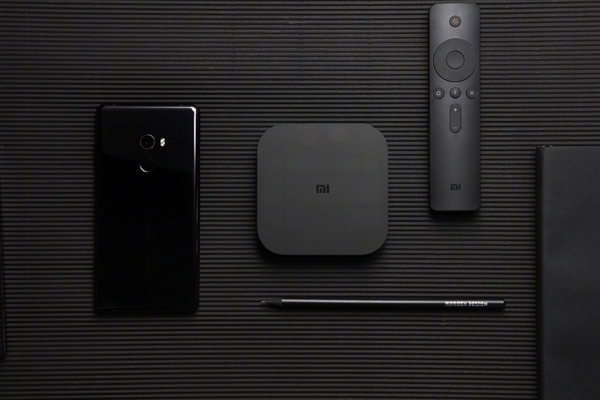
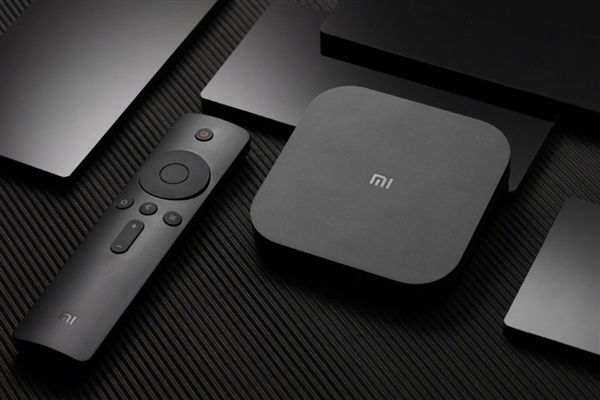
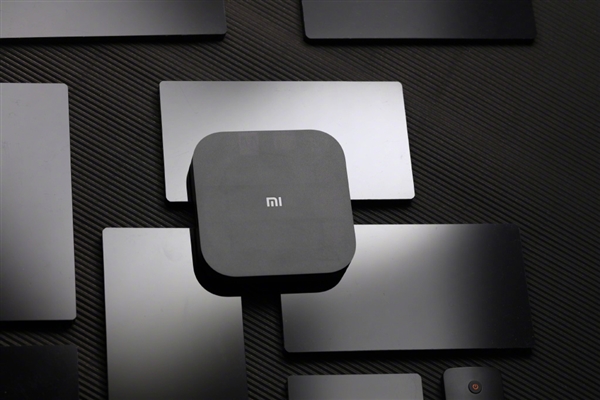
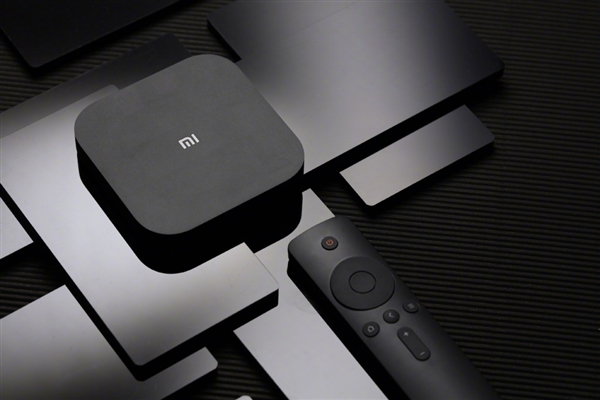
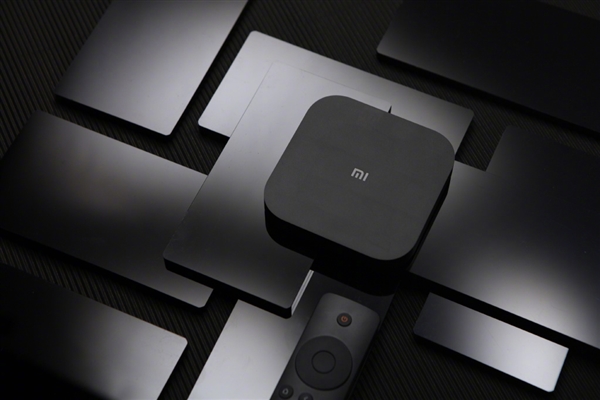
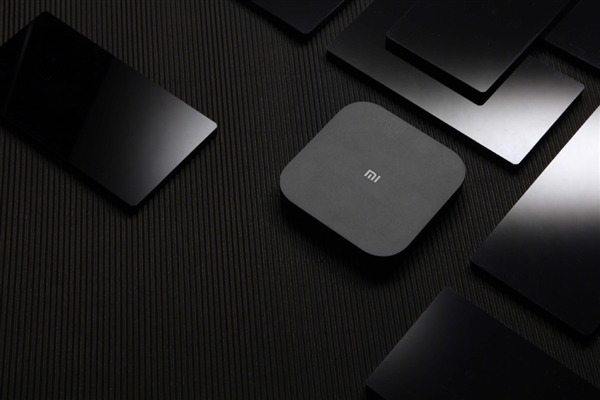
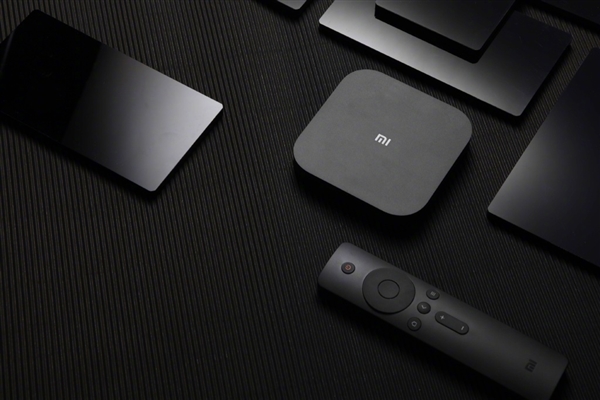
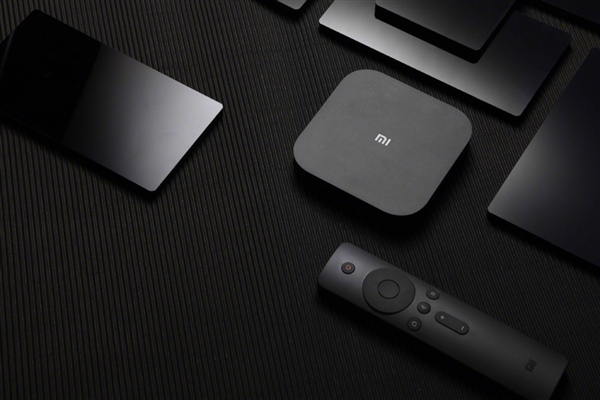
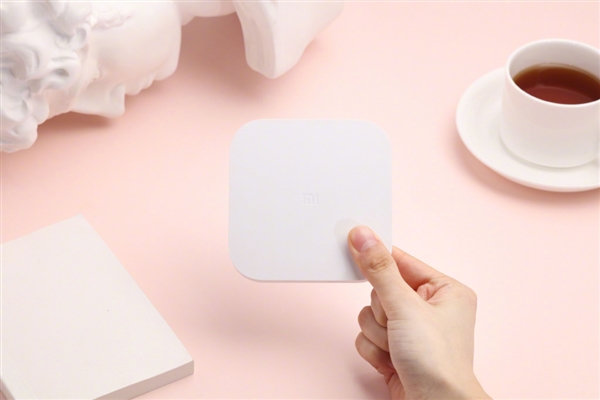
Xiaomi Mi Box 4, 4C Official Images Appear

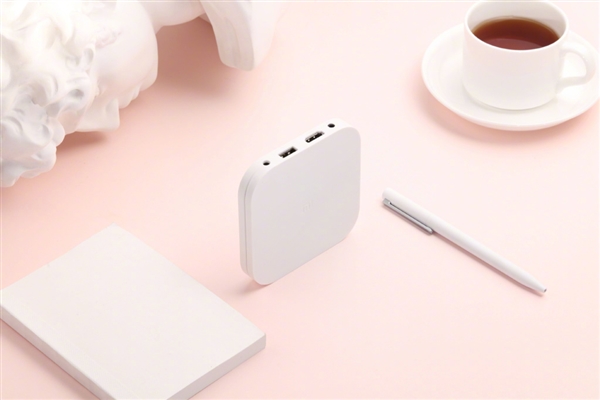
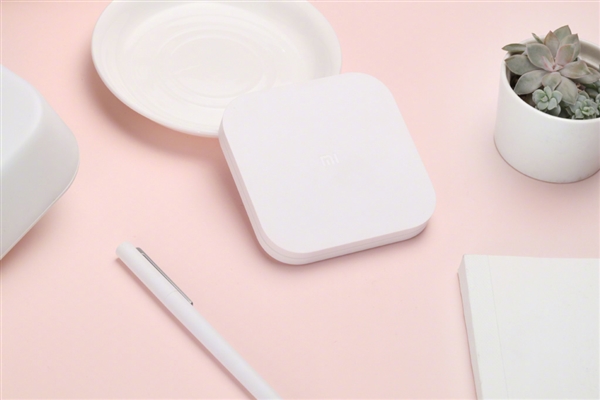
The Xiaomi Mi Box 4 and 4C Android TV box devices are now available on pre-orders in China. The official sale of both variants is going on to begin on Feb. 1 at 10 AM.

As far as appearance is concerned, the Xiaomi Mi Box 4 and Box 4C devices sport the same design. In fact, both Mi Box 4 models have the exact same dimensions of 95 x 95 x 16 mm and weight of 145 grams. However, the Mi Box 4 is white in color whereas the 4C model is black.

The Mi Box 4 and 4C are powered by Amlogic’s 64-bit Cortex A53 quad-core processor that clocks 1.5 GHz. It is coupled with Mali 450 penta-core graphics. The maximum resolution supported by both devices is 4K (3840 x 2160) HDR. They also feature the same connectivity ports such as a HDMI 2.0 port, a USB 2.0 port, a AV port and a 3.5mm audio jack.

The Xiaomi Mi Box 4 comes with 2 GB of RAM and is enabled with Bluetooth BLE 4.1 + EDR whereas the 4C has 1 GB of RAM and lacks Bluetooth connectivity. The Mi Box 4 is also enabled with Dolby Audio, a feature that is absent on the Mi 4C.

Through PathWall AI-voice system, the Mi Box 4 and 4C devices are able to recognize voices of various kinds of users like elders and children. These Android TV box devices also come with Bluetooth enabled voice remote control which also works with voice-activated smart appliances. The Mi Box 4Cand Mi Box 4 are respectively priced at 249 Yuan (~$40) and 349 Yuan (~$55).

Xiaomi Mi Box 4 White

Xiaomi Mi Box 4 White

Xiaomi Mi Box 4 White

Xiaomi Mi Box 4 White

Xiaomi Mi Box 4 White

Xiaomi Mi Box 4 White

Xiaomi Mi Box 4 White

Xiaomi Mi Box 4 White

Xiaomi Mi Box 4 White

XIaomi Mi Box 4 Black

XIaomi Mi Box 4 Black

XIaomi Mi Box 4 Black

XIaomi Mi Box 4 Black

XIaomi Mi Box 4 Black

XIaomi Mi Box 4 Black

XIaomi Mi Box 4 Black

XIaomi Mi Box 4 Black

XIaomi Mi Box 4 Black

XIaomi Mi Box 4 Black

Mysterious 5-inch Sony Phone Gets FCC Approval; Could it be the Xperia XZ2 Compact?

At the Consumer Electronics Show (CES) 2018, Sony had unveiled the Xperia XA2, Xperia XA2 Ultra and Xperia L2. The Japanese tech giant has confirmed that these smartphones will be available for purchase starting from February. Recent rumors have revealed that the company will be announcing the Xperia XZ Pro and Xperia XZ2 flagship smartphones at the Mobile World Congress (MWC) 2018. However, fresh information suggests that a 5-inch Sony Xperia smartphone may also get unveiled at MWC 2018. It is speculated that this smartphone could be the alleged Xperia XZ2 Compact.

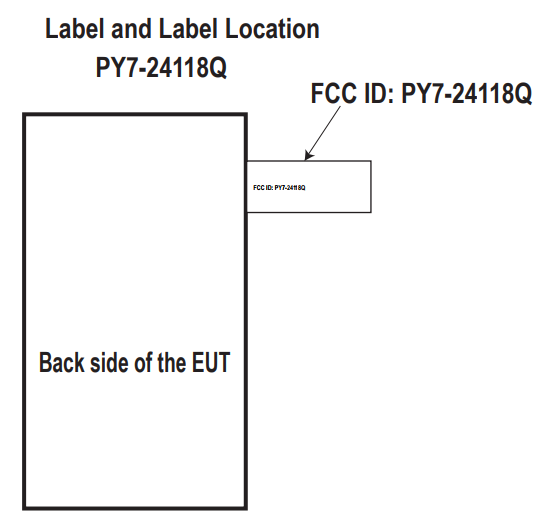
Latest information has revealed that a Sony phone measuring 135 x 65 mm that may include a 5-inch display has been certified by the Federal Communication Commission (FCC) in the U.S. The FCC ID of the device is PY7-24118Q. It seems to be a different device from mysterious Sony phone that was seen at FCC without a 3.5 mm audio jack.

Sony-PY7-24118Q-Xperia_1

Read More: Sony’s Next Xperia Flagship May Arrive with Flexible OLED Displays

The dimensions of the device are similar to an older Sony phone called Xperia UL that was unveiled at MWC 2013. It measures 135 x 71 mm and it houses a 5-inch display. So, the mysterious Sony phone with PY7-24118Q could be a compact full screen design.

It is speculated that it could be the Xperia XZ2 Compact. Rumors have it that it could be featuring an 18:9 aspect ratio supporting display of 5 inches. The Snapdragon 845 chipset may power the phone with 4 GB of RAM. It may include a native storage of 64 GB. The rear side may house a 19-megapixel camera whereas the front may feature an 8-megapixel selfie snapper. It is likely to house a 3,000mAh battery. The handset is rumored to carry a pricing of 4,999 Yuan (~$792).

(source|via 1,2)

Asus Could Launch Zenfone 5 Series On 27th February At MWC 2018

Many smartphone manufacturers have already confirmed their presence at the upcoming Mobile World Congress in Barcelona and joining the list is Asus. The company has announced that it will hold an event on 27th February and has started sending out media invites. It seems that Asus is gearing up to launch Zenfone 5 series at the event.

The Asus event will take place at 7.30pm CET and currently, there is no information available regarding the live streaming of the event. The company has announced that ASUS executives including Jerry Chen – CEO, Bryan Chang – GM of Mobile Business Division, and Marcel Campos – Global Marketing Head of Systems Business Group, will be present at the event.

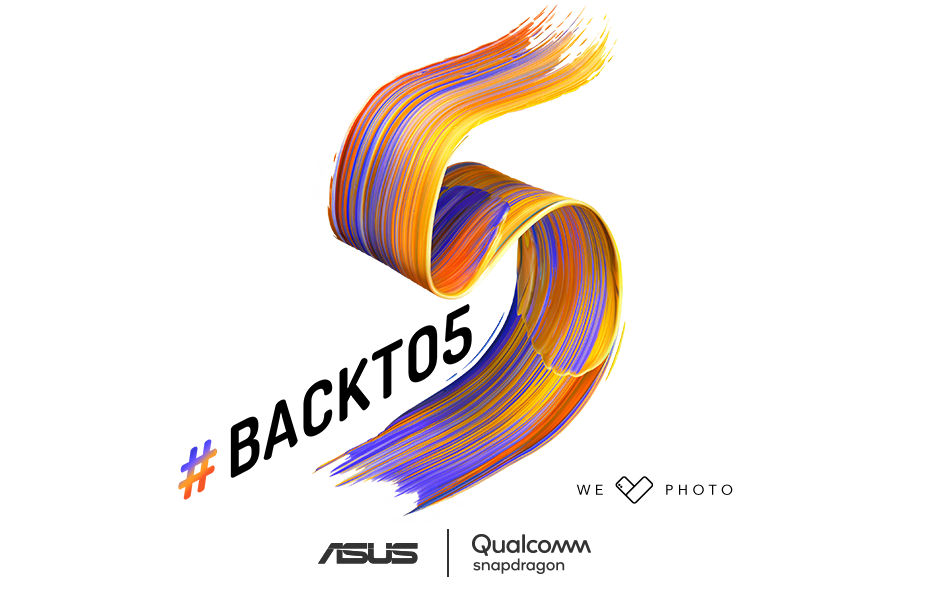
Asus Zenfone 5 Invite (MWC 2018)

While the company has not revealed what it plans to launch at the event, we expect the company to launch the Zenfone 5 series. The number “5” in the press invite suggests that the brand could unveil its ZenFone 5 series smartphones at the event.

According to the reports, the company could announce three devices at the event — the ZenFone 5 (2018), ZenFone 5 Lite and ZenFone 5 Max. In the invite, there’s also Qualcomm branding, suggesting that the devices will be powered by Qualcomm Snapdragon processor. Further, the invite also says #BACKTO5 along with a tagline “We Love Photo” — same as the ZenFone 4 series.

Recently, a new Asus smartphone with codename ASUS_X00QD was certified by the Wi-Fi Alliance. The phone, which is believed to be the Zenfone 5 Max, runs Android 8.0 Oreo operating system and has dual-band Wi-Fi 802.11ac support. Another phone with model ASUS ZC600KL  has been certified in Russia, which is said to be the ZenFone 5 Lite.

Going by the current trend, we expect the upcoming Zenfone 5 series from Asus to come with a full-screen display with 18:9 aspect ratio as well as dual camera setup. The device could come pre-installed with Android 8.0 Oreo out-of-the-box.

Read More: ASUS ZenFone Max Plus (M1) Arrives in February in the U.S. with $229 Pricing

We expect more details related to this next-generation Zenfone series in the coming weeks. For the official confirmation, we’ll have to wait till the company takes the stage on 27th February at MWC 2018 in Barcelona.