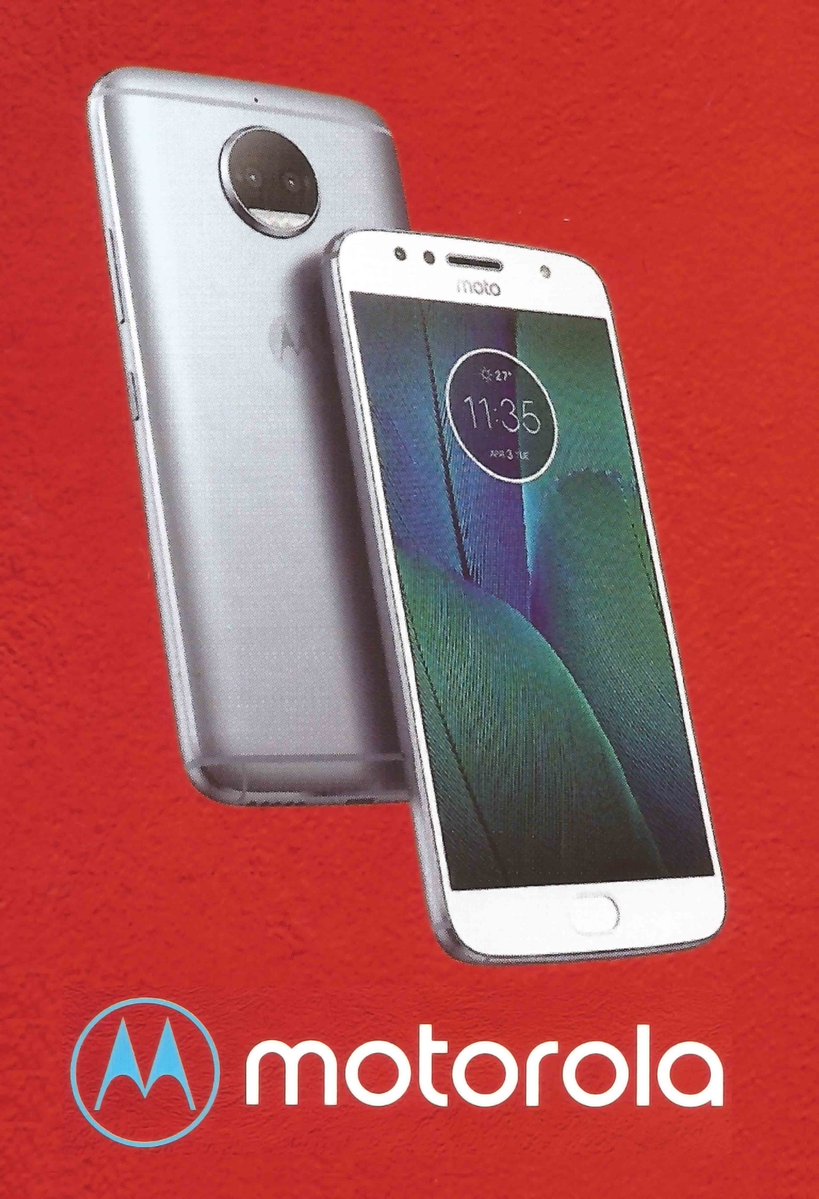
Pricing details for the Moto G5S and Moto G5S Plus have been revealed by tech blogger Roland Quandt. He also revealed the pricing for the 32GB variant of the Moto X4 yesterday. Comparing all three prices, it will be a tough decision (or not) for buyers if they turn out to be true.
Motorola Moto G5S will be ~300 Euro. Motorola Moto G5S Plus will be ~330 Euro. Again, prices from eastern EU.
According to him, the Moto G5S will be priced around €300 and the Moto G5S Plus will be around €330. Add €20 more and you should be able to purchase the Moto X4.
While the Moto X4 is a brand new device, the Moto G5S and Moto G5S Plus are just slight upgrades to the Moto G5 and Moto G5 Plus released this year.
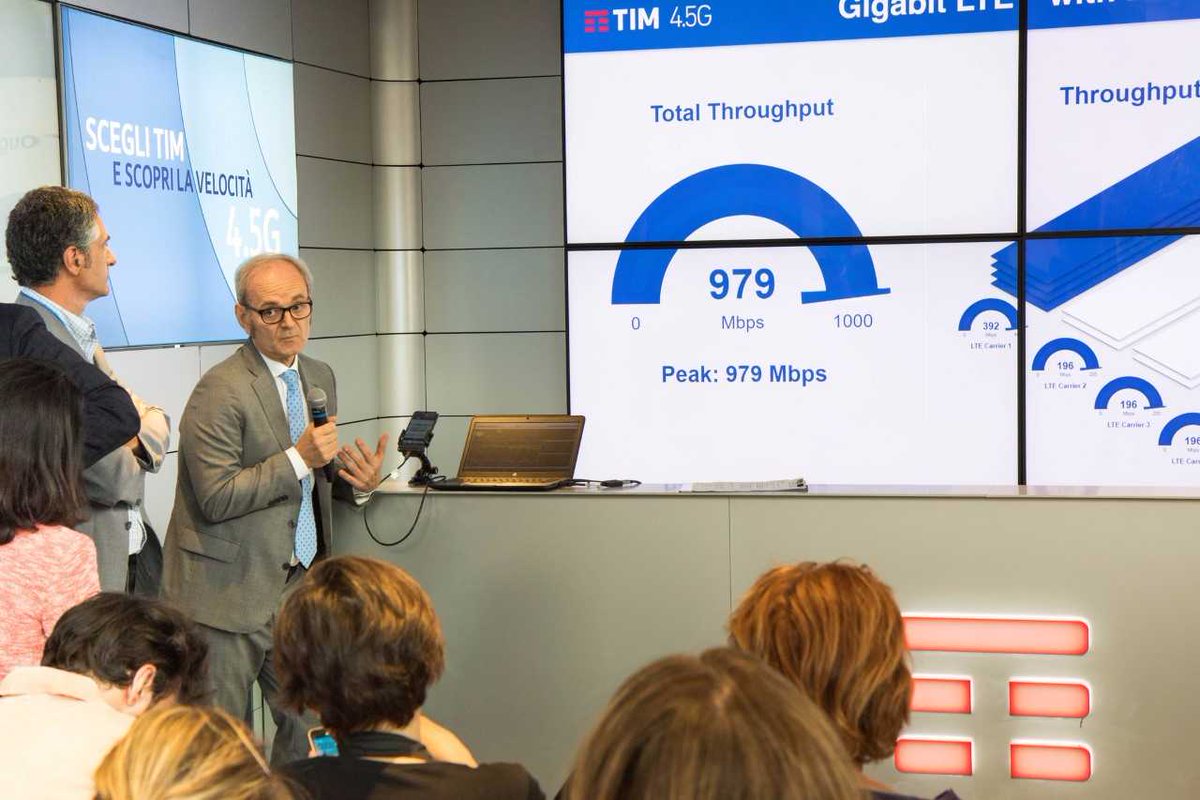
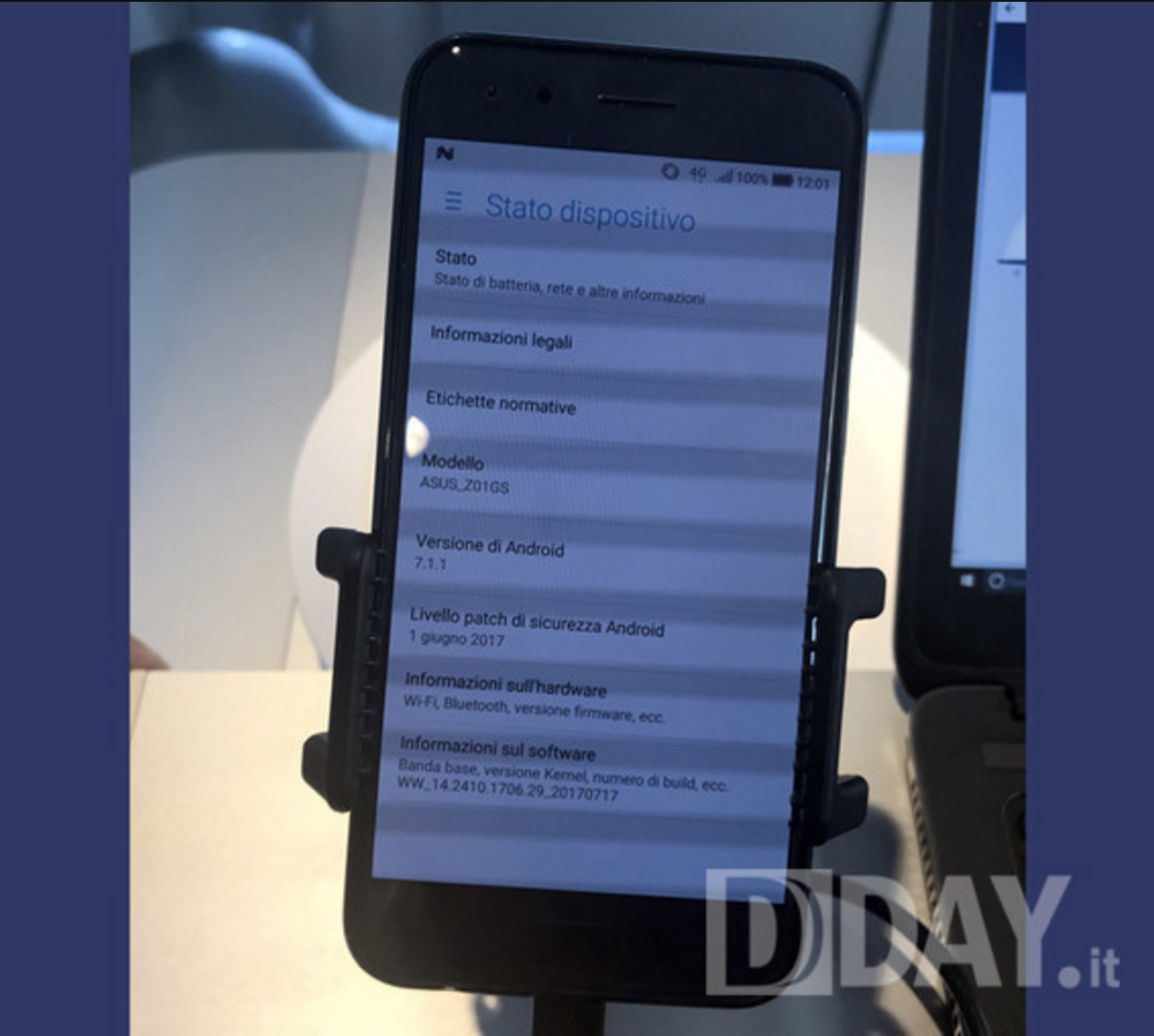
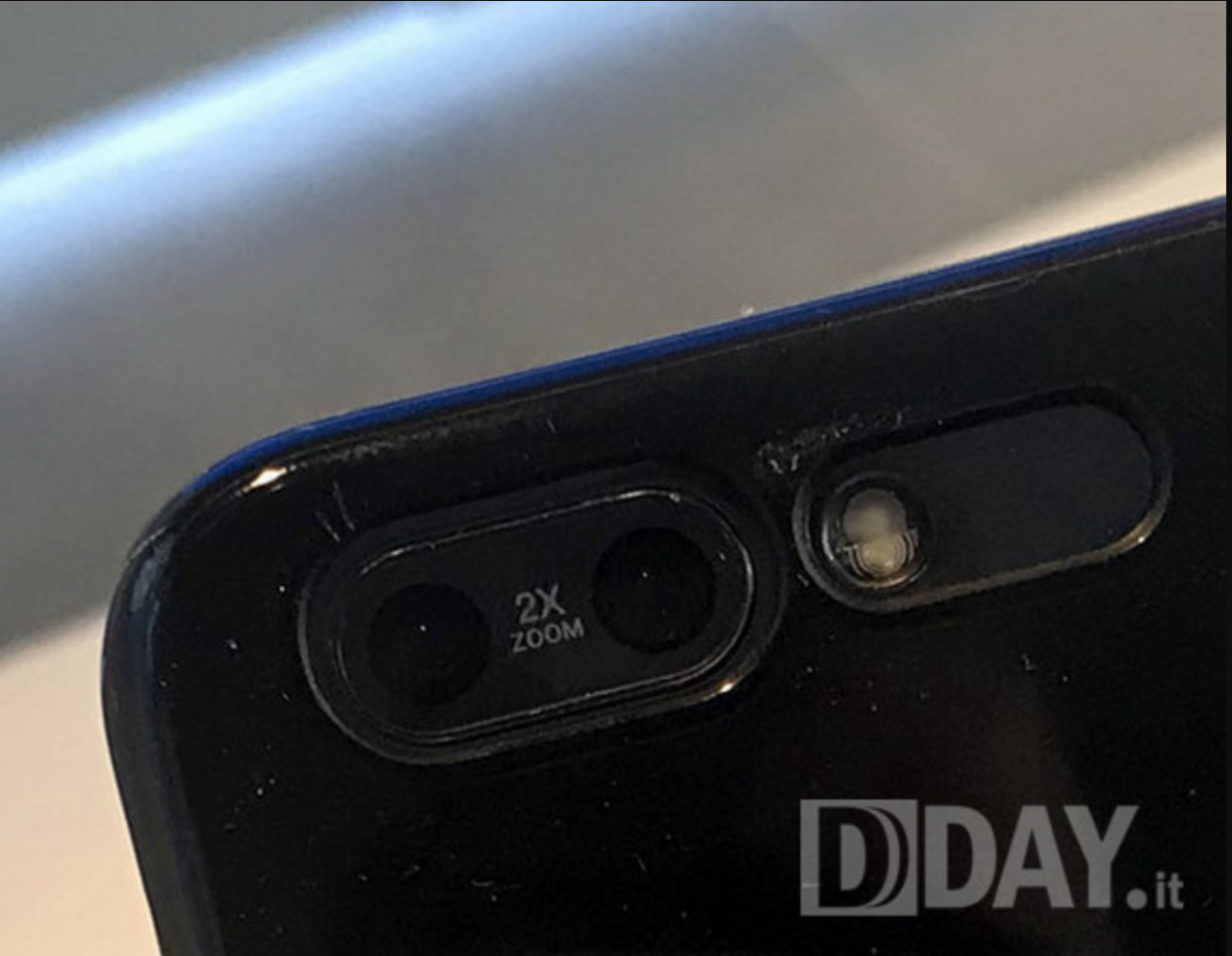
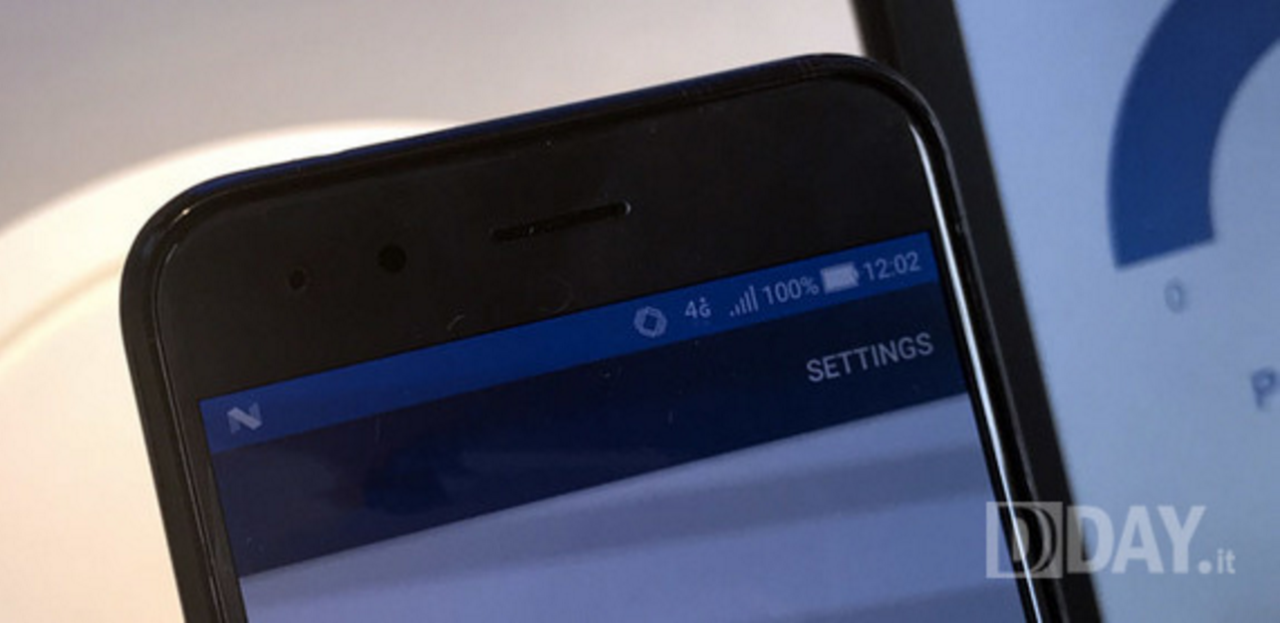
In the previous week, ASUS had released official teasers for ZenFone 4. Speculations have it that ZenFone 4 and other phones from the ZenFone 4 series will debut on Aug. 17. An Italian website, DDay.it, has revealed some leaked photos of the ZenFone 4 Pro placed in a protective case. Also, well-known leakster Roland Quandt has tweeted that the ZenFone 4 Pro was officially shown during a press event in Italy.
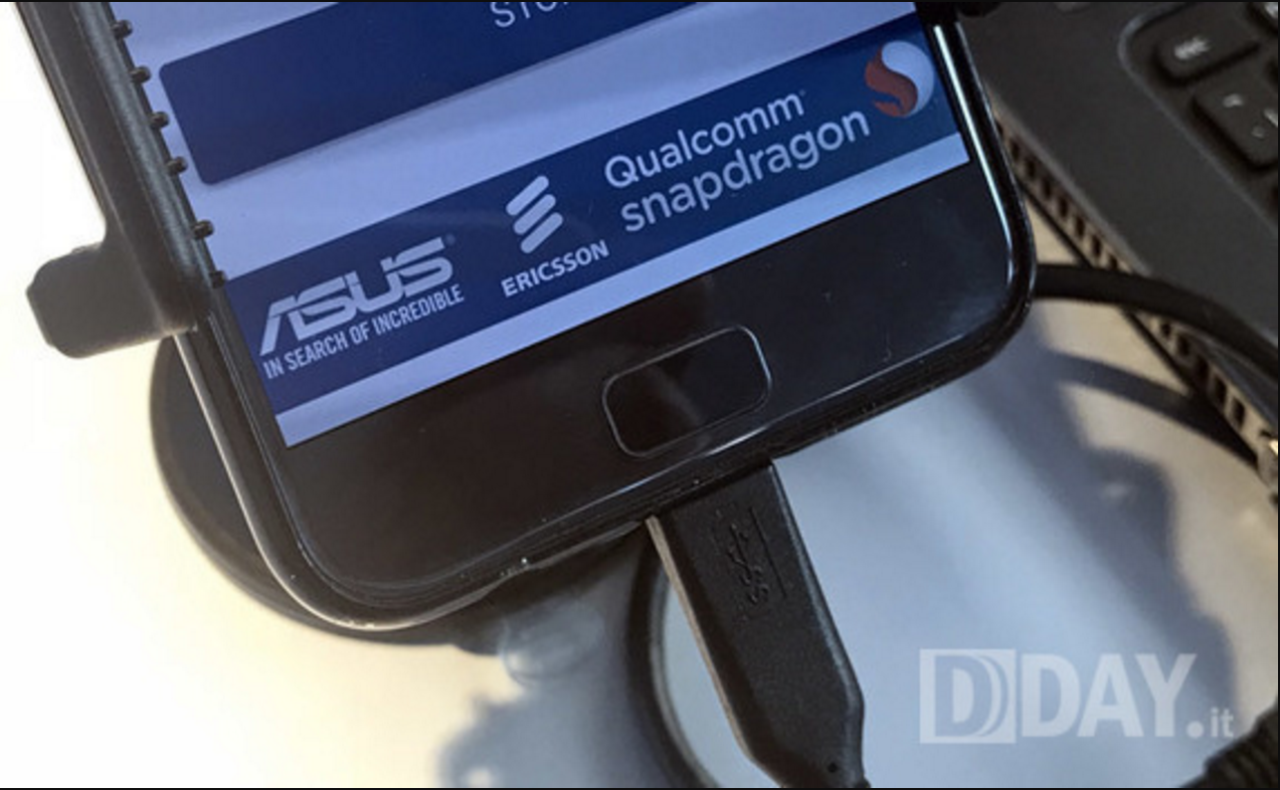
According to Quandt, Qualcomm and ASUS collaborated on the demonstration of 1 Gigabit LTE at the Italian press event. One of the other leaked images shown below shows that even Ericsson is also working with ASUS and Qualcomm. He revealed that the phone seen next to the laptop in the image is the ASUS ZenFone 4 Pro. It appears that the Snapdragon 835 chipset of the ZenFone 4 Pro is equipped with Snapdragon LTE X16 modem that is capable of delivering 1 Gbps LTE connectivity with carrier aggregation.
The real-life images of the ZenFone 4 Pro suggest that it would be coming with dual rear cameras that will carry support for 2x optical zoom. The Italian website has claimed that it has a 21-megapixel dual camera module. There is no confirmation on whether it features a pair of 21-megapixel sensors or if one of the camera lenses is of 21-megapixel sensor. Since it is rumored to be a flagship phone, the Italian publication has added that the Snapdragon 835 chipset will be powering the ZenFone 4 Pro.
The ASUS ZenFone 4 Pro is expected to come with a 5.7-inch AMOLED display that will produce Quad HD resolution. Below the display is a Home button that seems to be integrated with a fingerprint sensor.
The Snapdragon 835 chipset will be accompanied by 6 GB of RAM. It will be coming with a native storage of 64 GB of storage. It will be preloaded with Android 7.1.1 Nougat OS. The model number of this ASUS phone is ASUS_Z01GS adds DDay. The previously spotted model number of ASUS_Z01GD could be its other variant. Speculations suggest that it will be releasing in September. The ZenFone 4V is the other phone that is expected to launch on Sept. 21. ASUS has already debuted ZenFone 4 Max and on Aug. 17, the Taiwanese company is speculated to introduce other ZenFone 4 phones like ZenFone 4 Pro, ZenFone 4, and ZenFone 4 Selfie.
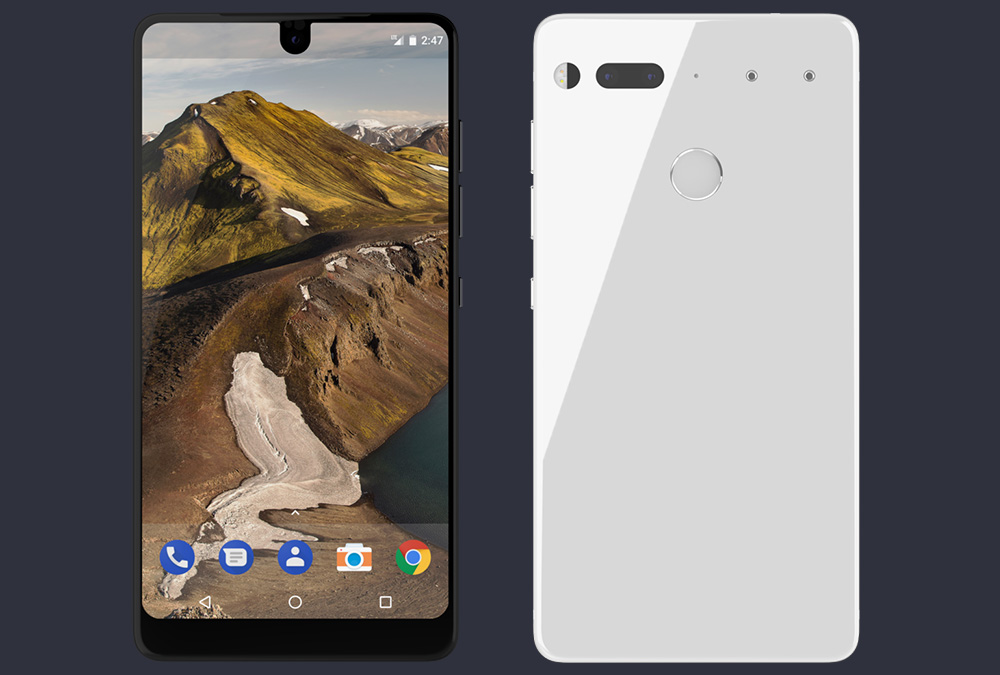
The Essential Phone was introduced with various attractive features at the end of May. However, there is something wrong in the company as three executives have left Andy Rubin’s company, Essential Products in just one month. The shipments of the Essential Phone was promised to begin at the end of June, but it has been delayed. Could the recent resigning of top employees of the company be the reason behind the delay of the Essential Phone’s release?
The next one to leave the company was Andy Fouche who was working as the Head of Communications. Today, the head of UX, Liron Damir made his exit from the company. He played a vital role in the designing of the webOS and Pebble and now that he has joined Google, he will be pioneering the Google Home division and use his expertise in designing the future smart products from Google.
There is no confirmation on whether the exit of these top executives could be the reason behind the delay of the Essential Phone. The exit of these employees have been reported by numerous media sites, there is no official statement from the company on why they left the company.
Rubin confirmed in the previous week that the company will be begin the shipments of the Essential Phone in the coming weeks. Well again, the statement does not include an exact release date. Hence, it is not known how may weeks it will take for the Essential Phone to arrive in the market. Since the phone has already received certifications from the Federal Communications Commission (FCC) and Wi-Fi Alliance, it seems that the Essential Phone’s release is close at hand.
Essential Products have confirmed that it is working on a device named Home. It will be a hub for connected appliances that can be controlled with voice. It will feature a touchscreen and a digital assistant. There is no information available on the release of Essential Products’ Home.
The shipments of Andy Rubin’s Essential Phone were expected to begin at the end of the previous month. However, it’s arrival has been delayed. Since Essential Phone has recently received certifications from FCC and Wi-Fi Alliance, its arrival is close at hand. The 13-megapixel dual rear cameras of the Essential Phone are one of its best features apart from its modular capabilities for 360-degree video and full-screen design. Soon after the unveiling of the Essential Phone, the official camera samples that appeared noisy where released by Essential President Niccolo de Masi. The two photos shared by him on Twitter was deleted and replaced by a better panoramic video. The company has been working hard to improve the camera prowess of the Essential Phone. The company has now revealed how it developed the dual camera setup.
Ms. Yazhu Ling who is honored with MS in Color and Imagining along with PhD in Human Visual Perception is the person who is directing the camera department for Essential. The Essential Phone is equipped with a pair of 13-megapixel camera sensors that comprises of an RGB (color) senor and a monochrome sensor. Both the camera sensors work together to deliver composite shots.
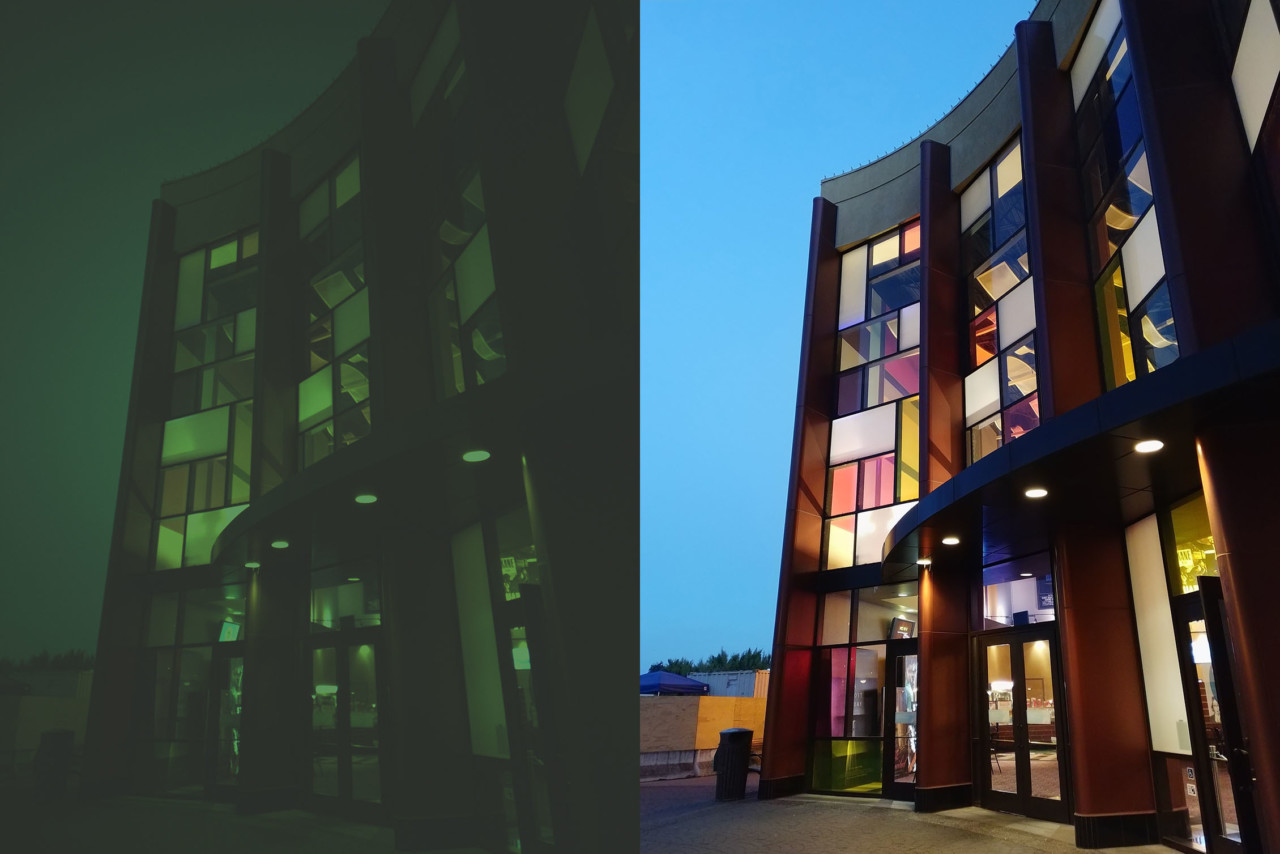
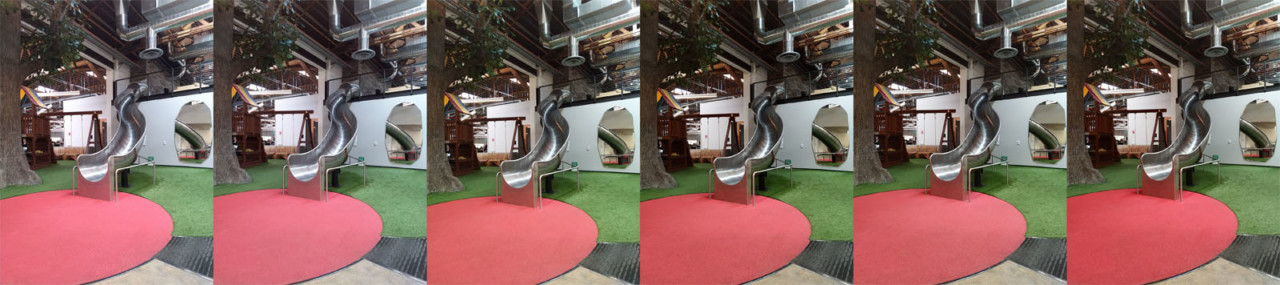
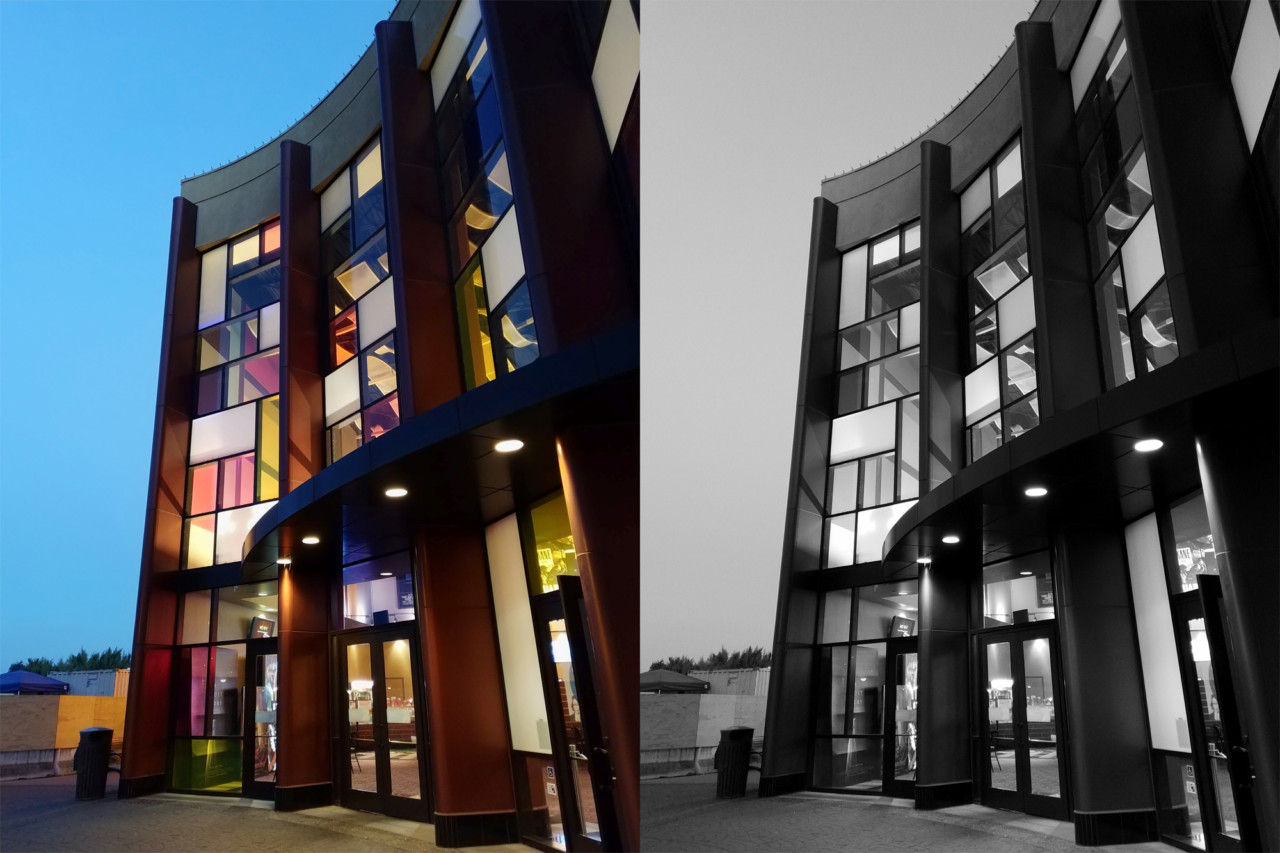
According to Ling who has been working on the camera of the Essential Phone since October last year has said that when the Essential Phone is used to capture still images, both of its camera sensors are used simultaneously to crate a final image with rich and deep clarity. The dual camera of the Essential Phone is also capable of capturing impressive photos in low-light conditions. The following camera sample on the left is the raw unprocessed data shot using the color sensor and the one on the right is the processed image using Image Signal Processing (ISP).
When the dual rear cameras are launched for taking a snap, the surrounding are first examined by the camera sensors to check the available light. Then, the ISP springs into action to input the required light by calculating parameters like white balance, exposure and things of that nature. This process is called objective image tuning which is all about shooting an adequate image.
However, the optimization of the images while shooting does not work perfectly all the time. Hence, many photographers prefer to capture RAW images that may appear dull but are very suitable for editing. Since people want their smartphones to shoot better looking images, Essential Phone employs subjective image tuning for photography. So, what is subjective image tuning? Ling says that, “The key to subjective tuning is capturing all types of pictures in the wild, identifying systematic image quality problems, and adjusting the ISP setting to address them. It is a painstaking, iterative process—but also one I find incredibly rewarding.”
Left- color only at ISO 400, Middle- mono only at ISO 400, Right – fusion
Ling and her team have been working hard to fine tune the subjective ISP technology that runs in background because users make use of the smartphone’s camera in different kinds of scenes, distances and lighting conditions. This will allow the dual rear cameras of the Essential Phone to snap good photos not only in the labs but also in real-life conditions.
Left- color only at ISO 400, Middle- mono only at ISO 400, Right – fusion
The above camera samples show amazing results that a smartphone camera can shoot at ISO 1800. This value is quite high for the Essential Phone’s small sensors. Ling has further said that, “our subjective tuning process began in January 2017, and during that time, we have gone through 15 major tuning iterations, along with countless smaller tuning patches and bug fixes. We have captured and reviewed more than 20,000 pictures and videos, and are adding more of them to our database every day. We’re almost there, but I’m not going to stop tuning the camera on our phone until the last possible minute to provide the best photographic experience possible.”
Same scene snapped multiple times since March 2017. Each of the above images depict different stages of manual tuning.
Here is another camera sample:
The camera samples appear are only for preview purpose and they appear quite impressive compared to the grainy shots that was revealed earlier. More of official information can be found on the Essential blog link in the source.
Huawei‘s Consumer Business division yesterday held a press conference which was sort of an appraisal of its performance for the first half of the year which just went by and also to unveil its plans for the second half of the year. During the media briefing, Huawei CEO Richard Yu announced sensationally that the company will stop producing low-end, budget smartphones and would instead focus on premium, high-end devices. Top among this transition is the Mate 10 which would be launched later this year with a premium design aimed to take on Apple’s upcoming iPhone 8 launching around the same time.
Huawei posted a record profit of 20.6% growth in shipment over last year’s H1 figures. The increase in total shipments also resulted in an increase in the revenue posted for H1 2017 which stands at 105.4 billion Yuan. The Chinese tech leader is hoping to ship 140 million to 150 million units in total this year and with the figures already posted, they are well on the way to achieving a figure in that range. Last year, Huawei shipped 139 million units but that didn’t translate into a commensurate profit margin. This is traceable to the fact that a large chunk of the shipments were budget and mid-range models. Richard Yu gave this as the reason for ditching the very low-end market because of the extremely low-profit margin. The Huawei CEO also disclosed that the company’s priority is Europe, China and Japan where the economy is healthy and people are able to buy the premium models.
This announcement raises some questions that we may not get an official answer soon and the most pertinent is the fate of the Honor brand. Huawei’s Honor brand is believed to focus on high-end phones but we could see the Honor brand revamped. Recently, Honor phones with budget specs were sported on TENAA which was seen as unusual. With this latest development, it is possible Honor will now incorporate budget and mid-range models while the Huawei brand focuses on only flagship models. We’ll get a clearer picture as the days roll by.
Full specification details of the Galaxy S8 have been leaked online. Earlier this week, we got our hands on live photos of the rugged variant of the Galaxy S8 and a few specification details. This fresh leak comes in form of snapshots by Weibo user, Kumamoto Technology.
Samsung’s Galaxy S8 Active ditches the curved display but keeps the size at 5.8-inches and the resolution at 2960 x 1440. Samsung says the display is shatter resistant. It has 4GB of RAM, 64GB of storage and the Snapdragon 835 mobile platform under the hood. There is a micro SD card slot that allows you to add up to an additional 256GB of storage.
[envira-gallery id=”142716″]
Camera configuration is a 12MP f/1.7 sensor on the rear and an 8MP f/1.7 in front for selfies. The S8 Active has NFC, Bluetooth 5.1, MST, GPS and GLONASS and runs Android 7.0.
The Galaxy S8 Active comes with a bigger 4000mAh battery with support for fast wireless charging. It will be available in Meteor Gray and Titanium Gold.
Samsung Electronics has proved its mettle as the world’s largest smartphone maker and the company was recently crowned as the world’s most profitable company. The South Korean company has now added another feather to its cap as market data released Friday showed the company has edged out Intels from the top spot as the world’s number one chip maker in the world in terms of sales and operating profits in the second quarter of this year.
Samsung lead, even though just in the second quarter only, is a significant one as Intels Corporation has held on to the foremost position as the top chipmaker in the world for the past 24 years. The successful Q2 2017 result was made possible by Samsung’s proactive approach to a rapidly changing market. The company recently developed next-generation techs for dynamic random-access memory (DRAM) chips and NAND flash memory in addition to CPU. This versatile approach resulted in a quarterly operating profit of 8.03 trillion won ($7.1 billion) in the second quarter as the demand for server DRAMs and SSD products. The company is said to have recorded overall sales estimated at 17 trillion won ($15 billion) from the chip business.
On its part, Intels has been unsuccessful in its bid to manufacture chipsets for mobile devices and was not quick to capture the emerging and growing smartphone, tablet and wearables segment. Intels posted a total revenue of $14.8 billion and an operating profit of $3.8 billion for the same period. This growth could play out again in the annual revenue posting as Samsung is predicted to topple Intel in overall sales this year. Samsung’s growth in the chip business could also see some help from its adoption of connected chips for IoT devices and automobiles among its portfolios.
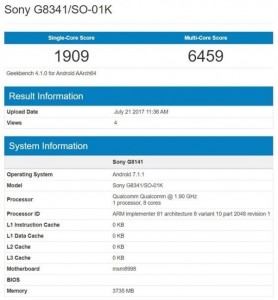
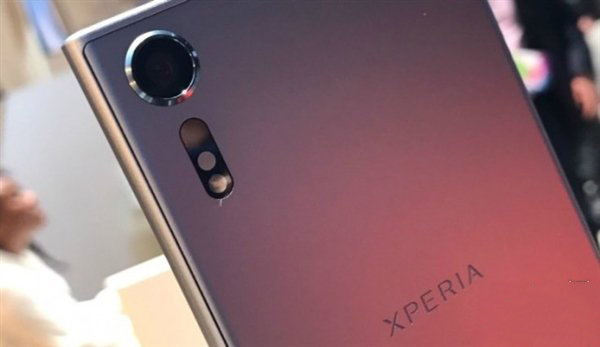
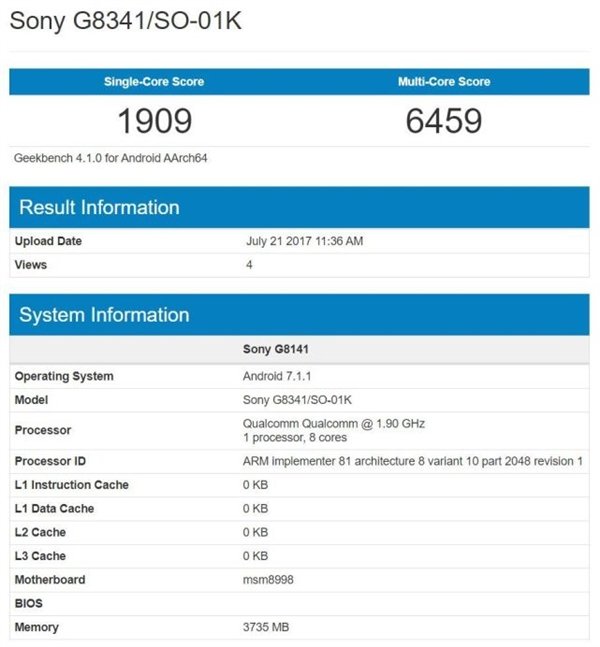
About three weeks ago, we reported seeing a list of upcoming Sony phones on a retailer’s site. One is the Sony Xperia G8341 and the other is the Xperia G8441. Both devices are said to be the Xperia XZ1 and Xperia XZ1 Compact respectively.
The XZ1 Compact was seen on AnTuTu shortly afterwards, powered by the Snapdragon 835 and running Android 8.0.0. Weeks later, the Xperia XZ1 appears on Geekbench.
The device was benchmarked on July 21 as the Sony G8341/SO-01K. The chip is listed as the msm8998 and there is 4GB of RAM. Unlike the Compact which has Android 8.0, this runs Android 7.1.1. Though rumor has it that both devices will launch with Android 8.0.
The Xperia XZ1 scores 1909 points in the single-core test and 6459 points in the multi-core test. This isn’t far off from the scores of the LG V30 seen last week.
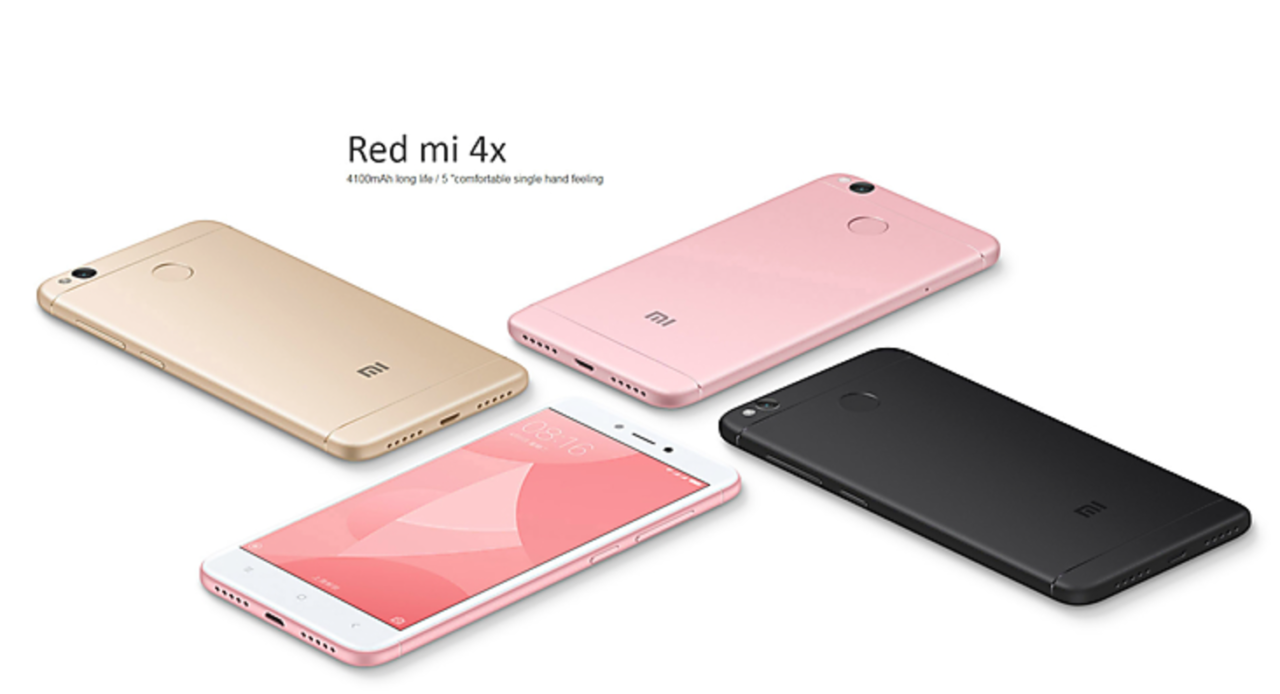
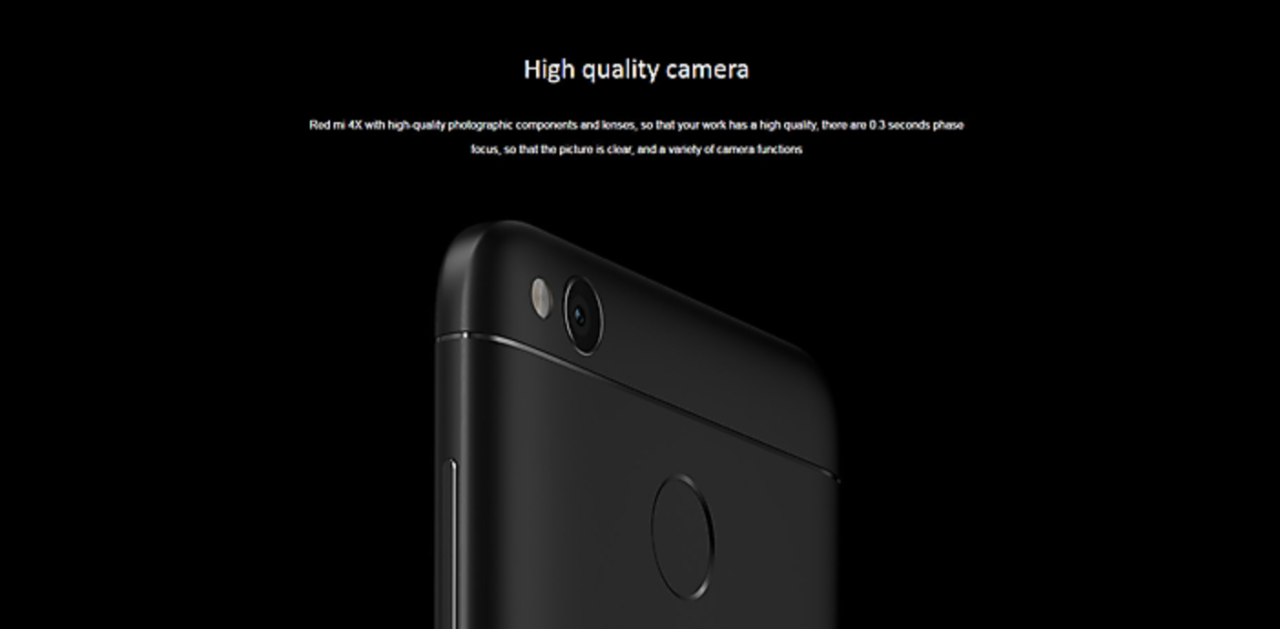
Redmi 4x is definitely one of the best-looking and the most premium budget phones you can get. It’s made mostly of metal, it sits nicely in the hand and its buttons are nice and tactile. The phone is very compact due to its 5” 720p display, which is just great. Despite lower resolution, it is sharp, bright and it is definitely one of the better panels you can find on a budget phone.
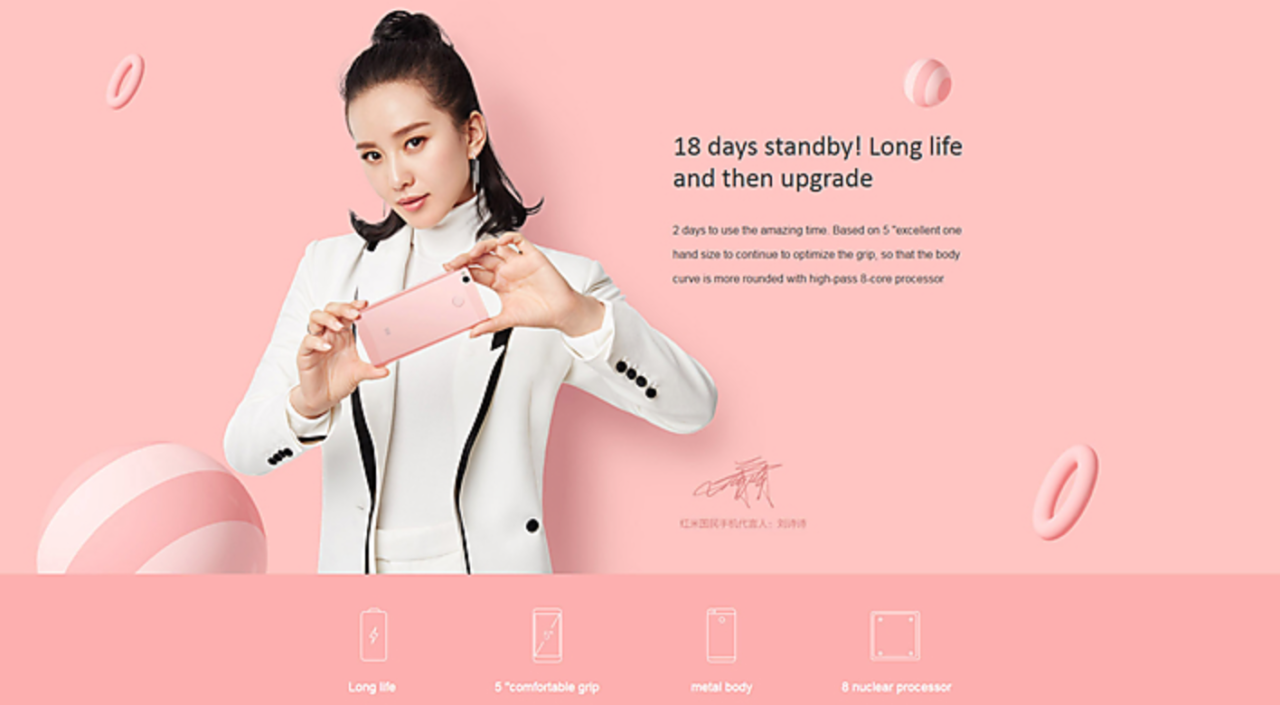
The battery life can be summarized in a few words – one of the best on any phone you buy.
The 4100mAh unit will easily get you 2 days of heavy usage or even 4 days of lighter use, which is just insane result. It possible to get over 11 hours of screen-on time and still have some juice left in the battery. Very impressive result. In case you need to recharge the phone, it takes about 2 hours to fully charge the Redmi 4x with the supplied charger.
The Redmi 4x sports an octa-core Snapdragon 435 chip, 3GB of RAM and 32GB of storage, which can be further expanded via the microSD card slot.
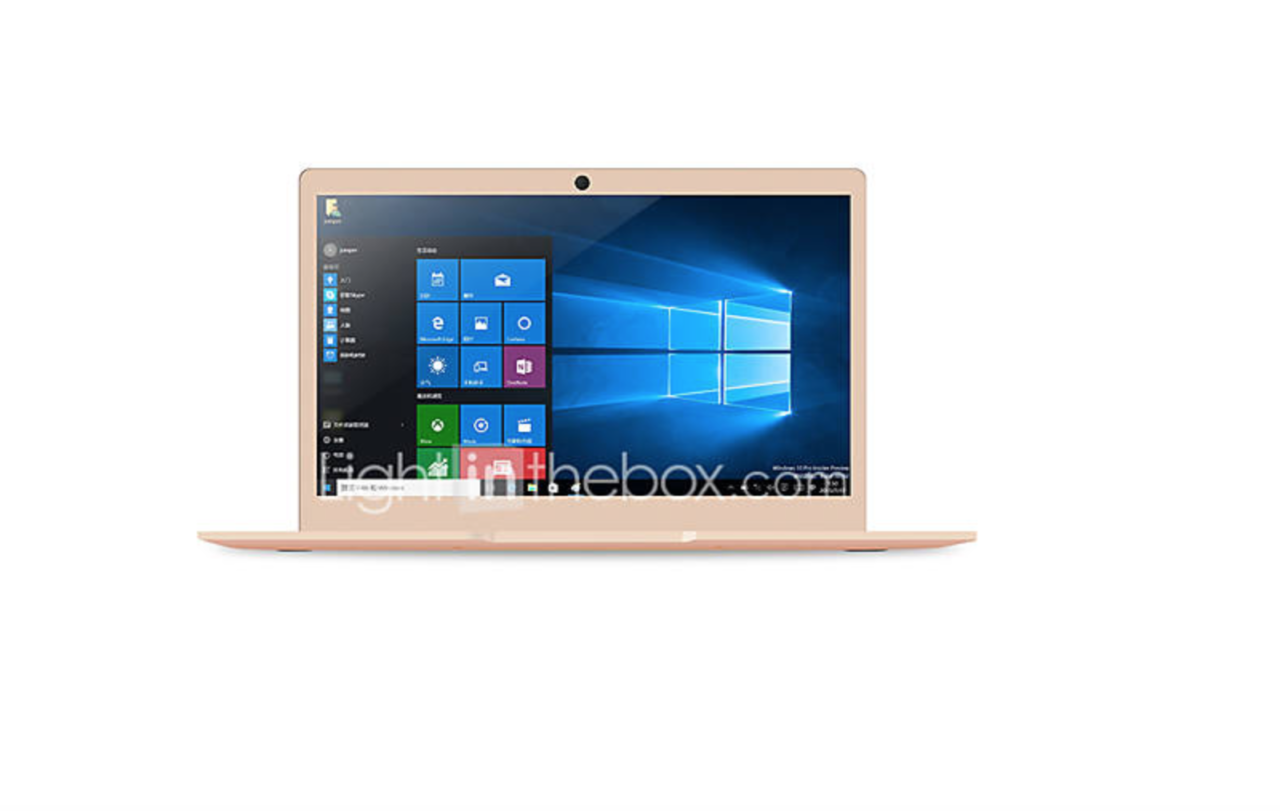
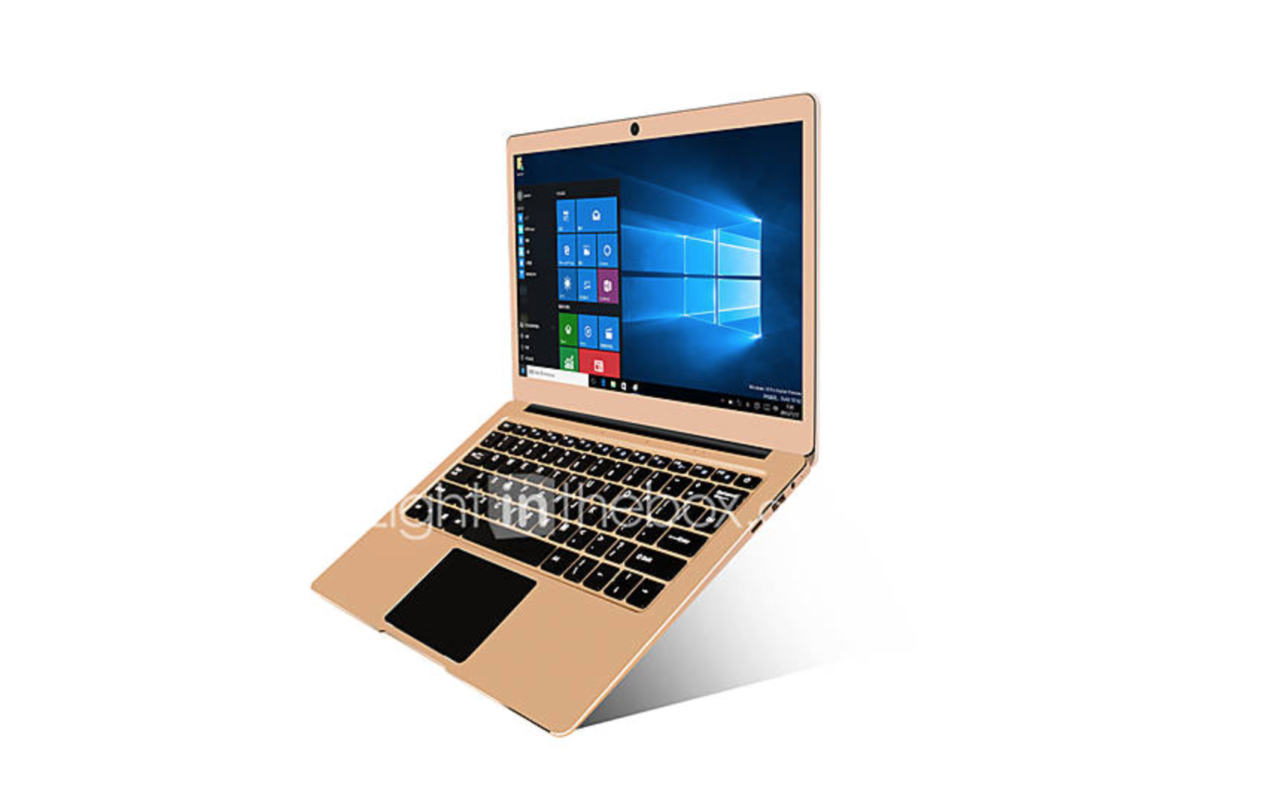
Jumper updates its EZBook to the latest Apollo Lake platform with a Celeron N3350 dual-core SoC. A matte Full HD panel, low weight and, above all, its low price promise an interesting total package. You can now get it for as low as $209.82 which sounds like a great deal.
The design of Jumper’s EZBook 3 evidently follows that of Apple’s MacBook Air 13. Like its paragon, the underside is beveled toward the front and the laptop looks slimmer than it is due to its slightly curved underside.
Jumper furnishes the EZBook 3 with the latest Celeron N3450 SoC by Intel. It is based on the Apollo Lake platform and finds support in 4 GB of DDR3 and it hasToshiba’s 64 GB eMMC memory chip.
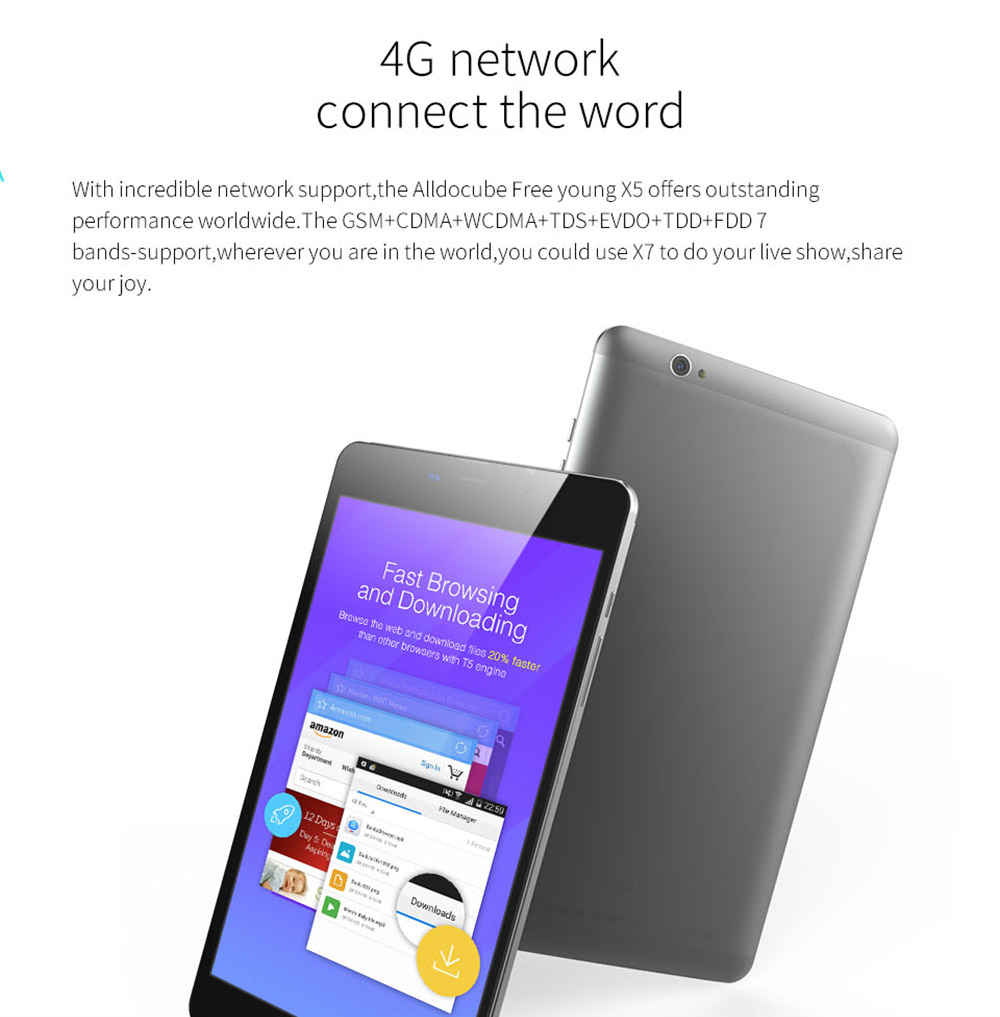
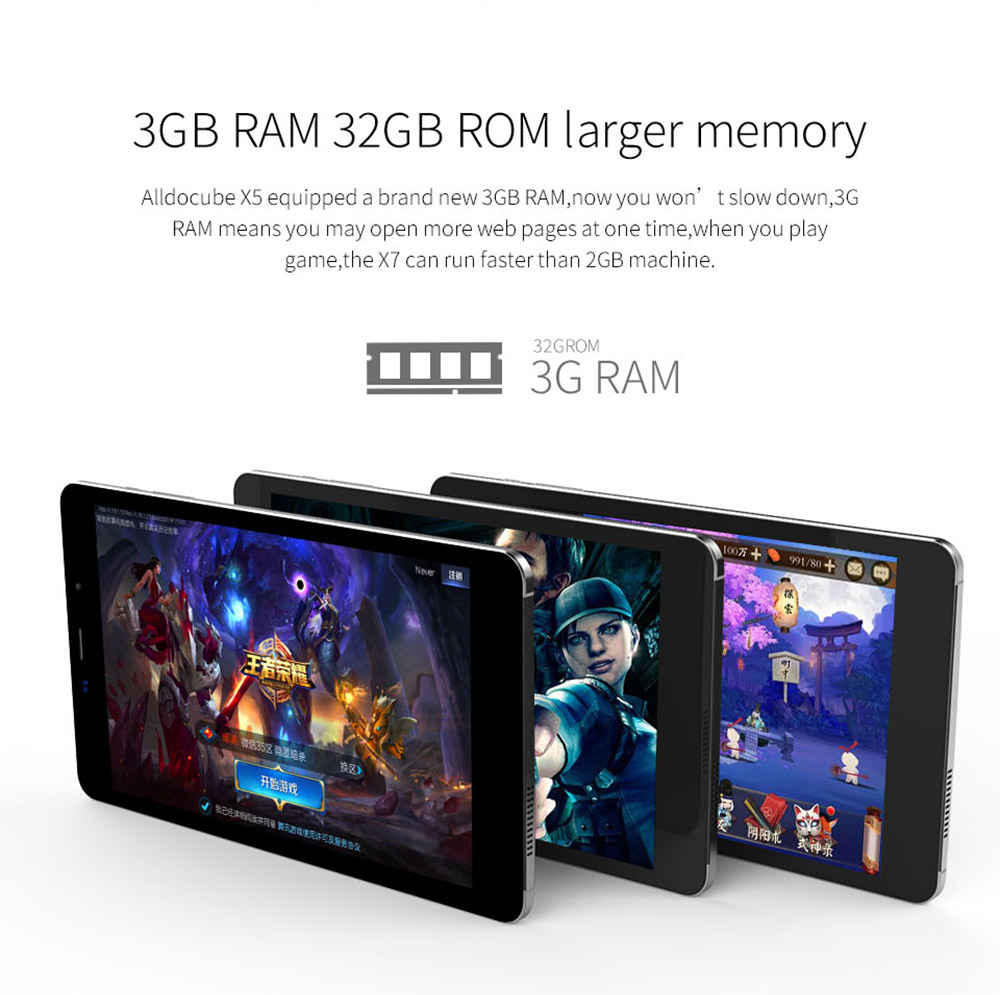
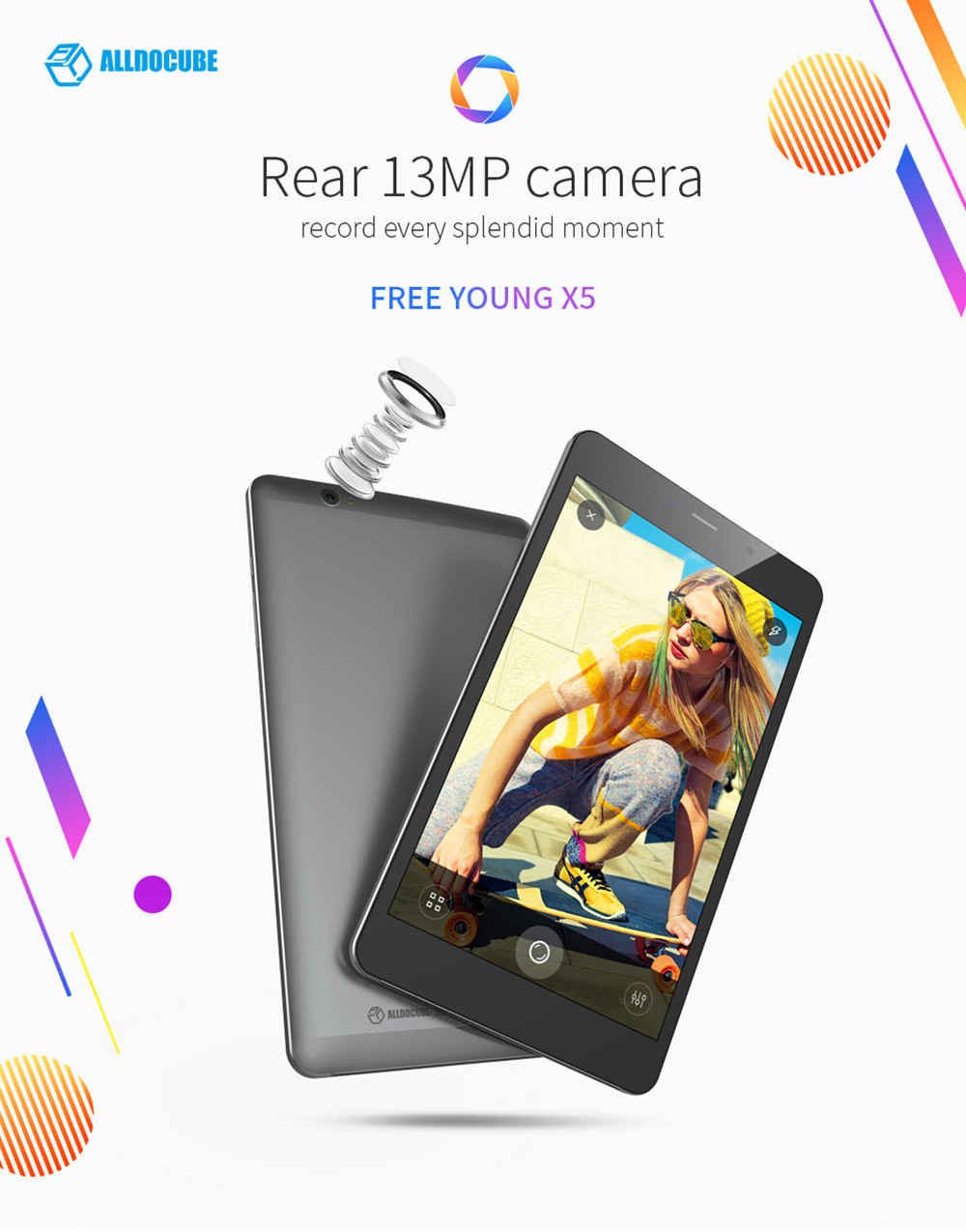
Phablets are getting more popular nowadays since they offer all the features of smartphones but they also have larger displays are key to productivity. ALLDOCUBE / CUBE Free Young X5 4G has an 8″ display, a 13MP camera and a lot more. You can now get it for just $169.99 from Gearbest using a COUPON CODE that you will find at the end of this article.
One of the features that many users look in a budget tablet/phablet is the cellular connectivity and this device supports 4G network.
As far as specs, the ALLDOCUBE / CUBE Free Young X5 has an octa-core MTK8783 chip that is coupled with 3GB of RAM and 32GB of expandable storage. Android 7.0 out of the box keeps the entertainment flowing. There is also a 3800mAh that should let you use the tablet for a couple of days.
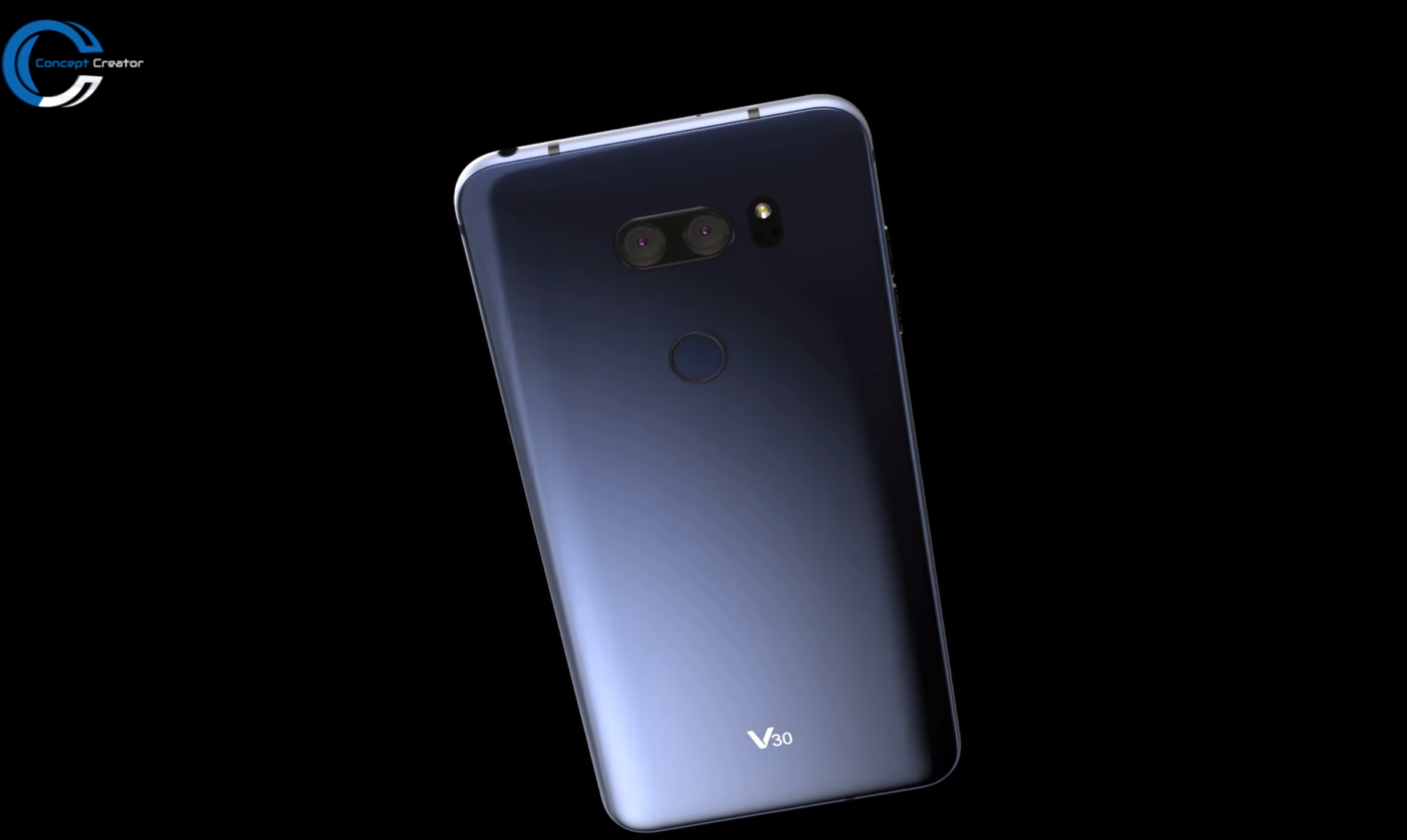
LG is set to unveil the LG V30 flagship smartphone on August 31 and a launch poster for that date is already out. As the date draws closer, it is expected that regular leaks and renders of the device would appear online every now and then. One of such renders of the V30 has surfaced in an introductory video but this one appears to be an official video of the V30.
With the appearance of the LG logo at the end of the video and the title suggesting that it is an introductory video of the V30, the design is thus likely the real design of the V30. The video was posted on YouTube by Concept Creator which is known for fan-generated renders of unannounced phones. Their renders most times end up being the concept of their imagination. We can’t say that for sure in this case because the render matches up with a previously leaked photo purported to be the real V30.
The video shows the device from all angles and captures the absence of a secondary display on the front panel just as earlier rumoured. The renders also show a dual camera setup at the rear with LED flash as well as what looks like laser autofocus. There is also a rear mounted fingerprint sensor under the dual cameras. The renders sees the V30 written at the bottom part of back cover, different from an earlier leak which shows there’ll be a change with “LG” written instead.The specifications of the V30 are still sketchy as of this moment but the device is tipped to pack a 5.7-inch display with QHD resolution and an 18: 9 aspect ratio. The device is also expected to come with 6GB of RAM and powered by the Snapdragon 835 chip. The interface is expected to be provided by LG UI based on Android 7.1.1 Nougat.
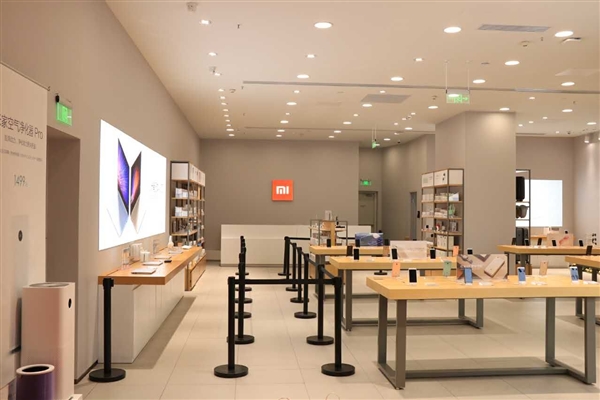
Xiaomi remains one of the innovative brands out of China but that innovation has in the last few years been stifled by an inefficient retail channel. The company was one of the pioneers of online smartphone sales in China, yet its sales figures have not been encouraging largely due to a saturated market and its sluggishness to incorporate an efficient offline sales network into its marketing strategy. The company seems to have learned from its lapses as it started a drive to shore up its dwindling revenue earlier this year. That revenue drive just got better as Xiaomi revealed that it has secured a $1 billion loan in order to help it diversify into markets outside China and also to built its offline retail network.
The tech giant reportedly secured the funds, a three-year syndicated loan agreement signed with 18 banks across Europe, Middle East, India, China, Hong Kong and Taiwan. The syndicated loan is jointly coordinated globally by Deutsche Bank and Morgan Stanley, with Bank of China (Hong Kong) Limited, Deutsche Bank AG, and Wing Lung Bank included in the deal.
The regions where the 18 banks are drawn from could give us an insight into the company’s expansion focal point as the company is looking to put the funds into expanding in these regions. This expansion will include building more brick and mortar businesses both within China and in other regions of interest. Xiaomi recently revealed that it plans to open 2000 offline stores and half of that amount will be located outside China. The move has already started with stores opened in India and recently, Greece. Xiaomi also made a foray into Russia with the launch of some of its products in the country. The recent agreement signed with Nokia recently on business collaboration is also a move aimed at expanding off the shores of China. Could this then be the deal that would see the Mi brand becoming a global brand? Only time will give us the answer but we hope this works out fine for the tech giant.
Huawei Mate 10 is the upcoming flagship phablet from the Chinese manufacturer. Leaked information has revealed that the Mate 10 would be arriving with a full-screen display. Richard Yu, the chariman of Huawei’s mobile division has confirmed that the Mate 10 would be equipped with a full-screen display. He has also confirmed that the company will not be manufacturing low-end smartphones.
From the beginning of this month, the rumor mill has been consistently saying that Mate 10 will be coming with a near bezel-less screen. This means Huawei will be joining the trend of other smartphones like Samsung Galaxy S8 and LG G6 that come with full-screen display. Samsung and Apple are leading the smartphone manufacturer followed by Huawei that is sitting on the third position. It seems that the Chinese manufacturer is serious on taking on Apple in North America.
The Huawei Mate 10 is expected to release around the same time Apple will be launching the next iPhone. He said that the Mate 10 will be capable of trumping the iPhone in numerous aspects. Yu said that the Mate 10 will be delivering longer battery performance, improved camera capabilities and other features that will allow the company to rival with Apple. Even though Yu confirmed on the above details, he did not confirm on the exact configuration of above features.
Previous rumors have revealed that the Huawei Mate 10 will be featuring a 6-inch full-screen display by JDI that is dubbed as Full Active display. It will be delivering an aspect ratio of 18:9 and a screen resolution of 2,160 x 1,080 pixels.
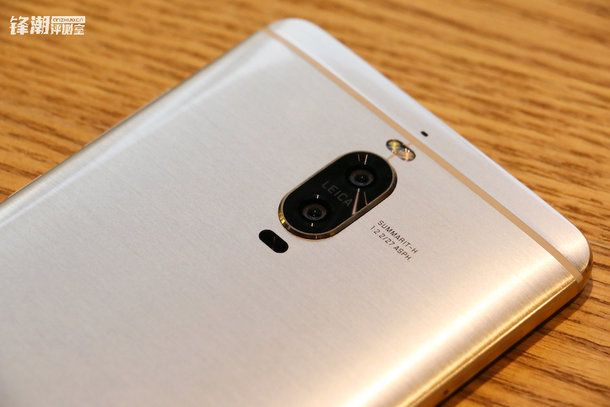
The Kirin 970 chipset is speculated to feature an octa-core processor with Cortex A73 cores. It would be a 10nm chipset that will either feature Mali-G71MP8 and Mali-G71MP12 graphics. The Kirin 970 chipset will help the Mate 10 to churn out better battery performance. It will be coming with Leica branded dual rear cameras and the Mate 10 is expected to support 3D sensing.
Since there is less margin in low-end smartphones, the Chinese company will be stop manufacturing it. This suggests that the company will be only launching high-end and mid-range smartphones. The company will be concentrating on selling its smartphones in developed regions such as Europe, China and Japan.
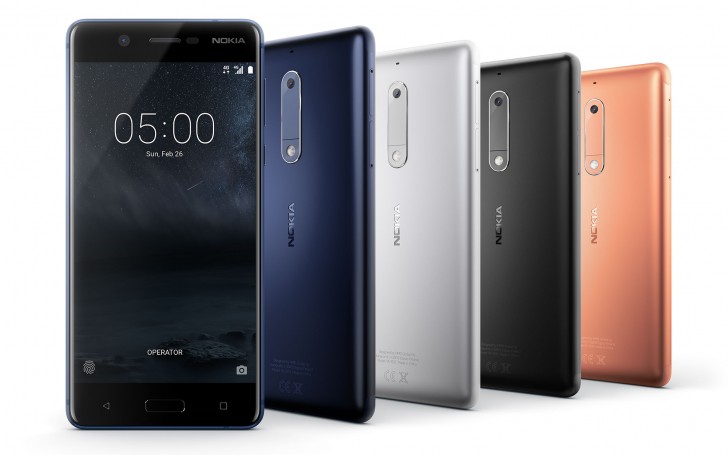
HMD Global Oy has shown some prospects already in its drive to reposition the Nokia brand for success and they continue to show that drive which could help achieve that. The company has already released the Nokia 3, 5 and Nokia 6 along with the revamped Nokia 3310 into the market and the result has been tremendous. In a couple of months time, the company will add the Nokia 8 to its lineup and from the look of things, there will be much more in the near future.
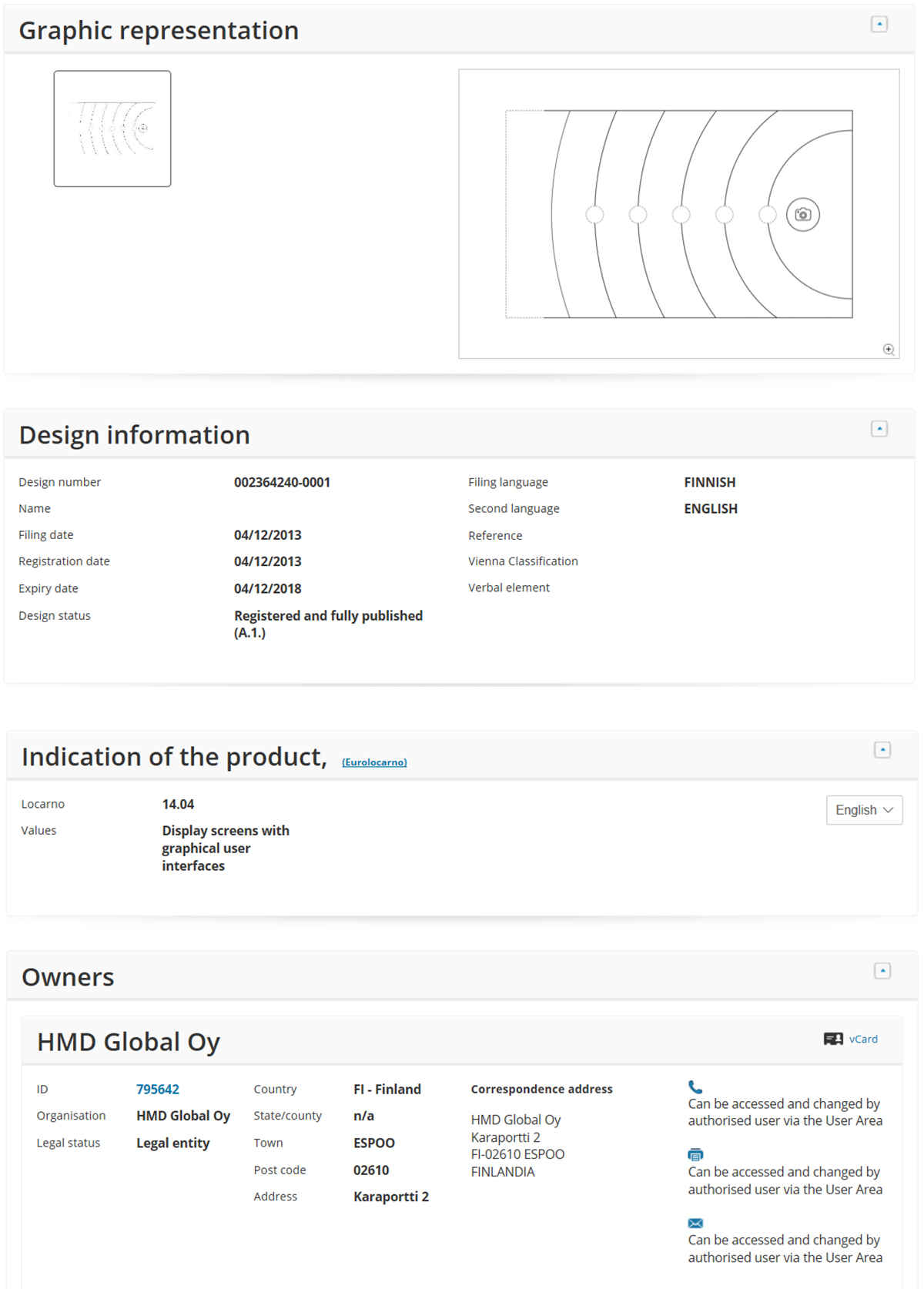
A recent report has revealed that Microsoft has ceded about 500 Nokia patents to HMD Global. Microsoft acquired Nokia’s devices business for $7.2 billion in 2013. By then, Nokia was already swimming in troubled waters, facing financial difficulties as a result of a late transition to Android phones. Although Microsoft had hoped to turn around the fortunes of the company, that didn’t happen as the Lumia brand just refused to fly. Microsoft has to let go of the excess luggage the Nokia brand was turning into and in came HHMD Global Oy, a Finnish phone maker. A couple of months after, Microsoft is revealed to have turned in around 500 patents for the Nokia which is in its possession.
The information scooped from the European Union Intellectual Property Office (EUIPO) shows some of the patents now controlled by HMD Global that were formerly under Microsoft’s control. One of the prominent patents is the Lumia Camera UI which is reputed to be one of the most intuitive camera app around. HMD only has the license to use the Nokia brand name for 10 years, let’s see how they will put these patent to use before their time runs out. Ten years is a long time to turn around the fortunes of a company and they have shown their ability to do just that with the products released so far.
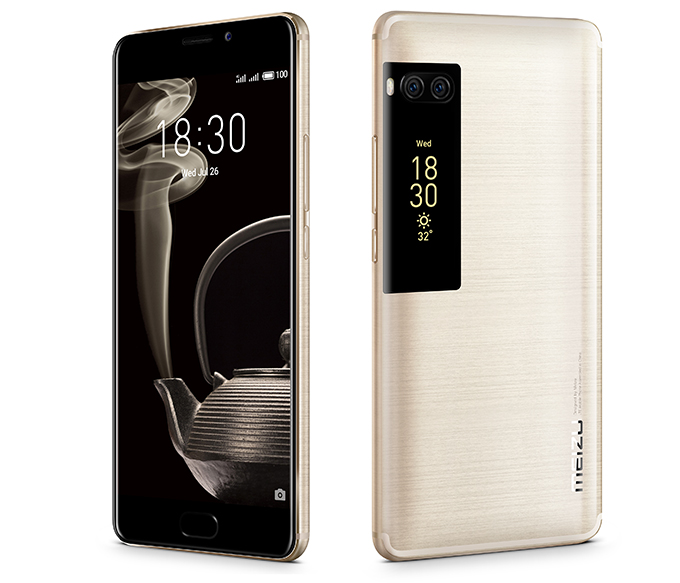
After months of leaks and rumors, Meizu announced its PRO 7 and PRO 7 Plus flagship smartphones yesterday. Some of its bestselling features like dual rear camas and rear-facing second screen have built a lot of interest among smartphones. The PRO 7 duo will be available on flash sale from Aug. 5 in China. Currently, both the smartphones are up for registrations. The PRO 7 duo have met with over 10,000 registrations in less than day which indicates how popular these phones are.
Only customers who register for the Meizu PRO 7 or PRO 7 Plus can participate in the first flash sale that will start from Aug. 5 at 10:00. The Meizu PRO 7 with 4 GB of RAM + 64 GB of storage powered with Helio P25 is priced at 2,880 Yuan (~$426) and its higher variant feature 4 GB of RAM + 128 GB of storage fueled with Helio X30 costs 3,380 Yuan (~$500). The Meizu PRO 7 will be available in colors like black, red and gold.
The Meizu PRO 7 Plus featuring 6 GB of RAM + 64 GB of storage and Helio X30 is priced at 3,580 Yuan (~$530). And the higher model featuring 6 GB of RAM + 128 GB of storage and Helio X30 carries a pricing of 4,080 Yuan (~$604). It can be bought in colors like grey, silver, gold and black.
The Meizu PRO 7 and PRO 7 Plus is expected to arrive in 16 other countries where Meizu is officially selling its smartphones. Hence, the PRO 7 duo are expected to nations like Brunel, Cambodia, Egypt, France, Hong Kong, India, Israel, Italy, Kazakhstan, Myanmar, New Zealand, Russia, South Africa, Spain, Ukraine, and Vietnam. The U.S. and the U.K are not on the list which means Meizu fans in these regions can avail the PRO 7 and PRO 7 Plus through re-sellers.
The Meizu PRO 7 has a 5.2-inch FHD S-AMOLED screen and is houses a 3,000 mAh battery whereas the larger PRO 7 Plus has a 5.7-inch QHD S-AMOLED display. Both are equipped with a large-sized battery of 3,500mAh capacity. Both the phablets are equipped with a pair of 12-megapixel snappers, a 16-megapixel front-facing shooter and a 1.9-inch S-AMOLED screen at the rear that shows notifications and can be used as a camera viewfinder and for controlling music. The Chinese firm is also rumored to be working on a high-end smartphone that will debut before the end of 2018.
Essential is a new company owned by Android co-founder, Andy Rubin. Back in May, it announced its first smartphone, the Essential PH-1 which should have started shipping to buyers but still hasn’t.
Since the announcement of the PH-1, two top executives have left the company causing people to wonder if there is something wrong. Latest report says another executive has taken up a new job at Google.
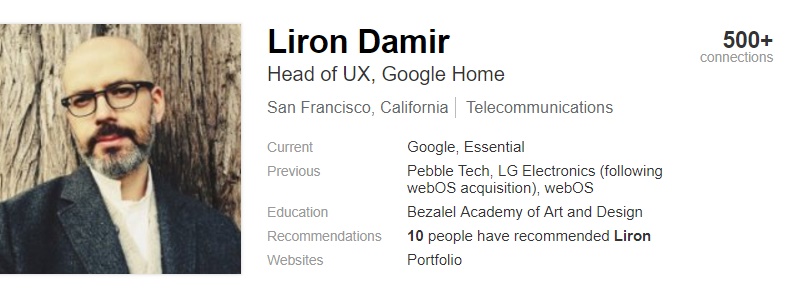
Liron Damir, Head of UX at Essential and Google Home
Liron Damir currently holds the position of Head of UX at Essential. His LinkedIn page shows he now holds the same position at Google Home. It doesn’t say he has left Essential as it is still written as its current employment alongside his new position at Google.
Before Liron Damir joined Essential in April of this year, he was VP of Design at Pebble. He has also worked for LG and HP, heading the webOS team in both companies.
Andy Fouché and Brian Wallace who held the posts of Head of Communications and Vice-President of Marketing respectively at Essential left following the announcement of the phone. It is unclear if Mr. Damir is leaving too or if he’s still there since his LinkedIn page says the latter.
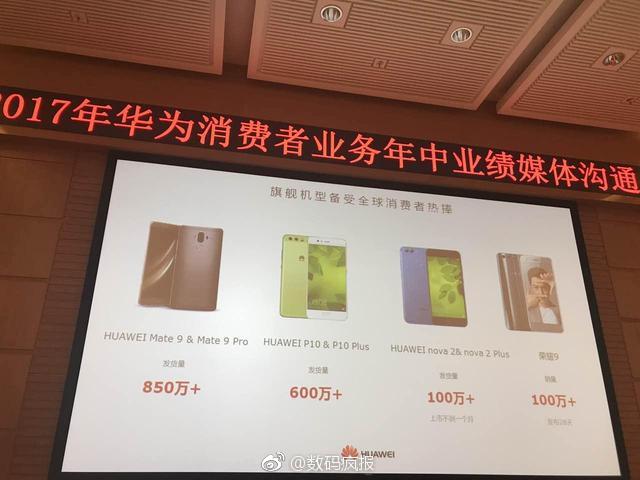
The results are out, Huawei‘s shipments for the first half of 2017 have been released and it shows the company has made tremendous progress from last year till now. The results were reeled out on Thursday when Huawei Consumer Business unit held a media briefing in China. In total, Huawei revealed it shipped a total of 73.01 million units in H1 2017 and this represents a 20.6% growth over last year’s H1 shipments.
The increase in total shipments also resulted in an increase in the revenue posted for H1 2017 which stands at 105.4 billion Yuan. The revenue represented a 36.2% year-on-year increase over last year’s figure. Individually, the Huawei P10 is the most popular flagship model presently and the company has been able to sell over 6 million units since it was released a couple of months back. The Mate 9 and Mate 9 Pro still command some patronage with sales standing at 8.5 million units. In the mid-budget category, the Huawei Nova 2 sprang up some surprises with over 10 million shipments, just over a month after it was released. The Honor 9 has also recorded more than a million units in sales.
Huawei also disclosed that it is making progress in integrating brick and mortar stores in its sales plans in addition to offline sales. The number of physical stores is said to be 42,000 presently, a 19% increase over last year’s figures. The company’s popularity in various markets outside China has been on the increase and the company even predicts higher growth in the next 2-3 years.
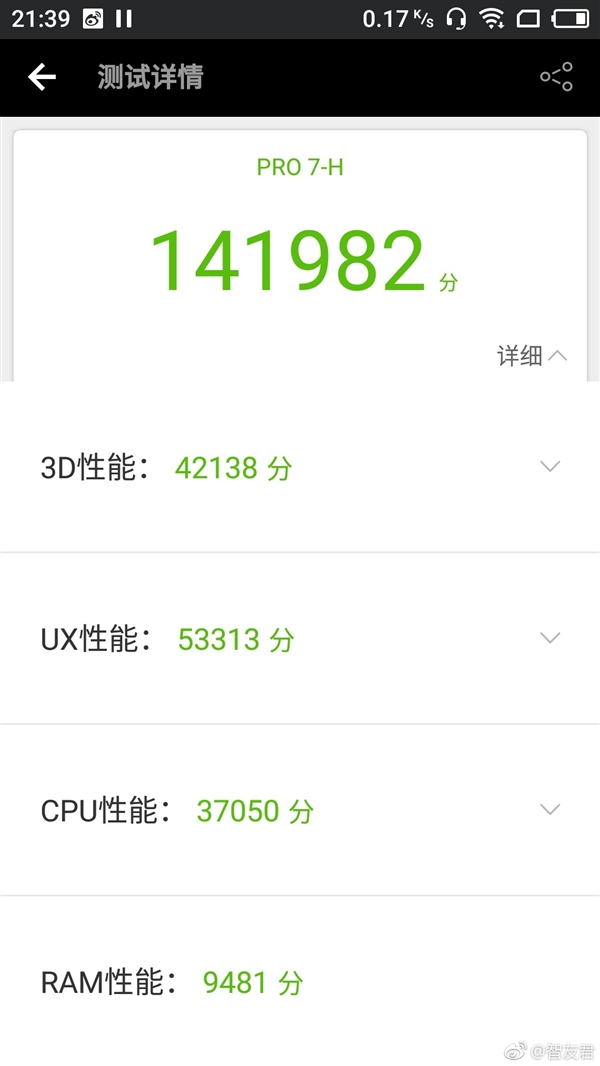
We are all eager to see how the Helio X30 performs since its debut in the Meizu Pro 7 and Pro 7 Plus. The first of the benchmark results have been released online by a Weibo user.
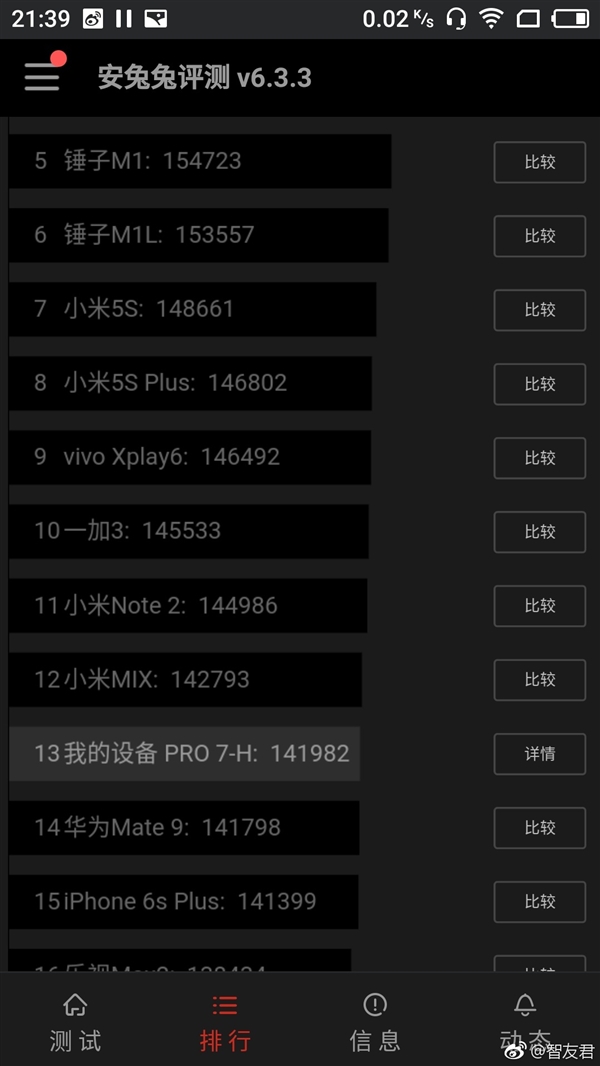
The 4GB RAM Helio X30 Pro 7 was benchmarked on AnTuTu and the results are interesting. The device scored 141982 points on the app, putting it just behind the Snapdragon 821-powered Mi Note 2 and Mi MIX; and the Kirin 960 powered Huawei Mate 9.
If you are looking for the most powerful device out there, then the Meizu Pro 7 isn’t the device you should get but it will be unfair to undermine the work Mediatek has put into this new chip.
If you own a Snapdragon 821 powered-phone or one powered by the Kirin 960, then you will know it is more than sufficient to run any app you throw at it. Seeing Mediatek’s new chip rank among these two SoCs is no small feat.
The Helio X30 is their first truly high-end chip and hopefully subsequent ones will be better. But will they be able to catch up to Qualcomm and Samsung, not likely. Next year, Qualcomm is moving to 7nm chips and Samsung will be jumping to 8nm first before the move to 7nm in H2 2018. If Mediatek is still behind these two with its 10nm chip, it won’t catch up with them with their next generation chip unless a miracle happens.
The Helio X30 will be nice as a chip for high-end mid range phones but not for flagship devices. We expect it to show up in more devices before the year runs out.
Sony has been in the news for a while now, especially rumours of a launch event taking place at IFA Berlin 2017 on August 31. Speculations are rife as to whether the Japanese tech company would launch a full-screen phone or not. But according to a report on Japanse media outfit Sumahinfo, Sony will be launching not one, not two but three smartphones at IFA 2017. The report even went on to state the models as the Sony Xperia XZ1, XZ1 Compact and a yet to be identified Xperia model.
The three Sony models have been spotted at FCC when they were certified and were listed with model numbers PY7-56331Y, PY7-81775I and PY7-68552B. In addition, a Sony model G8341/SO-01K recently appeared on benchmark platform Geekbench showing the model packing a Snapdragon 835 chipset with 4GB RAM and Android Nougat OS. This is believed to be one of the flagship models that would be launched.
Before now, a Sony small screen flagship had leaked sporting a4.6-inch 1080p display and powered by a Snapdragon 835 chip which is complemented by a 4GB RAM. The device also comes with 64GB of storage as well as a 3,000mAh battery and Android 7.1.1 Nougat OS. This is likely the model that appeared on Geekbench and the other two may likely be similar models with slight modifications. So, what do you think about a 4.6-inch flagship? That would be a rare one but then, we expect this to come with Sony’s iconic design language which would be a strong selling point.
We use cookies on our website to give you the most relevant experience by remembering your preferences and repeat visits. By clicking “Accept”, you consent to the use of ALL the cookies.
This website uses cookies to improve your experience while you navigate through the website. Out of these, the cookies that are categorized as necessary are stored on your browser as they are essential for the working of basic functionalities of the website. We also use third-party cookies that help us analyze and understand how you use this website. These cookies will be stored in your browser only with your consent. You also have the option to opt-out of these cookies. But opting out of some of these cookies may affect your browsing experience.
Necessary cookies are absolutely essential for the website to function properly. This category only includes cookies that ensures basic functionalities and security features of the website. These cookies do not store any personal information.
Any cookies that may not be particularly necessary for the website to function and is used specifically to collect user personal data via analytics, ads, other embedded contents are termed as non-necessary cookies. It is mandatory to procure user consent prior to running these cookies on your website.