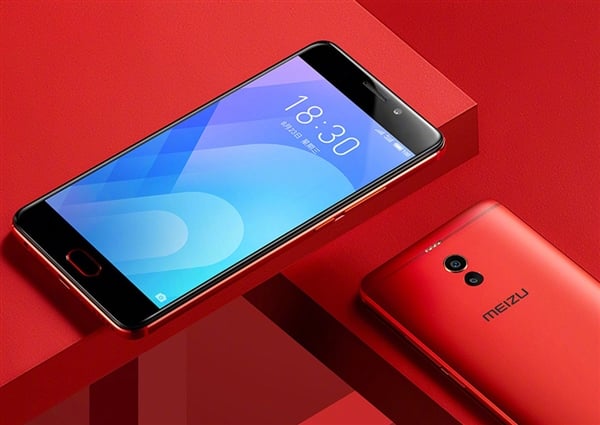
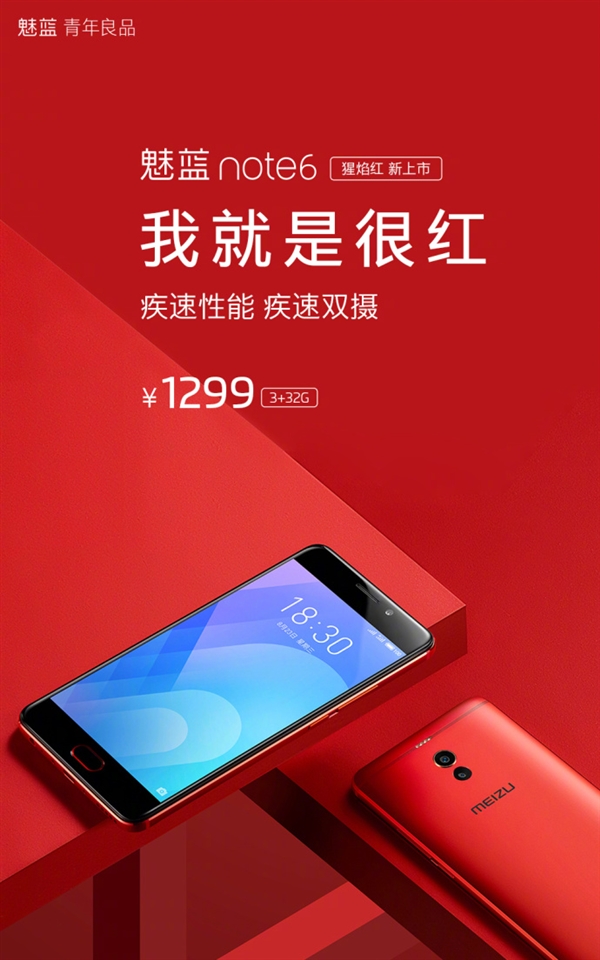
Meizu has officially announced a Flame Red version of the mid-range Meizu Note 6. The premium smartphone was launched a couple of months back and before now is available in Moonlight Silver, Champagne Gold, Blue and Obsidian Black colours. The Flame Red colour variant adds more options for buyers to choose from.
The new M6 Note Flame Red variant only differs in its colour from the others and is available in the 3GB + 32GB memory variant only. The device retains the metal unibody and also dazzles both in design and specifications. It also features the mBack button at the front which functions as a fingerprint sensor. At the back, the M6 Note Flame Red also features a similar design comprising a dual camera setup located at the middle while the Quad-LED flash is integrated with the upper antenna band. The edges are well curved to ensure that users can get a good grip.
As a reminder, the Meizu M6 Note sports a 5.5-inch 1080p LCD display and is powered by an energy saving Qualcomm Snapdragon 625 processor clocked at 2.0GHz paired with a GPU that brings a 71% efficiency over the previous generation. Apart from the performance, the processor also brings on Cat. 7 full Netcom support and an enhanced dual ISP image processing speed. This means it can work on most LTE band globally unlike previous Meizu models. The device is available in 3GB RAM + 16GB, 3GB + 32GB and 4GB + 64GB memory variants. There is a 12 MP Sony IMX362 sensor with f1.9 aperture, 1.4um individual pixel size, and 6P lens, teaming up with a Samsung 2L7 secondary sensor at the rear. The rear camera also comes with Dual Phase Detection, Full pixel Dual-core focus, up to 0.03s fast. The M6 Note also packs a 16MP front camera for stunning selfies and a large 4,000mAh battery with mCharge 18W fast charge support. Further, the device also comes with dual SIM slots, 4G LTE and runs Flyme 6 with Meizu’s One Mind AI based on Android 7.1.2 Nougat.
The M6 Note Flame Red version will go on sale on November 11 on Lynx. As stated, it is available in 3GB RAM and 32GB storage and the price has not changed from the 1,299 Yuan price tag which the other variants are sold.
Win Amazing Prizes by Playing the Funny Lucky Draw
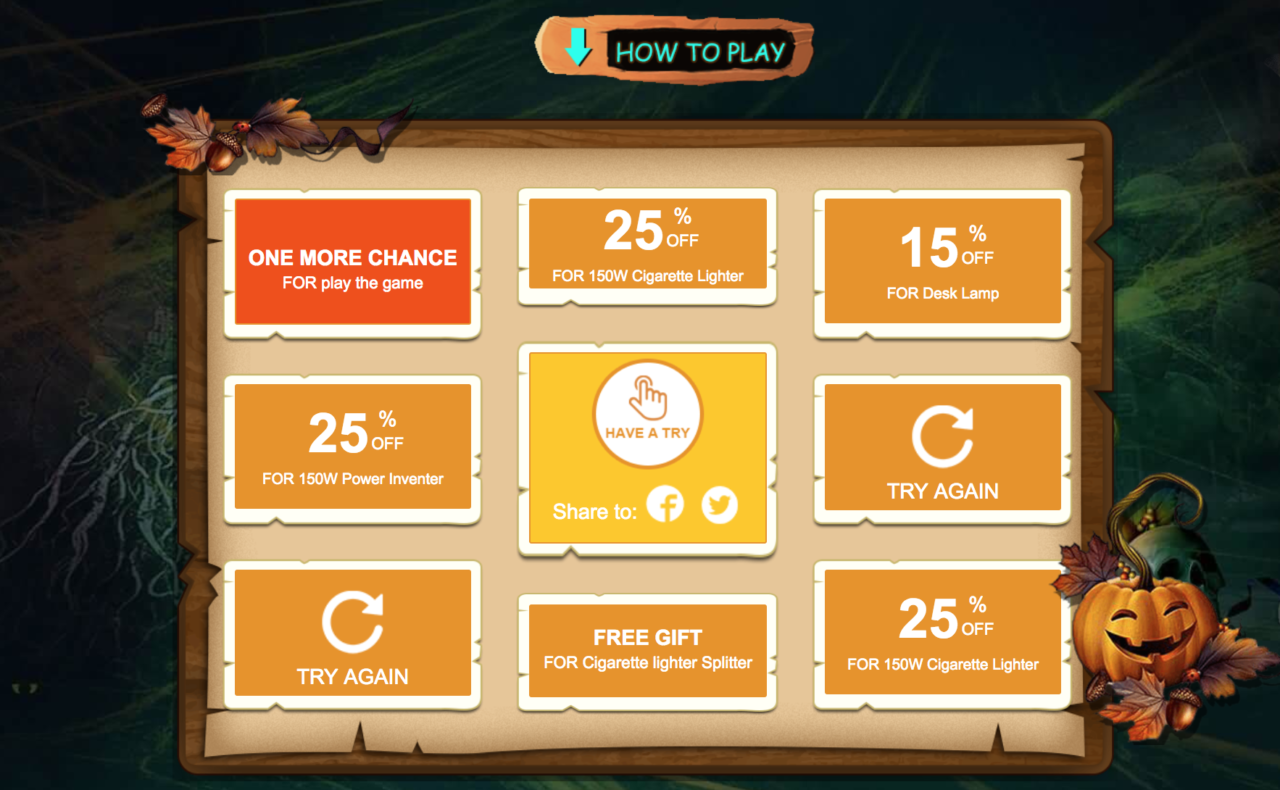
Prizes you can win
Cigarette lighter splitter– totally for Free! Total 30pcs are waiting for you!
LED Desk Lamp – 15% off
150W Cigarette Lighter — 25% off
150W Power Inverter – 25% off
Incredibly easy to win in the Lucky Draw!
Step one: log in bestekmall.com
Step two: play the lucky draw
Step three: win free gifts and coupons
Just log in with your account in bestekmall.com or register a new account and enter the Lucky Draw page. Start the lucky draw and the 8 blocks be lit in turn. The prize in the block where the light ends up is the prize you get. If you’re not lucky enough this time, you can HAVE A TRY to gain more chances to win. Come to try your luck now.
Rules for the Game
Login to Get 1 chance of Lucky Draw attempts!
Click &Share publicly on your social media to get more chances (Each account Up to 3 times per day)
You can WIN FREE samples, Heavy discount coupons from the Lucky Draw.
Coupons you won are only valid from Oct 30th @ 0:00 PDT – Nov 15th @23:59 PDT.
The coupon could be used on BESTEK’s amazon store and the shipping cost and tax fee are not included.
BestekMall discourages any spam and reserves the rights to the final interpretation.
Note:
All the coupons are valid during the activities. The shipping cost and tax fee are not included.
Keep sharing to increase your chance to win!
Bestekmall discourages any spam and reserves the rights to the final interpretation.
Win More Free Gifts Here!
Want to keep on with good luck and get more surprises? That’s quite easy. Comment on BESTEK Facebook with what you have won in the Lucky Draw. One of you will be chosen to be the winner from the comments below at random. Don’t forget to share this post to play with friends and family! For every extra THOUSAND comments, we’ll add one lucky winner. The more comments we see, the more free gifts you’ll get.
Terrifying Good Deals
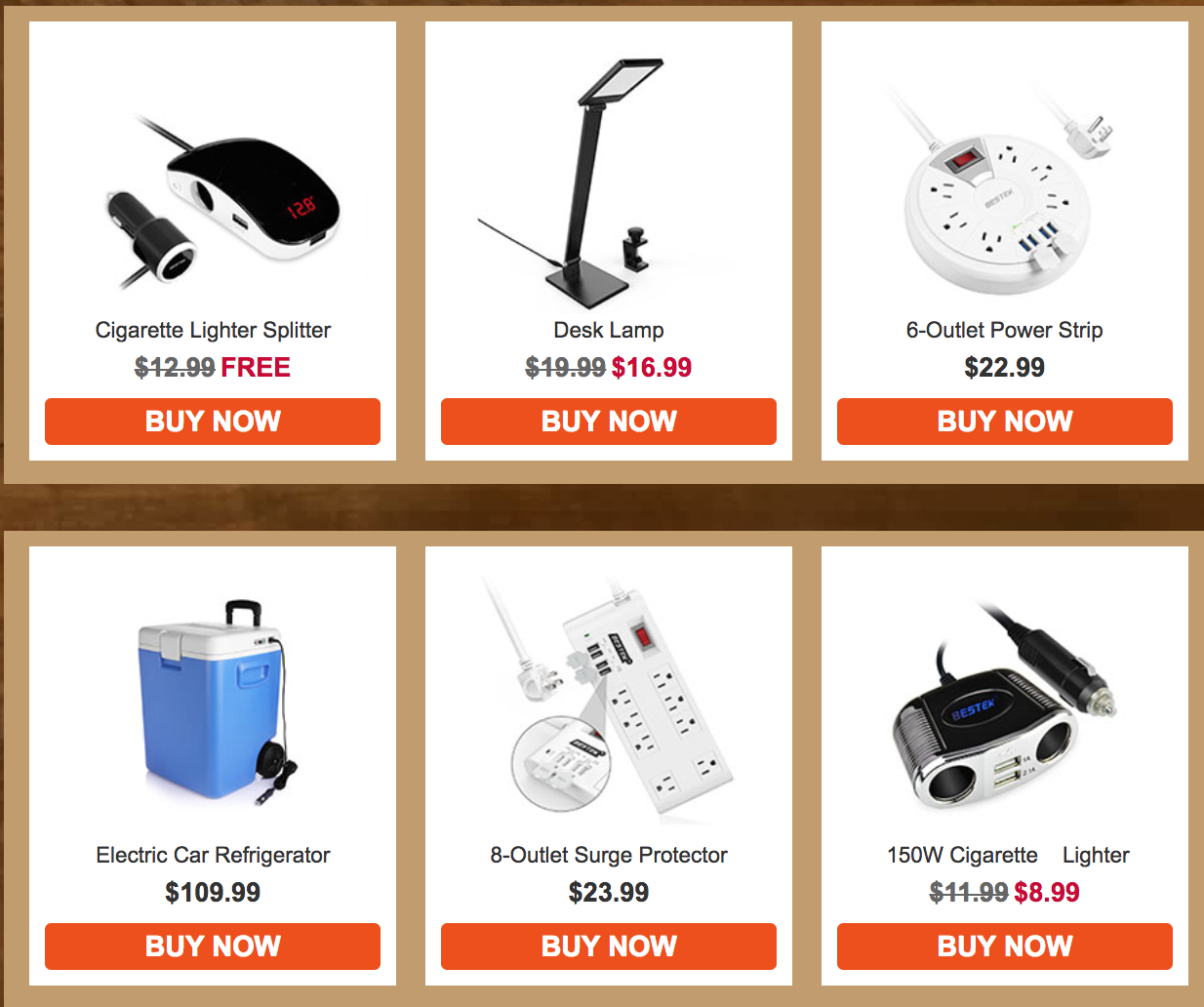
Not lucky enough to win in the lucky draw? Don’t worry. 5 other high-quality BESTEK products are at big discounts in Halloween feast. No matter you’re looking for in-car accessories, or household devices, here you can get what you want with a crazy low price.
Snail USB Quick Charger – hassle-free for multiple charging of mobile devices
3 USB ports: auto-identified to provide optimal charging speed for USB devices
1 type-c port: for MacBook Pro 2016, 15, 13, 12 Pixel XL Google, iPhone, iPad, etc
Snail design: unique and lovely, also a desk decoration
Worldwide safety: protect devices with full protections; 100V-240V input for international use
Little Bear Surge Protector – specially designed for kids
Lovely bear appearance: bring liveliness and joy to your room
4 AC outlets and 2 USB ports: meet your multiple charging needs
Safety-shutter: keep you away from electricity shock
1870 surge protection: protect devices from surges or spikes
Circular 6-outlet Power Strip – not only a charger but also a saver
Unique circular design: save more space
Multi-functional: 6 AC outlets and 4 SUB ports to meet your multiple charging needs
75% faster-charging speed: auto-identified USB tailors the best current for each device
Full protections: Lighted on/off switch with an integrated circuit breaker for overload protection.
Electric Car Refrigerator – enjoy fresh food and cool beverages on the road
Compact and portable: perfect for indoor and outdoor use
2 temperature settings: keep food cool or warm as you like
Large capacity: massive 30 Quart interior chamber can pack everyone’s favorite foods
8-Outlet Surge Protector – charge all devices faster and safer
8 outlets and 4 USB ports: charge multiple devices at the same time
Integrated design: ensures higher conductivity to charge faster than ever
Mounting holes: install flexibly to wall or furniture as you like
Full protection: Lighted on/off switch with integrated circuit breaker for overload protection
Don’t want to miss any special offers? Just follow BESTEK Facebook or subscribe in besstekmall.com to get the latest special offers periodically.
In the last few weeks we have seen a number of Gionee phones with full-screen displays on TENAA and GFXBench. There is the Gionee S11 and S11S which are likely successors to this years S10 series; then there is the 5” Gionee F205; and most recently seen is the Gionee F6L with a 5.7” screen. However, there is a new one coming soon according to @Evleaks. Called the Gionee M7 Plus, it may set the record as the largest 18:9 display phone.
Gionee M7 Plus flagship, launching "soon." At 6.43", largest full-screen to date? Stainless steel + leather back (i.e. wireless charging?) pic.twitter.com/6W5oABjRE2
Gionee already released the M7 and M7 Power last month and will be following it with the M7 Plus. While both have 6.01” screens (FHD+ and HD+ respectively), the M7 Power will have a massive 6.43-inch screen.
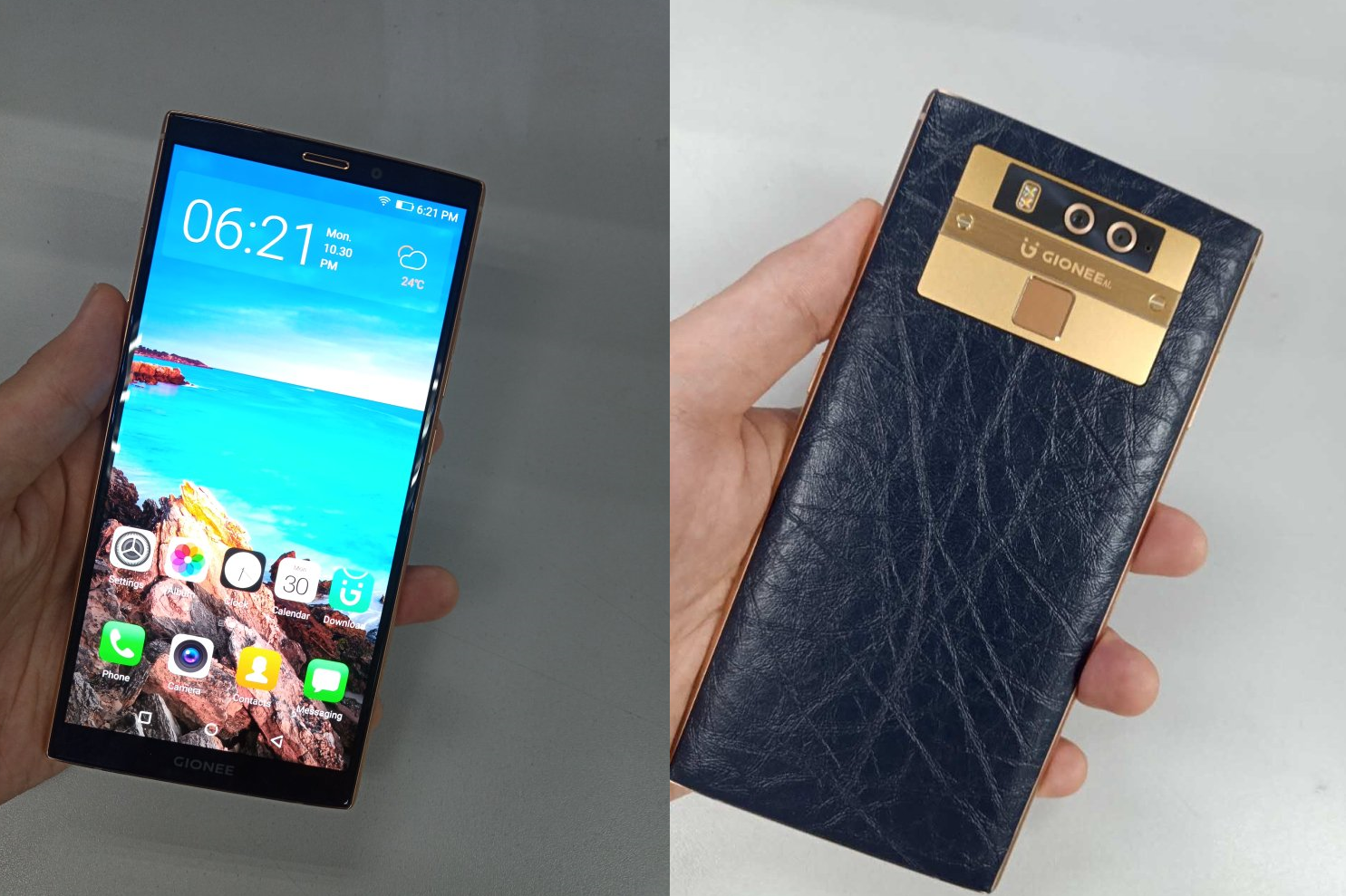
Evleaks also provided images of the phone. The top and bottom bezels are smaller just like the regular M7, but the side bezels appear to be wider. There is a single camera on the right of the earpiece on the top bezel and Gionee is written on the bottom bezel.
The back is where the action is. Just like the Gionee M2017, the M7 Plus has a leather back. There is a dual camera setup, a LED flash, and a square-shape fingerprint scanner. All of them sit in a gold plated rectangle. While the use of leather gives it a premium appearance, the design itself borders on uninspiring and ugly.
Several users of Samsung Galaxy Note 8 are experiencing freezing issues while navigating on the device. Most of the users are claiming on Samsung’s official forum site that the Note 8 freezes while accessing the Contacts app. The issue is not just limited to directly accessing the Contacts app, but also indirectly when other apps such as Phone or Messaging use it.
Hence, it appears that the Contacts app could be the problem maker. However, there are other users who are also claiming on the same forum thread that the Note 8 becomes unresponsive randomly.
Some users have claimed on the forum site that they are facing the problem since day one of using the Galaxy Note 8. Once the Note 8 becomes unresponsive, the only way it can function normally is by performing force restart or by draining the battery completely. Some users have claimed that the issue remains unresolved even after carrying out hard reset on the Note 8.
The issue is not limited to any specific region as Note 8 users from the U.S. and Europe have encountered it. Even the users of the dual-SIM edition of the Galaxy Note 8 have expressed that they too are facing the same issue. Samsung is yet to release an official statement on it. Hopefully, we will soon release a software fix to resolve the problem
Are you also experiencing the same issue on your Galaxy Note 8? Let us know by commenting below.
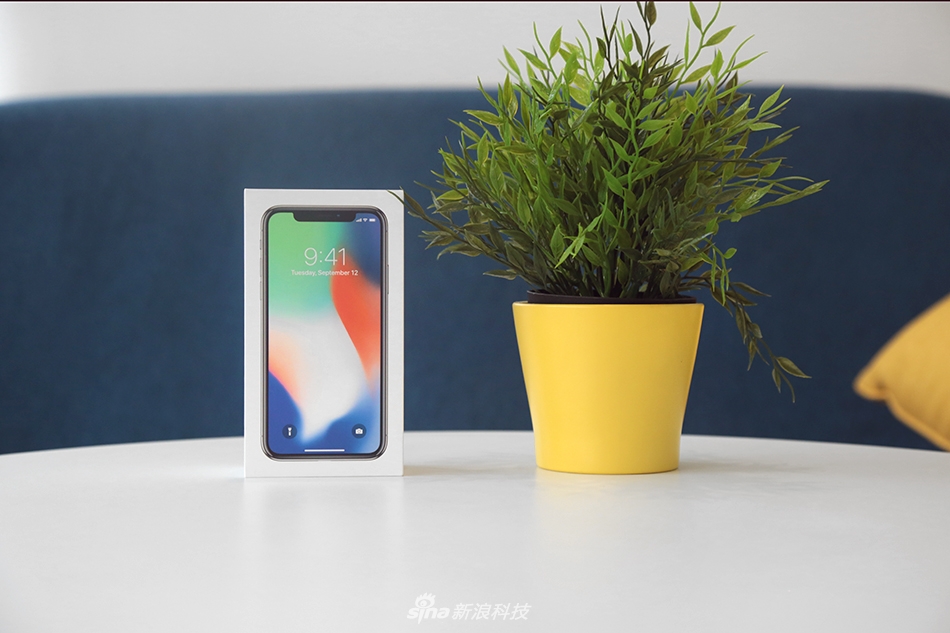
Apple’s flagship iPhone X is expected to go on sale on November 10 while pre-orders opened on October 27 with the tech giant revealing that customer’s demands were off the charts. The full-screen model also saw a surge in its pre-orders in China and is expected to be a sell-out when the sales own on November 3. Ahead of that, we bring you a couple of hands-on photos of the iPhone X fresh out of the box right from China courtesy of Sina Technologies. This may not be the first hands-on we’ll be seeing of the 10th Anniversary iPhone butthe device is always a beauty to behold.
The device features a unique design never before seen on an Apple iPhone since its inception. The iPhone X has a body made of glass and metal as was first seen on iPhone 4 from 2010. The glass is reinforced with internal and copper structure which makes it the strongest glass ever used on a smartphone. The uniqueness lies in the display where the device packs a full-screen display almost devoid of bezels. For the first time, Apple used a 5.8-inch OLED screen on the iPhone with an 1125 x 2436p resolution and that is perhaps the ultimate selling point of the device, the display. The iPhone X also comes with an IP68 certification which makes it water and dust resistant. It comes in two colours, Silver and Space Gray.
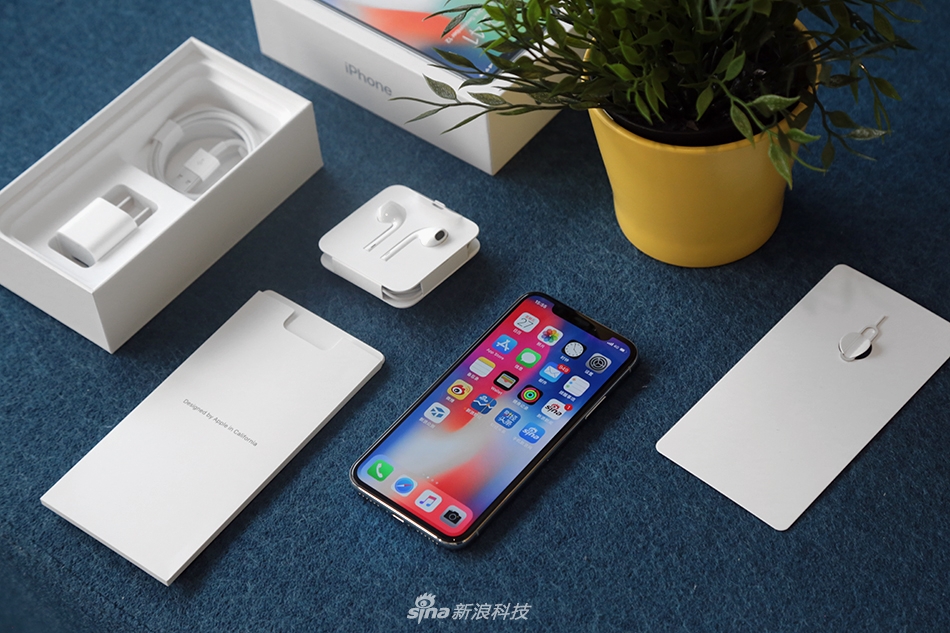
The packaging box for the iPhone X has the front view of the device printed on it, perhaps to protect the display which is its major selling point. Inside the box, you’ll find the phone, a power adapter, a lightning to USB cable, a SIM tray ejector, user manual and a pair of Apple AirPods. You should check out more photos from below.
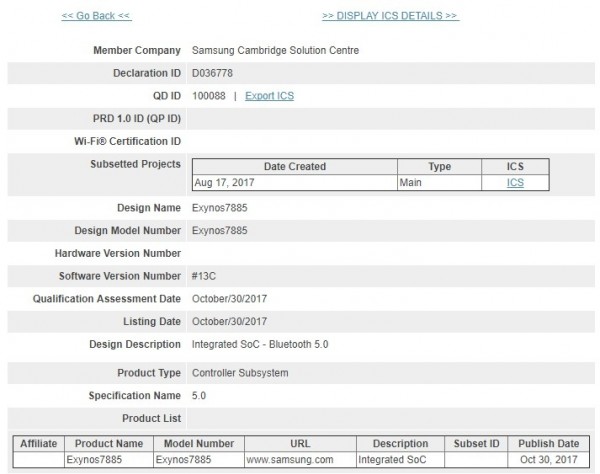
Rumors have it that the Samsung’s Exynos 7885 chipset will be powering the upcoming Galaxy A5 (2018) and Galaxy A7 (2018) smartphones. The new Exynos chipset has been certified by Bluetooth SIG which suggests that the arrival of these phones could be drawing near.
According to Bluetooth SIG certification, the Exynos 7885 SoC will be carrying support for Bluetooth 5.0 that enables faster data transfer by consuming less power. It also brings ability to connect multiple devices to a phone.
Previous reports have revealed that the Exynos 7885 is a 14nm chipset that includes an octa-core processor featuring two cores of Cortex A73 and six-cores of Cortex A53. It is capable of delivering a clocking speed of up to 2.1 GHz and it also features Mali-G71 graphics.
The Galaxy A5 (2018) was also recently spotted with Snapdragon 660 chipset which indicates that the South Korean company may release the Snapdragon variant in certain markets like the U.S. and China. The Exynos variant could be aimed towards other markets.
The most striking change that Samsung is expected to introduce on the 2018 editions of the Galaxy A5 and Galaxy A7 is that these phones will be equipped with Infinity Display design. Hence, the rumor mill has been claiming that the Galaxy A5 (2018) and Galaxy A7 (2018) would be appear like smaller version of the Galaxy S8 and Galaxy S8+ phones. The Galaxy A7 (2018) may feature 6 GB of RAM whereas the A5 (2018) may come equipped with 4 GB of RAM.
The new Galaxy A (2018) phones are also expected to feature a dedicated button for launching Bixby AI. The renders these phones revealed that they may feature dual selfie cameras. The fingerprint scanner is expected to be placed below the rear camera on these phones. Both the phones are expected to come preinstalled with Android Nougat OS. Speculations are rife that the 2018 versions of Galaxy A5 and A7 will be unveiled to the world in January 2018.
The rumor mill is silent on the Galaxy A3 (2018). As of this writing, there is no confirmation on whether the company will be launching with a regular design or cancelling the device.
TP-Link is primarily known for networking devices, but the company has jumped in the crowded smartphone market as well. It has so far launched entry-level and mid-range smartphones, but has not yet launched a premium smartphone. That is about to change soon as the company seems all set to launch a phone with top notch specs.
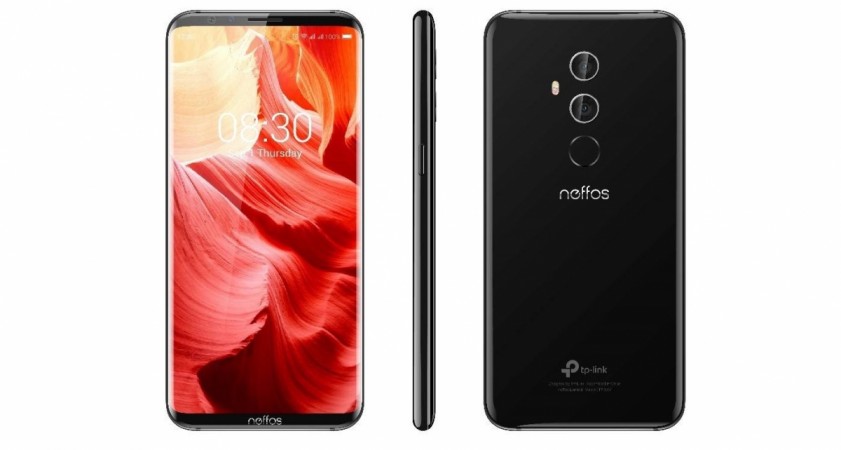
An upcoming smartphone from TP-Link under its Neffos line-up has been leaked, revealing the phone’s features. We also have a leaked press renders of the phone, giving us a look at what to expect in terms of smartphone’s design.
The smartphone, which is yet unnamed, resembles Samsung’s Galaxy S8. It will feature a full-screen bezel-less display with an aspect ratio of 18:9. There are virtually no bezels on either sides and on top and bottom, there are very thin bezels. At back, it seems that the device has a curved glass panel.
Since there is no space for buttons or anything else on the front side due to thin bezels, the fingerprint sensor is placed at the back of the device, just below the dual camera setup. While one camera sensor is of 16-megapixel, the other one is of 20-megapixel telephoto lens and will offer 2X optical zoom.
Under the hood, the phone is expected to be powered by Qualcomm‘s Snapdragon 835 processor, along with 6GB of RAM. As of internal storage, it could come with upto 256GB of storage. More details about the phone, such as battery capacity, software, connectivity options are not yet known.
This upcoming Neffos smartphone from TP-Link suggests a drastic change in the company’s strategy as far as the smartphone business is concerned. It will be interesting to see how this device is received in the market, and if it will give incumbents a run for their money.
While the phone’s launch, pricing or availability details are not yet known, we are expecting TP-Link to launch the device before the end of this year.
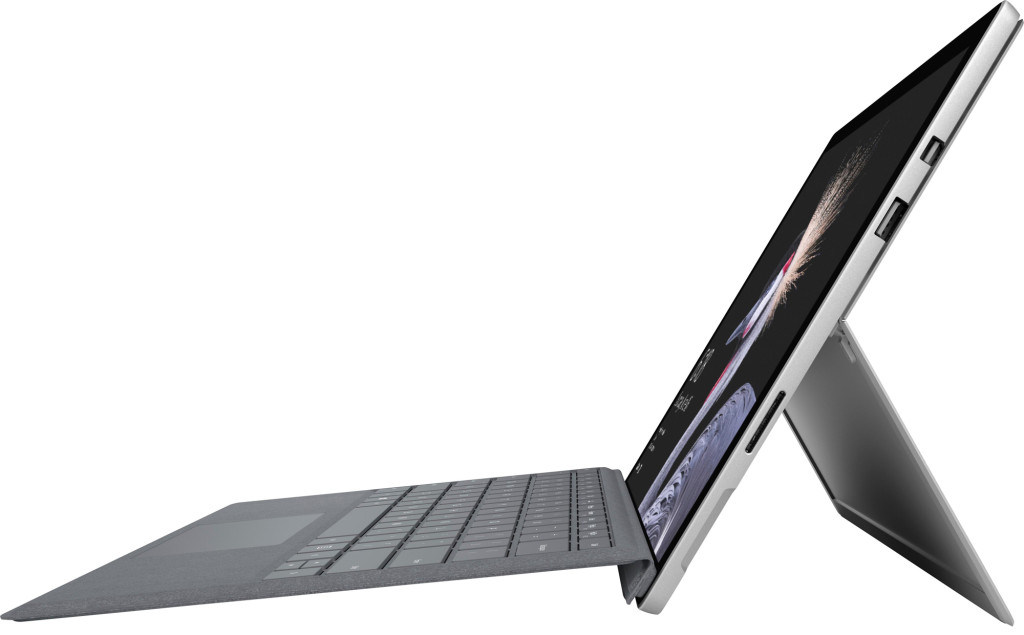
In May, Microsoft had unveiled the new Surface Pro. During its launch, the company had claimed that LTE variant of the device will be made available later this year. The Redmond giant has showcased the LTE Advanced variant of the new Surface Pro as well as made an announcement on its arrival at the ongoing annual Future Decoded event in London.
Also, through the official Windows Blog site, the company has confirmed that the shipments of the Surface Pro with LTE Advanced will begin in December. The device will be arriving first to business customers starting from Dec. 1. It can be known through this that Surface Pro LTE Advanced will be aimed towards businesses. This has become all the more evident as the Redmond giant has used the business-centric Future Decoded event to confirm on its arrival.
The LTE enabled device features Qualcomm’s Snapdragon X16 modem that carries support 20 global LTE bands. It is Cat. 9 LTE modem that offers a maximum download speeds of up to 450 Mbps. By this, the Surface Pro LTE Advanced becomes the fastest LTE-enabled notebook as rivaling devices from other brands feature Cat. 6 LTE modem.
Microsoft has not confirmed any information on the battery performance of the Surface Pro LTE variant. The company had claimed earlier in the year that the new Surface Pro will allow users to watch videos continuously for up to 13.5 hours. That was for the non-LTE model, LTE connectivity will certainly impact the battery performance of the device.
The Surface Pro LTE Advanced will be available in two variants. The first one will be driven by Intel Core i5 processor and 4 GB of RAM. It will include 128 GB SSD storage and it will be carrying a price tag of $1,149. The second model that will be costing $1,449 will be coming with 8 GB of RAM, 256 GB of SSD and it will be powered by the same Intel Core i5 processor. This model is also expected to feature Intel HD 620 graphics.
Rumors are rife that there will be another Surface Pro LTE Advanced in the future. It is speculated to arrive with Intel Core i7 processor, 16 GB of RAM and 1 TB of storage. The arrival of this model seems possible because Microsoft had made Intel Core i5 Surface Laptop in multiple colors and then those color options were also introduced on its Core i7 variant.
Are you interested in buying the Surface Pro LTE Advanced? What do you think about its pricing? Share us your thoughts by commenting below.
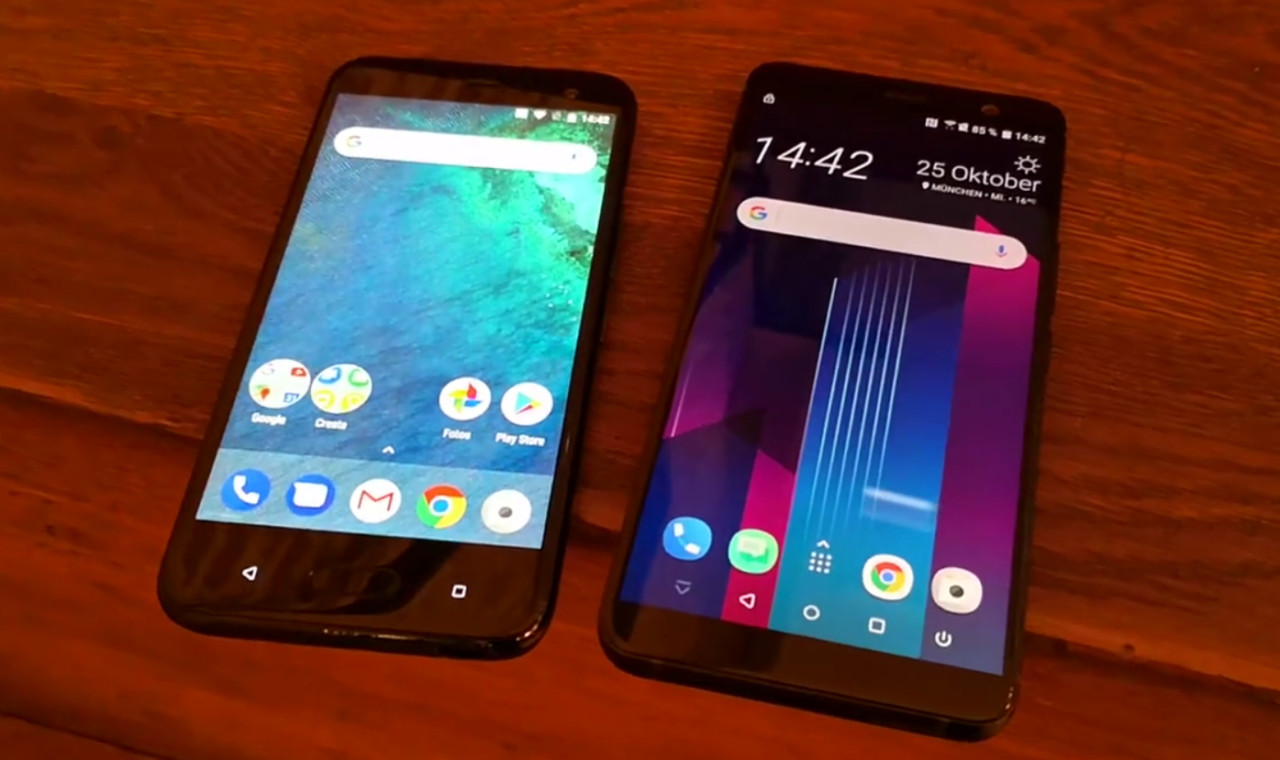
HTC U11 Plus (or U11+) and U11 Life are speculated to debut tomorrow. A Swiss publication called Blick Digital has outed a hands-on video of both the smartphones. Since the hands-on video could not be embedded, we have included some snapshots from the video.
The HTC U11+ is rumored to arrive with a 6-inch display that will carry support for 2,880 x 1,440 pixels. The screen will be delivering an aspect ratio of 18:9. The side bezels of the phone appear thin, but it does not seem to offer a high screen-to-body ratio like the Samsung Galaxy S8 or LG V30.
The back panel of the HTC U11+ has a fingerprint scanner that is placed below the rear camera. The rear panel is a bit transparent as the innards of the phone are visible. This could be the translucent color variant of the HTC U11+ that the Taiwanese company had teased yesterday. The U11+ is expected to arrive in other color options like black and silver.
[envira-gallery id=”156189″]
Since the U11+ is a larger version of the HTC U11 flagship phone that was launched in May this year, it will be arriving with a squeezable frame for using the Edge Sense for carrying out different tasks. HTC’s newest teaser for U11+ carries the text “even more squeezed in” which indicates the squeezable frame may be equipped with some sort of improvements. The hands-on video released by the Swiss publication shows that the Taiwanese company has improved the feature by adding more customization options.
The HTC U11+ can be seen running on Android 8.0 Oreo with Sense UI. It will carry support for wireless charging and it will include a large battery of 4,000mAh capacity. It will be priced around 730 euros (`$850). The smartphones has recently received TENAA certification in China through which its entire specifications have been revealed.
As far as the mid-range HTC U11 Life is concerned, it can be seen running on Android One version in the hands-on video. The HTC U11 Life Android One variant is expected to arrive in markets outside of U.S.
The U11 Life has a simplistic design. The fingerprint scanner is embedded below its display. The rear panel of the phone features a single camera sensor. The entire specifications of the phone had surfaced on T-Mobile’s site yesterday. Rumors have it that it will be priced at 369 euros (~$429).
[envira-gallery id=”156187″]
What is your opinion on the design of the HTC U11+? Let us know your views by adding your comments below.
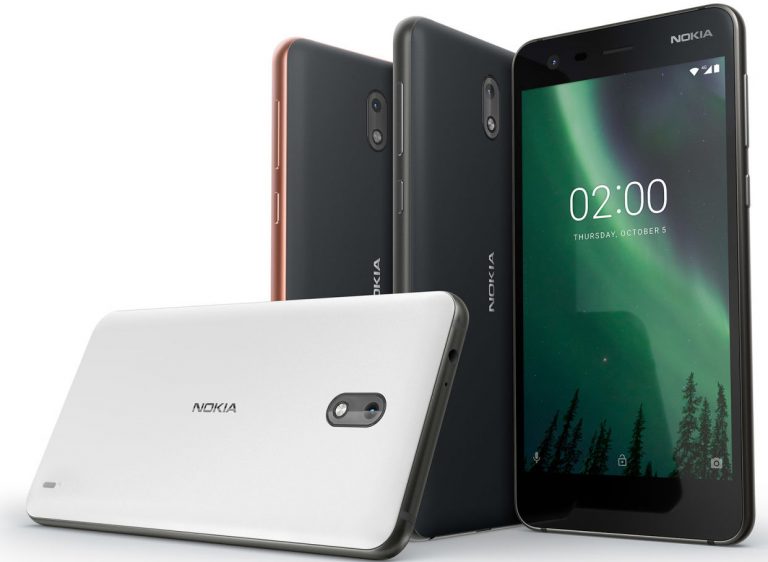
HMD Global’s revamped Nokia brand has been on the market for quite a while now and the success keeps growing just like the smartphone lineup is also on the increase. Looks like HMD has mooted the idea of borrowing some features from the defunct Nokia Lumia phones. One of such features which would be included in future Nokia phones is the Lumia Camera UI. The inclusion of the camera UI was disclosed by Nokia’s Chief Product Officer Juho Sarvikas who hinted at the development on Twitter.
A recent report had revealed that Microsoft transferred about 500 Nokia patents to HMD Global and the Lumia Camera UI was one of such patent revealed via the European Union Intellectual Property Office (EUIPO). Microsoft acquired Nokia’s devices business for $7.2 billion in 2013. By then, Nokia was already swimming in troubled waters, facing financial difficulties as a result of a late transition to Android phones. Although Microsoft had hoped to turn around the fortunes of the company, that didn’t happen as the Lumia brand just refused to fly. Microsoft had to let go of the excess luggage the Nokia brand had turned into and in came HMD Global Oy, a Finnish phone maker.
The Lumia Camera UI is reputed to be one of the most intuitive camera app around. It debuted on the Nokia Lumia 1020 back in July 2013 and has a bunch of manual controls to enhance image results. It included adjustments such as shutter speed, ISO sensitivity, night and sports and white balance among various others. These key advancements would give a competitive edge especially to the Nokia 8 that has a dual-camera setup with Carl Zeiss optics. No word yet as to when the rollout of the UI on Nokia phones would commence.
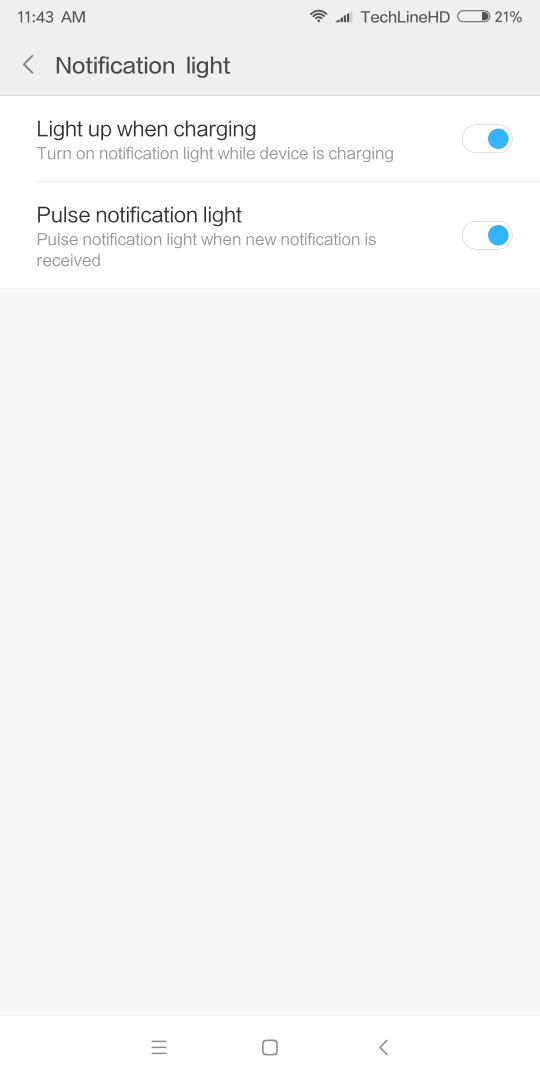
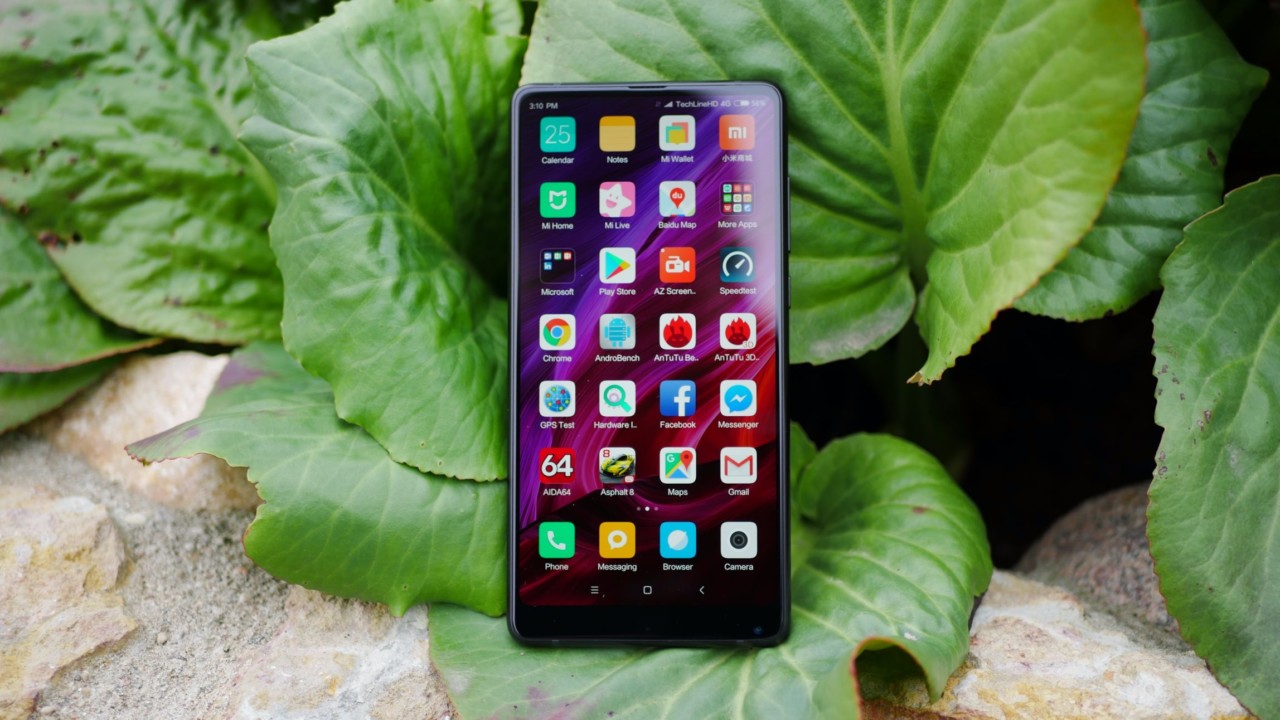
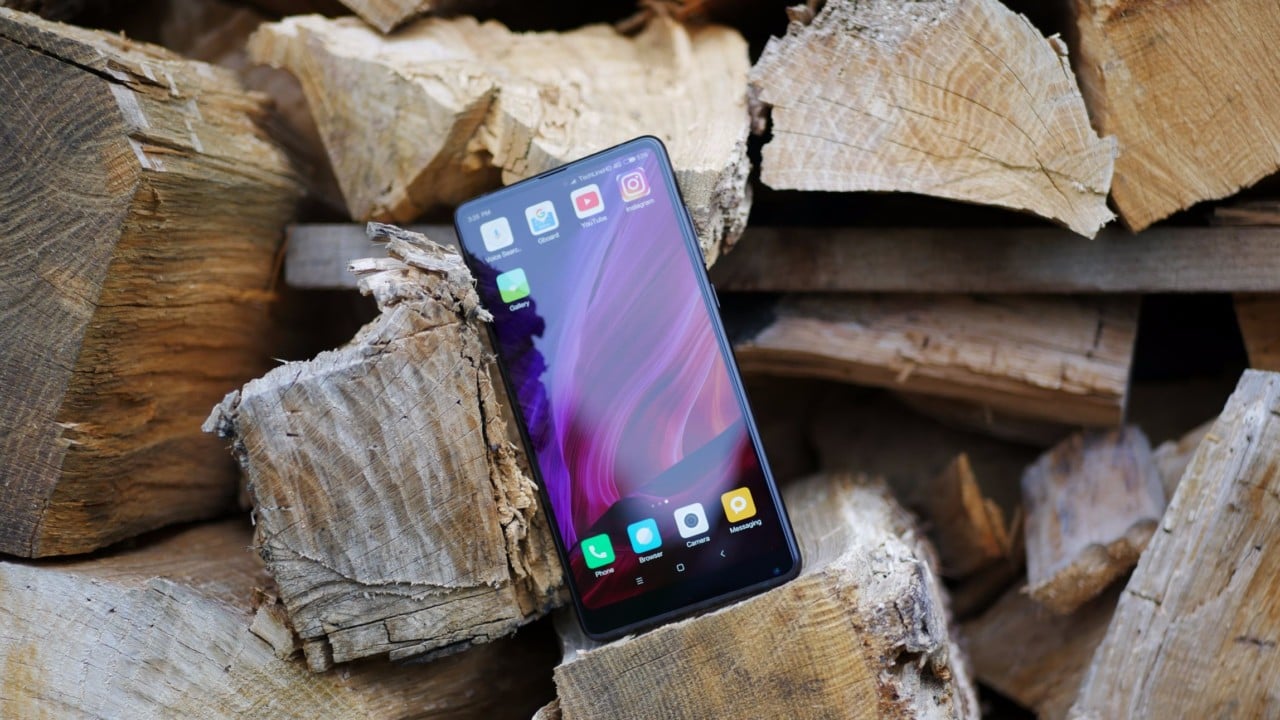
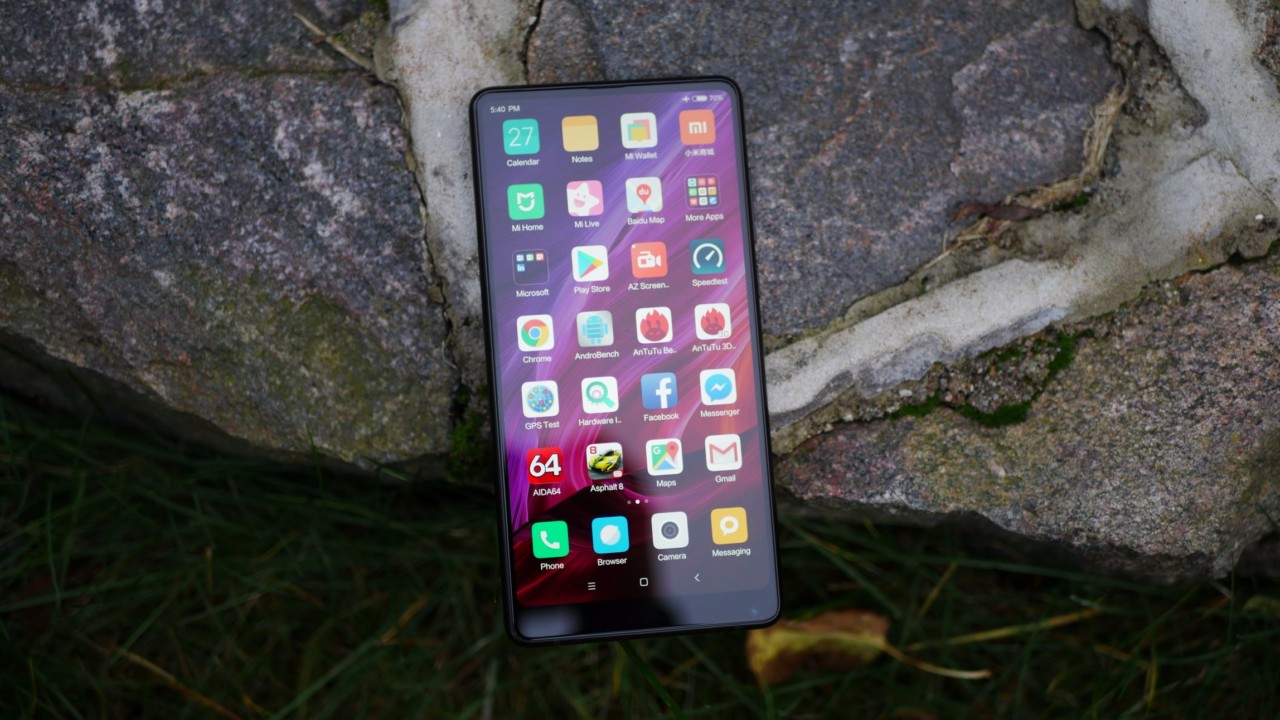
We all know that there is a trend of the full-screen smartphones today. The Xiaomi Mi Mix was one of the first mainstream phones to offer near bezel-less design and the Mi Mix 2 is a successor to it. It indeed looks beautiful, it has top-shelf specs and more. Learn more in the full Xiaomi Mi Mix 2 review.
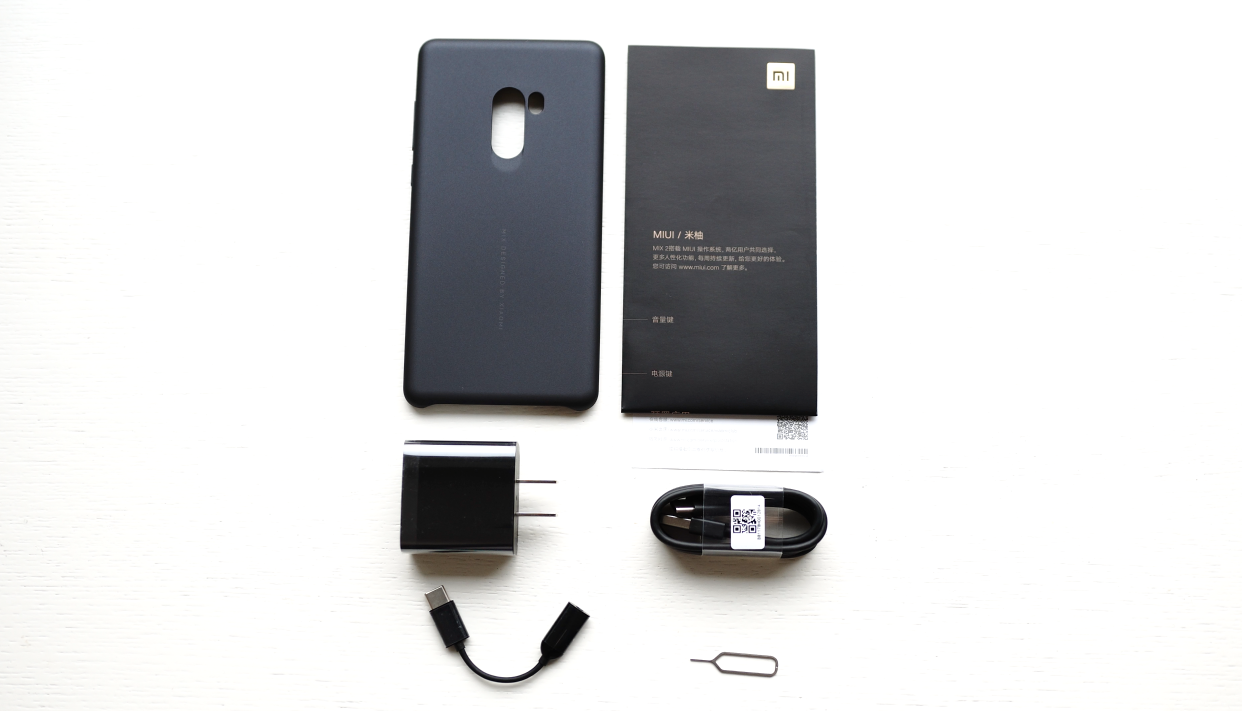
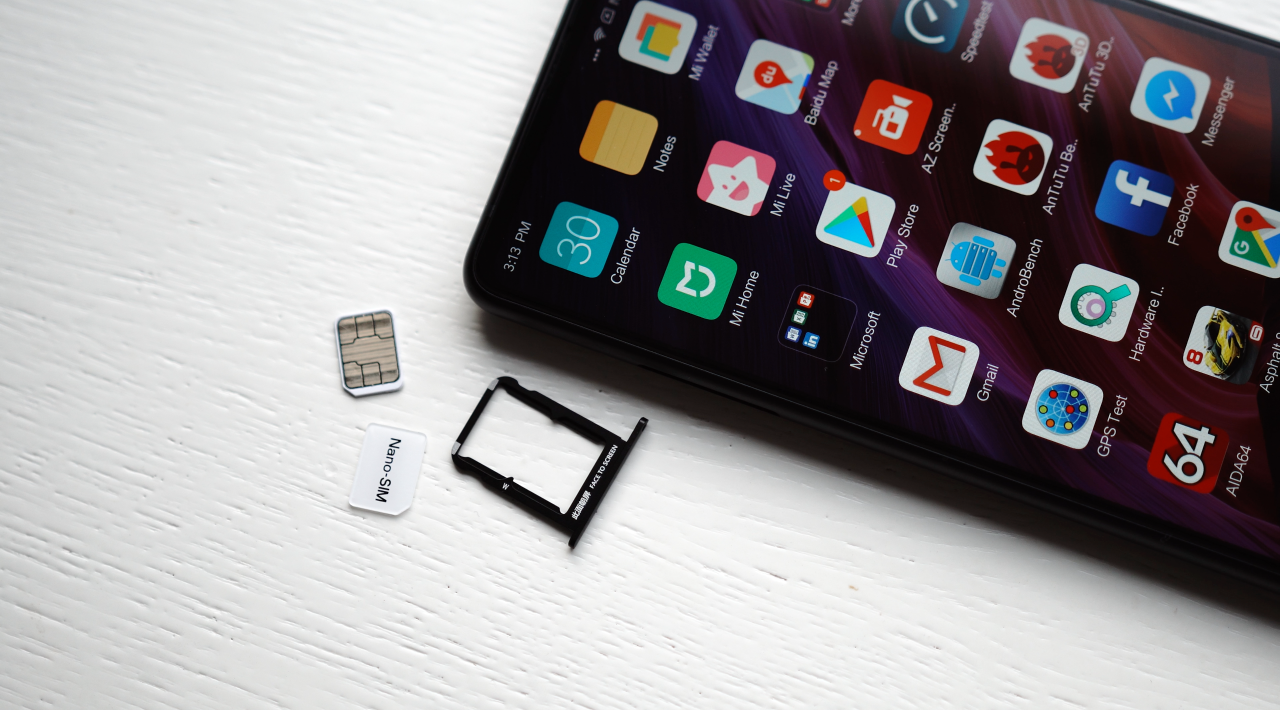
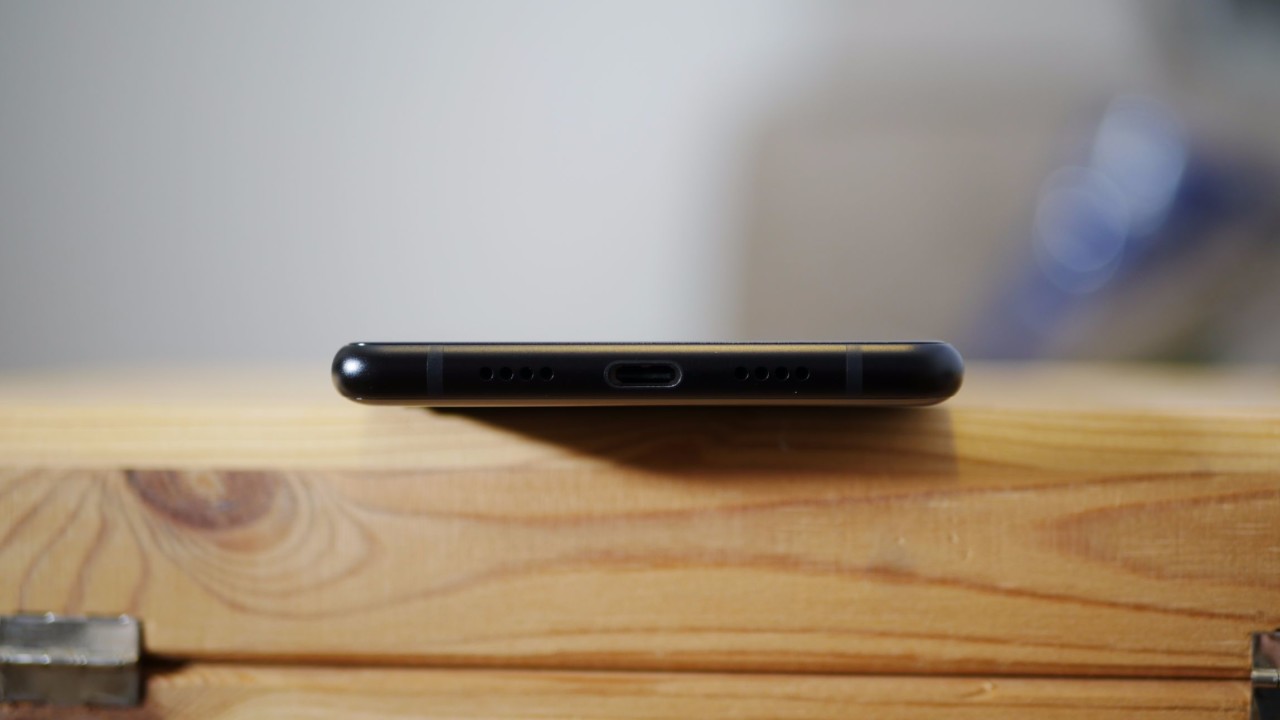
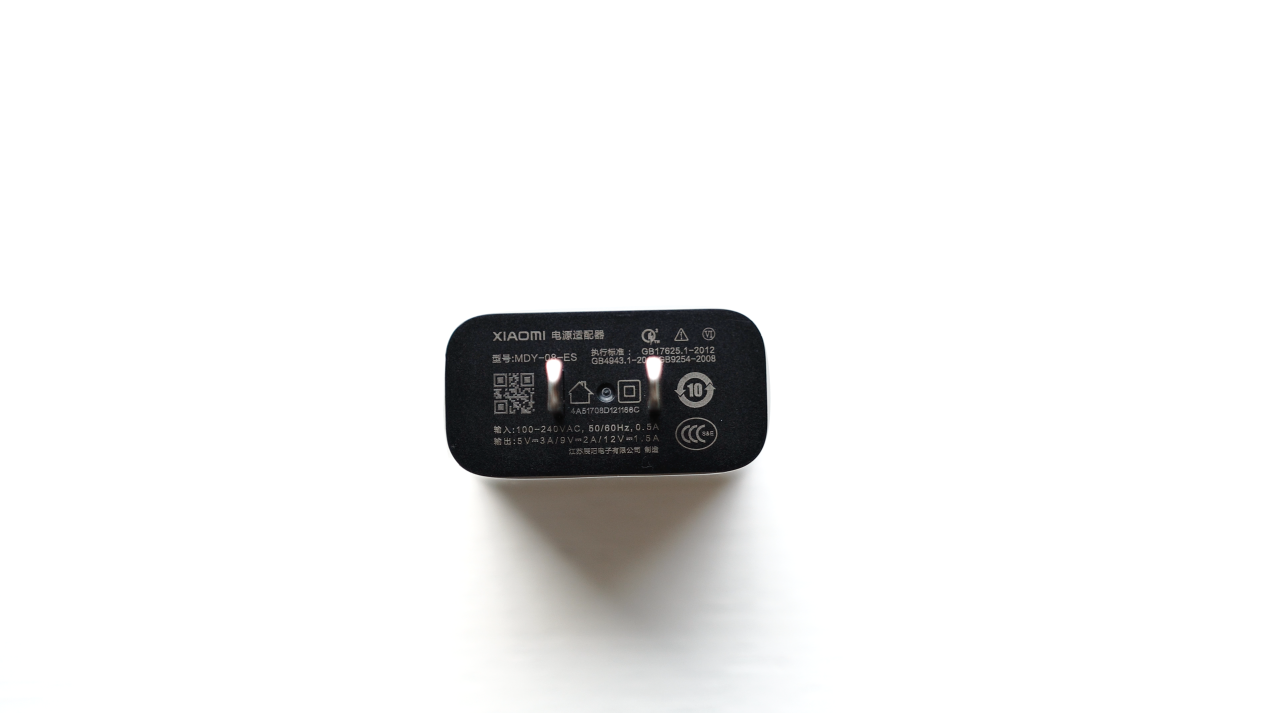
The phone ships with a standard set of accessories.
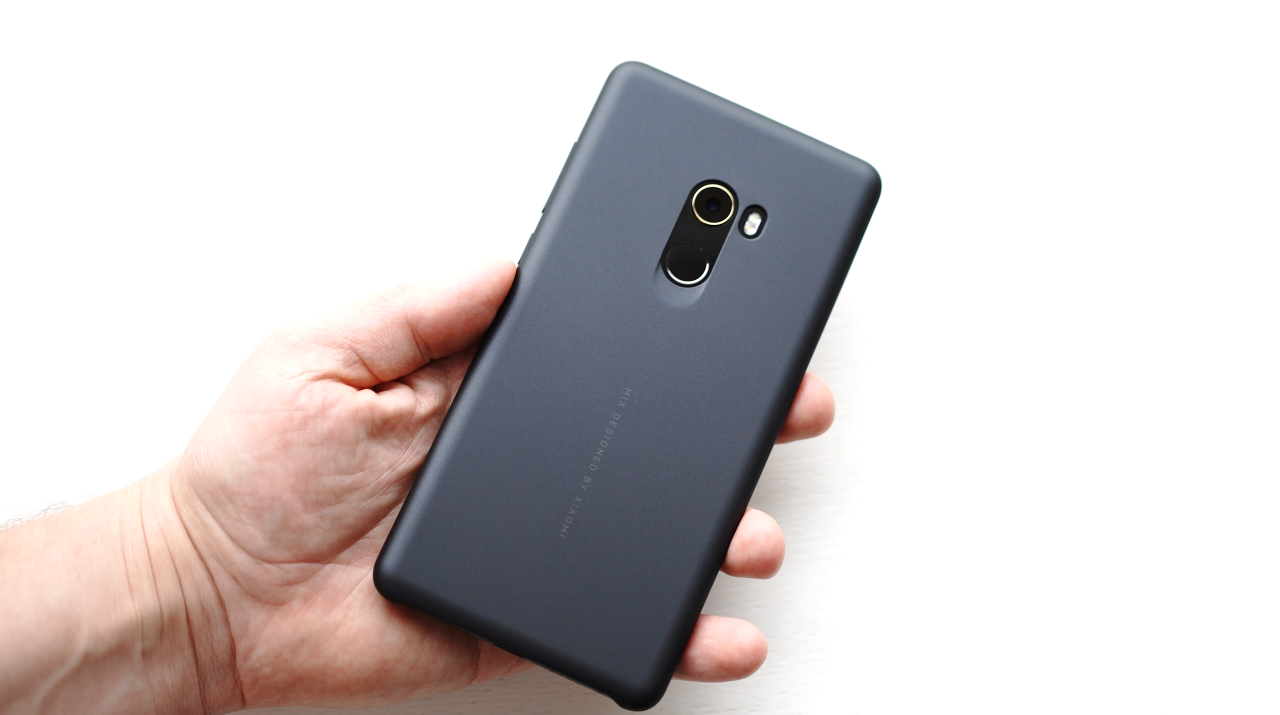
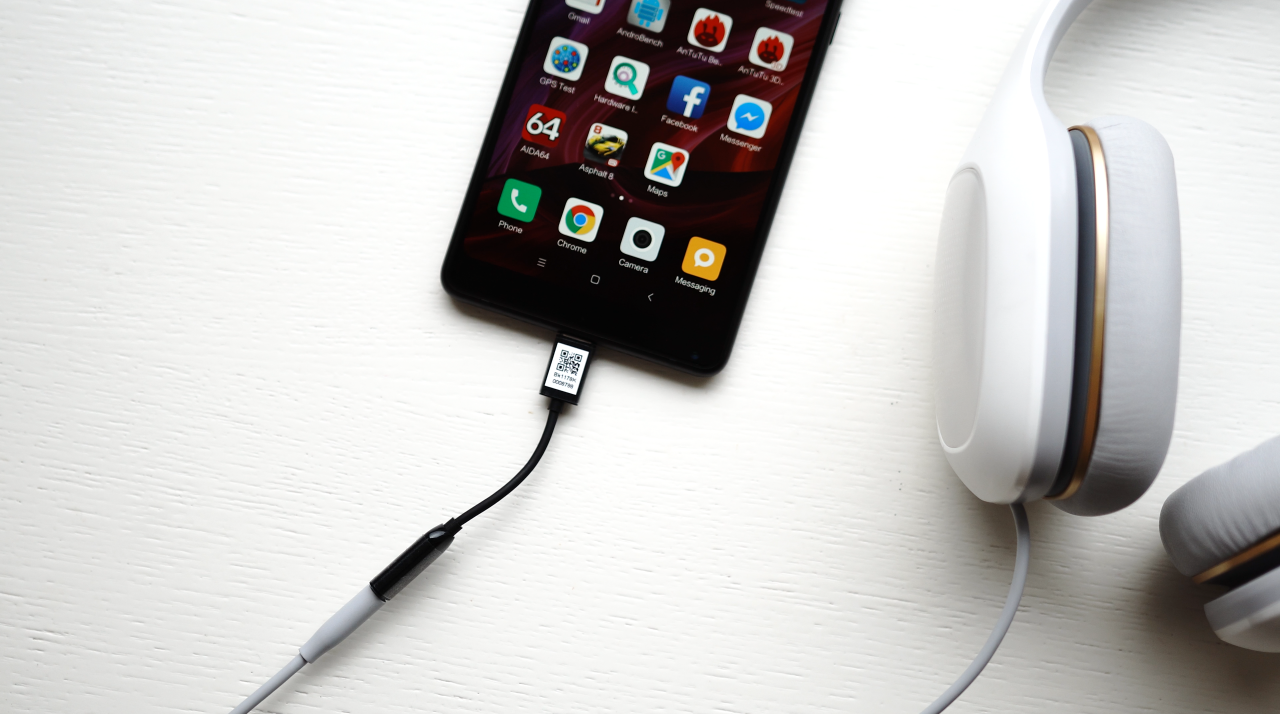
Some extras include a 3.5mm headset jack adapter and a high-quality case that looks nice and fits the phone nice and snug.
DESIGN and DISPLAY
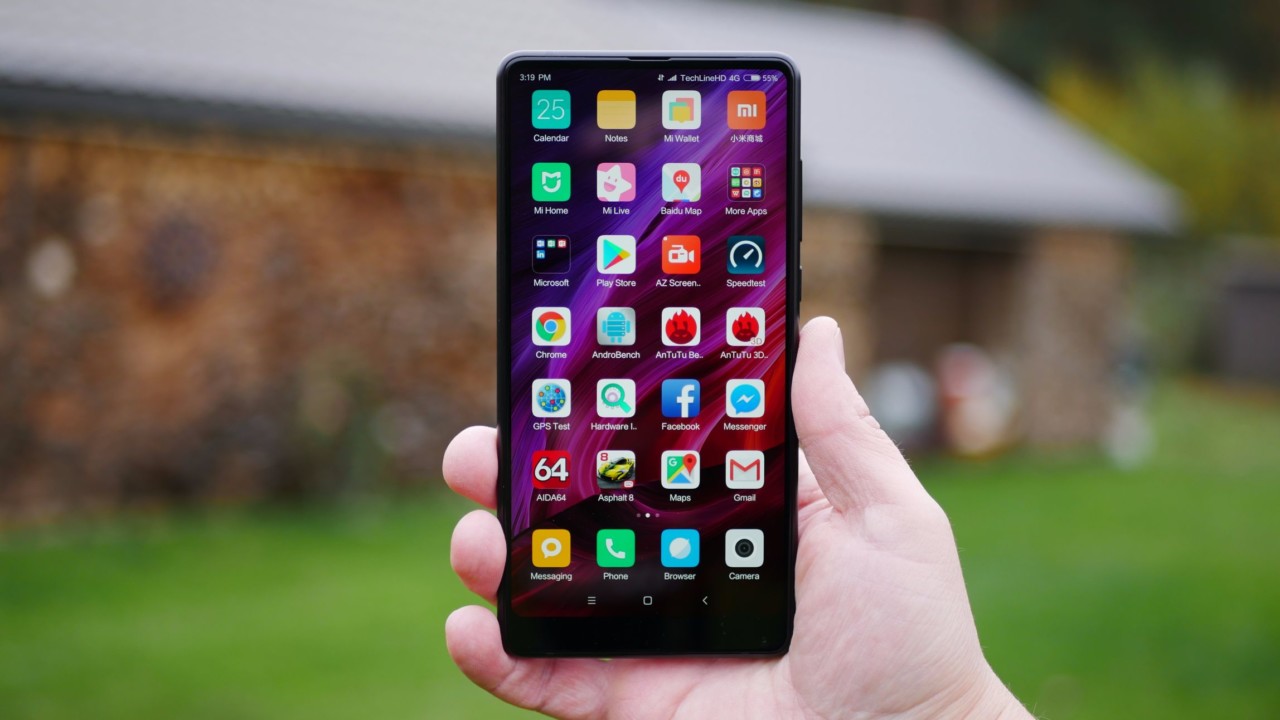
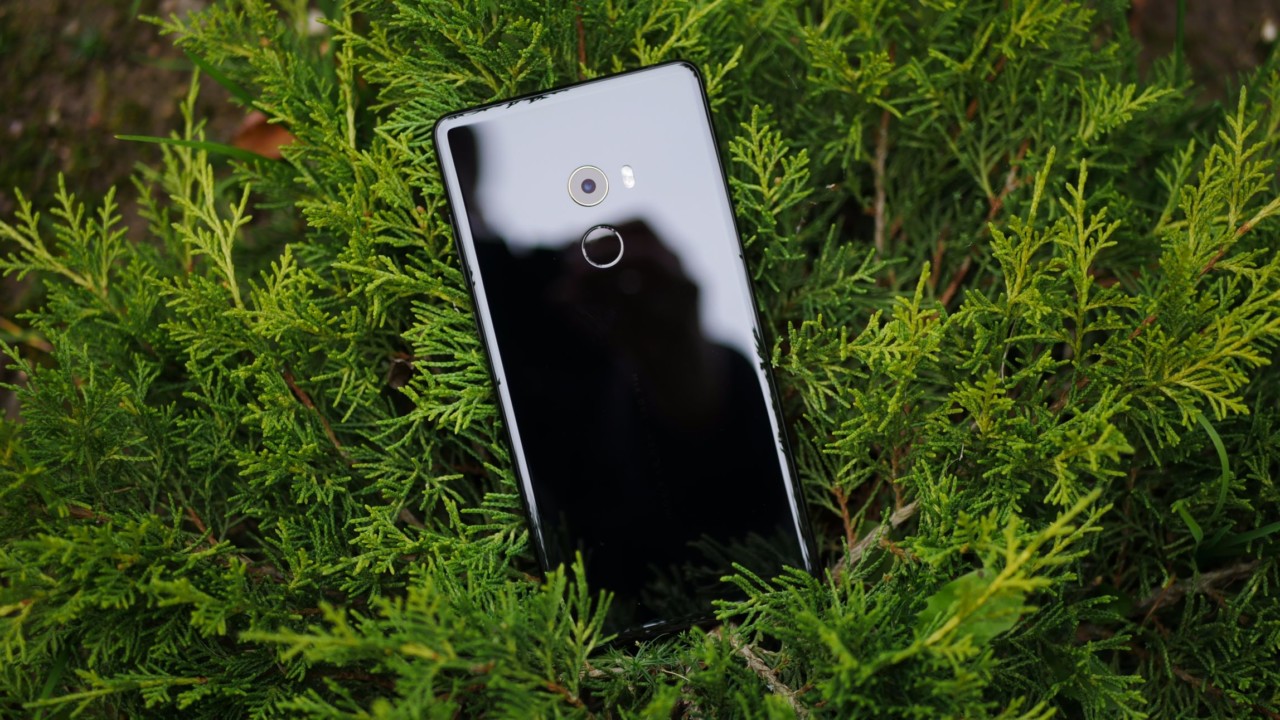
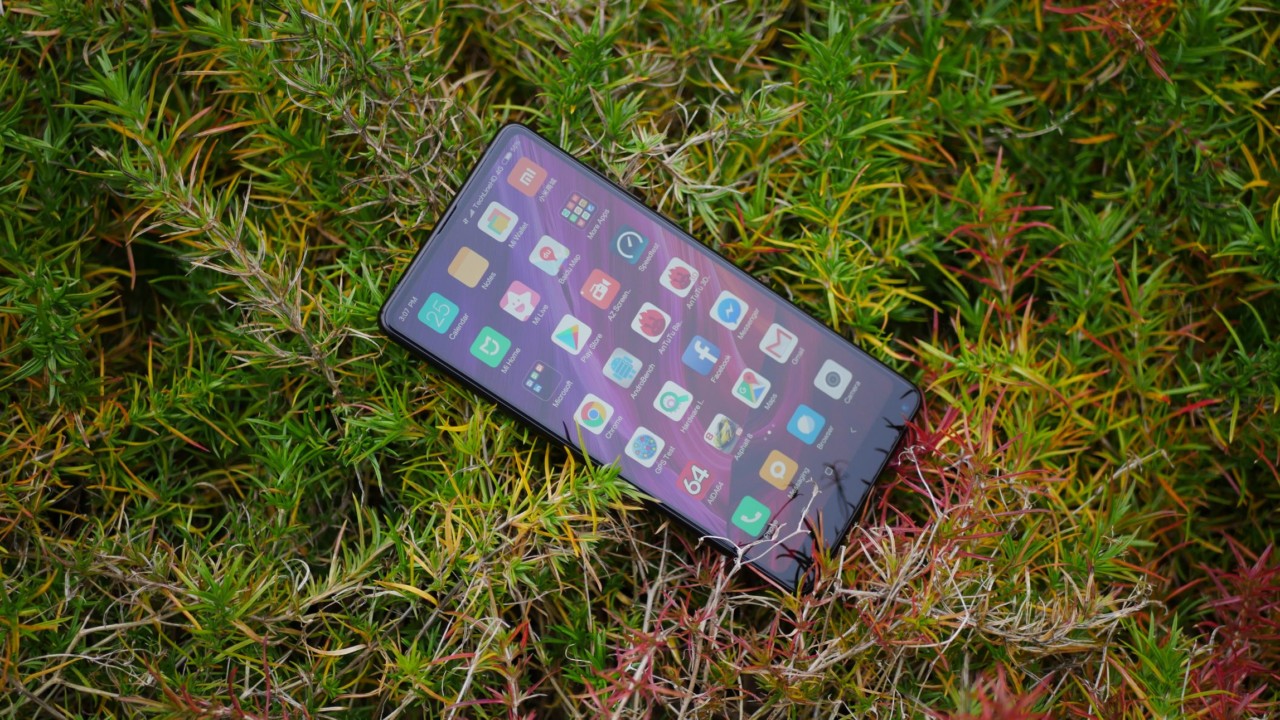
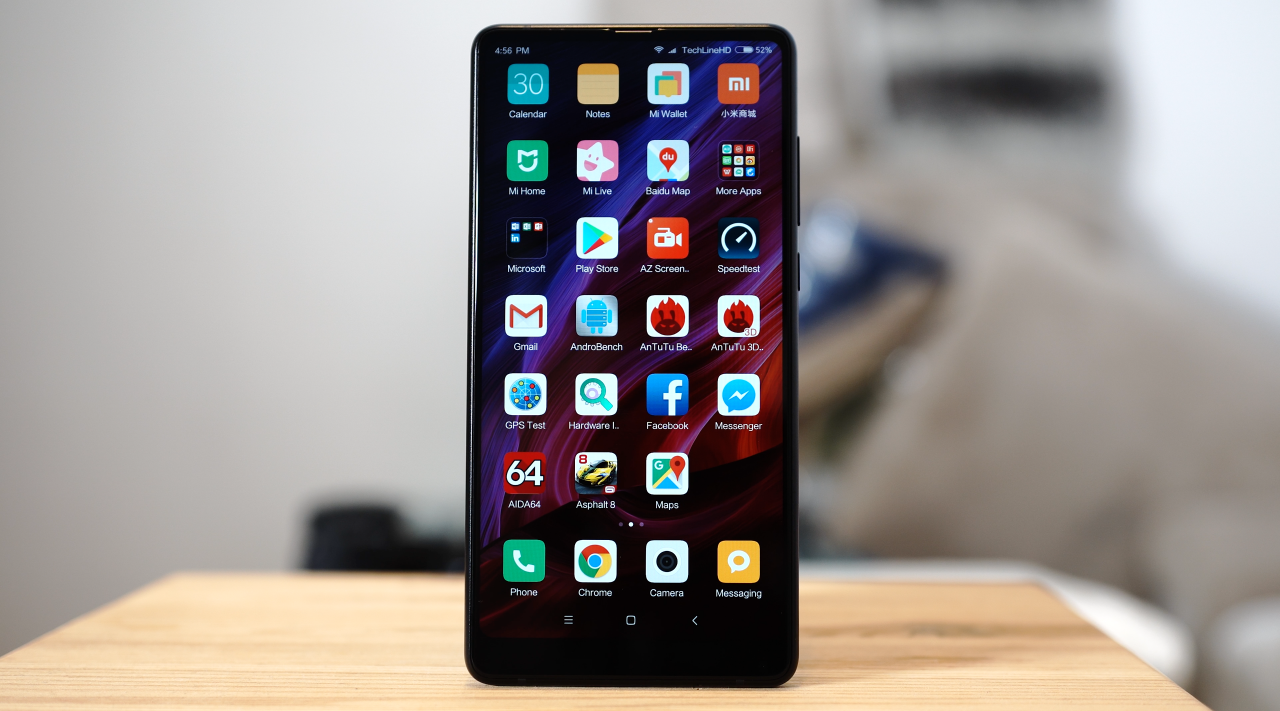
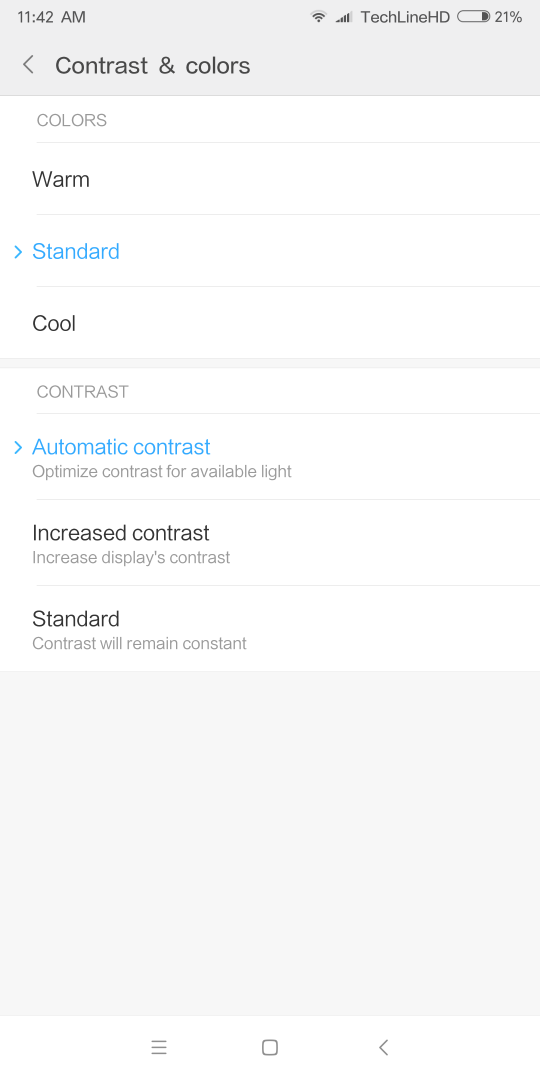
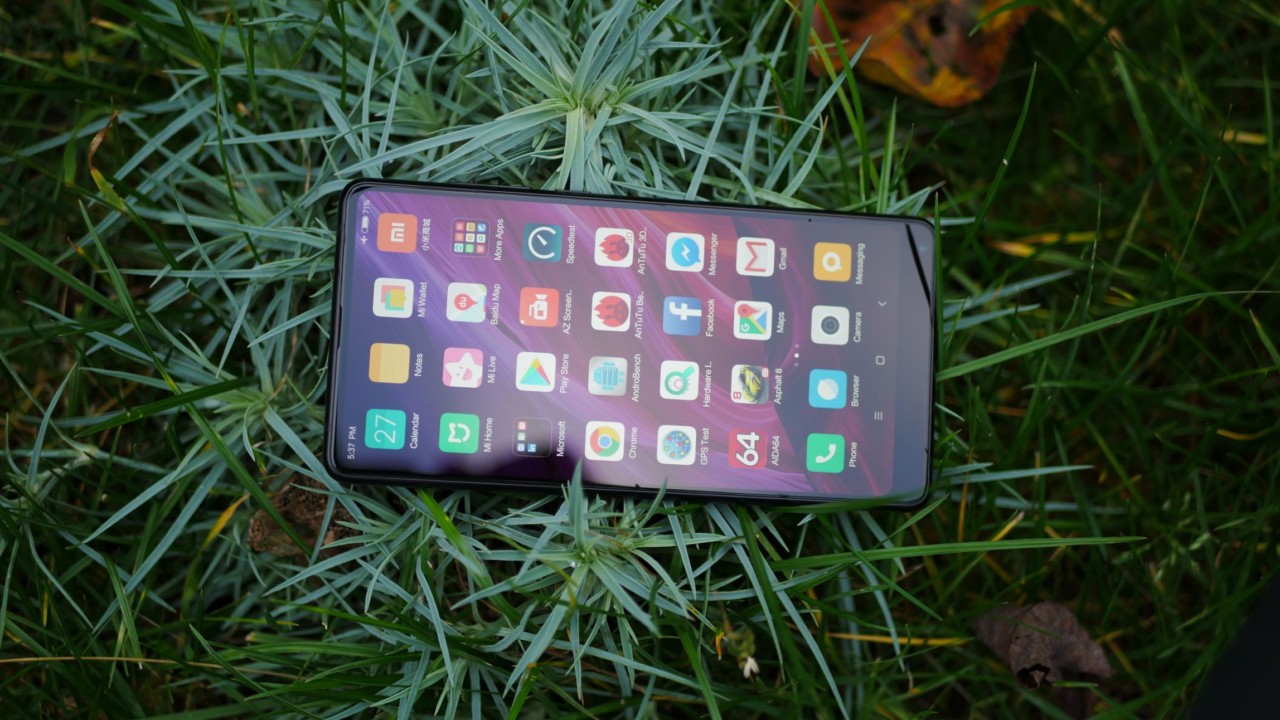
There is no doubt that the Xiaomi Mi Mix 2 is one of the most beautiful phones out there. The star of the show is a sharp, bright and vibrant 5.99” LCD display. It has 1080p+ resolution, 18:9 aspect ratio and it is covered with the Gorilla Glass 4.
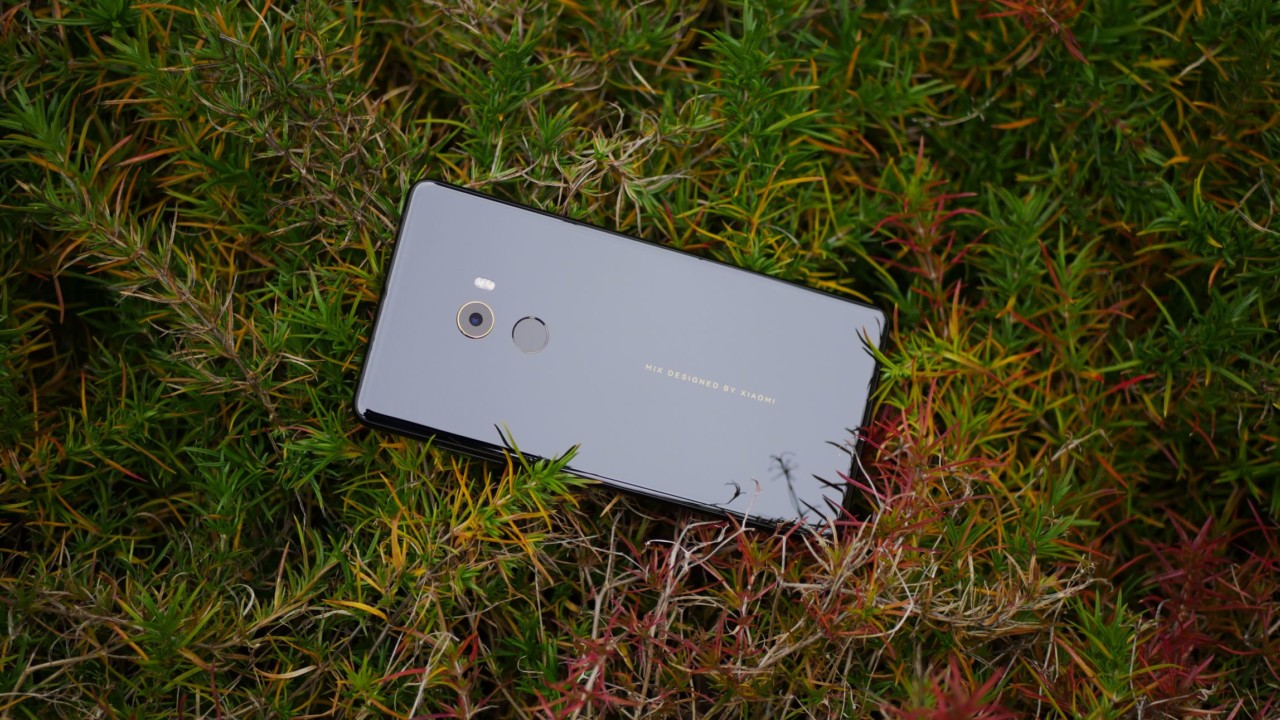
The ceramic back looks really nice in practice and it is curved on each side for aesthetics and a better grip. If you add a premium aluminum frame and responsive buttons, you definitely feel that you hold a true flagship phone.
It’s obvious that the Mi Mix 2 can be complete smudge fest if you don’t clean it, just like most of the glass-made phones. But the thing that annoys me the most is that the device is very slippery. Yes, it sounds like a cliche but it is much more slippery than other glass-made phones I’ve tested in recent memory.
When it comes to optics, we are looking a tradition camera setup that has one 12MP sensor with f/2.0 aperture lens and 4-axis OIS.
Here is a minute of a few little but important features: the fingerprint scanner is one of the best out there, selfies can be taken using a 5MP snapper and there is a nice LED notification light. Keep in mind that selfie camera is implemented on the bottom right corner, so you would need to hold the phone upside down to take portrait selfies.
However, there is no microSD card slot and no headset jack but the supplied adapter assures a very good sound quality.
There is a pretty good sound system too that is provided by a stereo speakers setup.
HARDWARE and PERFORMANCE
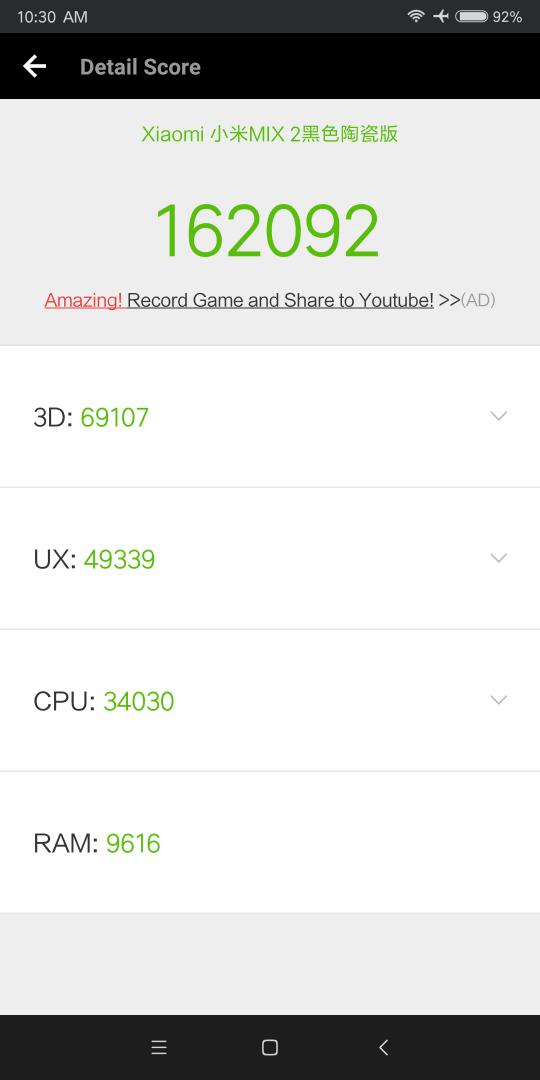
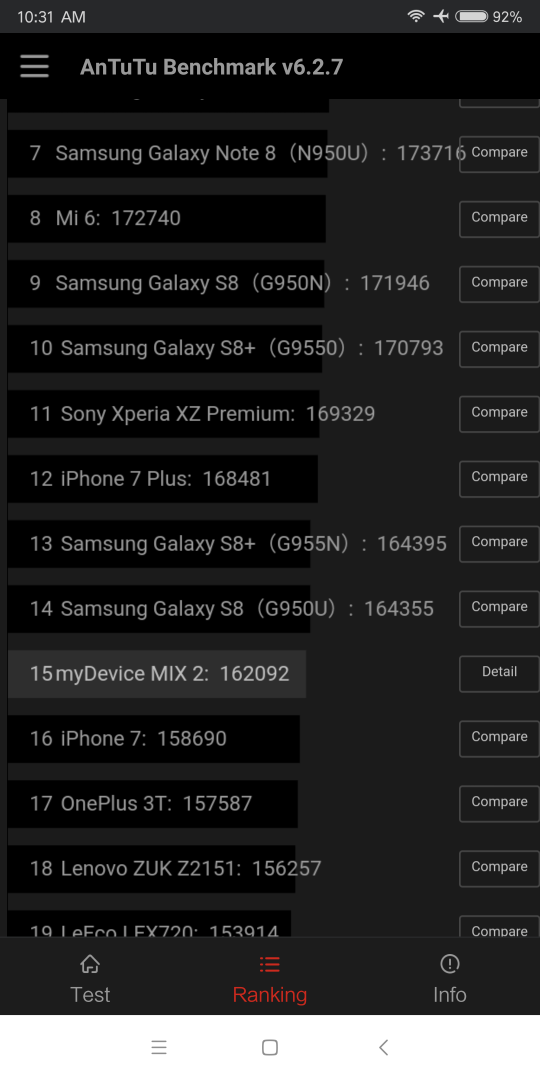
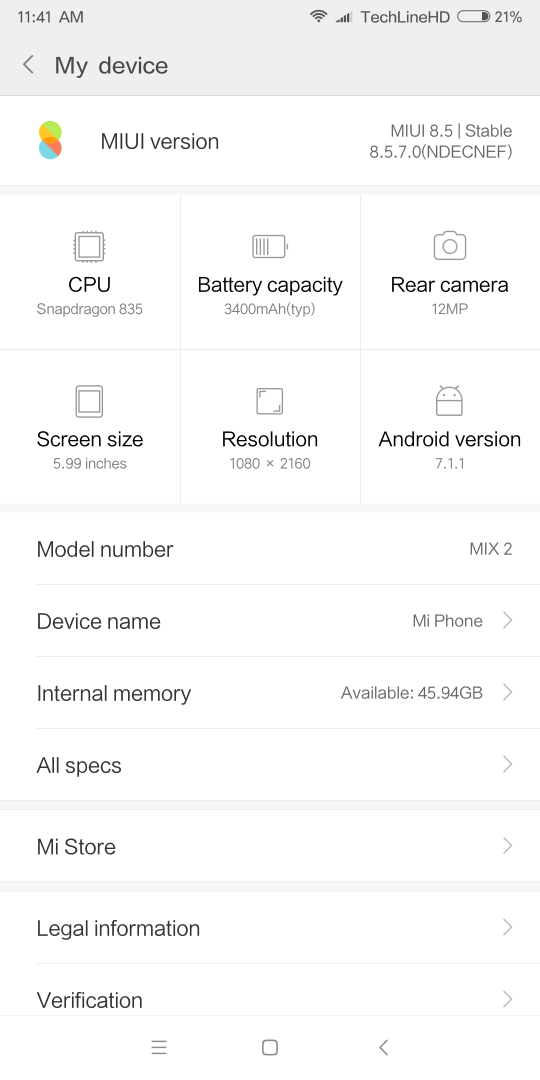
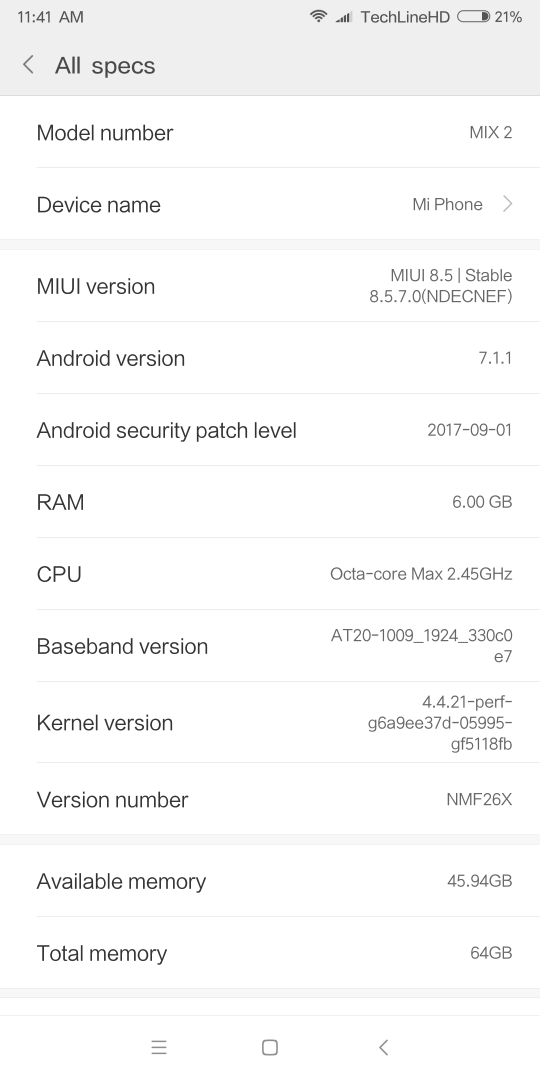
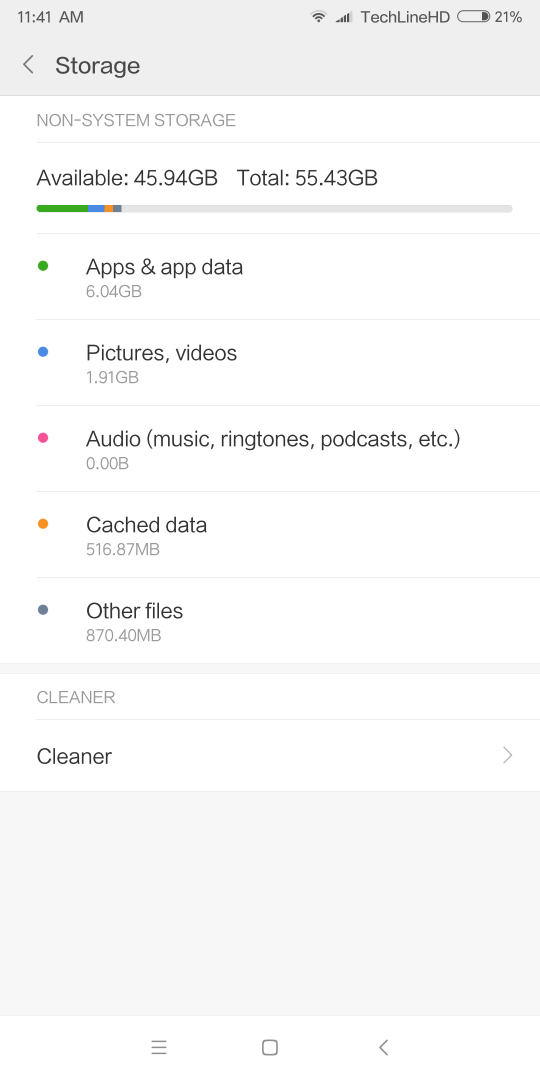
The Xiaomi Mix 2 is no slouch when it comes to hardware as it ships with top-shelf components that include a Snapdragon 835 chip, 6GB of RAM and 64GB of storage.
You can also opt in for a more expensive model that has 8GB of RAM and whopping 256GB of internal storage.
As expected, the phone can handle 3D games without any issues. However, there is one serious software bug that prevents you from installing games that take a lot of storage space. You simply get an error message every time you try to download and install a game from the Play Store. I know this can be fixed somehow but this is what you will get out of the box. That’s really frustrating and hopefully, it will be fixed with a software update soon.
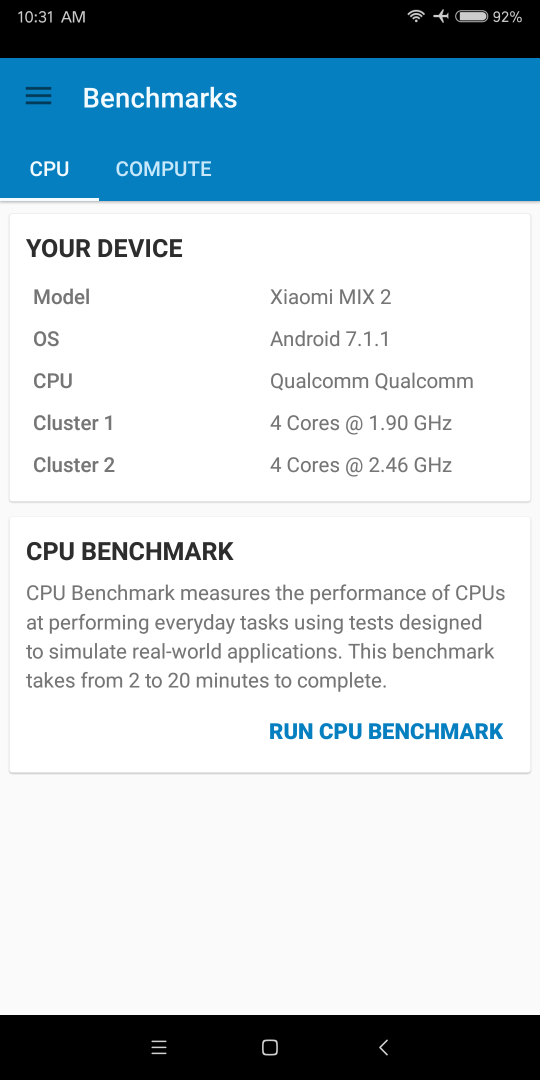
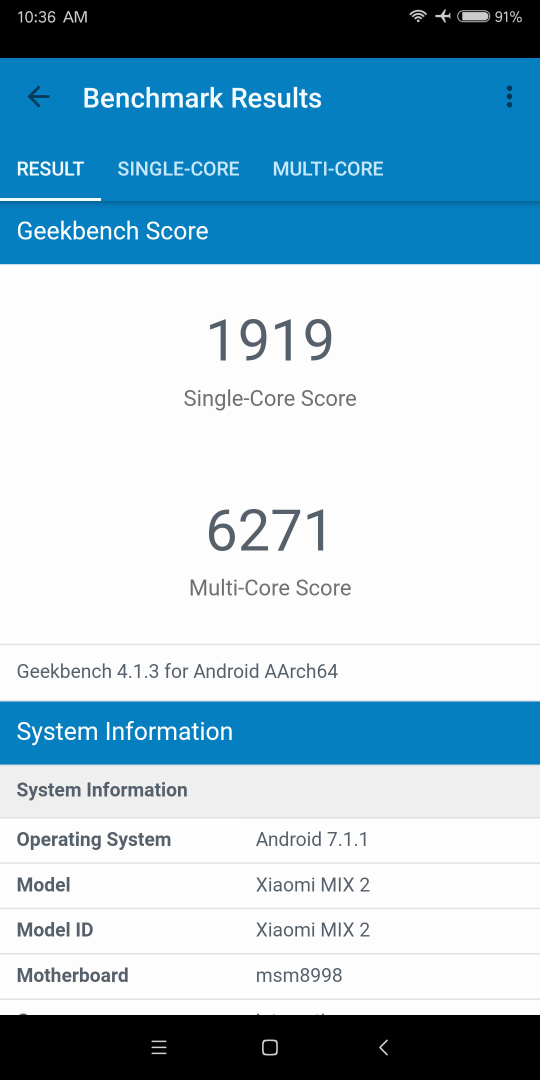
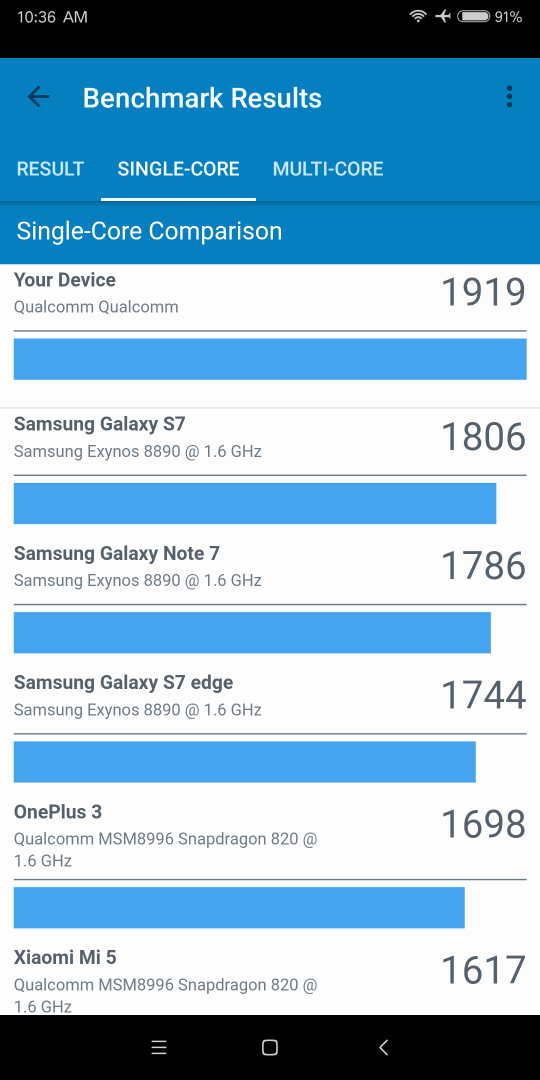
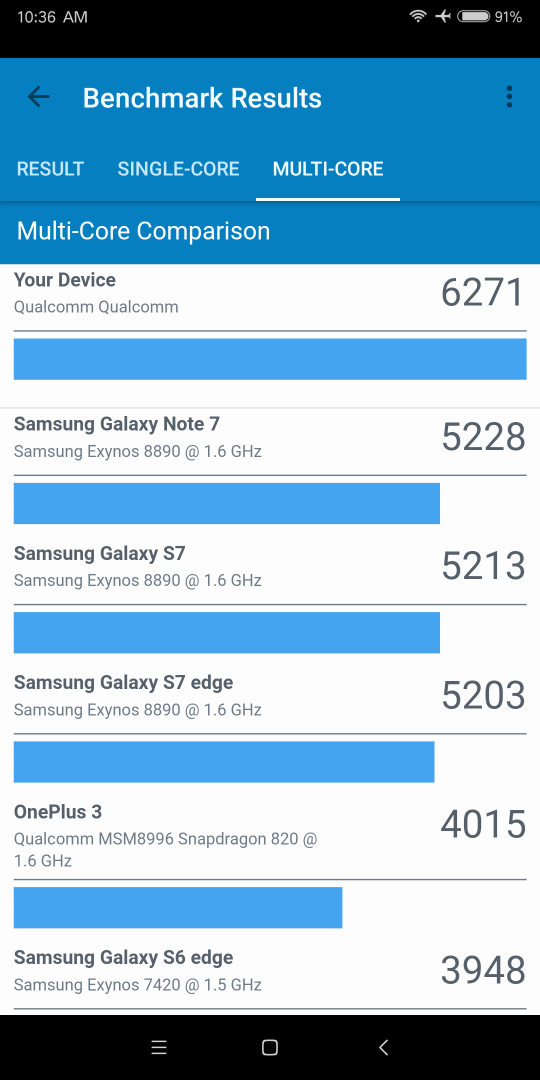
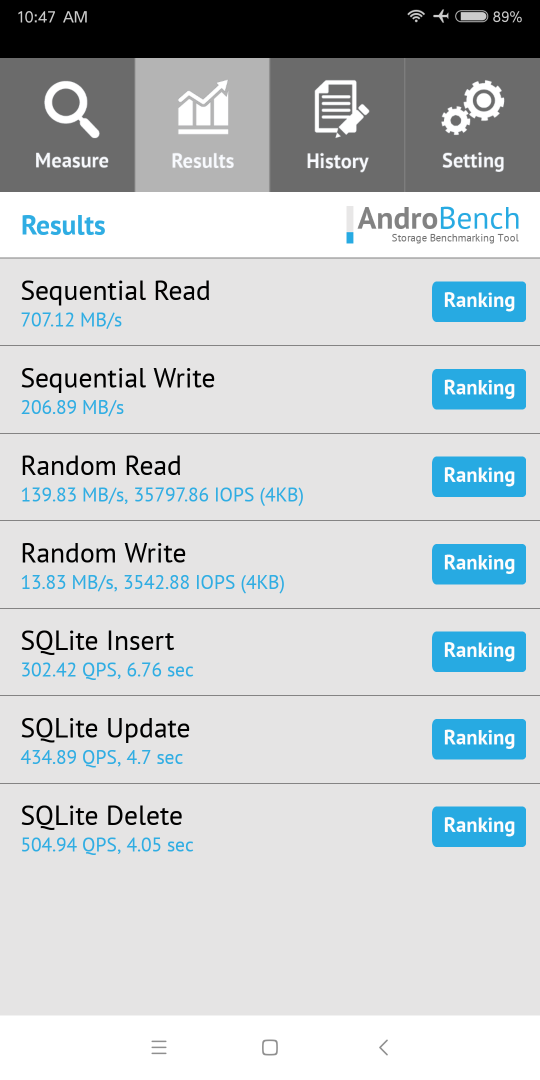
BENCHMARKS
USER INTERFACE
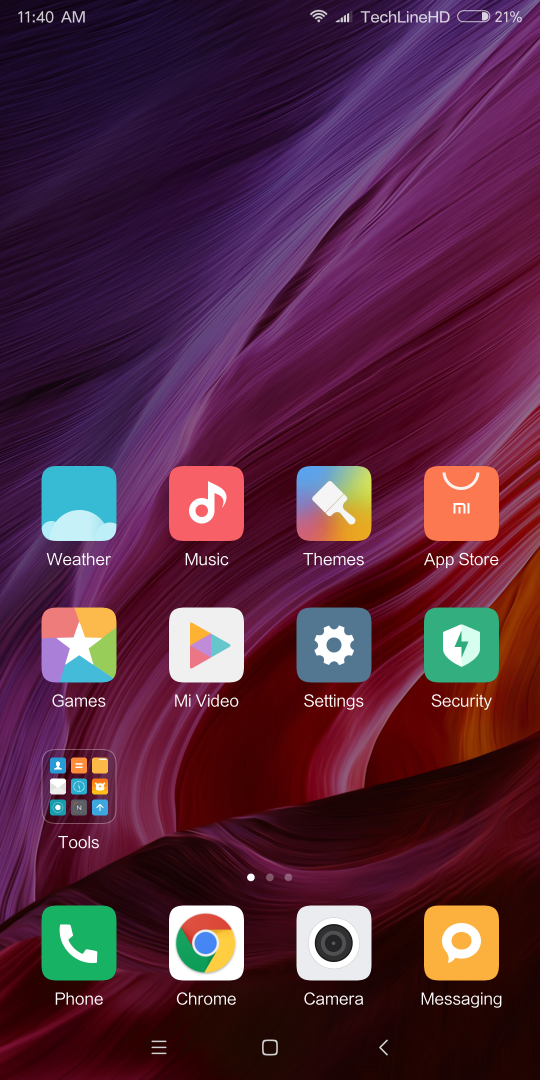
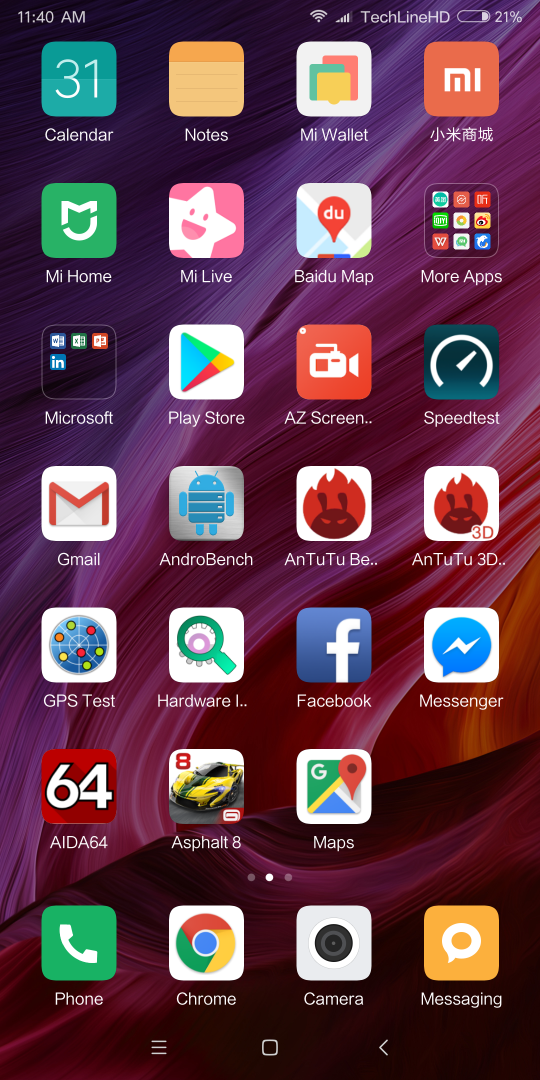
If you are familiar with Xiaomi phones, you will feel right at home since the device ships with the MIUI 8.5 that is built on top of Android 7.1.
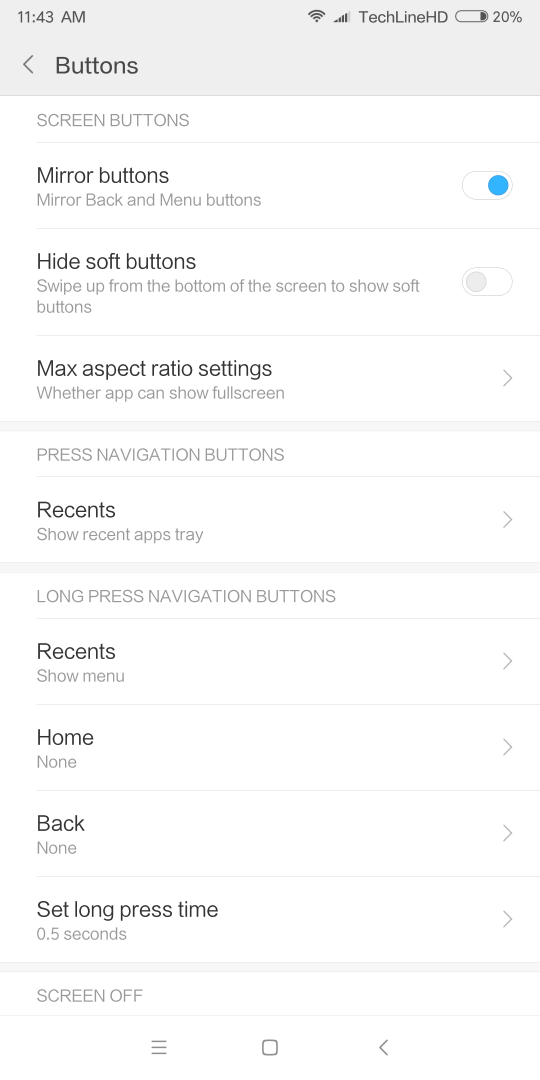
My phone shipped with the original Chinese ROM, meaning that you would need to install Google Services yourself which takes about a minute to do that. However, you still need to deal with some bloatware apps. Also, an error message pops up every time I open up the Gmail app, which is annoying. We have all the same features and customization options Xiaomi phones have been famous for. You can tweak the phone in a variety of different ways, adjust a ton of settings and change the looks.
Most importantly, I can assure that the phone is fast and responsive even after installing a lot of apps.
CAMERAS
The camera app can take pictures quite fast. There a few shooting modes including a pro mode that allows you to adjust some image settings. There is also a slow-motion video mode.
The overall image quality is quite good but I expected better results from the phone this expensive. Obviously, you can take some good-looking daylight pictures but some of them could have more detail. Also, I got a few shots that were out of focus.
The low-light camera performance is okay but again, I expected better results from a $500 phone.
The 4k video looks quite good and 4-axis OIS does the job reducing the shakiness. However, I found that there are some video artifacts, continuous auto-focus is not always reliable and sound recording quality could be a lot better.
When it comes to connectivity, I can assure that the call quality has improved a lot over the original Mi Mix. Also, signal reception is great, Wifi works fine and the phone has Bluetooth 5 and NFC connectivity options. The GPS works exceptionally well. Finally, the phone has a bunch of sensors, just like any other flagship in the market.
BATTERY LIFE
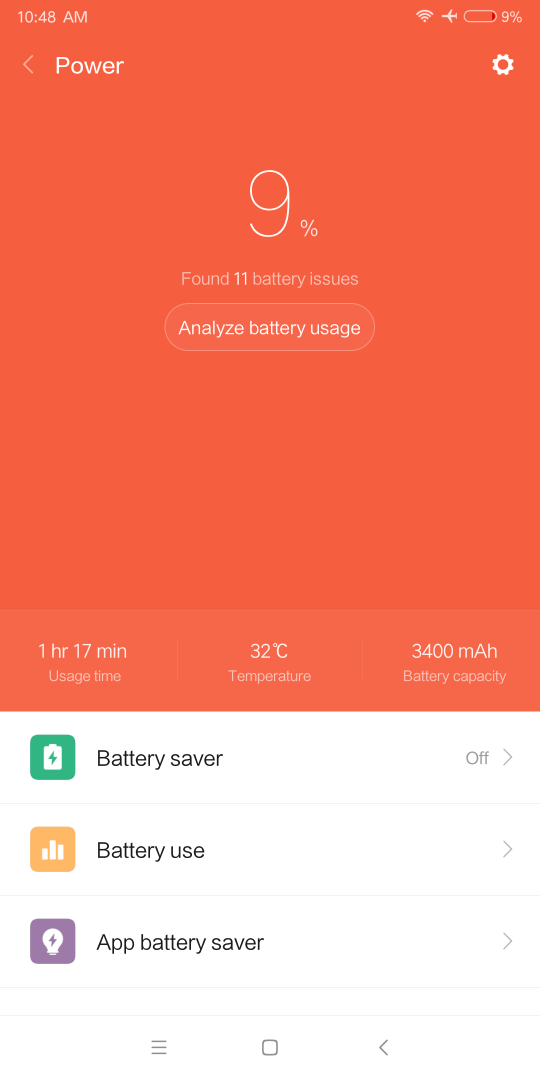
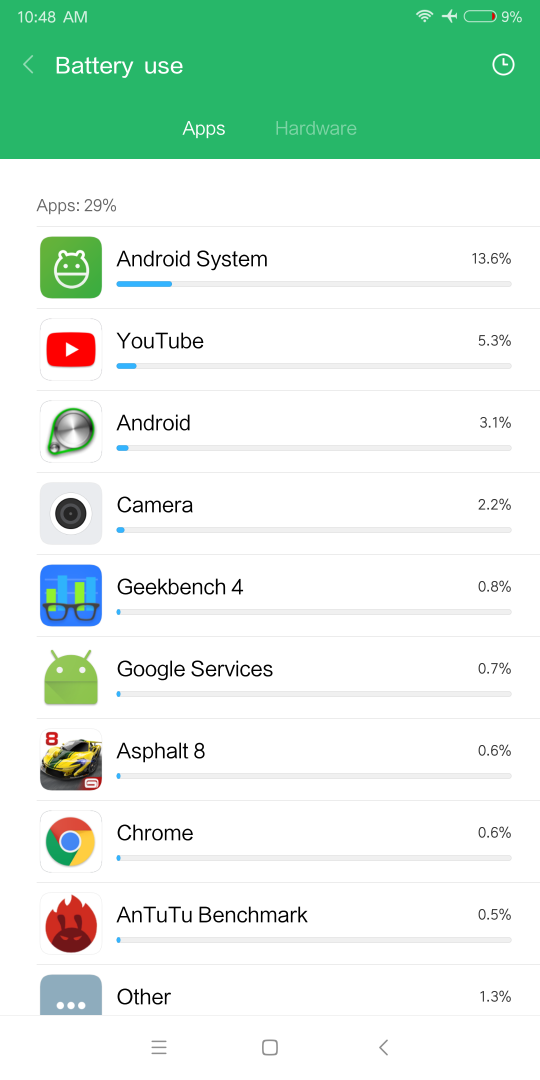
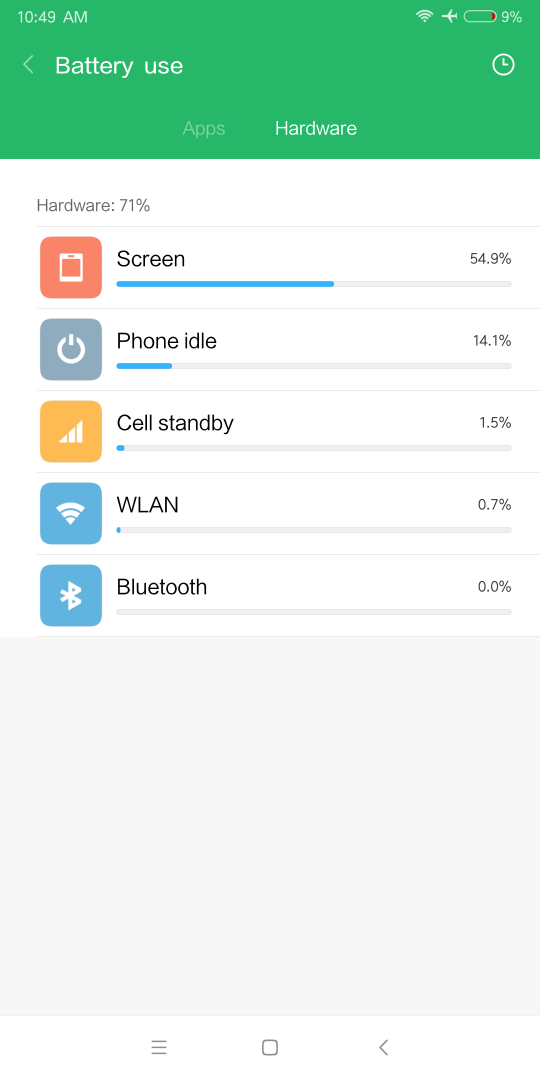
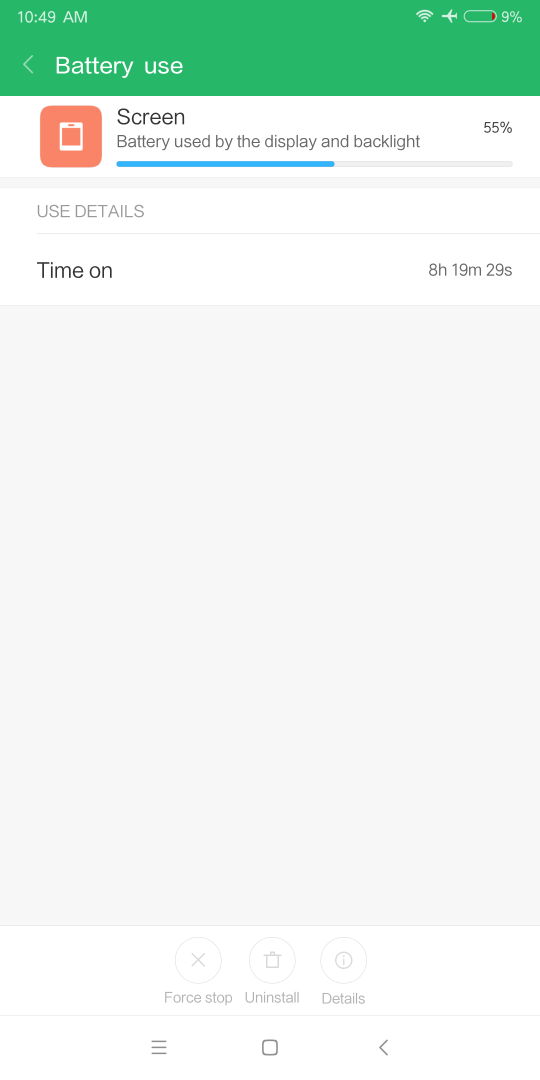
The Xiaomi Mi Mix 2 ships with a 3400mAh battery that performs really well considering the size of the display. The max. SOT time I was able to reach was over 8 hours, which is quite impressive. If you use the phone more intensively, you should expect to achieve about 5-6 hours of SOT every day.
Finally, the supplied charger fully charges the phone in just over 1 hour and 20 mins thanks to Quick Charge 3.0 technology.
CONCLUSIONS
The Xiaomi Mi Mix 2 is probably the most beautiful phone the company has ever made and it sure has a lot of flagship-grade qualities for a lower price than the mainstream flagships. Also, I love the Mix 2 for its display, the overall build quality, great performance and good battery life.
However, there are quite a few shortcomings. There is no microSD card slot, no headset jack and the phone is not water-resistant. There are also a few bugs in the UI that perhaps will be fixed with the future software updates. What | also expect from Xiaomi’s software team is to improve the overall image quality.
At the end of the day, the Xiaomi Mi Mix 2 still offers a lot of true flagship features for a lower price tag but please consider a few shortcomings before making a buying decision.
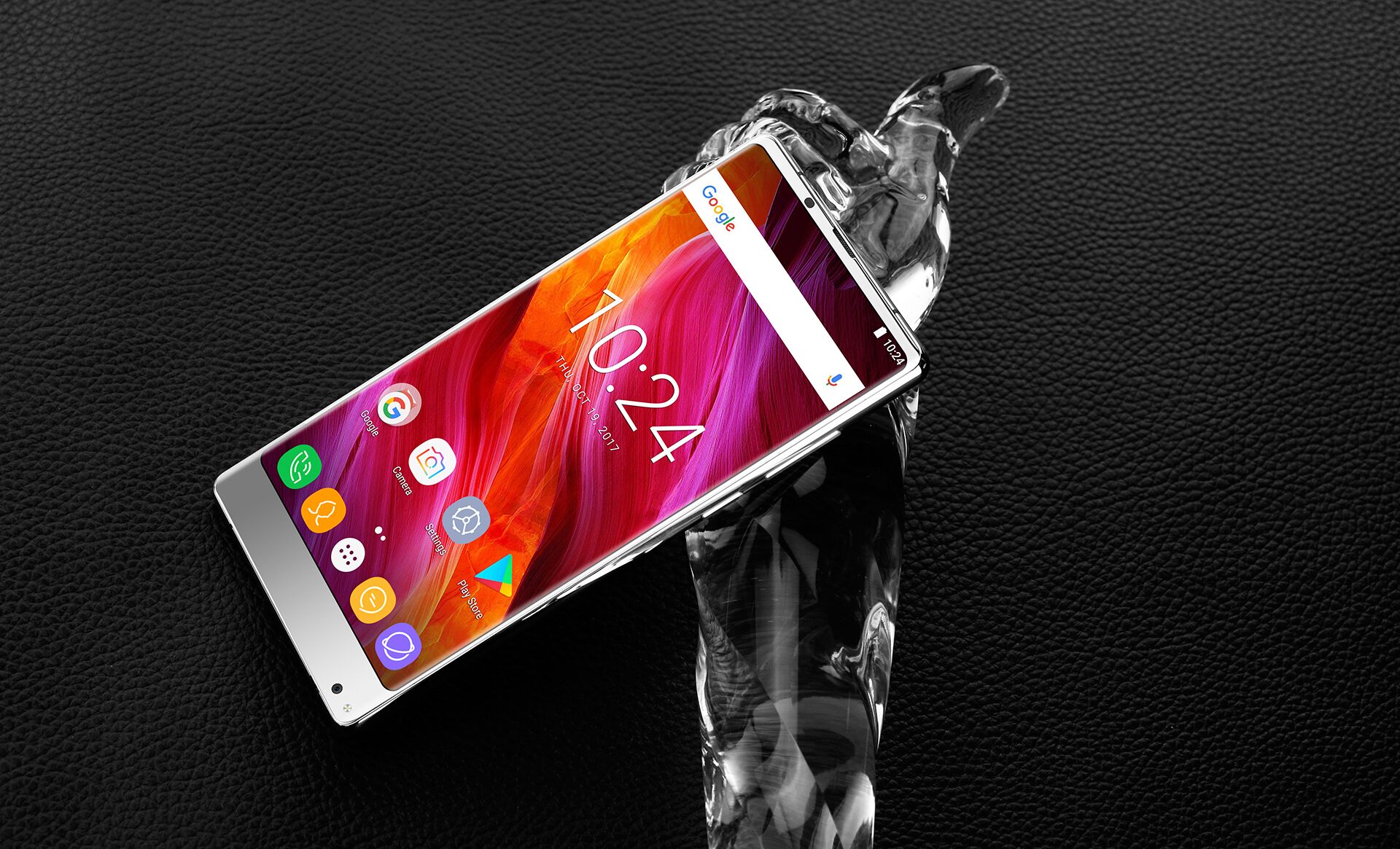
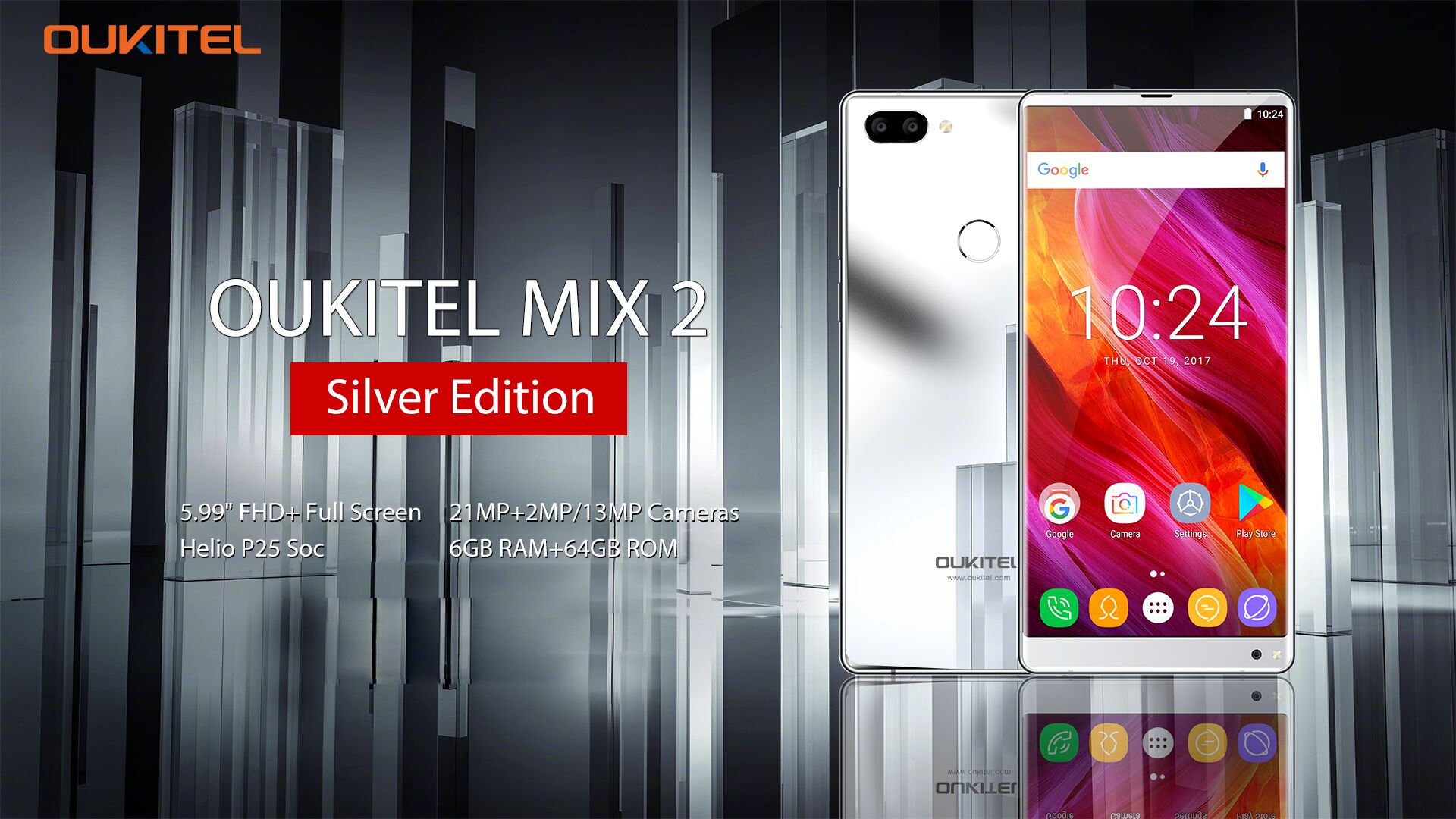
OUKITEL first revealed in September that they would be releasing a Xiaomi Mix 2-styled full-screen smartphone dubbed OUKITEL Mix 2. Latest news from the company shows that the OUKITEL MIX 2’s launch has been shifted further to the end of November. The reason for the delay isn’t the upcoming 11.11 shopping festival but because there is going to be a new Silver Version.
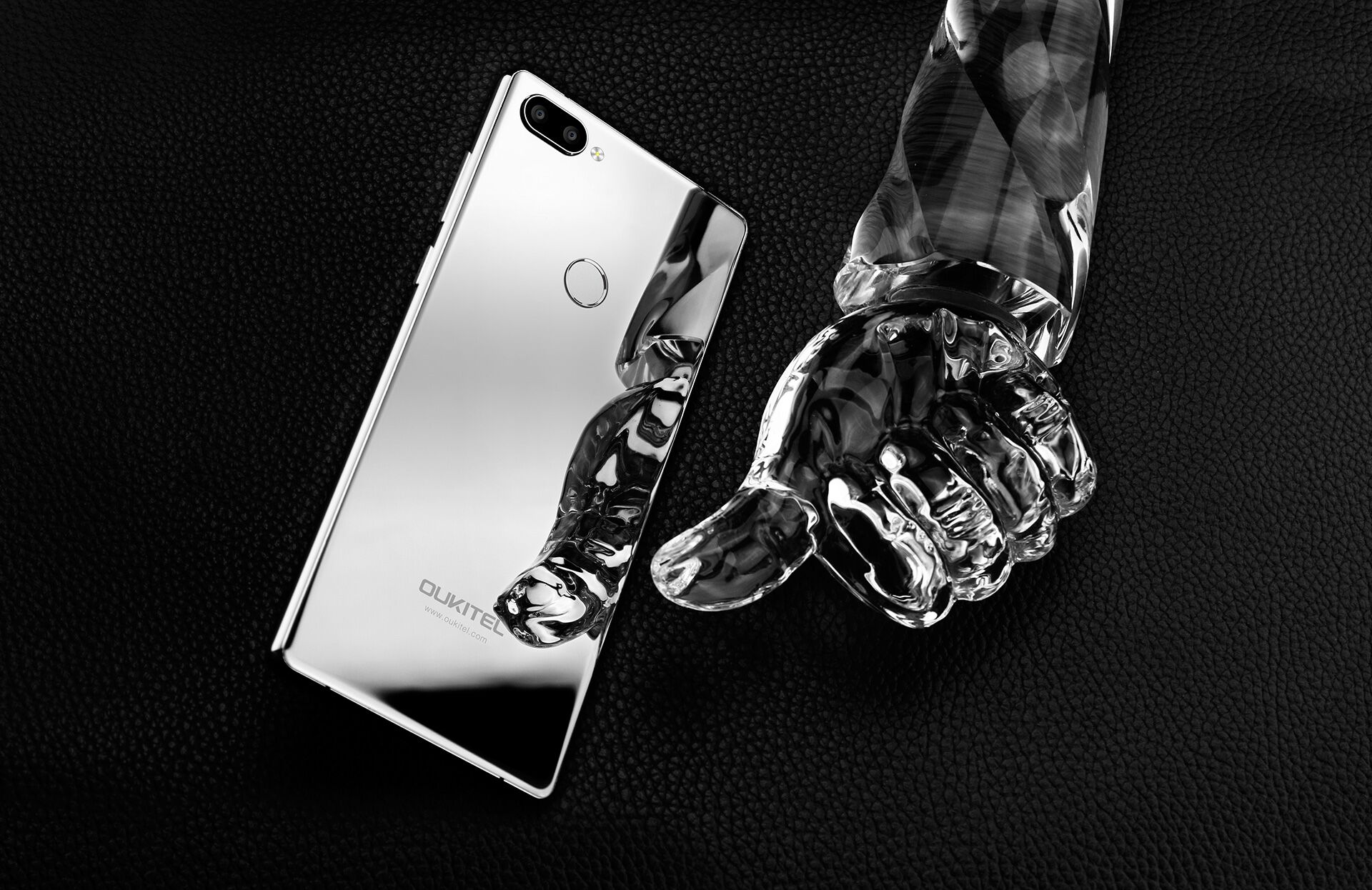
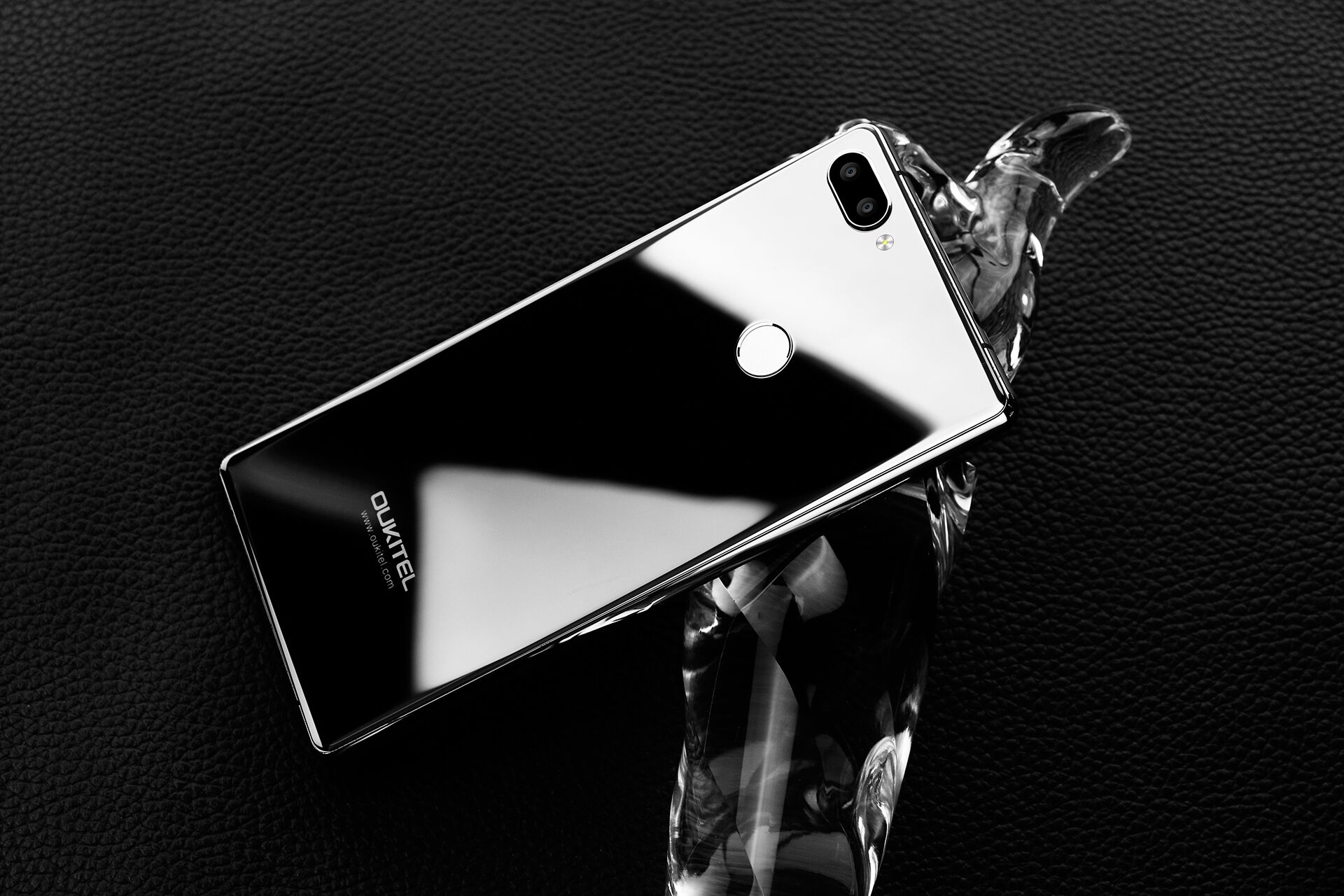
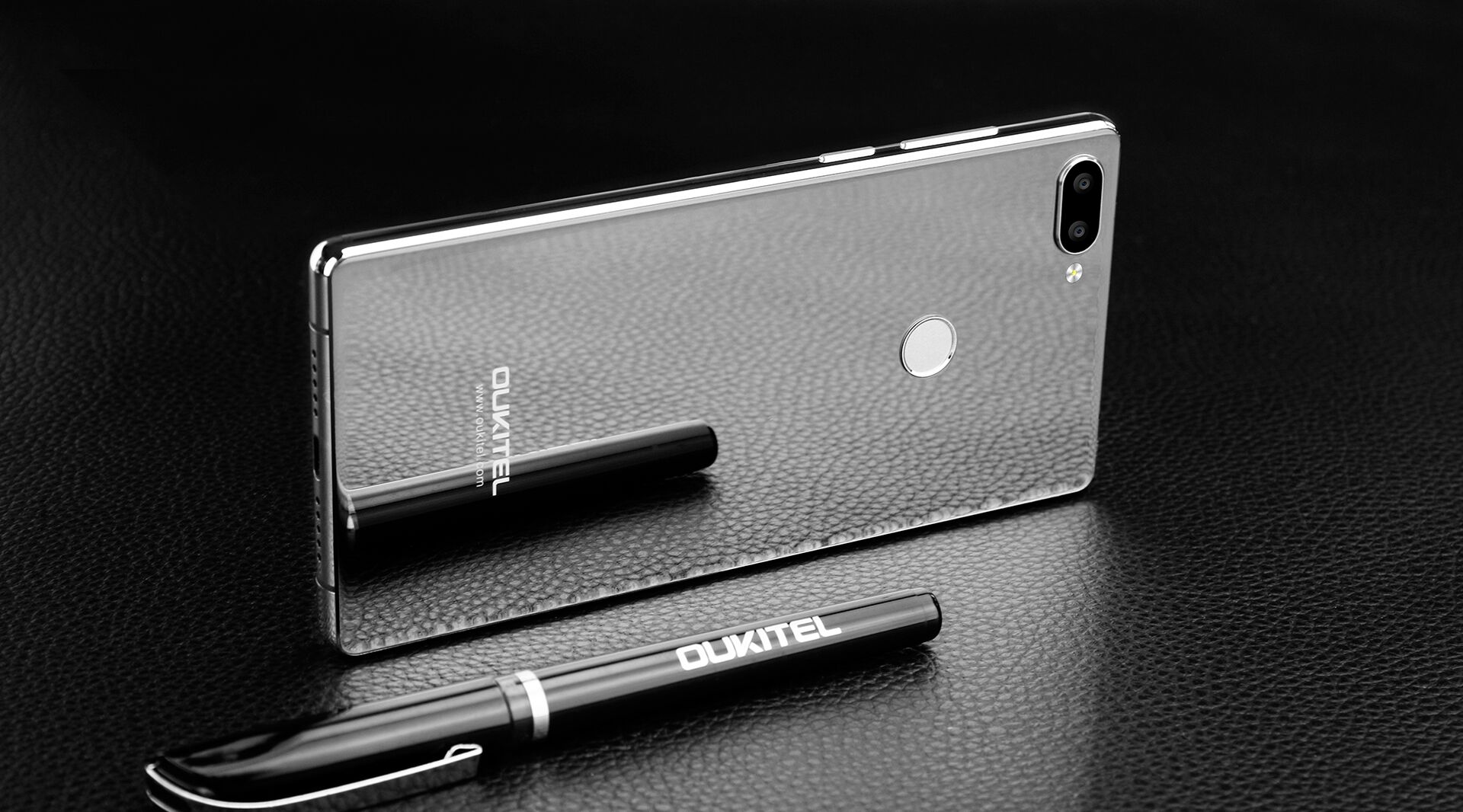
OUKITEL MIX 2 utilises a glass body both at the front and rear. The device also comes with a transparent silicone case to protect it in the event of a fall. As a result of the body material, black and blue versions has a glossy outlook on the back. However, the silver version is shinier than both the black and blue versions. The rear surface is so bright that it can be used as a mirror.
The new Silver version of the Mix 2 has the same design as the black and blue versions. To recall, it packs a 5.99-inch 18:9 full-screen display. The device sports a front camera on the bottom right and dual-lens rear cameras on the top left back. On the new silver version, it looks more like a mirror. The ladies won’t need to keep another looking glass when they want to check up on their make-up, neither would guys search for where to check out if their hair is well arranged and such like.
Other specifications include a 2.39GHz Octa-core Helio P25 SoC backed by a 6GB RAM and there is a 64GB storage expandable up to 512GB. The device packs a dual rear camera setup which consists of a 21MP + 2MP sensors. There is also a 13MP sensor at the front which is located at the bottom right corner just like the Mi Mix 2. The device gets its juice from a large 4,000mAh battery with 9V/2A fast charging technology. Reservation for the OUKITEL Mix 2 will also be delayed until November 25. Those who pre-order the Mix 2 will also get a $30 coupon code and when the pre-orders reach a specific amount, OUKITEL will introduce a higher discount coupon.
Xiaomi has today announced that it has sold over 10 million units of its smartphones in the month of October. However, this is not the first time that the China-based company has achieved this feat. Last month also, the company had managed to ship record-breaking 10 million smartphones.
Vice President and Managing Director at Xiaomi India, Manu Kumar Jain, said on Twitter that Xiaomi has shipped 10M+ units globally in the month of October. He also added that this is the second consecutive month to have crossed the 10 million sales mark.
While the company has not revealed any sales figures for specific regions, multiple reports suggest that one of the reasons behind such numbers is the Indian market, which has reportedly accounted for 30 percent of the total devices.
This is mainly because of the festive season sales taking place on Amazon India as well as India’s homegrown Flipkart. As per the reports, Xiaomi sold more than four million smartphones during the festive season in India.
In order to achieve its yearly target, the Chinese smartphone manufacturer needs to ship 30 million smartphones in the fourth quarter. With 10 million shipments in October, it now needs to ship 20 million units in the next two months.
According to the estimates by Counterpoint Research, Xiaomi holds a 22 percent market share in India — the world’s second-largest smartphone market.
To date, the strongest year for Xiaomi in terms of shipments has been 2015, when it shipped 70 million devices. However, for that year, the company’s target was to ship 80 million devices.
In order to stay ahead of competitors, Xiaomi took a series of strategic steps, including increasing production capacity and focusing on advanced technologies. It is now putting more efforts on research and development of better devices.
Besides online flash sales, the company has now started focusing on establishing its presence in the offline space as well in order to drive higher sales. Recently, the company launched 20 new Mi Stores in China, reaching its goal of opening over 200 Mi Stores in China this year.
Xiaomi has embarked upon a similar offline expansion plan in India too and has plans for setting up over 100 Mi Stores in India in the next two years.
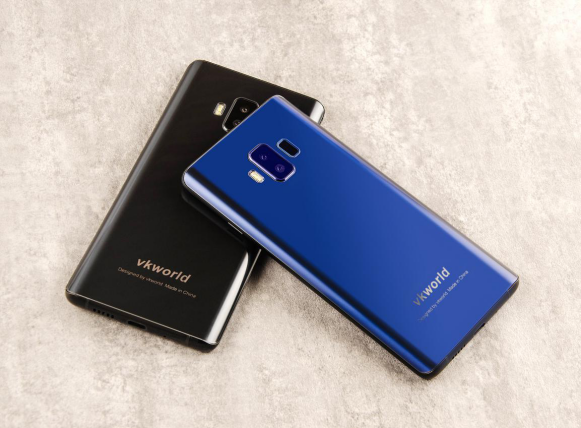
The tri-bezel-less Vkworld S8 is now available for pre-order. The full-screen phone not only boasts an 18:9 display, but also has a titanium frame and a massive 5,500mAh battery.
The Vkworld S8 is supposed to sell for $229.99 but for the duration of the pre-order, it will sell for $169.99. The pre-order promo runs from today (31st of October) till 9th of November.
For $169.99, you get a phone with a 5.99” FHD+ screen with Corning Gorilla Glass 4 on the front and on the rear. MediaTek’s MT6750T is the chipset of choice and there is 4GB of RAM on board. You get 64GB of built-in storage with the option to add up to an additional 128GB.
The Vkworld not only has a bezel-less display, it also has dual rear cameras. One is a 16MP sensor and it is paired with a 5MP sensor. For the front camera, you have a 13MP sensor that sits at the bottom right corner of the chin. The manufacturer says most of its components are from Samsung and Sony, so these sensors should be from either one of the two manufacturers.
The S8 doesn’t end there. There is support for 18W fast charging via MediaTek’s PumpExpress, allowing you charge the 5500mAh battery in just 110 minutes.
Three new devices have just been certified by the Chinese Communications Commission. The devices with model number BKL-AL00, *NI-ALOO, and BKL-AL20 are said to be different models of the Honor V10.
Although, the certification site doesn’t provide details about the three phones, there are rumors of possible specs. First, the Honor V10 is said to have a 5.99” 18:9 display with a 2160 x 1080 resolution. It will be powered by the new Kirin 970 chipset and run Android 8.0 Oreo out of the box.
The Honor V10 will come in 6GB RAM + 64GB ROM and 6GB RAM + 128GB ROM variants. It will have the same camera configuration as the Mate 10 but without the Leica branding. It may also have a different aperture size.
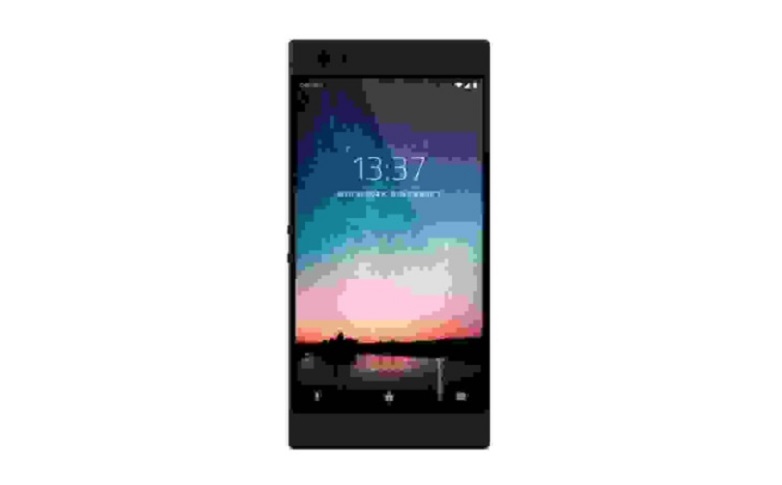
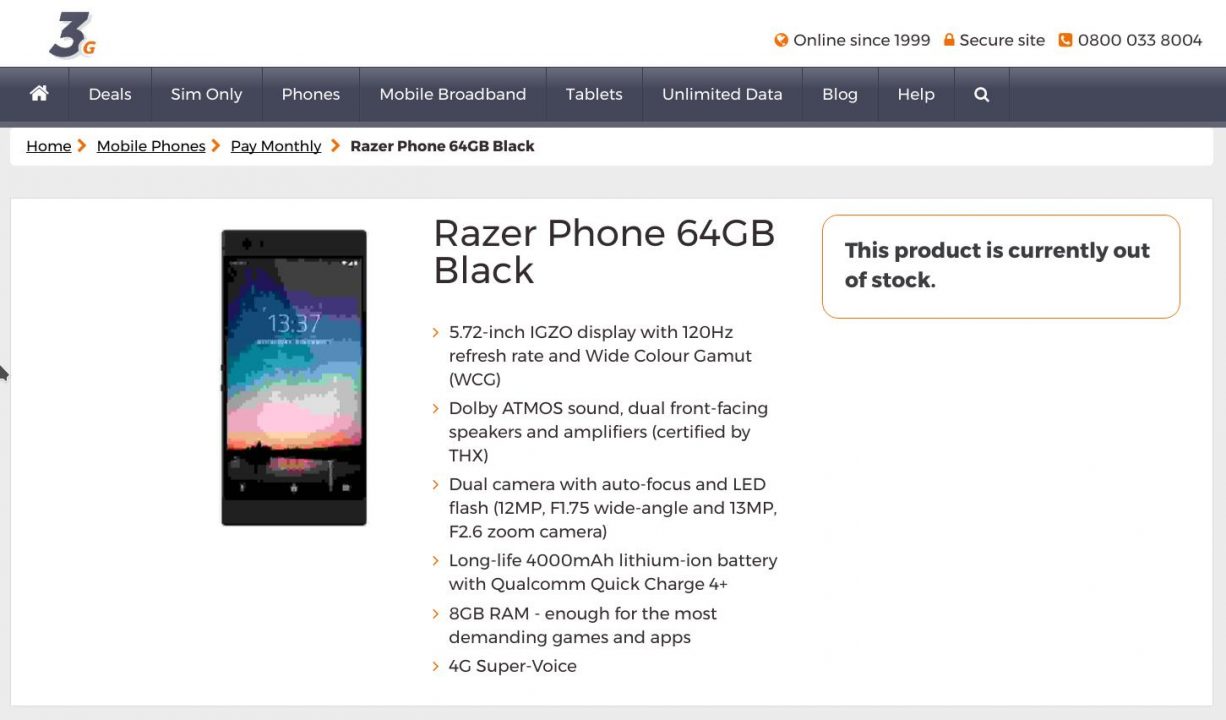
Earlier in this month, Razer had confirmed that it would be holding a launch event on Nov. 1. The teaser image present on the launch invitation suggested that the company would be announcing a gaming-centric phone. The unannounced Razer Phone has been found listed on 3G UK website along with its key features. The listing is no longer available on the carrier site, but the details of the phone have been shared on Reddit.
The listing revealed that the Razer Phone would be coming with a 5.72-inch IGZO display with 120 Hz refresh rate. The display will carry support for wide color gamut (WCG), but the listing did not reveal the exact resolution of the phone. It is expected to deliver stellar gaming experience as it is equipped with dual front-facing speakers and amplifies certified by THX coupled with features Dolby ATMOS sound.
The listing did not carry any information on the chipset that will be powering the phone. However, it stated that it features 8 GB of RAM which again indicates that the phone is designed for hard-core gaming. Also, it features a massive battery of 4,000mAh capacity that is accompanied by Qualcomm Quick Charge 4+ technology.
For photography, it is fitted a dual camera system on its back panel. It includes a f/1.75 aperture 12-megapixel wide-angle sensor and f/2.6 aperture 13-megapixel sensor for zoom. In the U.K., the Razer Phone will be supporting 4G Super Voice. According to the carrier, this feature allows its subscribers to make phone calls and send text messages even in poor coverage areas. The 64 GB Razer Phone would be priced at £594.99 (~$786) in the U.K.
The recent appearance of Razer Phone on GFXBench had revealed that it features a 5.7-inch display that carries support for Quad HD resolution of 2560 x 1440 pixels. The GFXBench listing also hinted that the phone would be driven by Snapdragon 835 chipset and it will be running on Android 7.1.1 Nougat that will be customized with Razer’s own UI skin.
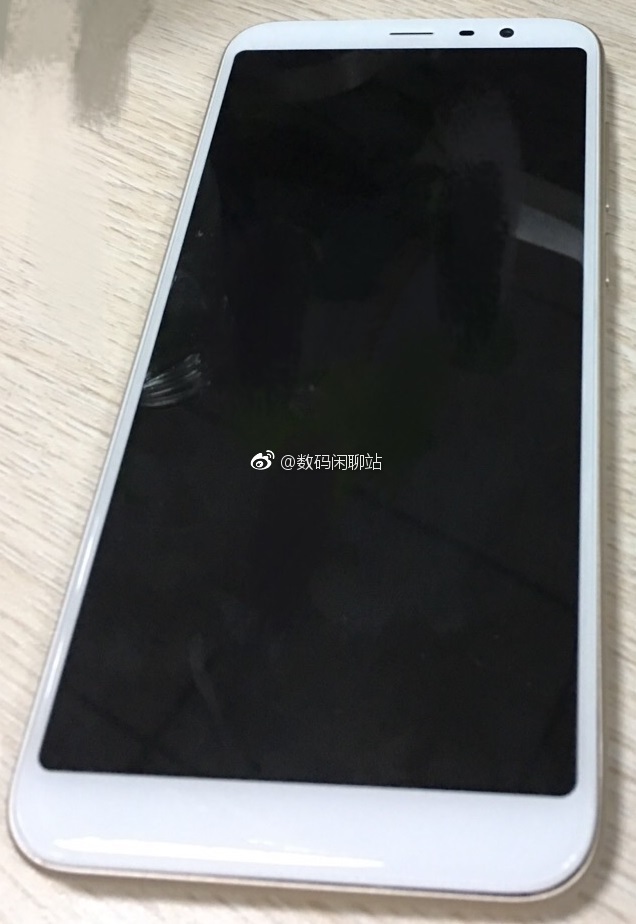
Various Chinese smartphone manufacturers have launched their full screen design phones. However, there are couple of well-known brands like OnePlus and Meizu that are yet to unveil their full screen smartphones. OnePlus 5T is speculated to arrive later in November with full screen design. Xiaomi is expected to announce budget-friendly full screen Redmi 5 Plus phone in the near future. A leaked photo of an unidentified Meizu phone suggests that the company is also prepping on releasing a smartphone with full screen design.
The appearance of the mysterious Meizu phone in the above photo is similar to Vivo X20. The phone seems to be sporting an 18:9 aspect ratio display. However, it does not appear to offer a high screen-to-body ratio. The side bezels are not very slim. The upper bezel houses a selfie snapper and a sensor whereas the bottom bezel lacks Meizu’s signature mBack Home button. The rear side of the phone could be featuring a fingerprint reader.
There is no information available on the specifications of the mysterious Meizu phone. However, the leakster claims that the phone will be driven by a MediaTek chipset. The design of the phone of the suggests that it may not feature high-end specs. He had also stated that the Chinese manufacturer will be soon holding a launch event to unveil this phone.
The above phone appears quite different from the rumored mblu ZERO bezel-less phone from Meizu that had appeared in September. In the same month, Li Nan who is the VP of Meizu’s Blue Charm lineup had said in an interview that a Blue Charm phone with full screen design will be unveil next year. He had added that the phone would be carrying a price tag of 3,000 Yuan (~$452).
Meizu’s head of global marketing, Ard Boudeling took to Twitter to give us a hint about what the company is working on.
According to the tweet, the Chinese smartphone manufacturer is working together with Taiwan’s MediaTek on the “best facial recognition technology on smartphones.” It is no surprise that both companies have formed a partnership as one can almost say Meizu is MediaTek’s best buddy in the smartphone industry. The Pro 7 Plus is proof of this friendship as it is the only phone in the market powered by the Helio X30.
Facial recognition is the new rave in the smartphone industry. It is an alternative biometric feature to fingerprint scanning and manufacturers are working on making it equally secure and fast. Apple already debuted its own facial recognition technology called Face ID on the new iPhone X and we expect more manufacturers will join the train next year.
We're working together with @MediaTek to create the best facial recognition technology on smartphones. We hope to show you in 2018. pic.twitter.com/lYnFXMtblL
The tweet also says that the technology will be shown to the public in 2018. While there is no mention of the exact quarter, we presume the technology will show up first on a flagship device. Maybe the Meizu Pro 8.
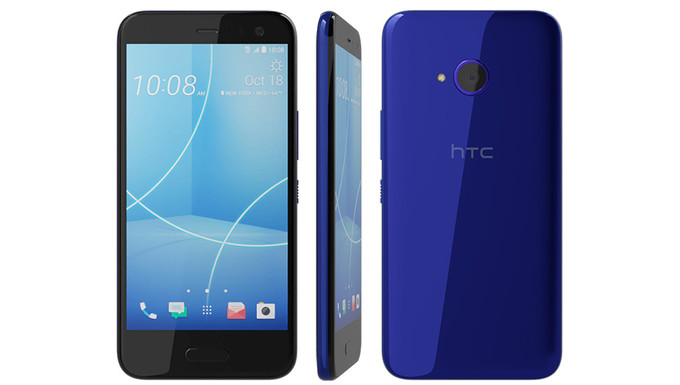
The HTC U11 Life that is scheduled to get unveiled on Nov. 2 was officially listed on T-Mobile’s site accidently. The carrier has managed to remove the listing of the phone. However, a mirror link has all the details of the official listing of U11 Life.
The HTC U11 Life is a mid-range phone from the company is driven by Snapdragon 630 chipset that is assisted by 3 GB of RAM. It is packed with a 2,600mAh battery that produces a standby time of 672 hours and can deliver a usage time of 13 to 17 hours. It will be arriving with a 5.2-inch display that will carry support for full HD resolution.
The Taiwanese company has included 32 GB of internal storage on this phone. For more storage, users can add a microSD card. The handset is running on Android 7.1.1 Nougat with HTC Sense skin place over it. The device will feature both Google Assistant and Amazon Alexa.
When it comes to connectivity, the HTC U11 Life is enabled with features like 4G VoLTE, Wi-Fi 802.11 ab/g/n, NFC, GPS, USB-C 2.0 and Bluetooth 5.0. For photography, it is equipped with a 16-megapixel rear camera and the frontside of the phone is also flanked with a 16-megapixel sensor.
The HTC U11 Life will be arriving with a IP67 certified water and dust resistant body. The squeezable frame feature that is found on the U11 flagship will be also available on the U11 Life phone. With no 3.5mm audio jack on the U11 Life, the Taiwanese manufacturer will be providing USonic earphones along with the phone.
Recent reports have revealed that the HTC U11 Life will be also available in Android One version. This model is speculated as the first Android One to come preloaded with Android 8.0 Oreo. As far as the cost of U11 Life is concerned, it is expected to be priced around 369 euros (~$429). Apart from the U11 Life mid-range phone, HTC is also expected to announce the U11 Plus flagship on Nov. 2.
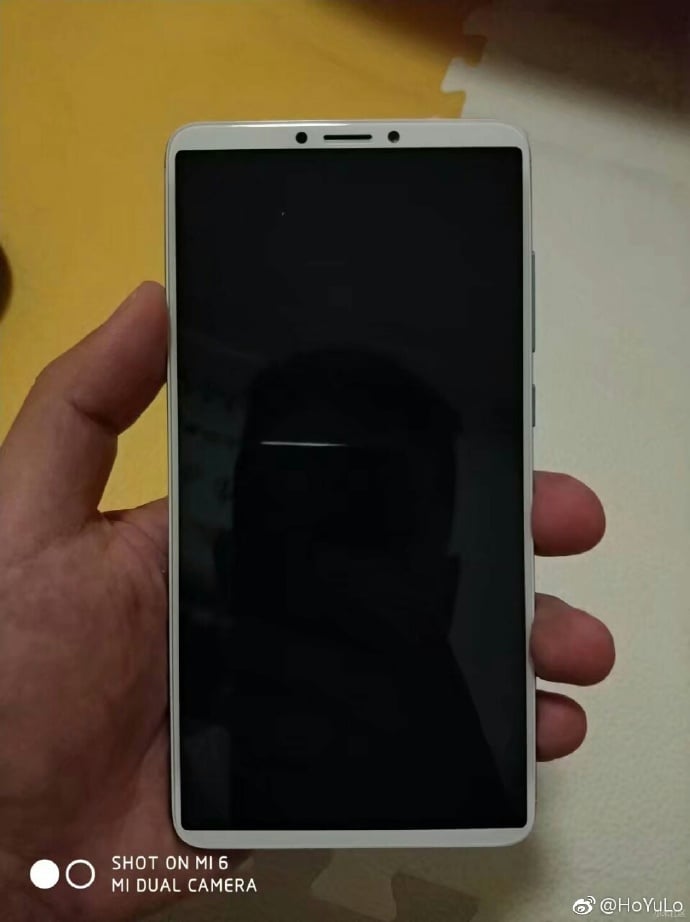
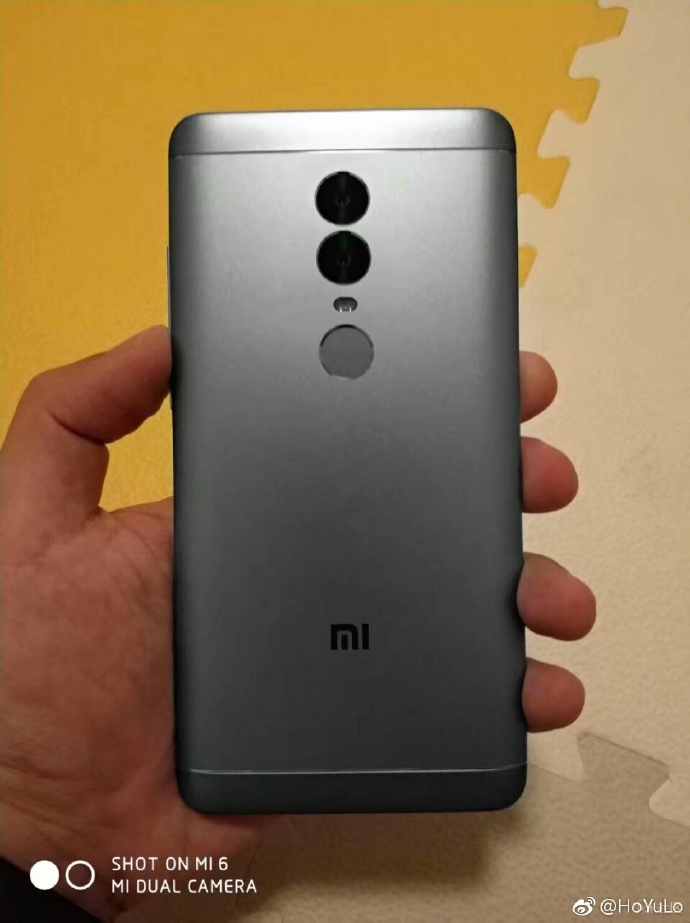
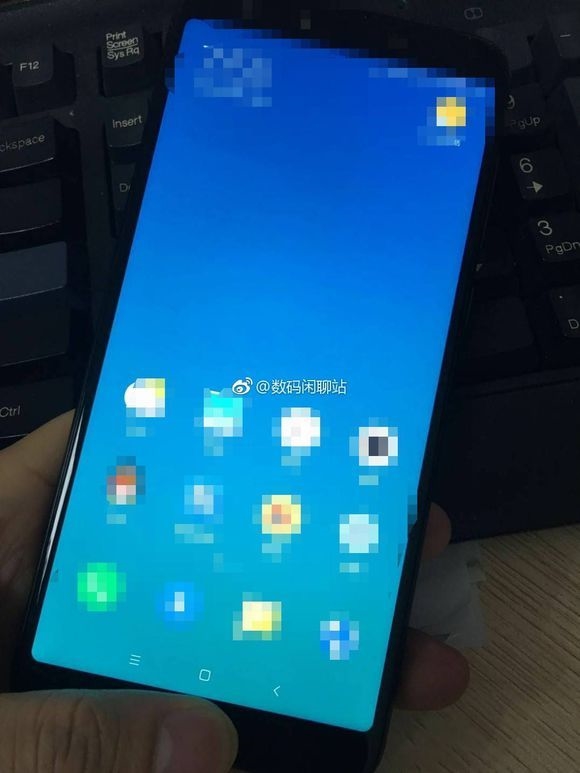
November 11 is a popular day for e-commerce in China and it is known as Double 11 (11.11) and ahead of the deal day, several mobile phone manufacturers are quietly preparing for one last push to grab some of the market shares. Xiaomi is frantically preparing for the day, with the realization that a good outing during 11.11 would see it hit the 100 million mark in terms of shipment this year. The tech company dubbed “Apple of China” is preparing to release up to three models including the Redmi Note 5 and Redmi 5 Plus. Both models have made the rounds in leaks and rumours lately and we still keep getting more. Right now, a couple of real-life photos said to be those of the Xiaomi Redmi 5 Plus have appeared online.
The Redmi 5 Plus may likely be the first model Xiaomi will release ahead of the double 11 sales promotion. The device promises to be a hot selling one considering the unique design. For the first time, Xiaomi is bringing the full-screen design to the budget segment. The Redmi 5 Plus features an 18: 9 aspect ratio with ultra-thin bezels at all four sides. There is no capacitive home button onboard due to the high screen-to-body ratio.
The rear design looks very much similar to Xiaomi’s first dual camera smartphone – the Redmi Pro released last year. It packs a dual camera setup aligned vertically. Just under the cameras lie the LED flash and thereafter you get the fingerprint sensor. The Redmi 5 Plus will likely be bigger in size. It is tipped as packing a 5.99-inch display with 2160 x 1080p (FHD+) resolution which effectively means it will have an 18:9 aspect ratio.
The Xiaomi Redmi 5 Plus is also expected to pack a Snapdragon 625 chip but there are talks of a Snapdragon 450 onboard. The device will come in two versions with 3GB RAM and 4GB RM respectively. The dual cameras are said to be a 12MP+ 5MP combination. The Redmi 5 Plus lower version may be the one with a D 450 chip and it may come with a 720p resolution but 18:9 aspect ratio (HD+). The lower version may likely come as cheap as 799 Yuan. These are just speculation, though, the actual details would be outed when Xiaomi takes the wrap off the device.
We use cookies on our website to give you the most relevant experience by remembering your preferences and repeat visits. By clicking “Accept”, you consent to the use of ALL the cookies.
This website uses cookies to improve your experience while you navigate through the website. Out of these, the cookies that are categorized as necessary are stored on your browser as they are essential for the working of basic functionalities of the website. We also use third-party cookies that help us analyze and understand how you use this website. These cookies will be stored in your browser only with your consent. You also have the option to opt-out of these cookies. But opting out of some of these cookies may affect your browsing experience.
Necessary cookies are absolutely essential for the website to function properly. This category only includes cookies that ensures basic functionalities and security features of the website. These cookies do not store any personal information.
Any cookies that may not be particularly necessary for the website to function and is used specifically to collect user personal data via analytics, ads, other embedded contents are termed as non-necessary cookies. It is mandatory to procure user consent prior to running these cookies on your website.