Huawei is proud of its P9 flagship and according to recent news it has sold more than 10 million units. The company’s focus now is on the Huawei P10 which is expected to launch during Mobile World Congress next month.
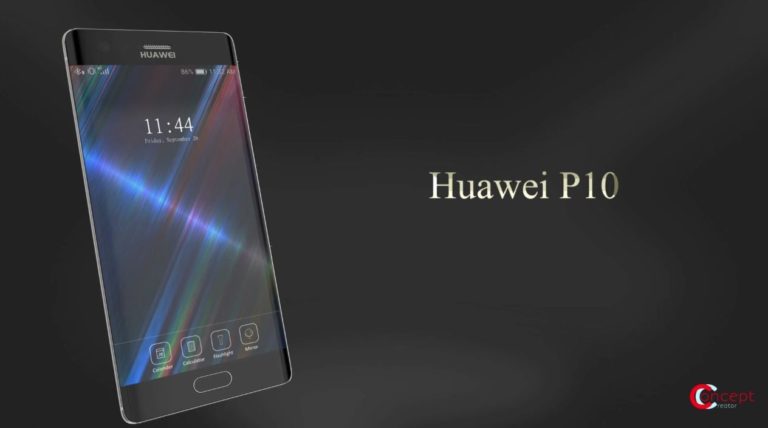
New renders of the upcoming phone made by Concept Creator have been posted online and while the pictures do show more details they still share a similar design to the renders that were posted online last week.
From the images, we can see that the Huawei P10 has a very slim profile. The back of the phone and the dual-curved display are symmetrical with their curves meeting at the middle frame. The Huawei P10 is not focused on bezels and you can see that the top and bottom bezels look no different from that of the P9. Though the lower bezel can be excused for housing what appears to be an ultrasonic fingerprint scanner.
The P10 in this render has its audio jack at the bottom just before the USB Type-C port and speaker grille. There is also an antenna line on the side of the frame.
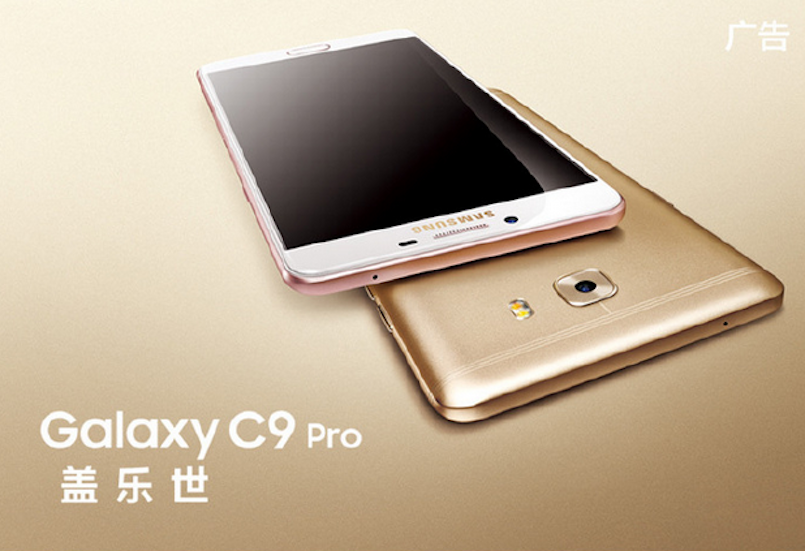
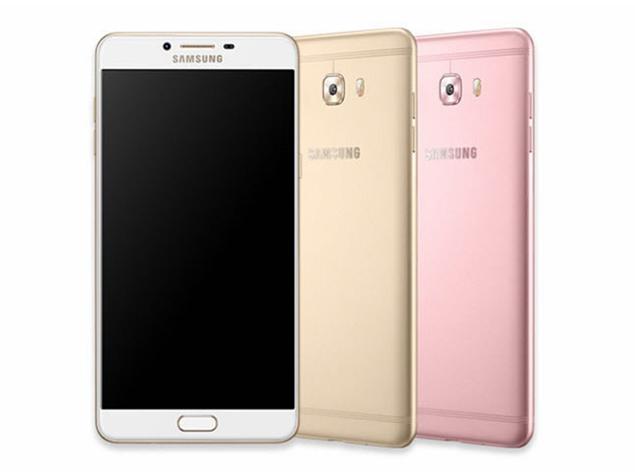
Samsung has gone official with its mid-range Galaxy C9 Pro smartphone in India. The Samsung Galaxy C9 Pro is the company’s first smartphone with 6GB of RAM and was launched in China back in October 2016.
Basically, the specifications and design are consistent with the one released in China but the price tags differ slightly. The Galaxy C9 Pro arrived in Chian with a 3,199 yuan price tag (around Rs. 31,700, $470) but in India the smartphone starts at RS 36,900. The device will become available for pre-order or reservations from January 27 via select stores and online e-commerce websites. While it will be available for purchase towards the end of February 2017.
To refresh our memories, the Samsung Galaxy C9 Pro features a 6-inch 1080p AMOLED display and is powered by the Qualcomm Snapdragon 653 processor accompanied by 6GB of RAM. The smartphone also comes with 64GB of internal memory which can be expanded further via microSD slot. The C9 Pro sports a 16MP rear camera as well as a 16MP sensor up front which both promise better picture qualities. It is a dual SIM phone with support for 4G LTE connectivity. The Galaxy C9 pro also runs TouchWiz UI based on Android Marshmallow OS. Other features include a 4,000mAh battery with fast charge support, a front-mounted fingerprint sensor and USB Type-C data and charging port.
In an interview, Lenovo CEO Yan Yuanqing said that it underestimated the difficulty of reviving Motorola.
Motorola Mobility along with its smartphone series such as Moto X, Moto G, Moto E and Droid were acquired by The Lenovo Group in October 2014. Since then Motorola has been operating as a subsidiary of the Chinese company with its headquarters based in Chicago.
Motorola was acquired with its nearly 3,500 workers from all the overall the world. At that time, it was the world’s third largest smartphone manufacturer. In 2011, Google had acquired Motorola Mobility for $12.5 billion and the search engine sold the company to Lenovo for $2.91 billion in 2014.
Back to the present, Lenovo has lost its top 3 global ranking. It went down to eighth position in Q2 2016. It has axed around 3,000 jobs and it is recorded its first financial loss since 2009. Hence, Yuanqing has said in an interview to Wall Street Journal, “we underestimated the differences of the culture and the business model.”
Lenovo’s successful acquisition of IBM created “a certain aura of invincibility” that resulted in the company making several miscalculated decisions. One of its major mistakes was selling Moto branded devices in China in 2015, but it failed to achieve impressive sales as the Chinese market was already saturated with affordable smartphones from various brands.
The Moto X carried a pricing of around $600 and $700. Apple iPhones also carried similar pricing in China. Moreover, the release of Moto phones clashed with the products from Lenovo. In 2015, Lenovo could sell only 200,000 Moto devices in China. Three years ago, Lenovo had a 12 percent smartphone market share in China. However, it has now declined to only 2 percent, according to IDC.
Lenovo’s strategy for the U.S. market was also unclear. The company had initially boosted advertising revenue for Moto X Force, a smartphone designed for U.S. customers. However, it took a quick decision to reduce the revenue on advertising and product development in the U.S. With an advertising budget of $21.6 million in the first half of 2015 in the U.S., it could never rival with Samsung that invested $187.8 for advertising in the country.
Lenovo’s reluctance to spend more advertising coupled with poor sales resulted in axing of 3,000 jobs in the U.S. Moreover, a major part of Motorola’s product movement has been shifted to China.
At present, Lenovo has upped the advertising revenue for Lenovo and Motorola products. In 2016, Motorola’s advertising revenue was increased by 30 percent. According to IDC, the company managed to climb up to sixth position in the global smartphone market share in Q3 2016. Moto Z flagship from 2016 has also received positive reception from audience and critics.
It seems that Lenovo now has a working strategy to increase sales of Moto branded devices. We hope that in 2017, Lenovo will manage to restore Motorola’s lost glory.
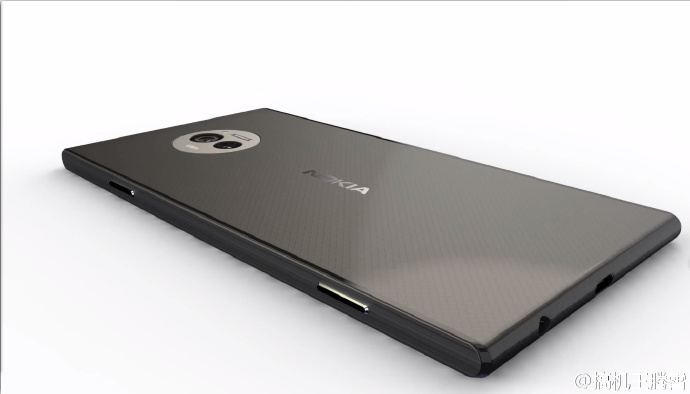
MWC 2017 is just by the corner and one of the smartphones expected is the new Nokia flagship powered by a Snapdragon 835 chip. Earlier rumors had tipped the expected smartphone as Nokia 8 and later on, renders of a Qualcomm smartphone exhibited at CES 2017 was identified as the expected Nokia 8 until Qualcomm debunked that assertion. Now, it is rumored that the expected Nokia flagship smartphone is actually called Nokia P1 and it packs way more features than we thought.
The rumor seem to have emanated from Russia and it tips the Nokia P1 as packing the Qualcomm Snapdragon 835 chipset. Other key features of note is that the flagship would sport a 5.3-inch IGZO display with a refresh rate of 1 to 120Hz. The display is further protected with Corning Gorilla Glass 5.
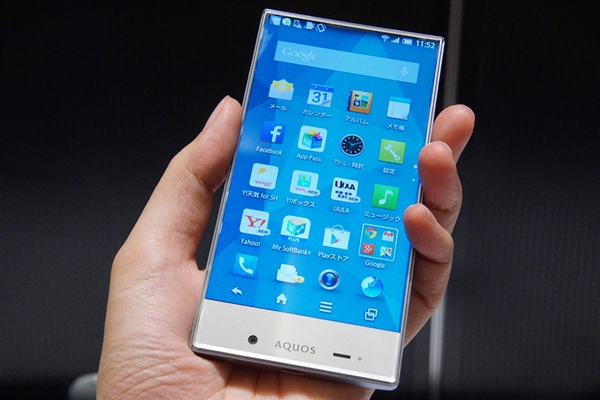
According to the rumor, the Nokia P1 is based on Sharp Aquos Xx3 and packs some features found on the Aquos Xx3. Recall that Foxconn now owns Sharp and Foxconn is the manufacturer of the Nokia phones for HMD Global, so the rumors carry some weight. Apart from that, the device is rumored to come with 6GB of RAM and two memory versions of 128GB and 256GB of storage respectively. There is also said to be a 22.6MP main camera at the rear identical to that of the Sharp Aquos Xx3 but the Nokia P1 comes with ZEISS optics certified by Carl. Other features include a 3,500mAh battery with Quick charge, ultrasonic fingerprint sensor, and Android 7.0 Nougat OS out of the box.
The Nokia P1 will also come in two versions based on the material used to manufacture the body. The high-end version with 256GB storage is said to come with a ceramic body, while the other version with 128GB storage will feature a metal frame. Both versions will have IP55/ IP 57 protection standard. Expect the 256GB version to come in with a hefty $950 price tag, while the 128GB version is said to be price around $800.
In the quest to meet buyers’ yearning for smartphones with longer battery life, smartphone makers have developed several technological methods of battery manufacture. Smartphones are now packed with fast charging technology that delivers full capacity charge in just few minutes. But then, the rate of exploding phones seems to have increased as well, most times the phone’s battery is the culprit.
The case of the Samsung Galaxy Note 7 is perhaps the most notable smartphone till date to have been plagued by defective battery leading to the recall of the entire line. Although Samsung is yet to release the report of its findings on the exact cause of the Note 7 exploding incidence, local media allege that the report finds the battery as the cause.
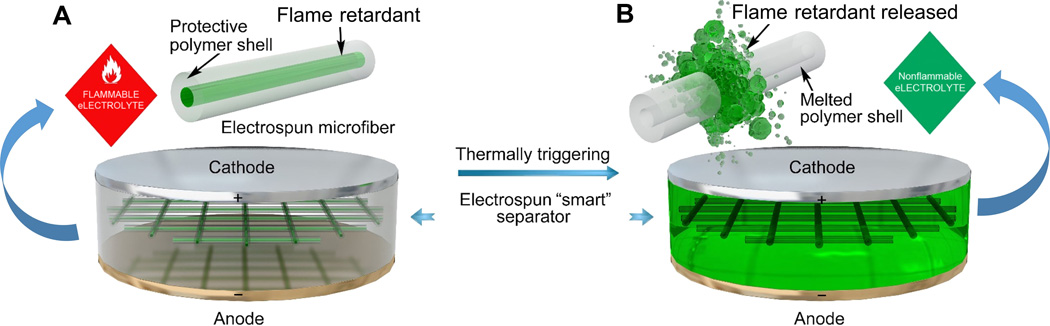
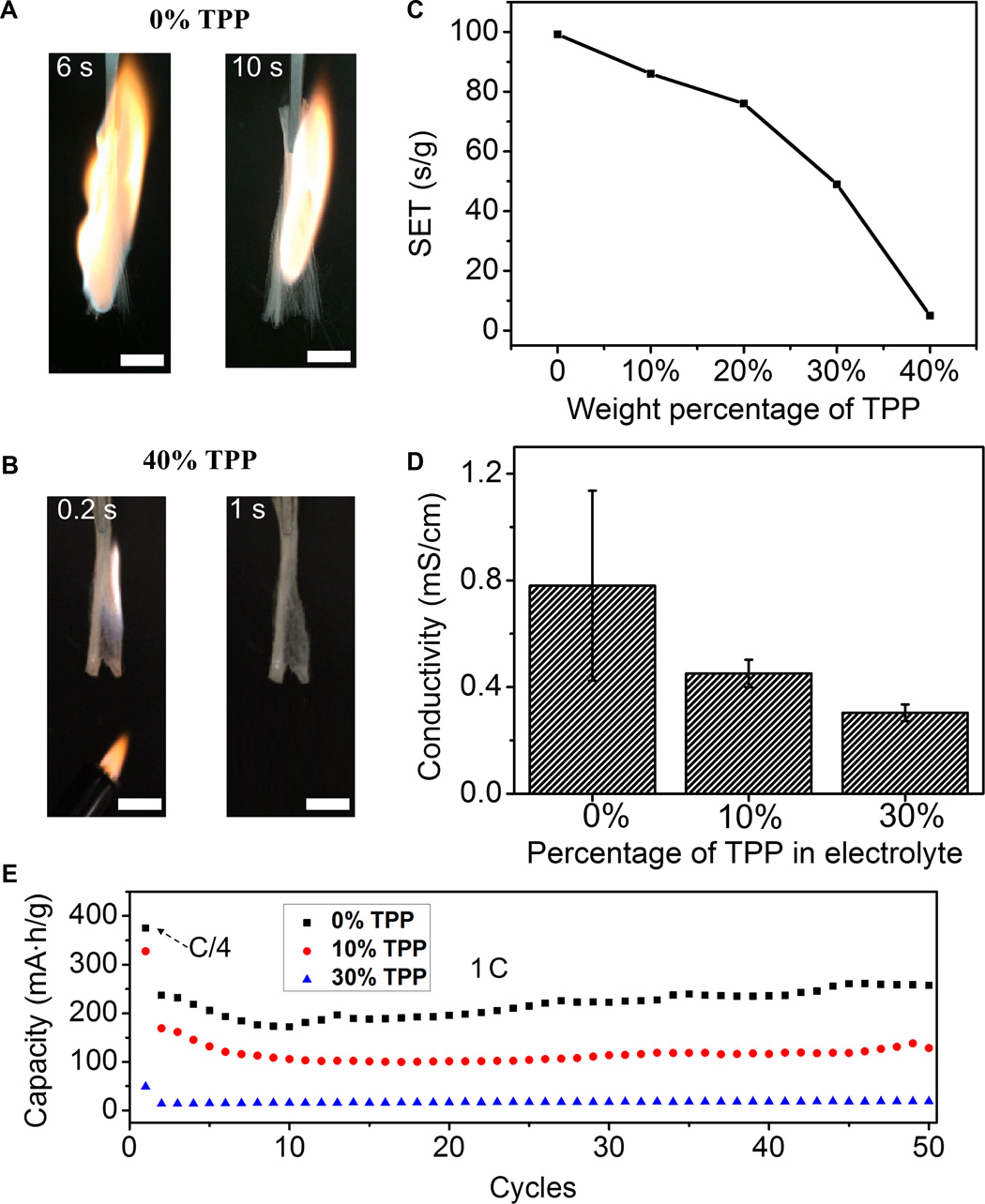
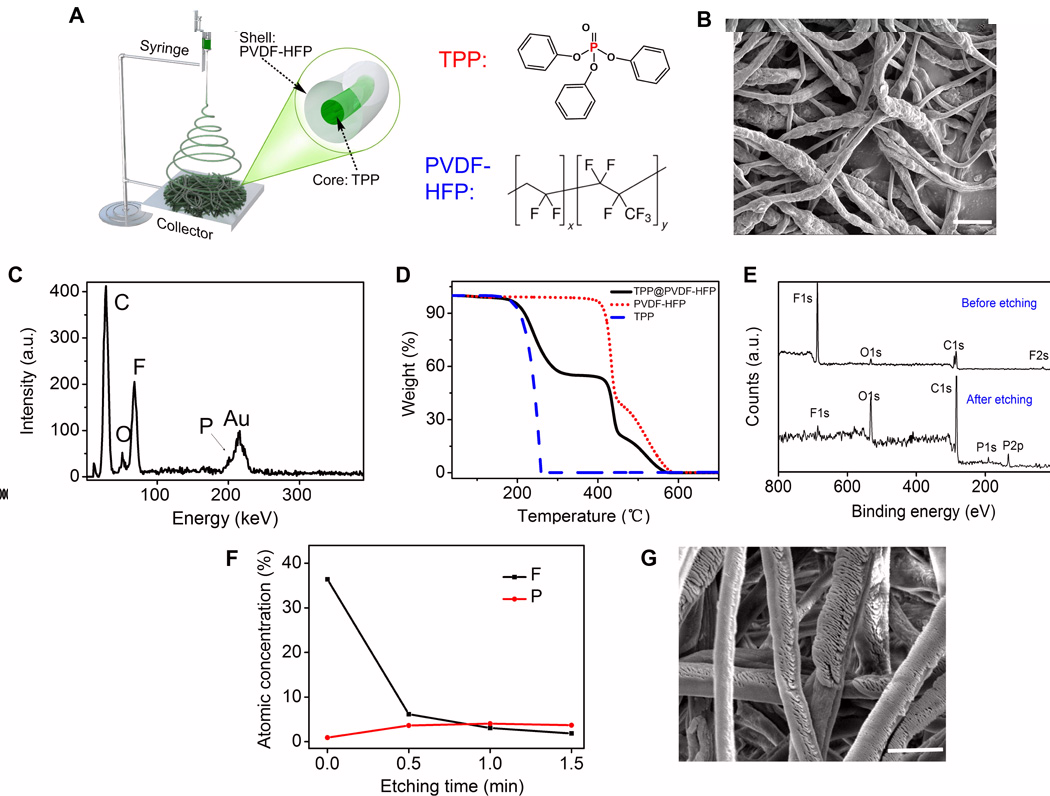
However, there seem to be an end in sight as scientists at the Stanford University have published in the Science Advances journal that they have developed a battery that cools itself when it gets overheated. The battery is a lithium-ion battery built with flame-retardant triphenyl phosphate (TPP) inside a shell within the electrolyte fluid. The shell melts when the temperature reaches 150C (302F), releasing the chemical compound. The accompanying test result shows battery fires were extinguished in just 0.4 seconds.
Lithium-ion battery is the most popular battery that powers most gadgets, including smartphones and it gets affected by heat which turns it to a potentially explosive material. Attempts have been made in the past to incorporate TPP inside batteries without the shell and that have hampered their performance, so basically what they brought into the mix is the shell which they develop for the TPP compound inside the battery.
It is hoped that this development would lead to a break-through in lithium-ion battery manufacture which would eventually bring to an end cases of battery fire or explosions.
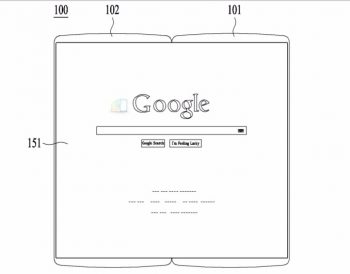
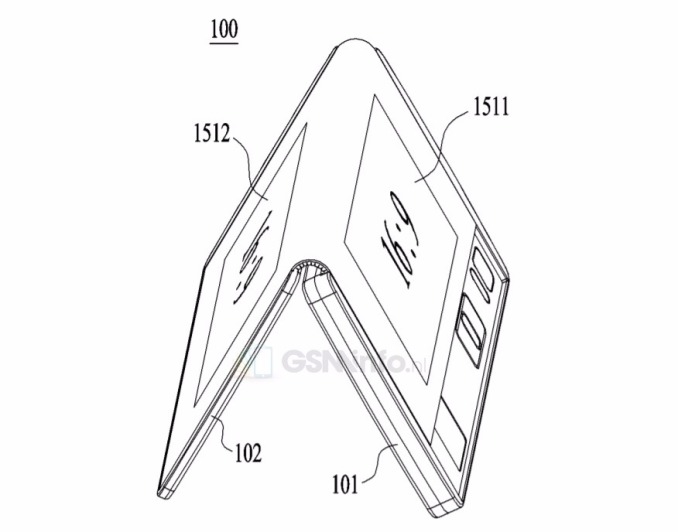
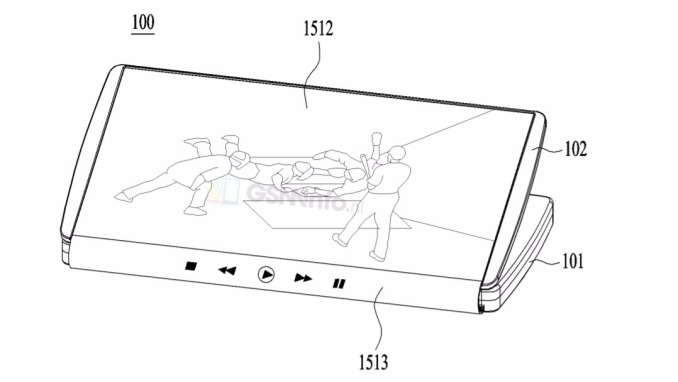
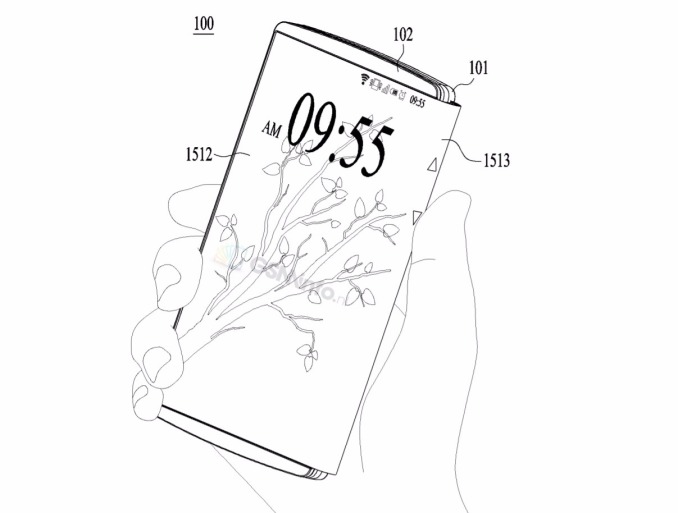
LG has received a patent for a foldable phone-tablet hybrid. It is likely to release in the second half of this year.
Samsung is reportedly working on a foldable device that can fold outwards and convert into a 7-inch tablet. LG has also received a patent for a “Mobile Phone” in the previous week for a new foldable design. This shows that even LG is keen on releasing a foldable phone.
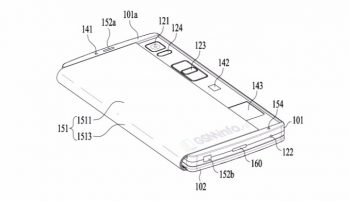
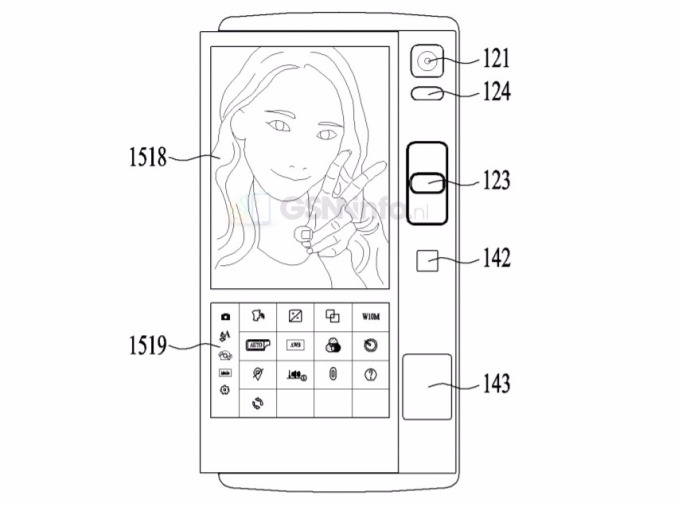
LG’s patent (US D776,074 S) at USPTO (United States Patent and Trademark Office) for a foldable device was filed on Jan. 7, 2015 and it was approved on Jan. 10, 2017. The patent details show that the device can be folded vertically. When unfolded, the device can be used a tablet. The device can be also used in a tent mode.
The device that uses this patent will have a touchscreen on the front and back. When unfolded, it will show a bar in the middle that will contain all the notifications. Alongside the additional display on its rear, it can have features like a camera along with LED, a fingerprint reader, and a rear-facing power button.
Recently, Microsoft was also granted for a foldable device. Speculations are rife that the much-awaited Surface Phone may arrive as a 2-in-1 foldable device that can function as a smartphone as well as a tablet. In the last week, Nokia’s patent for a foldable device was also approved which indicates even it is prepping up to enter foldable smartphone race.
Apple had also filed for a foldable iPhone in 2014. The flexible iPhone patent was approved in 2016. Samsung’ upcoming foldable devices are allegedly named as Galaxy X and Galaxy X1 Plus. Speculations are rife that Samsung may announce its foldable devices as early as in the second half of 2017. However, other speculations indicate that the device will be launched in first half of 2018.
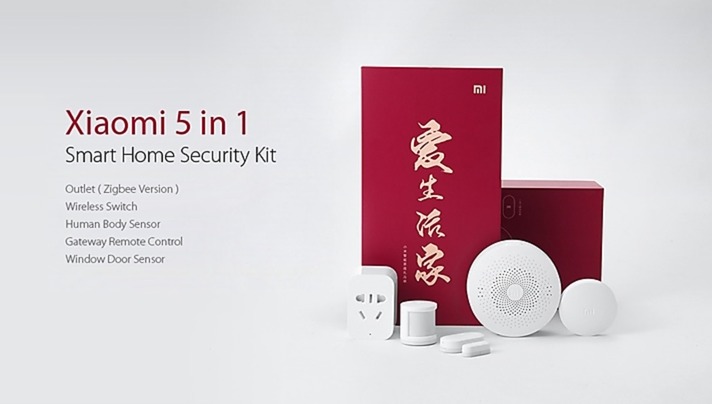
Xiaomi is known for making all sorts of accessories and the smart home kit automatic security system is one of the most interesting things in the company’s portfolio. You can now get it for just $52.99 from lightinthebox.com using the coupon code that you will find at the end of this article.
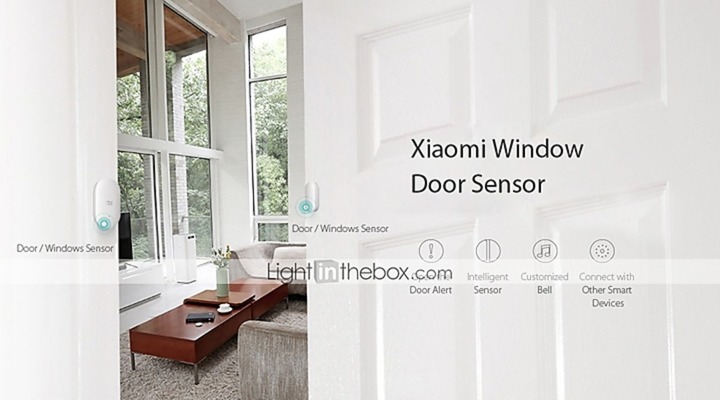
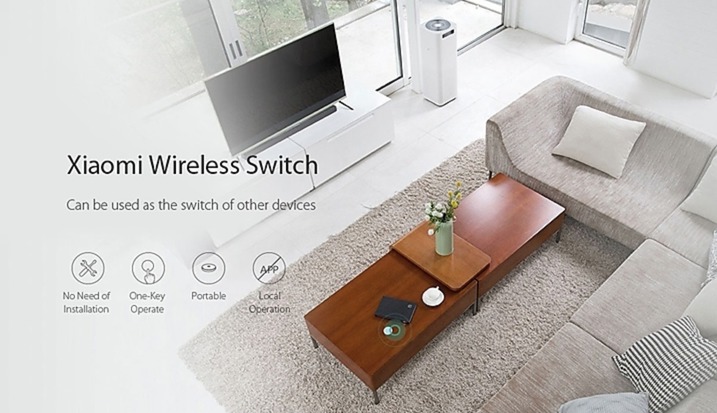
The security system includes 5 components: an outlet, a wireless switch, a human body sensor, a gateway remote control and a window door sensor.
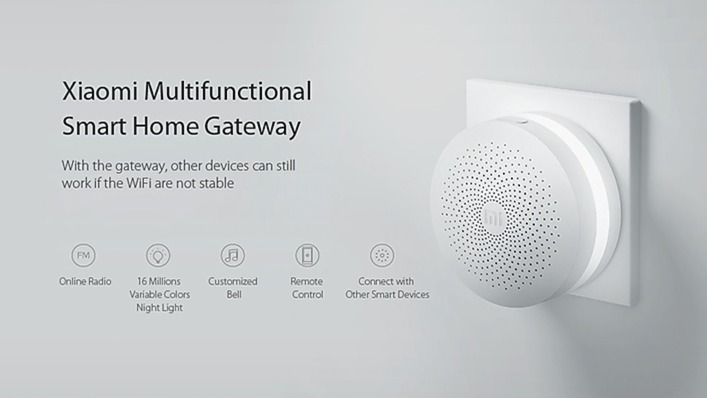
The multifunctional gateway can connect to all sorts of smart devices and it has some extra features like an FM radio, customizable bell, 16 million different colour options and so on.
One of the gadgets that can serve for both security and awareness is the door sensor. Basically, it sounds if someone opens up the door or the window.
A study carried out by the United Nations University in Japan has revealed that the amount of e-waste in the Eastern and SouthEastern parts of Asia has increased by 63% between 2010 and 2015. The waste currently sitting at 12.3 million tonnes has Hong Kong, Singapore, Taiwan and the Chinese Mainland as major waste generators.
The huge surge in e-waste has been attributed to the rapid rate at which the middle class in countries like China is growing. People can now afford to buy more electronics and easily replace faulty ones or outdated ones. It has also become cheaper and easier to import products.
According to the research, some countries don’t have e-waste laws or don’t enforce them. It is also not unusual to see people uneducated about proper disposal of electronic wastes and those who are educated find it difficult to do so since recycling locations are far and few.
It is not all that bad though as countries like Japan, South Korea and Taiwan are doing well when it comes to e-waste management. Vietnam, Malaysia, the Philippines and China have created laws related to e-waste disposal recently and should get better as public awareness increases.
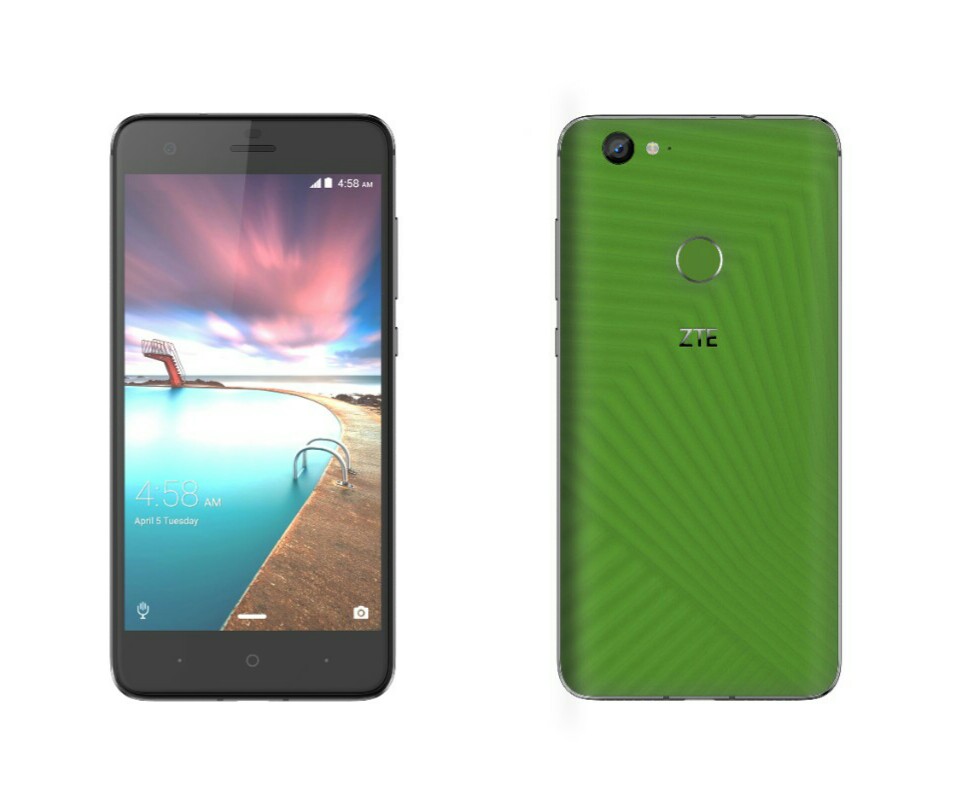
The ZTE Hawkeye is a crowd sourced smartphone born from ZTE’s Project CSX (Crowd Sourced X) where ‘X’ is the mobile device you want ZTE to build next. In this case X stands for Hawkeye.
The ZTE Hawkeye was unveiled at this year’s edition of CES and we got to learn of some of its major features. There is the eye-tracking feature labelled Senseye which lets you scroll through webpages using only your eyes and the self-adhesive back that lets you stick the phone up on walls for a hands-free usage. Today ZTE has unveiled the technical details of the Hawkeye.
The phone will have a 5.5-inch display, 3GB RAM, 32GB ROM, a snapdragon 625 processor and a 3000mAh battery. It will have Quick Charge 2.0 support, a USB Type-C port, and dual hybrid SIM slots.
Just like the ZTE Blade V8 and Blade V8 Pro, the ZTE Hawkeye will also have dual rear cameras. One will be a 13MP sensor and the other will be a 12MP shooter and both cameras will have optical image stabilization. Don’t be confused, we know renders of the phone released by the company shows a phone with a single rear camera but ZTE has confirmed that it will indeed have dual-cameras.
The Hawkeye will have a rear-mounted fingerprint scanner and will ship with Android Nougat out of the box. ZTE has also provided the 4G LTE bands the Hawkeye will support, so if your operator uses any of these bands (B2/B4/B5/B12(MFBI)/B7/B13/B66), you might want to set your sights on the ZTE Hawkeye.
LeEco launched in the US last year, bringing its phones and TVs to the North American country. After the launch, the company organised a number of flash sales for its phones and TVs on its LeMall website. But since the flash sales ended, the company has expanded sales of its products to other major shopping sites like Target and Best Buy.
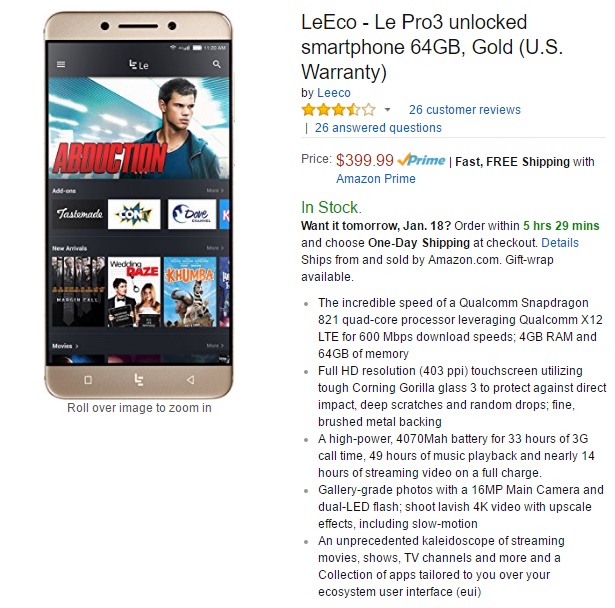
In order to make its products available on more platforms, the Chinese manufacturer has now added online retail giant, Amazon to the list. So if you are an Amazon user, you can now purchase either the flagship LeEco Le Pro 3 or the mid-range Le S3 for $400 and $250 respectively.
You can also pick up the LeEco 55-inch 4K smart TV for $700 and the 65-inch variant for $1100. If you want something smaller, the 43-inch variant is also available for $450.
The LeEco phones are not bad at all. The Le Pro 3 for example has a snapdragon 821 processor, a 5.5-inch FHD screen with Gorilla Glass 3, a 16MP rear camera, 4GB of RAM,and 64GB of storage. It also has a USB Type-C port and a 4070mAh battery. The only downside is the lack of an audio jack and if Apple and Motorola can get away with not having one, LeEco should too.
The Redmi 4 was released in November as the successor to the Redmi 3 and its many variants. It does sport a new design similar to its sibling the Redmi Note 4 and still maintains the low price the series is known for.
However, the Redmi 4 has that annoying black border that surrounds its screen, a feature common to low-priced Chinese phones. Seems Xiaomi has heard the complaints from users and has decided to fix the issue albeit to a certain degree and quietly too.
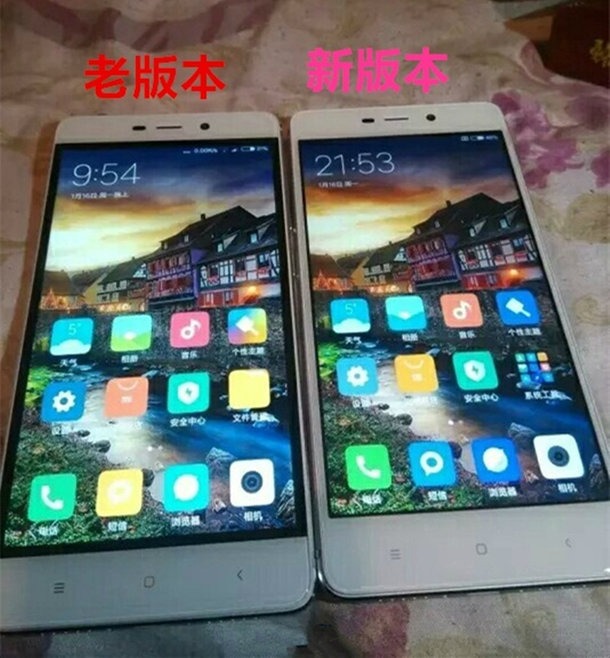
It has been noticed that new batches of the Redmi 4 sold at the company’s official mall since January 11 now have considerably thinner black border lines. It isn’t gone completely but it is thinner and if you look at the image below, you should notice the difference quite clearly. You will also notice that the phone looks shorter, so I guess the production mould must have been changed completely.
old version vs new version (leaked image)
It’s worth adding that the new version looks a lot like the Redmi 4a, which already came with thin bezels. So, we will have to wait and see if the new version ends up looking like the one shown on the right.
The price still remains the same and you still get a 5-inch HD display, a Snapdragon 430 processor, 2GB/3GB of RAM, and 16GB/32GB of storage. There is a 13MP rear camera with PDAF and a 5MP front facing camera for selfies. And even though the Redmi 4 has a smaller display, it still has the same 4100mAh battery capacity as the bigger Redmi Note 4.
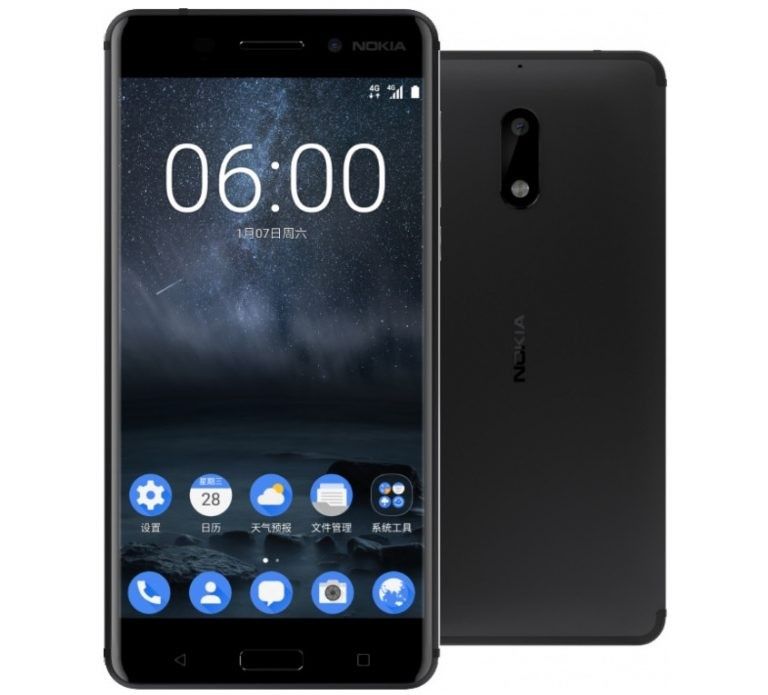
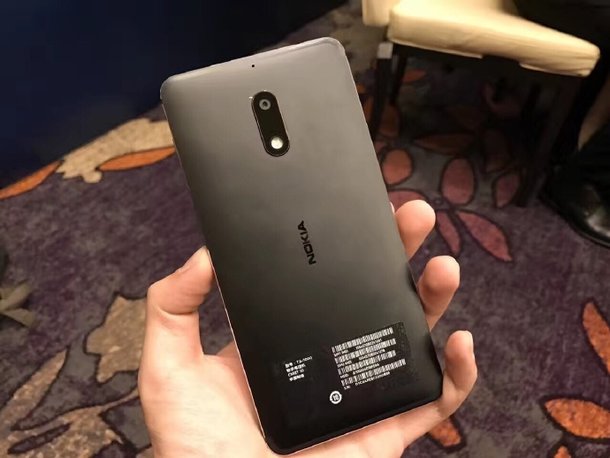
HMD Global-controlled Nokia‘s first smartphone Nokia 6 is set to go on its first flash sales on January 19 and ahead of the sales, the device has been up for reservations since it was first announced in China last week. The smartphone has since then been making waves, recording up to 230,000 registrations in just 24 hours.
Presently, with just two days left before the smartphone goes up for sales via China’s popular flash sales method, registrations are almost hitting the one million mark on Jingdong. The Nokia 6 will be sold exclusively on Jingdong (JD.com), so it is easy to track the number of registrations so far. What we are not sure of is if there are enough units in stock to meet the huge number of interests in the smartphone. Although, we don’t expect the number of registrations to translate into actual sales, as some may end up not buying the smartphone. The huge number of interests in the Nokia 6 seem not to be misplaced, though, as the device comes with a mid-budget price tag and a design that reflects Nokia’s rugged, durable body build design trademark.
As a reminder, the Nokia 6 features a 5.5-inch display with 1080 pixels resolution. It is powered by a Snapdragon 430 chipset which is backed by 4GB of RAM. There is 64GB of storage onboard with the option of notching it further via microSD. On the camera end, the device carries a 16MP rear sensor with a single LED flash lying just underneath it. While up front, there is an 8MP front-facing camera for sleek selfies. There is a 3,000mAh battery crammed inside the smartphone which should do justice to keeping the lights on for a longer period. It carries a 1699 yuan price tag.
A leakster by the name @Ricciolo1 has posted on Twitter details about the upcoming Samsung Galaxy S8.
According to him, Samsung’s new flagship will be privately unveiled at this year’s edition of Mobile World Congress. Then it will be introduced on the 29th of March and a main launch will come almost a month later. The tweet doesn’t end there as he also mentions that the phone will have a starting price of $849.
While @Ricciolo1’s tweet might have dates similar to earlier rumors, we still advise that you take it with a pinch of salt.
Leaks of the Galaxy S8 revealed over the past few months say the new flagship will have thin bezels, a 5.7-inch Super AMOLED display with Gorilla Glass 5, and a Snapdragon 835 processor with Adreno 540 GPU. We have also learnt that the front camera will be an 8MP shooter with autofocus and the rear camera will remain a 12MP sensor.
Last year, Samsung had a rough year as a result of the explosion incidence on its Galaxy Note 7 flagship. This has perhaps promoted smartphone makers to adopt measures aimed at prevent sure occurrence on their models. South Korean rival LG is one of such company that has got a feature on its upcoming LG G6 smartphone that could prevent such.
LG has revealed that it put safety as a priority while developing the flaship G6 which will hit the market any moment from now. According to the Korea Herald, the company has been imlementing new technology and performing tests that would eventually improve the safety and quality of the G6.
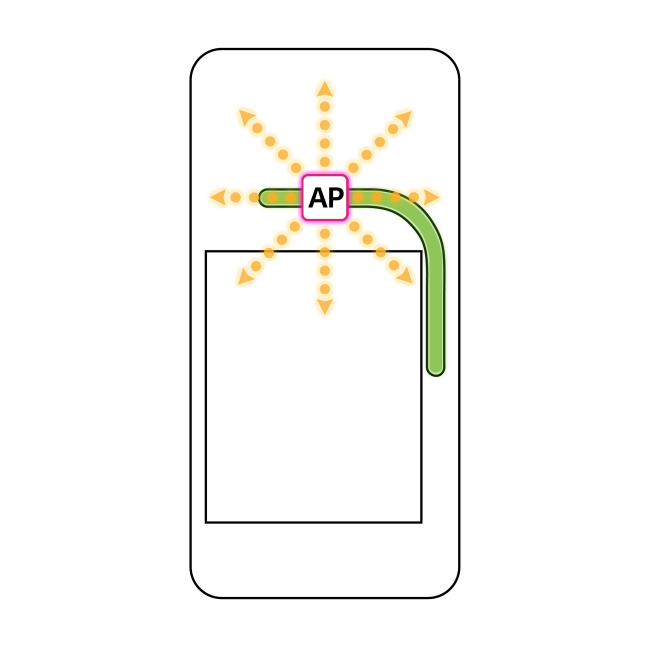
Concept design of radiant heat and heat pipe (LG Electronics)
The company had earlier confirmed that it has employed heat pipes made up of copper that can dissipate the internal heat inside its smartphones. It is the same technology that is used in the batteries of PCs and notebooks that decreases the internal temperature by 6 to 10 percent. Moreover, LG has been designed the G6 in such a way that the internal components that heat up remain as far apart as possible to prevent the concentration of heat at one place.
The Korean company did take things a bit further by conducting battery-heat-exposure tests with the device being subjected to temperatures up to 15% higher than the standardized temperature set by the US and Europe. The battery is also said to undergo tests like piercing with a sharp nail, and having heavy objects dropped on it from a high altitude. They also aim to subject the device to a new life-endurance test like repeated drops, and exposure to extreme power voltages, all in a bid to ensure the G6’s battery is very safe. Such tests could also reveal any defects on the smartphone and that would be nipped in the bud before the device is unveiled.
We expect the LG G6 to be unveiled at the Mobile World Congress (MWC) 2017 and it is expected to come with features different from what LG has done in the past, bot in its specs and design.
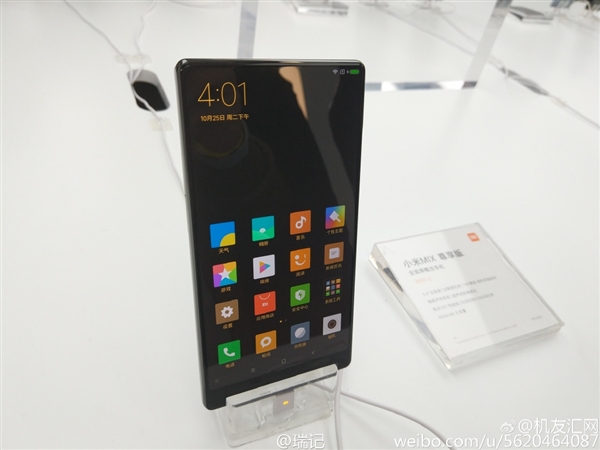
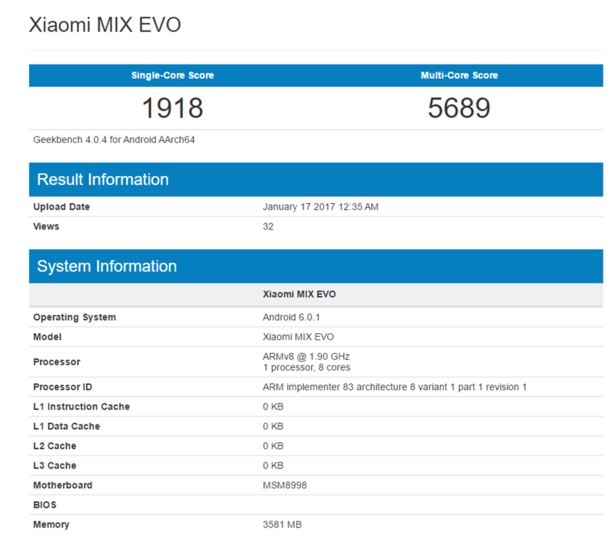
A new Xiaomi smartphone seems to have popped up on Geekbench and we have seen the device’s performance via Weibo. The smartphone is listed with the name Xiaomi Mix Evo and comes with the Snapdragon 835 chip onboard, and entirely new name different from the Mi 6 we were hoping would be the first Snapdragon 835-powered Xiaomi phone.
Just yesterday, we reported that Xiaomi’s VP Li Wanqiang hinted at the weekend that Xiaomi will release its new smartphone in March, as against February earlier rumored. This new Geekbench listing brings a whole new level of speculations.
The Xiaomi Mix Evo is listed to have scored 1938 points in the single-core test and 5689 on the multi-core test. The device comes with an Octa-core chip having a frequency of 1.9GHz and backed by 4GB of RAM. If you are wondering how we got to deduce that this the Qualcomm latest chipset, here is how. The device is also listed as having as its motherboard, a MSM8998 model which should be the Snapdragon 835 chip.
From the name of the device, Xiaomi Mix Evo, this is hardly the Mi 6 but likely a new version of the Mi Mix with some upgrades to its specs. We don’t know for sure if this device will hit the market just yet.
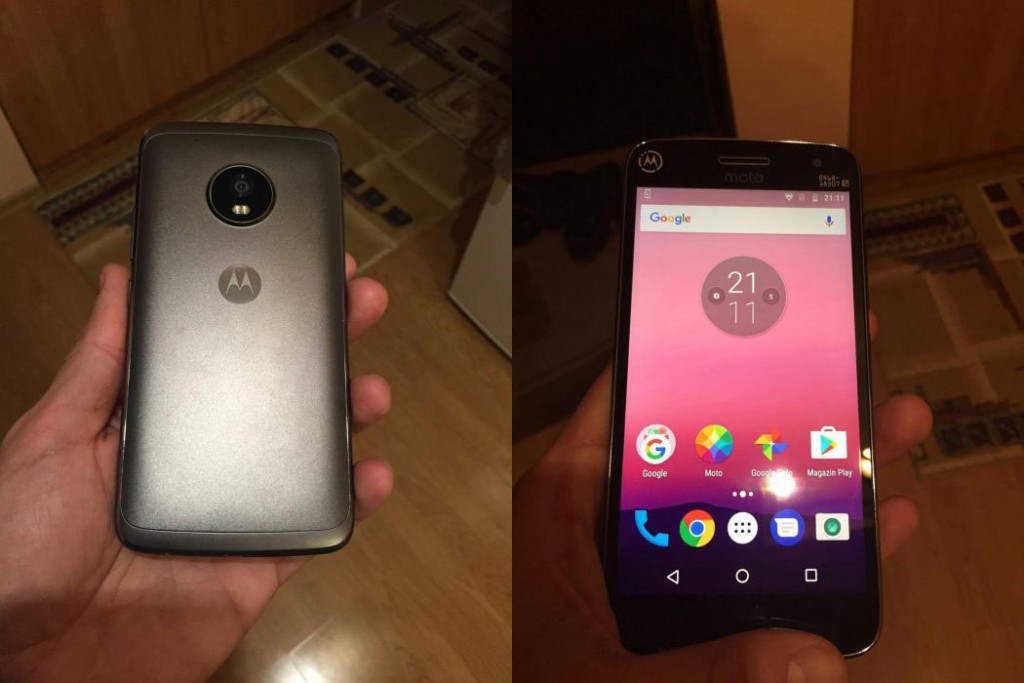
Rumors are rife that Lenovo would be launching Moto G5 and Moto G5 Plus on Feb. 26. The rumor mill has yet again revealed the specifications and pricing of Moto G5 Plus.
As recent rumors have revealed, fresh details also claim that Moto G5 Plus will be arriving with a full HD resolution supporting 5.5-inch AMOLED display. It is expected to be shielded by Corning Gorilla Glass 4.
The Moto G5 Plus will be driven by Snapdragon 625 SoC that features a 64-bit octa-core processor working at 2 GHz along with Adreno 506 graphics. The SoC is speculated to be coupled with 4 GB of RAM.
The native storage of Moto G5 Plus will be 32 GB and it will also carry support for microSD card slot. For photography, it will be featuring a 13-megapixel rear camera whereas its front-facing camera is rumored to be of 5-megapixel.
Even though leading smartphone companies have started axing 3.5 mm audio jack feature on their smartphones, it is expected to remain intact on the upcoming Moto G5 Plus. It will come pre-installed with Android 7.0 Nougat OS that is expected to deliver stock Android experience.
A 3,080 mAh battery is expected to be present inside the Moto G5 Plus. It is pegged to be available in Black, Silver and Gold color variants.
Speculations have it that the device will be available with a pricing of $300. In India, it is expected to launch in March with a pricing of Rs 15,000 (around $230).
The rumor mill has been consistently spilling information on the tech specs of Moto G5 Plus, but there is no concrete proof available on Moto G5. However, the Feb. 26 launch event is likely to unveil the Moto G5 and Moto G5 Plus to succeed their predecessors, Moto G4 and Moto G4 Plus.
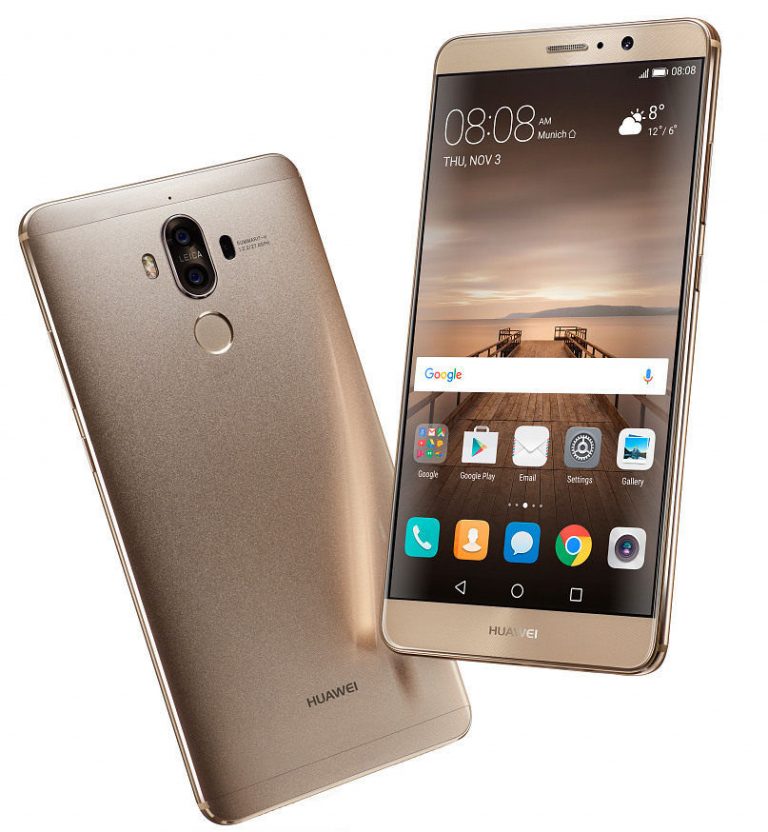
Until now, the international and Chinese variants Huawei Mate 9 came with 4 GB of RAM. However, a new variant of Huawei Mate 9 has surfaced online that features 6 GB of RAM and 128 GB of native storage.
The new variant has been spotted on several online e-commerce sites. The Chinese online sites have listed it with a pricing of about $800 whereas a Romanian online retailer has listed it for $950.
These are not the official pricing of the device as these retailers are charging a significant premium. The 128 GB Huawei Mate 9 with 6 GB RAM comes in color choices like Gold, Grey and White.
The 4 GB RAM model selling in China has a model number of MHA-L09 whereas its international variant has a model number of MHA-L29. These variants feature 64 GB of RAM. One should be aware of the fact that the new 6 GB RAM model with 128 GB storage is not for Mate 9 Pro, but for the regular Huawei Mate 9.
The new variant only brings extra RAM and storage and there is no change in the other technical specifications of the device. The Huawei Mate 9 features a 5.9-inch AMOLED screen that delivers a resolution of 2,560 x 1,440 pixels. It has HiSilicon Kirin 960 under its hood.
The rear panel of Huawei Mate 9 is flanked with dual camera module by Leica that includes 20-megapixel and 12-megapixel sensors. The DxOMark rating of this camera is 85. The selfie camera of the phablet is of 8-megapixel. Other specs include Android 7.0 Nougat OS, microSD card slot, fingerprint sensor, USB Type-C port and a mammoth 4,000 mAh battery.
The Huawei Mate 9 and its premium sibling Porsche Design Mate 9 were launched in November 2016. However, it landed in other regions like the U.S. and the U.K. in this month.
In the U.S., the unlocked 4 GB RAM variant is selling for $599 on Best Buy, Amazon, Newegg and B&H. In the U.K., it can be availed through contract by paying as low as £31 per month along with a down payment of £99. The actual pricing of the new 6 GB RAM variant is yet to be announced officially.
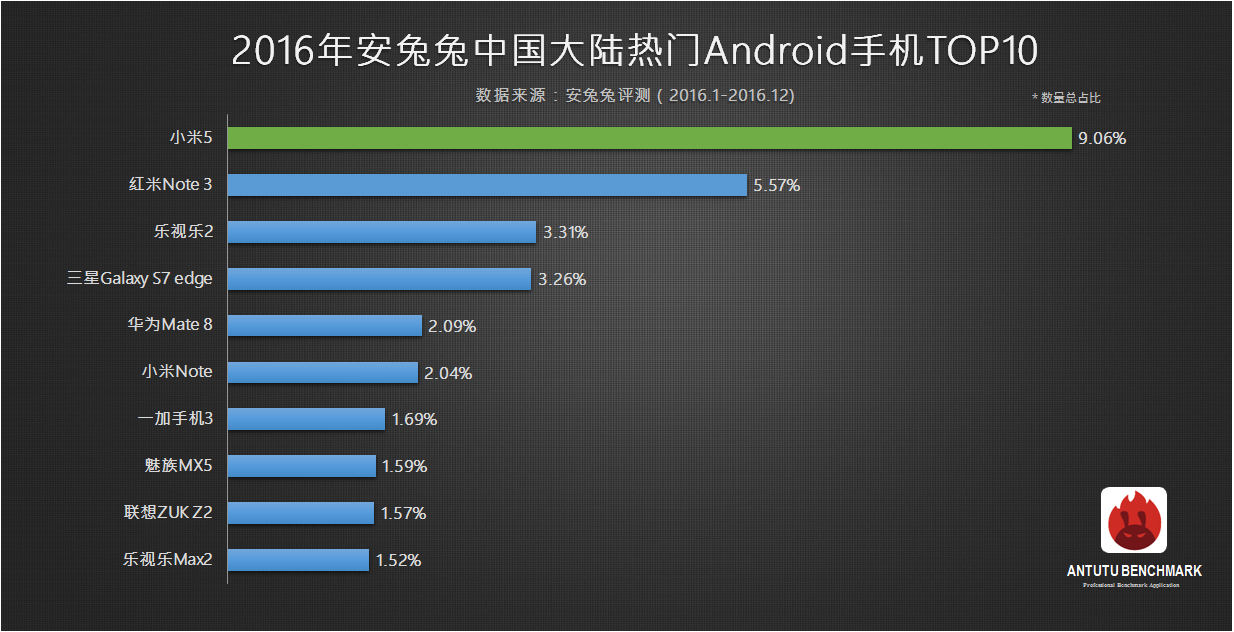
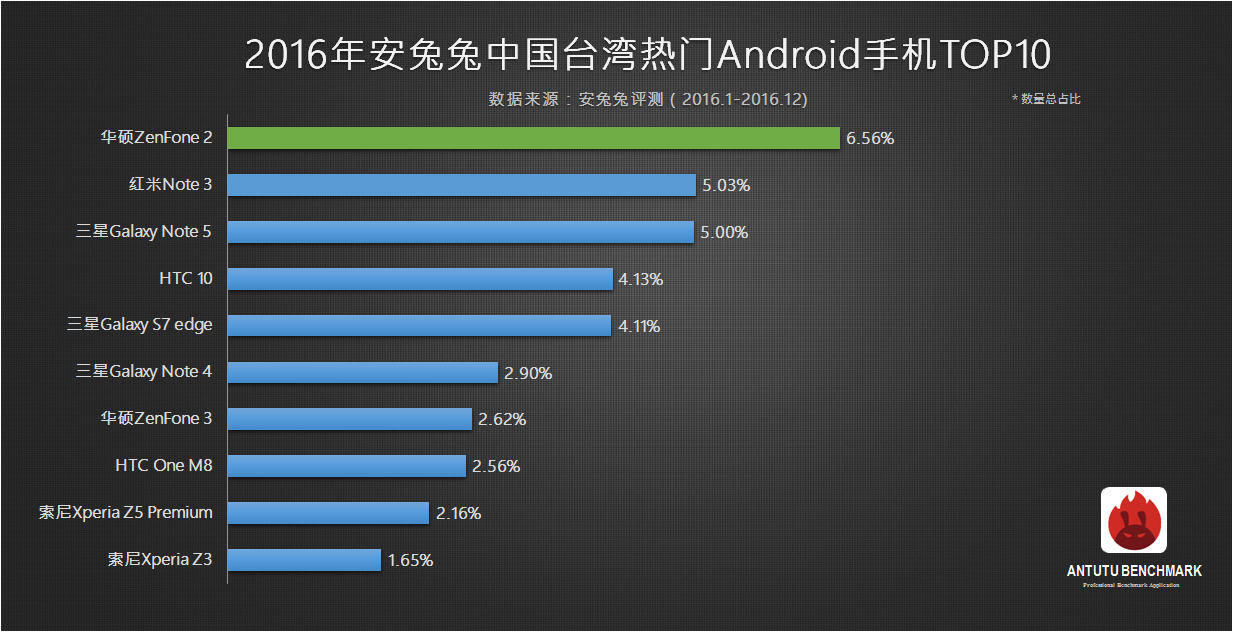
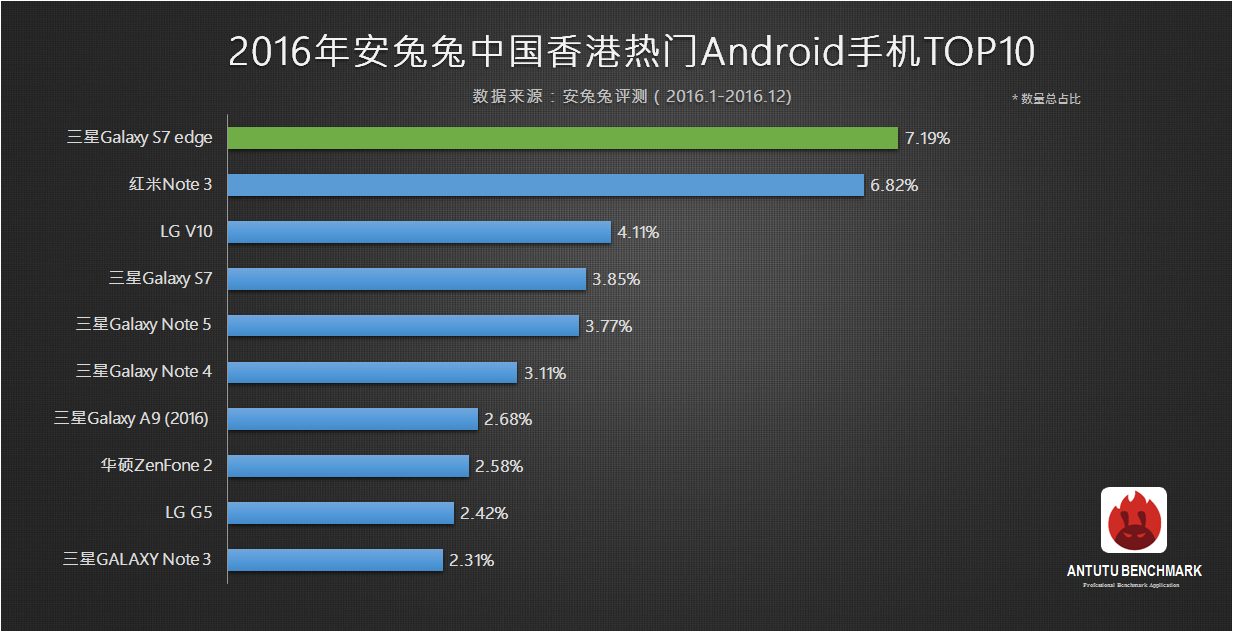
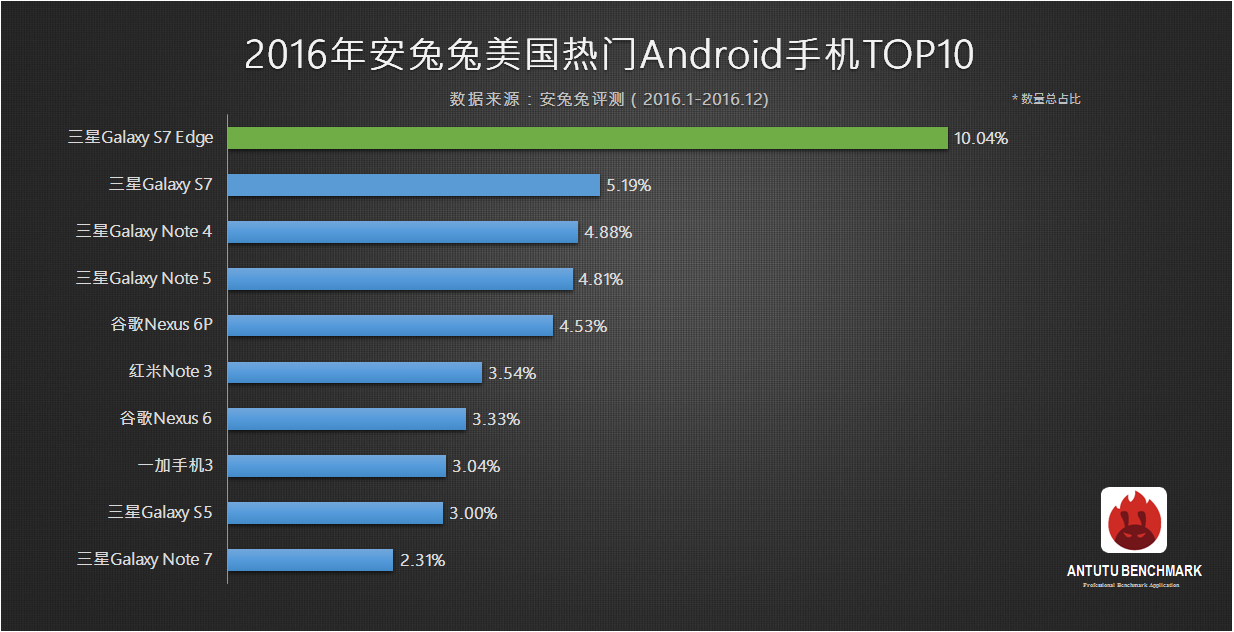
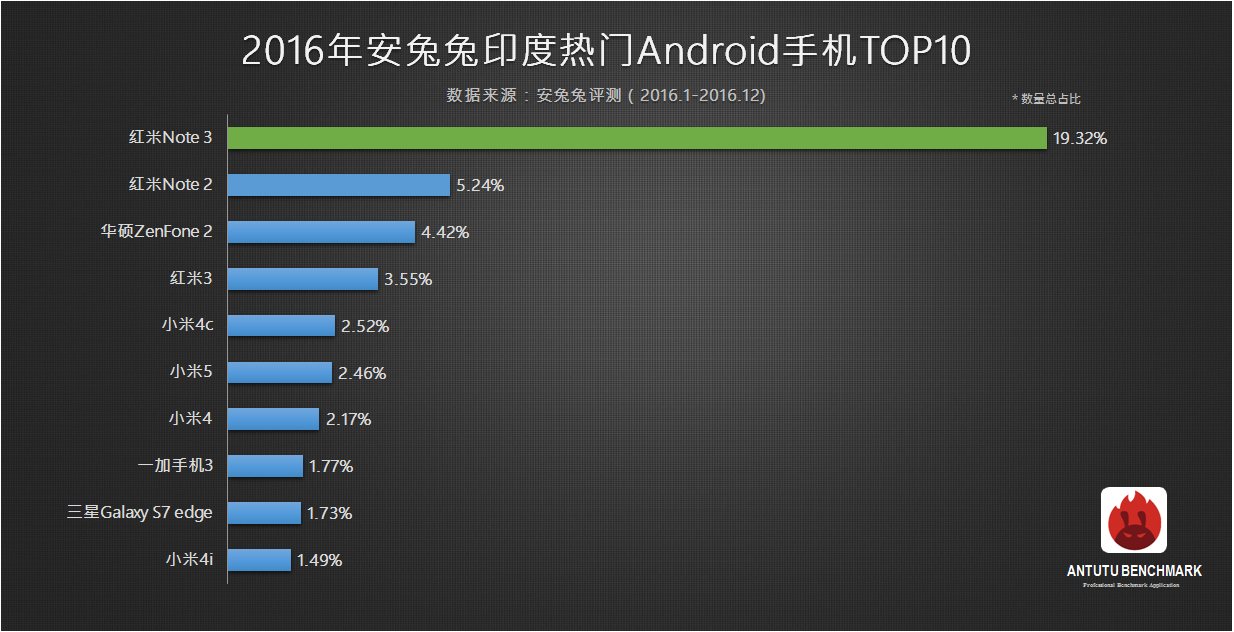
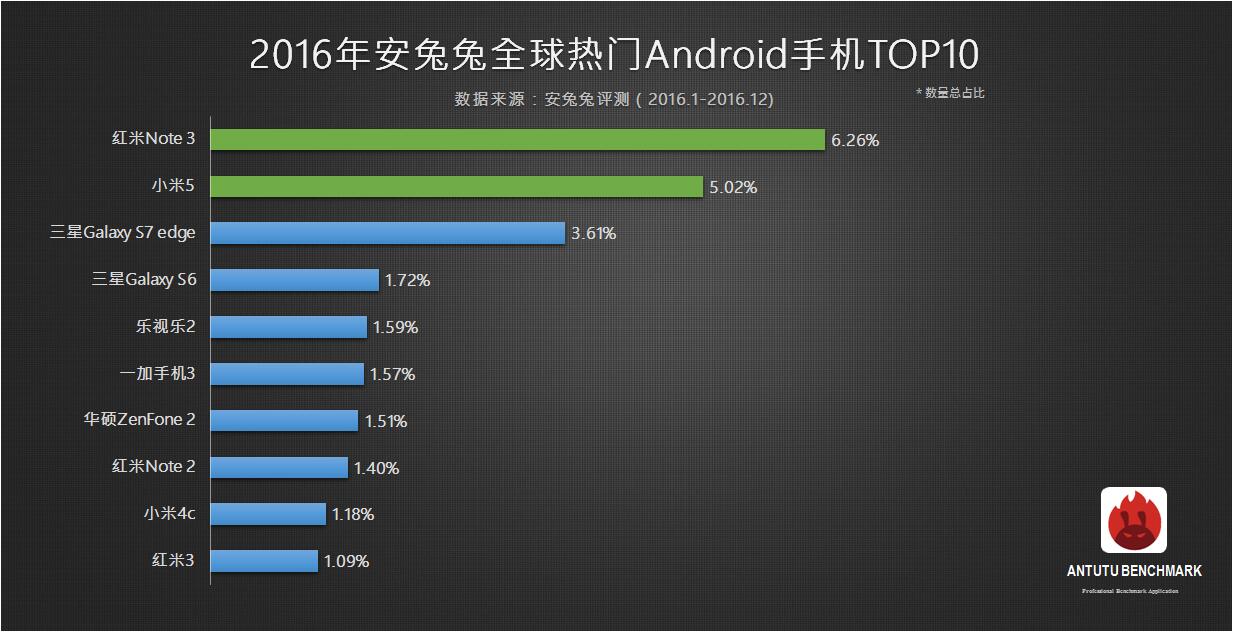
Popular benchmarking site, Antutu has released a list of the top 10 smartphones according to the major regions. The list is formed from a statistics of phones benchmarked from that region and not from a sales standpoint. The data was recorded starting from the first day of the year up until the 31st of December, 2016.
China Mainland
The results from the Chinese Mainland see Xiaomi clinching the top two spots with the Mi 5 and Redmi Note 3. Third spot goes to the LeEco Le 2 and Samsung’s S7 Edge comes in at number 4. Other phones that make the list include the Huawei Mate 8, Meizu MX5, ZUK Z2 and Le Max 2.
Taiwan
Taiwan’s list is quite different as it has phones made by company’s from the small island nation. Asus’s Zenfone 2 is at the top of the list with 6.56% and is followed by the Redmi Note 3 with 5.03%. Third and fourth spots are occupied by the Galaxy Note 5 and the HTC 10. The Galaxy S7 Edge and Galaxy Note 4 are right behind them. ASUS and HTC still make it to the list with the Zenfone 3 and HTC One M8 and Sony comes in at number 9 and 10 with the Xperia Z5 Premium and Xperia Z3.
Hong Kong
The Antutu results for Hong Kong has Samsung’s Galaxy S7 Edge taking the lead and the Redmi Note 3 coming in second. LG’s V10 comes in third position and is followed by the Galaxy S7. Samsung’s popularity doesn’t end there as right after the Galaxy S7 is the Galaxy Note 5, the Galaxy Note 4, the Galaxy A9 (2016), and the Galaxy Note 3 closing the list.
United States
In the United States, Samsung shows it is still the boss by having six of its devices on the list. The Nexus 6P is also on the Antutu list, coming in at number 5 and followed by the Redmi Note 3 and Nexus 6. The appearance of the Redmi Note 3 on the list is quite a surprise since Xiaomi has not launched any of its phones in North America.
India
The Indian market has become a very important one for Chinese manufacturers as the competition in their home market gets tougher. One company that has invested greatly in the Indian market is Xiaomi and its investment has paid off greatly. The list is headed by the Redmi Note 3 and includes other devices like the Redmi Note 2, Mi4c, Mi5, Mi4, and Mi 4i. Asus Zenfone 2 and Samsung’s S7 Edge also make it to the list.
Global
Ending it is the Antutu global list which has the Redmi Note 3 heading it. Xiaomi also gets the second spot with the Mi5 and Samsung’s S7 Edge and S6 hold the third and fourth position. LeEco’s Le 2 and the Zenfone 2 also makes it to the list.
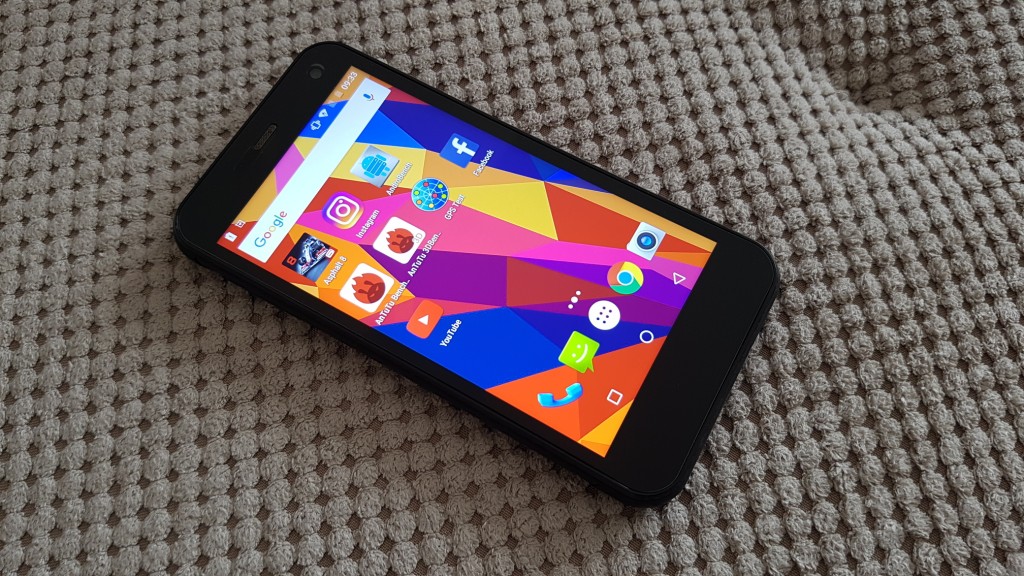
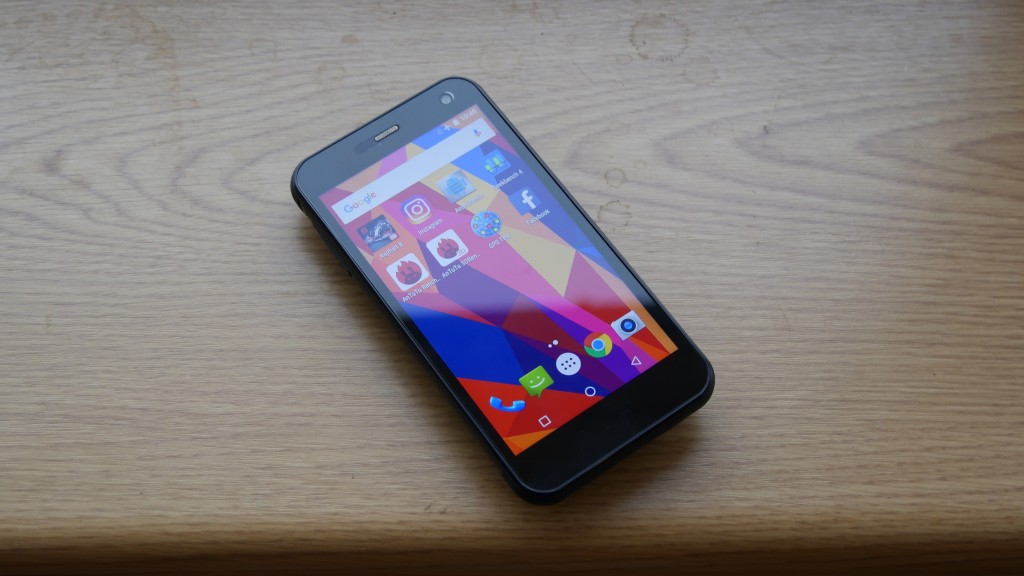
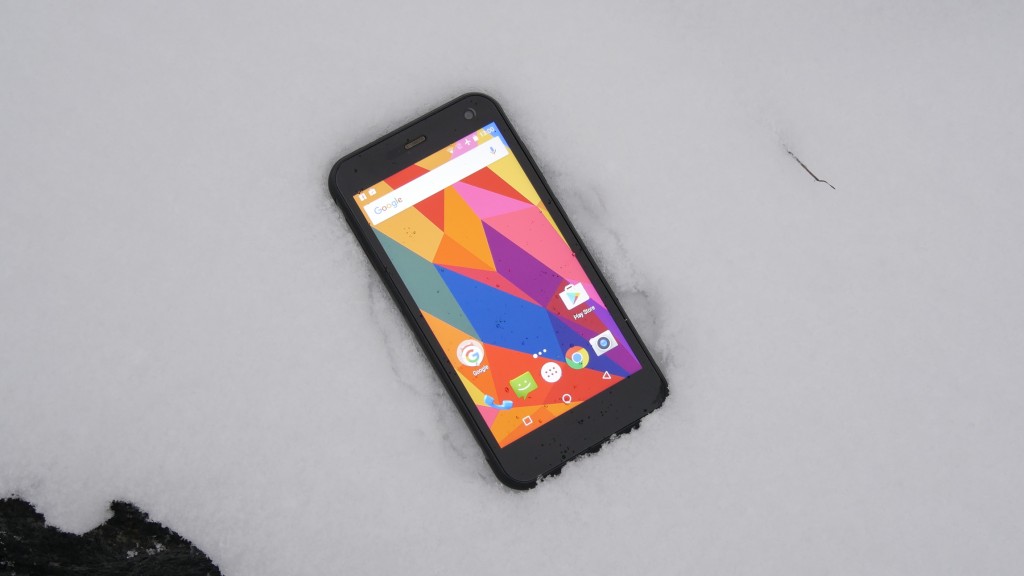
Nomu is a Chinese smartphone maker that mainly produces rugged phones. The S20 model has a sleek design and decent specs and it costs about $150. My name is Linus, stay tuned for the full review.
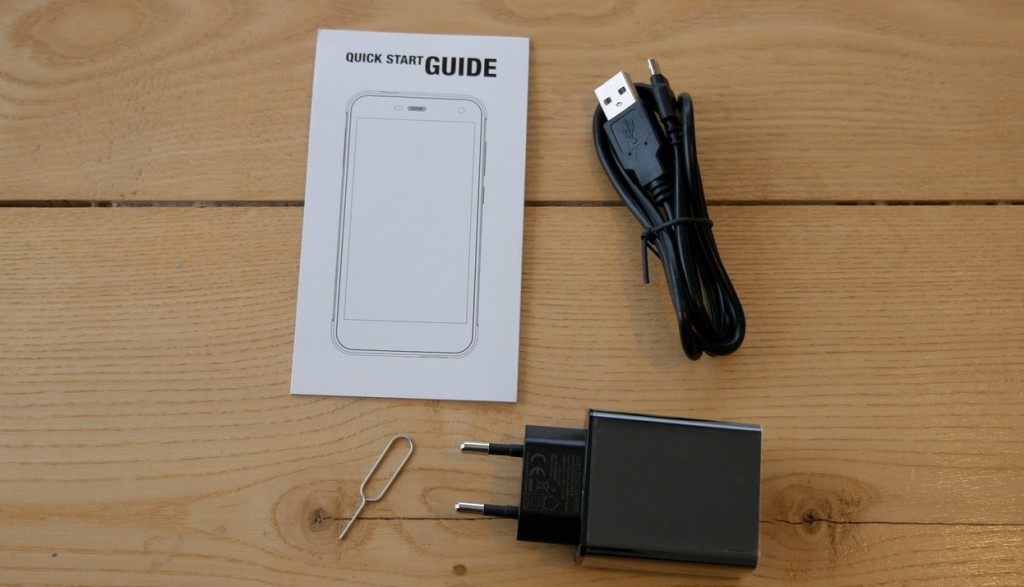
The phone ships with all the usual items. No extras included.
Nomu S20 Review: DESIGN and DISPLAY
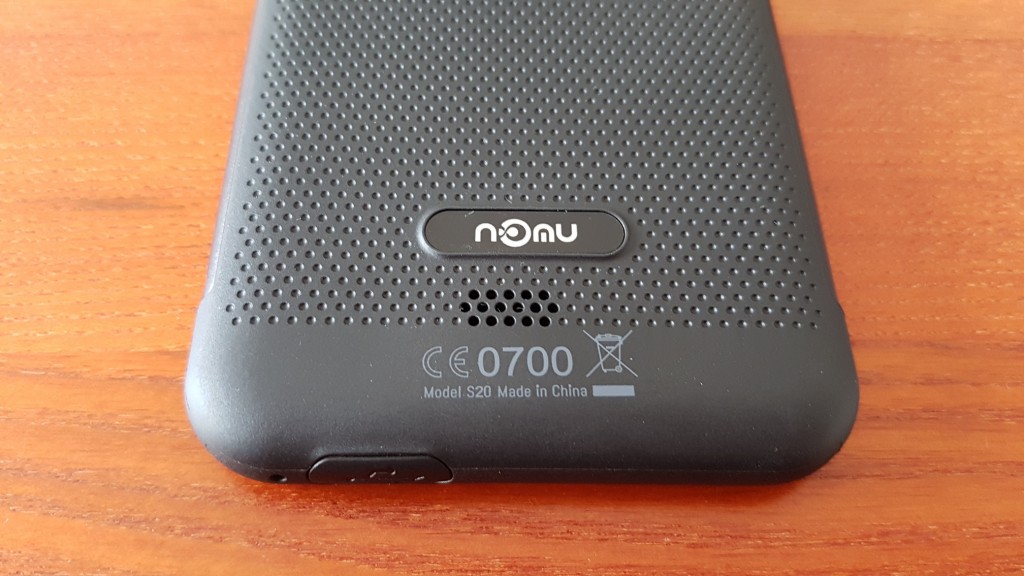
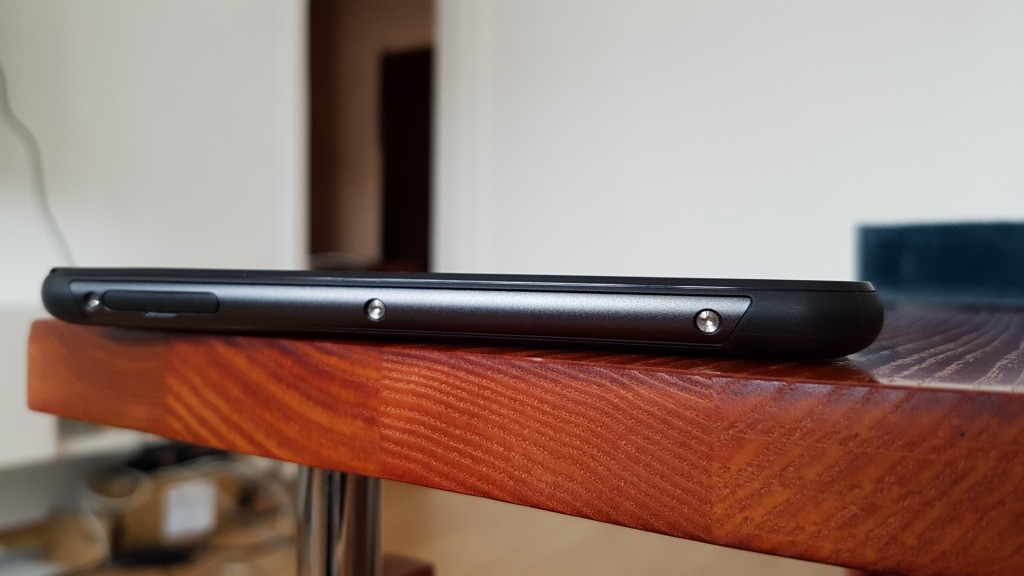
The Nomu S20 has the IP-68 rating and it is water, dust, shock and temperature-resistant. Naturally, all the ports are covered with flaps to avoid any water damage.
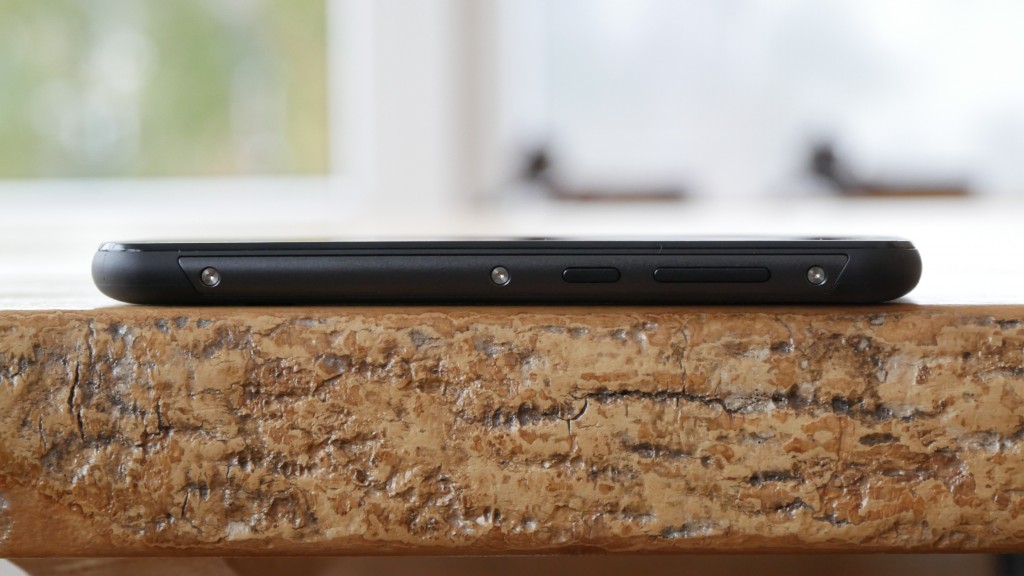
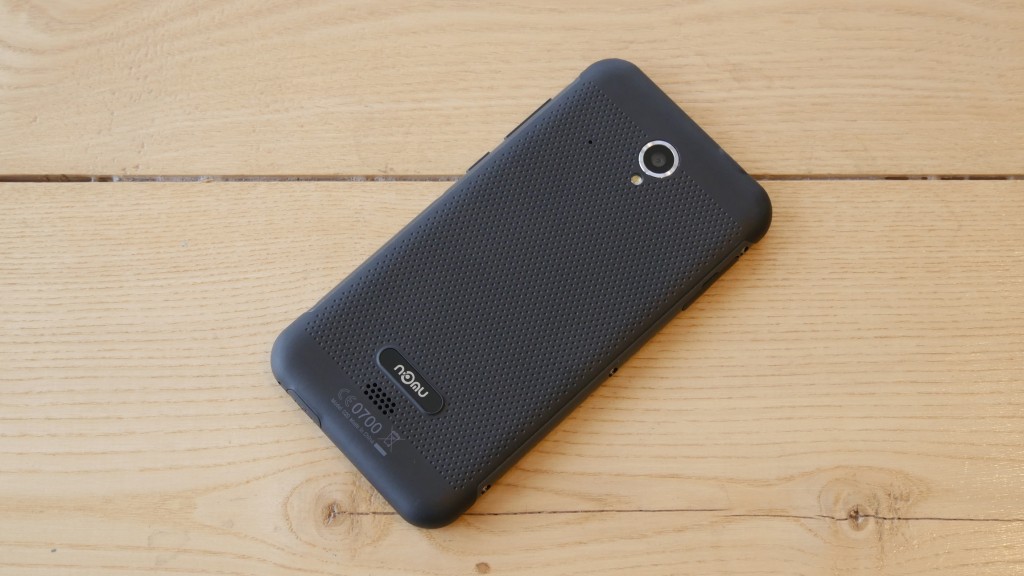
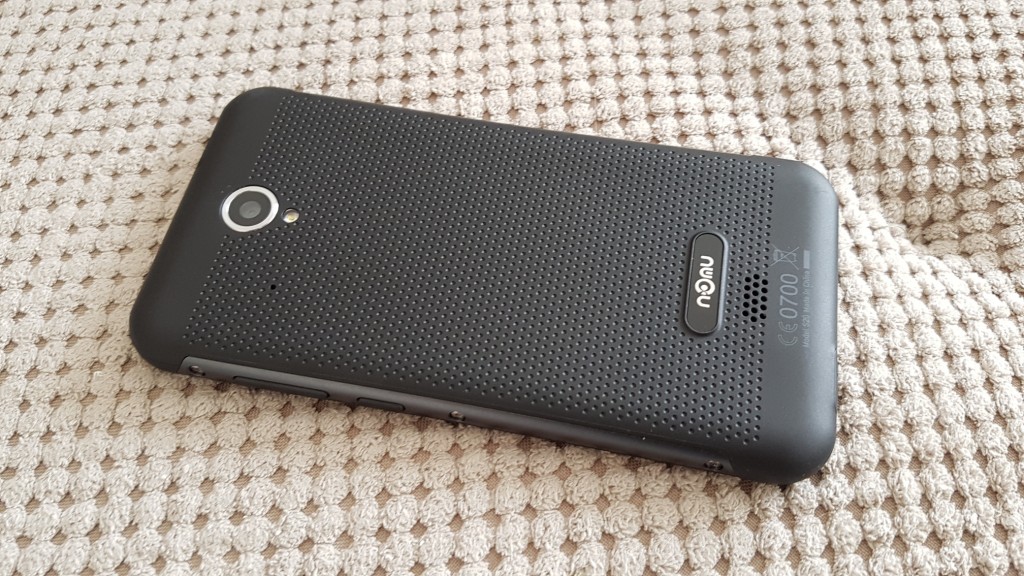
What I love about the S20 is that it is kind of sleek and slim for a rugged phone. Also, the metal sides add a little bit of a premium look and feel. However, the rubber back tends to attract dust quite easily.
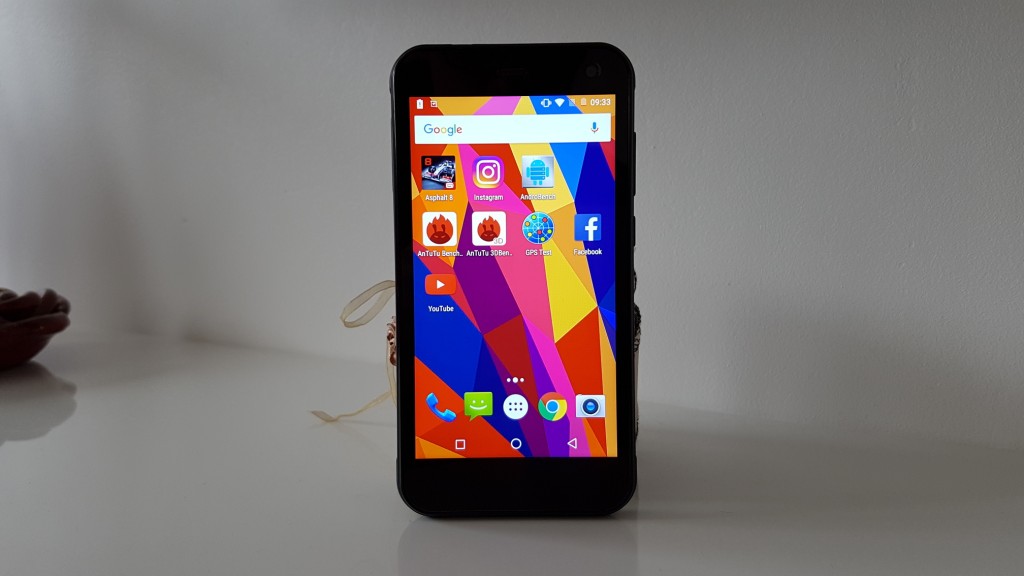
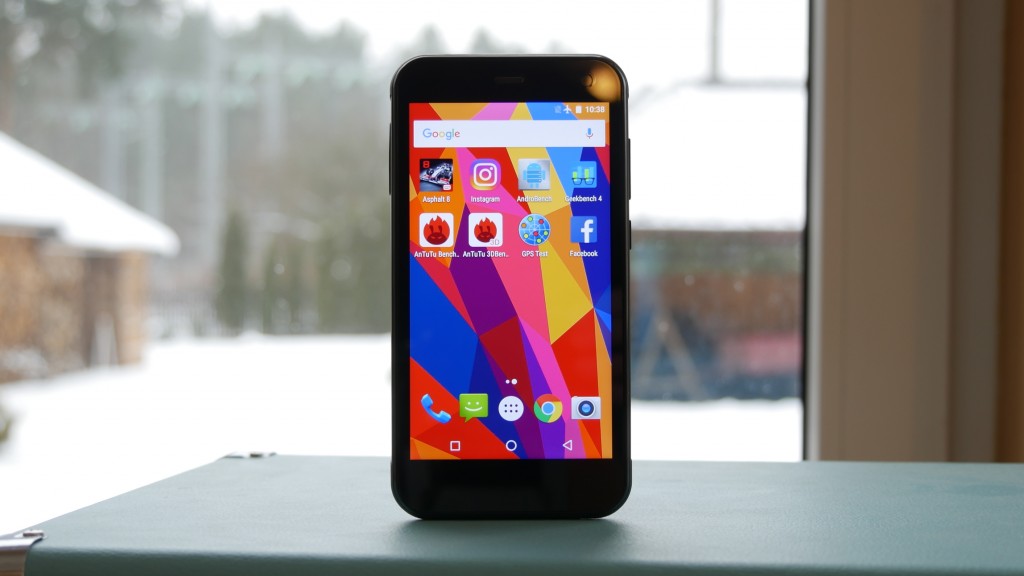
The 5” display has only a 720p resolution but it is covered with the Gorilla Glass 3. It could definitely look sharper and the colors look a bit oversaturated but it’s a decent panel for a budget phone.
Just above the display, we have a 5MP shooter. There is no LED notification light and we have the customizable on-screen navigation keys.
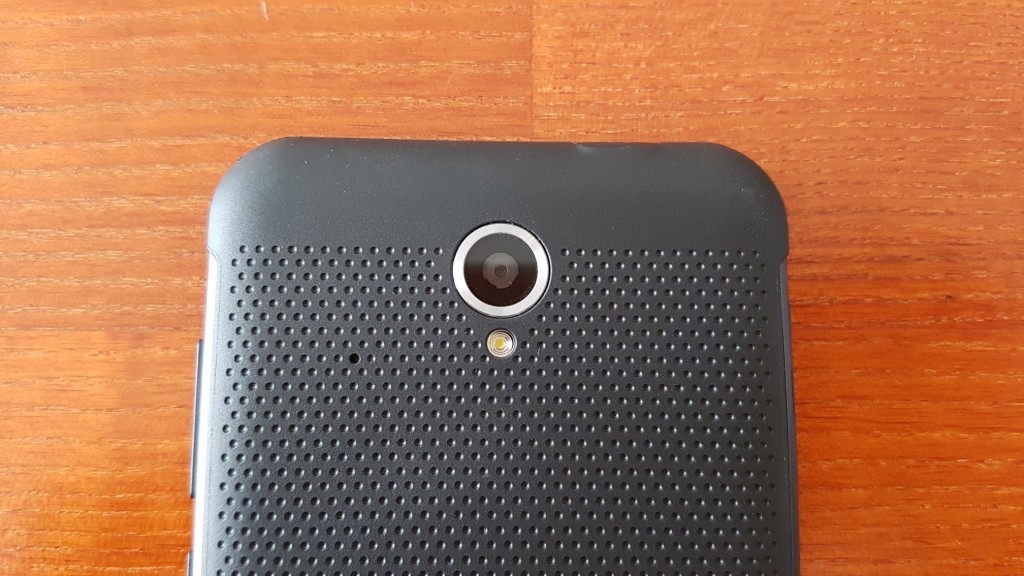
When it comes to camera, we have a 13MP shooter and a single LED flash.
The loudspeaker has a great sound output but it has just a mediocre sound quality.
Overall, the phone is solid, the buttons are nice and tactile but my complaint is that it is quite hard to open up the SIM card flap.
Nomu S20 Review: HARDWARE and PERFORMANCE
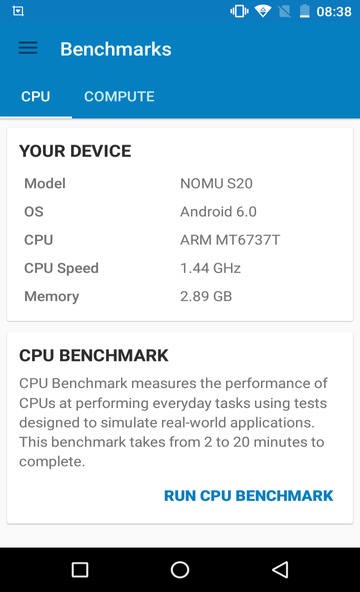
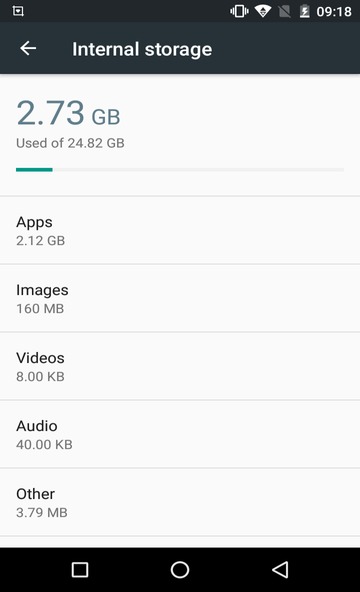
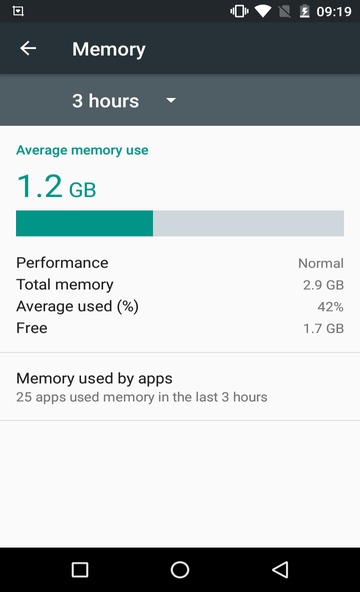
When it comes to hardware, the Nomu S20 ships with a quad-core MTK6737T chip (1.5GHz), 3GB of RAM and 32GB of expandable storage. These are pretty good specs for the price considering this is a rugged phone after all.
Surprisingly, the gaming performance is pretty good. It is possible to play Asphalt 8 on the highest graphics with just some skipped frames but no serious stutter. If you switch the graphics to medium, you will have a great gaming experience.
The device gets quite warm on the upper portion of the phone but it doesn’t impair the performance.
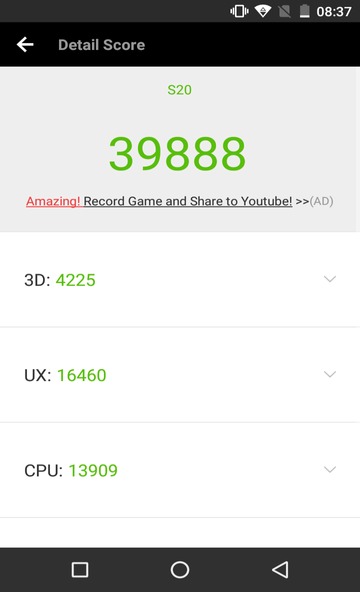
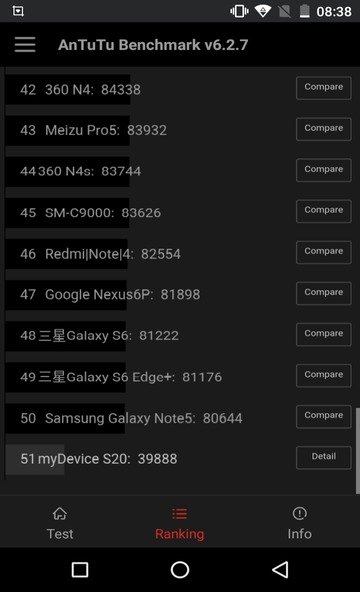
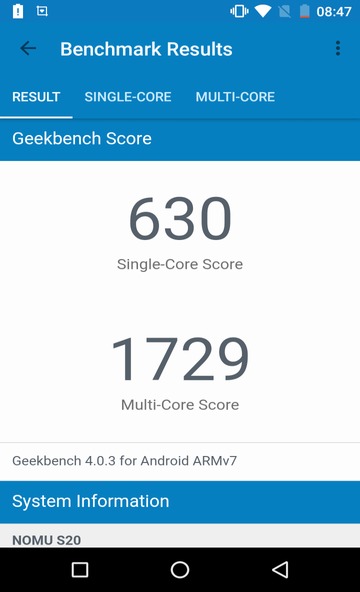
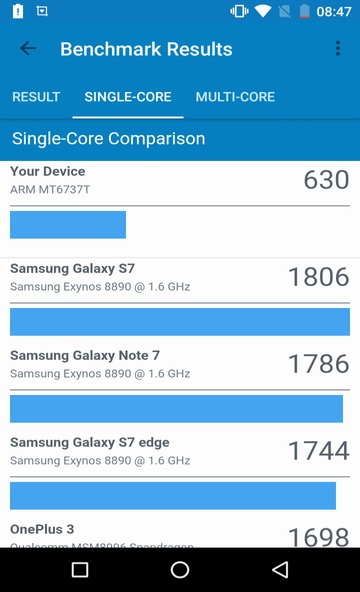
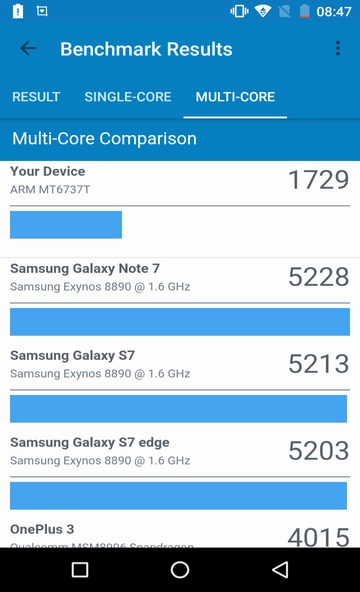
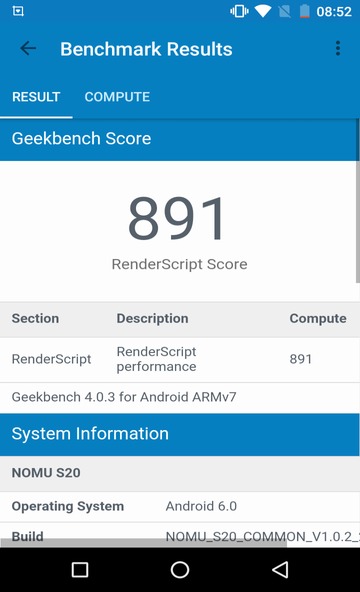
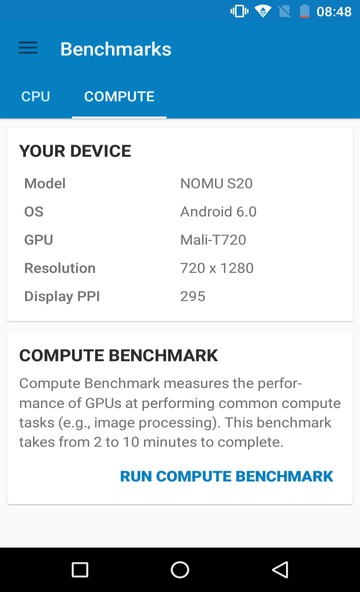
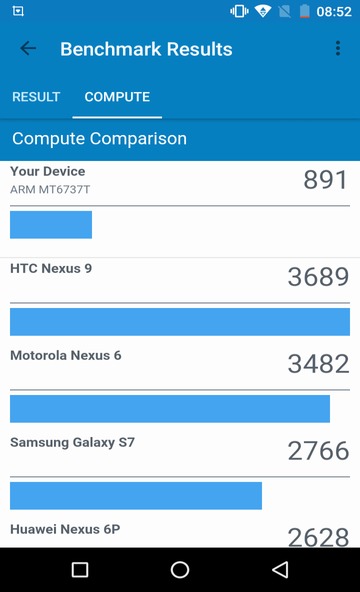
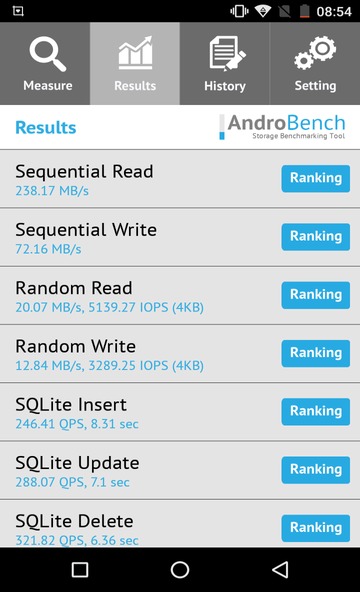
Nomu S20 Review: BENCHMARKS
Nomu S20 Review: USER INTERFACE
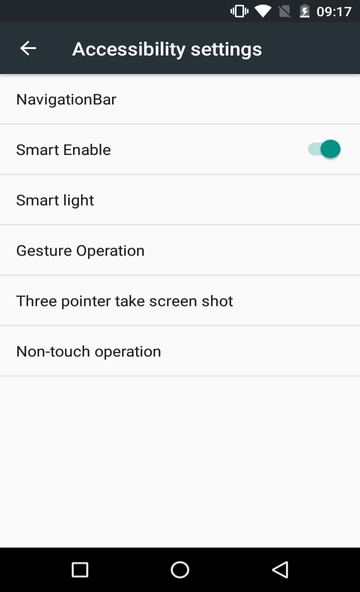
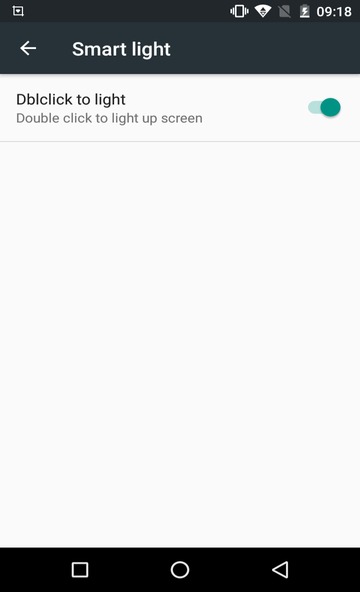
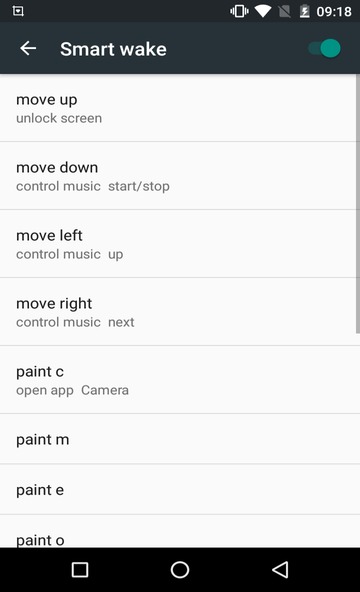
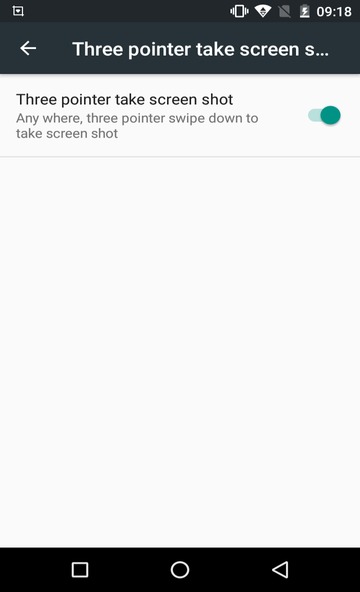
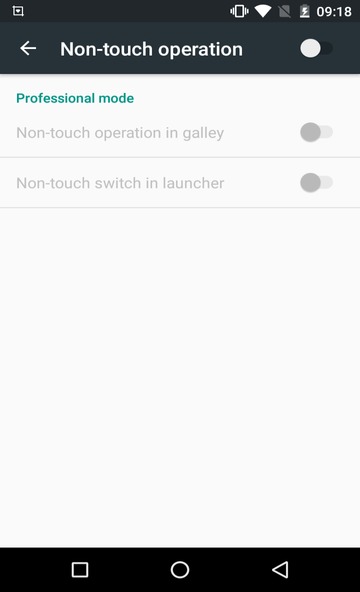
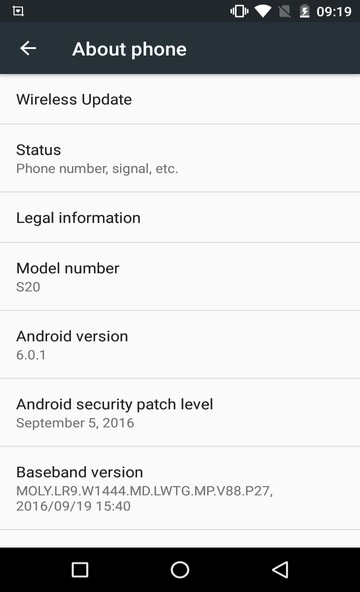
Nomu S20 ships with a pretty much stock-looking Android 6.0 user interface but there are some added features. For example, you can choose from a variety of gesture and motion controls that work pretty well.
Most importantly, I didn’t have any issues with the phone’s daily performance even after installing quite a few apps and I would say that the Nomu S20 is a pretty fast performer.
Nomu S20 Review: IMAGE QUALITY
IT IS HIGHLY-RECOMMENDED TO DOWNLOAD FULL RESOLUTION CAMERA SAMPLES TO SEE THE ACTUAL IMAGE QUALITY. THE PICTURES UPLOADED ON THE WEBSITE ARE 50% SMALLER IN RESOLUTION.
When it comes to the image quality, the Nomu S20 can take some okay-looking images in daylight. I took most of the pictures on a cloudy day and there could be more detail in most of the shots. Also, some of the pictures look under-exposed.
The camera does not really impress in low-light as there is quite a lot of noise and grain in the pictures.
As for selfie camera, the images will do the trick for social media but they could look sharper.
When it comes to the 1080p video, it is kind of mediocre as the footage could look sharper.
Nomu S20 Review: CONNECTIVITY
I didn’t have any connectivity issues with this device and even the GPS lock speeds and accuracy were okay.
Nomu S20 Review: BATTERY LIFE
The 3000mAh battery performs quite well on the daily basis. I could easily get a full day of moderate usage out of this phone, which is a pretty good result.
However, it takes about 3 hours to fully charge the phone, which may be annoying.
Nomu S20 Review: CONCLUSIONS
The Nomu S20 is a good rugged phone for the price, yet it is not perfect.
Since it is rugged, you can be rest assured that it will work even under the harshest conditions. Also, I love that it is compact due to 5” display, the phone is well-built and it sits nicely in the hand.
In addition, the user interface is smooth and fluid on the daily basis and even the gaming performance is pretty good.
However, it is not that easy to open the SIM card tray, the camera could better and we lack some pretty standard features like a notification LED light.
At the end of the day, I can still say that the Nomu S20 is a pretty good phone since it was mainly designed for outdoor use under harsh conditions. Also, it definitely has more than pros than cons and therefore, the price of about $150 can be justified.
When smartphones first launched, they had pretty terrible front facing cameras as their sole function was for the occasional video calls. Not until selfies became the rave did manufacturers start to pay attention to front cameras. Now it is not unusual to see a phone having the same pixel count on the front and rear cameras, or like the OPPO F1 Plus/Oppo R9, having a front camera with a higher pixel than the rear camera.
This year, Samsung has started upgrading the front camera on its smartphones starting with the Galaxy A5 and A7 (2017) which both have 16MP shooters up front which is a big upgrade from last year’s 5MP. Rumor has it that the Galaxy S8 will be getting an upgrade to an 8MP shooter with autofocus. The autofocus is actually the important part of the upgrade as front facing cameras usually have a fixed focus. The Samsung S7 and S7 Edge have 5MP fixed focus cameras.
We use cookies on our website to give you the most relevant experience by remembering your preferences and repeat visits. By clicking “Accept”, you consent to the use of ALL the cookies.
This website uses cookies to improve your experience while you navigate through the website. Out of these, the cookies that are categorized as necessary are stored on your browser as they are essential for the working of basic functionalities of the website. We also use third-party cookies that help us analyze and understand how you use this website. These cookies will be stored in your browser only with your consent. You also have the option to opt-out of these cookies. But opting out of some of these cookies may affect your browsing experience.
Necessary cookies are absolutely essential for the website to function properly. This category only includes cookies that ensures basic functionalities and security features of the website. These cookies do not store any personal information.
Any cookies that may not be particularly necessary for the website to function and is used specifically to collect user personal data via analytics, ads, other embedded contents are termed as non-necessary cookies. It is mandatory to procure user consent prior to running these cookies on your website.