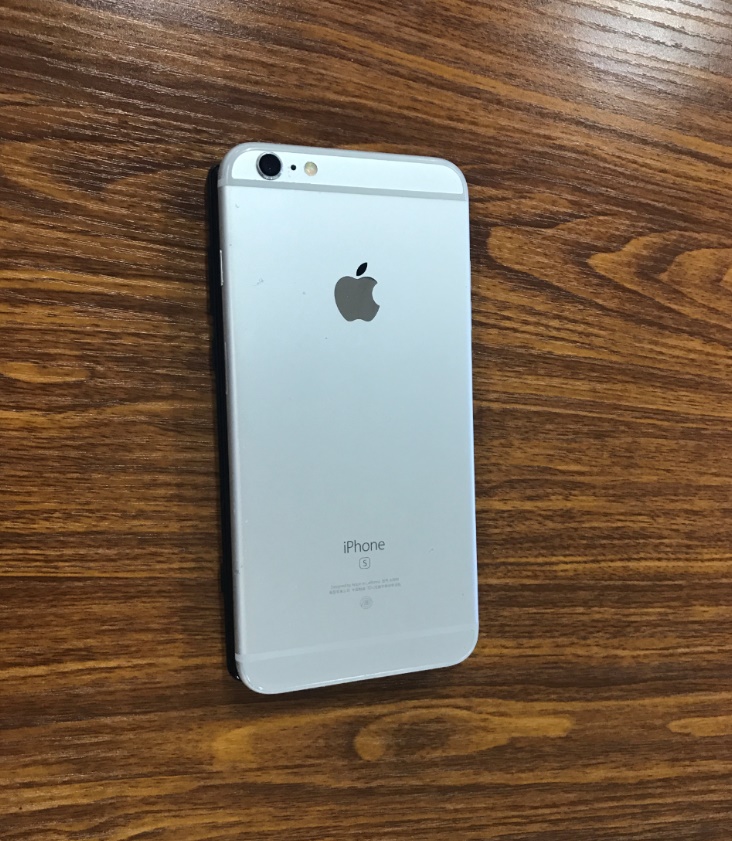
Elephone wants you to see how small their upcoming 6-inch phone is, so they placed it under the 5.5-inch iPhone 6s Plus. Turns out the phone is really small as it is completely hidden. The trick lies in the phone having a small form-factor due to its lack of bezels.
So what’s the device hidden under the iPhone 6s Plus? It’s the Elephone S8. The tri-bezel-less Elephone S8 is a 6.0-inch device with a 1080p resolution. It is Elephone’s take on the Xiaomi Mi MIX and will launch later this year.
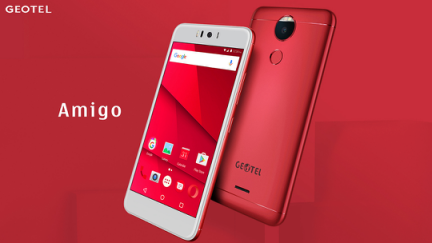
Geotel is a new Chinese smartphone manufacturer. They already have two devices under their belt, the Geotel A1 and the Geotel Note which features a MetalPrint back. The manufacturer has been busy working on their next phone called the Geotel Amigo.
The last we heard of the Amigo is that one of its colors will be Alpha Red like the new iPhone 7 (PRODUCT) RED™. The renders provided then also showed a few features like a rear-mounted fingerprint scanner, a rear camera housing that looks like that of the Moto Z turned upside down and a front facing camera with its own LED flash. Today we have received a full spec sheet of the Amigo and are what you would find in a mid-range phone today.
The Amigo will have a 5.2-inch HD screen, 3GB of RAM, 32GB of storage and will be powered by a MTK6753 octa-core chipset. There will be a storage expansion slot for up to 256GB cards and It will run android 7.0 Nougat out of the box. The rear camera on the Geotel Amigo is a 13MP shooter while the sensor up front is a 5MP sensor. The front camera sits in the middle of the top bezel and is flanked on the left by a dual-tone LED flash and a light sensor. Sitting on the right of the front camera is a notification LED. The 5.2-inch phone will have a 3000mAh battery under the hood.
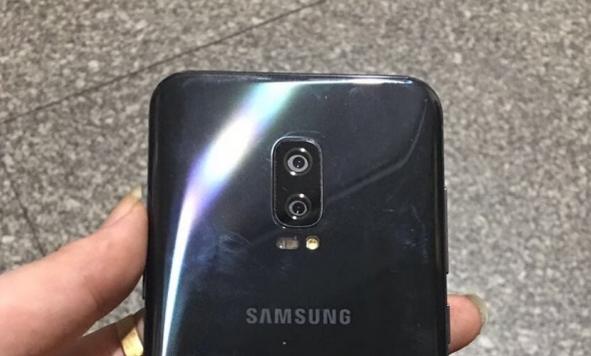
Earlier this week, a leaked photo of Samsung Galaxy S8+ prototype featuring a dual camera setup had surfaced. Speculations started swirling that the alleged phone could end up releasing as Galaxy Note 8. Now, well-known analyst from KGI Securities, Ming-Chi Kuo, has predicted that the Galaxy Note 8 would be the first Samsung phone to come with dual rear camera.
According to Kuo, the Galaxy Note 8’s dual camera feature will beat the image quality of the dual rear snappers present on the iPhone 7 Plus phablet. Also, it will be on par with the twin rear cameras of the forthcoming OLED iPhone (aka iPhone 8). The analyst also added that the dual rear-facing camera feature will be “the most important upgrade” coming on the successor of Galaxy Note 7.
Kuo has predicted that the dual rear camera of Galaxy Note 8 will include a 12-megapixel Dual Pixel sensor for wide angle shooting and another 13-megapixel tele shooter sensor. Both the cameras are expected to support Optical Image Stabilization and 3x optical zoom. The recently leaked render suggests that the Galaxy Note 8 may feature a vertically arranged dual rear camera setup.
The analyst has further added that the Galaxy Note 8 would be coming with a 6.4-inch OLED screen that will carry support for QHD+ resolution. Depending on the region, the Galaxy Note 8 would be featuring either a Snapdragon 835 SoC or an Exynos 8895 chipset. Like the Galaxy S8 duo, the Note 8 may come with a rear-mounted fingerprint scanner.
Apart from spilling beans on the camera details and leaked features of Galaxy Note 8, Kuo has also revealed what sort of reception Galaxy S8 duo are receiving during their pre-order period. He has claimed that the market analysis carried out by KGI Securities has revealed that the reception of Galaxy S8 and Galaxy S8+ has been better than what was expected since their launch. Previously, he had predicted that Samsung would be shipping 40 to 45 million units of S8, but current market response has compelled him to revise the shipment predictions. Fresh forecasts indicate that Samsung will ship 50 to 55 million units of S8.
The full-screen design of the Galaxy S8 has received overwhelming response from the market. The new form factor will be able to attract high-end smartphone buyers. KGI Securities had previously stated that there are no attractive selling features on the Galaxy S8. However, the analyst now claims that market response has exceeded the expectations.
Taiwanese semiconductor manufacturer, Mediatek is reported to have cut its orders for 28nm chips. The chips in this category include the Helio P10 and Helio P15 and are made by TSMC.
The reduction in orders total 20,000 wafers which is about 30% of the their total wafer for the process each quarter and are for the months of June, July, and August.
Some say the reduction is to allow for an increase in the production of other more efficient 16nm chips that can compete with 14nm chips from Qualcomm such as the Snapdragon 626 and Snapdragon 660.
Others also say the reduction is part of a move by Mediatek to be conservative about its business in Q3 2017. The semiconductor manufacturer is set to hold an investors’ meeting on the 28th of April where it will discuss its Q1 performance.
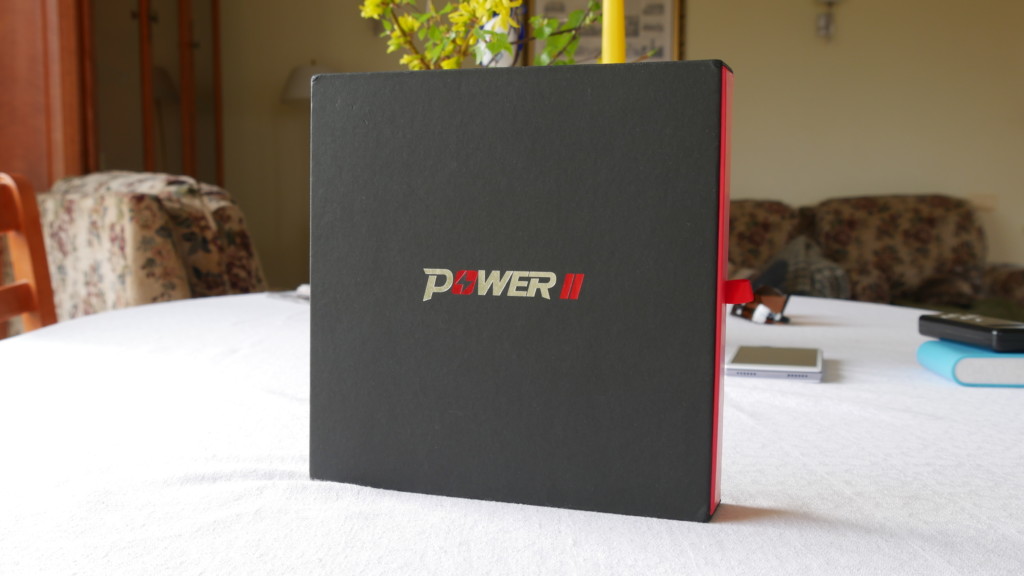
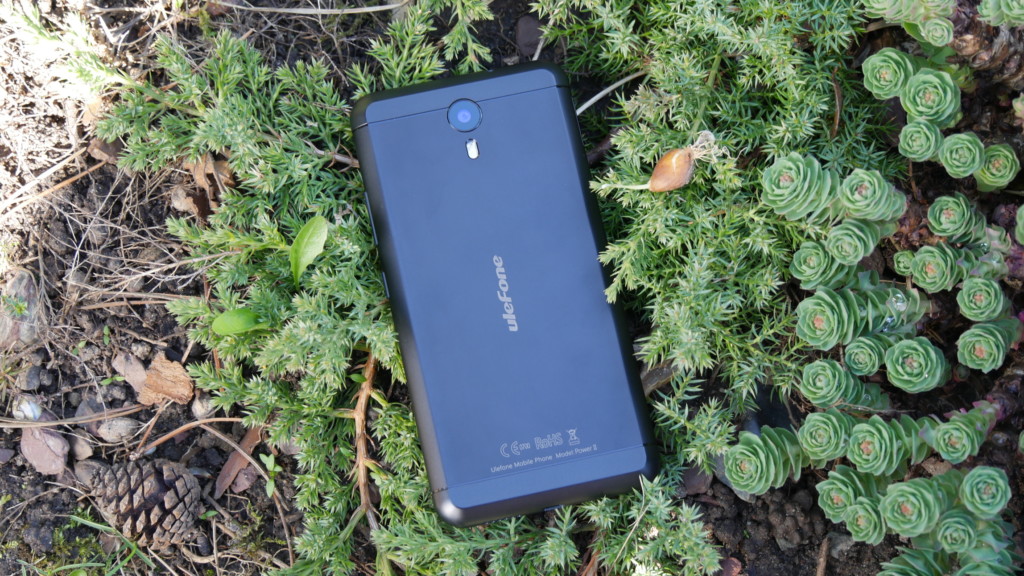
Ulefone is known for producing affordable smartphones with huge batteries and the Power 2 is one of their latest offerings. It not only has a huge 6050mAh power pack but also great specs for the price. Learn more in the full review.
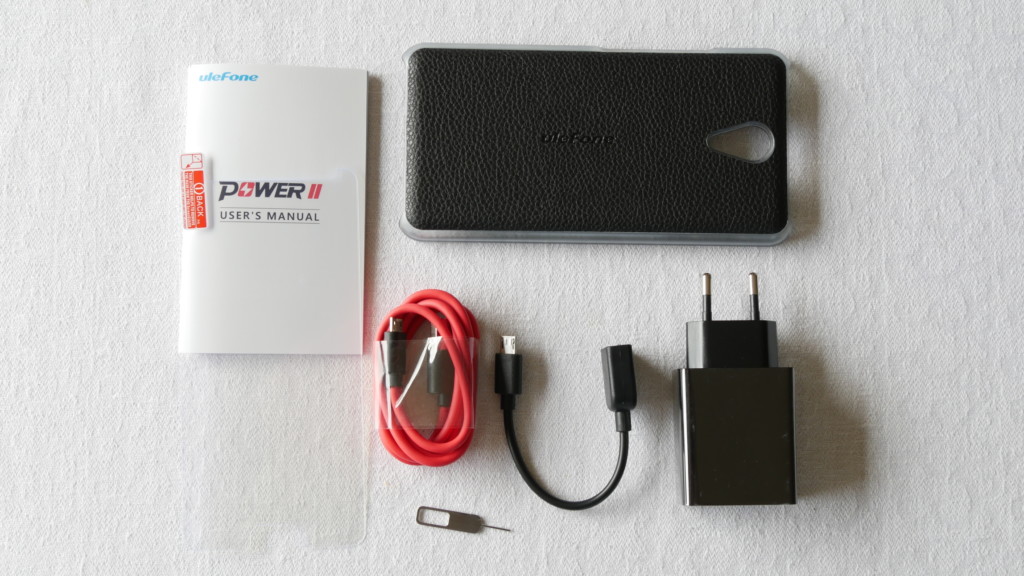
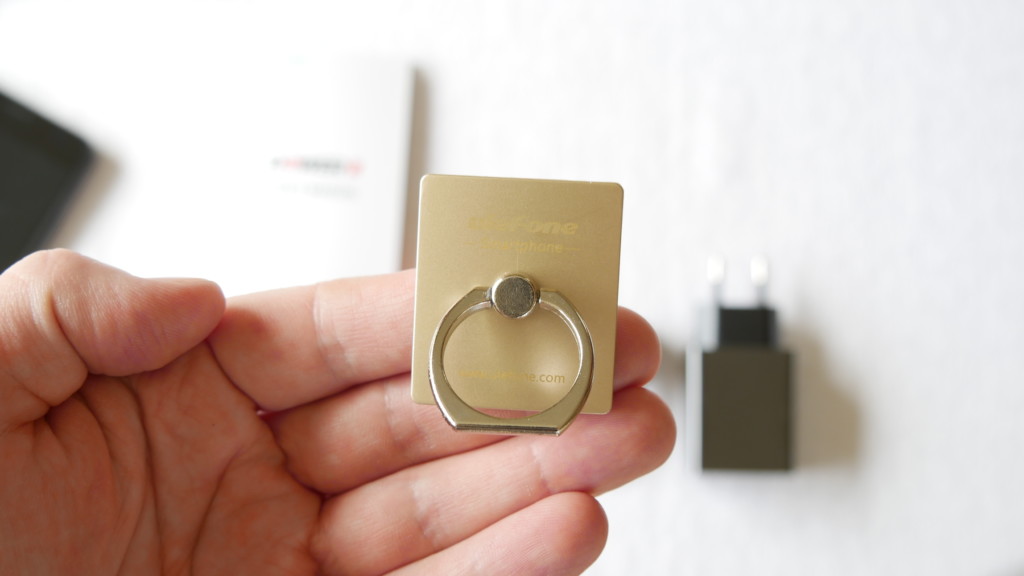
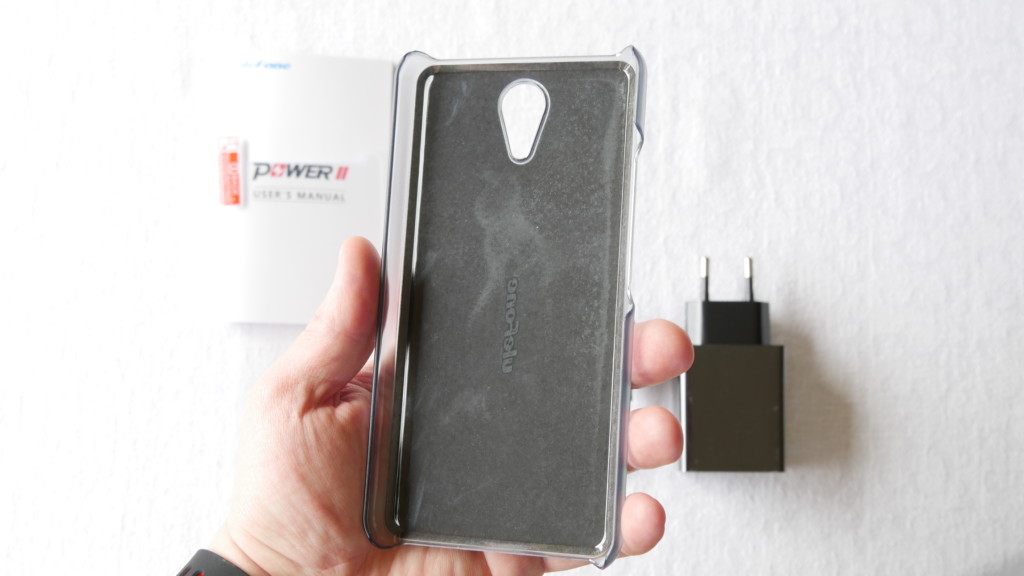
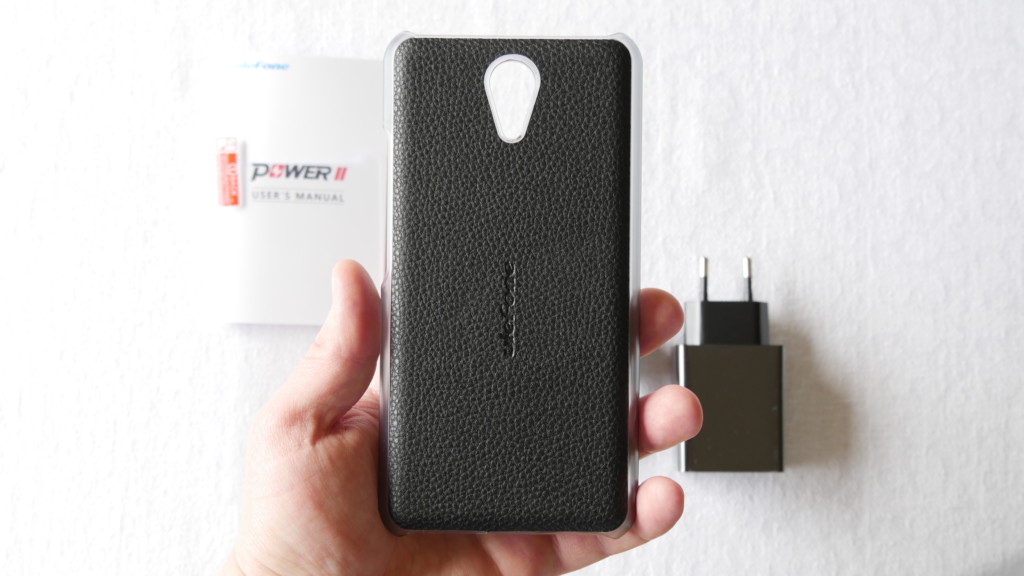
The phone ships with all the usual stuff and there are quite a few extra accessories included. You get a USB OTG cable, a tempered glass screen protector, a nice plastic case with the faux leather back and lastly a metal-made grip ring.
DESIGN and DISPLAY
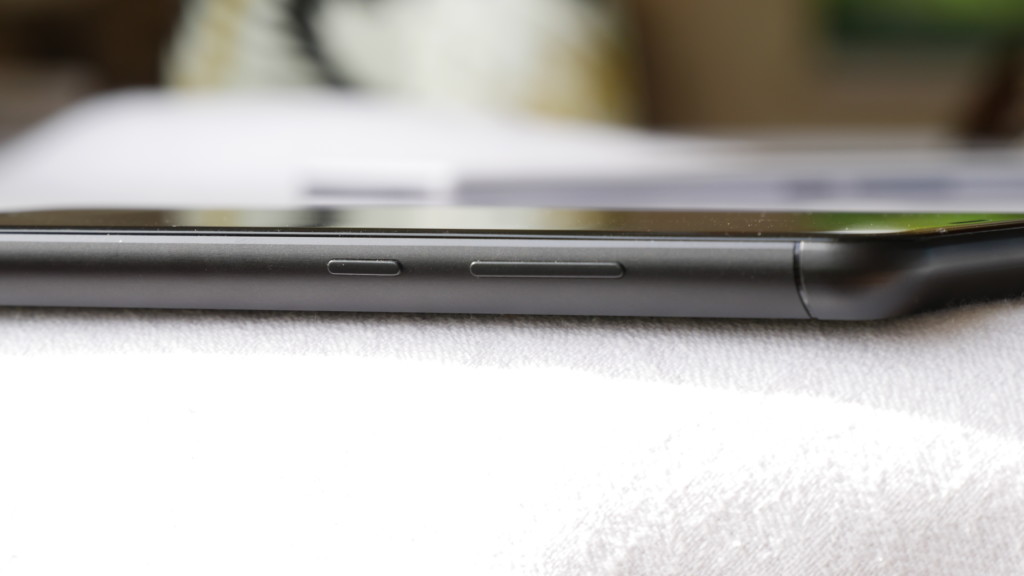
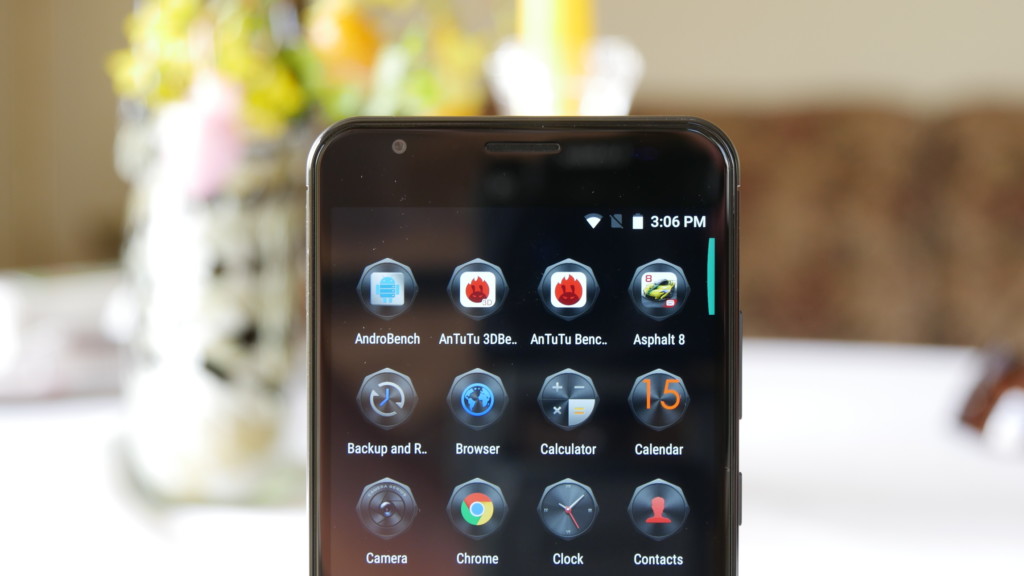
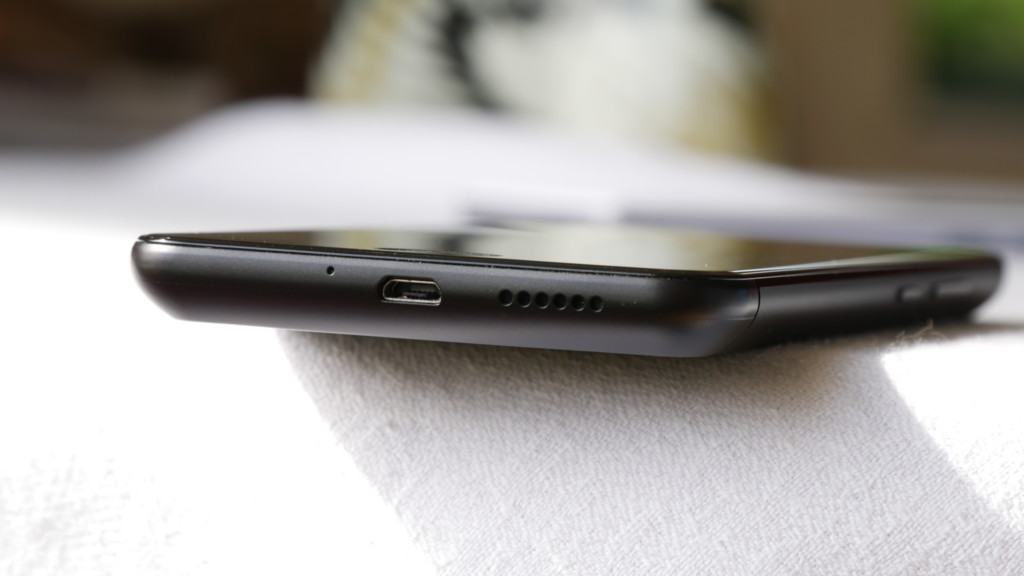
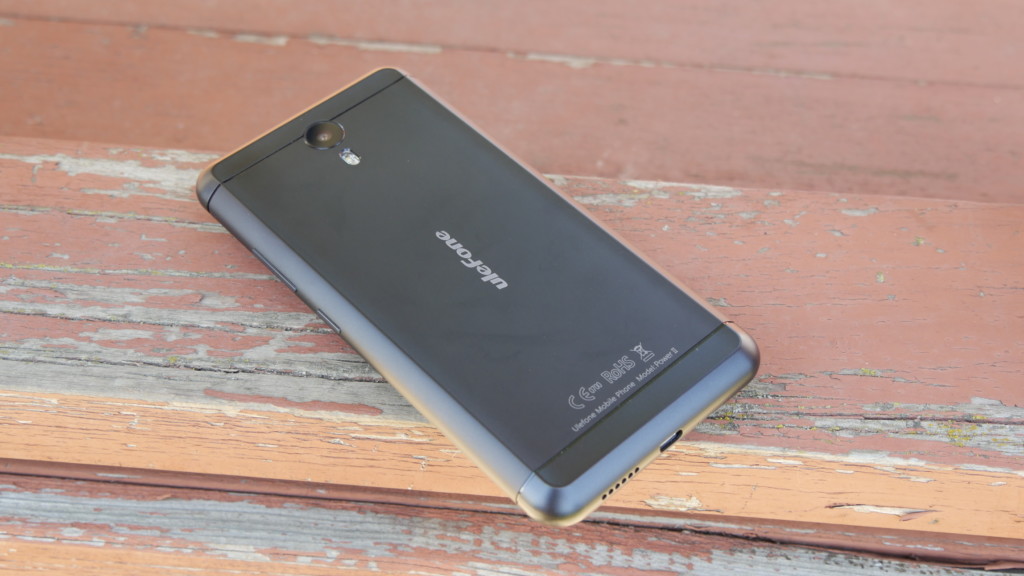
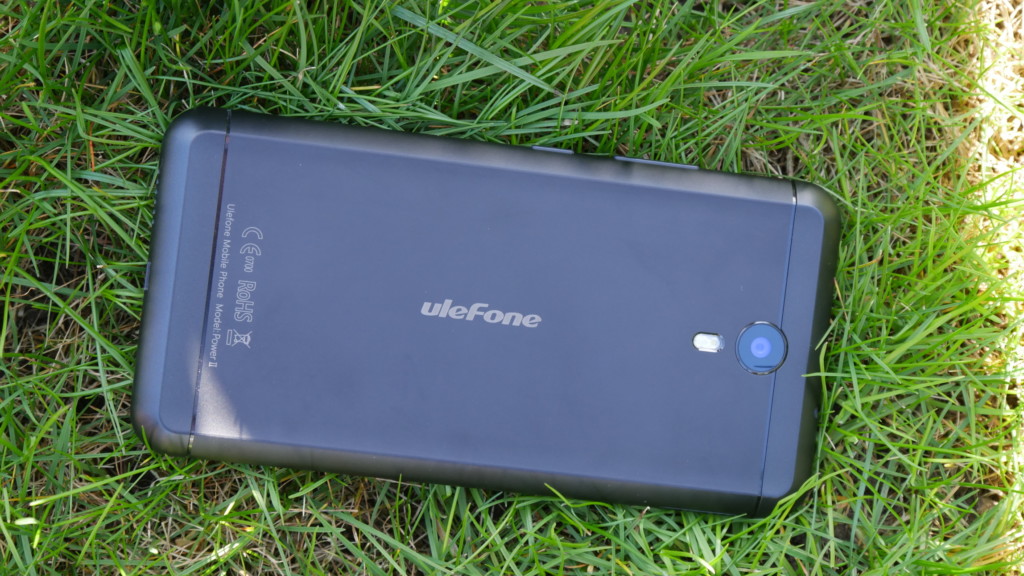
The Ulefone Power 2 is made entirely of metal, it has tactile metal buttons and the device feels great in the hand even though it weighs over 200g due to a large battery.
Even though Ulefone crammed in a huge battery pack, the phone measures at about 10mm thick.
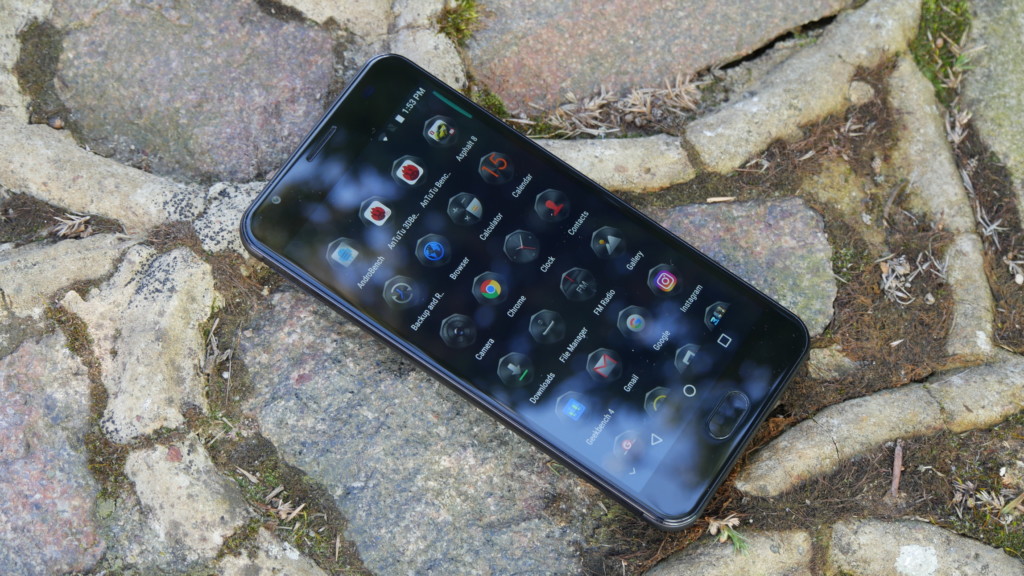
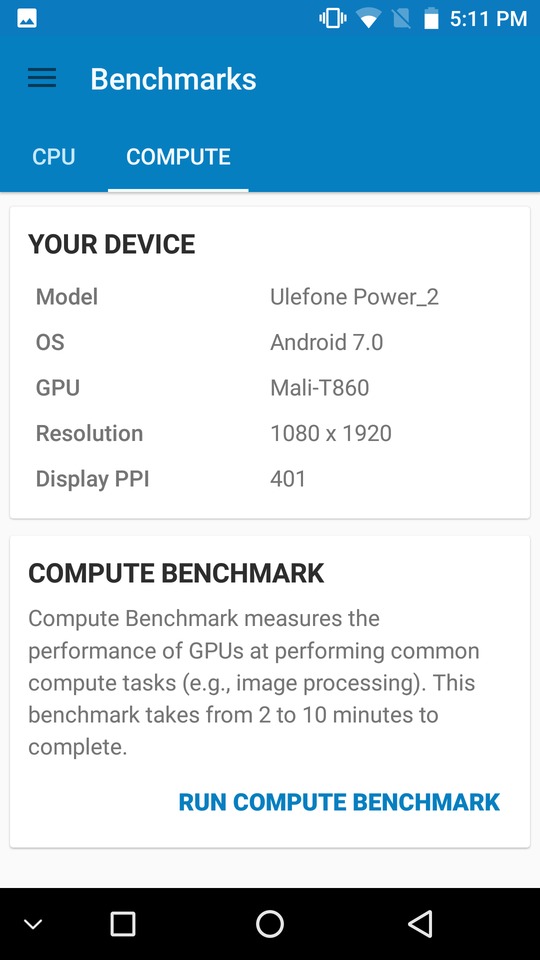
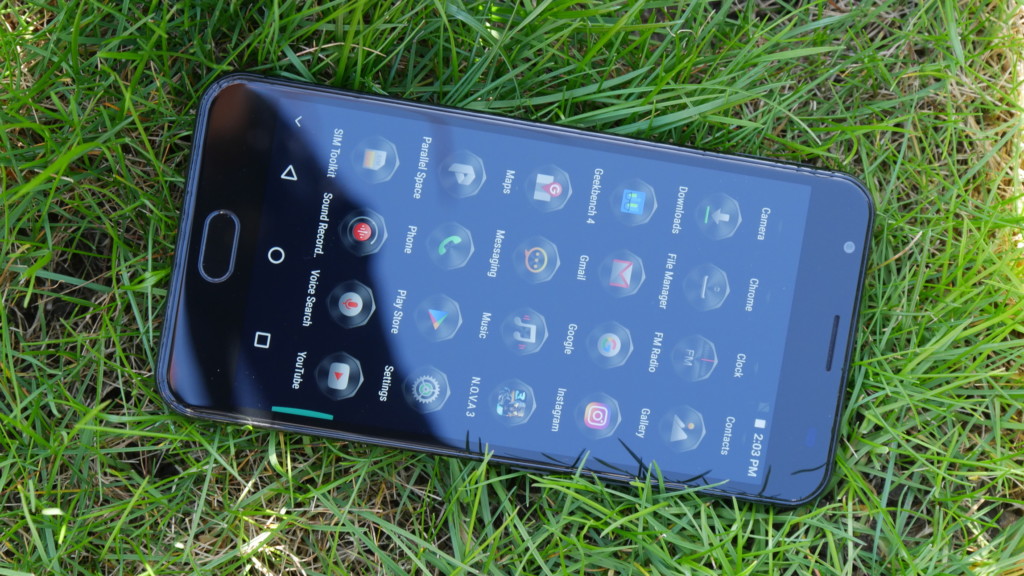
We have a 5.5” 1080p LCD display, which is sharp and vibrant and it has a decent sunlight legibility. Just above the display, there is an interpolated 13MP selfie camera and LED notification light.
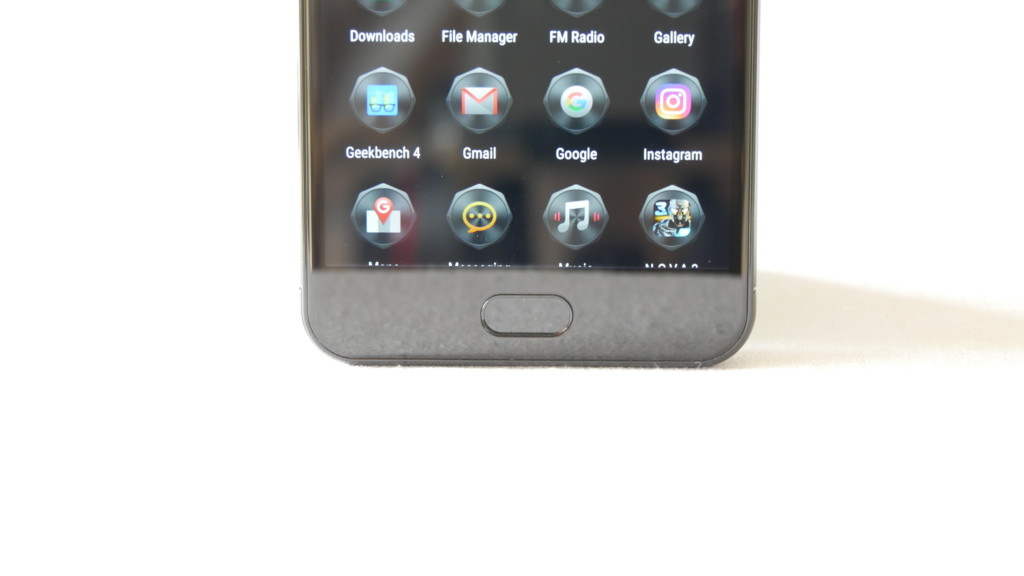
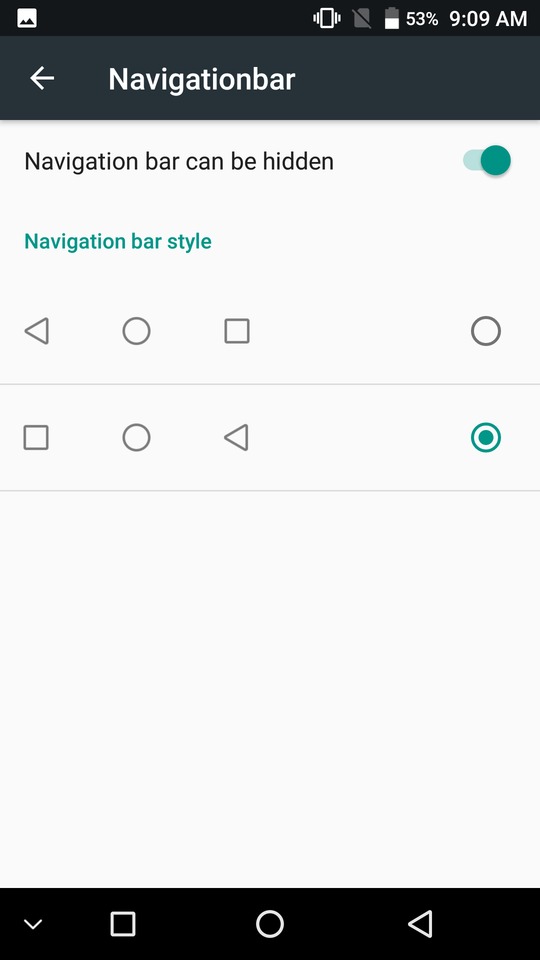
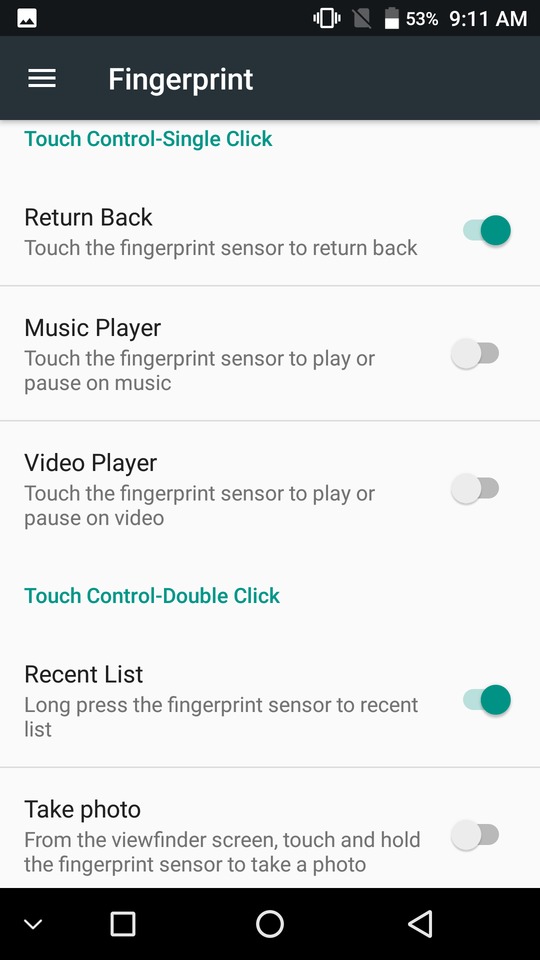
The fingerprint scanner, which is embedded in the home button, is fast and accurate. Also, I love that you can use the home key to navigate through the user interface instead of using on-screen navigation keys.
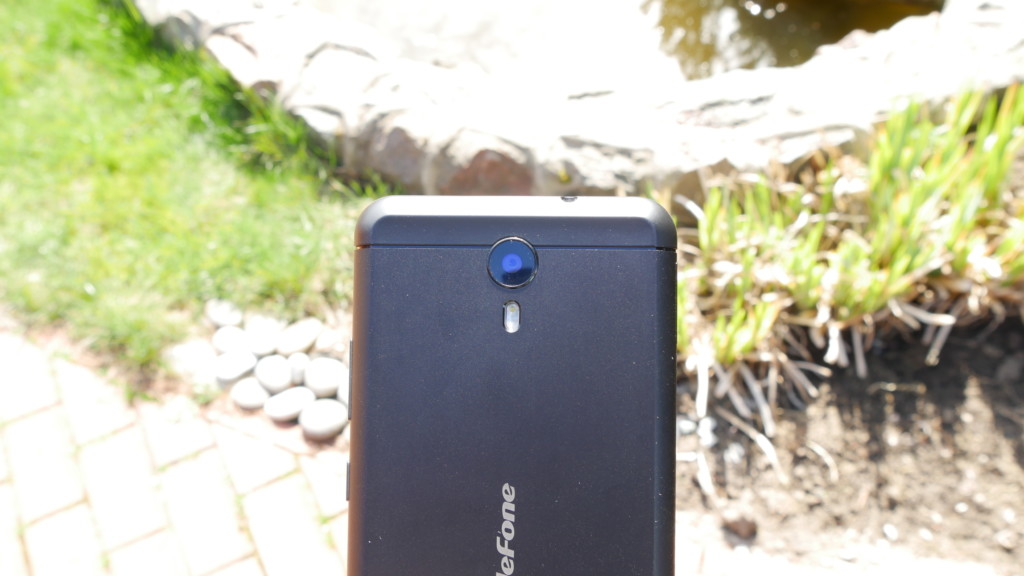
On the back, you can find a 16MP camera with dual LED flash.
The loudspeaker quality is decent but not really impressive as on most of the cheap phones.
HARDWARE and PERFORMANCE
As far as hardware goes, the Ulefone Power 2 has really good specs for the price.
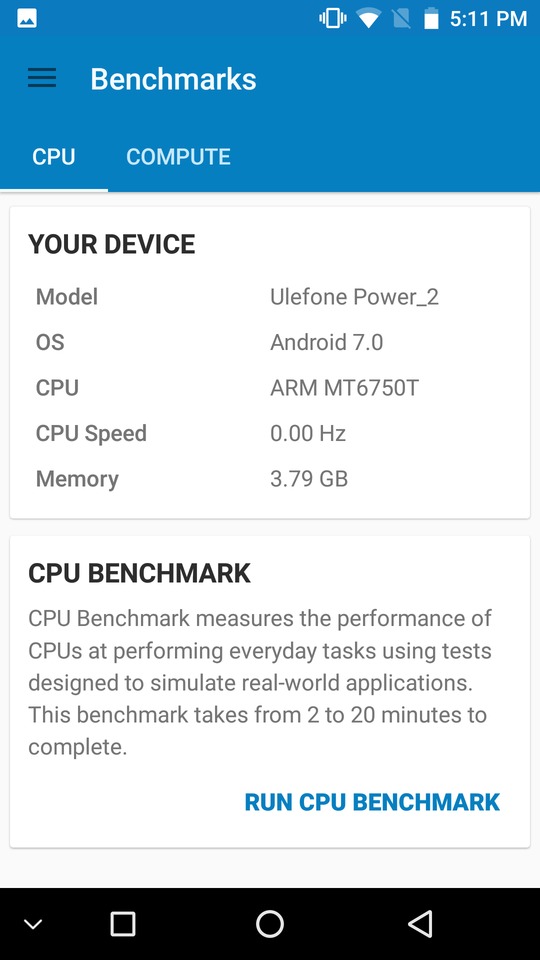
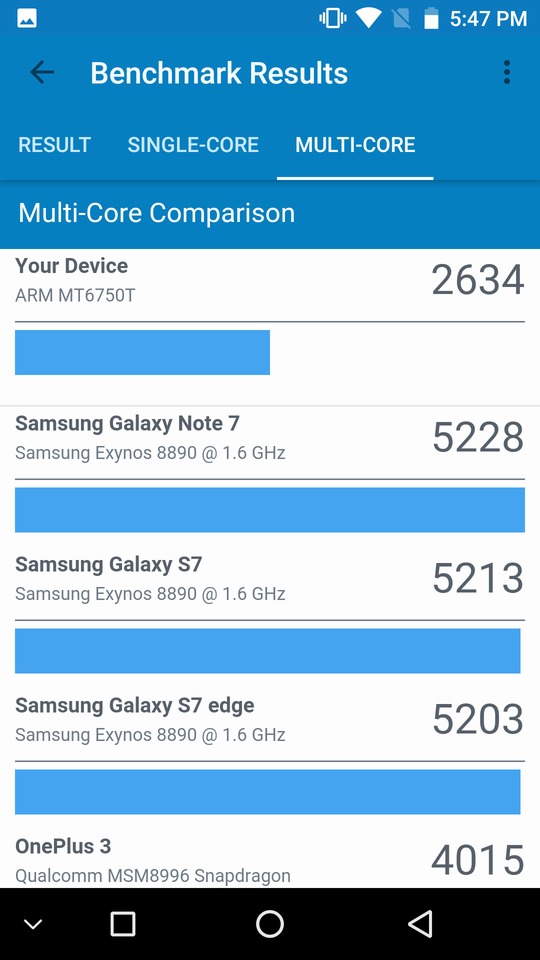
The phone ships with the MTK6750T chip with the clock speeds of 1.5Ghz, 4GB of RAM and 64GB of expandable storage.
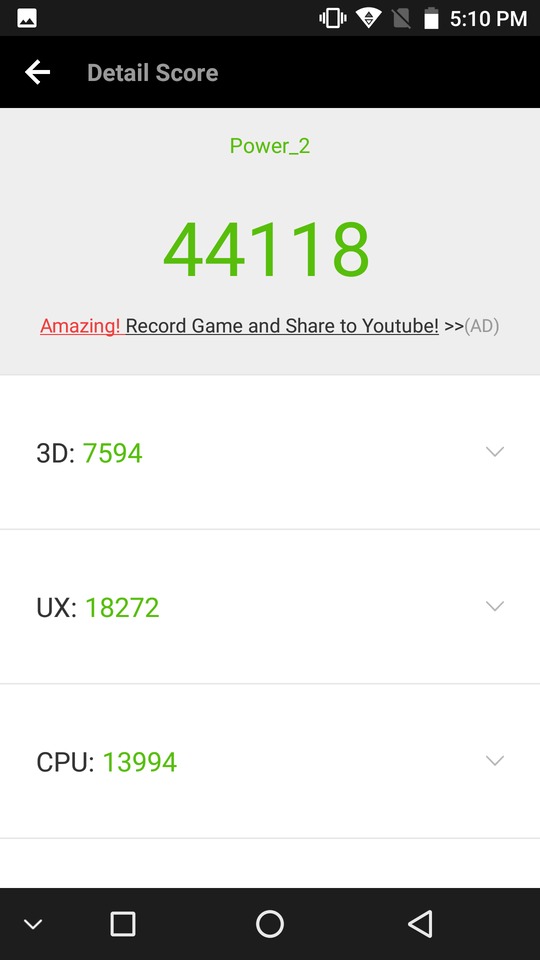
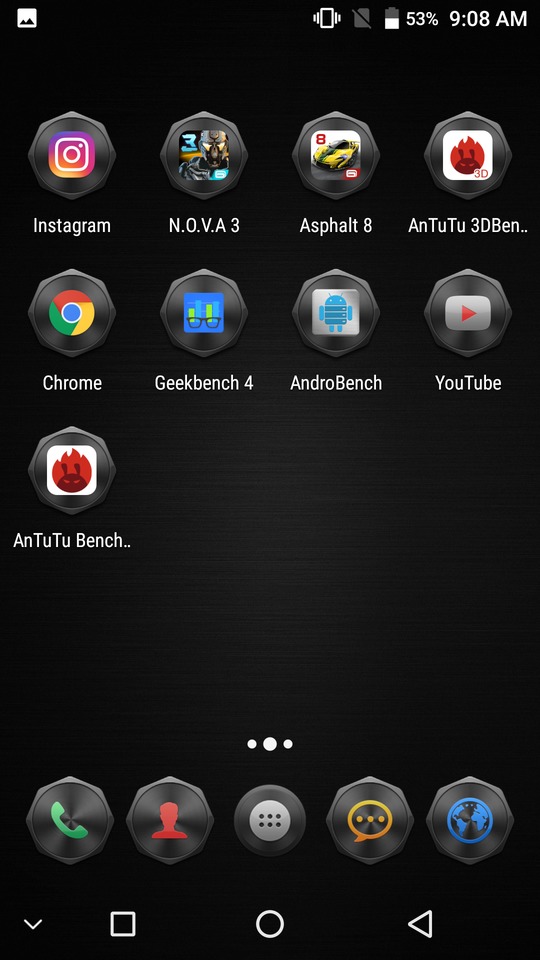
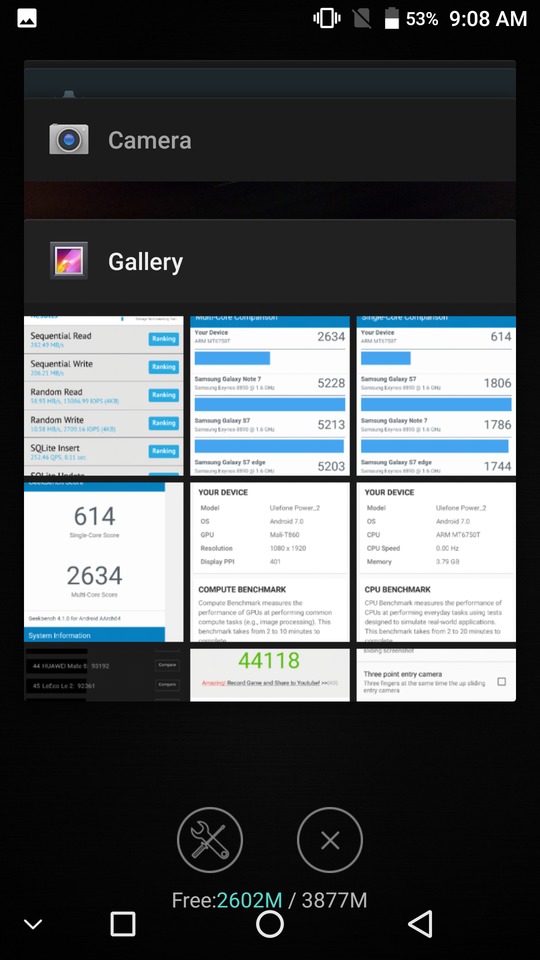
The gaming performance is decent but don’t expect to play games like Asphalt 8 on the highest graphics. If you set graphics to medium, the phone performs quite well.
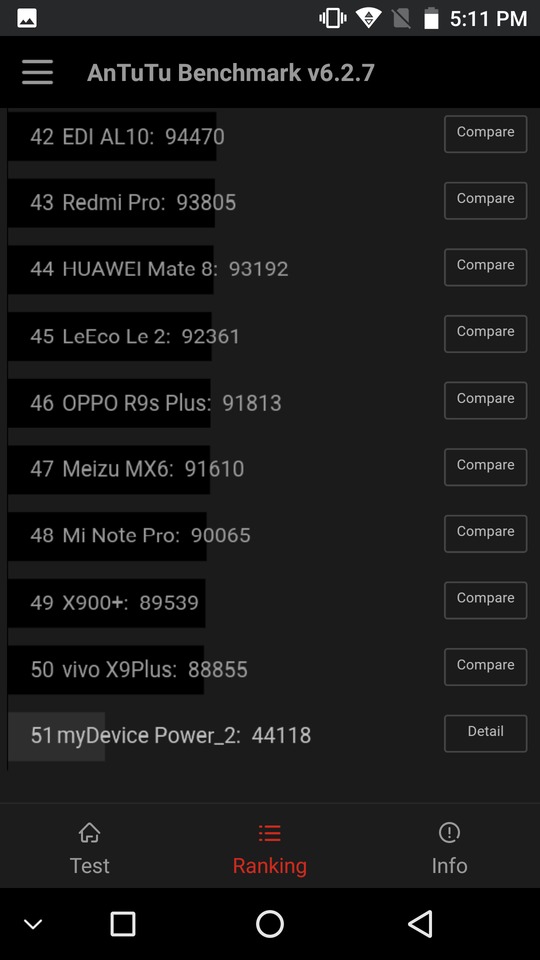
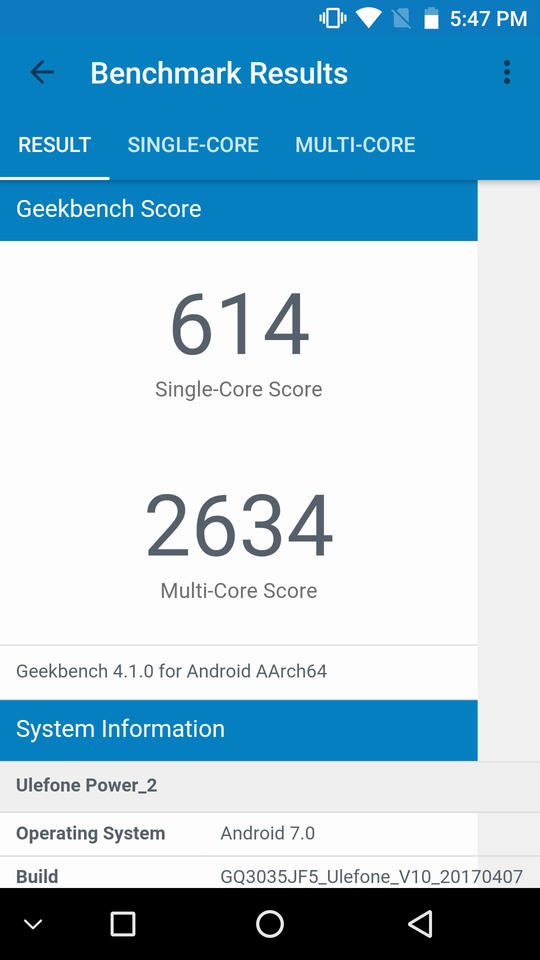
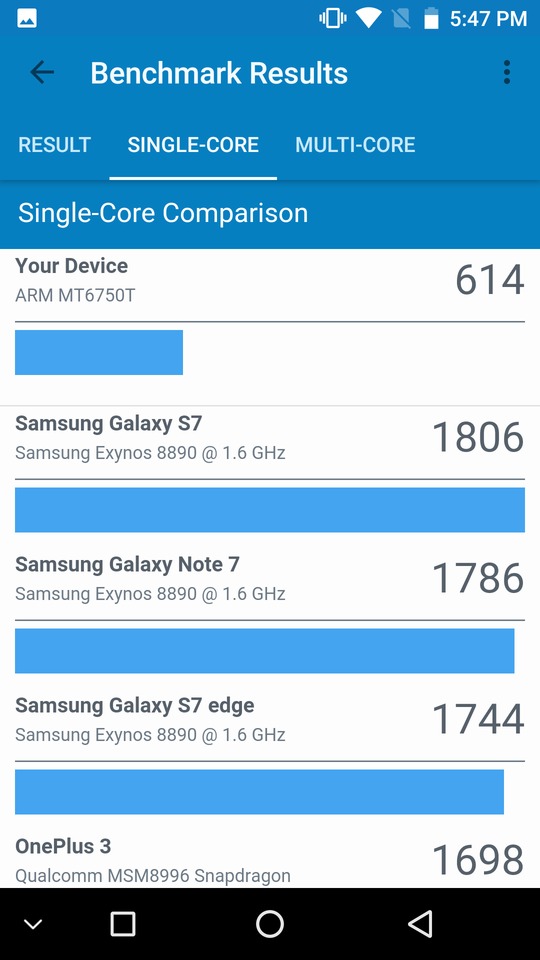
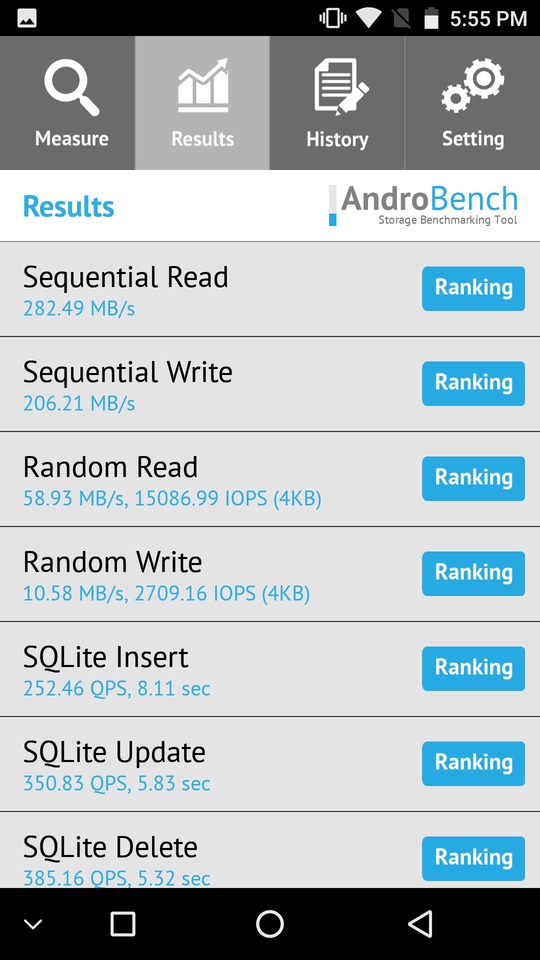
BENCHMARKS
USER INTERFACE
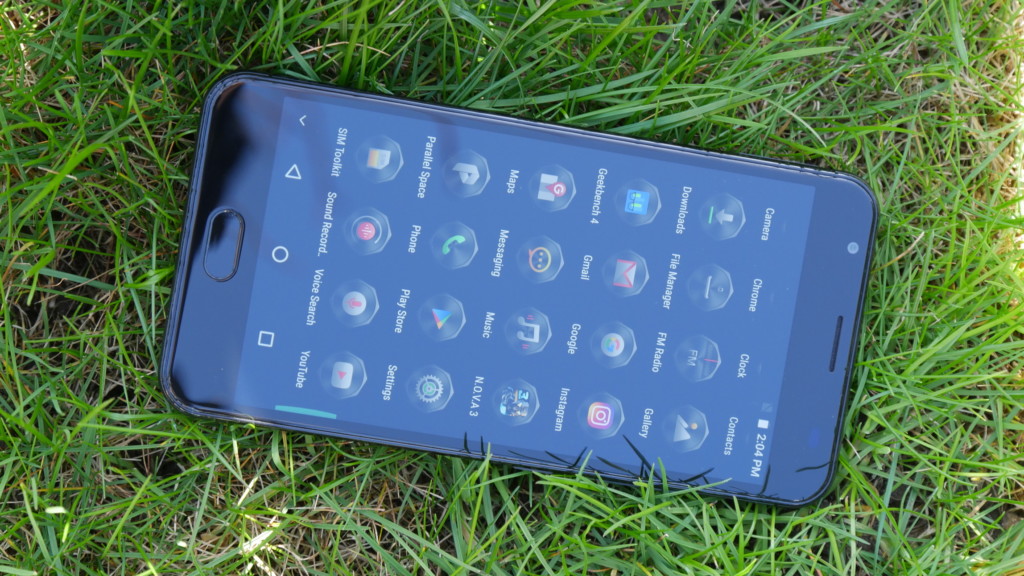
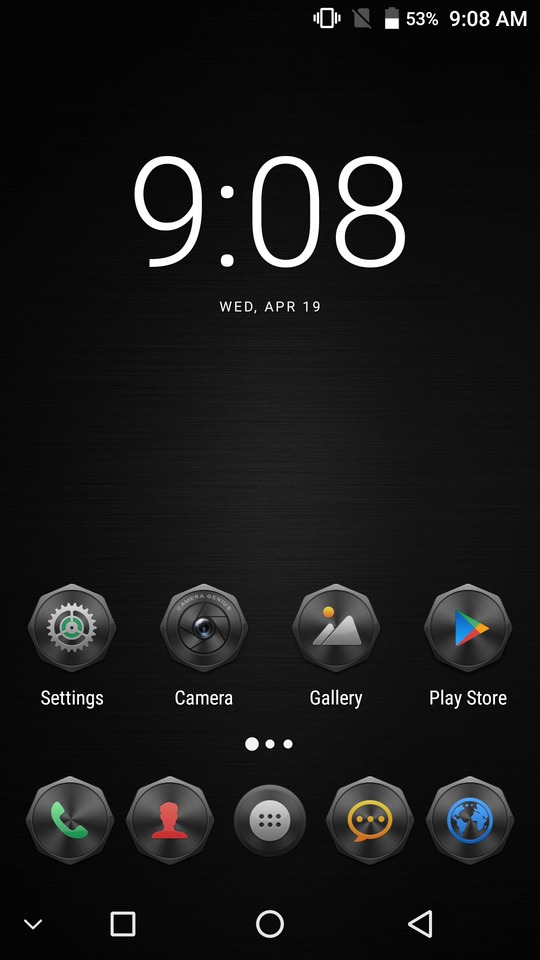
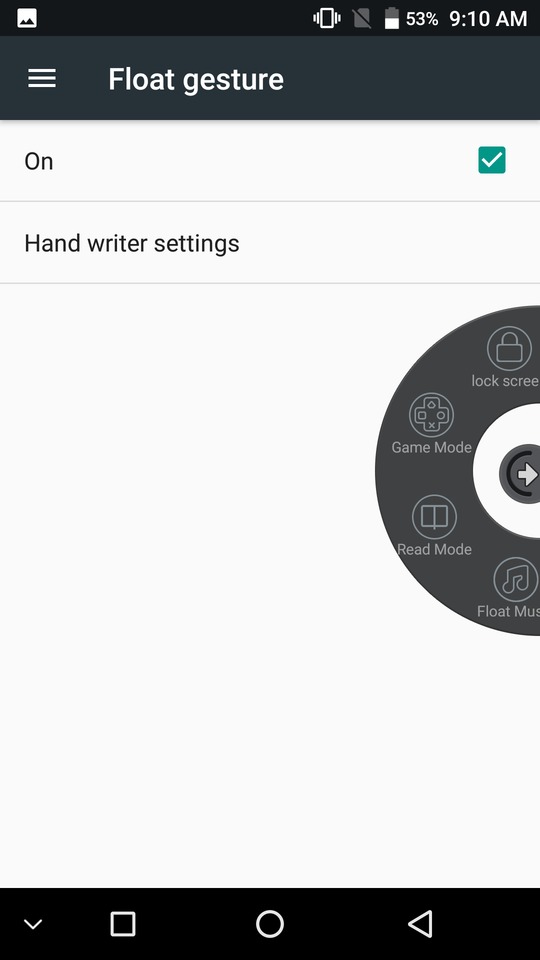
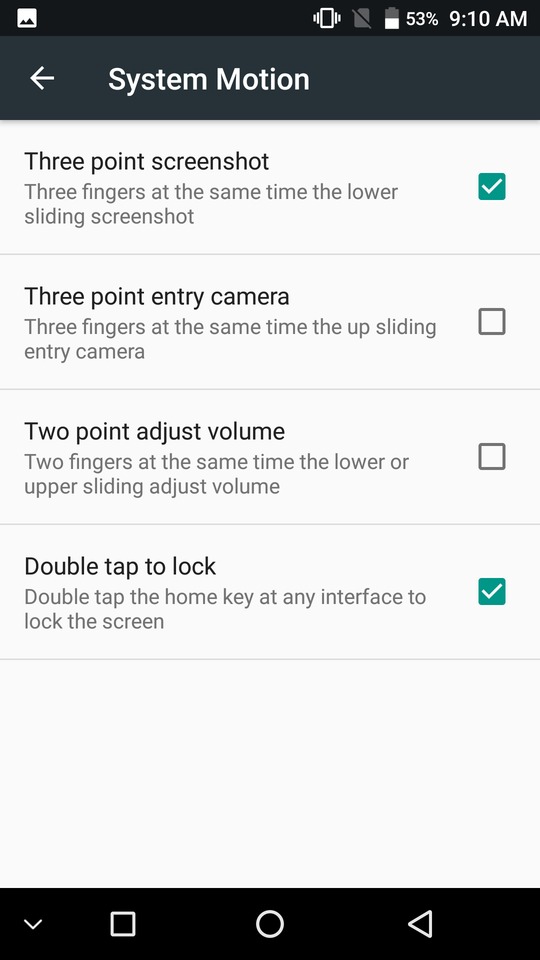
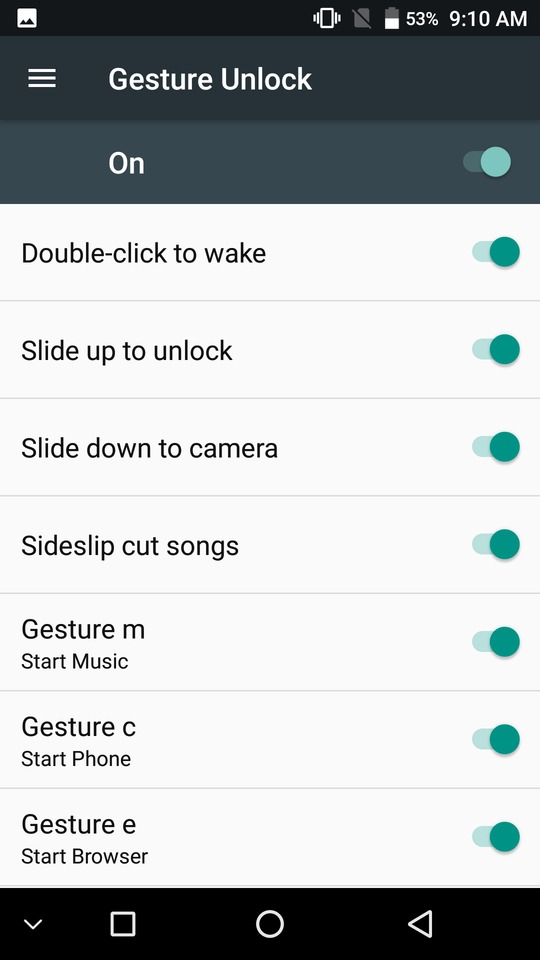
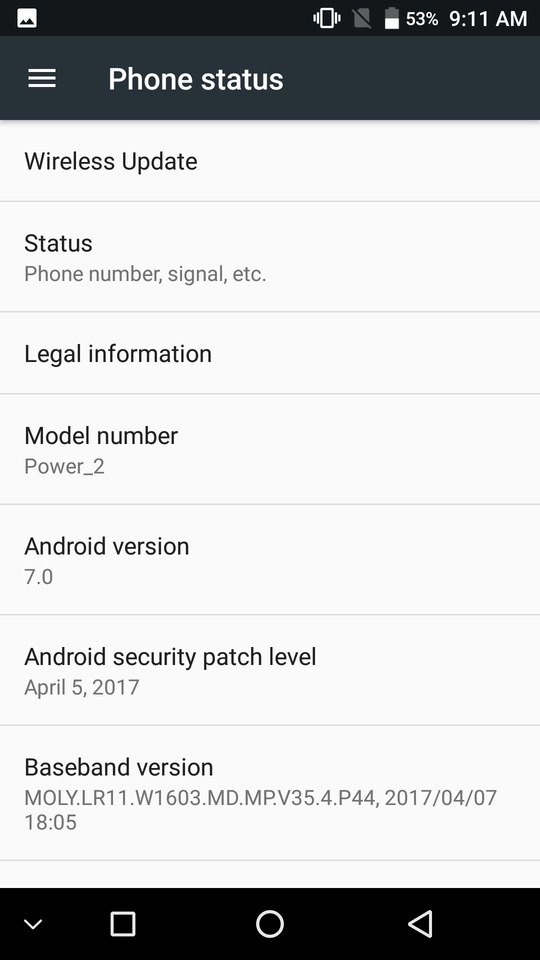
Ulefone implemented a custom skin on top of Android 7.0 and added quite a few features of its own. For example, there is a ton of gesture and motion controls that most of them work fine while others seem to be kind of slow to respond to gestures.
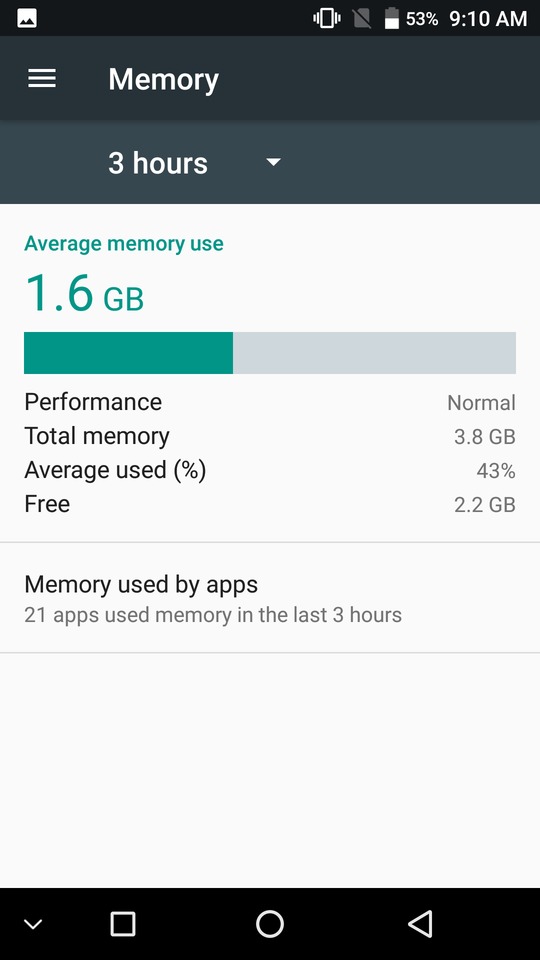
Most importantly, the phone is quite fast on the daily basis and I didn’t have any lag even after installing quite a few apps.
IMAGE QUALITY
Image quality is probably the weakest point of the Power 2. Well, you may get some decent shots out of this phone but more often that not, you will end up getting images with a lack of detail and washed out colors. Also, the phone seems to be struggling with auto-focus in some of the shots.
Naturally, the low-light image quality is even worse as there is quite a bit of noise and grain in the pictures.
The selfies look kind of mediocre. There is a lack of detail and there is a visible red tint.
The 1080p video looks okay for a cheap phone but there could definitely be more detail.
CONNECTIVITY
When it comes to connectivity, I have no complaints. Call quality is decent and even the GPS is pretty accurate.
BATTERY LIFE
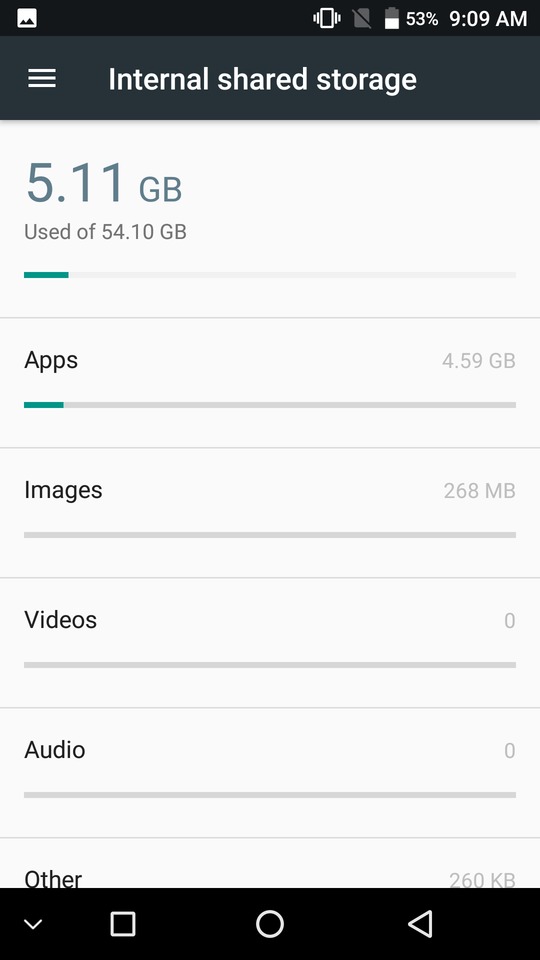
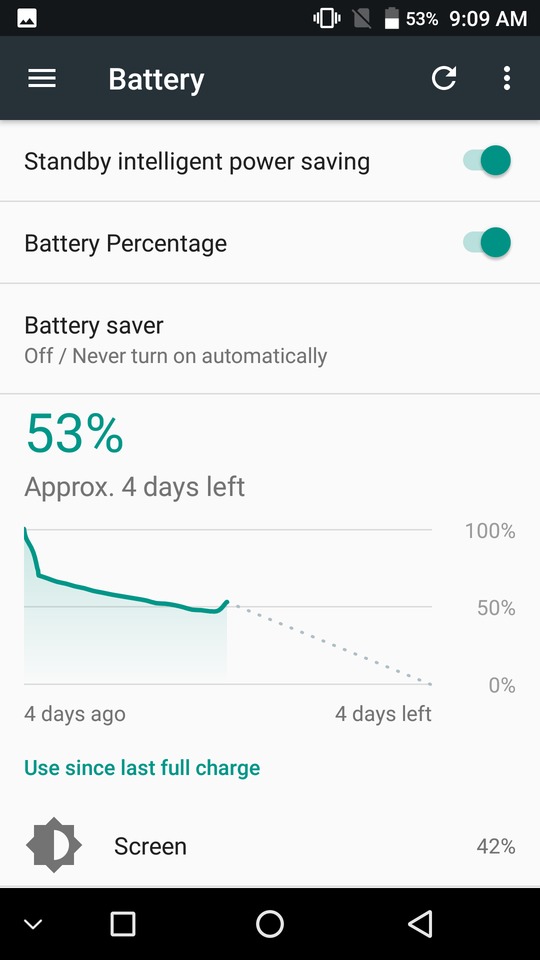
The 6050mAh battery performs really well. With my usage, I could get almost 3 days out of this phone, which is a fantastic result. If you use the device more intensively, you will still get about 7 hours of screen-on time.
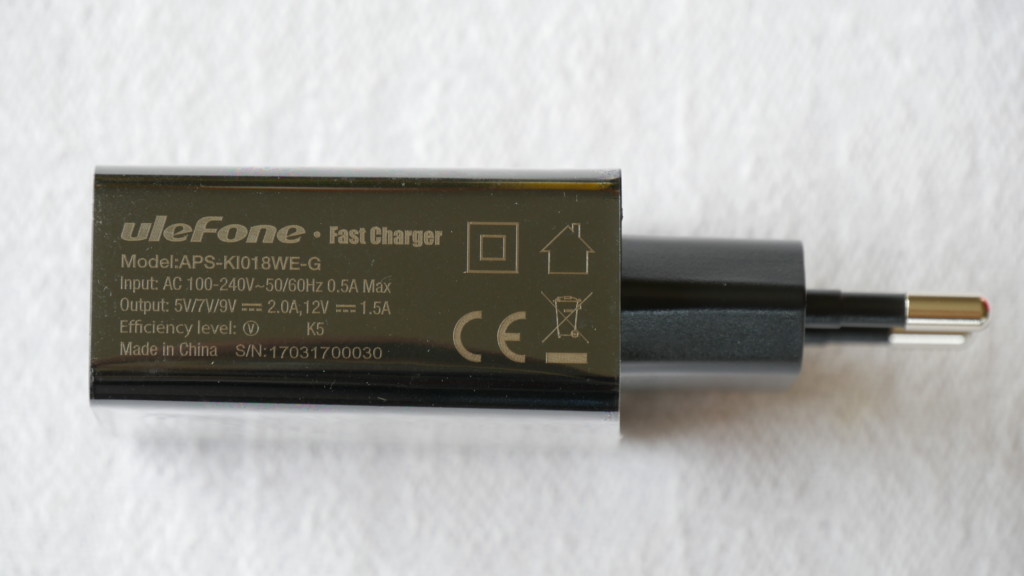
Finally, the phone ships with the fast charger which fully charges the phone in about 1:40 mins.
CONCLUSIONS
Ulefone Power 2 aims to bring a lot of value for the price by offering a huge battery and great specs. It succeeds in a lot of ways but the camera and 3D gaming performance remain its weakest points.
Other than that, the Power 2 is a pretty solid offering for the price, if you don’t mind those shortcomings.
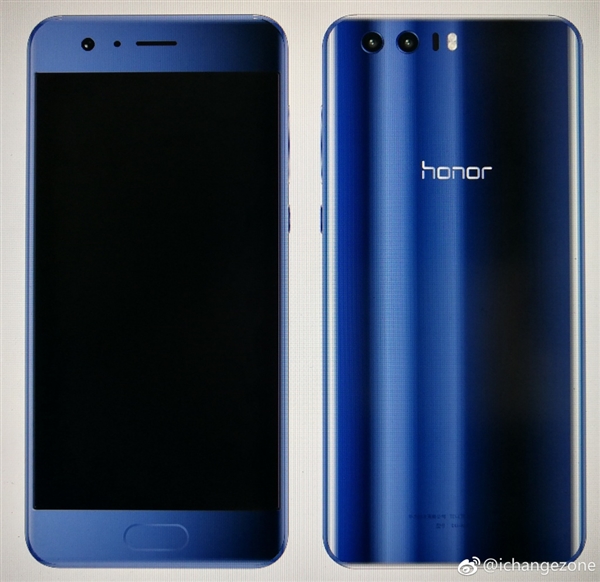
Huawei launched the dual camera Honor V9 as a China exclusive back in February. Two months later, the V9 was internationally released as the Honor 8 Pro. So you should understand why we were surprised when we came across these images said to be of the Honor 9.
The images were posted on Weibo by @ichangezone and show a phone that looks like a cross between the Honor 8 and the just released Xiaomi Mi 6. The favorite features from the Honor 8 have been transferred to the Honor 9. The dual rear cameras along with the laser focus module and LED flash are positioned in the exact same place and the reflective glass back is still present too.
The major change is in the fingerprint scanner which has been moved from the back to the front. It also doubles as a home button and sits where the “Honor” name used to be on the Honor 8.
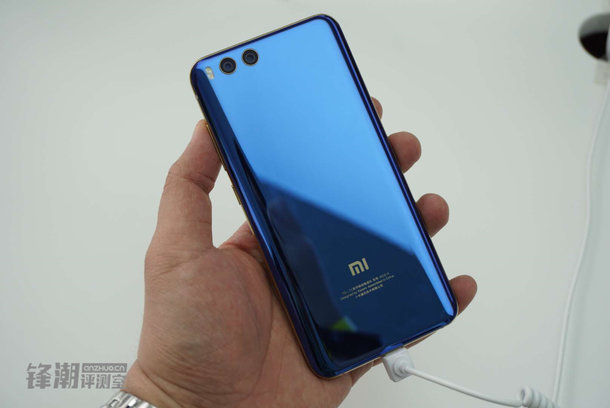
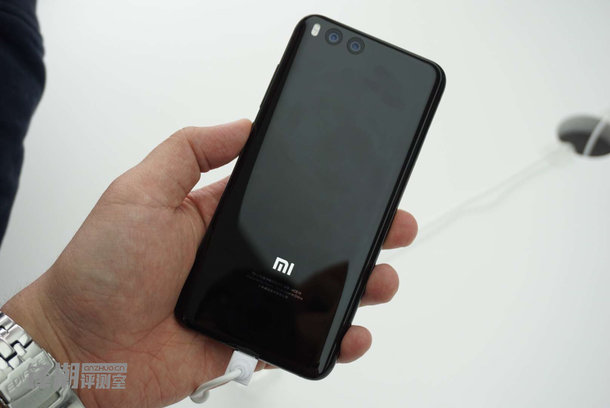
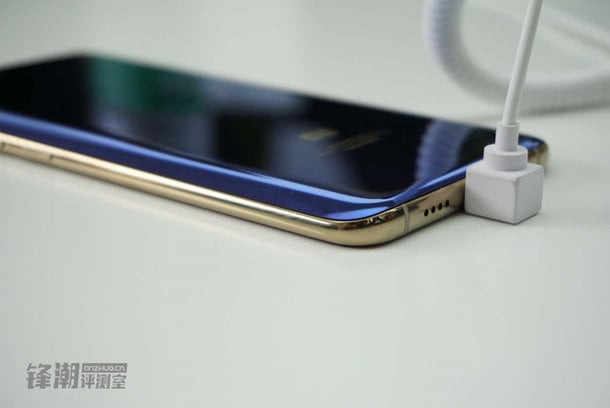
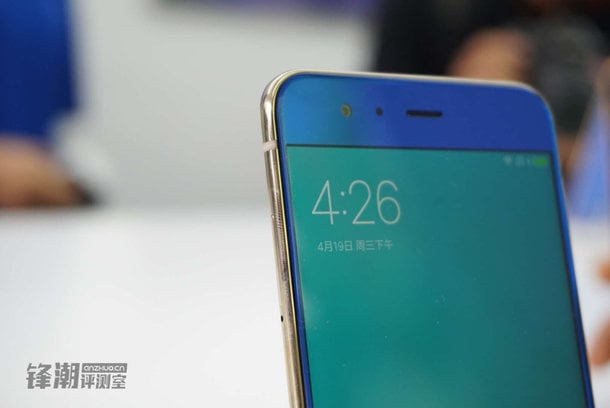
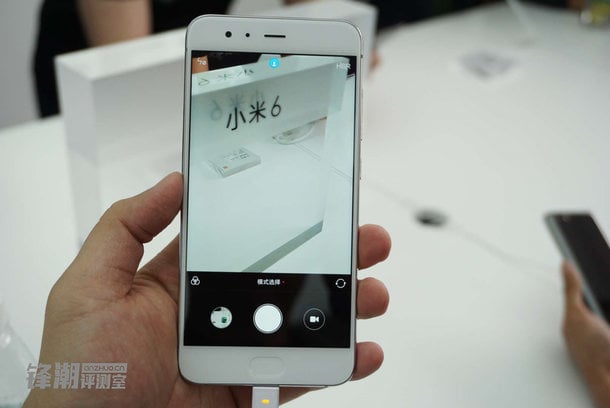
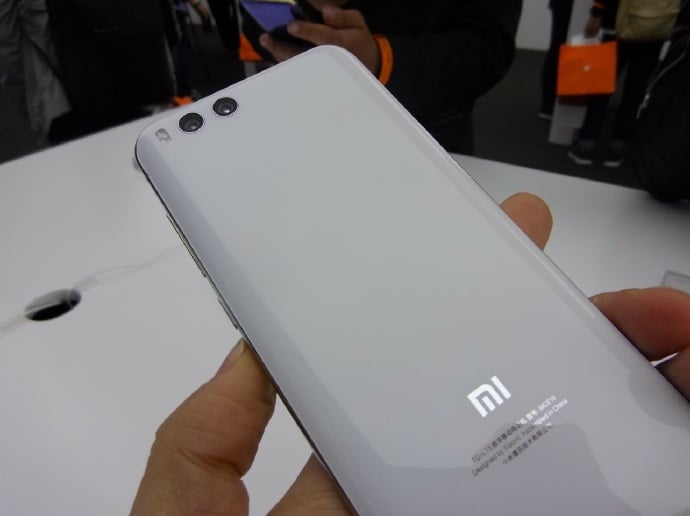
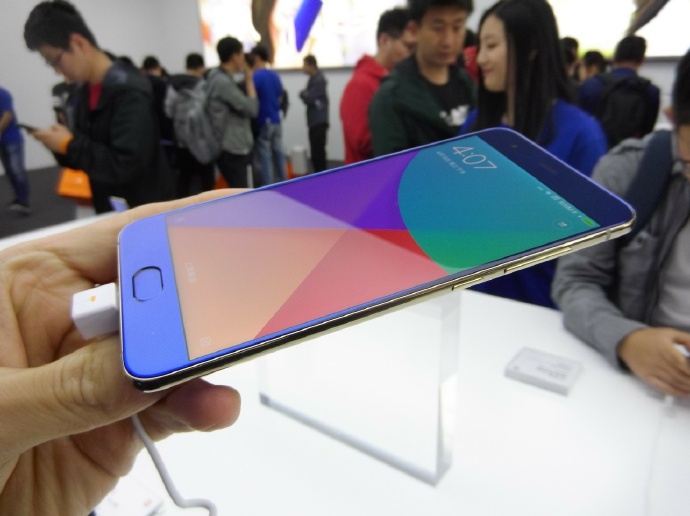
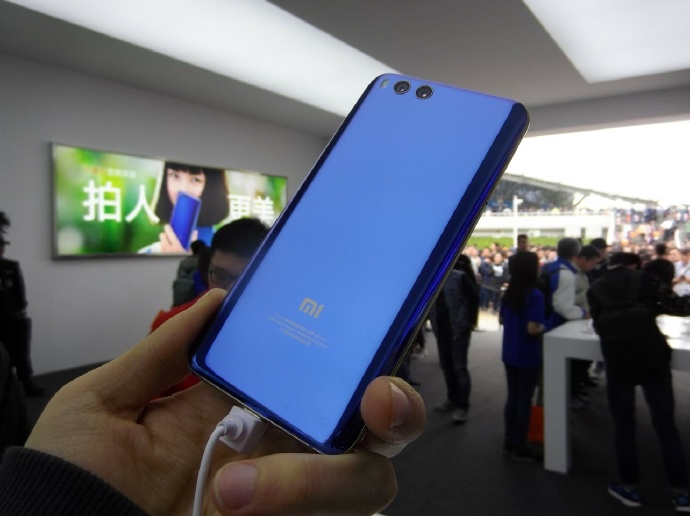
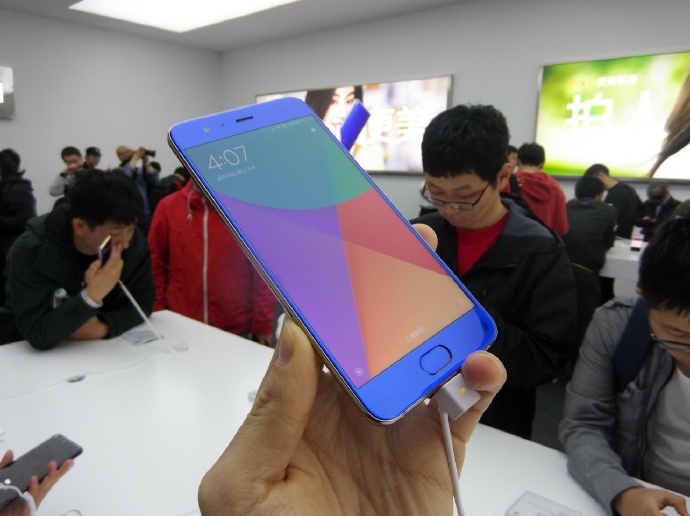
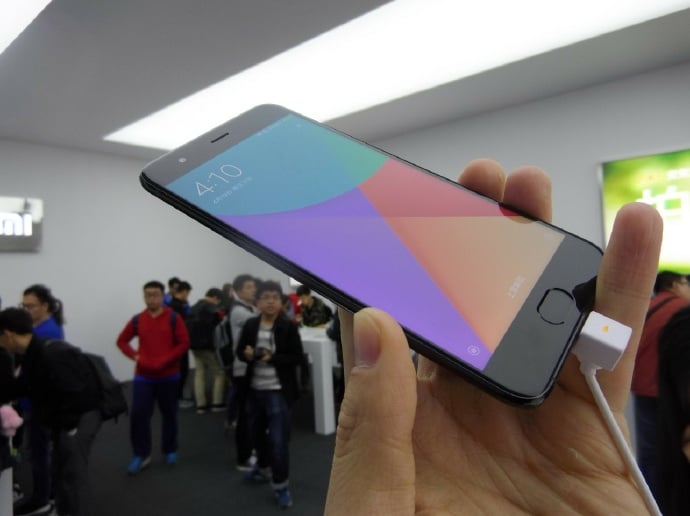
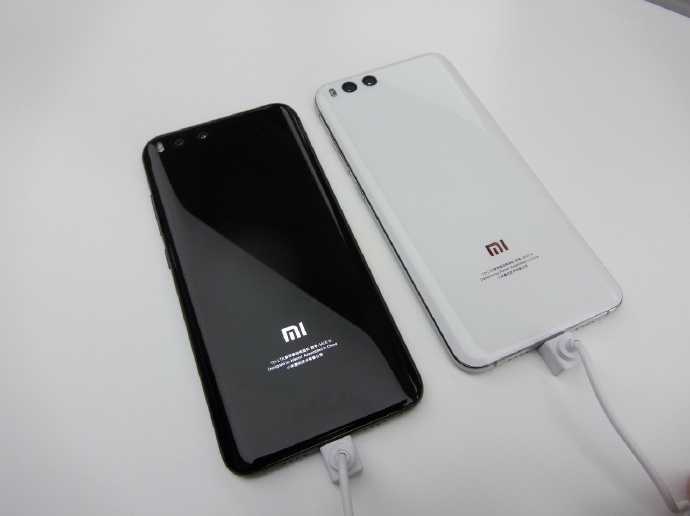
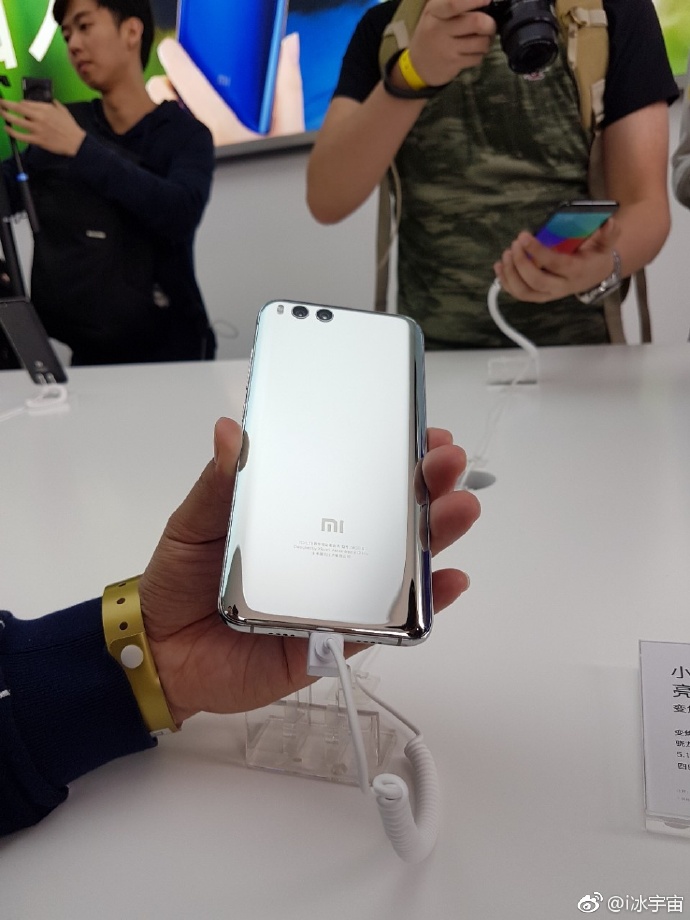
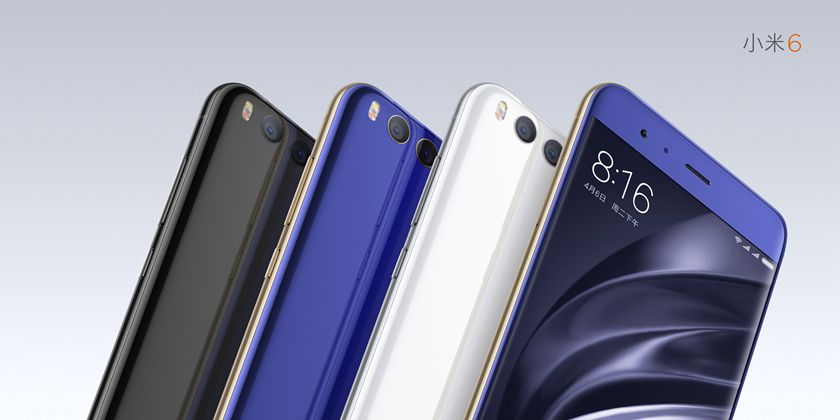
The Xiaomi Mi 6 comes in an array of beautiful colours comprising Black, Blue, White and a unique Silver edition. We bring you hands-on photos of the elegant flagship device, so you’ll have a peek of the available colour options before they officially go up for sale.
The Mi 6 comes with a sleek design which is attractive, regardless of the colour it comes with. But we all have our personal likeness for certain colours and Xiaomi took that into consideration in making the Mi 6 available in other colour options other than the Rose gold, Gold, Matte Black options we are accustomed to.
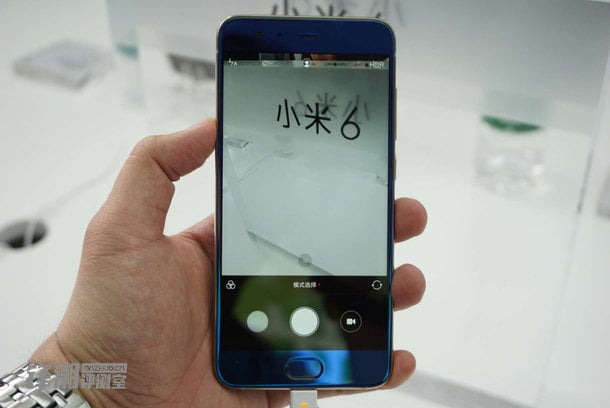
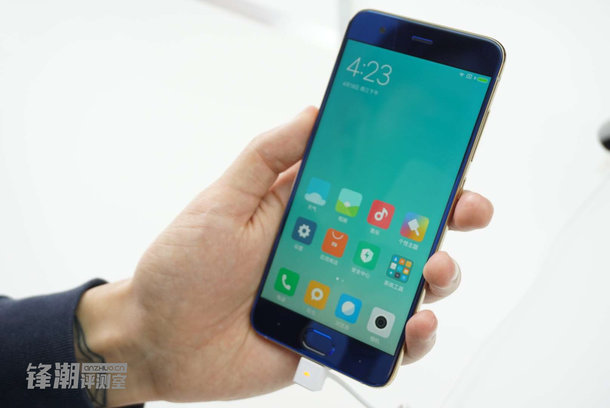
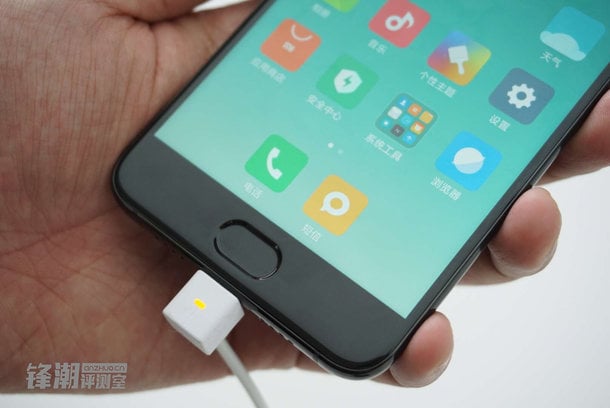
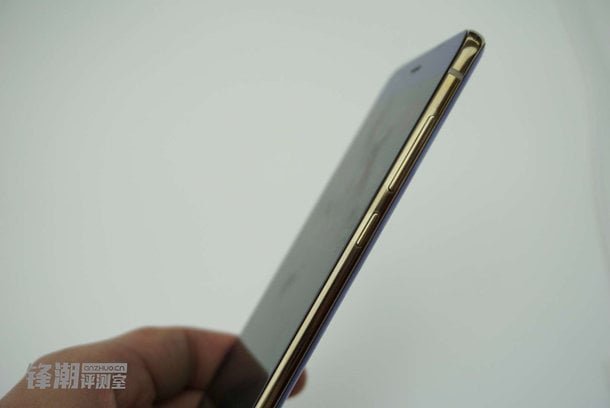
As you would have noticed, the Xiaomi Mi 6 comes with a glass body but it still has a metal fuselage manufactured from stainless steel. It has a body curved on all sides both at the front and back, thus eliminating much of the bezels at the side of the displays leaving an ultra-thin bezel at the sides. There is a large bezel at the top and bottom edges of the device. The bottom bezel houses the underglass ultrasonic fingerprint sensor which first made its debut on the Xiaomi Mi 5S. The fingerprint sensor also doubles as the home button. The edges are also well chamfered and this along with the curvature at the back makes for an easy grip.
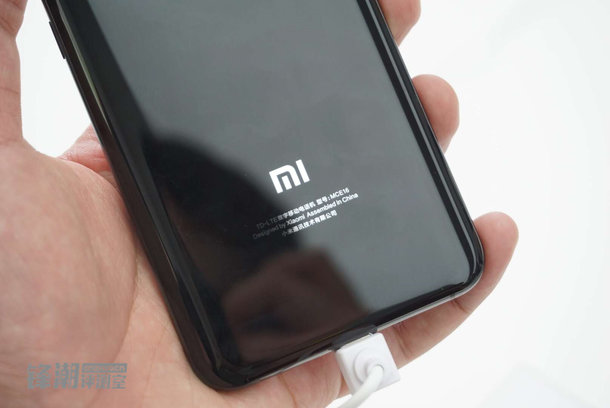
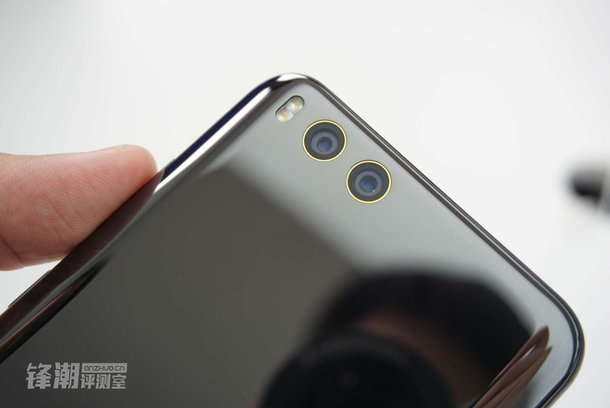
The Mi 6 comes with a splash proof body and does not have a port for the 3.5mm audio jack. Xiaomi took that off and instead included a USB Type-C port which would also be used for earphones in addition to charging and data transfer. One unique feature on the Mi 6 is the dual 12MP main + 12MP telephoto camera setup that the smartphone features at the rear. The camera samples shot by the dual cameras are just amazing.
There is doubtfully anything that isn’t amazing on the Mi 6 bearing in mind that it is powered by a ferocious Snapdragon 835 chip backed by a massive 6GB of RAM. For storages, you get a 64GB variant and a higher one with 128GB space. This post isn’t really about the specifications but the design so, here are more stunning hands-on images of the flagship down below.
Xiaomi finally took the wraps off its 2017 flagship, the Mi 6 today and the device comes as a stunner. The Xiaomi Mi 6 comes with an amazing design and that is coupled with a well-studded specs lineup marshaled by Qualcomm’s latest Snapdragon 835 chip. As an icing on the cake, the Mi 6 comes with a variety of attractive colors which include black. blue, and white. There is also a ceramic edition as well as a unique limited silver edition which may be a difficult one to come by because of its production process.
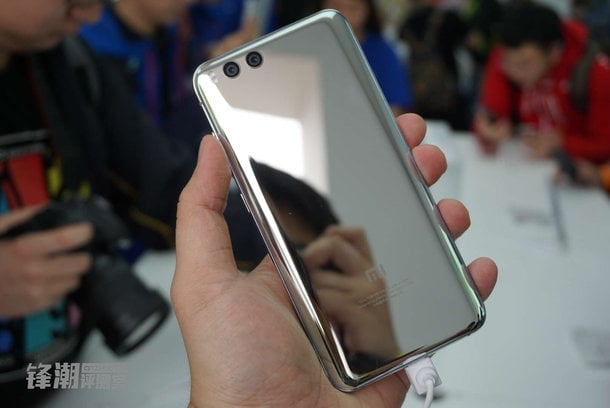
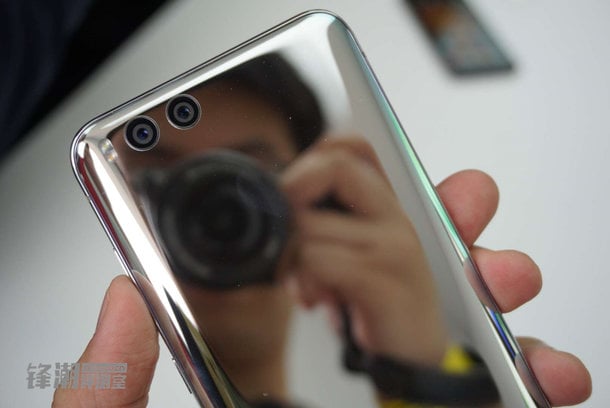
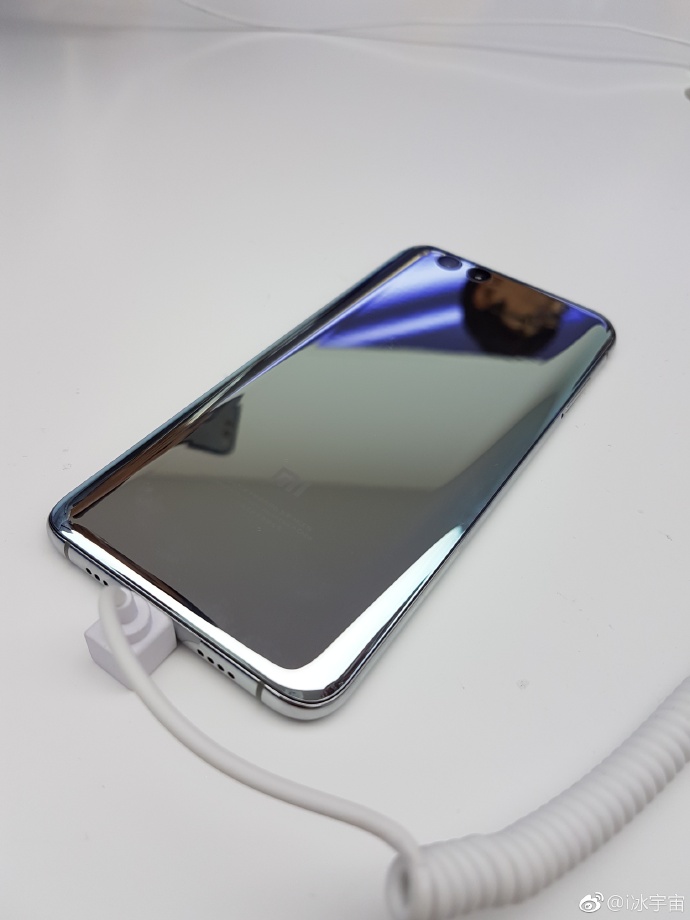
We have some hands-on images of the Mi 6 Silver Edition right here and quite honestly, it looks more attractive and beautiful than we had thought. With this edition, you may not even need a looking glass which makes this one suitable for the female folks.
The Xiaomi Mi 6 Silver Edition comes with a special design which like the others is made of stainless steel but its own glass covering is a special ultra-reflective mirror finish. The Silver edition is said to come with a different feel from the other variants. The variant may not be available soon as the production process isn’t very fast and has even not started. The Silver edition is coated using a special electroplating process. The electroplating process is said to take place in a vacuum environment as just one speck of dust during the process renders the batch useless. We also don’t have any assurance yet about its fragility.
Unfortunately, the Mi 6 Silver edition will not be going up for sale along with the others on April 28 and we don’t know when next we’ll lay our hands on this one. But for now, enjoy the hands-on images we have right here.
It has been a long wait and so far it has been worth it. The Xiaomi Mi 6 is now official and in all ways, it is the flagship we have been waiting for. It packs a number of amazing features and still maintains a low price albeit slightly higher than their previous flagships.
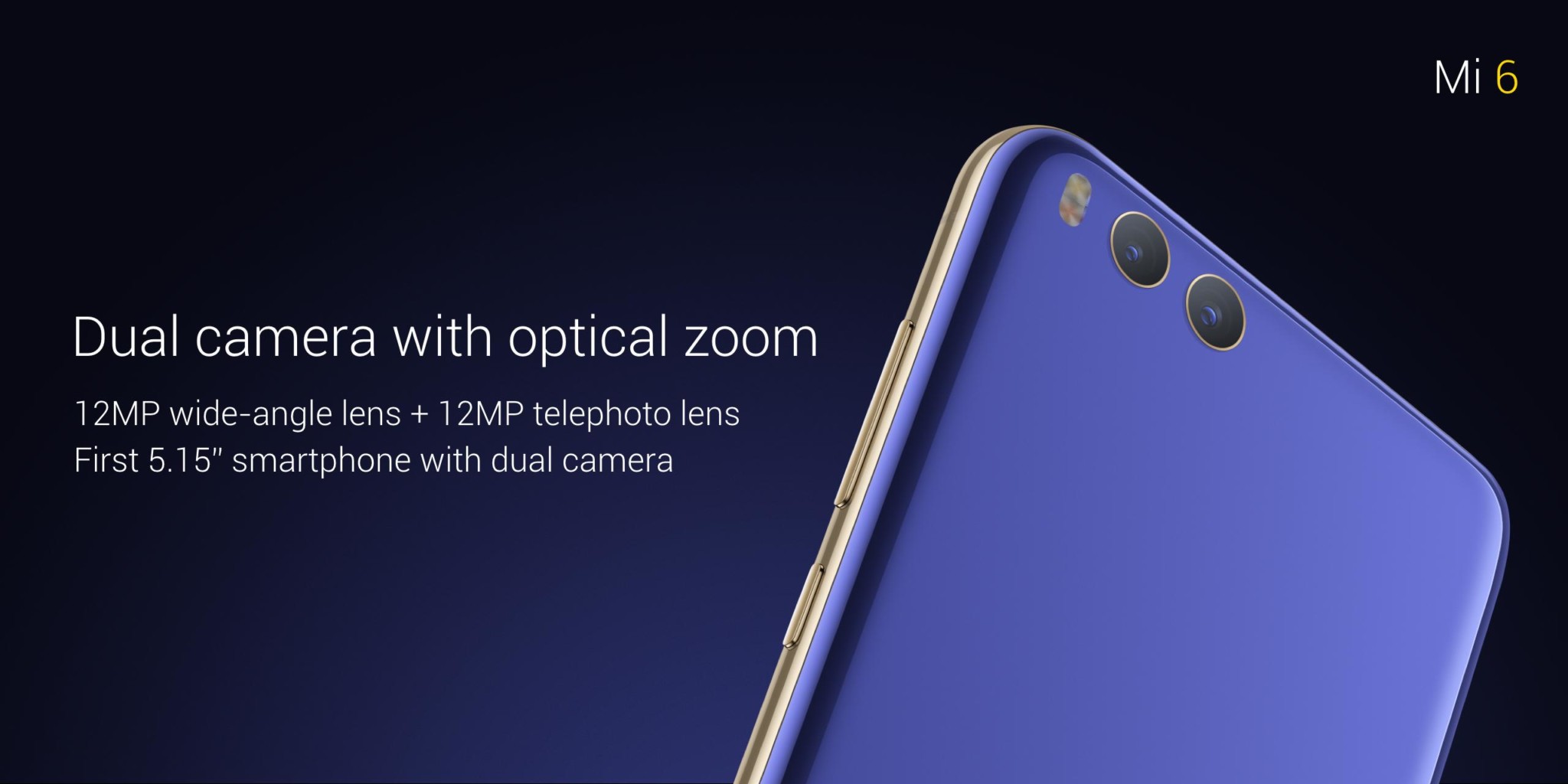
One of the new features of the Xiaomi Mi 6 is its dual rear cameras. This is not the first time they will appear on a Xiaomi phone but this is the first time they appear in this configuration. While the dual cameras in the Xiaomi Mi 5s Plus and most android phones are configured in the monochrome + RGB format, the ones in the Mi 6 are configured as one wide-angle lens + one telephoto lens, the same way as the iPhone 7 Plus.
This configuration lets you to take amazing pictures with the depth-of-field effect and also gives you a wider perspective. The cameras also have 2x optical lossless zoom and 10X digital zoom allowing you to take clearer shots at a distance. The cameras’ 4-axis OIS works with the built-in accelerometer and gyroscope to prevent against tilted images and angular movements.
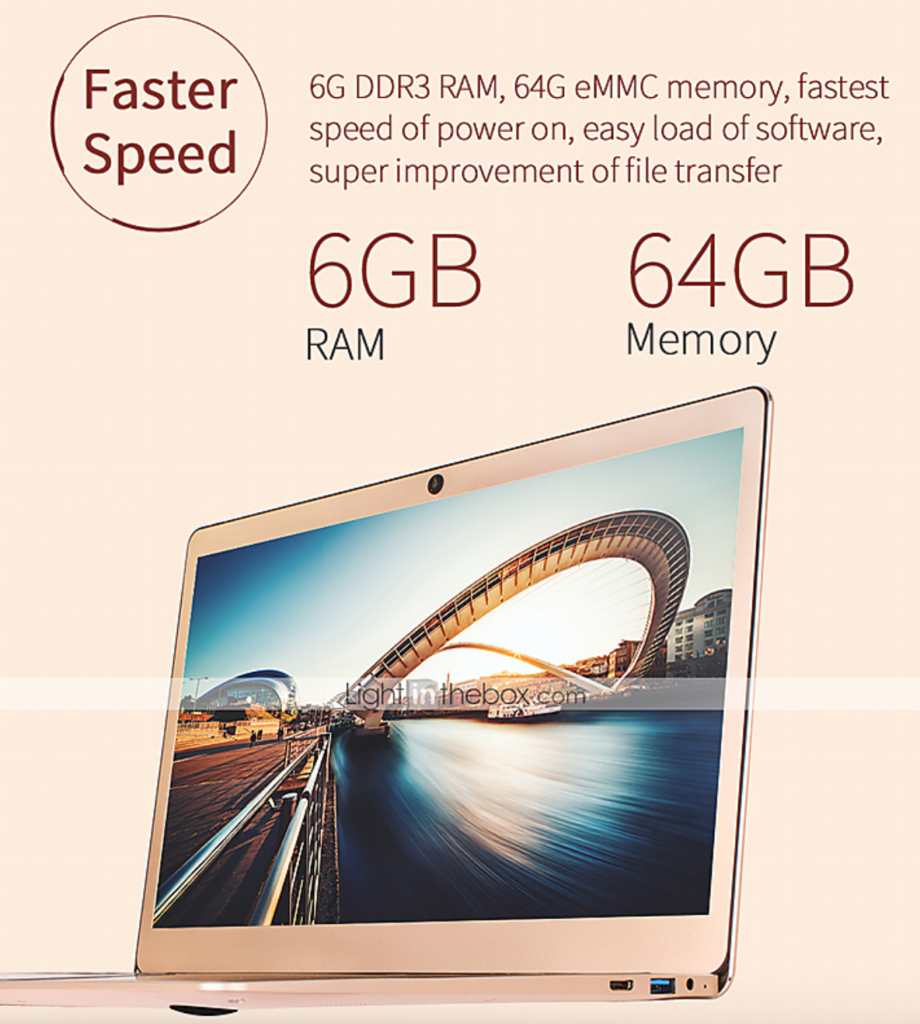
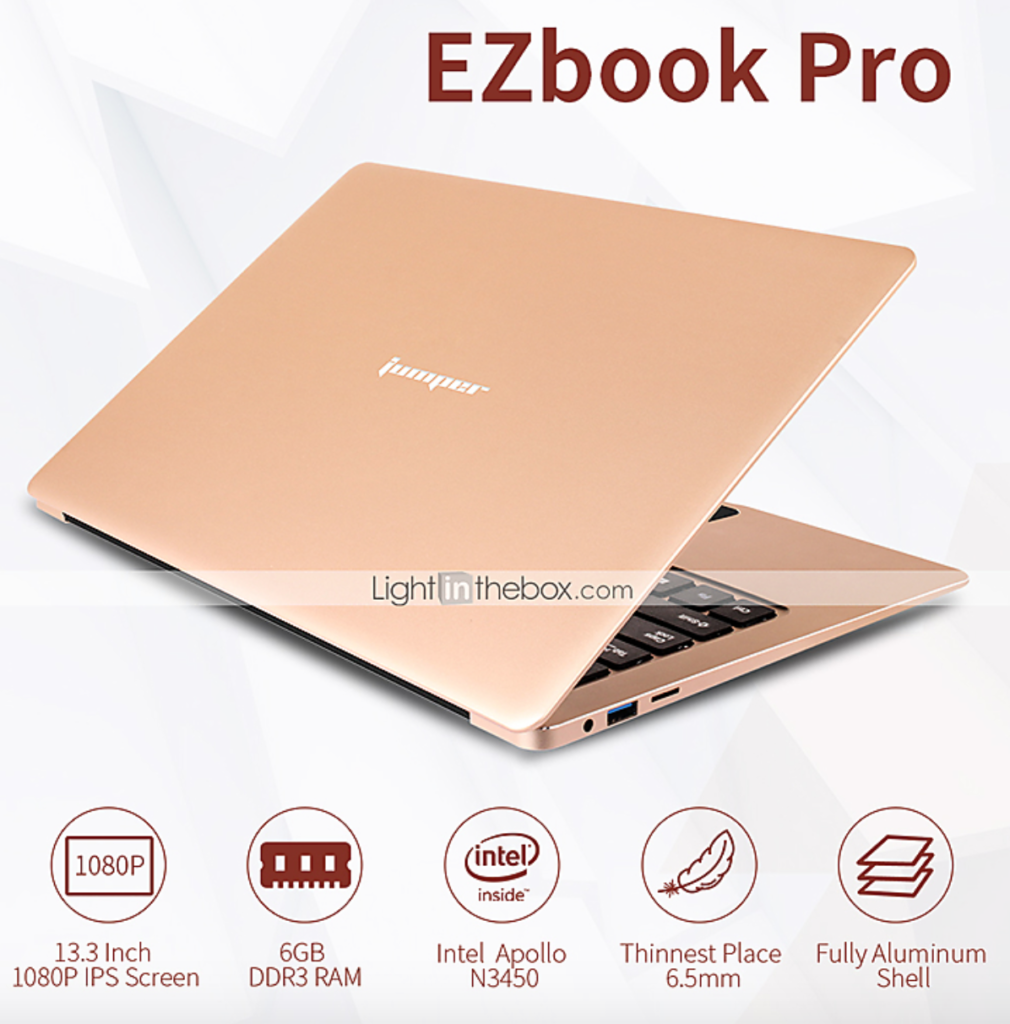
Laptop market is pretty busy and a lot of Chinese manufacturers try to stay in the game by offering great specs at affordable price. Jumper is not a new name in laptop industry and one of their latest models has a lot of value for the price. You can now get it for just $259 from lightinthebox.com which sounds like a really good deal.
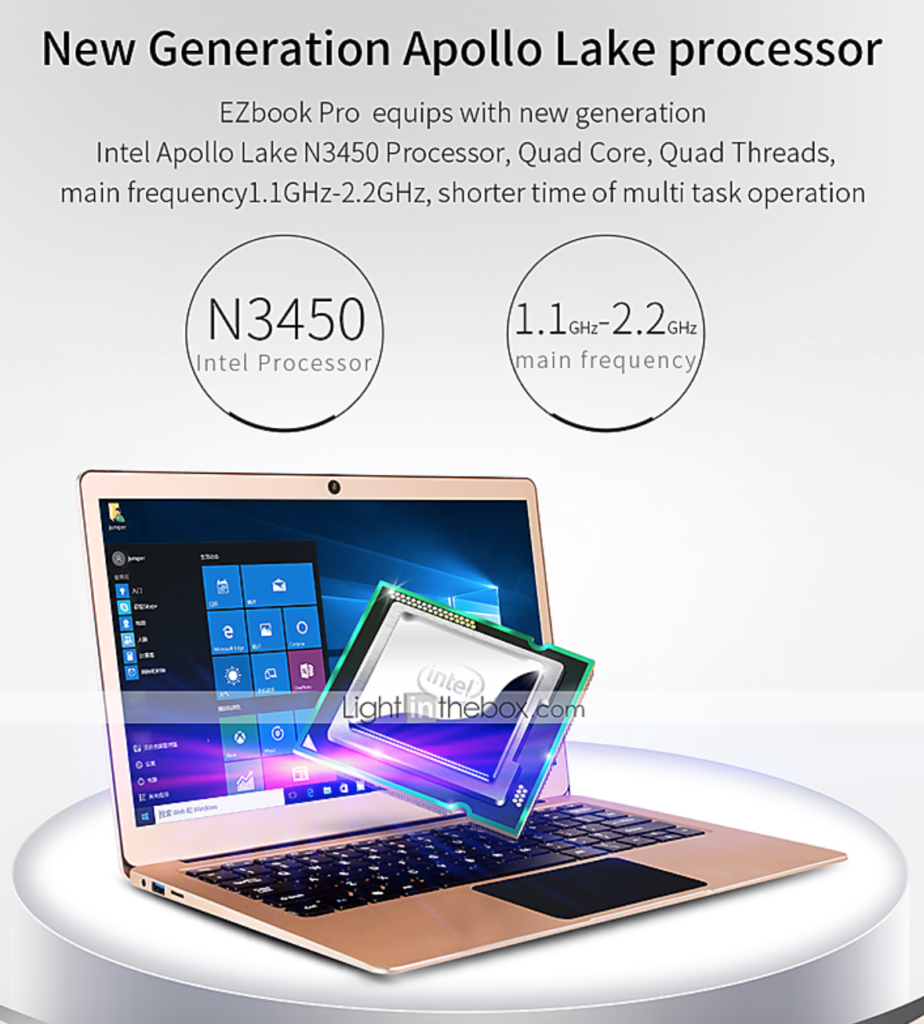
One of the key features is that the Jumper EZBOOK 3 PRO now has a powerful Intel Apollo Lake N3450 Quad Core chip. In addition, the laptop has 6GB of RAM and 64GB of internal storage, which can be further expanded via the microSD card slot.
It’s worth mentioning that the Jumper laptop does not skimp on the build quality as the device is made entirely of metal to give that premium look and feel.
You can now get it for just $259 from lightinthebox.com which sounds like a really good deal. In order to get a discount, make sure to use a discount code at the checkout: JUMPER3
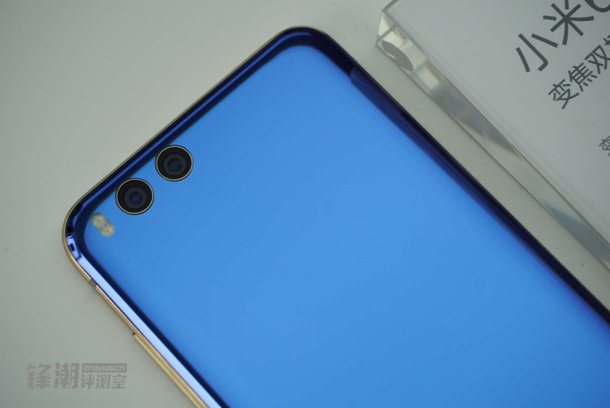
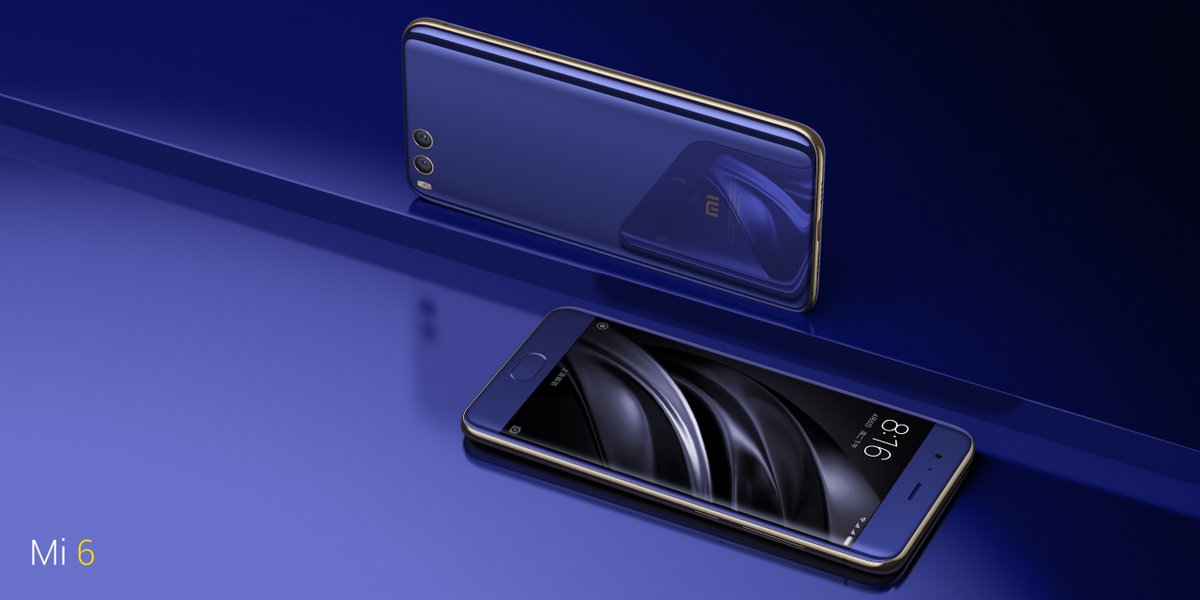
Xiaomi Mi 6 is officially announced and in addition to the standard black and white color options, the phone also comes in a new Blue edition. We have seen several blue colored smartphones in the past, with the Huawei Honor 8 being one of the popular options in the market right now. The Mi 6 Blue edition seems to be targeted at users who would like something different, and the phone, with its glass body and symmetrical four curved back design, does look pretty amazing in this unique shade.
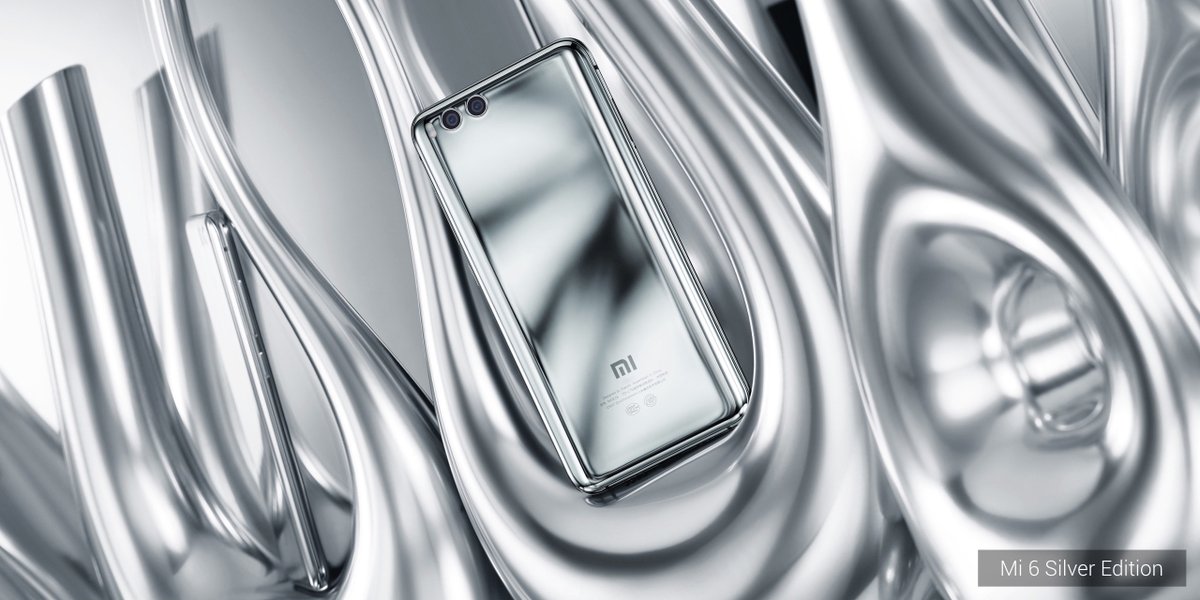
What’s interesting is that manufacturers seem to be skipping the gold color option for its flagships this year. Gold and Rose Gold were popular color options until recently, and it looks like the focus is now on unique shades like blue and red. Oh yes, there’s a special limited Xiaomi Mi 6 Silver Edition as well. With its ultra-reflective mirror finish at the back and the pure metal silver finish, this color should get the attention of enthusiasts.
So, here are the official Xiaomi Mi 6 Silver, Blue and Ceramic Edition images. We’ll make sure to add more images as the company release them in the coming days.
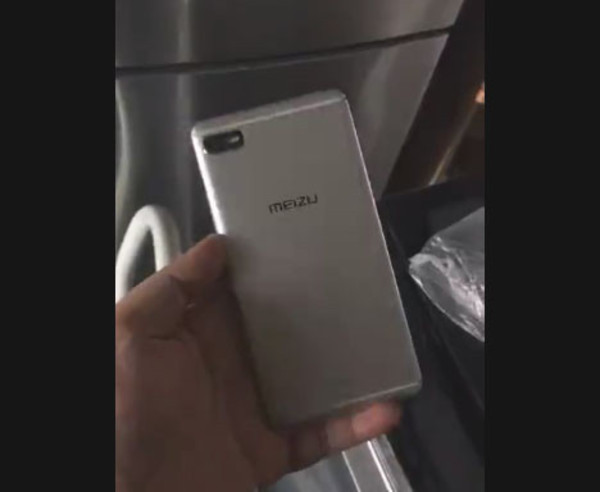
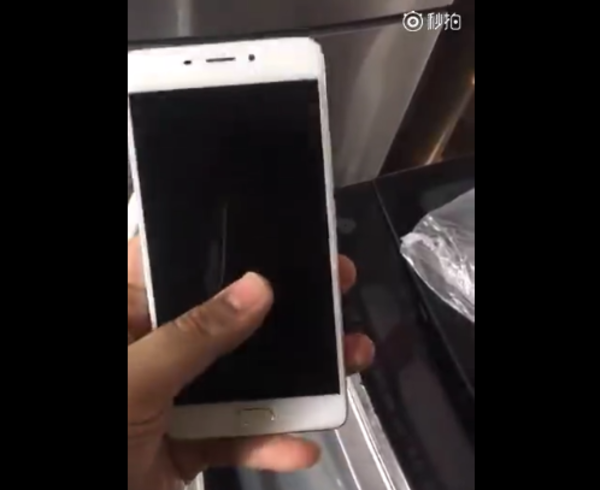
Meizu‘s upcoming Charm Blue smartphone, the E2 has once again appeared in a set of leaked images. This time around, the images are those of the device capturing the front view as well as the rear view. This is coming just a day after we saw what should be the first real live image of the device’s rear and its camera sample.
The images seem to have been grabbed from a leaked video and as noted on the first leaked image, the device comes with a re-designed rear camera. The camera and flash are arranged in a horizontal plane and in a rectangular shaped housing located close to the top left edge of the device. There is also a fused antenna band design located at the top and bottom end of the phone. The use of a fused antenna design hints at the device coming with a metal fuselage.
The front view shows the E2 will have a physical home button at the front but the button looks smaller than the ones on previous Meizu smartphones and would likely house the fingerprint sensor. It still comes with the same oblong shape, though, but has a unique looking design. The display comes with bezels on all sides and there is really nothing spectacular to note from the image.
The specifications of the Meizu E2 is still a mystery but we hope to see those as the launch date draws closer.
After a few months of waiting, the Xiaomi Mi 6 is finally official. The phone comes with all the bells and whistles that we expect from a 2017 flagship, including the super fast Snapdragon 835 processor.
Xiaomi Mi 6 Design
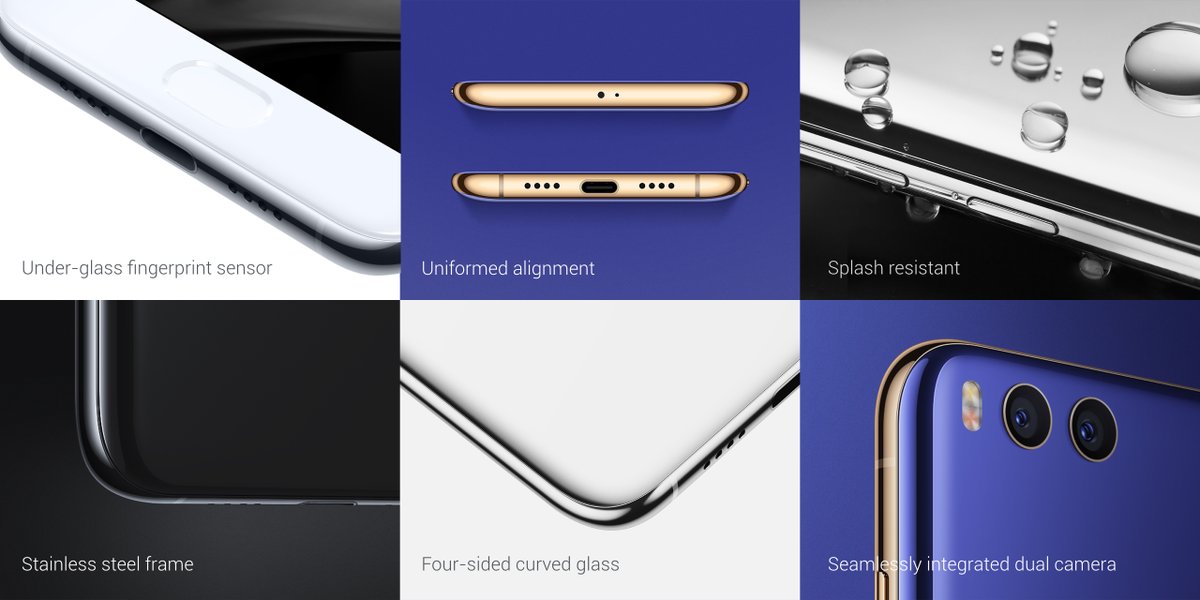
The Xiaomi Mi 6 comes with a four curved design. The back is made out of glass and Xiaomi claims that this curved design gives the phone a natural grip in hand. The process of making the body is not an easy one, as the company adds that it takes about 12 days and 40 processes for each of the body pieces to be finished. The stainless steel frame ensures that the phone is sturdy despite the glass body. This is really important because glass phones usually don’t take falls very well. In case you are wondering, the dual cameras are not protruding and blend well with the overall design.
According to Xiaomi, the Mi 6 is all about the best visual experience. The back of the phone is curved and elegant. The front also looks good, despite the large bezels on the top and the bottom of the display. And yes, as expected, the company has decided to ditch the 3.5mm headphone jack on the Mi 6. So, it’s time to say goodbye to your regular headphones and embrace the Bluetooth and USB Type-C earbuds. On the top of the phone, there’s an IR sensor while at the bottom, you’ll find a USB Type-C port and dual speakers on either side. Everything is well covered, which means the phone can take a few splashes of water. Yes, the company is not marketing it as true waterproof or IP67 certified phone (we don’t know the certification yet). So, for now, all we know is that the phone is splash resistant.
And yes, the phone has an underglass fingerprint sensor that also acts as the home button.
There are a lot of color options for the phone and each comes with its own unique presence. First, there’s the interesting blue version, that we have already seen in the renders yesterday. What’s even more interesting is the Xiaomi Mi 6 Silver Edition that the company claims comes with a totally different feel than the Blue version. It looks like the back is made out of metal with a special ultra-reflective mirror finish. Now before you start drooling over this ultimate Mi 6 Silver edition, note that the mass production of the phone has not yet started. The company reveals that even one speck of dust during the electroplating process renders the batch useless. So, my guess is that this silver edition will be a special limited edition model, that you probably won’t be able to get your hands on.
Xiaomi Mi 6 Specs
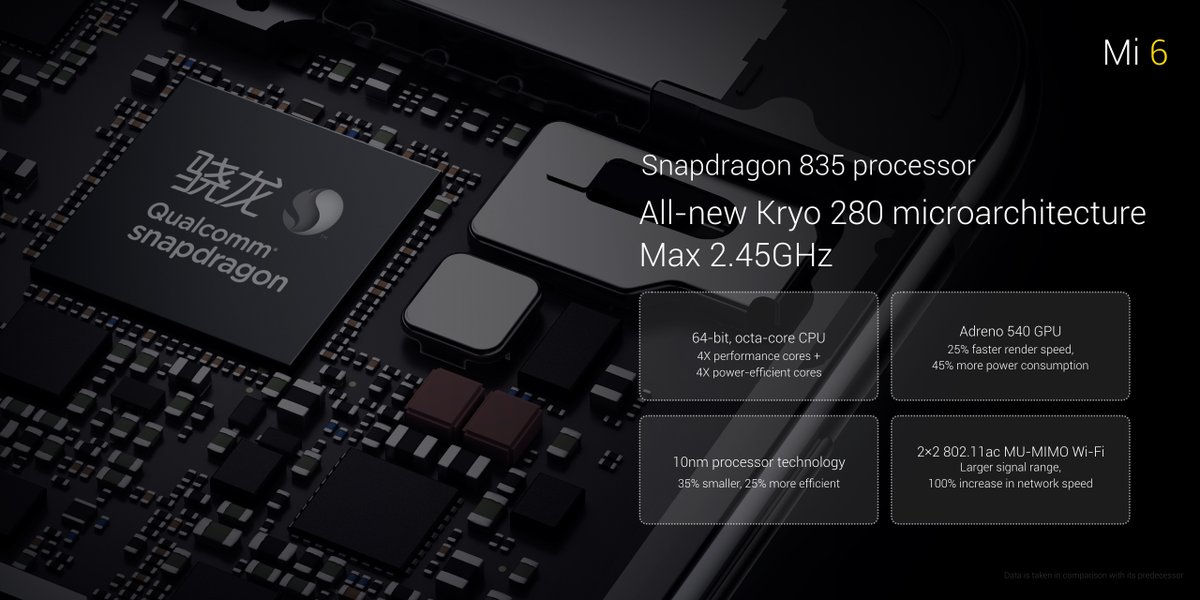
The Xiaomi Mi 6 comes with a Snapdragon 835 chipset under the hood clocked at 2.45GHz with Adreno 540 GPU on board. Note that this is a 10nm chip and comes in an octa-core architecture, which means the phone will be quite efficient as well as powerful. There will be 6GB of RAM on board. The display is of 5.15-inches with 1080p resolution. It’s a Negative LCD display and comes with 600-nit max brightness and 1-nit super low ultra-dark brightness, ideal for night time reading. There’s a special eye protection optimization for the display that ensures that your eyes are not adversely affected by the screen, especially at night. The reading mode on the device reduces the harmful blue light from the screen, and at the same time, maintains the colors displayed.
Now, you will also be interested in the AnTuTu score of the device. While we have already seen the Xiaomi Mi 6 on AnTuTu, the official score is a bit higher (not surprising) and the phone reportedly scores 184,292 on the benchmarking website. That’s one of the highest scores we have seen for an Android smartphone. But understand that real life scores are probably going to be near 170K+, similar to what we have seen in the listing before. On the GFX Manhattan off-screen test for GPU, the phone scored an impressive 63fps. The Mi 6 also comes with Vulkan 3D rendering API, which will ensure realistic graphics and efficient GPU performance.
The phone comes with 2 x 2 Dual Wi-Fi support for better speed and larger range. Mi 6 supports 4G+ which promises 600Mbps max download and 100Mbps upload speeds. Other features of the flagship include stereo speakers and NFC with Mi Pay support (in China).
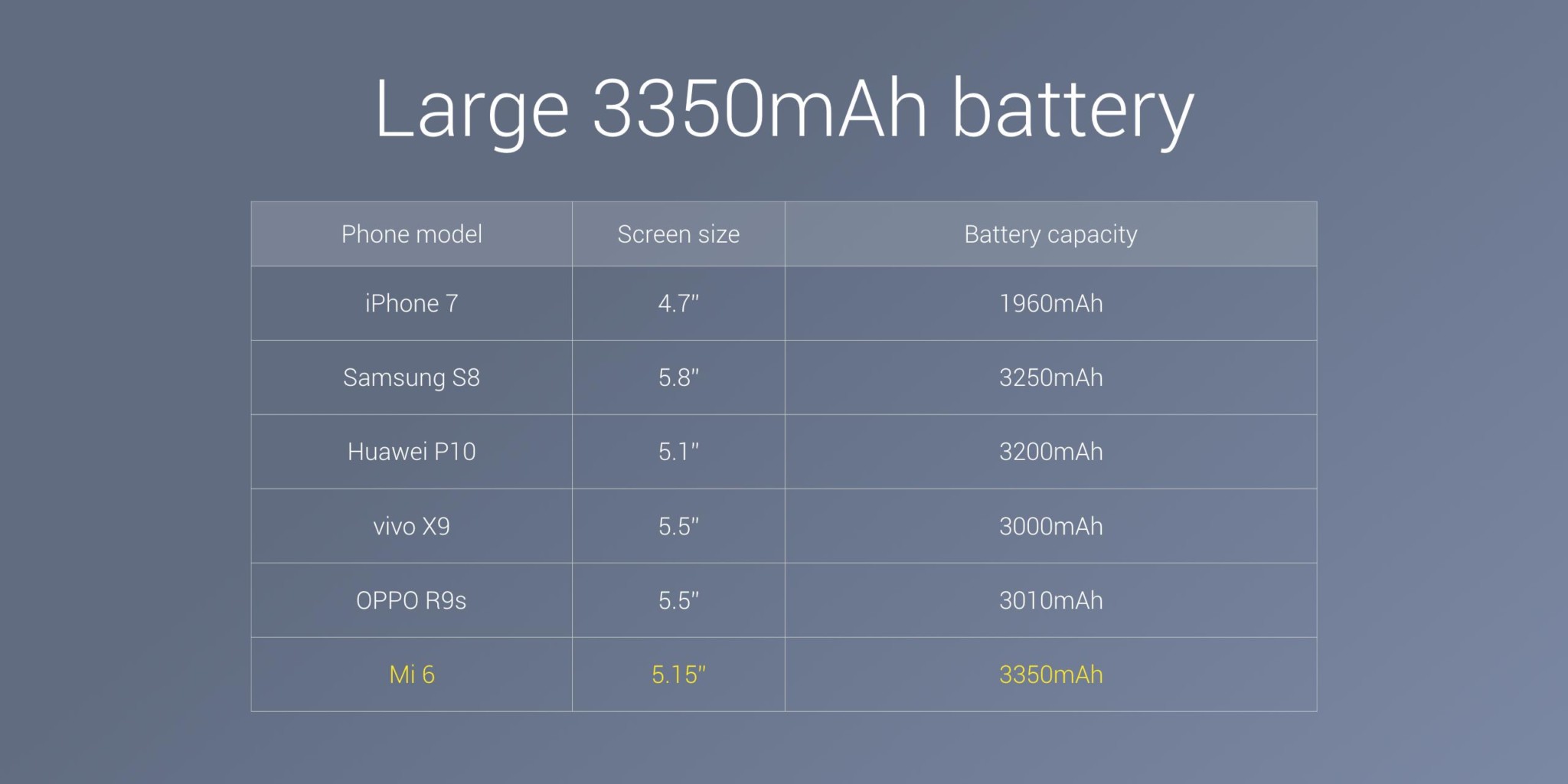
As for the battery, the Xiaomi Mi 6 comes with a 3350mAh battery inside. Now, this may not be large, at least according to Xiaomi’s standards, but the company made sure to add that the phone has one of the larger batteries as compared to competition with similar screen sizes. You should get about a day’s usage with this battery onboard.
Xiaomi Mi 6 Camera
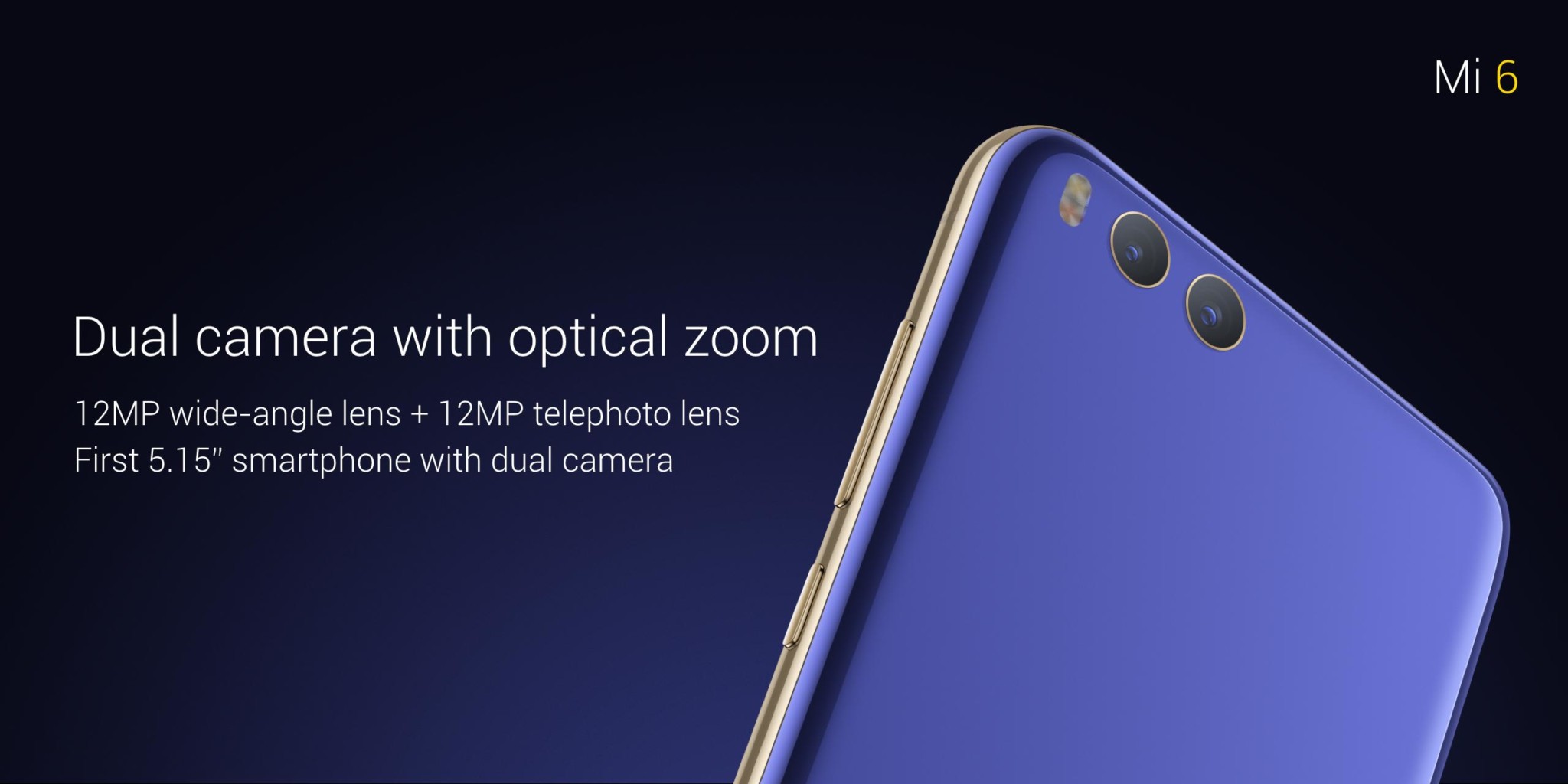
Xiaomi has once again joined the elite club of manufacturers in 2017 to focus on dual camera setup for better flagship camera performance. The Xiaomi Mi 6 features two cameras at the back, along with a dual tone LED flash on the left. The camera setup is as follows: 12MP wide-angle lens + 12MP telephoto lens. Now, this is a bit different than traditional Android dual camera setup which utilizes one Black and White and one Color sensor. Xiaomi explains that the Mi 6’s camera uses a similar dual camera setup as the iPhone 7 Plus to produce an amazing depth of field effect.
Further, the phone comes with 2x optical lossless zoom ensuring clear shots, even at a distance. You also get 10x digital zoom. The Mi 5’s 4-axis OIS will be carried forward on the Xiaomi Mi 6 as well.
Xiaomi Mi 6 Camera Sample
Xiaomi Mi 6 Price
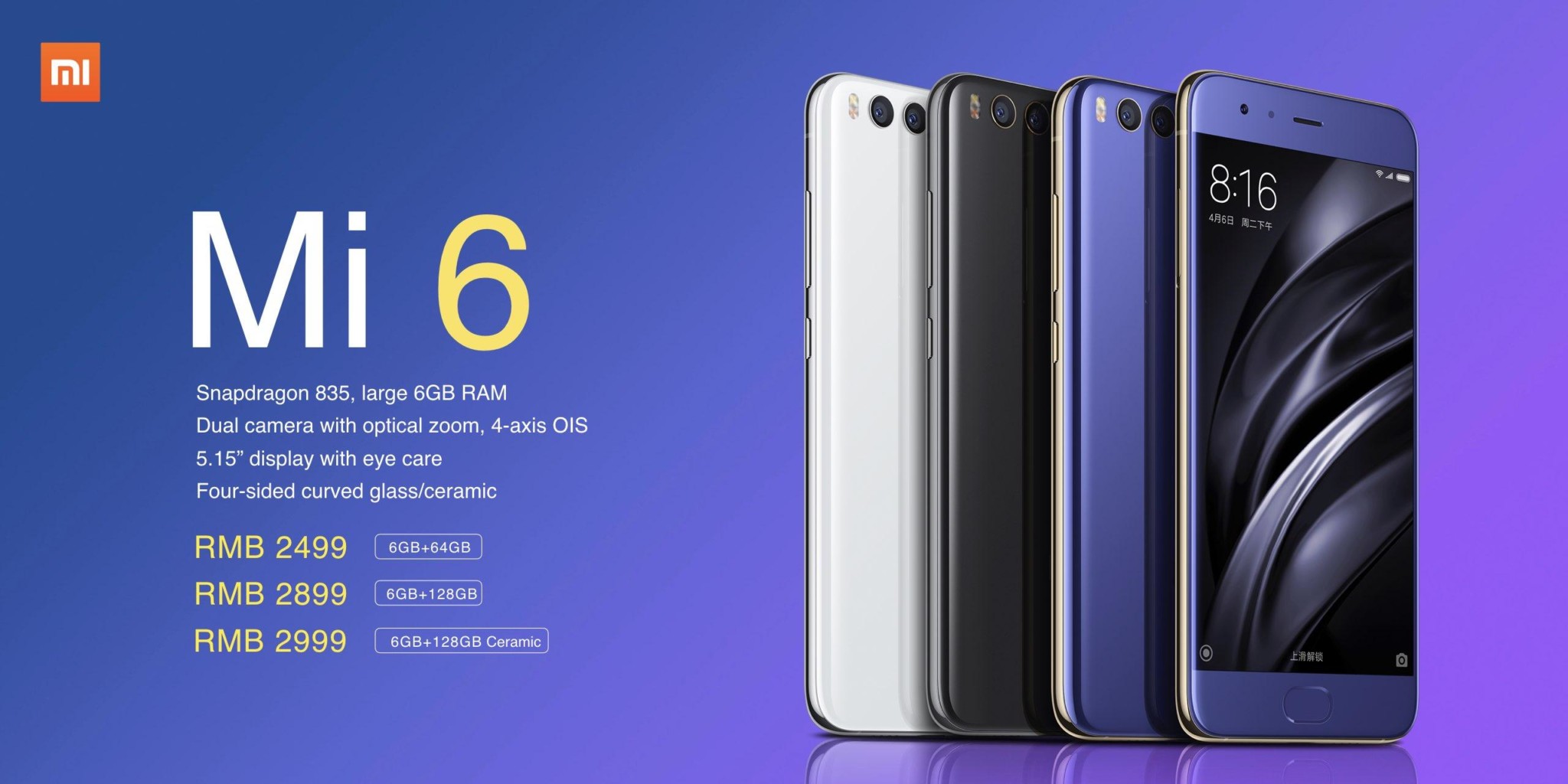
The Xiaomi Mi 6 6GB + 64GB model costs 2499 Yuan ($363) and the 6GB + 128GB edition costs 2899 Yuan ($421).
The special 6GB + 128GB ceramic edition in black is priced at 2999 yuan ($435).
Xiaomi Mi 6 Release
The Xiaomi Mi 6 will be up for sale in China at 10 AM on April 28.
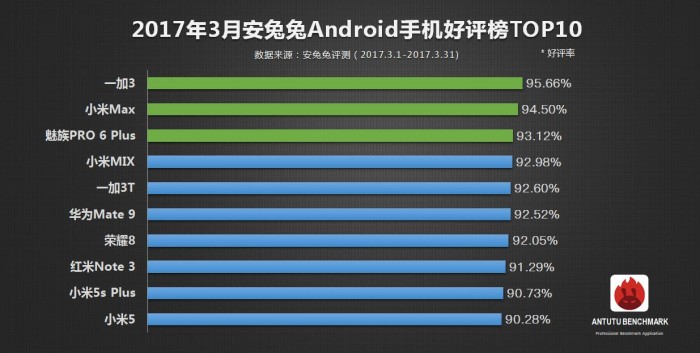
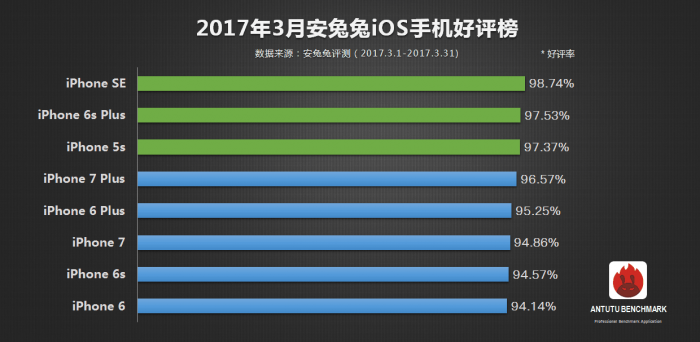
AnTuTu has released the chart of its top 10 most popular smartphones in China for the month of March 2017. The list is this time separated into Android and iOS phones and the Android section is made up entirely of Chinese brands and they are mainly flagship devices. The iOS section reveals the top most Apple iPhone presently in the domestic market. The list does not only contain phones which offer good value for money, but also devices with great performance along with the monetary aspect.
On the Android list, OnePlus 3 sits at the top with 95.66% in popularity, outpacing it successor the OnePlus 3T occupies the fifth spot with 92.60%. Xiaomi Max turns out to be a popular device, occupying the second spot with 94.50%. No surprise then, as to why expectations are high for a Mi Max 2. The top 3 position is completed by the Meizu Pro 6 Plus (93.12%), while the Mi Mix comes in at the fourth spot with 92.98% and the OnePlus 3T at the fifth spot.
The rest of the list is made up of the Huawei Mate 9 at the sixth position with 92.52%, Honor 8 at the seventh with 92.05%. The Xiaomi Redmi Note 3 sits at the eighth spot with 91.29% even when there is the Redmi Note 4 and Redmi Note 4X out in the market. The Xiaomi Mi 5S Plus and the Mi 5 completes the list and bring the number of Xiaomi smartphones on the list to four.
It is interesting to note that the Huawei P10 and P10 Plus that were released in March did not feature on the list. Also worthy of note is that the top 3 spot is occupied by large screen smartphones whose display sizes are more than 5.5 inches. The rest of the list is made up entirely of flagship devices.
The iOS list is made up of the 8 most popular Apple iPhone for the month of March and on the iOS list, the iPhone SE topped the list and is followed by the iPhone 6S Plus while iPhone 5S is at the number three spot. At present, the iPhone SE is the cheapest Apple phone listed on their official website.
The iPhone 7 Plus occupies the 4th position while the iPhone 6 Plus comes in at number 5. The rest of the list is made up of the iPhone 7, iPhone 6S and finally iPhone 6.
Xiaomi is all set to announce the Xiaomi Mi 6 flagship today at 2PM in China. The Mi 6 event is held in Beijing, China but the company has made sure that fans all around the globe have access to the event.
Unfortunately, the event will be live streamed in Chinese, and if you are interested in the live stream, just head over to this link. If you want the updates in English, just check out the social media channels of Xiaomi. Both Xiaomi’s facebook and twitter accounts will be tweeting the updates from the event, so you should get a good idea as to what’s happening at the event in China.
Apart from the Xiaomi Mi 6, we expect a lot more products to be announced at the event today. We may see several MIJIA products and even Bluetooth earbuds from the company, since the Mi 6 is expected to ditch the good old 3.5mm headphone jack.
Check out the below links for updates about the event
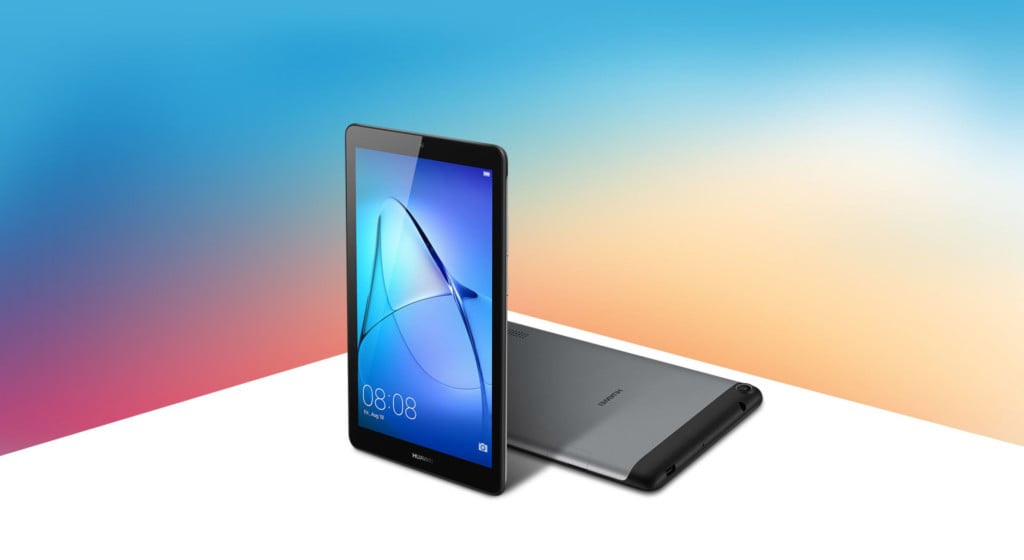
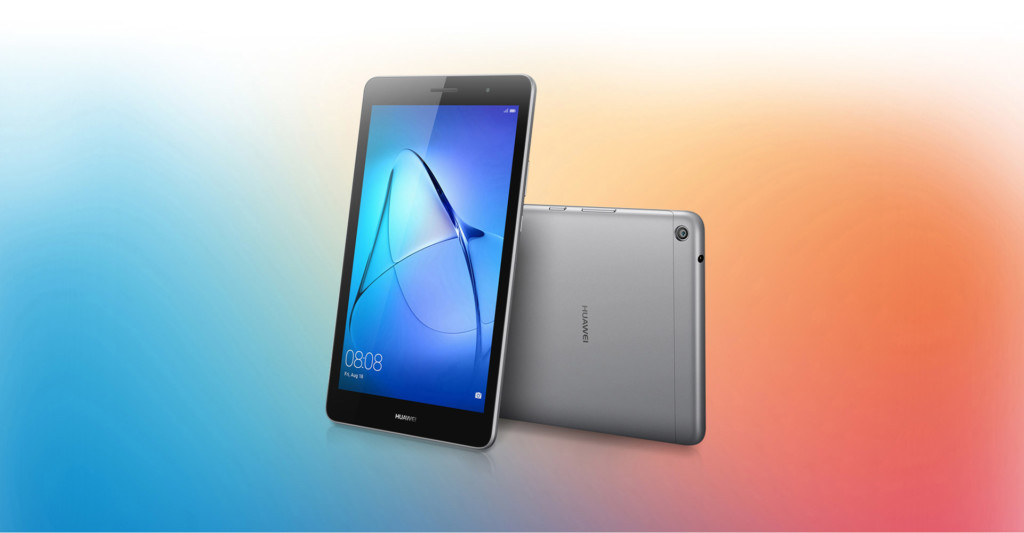
Huawei has silently launched two new tablets, the 7-inch MediaPad T3 and the 8-inch MediaPad T3. Around two weeks ago, the rumor mill had revealed the leaked specs of 7-inch, 8-inch 10-inch MediaPad T3 and 10-inch MediaPad T3 Lite tablets. However, among these rumored devices, Huawei has only made the 7-inch and 8-inch MediaPad T3 official so far.
Huawei MediaPad T3 7 Specifications
The 7-inch MediaPad T3 is a Wi-Fi-only device that comes with a 7-inch IPS display that carries support for a resolution of 1,024 x 600 pixels. It is powered by MediaTek MTK8127 chipset that features a quad-core processor clocking at 1.3 GHz. The 8 GB model comes with 1 GB of RAM whereas the 16 GB variant is packed with 2 GB of RAM.
The front and rear sides of the 7-inch MediaPad T3 feature 2-megapixel cameras. The Android Marshmallow OS running on it is customized with EMUI 4.1 skin. It comes with a 3,100 mAh battery. It comes in color choices such as Space Gray and Moonlight Silver. It measures 179 x 103.68 x 8.6 mmm and its weight is around 250 grams.
The 8-inch MediaPad T3 features an 8-inch IPS screen that produces a resolution of 1,280 x 800 pixels. The Snapdragon 425 SoC featuring 1.4 GHz quad-core processor is present under the hood of this tablet. its 16 GB model has 2 GB of RAM whereas the 32 GB variant has 3 GB of RAM.
For photography, it features an autofocus enabled rear camera of 5-megapixel and a fixed focus 2-megaixel front camera. The tablet is loaded with Android 7.0 Nougat OS modified with EMUI 5.1. It includes a 4,800 mAh battery. As far as connectivity is concerned, it carries support for Wi-Fi 802.11n, LTE-FDD, TD-LTE, UMTS and GSM. Its color options include Space Gray and Luxurious Gold. Its dimensions are 211.07 x 124.65 x 7.95 mm and it weighs around 350 grams.
Huawei has just listed these tablets on its website. However, it has not given out any information on the pricing and availability 7-inch and 8-inch MediaPad T3 models. However, leaked information that surfaced around two weeks ago revealed that the 7-inch model would sell for 129 euros ($138). The 8-inch MediaPad T3 Wi-Fi only model with 2 GB RAM and 16 GB storage is pegged to cost 219 euros ($235). The same storage variant with LTE support is rumored to be priced at 239 euros ($256). As mentioned above, Huawei may also unveil a 10-inch MediaPad T3 as well as 10-inch MediaPad M3 Lite in the near future.
Japanese smartphone and display manufacturer today announced its new flagship phone, the Aquos R.
Sharp is a display manufacturer and what better way to show it than in their phones. The Aquos R sports a 5.3-inch 2K HDR IGZO display with a 120Hz refresh rate. The rest of the specs are top notch too. The RAM is 4GB and paired with a Snapdragon 835 processor. Storage is 64GB but there is no mention of a MicroSD card slot for expansion.
The Aquos R has a 22.6MP f/1.9 primary camera with OIS, high-speed autofocus and LED flash while the front facing camera is a 16.3MP wide-angle sensor. There is Android 7.1 Nougat pre-installed and a 3160mAh battery with Quick Charge 3.0. The Aquos R also has a fingerprint scanner embedded under the home button.
Sharp has also joined the AI train with its own assistant called Emopa. Èmopa will provide useful details such as news and weather reports according to the location of the user. It will also study the owner’s usage habits and remind you to set alarms.
Emopa isn’t the only cool stuff about the Aquos R. There is also a smart charging dock called Robokuru that works with Emopa. If a call comes in, the dock rotates and searches for the face of the owner using the front facing camera. You can also activate the AI Assistant by simply saying “Hello Emopa” when the Aquos R is docked in Robokuru.
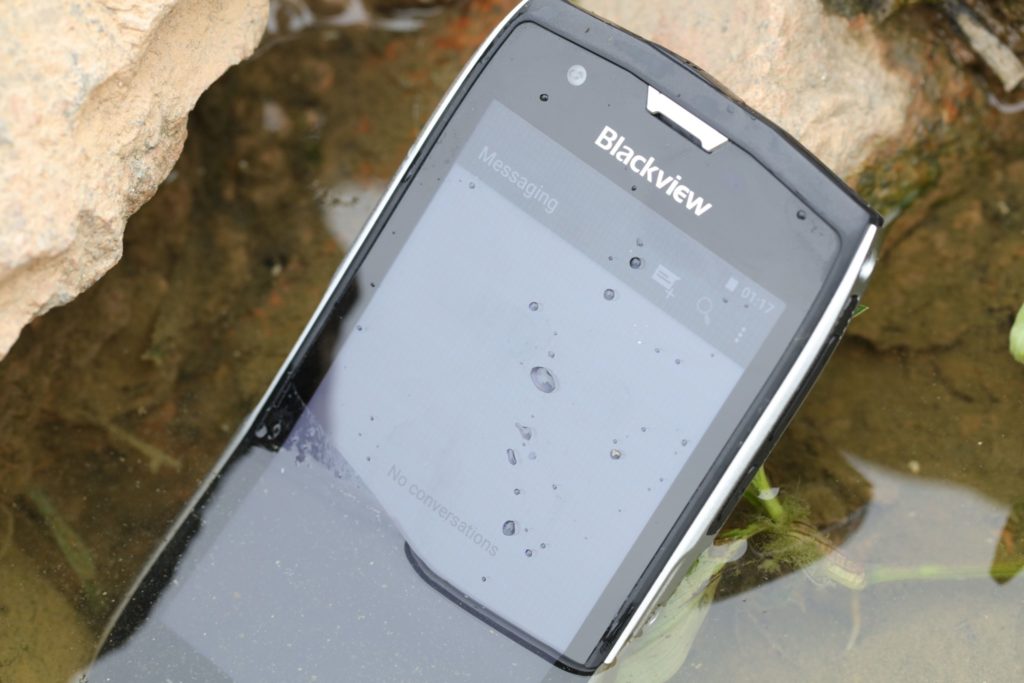
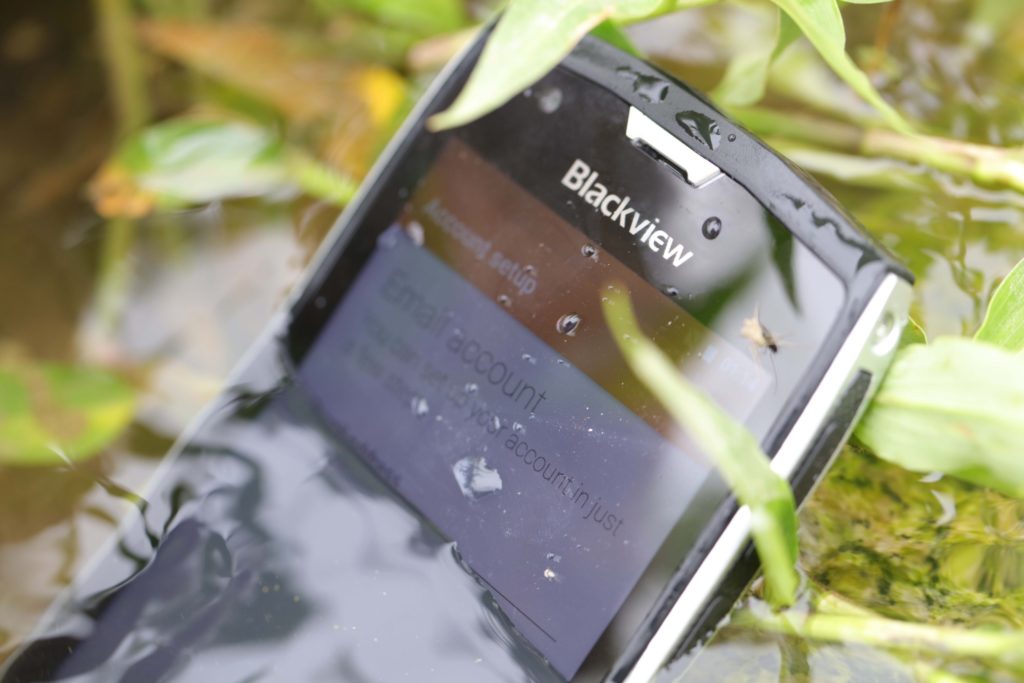
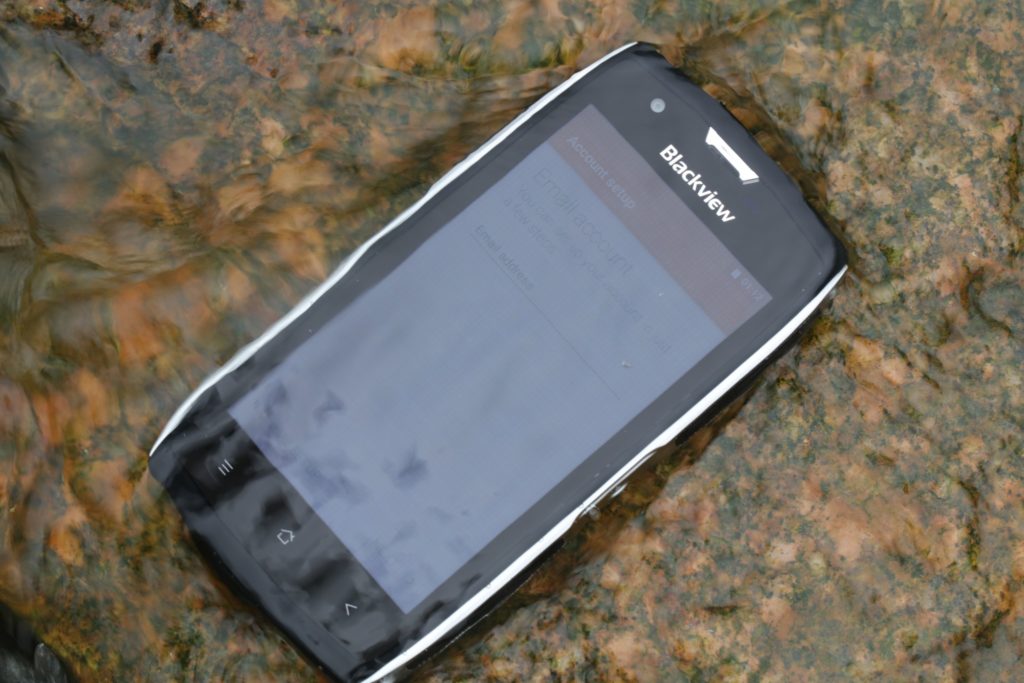
Blackview is one company known for its solid reputation of manufacturing rugged smartphones which are usually received with admiration. Not too long ago, the Chinese smartphone giant released the BV7000 Pro which is reputed to be the “world’s thinnest business rugged smartphone”. Right now, the company has again revealed that a new device dubbed Blackview BV7000 is coming.
The Blackview Bv7000 is coming with a slightly trimmed down specs lineup when compared to the Bv7000 Pro, something which makes it a potentially affordable phone. Despite the trimming, the Bv7000 still boasts of a decent specs lineup consisting of a MediaTek MT6737T processor as against the MT6750T on the BV7000 Pro. The device will feature a memory combination of 2GB RAM + 16GB storage. Recall the BV7000 Pro comes with 4GB of RAM and 64GB storage.
The upcoming Blackview BV7000 will have an 8MP rear camera as well as a 5MP front-facing selfie camera whereas the BV7000 Pro sports a bigger 13MP rear and 8MP front camera sensors. That is just about where the BV7000 differs from the BV7000 Pro. It sports the same 5-inch display as its predecessor, same IP68 water resistant build and packs a generous 3500mAh battery as well as other features. Perhaps, the most spectacular thing about this model is that it comes with NFC and runs Android 7.0 Nougat out-of-the-box.
The Blackview smartphone also comes in Space silver, Mocha Gold and Stardust Grey colours and would hit the market soon with a cheap price tag. How about that? Meanwhile, you can buy the BV7000 Pro and check out other Blackview smartphones from here.
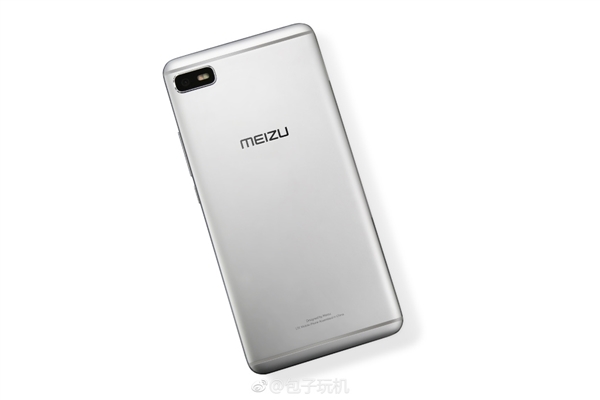
A new image said to be the real live image of Meizu’s upcoming ME2 has leaked. An image said to be the Meizu E2 without a rear camera flash had first appeared online recently but there were reasons to believe that image was fake. But this one comes with the prospect of being the real deal, even though the design slightly tilts away from Meizu’s design language.
The image is that of the rear view of the device and from the look of things, it comes with a re-designed rear camera. The camera and flash are arranged in a horizontal plane and in a rectangular shaped housing located close to the top left edge of the device. The Meizu E2 also comes with a fused antenna band design sited at the top and bottom end of the phone and this points at the likelihood of the device coming with an all-metal body. There is no rear fingerprint sensor, so the mBack home button may still be retained up front.
In addition to the E2’s image, the camera sample of the upcoming Meizu phone was also leaked. The leaked sample image is a crisp clear image of a female and the quality of the image gives us a clue that the camera will likely be a powerful one. We still don’t know much about the likely specs of the Meizu E2 but the price is rumoured to be around 1699 Yuan ($246).
Xiaomi Mi 6 is officially meeting us tomorrow, at 2 PM China time.Now, just a few hours before the release of the handset, the Mi 6 has been spotted in multiple color options along with its specifications. The Xaiomi Mi 6 Blue, White and Black variants have been revealed and these renders are in line with what we have seen in the past few weeks.
The blue is definitely an interesting color addition to the lineup. Maybe we’ll see a metallic red version too in addition to this Mi 6 Blue version?
As for the design, the display is flat and we can see four curved design at the back. So, this is what the company’s teaser was talking about a few days before. The renders also reveal dual cameras on the top left corner along with dual LED flash. The bezels look quite thin on the sides, but the top and bottom bezels are still pretty thick. Hopefully, the real phone would have a better front design, limiting the bezels on all the sides. We can also see the under glass ultrasonic fingerprint sensor enabled home button up front.
As for the specs, the poster reveals that the Xiaomi Mi 6 will come with Snapdragon 835 inside and 6GB of RAM, 5.15-inch display. The phone is said to go on pre-sale from April 20, but we still don’t know when it’ll be up for sale. Probably a week after the pre-sale starts, i.e. April 27.
So, that’s all for this leak. It pretty much confirms what we already know about the flagship. Stay tuned to gizmochina for more updates in the coming hours.
We use cookies on our website to give you the most relevant experience by remembering your preferences and repeat visits. By clicking “Accept”, you consent to the use of ALL the cookies.
This website uses cookies to improve your experience while you navigate through the website. Out of these, the cookies that are categorized as necessary are stored on your browser as they are essential for the working of basic functionalities of the website. We also use third-party cookies that help us analyze and understand how you use this website. These cookies will be stored in your browser only with your consent. You also have the option to opt-out of these cookies. But opting out of some of these cookies may affect your browsing experience.
Necessary cookies are absolutely essential for the website to function properly. This category only includes cookies that ensures basic functionalities and security features of the website. These cookies do not store any personal information.
Any cookies that may not be particularly necessary for the website to function and is used specifically to collect user personal data via analytics, ads, other embedded contents are termed as non-necessary cookies. It is mandatory to procure user consent prior to running these cookies on your website.