Chinese smartphone maker LeEco, formerly known as LeTV will start selling phones, televisions and other gadgets in the US market sometime soon, an internal memo from Jia Yueting LeEco’s CEO indicates.
This is coming on the heels of news that the Beijing-based online video company, who runs a business model which is similar to American company NetFlix’s, has completed the acquisition of a 50-acre development site in the Silicon Valley from internet giant Yahoo. It hopes to build its North America headquarters on the property to accommodate thousands of staffs.
According to the internal memo, billionaire-owner Jia Yueting informed staffs that LeEco is preparing for an official launch of its product in the US market within the next three months. The company, which made its start in online video streaming, is looking to sell their own music content, smartphones, Smart TVs and video streaming services in the United States.
LeEco is virtually unknown in the U.S, even though it’s been a significant player in China for some time. Originally launched in 2004 as an online video service, it quickly became one of the largest video platforms in the country, where it now streams a catalog of some 5,000 movies and 100,000 TV show episodes.
The company also started selling Smart TVs and streaming boxes, and last year, LeEco which still carry the LeTV brand in its products, also began selling smartphones in China.
The company is poised to take on giants Apple and Tesla in the video streaming market with entertainment content made by its movie-production unit Le Vision Pictures and local partners.
Already, LeEco has a film under production titled The Great Wall, a story centered on the construction of the Great Wall of China and strategically, the film stars Hollywood A-list actor Matt Damon.
Another crucial part of LeEco’s foray into the US market is Faraday Future, an electric-car start up that it entered into partnership with. LeEco funds the start-up and the company plans to set up a research lab in the Silicon Valley headquarters where it hopes to explore technologies in artificial intelligence, autonomous driving and virtual reality, according to the memo.
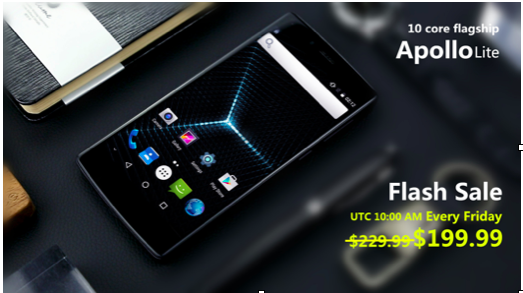
Vernee Apollo Lite is one of the popular mid-range flagships in the market right now, mainly because of its deca-core Helio X20 chip and the low $229 price tag. If you have been an avid visitor of gizmochina, you would know that this month, Vernee has a big promotional campaign for its two existing phones, the Vernee Thor and the Vernee Apollo Lite. Thor’s flash sale was yesterday and we hope interested readers managed to get hold of the handset.
Now, Vernee Apollo lite’s flash sale is coming up this Friday. During the sale period, the phone will be available for purchase at just $199.99. However, Vernee is also offering two accessories bundled with the new device, if you are willing to pay a few dollars extra. So, for $209.99, you can get one Vernee Apollo Lite, a case as well as a screen protector. The sale is held every Friday throughout this month at 10:00AM UTC. The first batch of the phone will start shipping from July 10.
Meanwhile, as mentioned in our previous articles, you can get $30 coupon for the Vernee Apollo directly from the company during this promo period. Remember that this coupon is not valid during the flash sale. You even have te opportunity to win a brand new Apollo Lite during this campaign period.
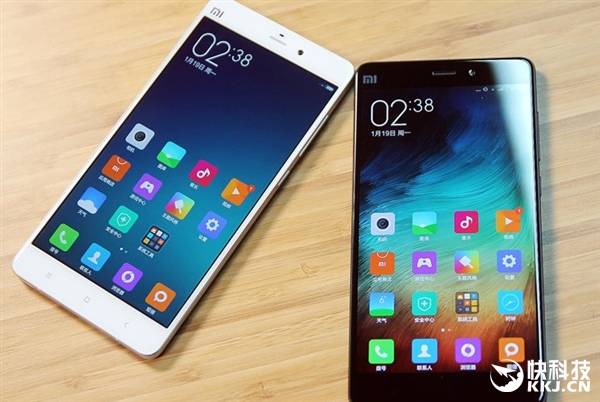
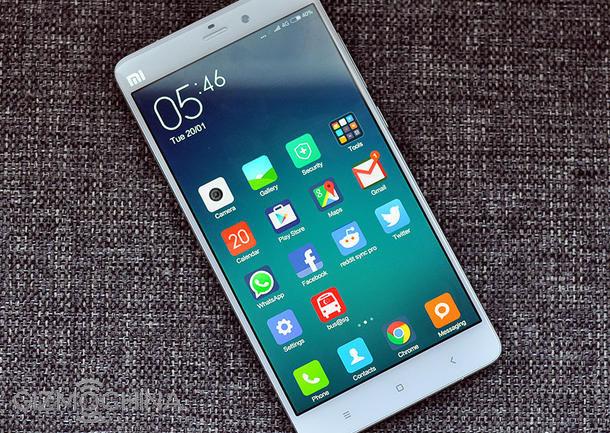
Even though we haven’t stopped talking about the Redmi Note 3, new info has appeared for the Redmi Note 4. A weibo account which goes by the name Said Yang Feng Technology posted that the Redmi Note 4 should be arriving soon. He also mentioned that it is oversized which points towards a larger than 5.5” screen.
Translated Post
If the info above is true,we should be looking at a possible end of summer release for the Redmi Note 4.
Previously, someone also mentioned that the Redmi Note 4 will be powered by a Snapdragon 652 processor, with 3GB of RAM, 16GB of ROM, support for Qualcomm’s QC 3.0 fast charge technology, and support all networks. Even if this is true, we are very sure there’ll be other versions sporting a different processor, and RAM + ROM combo.
RELATED: Two New Xiaomi Models Spotted, New Redmis Coming ?
Analyst Kevin Wang of IHS Technology also posted that Xiaomi has powerful products lined up for the second half of the year and they plan to achieve a record sale of 20 million devices for the third quarter. To achieve this number, Xiaomi will definitely need to have more than 2 phones (Mi 5s and Mi Note 2) in their production pipeline.
The Redmi Note 3 is still a good device if you are looking for something in the $200 range. It will be getting Xiaomi’s MIUI 8 update, although we don’t know if it will be also an update to Android 6.0 Marshmallow.
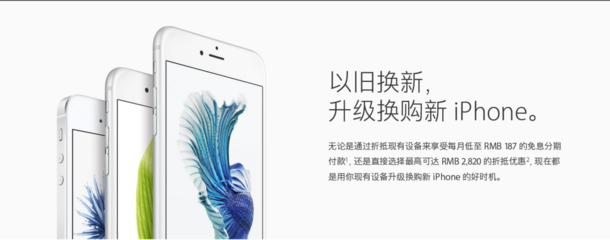
Residents of the People’s Republic of China can now trade in their Xiaomi, Samsung, and Huawei phones for recycling and get an iPhone or cash online. The trade in also includes older iPhones.
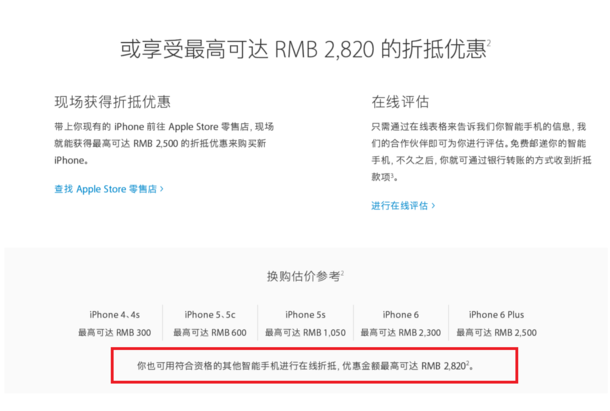
An image for the trade-in states that users can get as much as 2500 Yuan ($347) when they trade in their device which can be used to purchase a new iPhone (shipped for free) or you can have the money transferred into your bank account. Some of the trade-in values are listed below:
iPhone 4 and 4s for 300 yuan ($44)
iPhone 5 and 5c for 600 Yuan ($89)
iPhone 5s for 1050 Yuan ($157)
iPhone 6 for 2,300 Yuan ($344)
iPhone 6 Plus for 2500 Yuan (374)
All the above depends on the condition of the phone such as if it still works, if the display isn’t broken, and if it hasn’t been dunked into water.
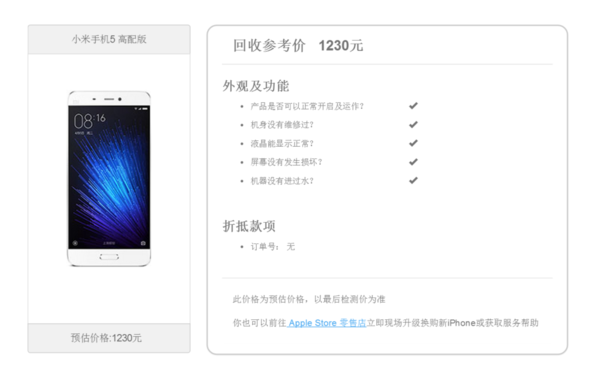
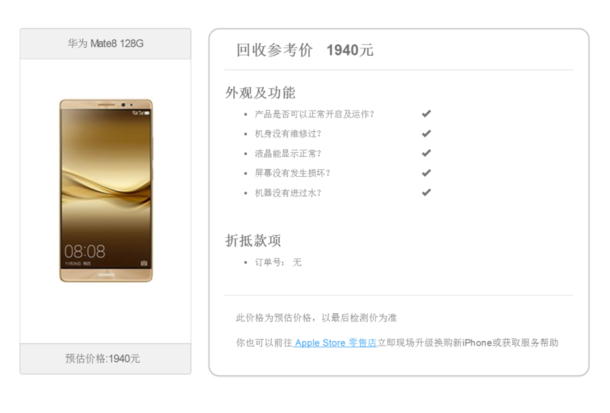
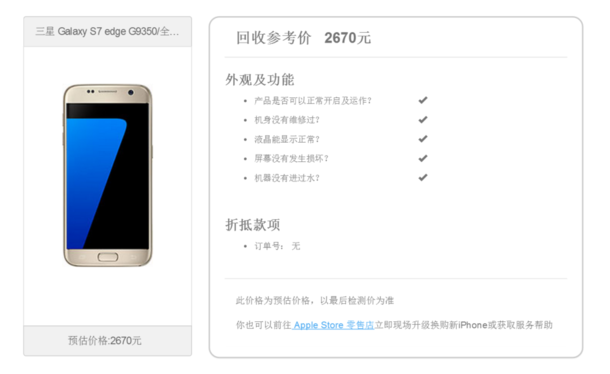
The site also lists the redemption amount of certain popular phones such as the S7 Edge which will fetch you 2670 Yuan ($400); the Huawei Mate 8 (128GB Supreme Edition) which will get you 1940 Yuan ($290); and the Xiaomi Mi 5 which can be traded in for 1230 Yuan ($184). These offers leave a lot to be desired as they are less than half of the original prices of these devices even though they are in good and working order.
Will you be trying out this new service? Let us know in the comment box.
The market is full of fitness-related products but the Xiaomi Mi Band series is one of the most popular in the world. The latest iteration of the product brings some significant upgrades like the Oled display but keeps an affordable price. Learn more in our full review.
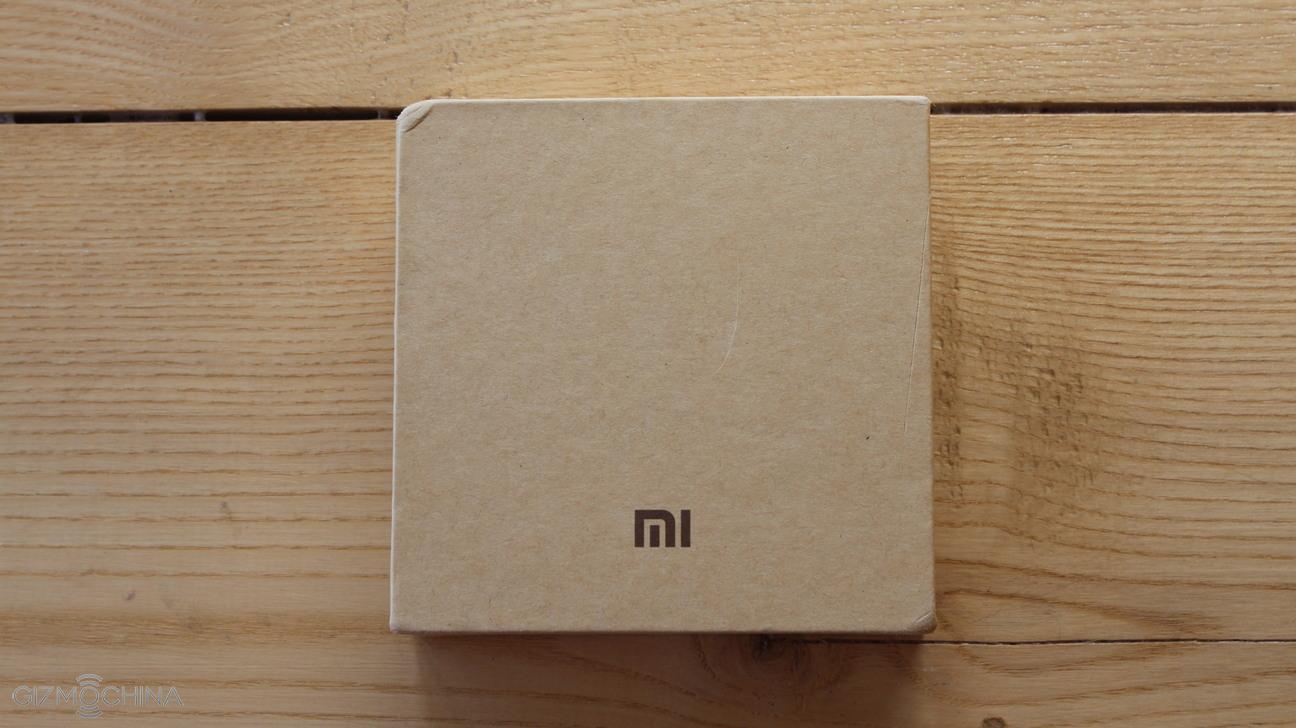
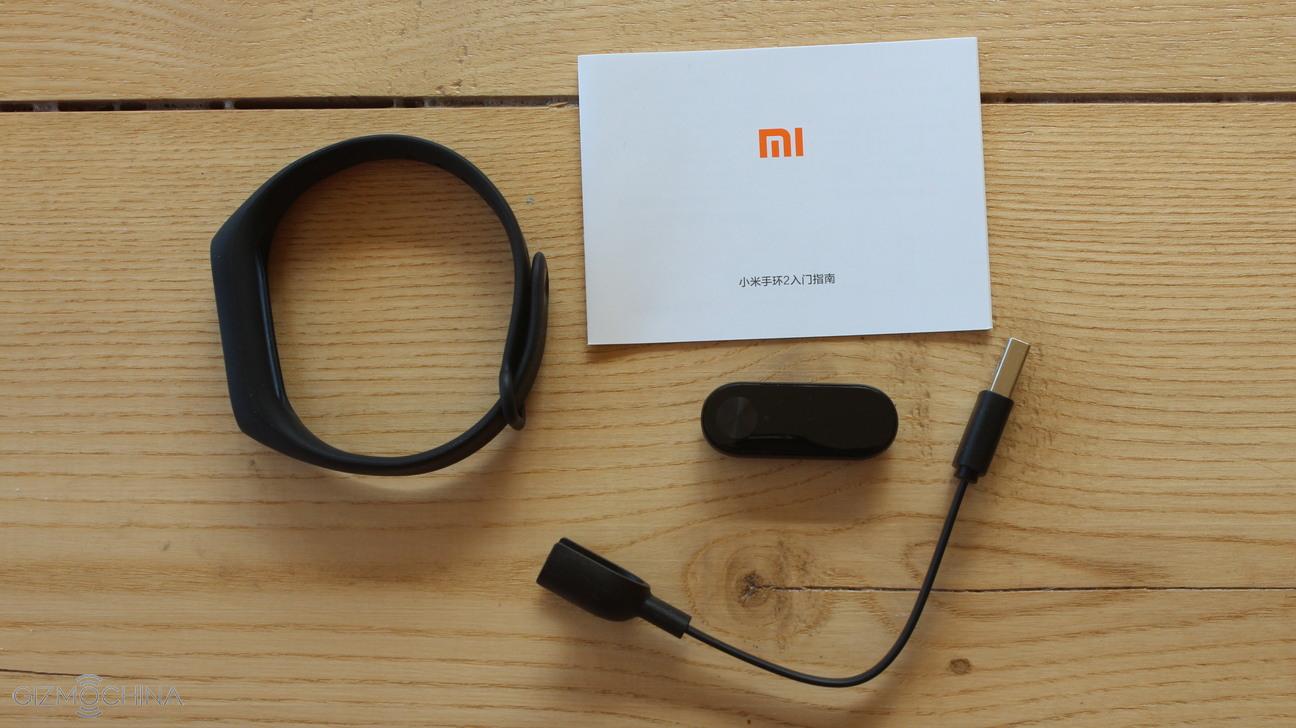
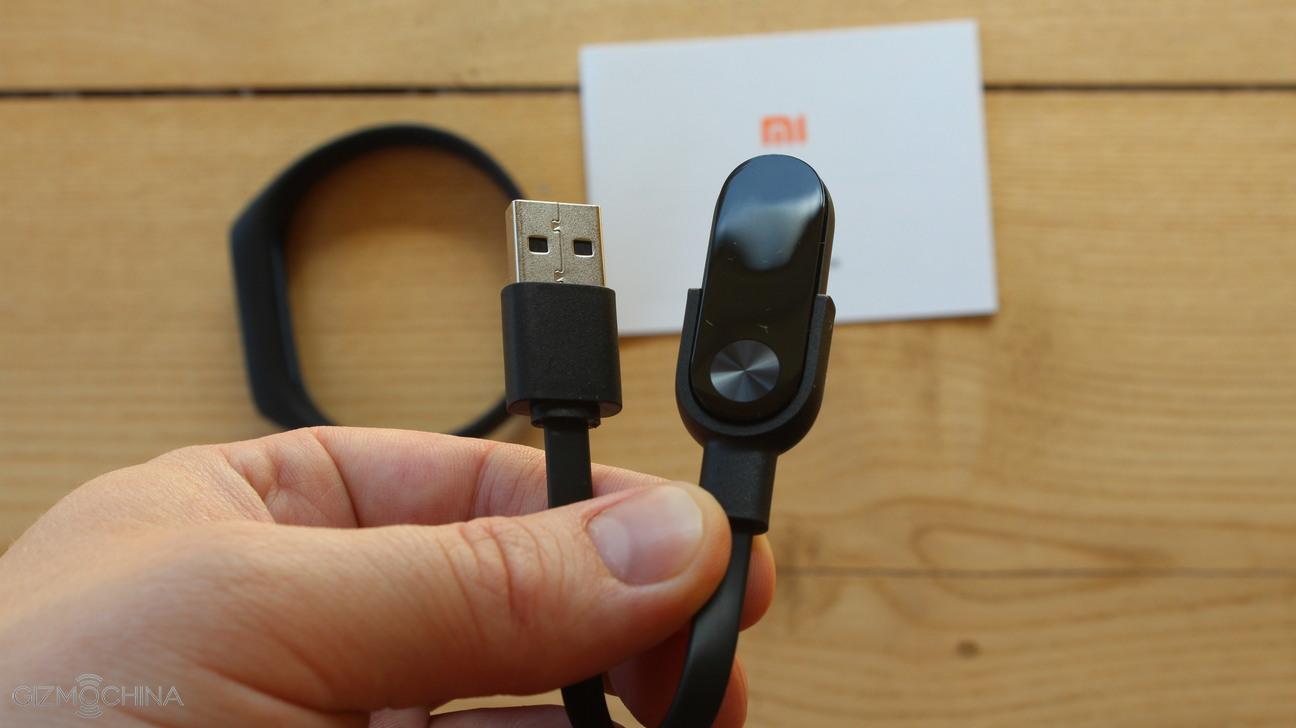
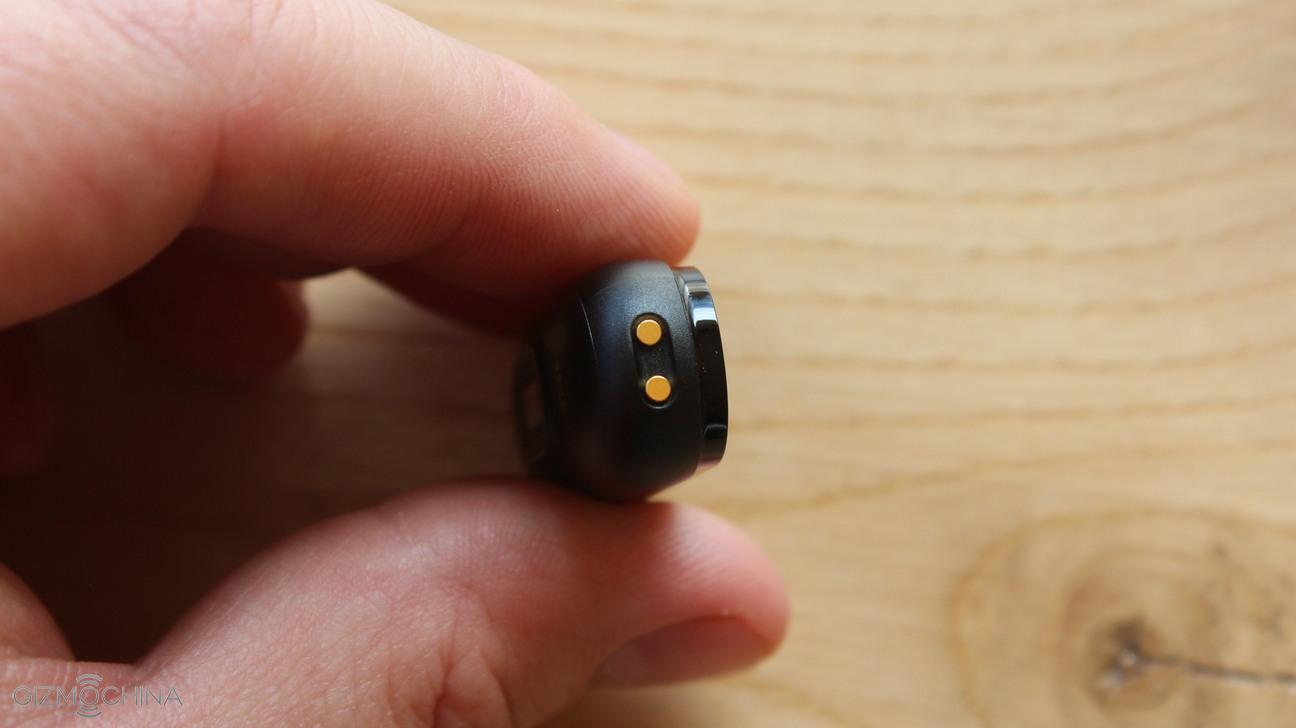
The Mi Band 2 comes in a typical Xiaomi-style cardboard box. The contents include the fitness tracker, a bracelet, a very convenient charging cradle and some Chinese paperwork.
Xiaomi Mi Band 2 Review: DESIGN
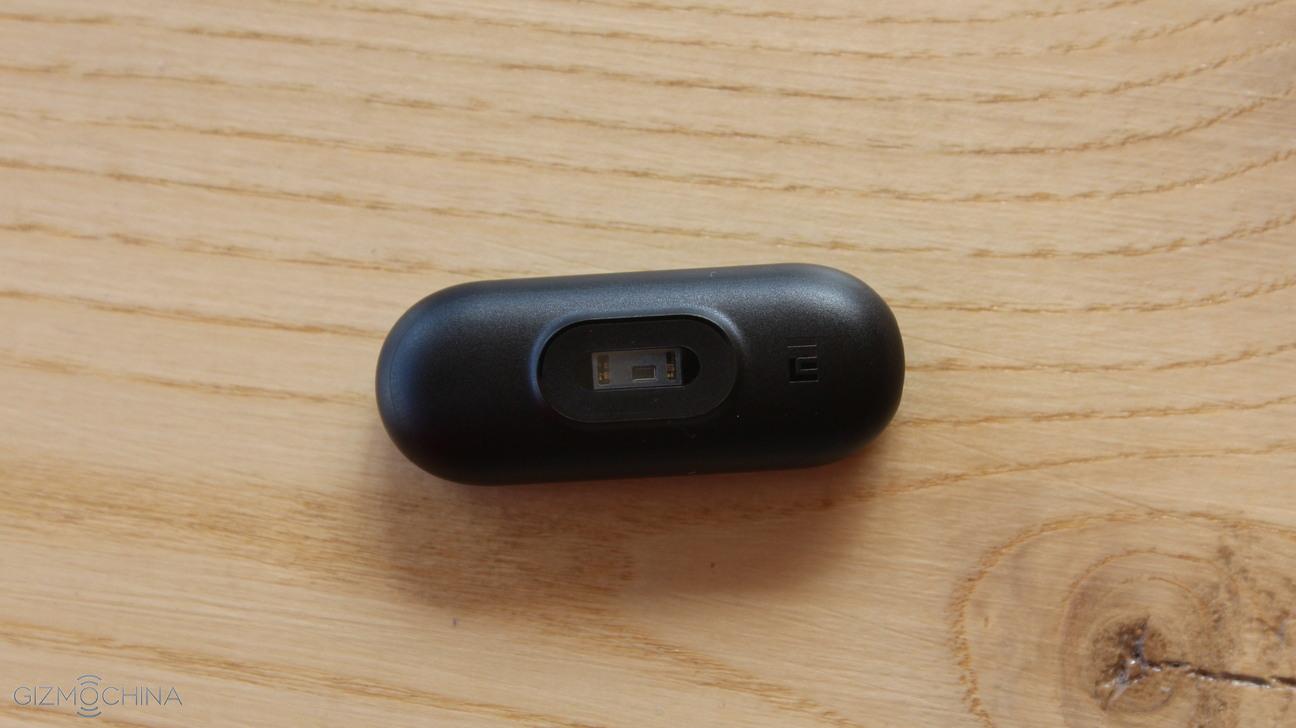
At the first glance, the Mi Band 2 follows a familiar design language but there are some significant upgrades.
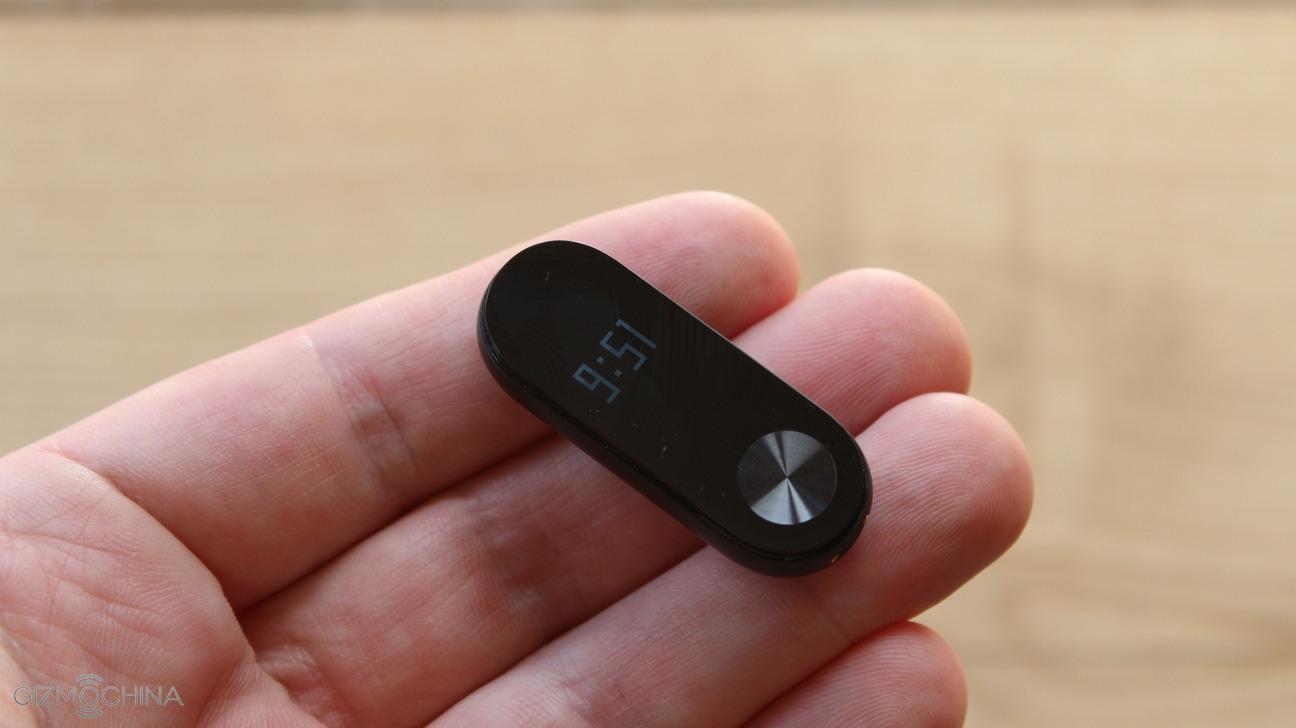
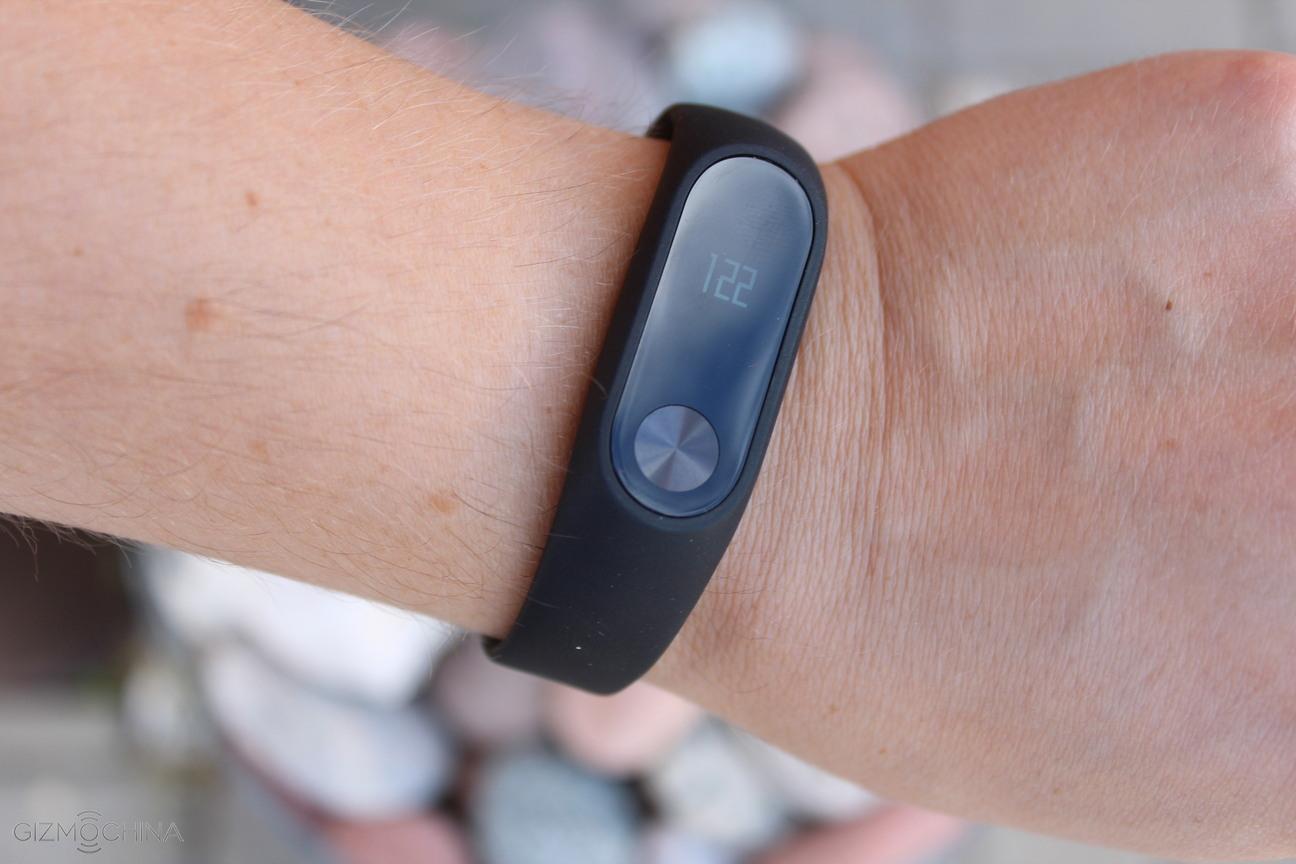
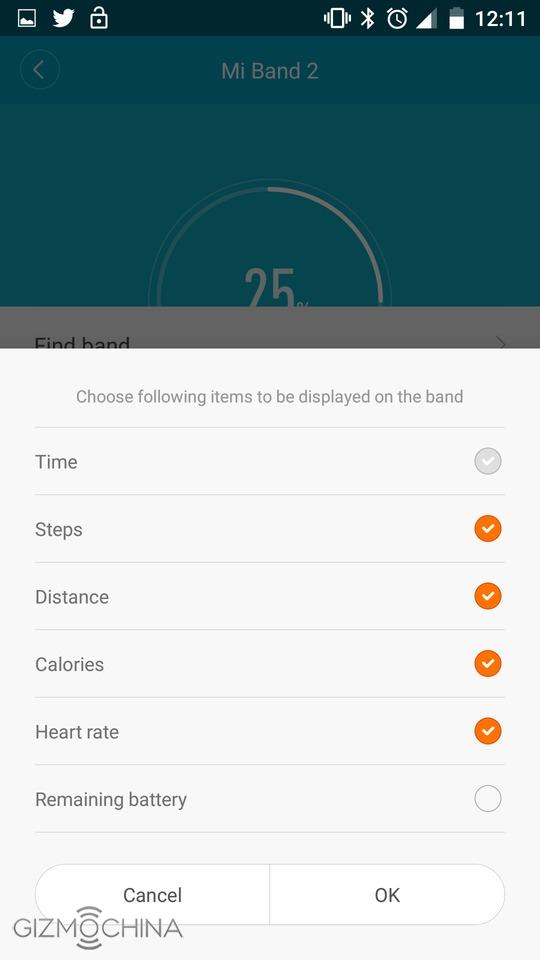
First of all, we have an OLED display, which is power-efficient and it displays info like clock, steps taken, calories burned, heart rate, distance walked and various notifications from your smartphone. You can navigate through the information displayed with just one capacitive button and I found it to be very simple yet convenient.
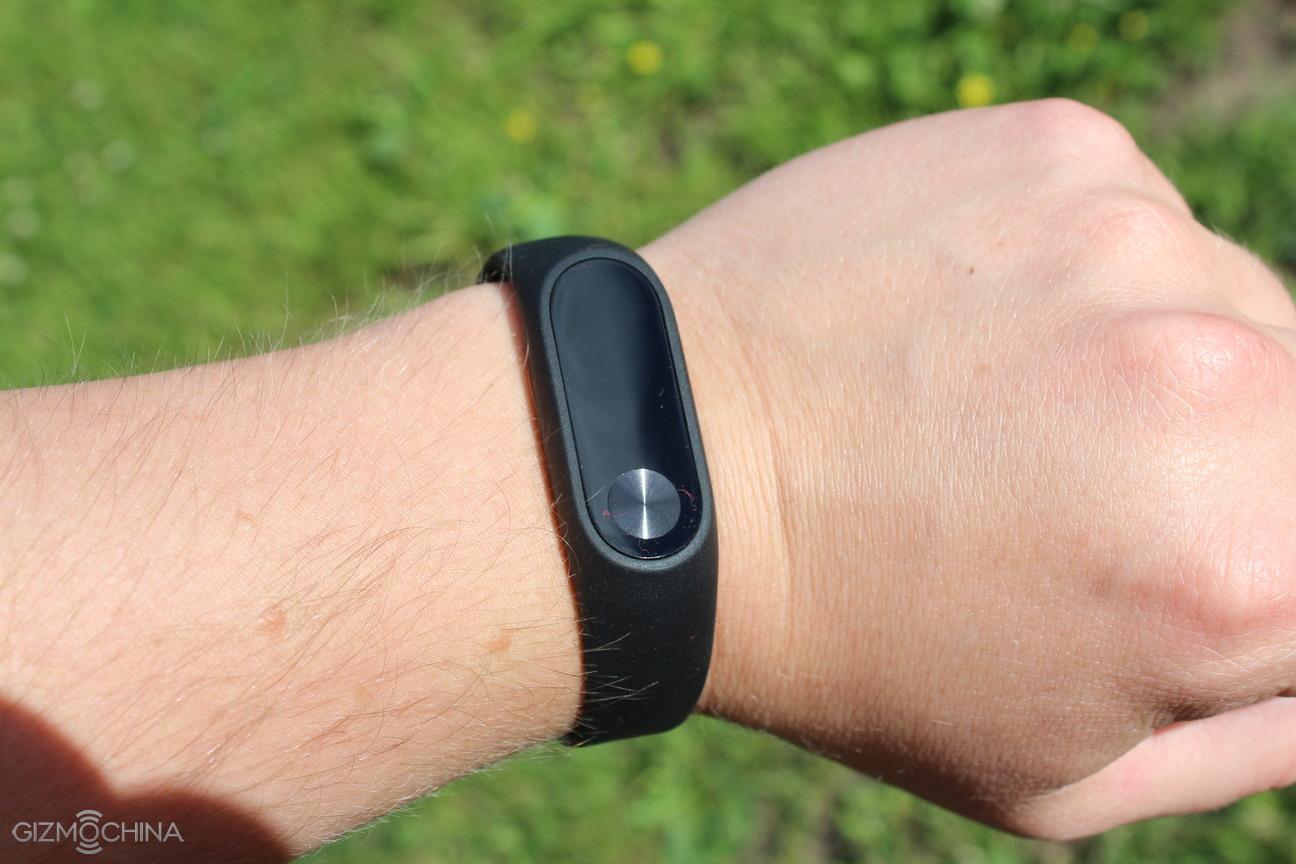
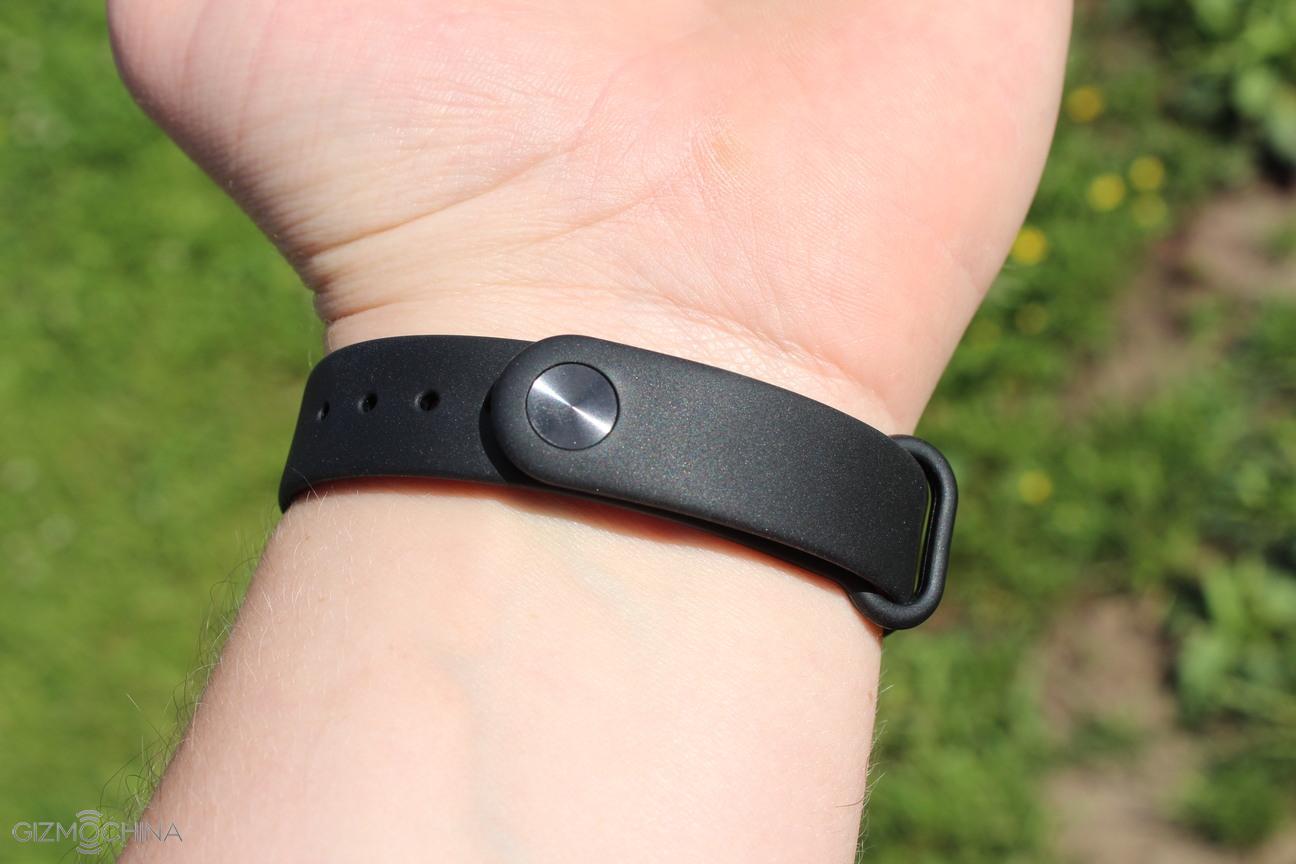
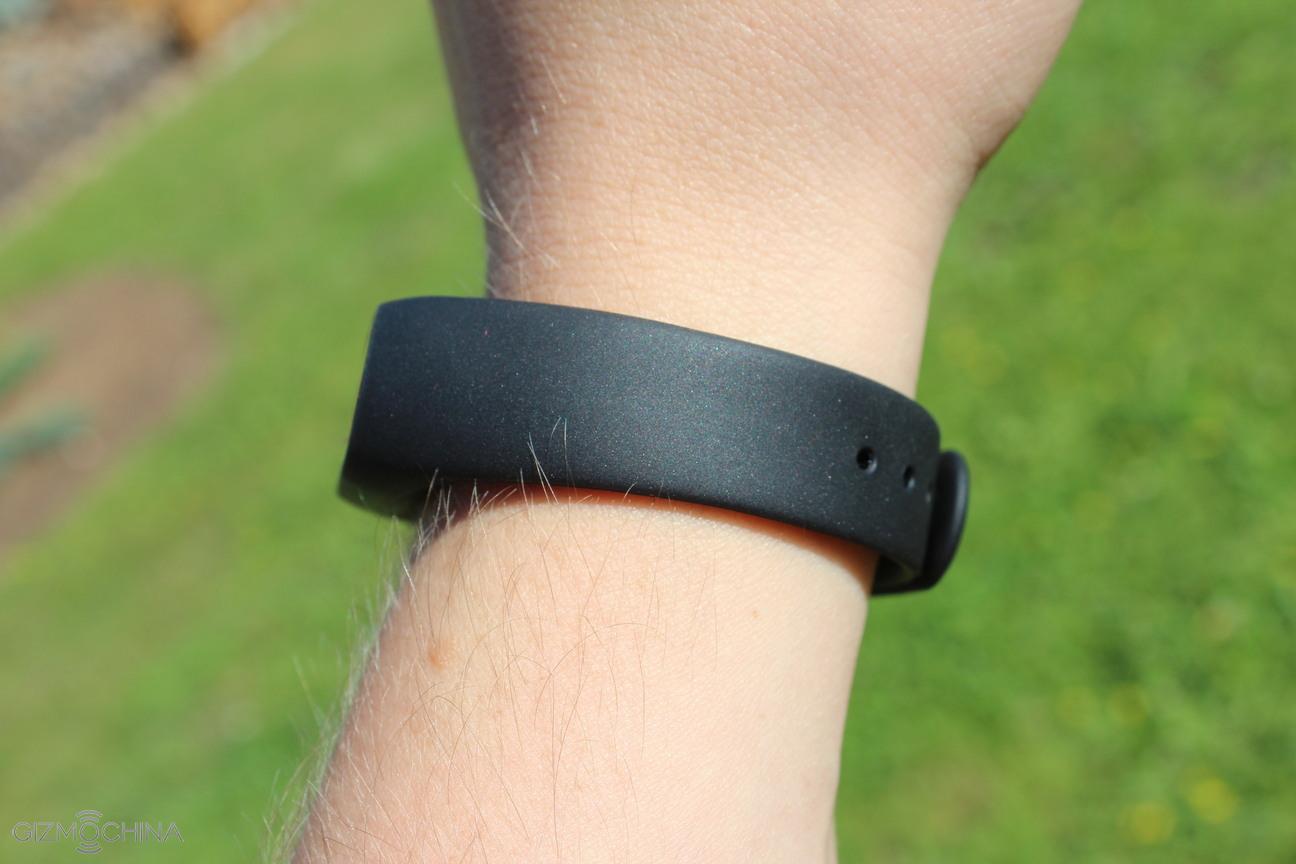
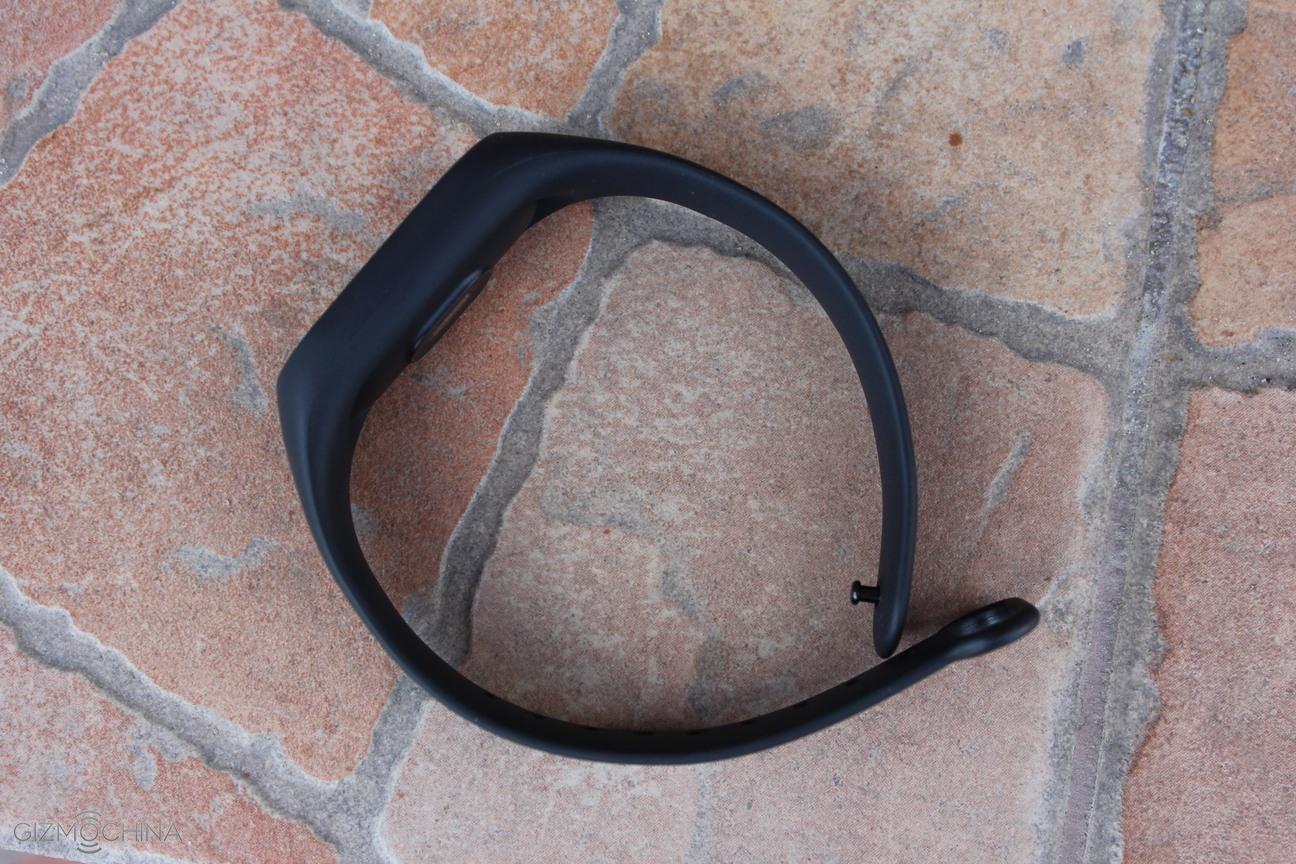
As for the band itself, I found it to be very convenient to wear all day long. Also, it is durable and it does not seem to wear off anytime soon.
Xiaomi Mi Band 2 Review: FEATURES and FUNCTIONALITY
I found the step counter to be precise as it counted my steps accurately.
As for heart rate monitor, it takes less around 10 seconds to measure it. I compared the results with my Galaxy S7 edge, which also has a heart rate monitor, and the results are very similar.
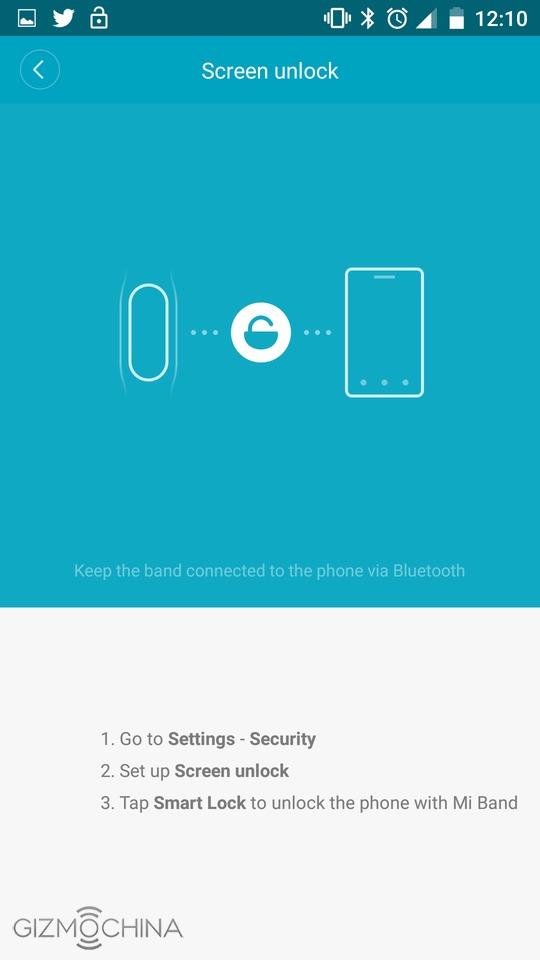
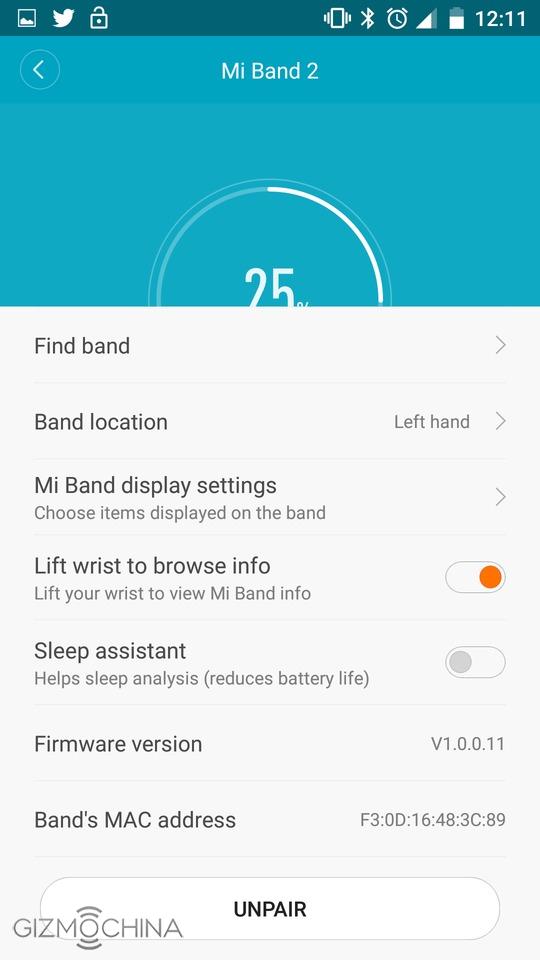
A really cool feature that I could to be working just fine is the ability just to lift your wrist to light up the display. Also, you can set the band to automatically unlock your smartphone.
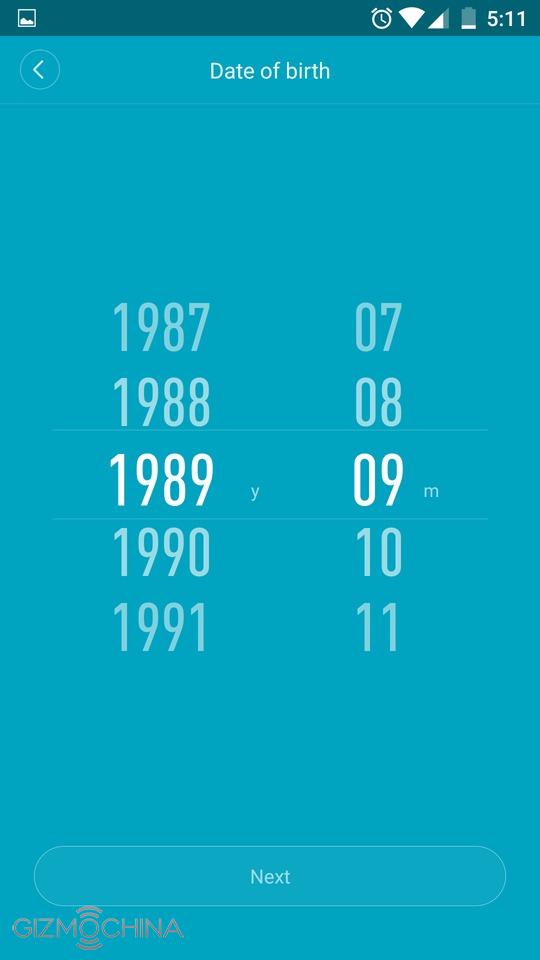
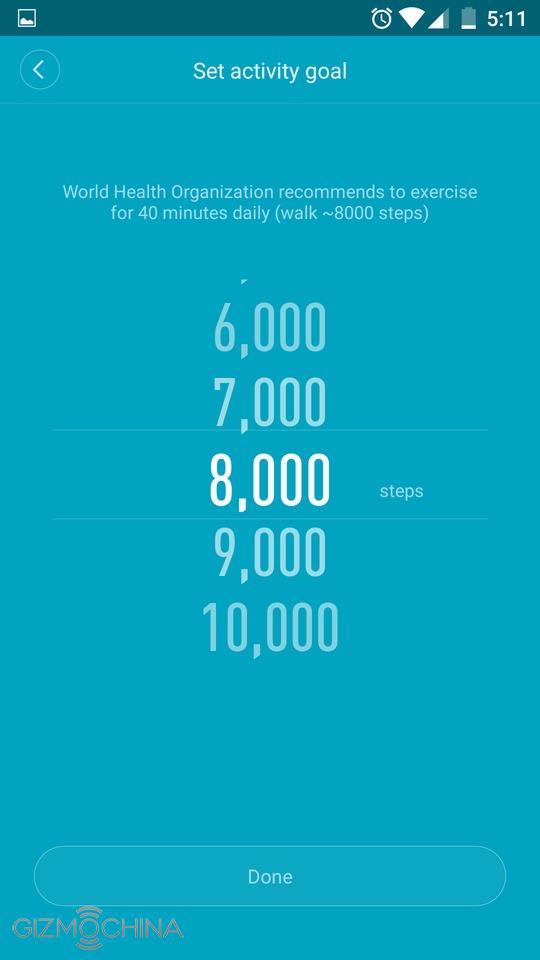
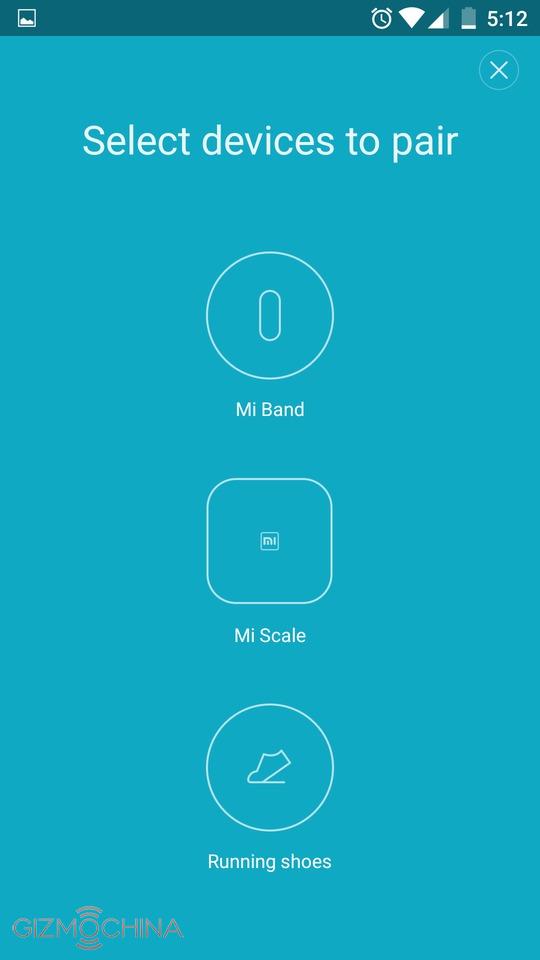
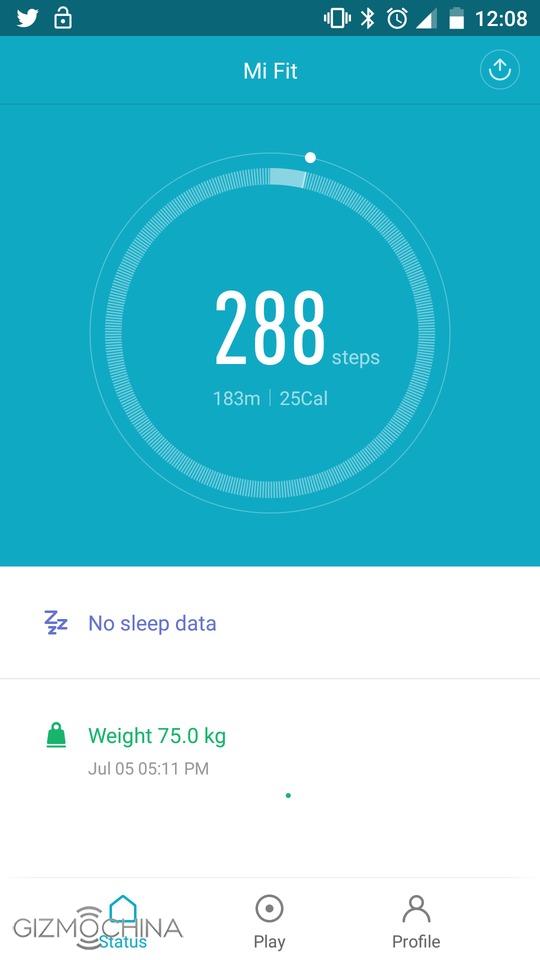
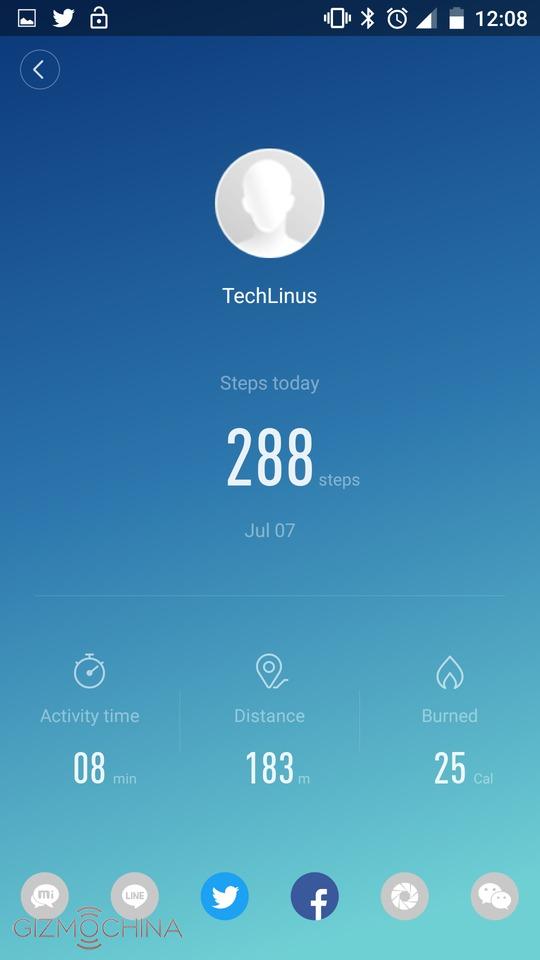
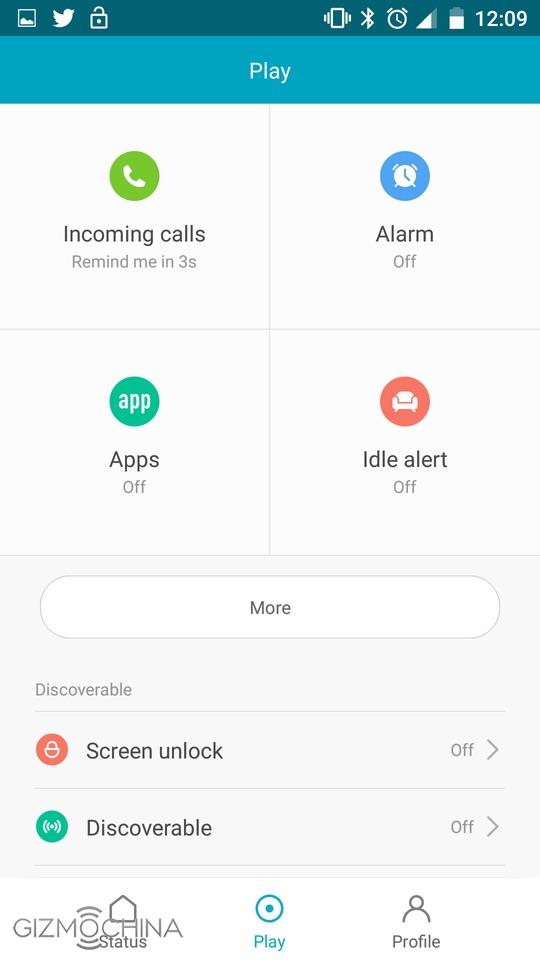
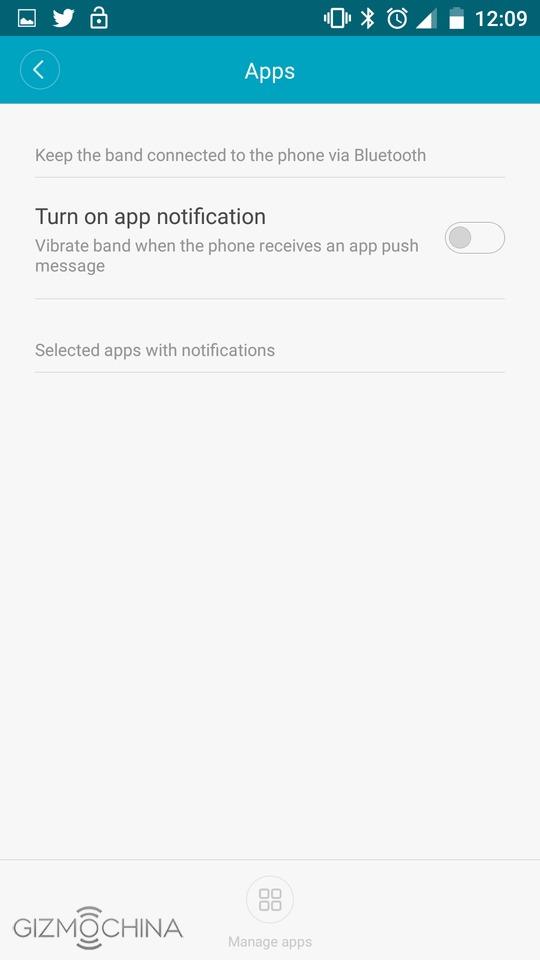
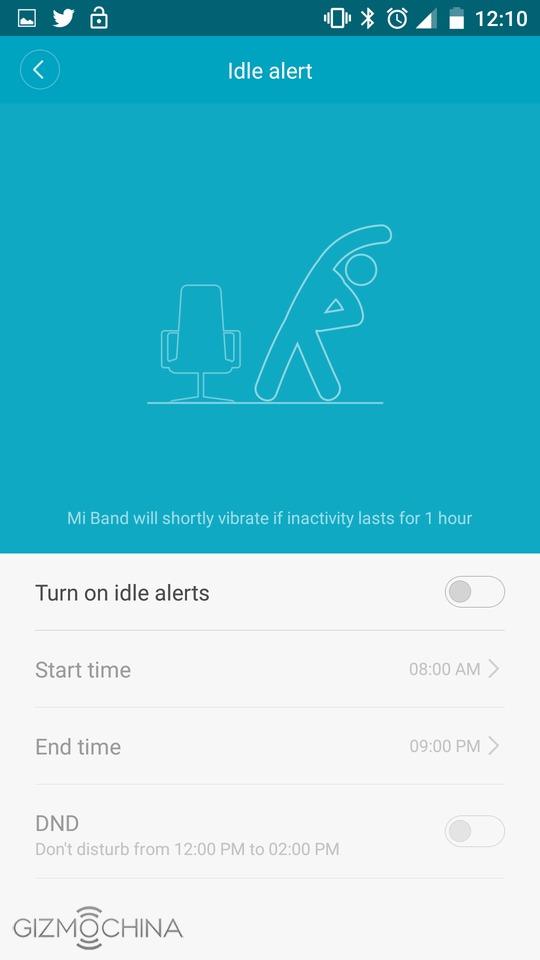
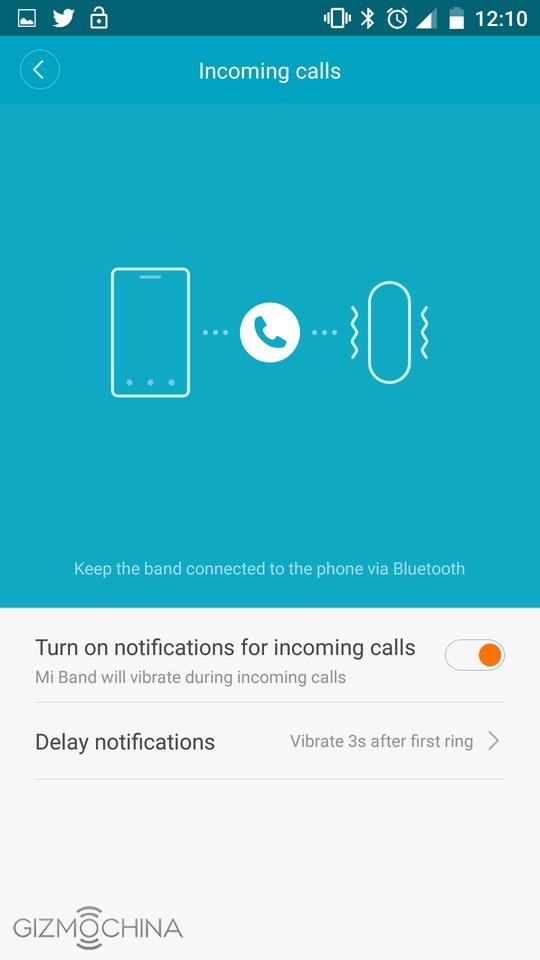
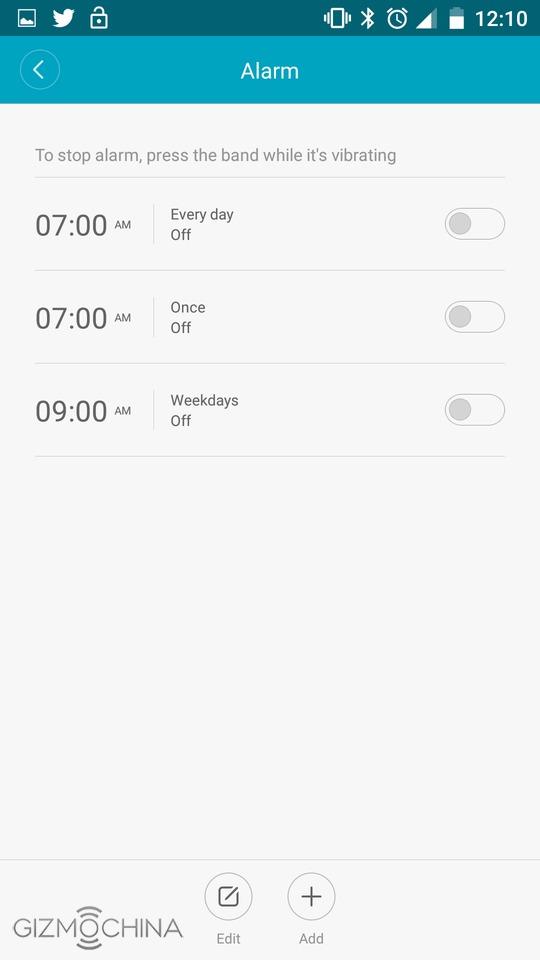
Other features worth mentioning are that the band has a sedentary reminder, notifications of missed calls, messages or various apps. Also, the band can track your sleep patterns, vibrate as an alarm clock and so on. All of those features sync with your phone using the Mi Fit app that is simple and easy to use and I didn’t have any connectivity/syncing issues with my phone (tested with the OnePlus 3).
Last but not least, the Mi Band 2 is IP67-certified, meaning that it is splash-proof and dust-proof.
Xiaomi Mi Band 2 Review: BATTERY LIFE
The Mi Band 2 is said to give you around 20 days of battery life.
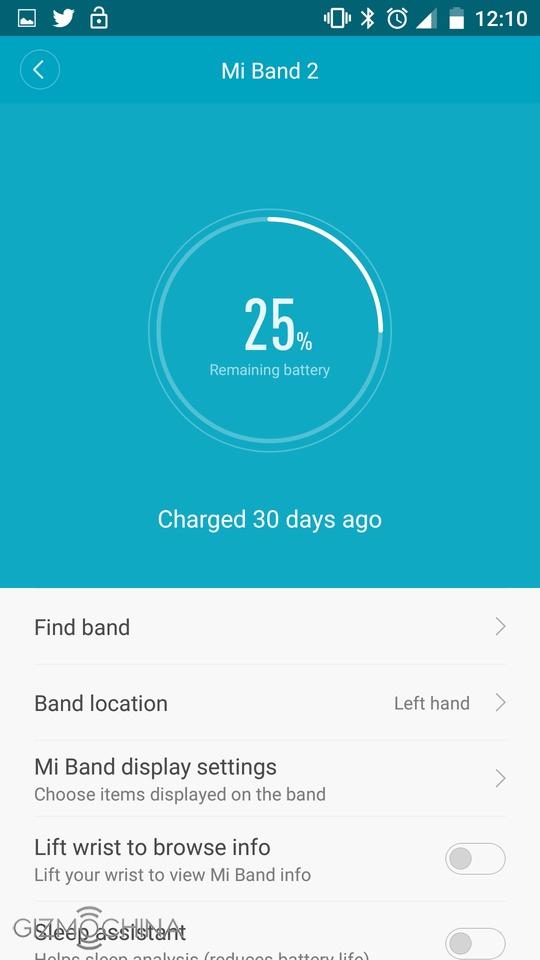
It delivers in reality for sure. In fact, I have a feeling that the battery could last for a longer time. I’ve used the band for 10 days and it used just 25% of battery life!
Xiaomi Mi Band 2 Review: CONCLUSIONS
Xiaomi Mi Band 2 is an upgrade we have been all waiting for.
It brings all the great features the previous models had and it takes one step further with the integrated low-power OLED display.
The Mi Band 2 has never let us down during our review. We found it to be accurate measuring the fitness activity, the band’s user interface is simple yet fast, the Mi Fit app is simple and easy to use and the battery life of the device is great.
All in all, the Mi Band 2 is the best Xiaomi’s fitness tracker yet. Also, it is probably the best cheap fitness tracker at the moment and it can be highly recommended.
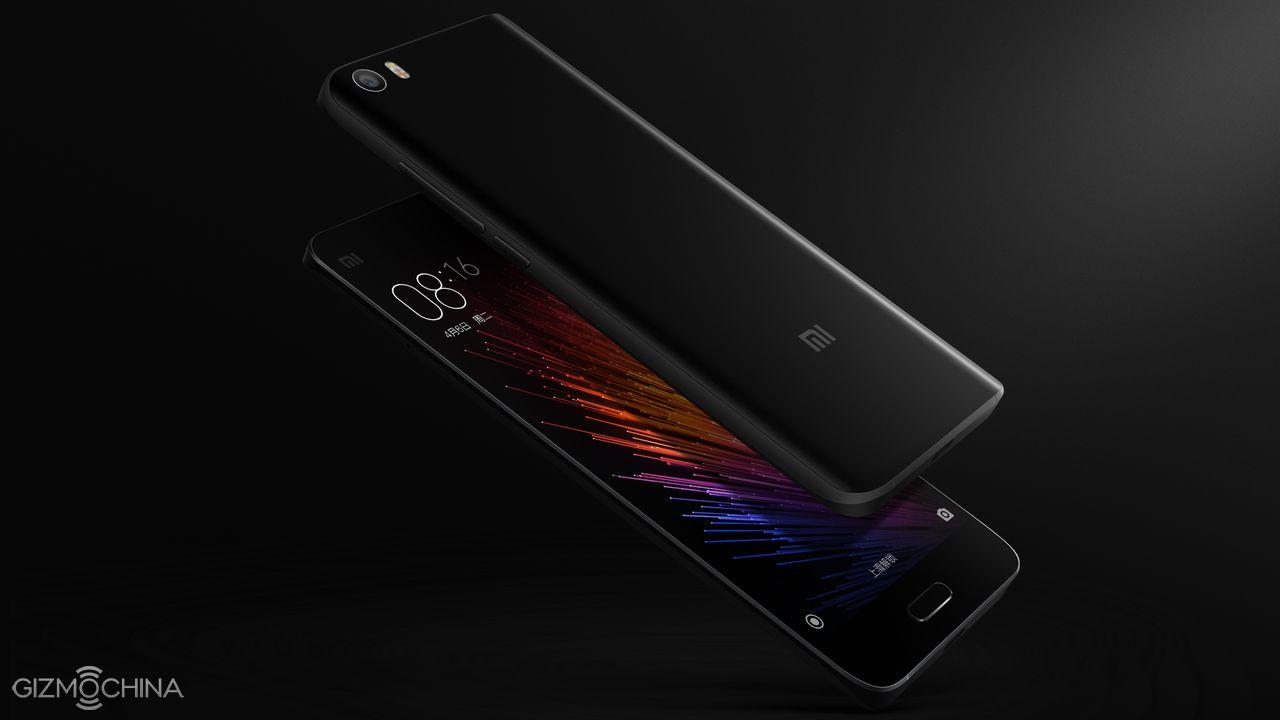
Xiaomi’s latest flagship, the Mi 5, which was announced in the first quarter of this year, is a Snapdragon 820 beast with an affordable price tag. Lately, the focus has been shifted from the Mi 5 to the Xiaomi Mi 5s which is expected to be released in August.
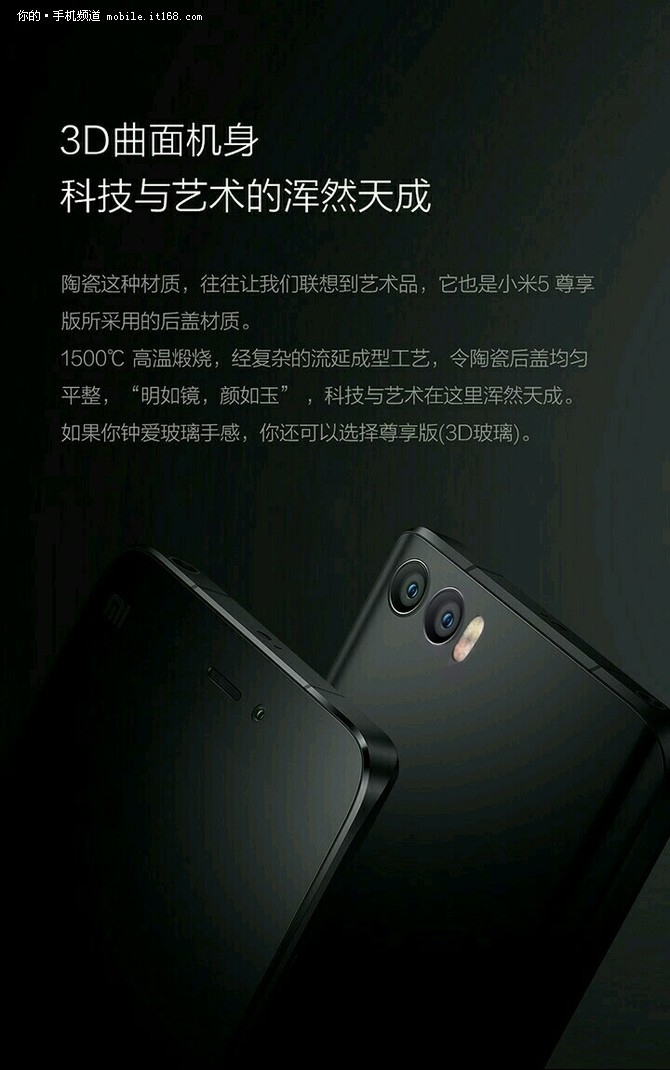
Rumours about the Mi 5s include a pressure sensitive display, an ultrasonic fingerprint sensor, curved screen, and glass bodies. However, the latest gossip says the Mi 5s might be sporting dual cameras. Remember we wrote about Xiaomi getting dual cameras from Samsung this month, it lends a sort of credibility to the matter. So, with this said, the Mi 5s might be the first device out of Xiaomi’s factory sporting the lenses.
With this new development, the Mi 5s is shaping up to be a great device if we indeed get all these features including a higher clocked Snapdragon 820 processor. However, the price tag of the Xiaomi Mi 5s will greatly influence buyers’ decision to settle for it or any of the Xiaomi Mi 5 versions which are still pretty awesome. But don’t forget that this is still a fact we aren’t a 100% certain about.
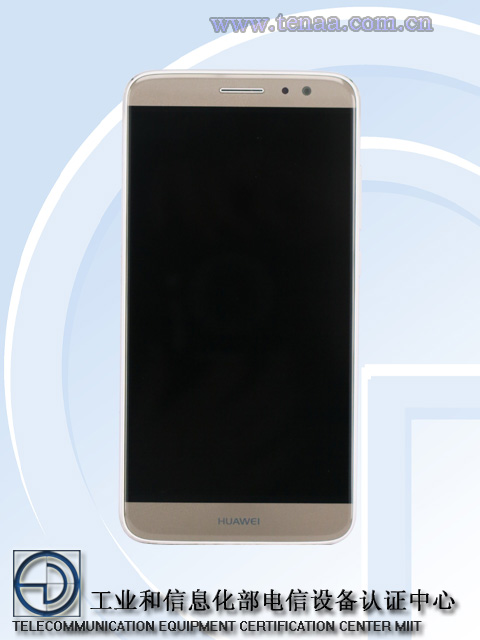
The much anticipated Huawei Maimang 5 has successfully gone through TENAA and has been certified. The device which looks like a smaller version of the Huawei Mate 8 had earlier been tipped to launch on July 14.
In appearance, the Maimang 5 sports a striking similarity in design with the Mate 8 albeit an inferior one at that. The device has a borderless design and also features a 5.5-inch Full-HD Touchscreen display.
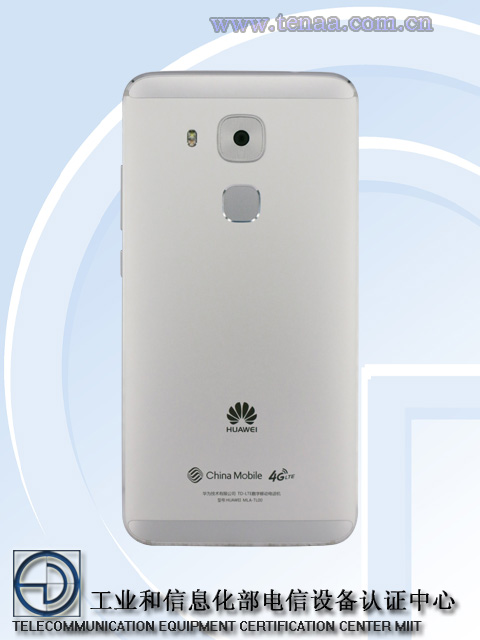
At the back, the device packs a 16MP camera with LED flash just beside the camera and just under the camera, there is a fingerprint sensor. The Maimang 5 also features an 8MP front facing camera.
The TENAA listing showed the Huawei Maimang 5 is equipped with a 2.0GHz octa-core processor which is thought to be a Snapdragon 652 SoC, although it is likely that it turns out to be the Kirin 650 spec. The device offers both 3GB and 4GB RAM versions as well as 16GB, 32GB and 64GB of on-board storage variants all of which are expandable up to 128GB via microSD card. However, only the high-end 64GB internal storage version will come packing a 4GB RAM.
The listing also reveals the Huawei Maimang 5 will boot Android 6.0 Marshmallow out-of-the-box and crams a liberal 3270mAh battery under its hood.
The Maimang 5 will come in three different color variants; silver, pink and gold and will likely carry a price tag of around 2,000 Chinese Yuan (about US $300). We’re not sure about that though, but the entire information about the price will be made known when the device is officially unveiled come July 14.
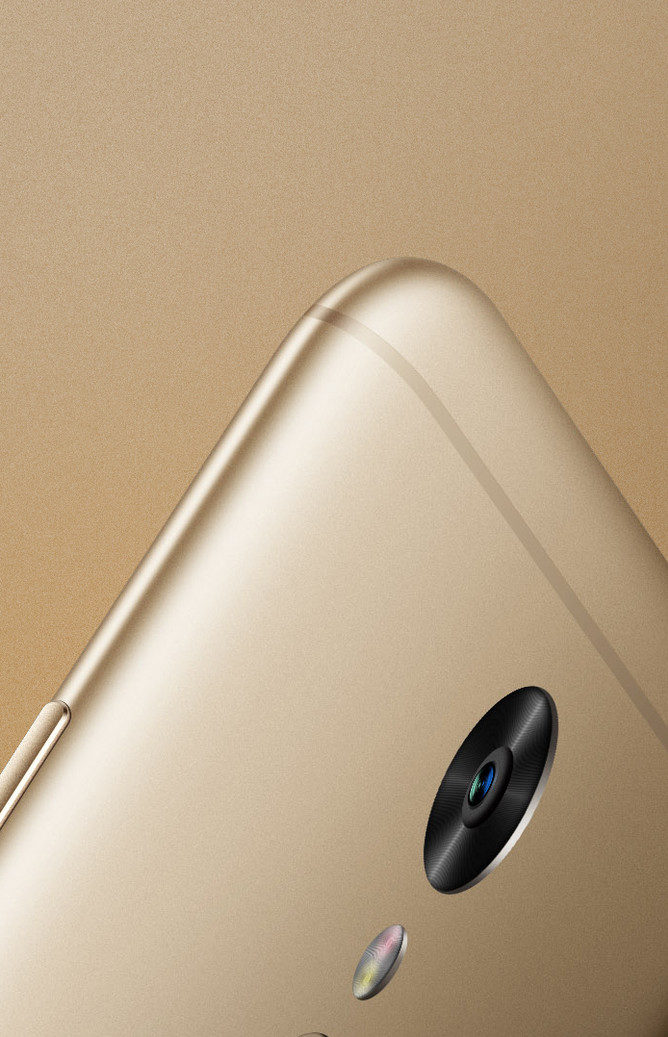
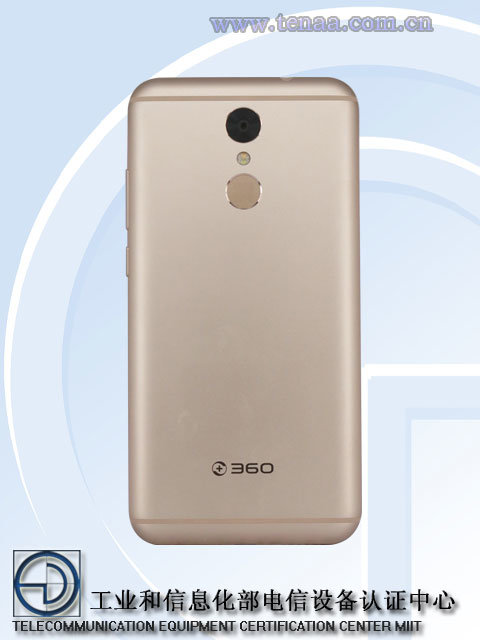
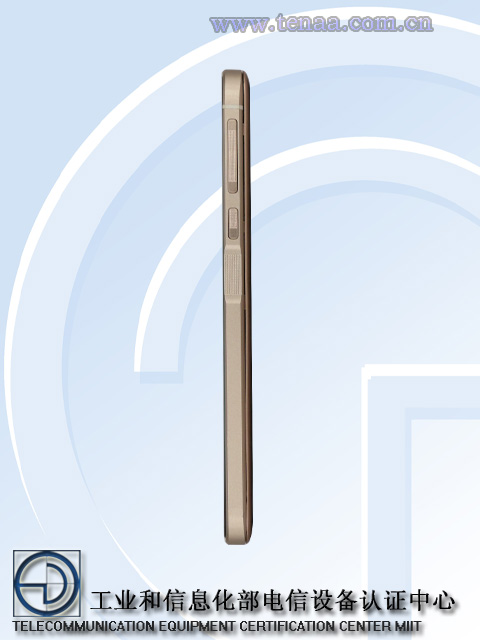
360 Mobiles is all set to release their new smartphone, the 360 N4S as well as the new 360 OS 2.0 on July 15. And thanks to a previous TENAA listing, we already know that the N4S will be an upgraded model coming with an all metal body instead of the plastic one found on the N4. Now, a new render also seems to have confirmed the metal design of the upcoming device.
So what can we take from this new render? First of all, it looks like the 360 N4S will be pretty slim. Further, we can confirm the metal body judging the texture as well as the antenna lines on top. The phone has smooth curves and except for the metal body, the overall design is in line with its sibling, the 360 N4. Further, we can see that there will be a gold color option for the device, which isn’t a surprise considering most metal phones in 2016 comes with gold and rose gold options.
Pricing is also said to be aggressive with the Helio X20 model starting at 1499 Yuan ($224) and the SD652 variant retailing at 1699 Yuan ($254). But it remains to be seen if the price is going to be this cheap since the Snapdragon 652 model is also said to come with 6GB RAM.
Hopefully, we will soon get more clarity about the two models and their specs in the coming days.
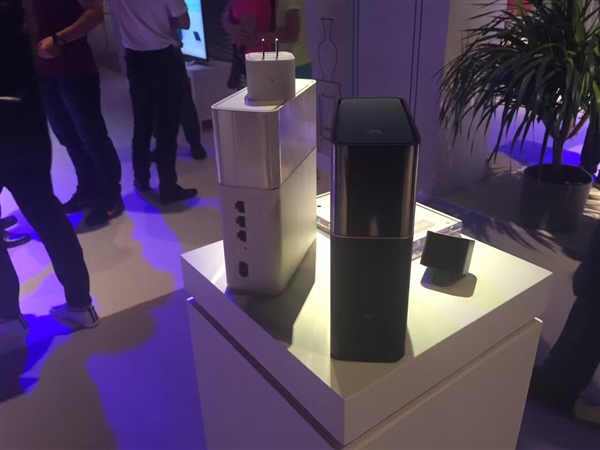
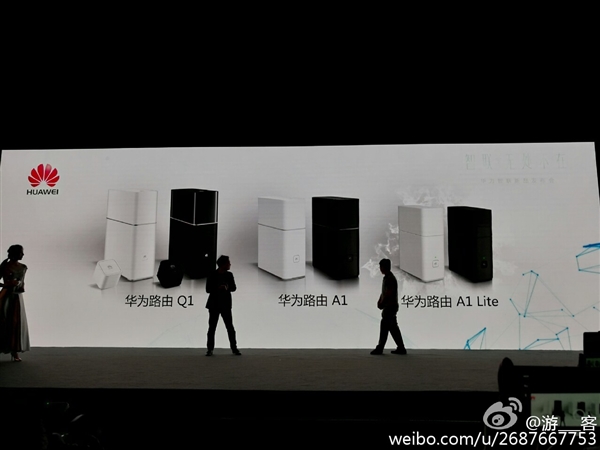
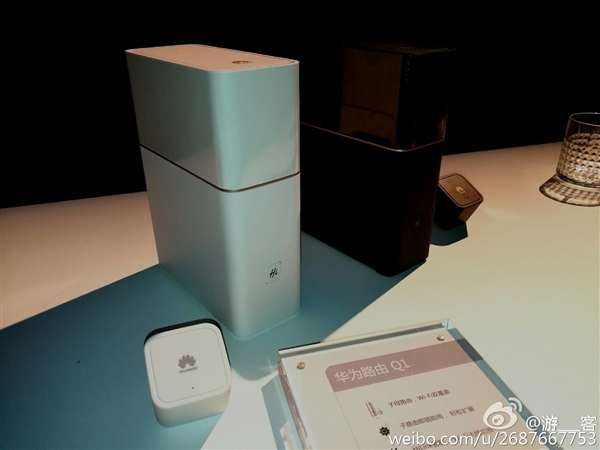
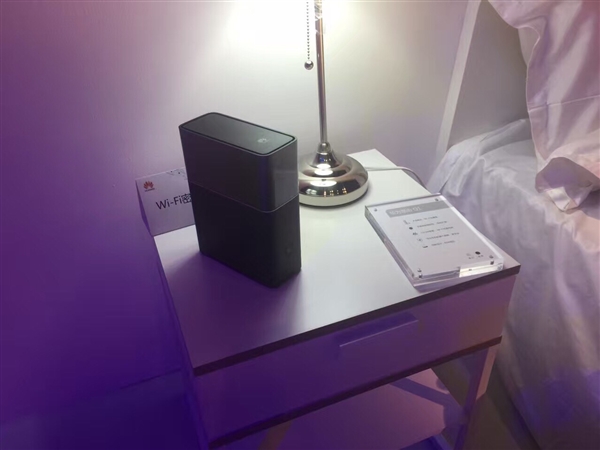
Huawei Technologies wednesday held its Smart Gadgets products conference where three smart routers were launched. The Huawei Q1, A1, A1 Lite and the Huawei TV Box Pro which is an enhanced version of the Huawei TV Box were announced by the company.
Huawei Q1 Wi-Fi Router
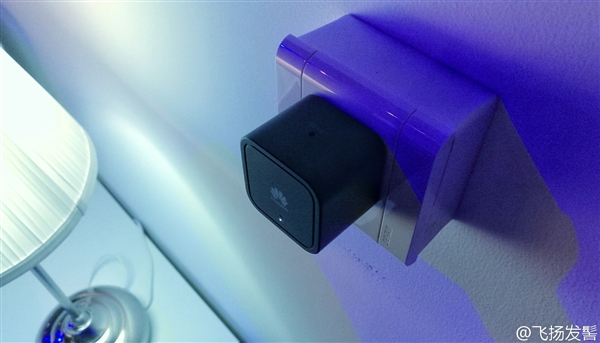
The center of attraction and the main focus of the event was the high-end Huawei Q1, whose biggest feature is the concept of picture routing. In addition to the main router, the Q1 also features a mini expansion device which can be directly plugged into a wall socket to expand the signal coverage. This feature is somewhat similar in principle and mode of operation to the polar orbiting satellite and Huawei boasts the router’s coverage is capable of extending around an entire building.
The Huawei Q1 also supports precise service identification which means the device can automatically boost the signal strength for high priority or critical situations like downloading, video streaming, online video gaming and others.
The Q1 device also provides other functions such as equipment management, remote management, Wi-Fi enhancement, guests WiFi, timer switch,secure operation and other common router functions.
The Huawei A1 and A1 Lite can be said to be a streamlined or toned-down version of the Q1. Even at that, the Huawei A1 Lite packs a smaller size than the A1.
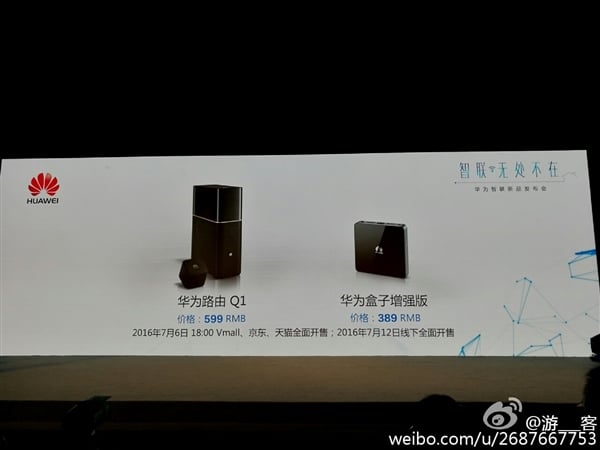
The Huawe A1 router has been made available for buyer and the device carries a 599 Yuan ($89.59) price tag. The Q1 is available through Huawei Mall, Jingdong and Lynx stores in China.
The enhanced Huawei TV Box Pro will go on offline sales on July 12 and will sell at a price of 389 Yuan ($59).
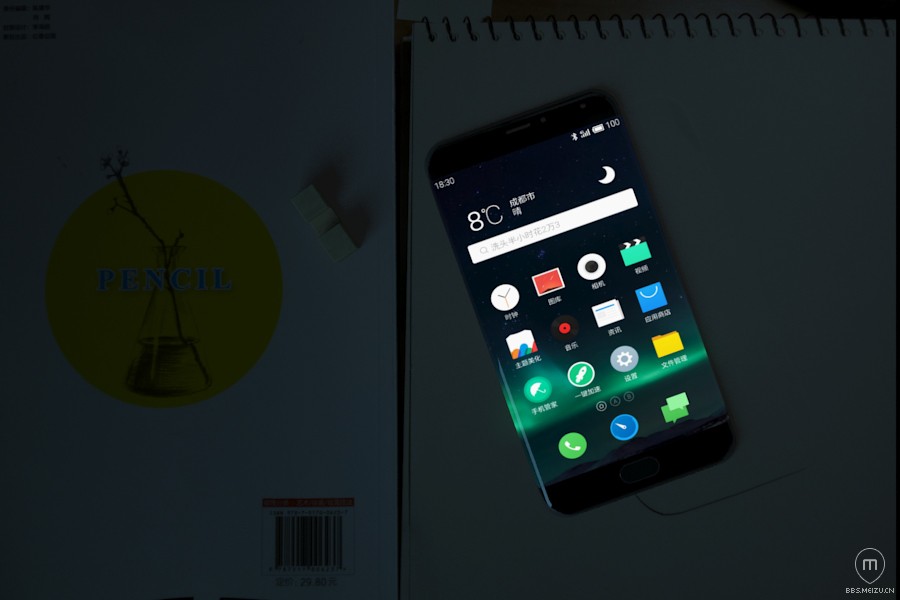
Meizu is expected to unveil the Meizu MX6 flagship sometime in the next few weeks. But even before the launch of the product, this upcoming phone has been getting some good coverage from the media. This was mainly because of the company CEO’s dissatisfaction of the design on the MX6, as revealed by a few leaked images showing the company’s internal emails exchanged. Well, in his defense, the CEO did say that if not for the design, the MX6 is the best MX series phone yet, just a few hours after these emails were leaked. But if the MX6 is going to be the best smartphone in its lineup, what price can we expect to pay for the device?
Meizu’s co-founder Bai Yongxiang just gave us some information regarding the MX6 via a new Weibo post a couple of hours ago. He said that Meizu MX6 will be using a lot of technology from the Pro 6 flagship. And as the cost increase, the price will increase as well. But he adds that the upcoming Meizu device will be one of the best designed phones in the 2000 Yuan ($300) market. Further, he says that the supply chain is making sure that there are enough MX6 units in stock.
So, what can we take from this? Meizu MX6 will most likely cost around 2000 Yuan ($300) making it costlier than the previous generation MX5 model which started at 1799 Yuan ($268). Plus, there should be enough stock of the flagship at launch.
We are still not sure about the specs of the upcoming phone, but rumors state that the phone should feature Helio X20 deca-core chip inside with 4GB RAM and 64GB of internal storage. The release is rumored to be on July 19, but we still haven’t heard of any launch event scheduled by the company.
ZUK Z2 is one of the cheapest Snapdragon 820 powered smartphones in the market right now, which also makes it one of our favorite phones of the year. The phone is highly popular in China, and it got over 6 million registrations for the first flash sale a few weeks back. However, if you are someone who wanted to purchase the device online in China, you might have to wait for a couple of days for your order to be shipped.
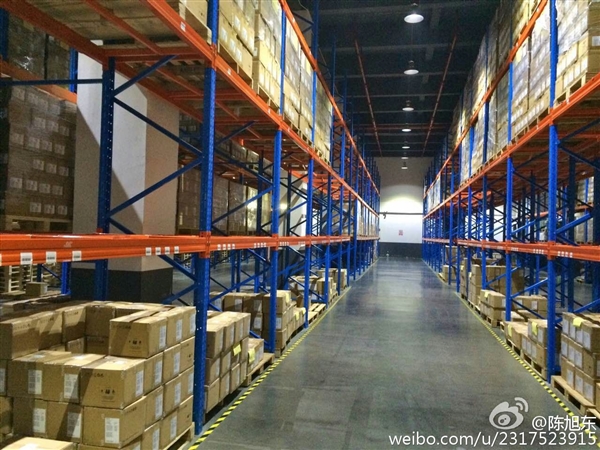
The Senior Vice President of the Lenovo Group, Chen Xudong has just confirmed that Lenovo’s plant in Wuhan, China has been shut down due to floods and more than 2000 employees in this factory were transported to a safer location on Wednesday morning. What this also means is that the ZUK Z2 will face temporary shortages in supply, at least on the online stores in the country.
But the phone seems to be available at some offline Suning and Lenovo outlets. Hence Mr. Xudong has asked customers to check out these stores for purchasing the device.
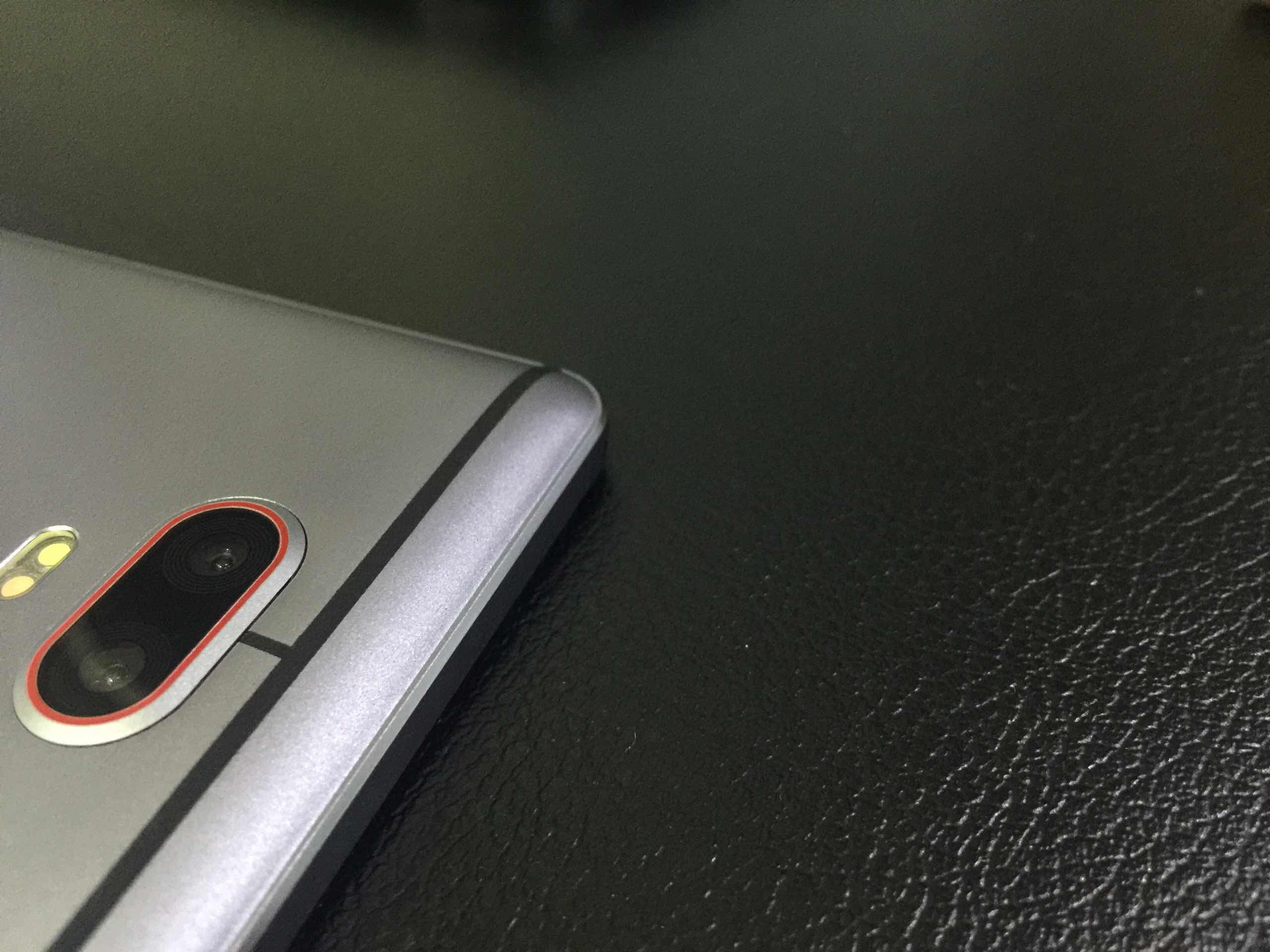
It’s been a rather long wait for Elephone fans, since the bezel-less Elephone P9000 Edge is still a few weeks away from launch. First revealed back in January, recently we have been getting some interesting details about the device. We already know that the phone comes with dual cameras at the back, in fact, we saw the real life image of the P9000 Edge a few weeks back. But until now, the details of the dual camera setup were not available. That changes today.
Elephone has just revealed to us that the Elephone P9000 Edge will come with 2 x Sony IMX258 cameras at the back along with PDAF. Like other dual camera setups in the market, the primary camera sensor will take care of shooting the image while the secondary camera sensor will take care of the depth of field and spatial information in order to achieve accurate results with fast focus. So, naturally, this means the phone will support depth of field photography, which essentially blurs the background to bring the object in focus. Another advantage of the presence of dual cameras is said to be the improved night time photography. The two camera setup at the back reportedly helps in low-light conditions, reducing noise, spots and improving the overall image.
Well, we have seen dual camera-equipped smartphones sport the features mentioned above, but when a cheap Chinese phone claims to achieve the same features, it really makes the device sound a lot more interesting.
Considering the information we have received till now, the Elephone P9000 Edge is turning out to be an interesting smartphone. Most of the specs of the phone have already been revealed, and you can read all about that from our previous coverage.
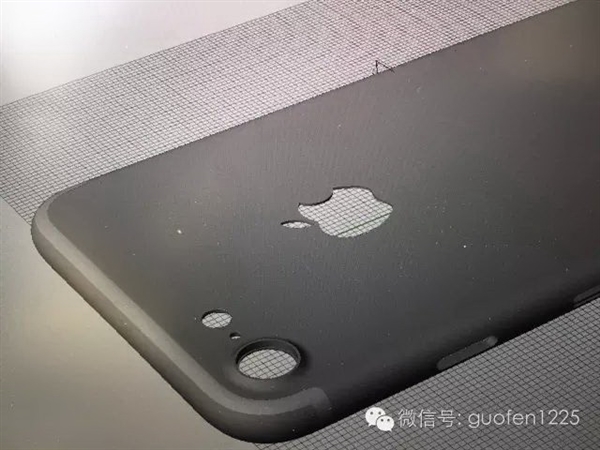
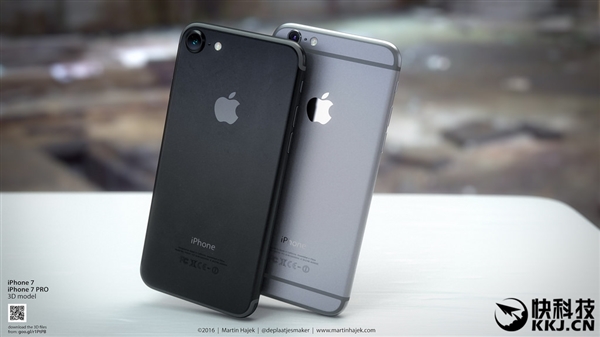
What appears to be professional sketches of the iPhone 7 and a new iPhone called the iPhone 7 Pro which might or might not be the new name of what was formerly referred to as the iPhone 7 Plus have been posted online.
The sketches which appear in black with a grey chassis (rose gold can’t hold a candle to this) screams premium from all angles. From the images, we can confirm that Apple is retaining the design of the iPhone 6s and 6s Plus albeit with a thinner profile and has indeed ditched the 3.5 mm audio jack on the iPhone. The camera is also a bit raised and appears bigger.
How the iPhone 7 Pro/Plus dual camera configuration will work isn’t confirmed yet but we know it’ll be a 12 MP setup. There are also rumours saying the phone (pro/plus) will have IP68 water and dust resistance and will support wireless charging.
The big question now is how many iPhones are we expecting in September? Is the iPhone 7 Pro a new phone or is it the new name for the phone formerly known as the Prince iPhone 7 Plus?
Xiaomi is moving towards premium devices. Hugo Barra, the Vice President of Xiaomi in his own words said ”Customers are demanding for premium phones from us, so we are delivering higher quality with more premium components”.
Xiaomi’s latest flagship, the Mi 5 has a starting price of 1999 Yuan ($300) for the base version and goes up to 2699 Yuan (about $400) for the Pro version which has 4GB RAM and 128GB ROM.
While there might be a request for high premium devices, it will be wise if Xiaomi doesn’t stop manufacturing low priced phones with great quality as most of their fans are concentrated at that level. The Redmi 3 Note which sells for between $170 and $200 is an evidence of their success at that part of the pyramid. And going premium doesn’t equal to sales, you can ask HTC and LG.
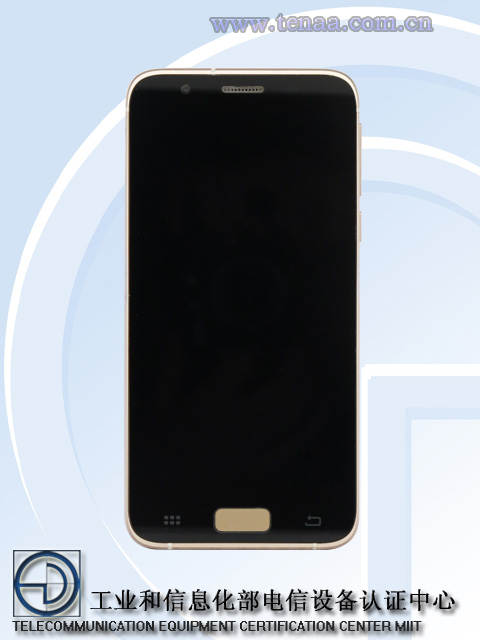
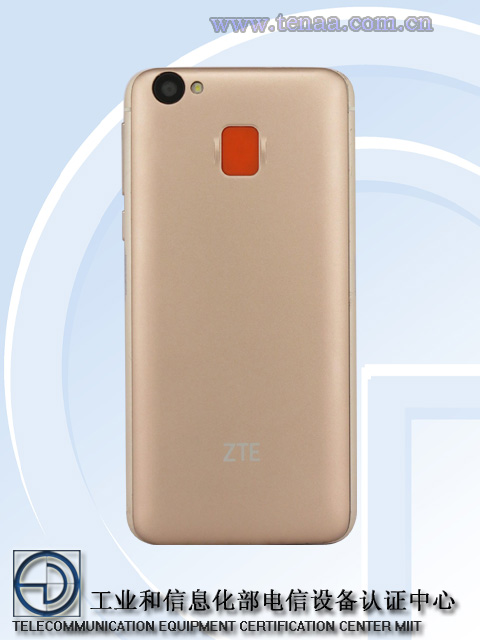
A new ZTE smartphone has received certification on TENAA, where it is listed as ZTE S6. This should be the ZTE Blade S6 2016 edition model, most likely the successor to the Blade S6 that was released last year.
The ZTE Blade S6 2016 edition packs a lot of specs and features, different from last year’s Blade S6. The device seems to sport what looks like a fingerprint scanner at the back, colored in orange. It may be something else not yet known, though.
As earlier hinted, the smartphone is listed as ZTE S6 on TENAA and the listing shows the device comes with a 5.5-inch TFT HD display with a resolution of 1280 x 720 pixels. The device is powered by a 1GHz Quad-core processor which is believed to be a Snapdragon SoC but the model name wasn’t listed.
On the memory bank, the device packs just 1GB RAM as opposed to the 2GB version found on last year’s ZTE Blade S6. It also comes with 16GB of on-board storage which is expandable up to a further 64GB via microSD card.
Just like its predecessor, the ZTE S6 boots Android 5.1 Lollipop from the go but the 2016 S6 features just an 8MP rear shooter with LED flash and a 5MP front-facing selfie camera.
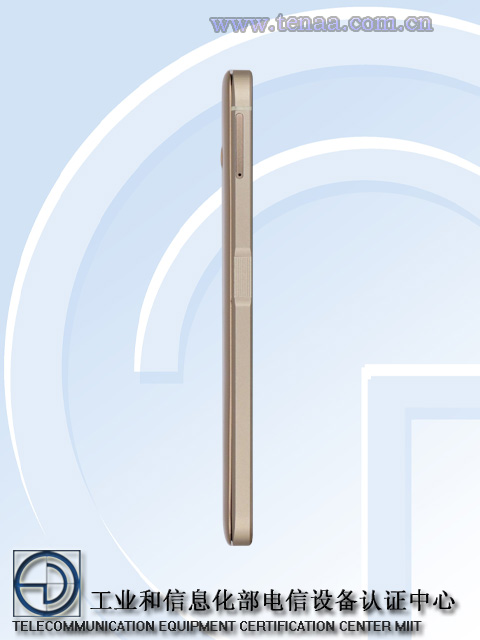
According to the TENAA listing, the ZTE S6 comes with a 3800mAh capacity battery and is available in Golden color option only. The device measures 157.2 × 76.4 × 9 mm and weighs 195 grams. Connectivity options available include 4G LTE, 3G, 2G, Bluetooth, GPS, WiFi, FM Radio and a host of others.
For the past few weeks, we have been hearing a lot about the upcoming Xiaomi Mi Note 2 flagship. However, up till now, these rumors only revealed an approximate release period, which is said to be around August. But now, we might have a final date, as new rumors from China say that the Xiaomi Mi Note 2 will be announced on July 25. Further, the phone is said to come with a 5.7-inch display, 6GB of RAM, Snapdragon chipset and a price tag of 2499 Yuan ($375).
So, does the July 25 date make sense? Kind of. Xiaomi has already started teasing the Mi Note 2 and when a company does that, it can only mean that the release date is near. July 25 is still around three weeks away, which means there’s still time for Xiaomi to start teasing the device aggressively.
Moreover, another reason why July 25 could indeed be the release date of the Mi Note 2 is because of the latest teaser. Remember the teaser Xiaomi released a couple of days back saying 2>5. Here > could imply 7, which would mean that 2>5 is hinting at the July 25 date (7 / 25).
If you want another reason to believe this date, then just go back a few more days and recall the comment made by the Xiaomi co-founder, Lin Bin. He had said that the company will release a powerful flagship in July. Mi Note 2 should be out best bet.
Taking all these information into consideration, it is possible that we meet the Xiaomi Mi Note 2 on July 25. Of course, nothing is confirmed at the moment, so we can’t be 100% sure until we the company confirms the date.
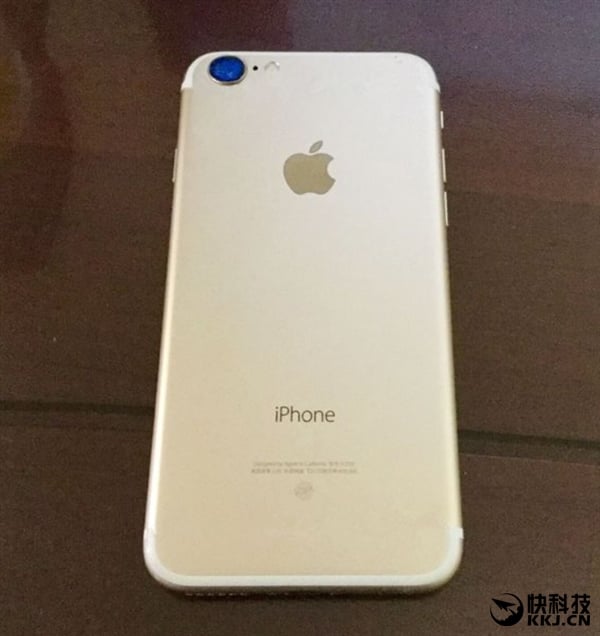
Apple’s iPhone 6s was made available in rose gold, silver, gold, and space gray color variants and it is most likely the iPhone 7 will follow suit, a leaked image of the next Apple flagship suggests.
A recent image leak of the iPhone 7 Gold color variant has been revealed suggesting an iPhone 6 and 6s look-alike, except for some few noticeable differences like the camera hump which the iPhone 7 is rumored to come with.
Images of the space gray / black color variant of the iPhone 7 (pictured below) had earlier on appeared online and this image seems to lend credence to the previous images which showed the rear camera with a slight outward protrusion of some few millimeters from the phone’s body.
In addition, the leaked image reveals another stunning detail about the headphone port. Sadly, the image reinforces earlier speculations that the iPhone 7 and 7 Pro will not feature the 3.5mm headphone jack but the renowned 3.5mm audio jack will be replaced by USB Type-C port.
Going further, there’s also a hole between the camera and the flash and it is said to be a laser-focus module. The space gray / black color variant leaked earlier also had the same design including the laser-focus module.
It is also worth mentioning that a report on the Wall Street Journal is quoted rendering further information that the iPhone 7 will ditch the 16GB storage option and will start at 32GB of onboard storage upward but the price does not seem to change from the 5288 Chinese yuan ($790) as speculated.
Gizmochina has been increasing its efforts providing you the latest smartphone news and reviews from China. But you probably want a lot more than just news. We understand that and hence, we are starting a new series on the website for our readers: Chinese Android ROOT/ ROM Flash/ UNBRICK / Tips & tricks tutorials. We hope that these step by step tutorials will come in handy for our readers from around the globe to flash new ROMs and unbrick their bricked smartphones safely. You can anytime comment below with questions, suggestions or requests and we (specifically OSMAN aka AndroidBrick who is our and your Pro Android tech guy) will try our best to answer these questions.
As you may guess from this article’s headline, our first guide will be to learn flashing global stable ROM to Xiaomi devices. Because of the nature of this method, this will be also an UNBRICK guide, and I will explain about this later in the article. The phone that we will working on in this guide is Xiaomi’s latest flagship Mi5.
STEP 1A:
Before we begin, for device drivers to install without a problem, and to install drivers that are not digitally signed, we are going to disable Windows driver enforcement. To do this :
Click the Start menu and select Settings.
Click Update and Security.
Click on Recovery.
Click Restart now under Advanced Startup.
Click Troubleshoot.
Click Advanced options.
Click Startup Settings.
Click on Restart.
On the Startup Settings screen press 7 or F7 to disable driver signature enforcement.
Your computer will restart and you will be able to install non-digitally signed drivers. Keep in mind that, if you restart your computer again the driver signature enforcement will be re-enabled.
STEP 1B:
Second, we need to install adb on our computers, and for that we will use a program called “adb setup“, thanks to Snoop05 from XDA-Developers, this will enable adb and fastboot commands to work on our systems. It will also install necessary adb drivers. There are many ways to do that but what is more important about Snoop05’s solution is that we can use adb and fastboot commands system-wide, this means our old “command prompt” will turn to accept this commands, and no need to work in the “adb” folder like we used to before.
STEP 1C:
Last step, before we begin our guide is to enable “USB debugging” on our phone. In this example, the Xiaomi Mi5. Talking about USB debugging, I strongly advice to all users out there, please do “enable” USB debugging as first thing and keep it that way, don’t turn it off. I am saying this so that you can avoid future problems. I mean in some bricks, this can be because of a wrong app setup, or it can be because of a false rooting way or even non-user related OTA update. Having USB debugging open is very crucial to rescue our phones from such disasters. Just keep this in mind, I will explain more in the future.
STEP 2:
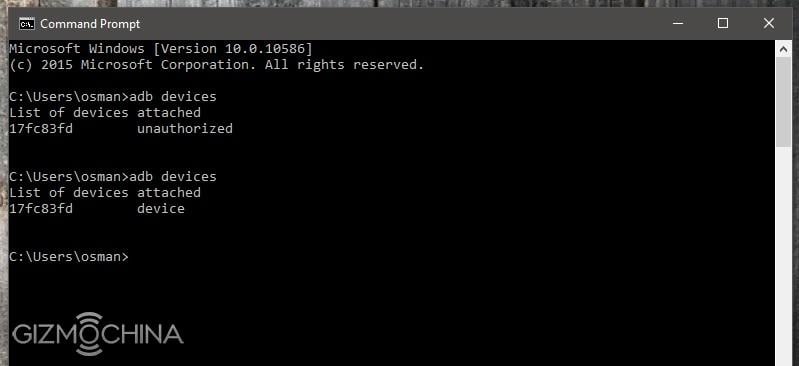
On Xiaomi phones to enable USB debugging, go to settings> about phone, and click “MIUI version” couple of times till you see “you are a developer” message. Then back to settings>Additional settings>Developer opitons>USB debugging, click it and allow. Now its time to connect our phones to computer, plug the USB cable. Your system will install “adb” drivers. Now open command prompt and type :
“adb devices“
Look at your phone for the “Allow USB debugging?” message, select “Always allow from this computer” and click OK. If you forget to allow from phone, the command will return “unauthorized“, if OK you will see your phone as “device” and we are ready to start our guide.
This guide is for locked bootloaders, so no need to wait for the unlocking procedure to flash this official ROM. For unlocked bootloaders the method is almost the same, I’ll explain it too.
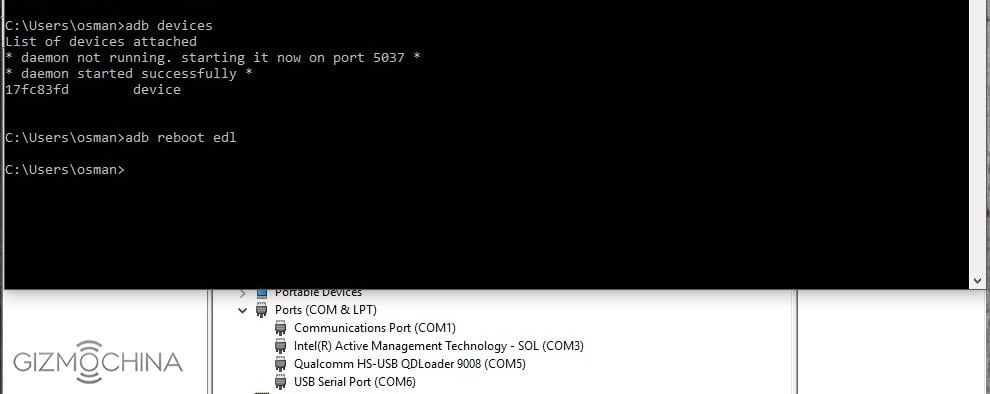
Let’s download those two. First link is our ROM, second is our Xiaomi’s Miflash FLASH tool. Before we install Miflash to our computer, open the command prompt and type this command :
“adb reboot edl”
This command will reboot our Mi5 to “Qualcomm HS-USB Qdloader” mode, this is Qualcomm’s service port on most Snapdragon based phones. Your phone will be completely dark, so nothing will be seen on the screen, and this is very normal. Here, we will use this port to flash our ROM, and you may see this port in some “bricked” situations too — for instance, if you have accidently corrupted some important partitions. So as you may guess now, this method can be used for unbricking our Qualcomm Snapdragon-based Xiaomi Mi5s too. If you face that kind of brick you can use this guide to rescue your phone, you will just have to change the ROM, rest will be the same. For Xiaomi, rescue ROMs are called “fastboot” ROMS and you can find them under this link :
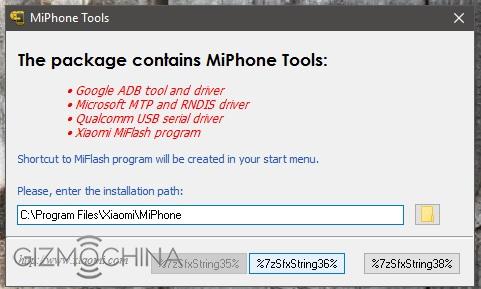
In my computer, all drivers are installed. Your PC will have a new unknown device under device manager after you reboot your phone to EDL (emergency download mode). Ignore it and start to setup Miflash that you downloaded, Miflash will install necessary drivers to your system , so don’t forget to choose “Install this driver software anyway” option when it asks, twice, and after it finishes you will see a new port named Qualcomm HS-USB Qdloader 9008 in your device manager too. The driver path will be “C:\Program Files (x86)\Xiaomi\MiPhone\Qualcomm\Driver”, in case you want/need to install your drivers again.
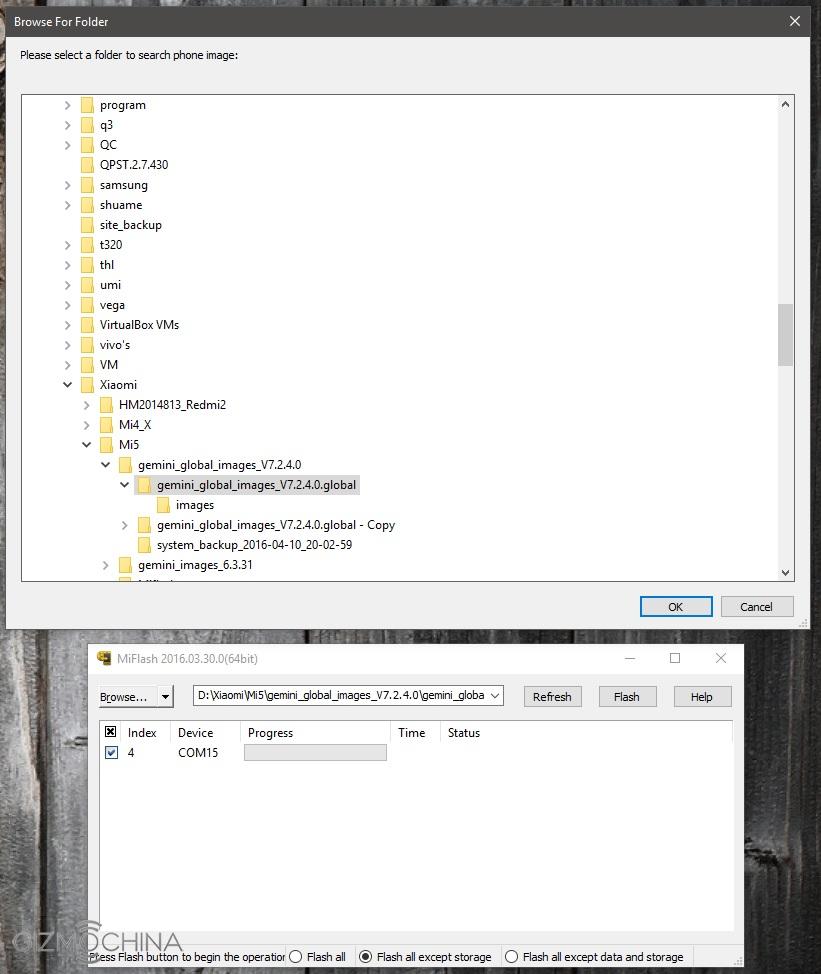
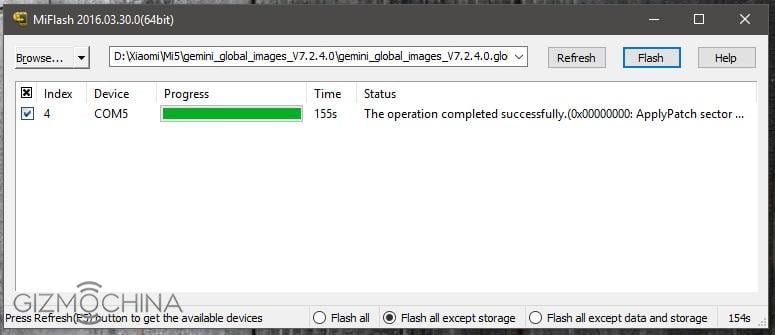
After you see your new EDL port, open the Miflash itself. Click “refresh” button and you’ll see your port there. Then click “Browse” and choose your downloaded ROM folder please (unzip it before you that). It will look like this :
As you can see in above picture, there are some options under the Miflash window. “Flash all“, “Flash all except storage” and “Flash all except data and storage“. If you want to wipe everything on your phone and do a clean flash choose first option, or if you want to keep your data in your storage (like pictures or What’s App folder etc), choose the second option. When you are ready click “flash” button.
It took 155 seconds for me to flash our new rom, this is my computer of course, and I wonder how long it will take on your PCs. Let’s compare and leave a comment. You can ask anything you want in comments, I will try to answer them all. After you see “The operation completed successfully” under “Status” section press your phone’s power button and boot it up. If you unplug the USB cable before it finishes you will brick your phone !
But, remember what I told before, don’t panic, unbricking procedure is the same — just repeat all the above steps again.
NOTE:For unlocked bootloaders, every step is the same, except, you don’t need to boot your Xiaomi to EDL/Qualcomm HS-USB Qdloader 9008 mode, just reboot your phone in “fastboot” mode while pressing “volume down -“ button while you are powering it. Then repeat Miflash steps again.
If you are in a bricked situation and you can’t boot your Xiaomi Mi5 except for fastboot mode— In this case, we have another fastboot command that will help us to unbrick our phone, just type this command in command prompt :
“fastboot oem edl”
Your phone will boot in EDL mode again, rest is the same as mentioned above.
Remember that I have told you to leave “USB debugging” on, no matter what? Let me explain it now. In case you bricked your phone and it does not boot normally, or in case your phone is stuck at the Mi logo and you don’t have “fastboot mode” either. Check your device manager for “ADB Interface”. If it’s there, just use this guide, starting from “adb reboot edl” command step and rest is the same. Now you see why leaving USB debugging “on” is so important ? This little trick can save us our phone back in just 155 seconds !
You can use this method for every Qualcomm Snapdragon-based Xiaomi phone including your Redmi Note 3 Pro (SD) or Redmi 3 / Pro etc., except for the “fastboot oem edl” command, this command will only work on some new Xiaomi phones.
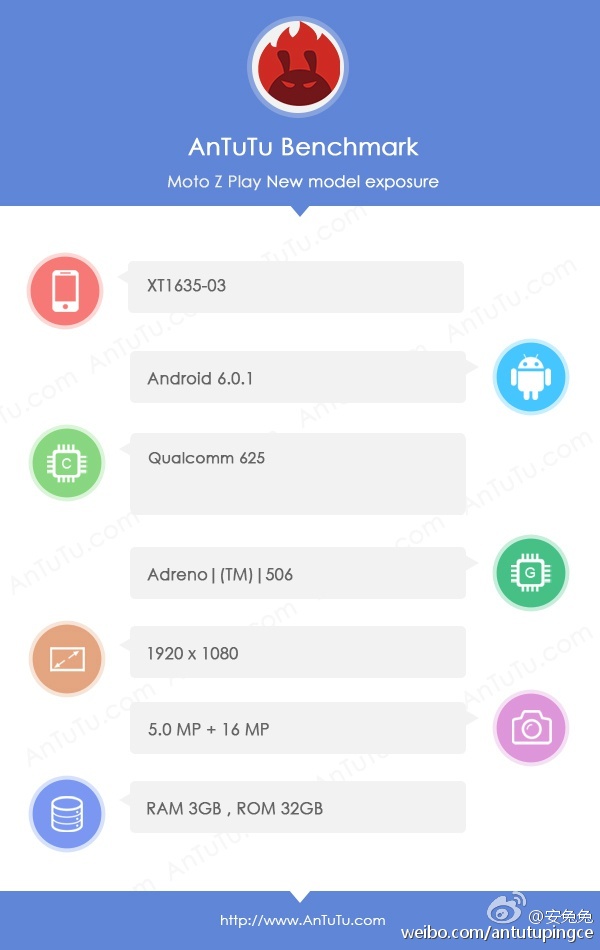
Motorola unveiled two new devices in its Moto Z series lineup a few weeks back. However, from the recent leaks and rumors, it looks like the company may have other devices in the lineup as well. The latest information we have is on the Chinese variant of Moto Z Play and it comes via a trusted source, namely the AnTuTu benchmarking app. The phone seems to have just run the benchmark app revealing most of its specs as well as its AnTuTu scores.
moto z play antutu
The Moto Z Play will be a toned down version in the flagship series. AnTuTu reveals that the phone will come with the Snapdragon 625 mid-range chipset along with 2GB / 3GB RAM and 16GB / 32GB ROM options. This clearly tells us that the phone is going to be a mid-range handset. Further, it will feature a 5.5-inch 1080p display up front and a 5MP shooter. There will be a 16MP camera at the back. It will run on Android 6.0.1. As for the score, AnTuTu reveals that it managed to get around 59K points, which is pretty good for a mid-ranger.
This is not the first time we are hearing that the Moto Z Play will feature Snapdragon 625. Earlier, a Geekbench listing had revealed that the phone will feature this mid-range chipset but that was the XT1635-01 model. This is the XT1635-03 model, which is probably why AnTuTu is referring to this as the Chinese variant. In case you remember, we had also seen the Moto Z Play on the Indian import export data website Zauba, a few days back. So, we could meet this handset soon.
Pricing is said to be around 1999 Yuan ($300), which if true, doesn’t really help the handset in the Chinese market considering you get Xiaomi Mi5 as well as ZUK Z2, both featuring Snapdragon 820 and better specs around this price.
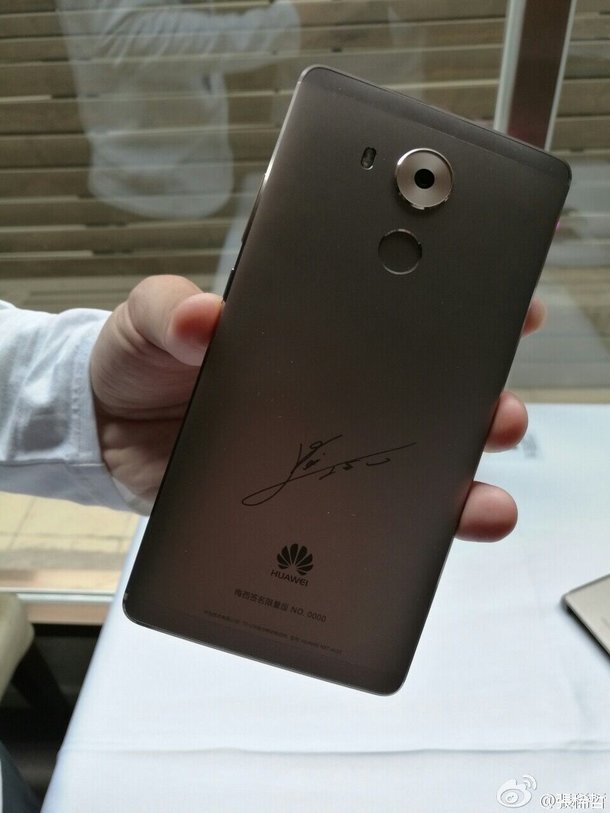
Although Huawei P9 is quite a powerful smartphone, the true flagship series of the company has always been the Huawei Mate series. This year, the company is all set to update the lineup and like in 2015, we might see two devices launched in the second half — first, the Huawei Mate S2 and later, the Huawei Mate 9. If the company continues the tradition as last year, then Mate S2 should be a gentle upgrade to the Mate 8 flagship, while we expect some powerful hardware on the Mate 9 which should be announced near the end of the year.
Mate 8 with Messi’s signature
Now, an insider seems to have revealed some details about the upcoming Mate 9 handset on Weibo. He states that the Huawei Mate 9 should be using the Kirin 970 chipset. What’s more, he adds that the chip will be built on the highly efficient TSMC’s 10nm FinFET process. The source further states that Helio X30 is another chip that is going to use this ultra-efficient manufacturing node from this Taiwanese semiconductor foundry.
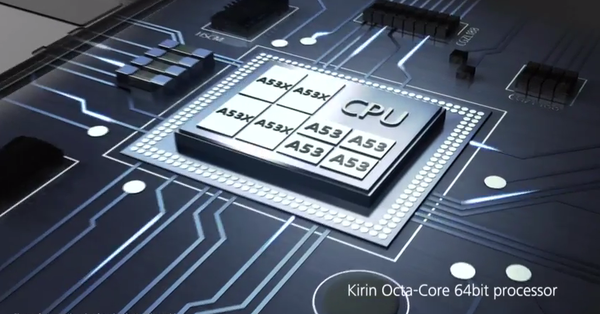
Now, we have been hearing rumors that the upcoming flagship was going to feature Kirin 960. In fact, we even have the possible specs of the 960 chip, unlike the Kirin 970 (about which we have hardly any info) mentioned by this insider. According to the previous information, the Kirin 960 chip is supposed to come with ARM Cortex A73 Artemis cores and Cortex A53 cores in big.LITTLE architecture with an upgraded GPU (possibly octa-core) and new LTE baseband including CDMA and Cat. 12 support. Moreover, this chip is said to be manufactured on TSMC’s 16nm process.
Considering the new information (rumor) we have at hand, it’s possible that Huawei decides to use the Kirin 960 for some of its upper mid-range smartphones like the upcoming Mate S2 and Kirin 970 for Mate 9 and next year’s top-end flagships.
We use cookies on our website to give you the most relevant experience by remembering your preferences and repeat visits. By clicking “Accept”, you consent to the use of ALL the cookies.
This website uses cookies to improve your experience while you navigate through the website. Out of these, the cookies that are categorized as necessary are stored on your browser as they are essential for the working of basic functionalities of the website. We also use third-party cookies that help us analyze and understand how you use this website. These cookies will be stored in your browser only with your consent. You also have the option to opt-out of these cookies. But opting out of some of these cookies may affect your browsing experience.
Necessary cookies are absolutely essential for the website to function properly. This category only includes cookies that ensures basic functionalities and security features of the website. These cookies do not store any personal information.
Any cookies that may not be particularly necessary for the website to function and is used specifically to collect user personal data via analytics, ads, other embedded contents are termed as non-necessary cookies. It is mandatory to procure user consent prior to running these cookies on your website.





























 menu and select Settings.