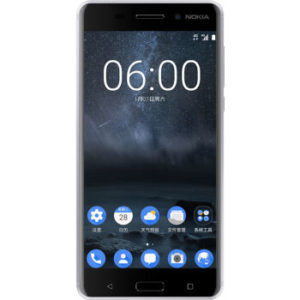
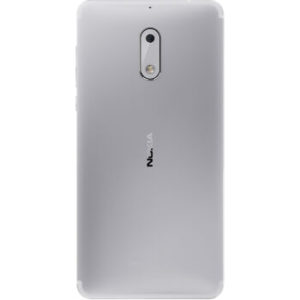
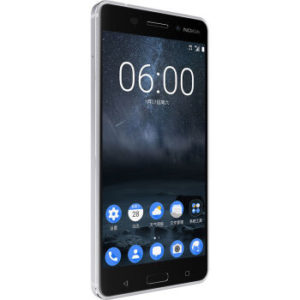
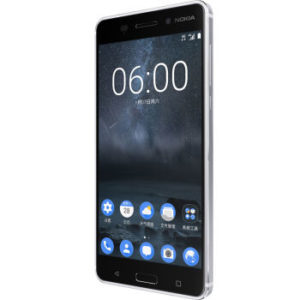
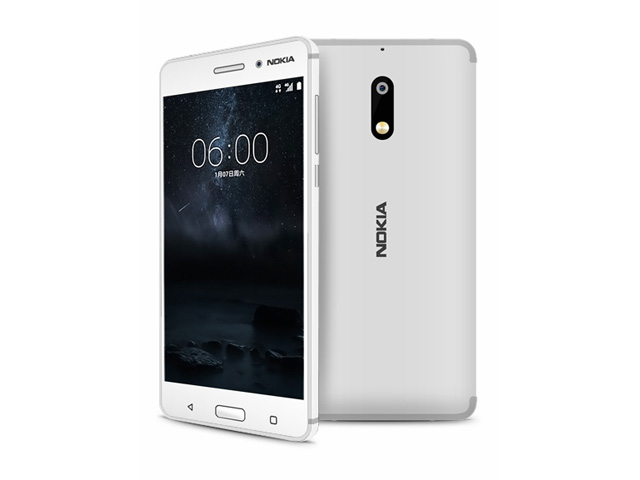
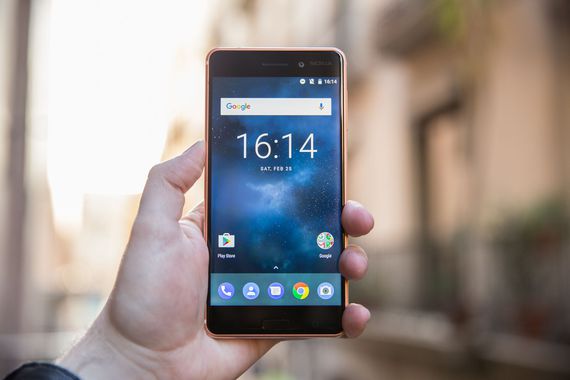
HMD’s latest Nokia 6 smartphone is now available in a new cool silver colour variant. If you think this is white, you might be forgiven because we had first spotted a white variant which appeared in the Philippines but this is quite different from that one in that the front of this silver variant is black but the white variant which is not yet official is white. The new silver coloured Nokia 6 is now available for registration on e-commerce platform Jingdong (JD.com) in China.
The Nokia 6 appeared on TENAA before launch arrayed in silver. So we were expecting this silver variant to go public soon. The Nokia 6 Silver variant joins the black variant in offering buyers two attractive options to choose from. But this is obviously a case of saving the best for the last, as the new silver coloured variant looks more premium and sleek without compromising the military grade metal body build which the device comes with. The external features like the oval home button, Nokia logo at the back and camera ring are highlighted in shiny silver, making this variant more attractive than the black coloured version.
However, this new variant comes with the same specs as the black-coloured variant and is available for the same 1699 Yuan (~$245) price. As a reminder, the Nokia 6 sports a 5.5-inch 1080 pixels display and is fired up by a Snapdragon 430 chipset which is backed by a huge 4GB of RAM. There is also 64GB of storage onboard with the option of expanding it further via microSD. On the camera end, the device packs a 16MP rear camera with a single LED flash lying just underneath it, as well as an 8MP front-facing camera for sleek selfies. There is an ample 3,000mAh battery crammed inside the smartphone as well.
The smartphone industry has come a long way, with lots of litigations along the way. Perhaps, the most hard-fought battle during the evolution of the industry was done by Google who endured years of patent trolling by companies with some form of relevant patents who wanted to cash in on the booming Android ecosystem. The number of litigations has dropped drastically, but that has not stopped Google from doing this. Google is reported to have signed a new agreement with some top Android phone manufacturers, including Samsung to collectively defend themselves against patent lawsuits, especially frivolous litigations by patent trolls.
The agreement is tagged “Android Networked Cross-License” and it brings together top shots in the industry like Samsung, LG, HTC. The group also calls the agreement “Pax” which is latin for “Peace”.The group will share patents among themselves for free and is also open for any other company to join for free.
The agreement has been in existence since January, signed by Samsung and LG with Google. Thereafter other companies including HTC, Foxconn, BQ, HMD (Nokia), Coolpad and Allview joined a month later. But the agreement is just being made public by Google now via a blog post. The members collectively own more than 230,000 patents worldwide. As more companies join, PAX will bring even more patent peace and value to its members through more freedom to innovate.
The blog post was authored by an Android business VP with Google, Jamie Rosenberg and although he did not disclose the full content of the agreement, he hinted that under the agreement, members grant each other royalty-free patent licences covering Android and Google Applications on qualified devices. Perhaps, tech companies are beginning to realise that licensing and not litigation is the best way forward. This is a good one, and would likely scare off potential patent trolls.
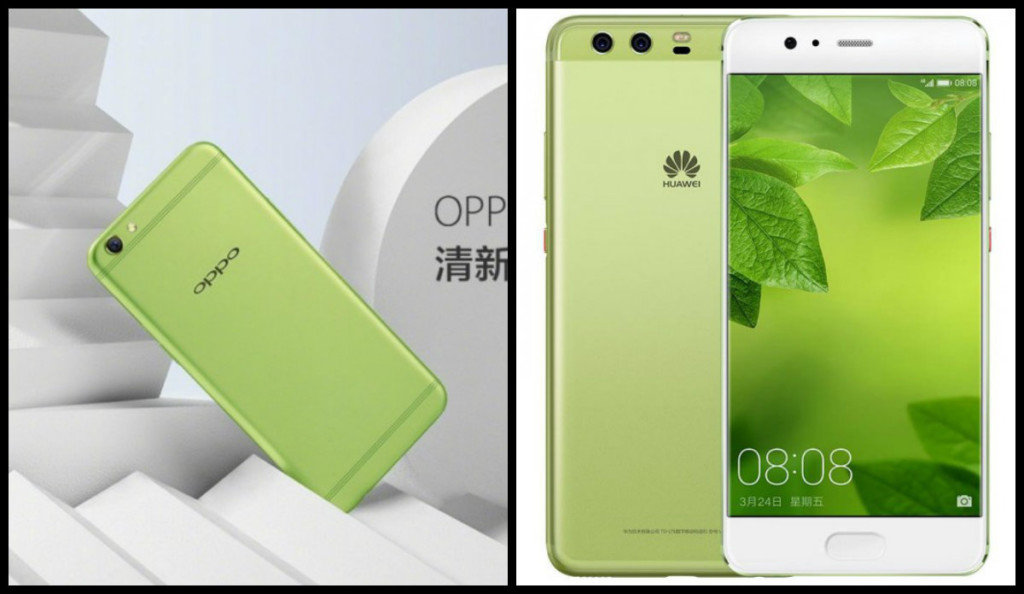
Green seems to be the new unique color choice among manufacturers, and we have seen two big manufacturers namely Huawei and OPPO release their models in a green shade. The Huawei P10 which was just announced a few weeks back gets a Greenery shade, while the OPPO R9S, which was announced late last year also got a similar OPPO R9S Green edition. Both use similar green shade, a bit different than what we have seen before on smartphones.
Now, if you can’t recollect, there were a few green colored smartphones in the market before, like the Nokia Lumia 630, iPhone 5C and even the Meizu M1 Note. They all had green variants, but as you might have noticed, they all are mid-range phones at best. Green was never associated as a flagship color shade until this year, where the color has got some serious attention from big brands.
Unlike the usual bright green shades that we have seen until last year, the OPPO R9S and the Huawei P10, both use a different shade of green. It’s more like lime green, one of the lighter shades of green. It’s pleasant to the eyes but at the same time doesn’t fail to attract your attention.
So these are two shades of green on the devices. The OPPO R9S has a brighter shade while the Huawei P10 comes in a darker, duller shade of green. The R9S has a single shade of green throughout, except for the two antenna lines while the P10 comes with darker shade on the top part which houses the camera.
Note that the OPPO R9S Green Edition went on sale in China a couple of days back and the model was sold out within minutes!
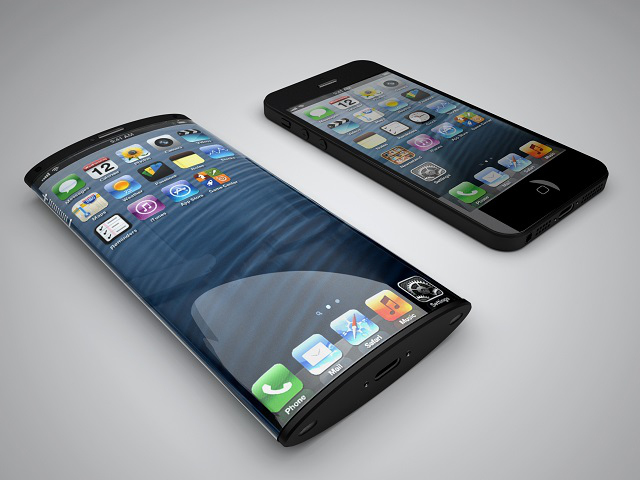
Previous rumors have hinted that since Apple is celebrating 10th anniversary for iPhones this year, the 2017 iPhone will feature an OLED screen. Fresh information coming from Japan has revealed that Apple has placed an order for 70 million OLED panels from Samsung for using them this year.
According to Nikkei, Samsung which will providing 70 million curved OLED panels to Apple will be its only supplier for 2017. David Hseish, the senior director of IHS Market research firm has stated that the South Korean company is prepping up to provide 95 million curved OLED panels to Apple in this year.
The report suggests that Apple would be releasing three iPhones this year. The iPhone 8 is rumored to be a premium smartphone that may sport a curved OLED panel of 5.2 inches. It would be the first time that the Cupertino company would be incorporating a curved display on its iPhone.
According to Hseih, it is likely that the Cupertino company may not release all the 70 million handsets featuring curved OLED display this year as some of these phones may shipped to the customers in 2018 depending on demand. The premium IPhone 8 is speculated to cost be priced over $1,000.
The other two iPhones that are rumored to launch as iPhone 7S and IPhone 7S Plus would be packed with LCD panels. As far as screen sizes are concerned, they will continue to feature 4.7-inch and 5.5-inch displays like the iPhone 7 and 7 Plus models. According to KGI Securities analyst, Ming-Chi Kuo, all the iPhones releasing in 2018 will be featuring OLED screens.
Due to the growing popularity of iPhones, Industry experts believe that this year Apple may achieve record breaking sales this year. Yuanta Investing Consulting analyst Jeff Pu has predicted that the Cupertino company would be selling 100 million iPhones in 2017 and it will be selling at least 55 million iPhones with OLED panels.
The three iPhones that are speculated to release this year are expected to support wireless charging. Also, these iPhones will be also coming with dust and water resistance chassis. Apple is also to rumored to introduce advanced facial recognition through a 3D sensor. This will feature is speculated to be exclusively available on iPhone 8. Also, the iPhone 8 may not have a physical Home button whereas the other two models are expected to feature it.
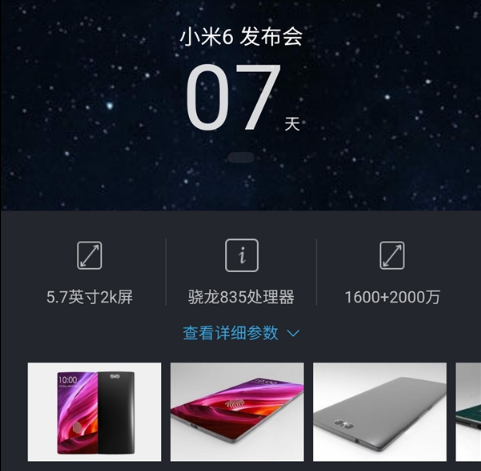
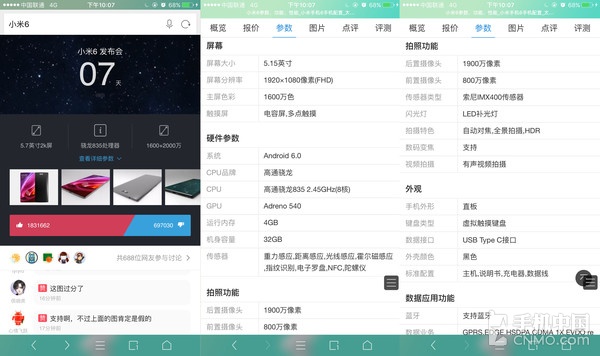
UPDATE: Xiaomi’s Mobile Phone Marketing Director, Zang Zhiyuan clarified on Weibo that this listing is not real. It was meant to be a test done by UCBrowser and the information revealed is not accurate.
Apparently, the Xiaomi Mi 6 launch is seven days away from today. That is if a leaked specs sheet of the Mi 6 which is said to have emanated from a search of the keyword “Xiaomi Mi 6” on UC browser in China is to be believed. The specs sheet shows that a seven days countdown towards the launch of the device has begun. To this end, we’ll be looking at a launch around April 11 if the countdown is correct.
The countdown page also contains a run down of the specifications the Xiaomi Mi 6 is expected to come with and among them is a 5.7-inch 2K display which should be for the Mi 6 Plus. The device is also listed to feature the Snapdragon 835 chip clocked at 2.45GHz, as well as the Adreno 540 GPU. Other listed specs include 4GB of RAM, 32GB storage and a SONY IMX400 camera sensor.
While the specs align with those that have leaked earlier on, we are not so sure about the images that were displayed along with the listing.Those are concept render of the Mi 6 that had leaked earlier so we don’t think they are real. In addition, we expect the Mi 6 to come with an IP68 dust and waterproof rating and as a result, the 3.5mm audio jack may be off.A recent rumour all hinted at the likelihood of a surprise 3499 Yuan ($522) price tag which negates the 1999 Yuan ($290) we are expecting the device to start at.
The Huawei MediaPad T3 was spotted in the previous month receiving Wi-Fi certification and approval from Federal Communications Commission (FCC). Hence some of the specs of MediaPad T3 have been already revealed. Popular tipster, Roland Quandt has spilled newer information on MediaPad T3.
According to Quandt, Huawei’s upcoming Android tablet named MediaPad T3 would be arriving in three variants with different screen sizes. The first model is Huawei MediaPad T3 that features a 7-inch screen and has an internal storage of 8 GB. It only supports Wi-Fi connectivity and it is priced at 129 euros ($137). This is the cheapest tablet of the four rumored Huawei tablets that are expected to launch soon. Unlike other models, it may not feature an LTE model.
The Huawei MediaPad T3 8 has an 8-inch display and the MediaPad T3 10 has a 10-inch display. Both the tablets are speculated to be arriving with 2 GB of RAM and 16 GB of native storage. The Wi-Fi only and LITE variants of MediaPad T3 are expected to cost 219 euros ($233) and 239 euros (254), respectively. The MediaPad T3 10 Wi-Fi only and LTE variants are pegged to be available for 229 euros ($244) and 279 euros ($297), respectively.
The Huawei MediaPad M3 Lite10 will also be coming with a 10-inch display and it will be equipped with 3 GB of RAM and 32 GB of native storage. Its Wi-Fi only variant may cost 329 euros ($350) whereas its LTE variant is poised to be available for 379 euros ($404). All the variants are rumored to be powered by MediaTek processors.
The actual U.S. based pricing for the above tablets are not available yet. These tablets may launch in Europe. Also, since the MediaPad T3 has been approved by FCC, it is likely that the tablet may also launch in the U.S. There are no details available on the release date of these MediaPad tablets.
Last year, Huawei entered into the tablet/laptop hybrid market with the Matebook. Released over a year ago, the Matebook is due for a successor and it just showed up on GeekBench.
The new Matebook codenamed “Pascal” and with model number HUAWEI H95-Pascal-W19 was benchmarked on the site last week. The specs revealed shows that it is powered by the Intel Core i5-7200U clocked at 2.71GHz and is paired with 8GB of RAM. The new processor is an upgrade over the Core M processor that graced the model released last year.
The benchmark result shows the new Matebook scoring 3651 points in the single-core test and 6738 points for the multi-core test.
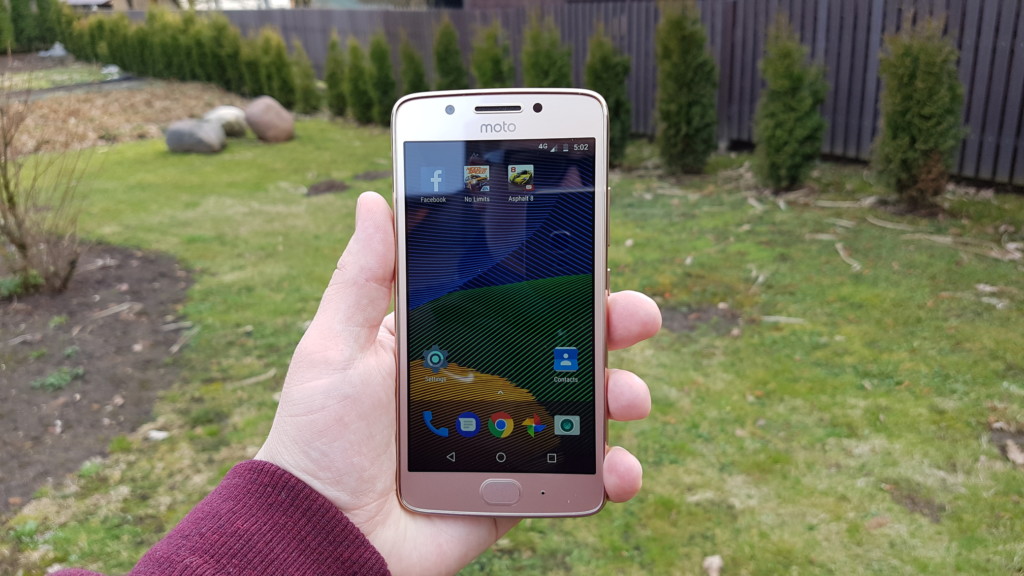
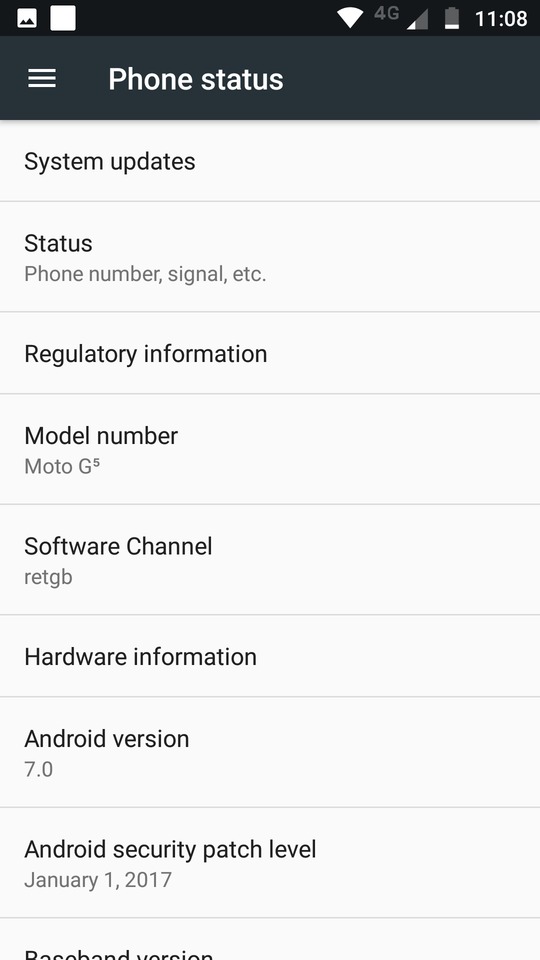
Moto G series has been widely successful over the years and the G5 is the new iteration of the Lenovo’s budget smartphones lineup. The Moto G5 sports pretty good specs, almost stock Android 7 and a lot more other features. Learn more in the full review.
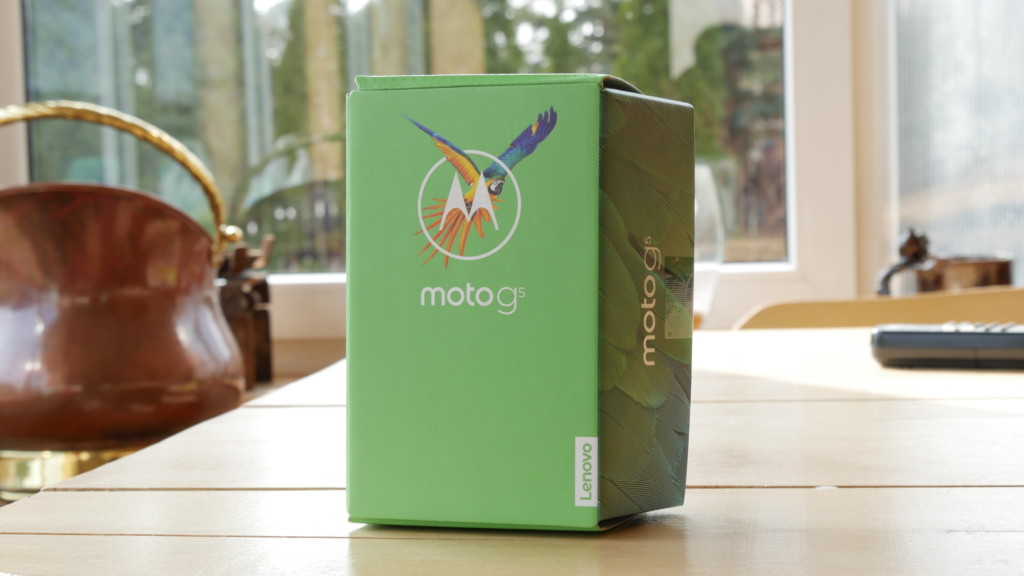
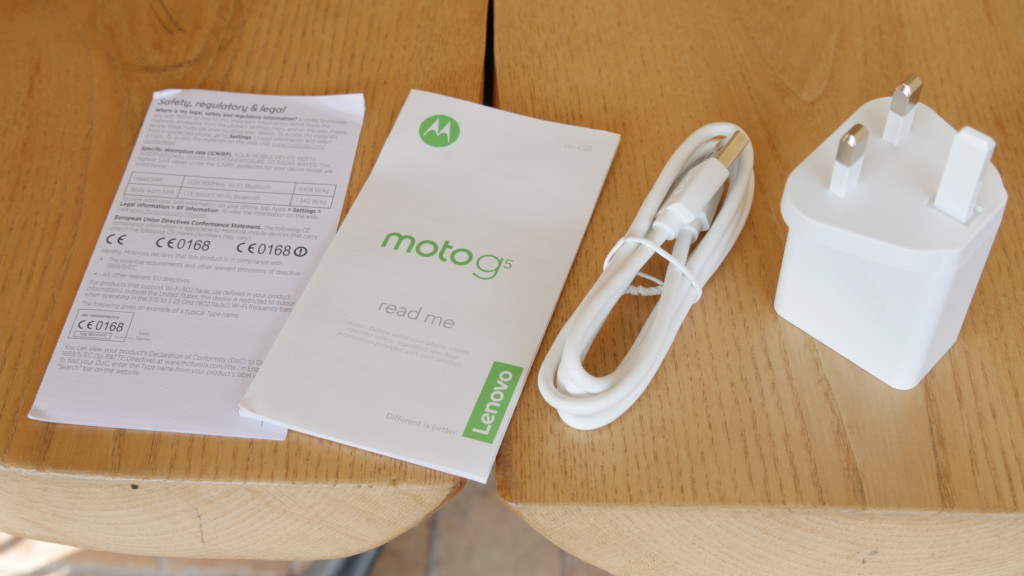
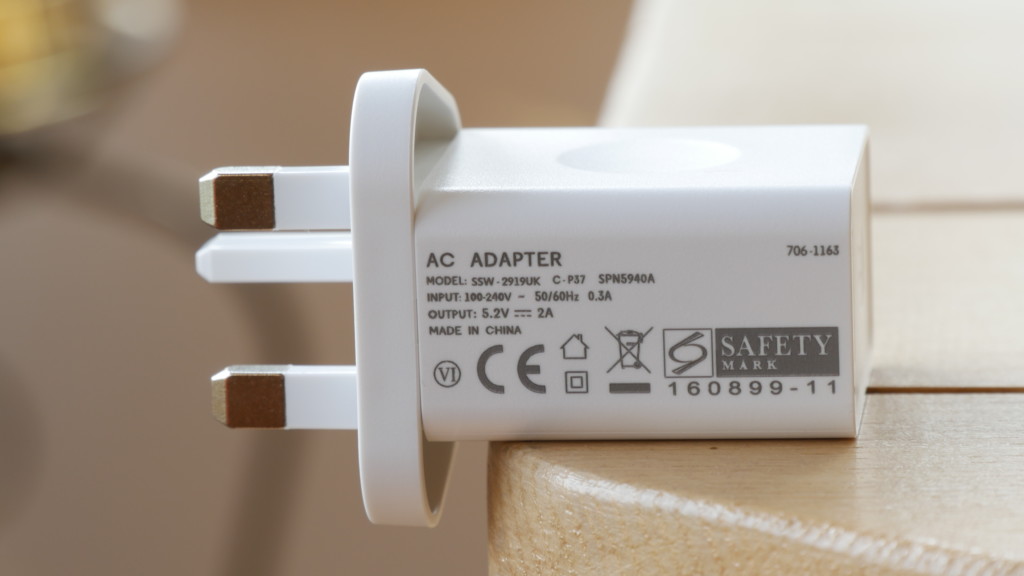
The Moto G5 ships with all the usual stuff, no extras included.
DESIGN and DISPLAY
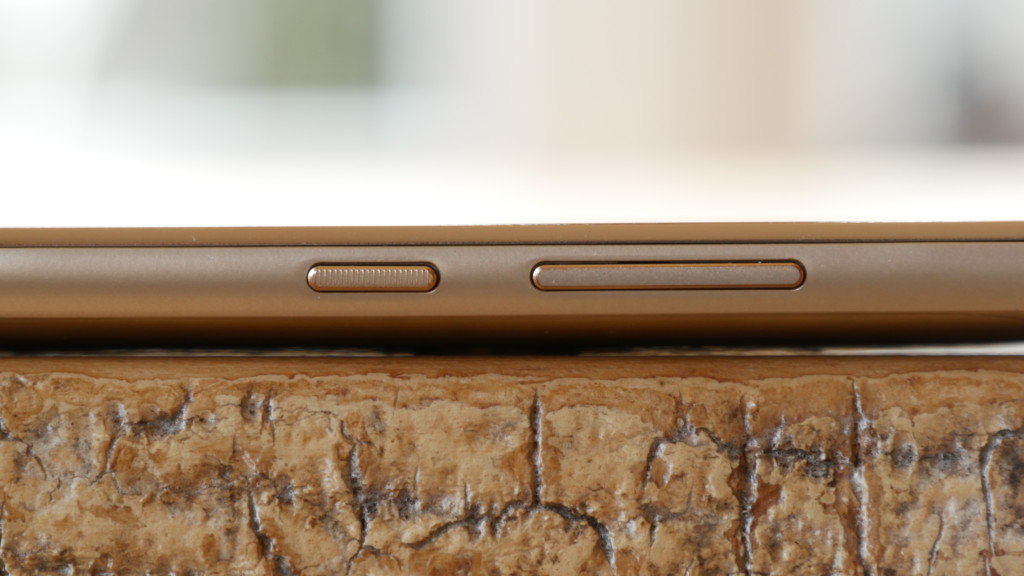
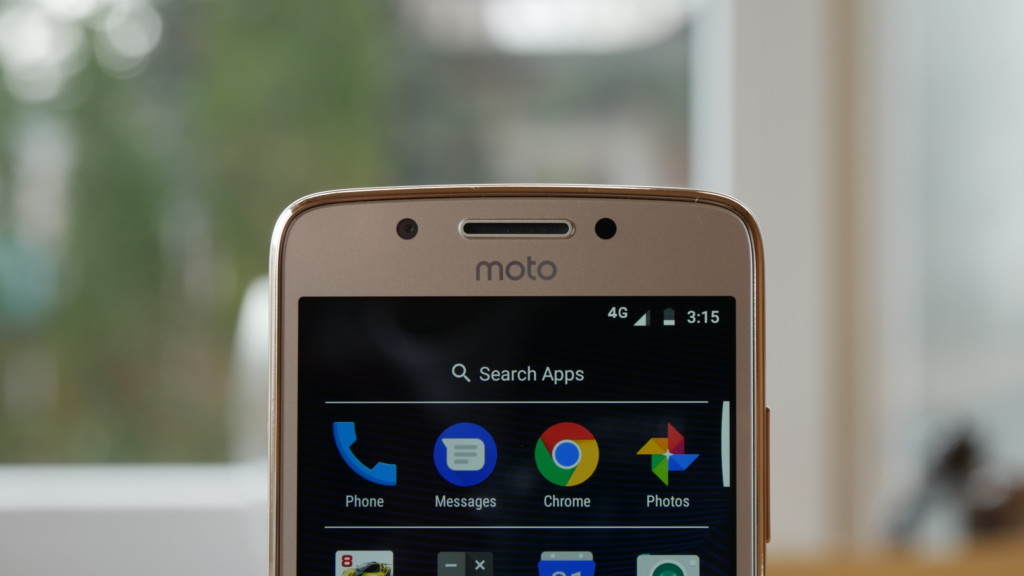
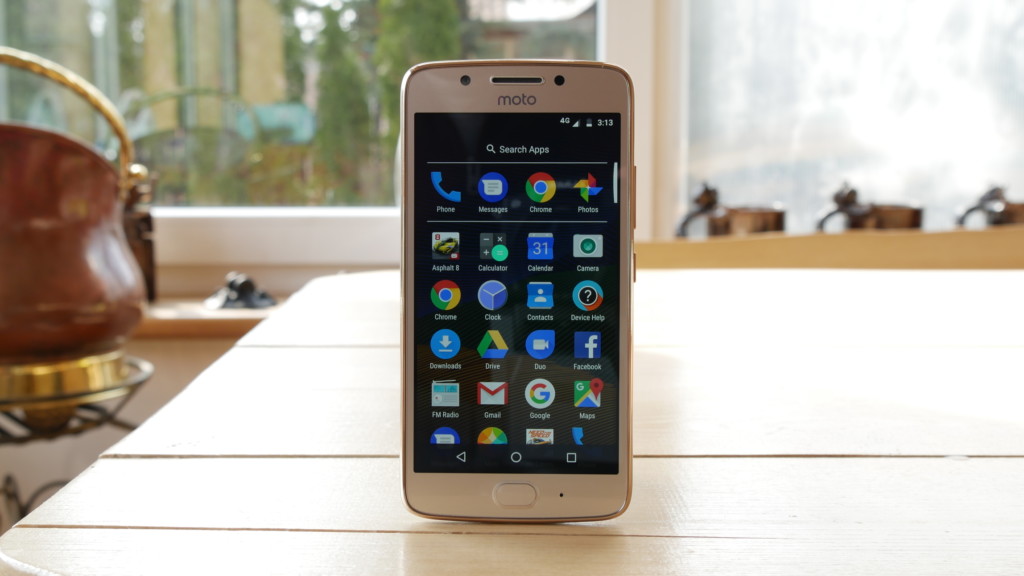
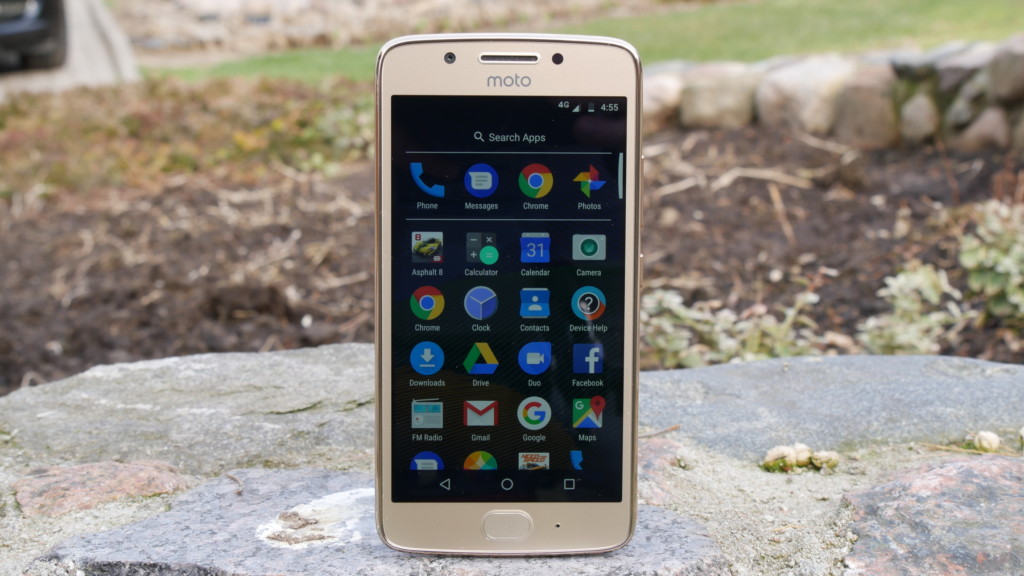
As far as design goes, I love that the phone is well-built, it sits comfortably in the hand and the buttons are tactile.
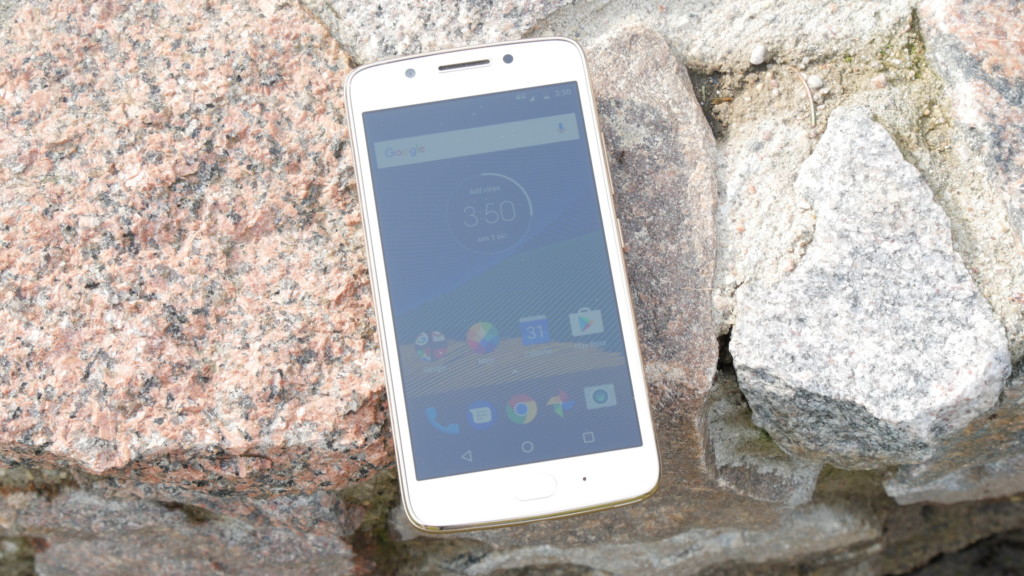
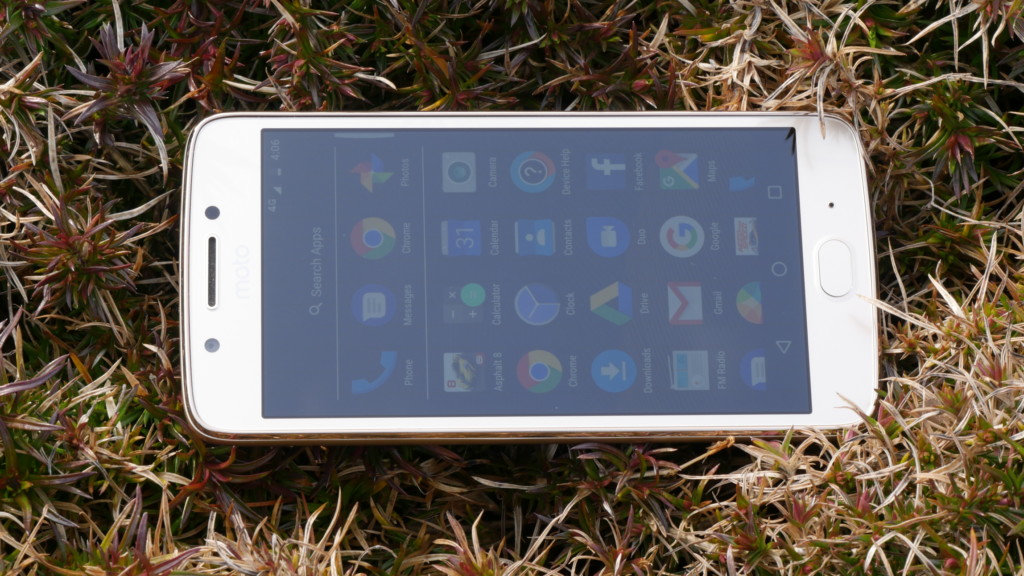
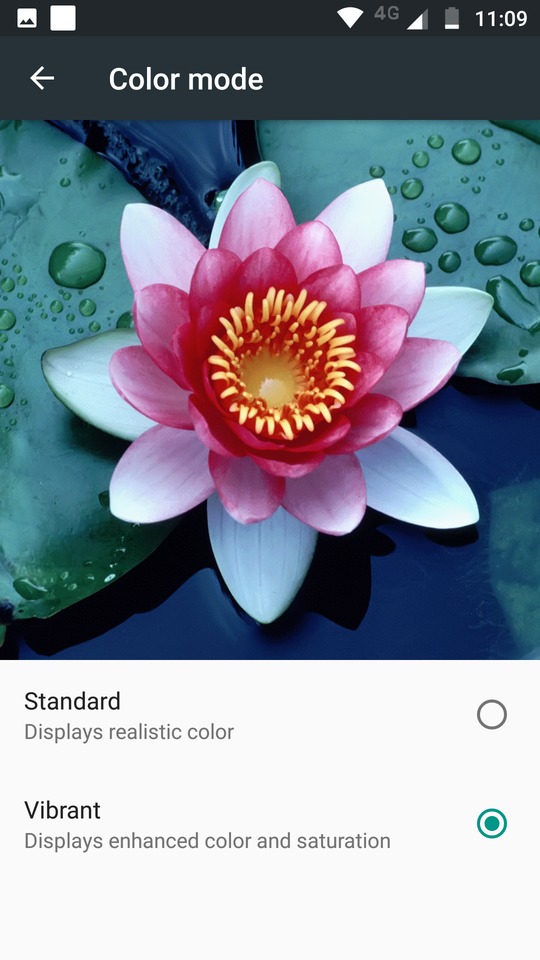
Also, I can manage the device in one hand due to its sharp and vibrant 5” 1080p LCD display. However, the direct sunlight legibility could be slightly better.
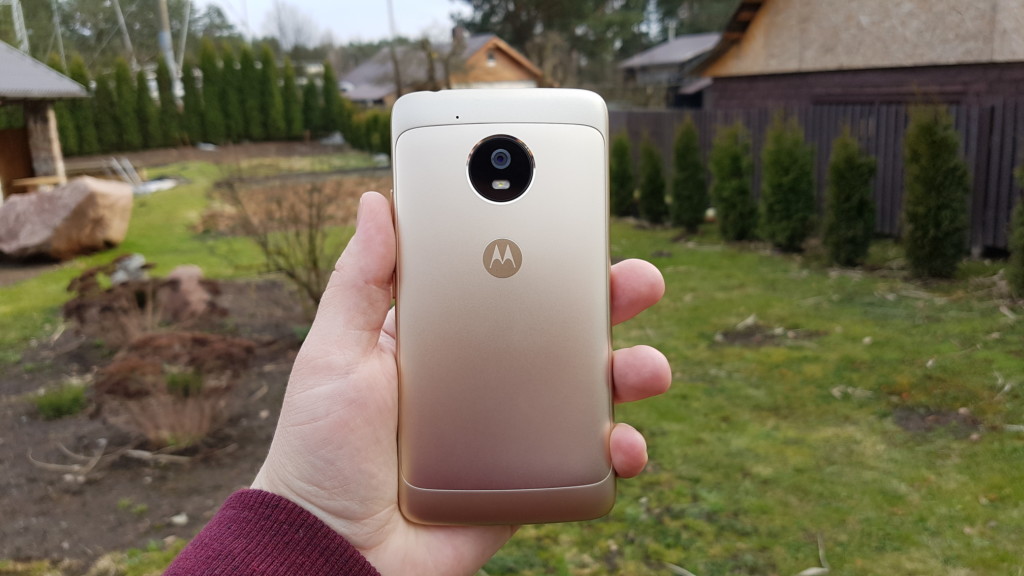
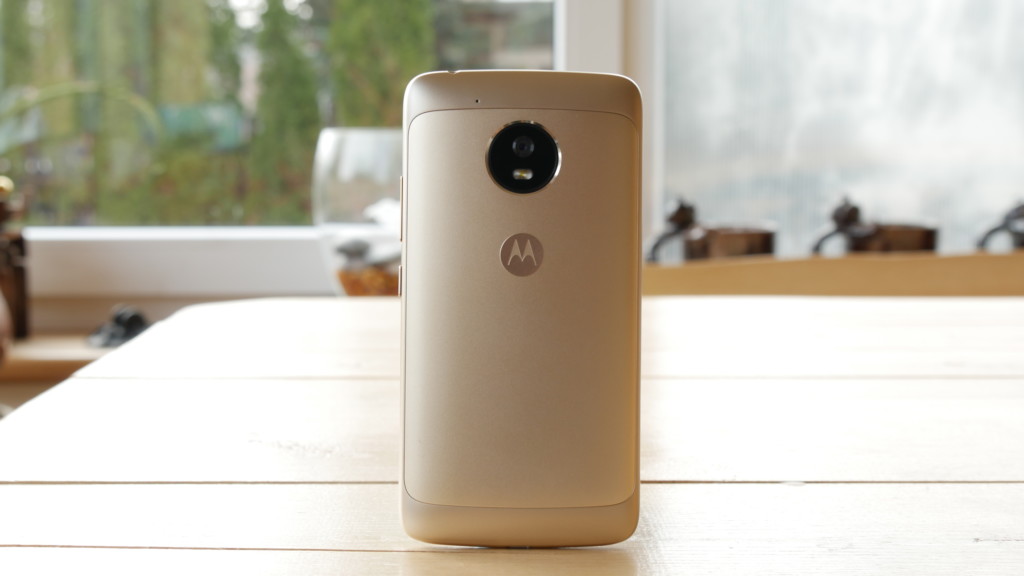
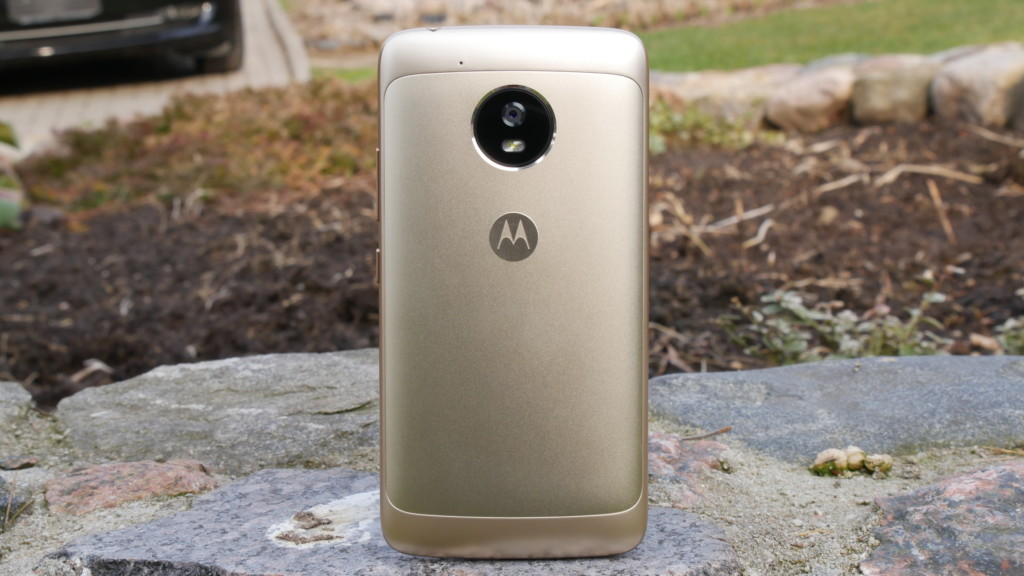
Even though the Moto G5 is well-built, the choice of materials does not really impress. Well, yes, we have a metal backplate, which is nice but the entire frame and buttons are made of plastic.
Also, that fake chrome plastic trim on the front looks kinds of cheap to me.
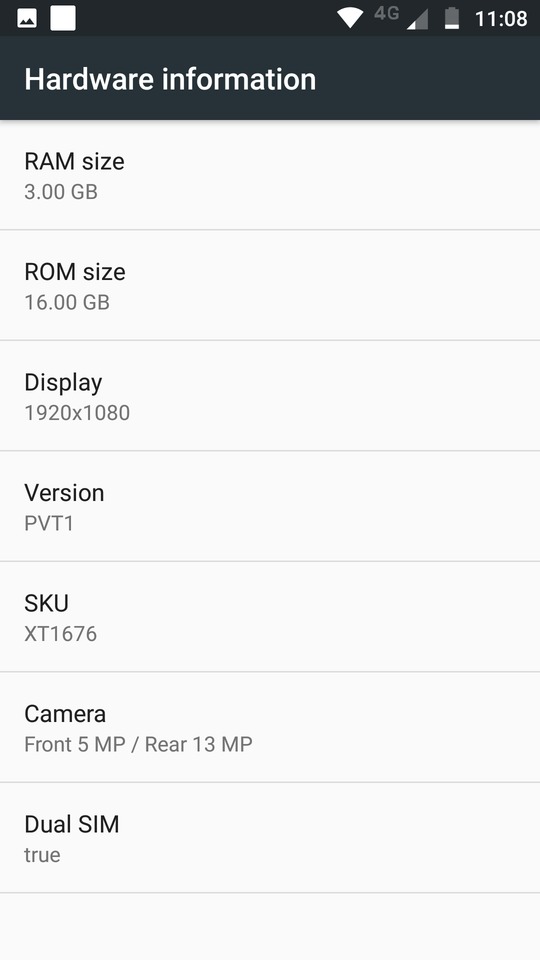
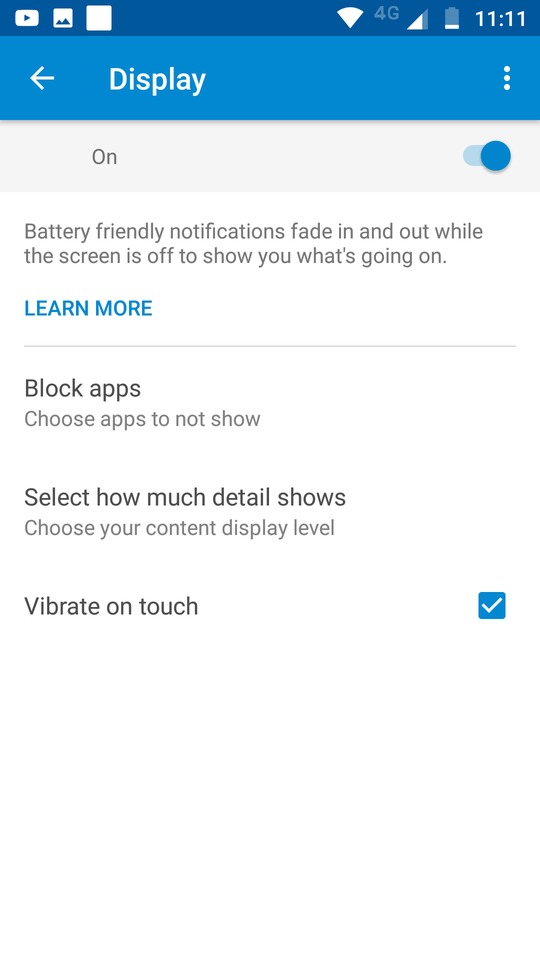
We have a 5MP camera for selfies along with the earpiece, which doubles as a front-facing loudspeaker. The sound quality is actually pretty good for a cheap phone. There is no LED notification light because the display lights on every time you pick it up to show you the essentials at a glance.
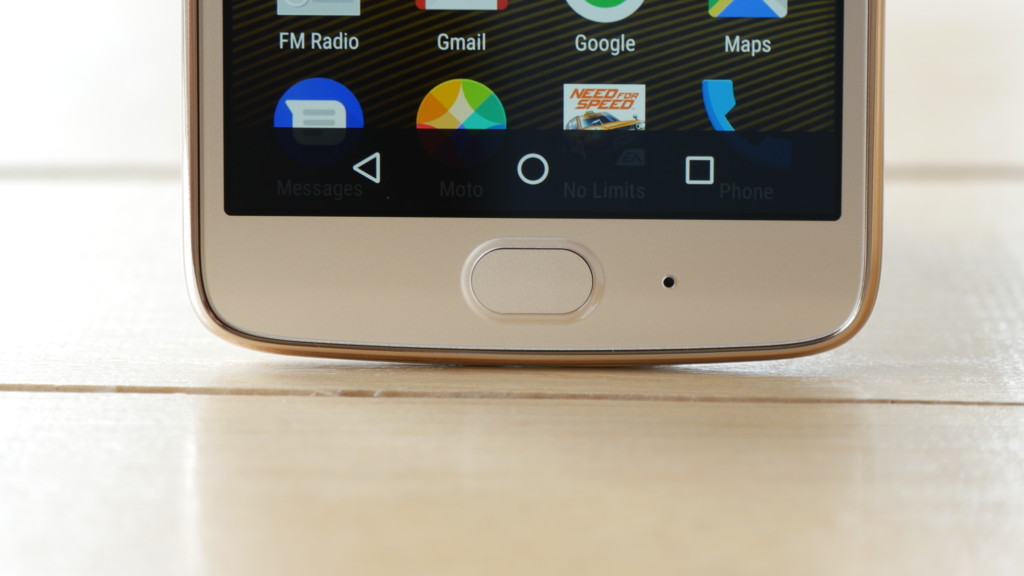
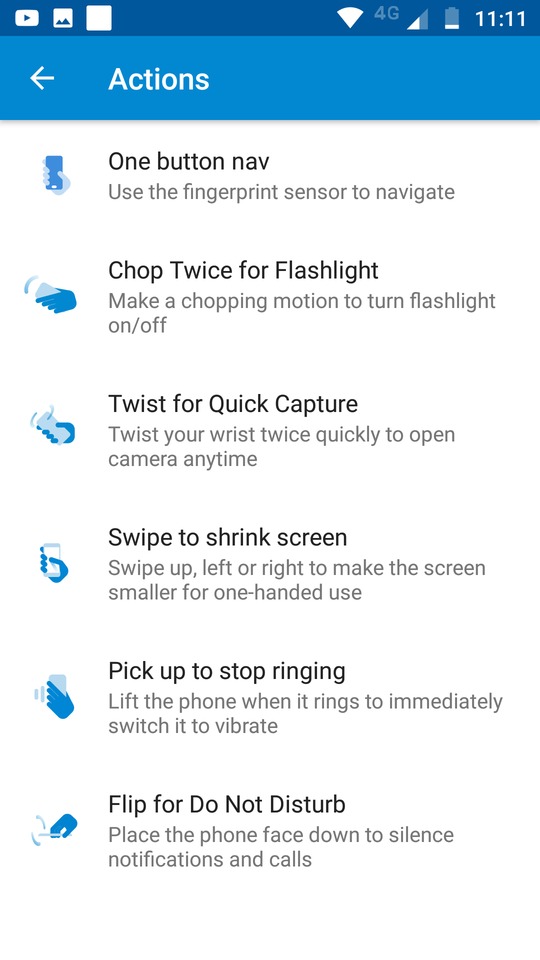
You can use either on-screen navigation keys or control the phone with just one button, which is one of my favorite features of this phone.
Firstly, you can unlock the device with the help of embedded fingerprint scanner, which is accurate and fast and you can use it straight from the standby mode. Secondly, you can lock the phone by tapping and holding the home key. If you hold the button longer, you will open up Google Assistant. If you swipe left, you will go back. Swiping to the right, opens up your recent apps and finally, tapping the button takes you home.
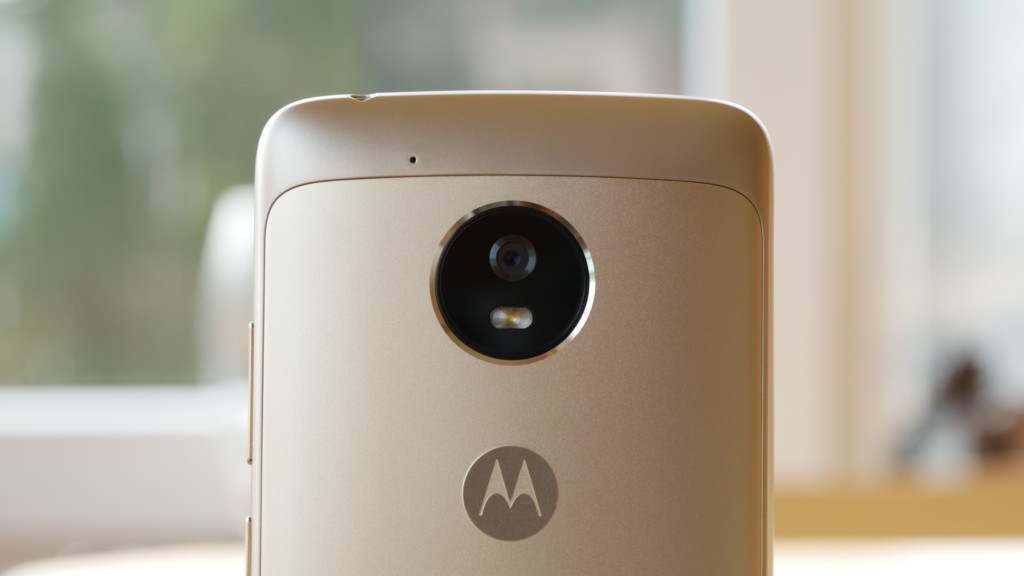
As for optics, we have a 13MP shooter with f/2.0 aperture lens and a single LED flash.
HARDWARE and PERFORMANCE
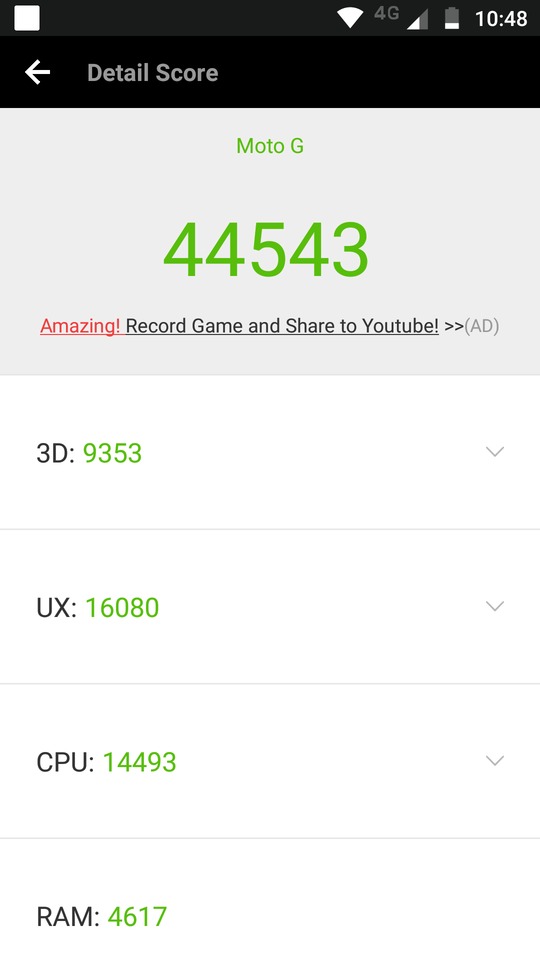
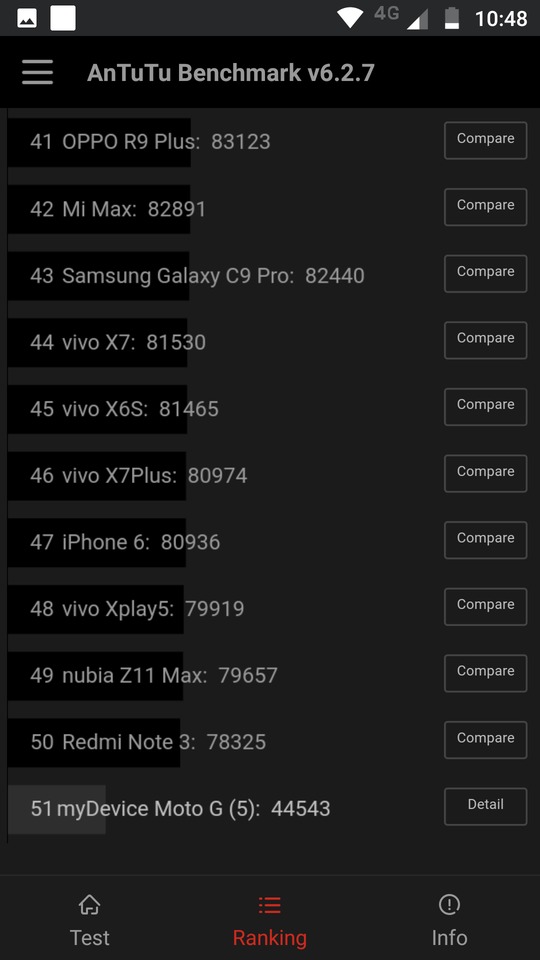
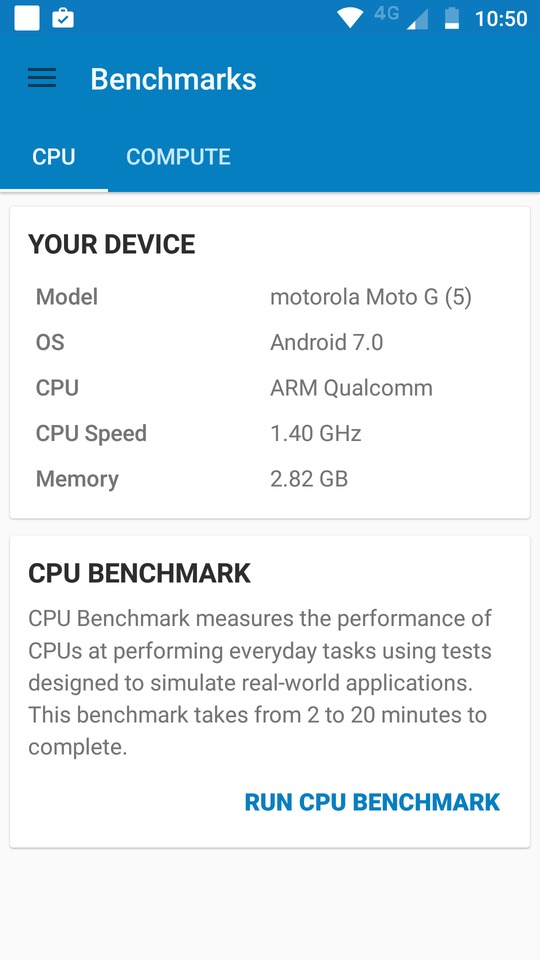
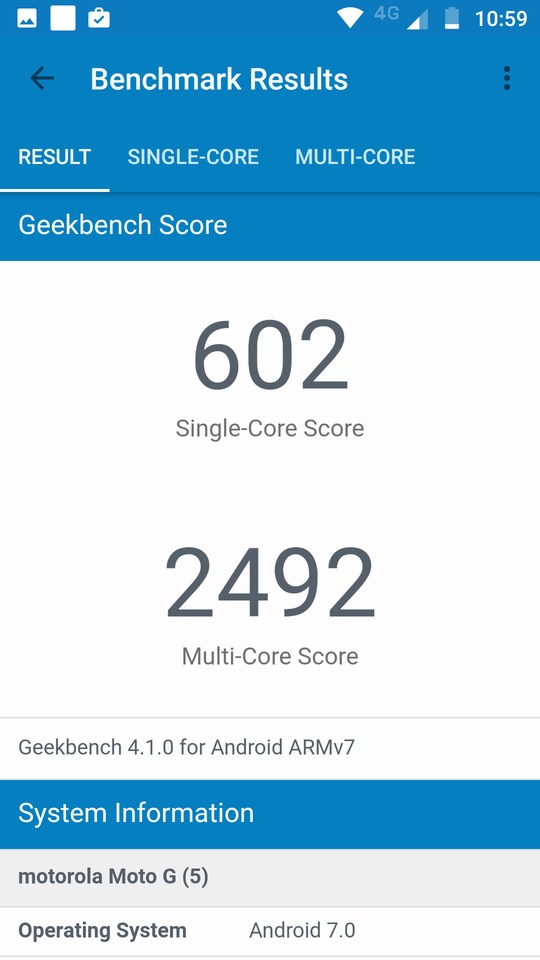
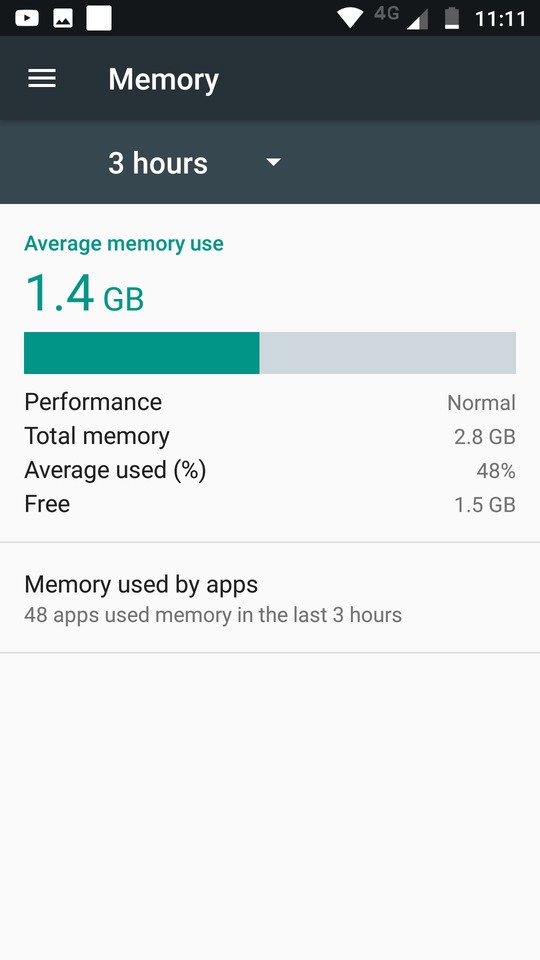
When it comes to hardware, the Moto G5 is kind of a low-end phone but Snapdragon 430 chip coupled with 3GB of RAM and 16GB of storage assures a great all-around performance.
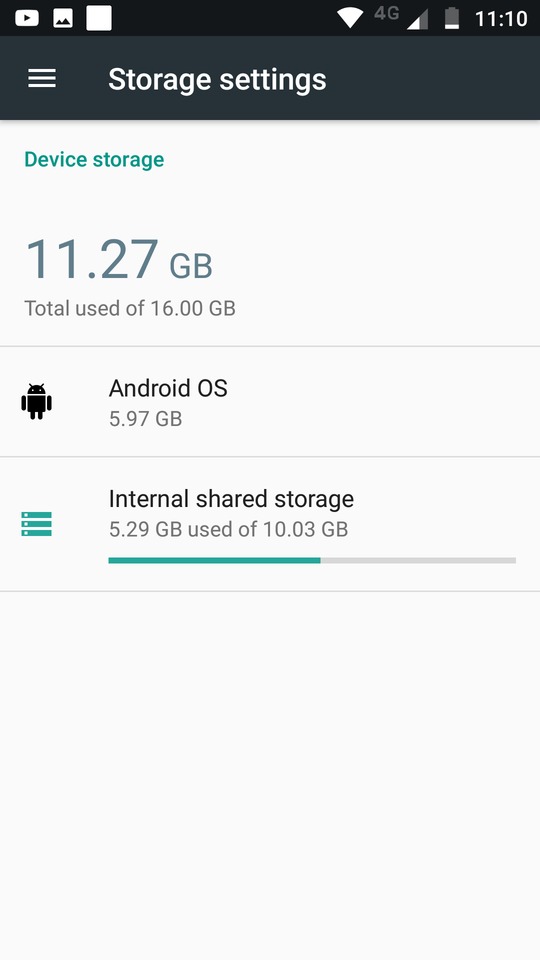
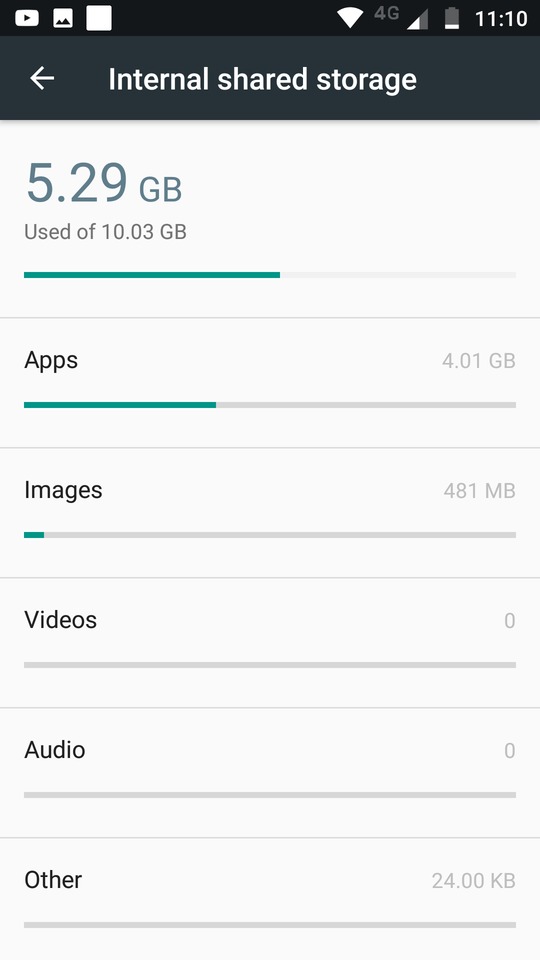
There is also a 2GB RAM model but it costs just $20 less, so I recommend you getting a 3GB RAM option. However, you may want to buy a microSD card since the phone has just 10GB of user-accessible storage.
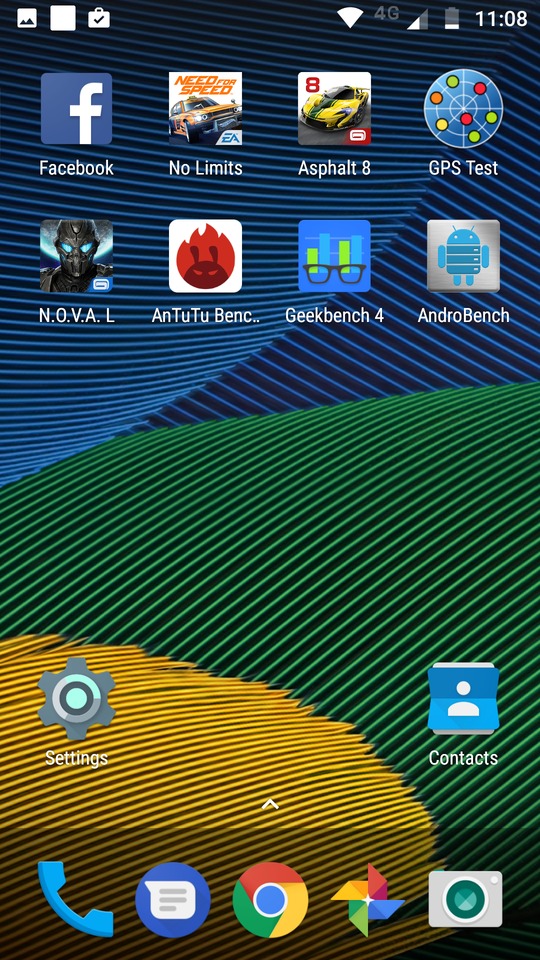
Once you start playing some 3D games, you realize that software is optimized to make the best out of the Snapdragon 430 processor. In fact, games like Asphalt 8 run smoothly even on the highest graphics setting, which is really impressive. Finally, the phone does not overheat.
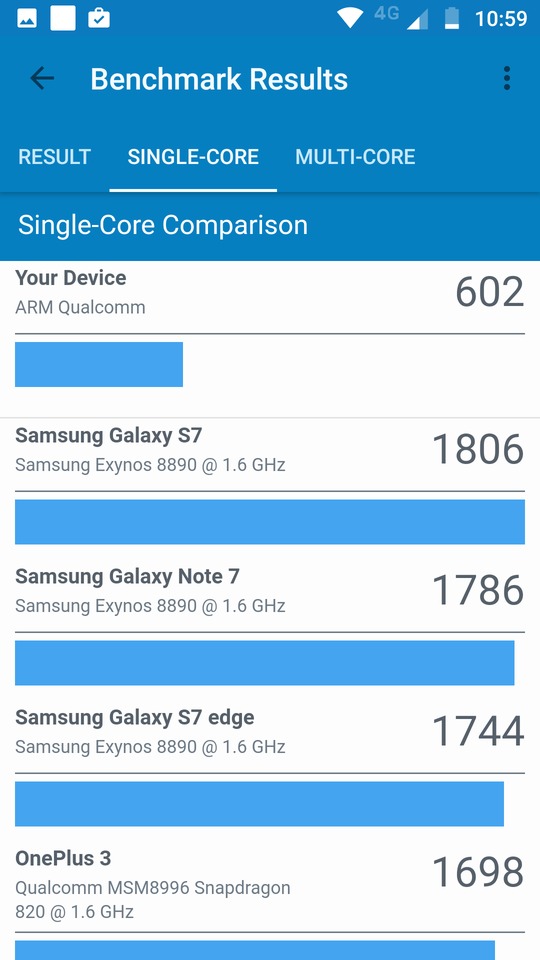
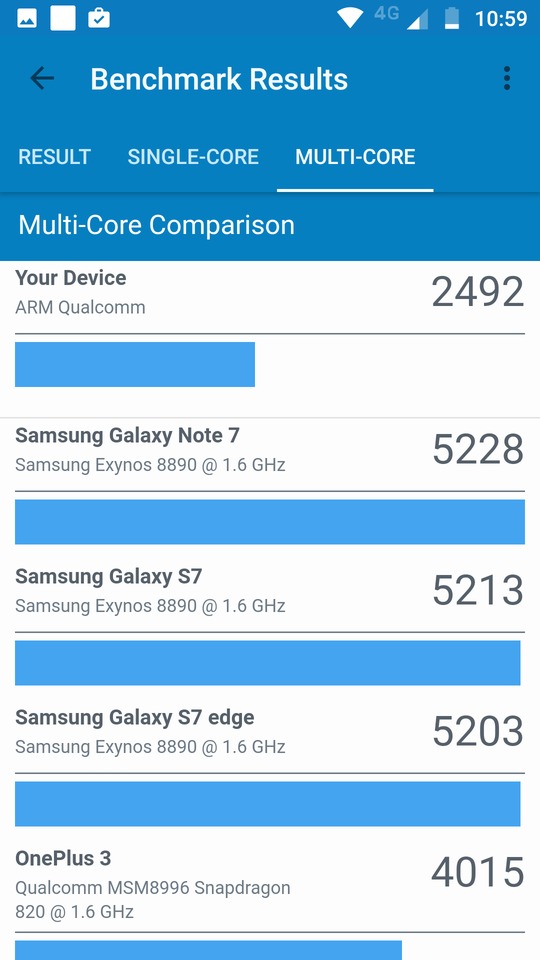
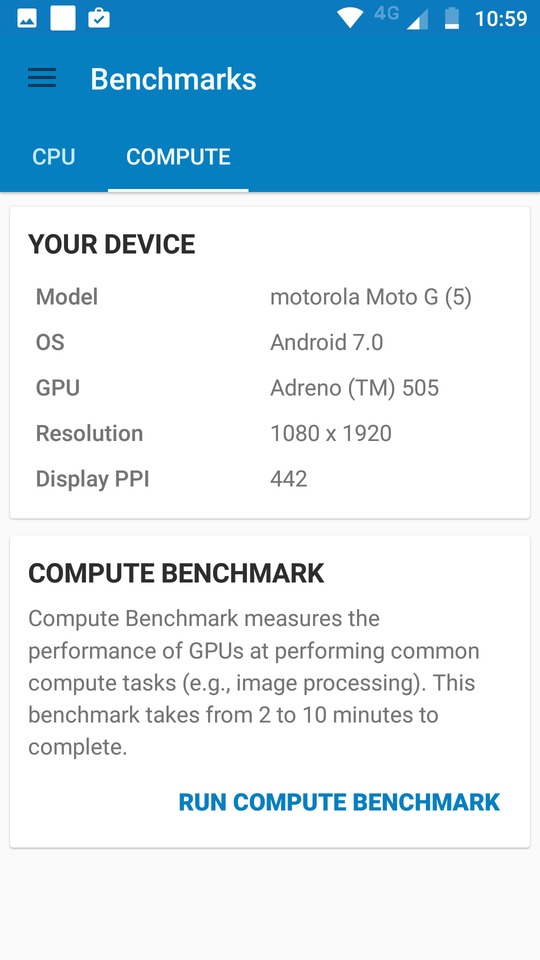
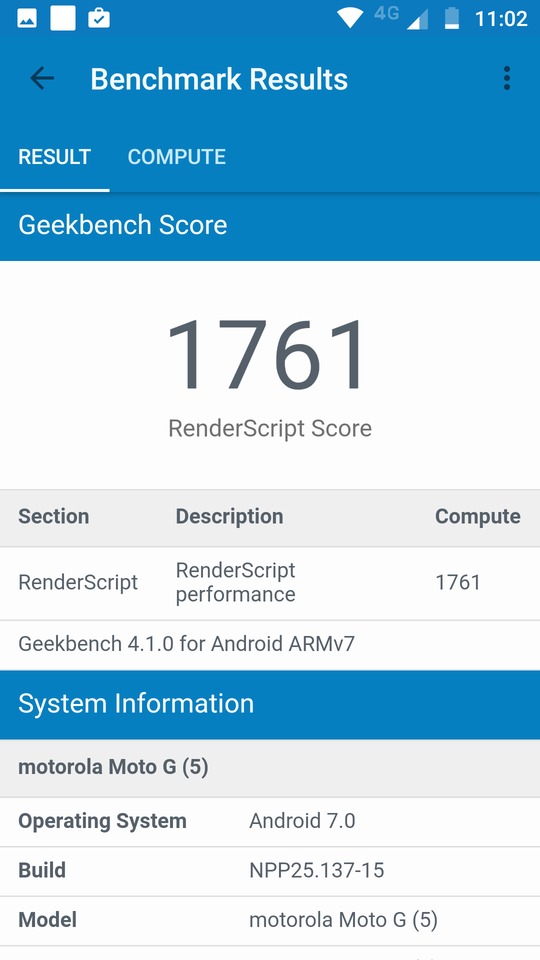
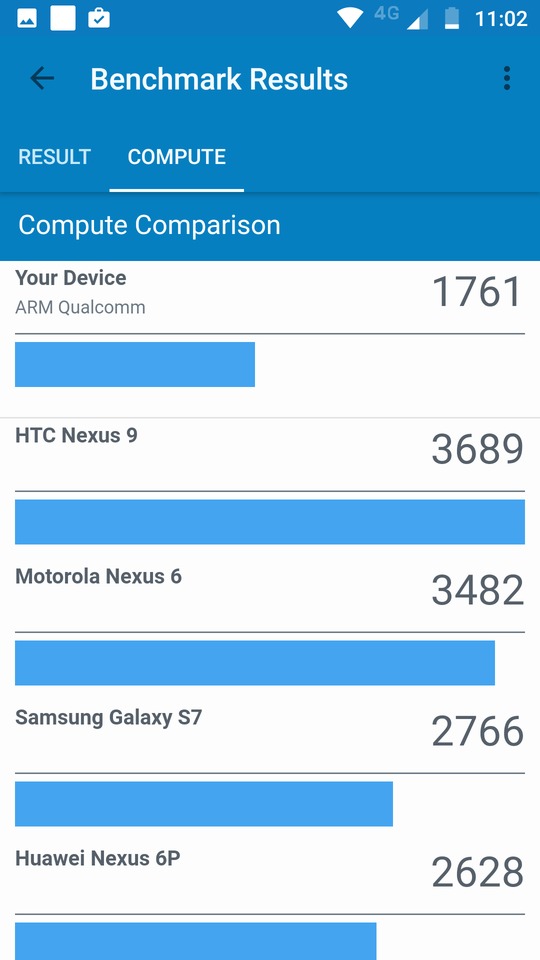
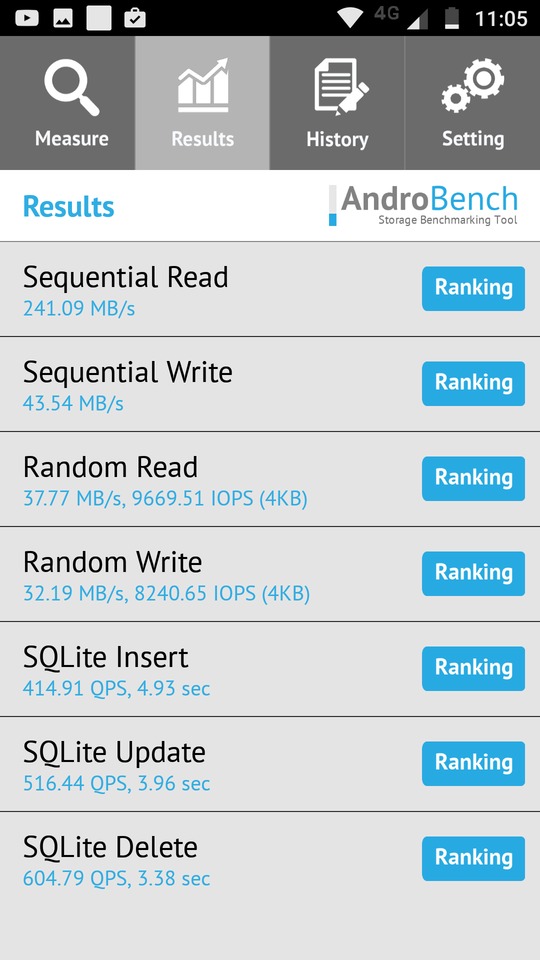
BENCHMARKS
USER INTERFACE
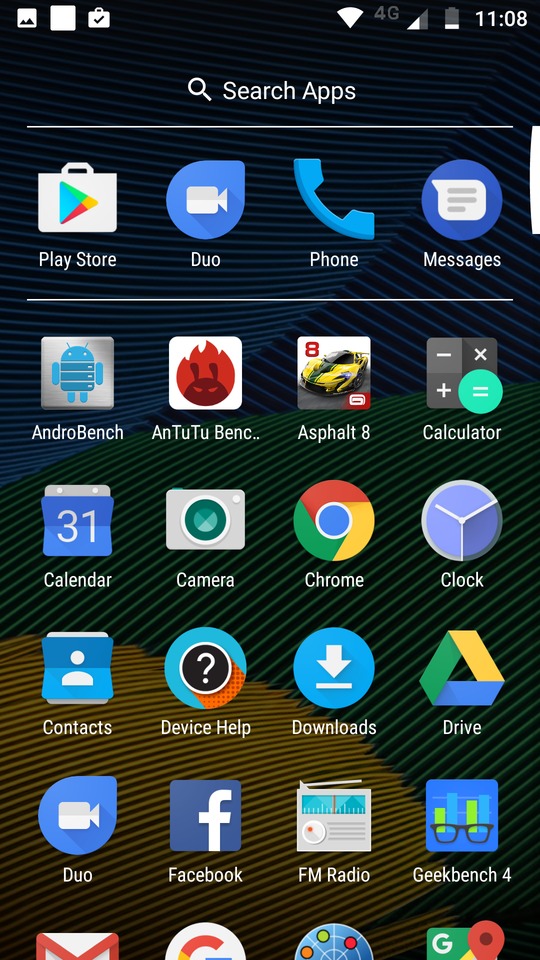
The software is what makes me love the Moto G5. The phone ships with almost stock-looking Android 7 out of the box, meaning that the device is really snappy and fluid all the time.
I love some added features like gesture and motion controls that work just great. My favorites include chopping the phone twice to turn on the flashlight and twisting the phone to turn on the camera. Even after installing quite a few apps, the Moto G5 has been running fast and this is the most important thing for any phone.
CAMERAS
The camera app allows you to take pictures quite fast and the app is easy to use. I love that there is an auto-HDR mode, which is kind of rare on budget devices.
When it comes to the image quality, the pictures are one of the best in any sub-$200 phone. Most of the images looks sharp, detailed and the dynamic range adjustment is pretty good. The only complaint would be that the colours may look a bit washed out in some of the shots.
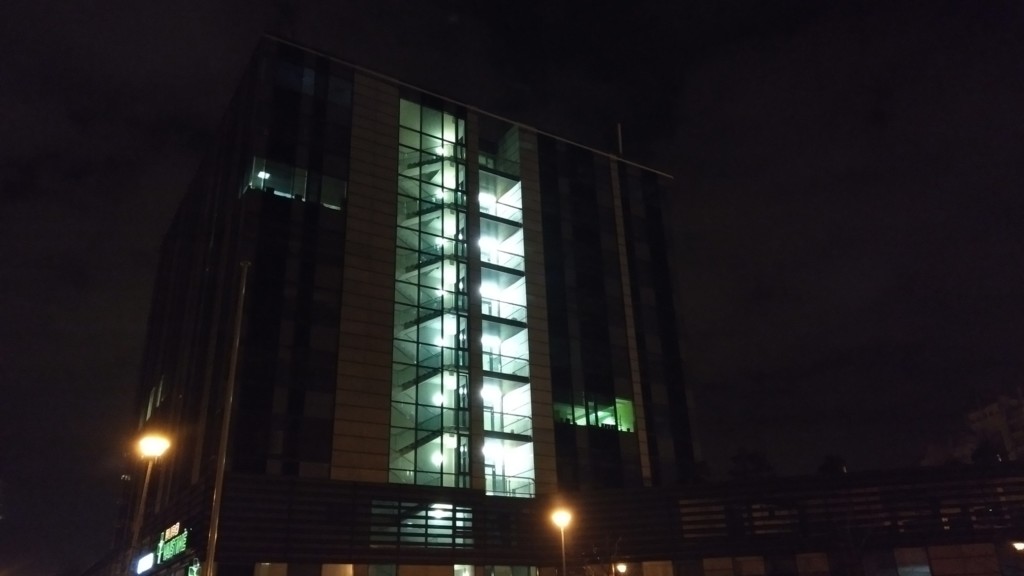
Most of the budget phones’ cameras are terrible in low-light but the Moto G5 is one of the best I’ve seen in this price range as the camera does a decent job with noise reduction.
The selfies look pretty good too and there is plenty of image quality for social media needs.
The 1080p video quality is good. There is plenty of detail, the video stabilization is decent and the continuous auto-focus works fine. However, there are quite a few video artifacts and the sound recording quality is quite terrible. The selfie video quality is decent but again, the sound recording quality does not impress.
CONNECTIVITY
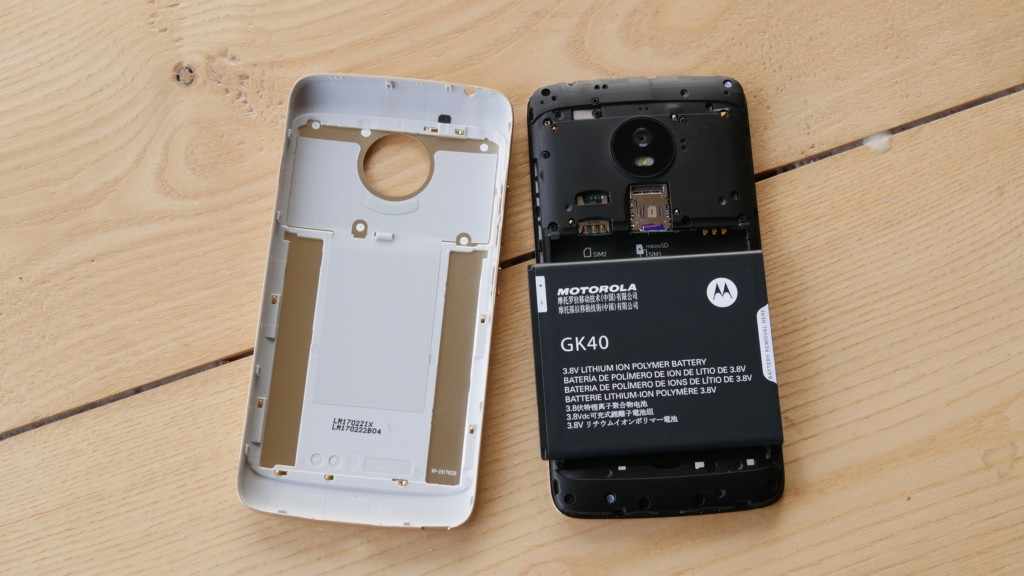
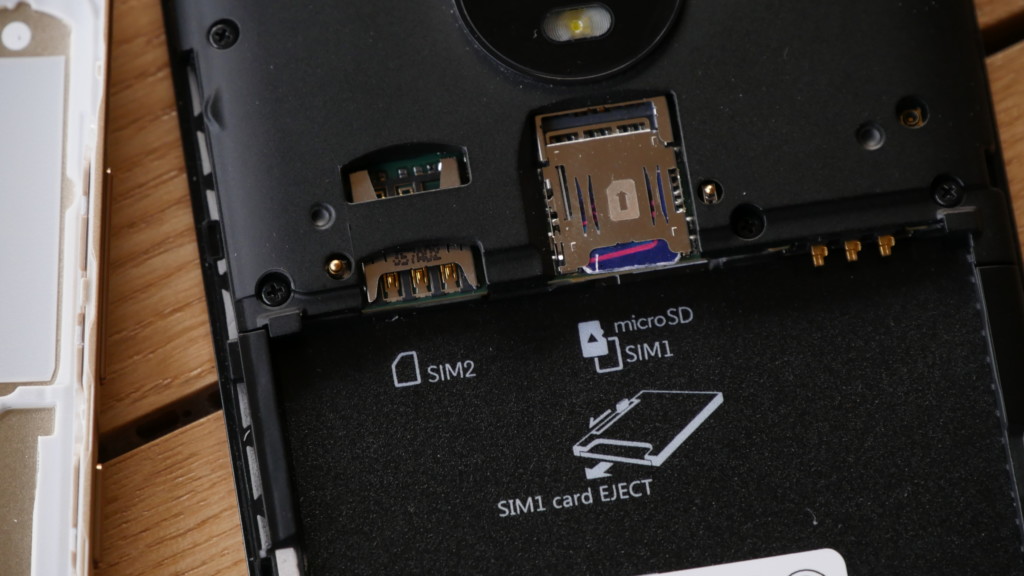
You can remove the backplate to access your two SIM slots and the microSD card slot.
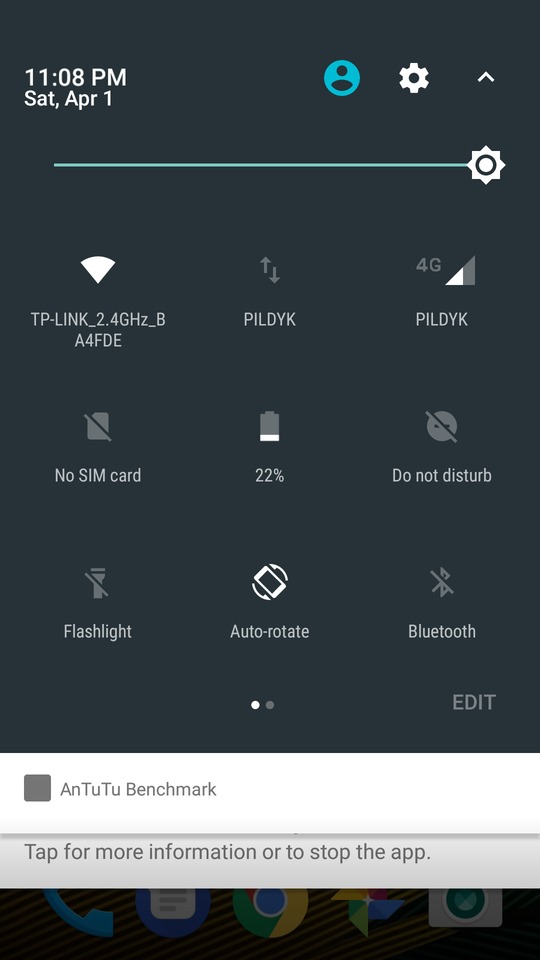
When it comes to connectivity, I have no complaints at all. Wifi and Bluetooth work fine, GPS is very accurate and finally, the signal reception and call quality are great as on most of the Moto phones.
BATTERY LIFE
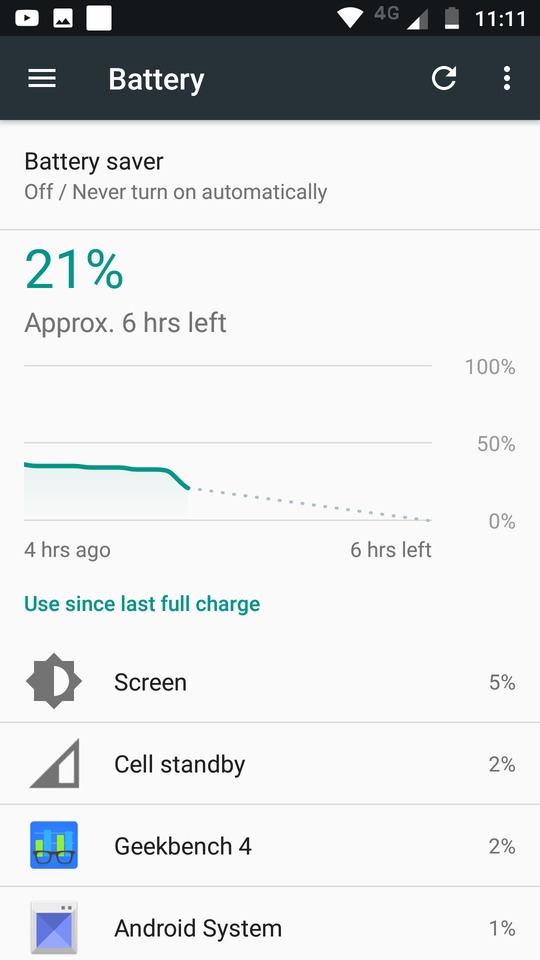
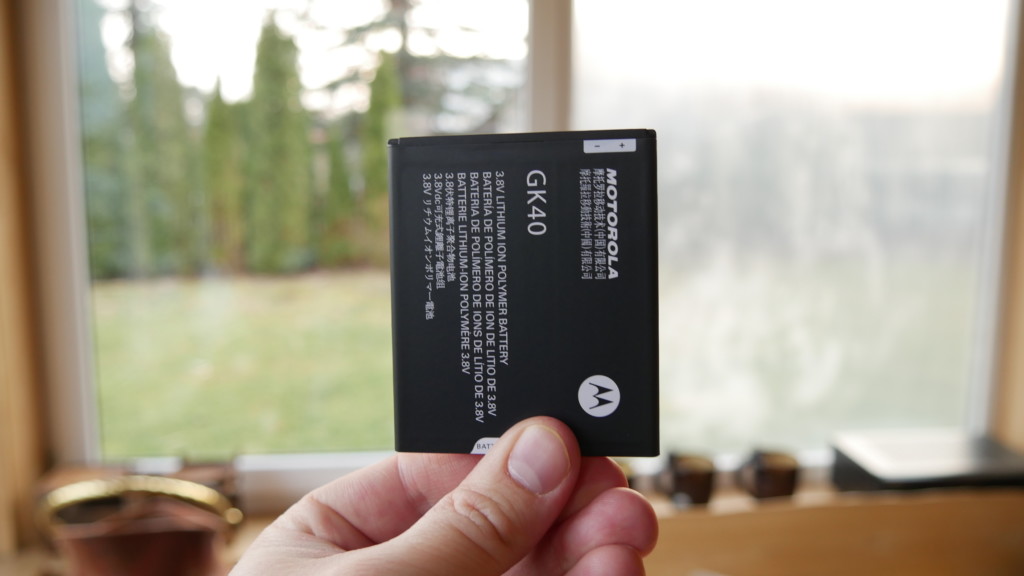
The replaceable 2800 mAh battery performs great. With my usage, I could constantly get over 5 hours of screen on time while using the phone for taking pictures, browsing the web, checking emails and a little bit of gaming.
The supplied Rapid Charger can fully charge the phone in just about 1:15 h, which is awesome.
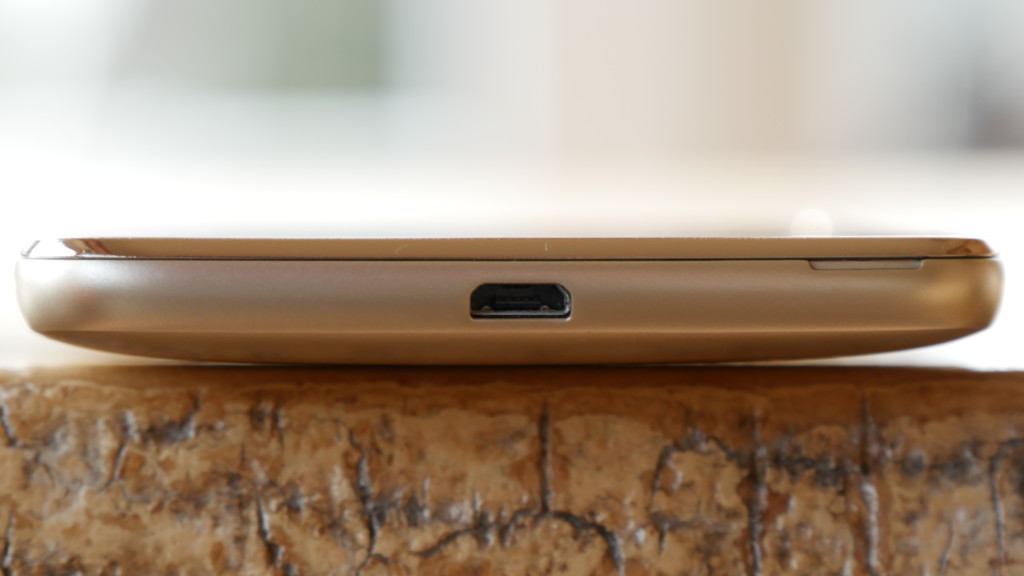
What is not so awesome, is that the Moto G5 still uses the micro USB charging port. I believe all manufacturers should start using the USB-C port even on budget phones, to make the transition to the new standard faster.
CONCLUSIONS
The Moto G series has been one of the most popular in the budget phones category and the G5 is another solid budget smartphone.
While it is not perfect like most of the affordable phones, it is an easy buying recommendation for those who want to spend just about $200 for a new phone. Just remember to consider if the previously mentioned shortcomings are important to you or not.
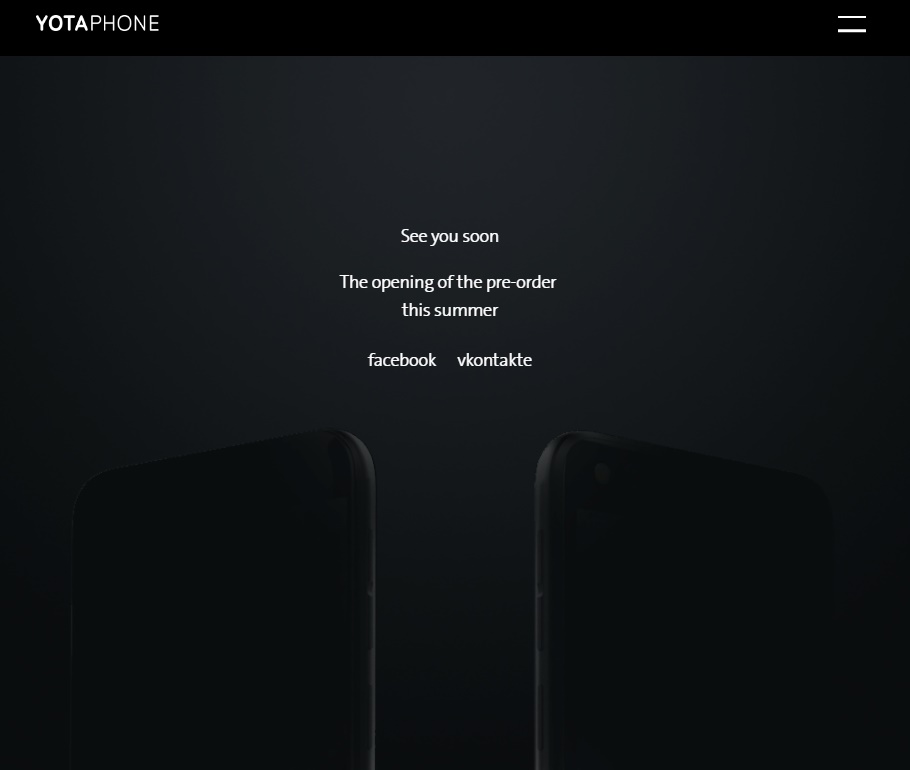
Last month we posted an article that talked about the Yotaphone 3 and the fate of its production. The team behind the dual-screen Yotaphone and Yotaphone 2 had confirmed on its Instagram page, that the phone is still in development.
Today the Russian phone startup released a teaser of the upcoming device on its official website. The teaser shows a faint outline of the sides of the phone in a fashion similar to a mirror image. We can make out the curves of the phone and a physical button on one of the sides. There is not much to make out from the teaser apart from the info that says pre-orders begin this summer which should begin in June. So we have two whole months before the Yotaphone 3 is official.
Hopefully before then we should know more about the device. The Yotaphone 3 is expected to feature bigger screens and a better processor. The RAM and storage may also get an upgrade.
That’s not the only good news from Yotaphone. Last week, they also announced on their Facebook page that the Android 6.0 Marshmallow update for the Yotaphone 2 is now available. If you own one, all you have to do is head to the “About Phone” section under settings and tap on “System Update”. If the update has reached your phone, then you should be able to download it. The change-log wasn’t provided but at least you get a new android version. We do hope the Yotaphone launches with Android Nougat.
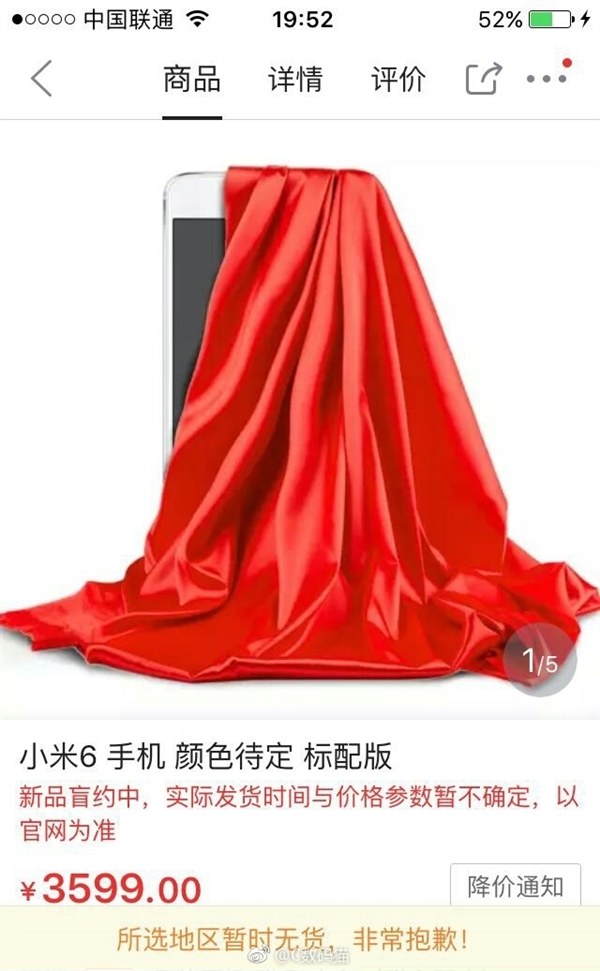
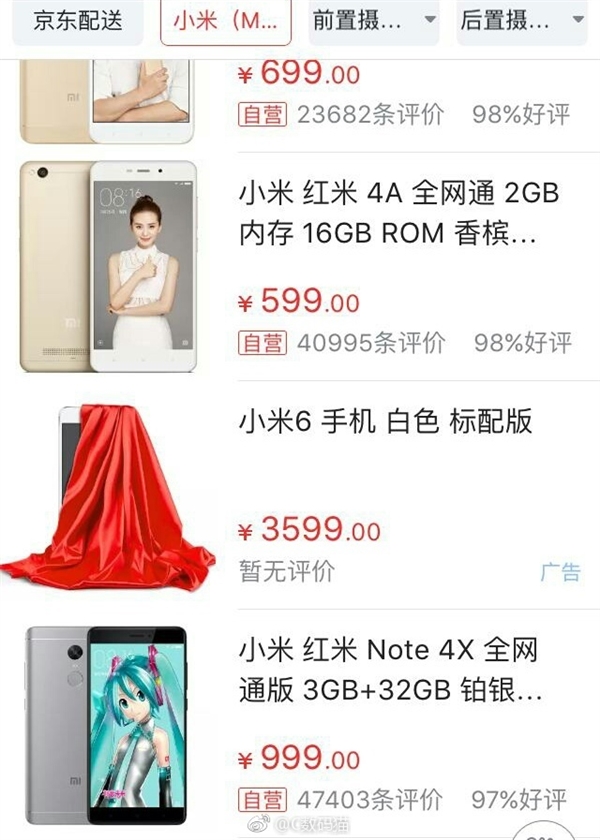
Apparently, someone wants us to believe the Xiaomi Mi 6 has been listed on popular e-commerce website Jingdong (JD.com) ahead of its launch. The Mi 6 is scheduled to launch this month and the leaks are coming out in torrents. The latest is a set of screenshots of what is supposed to be the Jingdong product page for the Mi 6.
The Xiaomi Mi 6 is listed along with other Xiaomi smartphones and it carries a single price tag of 3599 Yuan ($522). Of course, the Mi 6 would likely come with more than one versions, so this could be for one of the top end versions. That is, if the listing is true anyway, because we couldn’t independently locate the product page on Jingdong’s website.
It is possible that this is just another prank being played on us by a Xiaomi fan but we really don’t expect the Mi 6 to be priced as high as 3599 Yuan. The only possibility that the phone fetches such a high price tag is if it comes with some special feature, other than the regular versions. The Xiaomi Mi 6 is the Chinese giant’s next-gen flagship and would be powered by Qualcomm’s latest Snapdragon 835 chip. Xiaomi is known for its aggressive pricing, so the device is expected to carry a starting price tag hovering around 2000 Yuan ~ $300.
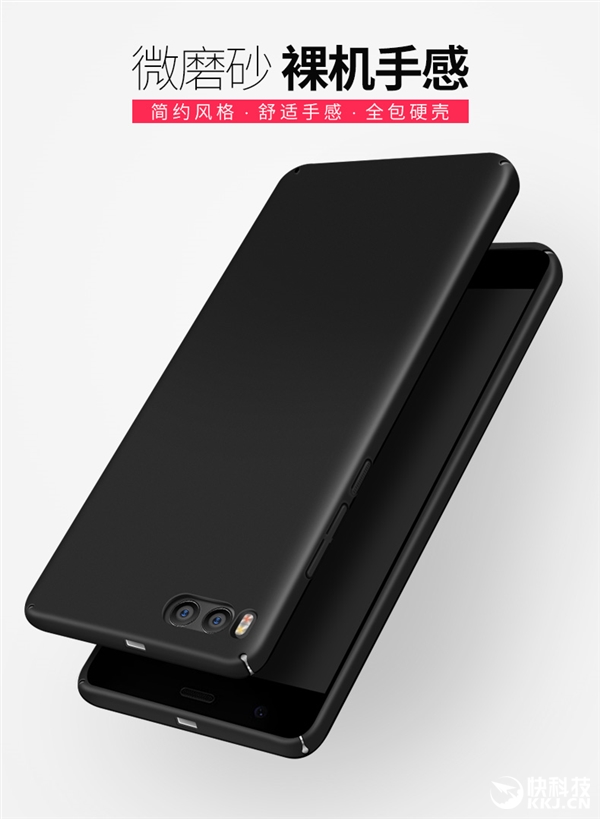
The Xiaomi Mi 6 has not launched yet and lately we have been getting conflicting details in terms of design. In spite of that, some online stores have started listing cases for the Mi 6. It is either they know something we don’t or they are just taking a risk and betting that they are right with the design.
Judging from the design of the case, we can see there is no cut-out for the earphone jack. It appears the rumor of Xiaomi ditching the audio jack to make the phone waterproof is true. However we can see cut-outs for dual cameras on the rear and a dual LED flash.
Another unique design on the case is the presence of cut-outs at the four corners for the antenna lines. This is a new design different from that of the Xiaomi Mi 5 which sits at the top and bottom of the phone and that of the Mi 5s Plus that goes across the back plate.
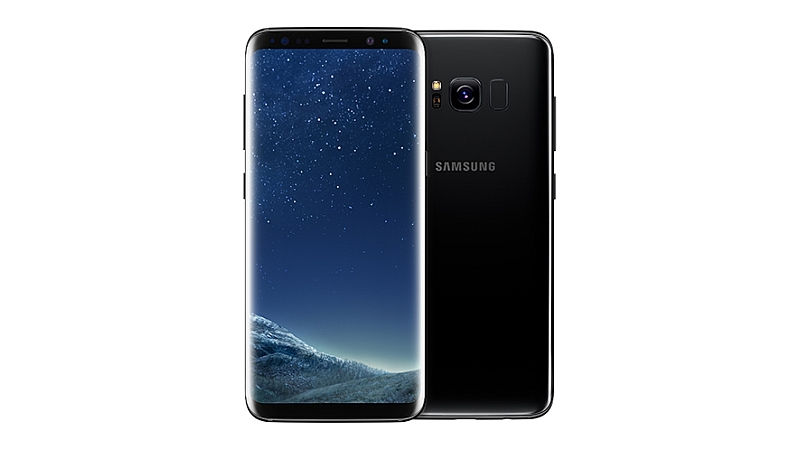
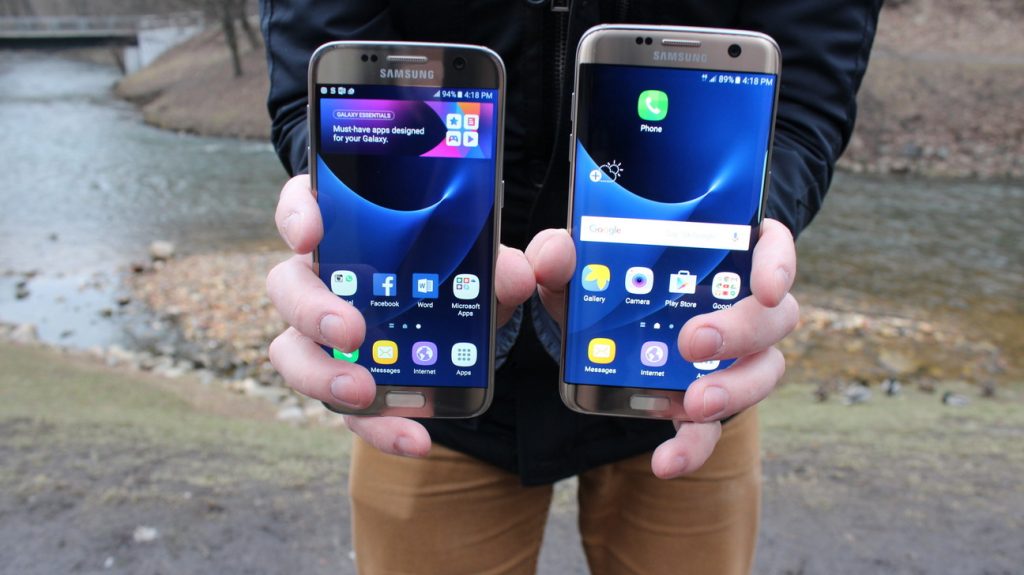
Once upon a time, there was the duo of Samsung Galaxy S7 and Galaxy S7 Edge that went on to make a monumental record for the Korean company. Now Samsung has launched the Galaxy S8 and S8 Plus which are the successors to the S7 and S7 Edge. Both the Galaxy S8 and S8 Plus came with a stunning design, boasting of an infinity display as well as the latest Snapdragon 835 chipset.
The level of innovation on the Galaxy S8 and S8 Plus, coupled with the powerful hardware they pack may have spurred Samsung to project that the combined lifetime sales of its new Galaxy S8 and Galaxy S8 Plus to be more than the combined lifetime sales of its previous-generation Galaxy S7 and Galaxy S7 Edge.
As at today, the Galaxy S7 and S7 Edge combined is Samsung’s all-time highest grossing smartphones having grossed up to 50,000 units in sales. Even though they are still being sold in markets around the world, Samsung expects the feat achieved by the duo to be surpassed by the new beautiful twin bride in town. Earlier rumours from South Korea had hinted that Samsung hopes to ship up to 60 million units of both the Galaxy S8 and S8 Plus. That might not be a baseless rumour after all.
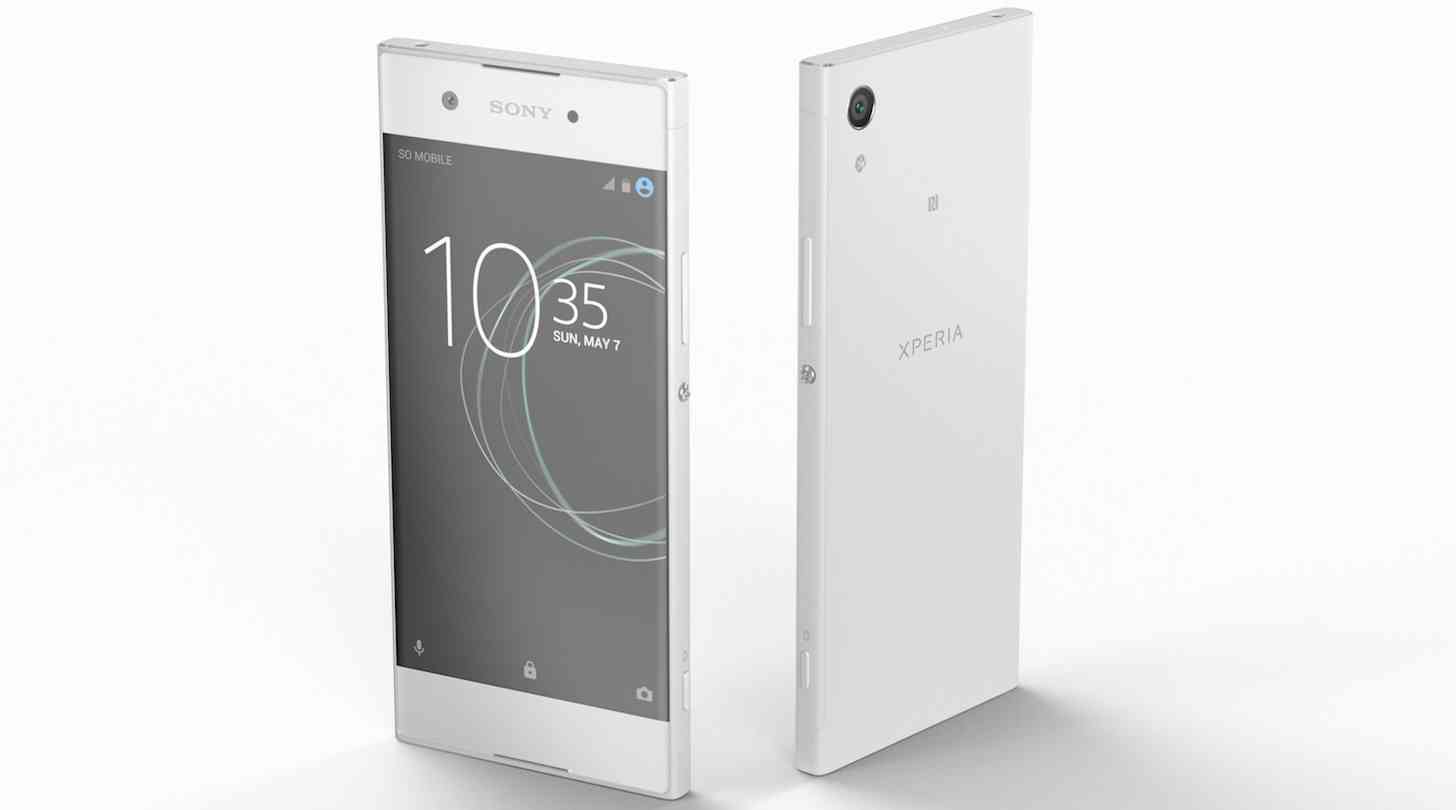
Alongside the Xperia XZs, XZs Premium announced at MWC 2017, Sony also released mid-range smartphones the Xperia XA1 and XA1 Ultra. The Xperia XA1 went on sale today in Hong Kong.
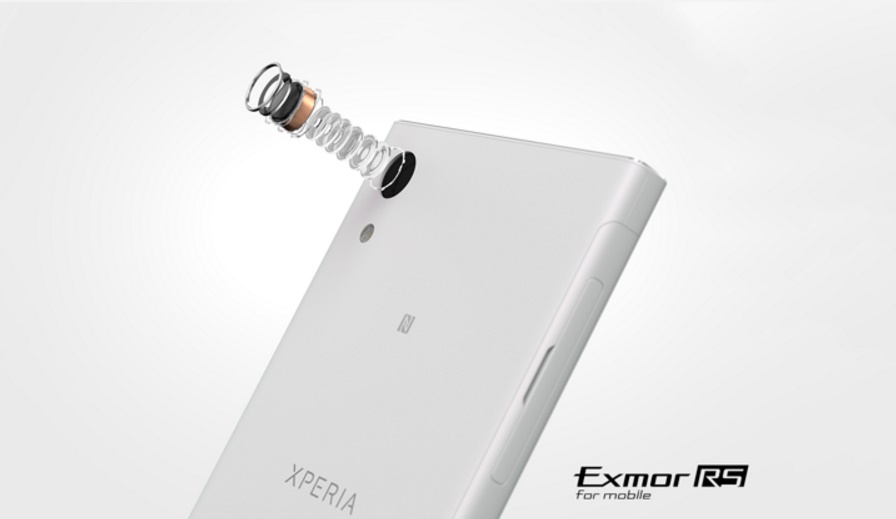
The XA1 is a 5-inch phone with a curved HD screen with Gorilla Glass protection, 3GB RAM and 32GB of storage.It is powered by Mediatek’s Helio P20 octa-core processor clocked at 2.3GHz. Sony has been generous with the cameras. There is a f/2.0 23MP sensor with Exmor RS™ on the rear and an 8MP Exmor R camera with a 23mm wide angle lens in front for selfies.
Android 7.0 Nougat comes bundled with the Xperia XA1 and it is fueled by a 2300mAh battery with Mediatek’s Pump Express+ 2.0 fast charge. There is also NFC on-board and a USB Type-C port at the bottom.
What you’d surely like about the Xperia XA1 is its nearly bezel-less sides. That design is however marred by the huge top and bottom bezels.
It seems the wave of job cuts in China’s mobile industry isn’t over yet. News reaching us says Meizu has reduced its workforce by 10% since the year began.
Meizu is one of the major manufacturers in China but didn’t really do well last year. It was able to sell just 20 million smartphones but also had to deal with lawsuits from Qualcomm. Although they have settled with the chip maker but it is unlikely they will be moving up from their 9th position on the list of top Chinese manufacturers. The reason is because they have no phone set to launch this year with Qualcomm’s flagship chip. This is not a requirement for success but seeing as they have been un-creative in terms of design, a flagship chip might help boost sales.
A leaked timeline of product launches showed that the company plans to release some Snapdragon 600 powered phones later this year though. The rest of its lineup will be powered by chips from Mediatek. Don’t be surprised, Mediatek has a stake in Meizu and so also does Alibaba. Mediatek itself isn’t doing so well as its Helio X30 chip is facing production challenges. The product release schedule shows that the Helio X30 powered Meizu Pro 7 is set for a July release. That’s about 4 whole months from now!
The job cuts are said to be a way to cut down on redundancies and increase efficiency but we all know that’s the card companies facing financial challenges play.
In recent weeks we have seen a few Meizu phones pas through the required agencies before launch. One is powered by the Helio X25 SoC but brings nothing spectacular in terms of design or features.
Despite repeated warnings, there are smartphone users who still leave their smartphone charging close by on the bed while they sleep. This is apparently to keep it handy when they wake up but we have heard cases of exploding devices in this manner thus making that a risky venture. Here is yet another chilling story that should make us more cautious in the way we handle our smartphones and electrical appliances in general.
A 32-year-old man, Wiley Day was electrocuted and thus severely burnt by his iPhone which he left charging in bed while he slept. The incident happened on March 22nd when he had his iPhone plugged into an extension cord which made it possible to charge the phone close to his bed, something he does regularly. Mr Wiley then went to bed with his dog tag necklace on and when he woke up the following day the dog tag unexplainably got entangled with the charger and then got in contact with the two metal prongs that went into the extension box. Mr Day was instantly electrocuted and thrown out of his bed but thankfully he survived.
In the long run, he was admitted in a hospital and treated for second and third-degree burns he suffered due to the heat generated by the metal necklace holding the dog tag on his neck. He also got some burns on his right hand which he used to remove the dog tag from his neck. Obviously, this isn’t as a result of a faulty iPhone battery or charger but entirely due to Mr Day’s error. So, we need to be more careful and keep our phone far from our sleeping area at night. Mr Day now keeps his in the kitchen when going to bed.
The HTC U (codenamed as HTC Ocean) is speculated to get unveiled in this month. Its alleged specs have been leaked by popular leakster, Evan Blass and its details have also reportedly appeared on AnTuTu benchmarks. The entire specifications and all the features of the HTC U have been revealed through its preview materials.
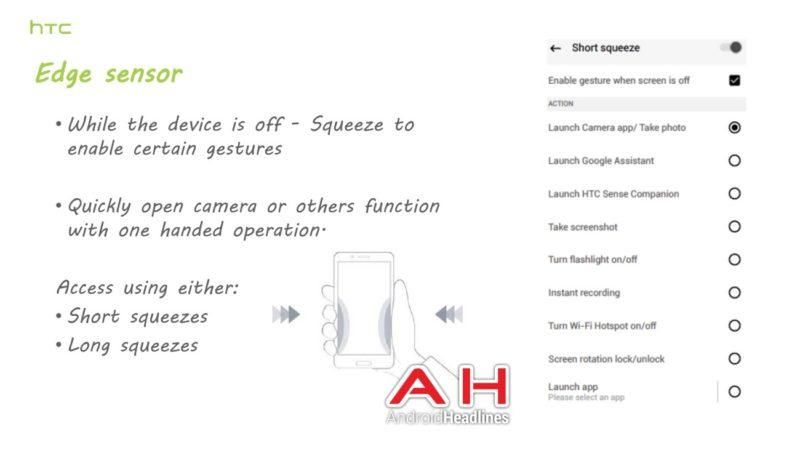
The HTC U seems to have special sensors (dubbed as Edge Sensors) placed on its bottom. It probably lets users to press the frame of the phone to carry out various kinds of tasks. The preview materials the HTC Sense 9 UI will provide users with Sensitivity Setup to make the HTC U understand the power of user’s grip. By choosing between three configuration options, users can select the best sensitivity level to let users comfortably interact the phone by pressing the Edge Sensors with low mis-trigger rate.
Preview materials also suggest that certain gestures can be activated through short gestures which involves squeezing the sides of the device for a short period. Users can also make use of a long gesture. Through such gestures, HTC U users will be able to do different tasks such as starting the camera or launching the Google Assistant.
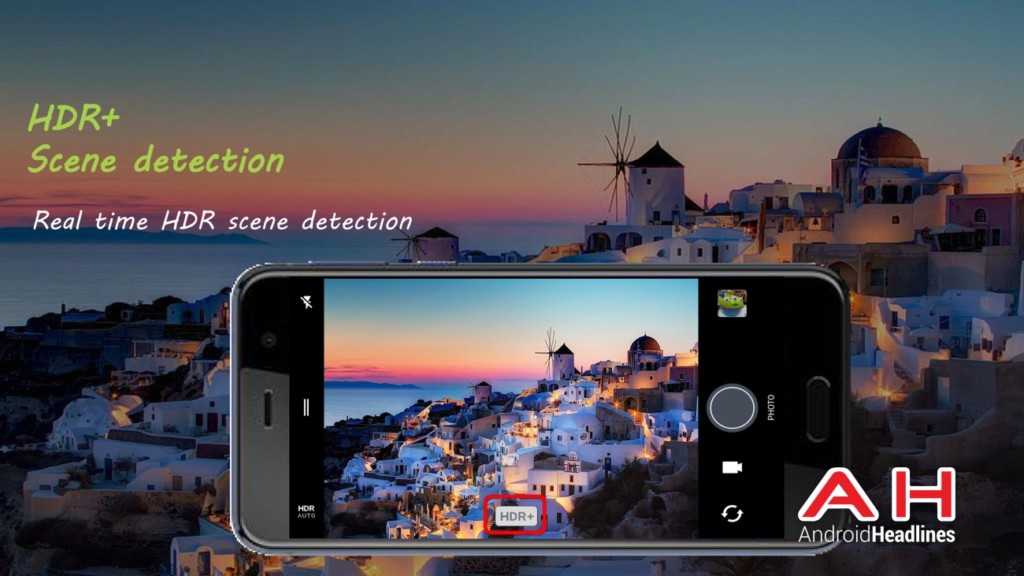
The above image shows the alleged 12-megapixel camera of the HTC U phone will be equipped with HDR+ that will provide users with real-time HDR scene detection. The preview materials have not clearly mentioned on how the HDR+ feature will work, but the image suggests that the HDR+ processing will let users view how the photo would appear even before it is shot.
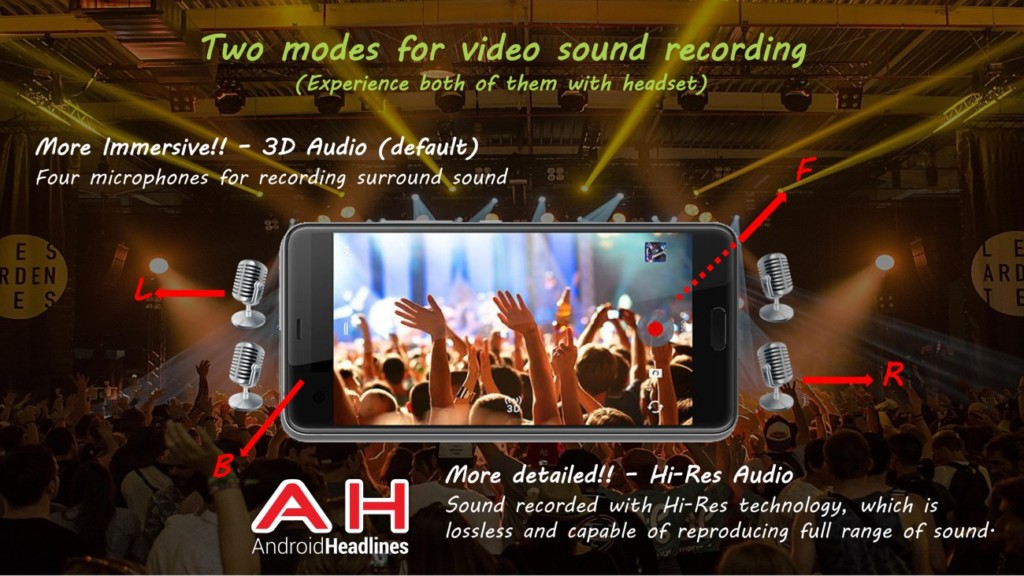
The HTC U will be equipped with four microphones for recording surround sound. These microphones are place on the left, right front and back sides of the phone. The smartphone provides users with two kinds of video sound recording which includes 3D Audio and Hi-Res Recording. The former uses the quad microphones to record sound whereas the latter involves recording loseless sound for “reproducing full range of sound” which probably means it would be able to record sound without any degradation in quality.
The phone is also expected to support Multimedia BoomSound, a feature provided by HTC on its other high-end smartphones. Leaked photos have revealed that the phone would not be sporting a 3.5mm audio jack. Hence, users will be able to listen to the music by connecting a headset to the USB Type-C port present on the bottom side of the HTC U.
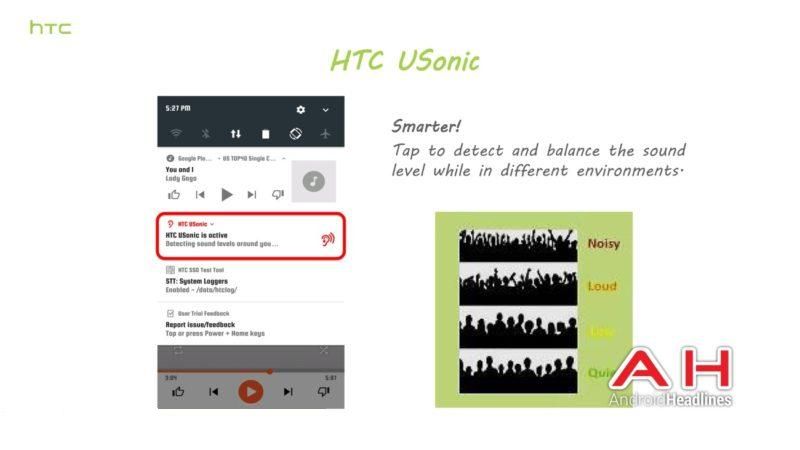
A feature called HTC USonic can create personalized audio profile for users by automatically detecting the ear canal of the user. Based on the surroundings of the user, USonic will be deliver the appropriate kind of audio experience. Apart from using the headset, the Taiwanese flagship phone will deliver impressive audio experience through a pair of stereo speakers
The HTC U Sense Link will allow users to have better interaction between the phone and PC. By installing the PC client of Sense Link, the HTC U and PC can be connected on the same Wi-Fi network. When outside, users will be able to access the files that are stored on the PC through the HTC U phone. By pairing both devices, users will be able to see phone’s notifications on the PC and also seamlessly copy and paste content between them. Users will be also able to continue reading those articles on the PC that have been opened on the phone. HTC’s AI assistant called Sense Companion that was introduced on HTC U Ultra and U Play phones will be also available on HTC U.
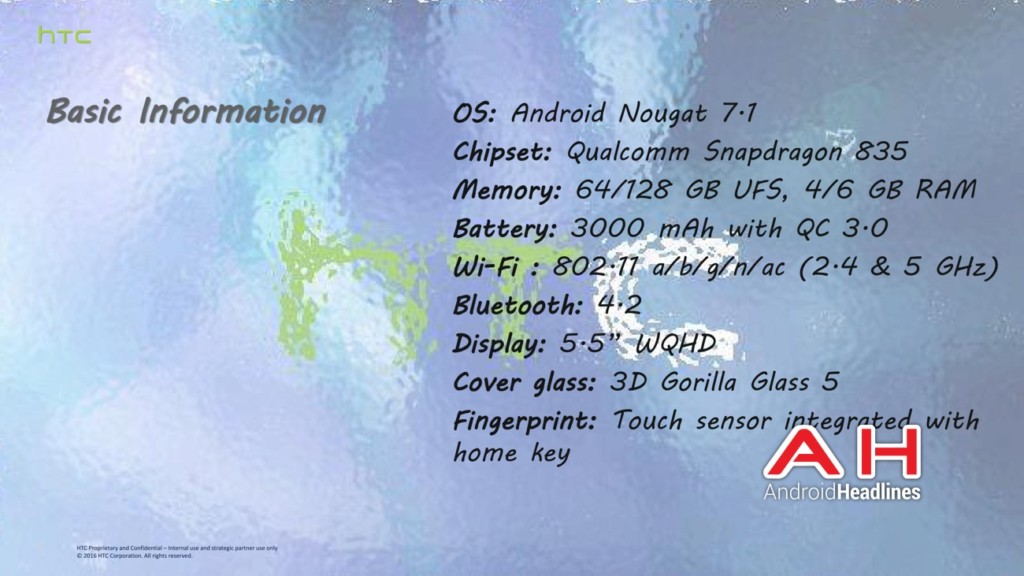
The phone will be arriving with a 5.5-inch quad HD display and it will be fueled by Snapdragon 835. It will offer users with 4 GB and 6 GB RAM options along with storage choices like 64 GB and 128 GB. Other specs include HTC Sense 9 UI enabled Android 7.1 Nougat, Wi-Fi 802.11ac, v4.2 Bluetooth, fingerprint reader (embedded in Home key), and Quick Charge 3.0 enabled 3,000 mAh battery. Evan Blass has revealed that the phone would be lunching in this month with a global release slated for May.
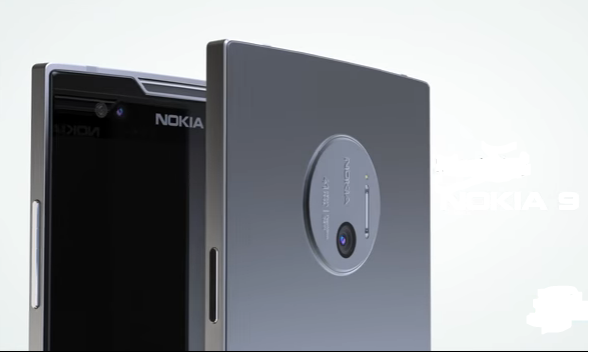
We’re starting to get confused by the number game playing around the Nokia brand. It is difficult telling if we are expecting the Nokia 7 or Nokia 8 as the company’s flagship phone or Nokia 9. Nevertheless, a recently leaked specs sheet said to be for Nokia 9 has appeared online.
Nokia 9 concept
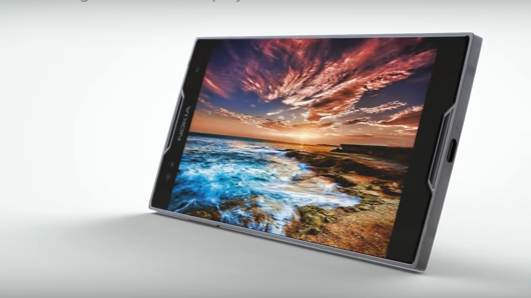
From the look of things, the Nokia 9 is a flagship device which is rumoured to pack a Snapdragon 835 chip with 6GB of RAM and 64GB / 128GB storage versions. The device is said to sport a 5.5-inch OLED display with QHD resolution. The device is also said to feature Nokia’s advanced OZO Audio enhancement which would make the Nokia 9 the first smartphone to feature such if it does. The specs sheet also include a 22MP Carl-Zeiss dual camera setup at the rear while up front is said to be a 12MP sensor. There will also be an iris scanner on the device which will run Android 7.1.2 Nougat out-of-the- box.
Furthermore, the Nokia 9 is listed as coming with a 3800mAh battery as well as IP68 certification, meaning it is billed to be waterproof and dustproof. But in all honesty, this looks too good to be real, looks more like the product of someone fan’s imagination. The source is said to have no credibility track record so, this leak is likely untrue, anyway.
As the launch date for the Xiaomi Mi 6 draws nearer, we continue to get overwhelmed with new leaks by the day. CEO Lei Jun’s words are the only confirmation that we have so far gotten about an April launch but that would be just enough to keep us in high spirit. The rate at which the leaks come out is another reason to believe a launch is nearby and now, there is yet another leak.
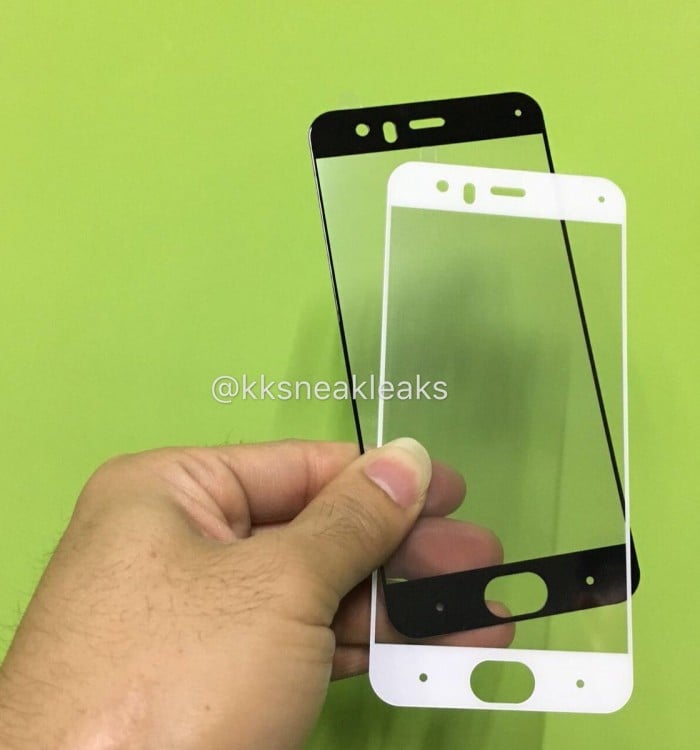
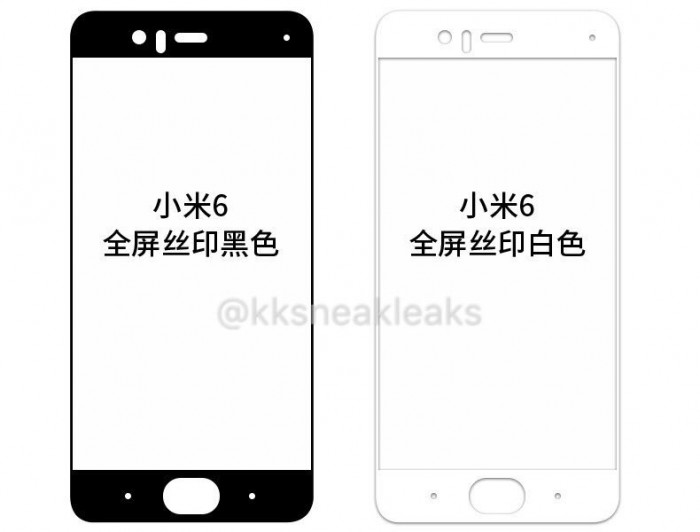
The Xiaomi Mi 6 front glass panel is the latest to leak and it comes in both white and black colours. The front panel reveals a number of details about the display size and possible type. From the images, we can gather that we won’t be seeing a Mi Mix-looking display panel on the Mi 6. The screen-to-body ratio isn’t looking very high but the display will likely have ultra-narrow bezels at the sides.
In addition, the opening at the top bezel area seems to confirm the likelihood of an iris recognition technology similar to the one Samsung featured on the Galaxy S8 and earlier models. There is the usual front camera opening and that of the OIS and then, a third opening that is likely the iris scanner.
Also of interest is the opening for the front home button which has an oval shape and looks unusually large. The Mi 6 is said to feature the underglass ultrasonic fingerprint scanner used on the Mi 5S but with a fast sensor and better user experience. The size of the fingerprint scanner is also bigger than that of the Mi 5S.
The Mi 6 doesn’t disappoint at the rear either, as it packs a dual camera setup and a curved design. Don’t also forget that the Mi 6 is rumoured to come with a waterproof built and won’t feature the 3.5mm audio jack. It is almost certain that the device will come in black and white colours as we had first seen a leak of the box casing for the device which is presented in black and white, and now the front panels. We also expect other cool colours on the final product when launched.
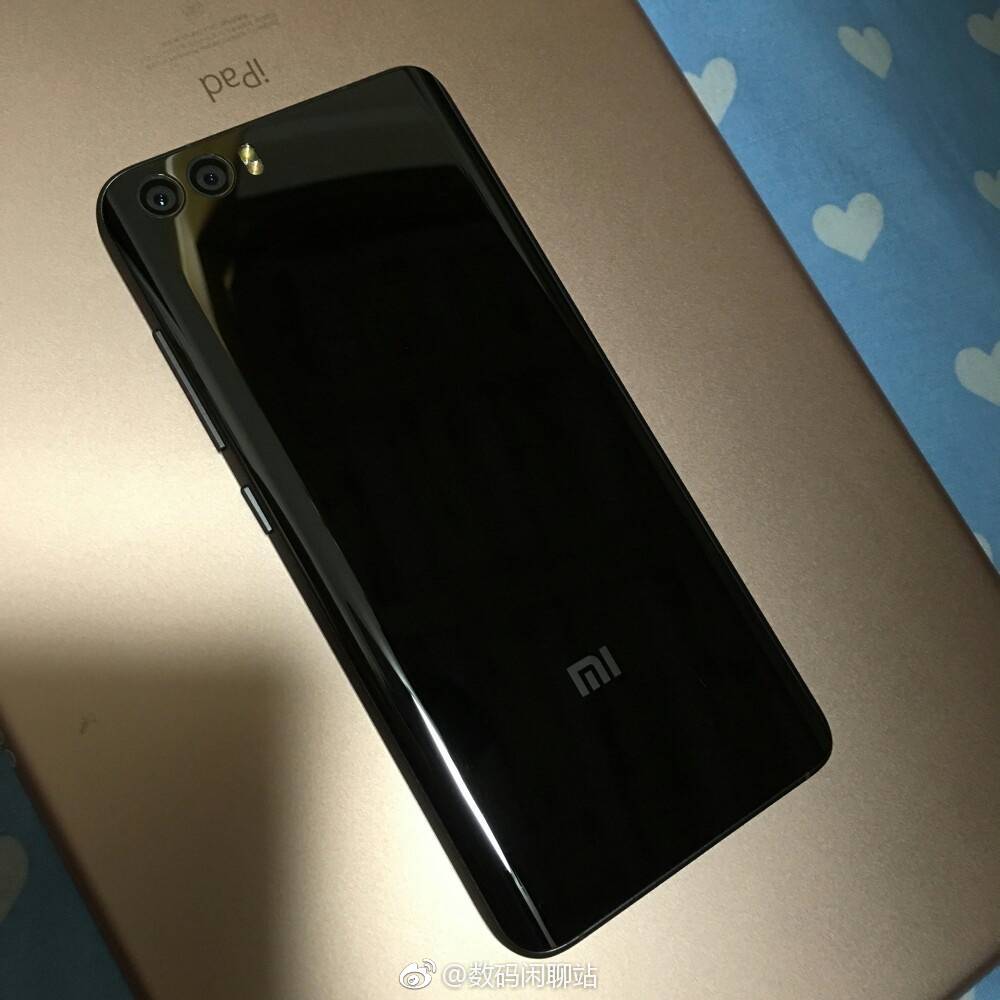
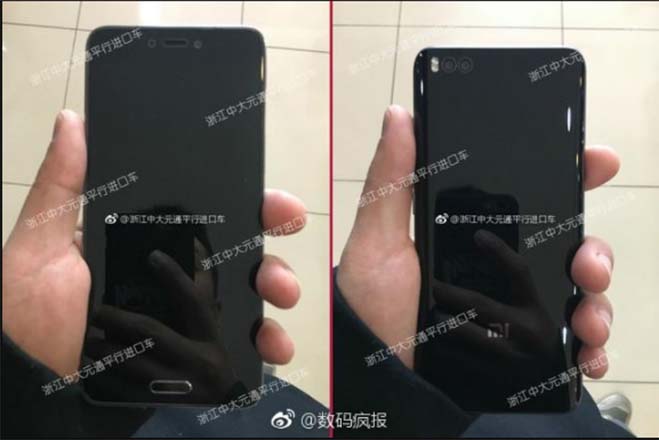
Xiaomi has officially confirmed to launch its upcoming flagship smartphones, the Mi 6 and Mi 6 Plus in this month. Fresh photos of the large sized Xiaomi Mi 6 Plus phone has reportedly appeared on Weibo. The rear side as well as the front sides of the black colored variant of the phone have been revealed.
As it can be seen, the leaked photo of the front panel of Mi 6 Plus suggest that the smartphone would be flanked with narrow bezels. There is a physical Home button placed on the chin of the device. Since the fingerprint scanner is not placed on the rear side of the phone, it is likely that the Home button will be integrated with fingerprint scanner. This black variant of the Mi 6 Plus has a glossy appeal.
The dual camera setup which is one of the USPs of the Xiaomi Mi 6 Plus can be seen sitting on the top left corner of the rear panel. It is coupled with dual LED flash. The leaked photos of the alleged smartphones that have surface in the recent past has also hinted that the smartphone would be coming with twin cameras on the rear side. It is said to be equipped with a pair of 12-megapixel Sony IMX362 sensors.
According to previous reports, the Xiaomi Mi 6 Plus would be fitted with a 5.7-inch screen that would be supporting full HD resolution of 1,920 x 1,080 pixels. The Snapdragon 835 SoC is heavily pegged to fuel the device with 4 GB of RAM. Speculations have hinted that Mi 6 Plus would be also available in other RAM variants like 6 GB and 8 GB.
Rumors have also revealed that the phone would be coming in storage choices like 64 GB and 128 GB. The highest configuration model of the phone is pegged to house 256 GB of storage. The front-facing camera of the phone is speculated to be of 8-megapixdel.
It will be available with Android 7.0 Nougat coupled with the latest edition of MIUI. It will be driven by 4,500 mAh capacity battery. the lowest storage model is priced at 2,599 Yuan ($377) and the highest configuration variant is speculated to be available for 3,499 ($507).
Last month, Xiaomi joined the small circle of phone manufacturers with in-house chips with the Surge S1 octa-core processor. The launch of the chip saw the number of Chinese phone manufacturers with its own SoC rise to two. However, rumor has it that Meizu might be the third musketeer.
It is said that Meizu is working with American company, Texas Instruments to develop its own chip. Texas Instruments itself is no longer involved in the business of mobile chip manufacturing. In September 2012, the company announced it was shutting down production of its OMAP processors designed for smartphones and tablets. Nevertheless, it still has vast experience in the field of chip design, and how to solve stability and heat management issues.
Meizu has not confirmed the news yet though but it may face some challenges ahead. It is said that part of the reasons why Texas Instruments withdrew from the mobile chip race was due to its inability to develop baseband technology that rivaled that of its competitors. Meizu will need to find a way to scale that hurdle though.
We use cookies on our website to give you the most relevant experience by remembering your preferences and repeat visits. By clicking “Accept”, you consent to the use of ALL the cookies.
This website uses cookies to improve your experience while you navigate through the website. Out of these, the cookies that are categorized as necessary are stored on your browser as they are essential for the working of basic functionalities of the website. We also use third-party cookies that help us analyze and understand how you use this website. These cookies will be stored in your browser only with your consent. You also have the option to opt-out of these cookies. But opting out of some of these cookies may affect your browsing experience.
Necessary cookies are absolutely essential for the website to function properly. This category only includes cookies that ensures basic functionalities and security features of the website. These cookies do not store any personal information.
Any cookies that may not be particularly necessary for the website to function and is used specifically to collect user personal data via analytics, ads, other embedded contents are termed as non-necessary cookies. It is mandatory to procure user consent prior to running these cookies on your website.