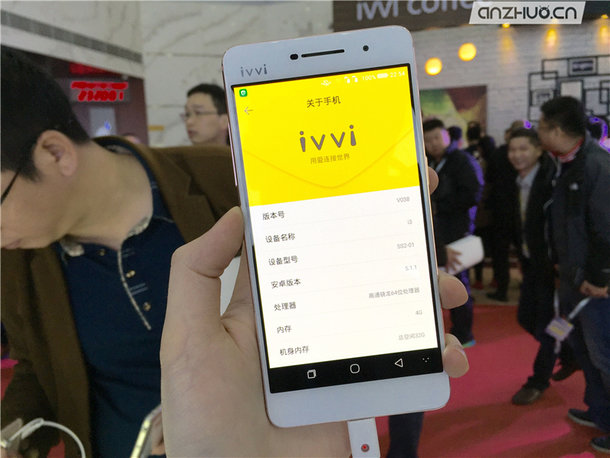
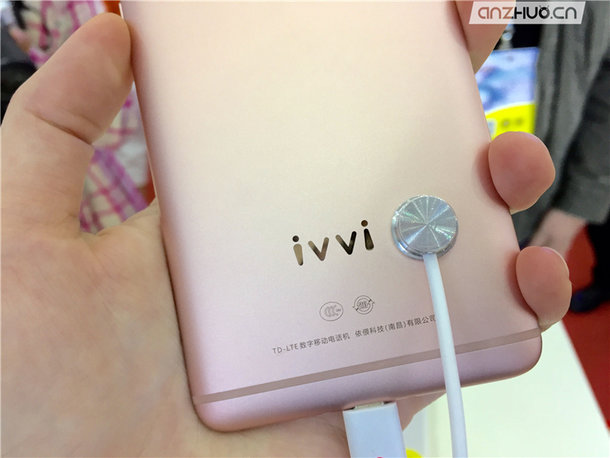
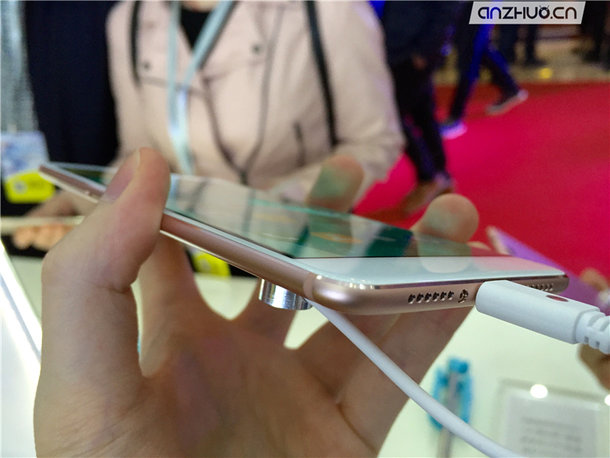
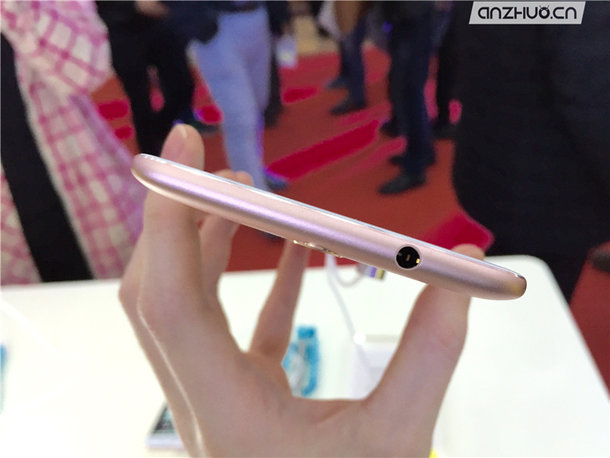
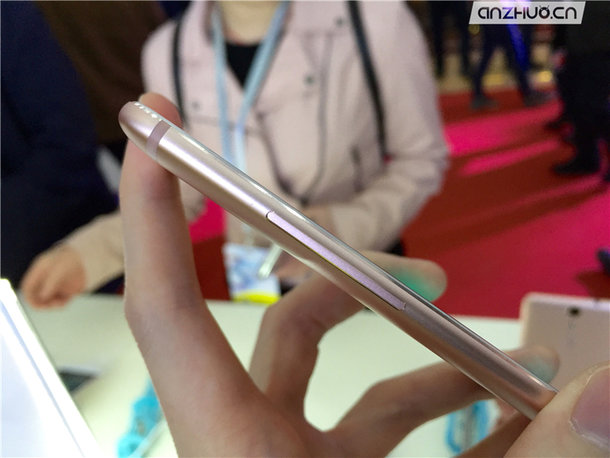
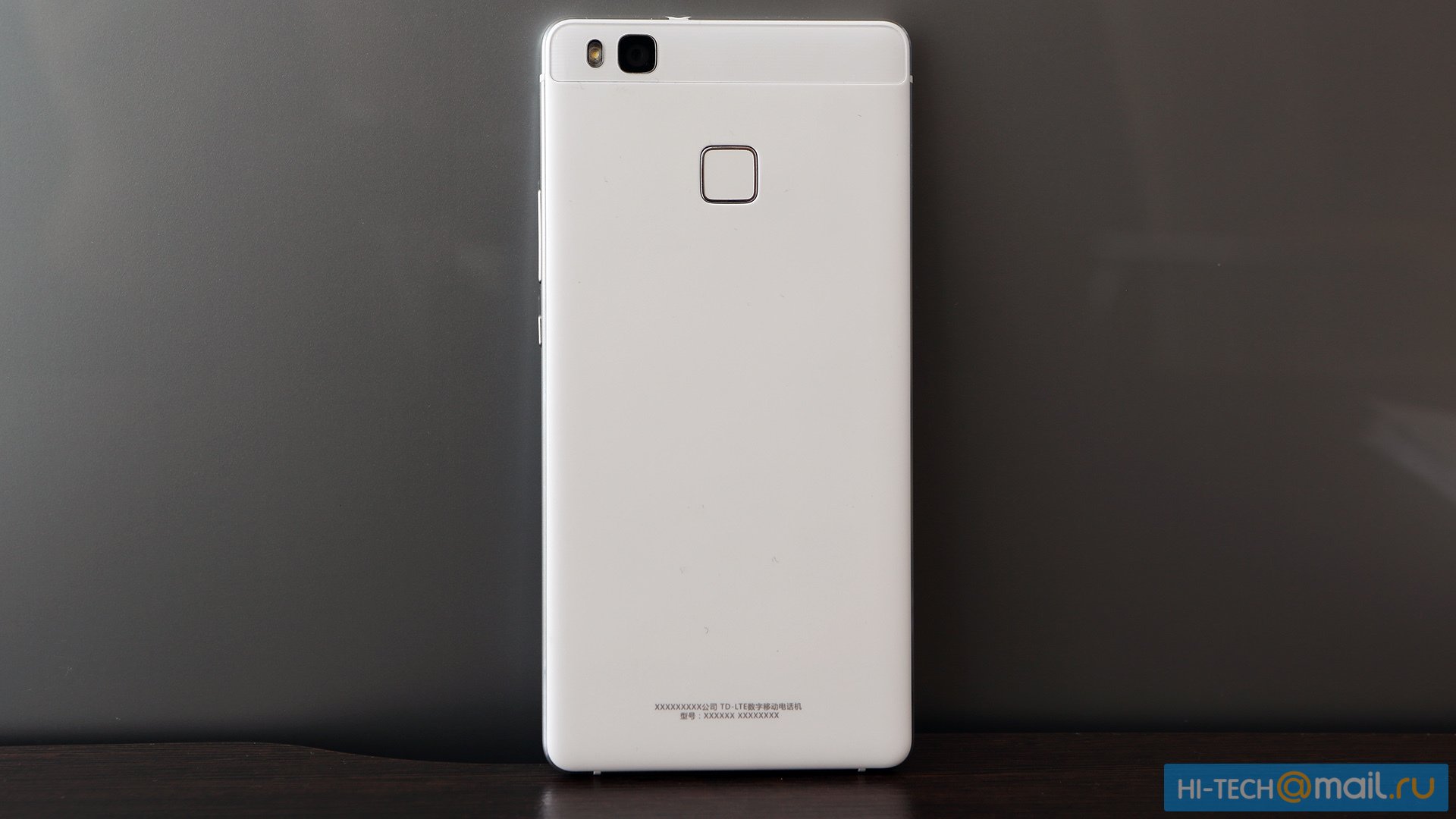
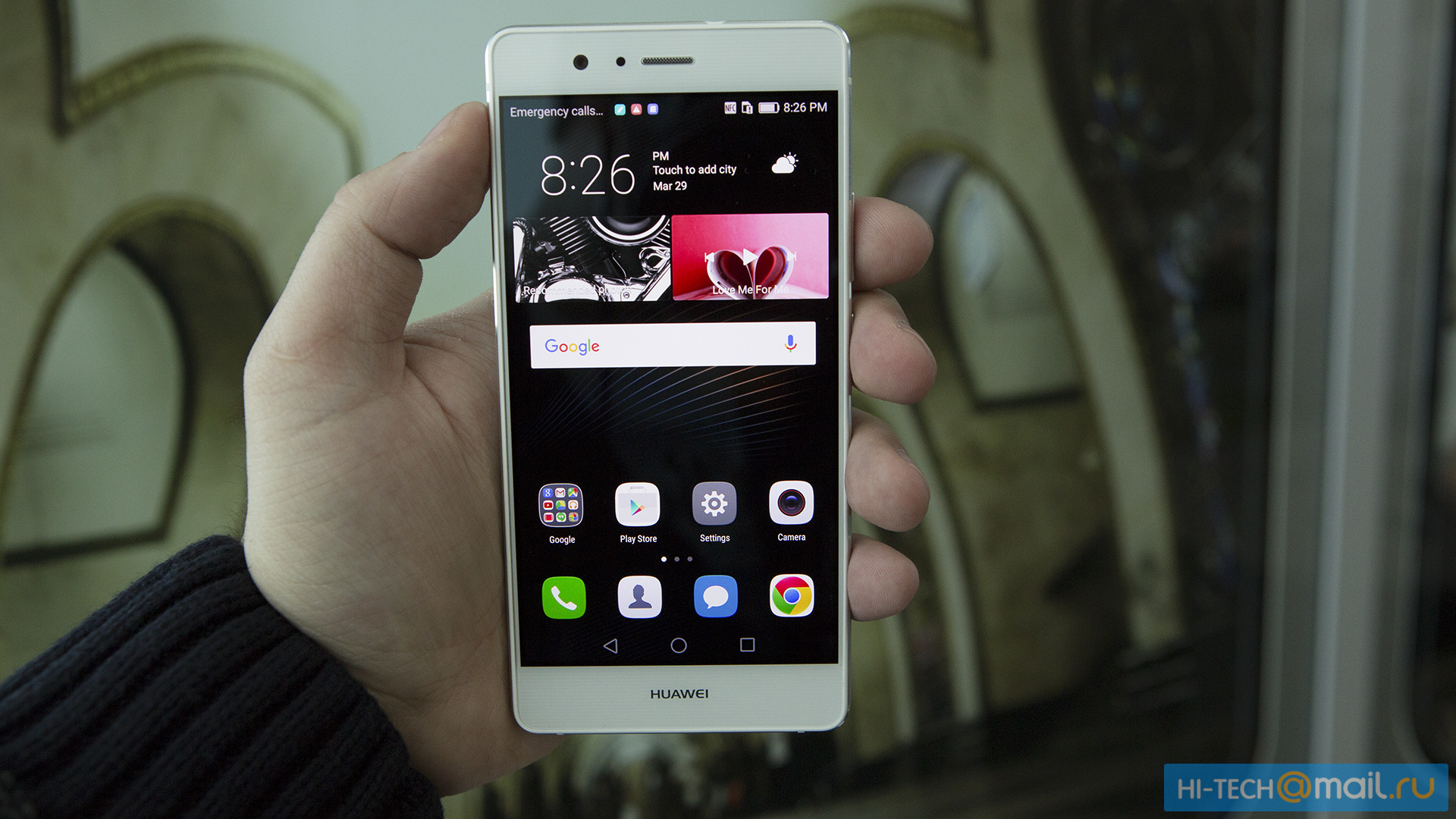
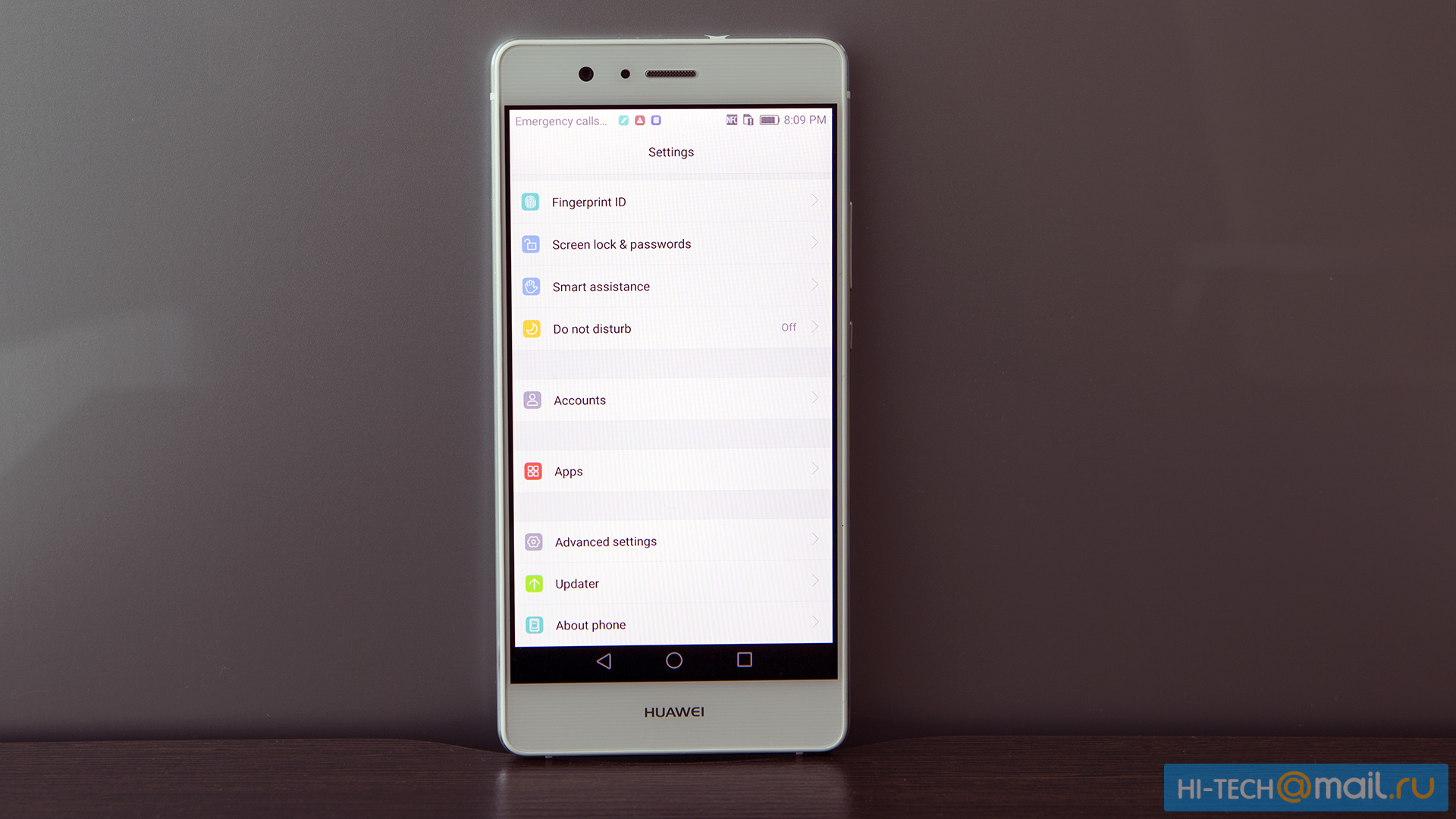
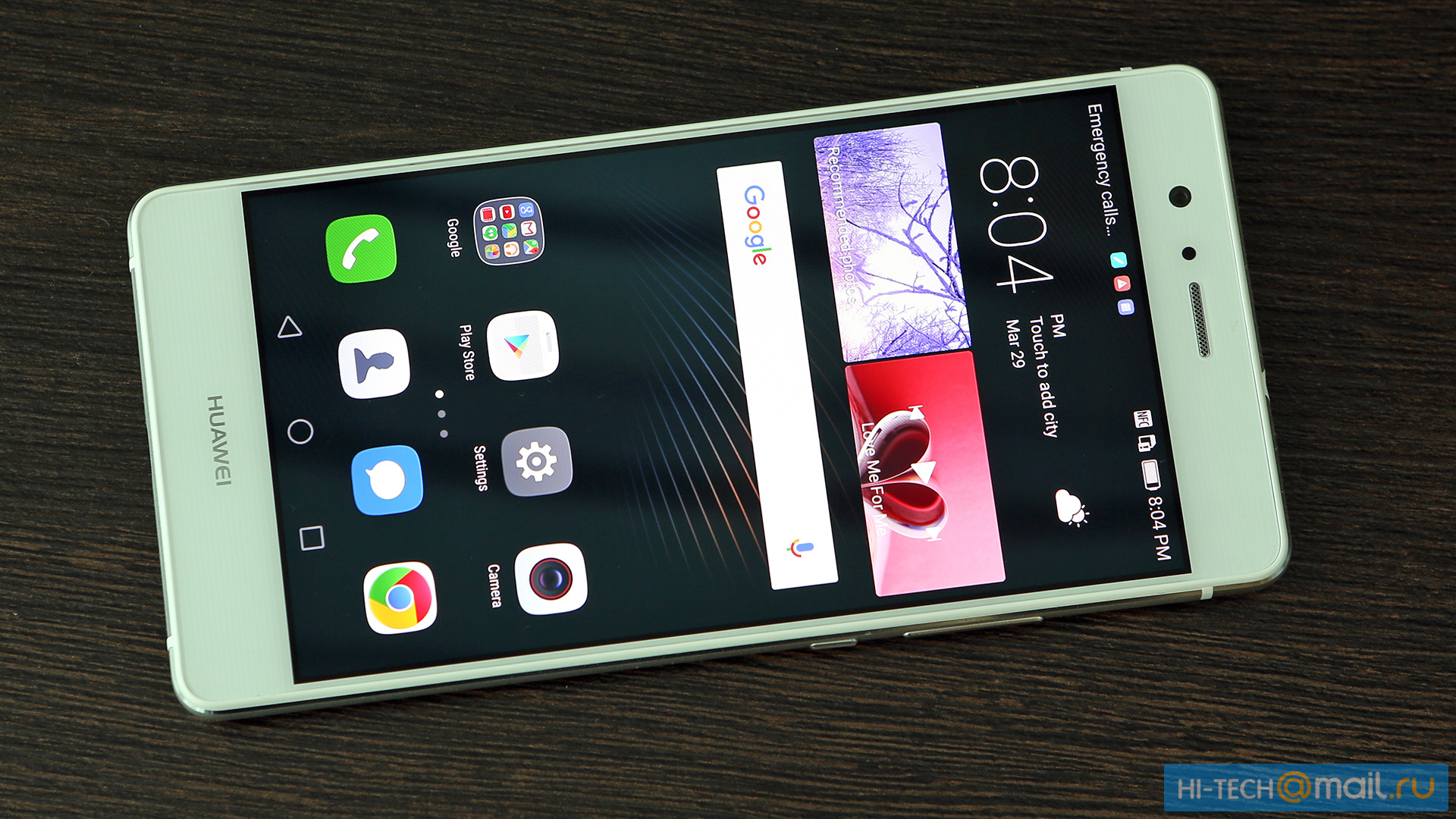
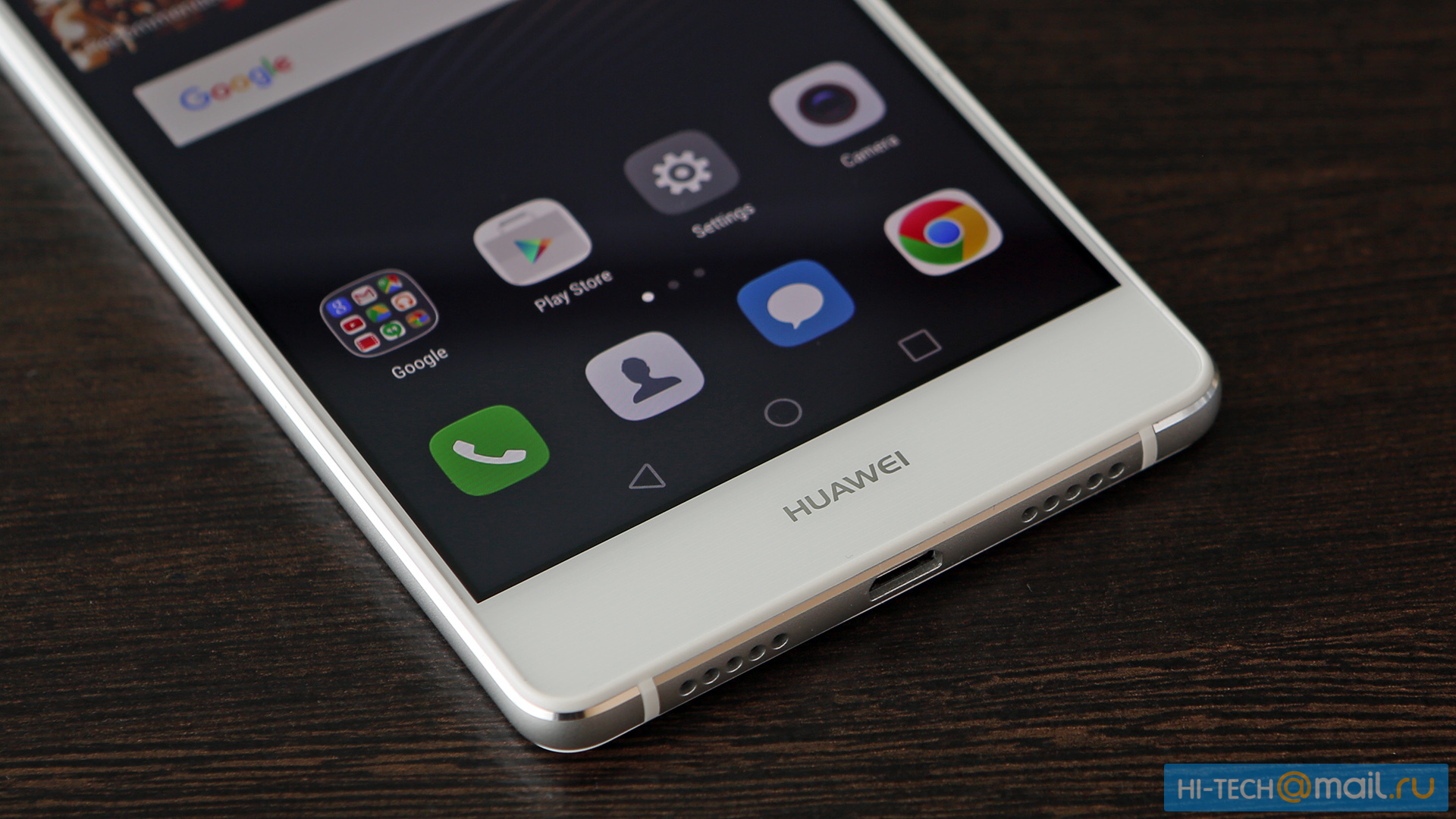
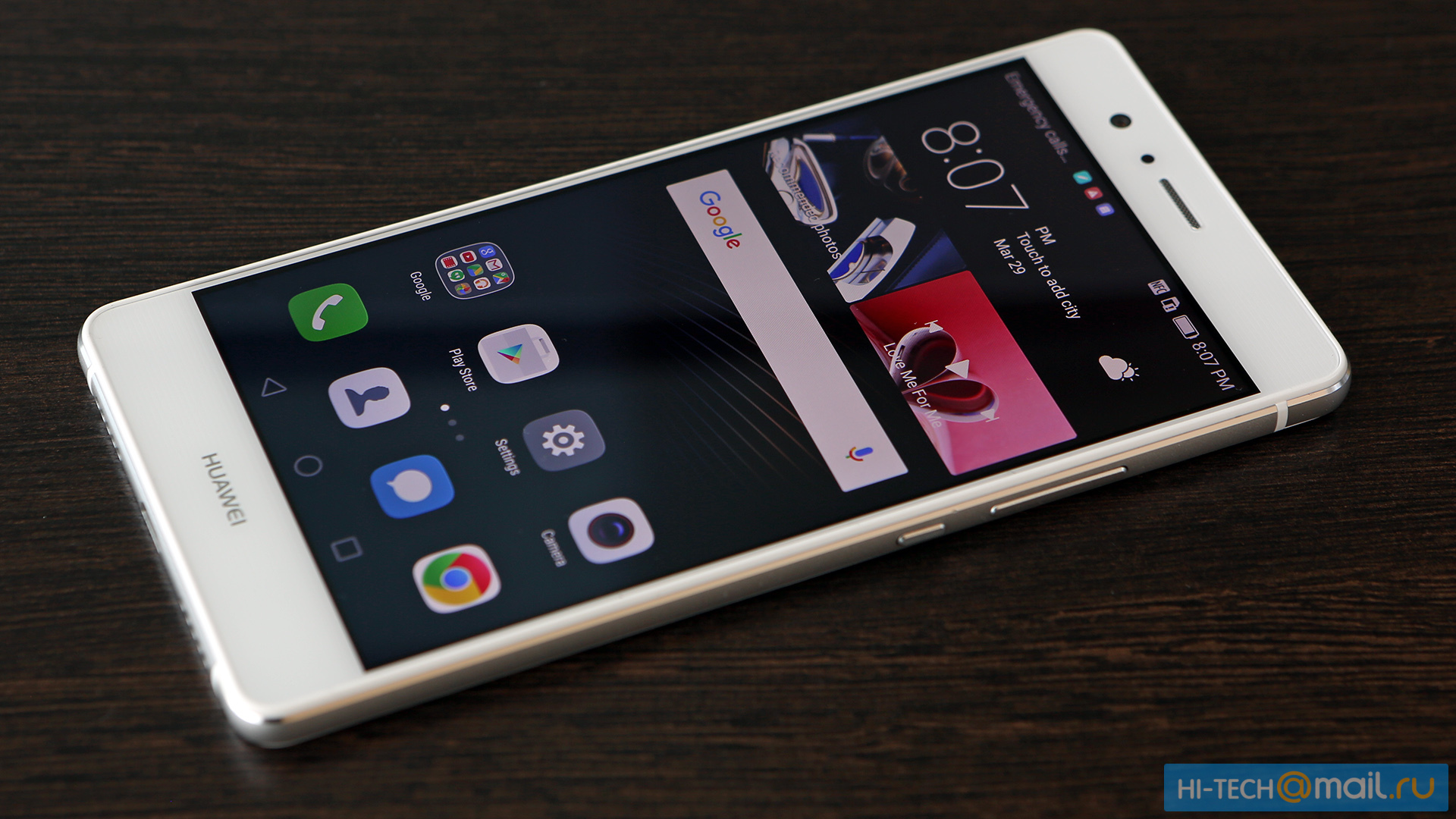
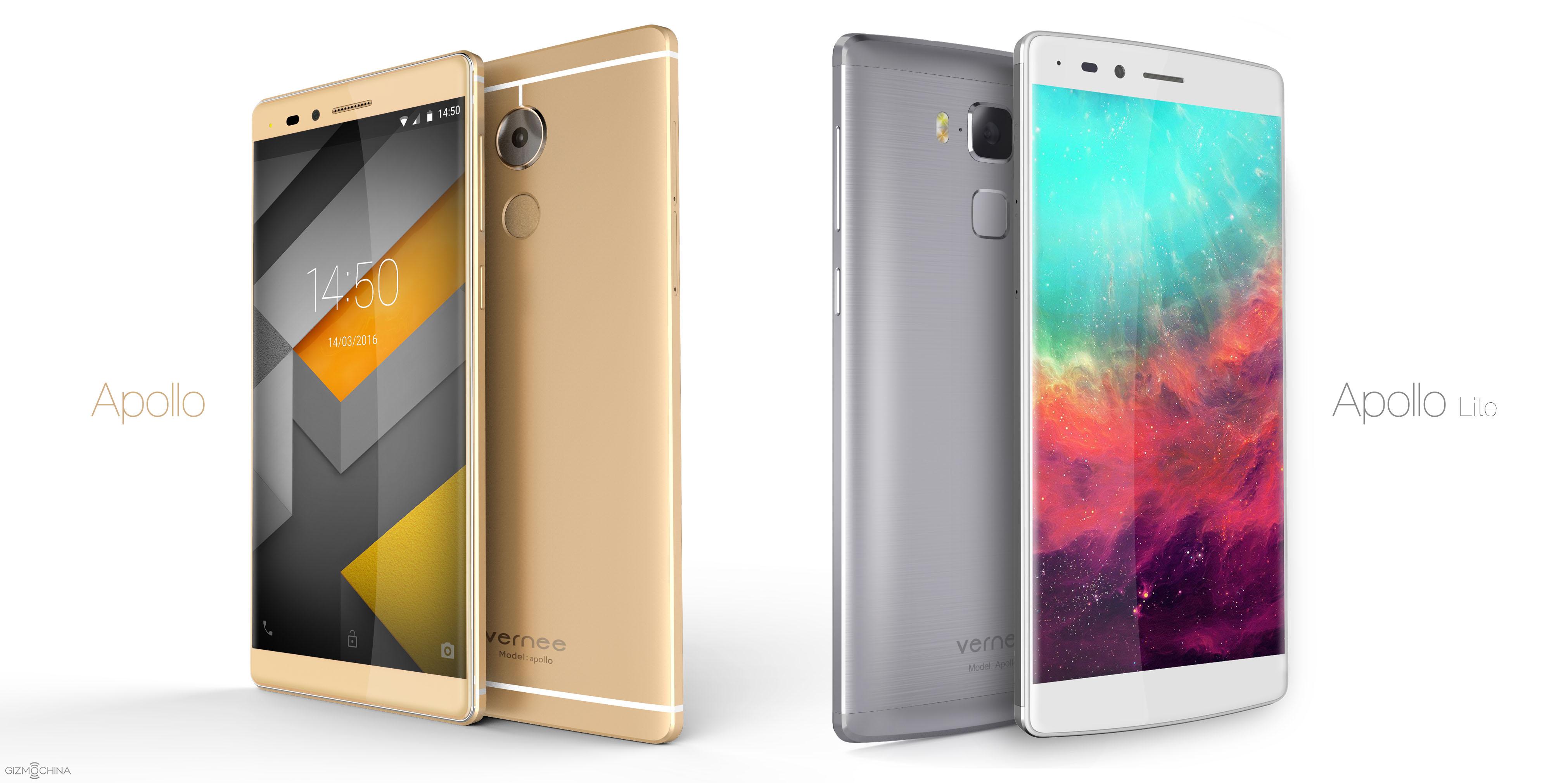
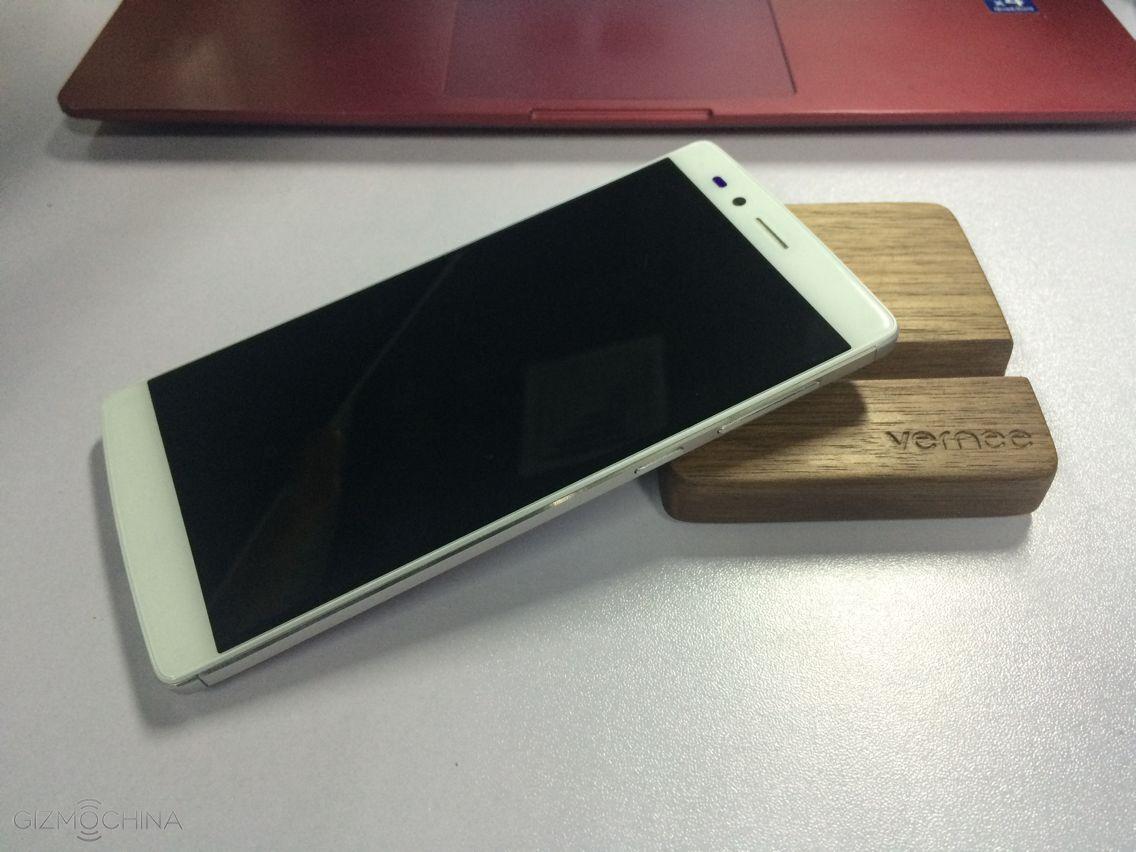
An hour back, we revealed that the new Ivvi i3 smartphone with Snapdragon 430 was launched. The phone came with mid-range specs and is quite costly, starting at $355. However, despite its mid-range hardware, the phone comes with a premium metal body that looks quite good. In fact, the phone boasts of 99.2% metal in its body, which means metal lovers are in for a treat.
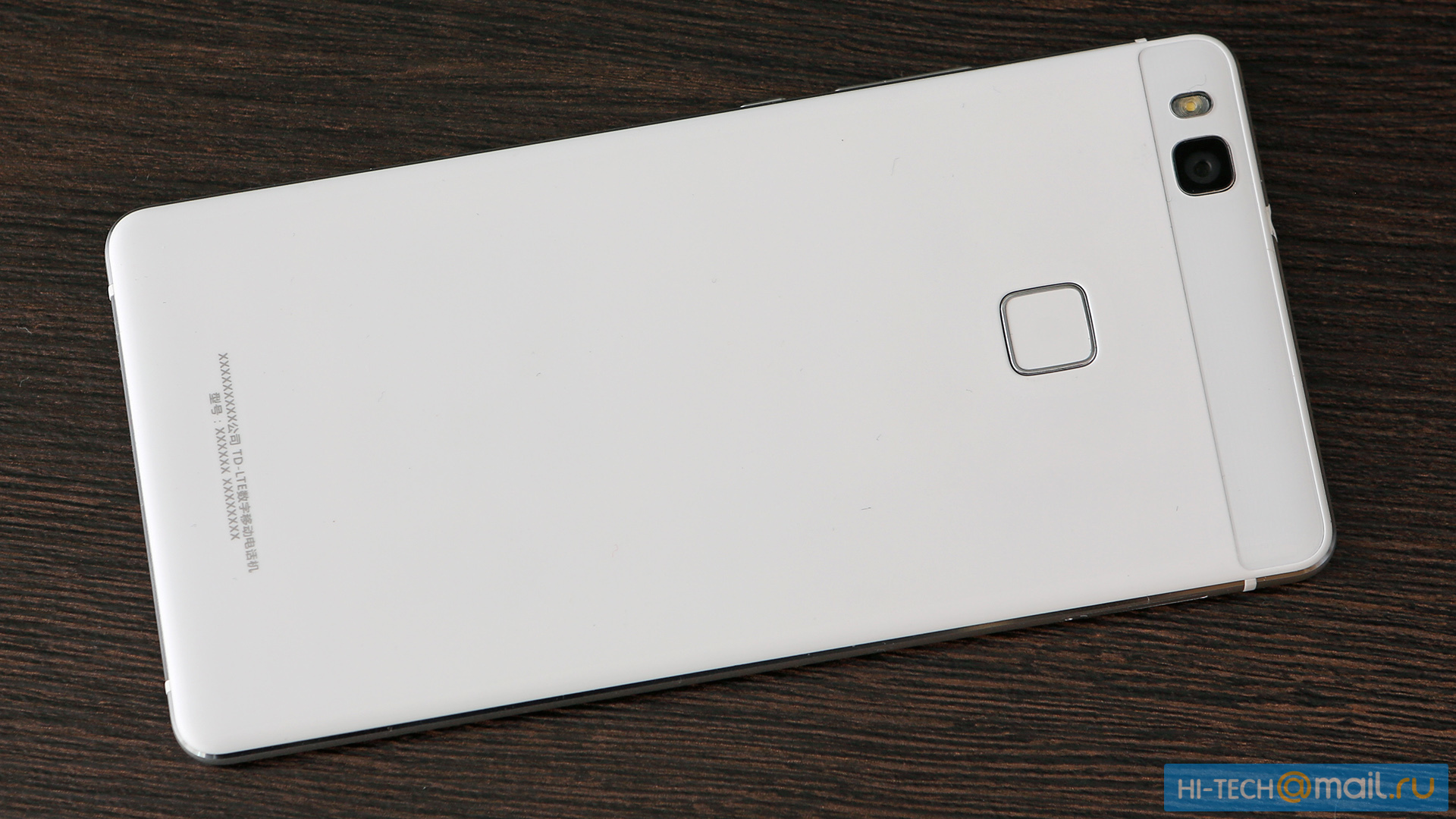
Apart from the premium metal body, the Ivvi i3 features an arc back, which ensures that you get a good grip on the device. Further, the company has worked with Qualcomm to improve efficiency of the device as well as use a special multi-antenna technology to enable support for all the three major carriers (full netcom) in China.
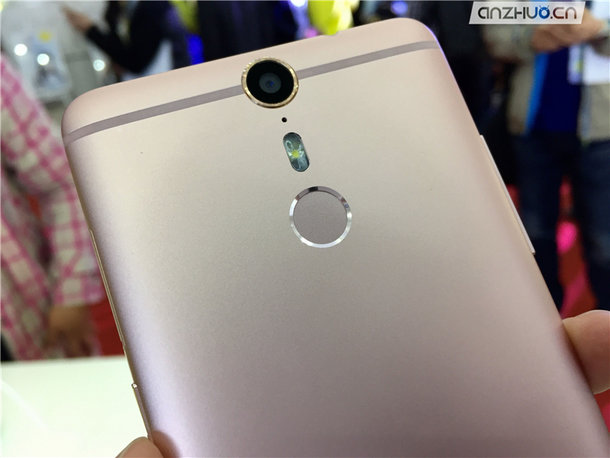
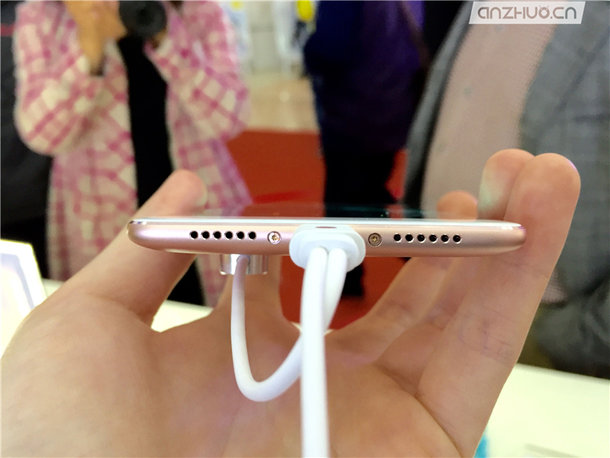
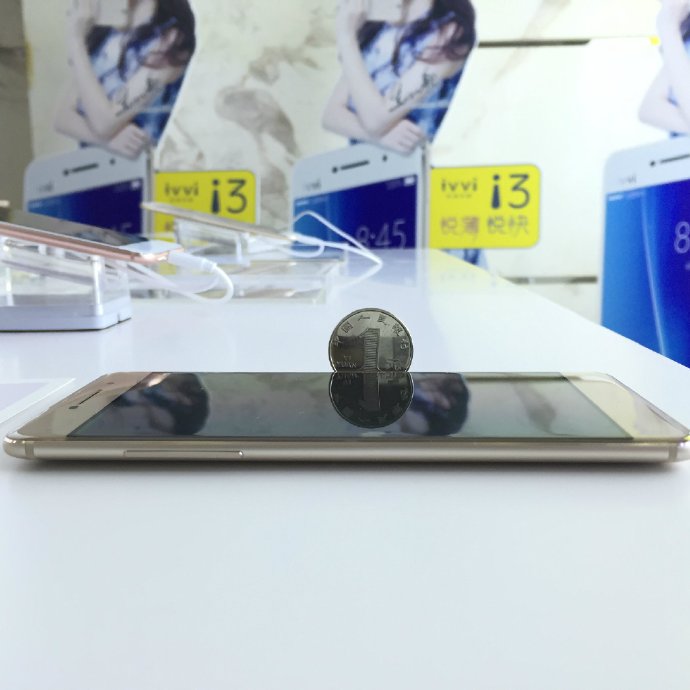
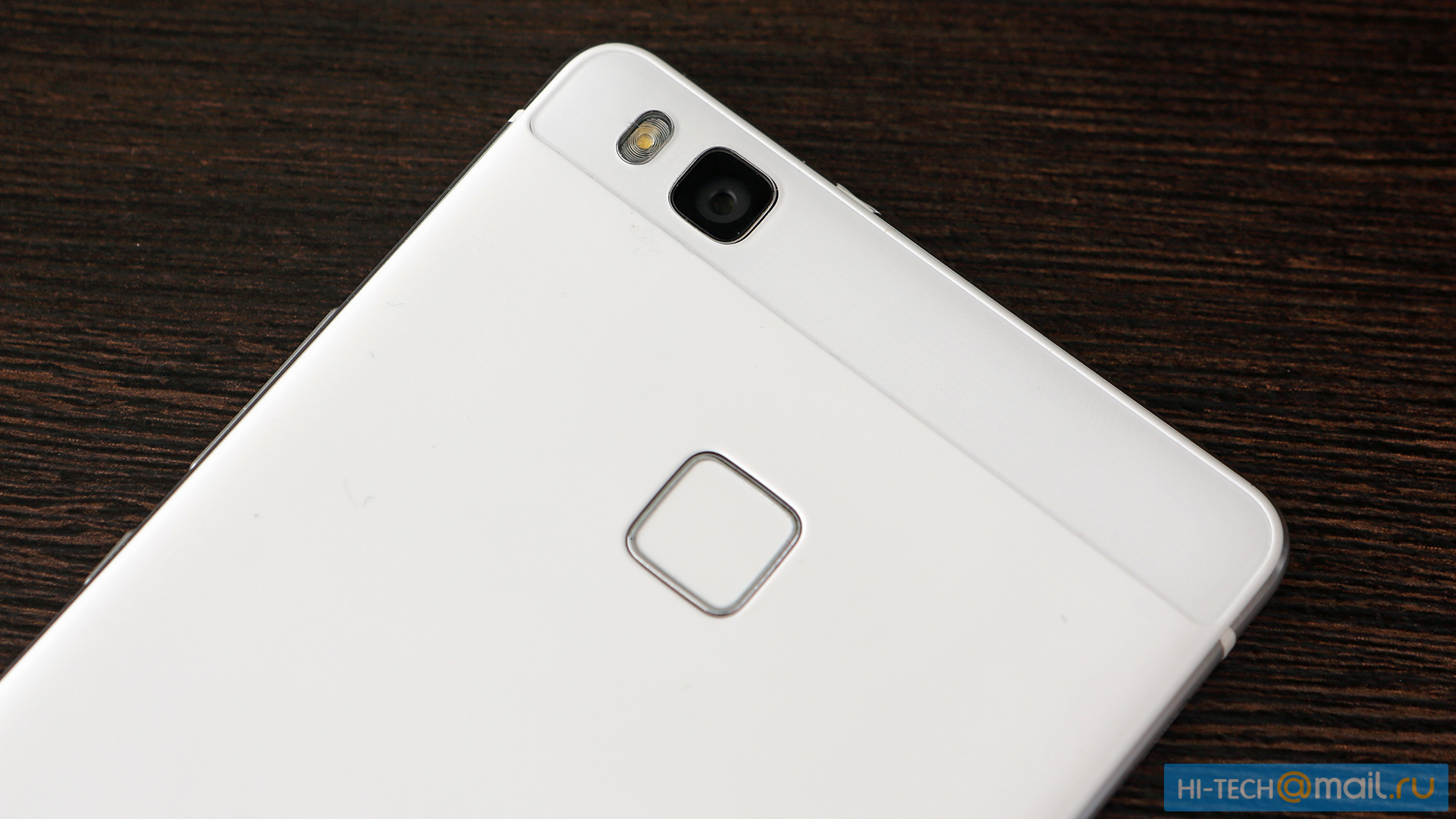
As for the body itself, the phone is just 6.5mm thin. In fact, at its thinnest point, the phone is just 4.2mm thick, which is pretty impressive. This also makes it thinner than the 6.6mm OPPO R9. Being such a thin device, the camera protrudes a little.
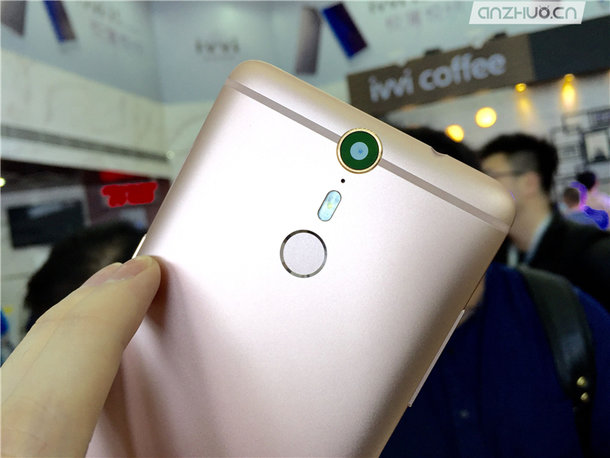
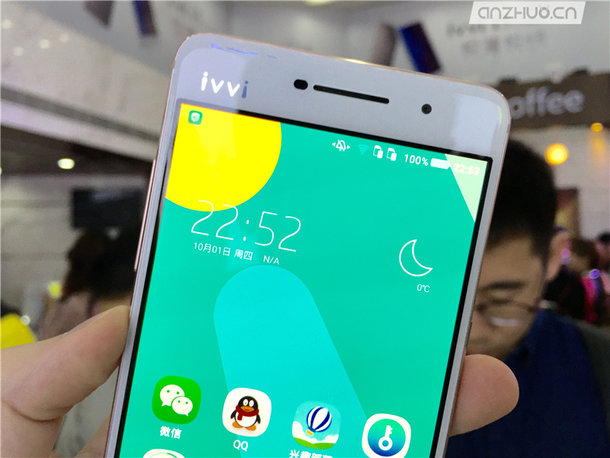
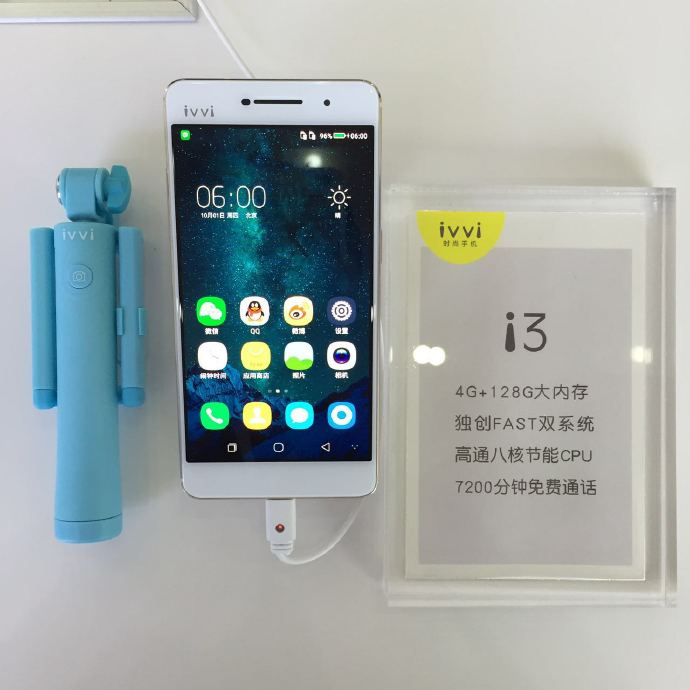
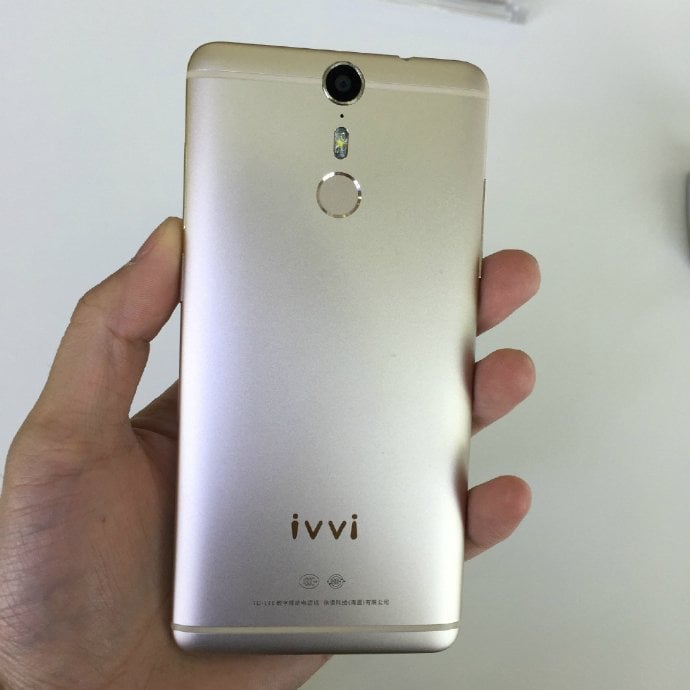
Everything at the back is symmetrical, with the camera sensor, dual tone LED flash and fingerprint sensor placed exactly in the middle. Coming to the front, the phone features on-screen buttons with thin black borders around the screen and camera and other sensors on top.
The phone is powered by the mid-range Snapdragon 430 chipset, making it the first in the market. If you are interested in the specs of the phone, you can read all about it from our launch article here.
Meanwhile, check out the Ivvi i3 in pictures from down below courtesy of Anzhuo.
In case you have heard of the Ivvi brand, its smartphones are known for its super thin profile. The company just launched a new phone in the lineup, called as the Ivvi i3 and this particular model too boasts of a thin metal body. The phone measures just 6.55mm in thickness which is thinner than the recently launched OPPO R9 measuring 6.6mm. It’s lighter as well, weighing just 140 grams as compared to 145 grams of the R9.
Before we move on to the specs, which are quite interesting, the phone features a metal body with an arc design. The company has used 99.2% metal for the body, so there’s hardly any plastic. Further, there’s 2.5D curved glass up front. The phone is quite symmetric as well, featuring the camera sensor at the center. The flash as well as the fingerprint sensor follows the same symmetric design, placed exactly at the center of the back cover. The front is simple, featuring on screen buttons (but there’s still considerable space under the display) and the front camera and sensors on top.
The specs are interesting because the Ivvi i3 is the world’s first smartphone to feature the new Snapdragon 430 chipset. This particular processor was first announced back in September last year and now, it has finally started ending up on phones. The chip features 4 x Cortex A53 cores clocked at 1.4GHz and 4 x Cortex A53 cores clocked at 1.1GHz. There will be Adreno 505 GPU on board with support for Cat 4 LTE networks.
From the processor point of view, this looks like a lower mid-range handset. Qualcomm’s 400 series chipsets were never known for their performance, rather the chips in the series focused on energy efficiency. But interestingly, Ivvi has put 4GB of RAM inside this device, to boost performance to some extent. There will be 32GB/ 64GB / 128GB storage options which is further expandable up to 128GB via MicroSD. The display is compact, measuring 5.2-inches but with just 720p resolution.
Then there’s a 13MP rear camera with PDAF and an 8MP front shooter with intelligent beauty 2.0 software. Other features include a standard MicroUSB cable, 2450mAh battery, dual SIM card slot (hybrid), Android 6.0 with a special fast software mode and 4G LTE support. There’s a fingerprint sensor at the back as well which unlocks in just 0.1 seconds.
Now coming on to the most interesting part of the phone, i.e. the pricing, it starts at 2299 Yuan ($355) for the 32GB variant, 2499 ($386) for the 64GB variant and goes up to 2799 ($432) for the 128GB variant.
Overall, the Ivvi i3 is a combination of high-end and low-end specs. The phone features a premium metal body that looks beautiful in gold. Then there are powerful specs like 4GB of RAM, 32GB, 64GB and even 128GB expandable storage options, a decent 13MP + 8MP cameras and Android 6.0. But what’s surprising is the processor, which is best placed in the lower mid-range segment and the display which features just 720p resolution. Then there’s the pricing, which is pretty high. So, we can’t really call it a premium mid-ranger.
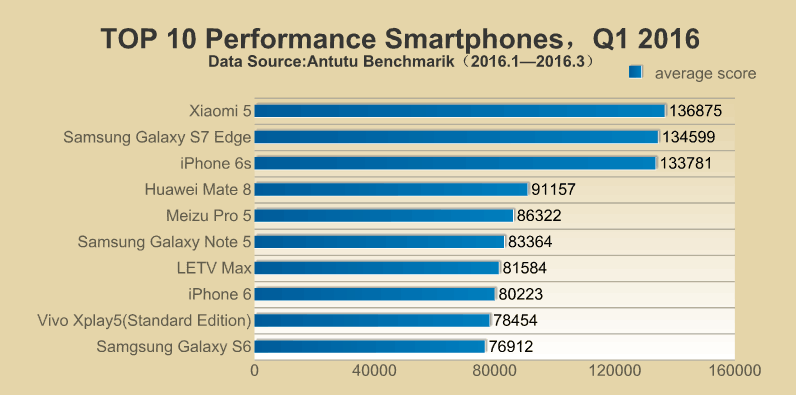
Every quarter, AnTuTu reveals the top smartphones in the market, and iPhones and Samsung Galaxy flagships have pretty much been on top of the rankings. However, this year, with more and more Chinese smartphone manufacturers releasing powerful handsets, there has been a slight reshuffle in the list. The new AnTuTu top 10 performance smartphone list for Q1 2016 contains 5 Chinese flagships. Not surprising since we have seen some powerhouses from Chinese handset makers in the past few months.
Last year, since AnTuTu went cross platform, iPhone 6S Plus pretty much dominated with the Apple A9 underneath. But now, things have reshuffled, with Xiaomi Mi 5 flagship on top with a score of 136,875. In case you are wondering, AnTuTu has taken the average score of a device, taking into consideration at least 500 different data samples. This statistic is for the first quarter of 2016, starting from Jan 1 to March 31.
After the Xiaomi Mi 5, there’s the Galaxy S7 / S7 Edge. One thing to note here is that Galaxy S7 could have beaten Mi 5, if it was not using 2K display which does take a toll on the scores. Next up was iPhone 6S, with a score very close to the S7. After these three phones, comes the Huawei Mate 8. But there’s a difference of 42K points between the third and the fourth place. Still, seeing Kirin 950 in the list is pretty impressive and shows how much the Kirin family has evolved in the past few years.
Rest of the places are taken by last year’s models, except for Vivo XPlay 5 Standard edition with Snapdragon 652. Now, you must be wondering why the XPlay 5 Elite version didn’t make it to this list, especially considering it comes with Snapdragon 820 and a whopping 6GB of RAM. AnTuTu has given an explanation for this as it says that only 18 data items were available for the device, which was too low. So, although the phone’s average comes out close to 130298, it wasn’t included in the list. Maybe in the Q2 results, we will see this powerhouse included.
So, do you think this list will change in Q2 2016? Which upcoming phone are you most excited about?
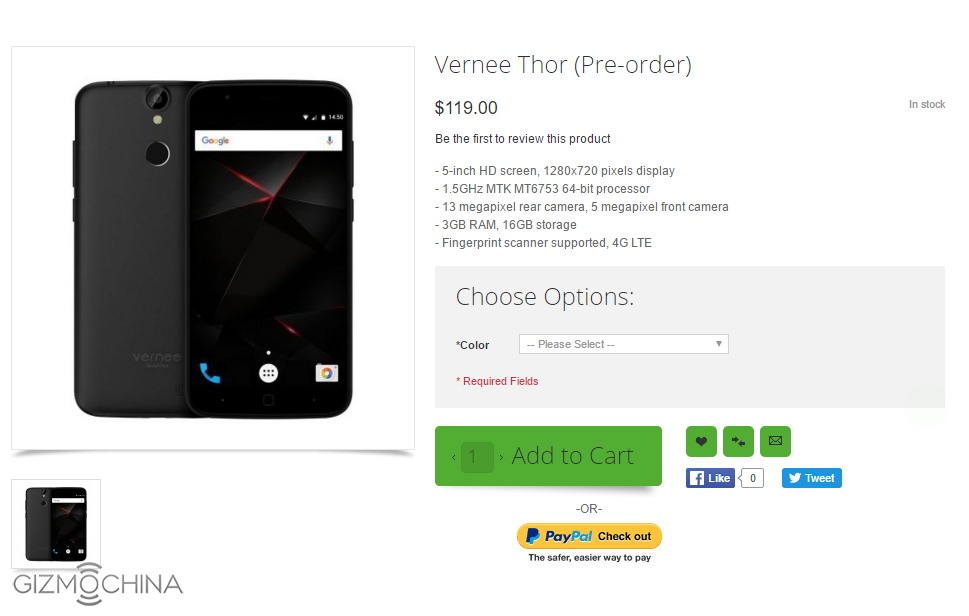
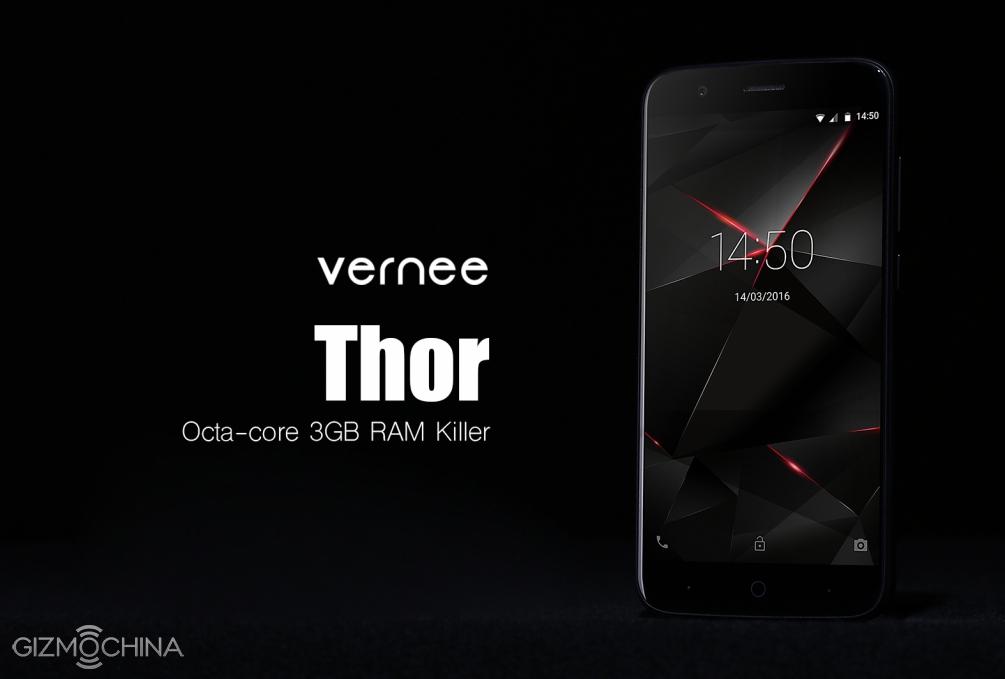
Vernee Thor is a good looking mid-range smartphone which was just launched recently. Being the first smartphone from the company, we are all excited to see the device in action. The phone features pretty good specs for its $119, but you can purchase the device for even less via some retailers.
Now, OPPOMART is offering the Vernee Thor smartphone for just $99.99. That’s a good $20 OFF the official price tag of the device, making it a great deal. You just have to use the discount code: VENE20 after adding it to the shopping cart to pre-order the phone at this price.
To recap, the Vernee Thor comes with an anti-fingerprint oil on the screen as well as a black rubber paint at the back for improved grip. The phone sports a compact 5-inch 720p display with Corning’s Gorilla Glass 3 protection. Inside, you get the tried and tested MT6753 octa-core processor with 3GB of RAM on board. There will be 16GB of expandable storage as well. In case you remember, the MT6753 powered many mid-range smartphones of last year that cost more than $150. So, it’s a decent chip good enough to power a $99 smartphone today.
At the back, the Thor features a 13MP rear camera while up front, there will be a 5MP shooter. The phone supports 4G LTE networks and comes with Android 6.0 out of the box. You get a 2800mAh battery inside, which is quite decent and good enough for a day. Finally, there will be a fingerprint sensor at the back as well.
OPPOMART has currently listed the black and gray variants of the Vernee Thor up for pre-order at $99.99. You can check out more details about the listing from the link given below.
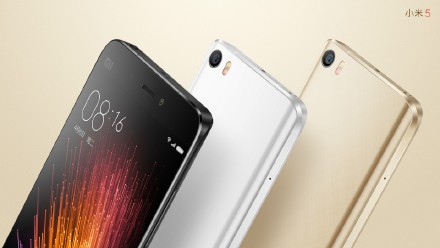
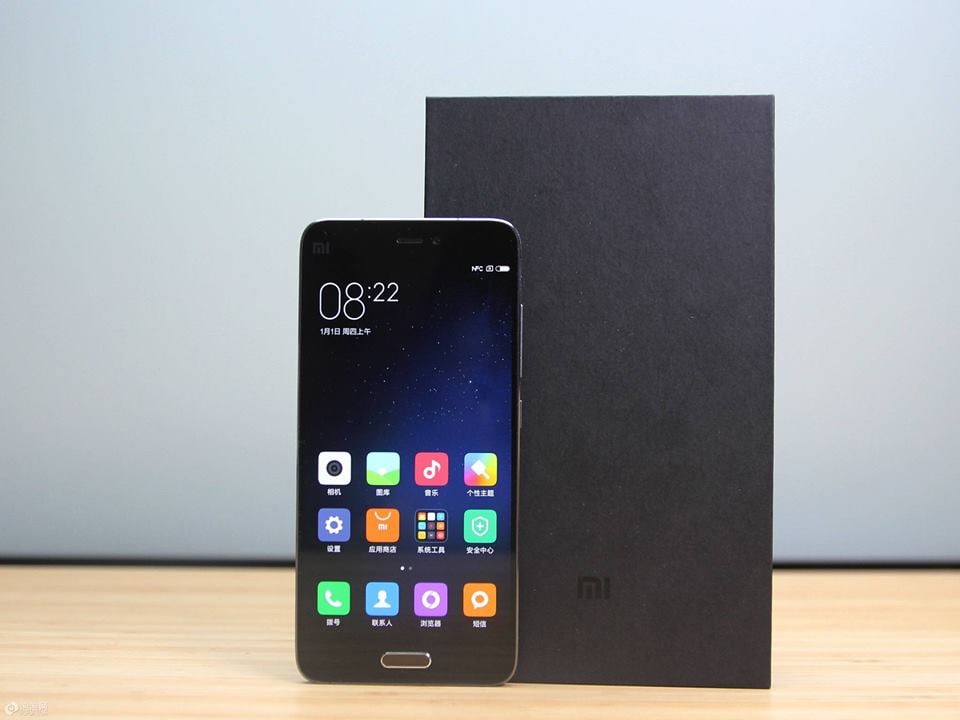
Xiaomi officially unveiled its flagship smartphone for the year, the Xiaomi Mi 5 late February. It has been more than a month since the phone went on sale, still there are thousands of users, in China as well as in India who haven’t got hold of the device. The popularity of the Mi 5 is not surprising given that its base variant comes with the powerful Snapdragon 820 chip at just 1999 Yuan ($310).
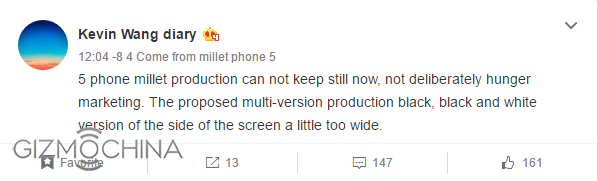
We know that the production of the Mi 5 has still not reached its full capacity, which means there are a lot of fans who are still unable to purchase the Mi 5 in China via the numerous flash sales organized by the company. Some even criticized Xiaomi for deliberately limiting the stock to create hype for the device.
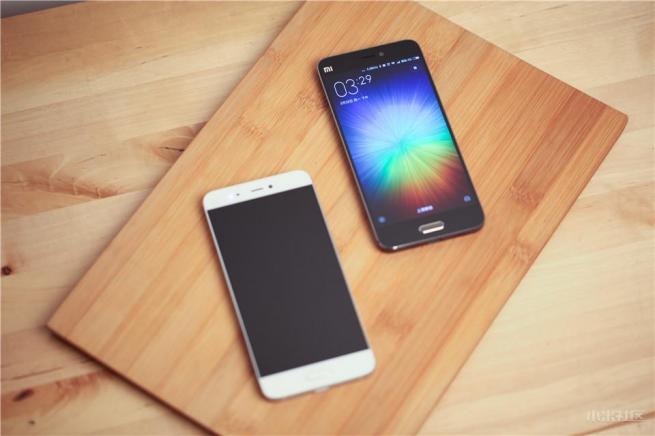
Now, Kevin Wang, the noted analyst from IHS technology reveals that Xiaomi is not purposely limiting the stock for creating a hype, instead, the production of the Mi 5 is simply unable to keep up with the demand. In addition to this, Kevin suggested that Xiaomi should make more black versions instead of the white Mi 5s since the black borders around the screen are clearly visible in the white variant.
Earlier it was reported that Foxconn and Inventec, the two companies given the task of manufacturing the device, are working overtime to fulfill orders for the Xiaomi Mi 5. But it could take a few more weeks for the production to ramp up, as CEO Lei Jun had revealed previously that the capacity of production will increase significantly by April.
Well, even at this moment, the demand is just too high for the Mi 5. So, fans who have been waiting for the device will need to have more patience.
So, did any readers out here manage to get hold of the Mi 5 in the flash sales in China or India?
Most flagships today come with fast charging. Given that top-end smartphones tend to have the best hardware underneath, it becomes necessary for the phone to feature a battery which is large and charges as fast as possible. Meizu will soon be unveiling its Pro 6 flagship smartphone on April 13 and the company confirmed today that the phone will come with fast charging technology. However, there’s more, the company hints that this tech makes sure that the phone’s battery is not damaged during the process. The teaser says, “They (companies) tell you the fastest charging times, why do they not mention the life of the battery?”.
Meizu Pro 6 could be using its own fast charging technology dubbed as mCharge (this could be mCharge 2.0) which ensures that the battery inside the phone is not damaged. Or it could use Mediatek’s PE (Pump Express) fast charging and utilize some kind of battery protection technology. Whatever the case maybe, this teaser confirms that the phone will have some kind of tech to ensure the protection of the battery.
There are a lot of fast charging technologies currently available in the market, like Qualcomm’s Quick Charge, Mediatek’s Pump Express and even OPPO’s Super VOOC fast charge. The first two charging technologies use high voltage to speed up the charging process. High voltage often leads to heat generation, which is not good news for your battery life. On the other hand, OPPO’s VOOC fast charging uses a low-voltage 5V charger to ensure that the heat is kept to a minimum and the life of the battery is not adversely affected. Well, Meizu’s new Pro 6 could come with a similar charging tech as OPPO, using low voltage.
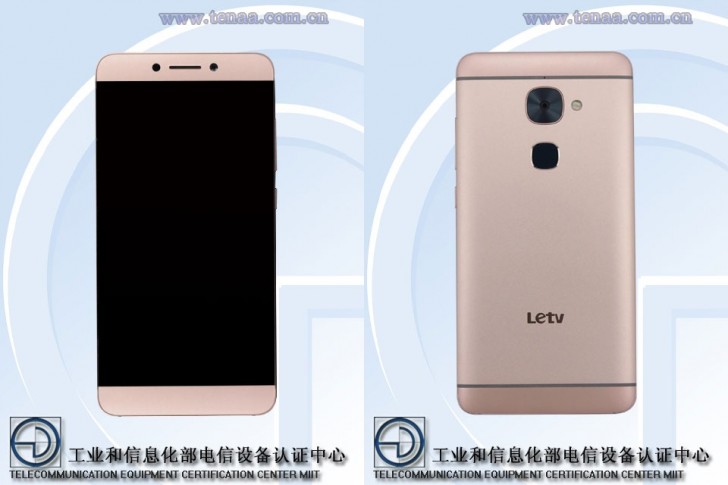
LeEco executives have confirmed that the Le 2 flagship is coming very soon. While we are not entirely sure that the launch will be within this month, one of the versions of the Le 2 smartphone has just passed through the network certification website TENAA. Now that the phone has been network certified, we can be sure that the launch is around the corner.
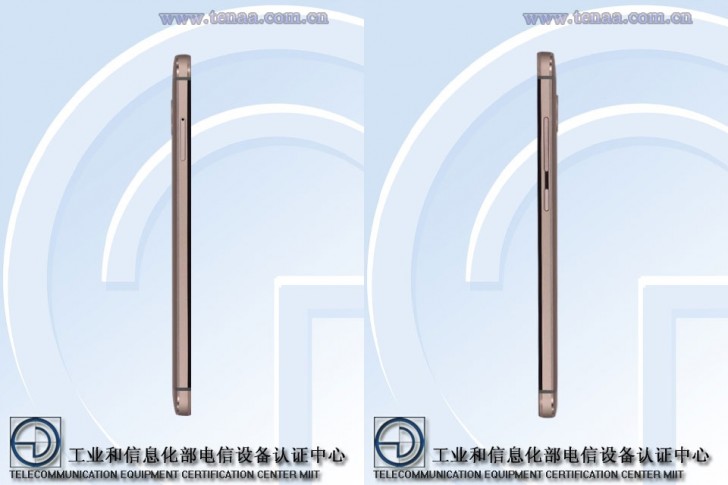
Like always, thanks to the listing, we have a bunch of the specs of the Le 2 as well as the design. Well, to be honest, we are a bit surprised to see that the new model looks a lot like the SD820 powered Le Max 2 flagship that was launched three months back. The phone continues with the all metal design, again a surprise, given that earlier rumors stated that the company would opt for a different material. But this could be the lower-end model and the top-end variant may feature a different material (like the Xiaomi Mi 5 Pro which comes with a ceramic body).
Moving on, the phone features a fingerprint sensor at the back as well as a camera sensor with dual tone flash. What’s interesting is that it carries the LeTV branding and not the new LeEco logo. But we can expect the new logo to end up in the final units.
As for the specs, the Le 2 smartphone will come with a deca-core Helio X20 processor with 3GB of RAM and 32GB of internal storage. At the back, the phone will feature a 16MP rear camera while up front, you will find an 8MP shooter. There will be a 5.5-inch 1080p display on board as well as an ultrasonic fingerprint sensor. Finally, the phone runs on Android 6.0 with EUI on top and features a 3000mAh battery inside its 7.7mm thin body.
So that’s all we know about the Le 2. There should be another version with SD820 or Snapdragon 652 chip on board, but we will have to wait and see if those rumors turn out to be true.
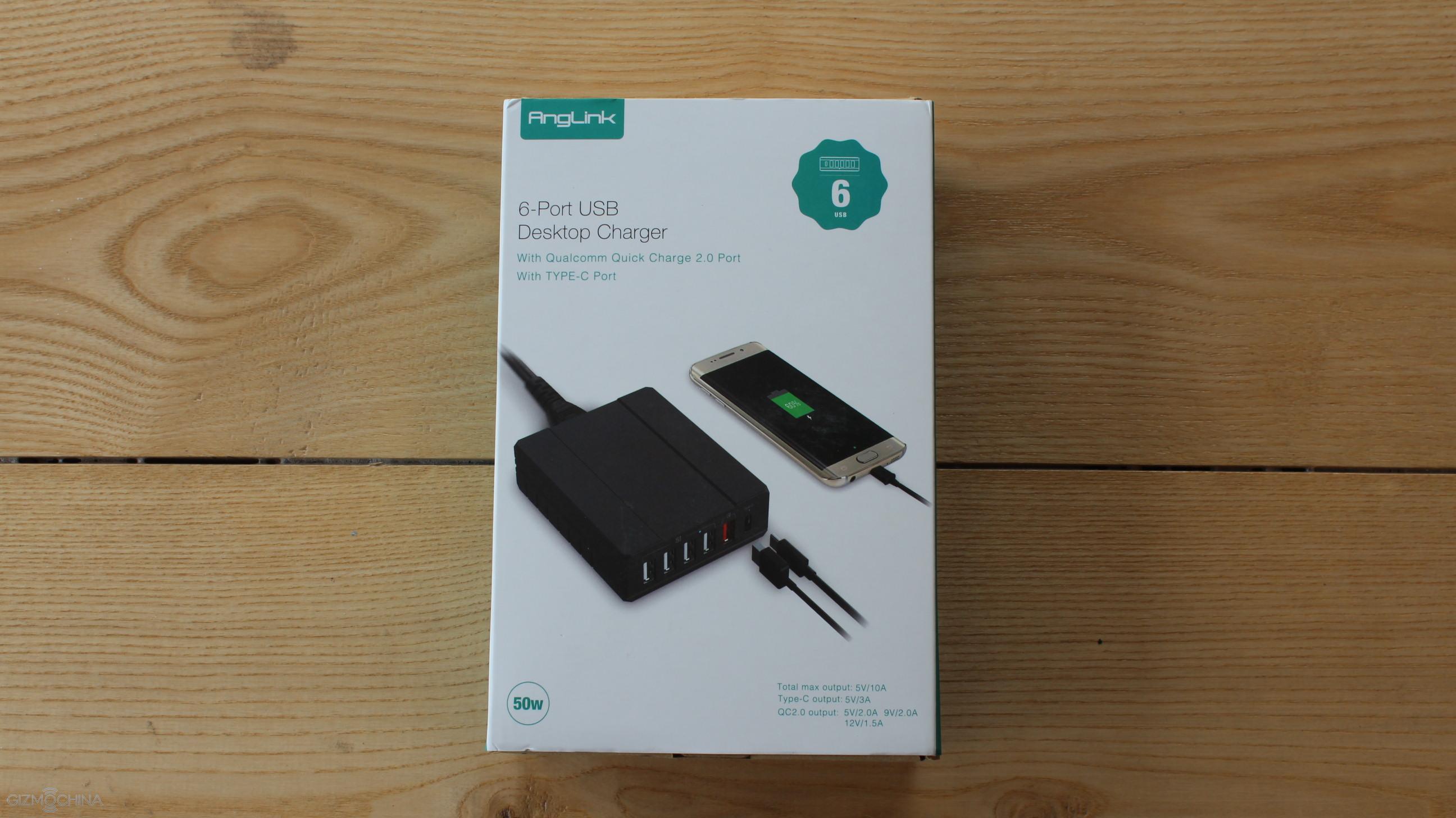
Once you have a few devices to charge, the most convenient way to do it is to buy a multi-port USB charger. But why would you need to do that if I’m giving one away for free? Learn more in the full review and make sure to enter the giveaway at the end of the article!
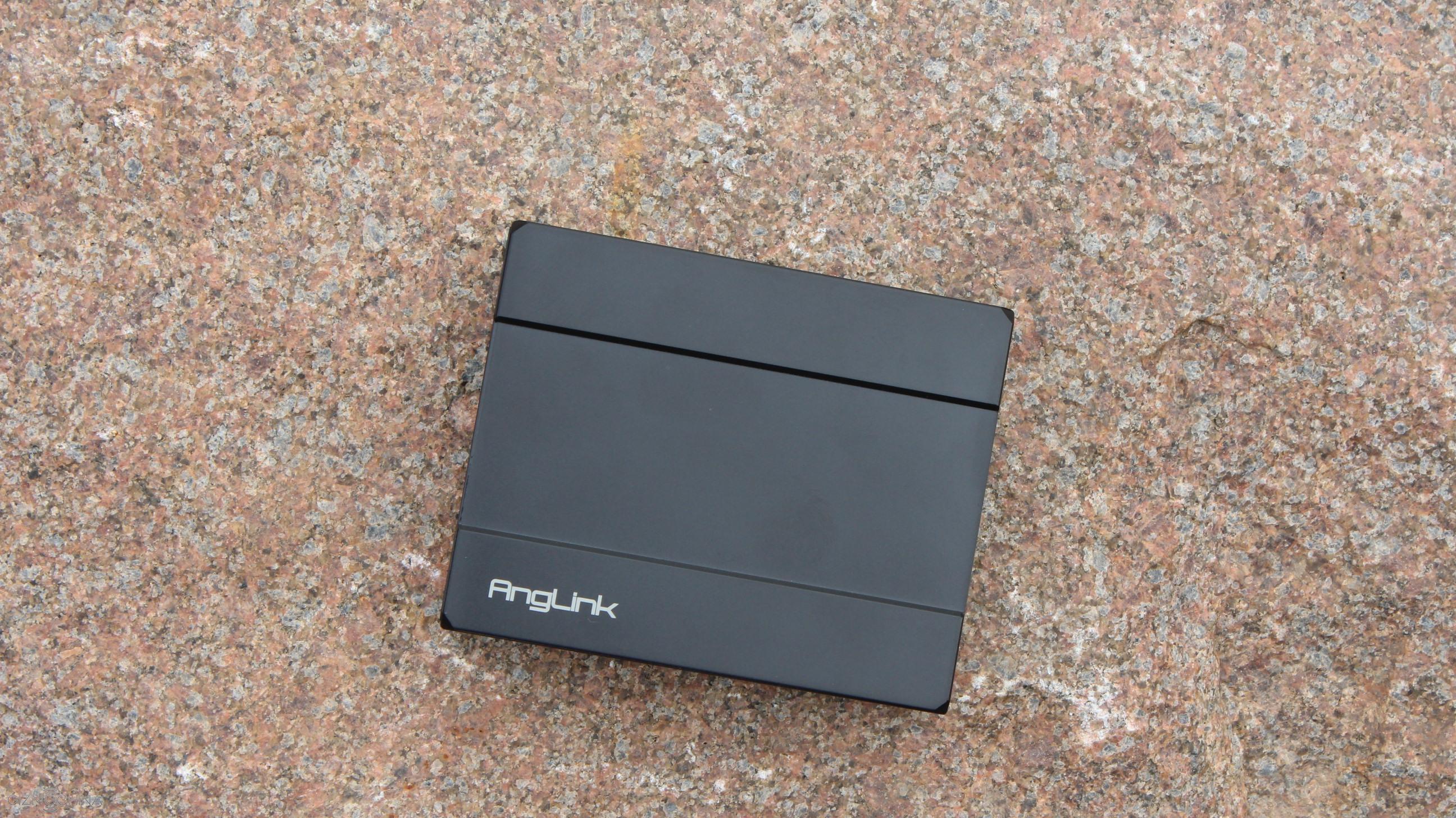
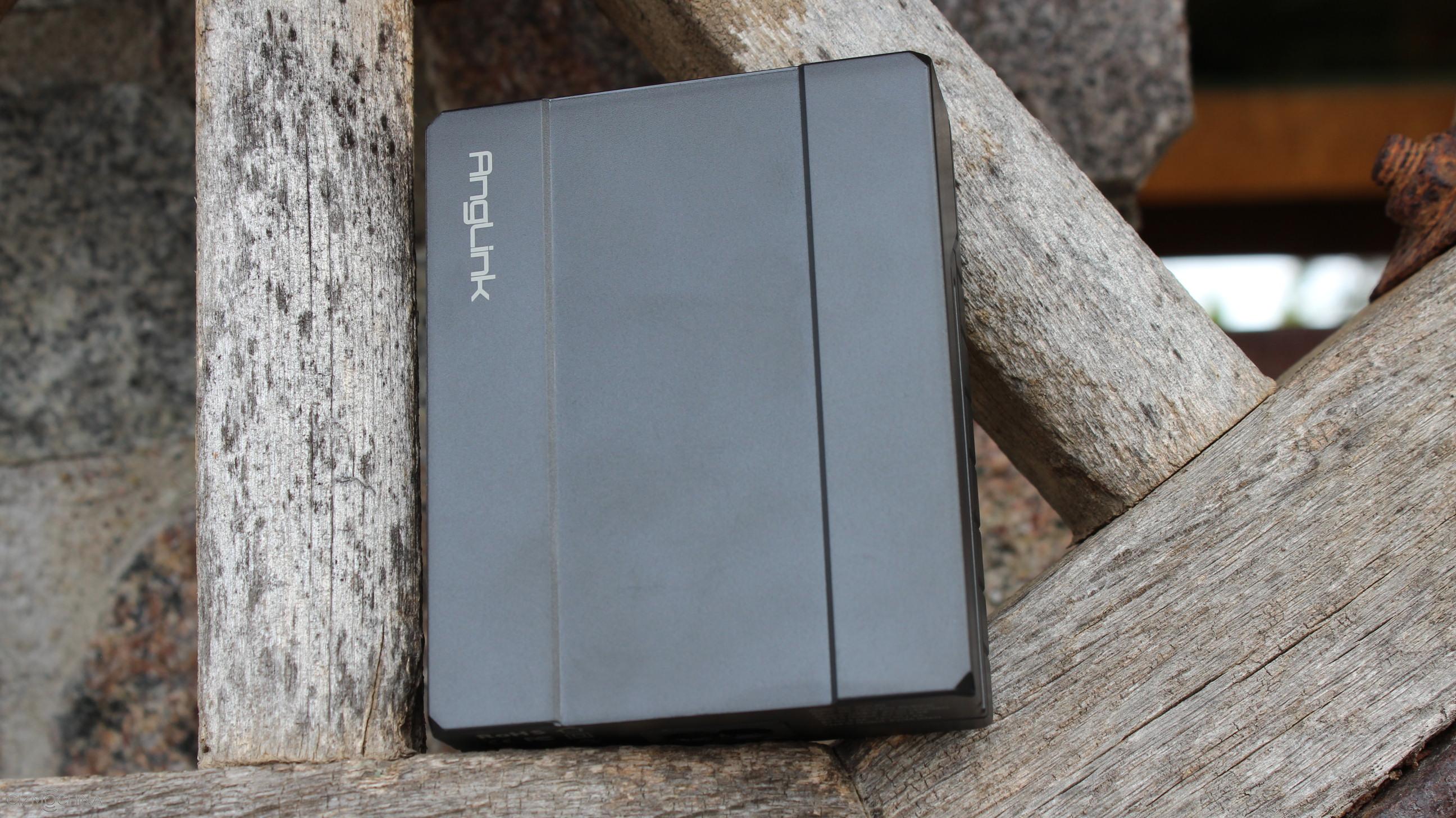
The Anglink 6 portUSB charging station costs just below $20 and I will leave a link down below the video.
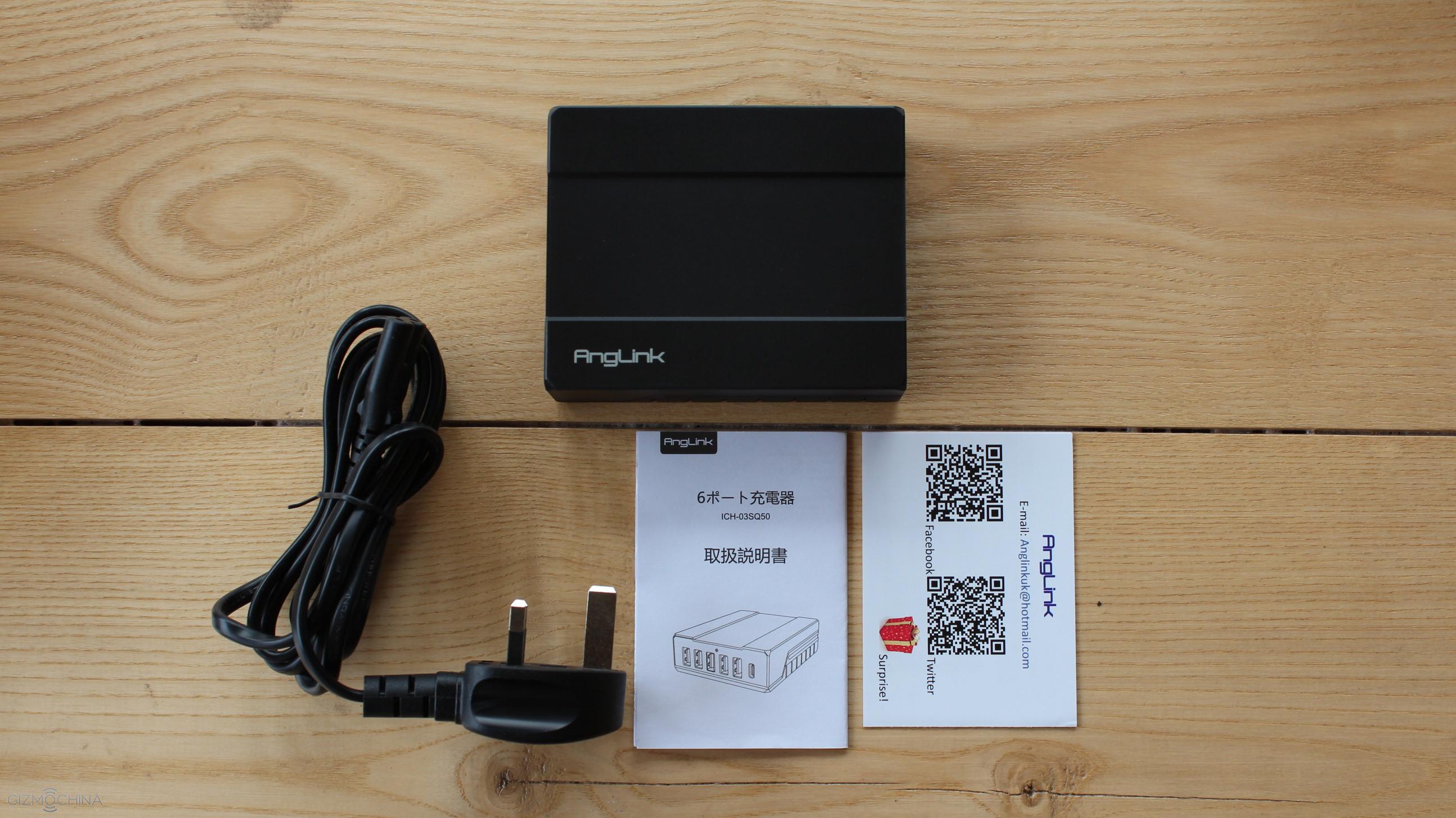
The device comes with a power cord and some documentation.
DESIGN
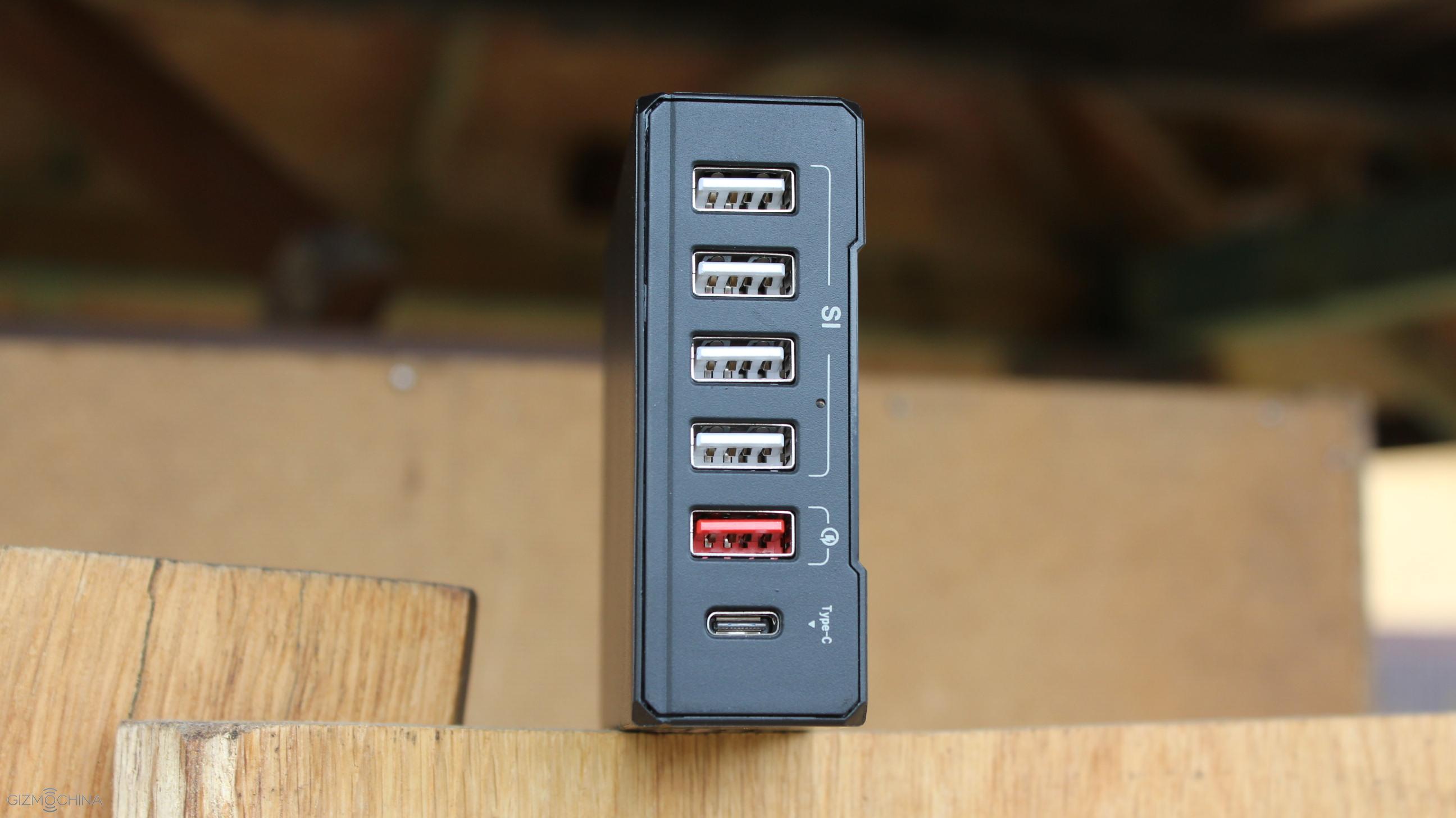
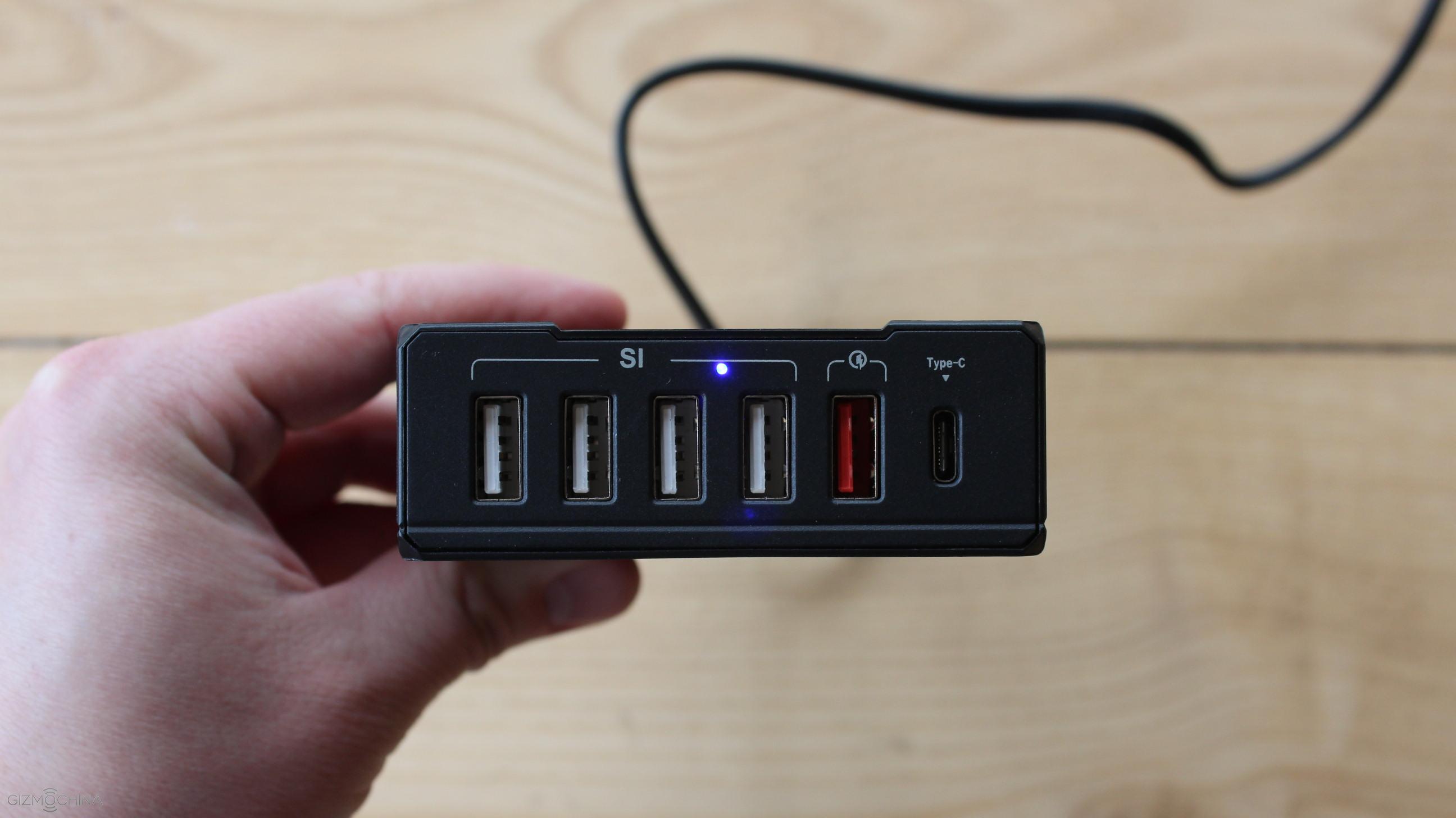
The charging hub is made of quality plastic and it is really compact considering the fact that it has 6 ports.
4 of them include smart-charging ports, which detect your device and charge it at the maximum possible speed. Also, we have the port, which supports Qualcomm’s Quick Charge 2.0 fast charging tech and last but not least we have the USB type C port for devices like 12” MacBook.
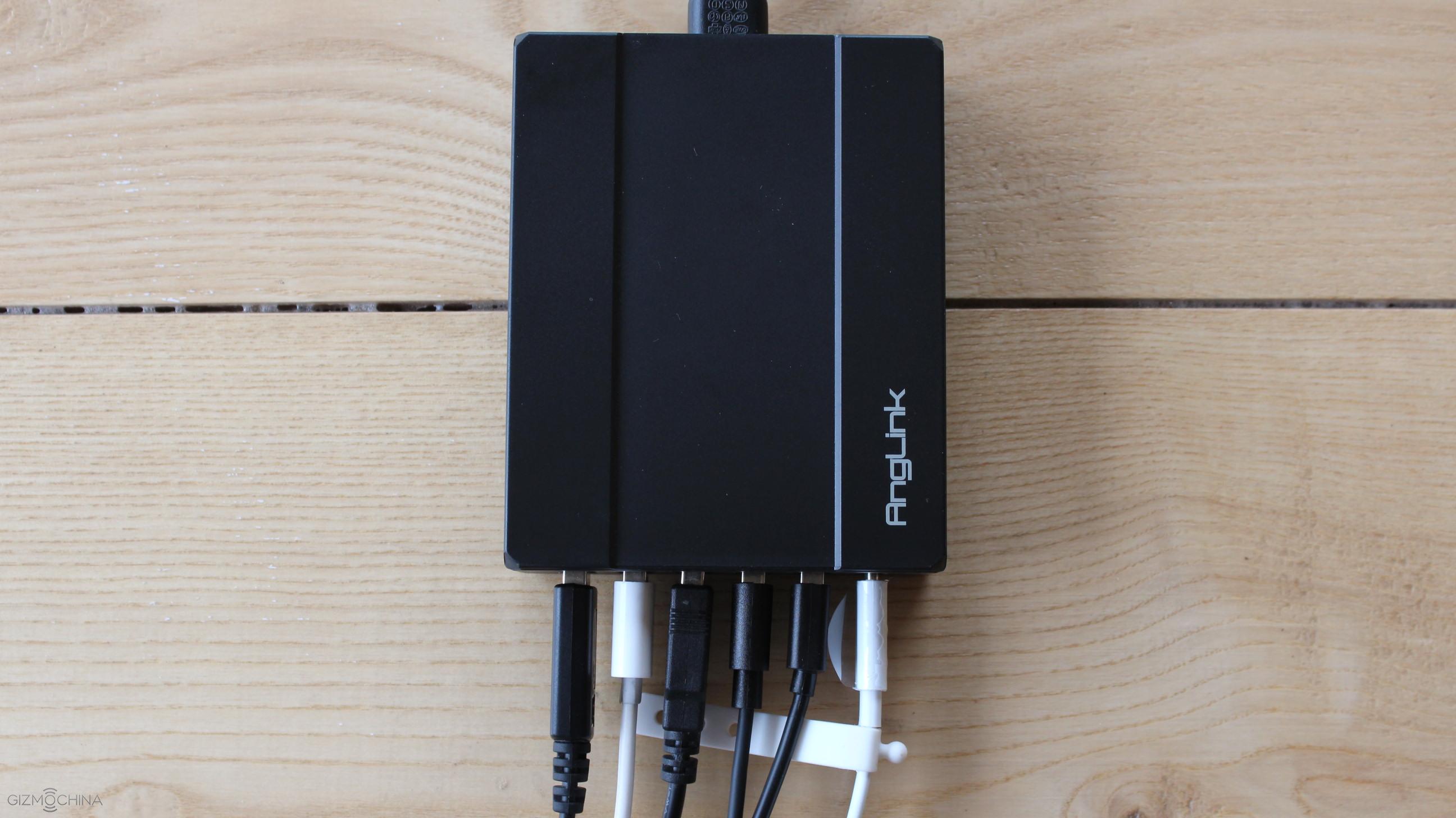
My only complaint about the design is that the hub does not have any silicone pads, so it may slide on the table quite easily.
FEATURES and FUNCTIONALITY
I’ve tested each and every port of this charging station and it works fine. The charging speeds are great too. 4 regular ports have a power output of up to 2.4A and the port with Qualcomm’s Quick Charge 2.0 fully charged my Galaxy S7 edge in 1 hour and 20 mins.
CONCLUSIONS
All in all, the Anglink 6-port charger has a great design, it is well built and it charges the devices fast. Also, it is reasonably priced at just below $20 on Amazon. Finally, it is a great choice if you are looking for a multi-port charging station.
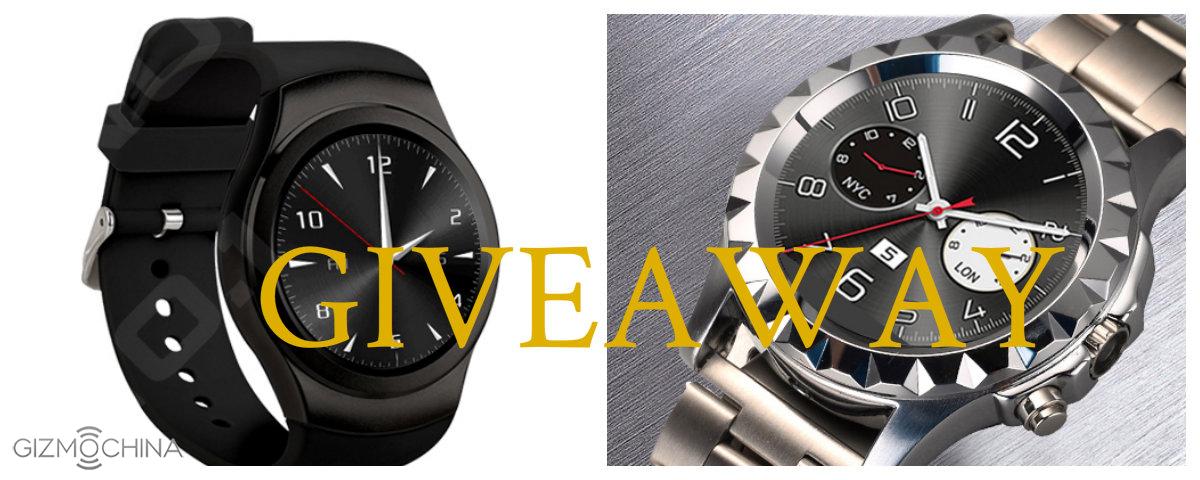
If you are a regular reader at gizmochina, you would know we love to giveaway products frequently. Last month, we gave away the Blackview Ultra Plus smartphone and we received a great response. Now, we have decided to giveaway two new smartwatches to two of our readers, the No.1 G3 and the No.1 S2. Smartwatches being one of the hottest accessories in town, this is a good opportunity to try out your luck to win one for free. We will select two winners, wherein one will receive the No.1 G3 watch and the other will win the No.1 S2 watch.
We thank No.1 for providing the two smartwatches for giveaway to our readers. You can read more about these watches as well as check out their website from here.
Both the No.1 S2 and No.1 G2 are circular smartwatches with a great design. They are rugged, hence waterproof and dust proof. Further, they come with all the standard features expected in a smartwatch, like a pedometer, smartphone sync, heart rate monitor, alarm etc. You can get notifications from your smartphone apps directly on your watch. You can read more about the G3 from here.
The giveaway is pretty straightforward and if you have participated in our previous giveaways, you will know exactly what to do.
Like always, we will be conducting this giveaway via gleam. Two winners will be selected at random and will get the one of the above two smartwatches.
The more you share, the more your chance to win! You can participate in the giveaway from down below.
Meizu confirmed earlier today that the Pro 6 flagship will launch on April 13, less than a week from today. The phone is going to be one of the most important products for the company in 2016 and naturally, we can expect some great tech on the device. We already know that the phone will feature the new Helio X25 chip as well as 3D Touch like pressure sensitive display. Now, latest rumors reveal that the Pro 6 will feature a powerful ring flash at the back.
Thanks to the renders released directly by the company CEO, we know that there was a unique flash setup at the back, with probably a Laser Autofocus at the center. Now, the rumors state that Pro 6 will come with ring flash tech which will feature 10 flashes. This would really make night time shooting with the device easier.
Like mentioned above, there will Laser Autofocus in between which will reportedly be better than traditional ones. The combination of these two will reportedly help the Pro 6 capture impressive night time photos. Unfortunately, as of now, Meizu is yet to confirm such a setup. So, we will have to wait for some official details to confirm it.
earlier leaked pro 6 image
As for the other specs, the Pro 6 is confirmed to come with Helio X25 chip which is a slightly upgraded version of the Helio X20 chip. The display will be a pressure sensitive one, again confirmed by company VP and will reportedly be better than the ones provided by Huawei. Other possible features of the phone include 4GB of RAM, and 5.2-inch 1080p display.
The Pro 6 launch event is just five days away, so we can expect more details in the next few days. Stay tuned!
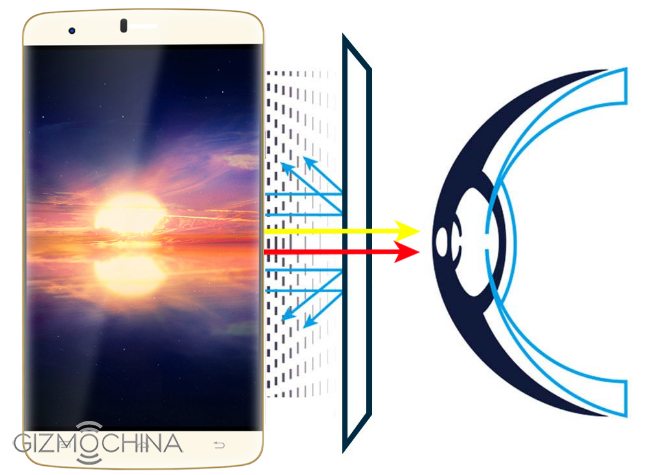
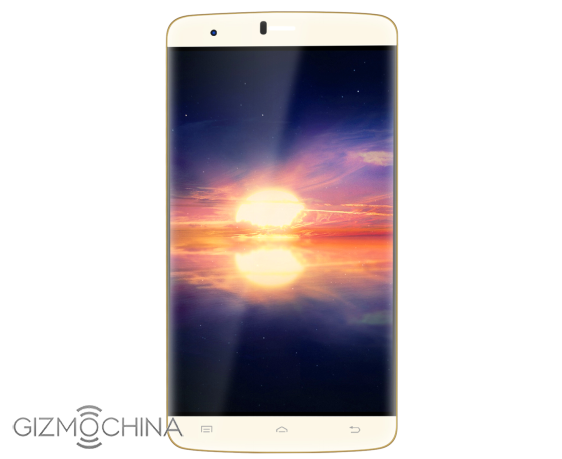
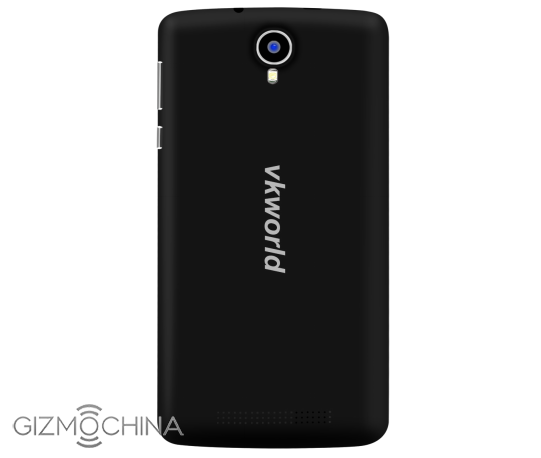
VKWorld has as number of smartphone under its belt, but recently, this Chinese smartphone maker has been particularly quiet. But today, the company has broken the silence by revealing that it’s working on a new smartphone called as the VKWorld T6. The highlight of this phone is that it filters out the harmful blue light emitted from the display.
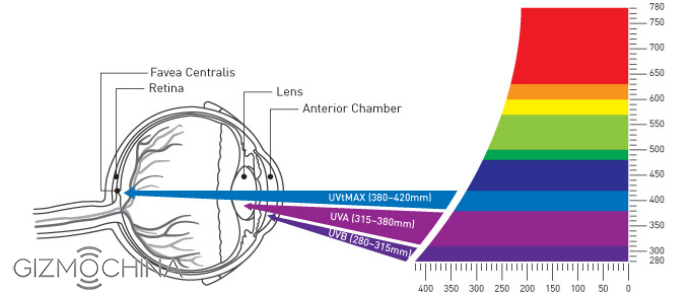
If you haven’t heard of the harmful effects of the blue light emitted by digital devices, here’s some info. The blue light is dangerous as it not only adversely affects our vision but also our overall health. It’s harmful because it’s the highest energy wavelength of visible light. Because of this, it can penetrate our natural filters of our eyes, thereby potentially causing damage in the long run. Other less serious problems caused by blue light are blurriness, tiredness and sometimes even burning sensation in the eye. So, although we may not realize it now, increased blue light exposure is causing us harm.
VKWorld explains that its new smartphone, the T6 filters out blue light in two ways — software and hardware. First of all, in the software department, the T6 screens out blue light by internal signal processing before image formation. Also, it reduces color distortion while maintaining high brightness.
In the hardware department, the company has modified the essential material of LED backlight, namely the phosphorus powder. There are other changes like reducing the peak wavelength of blue light from 444nm to 460nm which reportedly helps filter out 90 percent of the harmful blue rays.
Well, apart from this information, VKWorld also revealed a few specs details of the T6. The phone will come with a large 6-inch display, making it a phablet with 2.5D Corning Gorilla Glass 4 protection. The VKWorld T6 reportedly boasts of a screen to body ratio of 80 percent. Other features include 2GB of RAM, 16GB internal storage with MicroSD support and an unknown quad-core processor. Looks like a low-end mid-ranger.
The company will release the T6 in April, but the exact date is unknown at the moment. Stay tuned for more details.
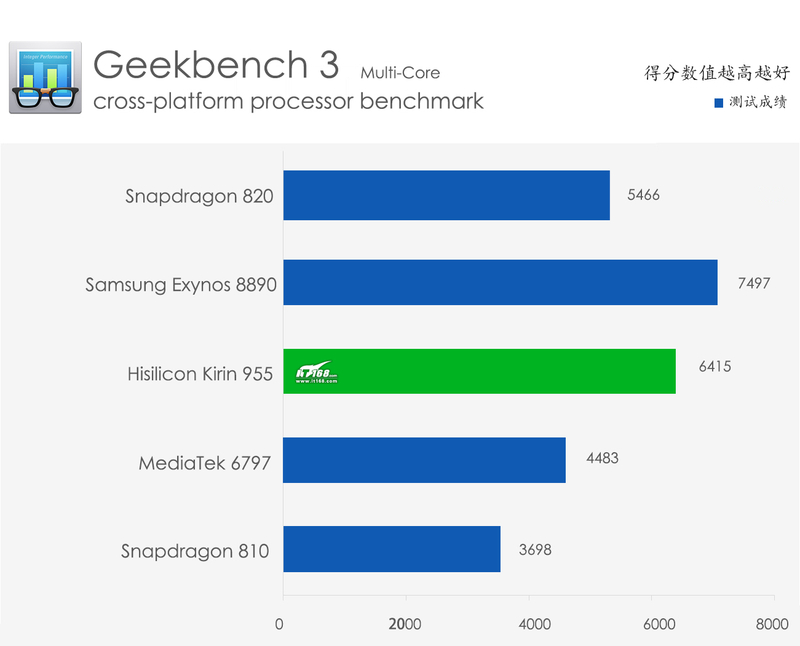
Huawei P9 was announced a couple of days back and the phone came with impressive specs. Apart from the dual camera setup on the back, we were also interested to see the performance of the Kirin 955 chipset that powers the device. It is reportedly a slightly upgraded version of the Kirin 950 that powers the company’s other smartphones like the Mate 8. And now, we have the initial benchmark results of the chipset.
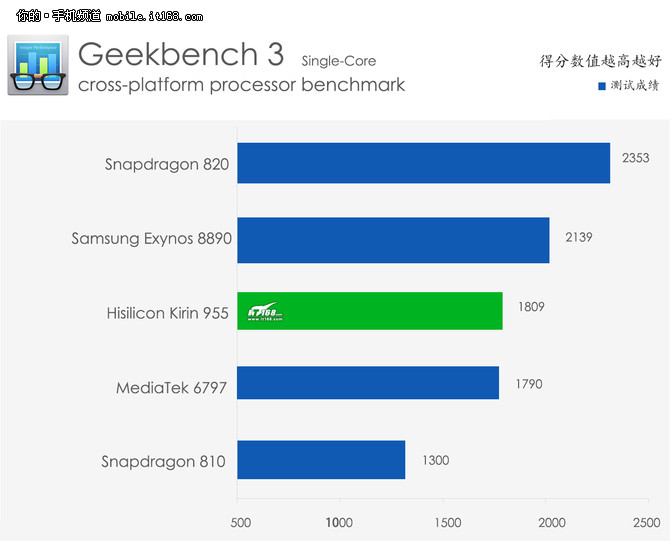
To recap, the Kirin 955 comes with 4 x Cortex A72 clocked at 2.5GHz and 4 x Cortex A53 cores clocked at 1.8GHz. As for GPU, there will be Mali-T880. In comparison, the Kirin 950 is clocked only at 2.3GHz. So, let’s see the Kirin 955 benchmark performance below.
For now, we only have the Geekbench results, courtesy of IT168. In the single-core Geekbench test, the Kirin 955 managed to score 1809 which is quite good. However, it’s not at par with Snapdragon 820 or even Exynos 8890 that scores 2353 and 2139 respectively. However, this score does manage to beat the deca-core Helio X20 in the same test which scores 1790. The difference is just marginal of only about 20 points.
Coming to the multi-core test, Huawei’s Kirin 955 really shines with a score of 6415 points. Only the Exynos 8890 scores above Kirin 955 with a score of 7497. Snapdragon 820 is behind with 5466 followed by the Helio X20 which scores only 4483 even with its deca-core setup.
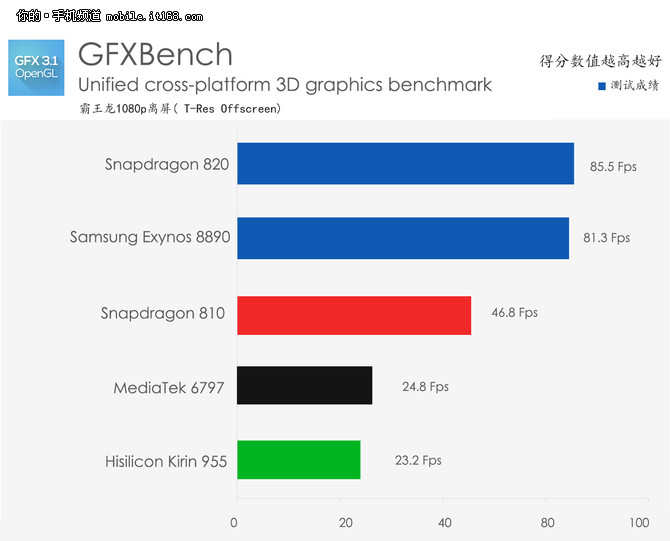
Moving on to the GPU performance, as expected, they are not really at par with chips from Samsung and Qualcomm. Huawei’s Kirin 955 only managed 23.2 Fps on the Unified Cross-Platform 3D Graphics benchmark (T-Rex Offscreen), whereas Helio X20 got a marginally better 24.8 Fps. Snapdragon 810 gets around 46.8 Fps which is pretty good, but what’s really amazing is that both Exynos 8890 and SD820 get above 80 Fps. So, GPU is one area where both Kirin 955 and Helio X20 have to work on.
So, that was the first Kirin 955 benchmark results we have seen. What do you think? Good enough for a flagship?
Meizu has been talking a lot about the upcoming Meizu Pro 6 flagship for the past one month. While the company didn’t reveal a date for the flagship launch earlier, we expected it to be a bit later considering that the mid-range Meizu M3 Note was just announced on April 6. However, Meizu has surprised us all by confirming today that the Meizu Pro 6 launch will be on on April 13, just a week after the M3 Note’s launch.
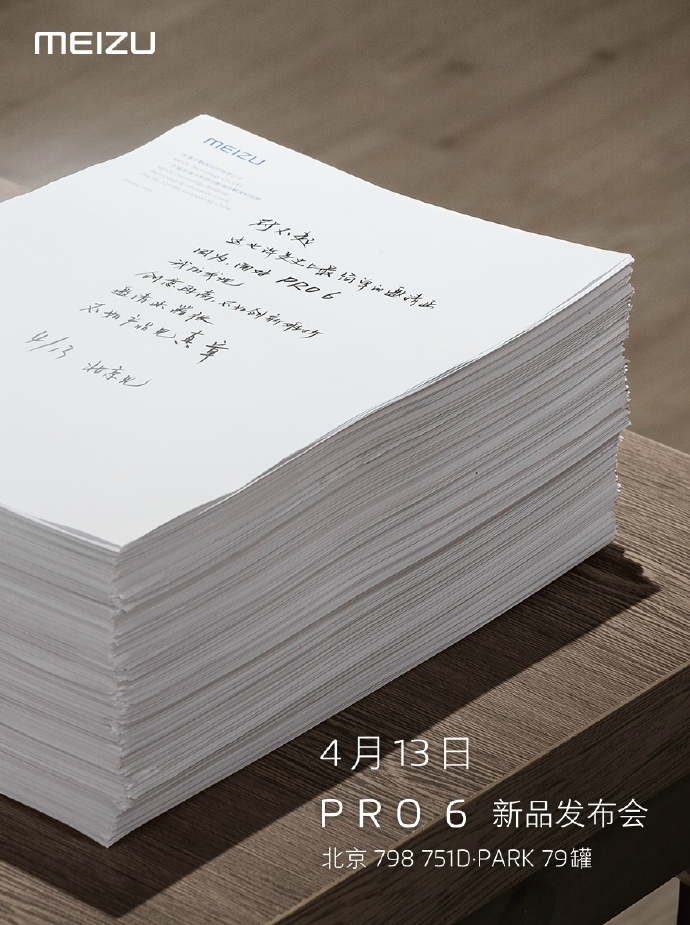
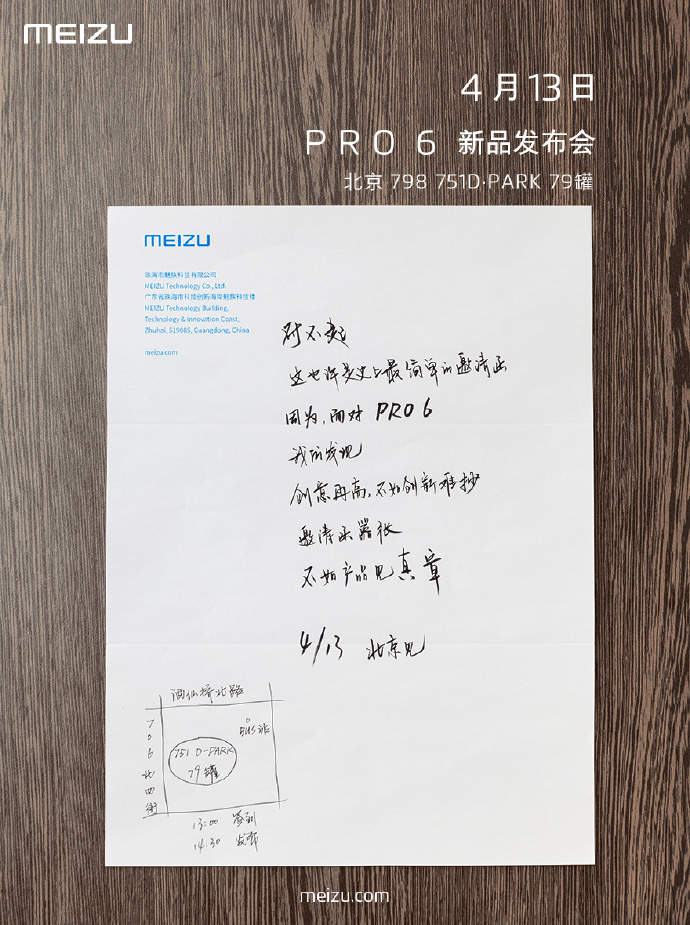
And how does Meizu confirm the Pro 6 launch date? By sending out invitations, that are probably the simplest invites we have seen from a smartphone manufacturer. Meizu has literally sent out a piece of paper with what looks like hand written details. The company confirms via this paper that the Pro 6 flagship will launch at an event on April 13 at 2:30PM in Beijing.
Previously, we have seen Meizu send out invitations that are flashy (remember the time when the company had sent Nokia smartphones?). So, why send out a piece of paper for their most important product of the year? While we have no official explanation of the same, from the Weibo post, it looks like the company wants to highlight the simplistic design of the Pro 6.
Releasing the Pro 6 this early is really surprising given that the previous generation Pro 5 handset was announced just last September. So, within 7 months, the company is now updating the lineup with a new generation model. We expect the phone to be impressive, and let’s hope that the company doesn’t disappoint us with its new device.
Every year, around April 6, Xiaomi kicks off the Mi Fan festival to celebrate its anniversary. The company was founded on April 6, 2010 and we all know where it has managed to reach in the past six years. The company now operates in a number of markets, two of them being the world’s top smartphone markets, India and China. Thanks to its aggressive pricing and customer oriented approach, Xiaomi has managed to gather fan following in millions.
Like tradition, this year as well, Xiaomi had the Mi Fan festival and the numbers are impressive than ever before. The company managed to break previous records by generating a revenue of 1.87 billion Yuan which is nearly $289 million. In comparison, last year, the company managed to make 1.25 billion Yuan in revenue, so this year is definitely a level up. The company saw over 46.83 million participants during the sale period.
Simultaneously, Xiaomi also had the Mi Fan festival in India, wherein the company managed to sell over 100,000 smartphones and accessories. Yesterday being the major sale day for the company, its website saw over 1.2 million unique visitors in one day. The company had a lot of devices up for sale during the festival period, which includes new products like the Xiaomi Mi 5 Pro, Redmi 3 Pro, Induction Cooker, Mi Water Purifier and Mi TV 3S. All these products were announced a couple of weeks back in China.
In the past couple of years, Xiaomi has managed to diversify its porfolio of products by investing in a number of different companies and startups. This has led to the birth of many Xiaomi branded products other than the core business that comes under the new Mi ecosystem brand called as Mijia.
Meizu announced the brand new Meizu M3 Note mid-range smartphone yesterday. The phone was everything we expected it to be and even more. One of the best features of the device was its pricing, as it starts at an amazing 799 Yuan ($125) in China. While you won’t be able to get hold of the phone at this price internationally, OPPOMART has listed the phone for pre-order at $169. Considering the specs on board, this isn’t too bad.
So, you get the 2GB RAM + 16GB ROM version of the M3 Note for $169, while for the 3GB RAM + 32GB ROM version, you will have to shell out $50 more. There are three colors available for both the variants, namely Gray, Gold and Silver. The phone features a metal body, abandoning the polycarbonate material used in earlier generations.
As for the specs, the Meizu M3 Note comes with the Mediatek Helio P10 octa-core processor clocked at 1.8GHz. Like mentioned above, there will be two variants, 2GB/ 3GB RAM and 16GB / 32GB storage. There will be a 5.5-inch 1080p display on board. At the back, the M3 Note comes with a 13MP camera while up front there will be a 5MP shooter.
The new Meizu devices comes with a physcial home button embedded with a mtouch fingerprint sensor. You also get a large 4100mAh battery which is enough for more than a day’s usage.
Overall, the M3 Note is a well balanced device, featuring a great design, bright display, decent processor and a large battery inside to power it all day long. As you can see, the third party pricing is much higher than the official price tag, but then if you live outside of China, this seems to be the only way that you can get hold of the device.
Usually tech companies make sure that their products are a well kept secret before launch. The maximum we will hear from the company is about a couple of features that too via teasers. But Meizu is not your regular smartphone company. Time and again, Meizu’s executives have surprised us all by revealing important details about its upcoming device much, much before the official launch. In fact, Meizu’s VP Li Nan had already shown us an image of the upcoming Meizu Pro 6 flagship smartphone featuring a unique antenna design.
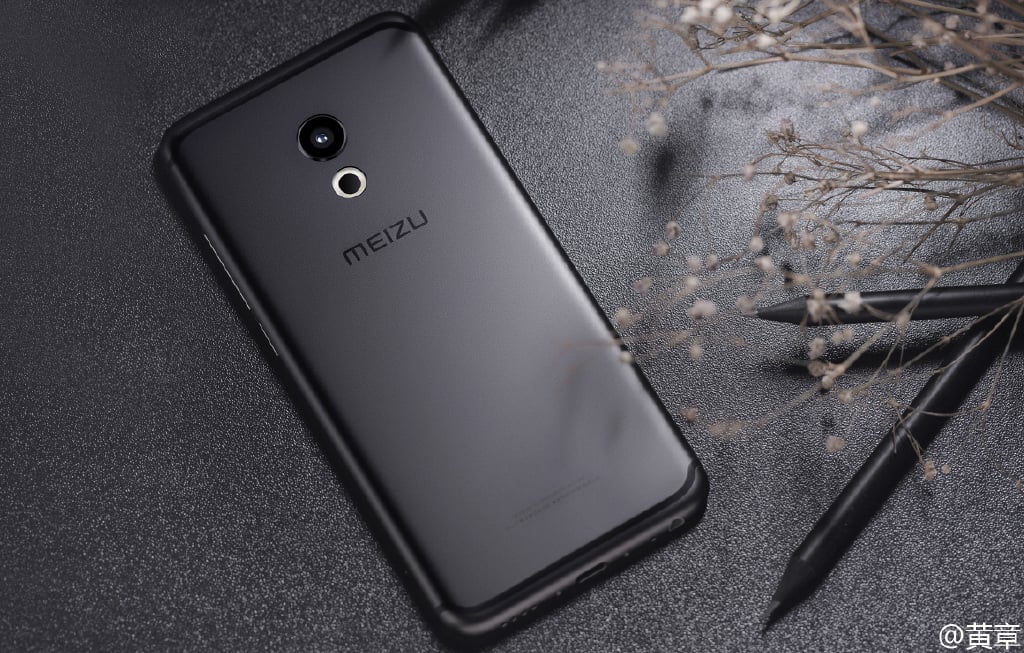
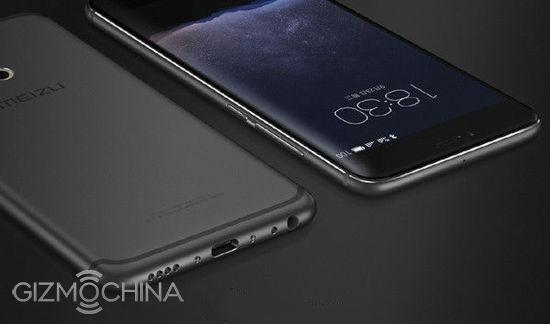
But if you thought that the image from Li Nan was not good enough, take a look at this picture posted directly by the Meizu CEO, Huang himself. He also confirmed that this is the Meizu Pro 6 flagship in black and the device in the picture is actually an engineering model.
Well, this confirms the earlier renders and leaks we have seen about the Pro 6. But before we take a closer look at the phone, can’t we all agree that the Pro 6 in black just looks so beautiful. Further, the CEO said that the phone looks a bit thick in the picture, but in reality, it’s slimmer.
As for the image revealed today, it confirms the ring flash like design that was shows off by previous renders. We can expect Laser Auto Focus at the center with the ring flash around it. The camera seems to fit in perfectly with the design (not protruding). The phone also has a unique antenna design which was first confirmed by VP Li Nan in an earlier post.
earlier leaked pro 6 image
Overall, the phone looks beautiful. And with the new Helio X25 chip inside, it won’t disappoint us in terms of performance as well. So, the Meizu Pro 6 flagship is shaping up to be a powerful smartphone with good looks. If the company executives continue with the tradition of revealing important details about the device, we will soon know a lot about the phone well before its launch.
Yesterday, Huawei released two new smartphones in its latest P9 family, namely the Huawei P9 and the P9 Plus. However, from the numerous earlier leaks, we were hinted that the P9 family would be large, featuring at least four devices. Since, we only saw two yesterday, we were wondering whether the other two would end up being announced. Well, today, a few pictures of the Huawei P9 Lite were revealed, which confirms that the phone exists.
As you would have already guessed, the Huawei P9 Lite version will feature toned down specs. Even the body does not look as premium as its elder siblings, featuring a basic metal design with just one camera sensor at the back. So, it looks like to cut down the cost, the company decided to remove the dual camera setup on the lite version. Instead, there will be a standard 13MP rear camera and an 8MP shooter up front. But as you can see in the pictures, you get a fingerprint sensor at the back.
Now, coming to the specs, the Huawei P9 should come with either the same processor as other models in the lineup, namely the Kirin 955 chip or we could see Kirin 950 or even Kirin 935 that powered last year’s P8 inside. The phone will reportedly come with a 5.2-inch display with 1080p resolution. For memory, there will be two versions, one with 2GB RAM and another with 3GB RAM. There will be 16GB of internal storage which can be further expanded via MicroSD. Other features of the P9 Lite include a fingerprint sensor at the back, 3000mAh battery, and 4G LTE support.
As you can see, the Huawei P9 Lite is not really a bad phone, but pricing is something that will define its fate. Since the phone is not yet official, we have no idea about this. So, let’s wait for more details.
Yesterday, Huawei announced two powerful smartphones in the P9 family, namely the Huawei P9 and the Huawei P9 Plus. Both the phones came with a marquee feature, a dual lens camera setup at the back powered by Leica. This naturally made everyone curious as to whether the camera performance of the P9 will be significantly different than regular single camera sensors. And today, we have got a glimpse of the phone’s true capability, which you can see from the camera samples added down below.
The company said that it has worked with Leica for hardware as well as software optimization to ensure that the final pictures captured with the P9 are of top-notch quality. The phone features dual lens 12MP cameras. The pixel size of the sensor (1.25um) is larger than other models, like the iPhone 6S which features a 1.22um sensor. The two sensor approach, wherein one is a RGB color sensor while the other is a monochrome sensor ensures that the color reproduction and details come out perfect. In fact, Huawei claims that the Huawei P9’s camera manages to take low light pictures which are 270% brighter than the iPhone 6S and 90% brighter than the Galaxy S7.
So, naturally, with all the buzz around the phone’s camera which are coengineered with Leica, we are all excited to see the real life performance of the device.
Here are some of the pictures captured by the new Huawei P9 shared by a weibo user. The low light pictures are particularly impressive when directly compared with the same shot captured by the iPhone 6S.
Vernee rose to fame because of its power packed Vernee Apollo flagship. Even before the phone is officially announced and available for purchase, Vernee has revealed that they are working on another mid-range handset called as the Vernee Thor Lite. This would make it the third handset from the company so far, after the Apollo and the Thor.
In the past few weeks, we have seen that Vernee’s smartphones have multiple selling points to attract customers. So, what makes the Vernee Apollo Lite so special? Well, the first thing is the pricing. The company has confirmed that the Vernee Apollo Lite version will retail at an affordable price tag of $199.99. This is actually pretty affordable considering the specs on board the device.
So, the Apollo Lite still features the world’s first deca-core chipset, namely the Helio X20 as well as pretty good hardware. There will be 4GB of RAM on board along with 32GB of internal storage. For display, you get a 5.5-inch 1080p panel. At the back, the phone will feature a 16MP camera while up front, there will be a 5MP shooter. So, the company has downgraded the specs as compared to the Apollo, but still it turns out to be quite powerful. Other expected features of the Lite version include dual SIM card slot (SIM2 can be used as MicroSD), USB Type-C port and Android 6.0 Marshmallow update out of the box.
vernee thor lite prototype
Vernee has confirmed that the phone will be officially announced in May and the pricing will be $199.99. You can check out more details about the company from their official website.
Meanwhile, the mid-range Vernee Thor is available for pre-sale via various retailers. There’s also a flash sale for Uber users wherein you can get the device for just $99.99. Check that out from here.
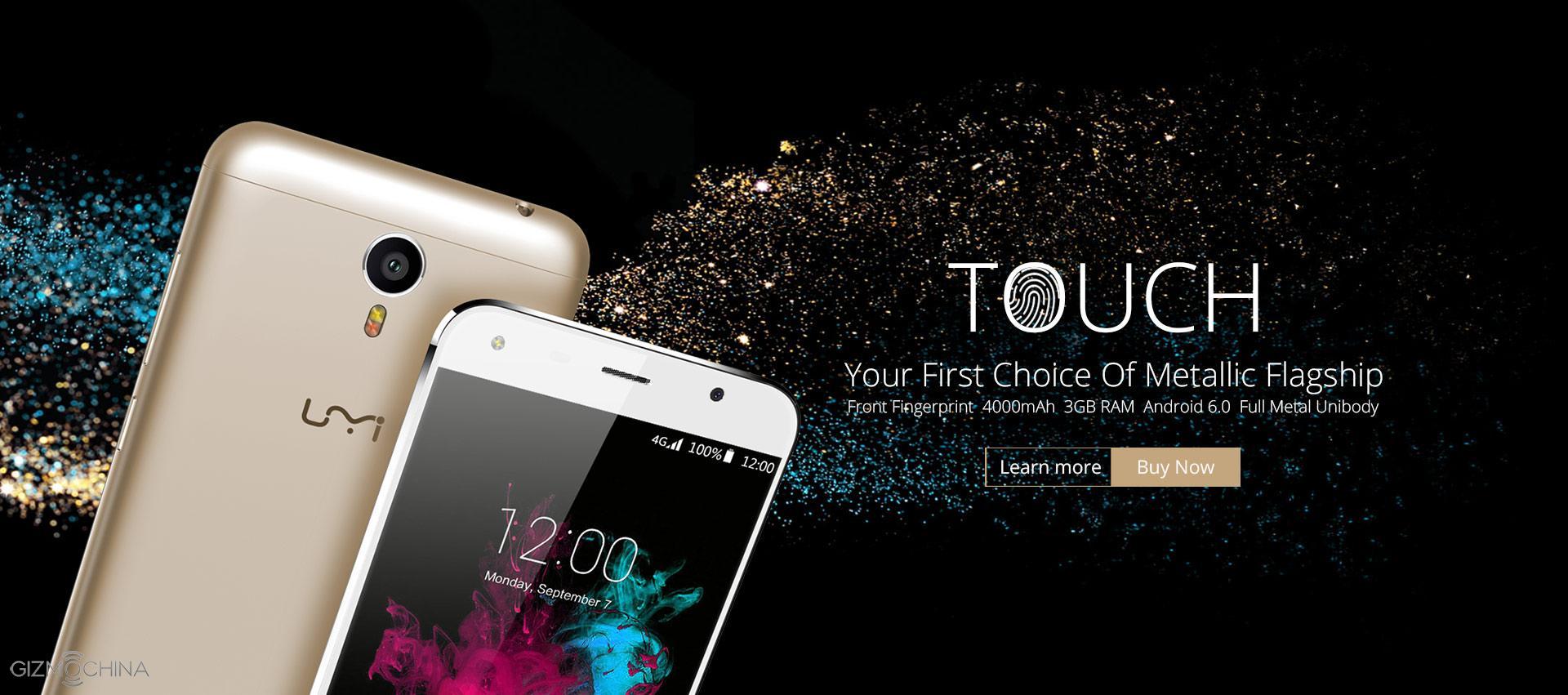
UMi Touch is already available for pre-order via various retailers. If you were waiting for the gold version of the handset, then we have some good news. According to the latest information, the UMi Touch Gold variant will be up for pre-order very soon. If the information is correct, pre-orders for the gold version will start from April 12.
People love the gold and the rose gold variants, so it’s good to see that the Touch comes in the gold shade. The phone sports a metal unibody design which looks pretty sturdy and good looking. Apart from gold, there are two other colors available, gray and silver. The phone is currently listed on UMi’s site as a limited edition. You can check that out from here.
As for the specs of the UMi Touch, the phone will come with a 5.5-inch 1080p display with 2.5D glass and Gorilla Glass 3 protection on top. As for the CPU, you get the MT6753 octa-core 64-bit chip. The fingerprint sensor embedded into the physical home button will be fast, unlocking the device in just 0.1 seconds. For memory, the phone will come with 3GB of RAM and 16GB of internal storage. This is further expandable via MicroSD up to 128GB. At the back, the UMi Touch comes with a 13MP Sony IMX328 camera and a large 4000mAh battery to keep the phone running for a day long. Other features include Android 6.0 Marshmallow, 4G LTE network support and dual SIM dual standby.
Although the UMi Touch gold version is reported to be available for pre-order on April 12, some retailers have already started accepting orders for this color version. So, April 12 is probably the date when all open up pre-orders for the gold version.
We use cookies on our website to give you the most relevant experience by remembering your preferences and repeat visits. By clicking “Accept”, you consent to the use of ALL the cookies.
This website uses cookies to improve your experience while you navigate through the website. Out of these, the cookies that are categorized as necessary are stored on your browser as they are essential for the working of basic functionalities of the website. We also use third-party cookies that help us analyze and understand how you use this website. These cookies will be stored in your browser only with your consent. You also have the option to opt-out of these cookies. But opting out of some of these cookies may affect your browsing experience.
Necessary cookies are absolutely essential for the website to function properly. This category only includes cookies that ensures basic functionalities and security features of the website. These cookies do not store any personal information.
Any cookies that may not be particularly necessary for the website to function and is used specifically to collect user personal data via analytics, ads, other embedded contents are termed as non-necessary cookies. It is mandatory to procure user consent prior to running these cookies on your website.