Advertisement

Samsung Galaxy Note 4 already has its clone: GooPhone Note4

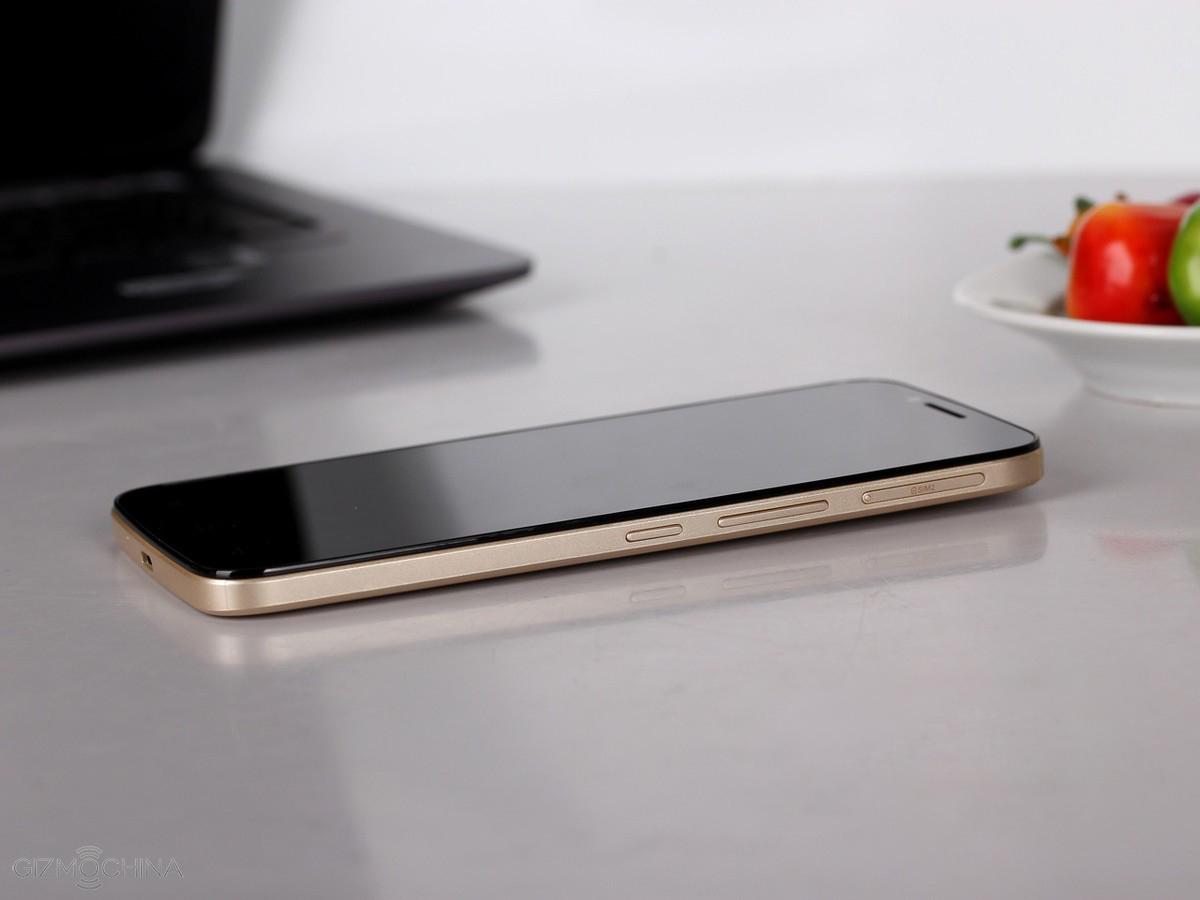
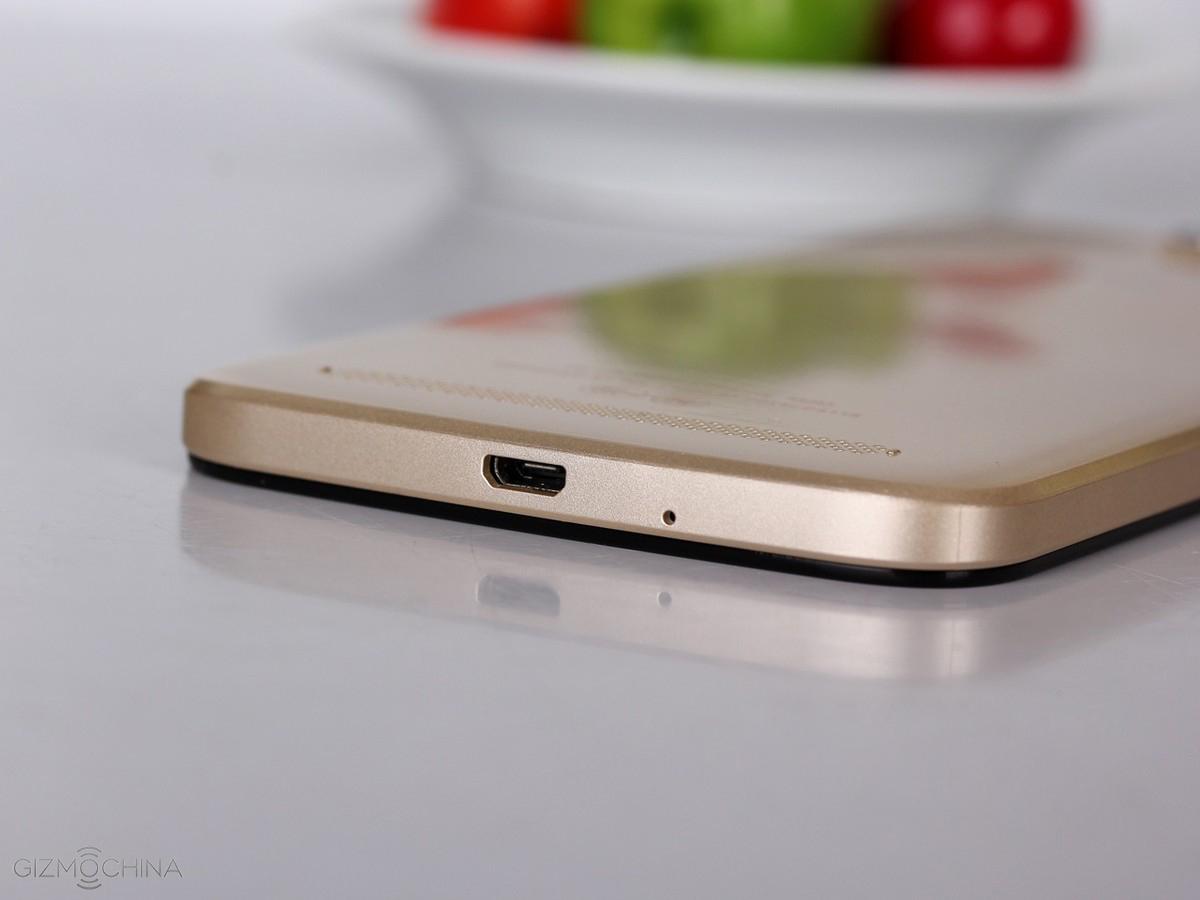
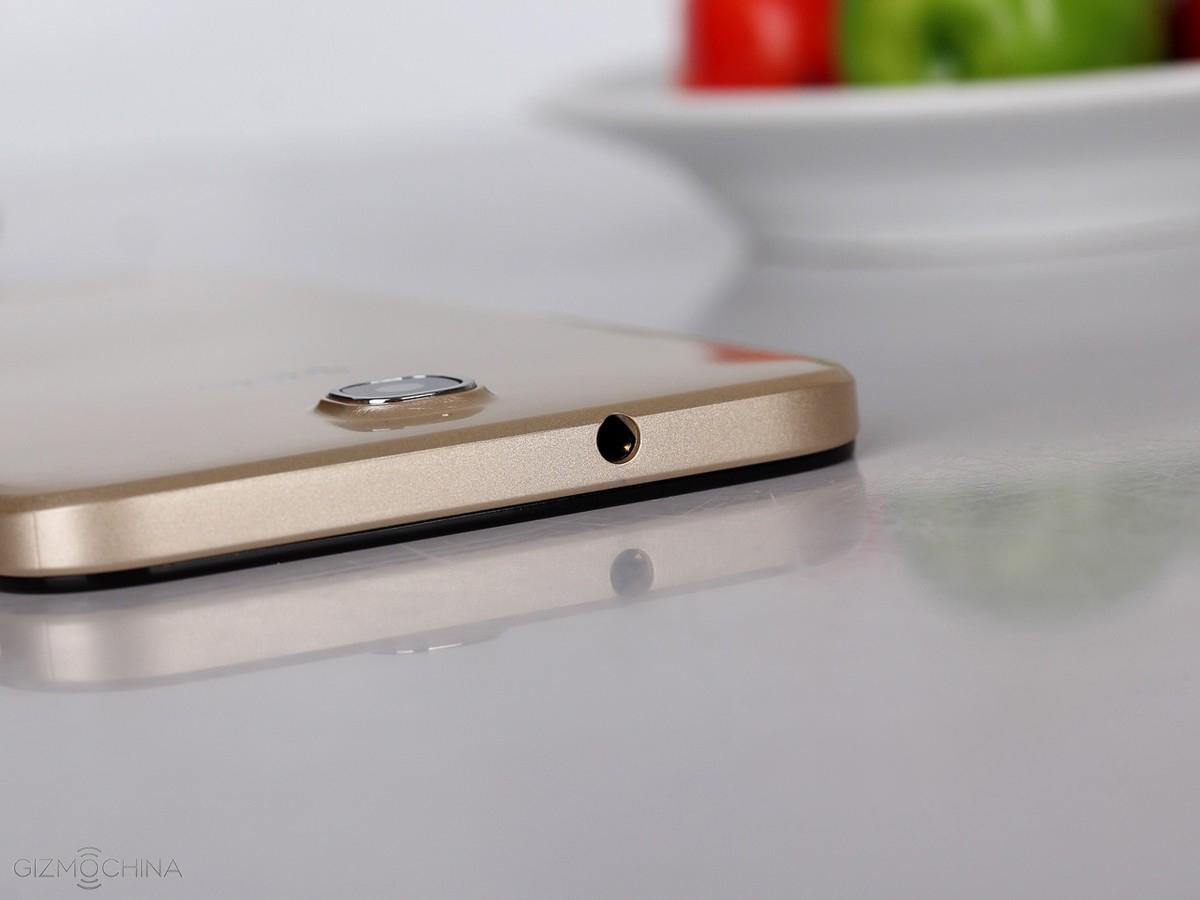
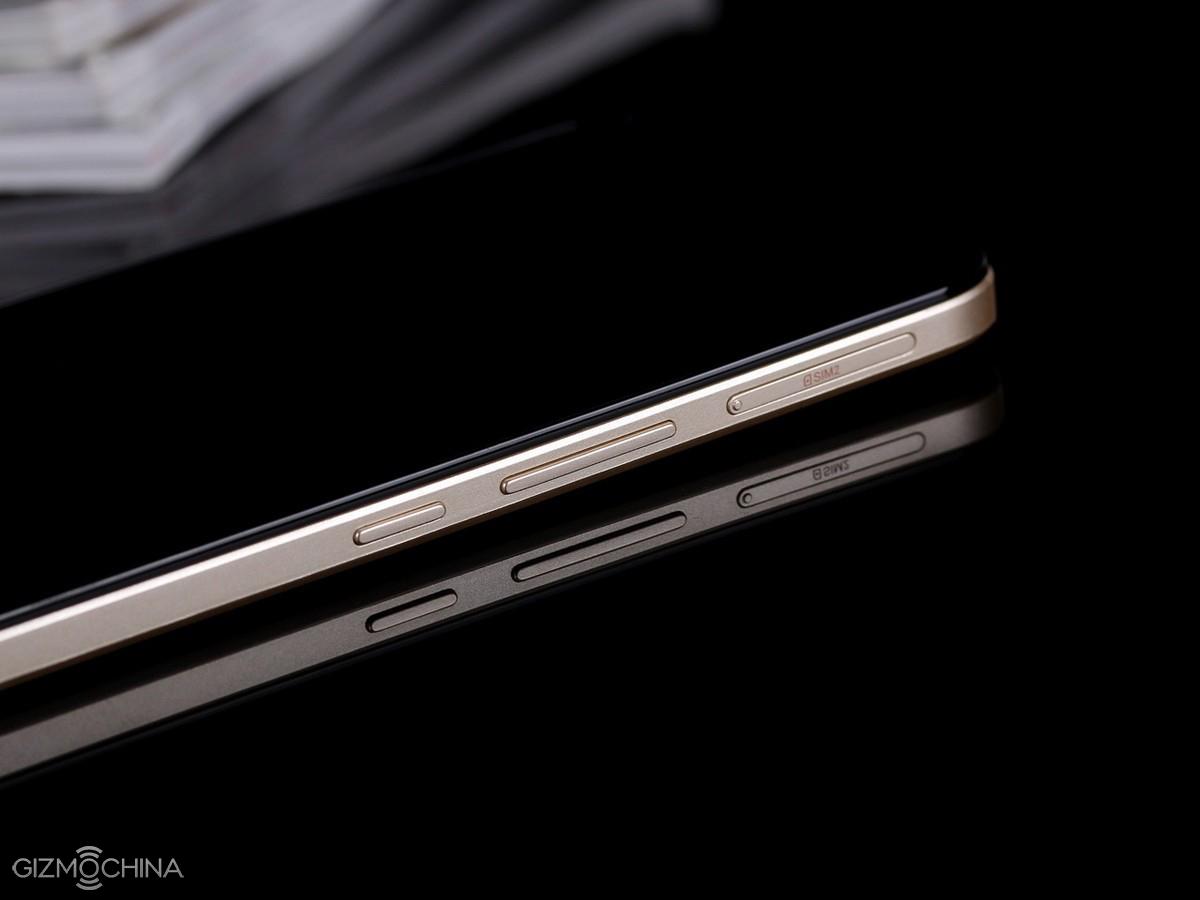
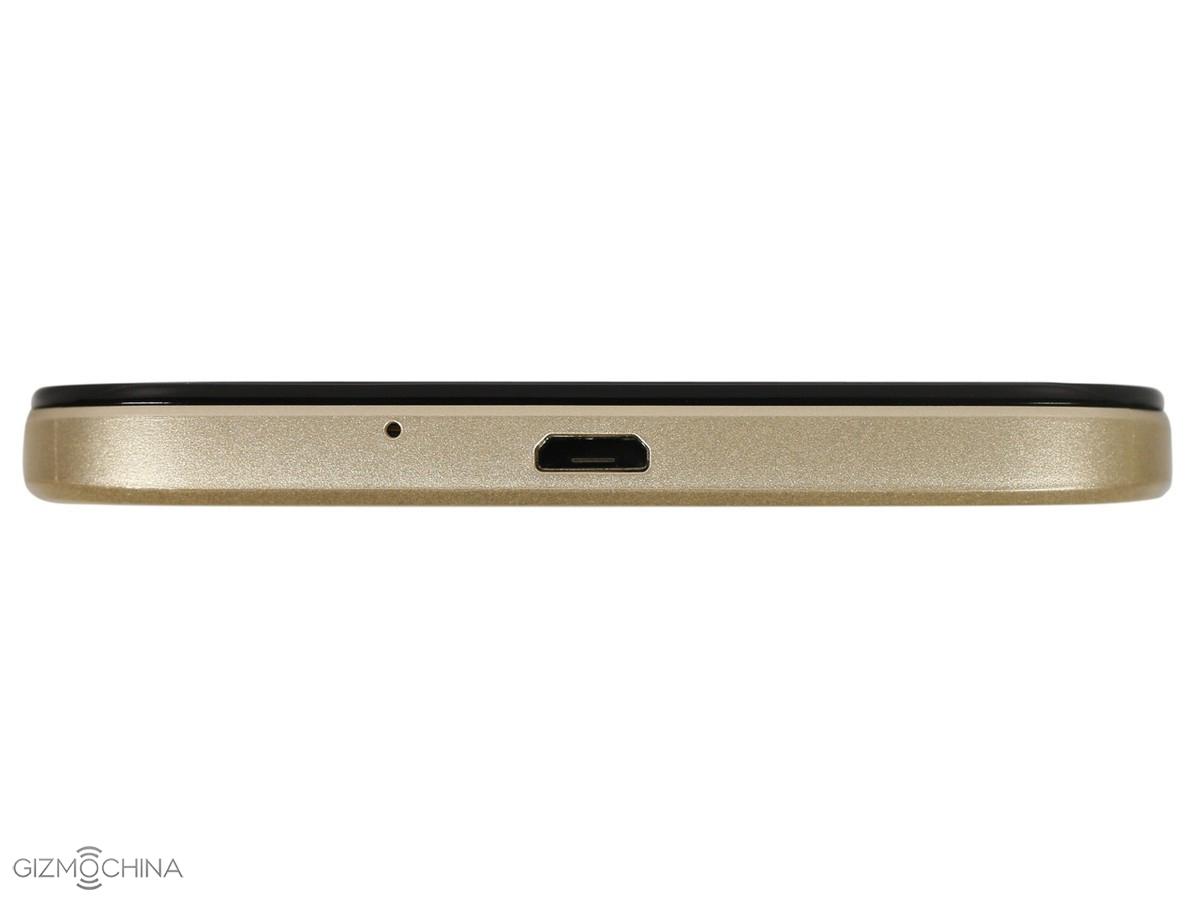
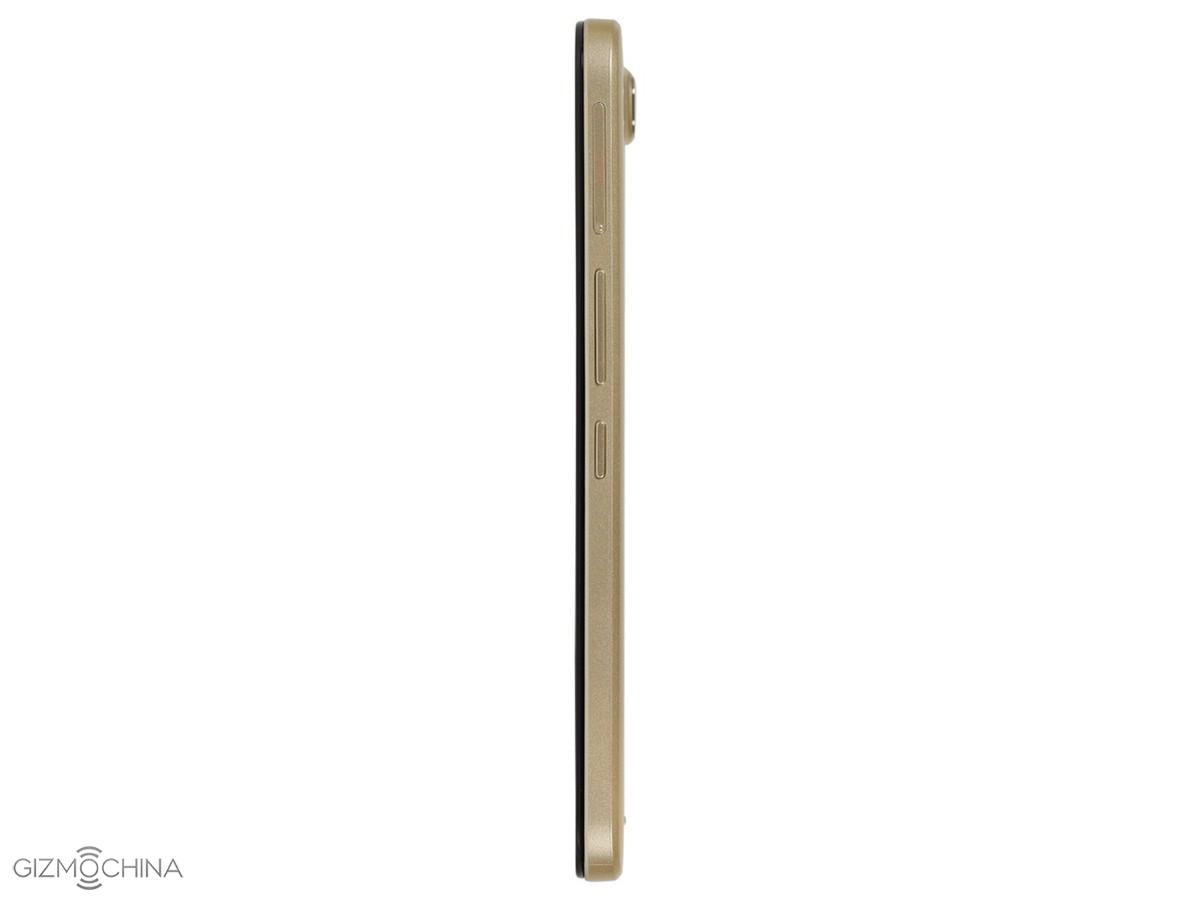
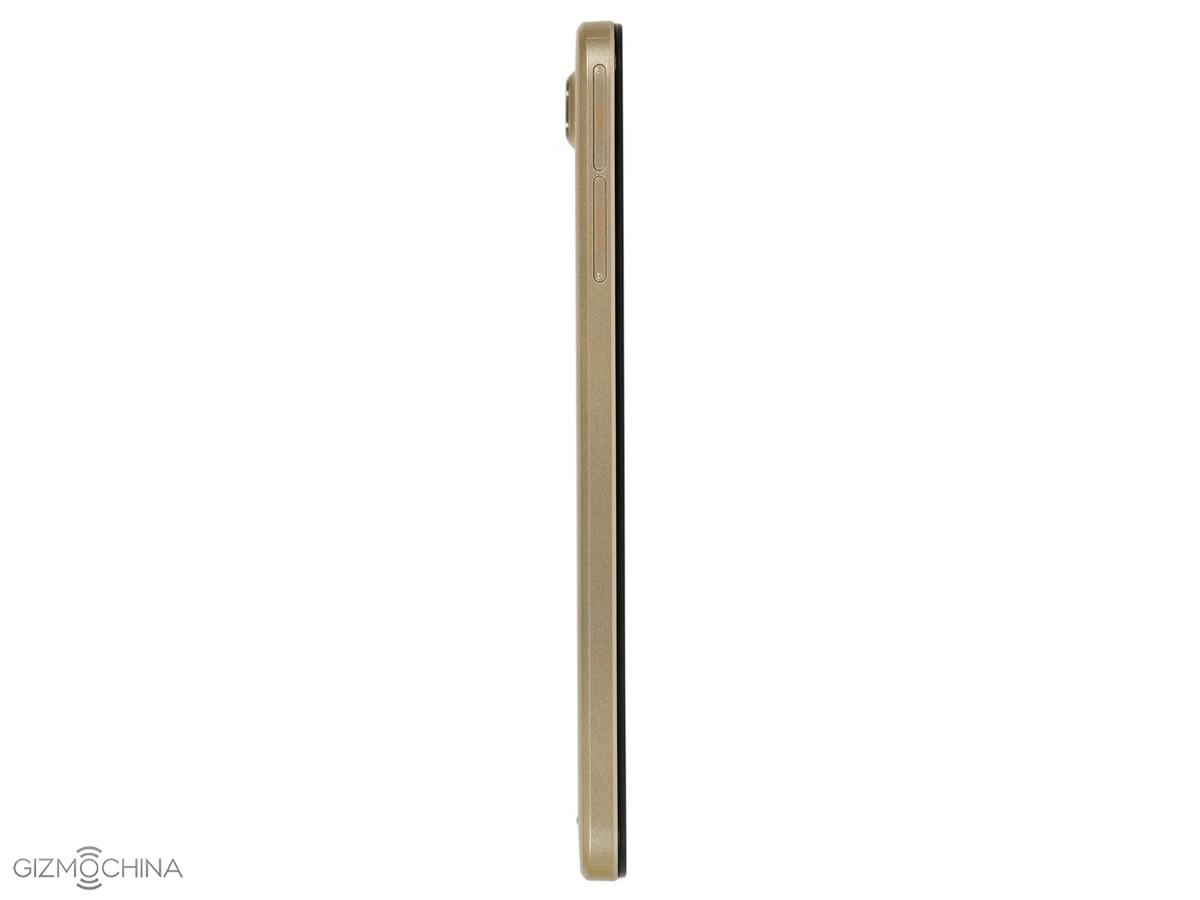
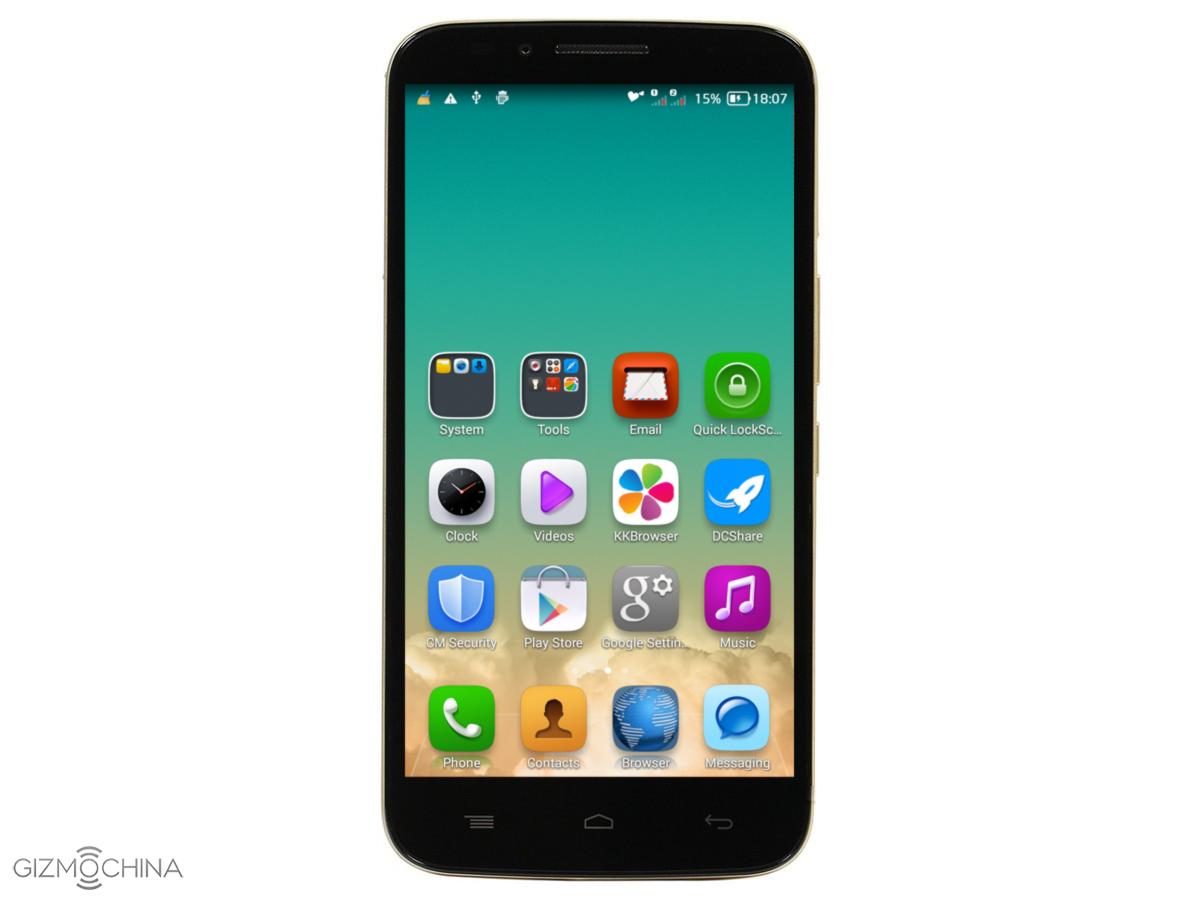
Goophone's new clone: an exact replica of Samsung Note 4
Goophone’s new clone: an exact replica of Samsung Note 4

A couple of weeks away from the official launch of the new Samsung Galaxy Note 4 at this year’s IFA in Berlin (Internationale Funkausstellung Berlin, or “Berlin Radio Show”), GooPhone has already announced an exact replica of this device. To create the Note 4 clone, GooPhone has used image leaks, dimensions and other details available of the original model as source.

This won’t be the first time that GooPhone launches a replica even before the original model has been released. The same happened with the i6 GooPhone, a clone of the already unavailable iPhone 6 released on the 1st of August, and with GooPhone S5, a clone of Samsumg Galaxy S5. So far, GooPhone has proven to do an excellent job replicating the features of other models.

The GooPhone’s new mobile phone will feature a 5.7-inch FullHD a Mediatek MT6592 processor, eight-core 1.7 GHz, 2GB of RAM and 16GB of internal storage. The front and rear cameras will have, respectively, a resolution of 13 and 5 megapixels. The internal memory of this clone will be expandable via an microSD, which most probably won’t be possible in the original Samsung Galaxy Note 4. GooPhone’s new clone will use Android 4.4 (KitKat) as operative system, will be able to hold two SIM cards, and will be powered by a 3200 mAh battery.

Both the original Samsung Galaxy Note 4 and the replica from GooPhone will go on sale next 15th of September. The retail price of this phone will be, of course, much lower than that of the original, although the final retail price is still unknown. One thing is sure, though, the cost will not be superior than 380 euros, about 500 US dollars.

Out of Stock in 37 seconds – That’s New Xiaomi Mi4

Xiaomi Mi4
Xiaomi Mi4

Yes, you read that right. The most recent launch from Xiaomi and the most talked about phone in China – Mi4 went out of stock in just 37 seconds. This is not something new to Xiaomi, the company has been breaking all records of going out of stock in few seconds. There has been no indication to the number of phones which were sold in this first sale. However it may be noted that Mi4 has only been released in China. As far as other countries are concerned, reports say that Mi4 would be available globally by the end of this year.

Xiaomi made an announcement to launch the latest version of its Mi series (Mi4) last week at an event in Beijing. It has got a 5-inch screen with 1080p display and is powered by Qualcomm Snapdragon 801 quad-core processor of 2.5GHz. Mi4 comes with 3GB RAM. If we talk about the camera, Xiaomi Mi4 sports a 13-megapixel rear camera having an aperture of f/1.8 which had the ability to click high quality images. Not just this, Mi4 specifications also include an 8MP front camera to click selfies.

The new Xiaomi M4 has got MIUI V6 OS which is said to be officially resealed on 16th August. It runs on a 3,080mAh battery. Here are the prices of Mi4 for your references which were released while launching the phone.

16GB Mi4 is priced at 1999 Yuan (RM 1024) approx.

64 GB Mi4 is priced at 2499 Yuan (RM 1280) approx.

Are you looking forward to buying a Mi4? Go on! It will be worth your money.
When will Xiaomi enter USA

Xiaomi plant in China

This is common question which is being asked these days. After conquering Samsung and Apple, Xiaomi became the number 1 mobile phone manufacturer in China. It has already made a reputable presence in countries like Taiwan, Singapore, Hong Kong, Malaysia and India. Xiaomi surely wants to enter USA and compete with Apple in their own country. But when is that going to happen is the main question.

Xiaomi CEO Lei Jun said it will start selling its products in Brazil, Russia, Turkey, Mexico and other Asian countries by the end of this year. He further added the company has changed its website from Xiaomi.com to Mi.com which is easy to pronounce, easy to remember and will help them capture the global market.

India is one country where people have shown a great response to the launch of Mi smartphones. We guess that Xiaomi wants to capture the eastern world before entering USA as it has no plans to sell its products in USA in the year 2014 or 2015. Maybe things change and Xiaomi finally launches its smartphones in USA. Let’s wait for the official announcement. What do you think will happen if “Apple of china” will enter USA and compete with the “Apple of USA”?
Xiaomi sells 26 million phones in first 6 months of 2014

Xiaomi Sales
Xiaomi Sales Target for Year 2014

It seems like, Xiaomi, the Giant Chinese Company is selling its phones like hot cakes. It was just 4 years back that Xiaomi came into existence and ever since that day, this company has always been going up and up on the ladder of success.

Talking about the year 2014, Xiaomi has managed to sell 26.1 million phones in just first 6 months. According to the official blog of the company, Xiaomi had sold 11 million phones in the first quarter of 2014 and as the second quarter ended, their sales stood at a whooping figure of 26.1 million. This means that Xiaomi was able to sell 15.1 million phone in the second quarter of 2014.

The targets set by Xiaomi are even bigger for the third and fourth quarter. After seeing this success, CEO of the company, Mr. Lei Jun, at an IT leadership summit said that the company will cross the mark of 60 million sales by the end of this year. It may be noted that earlier the projection was just up to a total of 40 million phone sales for the year 2014.

He further added that Mi phones have not just become a favorite for consumers in China, but they are have been appreciated in all the countries wherever they have been launched.

60 million phones in a year. Let’s see if Xiaomi will be able to reach this number. But, in the first six months their performance has been par excellence.

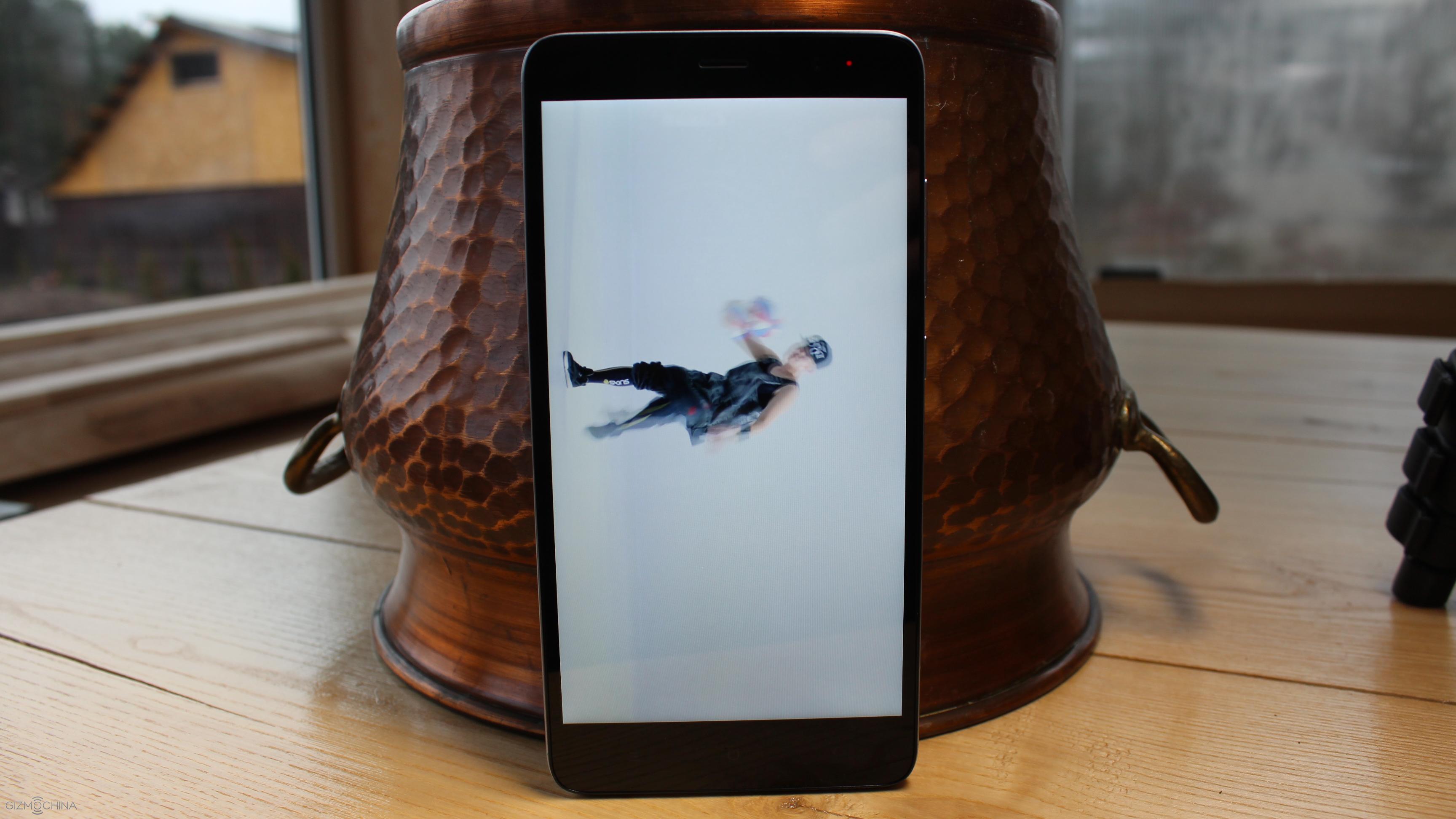
Xiaomi MiPad goes out of stock in 4 minutes

Xiaomi MiPad
Xiaomi MiPad

After the great success of Xiaomi Mi3 and Mi4, it was the turn of Xiaomi’s first tablet, the MiPad to show its calibre. And you won’t believe that the first lot of MiPad consisting of 50,000 units was out of stock in less than 4 minutes. Xiaomi MiPad has got rolling to an excellent start in China and let’s see what will happen when it gets launched globally. One market to put your eyes on is India, as Xiaomi has the ability to break this record in India.

The tablet is an instant hit due to its specifications and the look of an Apple iPad. If we see the prices, then MiPad is quite affordable. In fact it is absolutely worth your money.

–       16GB model is priced at 1499 Yuan (approximately RM 770).

–       64GB variant will cost 1699 Yuan (approximately RM 873).

MiPad was announced in May and has seen no delays in its launch. It runs on NVIDIA Tegra K1 processor and has a 7.9-inch display with a resolution which is equal to Apple iPad mini. Apart from this, it has got a 2GB RAM and 16 or 64GB storage capacity. The MiPad supports a microSD card which has an expansion capacity up to 128GB. Xiaomi MiPad runs on a 6,700 mAh battery.

The MiPad is soon expected to be launched in Malaysia, Singapore and other countries of the world. However the company has not quoted any specific price and date for the global launch.

MIUI Celebrates its 4th Birthday

The Mi User Interface developed by Xiaomi which is based on open source Android operating system has completed 4 years of its existence. It was in year 2010 when the first version of MIUI was released. Since then, 5 new versions have been released in these 4 years and the latest version being the 6th version (MIUI V6) was released on 16th August 2014, on the 4th anniversary.

Everyone related to MIUI in some way or other is happy for the 4th Birthday celebrations of MIUI. On this occasion, Xiaomi also gave away coupons to people in Malaysia. Coupons are of value ranging from $2 to $10. According to the sources 3 types of coupons have been distributed:

–          Phone coupon worth $10.

–          Accessories coupon worth $4.

–          Accessories coupon worth $2.

MIUI fans across the world are so excited for MIUI birthday that they have sent in their video clips to wish MIUI a happy birthday. These video clippings have been put together in a special video that has been created and posted by the team at MIUI.

Hugo Barra, the vice president of global affairs at Xiaomi, gave birthday wishes to MIUI through his Google Plus page by writing “Happy 4th Birthday MIUI”. According to the statistics MIUI has a total of 70 million fans and users worldwide.

We also wish MIUI a very Happy Birthday. MIUI has a long way to go. Cheers!

THL W200C octa core now available at just $179.99

[​IMG]

THL W200C is the newest smartphone with 5.0 inch display with octa-core processor available at $179.99.

The specs of THL W200C is as follows: MTK6592M, 8×1.4GHz CPU. 500MHz GPU from Mali400-MP2. 1GB RAM and 8GB ROM. SD Memory support upto 32G. 5-inch 1280×720 pixels IPS Touch screen display. It runs Android 4.4 KitKat OS.

It sports 2 cameras-8MP HD rear camera with auto focus and 5MP front shooter. 3G enabled, providing connectivity options- WiFi 802.11b/g/n, Bluetooth 4.0, EDGE, HSDPA, HSUPA. GPS and AGPS Navigator. Dual SIM’s. It supports sensors e.g., Light, Proximity, Gravity. It provides multi-language support and FM. It is powered by 2000mAh battery. It supports 2G (GSM 850/900/1800/1900) and 3G (WCCMA 850/2100MHz network bands)

Comparison of the Oppo N1 Mini, the Samsung Galaxy S4 Mini and the Sony Xperia Z1

This comparison of three different smartphones is intended to help consumers make the right choice for their respective needs when choosing their next cell phone. Obviously everyone wants to get the most for their time and money, and not everyone has the time to research dozens of different phone models. So we will go over some of the key similarities and differences between these three popular models.

Key features of the Sony Xperia Z1 Compact Model

We will start off with the current most popular Sony model; the Xperia Z1 Compact. This phone is equipped with a high quality Qualcomm 2.2GHz quad-core processor, an Adreno 330 graphics processor and a 4.3 inch display with a max resolution of 1280 x 720. This model is equipped with two cameras, front and back for the user’s convenience when taking photos or video chatting. Both cameras are capable of recording in HD. The standard camera has 20.7 MP; whereas the front facing camera only has 2 MP. The battery for the Xperia Z1 Compact has a max life of 600 hours while it is in standby mode, and 18 hours of actual talk time. It also comes standard with 2 GB of RAM and 32 GB of internal memory. It’s equipped with a microSD card slot, in case you need more storage capacity. The Z1 Compact smartphone comes with the Google Android Jelly Bean operating system.

Key Features of the Oppo N1 Mini Model

The Oppo N1 Mini is also equipped with a high quality Qualcomm processor; however it only has a processing speed of 1.6 GHz; .1 less than the Z1 Compact model. It is also equipped with 16 GB of internal storage, 2 GB of RAM and a 2140 mAh battery. The display on this model is a little more impressive than the other two models, at 5 inches with a max resolution of 1280 x 720. The camera on this smartphone model has 13 MP and comes standard with auto focus and dual LED flash. The Oppo N1 Mini model comes with the Google Android Jelly Bean 4.3 operating system. This model is a little on the chunky side; weighing in at 150 grams; it is considerably heavier than the other two models.

Key Features of the Samsung Galaxy S4 Mini Model

The Samsung Galaxy S4 Mini; like the other two models we are comparing; utilizes a high quality Qualcomm processor. Its’ 1.7 GHz dual-core processor is combined with 1.5 GB of RAM; all of which is lower quality than the specs on the Z1 Compact. This model is also equipped with 8 GB of internal memory; which can be expanded to 64 GB with the use of a microSD card. The display size is the same as the display on the Sony Xperia Z1 Compact; however it has a considerably lower resolution quality at only 960 x 540. It has two cameras, back and front. The front facing camera has 1.9 MP, and the rear camera has 8 MP. The Samsung Galaxy S4 Mini comes with the Google Android Jelly Bean 4.3 operating system, and the battery for this device is able to withstand 300 hours of standby, or 12 hours of actual talk time. The device is light in contract to the other two models.

 Conclusion

Over all, these three phones are each impressive in their own way. Your choice must be based upon your own personal storage capacity and processing power requirements. The Oppo N1 Mini and the Samsung Galaxy S4 Mini have the larger displays. However the Oppo N1 is rather heavy, and the S4 Mini has lower resolution. The Z1 Compact model is nice and light, but has the most ungainly camera. The Oppo N1 Mini is priced at roughly $440; just ahead of the Sony Xperia Z1 Compact model; which comes in at around $420. The Samsung Galaxy S4 Mini comes in at roughly $290; considerably cheaper than the others.

Compare and Contrast: the Oppo Find 7 vs the Lenovo Vibe Z2


Display

Now that there is an actual competitive market for QHD smartphone screens that are available to the public, it is high time that we took a look at the best of the best. Today I’ll be comparing two different sets; the Oppo Find 7 and the Lenovo Vibe Z2 Pro. Both of these devices provide an IPS QHD display with a resolution of 2560 x 1440.The Lenovo Vibe Z2 has a lower pixel density than the Oppo Find 7; which is due to the difference in screen size. The Vibe Z2 has a 6 inch display, while the Find 7 has a slightly smaller screen, at 5.5 inches. Obviously the latter will have somewhat better screen resolution. Along with its’ larger screen, the Vibe Z2 is also equipped with a larger battery; 4000mAh compared to the Find 7’s 3000mAh unit. Both handsets have a lot of followers who swear by them; neither is likely to disappoint consumers.

Processor and Memory

When it comes to processors and memory capabilities; these two devices are nearly identical. Both of these smartphones are equipped with a quad-core 2.5GHz 801 (Oppo first featured this processor in their Flagship, Lenovo followed suit with their K920 model). Both devices are also equipped with 3GB of RAM.

Storage

The storage capacity differences between these two smartphones are rather significant. While both phones come standard with 32GB of internal storage, the Oppo Find 7 has the bonus feature of possessing a microSD card slot; making it possible to double your overall storage.

Camera

Both the Oppo Find 7 and the Lenovo Vibe Z2 are equipped with 5MP front-facing cameras for easily taking photos of yourself or snapchat. The Oppo Find 7 is equipped with a BSI sensor, dual LED flash and a 13MP snapper located on the back side. The Lenovo Vibe Z2 is equipped with a slightly better camera; a 16MP with OIS and a dual LED flash.

Design and Features

The Oppo Find 7 has a titanium alloy frame and removable/chargeable battery. The Lenovo Vibe Z2 is a good looking compact metal frame build. The Vibe Z2 is running KitKat 4.4.2; which is one of the reasons it is such a popular attractive model. It is also equipped with dual-SIM. The Find 7 model is not equipped with either. It does however come standard with an Ultra-HD feature, which allows users to take 50MP pics.

Final Evaluation

In the end, obviously it all comes down to features and affordability. For those with abnormally high storage capacity requirements for their devices, the Oppo Find 7 is probably the best choice. If you’re more concerned about having the largest display possible, the Lenovo Vibe Z2 is probably the better choice between the two devices. It is in my opinion, the more attractive of the two models as well. Rumored that it will be priced at around $700; the Lenovo Vibe Z2 is only $100 more than the Oppo Find 7; really not a deal breaker for those who really want the larger display.

Sony anounces partnership with Xiaomi for its TV range

Sony Partners with Xiaomi

Xiaomi has emerged as one of the biggest and fastest growing company not only in China, but across the world. This fact becomes clear as Sony gave Xiaomi a hand of partnership. As stated by the Ta Kung Pao website located in Hong Kong, the recent partnership of Sony Visual Products and China’s Xiaomi Technology will fare well.

Considering Sony’s relatively good standing in the Chinese market, and the Chinese market’s influence in America, Sony’s venture has been a wise and expected step. However, with this endeavour, Sony will now have to differentiate itself from foreign competitors.

Sony, a company oriented in quality and aesthetically pleasing products, is somewhat weak in its development of User Interface (UI). As a result, its venture with UI-familiar and internet entrepreneurial Xiaomi will be a beneficial collaboration.

Sony’s recent TV line will be entirely compatible with Xiaomi’s smart-TV UI integration that will combine the Sony TV to the Xiaomi Box which has the ability to make an ordinary TVs a Smart TVs. Xiaomi’s new box supports the stronger 4K definition.

In addition to Xiaomi, Sony has also joined hands with other Chinese corporations Baidu, Wasu TV and Duomi to offer video and photo content via cloud services as well as content portals for Sony. Sony has shown wisdom with these recent collaborations and is sure to move a step forward from its competitors. Since these smart applications would have cost Sony a huge amount, Sony’s joint ventures will help give the company a competitive advantage in the foreign market.

Following Sony’s example, American based TV makers are likely to partner with foreign makers in order to increase profits in the near future.

This Sony-Xiaomi partnership will also be beneficial for Xiaomi and we must say that people at Xiaomi know how to move ahead in this business world.

Detailed comparison between HTC One M8 and Xiaomi Mi4

HTC One M8 and Xiaomi Mi4
HTC One M8 and Xiaomi Mi4 comparison

HTC One M8 and Xiaomi Mi 4 are both great phones. We compared these 2 on the main factors as mentioned below:

Aesthetics:

Both bold, metallic looking handsets feature 5.0-inch display with exceptional screen resolutions of 1,080 x 1,920 pixels and 441ppi pixel densities. While HTC uses Super LCD3, Xiomi has a Sharp/JDI OGS full lamination display. Talking about the exteriors neither of these phones are dust/water resistant.

Thickness and weight of the Xiaomi is 0.35inches and 149g respectively while the HTC is 0.37inches thick with a weight of 160g.

Hardware and Software:

Both the Mi4 and One M8 have quad-core Krait 400 processors as their primary power source. However, Xiaomi is measured at 2.5 GHz in comparison to HTC’s 2.3. Similarly, the Mi4 has 3GB of RAM while the One M8 provides only 2GB. Additionally, HTC uses Android v4.4.2 KitKat OS with HTC Sense 6 UI while Xiaomi has Android v4.4.3 KitKat OS with MIUI 6 UI.

Memory:

Xiaomi’s handset internal storage provides 16GB and 64GB, considerably more than HTC’s 16GB and 32GB. Conversely, the One M8 has up to 128GB of expandable memory while the Mi8 does not support microSD.

Battery and Camera:

Xiaomi’s Mi4 has a rear facing 13 MP cameral with dual-LED flash while the One M8 has a 4 UltraPixels camera with the same features. Additionally, the HTC camera has two lenses to provide better pictures while the Xiaomi outpaces it with an 8MP camera compared to HTC One M8’s 5MP camera. Xiaomi also trumps HTC with its ability to shoot 4K videos while the HTC cannot.

Xiaomi’s Mi4 has a Li-ion 3080 mAh battery while HTC has only a Li-Ion 2600 mAh. Neither battery units are user-replaceable.

Color, Connectivity and SIM:

Wi-Fi 802.11, Wi-Fi Direct, Wi-Fi hotspot, Bluetooth v4.0, infared and microUSB ports and NFC support are provided by both phones. The HTC handset backs nano-sim while Xiaomi’s backs micro-sim.

In addition to this, the HTC One M8 is available in grey, gold and silver variations while the Xiaomi Mi4 comes in just 2 colours – black and white.

Price:

The 16 GB HTC One M8 is priced at AU$649.95 in Australia whereas the Mi4 is costs AU$482. The handset can now be purchased in Oppsmart as well as from Xiaomi World for approximately ten addition dollars.

Know all about Xiaomi Piston 2 earphones

Xiaomi Mi Piston 2
Xiaomi Mi Piston 2

Know all about Xiaomi Piston 2 Earphones

We all know that listening to songs is the best method to de-stress ourselves. We all plug in our earphones while on the go, while taking break at office, lying down in bed before sleeping or just randomly at any time to listen to our favorite songs. Your mind will be refreshed, there will be a smile on your face and you’ll simply say WOW when you hear a song on Xiaomi’s Piston 2.

These earphones have been smartly priced at just $25 and if we talk about the quality of the sound, the looks, the features and the overall look of these earphones, we must say they are stunning.

Specifications:

Weight: 12g

Cable length: 1.2m

Sensitivity: 93db

Plug Type: 3.5mm (gold-plated)

Rated Power: 5-20mW

Frequency Range: 20-20000Hz

Design:

Xiaomi Piston 2 comes with an inline 3 button remote which can be used for media playback as well as handling phone calls. There is a Y built in the cable for easy access to ears and the controls are made of Aluminum. Cable is thin and is flexible. It is made of Beryllium alloy which is a hard material but is light in weight. Normally this material is quite expensive is used by top companies which produce high price earphones.

Xiaomi piston comes in a well-designed box and has 4 different ear plugs.

Sound:

Xiaomi Piston earphones have a double damping system. This means that it gives you pure sound by reducing the influence of reflections on the diaphragm. This unique damping system is the key behind the success of this earphone. You’ll not be able to get this sound quality in any other earphones priced in this range. Apart from music beats, if you are on a call, you’ll find the voice to be crystal clear. It has a 3.5 mm jack which is gold plated and can work with your Android and iPhone both.

Xiaomi Piston 2 is available for $15 in China and has been priced at $25 for international market.

Xiaomi faces security concerns over its cloud messaging system


Mi cloud
Mi cloud is now secure

Xiaomi has taken the worldwide mobile market with a storm as they have so much to offer in a decently priced smartphone. One feature which the company was offering is now under scanner as it has been found that Xiaomi stores its user’s data on it servers.

It was found that important information including IMEI number, telco name, IMSI number and sensitive information like the phone numbers in contact list as well as of those who have sent or received a message using Xiaomi cloud services are been stored on a server named api.account.xiaomi.com

Xiaomi has no doubt provided a service like the iCloud but what about this information which is being stored on their servers? This can be considered as a breach of privacy policy.

Mr. Hugo Barra, vice president of international operations explained that IMEI number, IMSI number and the phone number is required to send and receive messages through the MiCloud. He stated that phonebook contacts of a user are never stored on our servers and the encrypted messages are also not stored for a time longer than required.

Mr. Hugo further said that we will do all that is required to protect the privacy of our users. Xiaomi has now scheduled an OTA system update to implement some changes where a user will be given the cloud messaging app as an optional service. Earlier, users had to activate the cloud messaging app while activating their phone.

This shows that Xiaomi cares for its users and their privacy concerns. We can be sure that Xiaomi is here to stay as this is just the beginning.

Xiaomi’s flash sale creates a black market of Mi 3 smartphones in India

Xiaomi Mi 3
Xiaomi Mi 3 in India

Thinking about which phone to buy can be a tough decision to make but buying a phone after finalizing is not at all tough. Unfortunately, this is not the case in India where people are crazy to buy a Xiaomi Mi 3 smartphone.

Xiaomi has launched Mi 3 in India through an e-commerce website named Flipkart and their idea of flash sale has been a great hit. So great that a total of 55,000 units have been sold in mere few seconds. More than 6000,000 users had registered to buy these limited number of Xiaomi smartphones.

This flash sale situation has created – what we call a kind of black market of Xiaomi Mi 3 in India. It has been found that Xiaomi Mi 3 phones are being re-sold on other e-commerce sites like eBay, OLX and Quikr at a cost ranging from Rs. 16,500 to Rs. 30,000. Many other Indian sites are conducting auctions to sell Xiaomi Mi 3 at a higher price.

Mr. Manu Jain, GM Xiaomi India has said that the company has made some changes in the sales policy of Xiaomi Mi 3 on Flipkart, where a buyer can only get 1 phone. Xiaomi said that these flash sales are the best way to do business in India.

According to the Flipkart stats, the first flash sale of Xiaomi Mi 3 on their website lasted for less than 40 minutes, second sale lasted for 2 seconds and the third sale lasted for 5 seconds. The most recent one, fourth sale lasted for just 2.4 seconds. Whatever it may be, Xiaomi has shown that they can compete with Apple and Samsung in all countries of the world and India has become one of their good sales market.

Learn how to root your Xiaomi Mi3 smartphone

Root your Xiaomi Mi3

We have a good news for those who always to root their mobile phones. Yes, you guessed it right – your Xiaomi Mi3 can also be rooted. We have listed the steps which can follow to root your Xiaomi Mi3 easily.

These steps are for the snapdragon variant of Mi3 which is available globally.

Before you proceed, we want to inform you that rooting your phone will not erase the data on your handset, but we still recommend you to take a backup of your data before proceeding just to be on the safer side.

  1. Upgrade your Mi3 to the latest version of MIUI. Download the root package and save it in your phone storage.
  2. Now go to settings on your Mi 3 phone and choose ‘about Phone’. Click the ‘System Updates option’ over here. By this your phone will check for any new updates.
  3. Once done, go to the menu and choose ‘Select update package’. Now, select the root package that you had downloaded. This will start the update.
  4. Phone will automatically be rebooted, once the update has been completed.
  5. After the phone has rebooted, go to the ‘security app’ and select the permission option.
  6. Over here, click on ‘root permission’ option and you are all set to use your phone.
  7. Just below the root permission option, you can grant root access to all your apps by clicking on ‘Manage root permissions’. You can also take back the access from any particular app by ‘Manage root permissions’ option.

In the above steps you have seen how you can root your Xiaomi Mi3. Please note that this process is only for the snapdragon variant of Mi3 and we did not lost any data while rooting our phone.

Xiaomi launches Mi Band Fitness Tracker at just $13

Xiaomi Mi Band
Xiaomi Mi Band

After the huge success of Mi Smartphones, Xiaomi is all set to launch its Mi Band on 18th of August 2014. The most talked about Mi Band is a fitness tracker band which can be worn on the wrist and is completely water proof. This band has been intelligently priced at just $13.

The Mi Band will help a user to track his fitness routine and physical activity. Apart from this, it will also track your sleeping routine and ensure that you sleep for appropriate number of hours each day. Mi Band has an aluminum surface on the top which has got micro laser perforation. Xiaomi’s Mi Band has a standby life of 30 days which is more than any other fitness tracker band. This small device has a Bluetooth wireless connectivity which gives it the ability to easily connect to your smartphone. Once connected, you’ll be able to unlock your phone with the band, without drawing any pattern or typing the password.

The Mi Band Fitness tracker will be available in 6 different colours – blue, brown, black, pink, purple and grey. However, the date of launch i.e. 18th August is only for China. Xiaomi has not made any announcement about the global launch of Mi Band. What do you think – Will Xiaomi’s  Mi Band be as successful as their smartphones? Write to us in comments below.


Iphone 6 clone in market before it’s release

GooPhone a Chinese manufacturer who has already tasted success with a bunch of cloned flagship phones. Their clone handset portfolio includes M8 ,S5 and Iphones series phones. GooPhone has announced its next flagship, the GooPhone i6 clone of much awaited Iphone6.untitled(3)

Interestingly it launched it’s phone ahead of Iphone 6 which is rumored to launch on September 19th. This clone went on sale from August 1 and it costs around 160$.

Goophone has launched only a 4.7-inch screen variant and it features some specifications which claims to have a 4.7-inch IPS qHD display, Mediatek’s MT6582 octa-core SOC where each core is clocked at 1400MHz, 1GB RAM, 13-MP rear camera, and has 1500mah battery .  Goophone has strongly believed in rumors related to Iphone 6. Lets wait and watch.

AXGIO Neon N1 with Neonado OS coming soon

Axgio a Chinese manufacture is ready to re-enter the mobile market with their latest offering Neon N1. The company has officially announced that the phone will be available from 19th August.

UMI C1 Quad-Core killer??

UMI a brand which is trending among Chinese has been in a race to acquire top position in their own market . They produce Flagships to low-budget phones to suit all categories of people.

Their quad-core phones known as quad-core killers by the company is budget friendly devices and offers great value for your money.

We will have a look at its new entrant UMI C1 . This phone feature 5.5inch OGS display which offer 267PPI. It is embedded with MTK6582 Quad-Core processor where each core is clocked at 1.3GHZ which is of ARM Cortex A7 which is based on 28nm technology alongside Mali-400 GPU for gaming.  ANTUTU benchmark ranks about 17516 which show’s that it is a mid-range phone.MHUMC1M_9a2709dd93503a20ed4501109f8ca733.images.400x400.png

The phone boasts a 13MP rear camera with stunning SONY IMX 179 sensor for clear picture and a 3.2MP front camera. UMI C1 features 2430 MAH battery which can lasts for a day.  It is equipped with latest Android version (KITKAT 4.4.2) along with 1GB of RAM and 16GB ROM.


The body is made of polycarbonate material which has oleophobic coating which resists fingerprints.

On the whole it is a budget friendly device with great features which costs about 142$(about 8500 in INR), and yes it is a Quad-Core killer as of now with exciting and pretty decent specs.

Metal-Clad from Samsung unveiled

The South Korean Big-Wig Samsung Electronic INC has unveiled their new smartphone with new approach in their design. This latest phone from the giant features a compact body with metal frame and soft back cover. This beast measures less than 7mm and it proves to be the slimmest among their Galaxy smartphone line-up.

untitled(3)This device is equipped with a 4.7inch HD, super AMOLED display. It includes familiar features as S5 such as S-health, private mode, ultra-power saving mode, finger print scanner and it is compatible with Gear wearables.

It offers a 12MP rear camera and a 2.1MP front one. It is built with 1830 MAH battery and SD card support up-to 128GB.

Looking at the spec sheet it is a Flagship by Samsung but it is also direct competitor to yet to be released IPhone 6, because of the metal chassis and 4.7 inch screen. This phone enters the retail market at September.