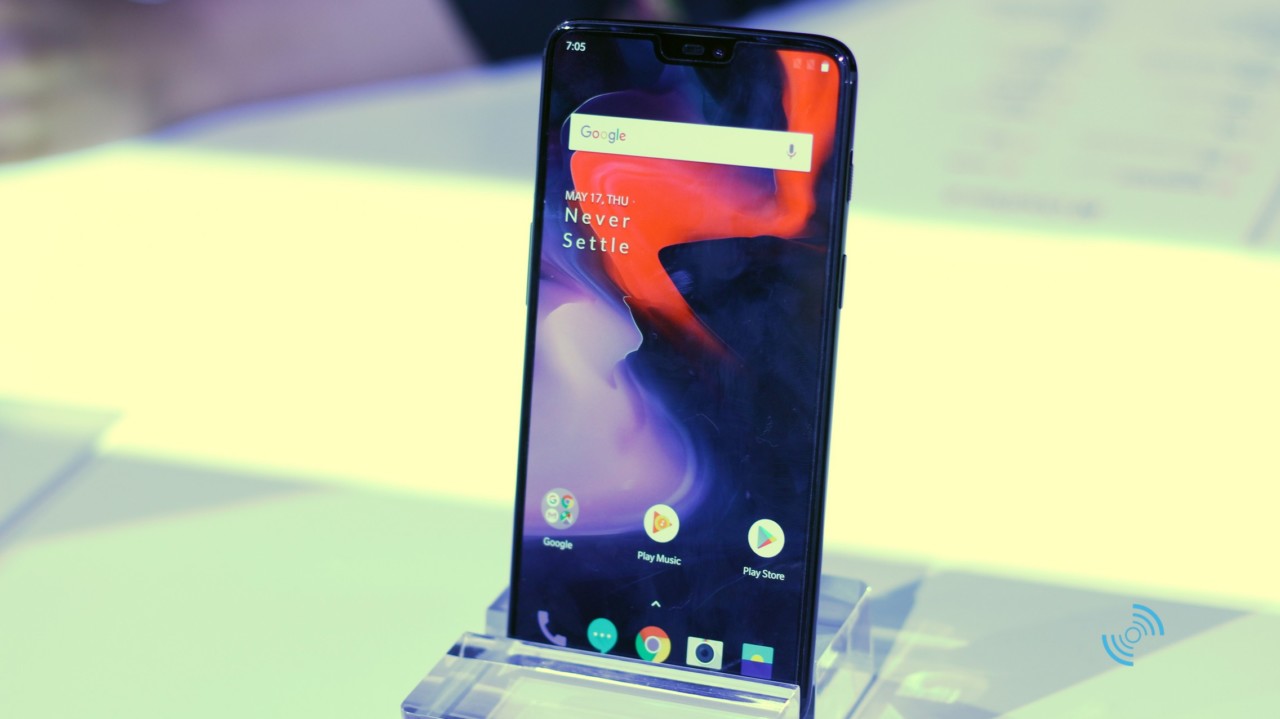
The OnePlus 6 went on sale today and according to the OnePlus official Twitter account, it is the fastest selling OnePlus device ever. It seems the increase in the price of OnePlus’s latest flagship hasn’t deterred fans from rushing to pick up a unit.
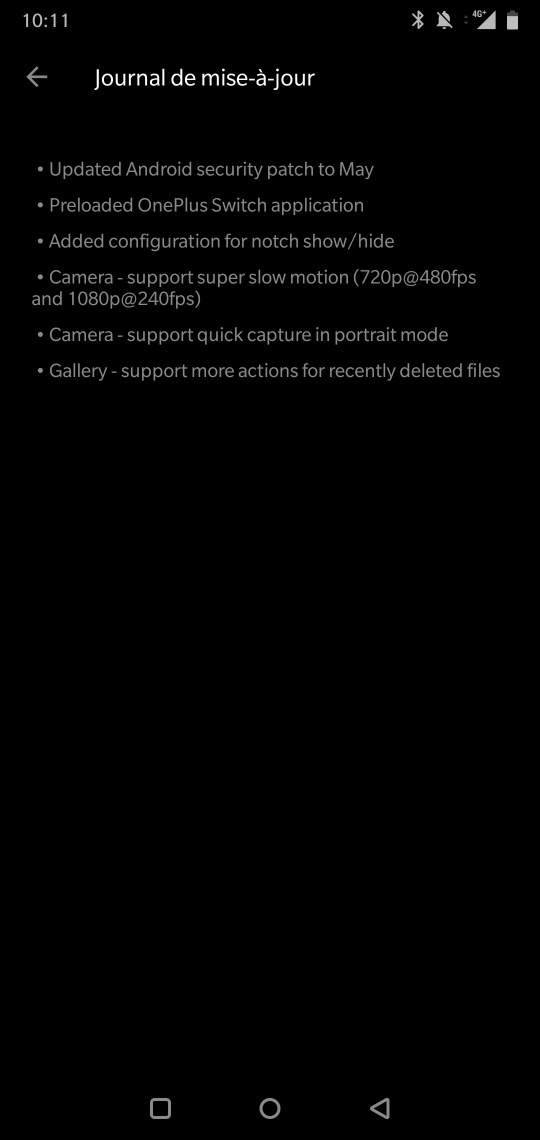
That is not the only news. OnePlus has also released the first update for the device, one that brings two important features, May’s security patch, and more.
The new update now adds a toggle setting where you can hide or show the notch. If you dislike the notch, you will find this useful. The update also allows you to record in slow motion – 720p at 480fps and 1080p at 240fps.
Other new features include support for quick capture in portrait mode and more actions for recently deleted files from the gallery app. The update also brings the OnePlus Switch App which should come in handy for moving your files from your old phone to your shiny new phone.
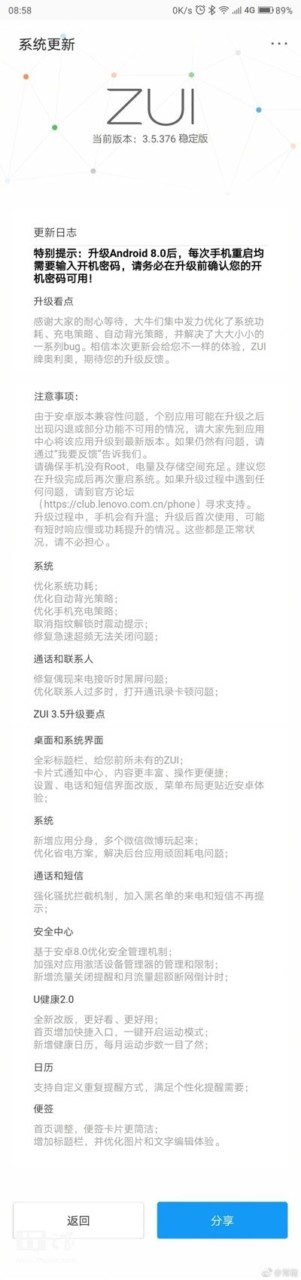
Lenovo put an end to its ZUK sub-brand more than a year ago and the last ZUK phone was released at the end of 2016. But these phones are getting new updates, even in 2018! After updating ZUK Z2, Z2 Pro and Edge to Android Oreo (just to remind you, the first two phones were released with Android 6.0 Marshmallow out of the box!), the Chinese company has released a new minor stable version of ZUI, the custom user interface found on these handsets.
In case you don’t know, this UI is still being adopted by Lenovo on some of its recently-released smartphones. The new ZUI update based on Android 8.0 Oreo brings the number of version to 3.5.376 and, despite the fact that it is a minor version, it also brings several improvements. The update is available for ZUK Z2, Z2 Pro, and Edge and one of its main focuses is reducing energy consumption.
Indeed, in the changelog, the team has mentioned an “optimization of system power consumption” as well as an improvement of the adaptive brightness and the battery charging system. There are also several bug fixes in the new ZUI update, and graphics changes for a better user experience. Also, the U Health app has been improved as well.
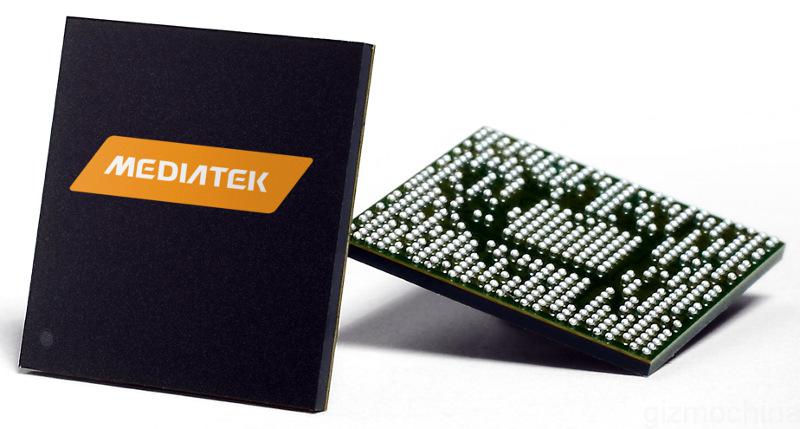
Mediatek might have given up on their high-end X series lineup, but the company is slowly but steadily expanding its mid-range Helio series. After seeing good response for its upper mid-range Helio P60 processor, the company has added a new chipset to the lineup, the Helio P22. Alongside the Helio P23 and the P30, the new processor will power mid-range smartphones.
The Helio P22 comes with eight Cortex A53 cores clocked at 2.0GHz. MTK boasts that it is one of the first chipmakers to bring 12nm processors to the budget segment. The chip features Mediatek’s Neuropilot tech which comes with support for TensorFlow, TF Lite, Caffe, and Caffe2. It can select the best available AI resource for developer efficiency.
Mediatek has made sure that the new chipset also comes with trending 2018 features. So there’s support for dual 13+8MP (up to 30fps) cameras and for up to 20:9 (720×1600 pixel) tall displays. The chip offers hardware as well as software based depth sensing. In fact, the P22 has a capable yet efficient hardware depth engine which brings real time bokeh previews to budget smartphones.
Other features include Bluetooth 5.0, Wi-Fi ac, 4G support on both the SIMs, and 4-satellite GNSS.
Mass production of the chip is already underway and smartphones featuring Helio P22 will hit the markets by the end of Q2 2018.
The greatest football tournament begins in less than a month and Vivo is one of this edition’s sponsors. The Chinese smartphone manufacturer has released a new advert for the FIFA World Cup 2018 that showcases its truly bezel-less smartphone – the Vivo APEX.
The Vivo APEX first appeared as a concept device at this year’s edition of MWC in Barcelona only to be officially announced later in China. Although you can’t purchase one yet until later this year when it goes on sale.
The APEX is a unique device as it has a screen-to-body-ratio of over 90%. Its 5.99-inch OLED screen doesn’t have a notch like Vivo’s recent releases. Instead, it buries the sensors under the display and hides the front camera in the metal frame. Open the camera app and the sensor slides out in style.
It also has a fingerprint scanner embedded under the screen. While this may not be new as other Vivo phones have it, the one on the APEX is unique as it covers a much larger area of the screen.
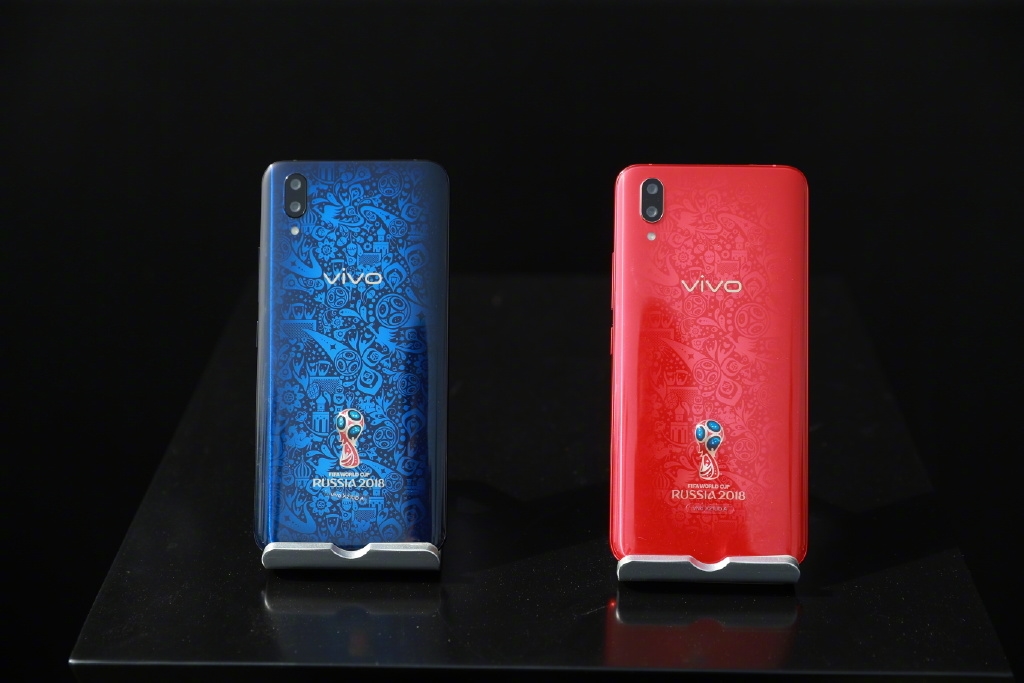
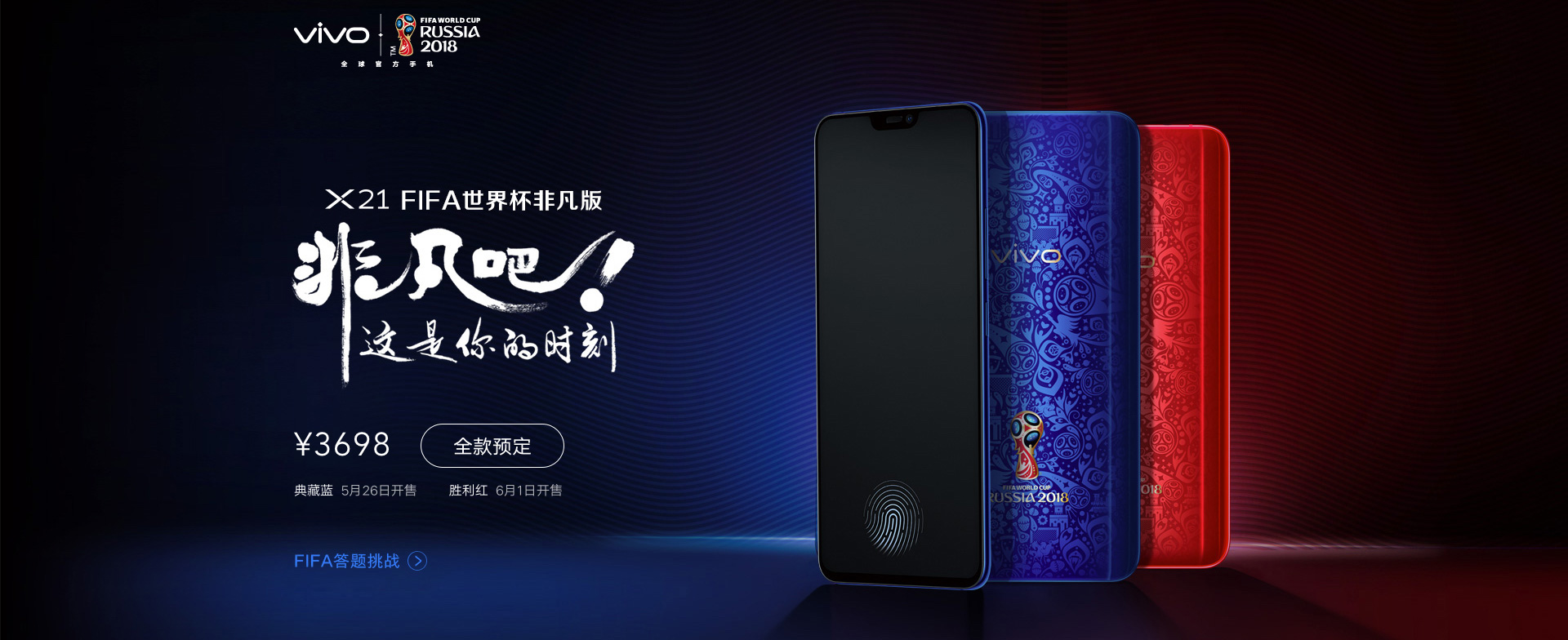
Continuing its partnership with FIFA, Vivo has today officially launched a new variant of Vivo X21 — the Vivo X21 FIFA World Cup 2018 Extraordinaire Edition. The smartphone will be available in two color options — Classic Blue and Victory Red.
And it’s not just the name, the phone comes with an extraordinary design as well. The back panel of the smartphone has a four-dimensional gradient printing and a fancy pattern on top. At the bottom of the back panel, the company has opted to embed a three-dimensional 2018 FIFA World Cup logo.
This Vivo X21 World Cup Edition smartphone also comes with an under-display fingerprint sensor and the company has included a specially designed new visual effect indicating the unlock function. Further, the company’s own Jovi AI-based smart assistant can provide World Cup game previews, live links and notification/alarm for the gameplay.
Additionally, the smartphone also comes with a customized user interface, which has accents of red, blue and gold colors. The company has aimed to provide a new user interface that is simple, bright and visually appealing. Along with this, the phone comes with custom World Cup wallpapers and a custom Dusha TM font.
Besides this Vivo X21 FIFA World Cup 2018 Extraordinaire Edition, the company is also offering a limited edition custom-made protective shell case for the phone, representing Germany, Argentina, Brazil, and Portugal. To make the protective shell, the company claims to have used layered water paste printing and a matt UV topcoat process, which Vivo says creates strong color impact and excellent texture.
The phone’s specifications are similar to that of the standard Vivo X21 model. It features a 6.28-inch Full-HD+ display with 19:9 aspect ratio and a screen resolution of 2280 x 1080 pixels. The phone is powered by Qualcomm Snapdragon 660 processor, coupled with Adreno 512 GPU, 6GB RAM, and 128GB internal storage.
As for the photography, on the front side, the smartphone features a 12-megapixel shooter with f/2.0 aperture. On the rear side, it comes with a dual camera setup, consisting of a 12-megapixel primary sensor with f/1.8 aperture and a 5-megapixel secondary lens with f/2.4 aperture.
The smartphone runs on the custom version of FunTouch OS 4.0, which is based on Android 8.1 Oreo operating system. The smartphone is fuelled by a 3,200mAh battery, which comes with support for fast charging technology.
The Vivo X21 FIFA World Cup 2018 Extraordinaire Edition is priced at 3,698 Yuan, which roughly converts to $581. The Blue colored model will be available for purchase in China from May 26th while it will be available on pre-sale from 22nd May. On the other hand, the Red-colored variant will be available on sale from 1st June.
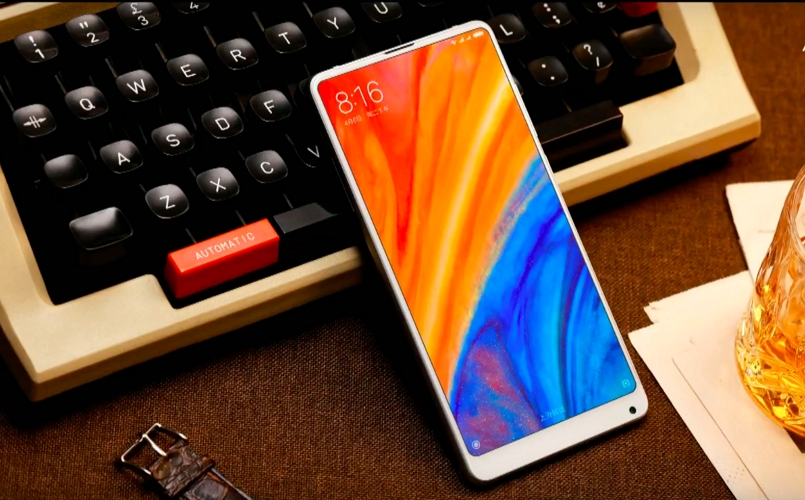
Xiaomi’s European expansion continues: the Chinese company has just made its way in France and in two days it will officially land in Italy with its first physical store in the peninsula. The company has just held a press conference announcing its plans in France and it officially brought three products in the market. The first and the most important product in France is the smartphone Xiaomi Mi Mix 2S, which is the best flagship from the company alongside Xiaomi Mi 7 and Mi 8 which will be officially unveiled on May 31. Xiaomi Mi Mix 2S is being offered with a price tag of €499,90 for the base variant with 6 GB of RAM and 64 GB of internal storage, while it costs €599,90 for the 6/128 GB variant.
It comes with a 5.99-inch Full HD+ display which sports a tri-bezel-less design and an 18:9 aspect ratio. Under the hood, it has an octa-core Snapdragon 845 chipset by Qualcomm, while on its rear side there is a 12 MP dual camera setup and a fingerprint reader.
The second product brought in France is the mid-ranger Xiaomi Redmi Note 5. Note that it is not the Redmi Note 5 Pro with Snapdragon 636, but just a re-branded Redmi 5 Plus. It has a French price tag of €199,90 for the variant with 3 GB of RAM and 32 GB of internal storage, while it costs €249,90 for the 4/64 GB version. Its display has a size of 5.99 inches, an 18:9 aspect ratio and a Full HD+ resolution of 1080 x 2160 pixels. The SoC is an octa-core Qualcomm Snapdragon 625 running at a max frequency of 2.45 GHz, while the battery has a capacity of 4000 mAh.
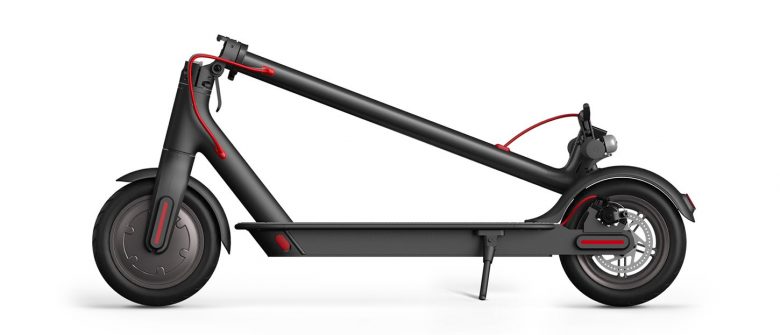
Besides smartphones, Xiaomi has also launched the Mi Electric Scooter in France, with a price of €349,99. The first French official store is located in Paris, (29 boulevard de Sébastopol, 75001).
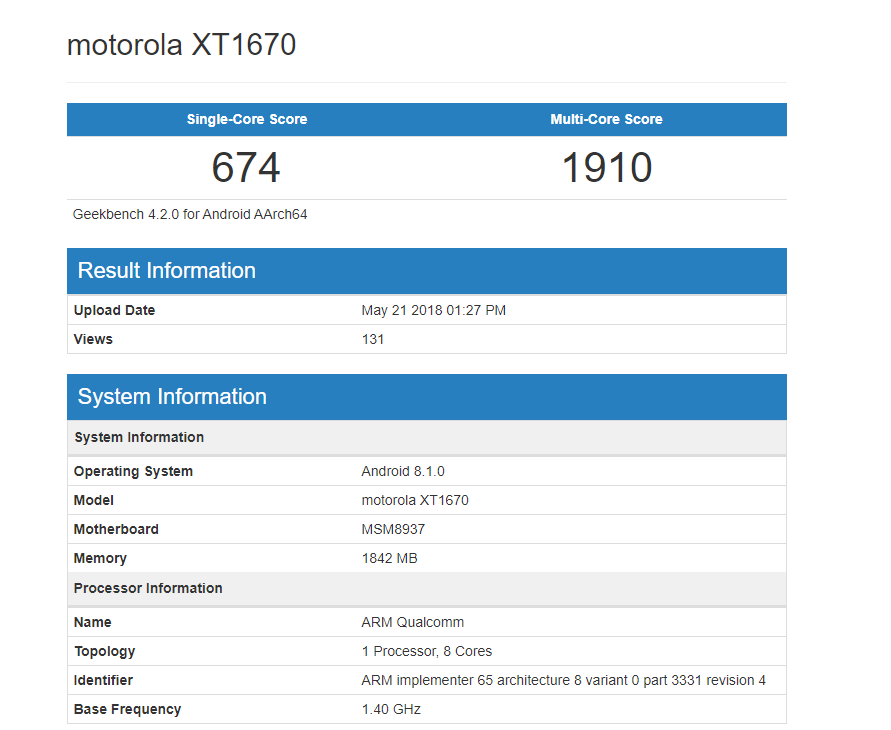
You would think because Motorola phones run a near stock version of Android they would get updated faster. Sadly, that isn’t the case. Last year’s Moto G5 is still on Android 7.1 Nougat but it may not be for long.
A Moto G5 running Android 8.1 Oreo was seen on Geekbench yesterday which makes us think an update is coming soon. Fortunately, it is Android 8.1 and not Android 8.0, so that should make up for the delay.
The Moto G5 has a 5.0-inch FHD screen, a Snapdragon 430 processor and an Adreno 505 GPU. It comes in 2GB RAM and 3GB RAM variants with 16GB and 32GB of internal storage respectively.
ZTE has had a rough couple of weeks since the US supply ban but it seems things may get better very soon. New reports say the Chinese and US government are having talks on how to resolve the issue.
According to Reuters, both governments are working on a deal that will see China remove import tariffs on American agricultural products and cars. The deal will also include an increase in the purchase of these agricultural products.
ZTE, on the other hand, may be slapped with hefty fines and required to change its top executives in exchange for a removal of the ban.
However, the deal may not be finalized as there are people who are of the opinion that ZTE’s action is a breach of law and can not be used as a bargaining chip in the trade war between both countries.
US Senator Marco Rubio, is reported to have said that fines and changes to ZTE’s leadership won’t prevent the company from “spying and stealing” from the US. He has pledged that the Congress will block any deal made with the company.
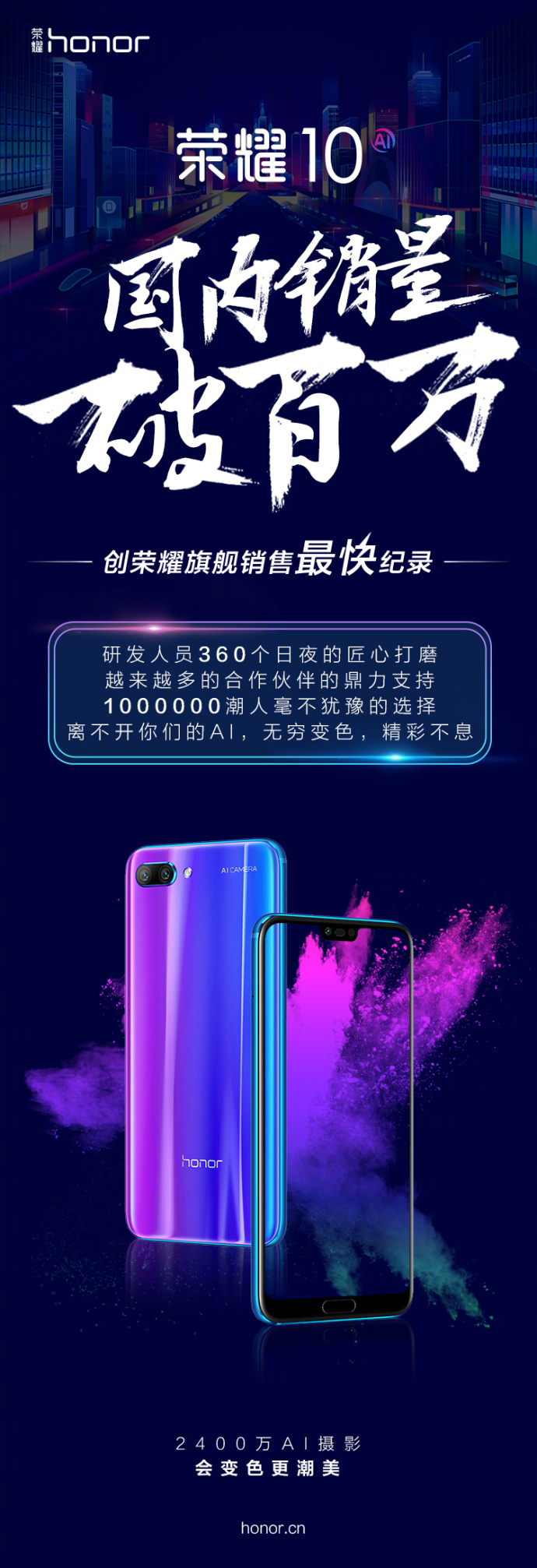
The Honor 10 can be termed a cheaper version of the Huawei P20. It has nearly the same internals save for the Leica-Huawei co-developed sensors. Its cheaper price tag has paid off as Honor has announced that it has sold over a million units since it went on sale.
The Honor 10 was released on April 19 in China and went on sale online and offline on April 27. Less than 5 minutes after it went on sale, Honor said online sales had crossed ¥400 million.
Today, Honor’s President, Zhao Ming, took to Weibo to announce that they have sold over a million units of the Honor 10 smartphone. This figure is only for China and doesn’t include the new markets the Honor 10 launched in recently.
The Honor 10 has a 5.84-inch display with a notch at the top and a 2280 x 1080 resolution. It is powered by the Kirin 970 processor which has a dedicated NPU for AI tasks. The chipset is paired with 6GB of RAM and 64GB/128GB of storage.
The Honor 10 may not have the Huawei P20’s Leica cameras but its sensors also have AI features. The primary camera is a 16MP sensor and it is paired with a 24MP secondary sensor. However, it uses the same 24MP selfie camera as the P20 series which also packs a lot of features and supports Face Unlock.
The rest of the specs include NFC, a USB-C port, a 3.5mm audio jack, a dedicated Hi-Fi audio chip, and a 3,320mAh battery with support for Huawei’s Supercharge fast charging.
The 64GB Honor 10 is sold for ¥2599 (~$408) and the 128GB model is priced at ¥2999 (~$471).
It’s no longer news that Xiaomi has filed for an IPO in Hong Kong. The IPO which will soon go public could see the company’s valuation pegged at $100 billion which would potentially make the IPO the largest in four years since Alibaba Group raised $25 billion in its 2014 debut in New York.
More details have now emerged showing that Xiaomi Corp. isn’t the only beneficiary of the IPO. The first set of Xiaomi employees, 56 in numbers were able to pull together $11 million back in 2010 to invest in the startup. This was before Xiaomi sold a single smartphone. The story even has it that some had to dip hands into their savings and borrowed from parents with one receptionist tapped her dowry.
These lucky chaps which Bloomberg refers to as the Lucky 56 are about hitting the goldmine with the company prepping a blockbuster initial public offering. Xiaomi is presently one of the most successful smartphone makers in the world and their stake in the company may soon be worth $1 billion to $3 billion, depending on the stock sale. On the average, each of them could get $36 million.
Okay, eight years down the road, it looks easy but the road has been a tough one. The journey began with workers like Li Weixing, an ex-Microsoft Corp. engineer who was employee No. 12. When word spread back in 2010 that Lei Jun and his co-founders were racking up their own money for a venture financing round, Li and others wanted to join them. Lei Jun had hinted in an interview conducted in March that they had to let everyone in since they cant let only Weixing invest. The investments from the rank-and-file were capped at about 300,000 yuan each to limit risk and stop employees from taking out loans to invest. The employee who even took out her dowry of around 100,000 to 200,000 yuan ($16,000 to $31,000) was simply identified as employee No. 14, a receptionist now working in Xiaomi’s human resources office. That stake could be worth between $1 million and $8 million.
Collectively, the group stands to gain as much as $3 billion if Xiaomi floats 15 percent of the company at a $100 billion valuation when it goes public in Hong Kong later this year, according to calculations based on Xiaomi’s prospectus. A more conservative estimate would yield a $1.4 billion payout for the 56 employees if Xiaomi floats 25 percent of the company at a $50 billion valuation. In all, the lucky 56 employees stand to make roughly 200 times their original investment. Lei Jun and his co-founders will make even more with Lei Jun’s stake estimated to be worth $27 billion. None of this was obvious in 2010 but looking back, they’ll all be beaming with satisfaction for the life-changing decisions they all made in that tiny Beijing office.
OnePlus is literally living up to its slogan “Never Settle” with the pace at which it upgrades its flagship models. The OnePlus 6 is the latest addition to the family and it went on sale for the first time today (May 22) in China, India, North America and Europe. Reports coming in from the Chinese company indicate that the sale was a hit from the figures gathered so far.
The OnePlus 6 posted some impressive opening day sales, according to Carl Pei, OnePlus’ co-founder. According to Mr Pei, the company sold 100,000 units in the first 12 minutes of the device going on sale in China. The India sales is pretty impressive as well, as the company announced that in the first 10 minutes of availability on Amazon, the OnePlus 6 generated over one billion rupees (approximately $14.7 million) in revenue. OnePlus released the device in India on May 21 exclusively via its own website and on Amazon Prime, before general availability starting today.
The report of the OP6 sales in North America and Europe is still unknown but we believe the device will equally do well. The OnePlus 6 launch event was marked with long queues at its events in New York and San Francisco. So, the sales would definitely not perform badly.
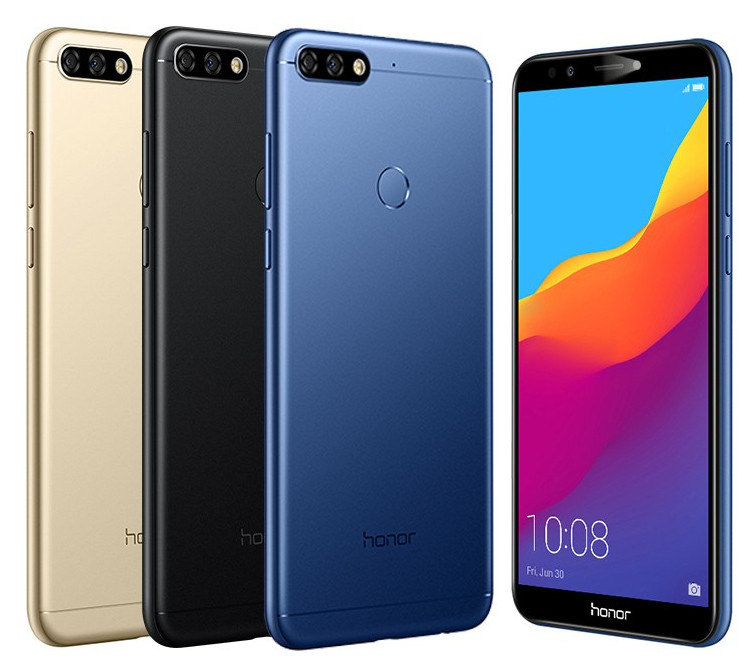
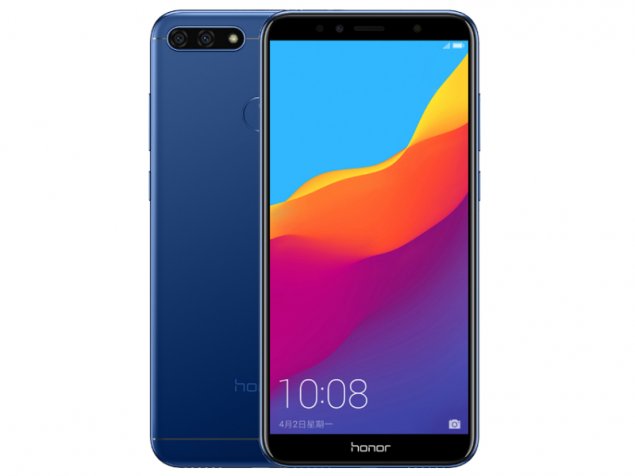
As expected, Huawei‘s sub-brand Honor launched its two new budget smartphones in the Indian market — Honor 7C and Honor 7A. The Honor 7C was originally launched in China in March while the Honor 7A was launched in China last month.
Both the smartphones — Honor 7A and Honor 7C are quite similar to each other, having minor differences in terms of display and the processor. While the Honor 7C features a 5.99-inch HD+ IPS LCD display, the Honor 7A sports 5.7-inch HD+ IPS LCD display. Both devices feature a full-screen display with 720 x 1440 pixels screen resolution and 18:9 aspect ratio.
Under the hood, the 7A is powered by Qualcomm‘s Snapdragon 430 octa-core processor coupled with 3GB RAM. There’s also a 2GB RAM variant of the phone, but the company has not launched it in India. On the other hand, the 7C is powered by Qualcomm Snapdragon 450 processor and comes in two models — 3GB RAM and 4GB RAM.
The phones come with 32GB of internal storage, except for the 4GB RAM variant of 7C, which packs 64GB storage. However, all models come with a dedicated microSD card slot, enabling users to further expand the phone’s storage capacity.
The Honor 7C and Honor 7A, both smartphone feature same cameras on the back as well as the front. There’s a dual camera setup on the back, consisting a 13-megapixel primary sensor and a 2-megapixel secondary sensor. On the front side, the devices bear an 8-megapixel camera with a f/2.2 aperture and a soft selfie light.
Connectivity options on both smartphones include 4G VoLTE, Wi-Fi 802.11 b/g/n with hotspot, Bluetooth v4.2, GPS/ A-GPS, Micro-USB, and 3.5mm headphone jack. Further, both devices feature a fingerprint sensor on the back panel and come with Face Unlock feature to added security.
As of the software, both 7C and 7A run on EMUI 8.0 based on Android 8.0 Oreo operating system out of the box and powered by the same 3,000mAh capacity battery.
In India, the Honor 7A is priced at Rs. 8,999 and will be available for purchase exclusively through online marketplace Flipkart from 29th May. On the other hand, the Honor 7C costs Rs. 9,999 for the 3GB RAM variant while the 4GB RAM model is priced at Rs. 11,999. It will be available exclusively through Amazon India from 31st May 31.
Both the smartphones will be available in three color options — Black, Gold, and Blue. Apart from Flipkart and Amazon, both devices will also be available through the company’s official HiHonor online store.
Li Nan, the Senior VP of Meizu had shared a camera sample yesterday that was captured using an upcoming Meizu phone on his Weibo account. The watermark present on the image suggested that the mysterious handset could be Meizu M6T. Today, Meizu has revealed through official Weibo account of its Blue Charm sub-brand that the smartphone that is launching on May 29 is named as “6T.”
Blue Charm devices have always carried M branding. For instance, Blue Charm 6 had launched as Meizu M6 and the Blue Charm Note 6 was released as Meizu M6 Note. Hence, the new 6T phone may release in the market as Meizu M6T. The below teaser that confirms the moniker does not reveal any information on its specs and features. MyDrivers has reported that it has received invitation for the launch event of Meizu M6T which reveals that the event will be held at 2:30 PM at Beijing Sanlitun Mega Studio Theatre.
The impressive blurring effect that was seen in the portrait shot that was released yesterday by Li Nan suggests that the Meizu M6T will be a selfie-centric phone. Moreover, he has previously claimed that the cost of the phone will be similar to the price of a PC hard disk. This means that the Meizu M6T could be priced around 999 Yuan (~$156).
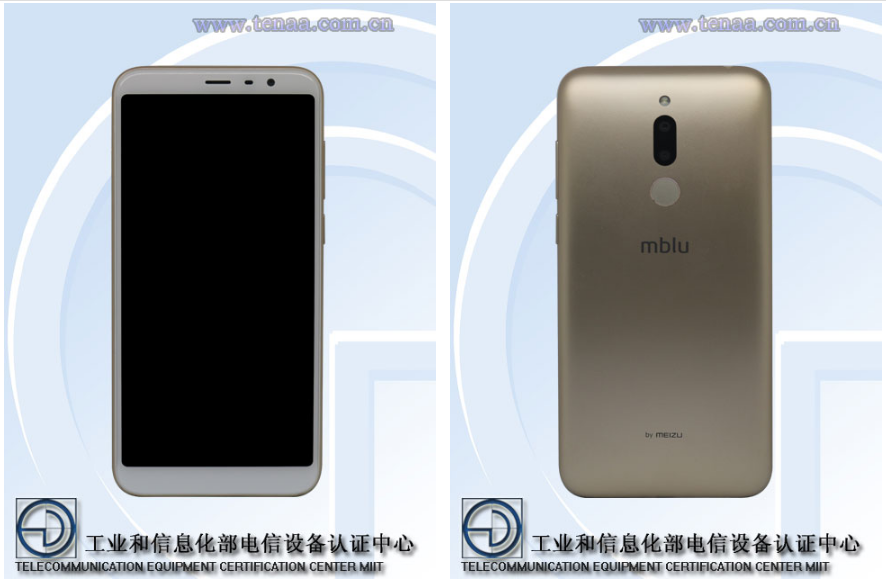
As far as the specs of the Meizu M6T are concerned, rumors are rife that it could be the very same MQ118 Meizu phone that was certified by China’s TENAA authority earlier in this month. The MQ118 Meizu has an HD+ resolution display of 5.7 inches and it is fueled by 1.5 GHz octa-core processor.
Its 16 GB, 32 GB and 64 GB storage variants respectively include 2 GB, 3 GB and 4 GB of RAM. It features 13-megapixel + 2-megapixel dual camera setup and a selfie shooter of 8-megapixel. The handset receives power from 3,230mAh battery. The TENAA images of the phone suggest that it will be featuring a metallic chassis with a vertical dual camera setup and a fingerprint scanner on its rear.
China is home to some of the best smartphone brands in the market. But there are many other lesser known brands too that do well in its home country, like Smartisan and even Meitu. The latter actually came into the limelight for its beautification apps and expanded its business into making smartphones, after all, their apps were used on a smartphone.
Meitu isn’t new to making phone though. The company already has a few smartphones under its belt, including the Meitu T8S that was announced back in September. However, almost all of their smartphones are focused on selfies and beautification features, and this has helped the company garner a good set of female fan following.
Now, Meitu is back in 2018 with a new smartphone and it’s going to be called the Meizu T9. Naturally, the phone will succeed the T8S model released last year and this time, it comes with dual cameras on the front as well as back, conforming to the recent craze for multiple cameras.
There’s still nearly a month for the official release of the Meitu T9, but the company couldn’t contain their excitement and has already revealed key specs of the device.
The Meitu T9 will feature dual pixel dual cameras on the front as well as rear. If that’s not impressive, both the camera setups will have OIS. So, even your front facing selfies are now going to be clear. The primary camera is a 12MP Sony IMX363 sensor with 1.4μm pixels and f/1.8 aperture.
The phone has a lot of beautification features on board which reduces blemishes and improves your skin quality in the pictures. But it’s not as simple as some other cameras. Meitu is using a special Skeleton Point Identification Technology along with Meitu Imaging Labs which will intelligently adjust body proportions for the best shot. Then there’s the Meitu Color System, different portrait modes and other such features that make it one of the best camera phones for selfies and beauty shots. There are optimisations to improve night camera photography too.
So far, this is all we know about the Meitu T9 in terms of specs, at least officially. However, the phone recently passed through TENAA, so some of the other specs are already revealed like Snapdragon 660, 6-inch OLED 1080p 18:9 display, 4/6GB RAM, 64/128GB ROM, Android 8.1, and 3100mAh battery.
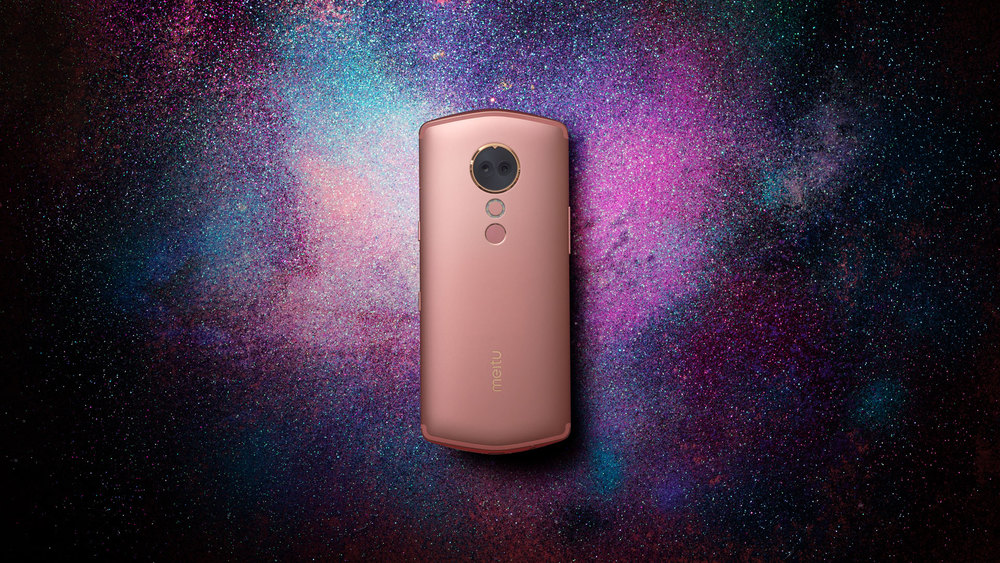
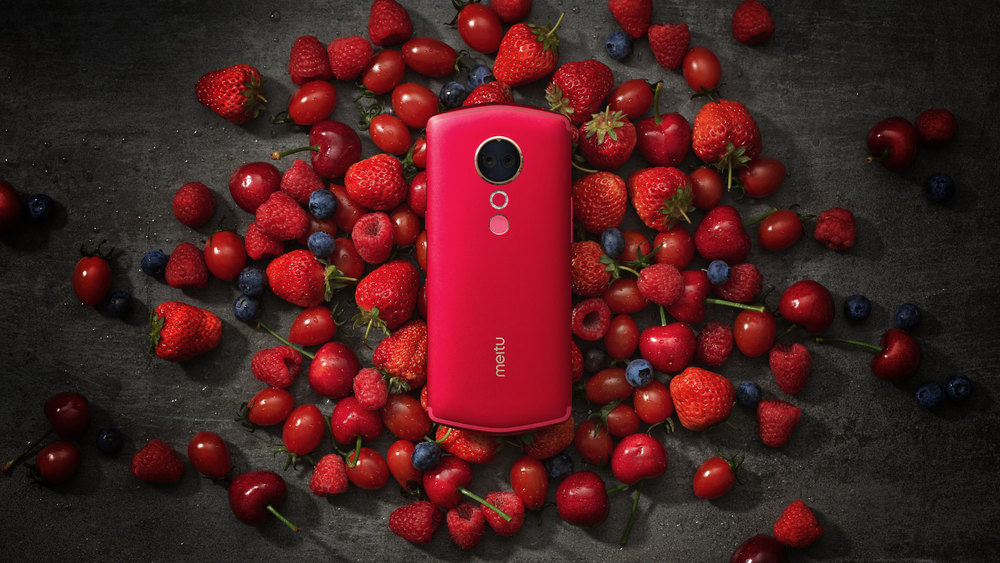
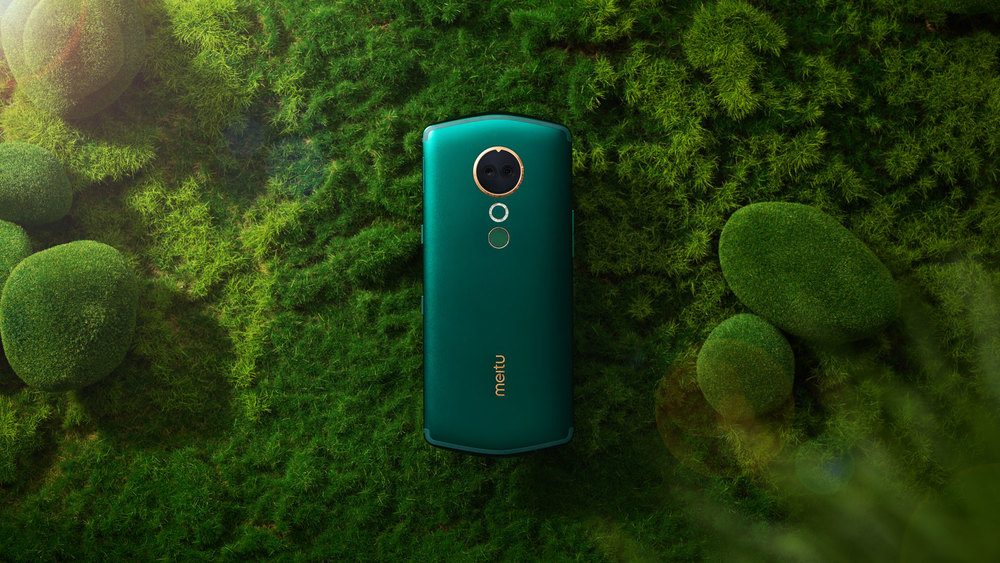
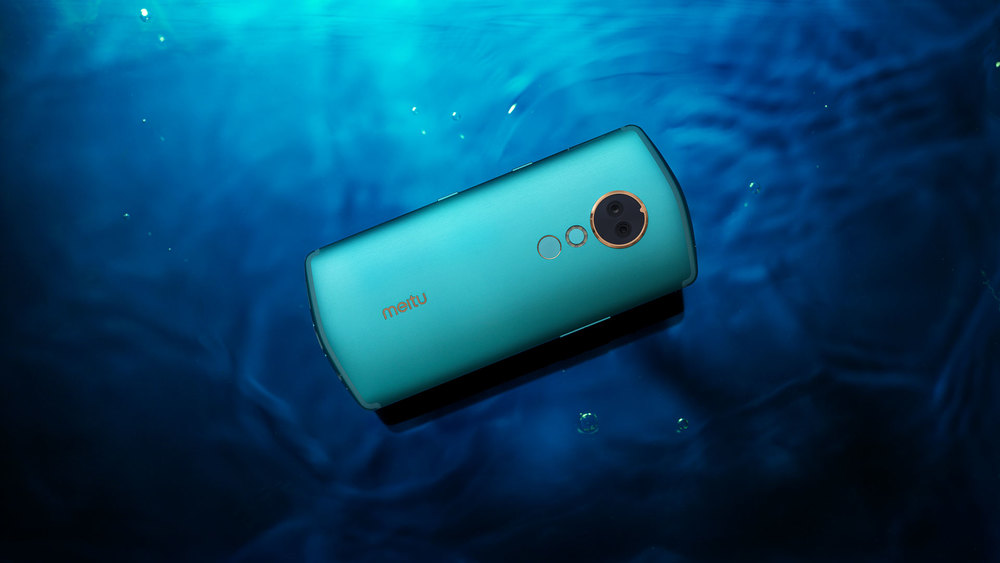
Note that the basic hexagonal top and bottom design of Meitu phones is continued on the T9. However, unlike the T8S which had a front facing fingerprint sensor, the T9 features it on the back. Also, the antenna bands are now near the top and bottom sides, better blending with the overall design of the back.
There will be four color options: Nebula Pink, Lake Blue, Cherry Red, and Wizard Green.
As of now, all we know is that the Meitu T9 will be officially announced at the June 27 event in China. Its T series isn’t cheap, with the T8S starting at 3399 Yuan ($533), which is costlier than the recently announced OnePlus 6 flagship in China. So, expect the pricing to be even higher than this figure at launch next month.
A couple of portraits from the phone have been added below.
Although the market is brimming with all sorts of tablets, you ideally need to spend a fortune in order to get your hands on a high-performing tablet. As part of it’s recently kicked off promotion, GearBest is doling out big discounts on a broad range of tablets, and tablet PCs.
Dubbed as ‘Three of a Kind,’ the promotion sale features three top-notch flagship tablet brands i.e. Teclast, CHUWI, and AlldoCube. The promo has further been divided into multiple categories in a bid to simplify the search process.
Flagship Performance
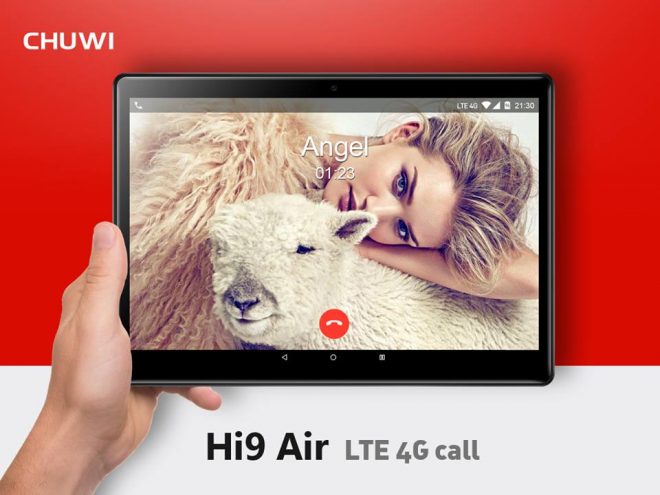
This category features Chuwi Hi 9 Air 4G Tablet PC, AlldoCube X1 ( T801 ), and Teclast P80 Pro Tablet PC. More importantly, GearBest is offering considerable discounts on the aforesaid tablets.
For instance, the popular Chinese online store is giving 12% off on the Chuwi Hi 9 Air tablet PC, which normally carries a price sticker of $251.10. With the aforesaid discount in effect, the Hi 9 Air can be yours if you’re willing to shell out just $219.99.
This Flash Sale price will be valid for the remaining 166 black-tinted pieces of the Hi 9 Air tablet PC. It is also worth noting that the promo is slated to end in 5 days.
Teclast Special Series
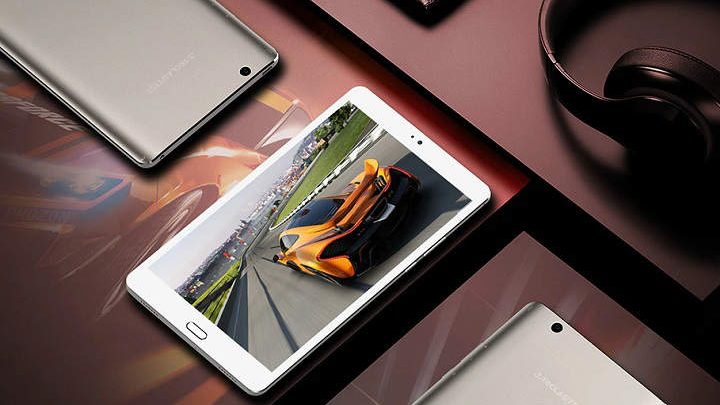
This section is packed with Teclast-branded tablets and notebooks that you can buy without emptying your pocket. Among a slew other high-end tablets, you can purchase the Teclast Master T8 tablet PC at a dropped price of $197.99. This is a noteworthy 22% discount offered by GearBest.
Likewise, you can go for the Teclast F7 notebook, which will be available for a discounted price of just $299.99 for 2 more days. On the downside, there were only 65 pieces left at the time of writing.
CHUWI Special Series
You can find several tablets manufactured by Shenzhen-based tech firm, CHUWI in this division. Aside from tablet, the category features Windows 10 OS-powered CHUWI LapBook 12.3 which carries a noteworthy 27% discount.
While the device usually sells for $395.16 on GearBest, you can buy it for only $289.99. This discount will be valid for 6 days, but there were 72 pieces remaining for the Flash Sale price.
AlldoCube Series
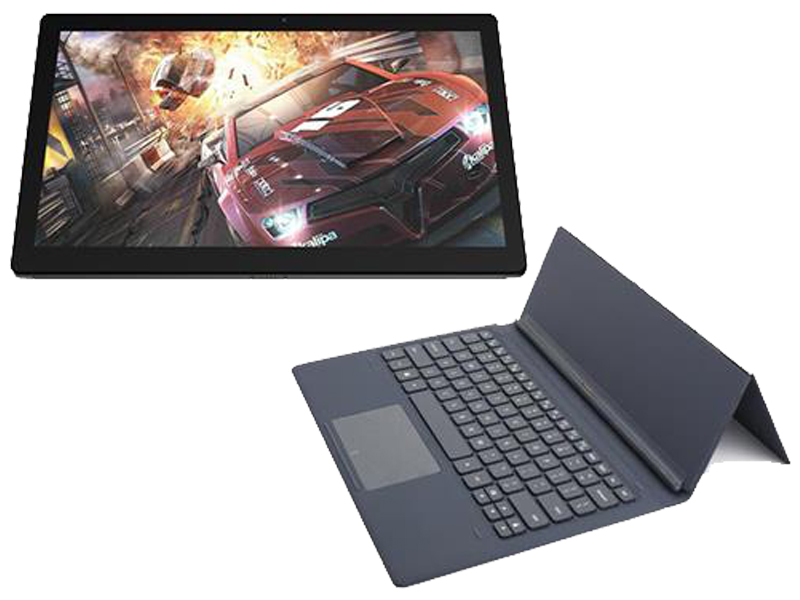
From top-notch tablets to a slew of well-received phablets, this category is rife with multiple AlldoCube-branded devices that you can buy for a lowered price. For the sake of an example, you can buy the KNote 2 in 1 tablet PC by shelling out only $399.99 on GearBest. While the device’s retail price is $409.75, you can get it for only $399.99 for a limited period of time on GearBest. The site is offering 2% off on the KNote 2 tablet PC, taking original asking of the remaining 15 pieces down to an affordable price point.
If you’re interested in checking out rest of the products and taking advantage of the discount before it ends, simply follow this link. Note that the currently discounted items are likely to go back to their retail price as soon as the promotion comes to an end.
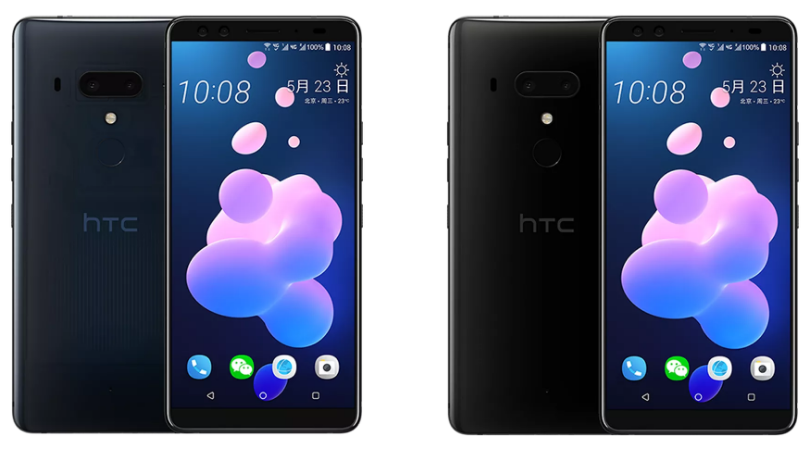
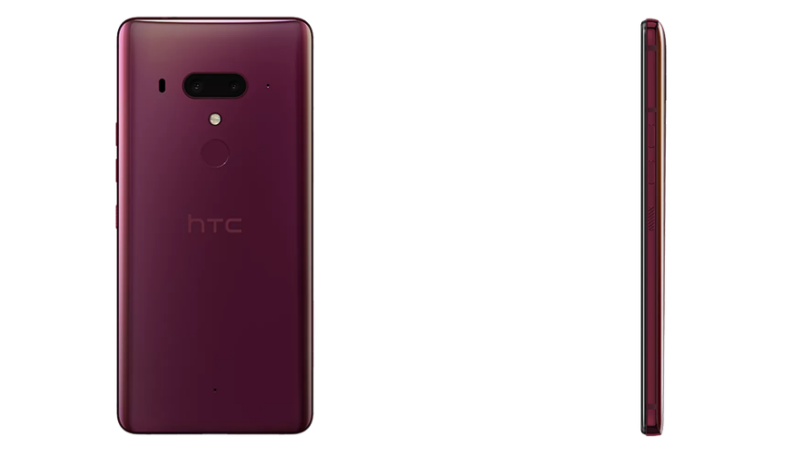
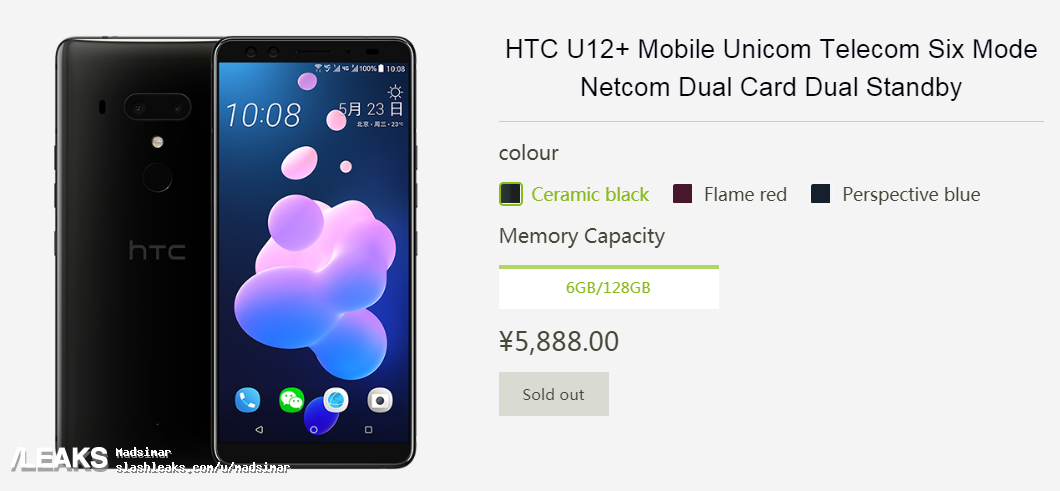
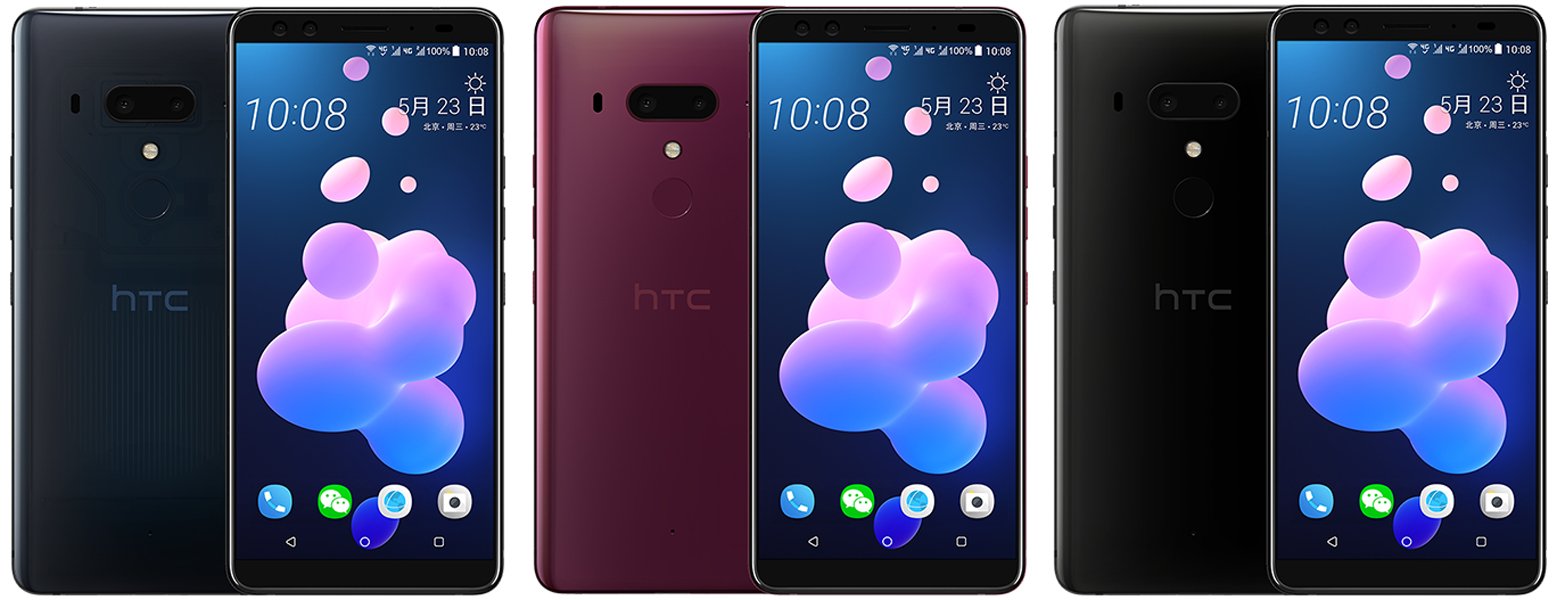
HTC will be launching the HTC U12+ flagship phone on Wednesday. However, the smartphone has inadvertently appeared on a testing subdomain on HTC’s official site. The listing that has been taken down was first spotted by popular tipster Roland Quandt and The Verge managed to get all details like images and specs of the HTC U12+.
The official listing has revealed that the U12+ exists in three colors such as Ceramic Black, Flame Red and Perspective Blue. The backside of the phone has a horizontal dual camera setup and a fingerprint scanner. The side view of the phone suggests that it could be sporting a thicker profile.
Most of the smartphone OEMs have switched to OLED panels for their new phones. However, the upcoming HTC flagship will continue to future LCD panels like the predecessor models. The testing website has revealed that HTC U12+ will be arriving with a Super LCD6 display that will support WQHD+ resolution of 2280 x 1440 pixels.
It will be fueled by Snapdragon 845 chipset and 6 GB of RAM. It features an internal storage of 128 GB. It receives power from 3,500mAh battery. The handset is equipped with BoomSound speakers and a memory card slot that will be support up to 2 TB of microSD card.
Previous leaks have revealed that that there will be a 64 GB storage edition of the phone which will also feature 6 GB of RAM. The official listing had revealed that the 128 GB storage + 6 GB RAM variant of the U12+ will be costing 5,888 Yuan (~$925).
Update: Quandt’s latest tweet reveals that the 64 GB HTC U12+ will be heading to Europe with a price tag of 699£ (~$941).
In the previous week, the reliable tipster Evan Blass had released the official renders of the U12+. He had also revealed that the handset would be equipped with Edge Sense 2.0. For photography, the frontside of the U12+ will be featuring 8-megapixel dual selfie snapper and the dual camera setup residing on its rear will be featuring a 12-megpaixel UltraPixel lens and a 16-megapixel telephoto lens. The dual rear cameras will be equipped with number features such as 2x optical zoom, OI, PDAF, laser autofocus and so on. Its other features include NFC, Bluetooth 5.0, and USB-C enabled DisplayPort support.
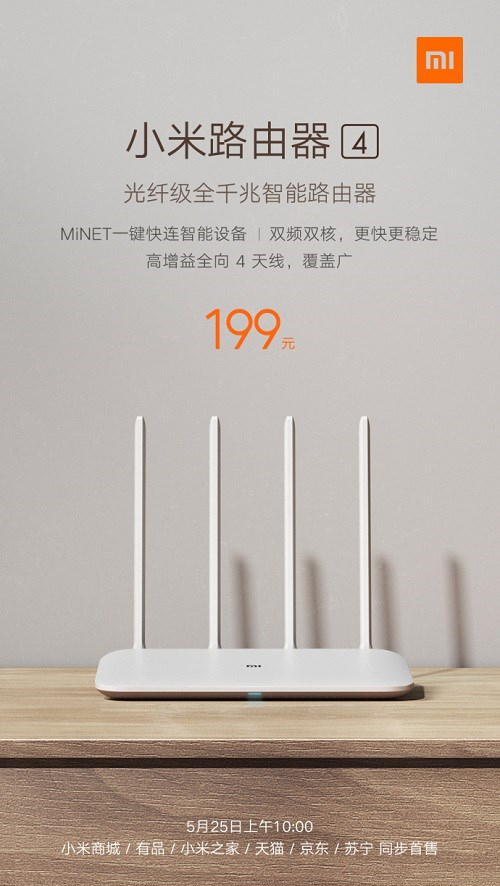
Ahead of its big launch event scheduled on May 31st in Shenzhen, Xiaomi has today launched its next-generation router — Mi Router 4. The router has been priced at 199 Yuan, which roughly converts to $31.
In terms of design, the newly launched Mi Router 4 is quite similar to the Mi Router 3. It comes with 4 omnidirectional antennae and uses a large area of aluminum-magnesium alloy heat sink and a high thermal conductivity thermal paste.
On the rear side, there are cooling holes as well as bottom shell opening, aimed at improving the effectivity and efficiency of the overall cooling system.
As of the internals, the router comes with 128MB of RAM and 128GB of flash storage, similar to its predecessor. However, the company has opted for an upgrade for the CPU, and thus, the Mi Router 4 packs MT7621A chipset which can provide connectivity to up to 128 devices.
As for the port availability, there’s one WAN port and two LAN ports on the back side. On the top side, there’s Mi branding in the center and LED lights for indicating connectivity. We are expecting the router to have a USB port just like its predecessor, but it isn’t confirmed yet.
The Mi Router 3, which was launched last year, comes with MT7620A processor. It was operating on MiWiFi OS, which is based on OpenWRT and we are assuming that this newly launched Mi Router 4 is also using the same operating system. The router can be configured through a web interface as well as through its mobile application which is available for Android as well as iOS.
The Mi Router 4 uses Gigabit WAN/LAN+2.4G/5G dual-band Wi-Fi and supports MiNET to quickly connect smart devices with a click of single button. To connect, users will just have to press the MiNET button and will quickly connect smart devices to the router without passwords.
In terms of wireless security, it supports WPA-PSK/WPA2-PSK encryption, wireless access control (blacklisting and whitelisting), SSID hiding, intrusion detection, DoS protection, access control manager, and SSID isolation.
The Xiaomi Mi Router 4 is priced at 199 Yuan (approximately $31), which is 50 Yuan more than the Mi Router 3. It will go on sale in China from 25th May through Xiaomi Mall, Youpin, Tmall, Jingdong, and Suning. Further, the devices will be available to purchase from Mi Home Stores as well.
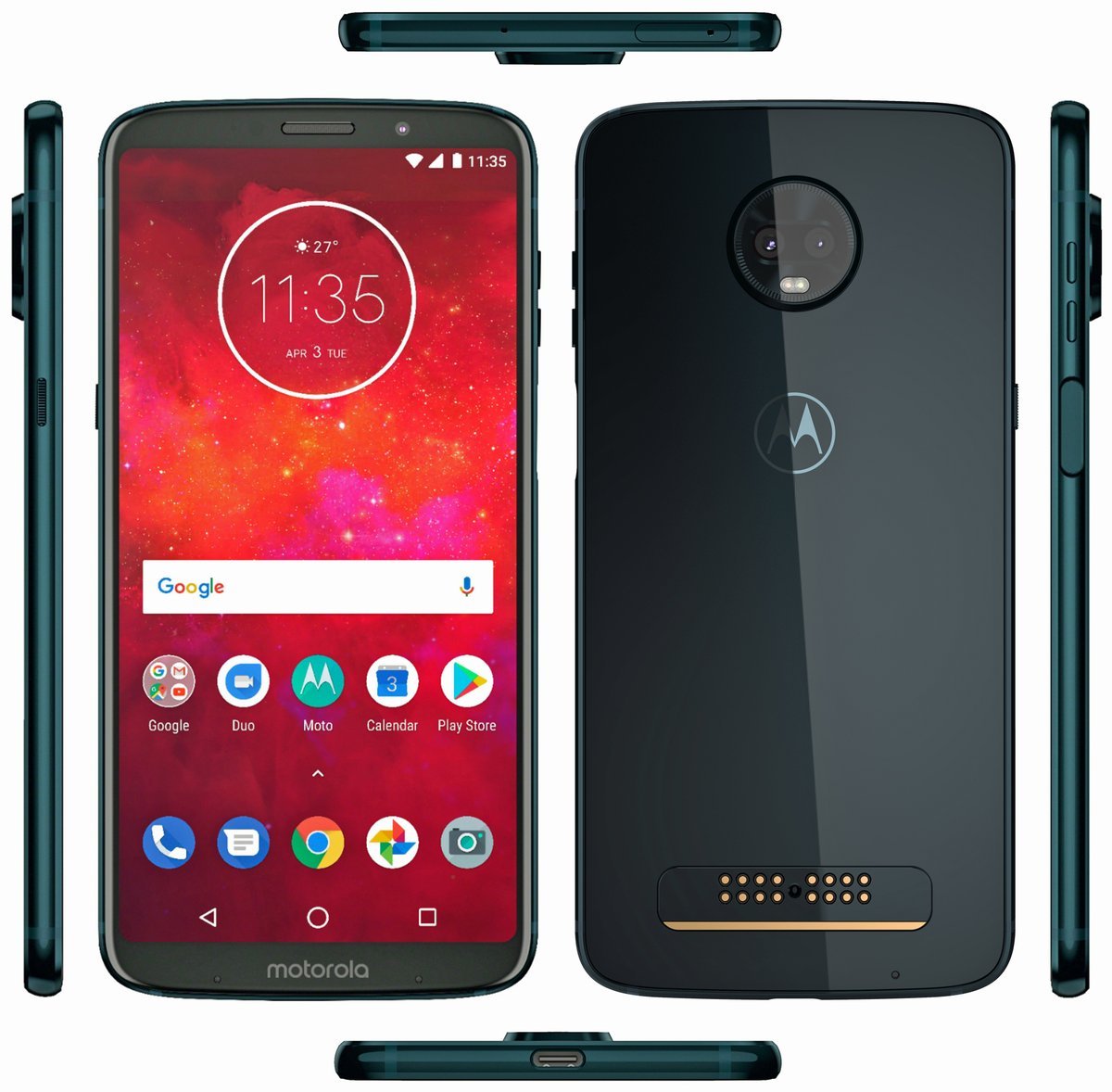
The Moto Z3 Play smartphone is speculated to debut in the next month as the Z2 Play was made official in June 2017. The key specifications of the smartphone have already surfaced through its FCC listing. Today, XDA Developers has come across an internal Lenovo document that contains technical specifications of the Moto Z3 Play has surfaced online.
Moto Z3 Play Specifications and Software Features
The leaked document has revealed that the Moto Z3 Play will be featuring an aluminum body. In the document, the Z3 Play is also mentioned as “one of the thinnest premium smartphones in the market.”
The handset will be featuring a 6-inch AMOLED MaxVision display that will offer an aspect ratio of 18:9 and FHD+ resolution. The Snapdragon 636 chipset and 4 GB of RAM will be powering the 32 GB and 64 GB editions of the smartphone. For additional storage, it has a microSD card slot. It is fueled by 3,000mAh battery. Like the predecessor models, the Z3 Play will also carry support for Moto Mods accessories. For photography, it features 12-megapixel dual camera setup with support for low-light photography. It has a front mounted camera of 8-megapixel.
Some of its other features include side-mounted fingerprint scanner, face unlock and Turbo Charging which is advertised as “half a day’s power in half an hour” (which does remind about us the tagline of Dash Charging technology by OnePlus).
Moto Experiences will bring some features like Moto Display and Moto Voice to Moto Z3 Play. The navigation gestures will be available in the form of “one simple bar.” The leaked document states that the Moto Z3 Play will be provided with two future Android OS upgrades.
Cinemagraphs is a new camera feature that will allow the Moto Z3 Play to capture animated live shots like the Galaxy S9+ and Galaxy S9. The camera app has numerous creative effects for enhancing the photos. The front and rear cameras will both carry support for Portrait mode.
The spot color is another interesting camera feature that will let user to pick a color from the image and turn the remaining portion of the photo black and white. Cutout mode can be used to cut certain portion of an image and replace its background with another image. The camera app will also include numerous manual mode settings for adjust focal length, white balance, exposure and ISO, camera shutter speed and so on. Also, the camera of the Moto Z3 Play can be used for scanning text from documents or business cards.
The leaked document contains the list of Moto Mods for Moto Z3 Play. There will be multiple bundled editions of the Z3 Play, each featuring a different Moto Mods accessory as follows:
Moto Z “Power” Edition: Bundled Battery Moto Mod
Moto Z “Style” Edition: Bundled Style Shell
Moto Z “Gamepad” Edition: Bundled Gamepad Mod
Moto Z “Projection” Edition: Bundled 70-inch Projector Mod
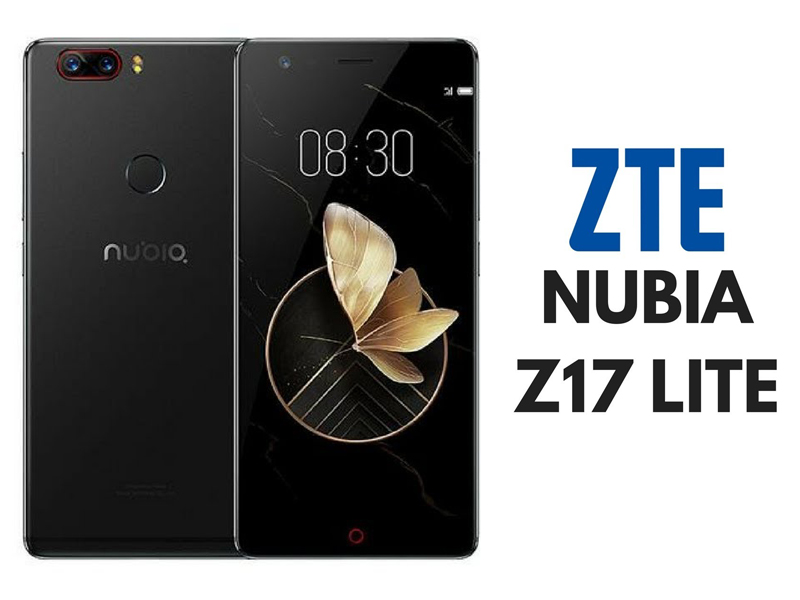
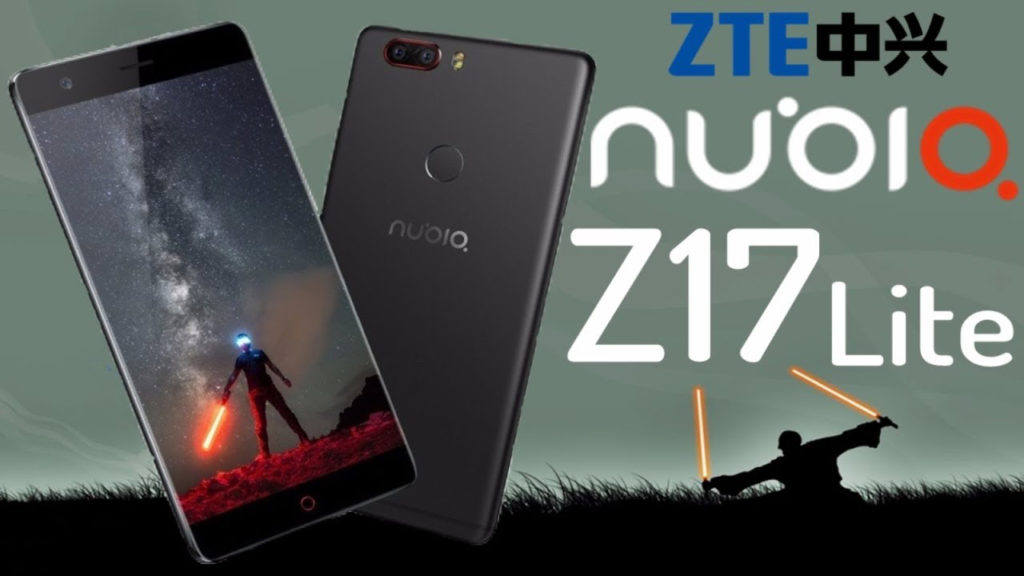
The ZTE Nubia Z17 Lite propelled straight to popularity after hitting the store shelves in September last year. But that’s hardly surprising given that the phone boasts a wide range of remarkable specs and features that can sweep smartphone lovers off their feet.
The Nubia Z17 Lite is currently available bearing a lowered price tag of $229.99 on GeekBuying. The Shenzhen-based online shopping store is offering a considerable 49% reduction in the phone’s original asking price of $449.99.
At $449.99, the Nubia Z17 Lite is quite a bargain considering it sports a big 5.5 inches IPS LCD capacitive touchscreen display with a screen resolution of 1080 x 1920 pixels and an aspect ratio of 16:9. It features a Corning Gorilla Glass screen on top for added protection.
Smartphone enthusiasts who are on a tight budget can apply the coupon code, ‘hkz17lite’ to save an additional $180 at the time of checking out. This brings your grand total further down to just $189.99.
By shelling out just $189.99, you can get your hands on an octa-core Qualcomm Snapdragon 653 powered smartphone that packs an Adreno 510 GPU, under the hood. Aside from that, the Nubia Z17 Lite offers 6GB of LPDDR3 RAM, coupled with 64GB of inbuilt storage.
On the photography front, the Nubia Z17 Lite houses a 16-megapixel camera (SAMSUNG sensor) and a 13-megapixel dual rear-mounted camera (SONY IMX258 Color + B/W sensor) equipped with NeoVision 7.0, f/ 2.2 aperture, PDAF phase focus. Up front, there’s a 16-megapixel camera with multi-filters & 10-level beautify, f2.0 aperture and fill light technology.
The dual-SIM (Nano-SIM+Nano-SIM) Nubia Z17 Lite smartphone runs Nubia UI 5.0 based Android 7.1 Nougat operating system. Moreover, the phone draws its juices from a 3200mAh non-removable battery which supports QC3.0 charging.
If you want to avail the deal, head straight to this link. Note that the promo is slated to end in just 4 days and the aforesaid discount coupon is also likely to expire shortly.
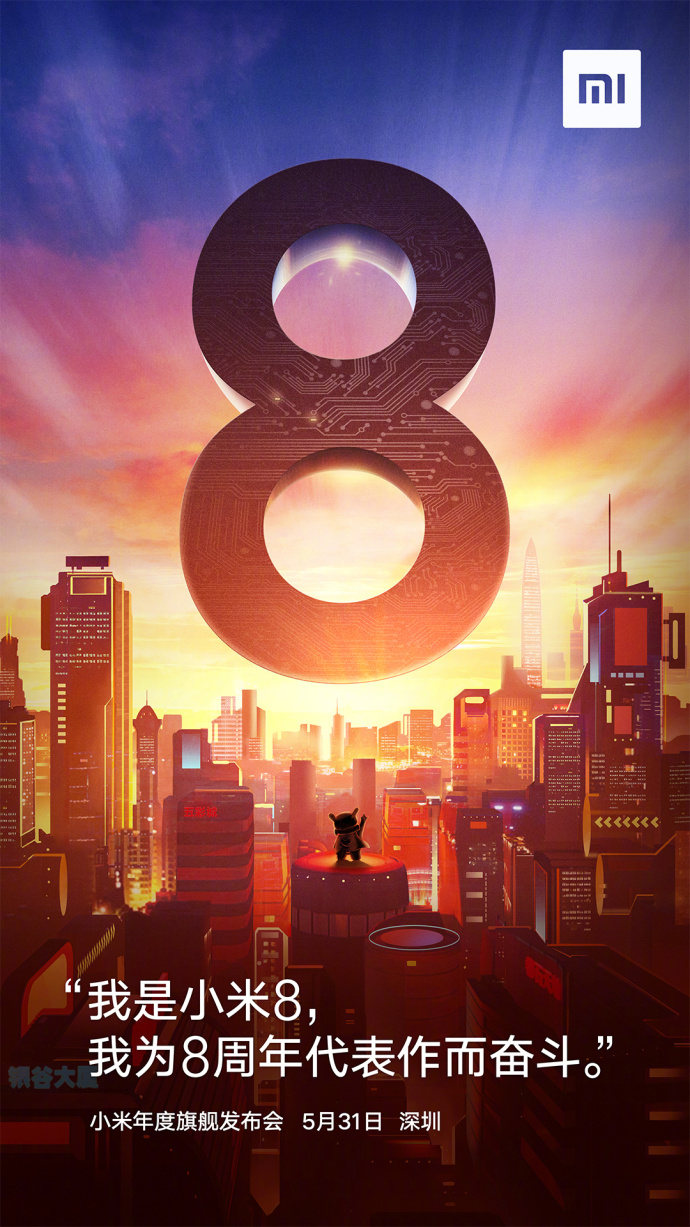
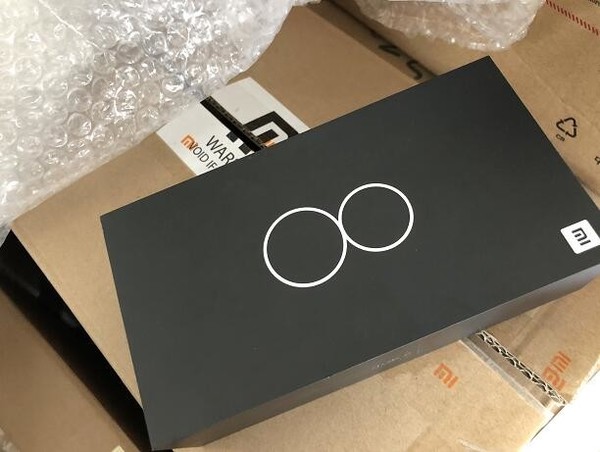
After confirming that the company will hold a launch event to unveil multiple products at the end of this month, Xiaomi has now officially announced a launch event on 31st May in Shenzhen, China where the company will launch its flagship Mi 8 smartphone.
While Xiaomi CEO Lei Jun has revealed that the company will launch multiple products at the upcoming event, the company has not revealed what are the products making a debut on 31st May. However, previous reports have indicated that along with Mi 8th Anniversary Edition smartphone, the Chinese manufacturer is planning to launch Mi 7 and Mi Band 3 fitness tracker.
Earlier, a leaked screenshot had surfaced online, which revealed that the China-based company had already sold tickets for the upcoming Shenzhen event that is scheduled to take place on May 31, which are said to have been priced between 799 Yuan (~$125) and 1,999 Yuan (~$314). The launch event, which is believed to be one of the biggest and most important launch events for Xiaomi this year, will be accommodating a large capacity of 5,000 people.
While not yet confirmed, the company is expected to launch its flagship smartphone of the year — Mi 7 and the Mi Band 3 fitness tracker at the Shenzhen event. However, the company has confirmed that its flagship smartphone Mi 8, the 8th Anniversary Edition smartphone from Xiaomi will be launched at the event.
It was speculated that the company will be announcing the Mi Max 3 smartphone at the Shenzhen event, given that the Mi Max 2 was launched in May. However, Lei Jun recently confirmed that there’s no possibility of Mi Max 3 launch before July this year.
Two variants of a Xiaomi smartphone have received approval from China Compulsory Certification (3C) authority in China and Federal Communications Commission (FCC) in the U.S. just ahead of the launch. It is speculated that these two variants are the forthcoming Xiaomi Mi 8.
The listing of two models — M1805E1A and M1805E1A don’t provide any information on the specifications of these two variants. The only thing that has been revealed through the listing is that both models carry support for 5V/3A, 9V/, A and 12V/1.5A charging.
Based on the previous rumors, the Mi 8th Anniversary Edition will be a flagship smartphone powered by Qualcomm‘s Snapdragon 845 chipset. It is expected to feature 6.01-inch OLED display with notch and 3D facial recognition. There is a possibility that under display fingerprint scanner will be also available on the phone. The handset could be powered by a 4,000mAh battery.
While there are speculations that the Xiaomi Mi 8 and Mi 7 smartphones could debut together on May 31, some reports are contradicting that with the claim that the Mi 8 has replaced the Mi 7 smartphone. To know for sure, we’ll have to wait for the event.
We use cookies on our website to give you the most relevant experience by remembering your preferences and repeat visits. By clicking “Accept”, you consent to the use of ALL the cookies.
This website uses cookies to improve your experience while you navigate through the website. Out of these, the cookies that are categorized as necessary are stored on your browser as they are essential for the working of basic functionalities of the website. We also use third-party cookies that help us analyze and understand how you use this website. These cookies will be stored in your browser only with your consent. You also have the option to opt-out of these cookies. But opting out of some of these cookies may affect your browsing experience.
Necessary cookies are absolutely essential for the website to function properly. This category only includes cookies that ensures basic functionalities and security features of the website. These cookies do not store any personal information.
Any cookies that may not be particularly necessary for the website to function and is used specifically to collect user personal data via analytics, ads, other embedded contents are termed as non-necessary cookies. It is mandatory to procure user consent prior to running these cookies on your website.









 While the device’s retail price is $409.75, you can get it for only $399.99 for a limited period of time on GearBest. The site is offering 2% off on the KNote 2 tablet PC, taking original asking of the remaining 15 pieces down to an affordable price point.