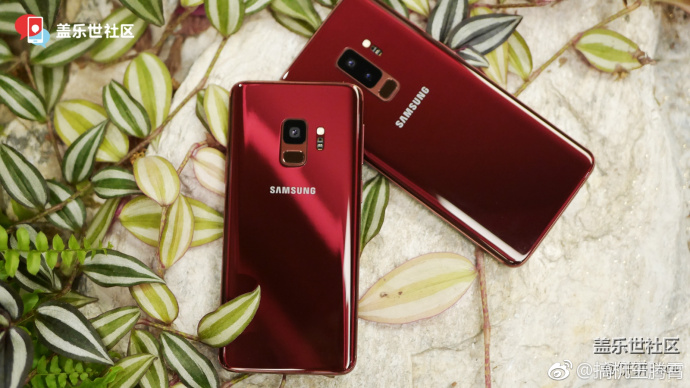
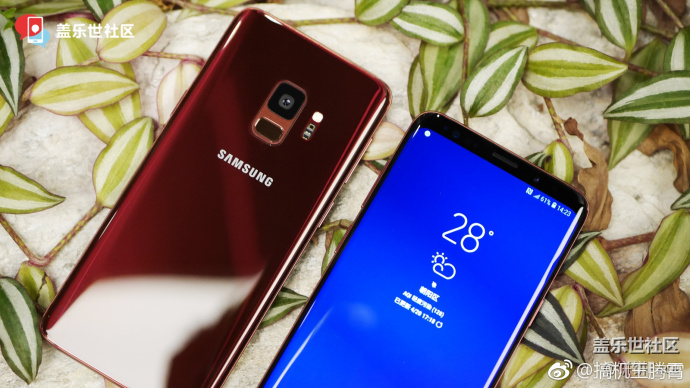
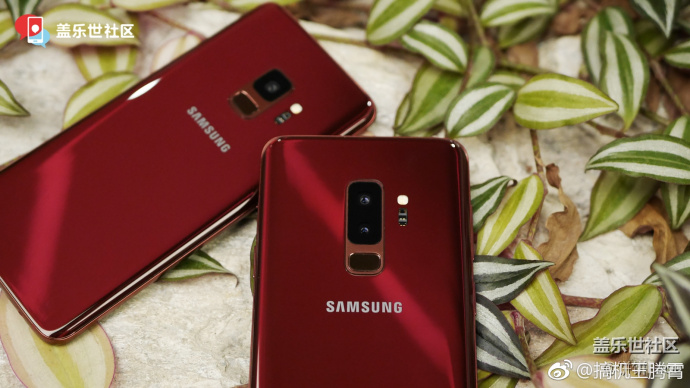
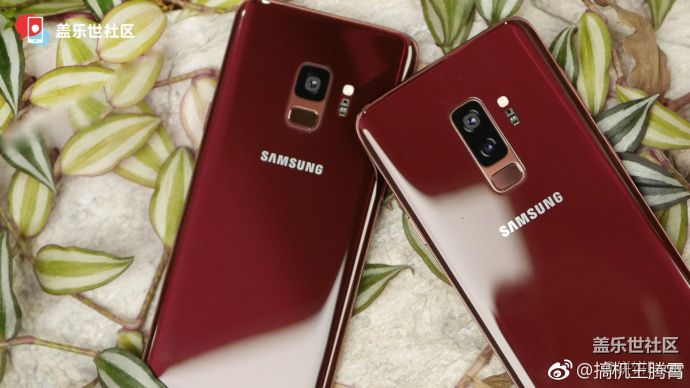
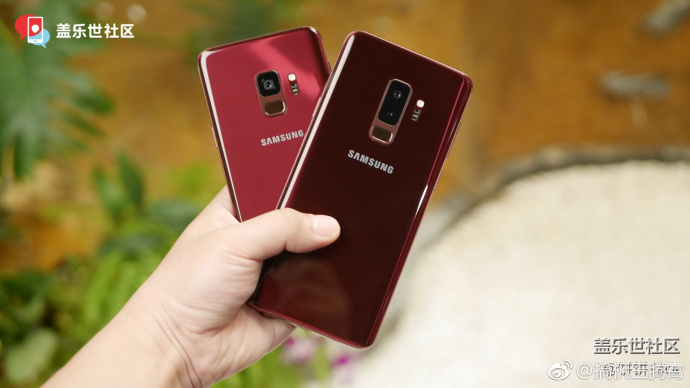
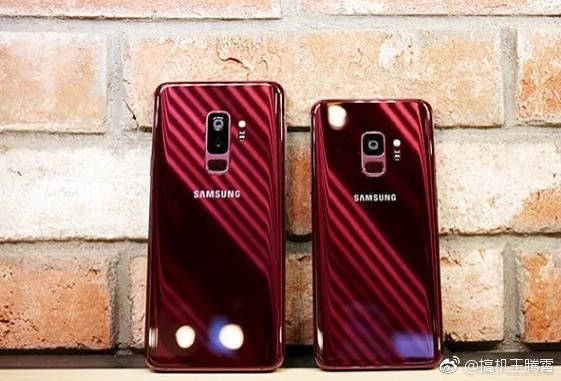
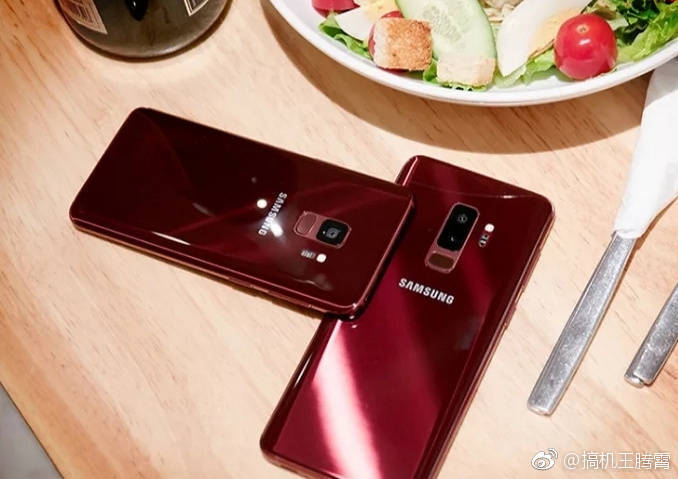
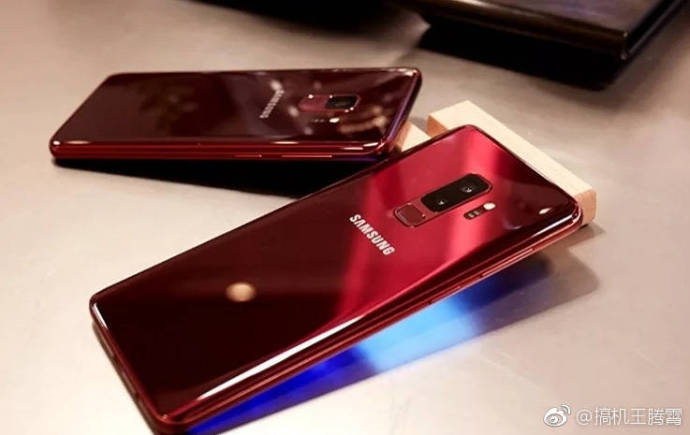
When Samsung first unveiled the Galaxy S9 and S9+ flagships, they were only available in Midnight Black, Coral Blue, Titanium Gray, and Lilac Purple. However, only the black, purple, and blue colours were made available in China. But a couple of days back, the Korean giant unveiled a Burgundy Red variant of the Galaxy S9 and S9+ for the Chinese market. We now have better and clearer photos of the Galaxy S9 Red variants and indeed, they look radiant in the new paint job.
This isn’t the first time Sammy is adding a sleek red variant to its lineup. Last year’s Galaxy S8 had a Burgundy Red variant which was released just about 6 months back. But this one is coming in quite early, perhaps due to the not so impressive sales record of the pricy flagship models especially in China that ranks as the world’s largest smartphone market. The Burgundy Red variants of the Galaxy S9 and S9+ add more glamour to the already glamorous flagships. The entire body is coated in red, except for the display.
The new color variant is not yet on sale although it is listed on Samsung China website already. We don’t expect the pricing to be different from those of other colour options. We can’t say when Samsung will introduce the new variant in other markets but we expect that to happen someday. Check out more of the Galaxy S9/S9+ Burgundy Red variant photos from down below.
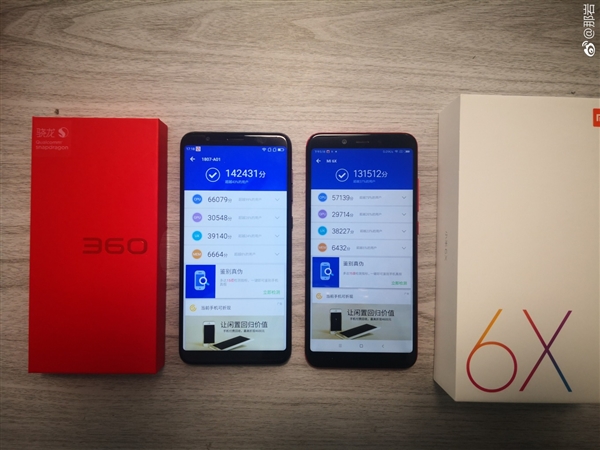
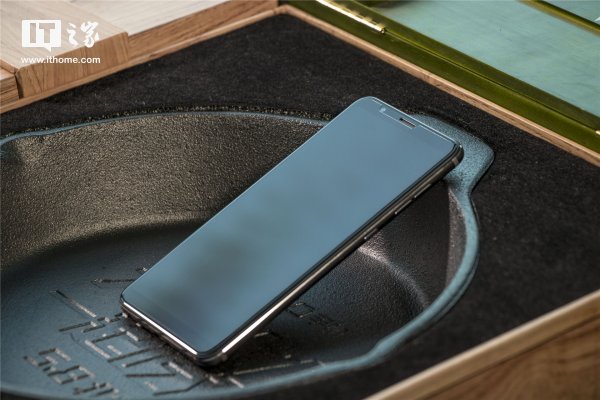
360 Mobiles unveiled the 360 N7 in China on May 8 with the device packing a specs lineup that gives the Xiaomi Mi 6X a run for its money. The device features at its heart a Snapdragon 660 chipset despite being a low midrange model in terms of pricing just like the Mi 6X. As if the device is tailored specifically to take on the Mi 6X, the AnTuTu score of both models have now been released and it comes with a bit of a surprise.
The Mi 6X is shown to have scored 131,512 points on AnTuTu while the 360 N7 polled a much higher 142,431 score. Both scores are within the range of the AnTuTu score of Snapdragon 660-powered model but obviously, the 360 N7 performs better than the Mi 6X with a difference of over 10k. There are factors that could result in the Mi 6X’s lower AnTuTu score. One of such factors is that the Mi 6X could have had a number of apps installed considering it may have been put to use for a while now since it was launched.
From experience, AnTuTu scores usually drop after some apps have been installed on the smartphone but that shouldn’t be up to a 10K. Another thing, the clock frequency of the processors onboard both models could be different. The SD 660 SoC on the N7 may be running at a higher clock speed since its CPU score is considerably higher at 66,079 to 57,139 for the Mi 6X.
In terms of other specifications, both smartphones sport a 5.99-inch 2160×1080 full-view display. The 360 N7 comes in 6GB RAM + 64GB/128GB storage versions while the Mi 6X also includes a 4GB + 64GB storage variant as its base version.
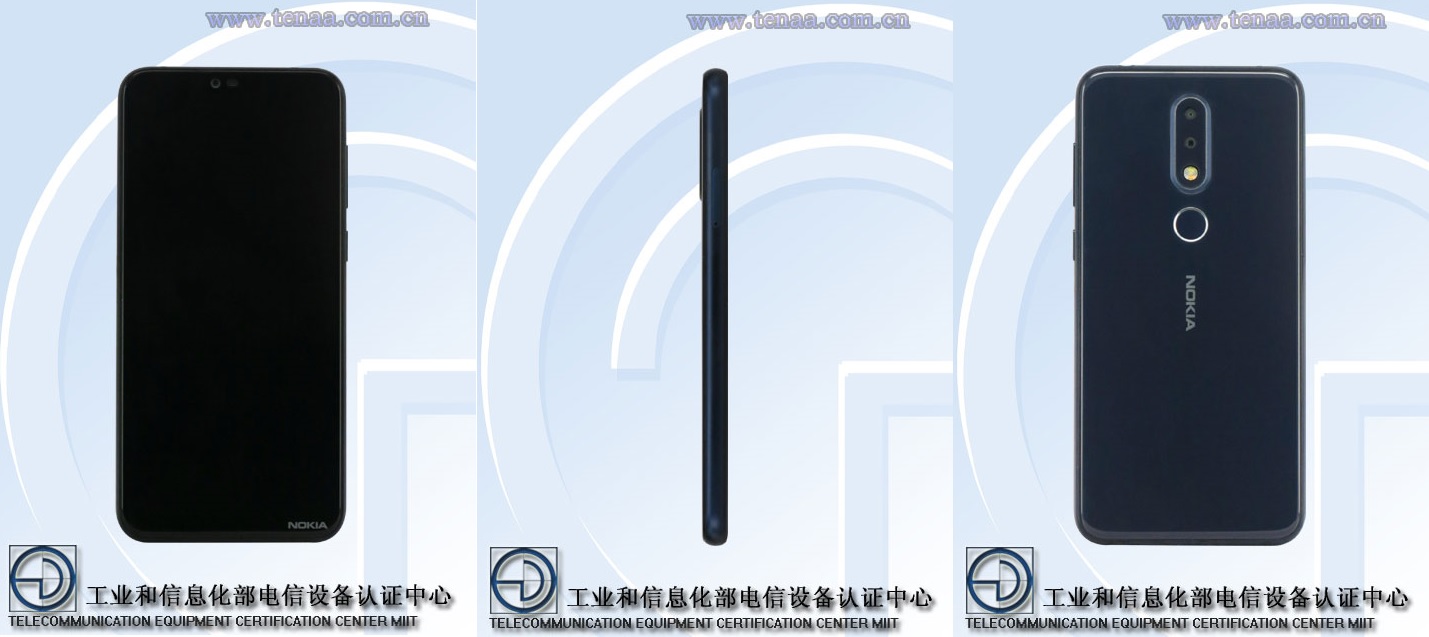
HMD Global’s upcoming smartphone, the Nokia X has made its way to China’s TENAA. Virtually all the specs of the phone have been revealed ahead of its release next week.
The Nokia X is listed as the Nokia TA-1099. This is the same model number as one of the Nokia phones we saw on 3C a few weeks ago. The phone has a 5.8” screen with a 2280 x 1080 resolution. It measures 147.2 x 70.98 x 7.99 millimeters and weighs 151 grams.
There is a 1.8GHz octa-core processor powering the device. This is most likely to be the Snapdragon 636. And it is paired with 3GB/4GB/6GB of RAM along with 32GB/64GB of expandable storage.
The Nokia X has dual rear cameras but TENAA only mentions one and it is a 16MP sensor. There is another 16MP sensor in front for selfies and video calls. The phone runs Android 8.1 Oreo, has a 3,000mAh battery, and will be available in blue, black, silver, and white.
Internet of Things is becoming part of our everyday life. In a few years, every kind of hi-tech device and domestic appliances will be connected to the network and it is time to give them a nice and complete operating system. Google has just announced the final and stable version of Android Things 1.0, its operating system for IoT devices. The OS has been in development since 2016, but until now it was only available as a Developer Preview. Now the final version of the OS went finally official and soon we will see the first devices running it in the market.
According to Google, Android Things 1.0 will offer a free three year support for each of its long-term releases. The software support will include updates with stability fixes and security patches. Note that security will be very important in the IoT sector as it will include objects interacting with our everyday lives and external attacks may be more dangerous than expected. After the three-year support for each major version of the operating system, there will be additional options for extended support and products manufacturers will be able to release updates on their own.
Besides announcing the operating system, Google has also introduced the compatibility with new System-on-Modules which will power Internet of Things devices. The new hardware modules supported are NXP i.MX8M, Qualcomm SDA212, Qualcomm SDA624 and MediaTek MT8516. The Developer Preview of the operating system already supported Raspberry Pi 3 Model B, NXP i.MX7D and NXP i.MX6UL. The compatibility with the first two modules will remain, while the NXP i.MX6UL will not be supported anymore with the 1.0 version. The Mountain View giant has confirmed that the first IoT devices with Android Things 1.0 will be made official by the end of summer. Among these, there will be smart speakers and smart displays.
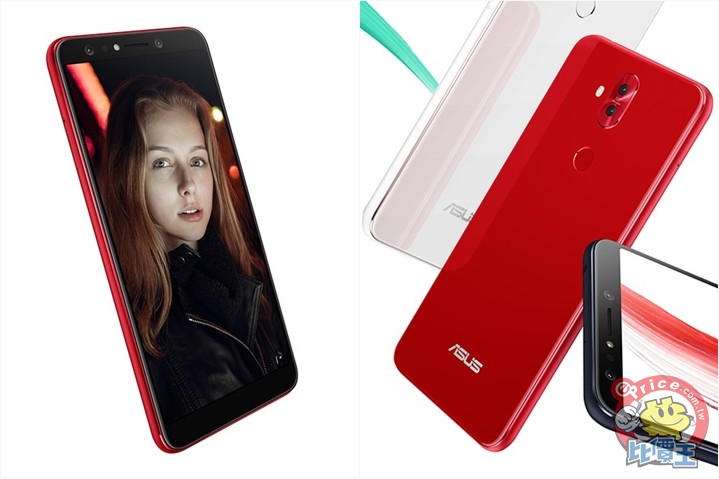
Taiwanese smartphone maker ASUS has launched a new red-coloured variant of the Zenfone 5Q in Taiwan. ASUS Zenfone 5Q was first unveiled at the Mobile World Congress (MWC) 2018 alongside the Zenfone 5 and Zenfone 5Z. The midrange smartphone was available in Starry Black and Moonlight White and both have since gone on sale. The addition of this new colour option is apparently to rejig sales.
ASUS ZenFone 5Q Red Edition is only different from the black and white variant in its colour but is fitted with a similar software and hardware configuration as both variants. The Zenfone 5 Red Edition will go on sale on May 11, just two days before Mother’s day. The Red edition looks really sexy in pictures and is well suited for female folks. The device comes with a price tag of NT$9990 (~$333) which is nearly the same price with the Black/white variants which have a RRP of NT$9,900 (~$330).
As a reminder, the Zenfone 5Q packs a 6-inch full-screen display with an FHD+ resolution as well as an 18:9 aspect ratio. It is powered by a Qualcomm Snapdragon 630 processor paired with 4GB of RAM and there is 64GB of expandable storage onboard.
The device equally comes with dual cameras at the front and back. The dual front-facing cameras include a 20-megapixel Sony IMX376 main sensor that offers an 85.5-degree field of view. The secondary sensor that accompanies it offers a 120-degree field of view. The dual rear cameras of the ZenFone 5Q consist of a 16-megapixel primary sensor with an 80-degree field of view and the same secondary sensor that resides at the front. The handset gets its juice from a 3,300mAH battery and proving the interface is a ZenUI 5.0-flavored Android 8.0 Oreo OS. Other features of the Zenfone 5Q include a rear-mounted fingerprint sensor, facial recognition, micro USB, NFC, GPS, Bluetooth, 4G VoLTE, Wi-Fi and dual-SIM support.
Xiaomi reportedly filed for an IPO in Hong Kong a couple of days back. The company is said to be expecting to raise up to $10 billion which places its valuation at $100 billion. The offer is tipped to be the largest in four years since Chinese e-commerce giant Alibaba Group Holding Ltd raised $25 billion in its 2014 debut in New York. However, there are reports that the company’s valuation has been scaled down.
According to the report first carried by the Wall Street Journal (WSJ), the Chinese smartphone firm is now looking to IPO at a valuation of somewhere between $80 billion and $90 billion. This is coming as a surprise because it is happening even before the company gets listed. The reason for the devaluation isn’t known but there are some possible reasons for this.
In the first place, Xiaomi’s initial targets may have been overestimated especially since the company is basically a smartphone company as about 90% of its revenue from selling hardware. Although the company is trying to brand itself as an internet company with a large chunk of its revenue coming from adverts on its MIUI software, it still needs to do more to convince investors that it can translate its phone sales into big profits from associated services, Apple-style.
Another possible reason for the reduction in Xiaomi’s valuation could be the slump in the stock of tech companies since the beginning of this year. According to Sanford C. Bernstein analyst Mark Newman, the new reported valuation target is “more in line with Internet valuations… and still significantly higher than hardware valuations.” There isn’t still a date for the IPO listing but it is expected to go live in the next few months.
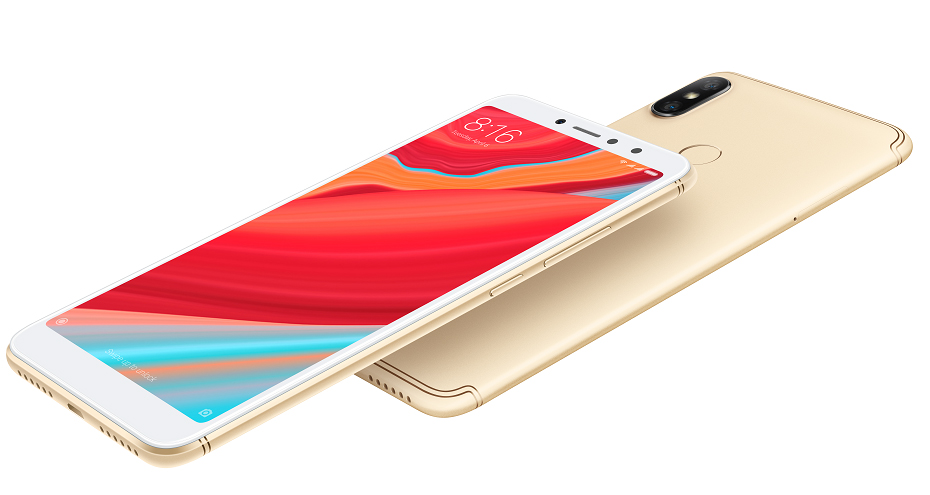
Tomorrow, Xiaomi will be launching the Redmi S2 selfie-centric smartphone through an unveil event at headquarters of Suning Tesco in Nanjing, China. Recent teasers released by Xiaomi have suggested that the Redmi S2 may introduce the all new Redmi S series of selfie-focused smartphones. Xiaomi has also claimed that the Redmi S2 will be the best ever selfie phone from the company. The Chinese manufacturer will be livestreaming the launch event of S2 on the official website of the company (Chinese edition) starting at 2 PM local time.
Xiaomi Redmi S2 Specifications and Features
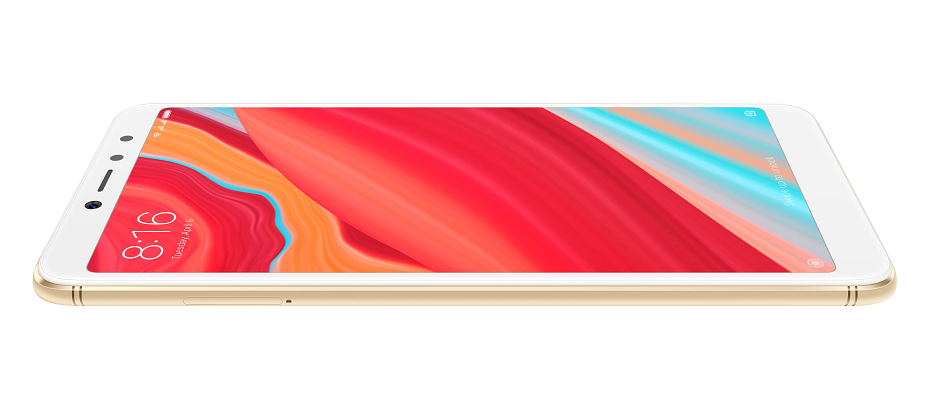
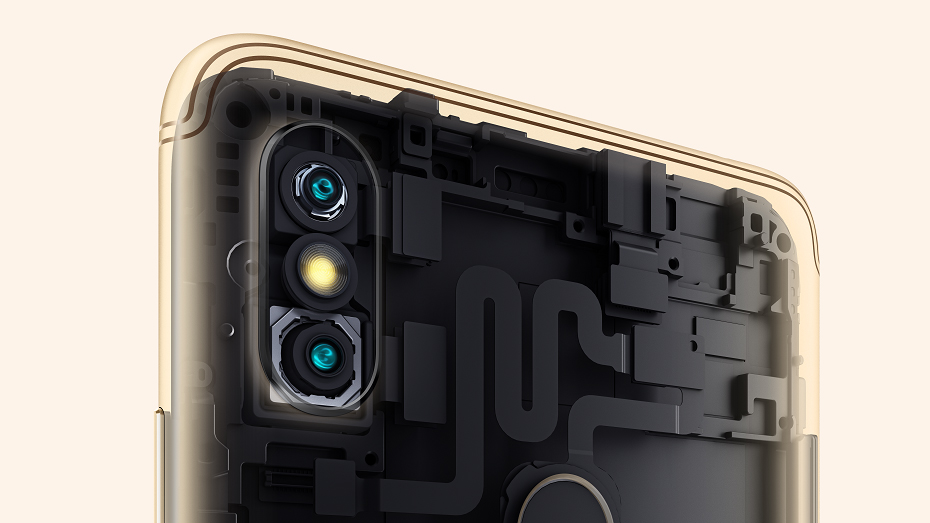
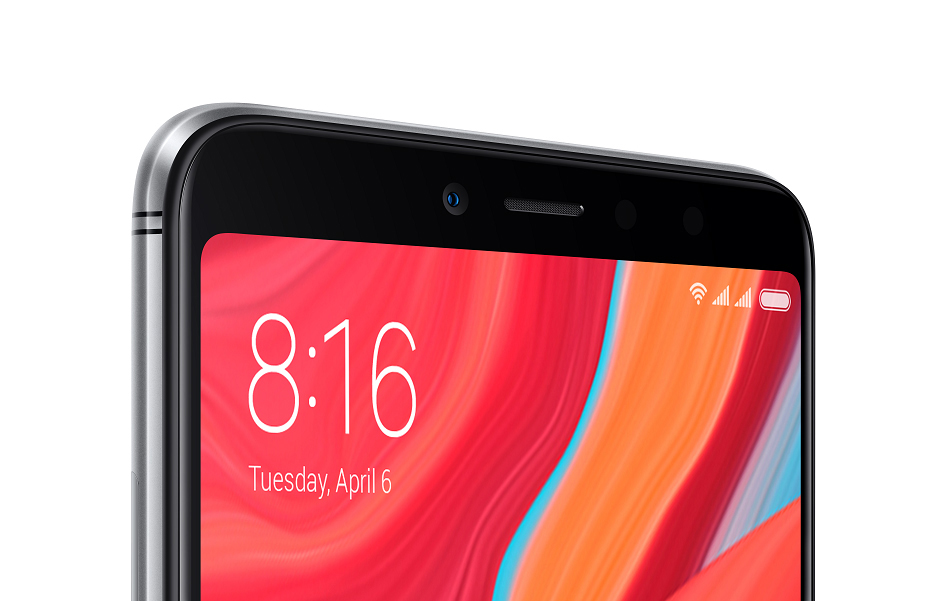
The entire specs of the Redmi S2 have appeared through its TENAA listing. Also, the Chinese manufacturer also teased some of the key features of the phone in the recent past. The Redmi S2 features a full metallic chassis that measures 160.73 x 77.26 x 8.1mm weighs 170 grams. It is expected to be available in colors like in colors like Grey, Pink and Gold. The rear panel has u-shaped antenna design like the Xiaomi Mi 6X and Redmi Note 5 Pro smartphones. The Redmi S2 will be arriving with 5.99-inch display that supports HD+ resolution of 720 x 1440 pixels and an aspect ratio of 18:9.
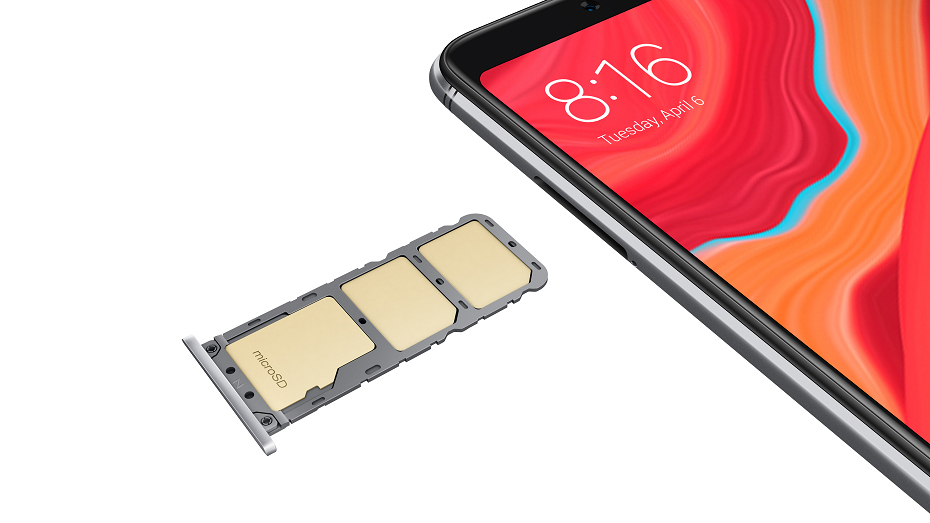
The Snapdragon 625 SoC will be powering the phone. It is speculated to arrive in multiple RAM and storage options such as 2 GB RAM + 16 GB storage, 3 GB RAM + 32 GB storage and 4 GB RAM + 64 GB storage. For more storage, users can make use of a microSD card on its dedicated slot on the phone. It is speculated that only the 32 GB and 64 GB variants of the Redmi S2 will be available in China. The handset is expected to arrive preloaded with Android 8.1 Oreo and the latest MIUI 9 skin. The Redmi S2 will be receiving power from a 3,080mAh capacity battery.
For photography, the Redmi S2’s vertical dual camera setup features a 12-megapixel primary sensor and a 5-megapixel secondary sensor. It is expected to come with features like dual-tone LED flash, Electronic Image Stabilization (EIS) and Portrait Mode.
The selfie-focused Redmi S2 is equipped with a soft-LED flash enabled 16-megapixel Samsung S5K3P8SP sensor with a pixel size of 2µm. The AI Portrait mode makes it possible to capture impressive bokeh shots by effectively blurring the background. The AI Beauty can shoot enhanced selfies by amplify the facial features. The front-facing camera also supports AI face recognition.
Redmi S2 Pricing and Availability
In China, the Redmi S2 is expected to be priced under 999 Yuan (~$159). Some reports have claimed that the handset may launch as an Android One phone in markets outside of China.
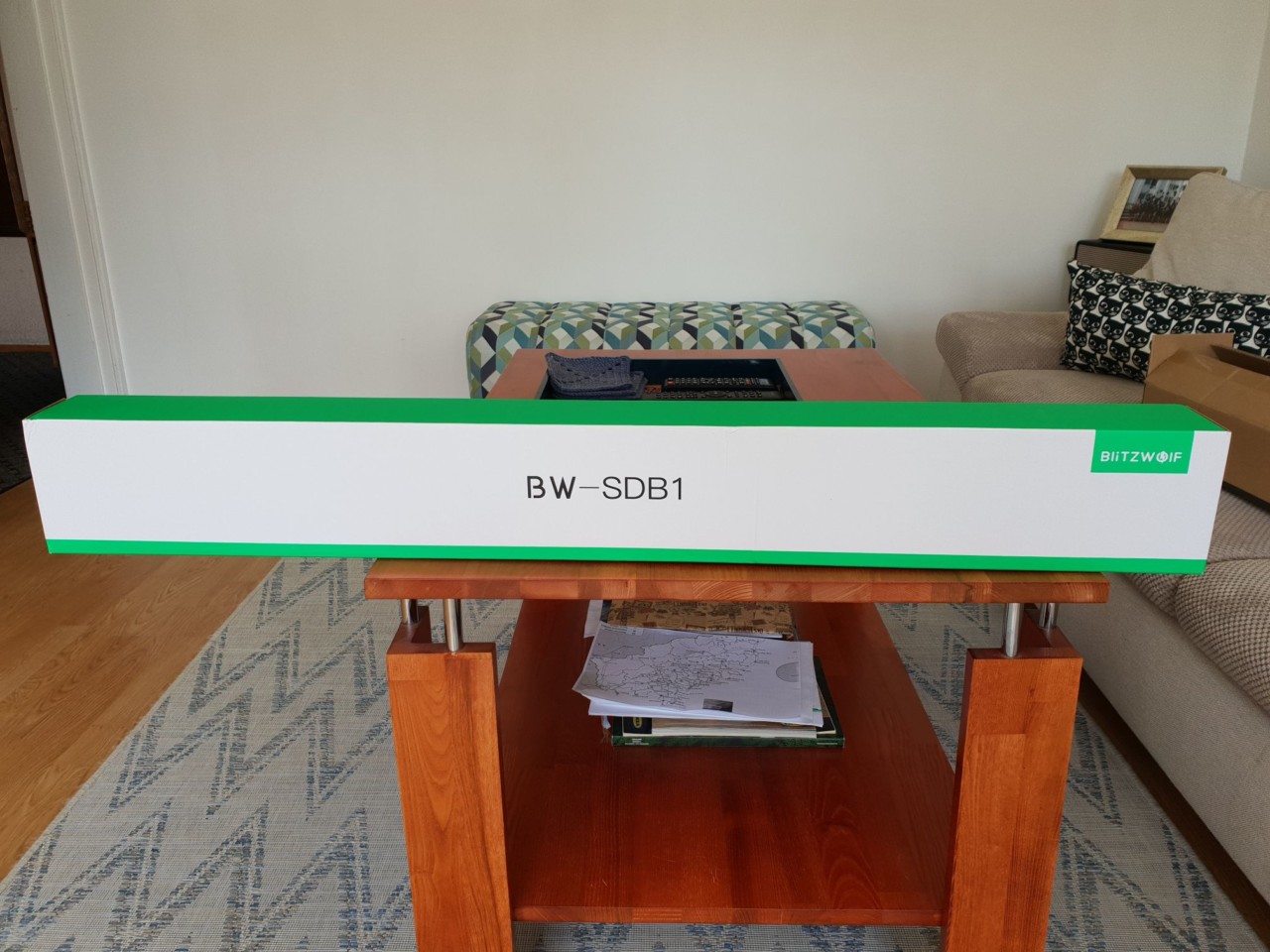
Most of the TVs have decent loudspeakers nowadays but none of them can provide a full, deep and punchy sound with a good amount of bass. The TV soundbars is one of the best solutions to improve your TV’s audio. The Blitzwolf BW-SDB1 seems like a compelling option at the price of $99.99. Learn more in our full review.
UNBOXING
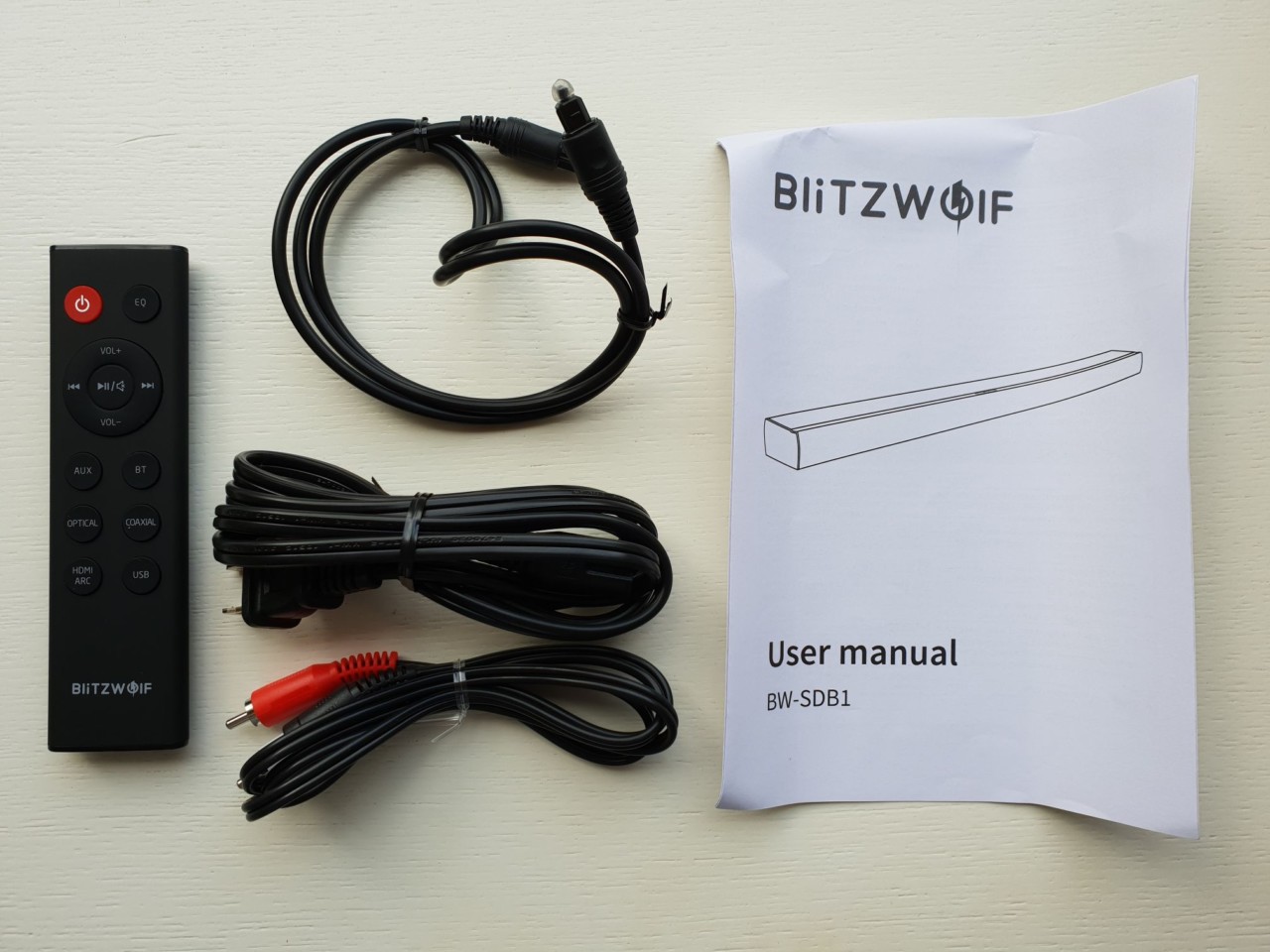
The soundbar ships with some paperwork, a remote control, optical cable, RCA cable and a power cord.
DESIGN and FEATURES
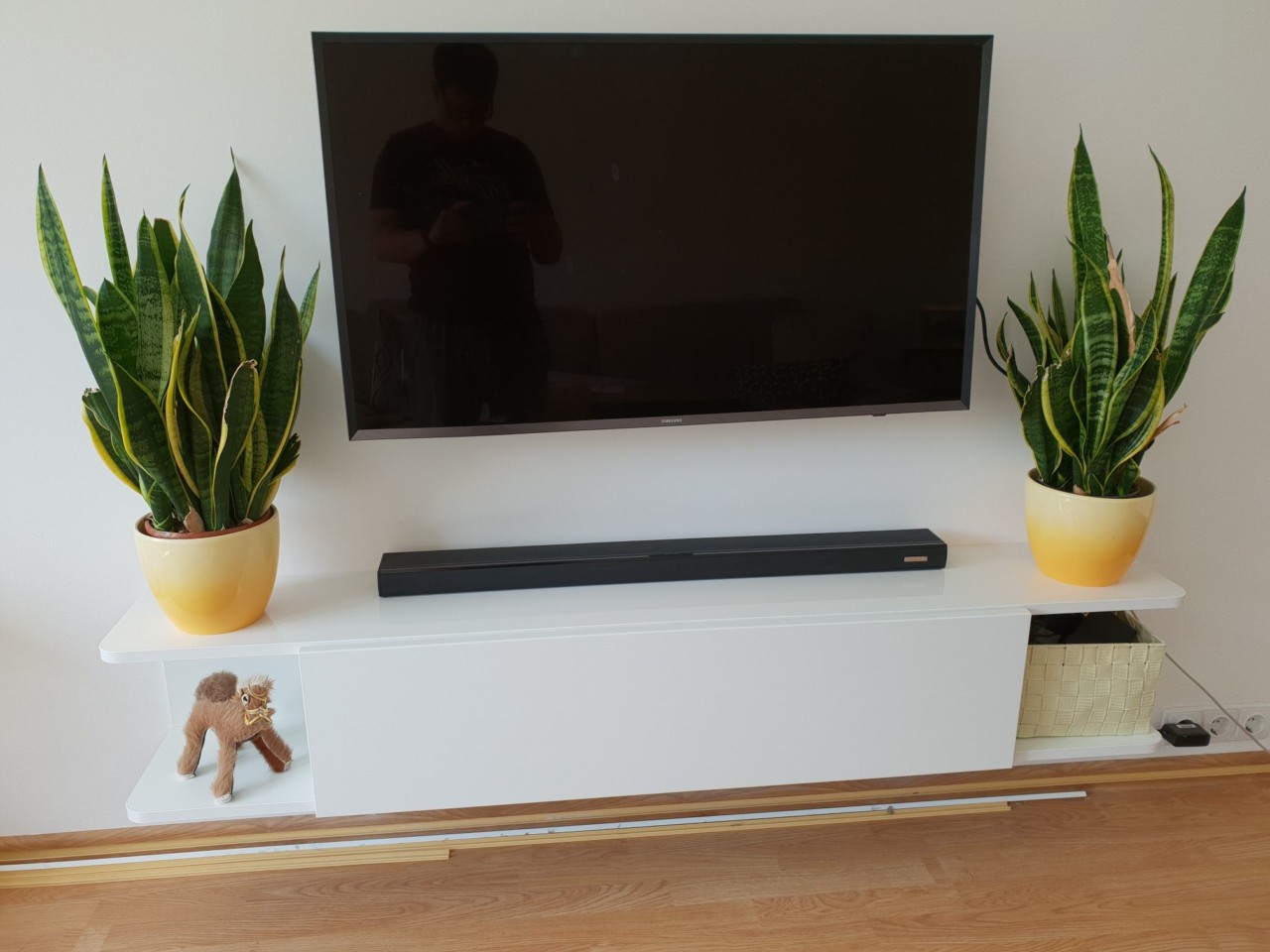
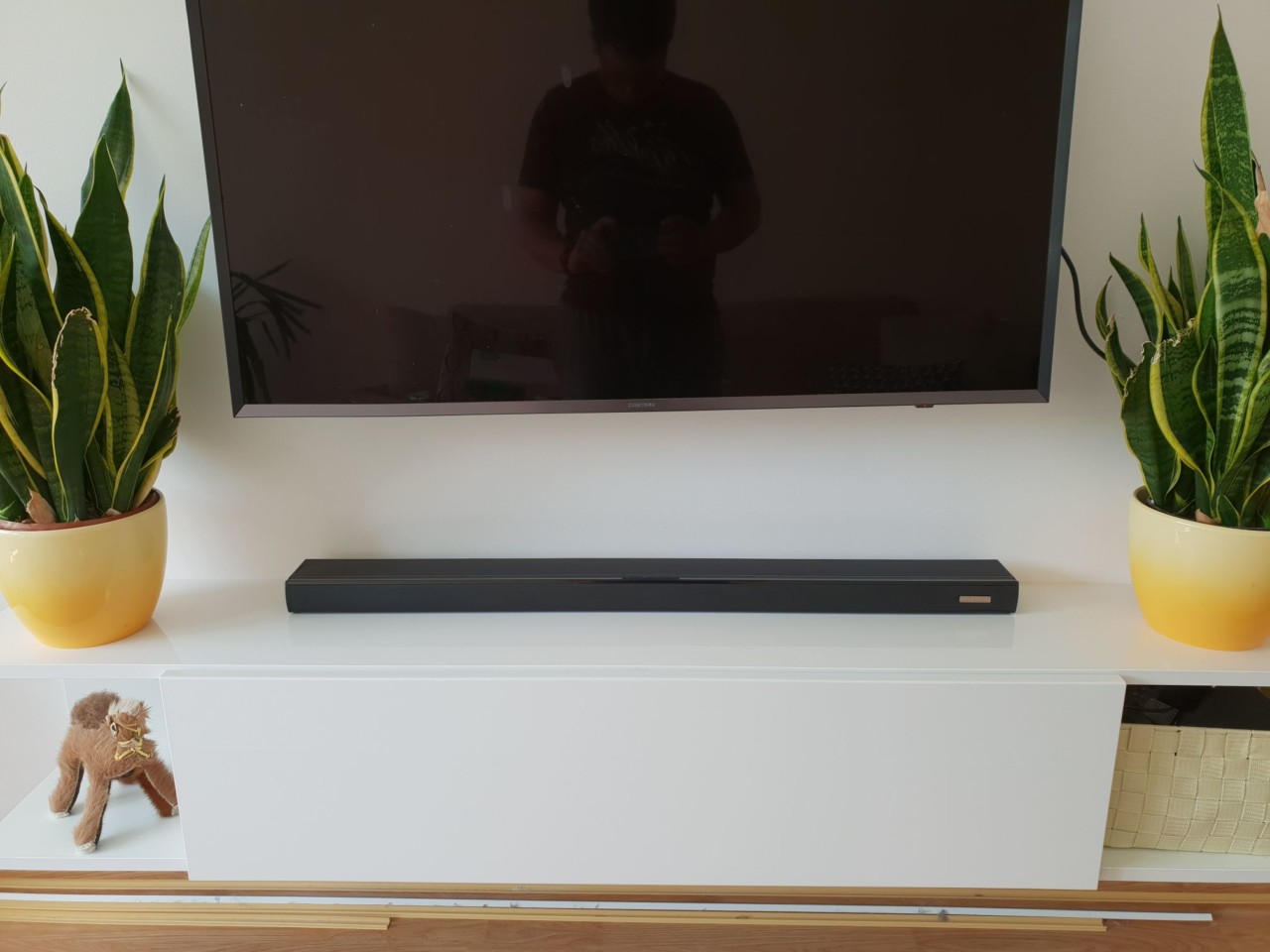
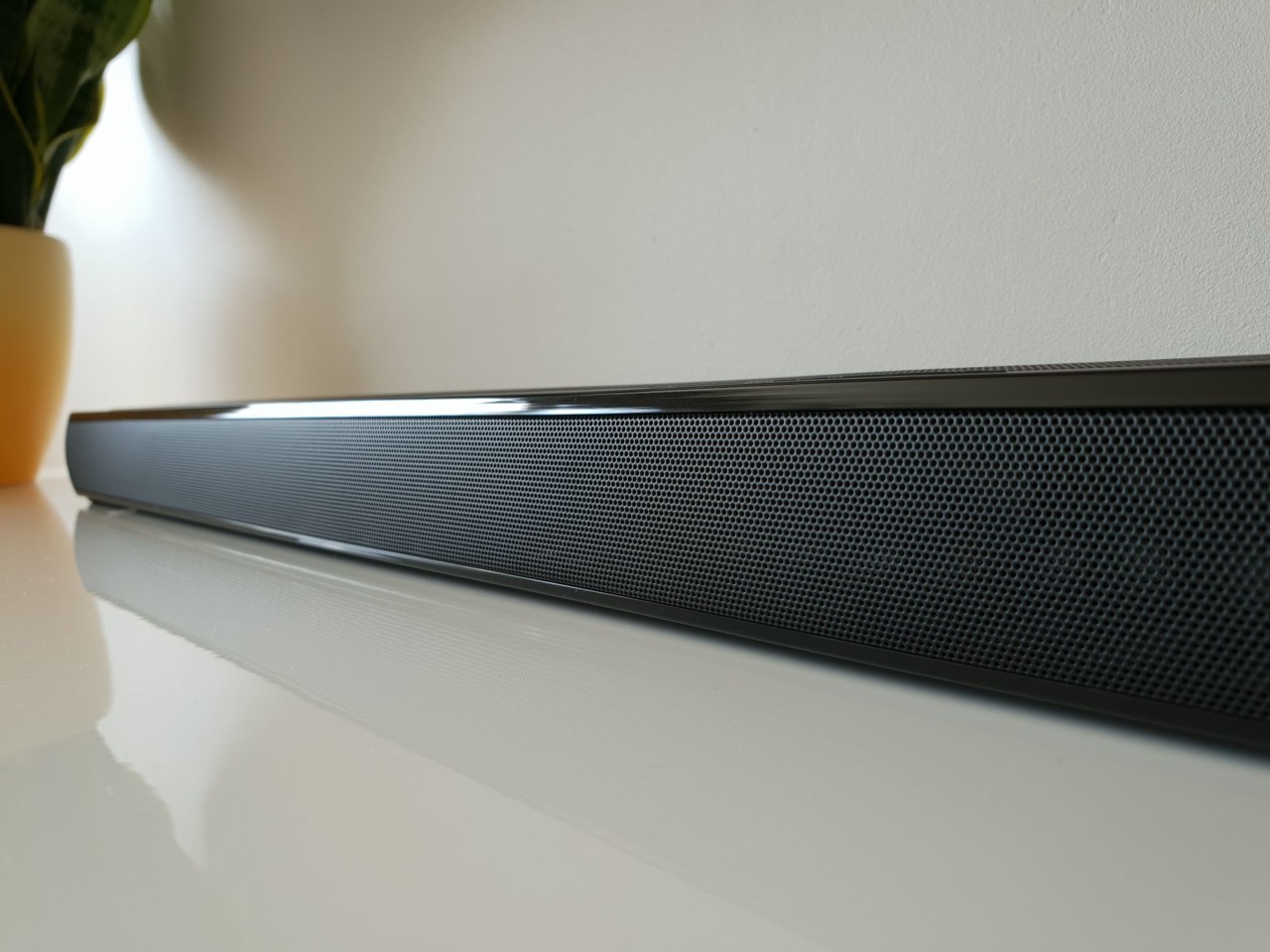
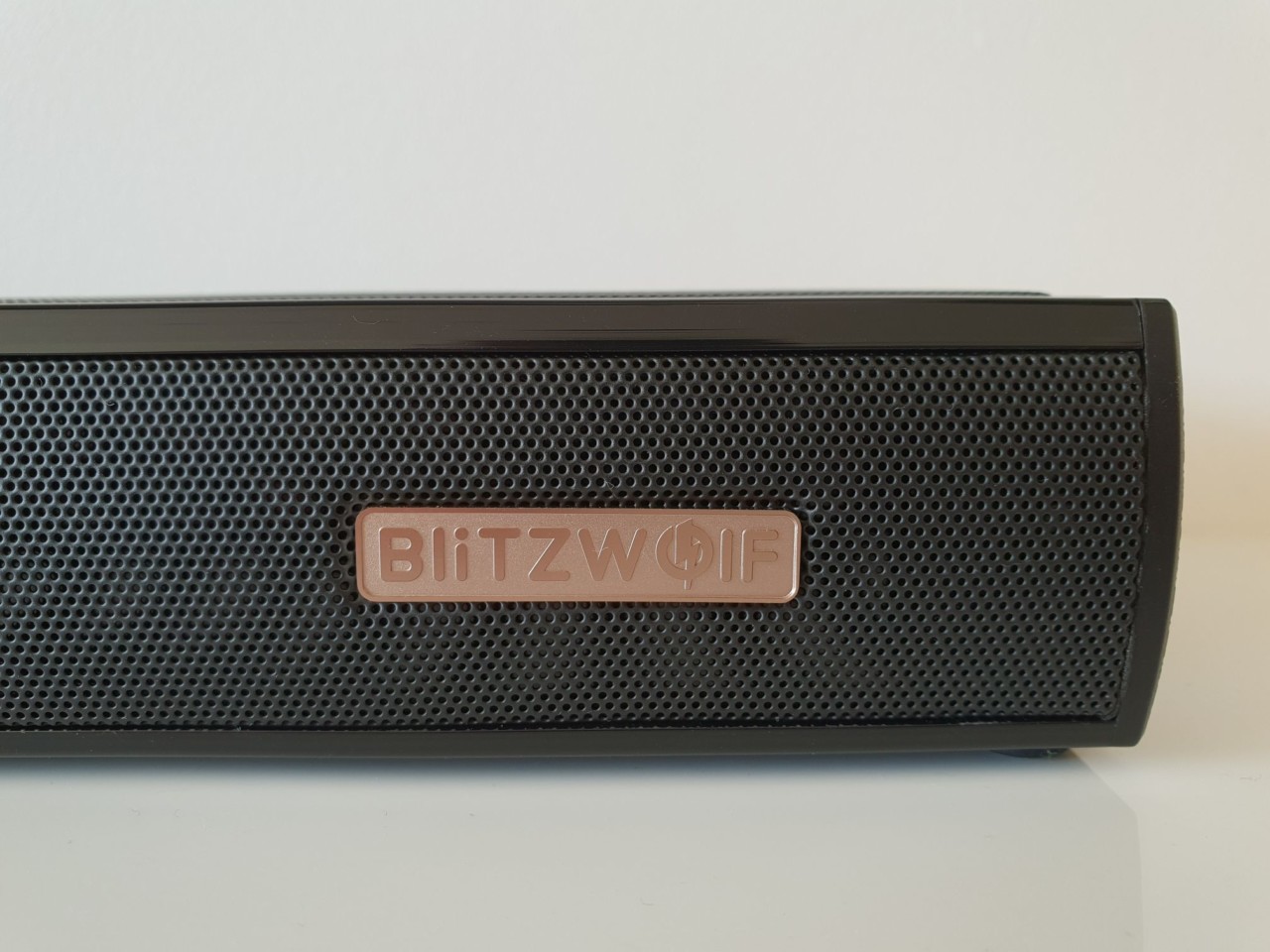
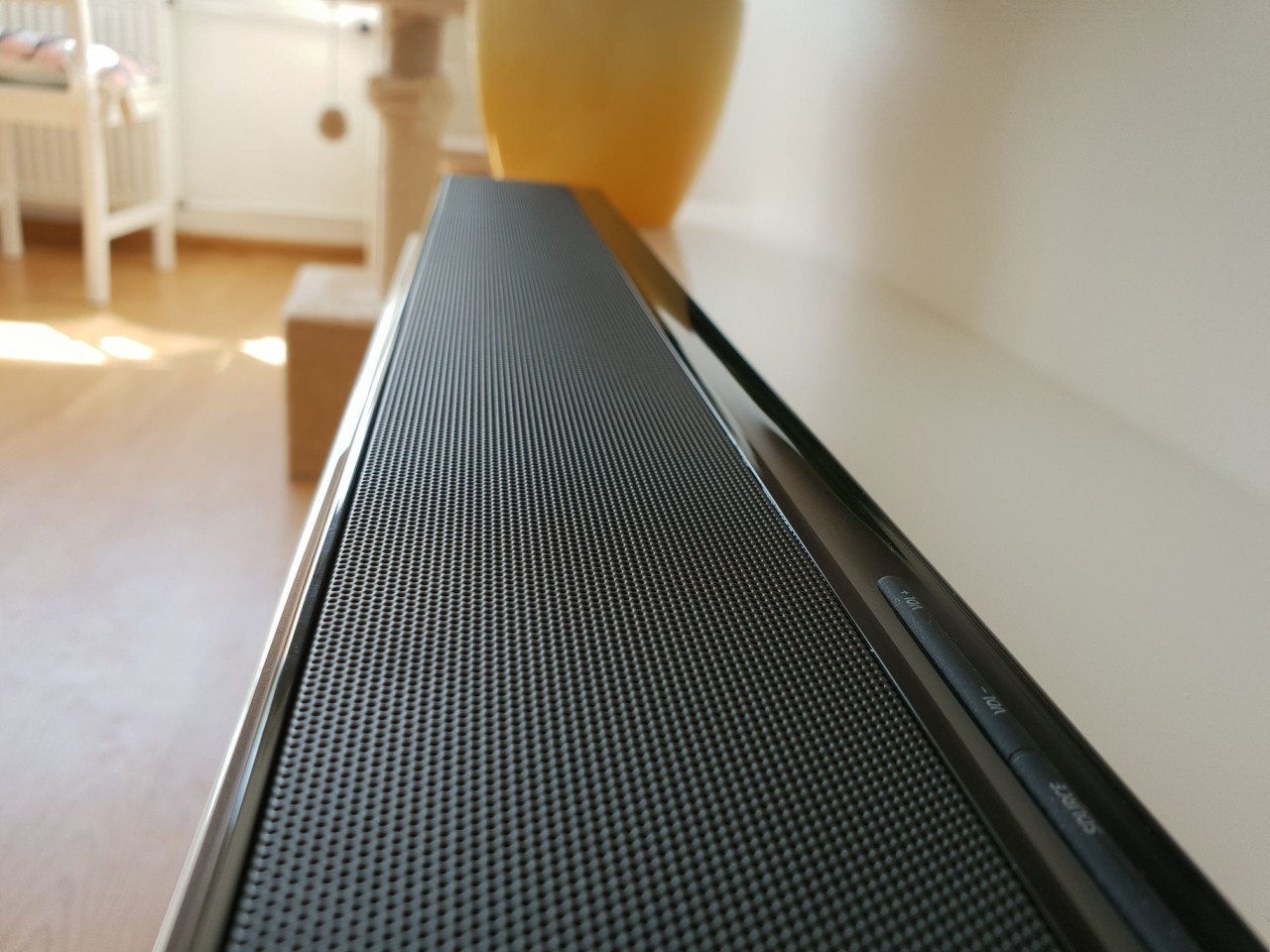
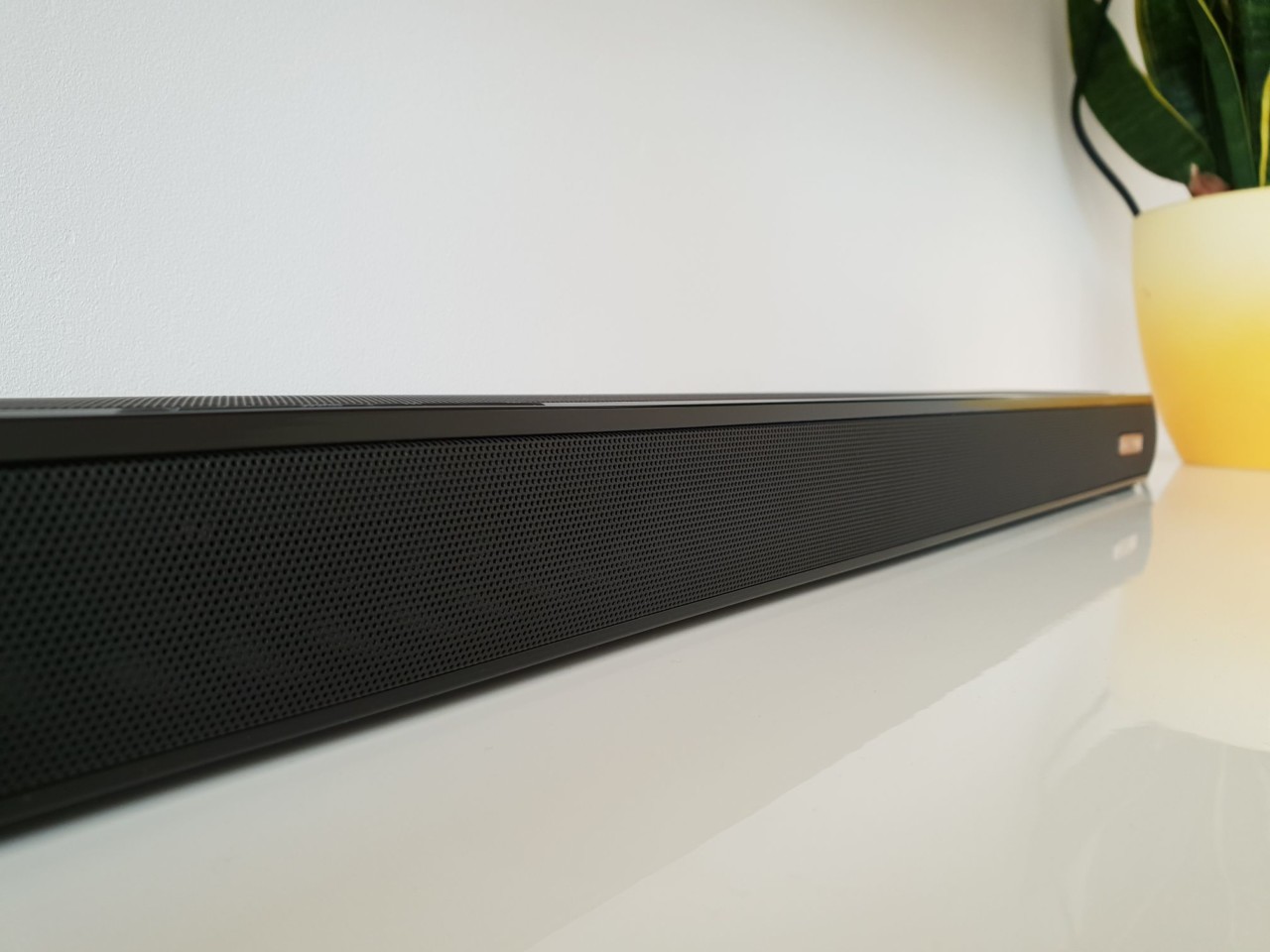
The first thing you are going to notice – the Blitzwolf soundbar looks very premium and expensive. I like the overall build quality as we have aluminum mesh on the top and front of the device. I would prefer the speaker to made out of matt plastic but it uses a glossy finish to match the design of most TVs. If you manage to hide all the cables like I did (took me some time), the soundbar looks really nice.
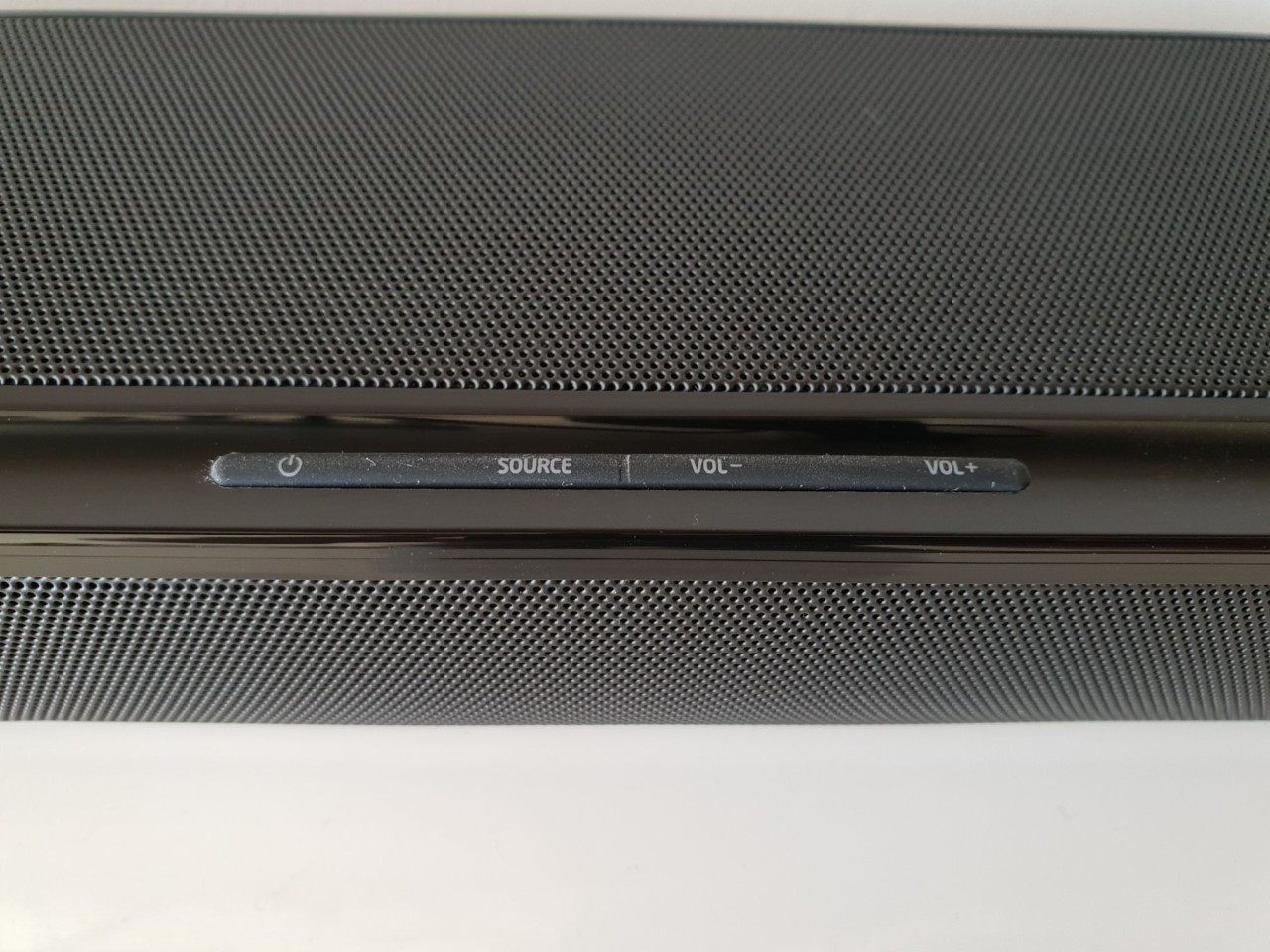
On the top, we have control buttons that are easy and comfortable to press.
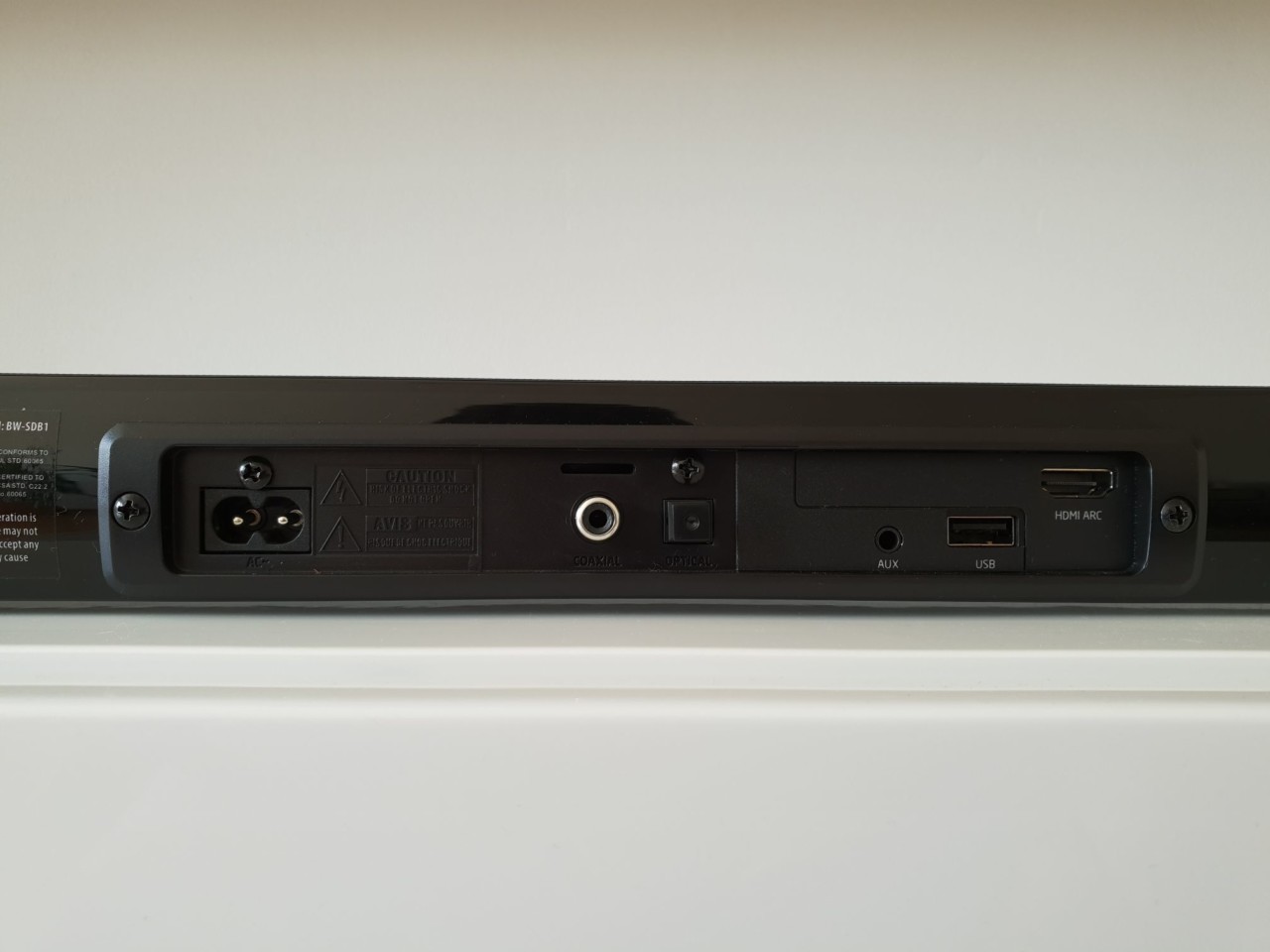
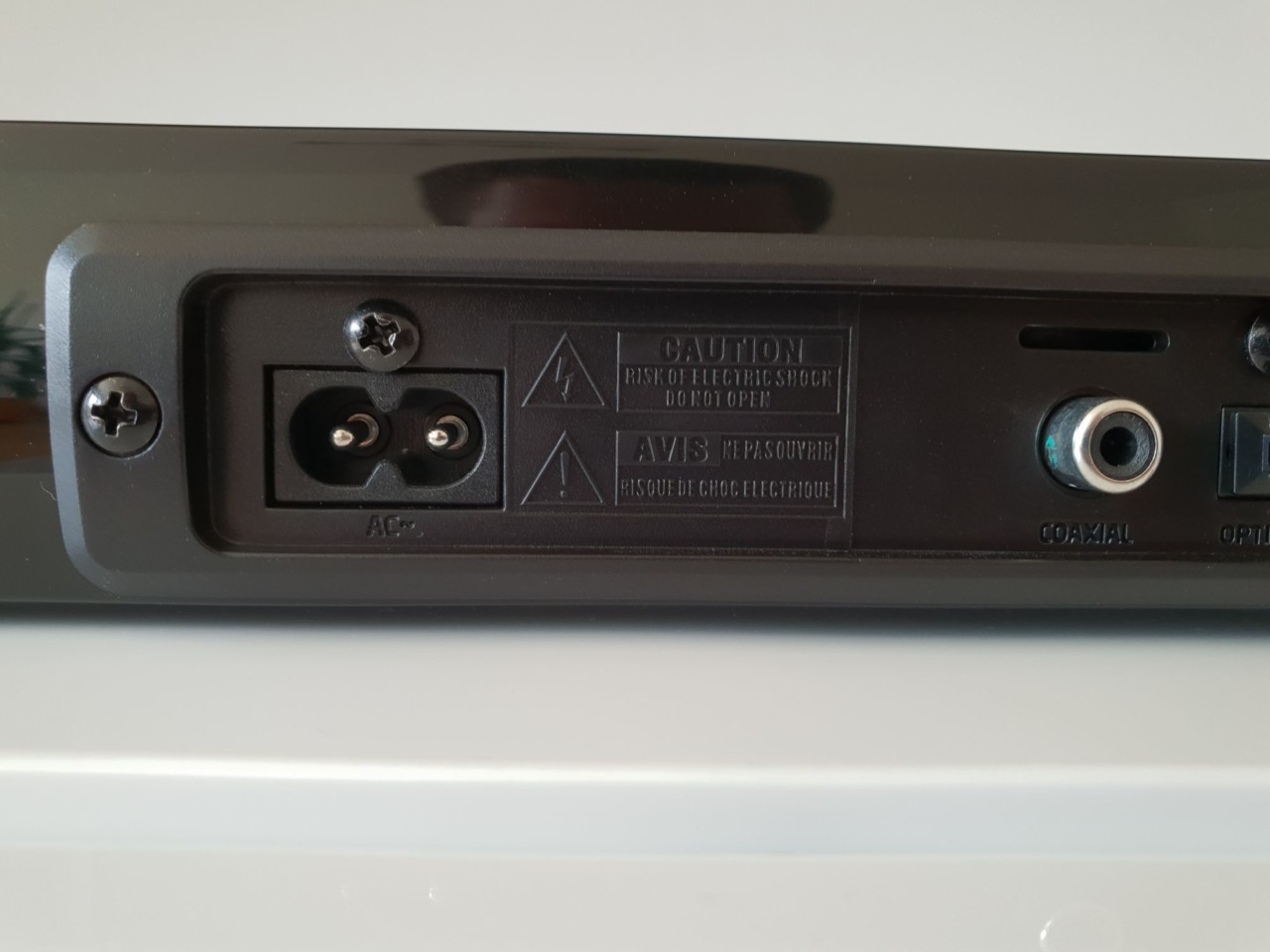
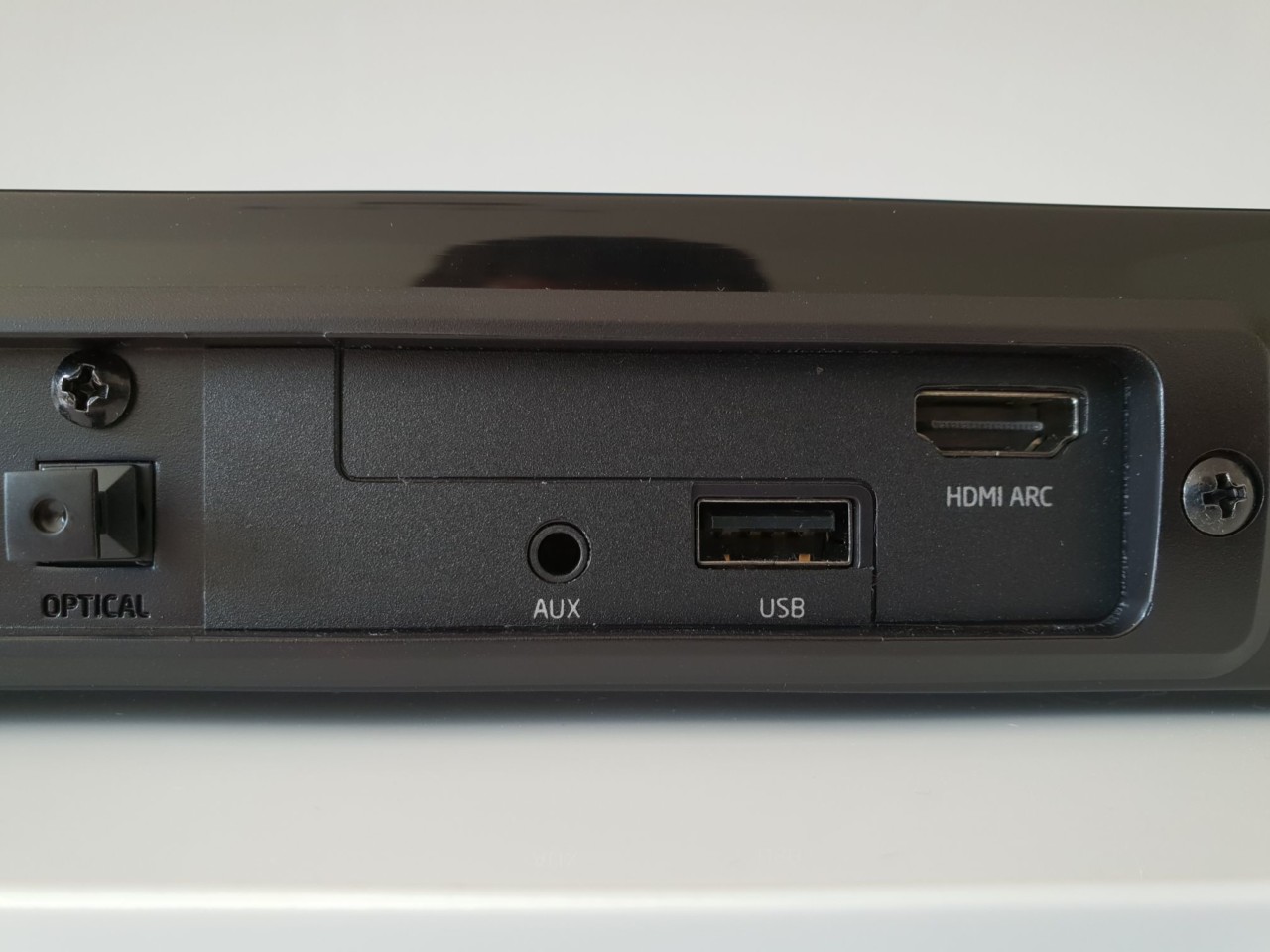
On the back, you can find DC in, coaxial and optical ports. In addition, there an AUX input, USB and HDMI port. In addition, the device has Bluetooth 4.2 for wireless connectivity.
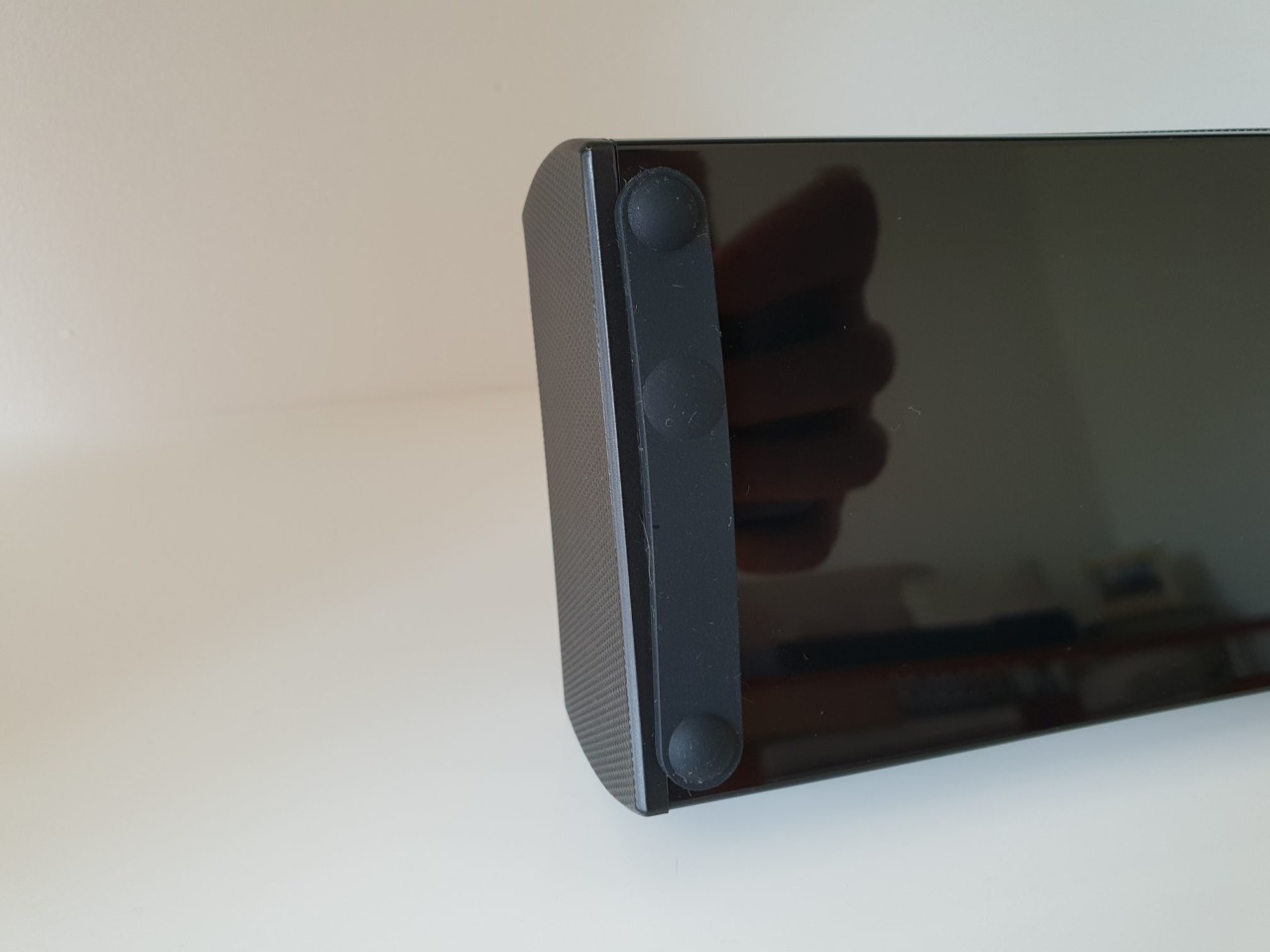
On the bottom, you find silicone pads that do a great job preventing the soundbar sliding from the table.
The sound bar is pretty long but not too long to make it inconvenient to use. The dimensions: 36.0 x 3.4 x 1.7”. Weight: 3.96lbs. Overall, I like the way the device is built and it looks nice on my TV stand.
SOUND QUALITY AND TEST NOTES
It took me just a second to connect the soundbar to my TV and I was blown away by the sound quality this device can provide.
The Blitzwolf soundbar uses 6 full-range speakers and 2 diaphragms (most of the soundbars have only 4 speakers). The sound is deep, crisp and punchy. Also, there is a lot of bass considering the size of the sound bar. In addition, 60w of volume output is just insane for a TV. In other words, the device can get really loud. What impressed me the most was that there were no distortions even at the highest volume setting.
There is also a multi-scene mode that allows you to adjust the sound settings according to the content you are watching. You can choose between news, sports, music and movie modes.
Moreover, the soundbar can automatically turn on/off on the TV status. It can also remember the selected EQ mode and automatically adjust to a moderate volume.
Sound quality via the Bluetooth 4.2 is pretty good and I did not have any connectivity issues.
CONCLUSIONS
Overall, I was really impressed with the Blitzwolf BW-SDB1 soundbar. I like its design, build quality, the ability to choose between wired and wireless connection modes and last but not least, a very good sound quality.
The only shortcoming – I wish the device used matte plastic finish instead of the glossy one. On the other hand, most TVs have a similar design to this soundbar.
At the end of the day, I really enjoyed using the Blitzwolf BW-SDB1 soundbar for the past 2 weeks and I’m yet to see any other shortcomings. Therefore, I believe it is a great sound upgrade for your TV and it is definitely worth the price of $99.99.
A Samsung device with model number SM-G8950 was seen on TENAA a few days ago. The phone has been dubbed the Galaxy S8 Lite and it will be launching later this month.
A leaker on Twitter (@MMDDJ_) has revealed that the phone will launch on May 21 at Jingdong’s (JD.com) headquarters. It is also reported that the phone will be exclusive to the online retailer.
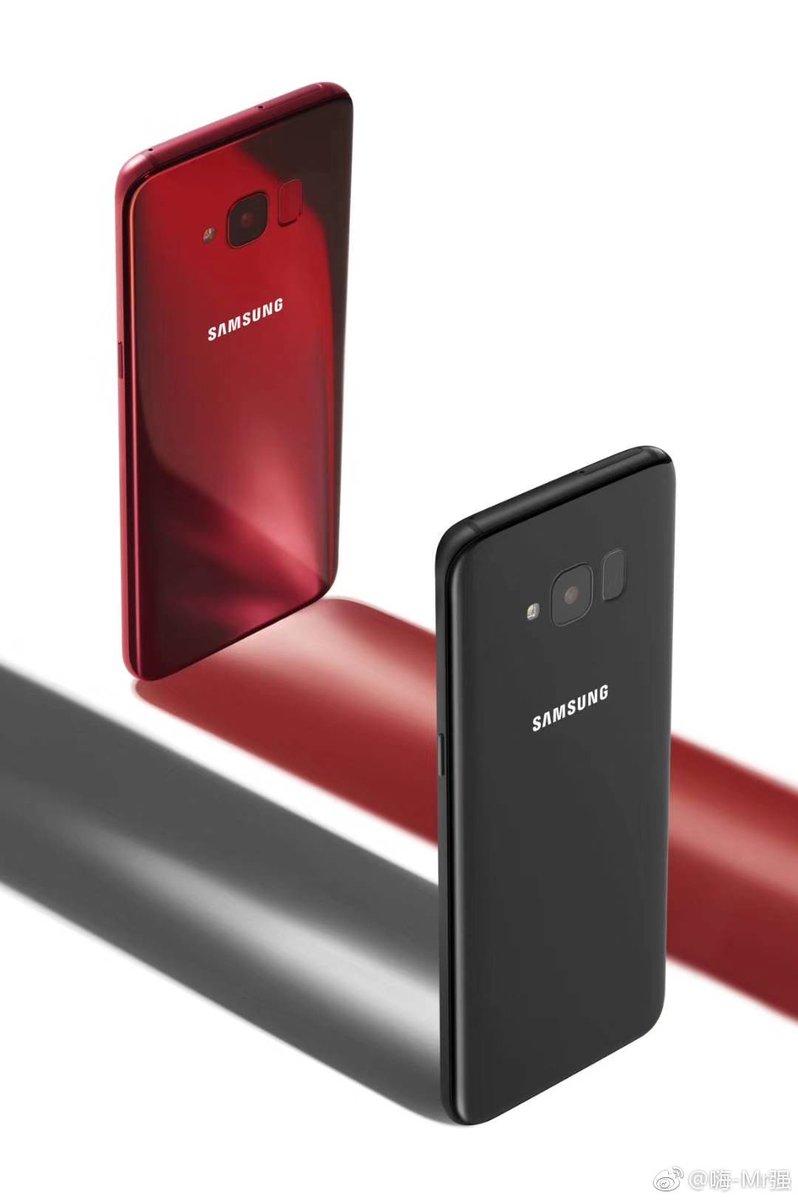
In a follow-up tweet, he also posted official promo images of the phone which reveal the device will come in red and black variants.
Samsung will launch GALAXY S9 lite( S8 lite) at the headquarters of JD on 21.May. Some report said it will only on https://t.co/Gz8F0kG34C.
Design-wise, this is practically a smaller version of the Galaxy S8/S8+. The fingerprint scanner is still in the same awkward position as its bigger siblings and it has a single rear camera. Though we’ll admit the red version looks gorgeous.
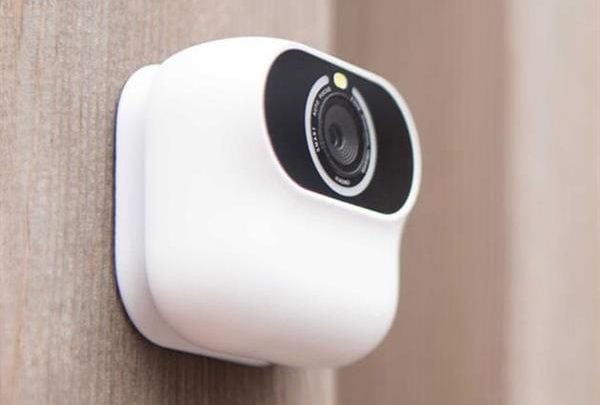
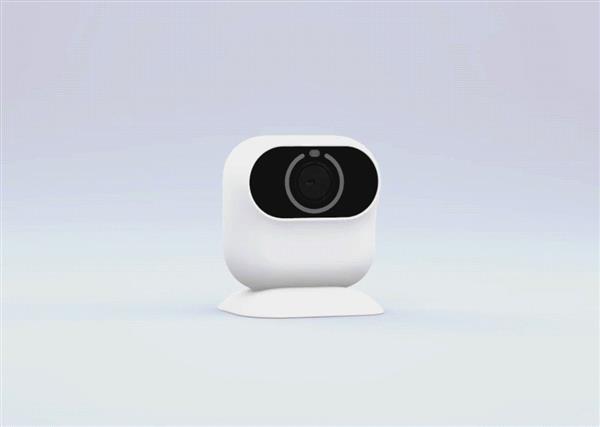
Xiaomi has released its latest crowdfunded smart camera which is now available on the Youpin e-commerce website for 399 yuan ($62). The camera was first announced in March this year for 349 yuan ($55) and is manufactured by Morse Technology Co., Ltd, one of Xiaomi’s eco-chain companies. Xiaomo CG010 AI Camera is a very intuitive and smart camera which allows users to control the shooting process with gestures and expressions.
The AI camera comes with special magnets (3300 Gs) with which the camera can be attached to surfaces with magnetic properties. In situations where there is no metallic surface around, the Xiaomo AI camera also comes with a built-in PU adhesive which can be used to hold the camera against different surfaces such as glass panels, concrete walls, wooden surfaces or any other.
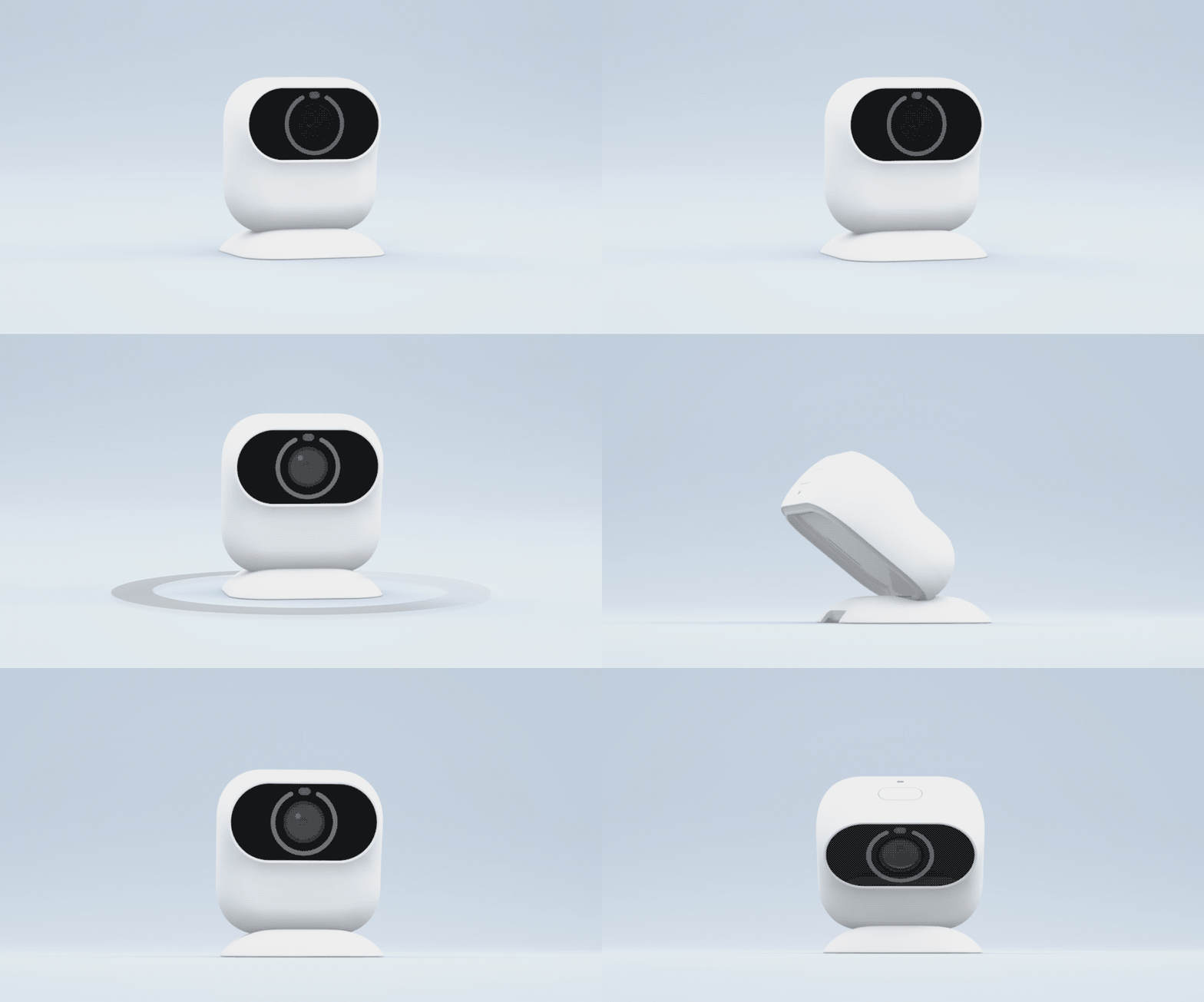
The Xiaomo AI camera’s main feature is the ability to ability to recognize gestures allowing you to use the camera hands-free which in turn offers greater freedom of use. The camera rotates independent of the base which means it can be adjusted irrespective of where it is attached. So you can shoot amazing photos of different styles and creative ideas yourself. The camera is powered by a Quad-core ARM Cortex-A53 processor clocked at 1.35GHz.
The action camera also packs a 910mAh rechargeable battery which is just enough to last for a long time considering its compact size. It weighs just 65g and has a dimension of 47 x 47 x 27mm. As for the camera configuration, it packs a 13MP 1.12um sensor. The camera also comes with PDAF, an F2.2 aperture as well as a 76-degree field of View (FOV). In addition, you get an 8GB storage onboard with space for a microSD that can take a maximum of 32GB microSD card. It also records video with a 720p resolution at 30fps.
As stated earlier, the Xiaomi AI camera is presently on sale at Youpin for 399 yuan ($62) and it is available in White and Dark Grey colours. Interestingly, the camera is also listed on online e-commerce website GearBest for a little higher price of $80 and is apparently ready to ship.
Android has a fragmentation problem and Google is aware of it. To solve the problem, it announced Project Treble last year along with Android Oreo as a way to speed up OS adoption. Now Qualcomm has partnered with Google to make things easier.
In an official blog post released yesterday, Qualcomm explained how it is working with Google to solve the fragmentation problem.
Qualcomm said it is working on the latest version of Project Treble along with Google by creating “a common development infrastructure to make Android P more accessible on Snapdragon platforms”.
The infrastructure supports the Snapdragon 845, 660, and 636 mobile platforms and will see devices powered by these chipsets get Android P up to 3 months earlier than what was obtainable before. Qualcomm says other mobile platforms are expected to be supported in future.
The project is supposed to continue beyond Android P and will make it much easier and faster for OEMs to update devices to the latest version of Android available.
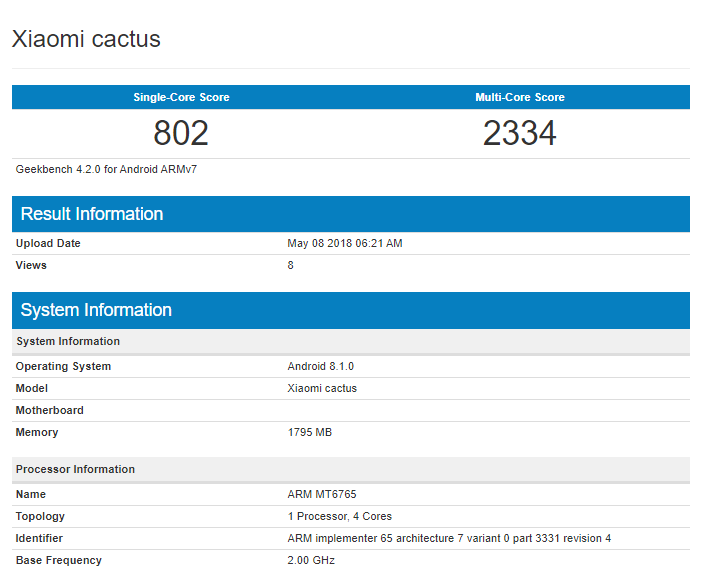
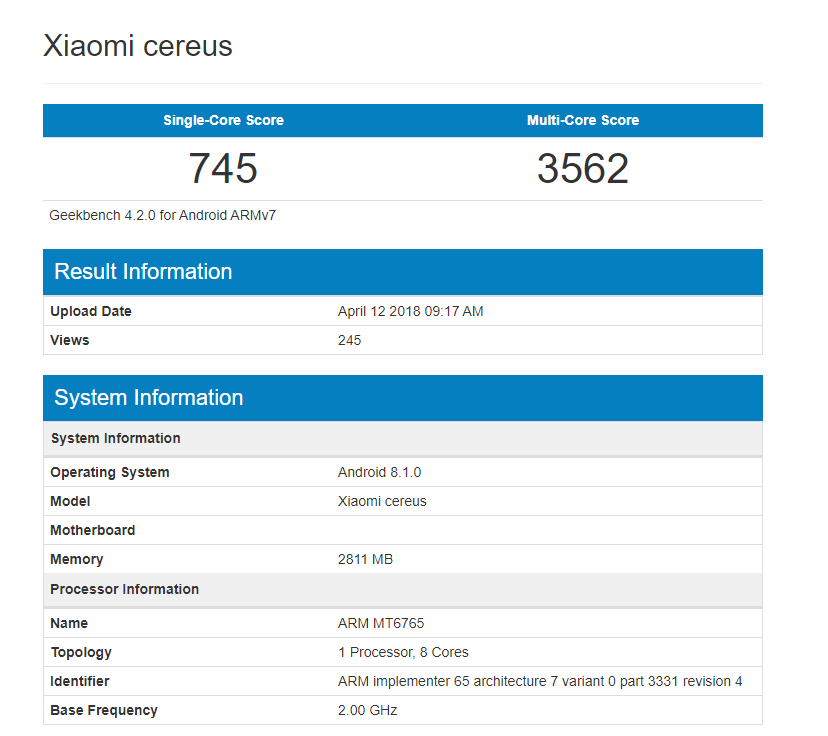
A mysterious Xiaomi phone labelled as “Xiaomi Cactus” has appeared on Geekbench benchmarking platform. The listing reveals that the smartphone is powered by an unannounced MediaTek SoC. In the previous month, an unidentified Xiaomi phone called Xiaomi Cereus was also spotted with the same SoC. It seems that the Cactus could be lower variant of the Cereus phone.
According to the Geekbench listing, the Xiaomi Cactus is running on Android 8.1.0 Oreo. It is powered by MediaTek MT6765 SoC that features a quad-core processor that clocks at 2.0 GHz along with 2 GB of RAM. In single-core test, the Xiaomi Cactus has scored 802 and it has recorded a score of 2334 in the multi-core test.
There seems to be some error with the processor information of the Xiaomi Cactus as the Geekbench listing of the Xiaomi Cereus had revealed that the MT6765 chipset has 2.0 GHz octa-core processor. The Xiaomi Cereus phone has 3 GB of RAM and it is loaded with Android 8.1.0 Oreo. It could be the higher edition of the Xiaomi Cactus. As far as the unknown MediaTek chipset is concerned, some reports have claimed that the MT6765 could be the Helio P40 SoC.
The Redmi 4 series includes Redmi 4A, Redmi 4, Redmi 4 Pro and Redmi 4X. So far Xiaomi has released Redmi 5A, Redmi 5 and Redmi 5 Plus phones in the Redmi 5 series. Last year, Xiaomi had debuted the Redmi 4X in February. Hence, the company is expected to Redmi 5X phone soon. The Cactus and Cereus phones could be the 2 GB and 3 GB RAM editions of the alleged Redmi 5X.
It is advisable to take this report with grain of salt as there is no direct evidence to confirm that Xiaomi Cactus is the Redmi 5X phone. What’s your opinion on the mysterious Cactus phone? Could it be the Redmi 5X or some other Redmi phone? Share us your views by posting your comments below.
Update: Lenovo’s VP, Chang Cheng, says the ZUK brand is buried and it will not be resurrected. He refuted the statement in a reply to a fan on Weibo. Lenovo’s mobile brands will remain Lenovo and Motorola. The full-screen flagship phone will launch under the Lenovo brand.
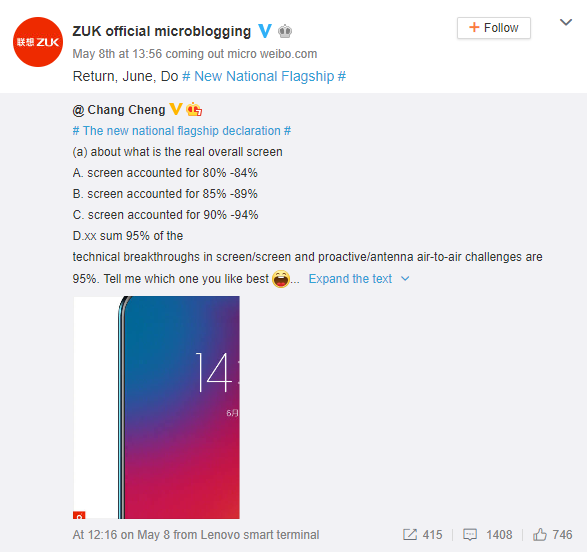
ZUK is back! yes, you read that right. Lenovo’s ZUK is back. After shutting down for a year, the sub-brand has resurrected.
The news comes from a post via the official ZUK Weibo account. The post which when translated reads “Return, June, Do #New national Flagship” is actually a response to the post on the upcoming bezel-less Lenovo phone that surfaced online yesterday.
What this means is that, not only is ZUK back but that mysterious Lenovo device is actually their upcoming phone and it will launch in June, on the 14th to be precise.
While this is definitely good news, it will be interesting to know what prompted Lenovo to bring back the brand. We’d also like to know what future plans are and we are sure fans of the brand would like to know too.
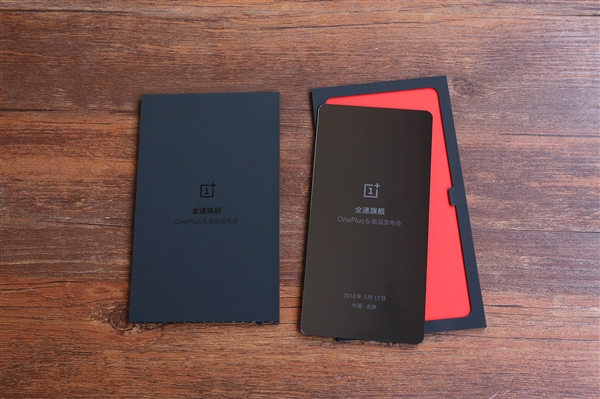
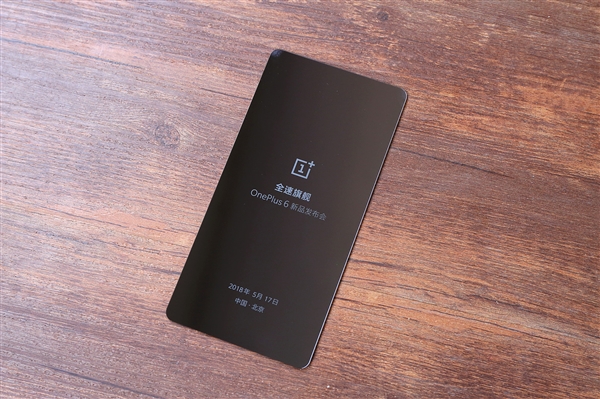
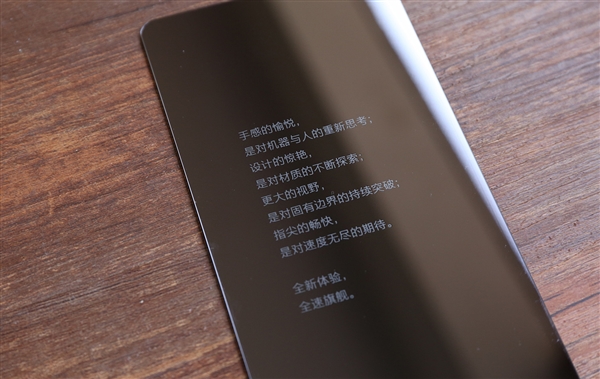
OnePlus 6 will be debuting on May 17 in China. The Chinese manufacturer has started sending out invitations for the upcoming launch event. The invitation contains a piece of glass with the bestselling features of the OnePlus 6 mentioned on it.
The presence of glass slab in the invitation suggests that the OnePlus 6 will be arriving with a glass chassis. The Chinese text present on the front side of the glass states that the OP6 is a full-speed flagship phone while the text present on its back highlights core selling points such as good hands-on feel, stunning design, larger screen space, and smooth touch experience. The measurements of the glass slab appear to be same as the dimensions of the OnePlus 6.
The TENAA listing of the smartphone has revealed that the handset measures 155.7 x 75.35 x 7.75mm and weighs 177 grams. The chassis of the phone is expected to offer certain level of water-resistance.
The OnePlus 6 features a 6.28-inch AMOLED display that supports a resolution of 2280 x 1080 pixels and aspect ratio of 19:9. The Snapdragon 845 will be powering the phone. For photography, it is expected to arrive with 20-megapixel + 16-megapixel dual camera setup and a front-facing camera of 16-megapixel.
In China, OnePlus 6 is expected to arrive in multiple RAM and storage models such as 6 GB RAM + 64 GB storage, 8 GB RAM + 128 GB storage and 8 GB of RAM + 256 GB storage. These models are rumored to be respectively priced at 3,299 Yuan (~$518), 3,799 Yuan (~$596) and 4,399 Yuan (~$630).
After the May 17 launch event in China, the company will be holding a popup-event in multiple regions in country such as Beijing, Shanghai, Shenzhen and Chengdu between 6pm and 9:30pm on May 21. The Chinese firm will be also holding popup-events at several cities in the U.S., Europe, Nordic and India. Through the pop-up event, OnePlus will allow its fans to purchase the OnePlus 6 before its official release date.
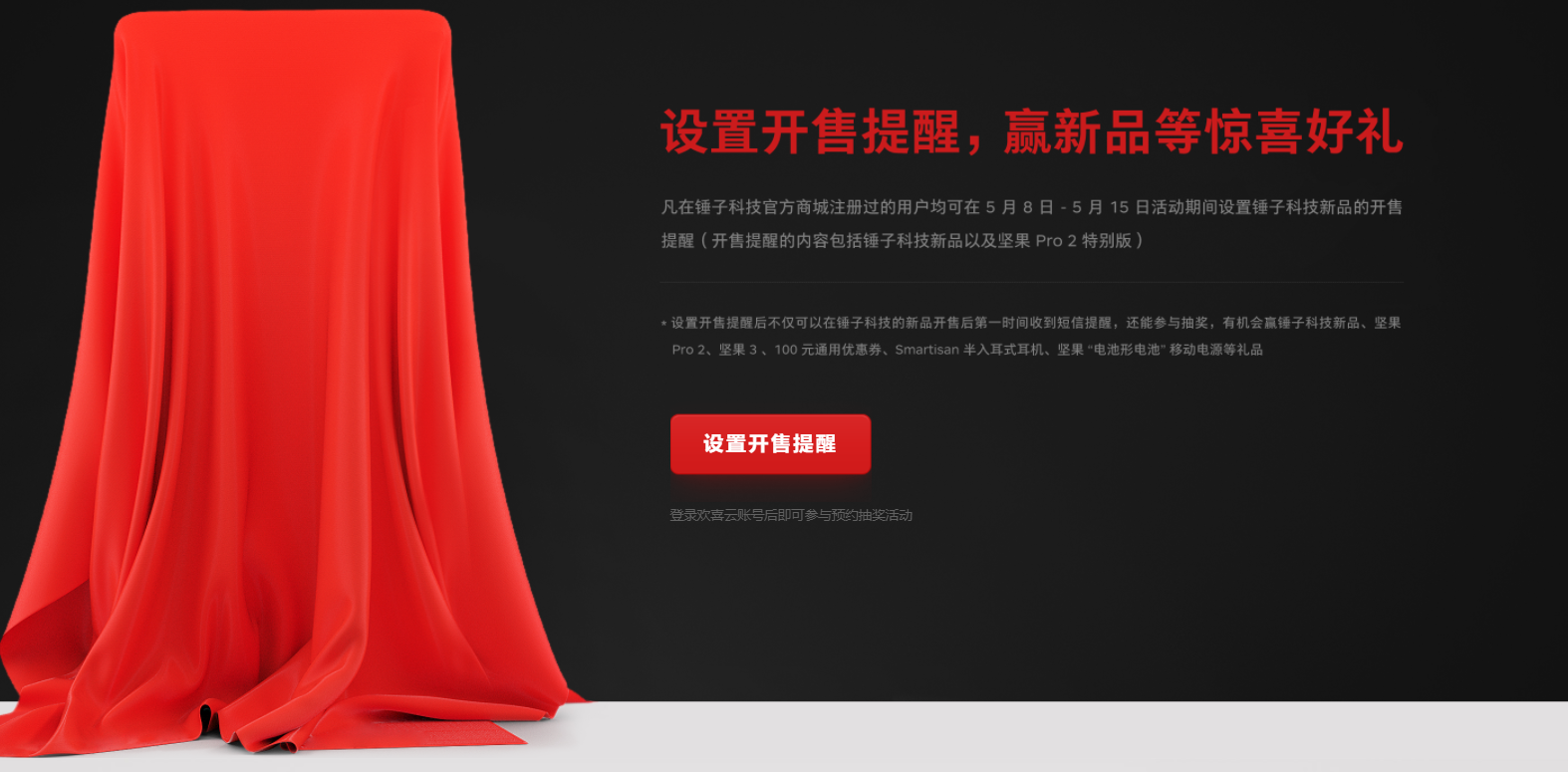
Smartisan has announced that it has a device launch on May 15. The new device is the Smartisan R1 – a true flagship phone from the manufacturer. With less than a week before the launch, the registration page for the phone has gone live.
The registration page doesn’t reveal anything about the device. However, there is a draw for those who register for the device. The main prize is the R1 but you can also win the Smartisan Nut Pro 2, Nut 3, coupons, headphones, and power banks.
The Smartisan R1, according to the CEO will be priced between ¥3000 (~$474) and ¥15,000 (~$2369). Some say it may actually launch for ¥3500 (~$549).
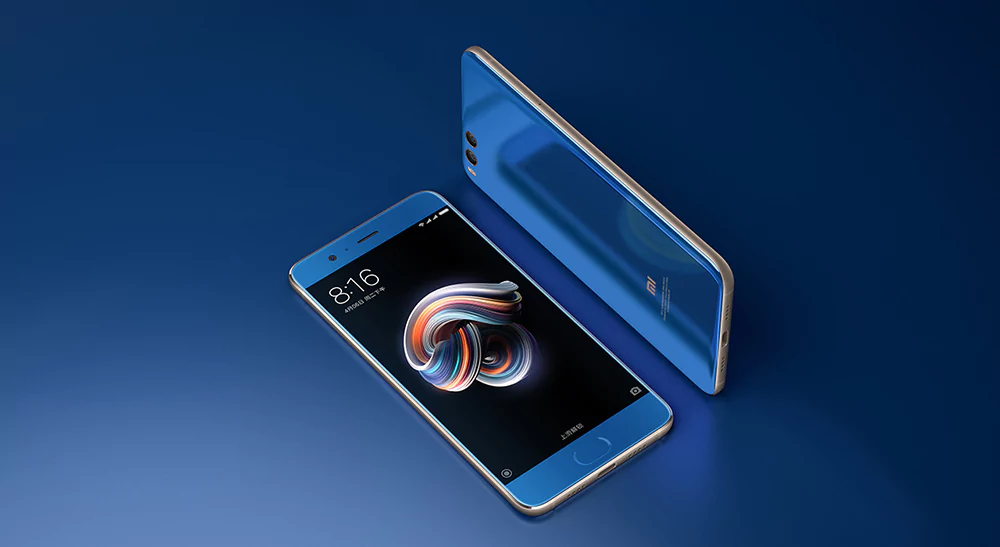
Following in the footsteps of its well-received predecessors, the Xiaomi Mi Note 3 garnered huge popularity among gadget buffs after hitting the store shelves last year. Regrettably, the much-awaited phablet didn’t come cheap.
As a result, cost-conscious Xiaomi fans could not get their hands on the Mi Note 3 phablet. If you’ve restlessly been waiting to buy the coveted smartphone without burning a hole in your pocket, we’ll tell you exactly how you can get an 8% off on the phone’s original asking price on DD4.
The Shenzhen-based cross-border e-commerce platform is currently offering two storage capacities i.e. 64GB and 128GB of the Xiaomi Mi Note 3 for $336.99 and $378.99, respectively. You can use coupon code ‘XMNOTE38’ at the time of checking out to reduce your grand total to just $310.03 for the 64GB version of the 4G phablet.
If you’re going for the bigger 128GB version, you can still use the aforesaid coupon code and bring your grand total down to only $348.67. As if that weren’t enough, DD4 is also offering free shipping.
In terms of specs, the Xiaomi Mi Note 3 sports a big 5.5 inch IPS LCD capacitive touchscreen display with a screen resolution of 1080 x 1920 pixels. The device gets additional protection in the form of Corning Gorilla Glass 4 and it is housed in a robust glass and aluminum frame.
The Mi Note 3 packs a powerful Qualcomm SDM660 Snapdragon 660 processor along with an equally robust Adreno 512 GPU, under the hood. The Xiaomi-branded 4G phablet offers 6GB of RAM, coupled with 64GB/128GB of onboard storage.
On the photography front, the Mi Note 3 houses a 12-megapixel + 12-megapixel dual camera setup with 2x optical zoom, phase detection autofocus, dual-LED dual-tone flash on the back. Up front, there’s a 16-megapixel camera for face-to-face video chats and selfies.
It runs MIUI 8-based Android 7.1 Nougat operating system and is backed by a non-removable Li-Ion 3500 mAh battery with Quick Charge 3.0 support. Aside from that, the Mi Note 3 is crammed with all sorts of sensors including accelerometer, ambient light sensor, e-compass, gravity sensor, gyroscope, hall sensor, and proximity sensor.
You can visit this link if you want to check out the full specification and take advantage of the discount coupon before it expires.
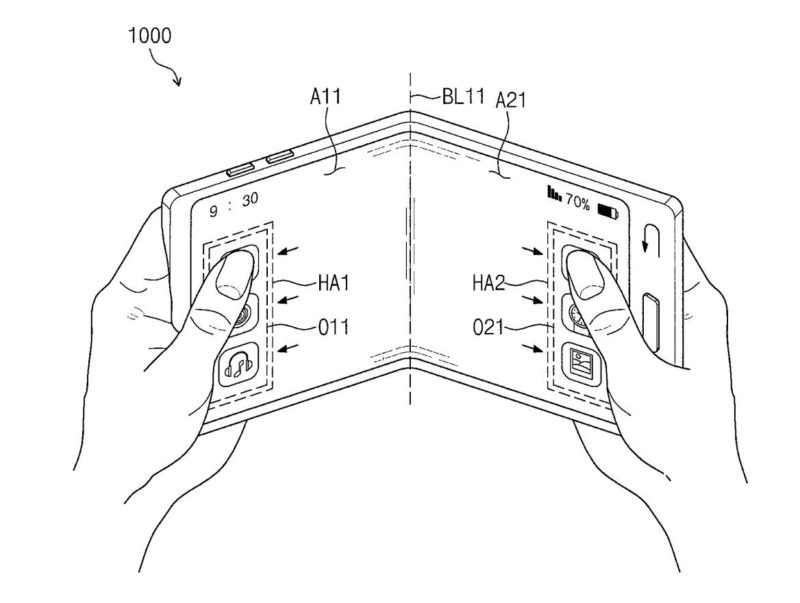
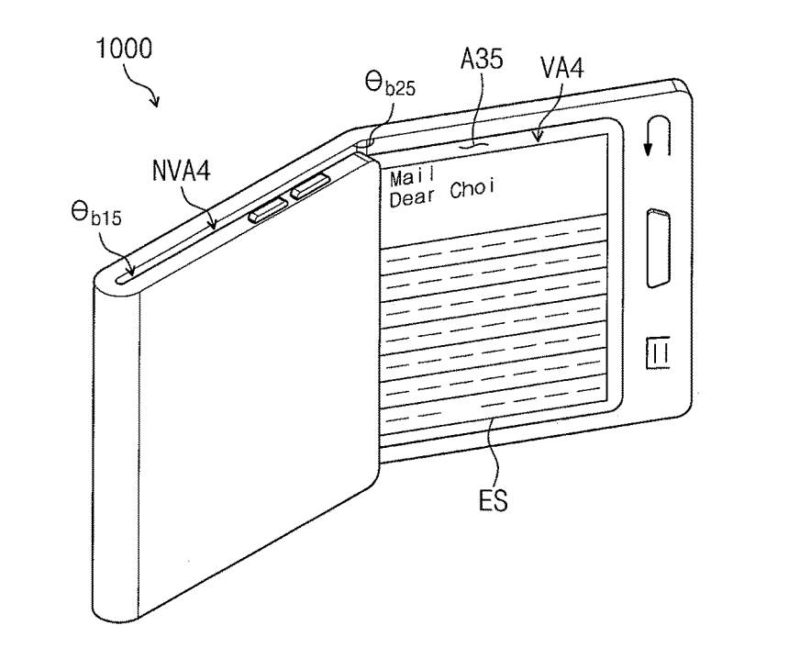
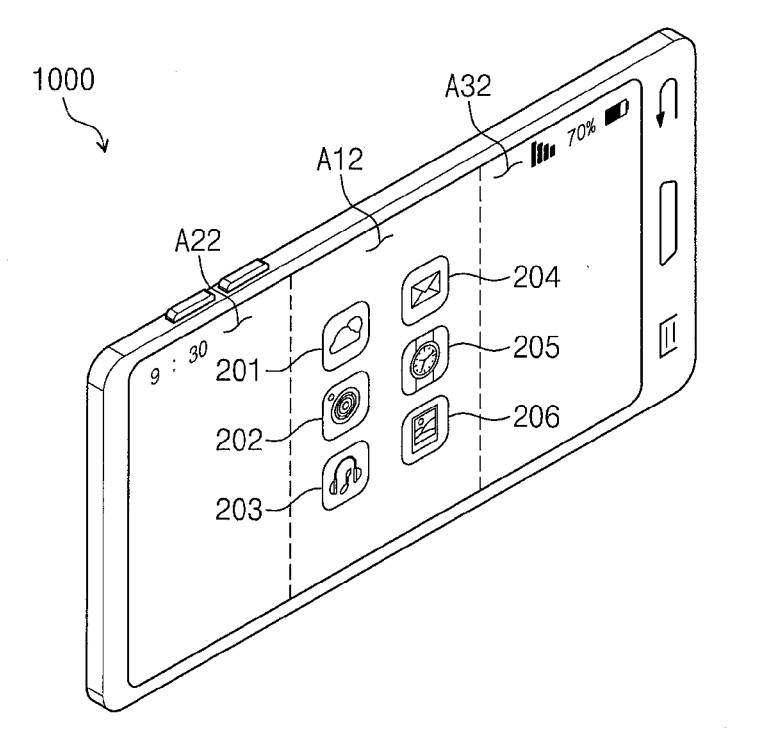
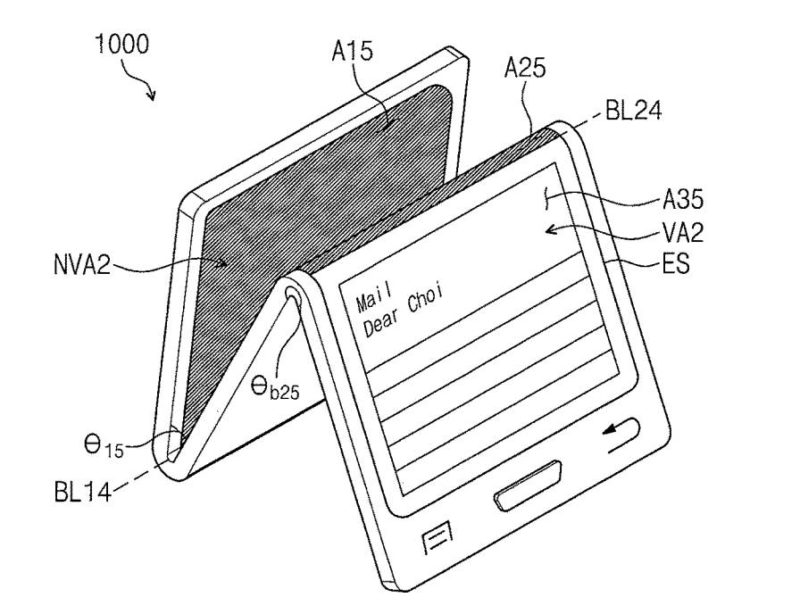
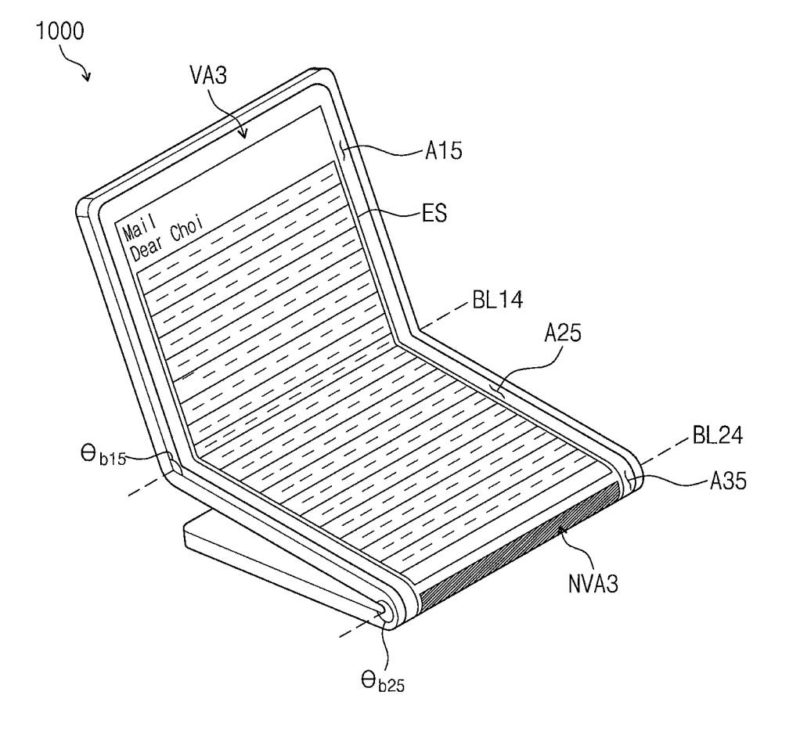
Samsung is expected to unveil the Galaxy X foldable phone next year, perhaps at MWC 2019. Ahead of that, the innovative Korean company has received two new patents and one of them is of a foldable phone design differently from the ones that have previously been patented. The folding design patent was filed under patent number US009959030 with the United States Patent and Trademark Office (USPTO). This could as well be what the Galaxy X might look like as the images show a phone that folds horizontally, unlike a previous patent that showed a phone folding in a couple of different ways.
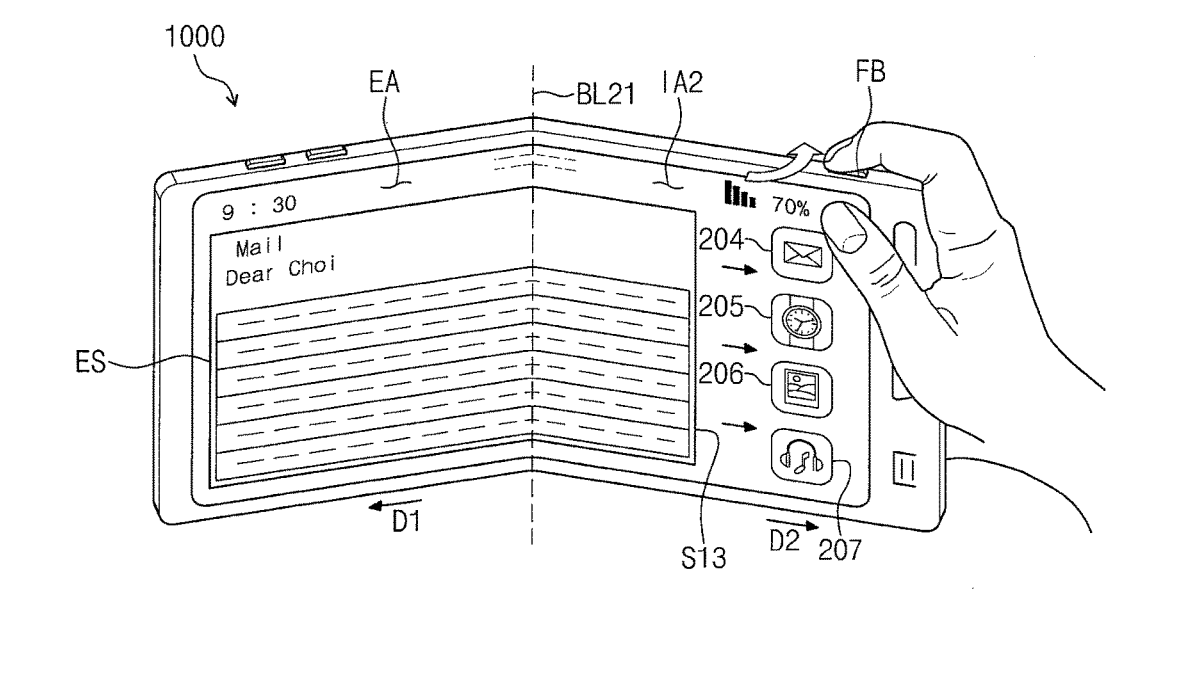
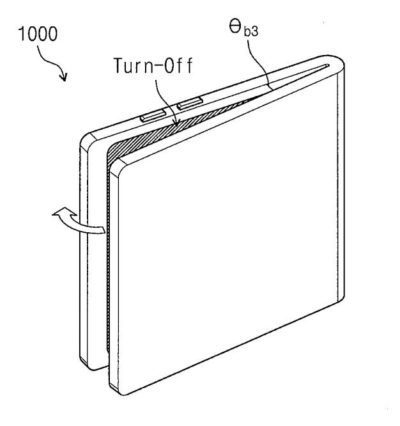
This design shows the possibility of the phone being used in landscape orientation. There is also an additional hinge that would enable the phone to be propped up vertically in portrait mode. When the two sides are closed together, the phone will automatically turn off while opening up the two sides will turn it on. Another thing is that the hinge isn’t like the regular hinge. The phone is equipped with a special hinge that would respond to the touch of a sensor. The patent shows the presence of a special “deformation sensor” and “grip sensors.” The grip sensor seems to be for sensing when and where a user has gripped the smartphone, while the deformation sensor detects when and how a device is being folded.
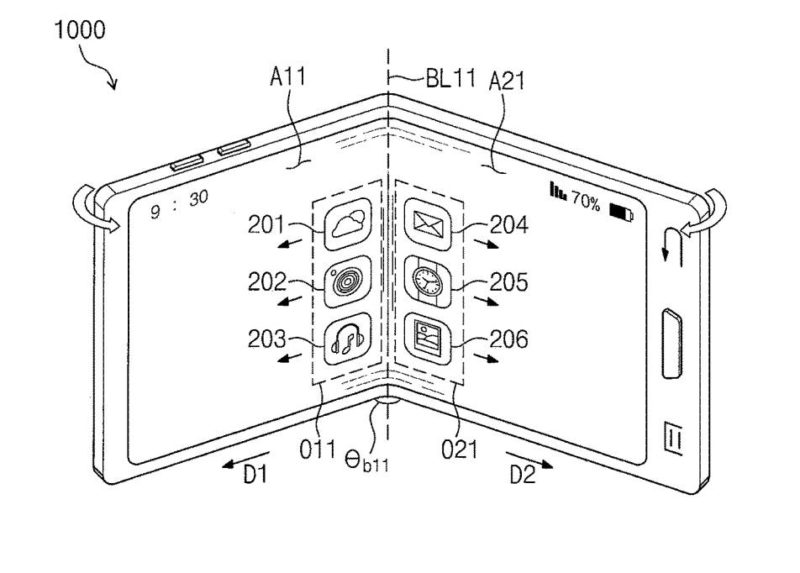
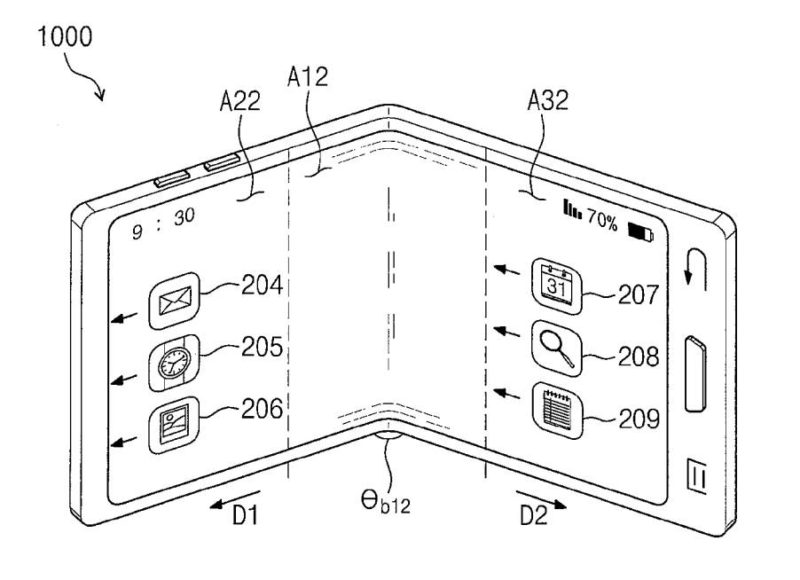
From the drawings, we can gather that the purpose of these is to ensure that the user interface is dynamic. That is, it will move to keep them visible and also accessible when the device is folded and unfolded. That way, the device remains usable with relative ease regardless of how it is held or what the orientation of the screens is. For example, if a user bends the screen to fold the device down, all of the icons shown in the drawings move to the screen on the outside. For a slight bend at the centre, they move to the edges where the user’s hands have been placed.
Samsung’s second patent received the same day was for a transparent smartphone screen. The Korean company unveiled a transparent television screen in 2015 but despite its appeal, patronage was poor such that the company had to kill off the product line since the investment wasn’t being justified. So, we wonder how they hope to make this one perform better since the transparent smartphone display will likely be similar although much smaller. There are suggestions the transparent screen could also allow for the use of AR without employing a camera to incorporate the real world background used in the feature. However, we may likely have to wait for a long time before this would be used on a smartphone. That is if ti ever going to be commercialized. You can check out more of the drawings of the foldable design patent from below.
also allow for the use of AR without employing a camera to incorporate the real world background used in the feature. We’d have to wait for more details on how Samsung plans to deploy the transparent display.
Since OPPO had trademarked the “OPPO Find X” moniker in April, the rumor mill has been speculating that it could be the upcoming ultimate flagship phone from the company. A render of the alleged OPPO Find X has surfaced today to reveal its front and rear design.
The render reveals that the alleged OPPO Find X features a notched display like the OPPO R15. This suggests that the screen of the Find X offers an aspect ratio of 19:9. Its side bezels are almost non-existent, and the bottom bezel is slightly thick. The backside of the Find X features a vertically arranged triple camera setup and an LED flash.
The fingerprint reader is not present on the front or rear sides of the Find X. This could mean that the handset may feature an under-display fingerprint scanner. The Chinese manufacturer has recently received a patent approval for in-display fingerprint scanner which suggests that if the Find X exists for real, it may feature the advanced biometric recognition technology. Other rumors suggest that the handset could be equipped some more advanced features such as super-fast 15-minute flash charge and 5x lossless zoom.
There is fierce competition in the market for mid-range phones in China as there are numerous smartphone OEMs out there that are releasing budget-friendly phones with best of the specs. OPPO has concentrated on releasing R, F and A series of smartphones in the recent years. This strategy has allowed it gain good market share in China. However, the company has not launched a flagship phone after the OPPO Find 7 smartphone that was unveiled in 2014. Rumors have it that OPPO may release a Find series phone this year to target the high-end market.
There are have been rumors of Find 9 and Find 11 in the past years, but they were all found to be false. However, new rumors claim that the Chinese manufacturer will launch OPPO Find X phone this year. Since it is speculated to debut as a flagship phone, it may feature the Snapdragon 845 SoC.
Should OPPO release a Find series flagship? Share us your thoughts by posting your comments below.
Huawei‘s sub-brand Honor, which is known for making value-for-money smartphones, is all set to launch Honor 10 in India. The smartphone has been confirmed to launch in India on 15th May. Notably, the company is also hosting an event in London on 15th to launch the Honor 10 in several international markets.
Now, the latest information reveals that the Honor 10 will go on sale in India from 16th May midnight and will be available exclusively from online retailer Flipkart. For those who are interested in buying the Honor‘s flagship smartphone, Flipkart has also activated the ‘Notify Me’ option.
While there is no official information available regarding the phone’s pricing, several reports indicate that it will be priced around Rs. 35,000 (approximately $518). If the device gets priced around Rs. 35,000, it will compete against other affordable premium flagships, such as the OnePlus 6, which is slated to launch in India on 17th May.
The Honro 10 features a 5.84-inch Full-HD+ display with a screen resolution of 1080 × 2280 pixels, bearing an aspect ratio of 19:9. The smartphone packs a powerful Huawei’s HiSilicon Kirin 970 64-bit processor along with 6GB of RAM. It is expected to be available in two storage options — 64GB and 128GB. There is no microSD card slot for expanding the storage capacity.
Coming to the camera department, the smartphone comes with a 16-megapixel + 24-megapixel dual-camera setup with dual LED flash and f/1.8 aperture on the back. On the front side, there’s a 24-megapixel front shooter for selfies and face-to-face video chat.
It runs EMUI 8.1 based Android 8.1 Oreo operating system out-of-the-box and is backed by a 3,400mAh battery which comes with quick charging support. According to the handset maker, the bundled charger will be capable of charging the Honor 10 up to 50 percent in just 25 minutes.
The Honor 10 has already been launched in China and is available in four color options — Black, Grey, Mirage Blue, and Mirage Purple. The 6GB RAM and 64GB storage model has been priced at 2,599 Yuan (approximately $408) while the 6GB RAM and 128GB storage variant has been priced at 2,999 Yuan, which roughly converts to $470.
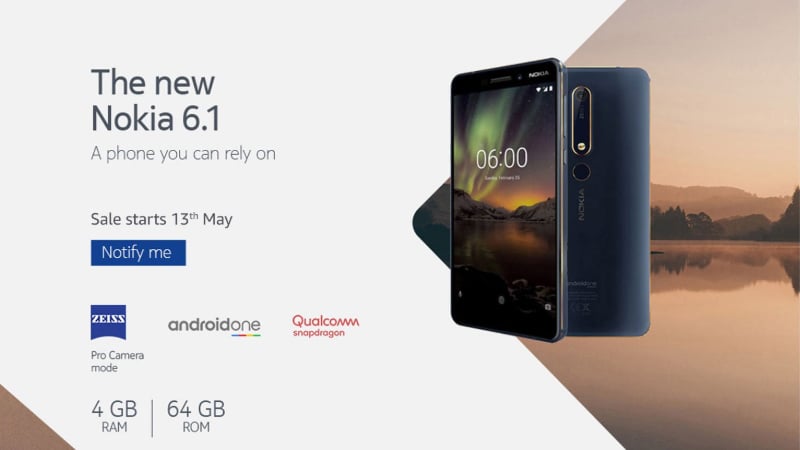
Recently, HMD Global confirmed that the Nokia 6 (2018) 4GB RAM model will be available in India. Now, online retailer Amazon India has listed the smartphone on its website and has also started taking registrations for the same.
Further, it has also been revealed that the smartphone will be available for purchase in India from 13th May. While there is no official confirmation from the company regarding the price of the Nokia 6 (2018) in India, reports indicate that it could go on sale for around Rs. 18,999. To remind you, the Nokia 6 (2018) with 3GB RAM and 32GB internal storage was launched in India last month and is currently available for a price of Rs. 16,999.
As a part of the launch offer, with the purchase of Nokia 6 (2018) 4GB RAM model, Amazon India is offering No Cost EMI as well as Rs. 2,000 cashback for Airtel 4G users along with free Airtel TV subscription, free 12 months damage insurance by Servify, 25 percent discount on domestic hotels booking through MakeMyTrip, and free customized prints or 20 percent off on purchases through Picsdream Moments & Memories.
The smartphone features a 5.5-inch Full HD display with 1920 x 1080 pixels screen resolution, having a pixel density of 401 pixels per inch (ppi). On top of the display, there’s a 2.5D Corning Gorilla Glass 3, protecting the display from minor scratches.
Under the hood, the device is powered by Qualcomm‘s Snapdragon 630 processor clocked at 2.2GHz, along with 4GB RAM and 64GB of internal storage. There’s also a microSD card slot, which enables users to further expand the phone’s storage capacity.
Coming to the photography, there’s a 16-megapixel camera on the back which has f/2.0 aperture, phase detection autofocus, and dual-LED flash. The phone also features an 8-megapixel front-facing camera with a 1.12um sensor and f/2.0 aperture for taking selfies and video calling. There’s a fingerprint sensor placed on the back panel for added security.
The smartphone phone offers hybrid Dual SIM slot and supports 4G VoLTE, Wi-Fi 802.11 b/g/n, Bluetooth v5, GPS, USB Type-C port, 3.5mm audio jack, FM Radio as connectivity options. It also features dual speakers, dual smart amplifiers, and Dolby Atmos.
The device is running on Android Oreo operating system out of the box. Given that it’s an Android One device, there is no bloatware on the phone as well as no custom user interface from the company. The Nokia 8 2018 is powered by a 3,000mAh non-removable battery — same as the Nokia 6 that was launched last year.
We use cookies on our website to give you the most relevant experience by remembering your preferences and repeat visits. By clicking “Accept”, you consent to the use of ALL the cookies.
This website uses cookies to improve your experience while you navigate through the website. Out of these, the cookies that are categorized as necessary are stored on your browser as they are essential for the working of basic functionalities of the website. We also use third-party cookies that help us analyze and understand how you use this website. These cookies will be stored in your browser only with your consent. You also have the option to opt-out of these cookies. But opting out of some of these cookies may affect your browsing experience.
Necessary cookies are absolutely essential for the website to function properly. This category only includes cookies that ensures basic functionalities and security features of the website. These cookies do not store any personal information.
Any cookies that may not be particularly necessary for the website to function and is used specifically to collect user personal data via analytics, ads, other embedded contents are termed as non-necessary cookies. It is mandatory to procure user consent prior to running these cookies on your website.