Report has it that ZTE Telecommunications Equipment Company is planning a layoff that will see up to 5% or 3000 employees of its global workforce lose their jobs. The news comes from Reuters who were informed by sources close to the company.
While there are so many reasons to the layoff, it can be attributed to ZTE’s plans to restructure its operations and organizational structure after a poor financial year which can be partly blamed on the trade restrictions imposed by US Commerce department. An unnamed source has also said ZTE is using this as an opportunity to lay off employees who have applied for jobs at rival companies like Huawei.
Managers have already been briefed and the exercise is expected to be completed by the end of March. Majority of the layoffs will be concentrated in China (20% of employees there) where it has been losing market share for several quarters now.
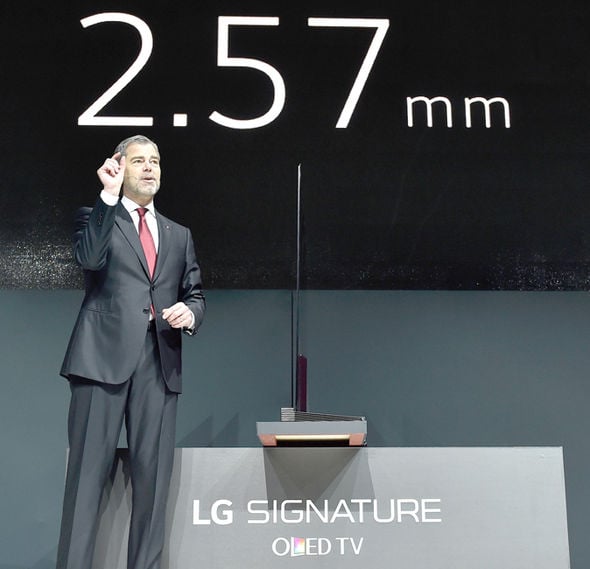
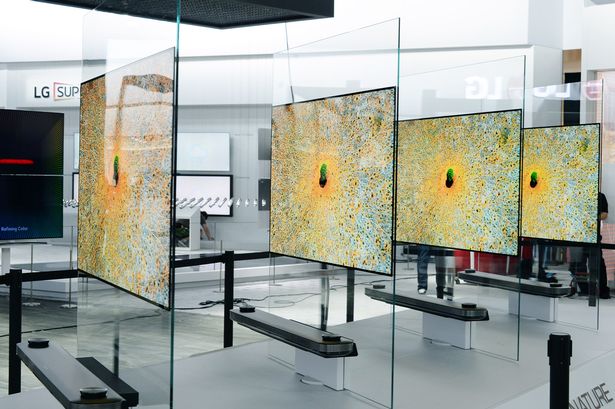
LG is taking television to the next level by bringing in a technology we ordinarily would have thought is for the future. As they say, the future is now, and the Korean tech giant is proving that with the unveiling of its latest Smart OLED TV dubbed LG W7 “wallpaper” OLED television at CES 2017.
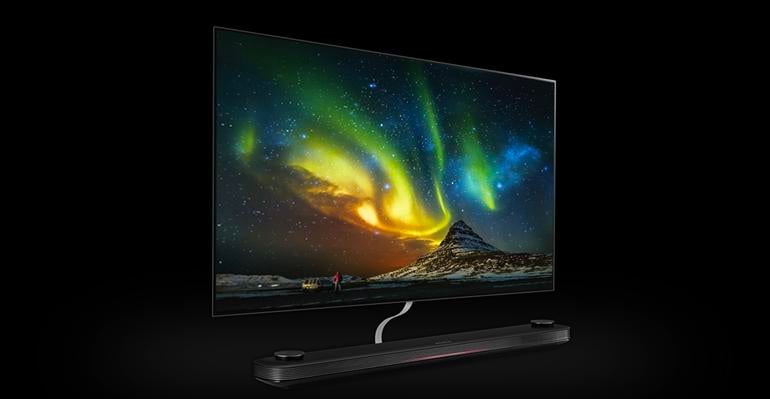
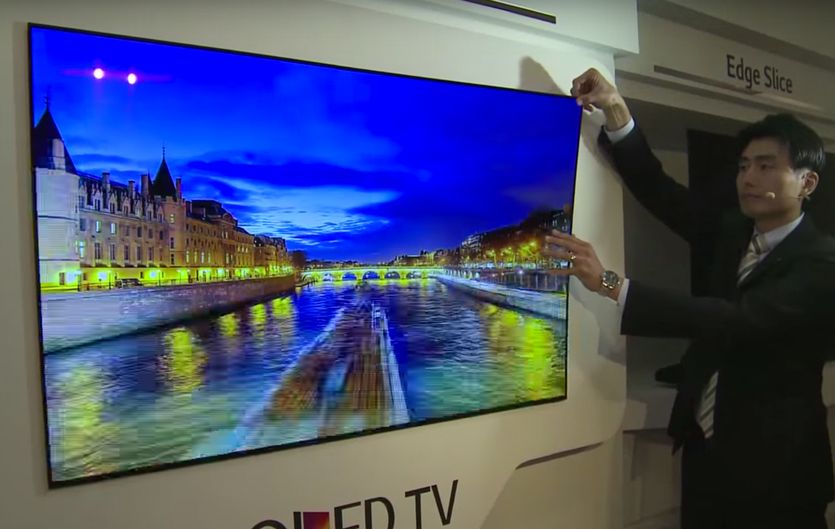
Yes, the new LG television is as thin as a wallpaper, literally! It has a thickness of just 2.57mm on one of its model which is 65-inch in size. The other models comes in 77 inches in size. Despite the thin build, the W7 is a full 4K HDR TV with no backlight but with the latest high-end picture quality.
Another awesome feature of the LG W7 OLED TV is that it can be attached directly to a wall using magnetic brackets, thus no traditional wall mount is needed. The SmartTV also comes with a huge companion sound bar that is attached with a thin-but-wide 82-inch ribbon cable. The sound bar sits behind the TV screen and it features Dolby Atmos sound. At the back of the sound bar, lies all the HDMI ports and connectivity ports for the W7. The LG W7 OLED TV uses a modular design which means the motherboard is positioned separate from the panel, a design which made the thin build possible.
The LG W7 OLED TV isn’t just a demo or a concept on display, but is a product which is set to hit the market later this year. LG is yet to announce the price tag, though, but we don’t expect it to come cheap.
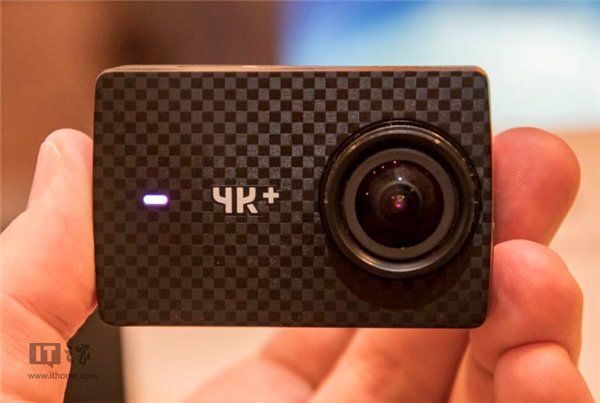
Chinese camera maker YI only has a few products to its name, the YI 4K Action Camera, YI 4K Action Camera 2 and a few more, but the company has garnered an enviable reputation for quality. Its cameras are even touted as the Go Pro killer and the company became solid that it didn’t need the Xiaomi brand attached to its name any more. Right now, the company has added another feather to its record, as it announced the YI 4K+ Action Camera today at CES 2017.
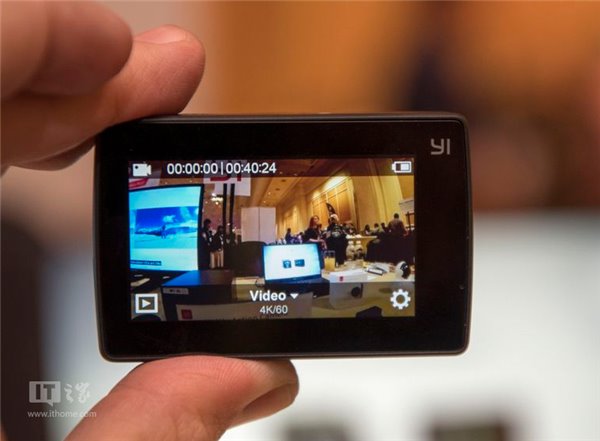
The YI 4K+ Action camera is reputed as the world’s first camera capable of capturing 4K video at 60 frames per second and it is said to be double of what the action-packed Go Pro Hero 5 Black is capable of shooting. That is not only where the YI Action cam comes first, but also in the aspect of the processor it packs. The YI 4K+ Action Camera is also the first to feature an Ambarella H2 System-on-Chip processor which offers a maximum bit rate of 120Mbps.
The Action camera is also touted to feature electronic image stabilization (EIS), live streaming capability, well filtered audio output in outdoors and also support for Virtual Reality (VR). The Smart camera also come with USB 3.0 and USB Type-C interface and other features.
It’s amazing that despite the well-packed features, the YI 4K+ Action Camera and the previous gen 4K Action camera all have the same size and design. The company left off short of announcing the price of the Action cam and availability details. But as usual, it should be available in China sometime soon.
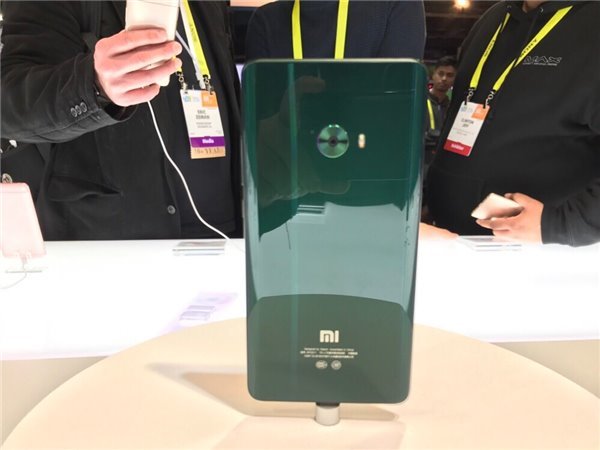
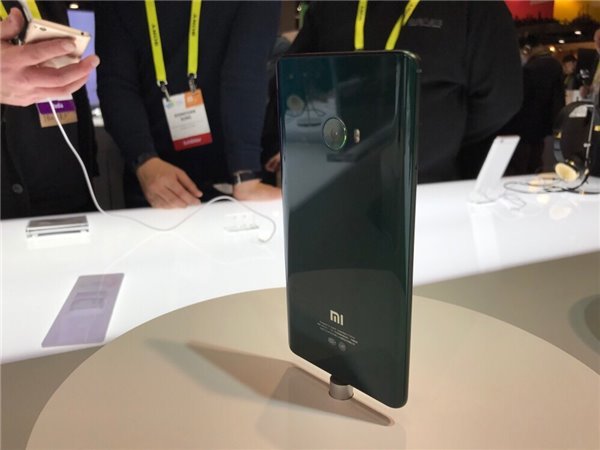
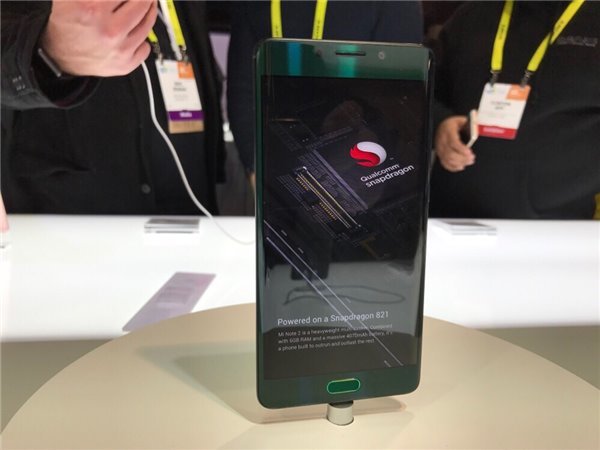
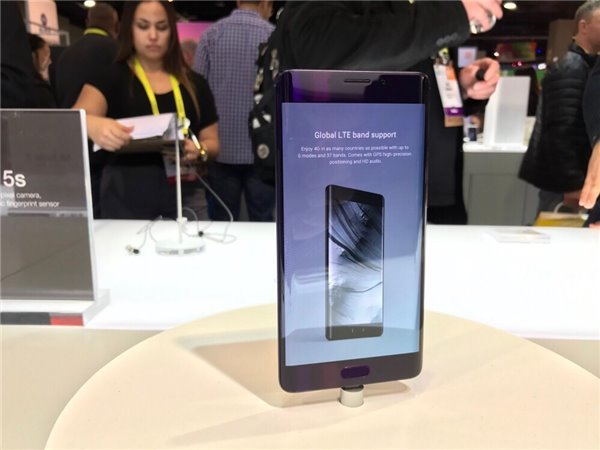
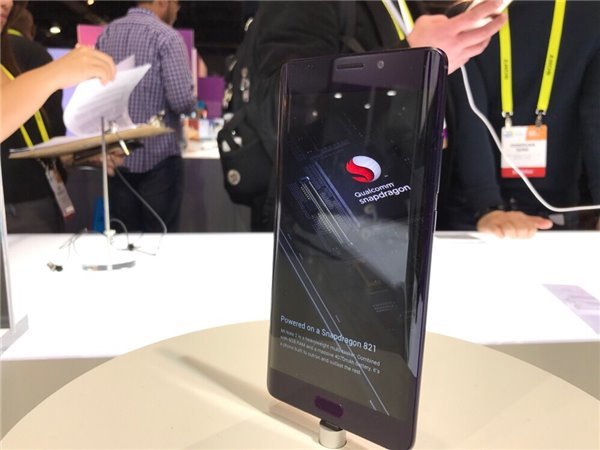
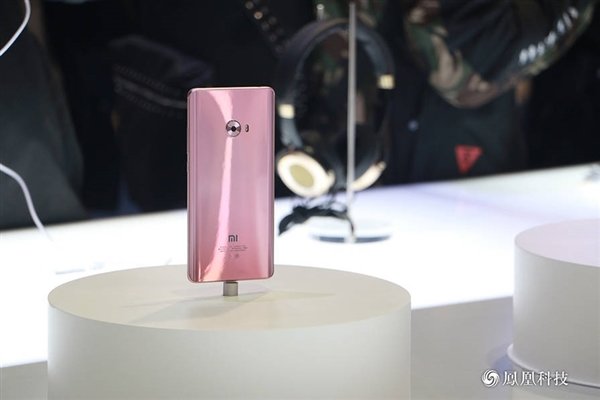
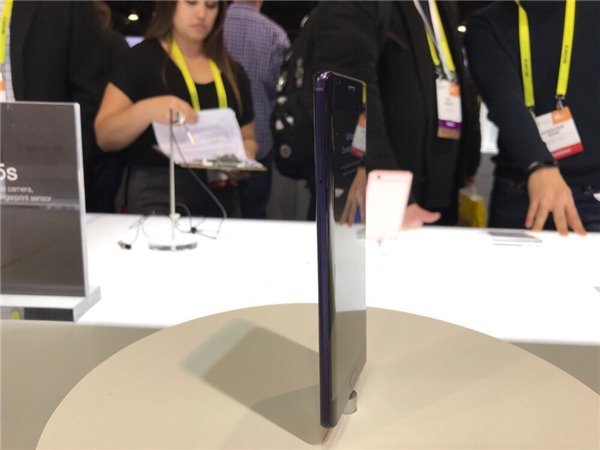
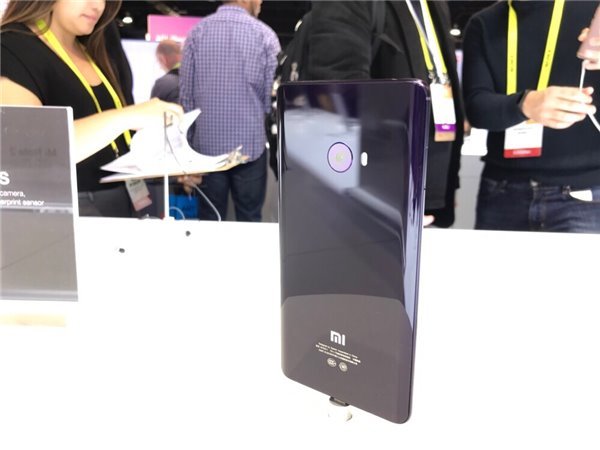
Xiaomi finally held the much touted CES 2017 news conference where it launched three new products. A white pearl version of the Mi Mix, the Xiaomi Mi TV 4, and the Xiaomi Router HD were all unveiled by the company. Xiaomi also displayed a variety of new color variants for the Mi Note 2 which was hitherto available only in black and silver colors.
From the exhibition, the Xiaomi Mi Note 2 can be spotted adorning pink, green and purple coating on its body. It wasn’t disclosed if the new color versions were just for exhibition purpose or if they would indeed go on sale in the near future. But there seem to be no difference in the specifications of this new color versions and the ones that were initially released.
If ever the Mi Note 2 would come in pink, green or purple colors, it is likely to drop in China only. The company didn’t say anything about whether the trio of products released would be available outside of China anytime soon. You can take a tour of the Mi Note 2 images from down below.
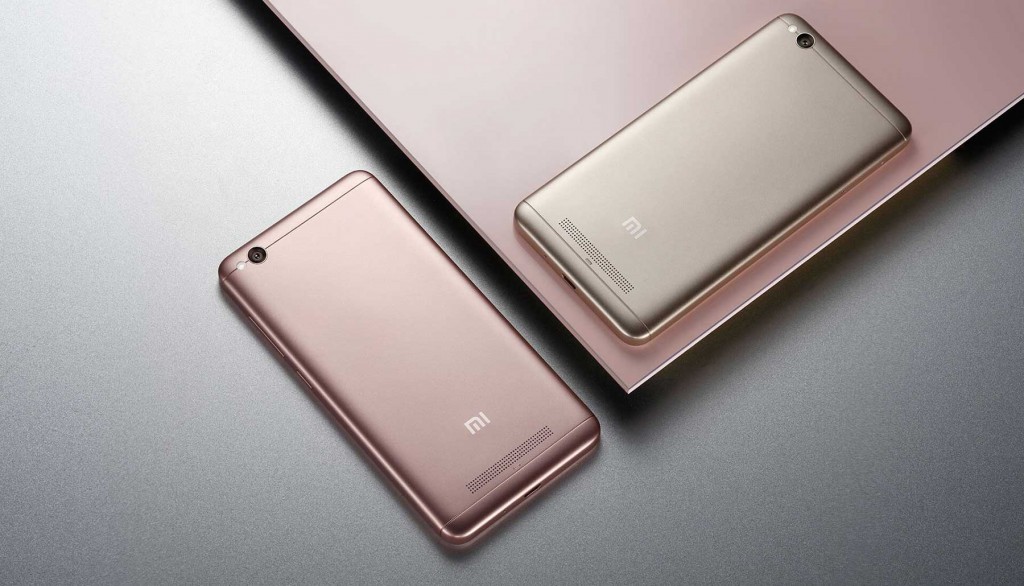
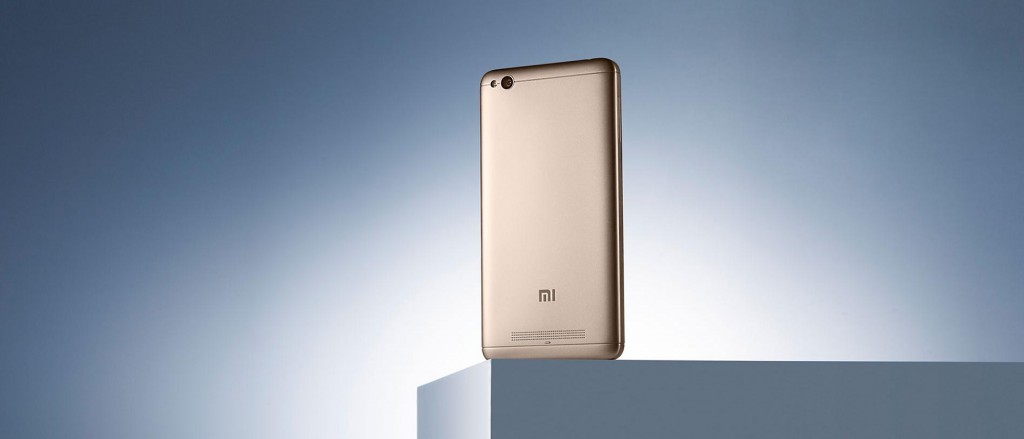
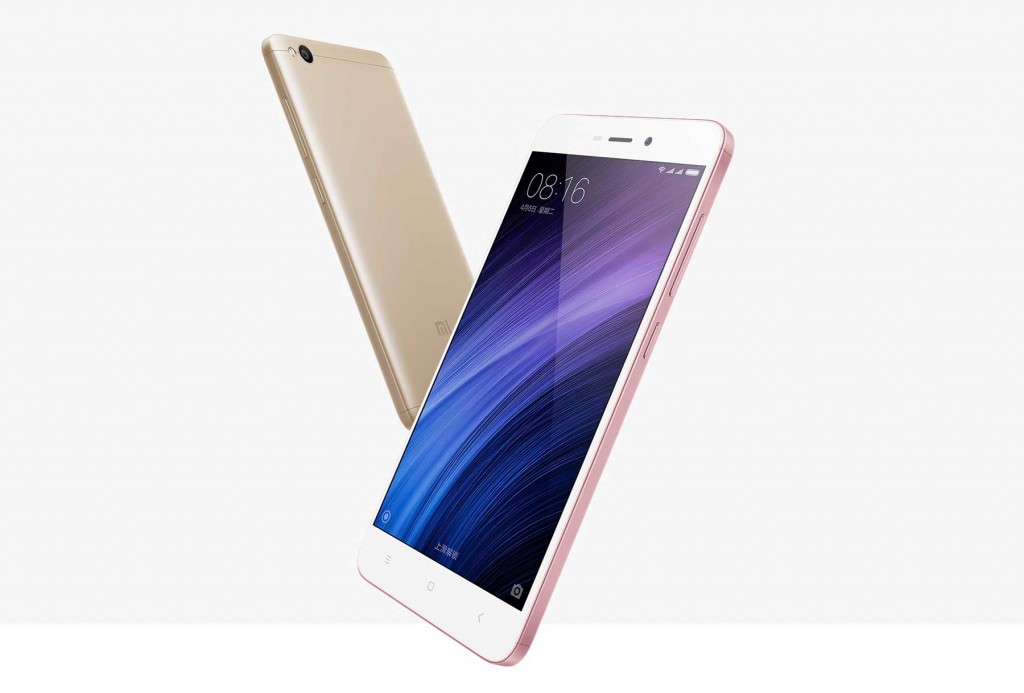
Xiaomi’s Redmi smartphones have been one of the most successful budget devices out there. The Redmi 4a is one of the latest offerings and it costs just $100 at lightinthebox.com but it has a premium design and great specs.
As most of the manufacturers, the Xiaomi started using a lot of premium materials designing their phones. The Redmi 4A sports a metal housing (except for the plastic top and bottom parts for antennas).
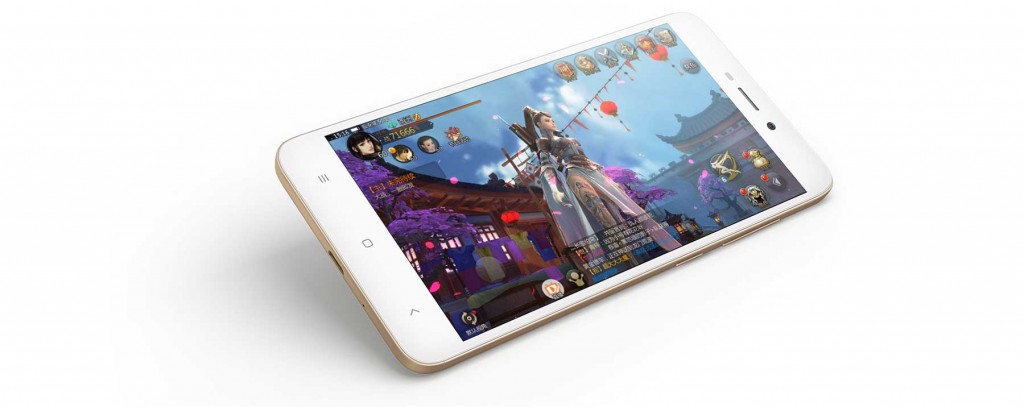
One of they key selling points of this device is its 5″ 720p display, which makes the phone very compact and easily manageable by one hand.
The Xiaomi Redmi 4a is powered by a quad-core Snapdragon 425 chip that is clocked at 1.4GHz. Also, the device has 2GB of RAM and 16GB of storage, which is, as usual to the Redmi series phones, expandable via the microSD card slot.
Some other specs worth mentioning are a 13MP camera on the back and a 5MP shooter on the front. The device runs on the Android 6.0 with the MIUI 8 on top of it. Finally, a beefy 3120mAh battery should keep the lights on for a long period of time considering the fact that the phone has a small 5″ 720p display.
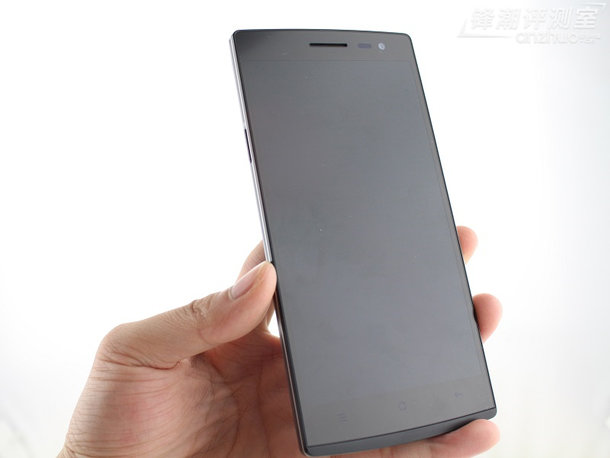
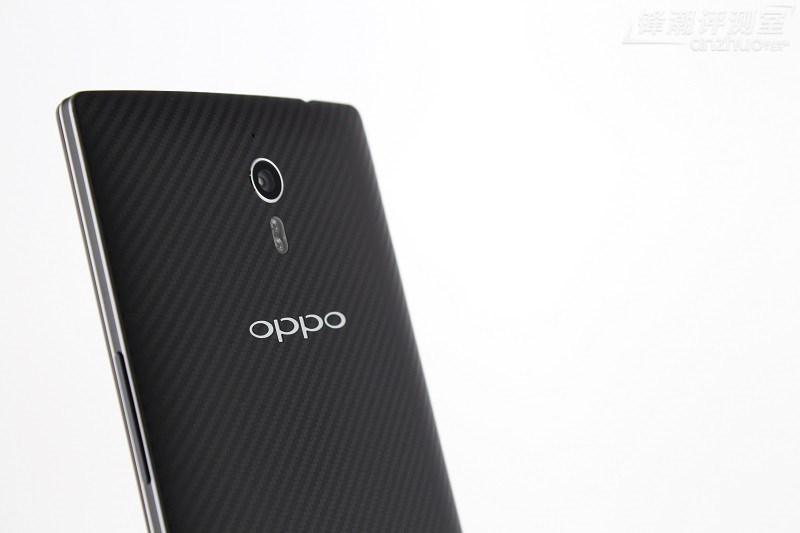
The elusive OPPO Find 9 project seems to still be in the works according to a recent rumor making the round. Just when we thought OPPO wasn’t going to release the Find 9 flagship anytime soon, the device popped up again with a company executive credited to have hinted that the Find 9 would be released within the first half of 2017.
This isn’t the first time we are getting rumors about the OPPO Find 9 launch. Since the release of the OPPO Find 7 in 2014, fans have been expectant of another true flagship from OPPO but over two years down the line, nothing is yet to materialize. All we keep getting are rumors upon rumors, despite the fact that OPPO has been actively releasing smartphones since then. But then no true flagship device has come out from the Chinese company since the Find 7.
The news of the Find 9 launching in the first half of 2017 was said to have been disclosed by a provincial executive at a recent OPPO shopping guide forum. Details about the location of the forum or the name of the company executive weren’t disclosed.
The OPPO Find 9 is rumored to come with a 5.5-inch dual edge AMOLED display with QHD resolution. The device is also rumored to sport a Snapdragon 835 chip as well as a whopping 8GB RAM and 128GB of internal storage. There may be two versions, with one packing a Snapdragon 653 chip and 4GB + 64GB storage. There are also rumors that the device will not run the Color OS but rather, will come preloaded with a new AI system called Find OS which would be tailored to users’ needs. We’ll keep our fingers crossed, hoping this year will indeed be the year of the Find 9.
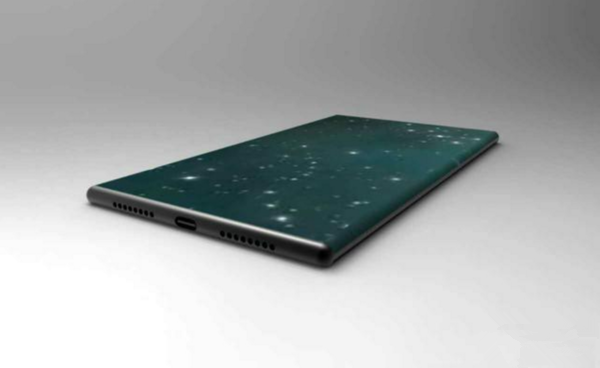
There have been rumors that the duo of Samsung‘s Galaxy S8 flagship and the Xiaomi Mi 6 would be the first devices to use the Qualcomm latest flagship Snapdragon 835 chip onboard. Recently, it has even been repeatedly rumored that the Mi 6 would end up making it as the first device both on the domestic scene and globally, that would be powered by the powerful chip.
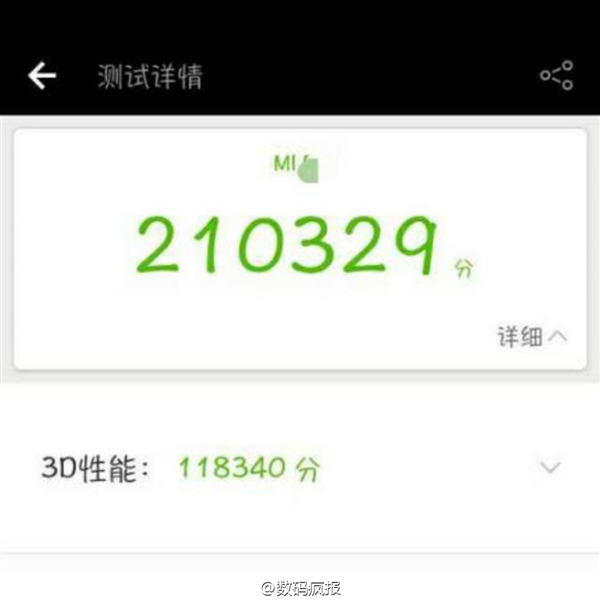
Now, to further lend credence to this assertion, what is said to be the benchmark score for the Xiaomi Mi 6 has surfaced online and the score is fiery, to say the least. Although, the benchmark data isn’t coming directly officially from AnTuTu but it is said to be the AnTuTu benchmark score the Mi 6 ran on testing. The data showed the Mi 6 pulled a score above 210,000 points, specifically 210,329 points. If actually this is true, it means the Mi 6 will indeed feature the Snapdragon 835 chip onboard.
At present, no smartphone around had recorded a score in that region when they were benchmarked. The most powerful device of them all, the iPhone 7 Plus with the Apple A10 chip inside only achieved a score of 18,300 points when it was benchmarked. The OnePlus 3T which was released recently sporting the Snapdragon 821 chip scored only 16,300 points when it passed through benchmark test.
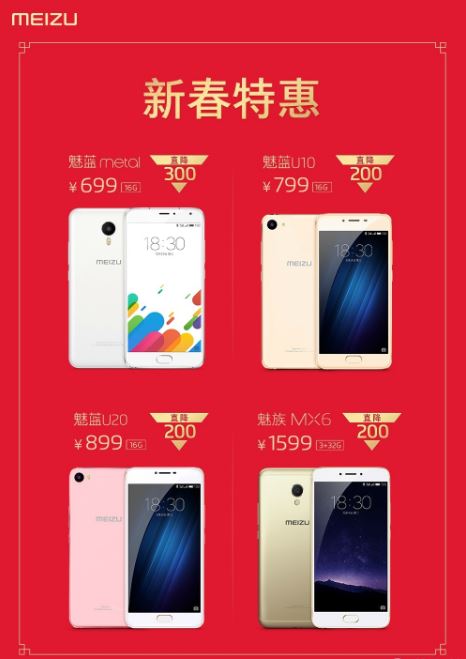
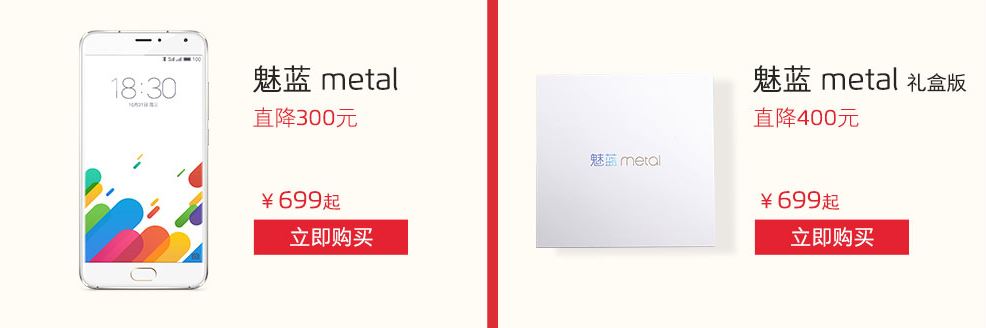
Chinese Spring Festival is drawing closer and as a result, many smartphone manufacturers have kickstarted their promotional sales during which period there is usually a huge reduction in prices. Meizu has joined the fray today, as the company has announced its New Year deals with a reduction of up to 300 yuan and even 400 yuan in some cases, applicable to some of its smartphones.
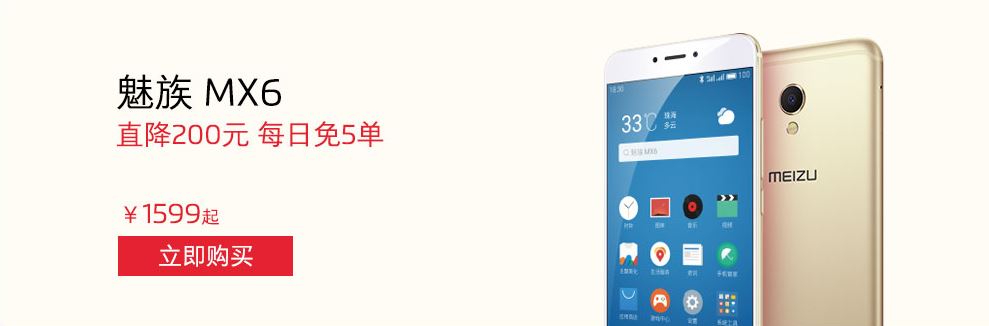
From the announcement, Meizu smartphones which fall among the price reduction include; the Meizu MX6 which got a 200 yuan slash in its price, coming down to 1599 Yuan. The Meizu U10 also got 200 yuan off its price and is now available for just 799 yuan. The Meizu U20 wasn’t left out as it too got 200 yuan off its official price tag and is now up for grab for 899 yuan. The Meizu Metal which was released in 2015 also got a 300-yuan slash in its price, bringing down the price to 699 yuan.
In addition, the highest reduction in price was slammed on the Meizu Metal Gift Box version which had a 400 yuan reduction in its price. The device is also available now for 699 yuan. Considering the designs and initial rice tag of these smartphones, we’d say it is a fair and attractive reduction which should get many buyers interested.
Sales are currently on going and already some color variants of the Meizu smartphones on offer are out of stock.
Over the next three months, Taiwanese smartphone maker HTC is expected to unveil three smartphones. Already, a teased poster had reveal a launch event for an HTC U-series device has been scheduled for January 12.
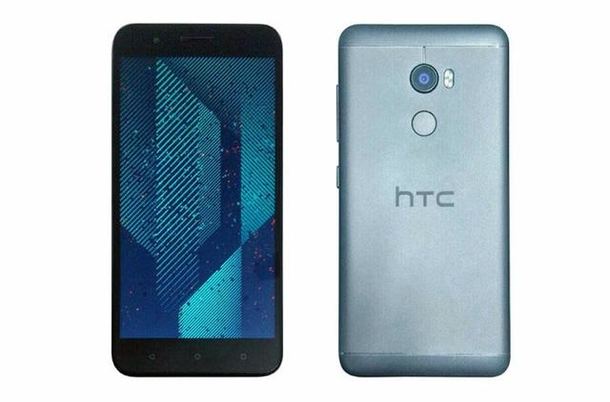
While we are yet to know the right names the devices would launch with, popular tipster and ROM developer @LlabTooFer has leaked the code-names by which the three upcoming HTC smartphones are known. According to a tweet he posted on Twitter, the three devices are code-named HTC Alpine, HTC Ocean Note and HTC E66 which he gave as the HTC One X10.
Earlier leaks have give the HTC Ocean Note as the HTC U Ultra that would be launched on January 12. The top of the pack is likely the HTC Alpine which is identified as the next gen flagship – HTC 11. The HTC One X10 was recently featured in a leaked render and is now identified with the code-name HTC E66.
HTC is going to release devices with following codenames: HTC Alpine, HTC Ocean Note and HTC E66 (HTC X10)…
The HTC U Ultra is rumored to have a 6-inch display and will be available in Black, White and Blue. The phablet will not carry a 3.5mm earphone jack but will use the Type-C USB port. On the other hand, the HTC One X10 is said to feature a 5.5-inch screen. Under the hood is the MediaTek MT6755 SoC with an octa-core 1.9GHz CPU, and the Mali T860 GPU. The rear camera weighs in at 16.3MP with a front facing 7.9MP snapper. Finally, 2017 flagship-type specs are expected for the HTC 11. That means a 5.5-inch screen with a 1440 x 2560 resolution and perhaps the recently unveiled Snapdragon 835 chipset will power the phone.
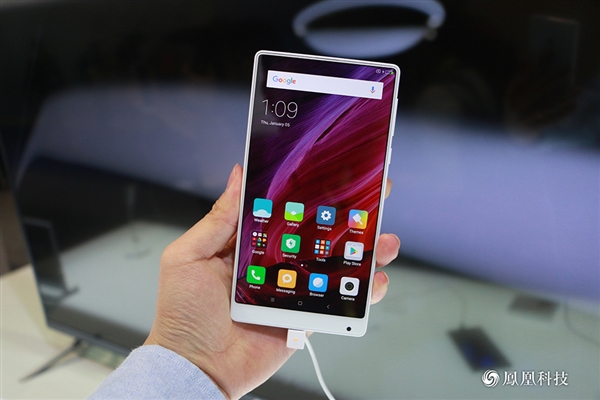
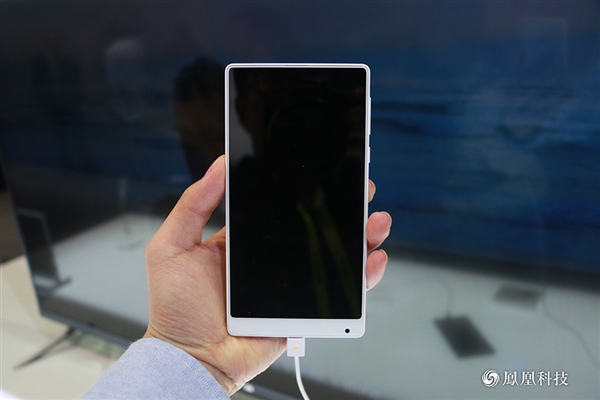
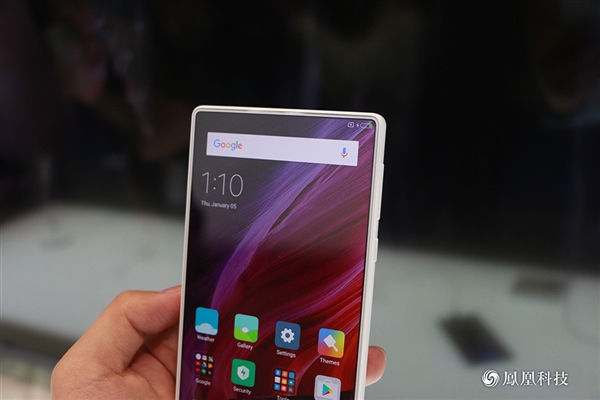
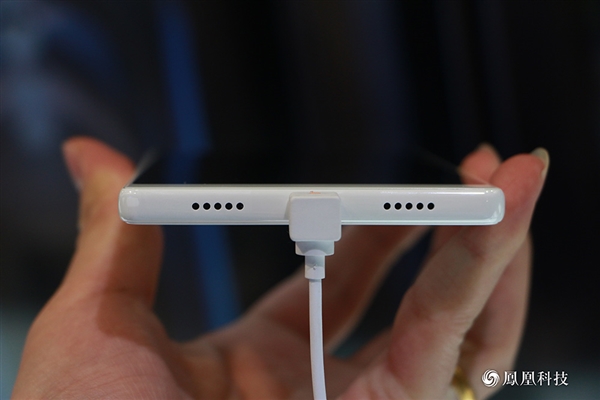
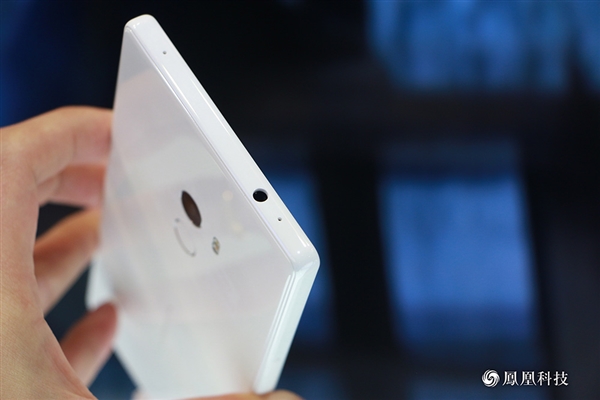
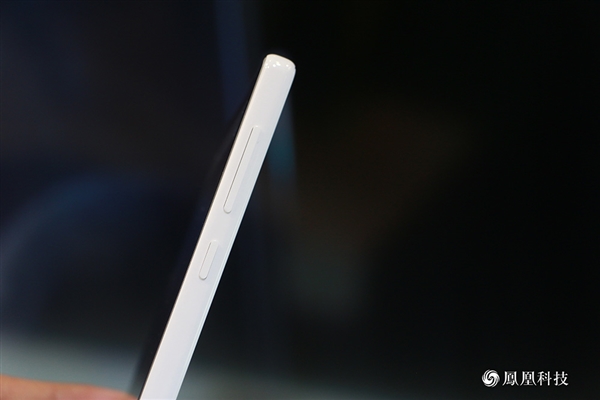
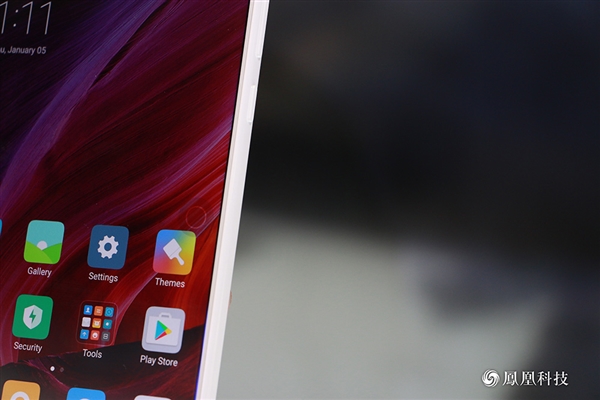
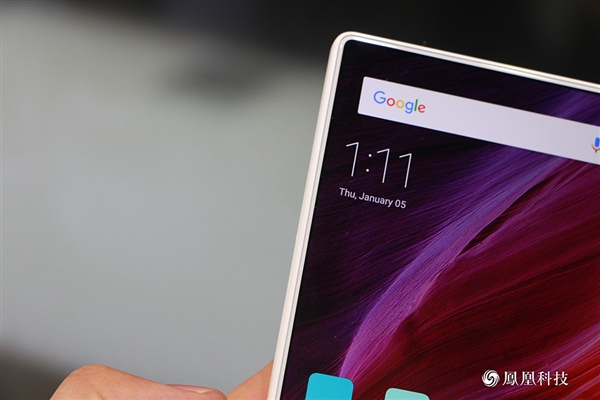
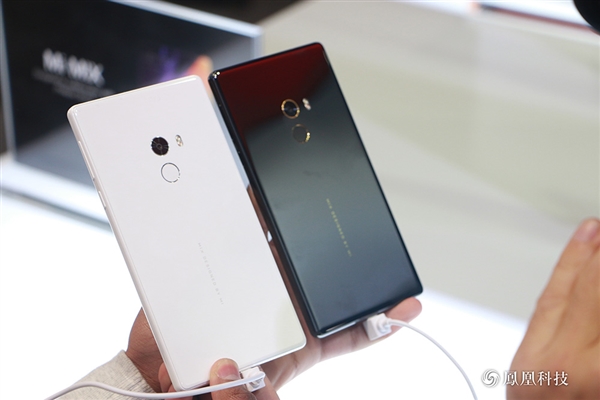
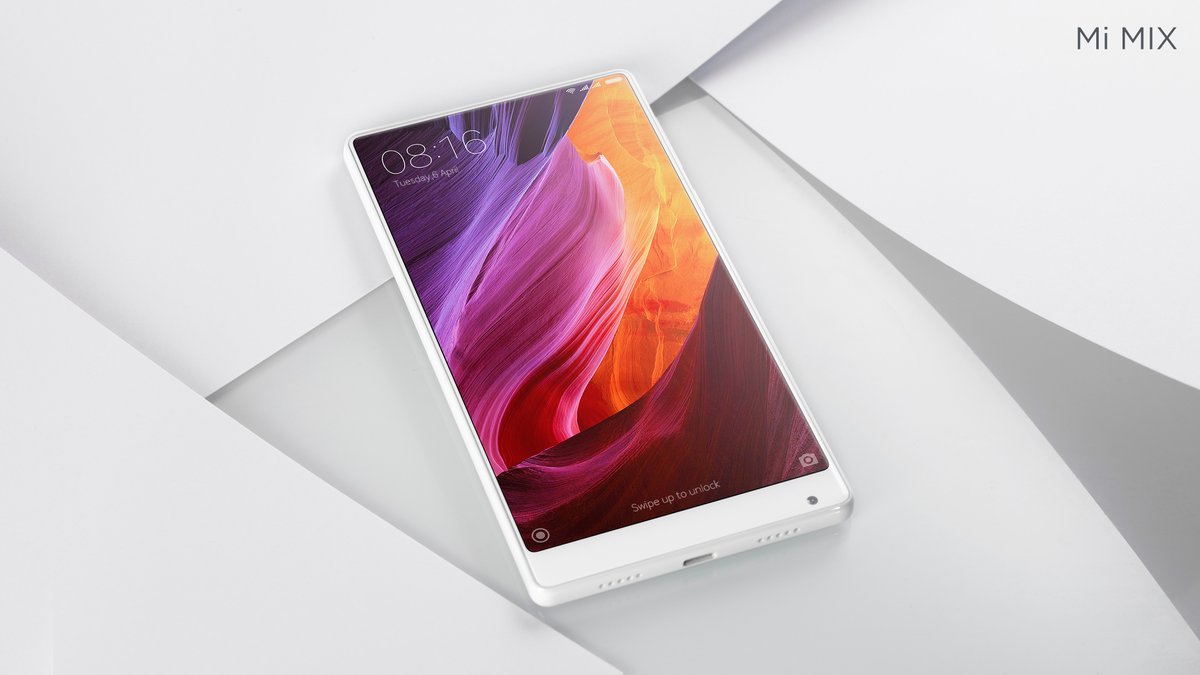
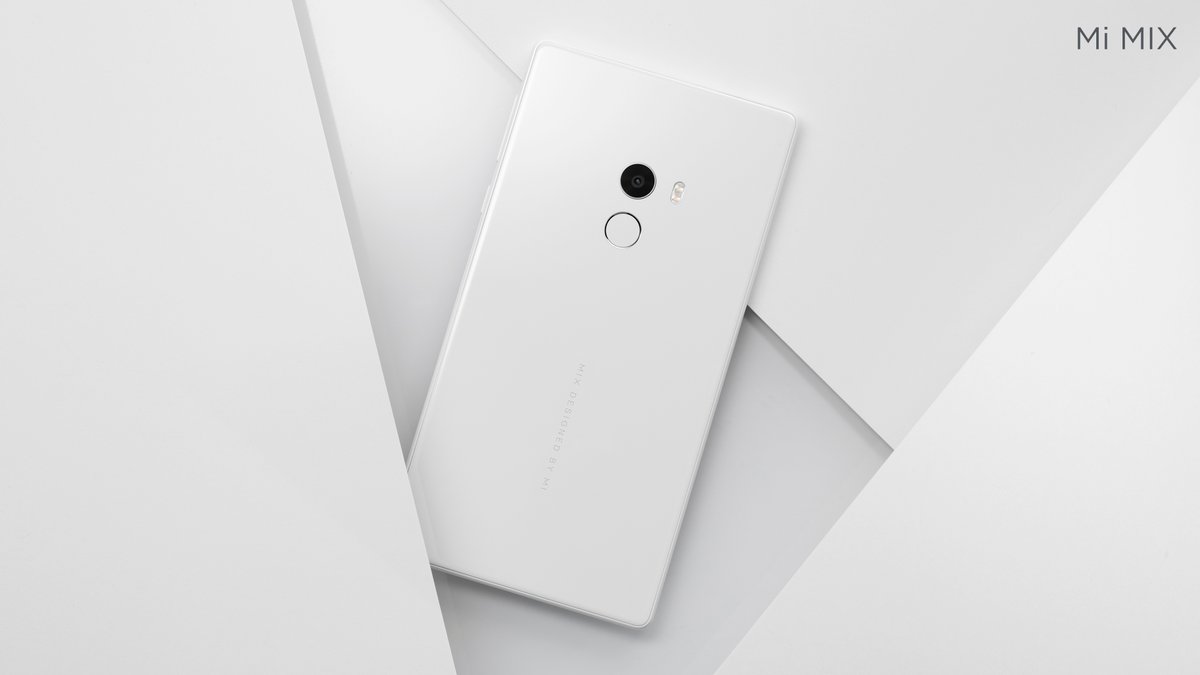
The Xiaomi Mi Mix Pearl White Edition was officially unveiled by Xiaomi today in its maiden conference at CES 2017. The Pearl White edition of its barrier-breaking flagship concept phone takes the centre stage as the first product that the company announced during the presentation which also saw the launch of several other innovative products.
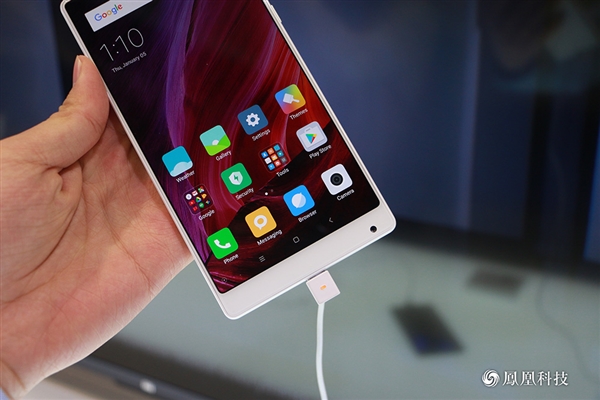
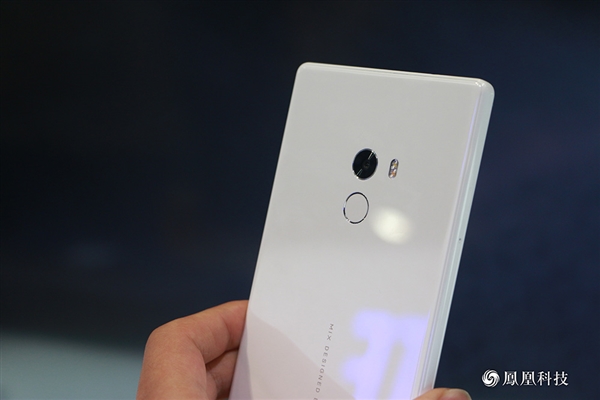
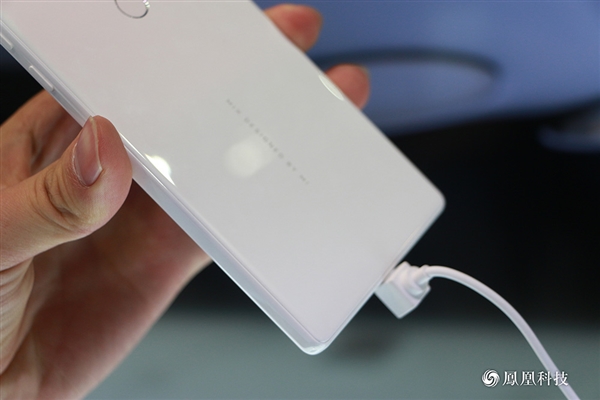
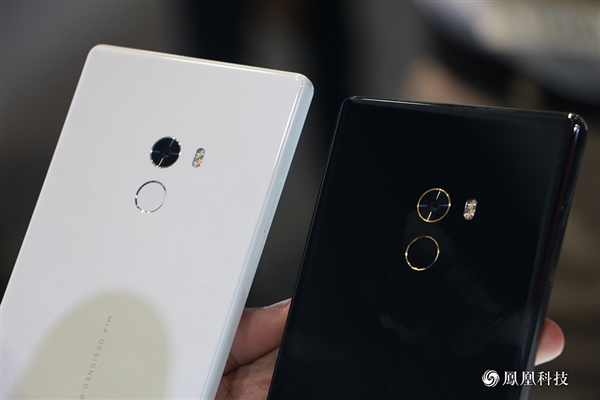
The Mi Mix Pear white edition had been popping in and out of leaked images over the past few months and recently, the company conducted a quick poll to find out which of the color variant was more preferred and indeed the white version came top. It is better understood why many persons would want to go for the Pearl White Edition of the Mi Mix, taking a look at these hands-on images / pictures of the concept device.
Certainly, the design remains the same as on the black colored version but it is not known if the body of this latest edition is made out of Ceramic as well. Sure we wouldn’t mind having an all metal smartphone, as long as it is readily available for purchase. In case you are not aware, the ceramic glass body is fingered for the slow production of the Mi Mix, leading to a huge scarcity of the device.
A launch at CES 2017 means Xiaomi is set to sell the device globally and it would be good to see this go on sale. Perhaps, the Xiaomi Mi Mix Pearl White Edition is just the right spring board to help propel Xiaomi on the international scene. The company also has a great lineup of unique products that could supplement the Mi Mix. Unfortunately Xiaomi was mute about the international availability of the device.
For the avoidance of doubt, the specification didn’t change, this version still features same 6.4-inch FHD display, Snapdragon 821 chip, 4GB/6GB RAM, 128GB / 256GB storage, a 16MP rear camera with EIS that shoots 4K videos, and a rear-mounted fingerprint scanner. There is also a HD audio processor and a 4400mAh battery. Check out more pictures of the sleek and elegant MI Mix in white from down below.
Intel has announced a new gadget called Compute Card at the CES (Consumer Electronics Show) 2017. It is a wonderful device that can prevent appliances from becoming obsolete.
These days there are numerous appliances that come with computing features such as smart TVs and refrigerators. Since technology is always evolving, smart devices tend to go obsolete as newer devices are unveiled.
For instance, a smart TV purchased may become obsolete after a year or two. Moreover, there is no easy way to upgrade such electronic devices. To get a faster TV or to add newer features, users need to invest money in buying a whole new one. Here is where the Intel Compute Card comes into play that saves electronic devices from going obsolete.
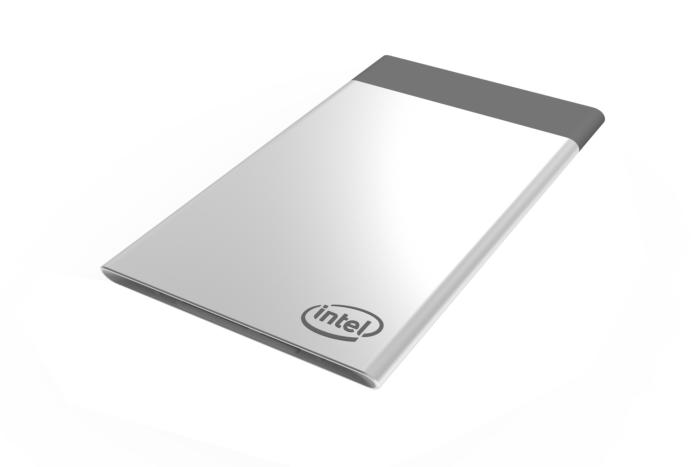
The Intel Compute Card is a credit card sized device that can be easily added to a smart device to upgrade it. The Intel Compute Card is equipped with a motherboard, RAM, storage, Wi-Fi connectivity with flexible I/O options and the 7th generation Intel Kaby Lake processor. Its thickness is only 5 mm.
A smart device that has a slot for Intel Compute Card can be upgraded instantly. It is like a smart card that will only work when it is plugged into a slot of a bigger device. At present, the device is not meant for upgrading PCs. However, it can be used on wide range of devices like refrigerators, smart TVs, CCTV cameras, smart kiosks and IoT gateways.
According to Intel’s press release, “Device makers simply design a standard Intel Compute Card slot into their device and then utilize the best Intel Compute Card for their performance and price needs. This reduces the time and resources needed to design and validate the compute block and helps speed up innovation to bring the power of intelligence into an ever wider range of devices.’
Intel has confirmed that it is working with leading global companies like Dell, HP, Lenovo and Sharp to take advantage of the upgradeability offered by Intel Compute Card. It will be available for purchase with a range of processor variants by mid-2017.
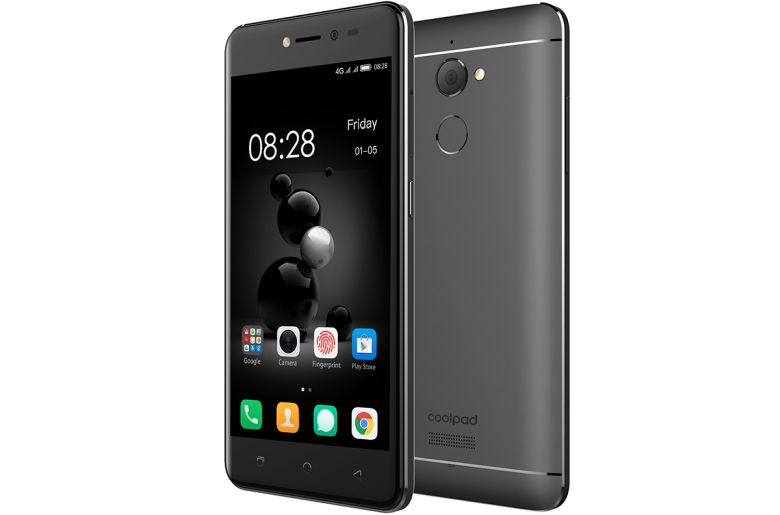
Technically, LeEco owns Coolpad now since they are the majority shareholder in the company, so this can be said to be a LeEco launch of some sort. The unlocked smartphone market in the US is important to manufacturers who are able to grab a share of it. Coolpad has seen the money to be made in that category and has come up with the Coolpad Conjr (pronounced as conjure).
The Conjr has a beautiful aluminium body with a 5-inch 720p display, 3GB of RAM, 16G of storage that can be expanded via a MicrosSD slot, and a 13MP rear camera. There is an 8MP selfie camera with LED flash as well, a rear-mounted fingerprint sensor that can scan wet and dusty fingers, and a rather disappointing MT6735 quad-core processor. The Conjr has LTE band support for AT&T and T-Mobile, dual-SIM slots, a 2500mAh battery, and runs Android 6.0 Marshmallow with Coolpad’s Cool UI 8.0 out of the box.
Faraday Future FF 91 electric car was unveiled ahead of the CES (Consumer Electronics Show), in Las Vegas. There is overwhelming demand for the car as numerous prospective buyers have registered for it.
At the end of the launch event that was backed by LeEco, the tech startup announced that potential buyers could register for it with a deposit amount of $5,000. Faraday Future did not reveal the actual price of the car that is slated to begin shipping in 2018.
Faraday Future has revealed through its official Twitter account that 64,124 customers from across the globe have registered for FF 91 car in less than 36 hours of its launch. The number seems to be quite high considering the fact that the company did not disclose Faraday Future FF 91’s price and release date.
The nearly 70,000 reservation number that the company is talking about includes people who have made free registration as well as others who have registered with deposit money. The company’s tweet that boasts about overwhelming from worldwide customers does not reveal the actual number of people who did free and paid registration.
Faraday Future will give priority access to people who paid $5,000 deposit amount for registration over the ones who have done free registration. Moreover, customers who have done paid registration will also have a chance to purchase FF 91’s limited edition that is named as ‘Alliance.’
Customers who have done free registration do not need to commit anything. Speculations have it that the huge number of customers have registered mainly includes people who have free reservation. However, it is interesting to note that the tech startup has managed to find at least a few customers who have opted for paid registration.
At the launch event CES 2017, Faraday Future had revealed a plenty of information on FF 91 electric car that is built to take on rivals like Tesla Model S and Model X. Rumors have it that the electric car will cost around $150K to $200K
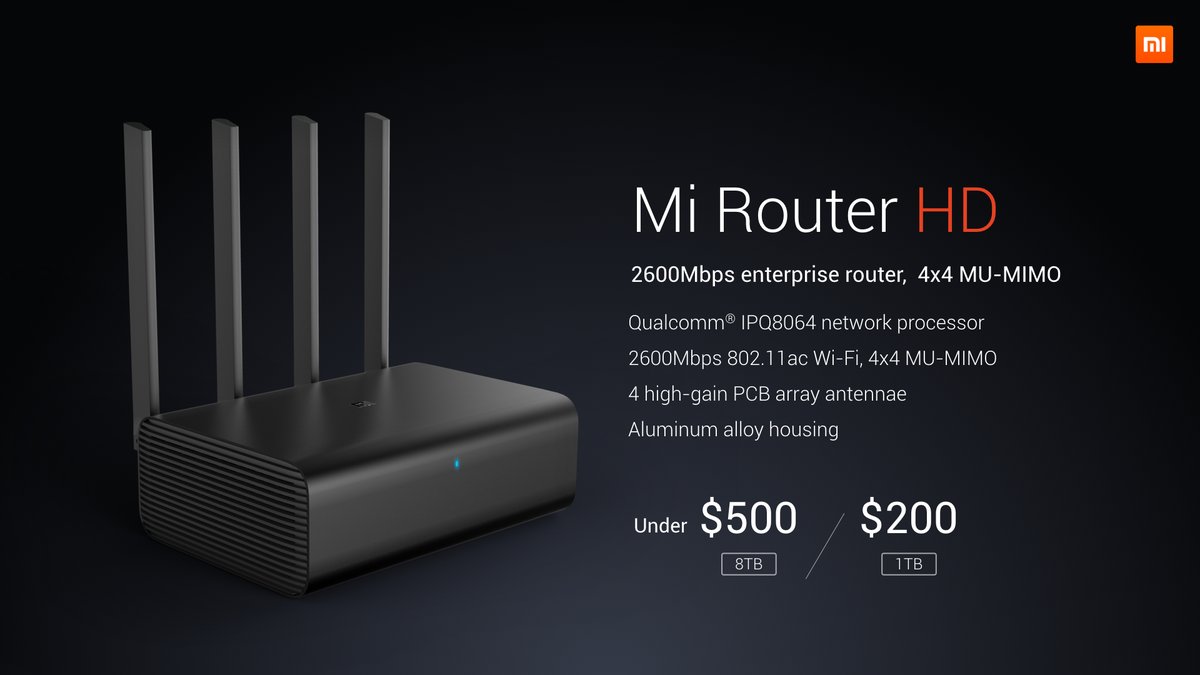
One of Xiaomi’s launch at CES today included a new wireless router called the Mi Router HD. The new router is a huge upgrade to Xiaomi’s previous routers. It sports a new design, color, larger storage capacity and of course a higher price tag.
The Mi Router HD features a black aluminium alloy housing and sports 4 high-gain PCB antenna array (double that of the last model released back in 2015). The router has a Qualcomm IPQ8064 network processor and can reach up to 2600Mbps transfer speeds. Xiaomi has also increased the hard drive capacity to 8TB but if you don’t require that much space, you can settle for the 1TB model.
The Mi Router HD can now sync with Dropbox and keep a copy of your files for easy access. You can also pair it with your Sonos audio system for local audio playback. Xiaomi says more features will be rolled out for the router later.
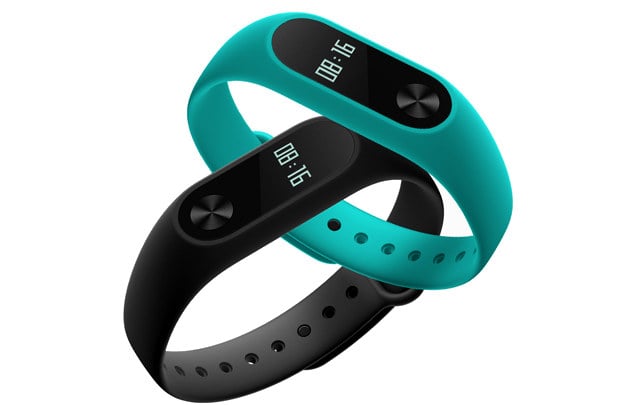
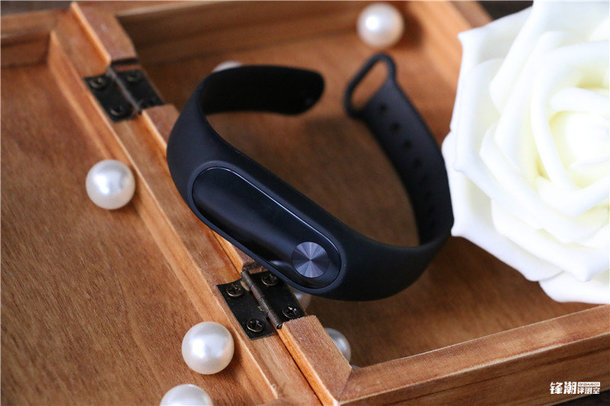
Xiaomi launched the Mi Band 2 sometime in June last year and it has been a well received product. The company even ran out of stock severally as a result of the huge demand for the smart wearable. There have been a few reports of defects on the latest wearable by consumer and one of such complaints is the heart rate monitor on the Xiaomi Mi Band 2 doesn’t work of persons with dark skin color.
This complaint was spotted in a thread on the MIUI forum. The thread was created in October last year with the title “Mi Band 2 Heart Rate measure not working on Black People“. The thread has garnered a lot of comments from users of the smart band who seem to have similar problem using the Mi band 2. Some of them even acknowledged that when the palm is put under the sensor, it reads the heart rate perfectly. One respondent claimed placing a white piece of paper in between his skin and the sensor was his own quick fix to solving the issue.
Sure, this isn’t a willful anomaly from Xiaomi or Huami who manufactures the smart band, but is perhaps a software glitch or something. It is very likely it is a software issue as one of the users complained that his own started when he update dthe firmware, while another user claimed his own stopped after updating to the latest firmware version for the Smart band.
Xiaomi has acknowledge that it is aware about the issue and is probably working towards fixing it. Xiaomi Mi Band 2 isn’t the first wearable to be reported with such problem, though, when Microsoft first launched it Kinect in 2010, similar problem propped up on people with dark skin.
Xiaomi just concluded its CES presentation and the first product it unveiled was the white variant of its concept bezel-less phone, the Xiaomi Mi MIX.
Over the past couple of weeks we had heard rumors and seen leaked images of a white variant of the Xiaomi Mi MIX but tonight’s launch was the confirmation we needed.
Sources had said the white variant was going to use a different material other than ceramic since there is a long and difficult production process involved in crafting the body but surprisingly, this version is also made out of ceramic. So it is either Xiaomi has solved the production issue or it wants to stick to ceramic.
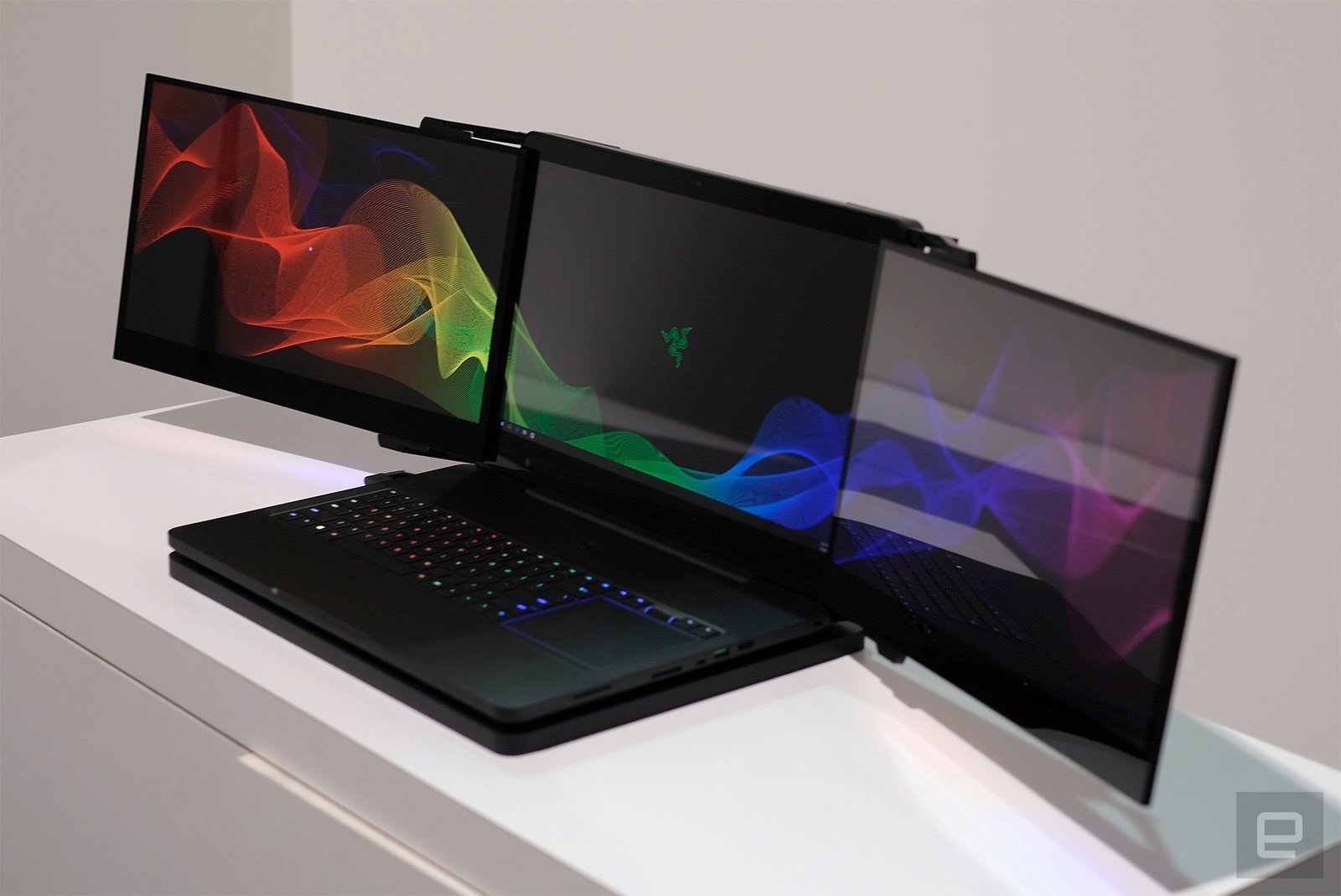
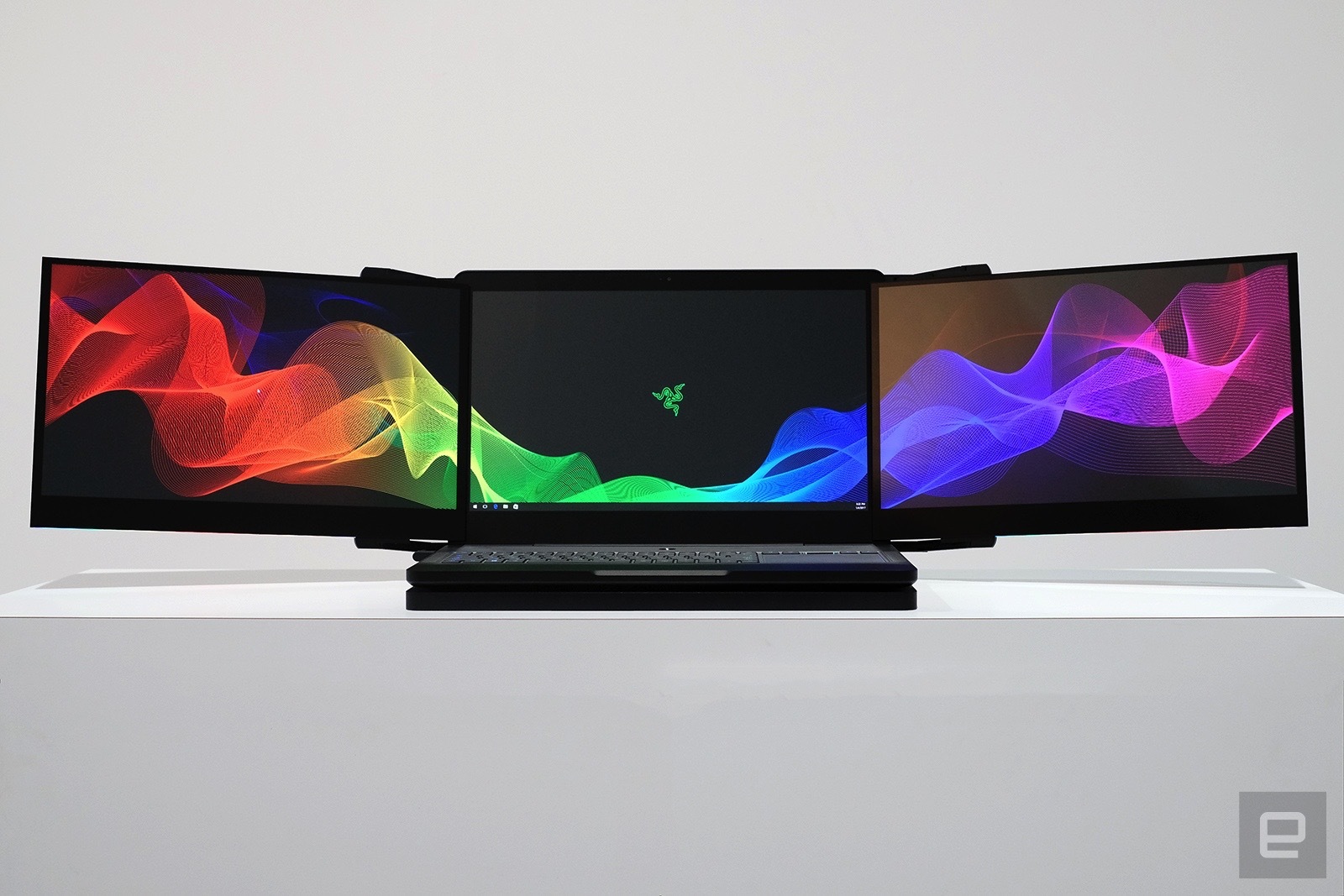
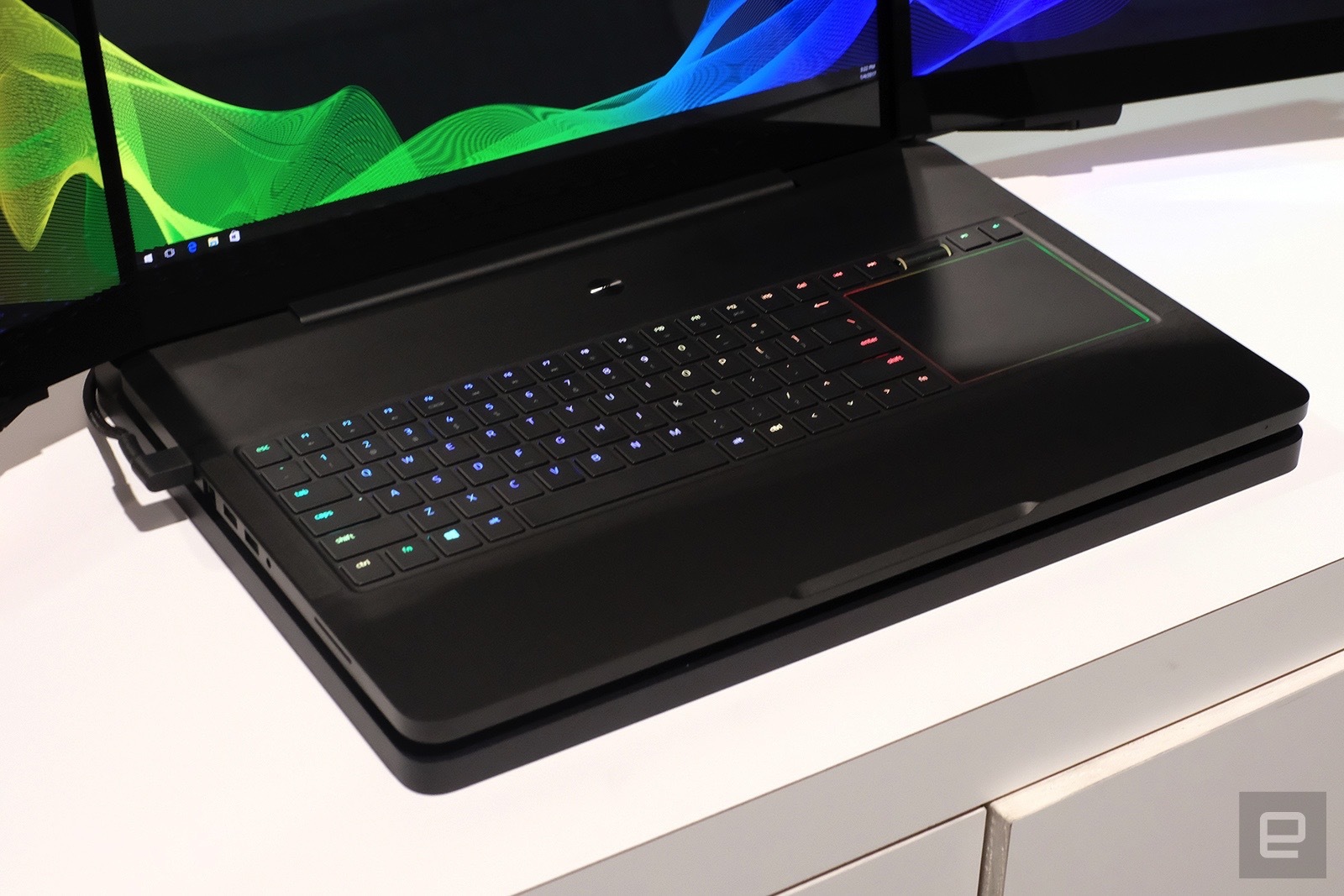
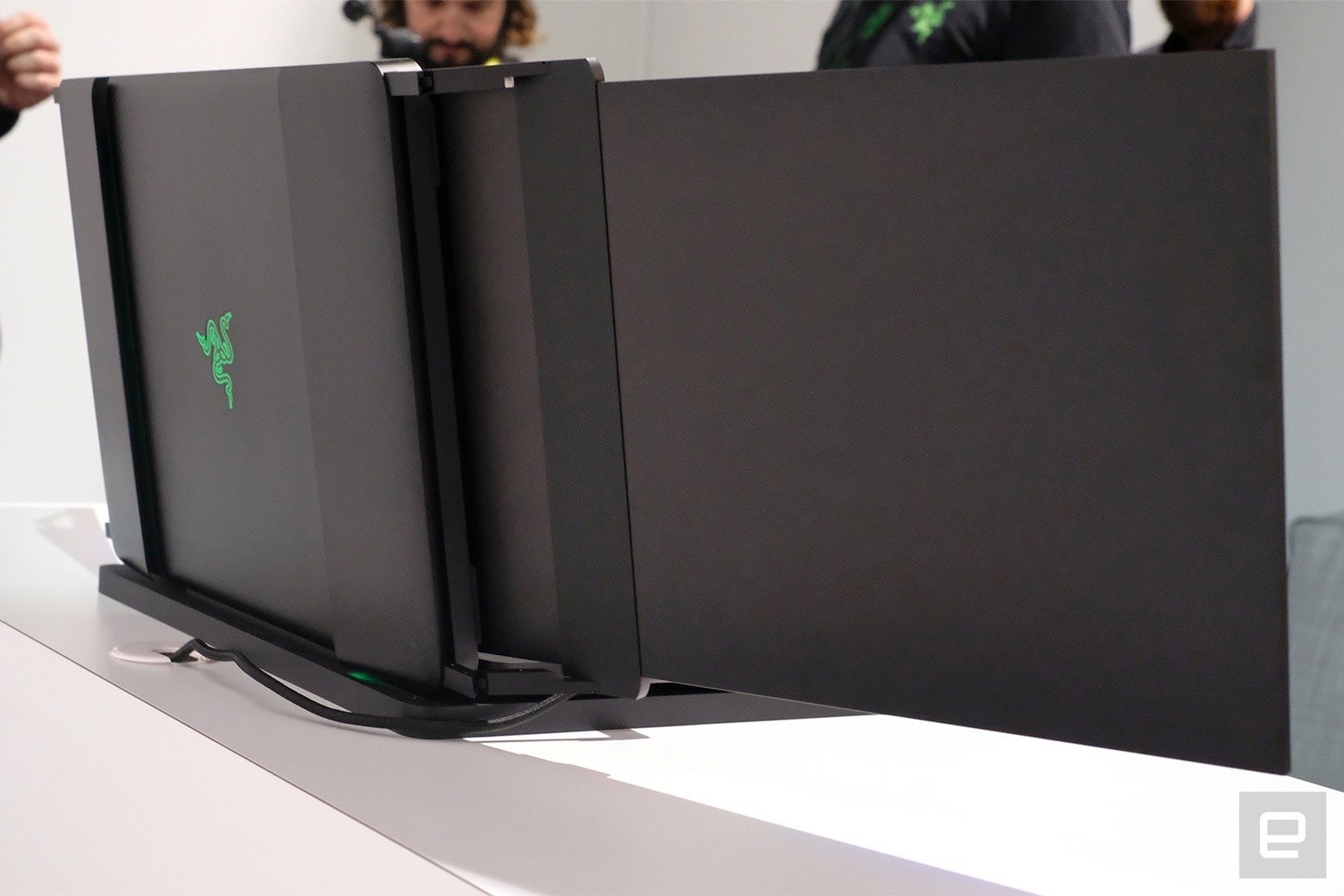
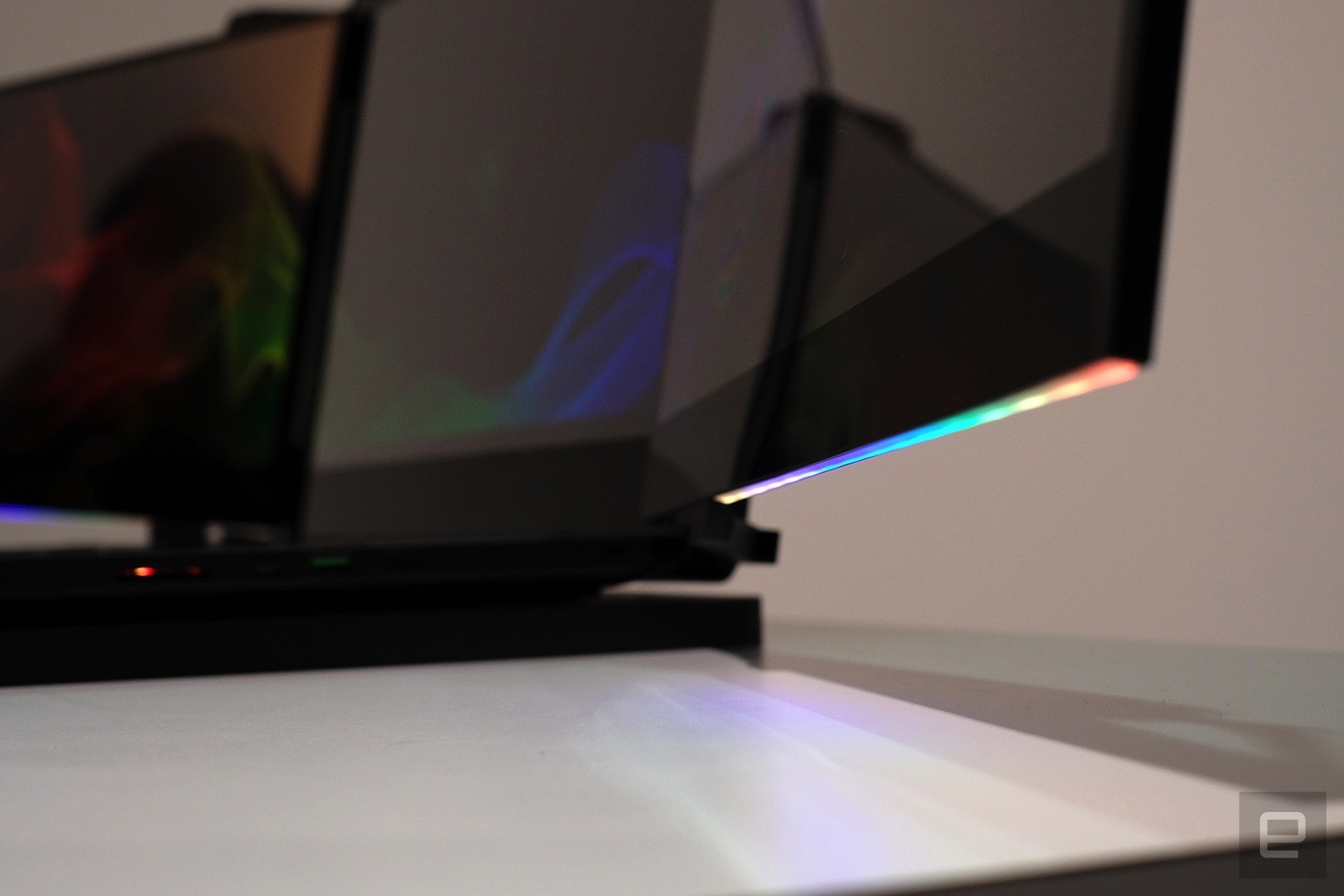
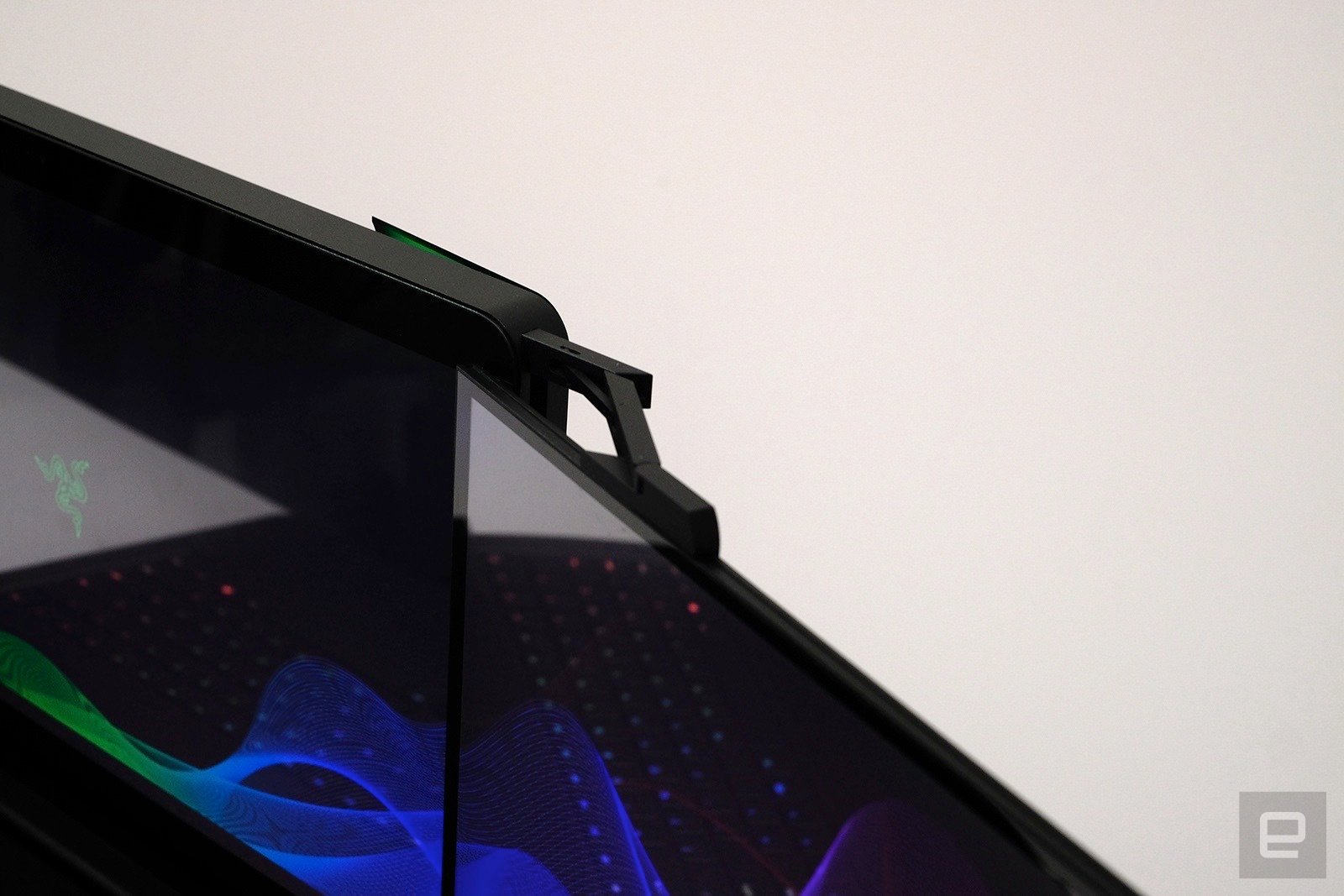
Razer has garnered a reputation for developing gaming laptops and they are not new to making headlines at CES. The company has today announced a new concept laptop that it tagged Project Valerie. This new concept laptop is unique not just for its sturdy hardware but for the fact that it comes with not one, not two but three displays.
The Project Valerie may likely tow the line of Project Fiona, its earlier concept laptop that later came out as Razer Edge. As for the specs and hardware, each of the three displays measures 17.3 inches in size and they all have 4K resolution each. The two side displays retract and deploy from behind the central display automatically and they align side by side to create a 180-degree viewing area. The implication of this is that they all don’t show one image unlike other display connections. Rather you get a continuous display as if it’s all on one display.
This awesome ability is powered by NVIDIA’s Surround View technology, which enables programs to spread a single image across multiple monitors. Also there are no issues of wires clogging up as the screens retract and deploy because all the wiring are internal.
Curiously, Razer left much to our imagination as they didn’t disclose much about the specs like the processor, GPU and memory. They did disclose, though, that the Project Valerie uses an all-aluminum case and Razer’s short-throw keyboard suitable for hard core gaming. Also the device has a hardware lineup suited to meet the requirements for using HTC Vive and Oculus Rift with it. As stated earlier, Project Valerie is a concept gadget and so may not see the light of day, just like many products that would be unveiled at CES 2017. Except the product is received with los of enthusiasm and backing, then we might just see the device materializing into a consumer product.
For the first time, Xiaomi was present at CES today held in Las Vegas. This was naturally a big milestone for the company as well as its fans and a big platform for the Chinese smartphone company to announce new products. As expected, the Xiaomi Mi Mix did get a white version, which to be precise is a pearl white version. But along with this new color, Xiaomi announced two new products, the Xiaomi Mi TV 4 and the Xiaomi Mi Router HD. Here we talk about the brand new and interesting Mi TV 4.
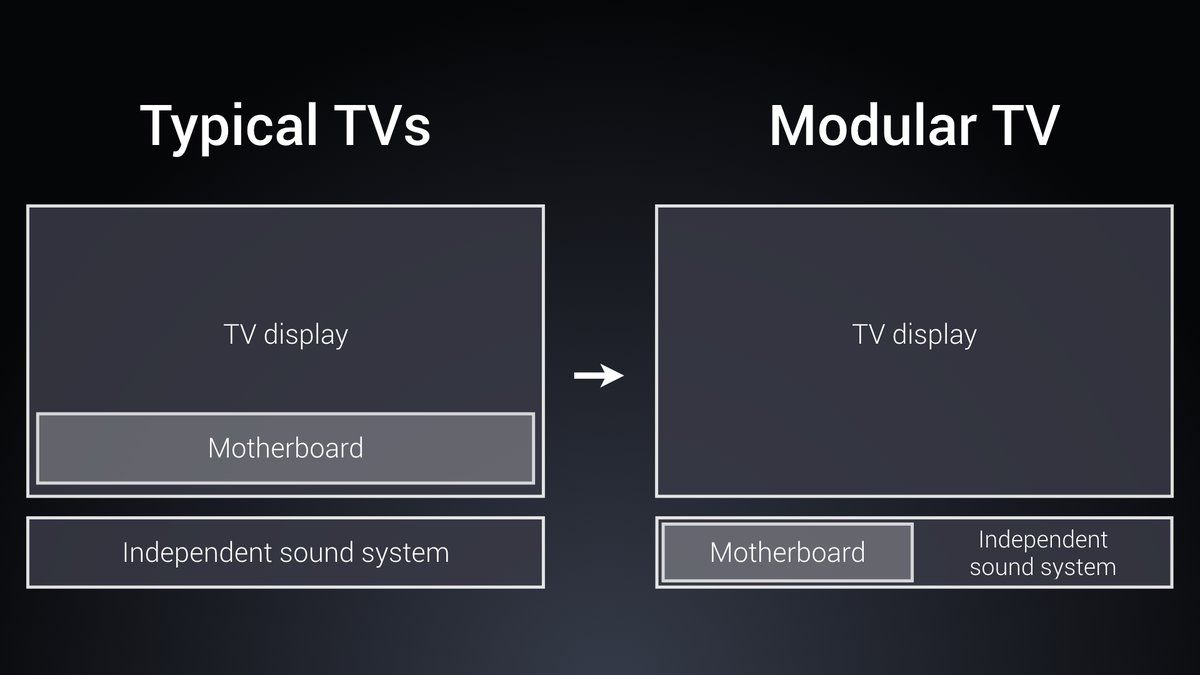
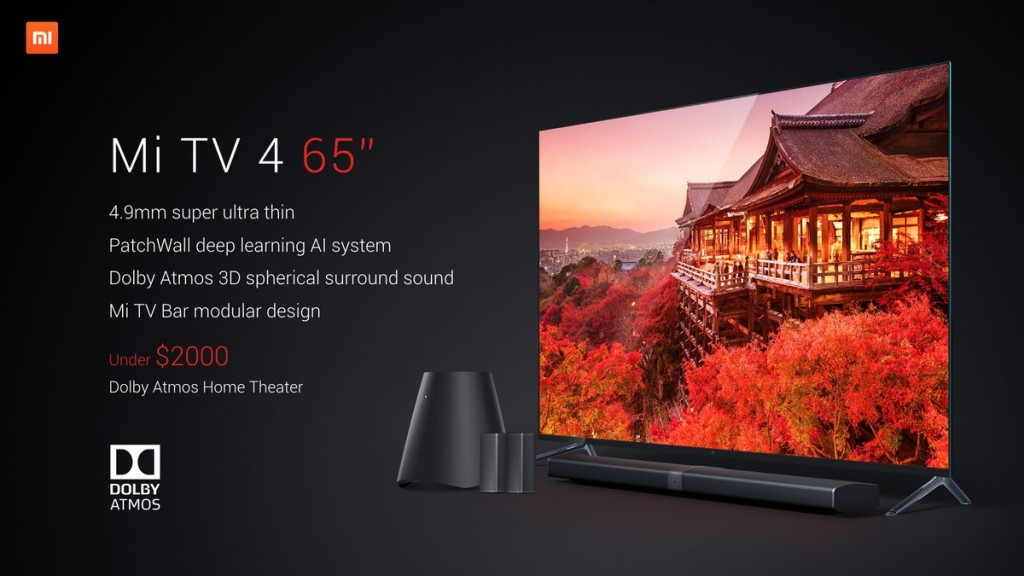
First of all, continuing with its tradition, the 65-inch Xiaomi Mi TV 4 will feature a modular design. So, the motherboard, sound system, and the large display are three separate components which can be replaced separately. This is indeed an innovative design making sure that you don’t have to shell out a lot of money to upgrade your smart TV. Just replacing the motherboard with a smarter one is enough to bring your TV up to date.
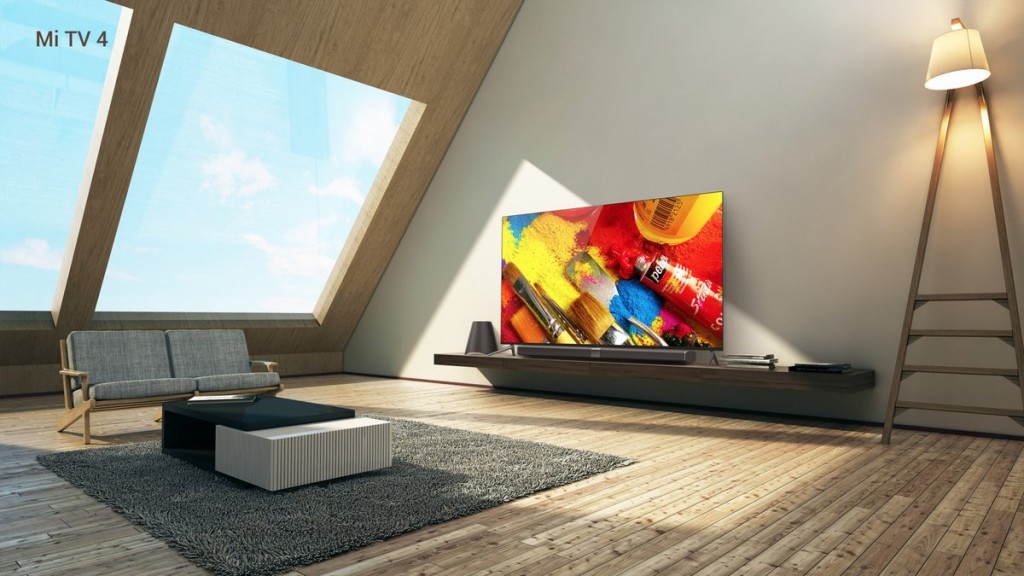
But we have already seen modular TV’s from Xiaomi before. What’s really interesting about the Mi TV 4 is its super sleek metal body. The TV comes with a 4.9mm body, that’s thinner than most of the smartphones that are in the market. Its sleek metal body looks elegant in the pictures and even in real life (the TV was shown off during the event). But just being sleek is not enough, so Xiaomi decided to make the TV frameless as well. The combination of a sleek body and a frameless display indeed makes it very beautiful. The company has even thought about those who don’t want to fix the TV onto a wall. The Mi TV 4 comes with a transparent stand to blend well with the background for unobtrusive viewing.
Then there’s the Patchwall software, which is a deep learning AI system embedded right into the TV’s OS. What this basically does is give out the most relevant suggestions for you. Different users will get different suggestions based on their likes and dislikes and Hugo Barra even went on to say “it’s a substantial improvement over any current content UI”. Some of the highlighted features of software include smart sizing i.e. the size of the recommendation tile will be based on its level of relevancy, infinite recommendations scrolling etc.
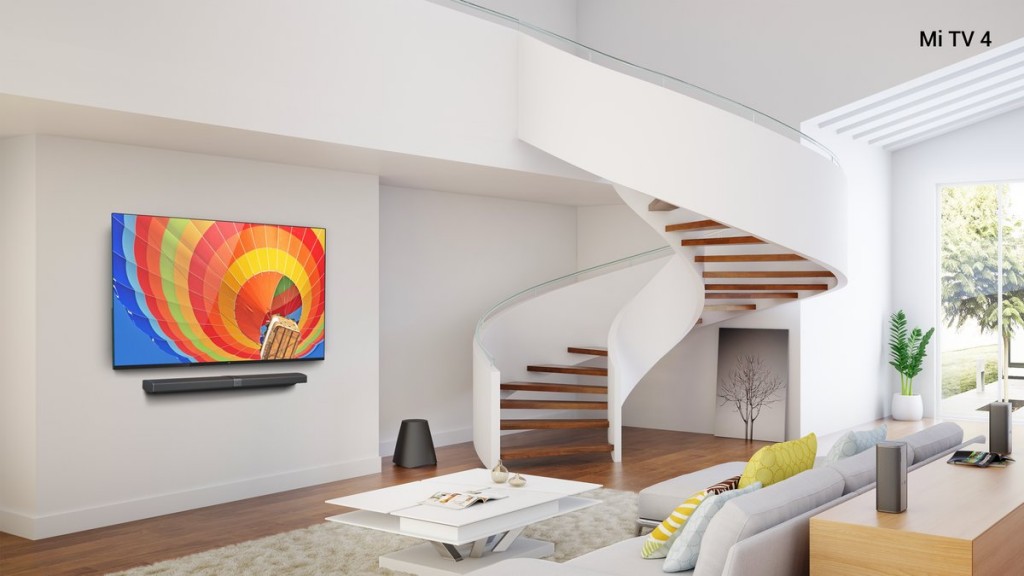
For sound, the Mi TV 4 comes with 10 speakers right inside the Mi TV Bar, 2 other satellite speakers, and a subwoofer. It is also the first Xiaomi TV to come with the Dolby Atmos Sound support.
All this for under $2000, which is an impressive price tag. There are two other sizes available, 49-inch and 55-inch.
Now is the time to reveal its release date and shipping details. This is the funny part. Xiaomi announced and showed its new Mi TV 4 in Las Vegas today, but it didn’t mention any details about its shipping in the US. It’s confirmed to be coming to China later this year, but for fans who were waiting for a US launch of a major Xiaomi product, their wait continues….
Check out a couple more pictures of the Mi TV 4 below.
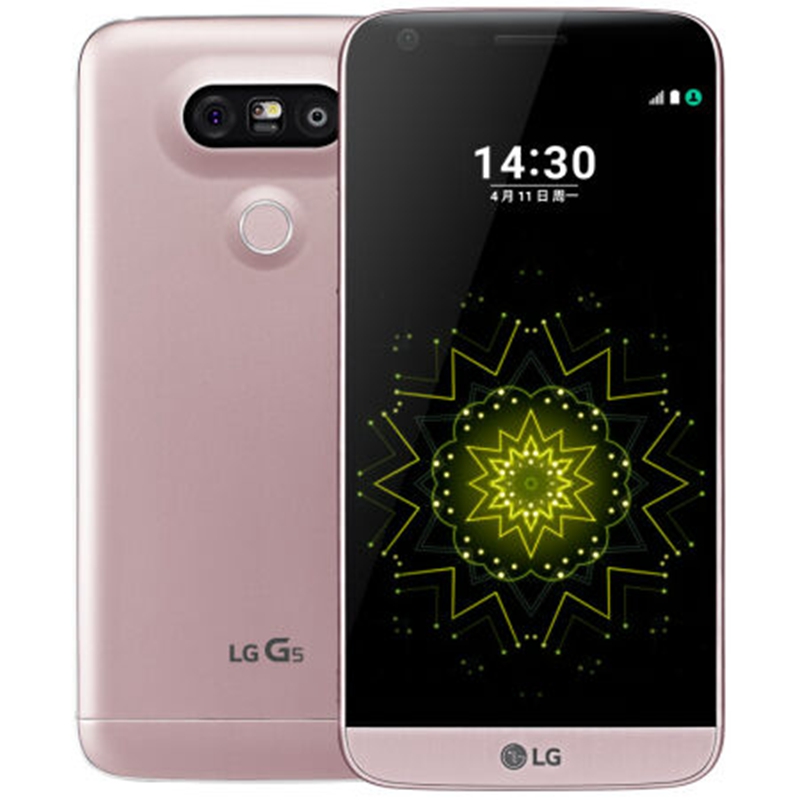
When LG launched the G5 last year, it released a couple of accessories it called the LG G5 Friends. Two of the G5 Friends the CAM Plus and Hi-Fi Plus with B&O Play are actually modules which you can add to your phone to expand its functionality. The LG G5 can be said to be the first major phone to take a stab at modularity and sadly it failed terribly. LG has learnt it’s lesson and will not be repeating that mistake with the LG G6.
According to a LG spokesman, the Korean company will be ”scaling back the modularity” for it’s next flagship which is launching this year. Feedback from users about the company’s take on modularity has prompted it to make this decision and sincerely it’s in the best interest if they do not want their sales to drop further.
LG will instead focus on the overall design of G6. Some of the rumors we have heard about the upcoming phone include it sporting a unibody design with a non-removable battery and the retaining of the 3.5mm audio jack.
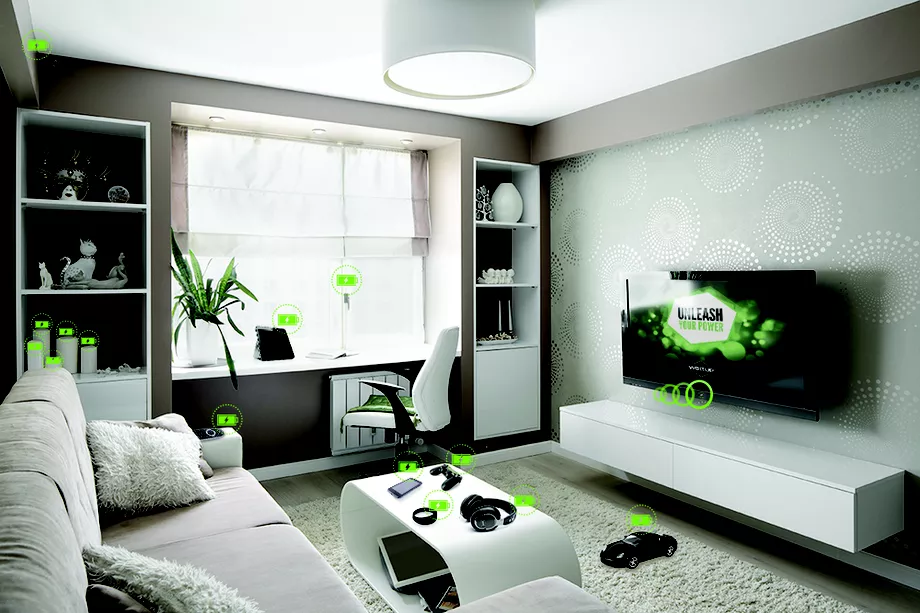
We all love to have our gadgets work for us whenever we need them but these batteries that can’t last forever just won’t allow us do that. Again, using a charging cable to fuel up the battery also pose its own challenge, most especially limiting our movement to a particular radius if you actually want to keep it charging and still operating the gadget. That is where wireless charging comes in handy, but we still haven’t got a truly wireless charging device that can charge multiple gadgets all at the same time and don’t need any wire at all or charging pad.
US-based tech company Energous had promised to make its truly wireless charging device dubbed WattUp wire-free charging technology that would charge all our gadgets but that promise is yet to materialize till now. However, Energous CEO Steve Rizzone, in a phone call to Verge ahead of CES, has reaffirmed that the wireless charging transmitters is still in the works and that it might start shipping by the end of 2017.
The charging transmitter was first unveiled at CES 2015 and was supposed to ship that same year, but according to the CEO, Energous signed a “key strategic partnership” just a month after the convention, leading to a renewed focus on miniaturizing the technology before shipping it. The partnership gave Energous’ mystery partner the right to be the first to ship its charging technology inside of phones, laptops, tablets, and certain wearables and accessories, so Energous’ initial plan for battery phone cases had to be put on hold.
There are speculations that the mystery partner is Apple and even though Energous is yet to disclose the identity of its partner, the CEO lent credence to the speculations by hinting that the partnership is with “one of the largest consumer electronic companies in the world. I cannot tell you who it is, but I can virtual guarantee that you have products from this company on your person, sitting on your desk, or at home.”
If truly Apple is the key partner, then chances are that we might really be seeing the WattUp Wire-Free charging technology before the end of this year. Don’t jump up for joy just yet, the technology still has a long way to go before it get wider accessibility. First, devices have got to support the technology and then there will be a transmitter that would be installed in every home or office where the devices can then be connected to the transmitter. Moreover, the company has said it isn’t manufacturing any of the gadgets itself rather it will sell the radios and technology to companies that are interested in having them in their own gadgets, transmitters, or charging pads. So, it is still doubtful whether we’ll see devices charging wirelessly this year. Perhaps, its is still a technology for the future?
We use cookies on our website to give you the most relevant experience by remembering your preferences and repeat visits. By clicking “Accept”, you consent to the use of ALL the cookies.
This website uses cookies to improve your experience while you navigate through the website. Out of these, the cookies that are categorized as necessary are stored on your browser as they are essential for the working of basic functionalities of the website. We also use third-party cookies that help us analyze and understand how you use this website. These cookies will be stored in your browser only with your consent. You also have the option to opt-out of these cookies. But opting out of some of these cookies may affect your browsing experience.
Necessary cookies are absolutely essential for the website to function properly. This category only includes cookies that ensures basic functionalities and security features of the website. These cookies do not store any personal information.
Any cookies that may not be particularly necessary for the website to function and is used specifically to collect user personal data via analytics, ads, other embedded contents are termed as non-necessary cookies. It is mandatory to procure user consent prior to running these cookies on your website.