The Samsung Galaxy C5 Pro release date is drawing near. The handset has been by certified by TENAA certification body from China. It seems that the smartphone will be made official on the rumored launch date of Jan. 21.
Samsung Galaxy C5 Pro Specs
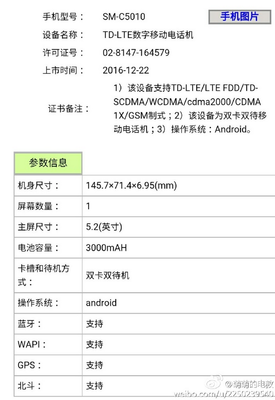
The Samsung Galaxy C5 was announced in May this year and the South Korean is soon going to announce C5 Pro as an upgraded edition of the original C5. According to TENAA listing, the C5 Pro carries a model number of SM-C5010. The specifications of C5 Pro have also surfaced through TENAA listing.
The Galaxy C5 Pro is expected to feature a full HD resolution supporting 5.2-inch display like its predecessor. The C5 features a Snapdragon 617 chipset under its hood. On the other side, the newer C5 Pro will be equipped with a Snapdragon 626 SoC that has an octa-core processor and Adreno 504 graphics.
The chipset of Galaxy C5 Pro is rumored to be supported by 4 GB of RAM. It is expected to come with a native storage of 64 GB. Its rear is speculated to be flanked with 16-megapixel camera.
The device is expected to run on Android 6.0.1 Marshmallow. A 3,000 mAh battery is rumored to power the device.
As far as design is concerned, the smartphone is speculated to arrive with a slim profile of 6.5 mm thickness. It is rumored to measure 145.7 x 71.4 mm. Leaked photos suggest that there are no antenna bands on the device, but they have been replaced by antenna slots at the rear side on the top and bottom.
The Samsung Galaxy C7 Pro is also slated to get unveiled on Jan. 21 alongside Galaxy C5 Pro. Its arrival also seems imminent as it has received TENAA and FCC (for the U.S.) certifications.
It is expected to feature a 5.7-inch full HD display, a Snapdragon 626 chipset supported by 4 GB of RAM. Other specs include 64 GB native storage, 16-megapixel rear camera, 16-megapixel selfie camera, Android 6.0.1 Marshmallow OS and 3,300 mAh battery. It will be arriving to succeed Galaxy C7 that was also unveiled in May 2016.
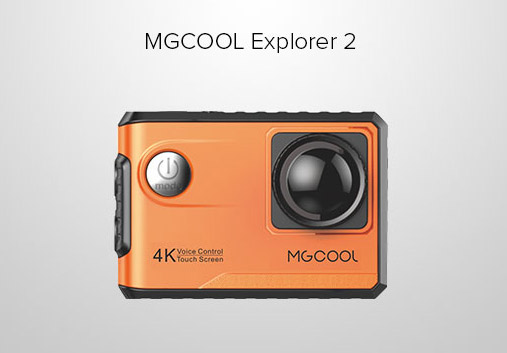
After some huge leaks, MGCOOL has finally taken the wraps off its new Explorer 2 and announced that the Explorer 2 will support 4K H.265/HEVC recording.
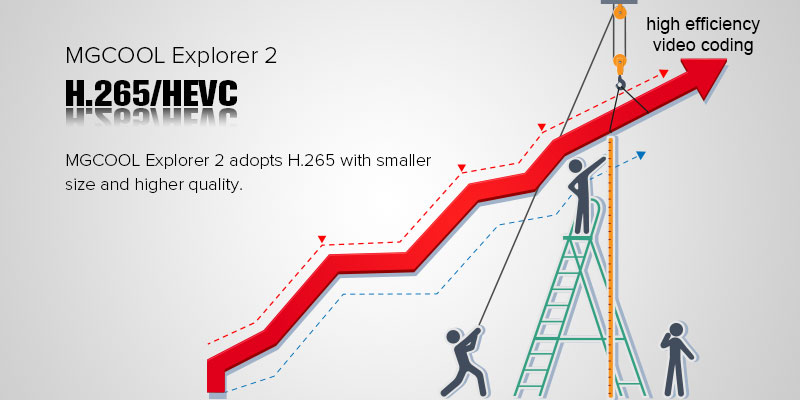
With the smaller size and higher quality, H.265/HEVC codec has become more and more popular codec used by more camcorder brands, like GoPro Hero 5.
What is H.265 codec?
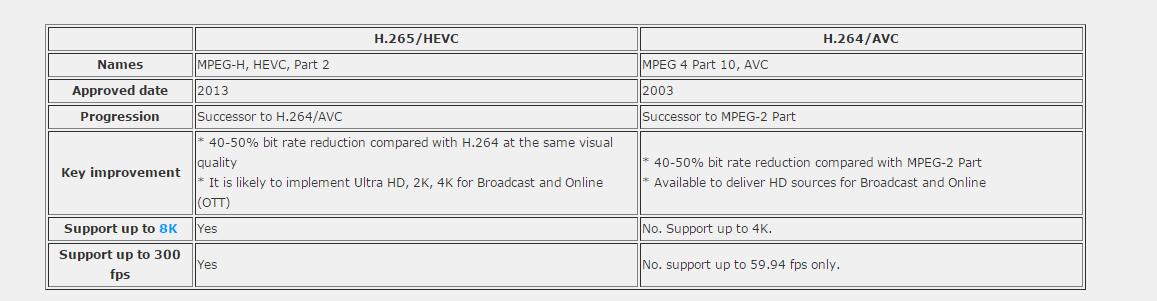
H.265, whose full name is High Efficiency Video Coding, is a new video coding standard that specifies how to decode video, which is the successor to Advanced Video Coding (AVC), also known as H.264.
It is developed by the Joint Collaborative Team on Video Coding (JCT-VC), and the first version of the standard was completed, approved, and published in 2013. The second version was completed and approved in 2014 and published in early 2015, and includes format range extensions, scalable coding extensions (SHVC), and multi-view extensions (MV-HEVC).
Advantages of H.265 Codec
As data-intensive as HD is, 4K is even worse.HEVC’s main advantage over H.264/AVC is that it offers roughly double the compression ratio for the similar quality, though compression efficiency results vary depending on the type of content and the encoder settings, at typical consumer video distribution bit rates. This means that a video file encoded with HEVC can occupy half the storage space of its H.264 equivalent with no noticeable change in quality.
Moreover, when compressed to the same file size or bit rate as H.264, H.265 delivers significantly better visual quality. Sounds pretty good, isn’t it?
Now we know well that how is H.265 superior to H.264. Without doubt, Explorer 2 will offer its users with better experience by reducing file size with original quality being remained.
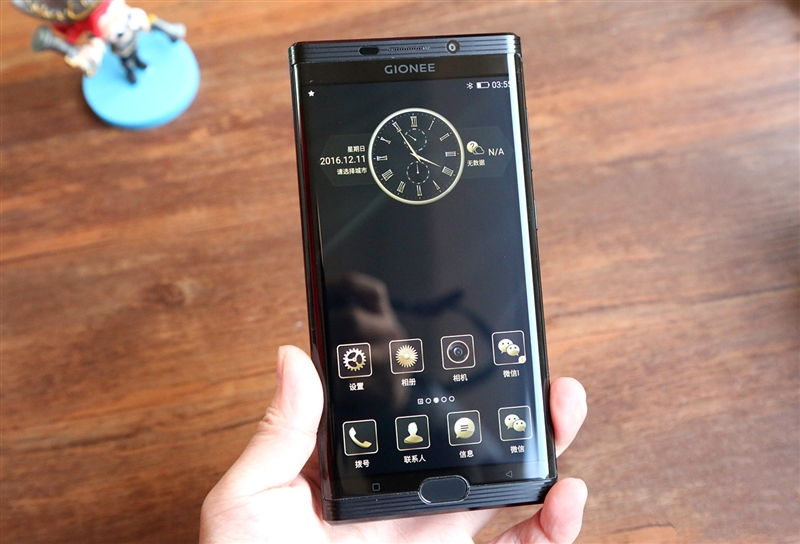
The holiday spirit is still in the air but we doubt the staff at Gionee had time to celebrate at all as the company just announced its new phone, the Gionee M2017.
While the name might have hinted at it being launched next year, Gionee decided to take off the wraps on this new device just a few days before the end of 2016. The Gionee M2017 has been in the news for a while and has generated much buzz for its unique design. Now that the phone is official, lets take a look at its specs.
Gionee M2017 Specifications
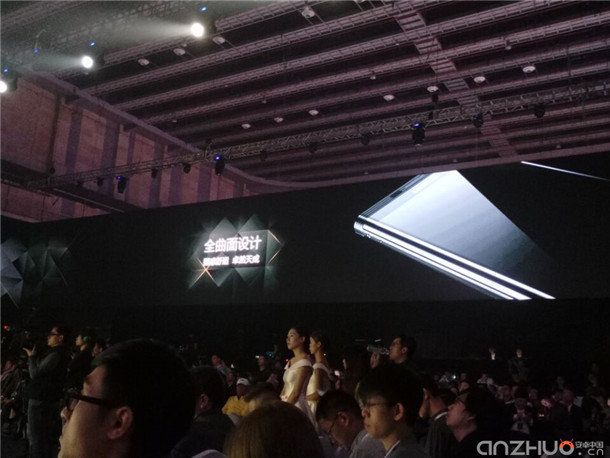
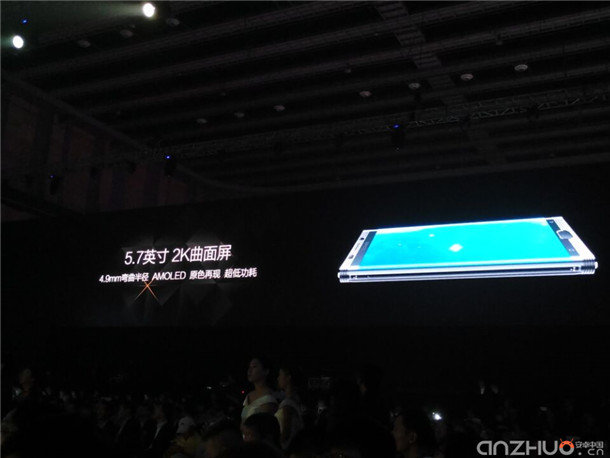
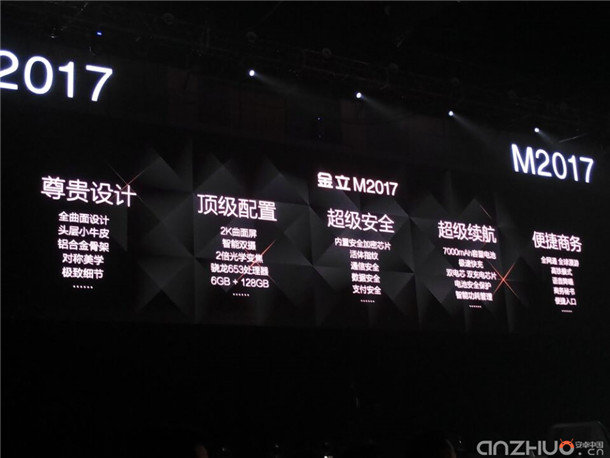
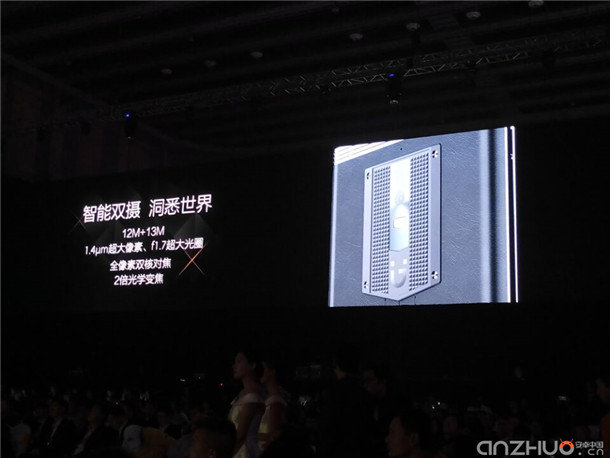
The Gionee M2017 sports a 5.7-inch dual-curved AMOLED 2K display, a snapdragon 653 processor clocked at 1.95GHz, 6GB of RAM and 128GB/256GB of storage. There is a dual-camera setup on the back consisting of a 12MP and 13MP sensor with optical zoom. The cameras have a focus speed of 0.03 seconds and also have quick focus under dim light.
The primary camera in front is an 8MP sensor and there is a fingerprint scanner up in front.
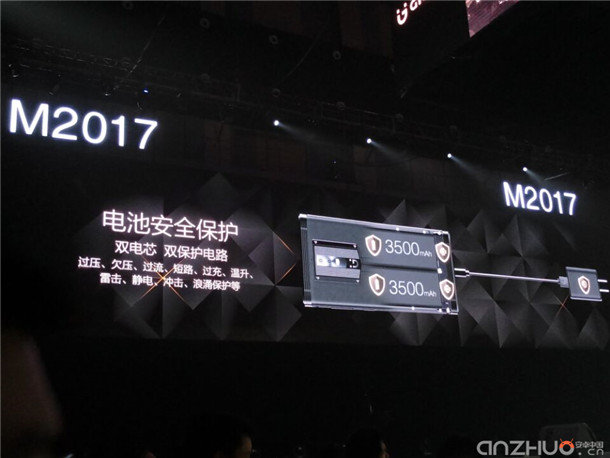
The rumors are true. The Gionee M2017 does come with a 7000mAh battery. Gionee says the 7000mAh (700Wh/L battery density) battery is actually two 3500mAh batteries that are connected in parallel in order to reduce the charging temperature and increase safety. The Gionee M2017 supports 24W fast charging with up to 12 charging protection measures and can in turn be used to charge other devices.
There is a dedicated security chip in the Gionee M2017 that protects user data using hardware encryption. Data stored on the chip can’t be accessed via brute-force or reverse-decryption as the files will self destruct when the chip is accessed via any of the above means. The chip also encrypts calls, messages, and payment verification.
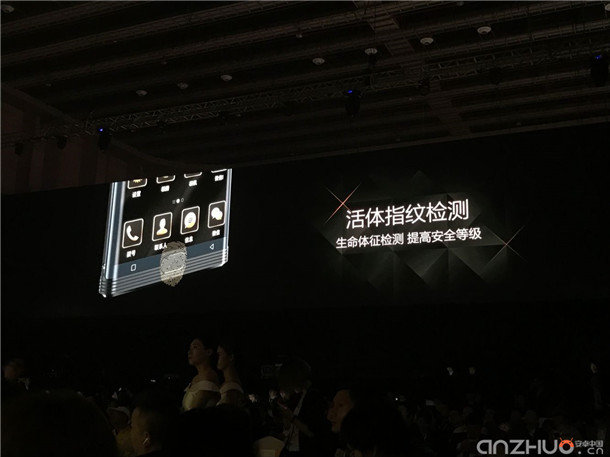
Gionee doesn’t stop there. The fingerprint scanner can’t be bypassed as it uses an infrared system to detect changes in blood flow so as to determine if the fingerprint is ”live”.
The Gionee M2017 launches with Amigo 3.5 which is based on Android Marshmallow.
Gionee M2017 Design
The M2017 is a luxury phone, there is no doubt about it. The back is covered in hand trimmed calfskin leather sourced from the United States. The frame that runs around the body is made of aluminium and is symmetrical on both sides.
Gionee M2017 Price
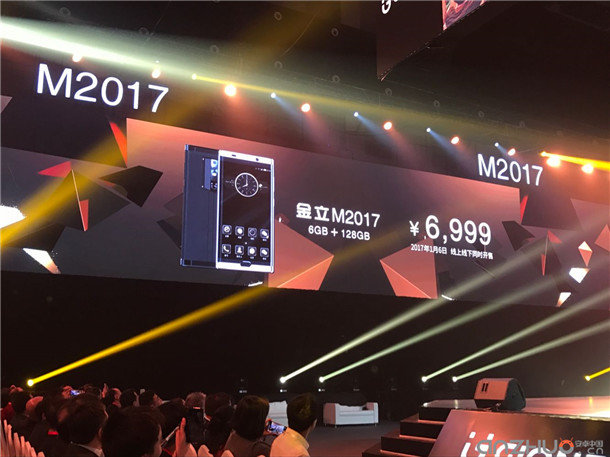
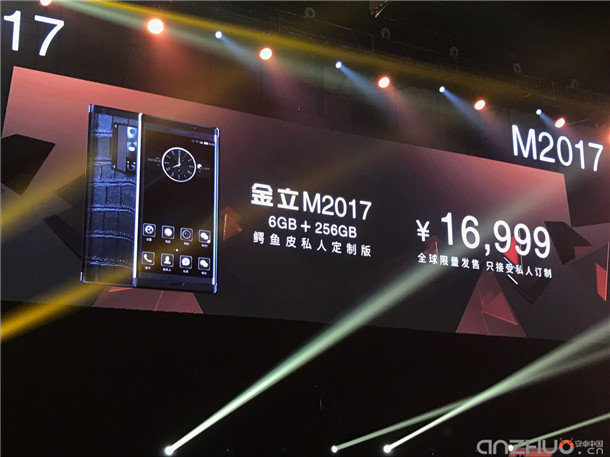
The Gionee M2017 starts at ¥6,999 (~$1007) for the 6GB+128GB version and ¥16,999 (~$2446) for the 6GB+256GB version that sports an alligator skin instead of calfskin leather. It will go on sale on the 6th of January via online and offline sales channels.
Gionee is offering owners an exclusive after sales service. If you break your screen within the first year, it will be replaced for free. Owners can also enjoy an extended warranty period of 2 years after registration and will not need to pay for logistics if they send in their faulty device.
The Huawei Mate 9 heralded the birth of the Hisilicon Kirin 960 chipset which has been revealed on benchmark to have a superior fire power. While the Kirin 960 is yet to be fully utilized in Huawei’s smartphones, the company is already rumored to be working on its next flagship chip which would be called Kirin 970.
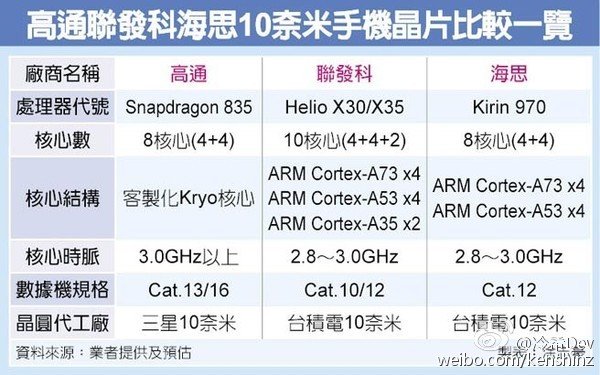
Recently, a Weibo user reputed to be familiar with the Taiwanese mobile phone industry revealed some details about the Kirin 970. The Kirin 970 will be built on a TSMC manufacturing process and so it is not surprising that details of the Kirin 970 are emanating from Taiwan, TSMC’s base. Accordingly, the Kirin 970 is detailed to pack an octa-core CPU comprised of four ARM Cortex-A73 cores, and four ARM Cortex-A53 cores. The next gen flagship chipset is also revealed to have a maximum clock frequency of between 2.8GHz – 3.0GHz. In addition, the Kirin 970 will be equipped with Cat. 12 LTE baseband and would come as Huawei’s first chip to use the 10nm process.
The Kirin 970 is rumored to be unveiled in the first quarter of next year in order to achieve mass production. The Huawei P10 is also expected in Q1 2017 but will not pack the Kirin 970 chip instead would use the current Kirin 960 as the Mate 9. Rather, in accordance with Huawei’s custom, the Huawei’s Mate 10 would be the first to pack the Kirin 970 and that would likely be in the second half of 2017.
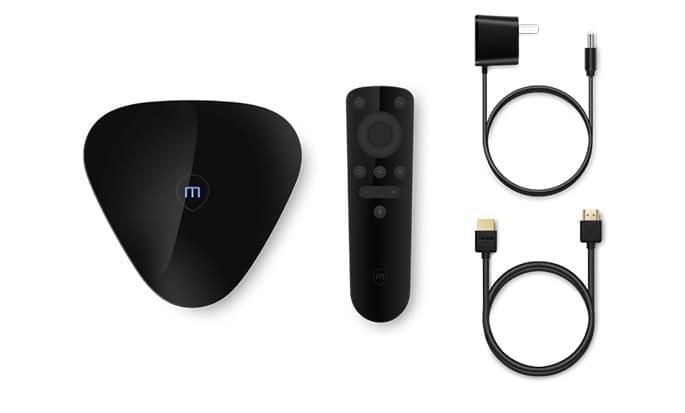
Last month Meizu entered into the android TV Box market with its Meizu Box which has a unique triangular design that makes it stand out from the plethora of android TV boxes already in the market. The Meizu Box runs a special version of Flyme OS called Flyme for TV which is based on Android Marshmallow. When it launched, it was priced at ¥299 (~$43) but the news now is that it will get bumped up to ¥399 (~$57).
The announcement was made on Meizu’s official Weibo page where Meizu attributed the increase in price of the device to an increase in the cost of materials. The price change has already been effected on the official store.
Meizu’s TV Box has 1GB of RAM, 8GB of built-in storage, a quad-core cortex-A53 processor clocked at 2GHz and a Mali 450 GPU. There is dual band WiFi, Bluetooth 4.0, and it has an HDMI port, a USB port, and an Ethernet port. The Meizu Box which comes with a remote that has voice controls, supports 4K video playback and Dolby Digital.
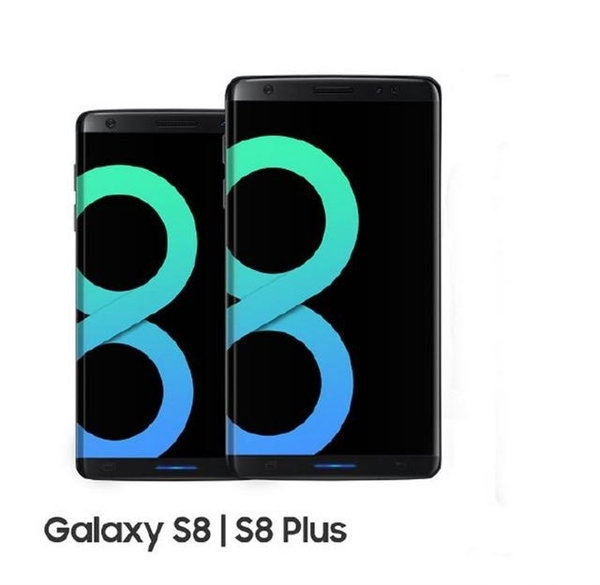
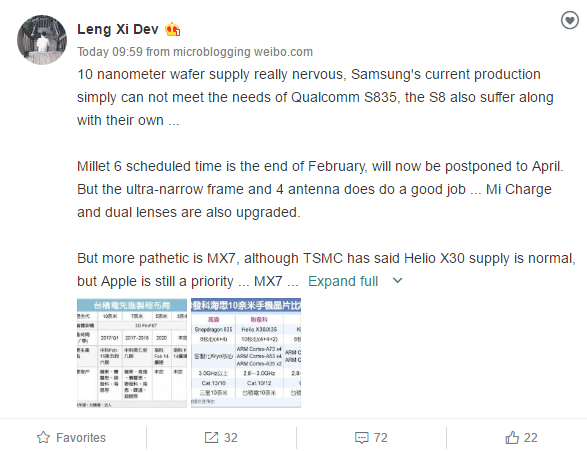
If you are anticipating the launch of Samsung‘s next generation Galaxy S8 flagship in February next year, you might just need to lower your expectations a little as there are speculations in some quarters that the Galaxy S8 may not drop at MWC, 2017. This delay is also likely to affect Xiaomi’s expected Mi 6 flagship which was the subject of a recent rumor which gave it a February 14 launch date.
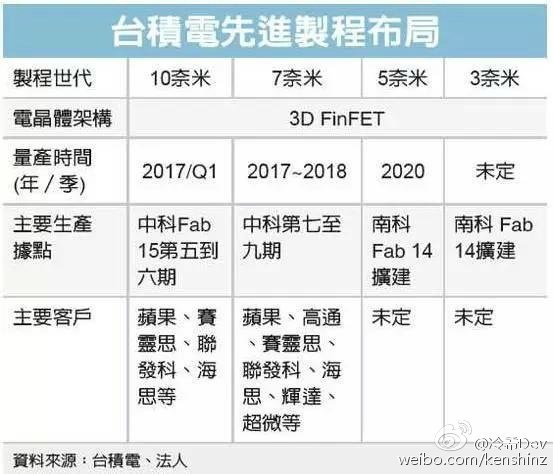
The delays may be connected to the Qualcomm Snapdragon 835 chip both flagships are rumored to come with. According to reports emanating from Taiwan, Samsung’s current production capacity cannot meet the quantity of processor needed. As would be recalled, the Snapdragon 835 is manufactured on Samsung’s 10nm node process, so Samsung Foundry is the supplier of the chip. Consequently, since Samsung’s own device is expected to use the SD 835 chip, it would also be affected by the low production output.
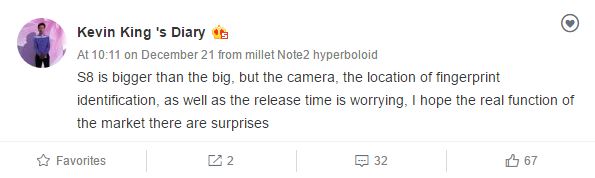
The implication of this is that the Galaxy S8’s launch may be shifted from February to sometime around April next year. Analyst Kevin Wang had before now expressed worry over the expected Galaxy S8 release date. In the same vein, the Xiaomi Mi 6 may as well see a shift in its launch from Q1 to Q2 2017.
Also Meizu’s next flagship – Meizu MX7 which is expected to use a MediaTek Helio X30 processor is said to see a shift in its launch date by a couple of months. The Helio X30 chip was announced in September as the first MediaTek chip to be built on a 10nm TSMC process. The Meizu MX7 may even be shifted upwards by 4 to 5 months because TSMC is also working on the Apple A11 chip using the same 10nm manufacturing process.
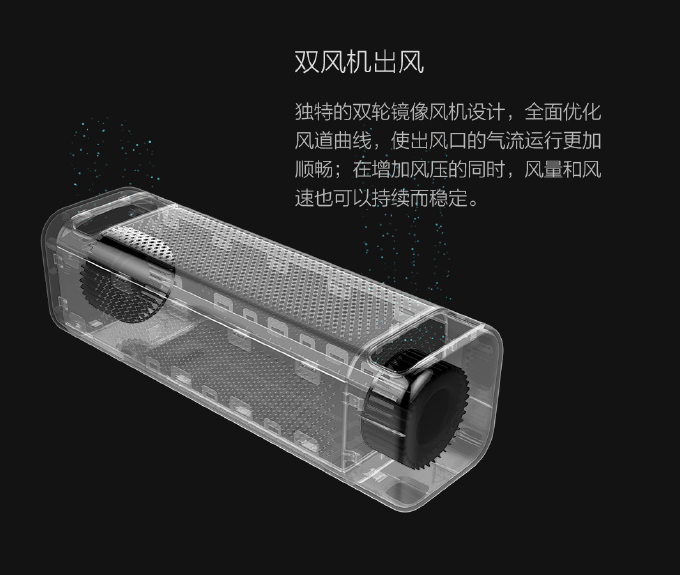
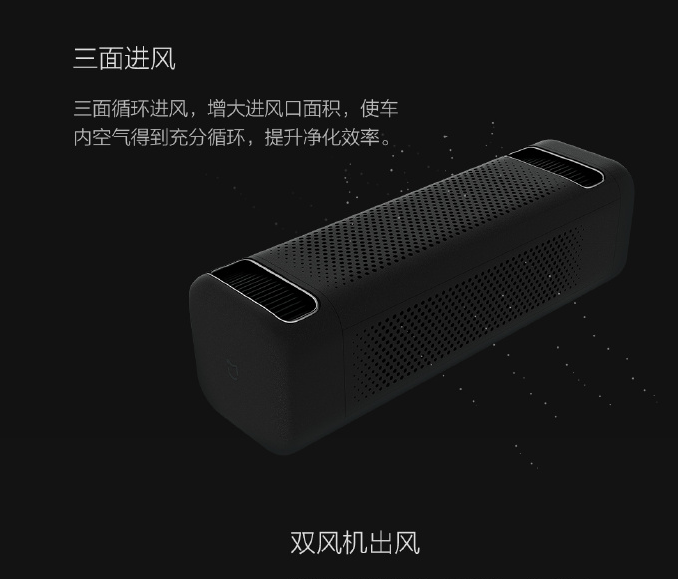
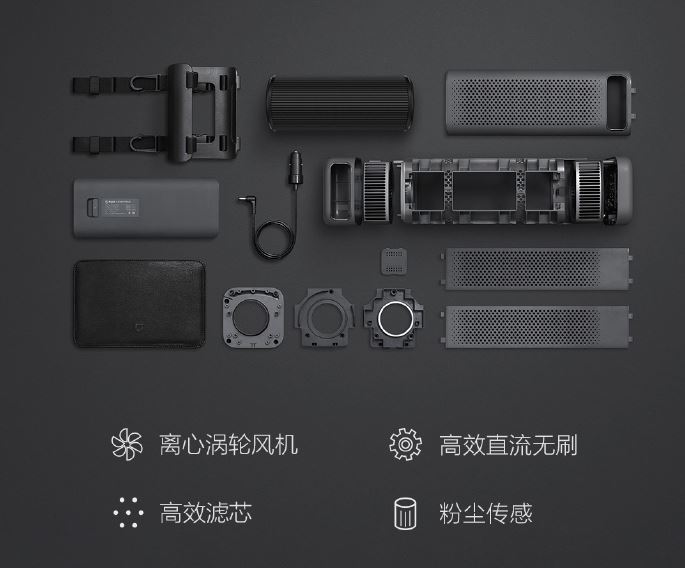
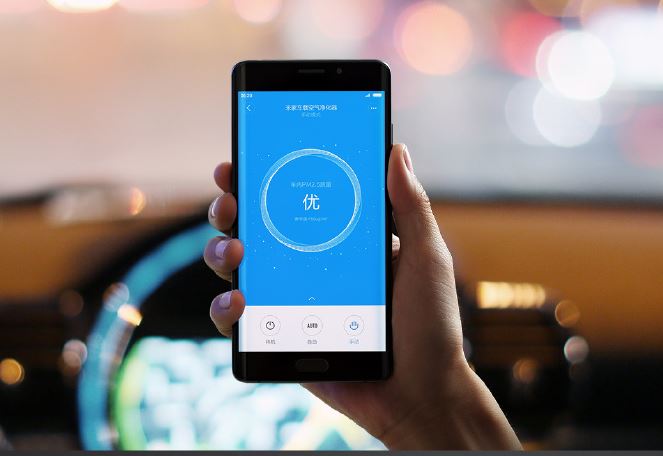
Xiaomi has officially unveiled its latest smart gadget via its Mijia brand and it is the Mi Car air purifier that the company teased last week as launching soon. Xiaomi seems to have been buoyed by an image which made the rounds on Weibo last week of a man using the Mi home air purifier on an high-speed train while on transit. It is also possible the company had been working on the portable car air purifier before the viral picture emerge.
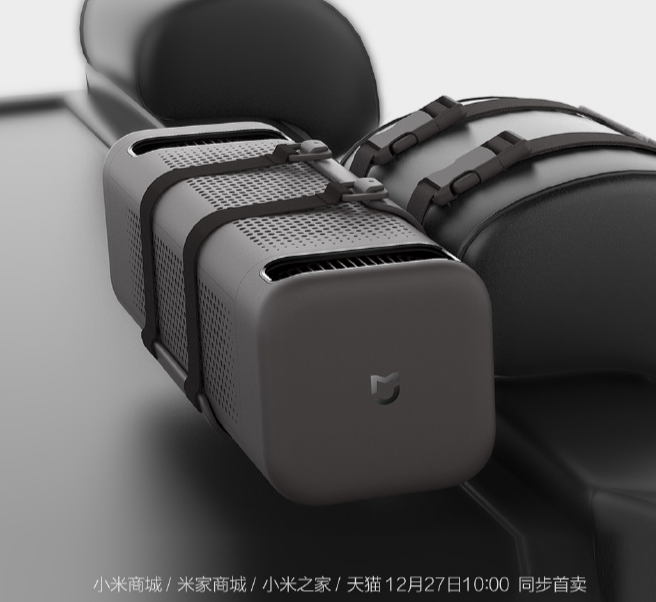
Xiaomi didn’t need to unveil the smart gadget in a special ceremony but just like other of its Mijia products, it was announced via the Mijia weibo page. The Mi Car air purifier uses the same rectangular shape as other Xiaomi Air Purifiers but there is also a leader strap on the body of the car air purifier with which it is attached firmly inside the car to the head rest.
The Mi Car air purifier also comes with less noise while it is working and has a smaller Clean Air Delivery Rate (CADR) value of 60m3/h when compared to the Mi Air Purifier Pro with a CADR value of 500m3/h. When it is taken into consideration that this is just for use inside a car with a smaller area, then the CADR value is just adequate to provide clean and fresh air inside the car. It is even touted to filter out impurities and make the air inside the car clean in just 3 minutes.
Although the latest and Xiaomi’s first car air purifier does not come with an OLED display like the Mi Air Purifier Pro, it comes as a smart gadget in that you can check the air quality and other relevant information via the Mi App on smartphones.
Xiaomi has pegged a very generous price tag of 449 yuan (around $64) on the Mi car air purifier and it would officially go on its first sale on December 27 at 10.00am on Mi home, Lynx, Mi store.
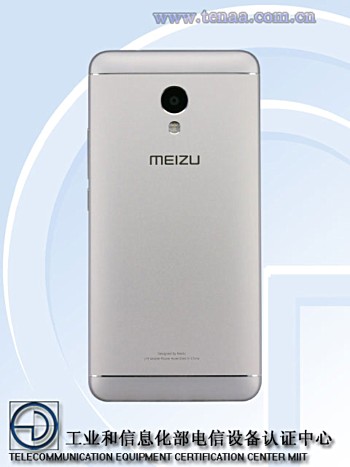
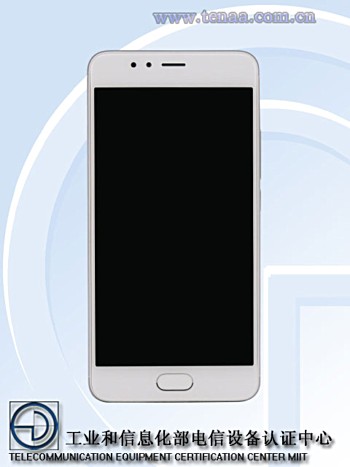
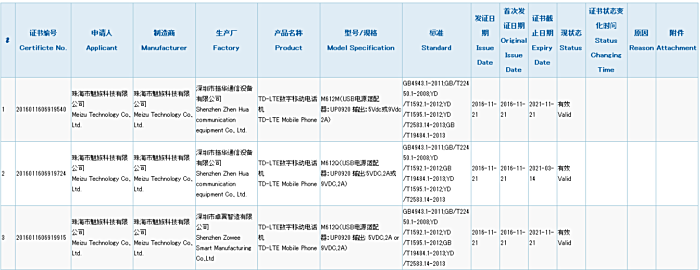
Meizu has a new phone in the works and it should hit the market soon since it has gotten its 3C certification and also been cleared at TENAA. The phone which is listed as having two separate models M612Q and M612M which have the same specifications is presumed to be the Meizu M5S.
The Meizu M5S doesn’t look much different from the recently released Meizu M5 Note. It has the same antenna line design at the back and has its camera, LED flash, and Meizu logo in the same position. The only difference is up front where the proximity sensor and front facing camera are positioned differently.
Specification details of the Meizu M5S reveals that it has a 5.2-inch 720p display, a 1.3GHz octa-core processor, a 13MP rear camera, a 5MP selfie camera, and a 2930mAh battery. The phone will also be available in multiple RAM (2/3/4GB) and ROM (16/32/64GB) variants when it launches.
The M5S runs Android Marshmallow and even with its small battery comes in at 8.4mm thick. Meizu is expected to release the phone in silver, gray, gold, and rose gold color options. There is no news about the date of release yet but early January seems to be the best bet.
In the last week, Nokia had sued Apple for patent infringement in the U.S. and Germany. Following it, Apple has discontinued the sales of products from Withings, a company owned by Nokia.
Withings, a France based company known for making various health devices such as Wireless Blood Pressure Monitor, Activite fitness tracker, digital thermometer, and more was acquired by Nokia on April 26 this year. Withings’ products that were available for purchase on Apple Store is now no longer available because of the ongoing legal dispute over patent infringement and antitrust issues with Nokia.
Apple vs Nokia – Patent Battle History
In 2009, Nokia had sued the Cupertino company for infringing its patents. In 2011, both the companies mutually decided to use the patents until December this year.
Nokia once again started accusing Apple on patent infringements after Apple filed an antitrust suit. It stated that it filed a lawsuit again because Apple failed to reach the expectations of the licensing agreement.
According to Apple’s suit, Nokia and its partnering agencies that filed patent infringements are trying to extort exorbitant money in the form of excessive royalty fees. It has said that the Finnish firm is acting like a patent troll and it by filing an antitrust lawsuit against it, it is only ‘defending inventors everywhere.’
Nokia’s suit that spans across 11 countries accuse Apple of infringing 40 of its patents dating back to the first iPhone from 2007. The lawsuit covers various patents related to cover displays, UI, software, video coding and chipsets.
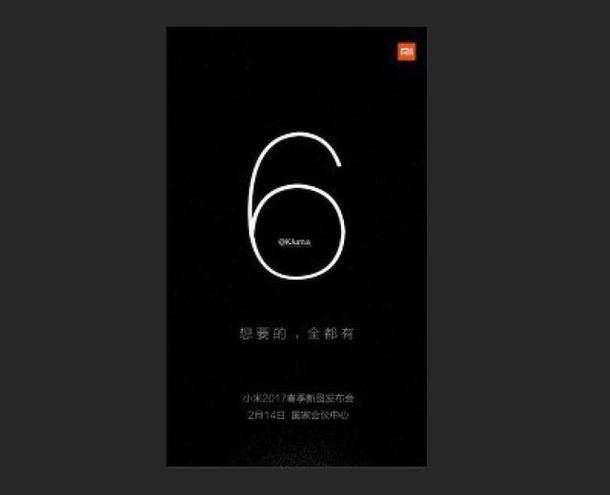
A poster recently surfaced on Weibo which contained the Mi logo, a boldly written number 6, as well as the date and time of launch of the expected device. Although its not explicitly stated that it is the Xiaomi Mi 6 that would be unveiled on that day, the clues point to the Mi 6. We must point out that the poster could be a fake, as it seems to have emanated from @kjuma who is becoming notorious for fake leaks. All the same, we can’t be so sure about that.
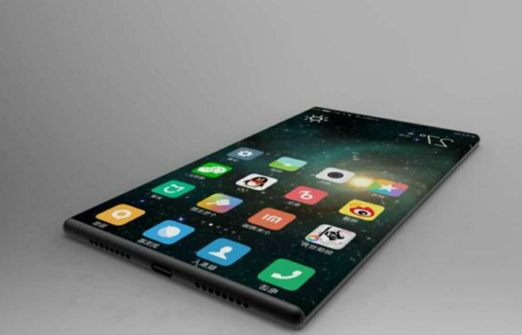
The Xiaomi Mi 6 is touted to come as Xiaomi’s most powerful phone till date and would be fired up by a Snapdragon 835 chip as well as sport a curved display on one of its versions. Several versions are touted such as Mi 6S, Mi 6E and Mi 6P with each of them rumored to have different processors. Xiaomi is yet to officially release any statement about the Mi 6, so we’ll wait for words from China’s Apple.
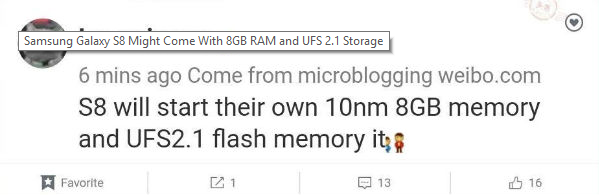
After the Samsung Galaxy Note 7 debacle, the South Korean company is expected to equip Galaxy S8 with stellar features to get back those customers who have lost faith in the brand. Fresh speculations indicate that the Galaxy S8 may arrive with 8 GB of RAM and UFS 2.1 flash storage.
The Samsung Galaxy S7 that was launched earlier this year features 4 GB of RAM. Previous rumors on Galaxy S8 had suggested that it would be featuring 6 GB of RAM and 256 GB native storage.
However, the S8 is now rumored to arrive with twice the amount of RAM present on Galaxy S7. Ice Universe, who is known for revealing leaked information of Samsung smartphones has revealed on Weibo that the Galaxy S8 will feature 8 GB of RAM built with 10 nm fabrication technology.
The leakster has also said that the Galaxy S8 would feature a newer and faster UFS 2.1 flash storage chip. The Galaxy Note 7 that has been discontinued featured a slower UFS 2.0 flash storage.
Samsung Galaxy S8 Rumors
Recent rumors have also suggested the S8 would be arriving in two editions. The Galaxy S8 is expected to feature a 5.1-inch display and the alleged Galaxy S8 Plus is pegged to incorporate a 6-inch display. Even though ‘edge’ is not present in their monikers, speculations are rife that both are likely to include dual-edge curved screens without Home buttons.
As early rumors have claimed, the Galaxy S8 smartphones for the U.S. and Chinese markets are poised to feature Snapdragon 835 SoC whereas other regions are expected to receive their Exynos 8895 SoC variants.
The larger Galaxy S8 is also speculated to be the first Samsung smartphone to come with a rear-facing dual camera module. The smaller variant is expected to house a single rear-facing camera.
Some of the other expected features of Galaxy S8 include Bluetooth 5.0, Android 7.0 Nougat with Samsung Experience UI onboard along with rumored Bixby (male) and Kestra (female) AI power assistants.
Samsung Galaxy S8 Release Date, Price
The Galaxy S7 was announced in February this year, but new information coming from South Korea have claimed that the Galaxy S8 release date has been pushed to April 2017. It is also speculated that the Galaxy S8 would be costlier than the Galaxy S7.
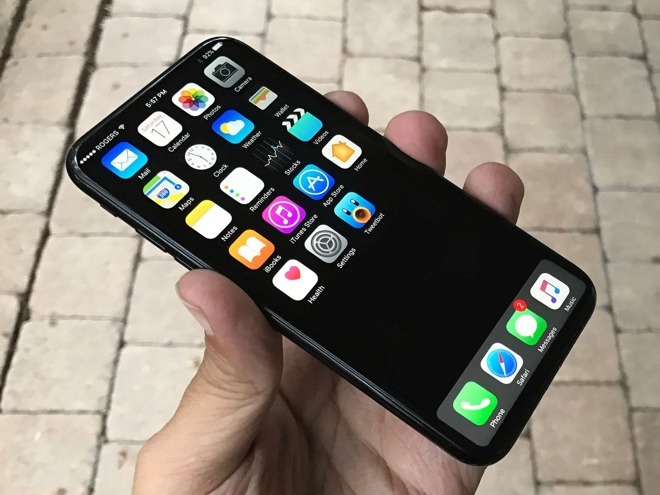
There is a steady interest in the use of OLED panels for smartphones of late and Apple has been one of those touted as planning a shift to OLED on one of its next generation iPhone models. In the past, Apple iPhones have traditionally launched sporting LCD panels, but in keeping up with the trend and perhaps because of the superior display quality OLED panels offer, the company is said to be tinkering with the idea of using it on one of its up coming iPhone 8 models and in future iPhones.
Rumor has it that the OLEDs that would be used by the iPhone 8 would likely be supplied by Samsung who seems to have perfected the technology. However, Samsung’s production capacity cannot meet its own demand for OLEDs for its smartphones and those of external manufacturers. Thus, a number of phone manufacturers do not have access to OLED screens. According to a report by IHS Markit, because Samsung cannot guarantee the supply of OLED panels, Chinese phone brands have already begun testing the local manufacturers of OLED screens.
The report reveals that presently the demand for OLEDs is from two of the biggest brands in OPPO and Vivo – two BBK subsidiaries. It went further to state that in 2017, other big brands like Meizu, Gionee, Lenovo, Huawei, Xiaomi will join the transition to OLED panels such that there’s projected to be a huge market demand that a reliance on only Samsung could lead to disappointment. IHS data put the rate of utilizaation of OLED screens in the domestic Chinese market at 13.6%, up from 8% in 2015.
IHS Markit report also noted that if the domestic manufacturers in China could seize this huge demand/supply gap to improve on their production capacity, they will likely enter Apple’s supply chain. In clear terms, future Apple iPhones OLED supplies could be from local Chinese manufacturers. That is if and only when they upgrade their own technology to meet the standard of Samsung’s OLED. Already, results have not been disappointing, as Xiaomi Redmi Pro was revealed to have used OLED panels sourced from local suppliers and the display was superb.
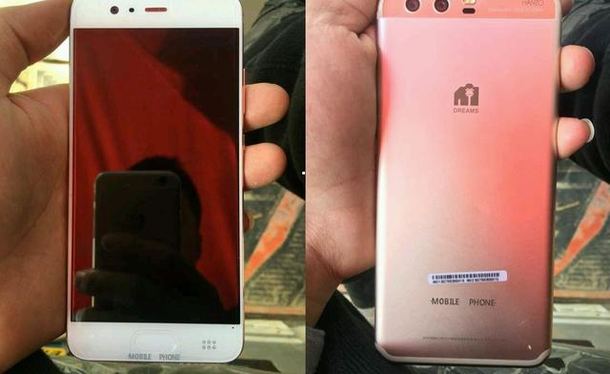
There have been several rumors surrounding the Huawei P10 which is expected to be launched next quarter. One of the rumors says that the phone will be the first phone in the P-series flagship line to have its fingerprint scanner in front. It appears that might be true, that is if the leaked image below purported to be that of the Huawei P10 is genuine.
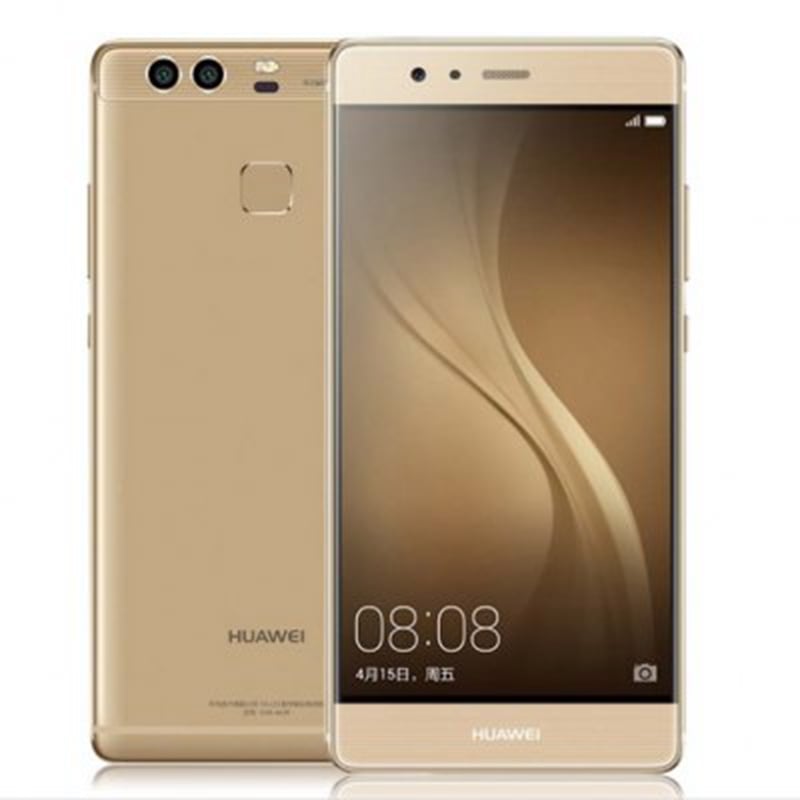
The front of the device shares a striking resemblance to the Huawei P9. The front camera, sensor, and speaker are positioned exactly the same way. The only difference is the groove in front which we believe to be an under-glass scanner seeing as it looks very much like the one on the Xiaomi Mi 5.
Another thing we’ve noticed is that the display is flat, lacking the curves we reported it is expected to feature. That doesn’t mean the P10 might still not have a curved display. It might just end up on another variant, probably the Huawei P10 Plus.
The rear of the phone shows a dual-camera setup, LED flash, and a laser focus module. Huawei’s signature branding is missing and there is a single U-like antenna design at the base.
Do you like the look of the Huawei P10? We bet it would look nicer in black seeing as the side bezels look pretty thin.
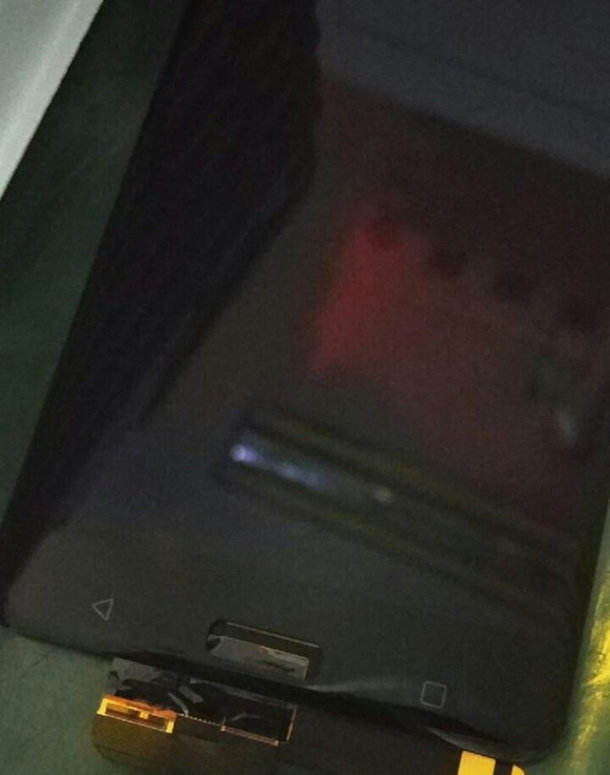
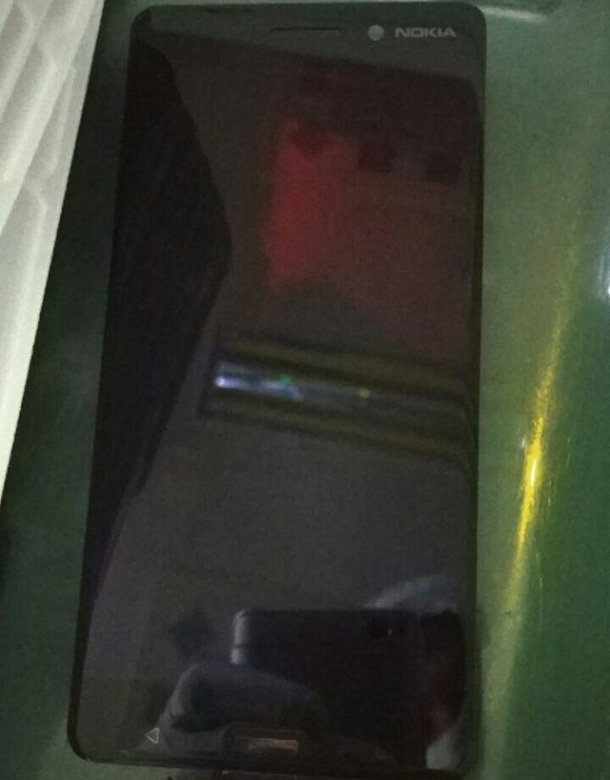
New spy photos of Nokia’s upcoming android phone has surfaced online and although the images are blurry, it gives us a pretty important detail. The configuration of the navigation buttons.
The images show that Nokia is settling for capacitive buttons as we can see the back and recent apps buttons on the left and right respectively. But instead of the circular home button, there is a cut-out for what appears to be a physical home button which we presume will also double as a fingerprint scanner.
Other details we can make out from the images is the Nokia logo at the top right corner, a front-facing camera and a speaker grille.
Action cameras are great. They are very compact, easy to use and they can produce a high-quality footage. Also, my YI 4K action camera gives me the convenience of infinite focus and wide angle lens, just like a GoPro or any other high-end sports camera.
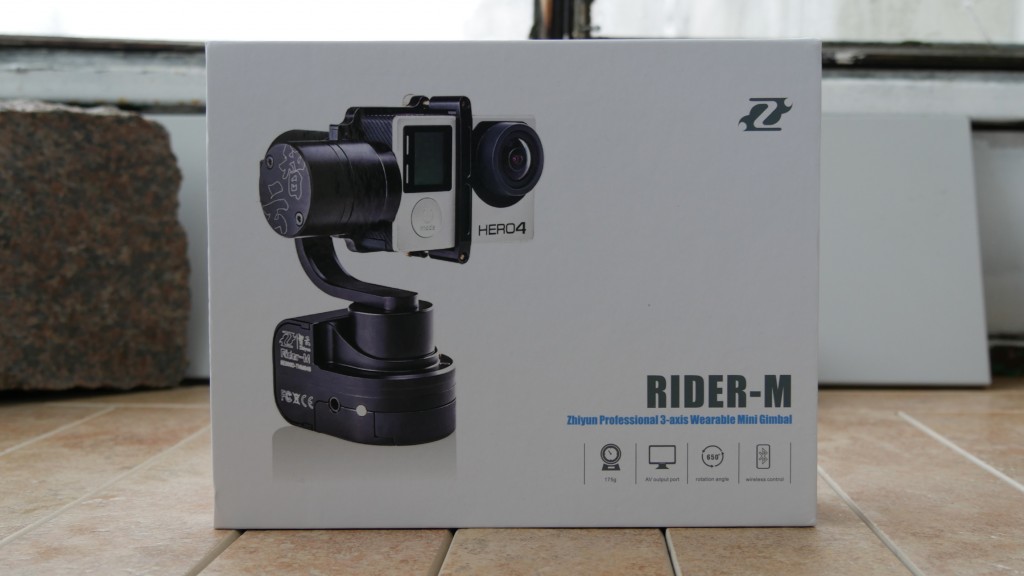
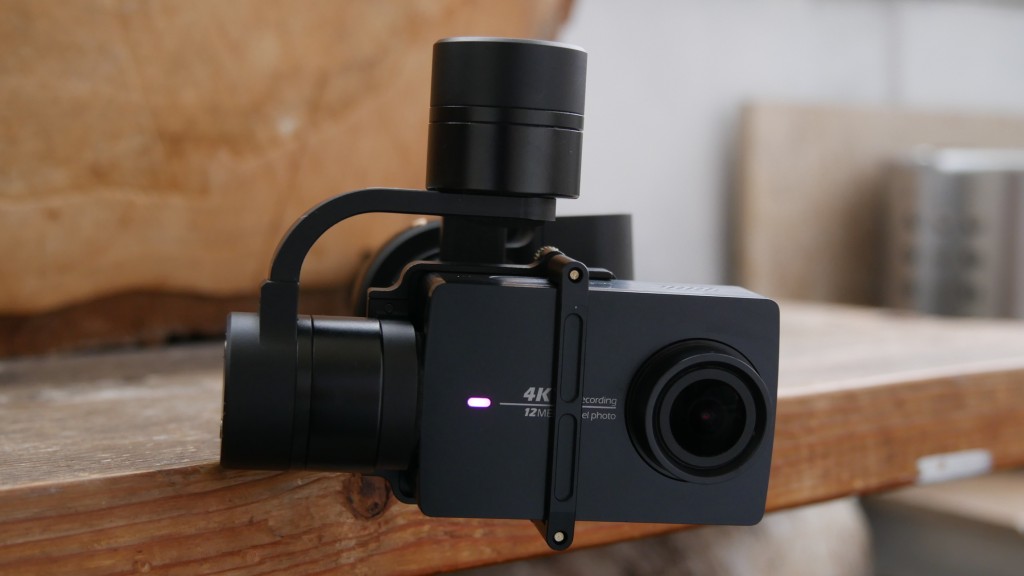
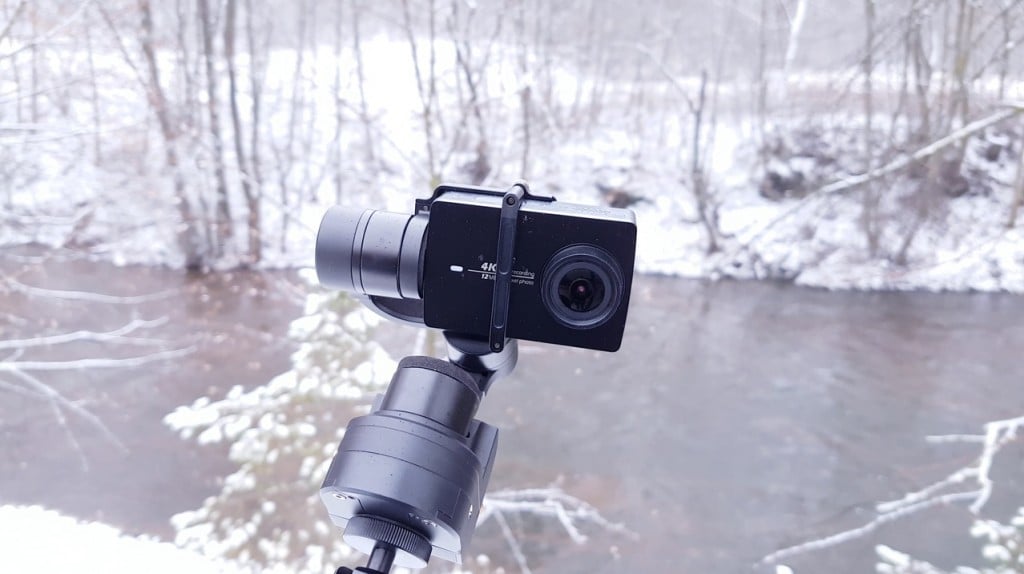
However, the handheld footage is usually shaky and wobbly but one of the best and the most mobile solutions is a gimbal if you don’t want to carry your bulky tripod everywhere you go. I just came across the Zhiyun Rider-M, which fits most of the action cameras and it is just a fantastic little device… and it’s pretty affordable. Learn more in our full review.
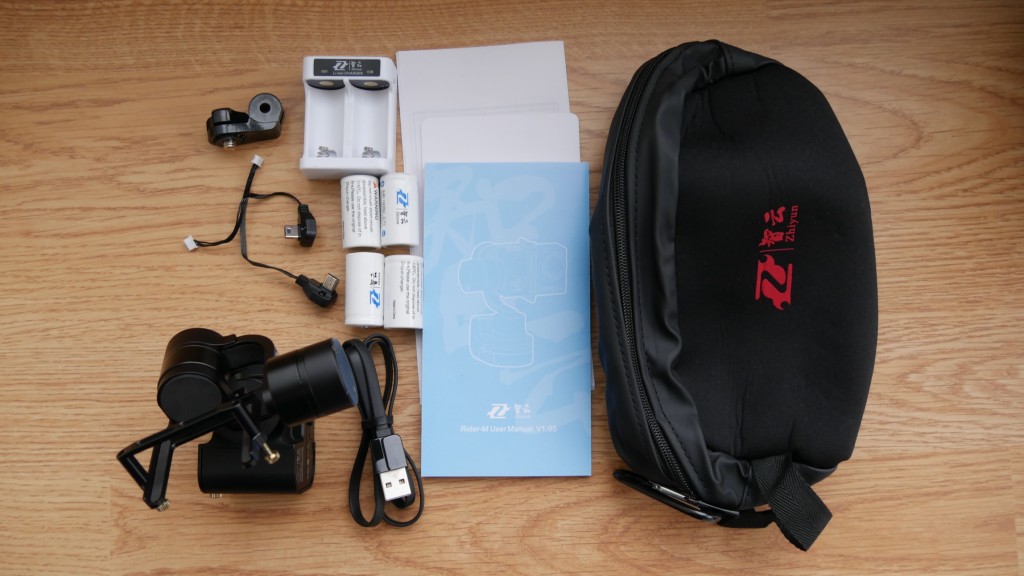
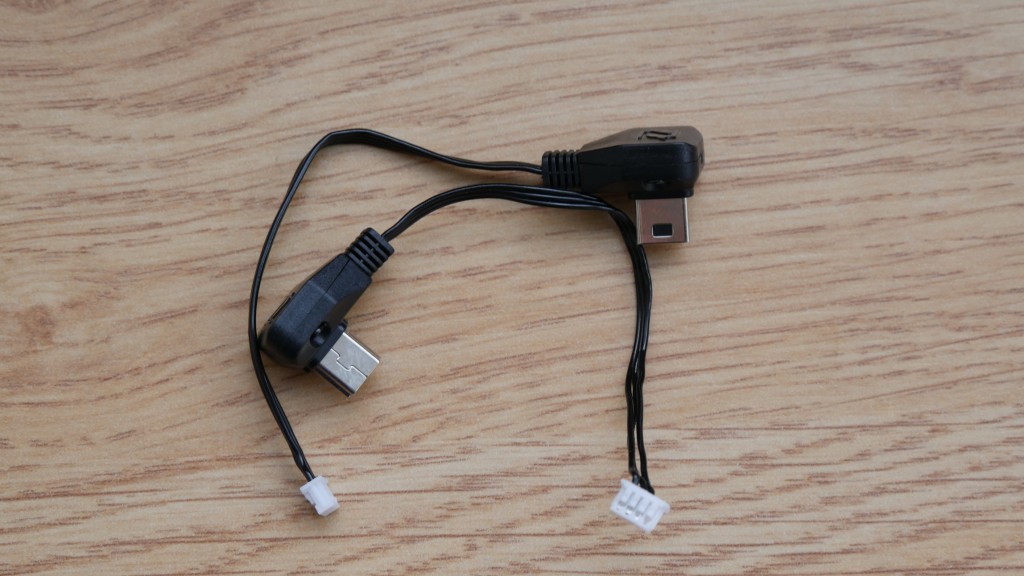
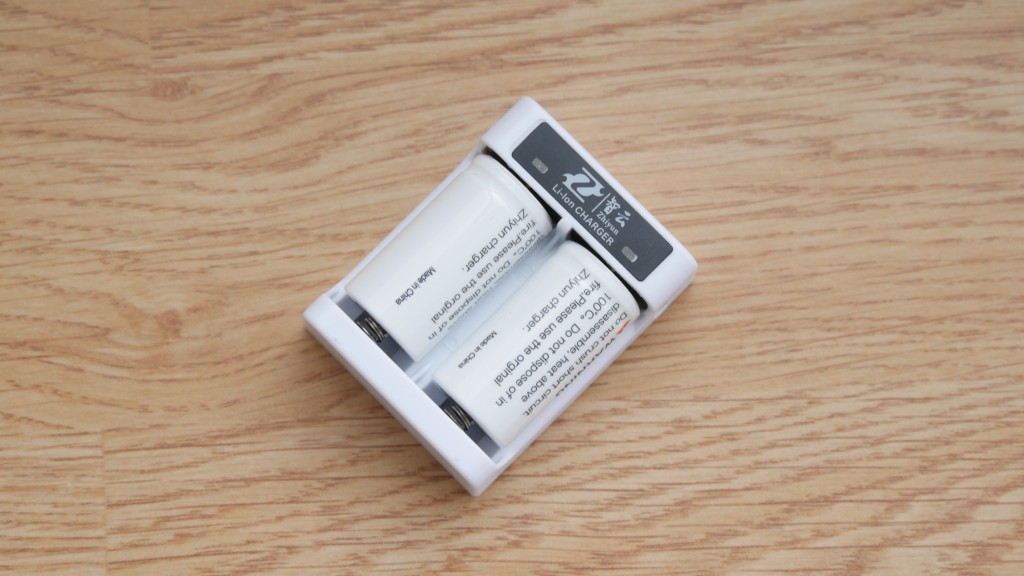
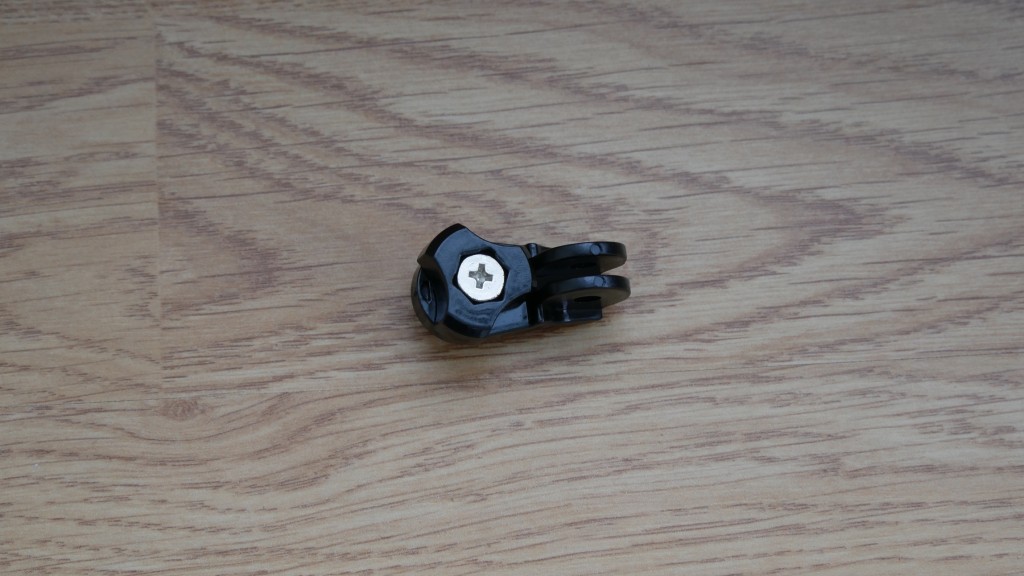
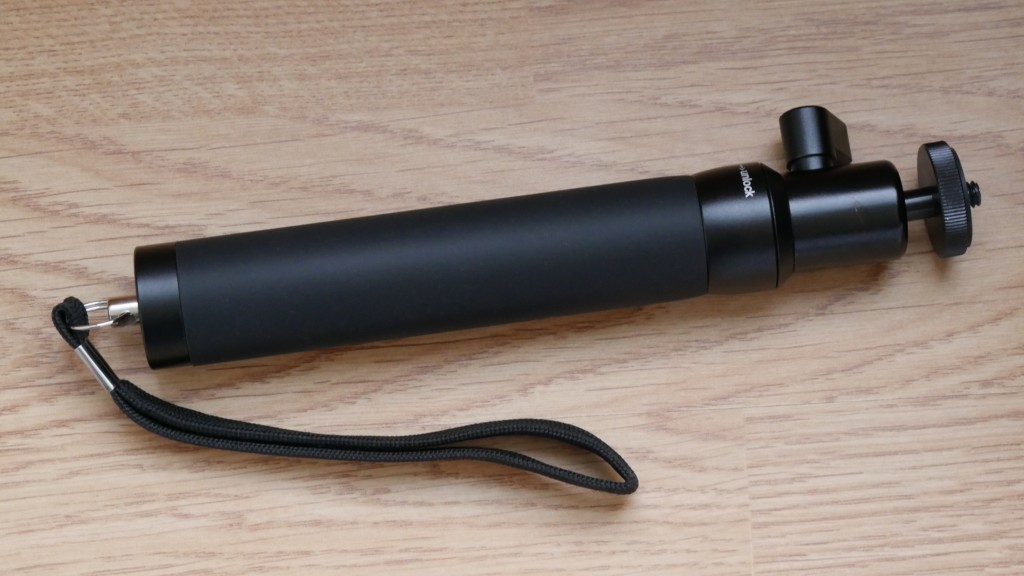
The device ships with all the stuff you need to start shooting videos. Some notable accessories include a high-quality selfie stick that is made out mostly of metal. Also, there are two sets of batteries, a charger, a really nice carrying pouch, video output and charging cables for GoPro cameras and the GoPro accessory adapter, so you can attach the gimbal to almost anything you want.
Zhiyun Rider-M Gimbal Review: DESIGN, FEATURES and FUNCTIONALITY
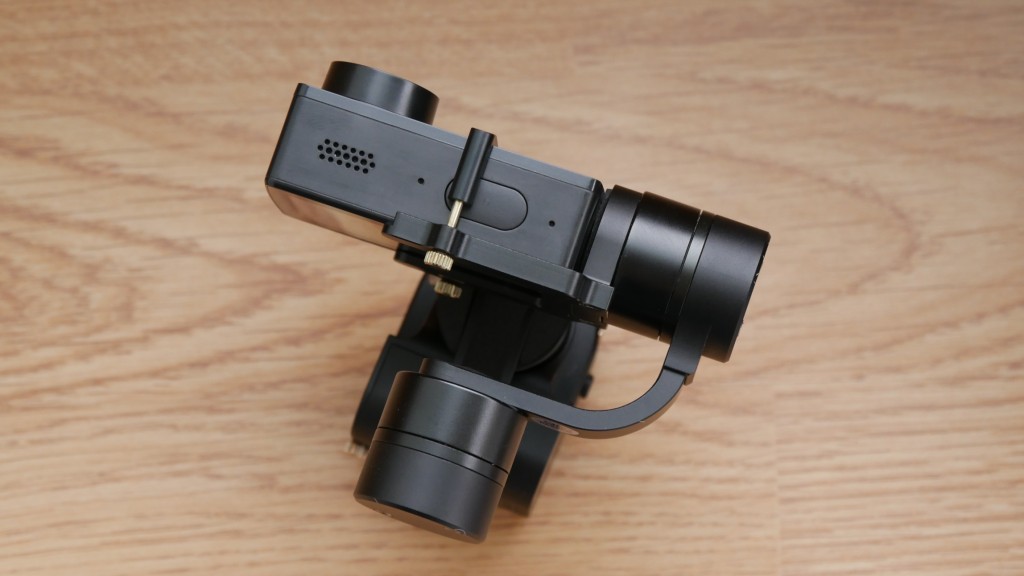
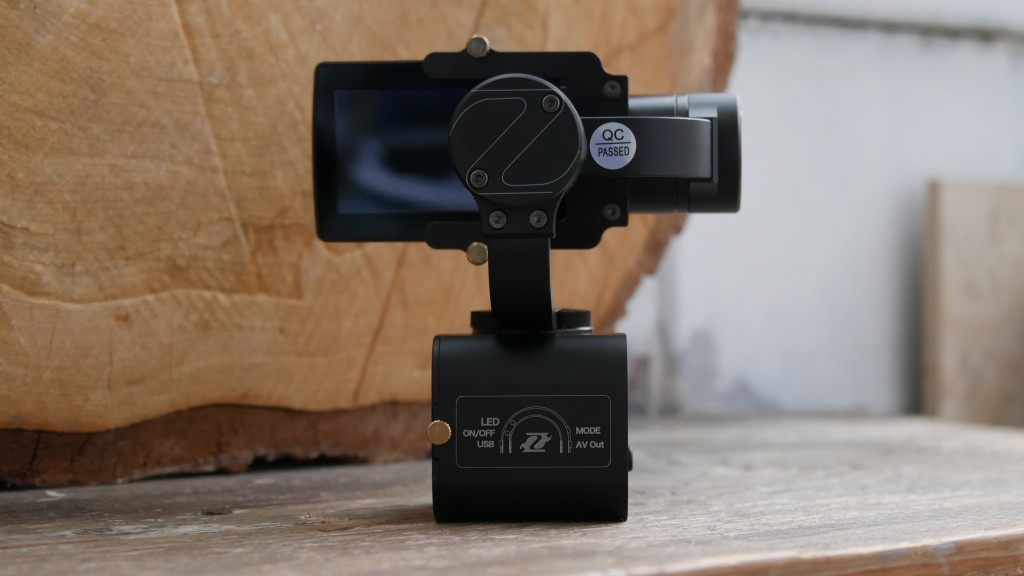
The first thing you are going to notice is the build quality. The gimbal is made entirely of metal and it doesn’t seem to break anytime soon.
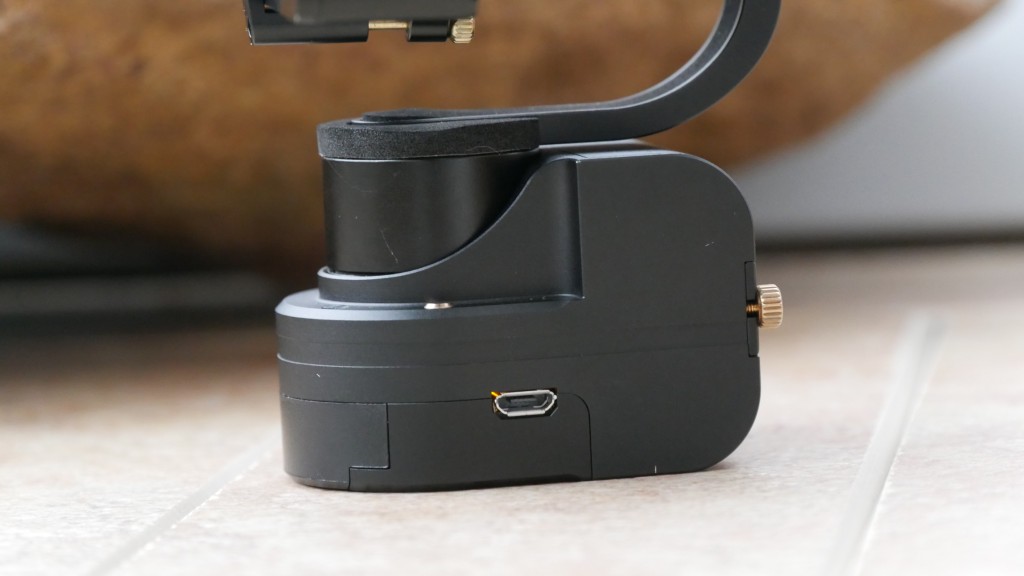
We have some standard ports as the microUSB, GoPro charging and the video output port. The 1/4 screw mount allows you to attach the gimbal to all sorts of accessories. If you attach it to the tripod like I did, you will get some very smooth shoots.
What I love about the Zhiyun Rider-M is that it is very easy to use right off the bat.All you have to do is to put your camera into the bracket, tighten up the screws, turn it on and you are good to go. We have just two control buttons. The power and the mode button.
The default mode is called the pan follow mode and I used it most of the time.
I have to tell you that the footage looks just stunning. I was simply walking normally and didn’t try to hold my hands steadily at all but the footage looks very smooth. Also, the gimbal is very responsive and even if you move it too quickly, you will still have smooth and slow panning or tilting motion. One mistake that I made was holding the selfie stick completely vertically. That’s why one of the axis of the gimbal was caught by the wide angle lens of my YI 4k camera in a few shots. If you don’t make this mistake, you will be able to shoot some awesome-looking videos.
If you press the mode button once, the gimbal will enter the locking mode, which is great for the smooth pan or tilt shots if you want to film a particular object. This mode works great with both landscape and product shots.
If you press the mode button twice, you will enter the pan and pitch following mode, where the gimbal moves towards the direction you point the camera to.This mode works pretty well too. Even if you move the gimbal quickly, you will get a smooth shot since all the axes move slowly. The last mode is the selfie mode and it is triggered by pressing the mode button 3 times. A cool feature is that you can simply point the gimbal to the direction you want and hold it for 1 second andthe Rider M locks that angle automatically.
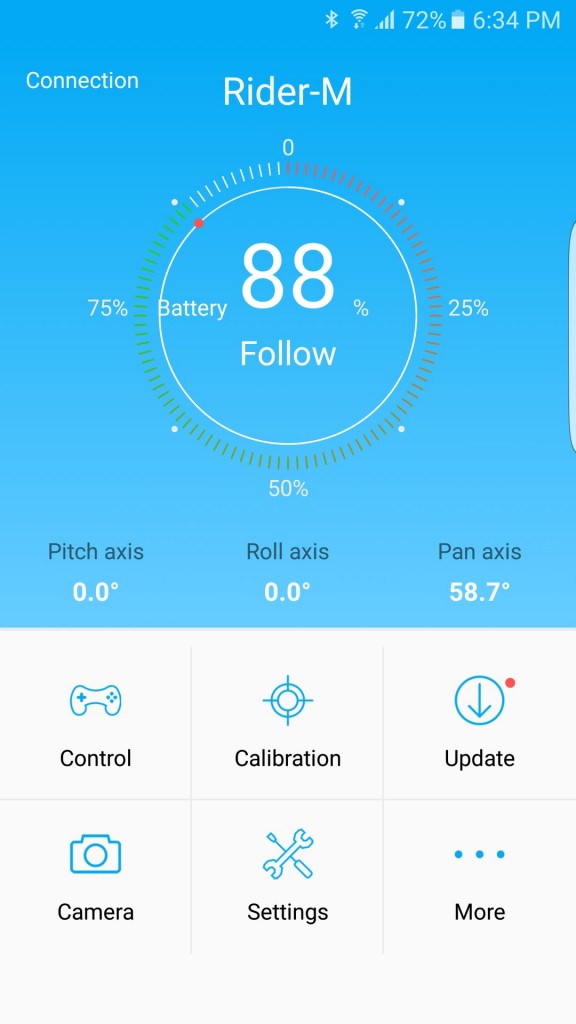
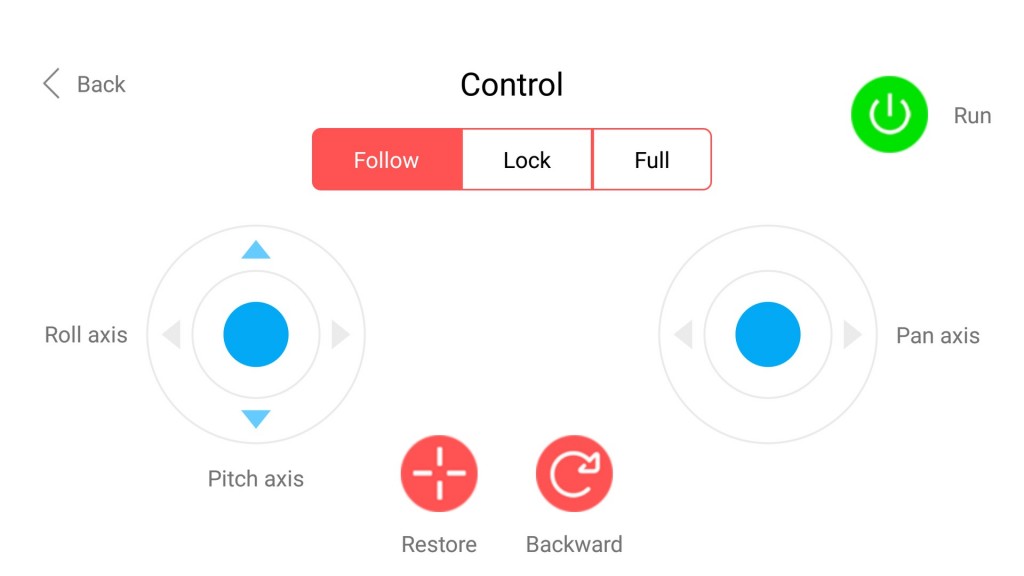
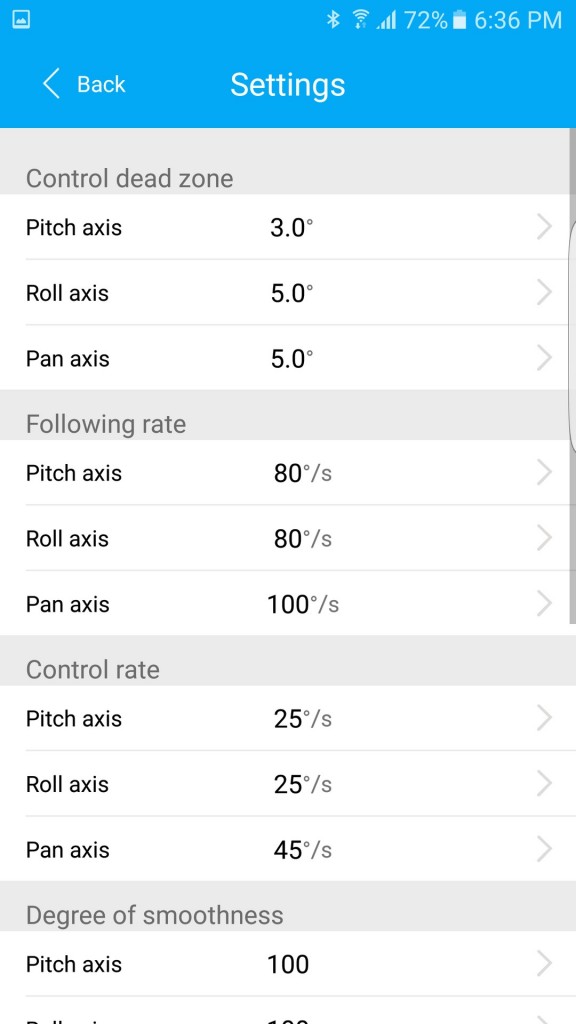
Another great feature is that you can control the gimbal using your phone via the Bluetooth. Obviously, you can also switch from one mode to another but you can also control the gimbal manually to get that perfect shot.
Zhiyun Rider-M Gimbal Review: BATTERY LIFE
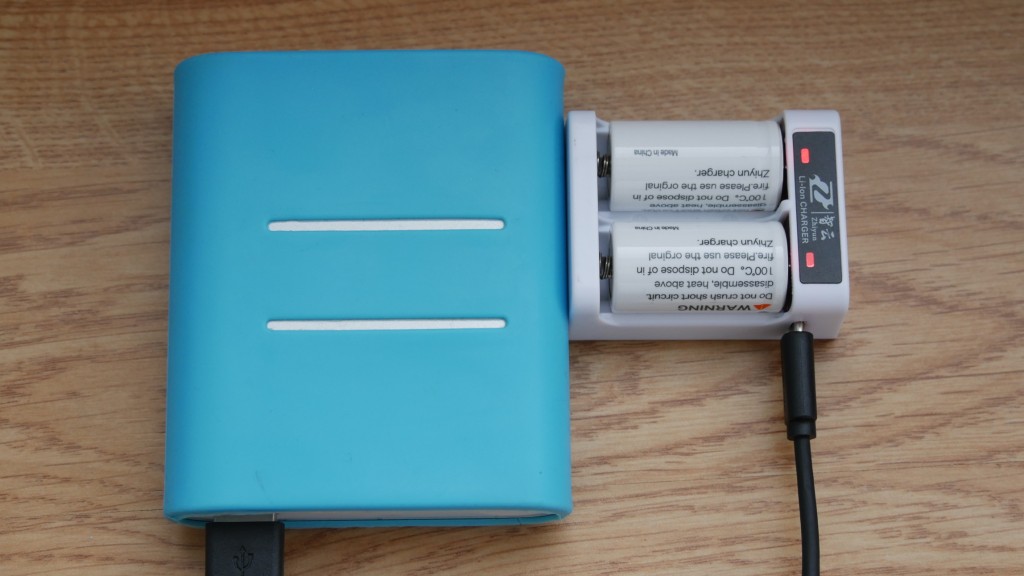
When it comes to the battery life, it’s just fantastic. You can always track the amount of juice left using the app but I have to tell you the batteries last forever and I wasn’t able to kill them in like 5 days. If you need to recharge them, the supplied charger fully recharges the batteries in about 2 hours.
Zhiyun Rider-M Gimbal Review: CONCLUSIONS
In my opinion, the Zhiyun Rider-M is a really great gimbal that has been working absolutely fine so far.
The shots it allows you to take look very smooth even if you don’t hold the gimbal steadily and simply walk normally. Also, the device doesn’t feel cheap at all since it is made entirely of metal.
The last things I wanted to mention again is a great battery life, the ability to control the gimbal using your phone and the ease of use of this device. You just take it out of the box and start shooting.
All in all, I can definitely recommend the Zhiyun Rider-M if you want to step your action camera video game up. I will be using this gimbal in some of my future reviews and I will update the description of this video if something goes wrong with this device. For now, I love the way it works and I think it’s well worth the price of $250.
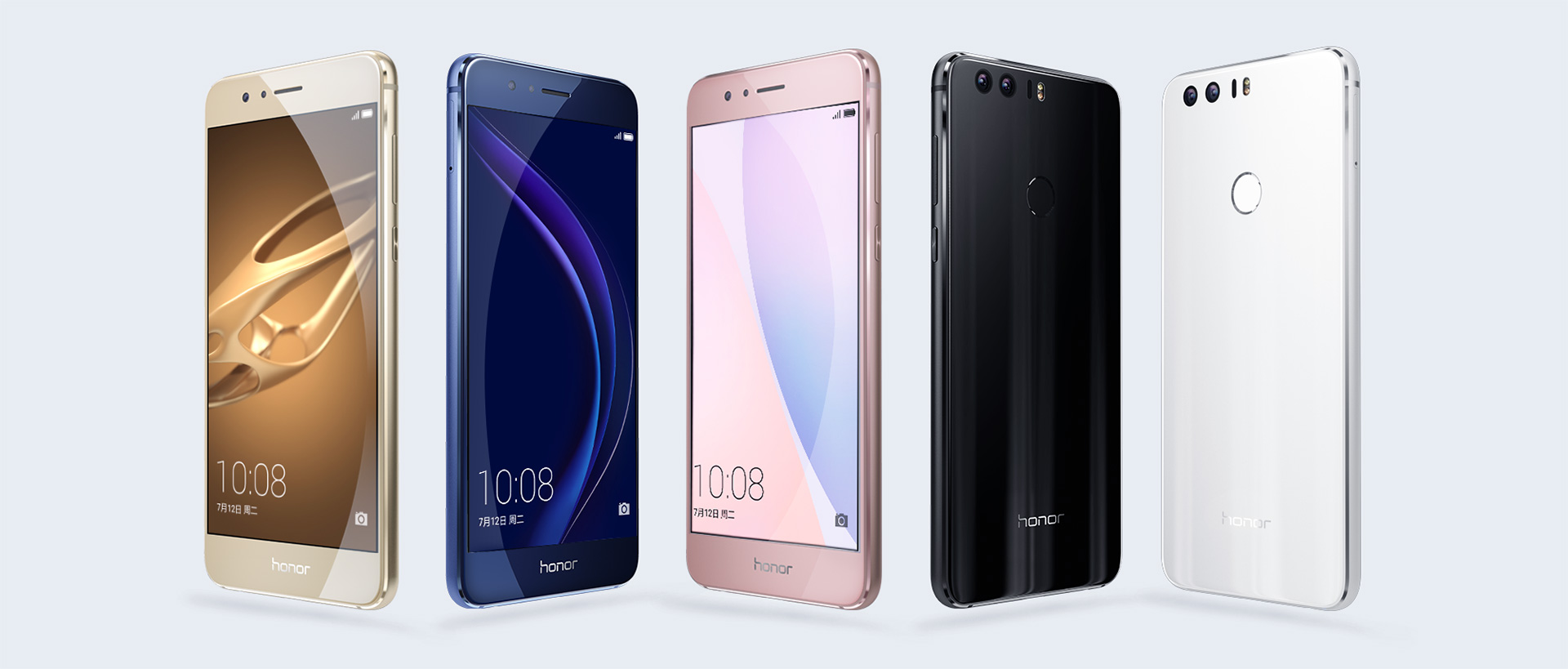
Honor’s new baby might be the Honor Magic but the phone that really raised its popularity this year is the Honor 8. The Honor 8 is sort of Huawei’s contestant in the High-End Low Price (HELP) category of phones which features contenders like the OnePlus 3/3T and ZTE Axon 7.
The Honor 8 runs Android Marshmallow out of the box but there is a beta version of Nougat for it available for those willing to try it out. But if you prefer the final and stable release, you might not have to wait for too long as Huawei has announced that the Honor 8 will be getting updated to Android Nougat in February 2017 which is technically just a month away since this month is sort of over already.
The Nougat update will also see the phone get the new EMUI 5.0 skin which brings new features such as the option to choose between using an app drawer or not. It will also come with a feature called Private Space which allows you to create a second section on your phone for private apps and files; and another feature called App Twin that lets you setup two Facebook and Whatsapp accounts on the same phone.
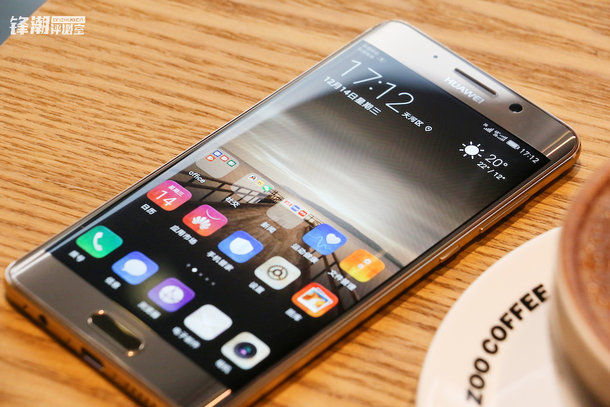
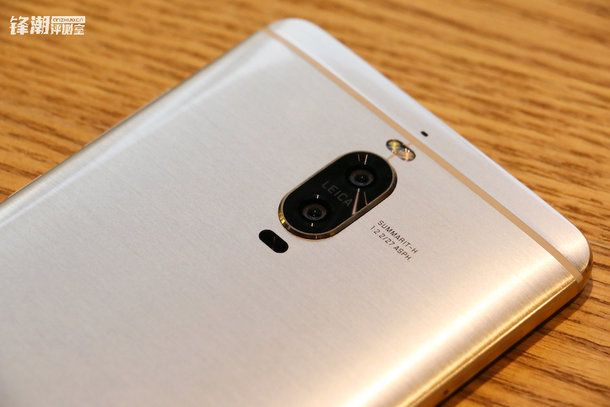
Huawei first used the dual Leica cameras on the P9 released earlier this year and perhaps buoyed by the successful outing of the P9, the company did unveil its latest Mate 9 flagship sporting the same Leica camera setup. The Huawei Mate 9 even featured the same pixel size on its dual cameras as those of the P9.
For sake of clarity, the Mate 9 sports a 12MP main color sensor at the rear along with a 20MP monochrome lens which is said to deliver only black and white images and is capable of achieving bokeh effect. The rear cameras came with support for 2X optical zoom and 6X digital zoom, as well as Optical image stabilization (OIS), large aperture, four-in-one hybrid focus, 4K ultra-high definition video.
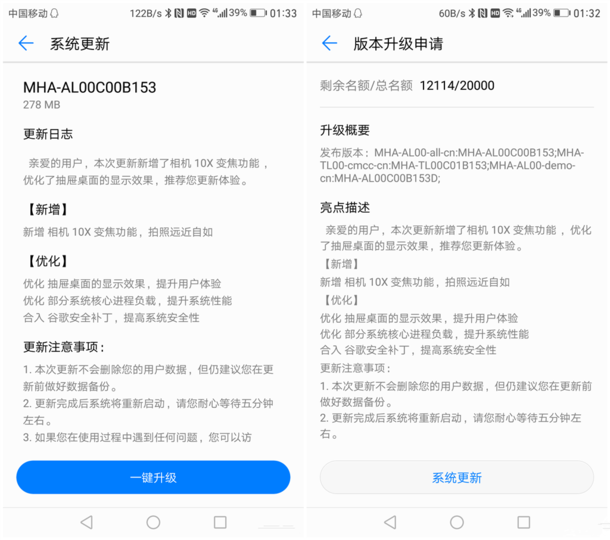
Right now, though, Huawei has pushed a new system update to the Mate 9. The latest update comes with version number MHA-AL00C00B153 and this update brings in some new features to the flagship. Perhaps, the most prominent of the new features is that the Mate 9’s camera lens is now capable of achieving 10 times optical zoom. What effect that would give to the already powerful Leica dual-lens camera
Also, the update has optimized the display of the drawer desktop as well as optimize the loading time of some of the core processes in order to improve performance. In addition, the system update also pushed the latest Google security patches to Mate 9.
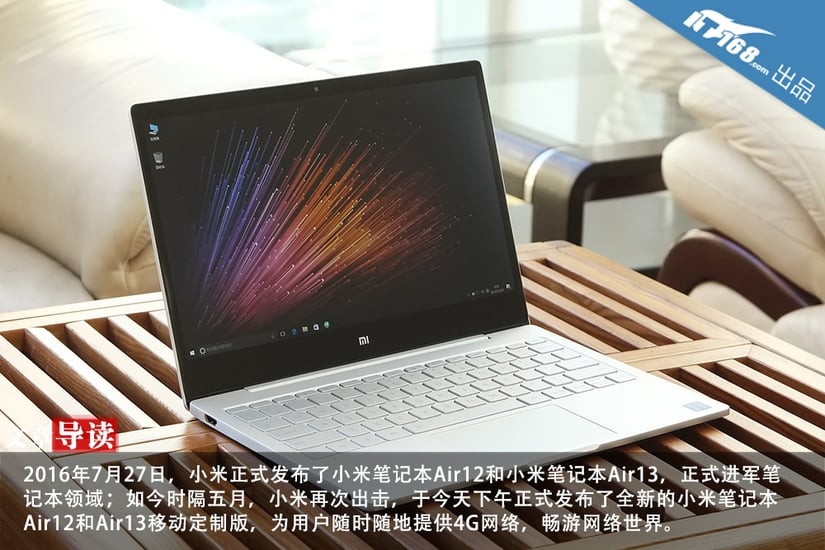
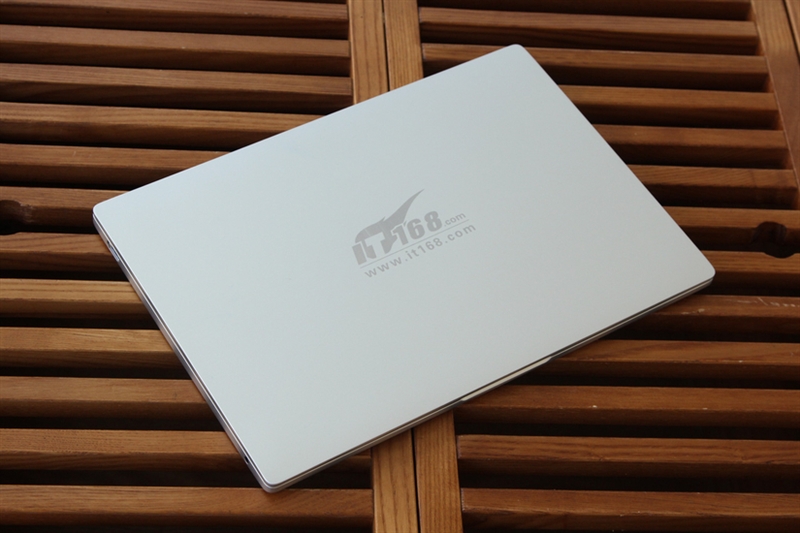
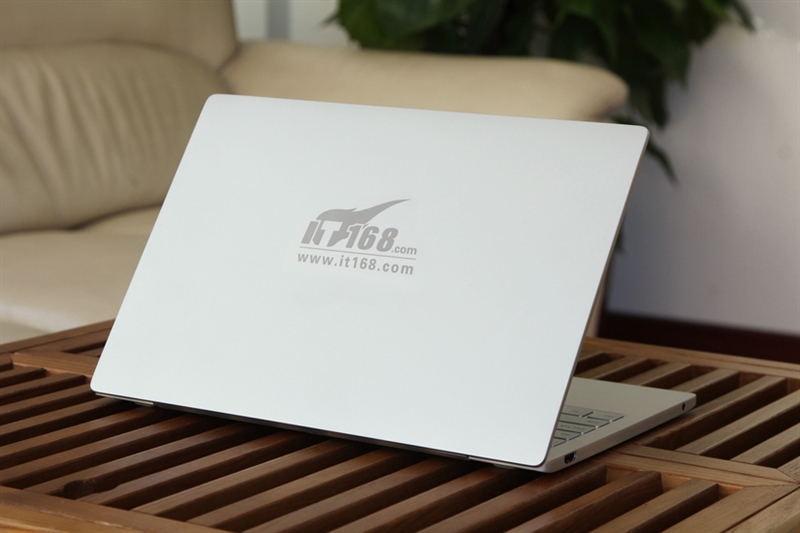
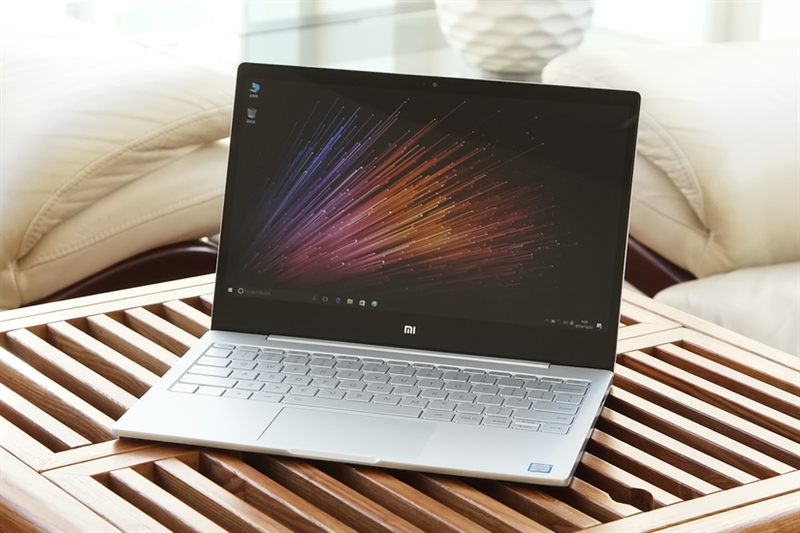
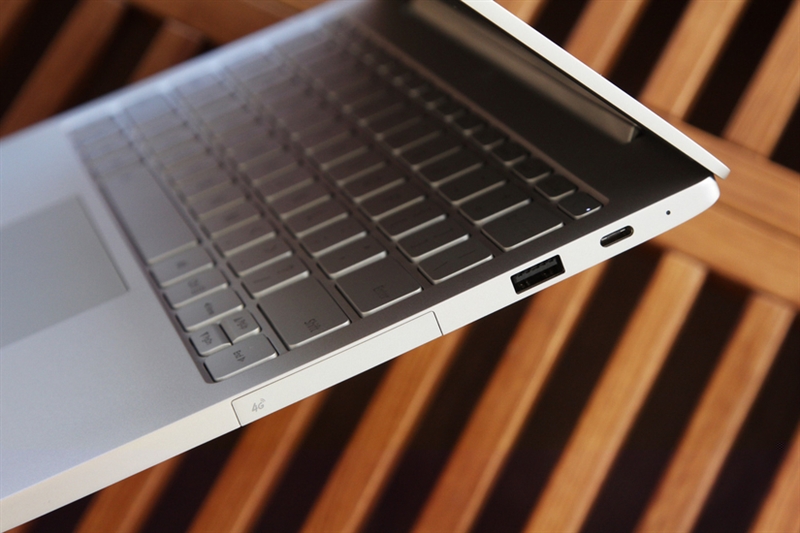
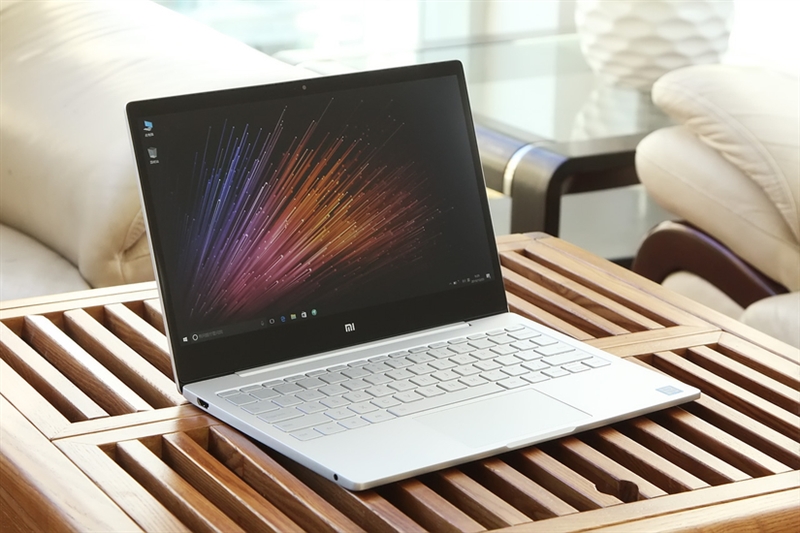
Xiaomi, Friday afternoon, took the wraps off its latest version of the Mi Notebook Air which comes with 4G LTE network capability and some improvements on the specs. The new release was done in conjuncttion with Chinese telecommunication giant, China Mobile in a ceremony held in Beijing.
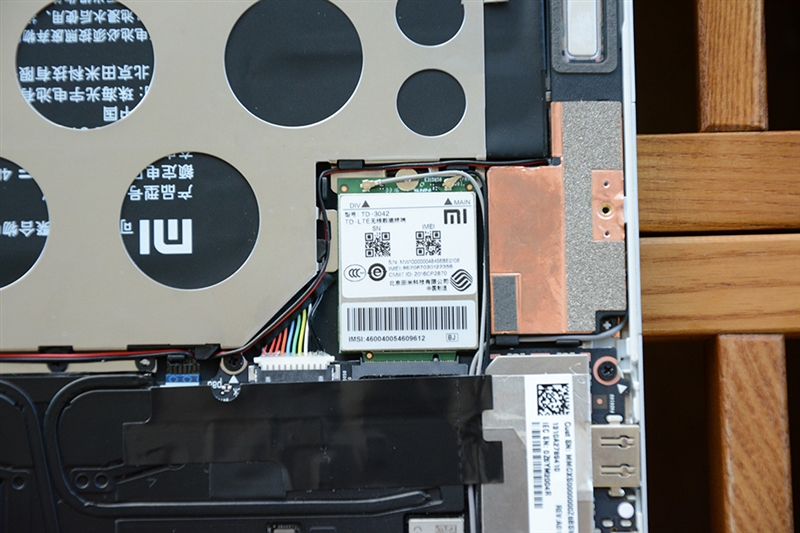
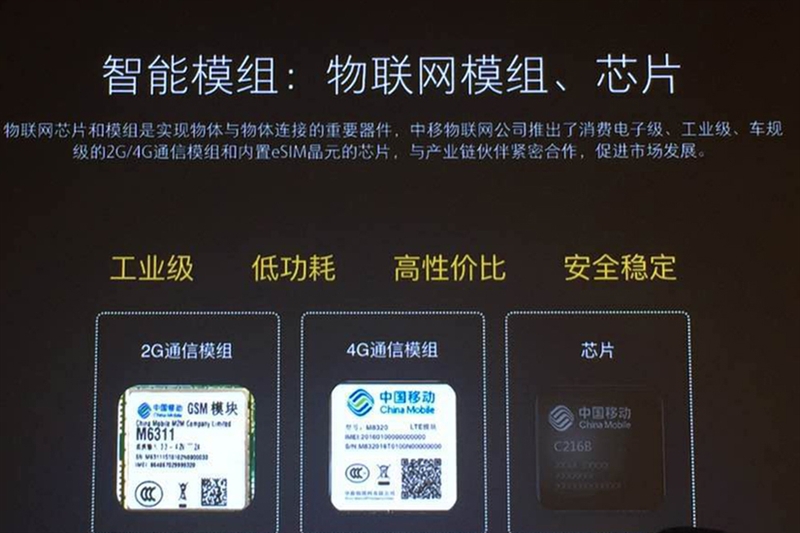
The Mi Notebook Air 12 and Mi Notebook Air 13 were announced to have gotten 4G enabled versions which do not require the use of SIM card as the connectivity is built-in and activated out-of-the-box. Since Xiaomi is aprtnering ith China Mobile who is offering the 4G connectivity, it is not clear whether the feature is networked locked to China mobile or is capable of being used on other carriers’ network as well.
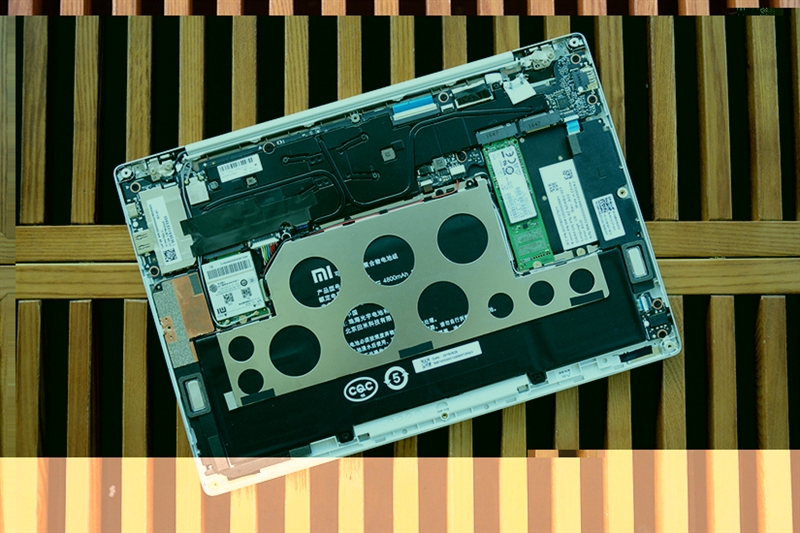
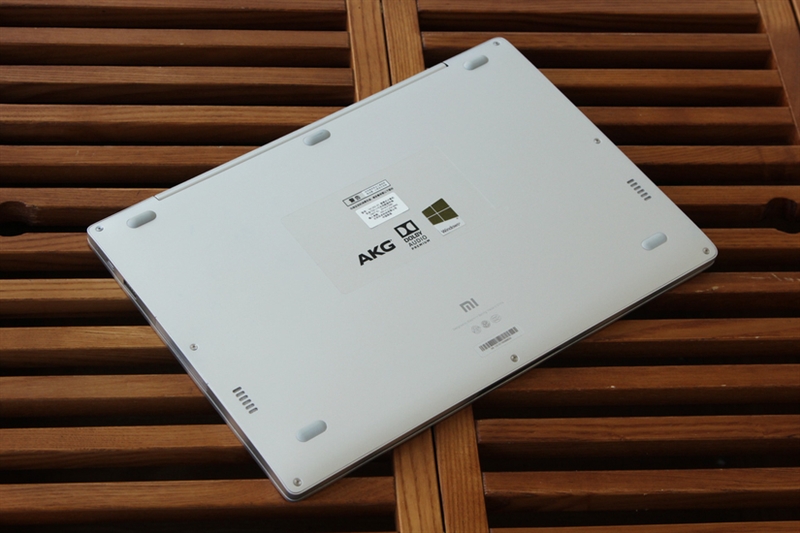
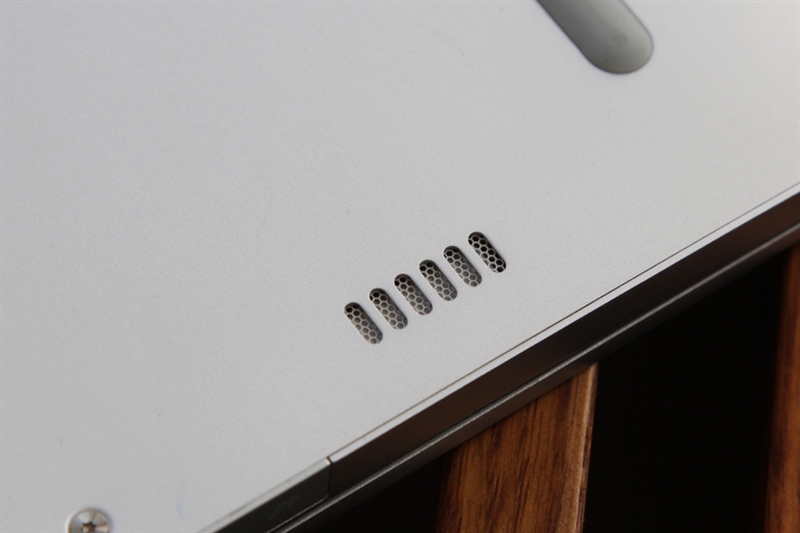
Well, if you are wondering what the 4G SIM-less module looks like inside the Notebook PC, we just may have got the answer for you. The Mi Notebook Air has got the teardown treatment, coming straight from IT168.
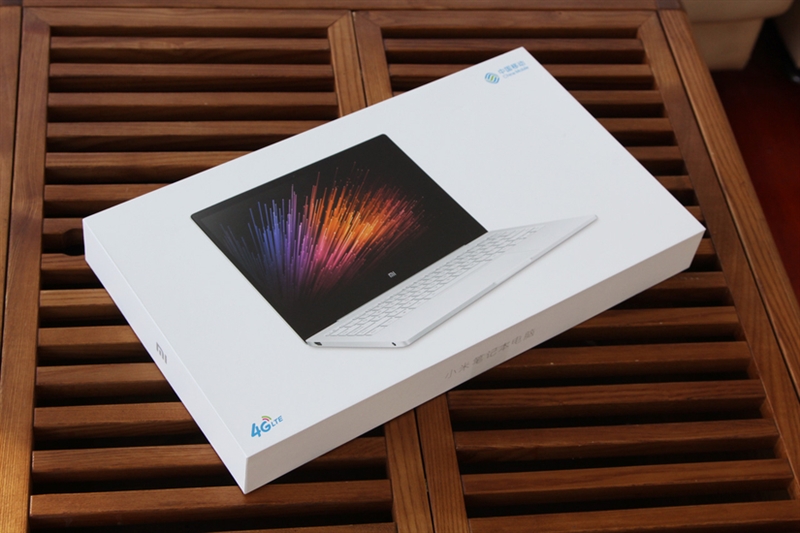
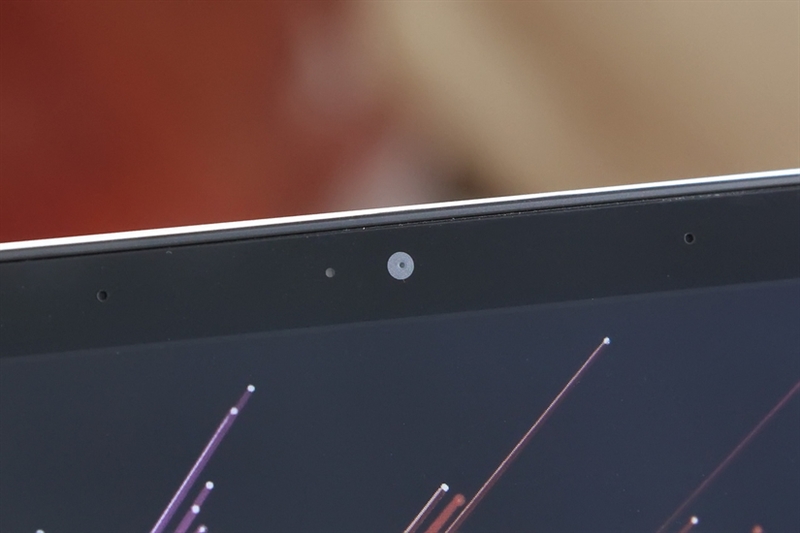
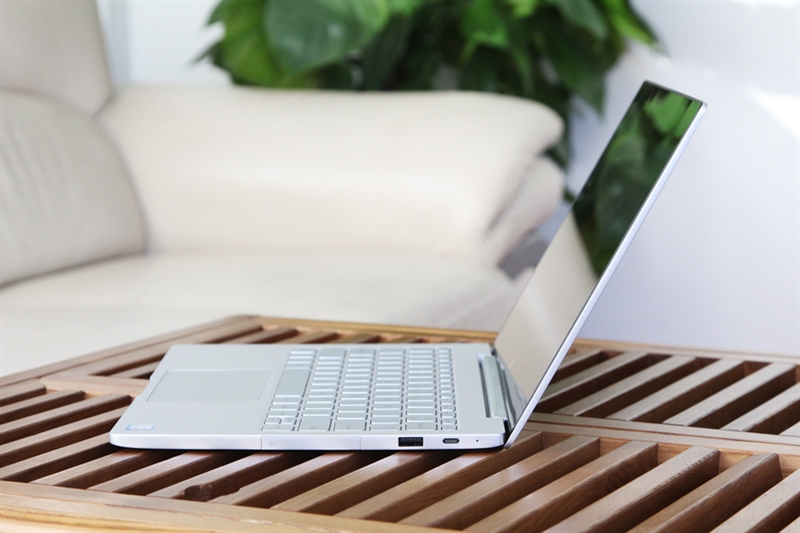
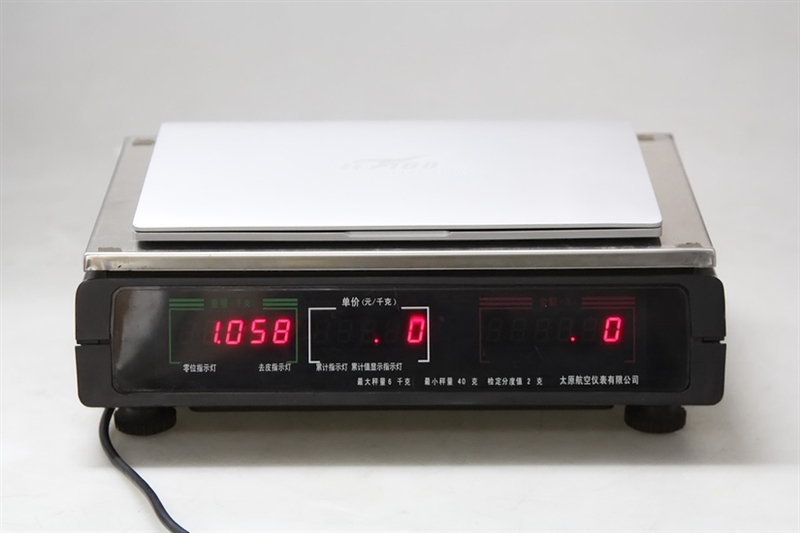
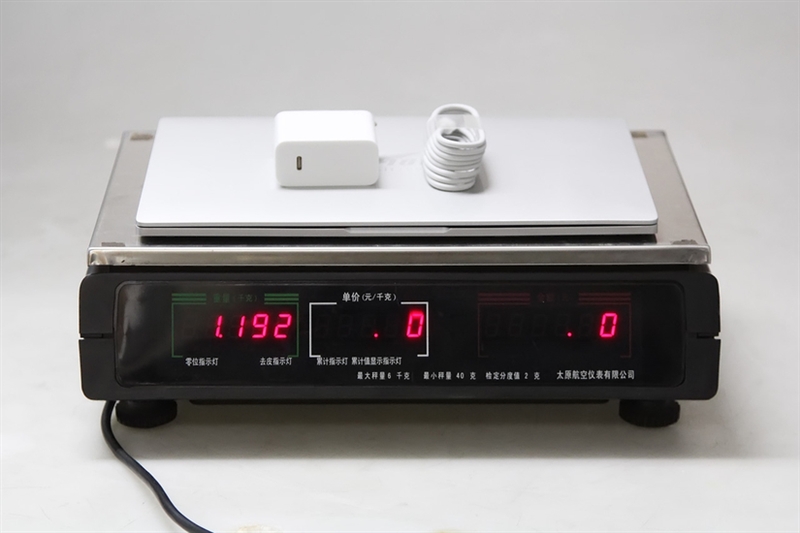
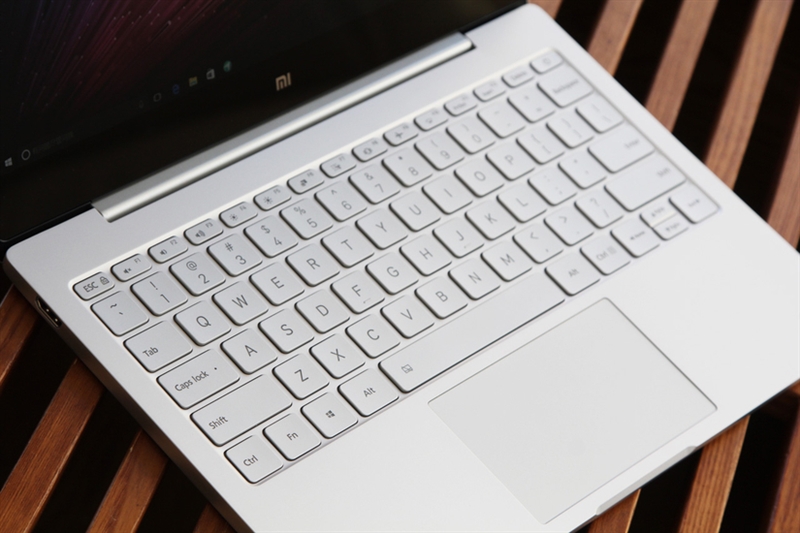
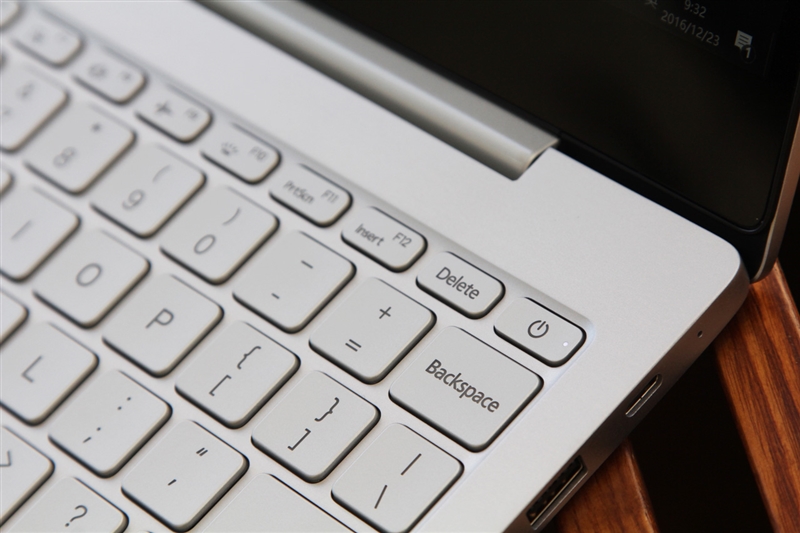
Xiaomi did indicate on the box casing that this version has 4G LTE connectivity,, if not the box casing look similar to those of those of the first gen Mi Notebook Air. The laptop till retains its ultra-thin, super light weight design but comes studded with even more fire power on the 13.3-inch model which uses a more powerful Intel Core i7 processor. Up to 10% increase in performance is what this brings into the fray.
The teardown images speak for themselves, revealing the internals of the Mi Notebook Air. And by the way, Xiaomi still boast of the Mi Notebook Air having a lighter weight than the Macbook Pro and also coming in faster in 4G connectivity than the iPad Pro with 4G connectivity onboard.
Another thing, the Mi Notebook Air 4G version also pack powerful built-in battery like it predecessors. And from the look of thing, the 4G option will only be available on China Mobile network meaning its not likely to ship internationally soon except Xiaomi decides to unlock it and make it available to her fans abroad in the near future.
The Xiaomi Mi Notebook Air 4G version does not come cheap, though, it starts at 4699 yuan for the 12.5-inch model while the 13.3-inch moodel come in at 6999 yuan.
Fitness bands are the best selling wearables, mainly because they are cheaper than a smartwatch and that they provide a lot of important details relevant to someone who wants to stay fit. Xiaomi’s Mi Band and Mi Band 2 are definitely the two top smart bands that come to our mind when you think of cheap wearables, but there are other offerings in the market as well, and given their cheap price, it makes sense to buy one of these for those looking for an entry-level fitness tracker.
If your budget is under $20, you still have a couple of options and out of those, I believe, the Teclast H30 comes out as an attractive device. At present, the smartband is being sold on Gearbest for just $17 which is cheap, especially for the features that you get.
Of course, small time Chinese companies are known to claim big things when it comes to features, which is why many of us are quite unsure about these devices. Hence, I decided to take a look at the super cheap Teclast H30 fitness band, to see whether it works as good as the company claims. So, let’s move on to the Teclast H30 review to find out if it’s any good. Also, I know that we already have a great review by Linas of the same smartband, but if you want another look at the device, reading this review could help you out as the price has gone down since then.
Note that I have been using Xiaomi’s Mi Band 2 for the past couple of months on a daily basis, so I can directly compare the two wearables to see where either of them comes out short.
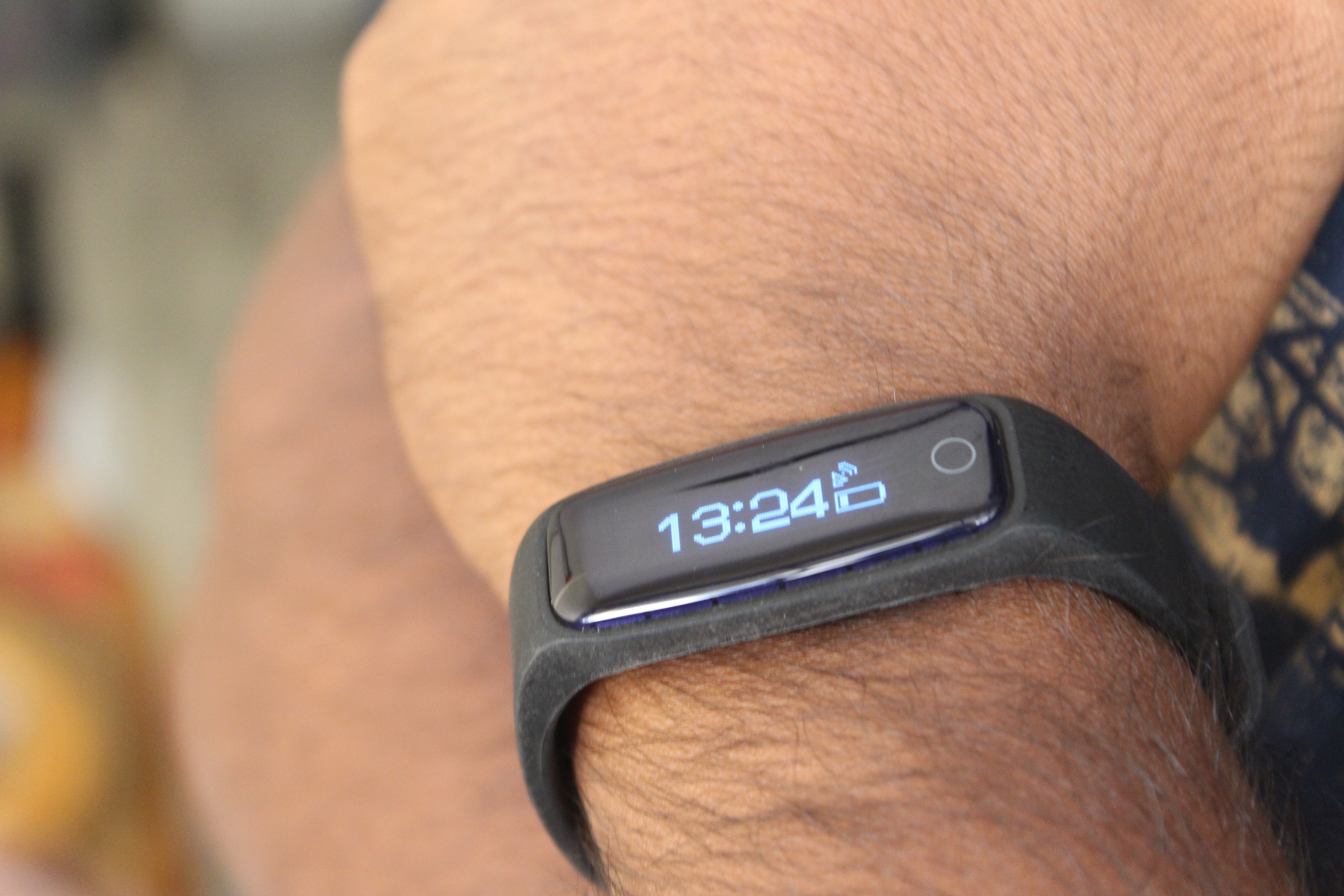
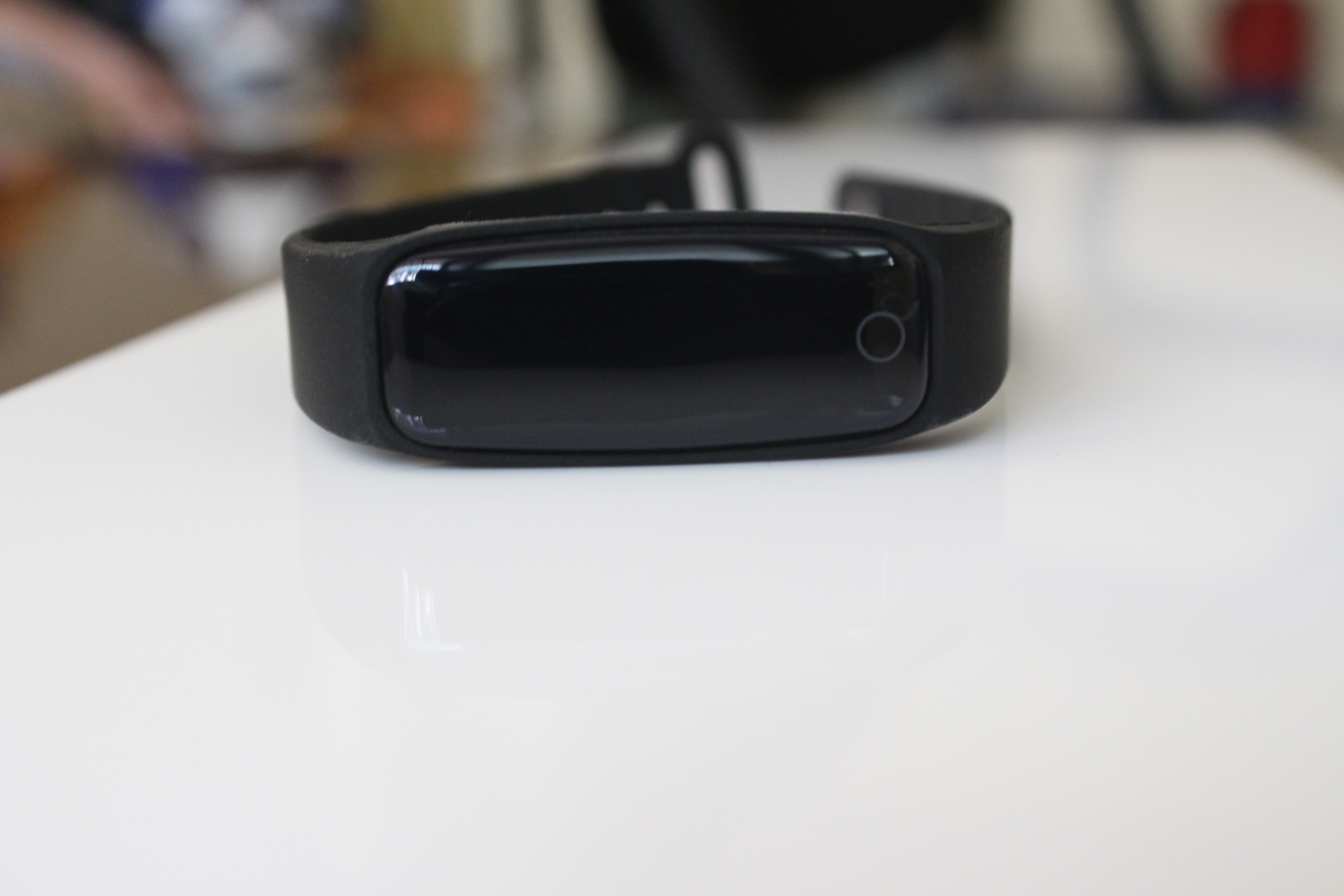
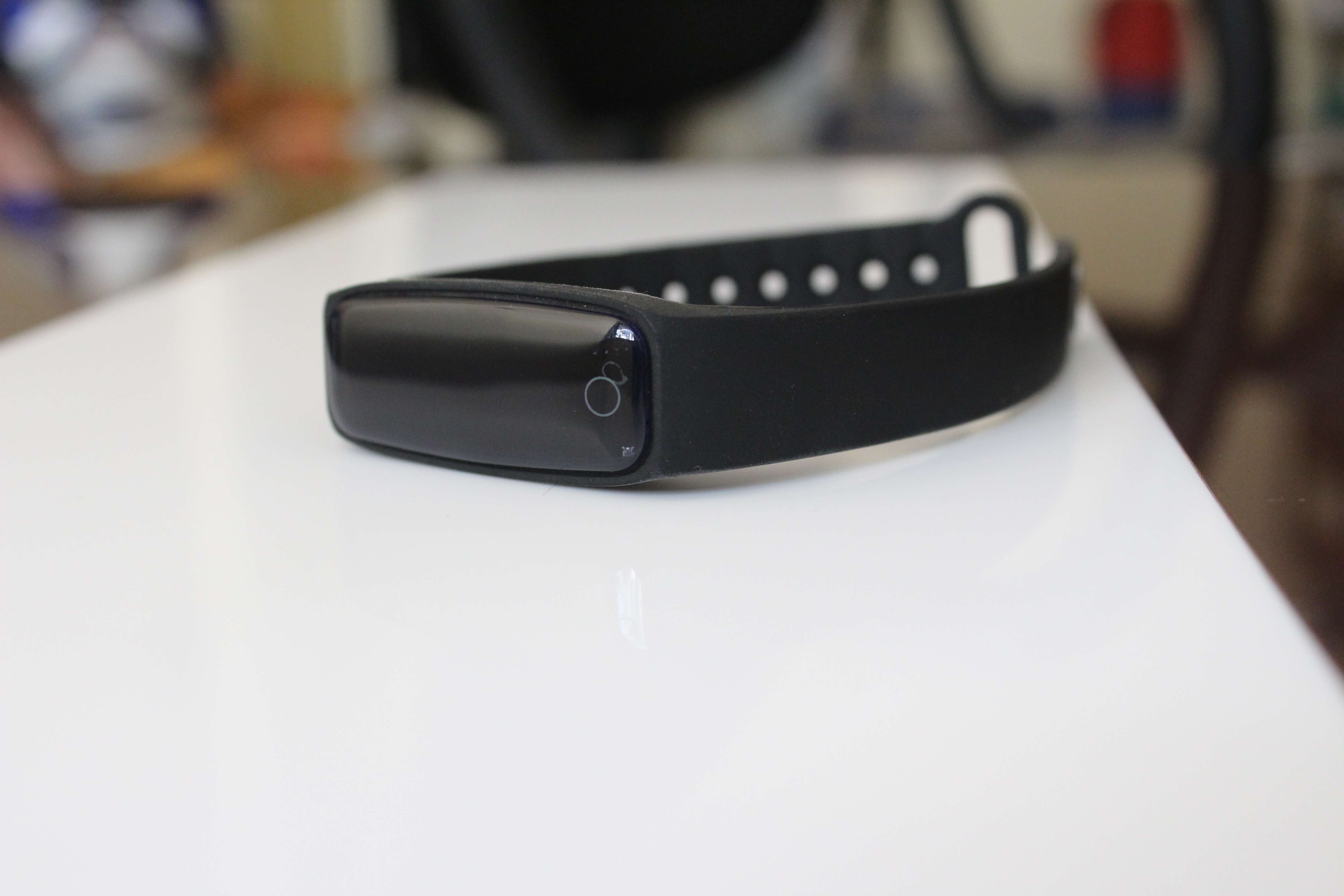
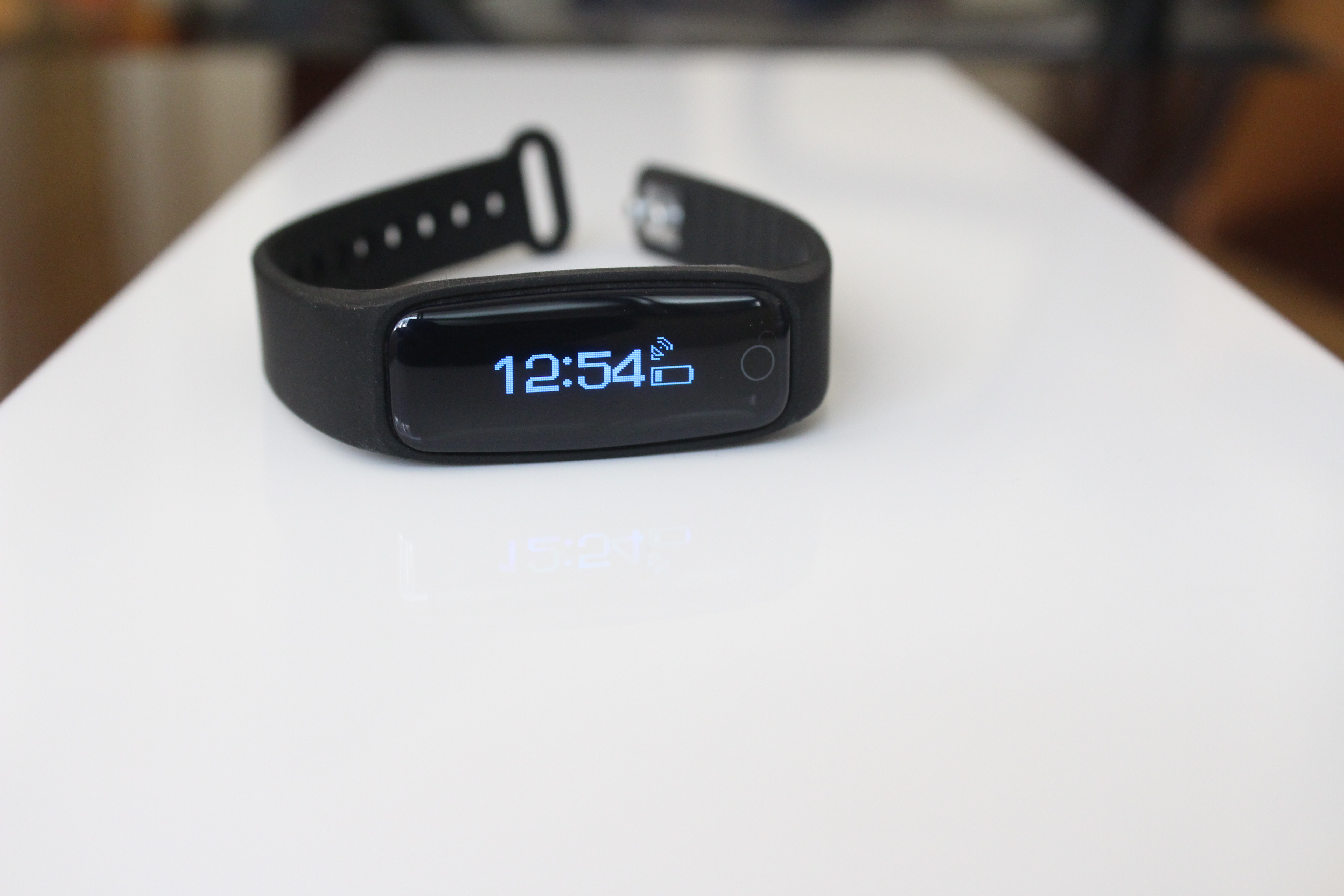
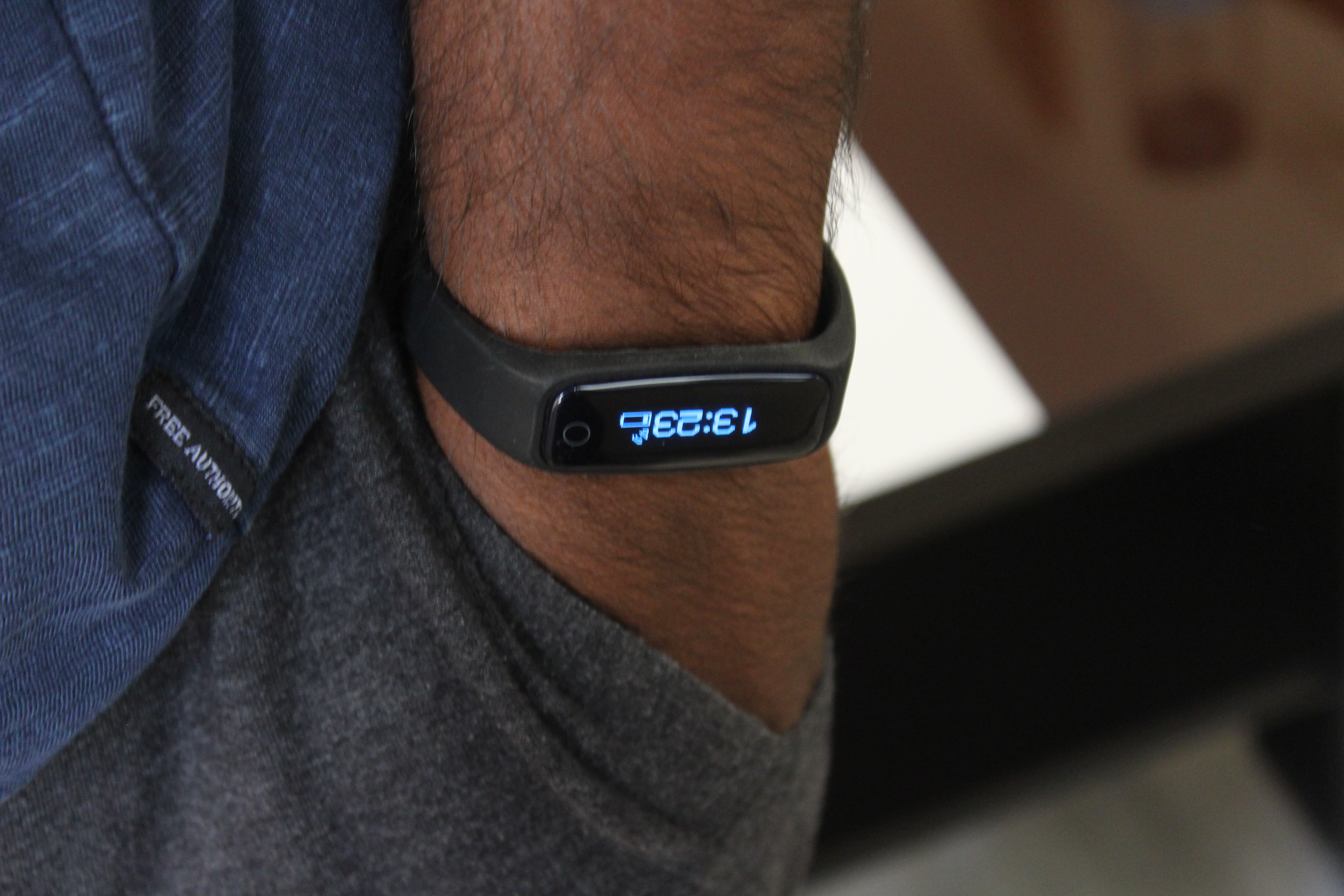
Design wise, I have to say that the Teclast H30 looks better than the Xiaomi Mi Band 2. Now, note that I am a big fan of the Mi Band 2 fitness tracker and I use it everyday, but when compared to Xiaomi’s wearable, the H30 looks much more stylish because of its curved form factor. It’s bigger than the Mi Band 2 as well, which helps it stand out easily. Plus, the large display helps as the characters are big and easily to read.
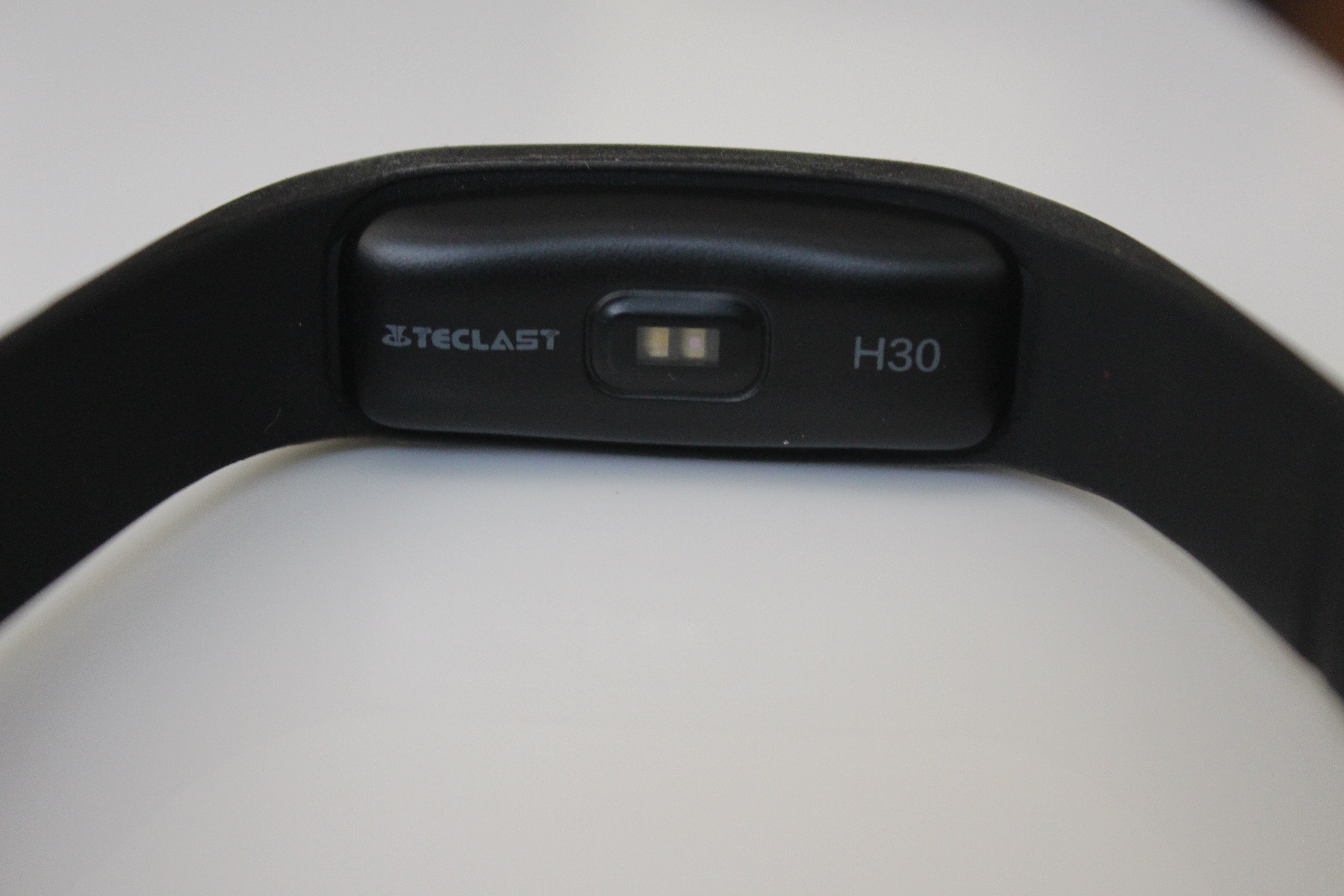
The overall design is simple, with one capacitive button on top to reveal different fitness data. At the back, there’s the heart rate sensor. The main module is detachable, unlike the Meizu Band and it’s pretty easy to insert it into the strap.
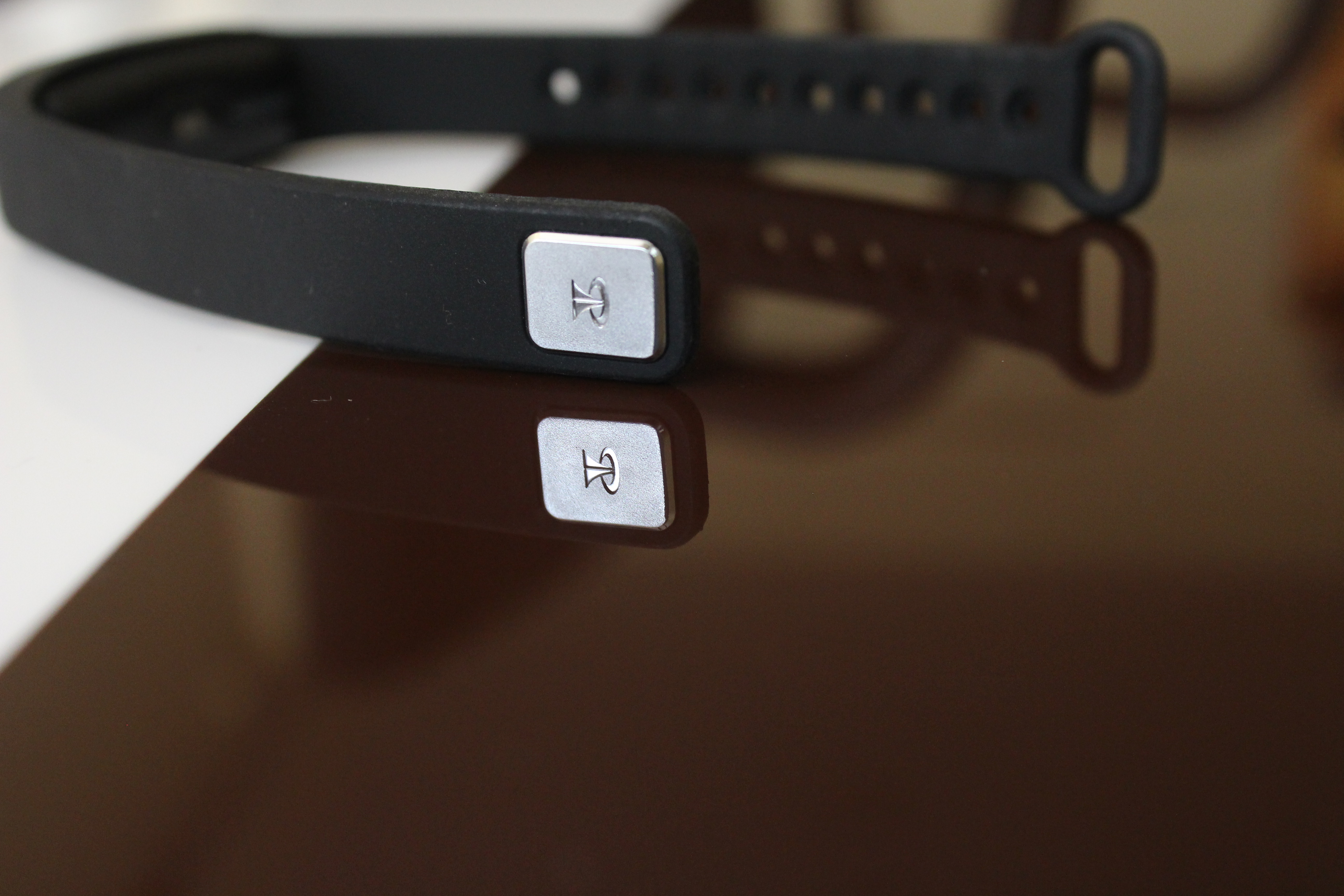
The strap is pretty decent, and it sits firmly on your wrist. I didn’t have any kind of skin irritation while wearing the band. Also, I personally like the metal lock at the end of the strap, especially because of the Teclast logo that’s etched into it. There are two pins for locking the band tightly to your wrist.
What I like about the Teclast H30 is that it comes with a standard MicroUSB port on the module itself. So, you never have to carry a separate cable for charging your band. Just connect to any standard Android charger and you are good to go.
DISPLAY
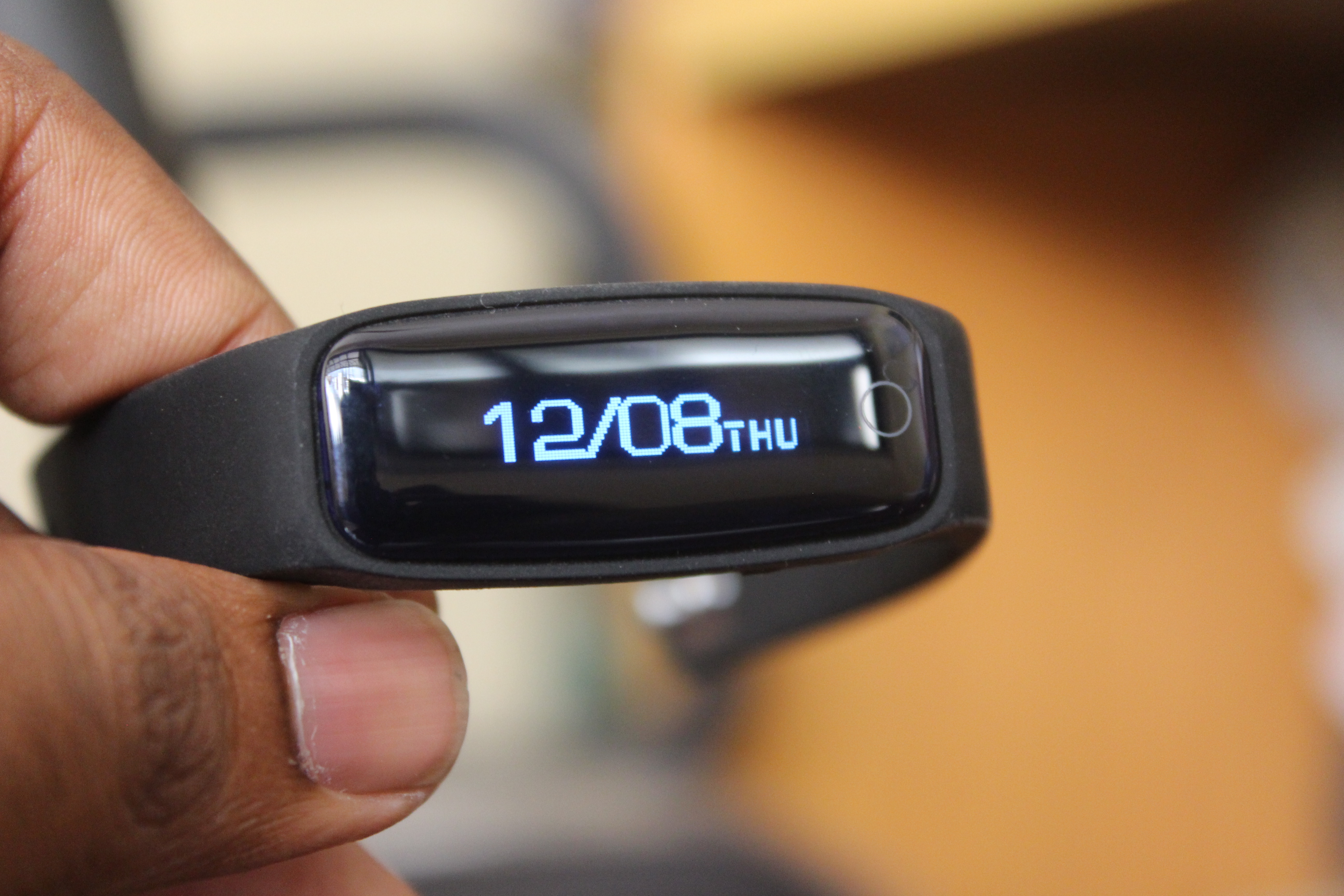
The display on the Teclast H30 is larger than traditional fitness bands. It’s a 0.86 inches OLED screen with 96 x 32 resolution. Because of its large screen, everything on the display looks quite big. It’s good for those who have a hard time reading small letters. Plus, unlike the Mi Band 2, the Teclast H30 comes with support for full English characters. On the other hand, the Mi Band 2 has limited character support, and only recently did the company release an update to add new characters which at present is limited to Chinese. So, that’s a plus for the Teclast Band.
Note that everything displayed on the band comes in Blue color. I would have personally liked the symbols and characters to be sharper, but to be honest, everything still looks quite good.
Indoor visibility is great and the blue characters are clearly visible all the time. However, if you are stepping out when the sun is shining super bright, it becomes quite hard to see what’s on the screen. You will have to look really hard in such cases to see the data on the screen. But in all other cases, the brightness is good.
The data on the screen is displayed horizontally. For a fitness band, that’s not the ideal layout, mainly because you naturally look at the band vertically (as the band comes up vertically when you lift your wrist). To be honest, I wasn’t happy with this layout at first but after a day, I got used to it. And I feel, most users would feel the same.
HARDWARE
General
Bluetooth version: Bluetooth 4.0
Language: English,Simplified Chinese
Screen type: OLED
Operating mode: Touch Screen
Compatible OS: Android,IOS
Compatability: Android 4.3 / iOS 7.0 and Above System
People: Female table,Male table
Available color: Black
Battery
Type of battery: Li-polymer Battery
Battery Capacty: 55mAh
Standby time: About 30 Days
Special Features
Functions: Alarm Clock,Avoid phone loss,Call reminder,Calories burned measuring,Camera remote control,Distance recording,Find your phone,Measurement of heart rate,Notification of app,Pedometer,Sedentary reminder,Sleep management,SMS Reminding,Steps counting,Time
Notification type: Facebook,Wechat,WhatsApp
Alert type: Vibration
Dial and Band
Shape of the dial: Rectangle
Case material: TPU
Band material: Silicone
Weight and Size
Dial size: 4.4 x 1.6 x 1.2 cm / 1.73 x 0.63 x 0.47 inches
Band size: 22.6 x 1.4 cm / 8.9 x 0.55 inches
Wearable length: 17 – 22 cm / 6.69 – 8.66 inches
Product weight: 0.017 kg
Package weight: 0.137 kg
Product size (L x W x H): 22.60 x 1.60 x 1.20 cm / 8.9 x 0.63 x 0.47 inches
Package size (L x W x H): 9.66 x 9.66 x 6.00 cm / 3.8 x 3.8 x 2.36 inches
Package Contents
Package Contents: 1 x Teclast H30 Smart Wristband, 1 x Charging Cable, 1 x Chinese-English User Manual
INTERFACE
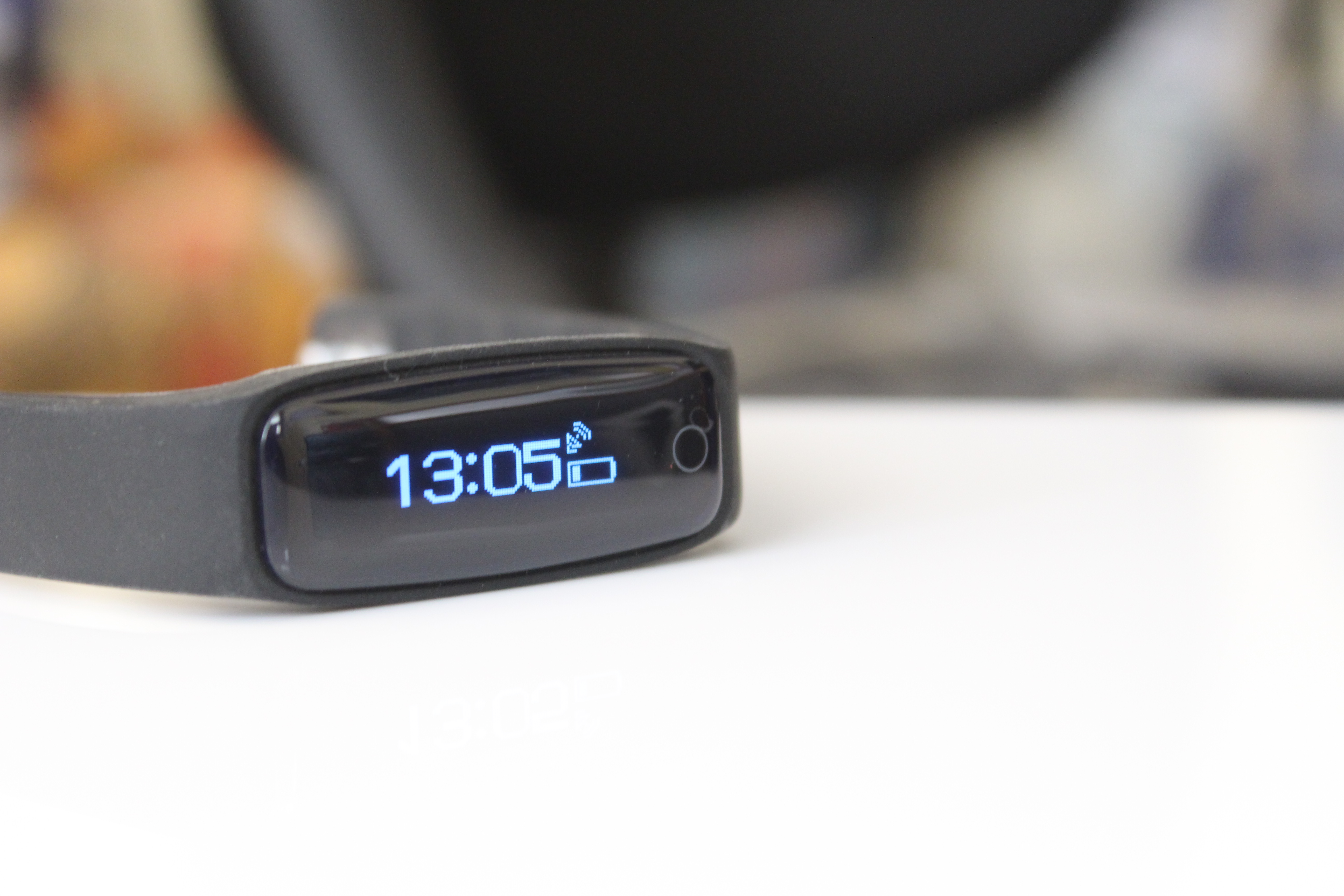
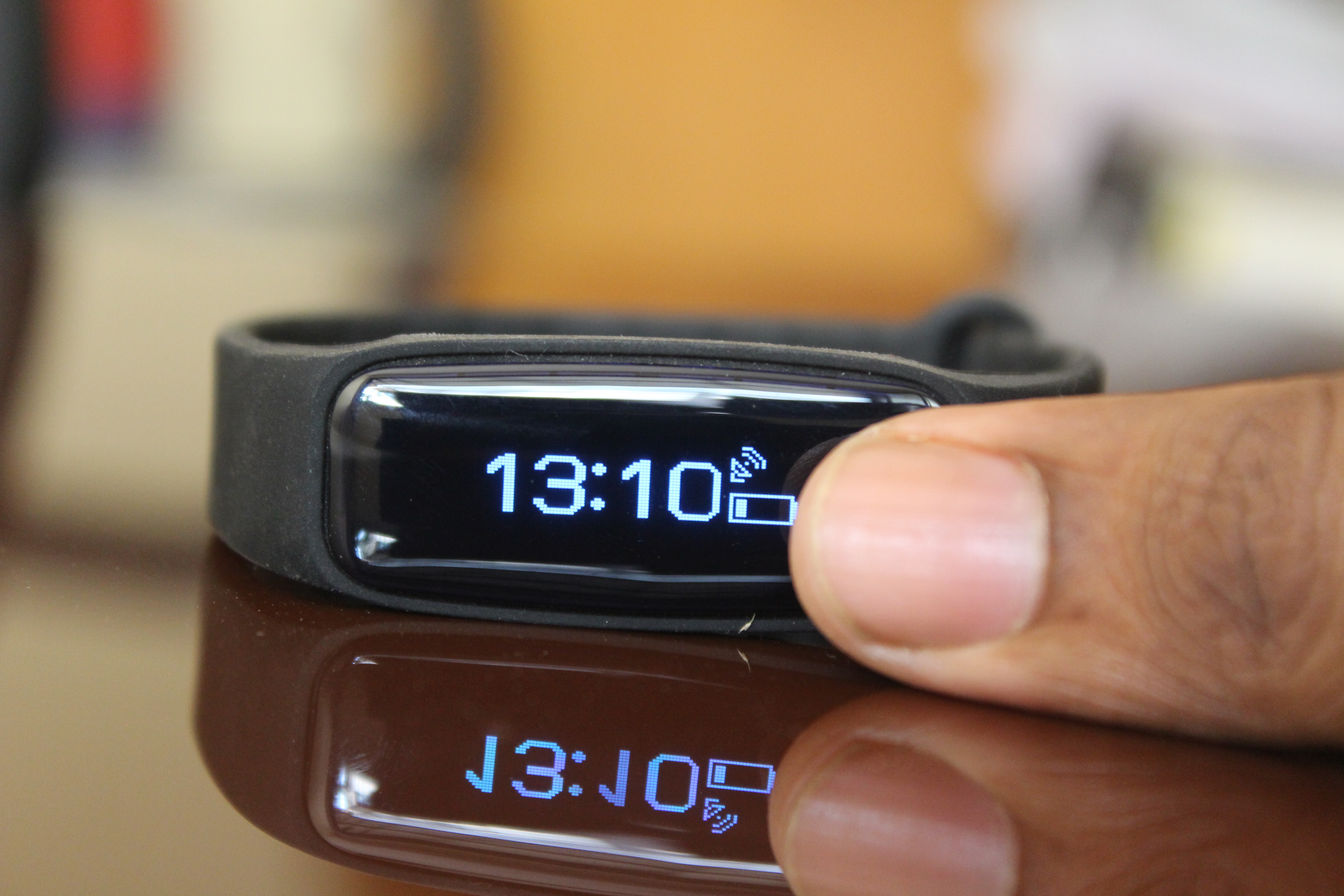
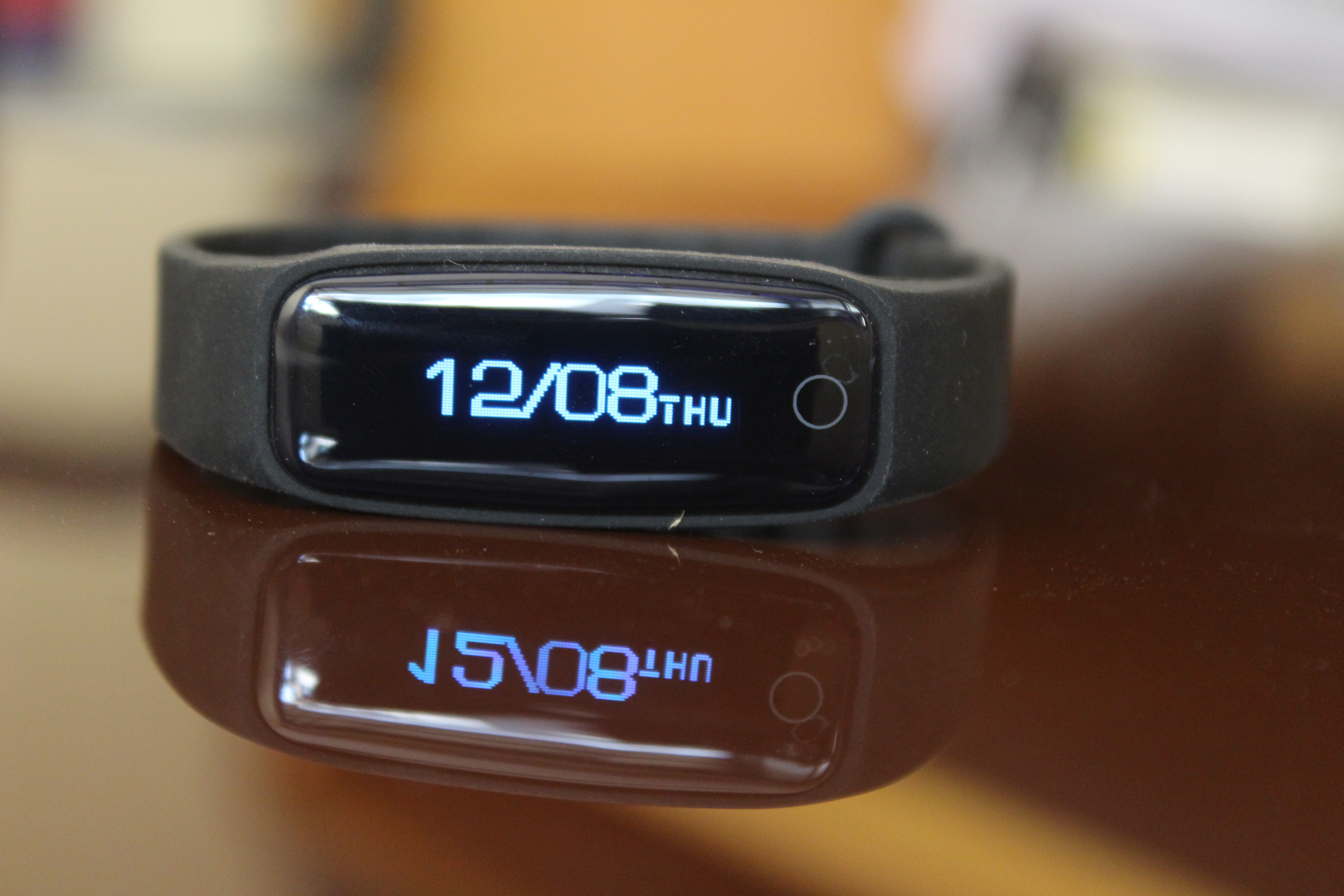
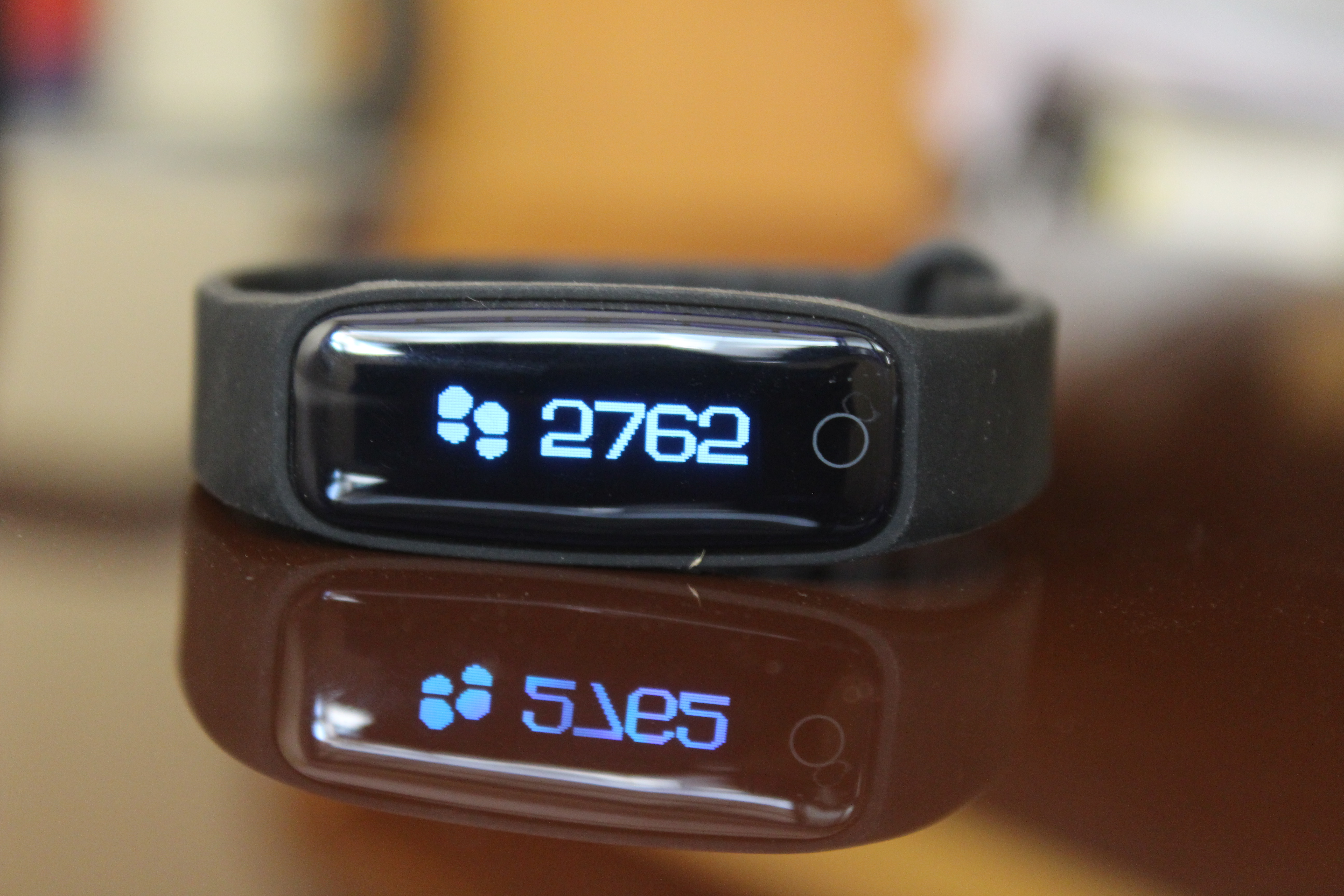
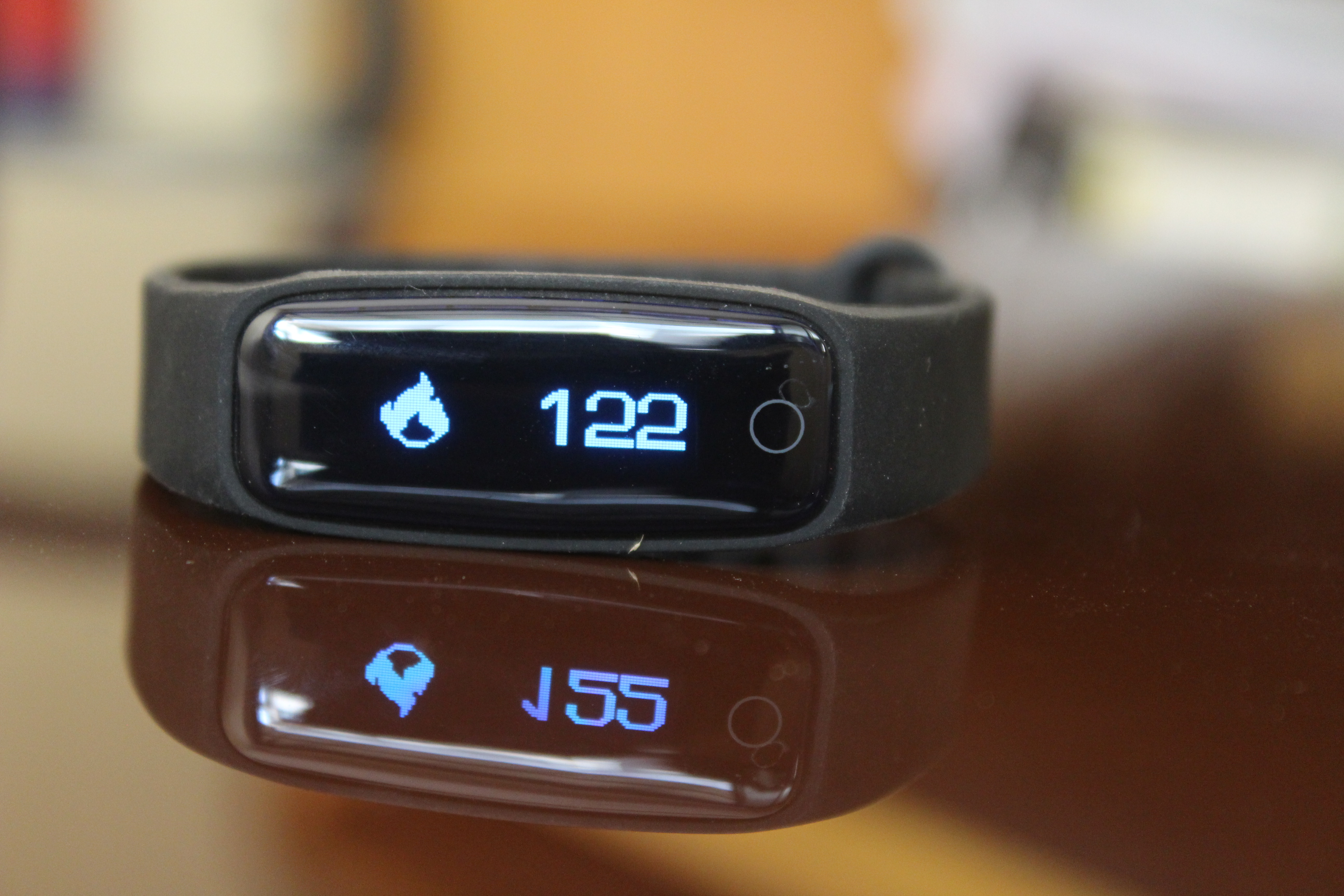
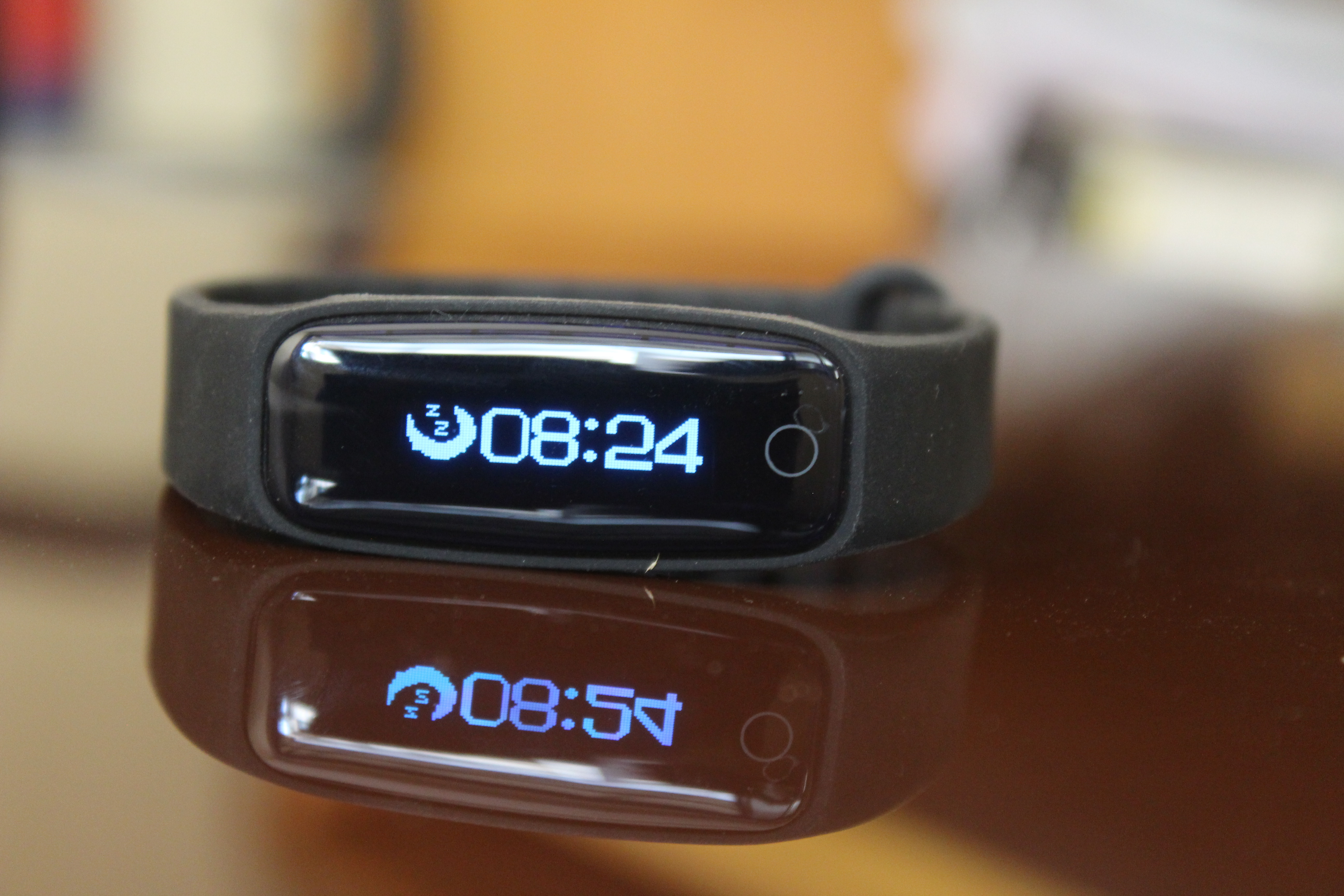
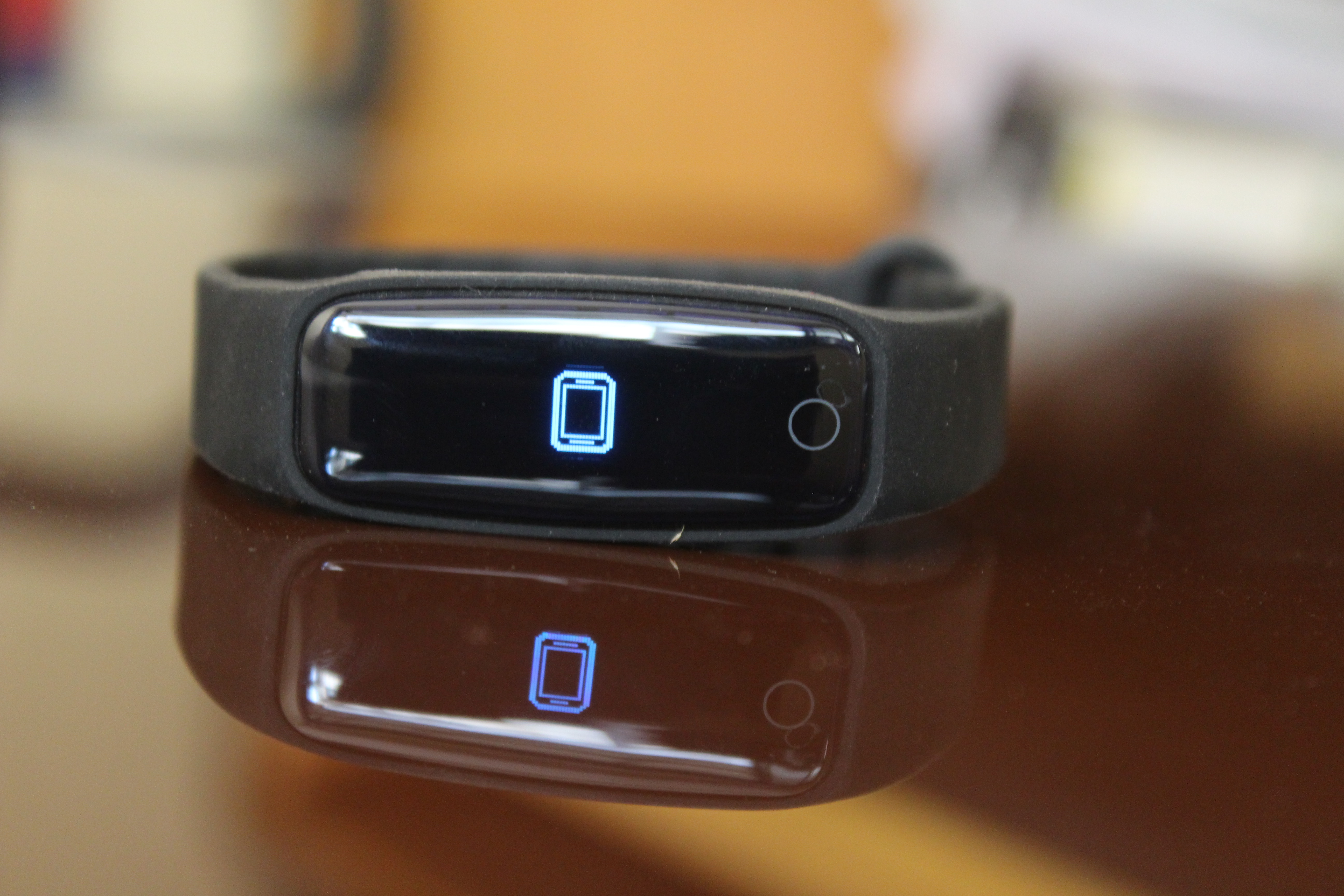
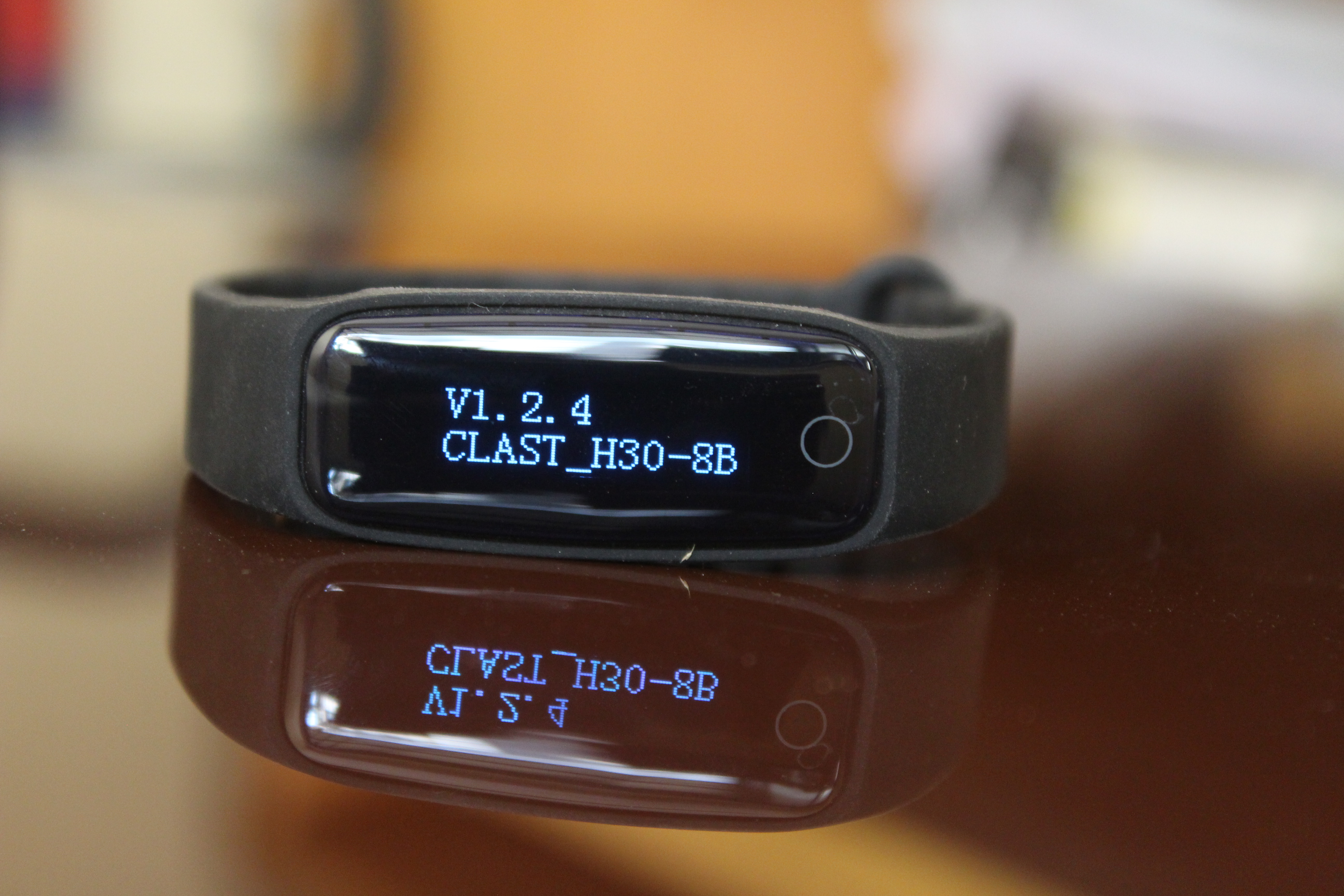
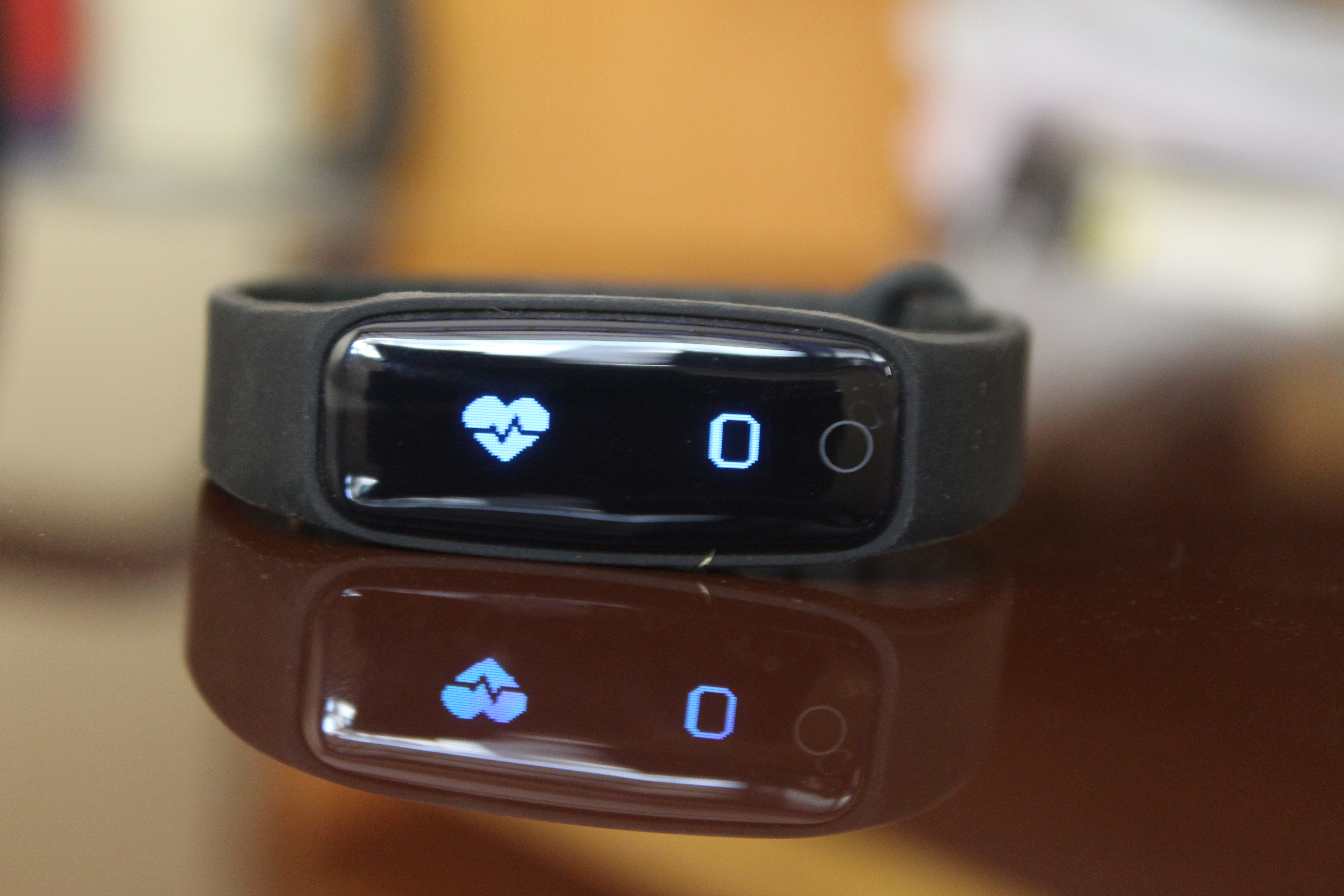
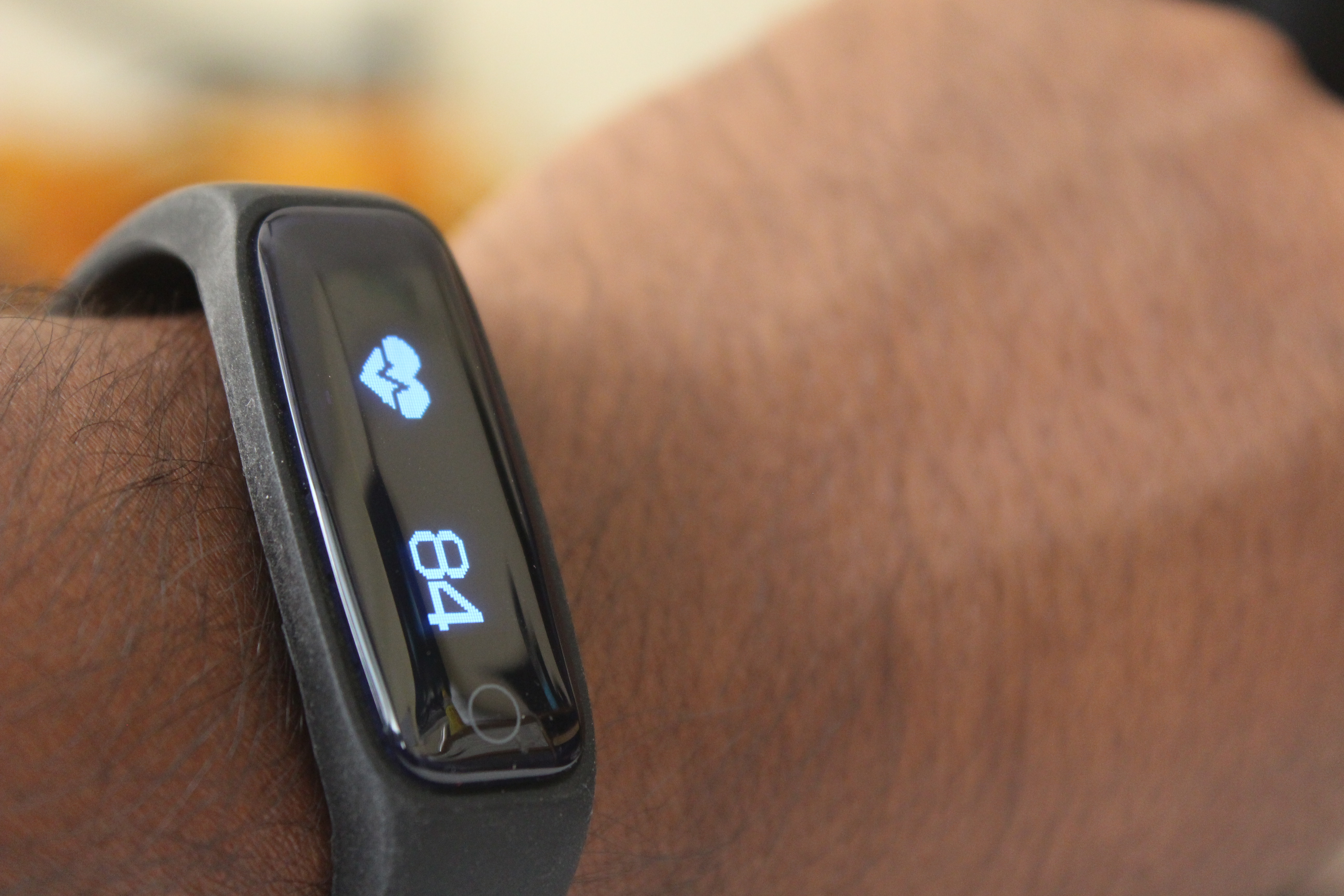
Using the Teclast H30 is simple. There’s a single capacitive button to browse through the data inside. Lighting up the display will first reveal the time panel. This also shows you the Bluetooth connection as well as the battery status. Click the button again and you get the date menu. Next, you’ll get the step count number and after that, you have the number of calories burned during the day. After that, you have the distance traveled menu. Click the button again and you go to the sleep time tracker. The number on the screen is hours you slept last night. The next menu is for connecting your band to the smartphone via Bluetooth and after that, you have the software version. After all these options, you get to the heart rate panel. It takes a few seconds for the band to calculate your heart rate, but it works fine.
To be honest, it takes a while to get used to so many menus and if you want to get to an option near the end, like the heart rate monitor, you will have to go through all the options that lie before it.
COMPANION APP
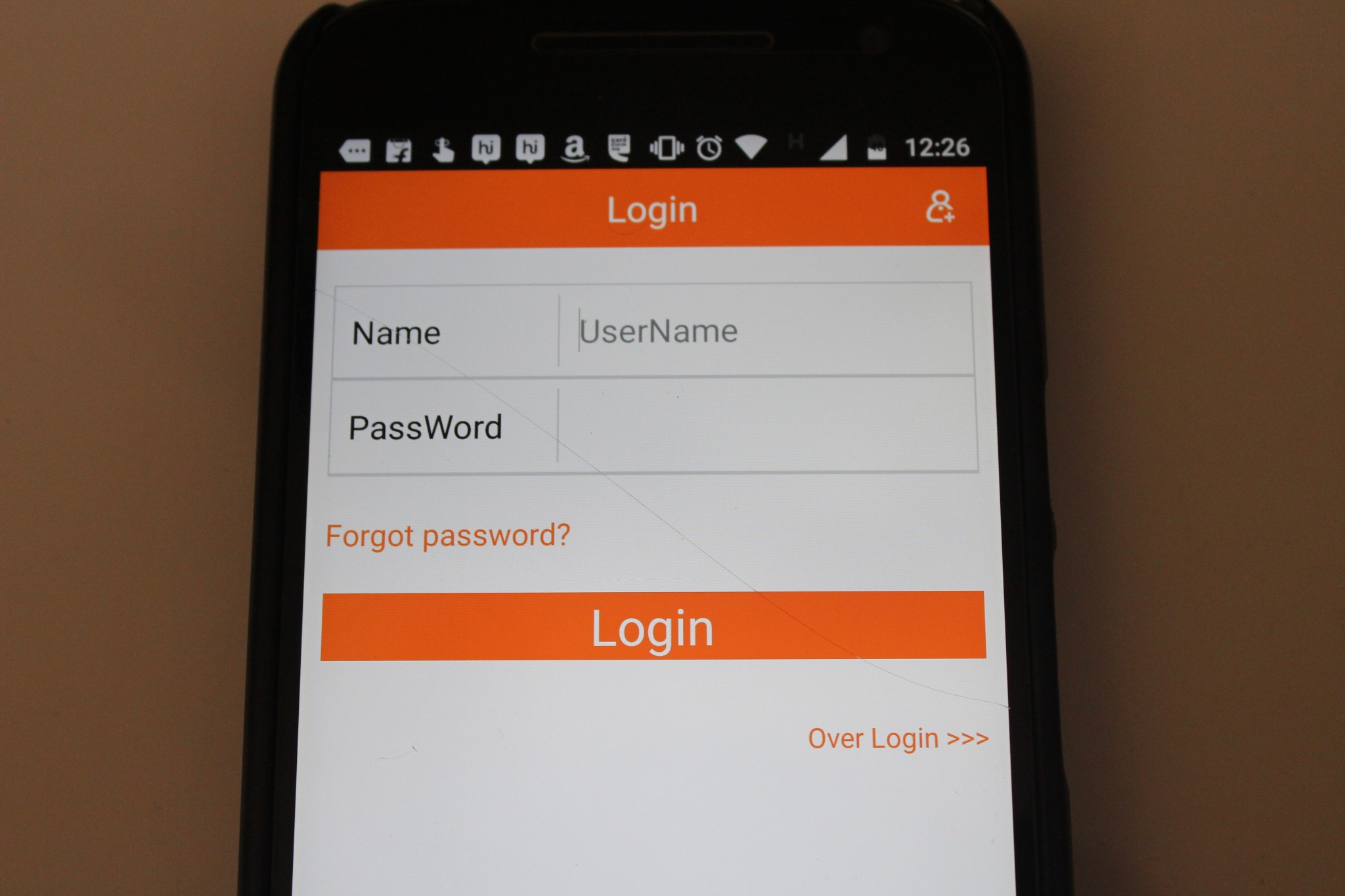
So, there are two ways to downloading the companion app for the Teclast H30. You either scan the QR code for the Teclast Smart Bracelet app given on the user manual (it’s in Eng as well as Chinese) or just head over to the iOS / Google Play store and download the TSports app. Both are fine, however, note that if you are scanning the QR code, you are forwarded to the Teclast website and you will have to enable ‘install apps from third party sources’ on your Android phone to install the app.
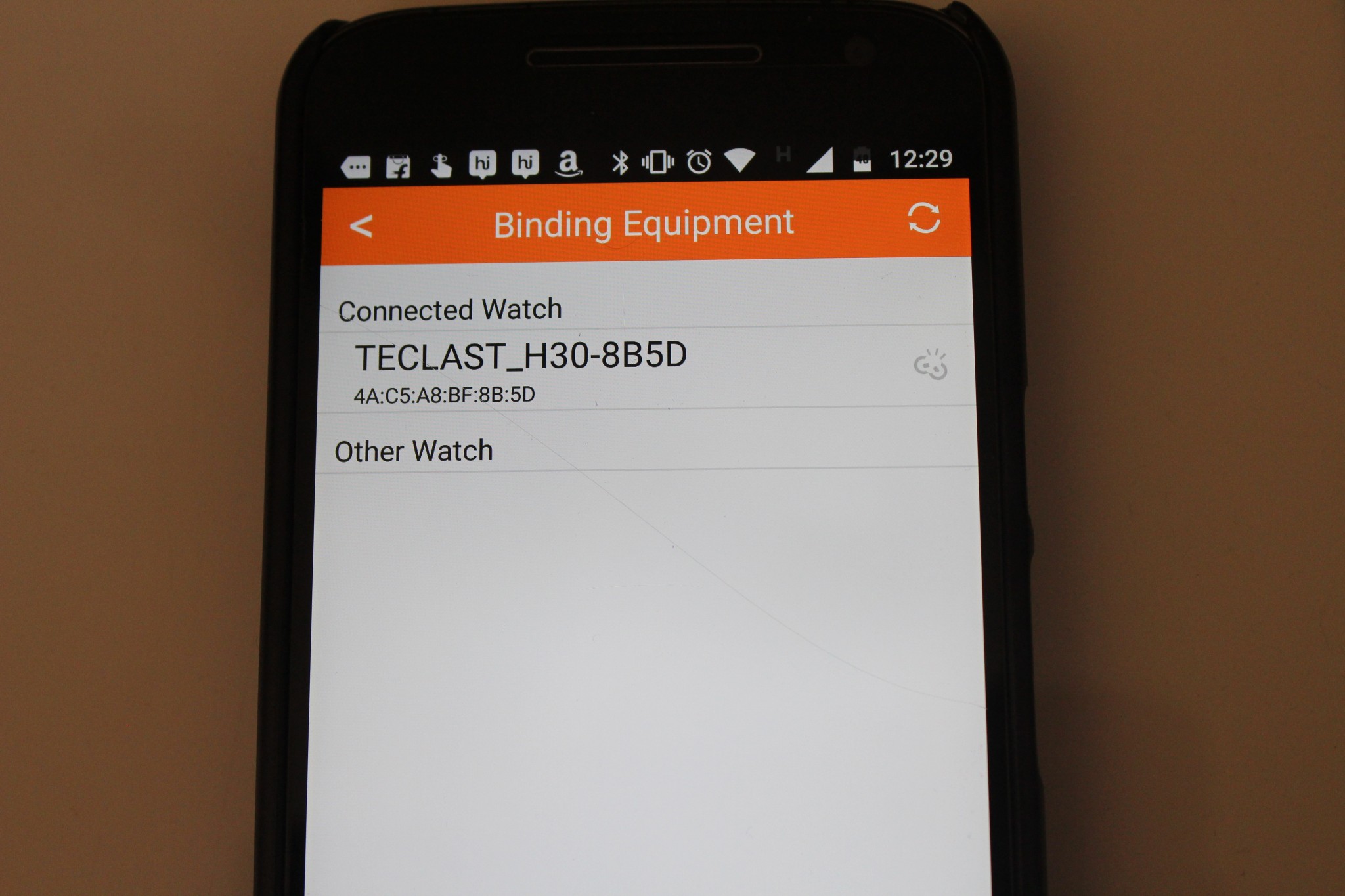
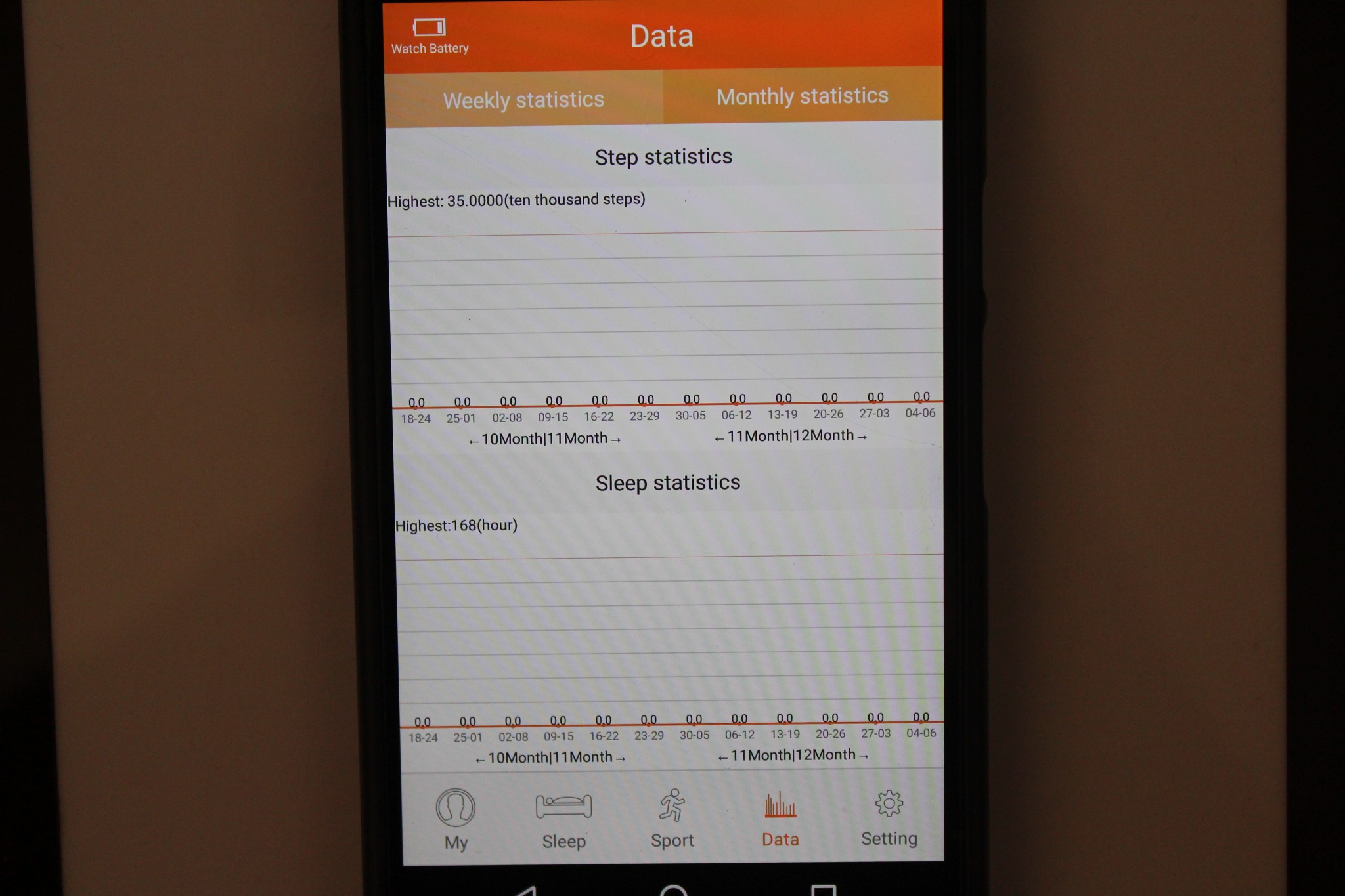
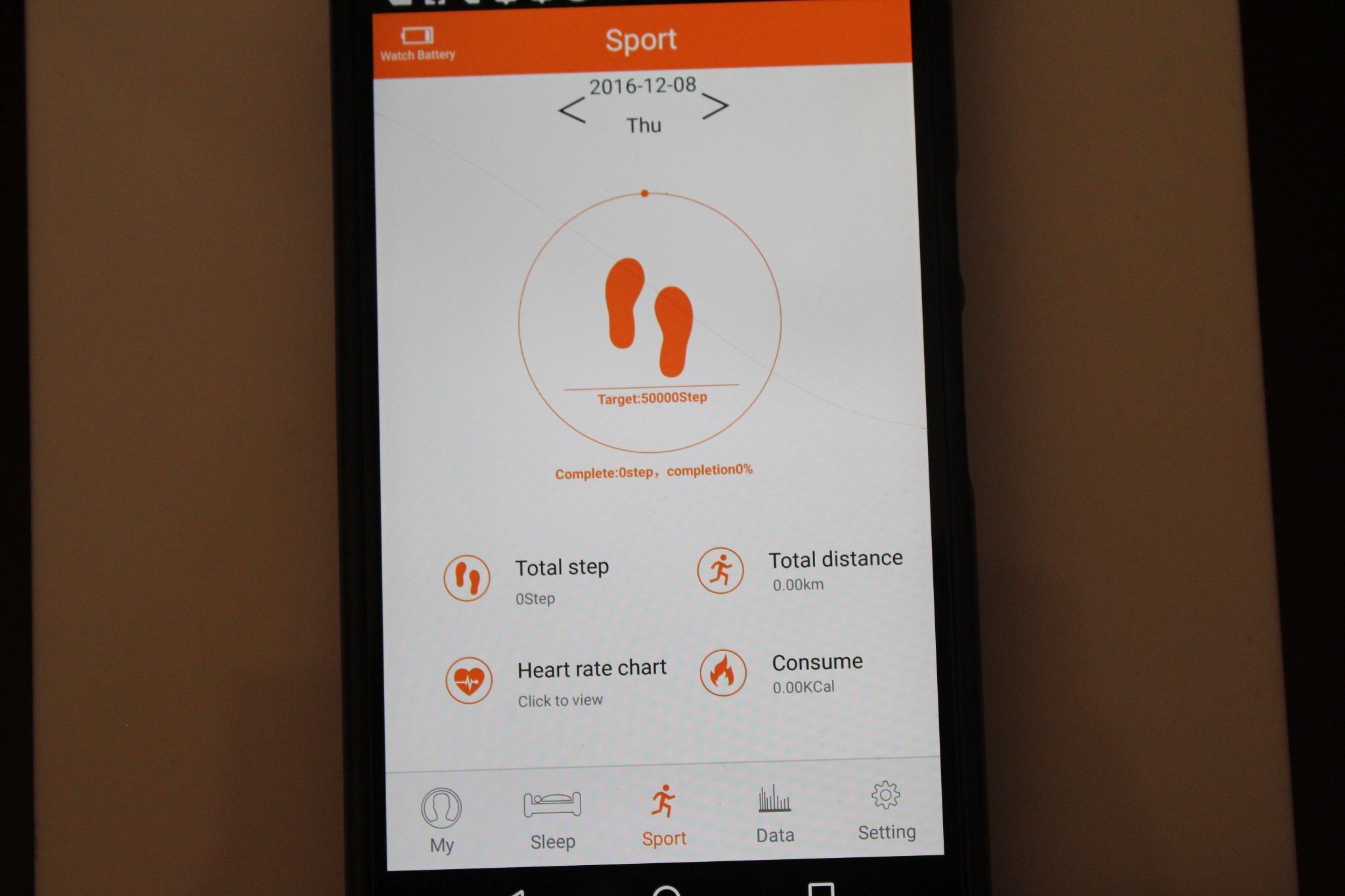
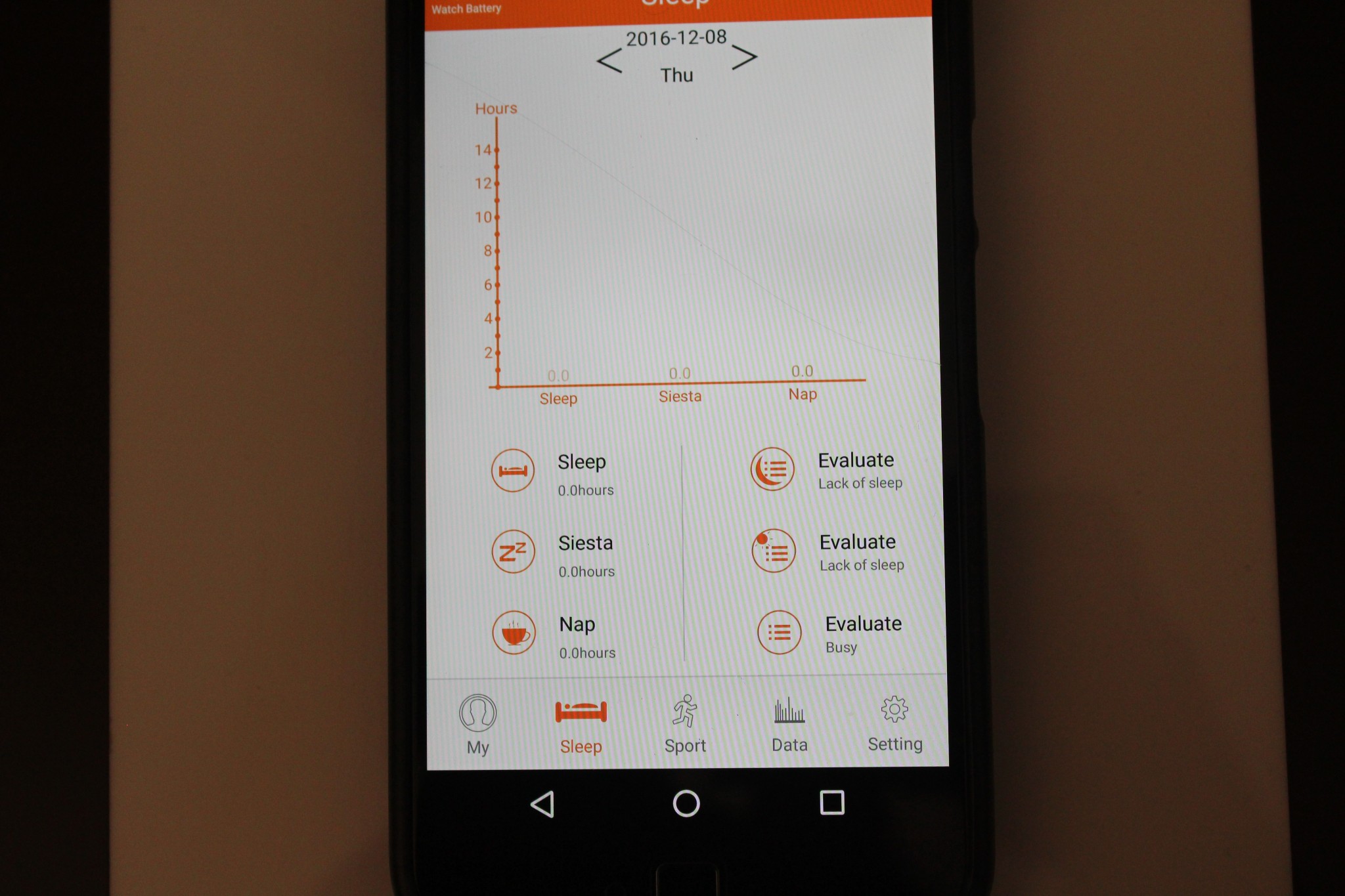
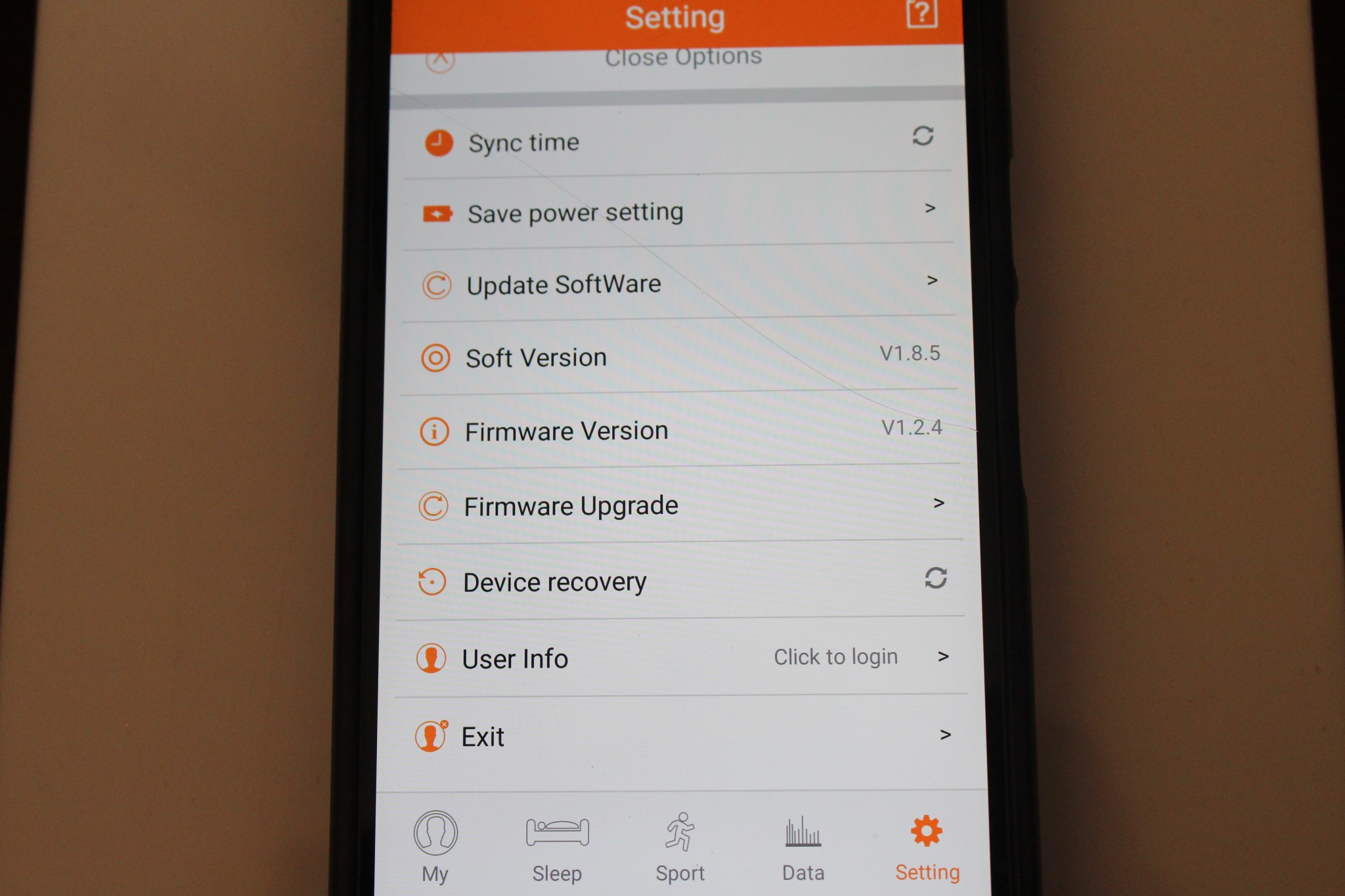
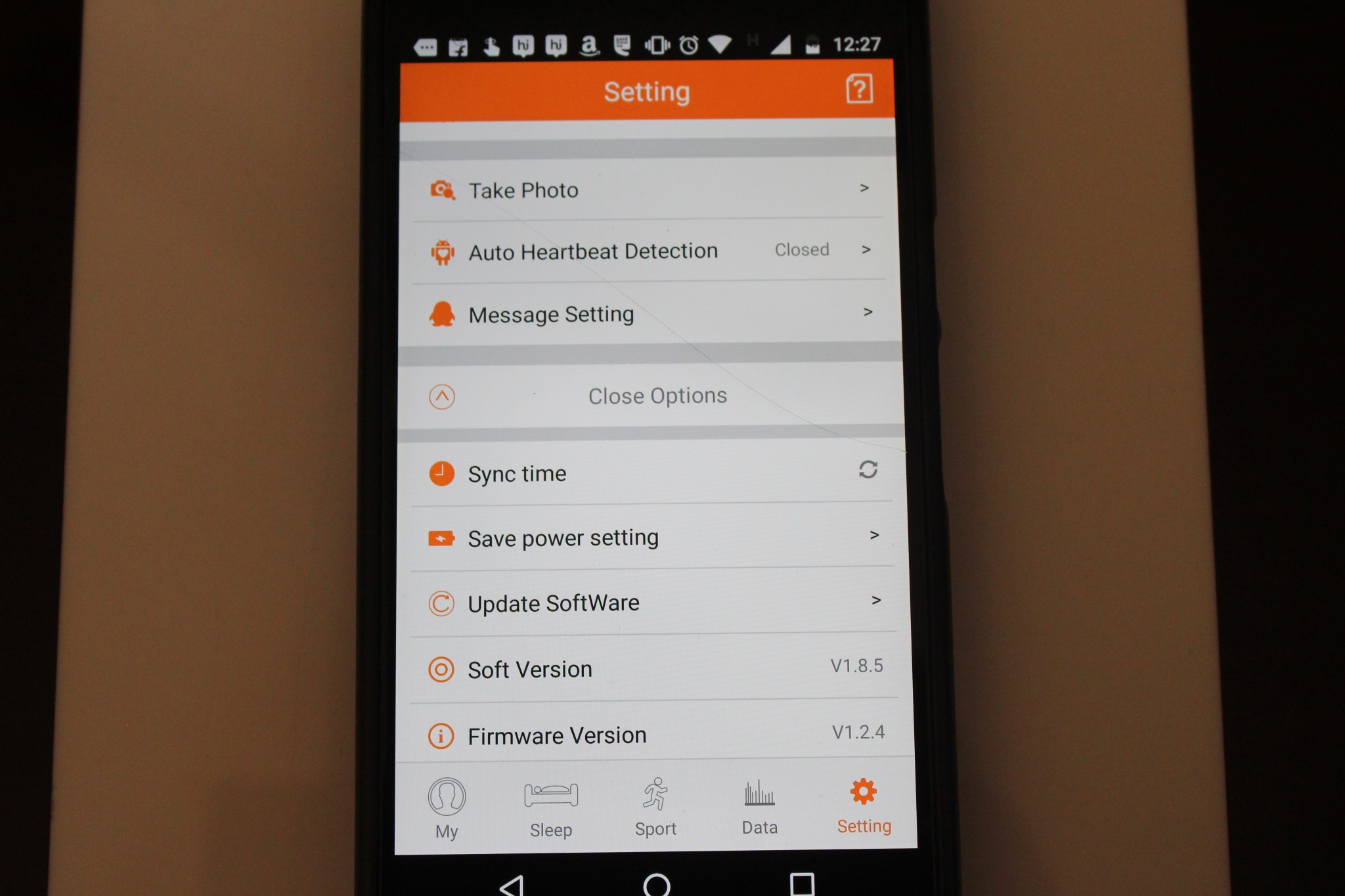
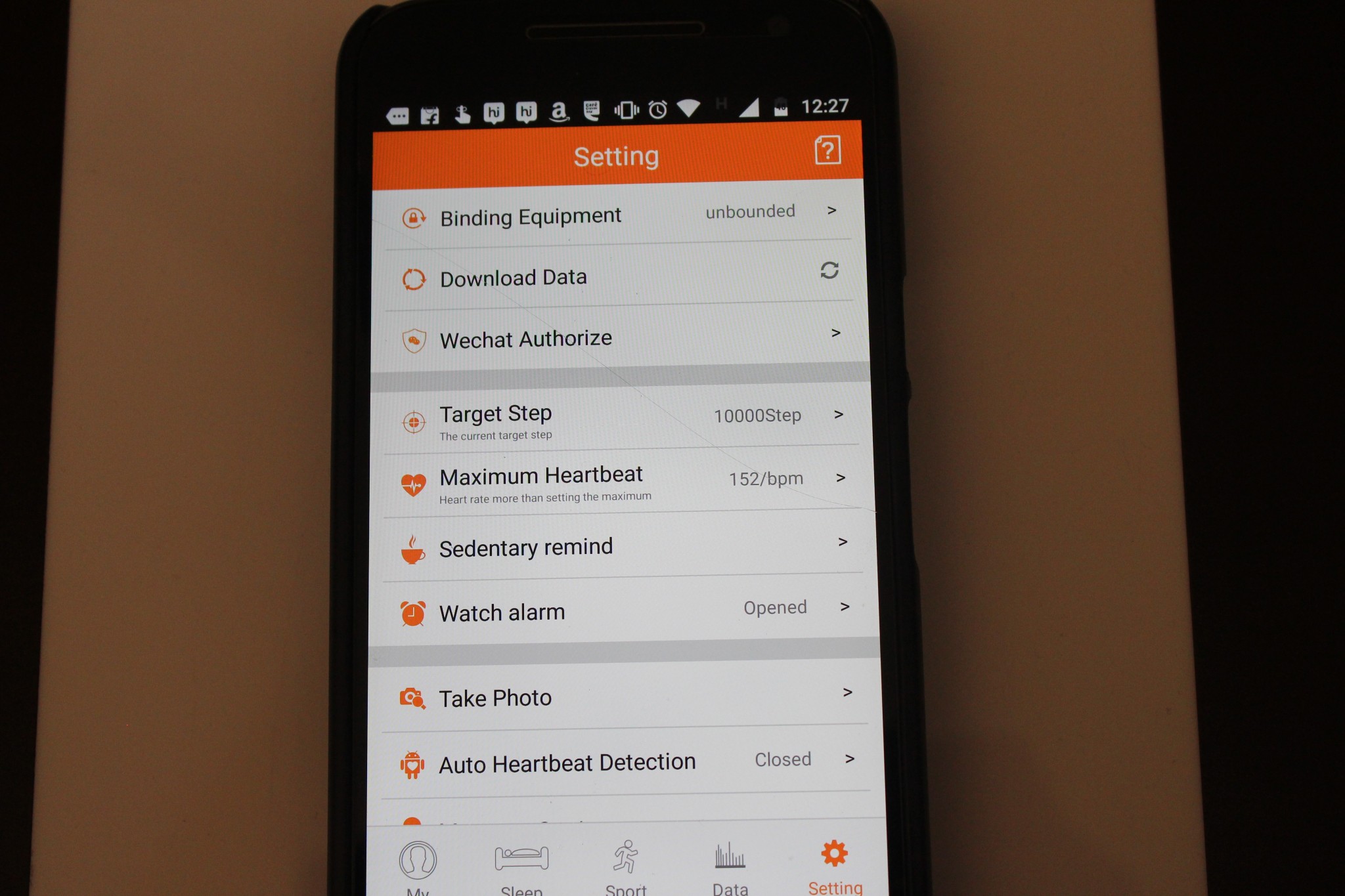
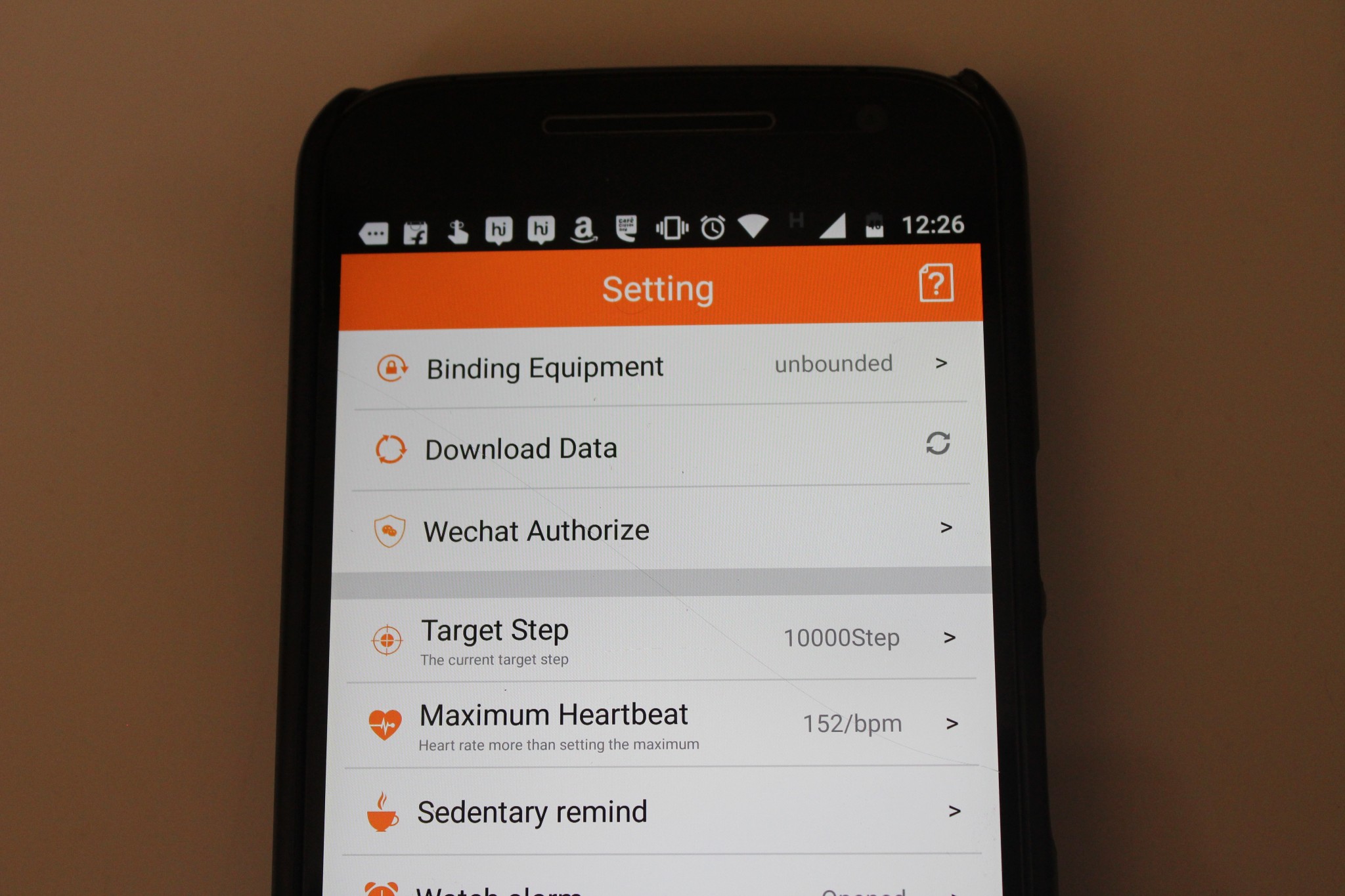
The Tsports companion app is pretty decent. I could quickly connect my band to the phone via Bluetooth and all the data is transferred to the app. Head first over to the settings menu and connect the band to your phone. I would advise, first take the requied time to make all the settings right in this menu. There are a lot of things to activate / deactive here, like target step count, max heartbeat, sedentary reminder, alarm, remote photo, and even the apps which can send you notifications directly on to the band. This is where the large display and full English character support really plays an important part, as you get real-time notifications of calls, whatsapp, and Skype right on your smartband screen.
There are a few advanced options as well, like time sync, software update, recovery etc. So, I feel, the app is pretty good when it comes to features. However, note that the app does not feature perfect English. There are some areas where the words used could have been better and I feel, the company has used literal translations for some options. But to be honest, it does not hinder the functionality of the app in any way, so there’s no need to worry.
One thing to note is that the battery life is a bit affected with the app running in the background.
FITNESS TRACKING
For a $17 fitness band, the Teclast H30 does a very good job of fitness tracking. The pedometer seems to be decent and the step count wasn’t too high when compared to the Mi Band 2. So, I would say it’s good. If you would ask me whether the step count was perfect, I will say “Not Really”, but if you ask me whether the step count is close to other notable bands in the market that cost much more, then my answer would be “Yes”. I hope this gives you a good picture as to what to expect in terms of fitness tracking.
Heart Rate Sensing
As for the heart rate sensor, it’s just decent. It’s definitely not without flaws, as there were one or two times when I was running on the treadmill and the heart rate shown was just 75, which was clearly not the case. However, when I tried it again, it showed me 100+ rate, so the sensor inside does work. Just don’t expect it to be super accurate all the time.
BATTERY LIFE
The battery life of the Teclast H30 is satisfactory. You easily get more than a week on a single charge, which is pretty decent for a fitness tracker. I have no real complaints in this department, and I am sure most users would be happy with this battery life.
VERDICT
To be honest, I was a bit skeptical about the band at first, mainly because I am quite used to my Mi Band 2 and this one’s a lot different from the Xiaomi Wearable. The horizontal character display actually takes a day or two to get used to and I would have liked the layout to be vertical, as it feels more natural to look at. Also, I feel the heart rate sensor could have been better. But apart from these two things, I have no major complaints with the H30.
I like that it uses a standard MicroUSB port, IP67 certified, has a large display with full English Character support and it’s super cheap. At $17 right now, you can’t go wrong with the Teclast H30 as an entry-level fitness tracker.
So who should buy the Teclast H30?
Want a super cheap smart fitness tracker
Want a cheap band which can show notifications as well
Don’t care too much about the accuracy of the pedometer and heart rate
Looking for their first smart tracker
Who shouldn’t buy the Teclast H30?
Heart rate’s accuracy is super important
Willing to spend a lot more than $30 for a smart fitness tracker
One of the major shocker the financial sector got this year was the fluctuation in the price of the Chinese Yuan to the US Dollar. Both currencies had consistently traded at fairly stable price but the Chinese economy seems to have experienced some turbulence occasioned by mounting debt which sent the Renminbi (RMB) crashing in the face of the US Dollar. China’s Foreign Exchange Trade Centre has already warned that the Yuan will soon exchange for 7 yuan to a dollar as it stands around 6.9435 yuan to 1 US dollar presently.
Accordingly, a rise in the exchange rate could lead to increase in prices of the parts used in smartphones and even though the effect won’t be hard on those who ship overseas, the prospect doesn’t look too good in the overall. While the phones are manufactured in China, parts such as the chip, camera, screen, memory etc are imported from other countries and paid for in US dollars. A higher exchange rate means the manufacturers pay more for the parts than before. This has led the major phone manufacturers to warn that there might be an increase in phone prices next year.
China’s domestic manufacturers have been making efforts to shift the focus to high-end, lucrative market like the US and European market as well as India. This strategy can be seen as the only way out of this looming financial crisis.
We use cookies on our website to give you the most relevant experience by remembering your preferences and repeat visits. By clicking “Accept”, you consent to the use of ALL the cookies.
This website uses cookies to improve your experience while you navigate through the website. Out of these, the cookies that are categorized as necessary are stored on your browser as they are essential for the working of basic functionalities of the website. We also use third-party cookies that help us analyze and understand how you use this website. These cookies will be stored in your browser only with your consent. You also have the option to opt-out of these cookies. But opting out of some of these cookies may affect your browsing experience.
Necessary cookies are absolutely essential for the website to function properly. This category only includes cookies that ensures basic functionalities and security features of the website. These cookies do not store any personal information.
Any cookies that may not be particularly necessary for the website to function and is used specifically to collect user personal data via analytics, ads, other embedded contents are termed as non-necessary cookies. It is mandatory to procure user consent prior to running these cookies on your website.