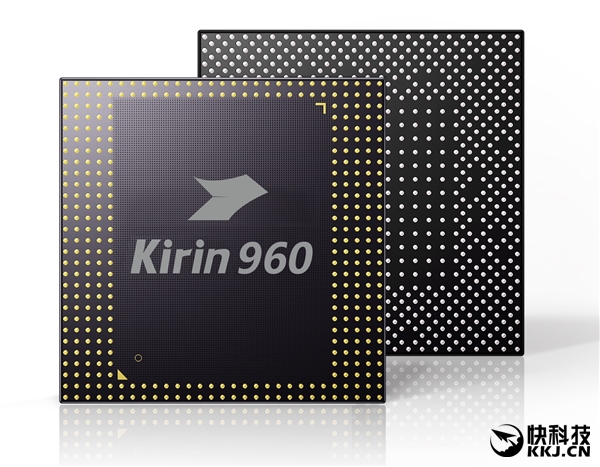
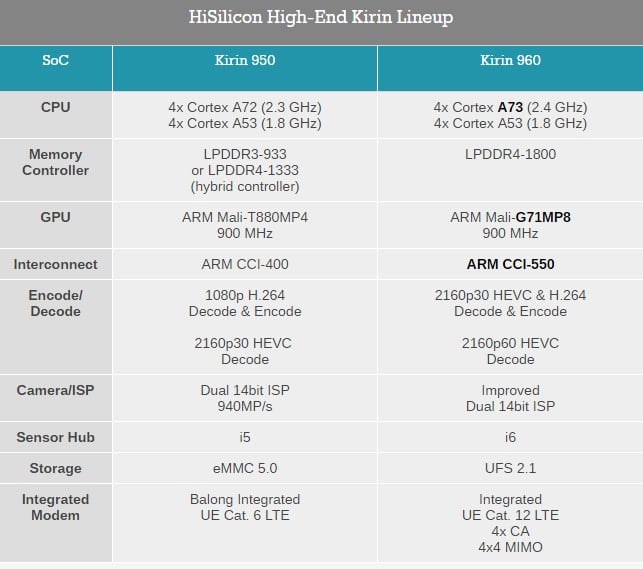
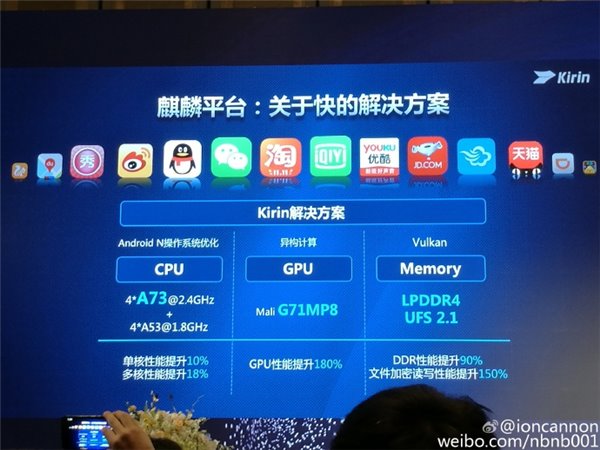
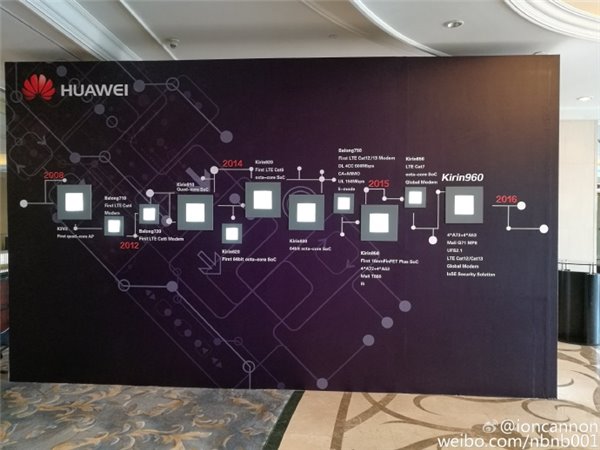
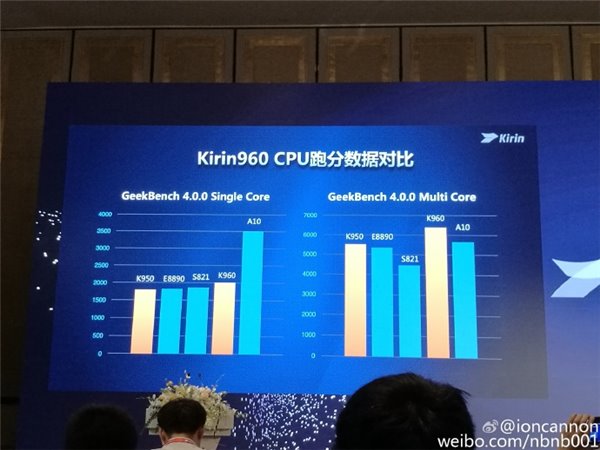
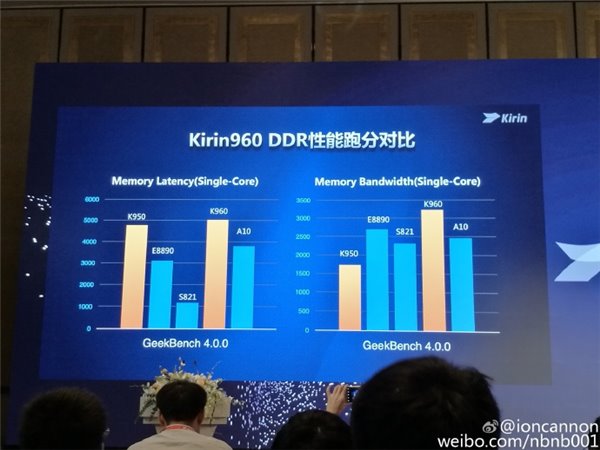
Huawei launched their most powerful chip, the Kirin 960, yesterday. Offering huge improvements in some areas and small ones in others. It’s no doubt an upgrade. It even has the highest multi-core test score on GeekBench 4.0, besting Apple’s A10, Qualcomm’s Snapdragon 821, and Samsung’s Exynos 8890, but how does it fair against the older Kirin 950?
Like the Kirin 960, the Kirin 950 is also an octa-core chip but uses 4 cortex A72 cores clocked at 2.3GHz whereas the 960 uses the new A73 cores clocked at 2.4GHz, although the Kirin 955 is still the highest clocked processor from Huawei at 2.5GHz.
According to ARM, ”the Cortex-A73 delivers 30% more performance than current Cortex-A72 core devices and can even be clocked as high as 2.8GHz”.
The GPU is another place where there is a huge difference. Huawei has replaced the Mali-T380 GPU in the 950 with a Mali-G71MP8 in the 960 but left the clock speed at 900MHz. But because the new GPU has more cores and uses a new architecture, it offers a 180% increase in performance and a 20% increase in energy efficiency.
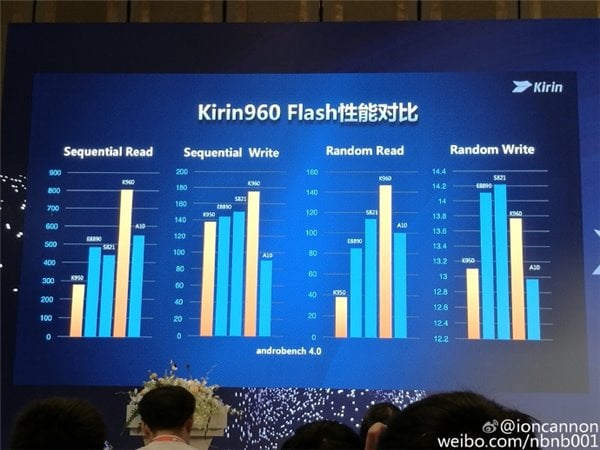
Coming to memory, both chips support LPDDR4 but the Kirin 960 offers faster performance due to the support for a higher frequency (LPDDR4-1800 against LPDDR4-1333 of the Kirin 950).
Unlike the earlier notion, where in smartphone manufacturers were aggressively selling their devices online, the trend is slowly but definitely shifting towards the offline markets. Time and again, we have seen companies like OPPO, Vivo and Gionee take the lead in the domestic Chinese market, all thanks to its strong offline sales channels.
Now, Digitimes Research predicts that only Gionee, OPPO, and Vivo will achieve total shipment growth upwards of 15% in the 2017 global smartphone market. Given that these three companies have invested a lot in the offline market, the research goes on to show how important offline sales are for a smartphone company. For example, in China, Gionee has reportedly over 100K sales points, more than 70K special areas and over three hundred sales counters. The company exports to over 40 countries and has relationships with 8 national telecom carriers.
The research firm, Sino reports that the share of Apple, Samsung and other global brands in China declined to 13.3% in August this year as compared to 21% last year. In contrast, the share of Chinese smartphone companies in China increased from 79% to 86.7% during the same period, all thanks to the increased efforts in the offline sales channels.
As established markets saturate, the demand for smartphones in the future will come from emerging markets in South Asia, Southeast Asia, South America, Africa and similar regions. These markets are important for companies because more functional phone users are now upgrading to smartphones and offline retail outlets will play an important role in their growth. These Chinese companies could have an upper hand in these regions owing to their experience with the offline market. Even companies like Xiaomi, who was once focused only on online sales is slowly expanding its reach into the offline market as well.
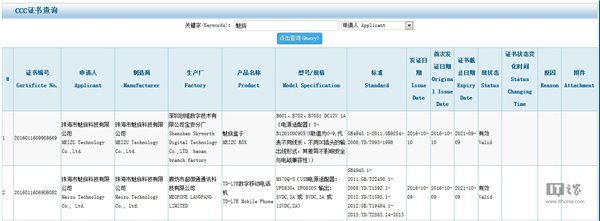
A recent post by a Weibo user mentions that Meizu will be entering the cord-cutting business by releasing their own TV box. The post which is actually a screenshot of a conversation between an insider and another individual even includes the possible pricing of the device.
Cord-cutting is starting to be the main form of media consumption in households, with a number of big names and even companies known to provide cable TV service joining the train. While we assume Meizu’s TV Box will just be a way to access cord-cutting services like the way fellow phone maker Xiaomi does with its Mi Box series, we do not want to rule out a possibility of them coming out with their own exclusive content and features to stand out of the plethora of TV boxes present out there.
The Meizu TV Box has gotten its 3C certification and even lists Shenzen Skyworth Digital Technology Co. Ltd’s Bao’an foundry plant as the factory handling the manufacturing.
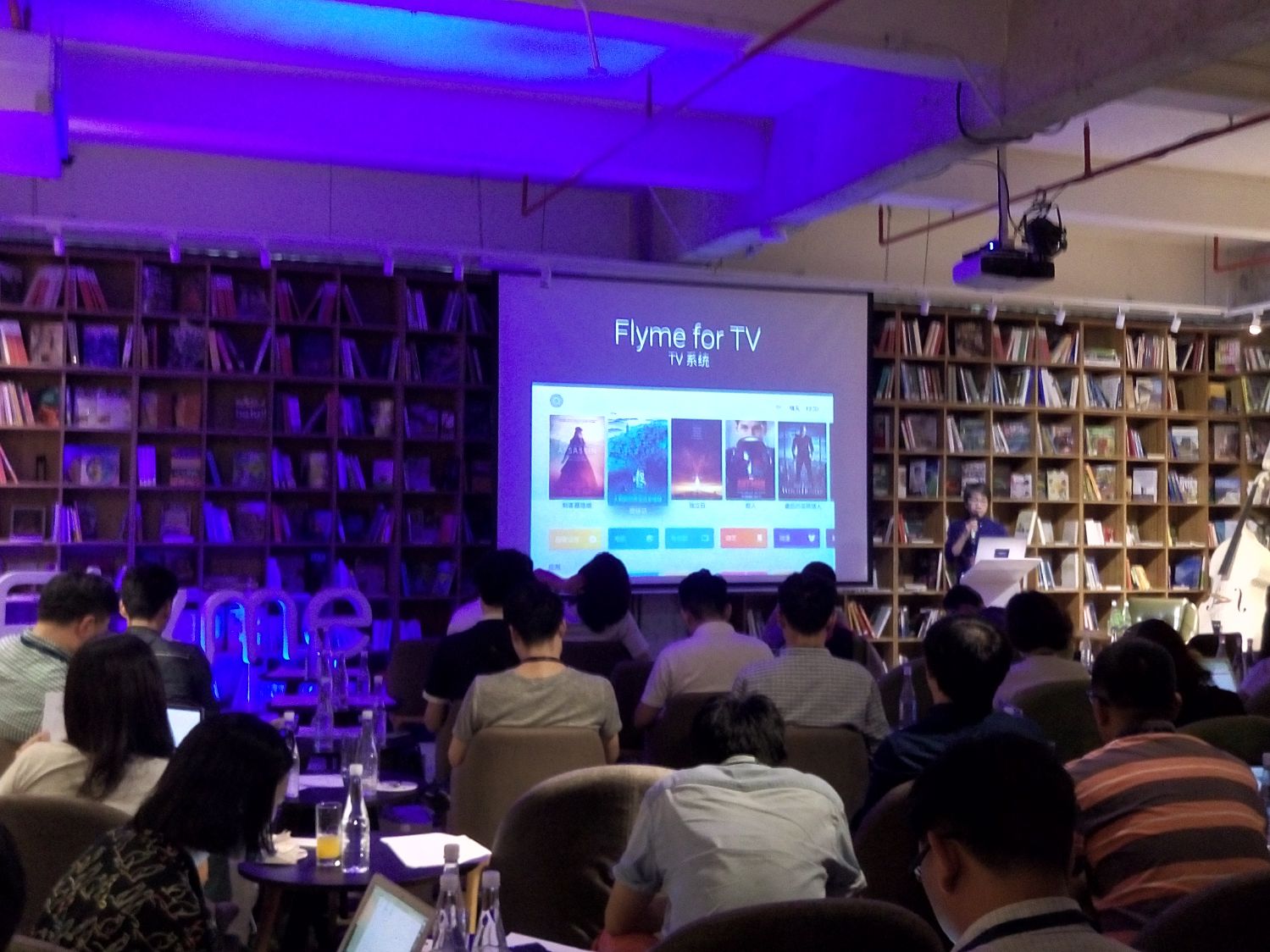
A few days ago, Meizu held a Flyme Conference in Shenzhen where they announced that they have been working on Flyme for TVs and tablets. The version for TV has been reported to have support for multi-windows and will connect with other devices under the Meizu Homekit Ecosystem.
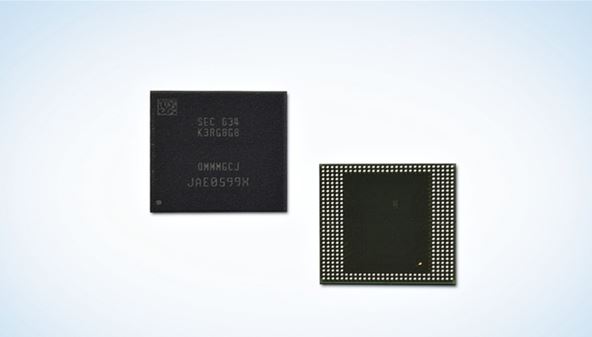
Samsung has today officially announced the introduction of what is said to be the industry’s first 8GB LPDDR4 (low power, double data rate 4) DRAM package for mobile devices. According to the report, the 8GB mobile DRAM package uses four of its latest 16GB LPDDR4 memory chips and is manufactured using advanced 10nm-class process technology.
The 8GB LPDDR4 DRAM comes in as a powerful mobile DRAM solution which the company says will enable more capable next-generation, flagship mobile devices around the world and is suited to meet the escalating needs of devices having dual camera, 4K UHD and VR features.
Continuing, the company disclosed the new 8GB LPDDR4 operates at up to 4,266 megabits per second (Mbps), which is twice as fast as DDR4 DRAM for PCs working typically at 2,133 Mbps per pin. Assuming a 64 bit (x64) wide memory bus, this can be viewed as transmitting over 34GBs of data per second. Already, there are a number of high-end ultra-slim note PCs using 8GB of DRAM currently but Samsung’s new 8GB LPDDR4 package will help other next-generation mobile devices take full advantage of its extremely high capacity. For example, equipping tablets with 8GB of LPDDR4 will enable virtual machine operation and smoother 4K UHD video playback, popular features of many premium PCs.
In addition, the Samsung 8GB LPDDR4 DRAM provides much more efficient power consumption thanks to its use of the latest 10nm-class process technology and Samsung’s proprietary low-power circuit design. This circuit design enables the memory chip to double the capacity of the company’s 20nm-class 4GB DRAM package, while consuming approximately the same amount of power.
In terms of dimension, the 8GB LPDDR4 package comes in under 15mm x 15mm x 1.0mm, which satisfies space requirements of most new, ultra slim mobile devices. Using a DRAM package thinner than 1.0mm enables stacking the package together with UFS memory or a mobile application processor, depending on device manufacturers’ preferences, which will allow further space savings on the printed circuit board.
In August last year, Samsung introduced the industry-first 20-nanometer 12GB LPDDR4 DRAM and now after only 14 months in development, the Korean tech giant is introducing the first 10nm-class single-package solution of 8GB LPDDR4 DRAM which is expected to speed up the launch of next-generation mobile devices and tablets with even more advanced performance.
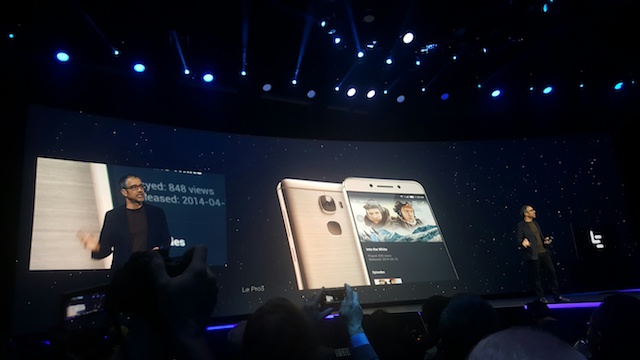
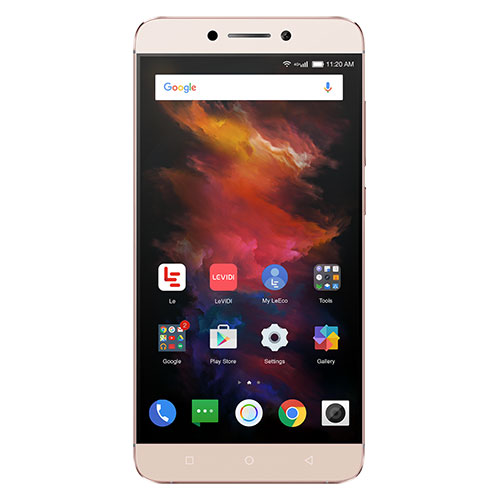
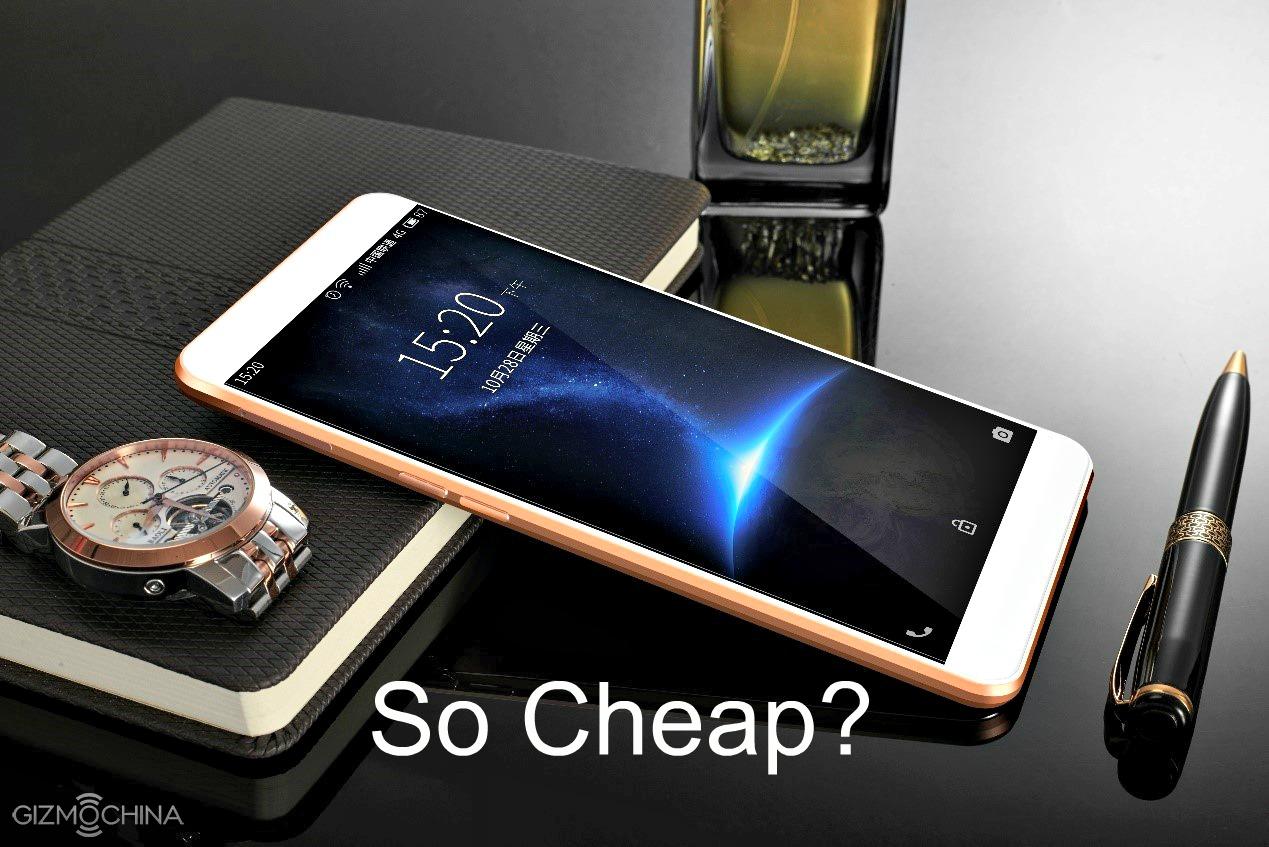
LeEco has unveiled its Le Pro 3 smartphone as the first of its phones to officially go on sale in the US. This was done in a news conference held in San Francisco where the Chinese company also unveiled a couple of other new products including the LeEco Le S3.
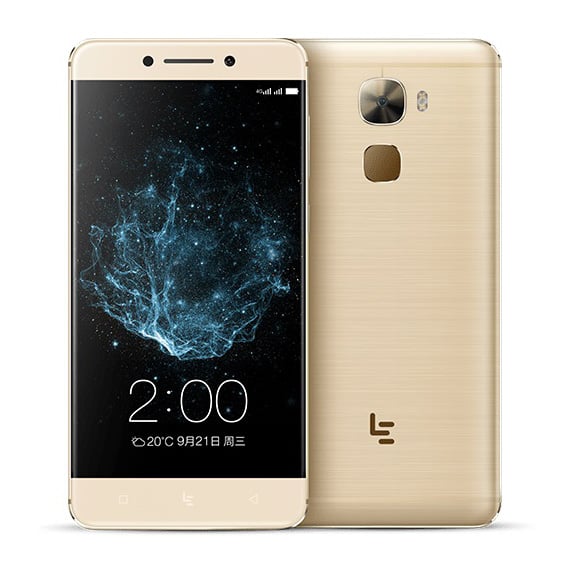
The LeEco Le Pro 3 flagship was released in China in September boasting of a powerful specs line-up yet cheap price tag. LeEco seems to be capitalizing on the cheap price tag of its Snapdragon 821-powered Le Pro 3, hoping that would appeal to the teeming US populace. The Le Pro 3 no doubt has specs that an rival other flagships in the market but the US mobile market is mostly carrier based, so it remains to be seen how LeEco would perform out there.
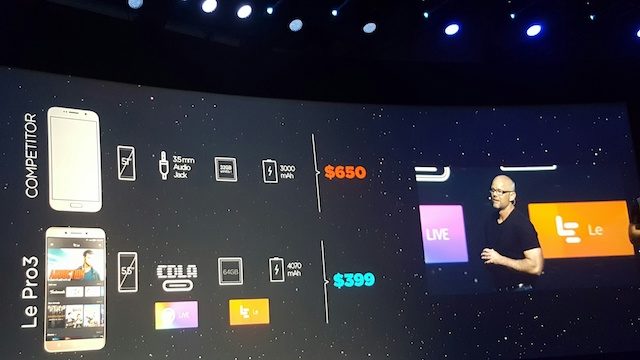
To recap, the leEco Le Pro 3 features a 5.5-inch Full HD display and is powered by Qualcomm’s latest Snapdragon 821 processor along with 4GB of RAM as well as 64GB of built-in storage. The flagship device packs a massive 4,070mAh battery and comes with support for Qualcomm Quick Charge 3.0 which can deliver 33% of charge in just 20 minutes. There is a whopping 16MP rear camera on the phone which boots Android Marshmallow 6.0 out-of-the-box. The phone doesn’t feature a 3.5mm audio jack instead there is a USB Type-C port.
The Le Pro 3 carries a price tag of $399 in the United States and that’s going to be off-contract but there is an $100 discount on offer so buyers will actually pay just $299 and its not locked to any network. LeEco is also offering as an added incentive, three months of free EcoPass which provides users with up to 5TB cloud storage, unlimited photo and video storage. Users also get exclusive access to LeEco sales, and an extended warranty.
LeEco Le S3
In addition to the Le Pro 3, LeEco also announced a mid-range smartphone dubbed Le S3. The LeEco Le S3 sports a 5.5-inch Full HD display as the Le Pro 3 but is powered by a Snapdragon 652 chipset which is backed by 3GB of RAM and has a modest 32GB of internal storage. The Le S3 also features a 16MP rear camera with LED flash and an 8MP front-facing camera.
Furthermore, there is a 3,000mAh battery under its hood with support for Quick Charge 3.0 as well as a fingerprint scanner at the rear. The LeEco Le S3 carries a price tag of $249 and is going to be sold alongside the Le pro 3 via LeEco’s website – www.lemall.com.
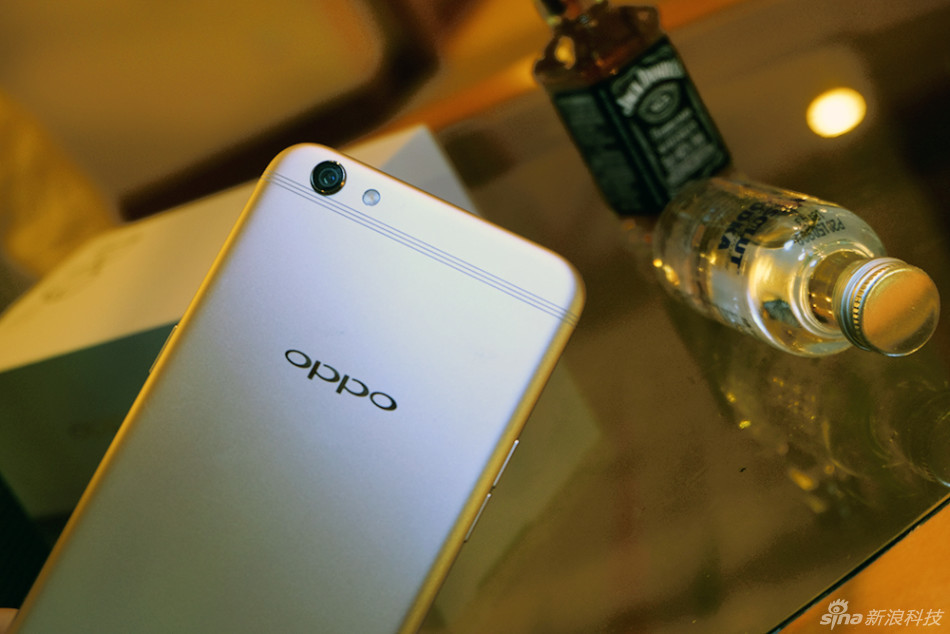
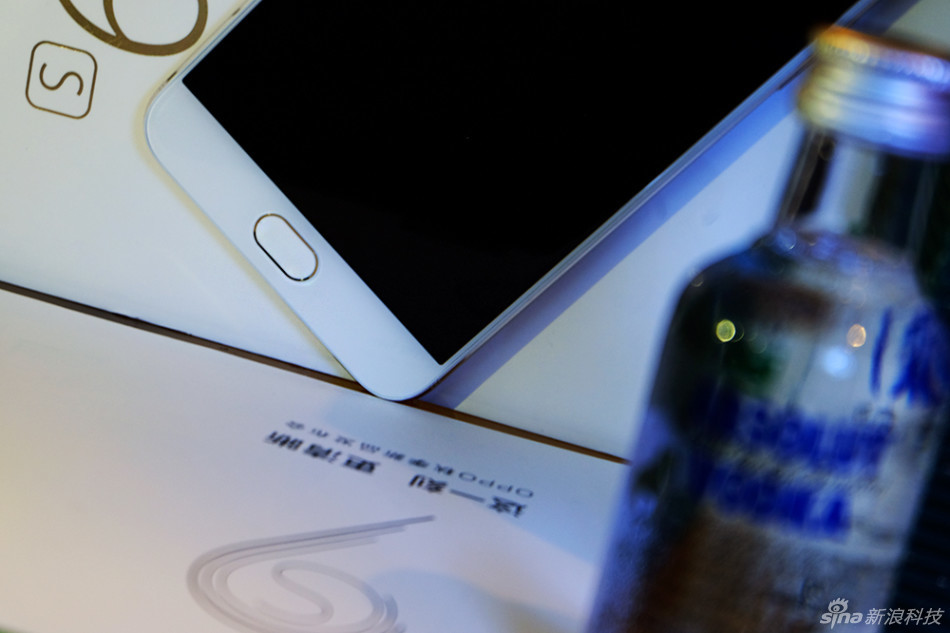
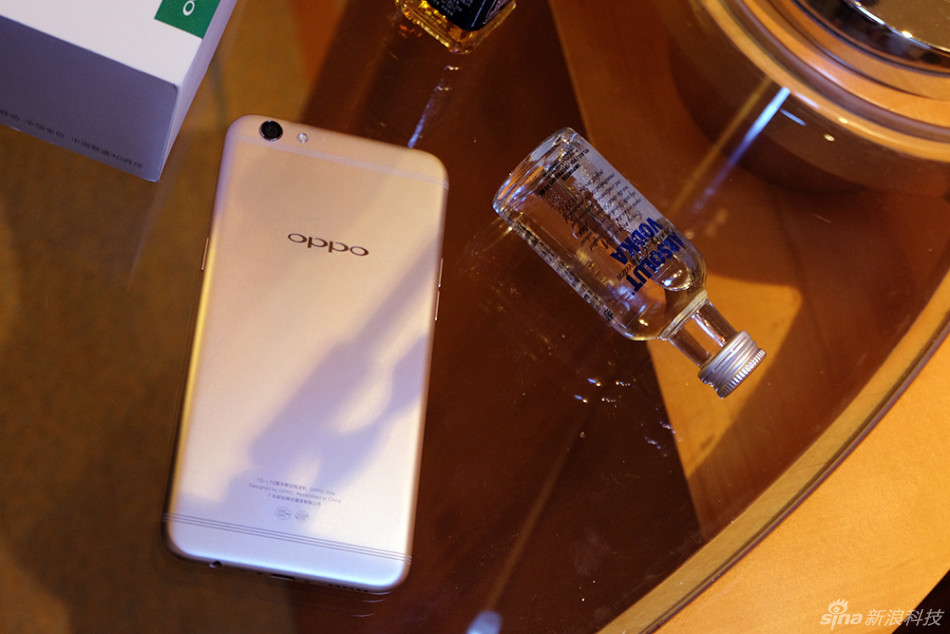
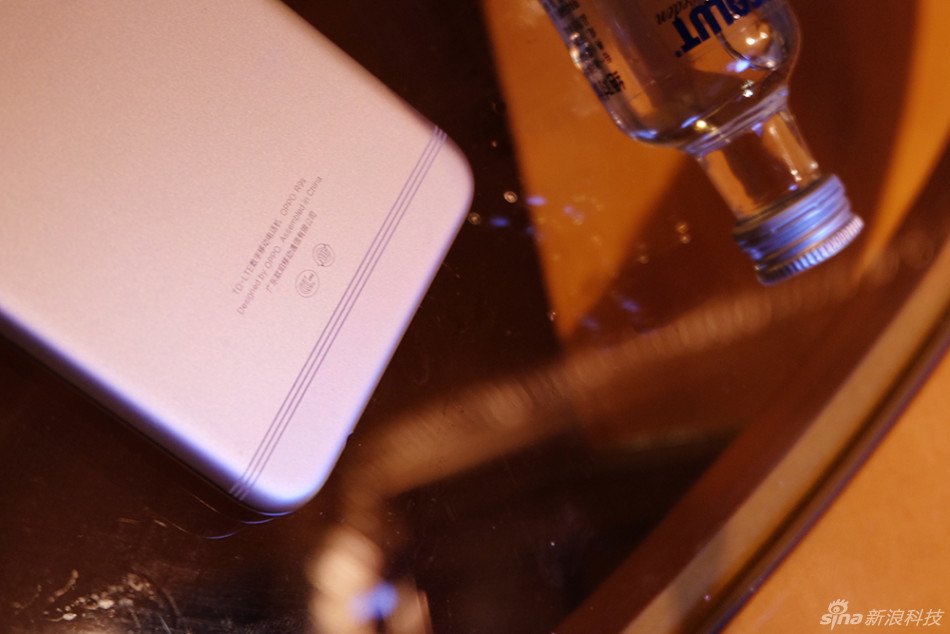
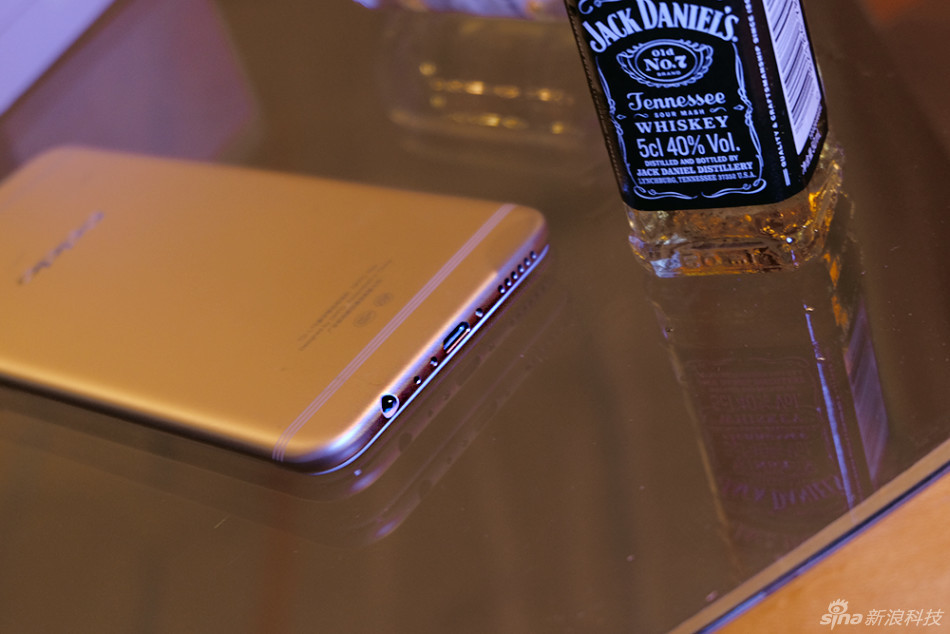
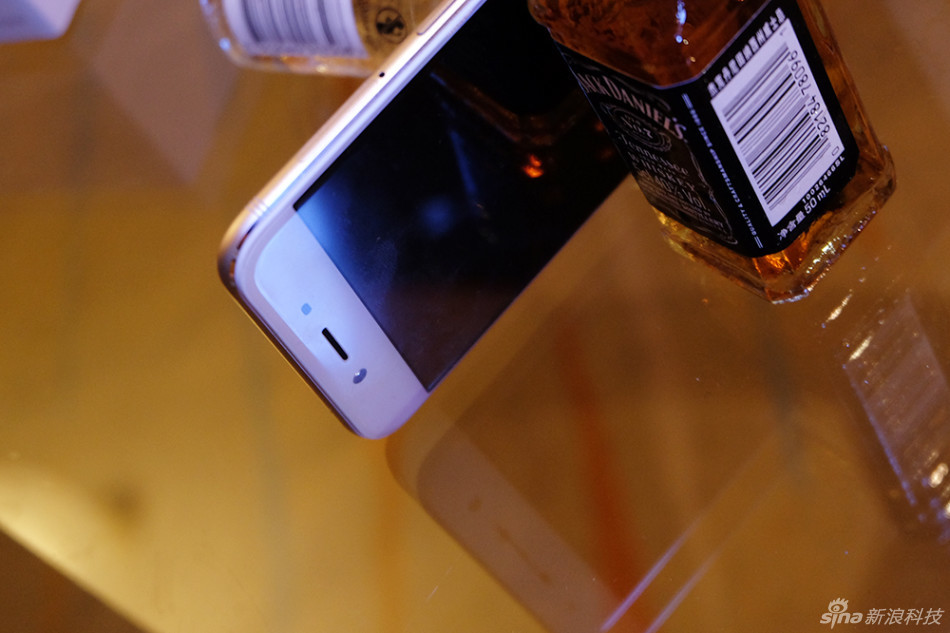
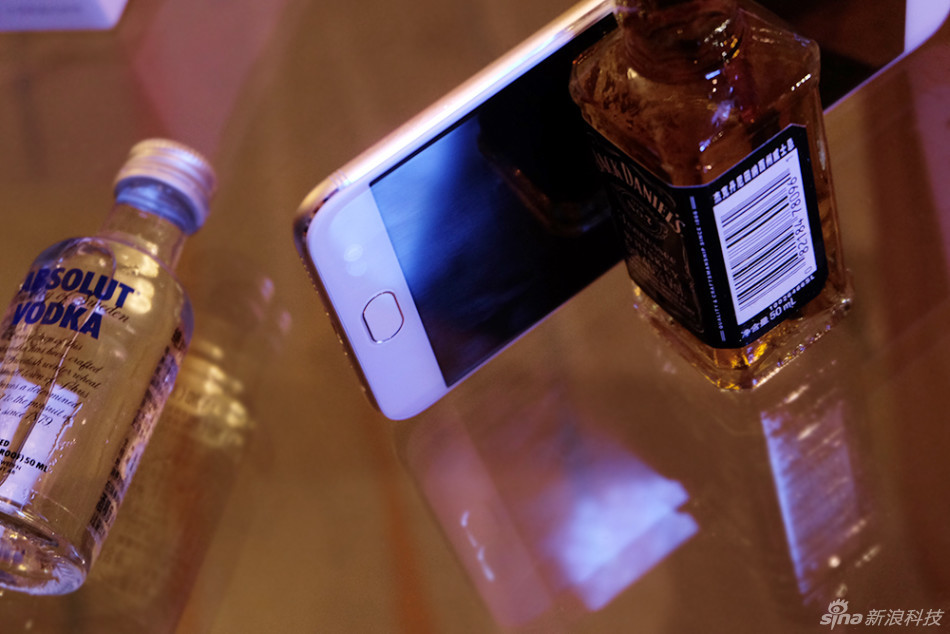
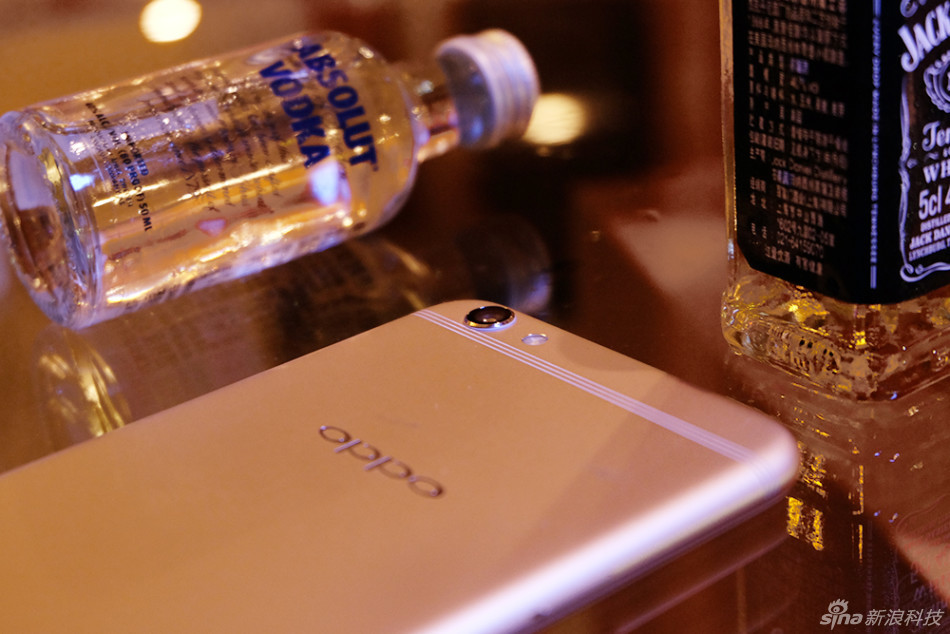
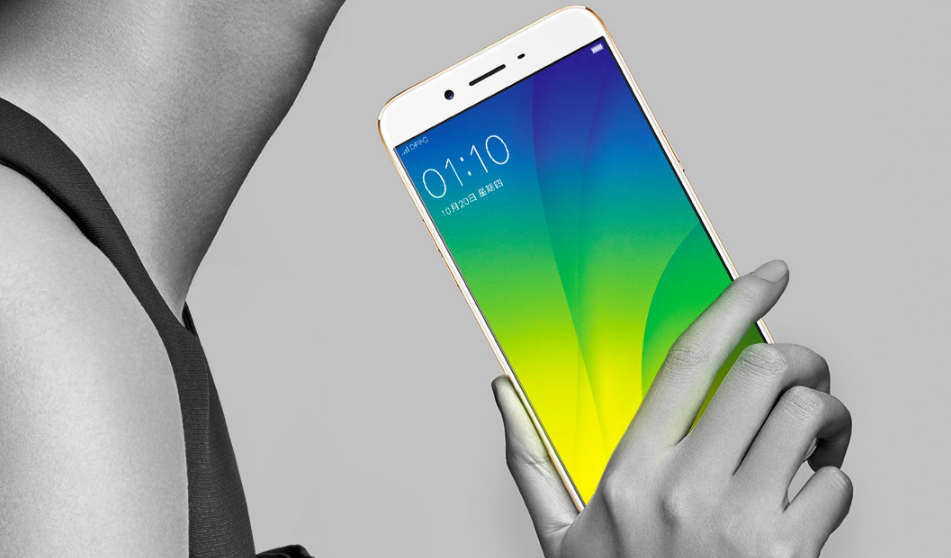
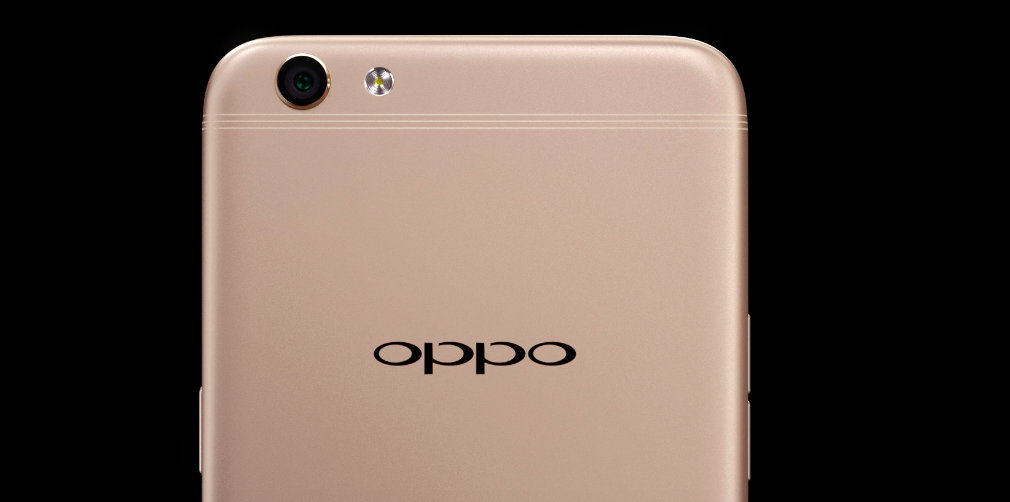
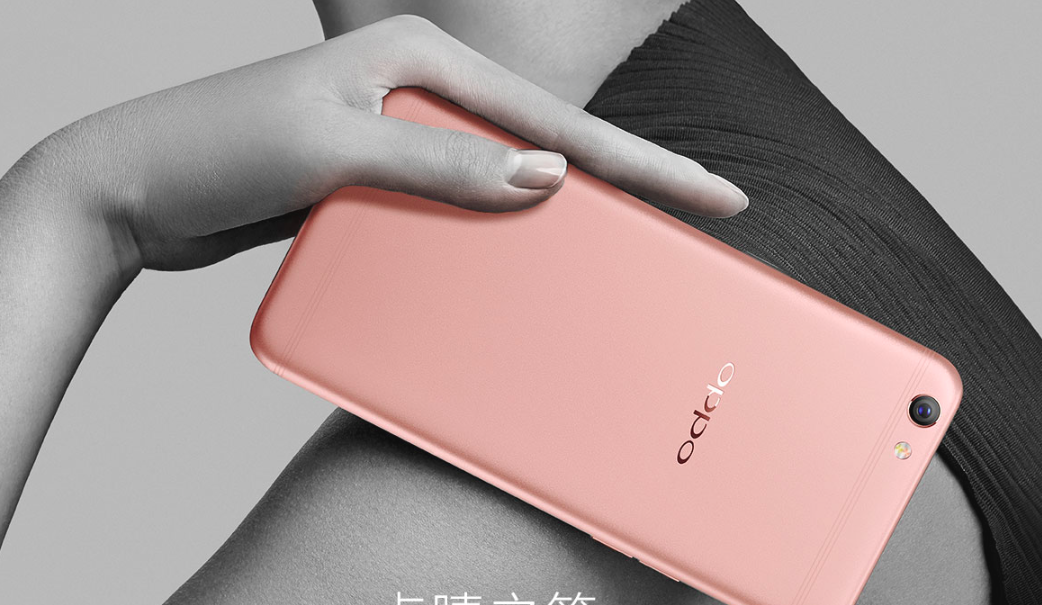
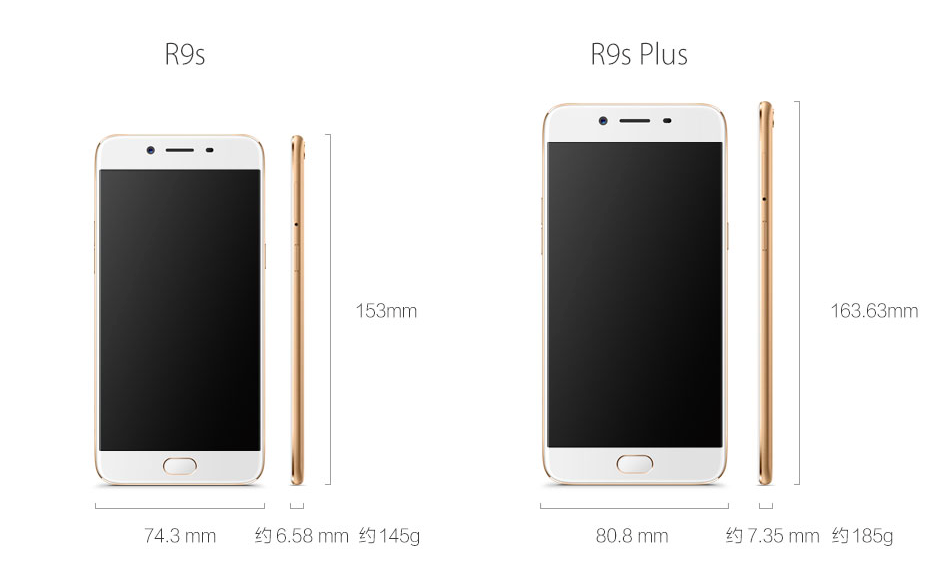
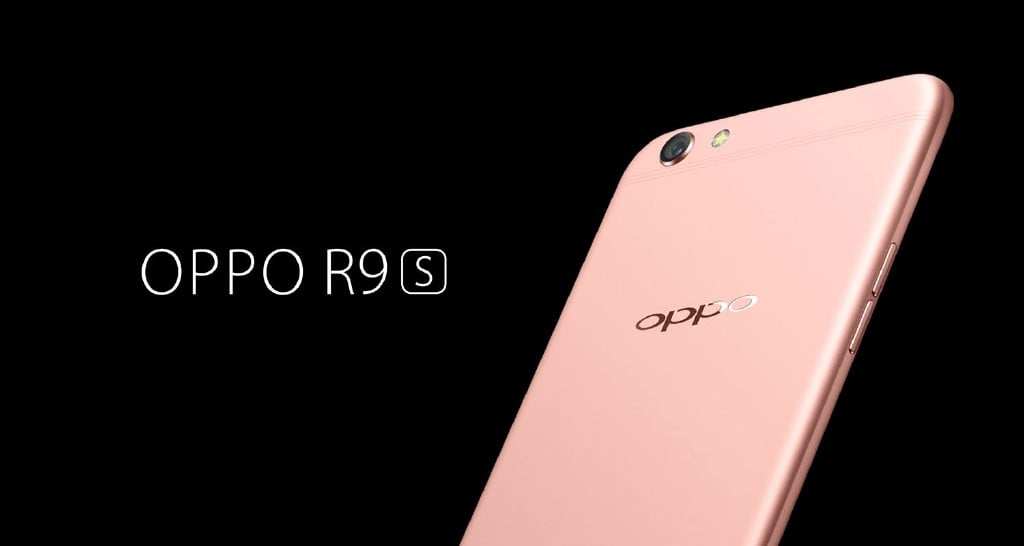
OPPO just released the OPPO R9S and R9S Plus smartphones in China. The new models come with a unique antenna design, wherein instead of a single antenna line, it is split into three super narrow lines at the back. This makes the overall design seamless and blends well with the majority of the metal body. In fact, because of this unique design, OPPO R9S is said to feature 98.8% metal in its body.
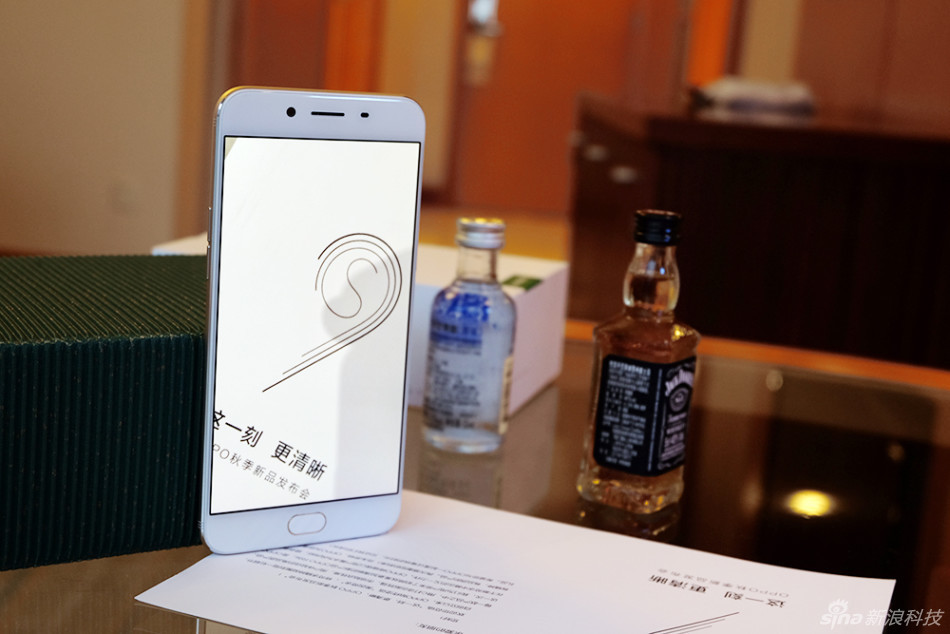
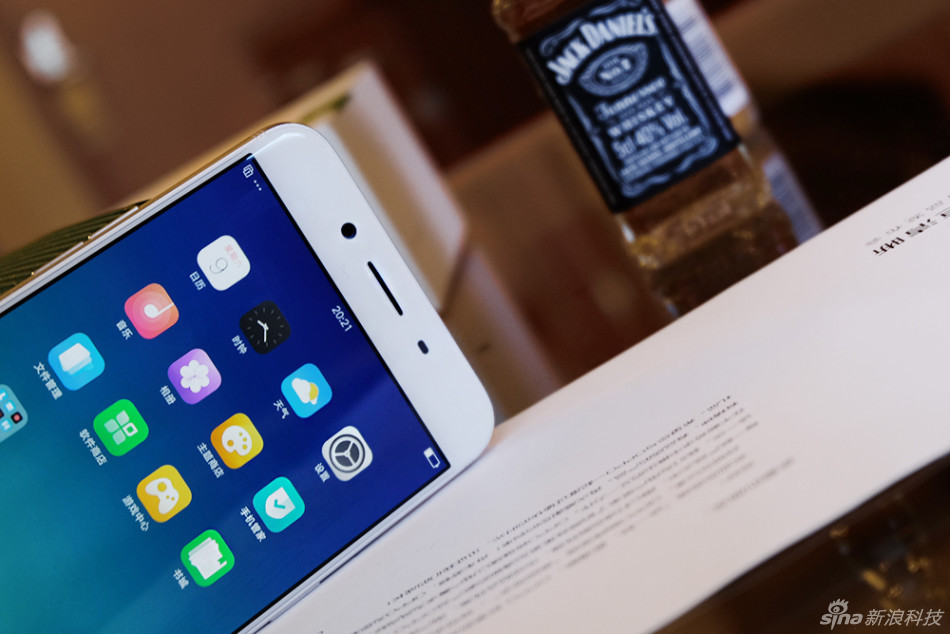
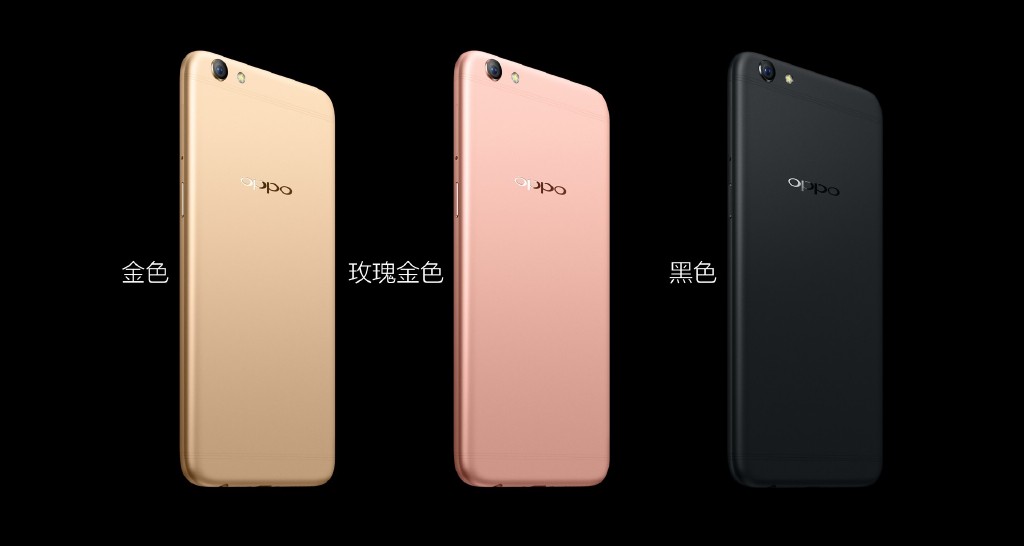
The phone comes in Gold, Rose Gold and Black color options and Sina Tech managed to get hands on with the new device. In case you are wondering how the phone looks in real life, check out the pictures of the R9S Plus from down below.
You can read our launch articles on the OPPO R9S and the R9S Plus from below.
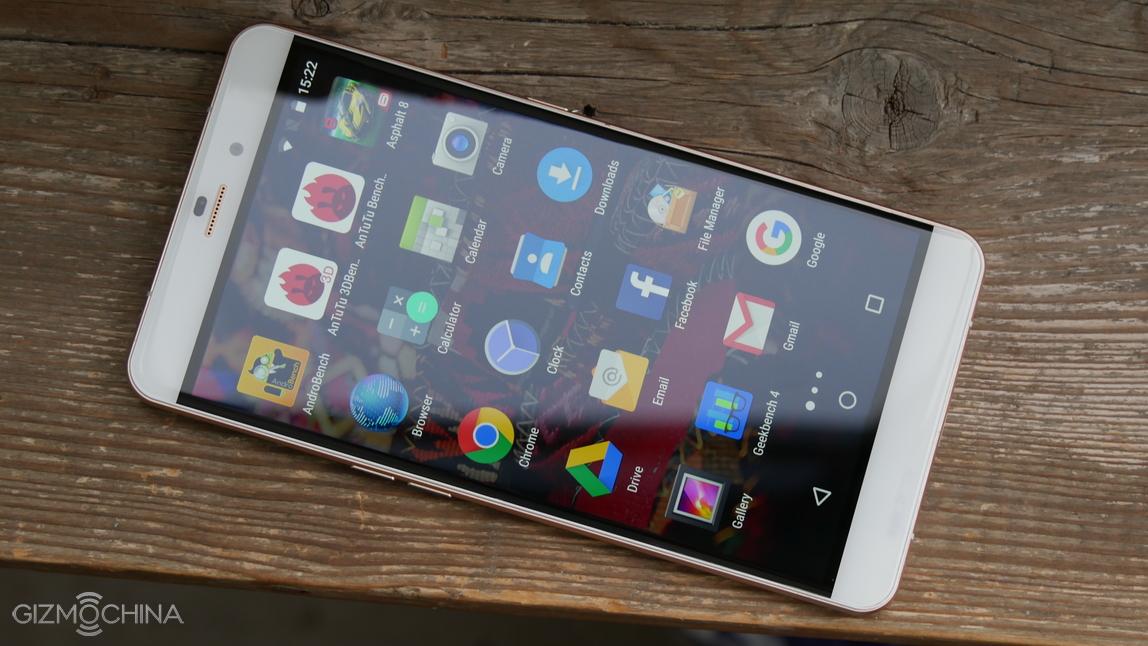
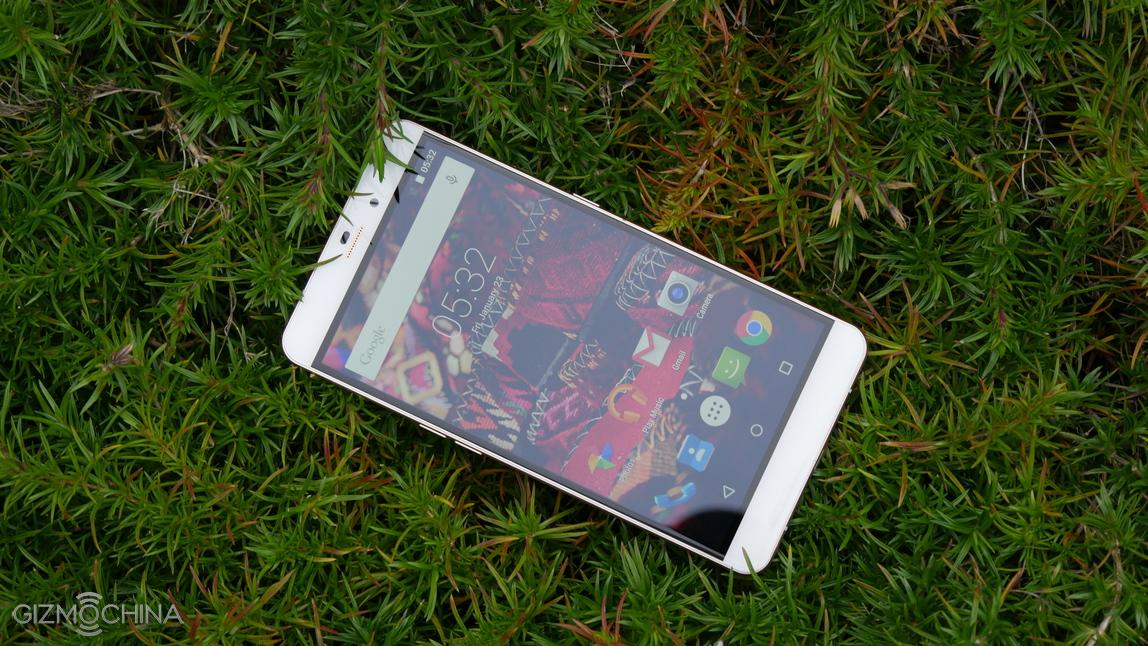
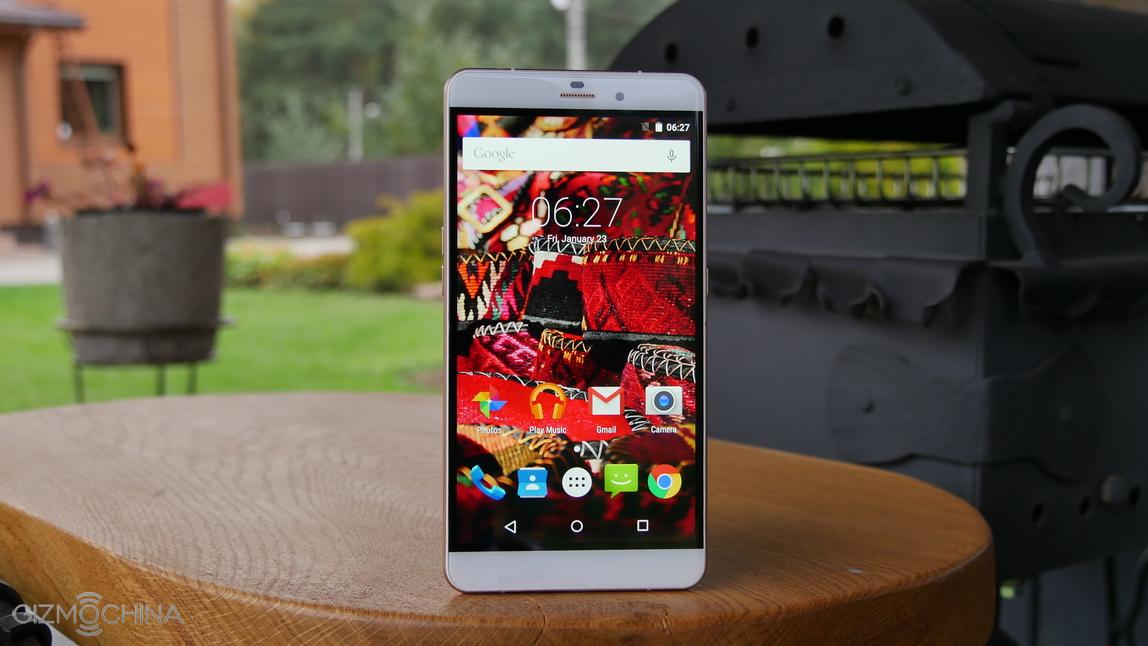
Let’s admit, very large smartphones are not for everyone but they have some advantages that other phones lack. I came across the 6.44” smartphone that you have probably not heard of. It costs just $130 but I was amazed by how much value it offers. Learn more in our full review.
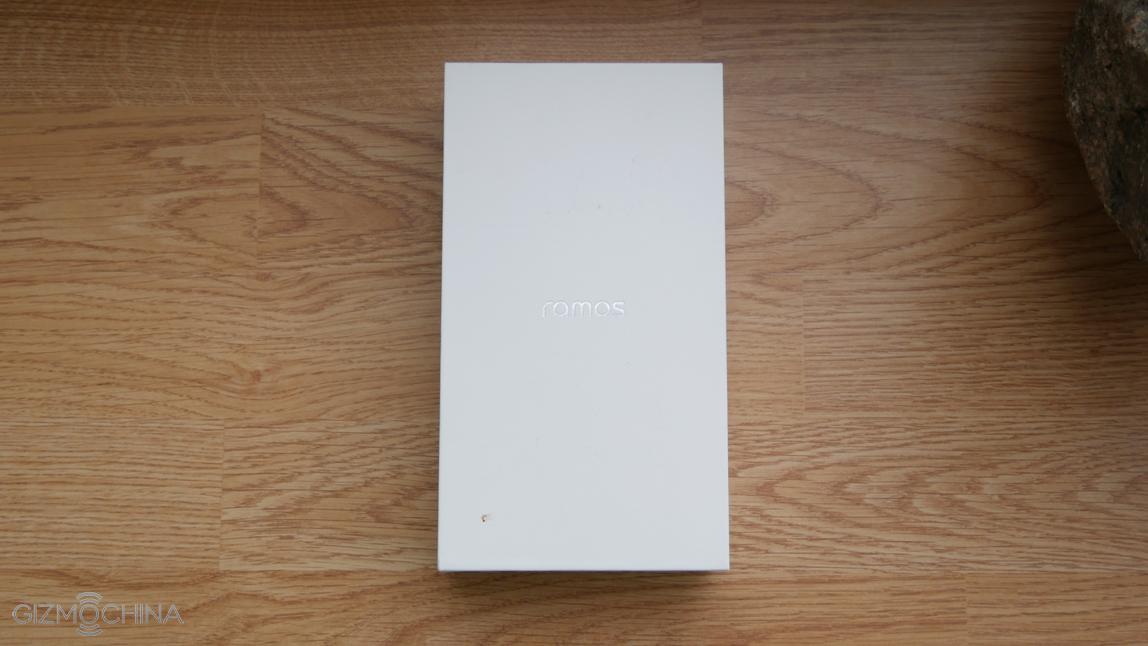
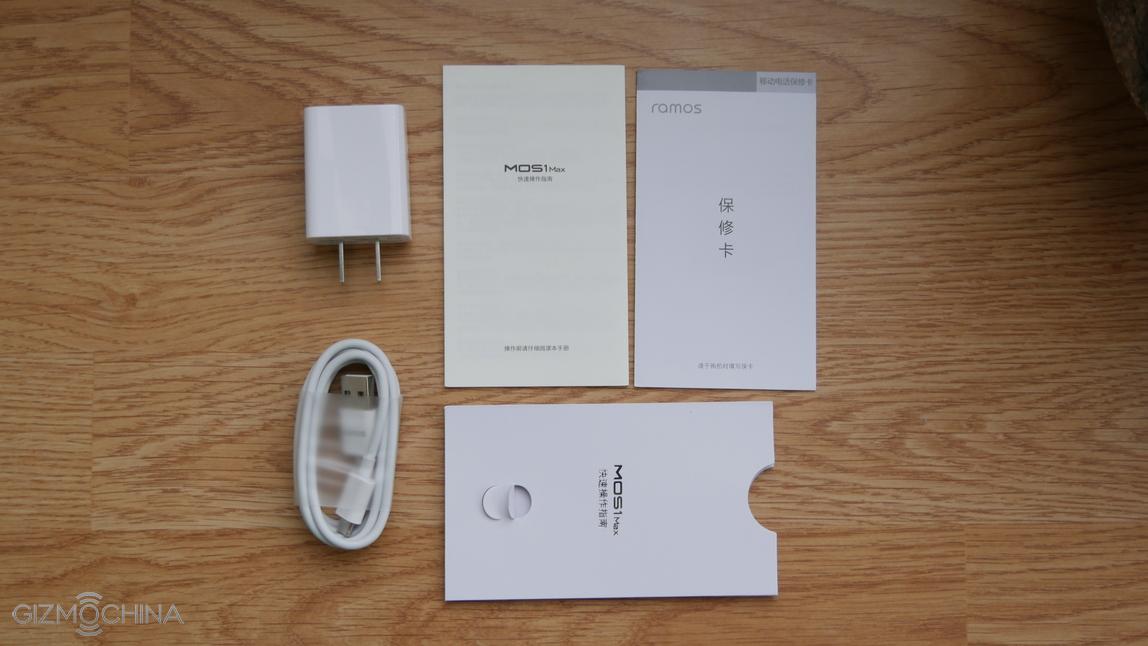
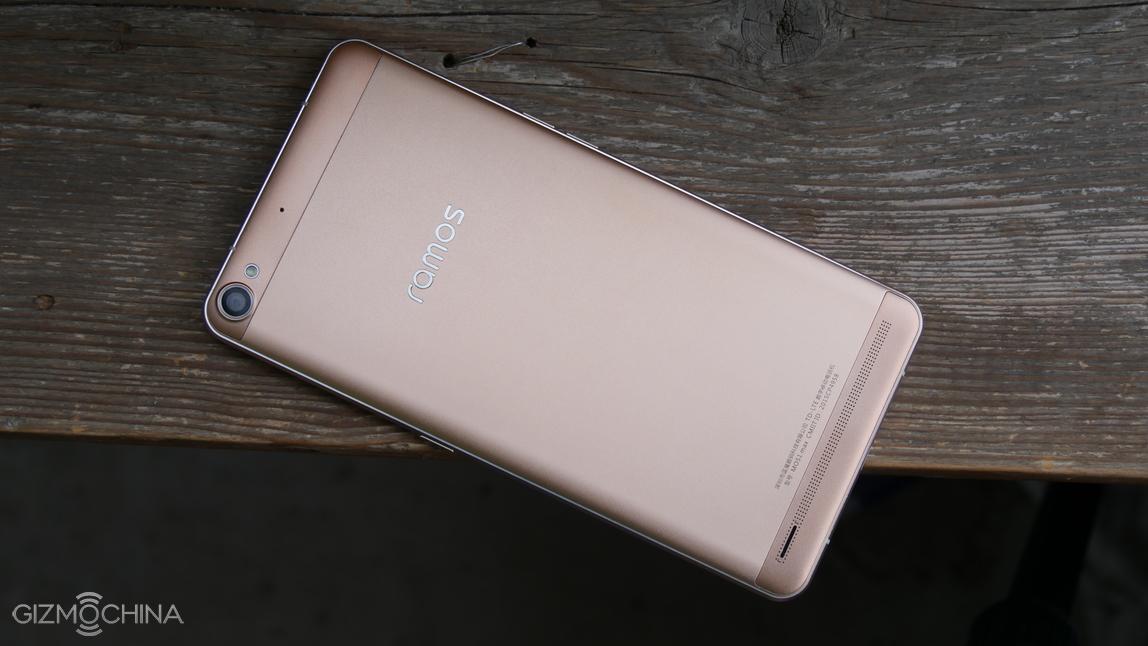
I’m talking about the Ramos MOS1 Max phone that comes in quite a premium packaging. Inside the box, you can find all the usual items that you would expect to come with any phone.
RAMOS MOS 1 Max Review: DESIGN and DISPLAY
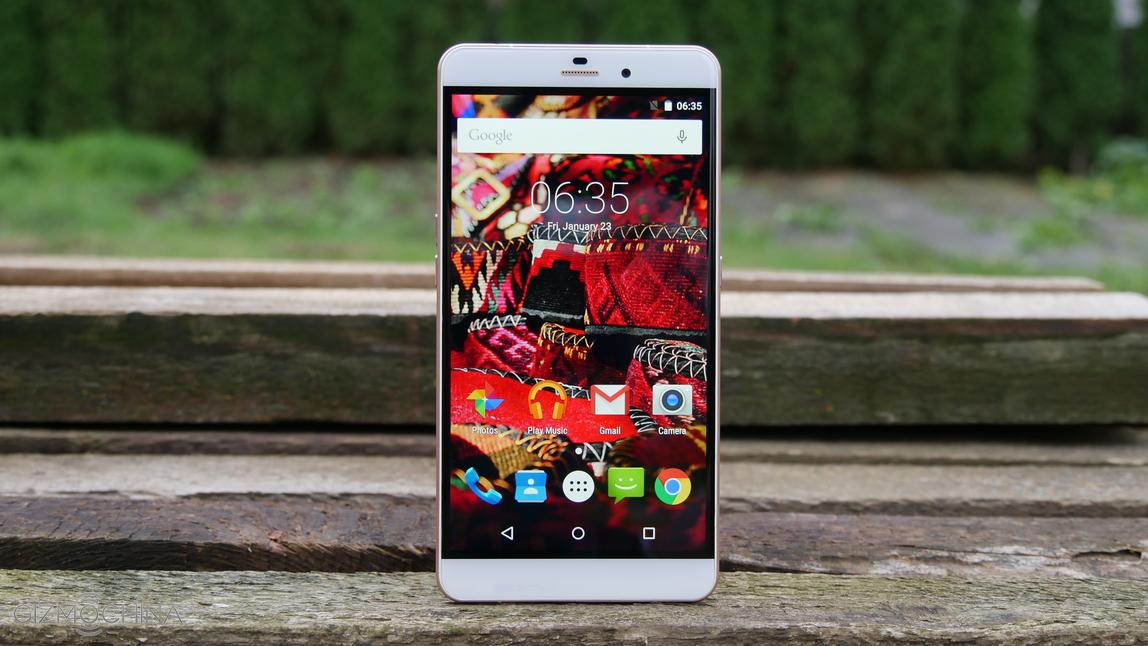
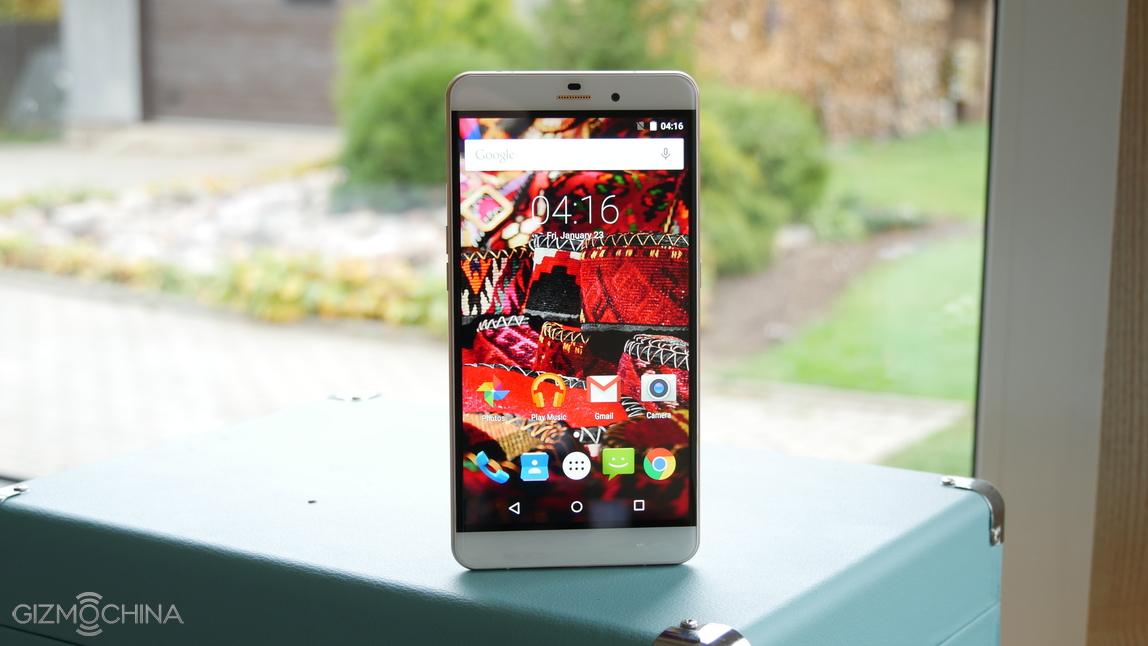
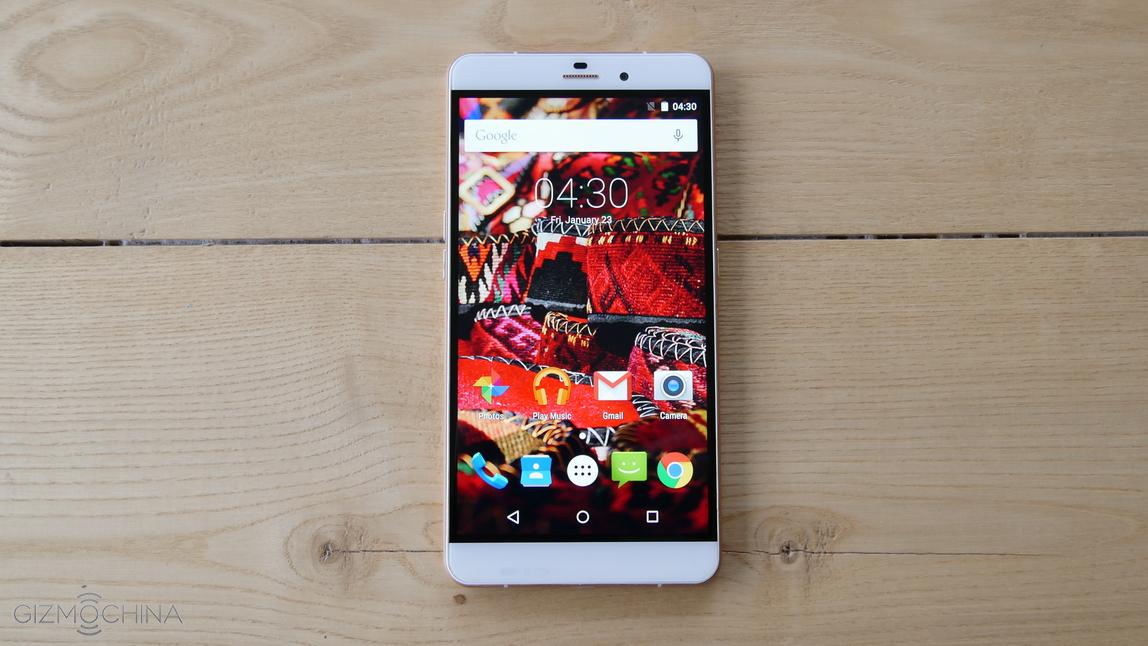
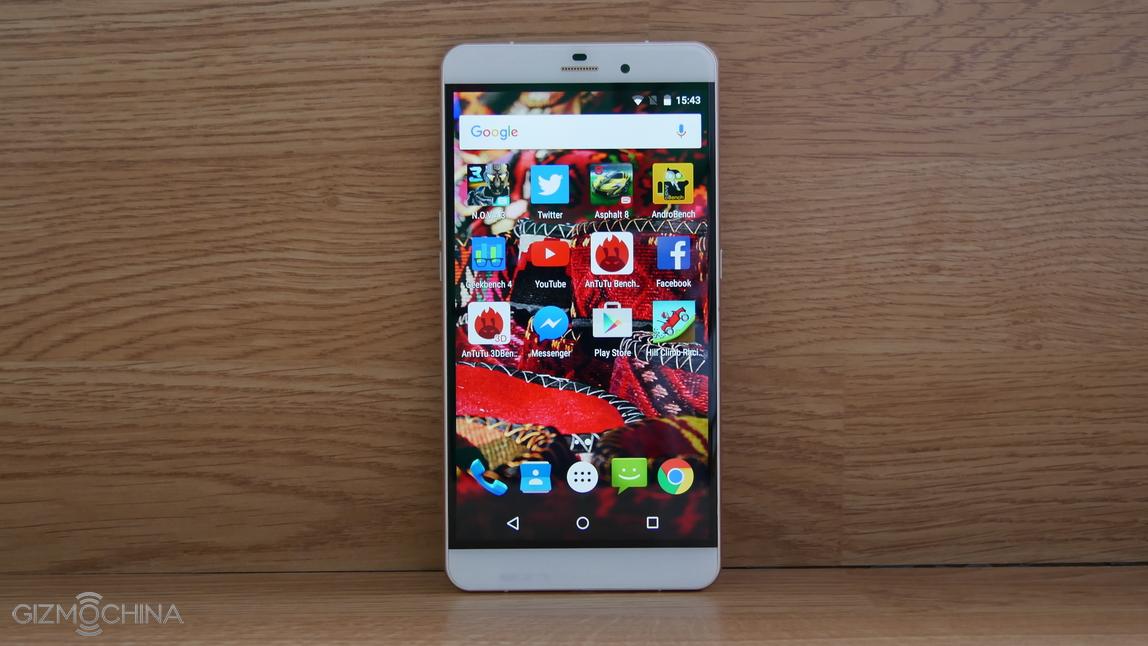
The key aspect of this phone is its size and that is because of a huge 6.44” 1080p display, which is surprisingly great, sharp and vibrant for such a cheap phone.
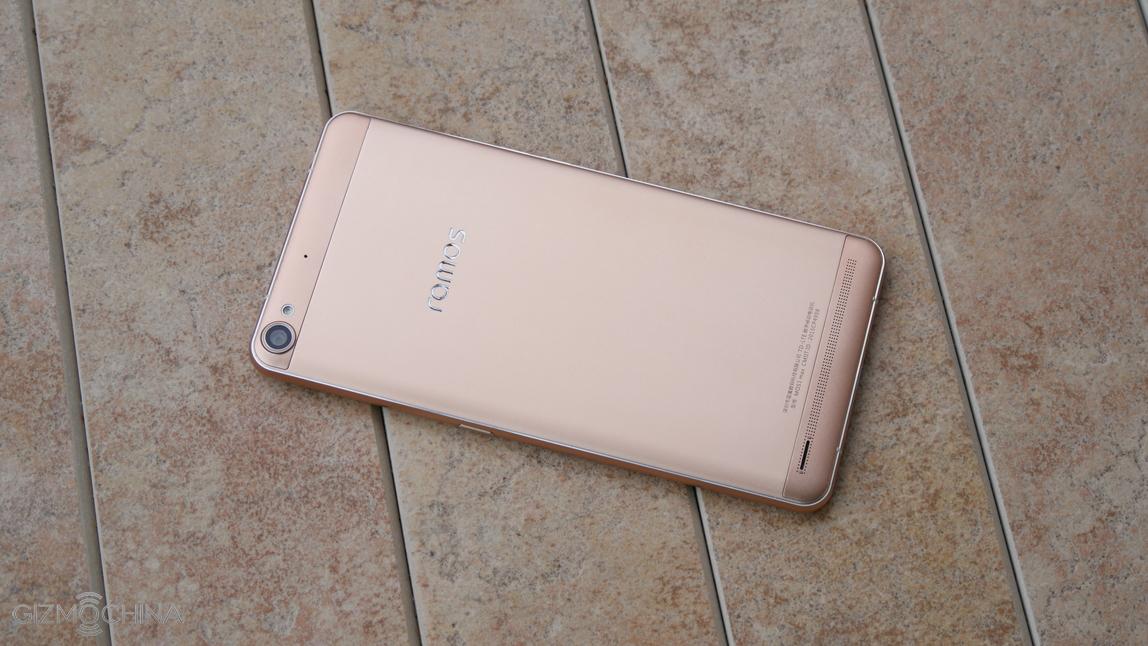
Also, the phone is made almost entirely of metal (except for the top and bottom parts for antennas). The device sits nicely in the hand but you will definitely need two hands to handle it.
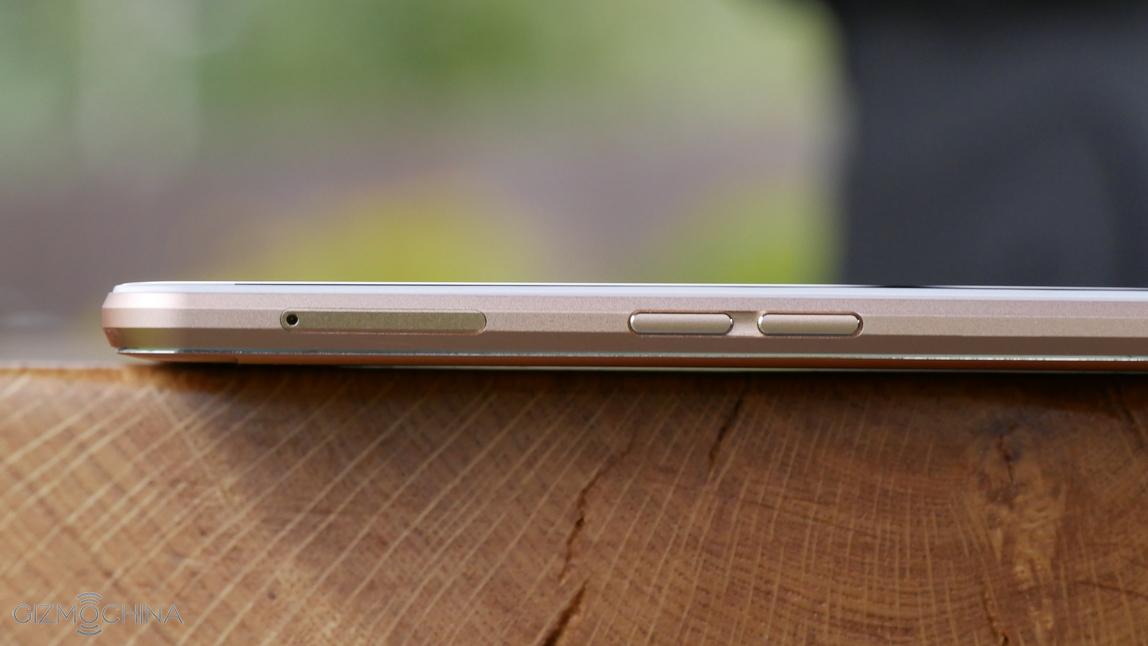
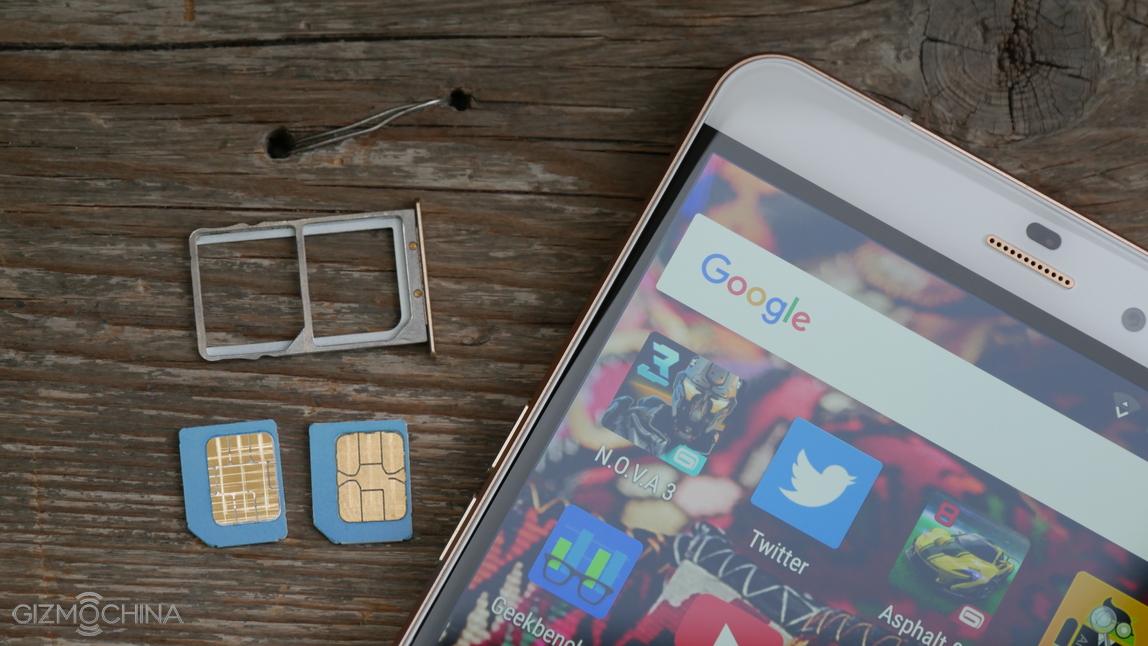
I love the fact that there are no moving parts whatsoever. The dual-micro SIM card tray stays firmly and buttons do not rattle, and they have a good tactile feedback.
I don’t like the fact that we have only the on-screen navigation buttons. A great thing is that there is a notification LED light, which sits next to the 8MP front-facing camera.
Usually, the loudspeakers suck on the cheap phones but I have to tell you that the Ramos Mos 1 is one of the better devices in this department.
Same can be said about the sound quality via the headset jack as the phone sports a Hi-Fi audio chip.
RAMOS MOS 1 Max Review: HARDWARE and PERFORMANCE
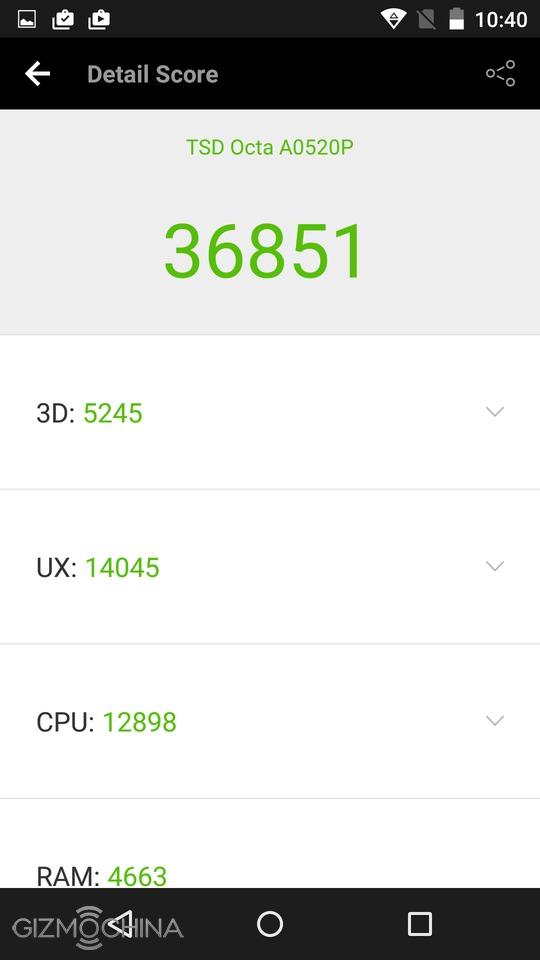
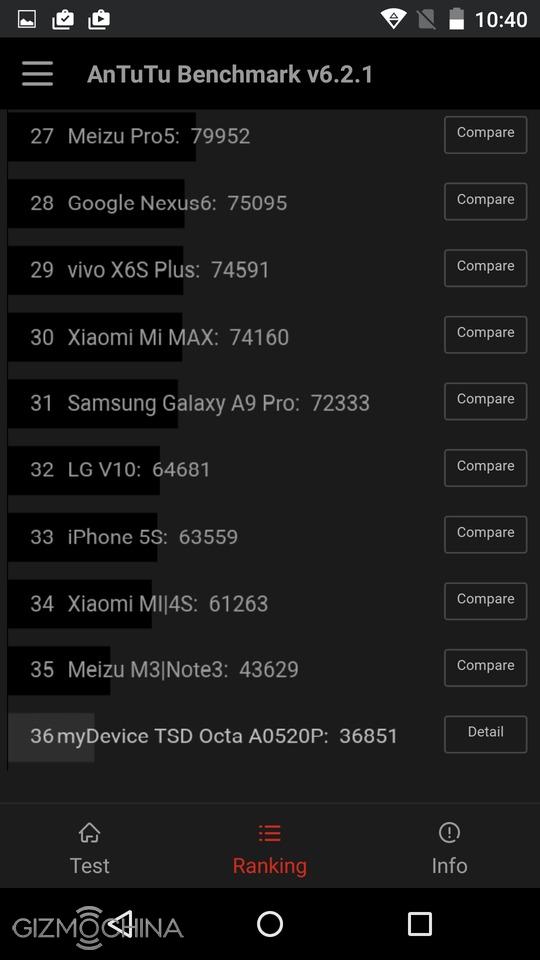
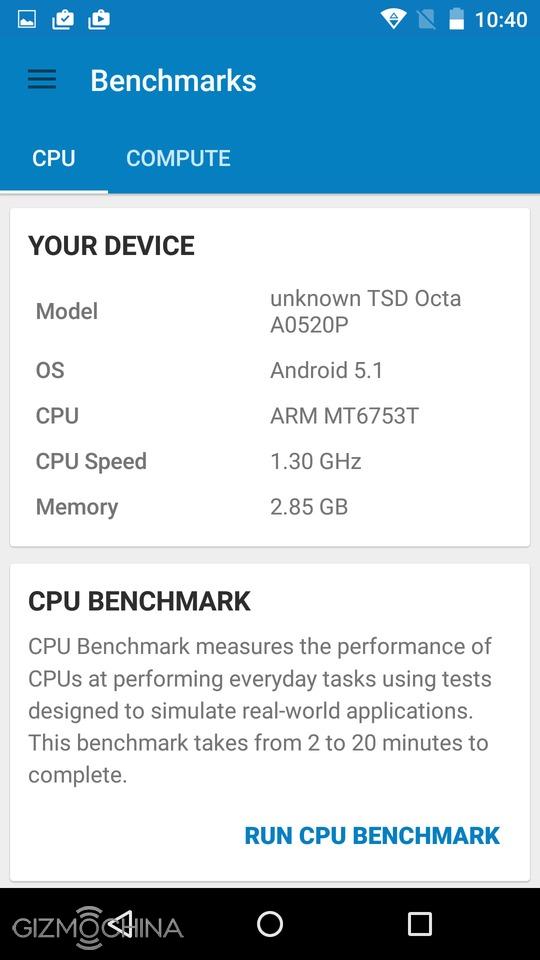
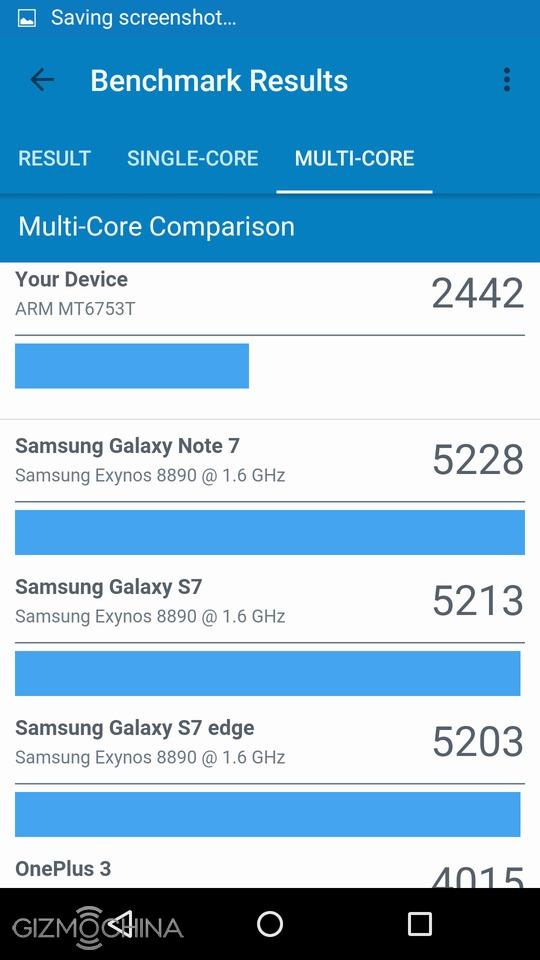
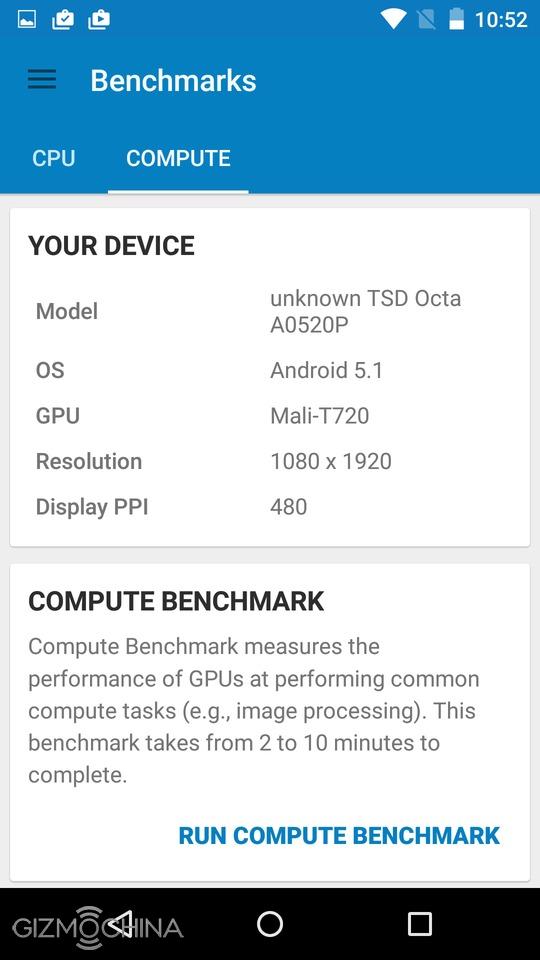
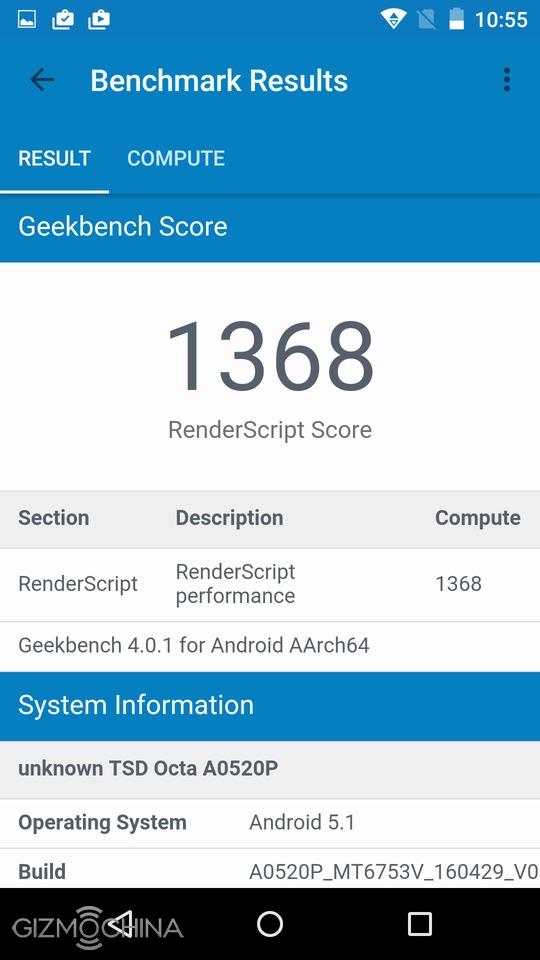
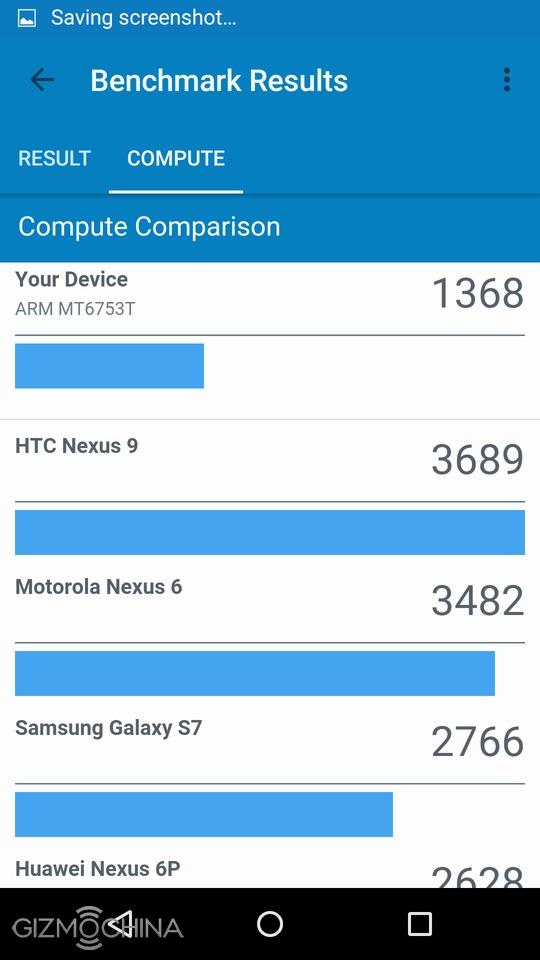
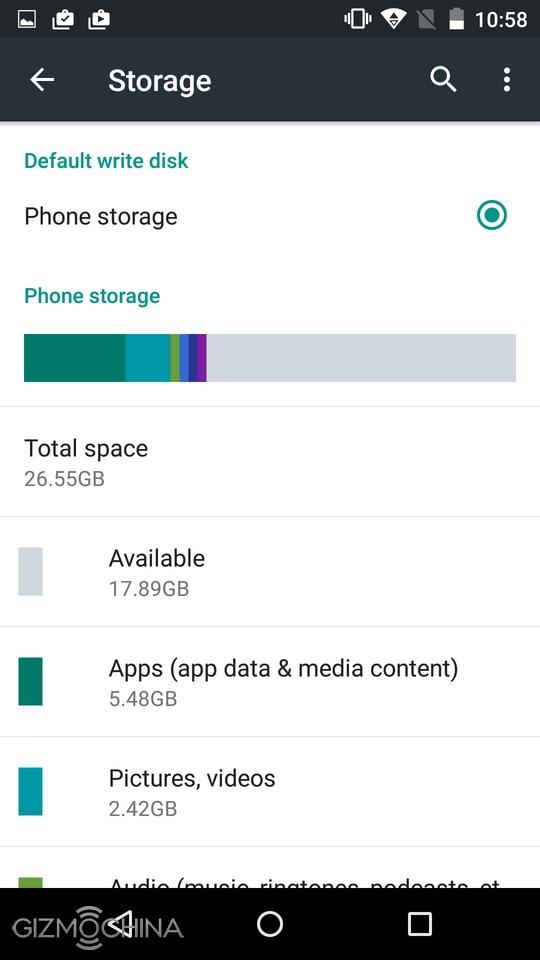
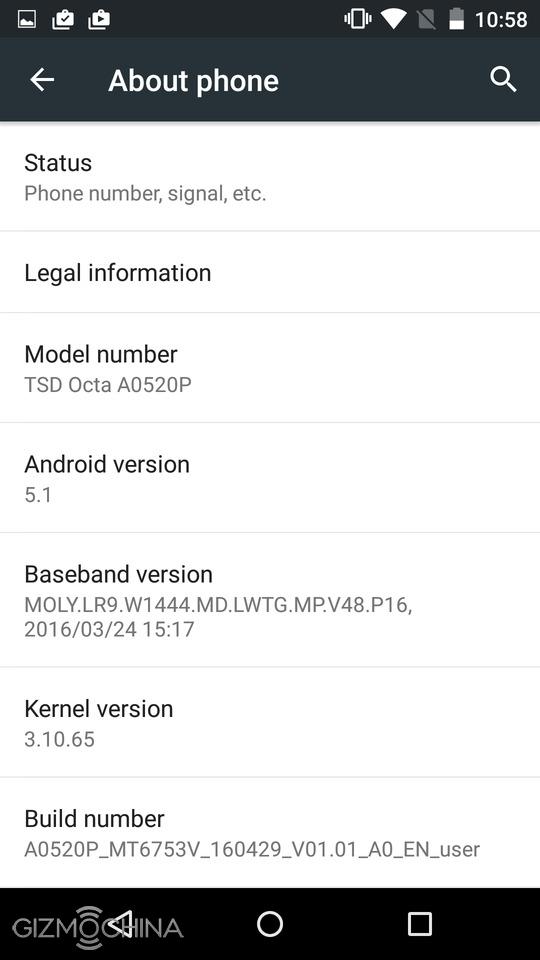
For the price of $130, the phone sports some pretty good specs. The device ships with an octa-core MTK6753 chip, 3GB of RAM and 32GB of storage, which is, however, not expandable.
The 3D gaming performance is not as good as I expected as there are quite a few skipped frames even if you play Asphalt 8 on medium graphics.
On the other hand, the 2D games work just fine and the phone does not overheat.
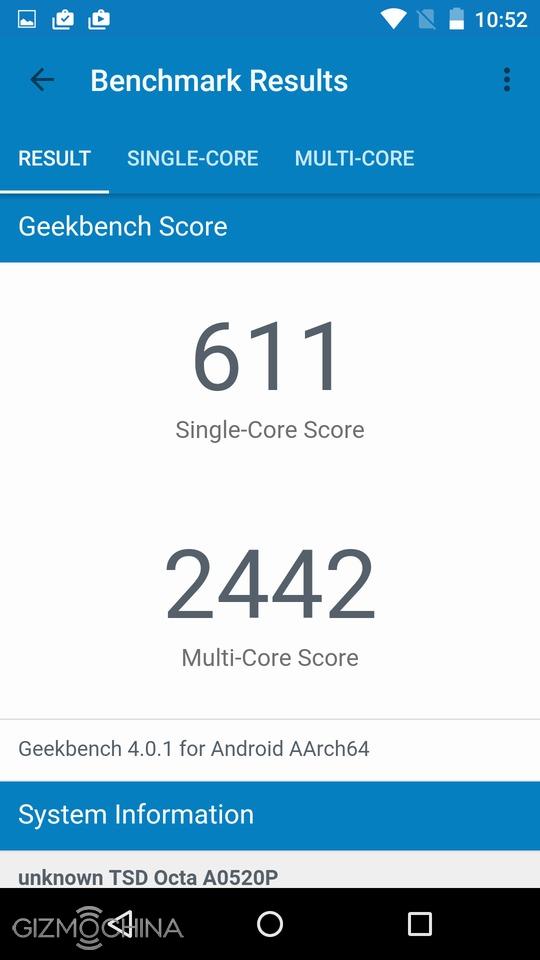
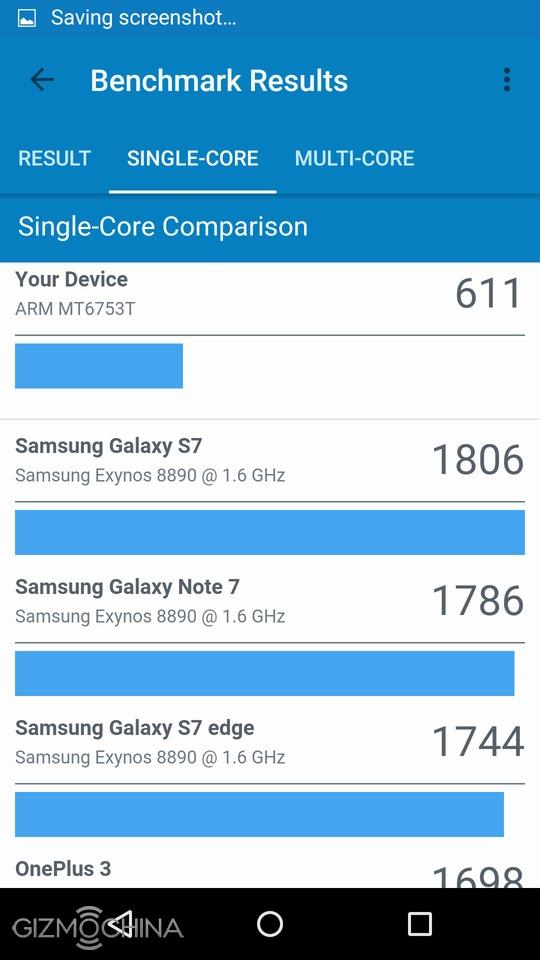
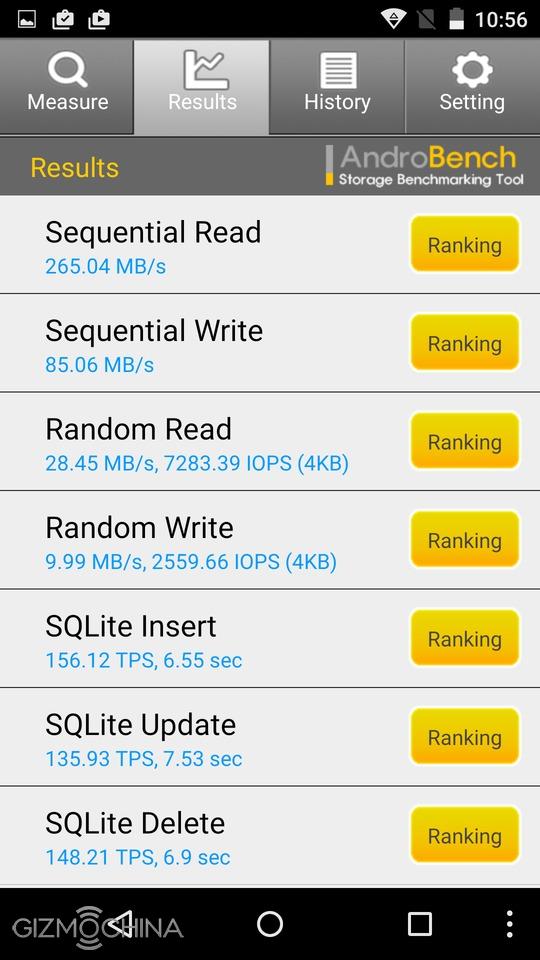
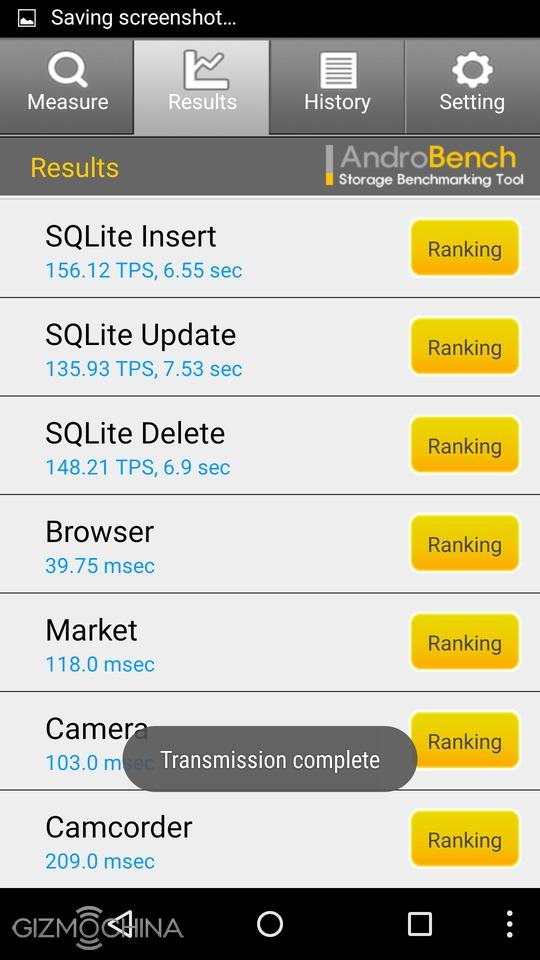
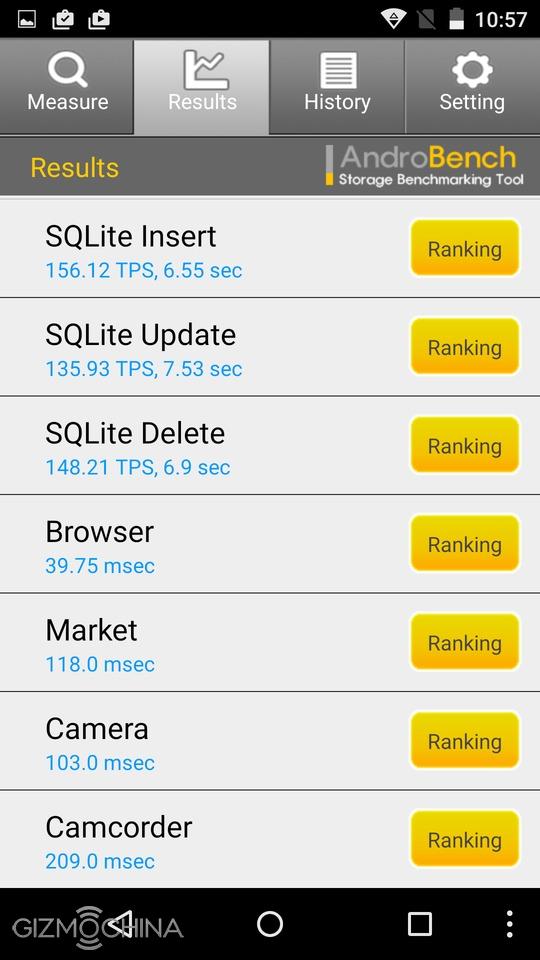
RAMOS MOS 1 Max Review: BENCHMARKS
RAMOS MOS 1 Max Review: USER INTERFACE
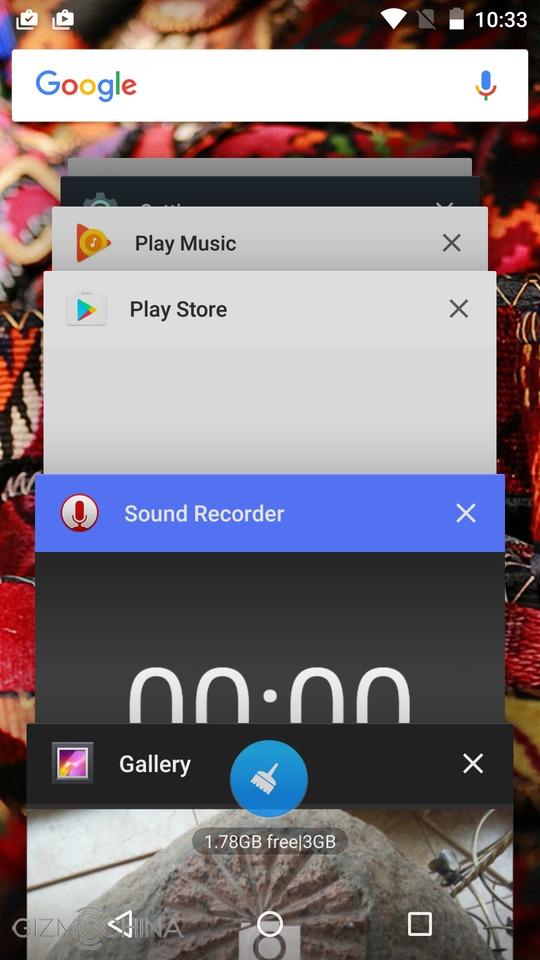
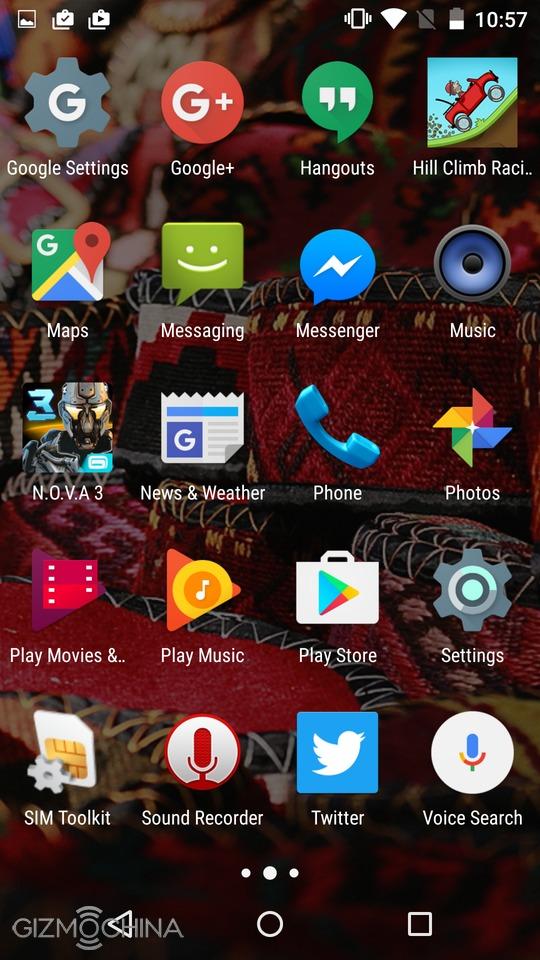
What I love about this phone is that it ships with the stock Android ROM and the device is pretty fast on the daily basis, and I didn’t have any lags or hiccups. However, we have the outdated Android 5.1 version and I’m not really sure if we are going to see an update to the Android 6.0 anytime soon.
RAMOS MOS 1 Max Review: IMAGE QUALITY
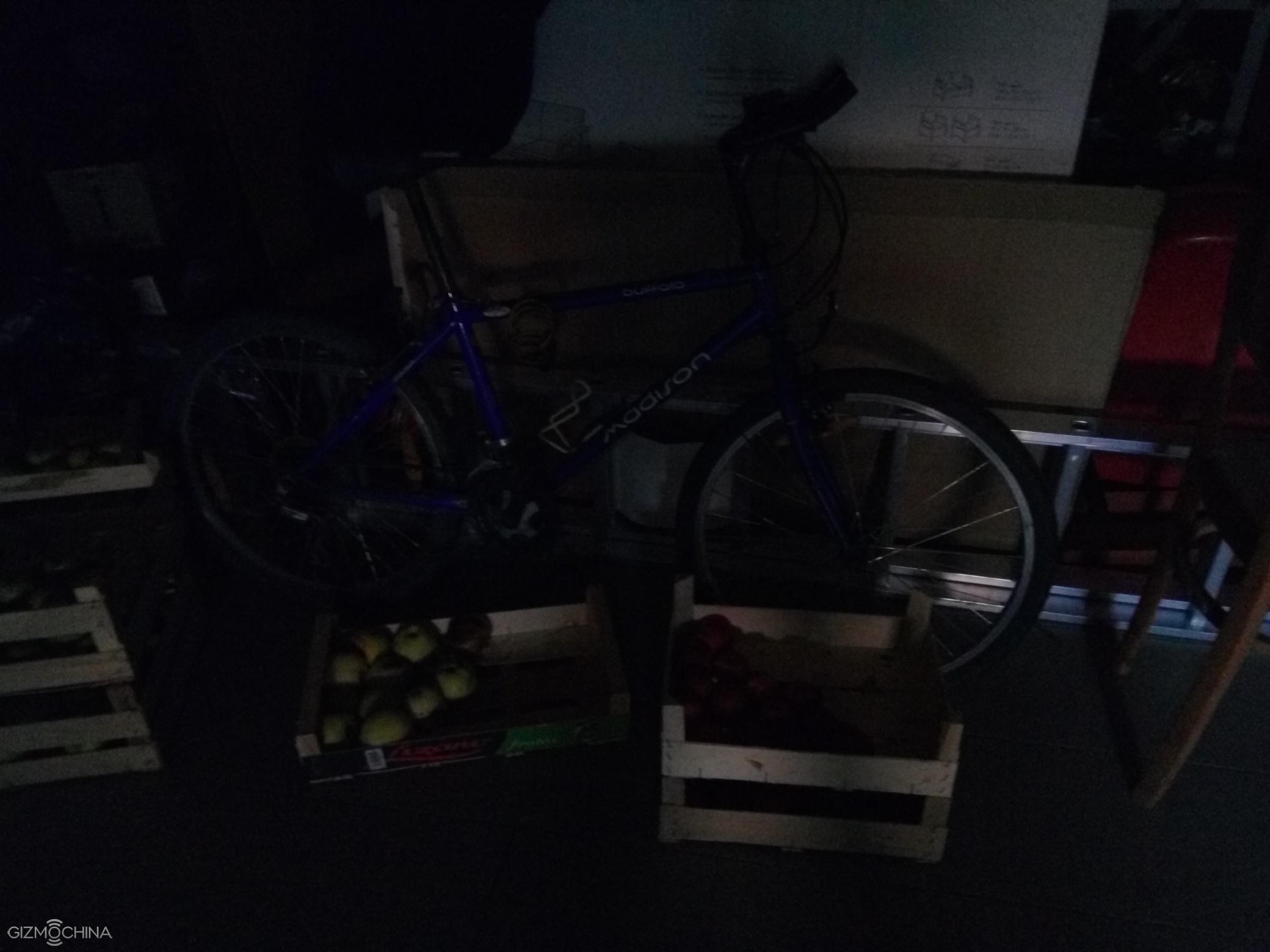
As for image quality, you should not expect any stellar results from a cheap phone like this. Still, you may get some nice-looking photos that are pretty sharp and detailed. However, the camera has some issues handling the dynamic range, there could a little bit more detail in some of the shots.
The selfie camera can take images that will definitely do the trick for social media.
The video quality is just mediocre as on most of the cheap phones. See the video review for a video sample.
RAMOS MOS 1 Max Review: CONNECTIVITY
I didn’t have any connectivity issues and even the GPS lock speeds and accuracy were okay. The only downside would be that there is not 5GHz Wifi band support.
RAMOS MOS 1 Max Review: BATTERY LIFE
The battery life is one of the highlights of the Ramos phone as it ships with a beefy 6100mAh unit. I could not kill the phone in one day and I would say that you will be able to get at least 2 days of moderate usage out of this phone. Also, the phone supports a quick-charge tech and I was able to fully charge it in around 1:40 mins.
RAMOS MOS 1 Max Review: CONCLUSIONS
The MOS1 Max was the very first phone made by Ramos that I had a chance to review. I have to say that I was pleasantly surprised by how much value this phone offers.
It all starts with a gorgeous 6.44” display, excellent all-metal build, great sound quality, stock Android user interface and awesome battery life.
However, the MOS1 Max is not for everyone due to its size. It is not really possible to handle the phone in one hand or even put it in the pocket but if you are watching this review, you are probably looking for a phablet.
Other shortcomings worth considering would be the lack of the microSD card slot, the outdated Android 5.1 user interface, only the on-screen navigation buttons and subpar 3D gaming performance.
Other than that, the Ramos MOS1 Max is a great offering for the price if you are looking for a super-sized phone, despite a few shortcomings.
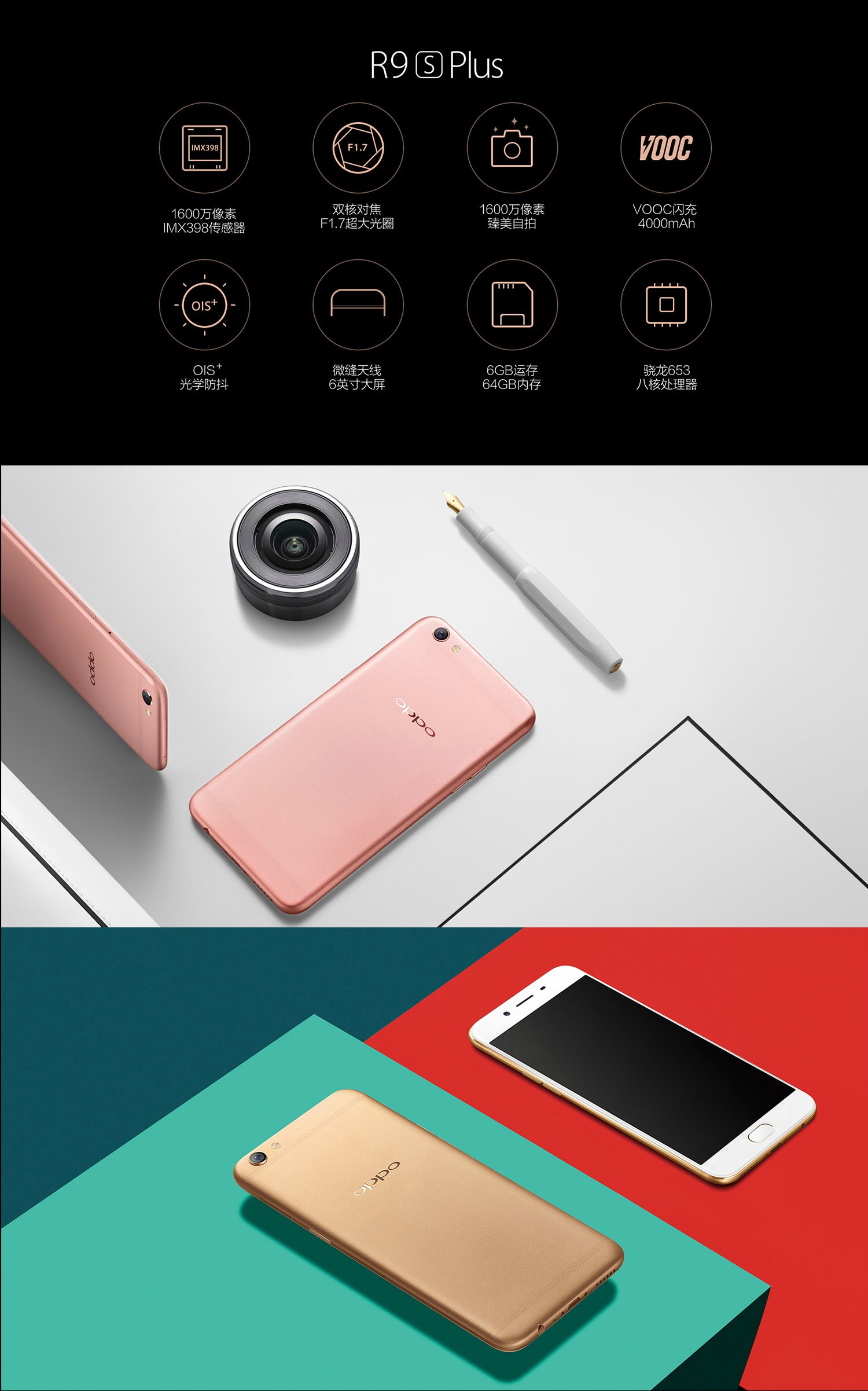
Along with the OPPO R9S smartphone, the company also announced the OPPO R9S Plus at the conference in China this evening. As the name suggests, this particular model will be the update to the larger phablet-sized OPPO R9 Plus that was released earlier this year. The new model comes with some great upgrades but retains the essence of the device, a powerful enough processor, great camera and a large size ideal to fulfill entertainment needs.
The company has made sure that the OPPO R9S Plus is updated in the right areas. First of all, in the processor department, the phone comes with the brand new Snapdragon 653 chipset. This new chip is 10% better in terms of performance as compared to the previous generation SD652 chipset and is clocked at 1.95GHz. Even in the memory department, the company has upgraded the RAM on board to 6GB, bringing the phone at level with other flagship devices. For ROM, you get 64GB. Like the R9S, you have a MicroSD slot expandable up to 128GB.
The camera in the R9S Plus is similar to the R9S, featuring the custom Sony IMX398 16MP sensor with f/1.7 aperture. However, instead of the EIS in the R9S, this model features OIS. Other features include 4K shooting, slo-mo videos etc. Up front, you get a 16MP shooter with f/2.0 aperture.
The phone comes with a large 4000mAh battery with VOOC fast charging tech. As for software, it runs on Color OS 3.0 based on Android 6.0.1. Other features include a dual-band Wi-Fi, Bluetooth 4.0, VoLTE, fingerprint ID etc.
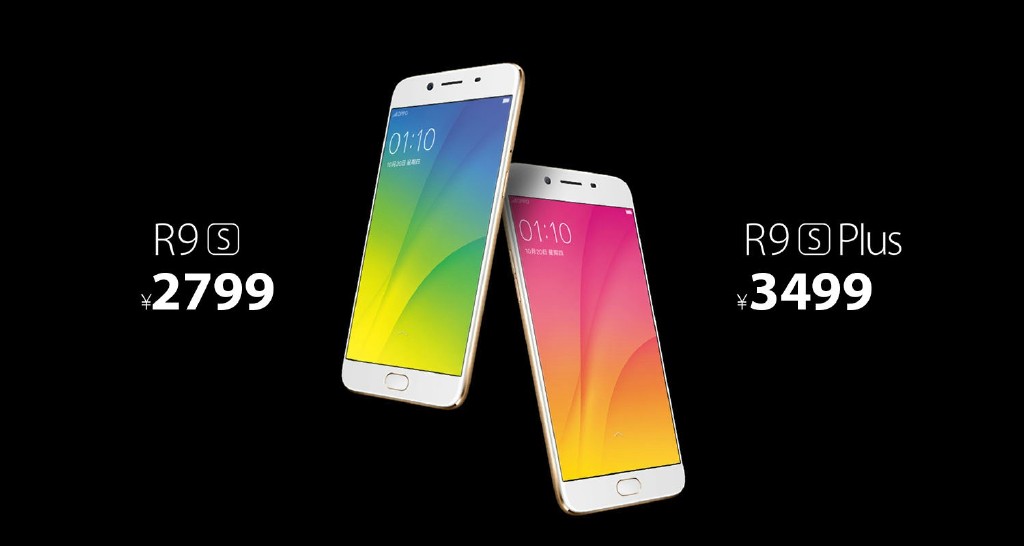
The OPPO R9S Plus is priced at 3499 Yuan ($520) and will go on sale sometime in December. Expect more release details in the coming weeks.
OPPO has been teasing its new flagship smartphone, the OPPO R9S for the past few days. And now, the company has officially taken the wraps off not one, but two new devices, namely the OPPO R9S and the OPPO R9S Plus. Both the devices are capable upgrades to the popular R9 series which has managed to sell very well in China as well as internationally under the name OPPO F1 Plus.
The basic design of the OPPO R9S remains the same as its predecessor, but it features a new split antenna design. The company had already confirmed this in one of its teasers, but now, it has revealed more details about the design. So, there are three super narrow antenna lines at the back (0.3mm wide), instead of one thick line. This makes it less visible, thereby giving the overall design a seamless look. The company says that this has also helped it to increase the proportion of metal in the phone to 98.8%. The new design is also said to improve the Wi-Fi signal, and now, the coverage is said to be better.
Coming to the specs, the OPPO R9S comes with the same 5.5-inch 1080p display, however, this time, you have the latest Corning Gorilla Glass 5 protection. This should provide better resistance against drops, as much as 80% intact rate at 1.6m drop, much better than previous generations. Inside, the R9S is running the Snapdragon 625 chipset, a much better upgrade as compared to the Helio P10 chipset in the previous generation. This new chip should also ensure better GPU performance than the R9 model. As for memory, there will be 4GB RAM and 64GB of ROM.
The camera has been one of the best-selling features of the OPPO R9 and the company has made sure that it remains the same with its update. The OPPO R9S comes with the 16MP Sony IMX398 sensor, which is said to be jointly developed by OPPO and Sony. The sensor is reportedly fast and “comparable to SLR camera speeds” and comes with tailored features. The company also revealed that the pixel area is upgraded and the amount of light reaching the sensor has increased up to 2 times. Further with the help of dual-core focus, the camera can focus 40% faster than PDAF.
Even the aperture size is large, and f/1.7 aperture will ensure great low light images. Further with the help of multi-frame noise reduction technology and large aperture, low light images should be clear, with limited noise. So camera lovers should be happy with the performance of the new R9S. Up front, you get a 16MP sensor as well.
As for the software, the OPPO R9S runs on the company’s ColorOS 3.0 version. Inside, there is a decent 3010mAh battery but with VOOC fast charging, the battery shouldn’t be an issue on the device.
The OPPO R9S will go on sale on October 28 for 2799 Yuan ($416). There are three color options available, gold, rose gold and black.
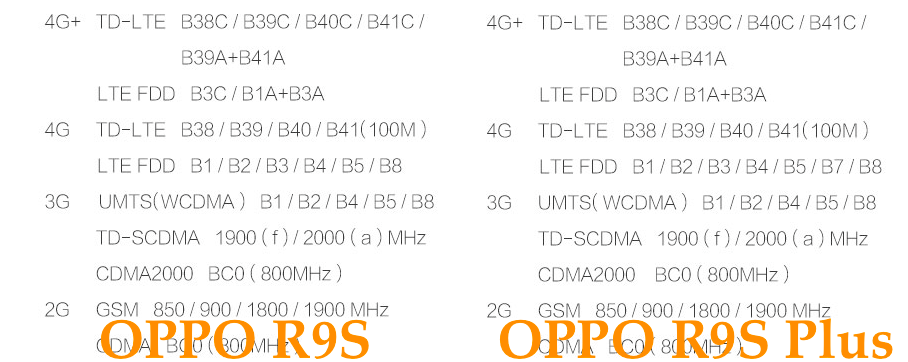
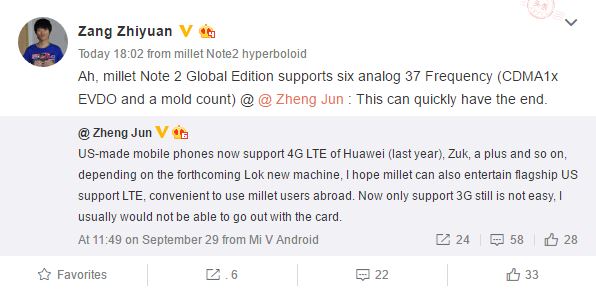
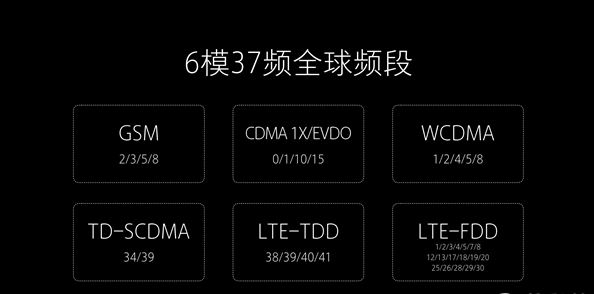
Its been over a year since Xiaomi fans have been waiting for the Mi Note 2 and as the day roll by towards the October 25 launch, the waiting is looking by the day to be worth the while. It has been revealed that the Xiaomi Mi Note 2 would feature a “Global Edition” with up to 37 network frequency bands including those of carriers overseas. This is a huge boost for the company, meaning the device could be used anywhere in the world.
Full network support is a common feature of most smartphones yet some foreign carrier bands don’t get supported on a number of smartphones but that is not going to happen on the Mi Note 2, if the latest words from Xiaomi phone product marketing director is to be taken seriously.
According to his words, the Mi Note 2 would support 6-mode 37 frequency including CDMA1x, EVDO, and a mold count. Presently, the Xiaomi Mi 5 was reported to have come with 4G compatibility issues with some carriers in the US but with the Mi Note 2 owners who happen to travel to the US wouldn’t have to worry about compatibility issues on US carriers’ 4G network.
When compared to some Chinese top brands that ships abroad like the Huawei P9, this list of supported frequency bands is huge. Huawei P9 supports 32 frequency bands while the Mate 8 is likely 33 bands.
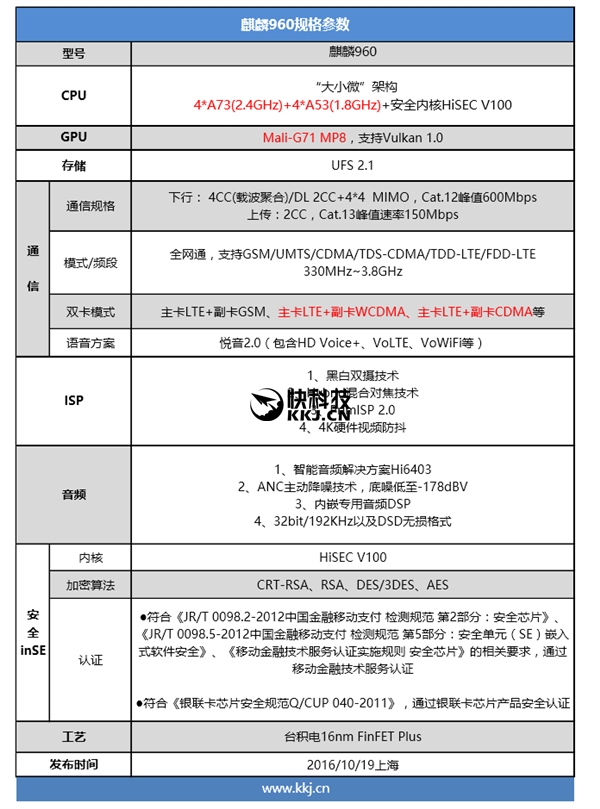
The past few days have seen chip manufacturers announce new processors. Starting with Mediatek announcing the Helio P15, to Qualcomm launching the Snapdragon 653, 626, and 427 chipsets, and Huawei announcing the Kirin 960 earlier today. Our focus is however on the Huawei Kirin 960. Huawei has released a detailed specification list of the new processor.
The Huawei Kirin 960 SoC is an octa-core processor made up of four A73 chips clocked at 2.4GHz and four A53 low-power chips clocked at 1.8GHz for its CPU. Its GPU is a Mali G-71 MP8 which offers about 180 percent increase in performance over the Kirin 950 and a 20% reduction in power consumption. It also supports Vulkan 1.0. The new chip is built on 16nm FinFET Plus process and supports UFS 2.1 storage and LPDDR4 RAM.
Today is a big day for LeEco. The company announced a couple of weeks ago that they will be officially launching in the US today, October 19, and in about 6 hours, the live-stream event will kick off. Apart from this, the company also plans to release its first Artificial Intelligence phone by the end of October. A picture of the AI Phone with CEO, Jia Yueting has surfaced online and it doesn’t look bad at all.
The phone sports which sports dual rear cameras was first thought to be the Le Pro 3 when the image of a dual camera phone from LeEco was leaked online three months ago. Following the Le Pro 3’s launch and its lack of dual rear cameras, we knew the phone was different entirely,and not until last week did we learn that it is the company’s AI phone.
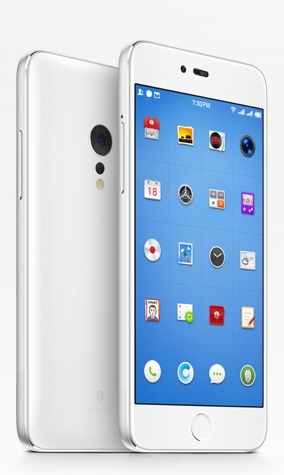
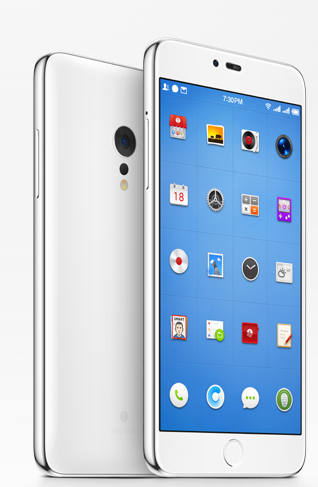
Smartisan is a Chinese phone manufacturer best known for their Smartisan OS before their phones. There were rumours recently that the company was going to be acquired by Xiaomi, but the company quickly discarded them. Yesterday the company confirmed they were still in the business of manufacturing smartphones by releasing two Snapdragon 821 devices, the Smartisan M1 and Smartisan M1L.
From the name, some of you might have guessed correctly that they have different screen sizes but that is not only where the difference lies. Below is a full list of specifications for both devices.
Smartisan M1
5.15” 1080p JDI Display (95% NTSC Colour Gamut)
Corning Gorilla Glass 4
2.35GHz Snapdragon 821 Processor
4GB LPDDR4 RAM
32GB ROM UFS 2.0
23 Megapixel Sony IMX318 Rear Camera with 4K and SloMo Recording, PDAF, OIS, and Laser AF
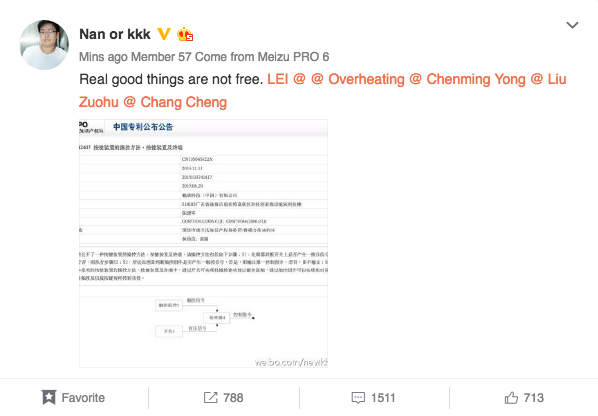
While it is being sued by Qualcomm for patent infringement, Meizu seems to be trying to get its own pound of flesh unfortunately not from Qualcomm. The Chinese company has accused fellow Chinese rivals OPPO, Xiaomi and Smartisan of infringing on its mBack patent.
If you don’t know, Meizu mBack was coined from the word “I’m Back” and refers to the specialized home button that eliminated the for a separate back button on the phone, all integrated into the home button. The Meizu mBack offers four operations which users can implement for faster and more comfortable use of their Meizu smartphone. The mBack button functions as a fingerprint scanner to unlock the phone, also unlocks apps and takes you back to previous page when tapped. In addition, it takes you to the home page from any page on the pone and when pressed for long, it locks the phone.
Meizu patented this design sometime back in China and has since being using it on successive Meizu smartphones. However, the company is accusing fellow Chinese phonemaker Smartisan of using its patented design without consent. Smartisan just released its Smartisan M1 and M1L smartphones in China and just like the iPhone 7, the phone has a round home button but in function the home key is similar to Meizu mBack.
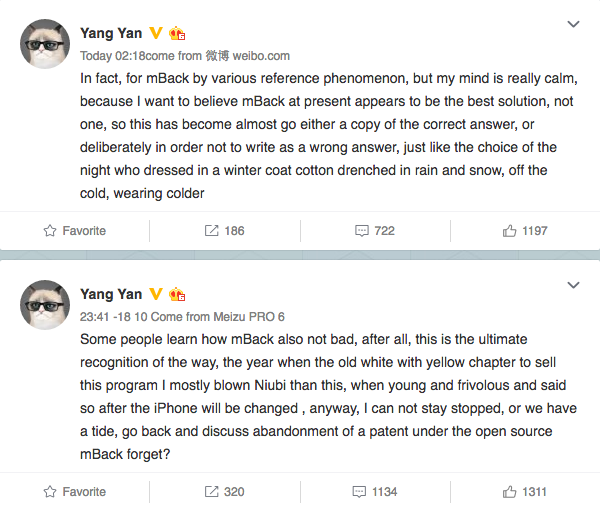
Meizu VP has come all out via a couple of Weibo posts to claim this is an infringement of its mBack patent and even went as far as accusing Xiaomi, OPPO and a few others of infringing on its patent. Perhaps we’ll be seeing a couple of law suits very soon and would keep an eye on this. The companies mentioned are yet to respond.
Huawei officially launched the Nova in China last week and their Honor sub-brand released the Honor 6X yesterday but the upcoming Mate 9 is the device people are looking forward to.
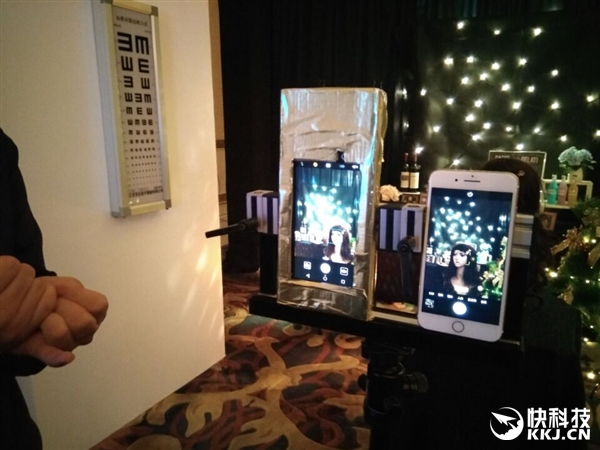
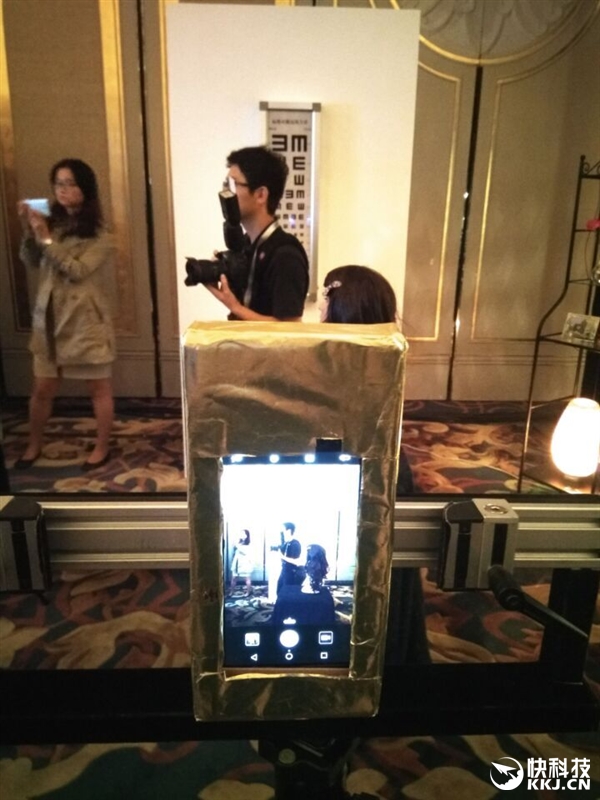
The Mate 9 has been rumoured for months to launch with a Kirin 960 processor, so when the company took the wraps of the new chip a few hours ago, they provided a phone with the new processor for guests to see but covered it up in brown packaging paper leaving just the screen and rear cameras exposed. That phone is said to be the Huawei Mate 9 since that’s the only device rumoured to feature the new processor.
Those who had a closer look at the phone confirmed that the Mate 9 does have a 6-inch screen and dual rear cameras.
Foreign media outlets who have received invites for the launch holding on the 3rd of November in Germany have revealed that the Mate 9, codenamed Manhattan will feature a Kirin 960 chip, 4GB of RAM, an 8 megapixel front facing camera, an iris scanner, and a 12MP+20MP rear camera duo provided by Leica and will have optical image stabilisation.
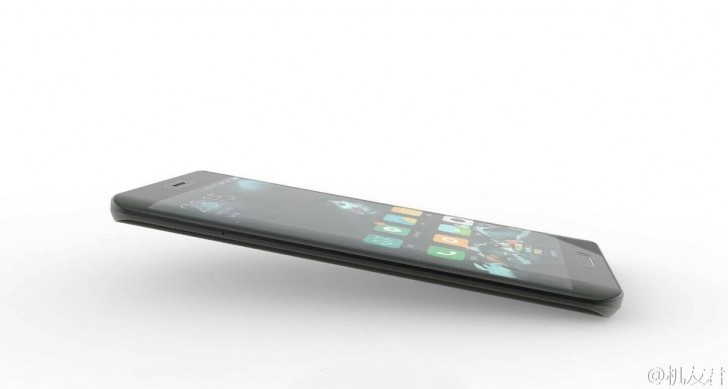
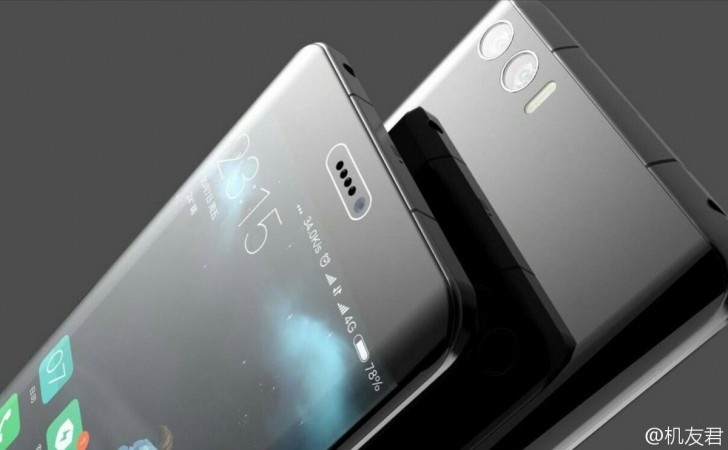
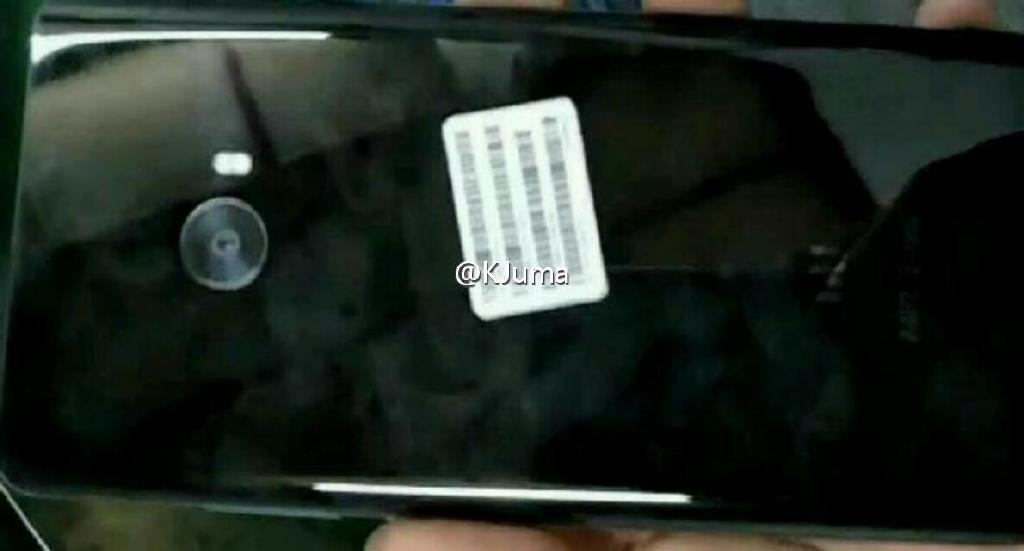
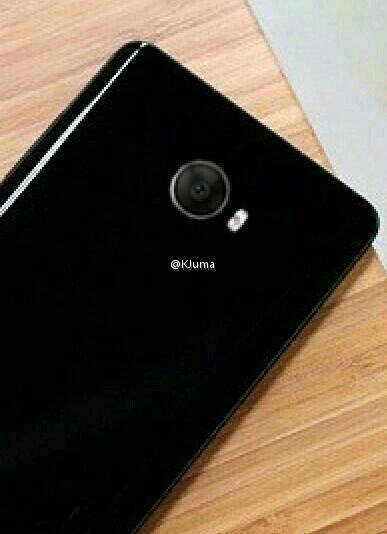
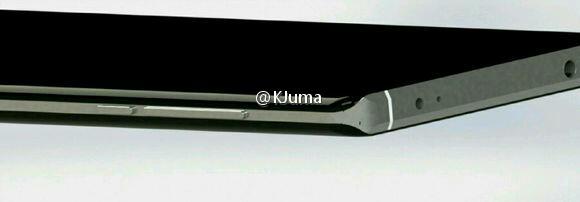
Since the past few weeks, the Xiaomi Mi Note 2 has been making the headlines, with multiple rumors and renders of the device cropping up on the internet frequently. Once again, new renders of the Mi Note 2 have been leaked, this time revealing dual cameras and curved display.
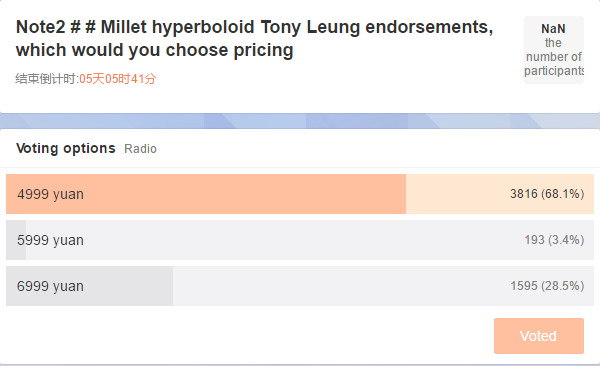
Along with these renders, we also got a possible pricing for the Mi Note 2. The company recently launched a poll on Weibo asking users what price would they be ready to pay for the upcoming device. Surprisingly, the pricing started at 4999 Yuan ($741) with other two options being 5999 Yuan ($889) and 6999 Yuan ($1038).
Is it possible that the Mi Note 2 pricing starts at $750? Despite its high-end status, it’s unlikely as Xiaomi has built a reputation as a value for money smartphone maker. So, it can’t just go ahead and release a $800 smartphone expecting fans to be okay with the price. So, the actual price could be lower, somewhere around $500-$600.
We also saw some new renders of the Mi Note 2, this time with a single camera module. We are not so sure about these renders, but you can take a look at them below.
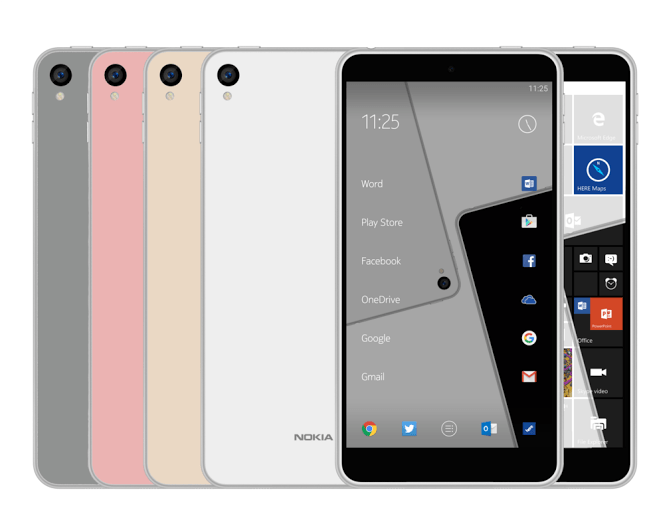
Just about a week after Nokia officially tweeted that the company’s CEO would deliver a kynote address at MWC 2017 bill for the first quarter of 2017, a senior Microsoft Executive has come out to disclose that the much anticipated two Nokia phones would be released in second quarter (Q2) 2017.
According to the report which emanated from Vietnam, James Rutherfoord, CEO of Mobile device commodities in Microsoft Asia-Pacific was quoted as saying HMD Global Oy is working on launching two new Nokia phones, perhaps feature phones, by Q4 2016 which means any moment from now, and then two smartphones should be expected in the early part of Q2 2017.
News about the return of Nokia branded phones have been coming in and out for the past couple of months right after two Android Nokia phones leaked. A Nokia feature phone was later on spotted on TENAA and of late the Nokia D1C made the rounds on benchmarks, sporting Android Nougat. A Nokia tablet is also said to be in the works, even though we are not too sure about that.
It remains to be seen how the Nokia brand will be re-jigged to get back into the groove. The specs posted on benchmarks have been anything but spectacular and uniqueness is a key factor in the highly competitive smartphone market. We’ll wait to see what exactly Nokia has in store because an official teaser is yet to come from the company.
Huawei has officially unvelied its latest super processor – Kirin 960 which brings with itself some strategic upgrades both in CPU and GPU. The Huawei Kirin 960 SoC comes with a modest upgrade in its CPU from Kirin 950 but on the GPU end, the new chipset sees a huge upgrade.
According to a source at the unveiling, Huawei Kirin 960 comes equipped with the recently unveiled high-performance ARM Cortex-A73 CPU core. The processor still uses the lower ARM Cortex-A53 core and in all the octa-core Kirin 960 SoC is composed of four Cortex-A73 cores and four Cortex-A53 cores.
More damning claim from the conference is the one concerning the Kirin 960 Versus Snapdragon 821 processor. When subjected to Geekbench 4.0 test, the Kirin 960 is said to have scored 2000 points on the single-threaded scores and up to 6300 points on the multi-threaded score.
In addition to the CPU upgrade, the Huawei Kirin 960 chipset gets a big boost in its graphics unit, featuring the Mali-G71 MP8 GPU which were subjected to test on GFXBench Manhattan and T-Rex. The Kirin 960’s GPU performance comes out higher than that of Snapdragon 820 SoC and even twice as much power as Kirin 950. Apple A10 chip is still ahead, though.
According to Huawei, the Mali-G71 GPU is based on a truly new architecture which comes with a new level of high-end mobile graphics technology with superior energy efficiency. In addition, the Kirin 960 also supports the latest UFS 2.1 flash memory, LPDDR4 memory and on the network end, it supports LTE Cat.12 and LTE Cat. 13. A new baseband that supports CDMA is also at play.
The Huawei Mate 9 would get the opportunity of being the first device to feature the Kirin 960 and until that happens we’ll only hold our peace concerning these stunning claims.
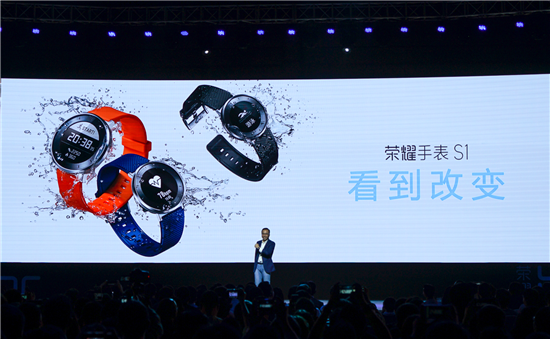
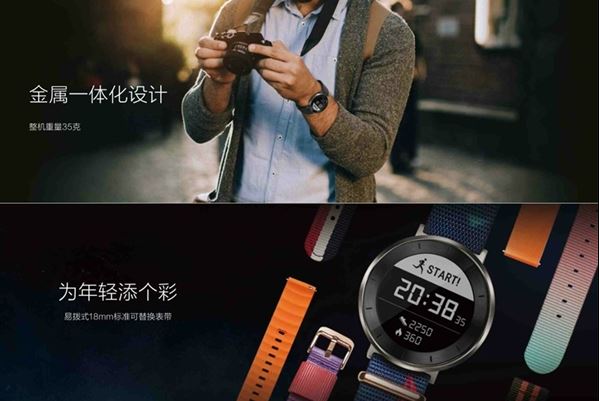
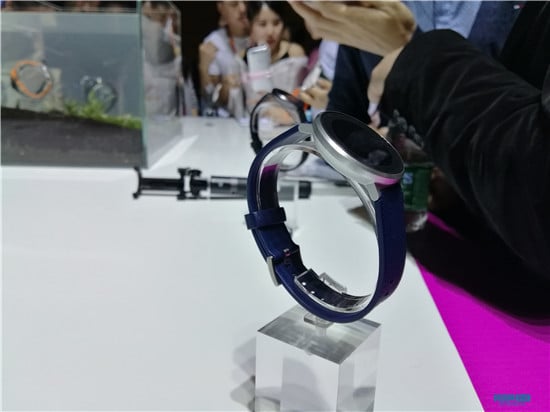
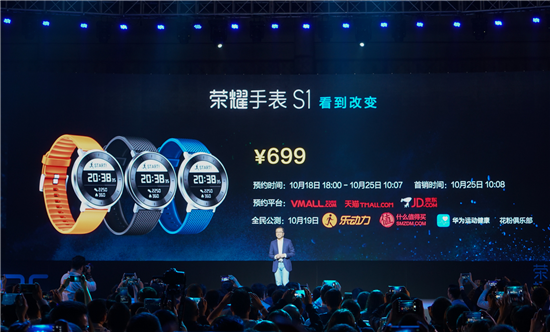
In addition to launching the Honor 6X, Huawei also unveiled its new smartwatch dubbed Honor S1. The Huawei Honor S1 smartwatch brings with it a Nordic style modest design, molded with metal material and weighing only 35g. The device also comes in three cool and attractive colors of Navy blue, gray, and orange. The device also features a removable strap which can easily be replaced by users and easy dial-type design.
The Huawei Honor S1 smartwatch isn’t just a time checking machine but also a smart gadget that monitors the heart rate, calories, distance covered, pace and other vital data beneficial to health and wellness. The smartwatch comes in as a versatile piece of machinery because it comes in handy in a variety of sports including swimming, running, walking, cycling, treadmill etc.It shouldn’t surprise you that the smartwatch functions under water during swimming and other water sports. This is possible because the smartwatch comes with IP 68 waterproof and dustproof protection and can stay up to 50 meters under water.
The Huawei Honor S1 smartwatch can also be used for payment sevices like Ali pay whereby in a situation where a user forgets his or her wallet or smartphone, they can easily pay by scanning. There is also a security feature which ensure the payments made via the device are secure.
The Huawei Honor S1 carries a price tag of just 699 Yuan ($104)and would go on sale for the first time on October 25 at 10am. The sales can be access exclusively via Vmall, Jingdong and Lynx in China.
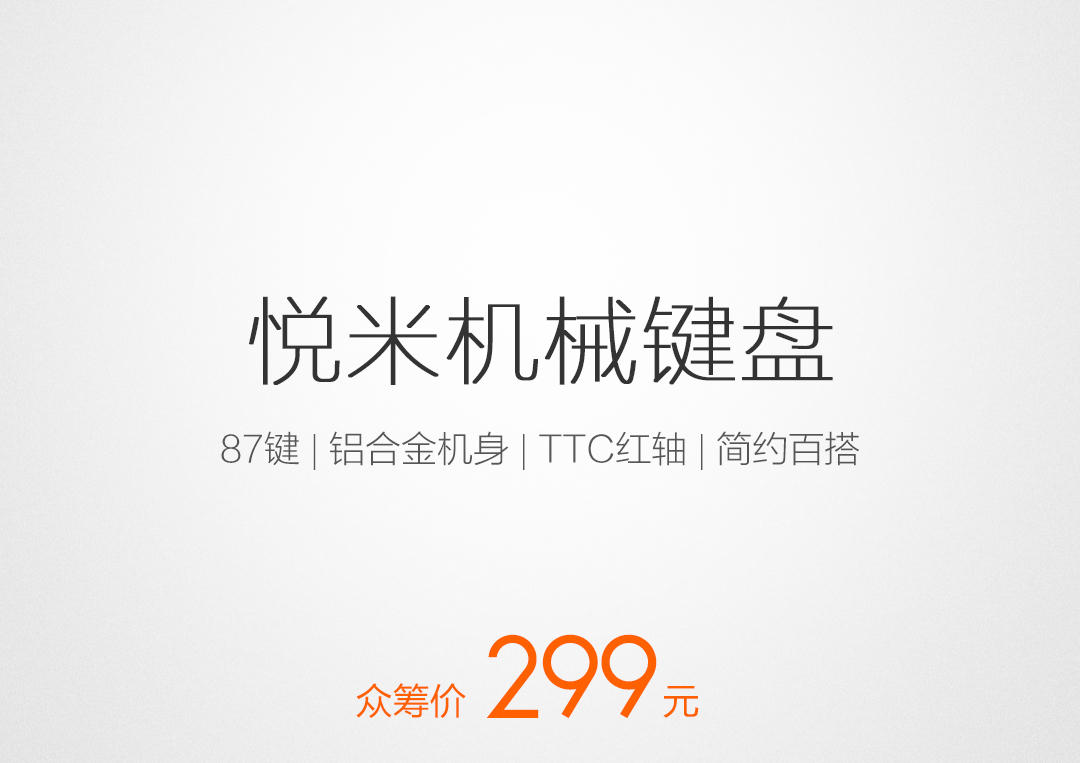
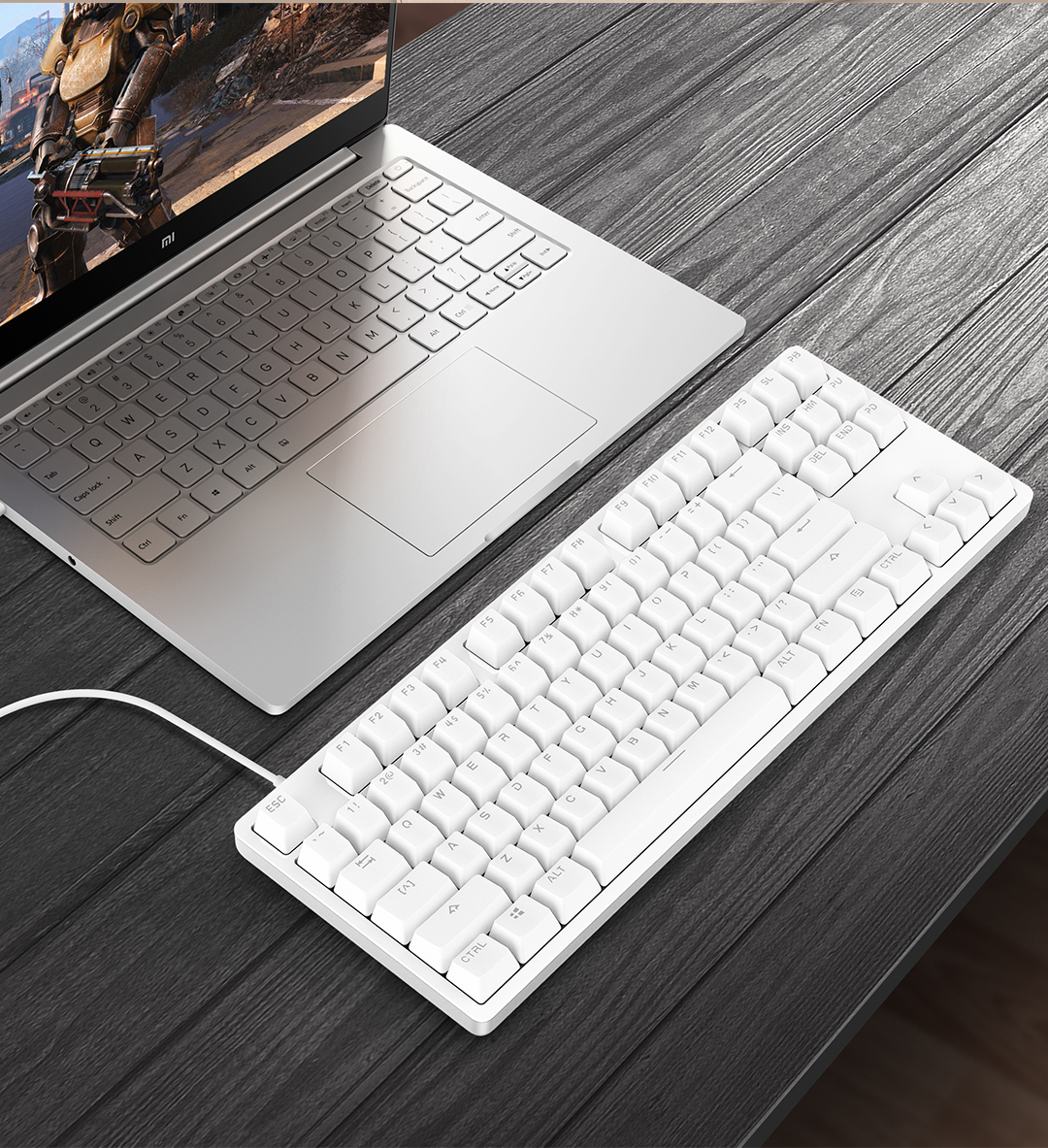
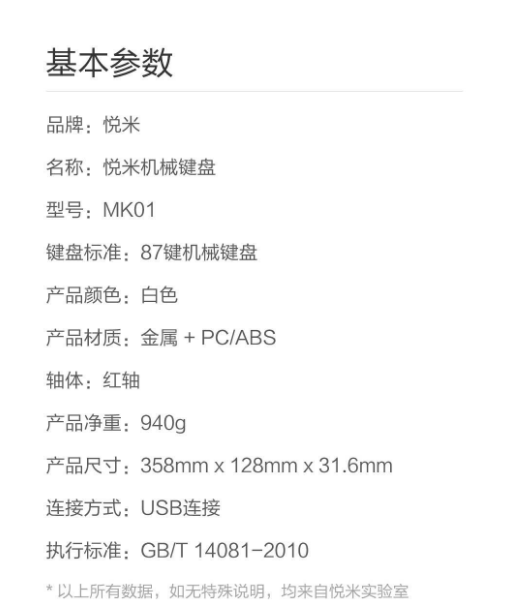
Xiaomi took to its crowdfunding platform to announce the mechanical keyboard teased last week. The Xiaomi Mechanical Keyboard (official name still unknown) has a bunch of cool features and doesn’t break the bank.
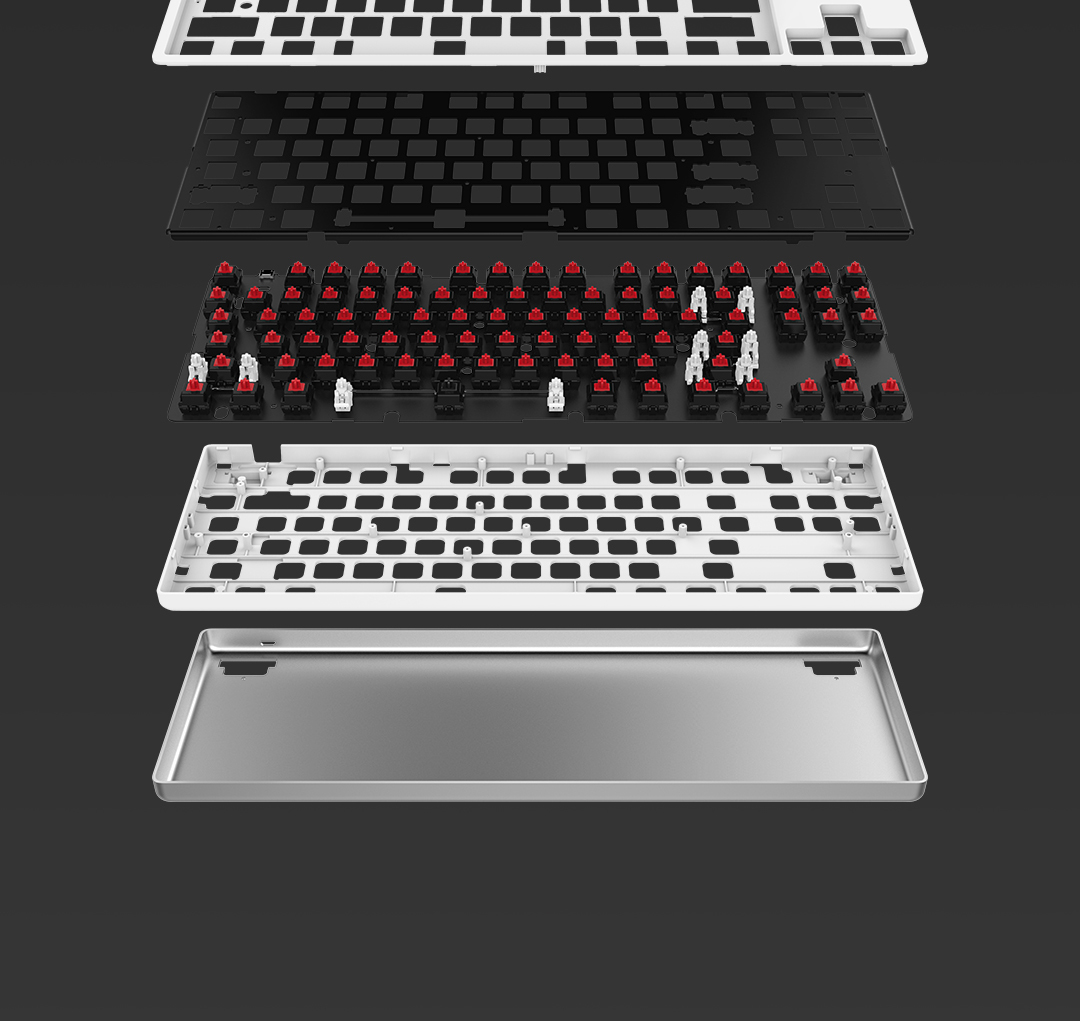
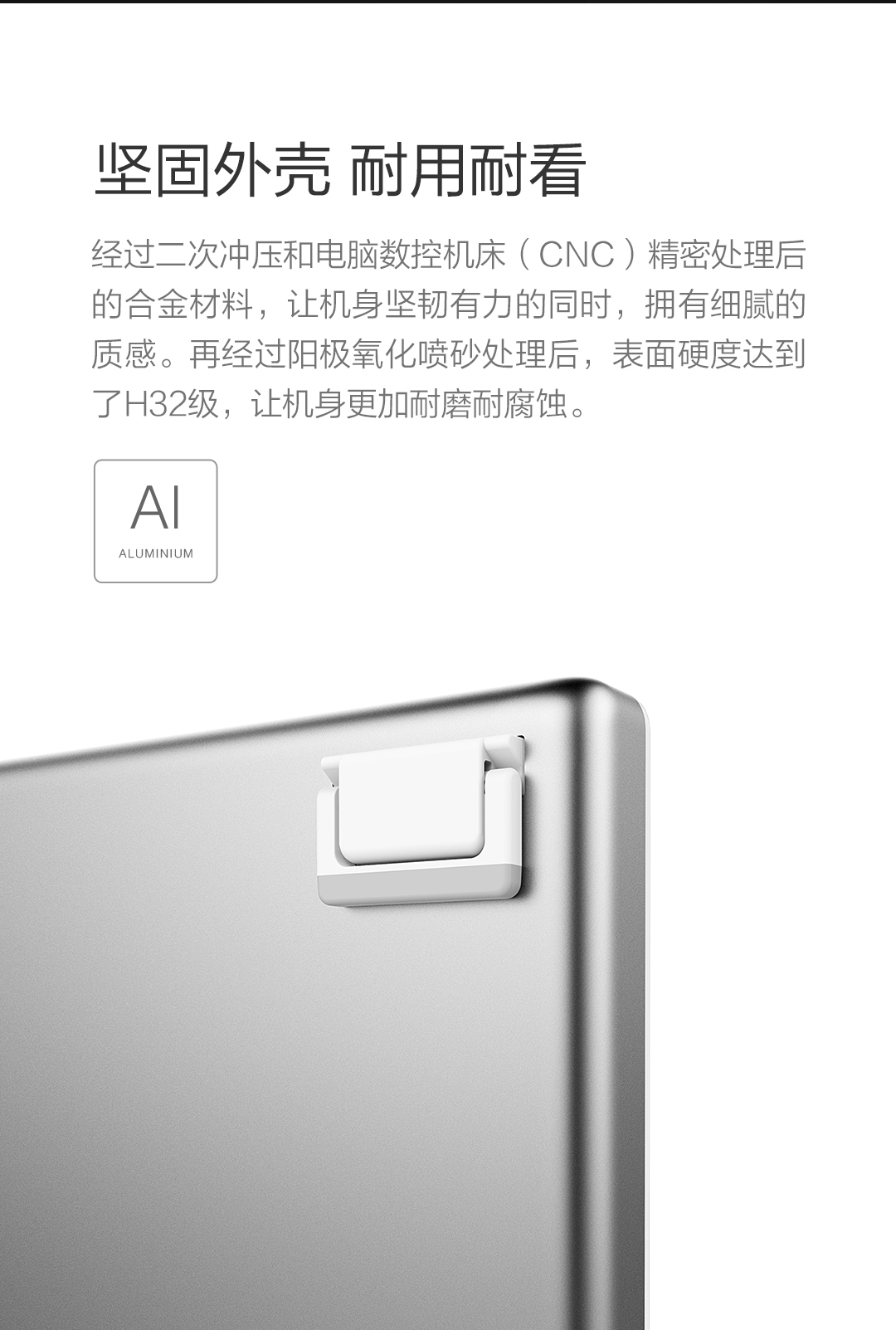
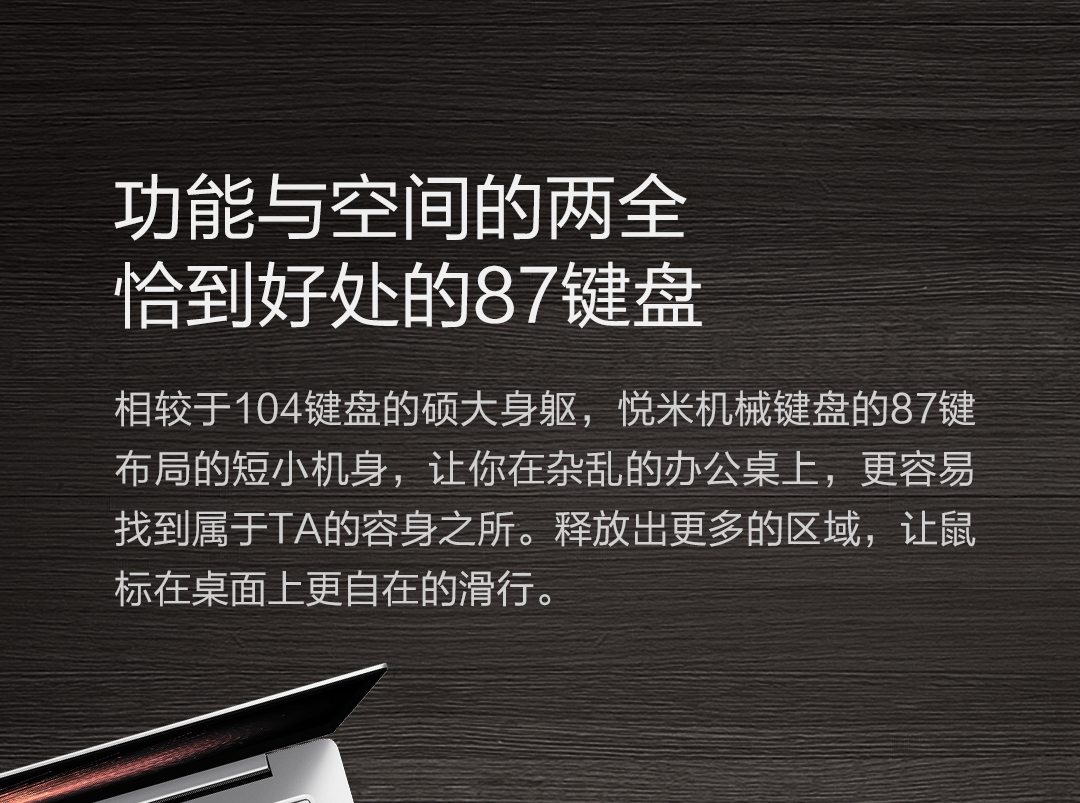
The keyboard has 87 keys and keeps the dimensions at 358mm x 128mm x 31.6mm and weighs 940g. The keyboard has a 6-layer design and the body is made of an H32 aluminium alloy steel with an excellent finish and offers more wear resistance.
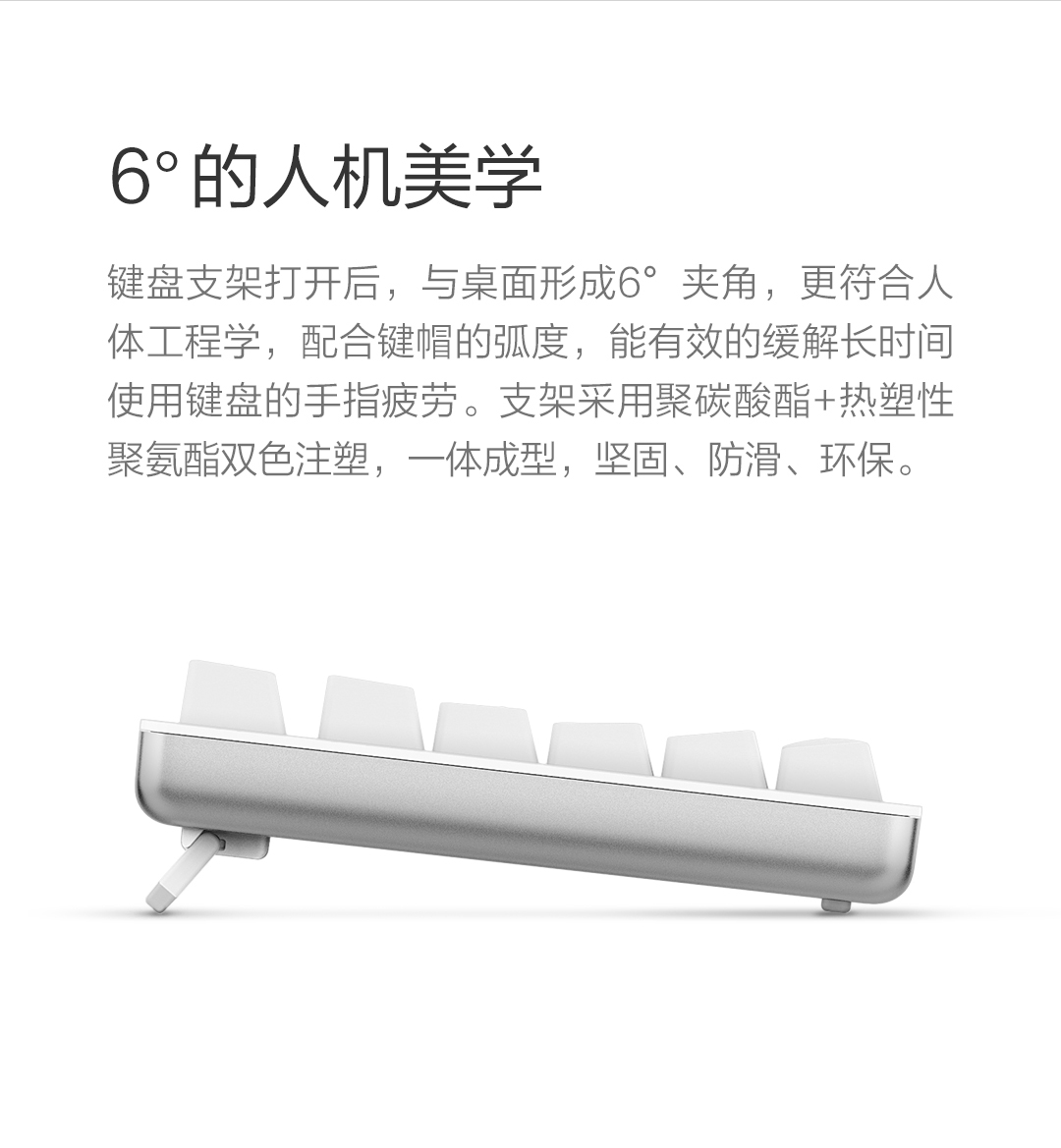
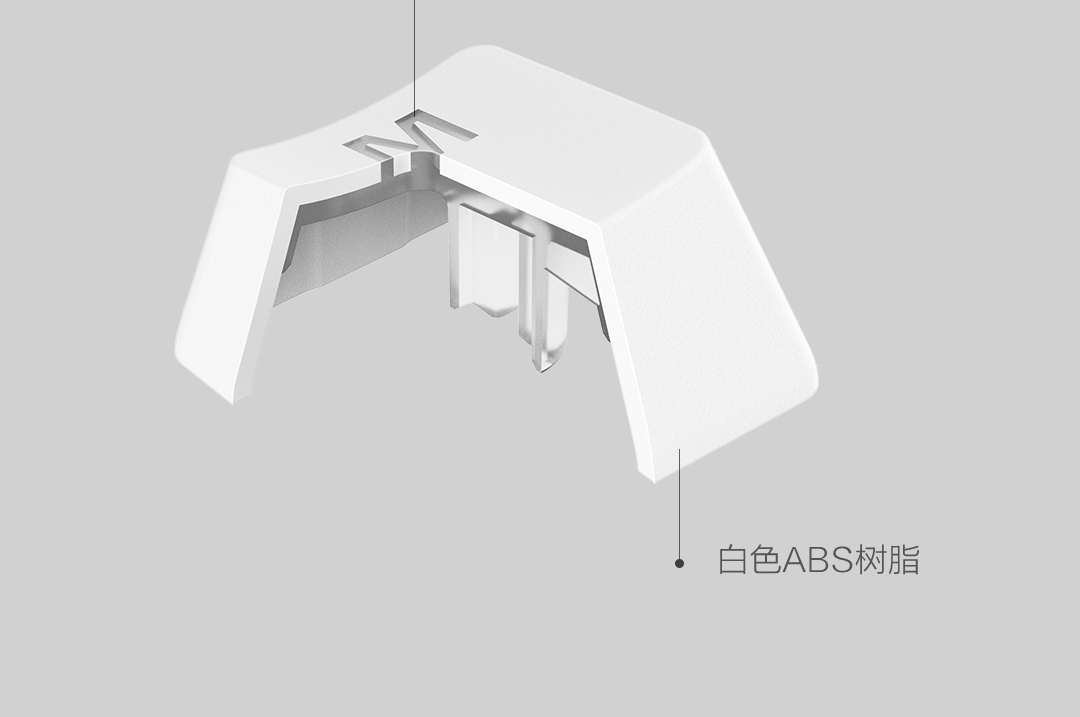
The keyboard is designed to be ergonomic, sporting a stand that props it up to an angle of 6° preventing your hands from aching wen using it for long hours. Its key caps are made of translucent poly-carbonate + ABS resin white color design. The characters printed on the keys are wear resistant and the caps can be replaced, allowing owners customise it to their preference.
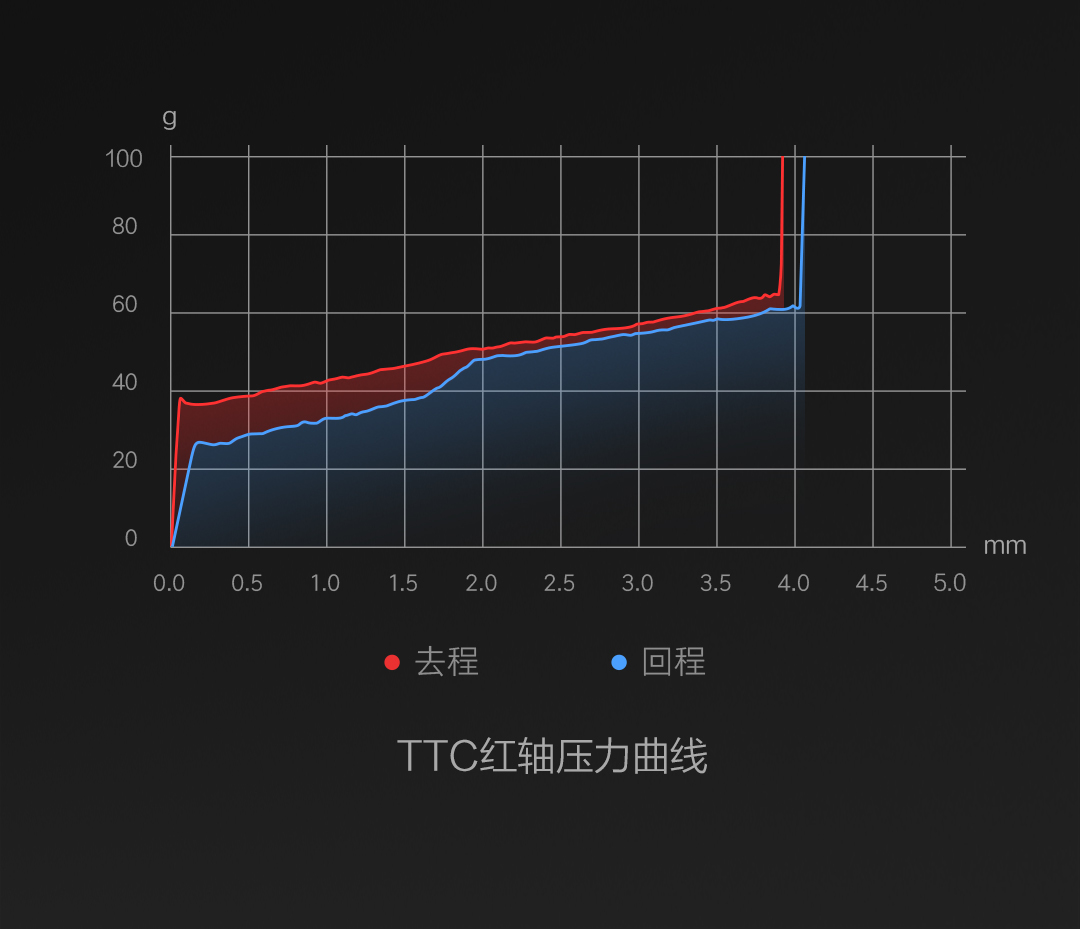
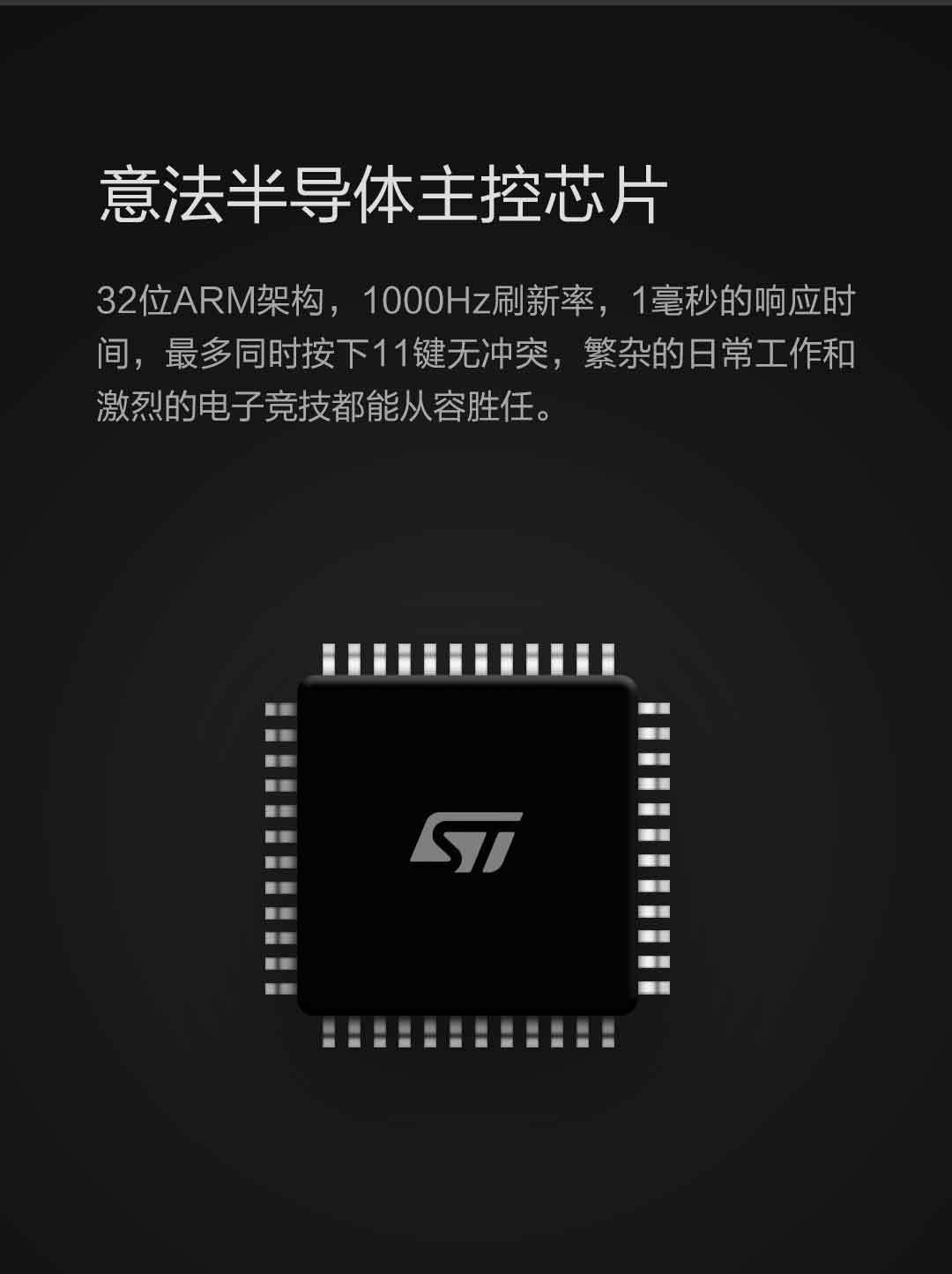
The TTC Red Switches can withstand up to 50 million hits and is suitable for gaming. There is also a 32-bit ARM architecture STMicroelectronic master chip on board with a 1000MHz refresh rate, 1ms response time and support for up to 11 key presses without contradictions.
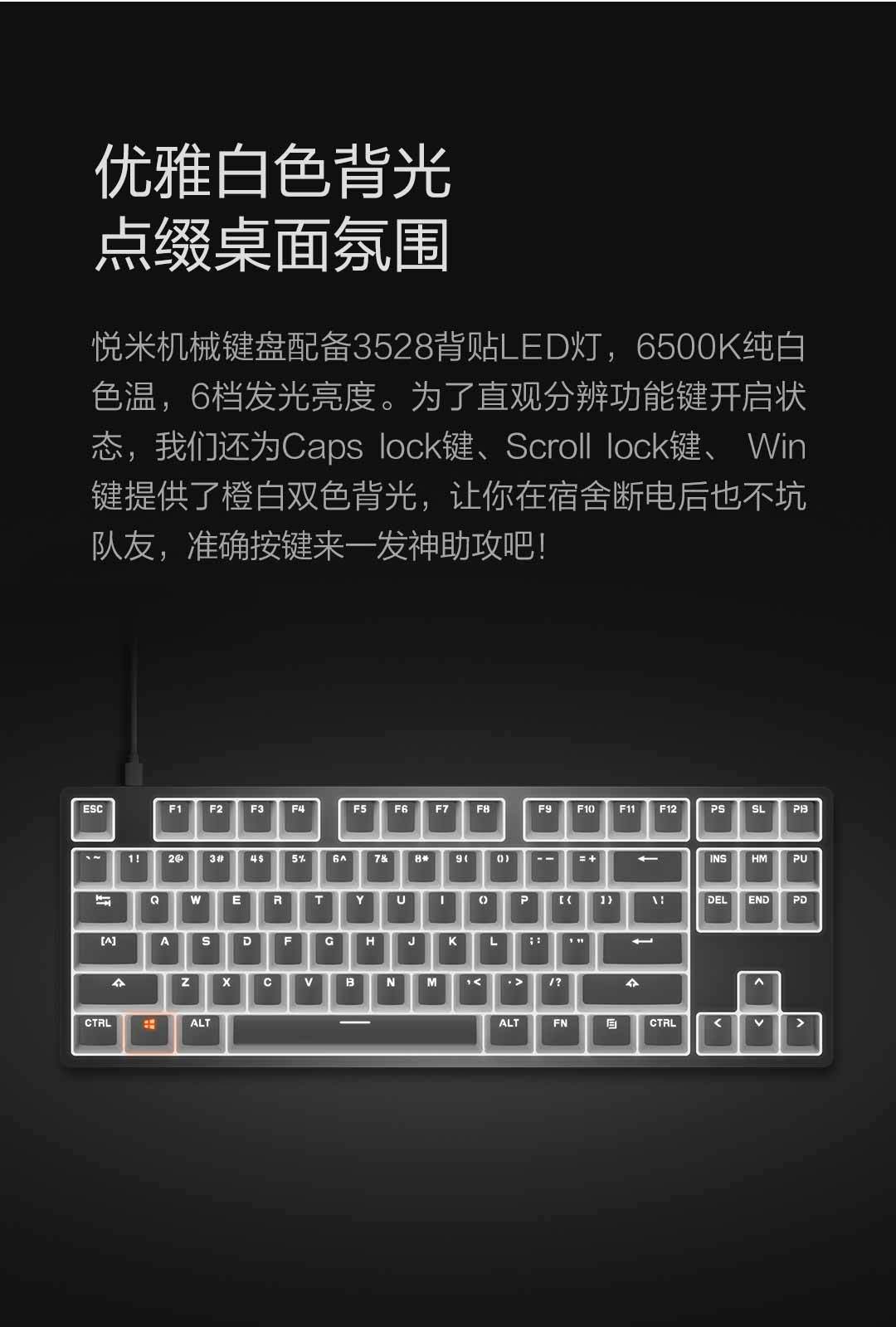
The keyboard is fitted with 3528 LED lights with a 6-level brightness. You can choose the lights t0 be all-white or configure it to display an orange-white hue. It comes with basic keys like the windows button key, caps lock key, scroll lock key, and function keys. If you are interested, you should head over to the fundraising page here but note that shipping is expected to start until November 29.
We use cookies on our website to give you the most relevant experience by remembering your preferences and repeat visits. By clicking “Accept”, you consent to the use of ALL the cookies.
This website uses cookies to improve your experience while you navigate through the website. Out of these, the cookies that are categorized as necessary are stored on your browser as they are essential for the working of basic functionalities of the website. We also use third-party cookies that help us analyze and understand how you use this website. These cookies will be stored in your browser only with your consent. You also have the option to opt-out of these cookies. But opting out of some of these cookies may affect your browsing experience.
Necessary cookies are absolutely essential for the website to function properly. This category only includes cookies that ensures basic functionalities and security features of the website. These cookies do not store any personal information.
Any cookies that may not be particularly necessary for the website to function and is used specifically to collect user personal data via analytics, ads, other embedded contents are termed as non-necessary cookies. It is mandatory to procure user consent prior to running these cookies on your website.