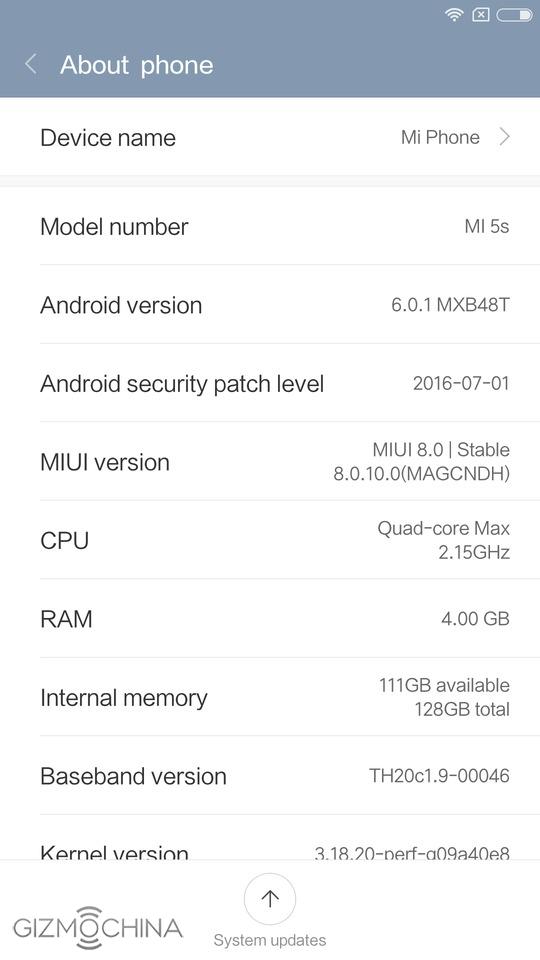
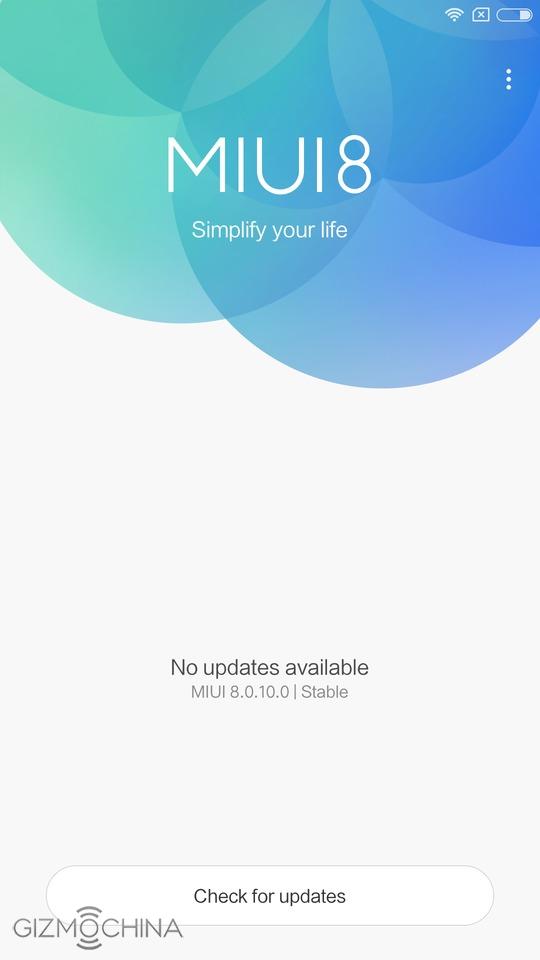
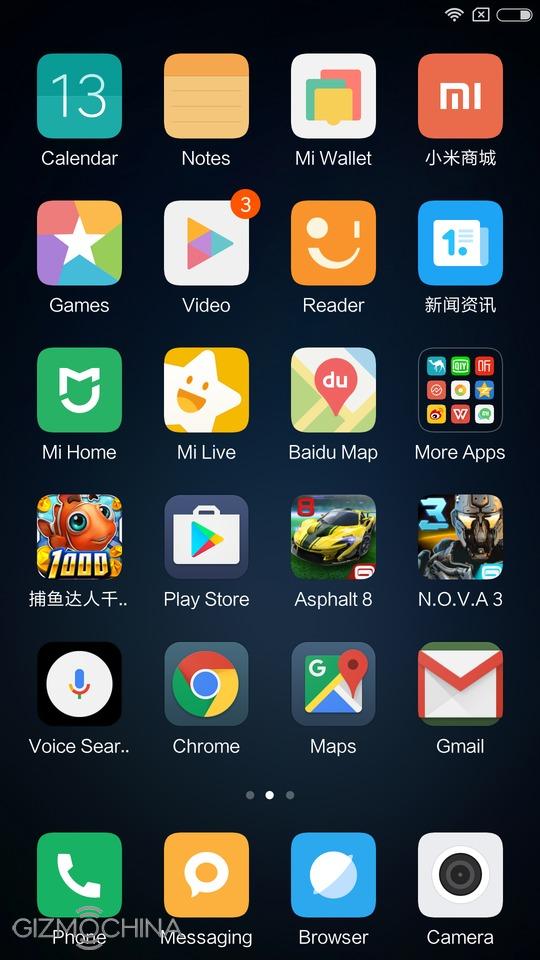
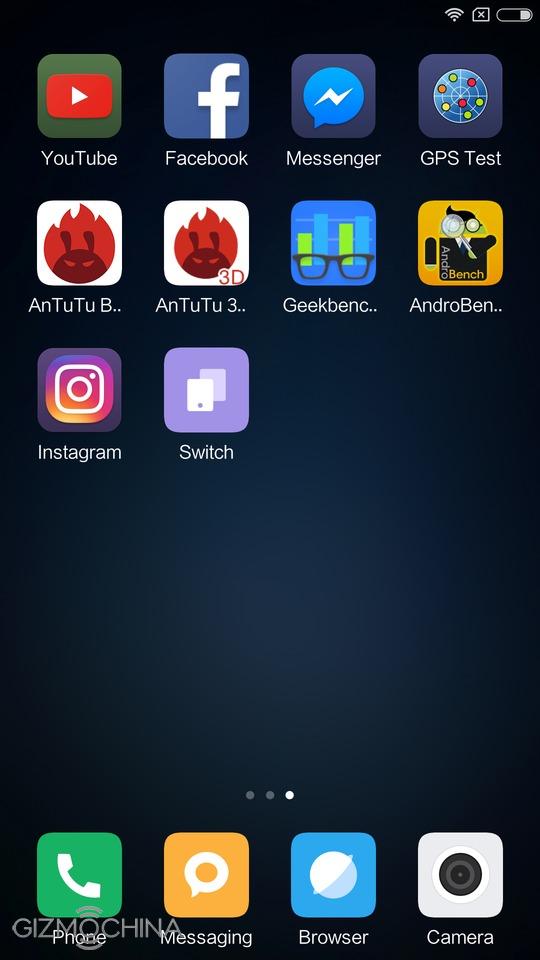
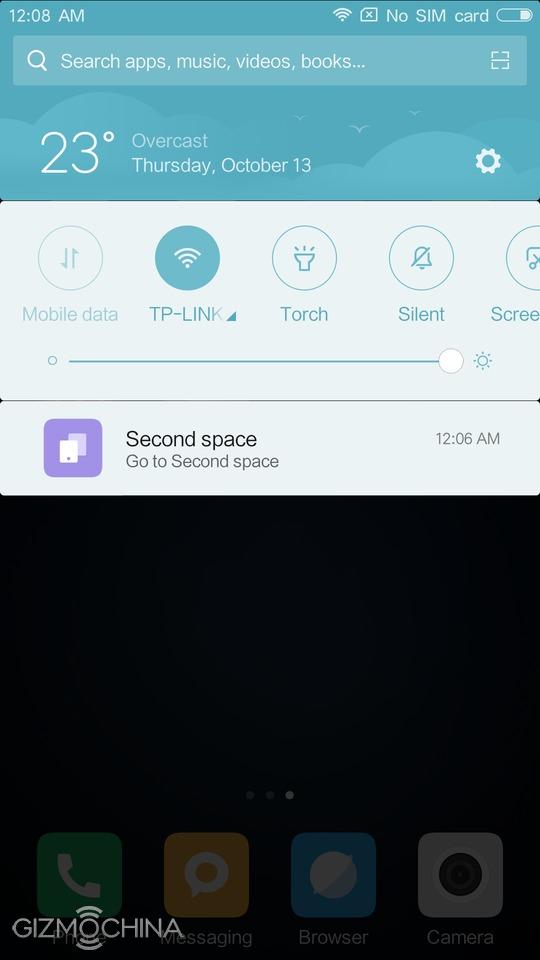
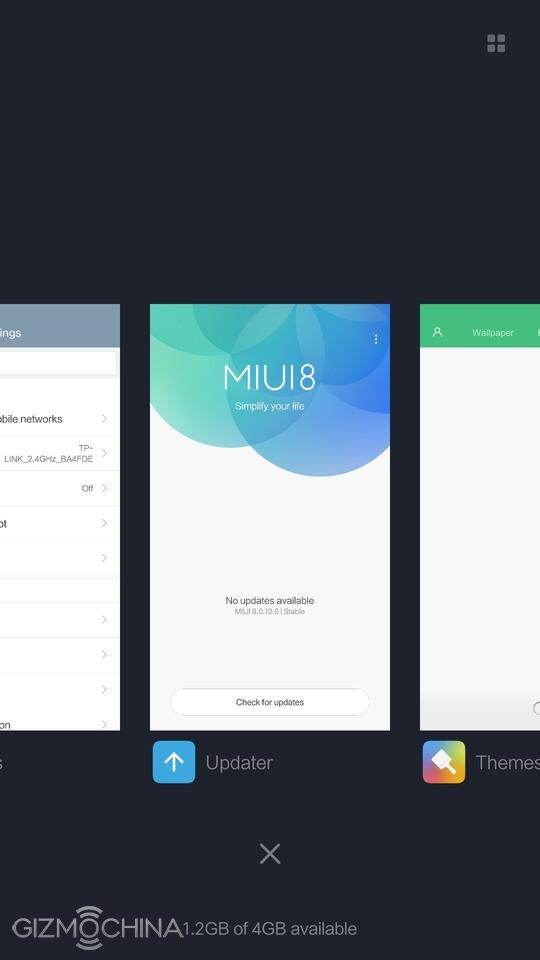
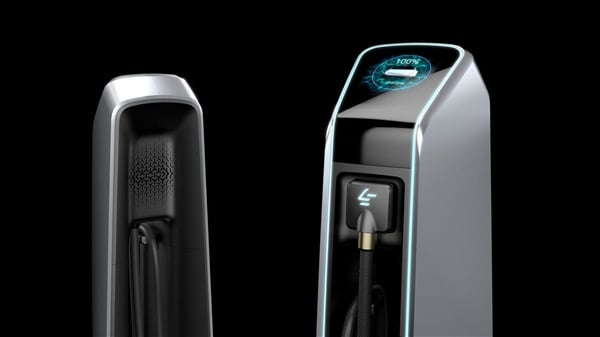
Another week, another project on Xiaomi’s crowdfunding platform. The Mijia crowdfunding platform’s Weibo account has released a teaser poster of a new product set to be released on Tuesday, 25th of October, at 10:00 am.
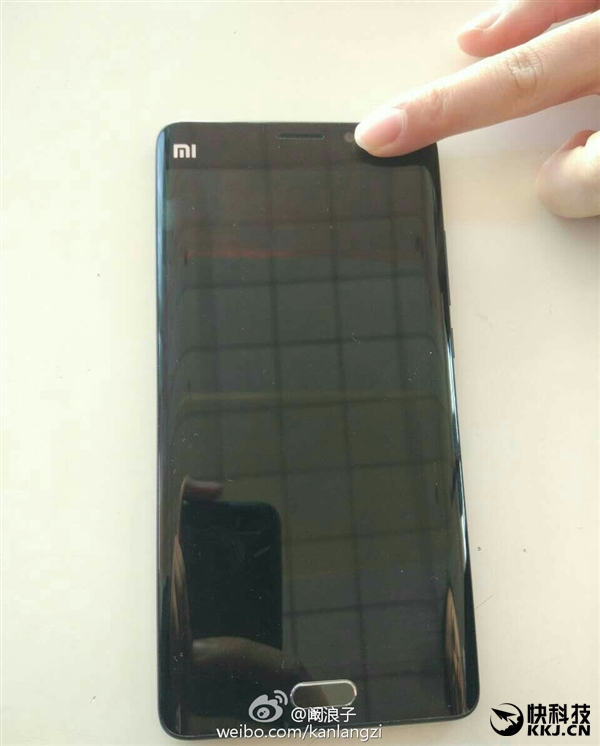
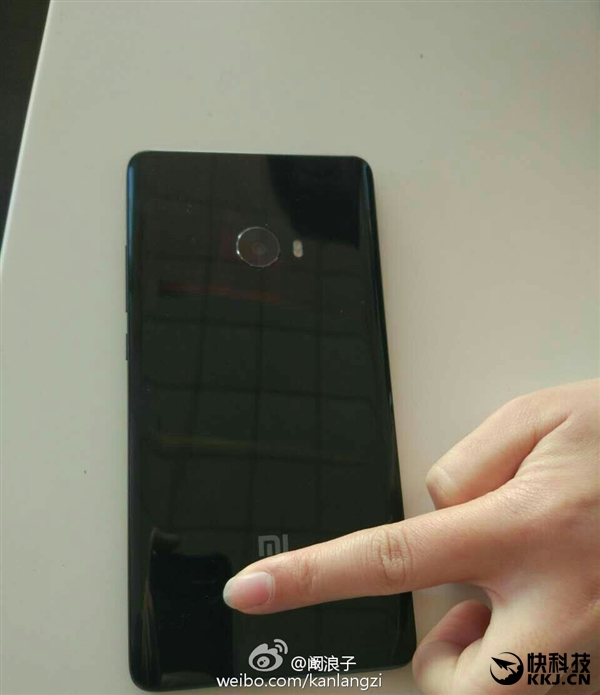
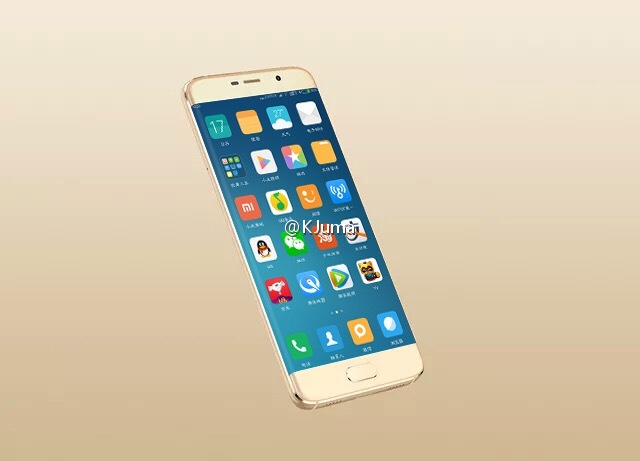
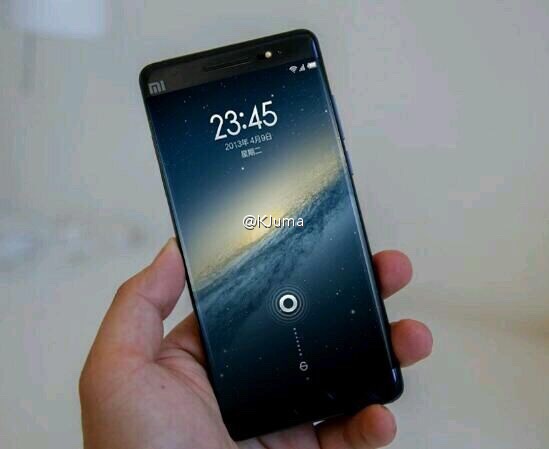
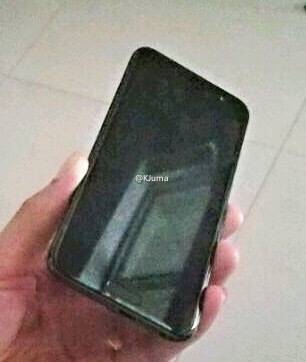
A Weibo user has posted real images of a phone he says is the Xiaomi Mi Note 2. The Mi Note 2 is launching on the 25th of October and up till this moment we have only seen renders and a few real images of a partly revealed device. These new pictures are the first to show the full body of the device.
The first thing you notice is the Xiaomi logo sitting at the top left corner of the phone. Xiaomi recently conducted a poll to determine if fans wanted the Mi Logo at the back of the device or in front. It appears we now know the outcome of the poll as they have settled for putting it in front and on the rear as well. I actually prefer it this way and the reason isn’t far fetched.
Most people will slam a case on their phone immediately after buying it and that case is bound to cover the name of the phone or logo if it is on the rear. And since the front is bare, it’s hard for someone else to tell what device you are holding. Now that there is a Xiaomi logo in front, it will be easier to tell that the phone is manufactured by Xiaomi. This will also help distinguish the phone from manufacturers who use a similar design.
The image also confirms the use of a front facing fingerprint scanner sitting below the chin. The picture of the phone’s rear reveals another important detail. No dual cameras. All the leaks have shown that the Mi Note 2 will sport dual rear cameras but this image, if it is to be taken as genuine shows only one camera positioned in the middle and flanked on the right by a LED flash.
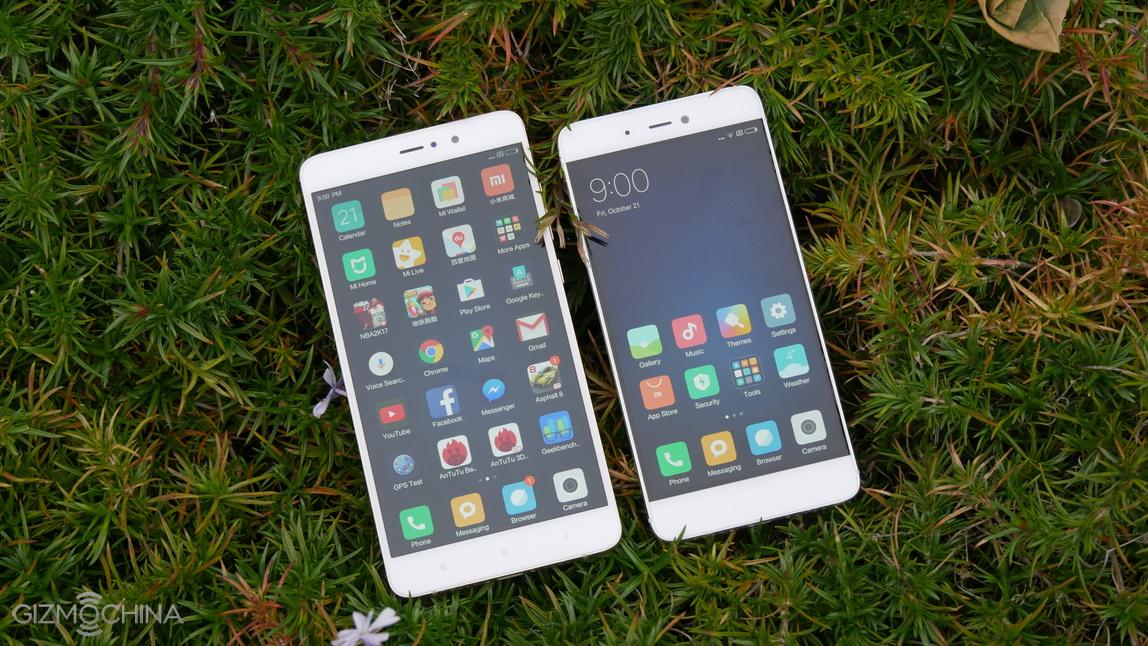
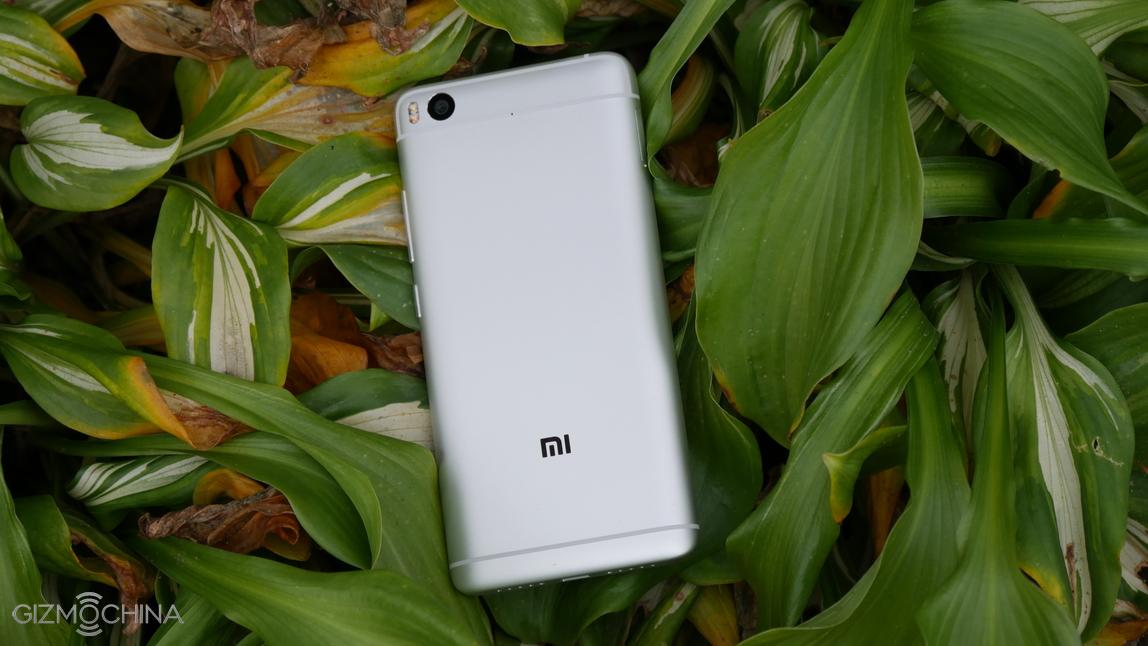
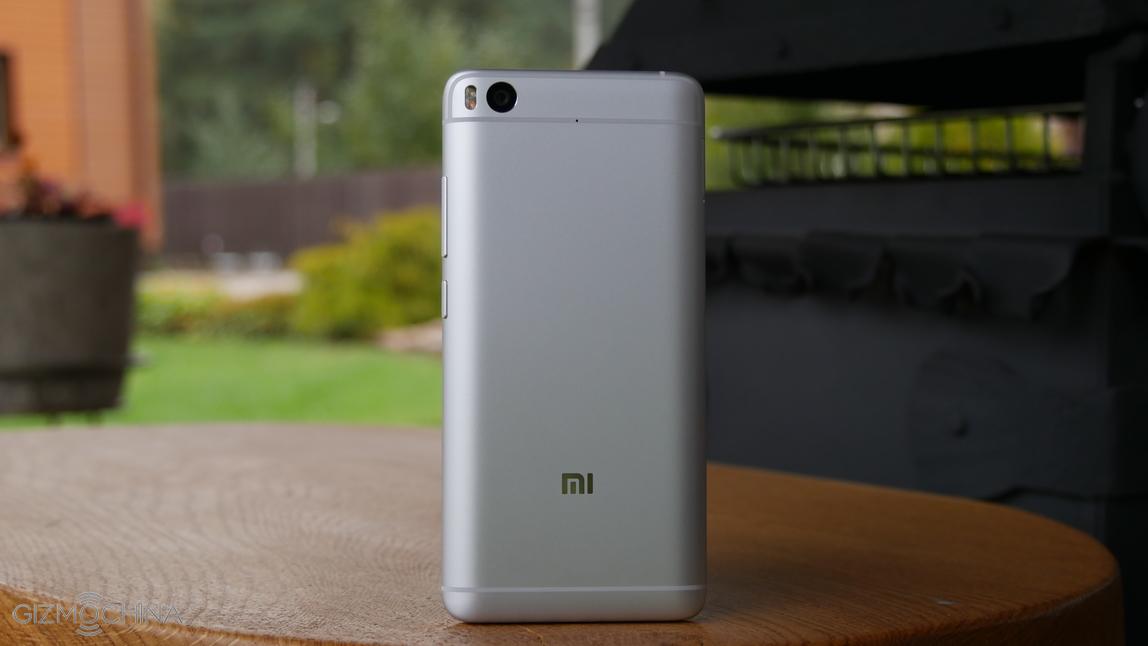
As you know, the Chinese company Xiaomi has been on a roll recently as they released one phone after another. The Mi5s and the Mi5s Plus are the latest flagships that sport premium design, all the latest and greatest specs you can find on any phone and a lot more. Which phone is the right choice for you? Learn more in our detailed comparison.
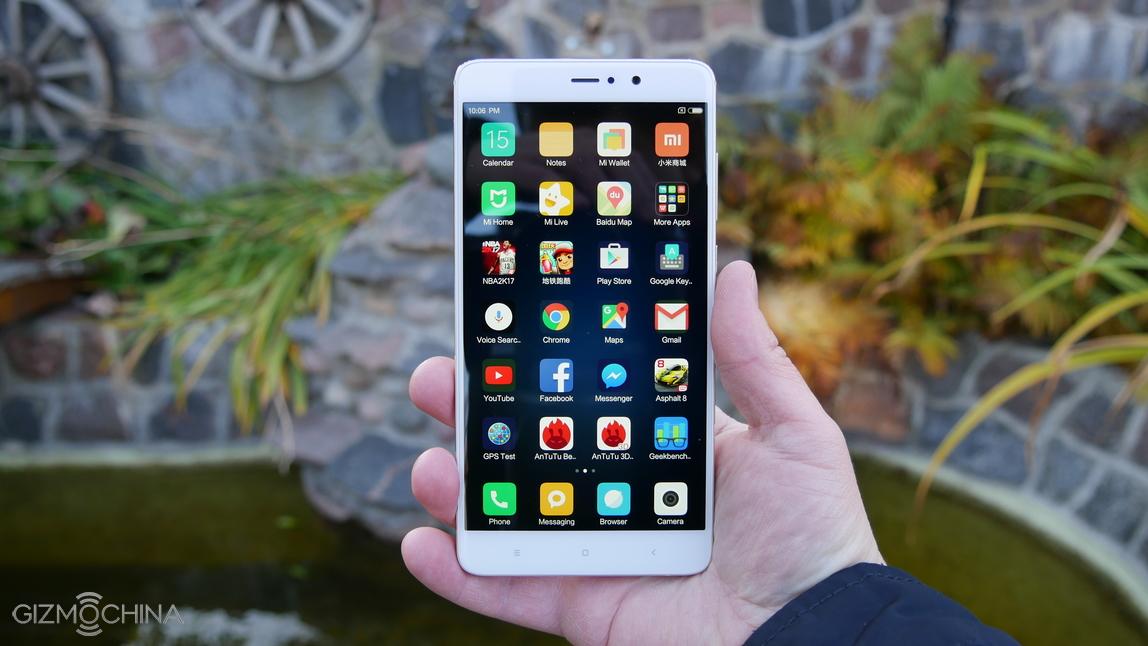
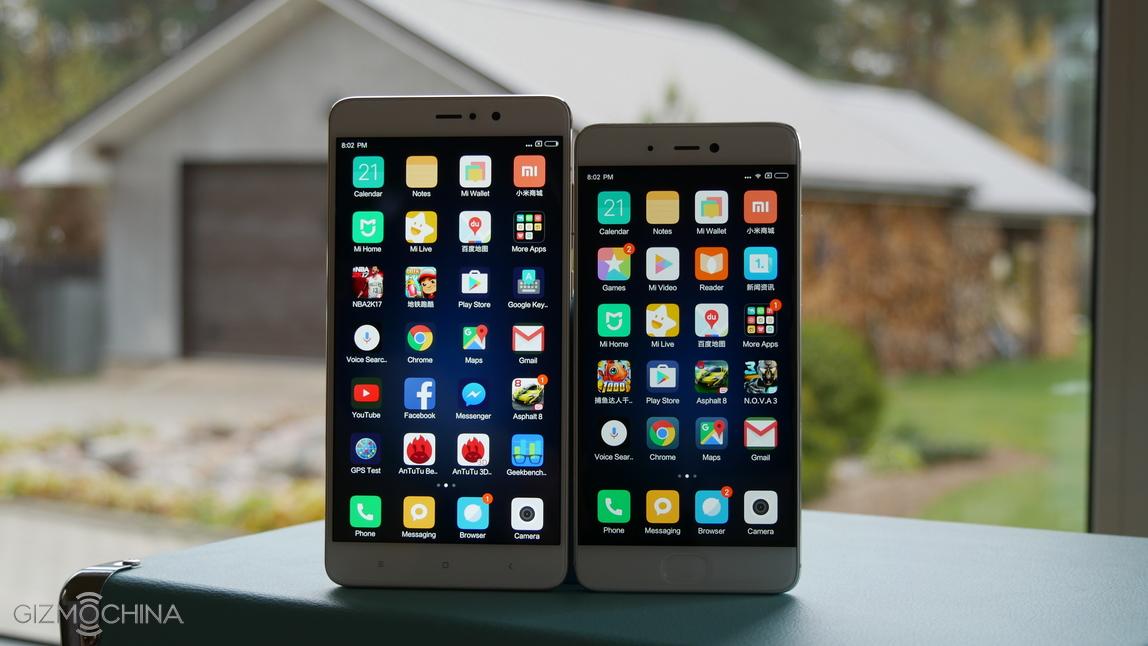
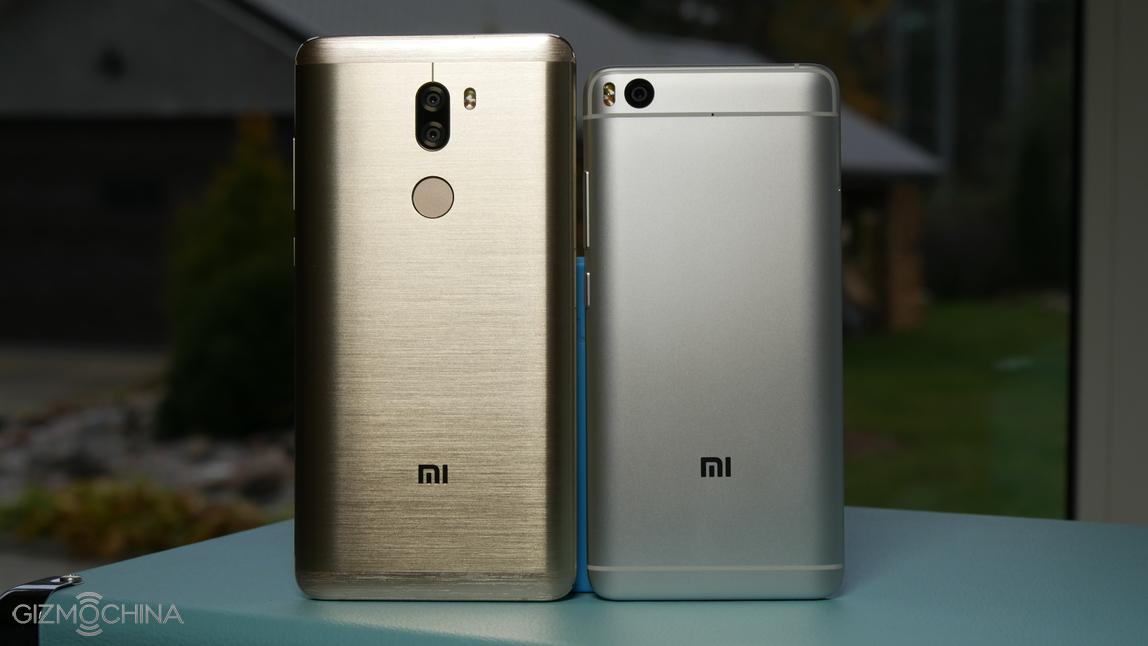
The very first difference that you are going to notice is the size. As the name implies, the Mi5s Plus is a larger phone due to its 5.7” 1080p display.
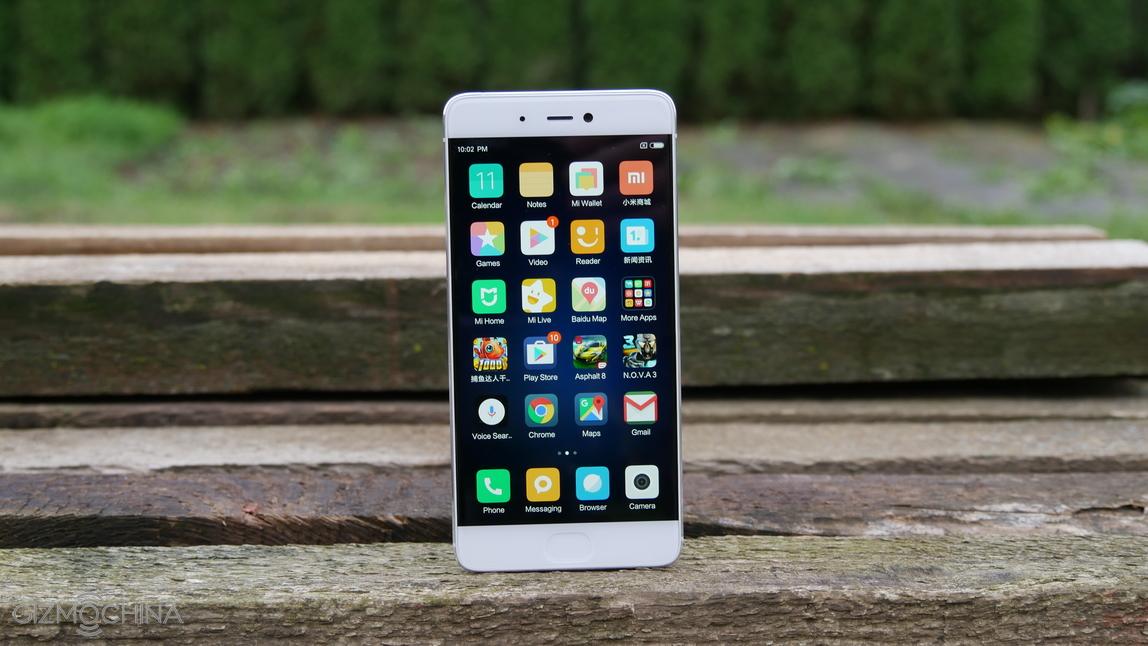
The Mi5s has a smaller 5.15” display and thus, the phone is much more compact and it can be better managed in one hand.
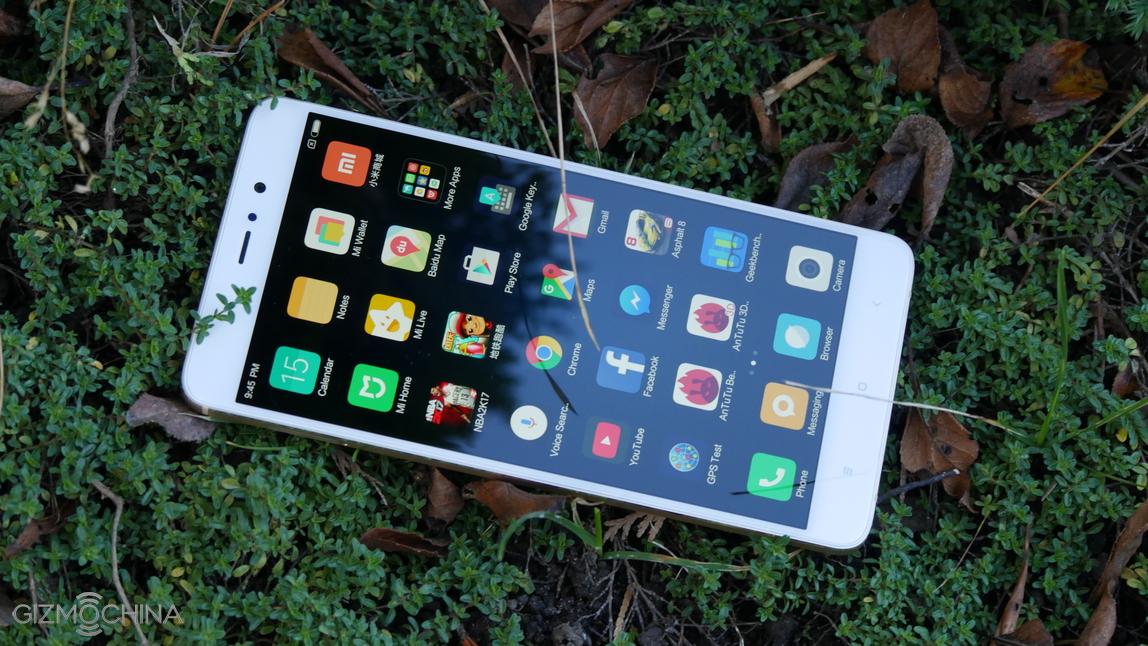
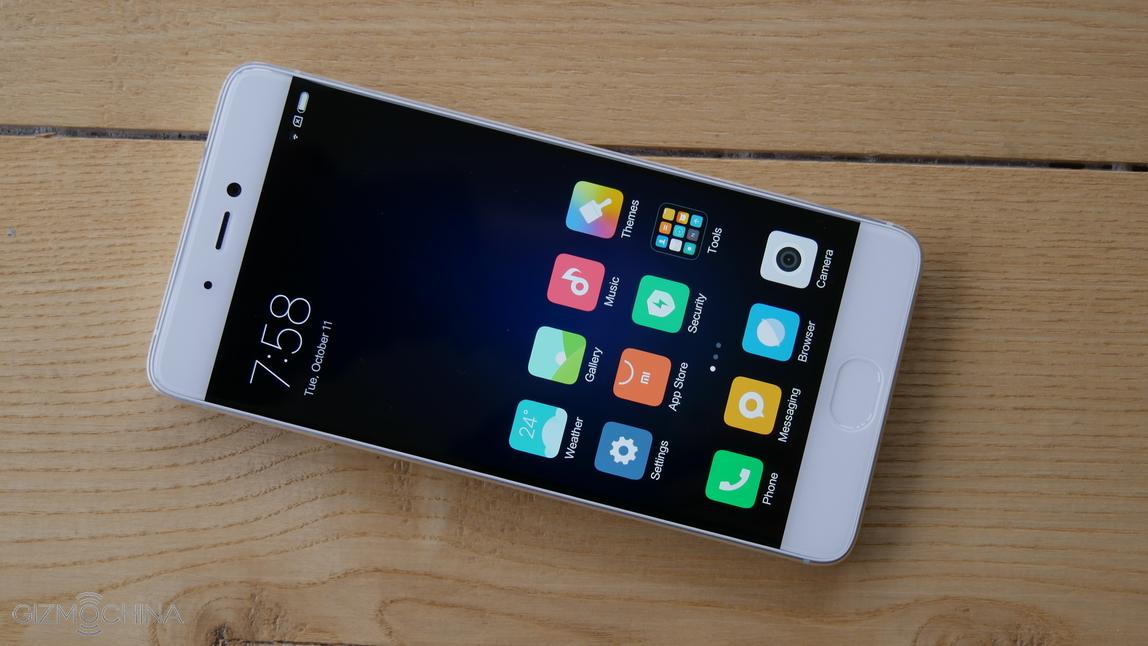
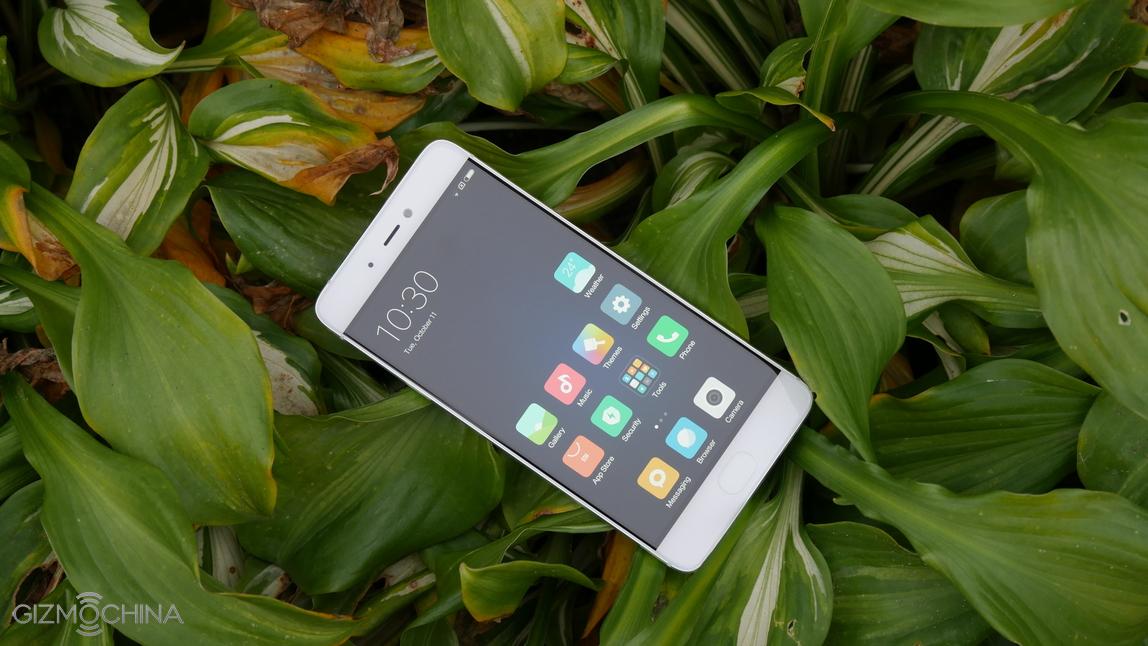
Speaking of those displays, both panels are sharp, vibrant and nice to look at.
Mi 5s Plus
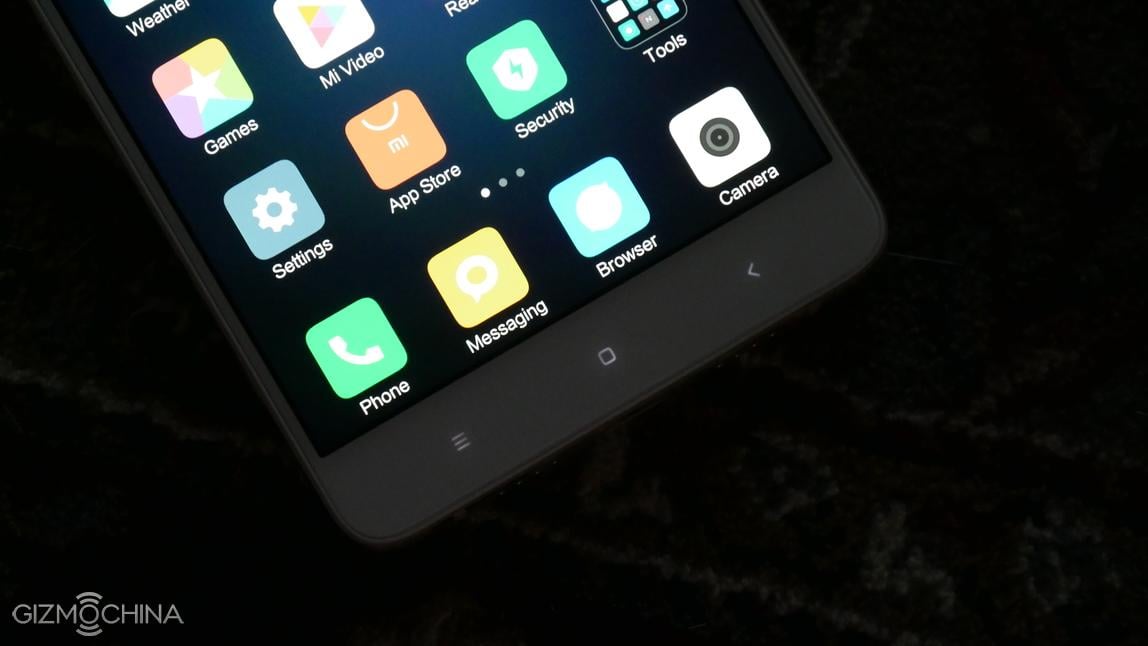
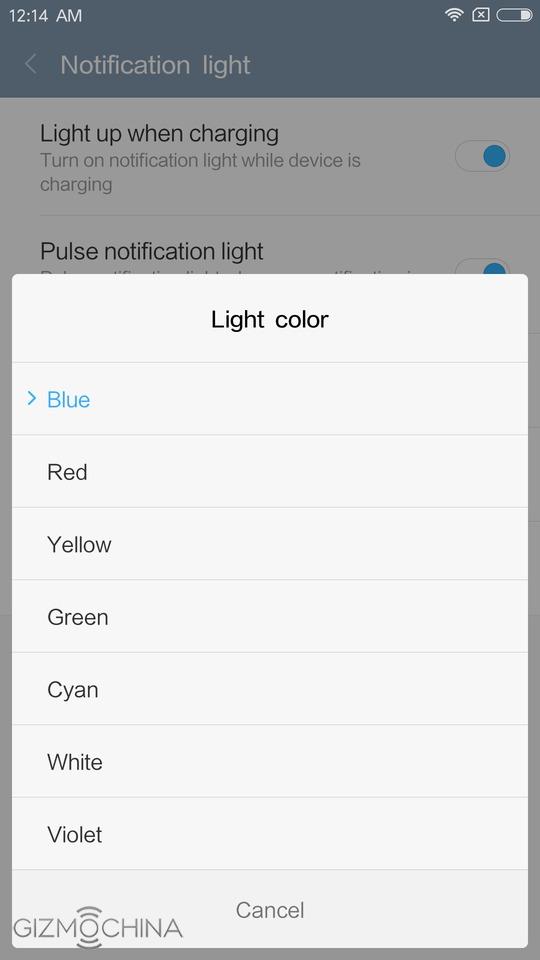
On the top, both phones have 4MP selfie shooters and highly customizable notification LED lights. Also, both devices sport nicely backlit capacitive buttons but only the Mi5s has a large home button that has an embedded fingerprint sensor whereas the Mi5s Plus has the sensor on the back.
Speaking of the fingerprint sensors, both phones are fast and accurate in this department but I found the Mi5s Plus to be faster and more reliable at times.
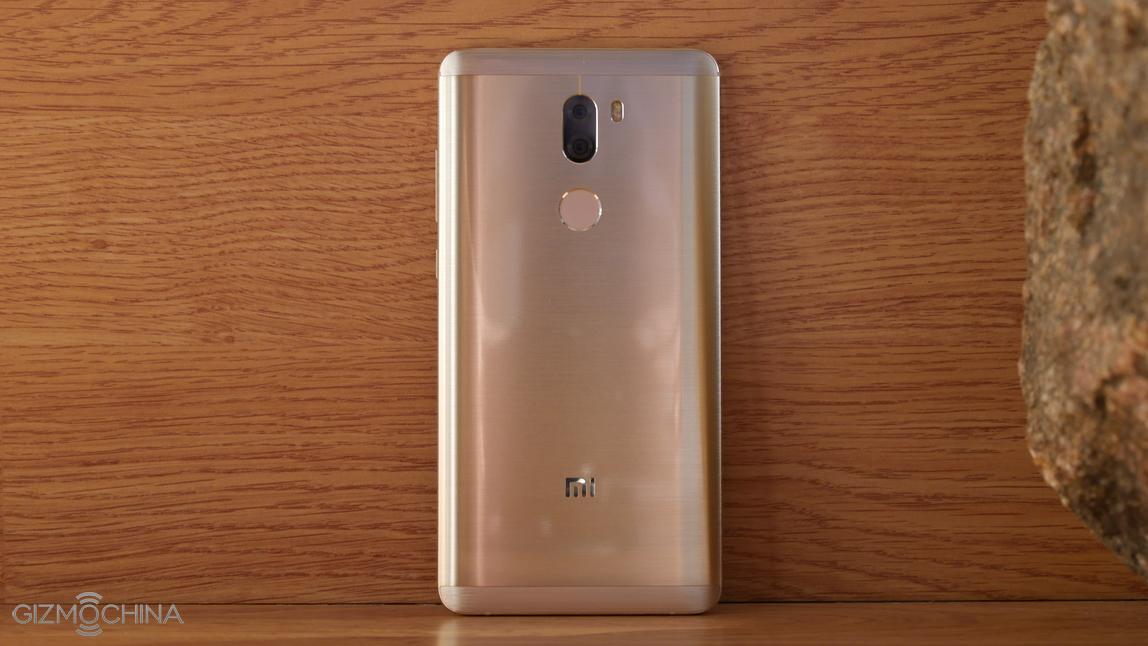
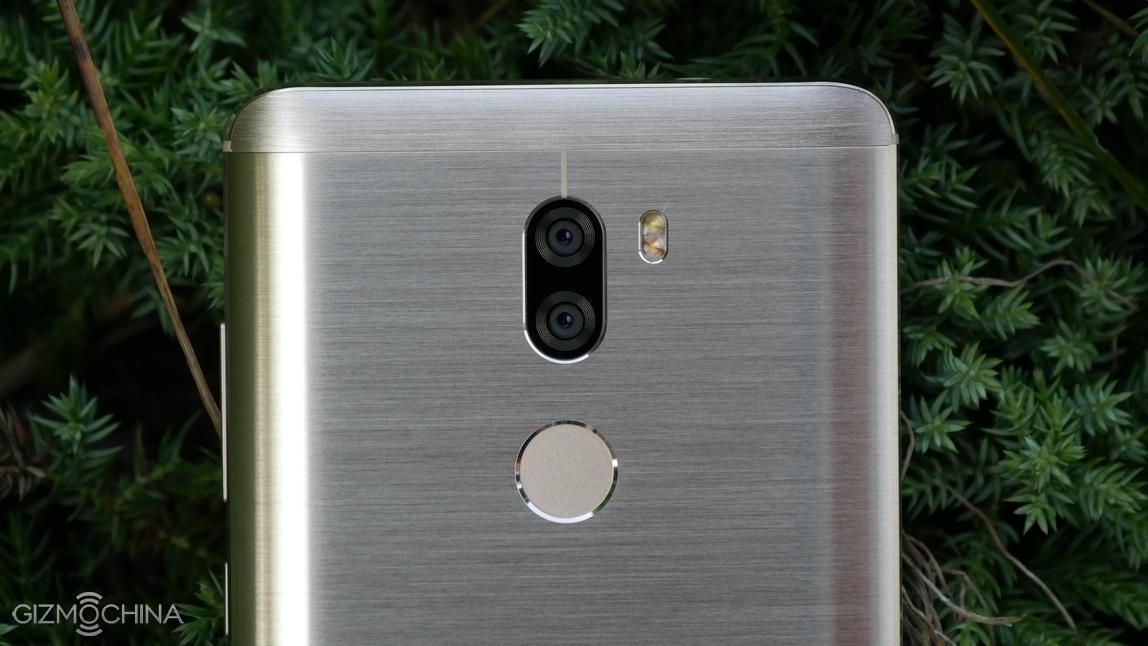
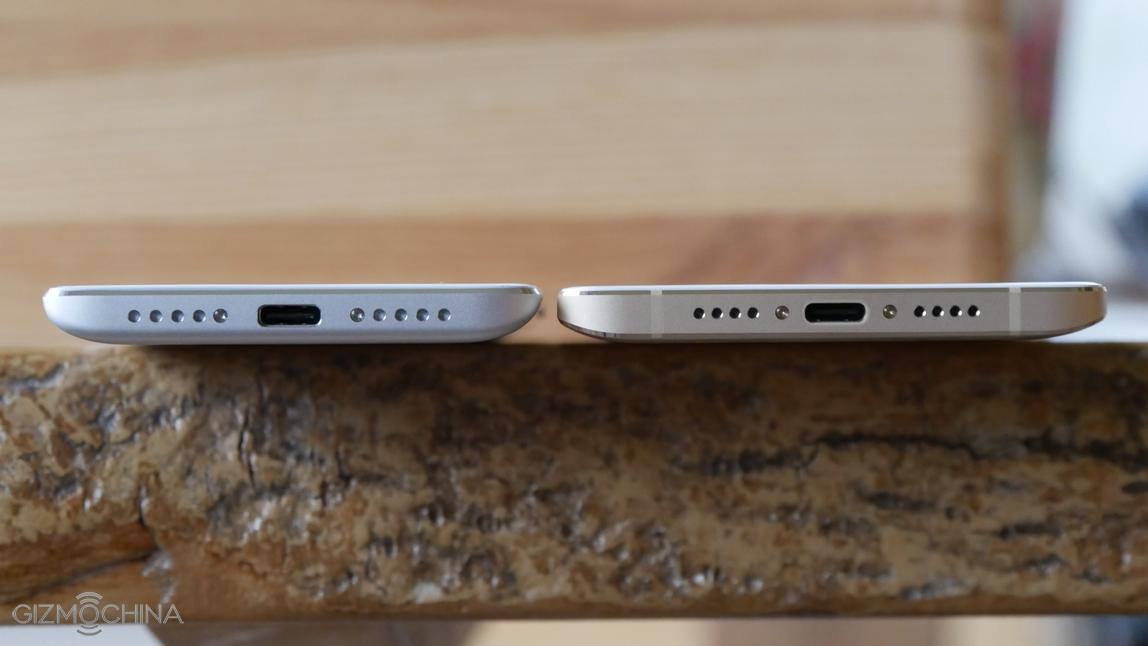
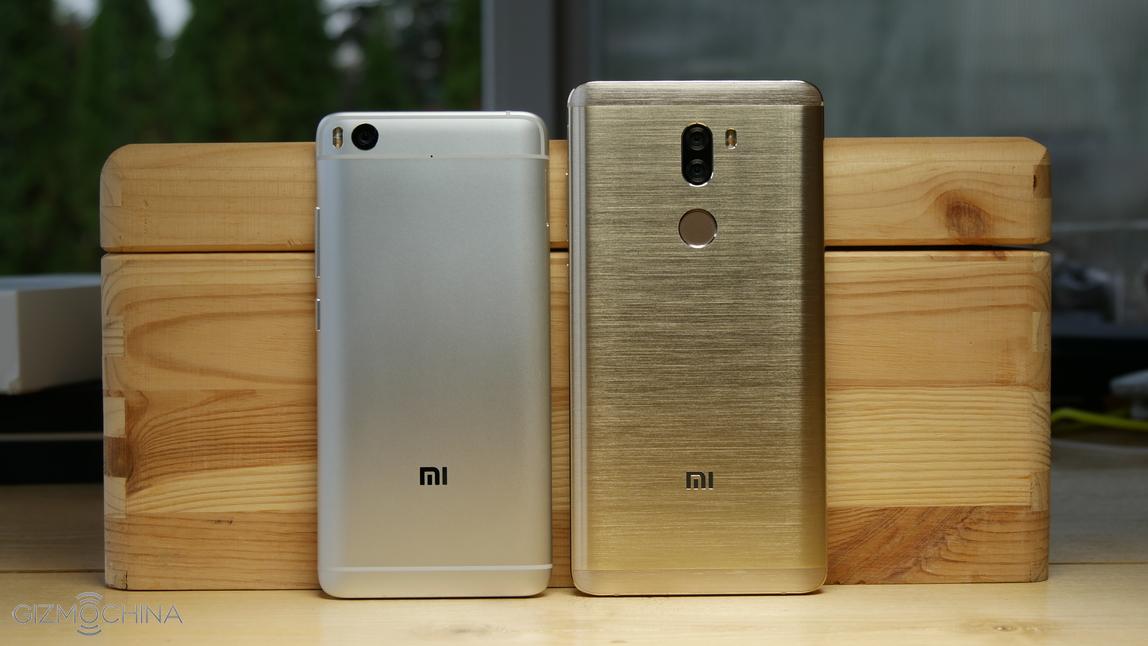
Both phones are made almost entirely of metal, but I prefer the Mi5s as it sports a matt aluminum finish, which does not attract any fingerprints like the brushed glossy metal finish on the Mi5s Plus. Also, the latter phone has plastic top and bottom parts for antennas.
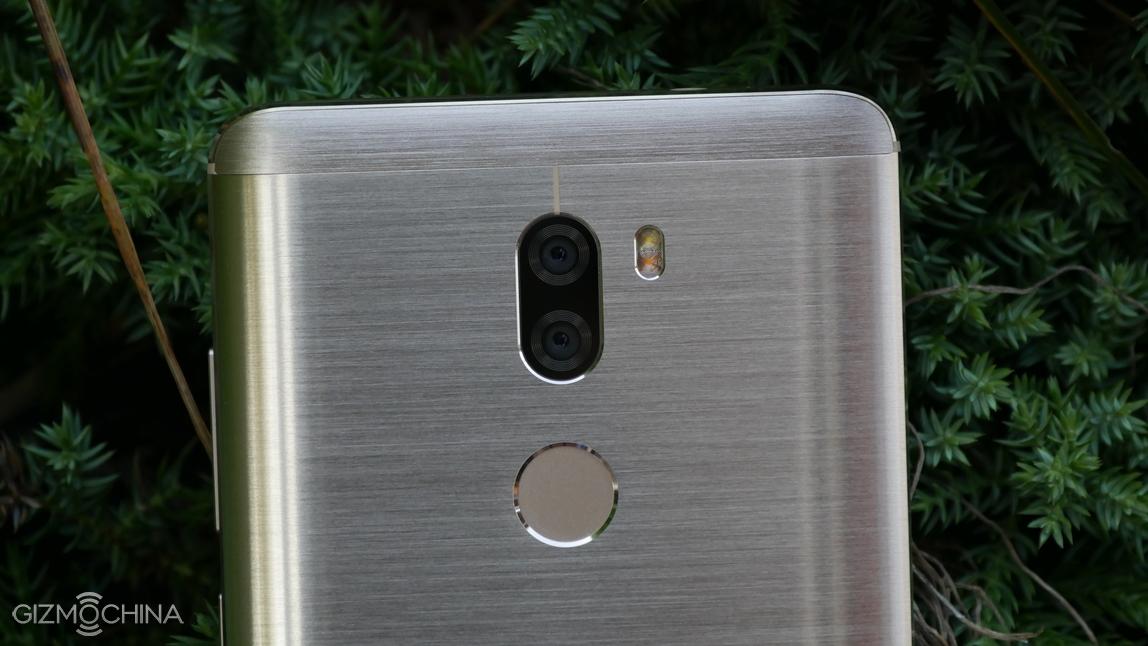
As for cameras, we have completely different setups. The Mi5s is a more conventional choice as it sports a 12MP Sony shooter. The Mi5s Plus sports two 13MP cameras. The first is a regular shooter and the other is a monochrome sensor that takes images in black and white and it is mainly used to maximize light and contrast in every photo taken.
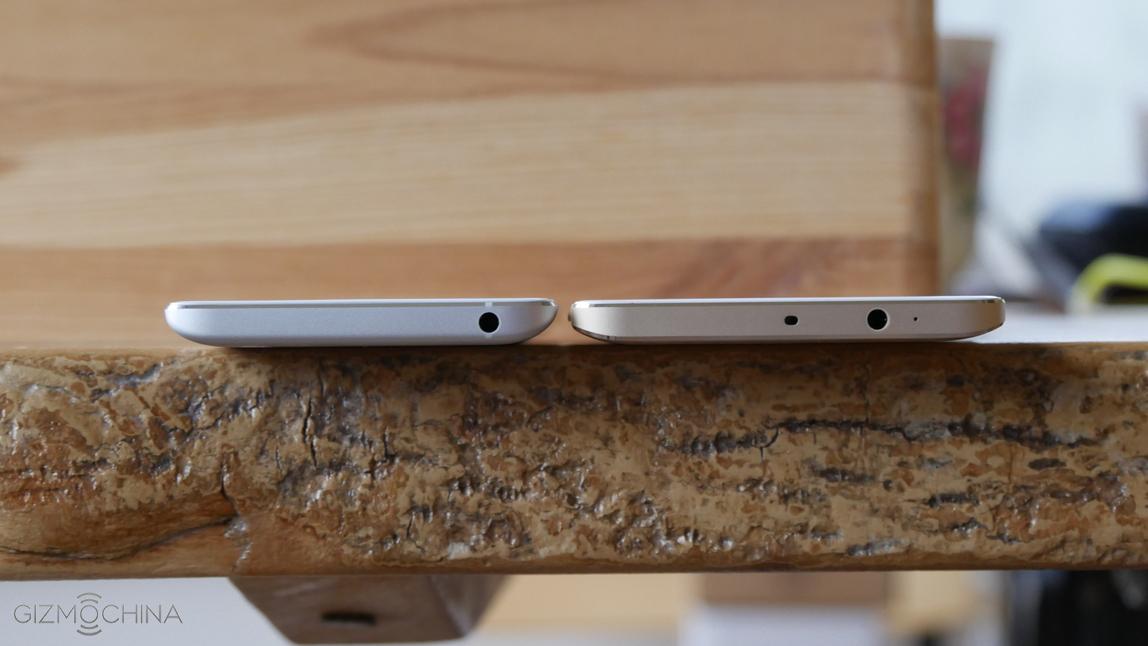
It is a bit strange that the Mi5s Plus has the IR blaster but the Mi5s does not.
As for loudspeakers, the Mi5s Plus is a clear winner. The sound is more balanced and rich, and you can simply hear the difference in just a few seconds.
Xiaomi Mi5s vs. Xiaomi Mi5s Plus: HARDWARE and PERFORMANCE
Both Xiaomi phones are being called flagships for a reason. The Mi5s and the Mi5s Plus sport bleeding-edge specs and therefore the phones can handle absolutely anything you throw at them.
I have the high-end versions of each phone that sport Snapdragon 821 chips and 128GB of storage, which is, however, not expandable on neither of the devices.
If you need the absolutely top of the line specs-sheet, go with the Mi5s Plus as it sports 6GB of RAM and slightly more powerful version of the Snapdragon 821.
My Xiaomi Mi5s comes with 4GB of RAM but after using both phones for quite some time, I didn’t notice any difference whether I played the most demanding 3D games or just used the phones for the daily tasks.
Xiaomi Mi5s vs. Xiaomi Mi5s Plus: USER INTERFACE
Both phones ship with the MIUI 8, which is the Xiaomi’s highly customized skin of Android 6.0.
I have covered some features in the dedicated reviews, so make sure to check those videos out.
In short, both phones are equally fast and fluid on the daily basis despite having a ton of features, customization options, various tweaks and settings to play with.
As for daylight images, the Xiaomi Mi5s tends to take a little sharper, more detailed and better-saturated pictures. The dual-camera or stereo mode on the Mi5s Plus does help in quite a few situations that lead to a better saturation, contrast and exposure in most of the shots. However, the results are not always that noticeable and sometimes the auto-HDR mode can take pictures that are more pleasing to the eye.
As for indoor and macro shots, the Mi5s tends to take a little sharper images most of the time. However, the Mi5s Plus is better in some of the shots, especially if you use the dual-camera mode.
As for low-light image quality, the Mi5s wins again. The images look sharper, brighter and they have more detail. On the other hand, the dual-camera mode on the Mi5s Plus really helps reducing the noise and bringing more detail, so if you shoot in this mode, you may achieve better results than with the Mi5s in some of the shots. However, I would say that the dual-camera mode is not always reliable.
I don’t really understand why but the Mi5s Plus takes sharper selfie images despite having the same camera sensor as the Mi5s.
When it comes to the 4K video, the quality of footage is comparable and I don’t really see a clear winner in this department, except for the fact that the Mi5s shoots better videos in low-light.
Xiaomi Mi5s vs. Xiaomi Mi5s Plus: CONNECTIVITY
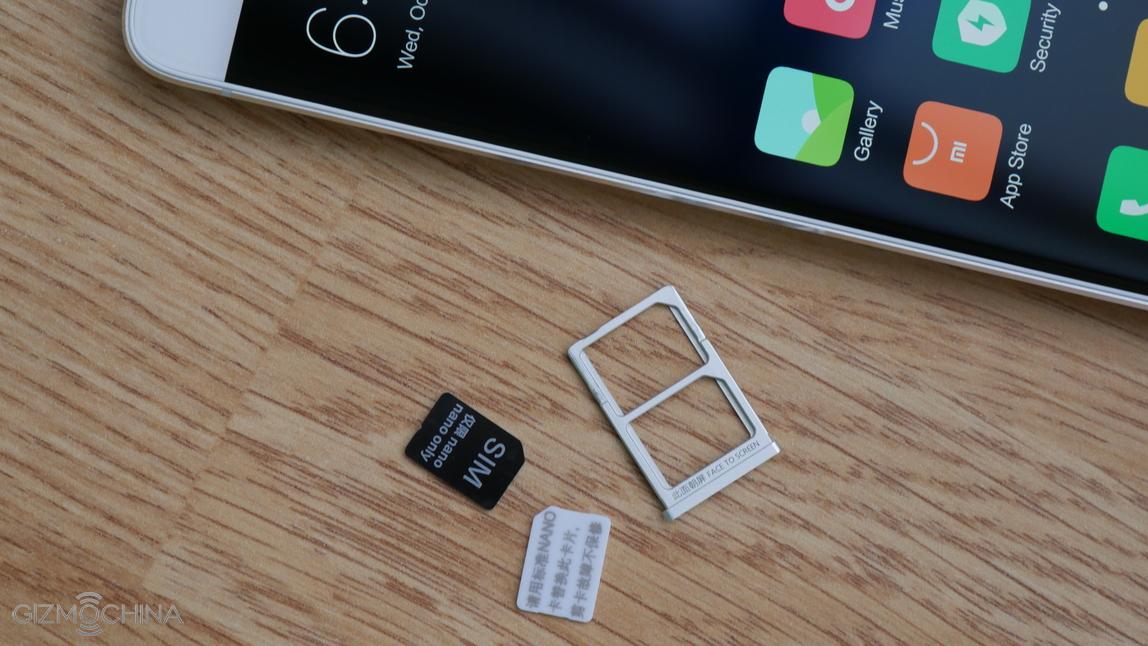
Both phones come with a dual nano SIM card tray but there is no microSD card slot.
When it comes to connectivity, I didn’t have any issues with neither device as the call quality is good, Wifi, Bluetooth or GPS work fine.
Xiaomi Mi5s vs. Xiaomi Mi5s Plus: BATTERY LIFE
The Xiaomi Mi5s sports a 3200mAh battery whereas the Mi5s Plus has a 3800mAh unit.
Both devices are very similar in terms of battery life. I was able to get 5-6 hours of screen-on time on a mixed use, which a great result.
Both phones support Qualcomm’s Quick Charge 3.0 but you would need to buy compatible fast chargers separately.
Xiaomi Mi5s vs. Xiaomi Mi5s Plus: CONCLUSIONS
So, there you have it, the latest Xiaomi’s flagships – the Mi5s and the Mi5s Plus.
Both phones have quite a few things in common as they sport some bleeding-edge specs that allow the devices handle anything you throw at them. Also, both phones have premium design, they run on the same MIUI 8 and the devices have pretty good cameras.
However, I would choose the Xiaomi Mi5s because it is more compact, it does not have any plastic parts on the back (except for the nano-injected plastic inlays), and I simply prefer matt metal finish as it does not attract fingerprints so easily as the Mi5s Plus.
Also, the Mi5s has a slightly better camera.
On the other hand, the Mi5s Plus is slightly more powerful on paper, it has a larger display, a better loudspeaker, and a faster fingerprint reader.
Also, the dual-camera setup has some advantages that may give an edge over the Mi5s in some of the shots.
At the end of the day, both Xiaomi’s flagships are great phones for the price. I really hope that this comparison helped you but you have to consider all the pros and cons of each device before making a purchase.
We are aware that quite a number of Chinese manufacturers are not known for original designs but looking at the front of the Mate 9 Pro, all I can think of is the Galaxy Note 7 or the Galaxy S7 Edge and if this is what the real device looks like, it’s sufficient to say it’s a disappointing move from a company as big as Huawei.
The confusing part about the design is the use of a physical home button. Samsung is known for placing a fingerprint scanner under their home button and Huawei doesn’t use capacitive buttons for their flagships talk less of a physical home button. But this render shows that the Mate 9 Pro has its fingerprint scanner on the rear and still sports a physical home button which leads to the question ”What is the physical button for other than a complete imitation of the Note 7 or S7 Edge?”.
The Mi Note 2 is set to launch on the 25th of October after months of waiting and endless leaks. Xiaomi recently released an official teaser image of the launch showing Hong-Kong actor, Tony Leung (The Grandmaster) who is going to make an appearance at the event. Now some sources have said that image is cropped as the full image has Mr. Leung holding a phone said to be the Mi Note 2.
The full image has already been made available online and while its hard to confirm it is really the Mi Note 2, we want to believe it is. Because what other phone should he be posing with?
The Mi Note 2 will feature a 5.7” dual-curved AMOLED screen supplied by LG, a Snapdragon 821 chip, dual rear cameras, and an ultrasonic fingerprint scanner like the one present in the Xiaomi Mi 5s.
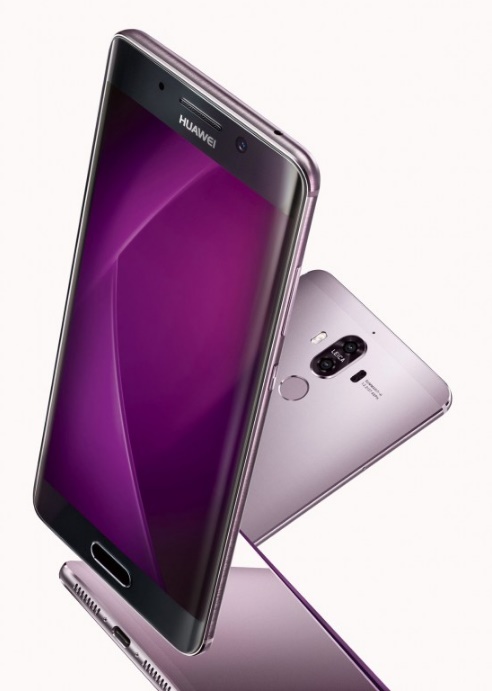
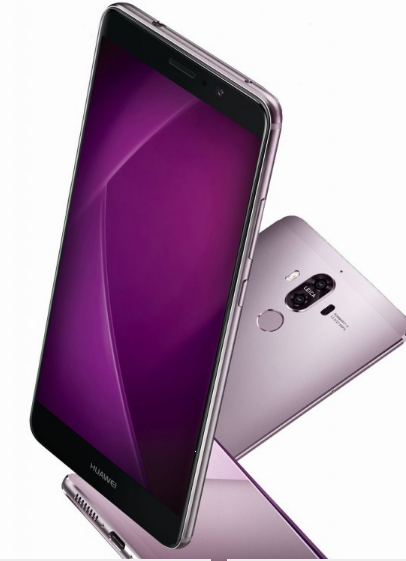
We are inching closer to November 3, the day of the launch of Huawei’s new flagship, the Mate 9. We have also been getting a steady stream of leaks of the new device. Today, we have a new render of the upcoming device posted by Evan Blass showing phone in purple which is not a colour common on devices nowadays.
The render apart from sporting a unique colour which if I’m correct, has appeared only on the Xiaomi Mi 5 this year, also shows a couple of details. First, it is important to mention that this unit is said to be the Manhattan version as there is a rumour that a dual-curved screen model code-named ”Long Island” is also in the works.
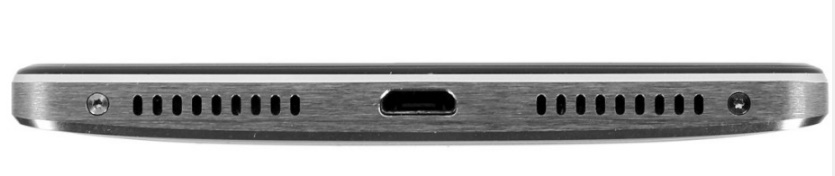
The render shows that Huawei is keeping the 3.5mm jack which is a good thing. There is also another ”hole” on the opposite side which we believe to be an IR blaster. The volume rocker and power button are positioned on the right and there’s the manufacturer’s name sitting on the chin in font.
The back is where the action is. The dual camera housing which is raised by a few mm has the LEICA branding on it, and the camera setup is flanked on both sides by the LED flash and laser focus. Right above the camera is the secondary microphone and below it, the fingerprint scanner. The render also confirms the use of a USB Type-C port. The speaker grille cut outs on the Mate 9 also appears to be longer than that of the Mate 8.
Huawei released the Hisilicon Kirin 960 early this week and it will be fair to say they have done a good job with the high-end SoC. Yesterday, rumours of the company’s upcoming mid-range chip, the Kirin 660 started to surface online.
The Kirin 660 is expected to compete with Qualcomm’s Snapdragon 65x series and even offer better performance than the recently announced Snapdragon 653. The Kirin 960 has been rumoured to feature 2 Cortex-A73 cores clocked at 2.2GHz and 4 Cortex-A53 cores clocked at 1.8GHz. The GPU will be a Mali-G71 Mp4 and the chip will be built based on the 16nm process.
Sources have also mentioned that the new chip will have Cat. 9 LTE supporting download speeds of up to 300Mbps and upload speeds of up to 150Mbps. If Huawei adds CDMA support like they did with the Kirin 960, then the success of the Honor 5x will likely pale in comparison with any other mid-range device they decide to launch in North America that sports the new processor.
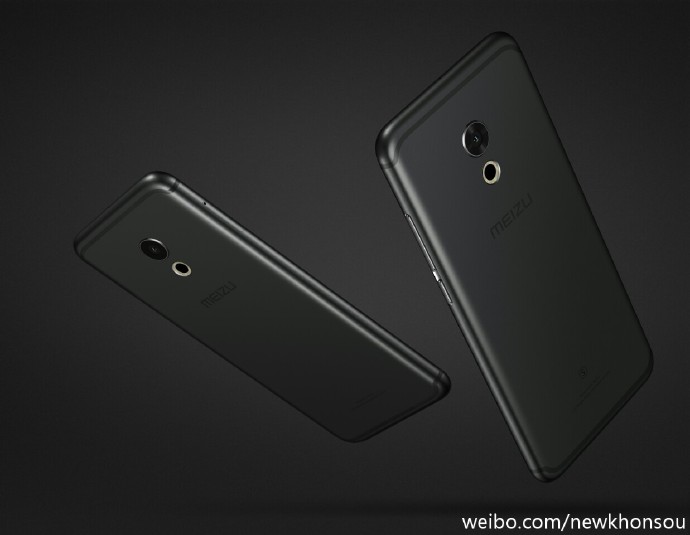
There are indications that the Meizu Pro 6S flagship may likely be released before the end of the year with a refreshing new design and upgraded specs. Recall Meizu VP today lent some credence to rumors that the Meizu M5 would be released on October 31. The VP Li Nan seem to be in the mood of sharing details about upcoming devices today.
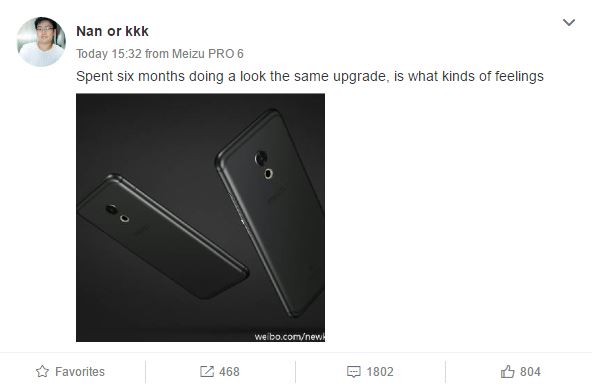
The VP has also hinted via a post on Weibo that the Meizu Pro 6S flagshipwould be seeing an upgrade, perhaps released before the year to crown up its year end sales. If not, how then do we explain the teaser? The post was accompanied by a photo containing two smartphones that looks like a black variant of the Meizu Pro 6.
The statement shows an upgrade is likely coming to the Pro 6 and perhaps both in the design and a few specifications. Meizu had earlier been rumored as preparing two flagships dubbed Pro 6S and Pro 6 Plus. The Chinese company was said to be working on redesigning the looks of the devices and is looking to create a design where the antenna bands are completely hidden thus creating a more refined and unified visual effect.
Some details of the expected Pro 6S had earlier appeared via its 3C certification listing and earlier rumors had given the device as coming with the Helio P20 chipset inside. An earlier rumor had also talked on an Exynos 8890-powered flagship but that has been debunked by Meizu’s VP before now.
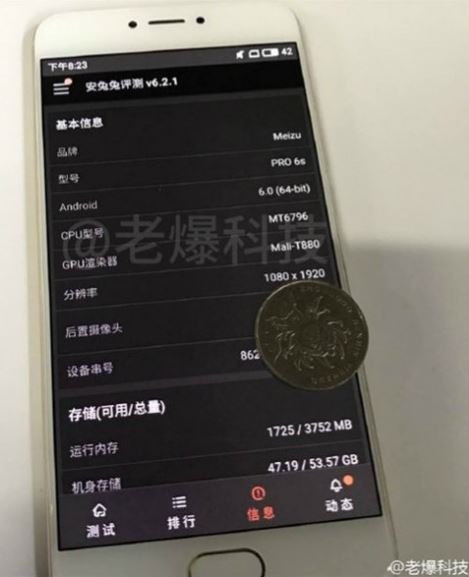
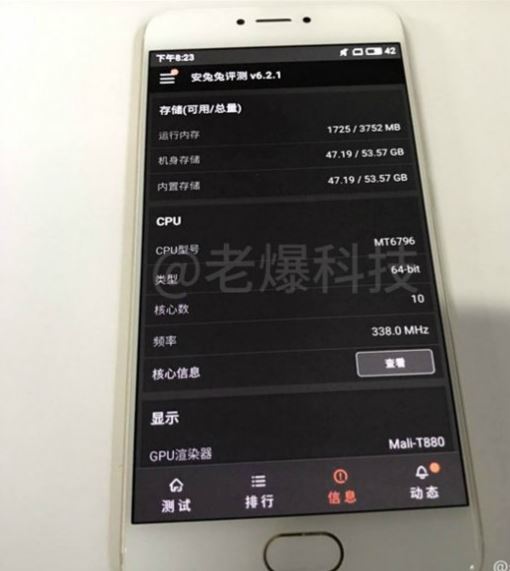
Yet, a recently leaked benchmark appearance featuring a couple of renders (pictured) of the device had given the Pro 6S as coming with an MT 6796 chip which is a derivative of the Helio X20 thus creating some sort of confusion around the device. Not much else is known for now but we’ll be on the look out and keep you updated as always.
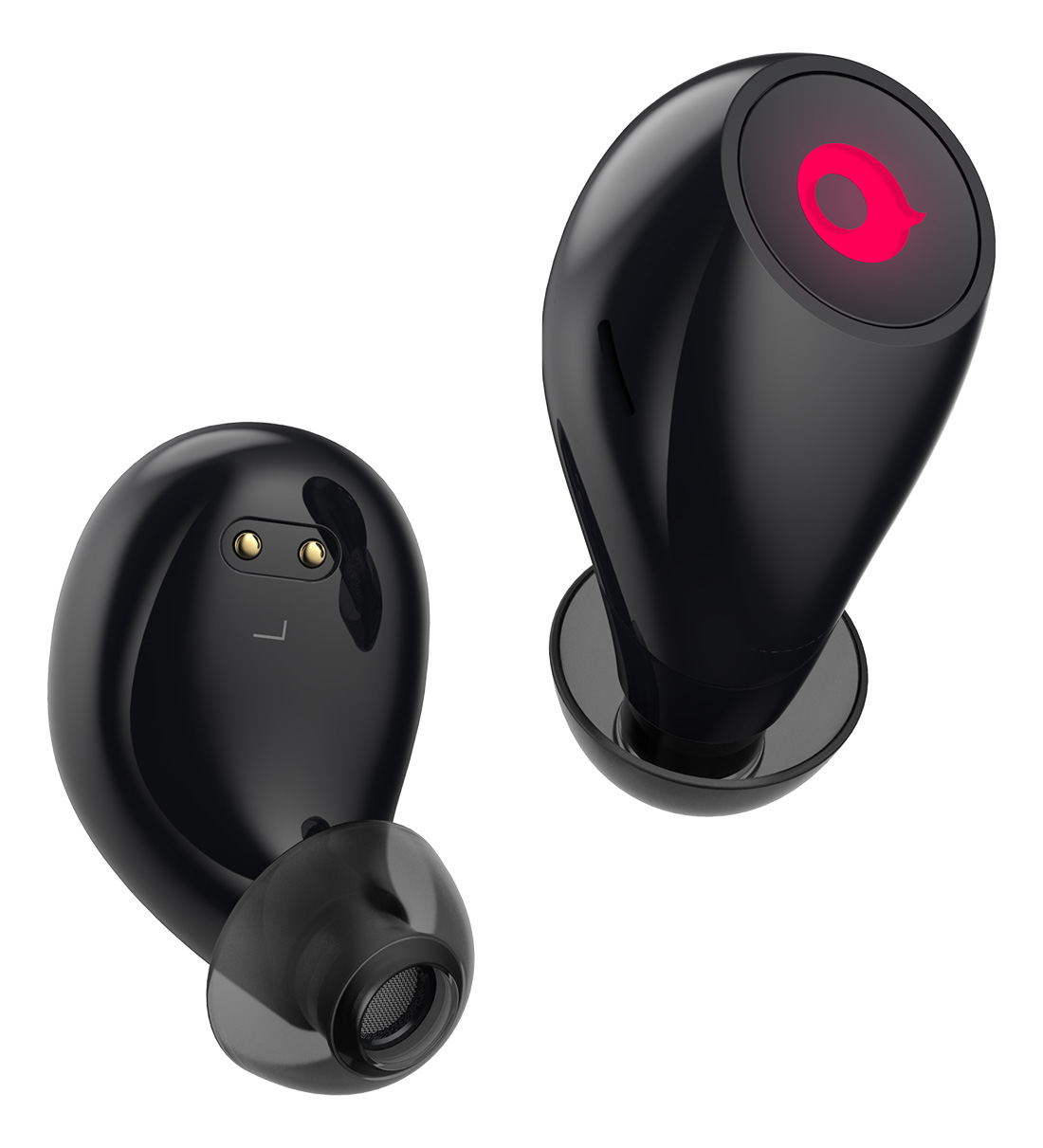
Ever since Apple, one of the top consumer companies in the world, decided to let go of the traditional 3.5mm headphone jack in the new iPhone 7 series, the demand for wireless headphones have boomed. This move makes sense to some extent since modern lifestyle expects wire-free devices that are simple yet feature rich. Apple’s Airpods are a good option for those who want wireless earbuds, but there will be another great option for buyers in the market soon, the ‘Air’ by Crazybaby.
The company, Crazybaby has made headlines in the past for its “Mars” levitating hi-fi system and now, its back again with its brand new offering, Air. The company claims that its wireless earbuds solves the problem of sound quality and stable connectivity.
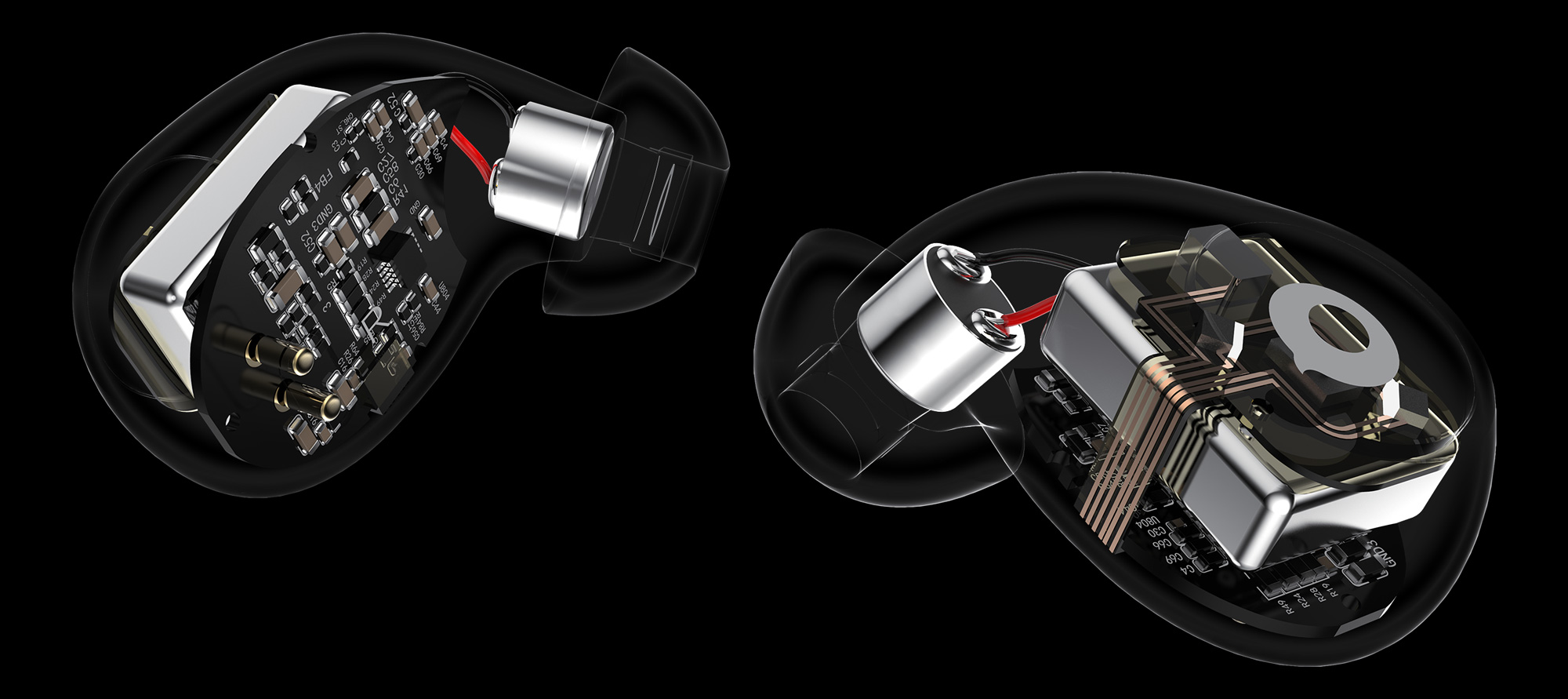
The Air features one omni-functional button that enables you to power on, make calls, access your phone’s voice assistant as well as control your music. The earbuds come equipped with the latest CSR HD audio chip, smaller and more portable than before without compromising on audio quality. The curved design further helps in a snug fit. It comes with BLE 4.2 support and works with Apple iPhones as well as Android smartphones.
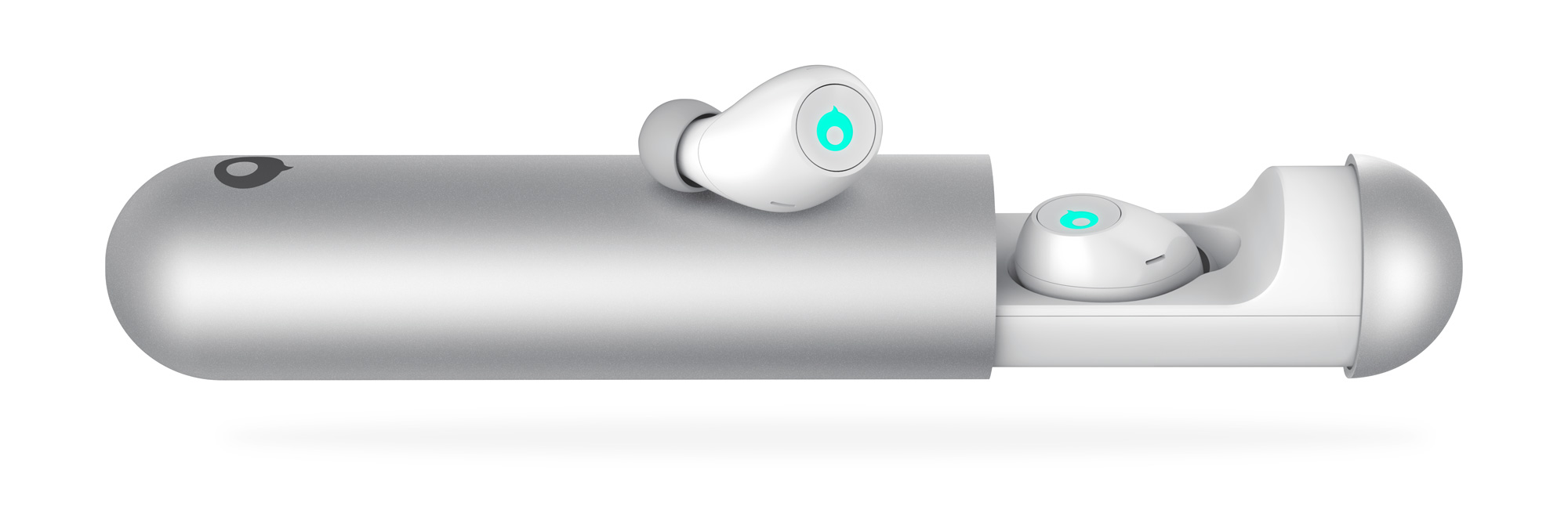
One of the highlights of the Air earbuds is the portable capsule which features magnetic charging. You just have to charge the capsule for an hour and this is good enough to charge the earbuds three times. It’s a handy accessory that comes with the earbuds for easy storage and long time usage. Another highlight is auto-pairing, instead of the traditional manual pairing found on other Bluetooth earphones. This means the earbuds will automatically connect to your iPhone once it’s out of the capsule.
The company reveals that the ‘Air’ will launch sometime in early November for a price tag of $89. The manufacturer’s suggested retail price is $159. You can check out more details about the earbuds from the official company website.
Never before seen renders of the expected Xiaomi Mi Note 2 has leaked revealing the actual looks of the device from different angles in all its glory. The renders unveil a device with a design unlike anything Xiaomi had done in the past, quite unique, well that’s if you’re not mentioning the Galaxy S7 Edge or Note 7.
On the whole, it is obvious the Mi Note 2 has been shown to come with an hyperboloid or curved edge display, and there won’t be the mi logo at the front home button. The home button has perhaps been moved to the top left corner of the screen. The home button is said to be a virtual one with the same underglass ultrasonic fingerprint technology premiered on the Mi 5S. What should be beautiful speaker grills could be seen on the bottom edge.
Earlier rumors had given the Xiaomi Mi Note 2 specifications as a 5.7-inch AMOLED flexible display supplied by LG. The device is said to come equipped with a Snapdragon 821 chipset and would run on Android 6.0 Marshmallow-based MIUI 8. Its likely there are two versions of the Mi Note 2, one with dual cameras and another with a single rear camera considering the different camera setups seen on several leaked renders. We can’t be so sure of anything until the official launch, though.
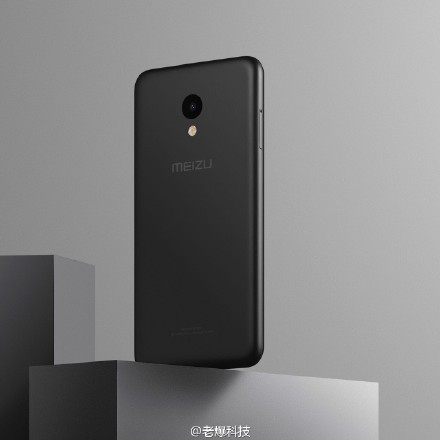
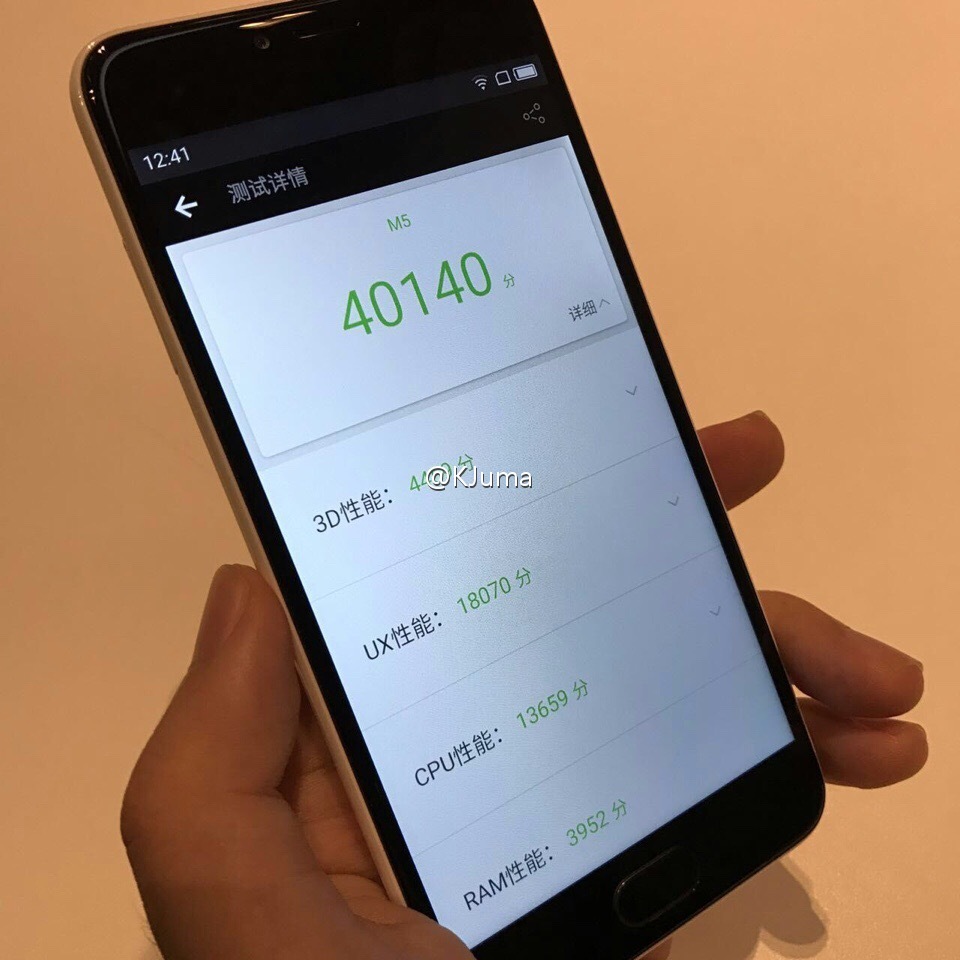
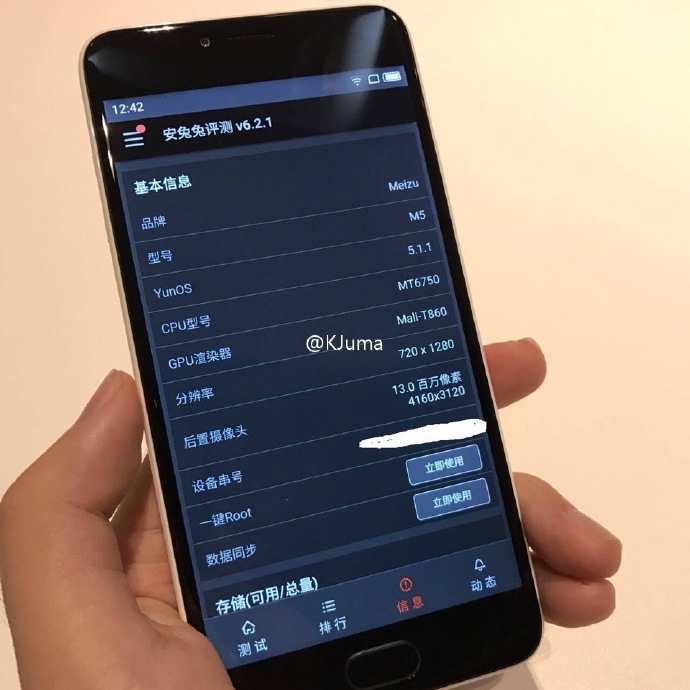
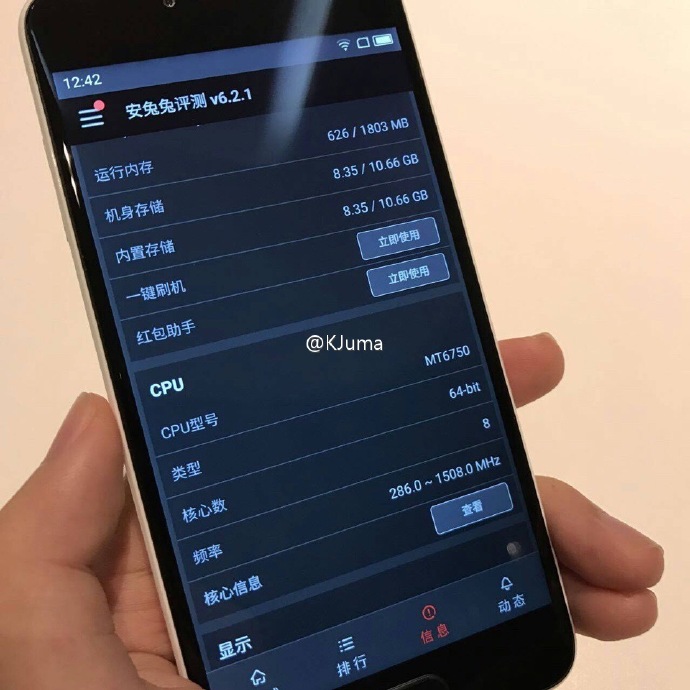
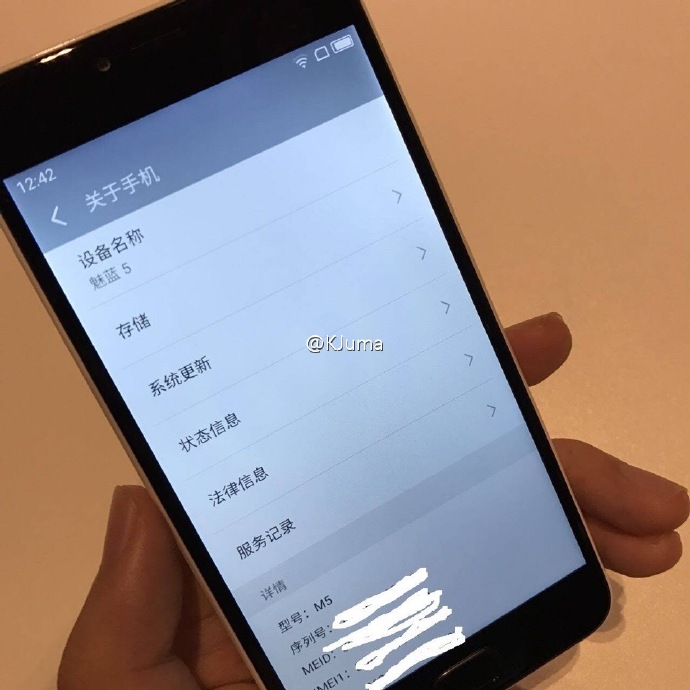
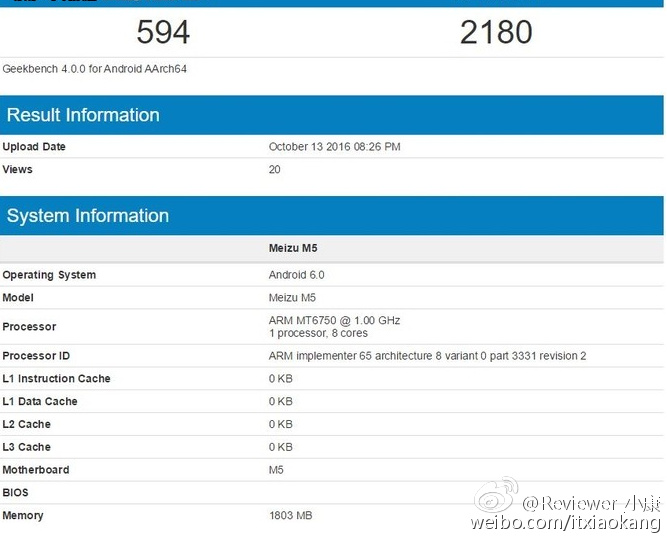
Meizu M5 is reportedly releasing on October 31 when the company has a big promo event scheduled. Li Nan already confirmed the launch of the device a few hours back and now, new images of the M5 have cropped up online, along with a possible Geekbench listing. This means we have a lot more information about the upcoming device, including its new polycarbonate design and specifications.
The Meizu M5 seems to feature a very similar design as the M3S model which was announced in June, however, the phone could come with a polycarbonate body instead of a metal one. Further, along with a black colored model, we have also spotted a green colored one. Given that Meizu’s Blue Charm series have always been a colorful lineup, it’s possible that the company launches a green color option for the device.
More pictures are given below.
As for the specs, a recent Geekbench listing of the device revealed that the Meizu M5 will come with the MT6750 octa-core processor with 2GB RAM and Android 6.0 on board. The above pictures further reveal that the phone was running on YunOS platform and featured a 5-inch 720p display, 13MP rear camera, 2GB RAM and 16GB of internal storage. It is said that there could be a 3GB RAM version of the device as well.
As for the pricing of the Meizu M5, given the specs, expect it to be super cheap. Also, considering that Meizu is releasing this device in anticipation of its 11/11 sales, the company should price it aggressively. The M3S was announced for just $106, so the upcoming M5 model should also be priced around the same figure.
Meizu recently announced and sent out invites for an upcoming concert holding on October 31 at Beijing. The concert is said to have been sponsored in collaboration with Lynx and so is named Lynx Meizu Night Live. Well, facts are emerging that the concert may not be just a concert after all. There are indications Meizu would likely release a smartphone.
There are indications that the concert is actually a conference and a smartphone, likely the Meizu M5 aka Blue Charm 5 may be released on that day. Meizu’s VP Li Nan’s response to a user’s comment on Weibo hinted that the device would be unveiled ahead of its November 11 sales.
Now not much is known about the said Meizu M5 but since the device would likely be launched soon as well as go on sales November 11. The features and price would certainly be revealed soon.
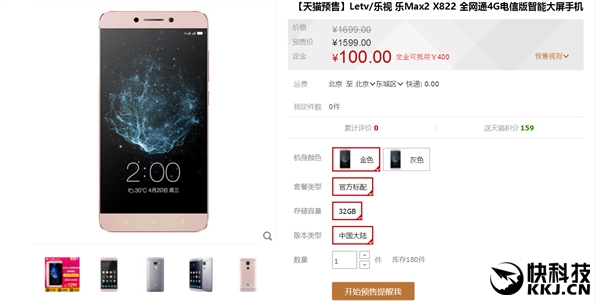
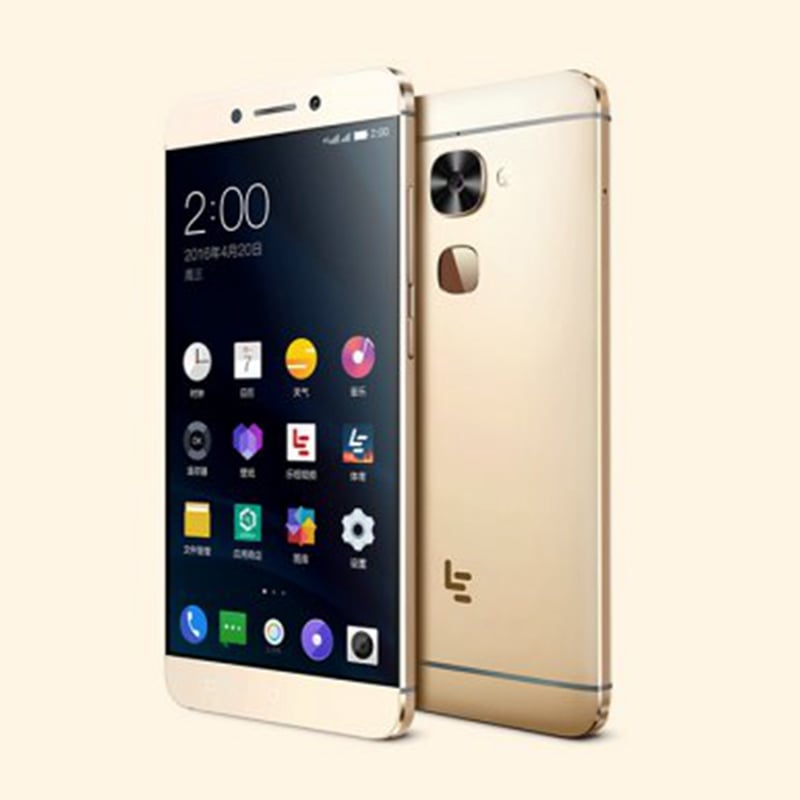
It is evident that flagship devices are becoming cheaper by the day. Recently the ZUK Z2 which was released around July this year starting at 1599 Yuan was being offere for 1299 Yuan. For a Snapdragon 820-powered smartphone, that is a bargain price. This time around the LeEco Le Max 2 is reported to have gotten its price slashed to 1299 Yuan ($192) on Suning Tesco Lynx official flagship store.
This isn’t the first time the Le Max 2 is seeing some adjustments in its price as the device’s prie had in the past been reduced. The last was down to 1549 Yuan ($233) off Taobao which was the cheapest until now. This offer seem to be a promo offer with some conditions attached to it but if you are interested, head over to Suning Teso Lynx official flagship store.
The LeEco Le Max 2 holds the record as the first device to sport the Snapdragon 820 chipset from Qualcomm. The flagship rocks a 5.7-inch display with 2k resolution, 4GB of RAM, 32GB of non-expandable internal storage, as well as a 3,100mAh battery with support for fast charging. In addition, the dual-SIM device packs a 21MP rear camera and an 8MP selfie sensor upfront. The Le Max 2 is devoid of the 3.5mm audio jack and instead has a USB Type-C port for headphones and a host of connectivity options are available on the device.
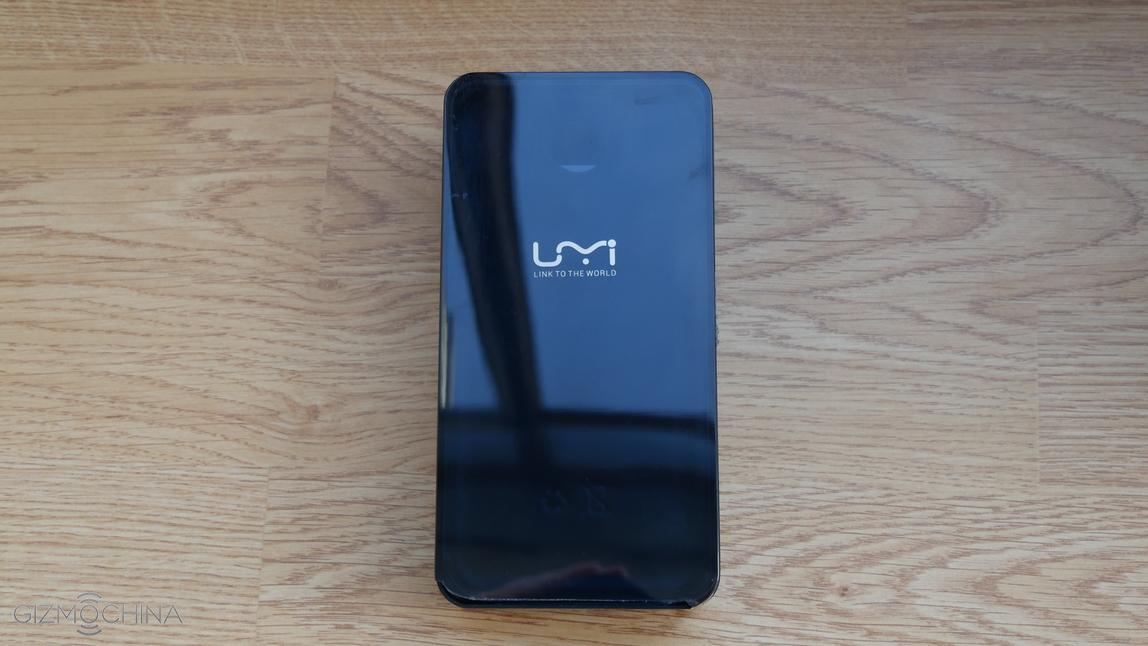
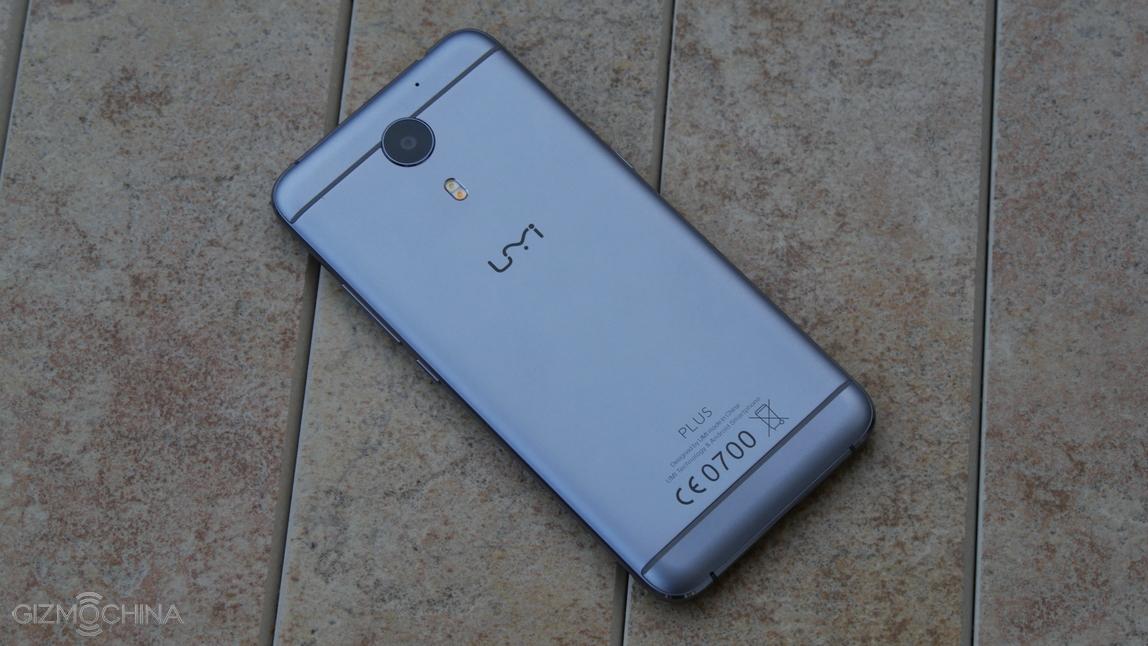
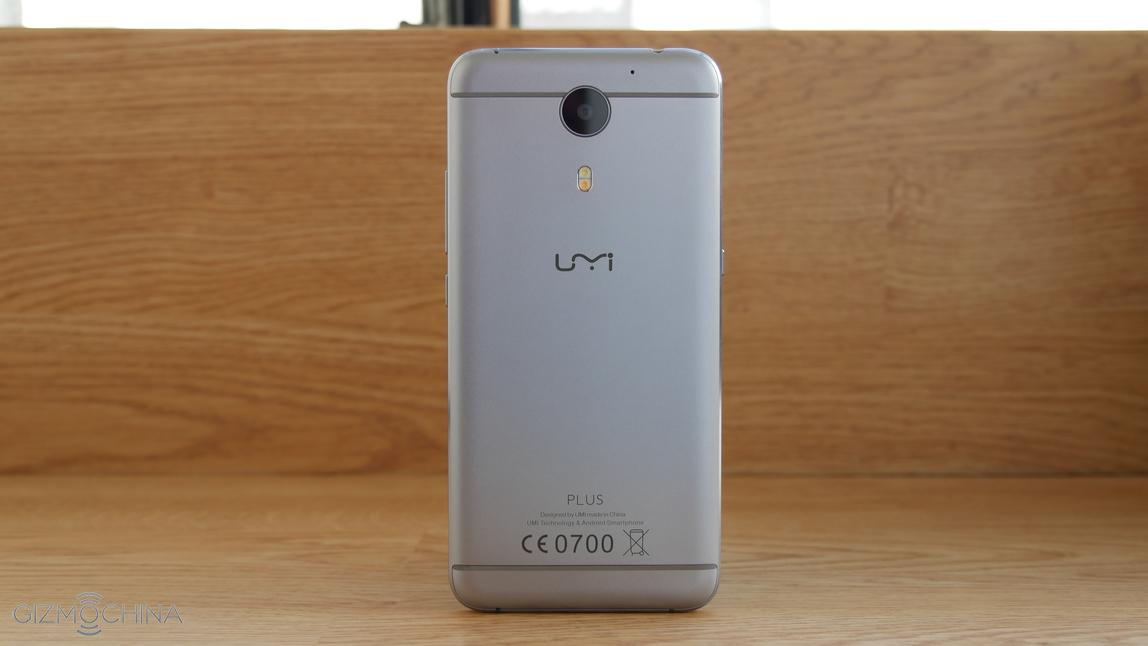
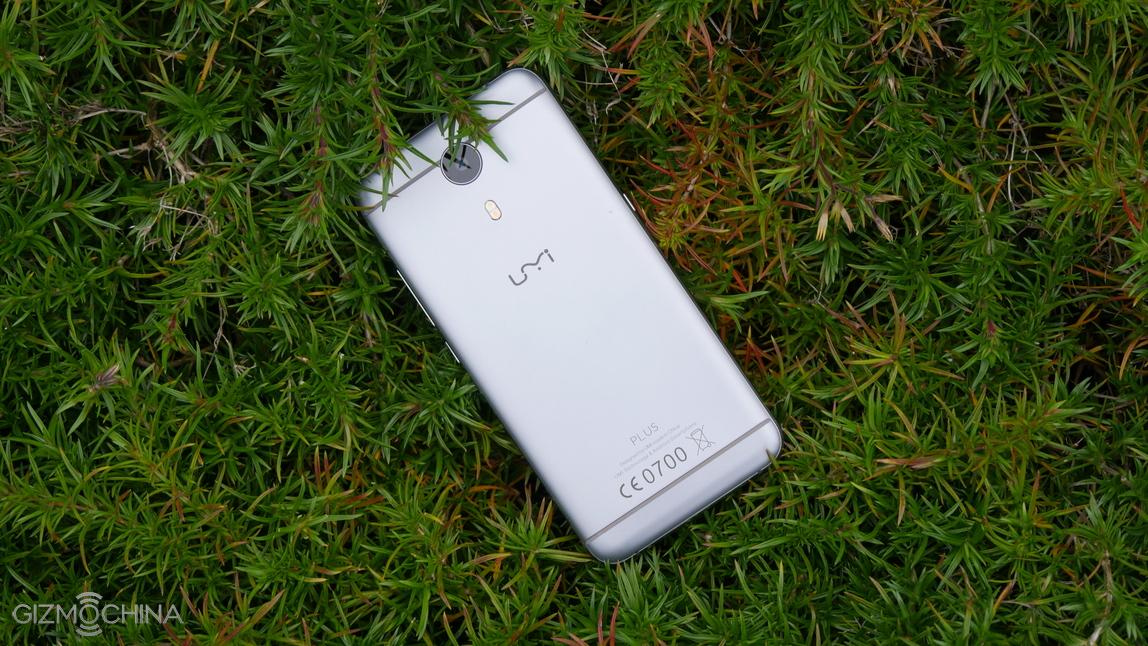
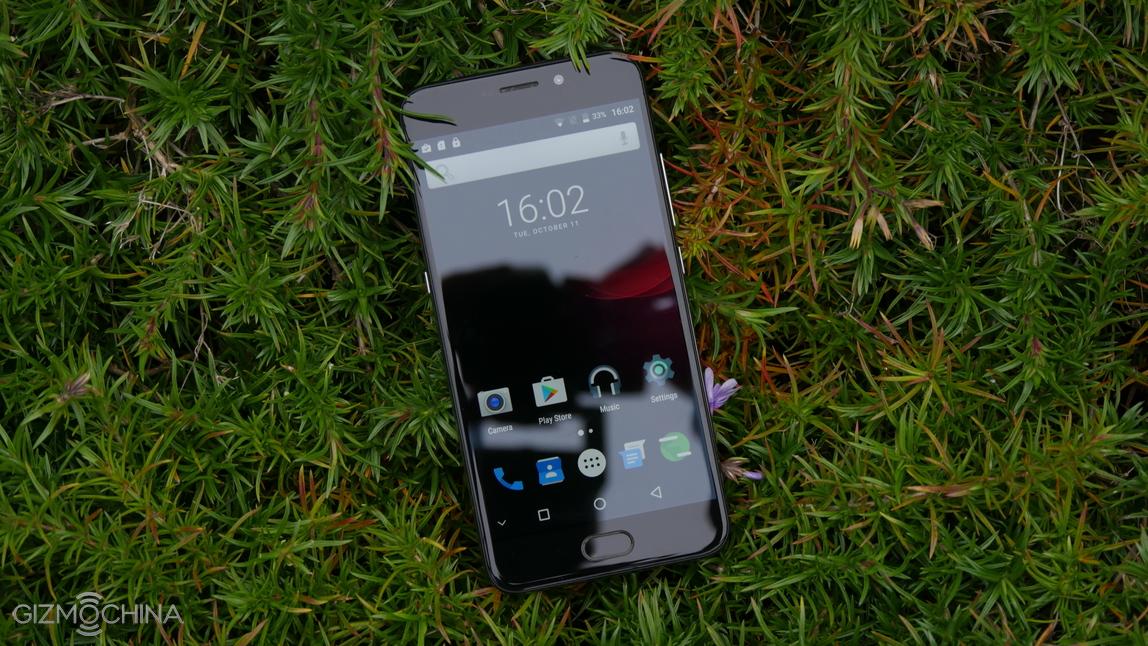
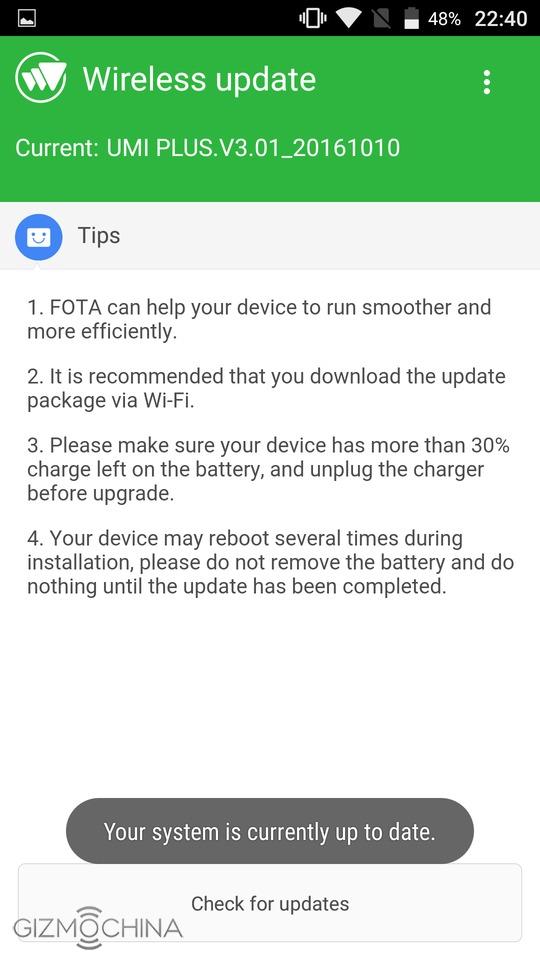
Umi has released quite a lot of phones this year and the Umi Plus is one of their latest models. It has some decent specs and all-metal unibody design but is it any good? Find that out in the full Gizmochina’s review.
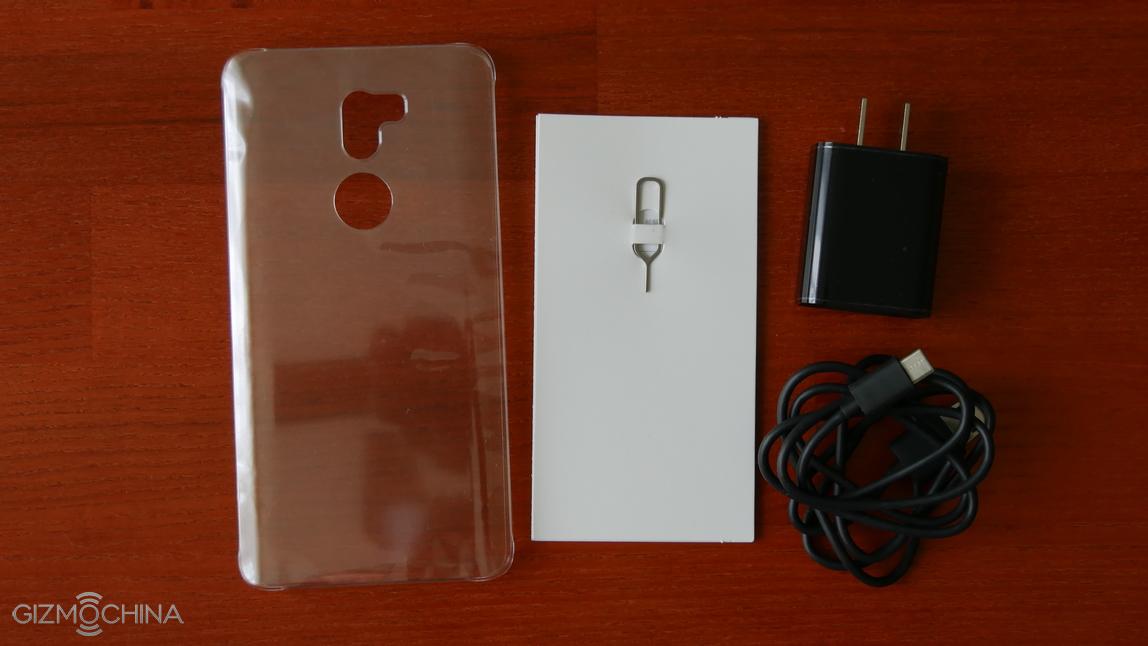
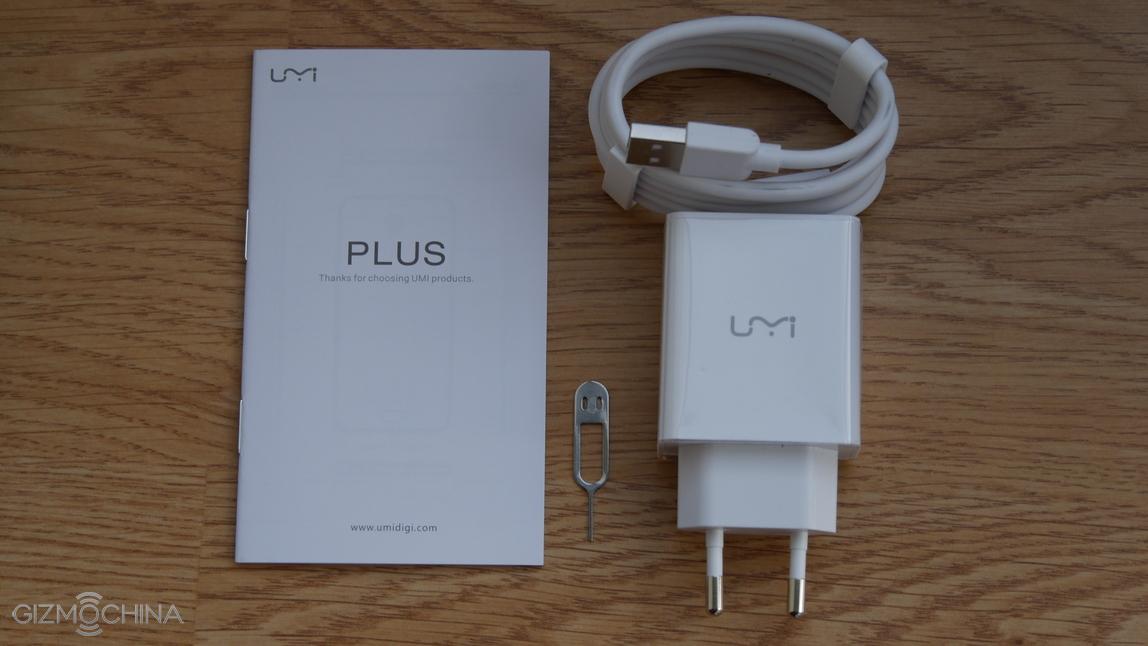
The phone ships with all the usual items that come with any device.
Umi Plus Review: DESIGN and DISPLAY
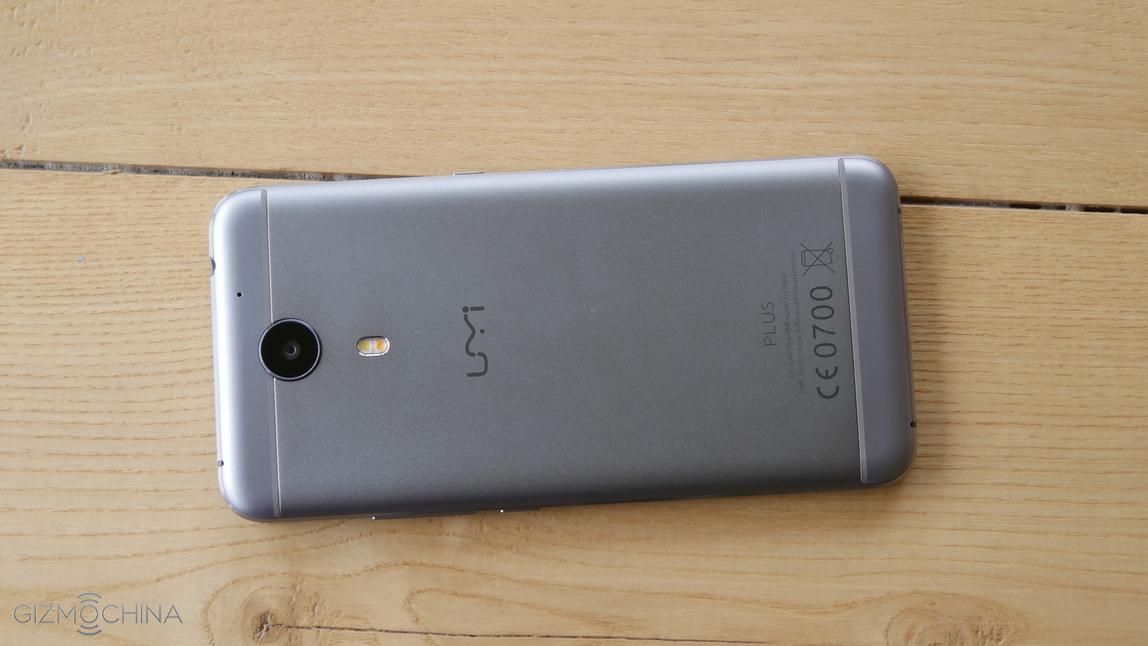
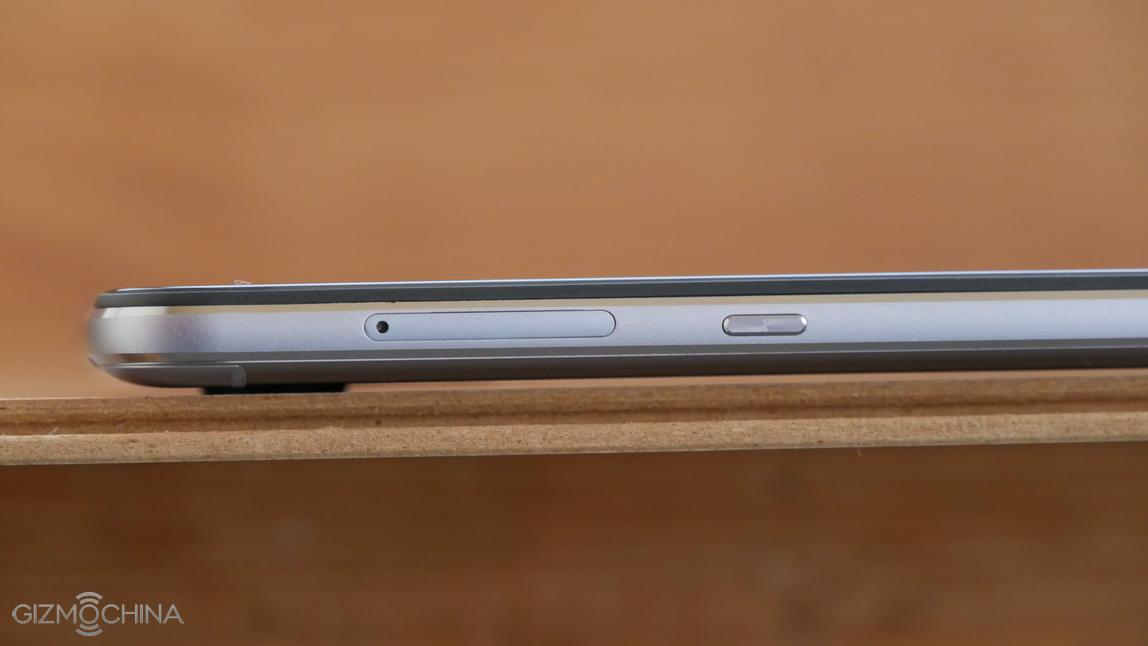
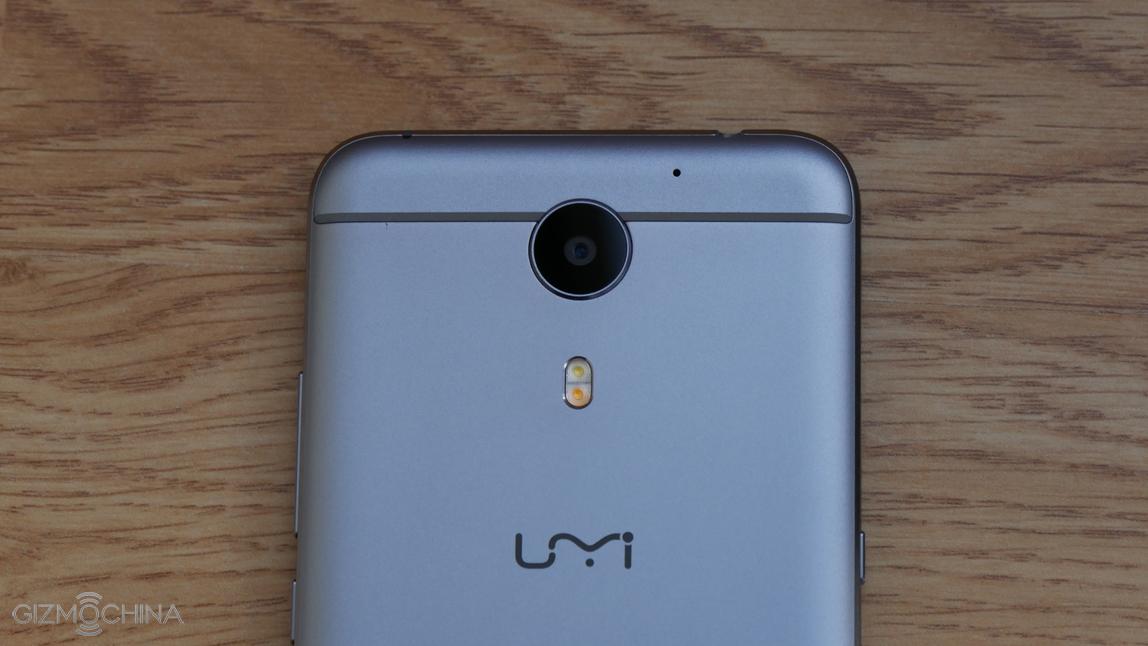
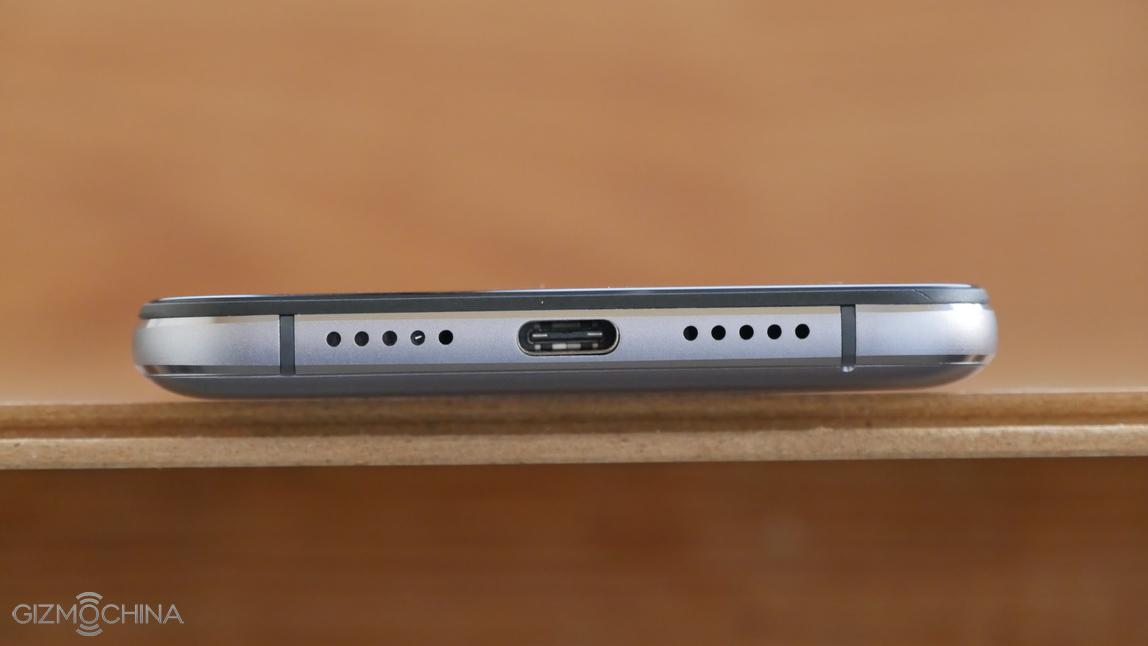
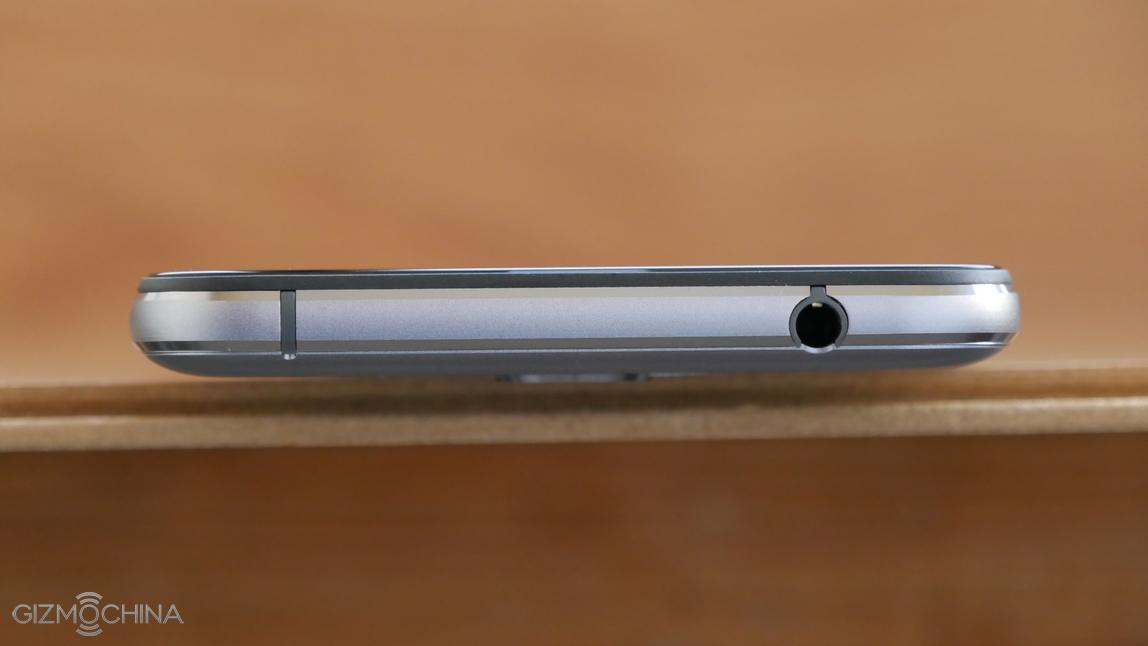
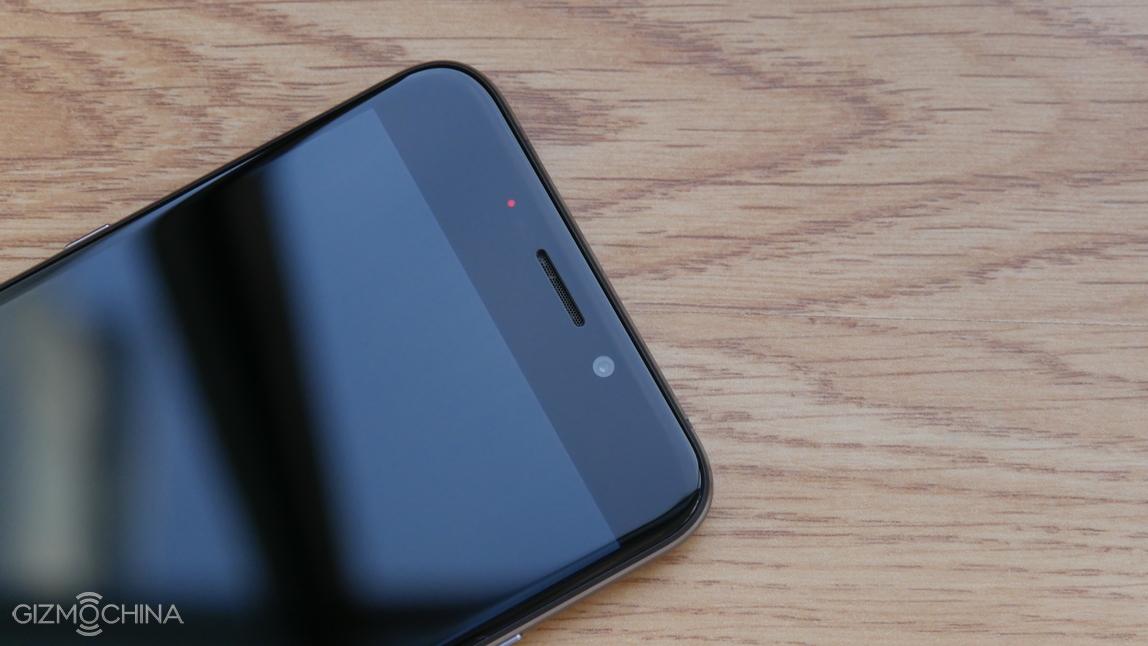
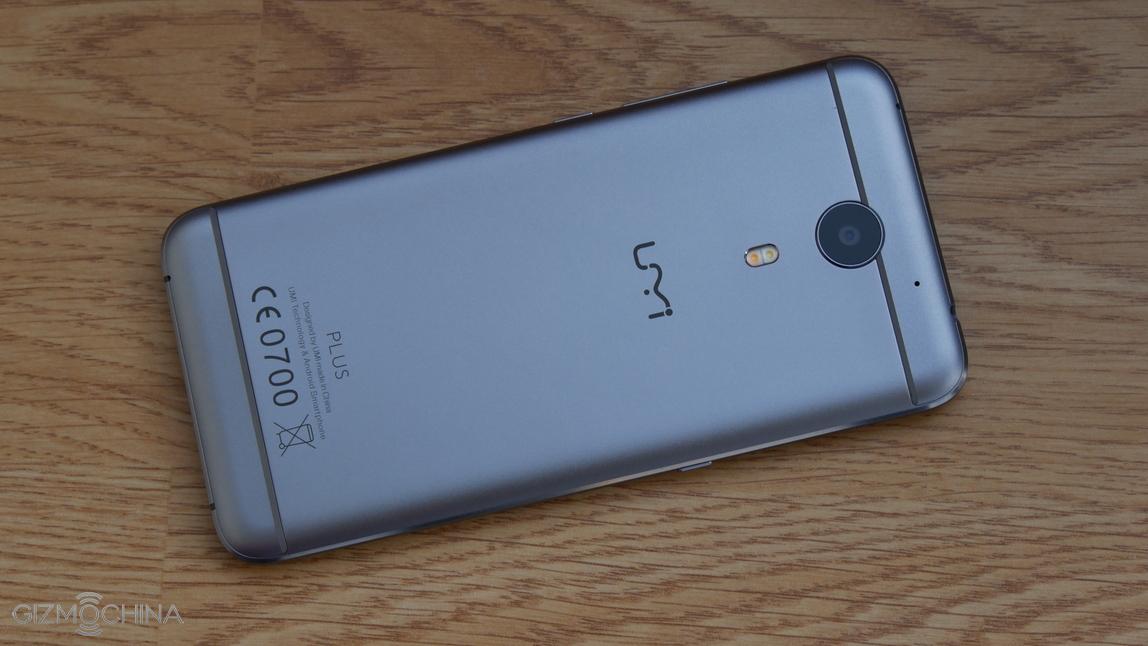
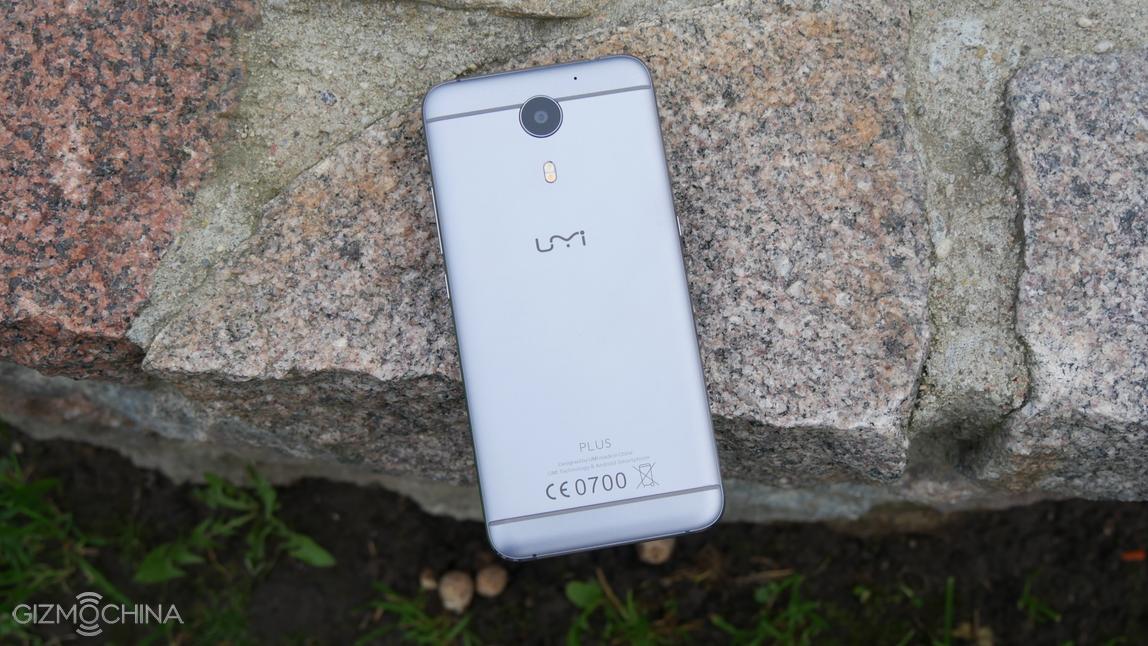
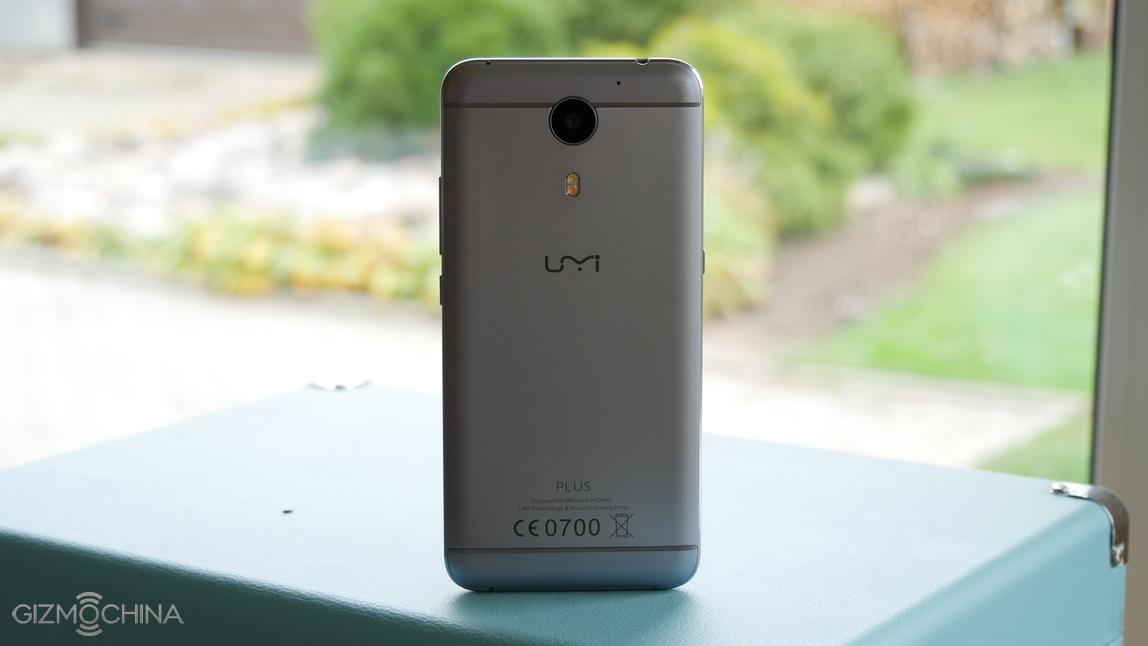
When it comes to the design, we are looking at the all-metal phone (except for the top and bottom parts for antennas).
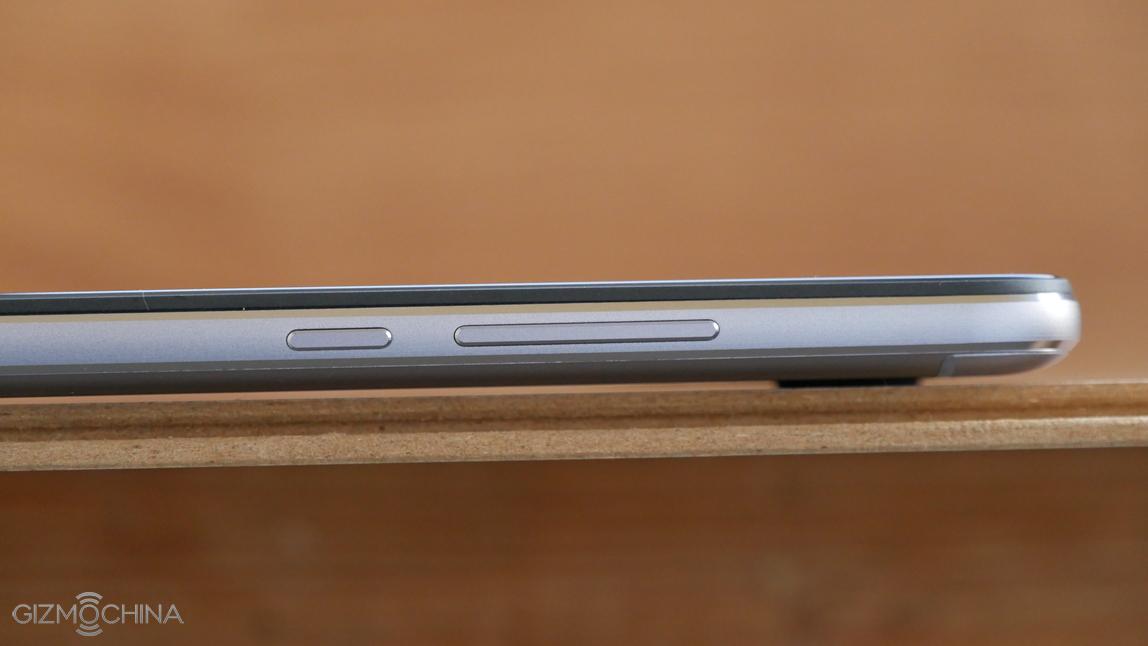
In general, the build quality is great but I don’t like the fact that the buttons rattle just a little a bit.
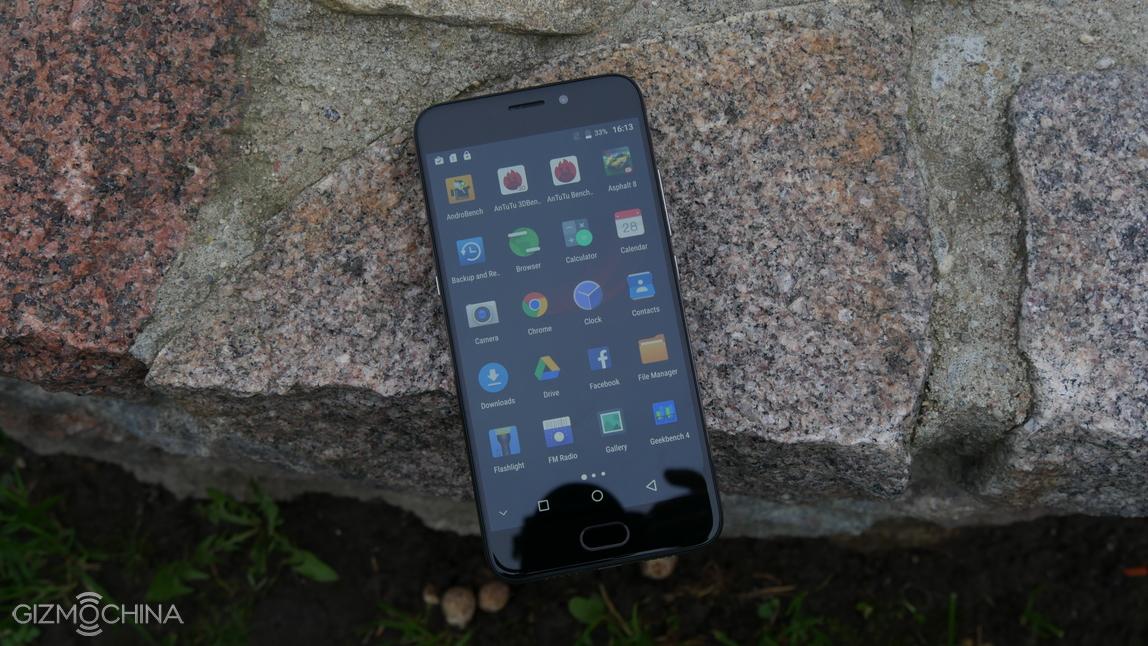
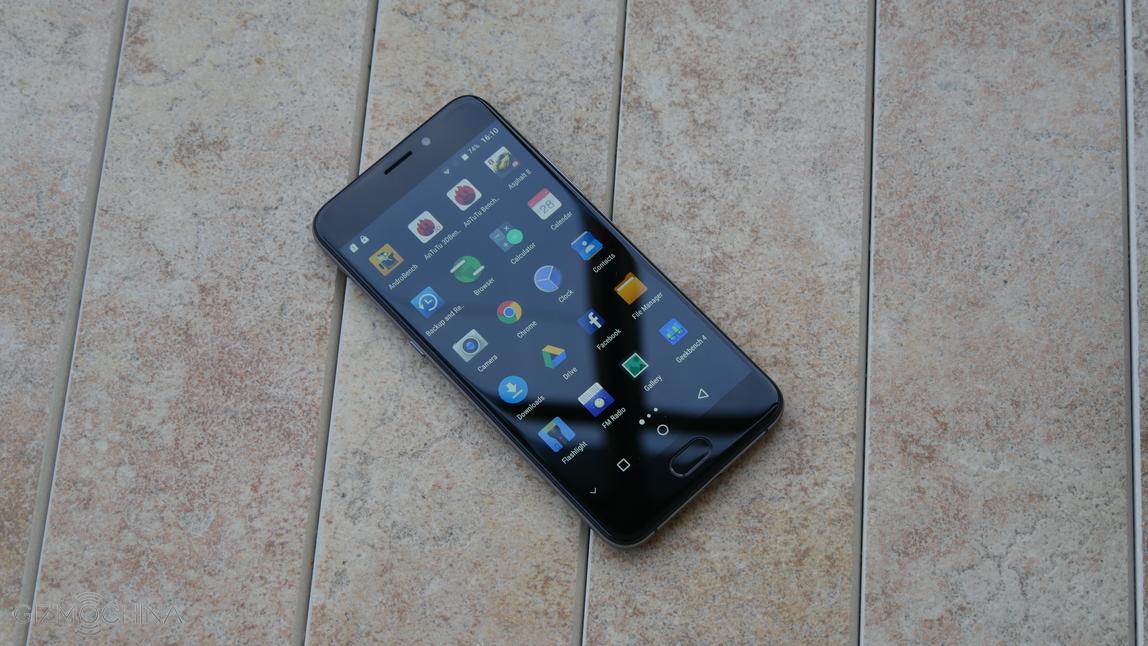
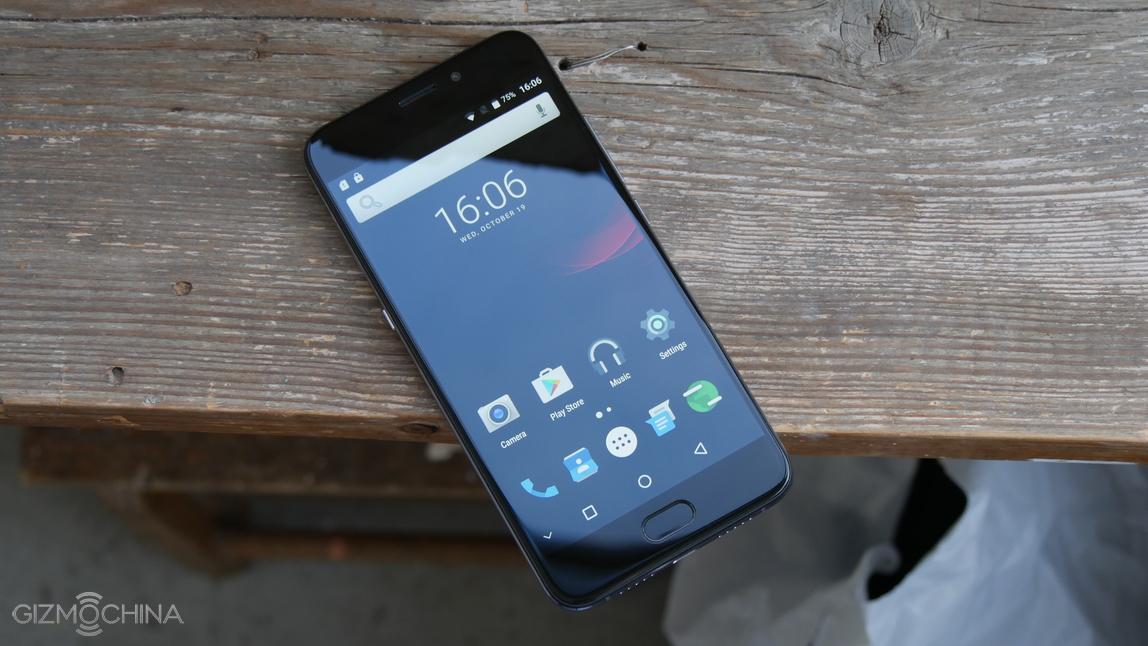
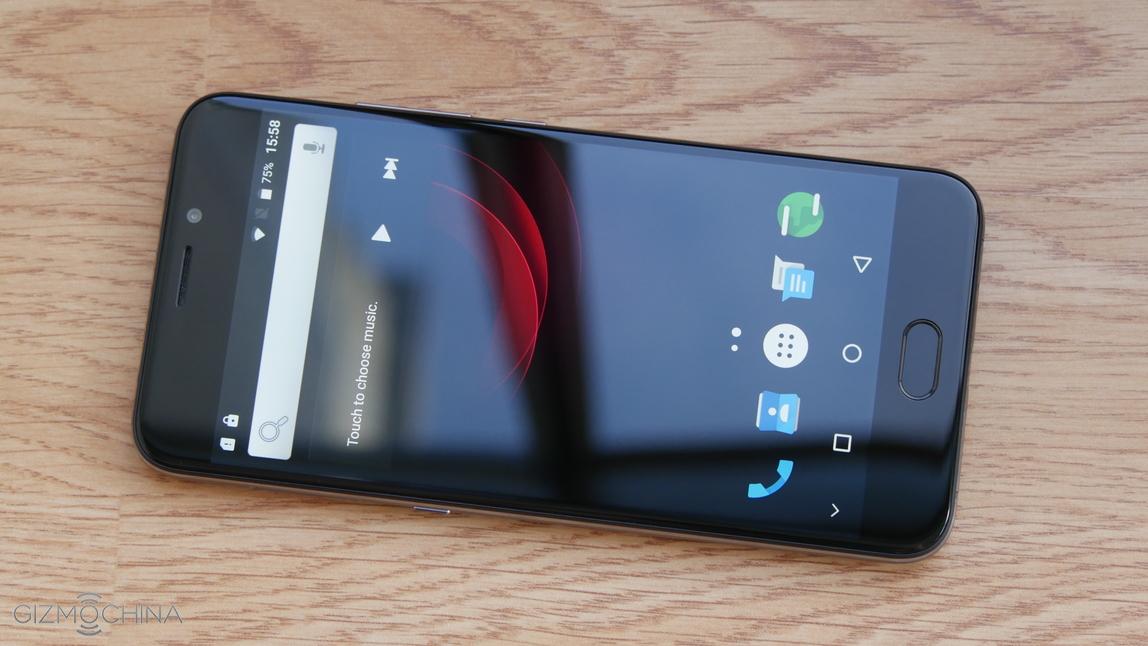
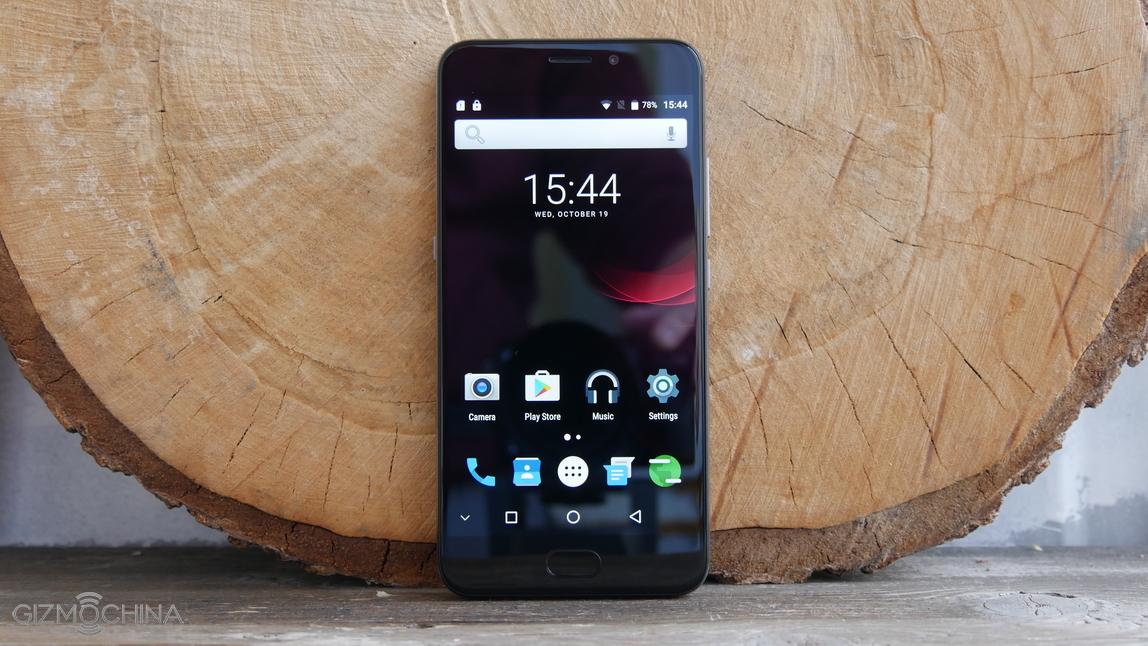
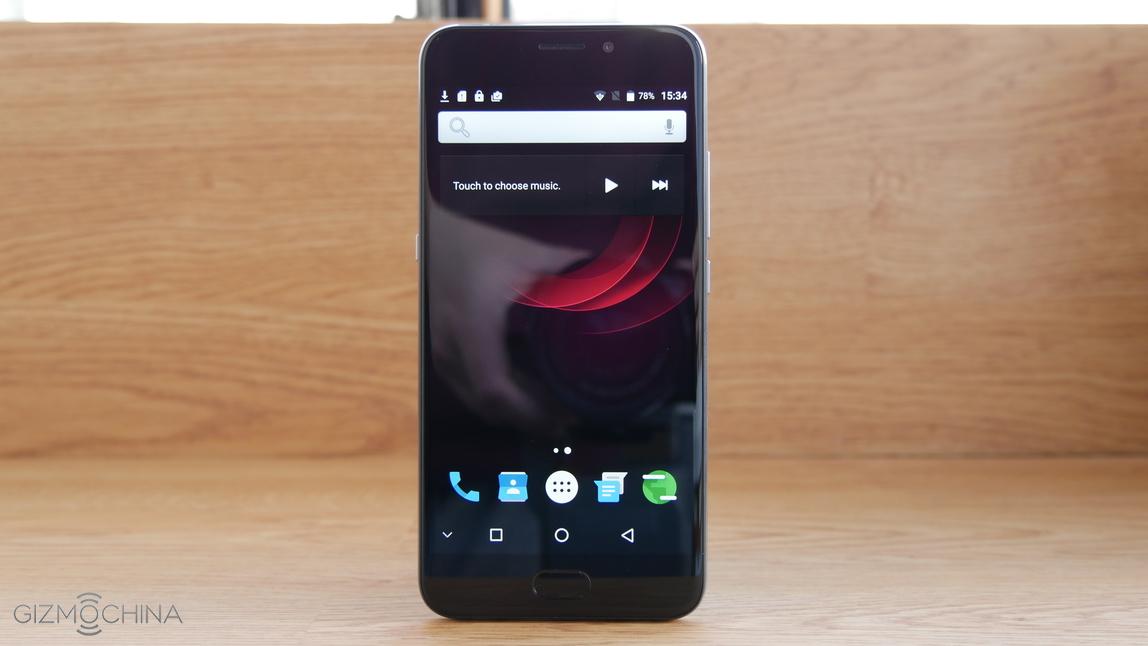
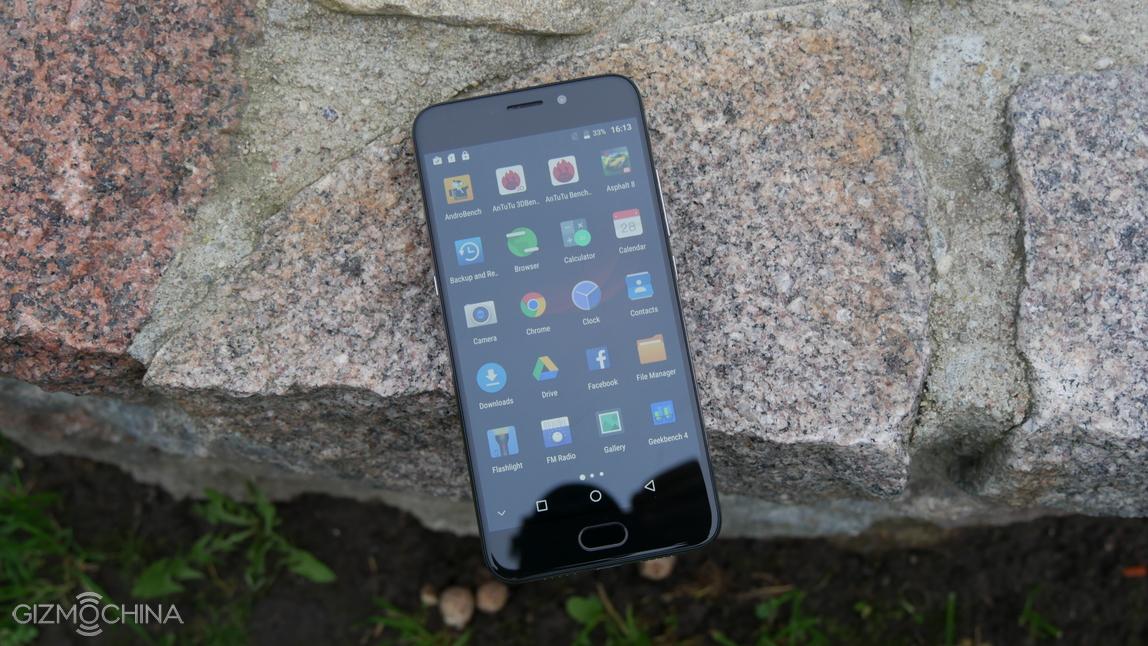
We have a 5.5” 1080p display, which is pretty sharp and nice panel overall, and it has a decent sunlight legibility.
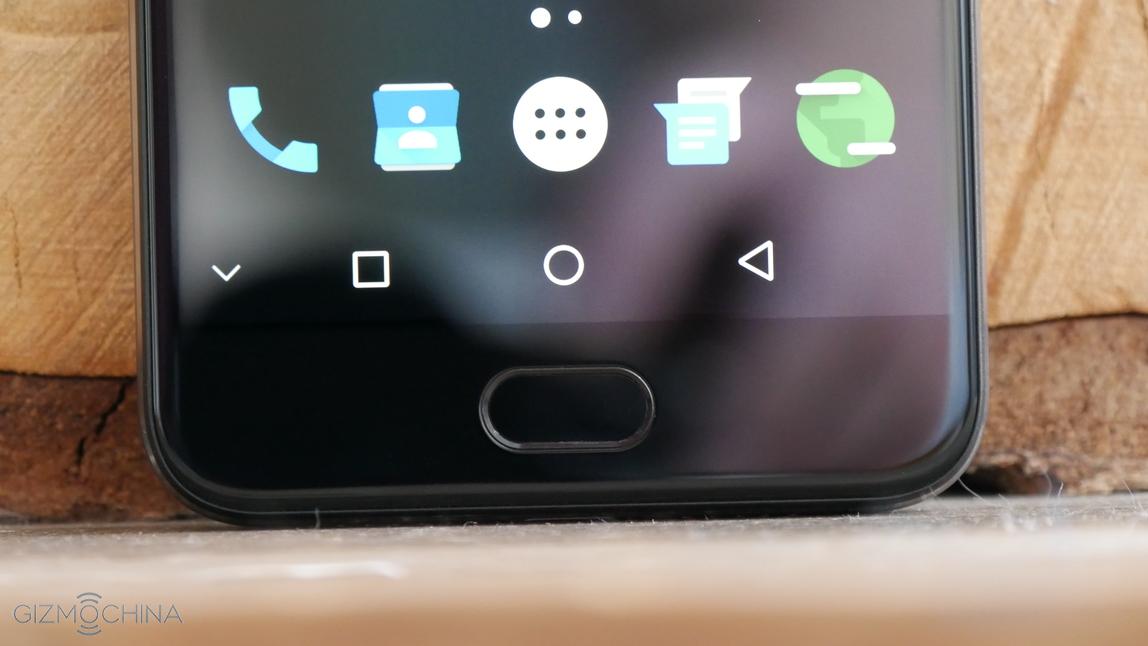
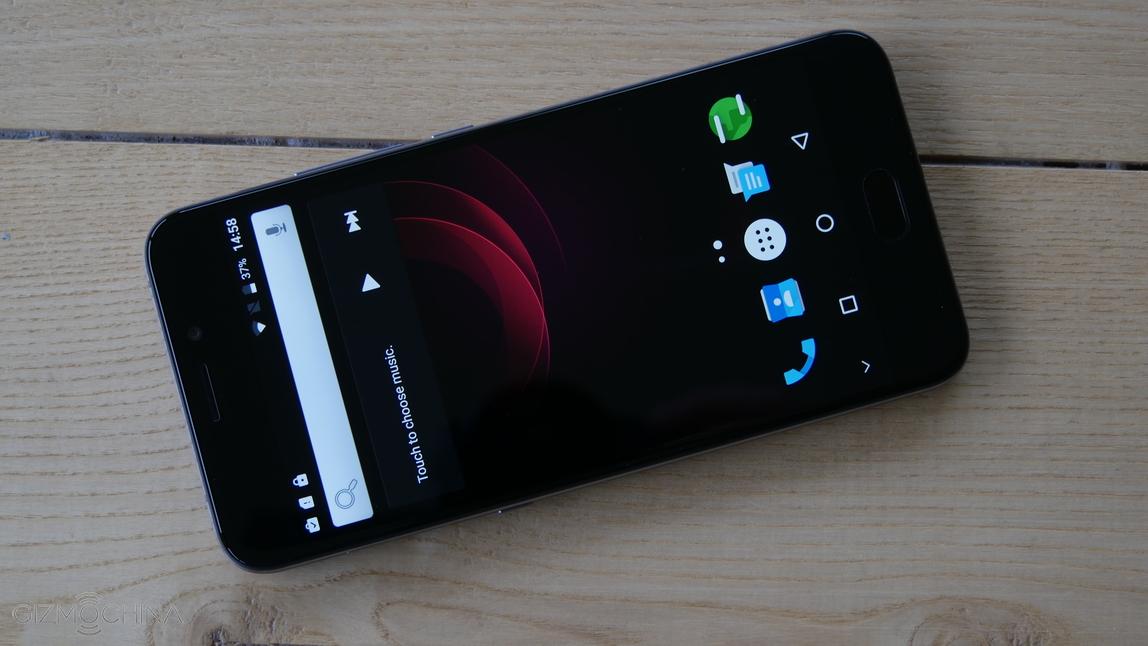
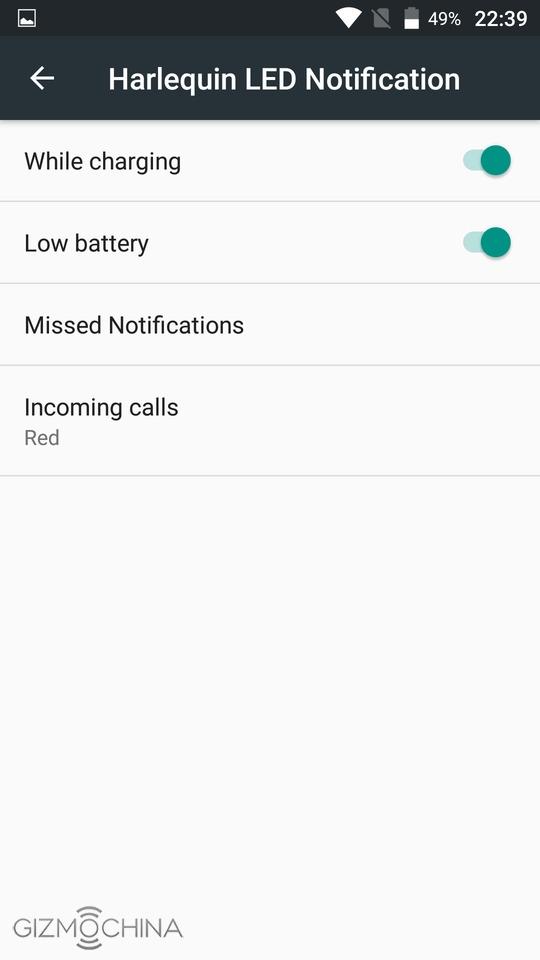
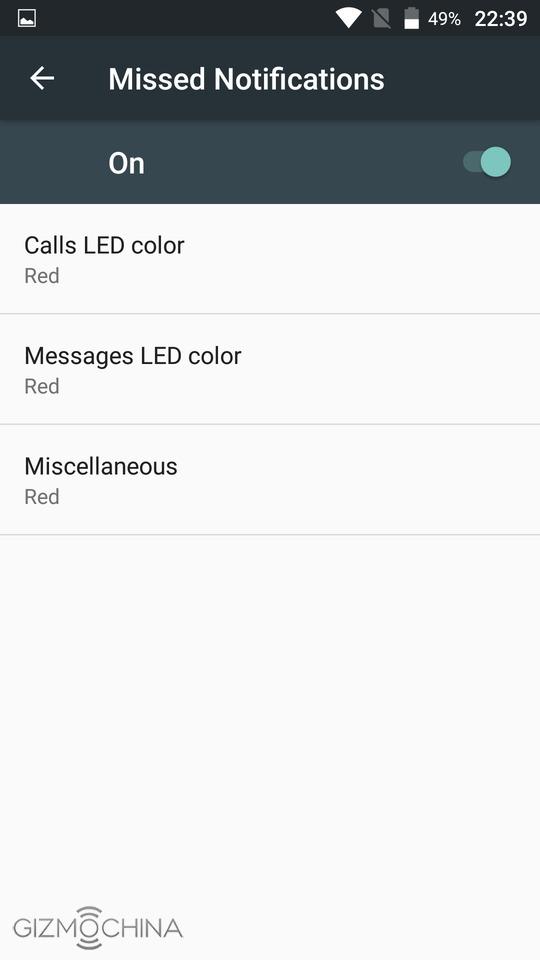
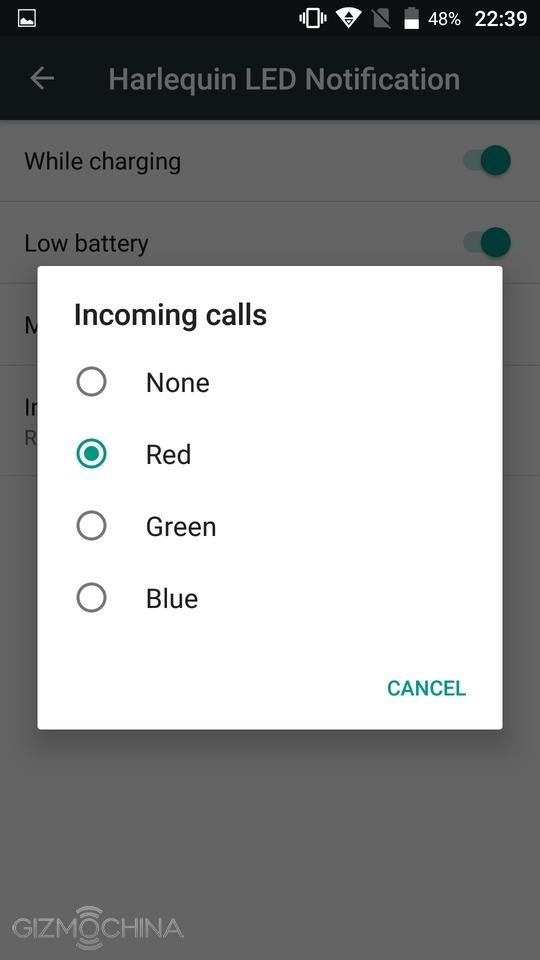
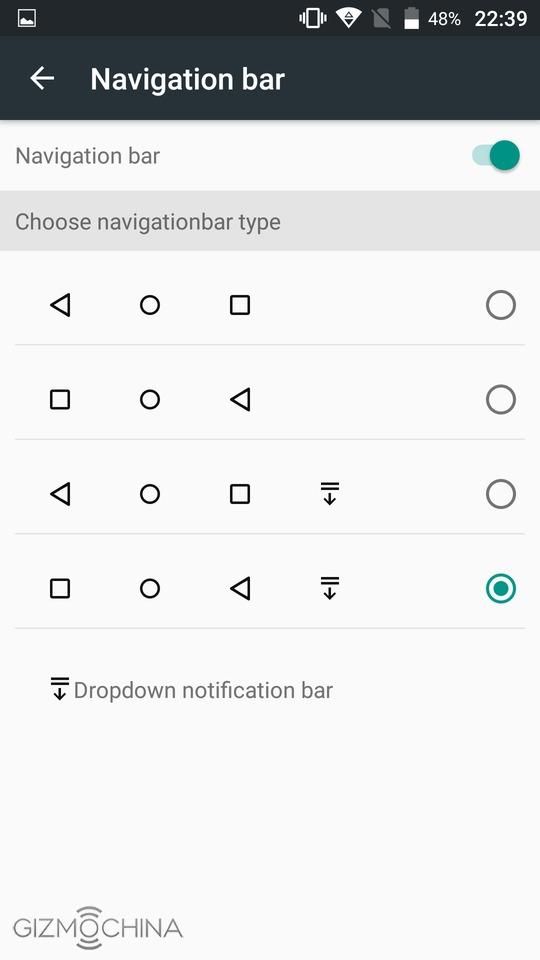
A nice touch is a customizable LED notification light, which sits next to the 5MP camera, and navigation buttons. You can choose between the on-screen keys and the capacitive keys, and change the position of them.
I love the fact that physical home button can be just tapped as it serves as a back key. Also, it has a fingerprint scanner. It is quite accurate but the display lights up very slowly if you unlock the phone from the standby mode.
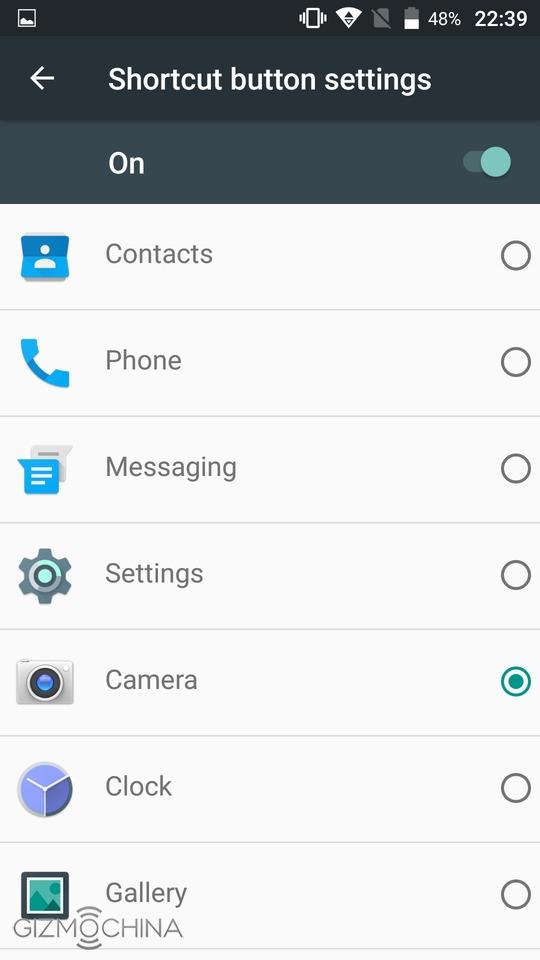
A customizable shortcut button is a pretty nice idea but it would have been nice if it worked from the standby mode.
As for camera, we have a 13MP Samsung shooter with a dual tone dual-LED flash.
The loudspeaker sound quality does not really impress. Although the speaker has a decent volume output, the sound is tinny and flat.
The sound quality via the headset jack is pretty good for the price of the phone and that is thanks to the built-in Hi-Fi audio chip.
Umi Plus in pictures:
Umi Plus Review: HARDWARE and PERFORMANCE
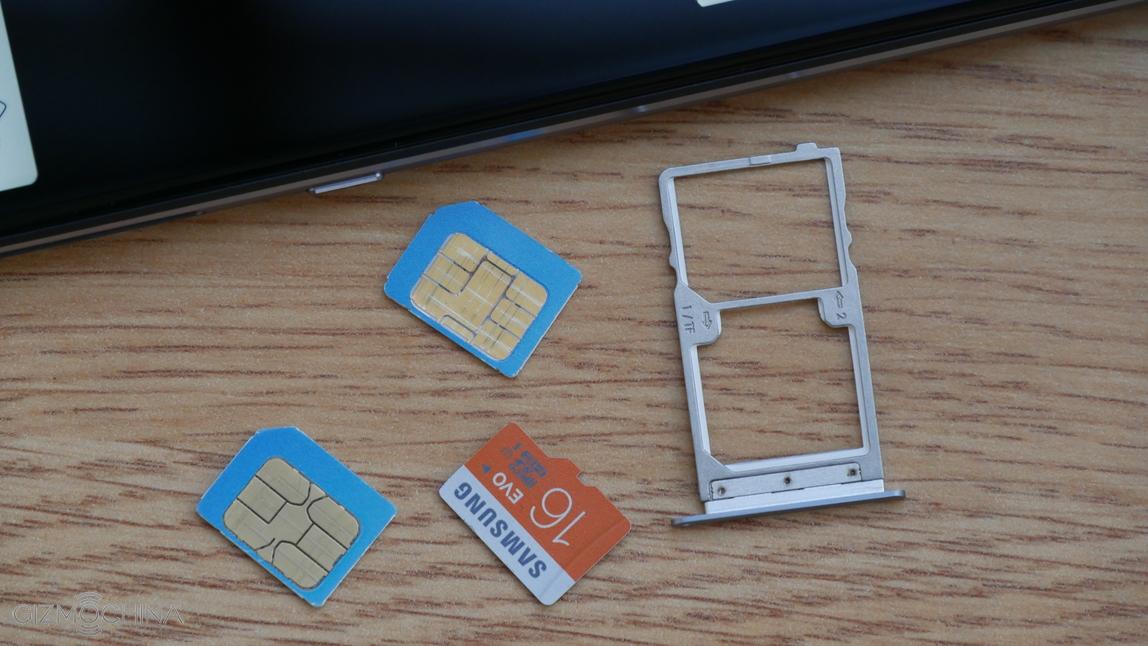
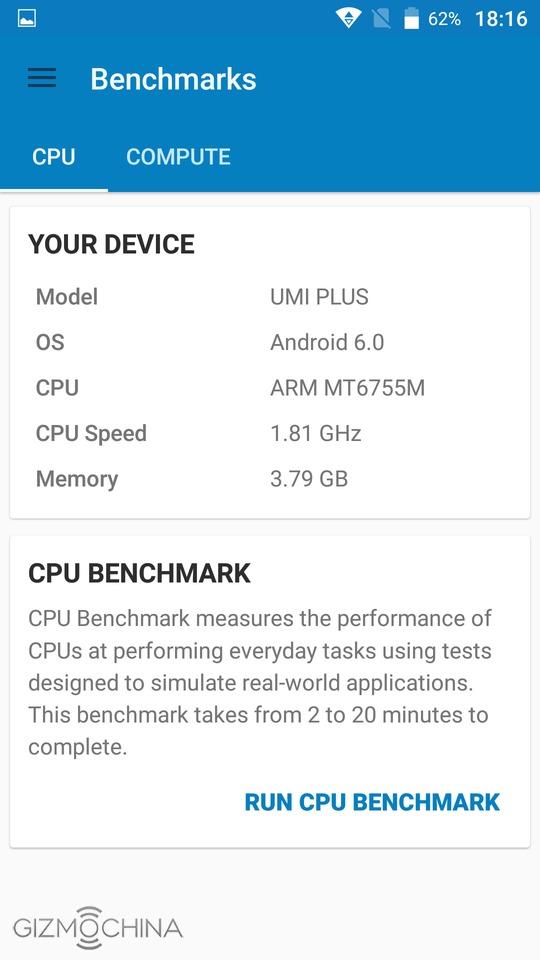
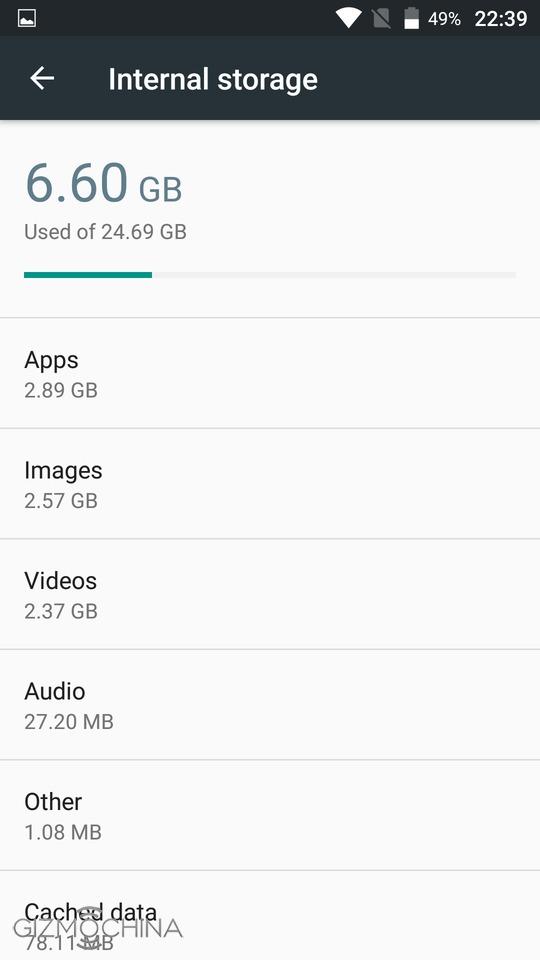
The phone ships with an octa-core Mediatek Helio P10 chip with the clock speeds of 1.8GHz, 4GB of RAM and 32GB of expandable storage.
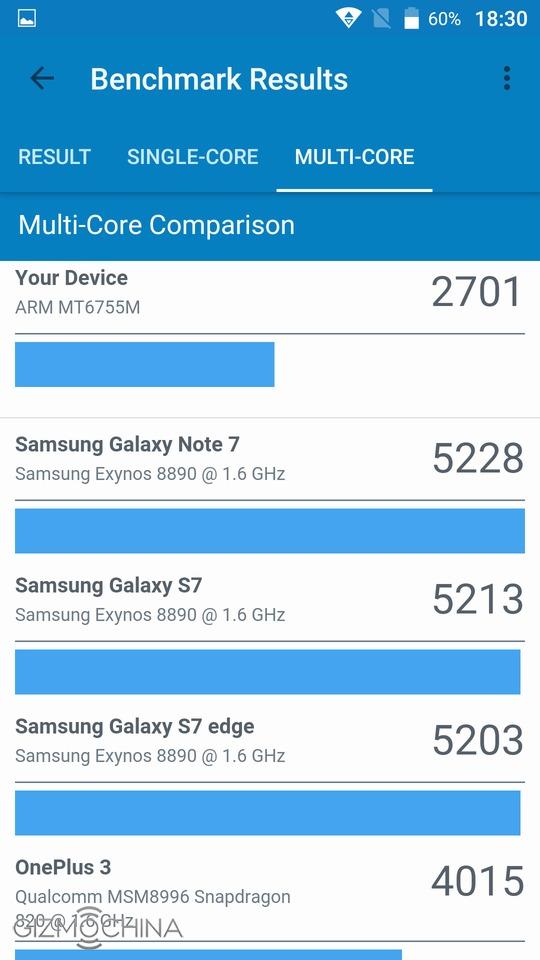
I’ve never been a huge fan of Helio P10 chips when it comes to gaming and the Umi Plus is no exception. You should expect quite a few skipped frames and stutter if you want to play games like Asphalt 8 on the highest graphics. On the other hand, playing this game on medium graphics is a lot better.
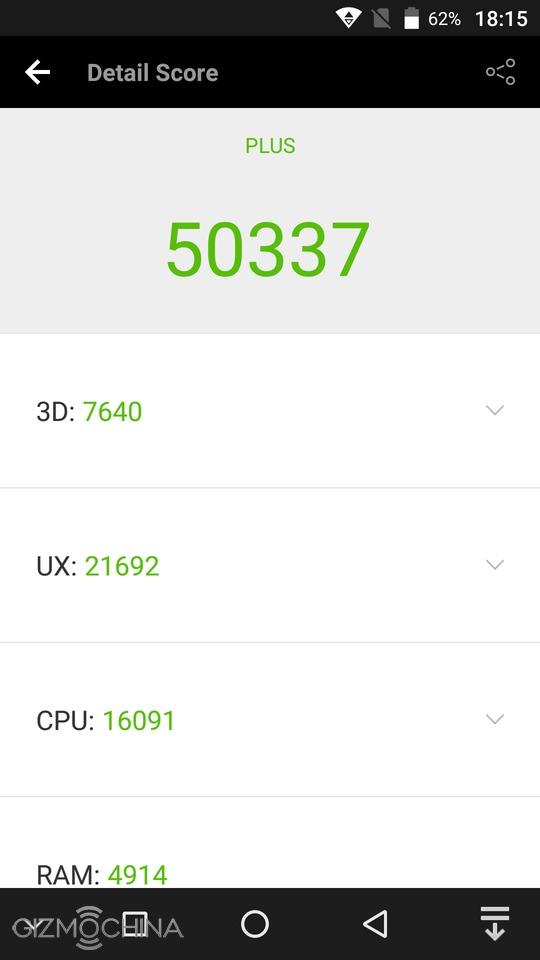
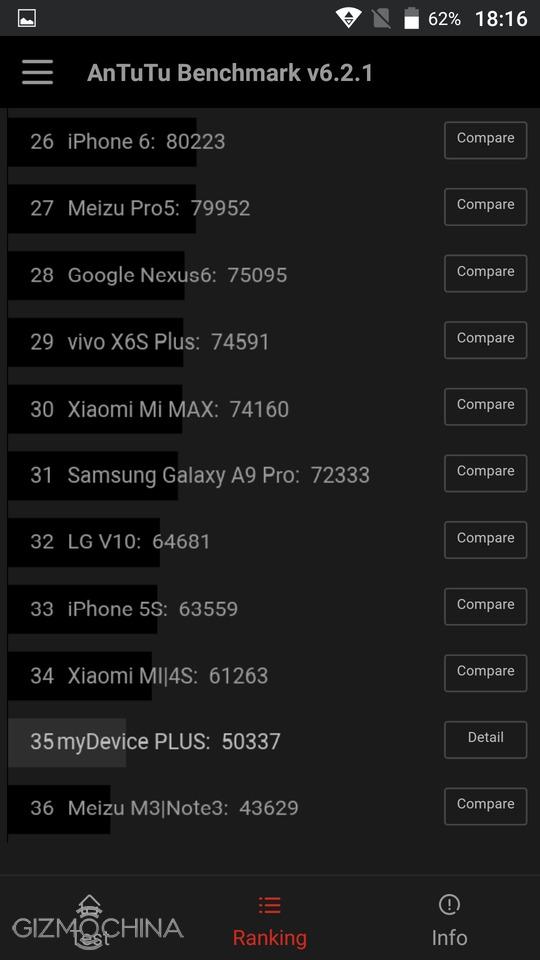
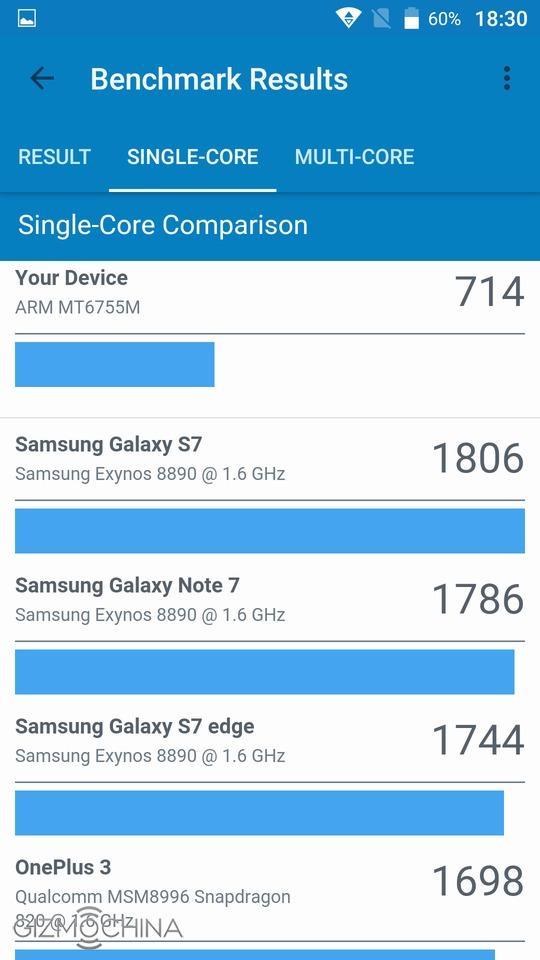
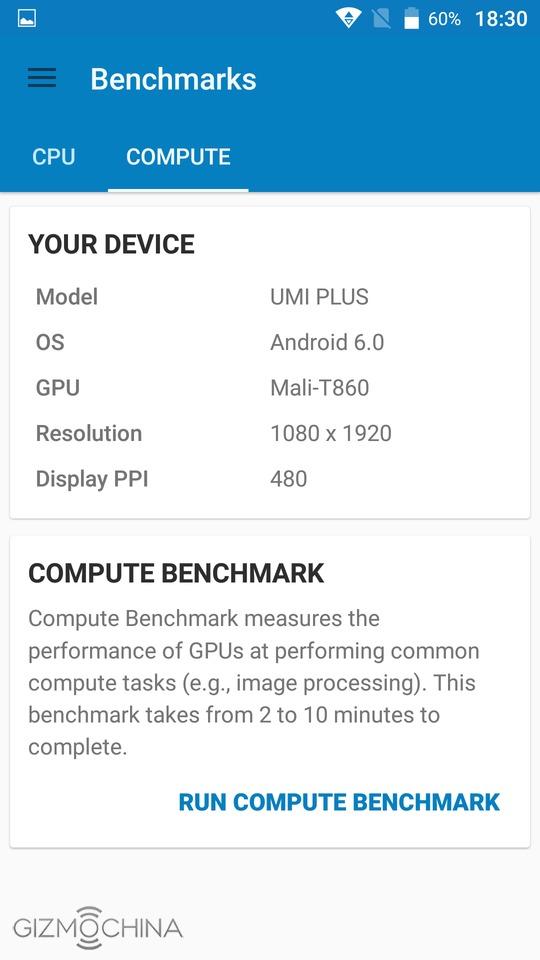
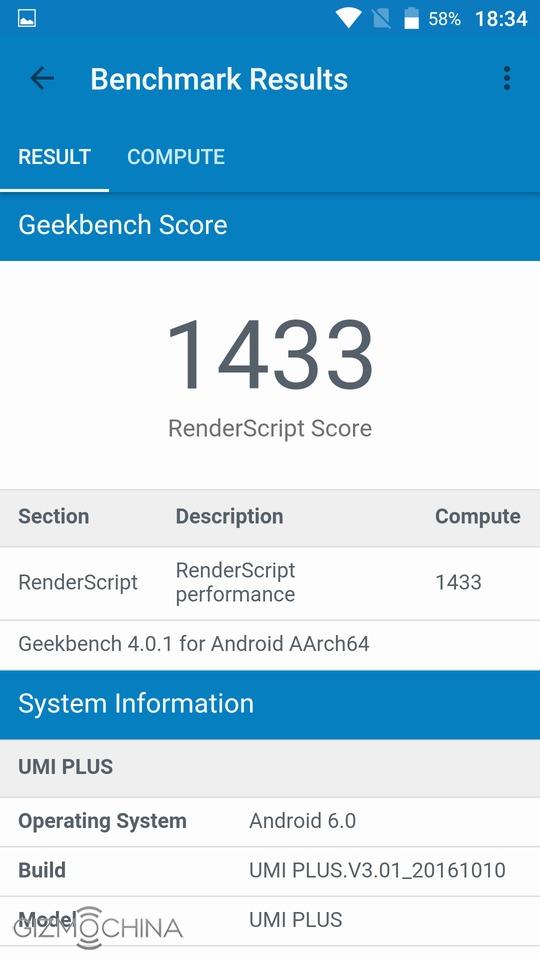
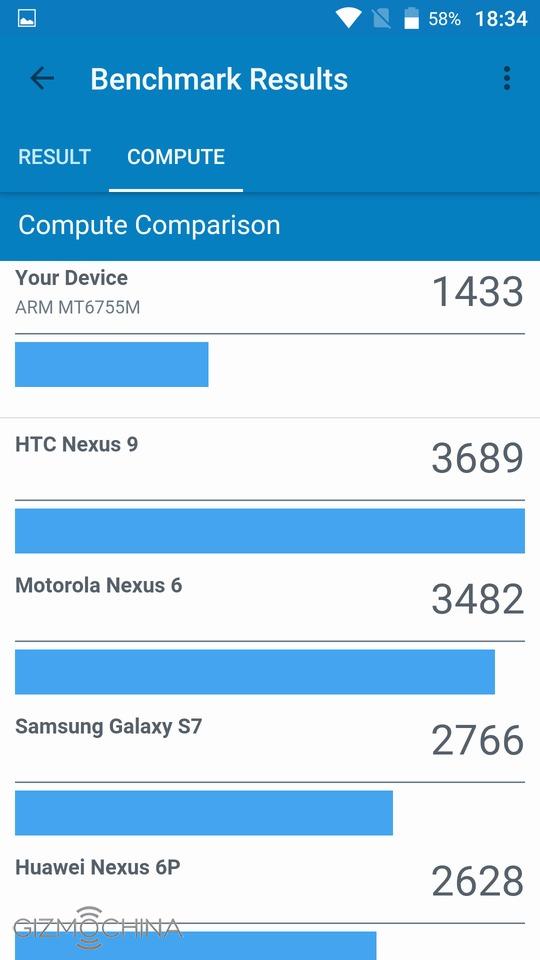
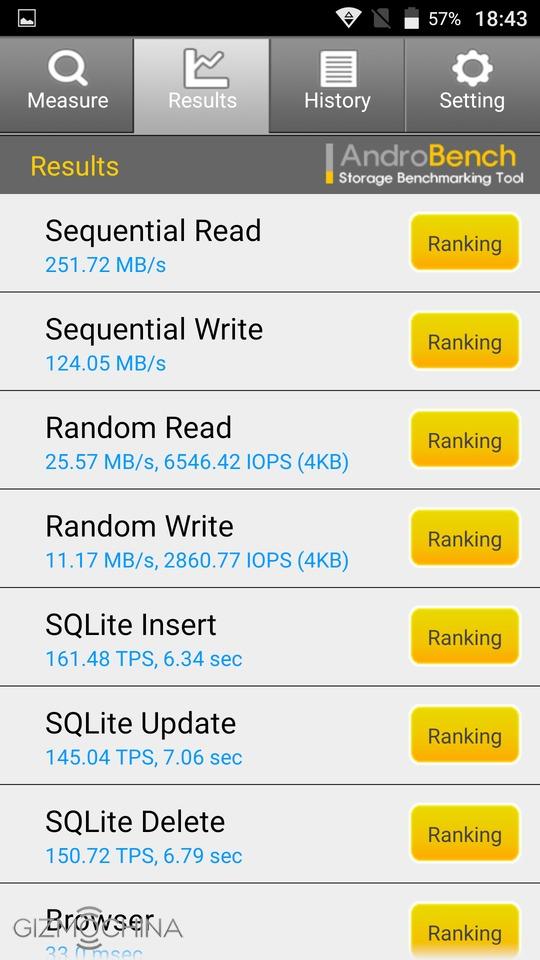
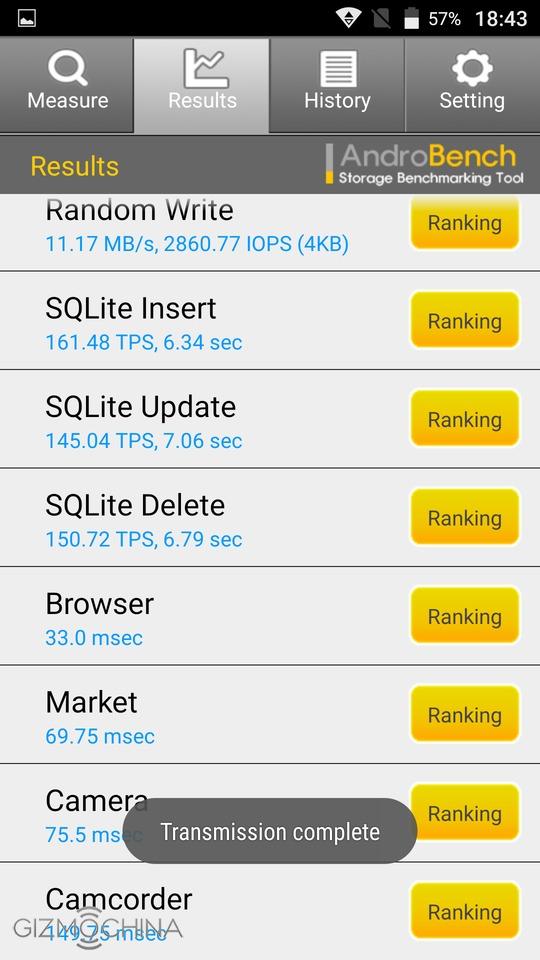
Umi Plus Review: BENCHMARKS
Umi Plus Review: USER INTERFACE
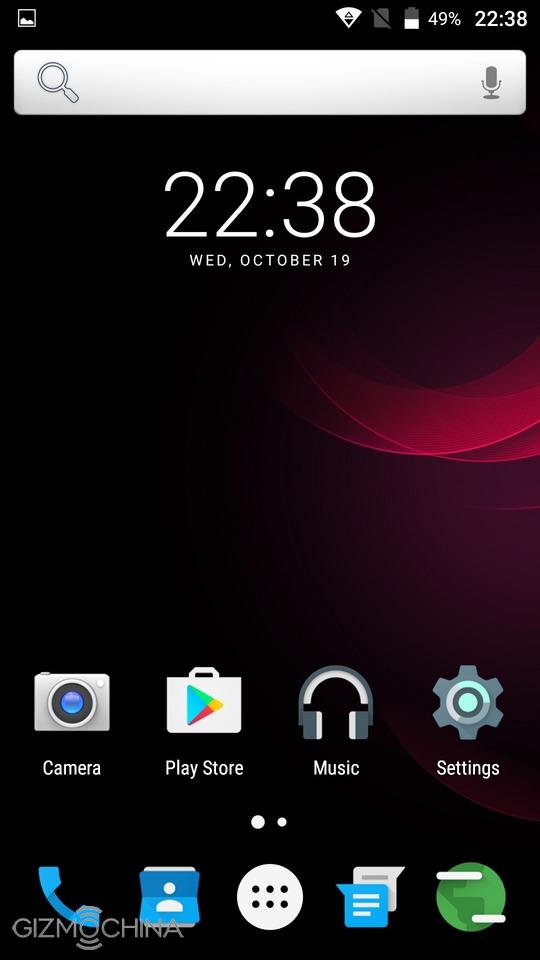
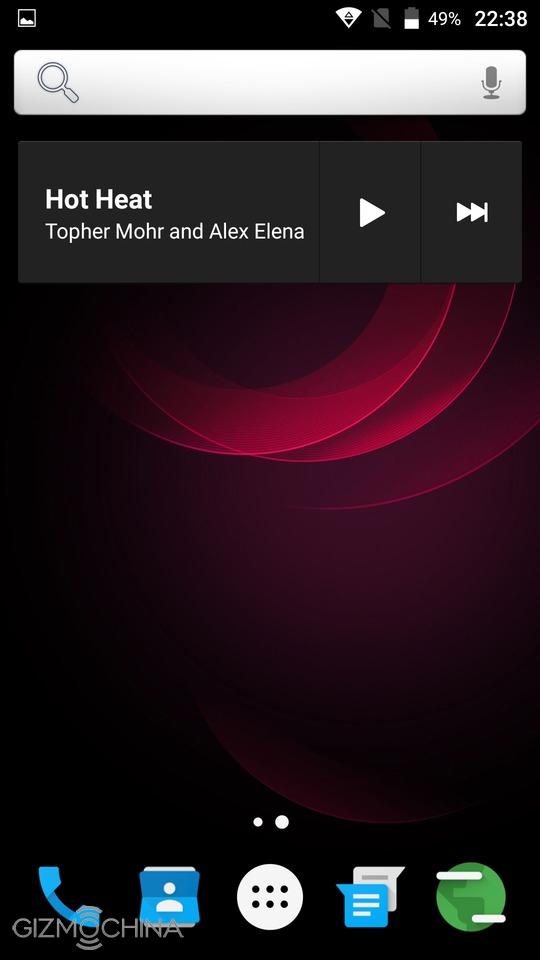
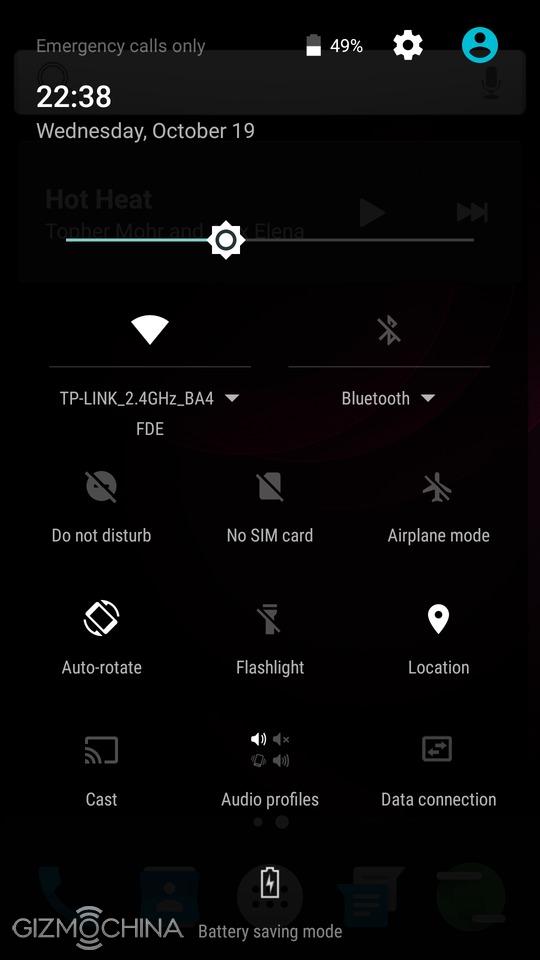
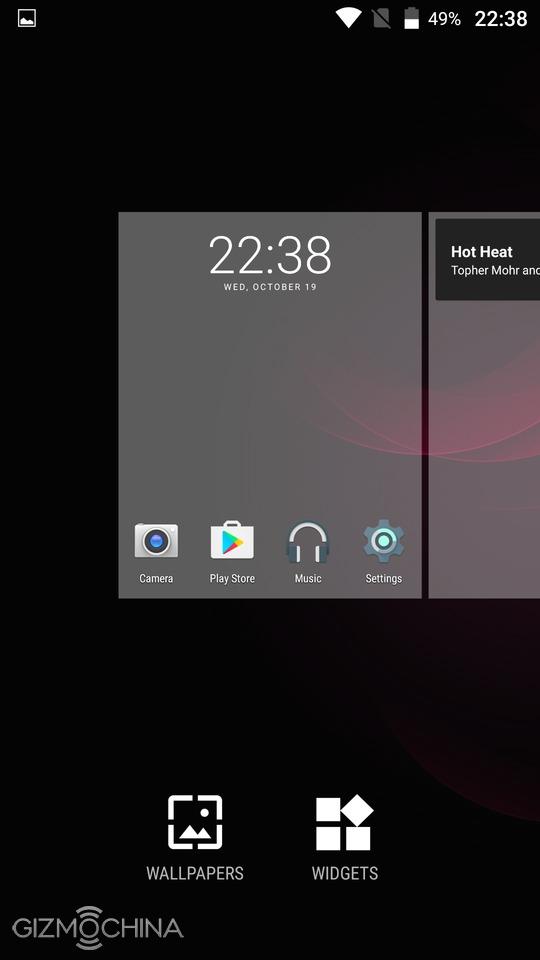
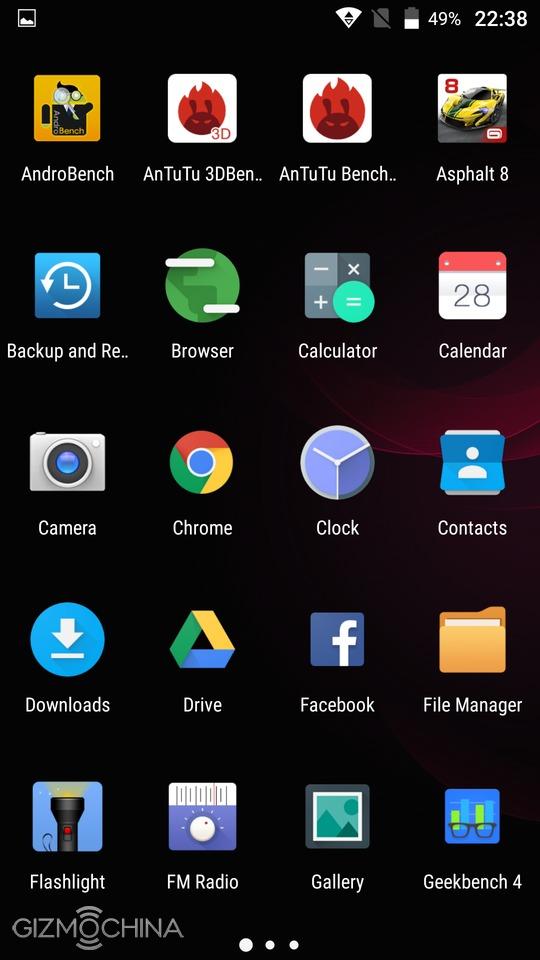
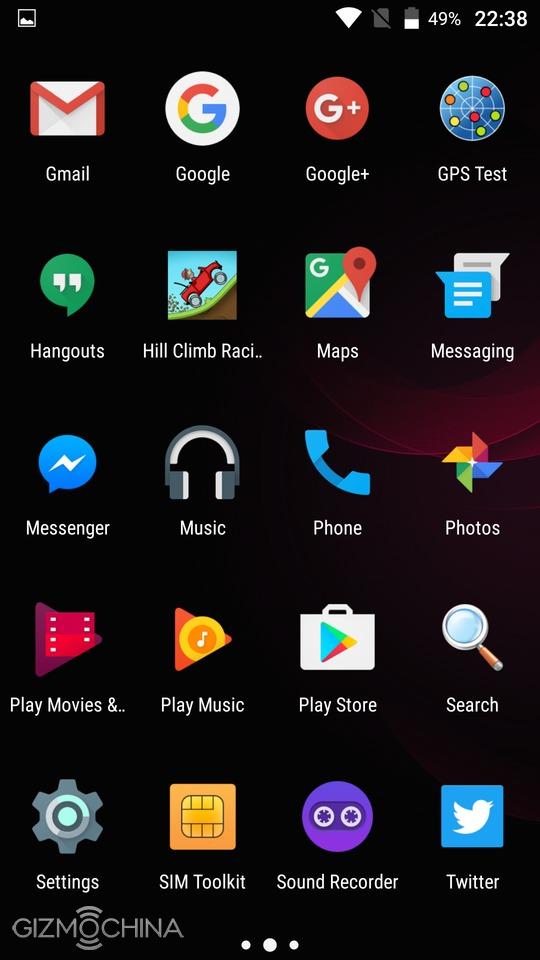
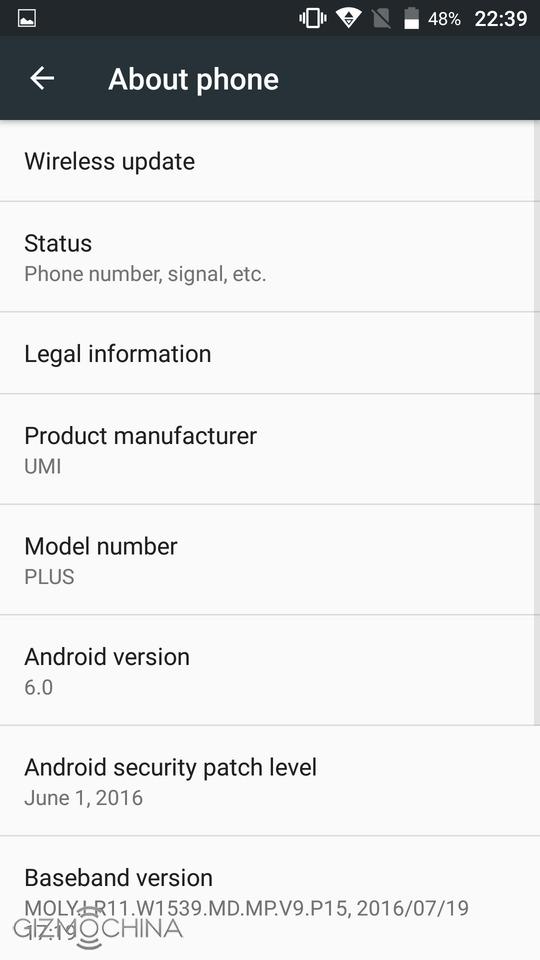
The Umi Plus ships with the pretty much stock-looking Android 6.0.
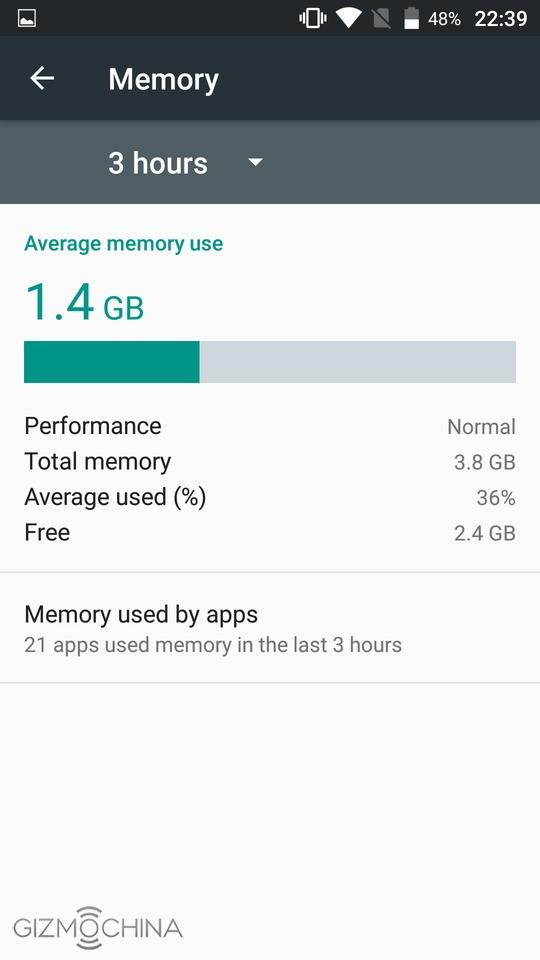
There are not too many features to talk about except for those we have already mentioned (customizable navigation bar and LED notification light). Most importantly, I didn’t have any issues with the phone’s daily performance even after installing quite a few apps.
Umi Plus Review: IMAGE QUALITY
The camera department is where the Umi Plus struggles. Well, you can get some okay-looking photos and I see an improvement over some previous Umi phones.
However, the daylight images could have more detail and sharpness. Also, the colors look a bit washed out in some of the shots, the dynamic range and white balance adjustment is not always accurate.
The low-light camera performance is not so great either even for a $200 phone. The images lack in detail, there is a lot of noise and a visible purple tint in most of the shots.
The selfie camera disappoints too. Again, there is a lack of detail and sharpness, and the color reproduction is inaccurate.
When it comes to video, the footage does not really look good. The major problems here are the aggressive color and auto-exposure shifting. Also, the footage could look sharper.
Umi Plus Review: CONNECTIVITY
I didn’t have major connectivity issues with this phone except for the fact that the GPS is not always accurate once you use it for navigation in the car.
Umi Plus Review: BATTERY LIFE
When it comes to battery, Umi Plus is a great performeras it ships with a beefy 4000mAh unit. I could get over 6 hours of screen-on time on a daily use, which is a great result. The phone ships with the fast charger and I was able to fully charge the phone in around 1:30 mins.
Umi Plus Review: CONCLUSIONS
Umi Plus is another phone from China that aims to deliver a lot of value for $200. It succeeds in a few ways.
The device has a nice and sharp display, the user interface is simple and fast, the phone is nicely designed and uses premium materials in the construction. Also, the battery life is great.
However, you have to know that Umi Plus can’t really handle the 3D games if you want to play them on the highest graphics. Also, the both cameras do not impress and the GPS is not always accurate.
At the end of the day, Umi Plus is a decent phone for the price but you have to consider the shortcomings before making a purchase.
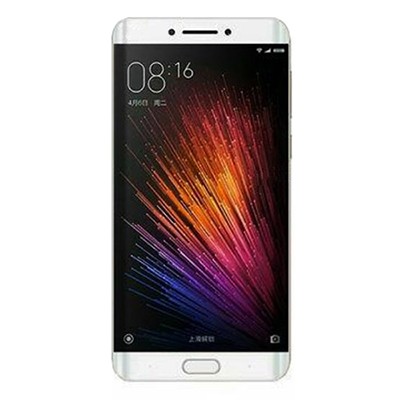
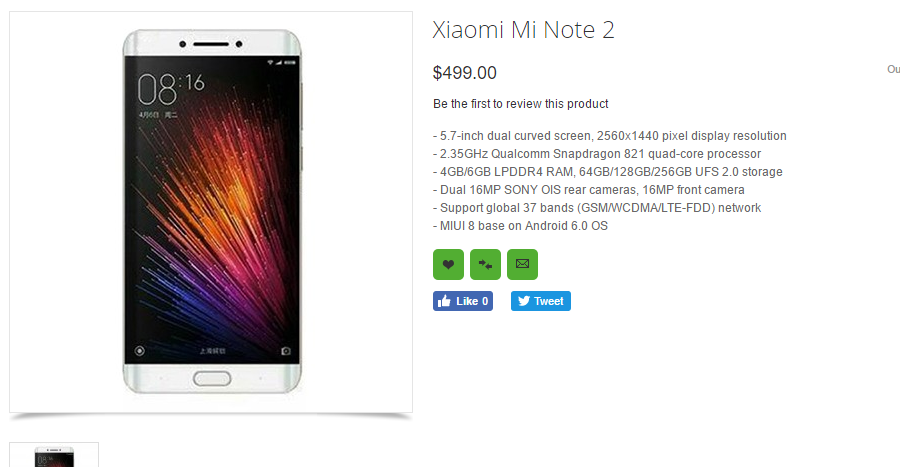
Xiaomi Mi Note 2 release is just a few days away and the phone already seems to have been listed on the popular reseller, Oppomart. It has become a tradition for the seller to list phones before its official release and this time, we have a render as well as probable specifications of the smartphone.
The Xiaomi Mi Note 2, according to OPPOMART, will come with a 5.7-inch 2K curved display with Snapdragon 821 on board and 4GB / 6GB RAM options. The listing further adds that the phone will support 37 bands from all over the world, which is something we reported earlier and will feature dual 16MP Sony cameras at the back and 16MP sensor up front. Also, the website reveals that the phone will be priced at $499, but don’t get too excited, as nothing is official yet.
We can’t be sure of the authenticity of these specifications, but it’s pretty much what recent rumors and leaks have said about the Xiaomi Mi Note 2. Only after the company makes the flagship official on October 25 can we confirm its specs for sure.
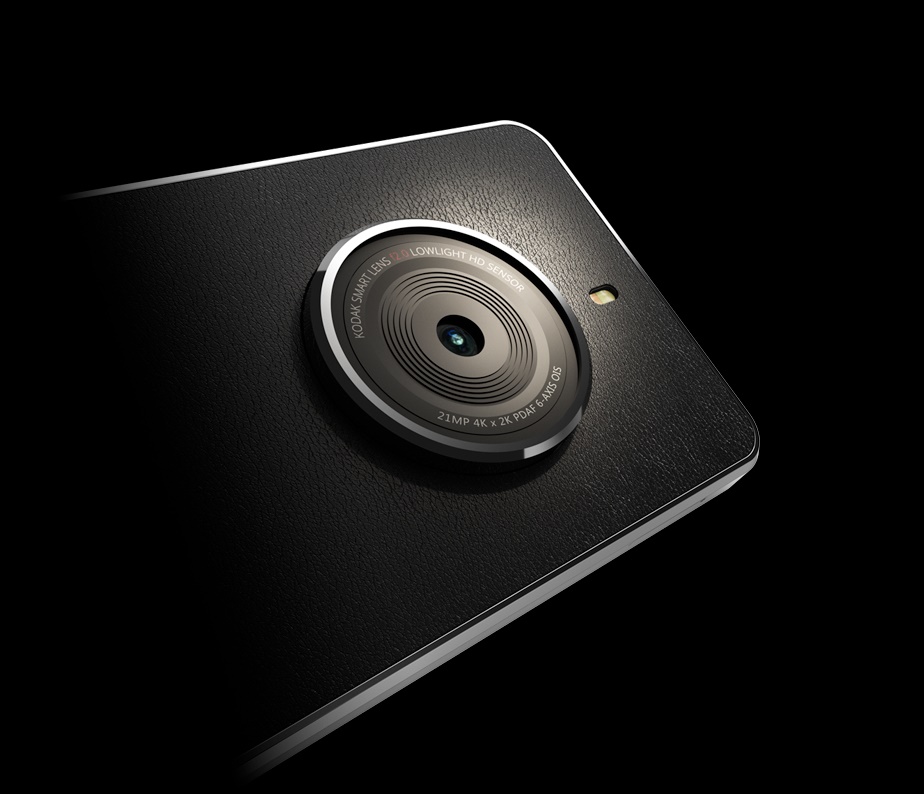
Decades ago, memories were saved using products from American photography company, Kodak. The company’s tagline ”Kodak moment” even made into common lexicon to refer to personal events like the birth of a child or weddings that needed to be recorded for future reference. The company later filed for bankruptcy protection after years of struggling in the photography business due in part to their late entry into digital photography. Now out of bankruptcy, the company has launched a smartphone called Ektra which coincides with the 75th anniversary of the Ektra brand.
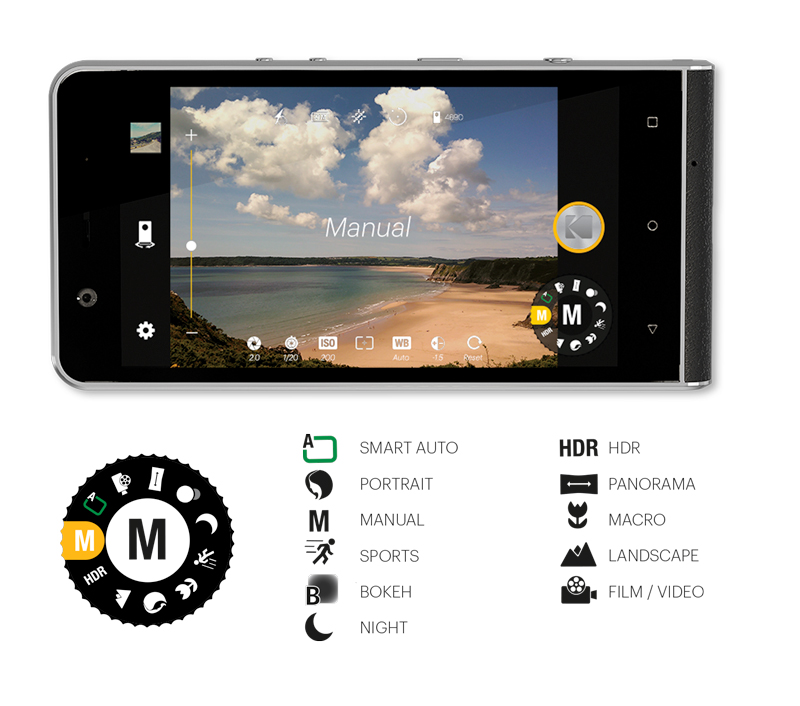
The Ektra is a camera first before a phone. Sporting a 21MP f/2.0 main shooter with Kodak non-reflective coating, optical image stabilisation, 4K recording, PDAF, and HDR. The Ektra does pack a punch.
The phone’s viewfinder is even designed like a DSLR and features a bunch of familiar presets like portrait mode, smart auto, manual mode, sports, macro, landscape, and Bokeh. Kodak says the DSLR dial even has haptic feedback. The camera’s manual mode allows the user adjust shutter speed and ISO rating. Up front, there is a 13MP shooter for selfies.
Kodak also bundles the phone with a couple of photography apps like Google’s Snapseed for editing your pictures.
Now to what makes it a phone. The Ektra is fitted with a 5” FHD display with Gorilla Glass protection, runs Android 6.0 Marshmallow, has a Helio X20 processor clocked at 2.3GHz, 3GB of RAM, 32GB of storage which is expandable via a micro SD card slot because you need all the space you can get to put all those awesome photos. There is a 3000mAh battery under the hood and a USB type-C port.
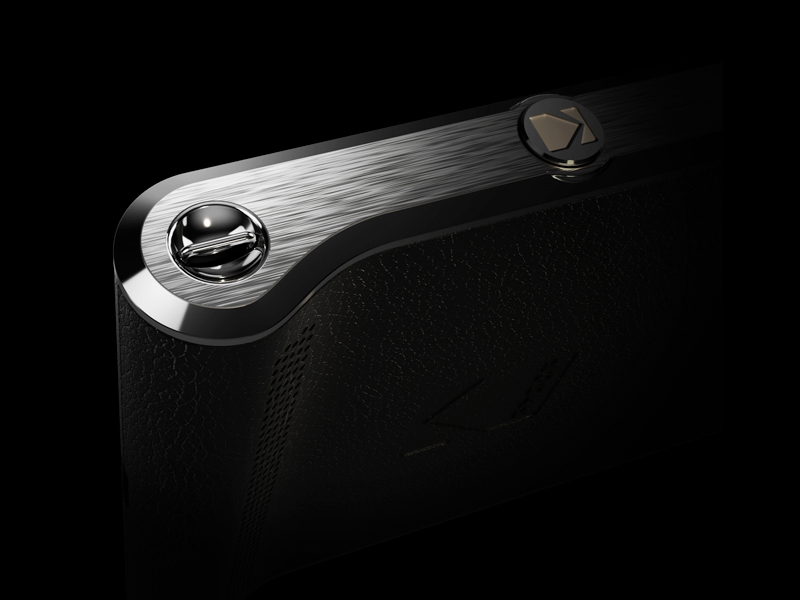
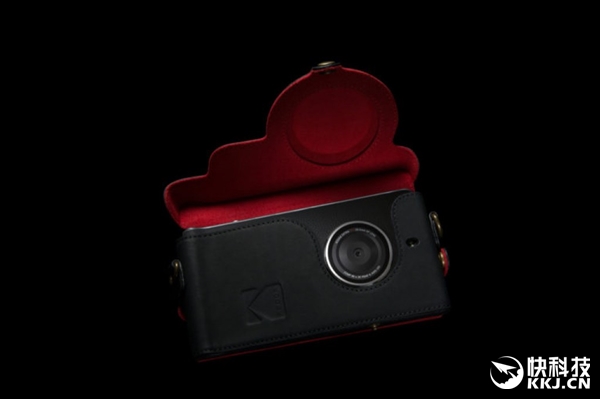
The phone looks well made. There is gorilla glass on the steel-rimmed lens as well and the back is covered with leather with the Kodak logo engraved on it, that curves up to the lower part of the front. It also appears to have a dedicated camera button sitting on the right side of the phone along the silver frame that runs around it.
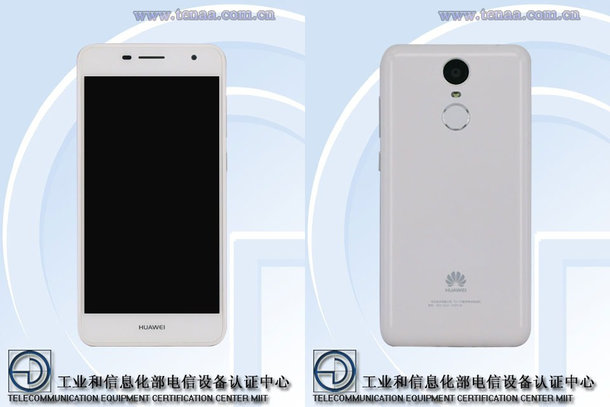
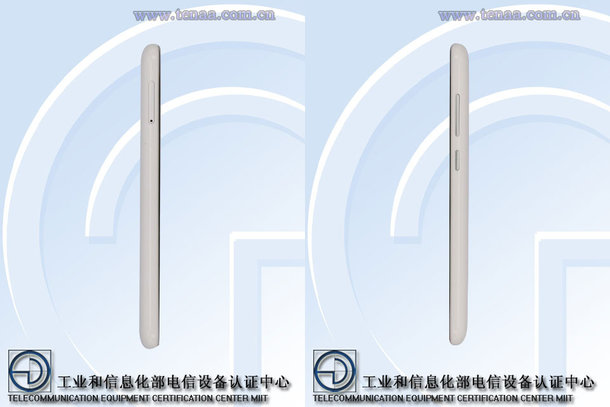
Not long after releasing the Huawei Nova in China, as well as launching the dual-camera packing Honor 6X and just fresh out of the unveiling of the HiSilicon Kirin 960 chipset, Huawei is set to release another smartphone but this time a budget device. What was likely the Huawei Enjoy 6 was spotted on TENAA a couple of months back revealing some of its specs and now perhaps the device will be hitting the market come October 27.
According to a poster spotted on Huawei fan club’s Weibo page, Huawei would hold a conference on October 27 and to that end the Huawei fan club was recruiting volunteers for the conference. Huawei is yet to officially reveal an October 27 conference but the poster also teased the device coming on October 27 as one for the youth with a stylish appearance, and gave the idea of a durable battery. The device is also touted on the poster as coming with cutting-edge technology.
Words have it that the device expected on that day is likely the Huawei Enjoy 6 which is an upgrade of last year’s Enjoy 5S. Huawei has been silent about the device since it was sighted on TENAA a few months back.
According to the TENAA record, the Enjoy 6 would sport a 5-inch 720p OLED display and would be powered by a 1.5GHz Octa-core processor. The device also packs a 3GB RAM and 16GB internal storage space under its hood which may likely be expandable. On the camera aspect, a listing of 13MP rear camera unit and 5MP front facing camera was recorded. The device is also shown to run on Android 6.0 Marshmallow operating system out-of-the-box.
No further details about the smartphone is known at the moment but the specs listed shows we should be expecting a budget price tag on the smartphone whenever it goes official. This could be Huawei’s answer to the low-end segment dominated by Xiaomi’s Redmi and Meizu’s Blue Charm phones.
We’ll have to wait till the device is unveiled on October 27 to know the price.
The LG V20 is unanimously agreed to be the best phone from LG this year. A successor to the LG V10 from last year, the new phone keeps some of the features we love from the V10, brings in some new ones, and drops some like water resistance.
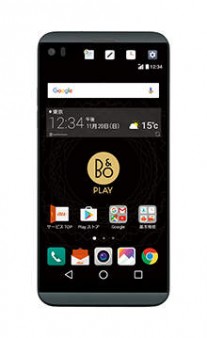
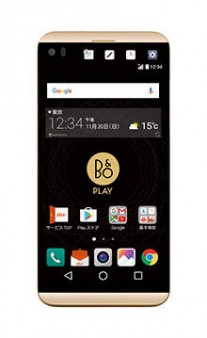
So instead of releasing another version of the phone and slamming the name ”Active” or something close to that like their Korean counterpart is known for, they give it a smaller screen, include water-resistance, raise the number to 34, call it the LG V34 isai Beat and make it a Japan exclusive.
The LG V34 isai Beat (LG V34 for short) is just as good as the V20. It sports a 5.2” display instead of 5.7” and still keeps the secondary one, has 4GB of RAM, 32GB of storage, Snapdragon 820, and Android 7.0 Nougat. The dual rear cameras on the back are the same, it still has the quad-DAC setup, dual-FoV front camera and the Bang&Olufsen branding. LG has however reduced the battery to 3000mAh.
The ingress protection level for the new phone is said to be 67 making it possible to be inserted in 1m of water for up to 30 minutes.
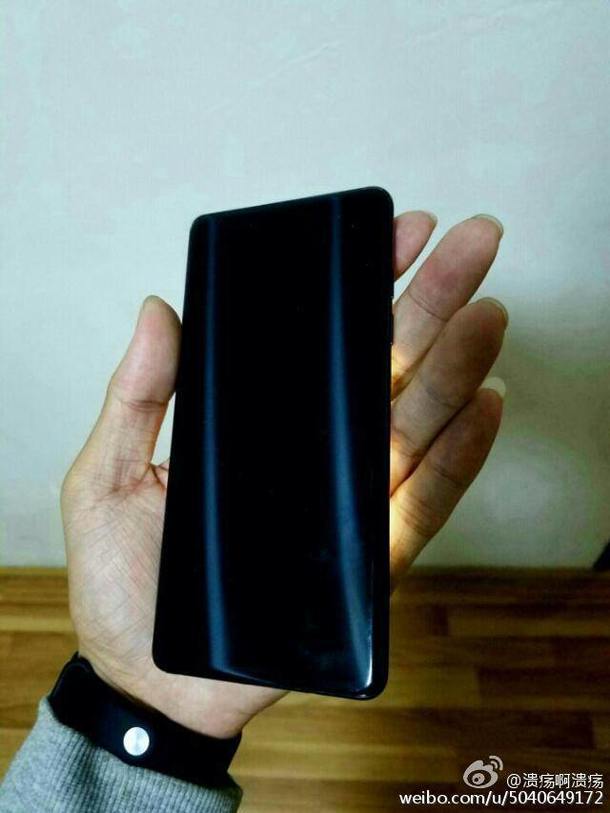
Xiaomi Mi Note 2 is all set to meet us on October 25 and the company has already confirmed that it will be a curved screen phone, making it the first such Xiaomi handset. Now, new images of the Xiaomi Mi Note 2 has cropped up online and it reveals a look similar to the recently discontinued Samsung Galaxy Note 7.
While we cannot make out most of the features of the Mi Note 2 in these new images, it does confirm a dual curved display on board. The phone looks large, so it should be featuring a 5.7-inch display as earlier rumored. We can even see the back of the device, confirming its black color, however, there isn’t any camera module, at least not visible in the images. So, from the back, it just looks like a black slab.
According to recent rumors, the Mi Note 2 will feature Snapdragon 821 chipset with a 5.7-inch curved AMOLED display supplied by LG. Other notable features of the device will be dual cameras and ultrasonic fingerprint sensor as seen on the Mi 5S. Pricing should be costly, anything upwards of 4000 Yuan ($600).
We wait for teasers from Xiaomi in the coming days, confirming some of the features of the flagship before launch.
LeEco is making sure its entrance into the United States is grand and is seeing to that with the unveiling of series of innovative products at a go. The latest product unveiled is the eco-friendly LeSEE Pro autonomous(self-driving) electric car which joins the Le Pro 3, Le S3 smartphones as well as the 85-inch uMax85 4K TV which were also unveiled at the event held San Francisco yesterday.
The LeSEE concept car was first unveiled at the Beijing Auto Show last April but LeEco says the LeSEE Pro is more intelligent and more connected than the original concept car. Make no mistake, the LeSEE Pro isn’t a concept car even though it looks like one. However, LeEco didn’t reveal the cost of the car, production plan and other important details, saving those details for later perhaps.
The electric car comes as a self-driving car and one that can make use of a driver at the same time. The steering wheel is capable of retracting into the dashboard when it is in autonomous or self-driving mode, thus creating room for the driver to relax and enjoy LeEco’s streaming entertainment contents. LeEco says the LeSEE is not only a car but is an ecosystem for mobile connectivity.
The car also features an exterior light display that shifts between five different colors to signal what drive mode its in. According to LeEco, depending on the color the car will inform drivers and pedestrians when the vehicle is driving autonomously, sees a hazard, is charging, or is car-share ready.
The car is said to have arrived the exhibition ground right from London where it is being used for the filming of “Transformer 5” and according to news from China LeSEE Pro mass production will likely commence soon. LeEco is reported to have partnered with the government of Zhejiang province in China to establish an assembly plant worth nearly $ 20 billion.
LeEco also revealed another interesting information during the event that the Faraday Future electric car project that it is bankrolling would unveil its first car at CES next year and as is the case with the LeSEE Pro, the car would be production ready and not just a concept.
We use cookies on our website to give you the most relevant experience by remembering your preferences and repeat visits. By clicking “Accept”, you consent to the use of ALL the cookies.
This website uses cookies to improve your experience while you navigate through the website. Out of these, the cookies that are categorized as necessary are stored on your browser as they are essential for the working of basic functionalities of the website. We also use third-party cookies that help us analyze and understand how you use this website. These cookies will be stored in your browser only with your consent. You also have the option to opt-out of these cookies. But opting out of some of these cookies may affect your browsing experience.
Necessary cookies are absolutely essential for the website to function properly. This category only includes cookies that ensures basic functionalities and security features of the website. These cookies do not store any personal information.
Any cookies that may not be particularly necessary for the website to function and is used specifically to collect user personal data via analytics, ads, other embedded contents are termed as non-necessary cookies. It is mandatory to procure user consent prior to running these cookies on your website.