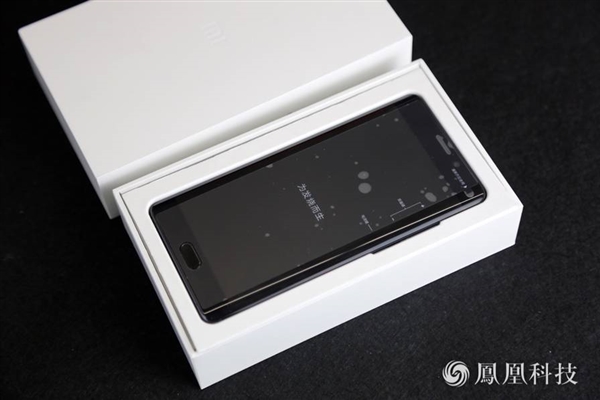
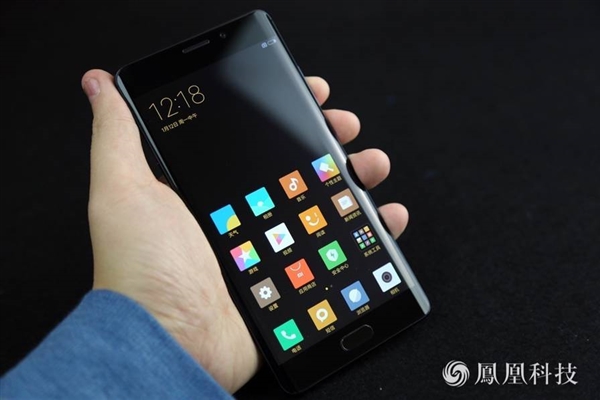
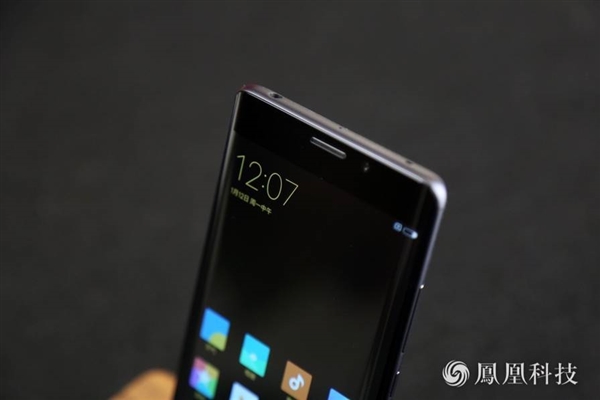
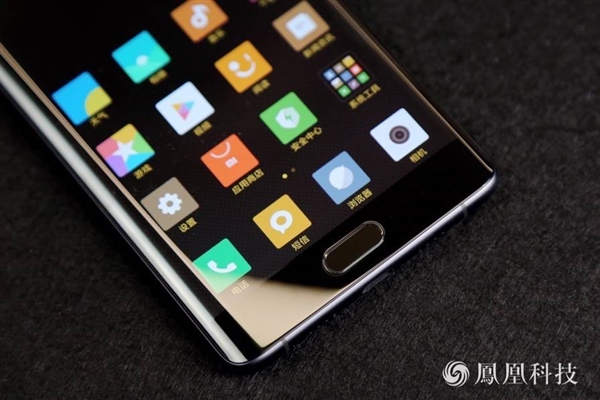
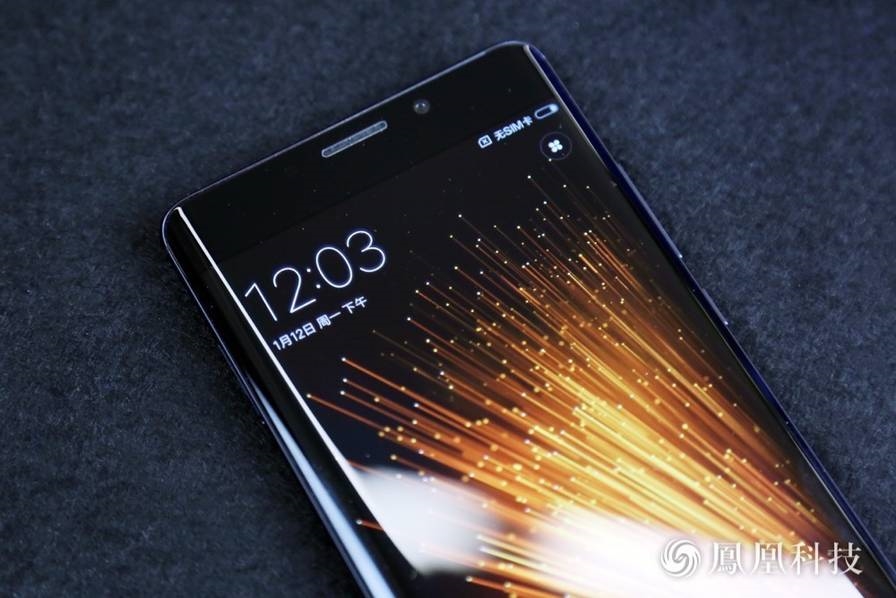
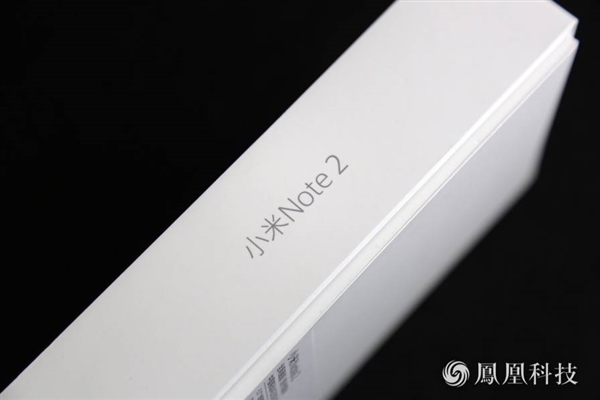
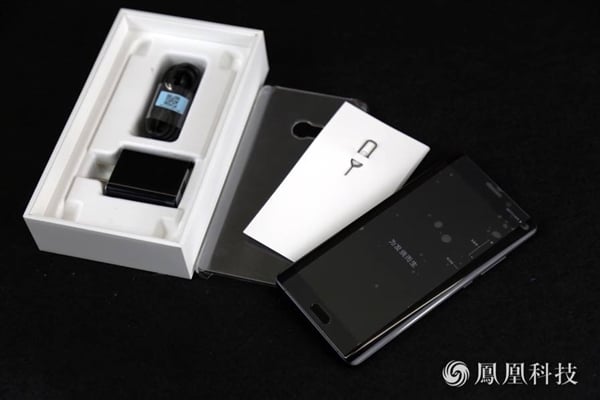
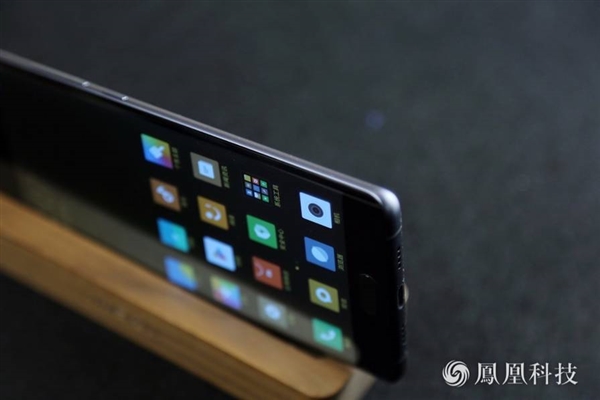
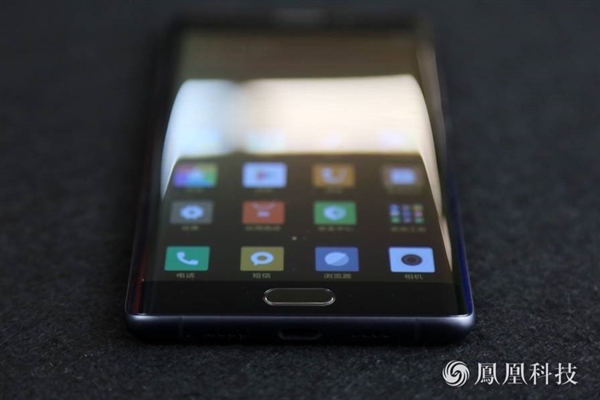
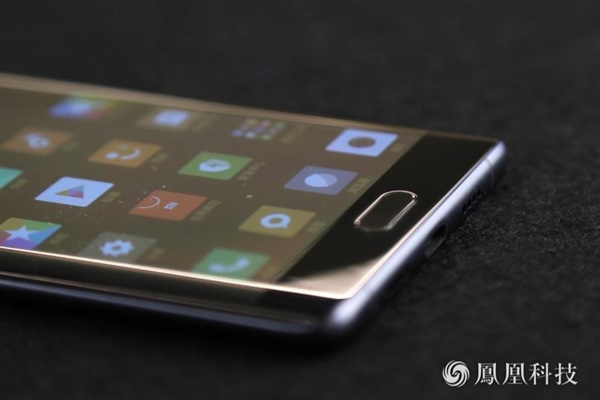
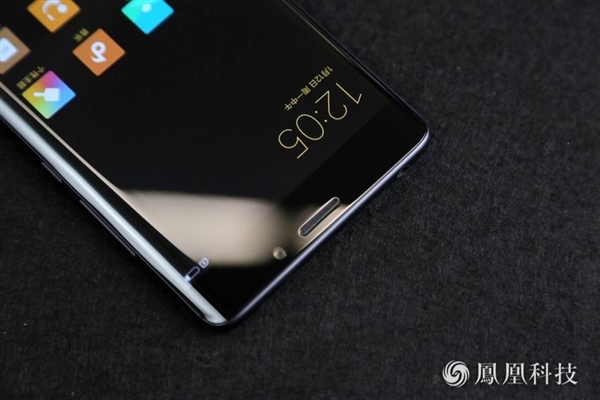
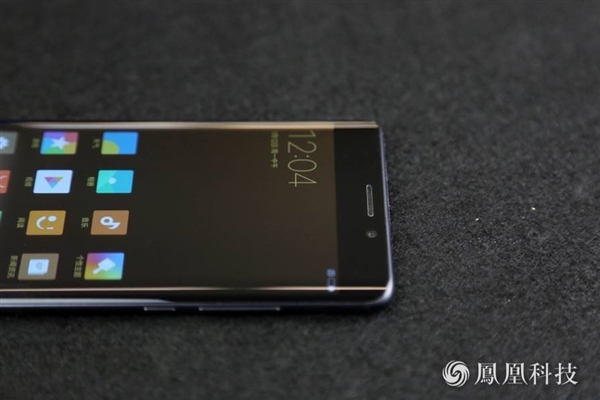
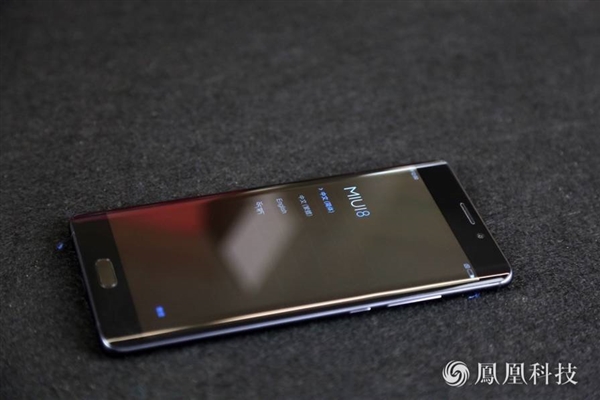
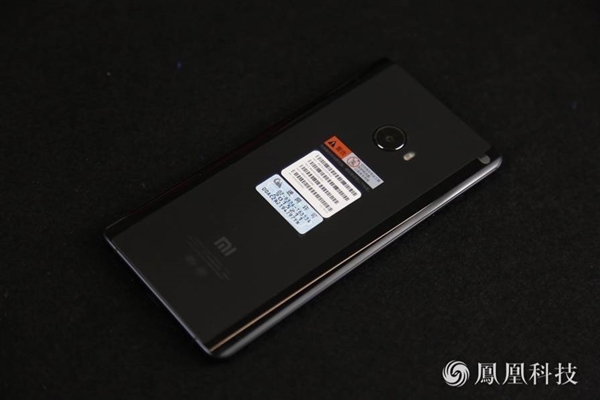
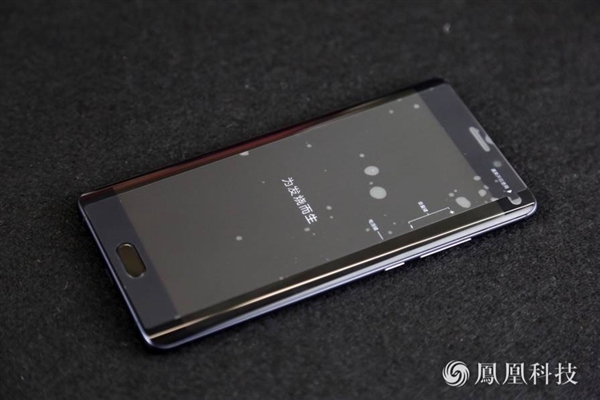
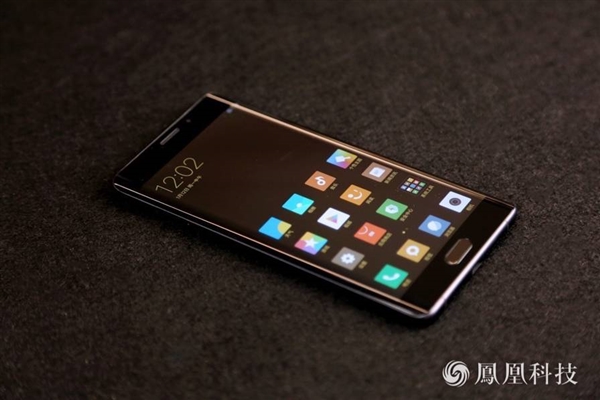
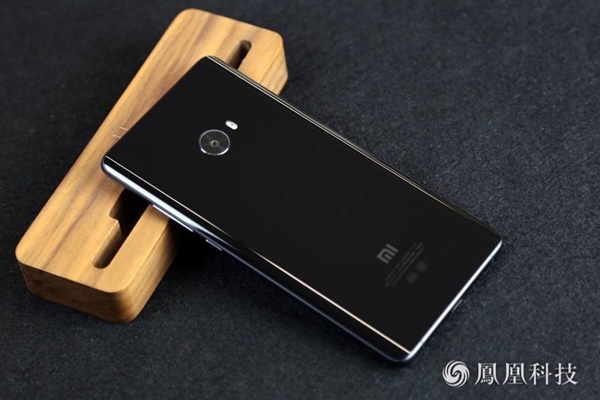
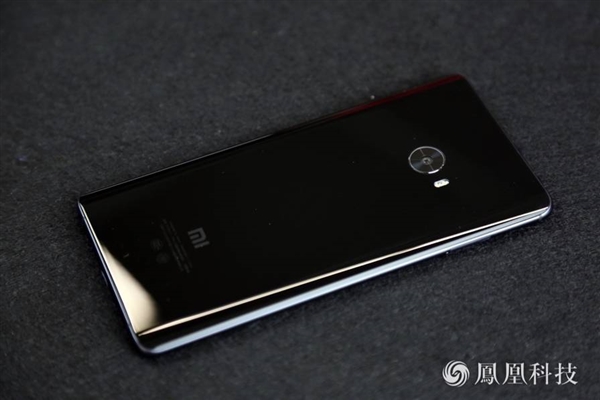
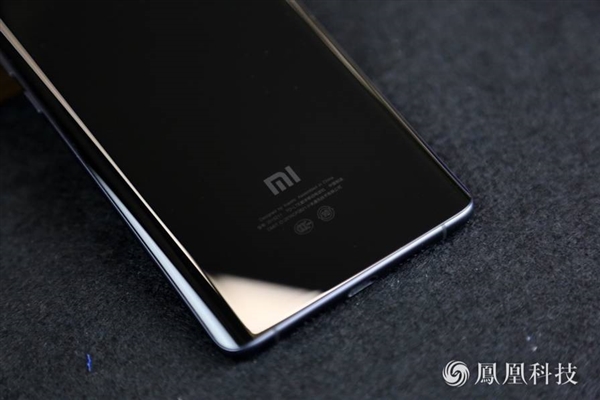
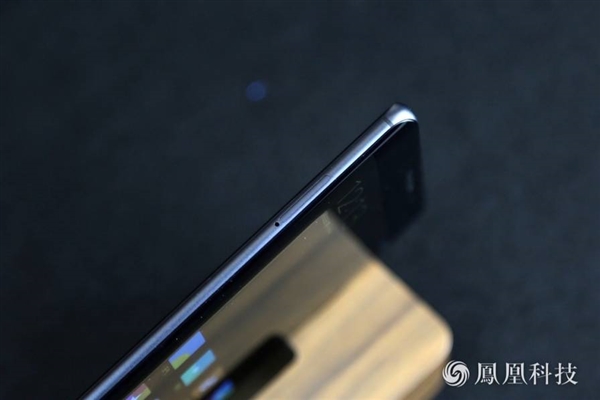
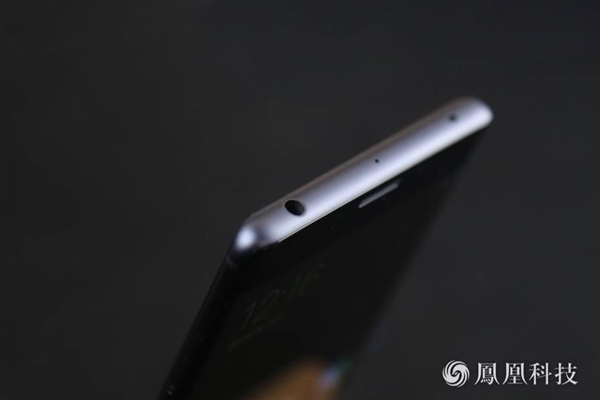
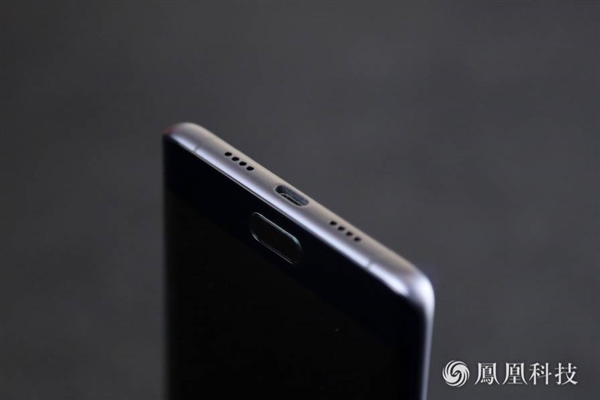
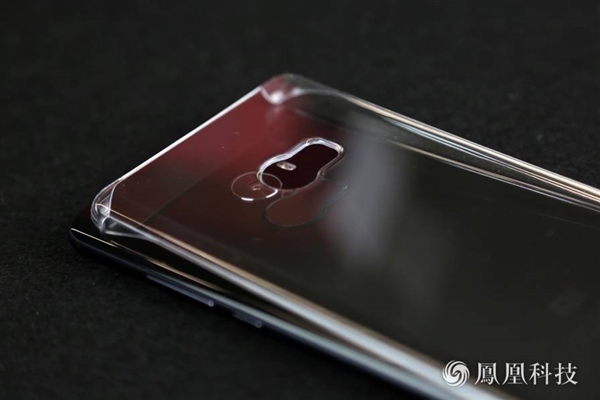
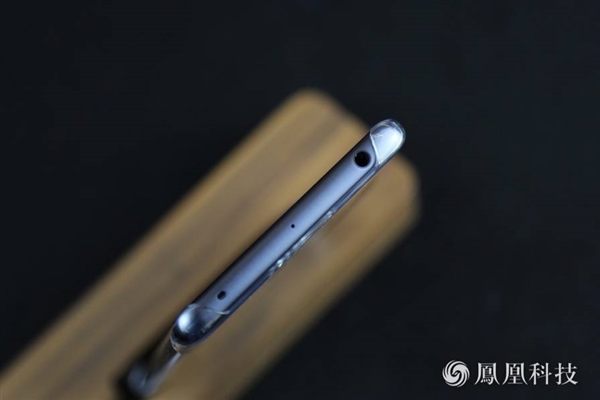
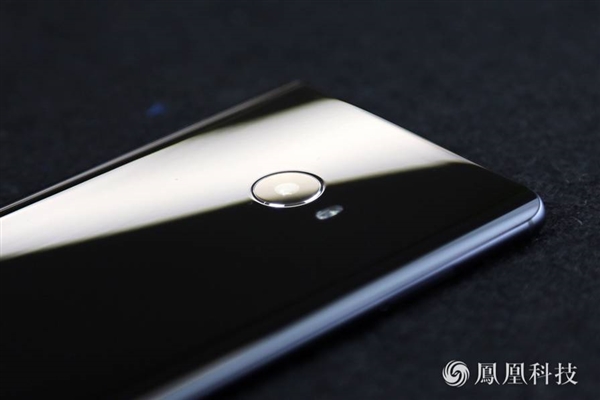
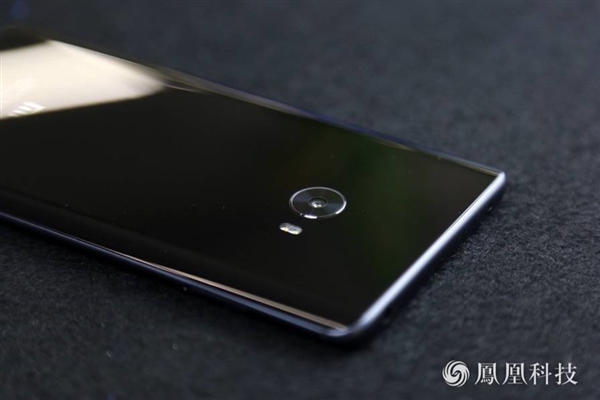
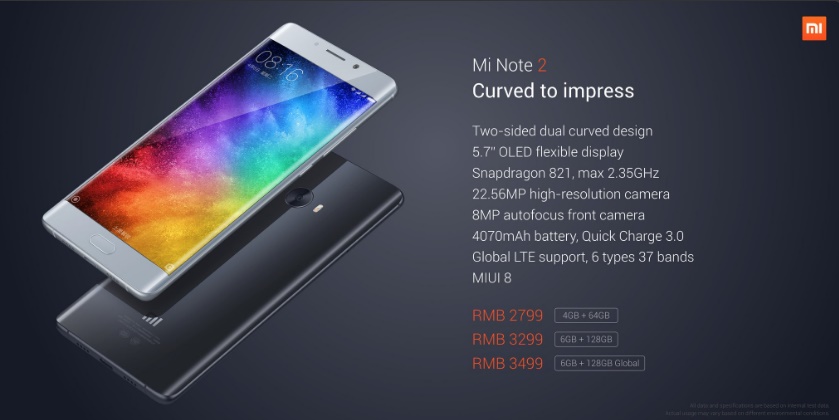
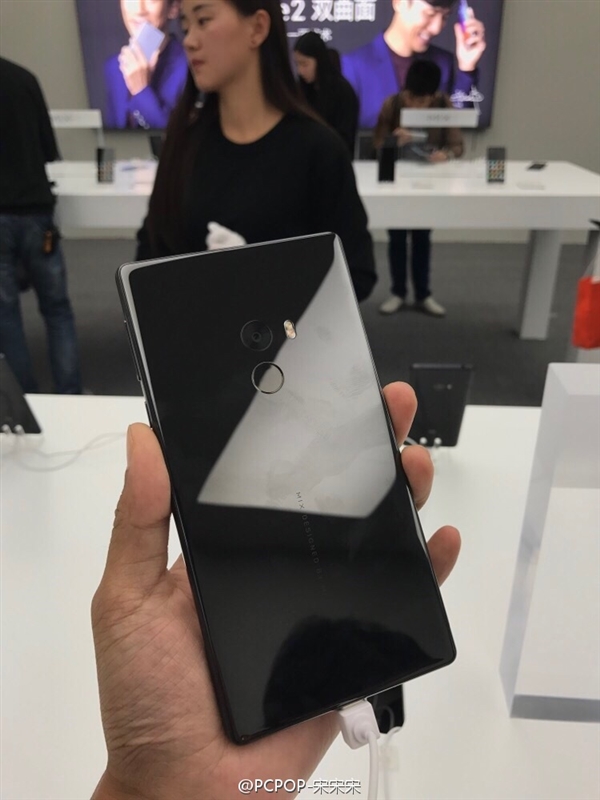
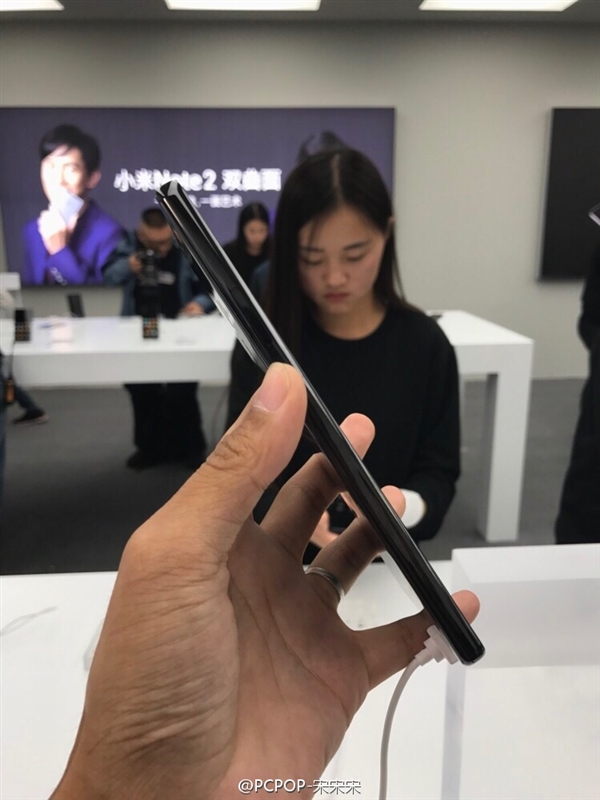
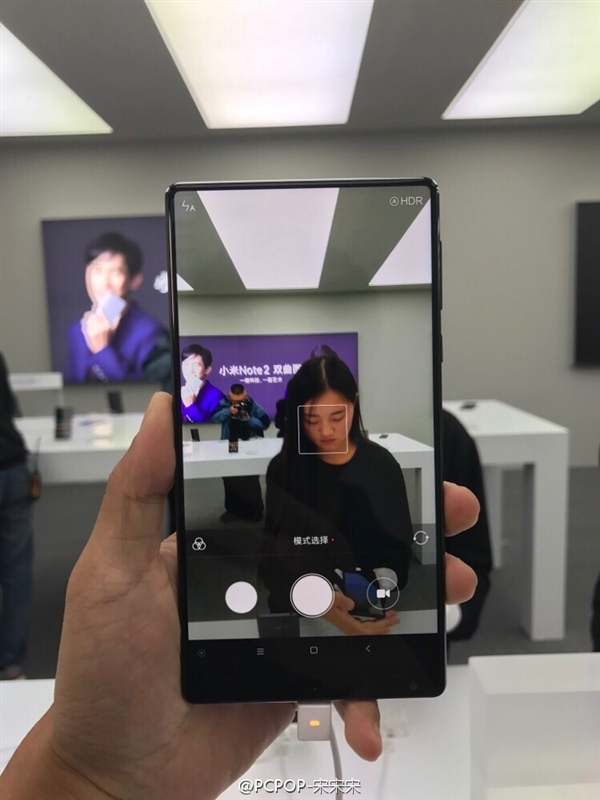
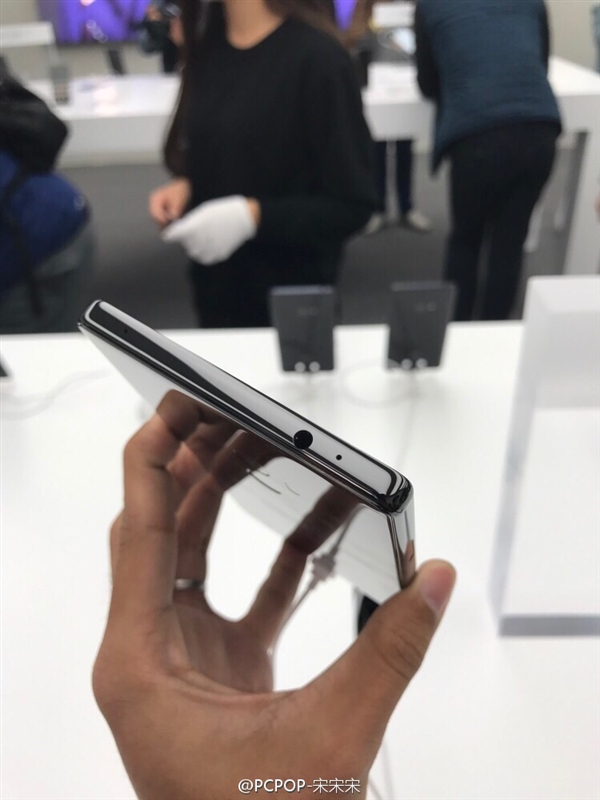
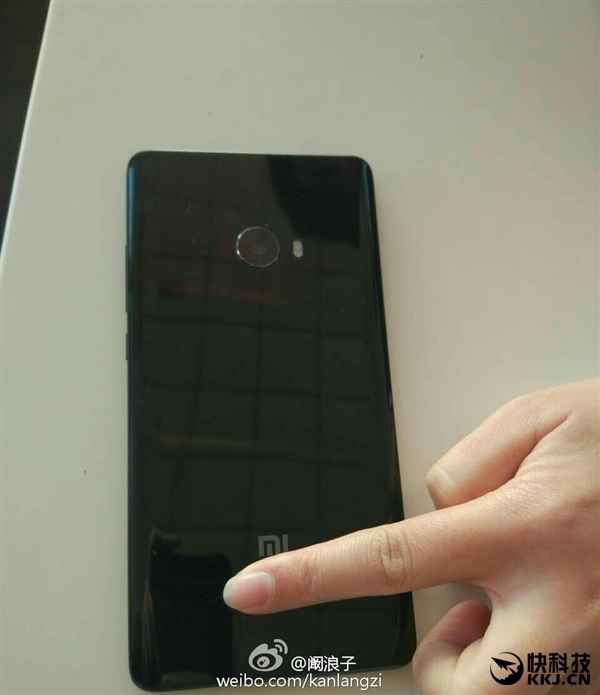
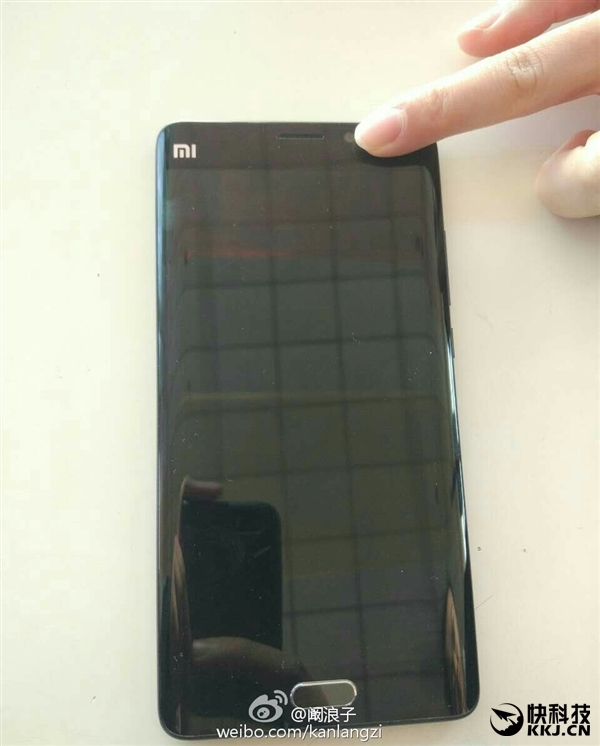
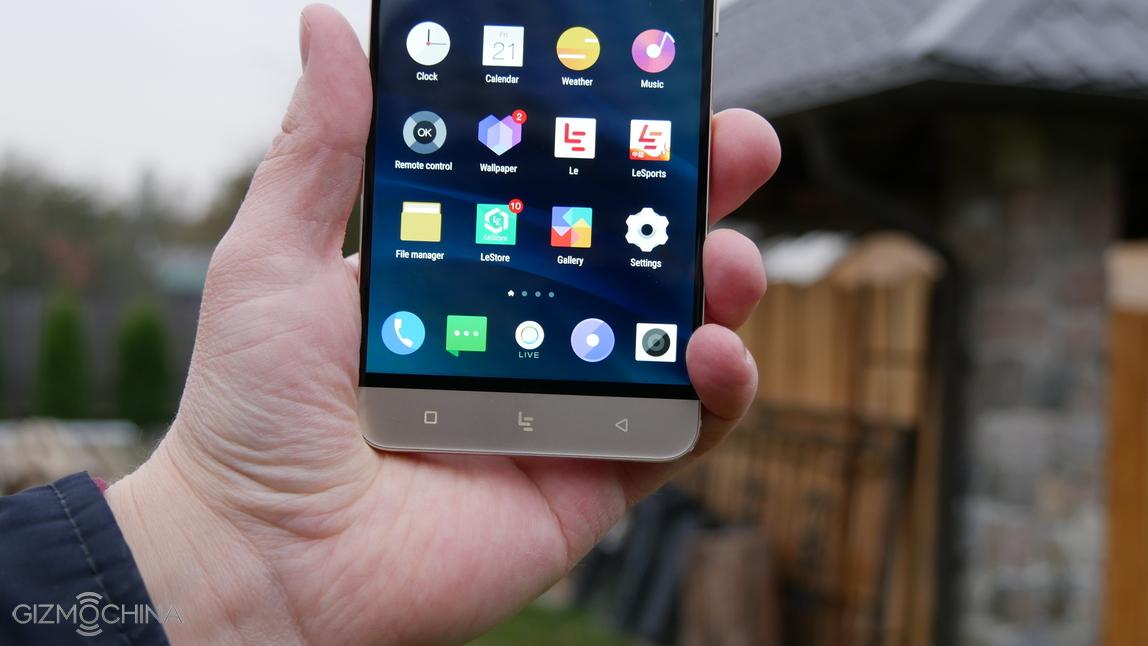
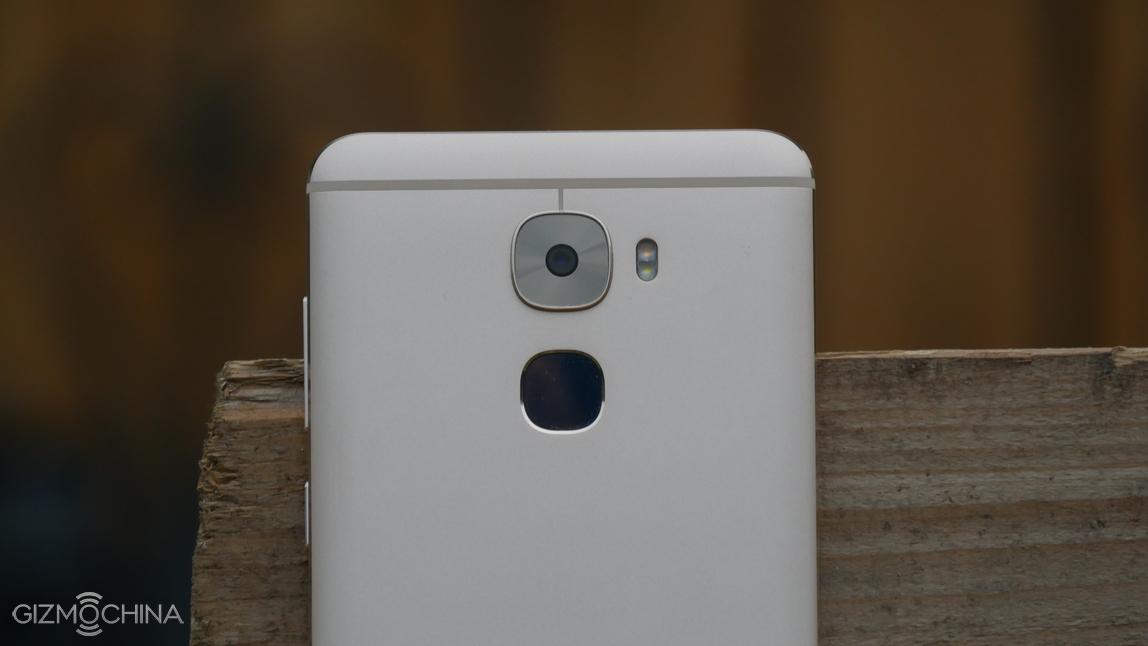
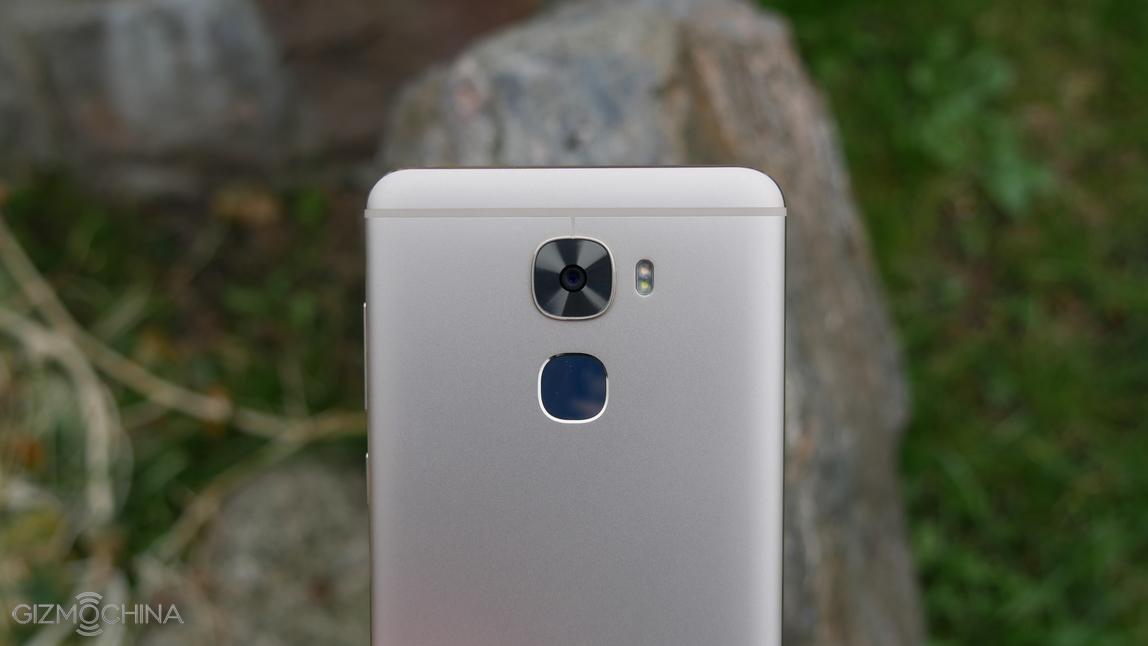
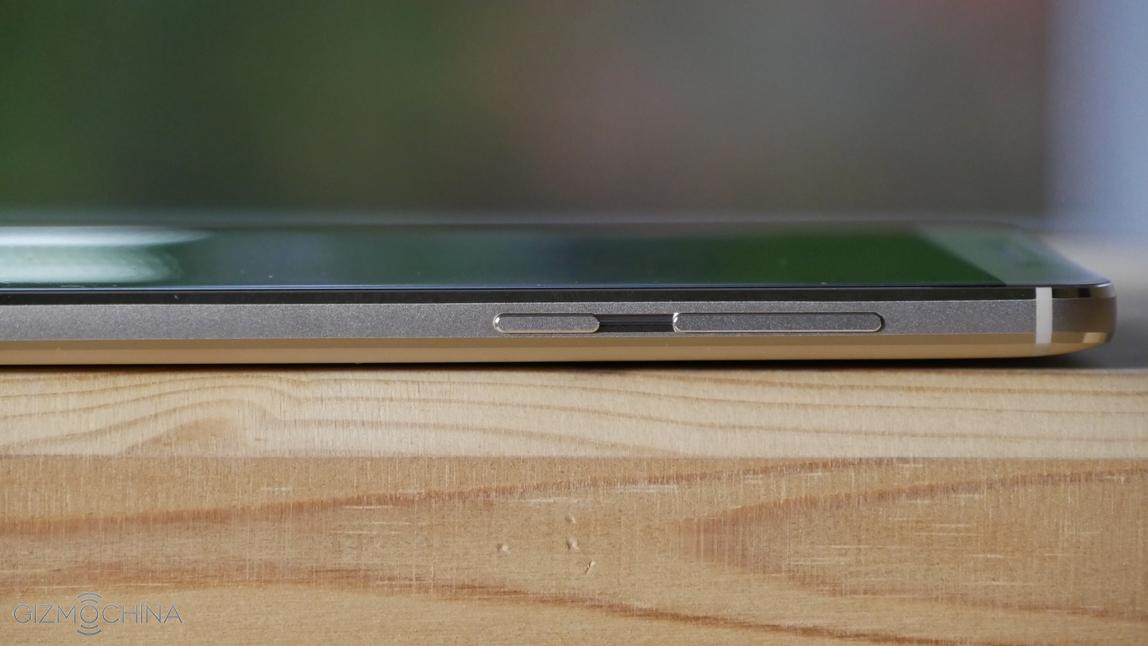
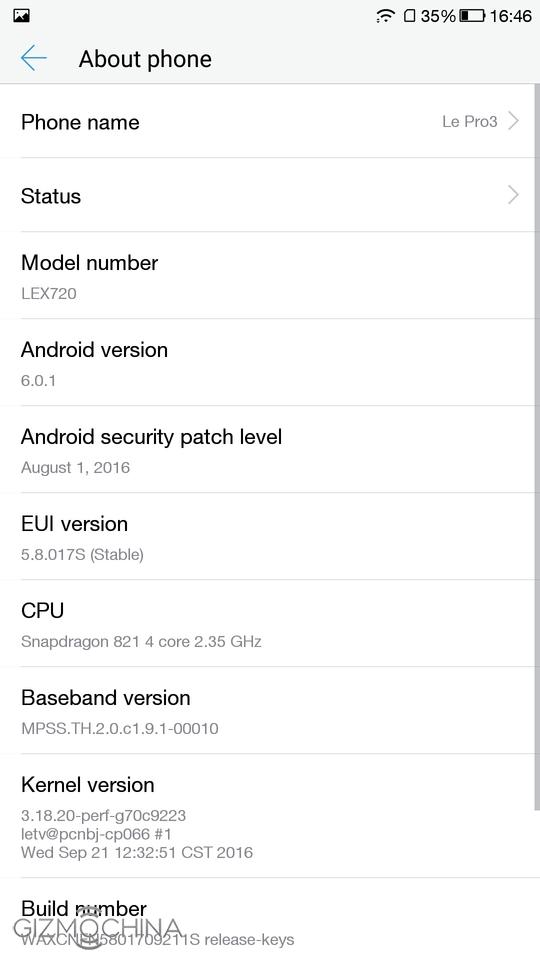
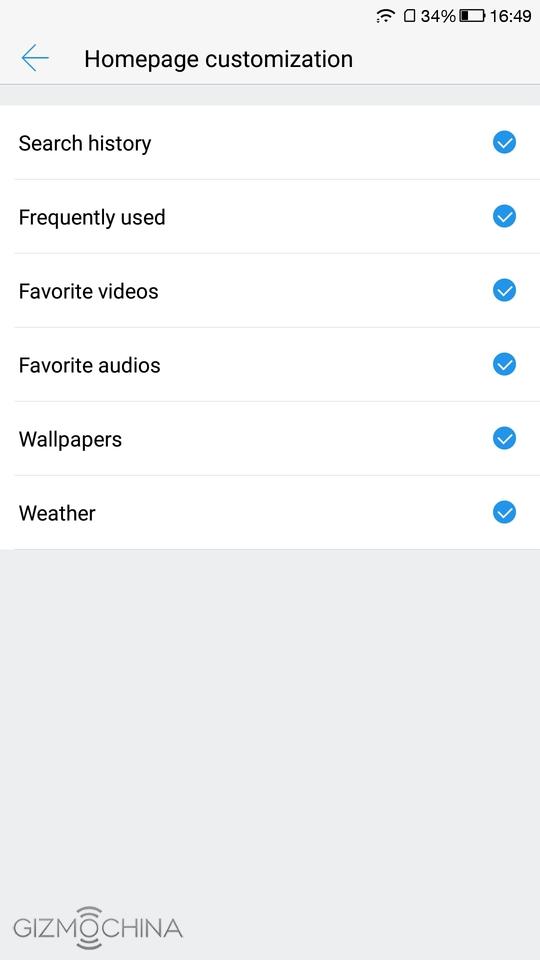
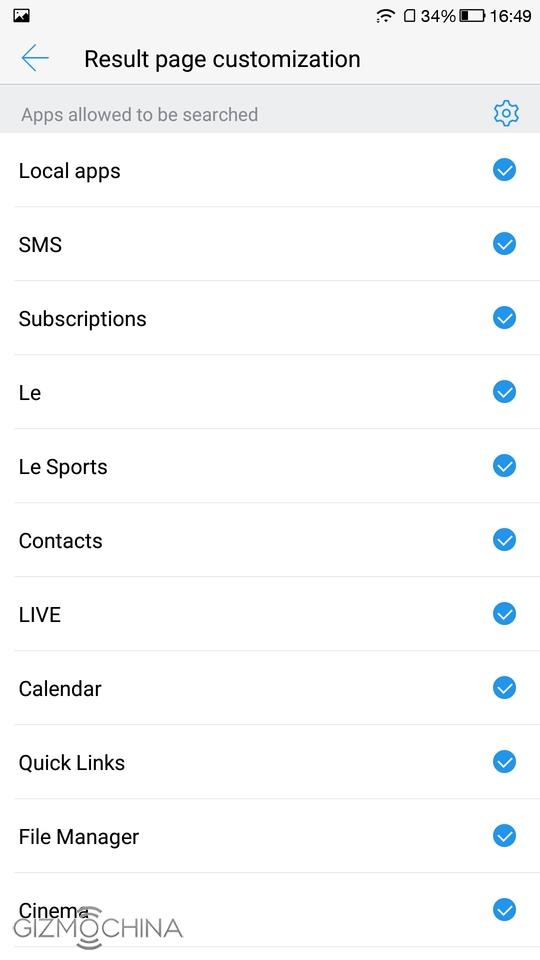
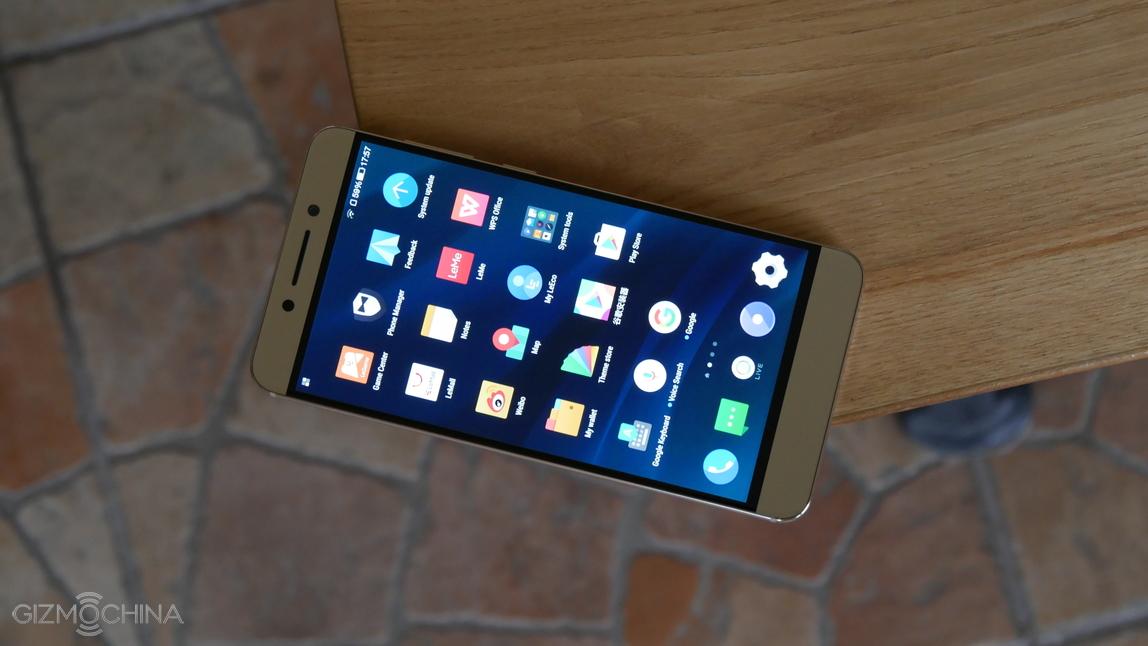
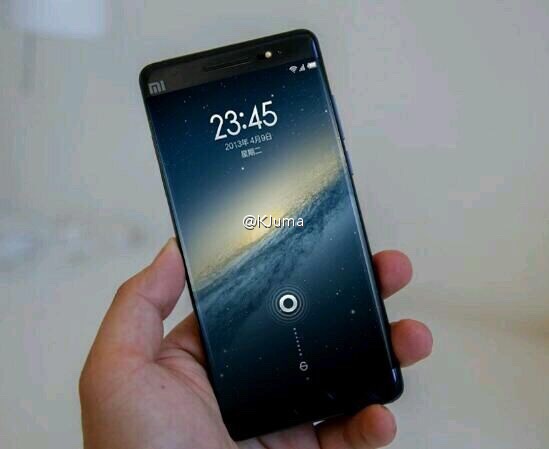
The long wait is finally over, the Xiaomi Mi Note 2 has been unveiled and indeed the wait proved to be worth while. The device lived up to its billing as a unique one, different from all the amazing smartphones Xiaomi had gifted us in the past. We have got our hands on the unboxing / hands-on images of the Mi Note 2 courtesy of the guys at Phoenix Technology and yours sincerely just can’t get enough of this stunning beauty.
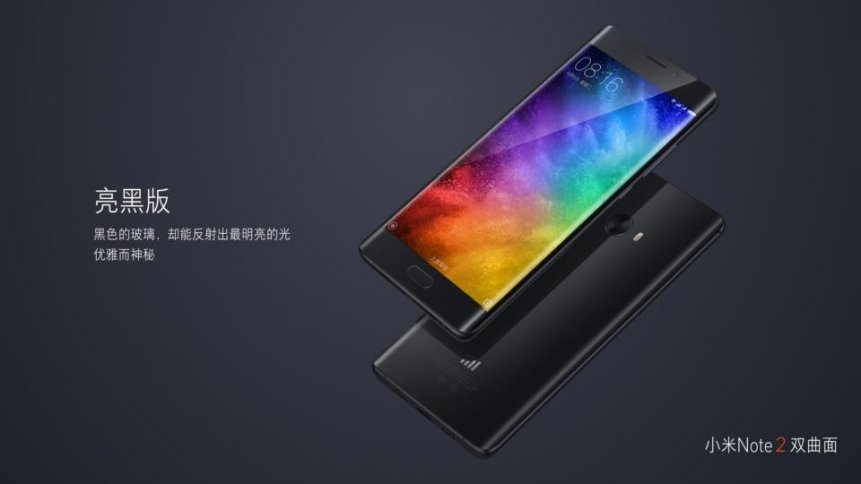
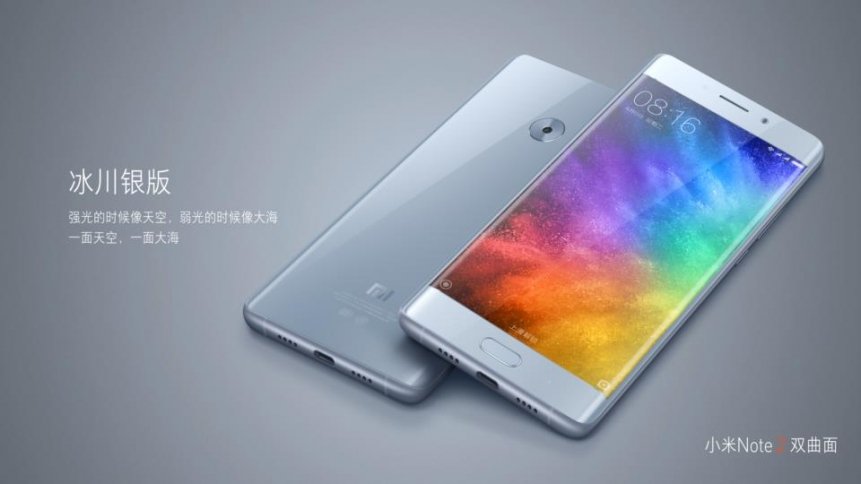
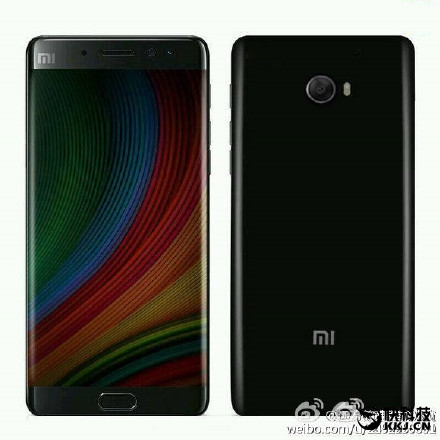
As expected, the Mi Note 2 features a double curved OLED display that comes in with some level of flexibility as well as with 3D glass cover at both the front and back. The smartphone comes in two cool colors but seems the black colored variant is the one available now and set to go on sale November 1 while the glacier silver version would be made available 3 weeks after the commencement of sales.
For a 2799 Yuan device, Xiaomi continues to amaze us with its marketing model that places less emphasis on huge price tag. The device lies in the same category as the Galaxy Note 7 with a colossal price difference. One may even confuse this for the Note 7 if careful observation isn’t done.
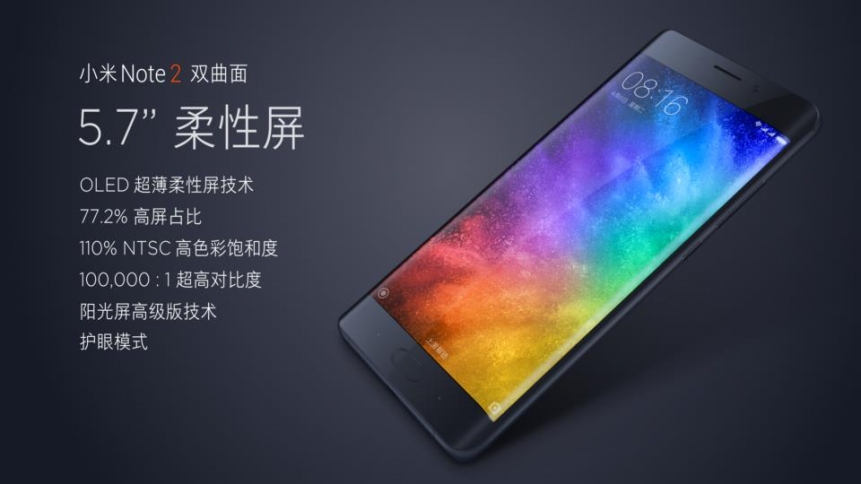
Standing tall at 5.7 inches, the Xiaomi Mi Note 2 display features a resolution of 1080 pixels and the display accounts for approximately 77.2% of the entire screen. The entire device’s internals are encased in a body made of 7-series aluminium alloy which is then encased in glass all round.
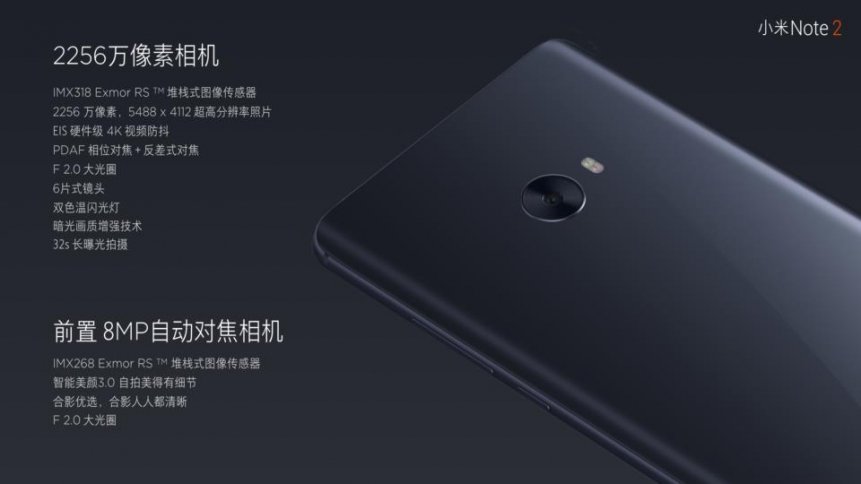
You also get a massive 22.56MP Sony IMX318 sensor at the rear with f/2.0 aperture and which is capable of shooting 4K video. There is also an 8MP front camera for perfect selfie shots. No other processor is best on the Mi Note 2 than the Snapragon 821 chipset clocked at a high frequency of 2.35GHz. There is also a large 4,070mAh battery under the hood which keeps the lights on.
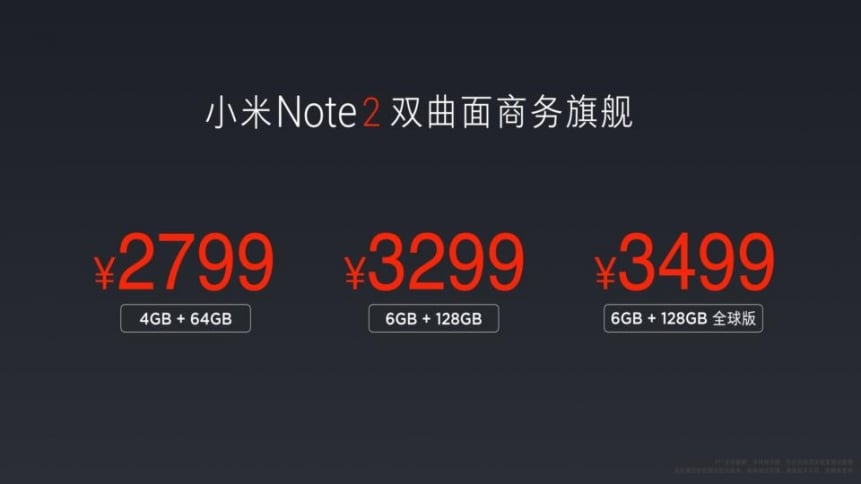
There are two memory versions one with 4GB RAM and 64GB ROM and another with 6GB RAM + 128GB ROM. The 6GB RAM version also has an edition dubbed Special Global Edition with 37 global LTE bands including 4G LTE. With this version, the mi Note 2 can be used in different parts of the world without worries of locked network or unlocking.
UNBOXING
The Xiaomi Mi Note 2 comes in an elegant snow white paper box casing with the name crested on the side and the Mi logo at the top.
Inside the box there is the main content itself, the phone. There is also a charger and a data cable, a SIM ejector, a user manual as well as a transparent protective casing.
We heartily present to you the Xiaomi Mi Note 2 in all its glories. You can check out more unboxing photos of the device shot from all angles from down below. Delight yourself.
Xiaomi announced the Mi Note 2 a few hours ago and we are not going to pretend it doesn’t look like a number of devices from another company. Yes, the Mi Note 2 does look like Samsung’s S7 Edge and the Galaxy Note 7 (of blessed memory). But it is also different in a number of ways. Let’s examine how each of this device stands out from the others.
All three devices feature curved displays which is the major similarity they share. Samsung isn’t new to curved displays but this is Xiaomi’s first attempt at making one. The Xiaomi Mi Note 2 and Galaxy Note 7 both have dual-curved 5.7” displays but the S7 Edge is a tad smaller at 5.5”. The Mi Note 2′ screen is a 1080p flexible OLED display supplied by LG but Samsung’s phones sport 2K Super AMOLED displays.
Samsung’s curved edges are designed to work independently off the main screen, allowing users to customise its use. You can put your favourite apps, custom tasks, contacts, and news feed which can all be accessed from any app just by swiping from the edges.
Xiaomi’s Mi Note 2 does something similar. Swiping from the left edge lets you access a list of wallpapers and theme customisation while a swipe from the right gives you access to preset contacts, calendar schedules, and the compass app.
It’s important to mention display protection. The Galaxy Note 7 has Gorilla Glass 5 while the S7 Edge and Mi Note 2 have Gorilla Glass 4.
Camera
When the Xiaomi Mi Note 2 leaks were pouring in, we all thought it was going to come with dual-rear cameras, but not until a few days before the launch did we get to see leaked images of the phone with a single camera. The main camera on the Mi Note 2 is a 22.56MP f/2.0 Sony IMX 318 sensor with EIS and 4K recording.
The Note 7 and S7 Edge both use a 12MP f/1.7 sensor with OIS and support for 4K recording. It’s going to be hard to tell which camera sensor is best until there is a comparison of all the three cameras but Samsung’s S7 Edge has one of the best cameras on a phone right now.
The front camera on the Xiaomi is an 8MP IMX268 shooter with a f/2.0 aperture, and Beautify 3.0. The S7 Edge and Note 7 both have 5MP front cameras with f/1.7 apertures and Auto HDR.
RAM/ROM/Processor
The Mi Note 2 comes in a variety of RAM and ROM storage. There is a 4GB RAM+64GB variant and a 6GB RAM+128GB variant. The Note 7 and S7 Edge comes with only 4GB of RAM. The Note 7 only has 64GB of storage but the S7 Edge offers 32GB and 64GB variants. The large storage option of the Xiaomi comes with sacrificing the SD card slot but Samsung allows you to use up to a 256GB SD card in any of both phones.
The Mi Note 2 uses Qualcomm’s Snapdragon 821 SoC clocked at 2.35GHz. The Note 7 uses Samsung’s own Exynos 8890 chip while the S7 Edge which was released before the SD 821 was announced sports a SD820 processor. All three chips are more than enough but the SD 821 offers a little more performance.
Bells and Whistles
The Galaxy Note 7 was one of the best phones released this year. It followed the already laid down pattern of the Note series: featuring a new and improved S-Pen which no other company has been able to replicate. It was also the first note phone to be waterproof, a feature present in the S7 Edge too. The S7 Edge and Note 7 also support wireless charging.
Xiaomi on the other hand have never made a waterproof phone neither does any of their phone have support for wireless charging. So if these features are what you want in a phone, the S7 Edge is your go to device.
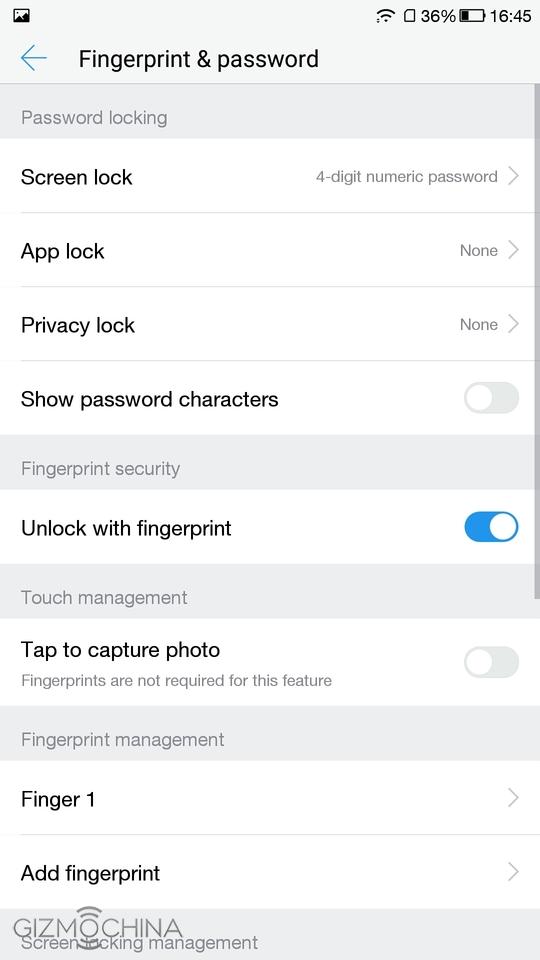
All three devices have NFC for payments and fingerprint scanners. Unfortunately, no ultrasonic sensor on the Mi Note 2.
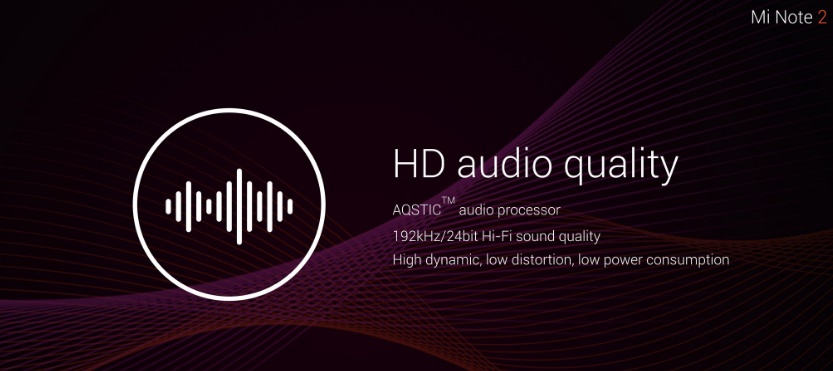
The Mi Note 2 comes with a dedicated audio processor that provides 24bit Hi-Fi sound quality. Starting to become a permanent feature for Xiaomi flagships, the Mi Note 2 features an IR blaster as well.
Battery and Price
Battery life is an important factor when it comes to buying phones. The Mi Note 2 has a 4070mAh battery, the S7 Edge has a 3600mAh battery, and the Note 7 has a 3500mAh battery and all three phones support QC 3.0. Xiaomi’s battery is larger and should have a longer battery life but real life tests are still necessary to find out how it holds up.
The Mi Note 2 starts at $413 for the standard edition with 4GB + 64GB, and moves up to $487 for the 6GB+128GB variant. A third variant called the Global Edition that can work with tons of carriers including CDMA networks in the US sports 6GB RAM and 128GB ROM and is priced at $516.
Samsung’s Note 7 has been discontinued but was priced at $850 which is way more expensive than even the global variant of the Mi Note 2. The S7 Edge is not cheap either. It starts at around $600 for the 32GB version and over $700 for the 32GB variant.
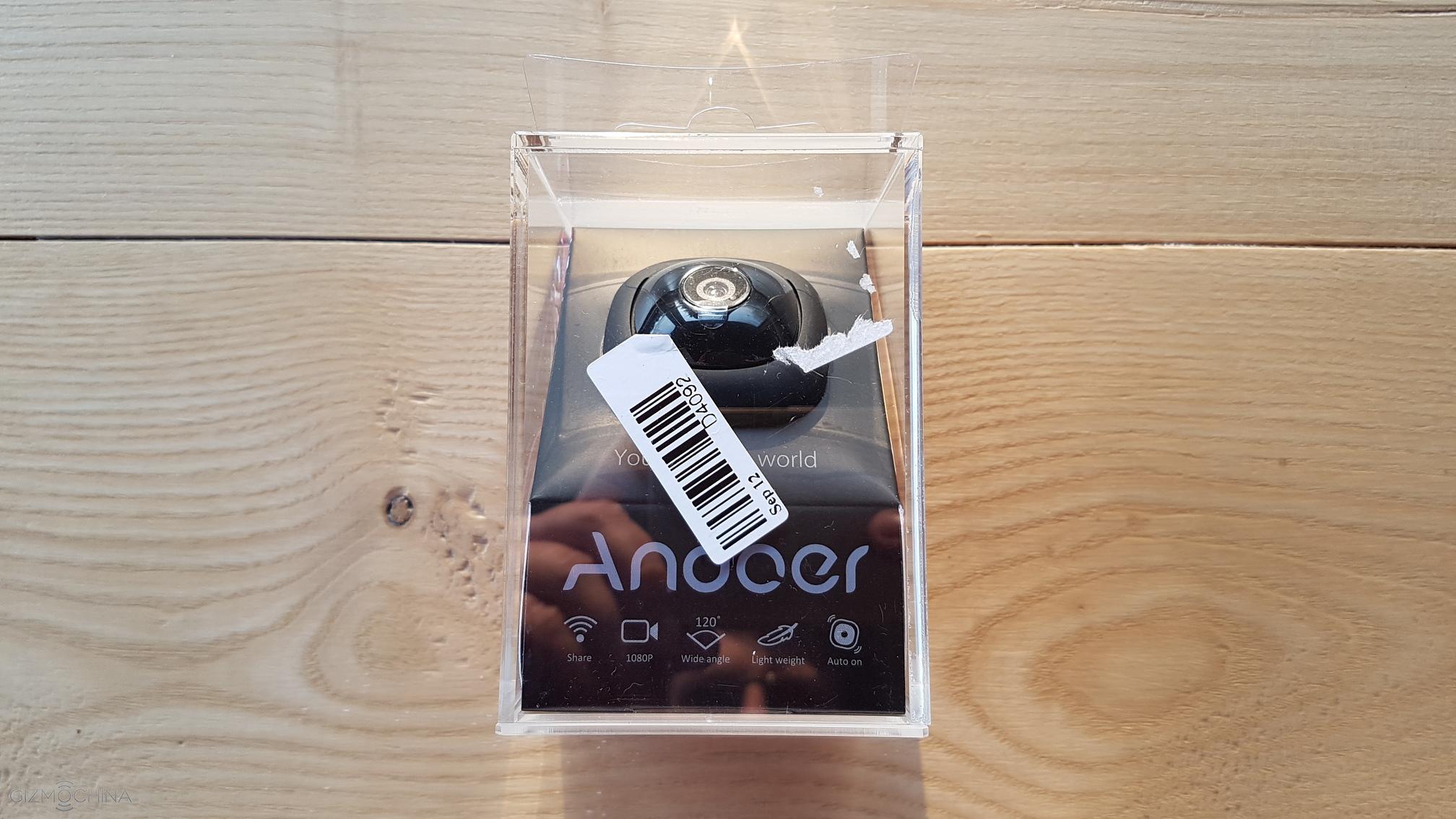
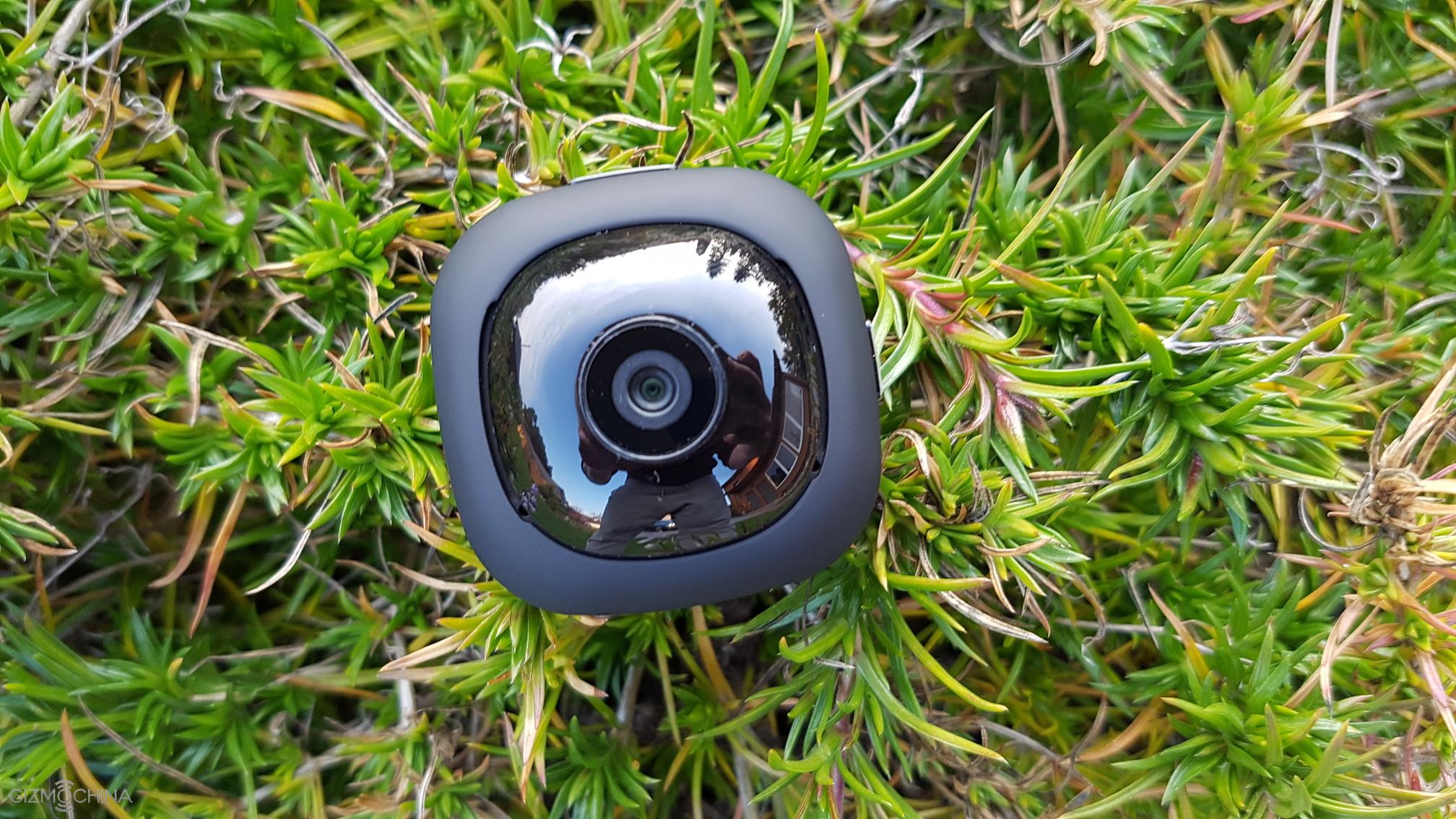
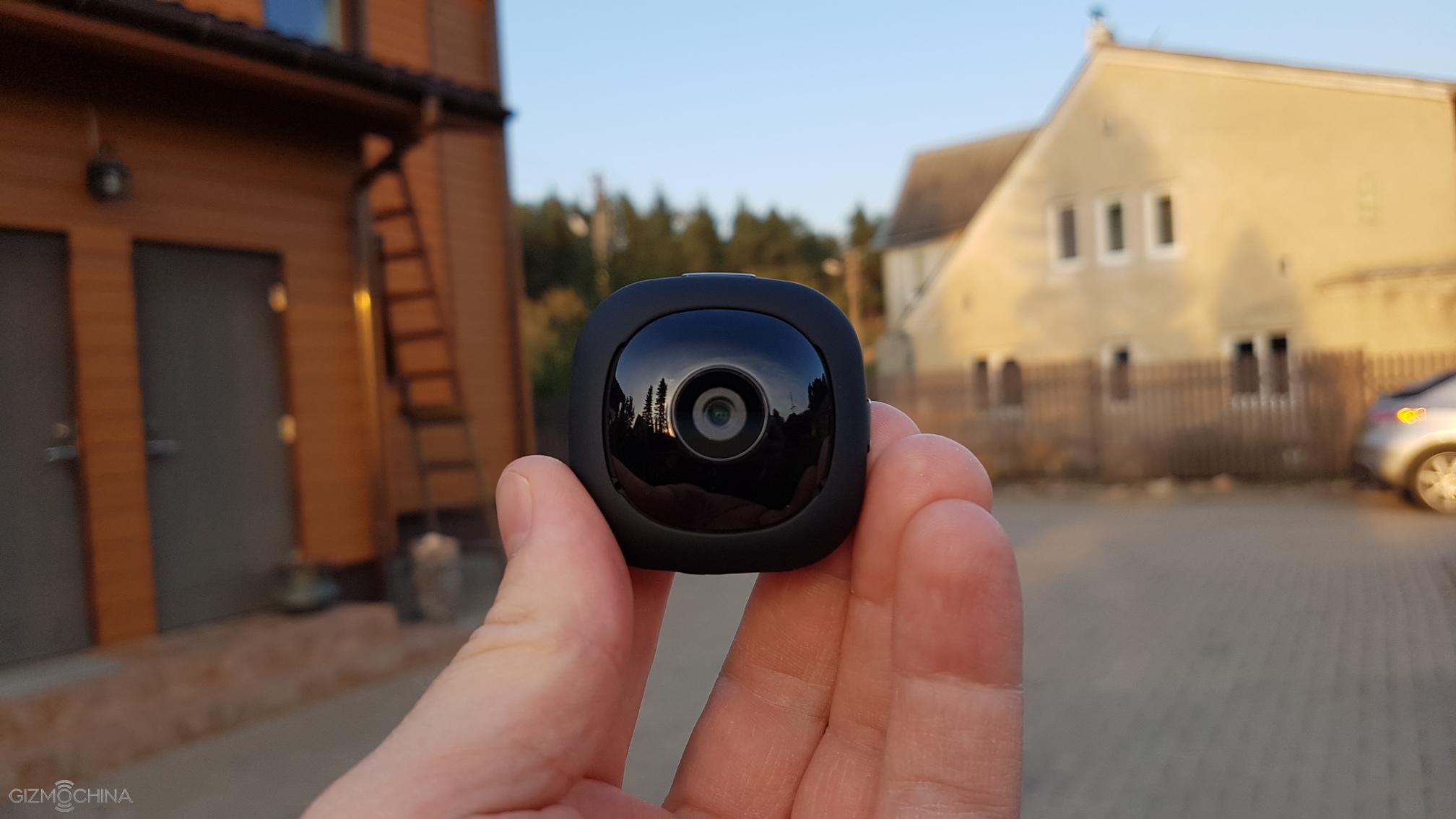
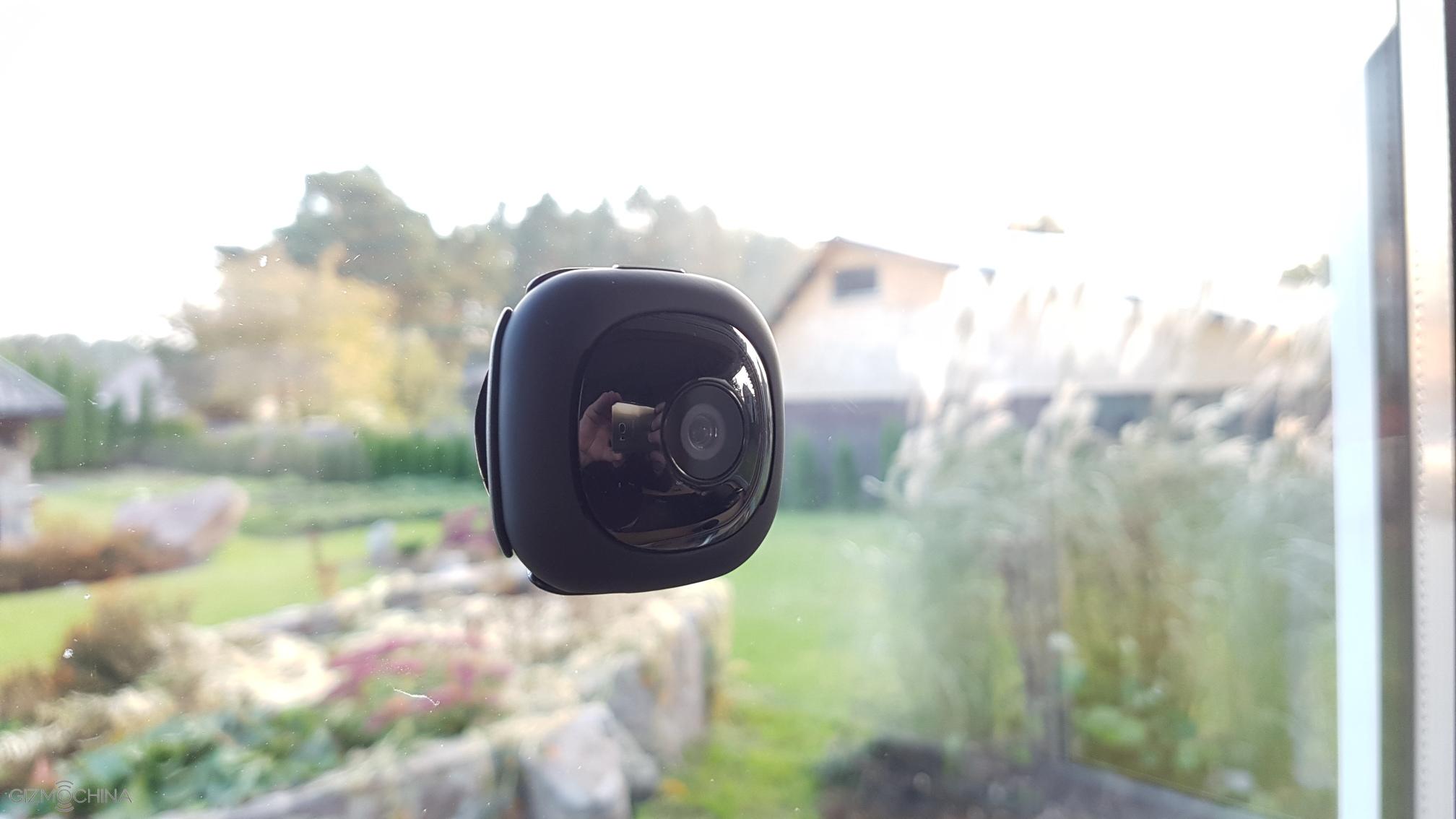
It’s not every day we review cameras but we came across the Andoer G1. At the first glance, it is hard to believe that it is a camera due to its very small footprint. On the other hand, it can shoot videos in 1080p and it has some other nice features. Learn more in our full review.
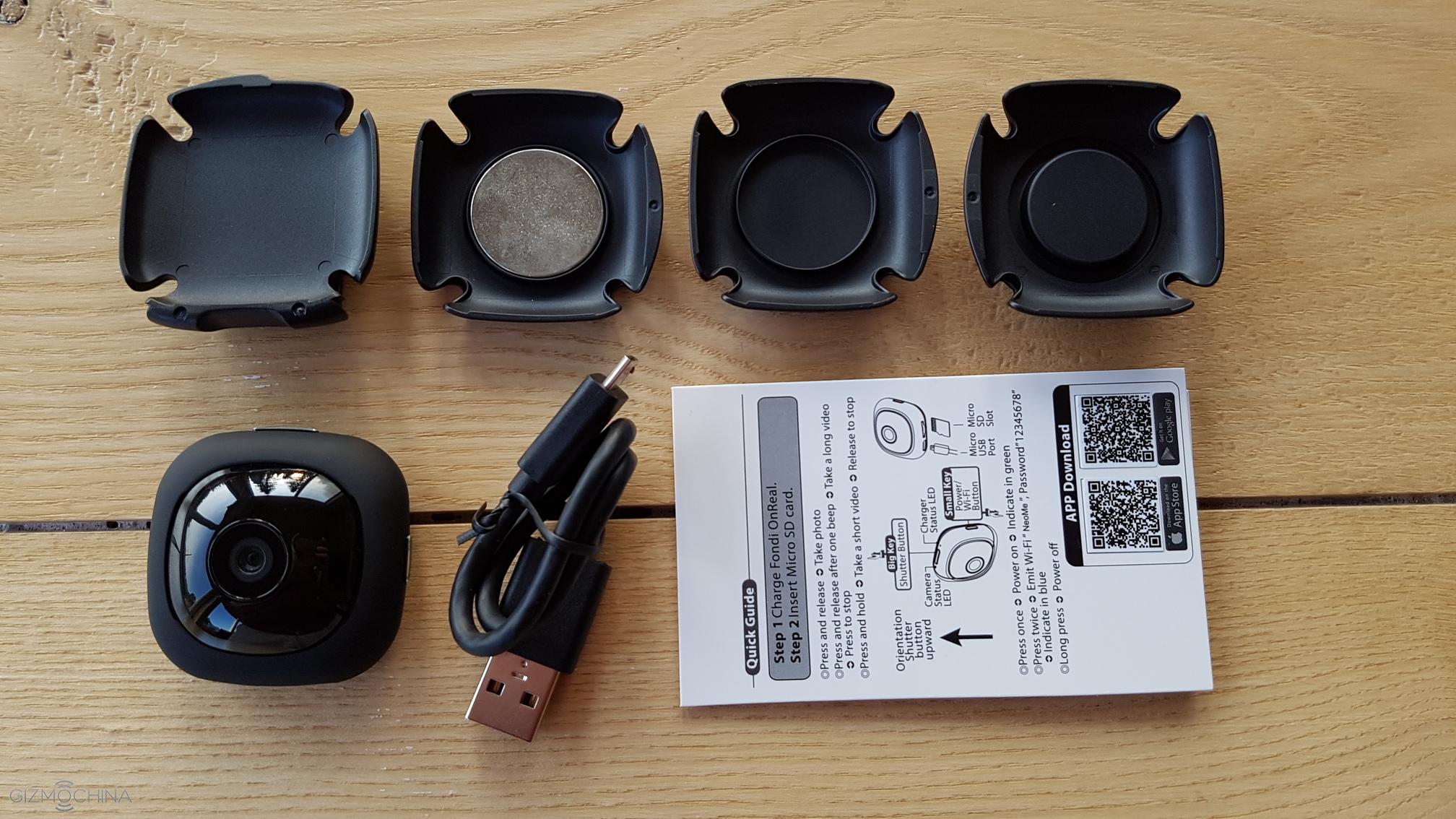
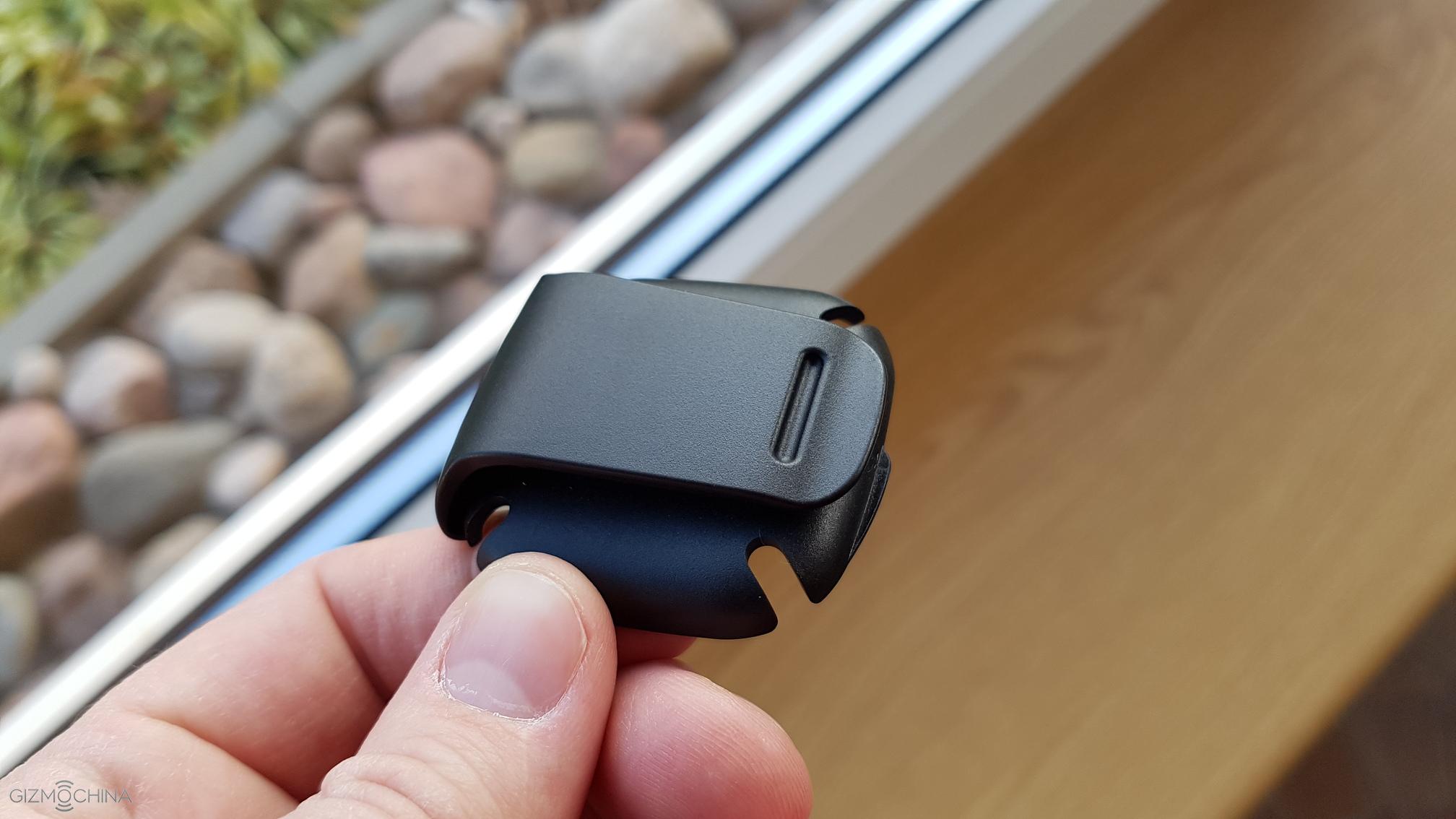
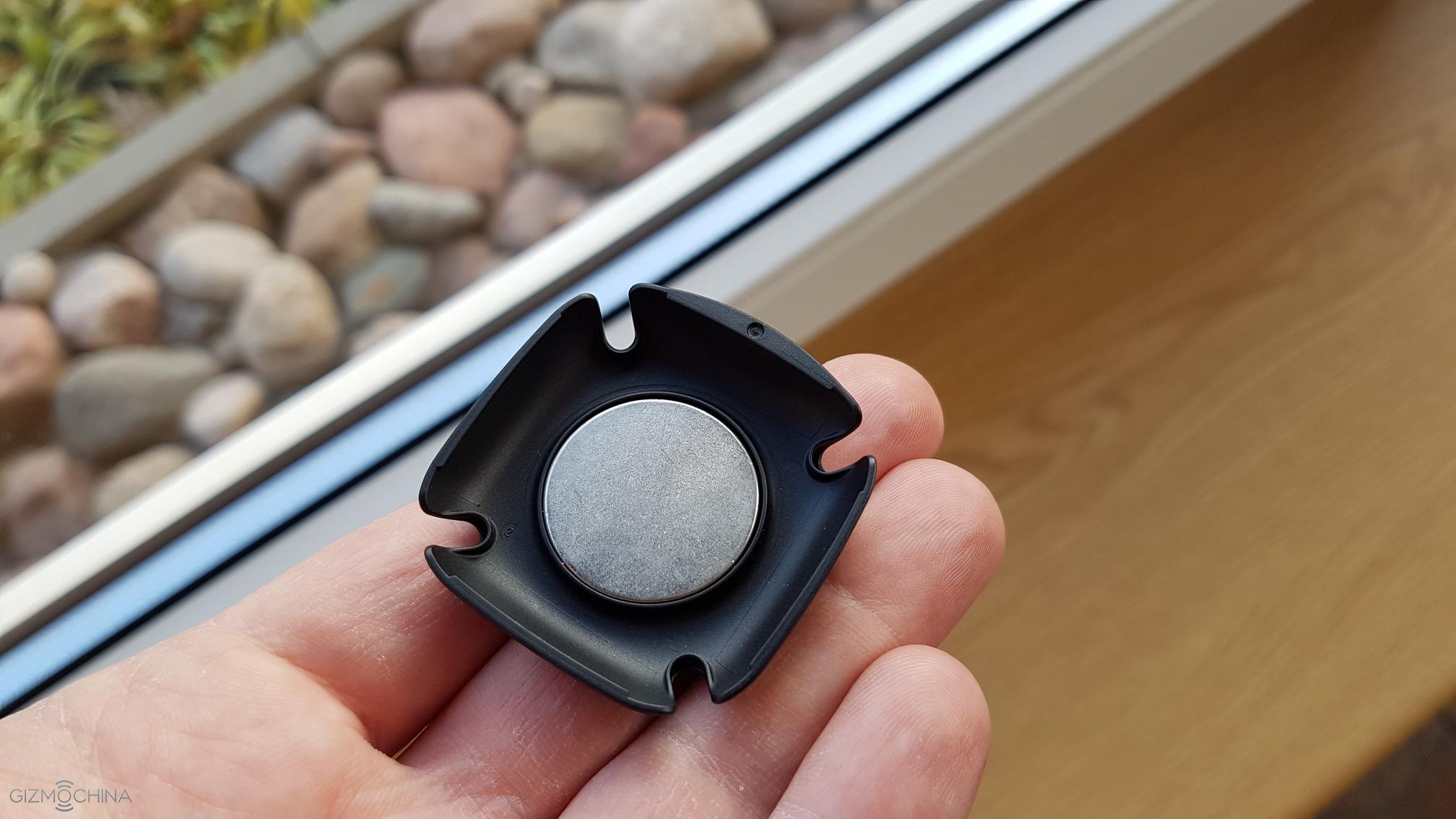
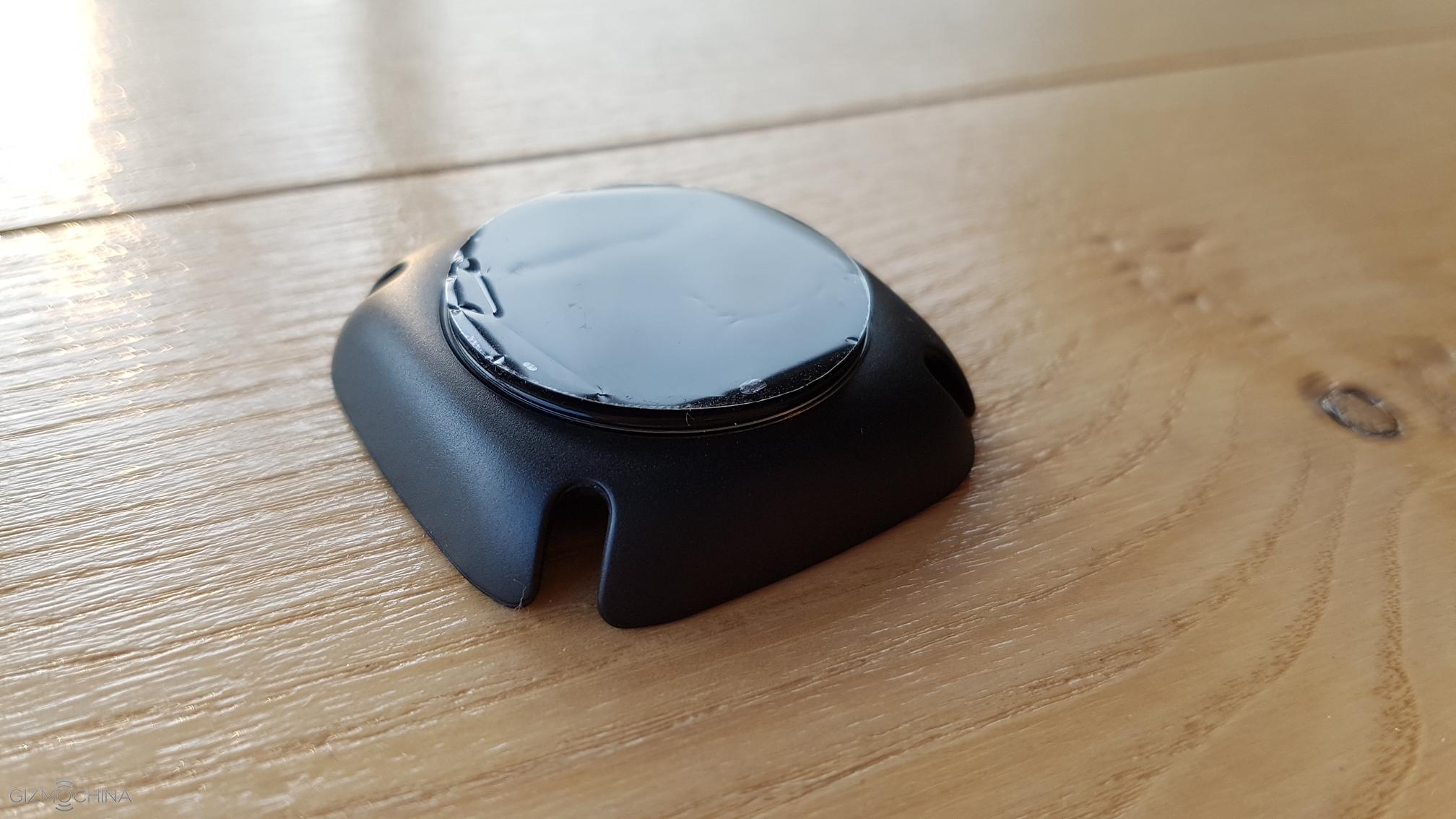
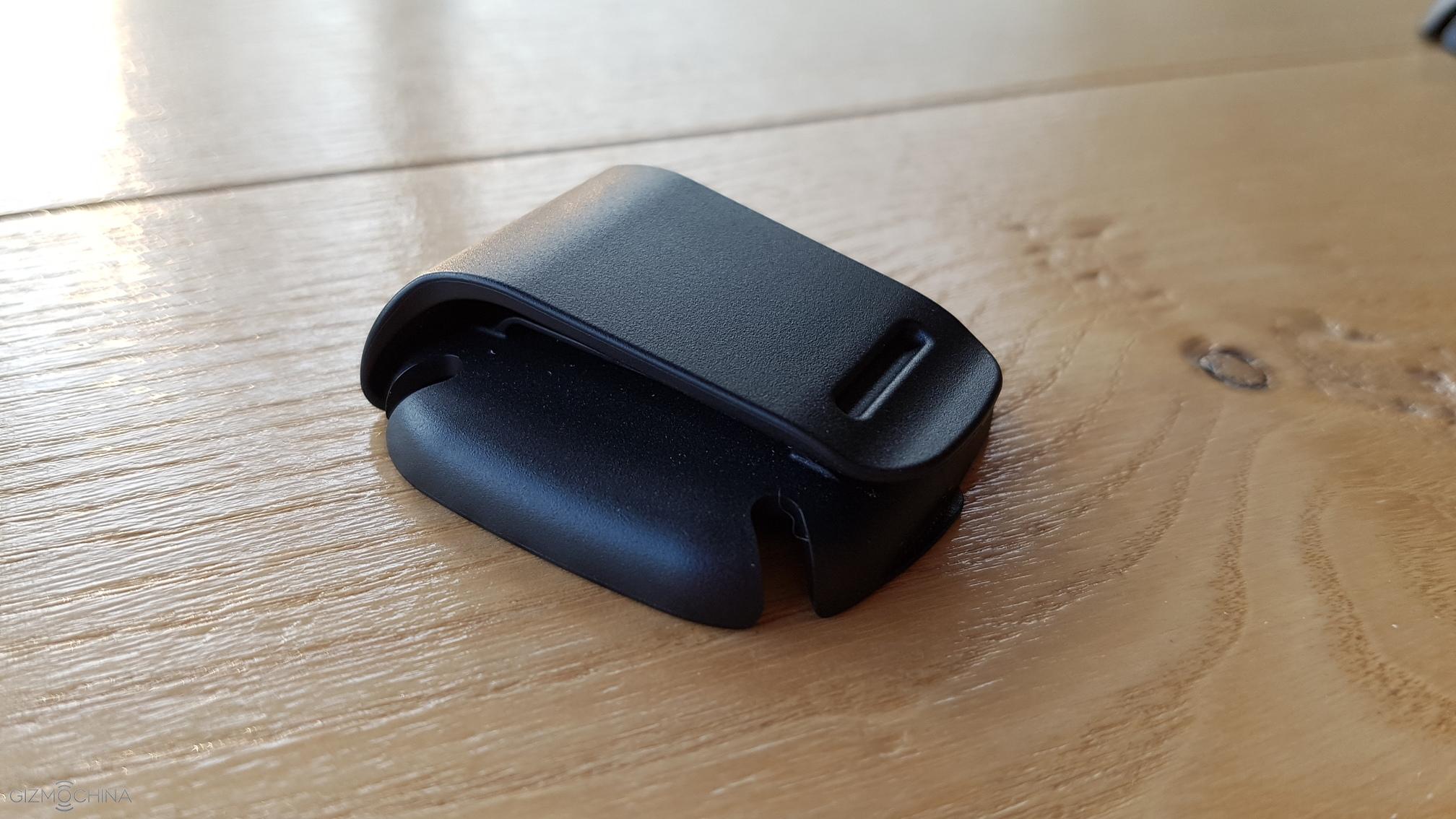
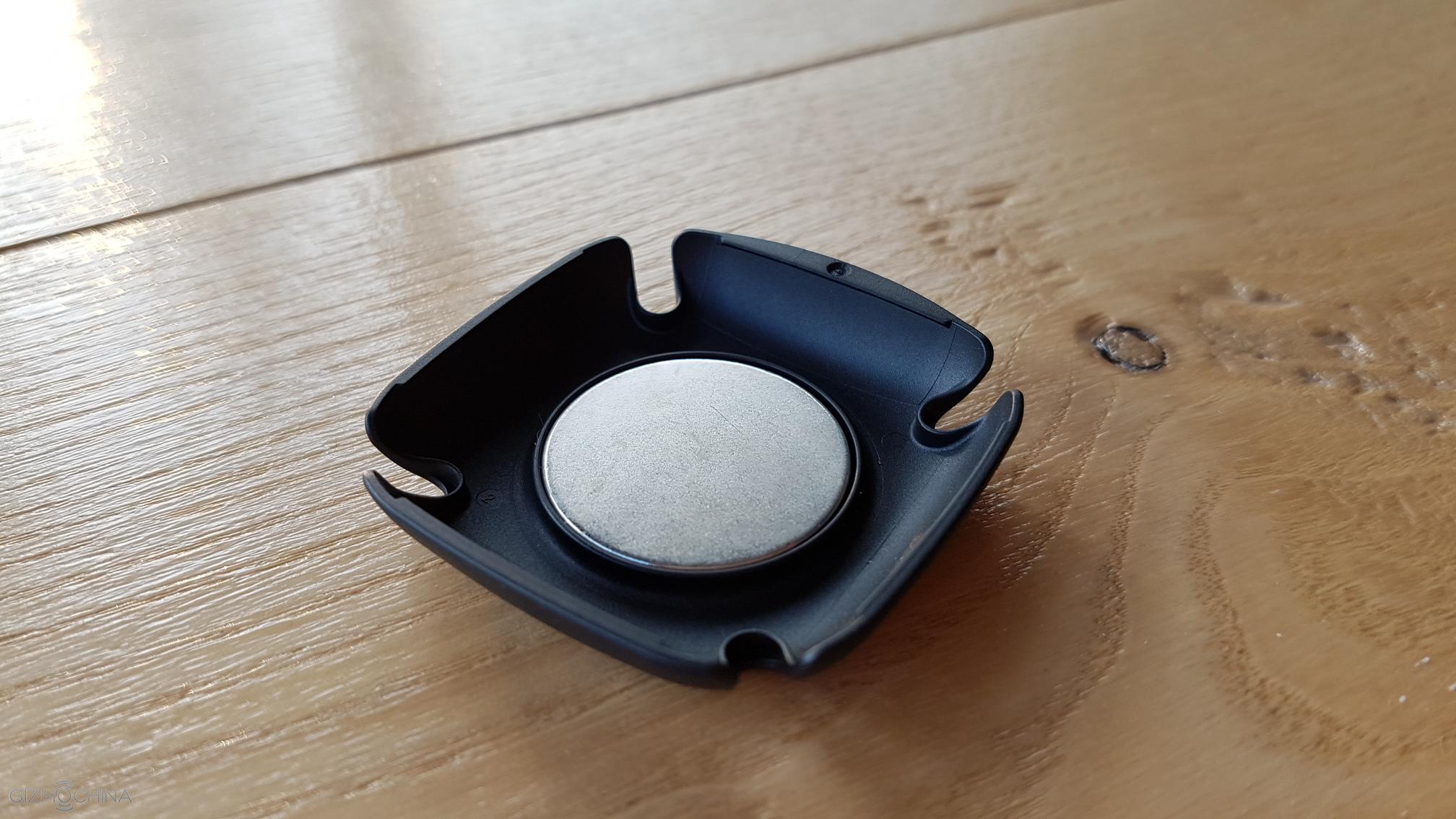
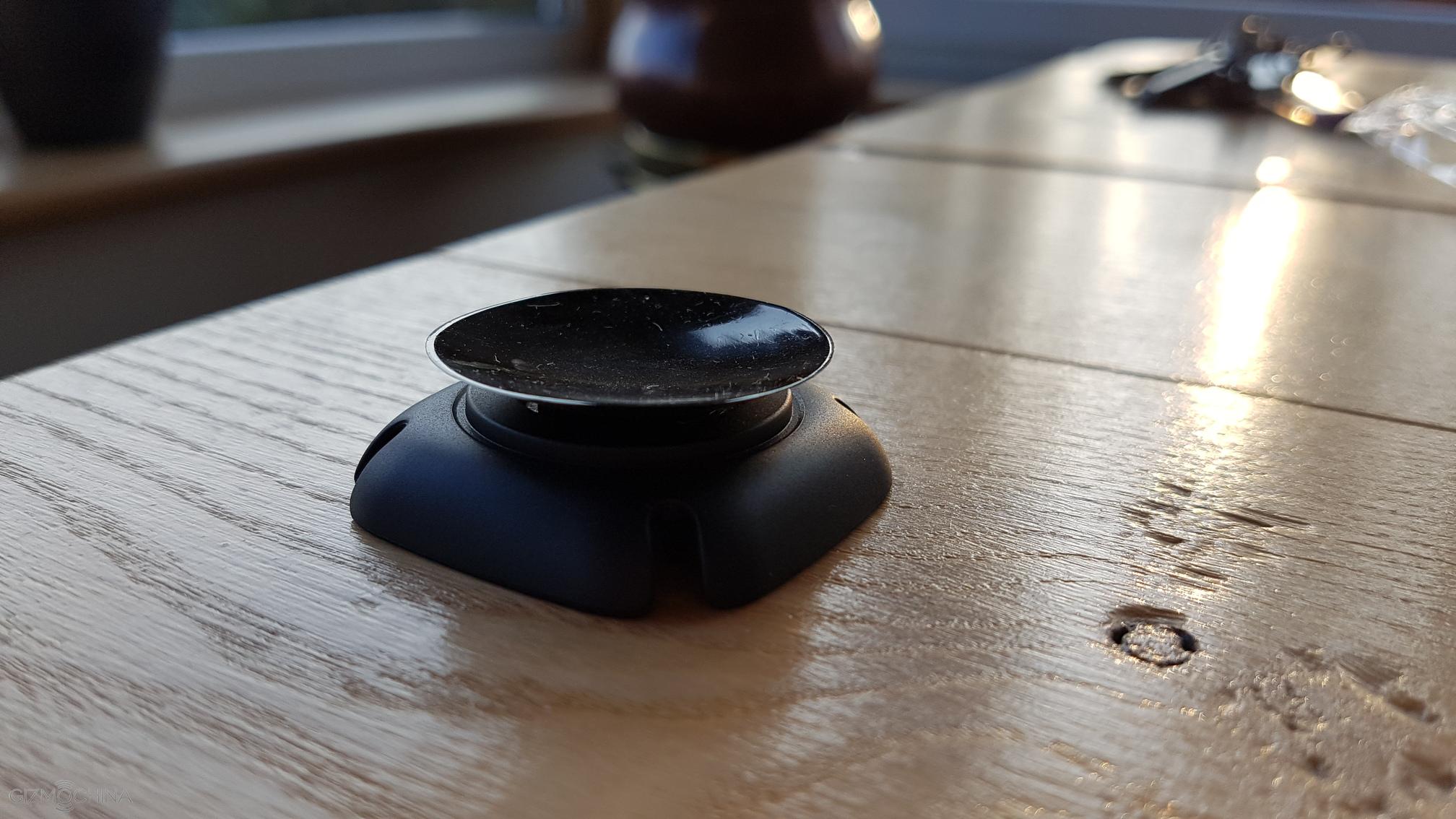
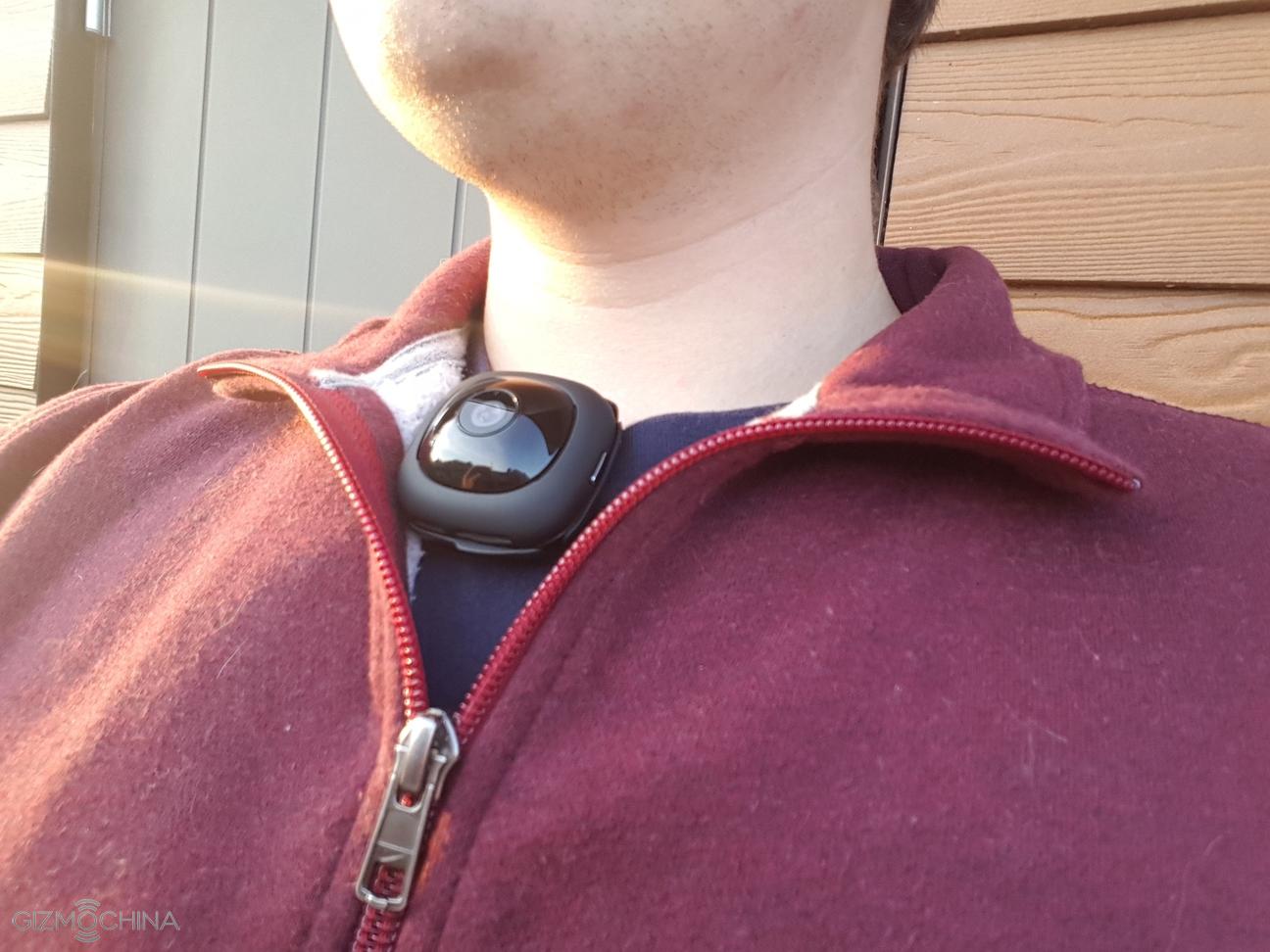
The camera ships with quite a few accessories that include 4 different mounting cradles: the one with a suction cup, with a magnet, sticker and a clip.
Andoer G1 Review: DESIGN
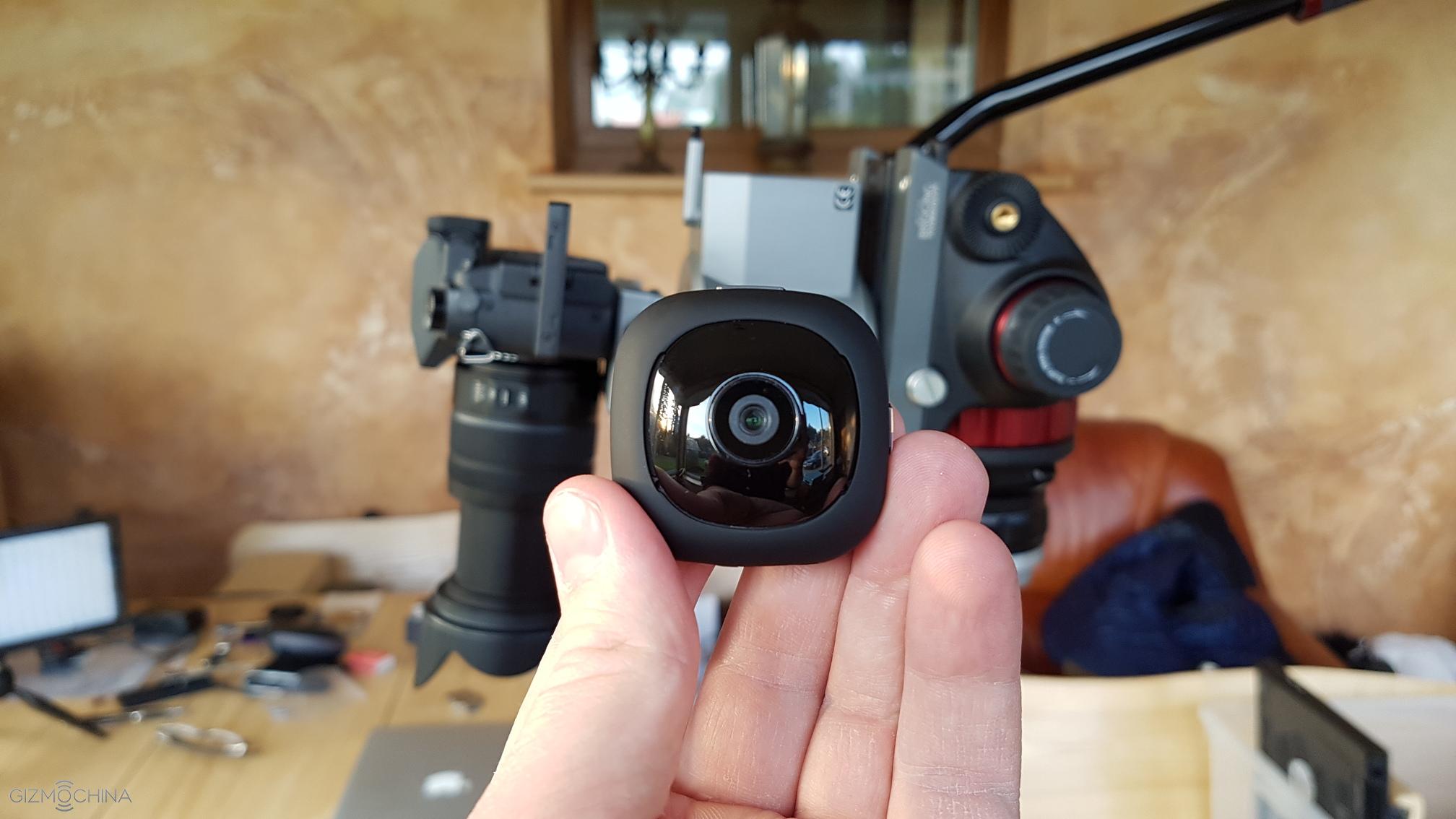
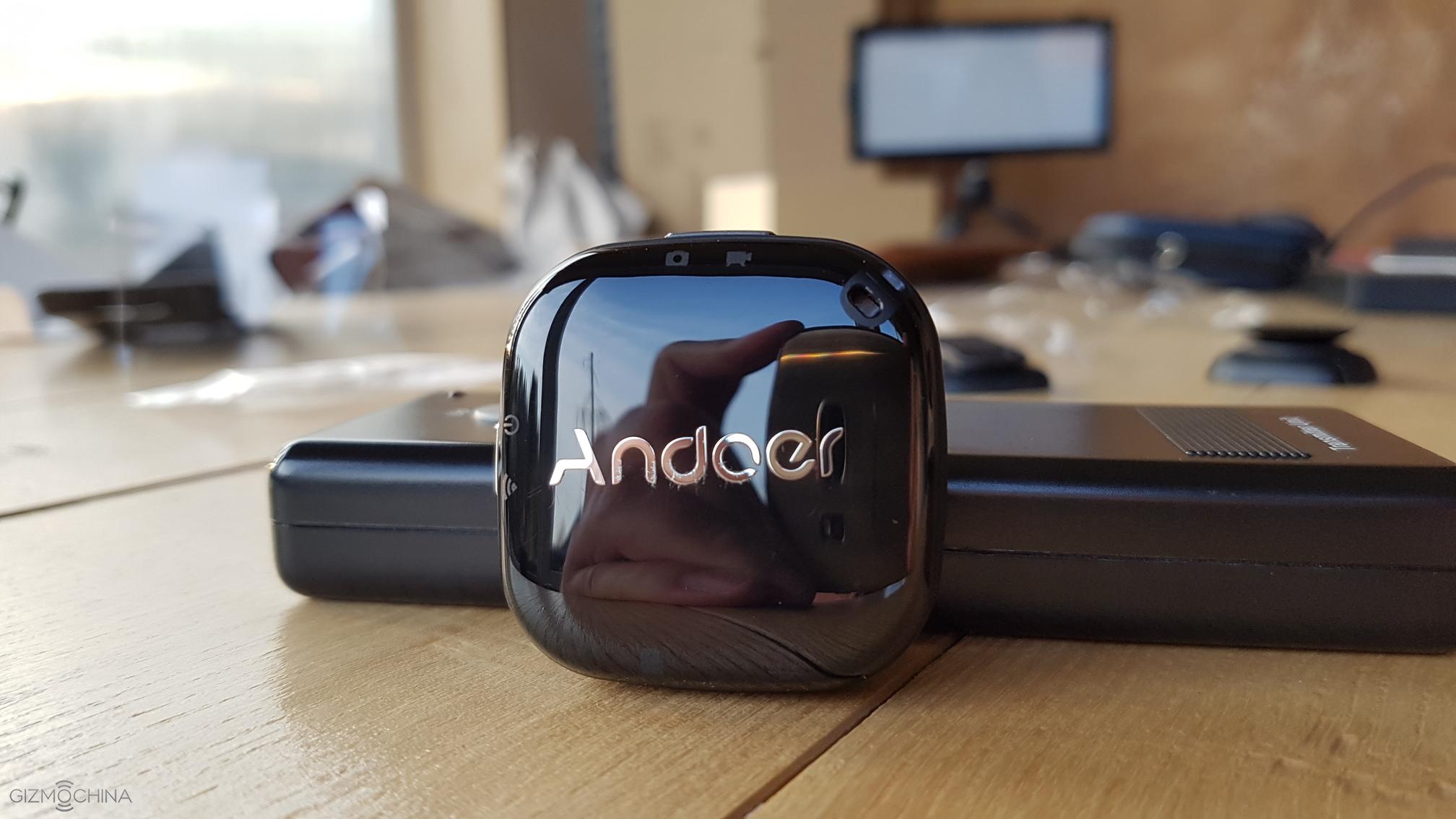
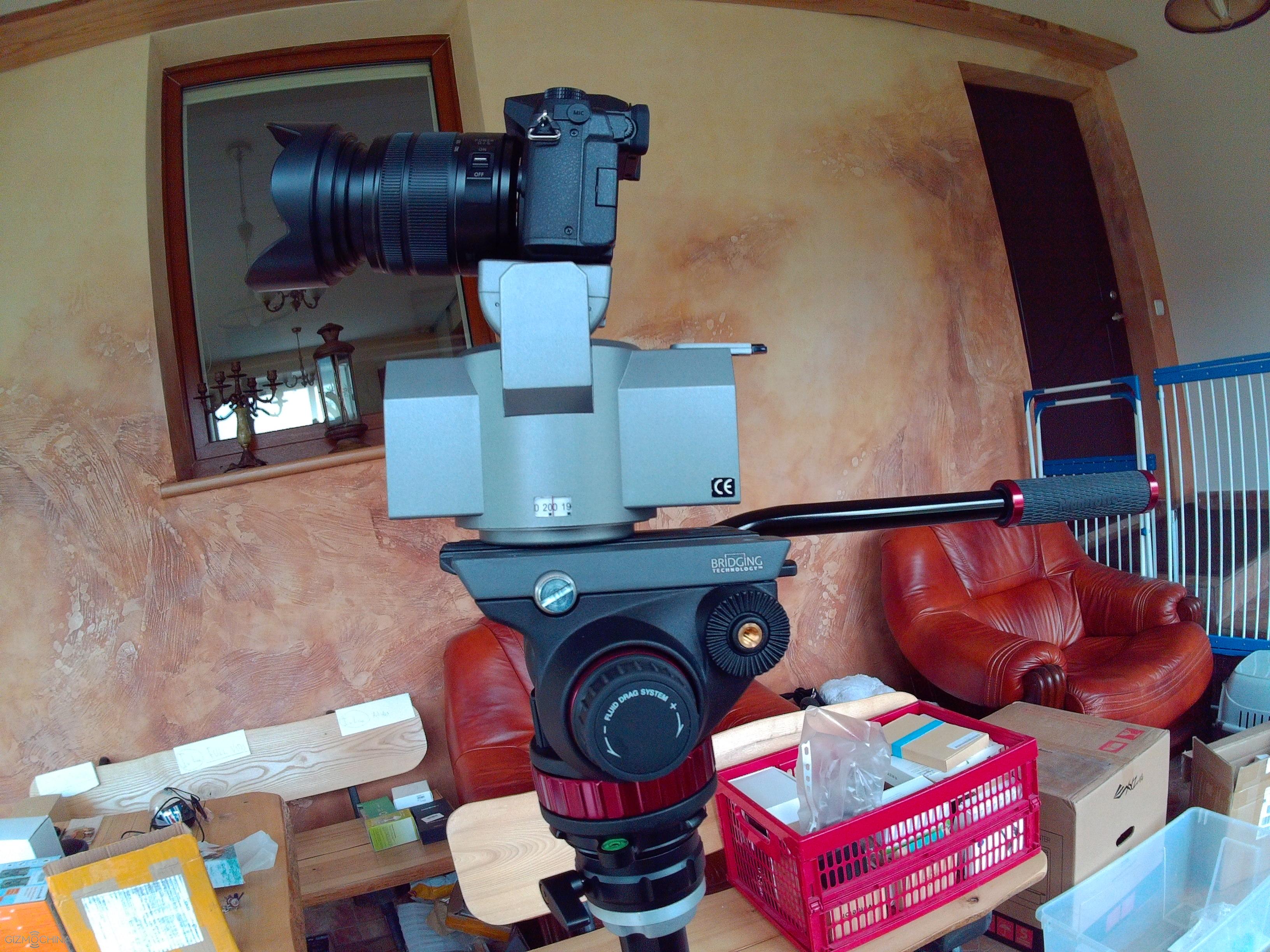
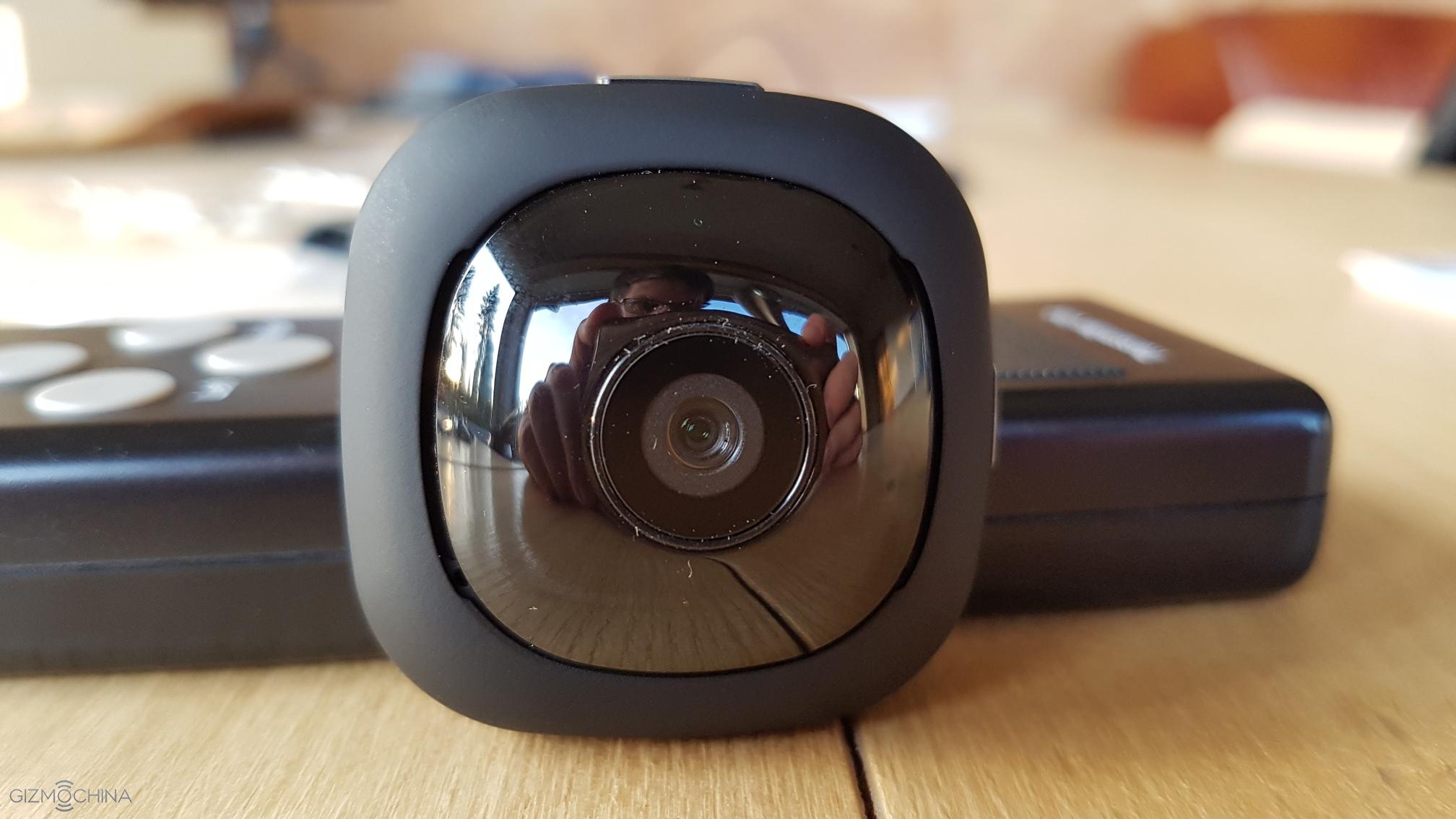
The very first thing you are going to notice is that the camera is very small and it easily fits even into the smallest pockets. We have an 8MP sensor that can also shoot videos up to 1080p.
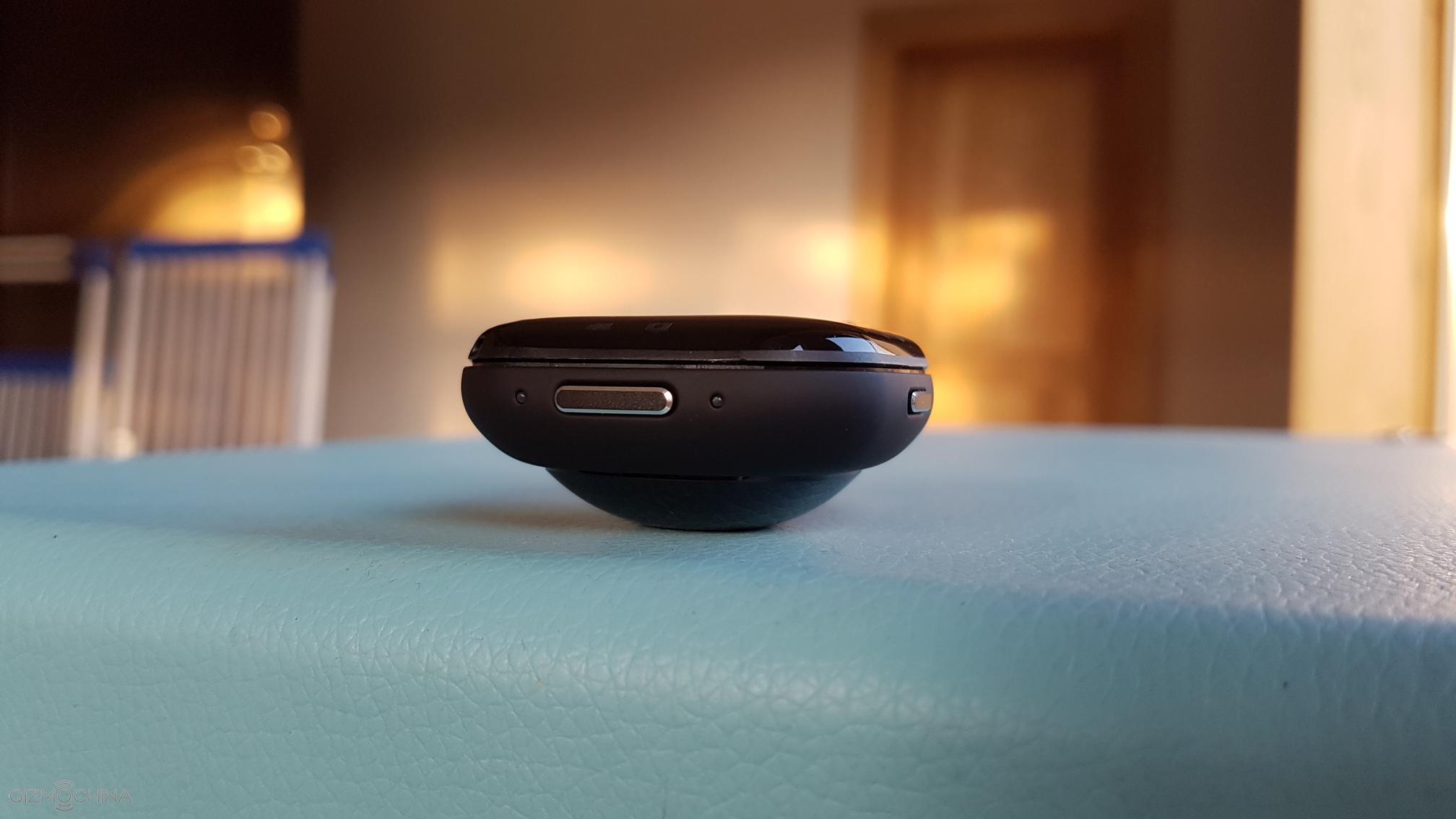
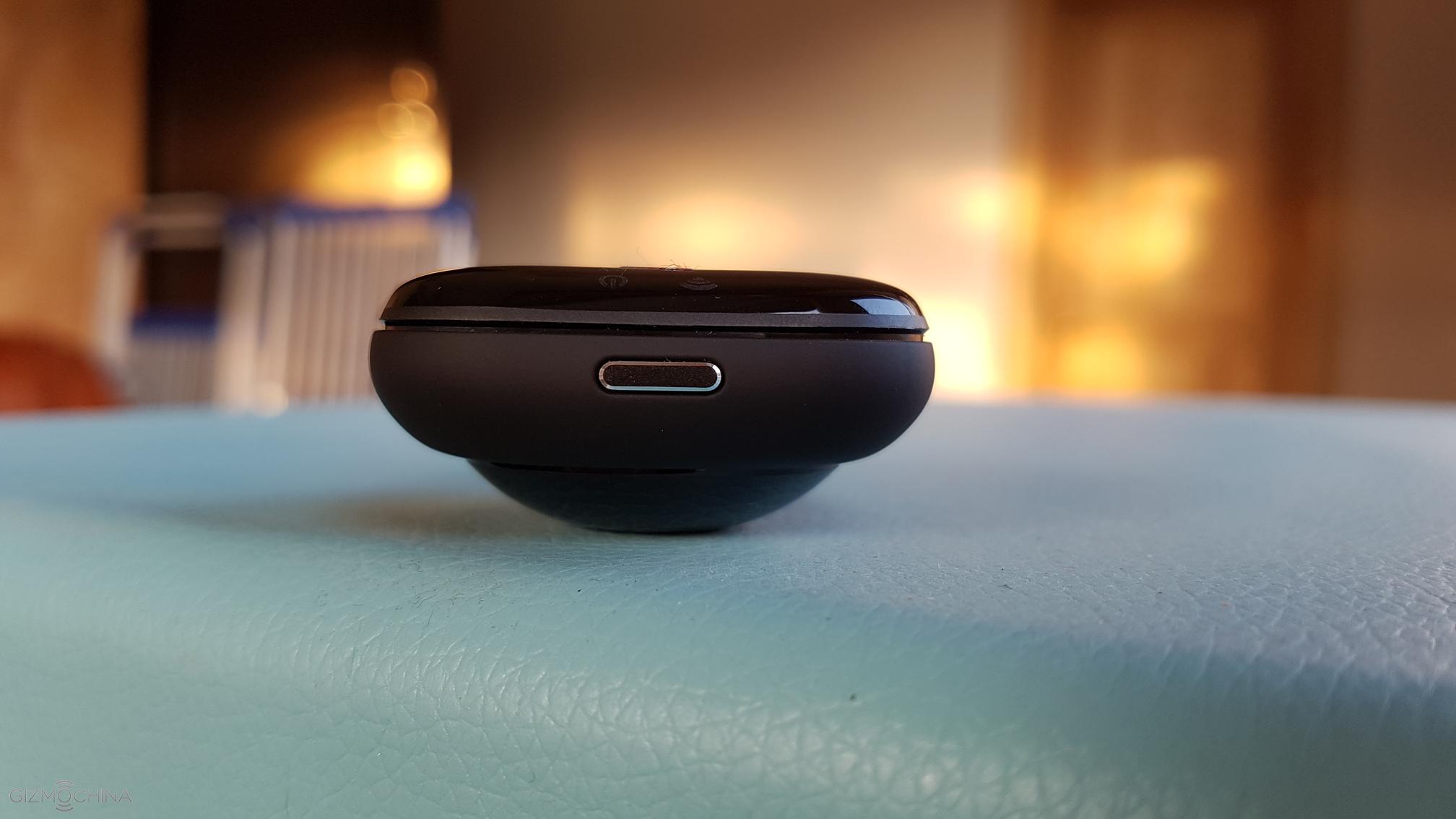
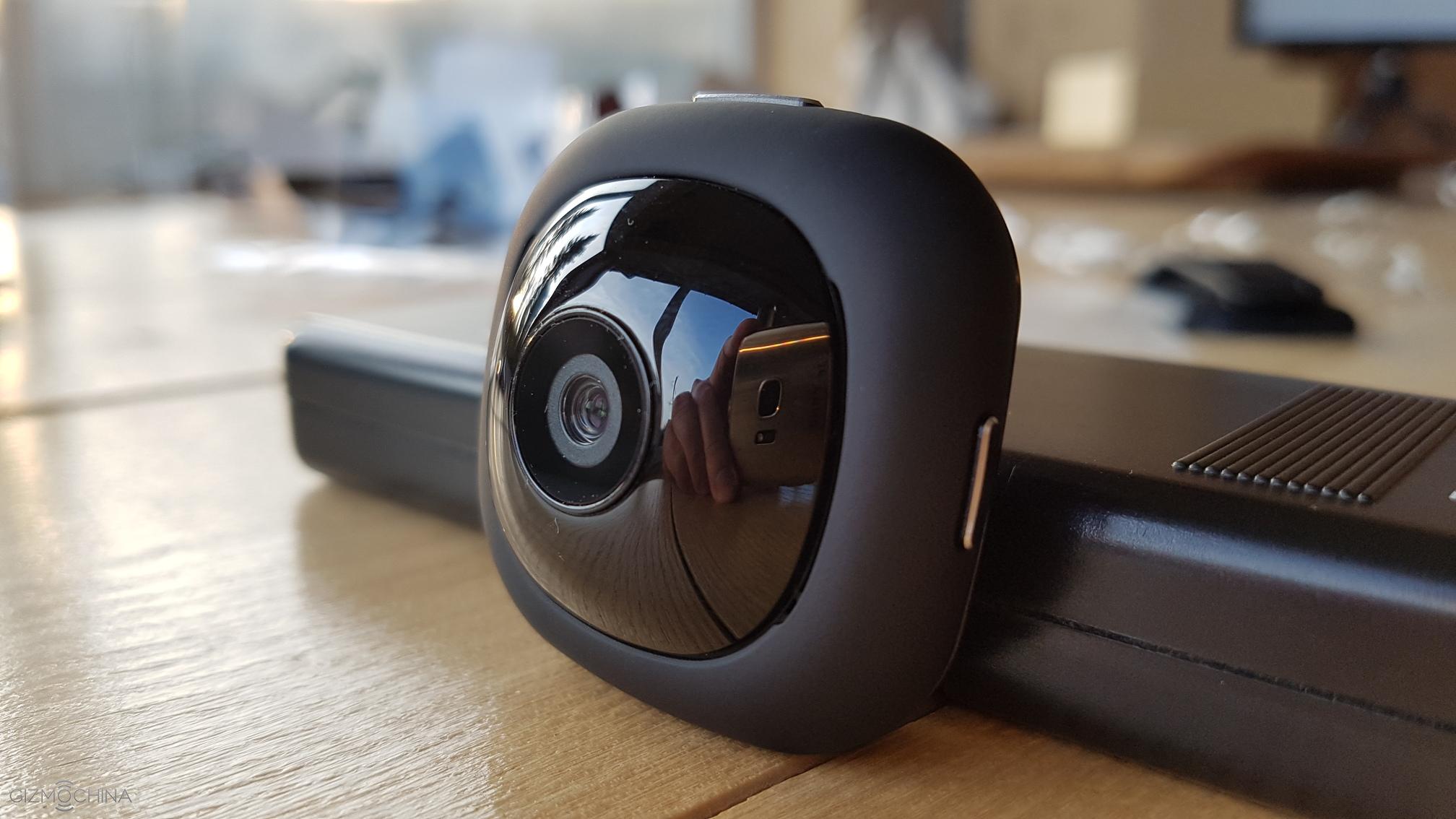
There are just a couple of buttons – the on/off switch and the shutter key.
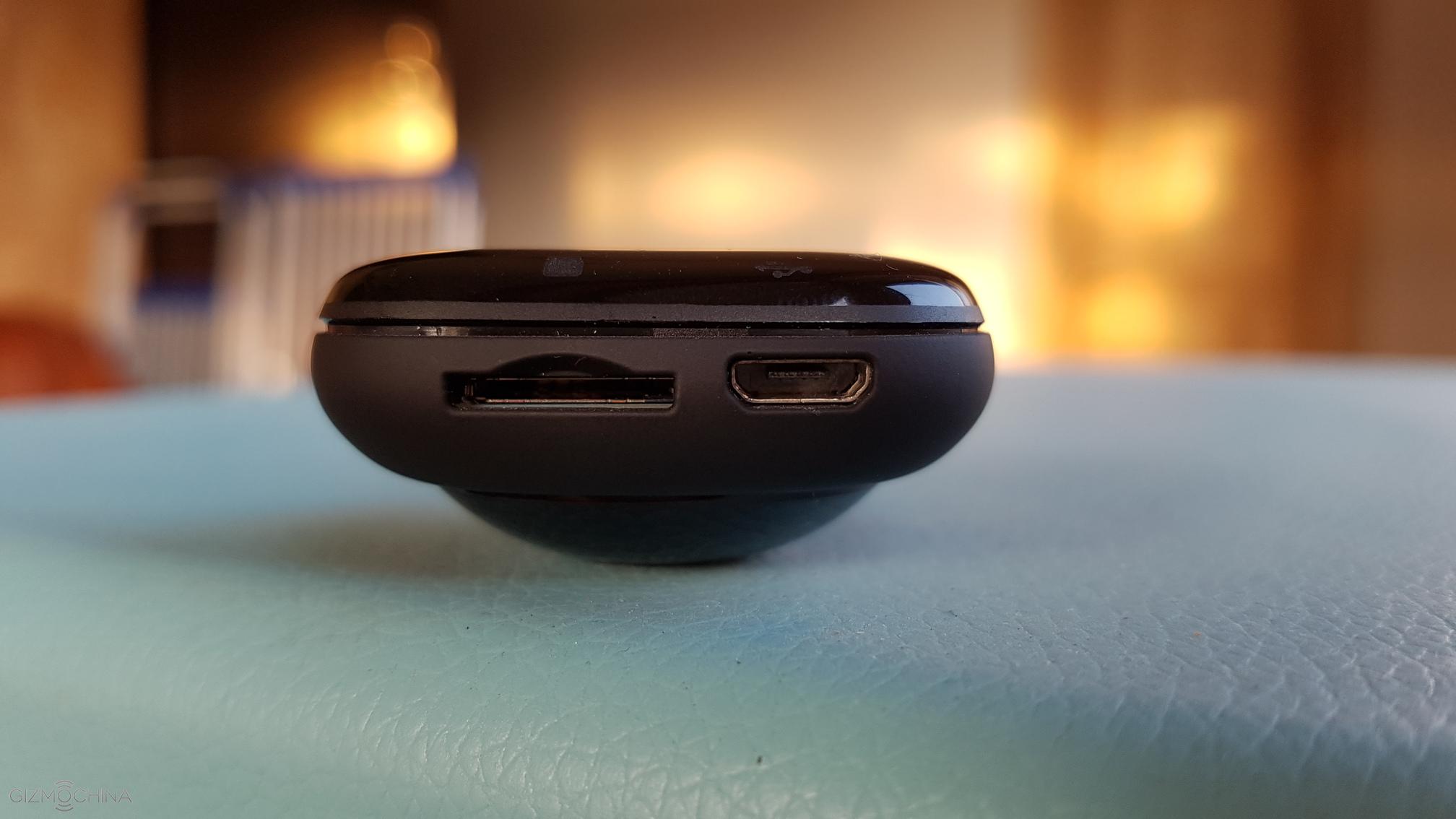
There is a micro USB port for charging and the microSD card slot (takes cards up to 128GB).
I like the design and build quality of this camera but the glossy back panel not only attracts fingerprints easily but it is prone to scratches.
Andoer G1 Review: IMAGE QUALITY
The Andoer G1 takes decent-quality daylight images for such a tiny camera. However, most of shots have inaccurate-looking colors and the pictures look overexposed.
The quality decreases dramatically in low-light and the photos look grainy and there is lots of noise.
I would say that the 1080p video quality looks pretty good and it kind of exceeded my expectations. However, the video quality suffers from inaccurate color rendition, there is quite a bit of jelly effect. The worst thing about the video is that the sound recording quality is poor.
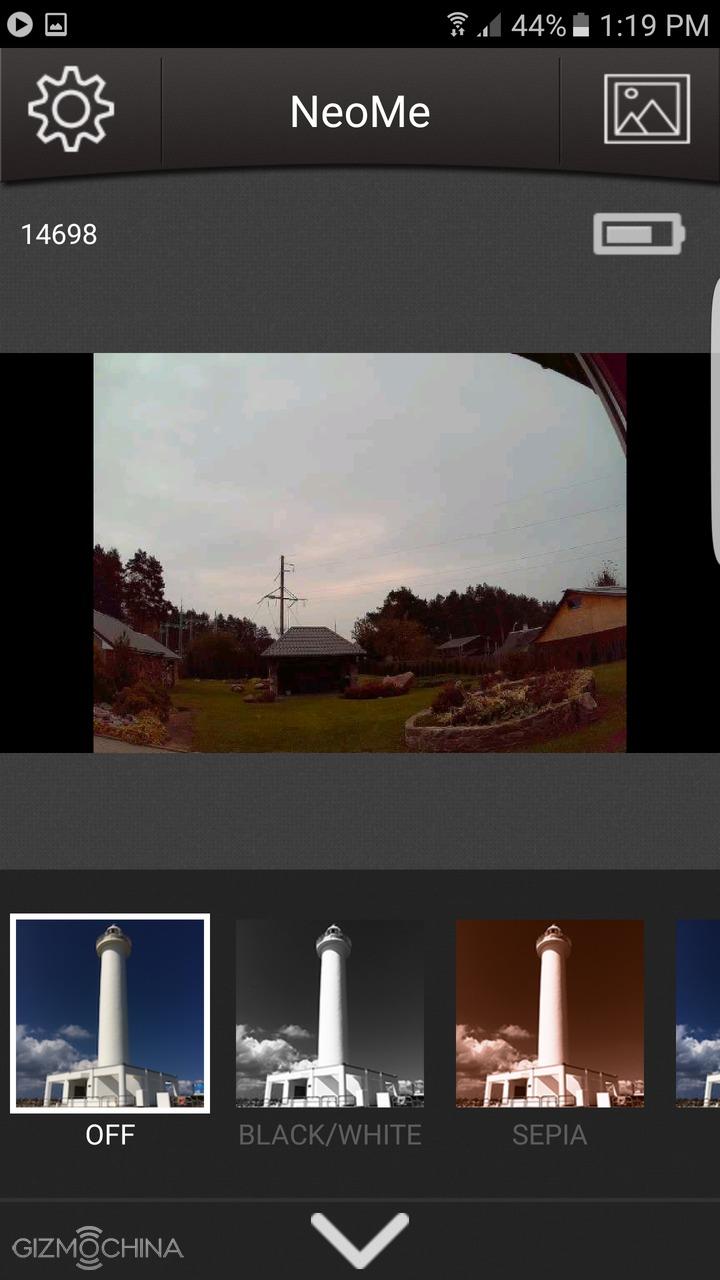
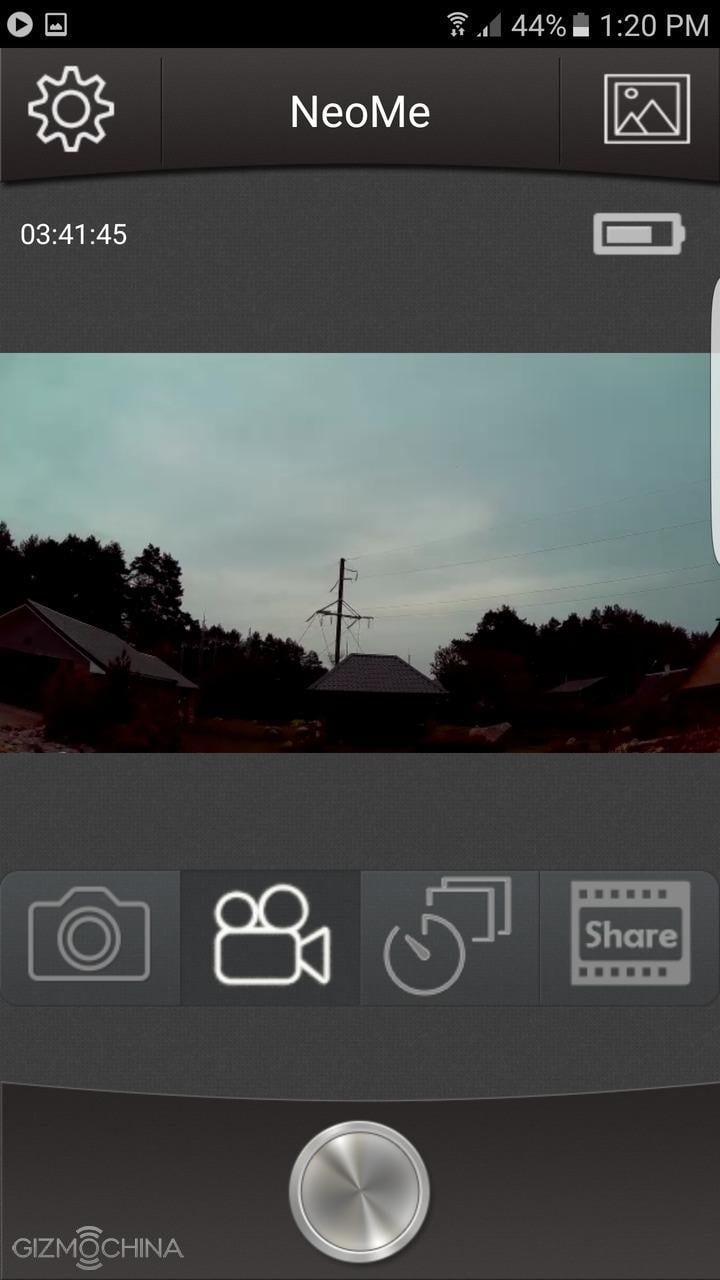
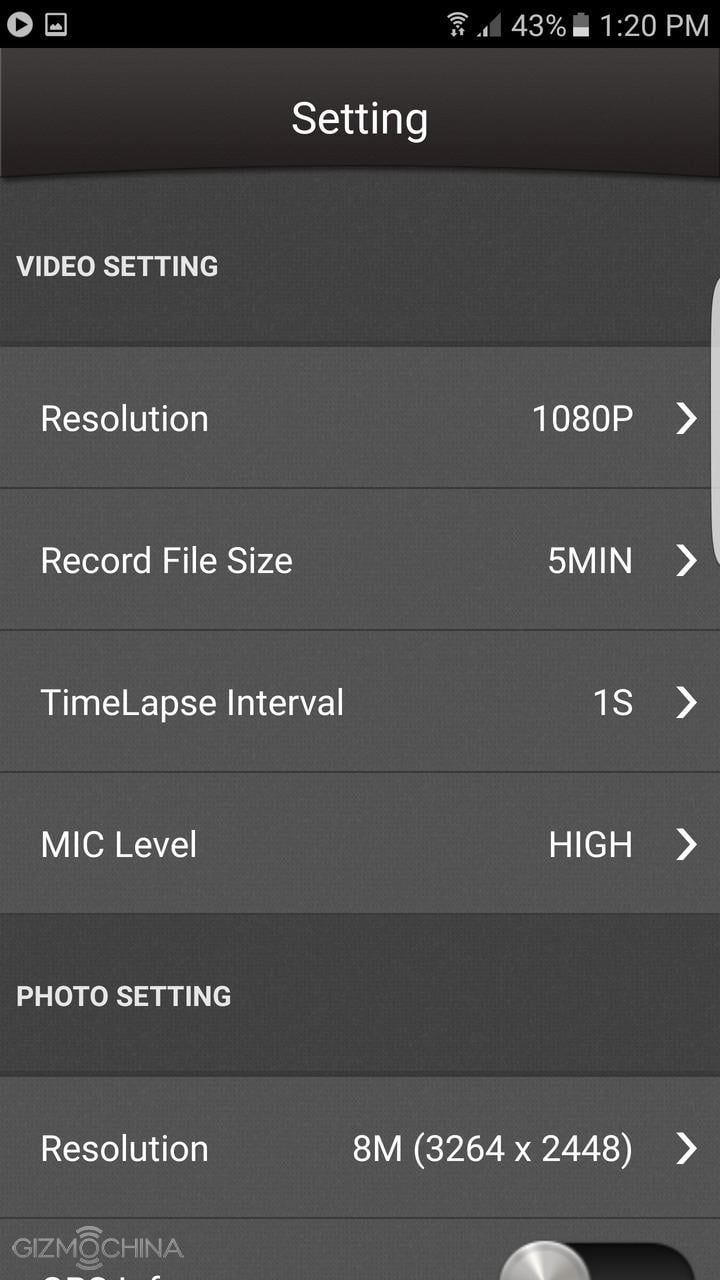
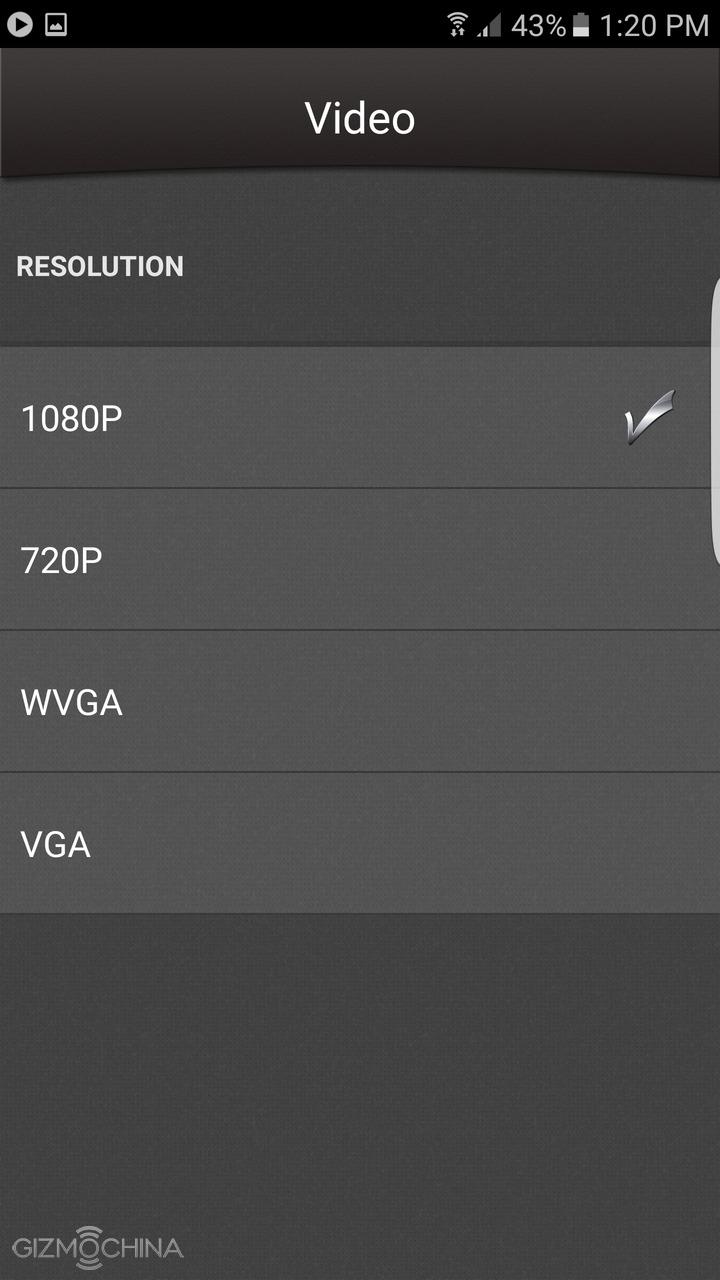
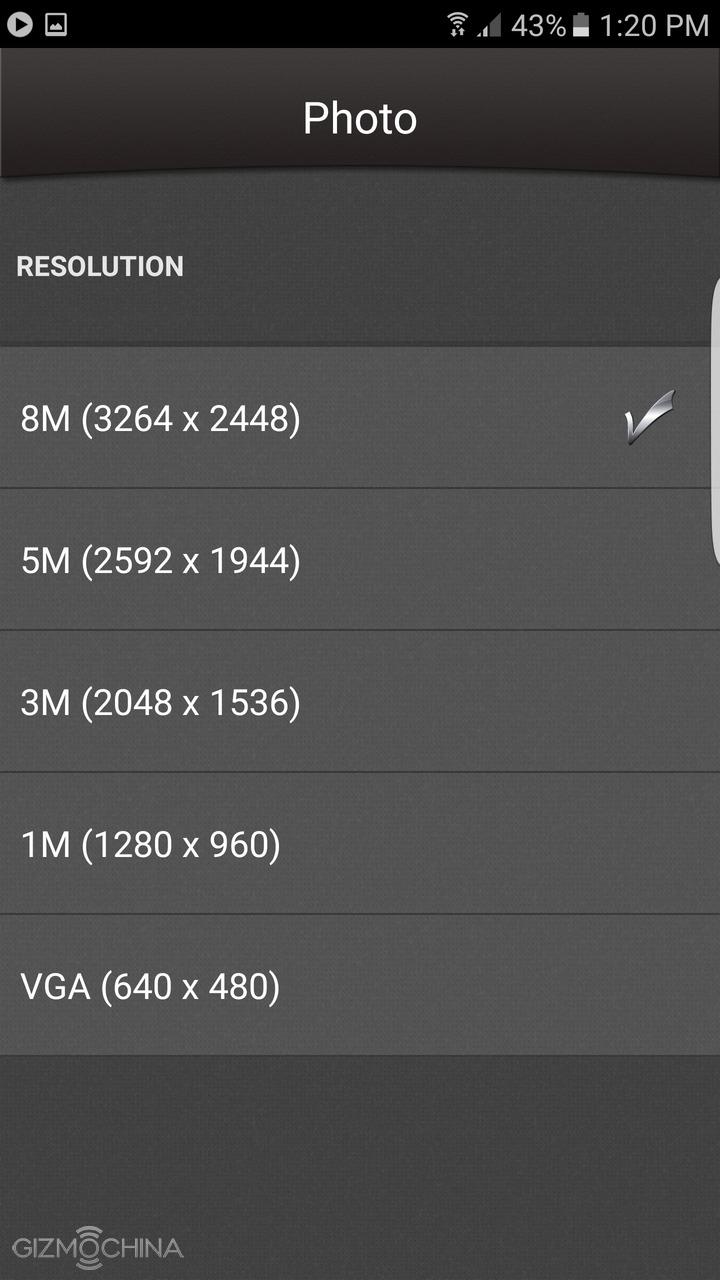
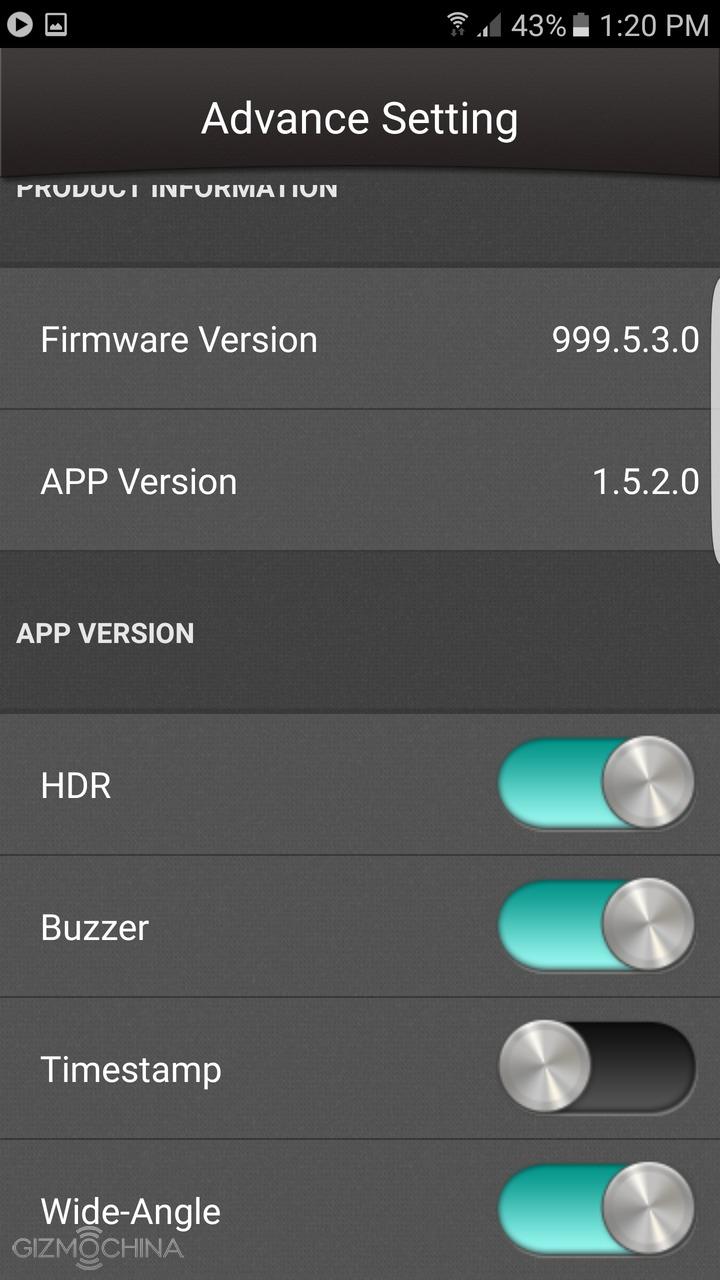
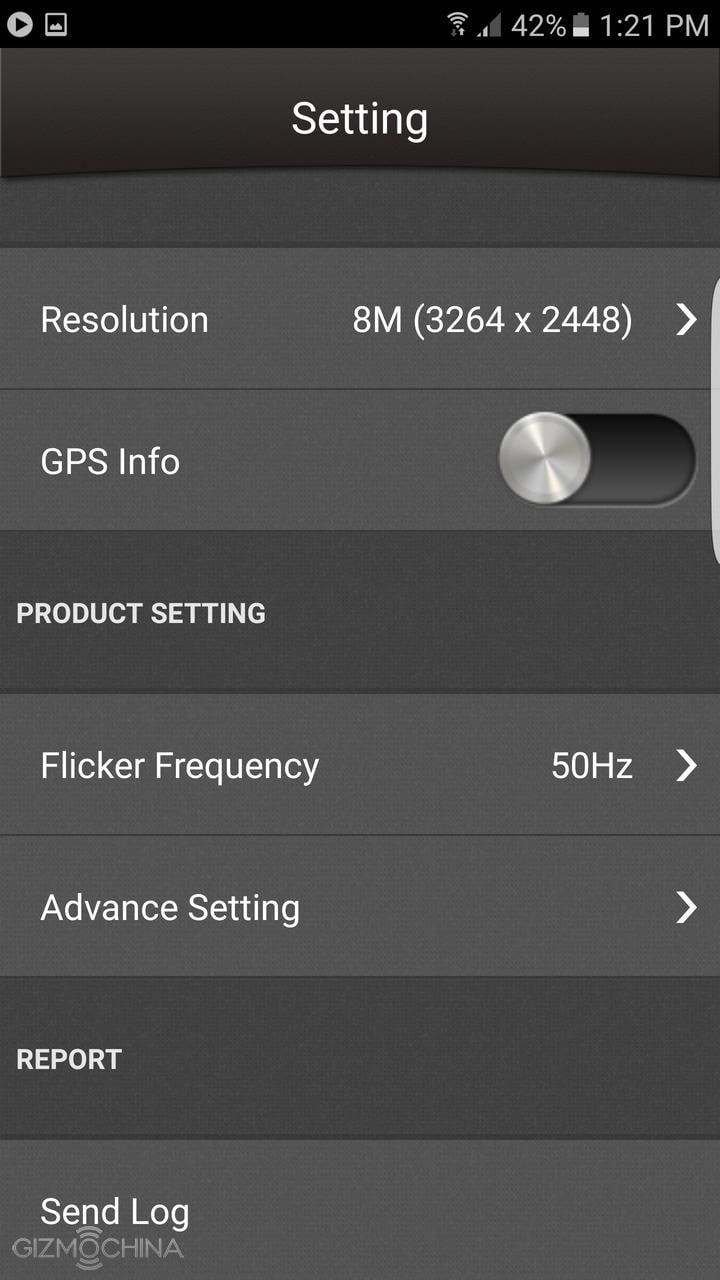
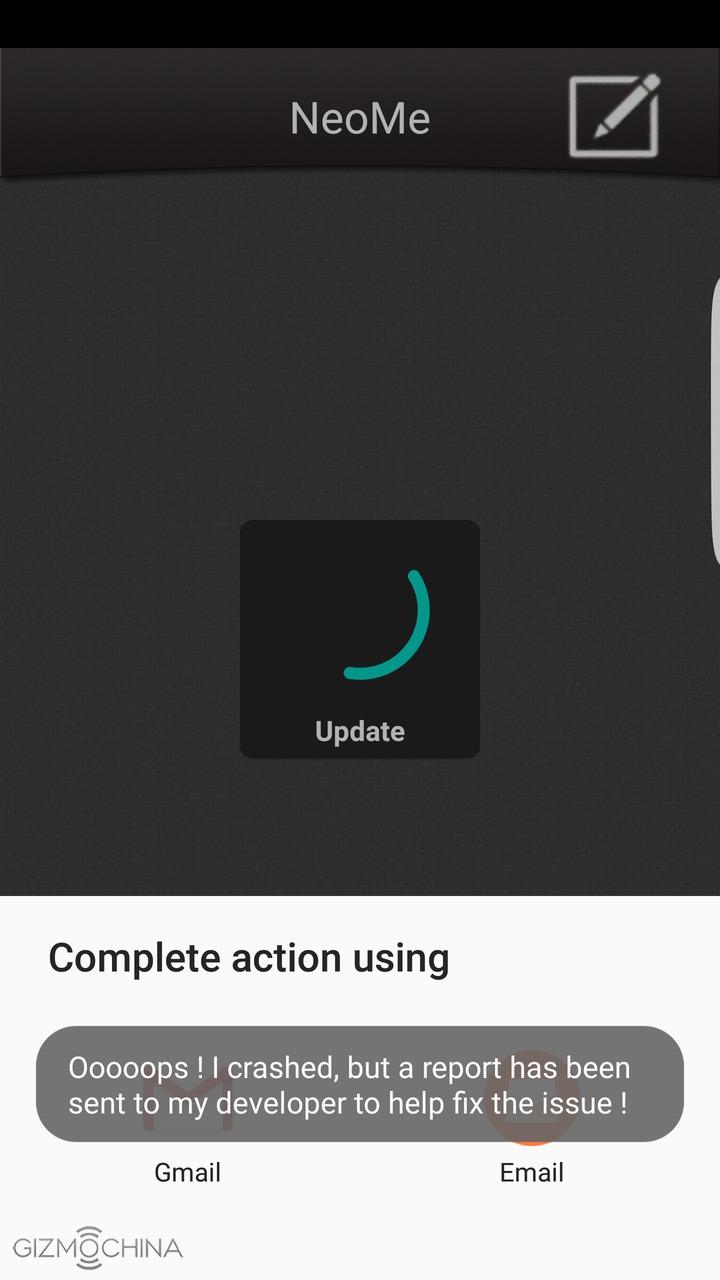
You can connect the Andoer G1 camera to your phone using Wifi and the NeoMe app. I didn’t have any connectivity issues. The best thing about the app is that you can use your phone as a viewfinder to frame the shot. However, the app is pretty slow to respond once you switch between different camera modes. Also, it crashed a few times once I wanted to open up the gallery.
Andoer G1 Review: BATTERY LIFE
The camera ships with the 400mAh battery and I could get just over 1 hour of video recording out of it, which is a decent result considering the size of the camera.
Andoer G1 Review: CONCLUSIONS
Andoer G1 is the tiniest camera I have ever had and I had a lot of fun using it.
It is so compact that you can basically put it wherever you want thanks to the supplied different mounting brackets.
Also, the image and video quality is pretty good in daylight and the battery life is okay.
However, you have to know that the low-light camera performance is not so great, the video suffers from the jello effect and the sound recording quality is poor. Finally, the back panel of the camera is prone to scratches.
At the end of the day, the Andoer G1 is still the little camera I’m going to use for fun as it does most of the things right but hopefully, it may improve with the future firmware updates.
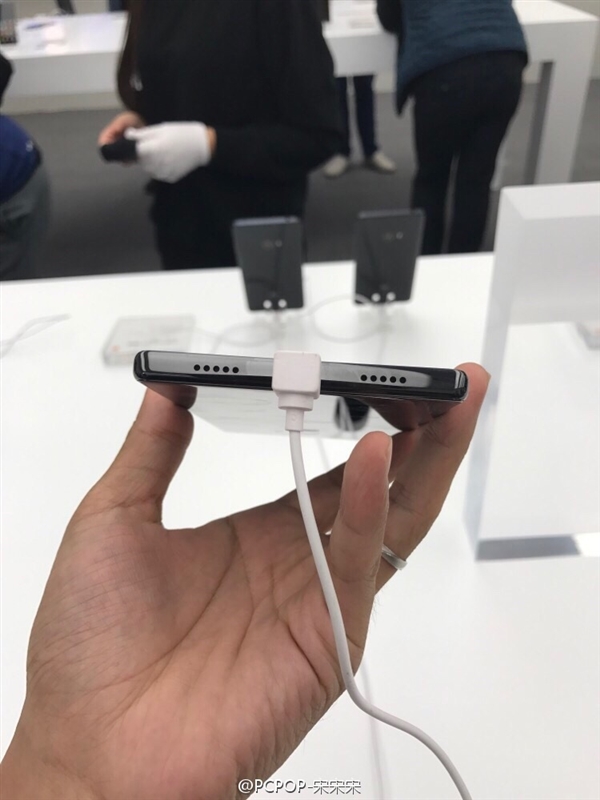
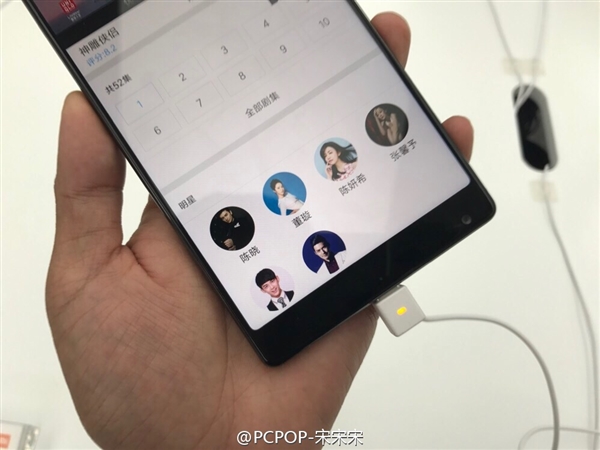
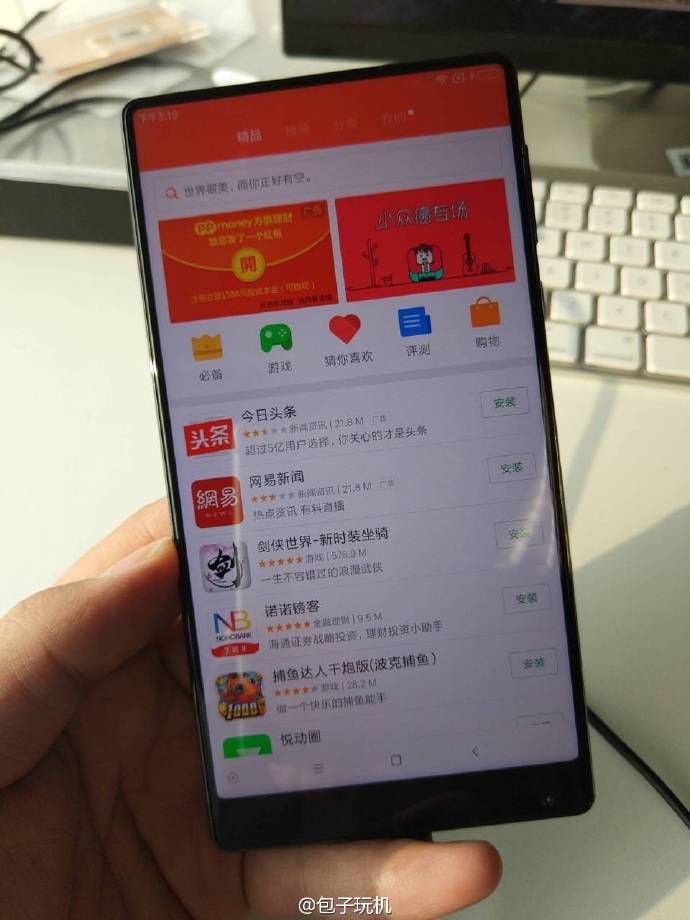
Xiaomi surprised everyone today, not with the Xiaomi Mi Note 2, but with a new concept smartphone, the Xiaomi Mix. While initially, we thought that this was just a concept device that we may never get to see in real life, the company soon revealed that the phone is real and will be up for sale as well.
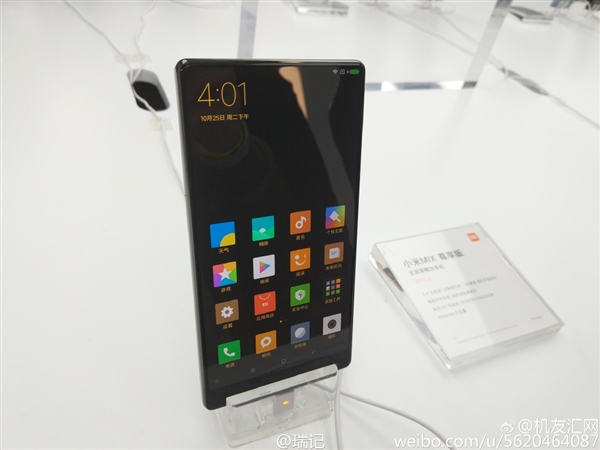
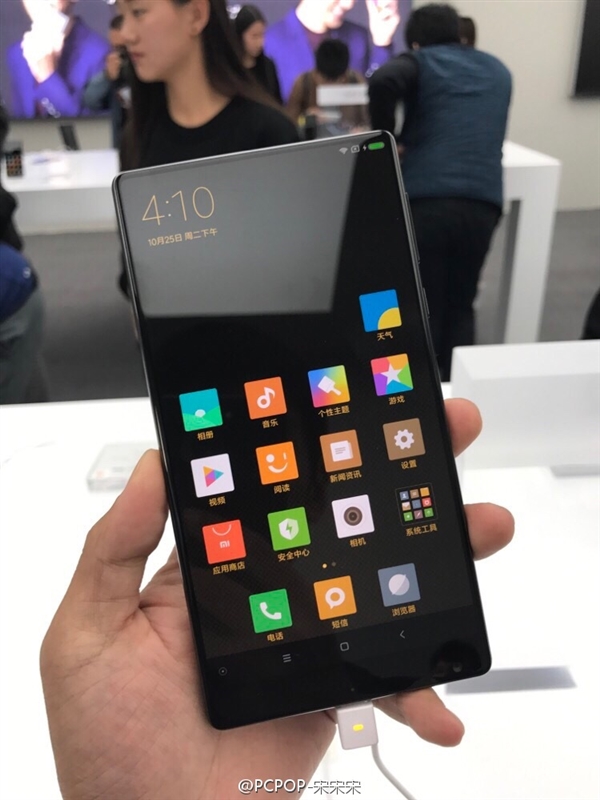
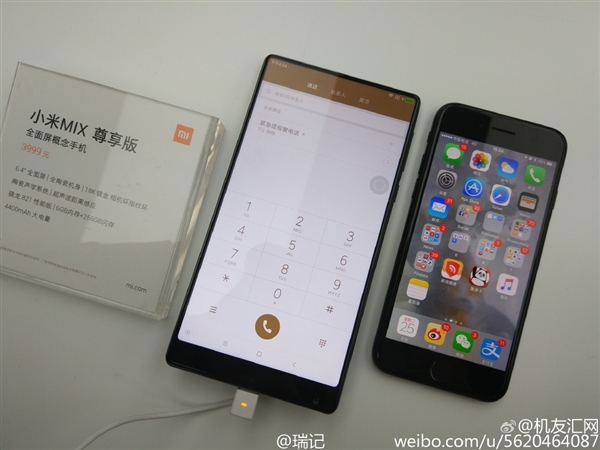
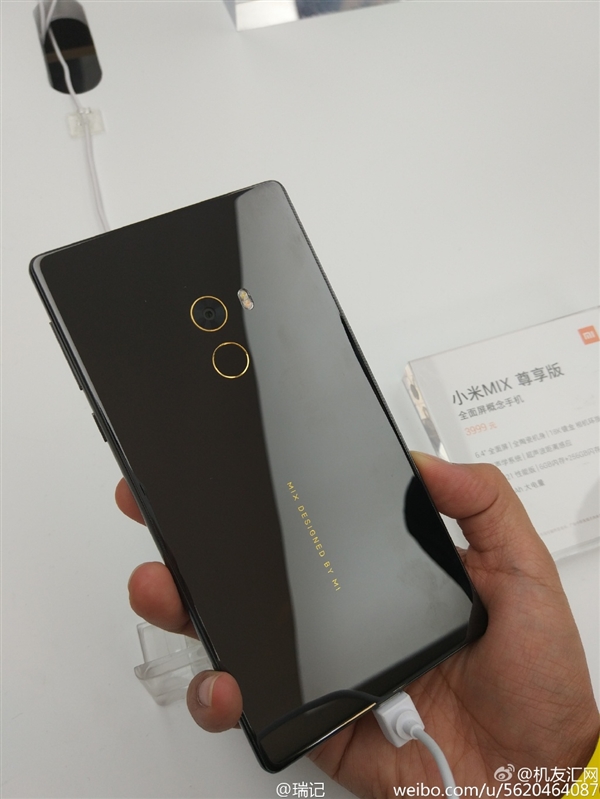
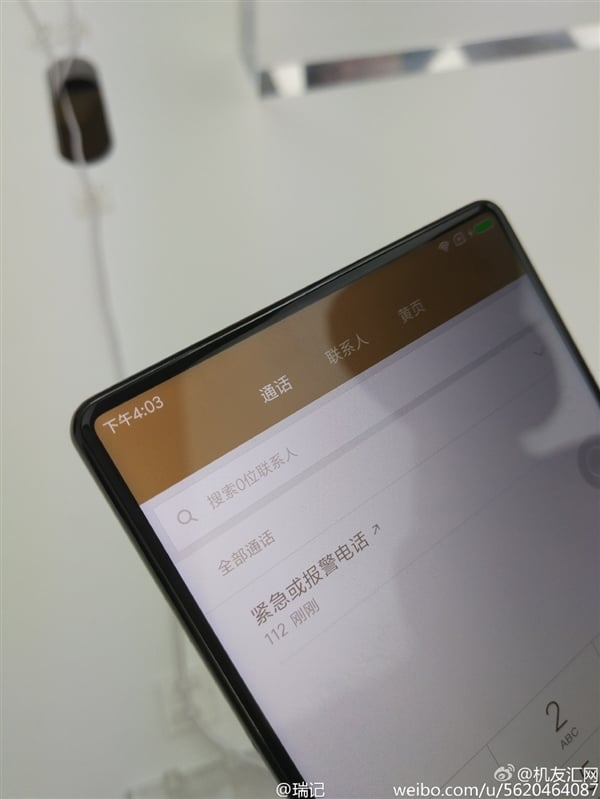
Till now, we have seen a few amazing renders of this full screen (except for a small portion at the bottom) smartphone, but the company also seems to have showcased the device at the event location. We have got some hands on images of the Xiaomi Mix, and it looks like a great smartphone.
We have already mentioned all of the specs and features of the Mix in detail, which you can check out from our launch article. To recap, the Mix comes with Snapdragon 821, 6GB RAM, a huge 6.4-inch display and a 16MP rear camera.
Below, you can check out the Xiaomi Mix hands on images.
There are so many ways to start this article and while it is unfair to be partial to certain manufacturers, I can’t help but say I am impressed with Xiaomi’s event today. They have blown our minds with the Mi Note 2. Even though it took nearly 2 years to get a successor to the original Mi Note, the wait was worth it. Not stopping there, the company announced its own VR headset, the Mi VR. And we are pretty excited about it.
Back in August, when Xiaomi announced the Mi VR Play, they informed us they were working on a more sophisticated version. That version was released today and from the details released, it does look good.
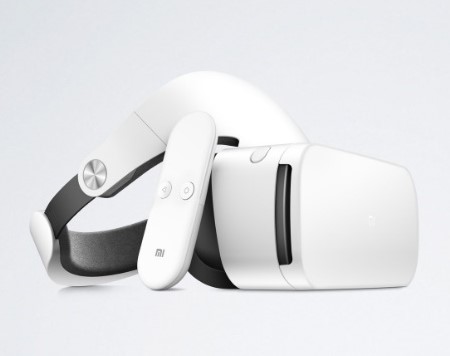
The Mi VR is like a mash up of an Oculus Rift and Google’s DayDream View. But it isn’t a rip off of either of both devices. The Mi VR has a built-in motion sensor and comes with its own motion controller.
Xiaomi says the Mi VR has a 16-millisecond ultra-low latency rate. It is also 16x more sensitive and has a system-level optimization which reduces significantly motion sickness when paired with a high performance smartphone.
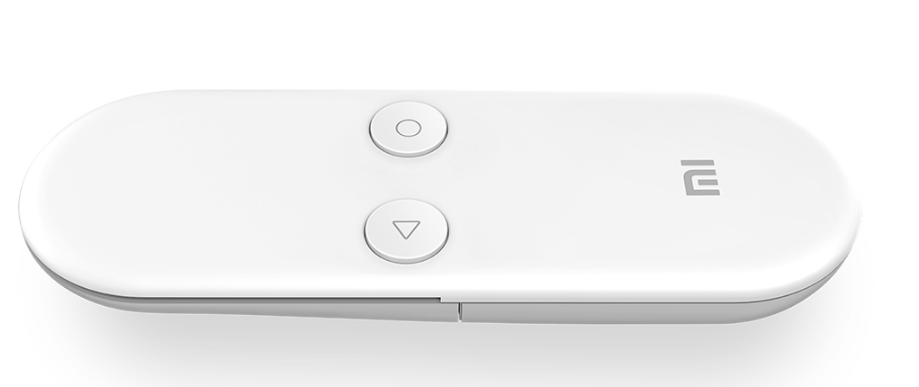
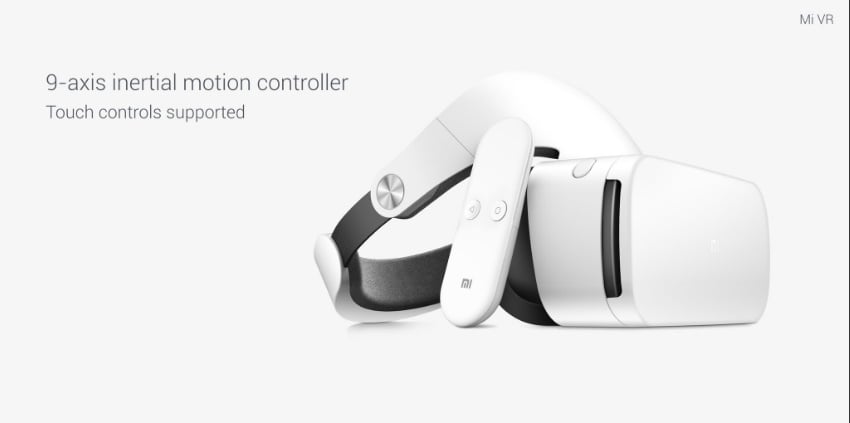
The Mi VR’s remote comes with a built-in 9-axis sensor, has 2 physical buttons and also has support for touch controls.
The Mi VR headset has been designed to be comfortable even when worn for an extensive period. There is an adjustable strap and the parts that come in contact with your eyes, forehead, and back of the head are fitted with cashmere and covered in a sweat absorbent velvety material.
The headset has a 103° viewing angle, the lens are adjustable, and it can be worn by those suffering from myopia and hyperopia.
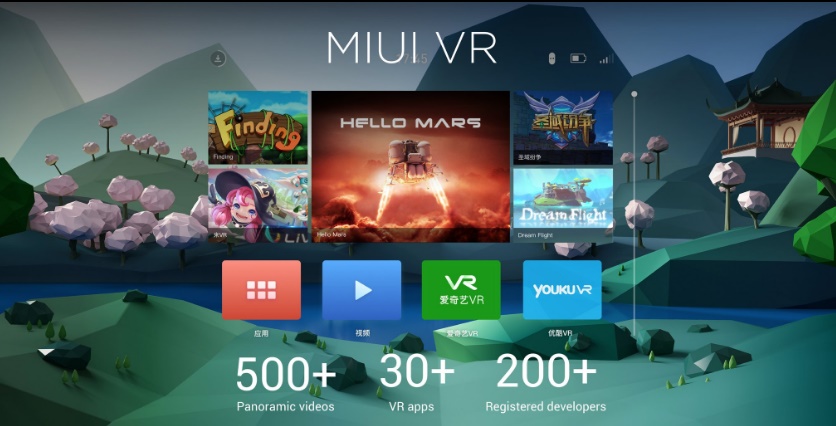
The company has a bunch of content available which includes games, movies, and an outer space 360° panorama content called Hello Mars. There are over 500 panoramic videos, 30 VR apps, and over 200 registered developers providing content for the headset.
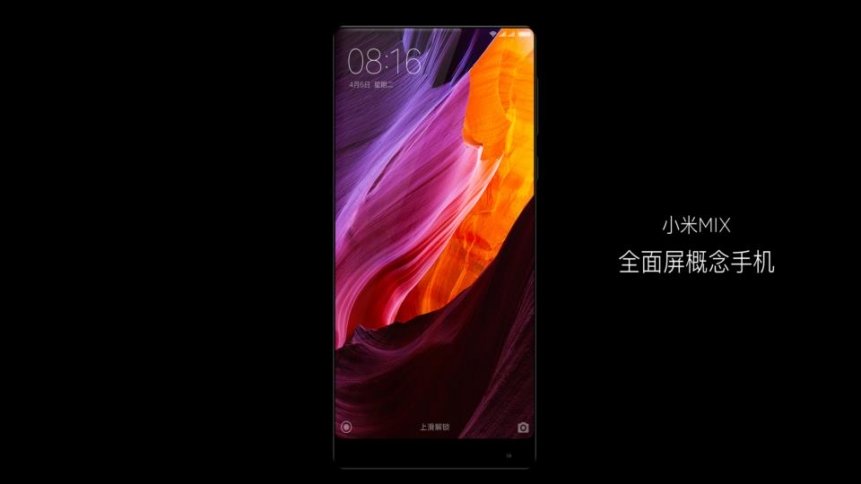
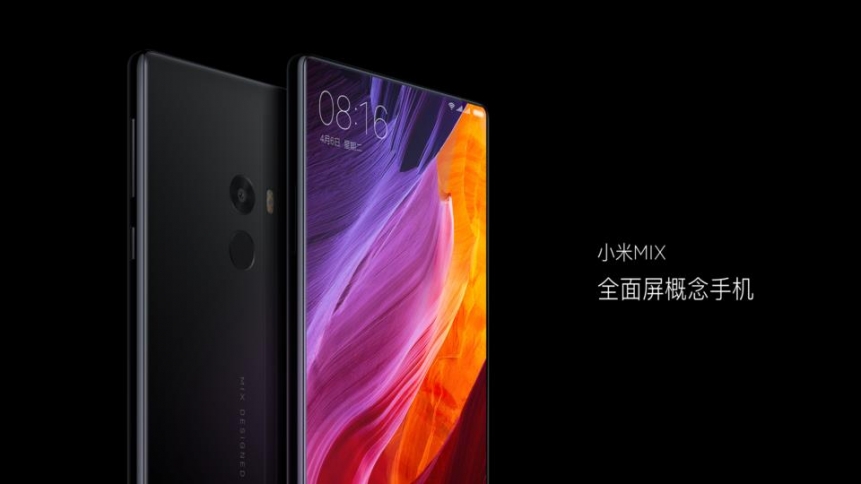
With the Mi Note 2, Xiaomi showed that it is not behind competitors when it comes to using high-end premium technology on its smartphones. However, the company further wants to show its fans what a future smartphone could look like. Enter Xiaomi Mix, a concept smartphone that gives us a glimpse of how advanced technology can transform our future smartphone experience.
To be honest, we all have at least once imagined such a smartphone, but with the Xiaomi Mix, the company wants to show that a full-screen flagship with minimal bezels is really possible.
The Xiaomi Mix is 6.4-inches of pure awesome display experience. The phone boasts of 91.1% screen to body ratio, which means it can be compact despite its large display. In fact, the company says that with such high screen proportion the Mix’s size is very close to the iPhone 7 Plus! This means you get much better display experience around the same size as current 5.5-inch display smartphones.
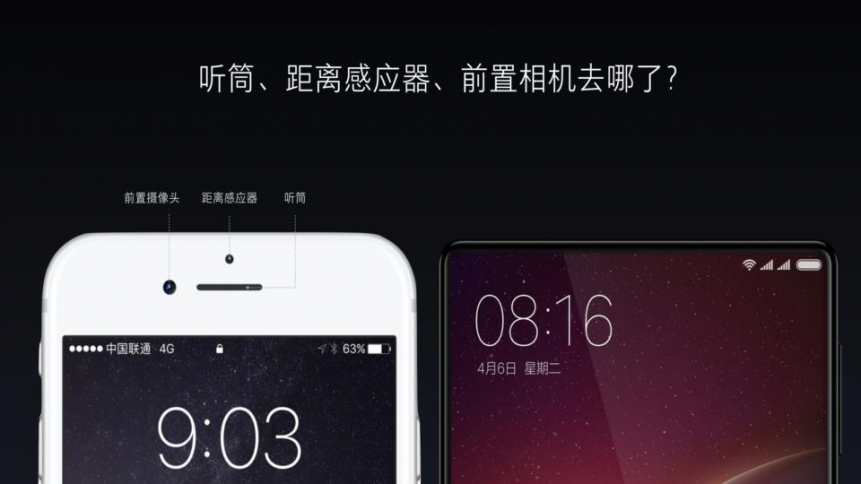
However, with the display covering a majority of the body, there are some challenges that have to be overcome. For example, since the top is covered with display, where would you place the camera, ear piece and the proximity sensor?
So, the Xiaomi Mix will be using a cantilever piezoelectric ceramic technology which replaces the traditional ear piece. For proximity sensor, instead of a traditional infrared sensor, the phone will use a special ultrasonic sensor. And finally for the camera, the company says that the Mix could feature a camera at the bottom bezel, and you can rotate the phone to capture great selfies. Further, to increase the screen area, the company will be using virtual keys with 17:9 custom display.
As for the body, the Xiaomi Mix will be using a 3D Ceramic cover. Yes, similar to the Mi 5 Pro edition which they couldn’t mass produce in required quantities. Xiaomi further revealed that this design was conceptualized by Mr. Philippe Starck, the popular French designer known for his amazing designs.
The Xiaomi Mix will feature Snapdragon 821 chipset with 6GB RAM and 128GB / 256GB storage options. There will be a 6.4-inch display along with other features such as SAP assisted GPS, HD audio processor (192 KHz / 24 bit) and a large 4400mAh battery. At the back, there will be a 16MP sensor. Further, the exclusive 6GB + 128GB edition gets 18K gold plated rings around the camera and the fingerprint sensor. There’s a 299 Yuan gift included in the box — a premium leather cover.
And now for the price, the Xiaomi Mix 6GB +128GB will retail at 3499 Yuan (6GB + 128GB ~ $516) and 3999 Yuan (6GB + 256GB ~ $590).
Surprisingly, the Xiaomi Mix is indeed real and will go on sale real soon!
The Xiaomi Mix 3499 Yuan edition will go on sale on November 4. Reservations for the sale start today!
After a long wait, which I think extends to a few years, Xiaomi has finally unveiled a smartphone worthy of taking on the premium competitors in the market right now. The Xiaomi Mi Note 2 is finally official and with it, we have got a flagship which we can directly compare with the likes of the Galaxy S7 Edge and the P9 series.
So, let’s take a look at what the Xiaomi Mi Note 2 brings to the table.
DESIGN
Design wise, Xiaomi has used the popular dual curved design, similar to what we saw on the Note 7. But with the phablet out of the picture due to its battery woes, the Xiaomi Mi Note 2 can shine with its familiar design.
The phone comes with 3D glass on both the front as well as the back. This means holding the phone is more comfortable due to its curved design. Further, for the frame, the company has used Aerospace grade 7 series aluminum, which gives it a smooth yet solid look.
There are two color options, Glacier Silver and Bright Black.
DISPLAY
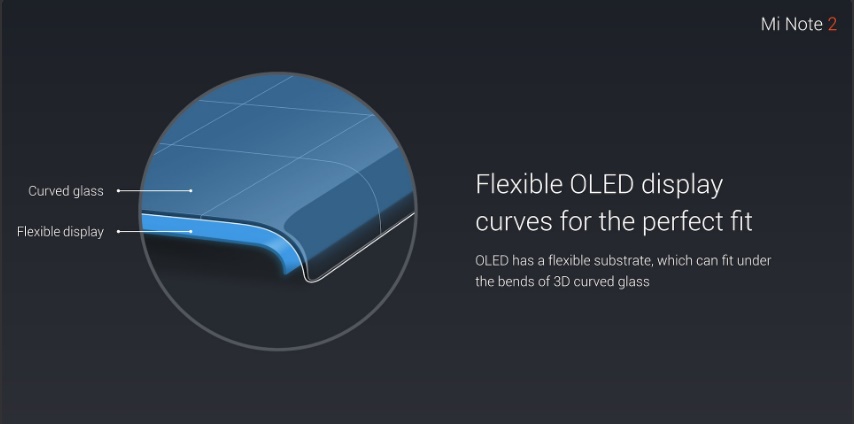
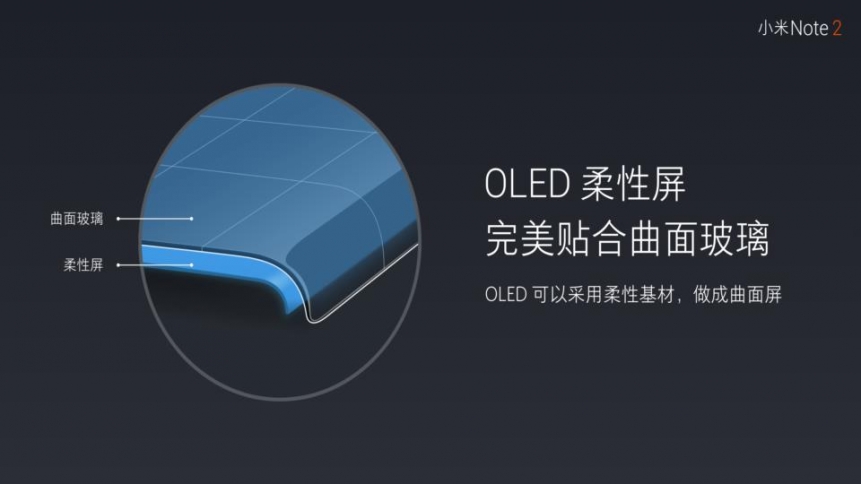
The Xiaomi Mi Note 2 is the company’s first dual curved display smartphone. The company explains that it’s not easy to use 3D glass with an LCD display. Hence, the Mi Note 2 is using an innovative flexible OLED display which not only blends together with the curved glass up front, but the display also extends to the side. This is similar to what we see on other curved display phones.
The phone comes with a 5.7-inch curved display with 77.2% screen to body ratio, better than iPhone 7 Plus’ 67.7%. The panel further boasts of 110% NTSC color gamut and 100,000:1 contrast ratio.
In case you are wondering, Lei Jun also mentioned that this advanced flexible screen costs as much as six times a regular 5.5-inch FHD LCD panel.
HARDWARE
Like expected, Xiaomi has ensured the Mi Note 2 has the best hardware in the market right now. It comes with the Snapdragon 821 chipset clocked at 2.35GHz. As for memory, you have 6GB RAM of LPDDR4 dual channel RAM and 128GB of UFS 2.0 storage. Recent Xiaomi smartphones are known for its long battery life and the same continues with the Mi Note 2. The phone comes with a large 4070mAh battery and with Quick Charge 3.0, battery life is going to be its plus point. Other features of the flagship include AQSTIC HD Audio processor with Hi-Fi sound quality and low distortion (24 bit / 192KHz), NFC with fingerprint payments and improved SAP assisted GPS.
As for the camera, the Mi Note 2 comes with the powerful 22.56MP IMX318 EXMOR RS sensor at the back. While there is no OIS on board, the module does have 3-axis gyroscope and EIS (Electronic Image stabilization). The camera also supports 4K video image stabilization at the hardware level. Other features include f/2.0 aperture and PDAF.
Up front, there is an 8MP IMX268 EXMOR RS shooter with f/2.0 aperture and beauty 3.0 software which promises to bring more accurate and natural colors. Another interesting feature of the front camera is the built-in autofocus, which means you will get clear selfies at any distance.
One of the biggest highlights of the Mi Note 2 is the supports 37 LTE global bands! As for the software, the phone is running MIUI 8 out of the box.
PRICING
Expecting the price to be high? Xiaomi has surprised us once again by making the Mi Note 2 quite affordable. The pricing is as follows:
4GB + 64GB 2799 Yuan ($413)
6GB + 128GB 3299 Yuan ($487)
6GB + 128GB Special Global Edition 3499 Yuan ($516)
Note that the 3499 Yuan is the model with 37 Global LTE support, so that’s the model international users should be interested in.
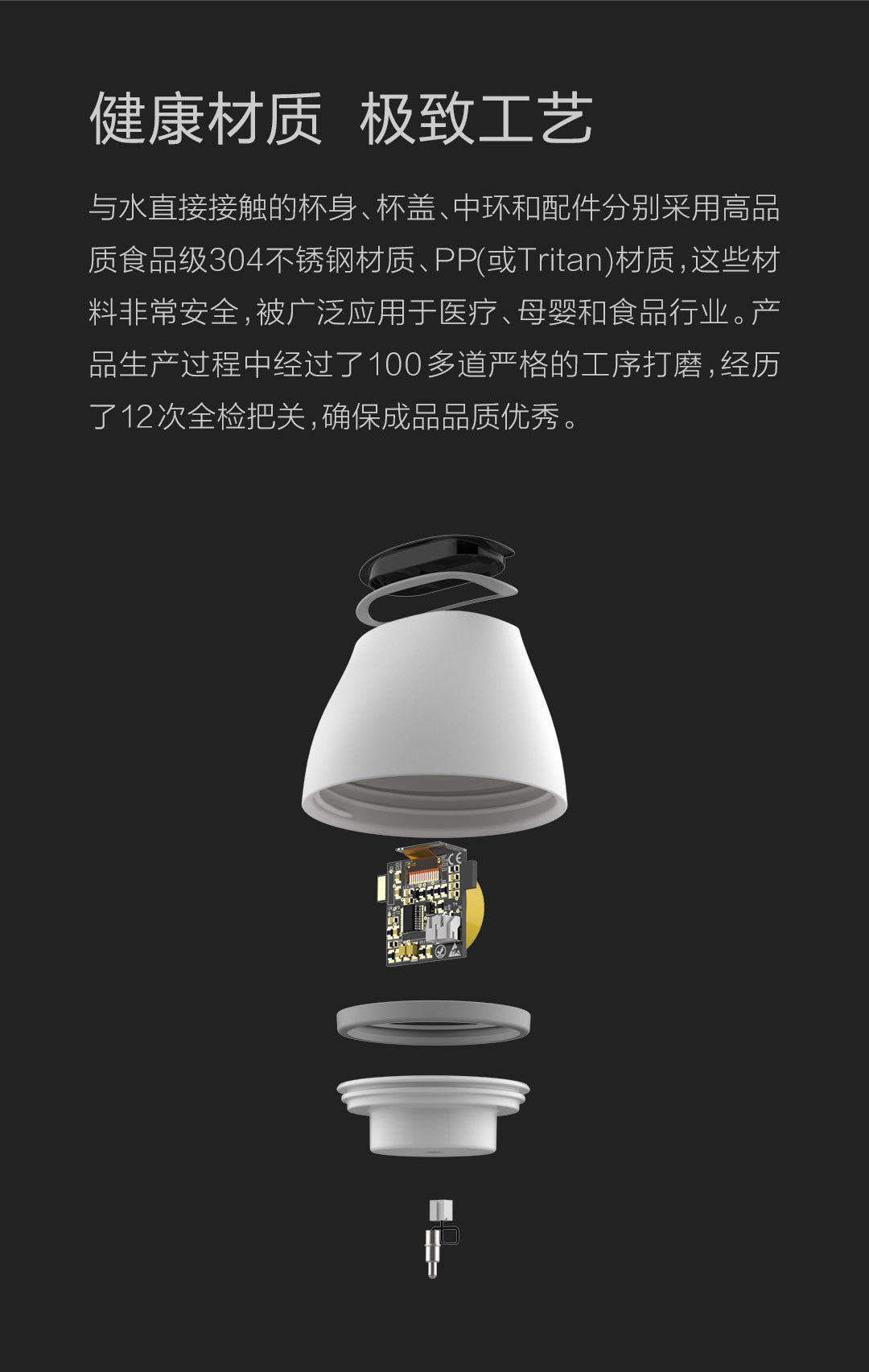
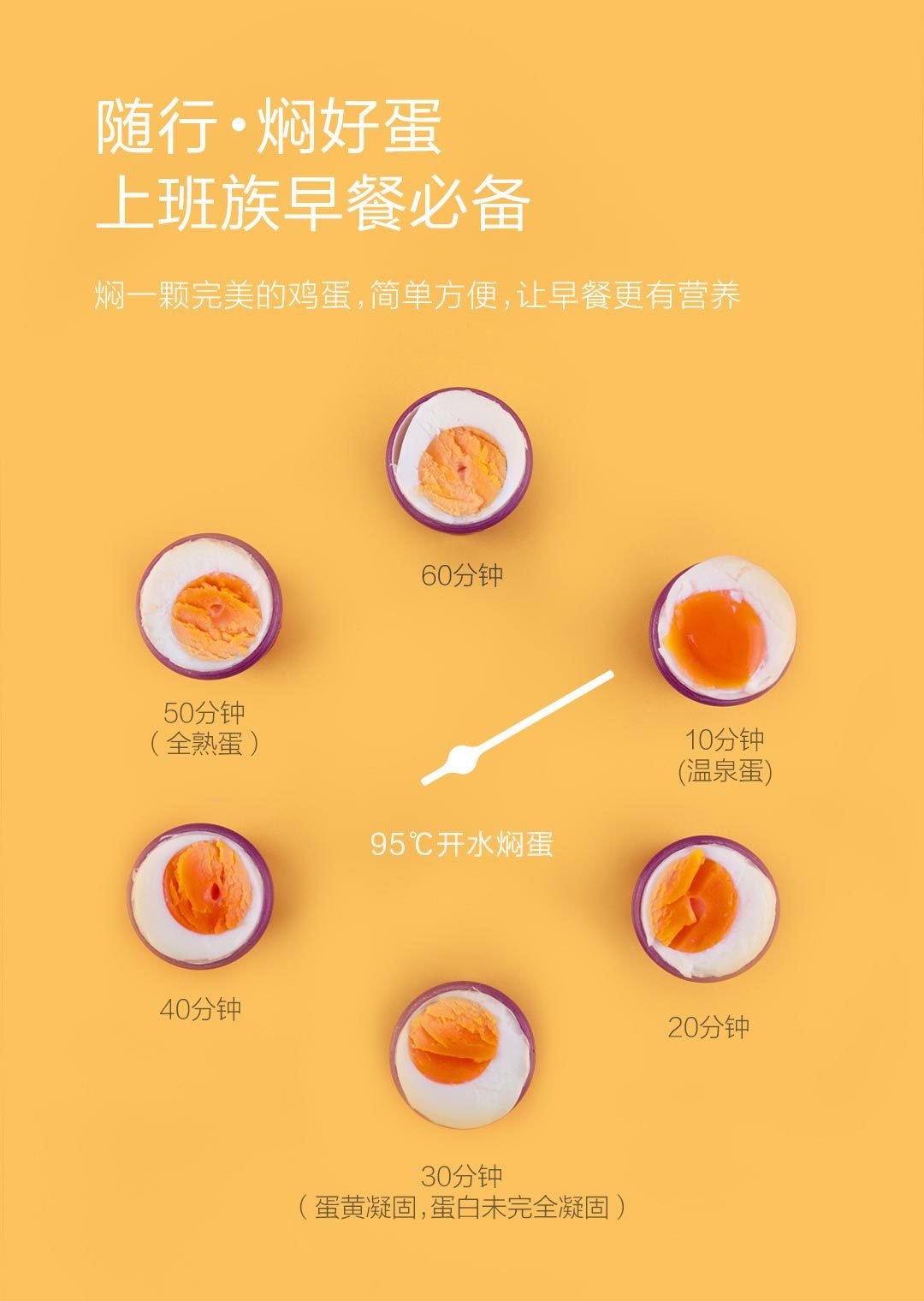
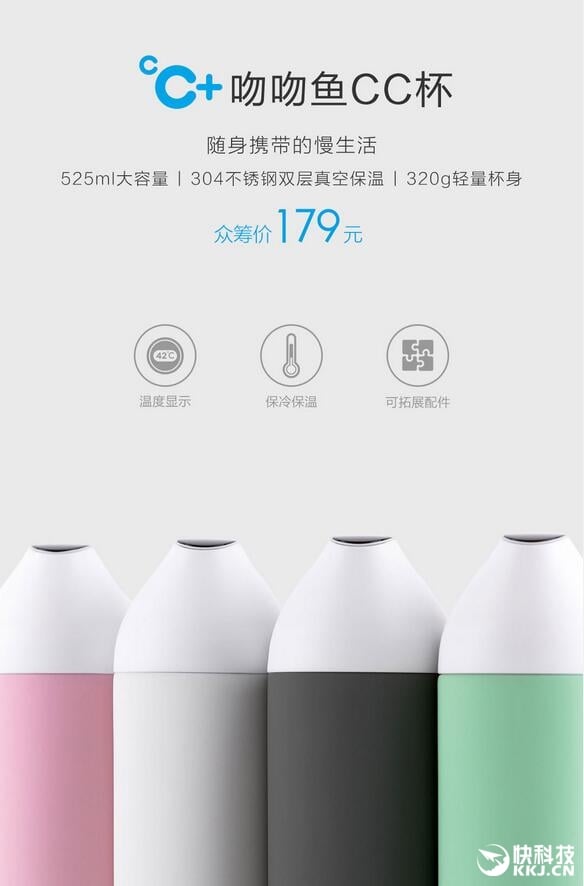
Xiaomi has announced a new product under its crowdfunding platform and it is a tea maker or brewer. The product is called Kiss kiss fish CC Cup and it starts at 179 Yuan ($26) via crowdfunding on Mi home.
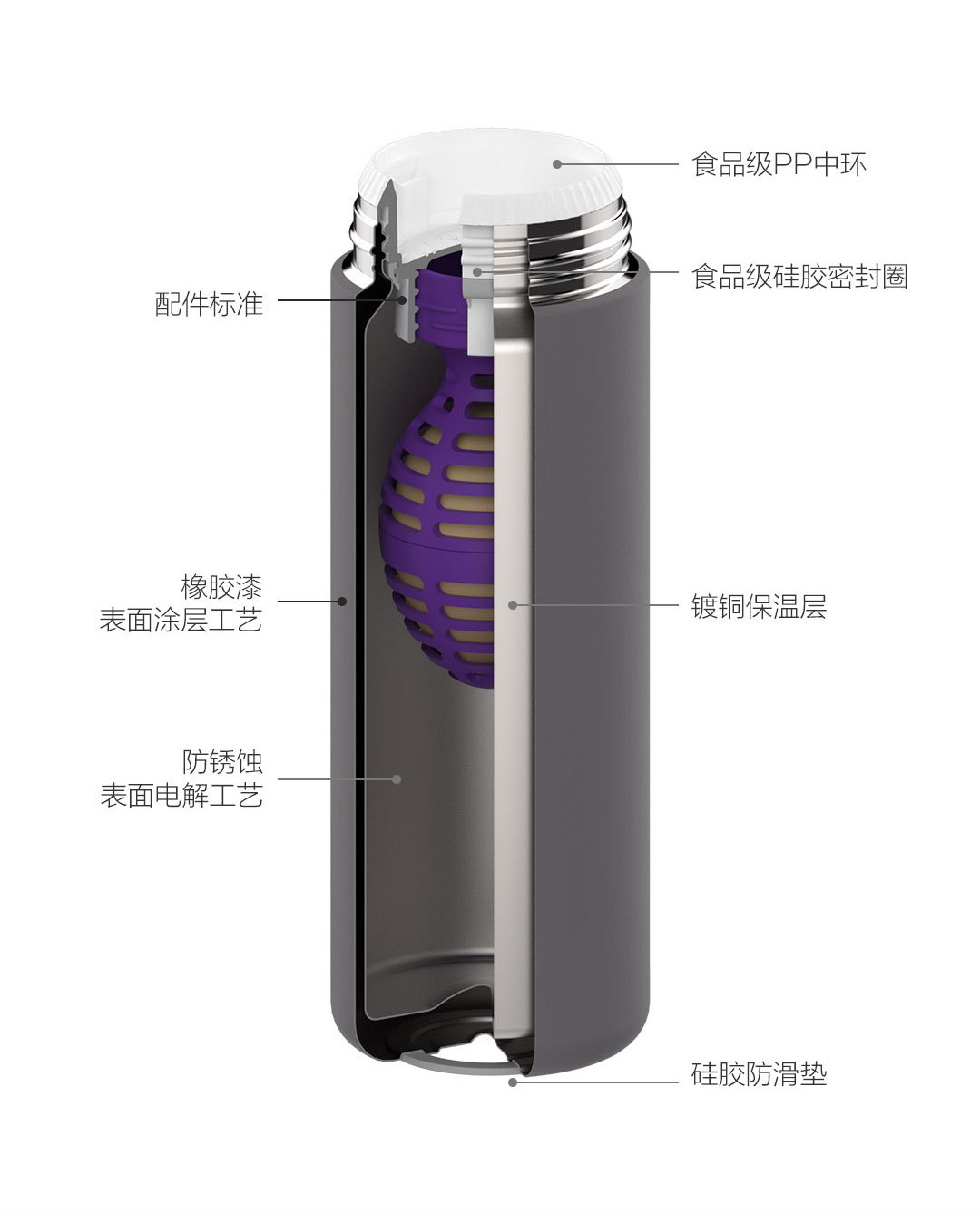
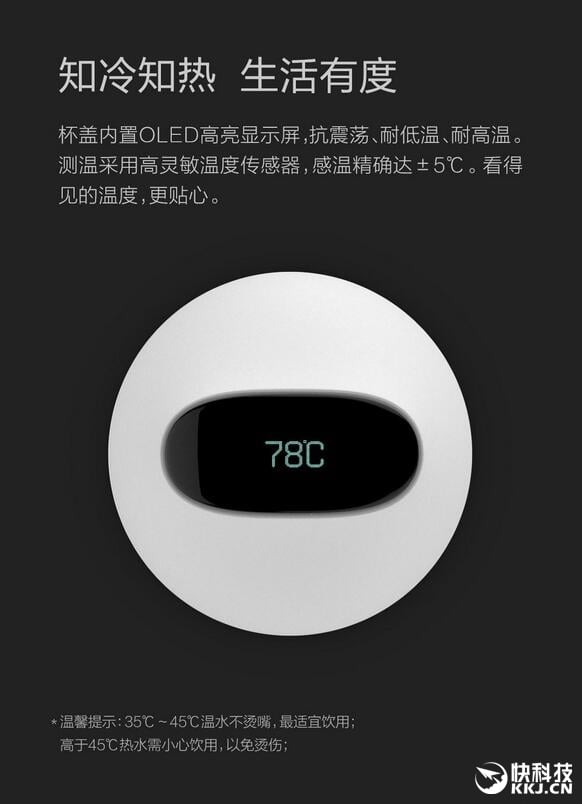
The latest product is a 535ml large capacity stainless steel vacuum flask which comes with temperature display alongside other cool smaller accessories. The flask comes weighing just 320g and can be used to brew tea. The flask seems to have been designed to retain both hot and cold temperatures.
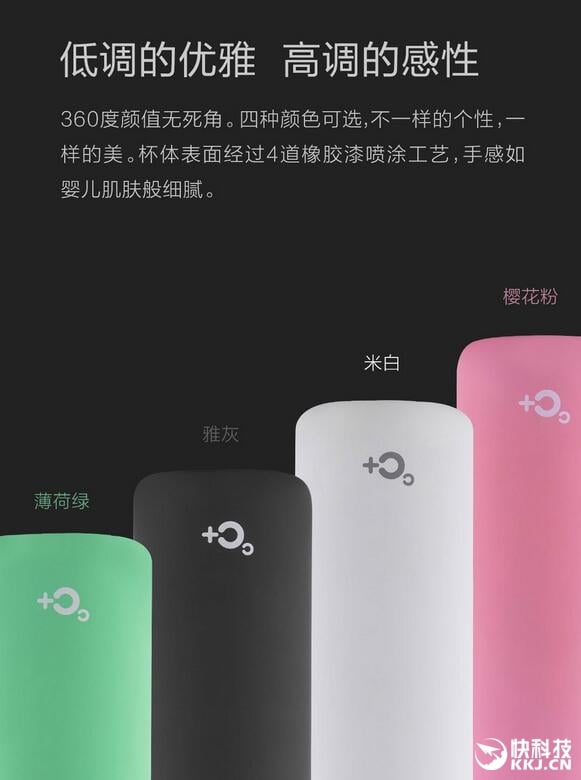
The flask is made of high-quality food grade 304 stainless steel and comes in mint green, elegant gray, beige and cherry powder colors.
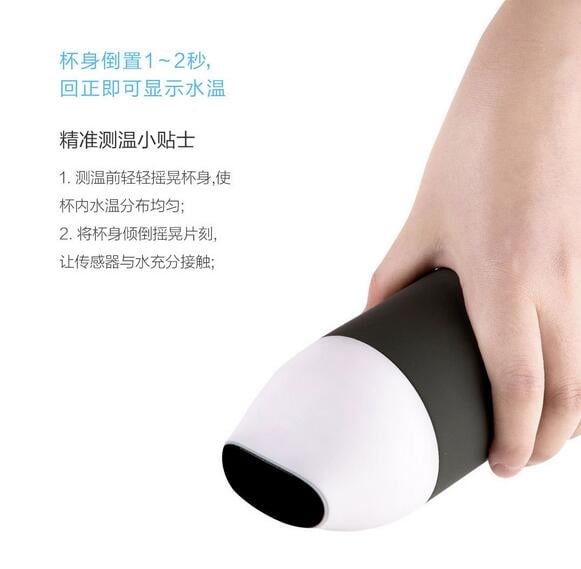
In terms of performance, the CC + flask can retain temperatures above 62 degrees centigrade for up to 7 hours or more and low temperatures below 10 degrees centigrade for up to 6 hours or even more. In addition, the flask’s lid has a built-in OLED screen which shows the temperature inside with degree of accuracy of ± 5 ℃.
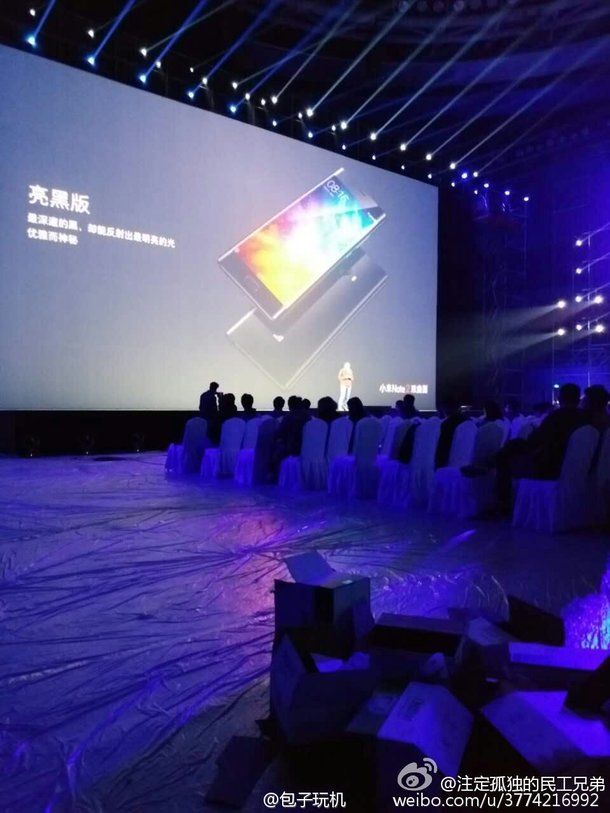
UPDATE: Here’s another image leaked, which seems to be from an internal Xiaomi event.
Finally, the D-day is here, Xiaomi‘s latest flagship Mi Note 2 is set to drop in some few hours time. We hav seen quite a number of renders of the expected device but its always not enough when the device in question is the Xiaomi Mi Note 2.
There is no doubt that the Mi Note 2 would feature a design unlike anything Xiaomi has done in the past, using a double curved screen and flexible display supplied by LG. The device looks very much like the Samsung Galaxy S7 Edge or botched Note 7 but expect lots more innovative features from Xiaomi on it.
First the home button may likely be the same ultrasonic fingerprint sensor used on the Mi 5S and we should be seeing a highly powerful camera on the Mi Note 2 as well. Earlier rumors and renders had suggested dual rear cameras but that is not very likely.
As for the price tag, notable industry analyst Pan Jiutang has added his voice to say the Mi Note 2 would be price around 4000 Yuan ($590). This is not the first time a figure as high as that is propping up, though, so we’ll keep that at the back of our mind while we wait for the official words from Xiaomi. Gizmochina would bring you updates from the conference as they happen.
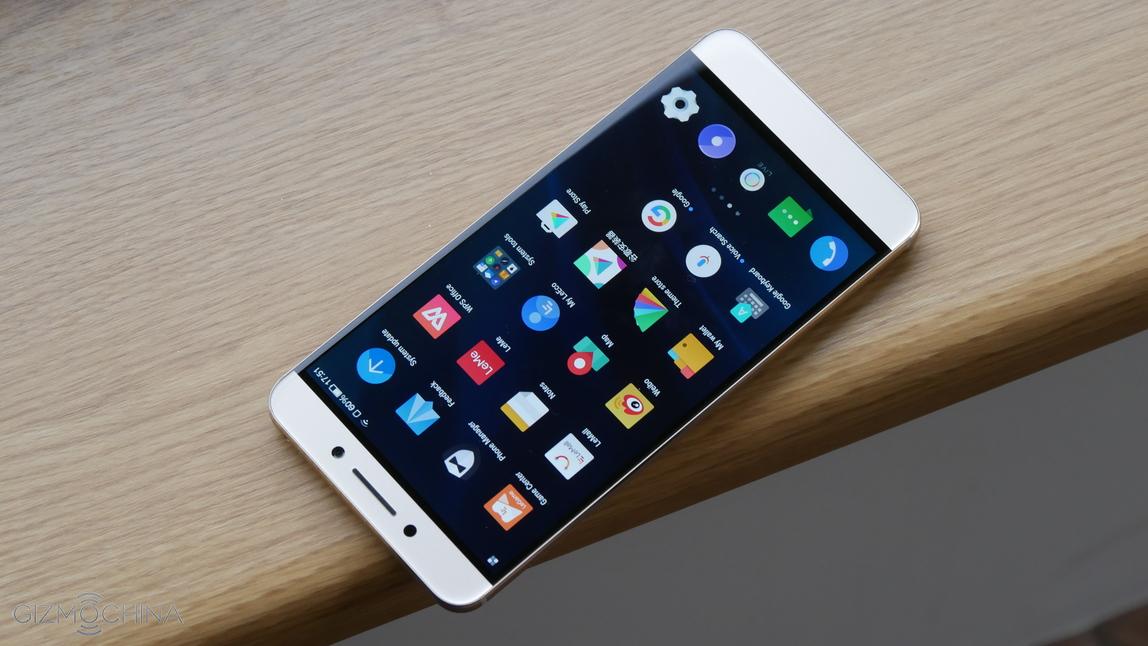
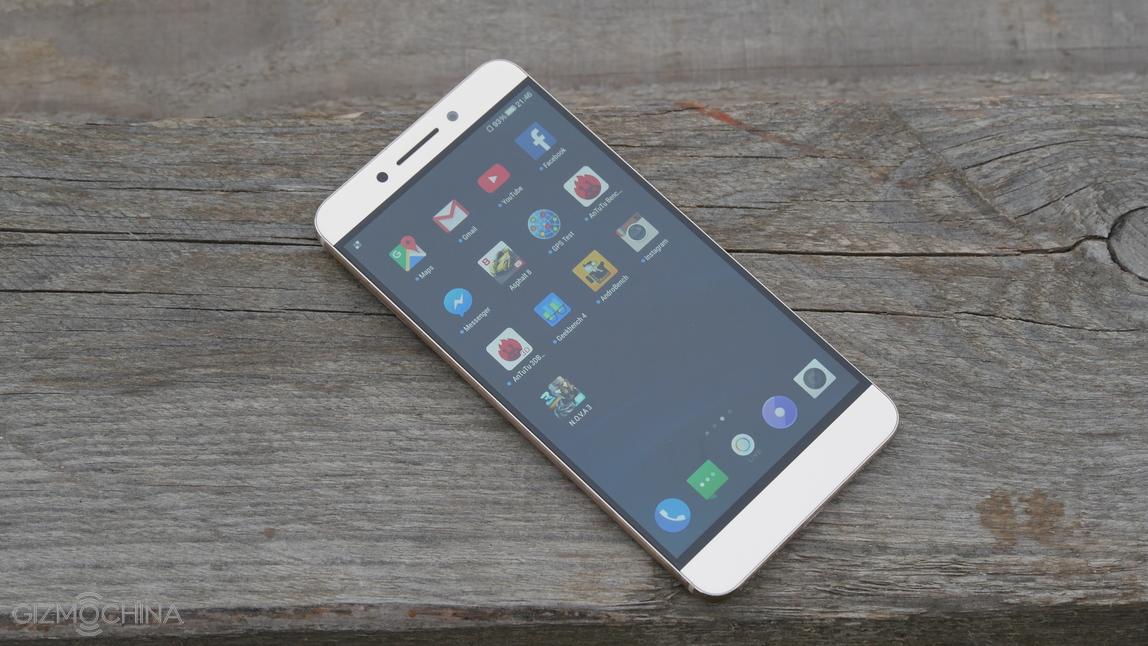
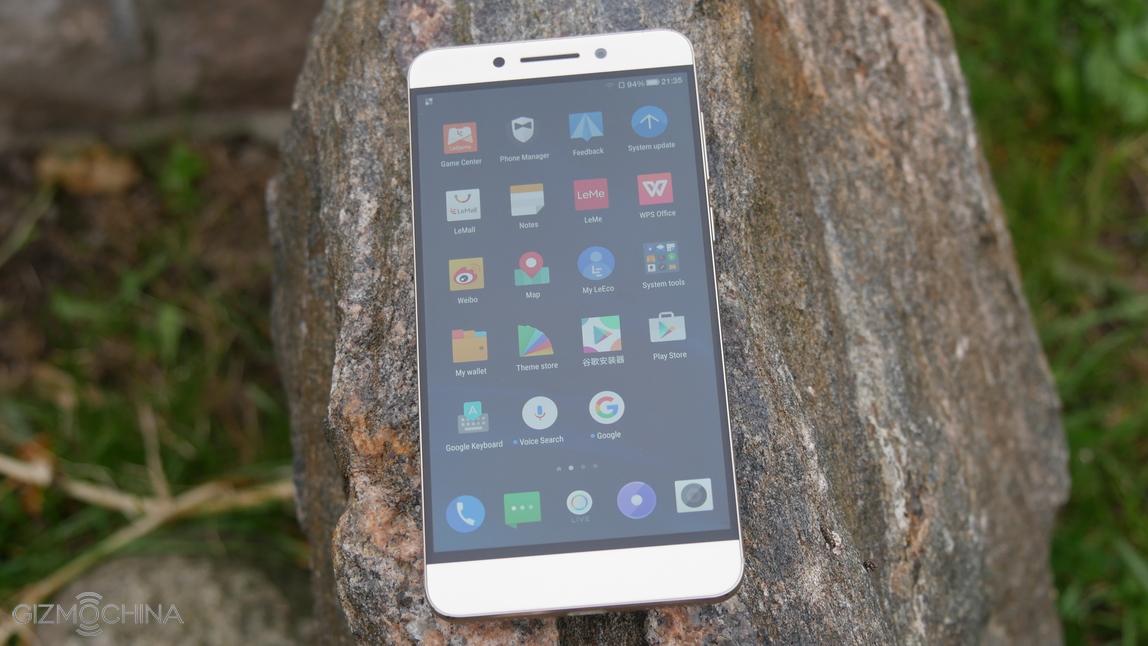
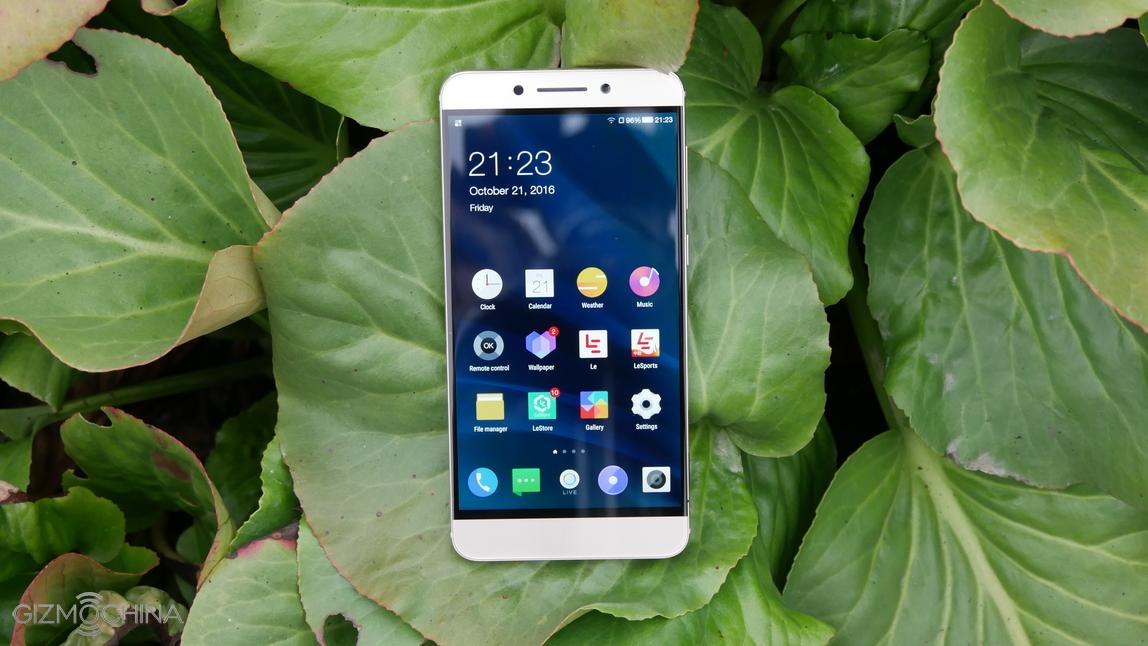
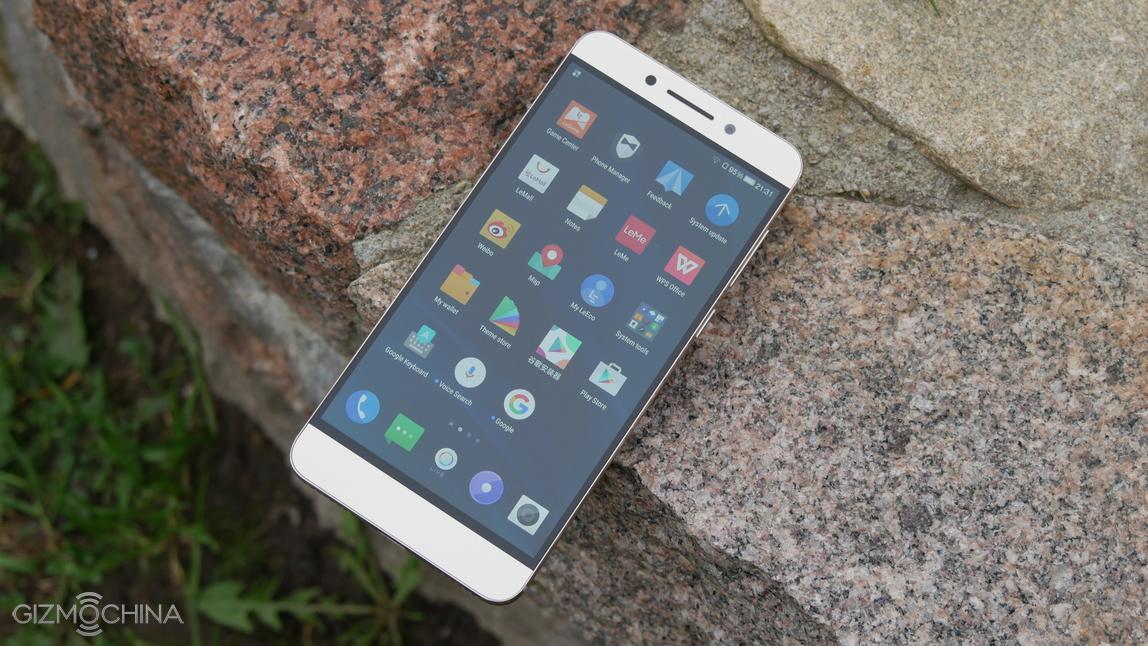
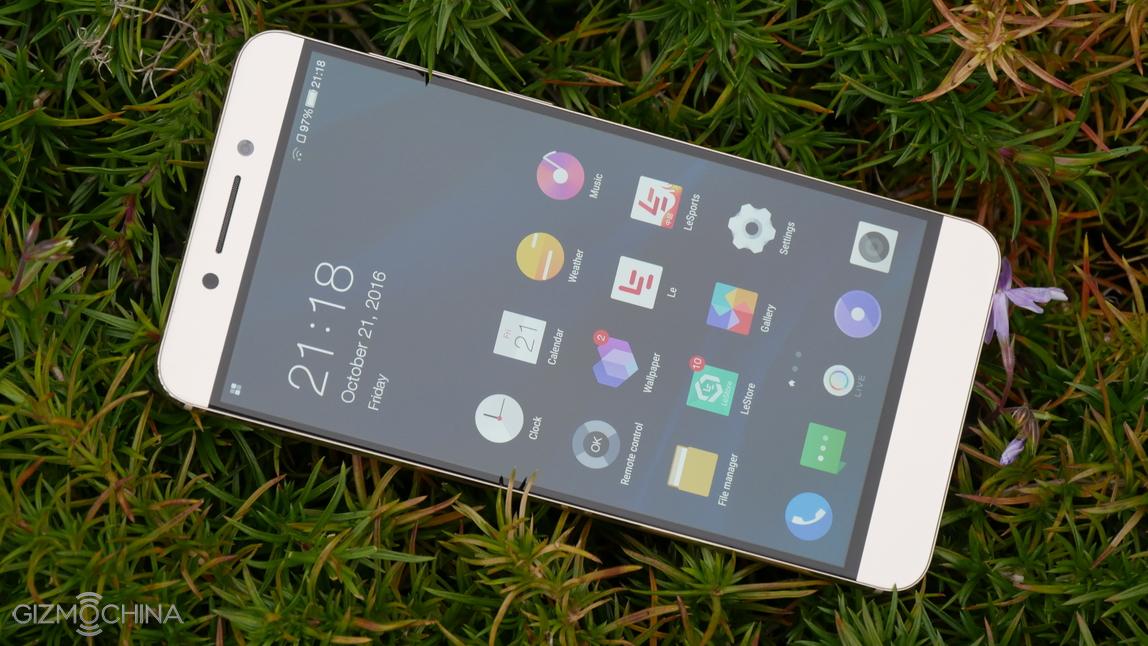
LeEco Le Pro line has been quite successful as these phones bring a lot of value for the price. The Le Pro 3 is the newest model that brings all the latest specs and premium design for the price of just below $290. Is it any good? My name is Linus, you are watching Gizmochina, stay tuned for a full review.
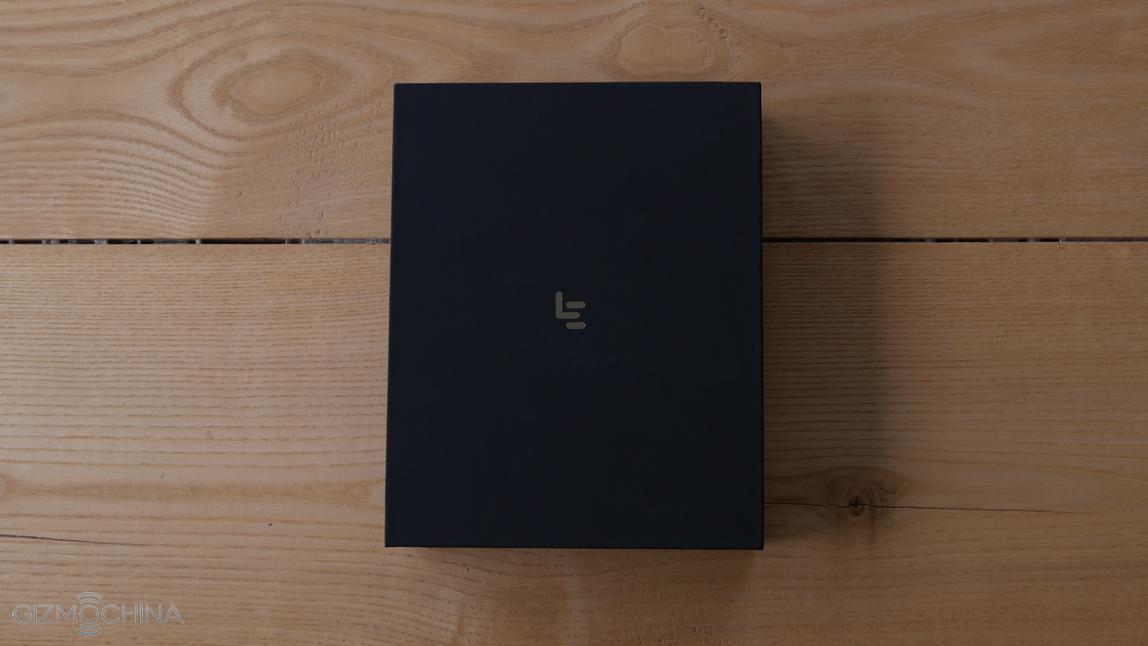
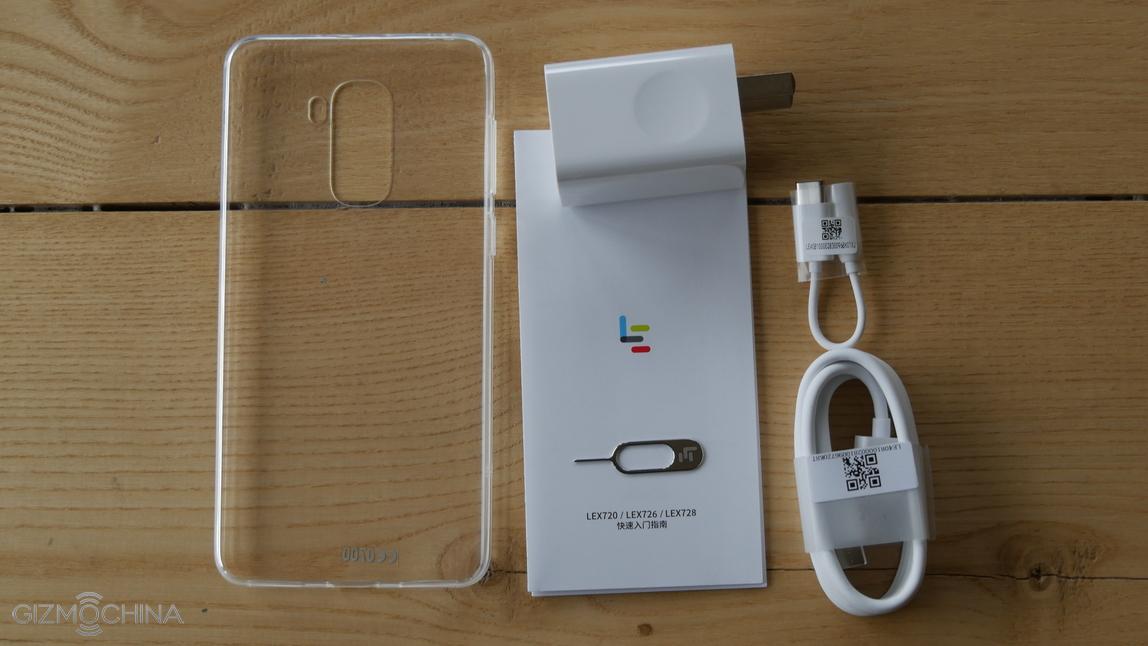
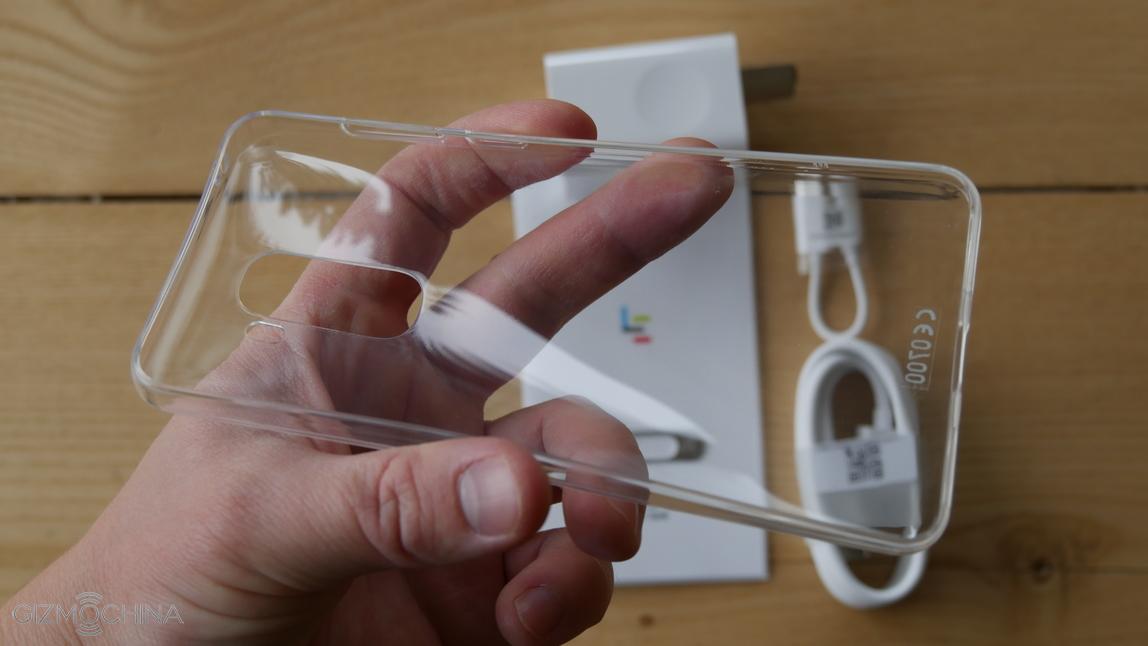
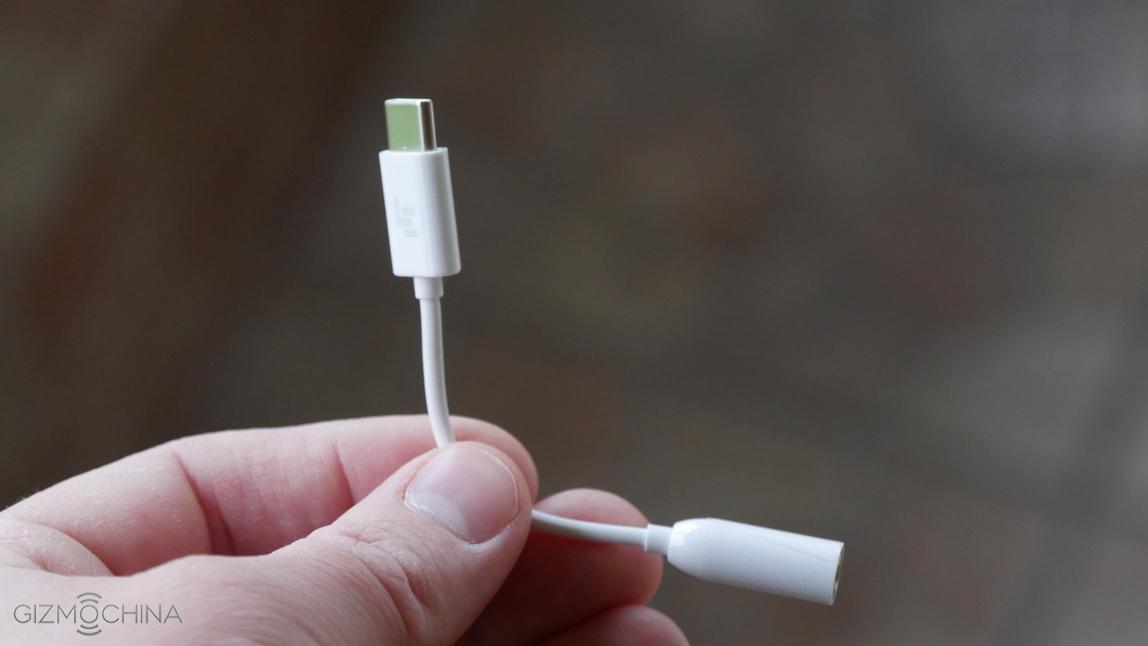
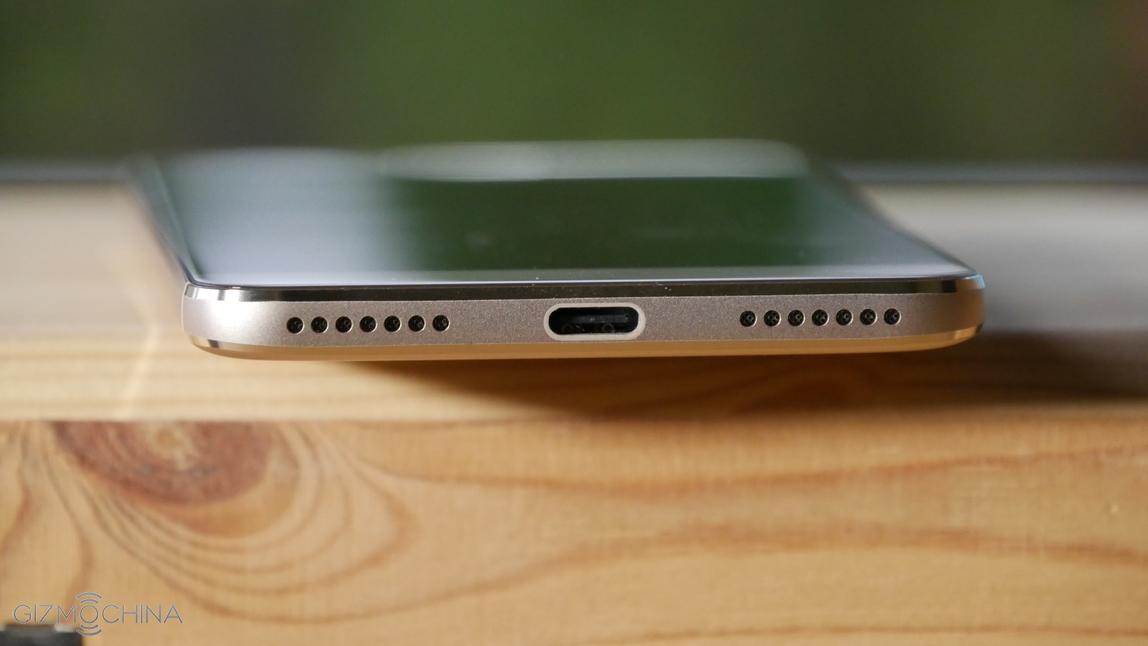
The phone comes in quite a premium box, where you can find all the usual items and some extras include a nice soft TPU case and the USB-C to 3.5mm headphone adapter since the phone does not have the headset jack.
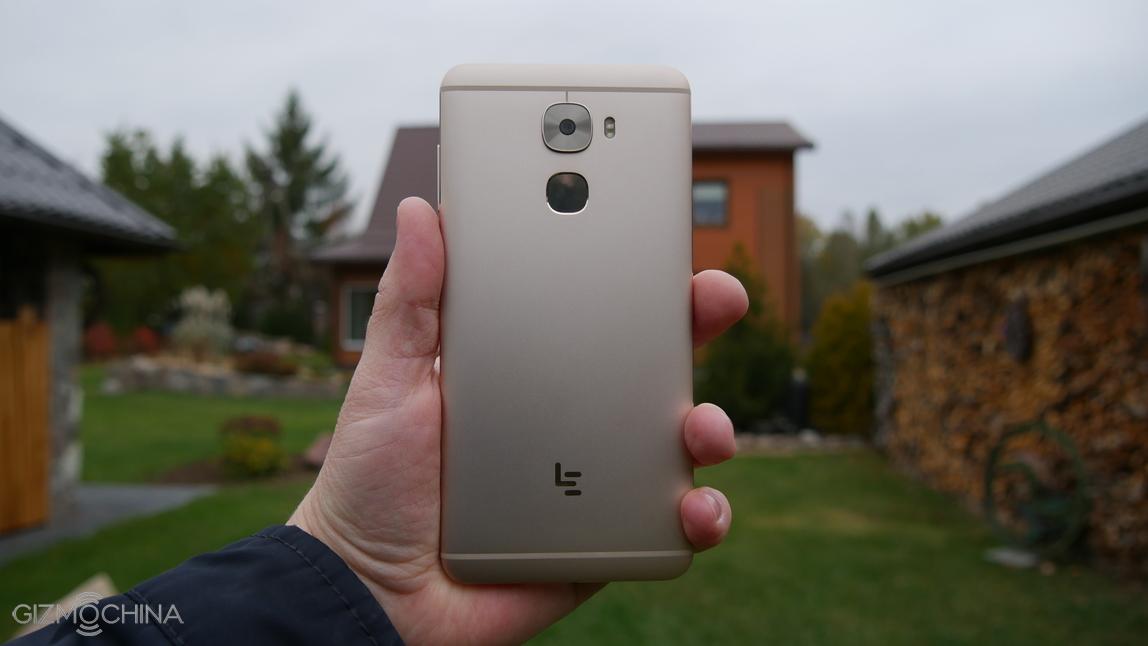
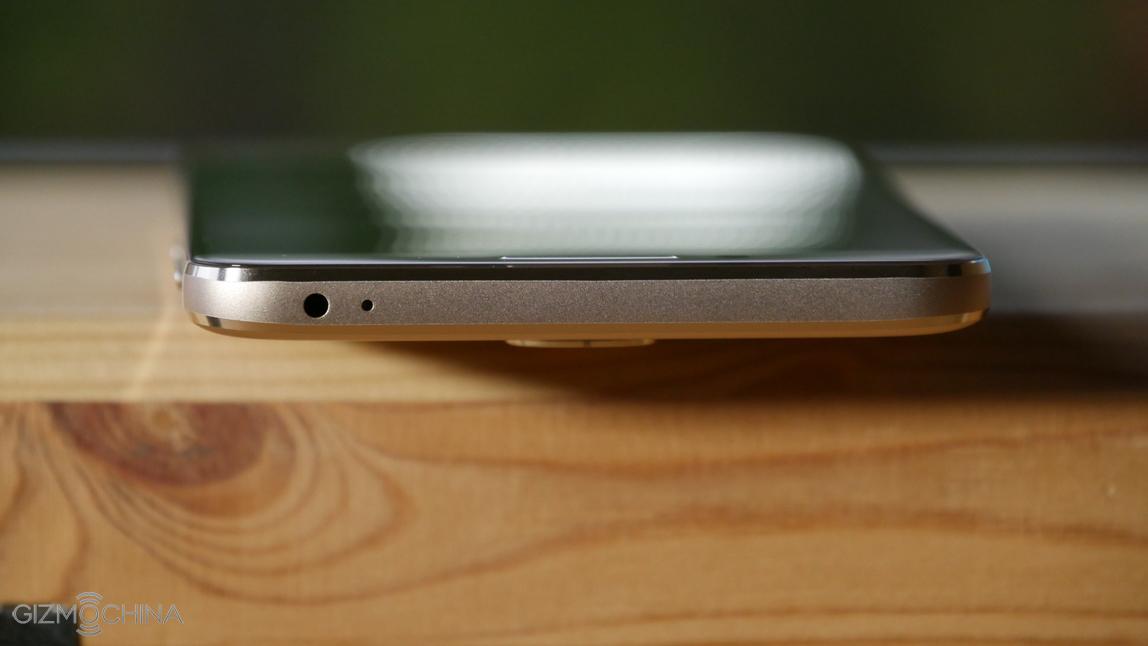
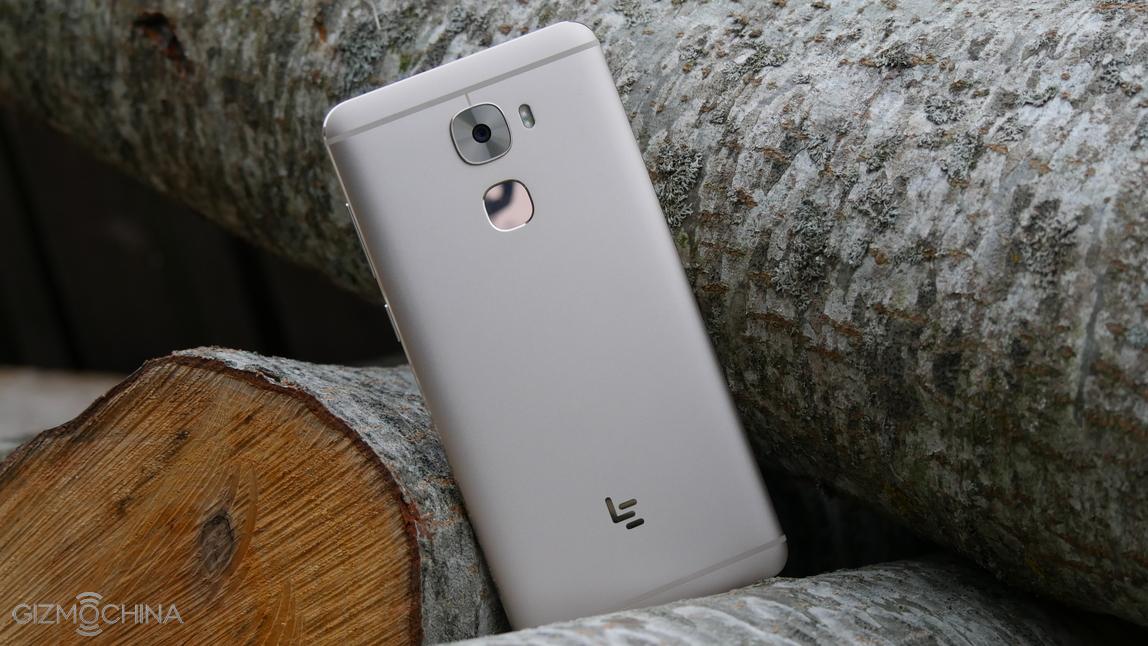
The Le Pro 3 continues a familiar design language we’ve seen on previous LeEco models.
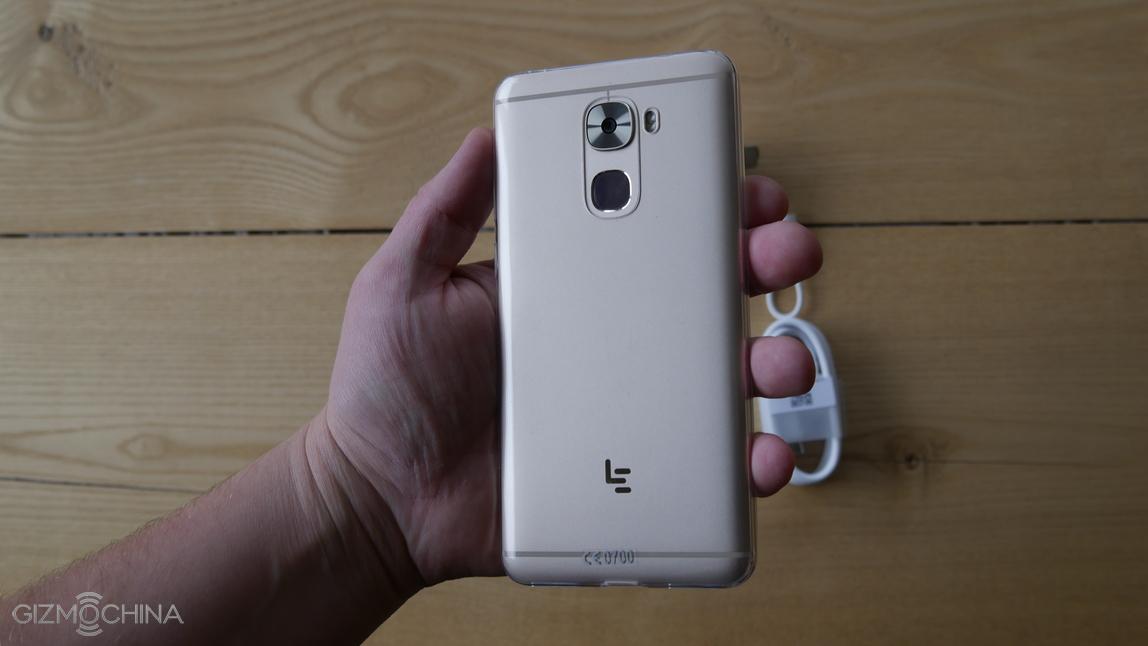
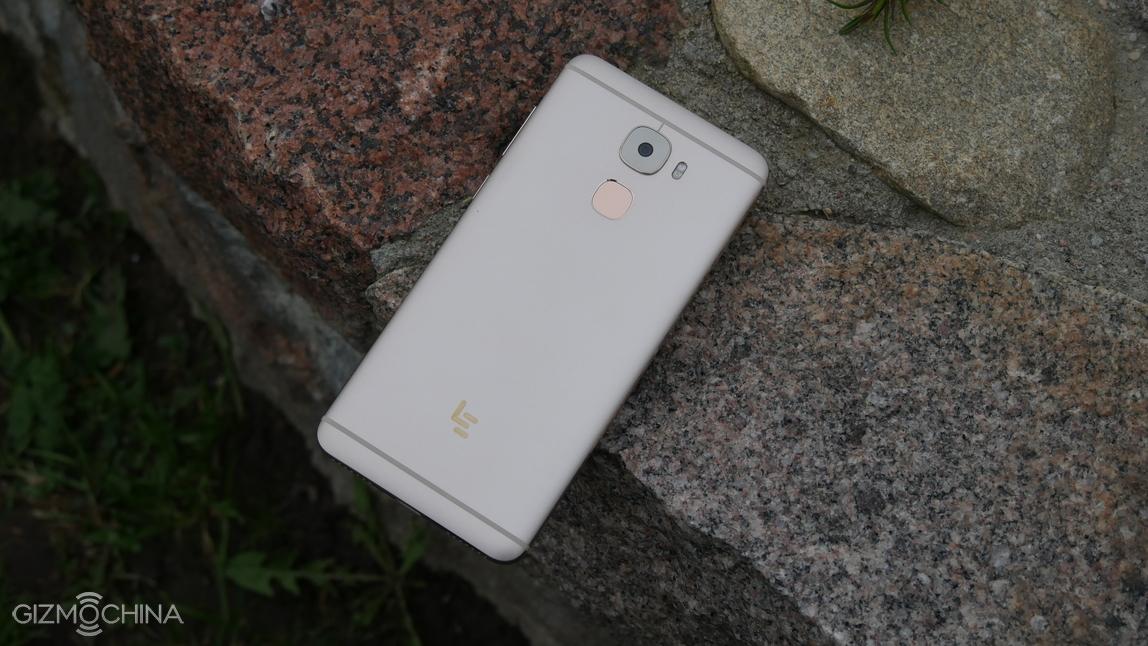
It is made entirely of metal and it sits comfortably in the hand. What is nice about this phone is that it has a relatively sleek profile despite the fact that it has a beefy 4070mAh battery.
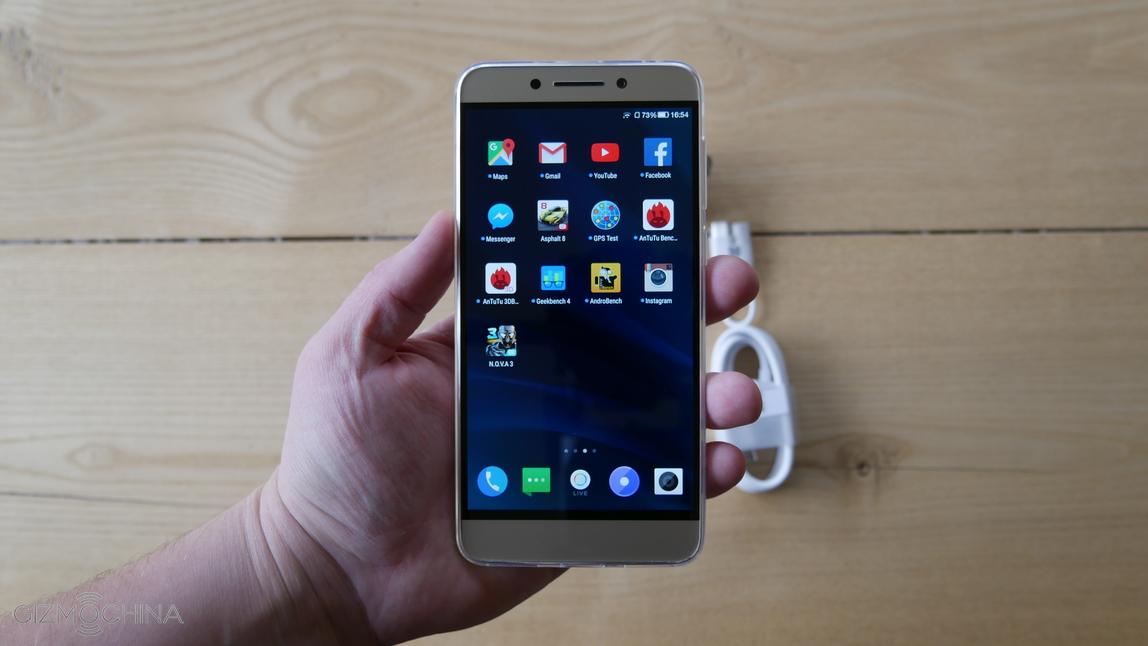
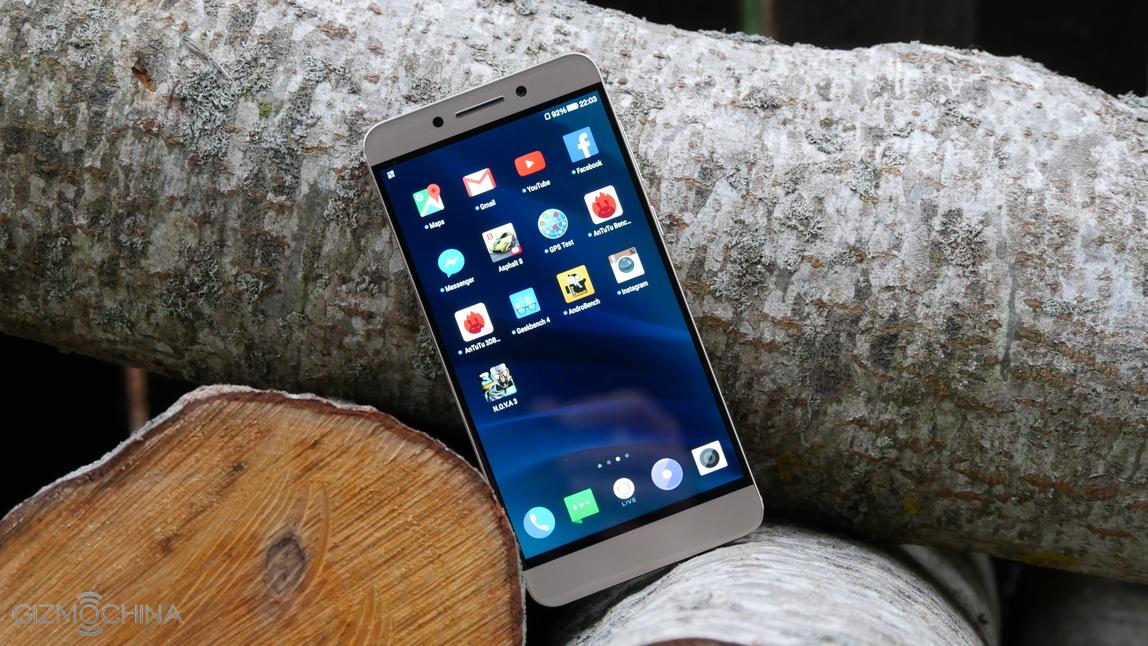
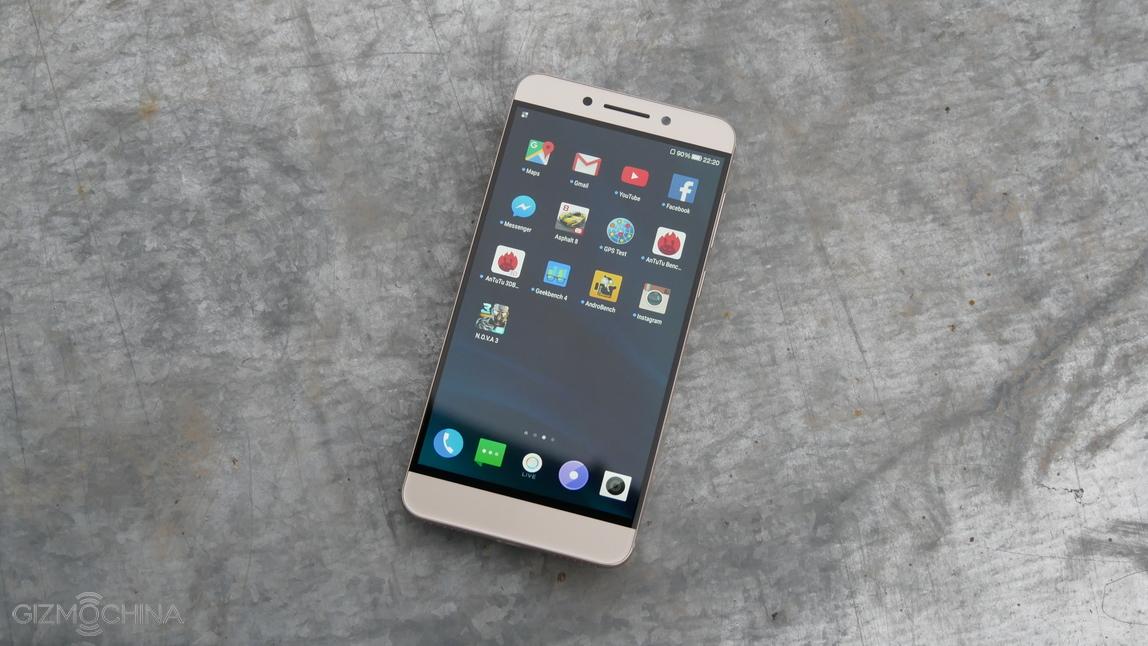
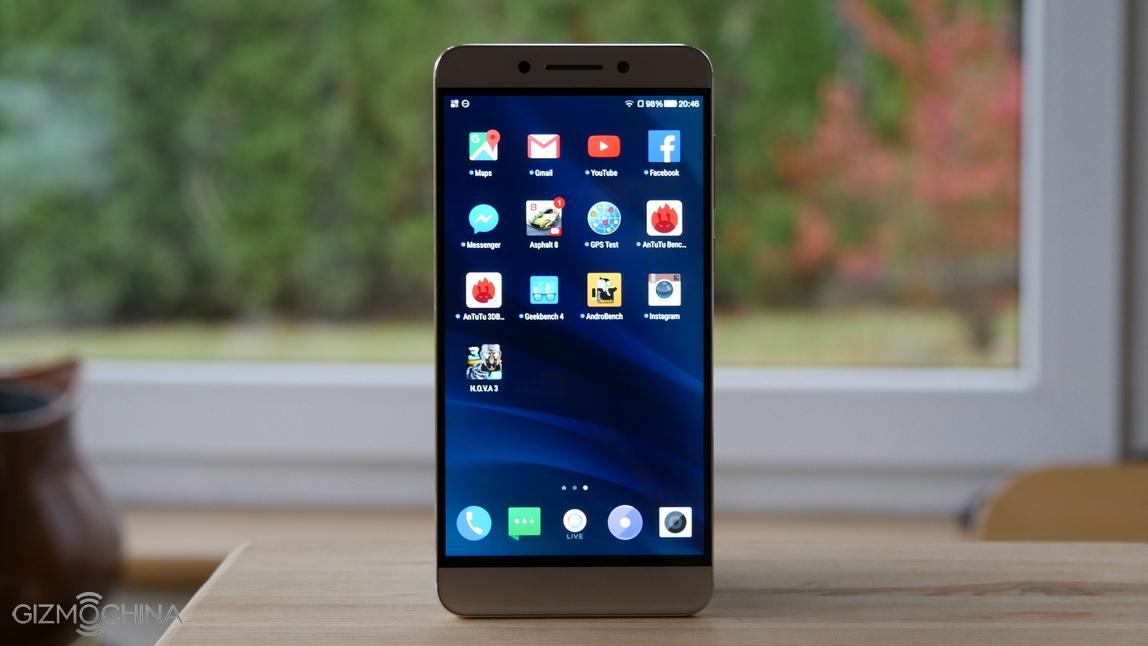
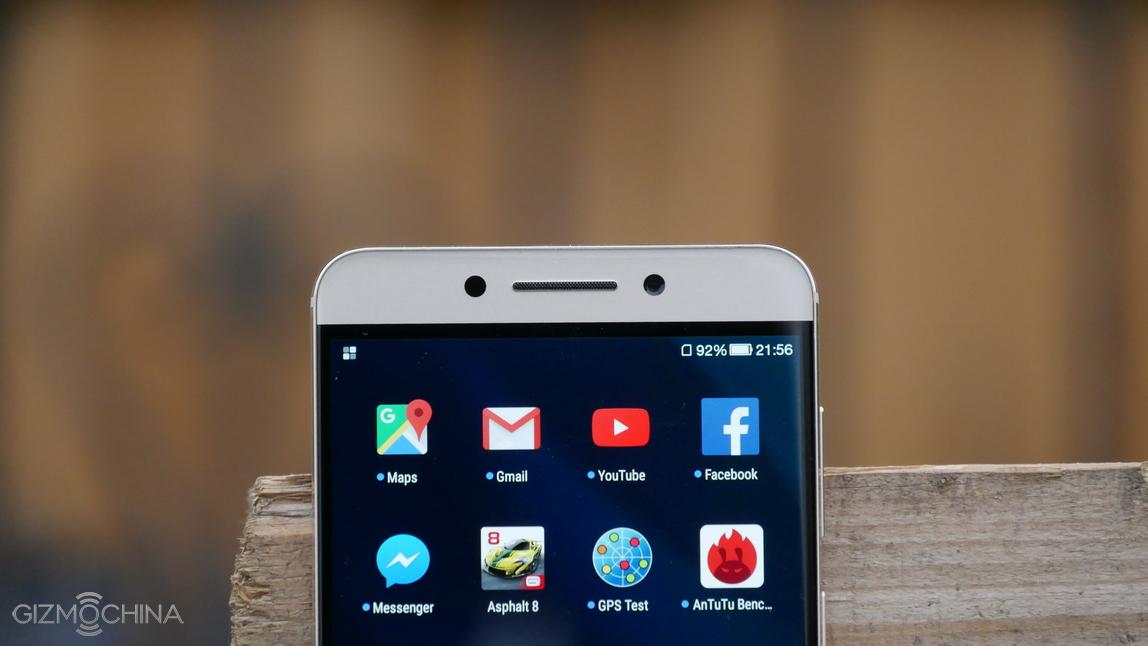
We have a 5.5” 1080p display. Sure, some may say it is a downgrade from the 2k resolution panel but the display is still plenty sharp, bright and vibrant. However, the direct sunlight legibility could be slightly better.
We have an 8MP selfie shooter along with the notification LED light and nicely backlit capacitive buttons.
When it comes to optics, there is a 16MP shooter with f/2.0 aperture and a dual tone dual-LED flash. However, the camera lacks OIS.
The fingerprint sensors have been great on all the LeEco phones and the Le Pro 3 is no exception. The scanner is fast, accurate and it allows you unlock the phone straight from the standby mode.
The buttons are nice and tactile, and they do not rattle.
We have the IR blaster to control devices like TVs but gone is the headset jack, so you would need to use the included adapter or Bluetooth earphones. On the other hand, the sound quality via the USB-C port is very good.
As for loudspeaker, it is definitely one of the better ones you can find in this price range of phones.
LeEco Le Pro 3 Review: HARDWARE and PERFORMANCE
When it comes to hardware, the LeEco Le Pro 3 is yet another powerhouse that sports the newest Snapdragon 821 chip.
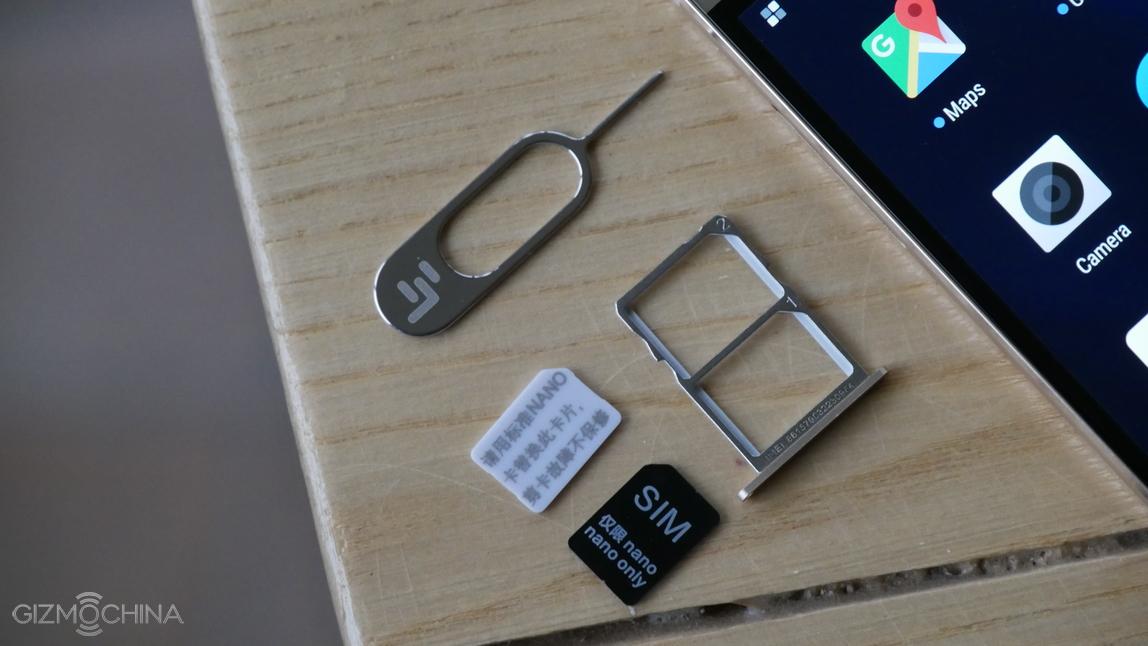
My review unit comes with 4GB of RAM and just 32GB of non-expandable storage, which is a shame for LeEco.
On the other hand, you can opt in for the top-shelf model that has 6GB of RAM and 128GB of storage.
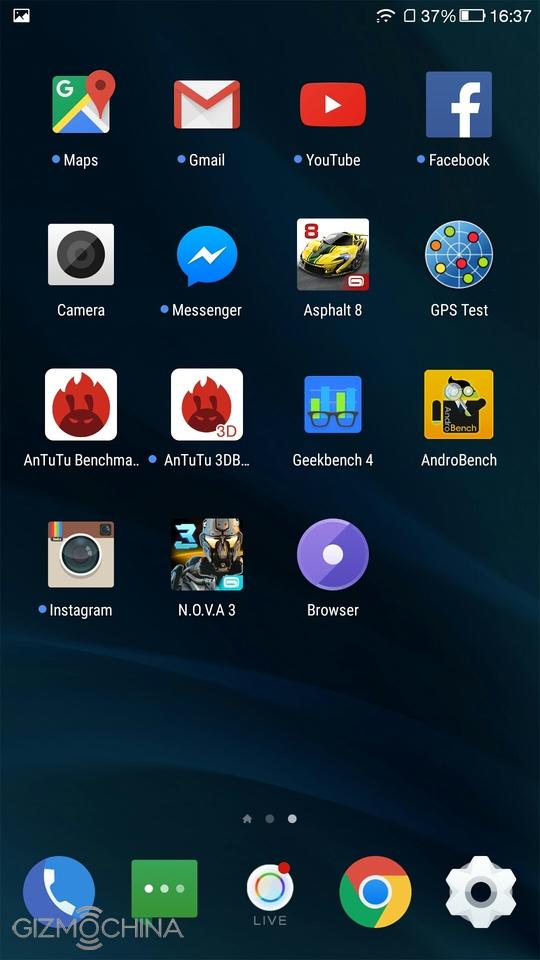
These kind of specs allow you to play any 3D games without any issues. Also, the phone does not overheat even after extensive playing sessions.
LeEco Le Pro 3 Review: USER INTERFACE
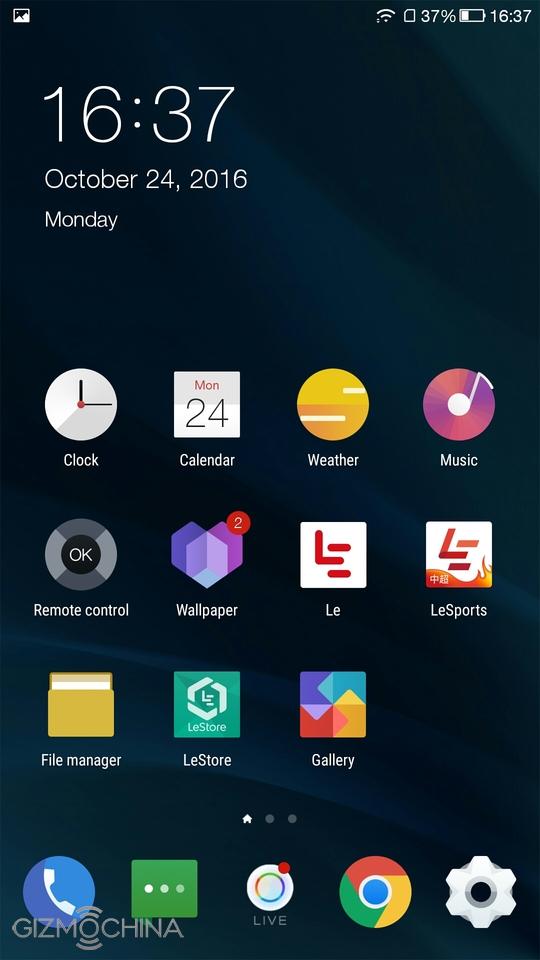
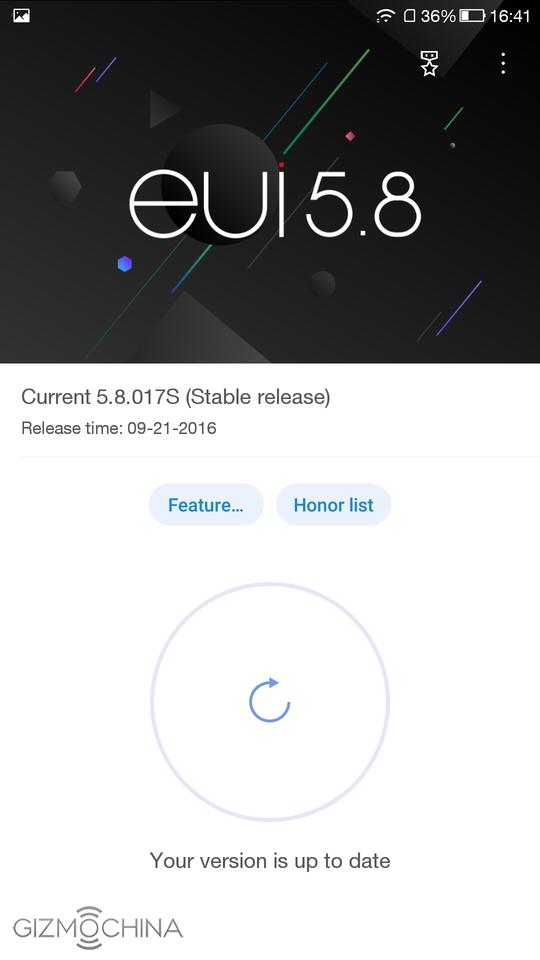
I have always liked the LeEco’s eUI, which is built on top of Android 6.0.
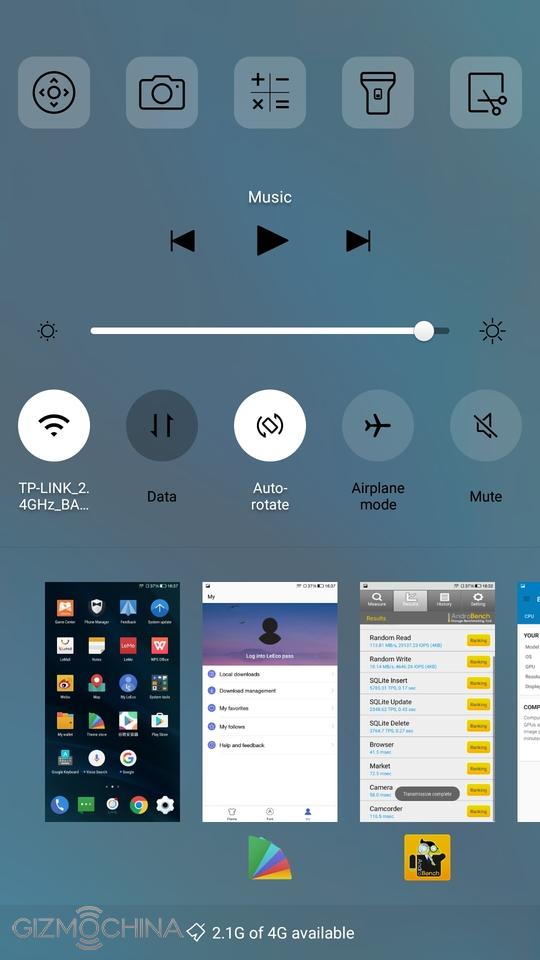
The user interface is clean-looking and there are quite a few features to play with. One of my favorites is the multitasking window, where you can also access your quick settings toggles in one place.
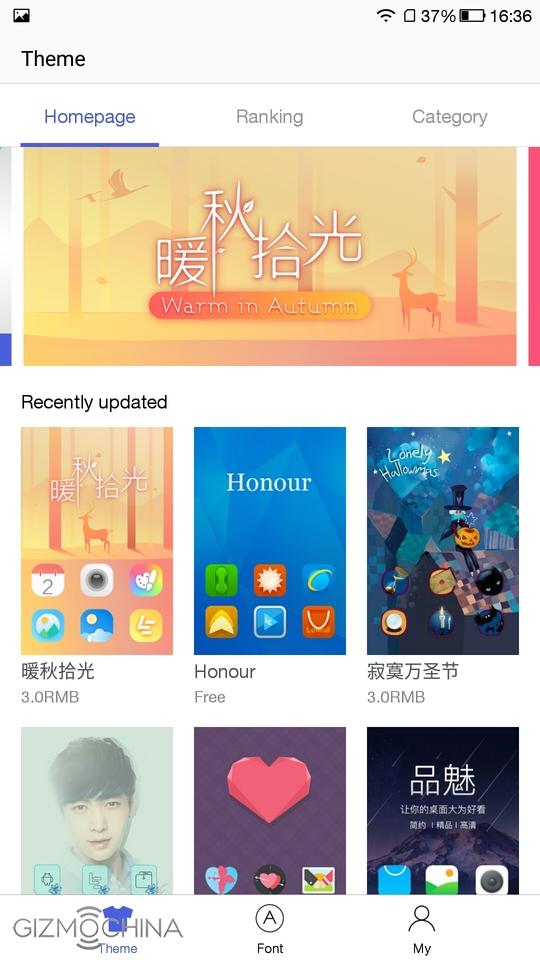
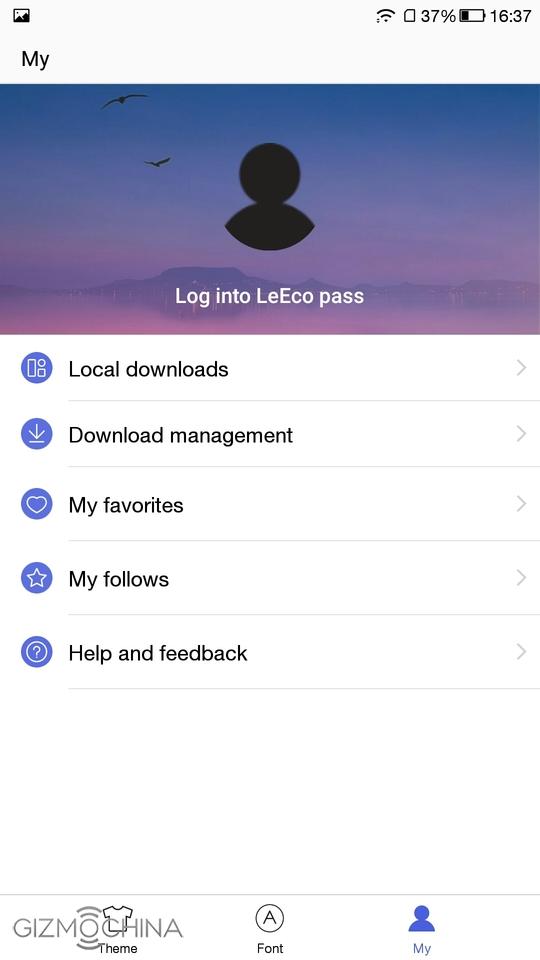
Also, you can customize the phone with themes, fonts, wallpapers or use the search bar to quickly find stuff.
After using the phone for quite a bit of time, I can tell you that it is fast and fluid on the daily basis.
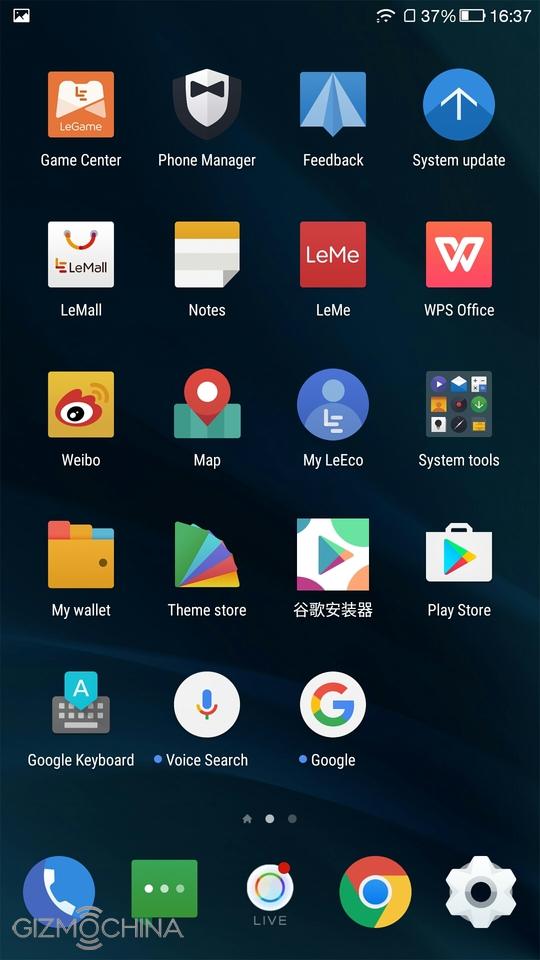
However, you have to know that the Chinese version comes with some bloatware, there is the Letv services button instead of a home button, the Google services are not pre-installed and there are no multi-languages.
On the other hand, you can always throw in a third-party launcher and the Google Now launcher finally works on the eUI.
LeEco Le Pro 3 Review: CAMERA
As usual to the LeEco phones, you can take pictures very fast thanks to the PDAF system.
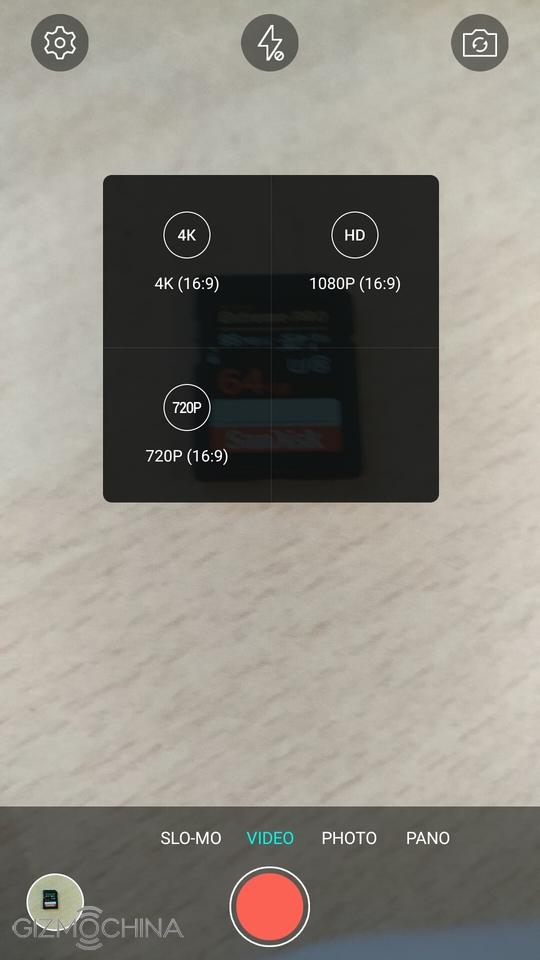
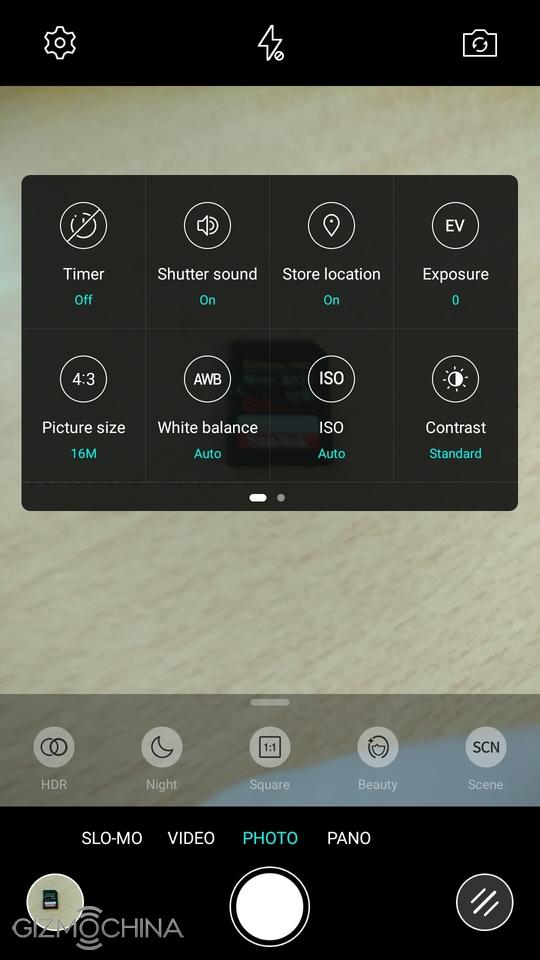
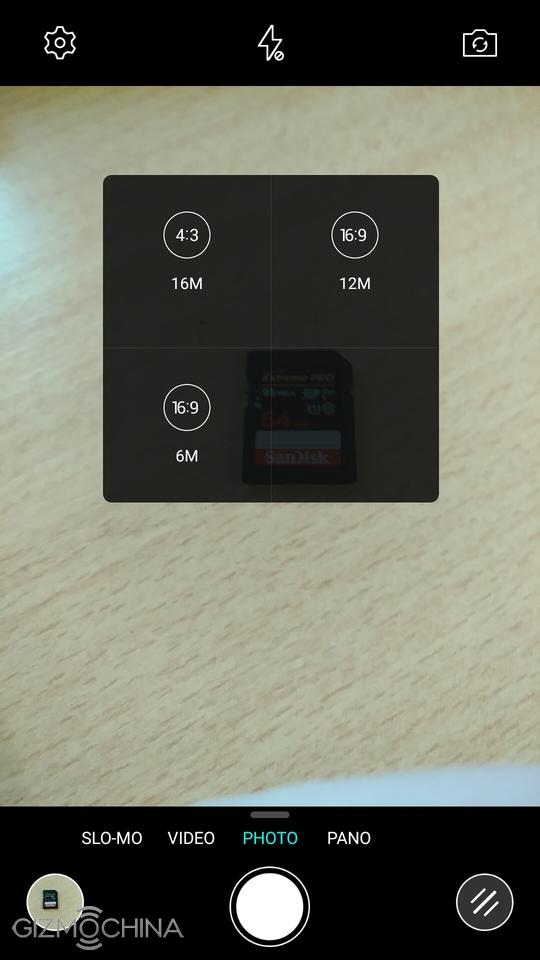
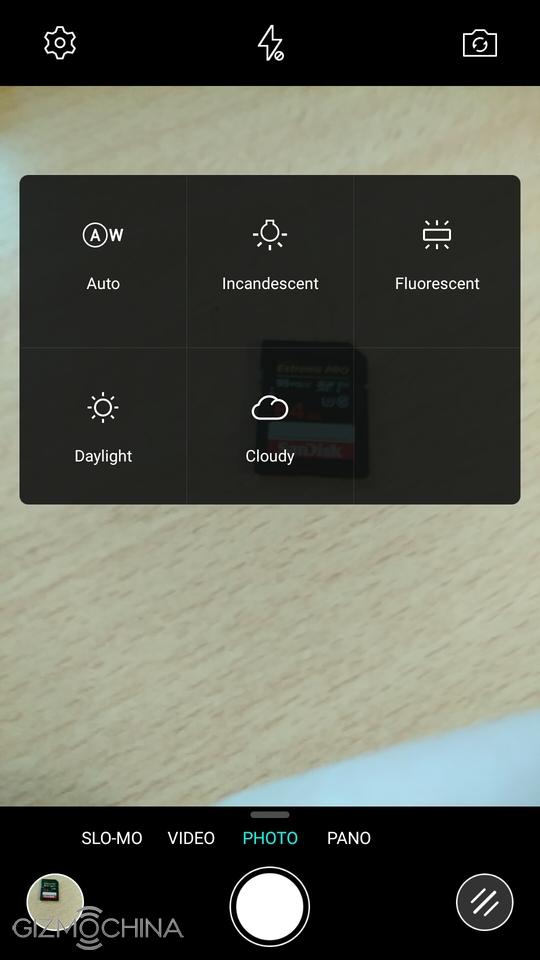
There are just some basic settings and there aren’t too many shooting modes to choose from. Most of the users may miss the pro-mode but I really miss the auto-HDR mode, which really helps in some tricky situations.
LeEco Le Pro 3 Review: IMAGE QUALITY
IT IS HIGHLY-RECOMMENDED TO DOWNLOAD FULL RESOLUTION CAMERA SAMPLES TO SEE THE ACTUAL IMAGE QUALITY. THE PICTURES UPLOADED ON THE WEBSITE ARE 50% SMALLER IN RESOLUTION.
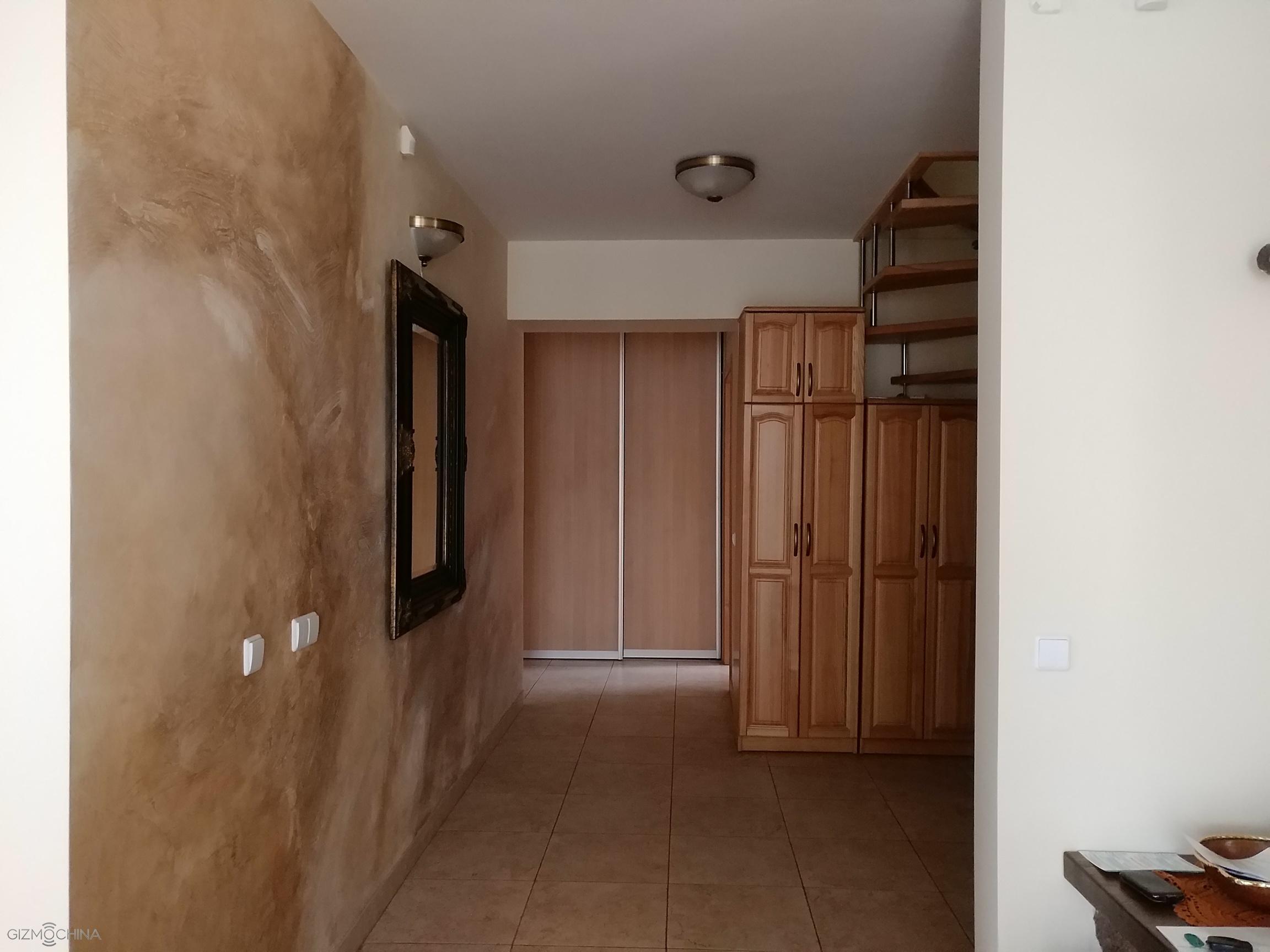
The daylight images taken with the Le Pro 3 look pretty sharp and detailed for a sub-$300 phone. However, most of the shots turned out to be a little underexposed and the colors seem to be over-saturated to me.
Most of the indoor pictures were taken in poor lighting and thus, there is quite a bit of noise and less detail.
The low-light camera performance is a disappointment, to be honest. There is such a low amount of detail and there is plenty of noise. I expected a lot more from the Le Pro 3 in this department.
The selfie image quality leaves a lot to be desired. Most of the pictures I took just look soft and there could be more detail.
When it comes to the 4k video quality, I would say it is above average. The footage could definitely look a little sharper. Also, I didn’t like the sound recording quality and the lack of OIS makes the video look a little shaky. See the video review for a video sample.
When it comes to connectivity, the Le Pro 3 is a great performer in almost all departments.
My biggest frustration is that there is no microSD card slot as I have a version with only 32GB of storage, which is not enough for me.
LeEco Le Pro 3 Review: BATTERY LIFE
The phone ships with a beefy 4070mAh battery, which will let you use the phone for at least a few days, depending on your usage habits.
I could constantly get way over 6 hours of screen-on time on kind of heavy usage, which is a good result.
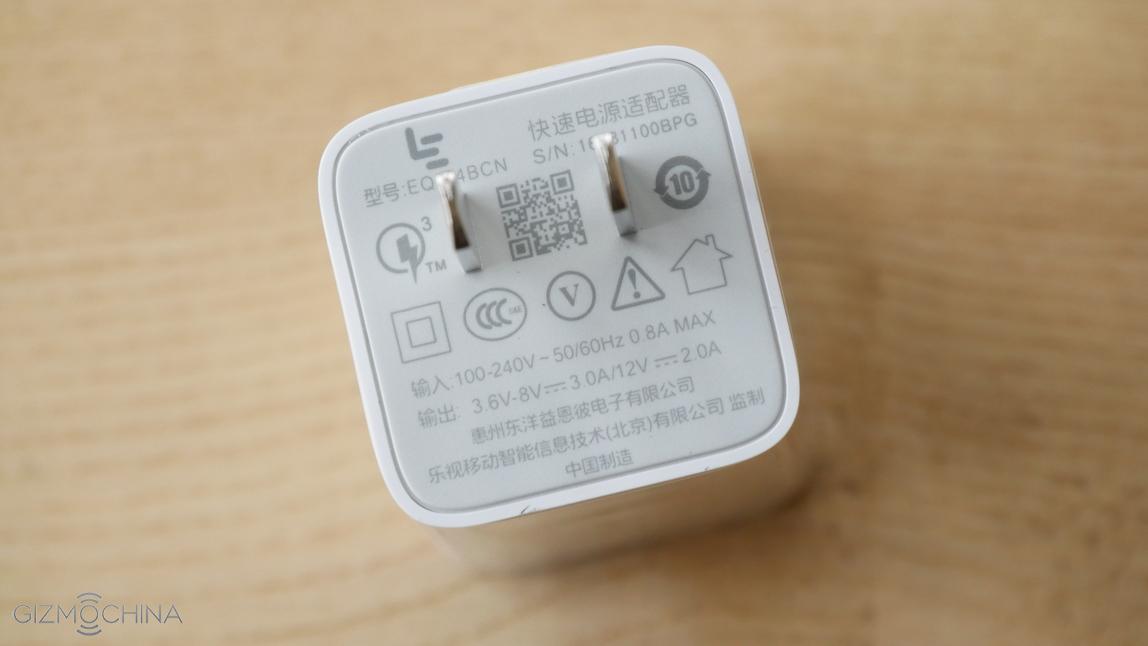
Also, the Le Pro 3 comes with the fast charger to make the most out of the Qualcomm’s Quick Charge 3.0 tech. I was ableto fully charge the phone in just around 1 hour.
LeEco Le Pro 3 Review:CONCLUSIONS
The LeEco Le Pro 3 is a very solid phone that does not even cost $300 but it does not mean it is perfect.
The device sports a premium all-metal build, nice and sharp display, some bleeding-edge hardware components that assure a great day-to-day and gaming performance. Also, the Le Pro 3 has a great battery, a reliable and fast fingerprint reader.
However, you have to know that there is no headset jack, so would need to use the supplied adapter or Bluetooth earphones. Also, there is no microSD card slot, the user interface has some Chinese bloatware and last but not least, the low-light and the selfie camera performance is poor.
At the end of the day, the LeEco Le Pro 3 is still a solid phone for the price but you have to consider if the previously mentioned shortcomings are important to you or not.
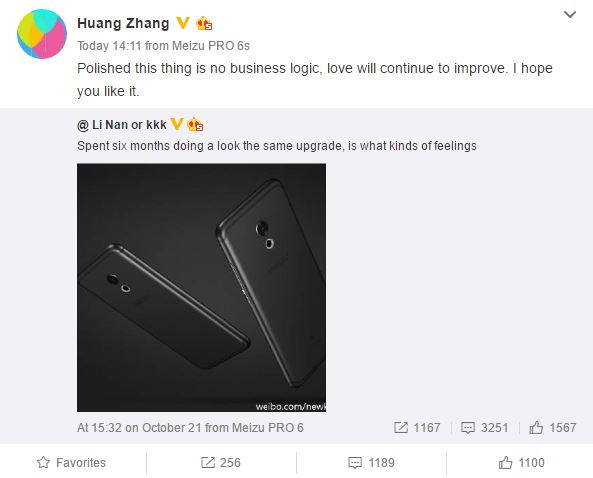
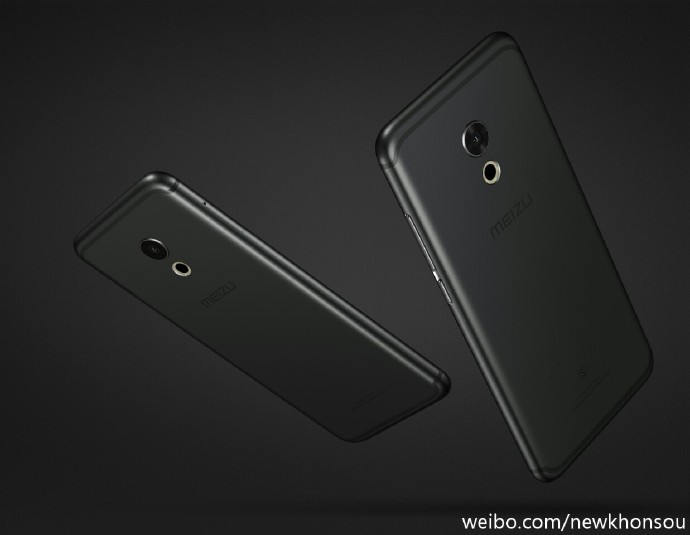
Meizu‘s VP Li Nan has earlier hinted that the upcoming Meizu Pro 6s would likely use the MediaTek Helio X25 chipset whih was also on the Pro 6. New details have also emerged about the much touted device, this time from Meizu’s president. The Meizu President has been silent on social media for a while now but he added his voice in teasing the Pro 6S.
According to his words the Pro 6S would likely not see much changes in appearance and performance.
So if you are expecting a device with a spectacular design, you just have to wait a little longer as the pro 6 and pro 6S won’t have much difference. The CEO sees no business logic in releasing a Pro 6S with an entirely new design as was being expected.
This latest pieces of information creates some sort of confusion about the Pro 6S because one begins to wonder the kind of upgrade the device would feature. Perhaps a ramped up memory or camera sensors or new antenna band design, but whatever it is, its not huge. We’ll have to wait for more details on that.
Huawei’s official Weibo account has uploaded an image related to their November 3 event holding in Munich, Germany. The poster which has the text ‘‘A STEP AHEAD’’ inscribed on it shows a blurry object that looks like a car zooming past.
We are not saying Huawei is entering the smart car race like LeEco. The Chinese giant hasn’t mentioned anything related to that. What I interpret it to be is the speed of the Kirin 960 SoC which will debut in the Mate 9.
The Kirin 960 was unveiled over a week ago and a phone said to be the Mate 9 wrapped in brown paper was the phone on display to test the performance of the new chip. Benchmark scores shows the Kirin 960 is second to only the Apple A10 in terms of speed.
The Mate 9 will be the first device to launch with the new chip. It will also come with other specs such as dual rear cameras manufactured in collaboration with Leica, Android 7.0 Nougat, up to 6GB of RAM, and 256GB of storage.
BBK Electronics is the parent company that owns OPPO and Vivo, two of the leading phone manufacturers in China. But even though they are sister companies, that doesn’t mean they are not competitors. They both have to fight for customers’ money. OPPO just released the OPPO R9s and OPPO R9s Plus, and Vivo is not wasting time and are already on their heels. The company has announced that they will be releasing the Vivo X9 and Vivo XPlay 6 come November 17.
Vivo X9
Vivo, like OPPO is known for focusing on camera performance when it comes to their phones and the Vivo X9 and Xplay 6 are not going to be any different. The Vivo X9 will succeed the Vivo X7 (skipping the X8) released back in June which is surprising as it is not even six months old yet.
An employee of the company has posted on Weibo that the unique selling point of the Vivo X9 will be its dual front facing cameras. No technical details about the front cameras have been released yet though. The rear camera will also be an upgraded version of Sony’s IMX260 sensor.
Vivo used the Snapdragon 652 for the Vivo X7, so there’s a possibility they might fit the X9 with the new Snapdragon 653 from Qualcomm. November 17 is still a good 3 weeks from now, so expect more details to be released soon.
Vivo Xplay 6
The XPlay 6 on the other hand will take over from the XPlay 5. While the latter does have a 6GB version (world’s first 6GB phone) with a Snapdragon 820 Chip, there is also a 4GB RAM version with a SD652 SoC. The company might employ the same tactic for the XPlay 6 by releasing a Snapdragon 821 elite version and a Snapdragon 653 standard edition.
Xiaomi is all set to announce the Mi Note 2 flagship tomorrow, and thanks to the numerous leaks and rumours about the smartphone, we already know a lot about it before launch. First of all, it is confirmed that the Xiaomi Mi Note 2 is the company’s first dual curved screen display smartphone, joining the likes of Samsung and Vivo. This clearly shows that the company is eager to establish its presence in the premium market, unlike at present, where it mainly operates in the low-end to the affordable mid-range segment.
As we wait less than 24 hours for the official launch of the flagship, it’s time to look at what to expect from the Mi Note 2. There are some real high-end features expected on the device, so tomorrow’s launch is definitely going to be exciting.
Dual Curved Display
Since Xiaomi has already confirmed it, we know for sure that the Mi Note 2 will come with dual curved display. While we are not entirely sure about the supplier, it is said that the curved display is going to be supplied by LG and not Samsung. Considering all major phones with dual curved display used Samsung’s curved OLED panels, it will be interesting to see the partnership between LG and Xiaomi.
Dual Cameras
This is something we are not entirely sure about. But considering the Mi Note 2 is a premium flagship from the company, we should expect nothing less than dual cameras on board. We have seen both single camera as well as dual camera renders of the Mi Note 2, and the company hasn’t revealed anything specific regarding this feature. So, we can only guess what to expect in the camera department.
Dual cameras are a real possibility because Xiaomi has started using such a setup on its other smartphones. Starting with the Redmi Pro and now on the Mi 5S Plus, both use dual cameras at the back, which means the company believes that dual cameras are the way to go for better photography. Considering this, despite the single camera renders that we have seen lately, dual cameras on the Mi Note 2 is a good possibility.
Snapdragon 821 & High-end Hardware
Expect nothing less than Snapdragon 821 and 6GB RAM on the Xiaomi Mi Note 2. Although there could be a cheaper version with 4GB RAM available. Also, the curved display is said to come with 2K resolution, which means the phone will be VR ready as well. Further, we should find NFC on the phone as well, considering how Xiaomi is focused on its mobile payment platform Xiaomi Pay.
Ultrasonic Fingerprint Sensor
It won’t be surprising if the Mi Note 2 comes with the same ultrasonic fingerprint sensor as found on the Mi 5S. For some reason, the company skipped this advanced sensor on the Mi 5S Plus, but I don’t think it can afford to skip this feature on a premium flagship such as the Mi Note 2.
Global Network Band Support
One of the biggest letdowns of Xiaomi’s smartphones for international users was the lack of 4G LTE network support. I have seen so many users disappointed to see that most LTE network bands in Europe and US were not supported by Xiaomi phones, and therefore they had to opt for a different brand phone. That’s most likely going to change with the Mi Note 2, considering how a recent post by one of the officials of the company revealed that the flagship was going to support 37 global brands.
Not So Cheap Anymore
Since the Mi Note 2 is a premium handset from Xiaomi, don’t expect it to be as cheap as other company phones. It is said that the phone could be the costliest handset from Xiaomi, priced at around 4000 Yuan ($600). Some rumors have given an even higher price tag, upwards of $700, but it is likely that at least the basic versions are priced at around $600.
So, that’s what we expect to see on the Mi Note 2.
We are less than 24 hours away from the official company event, so make sure that you stay tuned to gizmochina for tomorrow’s event updates.
Meizu has a couple of new devices coming soon. There is the Meizu M5 set for an October 31 launch and the Pro 6s whose release date is still unknown. However, earlier today the company teased the release of a new product with a poster on Weibo.
The image which has X written across a monochrome background with a tagline that translates to ”unknown” leaves us with an unknown number of guesses as this can as well be anything.
Some people think the Meizu X is a new pair of headphones, others think it is Meizu’s first foray into VR glasses. I think the Meizu X is probably their new set-top box which received its 3C certification recently and will launch with Meizu’s Flyme for TV OS.
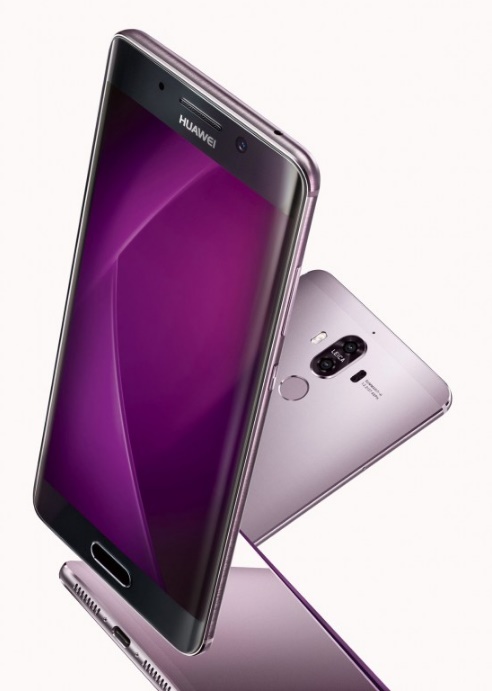
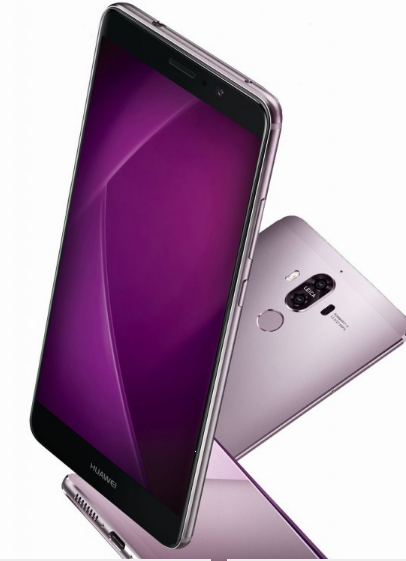
Huawei has unveiled its latest Kirin 960 chips and what is left now is the release of the first smartphone that would be fired up by the Kirin 960 processor, that is the Mate 9. Actually, recent rumors with some degree of credibility have hinted at the existence of two versions of the Huawei Mate 9 dubbed Mate 9 and Mate 9 Pro.
The Huawei Mate 9 Pro is said to have the same 5.9-inch display at the Mate 9 but with a dual curved edge screen and would have the same 2K display resolution as the Mate 9. Both Huawei smartphones are equipped with dual rear cameras that are Leica certified, left an right symmetrical laser focus an up to 4x optical zoom support. The Mate 9 Pro is said to come as the highest price Huawei phone till date, and the price has also been leaked to be up to $1300 or about 8800 Yuan, perhaps for the topmost version.
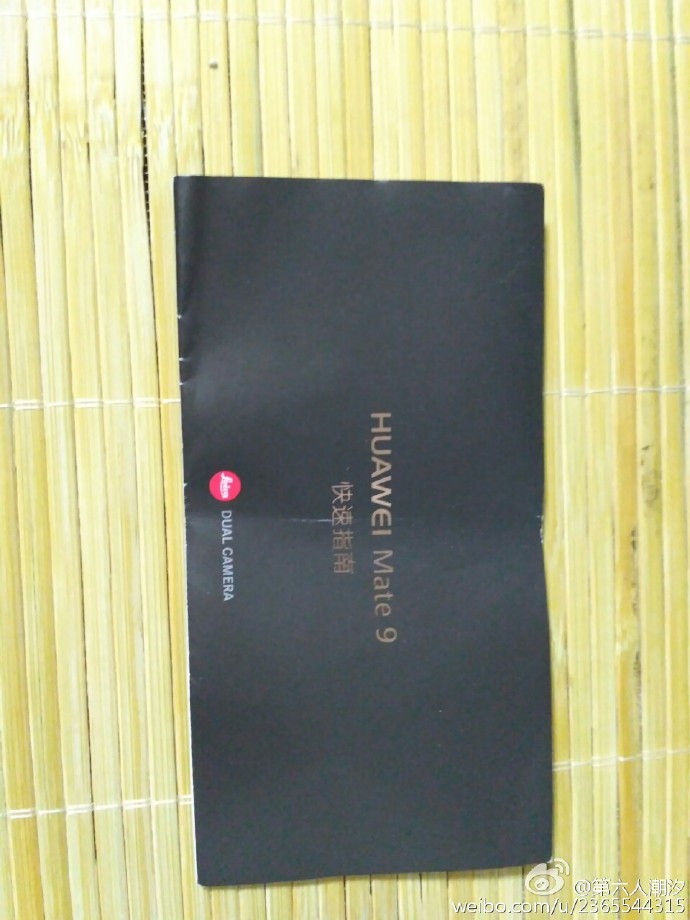
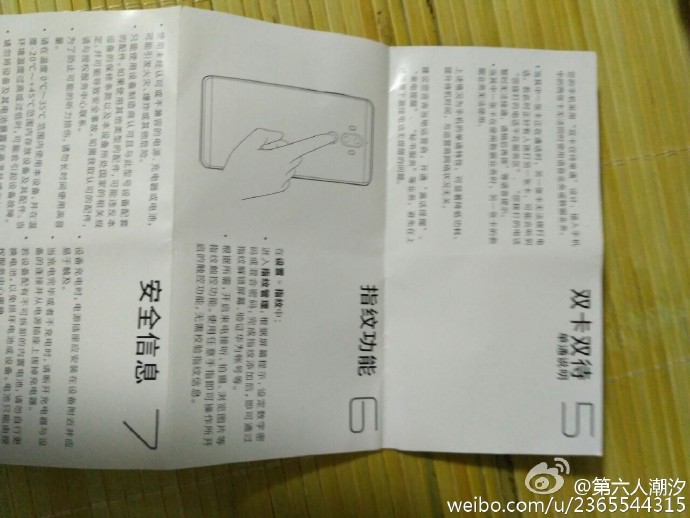
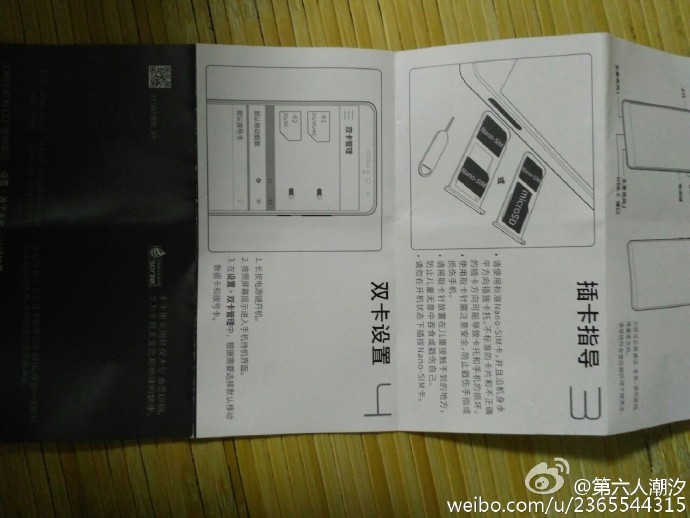
Recently, some more details of the Mate 9 have surfaced on Weibo, extracted from what is likely the instruction or user manual for the device. According to the details, the Mate 9 would feature dual SIM card / dual standby with one of the SIM slots functioning also as a microSD slot. There is also rear fingerprint sensor on the device as on the Mate 9 Pro. Dual Leica cameras with color temperature flash, laser focus module and also an infrared sensor is listed on the manual, among other details.
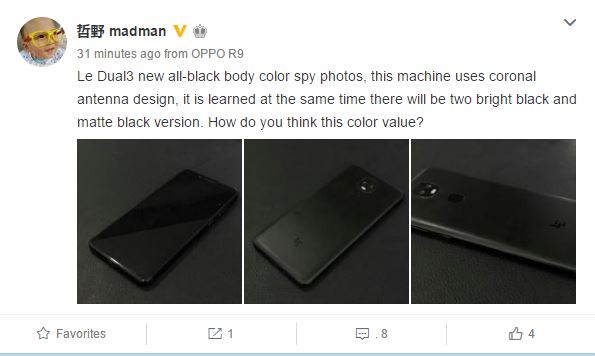
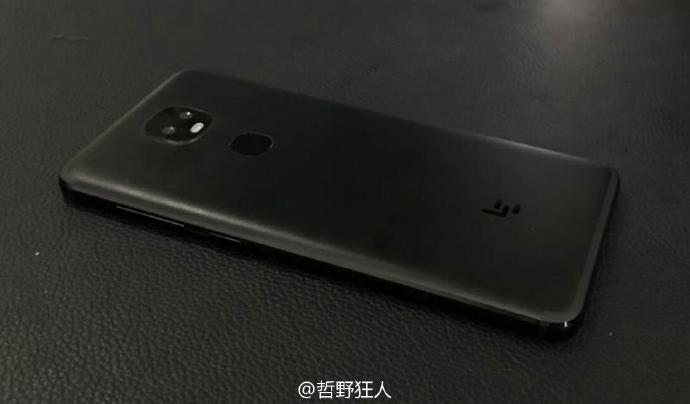
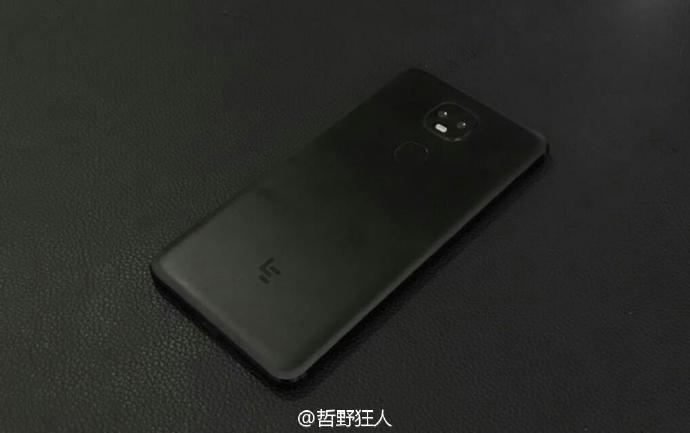
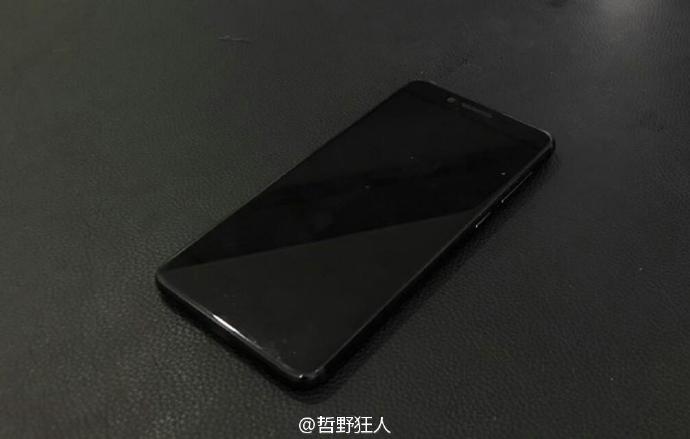
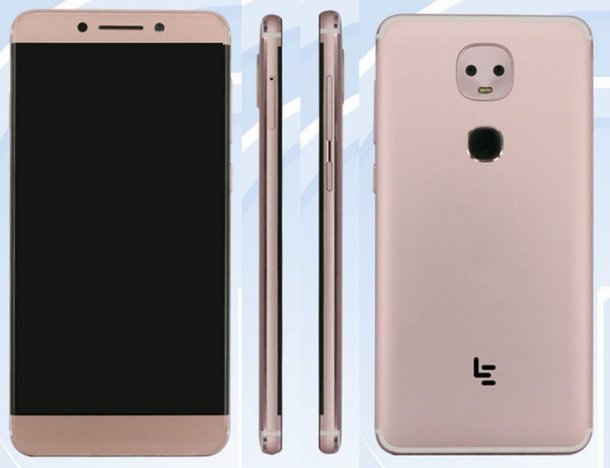
Not to be undone by the steady outflow of new smartphones by its rivals, LeEco seems to be gearing up for the release of another phone. This is coming on the heels of the recent foray into the US market and the release of the Le Pro 3. The smartphone in question has been identified as the LeEco Le Dual 3 even though it had been called several names in the past including Le pro 3. But one unique design that stands out on the said phone is the funny looking dual cameras at the phone’s rear.
The revelation concerning the phone’s name is coming in via an unconfirmed Weibo post that also put the real live renders of the black colored variant of the Le Dual 3 on display. According to the poster, there would likely be two shades of the black variants, one with matte black and another bright black variant. The should be in addition to the gold an silver variants that ha been spotted in leaked renders in the past. The phone is also said to use a coronal antenna design.
It would be recalled that the phone was spotted recently in a leaked image on the hands of LeEco’s CEO Jia Yueting and was touted as the company’s AI phone with artificial intelligence. This is in addition to the fact it would be leEco’s first dual cameras spotting phone.
We don’t have to search deep for the specs of the said Le Dual 3 as earlier appearance on TENAA, where it was thought to be the Le 2S Pro, had gifted us those information. According to the TENAA listing, the LeEco Le Dual 3 will be powered by a 2.5GHz quad-core processor supplemented by a 4GB RAM and 32GB of internal storage.
On the camera lane, the LeEco Le 2S Pro is listed as featuring an 8MP front camera and a 16MP rear facing camera which is separated into a 13MP main camera and a 3MP supporting camera. The device is listed also as having a 5.5-inch display with a resolution of 1920 x 1080 pixels and boots Android 6.0 Marshmallow. The phone also features connectivity options and sensors like Wi-Fi, Infrared, Bluetooth, USB, Gravity sensor, proximity sensor, light sensor etc. In addition, there is a 3900mAh battery under its hood.
We cannot tell when LeEco would officially unveil the le Dual 3 but that shouldn’t be far off. We’ll keep you posted as soon as more details emerge on this.
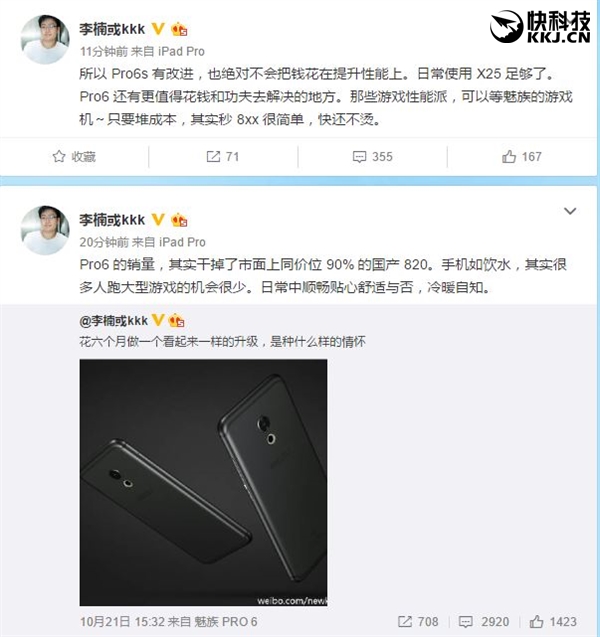
Meizu’s Vice-President, Li Nan has confirmed that the soon-to-be released Meizu Pro 6s will feature a Mediatek processor.
Mr. Nan said in his Weibo post that the Helio X25 SoC present in the Pro 6 is sufficient for everyday tasks. Earlier rumours had said that the phone was going to sport a Helio P20 chip but the VP’s post seems to be saying otherwise. It has also cleared the air about those who are still hoping for an Exynos phone. The VP did not hide his dislike for Qualcomm’s Snapdragon 8xx chips either.
The past week was quite eventful with Xiaomi finally confirming the Mi Note 2 launch on October 25. As a result, almost every day we saw a few renders of the upcoming flagship. But it was not all about the upcoming Xiaomi device, as OPPO announced two big upgrades in the popular R9 series, the OPPO R9S and the R9S Plus. Further, as we near the release of the Mate 9 flagship, some renders cropped up on the internet in the past few days.
There were a lot of other important news stories as well, which you can check out from below. Also, last week, we reviewed the Xiaomi Mi 5S Plus, as well as compared Mi 5S and Mi 5S Plus. You can check out these review articles further down below.
Another week, another project on Xiaomi’s crowdfunding platform. The Mijia crowdfunding platform’s Weibo account has released a teaser poster of a new product set to be released on Tuesday, 25th of October, at 10:00 am.
We use cookies on our website to give you the most relevant experience by remembering your preferences and repeat visits. By clicking “Accept”, you consent to the use of ALL the cookies.
This website uses cookies to improve your experience while you navigate through the website. Out of these, the cookies that are categorized as necessary are stored on your browser as they are essential for the working of basic functionalities of the website. We also use third-party cookies that help us analyze and understand how you use this website. These cookies will be stored in your browser only with your consent. You also have the option to opt-out of these cookies. But opting out of some of these cookies may affect your browsing experience.
Necessary cookies are absolutely essential for the website to function properly. This category only includes cookies that ensures basic functionalities and security features of the website. These cookies do not store any personal information.
Any cookies that may not be particularly necessary for the website to function and is used specifically to collect user personal data via analytics, ads, other embedded contents are termed as non-necessary cookies. It is mandatory to procure user consent prior to running these cookies on your website.