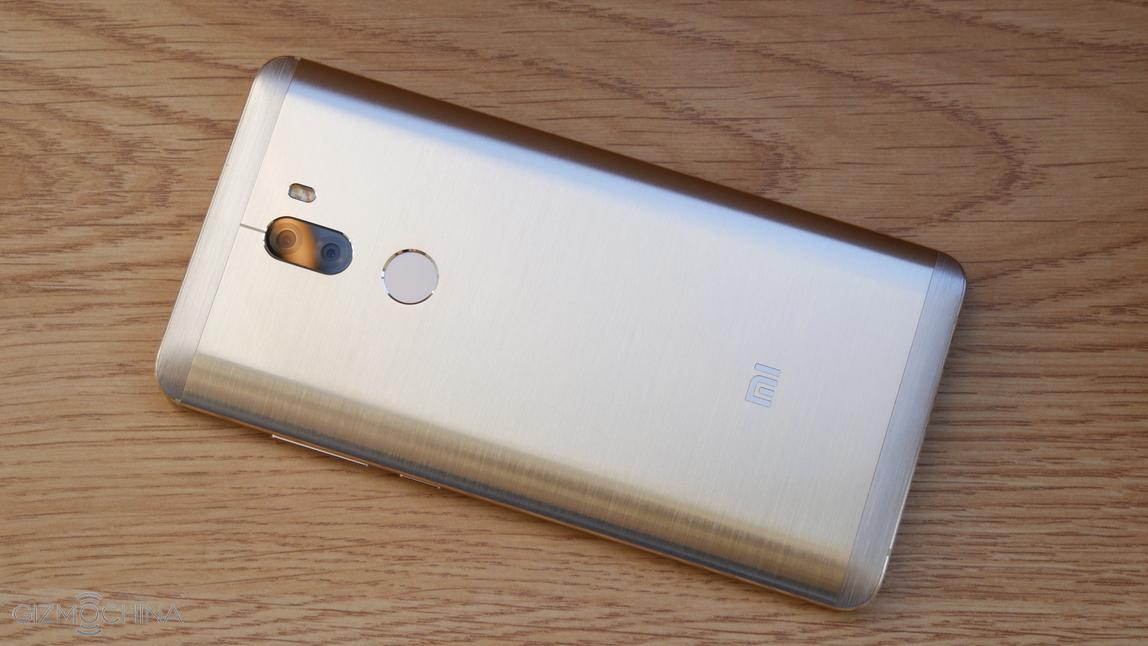
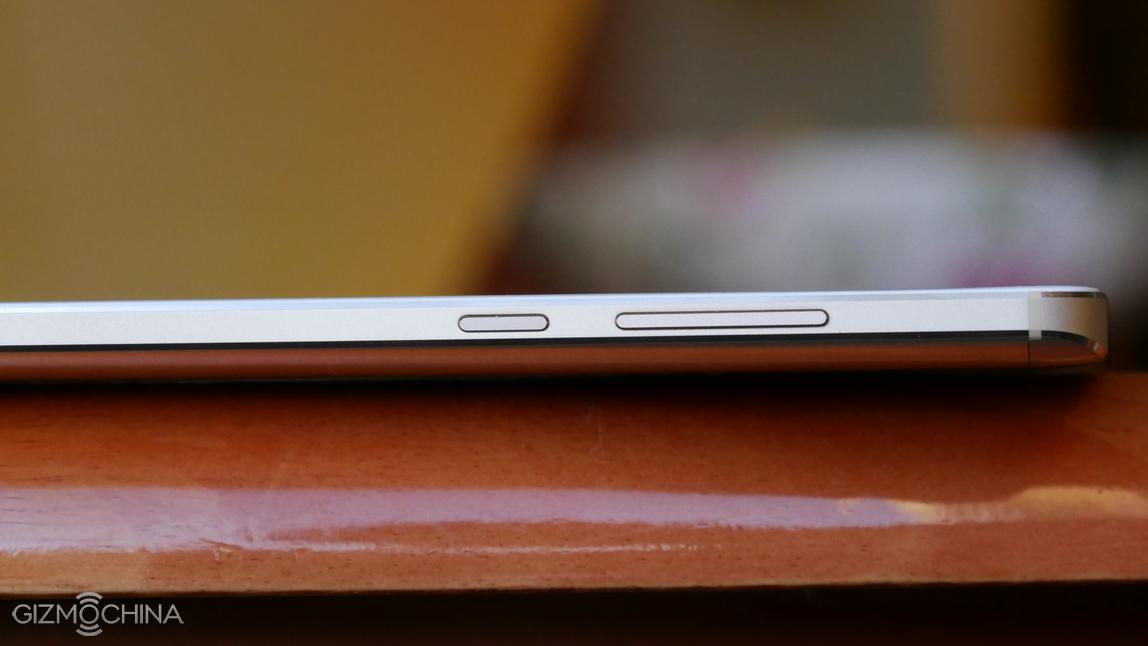
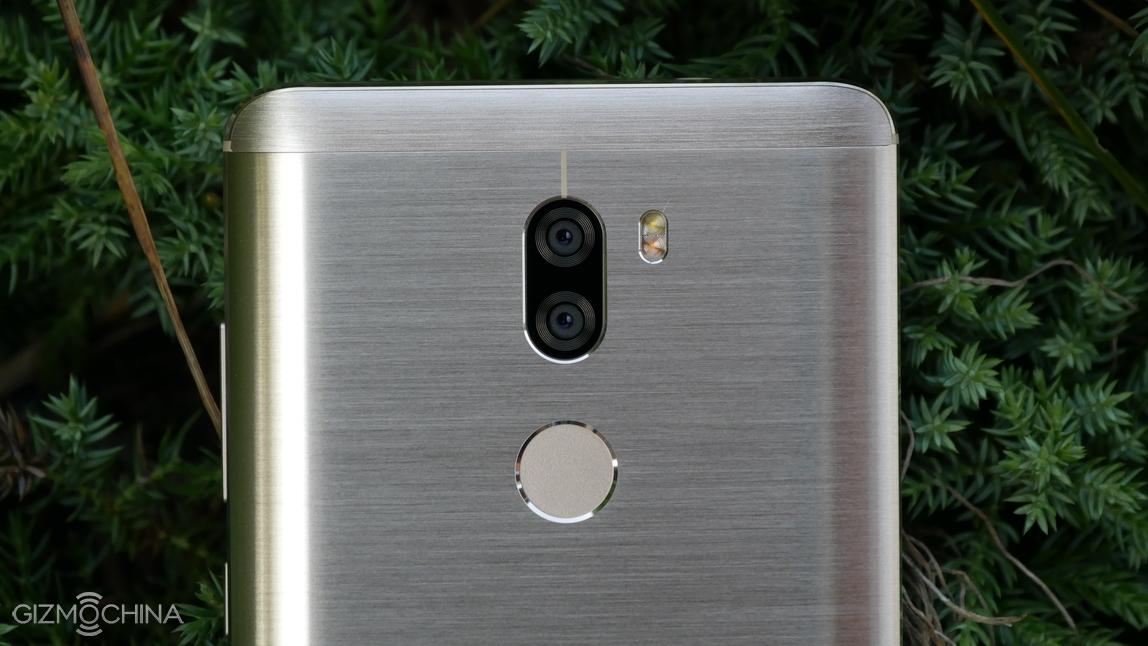
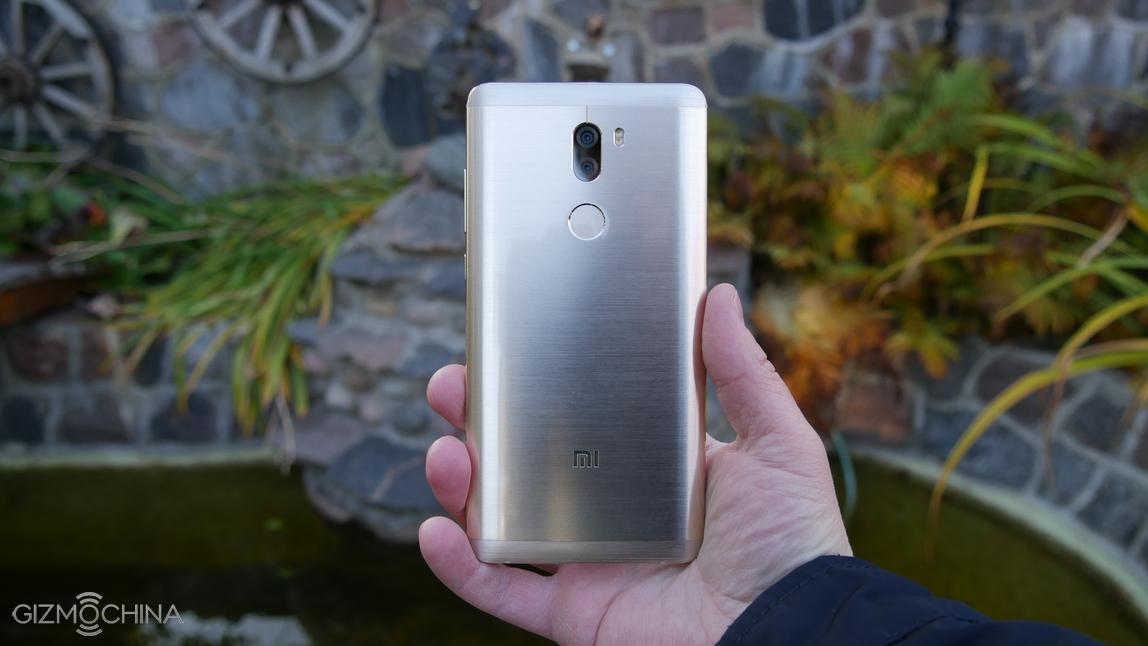
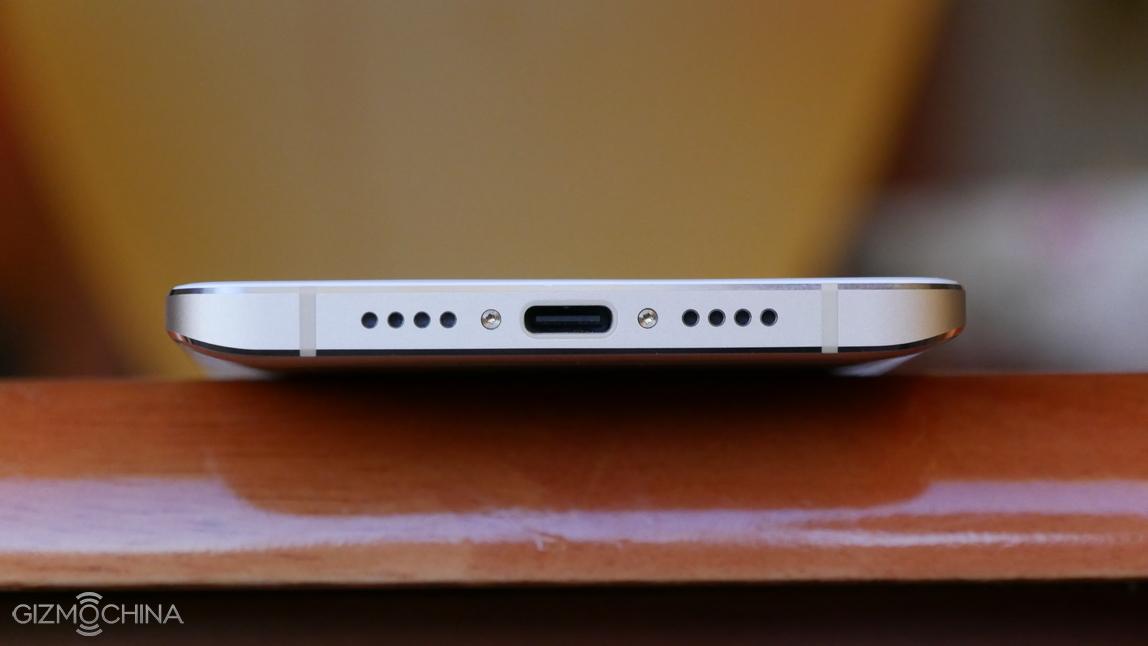
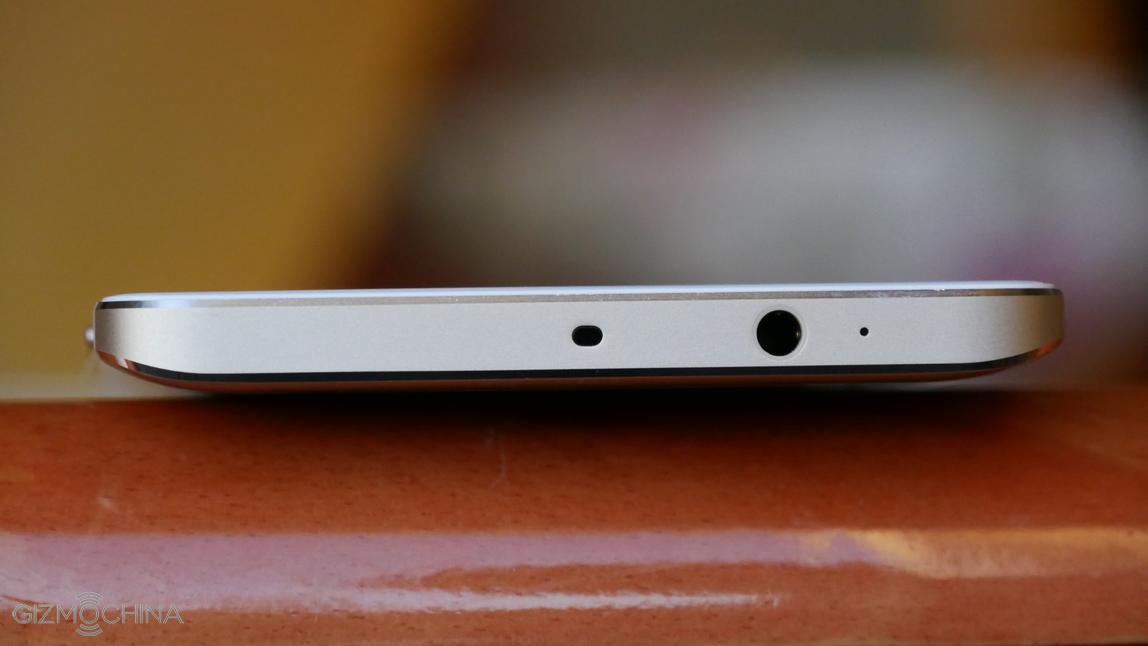
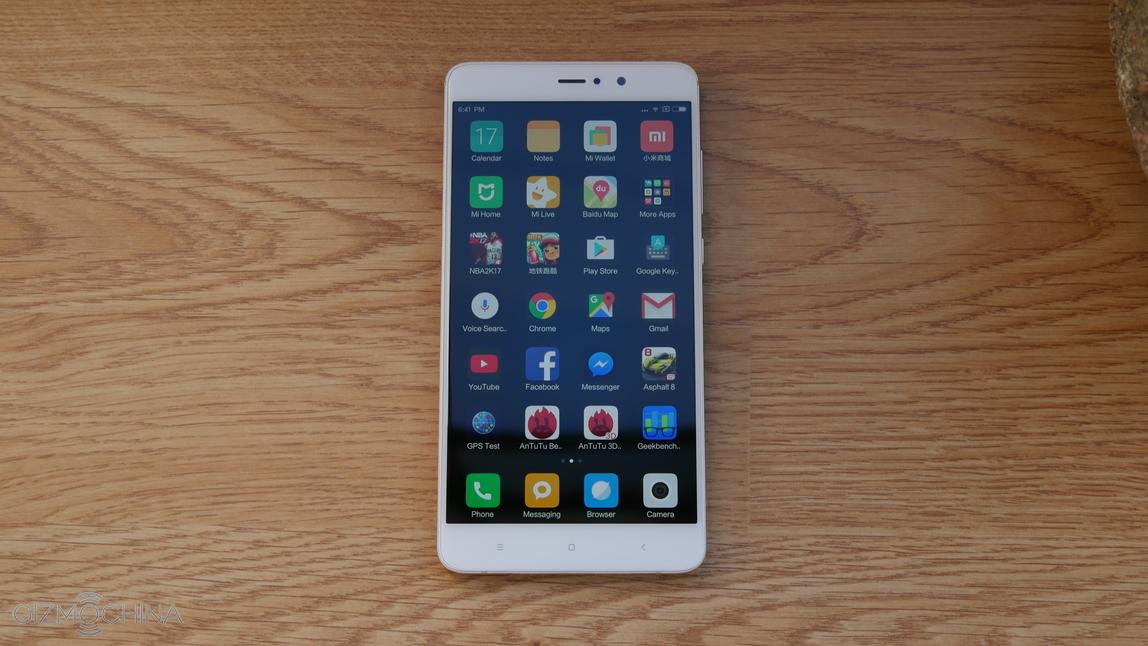
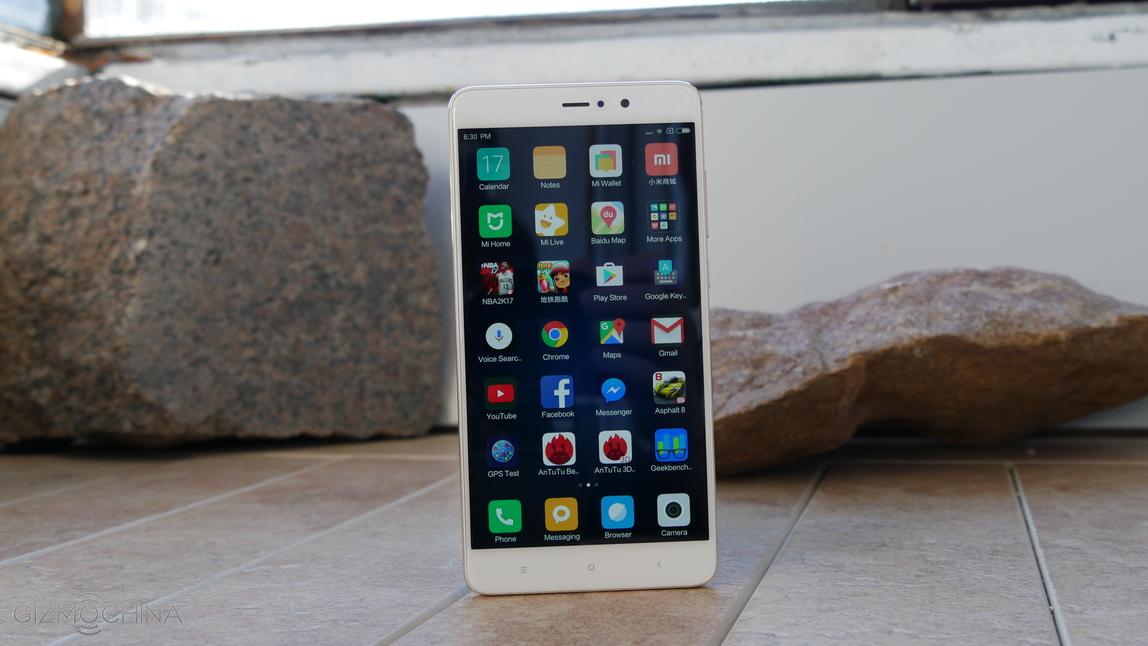
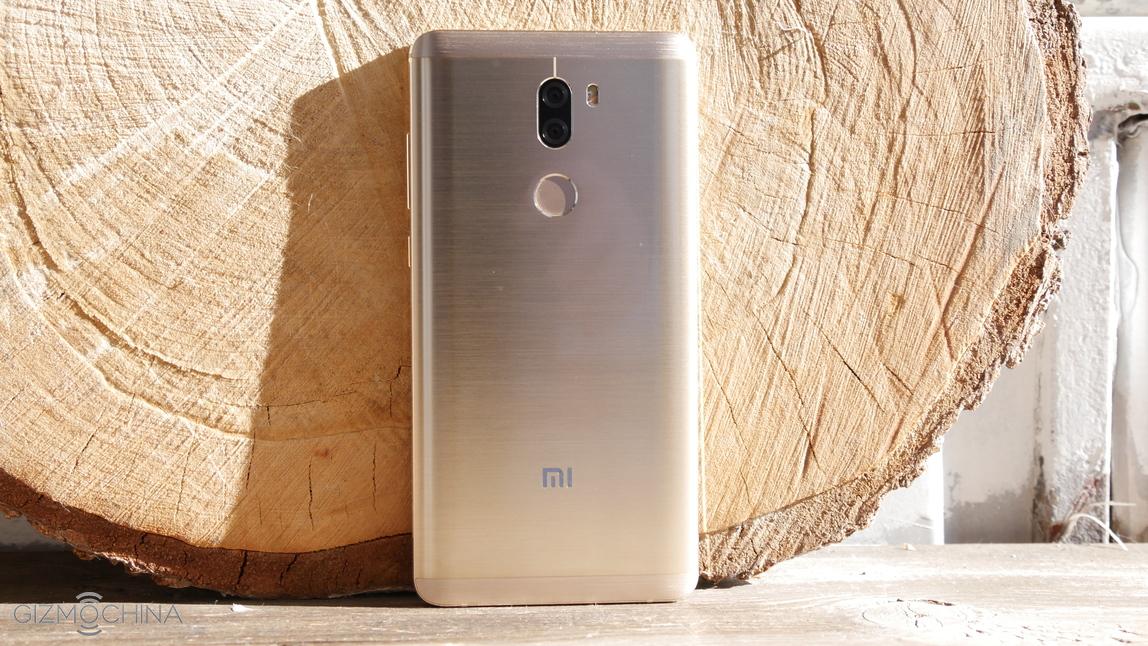
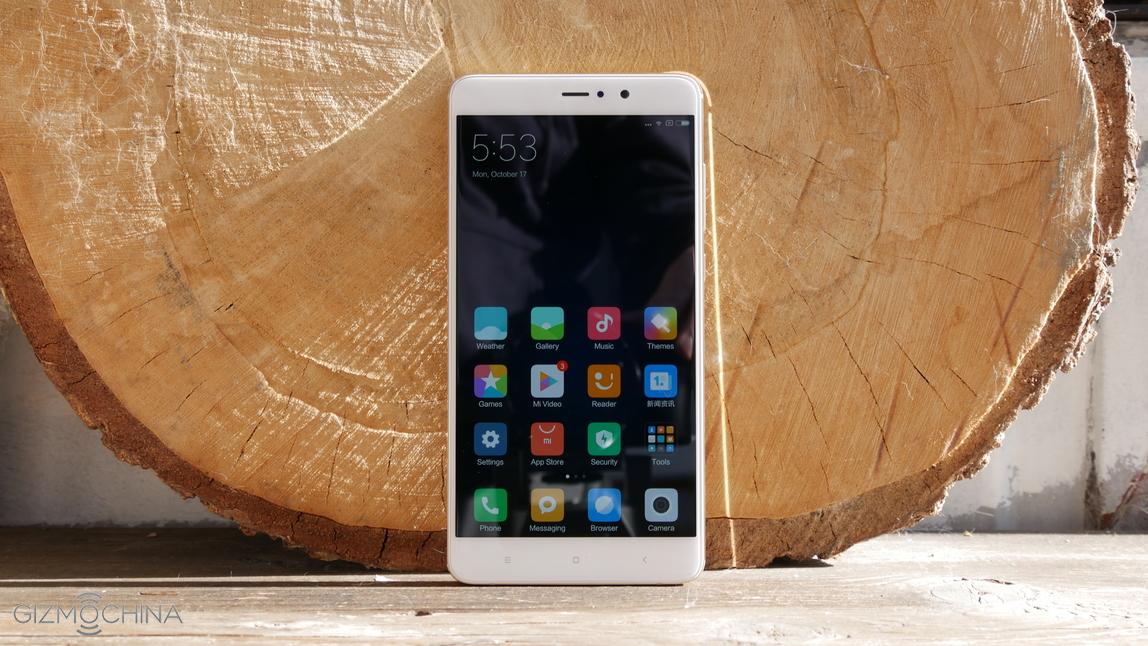
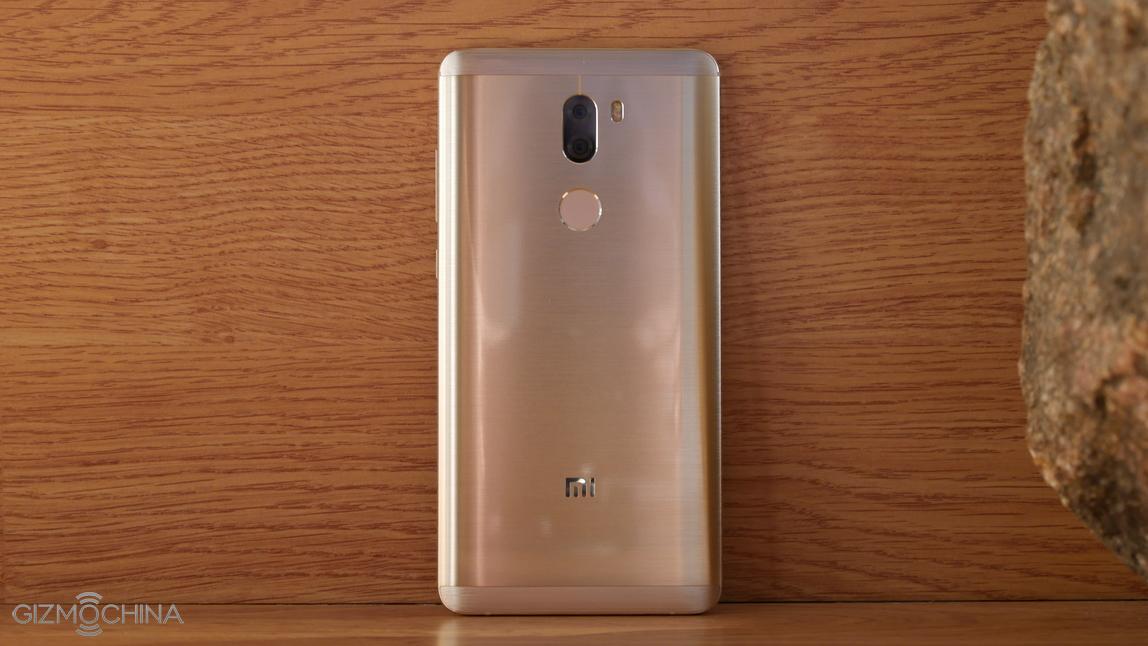
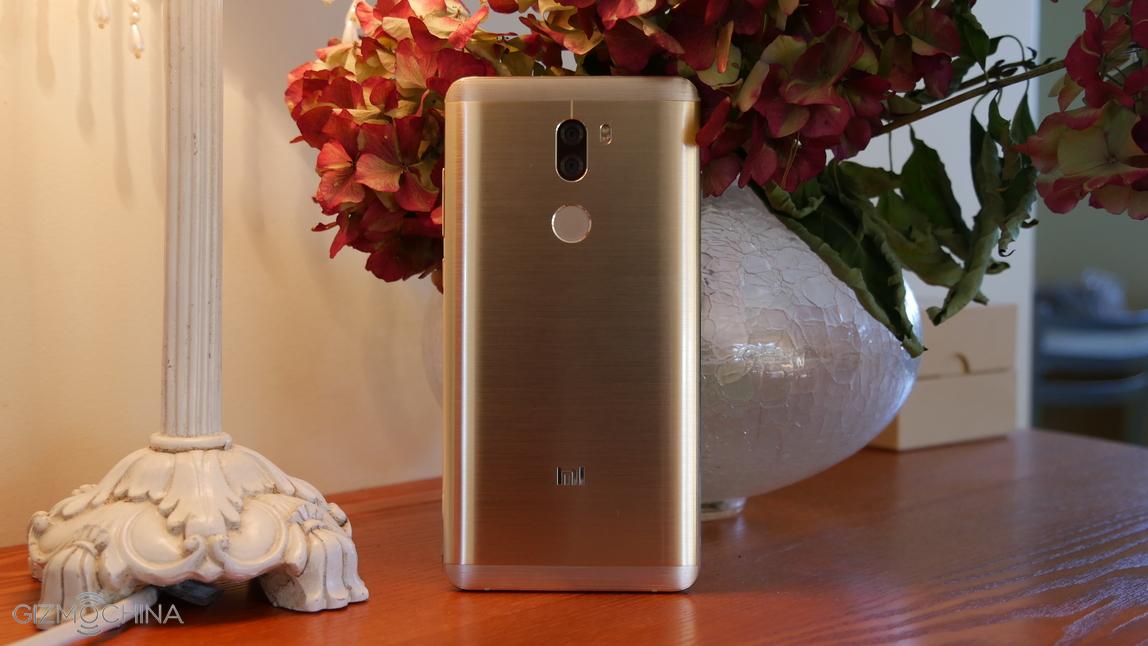
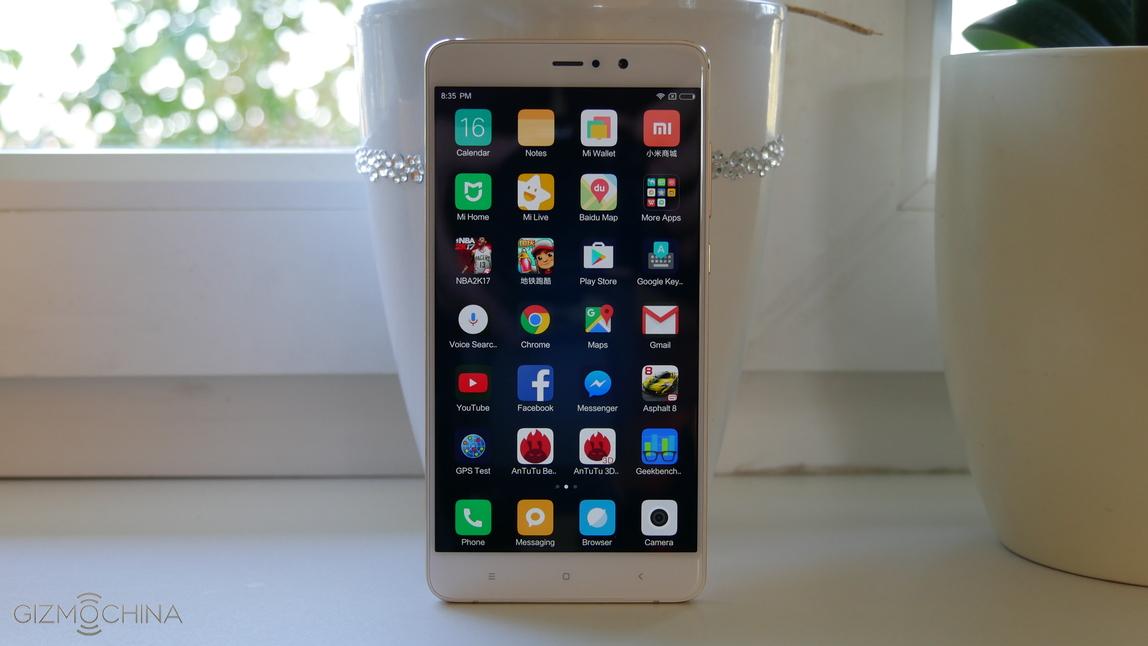
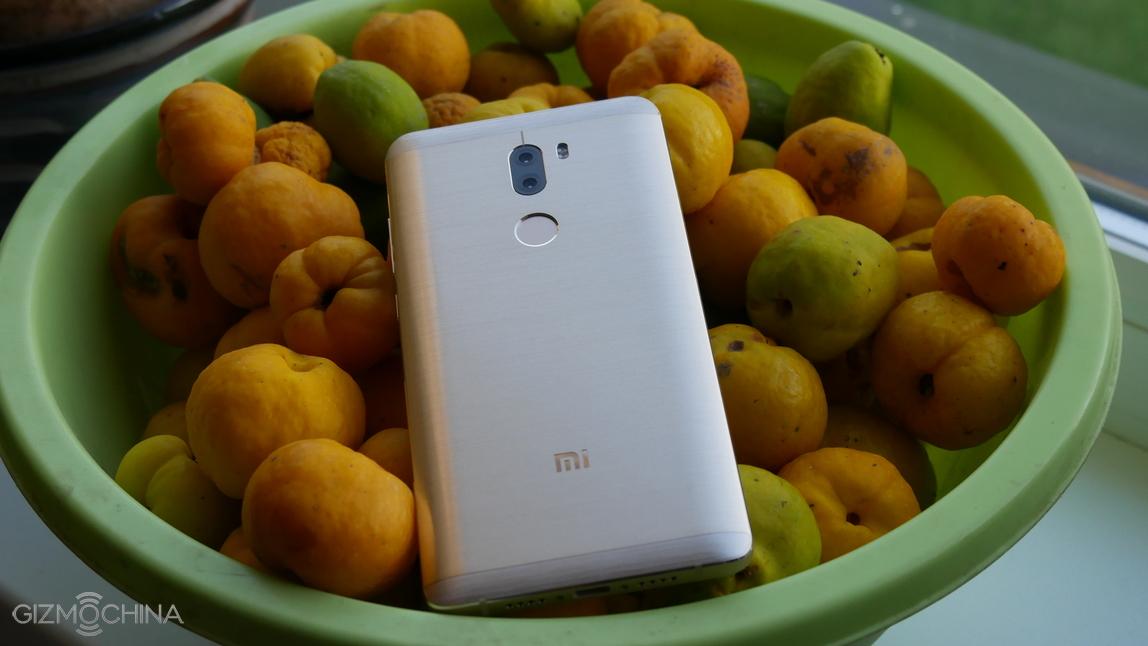
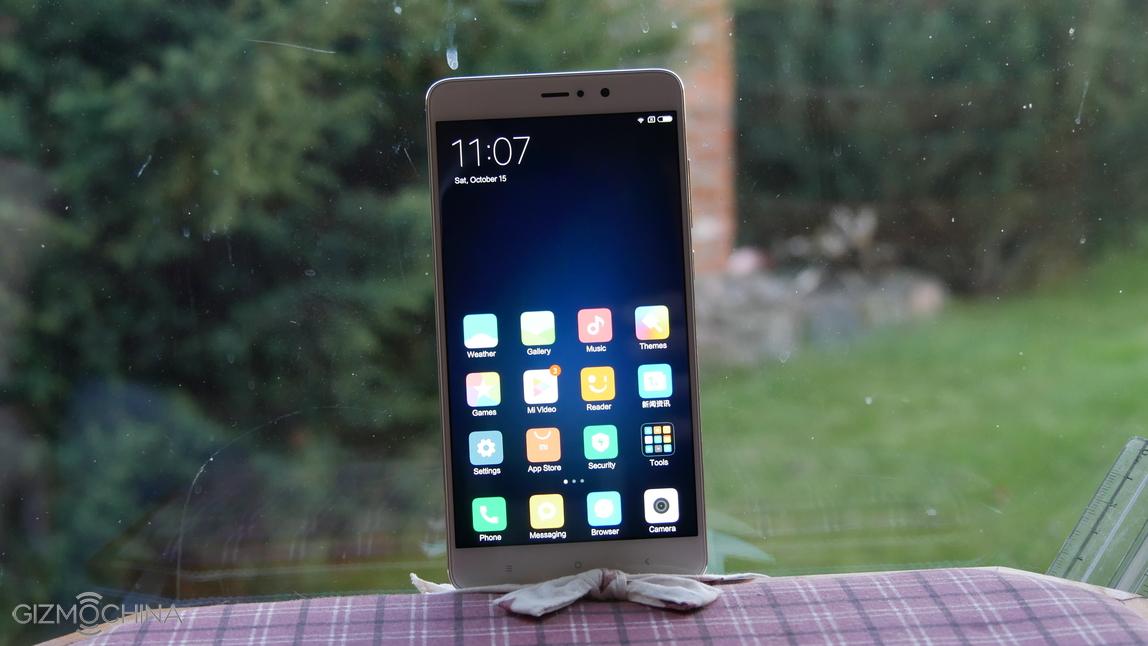
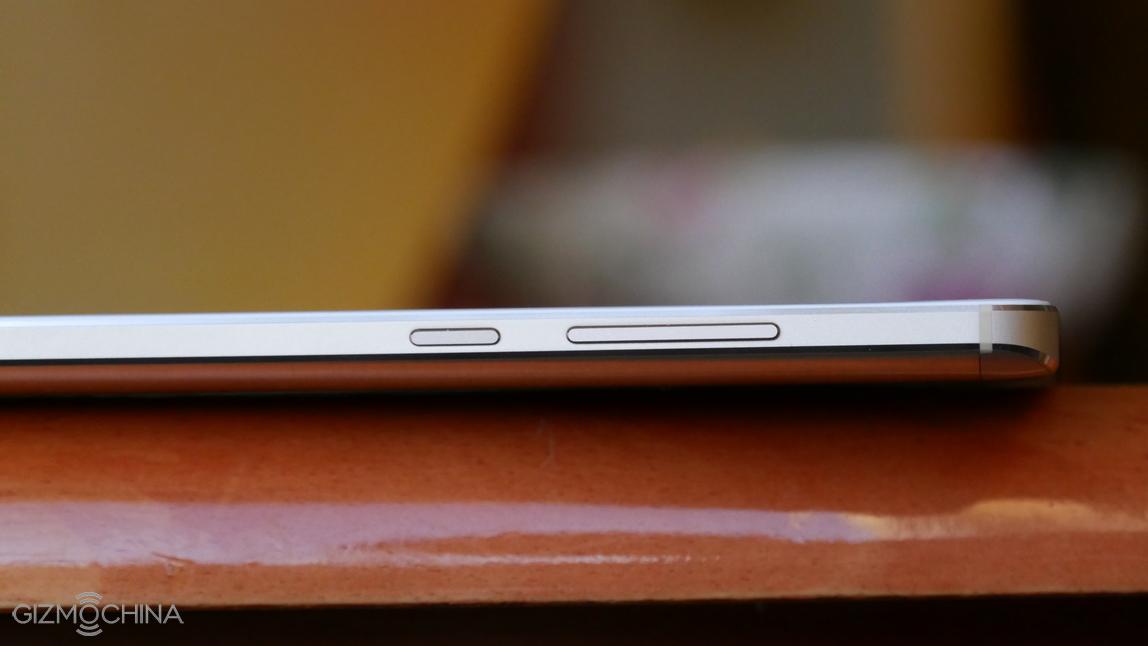
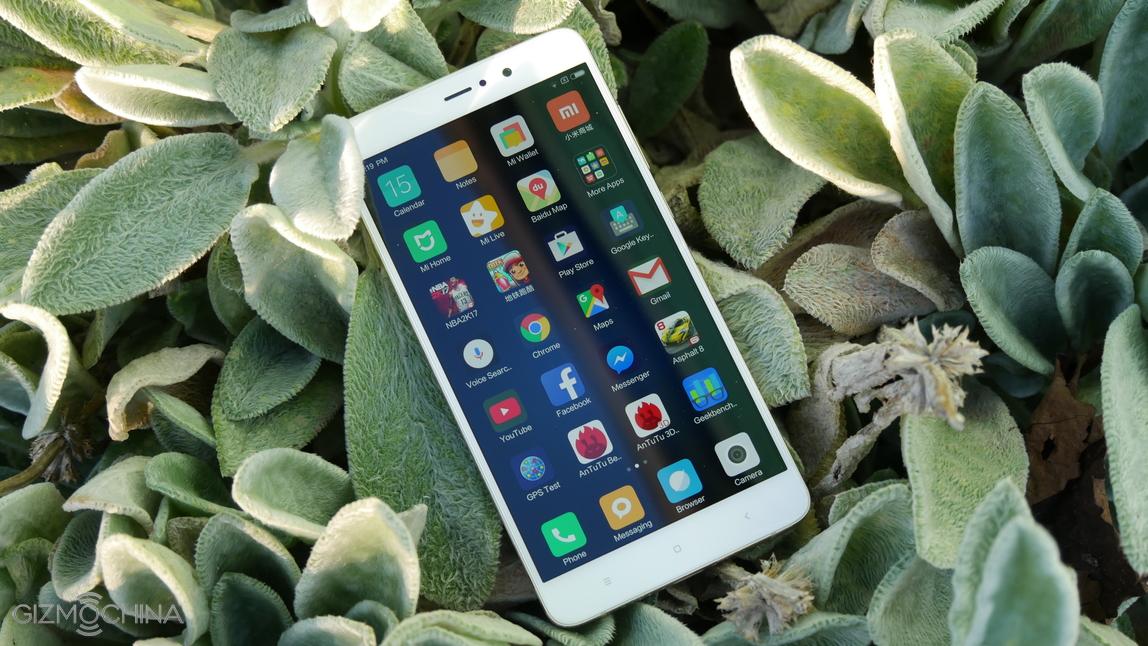
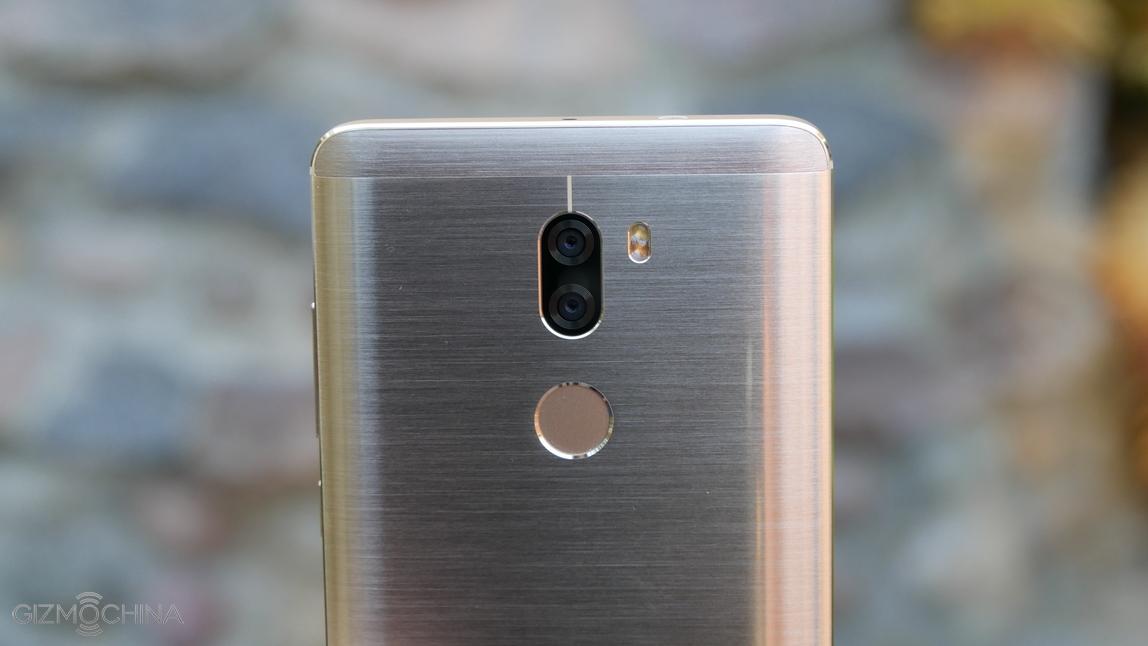
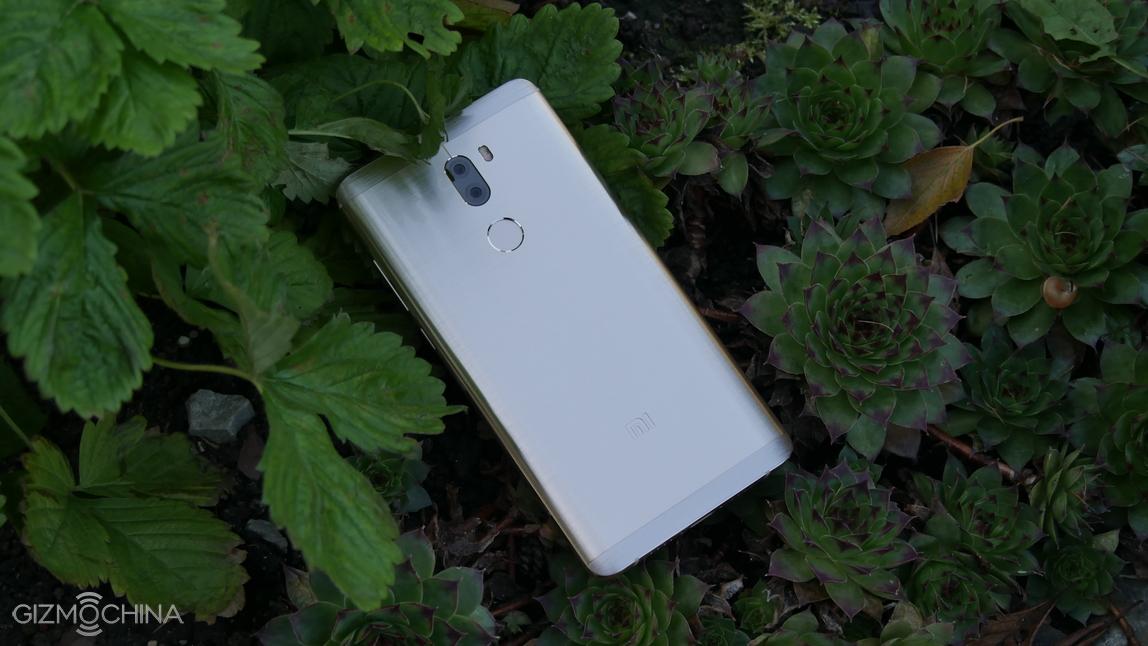
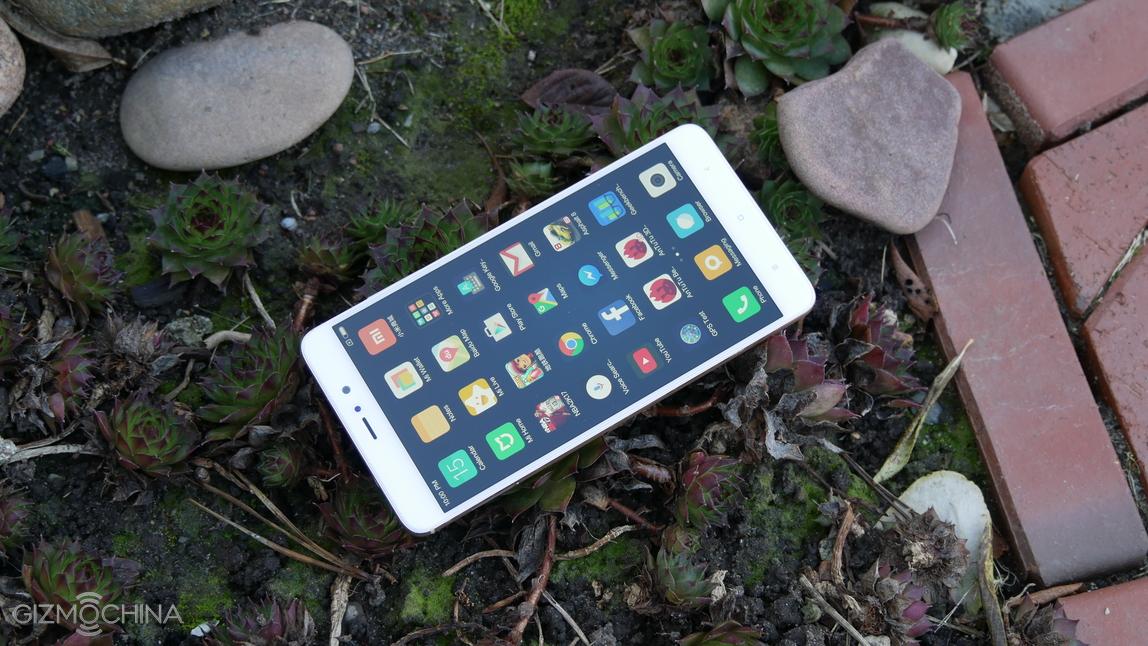
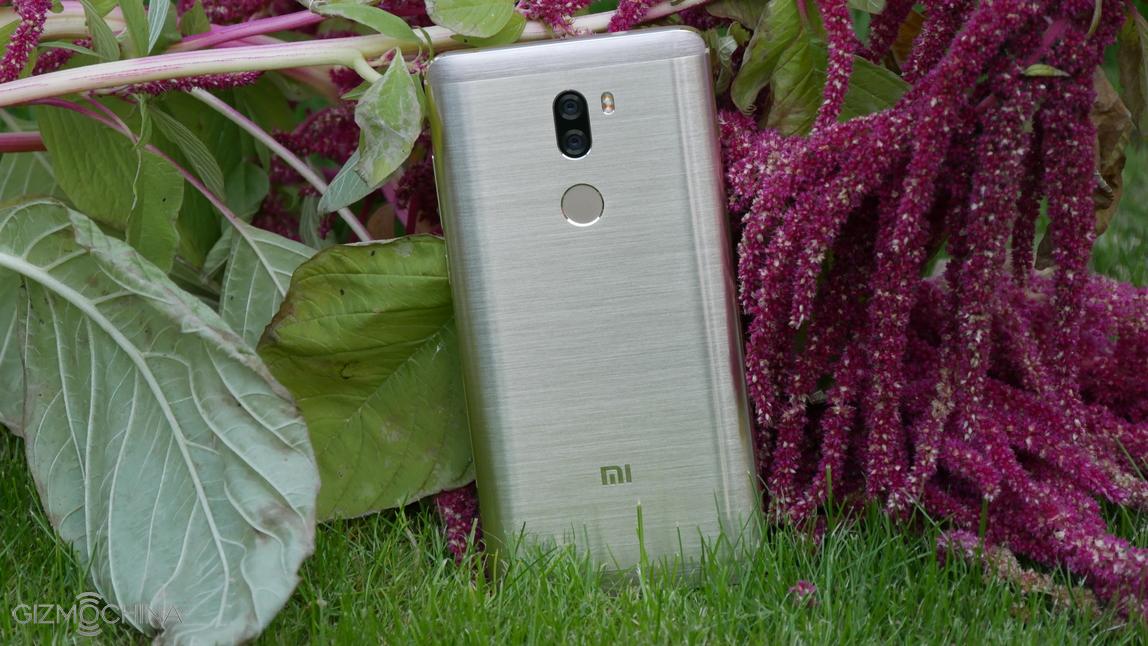
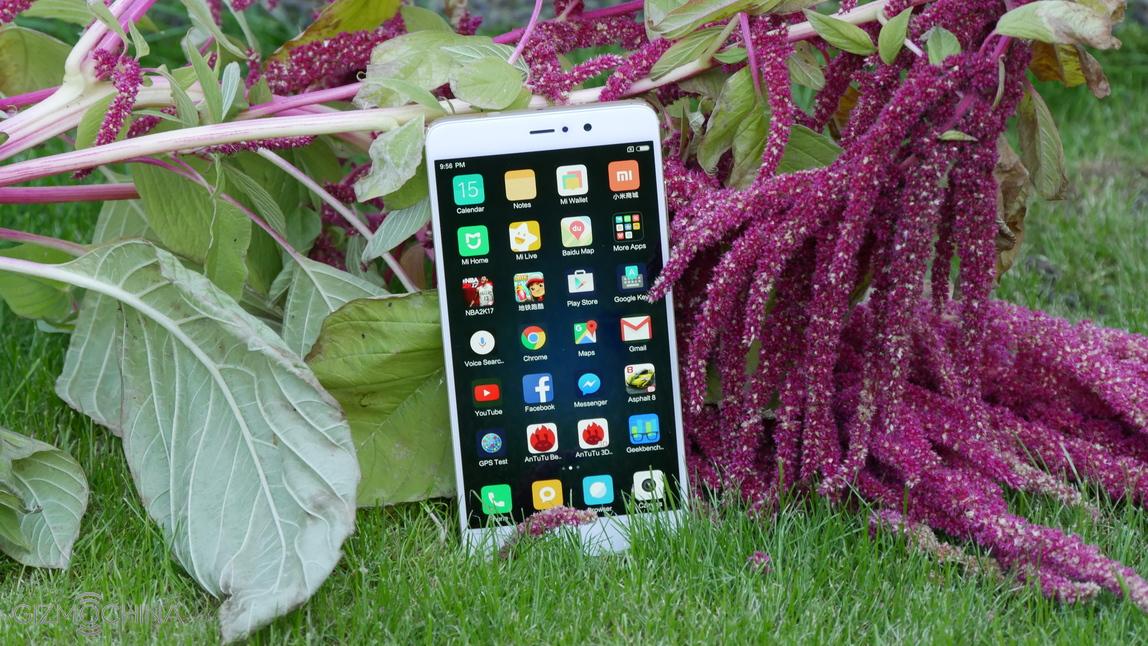
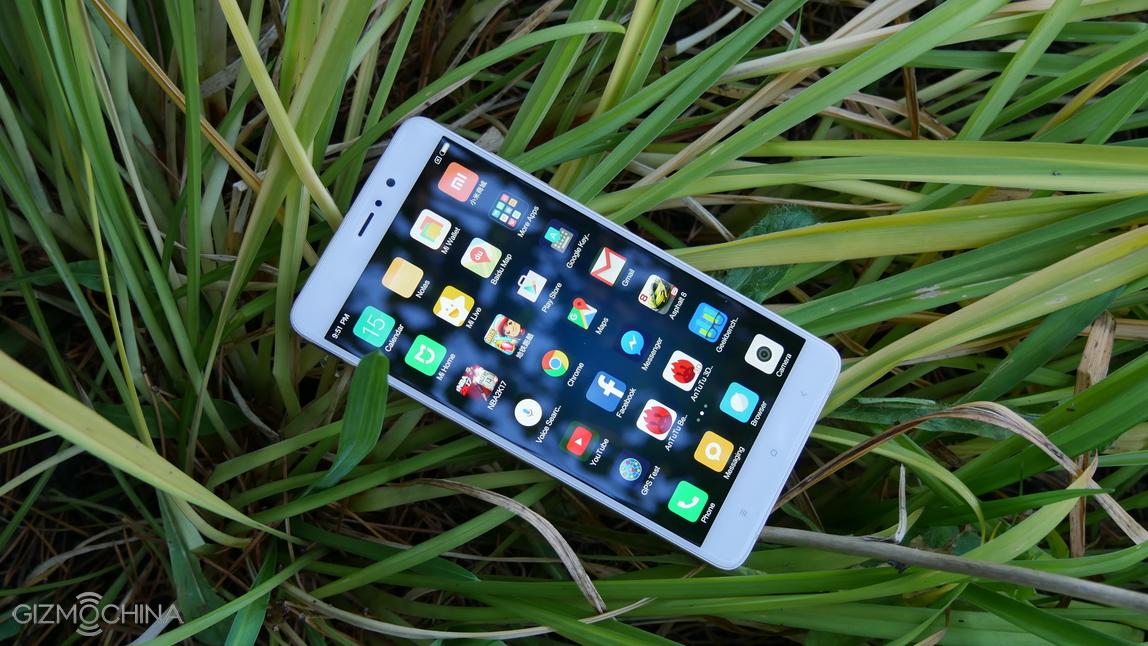
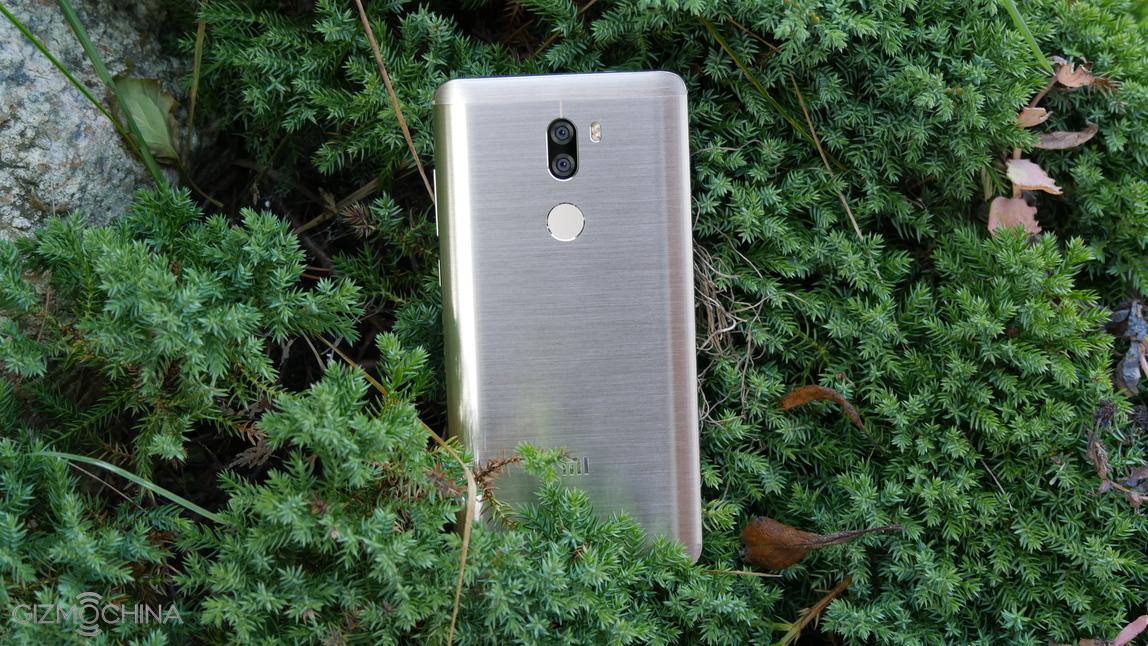
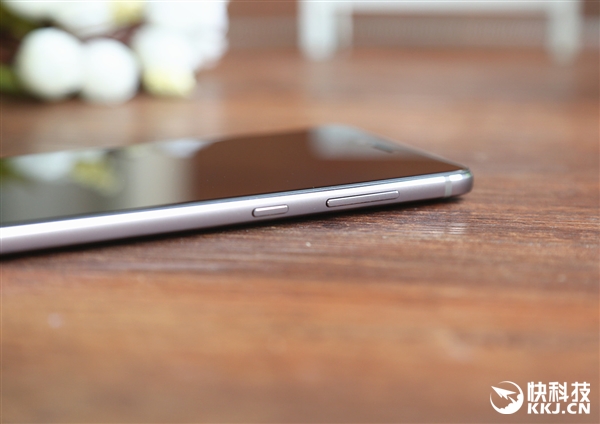
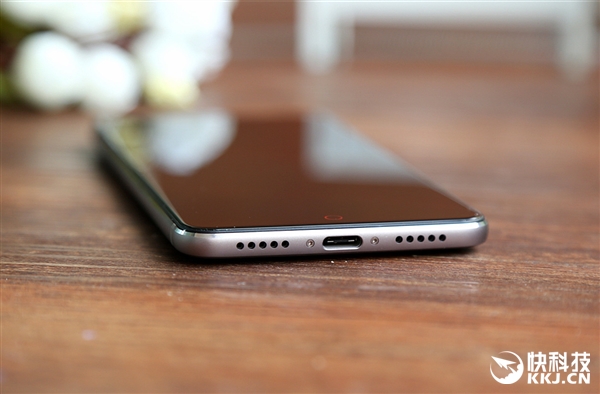
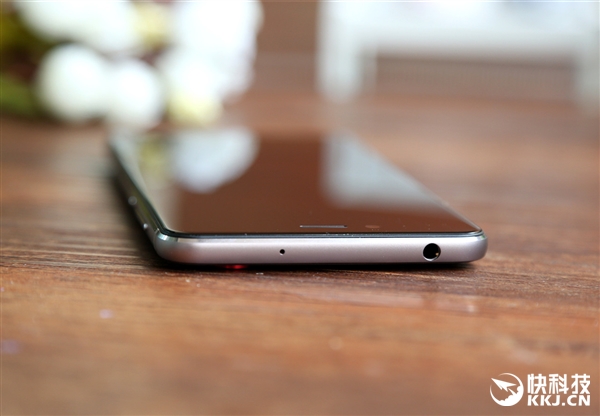
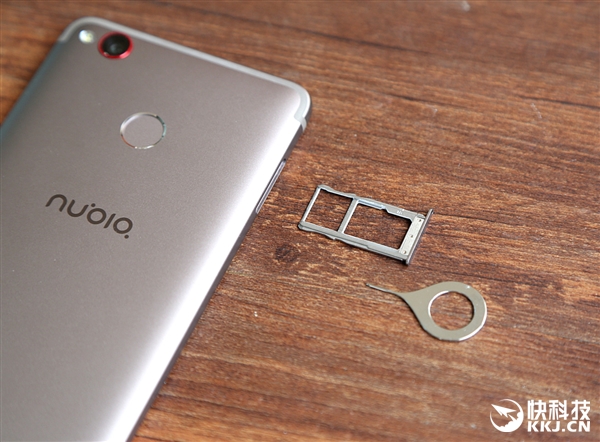
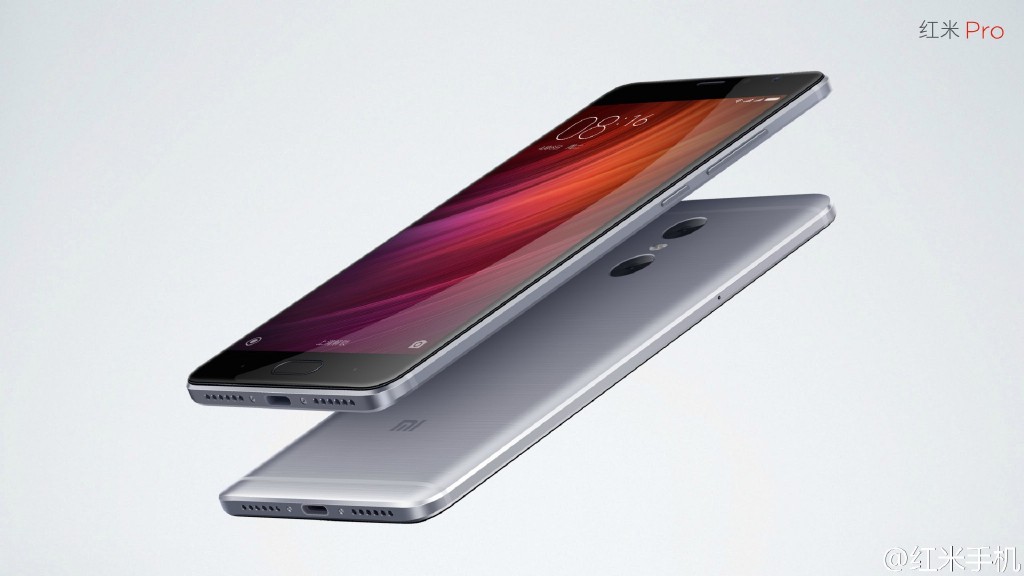
In a surprising twist to its current set up, Xiaomi has announced a new price for the Redmi Pro which was released a couple of months back as the company’s first dual cameras sporting device. The Xiaomi Redmi Pro price started at 1,499 Yuan ($225), coming in as Xiaomi’s costliest Redmi handset till date. Now the device will be available for 1,099 Yuan ($163) for the lower version with Helio X20, 3GB RAM + 32GB ROM, that’s a huge 400 Yuan off!
Not only that, the higher storage version with Helio X20 SoC, 3GB RAM + 64GB ROM has also been slashed downwards to 1299 Yuan ($193) from its previous 1699 Yuan price tag. In addition, the top-end Redmi Pro version with Helio X25 chips, 4GB RAM + 128GB of built-in storage which hitherto retails for 1999 Yuan ($300) now starts at 1599 Yuan ($237).
This is coming a bit as a surprise as no reason was given for the price cut across board but it may be connected to the launch of the Huawei Honor 6X which also features a dual camera set up and is moderately priced. Sales of the Xiaomi Redmi Pro would commence on October 19 at 10 am via Mi mall, and Mi Home.
As a reminder, the Xiaomi Redmi Pro was released with an all new CNC brushed metal body design, equipped with the MediaTek Helio X25 on the topmost version with 4GB RAM and 128GB of internal storage. There are two other versions, both with Helio X20 chips, 3GB of RAM and then 32GB ROM as well as 64GB ROM respectively. The device also sports a 13MP main camera and 5MP depth of field sensor at the rear, with a large 4500mAh battery keeping the lights on.
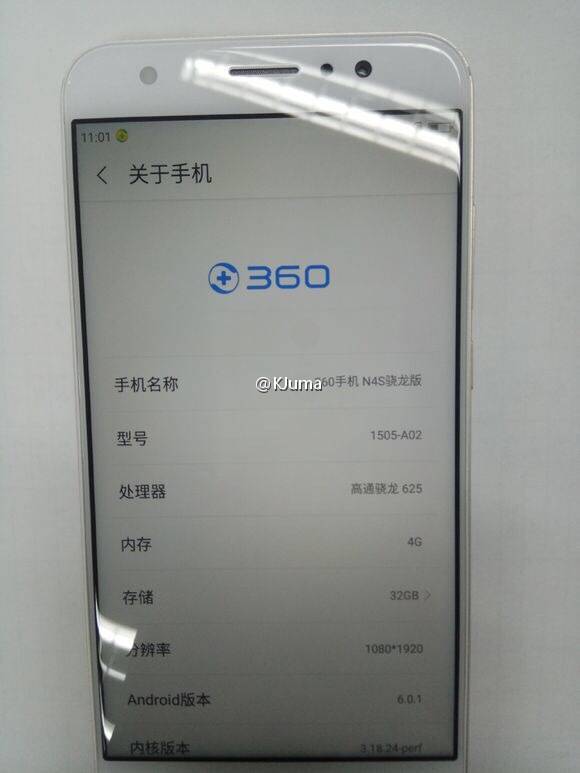
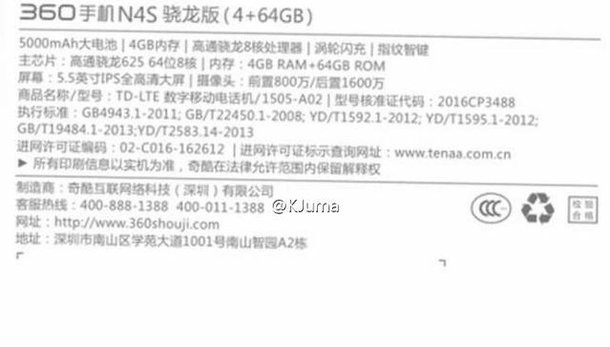
We reported 360 Mobiles was working on releasing two versions of the 360 N4S: one with a Snapdragon 625 chip and the other with a Helio X20 processor. Popular leaker @KJuma has posted a real life image of the Qualcomm version of the phone confirming most of the details leaked before.
The image of the 360 N4S apart from confirming the snapdragon 625 SoC, also shows the phone has 4GB of RAM and 32GB of storage. A leaked pack of the phone listed it has having 64GB of storage, we want to assume there will be two storage options.
The phone runs Android 6.0.1 Marshmallow and has a Full HD display said to be 5.5-inches. If you look closely, you can even see the 2.5D curve of the display, but that black line around the screen isn’t going to go down well with folks especially on this white version. The phone also appears to be sporting a front flash allowing for better selfies in the dark.
Other details not confirmed yet include the 5000mAh battery which is rumoured to feature fast charge that lets it charge from zero to hundred percent in 2 hours; the 16MP rear camera; and the 8MP front-facing shooter.
The 360 N4S is expected to be released later in October for about 1199 Yuan ($178). At that price it will have to contend with the likes of the Cool1 Dual and the Redmi Note 4.
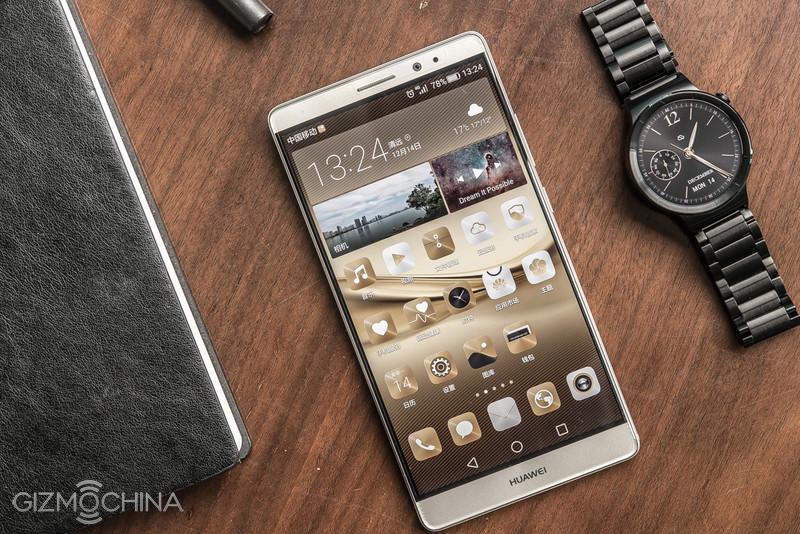
Huawei released the brand new Honor 6X mid-range smartphone at an official event a few hours ago. We have been hearing about the phone for the past few weeks and a recent TENAA listing confirmed its specs as well. But now, everything is officially out, revealing the full details about the product.
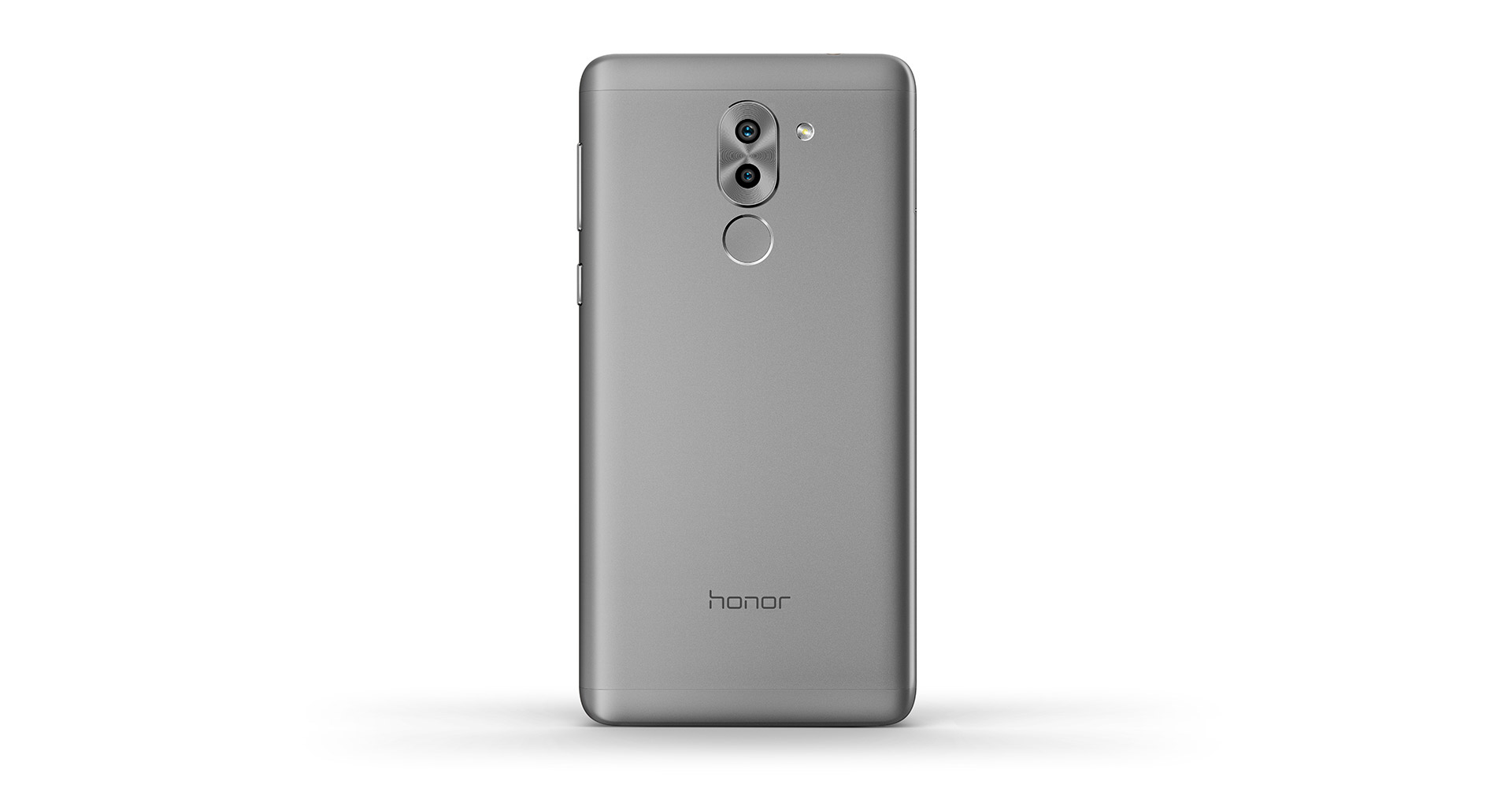
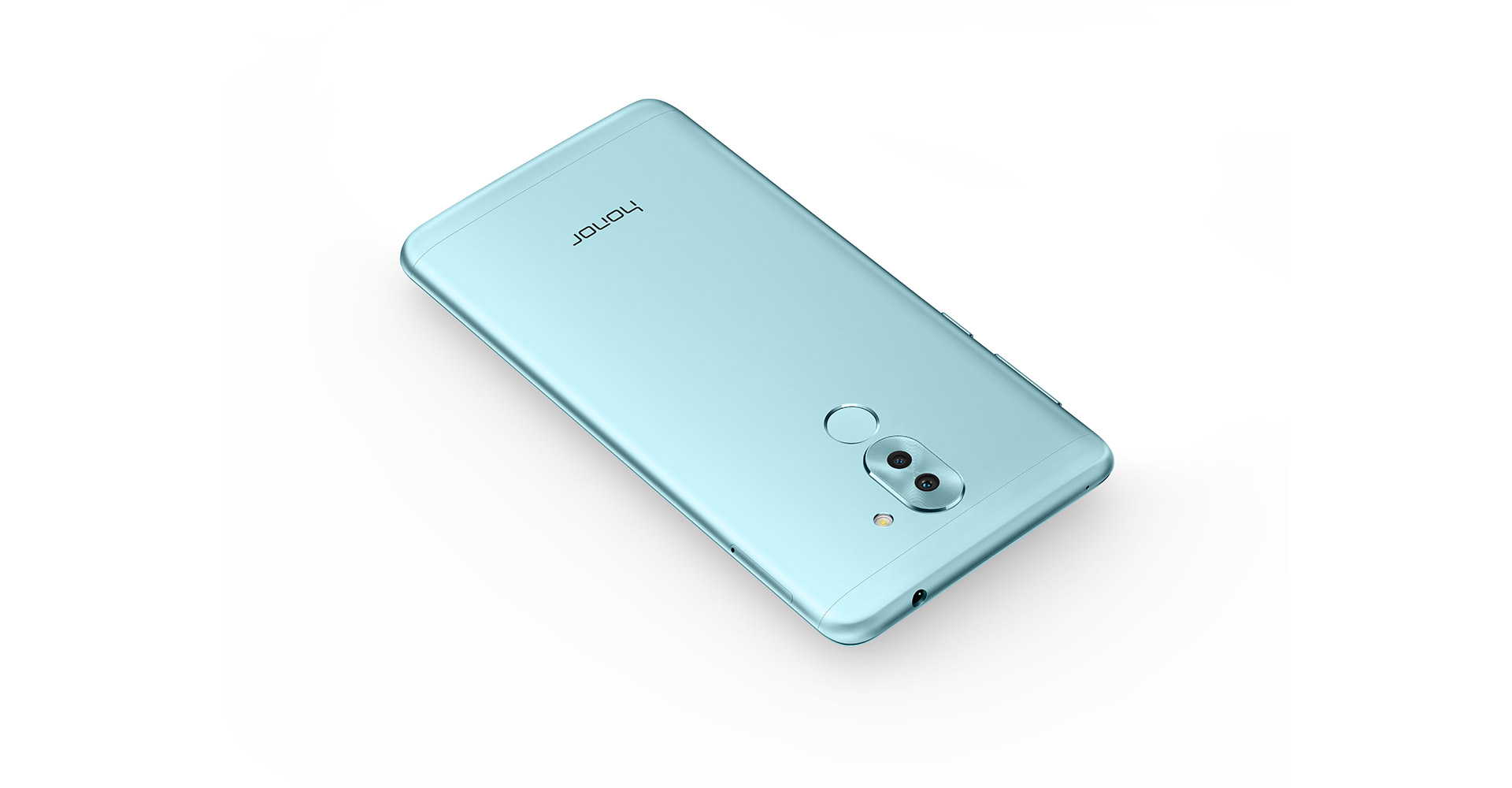
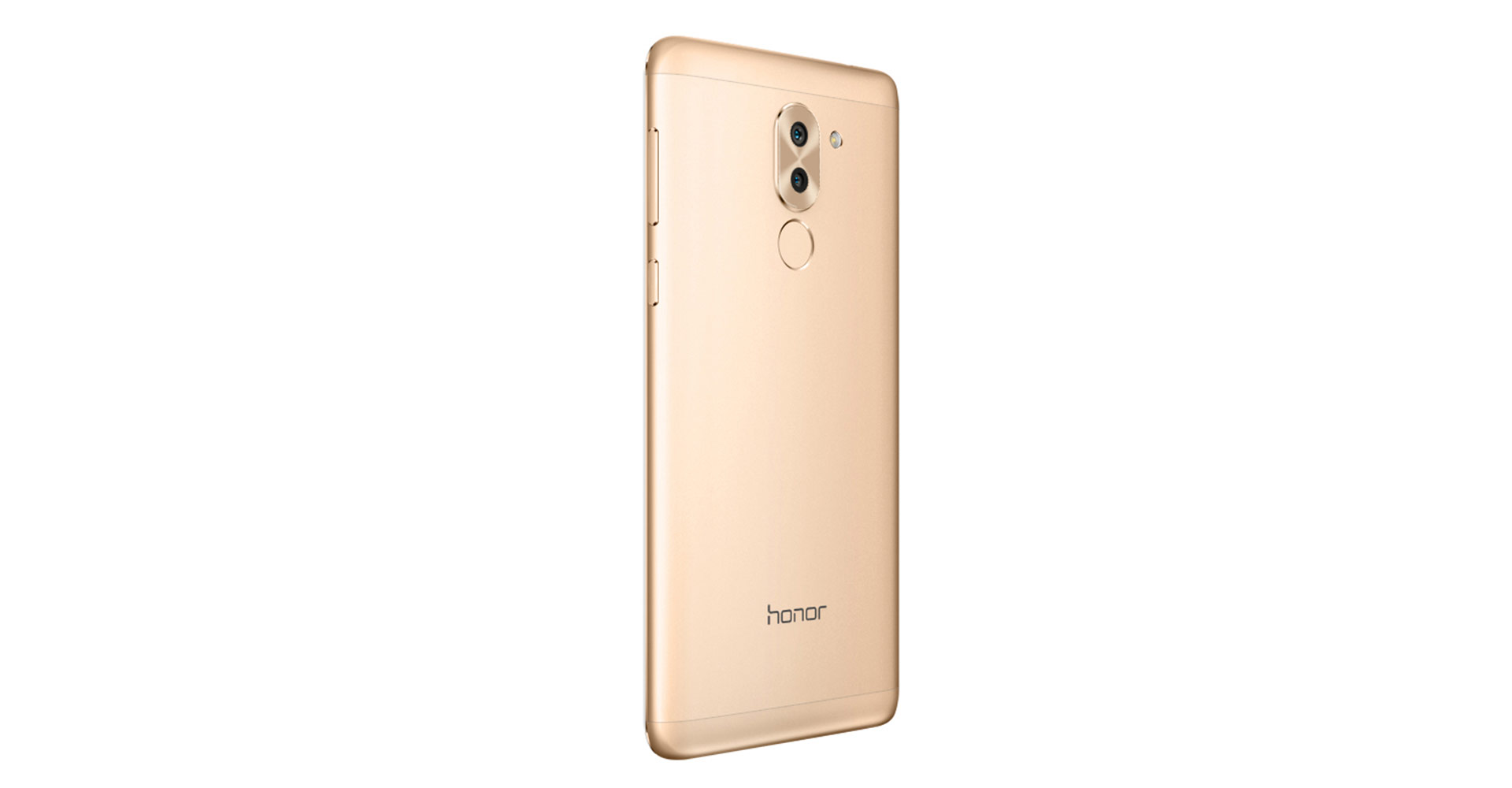
The Honor 6X comes with an all metallic built, with 2.5D glass on the front. The corners of the phone are smooth and for its cheap pricing, the phone looks premium. It’s compact with the following dimensions: 150.9 x 72.6 x 8.2mm and weighs 162 grams. The company is offering five different colors for the phone namely gold, rose gold, silver, gray, and navy.
As for the specs, the Honor 6X is powered by the Kirin 655 octa-core chipset clocked at 2.1GHz with Mali-T830 MP2 GPU. This is definitely very good enough for a budget smartphone. The display is of 5.5-inches with 1080p resolution. There are 3GB / 4GB RAM and 32GB / 64GB ROM options available. At the back, the phone features a dual camera setup consisting of one 12MP primary sensor and another 2MP secondary sensor. Up front, there is an 8MP camera. Inside, the phone features a decent 3340mAh battery. As for the software, the device runs on Android 6 Marshmallow with Emotion UI 4.1 on top. Other features include fingerprint sensor at the back, dual SIM dual standby, 4G LTE, WI-Fi n and GPS.
The 3GB + 32GB version starts at just 999 Yuan ($149), 4GB + 32GB at 1299 Yuan ($193) and 4GB + 64GB at 1599 Yuan ($238). The phone will go on sale on October 25 in China. No details about international release available yet.
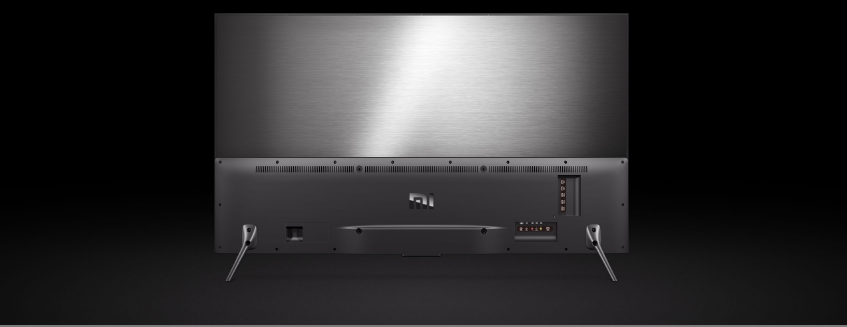
Apart from phones, Xiaomi also makes a lot of household gadgets which includes TVs. Less than a month ago, they announced a 65-inch 4K TV priced at 5999 Yuan ($890). Today the company has launched a 60-inch version of the Mi TV 3S which apart from being smaller also costs less (You get to save $200).
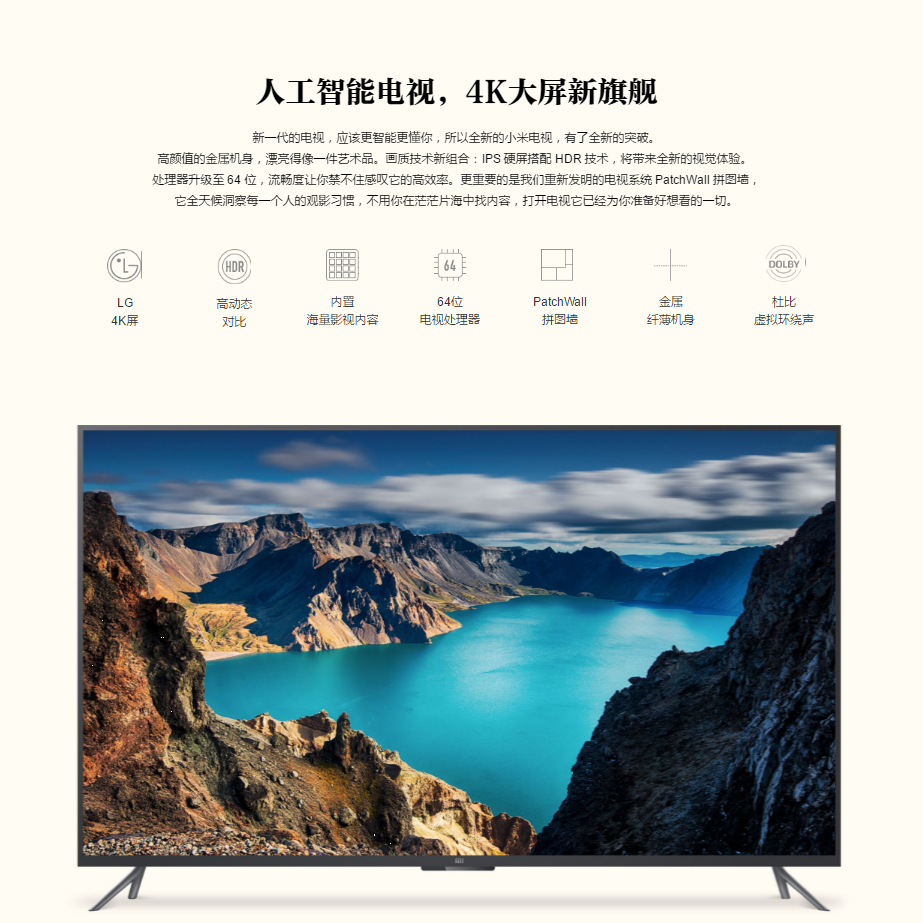
Xiaomi used the same design found on the 65-inch version on this model, so you get the same ultra-thin body, diamond pattern aluminium frame, and brushed-metal back. The 4K IPS display made by LG, supports HDR and has a wide colour gamut allowing it to display videos and images in rich saturated colours. The 60-inch Mi TV 3S also has Dolby Audio and DTS Surround Sound.
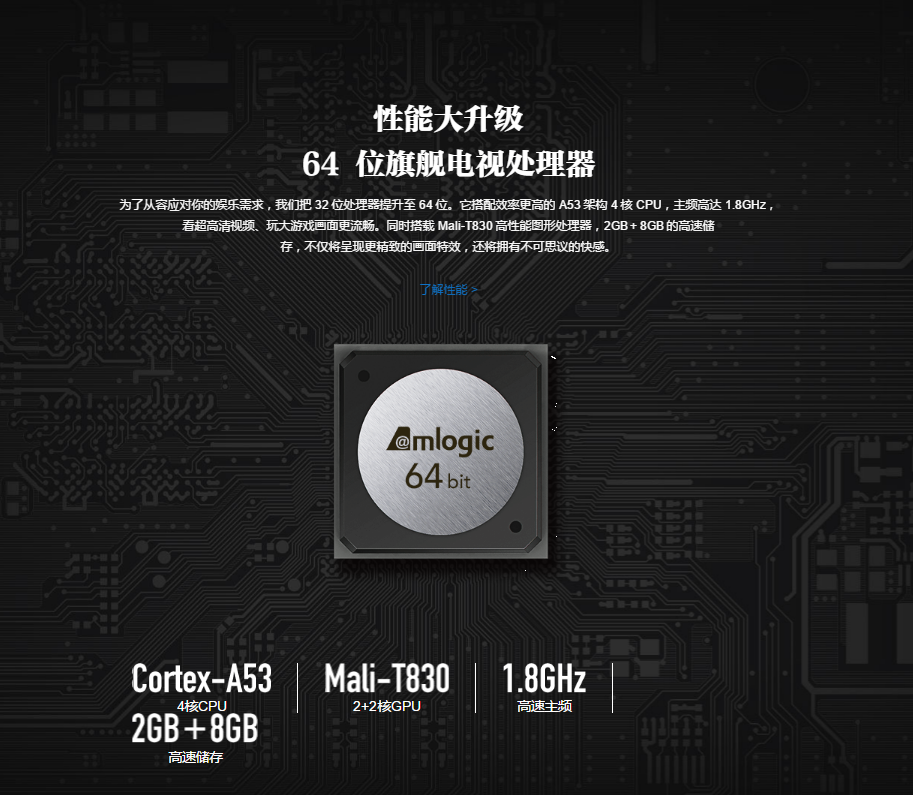
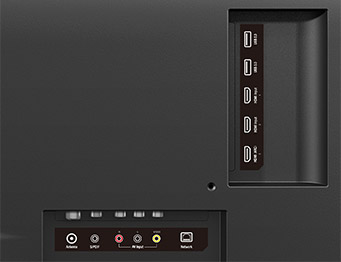
The 60-inch Mi TV 3S is equipped with a 1.8GHz Cortex-A53 Alogic T968 quad-core processor, 2GB of RAM, 8GB of storage, dual-band WiFi and Bluetooth 4.0. There are 3 HDMI ports, 1 USB 3.0 port, 1 USB 2.0 port and the regular AV ports for connectivity.
For $668, that is not a bad price unless you want the model with the built-in home theatre which sells for way more, but the standard 65” version doesn’t offer much difference.
Ahead of the October 25 launch of the Xiaomi Mi Note 2, what is likely the price tag of one of the versions of the device has leaked online. The leak which originated from Weibo gave the idea of the high-end version of the Mi Note 2 carrying a price tag in the region of 5699 Yuan, such a huge one.
Although the source cannot be verified as being authentic but if it turns out to be true, the Mi Note 2 would be on a league of its own. The 5699 Yuan price would make the device the highest priced Xiaomi phone till date. Xiaomi has a reputation for turning out well studded devices that carry very cheap price tags. But then the Mi Note 2 is rumored to feature a spectacular specs line-up one of which Xiaomi has confirmed would be a curved display. Now that’s not just going to be a curved display, as the device is said to use a flexible curved display supplied by LG. Apart from that, there are likely other cutting edge technologies which Xiaomi would likely unveil with the Mi Note 2. The Xiaomi Mi Note 2 is coming out with a spectacular design that it has been tipped as Chinese version of the ill-fated Samsung Galaxy Note 7, not in its fate but in the design. Who knows, some disappointed previous Galaxy Note 7 owners might as well find succor in the Mi Note 2.
There may likely be two versions of the device and earlier rumors pegged a 4000 Yuan price tag on the device but that rumor wasn’t specific on the version that would have that price. But if the high-end version of the Mi Note 2 carries a 5699 Yuan price tag as rumored, the other versions would be priced less.
Interestingly, Xiaomi instituted a poll to get fan’s opinions about the likely price tag of the device with three options on the table namely 4,999 Yuan, 5,999 Yuan and 6,999 Yuan. As would be expected, majority of the respondents chose the lowest price tag of 4,999 Yuan. In the long run, the online poll may not count but it has afforded the company an idea of what fans want.
In the past few years, we have seen the Chinese tech giant, Huawei, aggressively market its smartphone inside China as well as internationally. What was once an unknown name in the international markets, today, Huawei has its presence in a lot of global markets including US. The rapid expansion of the company’s target markets as well as the release of quality smartphones have helped the company grow into the third largest smartphone maker in the world.
Last year, we reported that Huawei had crossed 100 million smartphone shipments by the end of the year. Now, it looks like the company has made even greater progress as Huawei revealed recently that it had shipped over 100 million smartphones already. Considering that it’s just October right now, this is indeed a great achievement and it looks like Huawei is all set to cross 120-140 million shipments mark this year.
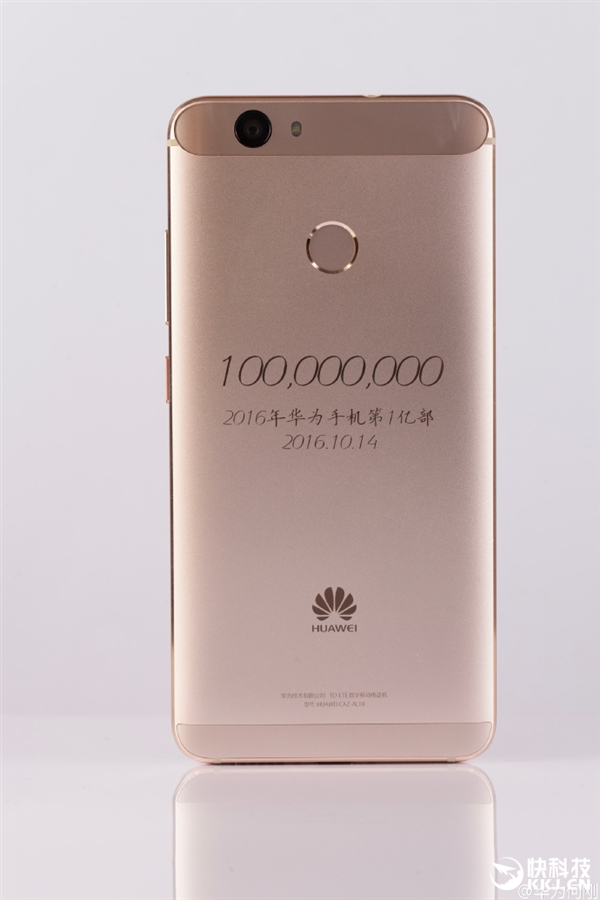
It turns out, Huawei’s newly released Nova smartphone would become its 100,000,000th phone to get out of the assembly line. So, that particular model gets a special 100,000,000 marking at the back along with the date of production, 14 October 2016.
Huawei has been doing pretty well in the high-end segment this year, with the company’s Huawei P9 and P9 Plus ranking first in the Chinese market in the 3000-4000 Yuan price range. The company earlier reported that the sales of both these two premium devices exceeded 8 million units. Further, with the help of its cheaper phones, the company managed a market share of 17.7% in the first half of 2016, ranking it first in the Chinese market.
You can check out the long image down below for detailed figures.
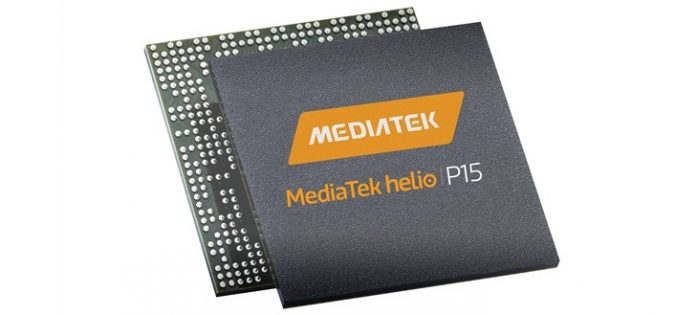
Taiwanese chip maker, Mediatek, announced a new chip today. The new SoC called the Helio P15 is an upgrade to the Helio P10 released last year. The new chip is still built on the same TSMC 28nm HPC+ process and uses the same eight A-53 Cores as the P10. But what’s new about the Helio P15 is what is important.
The new chip has a higher clock speed of 2.2GHz and its Mali-T860 GPU also gets clocked higher at 800MHz compared to the 2.0GHz and 700MHz CPU and GPU clock speeds of the Helio P10. So this new chip offers a 10% increase in performance. However, Mediatek says the P15 offers a more optimal power performance. Mediatek didn’t reveal any new details about the modem, so we are assuming it still remains LTE Cat-6.
Xiaomi has been on a roll recently and the Mi5s Plus is one of the most powerful and beautiful smartphones the company has ever made. It costs just $400 but given its spec-sheet, the phone can rival even the most expensive flagships. Is this the case? Learn more in the full Gizmochina’s review.
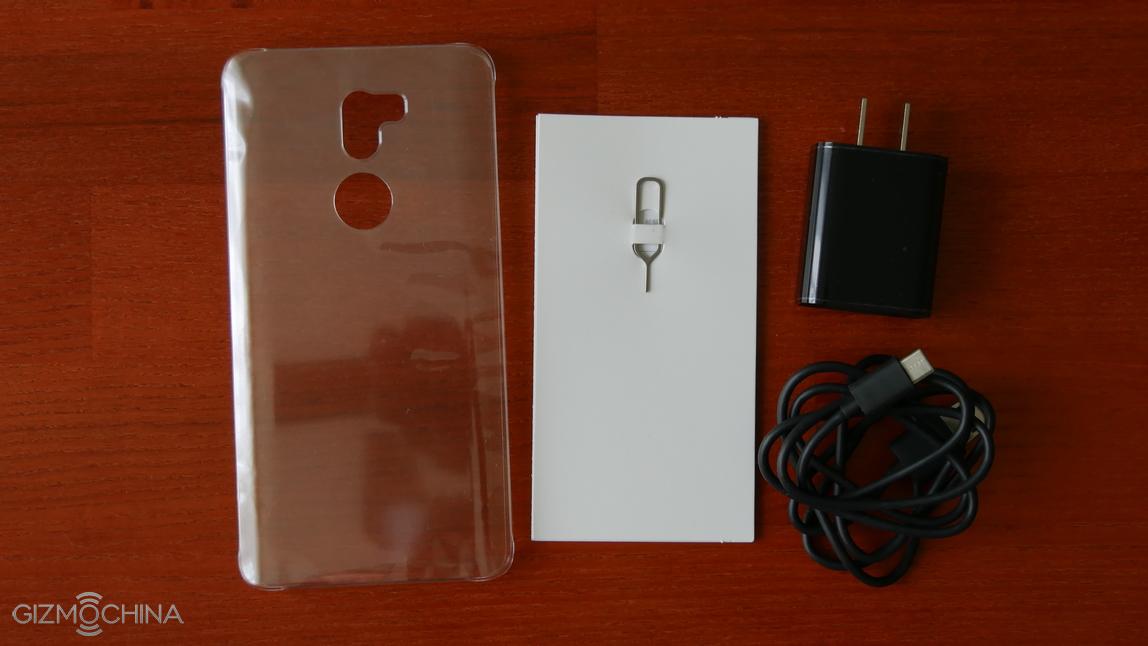
In the box, you can find all the usual items you would expect to come with any phone. A nice touch is the included hard plastic case to protect your investment.
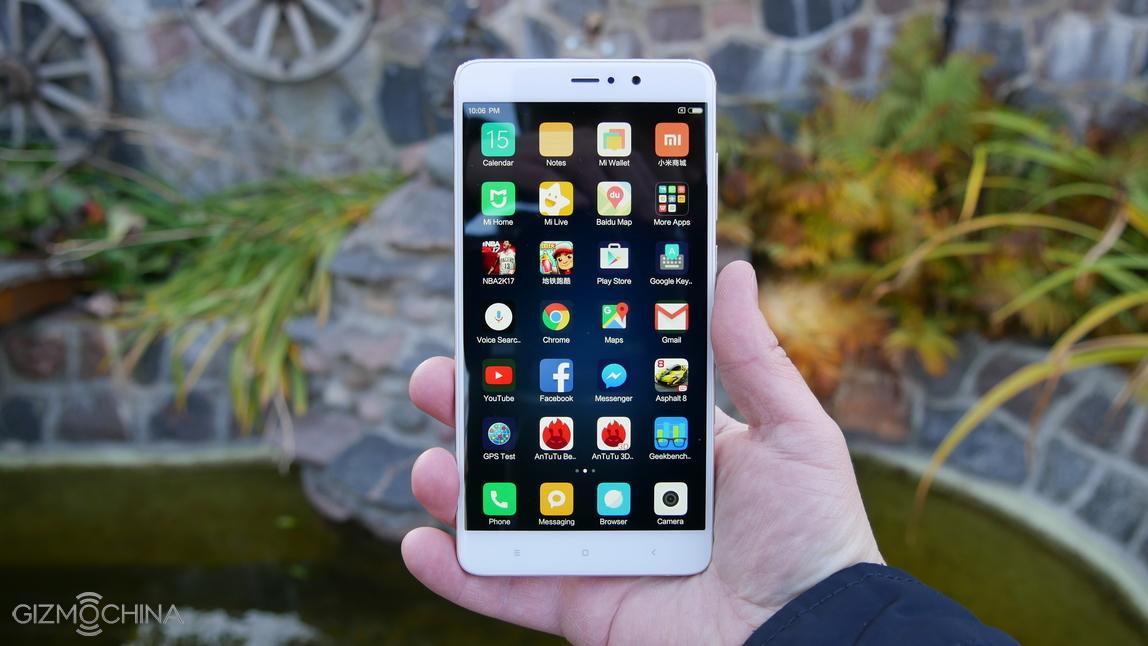
As the name implies, the Mi5s Plus is a larger phone that the regular Mi5s and that is mainly due to its 5.7” 1080p display. It would have been nice to have a 2k resolution panel but the display is still plenty sharp, bright and detailed.
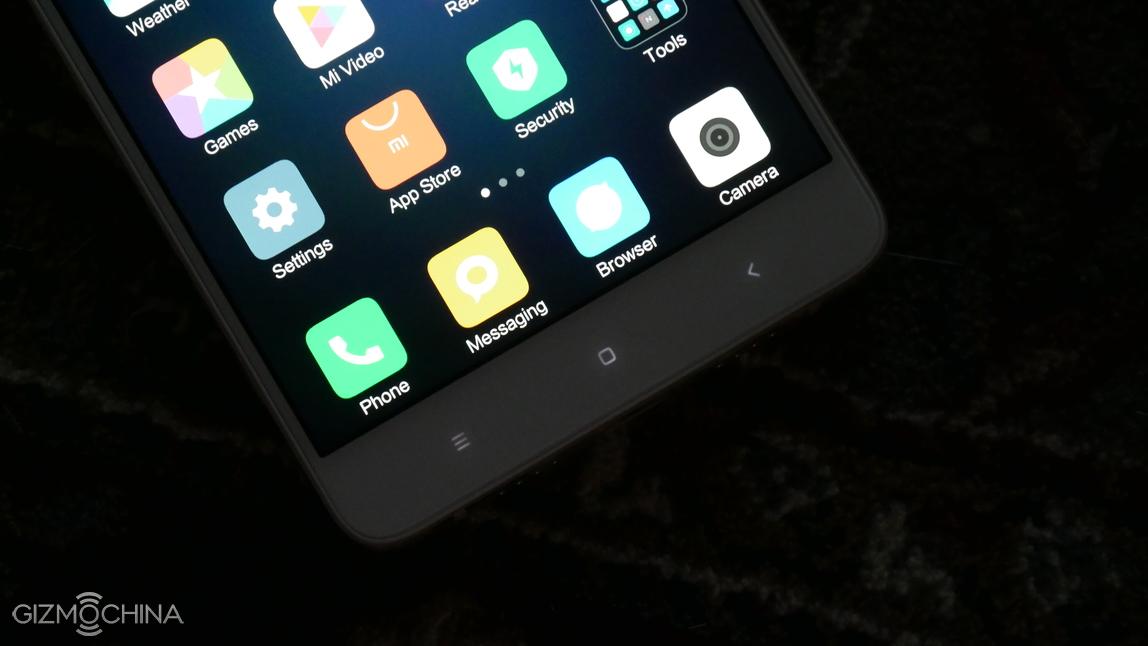
We have nicely backlit capacitive buttons and a highly customizable notification LED light, which sits next to the 4MP Ultrapixel selfie camera.
The device looks and feels like an expensive phone. It is all-metal (except for the top and bottom parts for antennas).
Also, the build quality is top-notch. There are no moving parts or rattling buttons and it is just nice to hold the phone in the hand despite its huge footprint.
The Mi5s Plus has 2 13MP cameras with f/2.0 aperture and PDAF. The first is a regular shooter and the other is a monochrome sensor that takes images in black and white. We also have a dual tone dual-LED flash for night photography. However, there is no OIS onboard, which is a shame for the Xiaomi’s flagship phone.
Just below the camera setup, we have a super fast and accurate fingerprint sensor that can unlock your phone straight from the standby mode.
I really like the balanced and rich sound that is coming out of the loudspeaker, which can also get pretty loud.
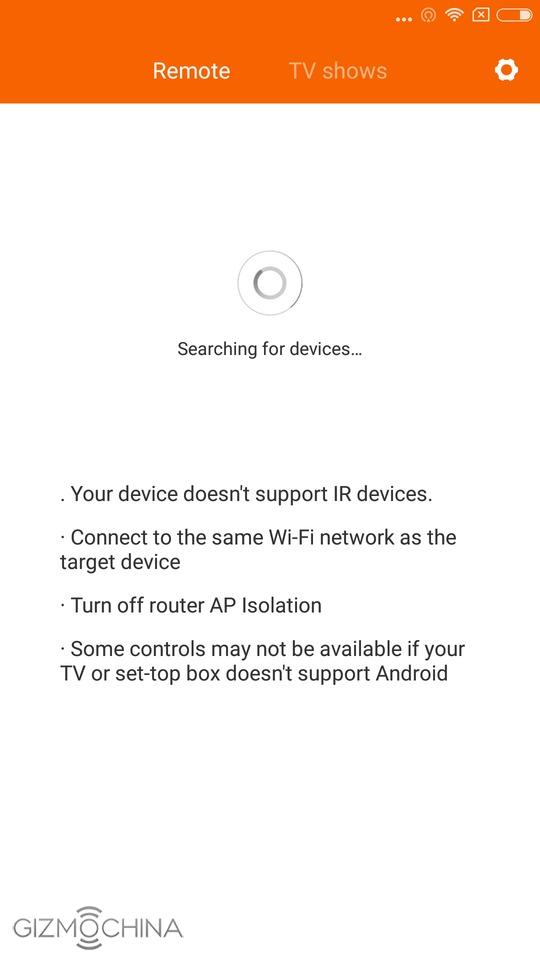
The Xiaomi brought the IR blaster back to control the devices like TVs. The sound via the headset jack is pretty good too.
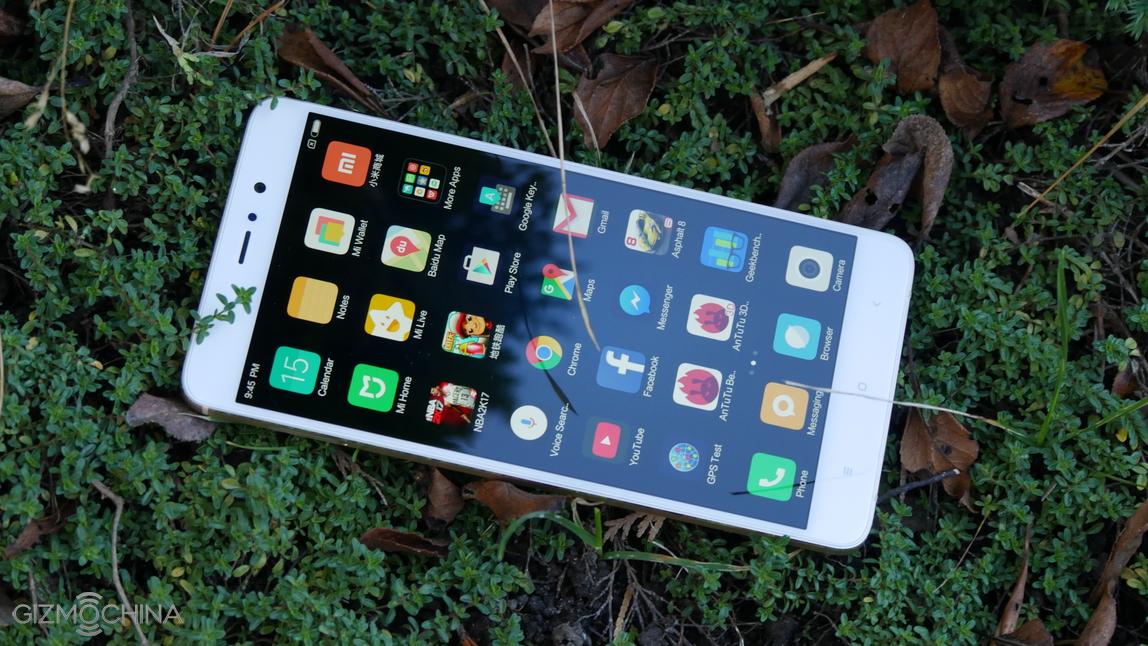
Xiaomi Mi5s Plus design gallery:
Xiaomi Mi5s Plus Review: HARDWARE and PERFORMANCE
The Xiaomi Mi5s Plus packs some serious hardware components that sound very impressive on paper.
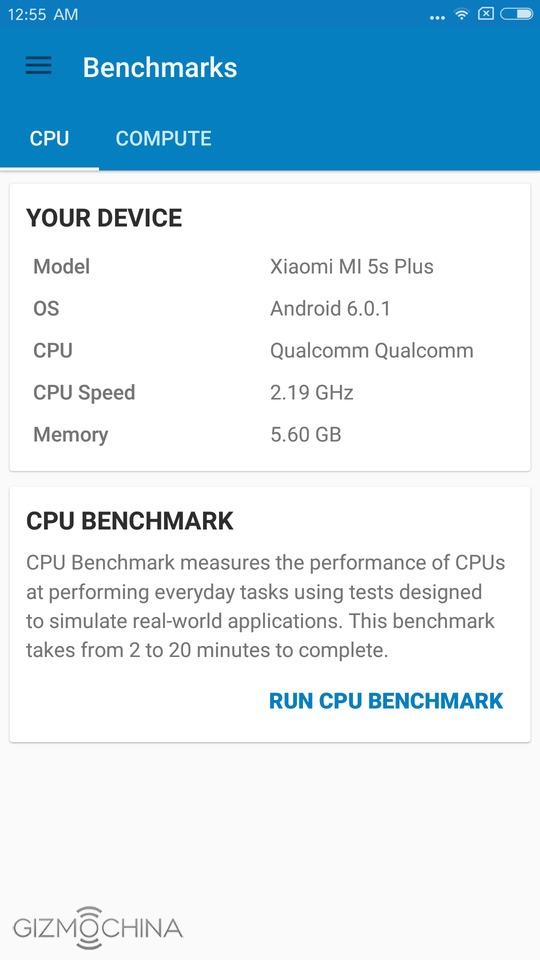
I have the high-end model that sports a brand new Snapdragon 821 chip, 6GB of LPDDR4 RAM and whopping 128GB UFS 2.0-based storage.
You can also opt in for a lower-end model that has 4GB of RAM and 64GB of storage. It’s actually a bit funny that we are talking about the lower-end model with these kind of specs.
As expected, the 3D gaming performance is just excellent. No matter what kind of games you play on the Mi5s Plus, the phone just flies and it is just a pleasure to play games on a huge display. Finally, the phone does not have any overheating issues. See a video review for gaming performance.
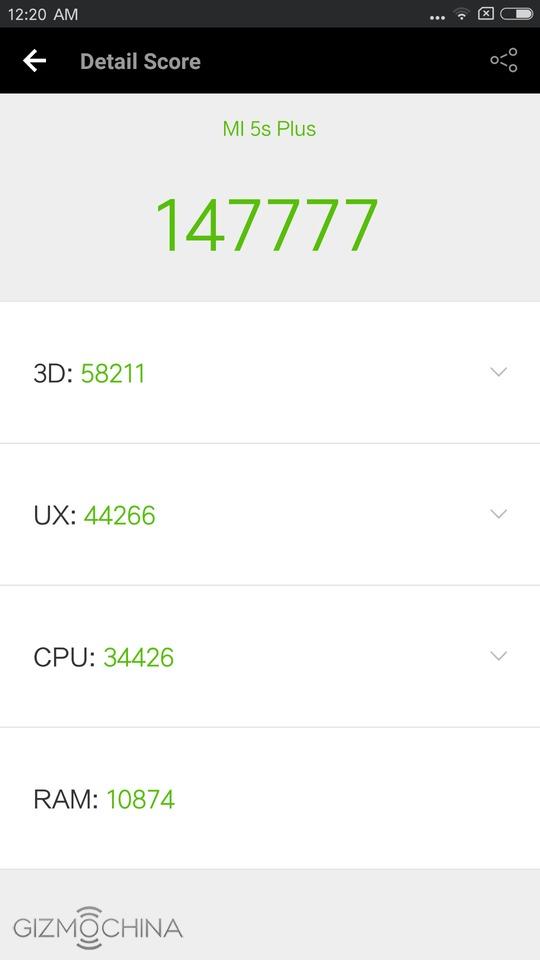
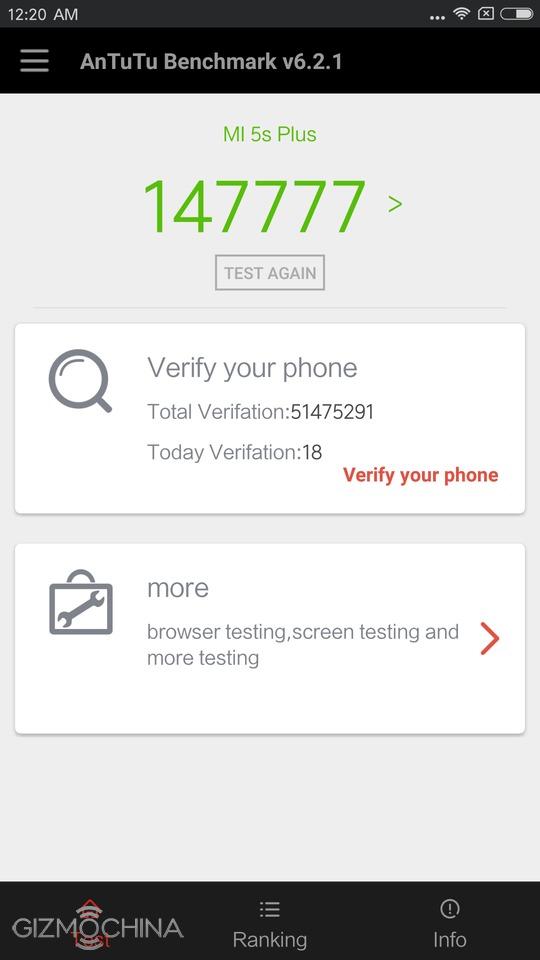
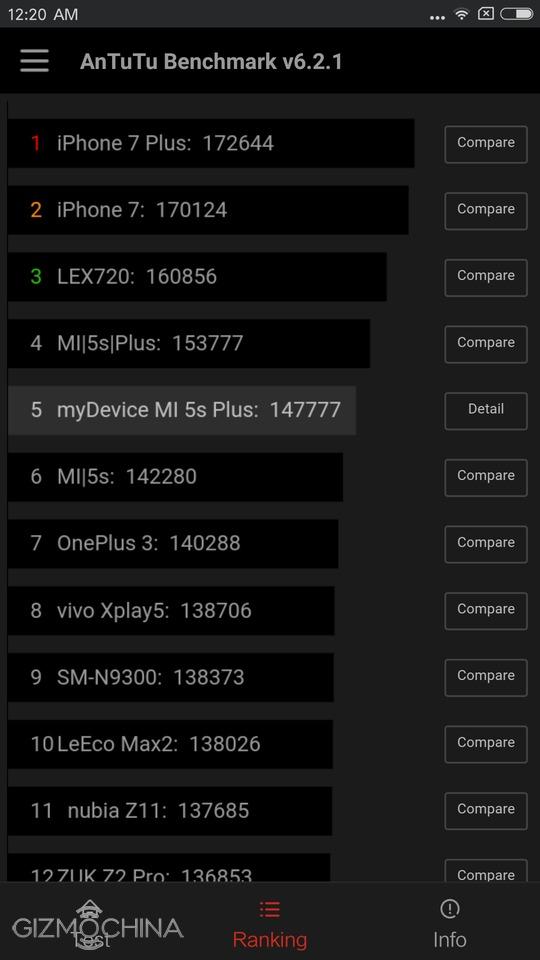
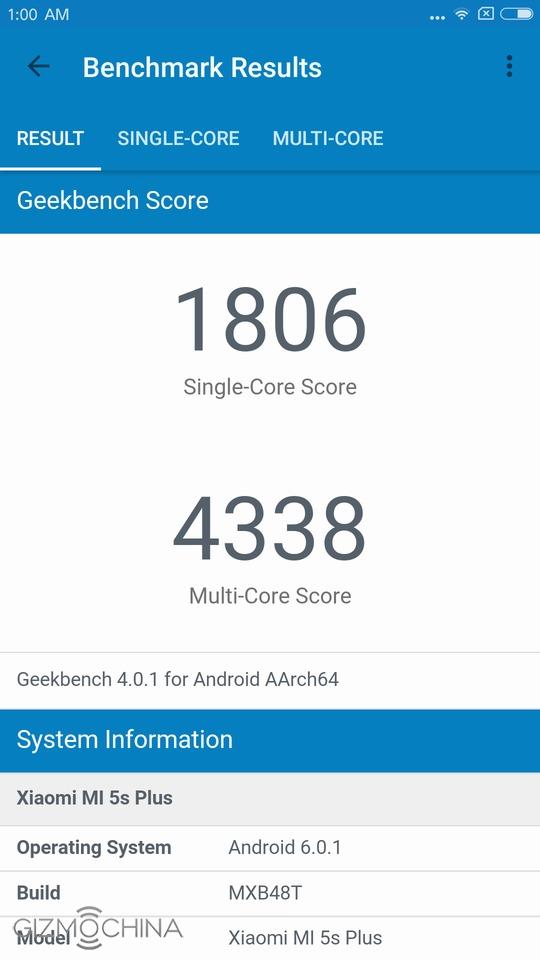
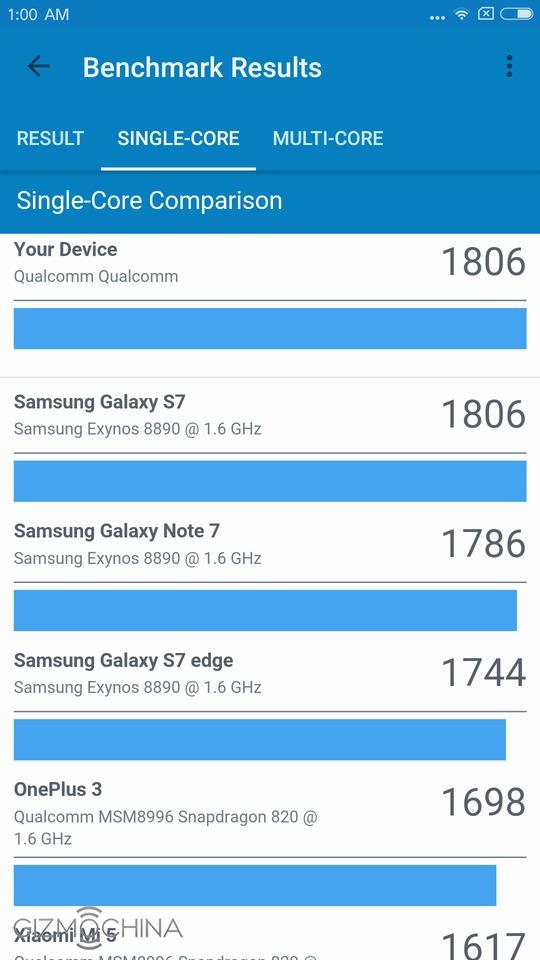
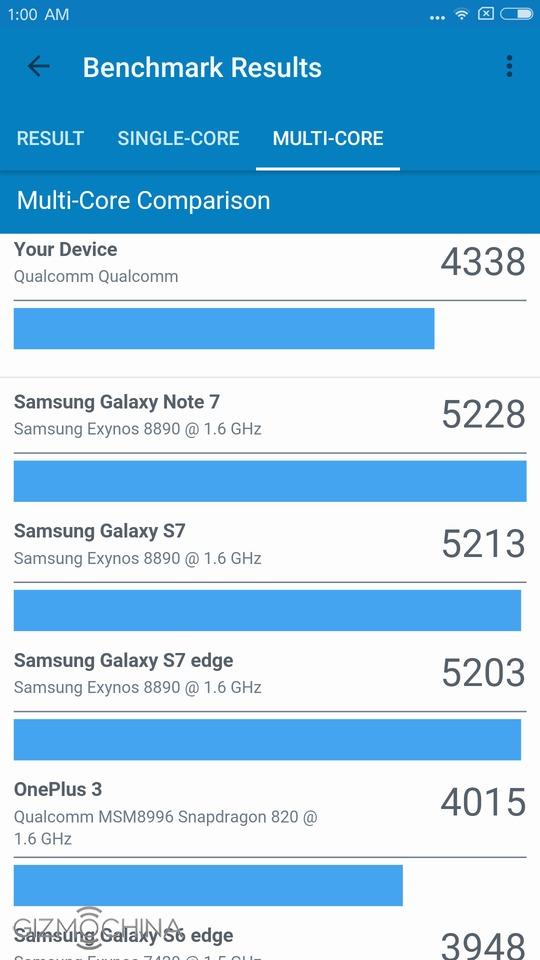
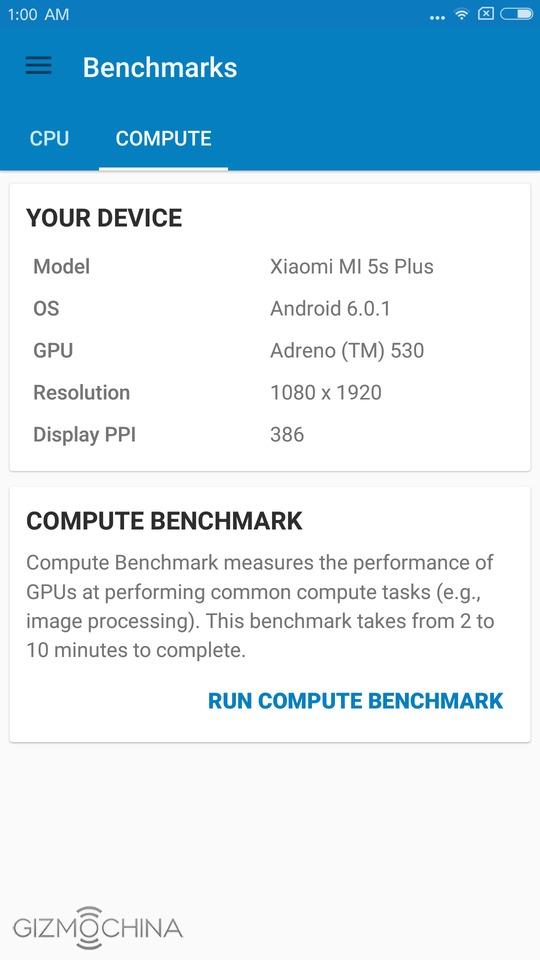
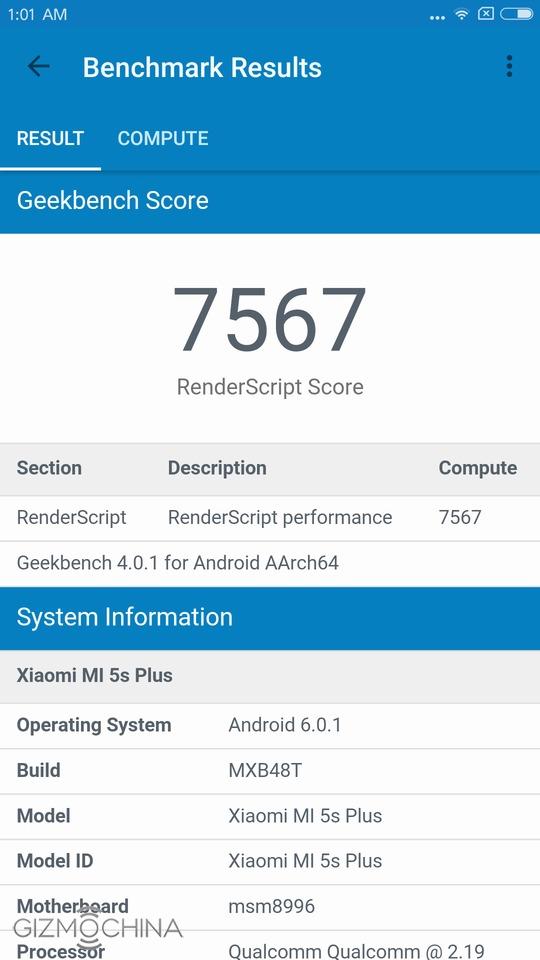
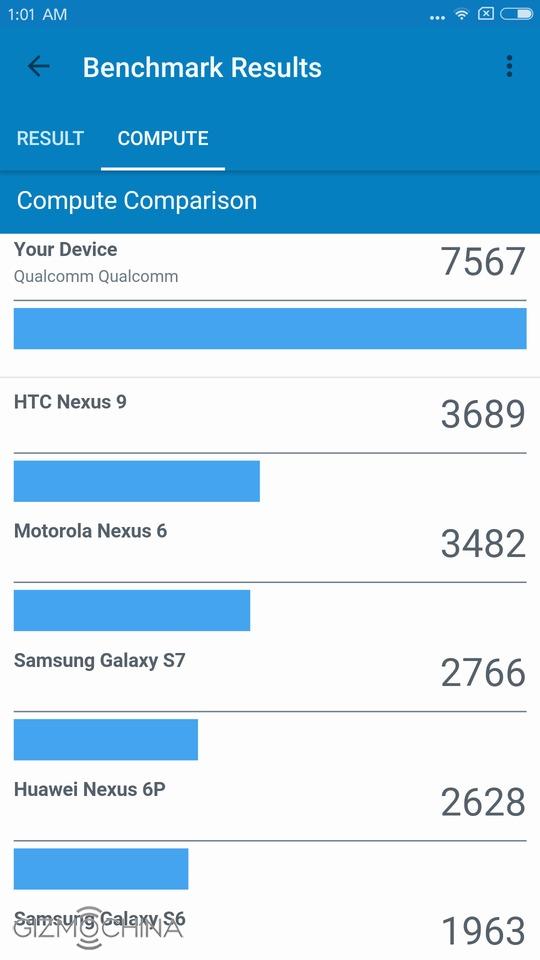
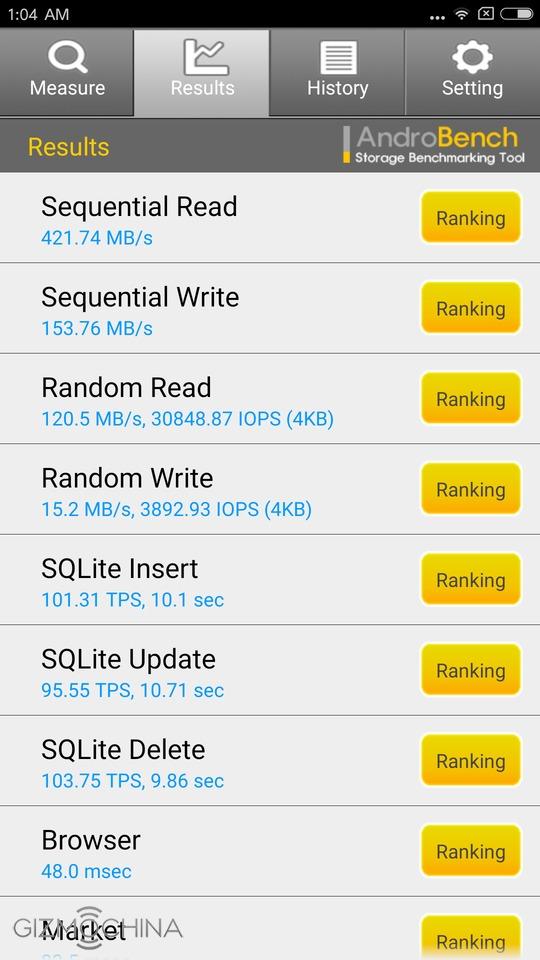
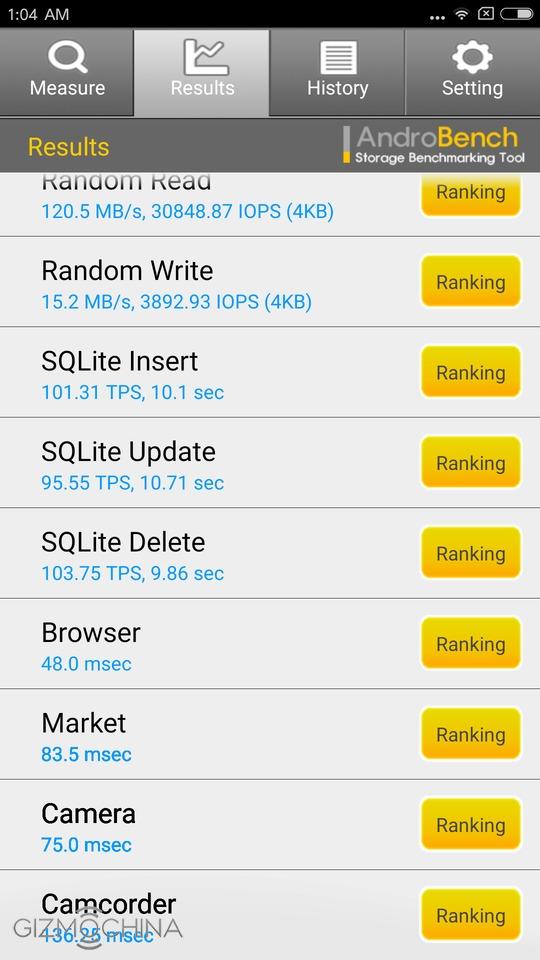
Xiaomi Mi5s Plus Review: BENCHMARKS
Xiaomi Mi5s Plus Review: USER INTERFACE
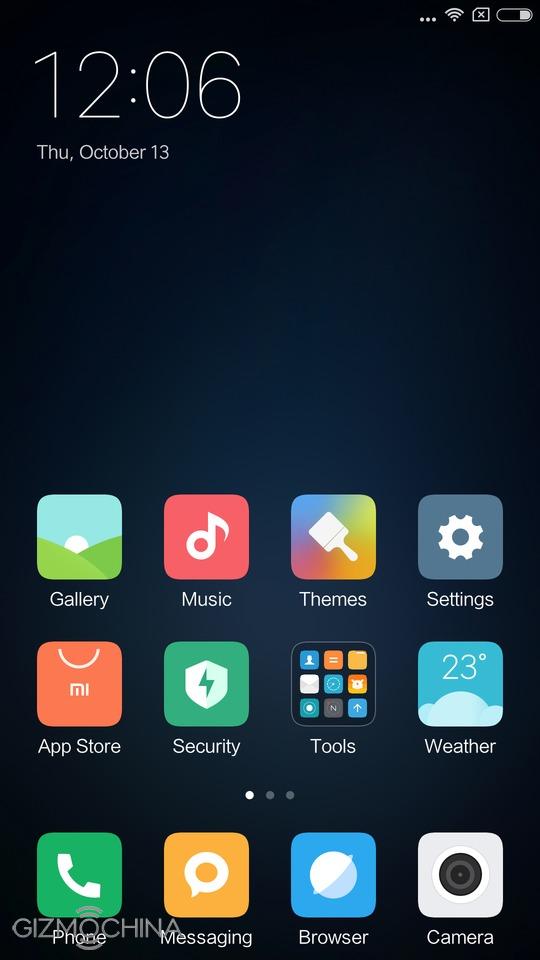
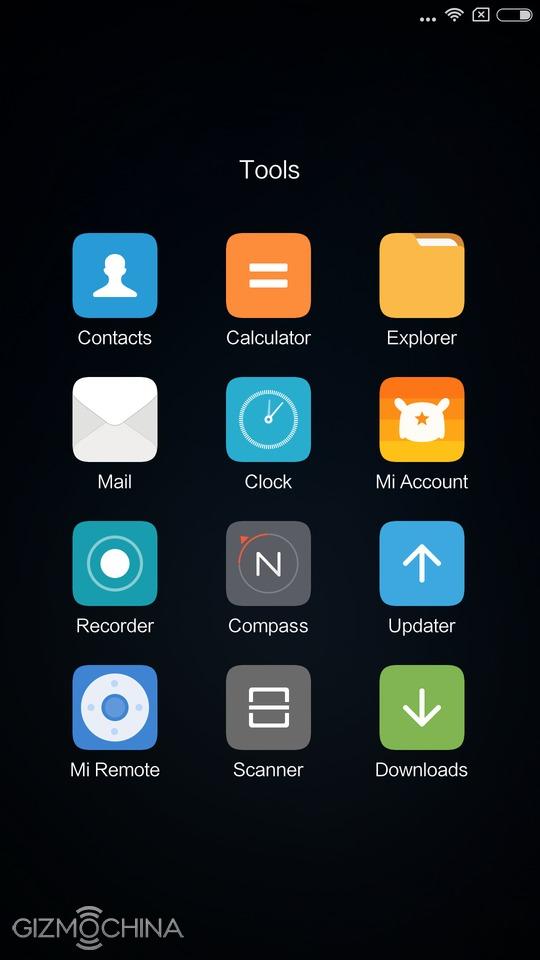
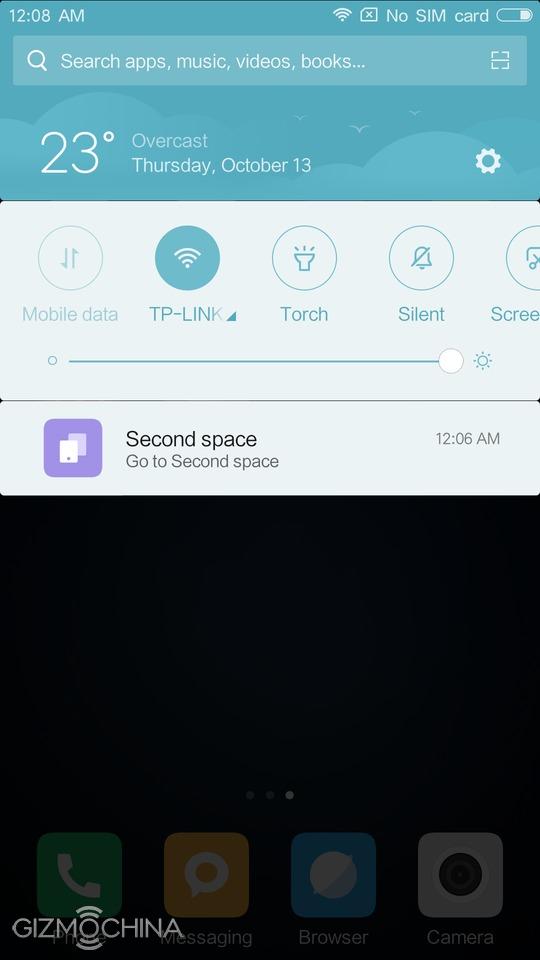
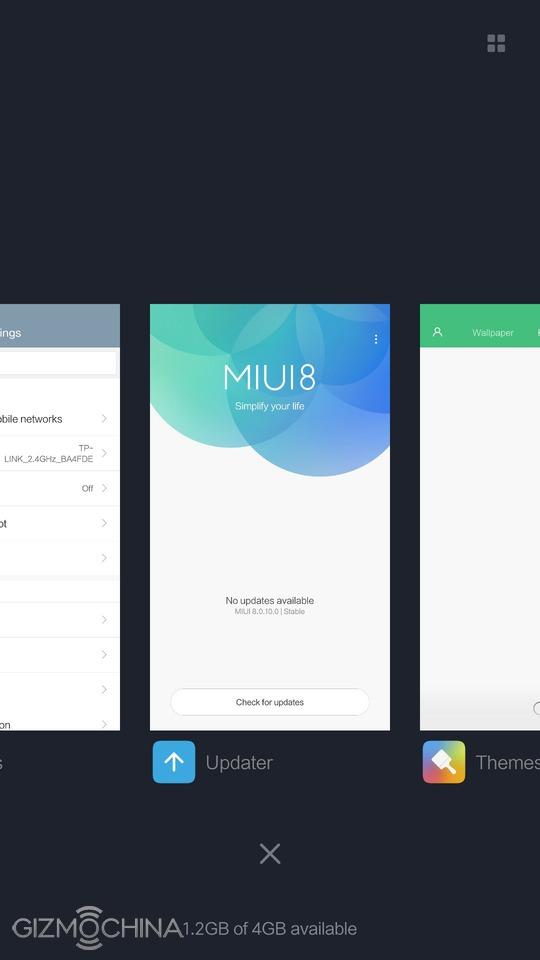
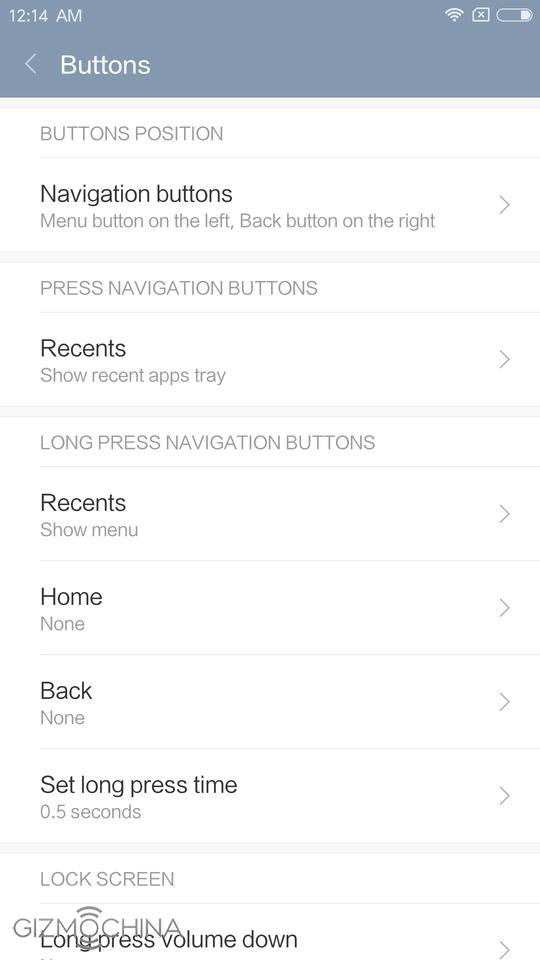
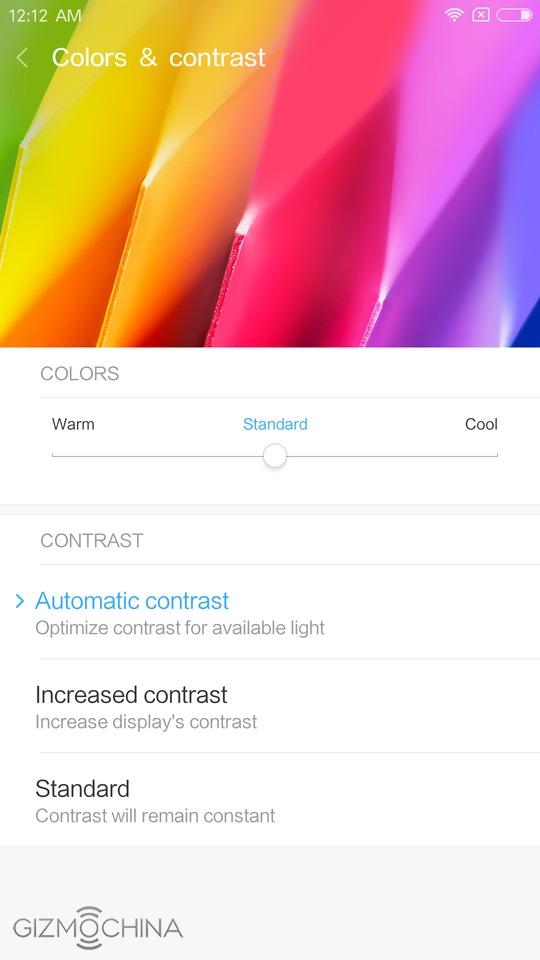
The Xiaomi Mi5s Plus ships with the Android 6.0-based MIUI 8 that we have already seen on other Xiaomi phones. As usual, we have a ton of customization options, various settings, tweaks and little features to make the phone look your own.
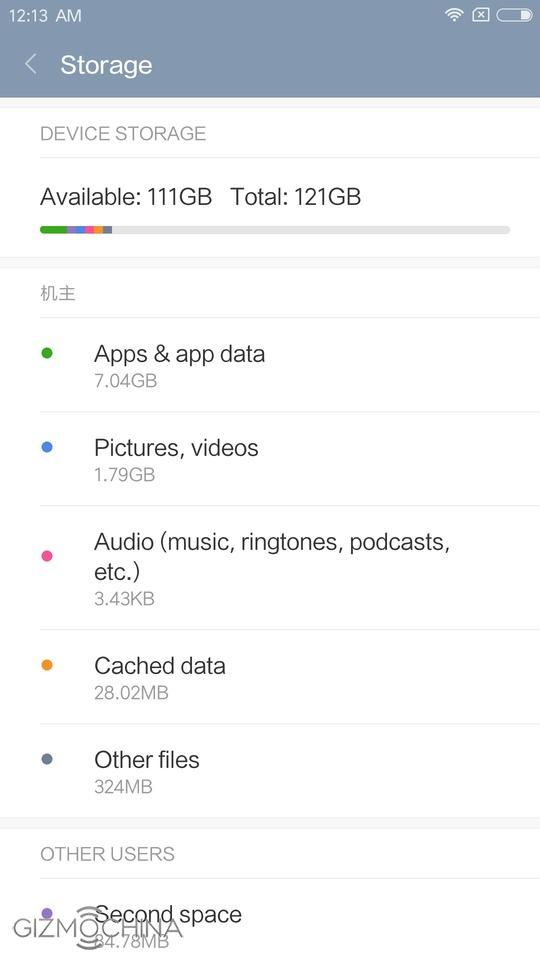
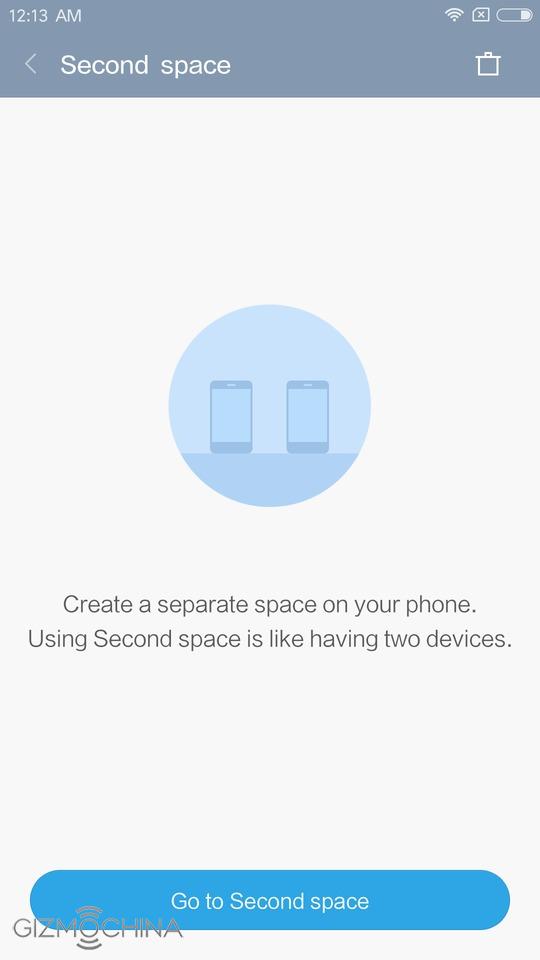
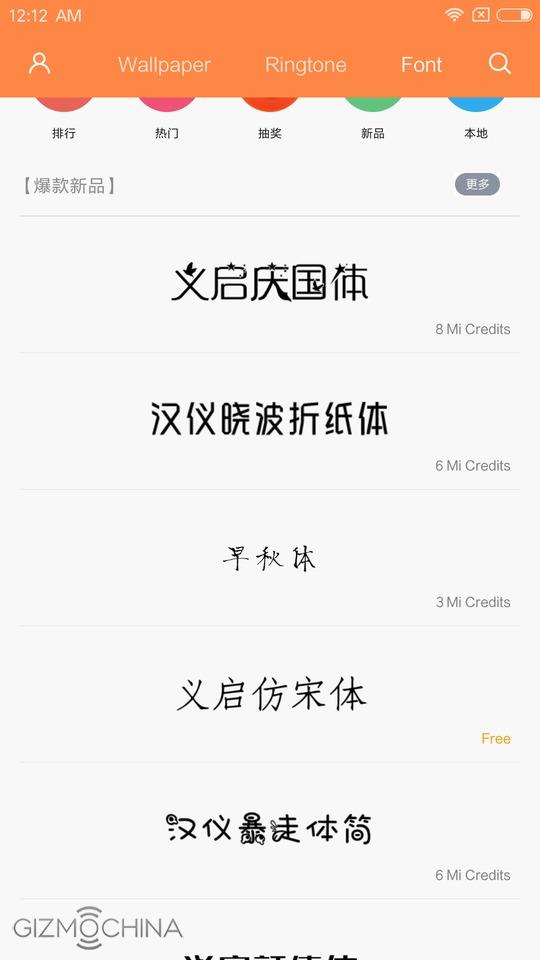
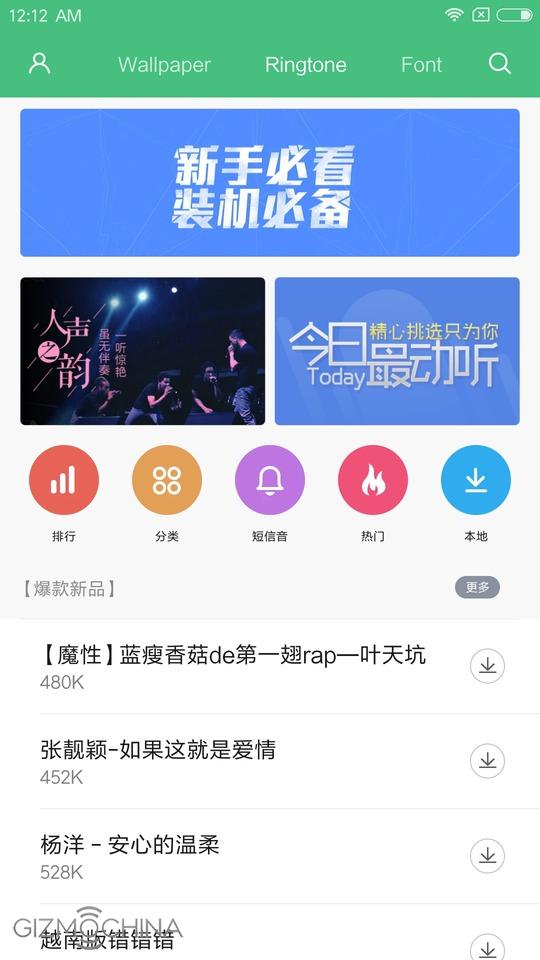
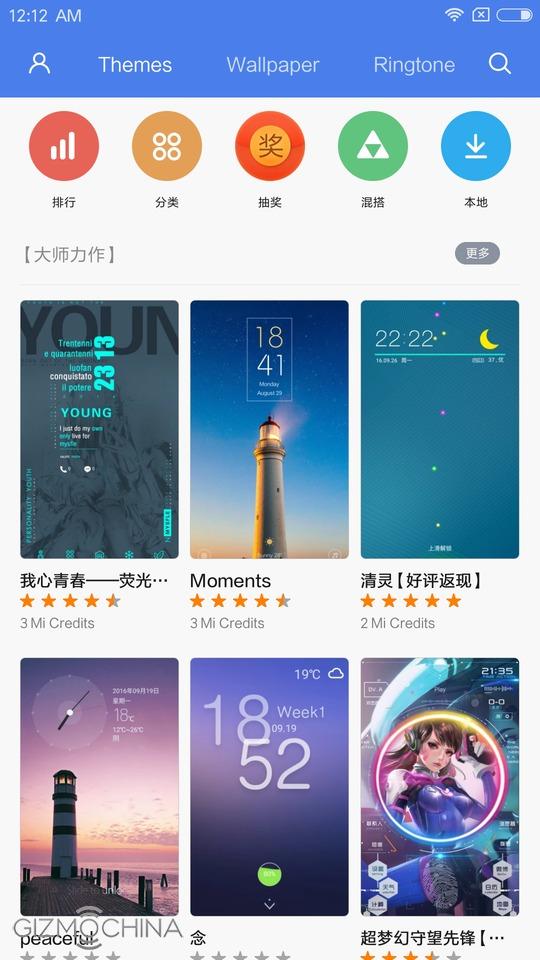
Some of the cool features include a baked-in theming engine, where you can choose from a lot of themes, fonts, wallpapers and so on. Also, you can go to the so-called second space, which is as Xiaomi says “like having two devices” at the same time. In other words, it is like having two accounts.
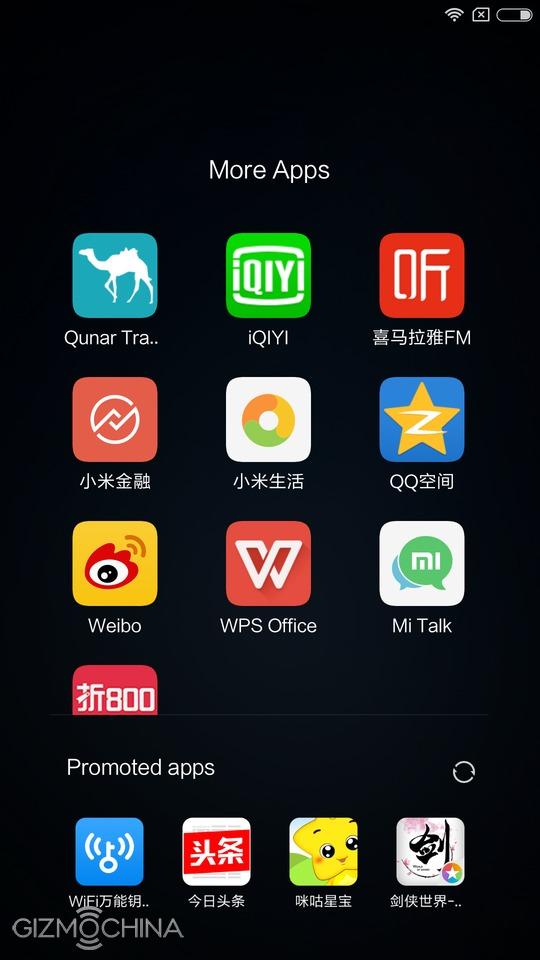
However, you have to know that the Chinese version of the phone comes with quite a few bloatware apps that may be annoying. A great thing is that you can easily remove most of them.
Finally, I’m fairly impressed with how fast the Mi5s Plusis despite having all those features. The phone is fast, fluid and I didn’t have any hiccups or lag.
Xiaomi Mi5s Plus Review: CAMERA and IMAGE/VIDEO QUALITY
IT IS HIGHLY-RECOMMENDED TO DOWNLOAD FULL RESOLUTION CAMERA SAMPLES TO SEE THE ACTUAL IMAGE QUALITY. THE PICTURES UPLOADED ON THE WEBSITE ARE 50% SMALLER IN RESOLUTION.
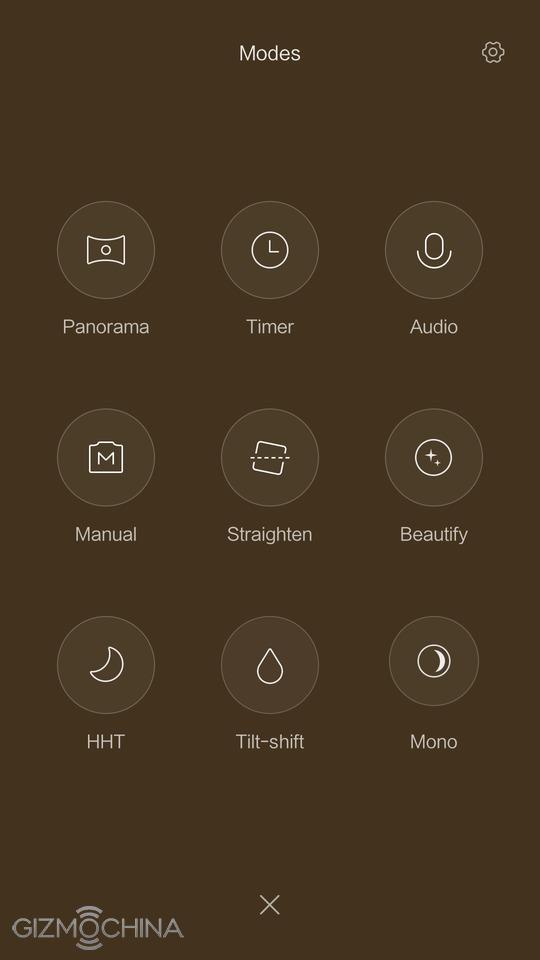
We have the usual Xiaomi camera app, which allows you to take the pictures very fast and you can play with quite a few shooting modes and settings.
auto-mode
auto-HDR
stereo mode
auto mode
stereo mode
auto mode
stereo mode
Auto-HDR
stereo mode
auto mode
stereo mode
auto mode
stereo mode
auto-HDR
stereo mode
auto-HDR
stereo mode
auto-mode
stereo mode
auto-mode
stereo mode
auto-mode
auto-HDR
stereo mode
auto-mode
stereo mode
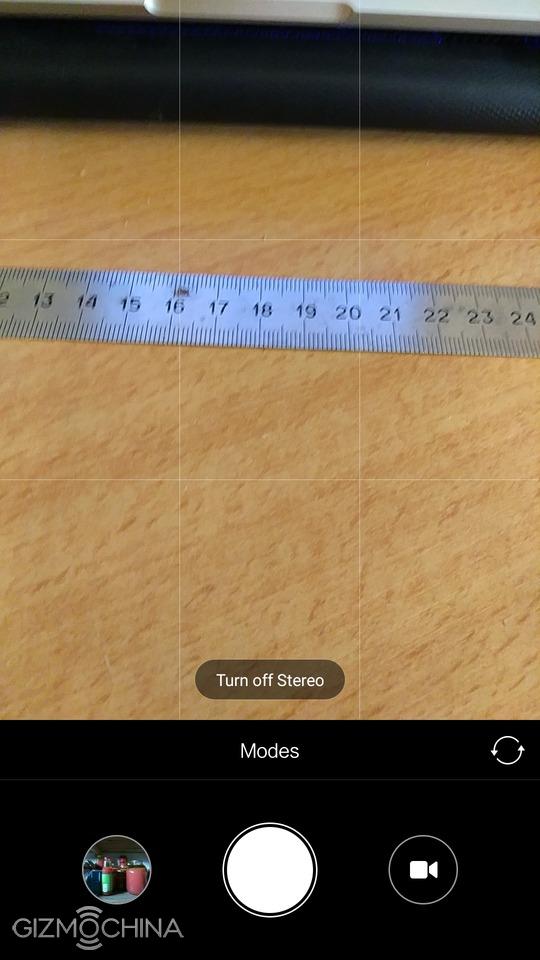
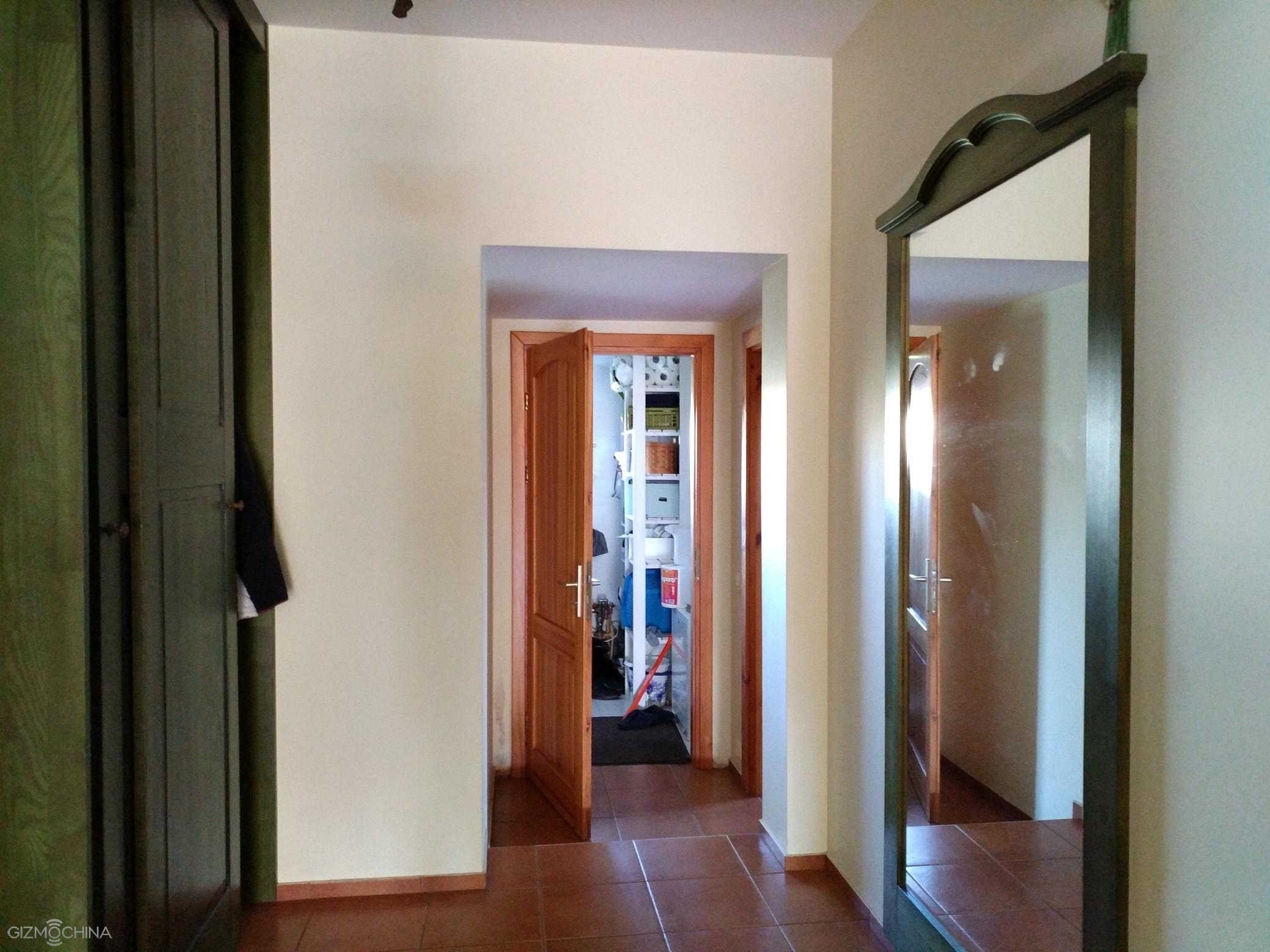
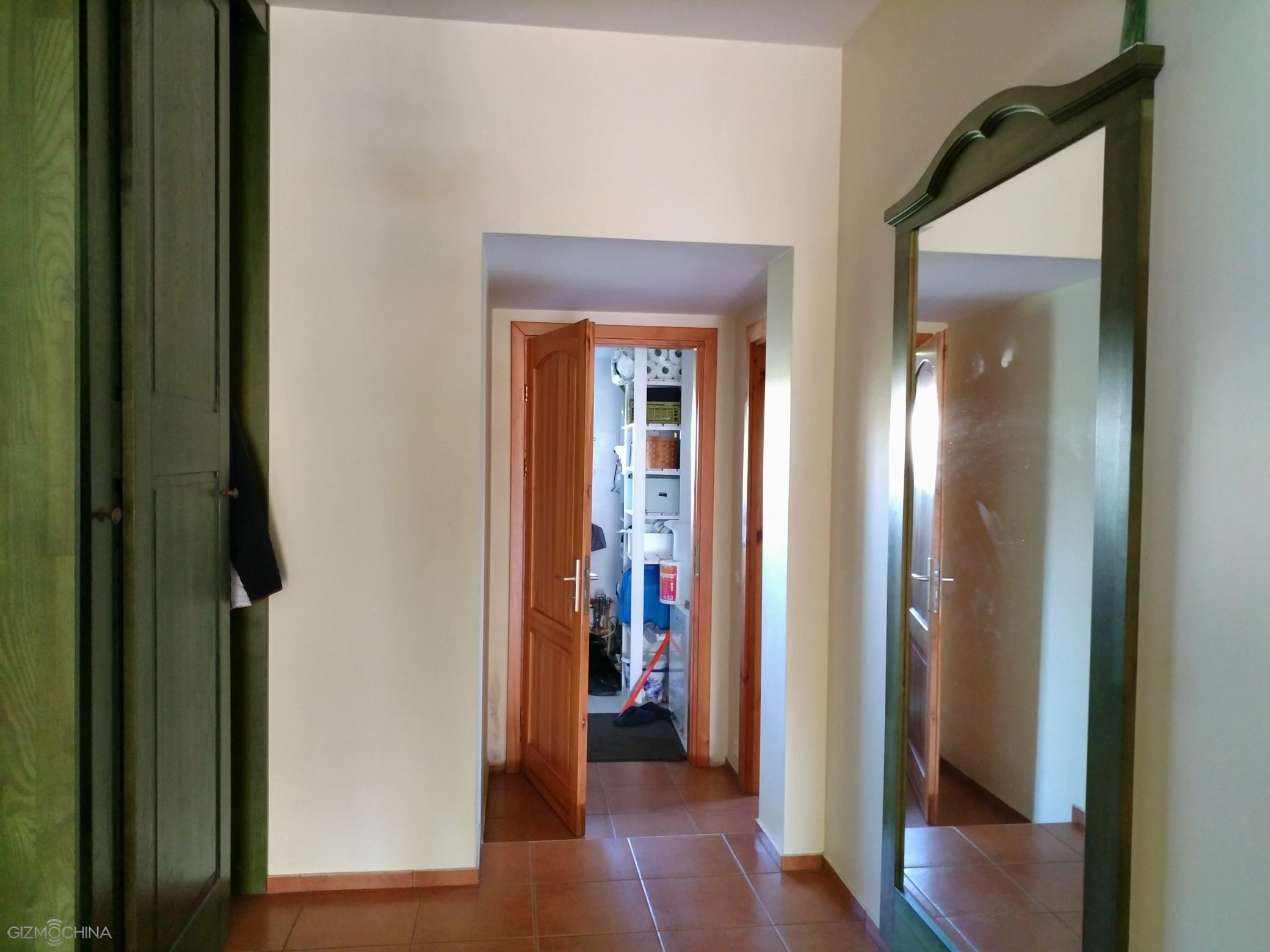
The stereo mode should utilize both sensors at the same time and that is supposed to give you better quality photos in terms of saturation, contrast, and exposure. I took quite a few pictures side by side in auto-mode and the dual-camera mode and tried to analyze the differences.
In my eyes, the stereo mode does help in quite a few situations that lead to a better saturation, contrast, and exposure in most of the shots. However, the results are not always that noticeable and sometimes the auto-HDR mode can take pictures that are more pleasing to the eye.
auto-mode
stereo mode
auto-mode
stereo mode
auto-mode
stereo mode
auto-mode
stereo-mode
auto-mode
stereo mode
auto-HDR
stereo mode
auto-mode
stereo mode
auto-mode
stereo mode
Where the dual camera setup really shines is the low-light. All the pictures I took in the stereo mode look simply better as there is a lot less noise and more detail.
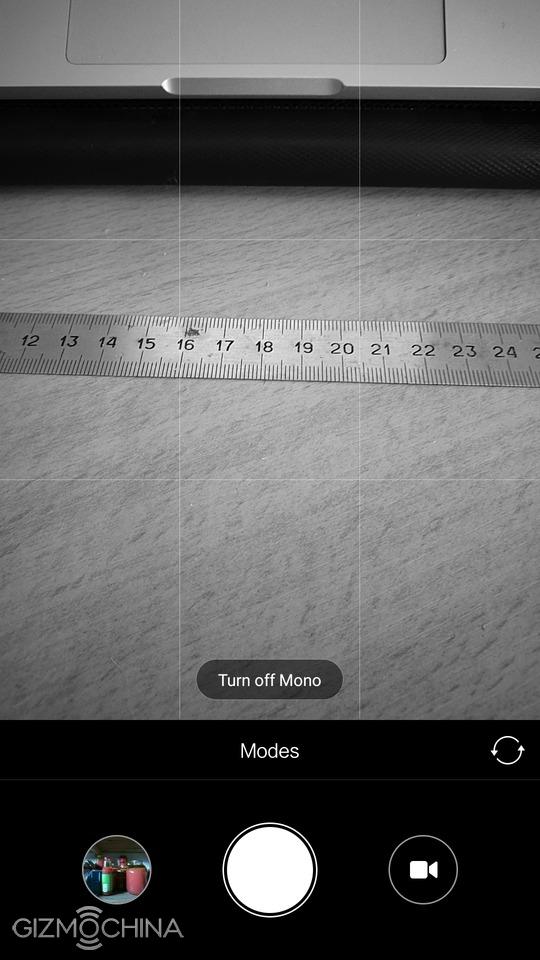
You can also use the mono mode, which utilizes the monochrome sensor for high-quality black/white pictures. I’m not a huge fan of black/white photography but I have to say that I love the results.
The last mode worth mentioning is the manual mode, where you can adjust quite a few settings if you feel creative.
As for image quality, the phone can take some nice-looking daylight images. They are not on par with the more expensive flagships but they still have natural-looking colors, look pretty sharp and detailed for a $400 phone. See a camera video review for side-by-side comparison with the Samsung Galaxy s7 edge.
Also, I’m happy that the auto-HDR mode does a pretty good job bringing out the detail to the shadows.However, I was a bit frustrated that the camera can’t capture a sharp image when the object is moving, e.g. the flower that is being blown by the wind.
The Panorama mode allows you to take some pretty nice panoramic photos. The stitching seems to be pretty good but some of the objects look blown out.
As for indoor shots, where the lighting conditions are far from the best, we see quite a bit of noise and less detail but in general, the images look pretty nice.
auto-mode
auto-HDR
When it comes to the low-light photography if you use only the main 13MP sensor, the imagesdefinitely have less detail and more noise than the top-tier flagships but I would say that the Mi5s does a pretty good job considering it’s price tag. As I mentioned before, utilizing two cameras at the same time really help improve the low-light image quality.
The 4MP selfie shooter can take some really nice pictures that will be more than enough for the social media.
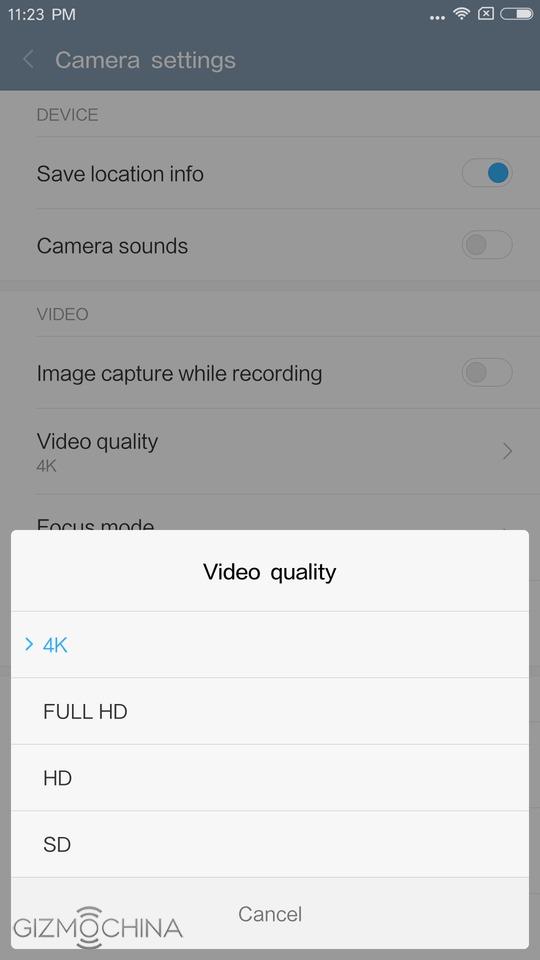
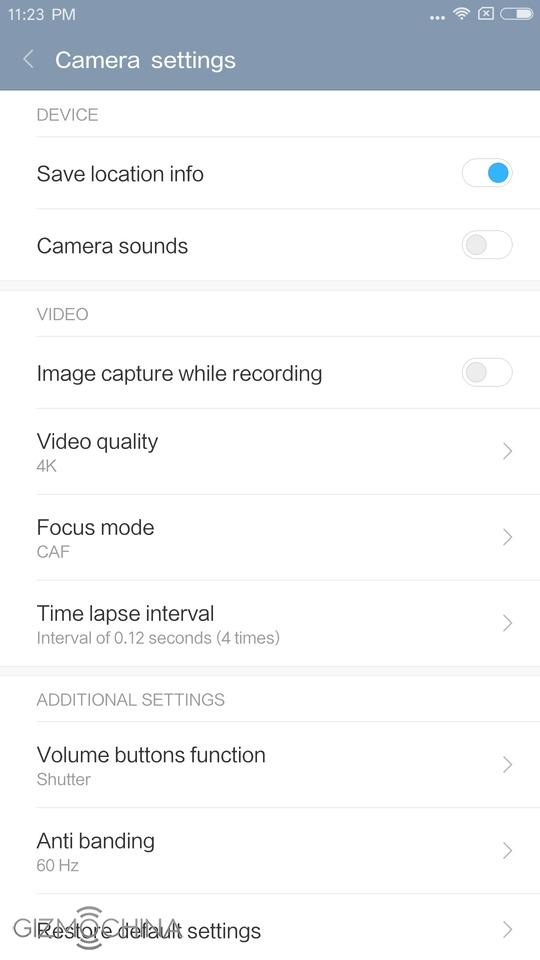
The Xiaomi Mi5s Plus can shoot 4k videos that are very sharp and detailed, and the colors look nice. I’m pretty happy with the way the continuous auto-focus works but sometimes it can be a little jumpy. Since the phone lacks OIS, the footage may look a little shaky.
However, my biggest frustration is the fact that there are quite a lot of video compression artifacts. The audio quality suffers from the compression too. The 1080p videos look pretty nice but they have less detail. Again, it would have been nice to have the OIS to reduce the shakiness.
The night 4k video looks very dark since the f/2.0 aperture is not able to capture enough light. Also, there is quite a bit of noise but besides that, the footage looks good.
I could not properly test the 720p slow-motion video or 1080/120fps since I’m sick at the moment. The slow-motion video looks quite good but I wish there was a bit more detail.
As for selfie video, the phone can shoot at 1080p. The footage looks quite good and it will be definitely enough for most of the users. However, I don’t like the aggressive auto-exposure and inaccurate white balance adjustment. See a detailed camera video review for the video samples.
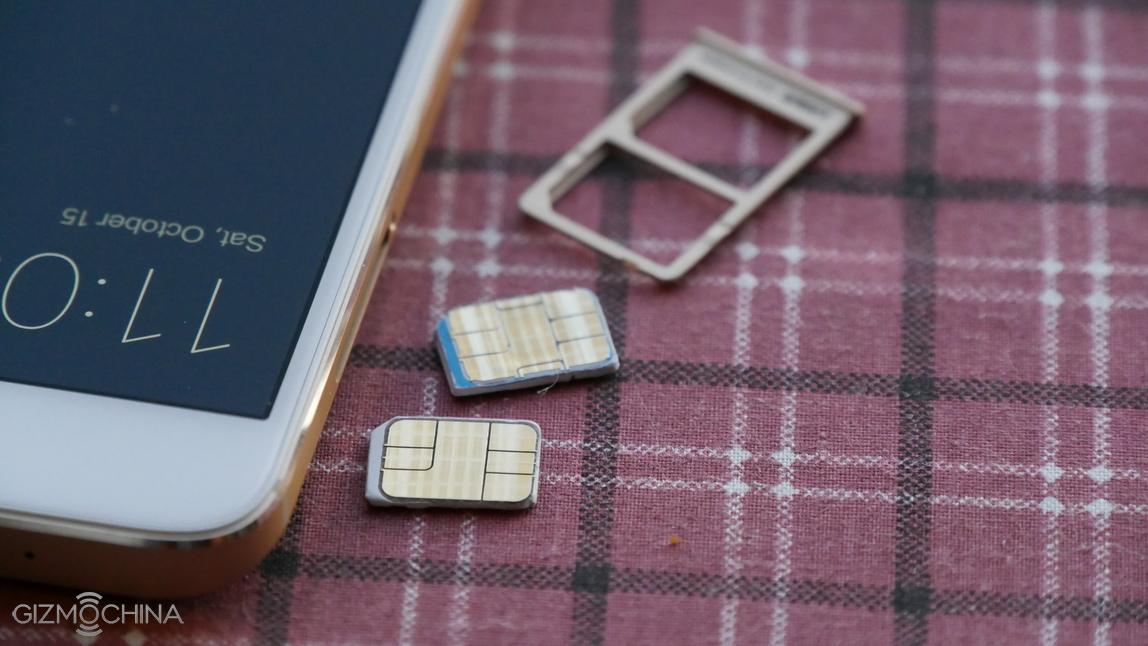
The Mi5s Plus comes with a dual nano SIM card tray but there is no microSD card slot.
When it comes to connectivity, I didn’t have any issues with the call quality, Wifi, Bluetooth or GPS.
Xiaomi Mi5s Review: BATTERY LIFE
The 3800mAh battery supports Quick Charge 3.0 but the phone does not ship with the fast charger.
As for battery life, the phone will get you through the day even if you are a heavy user and you will get at least two full days if you are a light user. I could get over 5 hours of SOT when I used the phone very intensively and I would say this is a very good result.
Xiaomi Mi5s Review: CONCLUSIONS
The Xiaomi Mi5s Plus is very solid $400 phone. It brings a lot of flagship values like a premium design and top-notch build quality, nice and sharp display, bleeding-edge specifications and a very capable dual-camera setup.
Sure, the camera is not quite up there with the most expensive flagships but it performs very well in most of the situations. If you add a feature-rich MIUI 8 user interface and a great battery life, the Xiaomi Mi5s Plus is definitely one of the best $400 phones you can buy at the moment.
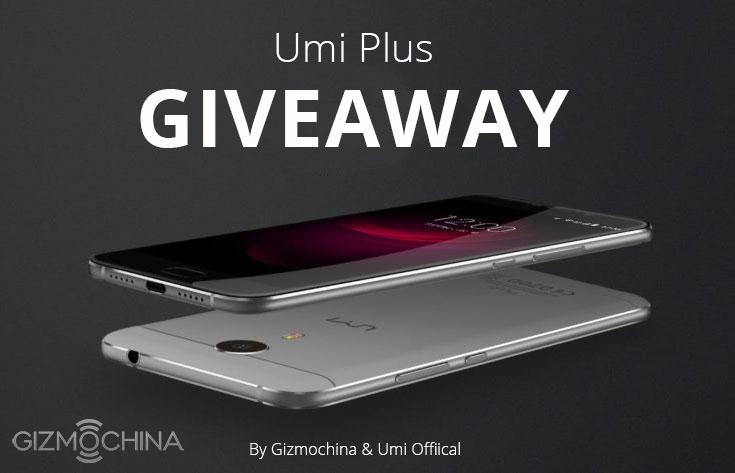
Gizmochina along with Umi Official is conducting a UMi Plus Giveaway to gift a brand new device to one of our lucky readers. Like always, you just have to follow the steps mentioned on the Gleam widget to get a chance to win this amazing smartphone.
Before we take a look at the specs of the UMi Plus, we would like to thank Umi official for providing this unit for Giveaway. UMi reveals that both Umi Plus and iPhone 7 makes use of similar technology to manufacture the chassis of these two phones but the proneness of iPhone 7’s Black version to scratches and abrasions gives Umi Plus an upper hand. Umi Plus is quite sturdy and does not use the glossy materials iPhone 7 is using.
Umi Plus makes use of 4000mAh battery cell from Sony whereas iPhone 7 comes with a 1960mAh battery and to compare these smartphones in terms of battery usage is quite pointless. In terms of RAM, iPhone 7 comes equipped with a 2GB RAM whereas Umi Plus comes equipped with a 4GB RAM but iOS and Android differ in memory usage. You would learn more from this Umi Plus official introducing video:
Just follow the steps mentioned in the Gleam widget to participate in the giveaway. Good luck!
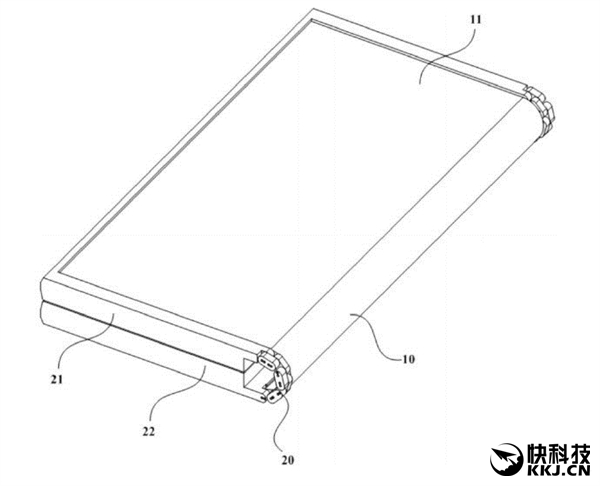
Flexible display is turning to be the possible future of mobile displays considering the rate at which smartphone manufactures are developing concepts with flexible displays. Samsung, Xiaomi, LG, Lenovo, OPPO and of late Meizu has joined the train.
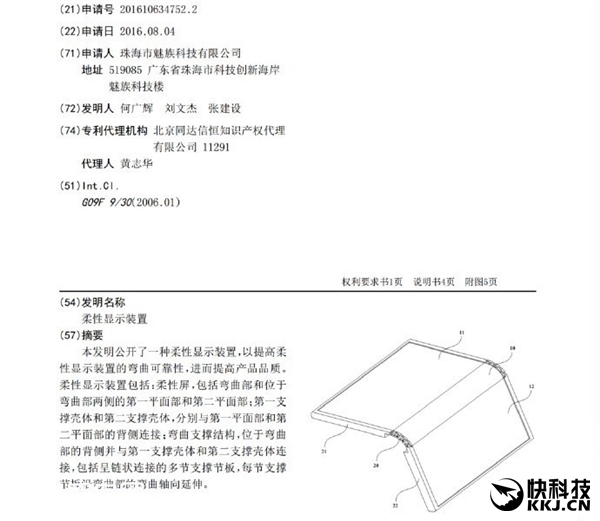
A patent filing made back in August by Meizu has just been spotted online it reveals a device with flexible, foldable display. The patent was filed precisely on August 28 in China with the title “Flexible Display Device with an application number 201610634752.2. From the attached description, we could gather that the device is one with folding display with appearance similar to clam-shell flip phones. The outside of the device is covered by the flexible display in this case.
Recall that Samsung filed a patient for a somewhat similar foldable phone with flexible display. The only difference between this and Samsung’s own is that the display on this one stays outside while Samsung’s stays inside when the flip is covered. It is not clear, though, what becomes of this patent filing as Meizu has not revealed anything about the patent since then.
The Xiaomi Mi Note 2 was recently disclosed to be coming with a flexible curved display said to be supplied by LG, even though the flexible display would still be under the rigid glass touchscreen. In addition, Vivo XPlay and Huawei Mate S2 are also rumored by the same source as featuring similar curved flexible display. Perhaps we would be seeing more and more devices with flexible, curved displays in the near future.
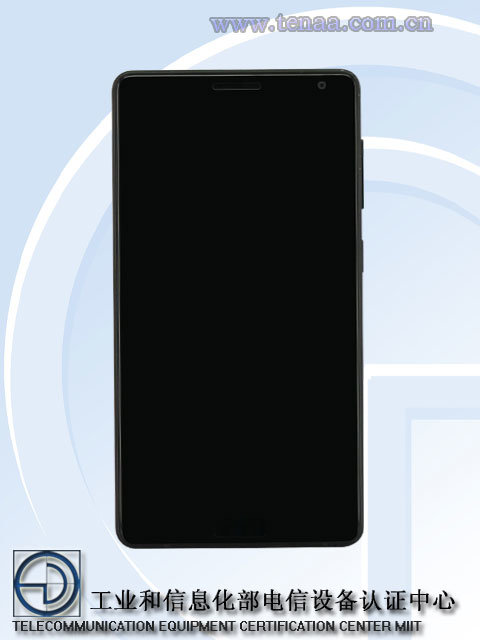
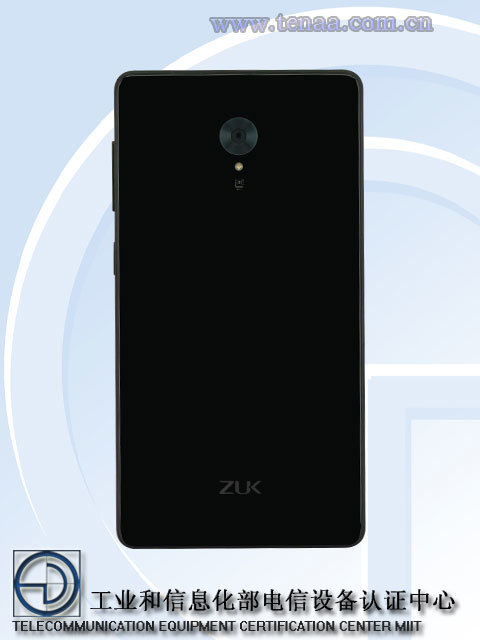
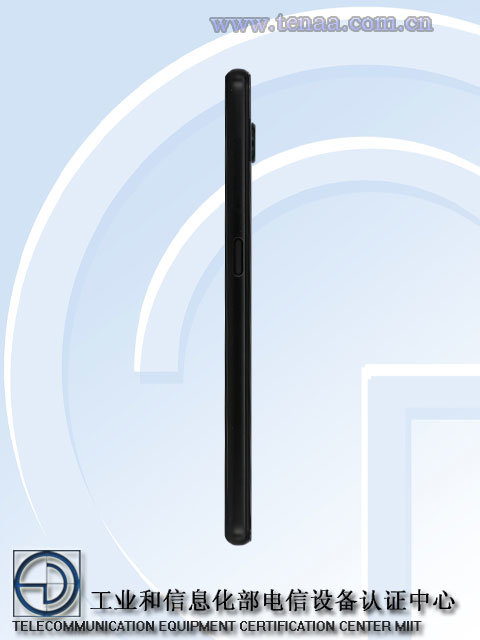
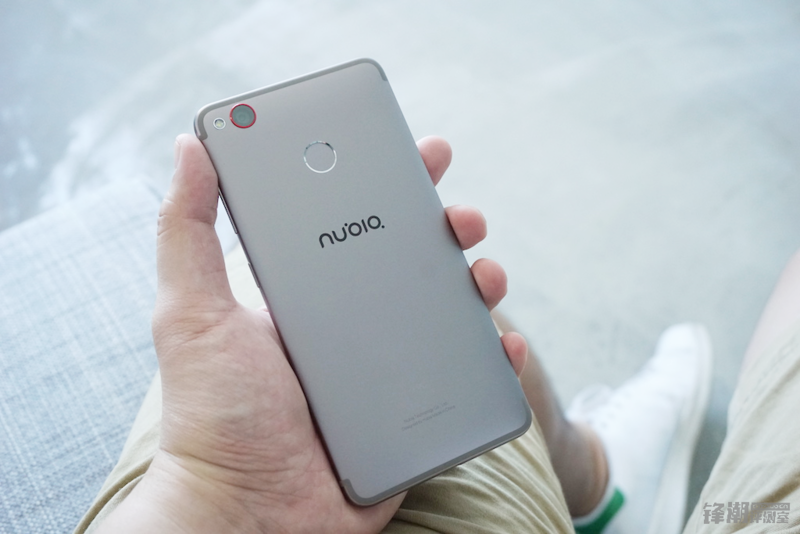
ZUK was launched in may 2015 as a spin-off of PC manufacturing giant, Lenovo. A year later, the company has already launched 3 phones: the ZUK Z1 which was released last year, and the Z2 and Z2 Pro released this year. But as it appears, the company is not done for the year as a new ZUK phone has been spotted on TENAA.
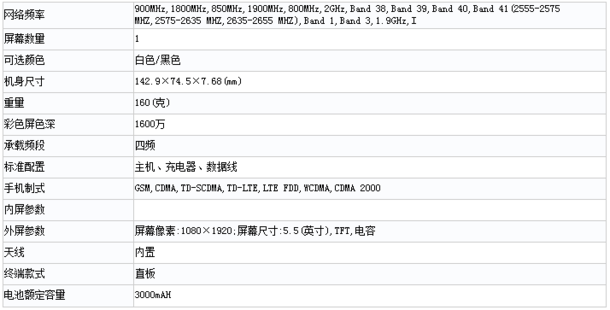
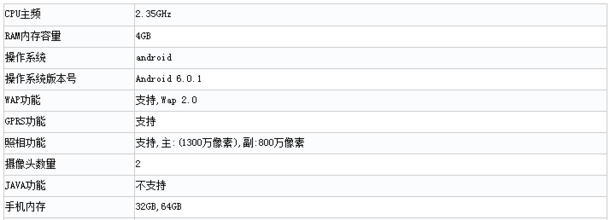
The new phone sports Qualcomm’s latest Snapdragon 821 chip clocked at 2.35 GHz. ZUK is also going back to using a larger screen (5.5” 1080p) like they did with the Z1. There is 4GB of RAM on board and storage comes in 32GB and 64GB variants.
ZUK’s new phone is equipped with a 13 megapixel rear camera that protrudes and an 8 megapixel shooter up front. It runs Android 6.0.1 Marshmallow and is listed as having full network support. Some of the 4G bands supported include bands 1, 2, 3, 38, 39, 40 and 41.
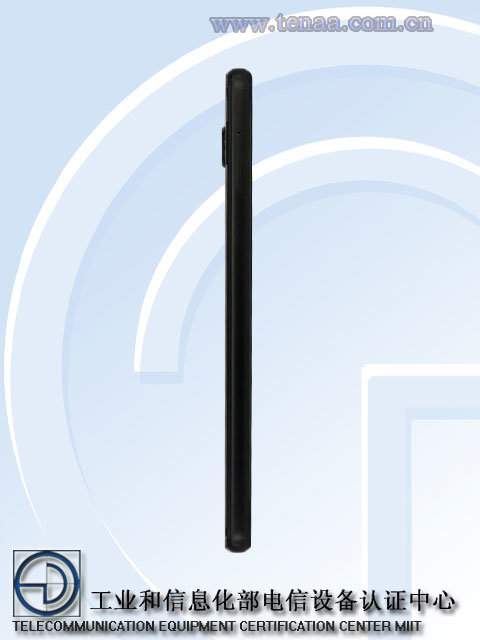
The phone is equipped with a 3000mAh battery which is the smallest battery on a ZUK phone. The Z1 has a 4100mAh battery, the Z2 which has a 5-inch screen even has a 3500mAh battery, and the Z2 Pro has a 3100mAh battery. Looking at the pattern, the company is always using a smaller battery when they launch a new phone. While we can’t deny that the power consumption of newer processors has gotten better, but putting a 3000mAh battery in a 5.5” phone still doesn’t sit right with me. I guess it’s all about the thin profile as the new phone is just 7.68 mm thick and weighs 160g.
There is no news of the price tag of the new phone but ZUK should take note of the fact that the cheapest SD 821 phone right now is the 4G+32GB LeEco Pro 3 which costs 1799 Yuan ($267), has a larger battery (4070mAh), and is even thinner at 7.5 mm.
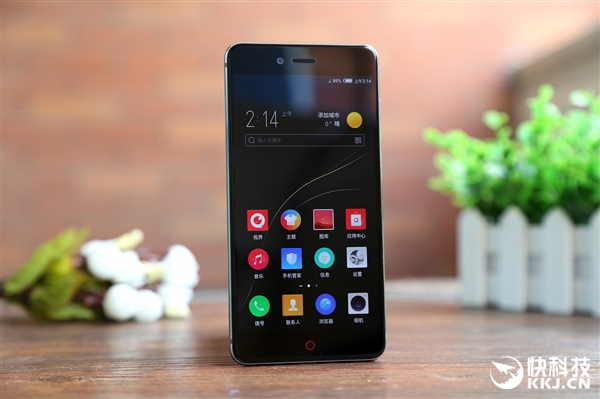
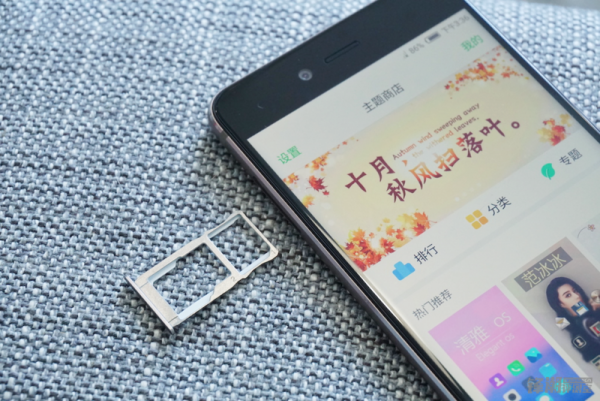
ZTE’s sub-brand Nubia just released a brand new smartphone in China, the ZTE Nubia Z11 Mini S. This will be an upgraded version of the Z11 Mini that was announced six months back powered by Snapdragon 617.
The new generation Nubia Z11 Mini S comes with a 64-bit Snapdragon 625 octa-core chipset with 4GB RAM and 64GB / 128GB of internal storage further expandable up to 200GB via MicroSD. At the back, the phone comes with a powerful 23MP camera while up front, there is a 13MP shooter. Inside, you get a 3000mAh battery as well. Other features of the phone include a fast fingerprint sensor located at the back, fingerprint payments, dual SIM dual standby and a 5.2-inch 1080p display with 2.5D glass on top.
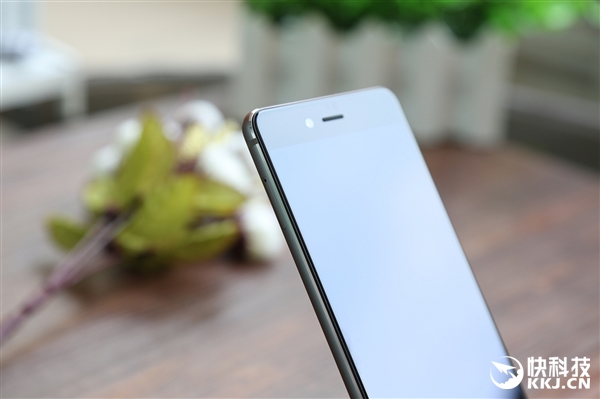
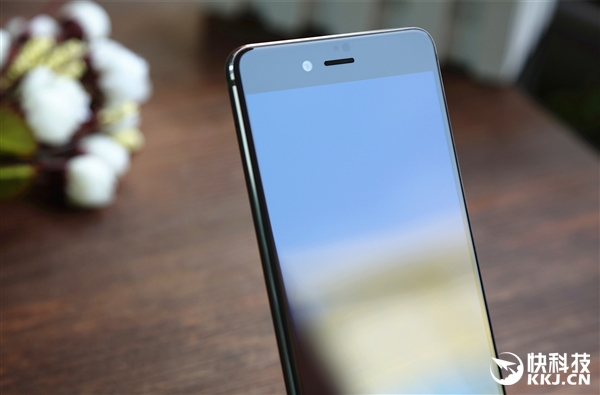
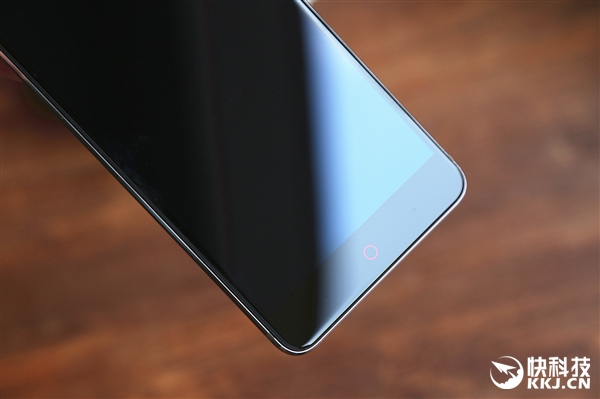
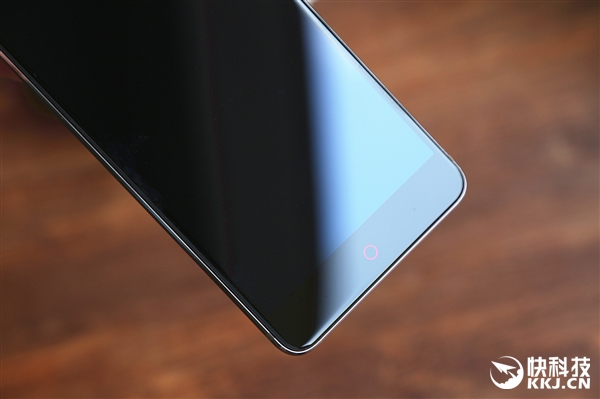
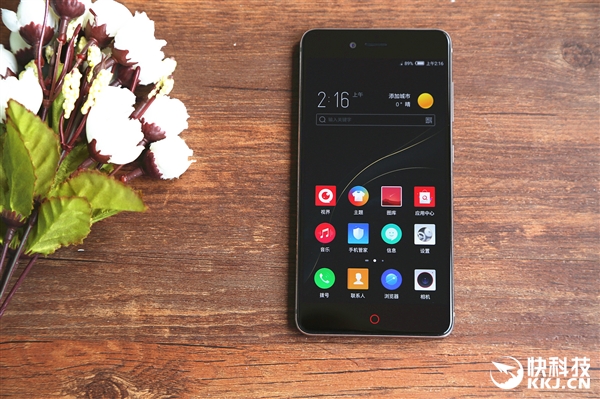
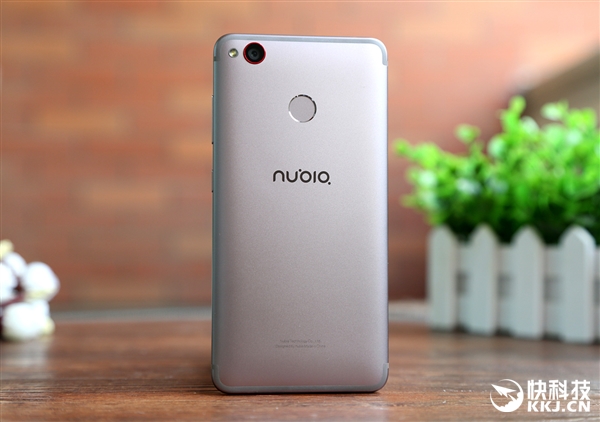
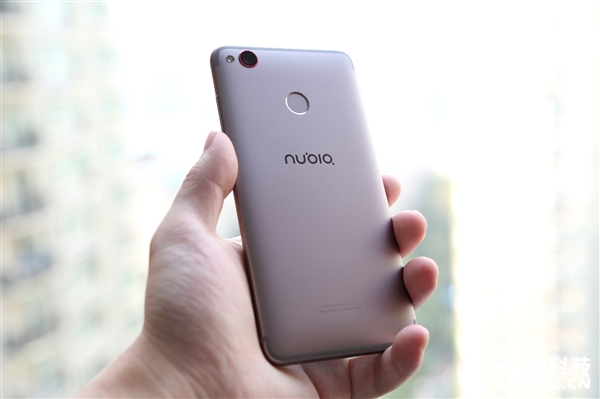
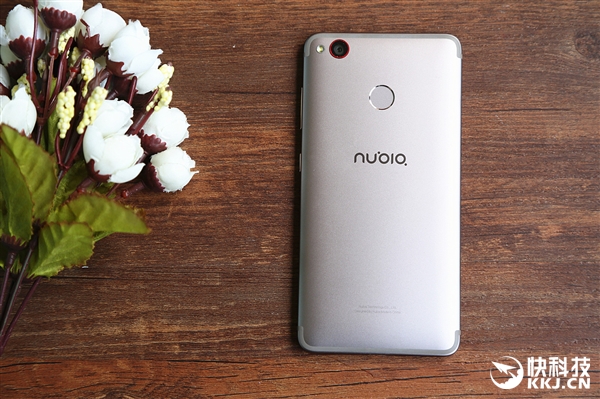
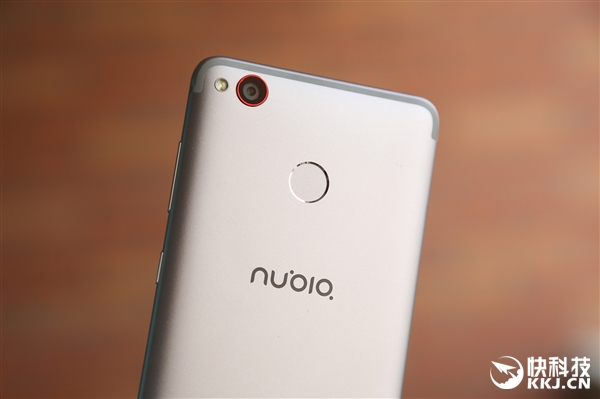
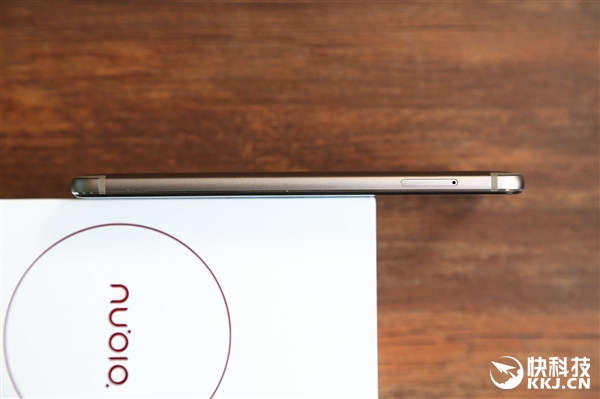
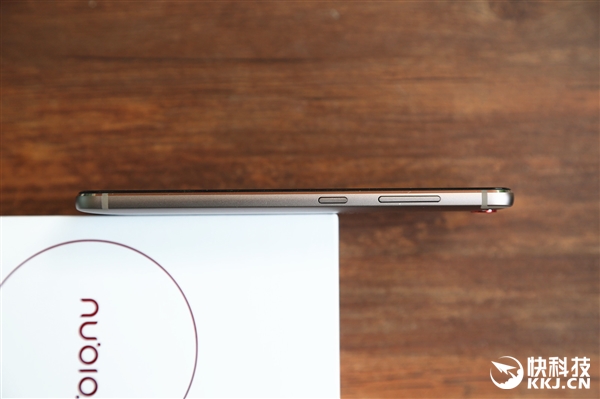
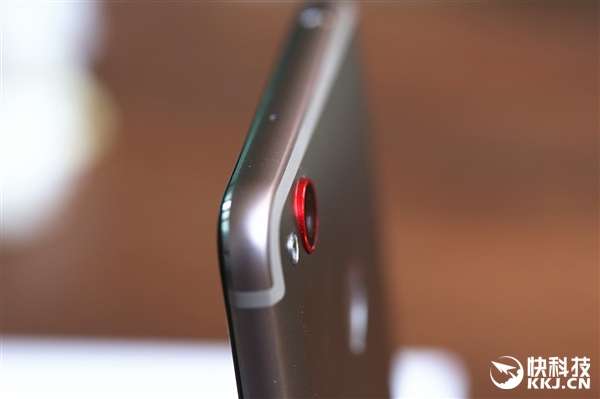
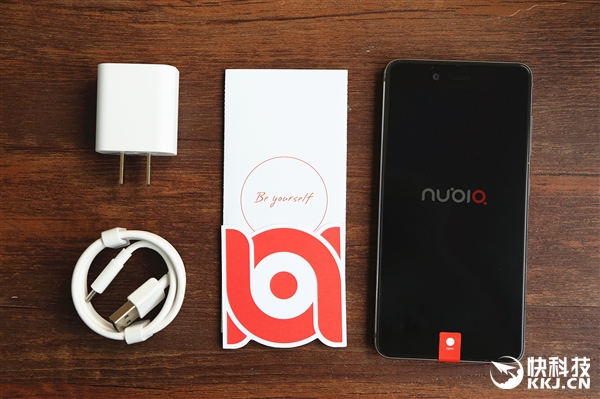
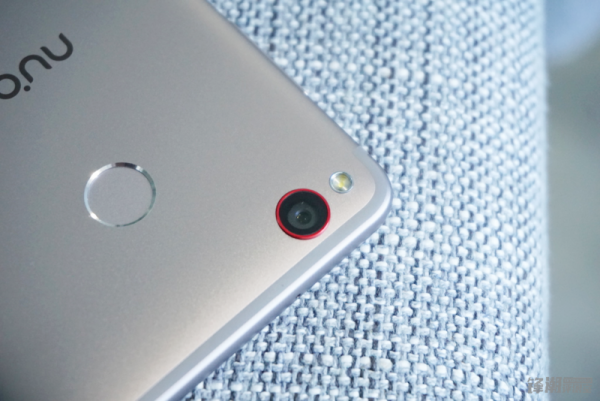
The Z11 Mini S comes with an all metal body (98% metal) and new antenna design. You will also find the traditional red colored circle for home button on the front. Overall, the Nubia Z11 Mini S is a good-looking smartphone and at 1499 Yuan ($223), it quite decently priced as well, at least, according to Nubia’s standards.
You can check out the hands-on images of the Nubia Z11 Mini S from down below, courtesy of mydrivers.com.
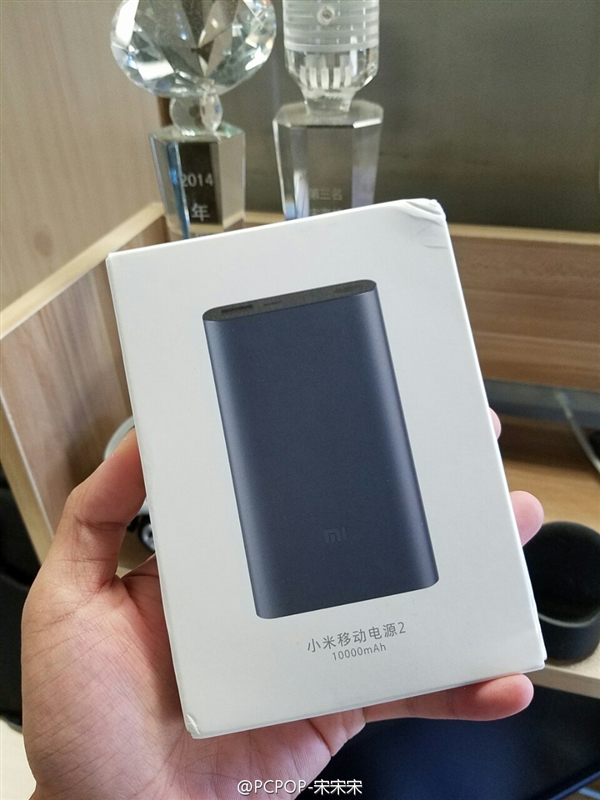
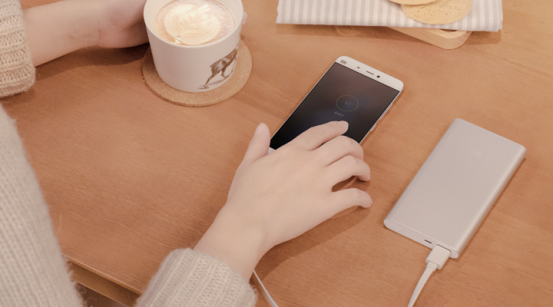
Last week ZMI/Xiaomi relaunched the Mi Pro Power Bank, throwing in a protective case, a cable that has both a USB Type-C and micro-USB head and giving it a new price. We thought that was the end of power banks from Xiaomi for the year, but we were wrong. The company has just released a second generation Mi power bank called the Mi Power 2.
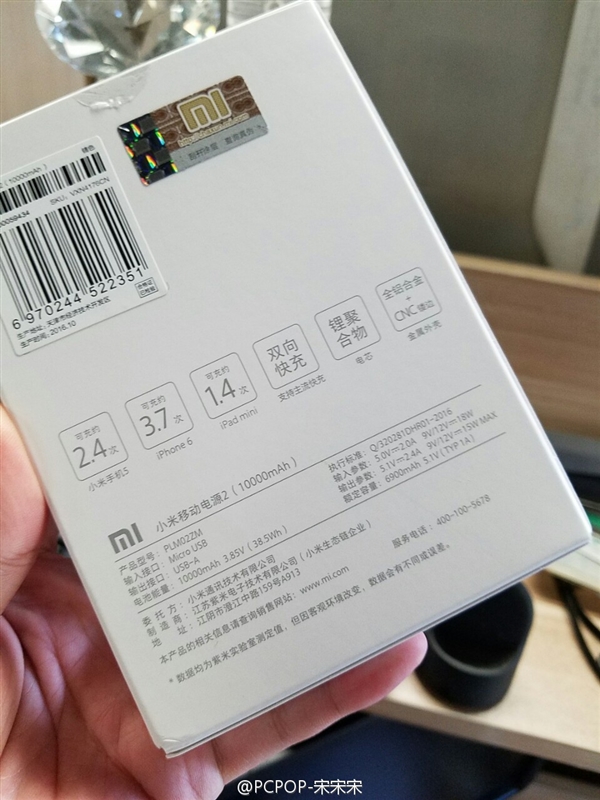
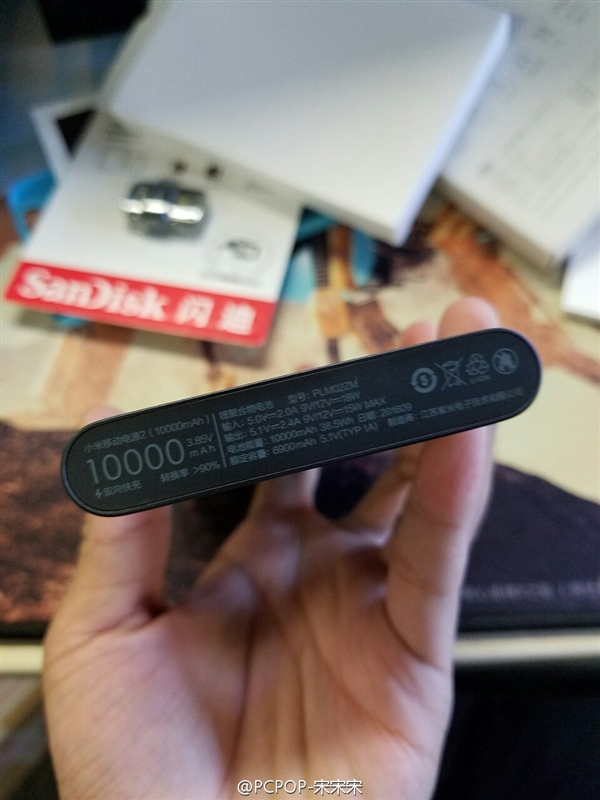
Xiaomi says the Mi Power 2 uses a high density lithium polymer 10000mAh battery which is better than the previous type and the commonly used 18650 batteries but still retains the advantage of being easily moulded or shaped into thinner profiles.
The power bank also has the 2-way fast charge technology present in the Mi Power Bank Pro, allowing you to charge your phone quickly if it supports fast charge and also recharge the power bank quickly as well.
The Mi Power 2 is equipped with a Texas Instrument chip that provides 9 types of protection including temperature protection, input and output high voltage protection, short circuit protection, high current output protection, battery overcharge protection, and a reset function which lets you reset the circuit if the power bank doesn’t work by pushing the power button and returning it to working mode.
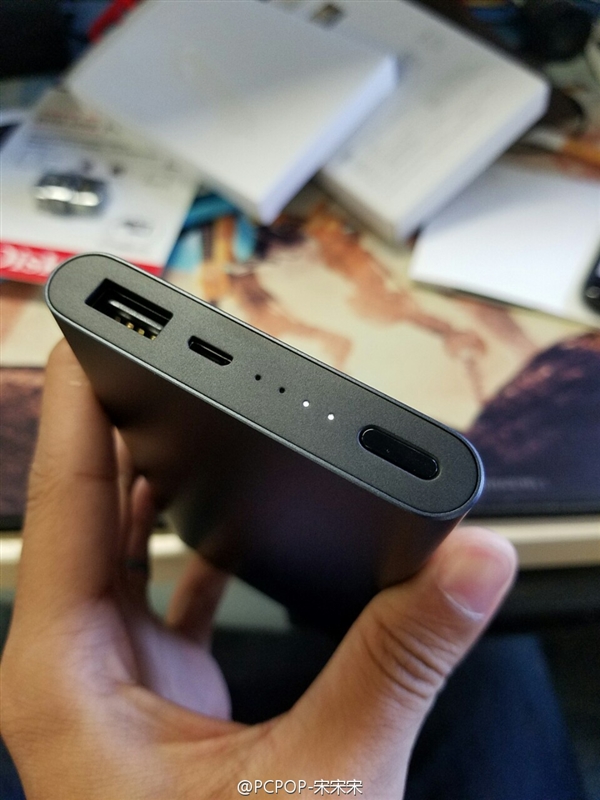
Mi Power 2 is made from a single piece of aluminium alloy with a 180° arc and an ergonomic design allowing it fit in your hands easily. Xiaomi has ditched the USB Type-C input port from the Mi Power Bank Pro and replaced it with a micro USB input port. You still have 4-LED lights to indicate the amount of charge left and a power button beside it. The 2nd gen Mi Power Bank comes in dark grey and silver colours and sells for just 79 Yuan ($12)
ZTE’s elite sub-brand Nubia has today launched a new sleek smartphone into its arsenal of powerful, well-designed smartphones. The device, Nubia Z11 Mini S comes as a successor to the Nubia Z11 Mini which in itself is a mini version of the flagship Nubia Z11.
The Nubia Z11 Mini S comes with a whopping 23MP rear camera with Sony IMX378 sensor as one of its main selling points. Apart from that, the device is also touted as packing a battery with long battery life as well as a large memory. On the design aspect, the Z11 Mini S features a thin symmetrical design with its body made from aviation-grade aluminum alloy.
The Z11 Mini S sports a 5.2-inch display with a resolution of 1080 pixels. The device comes powered by an Octa-core 64-bit Snapdragon 625 processor along with 4GB RAM. The device also features a 64GB internal storage and a higher version with 128GB storage and both storage versions are expandable up to 200GB via microSD.
Coming to the camera which isa major highlight of the device with its 23MP Sony IMX318 sensor with CMOS, f2.0 aperture, FPDAF, 0.1 seconds speed focus, 6P lens. There is also a 13MP front-facing camera. The device also comes with full network support and there is a 3,000mAh battery on the device with NeoPower 2.0 technology. Nubia boasts that the battery can last up to 3.51 days. Another beautiful feature on the Nubia Z11 Mini S is a multi-functional rear fingerprint sensor which unlocks, wakes up, opens the camera, and functions in other aspects like AliPay and WeChat fingerprint payment.
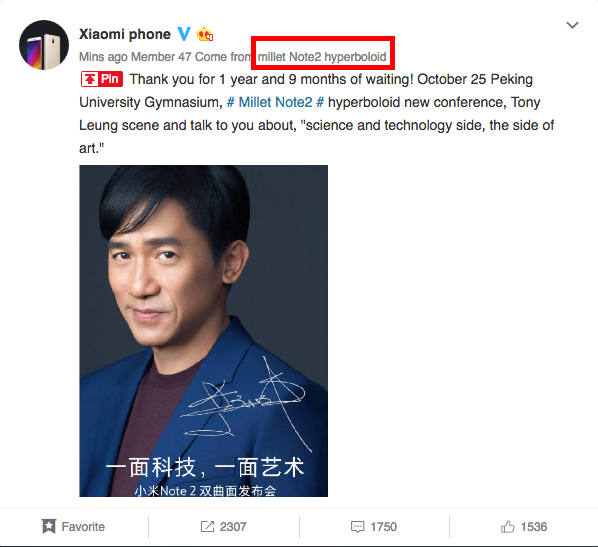
We have been hearing a lot about the upcoming Xiaomi Mi Note 2 flagship in the past couple of weeks. Now, the company has confirmed that the Mi Note 2 will be announced on Tuesday, October 25. The company has officially revealed that the flagship will be announced on that day, and also confirmed the official spokesperson for the event, the popular Hong Kong actor, Tony Leung.
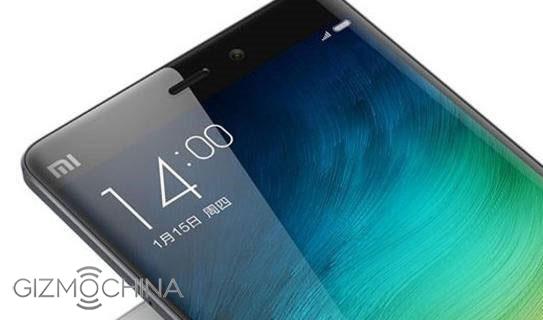
Further, the first teaser also confirms that the phone will come with a curved display. One of the tags in the teaser says it’s curved, and also the phone used to post this message is none other than the curved Xiaomi Mi Note 2. So, it’s confirmed that the Mi Note 2 will be Xiaomi‘s first curved screen smartphone.
So, turns out, the earlier rumors were true. We are going to meet the brand new flagship, which should come with much better specs than the Mi 5S Plus, next week. There have been some great rumors going around about the device, like a curved OLED display supplied by LG, Snapdragon 821 chipset, dual cameras etc, so this flagship is something that we are all excited to meet.
Given its premium placement, it is said that the phone could be priced around 4000 Yuan ($600), making it costlier than other Xiaomi smartphones in the market right now. Now that the release date of the Mi Note 2 is out, expect a lot more news coming your way in the next few days.
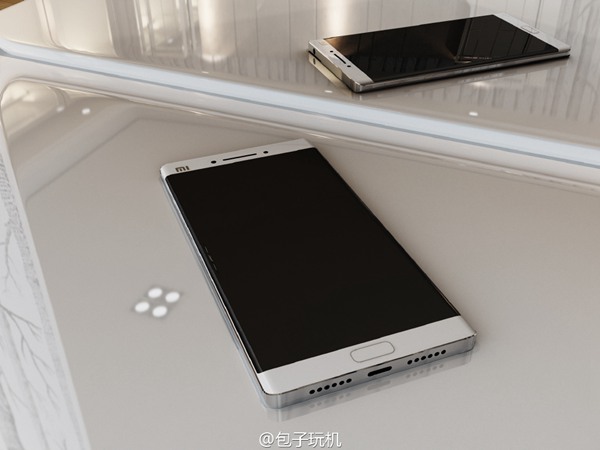
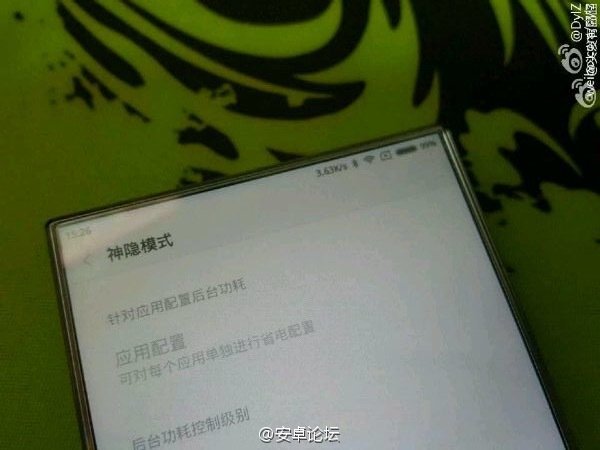
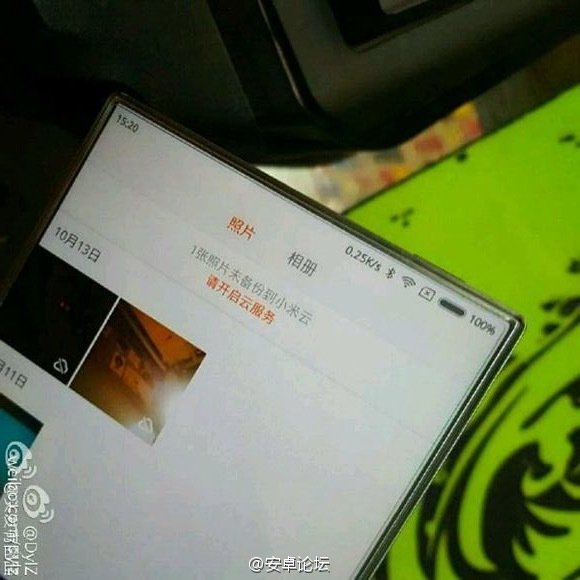
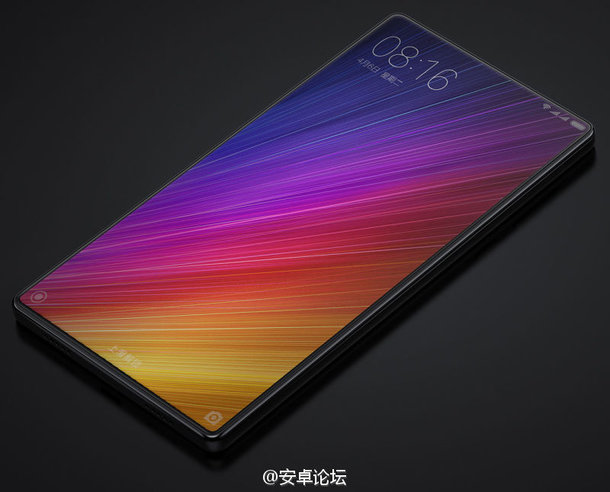
Xiaomi’s CEO, Lei Jun has confirmed that the Mi Note 2 exists and this has led to the flood of numerous leaks about the device. We have already seen a working prototype of a flexible display smartphone from Xiaomi, alleged to be the Mi Note 2. Today, we have got some new images and renders of the Mi Note 2, this time featuring a true bezel-less display, on all the four sides. In fact, the phone looks a lot like the Sharp Aquos Crystal model which was released a few years back.
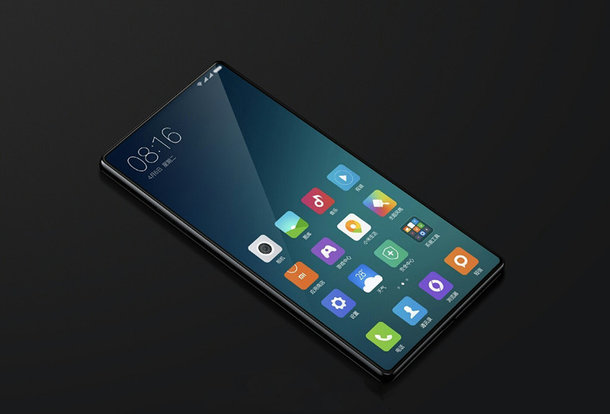
There are both, real life images as well as renders of this bezel-less smartphone. The phone is indeed without any significant borders on any side and it is possible that the display is supplied by Sharp. Because of its design, the phone looks great, however, we couldn’t find a camera on the top, which is not a practical design in this age, considering how users are obsessed with selfies.
Apart from the real life images, there are a couple of renders of the device as well. They reveal a simple yet elegant design language, with no bezels on any side, even eliminating the physical home button. However, it’s possible that the fingerprint sensor is located on the front, below the display, if it’s a Qualcomm 3D Sense Ultrasonic sensor.
This bezel-less design seems much more plausible than the flexible display design that we saw a couple of days back. Just a few minutes ago we reported that the Mi Note 2 could use curved OLED panels supplied by LG. The earlier report said that the display would be curved but this design is a lot different than what we anticipated.
To be honest, this design looks good, but the Mi Note 2 is probably not going to feature such a bezel-less look. Something more practical would be a curved display design, similar to the Samsung Galaxy S7 Edge.
Since the CEO has confirmed the phone’s existence, we can expect the Mi Note 2 to release in the coming few weeks.
Within the coming weeks or months, we would likely be seeing the Xiaomi Mi Note 2 and talking about that device, it has been the subject of numerous leaks and rumors most of which are yet to be substantiated. The latest rumor about the Mi Note 2 is that the flagship device would feature curved OLED displays which would be manufactured by LG.
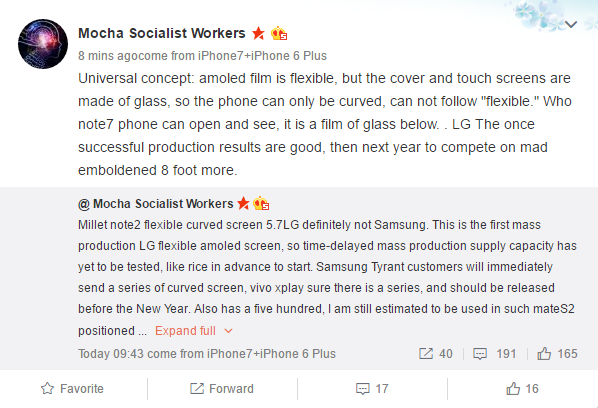
This latest revelation as most others, originated from China’s microblogging website Weibo and according to the Weibo user, the Xiaomi Mi Note 2 would feature curved display which would be flexible and would be made of AMOLED panel and LG, not Samsung would supply the panels. Earlier on, the Mi Note 2 displays were rumored as likely to be supplied either by LG or Samsung bu this rumor pin-points LG as the supplier. Going on, the tipster revealed that the production of the Mi Note 2 would be the first mass production of the flexible LG AMOLED panels so that explains the delays in releasing the device.
The Xiaomi Mi Note 2 had featured in series of leaks last week which suggested that the device would use a flexible display that bends in all directions. How that would work out have been bothering our minds, no doubt, but the Weibo user also clarified that the OLED display films are actually flexible but then the touchscreen displays are made of glass so you may not get the opportunity of actually touching the panel directly to bend it. This theory sounds quite saner, so if you’ve been looking forward to a curved edge Mi Note 2, that is still likely to be the design.
Nubia recently announced that it would be holding a conference on October 17 in Beijing and according to insider sources, the Nubia Z11 Mini S would likely be released. The Nubia Z11 Mini S was recently spotted on TENAA’s website after it had been certified.
The TENAA listing gave us a glimpse of the Z11 Mini S renders and the specs as well and indeed in terms of design, the Nuba Z11 Mini S looks strikingly similar to the Nubia Z11 which was released earlier this day. The device features a 2.5D arc glass and still retains the small round home button on its predecessor. At the rear, the Z11 Mini sports the same antenna design as those of iPhone 7 and Meizu Pro 6, its rear camera is tilted to the top left corner while there is a fingerprint sensor at the back also.
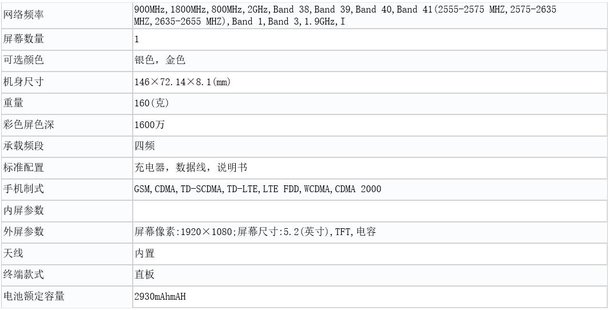
Specs wise, the Nubia Z11 Mini S sports a 5.2-inch 1080 pixel display and comes with a dimension of 146 x 72.14 x 8.1 mm. The device weighs 160 grams and would be available in silver and gold color variants. There is also a 2930mAh battery inside the device and the device comes with entire network support.
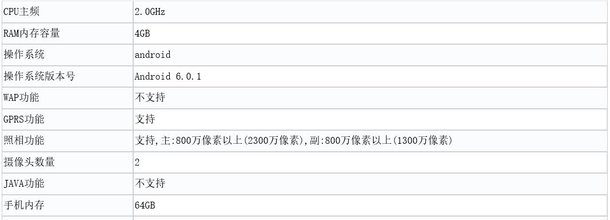
Furthermore, the Nubia Z11 Mini S is said to be powered by a 2.0GHz 0cta-core processor of unknown model likely Snapdragon 625, backed by 4GB of RAM and there is a generous 64GB internal storage space on the device. The standout feature of the Z11 Mini should be the 23MP rear camera it is listed as having, which is the highest by any Nubia of the phones. There is also a 13MP selfie camera up front on the device which would run on Android 6.0 Marshmallow OS.
As stated earlier, the Z11 Mini S would likely be released on October 17, and when that happens we would get to see the performance of the large pixels front and rear camera. The device is also teased as having a good battery performance as well.
Early this year, a source reported that Xiaomi was planning to use in-house chips in their smartphones later this year. The chips will reportedly be used in lower-priced phones released in the second half of the year.
This move has actually been in the works for a while. Back in 2014 a company called Beijing Pinecone Electronics which is controlled by Xiaomi signed an agreement with Chinese chip designer Leadcore Technology Ltd, a subsidiary of state backed Datang Telecom, to jointly design 4G multiple mode chips.
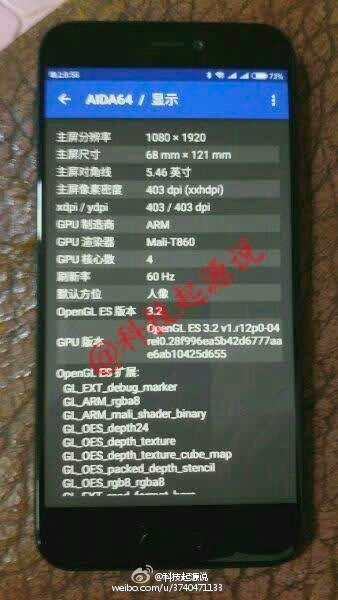
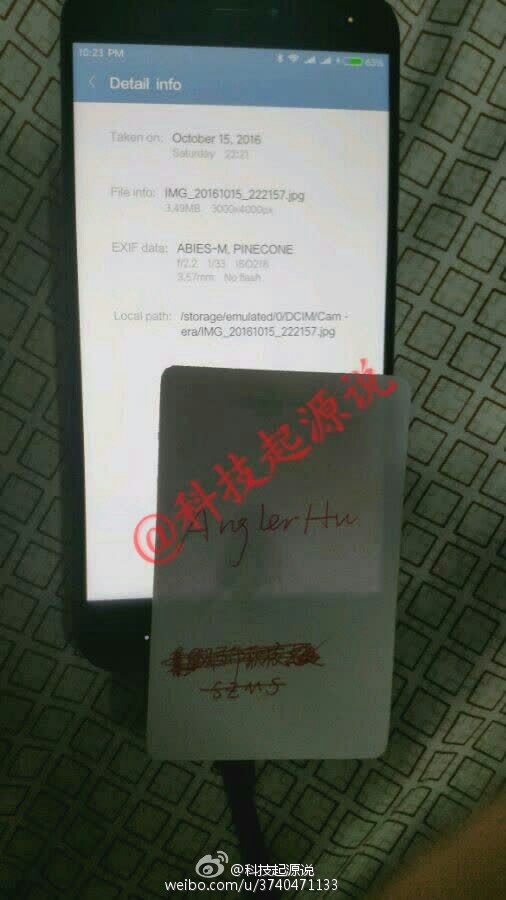
Weibo account @Science and Technology suspects the unknown chip in the Xiaomi Meri is one of the chips from the company. An information page from the phone’s Antutu result also shows the processor has a Mali-T860 GPU and that the Meri has a 5.46” 1080p screen. Another image which shows the EXIF data of a picture taken with the phone’s camera also has the word PINECONE.
Tons of leaks in past months have talked about the Huawei Mate 9 coming soon but info from the Chinese Ministry of Industry and Information Technology confirms the existence of the device.
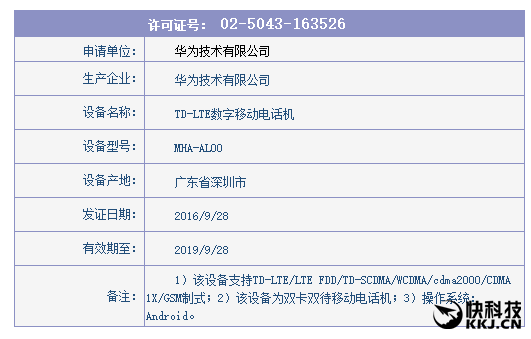
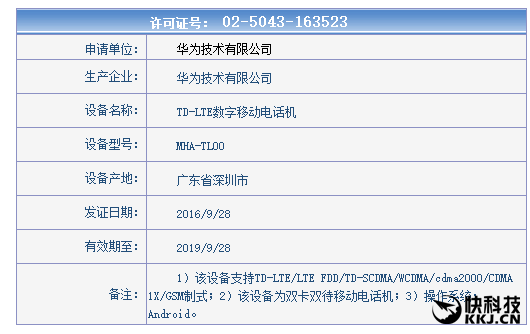
The Mate 9 is code-named Manhattan and the name of the two devices found are MHA-TL00 and MHA-AL00. We believe the MHA prefix stands for Manhattan and that there will indeed be two variants of the device.
There is no much info revealed about both devices except that they have full network support and dual sim slots. But previous leaks have said the Huawei Mate 9 will feature a 5.9” display, Huawei’s own Kirin 960 processor, a 12MP and 20MP dual cameras combination reportedly from Leica with a f/2.0 aperture.
We use cookies on our website to give you the most relevant experience by remembering your preferences and repeat visits. By clicking “Accept”, you consent to the use of ALL the cookies.
This website uses cookies to improve your experience while you navigate through the website. Out of these, the cookies that are categorized as necessary are stored on your browser as they are essential for the working of basic functionalities of the website. We also use third-party cookies that help us analyze and understand how you use this website. These cookies will be stored in your browser only with your consent. You also have the option to opt-out of these cookies. But opting out of some of these cookies may affect your browsing experience.
Necessary cookies are absolutely essential for the website to function properly. This category only includes cookies that ensures basic functionalities and security features of the website. These cookies do not store any personal information.
Any cookies that may not be particularly necessary for the website to function and is used specifically to collect user personal data via analytics, ads, other embedded contents are termed as non-necessary cookies. It is mandatory to procure user consent prior to running these cookies on your website.


 READ MORE: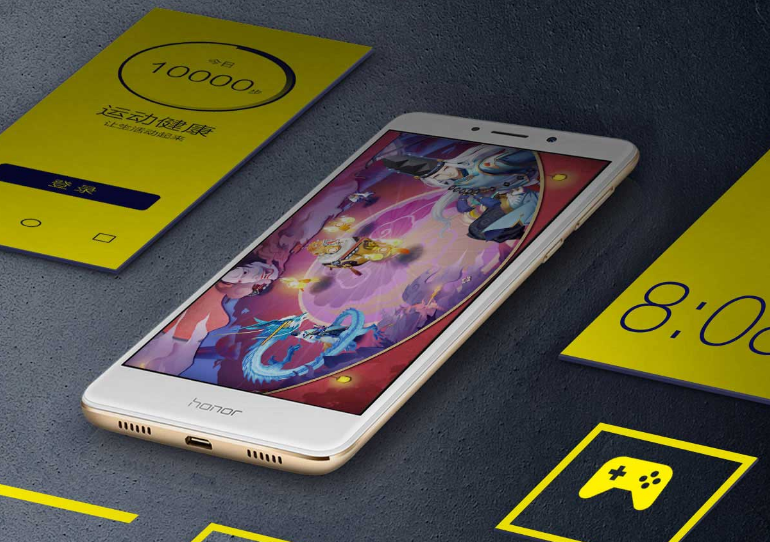


 ,
,