There was a time when China was known for its clones. Usually, these clones looked very similar to the original model, however, when it came to the build quality and performance, they were nowhere near the original ones. But now, things are different, and the manufacturers of these clones have become smarter and more skilled.
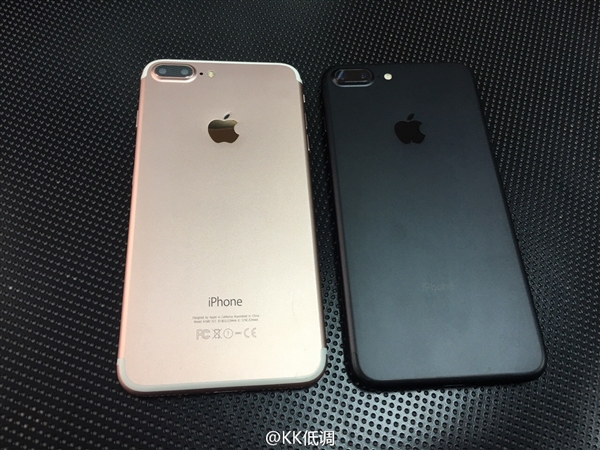
iPhone is still the most popular brand for clones and the newly launched iPhone 7 and iPhone 7 Plus have already been cloned by local manufacturers in China. And the iPhone 7 Plus clone spotted in China is surprisingly very well built and very close to the real iPhone.
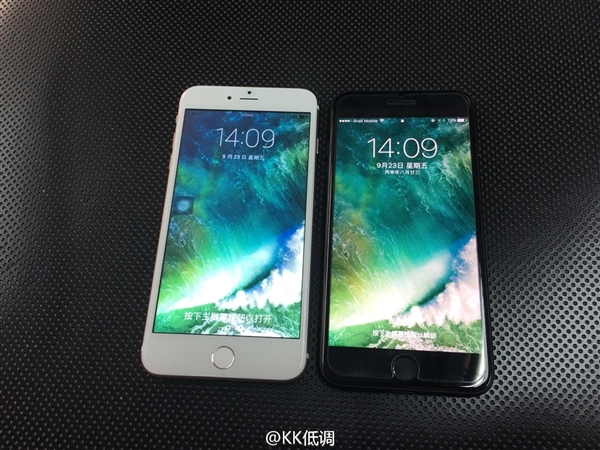
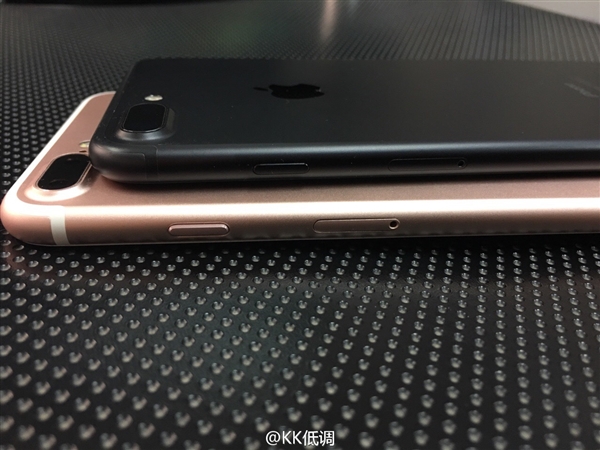
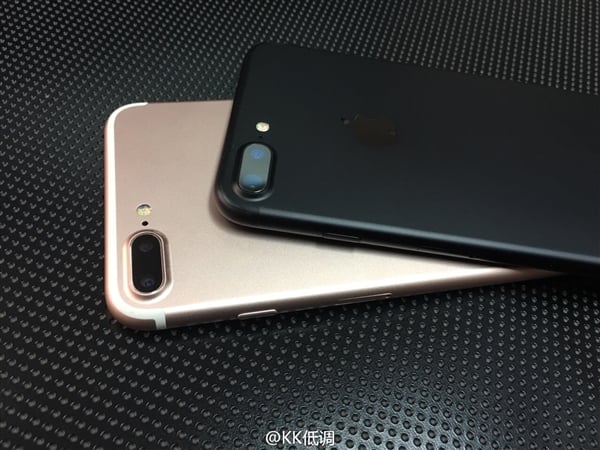
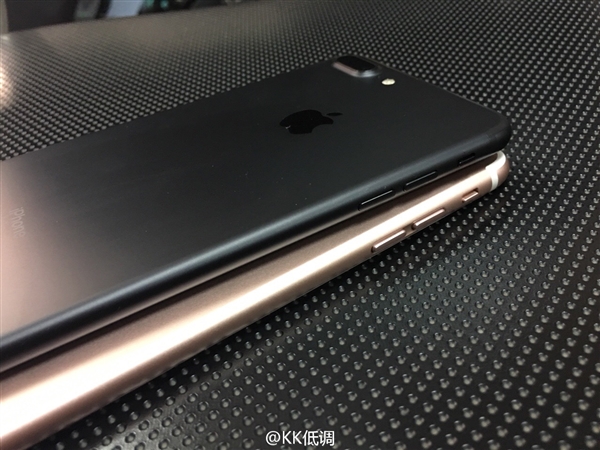
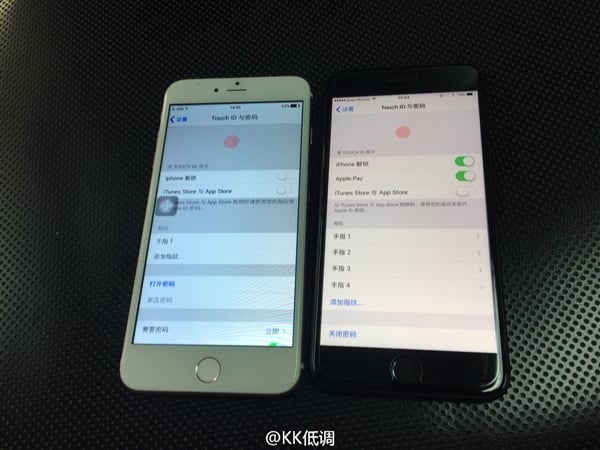
The design of these clones is identical to the real iPhone 7 Plus, including the unique antenna bands and the dual camera setup at the back. Not only that, they also feel quite similar to the original iPhone model. Even the software interface is an immitation of iOS 10, so there is a good chance that you might get confused for a second. However, the Touch ID on board seems to be just for show and do not work. Even the general performance of the iPhone 7 Plus Clone, including its camera is no way near that of the original iPhone 7 Plus model but that is to be expected.
https://www.youtube.com/watch?v=1HxD15WuS6s
So, check out the images below and the video above and guess which one’s real and which one’s a clone.
(ANSWER: Black is the real iPhone 7 Plus. The one in Rose Gold is an iPhone 7 Plus Clone.)
There are rumors that Xiaomi is planning to acquire struggling fellow Chinese smartphone maker Smartisan which had been in the business since 2012. Before now, it is not hidden in the tech circle that the company has been struggling to stay afloat considering that its smartphones haven’t witnessed the kind of sales margin they need in the highly competitive Chinese phone market.
As usual, China’s Sina Weibo platform is the source of the latest rumor that Xiaomi is in talks with Smartisan to acquire the company and infuse more capital into the brand.
Smartisan has however come out to deny the rumors as untrue and that nothing of such exists. This is not the first time the Chinese company is getting soaked in rumors of an acquisition. The company was rumored to have received acquisition offers from Lenovo, Ali Baba and LeEco in the past but none of that ended up as sealed deal. This might end up as one of those rumors but at the same time could turn out to be true.
Meanwhile, Smartisan is said to be working on its latest Smartisan T3 smartphone which is a successor to the Smartisan T2. The device is said to likely drop any time between now and December.
Huawei and Leica entered into a strategic cooperation earlier this year, wherein Leica would participate in the development of the cameras used in Huawei’s flagship models, starting with the Huawei P9. Now, these two are all set to further strengthen their partnership by establishing a brand new Research and Innovation center called ‘Max Berek Innovation Lab’ in Wetzlar, Germany. The new center will reportedly focus on developing optical systems and software based technologies to improve image quality in various fields related to photography and mobile devices.
This is an excerpt from the company release.
The new lab, located at Leica’s global HQ in Wetzlar, Germany, will drive further development of optical systems and software-based technologies to improve imaging quality in a wide range of photographic and mobile device applications. Additional outcomes will include the creation of computational imaging, augmented reality (AR) and virtual reality (VR) solutions. In addition to R&D resources from both companies, Huawei and Leica plan to collaborate with German and international universities and research institutions.
This is definitely good news for Huawei fans as deeper co-operation with Leica could result into more powerful cameras on upcoming flagships. In fact, IHS Analyst Kevin Wang had already hinted that the Huawei Mate 9 would feature better cameras than the Huawei P9. According to rumors, the flagship should feature a 20MP dual camera setup with OIS. Other rumored features of the device include a 6-inch 1080p display, rear fingerprint, Kirin 960 and Android 7.
Huawei P9 has already got pretty good reviews when it comes to the camera department, and it could very well be one of the best camera phones in the market right now. So, an even better dual camera setup on the Mate 9 would be really amazing.
Even the pricing of the Mate 9 has been leaked. The Standard Mate 9 Edition is said to start at 3199 Yuan ($480), while the full network supported version is said to retail at 3399 Yuan ($509). There are other versions expected as well, like a high-end version priced at 3899 Yuan ($584), another version at 4699 Yuan ($704) and the ultra-powerful top-end edition priced with smart watch bundled priced at 7388 Yuan ($1108). Exact details of these versions were not revealed.
To be honest, it’s too early to say whether these prices are going to be final. But the release date is said to be on November 8 this year, which is more than a month away. In that time, we can expect more details about the upcoming flagship. Let’s hope Leica and Huawei can surprise us with the Mate 9.
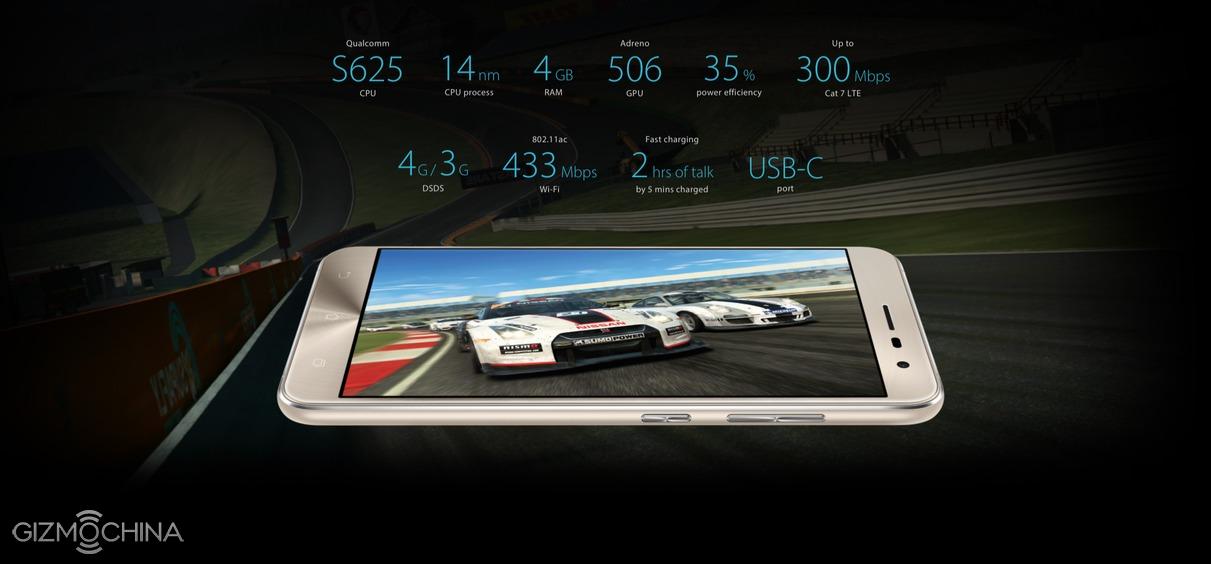
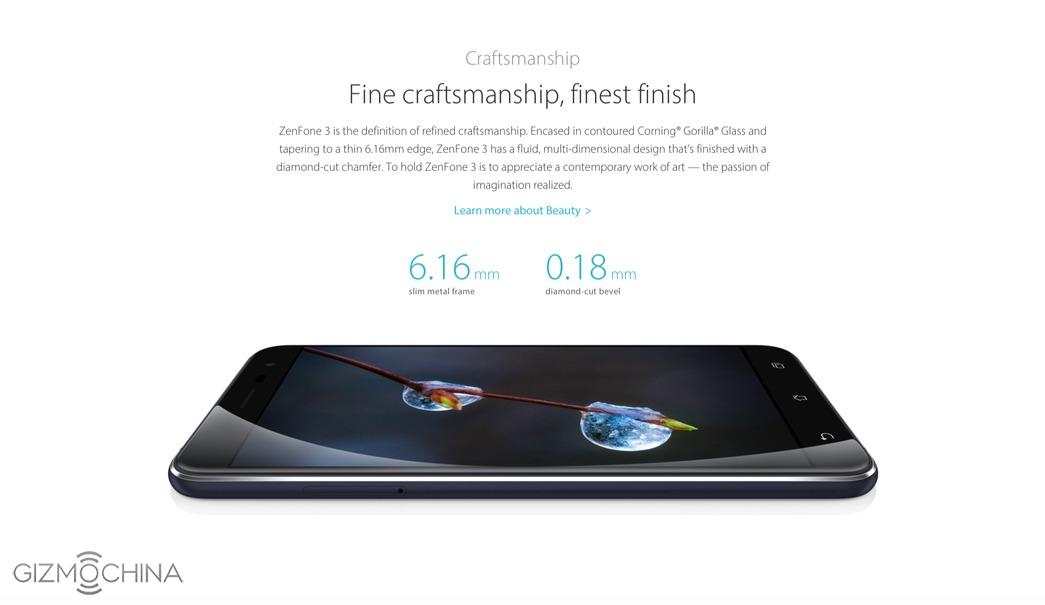
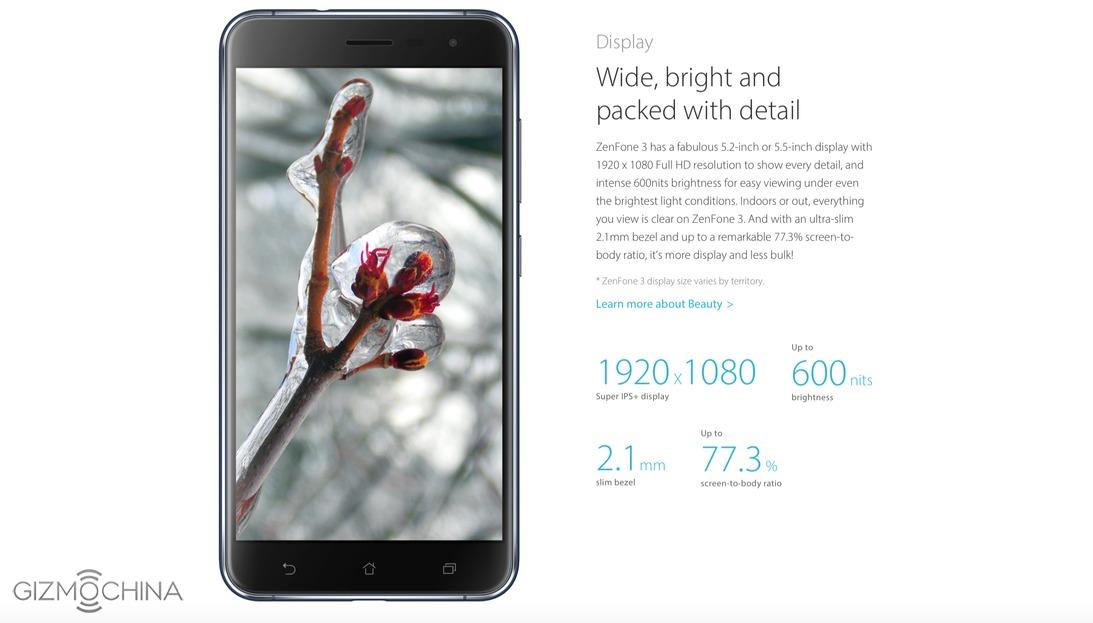
Asus has been known for producing a wide range of tech products and the company has built a good reputation in the smartphone industry. The beautiful-looking Zenfone 3 sports some great specs and a lot of flagship-grade features.
The Zenfone 3 follows a familiar design language we have seen on other Asus phones. It uses a metal trim that goes around the device along with metal buttons. A front and rear is covered with the Gorilla Glass 3 for scratch resistance.
Other key specs include 4GB of RAM, 64GB of storage (expandable up to 256GB via the microSD card slot) and Adreno 506 GPU.
As far as display goes, we have a 5.5″ 1080p LCD panel, which has a peak brightness output of 600nits.
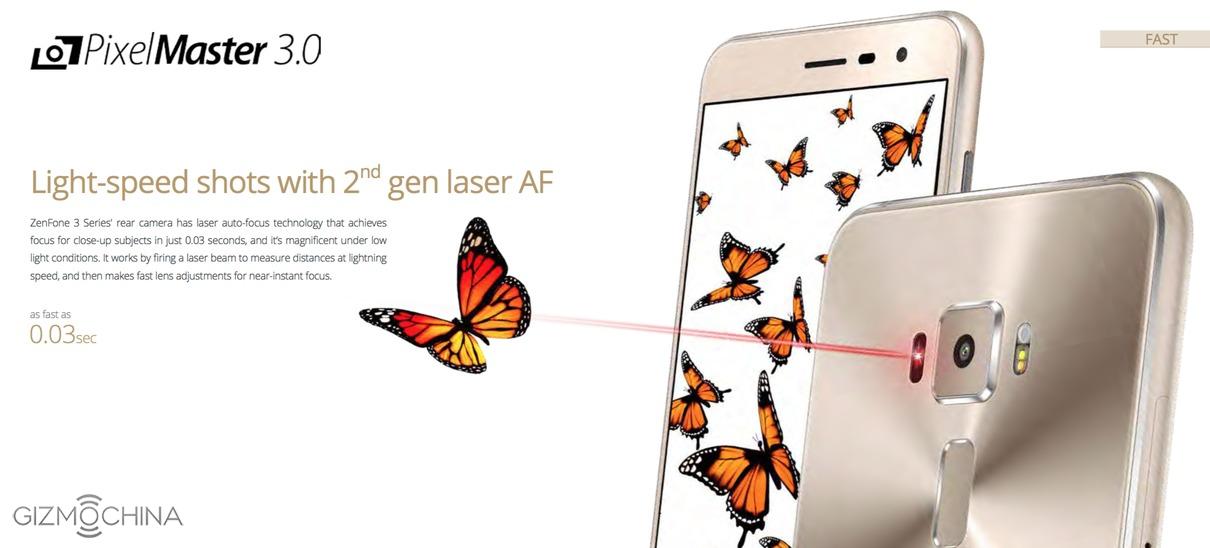
One of the key selling points of this device is its camera. The Zenfone 3 sports a 16 MP shooter with f/2.0 aperture, laser/phase detection autofocus, OIS (4-axis) and dual-LED (dual tone) flash.
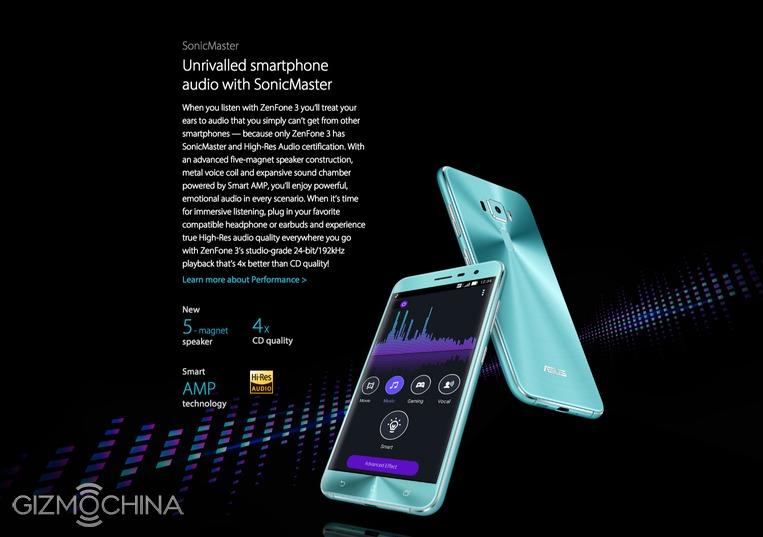
Another key feature is the Hi-Res audio assured by the home-brewed SonicMaster technology. This tech is said to assure a high-quality sound both from the external speaker and via the headset jack.
All in all, the Asus Zenfone 3 shapes up to be a great all-around device. The only shortcoming of it is the mid-level Snapdragon 625 chip. Other than that, the phone seems like a great device for the price and we can’t wait to test it out in our review labs.
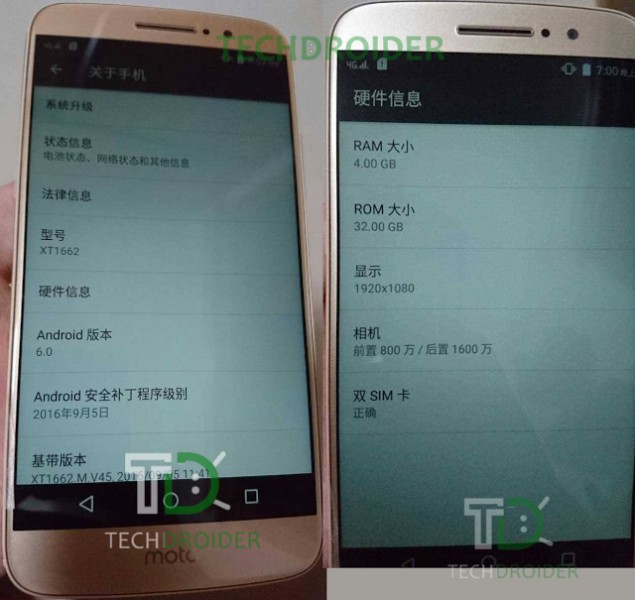
Lenovo has had a busy 2016, releasing many smartphones catering to different segments of the market within the first 8 months of the year. The company has been releasing phones under its own name as well as its subsidiary brands such as ZUK and Moto. We have already seen a number of Moto smartphone this year, but it looks like there’s more. A new Moto M (XT-1662) was spotted in the wild in a new leaked image, revealing the existence of the device.
Motorola seems to be continuing with its traditional design philosophy on the new Moto M. You have the standard round corners with the company branding at the bottom of the display. The bezels look quite slim too, which is good. This particular model already passed through the TENAA certification last month, which revealed a lot of information about the phone. But this seems to be the first time that we are seeing the Moto M has leaked in a real life image.
Today’s leak confirms that the Moto M will come with 4GB of RAM and 32GB of internal storage. The screen size should be of 5.5-inches with 1080p resolution. Further, at the back, the phone will come with a 16MP camera while up front, there will be an 8MP shooter. Another detail revealed by the leak is the software on board, which is Android 6 Marshmallow. We can’t find a fingerprint sensor up front, but it should be located at the back of the device. TENAA had also confirmed that the phone will come with a 3000mAh battery.
Since this model has passed through TENAA already, it’s possible that the phone is exclusive to the Chinese market. There was another Moto smartphone that was spotted recently, featuring a 4.6-inch display and MT6750 chipset. Both could be announced soon, so stay tuned!
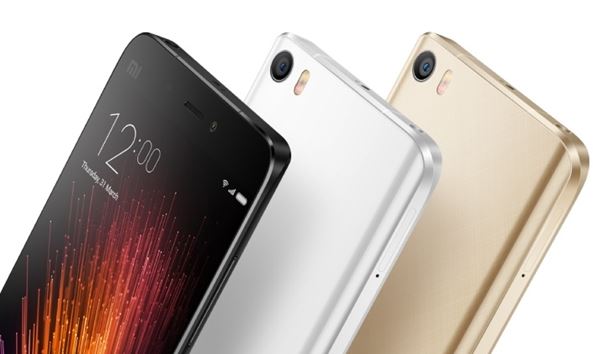
Xiaomi will announce a new smartphone in its September 27 conference in China. There was a bit of a confusing regarding the name of the phone, but now, it’s confirmed that the new flagship will indeed be called as the Xiaomi Mi 5S. First of all, both Xiaomi’s CEO, Lei Jun and Xiaomi’s Market Leader, Tony have started posting on Weibo using the Xiaomi Mi 5S. So, it basically confirms the name. What’s more, like tradition, Lei Jun has even posted a camera sample taken from the Mi 5S, giving us the first look at the phone’s camera performance.
Now, the image that you see below is from the Xiaomi Mi 5S without any filters. We already know that the phone will come with dual cameras at the back, so effects like bokeh should be easily produced by the phone’s camera setup. While we are unable to tell much about the camera quality of the device, the colors have come out quite well.
Although the EXIF data revealed just 1280 x 960 resolution for me, mydrivers seems to have got hold of the original image with the detailed EXIF data. Their data confirms that this is taken from the Mi 5S and reveals more details like shutter speed (1/750 sec), ISO 100, f/2.0 aperture, and 3264 x 2448 resolution. Even this is low resolution, but Weibo usually compresses the image file and hence, the original photo resolution should have been upwards of 12/13MP.
So, what do you think about the camera sample from the Mi 5S?
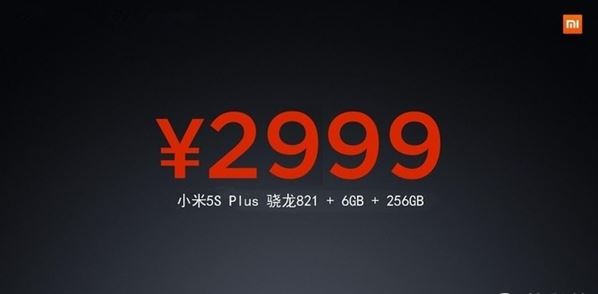
Until recently, we had thought Xiaomi was releasing only the Mi 5S but then the Mi 5S Plus emerged out of the blues. We had left that off as mere speculation but then a recent leaked posted revealing the prices of both the Xiaomi Mi 5S and Mi 5S Plus have put a stamp on the fact that the “Apple of China” will indeed gift us a Mi 5S Plus.
The two posters contained the Mi logo, perhaps ascribing some authenticity to them but then, we cannot tell if they are indeed authentic. However, the poster reveals the base storage version Mi 5S with Snapdragon 821 chip, 6GB RAM and 64GB storage will start at 1999 Yuan ($300). Not forgetting it is touted as the world’s first smartphone to use Under Glass ultrasonic fingerprint identification and might pack dual rear cameras, among more for just 1999 Yuan ($300). That’s incredible if true!
On the other hand the Mi 5S Plus with SD 821, 6GB RAM and a mammoth 256GB of built-in storage is said to carry a higher price tag of 2999 Yuan ($450). We don’t know much about the Mi 5S Plus but it is said to come with a larger 5.7-inch dual-curved screen display with an upgraded 2K resolution, a Snapdragon 821 chip and probably the same under-glass ultrasonic fingerprint scanner. There was previously no detail about the RAM, ROM, and camera configuration but now we know it will have a 6GB RAM and perhaps only one storage version with 256GB of storage space.
As stated earlier, we cannot vouch for the authenticity f this information, the Mi 5S and Mi 5S Plus could as well have higher price tags considering the high-end specs they are bringing to the table.
All is now set for the unveiling of the Xiaomi Mi 5S smartphone but not until the device finally pops, we’ll perhaps continue seeing new juicy leaks and teasers surrounding the Xiaomi flagship. The latest we’re getting about the device originated from Xiaomi and its camera.
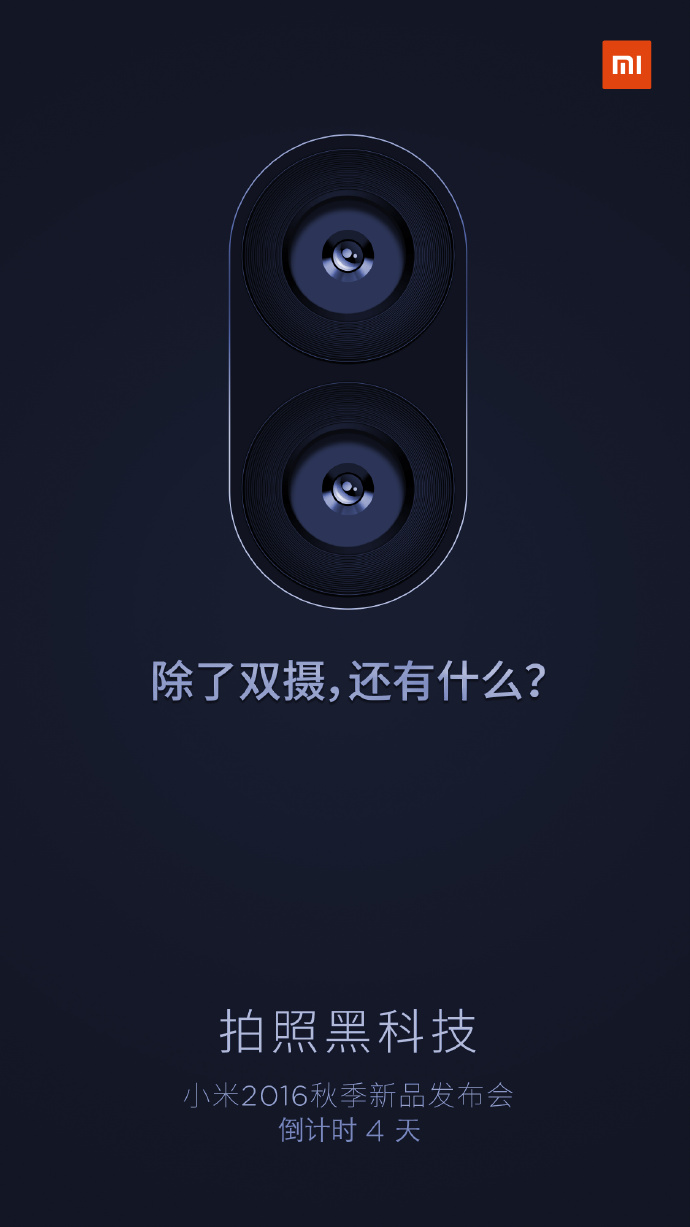
Xiaomi today released a poster which contained the image of two camera lenses arranged vertically, having same size and shape. The poster posed a question along with it which is translated as: “In addition to dual-camera, what else?” The rest of the texts on the poster talks about the countdown to the conference which is just 4 days away.
Mi 5S Render leaked earlier on
If the teaser is anything to go by, that means the Xiaomi Mi 5S would likely be equipped with dual main cameras mounted on its back just like the Redmi Pro. The camera specs of the Mi 5S has often been shrouded in mystery as it wasn’t revealed when the device hit AnTuTu or in the leaks we got in the past. A render of the Mi 5S sporting dual cameras appeared online months back though, but it was nothing certain. However, Xiaomi is touting the Mi 5S to come with a new high-end technology on the camera plane and its just four days before we find out how it’d play out. But then, the Mi 5 released earlier this year brought with it a lot of new high-end technological innovations so it is expected that the mi 5S will take the bar higher.
Now to answer the question posed in the poster, in addition to dual-cameras the Mi 5S we are told would come equipped with the high-end Snapdragon 821 chipset, sport a 5.15-inch 1080 pixels display along with a 6GB RAM and three storage versions of 64GB, 128GB and 256GB. The device will also come equipped with a 3410/3,490mAh battery with Quick Charge 3.0, USB Type-C interface , dual-SIM slots, and most importantly, NFC.
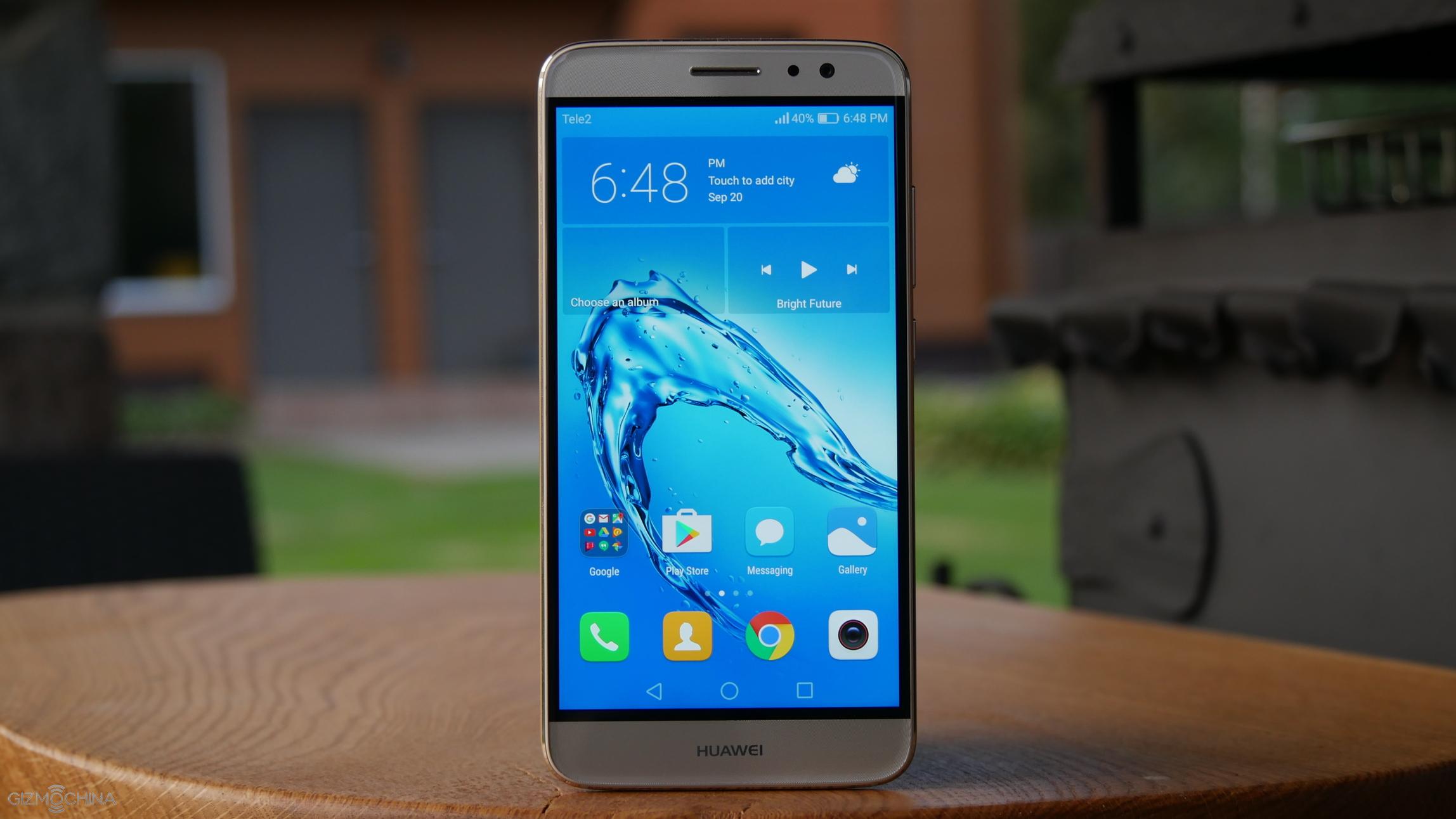
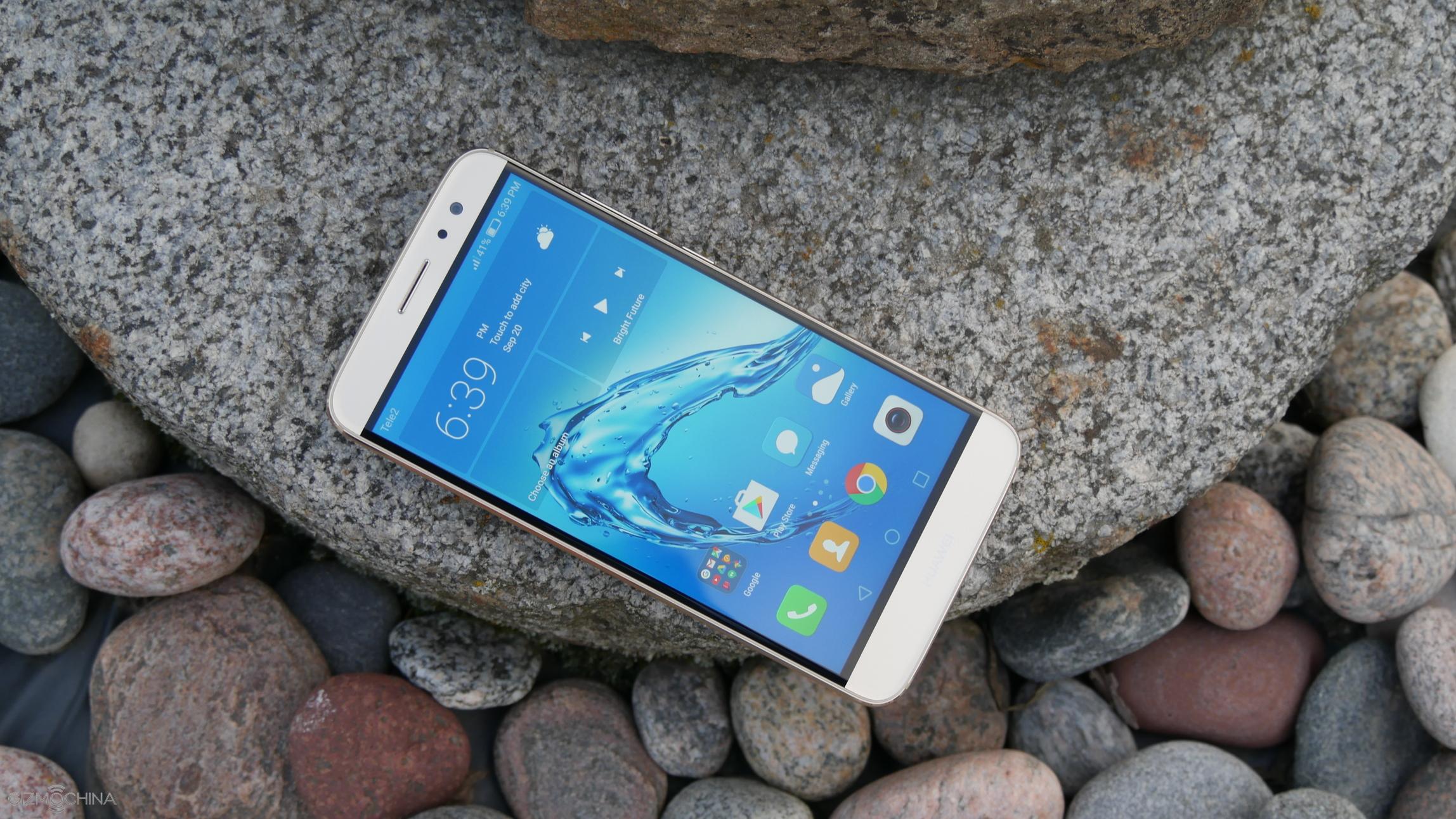
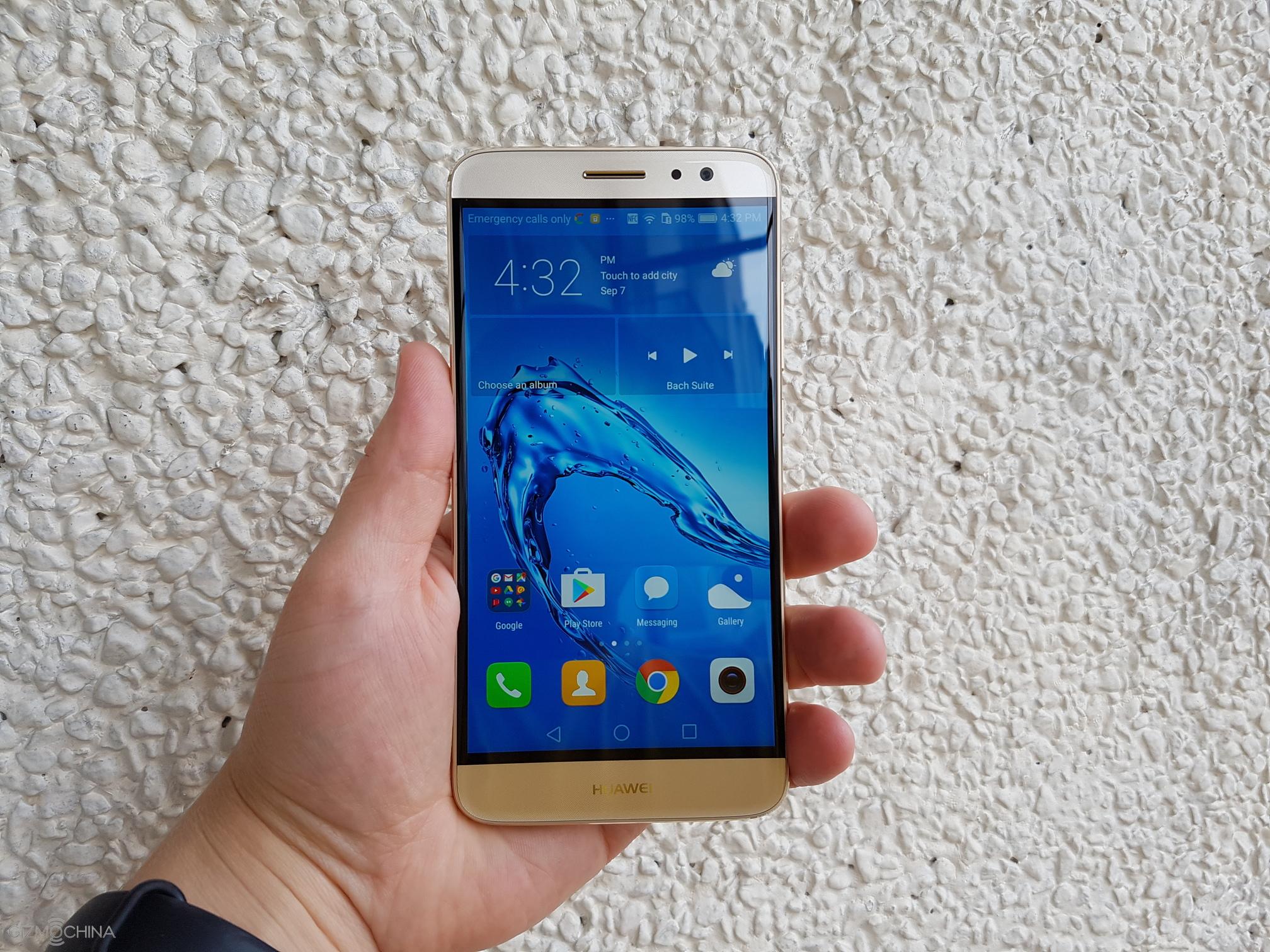
Huawei released quite a few devices this year and the Nova Plus is one of them. It is a premium midrange smartphone that has great looks, good camera but it costs around 430 EUR. Learn more in our full review.
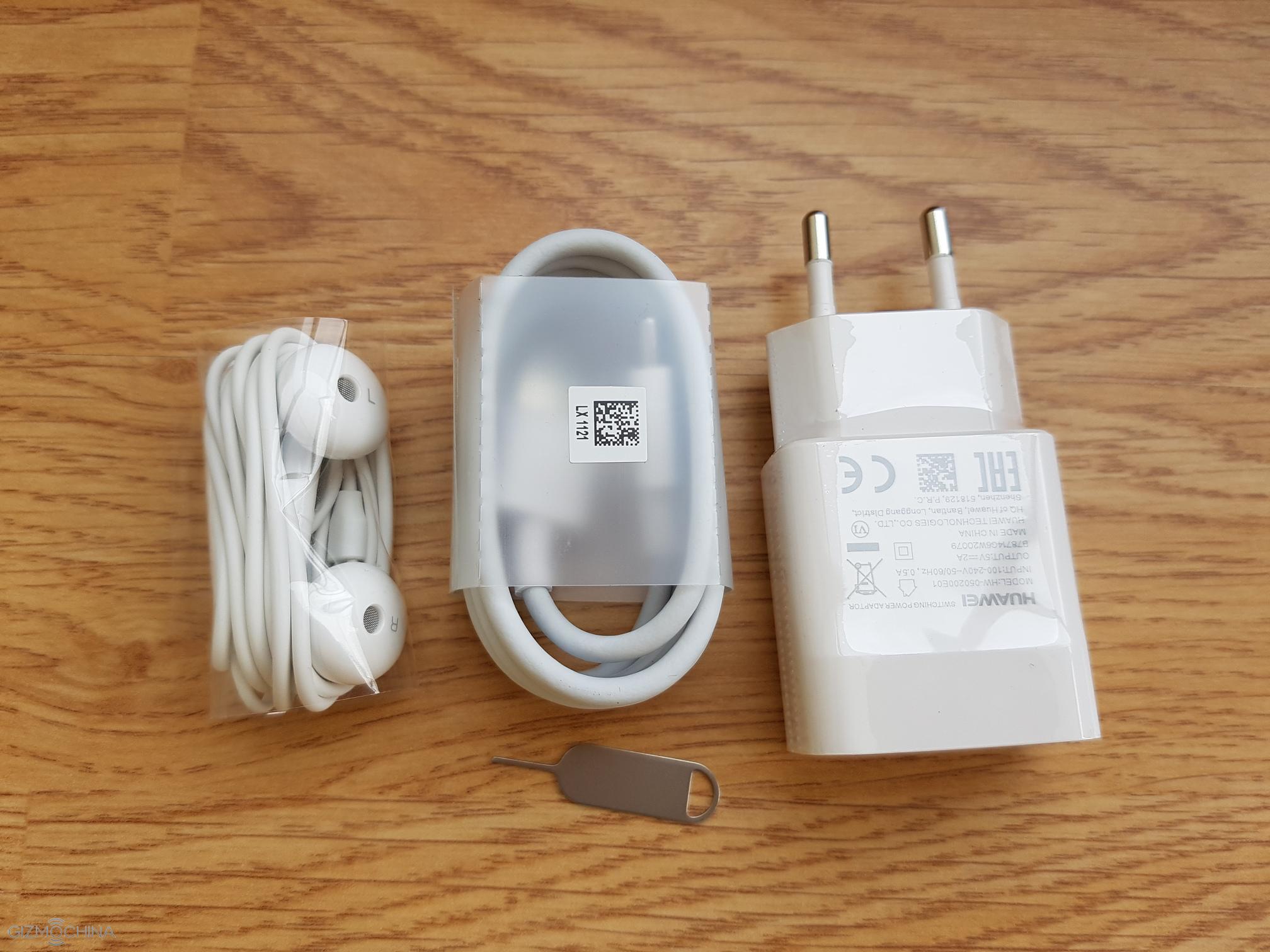
In the box, you are getting all the usual stuff that includes a charging brick, USB C cable, SIM ejector pin, a pair of earphones and some paperwork that my reviewdid not come with.
Huawei Nova Plus Review: SPECS
Display
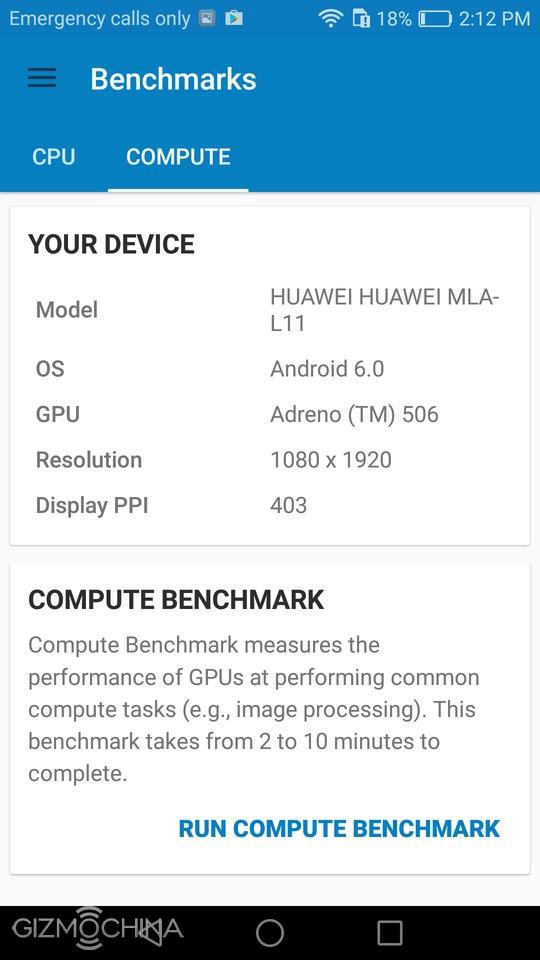
5.5″ 1080 x 1920 pixels, LCD (~403 ppi pixel density)
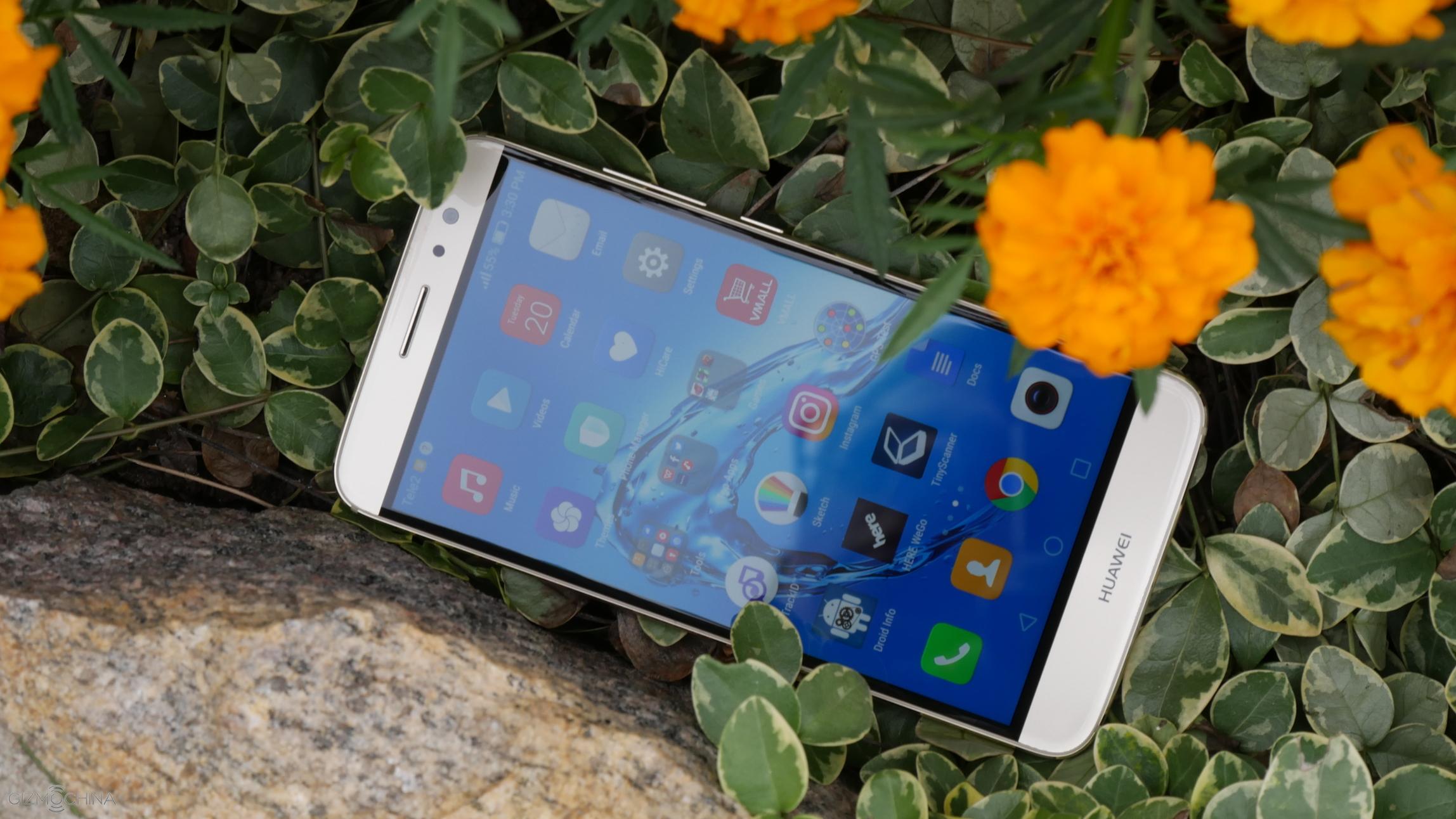
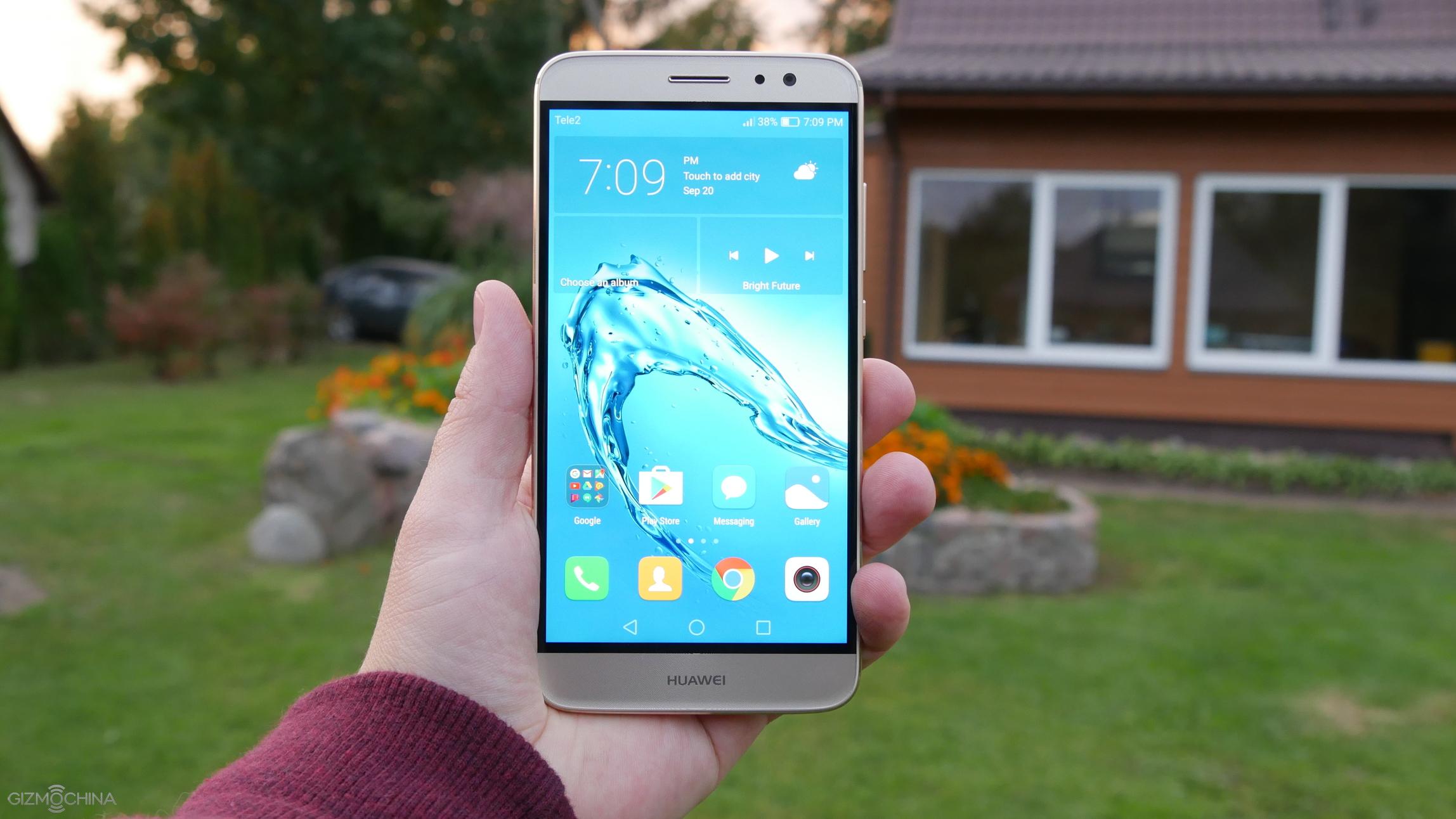
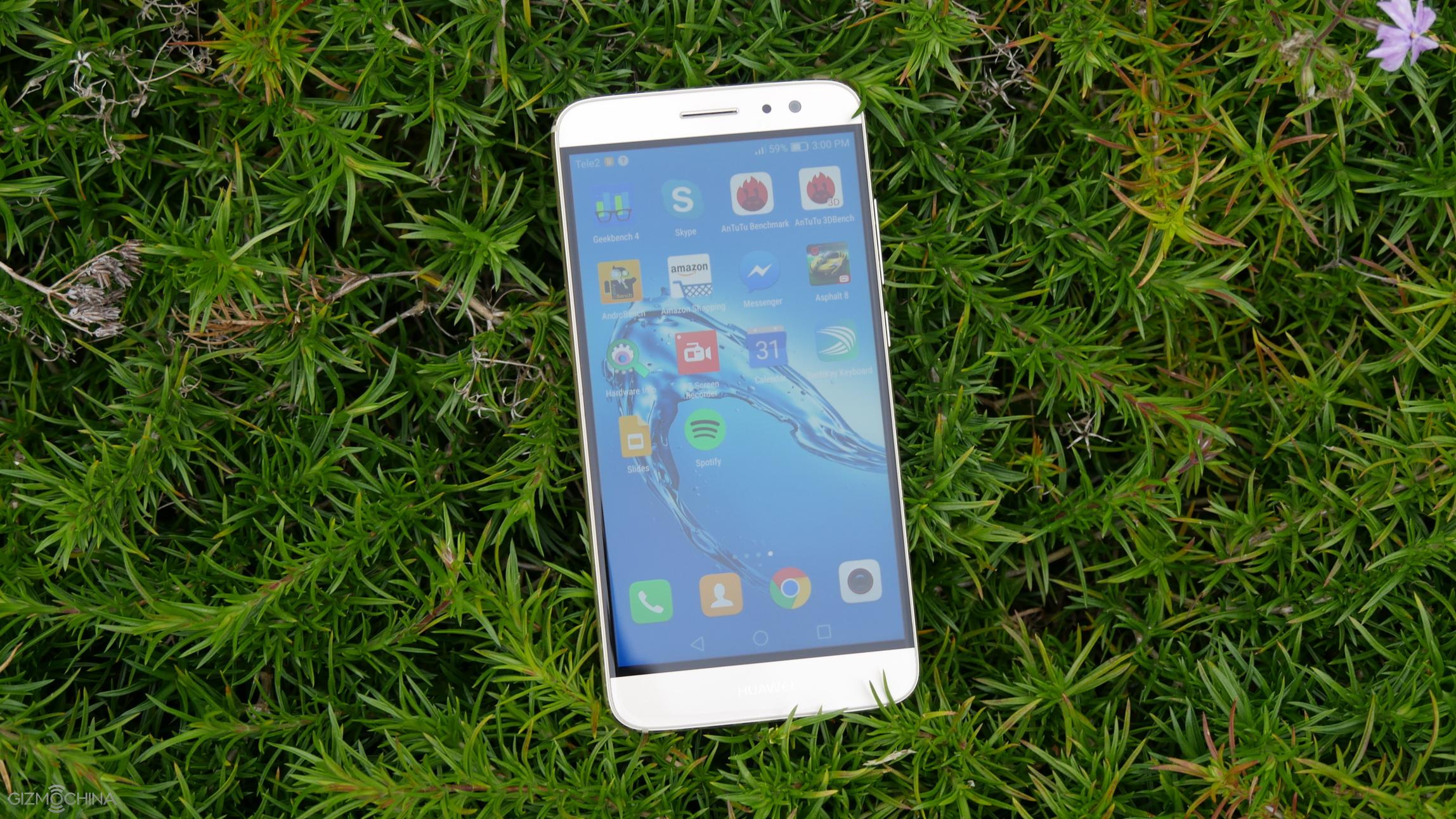
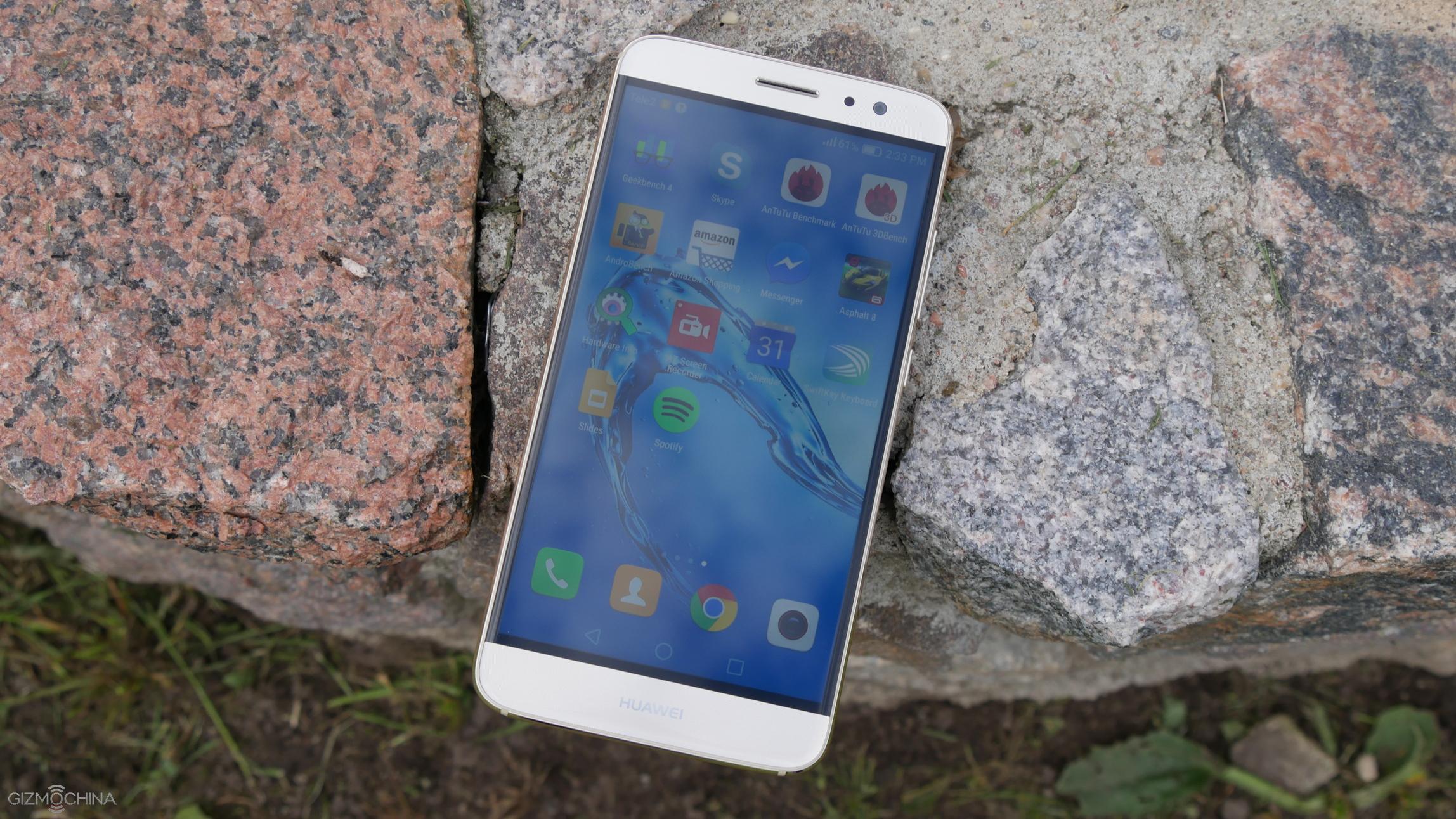
The phone has a 5.5” 1080p display, which uses the LCD technology and it is pretty sharp and vibrant. Also, it is bright enough to ensure a good sunlight legibility.
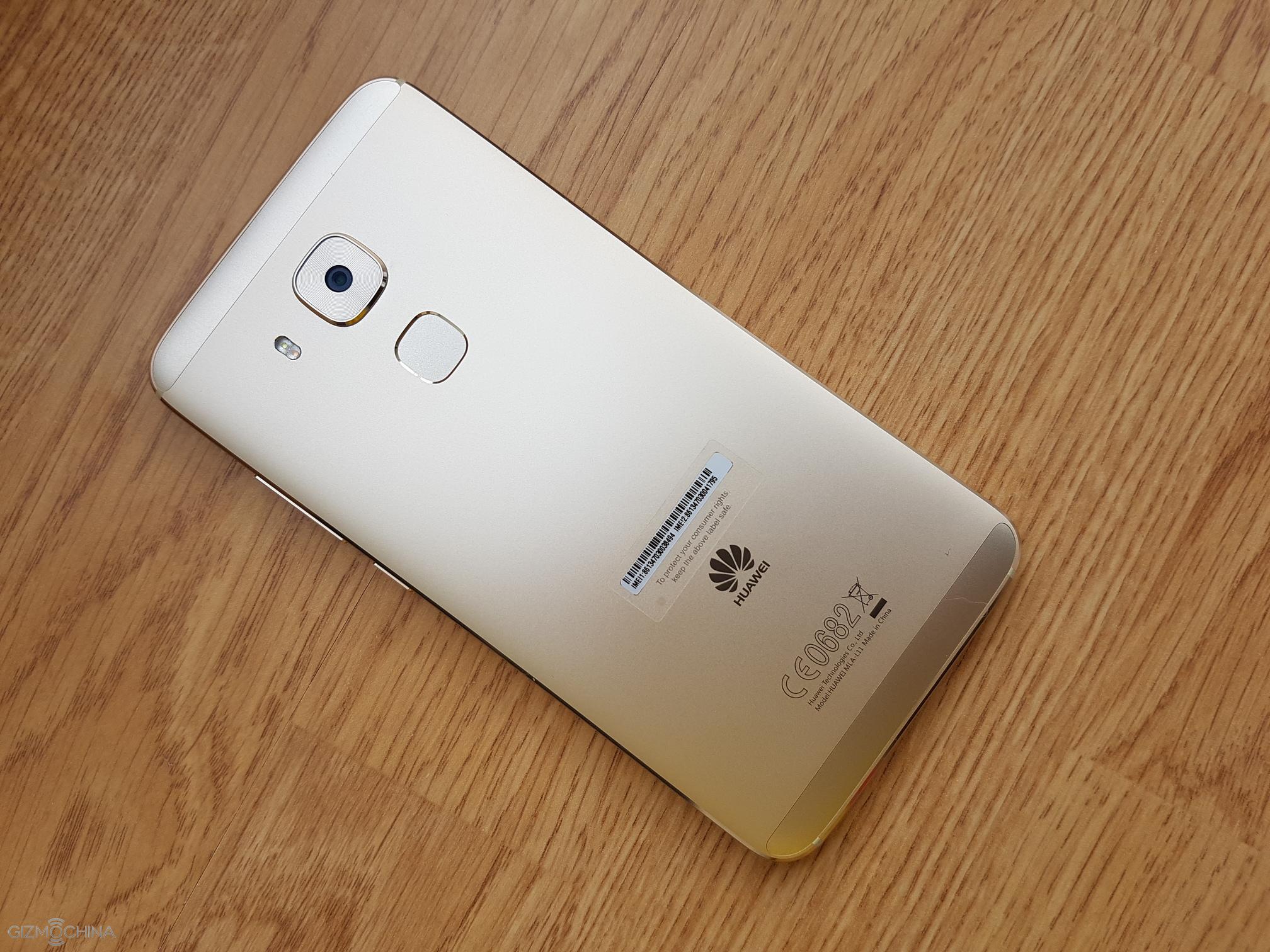
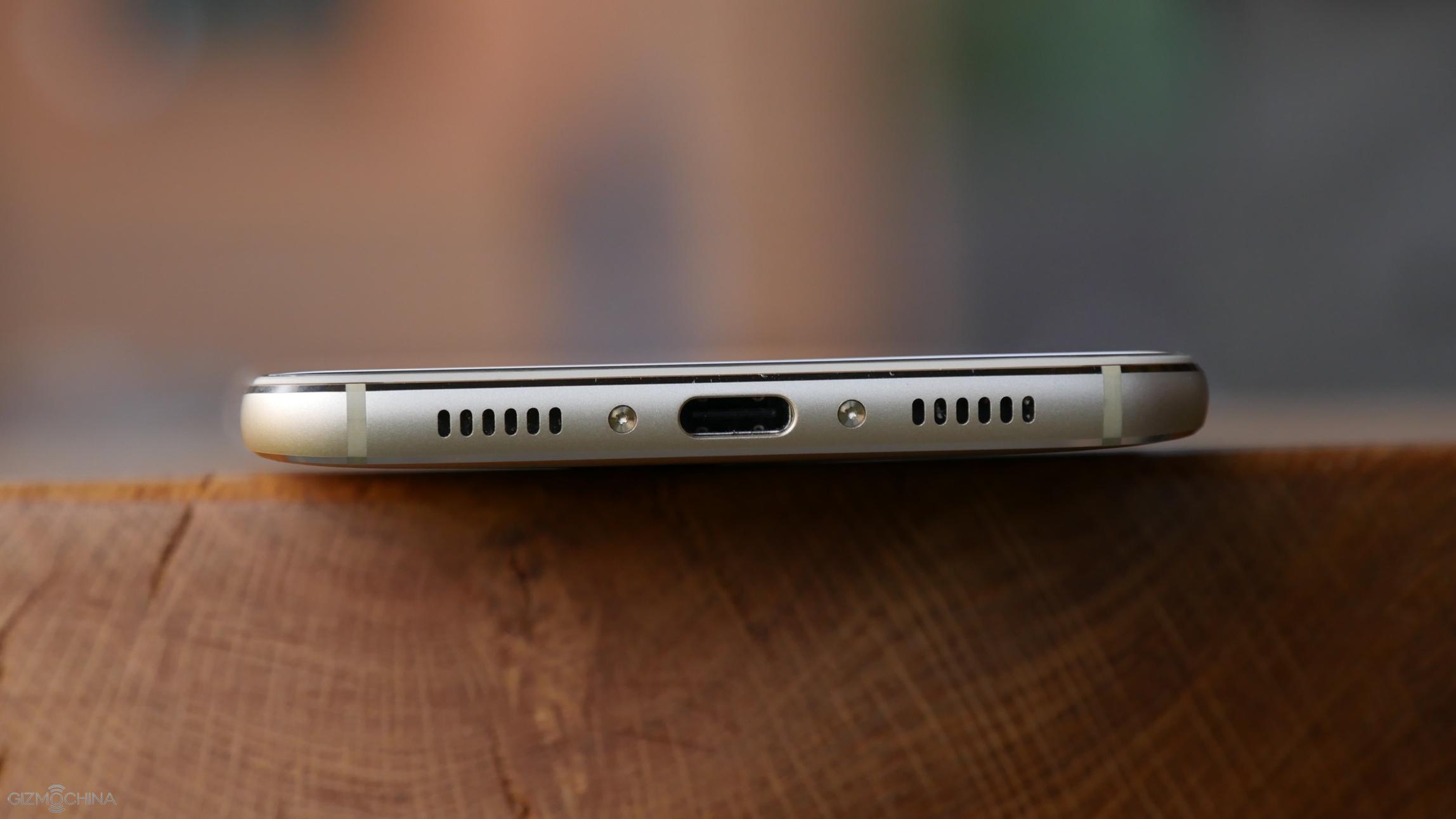
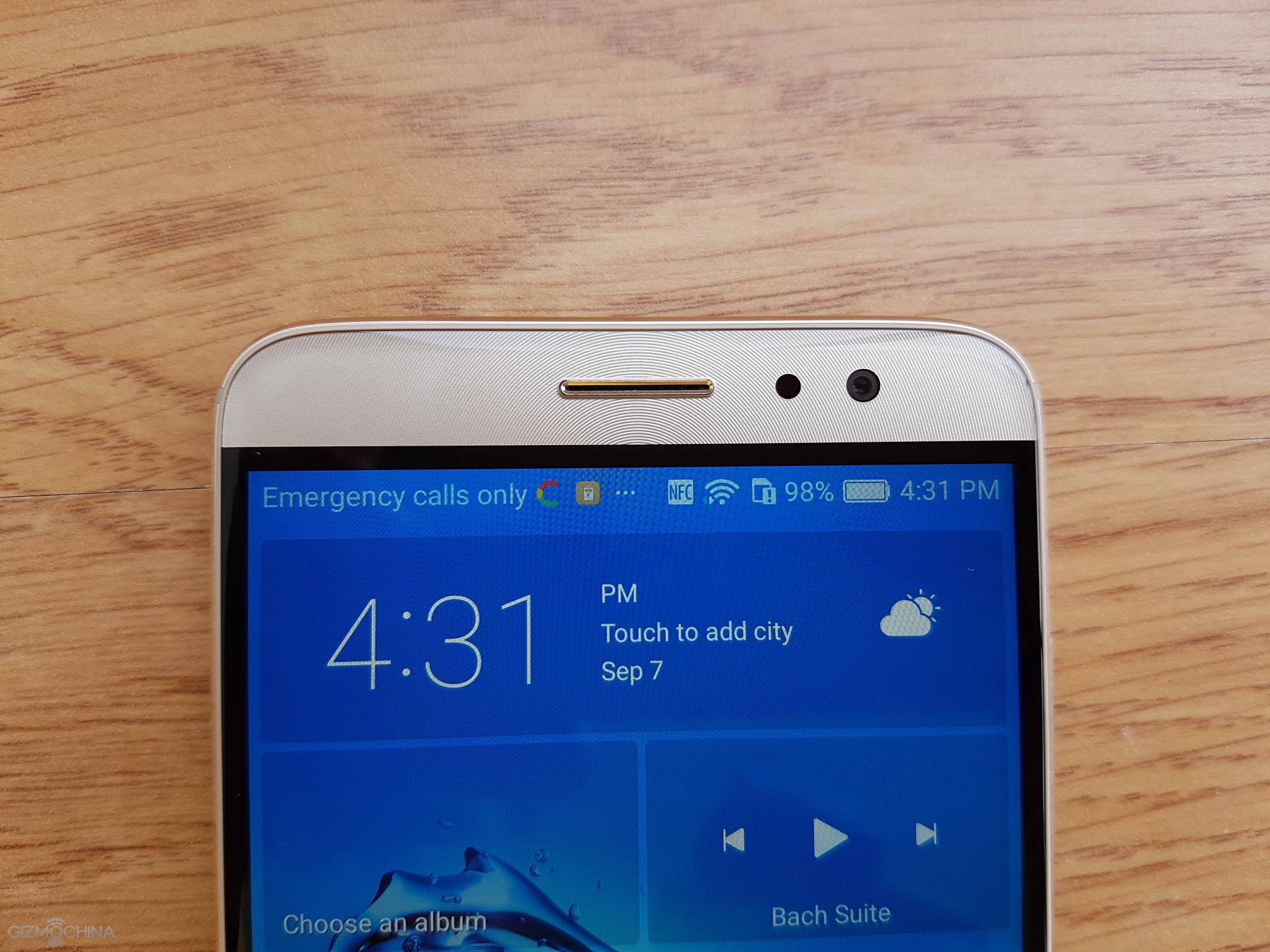
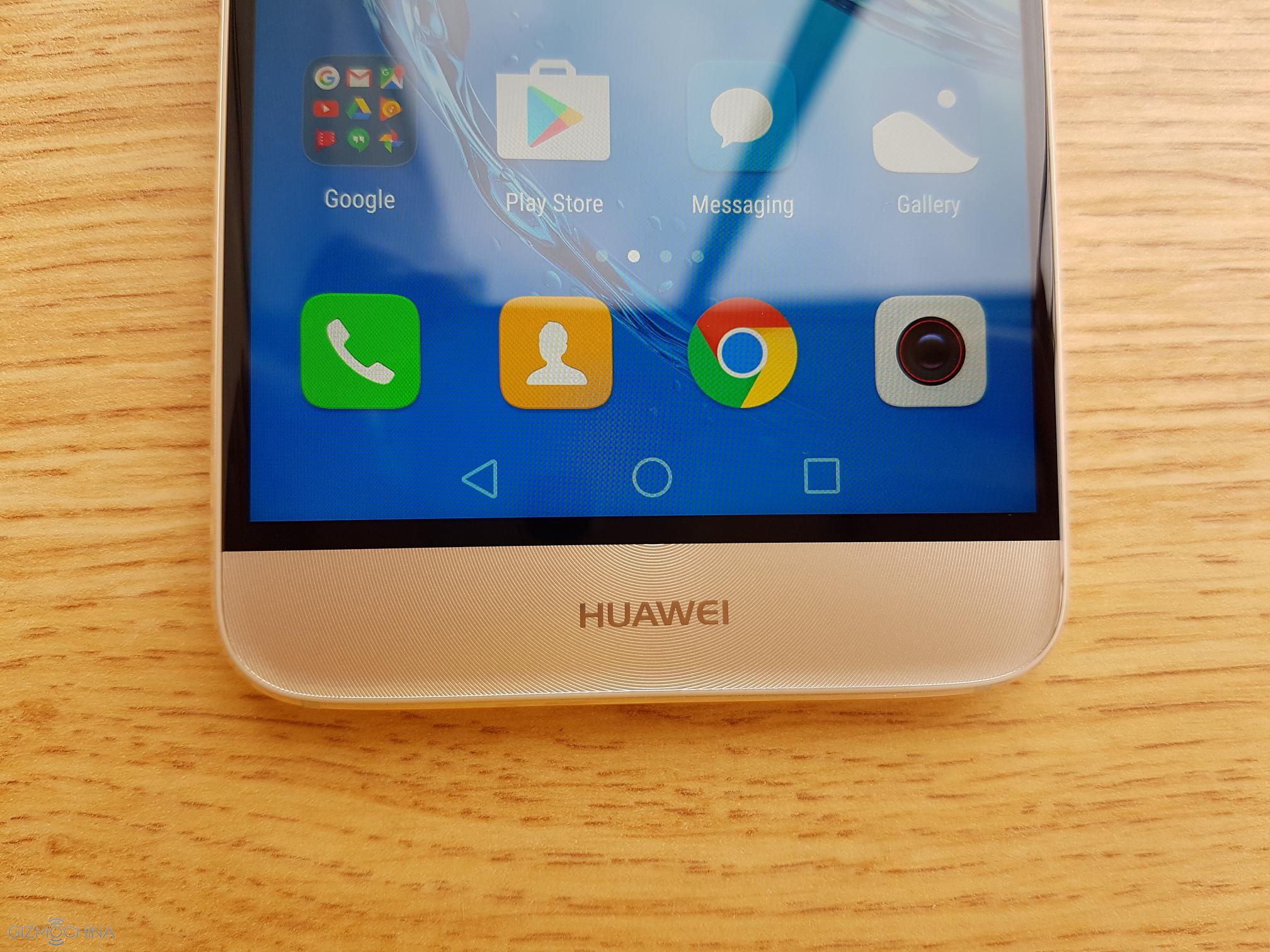
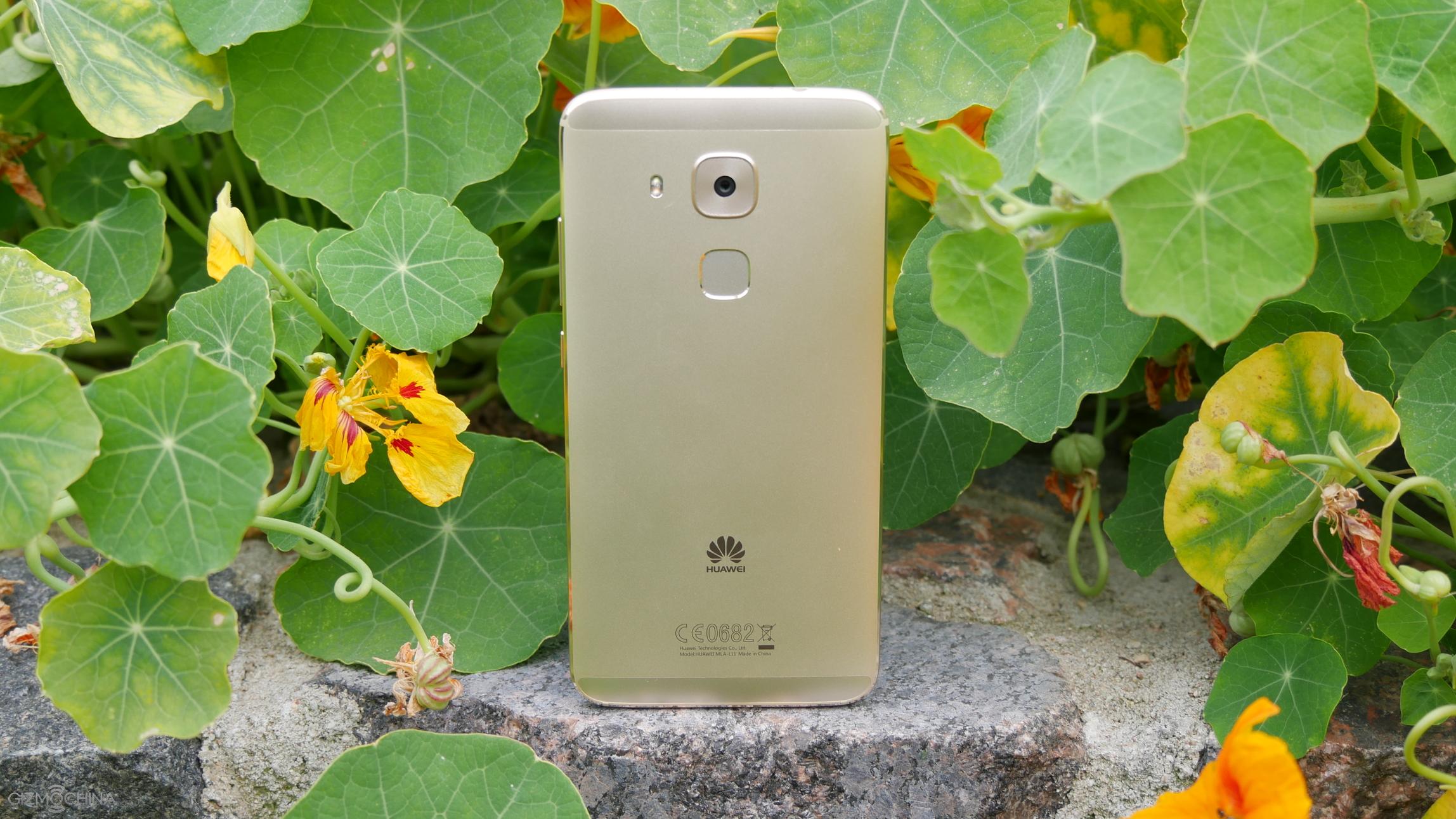
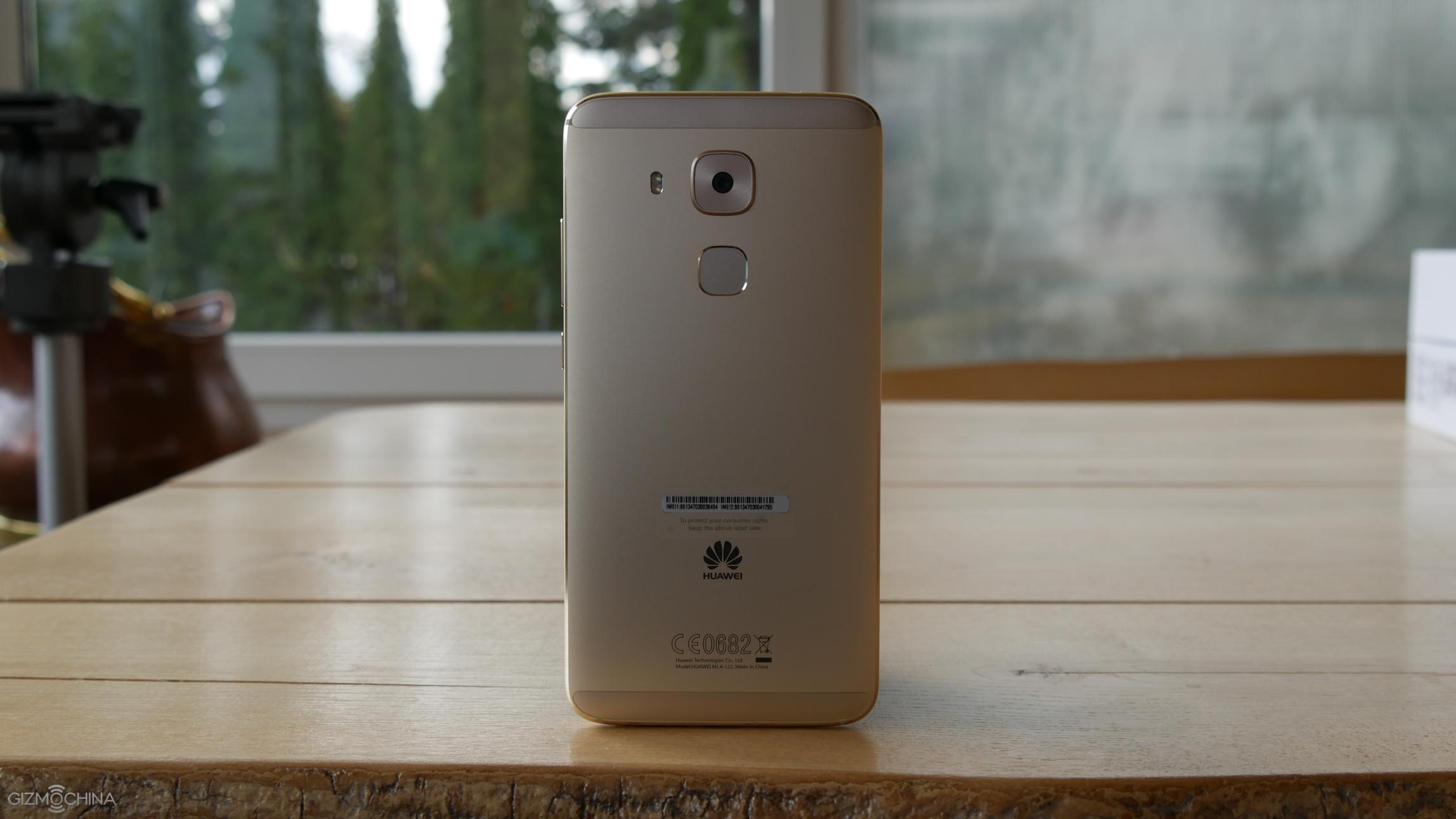
The Nova Plus sports a familiar premium design we’ve seen from Huawei. It’s made out of metal, except for those plastic top and bottom parts for antennas.
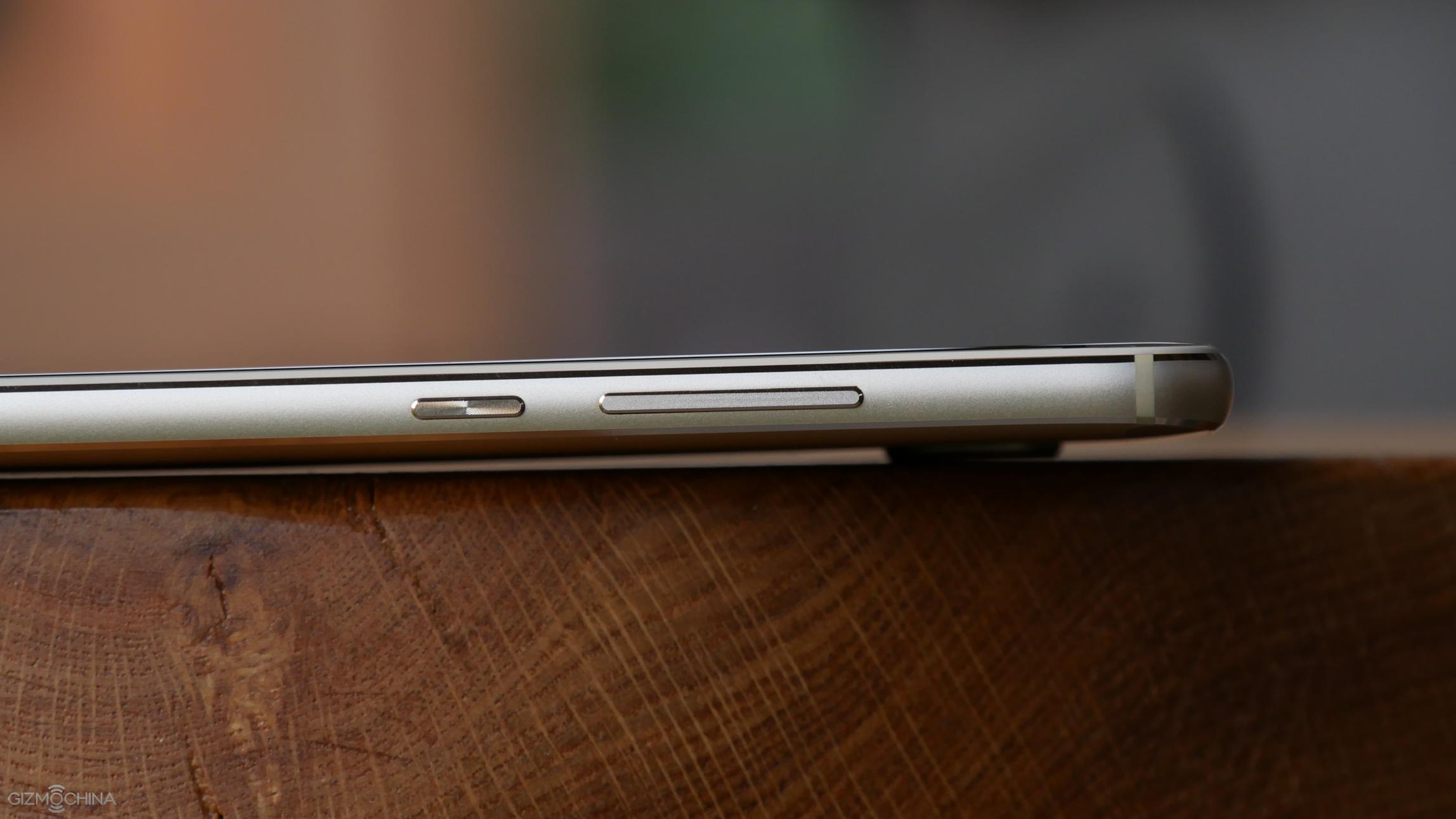
Also, the phone has nice and tactile metal buttons.
While the device is not the smallest around, it is pretty comfortable to hold in the hand.
The loudspeaker sits on the bottom and the quality of sound is pretty good even if we compare it with some flagship smartphones.
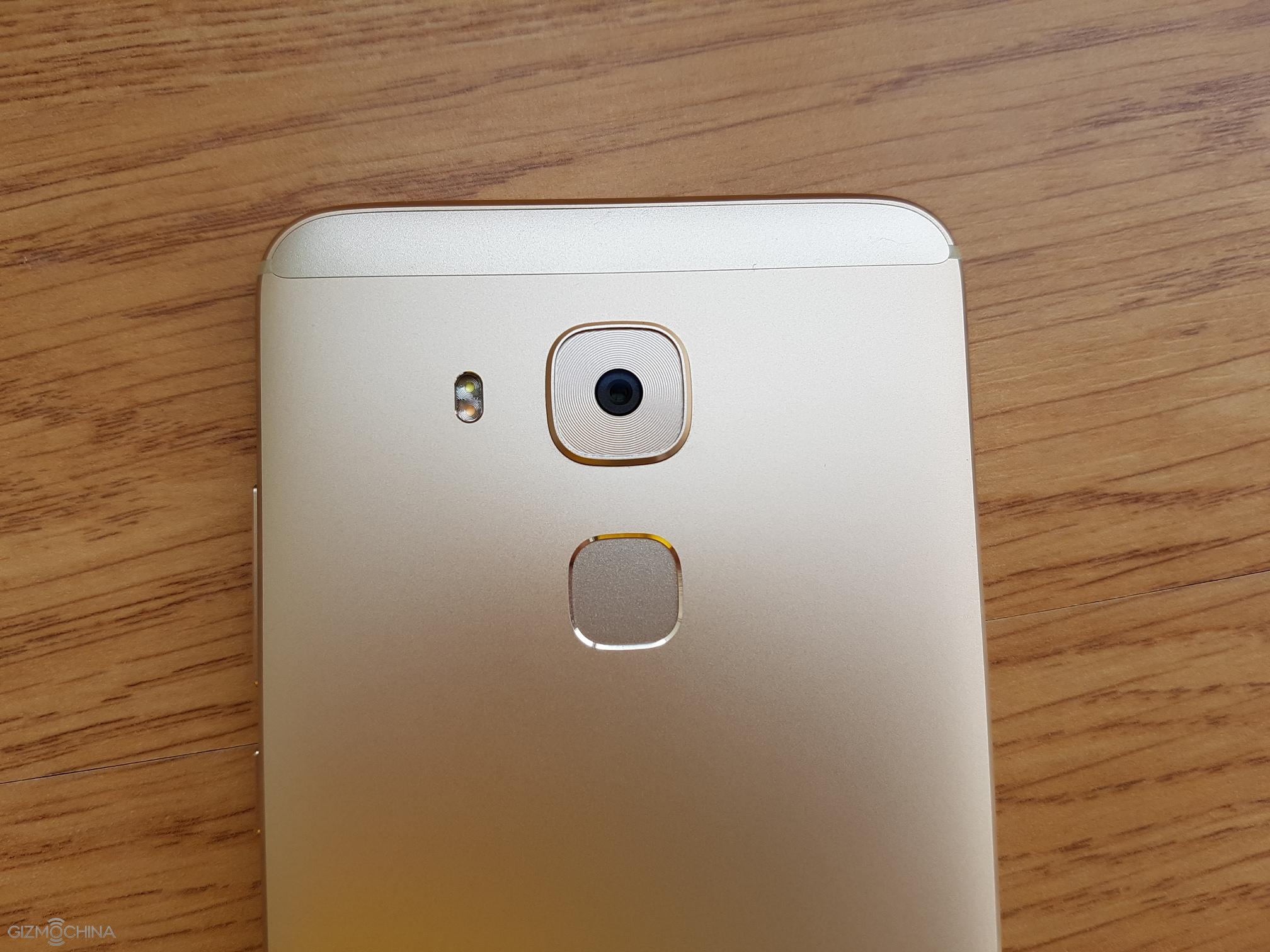
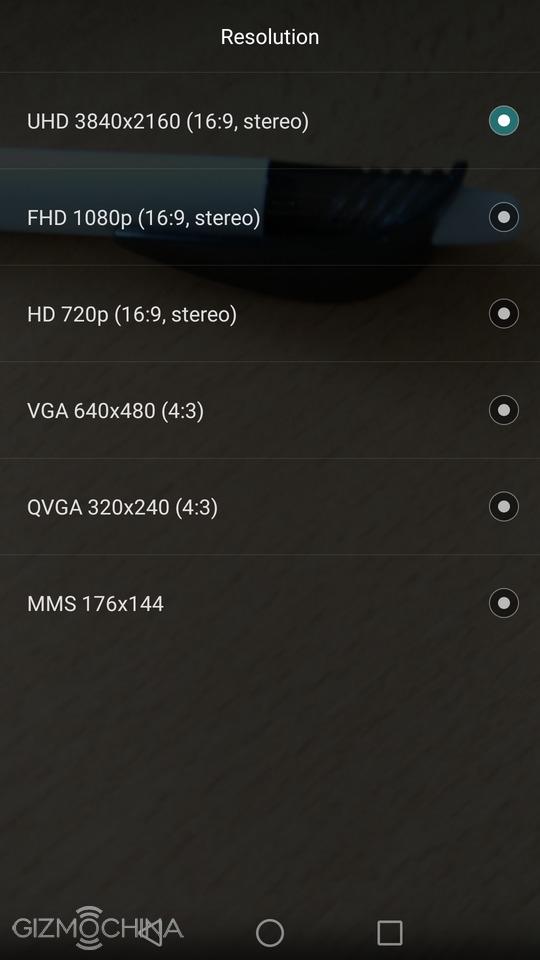
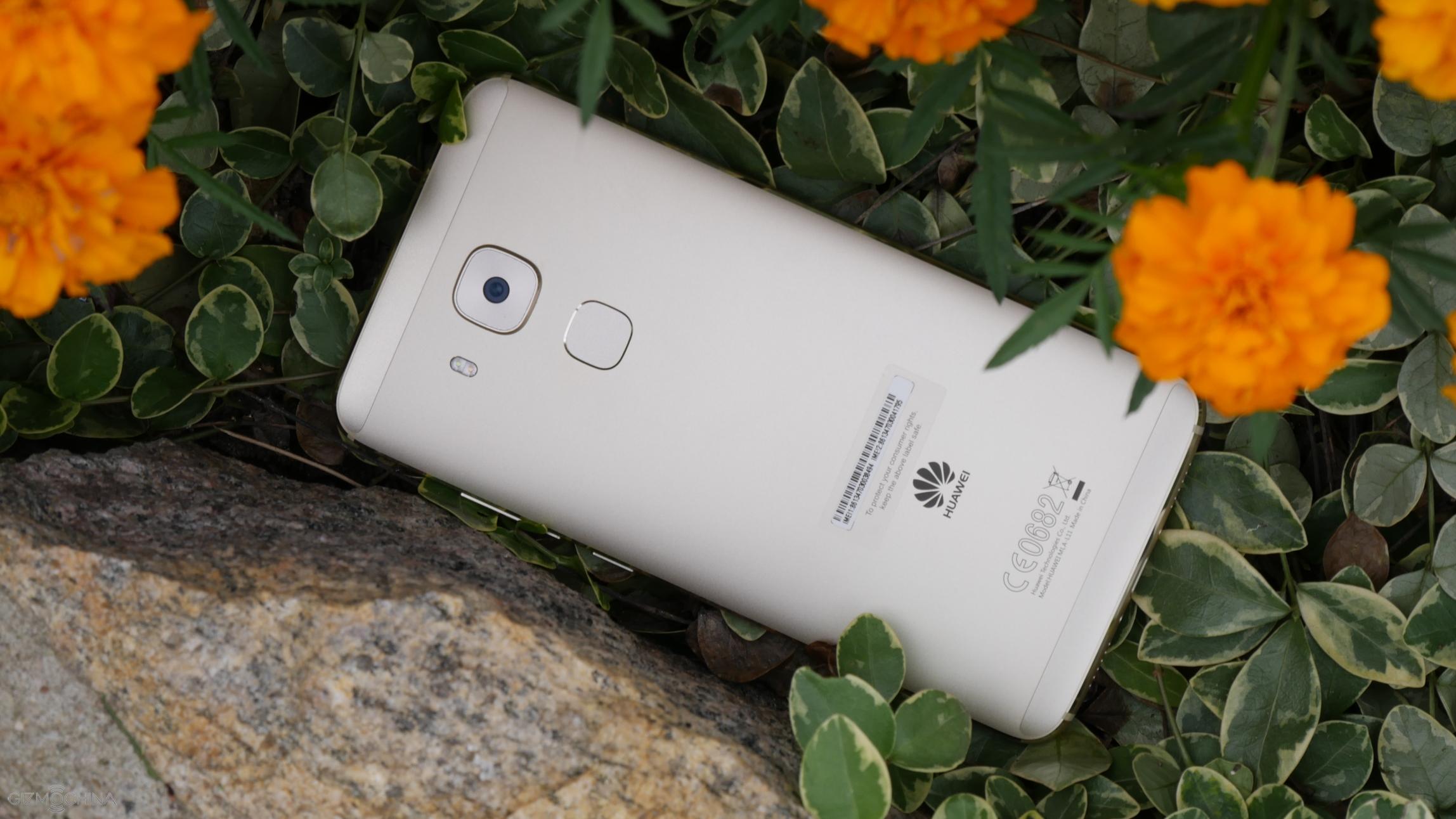
We have a 16MP camera with f/2.0 aperture, OIS, and dual-led flash. A great thing that the camera can finally shoot 4k videos.
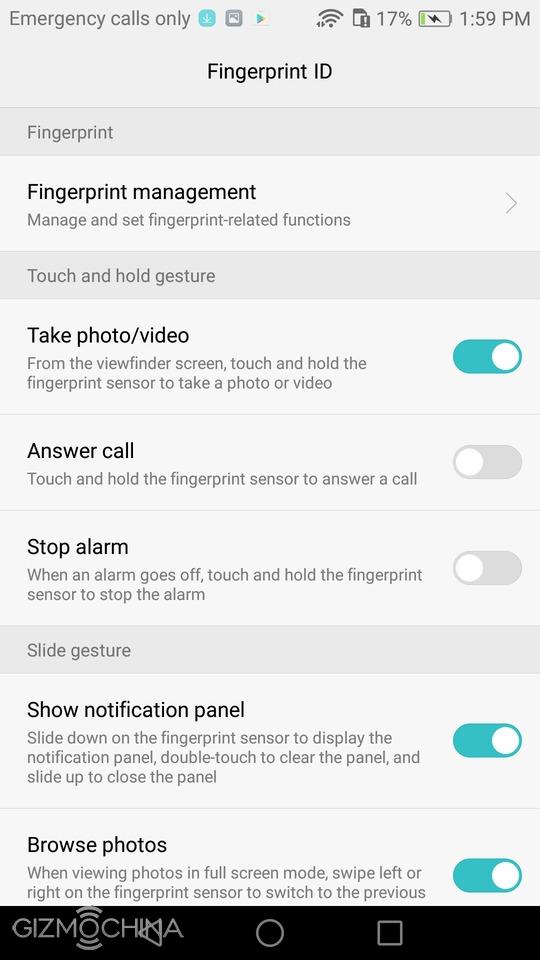
The Huawei phones have been usually great when it comes to fingerprint sensors and the Nova Plus is no exception. Also, the scanner serves as a little touchpad. My favorite features include the ability to open up the notification shade or scroll through the pictures in the gallery.
As far as selfie camera goes, we have an 8MP shooter, which sits next to the notification LED light.
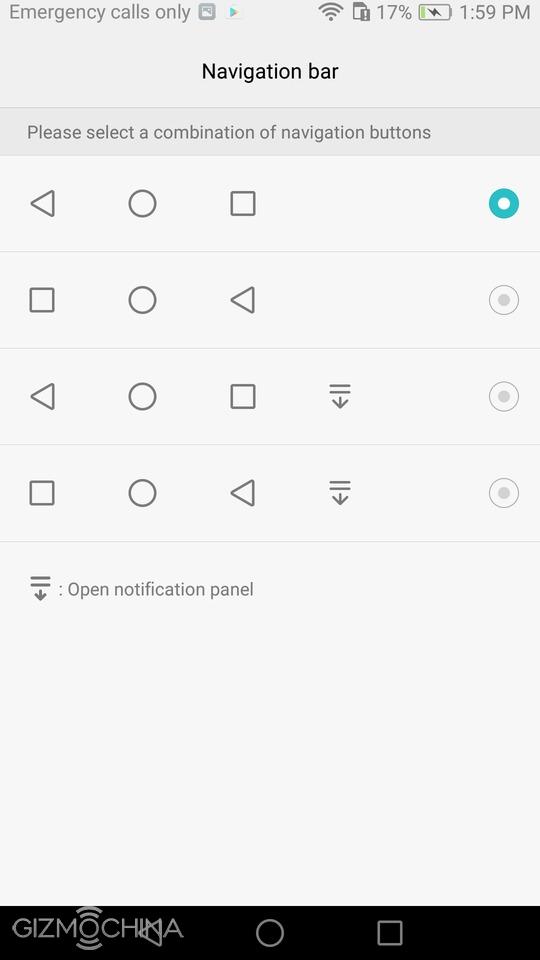
We have on-screen navigation buttons and you can switch the positions of them.
Huawei Nova Plus Review: HARDWARE and PERFORMANCE
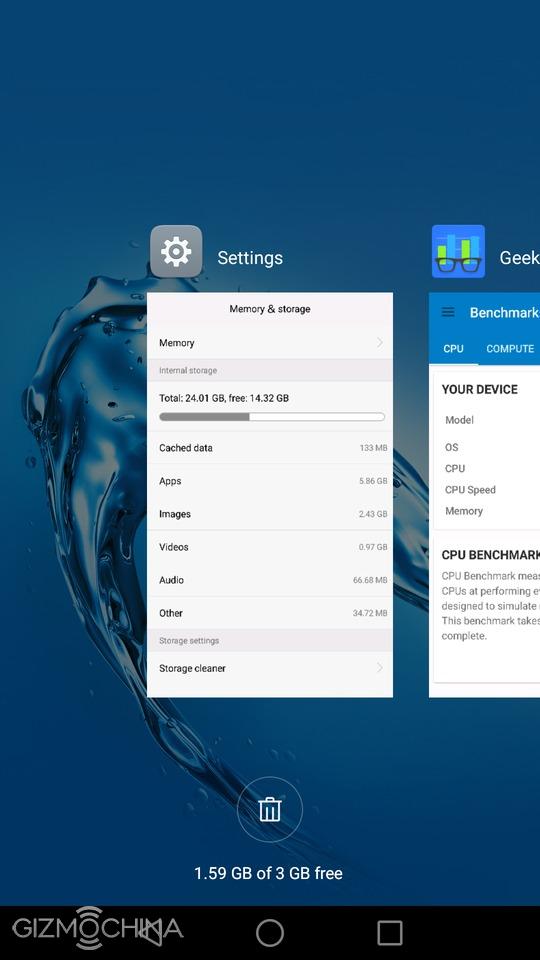
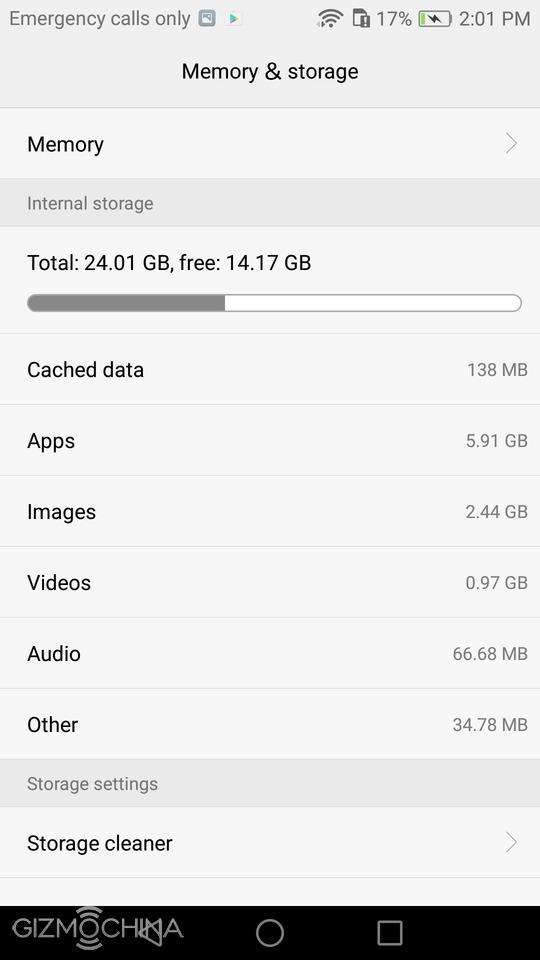
As far as specs, we are looking at the upper-midrange phone. The Nova Plus ships with an octa-core Snapdragon 625 chip with the clock speeds of 2.0GHz, 3GB of RAM and 32GB of expandable storage.
The gaming performance has been good but I’ve noticed a few skipped frames when playing Asphalt 8 on the highest graphics.
A great thing is that the phone does not have any overheating issues.
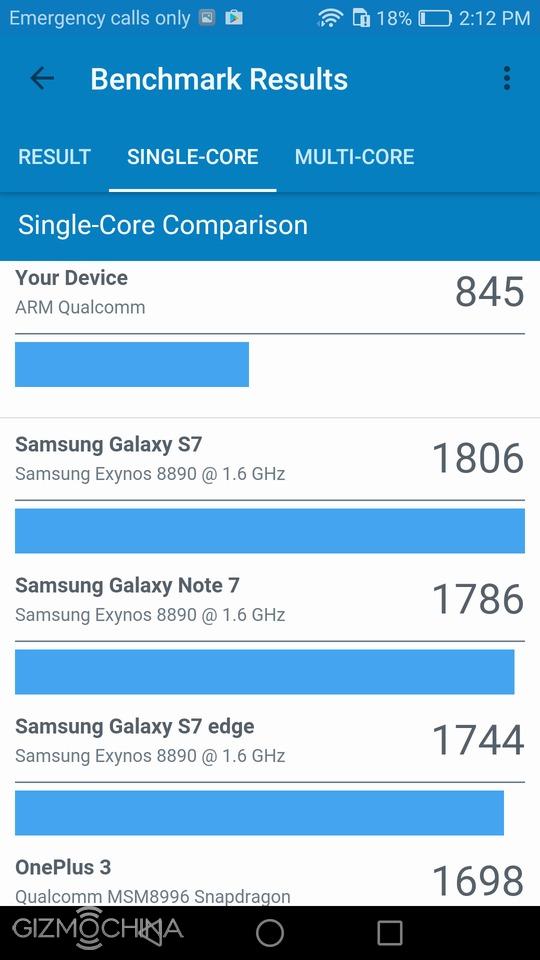
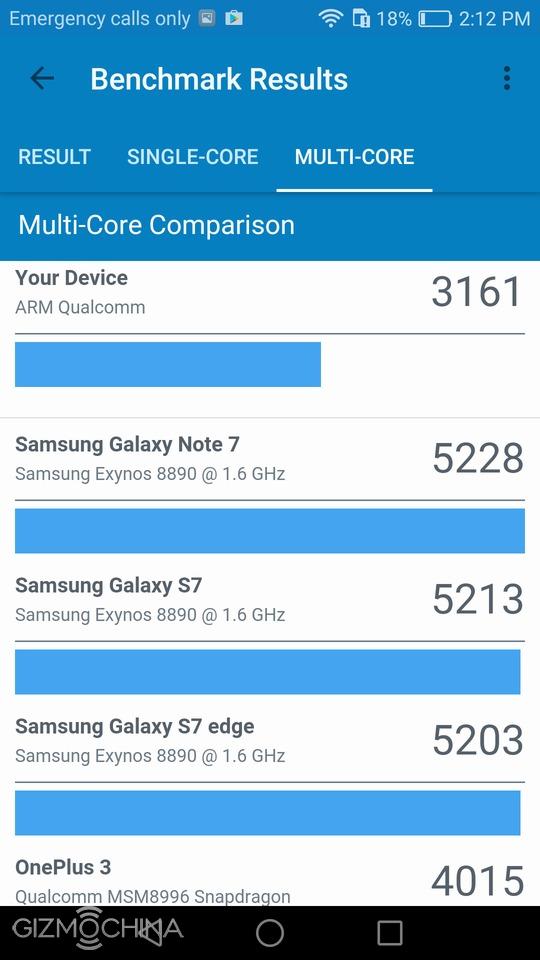
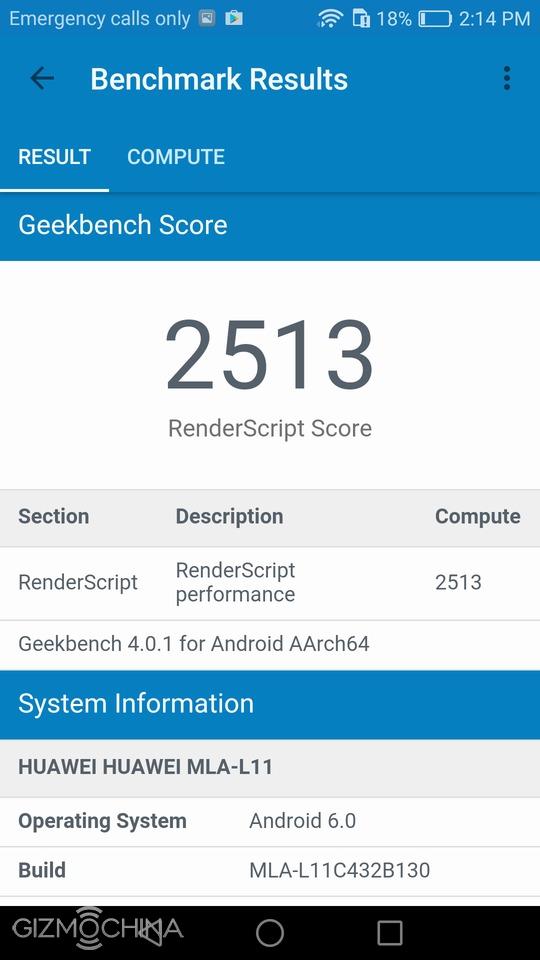
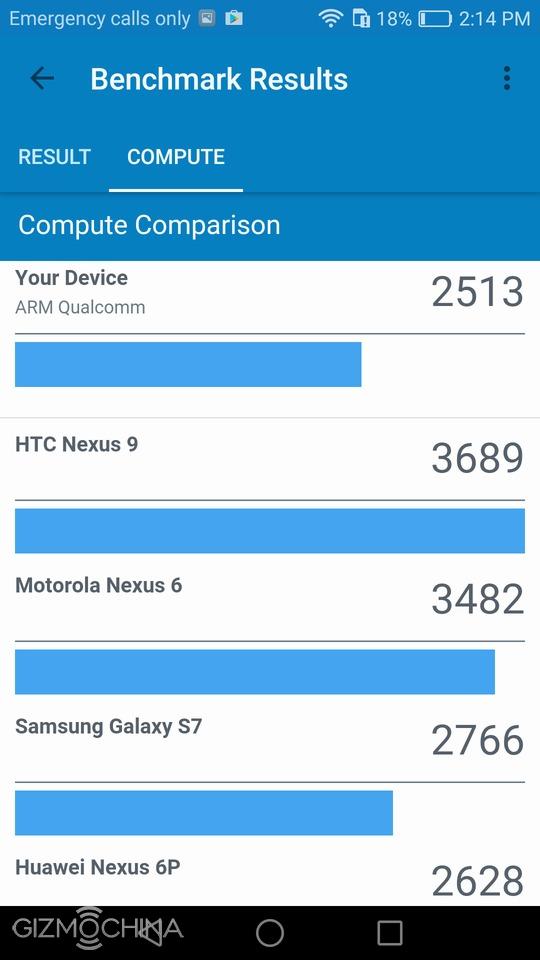
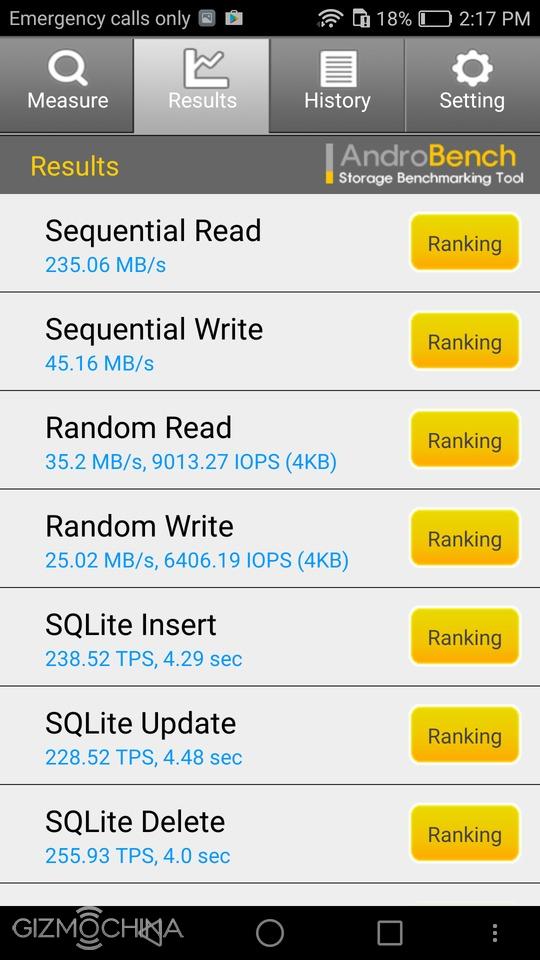
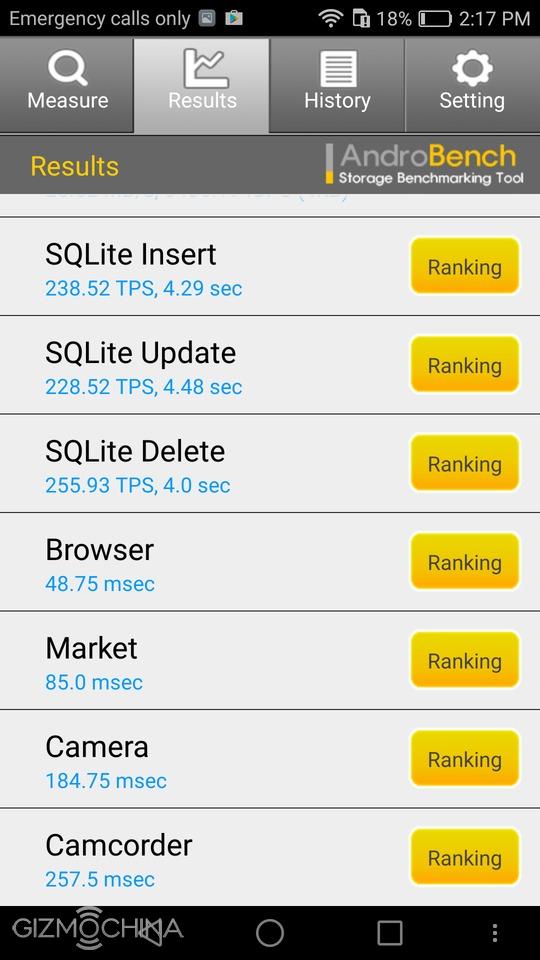
Huawei Nova Plus Review: BENCHMARKS
Huawei Nova Plus Review: USER INTERFACE
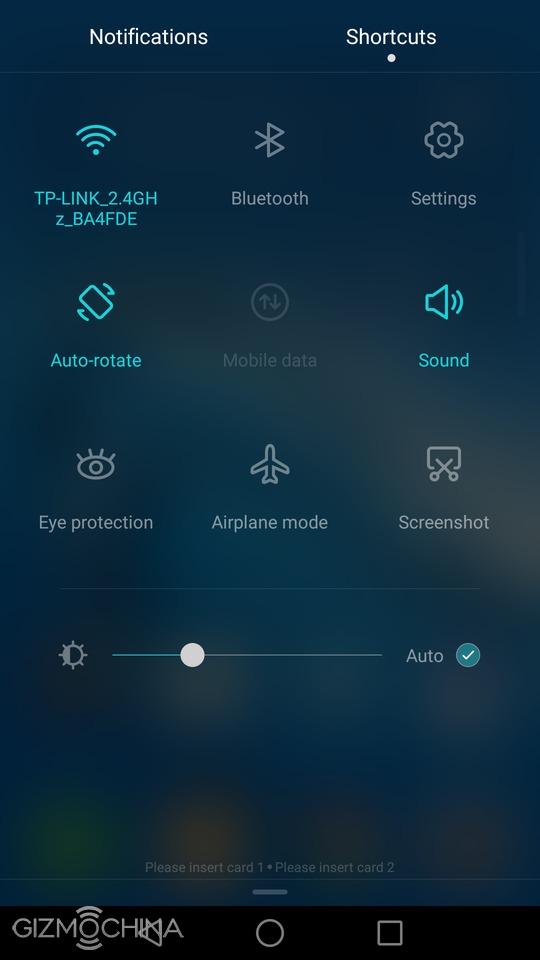
The Nova Plus ships with the EMUI 4.1, which is built on top of Android 6.0.If you have used any other Huawei phone, the user interface will look exactly the same. There is no app tray, the icons look a bit cartoonish but there are quite a few added features and customization options.
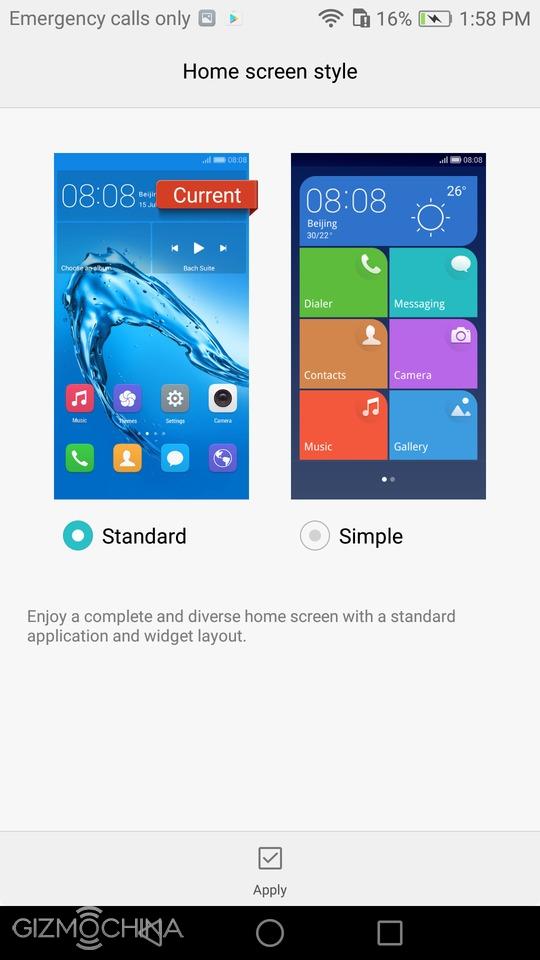
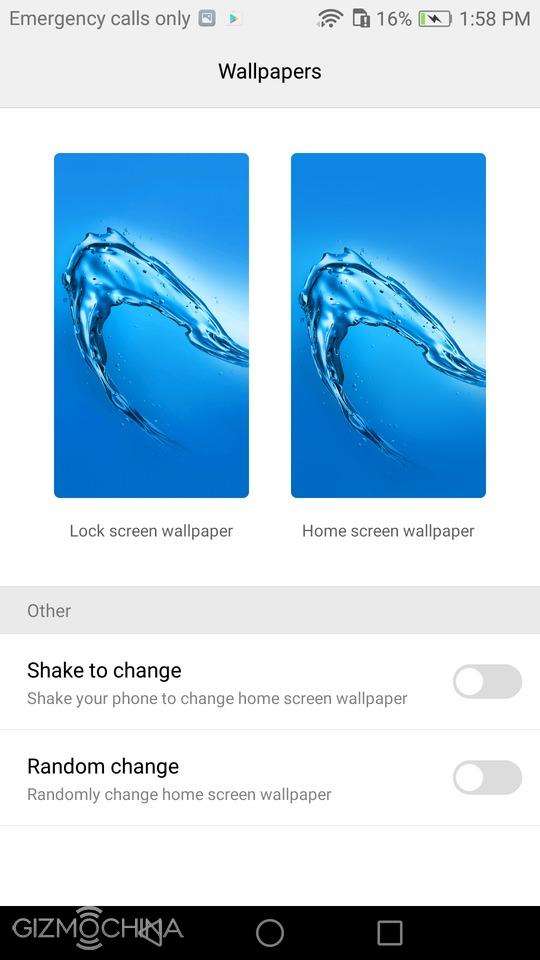
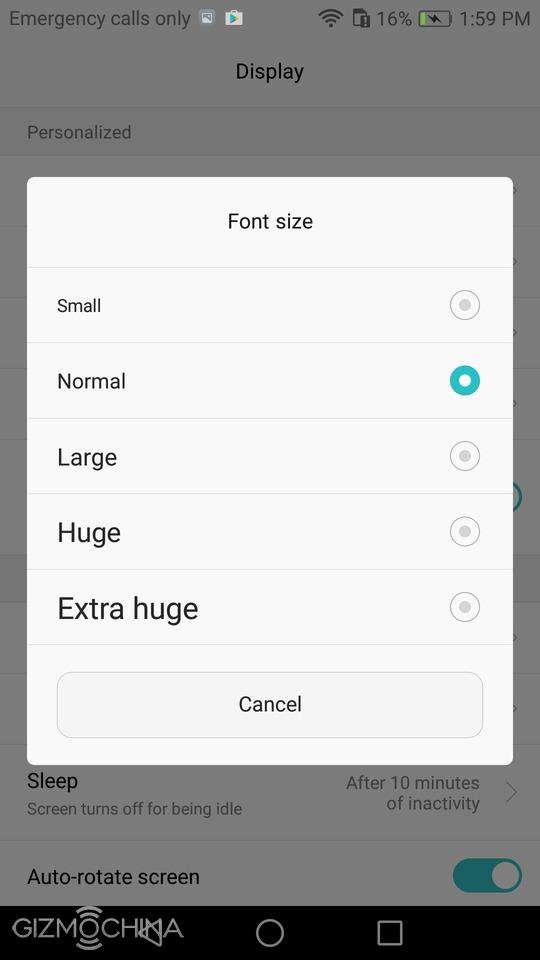
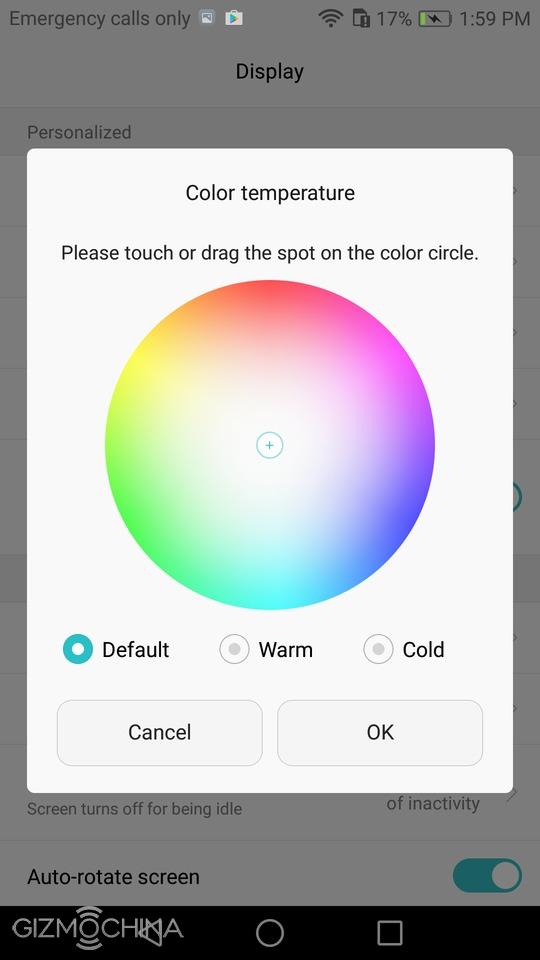
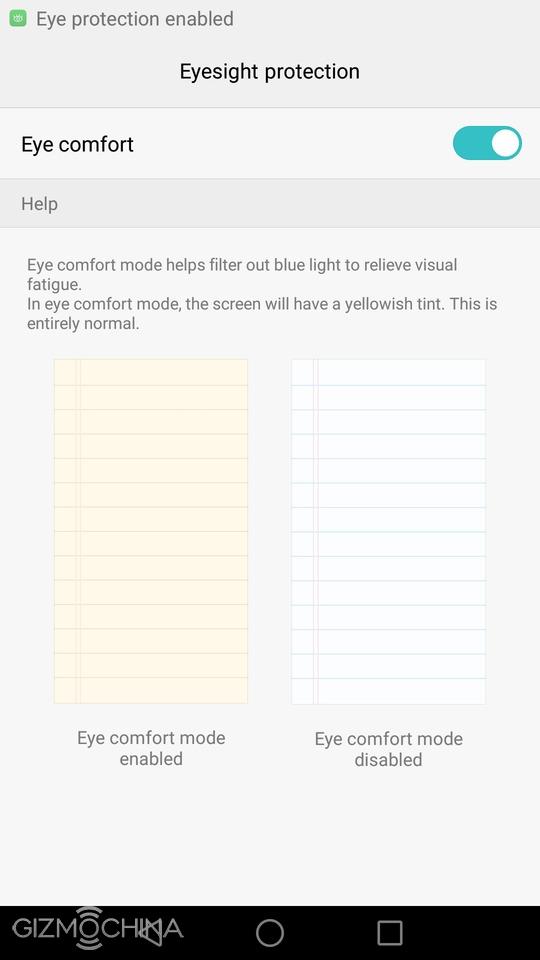
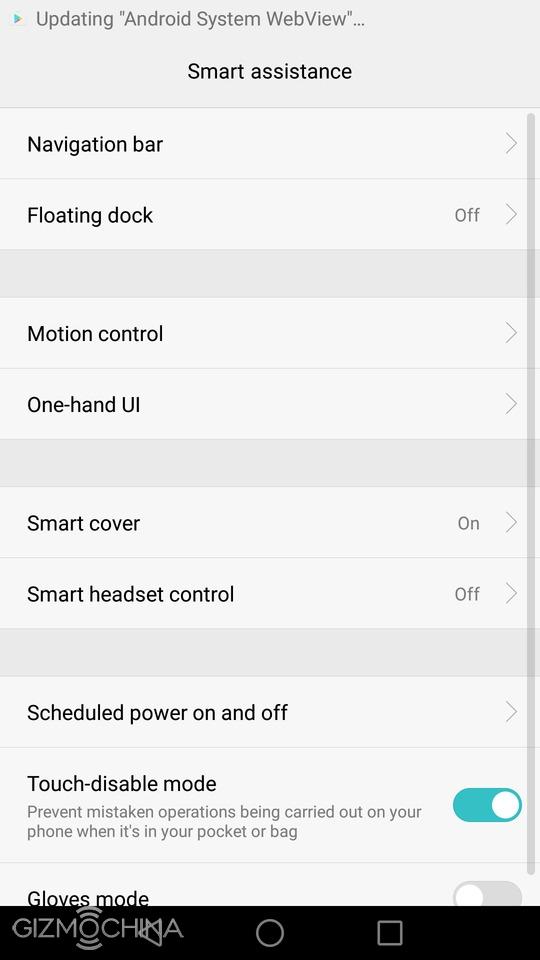
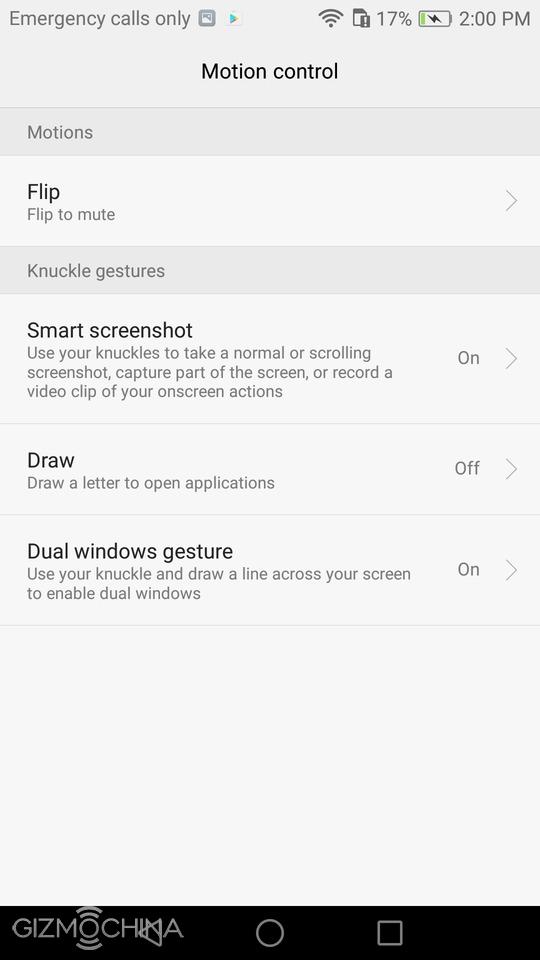
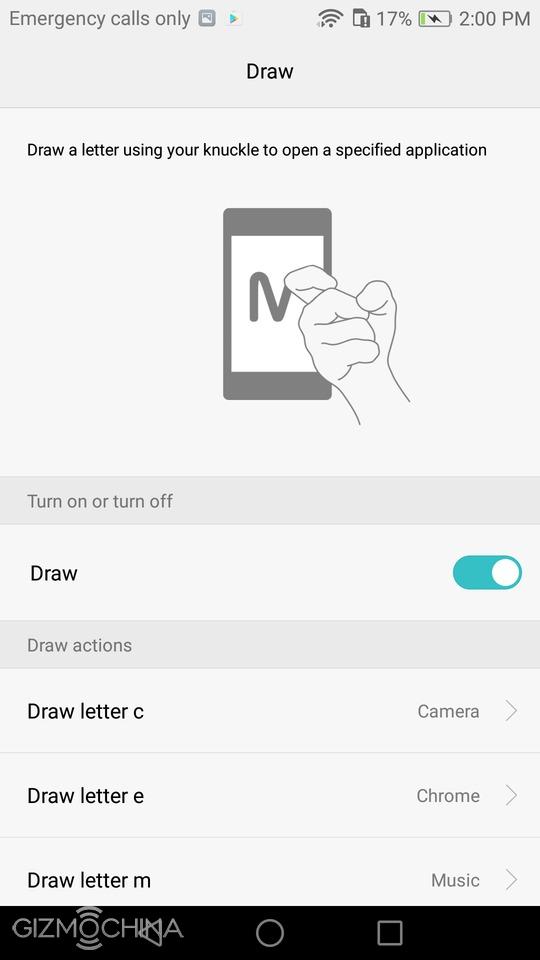
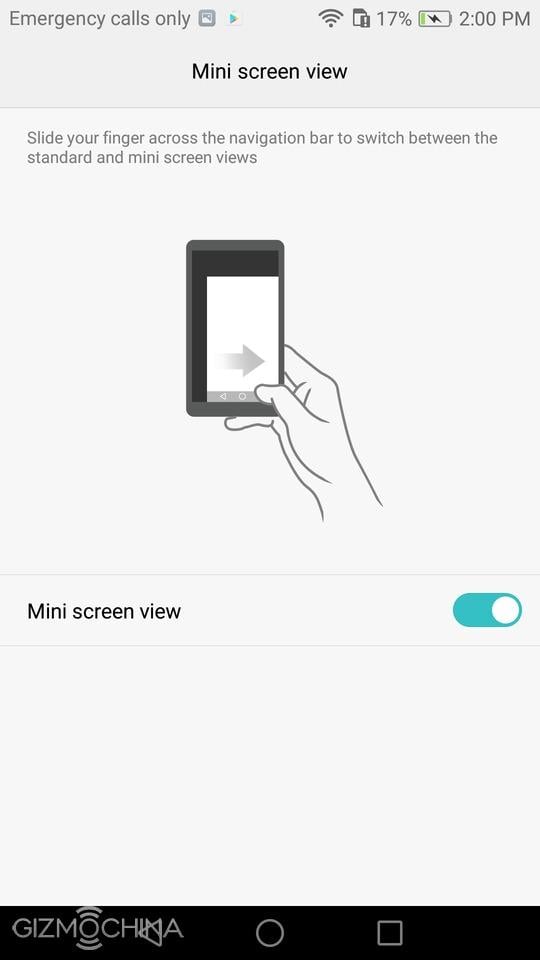
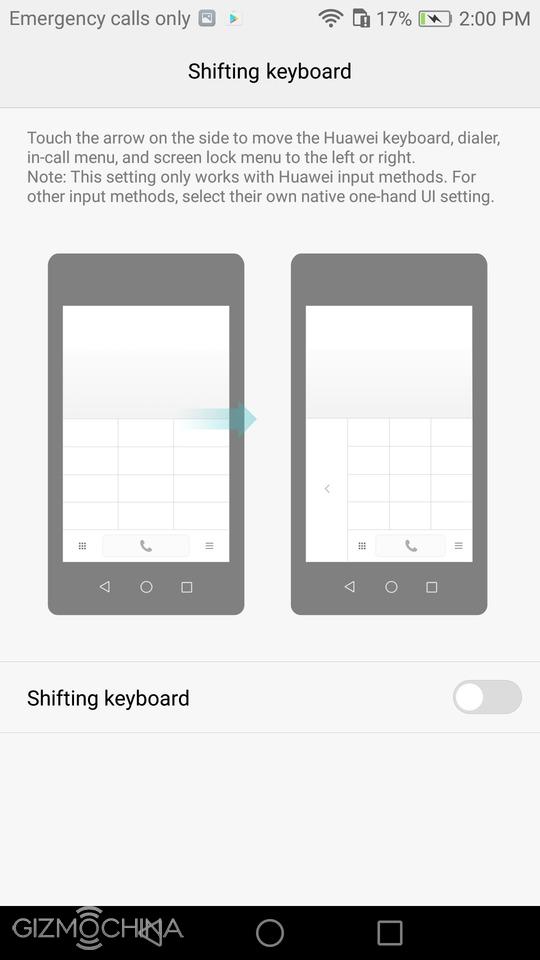
Just to name a few, you can adjust the display settings, customize the navigation bar, use your knuckle to take a screenshot, easily turn on/off a convenient one-hand operation mode or use the floating dock to quickly navigate through the menus.
There are plenty of other features, settings and tweaks, so can make the phone look your own.
Most importantly, the UI performs fine on the daily basis, the phone is very fast and I didn’t have a single hiccup in 3 weeks.
Huawei Nova Plus Review: CAMERA
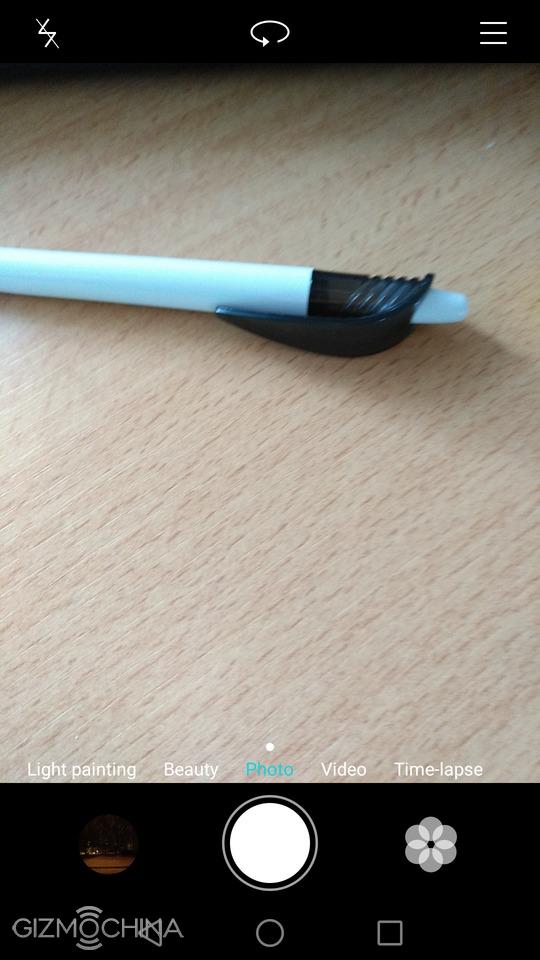
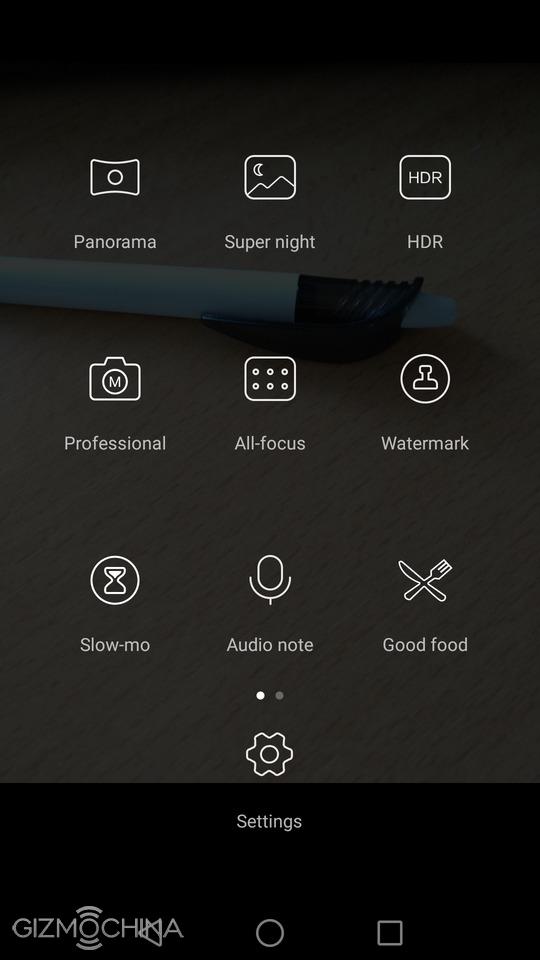
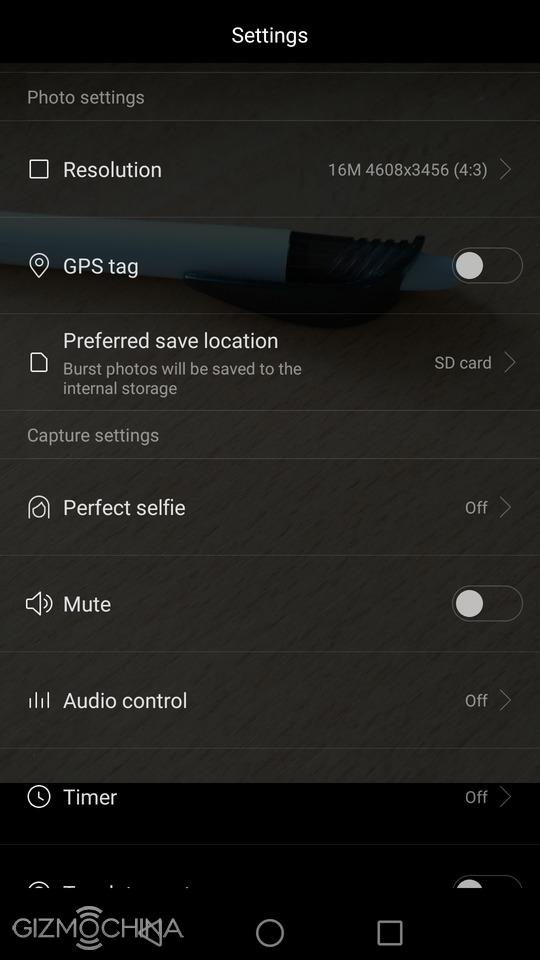
The camera app is easy to use and you can quickly switch from one mode to another. Also, there are some basic settings to play with.
Huawei Nova Plus Review: IMAGE QUALITY
When it comes to the image quality, the 16MP camera can produce some great pictures that are sharp, have lots of detail and look natural as far as color reproduction goes. Also, I’m glad how the camera handles dynamic range in some tricky situations.
As far as the low-light performance, you can also take some good-looking photos. In most cases, the camera’s software does a great job with noise reduction and there is a decent amount of detail. However, there were a few shots that had a reddish tint and there was quite a bit of noise.
The 4K video quality is great but the stabilization could work a little bit better. Besides that, the footage is sharp, detailed and the continuous auto-focus feature works very well.
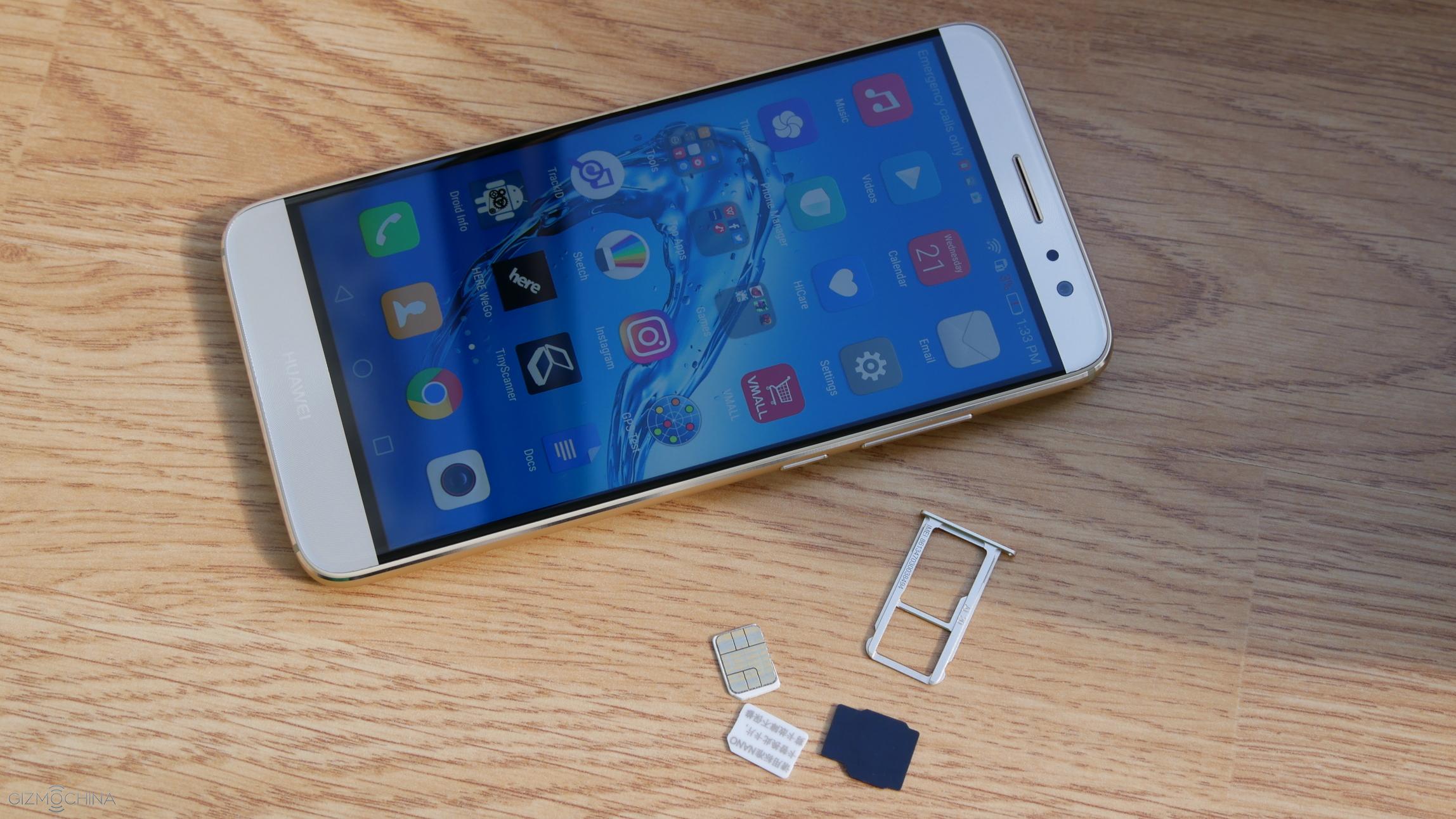
The phone comes with a hybrid dual-SIM card tray, which can take either 2 SIMs or 1 SIM and the microSD card.
The call quality, signal reception, GPS, Wifi and all other connectivity options work just fine.
Huawei Nova Plus Review: BATTERY LIFE
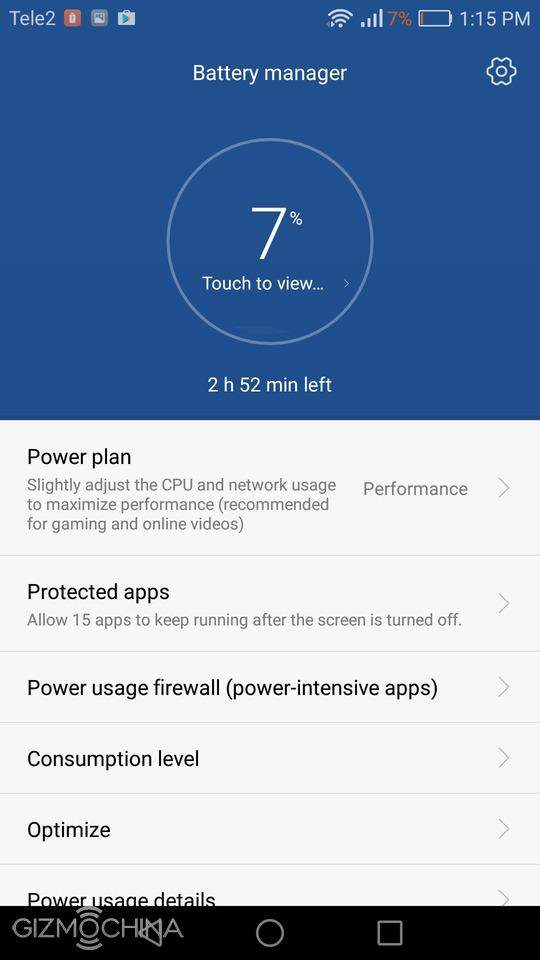
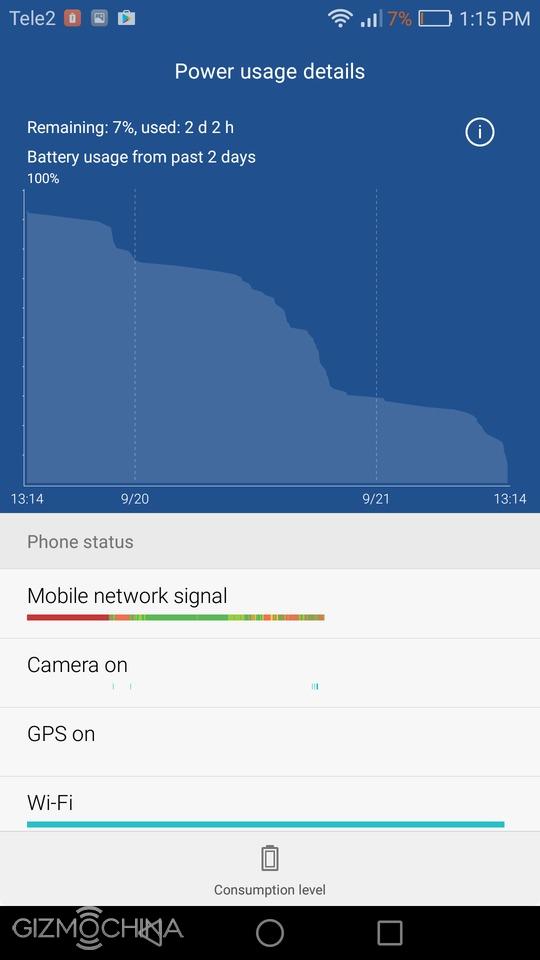
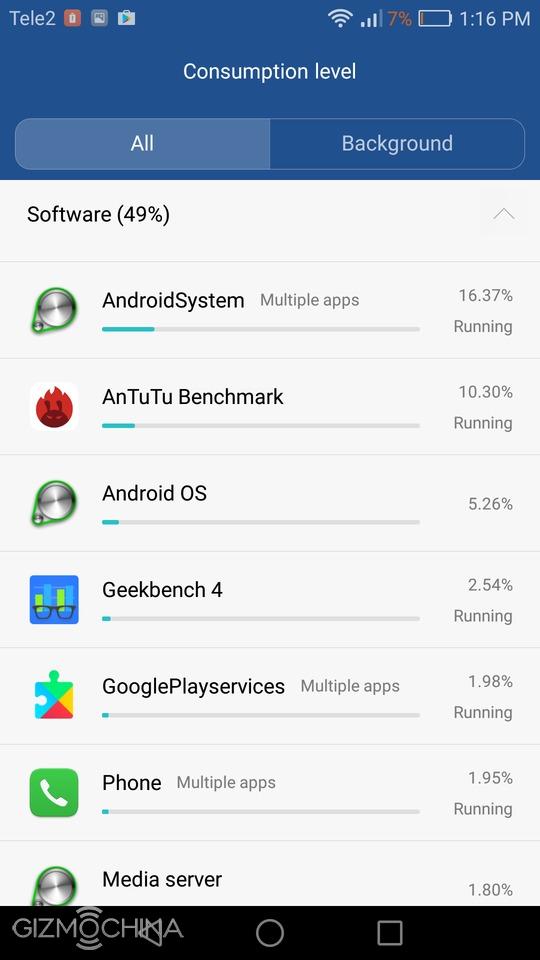
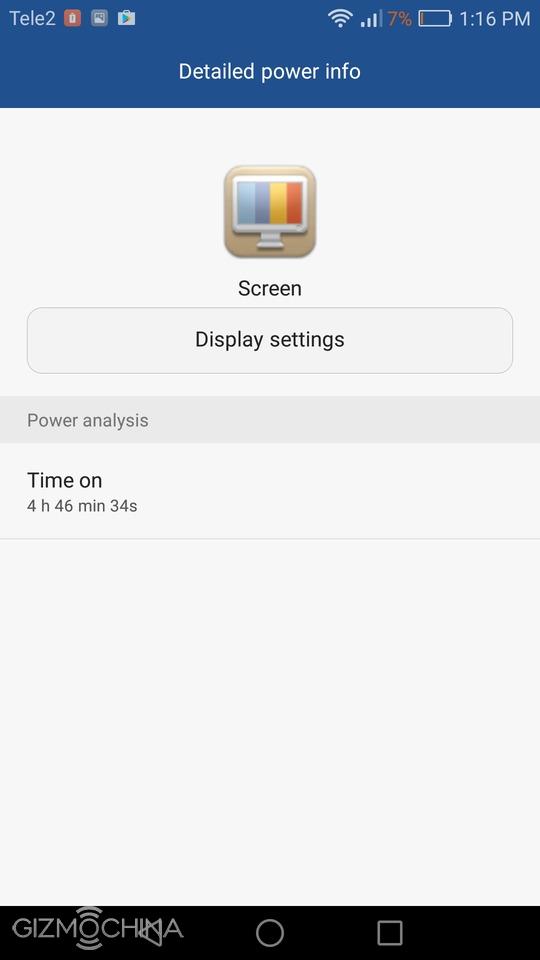
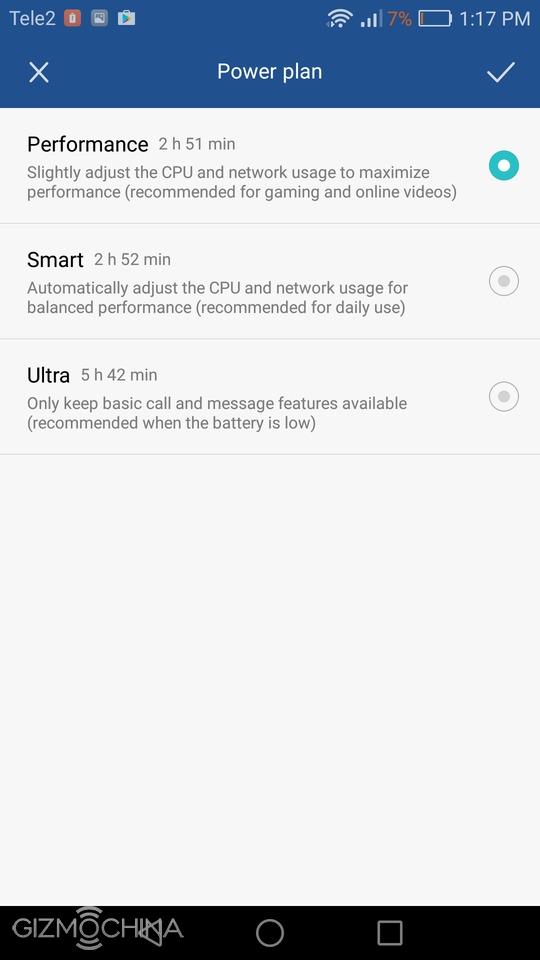
The Huawei Nova Plus ships with 3340 mAh battery, which performs great. Even though I used the phone quite intensively, I needed to re-recharge it every two days.
That translates to over 5 hours of screen-on time, which is a great result.
Huawei Nova Plus Review: CONCLUSIONS
The Huawei Nova Plus is a solid premium midrange device.
It has a great build quality, nice and sharp display, the user interface that is fast and has tons of features and great overall performance.
Also, both cameras produce nice looking images in various lighting conditions and the battery life is great.
However, the main question is if the Nova Plus is worth the price of 430 EUR. I would say no since you can get some phones that have flagship-grade specs at this price point.
On the other hand, the Huawei Nova Plus is still a very solid phone even at this price point since it is very fast and it does not have any major shortcomings… if you do not need all the sheer power that faster processors can provide.
The Huawei Nova Plus smartphone will be available to buy in over 50 countries starting from October, although the exact date is yet to be set.
This year can be termed the year of dual cameras. It’s not that the first dual camera phone was released this year. No, not at all. The HTC EVO 3D has dual cameras and was released 5 years ago. What I mean is that the technology kind of really kicked off this year with the launch of the Huawei P9, the LG G5, and the iPhone 7 Plus.
An individual who goes by the name ”@Mr Powerful” who owns the iPhone 7 Plus and the Huawei P9 decided to pit both cameras against each other to see how they fair when it comes to taking pictures. Apple is pushing out a new feature called Portrait Mode (which is is similar to Bokeh effect) to iOS 10.1 developer version and will be available later this week in public beta. It appears this person already has that update.
The highly anticipated LeEco Le Pro 3 launched yesterday and will go on sale on September 28. Reservations are already underway, so if you want one you should hurry. The phone has a 5.5” FHD display, a snapdragon 821 chip clocked at 2.35 GHz and 98% of its body is made out of premium metal.
The Le Pro 3 gets the teardown treatment which reveals the LPDDR4 RAM that comes in 4GB or 6GB variants. The main camera is a 16 megapixels Sony IMX298 sensor with dual LED flash. There’s a 4070mAh battery that should last more than a day and charges quickly if you use the 24W Quick Charge 2.0 travel charger that comes with it.
The built-in storage is a UFS 2.0 with multiple sizes allowing buyers the option to choose what’s best for them. There is a 32GB version with 4GB of RAM, a 4GB RAM/6GB RAM + 64GB ROM model, and a 6GB RAM + 128GB edition. If you ask me, I think a phone with 256GB of storage is an overkill.
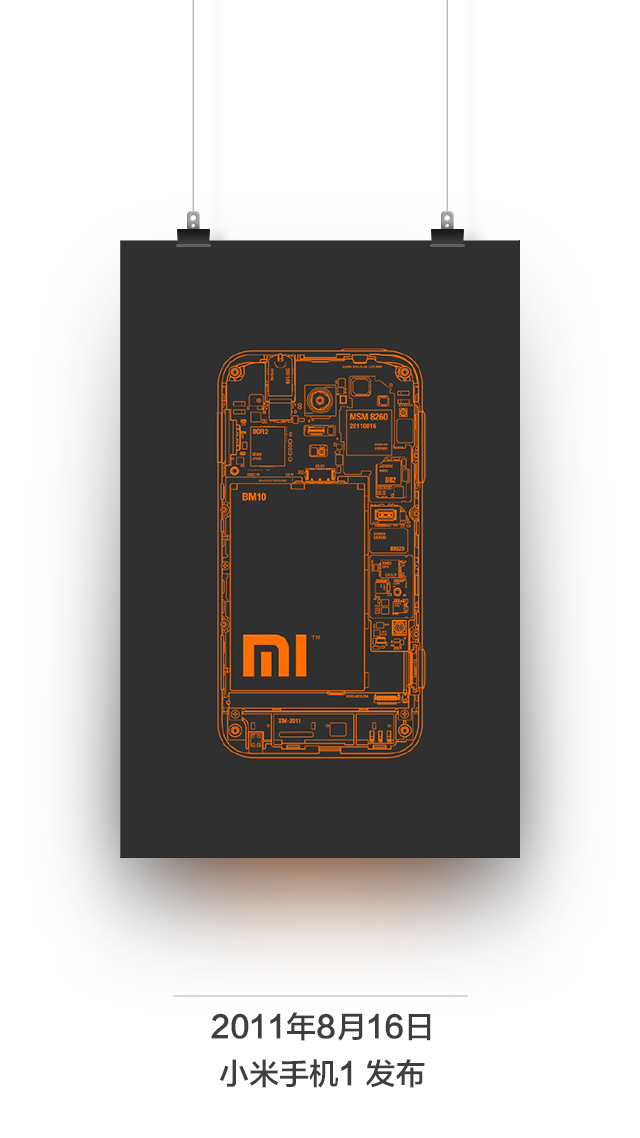
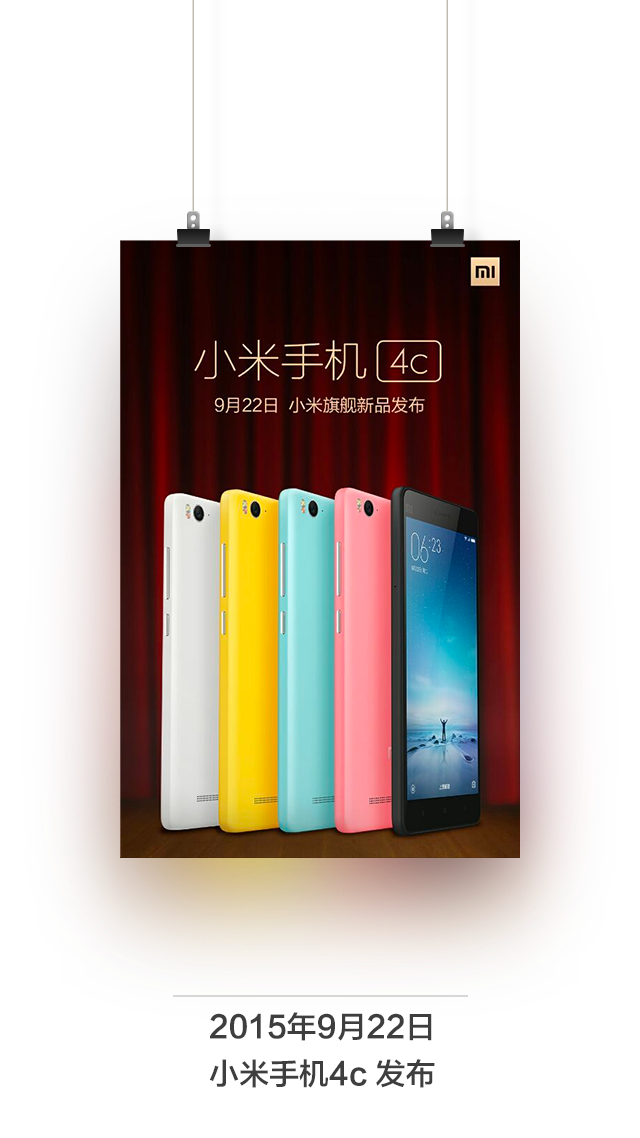
Xiaomi will be launching its next flagship on the 27th of September and today the company decided to go down memory lane by releasing the launch posters of their Mi phones, right from the Xiaomi Mi 1 up to this year’s Mi 5.
If you owned or still own any of these devices, you will connect to these pictures.
Xiaomi Mi 1/Xiaomi Phone: This phone launched with a 4” display 1GB of RAM and a Snapdragon S3 dual-core processor. The main camera is an 8MP shooter and there’s a 2MP camera for selfies. Back when it launched, Xiaomi sold it for 1999 Yuan and touted it as the phone capable of taking on the iPhone 4 and Samsung’s Galaxy S2.
Xiaomi Mi 2: The Mi 2 was the major successor to the Mi Phone. It launched with a larger screen and a quad-core processor. It also doubled the RAM to 2GB. The company launched an upgraded version called the Mi 2s the following year which had a higher clock speed and a 13MP camera.
Xiaomi Mi 3: This 5” device was a massive upgrade over its predecessors. Full HD display, Snapdragon 800 quad-core chip clocked at 2.3GHz, a 13MP camera with dual LED flash and a 3050mAh battery.
Xiaomi Mi 4: One complaint people had with the Mi 3 was the lack of LTE. The Mi 4 fixed that. It also launched with 3GB of RAM and a 2.5GHz Snapdragon 801 chip. The Mi 4 also got refreshed in 2015 with the Mi 4C which has a Snapdragon 808 processor and a USB-Type C port; a made for India Mi 4i with 2GB of RAM and a Snapdragon 615 processor; and a 2016 version called the Mi 4s that doubles the storage of the 3GB Mi 4c from 32GB to 64GB and has an expandable storage.
Xiaomi Mi Note: The Mi Note launched in January 2015. It features a SD 801 chip, a 5.7” display, a 13MP camera that can shoot 4K, and a 4MP front facing camera that can record 1080p videos. A slightly upgraded version called the Mi Note Pro launched with a SD 810 processor, a Quad HD display, and 4GB of RAM. A successor, the Mi Note 2 is said to be in the works and should launch later this year.
The other devices (the Mi 5 and Mi Max) need no introduction as they should still be fresh in our memories since they launched this year.
LeEco’s latest Le Pro 3 flagship is yet to hit the market but is already proving to be a popular one among fans as the Chinese tech company has hinted that online reservations for the smartphone has exceeded 3.57 million in just 24 hours after it started accepting reservations for the device.
It is not certain, though, that when the actual sales of the device begins all 3.57 million persons will end up buying, but it shows the level of interest in the cheaply priced flagship smartphone. For those that are unaware, smartphones are sold in China via flash sales which are usually preceded by reservations or expression of interests in the device. Thereafter the phones are sold by intermittent flash sales. In this case, the Le Pro 3 will go on flash sales on September 28th by 10 am in China and just 500,000 units will be up for grabs for the first flash sales.
LeEco went official with the Le Pro 3 yesterday in a conference held in China with the device priding itself as one of the early birds to get the Snapdragon 821 chipset announced by Qualcomm recently. The 5.5-inch device sports a 16MP sensor at the rear featuring 0.1s PDAF, Increased Sharpness, Intelligent Beauty Mode, Gender Recognition and more, while up front, there is an 8MP shooter.
In addition, the Le Pro 3 comes in four memory variants (UFS 2.0) but unfortunately, there is no 8GB RAM model as previously rumored. There is a 4GB RAM + 32GB ROM version, a second with 4GB RAM + 64GB ROM, a higher 6GB RAM + 64GB ROM version and then a top-most version with 6GB RAM + 128GB ROM.
As for the price, the base model with 4GB RAM + 32GB ROM starts at just 1799 Yuan ($270) while the 6GB RAM and 64GB ROM model carries a price tag of 1999 Yuan ($300). On the other hand, the version with 4GB RAM + 64GB ROM starts at 2499 Yuan ($375) while that with 6GB RAM + 128GB ROM starts at 2999 Yuan ($450). The last two versions carry higher price tags because they are special editions which come with LeEco’s content services and lots more.
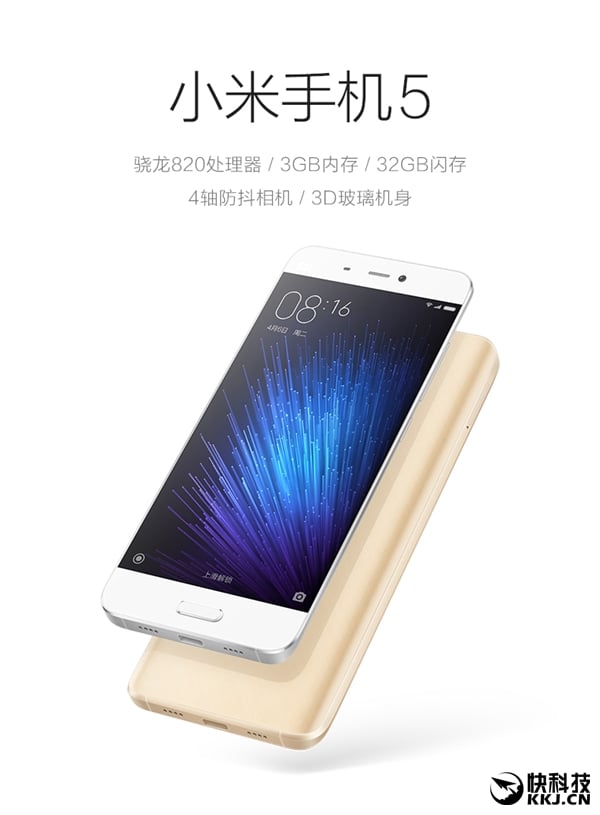
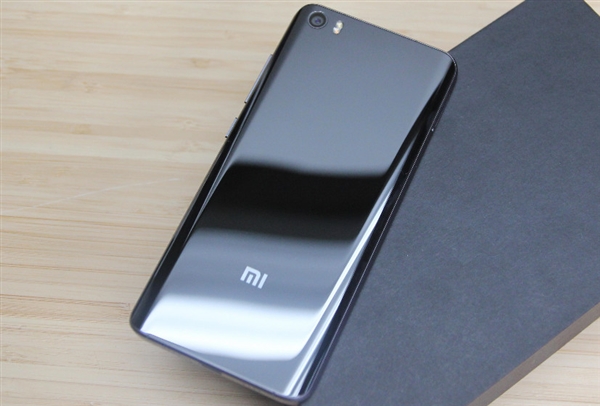
Xiaomi Mi 5 will soon get a worthy successor in the expected Mi 5S and retailers are apparently catching in on that to clear their Mi 5 stock before the arrival of the Mi 5S which is speculated to launch on September 27 with SD 821 chip.
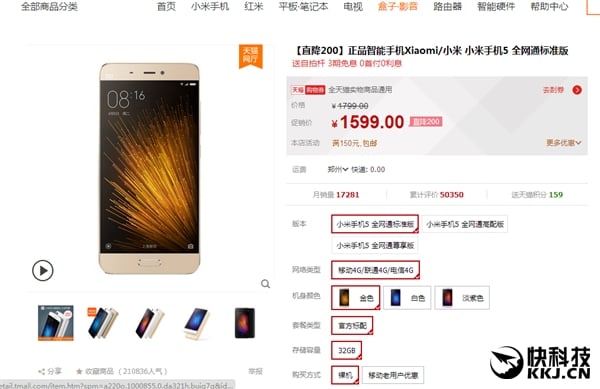
The Snapdragon 820-powered Xiaomi Mi 5 has seen its price reduced to 1599 Yuan ($240) on Lynx official flagship store in China. This is down from the initial price of 1799 Yuan ($270), representing 200 Yuan off. This price reduction seem to only affect the purple and gold colored standard edition of the Mi 5 with entire network support, as other variants still retain their initial price tag.
For the avoidance of doubt, the standard edition of the Mi 5 comes equipped with a 1.8GHz Snapdragon 820 chipset along with Adreno 530 GPU, 3GB of RAM and 64GB of internal storage. The Xiaomi Mi 5 specs also include a 4GB RAM variant, 16MP main camera with Phase Detection Auto Focus, a 4MP secondary camera and a 3000mAh battery equipped with Quick Charge 3.0.
Xiaomi’s crowdfunding platform has got a new product and it may surprise you to know it is a multifunction pillow. The poster teasing the product launch was quite confusing like the functions of the product but it has dropped to clear any confusion. Tagged 8H Multifunction Pillow U1, the product carries a fairly modest price of 79 Yuan ($12).
I know you are itching to get the functions of this one and perhaps get on to other thing. Well, the 8H Multifunction Pillow U1 is suitable for use during office lunch break, as a travel companion, and also suitable for the home and a variety of leisure time.
The pillow isn’t anything like the regular pillow in design but comes at just 64cm and a diameter of 16.5cm, just enough for it to go round the neck. The 8H Multifunction pillow contains latex particles fillings inside which are soft, highly elastic, breathable, comfortable, and depending on the usage scenarios, the latex particles can assume the shape of the neck, hands, waist, leg and anywhere it is placed, to provide a comfortable support.
The outer surface of the pillow which acts like the pillow case contains Tianzhu cotton which provides a soft, well textured surface that even feels like a lover’s skin. Also, washing the pillow isn’t going to be a problem, there are polygiene silver ion antimicrobial agent which inhibits growth of bacteria and fungi and also suppresses odor.
The 8H Multifunction Pillow U1 will come in two color options mixed gray and biege but prresently, only one color will be available and the pillows have a 2-year shelf life. The 79 yuan ($12) crowdfunded product is expected to start shipping from October 20.
Xiaomi will release a new flagship device, called the Xiaomi Mi 5S on September 27. As we near the release date of the flagship, like tradition, the company has started teasing some of the features of the device. And what better way to promote the Mi 5S, than with its AnTuTu performance scores.
The company released a new teaser today which comes with the number 164,119. It takes very little time to imply that this is the AnTuTu score of the Xiaomi Mi 5S and it’s actually not very surprising given that Snapdragon 821 chip generally scores around this figure. Remember what Le Pro 3 scored? Just above 163K points. We already saw a leaked Mi 5S AnTuTu score screenshot yesterday and even that was above 164K.
However, the teaser doesn’t just focus on its top notch performance. It further asks, “What new high-end technology Xiaomi __S has in addition to performance” indicating that we can expect a lot more on the upcoming device. There are two new technologies that we can expect on the Xiaomi Mi 5S, first being 3D Touch and the second being Qualcomm’s Under Glass Ultrasonic Fingerprint sensor.
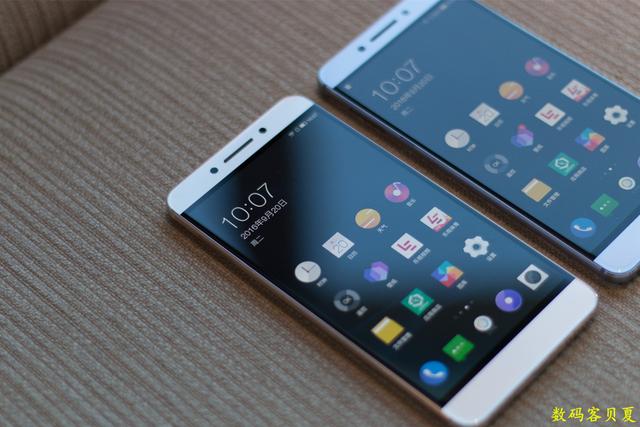
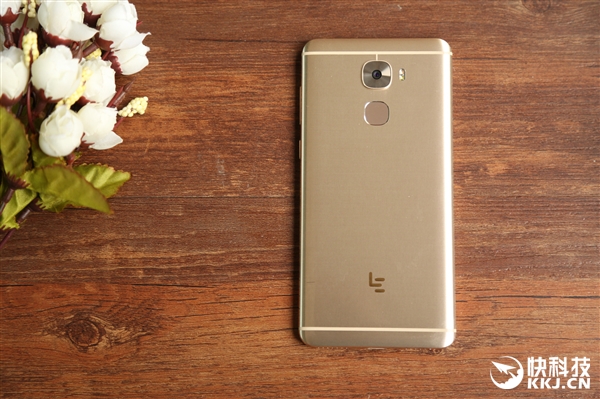
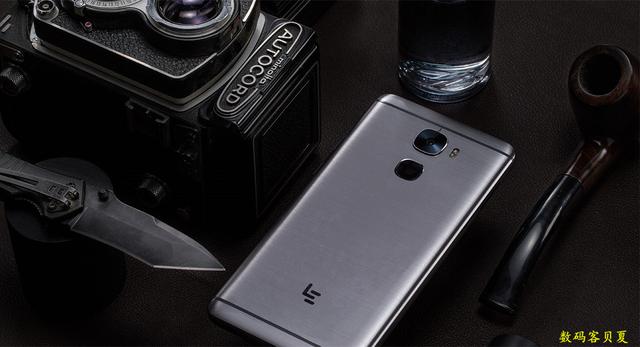
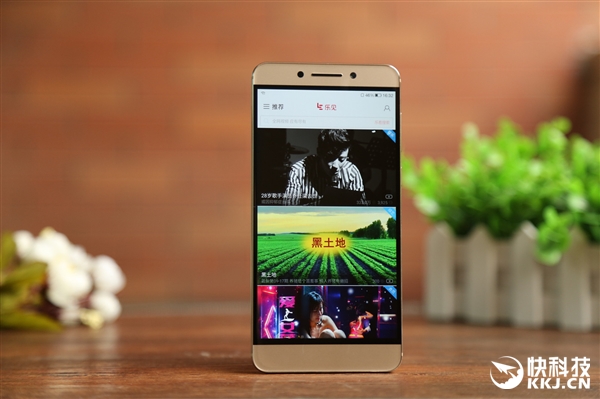
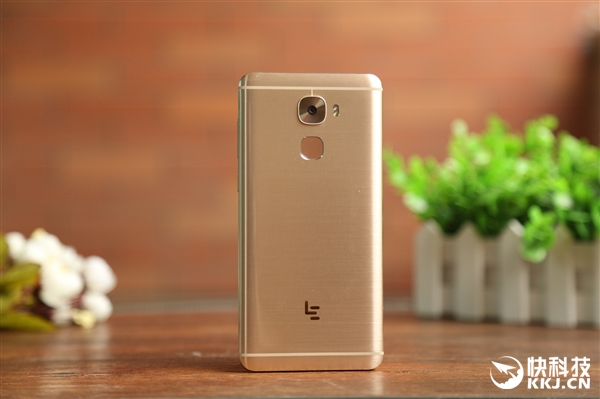
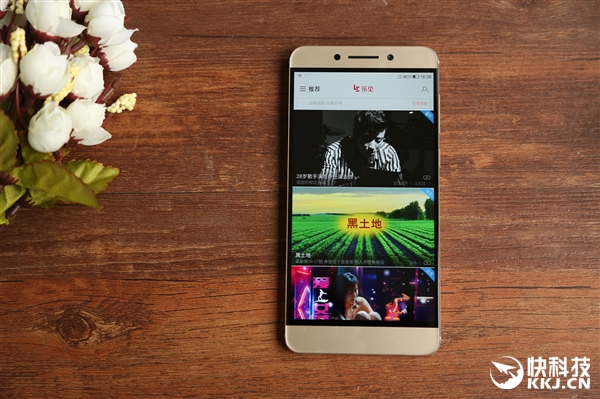
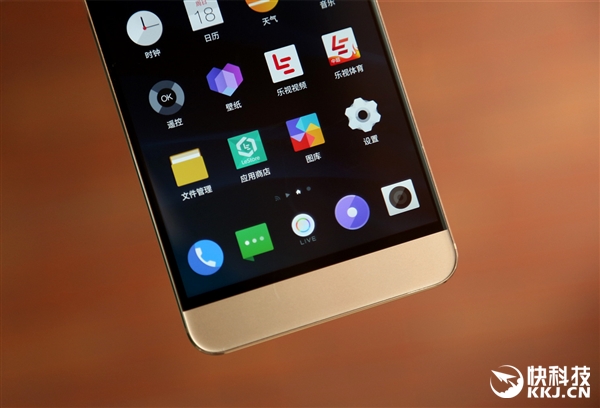
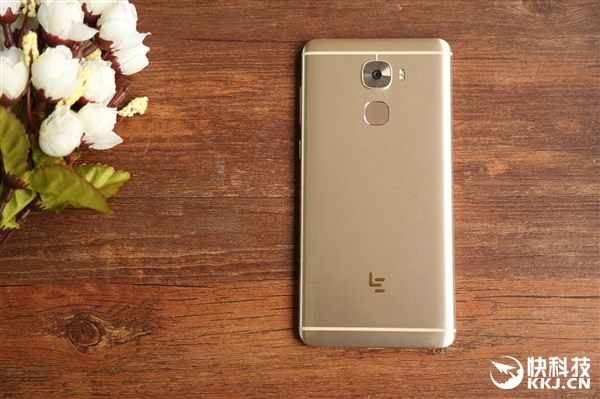
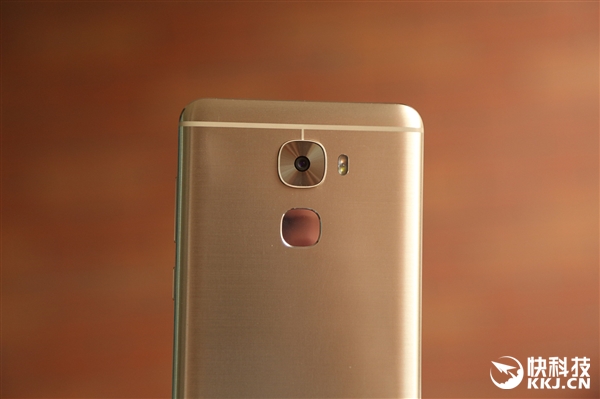
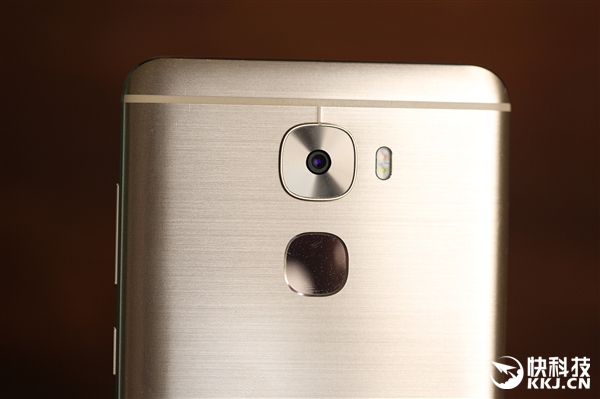
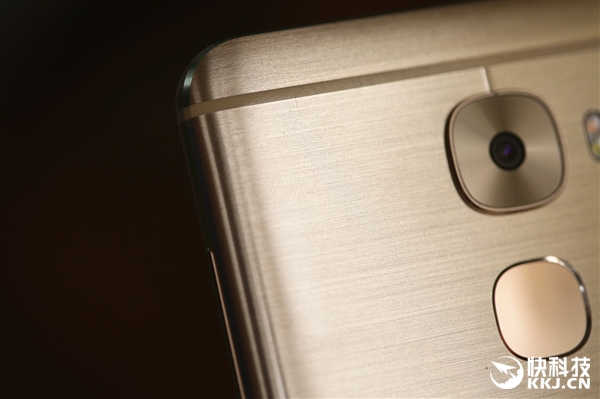
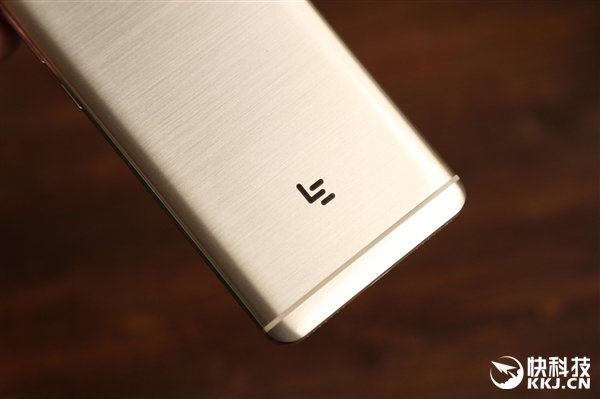
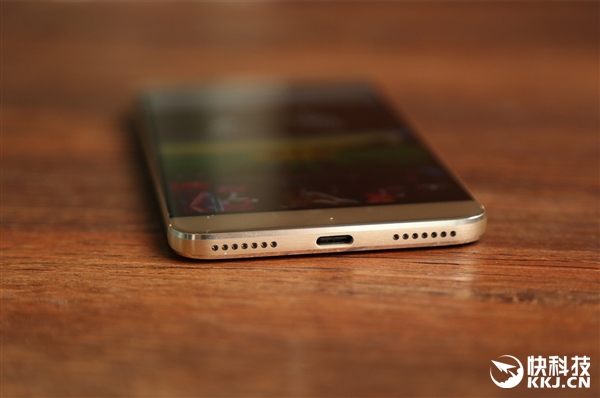
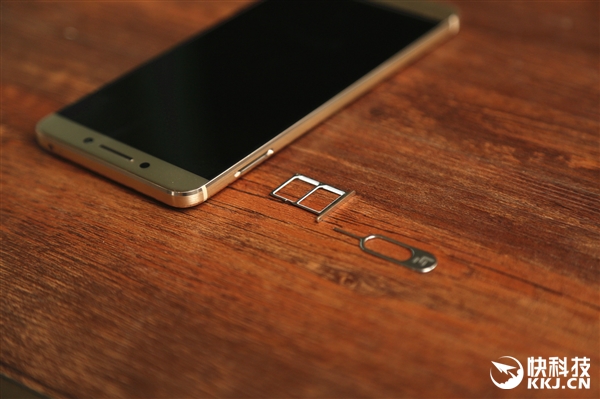
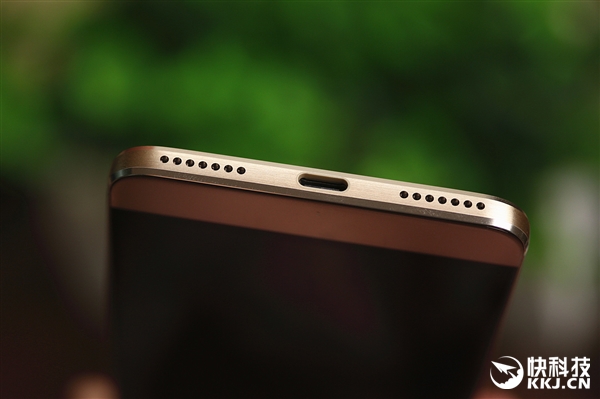
LeEco just released the Le Pro 3 flagship and it turned out to be a powerful smartphone. The phone comes with the mighty Snapdragon 821 quad-core chipset, which is 10% faster than the already powerful SD820 along with 4GB / 6GB RAM options. Looks wise, the phone follows the traditional LeEco design philosophy, coming with a thin 7.5mm body which accounts for 98% metal. The back features a premium brushed metal finish and the phone has to go through 36 complex processes along with CNC machining to get to the final product.
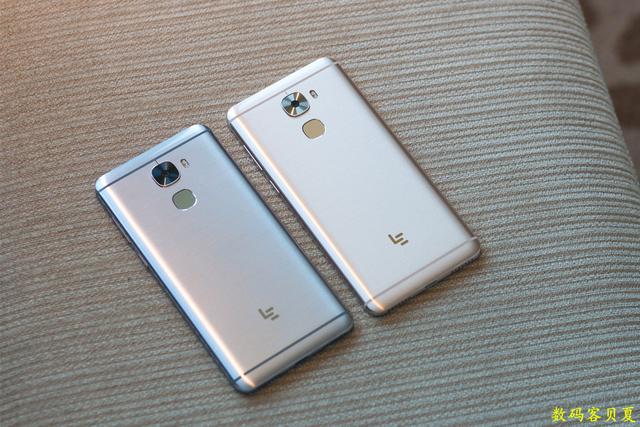
Lucky for us, there are four color options available for the device, gold, rose gold, gray and silver. Apart from the powerful internals, the phone also features a powerful camera, sporting the Sony IMX298 sensor at the back with 16MP, 6P lens, f/2.0 aperture, sapphire lens, PDAF, HDR etc. The company has reportedly worked a lot on the night shooting mode on the device and the inbuilt algorithm is said to improve brightness, details and suppress noise.
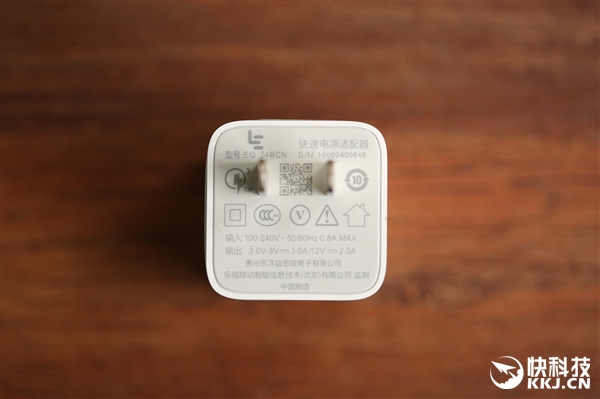
The battery inside is pretty big, measuring 4070mAh and with 24W QC 3.0, it charges up to 50% in just half an hour. You can read more about the device from our launch article, or check out the pricing of the four variants from here.
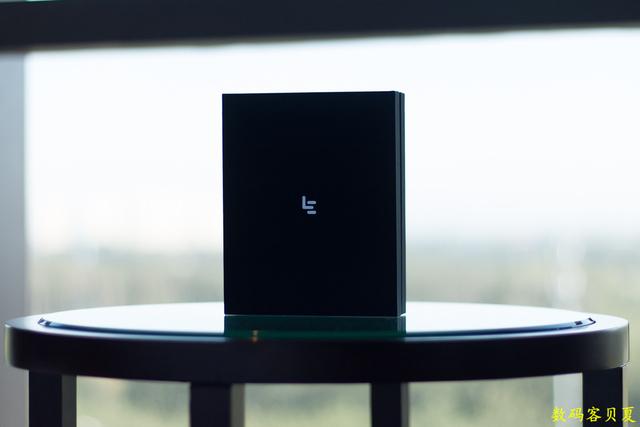
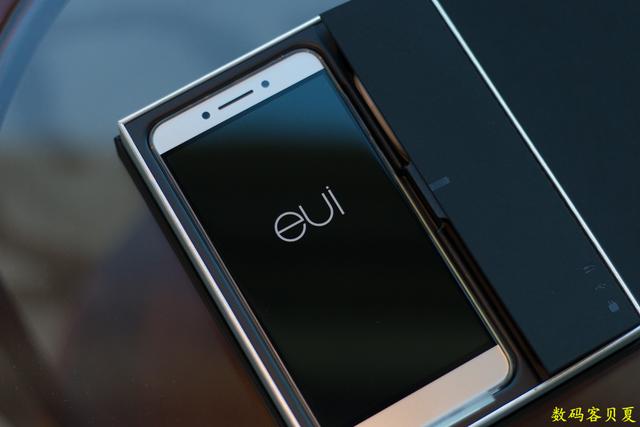
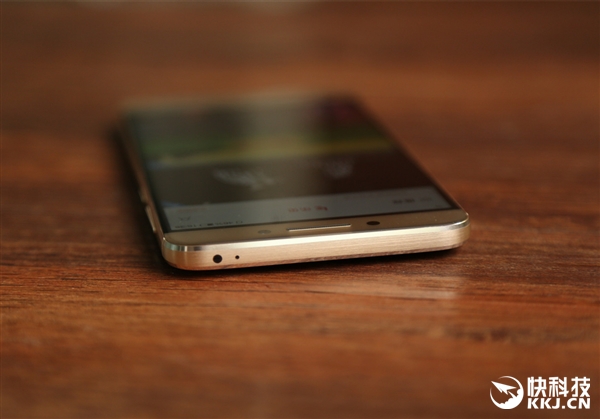
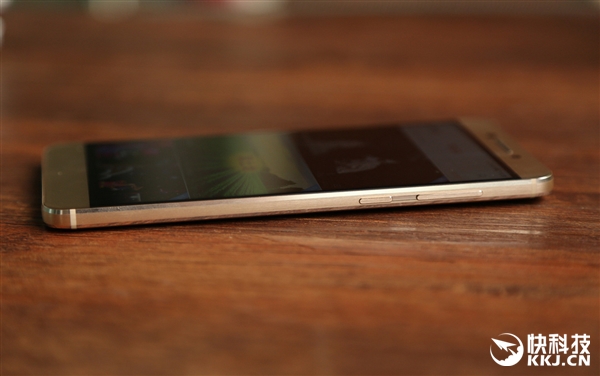
You can check out the rest of the Le Pro 3 images from down below.
Here are some more images courtesy of mydrivers.com.
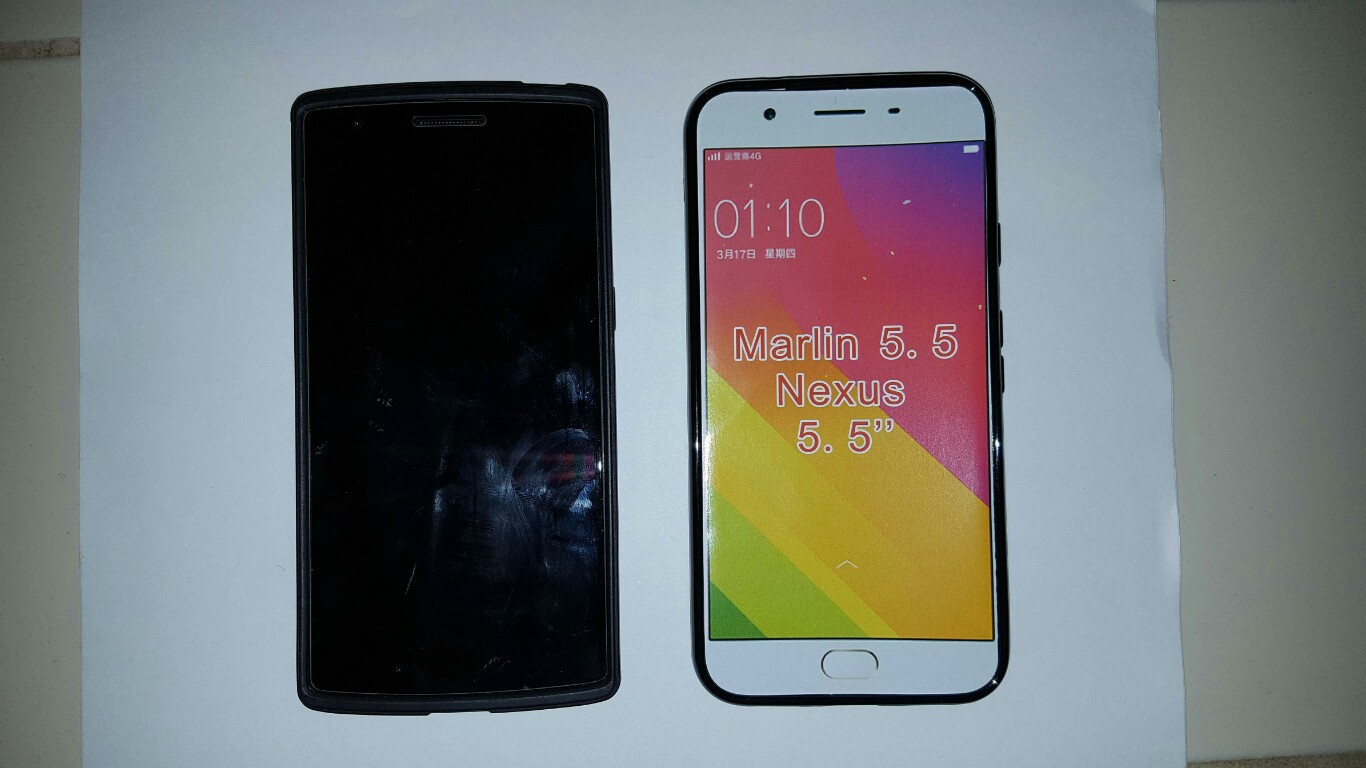
Earlier this week we reported on some sellers who already have cases for the new pixel phones available for purchase. Someone purchased the case for the Pixel XL and compared it to his OnePlus One which was also wearing a case.
According to the cardboard inside the case, the phone will have a 5.5” screen which is the same size as that of the OnePlus One, but the OnePlus One does appear bigger than the case for the Pixel. This means it’s either the case is a fake or the dimensions are just wrong.
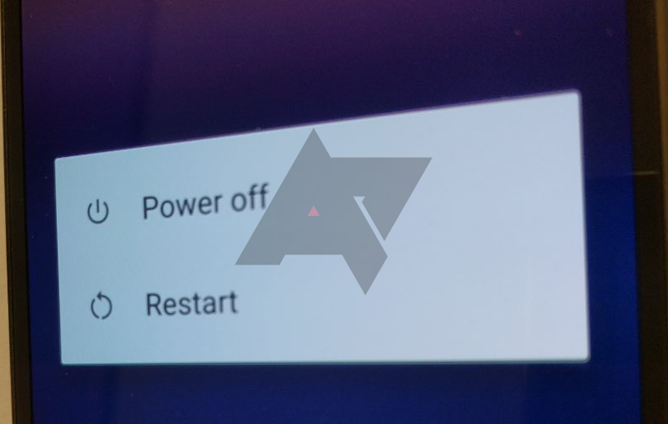
I can’t remember the first time I saw a reboot button on an android phone, but I know it’s more than 3 years already. While manufacturers have been offering it for years, Google has never put it on the official builds of Android. I have used a couple of nexus devices and the only way to restart the device without shutting down first is by holding down the power button for a while (10 seconds or so) and it restarts.
It seems Google has finally listened to users and will include a restart button on the new pixel phones. According to a picture provided by a tipster, the new Pixel phones running Android 7.1 will present you with the restart option when you push the power button. The picture has been confirmed to be real but there’s a possibility that it might not make it to the final builds as the version that has the feature is a pre-release software for developers and testers.
This is not an unusual act for Google, they are known for removing certain features from final builds of android. Remember freeform split screen multi-tasking available on developer previews of Android N? It didn’t make it to the final Nougat build.
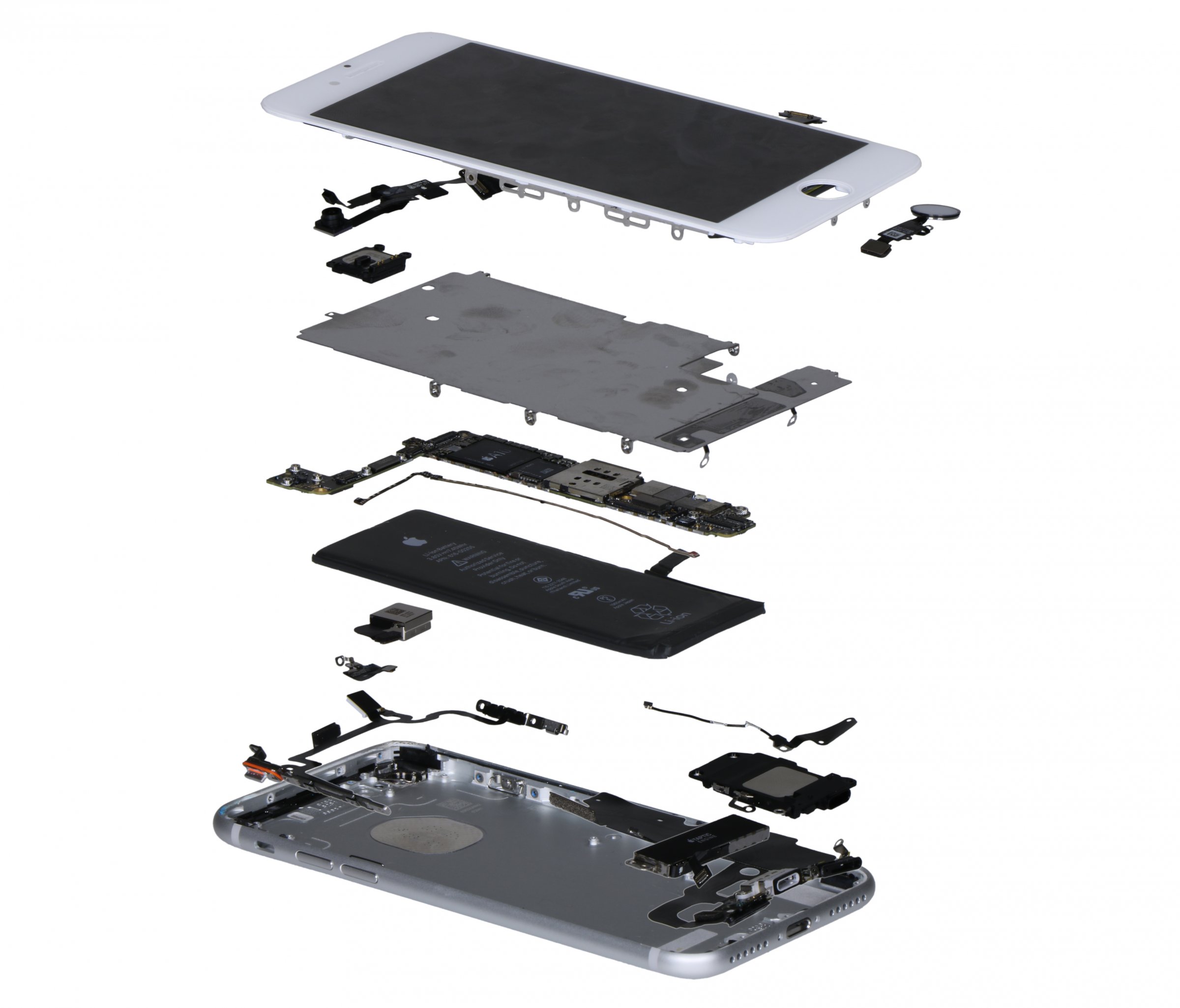
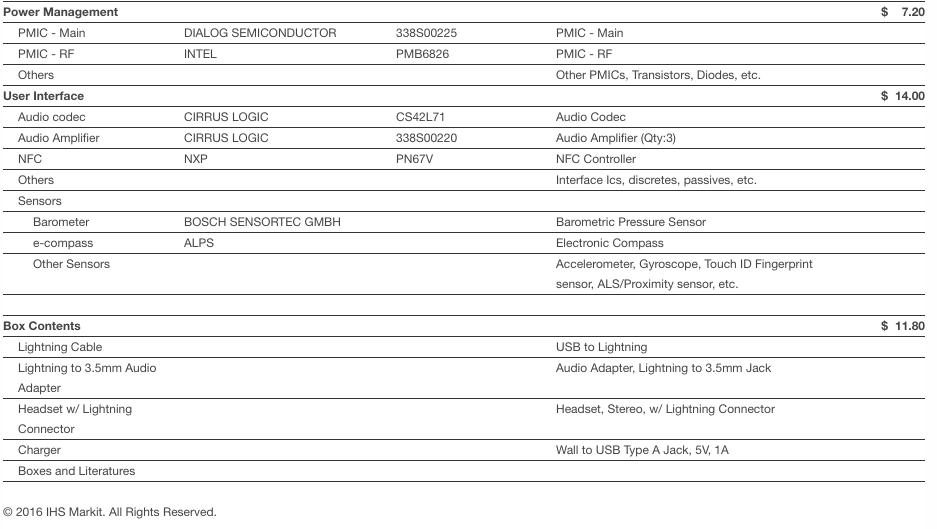
Research firm IHS has come out with a controversial claim that the iPhone 7, from their estimates costs Apple just $224.80 even though Apple sells the flagship for twice that amount or more. The base version of the iPhone 7 with 32GB of built-in storage sells for $649. The Research firm took apart the iPhone’s parts and also put into consideration several factors before arriving at that damning conclusion which doesn’t include the iPhone 7 Plus.
IHS first x-rayed the cost of last year’s iPhone 6s and got an estimated production cost of about $211.50 which ordinarily suggests this year’s iPhone 7 will cost more. Considering the base storage has been ramped up from 16GB to 32GB and that could have affected the production cost. Apart from that, the new chips on the iPhone 7 could also have affected the final production cost. The A10 chip is estimated by IHS to cost $26.90, then the new display cost an estimated $43 to produce as well as the cameras coming in at $19.90 per iPhone unit.
Though Apple is not keen on discussing tear-down costs, this estimated data could indicate mounting pressure on the US-based company’s profit margin, because the cost may even be more. IHS didn’t take into consideration factors like warehousing, research and development, and marketing.
The iPhone 7 even at that is considered to carry an outrageous price tag considering its specs. Reference have been made to competitively priced flagships whose specs are at par with the iPhone 7’s. The most recent is the LeEco Le Pro 3 which despite having a Snapdragon 821 chipset and a huge 4070mAh battery, starts at 1799 Yuan ($270). The Le Pro 3 pricing highlights LeEco’s negative profit pricing strategy for devices. The company makes up for this by getting more people onto the expansive LeEco Ecosystem from where it aims to make profits when users buy contents, applications and services on their platform.
We use cookies on our website to give you the most relevant experience by remembering your preferences and repeat visits. By clicking “Accept”, you consent to the use of ALL the cookies.
This website uses cookies to improve your experience while you navigate through the website. Out of these, the cookies that are categorized as necessary are stored on your browser as they are essential for the working of basic functionalities of the website. We also use third-party cookies that help us analyze and understand how you use this website. These cookies will be stored in your browser only with your consent. You also have the option to opt-out of these cookies. But opting out of some of these cookies may affect your browsing experience.
Necessary cookies are absolutely essential for the website to function properly. This category only includes cookies that ensures basic functionalities and security features of the website. These cookies do not store any personal information.
Any cookies that may not be particularly necessary for the website to function and is used specifically to collect user personal data via analytics, ads, other embedded contents are termed as non-necessary cookies. It is mandatory to procure user consent prior to running these cookies on your website.