Meizu had long been rumored to be planning for the release of its first smartwatch but that hasn’t happened, yet image renders of what is said to be Meizu’s smartwatch have continued to surface.
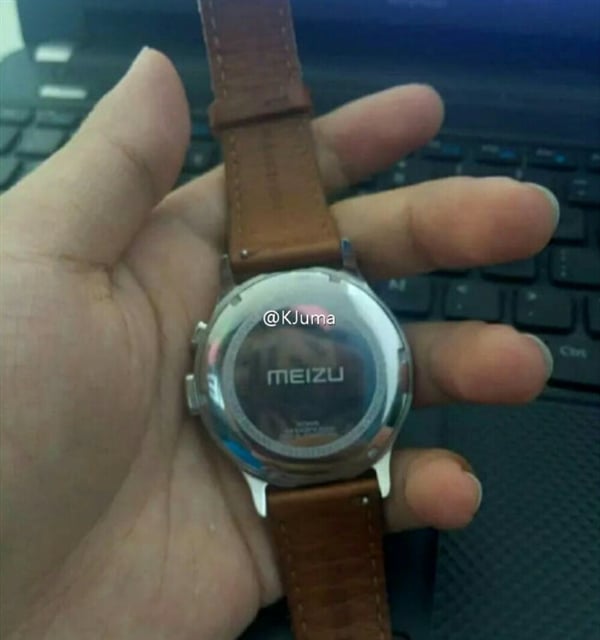
Most recently, render of the Meizu smartwatch again surfaced on Weibo showing the back view with the Meizu logo engraved on the back casing. Just like previous leaked images, this render shows the Meizu smartwatch looks no different from the normal mechanical wristwatch. The allege photo reveals the smartwatch would be made of metal and would have leather straps. We’ve had rumors of the smartwatch featuring metal straps, meaning there may likely be more than one variant, one with leather strap an the other with metal straps. There are also control buttons on the side and the entire design shows a compact, portable watch is likely in the works.
Buying a daily cheap phone is not that easy anymore as it was a couple years ago. We just had a couple of alternatives, but today, as more Chinese makers come to market and because of the high competition in the smartphone market, there are many more phones to choose from. Today, we will try to help you with the purchase of a super cheap phone. Remember, these are phones under $100 class, and hence you should not expect a lot from them, but again, some might also surprise you in this price range.
There are more than 50 alternatives under 100$ range so I decided to narrow down this list as choosing minimum 2GB of RAM and Quad-core CPU’s. We have 1 exception with 1GB RAM phone, because of its price. All the phones in this list are based on Quad-core MediaTek CPU’s, divided to MTK6580 and MTK6735. Both are capable of serving you as a daily smartphone processor. We have two exceptions in the list when it comes to CPU type, two 64-bit octa-core phones with MTK6592 and MTK6753, Pepsi P1s (yes it’s a smartphone) and Vernee Thor.
So, here are the models which we think are best under $100 price range.
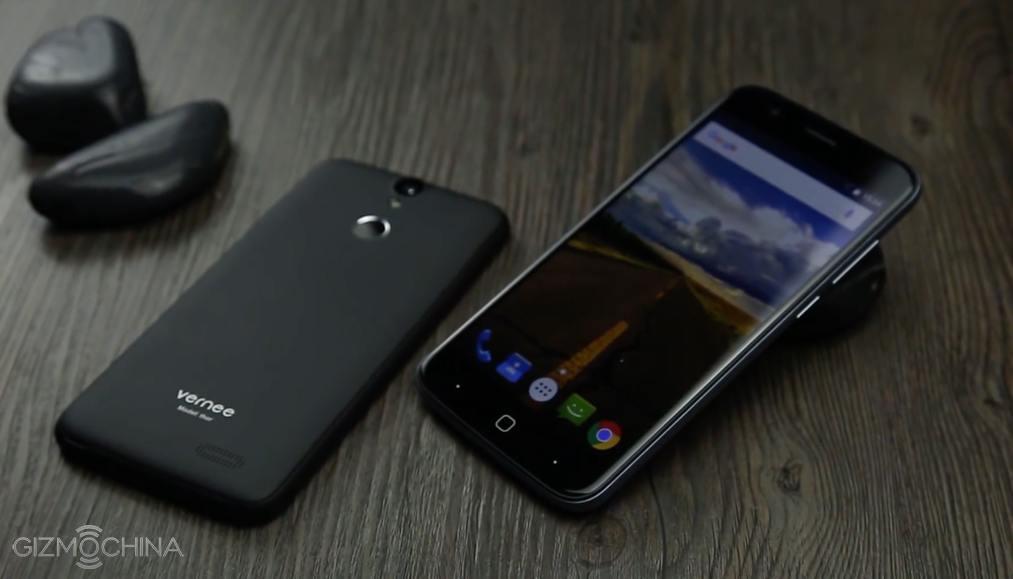
Starting with highest price in the list our first phone is Thor from Vernee. High price brings some unique features in this price range with it. First is, this model has the 64 bit octa-core MTK6753 CPU and again the only model with 3GB Ram onboard. Just these two features make Vernee Thor the most powerfull phone on our list. If you are a light gamer and are used to handling multiple apps at the same time, i.e. if you multitasking a lot, with 3GB Ram this model is for you. It has Android 6.0 as operating system, is a 4G LTE capable phone of course. Plus a very attractive design with 80% screen-to-body ratio, very good screen quality with 2.5D Gorilla Glass 3 on top, titanium alloy 7.9mm thick body, 140g weight, decent cameras both rear and front. There is also a very quick responsive finger print scanner on the back side. What else could you want from a 99$ phone ? So if 5″ is enough for your daily use, and you have $99 to spend, Vernee Thor should be on top of your list. This phone costs 119$ normaly, but you can get it for 99.99$ with a coupon, for a full detailed review and about the coupon please follow this link : Vernee Thor Review – Simple But Fast. With this specs and price Thor deserves to be Editor’s Choice in 5″ screen class under 100$ list.
+ MTK6753 Octa Core Cpu + 3GB Ram + Fingerprint + Metal frame + Android 6.0 + 4G LTE
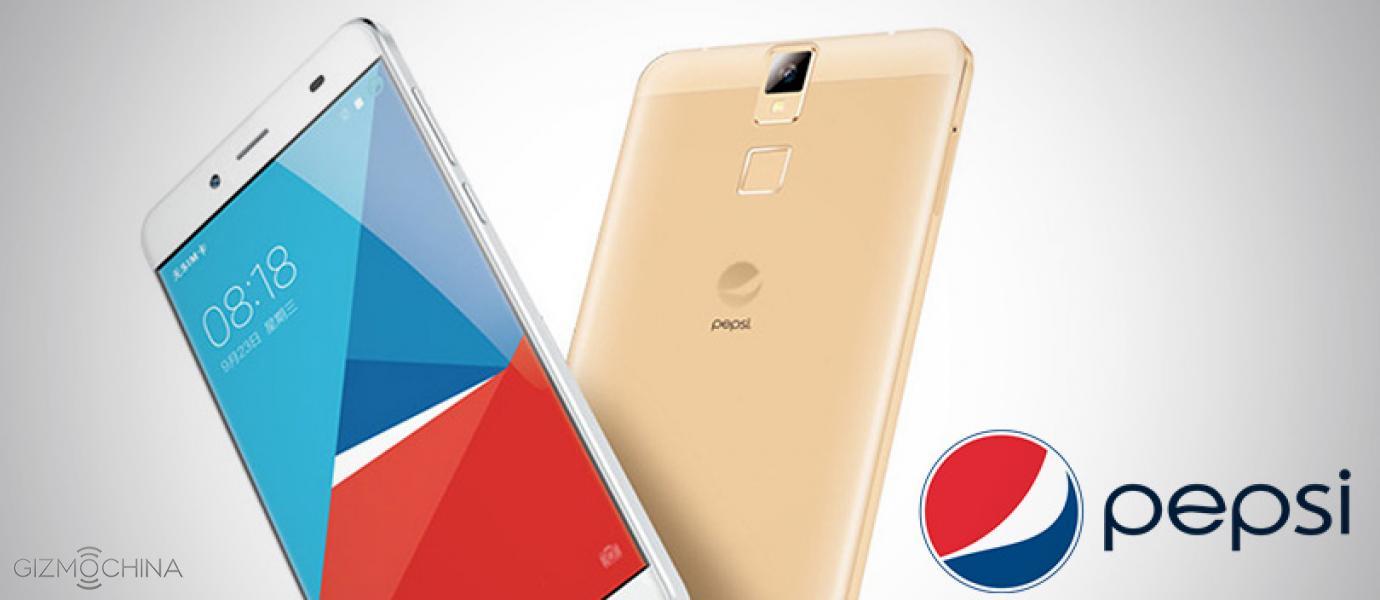
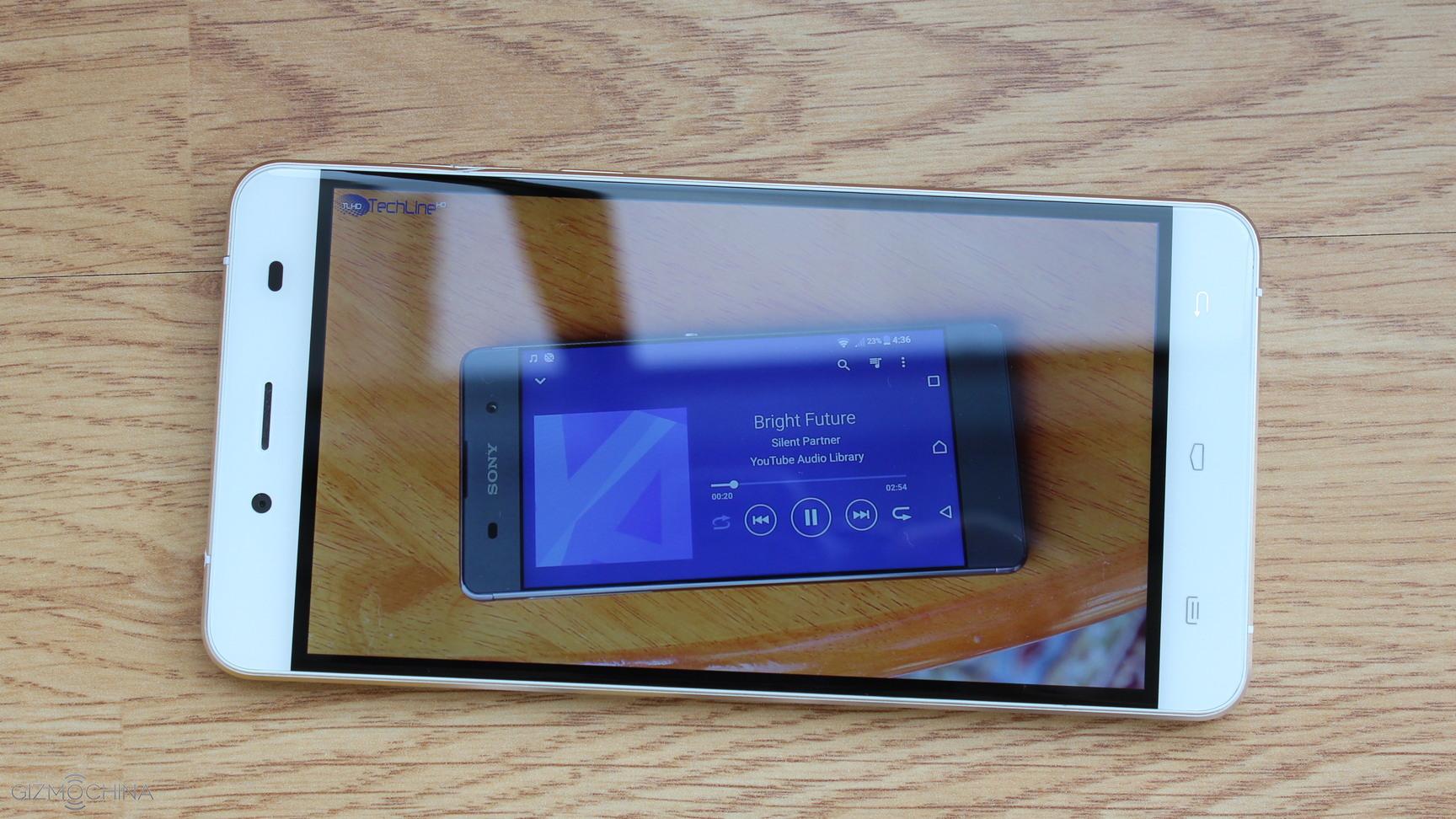
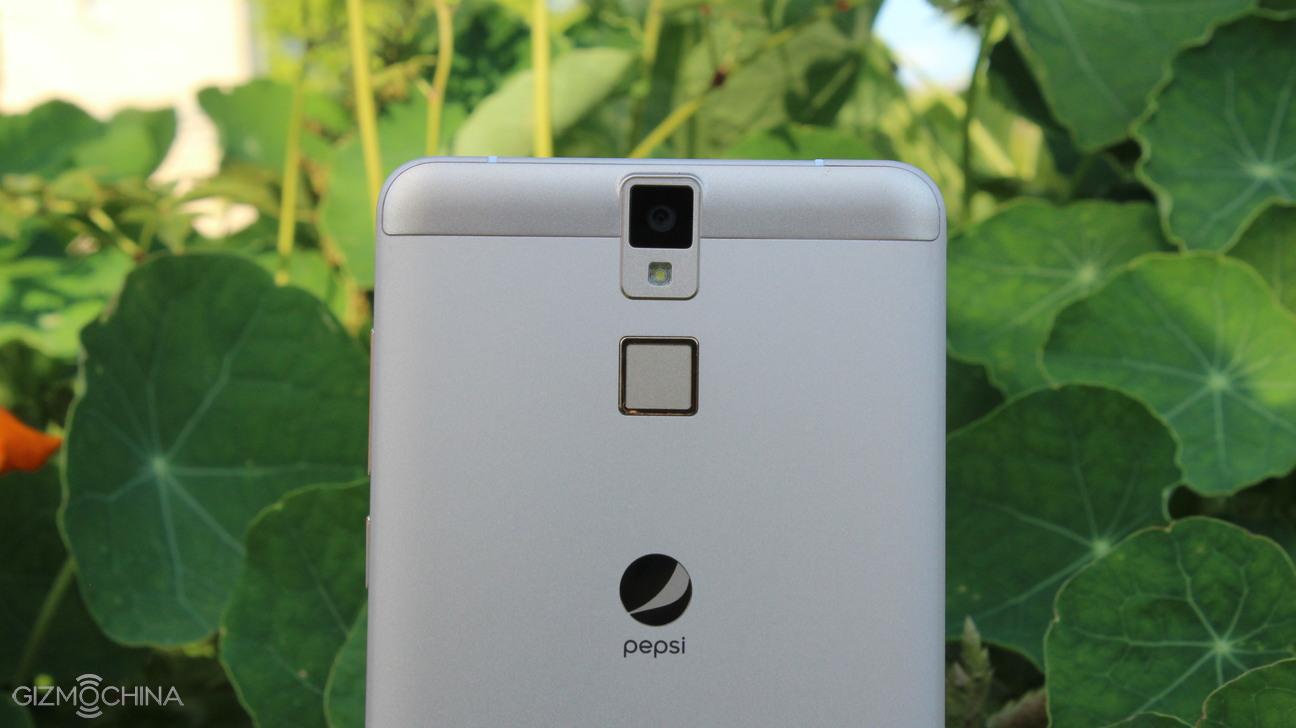
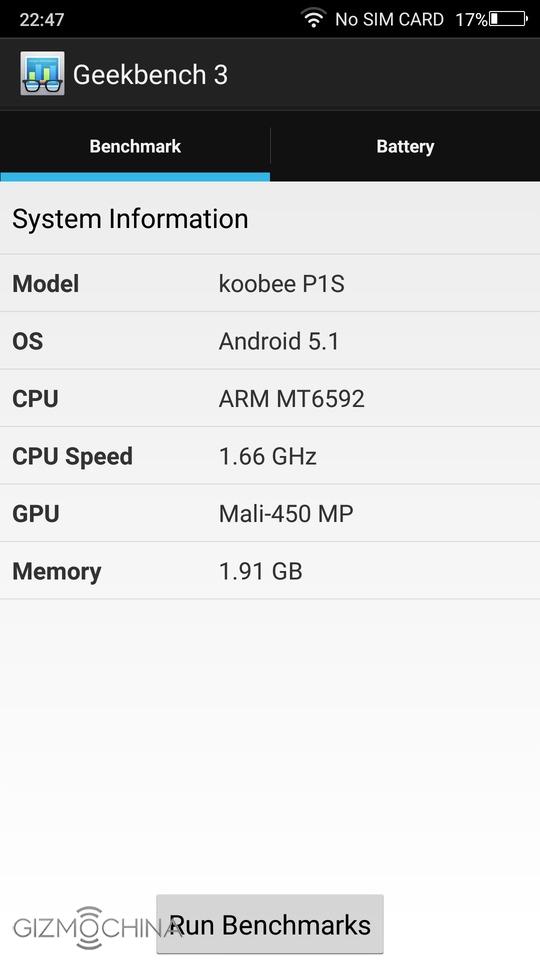
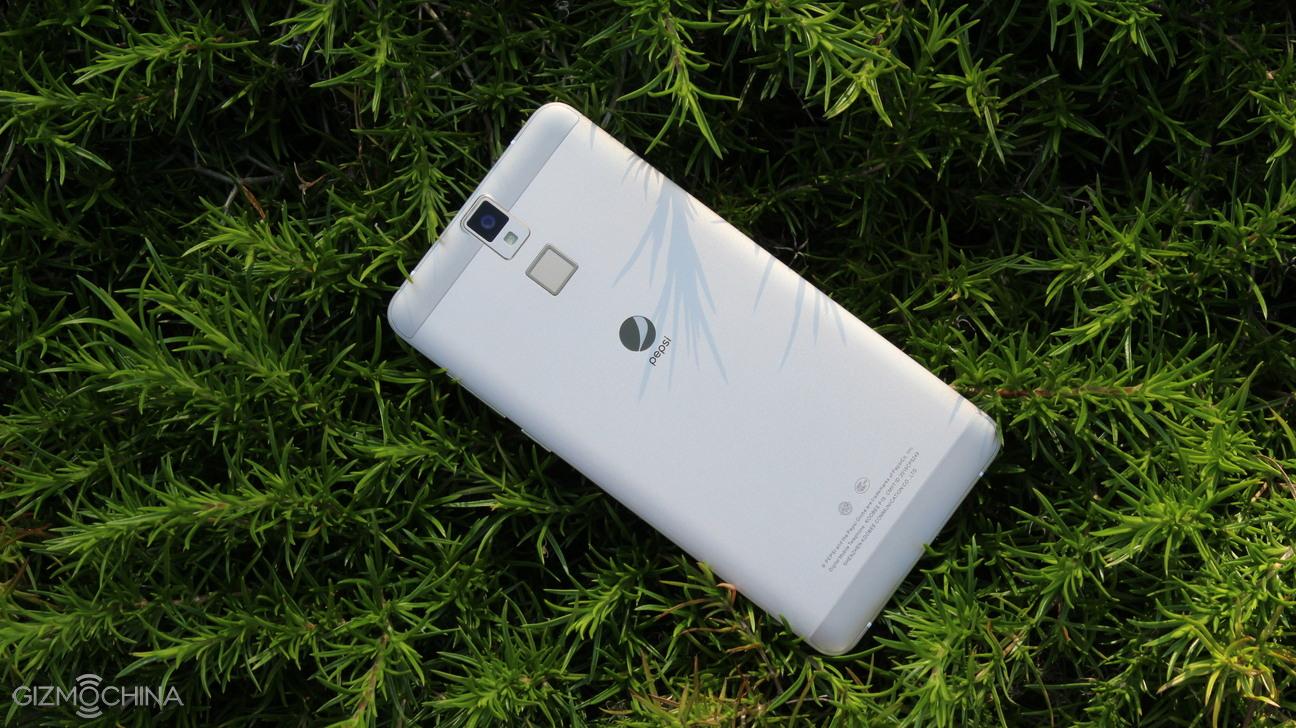
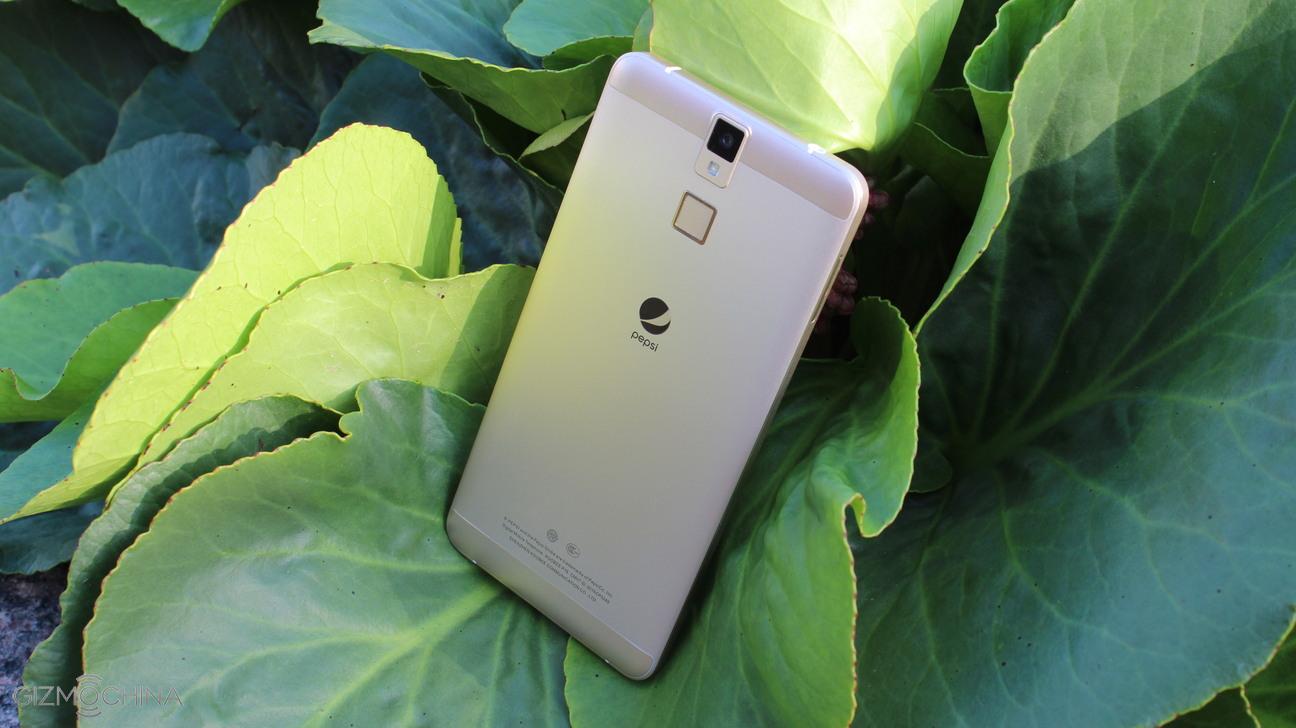
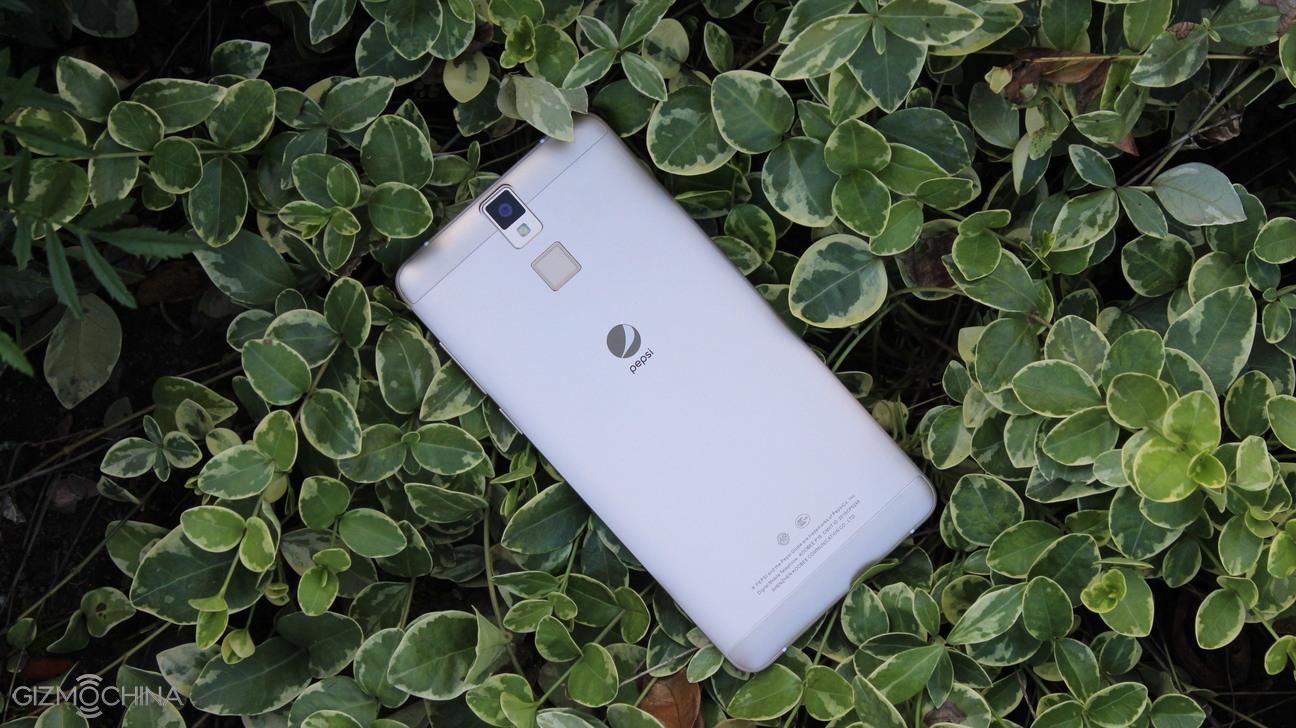
Pepsi P1S is a 5.5″ size smartphone and the only one that has Full HD 1080p screen resolution in our list. Body is all metal with a fingerprint scanner located at the back. Our second phone with a octa-core CPU and its MTK6592 with 1.7GHz, this makes Pepsi the most powerfull model under $100 too. That chip is last years flagship grade model from MediaTek, better then Qualcomm’s Snapdragon 800 we can say. Phone supports 4G LTE as connectivity and definitely has a good look/design for this class. For this price and what you get for it, the Pepsi P1S is the Editor’s Choice for 5.5″ size. For a full review please visit : Pepsi Smartphone Review.
+ MTK6592 Octa Core CPU + All Metal Body + Fingerprint Scanner + 4G LTE
Display: 5″ 1280×720 HD 2.5D Arc Screen
CPU: MTK6735 64bit Quad Core 1.0GHz
GPU: Mali-T720
System: Android 5.1
RAM + ROM: 2GB RAM + 16GB ROM
Camera: Front 2.0MP (SW5.0MP) + Rear 8.0MP (SW13.0MP) AF with LED flashlight
Bluetooth: V4.1
Features: GPS / OTA / OTG
Card Slot: Dual SIM dual standby. Dual Micro SIM cards
2G: GSM 850/900/1800/1900MHz
3G: WCDMA 900/2100MHz
4G: FDD-LTE 800/900/1800/2100/2600MHz
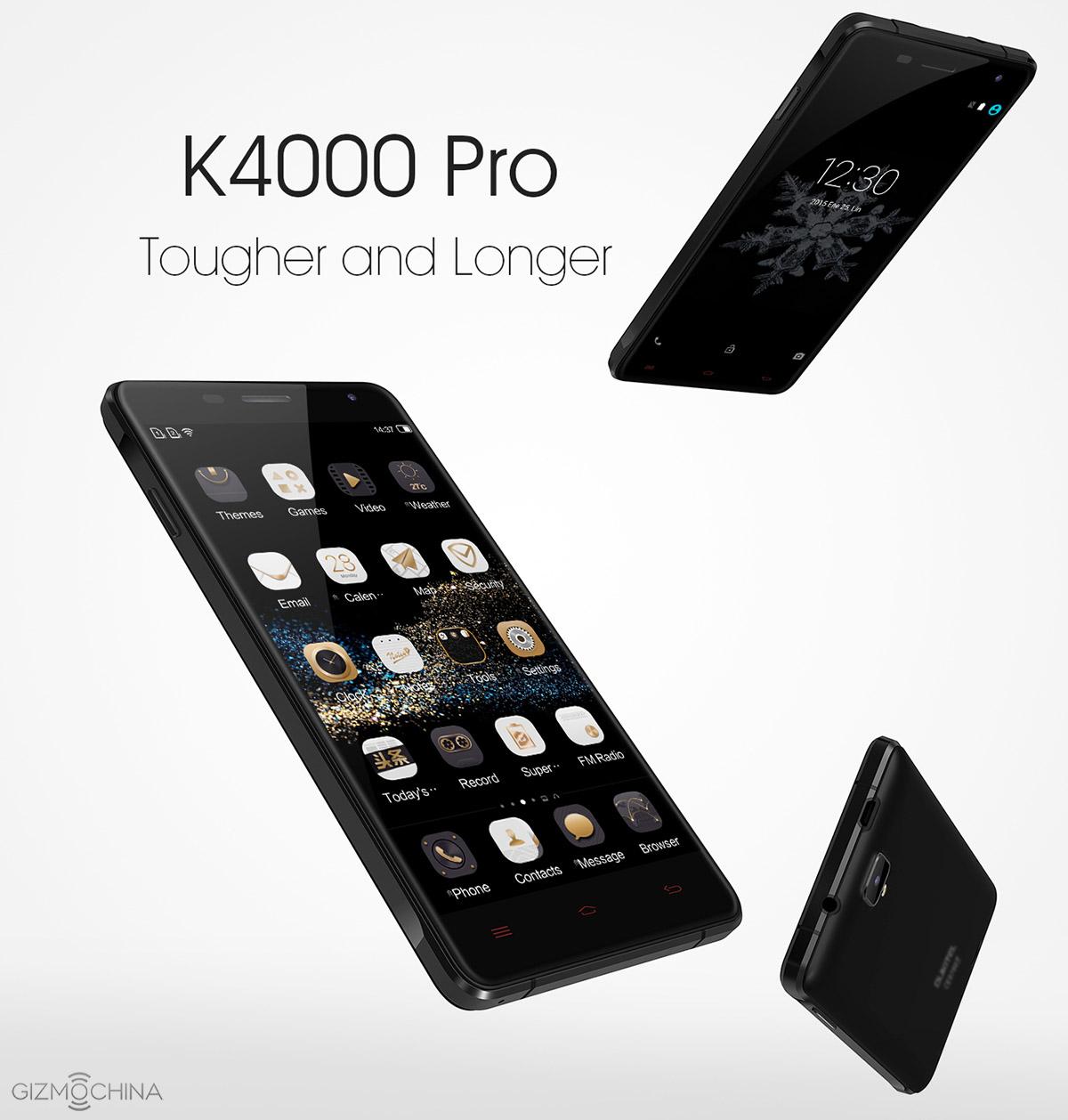
You need a tough phone that lasts 6 days on a single charge with regular use ? That’s what Oukitel says, on paper, but with the 4600mAh battery and 5″ HD screen you surely can expect long use. Plus 9H hardness 2.5D tough screen surrounded with a CNC worked metal body. Rest is 2GB RAM powered by Quad-core CPU, decent GPU, so capable of every daily needs including being a 4G LTE world phone. If you are a hard worker outdoors or like to camp without an energy source around, OUKITEL K4000 Pro is definitely for you. Not bad looking either.
Display: 5.5″ 1280 x 720 HD Screen
CPU: MTK6735 64bit Quad Core 1.0GHz
GPU: Mali-T720
System: Android 5.1
RAM + ROM: 2GB RAM + 16GB ROM,TF card up to 32GB
Camera: Back camera 5.0MP (SW 8.0MP) with flashlight and auto focus + front camera 2.0MP (SW 5.0MP)
Sensor: Accelerometer, Proximity sensor, Light sensor
Features: GPS, A-GPS, WiFi, OTA, FM
Bluetooth: 4.0
SIM Card: Dual SIM dual standby, one is standard SIM, the other is Micro SIM
Network:
2G: GSM 850/900/1800/1900MHz
3G: WCDMA 900/2100MHz
4G: FDD-LTE 800/1800/2100/2600MHz
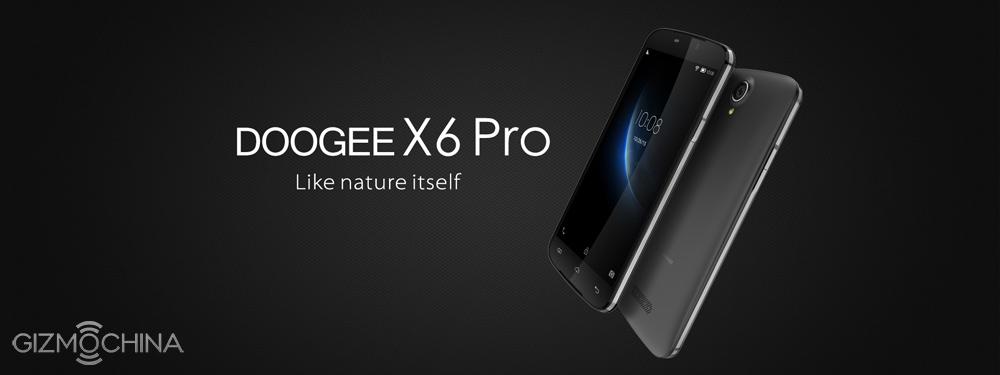
5″ is not enough for you and you want a 5.5″ screen size phone with minimum 2GB of Ram and Quad-core ? Then Doogee X6 Pro is one of few alternatives for you, under 100$ of course. Not expect much from back and front cameras, but being a 4G LTE world phone you can be sure of to be connected anywhere around the world. Screen resolution is 720P remember, not full HD. Having hardware keys rather than on screen touch keys you get full 5.5″ to use, light gamers, e-readers, online-media lovers, this phone might be for you.
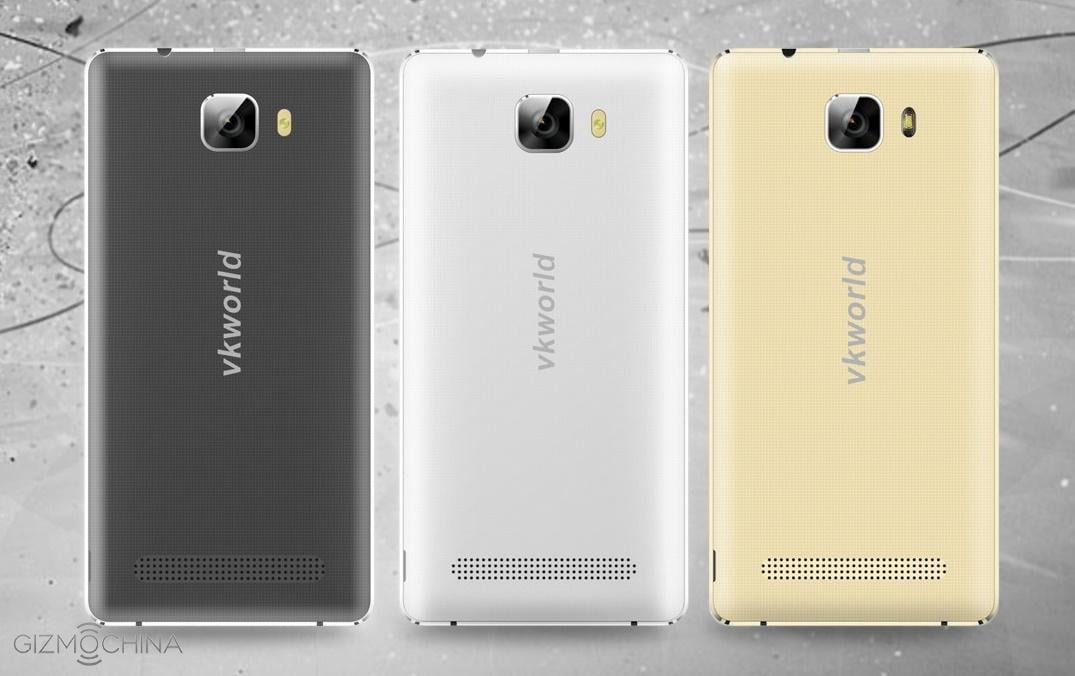
Want the biggest, 2.5 cm x 3.5 cm, speakers on a smartphone ever ? You found it. Wanna see how big the speaker is ? Please click : The World’s Biggest Smartphone Speaker. For those who like to carry their disco’s in their pockets. Wish I can hear that beast soon, realy wonder how it does sound. You get this in a CNC metal frame, another big bonus. 2.5D glass all over the screen, nice. Camera flash on front, this does not make sense if you dont have a quality cam you know right ? Ok for that price, we cant expect wonders, but it’s good to have a flash light in front. Having 4G LTE onboard, VKworld T3 seems definitely value for money.
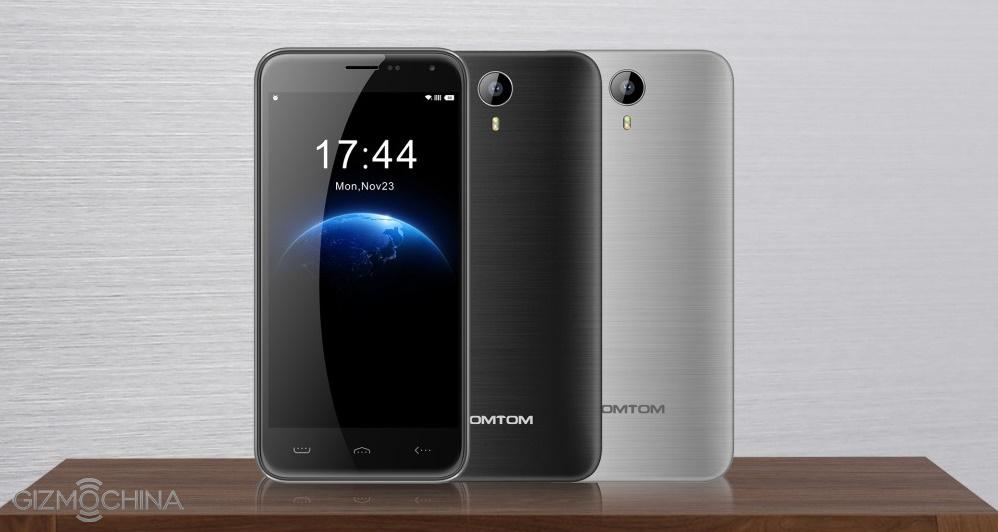
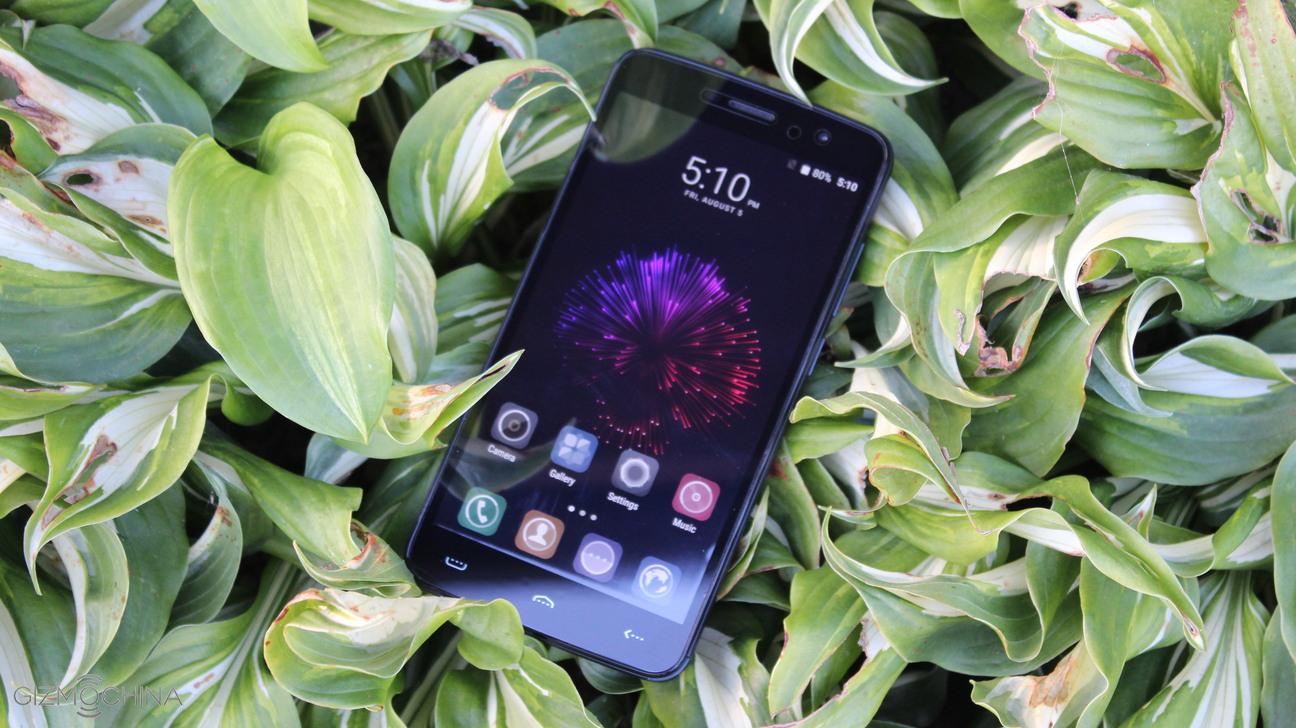
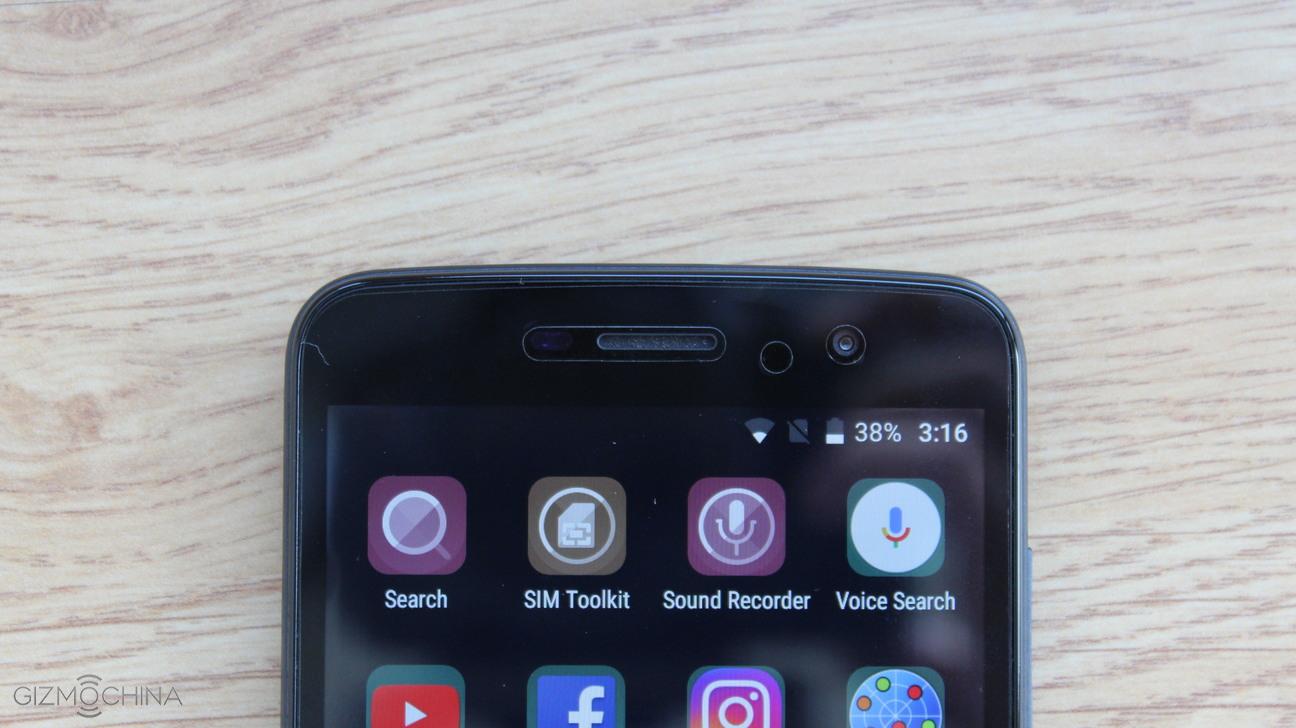
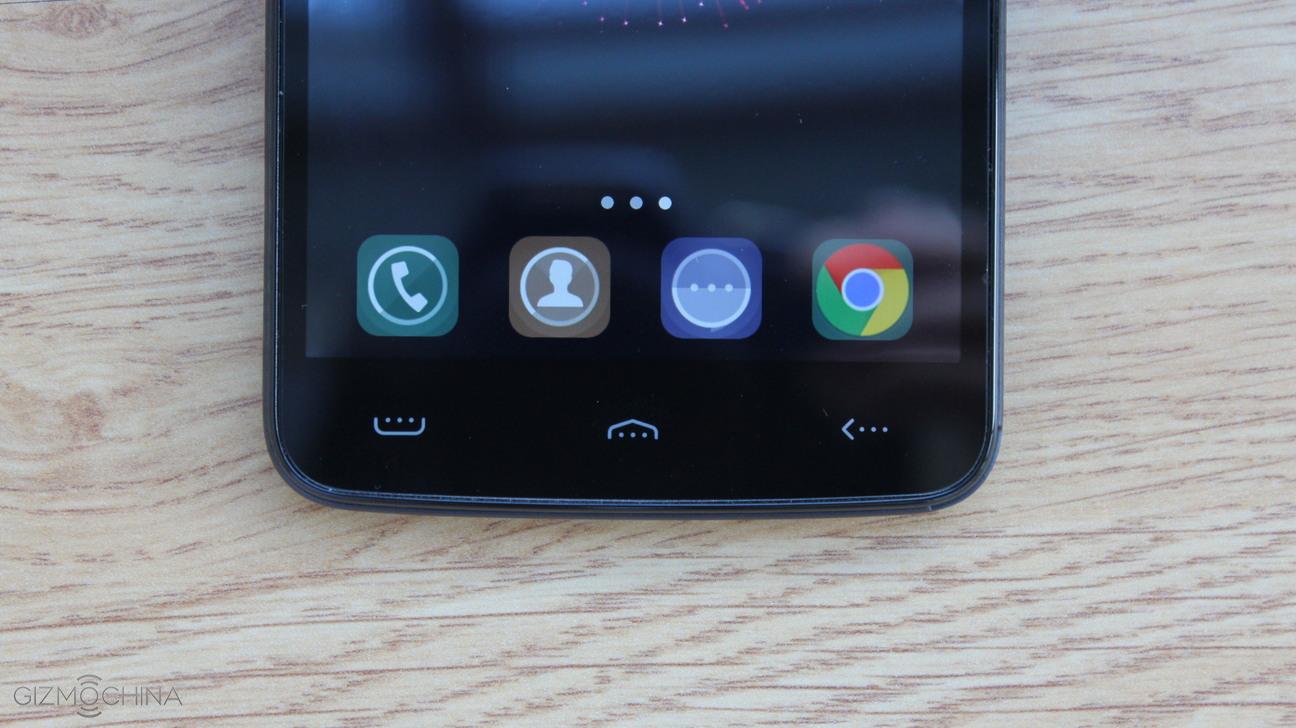
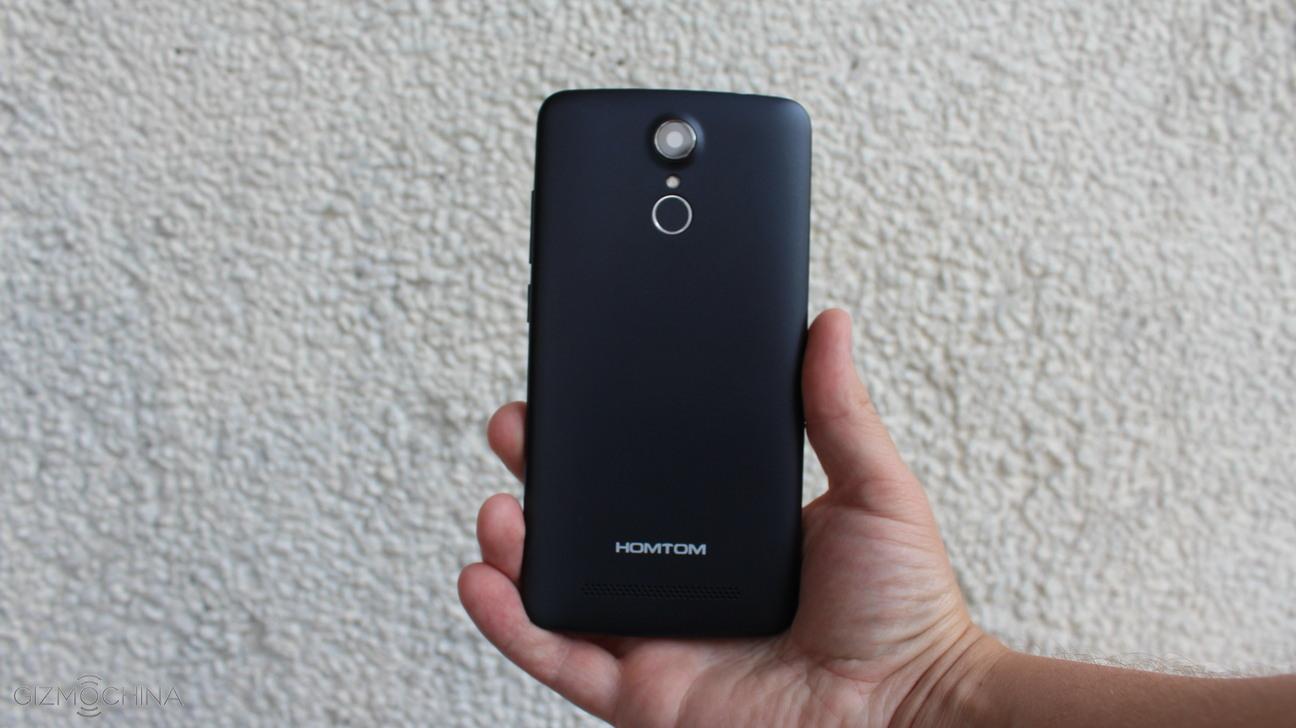
2.5D Screen, this curved glass type looks good on any phone its for sure, makes handling on the edges more ergonomic and pleasant. 4G LTE phone with compact body and nice screen. Has 3000mAh battery which is good value in this class, HOMTOM says 3 days on a single charge, for $79.79, that’s good.
Display: 5″ 1280 x 720 HD
CPU: MTK6580 Quad Core 1.3GHz
GPU: Mali-400MP
System: Android 5.1
RAM + ROM: 2GB RAM + 16GB ROM
Camera: Front and rear 8.0MP camera
Sensor: Gravity sensor, Proximity sensor, Light sensor
Bluetooth: 4.0
Features: GPS, AGPS
SIM Card: Dual SIM dual standby, dual micro SIM
Network:
2G: GSM 850/900/1800/1900MHz
3G: WCDMA 850/2100MHz
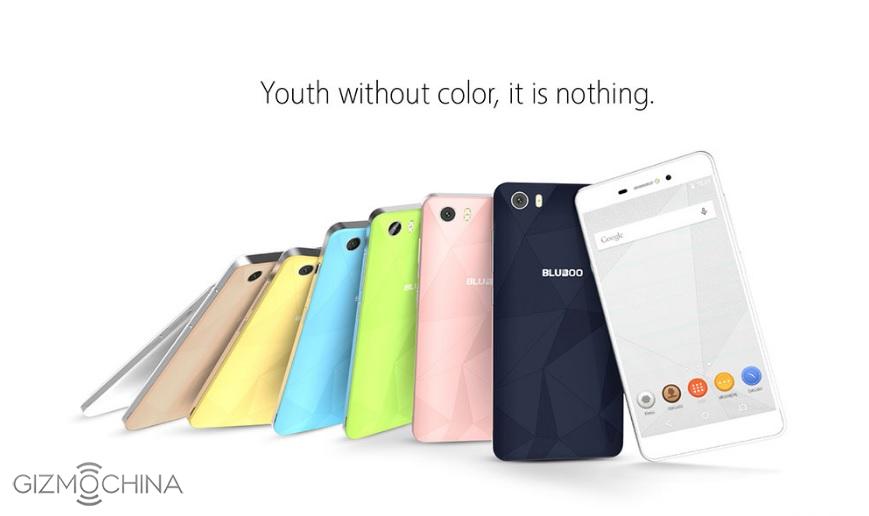
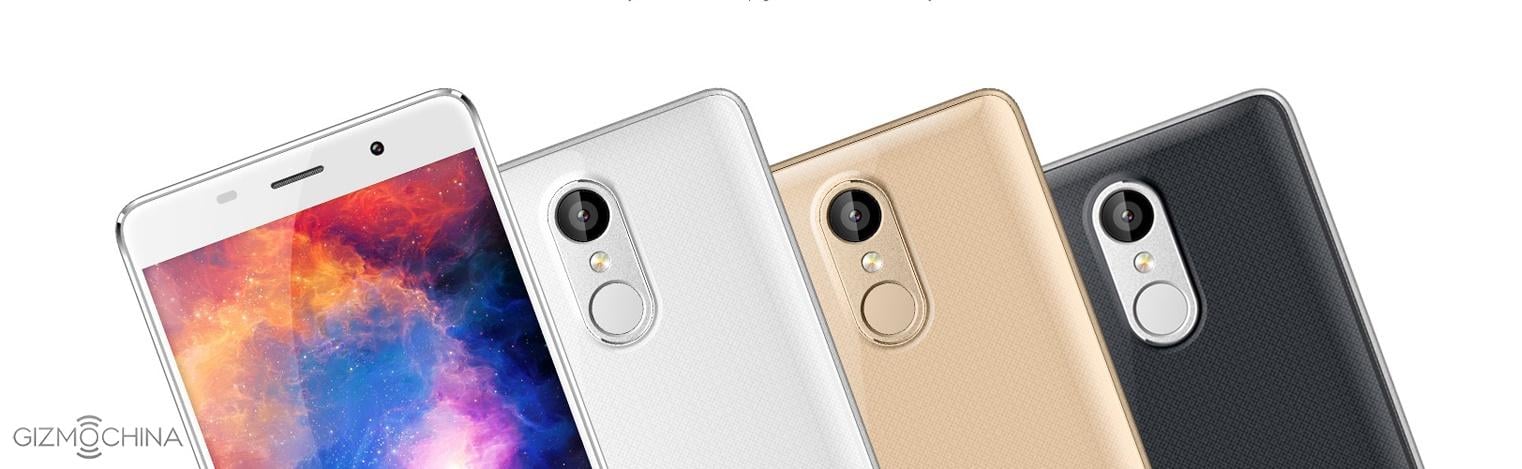
Next is Picasso model from Bluboo. A very interesting 5″ screen 3G phone for just 74.46 $. First of all, you get zinc alloy brushed metal frame for this price. Second you get many different color variants with 3D arc diamond-texture at the back, target is young people for sure, and wallpapers with same colors make this phone really like a painting. Very cute and solid phone for sure! We are not finished yet, you get a 8MP front camera with 88 degree wide angle and 2.0 aperture, supported by a front fill-light. This may be the best selfie phone under 100$. Back camera is 8MP also. I really liked this one, wish Bluboo Picasso has chosen hardware keys instead of on screen keys, just don’t like to waste screen size for keys if you have enough place on the body.
Here is what you get for $69.99 : The worlds first nano “All metal” frame design, means no cuts or plastic parts for antennas like we see almost on every metal body phone. Leagoo calls this “implicit toughness” and cracks walnuts in videos. Corning Gorilla Glass 4 protection on top of 2.5D 5″ HD screen. Those two features are making this phone realy solid for sure. Then you get a fingerprint scanner, which only our most expensive model Vernee Thor has, and there is no other fingerprint model in our list. So if you want one of the most solid phones on the market with a finger print security option and 4G LTE is not important for you, here you go, Leagoo M5.
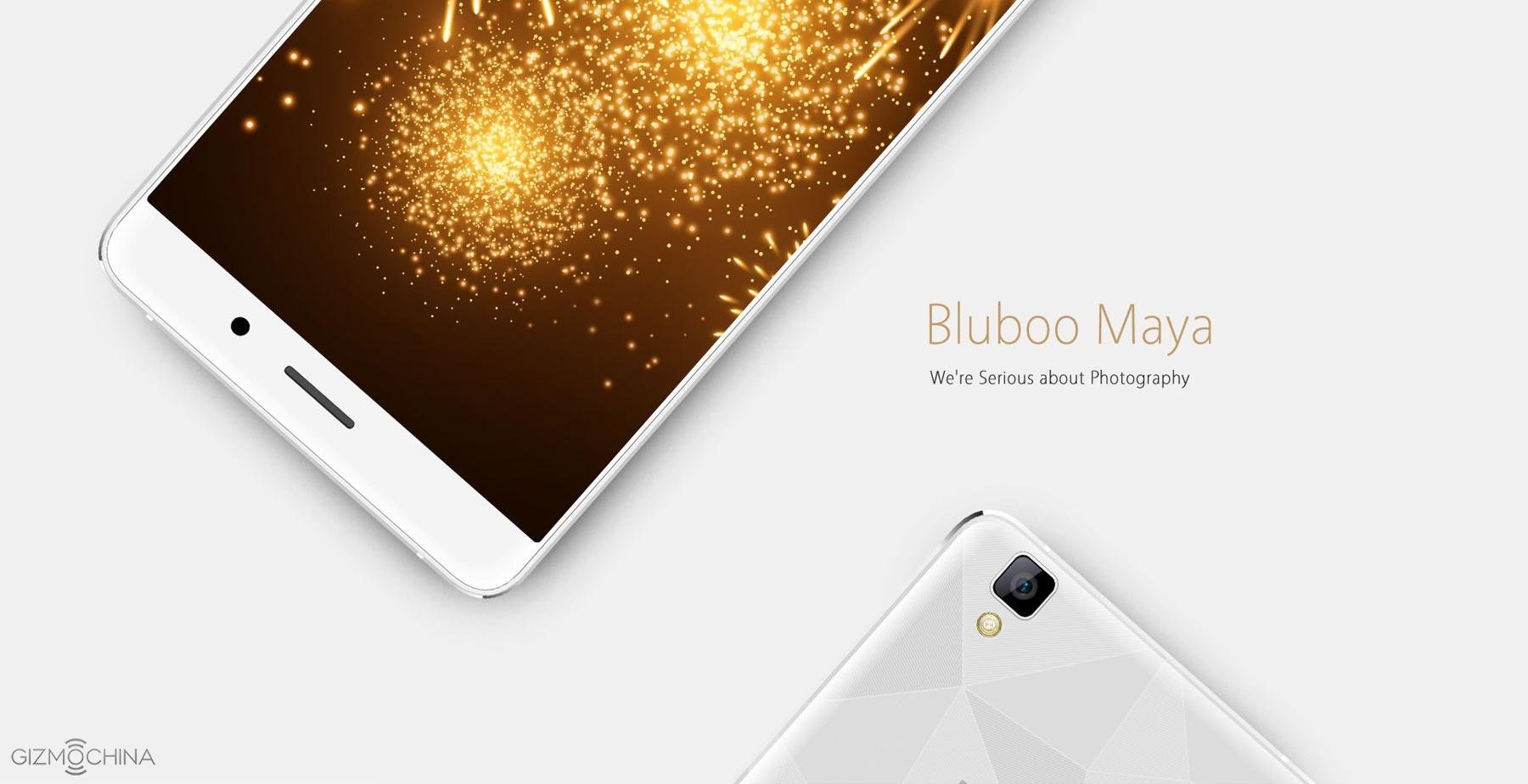
Cheapest Quad-core + 2GB Ram model in our list and its a 2.5D curved 5.5″ with a very attractive design, Bluboo Maya. This one could be Editor’s Choice if it also were a 4G LTE capable phone. Why ? First its price of course. Then this is the only IP63 level dust and water splash proof phone in our list. Plus 6.5mm ultra slim aluminum metal frame. Gorilla Glass 3 protection. 85 % screen to body ratio and Android 6.0 out of the box. The back cover has a 3D diamond texture finish which looks good. 3000mAh battery with 4.35V voltage gives Bluboo Maya 300 hours stand by time. Good work.
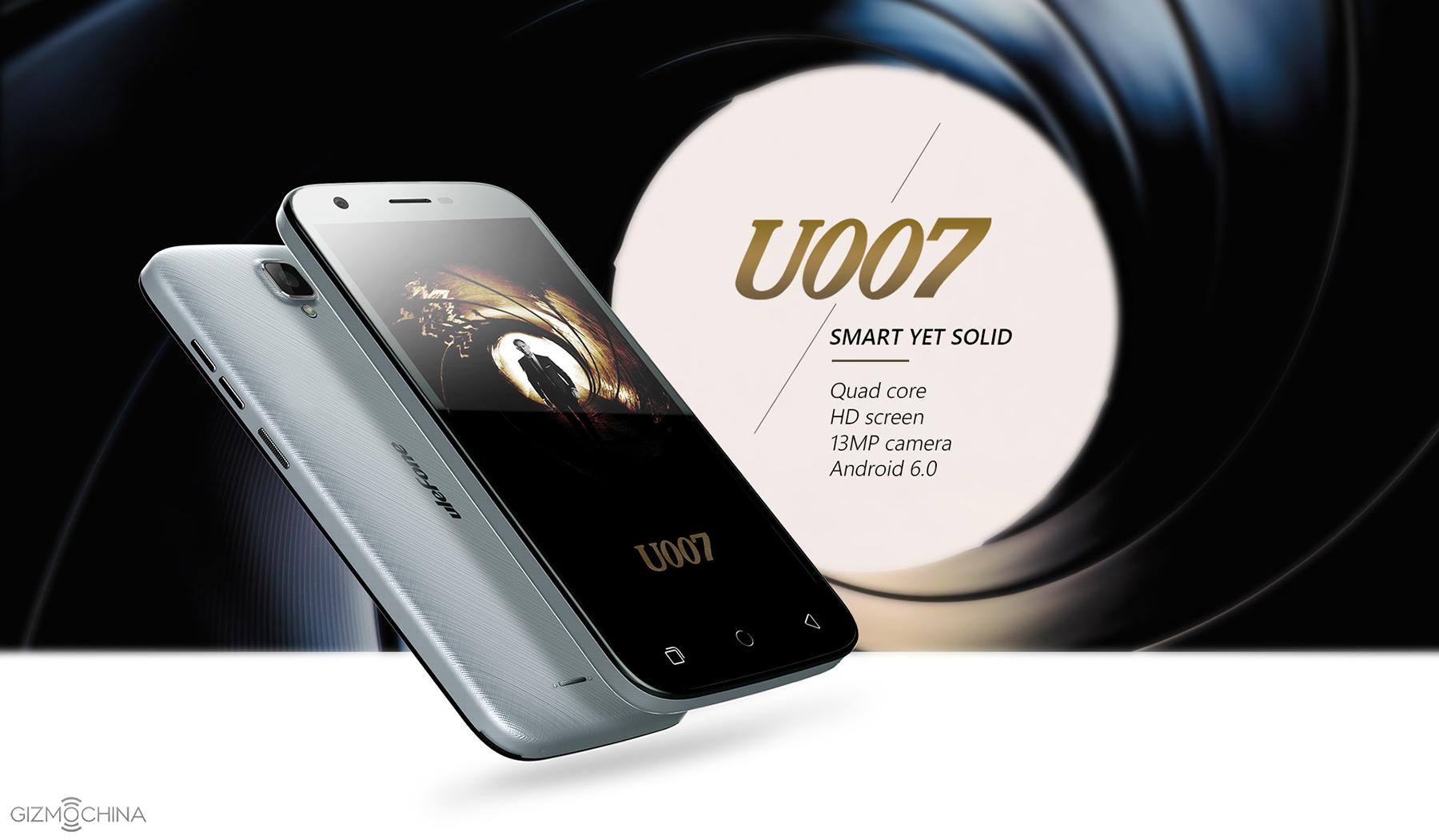
So, you just want a phone without breaking your pocket and don’t need 4G LTE ? Just a phone for light daily use, talking for example, communication with sound, I mean, because lately nobody talks, they just chat on social media. Good looks, quality 5″ HD screen and the latest Android 6.0. This phone isn’t made for James Bond 007 for sure, but for about 50$ you cant get a better one. 1GB Ram will be more than enough for pure daily phone use. You still will be able to play many games and use most of the important apps same time, just don’t expect more. For a full review of Ulefone U007 please click : Ulefone U007 Review.
So, this was our Smartphone Buyers Guide: Under $100 For the month of August. Which one’s your favorite?
Maybe we missed some models to include here. If you think there is phone model with unique features in this price range, please let us know in the comments section.
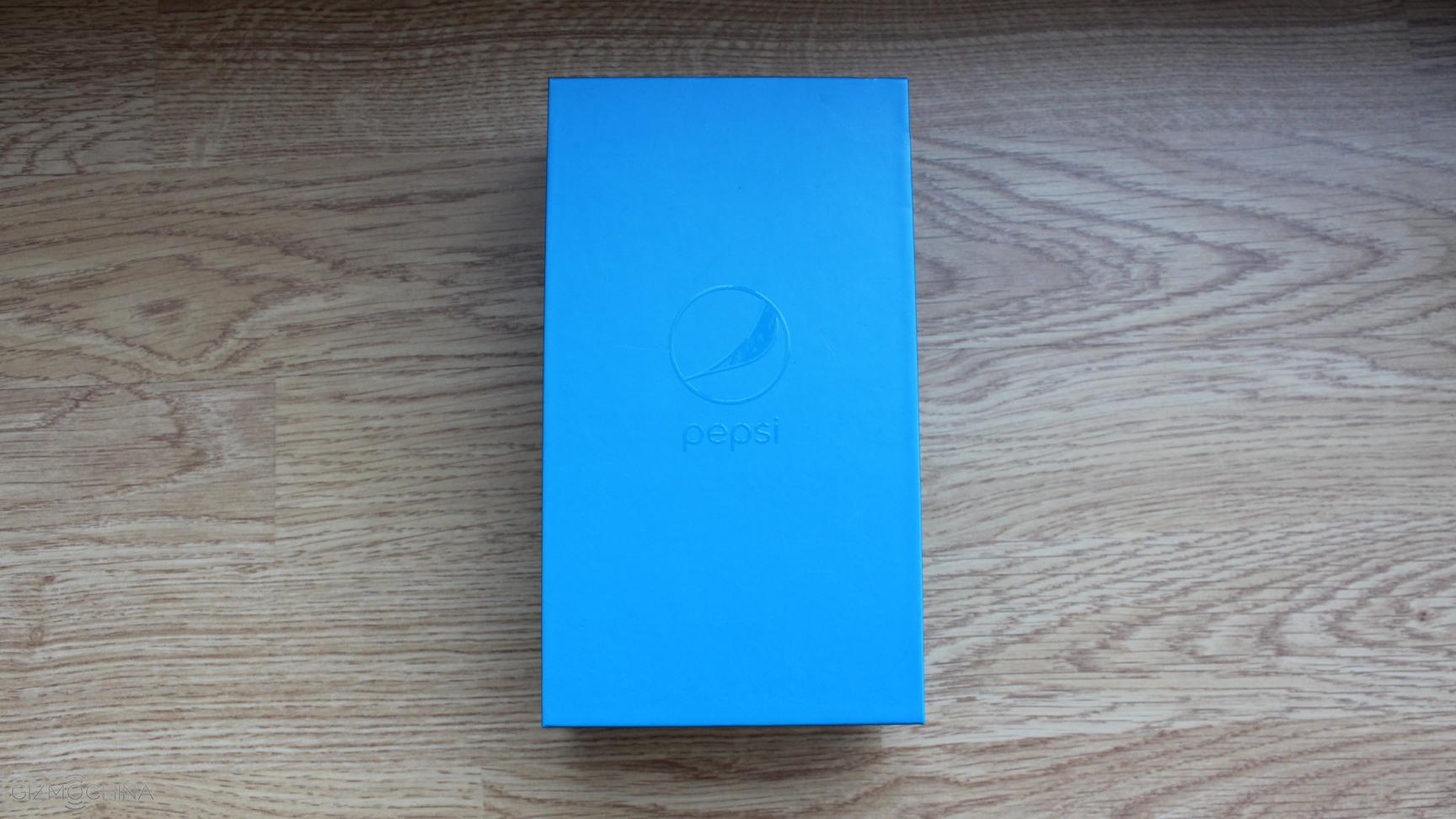
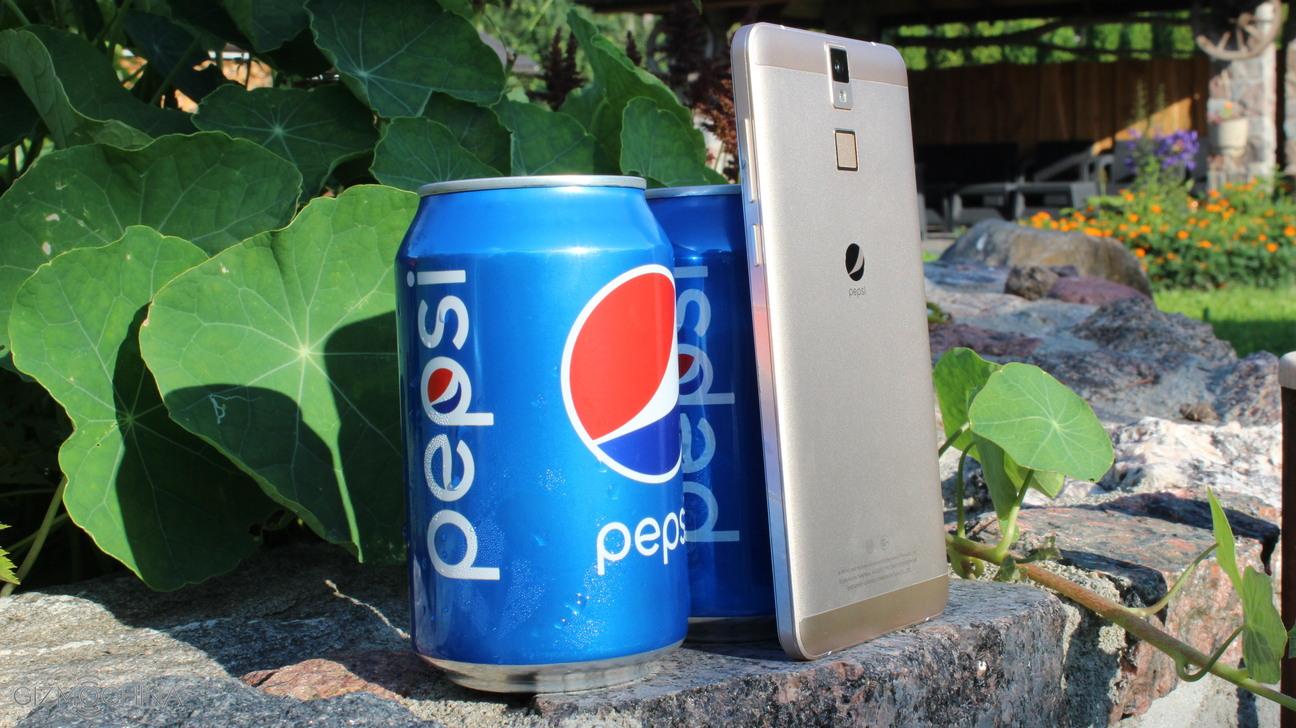
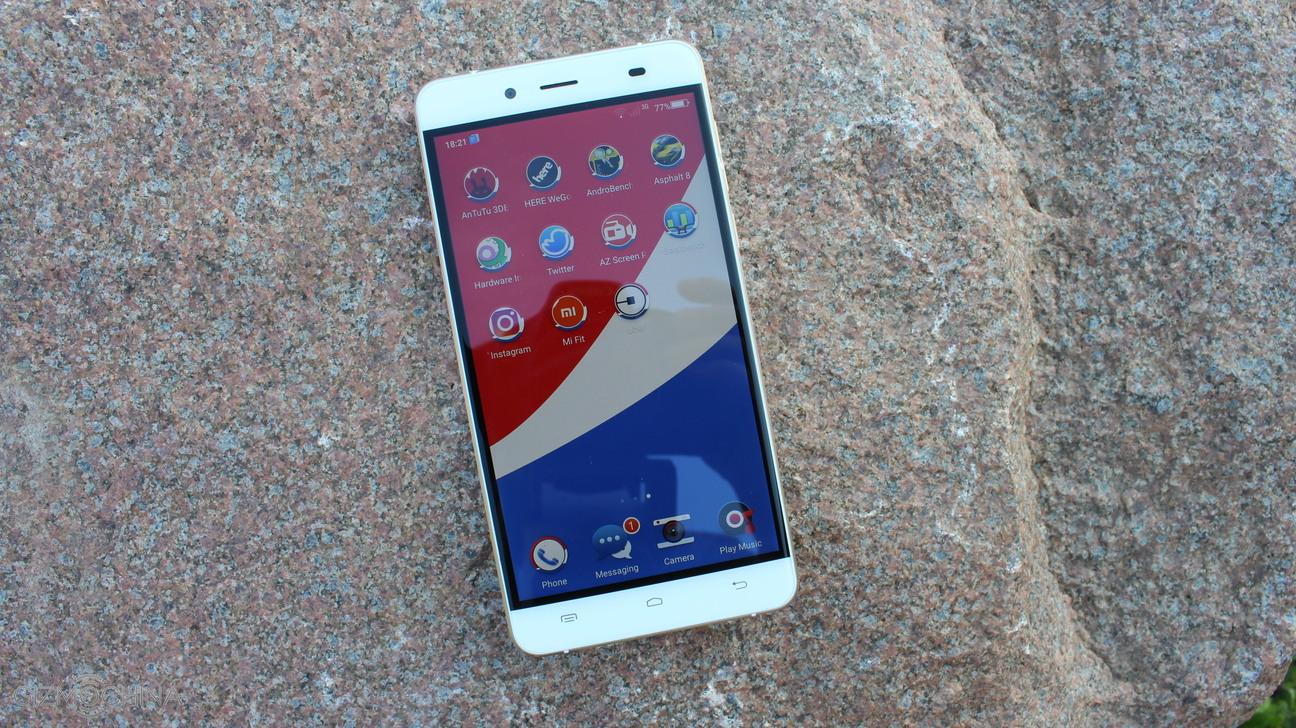
This is not a Pepsi commercial, this is a Pepsi smartphone. It doesn’t matter if you like drinking Pepsi or not, this device is really good… and it doesn’t even cost a hundred bucks. Learn more in our full review.
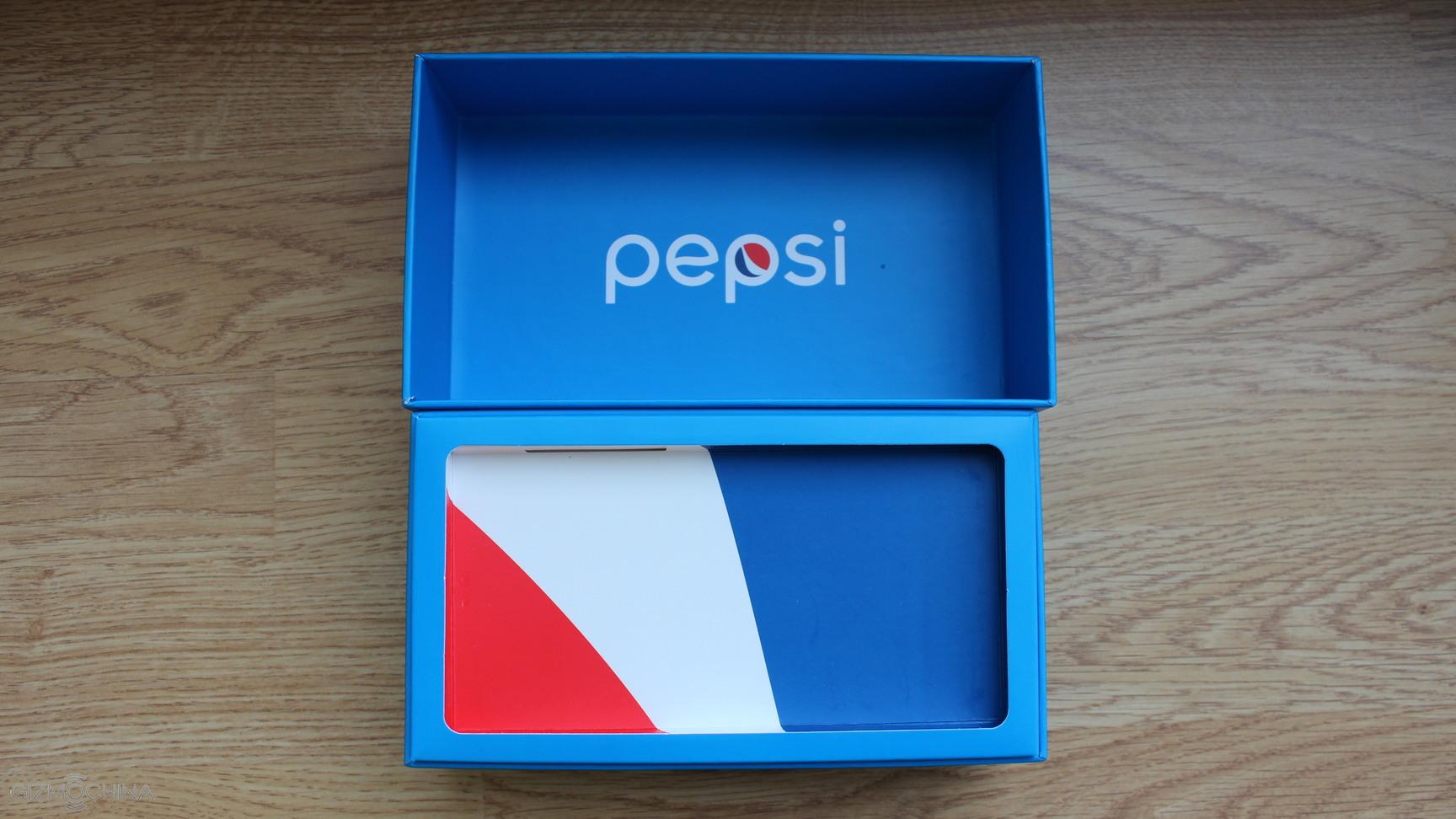
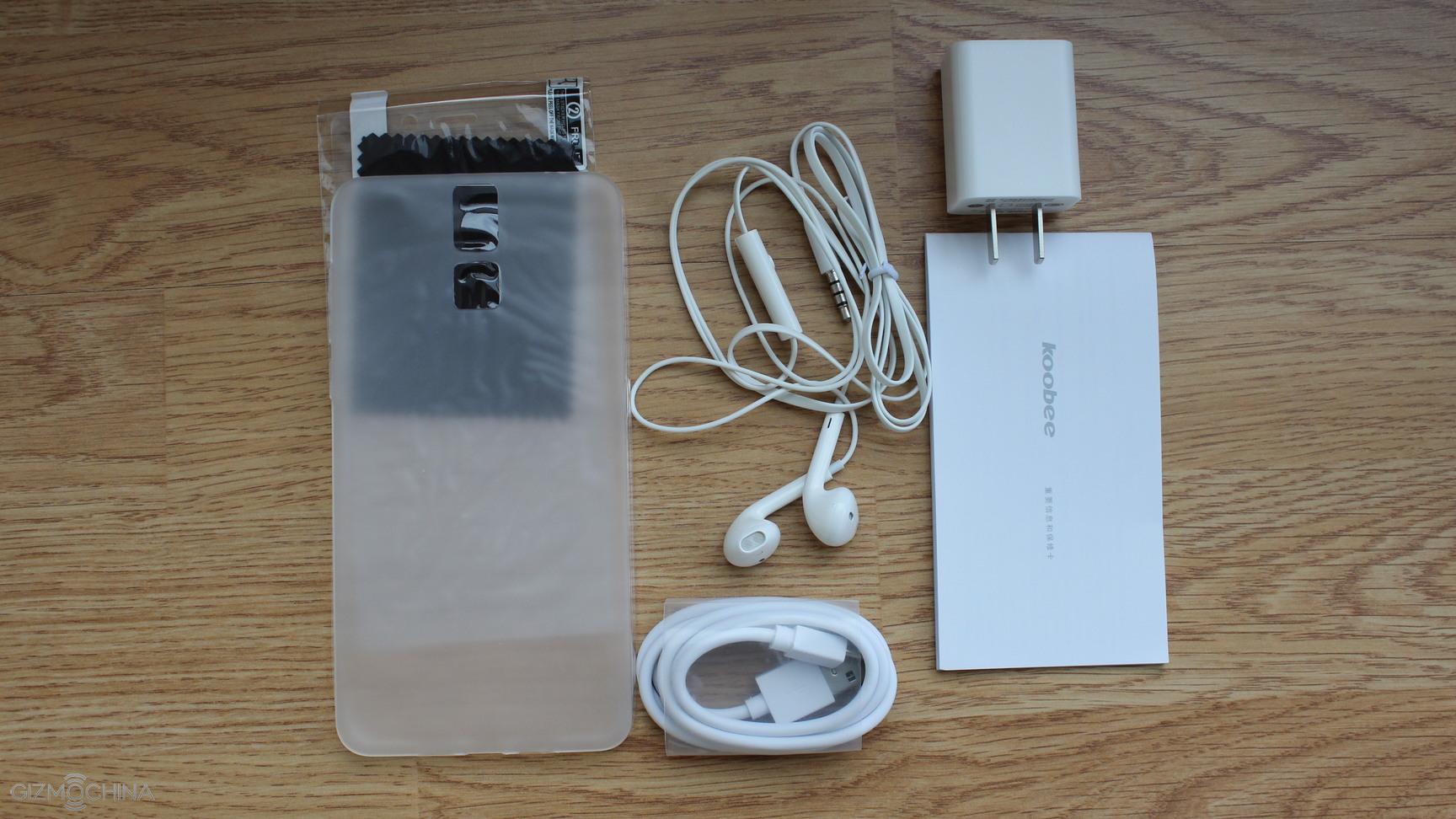
It all starts with beautiful presentation and all the items are packed neatly. In the box, you can find all the usual stuff and some extras like a pair of earphones, a screen protector and a soft TPU case.
16GB (expandable via microSD card slot up to 64GB)
Pepsi P1s Review: DESIGN and DISPLAY
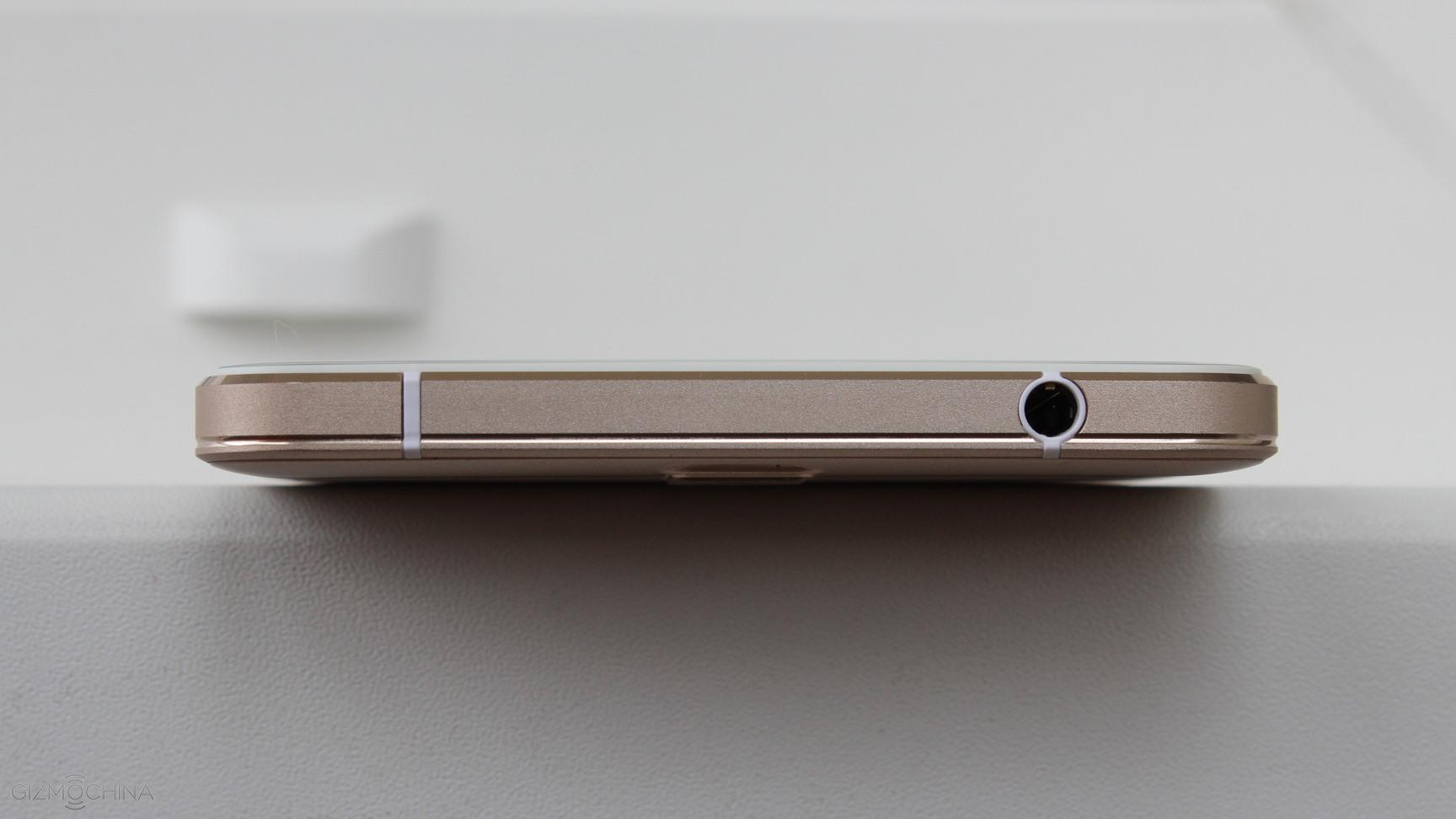
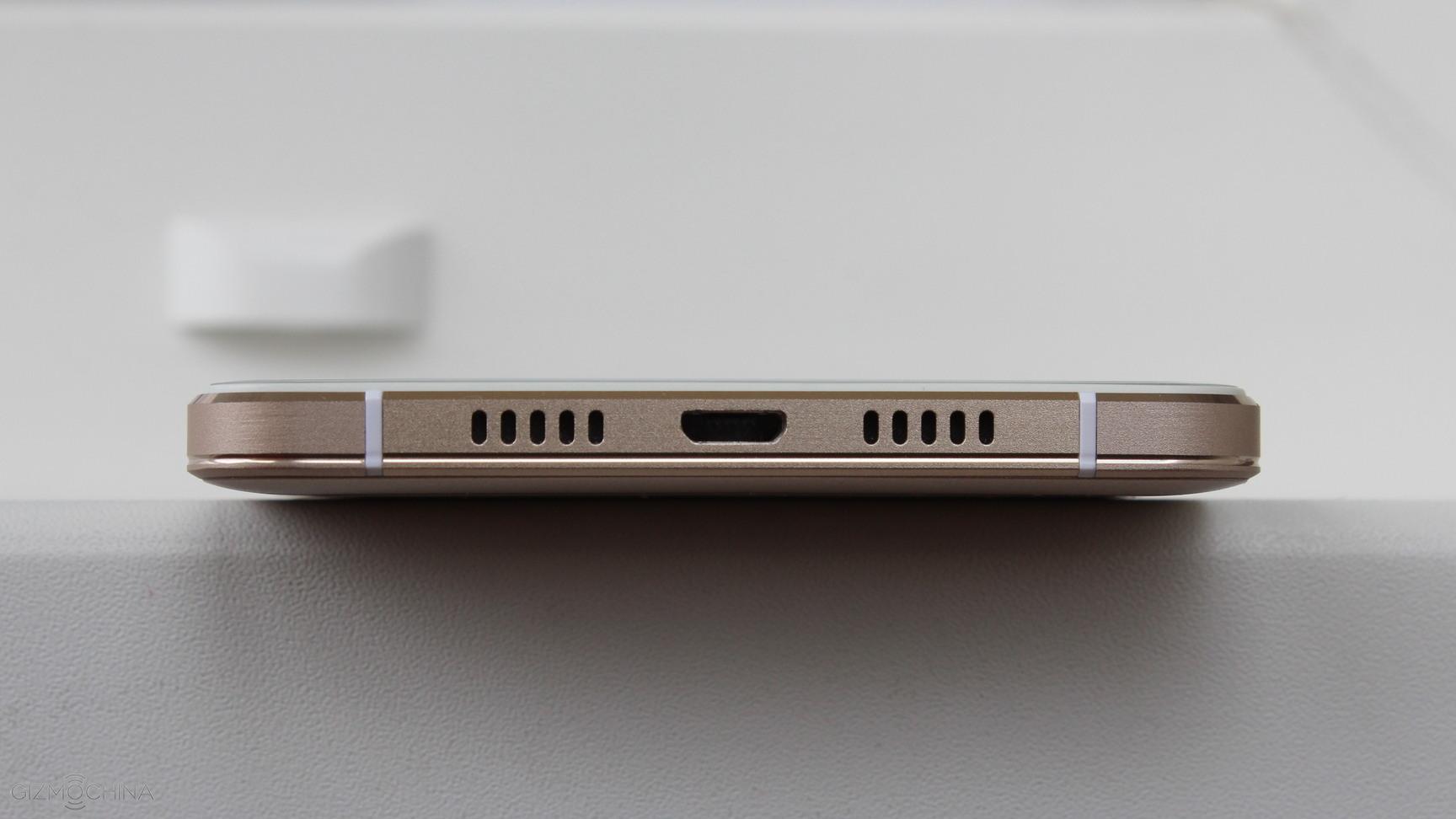
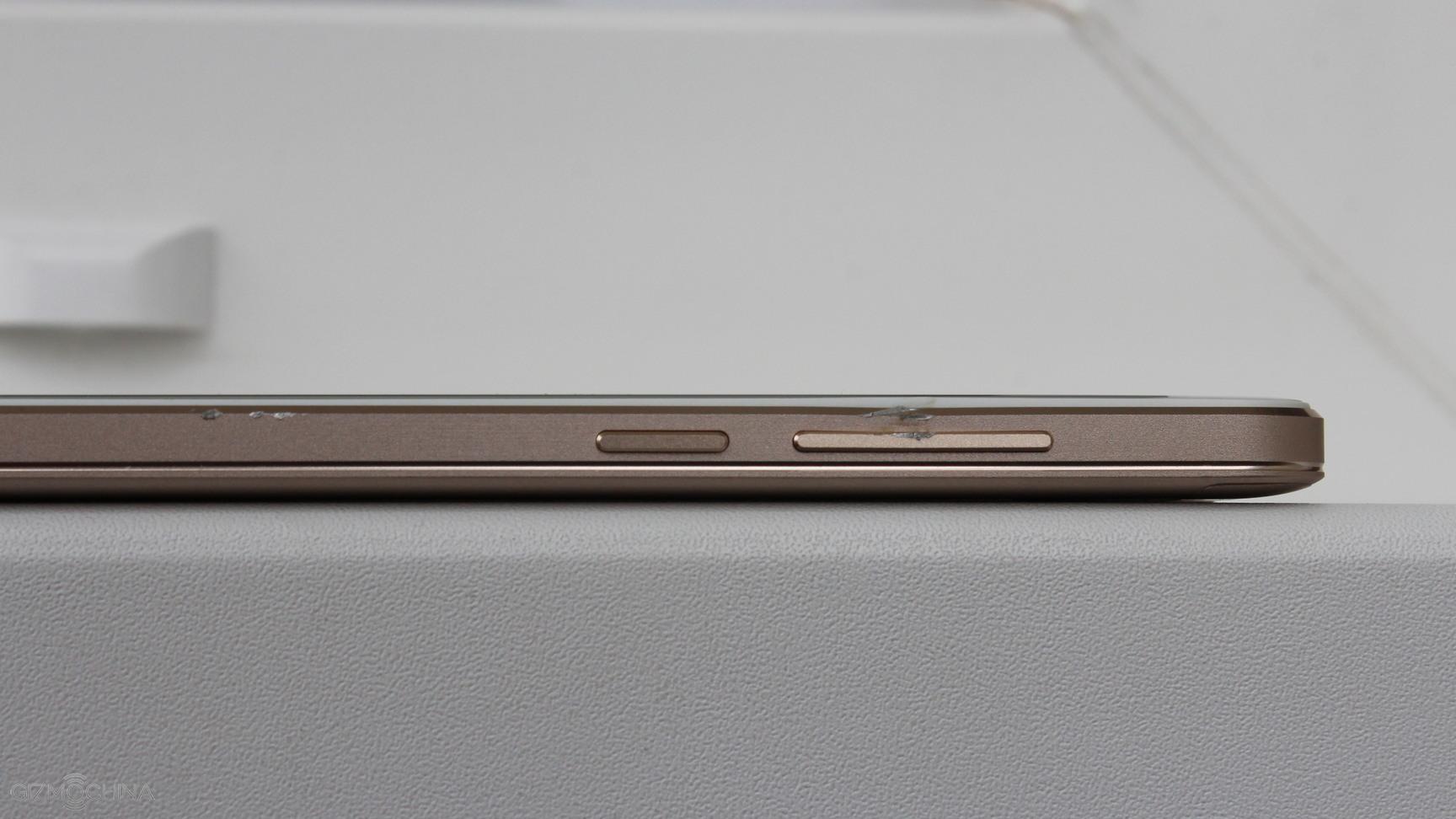
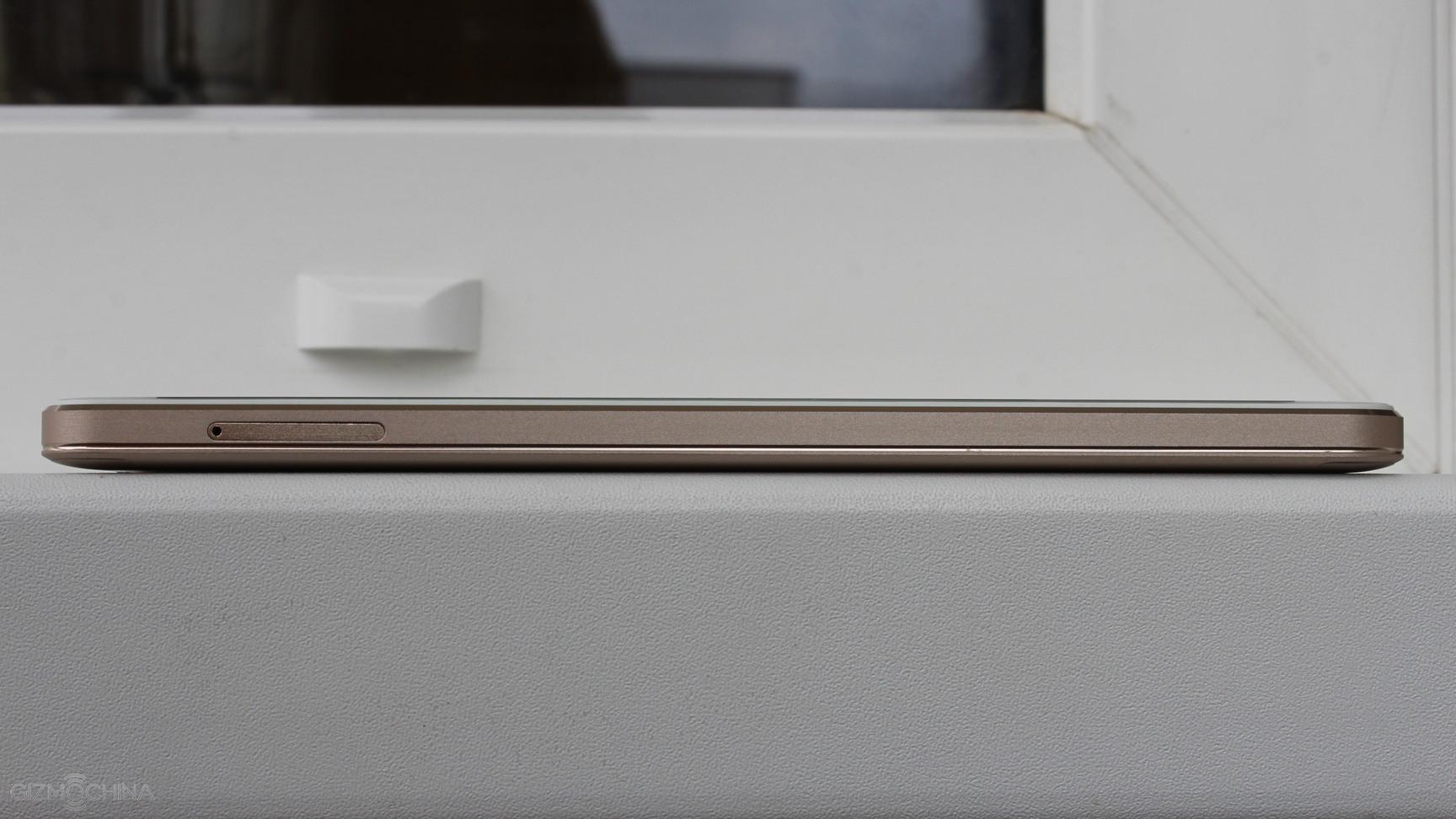
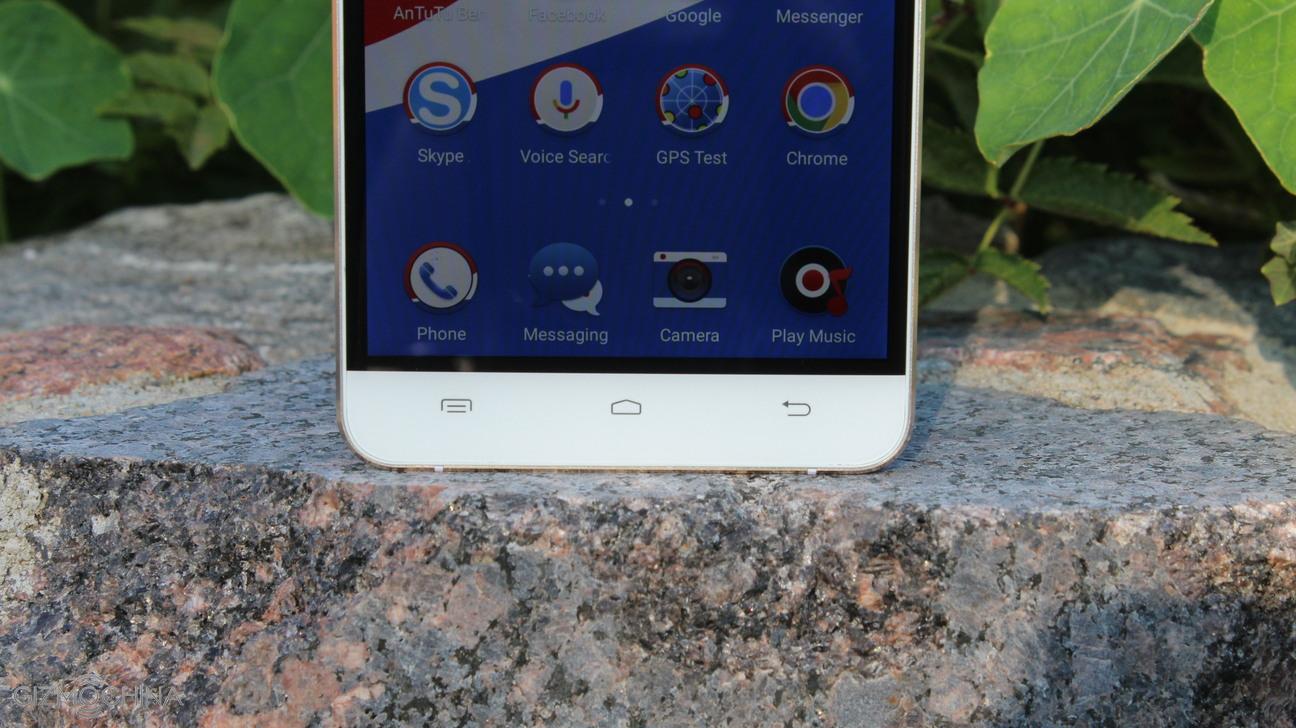
No one will ever tell you that this phone does not even cost a $100. The device sports an all-metal shell and it is well-constructed. In fact, I dropped the phone on the rocks from about 2 meters and the only damage there was – a few dings on the metal frame and metal buttons. Speaking of the buttons, they are nice and tactile.
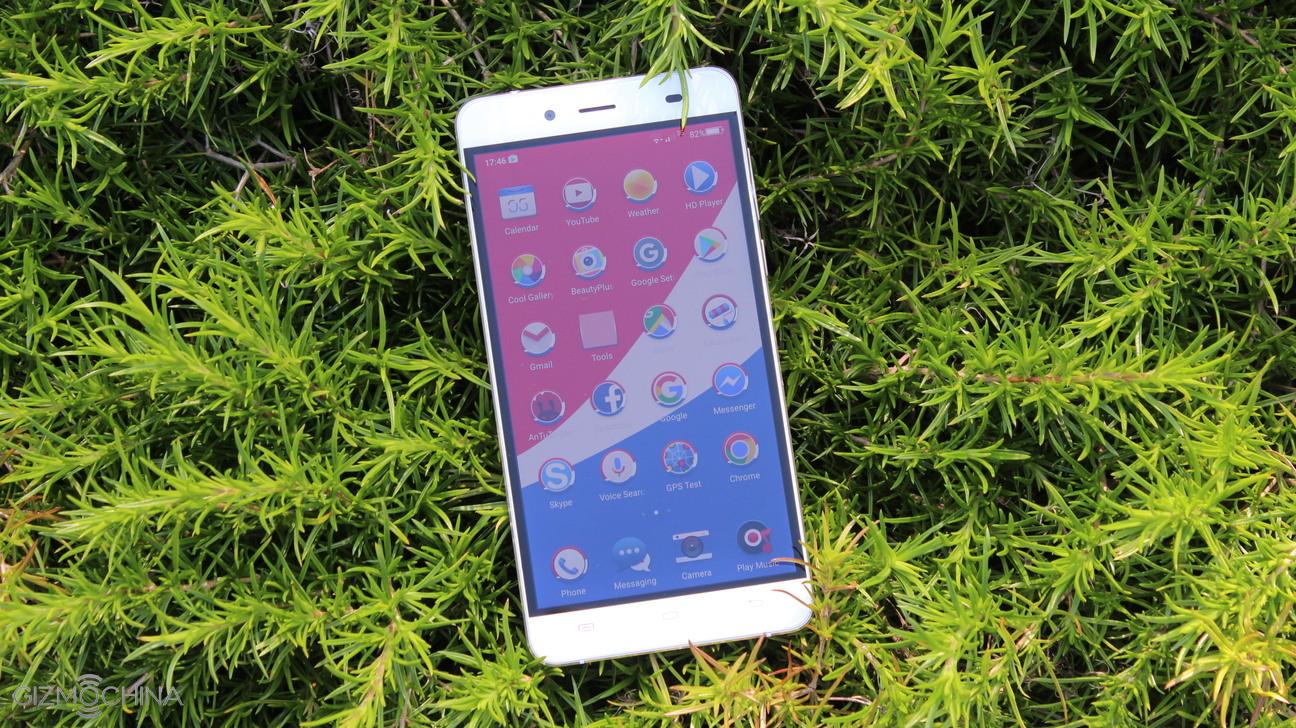
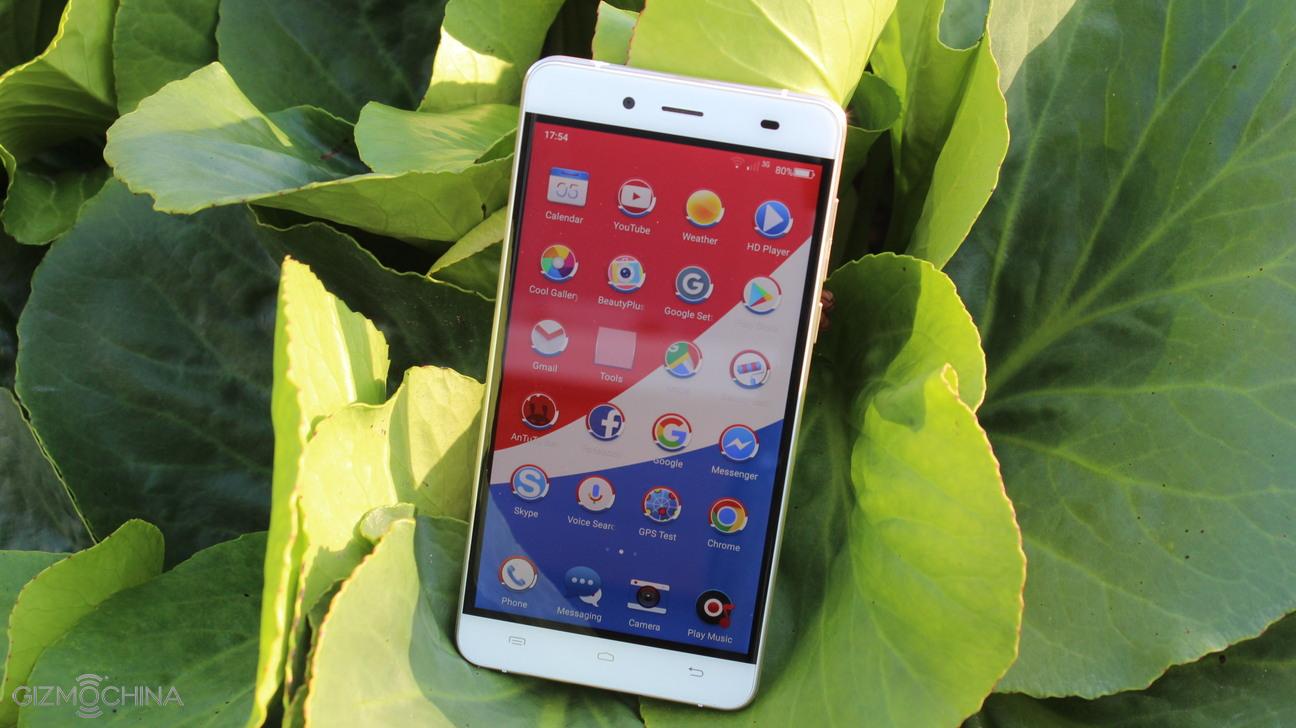
We have a 5.5” LCD 1080p display, which is sharp, bright and vibrant, and it is one of the best panels on such a cheap phone.
Just above the display, there is a 5MP selfie camera. Unfortunately, there is no LED notification light and the capacitive buttons are not backlit.
As far as the main camera goes, we have a 13MP shooter coupled with the LED flash. Just below the camera, there is a fingerprint scanner, which is not the fastest around but it is accurate enough and it works straight from the standby mode.
The loudspeaker sits on the bottom and I have to tell you that it is one of the best I’ve heard in a sub-$100 phone.
Pepsi P1s Review: HARDWARE and PERFORMANCE
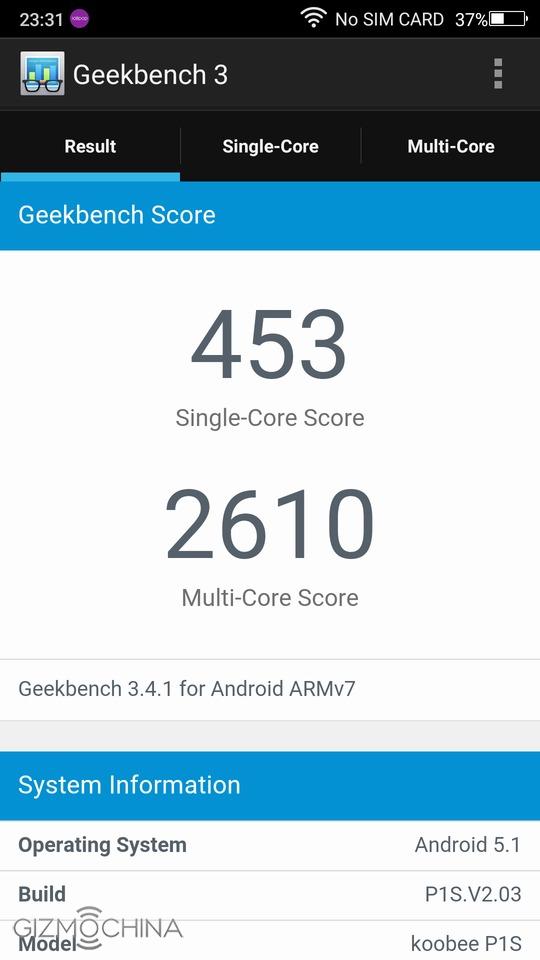
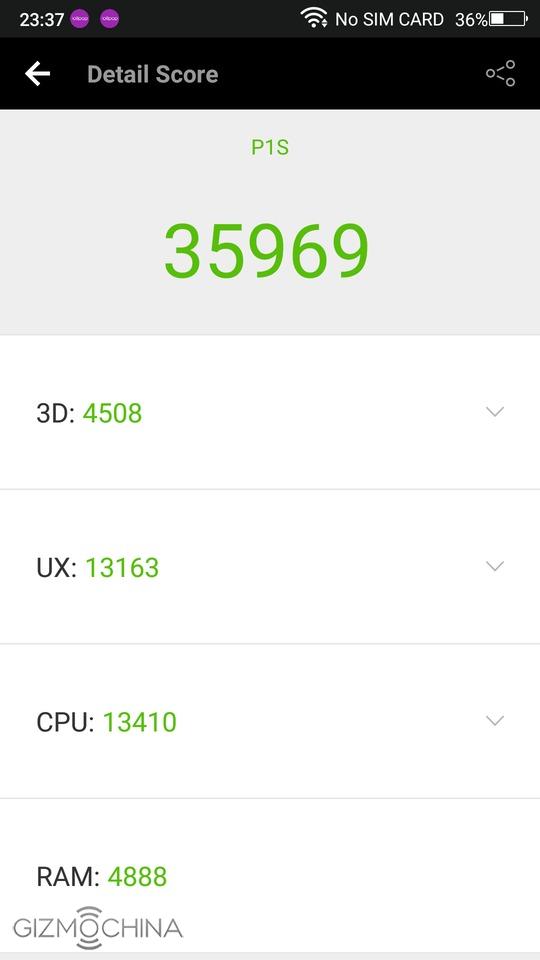
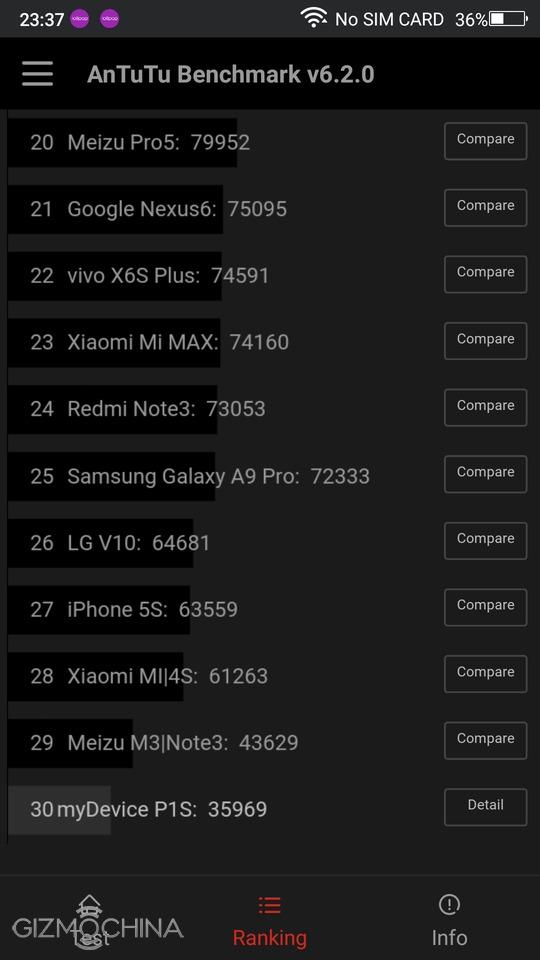
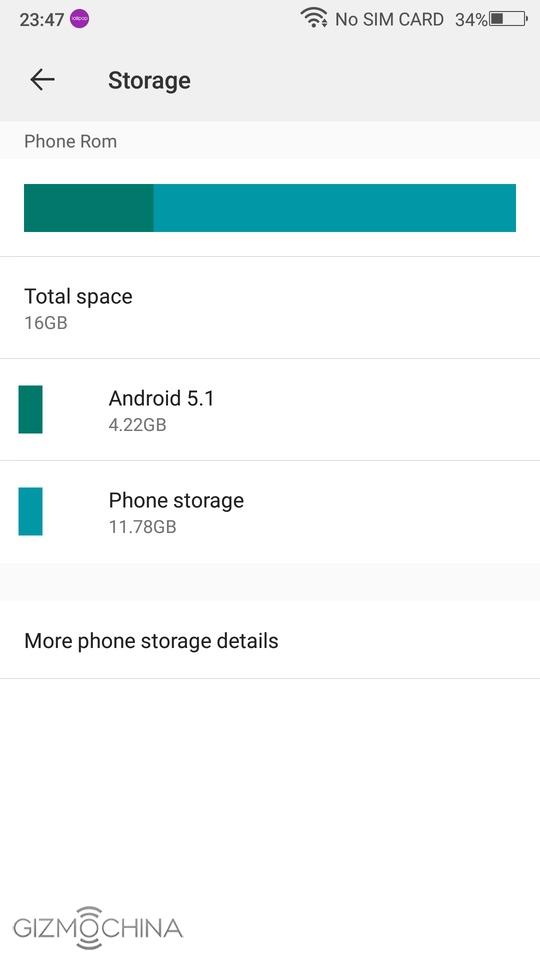
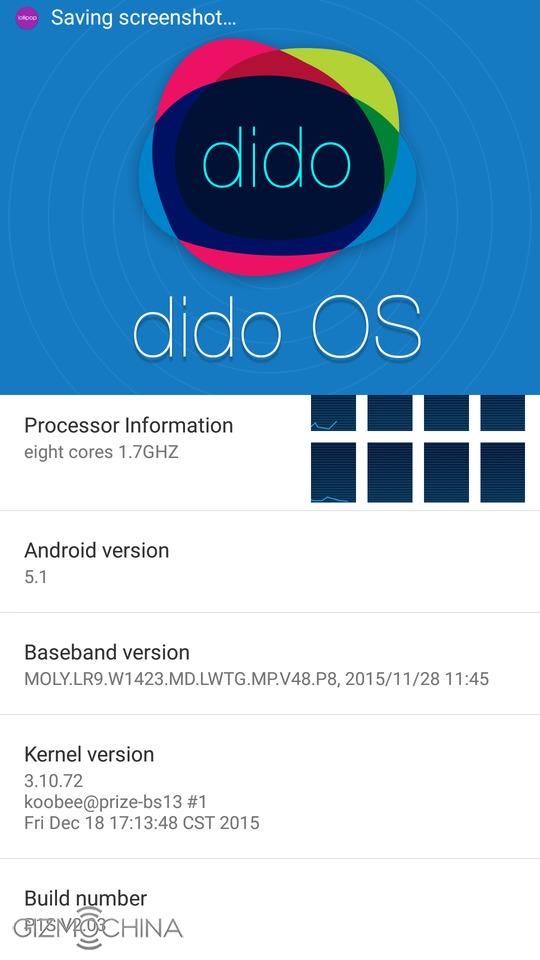
The Pepsi phone is no slouch when it comes to the internal hardware. It ships with an octa-core MTK6592 chip, clocked at 1.7Ghz, 2GB of RAM and 16GB of expandable storage.
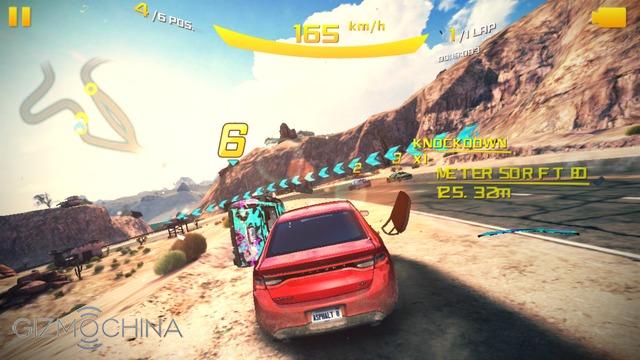
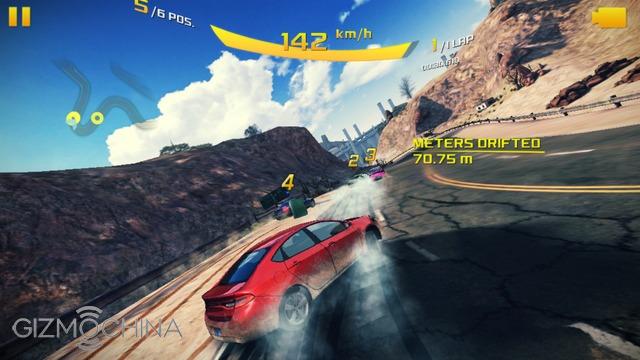
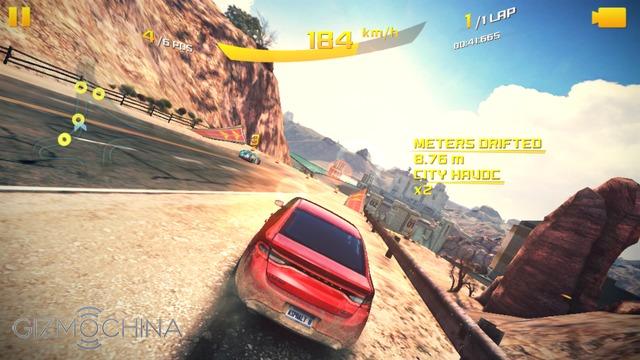
These are not the flagship-grade specs but the phone handles 3D games pretty well. I enjoyed playing Asphalt 8 on medium graphics without any stutter but the phone gets quite warm quickly.
On the other hand, the device never got too hot that it became uncomfortable.
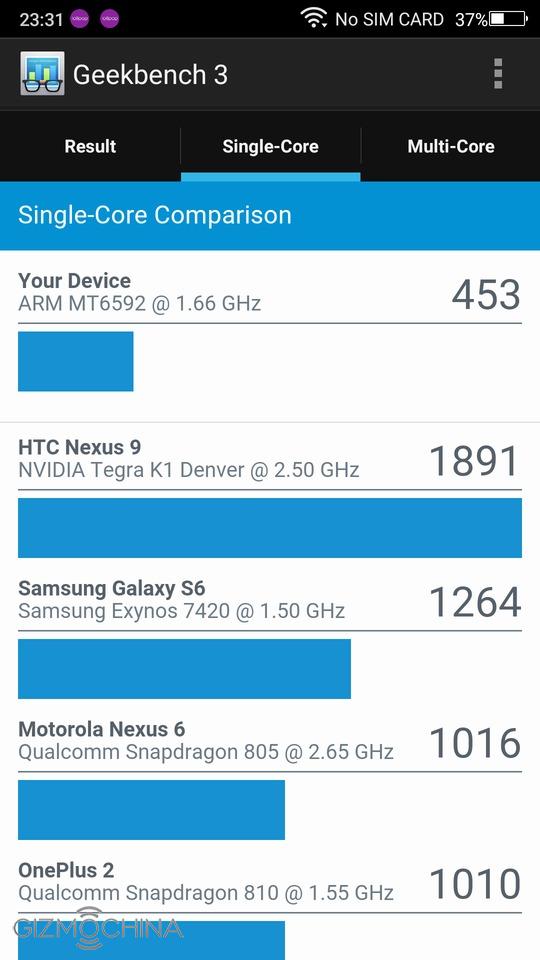
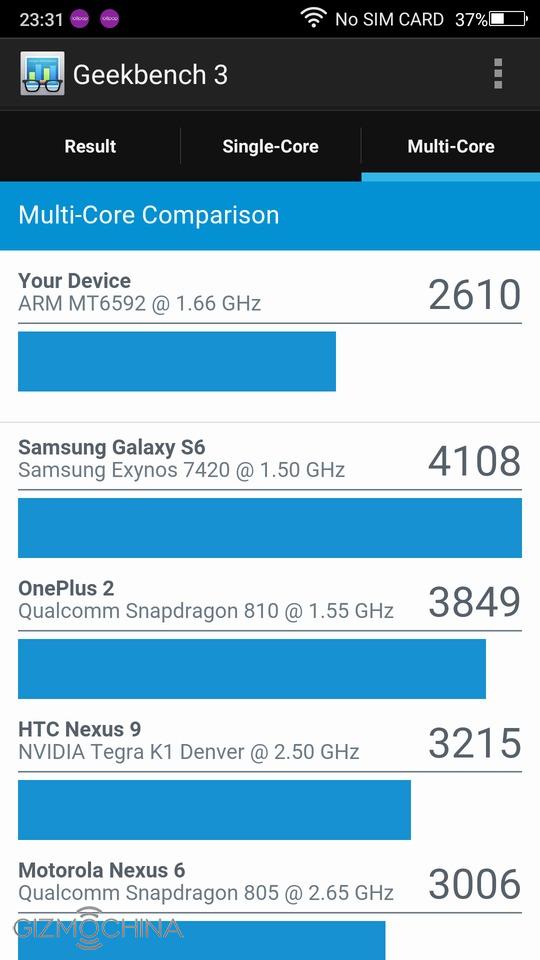
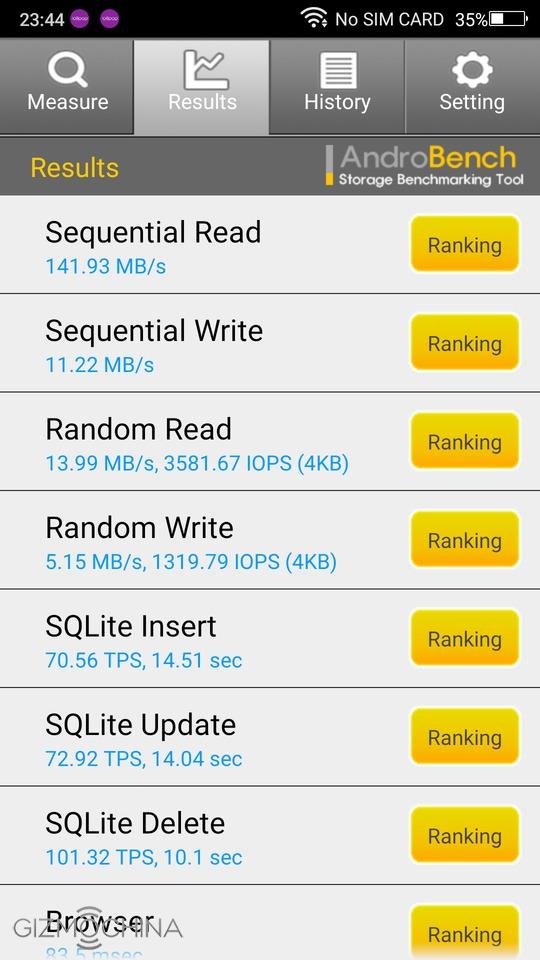
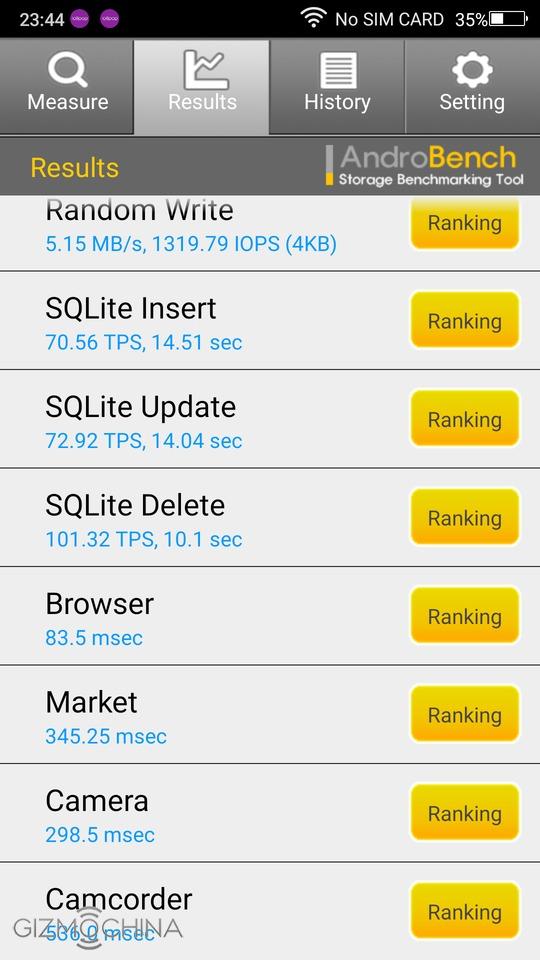
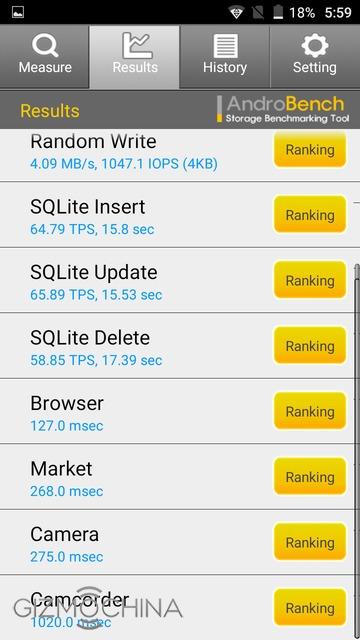
Pepsi P1s Review: BENCHMARKS
Pepsi P1s Review: USER INTERFACE
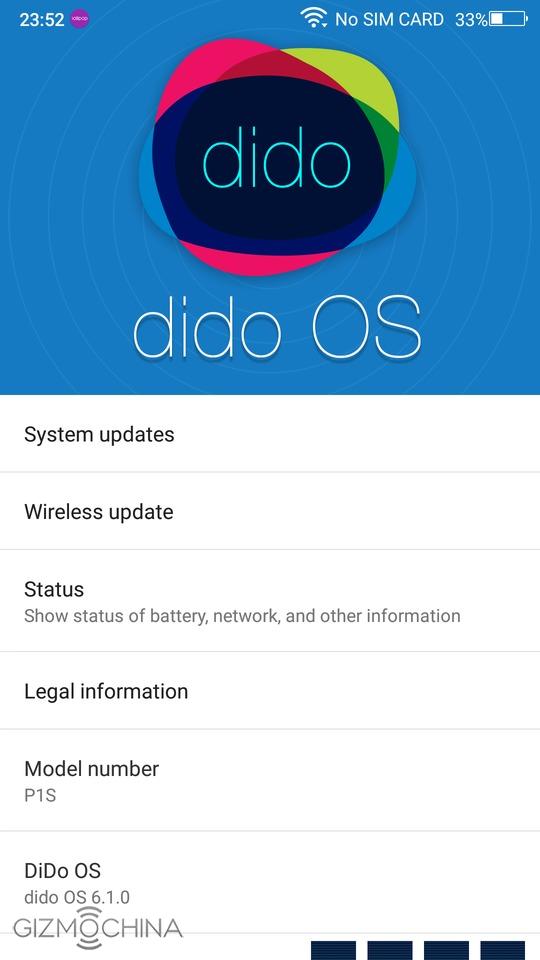
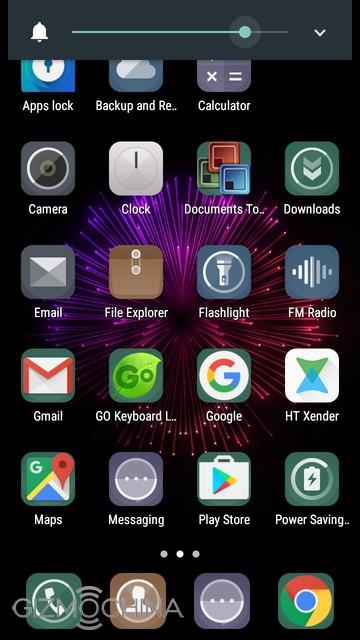
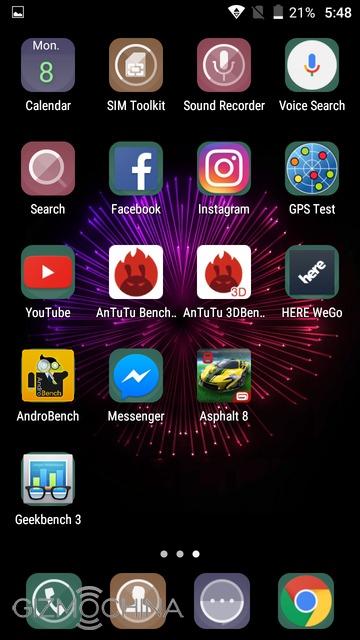
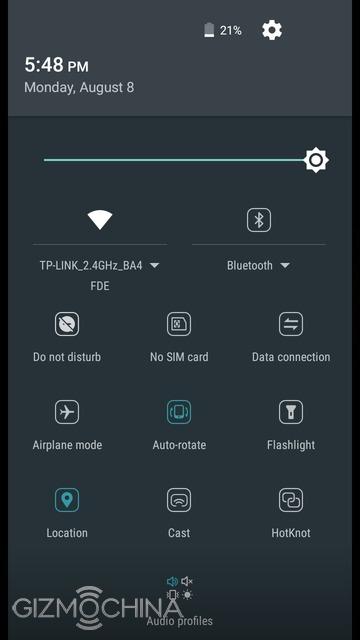
Speaking of the UI performance, it is good too. I didn’t have any hiccups or lags. The phone ships with the dido OS, which is a surprisingly good implementation of the already dated Android 5.1.
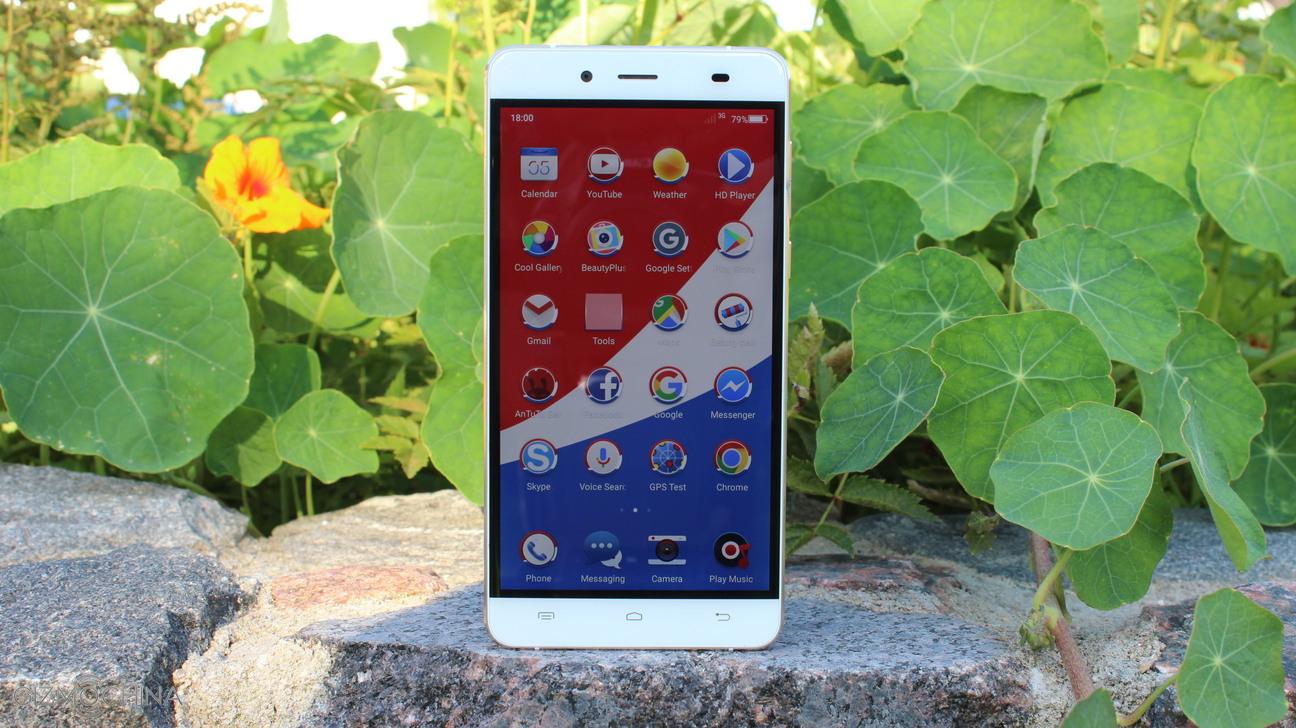
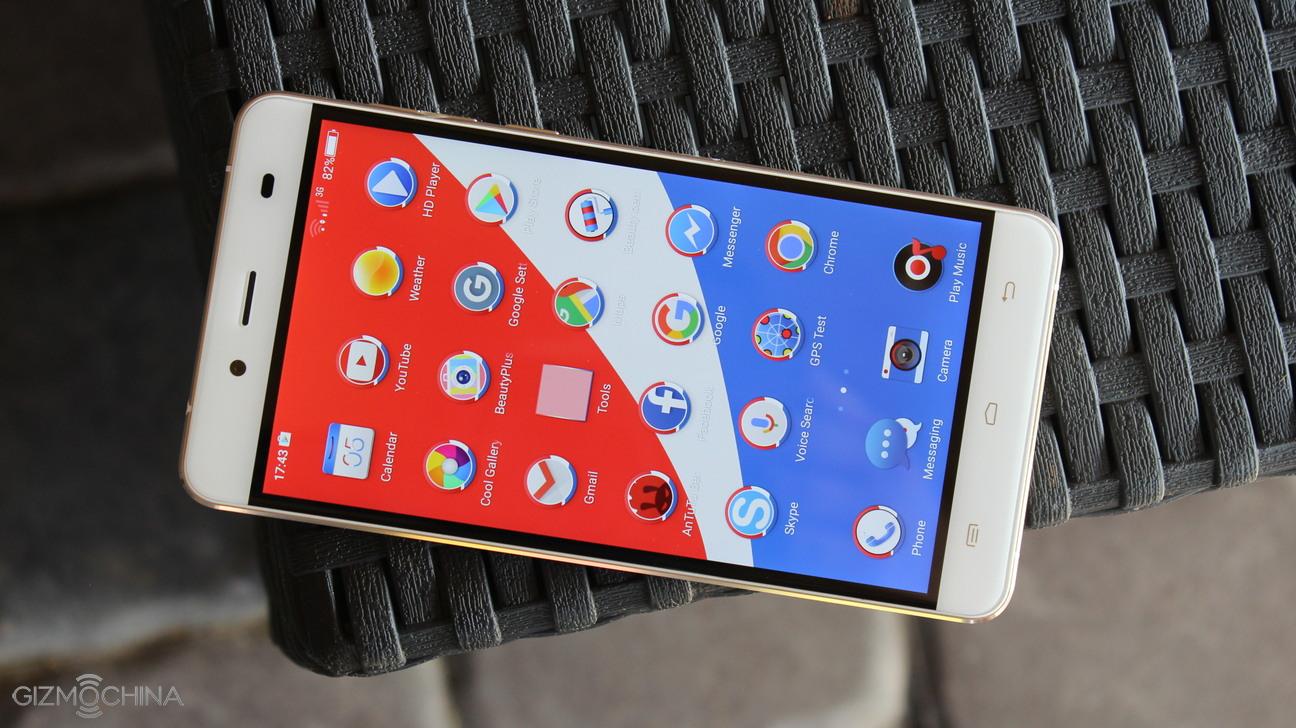
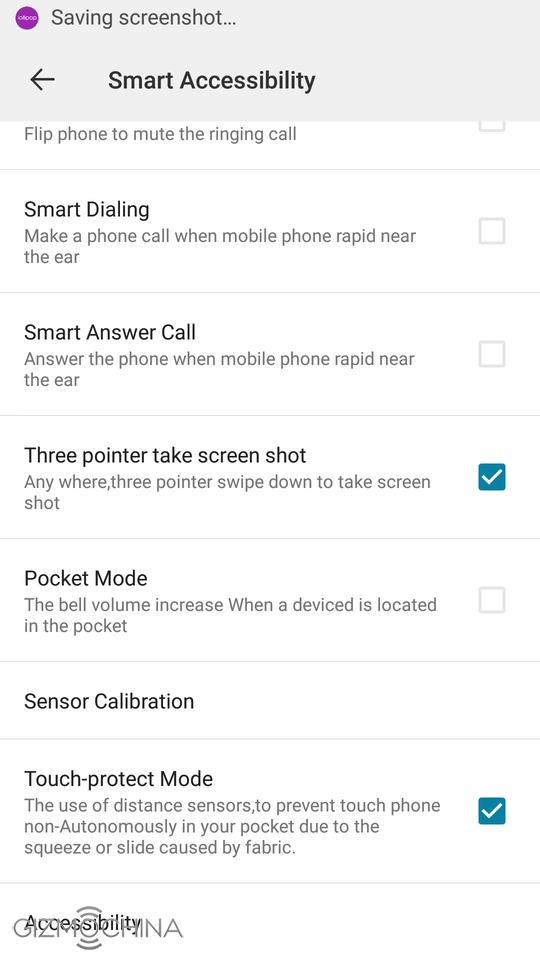
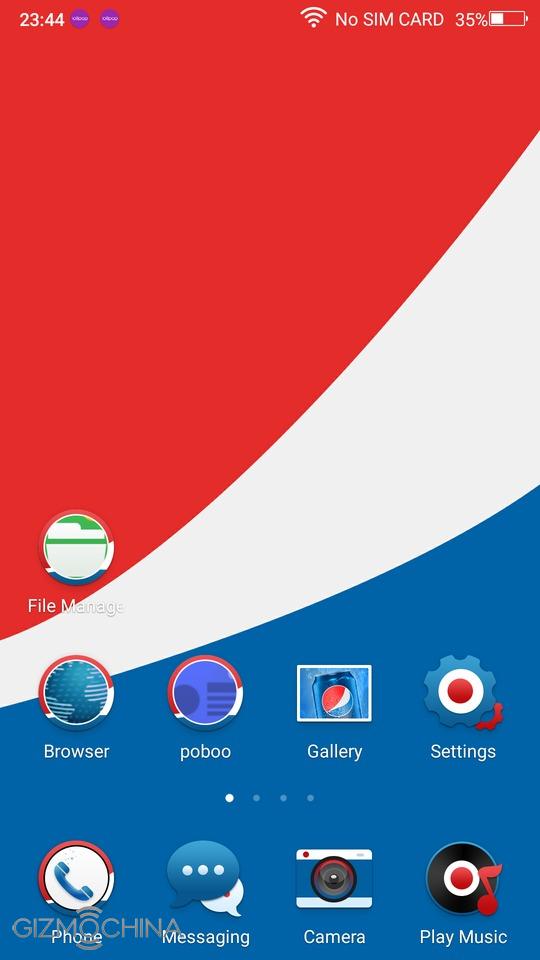
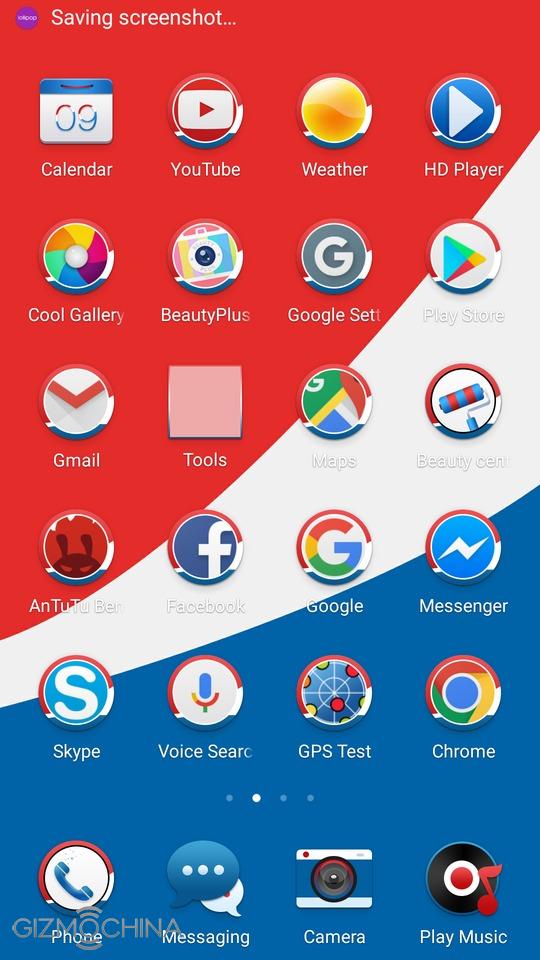
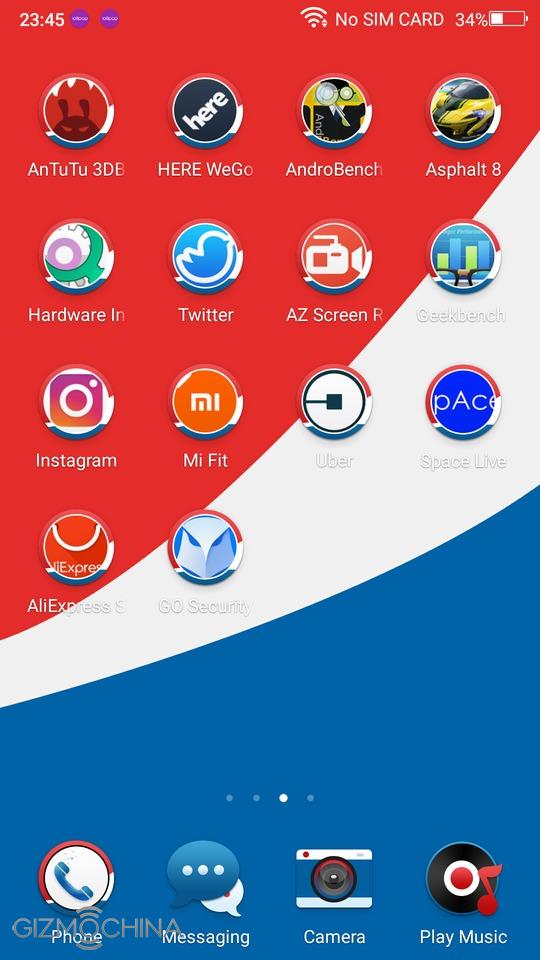
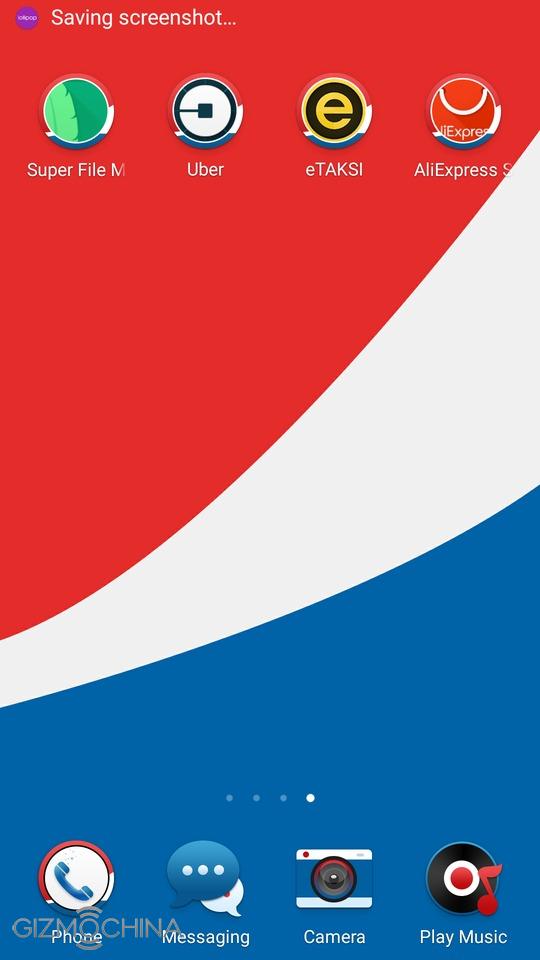
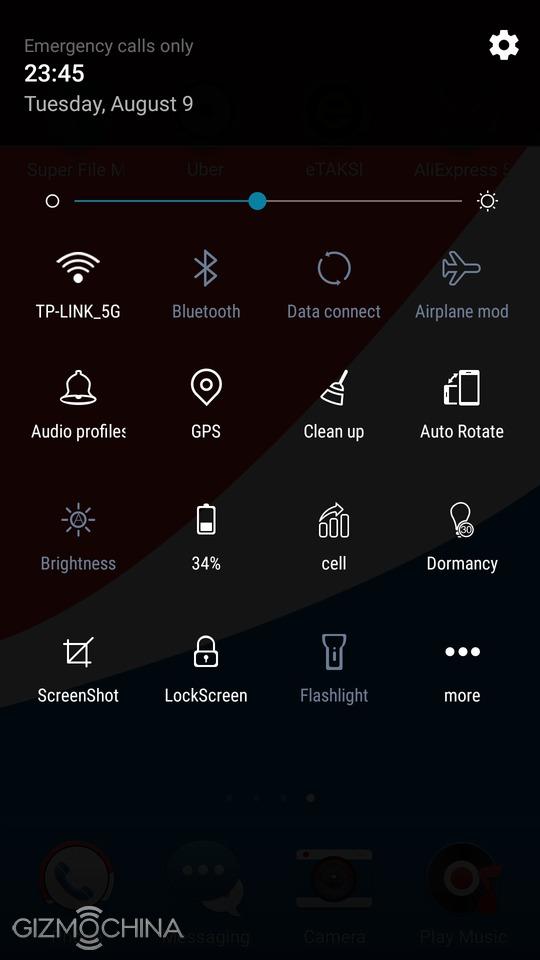
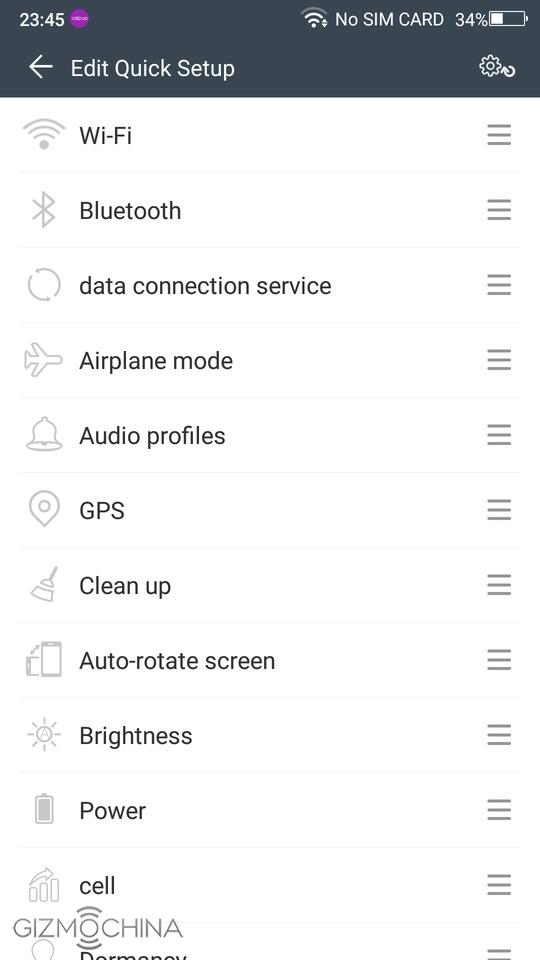
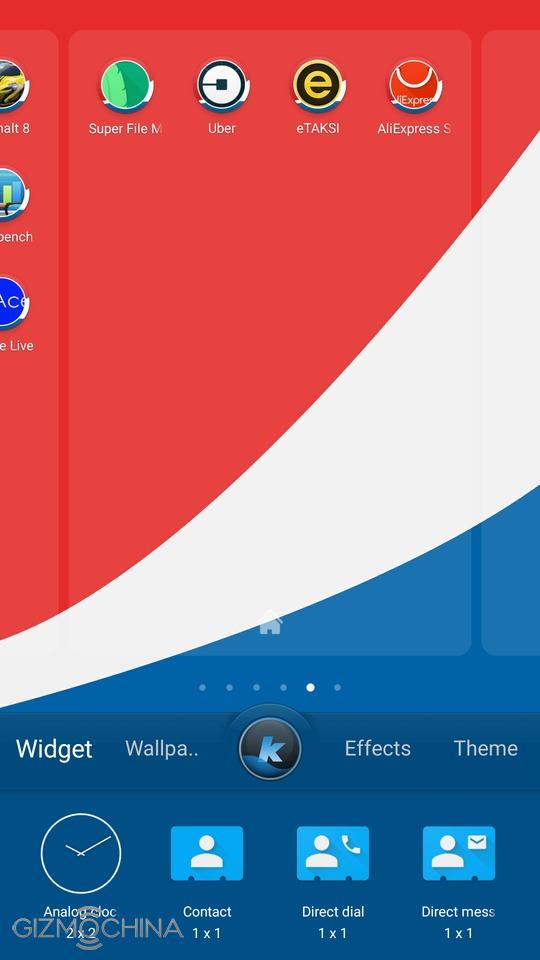
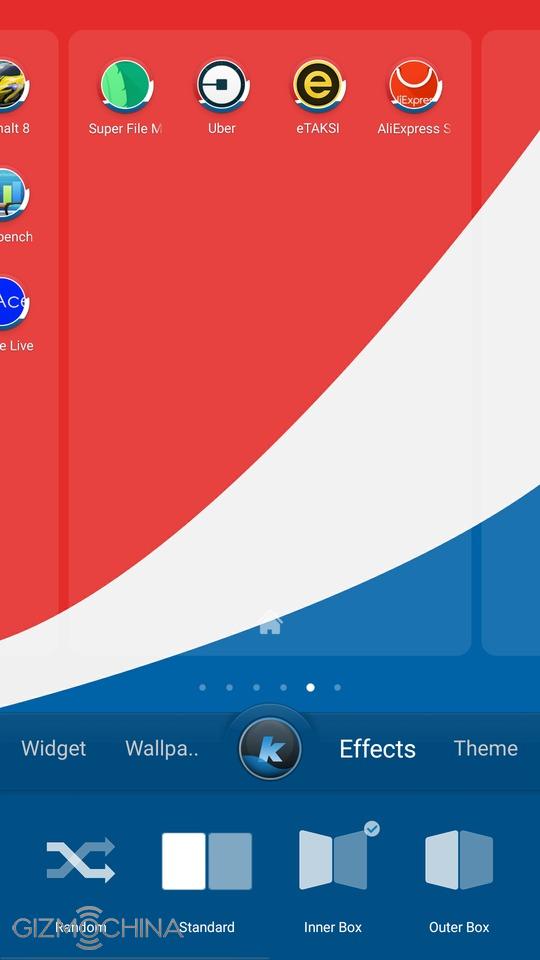
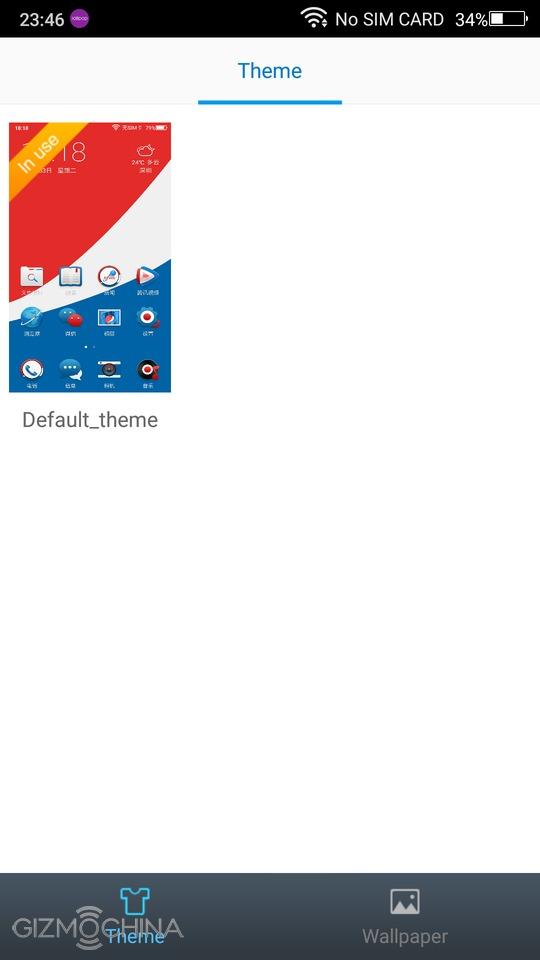
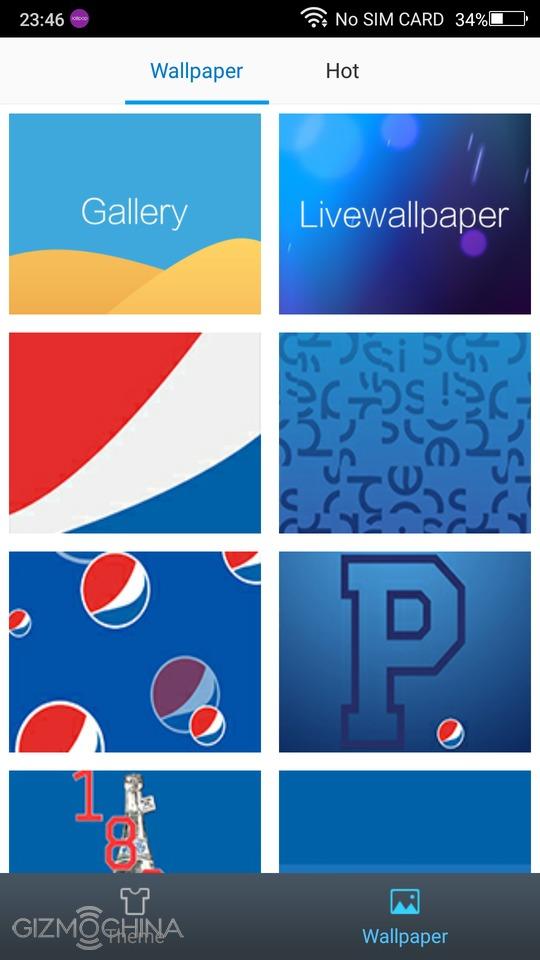
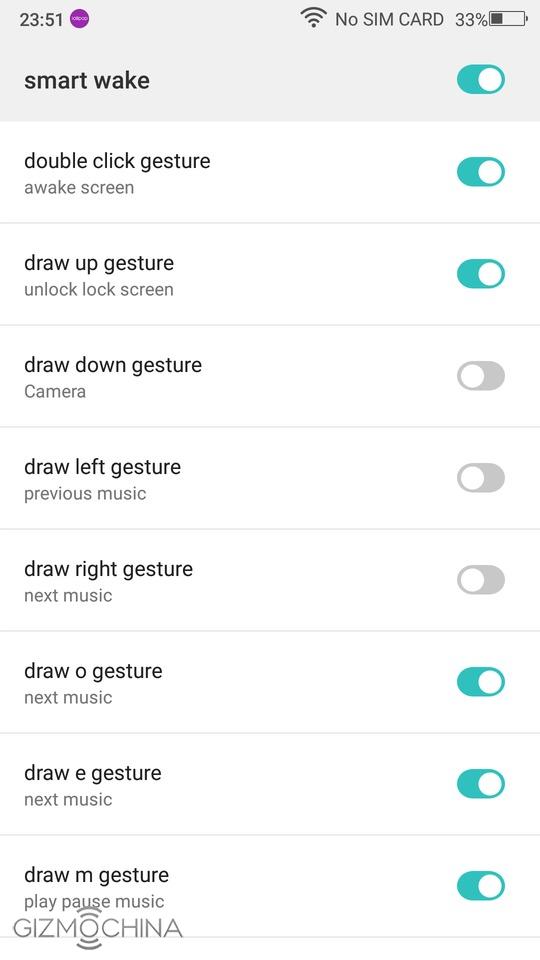
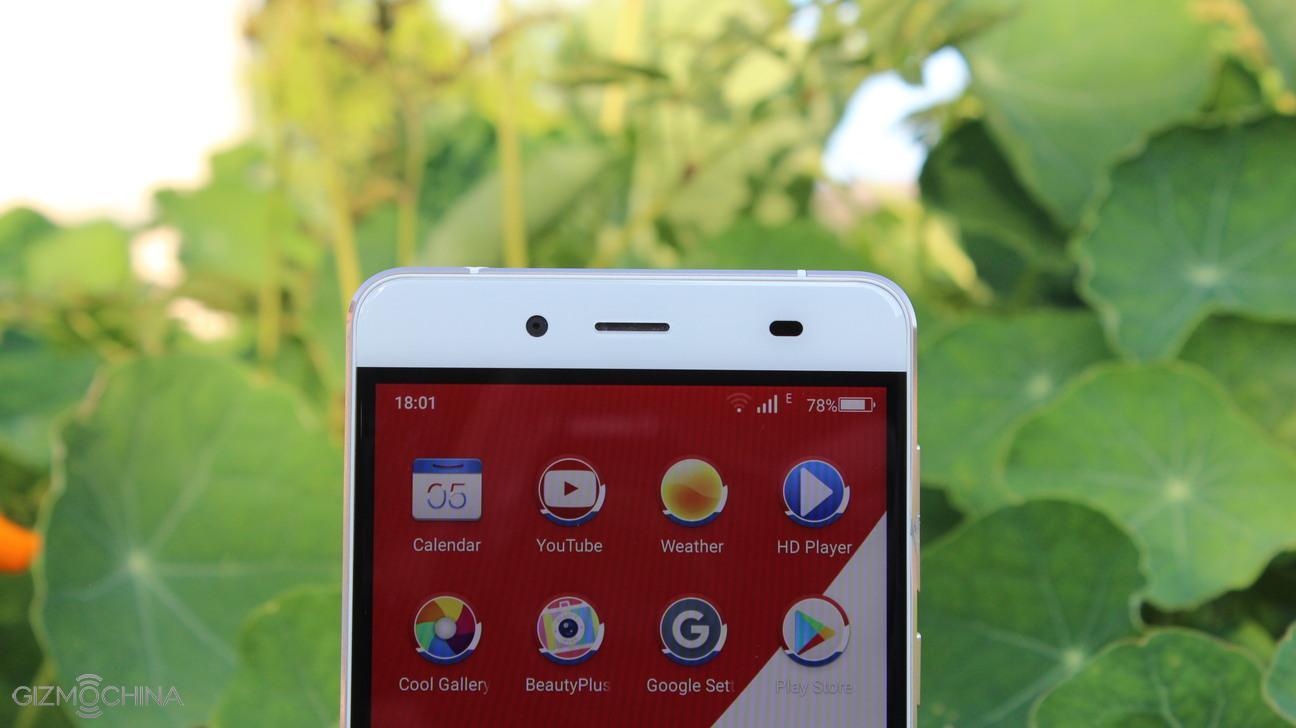
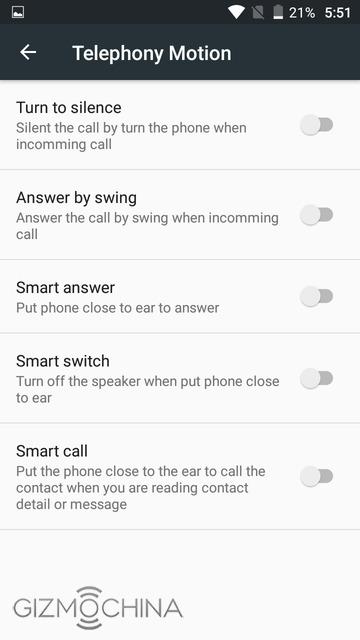
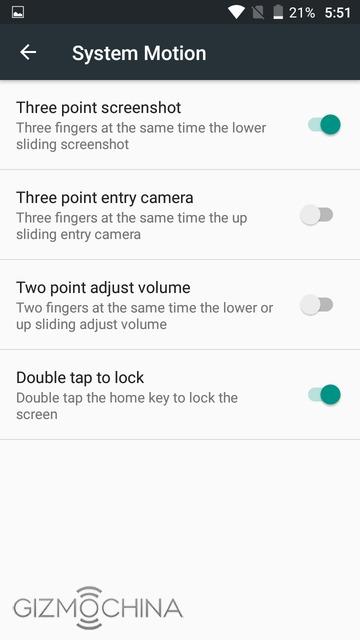
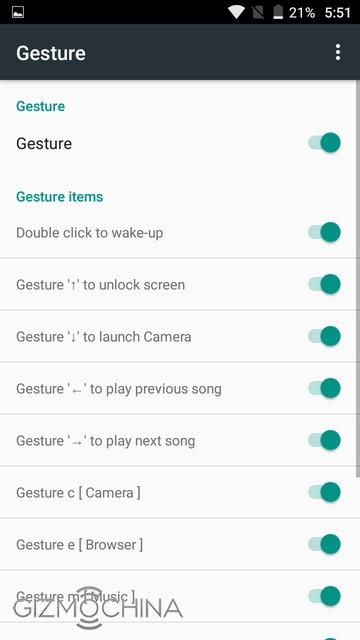
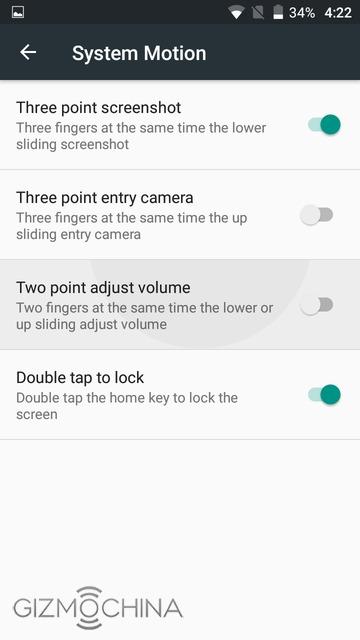
All the icons that sit on the home screens, have some Pepsi design elements. While it justifies the purpose of this phone, I’m not a huge fan of that cartoonish look. On the other hand, the user interface has quite a few customization options and some added features like a bunch of gesture and motion controls.
Pepsi P1s Review: IMAGE QUALITY
You can’t expect much from a cheap phone when it comes to the image quality but the Pepsi phone is capable of taking some decent looking images when there is enough lighting.
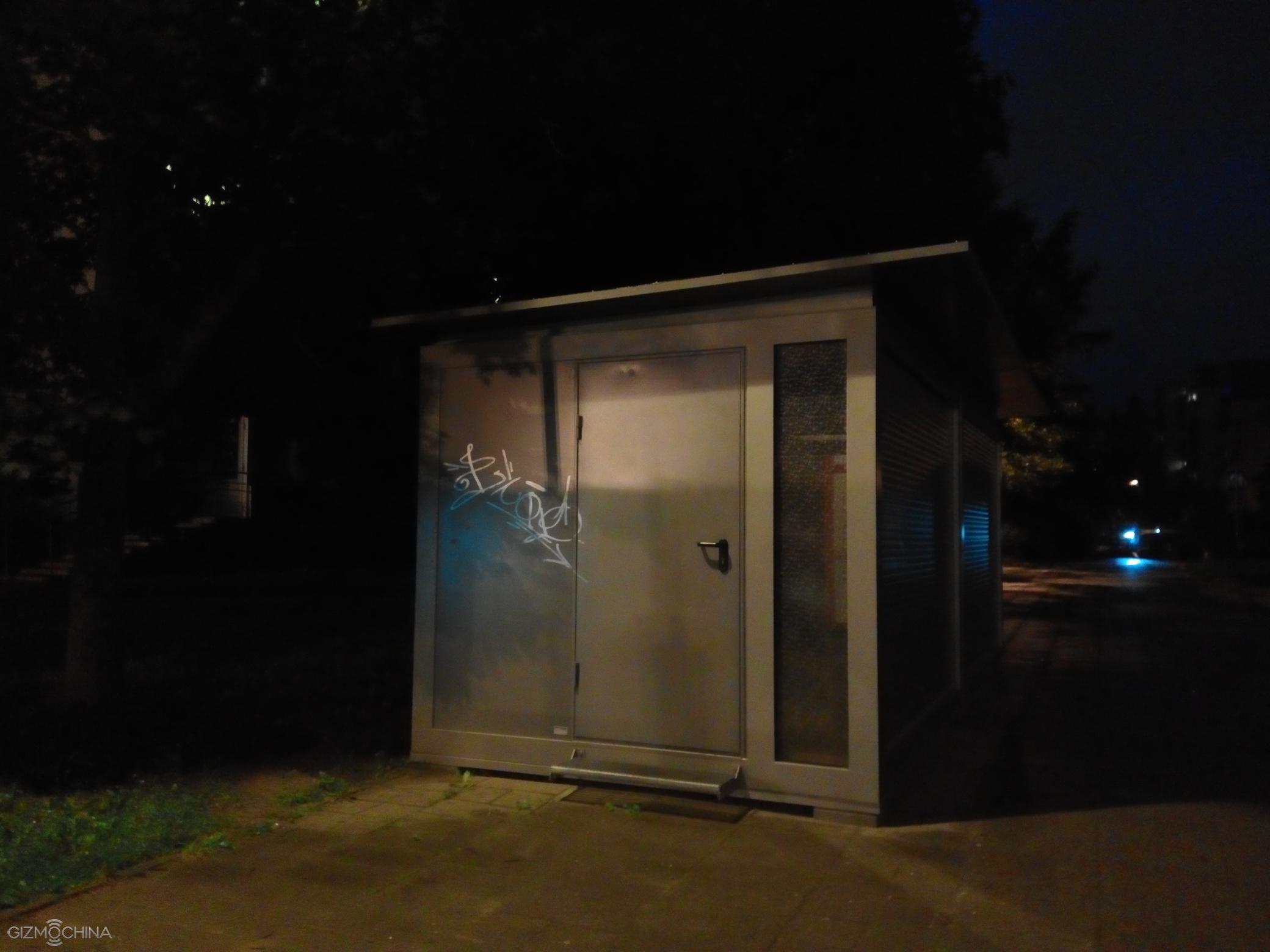
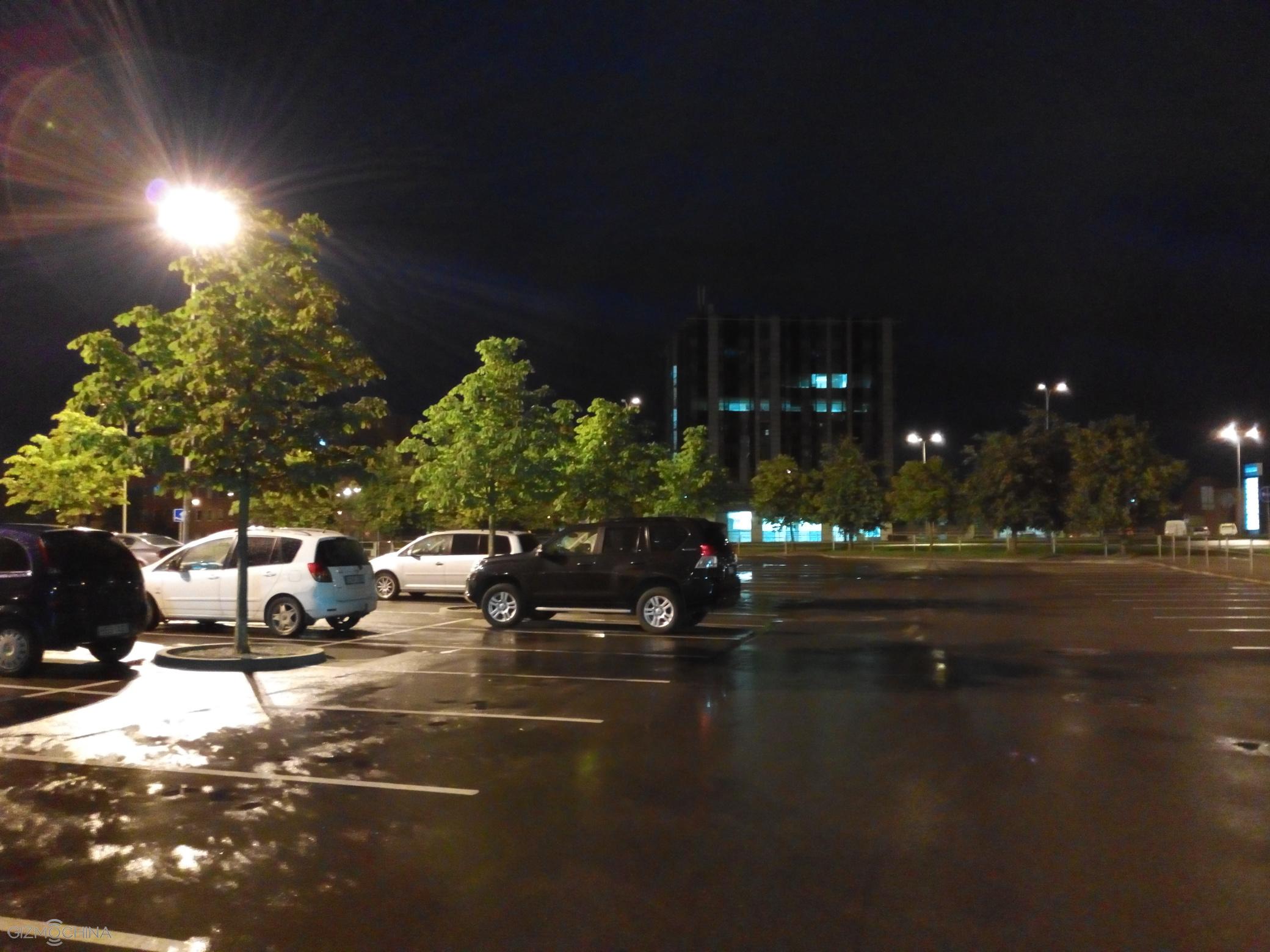
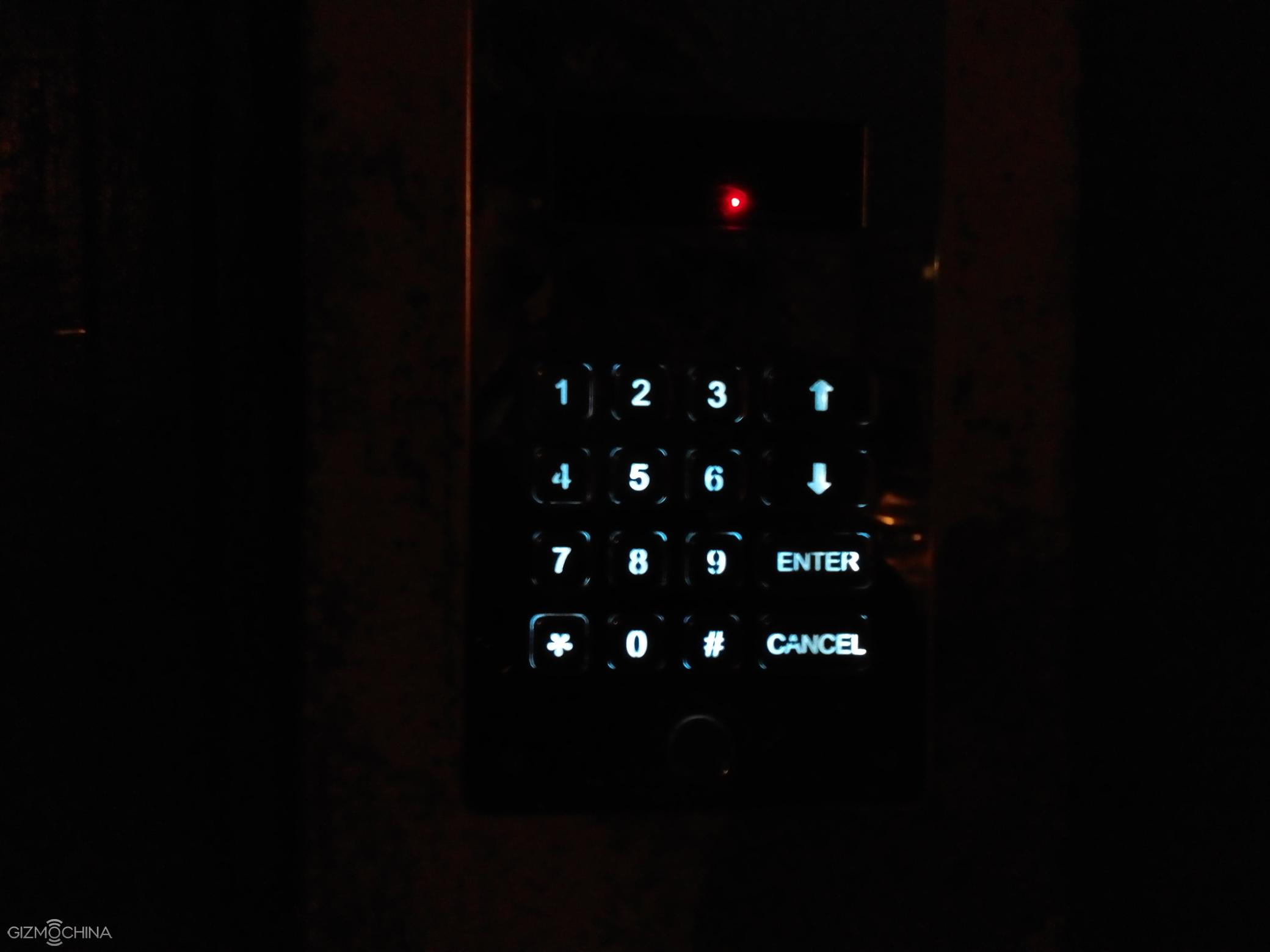
Some of the low-light images may be usable but don’t expect any stellar results.
A front-facing camera can take just mediocre-looking selfies but they may be enough for social media.
The 1080p video, on the other hand, is one of the best in class. See a video review for a video sample.
When it comes to connectivity, the phone supports 4G and it can take either 2 SIM cards or a combo of 1 SIM and the microSD card.
I didn’t have any connectivity issues. Even the GPS lock speeds were fast and the GPS was accurate.
Pepsi P1s Review: BATTERY LIFE
The phone ships with 3000mAh battery that performs quite well. The device will get you through the day and I was able to get around 3.5h of screen-on time, which is not the best result but I can definitely live with that.
Unfortunately, the phone does not support fast charging feature.
Pepsi P1s Review: CONCLUSIONS
The Pepsi phone is a one pleasant surprise, to be honest. I didn’t even know it existed before I decided to review it. The device exceeded my expectations considering its low price tag.
It has a nice looking all-metal design and excellent build quality and brilliant display. Also, the phone performs well and its UI may look a bit cartoonish but it has some nice features.
Also, the camera can take some decent looking daylight images and the phone has a good loudspeaker.
On the other hand, you have to consider that the Pepsi smartphone lacks the notification LED light, its capacitive buttons are not backlit, the phone ships with the already dated Android 5.1 and last but not least, the phone ships with a few pre-installed bloatware apps.
All in all, the $93 Pepsi smartphone may not be the perfect device but it is definitely one of the best phones you can buy at this price point, despite a few shortcomings.
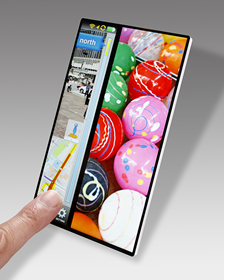
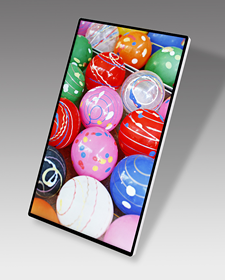
Japan Display Inc. (JDI) yesterday announced the development of a new LCD display which it calls “Full Active” LCD Display (XO) which features ultra-slim design bezels on all four sides of the screen. The new “Full Active” display has found its first introduction in a 5.5-inch Full HD LCD display for smartphone devices.
JDI Full Active LCD display
The new display type was manufactured by adopting a new high-density wiring schematics and with the use of new processing and module assembly technologies. These all combine to create a slim display which requires less bezels, since the control units are small. The current range of LCD panels usually feature larger bezels at the top or bottom which houses the electronic and lighting control units.
JDI claims the newly designed LCD module structure will allow the size of a smartphone to be as slim as the display size and this could launch a whole new design pattern in smartphones. Already plans are underway to commence mass production of the display by the end of March 2017, so we could be seeing smartphones sporting this new display technology as early as next year. Apart from smartphones, JDI hopes to develop LCDs for various display sporting smart gadgets with this new technology.
JDI is a four-year-old company formed in 2012 through the consolidation of the display panel businesses of Sony, Hitachi and Toshiba. The company has grown to become a leading global manufacturer of advanced small and medium sized LTPS LCD panels. JDI’s displays can be found in smartphones, tablets, automotive electronics, digital cameras, medical equipment and other electronic devices.
The company has struggled in recent times due to the proliferation of LCD manufacturers in China and the shift to OLED displays spearheaded by Samsung’s AMOLED panels which seem to achieve better resolutions than LCDs. But with this recent technology, JDI could just reclaim the technological edge it has over other smaller LCD manufacturers. Also, it remains to be seen if this can halt the steady migration towards OLED displays.
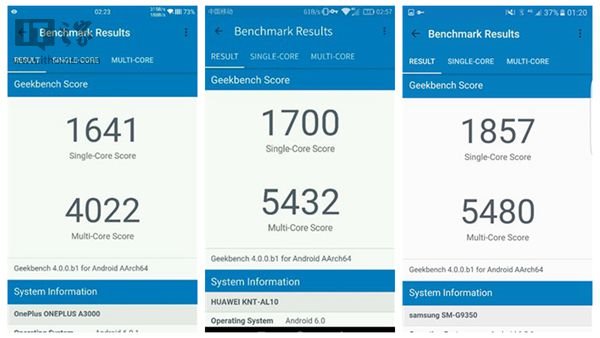
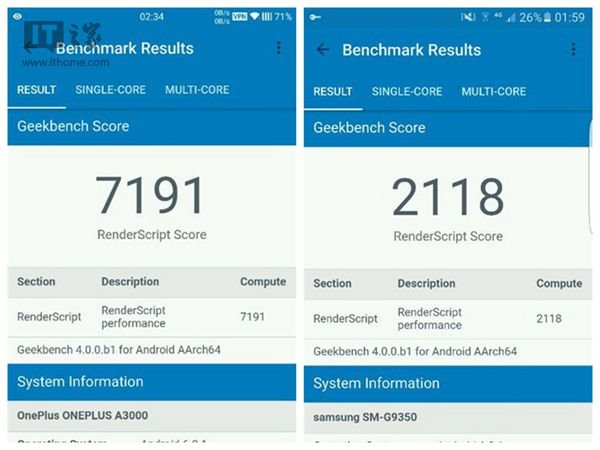
Popular benchmarking software, Geekbench, has released a new version of their software, Geekbench 4 Beta. Due to the modification in the new version, the scores of the major processors have changed.
New results shows the Kirin 950 raking up more points in the core-tests and the Snapdragon 820’s scores suffering a decline.
Qualcomm’s snapdragon 820 SoC scored highest in the single-core test on Geekbench 3, followed by Samsung’s Exynos 8890 and Huawei’s Kirin 950.
New single-core test scores on Geekbench 4 Beta, puts the Exynos 8890 in front followed by the Kirin 950 and the SD 820.
For the multi-core test on geekbench 3, Samsung leads with the Exynos 8890, Huawei comes in second, and Qualcomm takes the rear. The results for Geekbench 4 Beta remains the same.
In terms of overall performance, the Kirin has seen a huge improvement. However, Qualcomm’s Snapdragon 820 (Adreno 530) is still the best in terms of GPU performance, dwarfing Samsung’s Mali T880 MP12 by more than double.
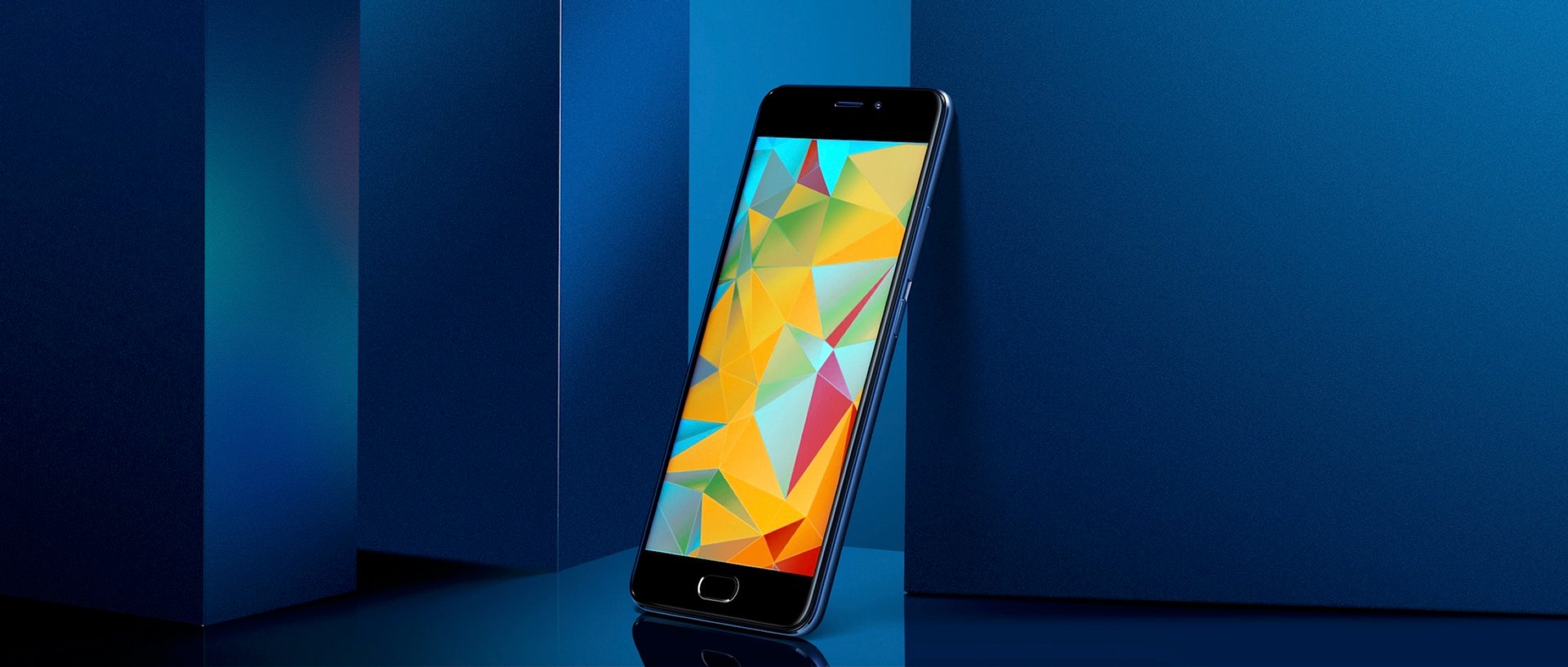
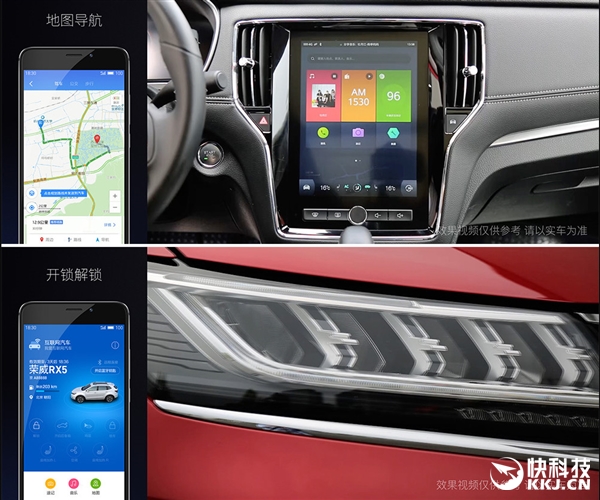
Meizu’s newest phone is the Meizu M3E which was launched a few hours ago. Apart from the nice specifications and price, one unique feature of the M3E is its car remote feature, which is putting it in the simplest form.
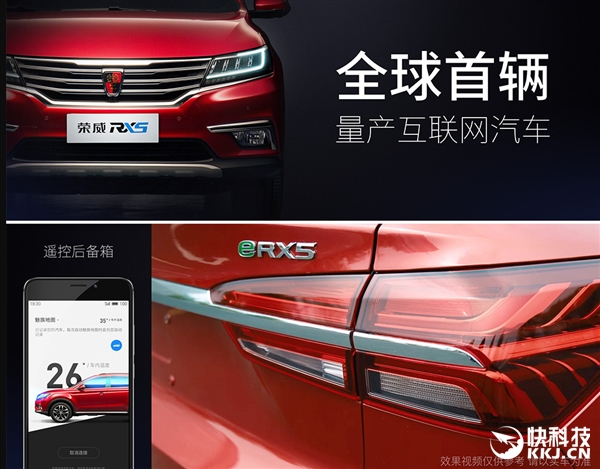
Just before we dive in, it is important to mention that the phone can only be used with just a particular car at the moment, the Roewe RX5, which is jointly made by Chinese state-owned SAIC, and Alibaba. It is a compact SUV car featuring Alibaba’s specially developed software, YunOS for Car and is marketed as the first mass-produced internet car.
The Meizu M3E acts as a sort of smart key for the Roewe RX5, carrying out functions such as locking and unlocking of doors, heating the seats, and displaying real-time vehicle information.
So if you own the RX5 and the Meizu M3E, you should be able to monitor things like oil level (probably fuel level too), plot navigation routes, heat the car seats before getting in and basic unlock features.
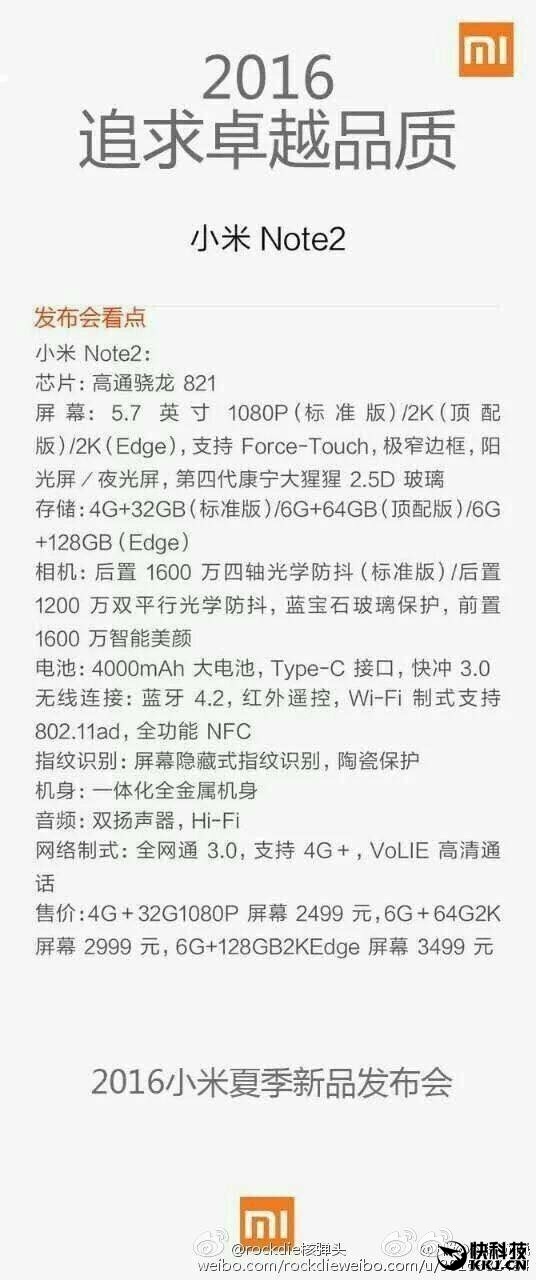
It has been a long wait for fans of Xiaomi’s Mi Note who have been expecting a new version to be released for months now. Today we have news posted on Weibo regarding the specifications and possible launch date of the Mi Note 2. While we can’t confirm whether the details revealed by the leak is true or not, it definitely paints a very good picture of the upcoming Mi Note flagship.
The Mi Note 2 will feature Qualcomm’s Snapdragon 821 processor which is an upgraded version of the SD 820 chip. The display for the phone is a 5.7” Super AMOLED display which will come in 1080p and 2K resolutions. In addition to those two, there will be a third type with the same 2K resolution but will feature a curved edge. All versions will be pressure sensitive, be protected by 2.5D Corning Gorilla Glass, and possibly feature an embedded fingerprint scanner.
Buyers will be able to choose from a variety of RAM and ROM configurations. There will be a 4GB + 32GB version, a 6GB + 64GB model, and another version with the same 6GB of RAM but 128GB of storage.
It will come with NFC, USB Type-C, Bluetooth 4.2, an IR blaster, dual speakers with Hi-Fi audio, full network support and VoLTE. The Mi Note 2 will be powered by a 4000mAh battery with Quick Charge 3.0 support.
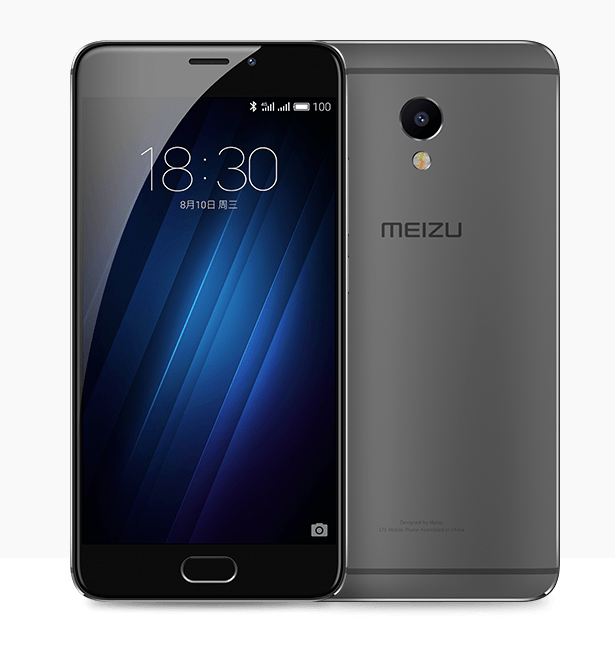
Meizu’s Blue Charm range has always given us the best specs at a relatively affordable price tag. The company just unveiled the brand new Meizu M3E mid-ranger today and its comes with pretty decent specs for its price.
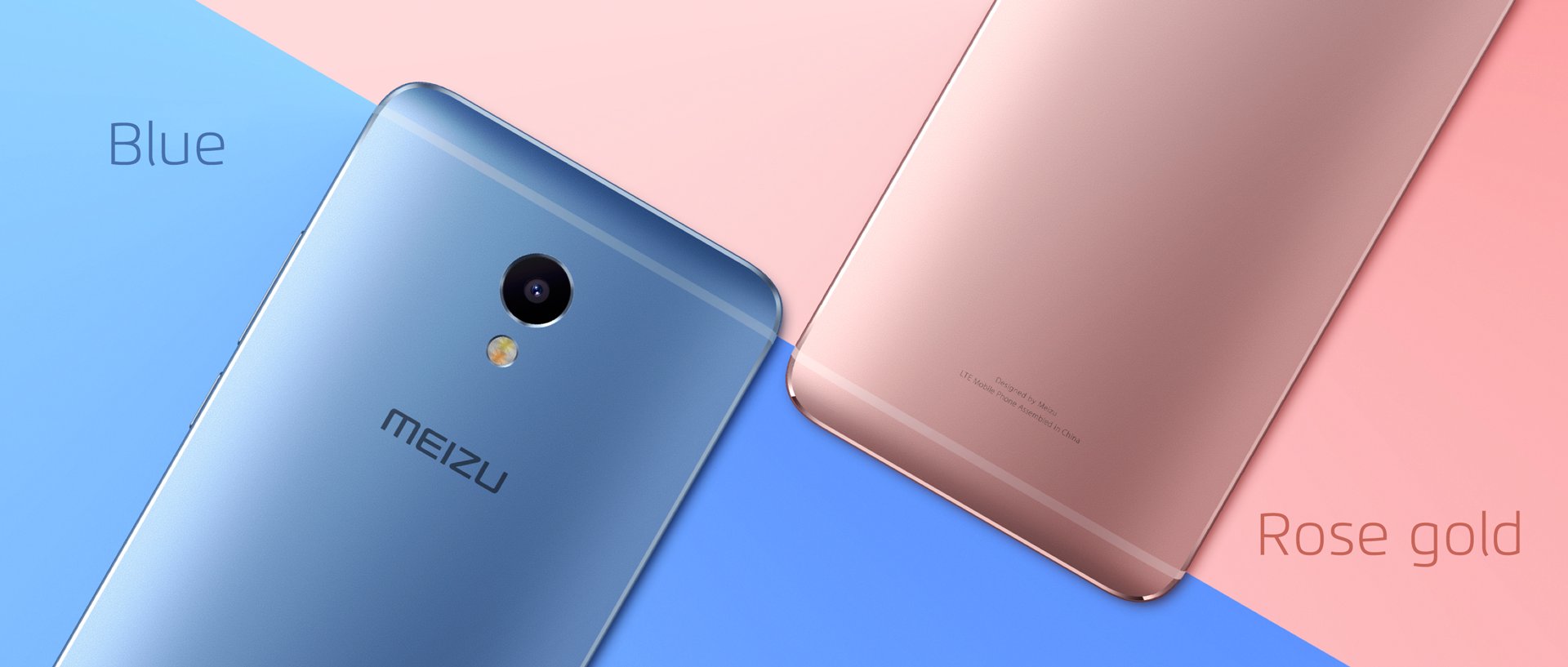
The design is a bit different than previous generation Meizu models as it comes with a single metal unibody design with nano injection molding process and anodic oxidization. It looks much more premium now, but the two antenna lines on the top and the bottom are still visible. The phone will be available in five color options — Moonlight Silver, Sky Gray, Champagne Gold, Rose Gold, and Glacier Blue. Yes, blue is indeed the new exotic color added for the M3E. The measurements are as follows: 153.6 x 75.8 x 7.9mm. The phone weighs 172 grams, which to be honest is a bit heavy for its segment.
The Meizu M3E is powered by the octa-core Helio P10 processor, that powers many mid-rangers in the market today like the OPPO R9. Inside, there will be 3GB of RAM and 32GB of expandable internal storage. You get a 5.5-inch 1080p IPS display which translates into a pixel density of 403 ppi with a contrast ratio of 1000:1 and 450 nit brightness.
As for the camera, the Meizu M3E comes with the Sony IMX258 13MP sensor at the back with 0.2 sec PDAF fast focus. The setup features f/2.2 aperture lens, dual tone LED flash and 5P lens. Now, to remind you, this is the same primary camera sensor used on the Redmi Pro. But the Pro comes with an additional 5MP Samsung depth sensor at the back. Up front, you get a 5MP f/2.0 aperture camera with FotoNation 2.0 for great selfies.
Like with most other Meizu models released recently, the Meizu M3E comes with the mBack button up front which also features a fingerprint sensor. The sensor reportedly unlocks the device in just 0.2 seconds. Inside, the phone features a 3100mAh battery with 18W fast charging tech. The company claims that the phone charges up to 50% in just 30 minutes of charging. In just 60 minutes, the phone will be charged up to 90%.
As for connectivity, the phone comes with Bluetooth 4.1 with support for BLE, 5GHz Wi-Fi n, dual SIM dual standby, entire network support in China, Infrared sensor, VoLTE and GPS.
Unfortunately, like the Meizu Metal, the new Meizu M3E is also running on Flyme based on YunOS. And like we saw earlier, the company confirmed that M3E can interact with cloud-connected cars.
Now, coming to the pricing, it’s cheaper than we expected. The Meizu M3E is priced at 1299 Yuan ($195) which is pretty decent. The phone will go on sale on August 14 at the company’s official website and Lynx store.
So, which one would you pick, the slightly cheaper Meizu M3E or the Redmi Pro with dual cameras?
UPDATE: It’s official! Will be called as the Meizu M3E and is priced at 1299 Yuan ($195). More details here.
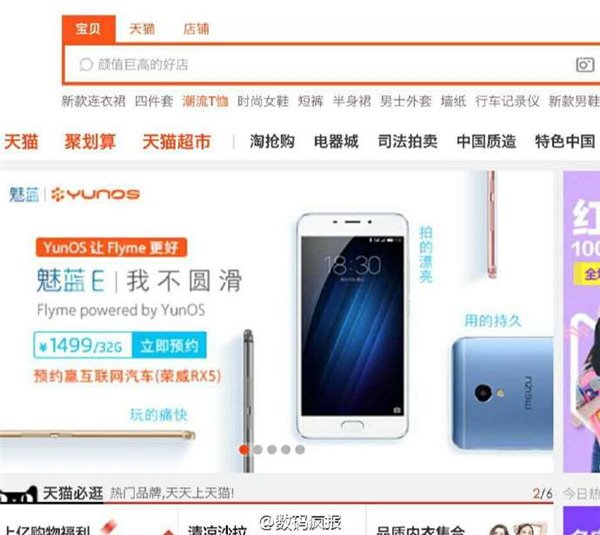
Meizu is all set to announce the Meizu M1E mid-ranger today (official name to be confirmed soon) and just before its official launch, the pricing of the handset has been leaked. We knew that the company was targeting the mid-range market with this device, but pricing was something we were unsure about till now. However, thanks to a leaked screenshot of one of the top online retail websites in China, Toabao, we kind of know the pricing of the Meizu M1E before launch.
The screenshot reveals that the phone will be available for purchase at 1499 Yuan ($225). If you remember, this is the same price that the Redmi Pro was launched a couple of weeks back. So, the phone must have powerful specs to take on the Redmi rival. The model up for sale in the image came with 32GB of ROM and YunOS. The listing also revealed the colors of the device, Blue, Gold, Rose gold and Silver.
meizu e series model
Previous rumors have revealed that the Meizu M1E will come with the Helio P10 MT6755 processor with 3GB RAM and 32GB of internal storage. At the back, you should expect to see a 13MP shooter while up front a 5MP sensor. The screen should be of 5.5-inches with 1080p resolution and the 3100mAh battery inside should support fast charge.
A recent leak had revealed that the Meizu M1E could remotely control various features of a car. However, we are not quite sure what other special features Meizu aims to bring to the table with this new device. The Redmi Pro at $225 brings Helio X25 and dual cameras, so the M1E must have some kind of special feature to do well in the market at the same price as the Redmi model.
Meizu is expected to release the Meizu E smartphone on August 10 and ahead of the launch, more image renders and details have surfaced online via Chinese social networking site, Weibo. All we know about the smartphone, apart from those officially released by Meizu, originated from Weibo and we are still being served more juicy details from the popular microblogging platform.
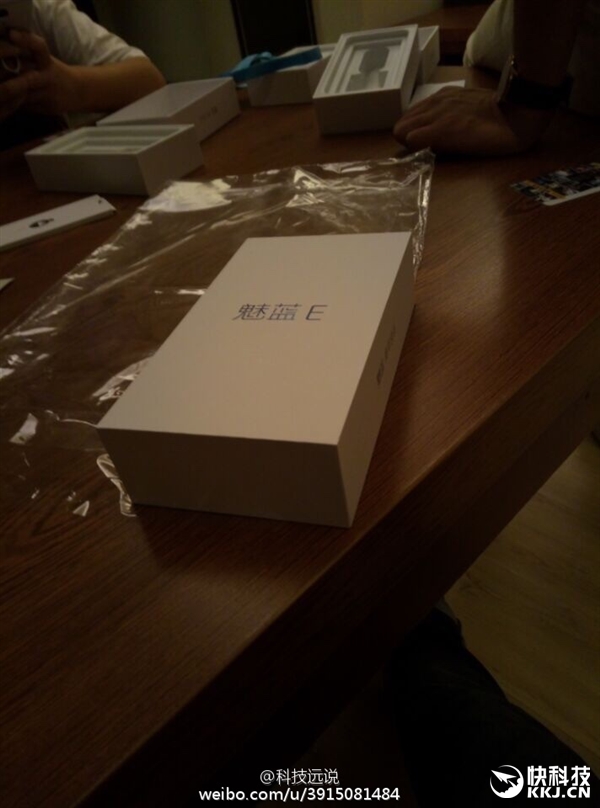
A Weibo user has exposed the first image render of what is said to be the paper box casing for the Meizu E with just a simple inscription, “Blue Charm E” printed on it.
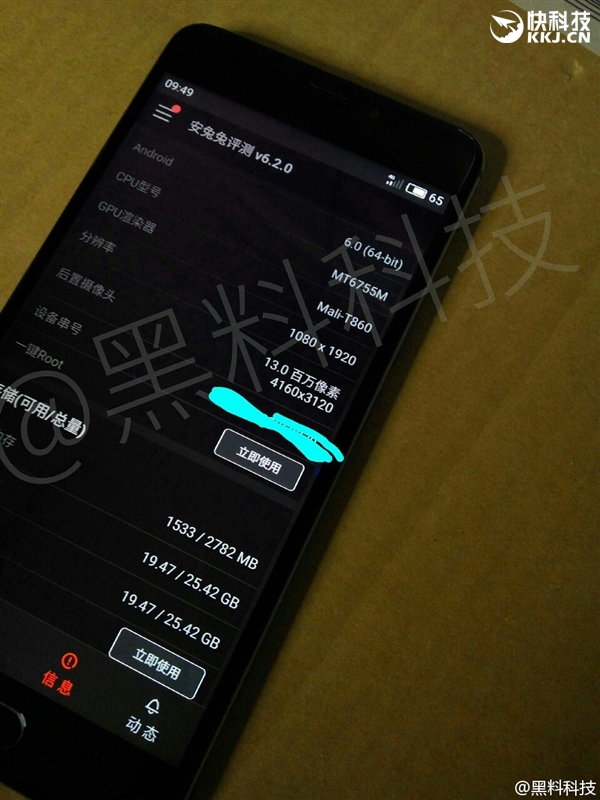
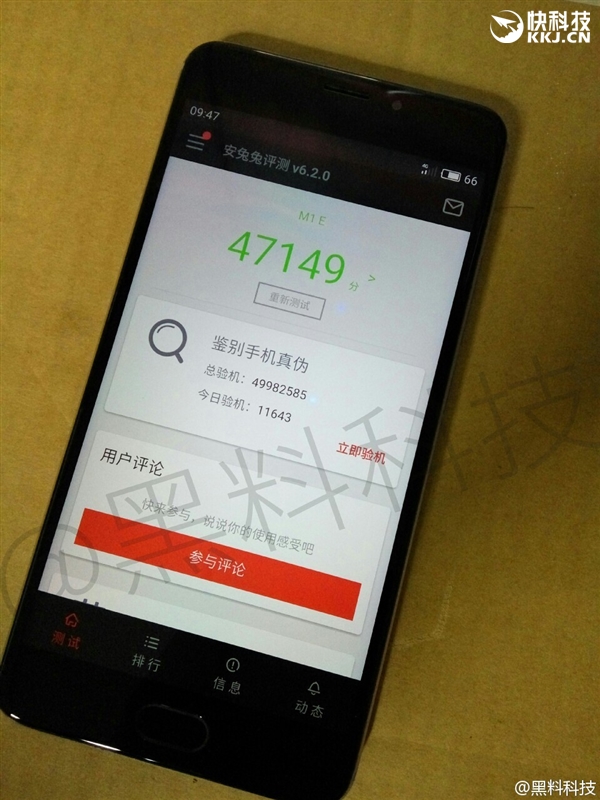
Also, the AnTuTu score of the Meizu E which will likely adopt the monicker M1 E has been exposed. The leaked data details the device to pop with an Octa-core 1.8GHz MediaTek Helio P10 MT6755M chipset with Mali-T860 GPU. The device is also shown to feature 3GB of RAM, 32GB of internal storage and 13MP main camera. The device will also run on Android 6.0 Marshmallow operating system.
In addition, the Meizu M1 E was rumored to sport a 5.5-inch display and the AnTuTu benchmark data has revealed that the phone’s display will have a resolution of 1080 x 1920pixels.
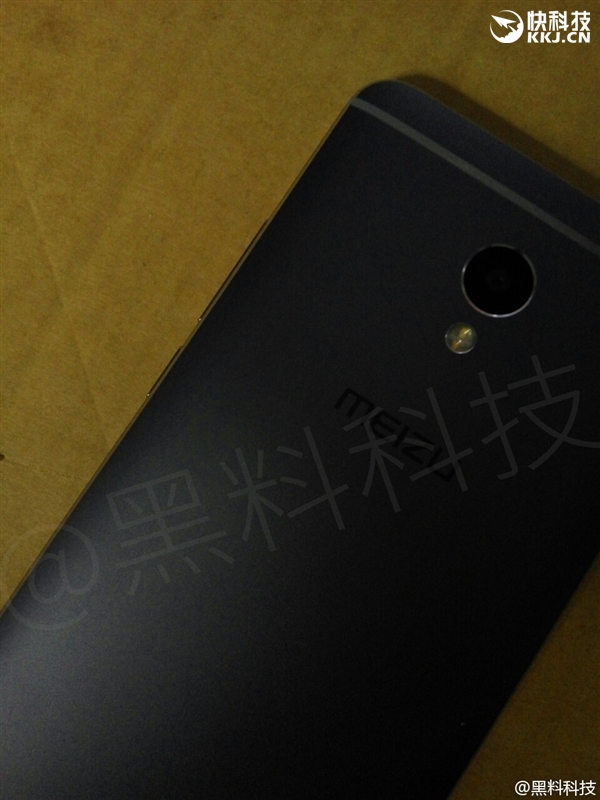
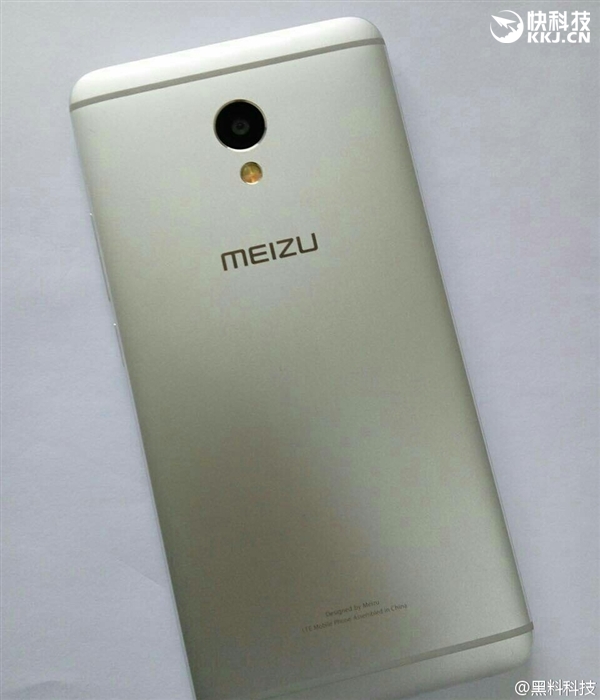
Apart from the black colored variant of the Meizu M1 E, we also saw a render of the silver colored variant of the M1 E and quite honestly, the smartphone looks more or less like a replica of the MX6 flagship launched not long ago.
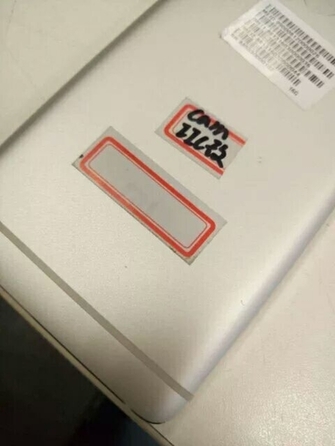
We served you a report earlier on which originated from Weibo, alleging that the Xiaomi Redmi 4 will be launched on August 25 . Although a rumor, there seem to be some credibility in it as more details about the specs and price of the Redmi 4 has been outed.
redmi 3s
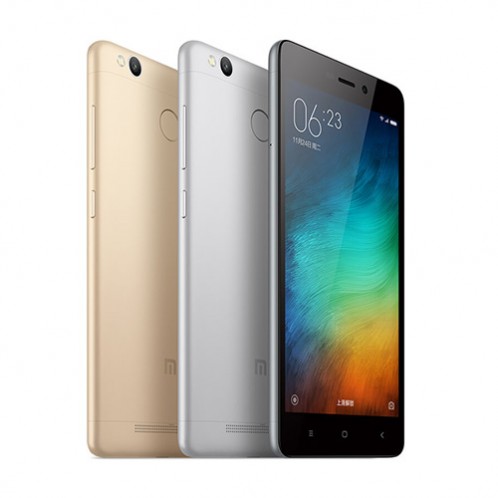
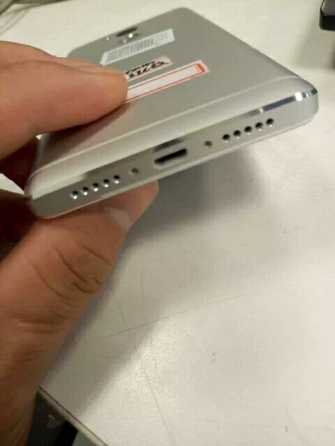
More rumors have emerged that the Xiaomi Redmi 4 will sport a metal body design, and would feature a fingerprint sensor and as earlier reported, a 5-inch 1080p display. Also, the device is said to feature a 2GHz octa-core Snapdragon 625 processor with Adreno 605 GPU. The Redmi 4 is also touted to come with 3GB RAM and 32GB built-in storage in the base variant (an indication that there will likely be higher memory versions). The smartphone is also packing along a huge 4100mAh battery which is said to support Quick Charge.
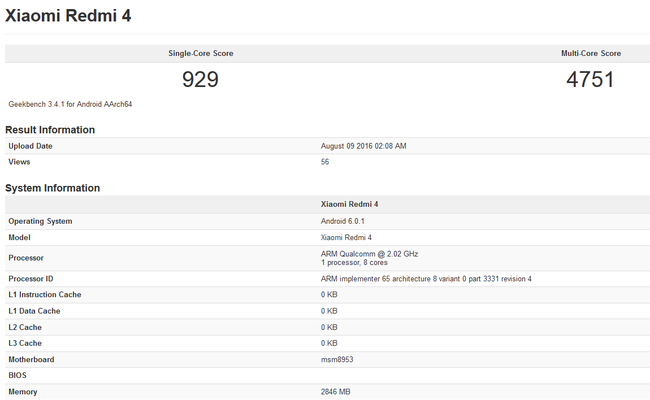
In addition, the device was spotted on benchmarking website Geekbench and the listing revealed the Xiaomi Redmi 4 will boot Android 6.0 Marshmallow out-of-the-box as well as a few other details.
As for the price, the Xiaomi Redmi 4 is rumored to start at 699 Yuan ($106) for the base version with 3GB RAM and 32GB of built-in storage. An impressive price tag it should be if it turns out to be true, considering the high-level specifications it crams under its hood, like the faster processor, ramped up memory and battery capacity when compared to the Redmi 3 and Redmi 3S.
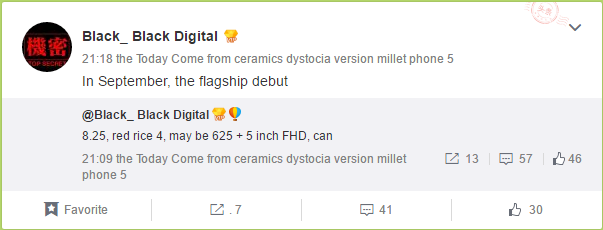
After the launch of the Xiaomi Redmi Pro with dual cameras at the back, news about Xiaomi’s upcoming smartphones have died down lately. But now, latest rumor from the Chinese social networking website, Weibo states that the company is all set to announce a low-end device later this month and the phone is going to be none other than the Redmi 4.
This is not the first time we are hearing about the Redmi 4 budget device, but it’s the first time someone is claiming that the launch is going to be as soon as August. The person who leaked this info has also given a date, August 25. So, the Redmi 4 is said to be launching on Thursday, August 25.
Along with the launch date, the source also gave out probable specs of the Redmi 4. It is said that the phone may come with Snapdragon 625 chipset with a 5-inch 1080p display. Now, if you remember, a few days back, we had seen alleged pictures of the Redmi 4 and it was running an octa-core chip clocked at 2GHz. We assumed it as the Helio P10 but this source says that we may find Snapdragon 625 inside.
One possibility is that, if the Mi Note 2 is announced in August, then a special version, like the dual curved display model, probably called as the Mi Note Edge (as mentioned by earlier rumors) could be announced in September.
Of course, these are just rumors for now and we don’t know anything for sure. But considering the aggressive release strategy by Xiaomi in the past few months, we can expect to see a few more interesting devices in the next few months.
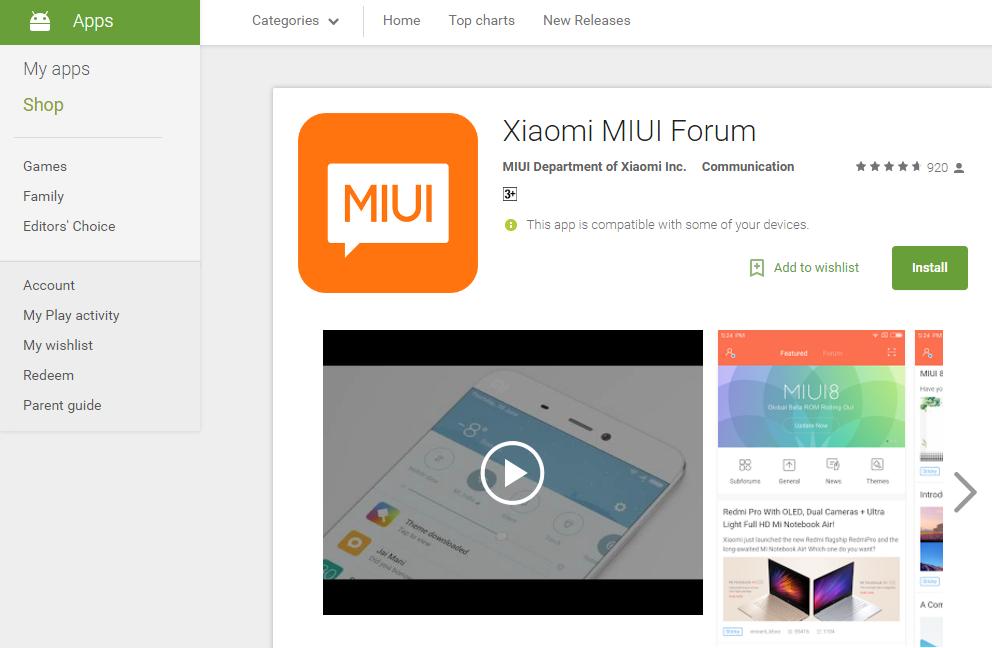
The MIUI is Xiaomi’s custom interface developed based on Google’s Android OS but the MIUI Forum isn’t all about the user interface but everything pertaining to Xiaomi. The Xiaomi MIUI Forum has become a popular meeting point for fans of the Xiaomi brand and whenever the Chinese innovative start up releases a gadgets, chances are that you’ll find a new thread on the MIUI forum dedicated to shedding light on the new product.
For fans of Xiaomi who frequent the forum , there is good news as the MIUI Forum app is now available for download on Google Play store. Use of the MIUI Forum app cuts across geographical location and is available globally. This is the first and only app for the MIUI Global forum and user will have the benefit of getting latest news and updates of the MIUI ROM, Mi products, apps, themes, reviews, root tools, kernels, tutorials and more, delivered on your smartphone, even when you’re on the move.
Xiaomi has a lot of fan base all over the world and the number is growing by the day, so with the MIUI Forum app, you get to meet millions of MIUI fans all over the world, and share ideas about ROMs, phones, technology and anything that catches your interest. There’s also a social side to it, you can also make friends with peeps all over the world and the app is free to download.
The MIUI Forum app is just 7.3MB in size and any smartphone that runs Android 4.0 Ice Cream Sandwich and higher can have it installed. So what are you waiting for, head to Google Play Storeand download the app straight away. You can also get it by following the Google Play button under this post.
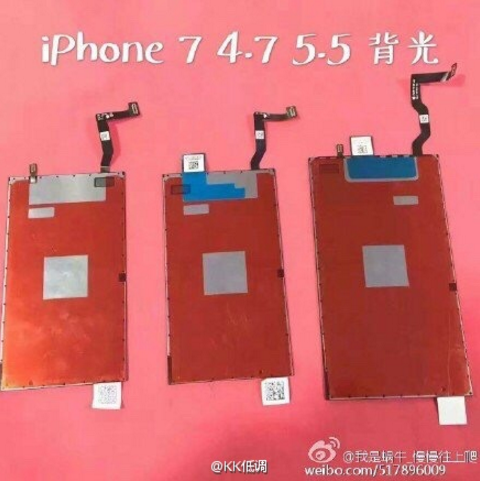
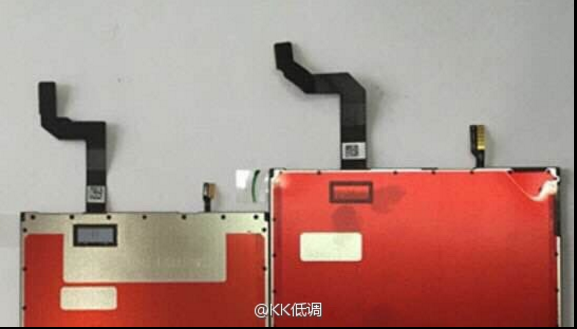
Screen panels of the upcoming iPhone 7 and iPhone 7 Plus (seems we are back to calling it Plus) have been leaked online by a Weibo user. One of the panels has a size of 4.7” and the other is 5.5 inches. The source however says the 4.7” screen will be Full HD and the 5.5” LCD panel will have a 2K resolution.
The iPhone 6 Plus and 6s Plus are the only iPhones with 1080p screens. Now that screen size is getting bumped up to 2K and the smaller 4.7” is getting the Full HD treatment. That’s a significant upgrade in pixel density, but unless Apple is also bumping up the battery a lot which doesn’t seem to be so (as a mock-up of the iPhone 7 Plus reveals it is thinner than the 6s Plus), battery life might drop.
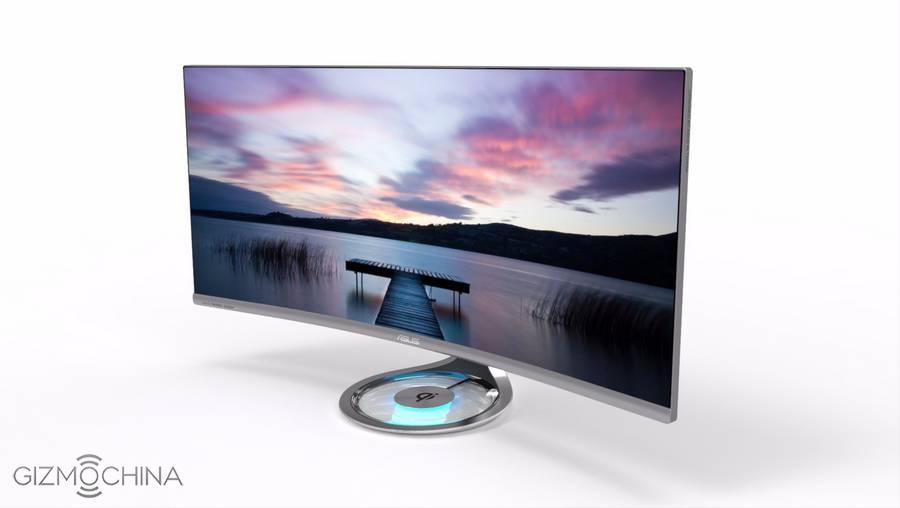
Another day, another security vulnerability to be worried about. A group of researchers working for Red Balloon Security have discovered that it is possible for hackers to see and manipulate what is currently displayed on your monitor.
What this means is that hackers can now copy details of what is displayed on your screen or fake entire websites leading you to enter private information and payment details. For more dangerous acts, the hackers can mess up a monitor that displays vital controls for railway lines, airport routes, or power plants; faking an emergency and causing a shutdown or evacuation.
How this is done wasn’t specifically explained but the researchers say it is not limited to a particular brand of monitors. There is however an upside to the hack. It is slow and takes time for images to load, so if you are always looking at the monitor, you should probably notice something suspicious happening.
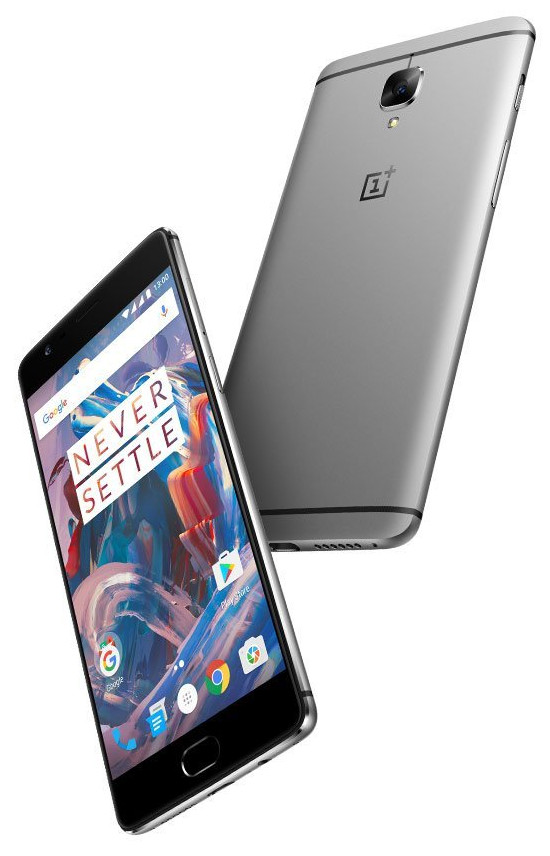
The OnePlus 3 is the latest flagship and fourth device from Chinese phone manufacturer, OnePlus. Made from a single slab of space grade aluminium, to achieve the unibody design, OnePlus also says apart from being lightweight, the OnePlus 3 has outstanding strength. And how else do you prove that last part other than by carrying out a drop test?
The OnePlus team headed to Mimizan, France, to carry out this drop test. The phone is thrown out of an airplane flying at an altitude of 750 ft. The phone survives the drop, though it lands on a grassy plain which is still sufficient to damage a phone, but can’t be compared to landing on tarmac, asphalt, or concrete. You can watch the video to see for yourself.
The OnePlus 3 has a 5.5” optic AMOLED display with Corning gorilla glass 4, a snapdragon 820 processor clocked at 2.15GHz, 6GB RAM, 16MP rear camera, 8MP front camera, runs Android 6.0 Marshmallow, and is powered by a 3000mAh battery with support for OnePlus’s fast charge technology dubbed Dash Charge.
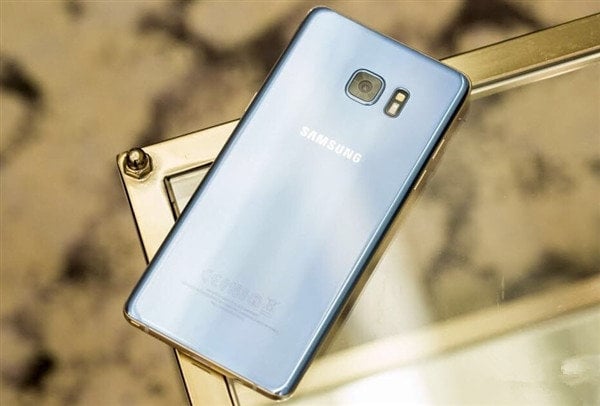
The China Edition of the Samsung Galaxy Note 7 was recently certified by TENAA, along the line revealing some cheering details about it having 6GB of RAM. Presently discussions have shifted towards the price tag the flagship would likely carry in China.
Insider information gathered from a sales staff at Samsung by Chinese media indicates that the Chinese version of the Galaxy Note 7 is expected to be officially unveiled on August 26 while sales of the device will likely start on September 2. As for the price tag, the base version of the Galaxy Note 7 China edition with 4GB RAM + 64GB onboard storage will likely sell for 5688 yuan ($854) while the top-end version with 6GB RAM + 128GB built-in storage is expected to have a price tag of 6088 yuan ($914).
The 6GB RAM version of the Galaxy Note 7 will only be available in China and also the China version will be powered by the Snapdragon 820 chipset . The China edition also features a curved screen, IP68 waterproof and dustproof certification, USB Type-C interface, iris recognition technology, pressure sensitive S Pen, Corning Gorilla Glass 5 protection and 12MP camera. The flagship smartphone also crams a 3500mAh battery under its hood which supports fast charging.
OnePlus released the OnePlus 3 flagship smartphone with a new feature which they called DASH charge which provides up to a day’s charge of the device in just 30 minutes. Basically, smartphone batteries have seen little or no improvement in the type of battery in use, perhaps due to advancement in RAM, processor, display technology which is believed now makes the smartphones use less battery capacity.
The only noticeable advancement that has come to the battery should be that of Fast Charging technologies which usually give the impression that instead of hours of charging, you can now achieve a reasonable amount of charge capacity in just minutes. Now OnePlus, with its DASH charge technology isn’t intent on keeping quiet about the capabilities of its charging technology.
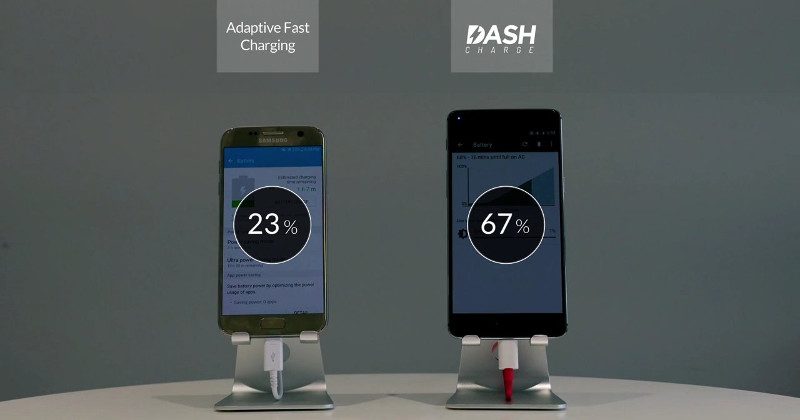
Recently, the guys at OnePlus pitched the OnePlus 3 DASH charge against the Samsung Galaxy S7’s Adaptive fast charge and the results showed the OnePlus 3 DASH charge performed better than the Galaxy S7’s. It’s all up in a video clip if you’re interested in having a peek.
It is quite surprising that the pocket-friendly flagship OnePlus 3 can compete with the top-end, expensive Galaxy S7 (some thinks Samsung’s just got the name, not the juice) but then charge time varies depending on phone configuration, settings, usage while charging and power source and OnePlus stated that fact in the video.
Both smartphones were subjected to their own charging technologies for 30 minutes, with both starting off from 1% of battery power left. In the end, when the results rolled in, the OnePlus 3 was able to achieve up to 64% charge while the Samsung Galaxy S7 reached just 50%.
That’s not all, another test was done with both displays turned on and this time the results were incredible, if not embarrasing. Starting off from 5% apiece, while OnePlus 3 was able to achieve 67% charge capacity in 30 minutes, the Galaxy S7 only got to 23% in the same time duration! Here though, the display resolution of both smartphones would play a vital role, with the Galaxy S7 sporting a higher QHD dsplay than OnePlus 3’s FHD. Also, even though both flagships boast of 3000mAh batteries, Samsung’s TouchWiz user interface could have made the difference, with a notorious reputation of exerting too much strain on the battery.
In all, the OnePlus 3 DASH charging technology deserves some accolades for this feat and it only shows OnePlus means business when they say their smartphones are flagship grade with affordable price tags.
As mentioned, there can be quite a few factors that affect charging times and rates, even if both smartphones have equal 3,000 mAh batteries. Samsung’s TouchWiz interface has been notorious for being a resource hog, though it has certainly improved over the years. Still, the Galaxy S7 is loaded with features that could affect how fast it can gulp power, especially when the display is left on.
Still, it’s an impressive feat for OnePlus, especially considering the DASH Charge technology hasn’t been out the market for even three months. The company is definitely not shy about singing its praises, going as far as showing how fast it works even while playing a game, one of those “don’t try this at home” scenarios. The one drawback to DASH Charge, aside from lacking long-term real-world tests, is that it will work only with OnePlus’ USB-C cable in addition to the official charger. Considering how OnePlus 3 is not exactly using the standard USB Type-C, that might mean having to carry around another compliant USB Type-C cable for everything else other than the OnePlus 3.
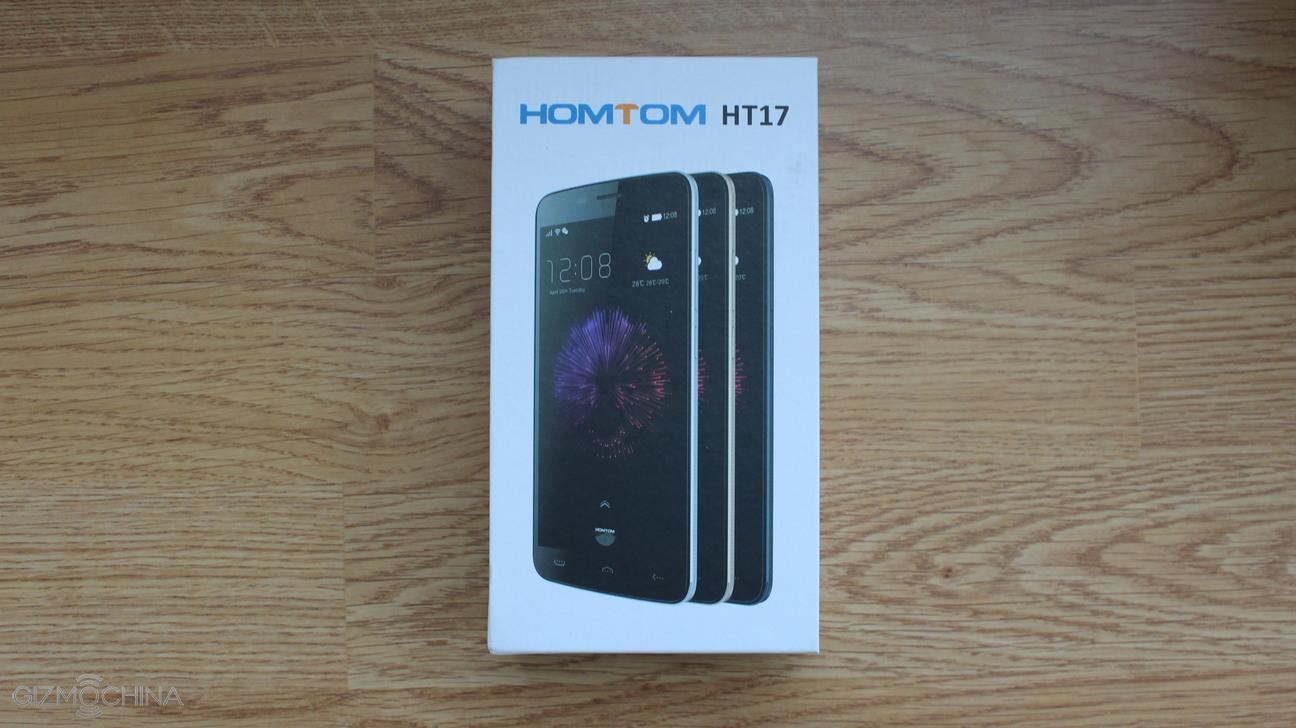
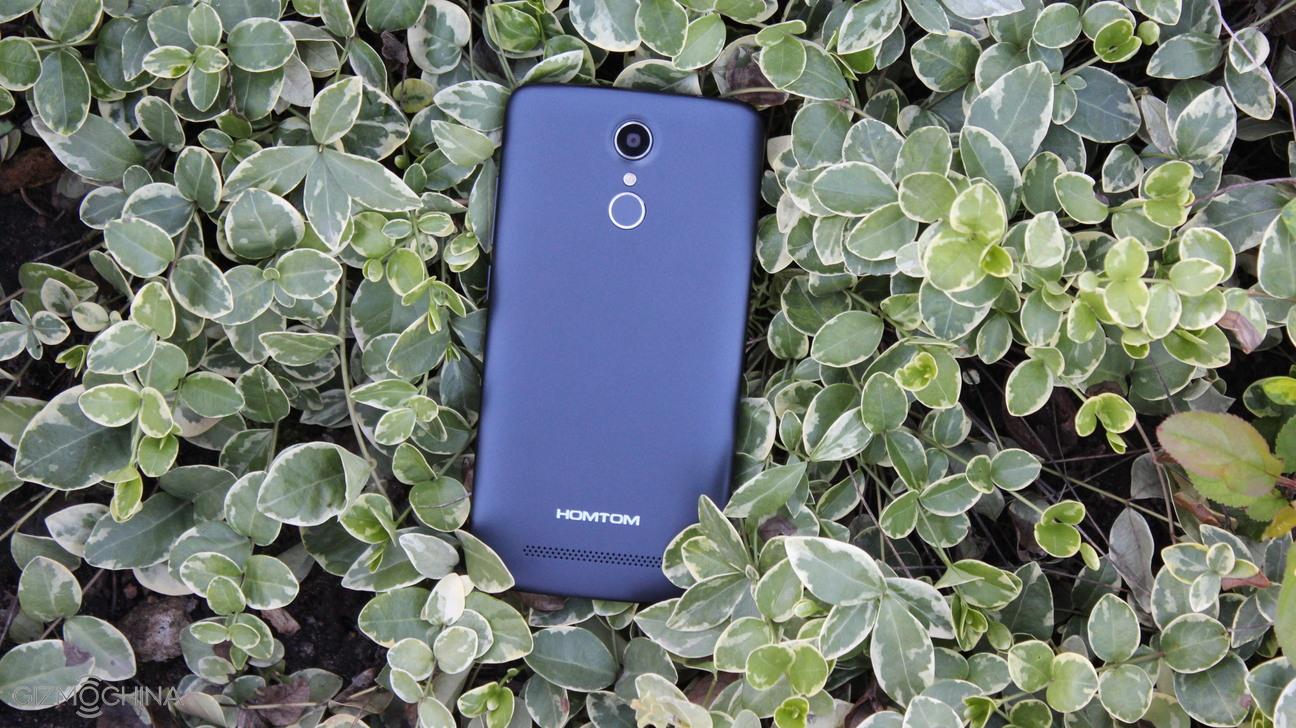
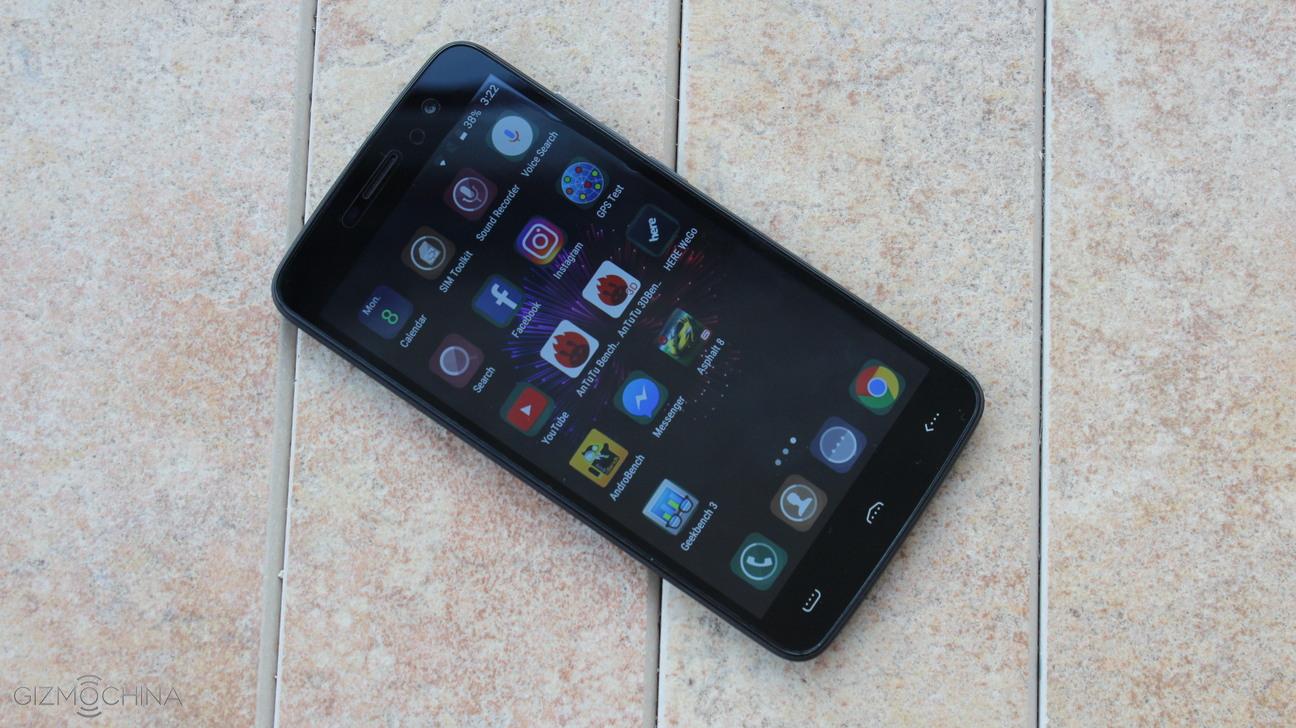
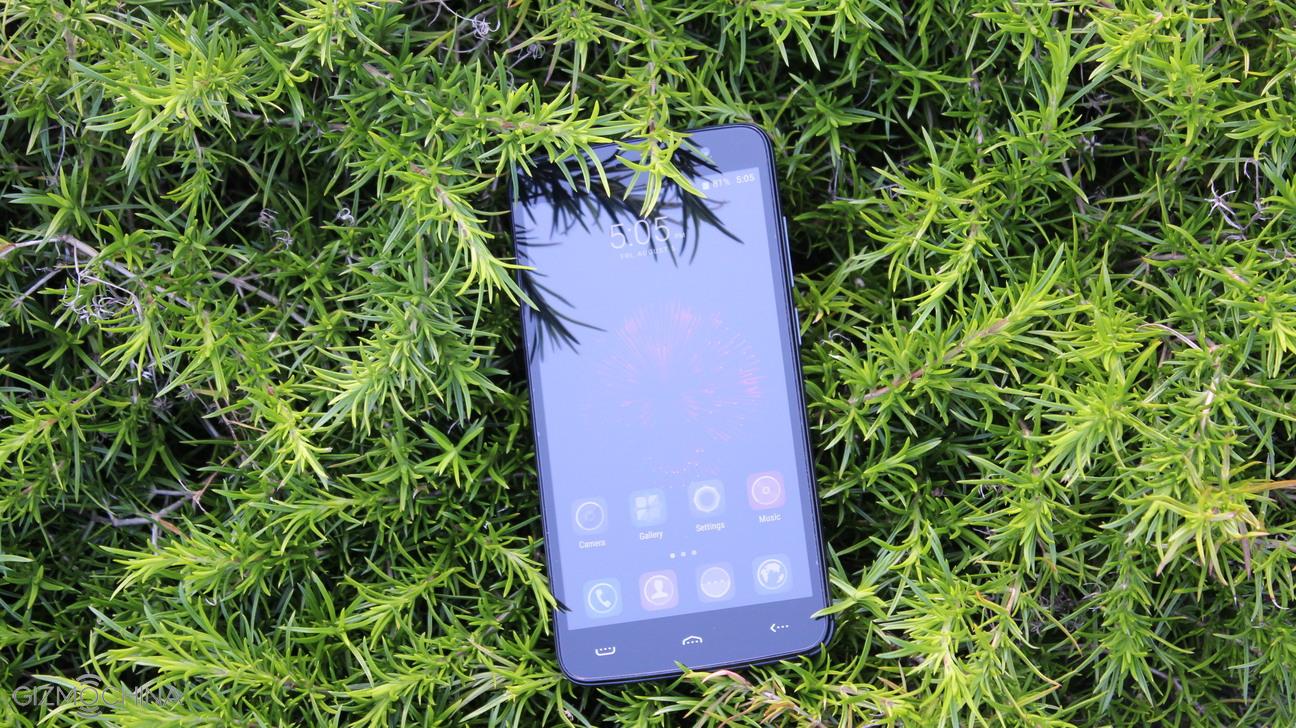
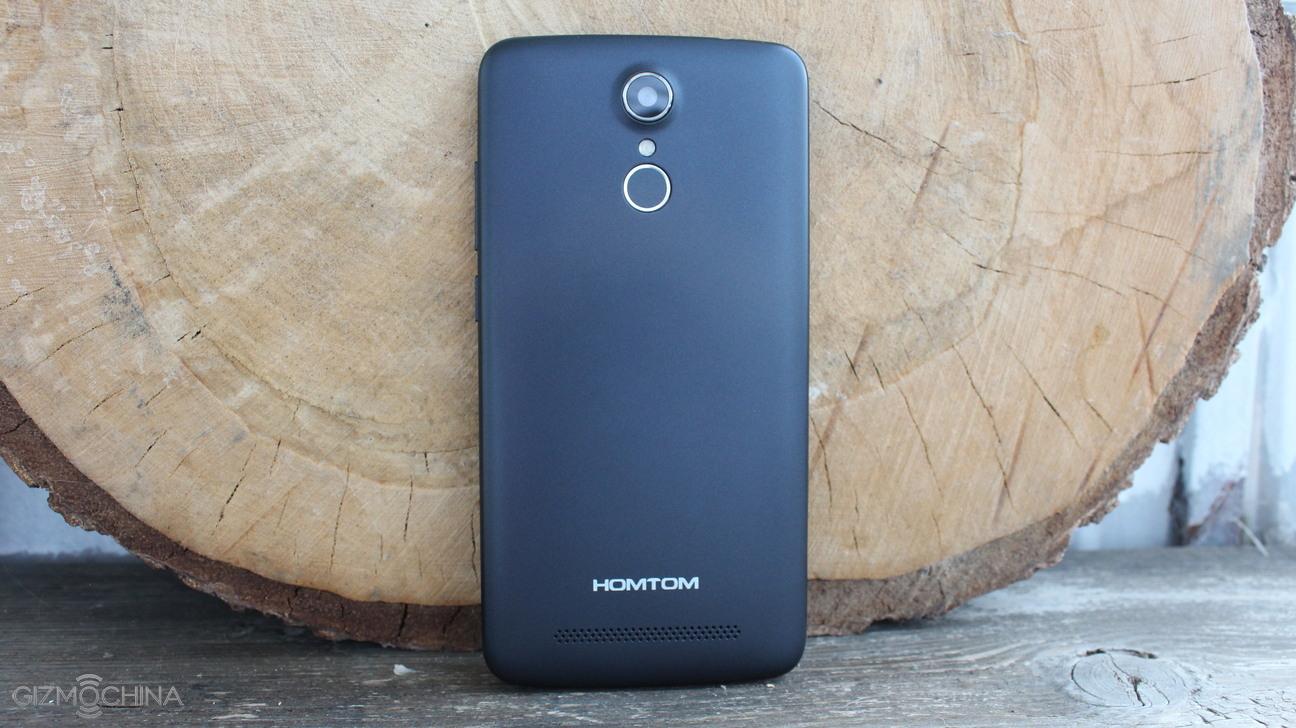
If you are in the market of a 5.5” HD smartphone, which also has a fingerprint scanner but you don’t want to spend a pretty penny, the $66 Chinese phone Homtom HT17 brings a lot of value for money. Learn more in our full review.
The phone is made of plastic but the build quality is surprisingly good. The phone does not look fancy or anything but it does not look very cheap either. The 5,5” 720p display is pretty good but the main shortcomings are that it has a poor brightness output that leads to a subpar sunlight legibility.
We have a 5MP interpolated selfie camera along with LED notification light. The capacitive buttons, however, are not backlit.
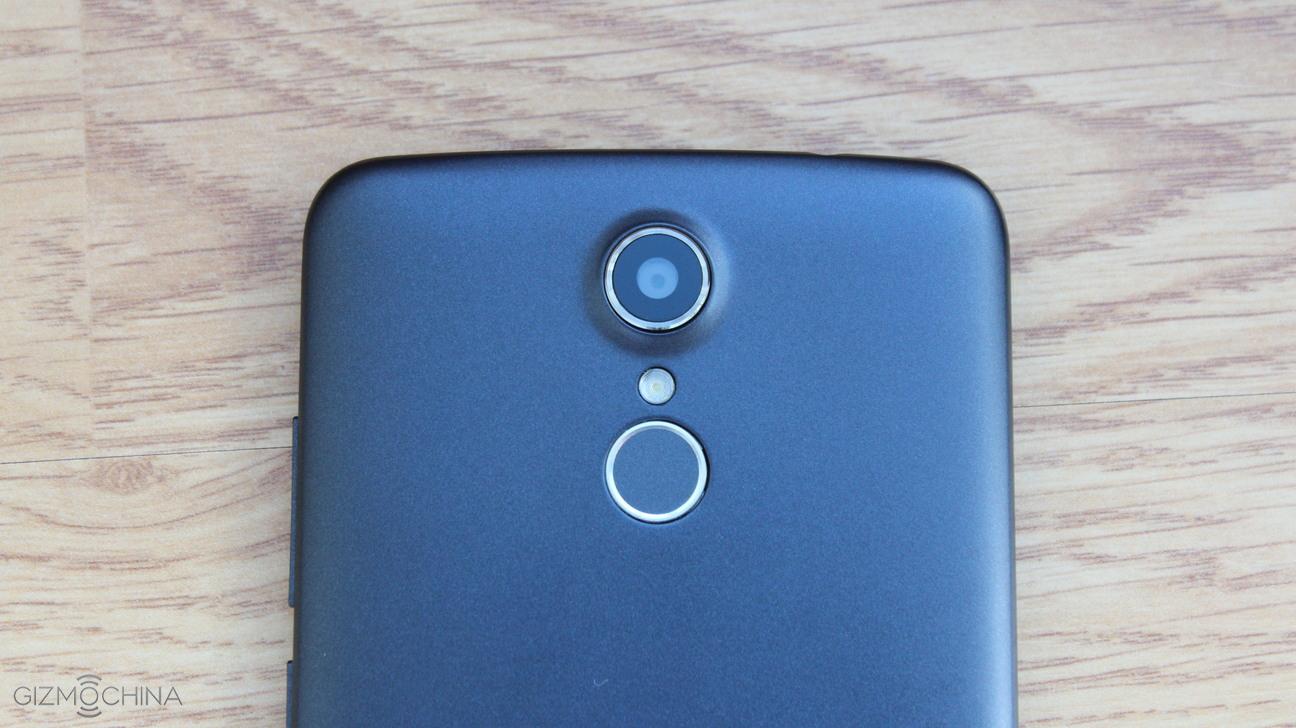
Rounded corners of the soft plastic back help with the grip and thus it is quite comfortable to hold the phone in the hand.
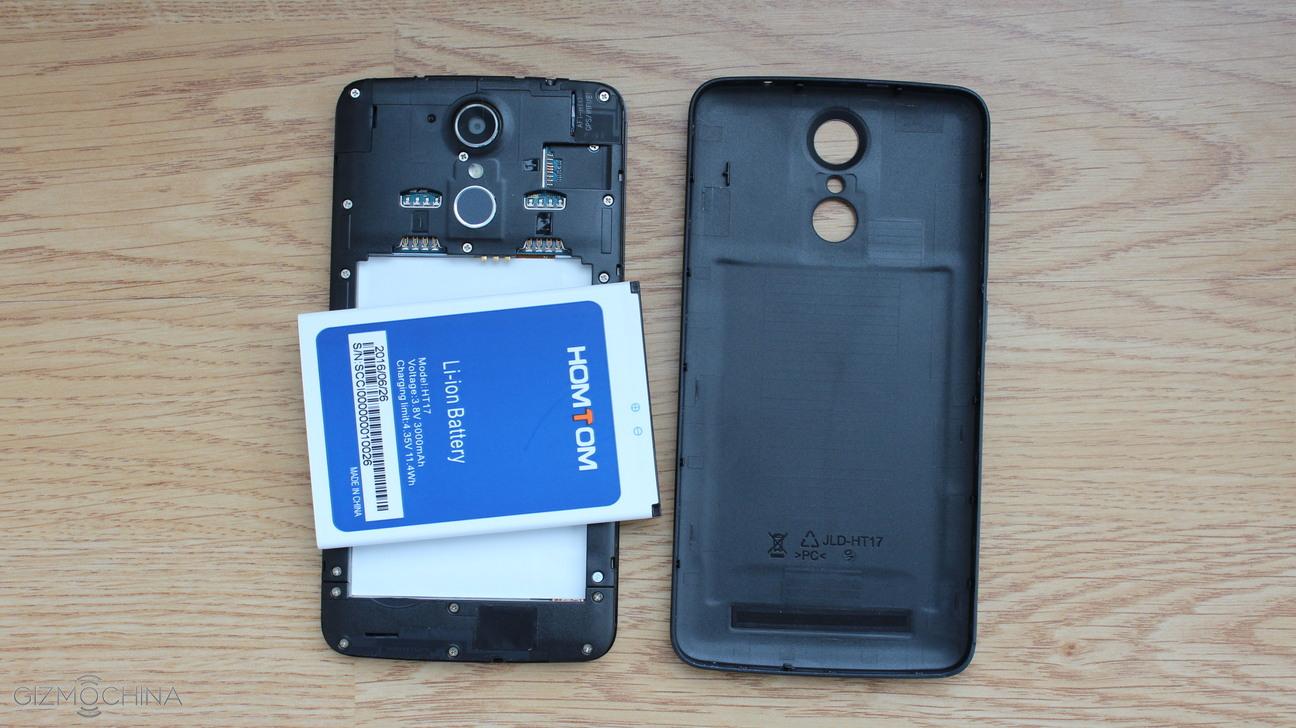
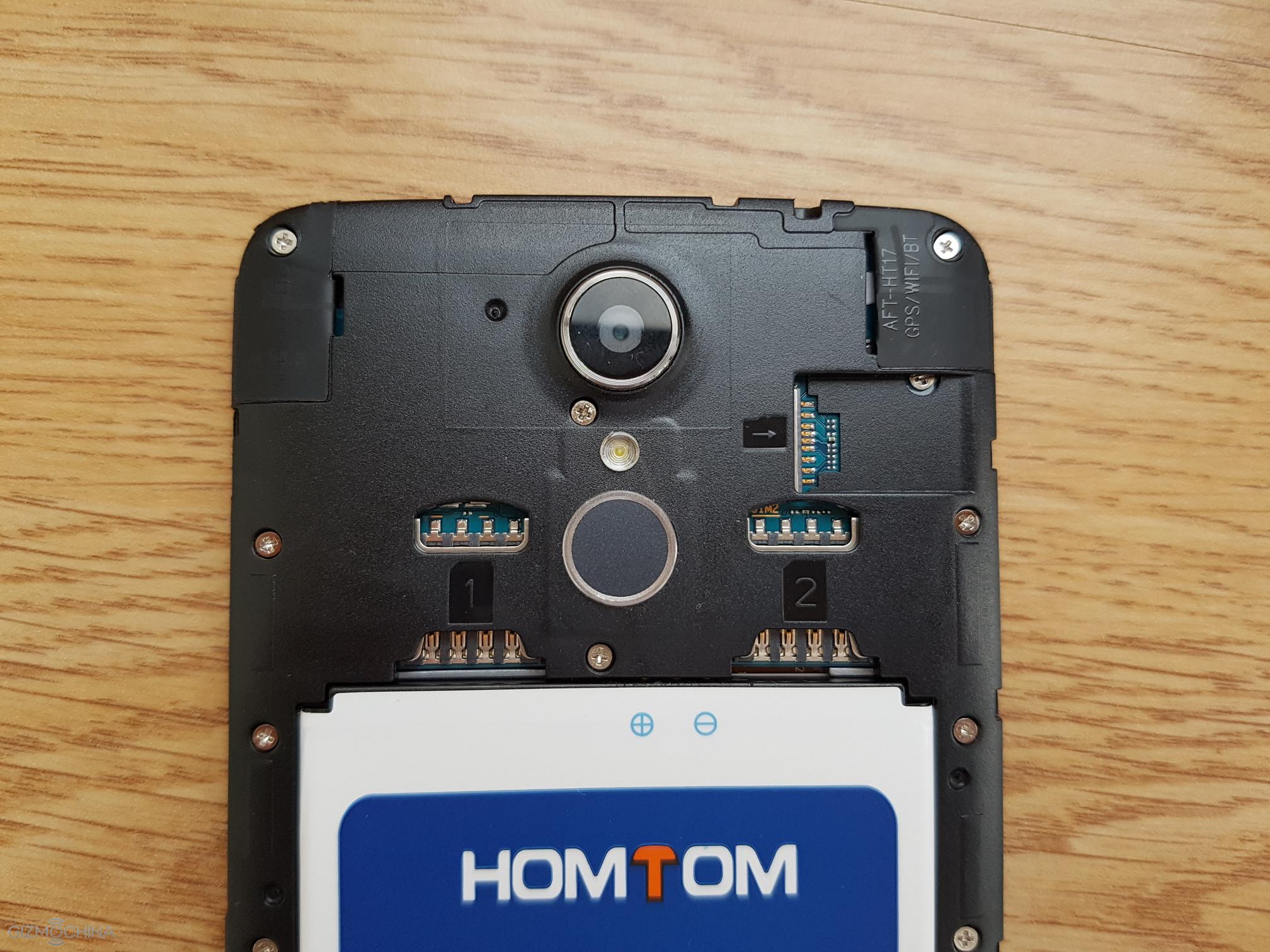
You can easily remove the backplate and underneath it, you will find 2 SIM card slots and the microSD card slot. Also, you can remove the 3000mAh battery.
As for camera, we have an 8MP sensor that can take 13MP pictures and the LED flash. The fingerprint scanner is a nice addition considering a low price of the phone. It is not the fastest on the market but it is pretty accurate and it unlocks your phone straight from the standby mode.
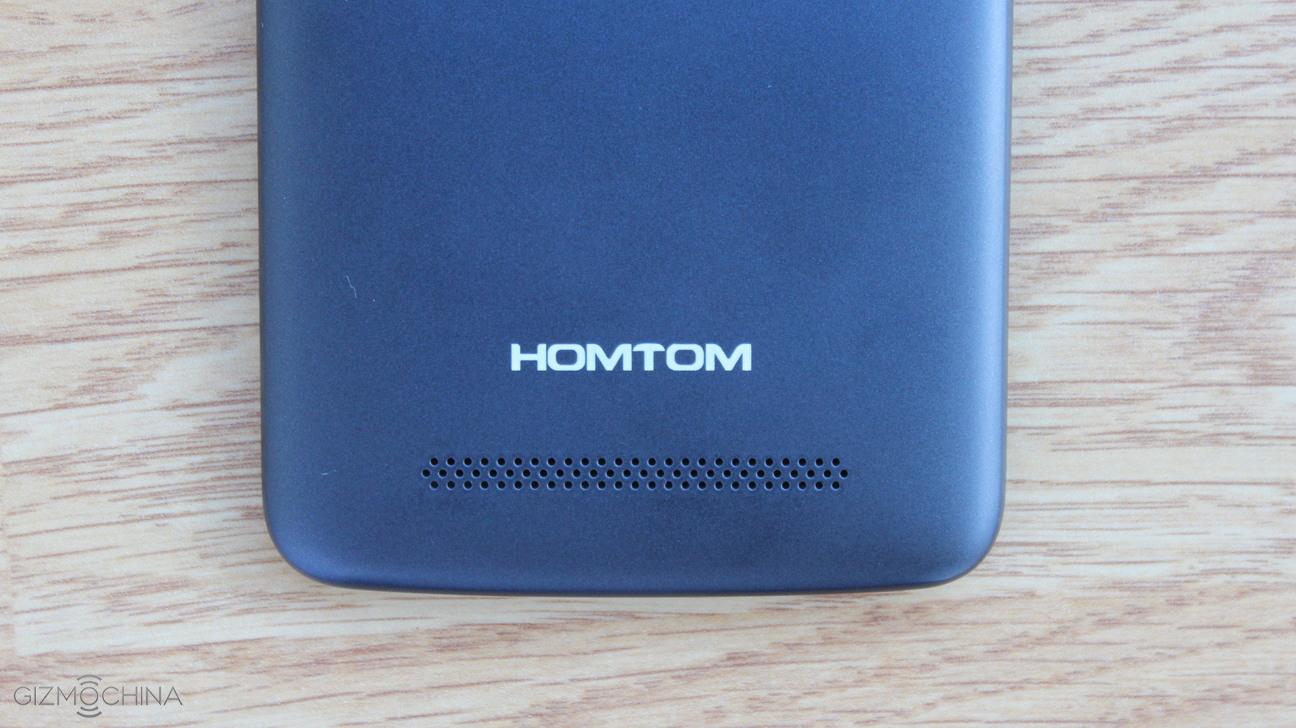
The loudspeaker is mediocre in general but it is very good for the phone this cheap.
The buttons are tactile and easy to press.
Homtom HT17 Review: HARDWARE and PERFORMANCE
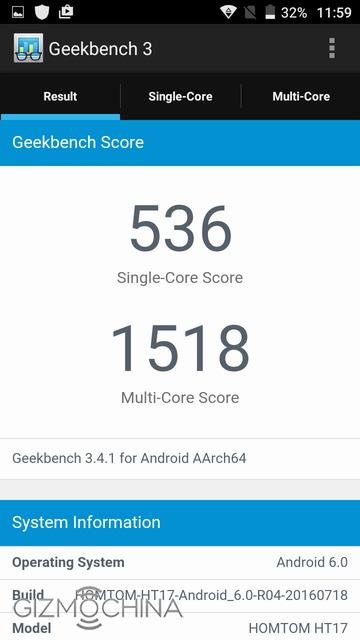
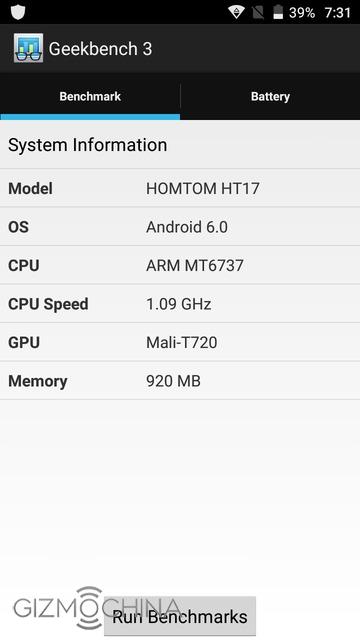
For the price of just $66, you can’t expect any great specs. The Homtom HT17 ships with the quad-core MTK6737 chip, which has maximum clock speeds of 1.1GHz, 1GB of RAM and just 8GB of expandable storage.
The phone is definitely not designed for the hardcore gamers but you can still enjoy some games if you reduce the graphics settings. There are quite a few skipped frames while playing Asphalt 8 but it is still possible to enjoy playing it.
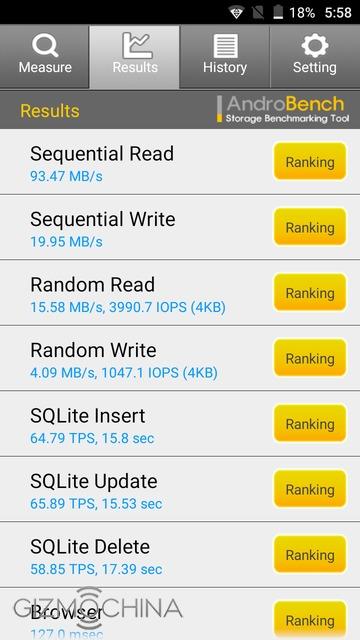
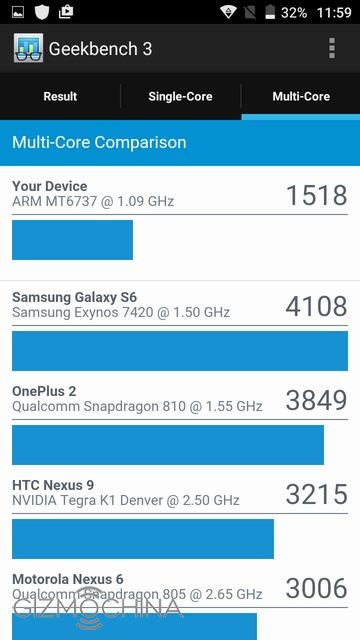
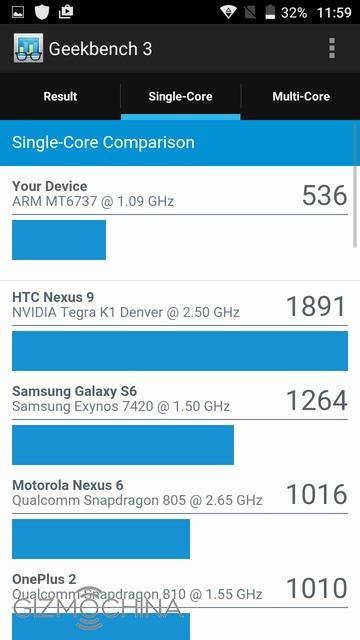
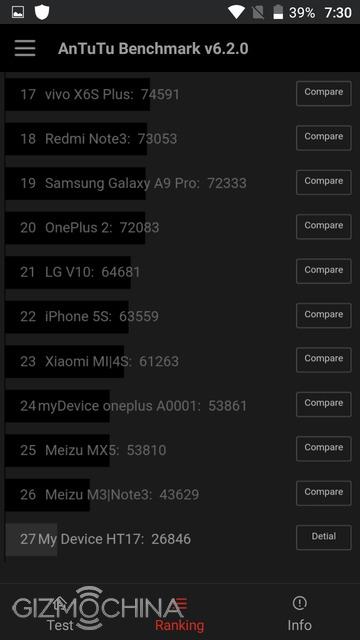
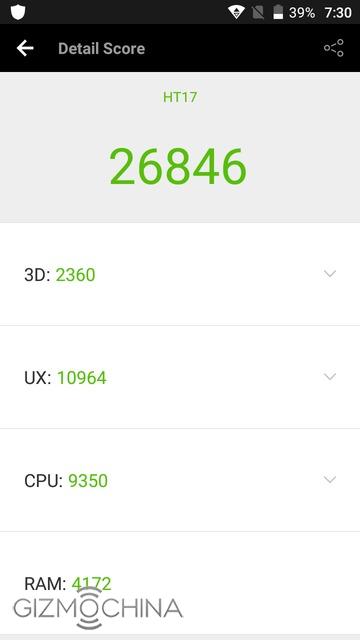
Homtom HT17 Review: BENCHMARKS
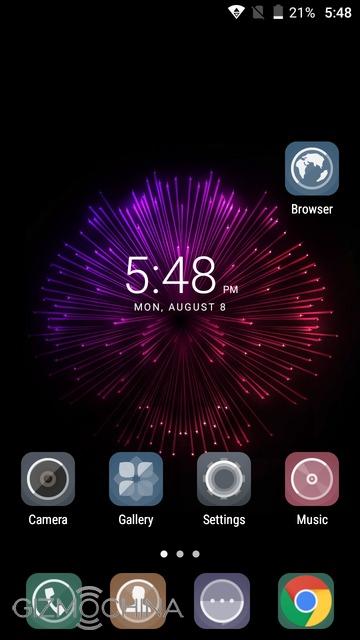
Homtom HT17 Review: USER INTERFACE
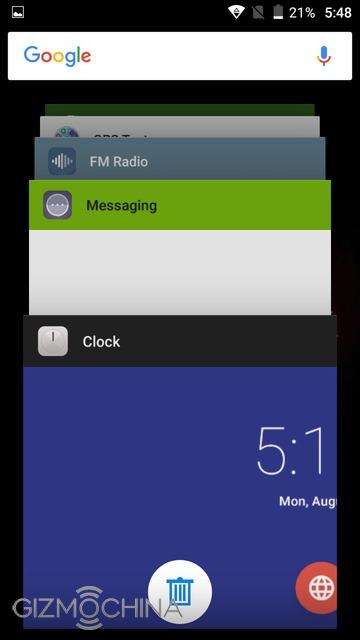
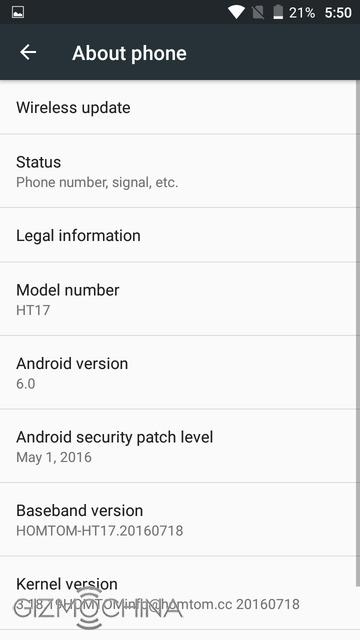
As for user interface, the device ships with Android 6.0 out of box. It clearly reminds stock Android but we have some redesigned icons and added features.
For example, there are plenty of gesture and motion controls that work pretty well.
The day-to-day performance of the UI is pretty fast. There were a few minor hiccups and it may take a bit longer to open certain apps but I was happy with the overall speed of the user interface.
Homtom HT17 Review: IMAGE QUALITY
The image quality is definitely far from the best but it is one of the best if we talk about sub-$60 phones.
The phone can take some pretty good looking photos in daylight but it will struggle in lower-lit situations.
The 720p video quality is mediocre as on most of the phones in this price range. See a video review for a video sample.
A front-facing camera is a bit disappointing as the images lack detail.
As for connectivity, I didn’t have any issues with Wifi, call quality or signal reception. Even the GPS lock speeds are fast and it is usable for navigation.
Homtom HT17 Review: BATTERY LIFE
The 3000mAh battery will last you at least a full day, depending on the usage. I could get around 4 hours of screen-on time on a mixed use of the phone.
Homtom HT17 Review: CONCLUSIONS
Homtom HT17 is a budget phone that brings quite a lot of value for money.
It has a decent display and good build quality, some added features in the user interface, decent overall performance and a fingerprint scanner that works pretty well.
Also, the phone has an okay camera, which is a rare feature to have in this price range.
However, don’t expect to play the high-end games or take a lot of low-light photos with this phone – the performance will be pretty disappointing. Also, the display could be slightly brighter.
Other than that, Homtom HT17 is a surprisingly good and usable $66 phone, despite a few shortcomings.
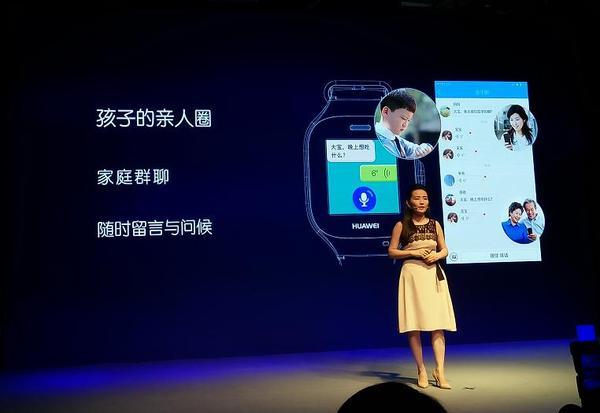
Huawei launched its first smartwatches designed for Children earlier today. The smart watches were designed in collaboration with Disney and Marvel, bringing in unique and cool designs.
The Huawei children smartwatches adopt designs themed around four popular cartoon characters, Minnie, Mickey, Frozen Four, and Captain America and is said to clutch a cheap price tag of 688 yuan ($104).
The Huawei children smartwatch isn’t just an ordinary time piece or toy for the amusement of the kids as it also packs some features which makes it a smart gadget. The watch uses GPS, Compass, WLAN, and acceleration sensor. Also the device uses Huawei’s own cloud services and all communication records and data are stored in the cloud server.
The Huawei smartwatch also features a unique feature “Shake” feature. The “Shake” feature enables connection between two watches within a 10-meter radius, thus two friends can share information and data just by merely shaking their hands. The smartwatch also enables users to make calls and chat. It is not known yet when the device will become commercially available.
We use cookies on our website to give you the most relevant experience by remembering your preferences and repeat visits. By clicking “Accept”, you consent to the use of ALL the cookies.
This website uses cookies to improve your experience while you navigate through the website. Out of these, the cookies that are categorized as necessary are stored on your browser as they are essential for the working of basic functionalities of the website. We also use third-party cookies that help us analyze and understand how you use this website. These cookies will be stored in your browser only with your consent. You also have the option to opt-out of these cookies. But opting out of some of these cookies may affect your browsing experience.
Necessary cookies are absolutely essential for the website to function properly. This category only includes cookies that ensures basic functionalities and security features of the website. These cookies do not store any personal information.
Any cookies that may not be particularly necessary for the website to function and is used specifically to collect user personal data via analytics, ads, other embedded contents are termed as non-necessary cookies. It is mandatory to procure user consent prior to running these cookies on your website.