When Chinese Tech company, OnePlus launched the OnePlus 3 a few months back, the device was said to come in two color variants, Graphite and Soft Gold but the Graphite version was the one that went on sale worldwide starting at $399. OnePlus promised to release the Gold version which it uniquely refers to as Soft Gold version later on.
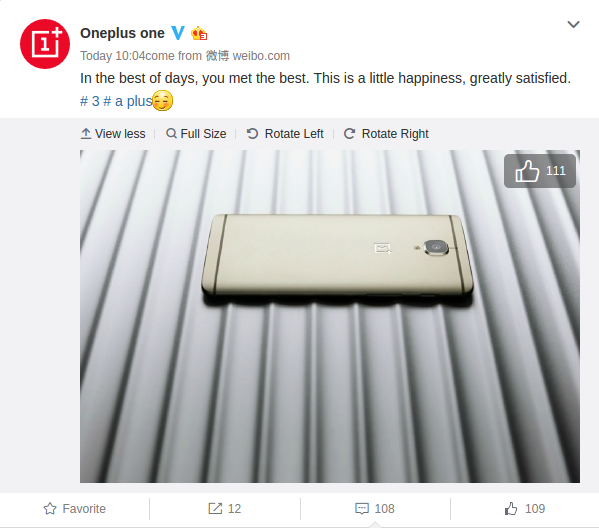
Now feelers from OnePlus indicate that we may see the Soft Gold colored version anytime soon. The Chinese company reputed for cheap flagships, has teased an image on Weibo today featuring the One Plus 3 Gold version, which should be a good indication that the Gold version will soon be unveiled.
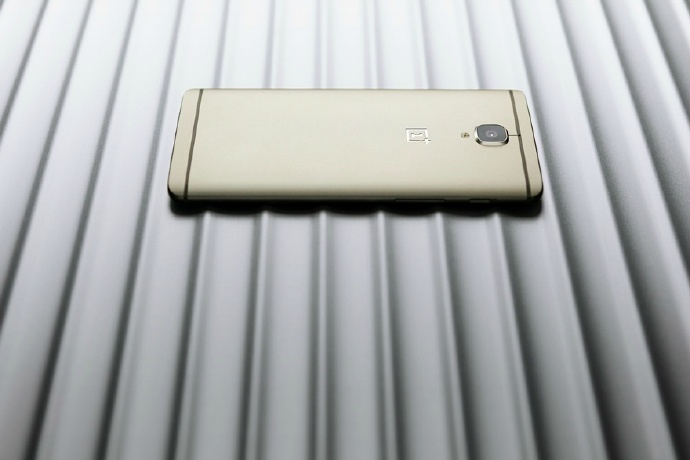
The teased image of the Gold version carried a short text which talked about the happiness derived from meeting the best in the best of days and the picture shows the OnePlus 3 looking radiant and elegant in a cool gold colored body. The gold color isn’t looking too shiny or catchy but its subtleness should catch the attention of a lot of OnePlus fans.
OnePlus 3 Soft Gold version
This recent image teaser conforms with OnePlus Co-founder Carl Pei’s response when asked by a fan on Twitter when the soft Gold version of the OnePlus 3 will be unveiled. Pei did not give a specific date but disclosed that the Gold colored version of the highly sought after OnePlus 3 will hit the market sometime in the latter part of July. We are in July, and in the latter part, so we may get to see how the OnePlus 3 looks colored in Soft Gold anytime soon.
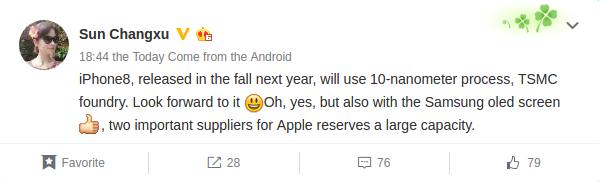
While we are still waiting for the release of the iPhone 7s (Seven S), industry analyst, Sun Changxu revealed details of next year’s iPhone 8 (if it gets called that) on Weibo.
Changxu says that the iPhone 8 will see an autumn release next year and will feature a processor (most likely A11) built using TSMC’s 10nm process. An important part of the leak is the move to OLED displays which will be supplied by Samsung. Apple has always used LCD screens in all its phones, so the change to OLED is a big development.
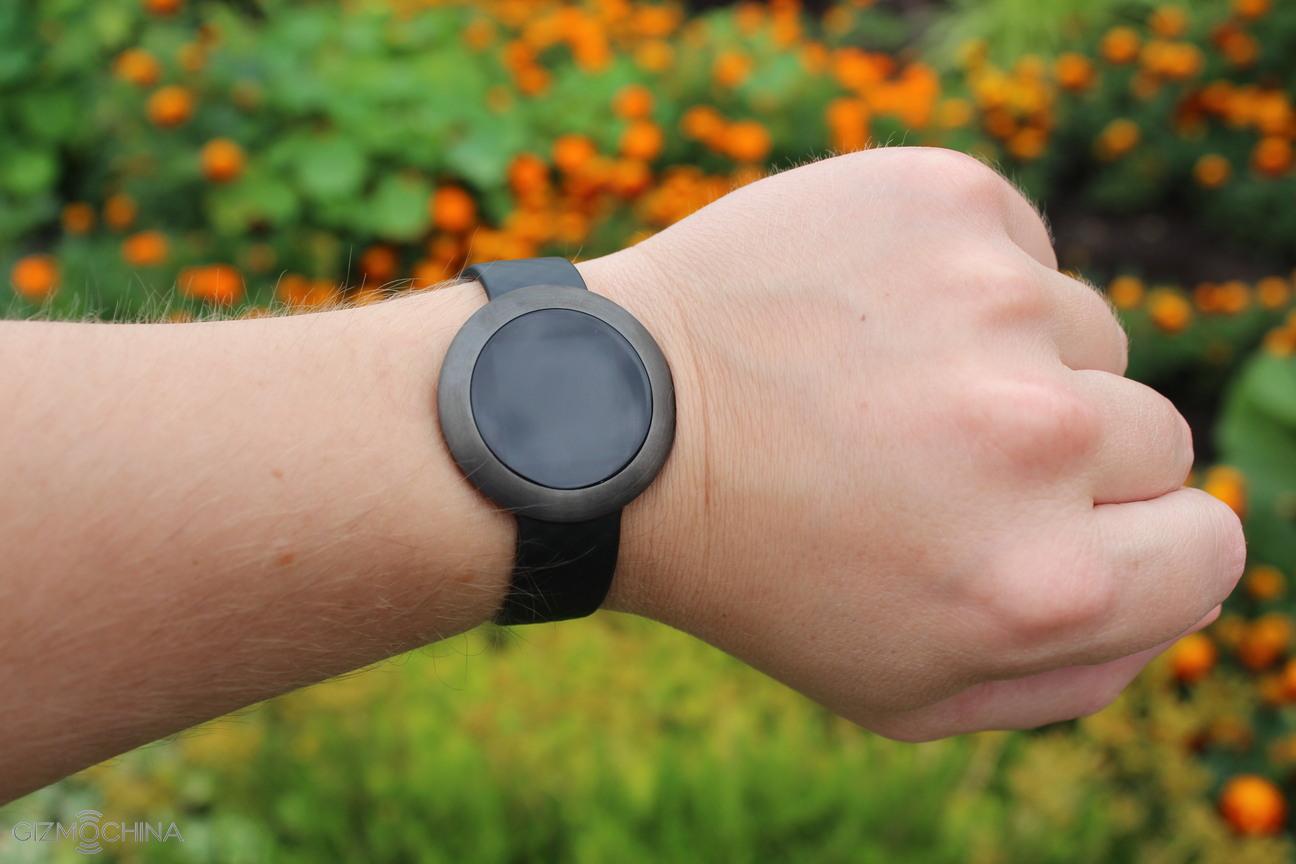
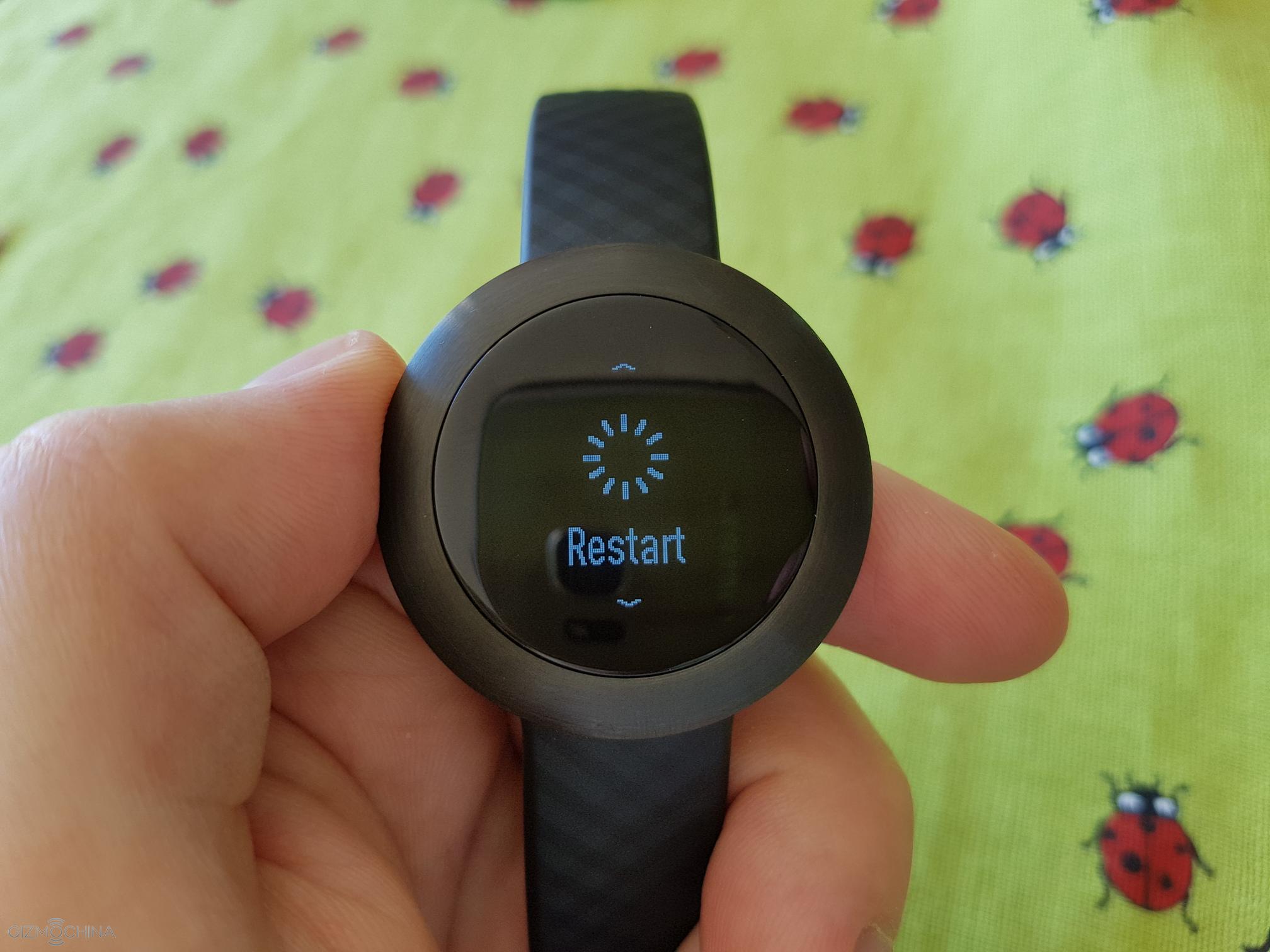
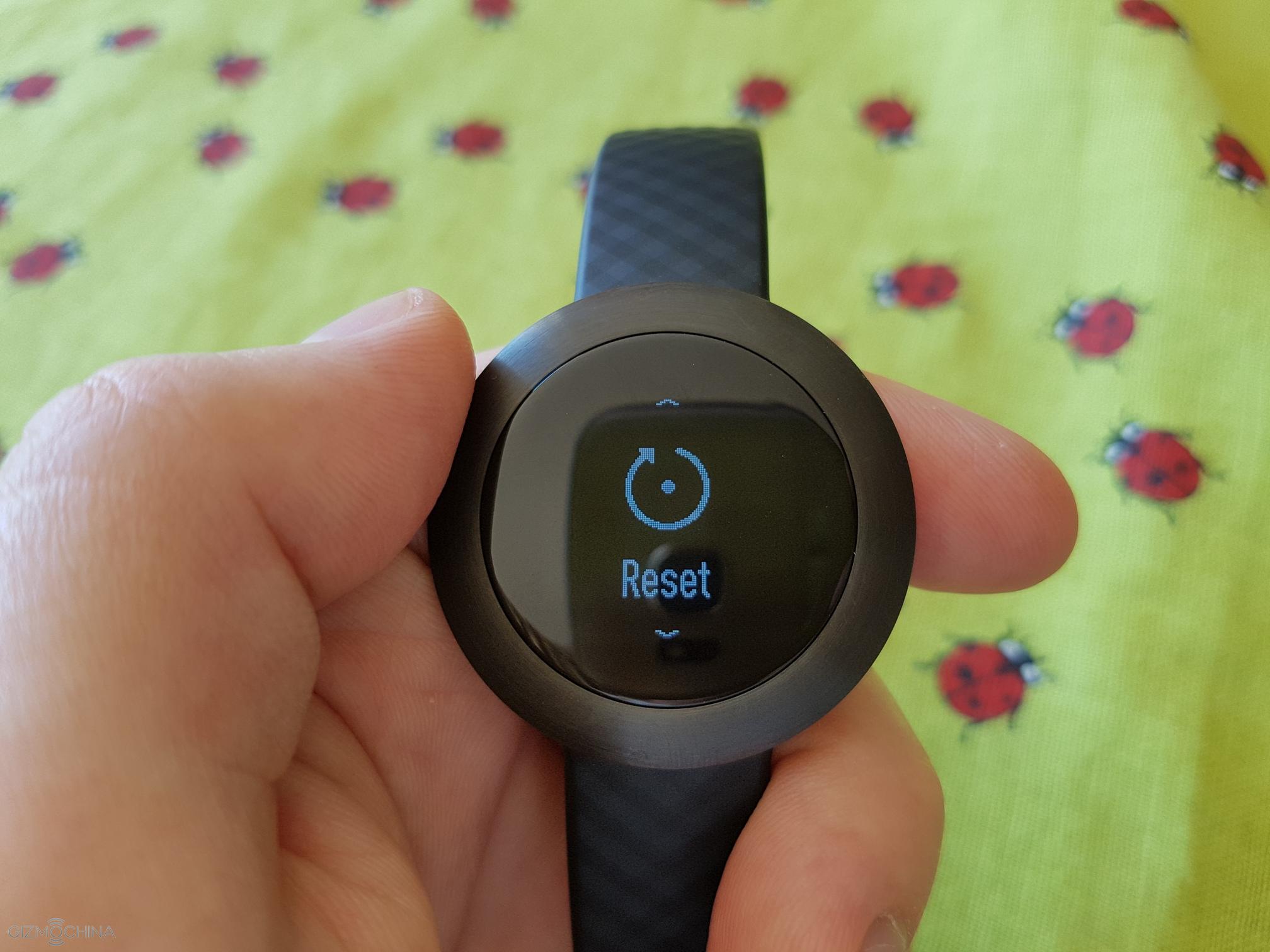
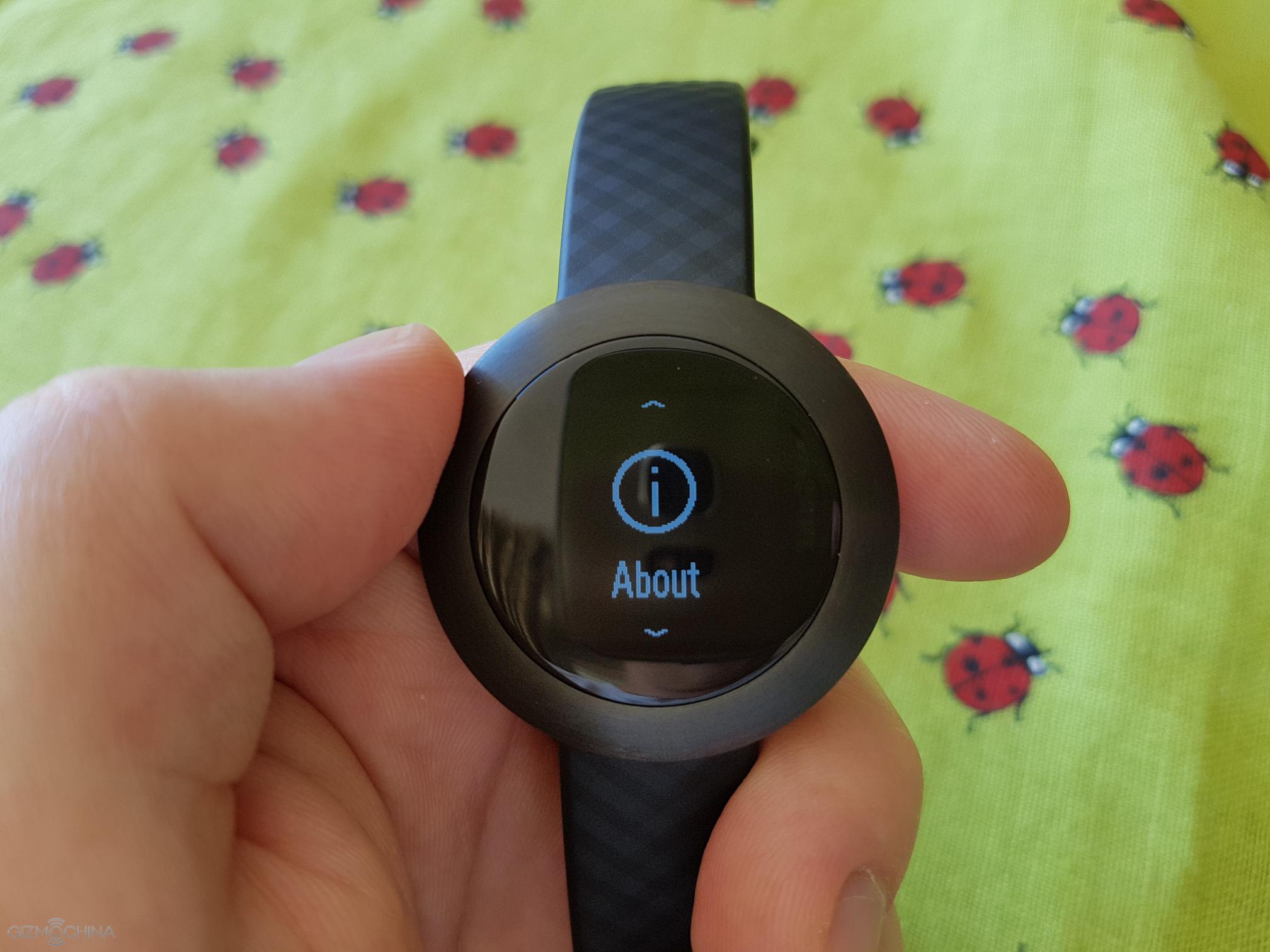
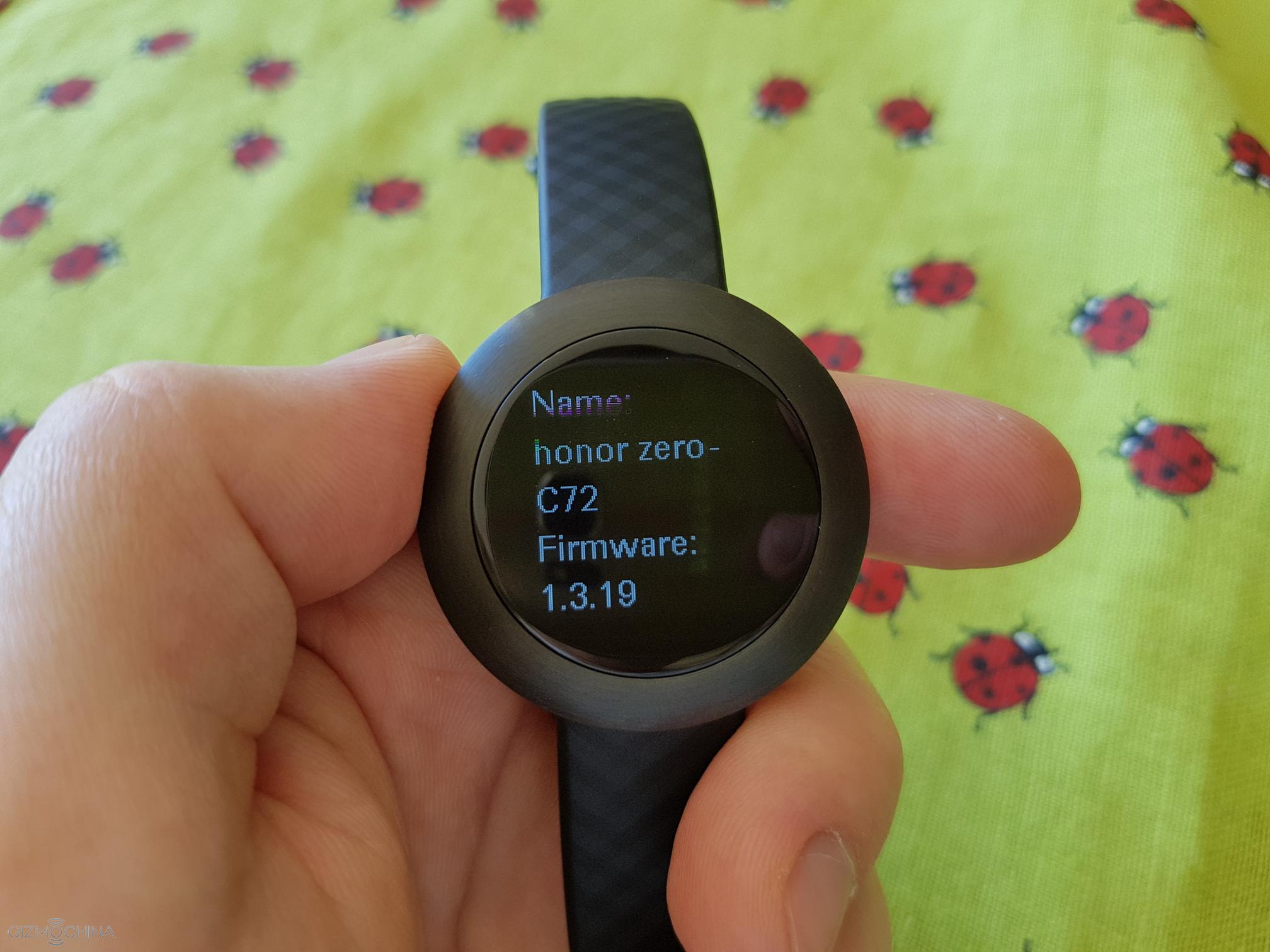
Huawei has been known not only for its mobile phones but also for quite a few wearable devices. The Honor Zero is one of them. It is stylish, well-built and it quite affordable. Learn more in our full review.
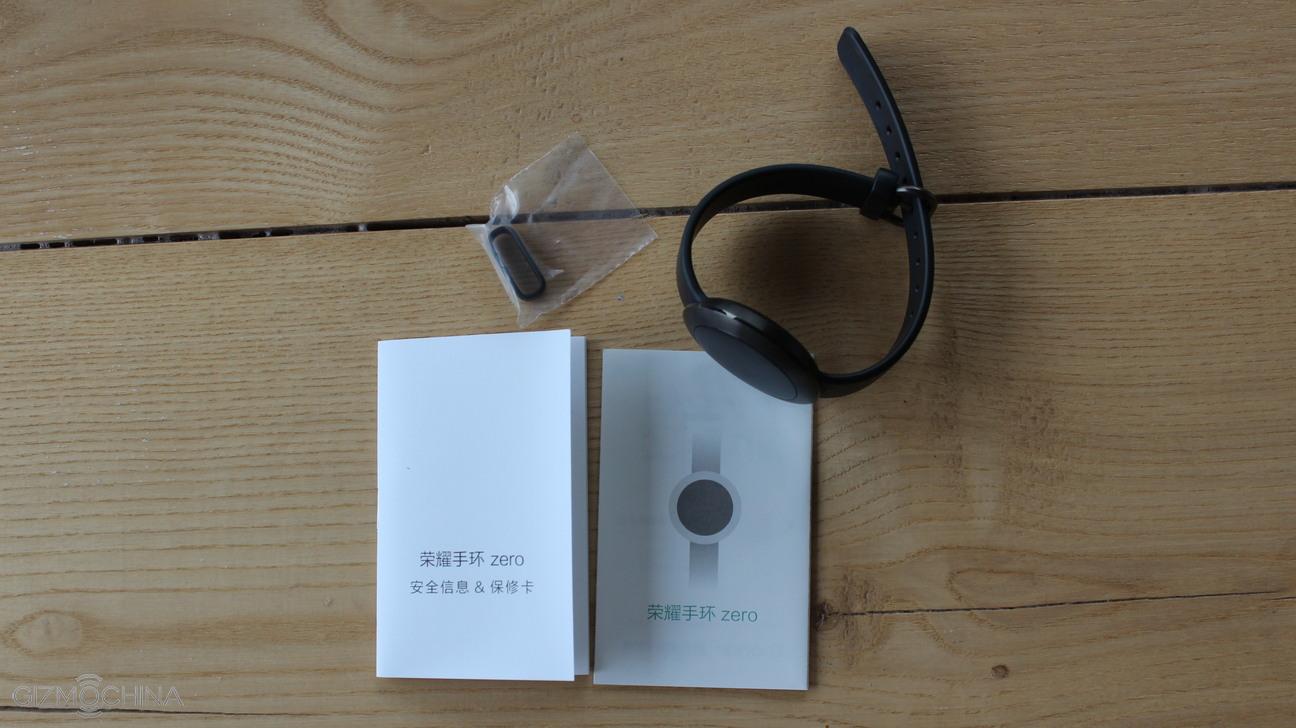
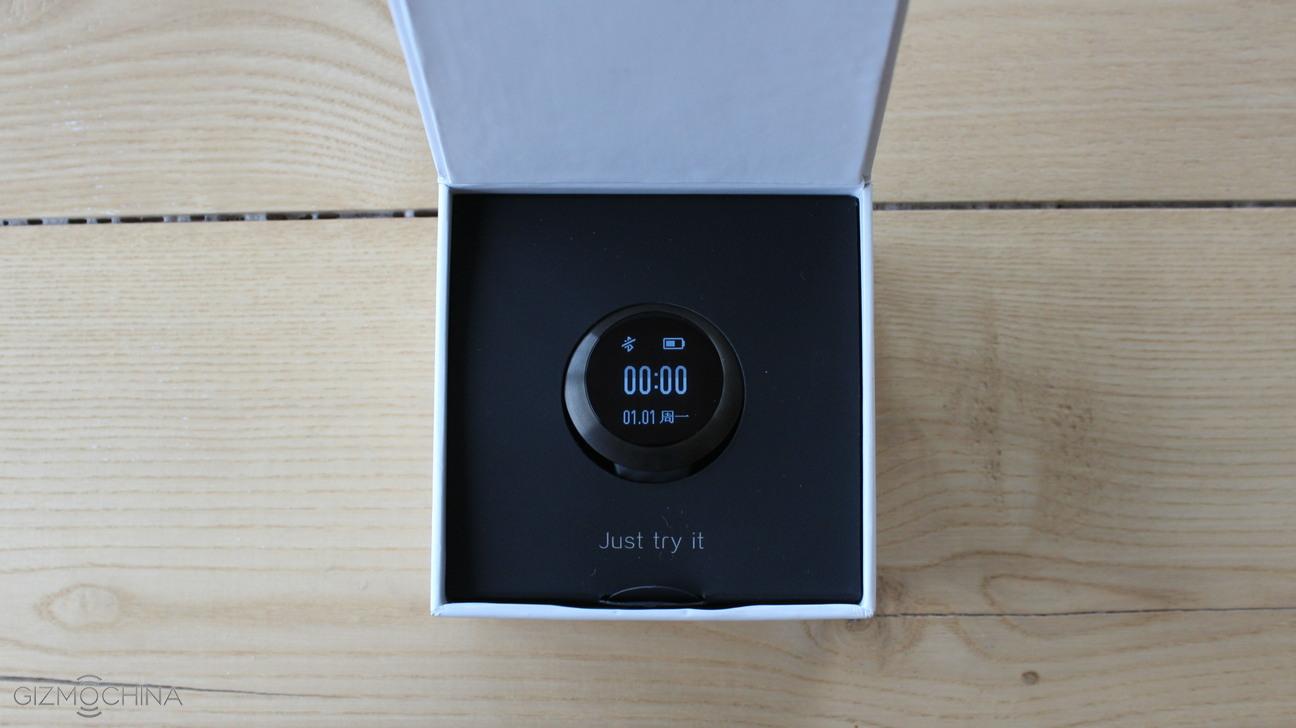
The smartwatch comes in quite a premium box (the presentation reminds me the Huawei P8’s box).
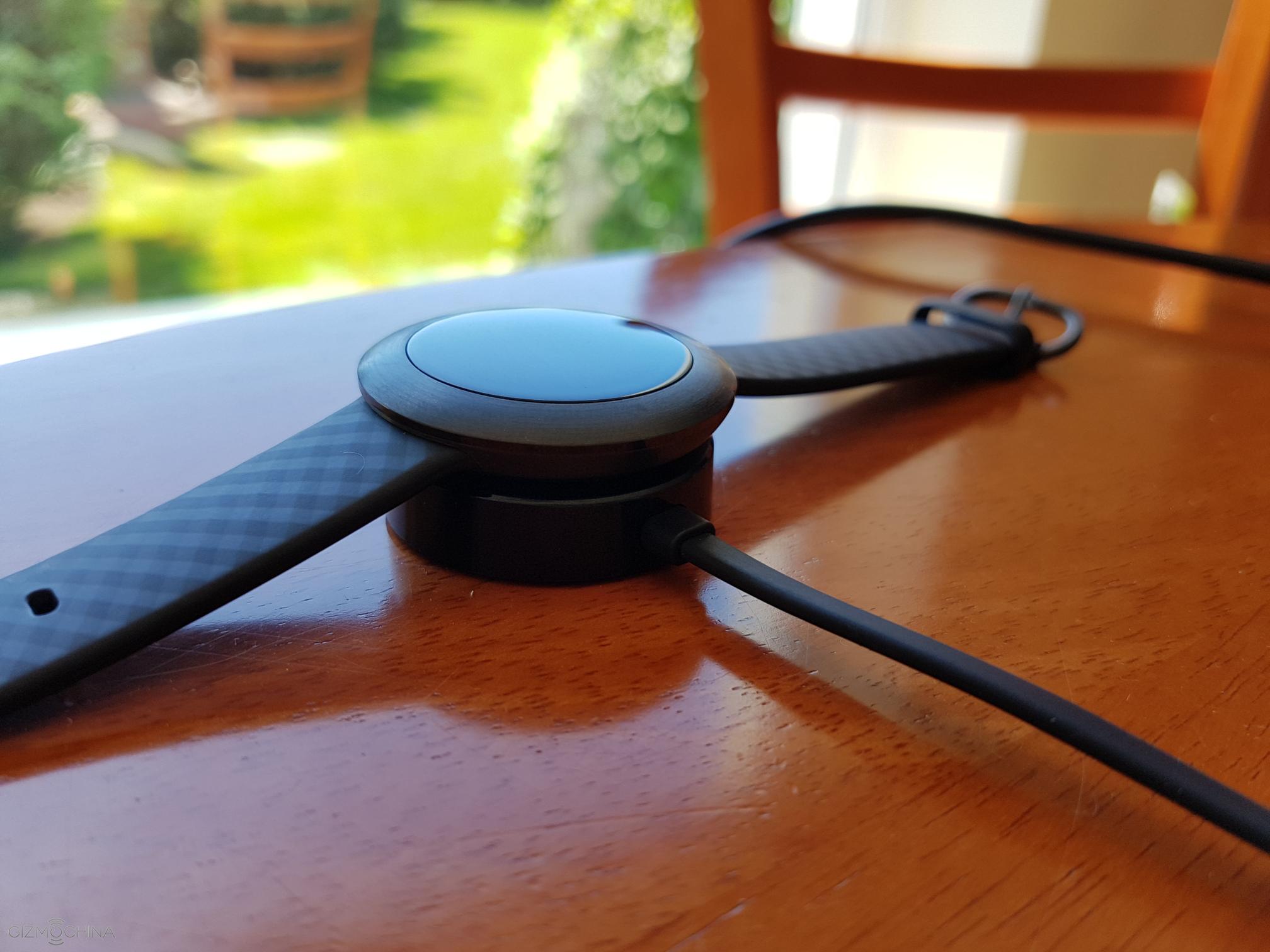
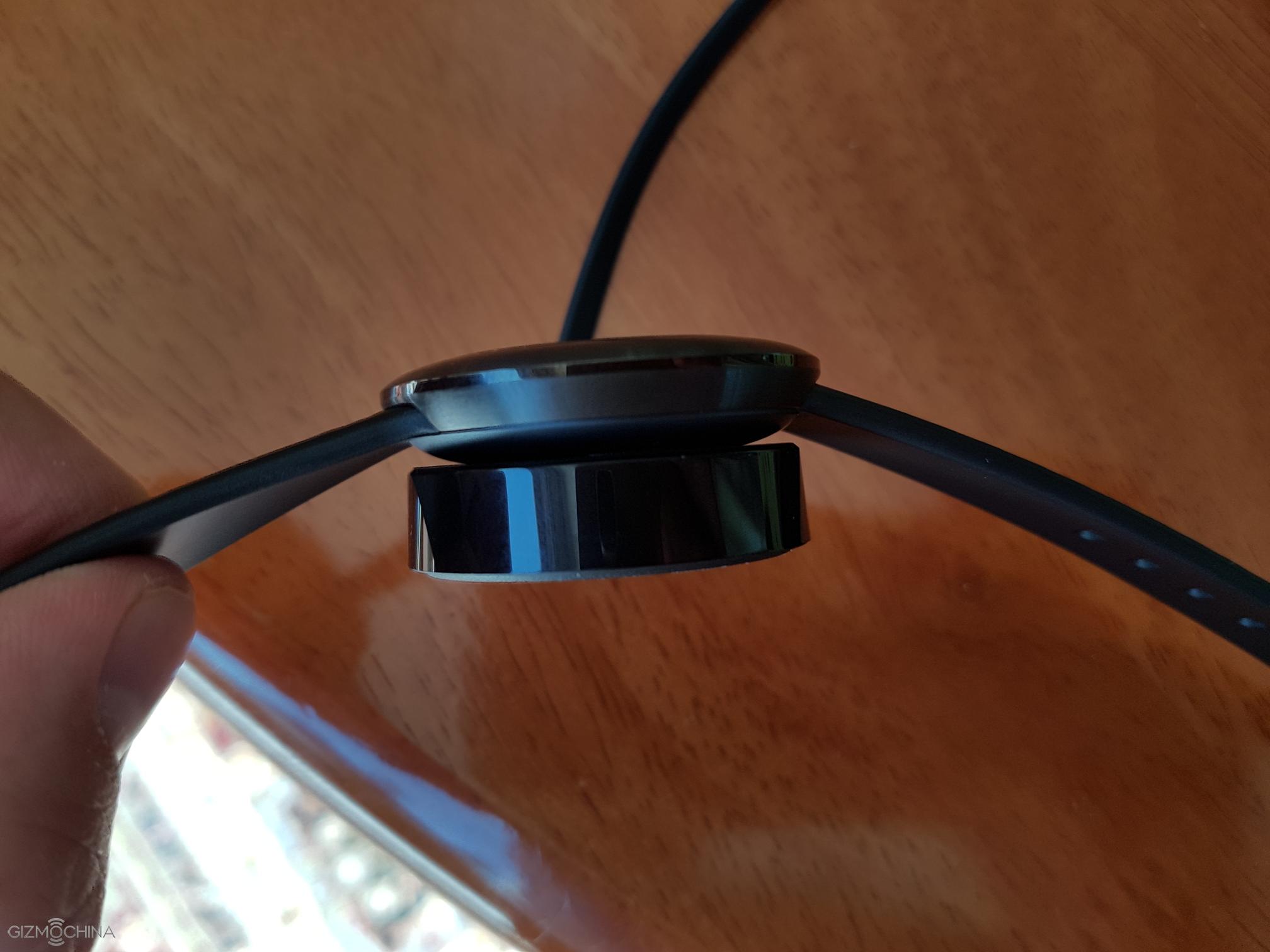
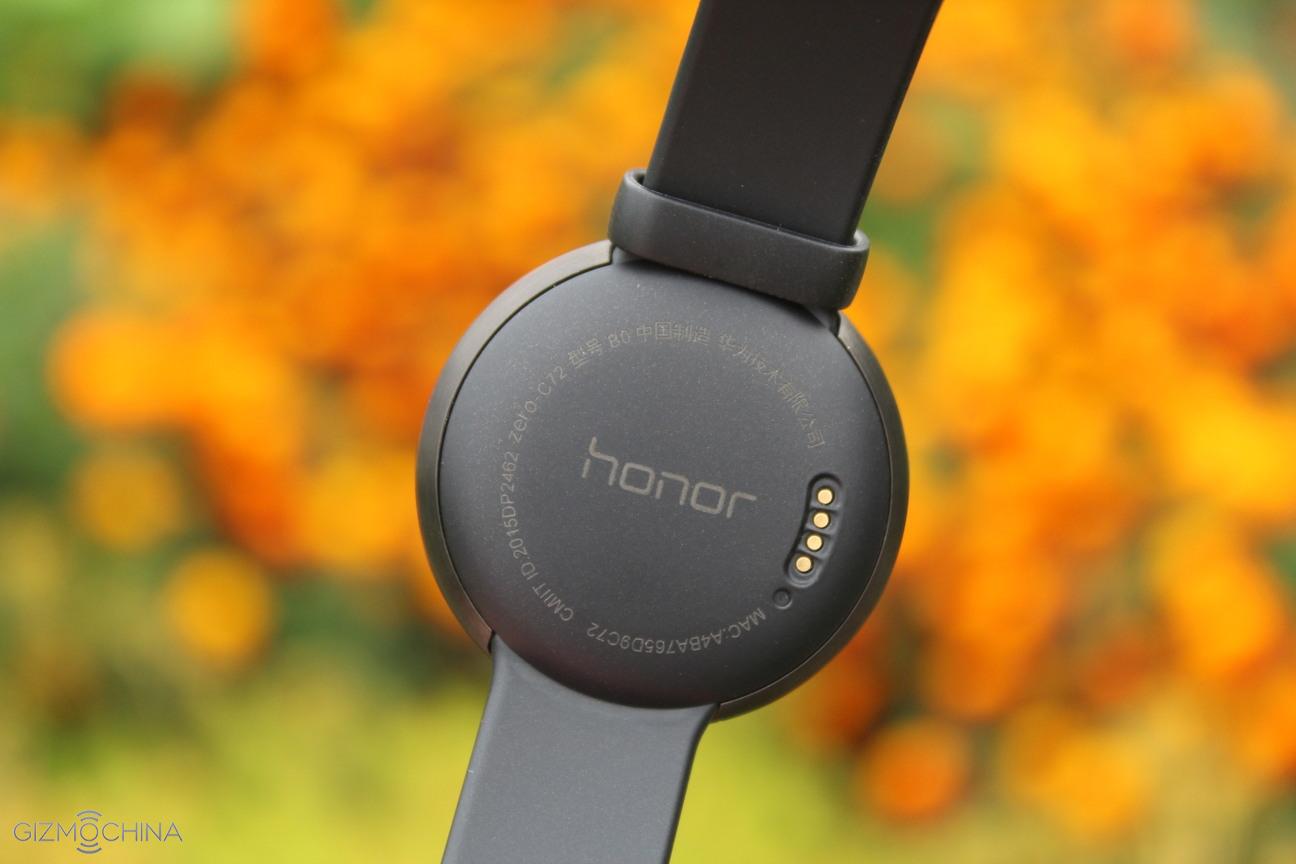
The contents include some instruction manuals and a magnetic charging cable, which stays firmly when attached to the bracelet.
Huawei Honor Zero Smart Band Review: DESIGN and DISPLAY
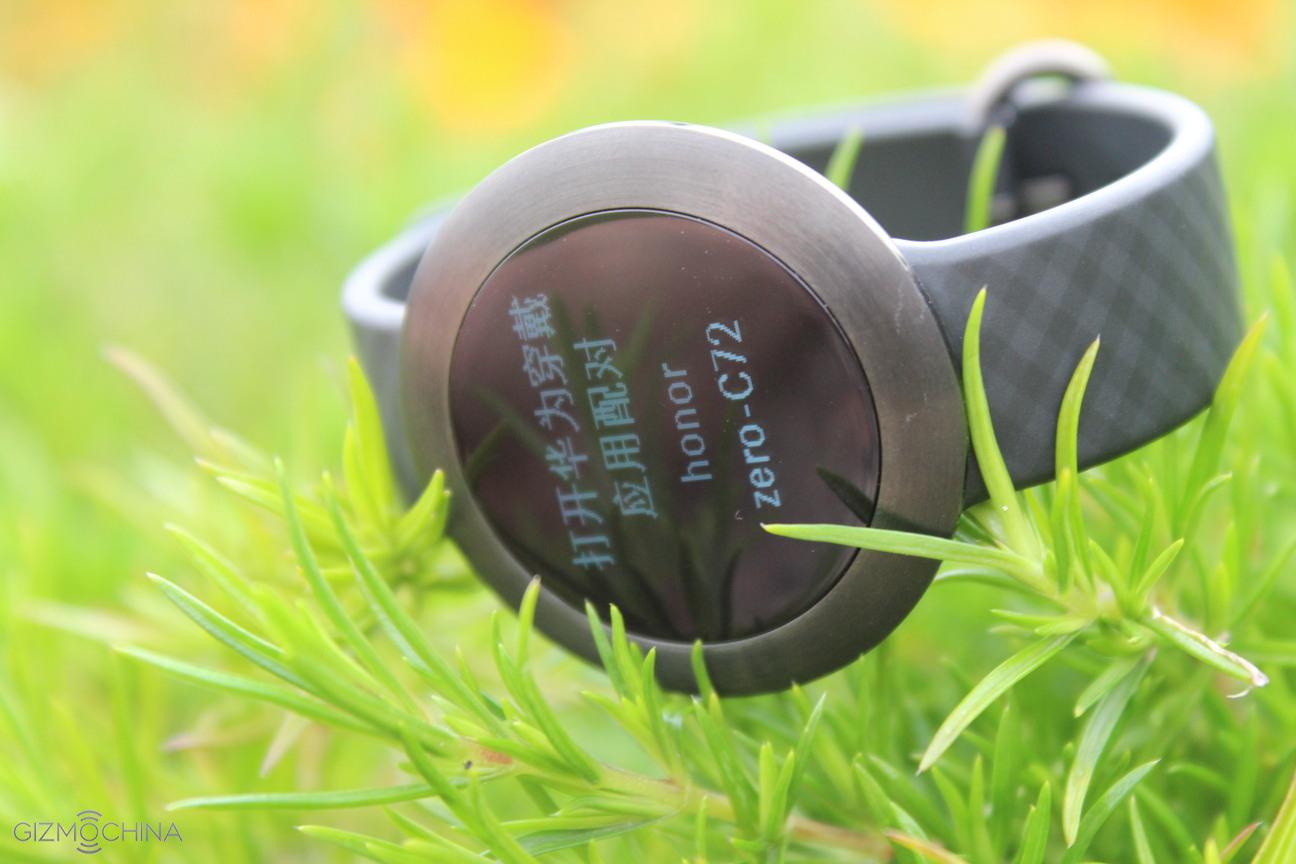
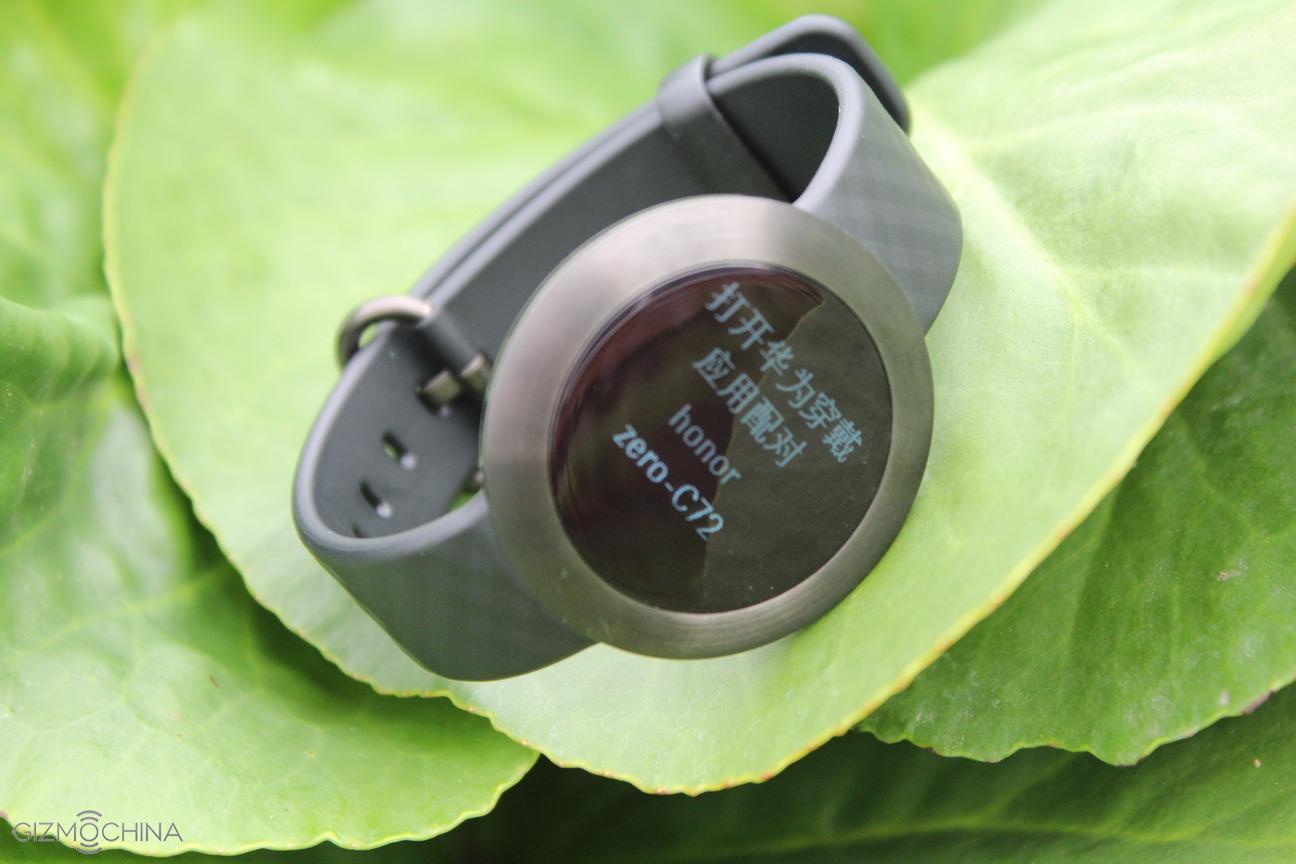
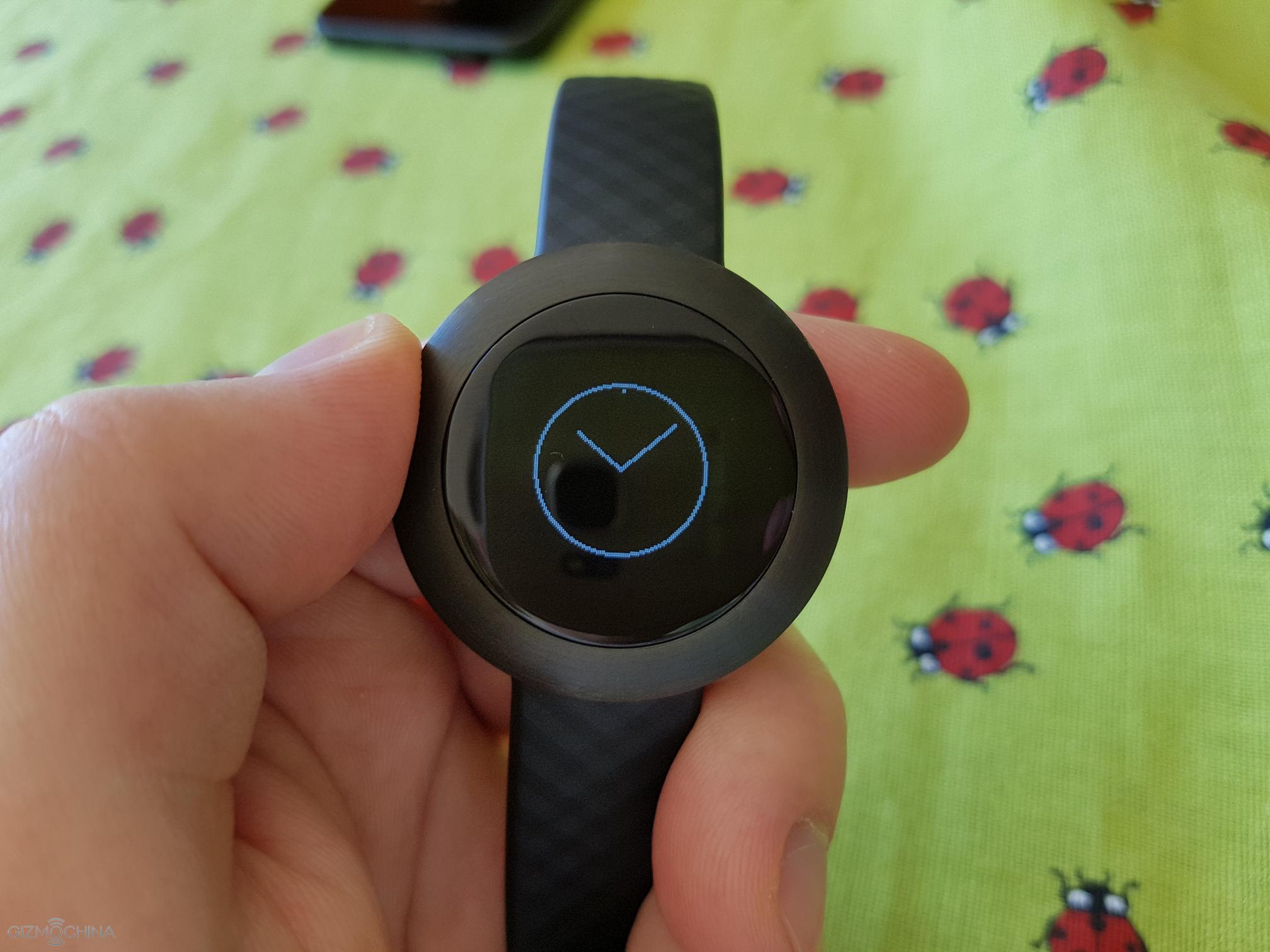
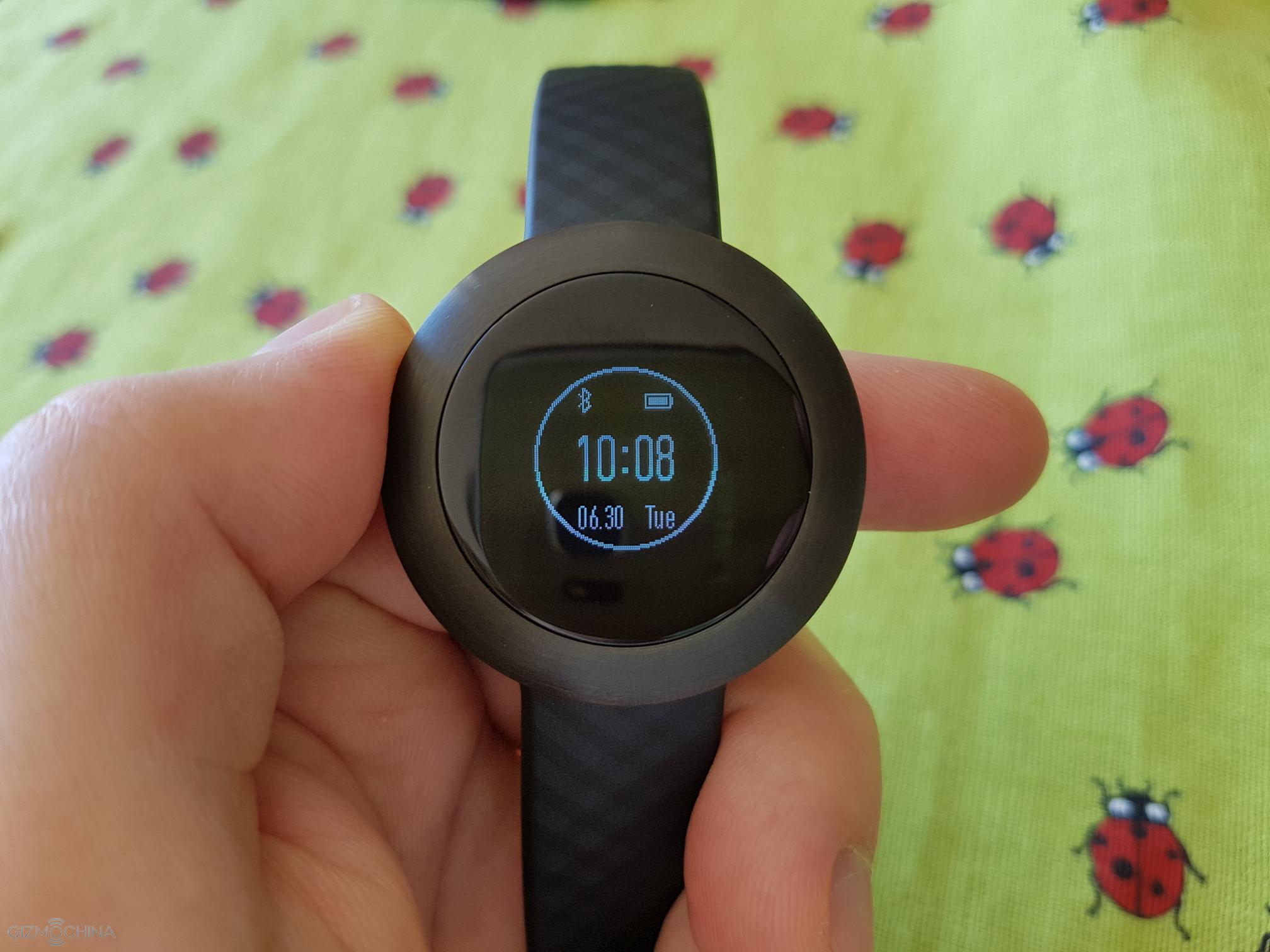
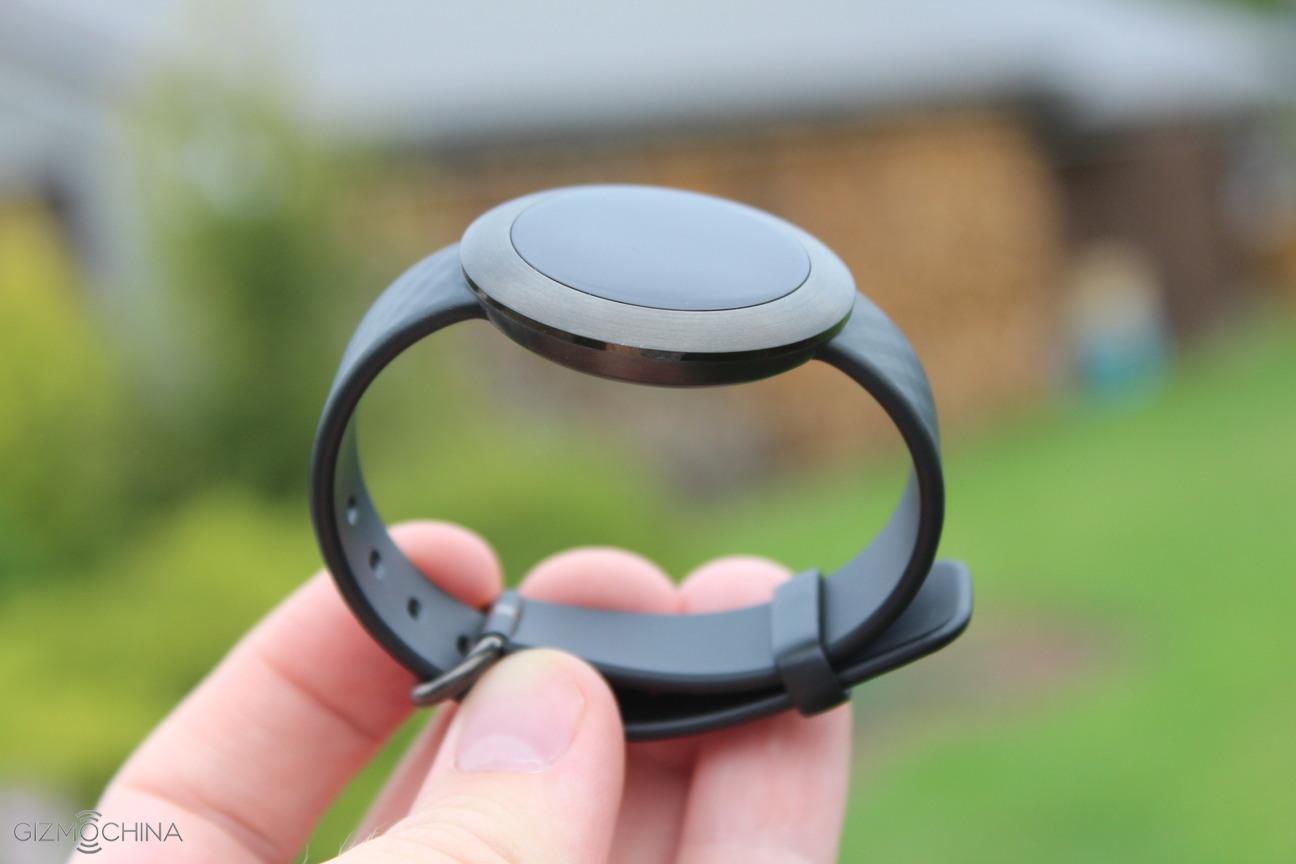
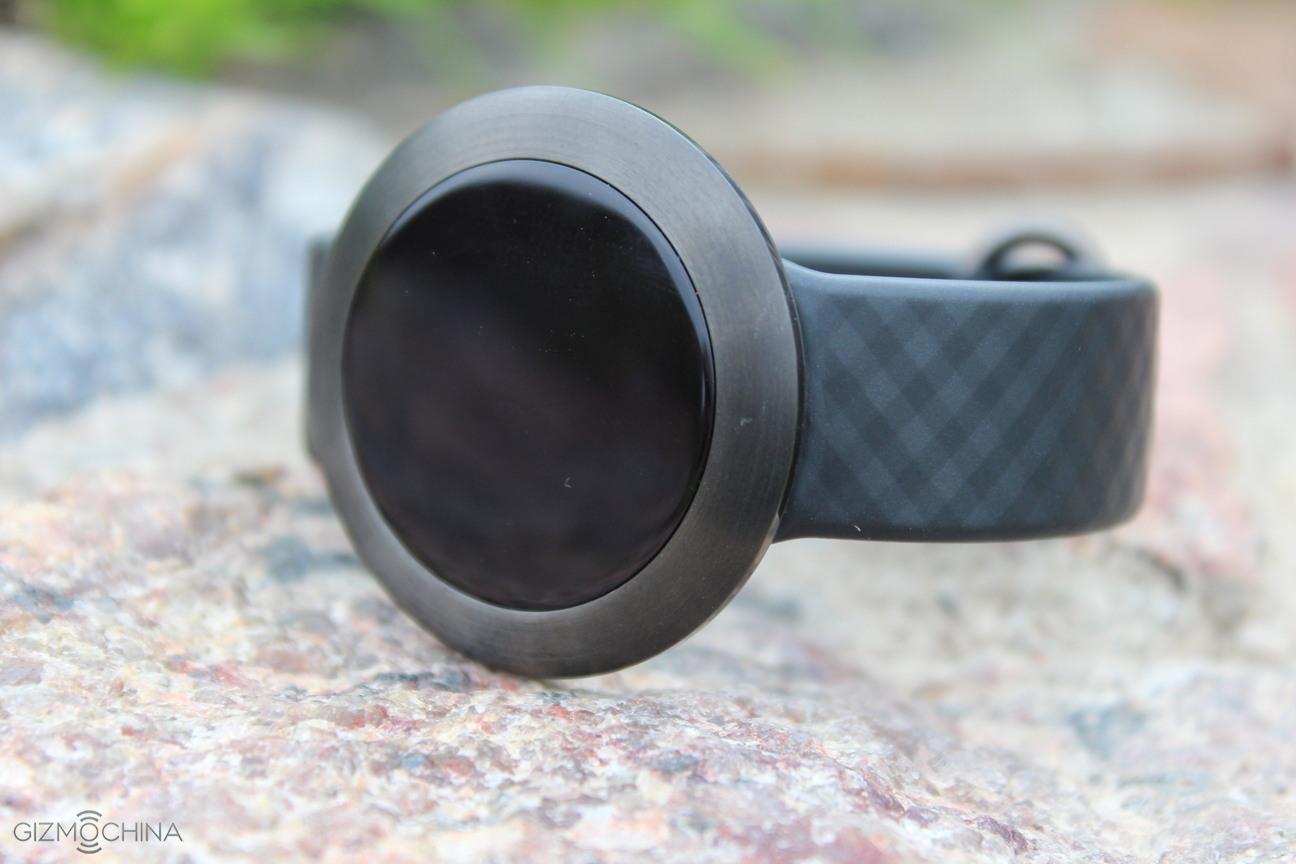
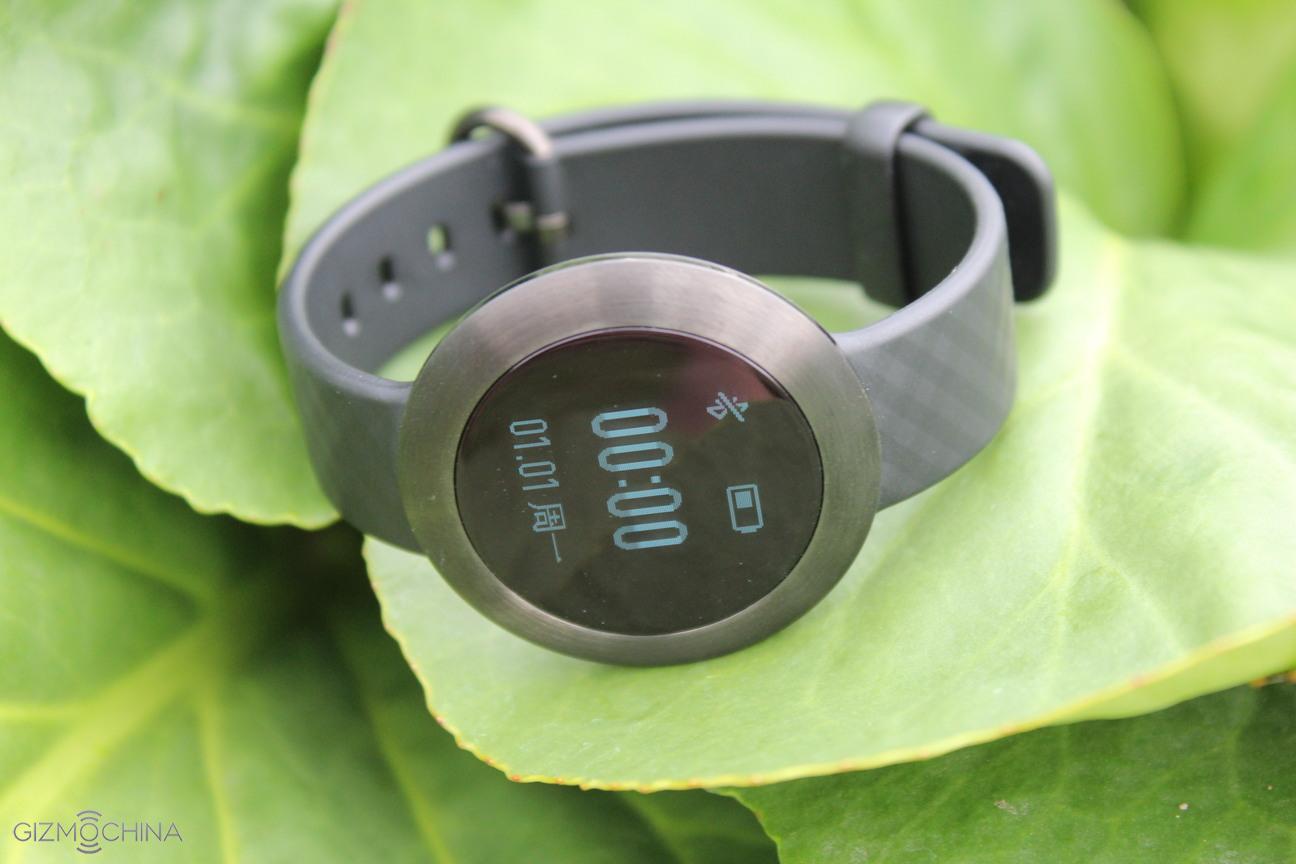
As for design, the smart band is similar to a classic watch due to its round shape. The device is very well-built and it uses a metal frame, which goes around the display.
Also, the bracelet is very light (25g) and it is IP-68 certified, meaning that it is water and dust resistant.
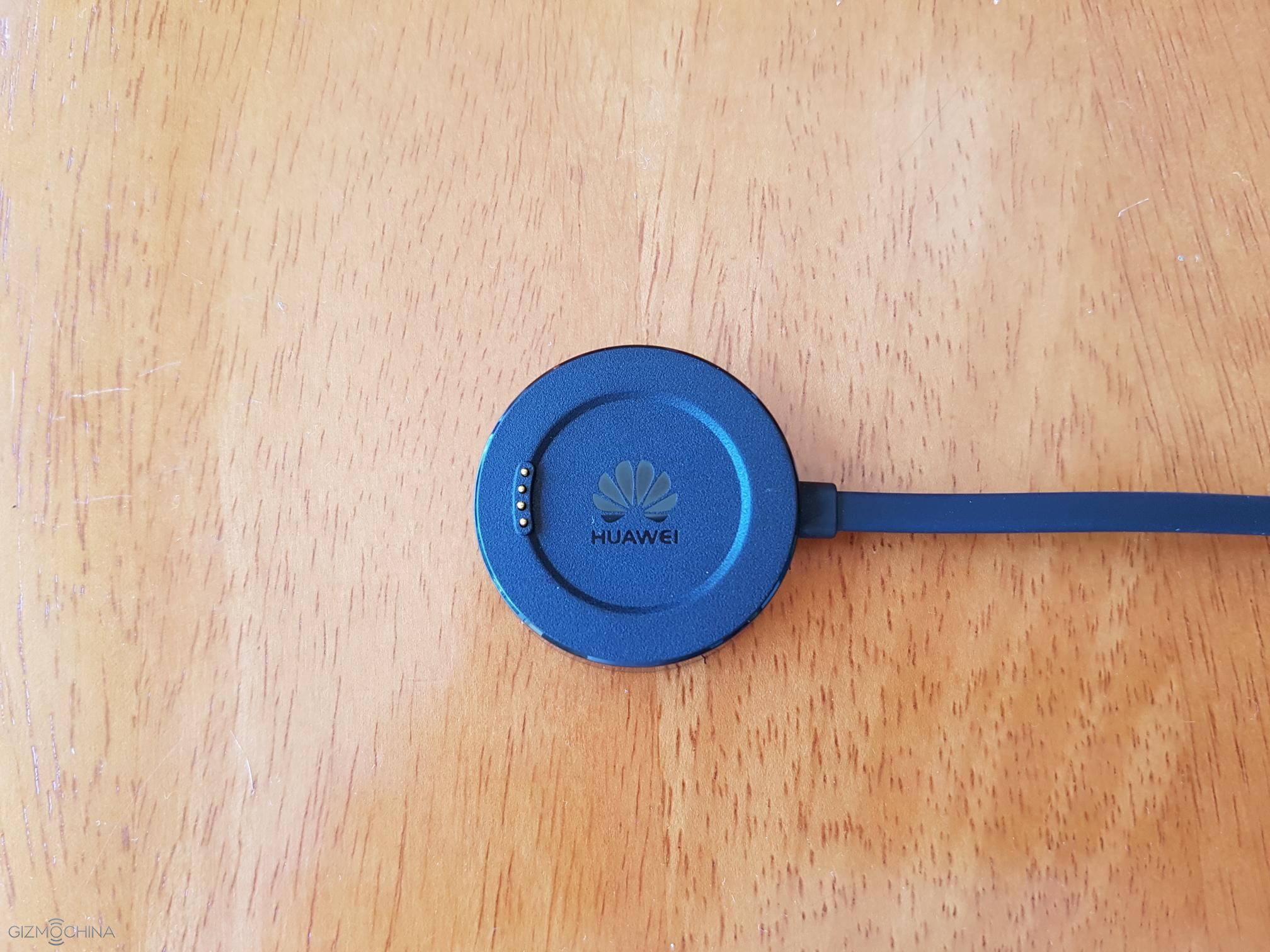
On the back, we have pins for charging.
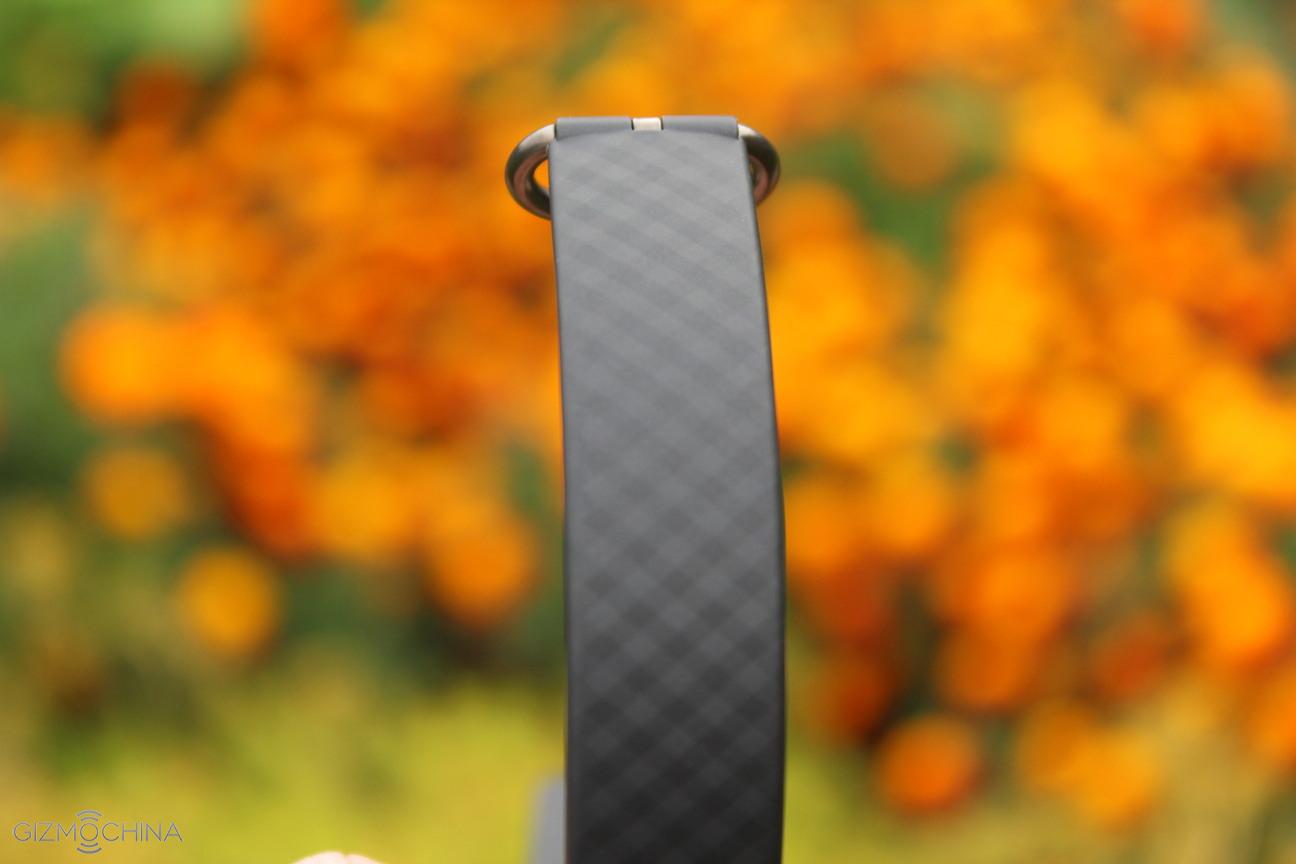
The band is made of textured rubber and it is comfortable to wear. You don’t have that irritating feeling after you wear the watch for a long time.
The smart band does not have any buttons and everything is controlled by tapping the touchscreen.
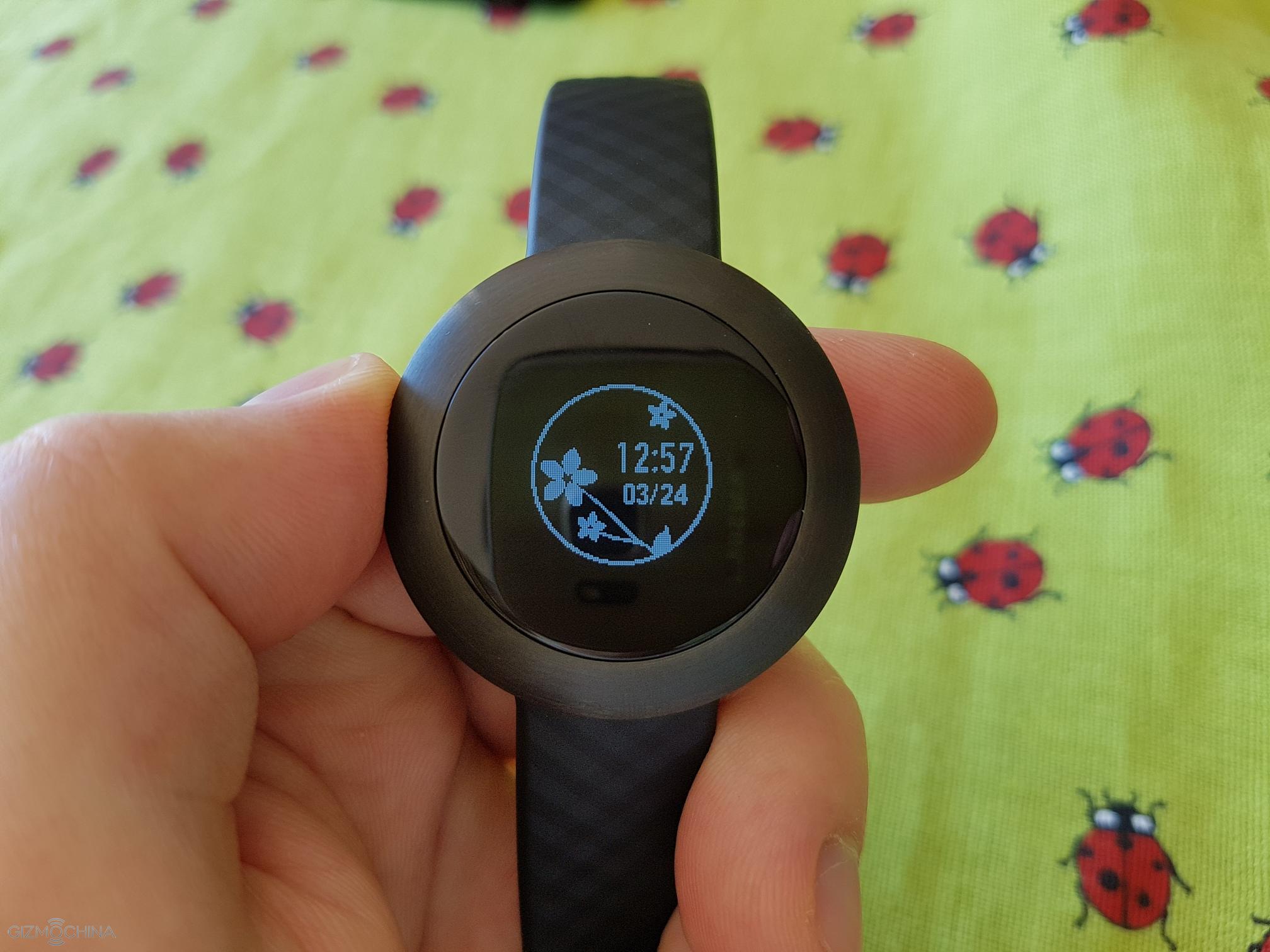
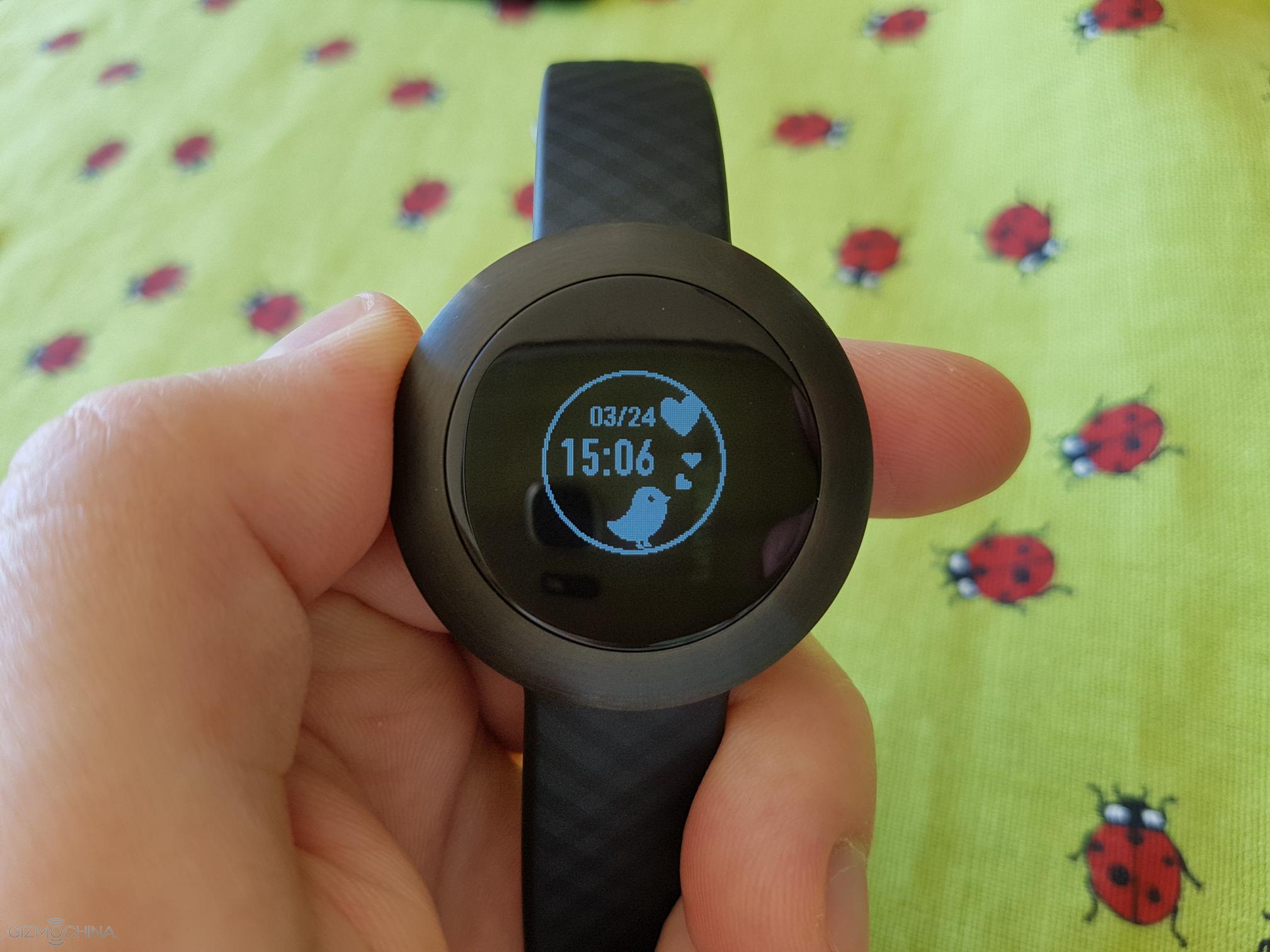
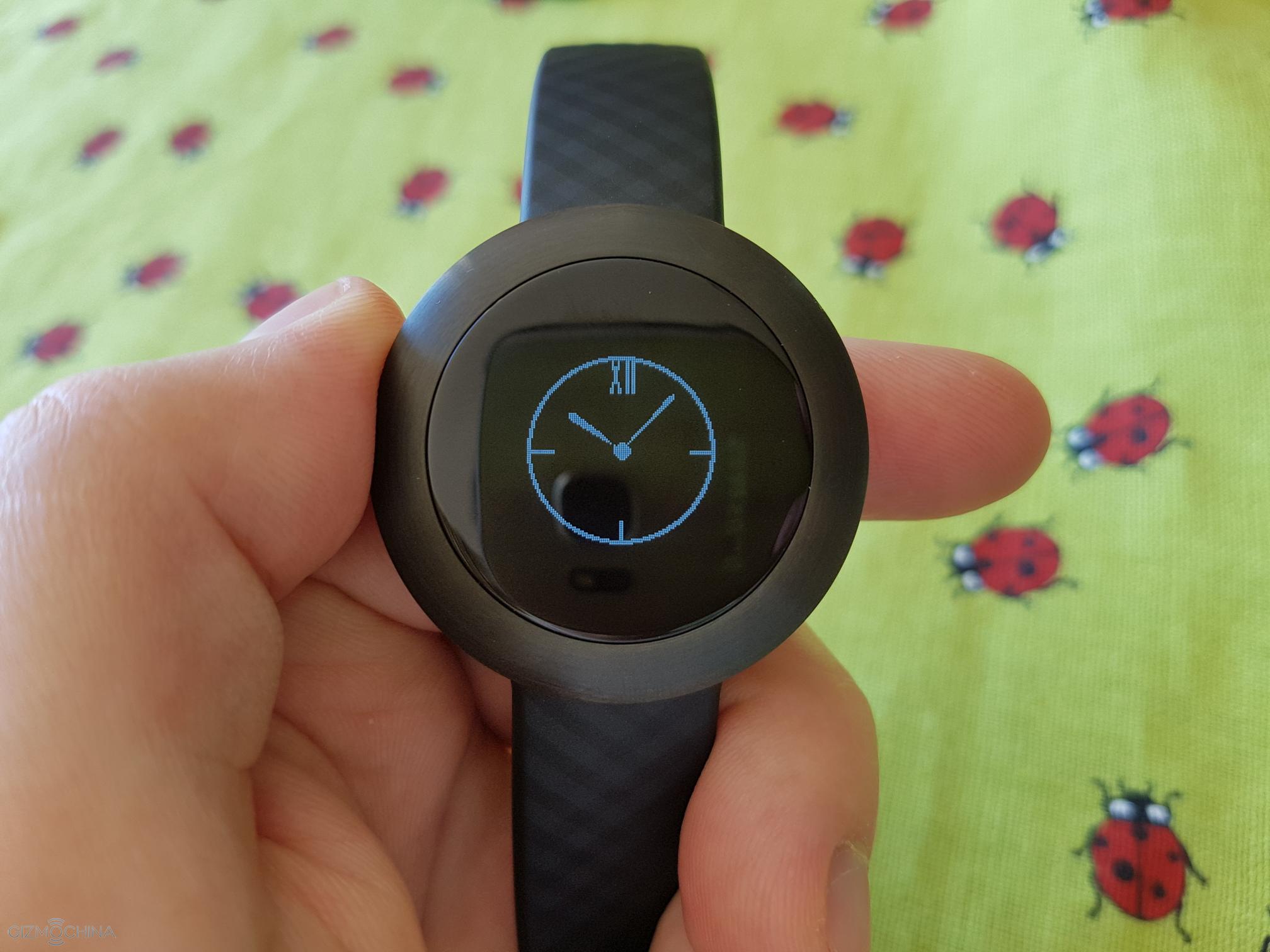
As for display, it uses Amoled technology. It is bright and has a great sunlight legibility (tested both in a cloudy day and under direct sunlight).
Huawei Honor Zero Smart Band Review: FEATURES and FUNCTIONALITY
In order to light up the display, you have to simply lift and turn your wrist.
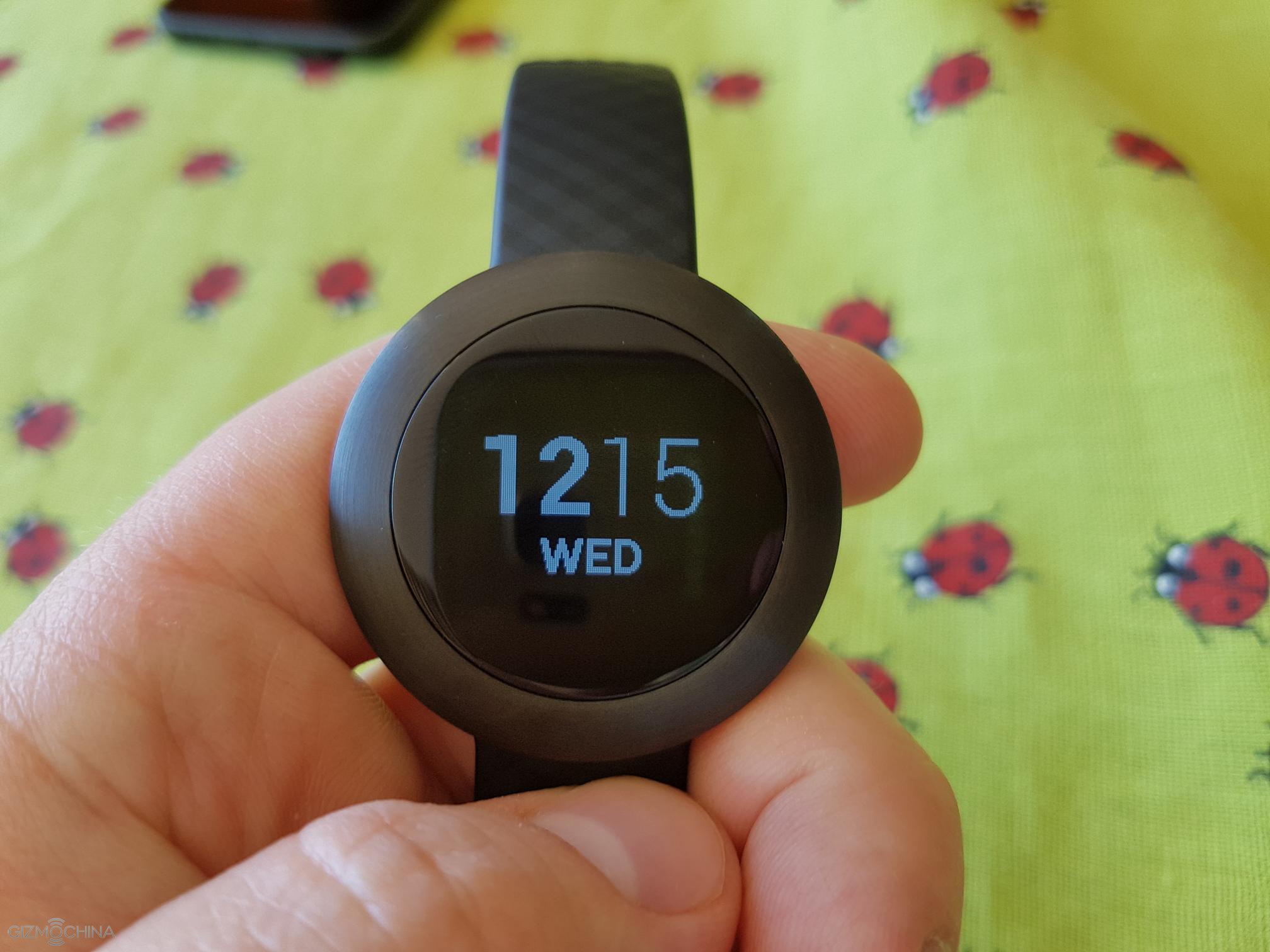
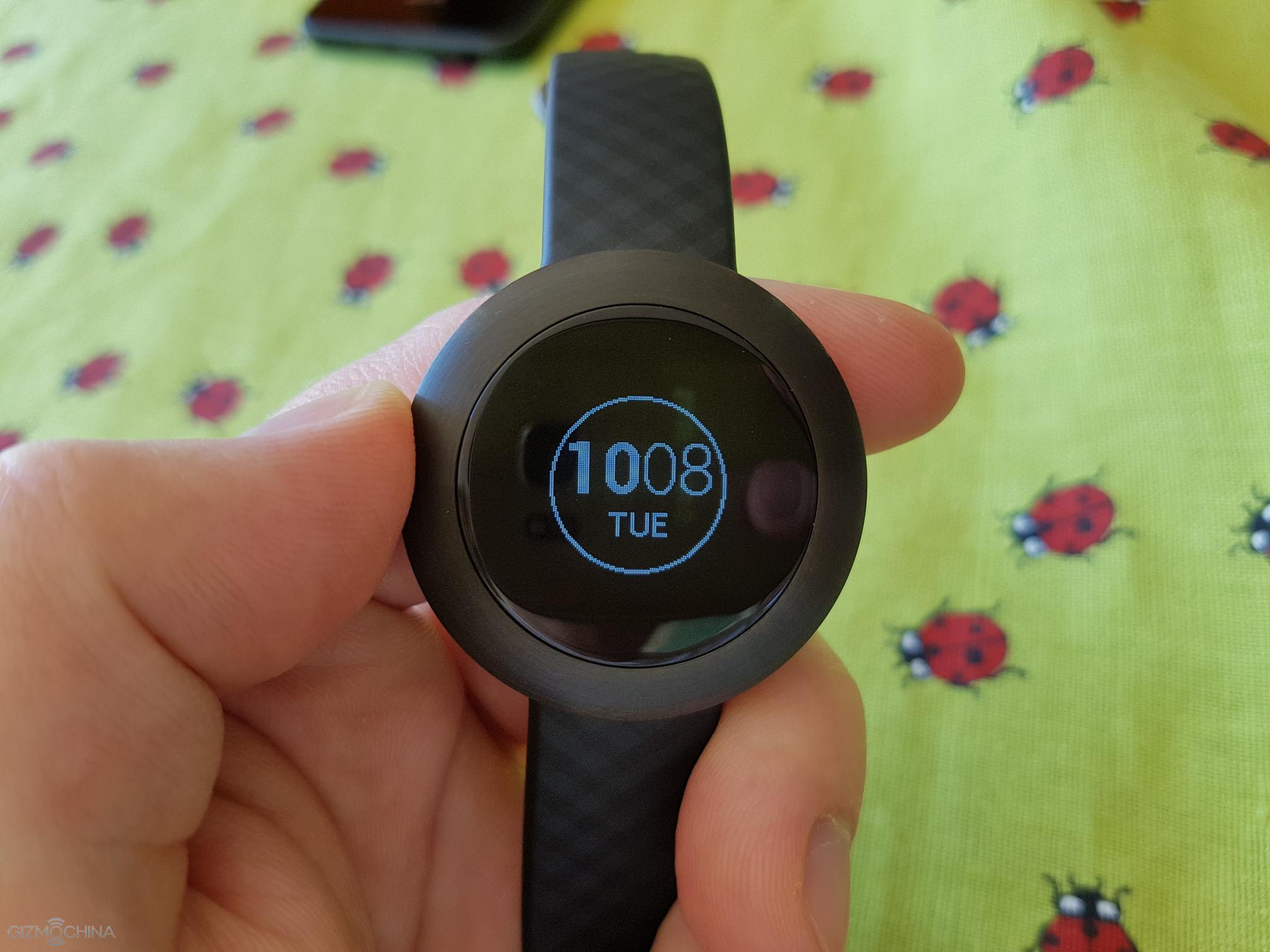
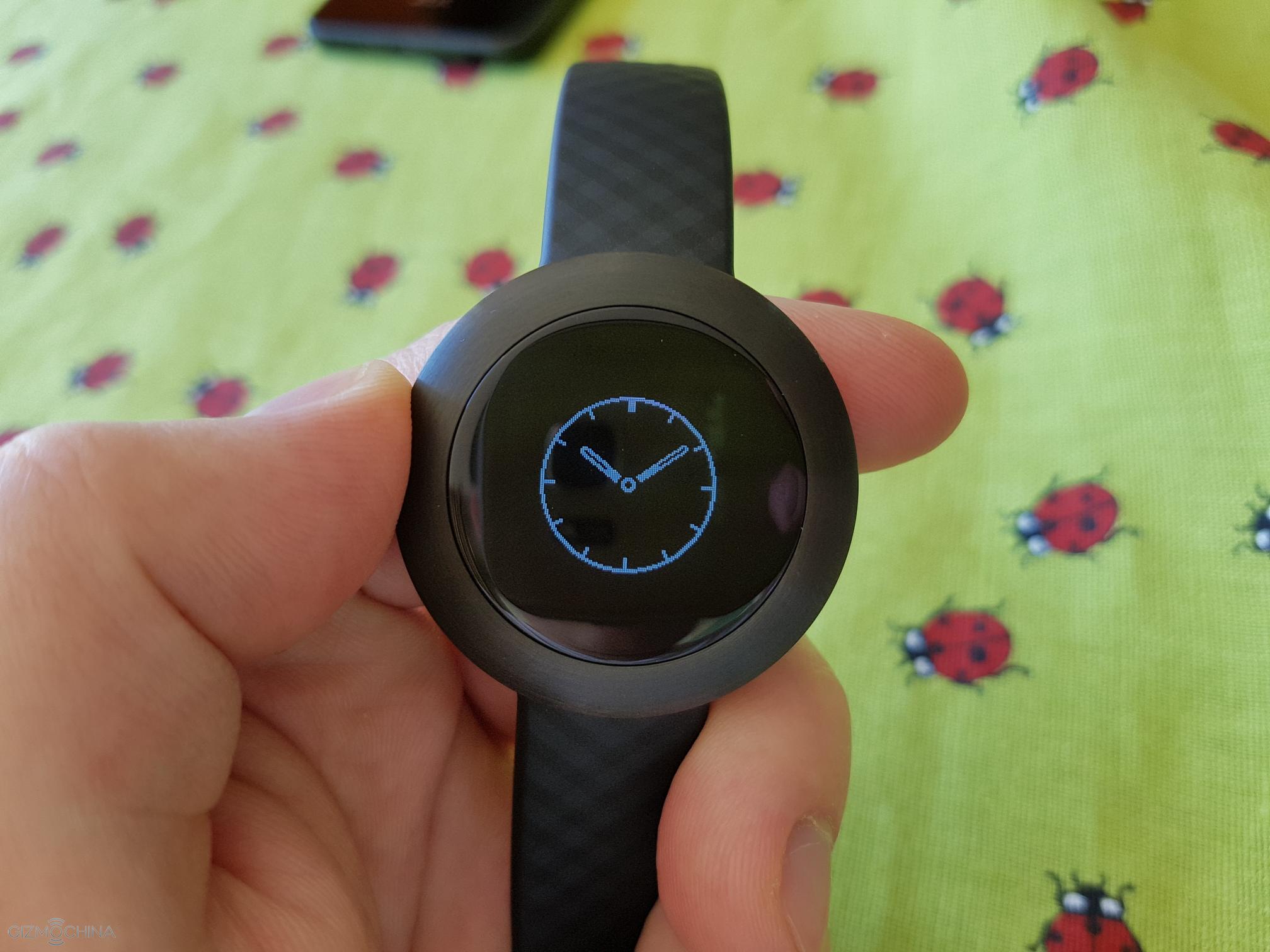
The smart band has some basic features like clock with the ability to select from a variety of watch faces.
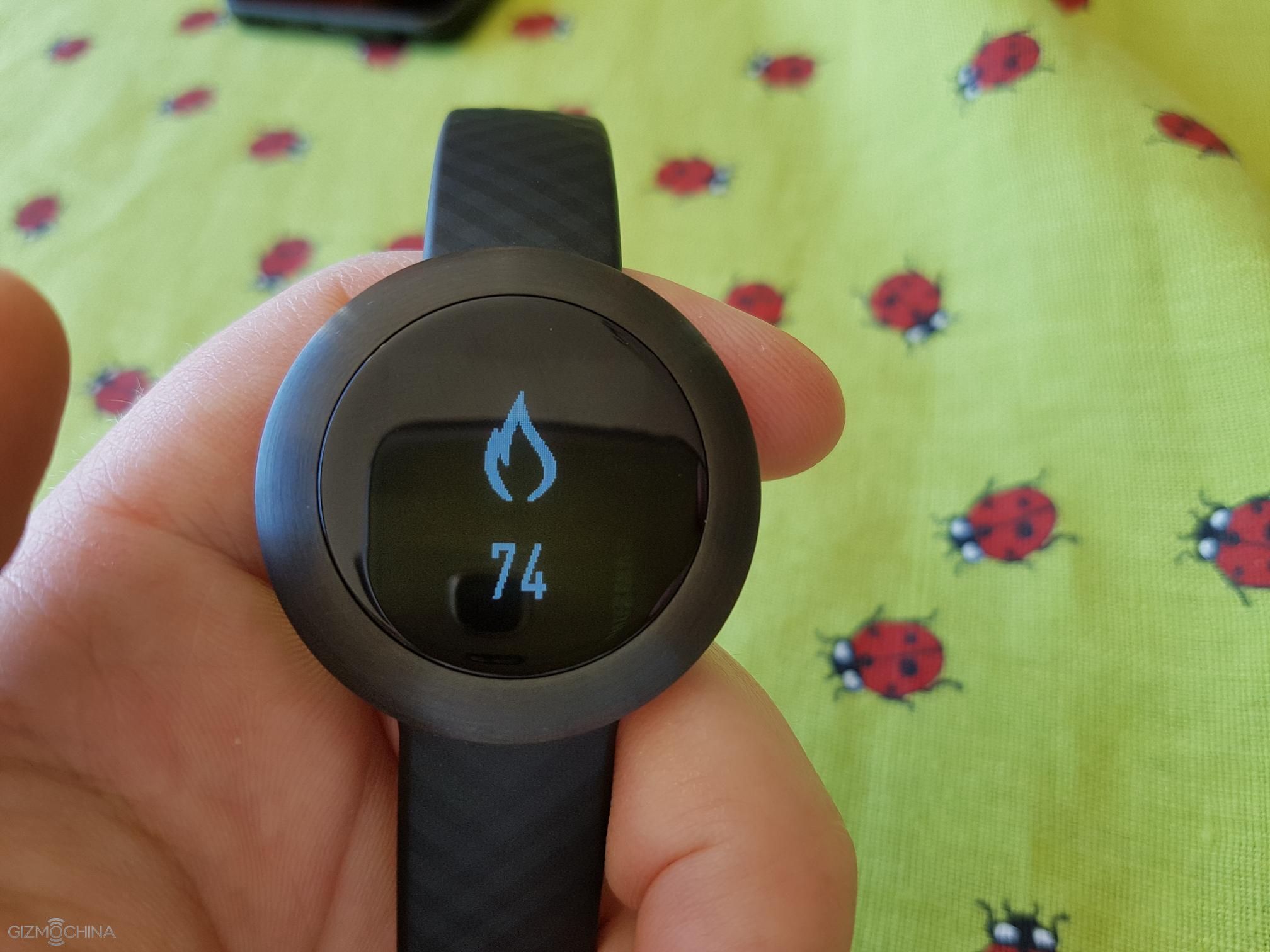
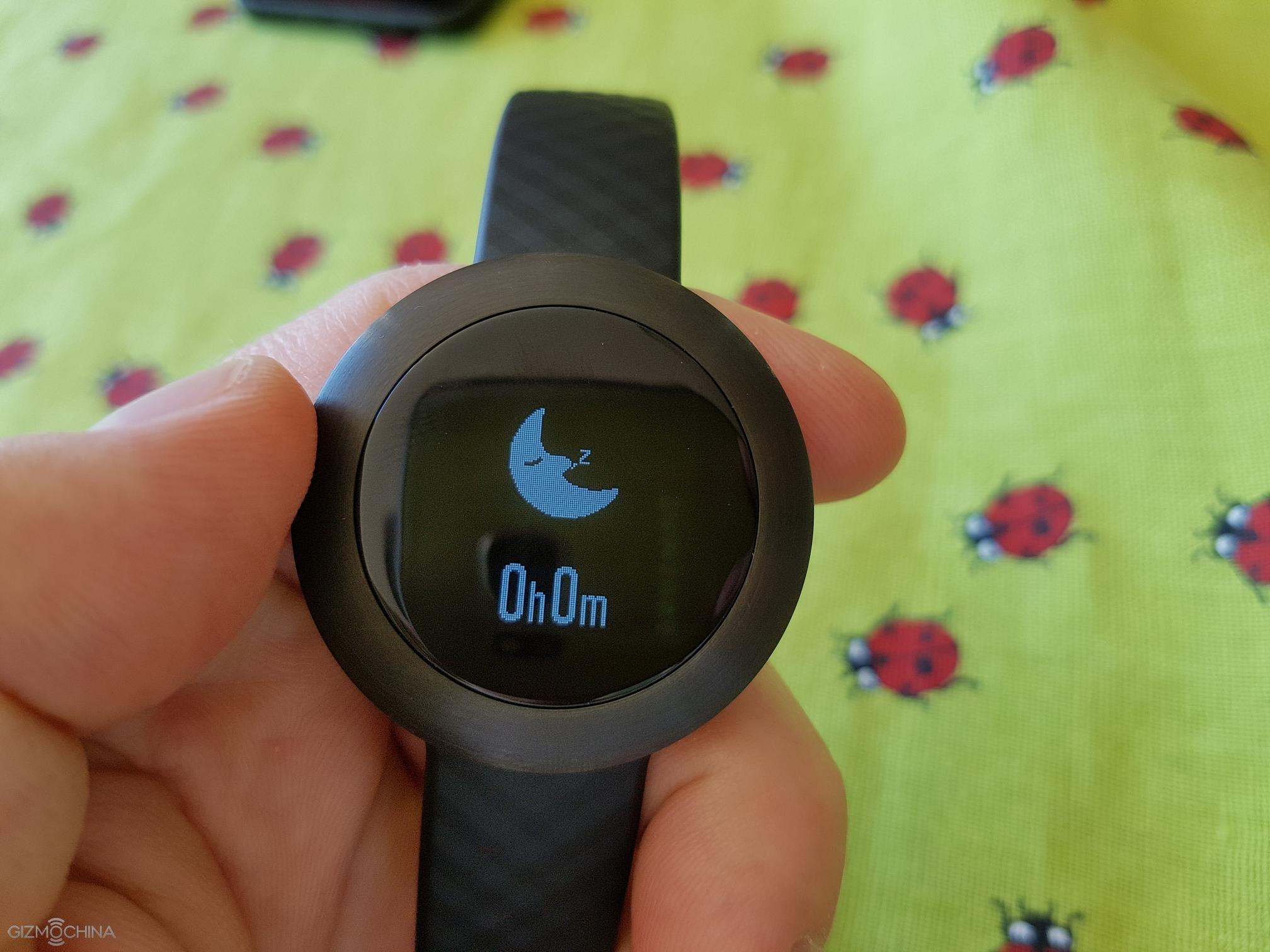
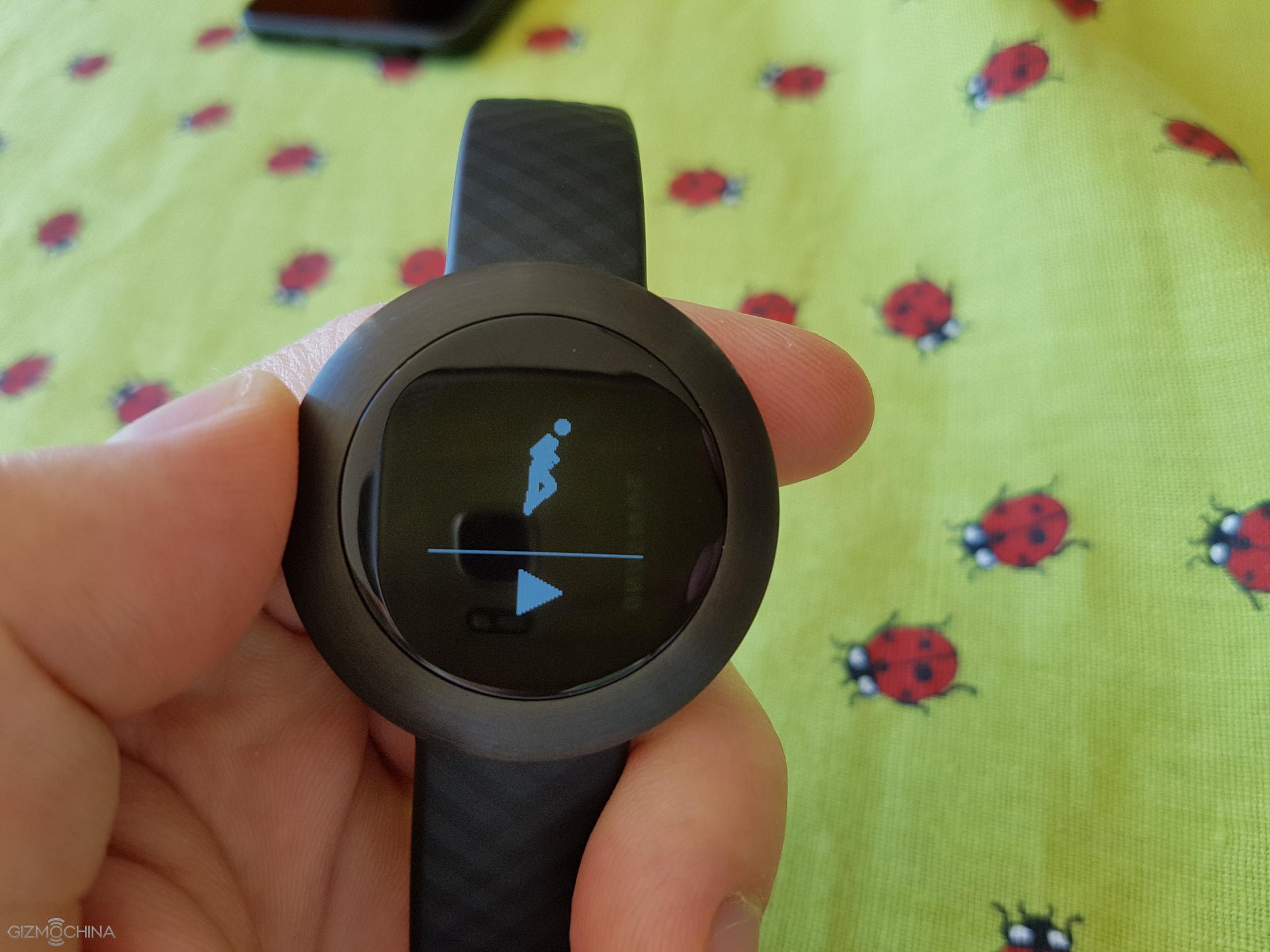
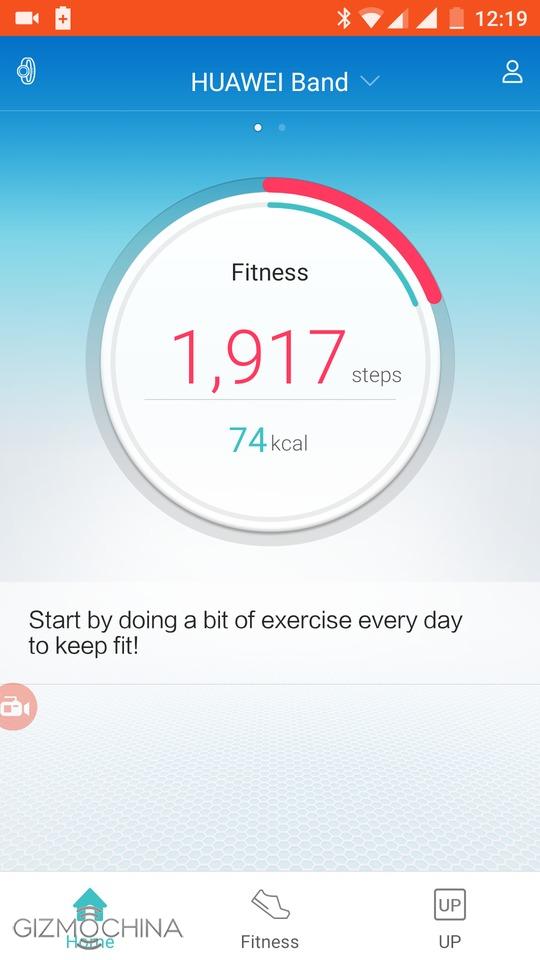
Also, we can see the number of steps taken and calories burned, sleep quality information, stopwatch and adjust some basic settings.
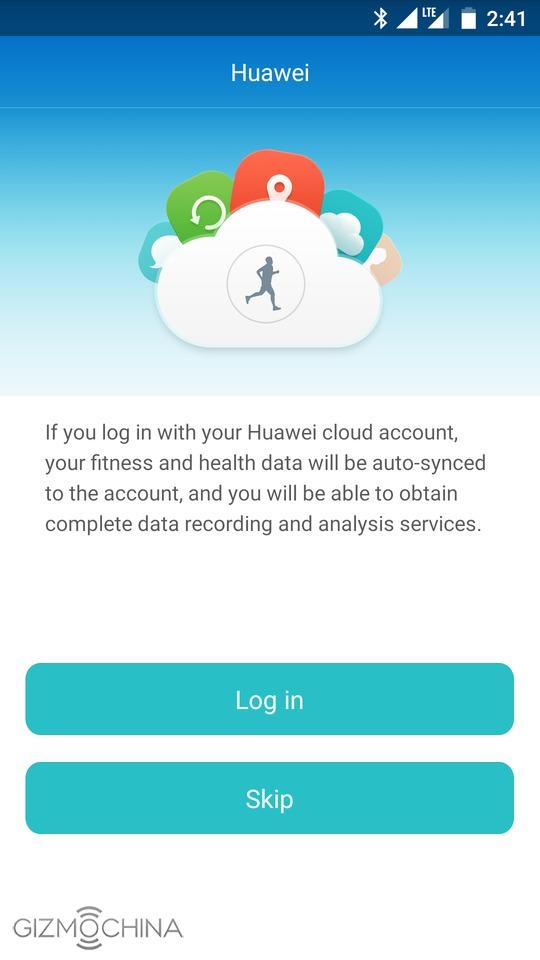
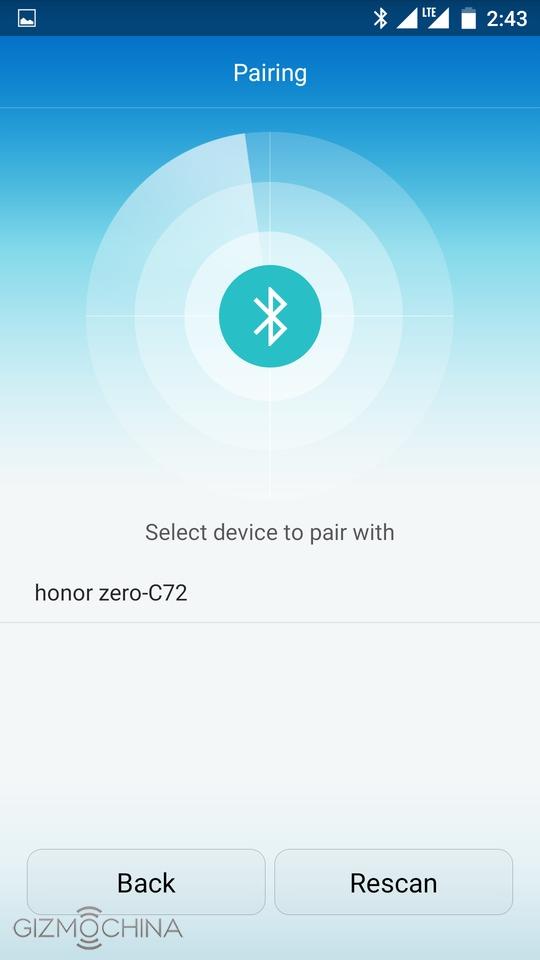
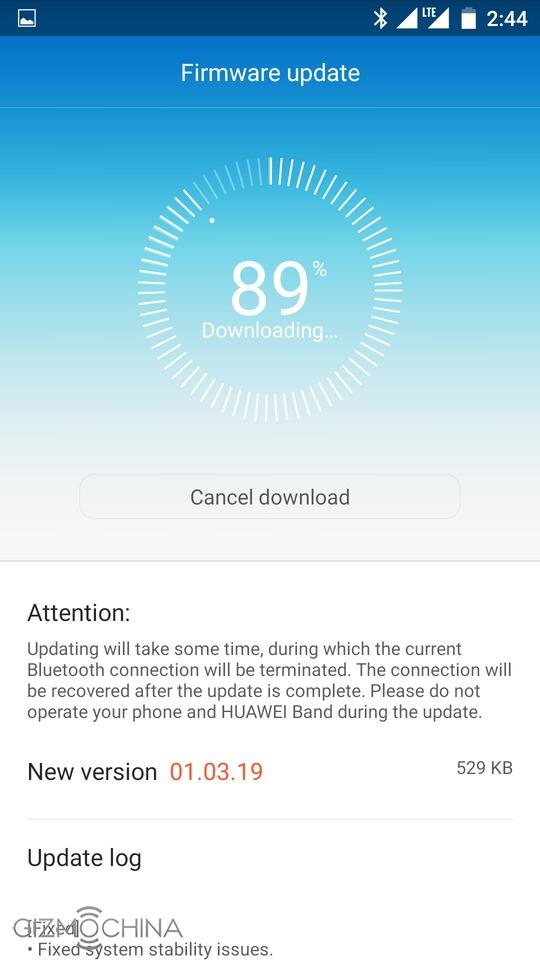
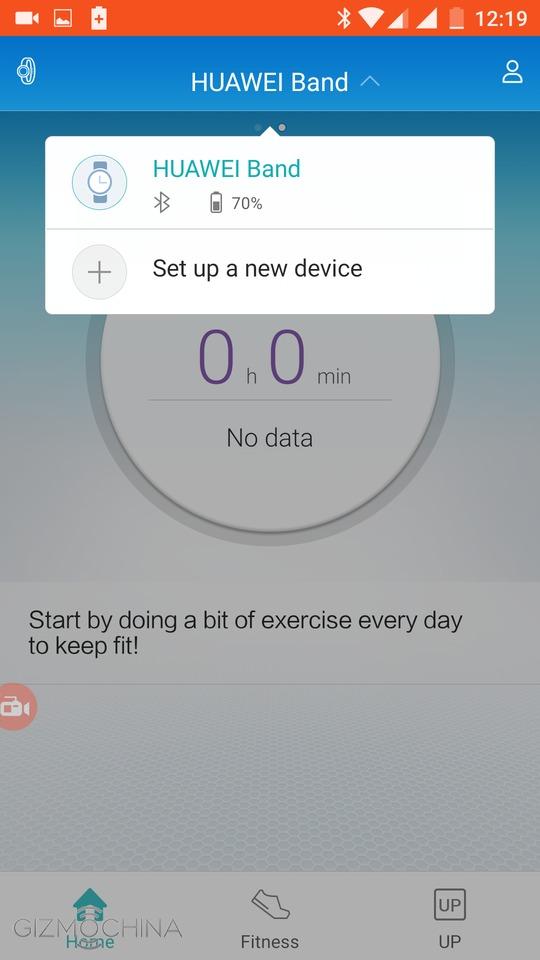
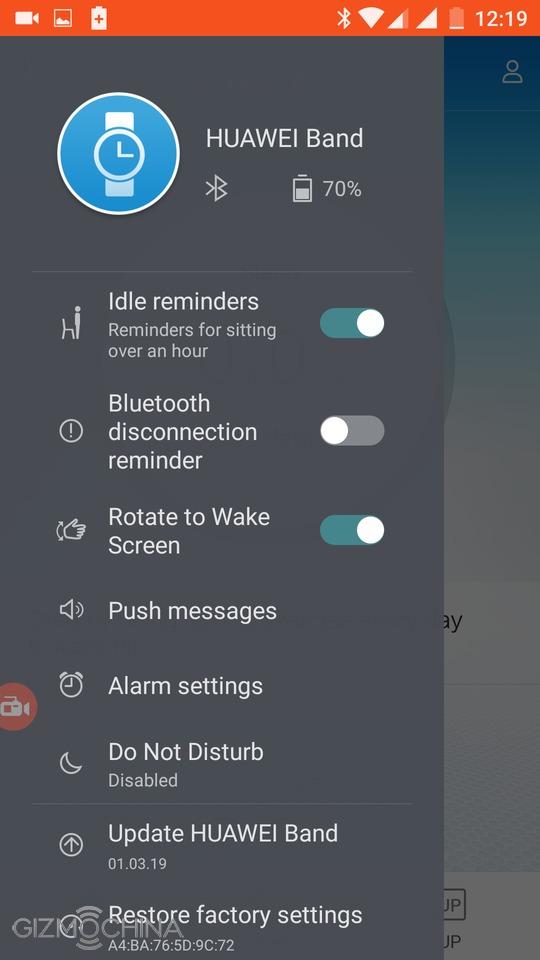
In order to take a full advantage of the smart band, you have to download the Huawei Wear application. I didn’t have any issues pairing my phone with the bracelet and it offered to upgrade the firmware.
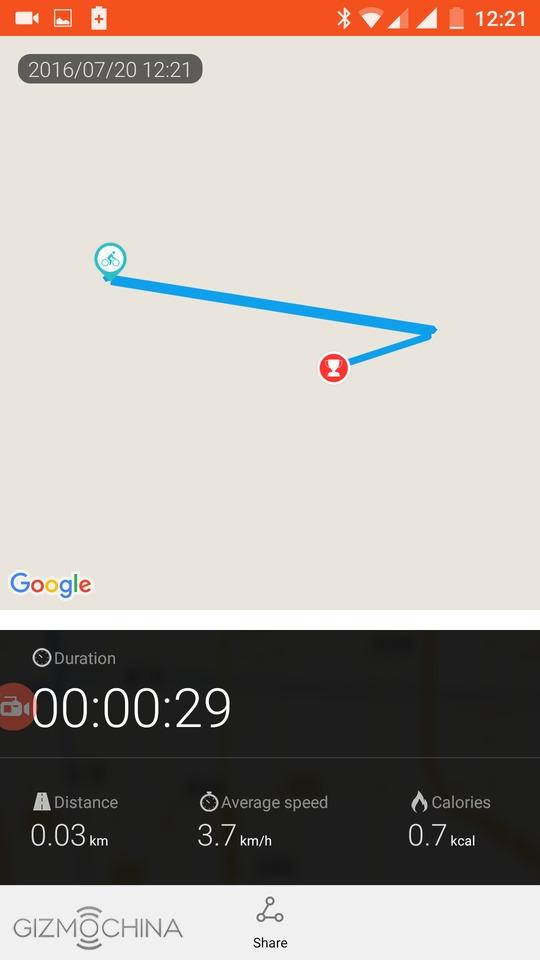
Within the app, you can track your fitness goals, choose different activities, adjust various settings and so on. Also, you can receive calls, SMS, Facebook and some other notifications on the display of the bracelet.
I didn’t have any connectivity/syncing issues with the device.
Huawei Honor Zero Smart Band Review: BATTERY LIFE
The battery life could be better. I could get just over 3 days of moderate use when I used the display quite often.
A great thing is that you can fully charge the device in less than 1 hour.
Huawei Honor Zero Smart Band Review: CONCLUSIONS
At the price of $66, the Huawei Honor Zero may not be the cheapest smart band around but it is worth the price if you are looking for a basic fitness tracker, which is comfortable to wear and has a premium design with a great display.
Also, it tracks your steps accurately, gives you notifications of calls, texts and more.
However, keep in mind that it lacks some extra features like a heart rate monitor. Also, the battery life could be better, especially if you are coming from the Xiaomi Mi Band 2.
Xiaomi is on a launch spree. Earlier today, the company’s official Weibo account posted a gif of a spinning ballerina. Part of the text on the image which loosely translates into ”360° Panorama” and ”All angles can be seen” hints at the launch of a 360° camera.
This isn’t the company’s first camera. Xiaomi already has about 5 cameras which include action cameras, home security cameras, and a dash camera; all under the Yi brand name.
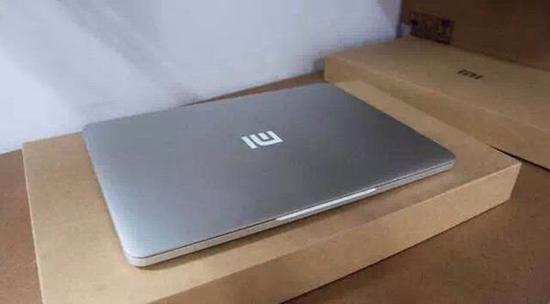
July 27 is a big day for Xiaomi Inc. The company is set to launch a new Redmi phone and their first notebook(s). The launch of the Mi notebook is a pretty big deal for Xiaomi as the success of the notebook will earn them a lot of respect and definitely money.
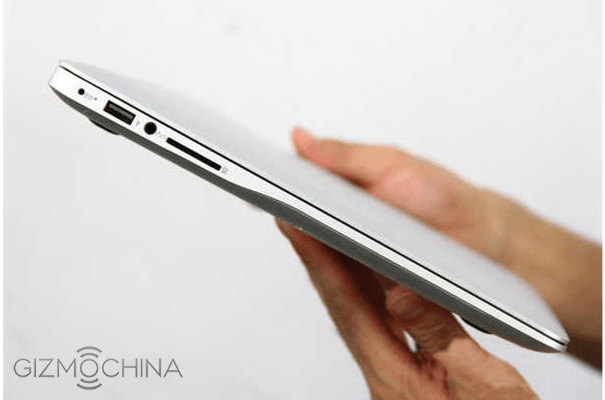
According to the latest info from supply chain sources, Xiaomi plans to release 2 versions of their Mi Notebook: a 12.5” version that is already in mass production and a 13” version which will be mass produced later by Wistron.
The 12.5” version is said to be targeted at gamers and is expected to have a competitive price point which will help it conquer the market. Further, the sources added that Xiaomi expects shipments of the notebook to reach at least 1 million units.
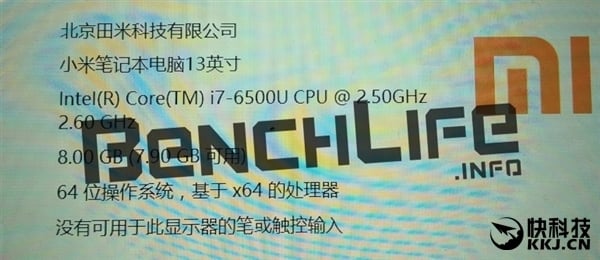
The laptops will have the regular clam-shell design, with the 13” version to feature 8GB of RAM, an intel Core-i7 6500U processor, have a metal build, and run Windows 10. There is still no news on the battery life of the two devices but we expect news regarding that before the final launch.
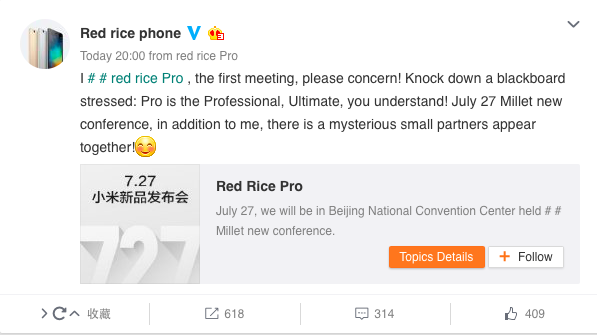
We’ve just got official confirmations about Redmi Pro, one of the devices that will be launched on 27th July 2016. Earlier in the day, Xiaomi confirmed that the Redmi Pro will indeed have an OLED display. Although there are hundreds of other devices with OLED screen in the market, for Xiaomi, it is going to be their first device featuring an OLED screen.
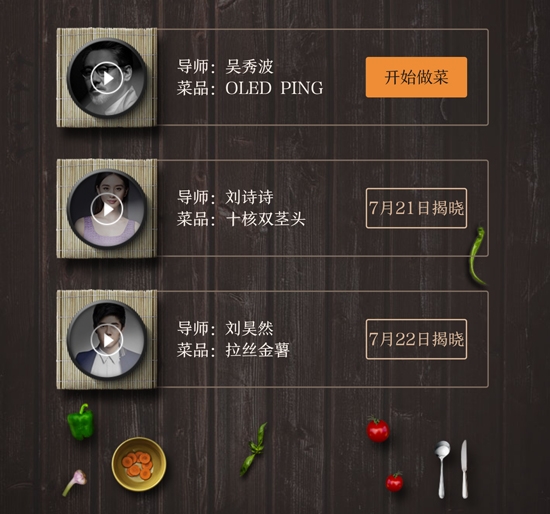
Xiaomi, today, released new official teasers and in one of the teasers, celebrity Chef Liu Shi Shi is shown cooking an “OLED PING”. Other teasers reveals that Liu Shi shi is going to make “ten nuclear double stem head”, and “Mentor” Liu Hao is going to make “brushed gold potato” (literal translations from Chinese).
With these two dishes, which will be revealed in detail in the next two days, Xiaomi could be trying to say that the Redmi Pro comes with a Deca-core processor (Helio X25) and dual cameras. Well, that’s exactly what we will take from the teaser as these features have been revealed before.
What we already know is that Redmi Pro will come with a 5.5-inch 1080p display, 4GB RAM, up to 128GB native storage, would support dual SIM dual standby full CNC and MIUI 8 based on Android 6.0. In terms of pricing, your guess is as good as ours ! But earlier reports have said that it could be higher than other Redmi models.
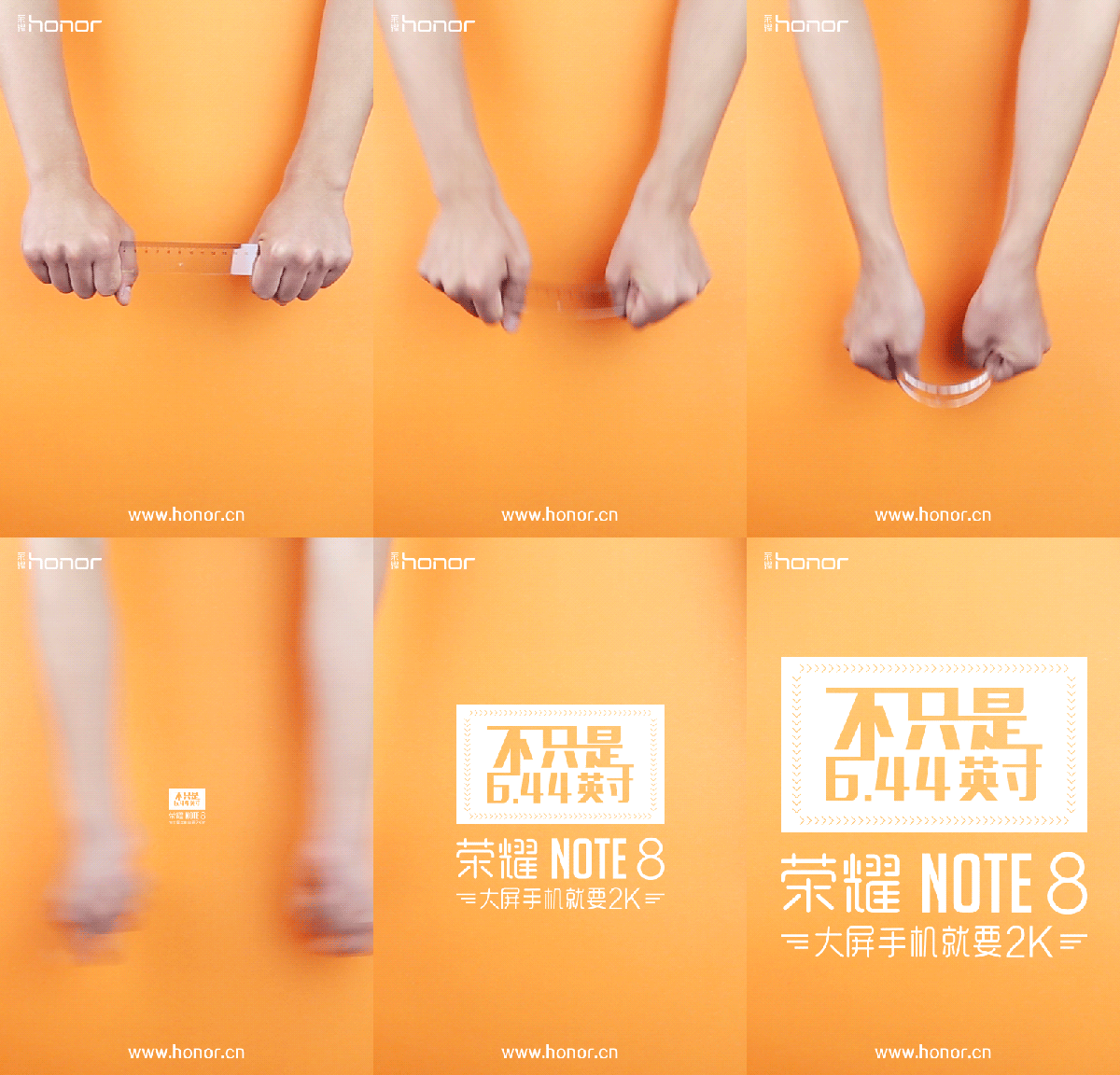
The Honor V8 Max expected from Huawei’s Honor sub-brand which is rumored to be unveiled this August, is now the subject of a GIF image teaser. The teaser hints about the device adopting the Honor Note 8 moniker on launch day.
Honor Note 8
We all had thought it would be called V8 Max and Huawei kept us holding on to that until now that it has come out to reveal via the GIF teaser on its official account that it would be Honor Note 8, stressing that the Note 8 will open up a new era for large screen device.
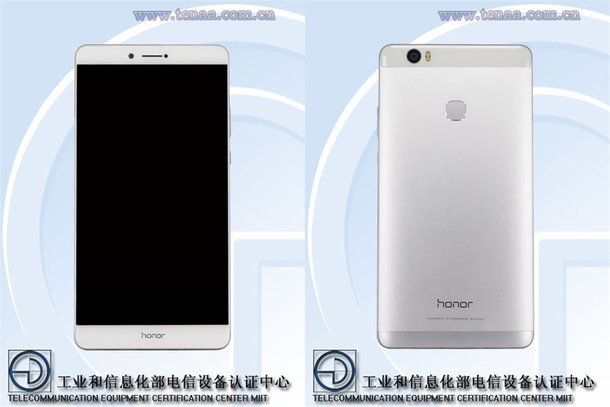
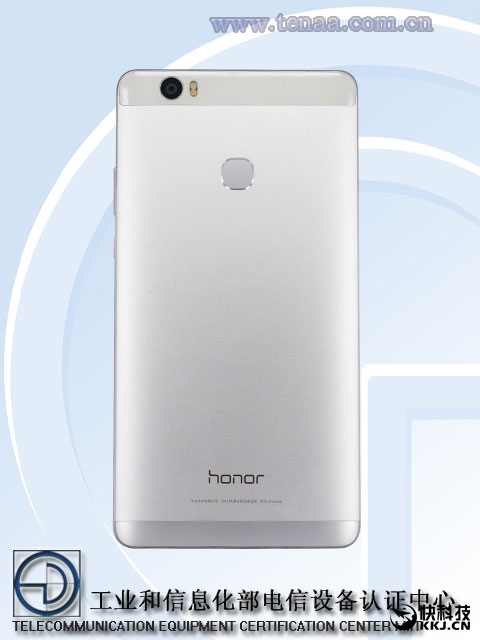
Apart from the name, the poster also touts the new Honor Note 8 to feature a 2k display resolution. This is in line with the specifications listed on TENAA for the device. The TENAA listing showed the Honor Note is equipped with a 6.6-inch 2K display and of late, that there are two versions available. While one of the versions feature a Kirin 950 chipset, 3GB RAM and 32GB of built-in storage, the second and higher version features a Kirin 955 processor with 4GB of RAM and 64GB of onboard storage. There may likely be a 128GB internal storage version as well.
In other specs, the phone is said to be equipped with USB Type-C interface, a 4,400mAh battery with fast charging support, a 13MP main camera (IMX278) at the back and an 8MP front facing shooter. In addition, the phone comes in silver and gold and other colors.
The pricing should start at 1999 yuan ($300) for 3GB model, while the 4GB memory version should retail around 2299 yuan ($344).
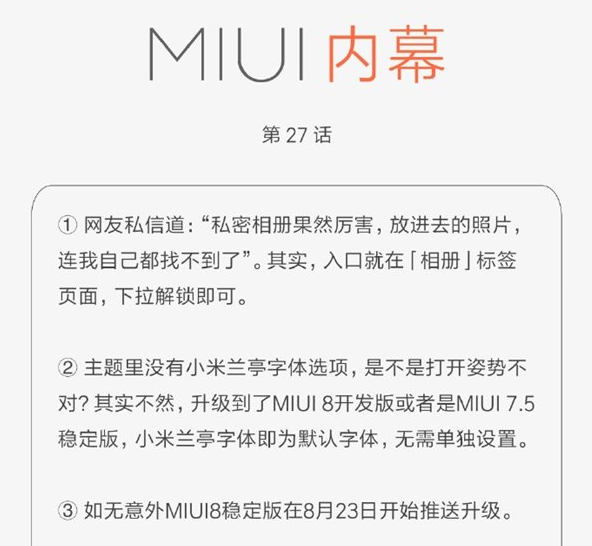
Xiaomi unveiled the latest version of the MIUI 8 operating system back in May. The company first released the closed beta of the new OS a few weeks back and recently, the open beta ROM was released. Xiaomi had confirmed earlier that the MIUI 8 stable release should be rolled out sometime before August 16. Now, the company confirms that the MIUI 8 Stable ROM will be released starting August 23. So, if everything works on schedule, then Xiaomi phones should start getting the new OS before the end of August this year.
While the MIUI 8 OS comes with a lot of new upgrades and visual changes such as new fonts, redesigned apps etc, the company executives have confirmed that there will be additional features rolled out in the future updates. Things like split screen multitasking are going to be added later.
Apart from the Mi Notebook laptop launching on July 27, Xiaomi is expected to unveil a new flagship smartphone in the Redmi series. All along, the device was tipped to be the Redmi Note 4 since logically the current latest is the Redmi Note 3, until it was outed that the flagship may likely be called Redmi Pro.
Xiaomi has released a video teaser on its Weibo page that seems to suggest that the Redmi Pro would sport an OLED display. The video teaser and its attached text tells us that one of Xiaomi’s new spokesperson, @Wu Xiubo would serve today’s first Cuisine which it named as French dessert “OLED PING” and described as “Colorful, like the Galaxy, feel comfortable and romantic life”. The message went on to disclose that from today and in the next seven days before the July 27 Xiaomi news conference, the three spokesmen will be involved with the launch of the Redmi Pro.
The video teaser almost confirms that the Redmi Pro will feature an OLED display. The OLED display will be featured on the 5.5-inch 1080p display which the Redmi Pro has been touted to tag along. Other specs expected on the device includes; a deca-core Helio X25 processor, 4GB of RAM, Android 6.0 Marshmallow-based MIUI, dual cameras, dual SIM and lots of stunning features which would keep you hooked on this device.
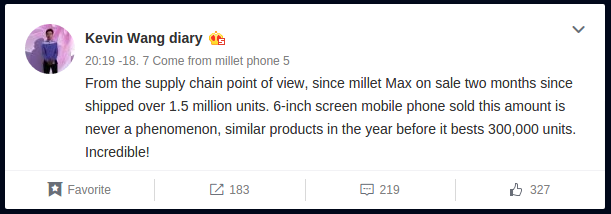
Just two months after it first went on sales, it has been reported that the massive phablet has recorded over 1.5 million sales during this period. This was revealed by an analyst, @Kevin Wang who stated this figure from the view point of supply chain, since the Xiaomi Max has been on sale for two months, it had shipped more than 1.5 million units.
He further adds that this is a great achievement considering no other 6-inch smartphone has managed to achieve this feat.
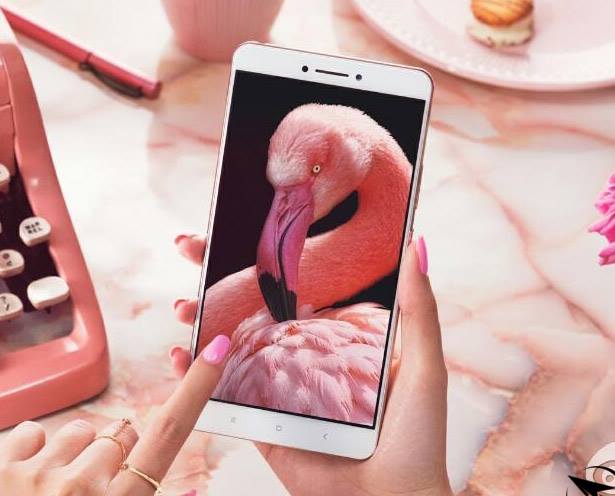
The report was forwarded by CEO Lei Jun saying the Xiaomi Max is the best choice for users who love large screen devices. This seem to lend credence to the assertion that over 1.5 million Xiaomi Mi Max units have been sold in just two months.
The opening up of more offline sales channels could see the Mi Max and other Xiaomi devices make monumental sales records at the year’s end, considering their cheap pricing.
Meizu unveiled the Meizu MX6 flagship earlier today in China. The phone comes with the deca-core Helio X20 chip with 4GB RAM and a powerful 12MP Sony IMX386 CMOS sensor. Soon after the event, the company executive, Bai Yongxiang (CEO) and Li Nan (VP) talked about the company’s future plans with the Chinese media.
In an interview, Meizu’s CEO made it clear that the company currently has no plans for a Notebook PC. This comes at a time when Xiaomi is expected to unveil its first ever laptop on July 27. Considering Meizu and Xiaomi often compete in similar product segments, it was possible that Meizu could be developing its own version of the laptop. But that clearly is not on the cards, at least for now.
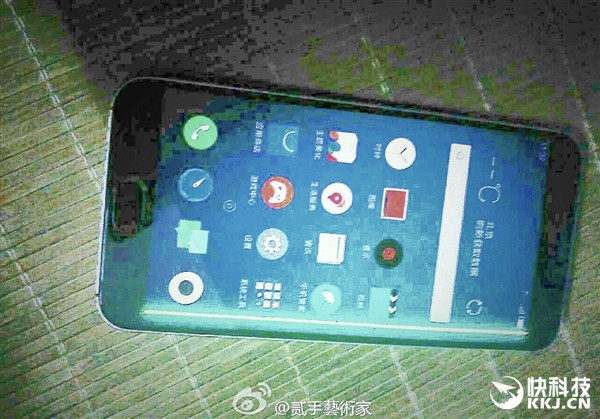
At present, he said that the company wants to focus on its smartphone business. Further, he added that a curved screen smartphone from the company is possible in the future. We have been hearing many rumors as well as pictures of the curved screen phone from Meizu and this could be a good indication that such a device is really in the works. When asked about smartwatches, the CEO didn’t completely say that a wearable was out of the question.
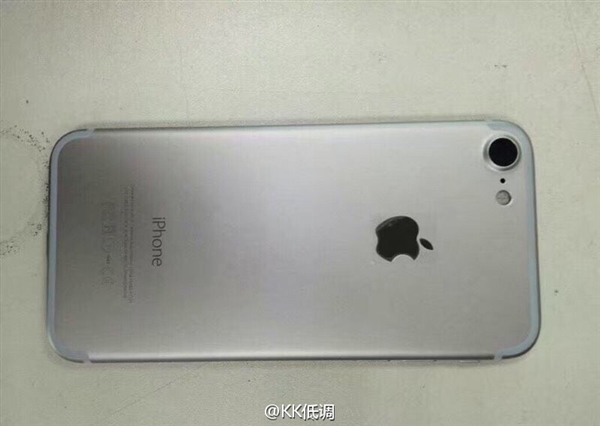
Weibo user @kk has posted a fresh batch of iPhone 7 images said to be taken at the Foxconn factory.
The images are not any different from what have previously showed up all over the internet but one of the images shows the top part and it is taken in a way that let’s you see there is no 3.5mm jack on the device.
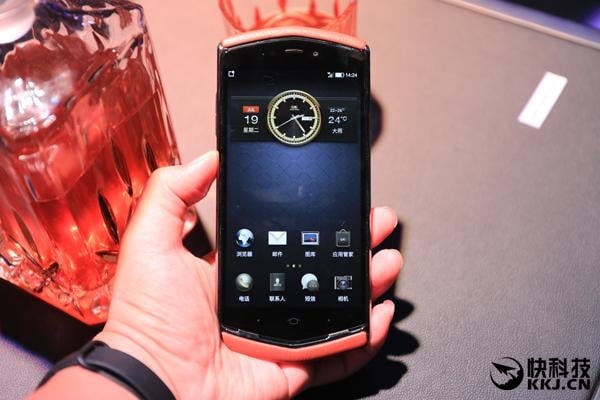
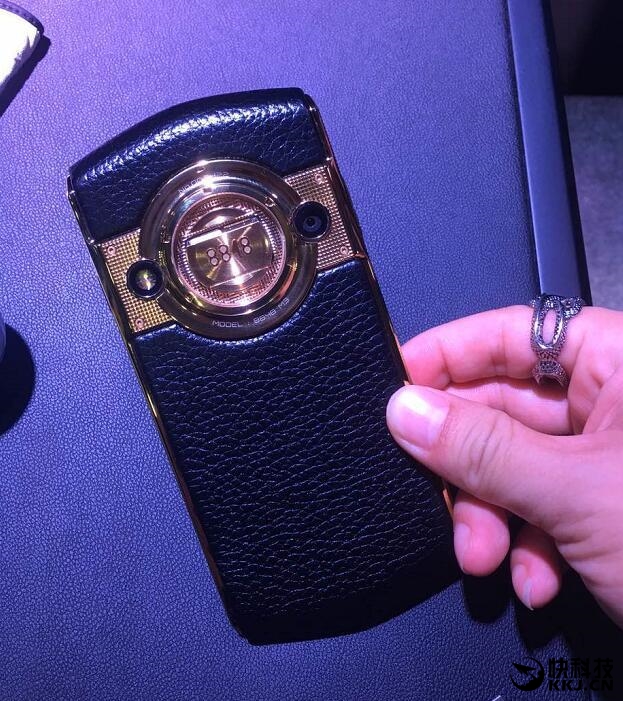
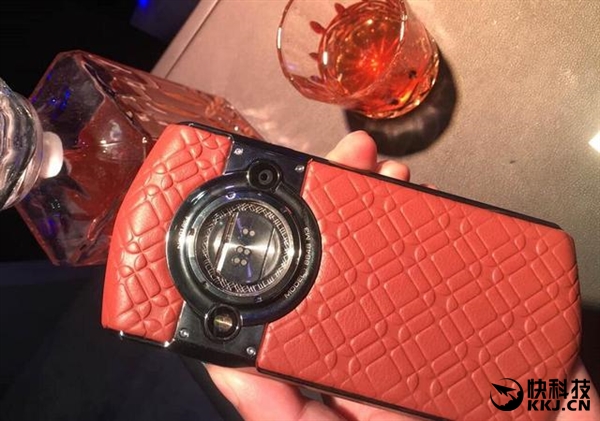
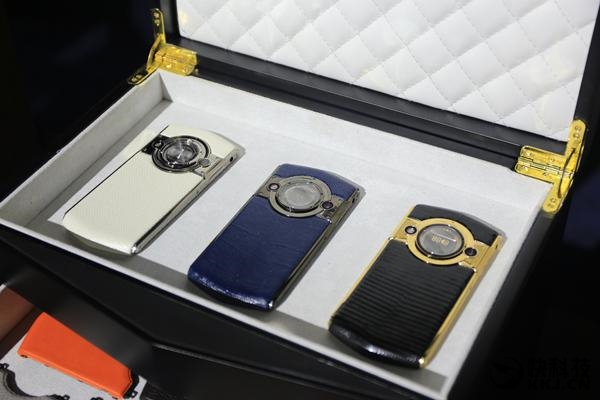
Luxury phone maker, 8848, has announced a new phone called the 8848 Titanium M3 with a starting price of 9999 Yuan ($1493)!!!
The founder of the company, Du Ying says the company’s aim is to make secure and high-taste phones for business folks. He also mentioned that a sale of 100,000 units a year is a win for the company.
The M3 is made of hand polished titanium, sapphire glass, high- tech ceramic, and calfskin from Netherlands. It has a 5” FHD screen, 4GB of RAM, 128GB of built-in storage, a 21MP rear camera, 3MP front facing camera, and an unspecified octa-core snapdragon processor. The phone also has full network support.
On the software side, the phone’s encryption prevents calls from being traced; mobile banking is secure, and that the OS is ”isolated” from the call history, contacts, and messages.
This isn’t the first phone from the company which is sometimes referred to as Vertu of China; last year they released a model called the 8848 Ti Mobile.
The base version of the Titanium M3 has a price of 9999 Yuan ($1493), there is also a 12,999 Yuan ($1941) fashion edition, and a high-end version that costs 15,999 Yuan ($2389).
Meizu MX6 was officially announced a couple of hours back and it comes with a powerful camera on board. The phone is using the Sony IMX386 custom CMOS sensor along with a new algorithm that ensures that the white balance and noise are optimized for beautiful photos. With PDAF, f/2.0 aperture, and 6P lens, the overall camera setup seems to be quite powerful.
However, we have often seen that the specs on paper don’t matter much. In fact, the only thing that matters is the resulting images taken from the device. So, for now, let’s take a look at the three camera samples (yes we could find only three right now) of the Meizu Mx6 that have been officially released by the company. These official images look amazing, but that isn’t surprising given that they come directly from Meizu. The color reproduction seems to be great and the images turned out to be clear and well focused.
You can check out the samples from below. Like always, we would advise you to wait for some real samples from MX6’s camera until we can make our final judgment. Also, you will most likely find a review of the device from Gizmochina in the coming days, wherein you can check out the real samples from the device.
CLICK ON THE BELOW IMAGES FOR FULL SIZE (4000 x 1700)
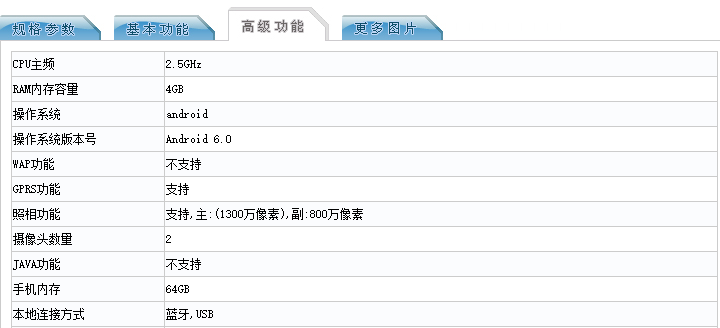
Days after the Honor V8 Max was spotted listed on TENAA’s website with a Kirin 950 processor, another V8 Max model equipped with a different chipset, clocked at 2.5GHz and has entire network support has been spotted on the certification website. Now, as you may know, TENAA doesn’t list the name of the processor but we were able to determine that using the CPU clock speed listed on the TENAA record for the V8 Max.
Earlier on, TENAA’s listing pegged the CPU clock speed of the V8 Max at 2.3GHz and since Honor uses Kirin chipsets, we identified the Kirin 950 as the processor in question. This is where things change, as the new Honor V8 Max smartphone is listed as having a CPU clock speed of 2.5GHz in addition to supporting entire network.
The shift in the clocking frequency from 2.3GHz to 2.5GHz means this V8 Max version sports possibly a Kirin 955 SoC which clocks at 2.5GHz.
The juice doesn’t stop there, as the new V8 Max model equally wears a different memory chip inside its hood, packing a higher 4GB RAM and 64GB ROM, higher than the 3GB RAM + 32GB ROM on the version listed earlier.
In other features, both versions pull their weight together, sporting 6.6-inch 2k display, 13MP main camera, 8MP front camera unit, massive 4,400mAh battery and Android 6.0 Marshmallow pre-installed inside both.
Meizu launched a new speaker (not the Meizu Gravity) called the Lifeme BTS30 alongside the MX6 flagship today with a price tag of 399 Yuan ($60).
While the price tag is affordable, Meizu says it is a premium speaker that has the build quality of a 3000 Yuan ($448) device. The speaker which has a simple design similar to transistor radios of old without the knob and dials, weighs 685 grams, has 3D sound technology, and comes in silver and black.
The speaker uses Bluetooth 4.0 and has a range of up to 10 meters. There is a Texas Instruments TPA3130 amplifier IC in it and a battery that can last for up to 7 hours.
The power button, volume rocker, and call button (just in case you want to use this for answering calls) are positioned on the right. We can’t tell if the buttons are aluminium like the rest of the body or if they are made out of plastic until we get our hands on a unit.
Meizu has added 2 anti-slip pads to the base so that it doesn’t slide off your desk when pumping out sounds.
While it does look really nice, the only fault we can see is the absence of an auxiliary port. It would have been an added feature.
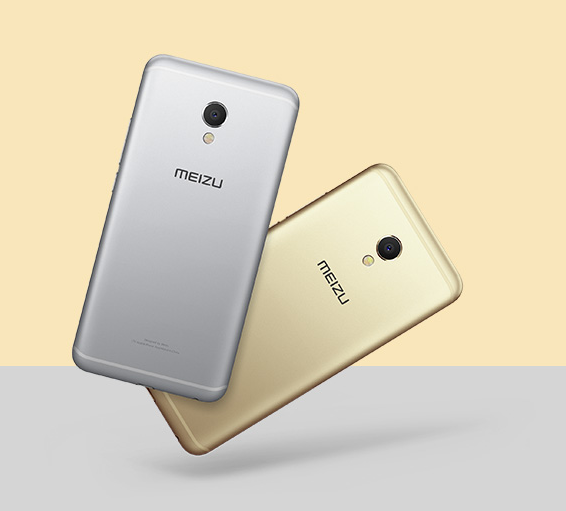
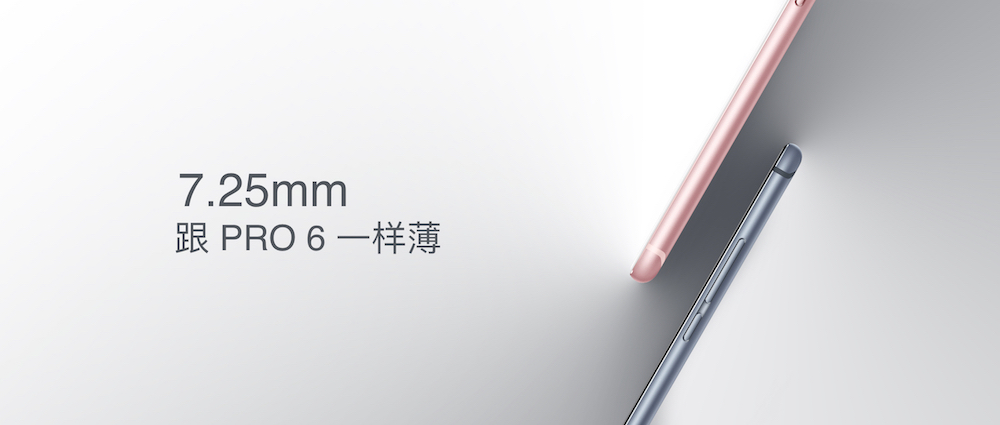
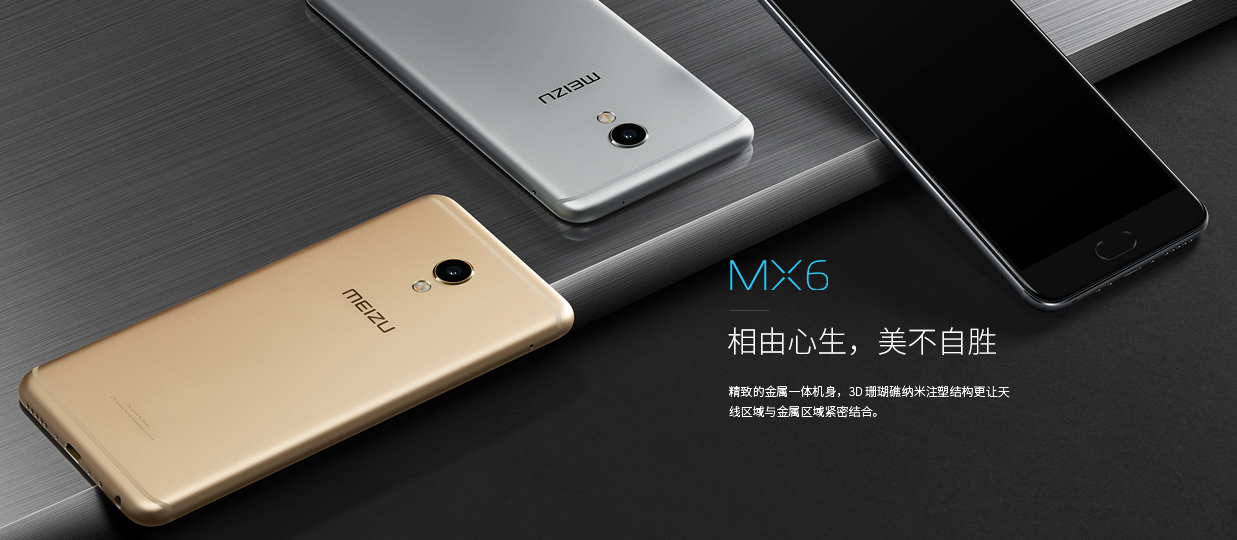
After so many rumors and leaks, Meizu has finally unveiled the Meizu MX6 flagship in Beijing, China. Like expected, the phone is going to continue the design used on the Meizu Pro 6 flagship, that includes unique antenna lines placement, on the top and the bottom of the rear panel and all metal body. The company has made sure that the phone is super thin as well, measuring just 7.25mm in thickness!
As for the specs, the Meizu MX6 is quite a powerful handset, worthy of being called as a flagship machine. It comes with a 5.5-inch 1080p incell LCD panel from Sharp with TDDI technology that improves touch sensitivity. Under the hood, the phone features the Helio X20 deca-core processor with 4GB of RAM and 32GB of internal storage. Plus, there’s a decent battery on board as well, measuring 3060mAh in capacity. The phone supports fast charging as well at 12V 2A (24W) which ensures that a 10-minute charge provides half a day’s additional usage.
Like we have been seeing in the teasers, the Meizu MX6 does have a great camera. In fact, it is reportedly the world’s first smartphone to use the custom Sony IMX386 CMOS sensor with 12MP resolution. With PDAF, large 1.25um pixels and f/2.0 aperture, the phone will make sure that the pictures have enough light and clarity. Further, the phone features a new algorithm that improves the color balance and reduces noise resulting into better pictures. Meizu seems to be saying that the phone’s camera is comparable to the Galaxy S7 Edge, with faster imaging speed.
Other features of the Meizu MX6 include a fingerprint sensor embedded into its mTouch button, full network support in China, VoLTE, 4G+, dual SIM dual standby, Cat. 6 LTE and Android 6.0 based Flyme UI.
Finally, for the price, the MX6 flagship is cheaper than expected as it starts at just 1999 Yuan ($300). Given that earlier rumors had said that the price could be as high as 2299 Yuan, this is actually a great price for the specs it comes with.
Registrations for the phone start at 4PM today in China and it goes on sale on July 30.
So, what do you think about the new Meizu MX6? Can it take on other Snapdragon 820 models like ZUK Z2 that retail around the same price?
hThe Xiaomi Redmi Pro is just days away from the July 27 unveiling at the company’s news conference, but that hasn’t stopped discussions around the expected Redmi flagship which is tipped to tag along a cheap price label. Apart from the expected specs, the price has formed the bulk of discussions about the Redmi Pro which was thought to be priced around 1000 yuan ($150).
But analysts have suggested that the price might be higher than that. The official introduction of the device as one of the devices to pop on July 27 described the Redmi Pro as “the professional, the flagship” and according to analysts, this seems to suggest that Redmi Pro will be higher than the current Redmi Note series and perhaps sport a price tag ranging between the Redmi price range and the Mi price range.
However, the Redmi Pro isn’t expected to carry a price higher than the Mi phone series, even though the Redmi Pro surpasses the Mi phone in some of its rumored configurations. The Redmi phone series presently carry a price ranging between 699 yuan ($105) and 1099 yuan($165), while the cheapest Mi phone which is the Mi 4c costs 1099 yuan ($165). When this is considered, analysts believe the Redmi Pro will break the 1000 yuan barrier .
Some analysts believe that the Redmi Pro will be priced at 1499 Yuan(about $230), a tad higher than the current Redmi Note range because of the Pro attached to the name which indicates some higher specs package. Secondly, the increase in price could be a good way to enhance the image of the Redmi and Redmi Prime series. Also, a higher, more competitive price will aid Xiaomi in its plans to expand to new markets.
Even at 1499 yuan ($230), the Redmi Pro will still be very cheap with the giant array of features the device is touted to launch with, such as a dual camera setup, 4GB RAM, dual SIM, Android 6.0 Marshmallow OS, 5.5-inch 1080p display, a deca-core Helio X25 chipset, fingerprint sensor and other goodies.
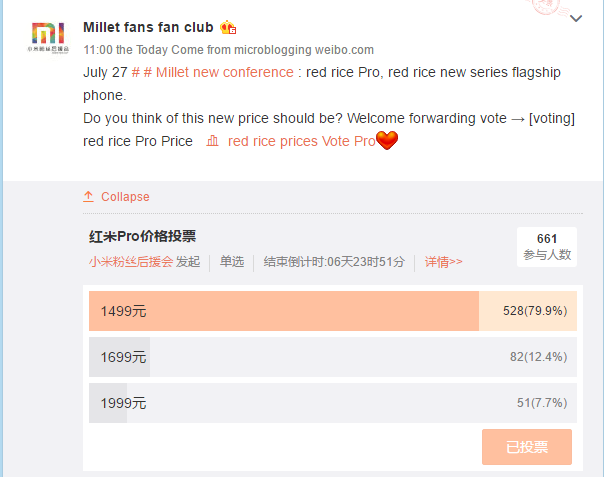
Xiaomi fan club members have even launched a vote to see the price tag fans would prefer the Redmi Pro to carry. The options where 1499 yuan ($230), 1699 yuan ($254) and 1999 yuan ($300) and of the three options, around 80% of fans think the Redmi Pro should be priced at 1499 yuan ($230).
What do you think is the ideal price for the upcoming Redmi smartphone?
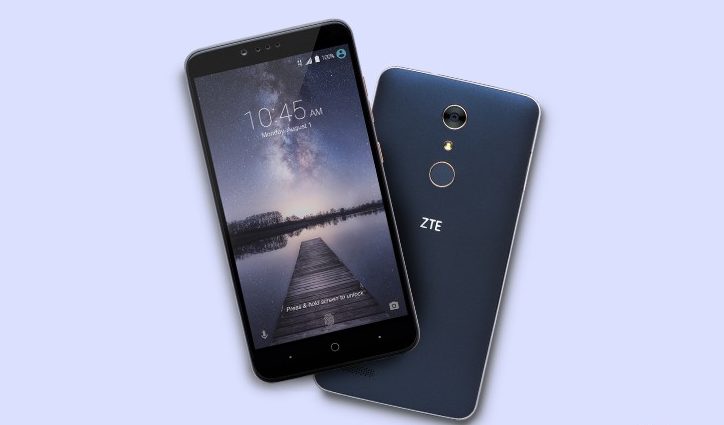
ZTE has unveiled a mid-range device price at $100 which it says creates a new record for its highly cheap price. The device adopts the moniker ZTE Zmax Pro and takes over from last year’s Zmax 2 and its 2014 predecessor Zmax. ZTE says the device will be aimed at rival devices Samsung Galaxy J7 and LG Stylo 2, which both sport identical specs with the Zmax Pro but cost higher.
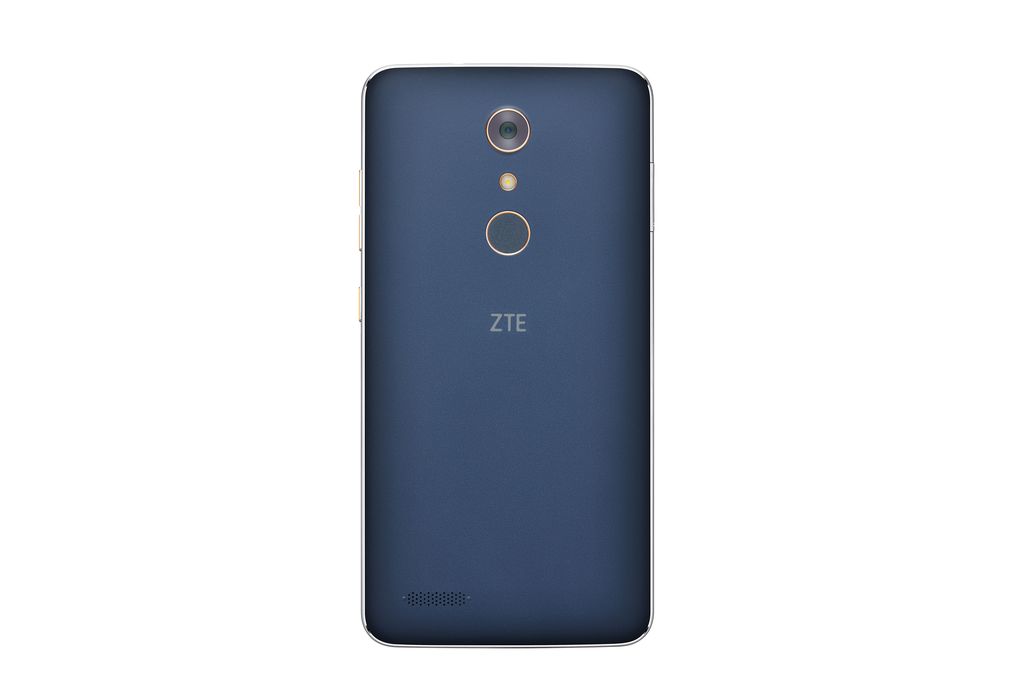
On the specs, the Zmax Pro sports a 6-inch 1080p touchscreen display and is powered by an Octa-core Snapdragon 617 processor with Adreno 405 GPU. The device packs 2GB of RAM and 32GB of built-in storage which is expandable. Also, the ZTE Zmax Pro features a USB Type-C port and a fingerprint scanner at the back.
In addition, ZTE ZMax Pro boots Android 6.0 Marshmallow operating system. The smartphone also features a 3.5mm headphone jack which is gradually disappearing from phones and crams a 3,400mAh battery under its hood.
Talking about the camera, the Zmax Pro sports an impressive 13MP rear facing camera with phase detection auto focus and LED flash as well as a 5MP camera up front for selfie snapshots.
ZTE says the Zmax Pro will be in MetroPCS website starting from August 1 and the phone is priced at $99 (about 660 yuan). Those who pre-ordered their units before July 31 will receive a free holster alongside.
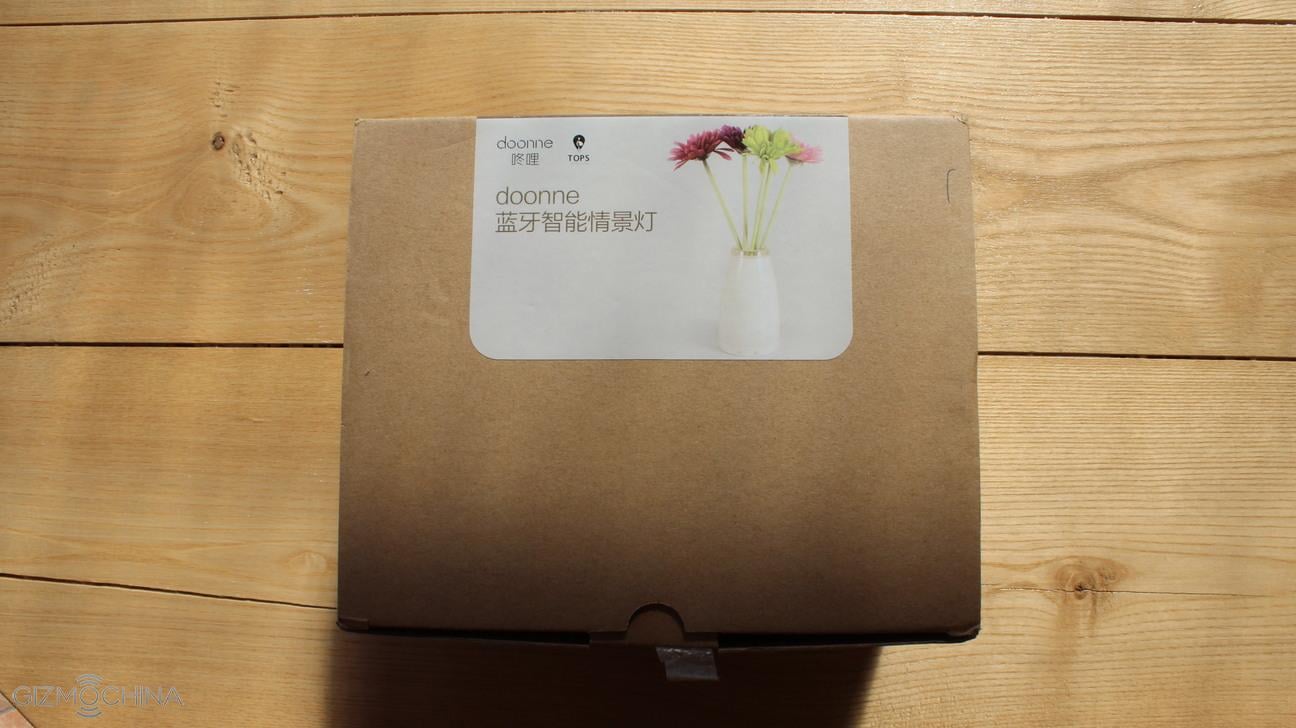
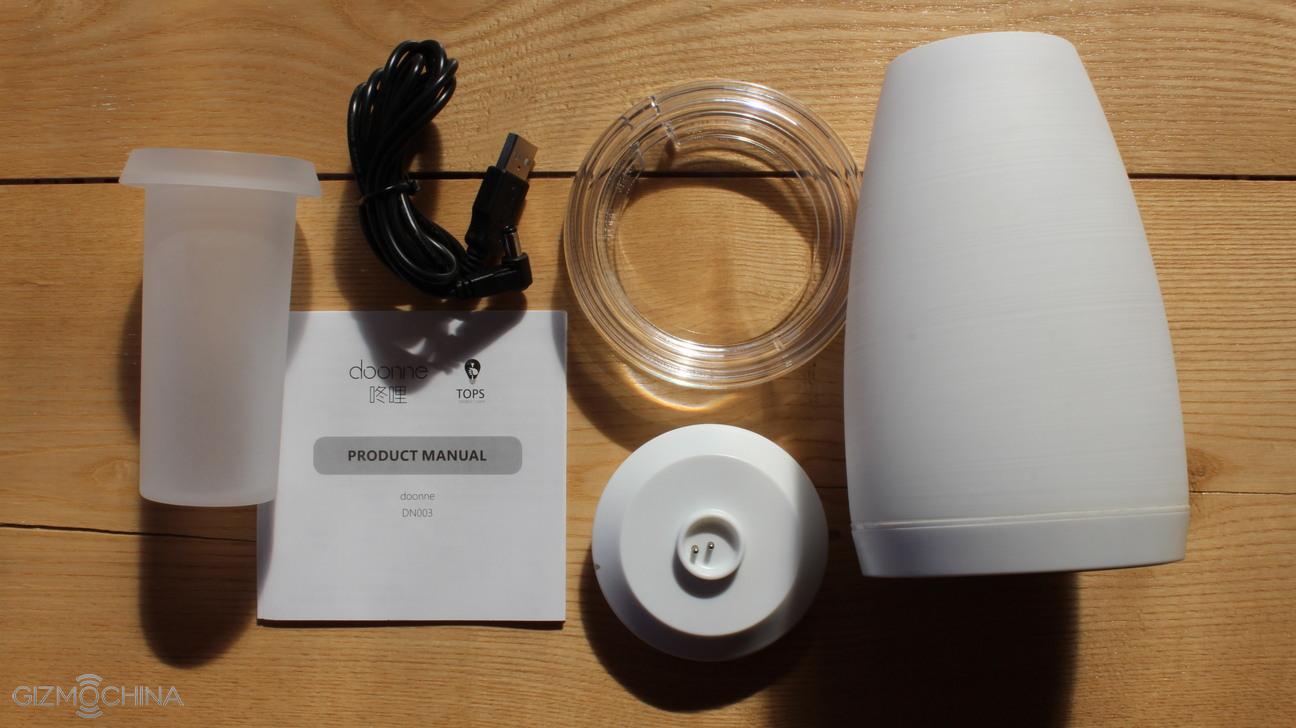
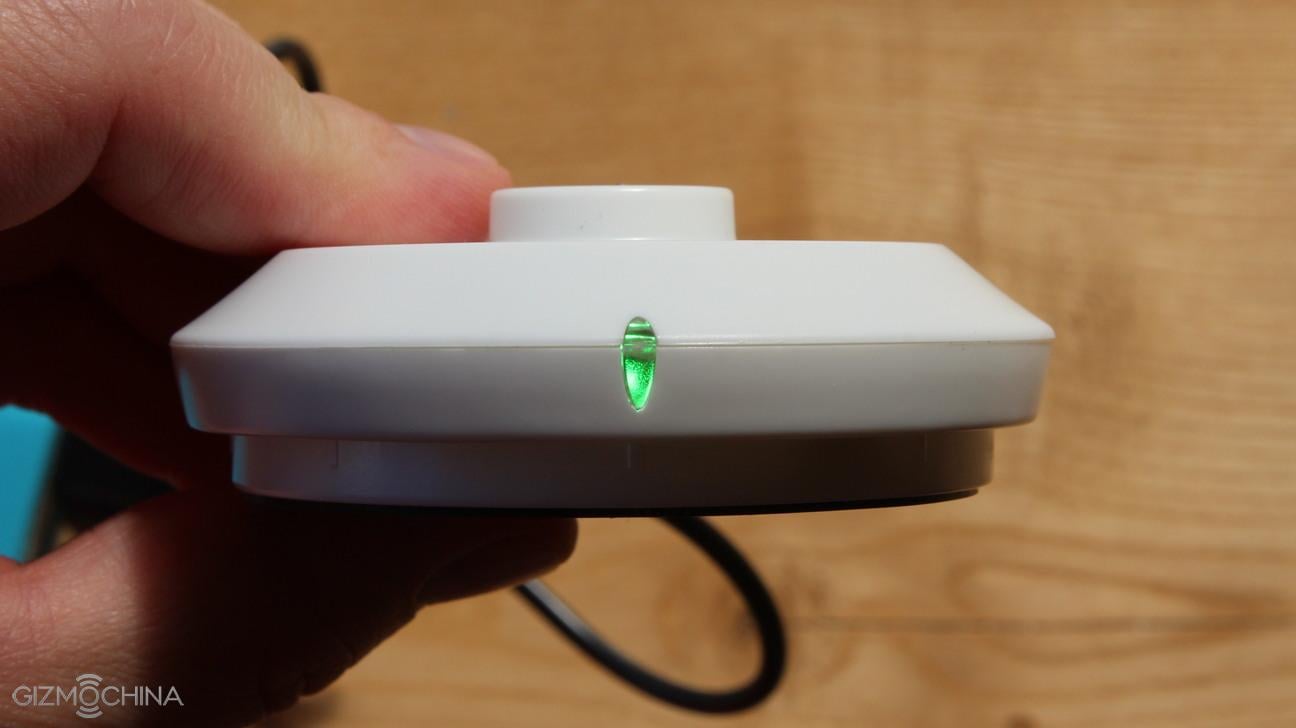
The device comes with a power plug and all other basic stuff you need to get started using it.
Doonne Smart Bluetooth Vase Review: DESIGN and FEATURES
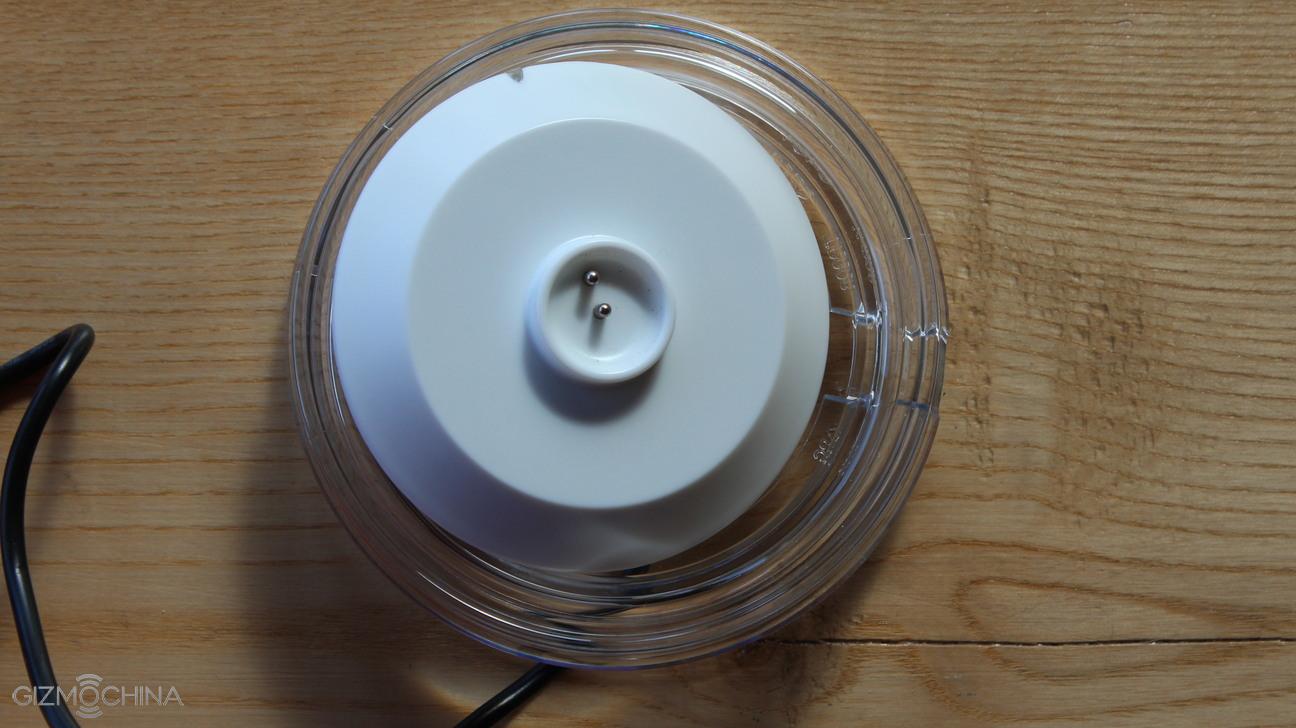
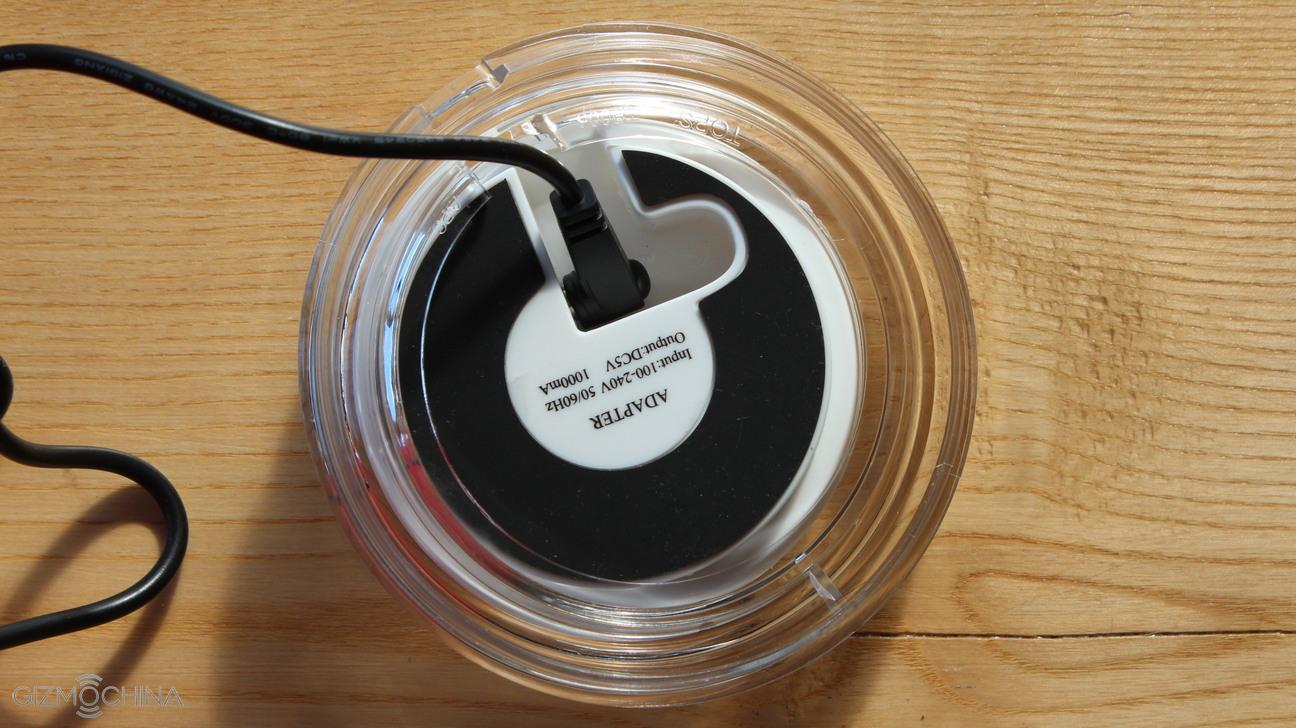
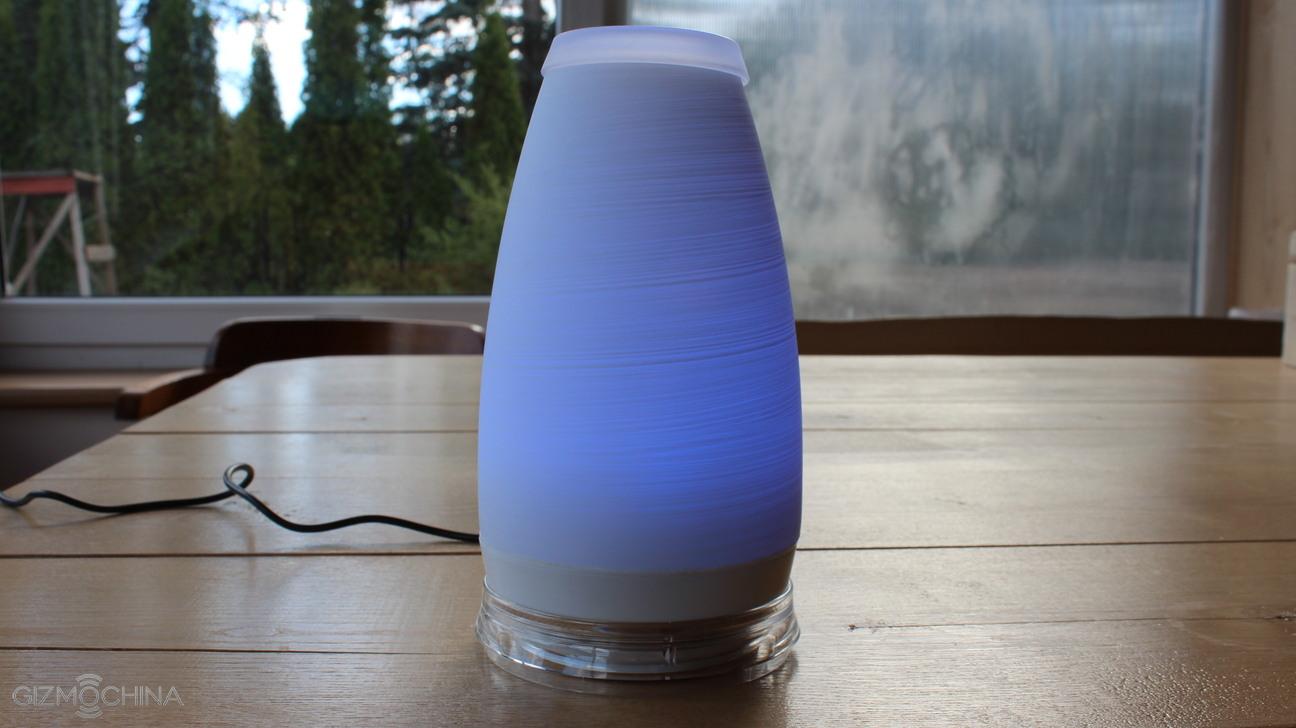
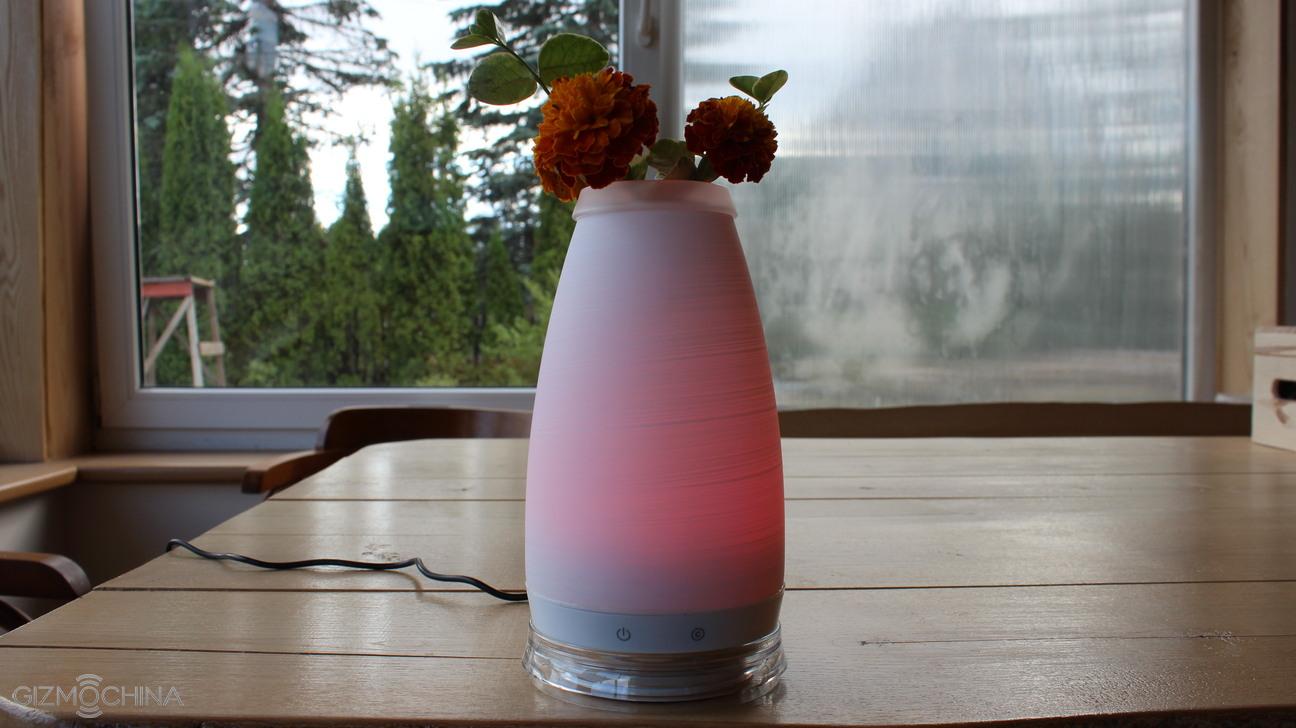
This Bluetooth vase is made of real glass and the build quality is great. All you have to do is to connect the power cable to the charging cradle, charge the vase up and you are all set.
The vase comes with a built-in 1000mAh battery that can last up to 20h, which is a pretty good result.
Doonne Smart Bluetooth Vase Review: FUNCTIONALITY
As the name implies, you can connect this vase to your smartphone via the Bluetooth and control it via the proprietary app.
The setup is pretty straightforward and the phone finds the lamp quickly.
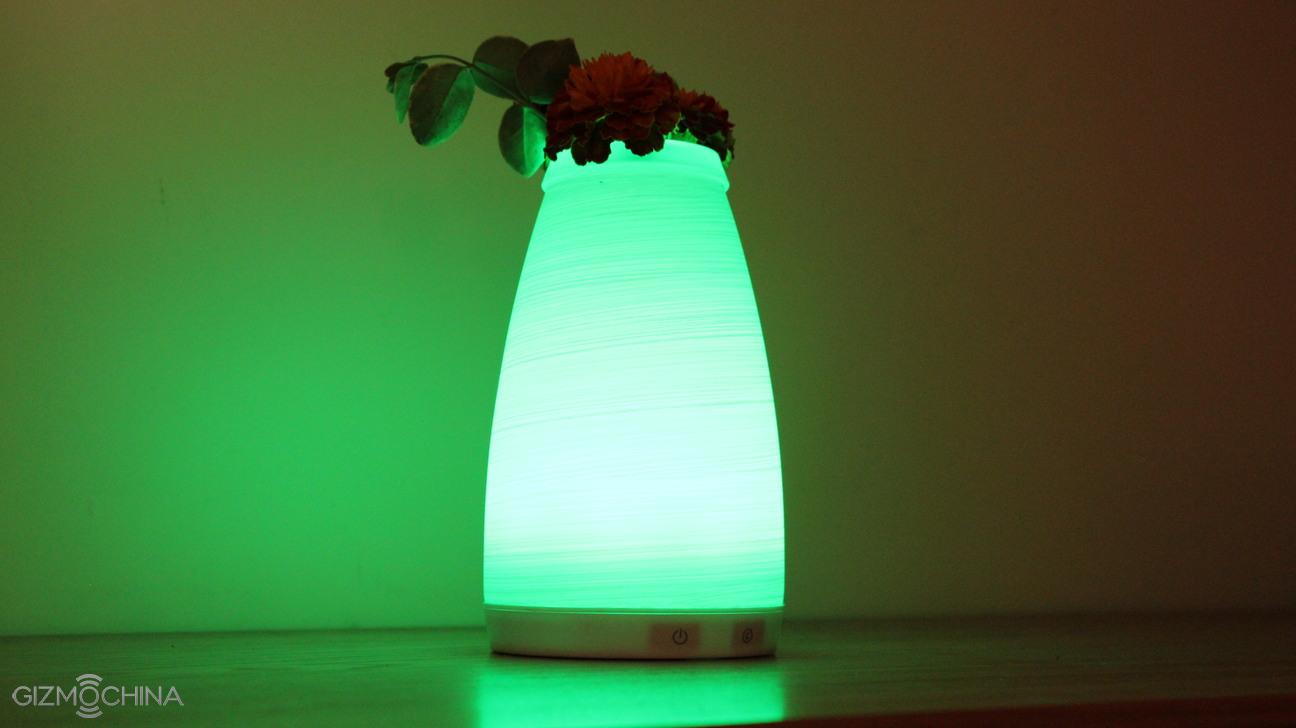
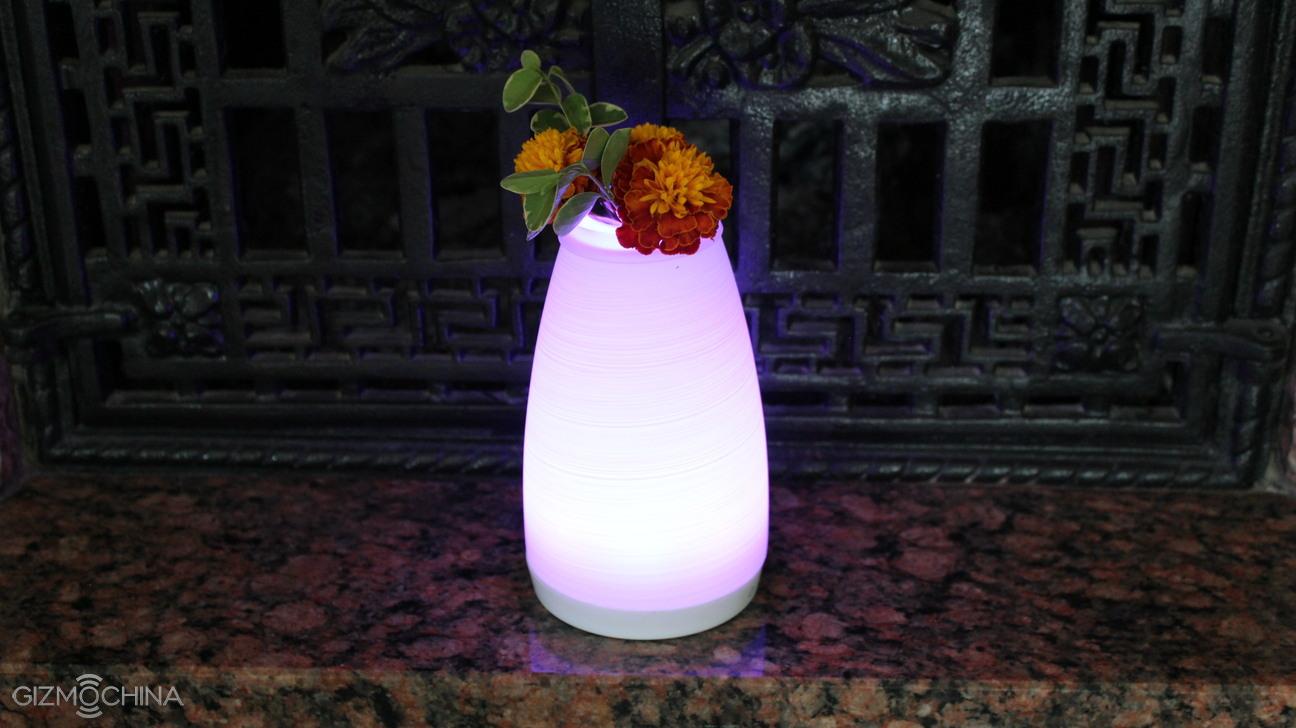
Within the app, you can adjust the colour temperature and brightness like you would do that on any other smart LED bulb. In addition, you can play some weird games that change the colours of the vase.
My favorite feature is the breathing light as the lamp starts flashing in various speeds and colours. Some other notable features include the integrated music player. If you use it, the vase starts flashing according to the music rhythm. Last but not least, we have the alarm clock feature.
Doonne Smart Bluetooth Vase Review: CONCLUSIONS
At the price of around $40, Doonne smart Bluetooth vase is not the cheapest gadget around but it is quite unique as there aren’t too many smart flower vases, anyway.
If you know anyone who loves flowers, this may be a good gift idea as the vase does everything it is being advertised for.
We use cookies on our website to give you the most relevant experience by remembering your preferences and repeat visits. By clicking “Accept”, you consent to the use of ALL the cookies.
This website uses cookies to improve your experience while you navigate through the website. Out of these, the cookies that are categorized as necessary are stored on your browser as they are essential for the working of basic functionalities of the website. We also use third-party cookies that help us analyze and understand how you use this website. These cookies will be stored in your browser only with your consent. You also have the option to opt-out of these cookies. But opting out of some of these cookies may affect your browsing experience.
Necessary cookies are absolutely essential for the website to function properly. This category only includes cookies that ensures basic functionalities and security features of the website. These cookies do not store any personal information.
Any cookies that may not be particularly necessary for the website to function and is used specifically to collect user personal data via analytics, ads, other embedded contents are termed as non-necessary cookies. It is mandatory to procure user consent prior to running these cookies on your website.