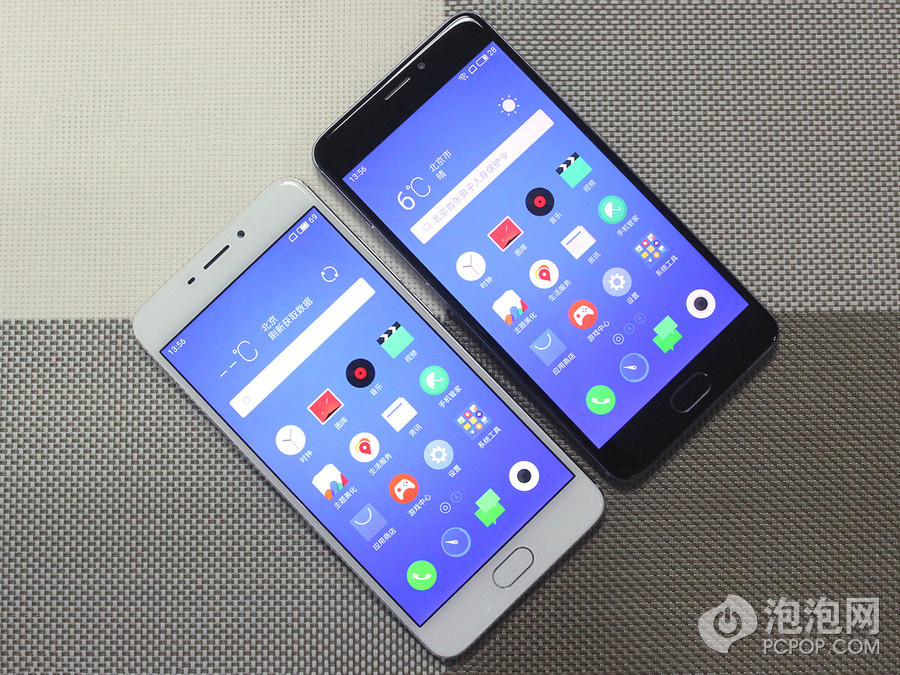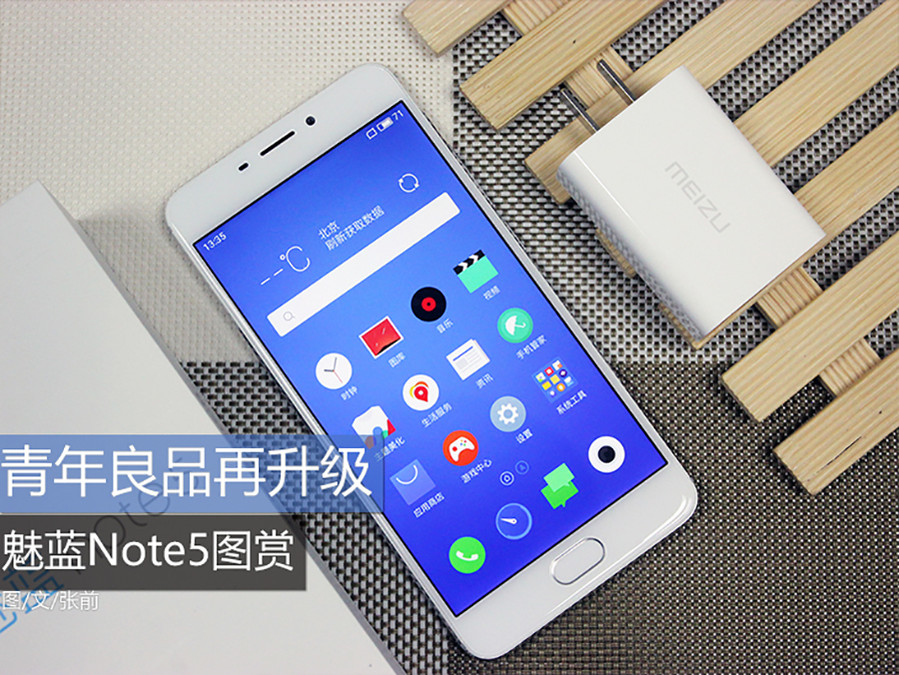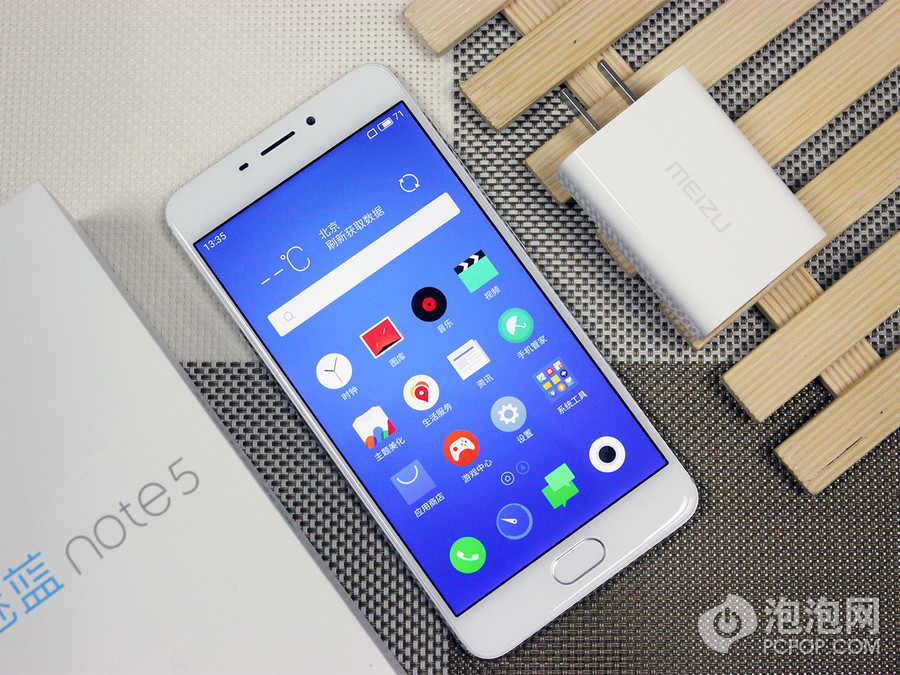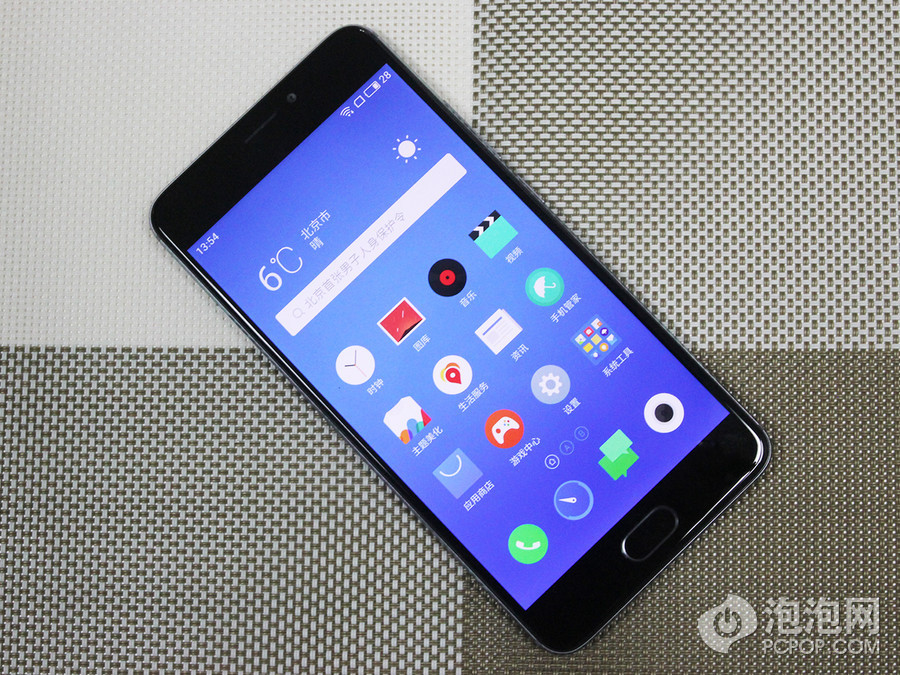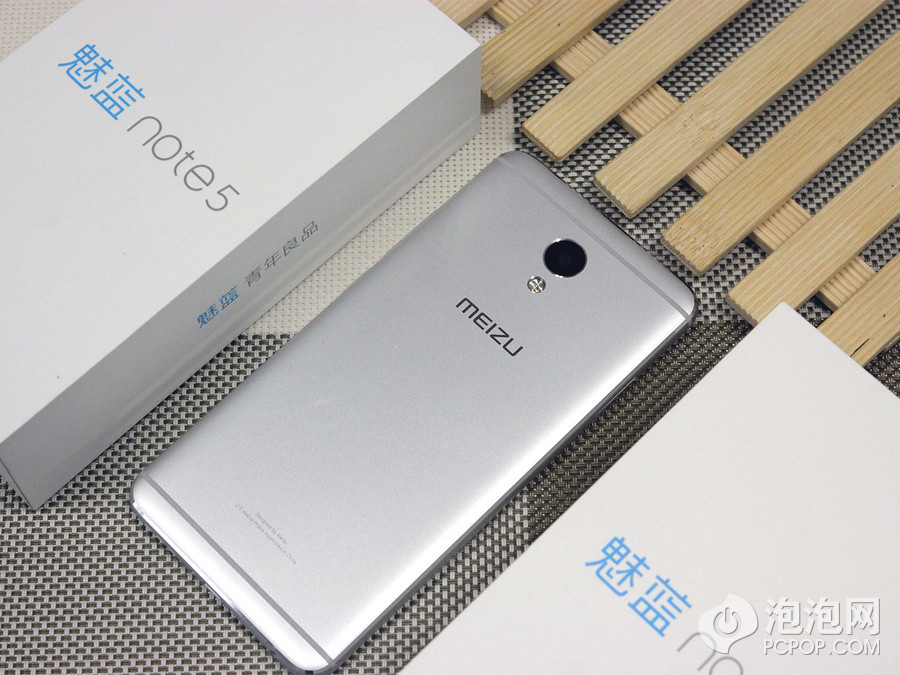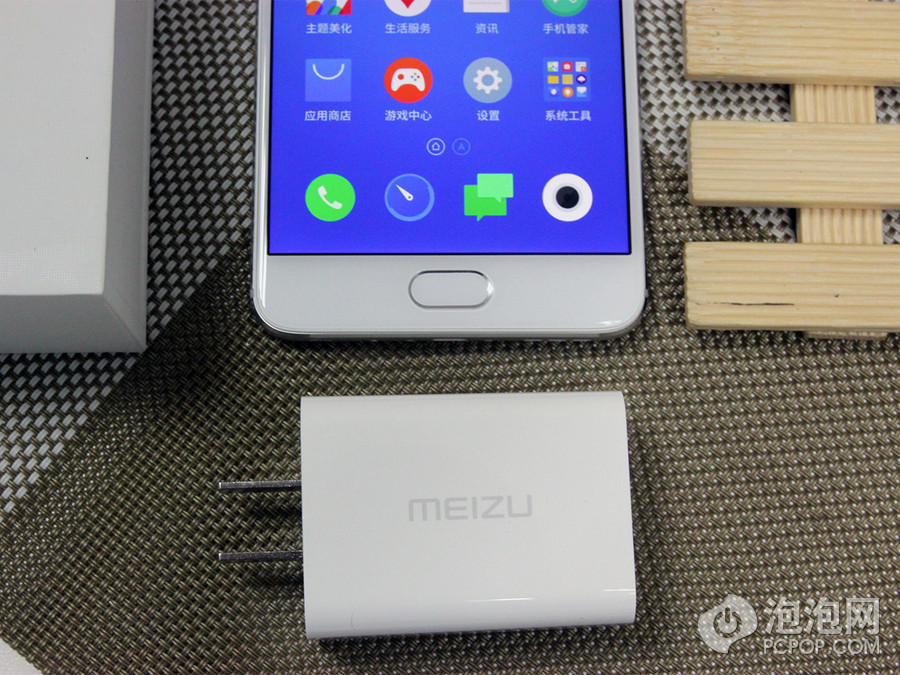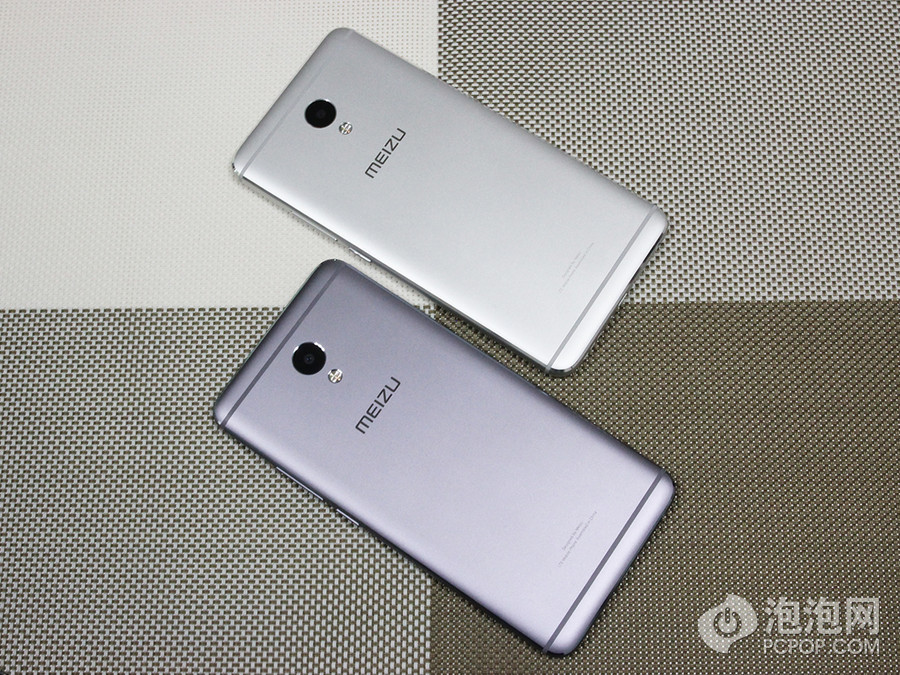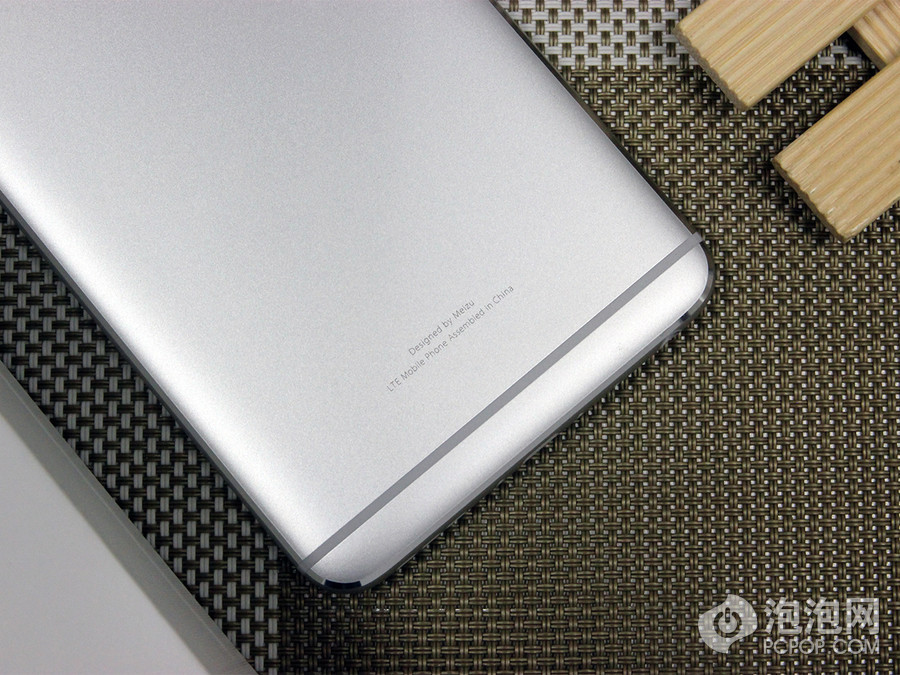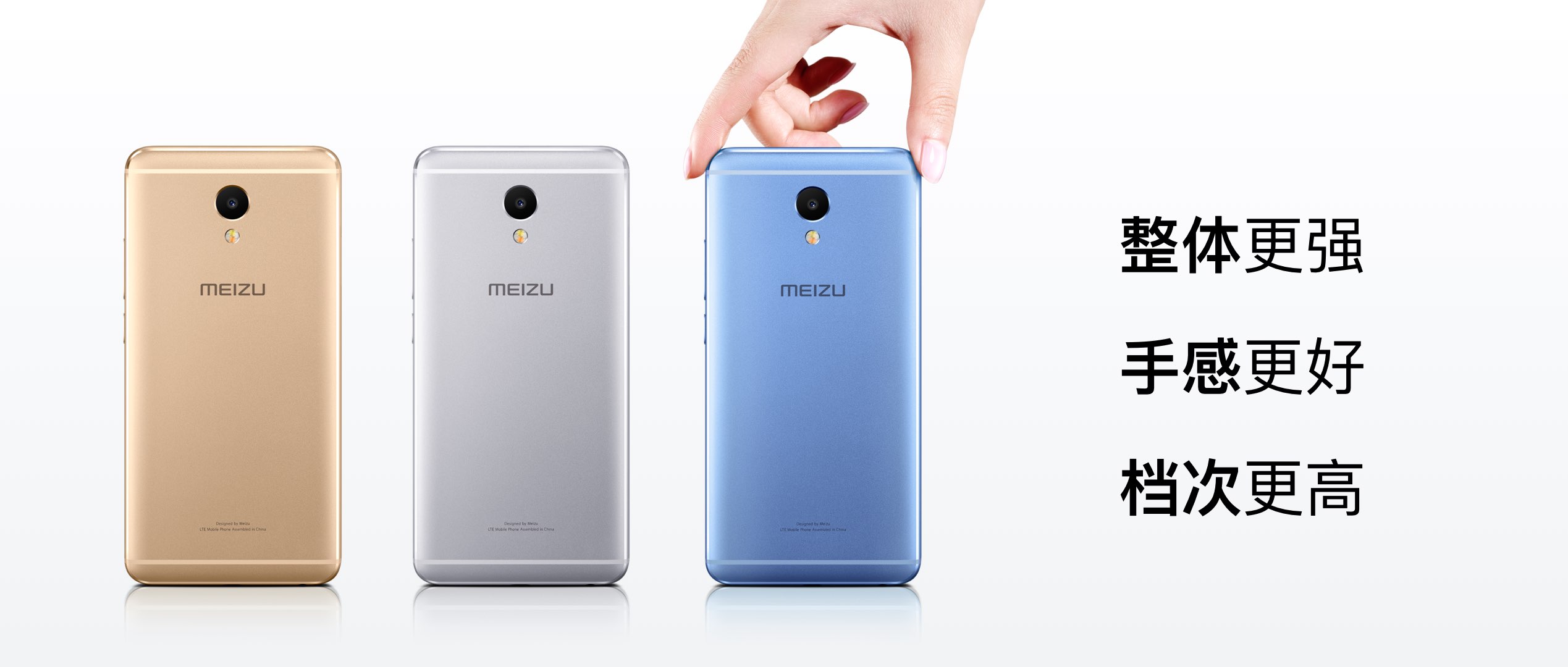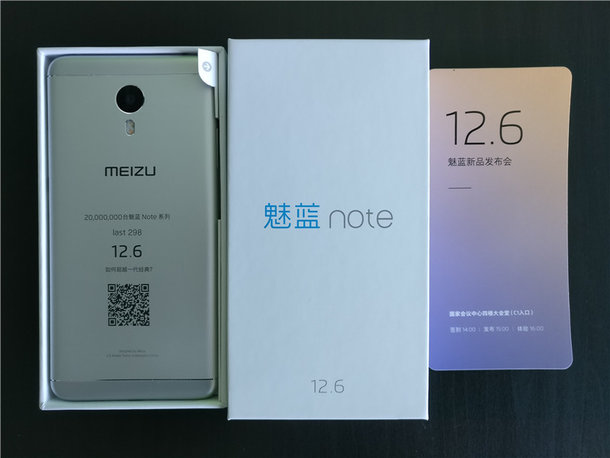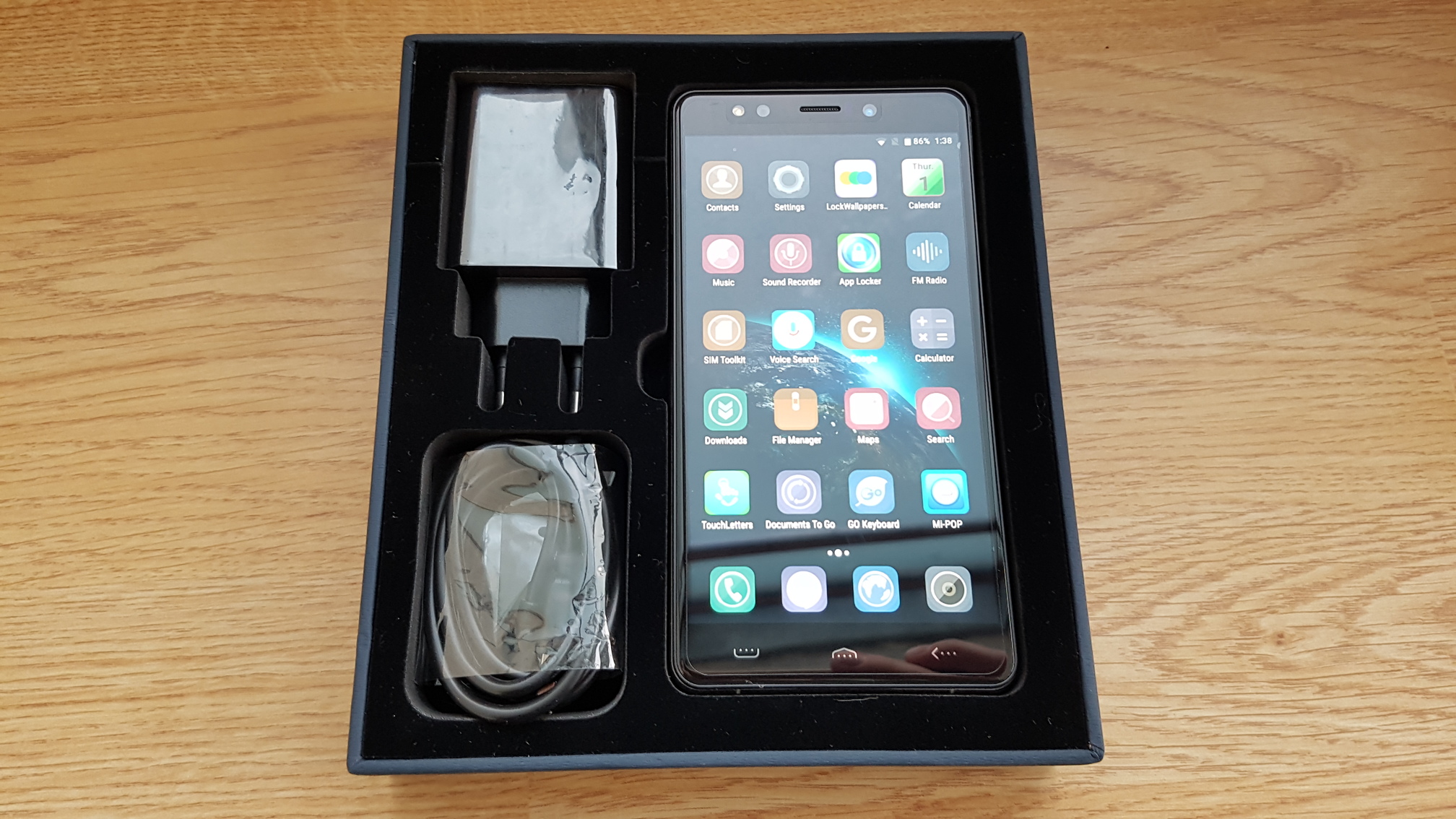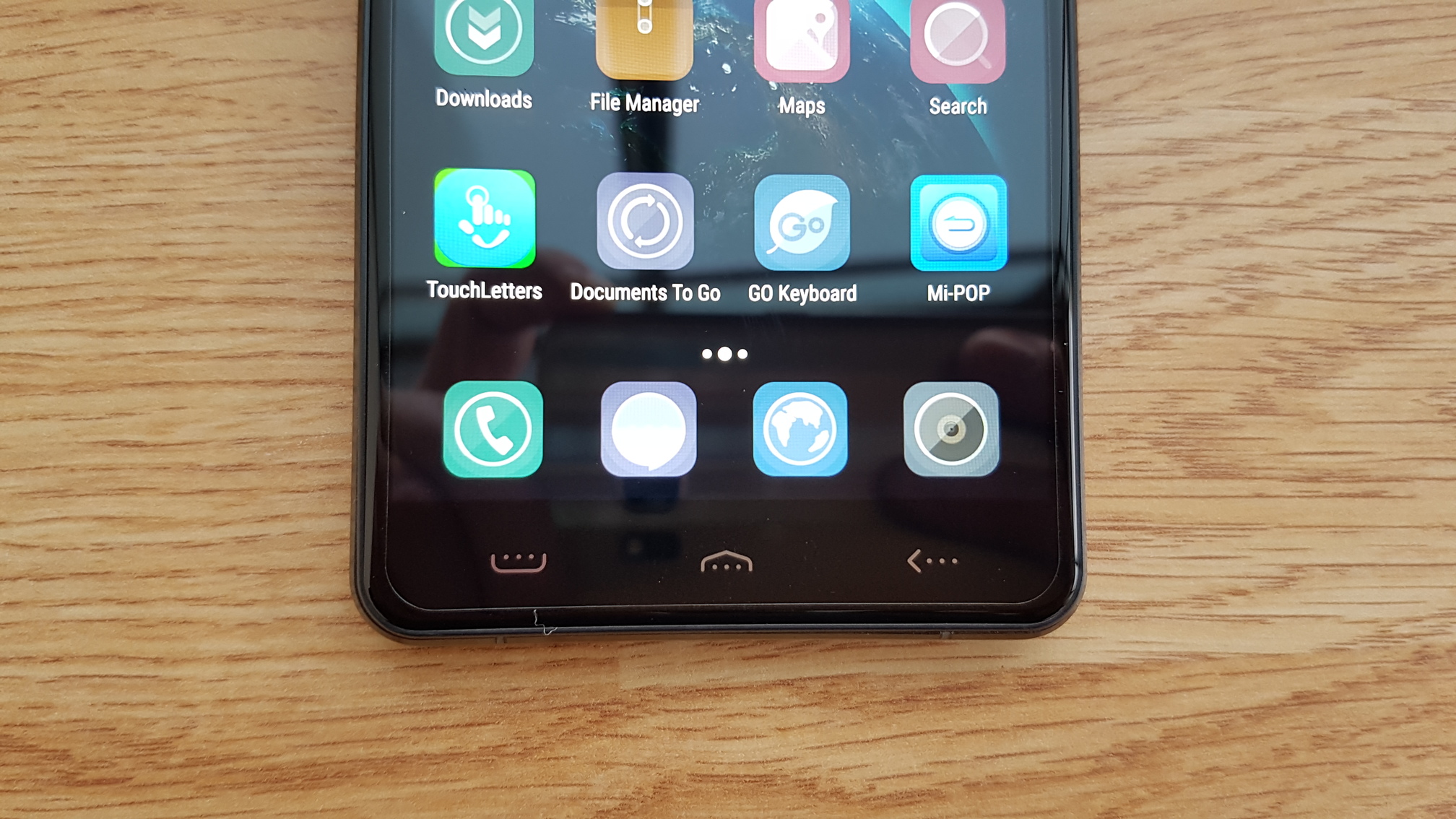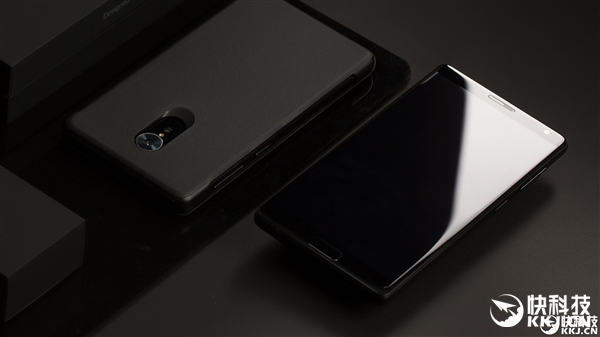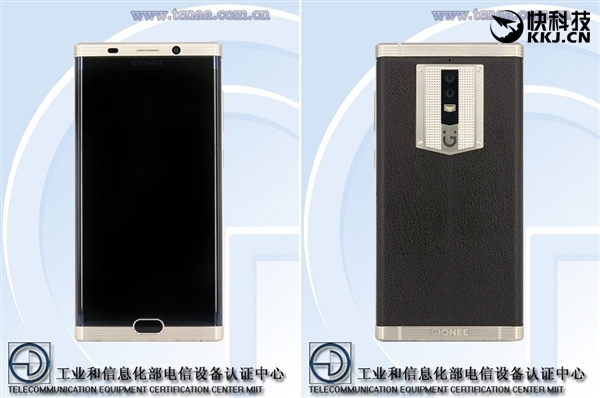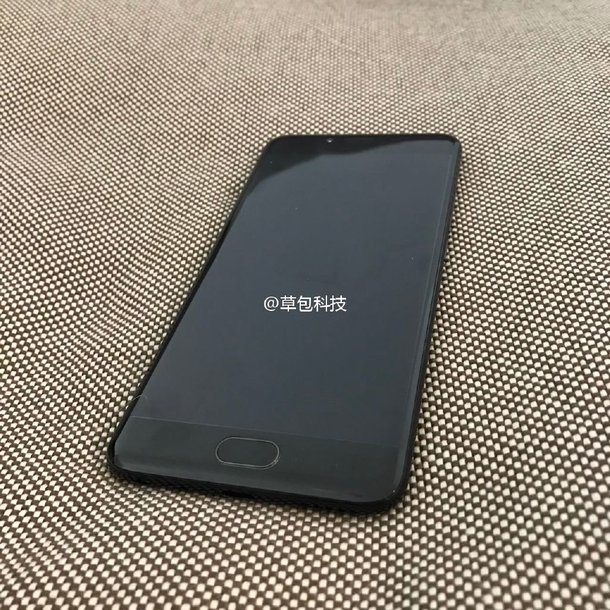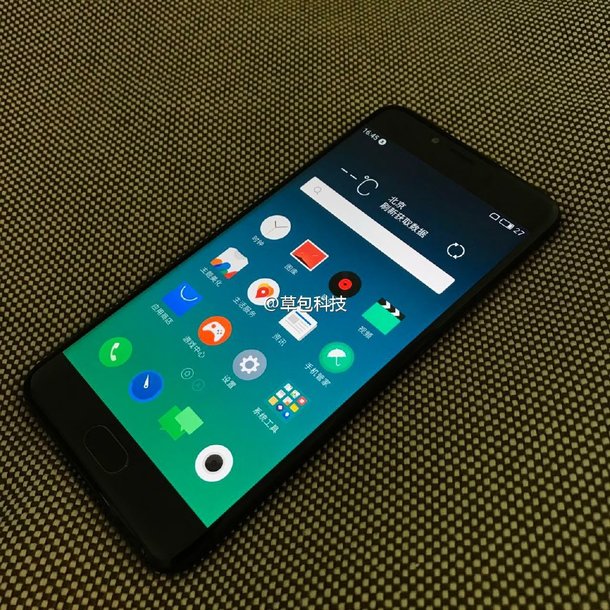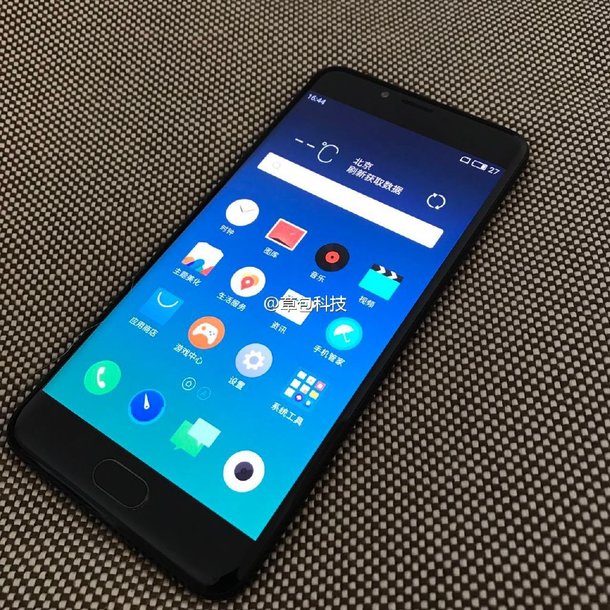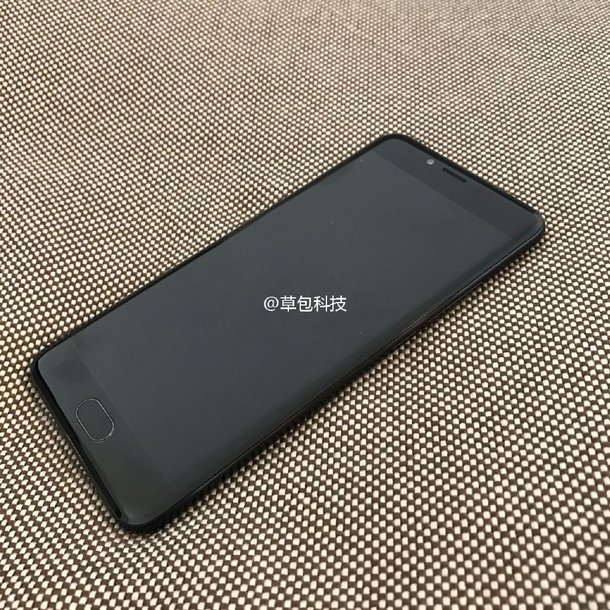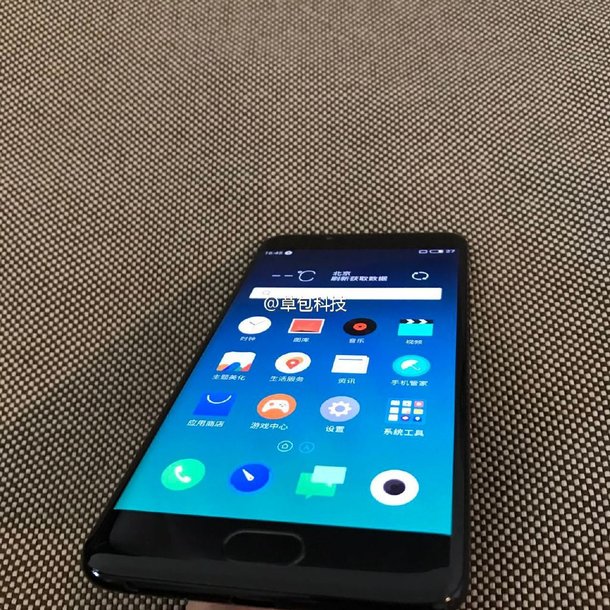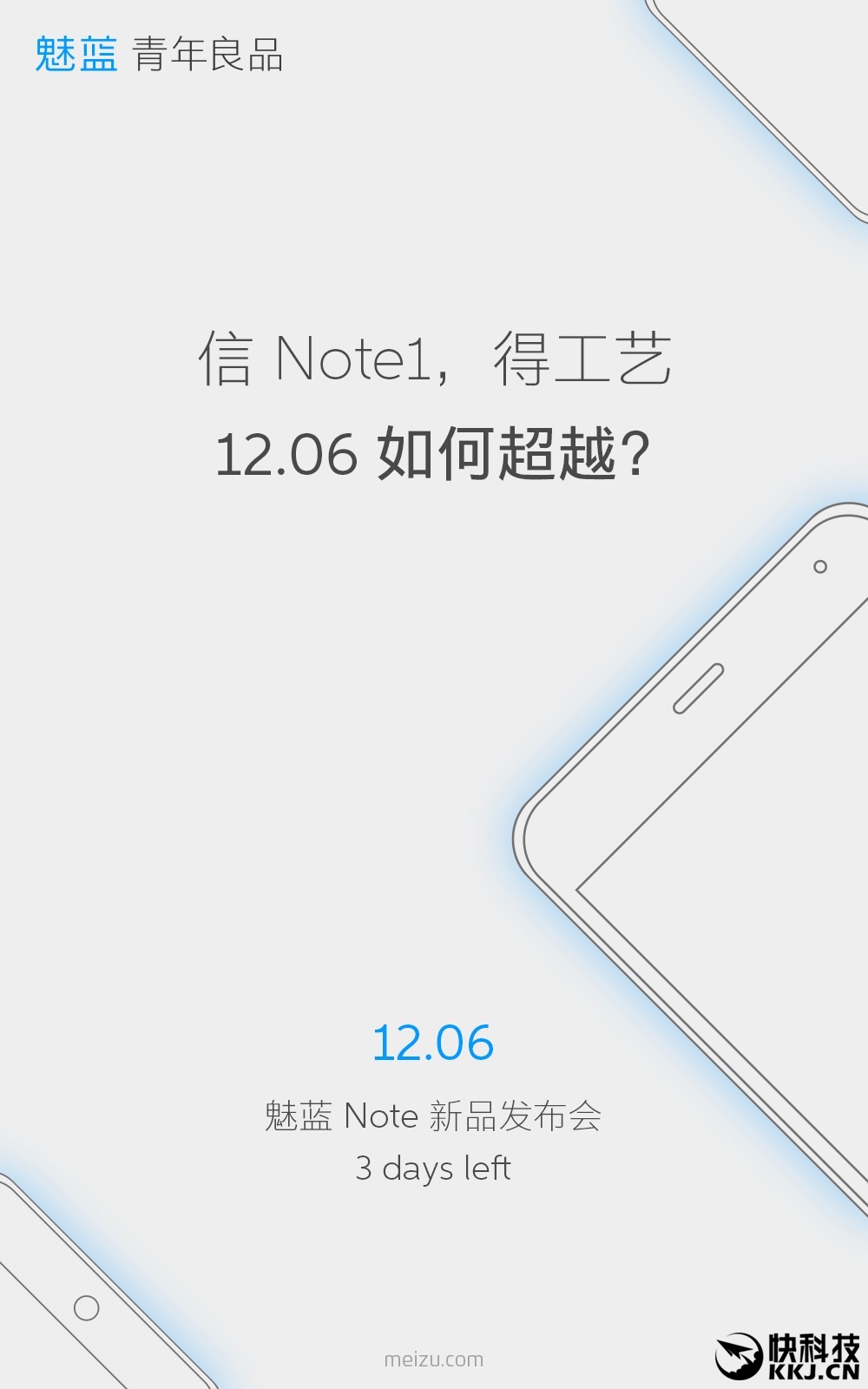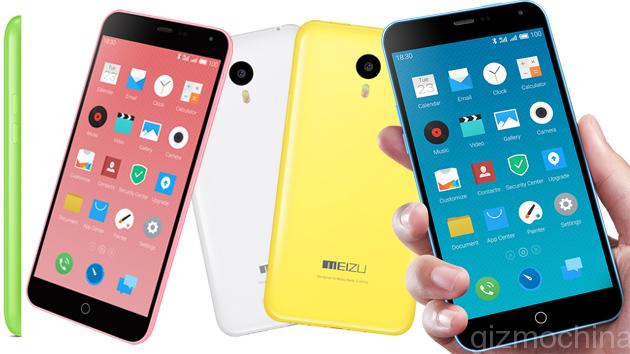
Just a little into the year, we had a mid-range battle between the Meizu M3 Note and Redmi Note 3. Eight months later, we are switching the fighters but the teams are still the same. This battle is for the same thing, Middle Earth Range and its between the just launched Meizu M5 Note and the Redmi Note 4.
Introduction
Both phones are the mid-range flag bearers for their respective manufacturers and sport specs that are not flagship level but are not slouches as well.
Design
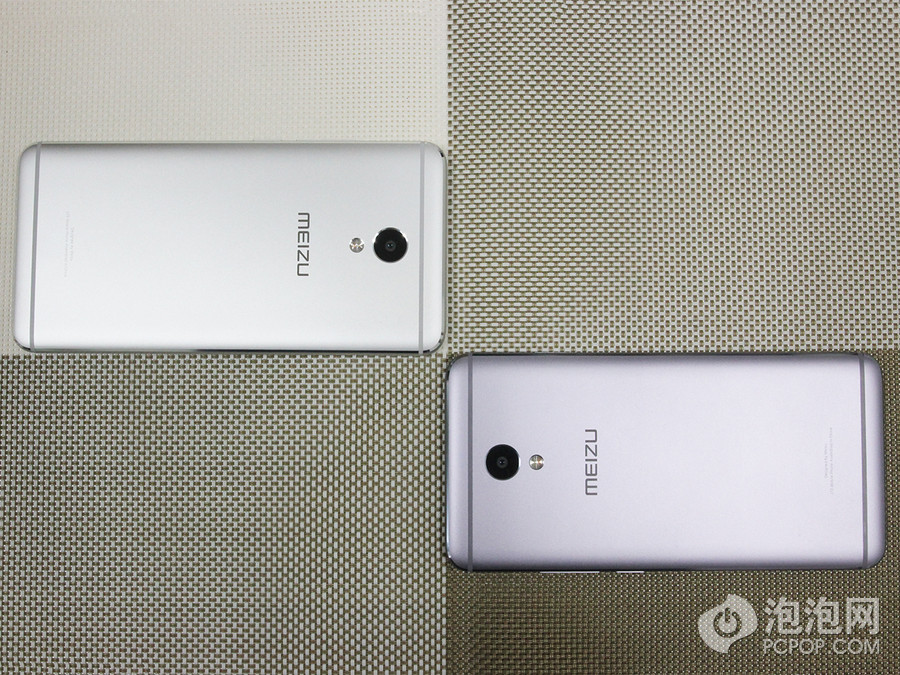
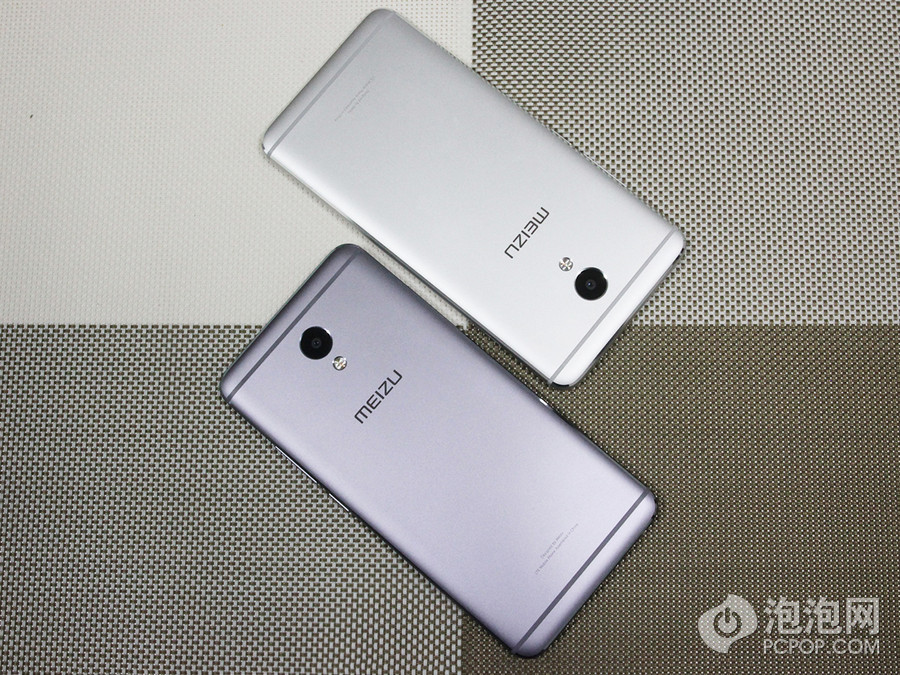
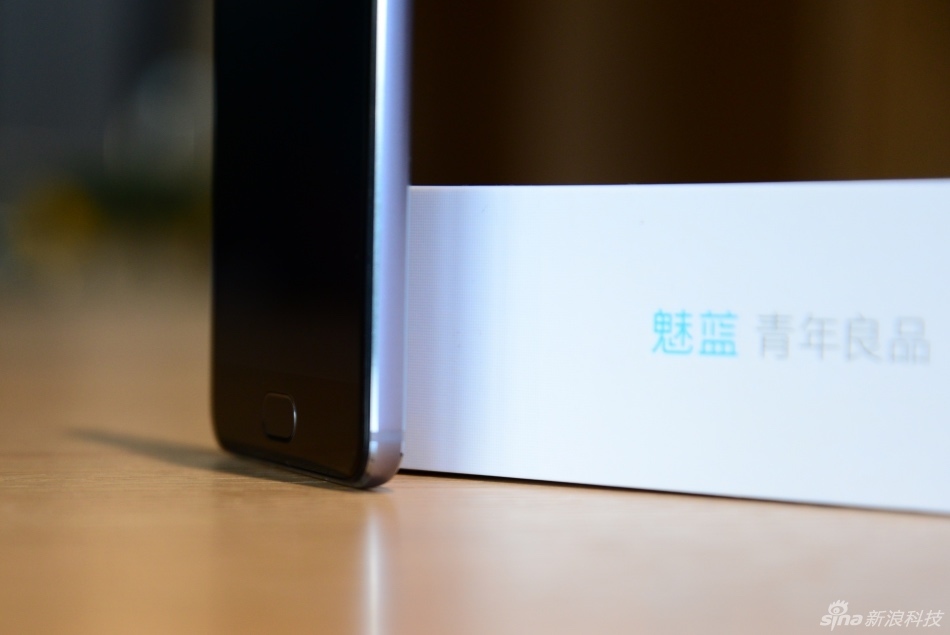
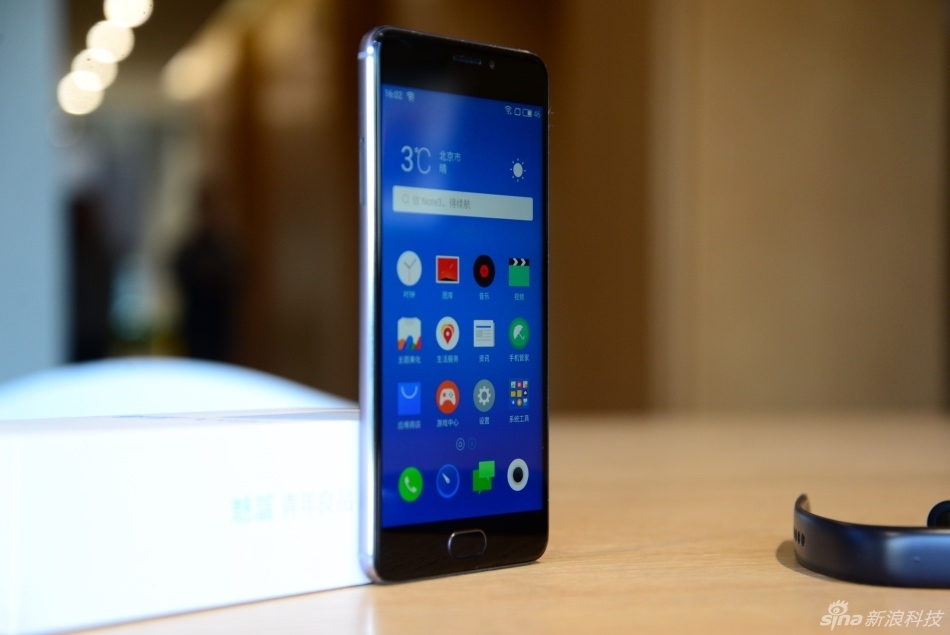
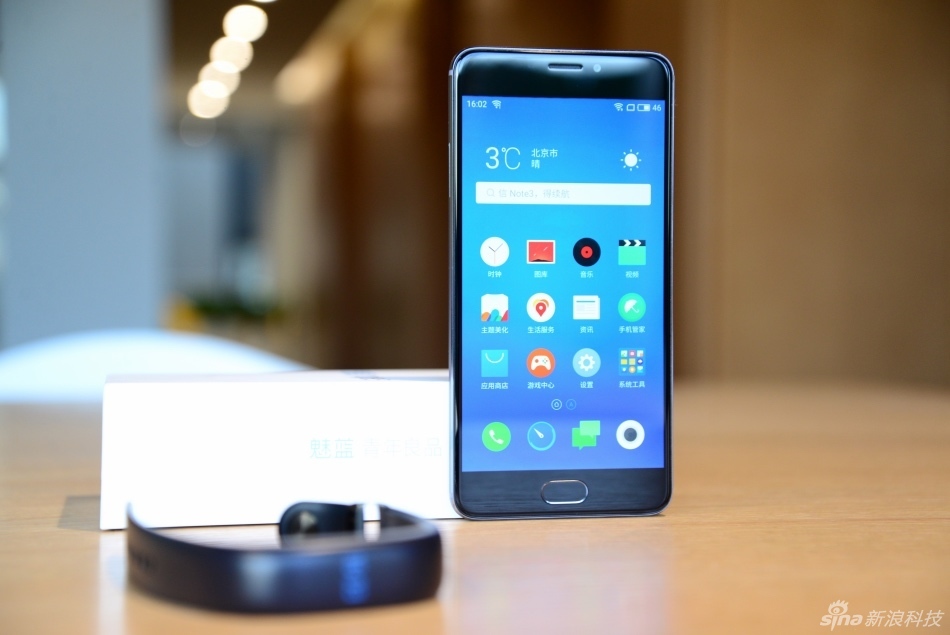
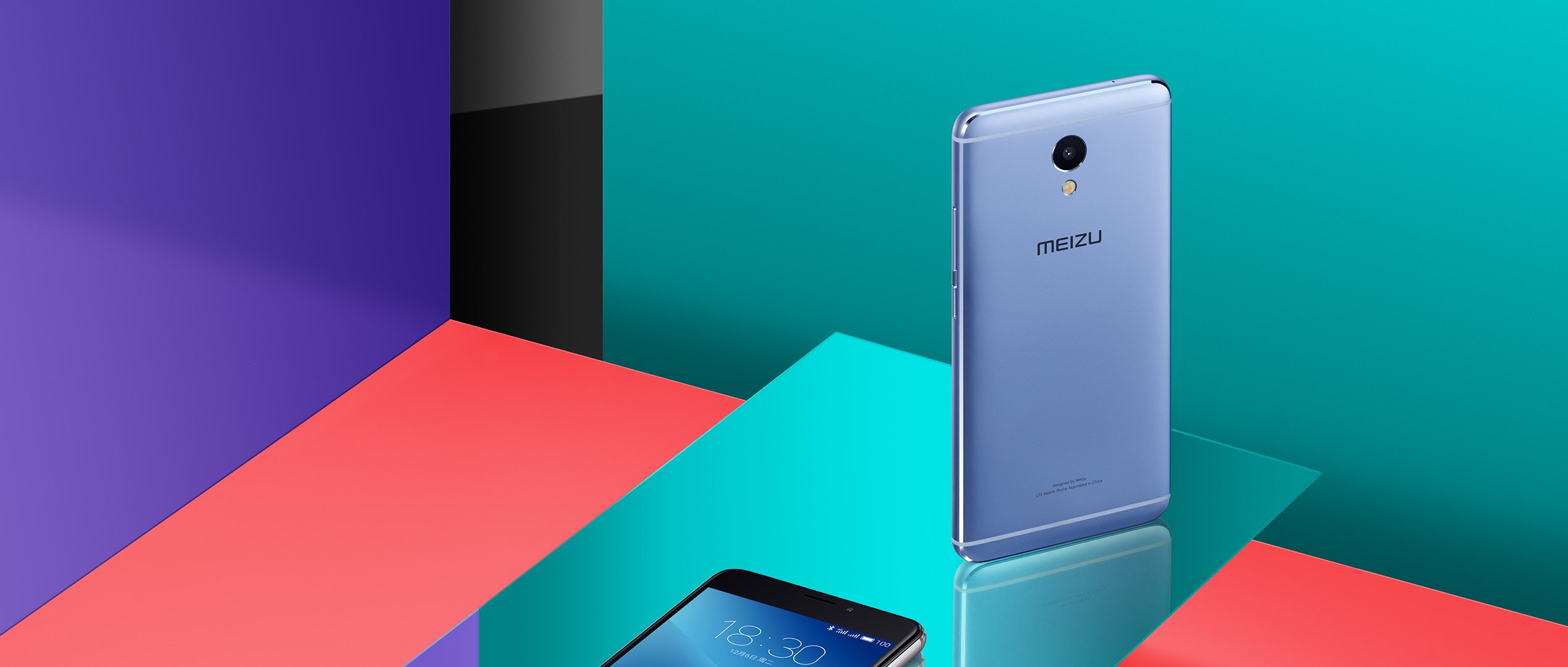
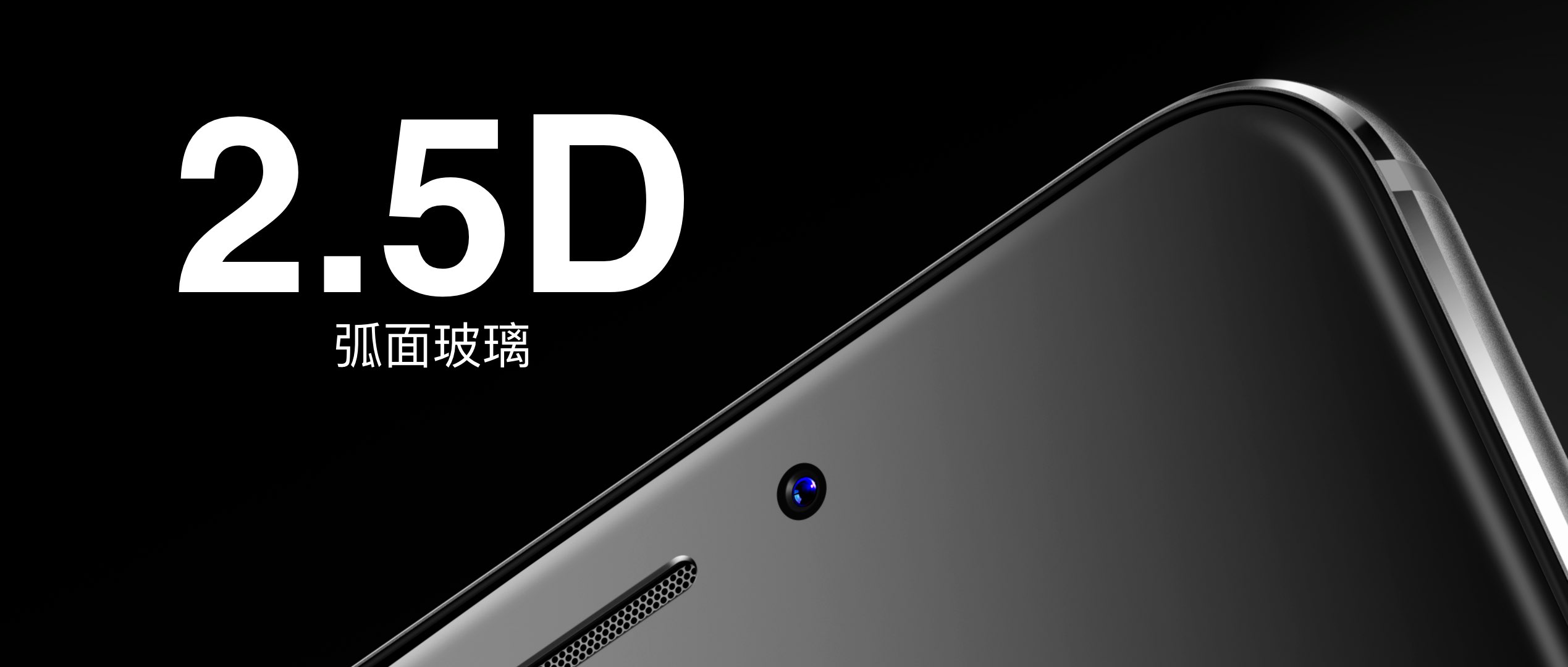
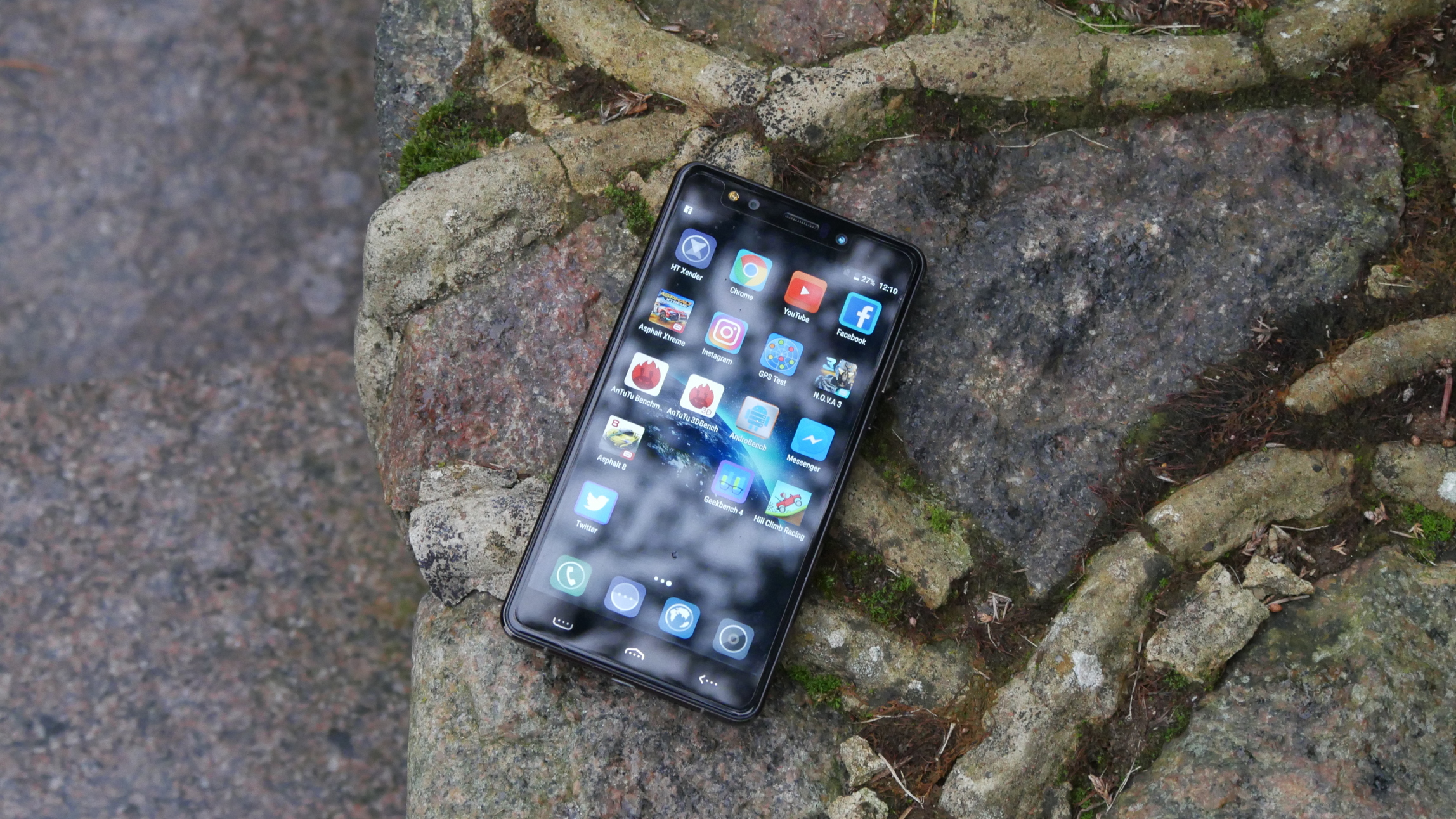
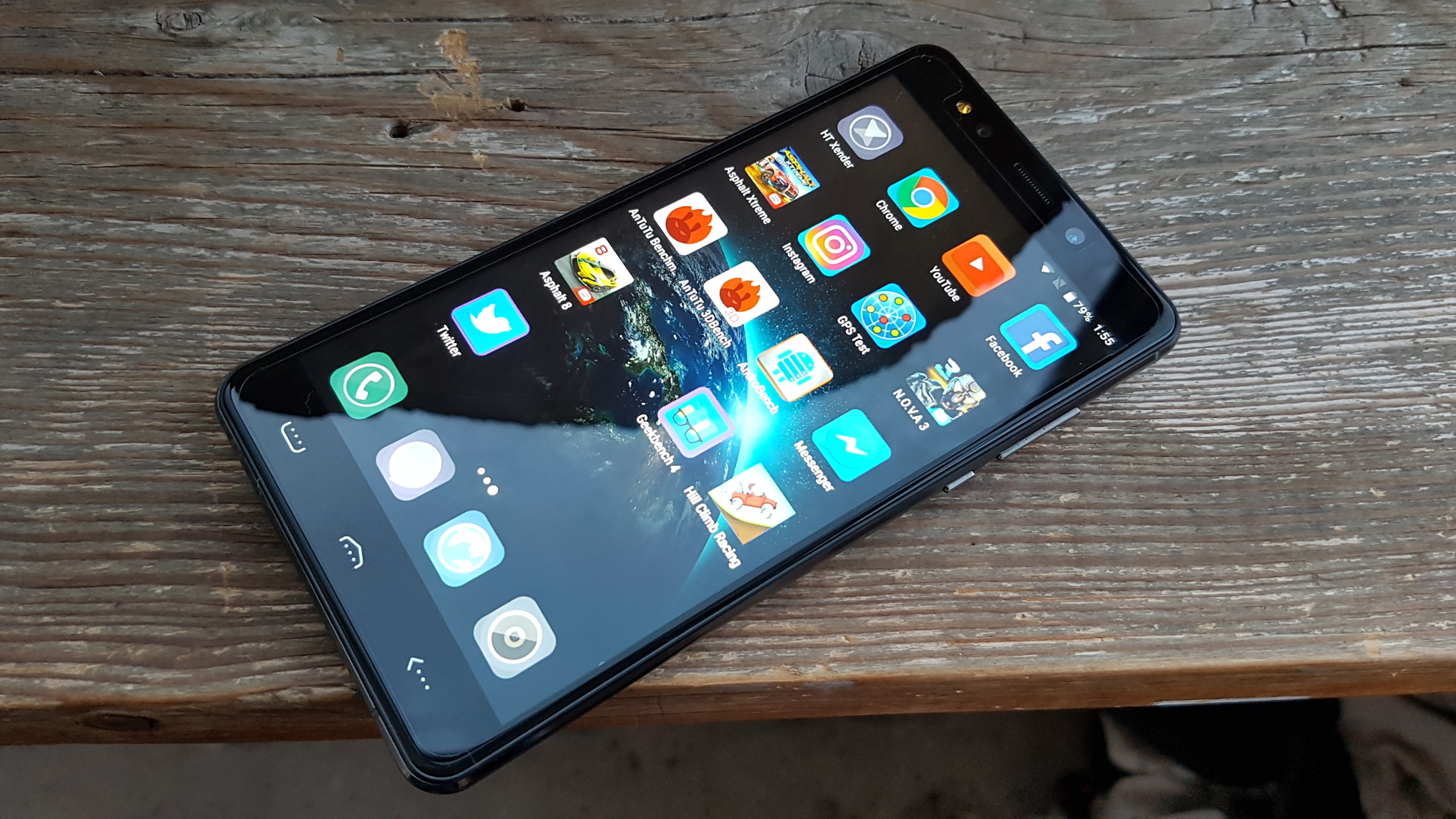
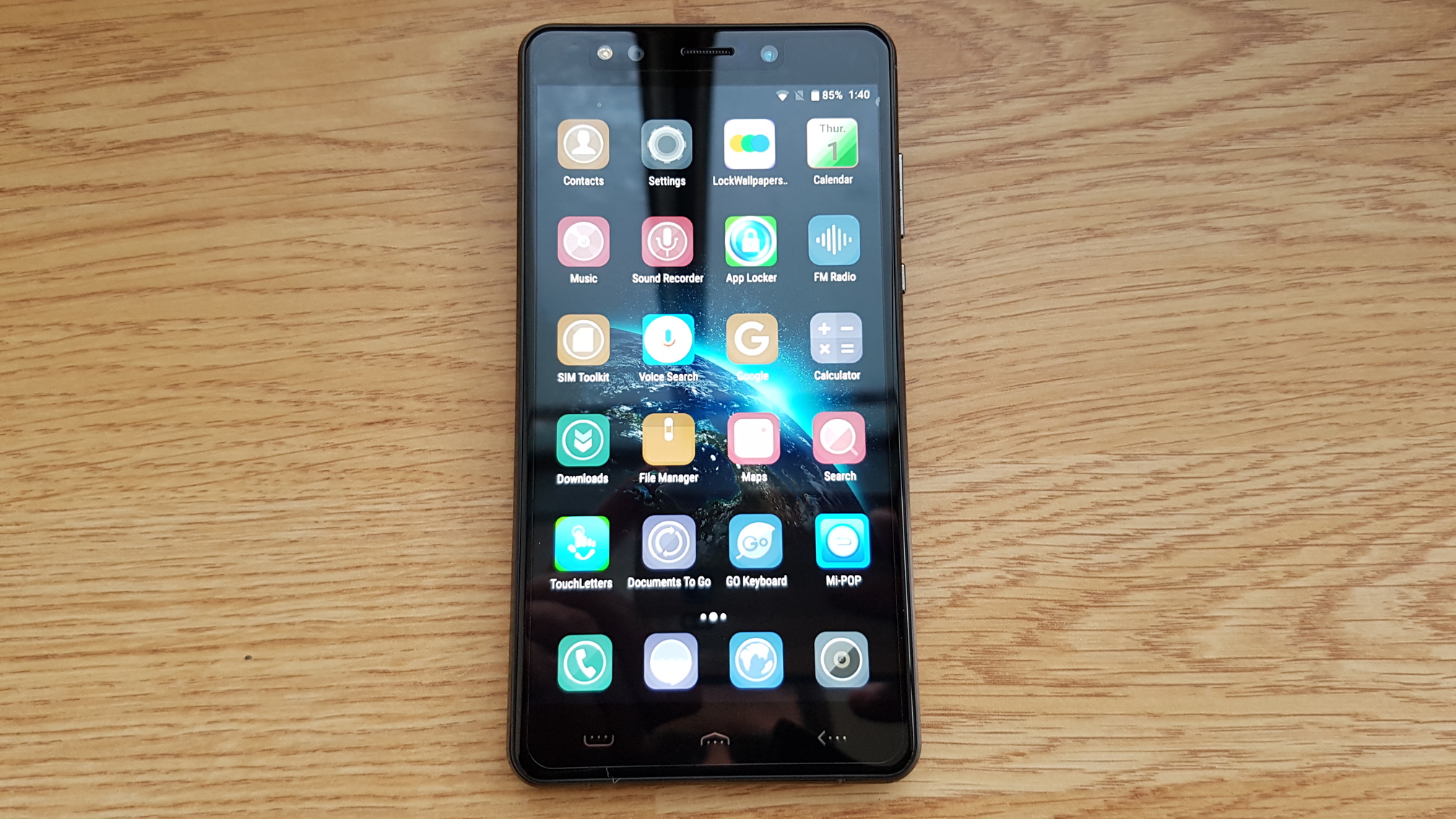
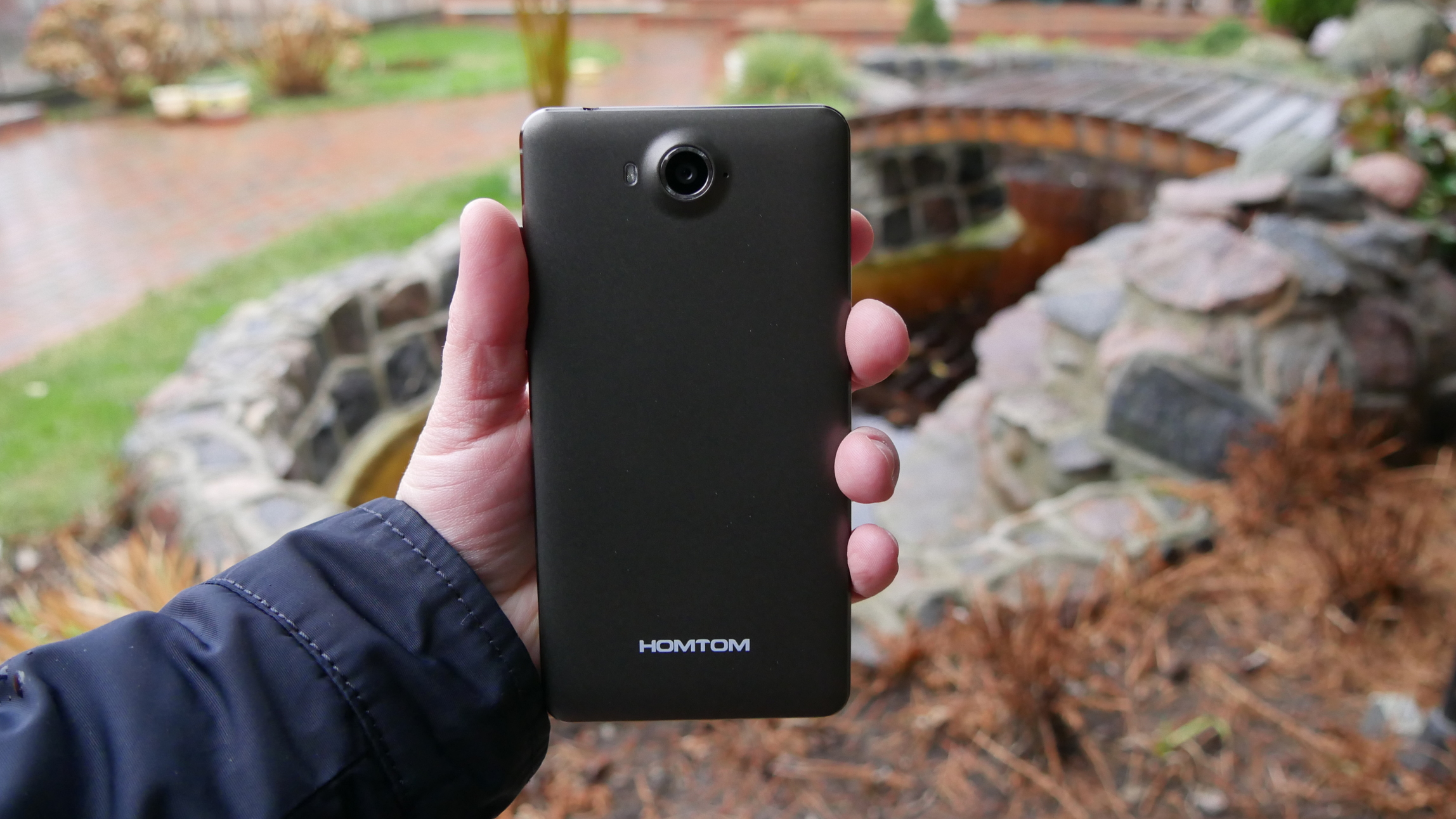
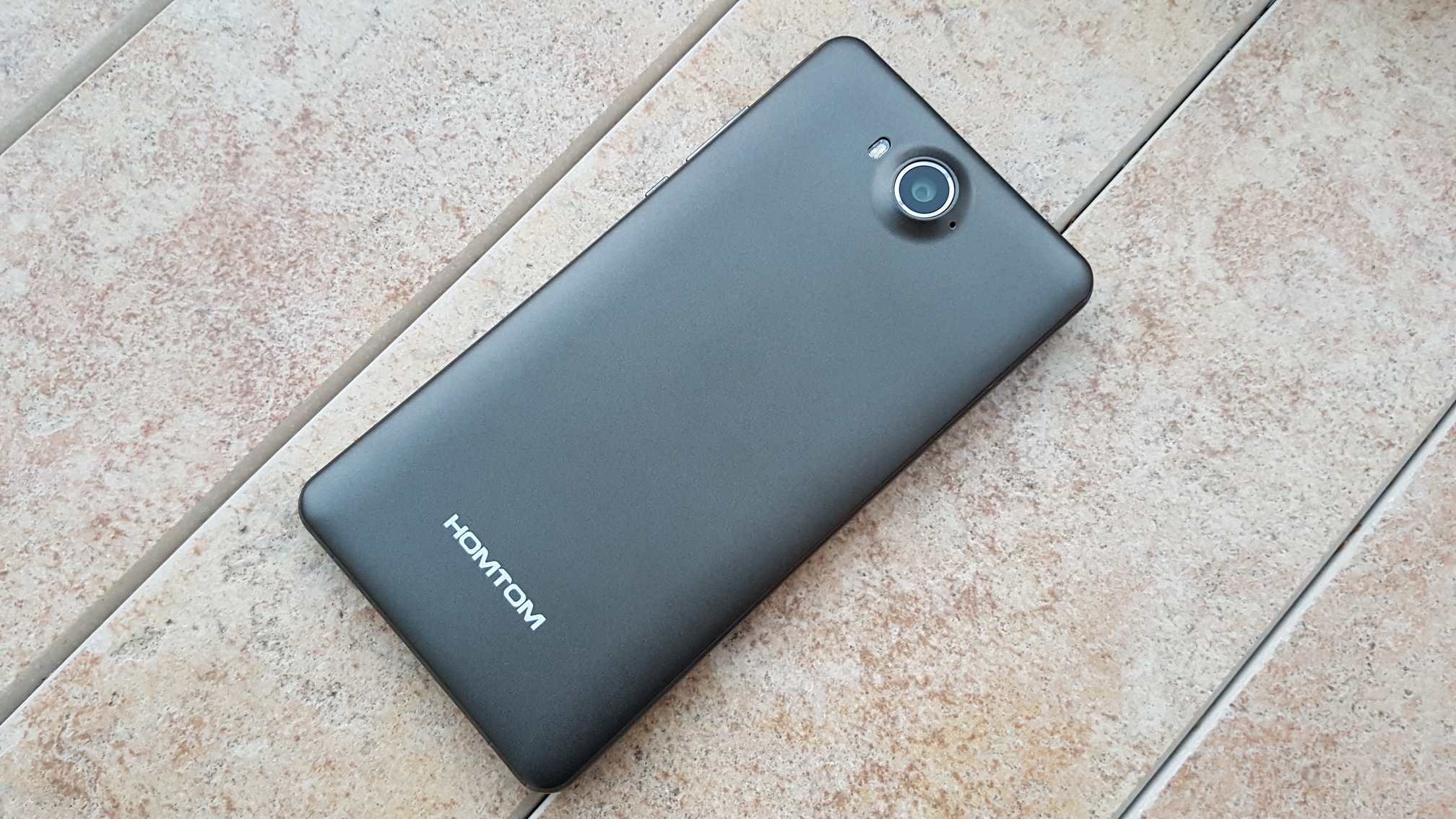
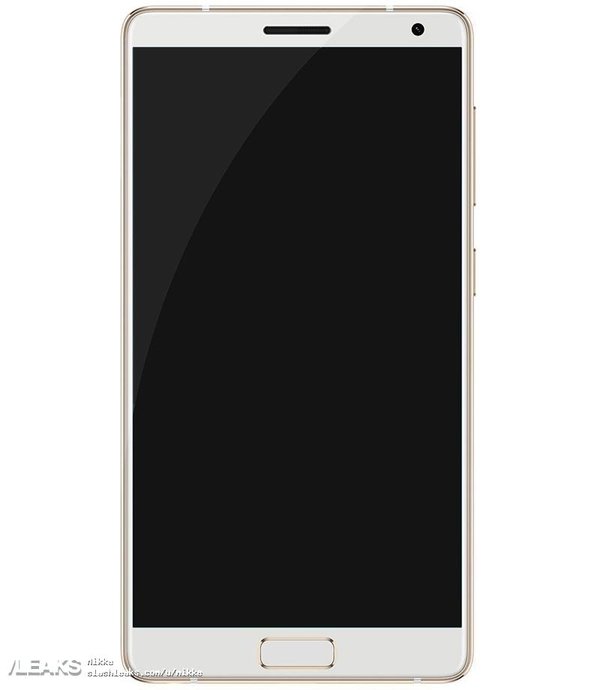
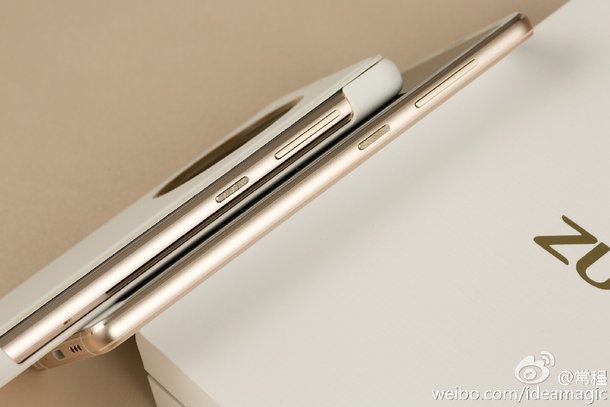
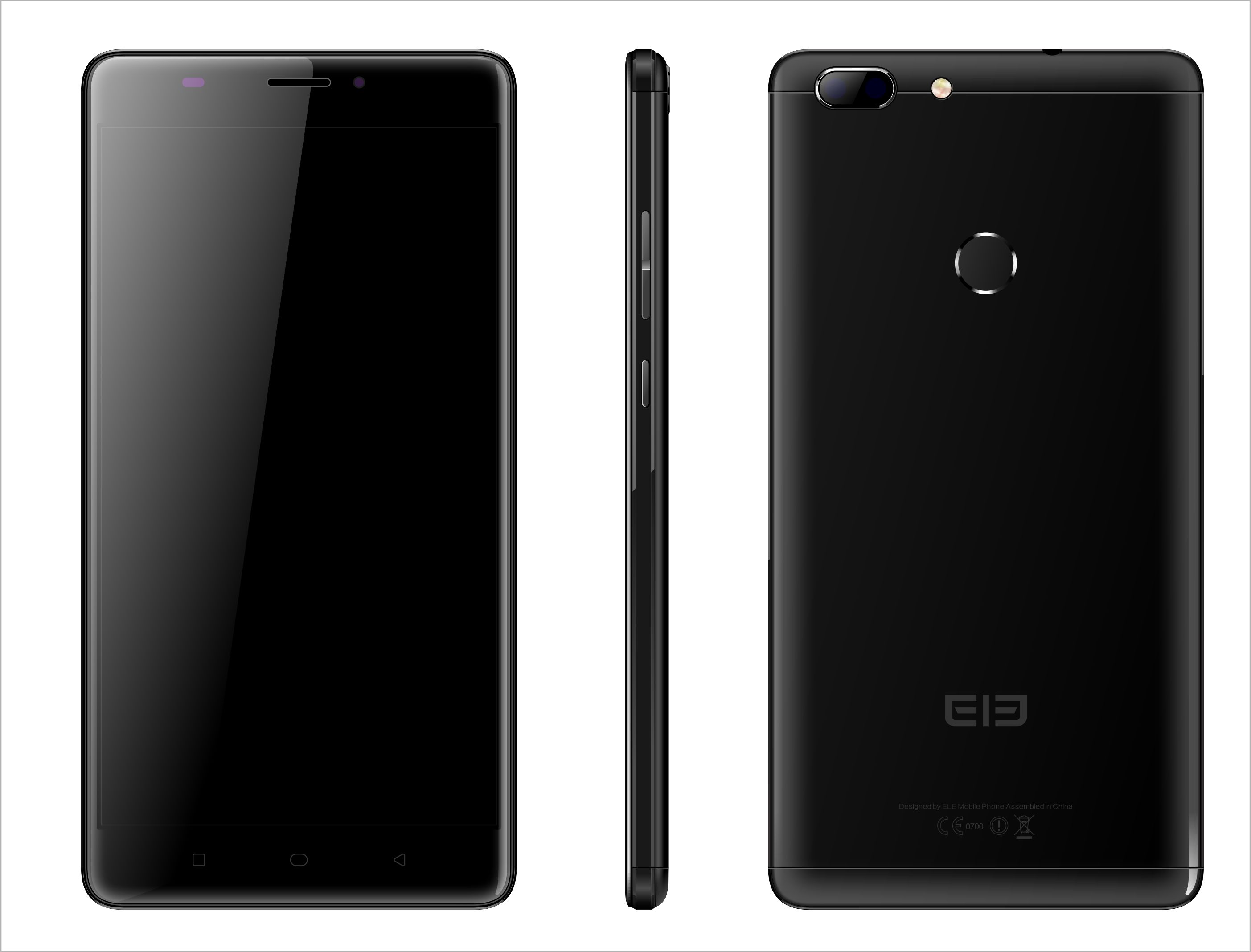
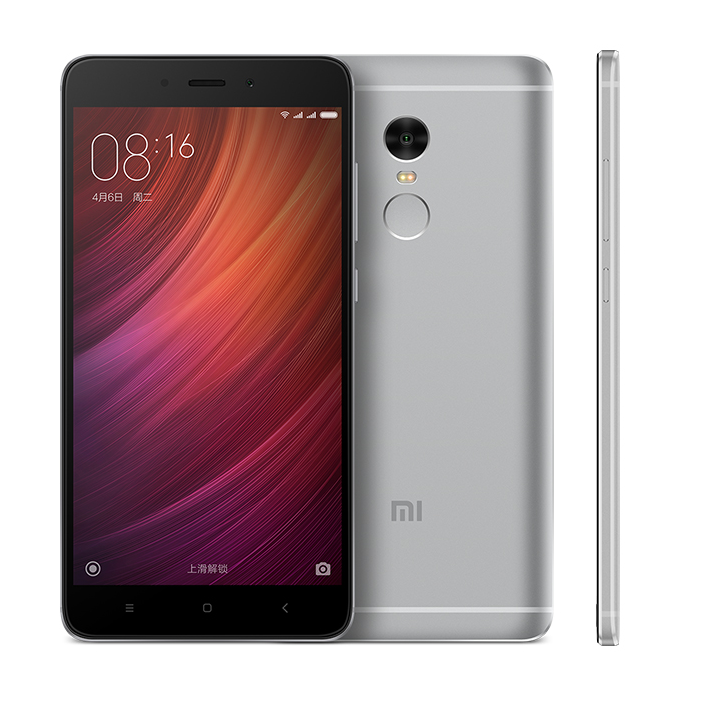
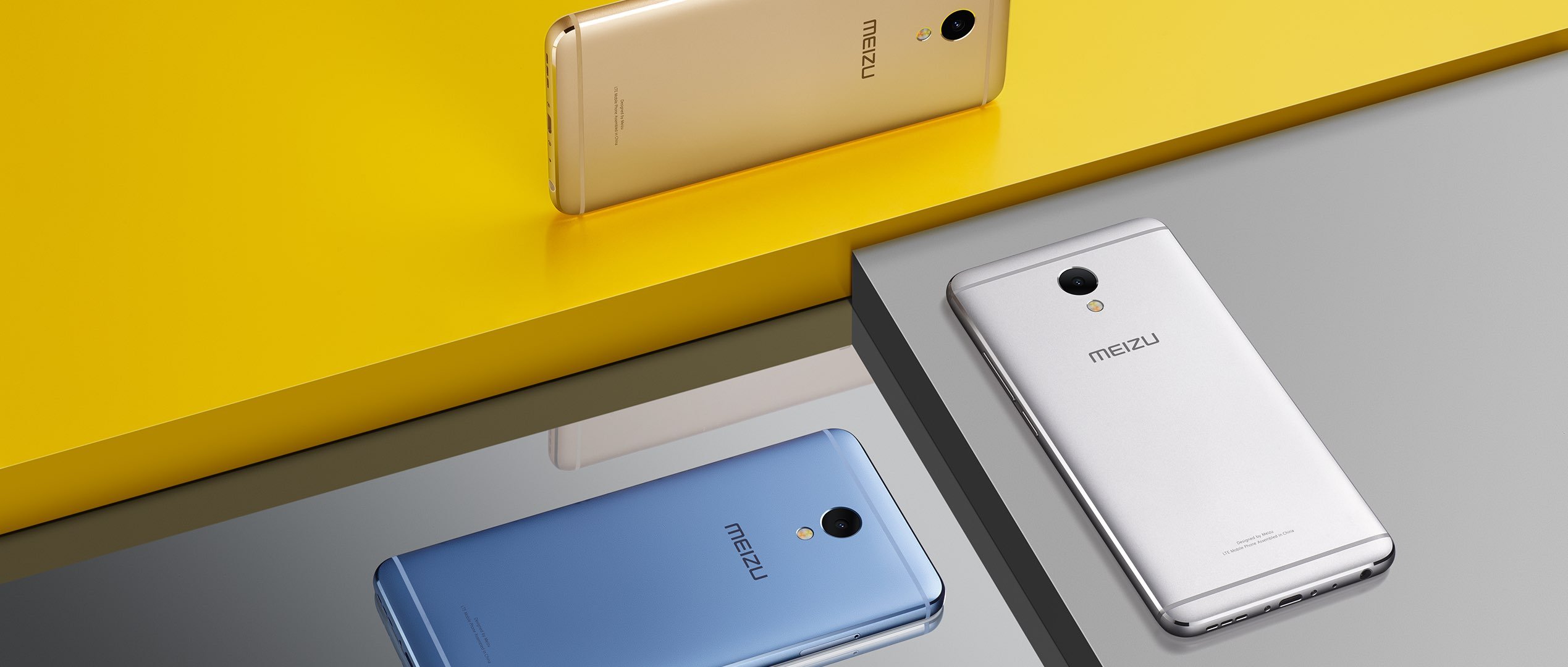
The Redmi Note 4 and Meizu M5 Note are an huge upgrade in design over their predecessors. They are thinner and sleeker and have a 2.5D glass over their displays.
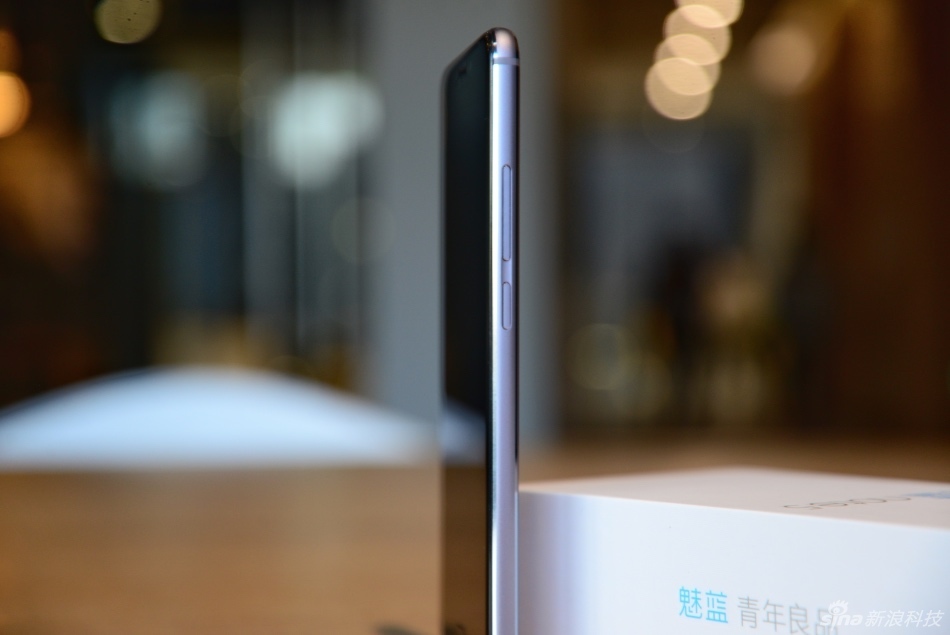
The M5 Note is thinner at 8.1mm compared to the Redmi Note 4 which has a thickness of 8.35mm. The Redmi is smaller at 151mm against the M5 Note’s 153.6mm which results in it having a higher-screen to body ratio. Both phones weigh 175g.
Xiaomi’s Redmi series is known to have its fingerprint scanner at the back and the Note 4 is no different, Meizu prefers it in front underneath the mBack button. Depending on which side of the divide you are, this might be a deciding factor for you.
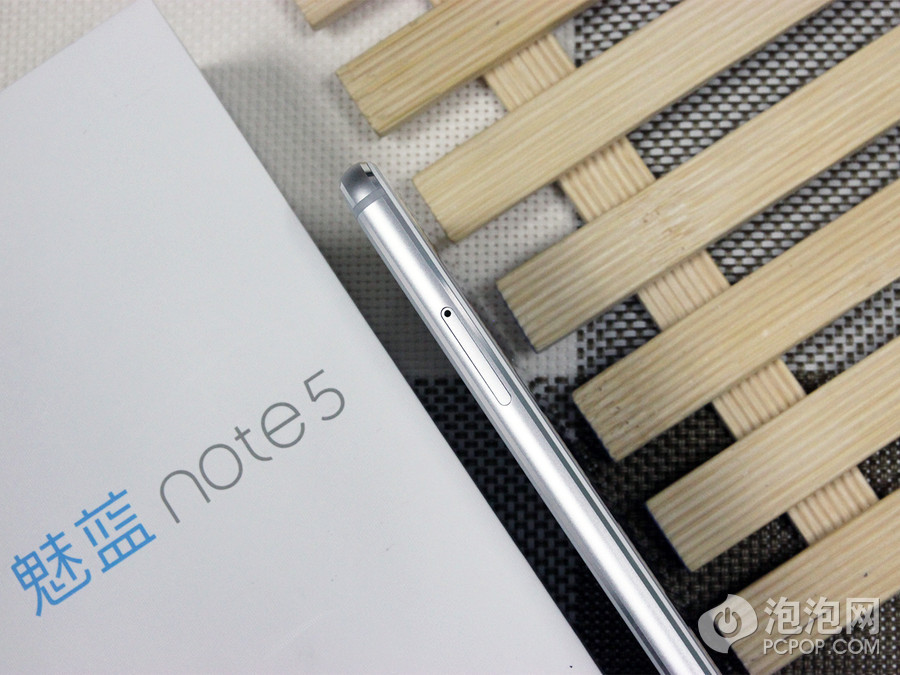
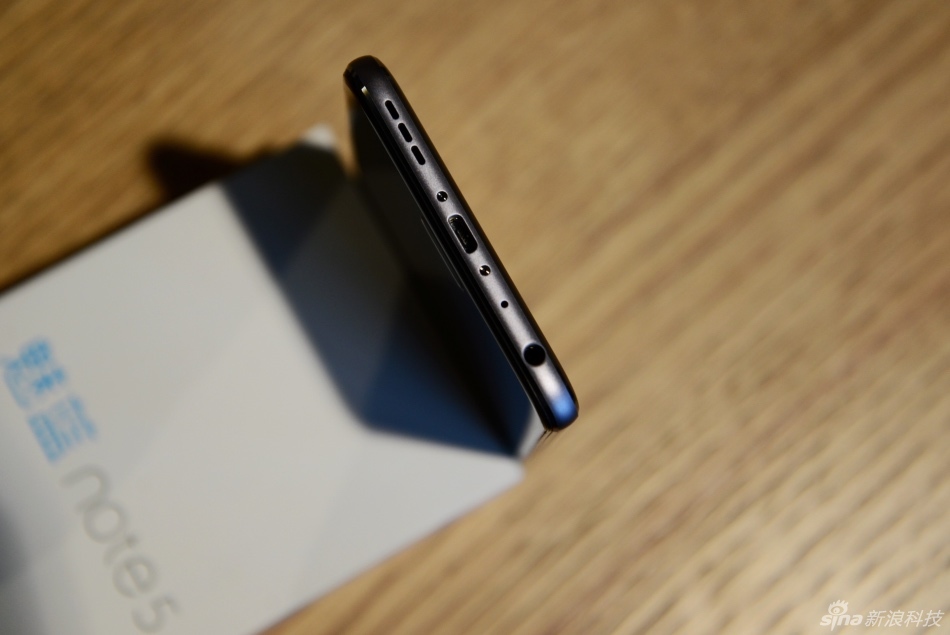
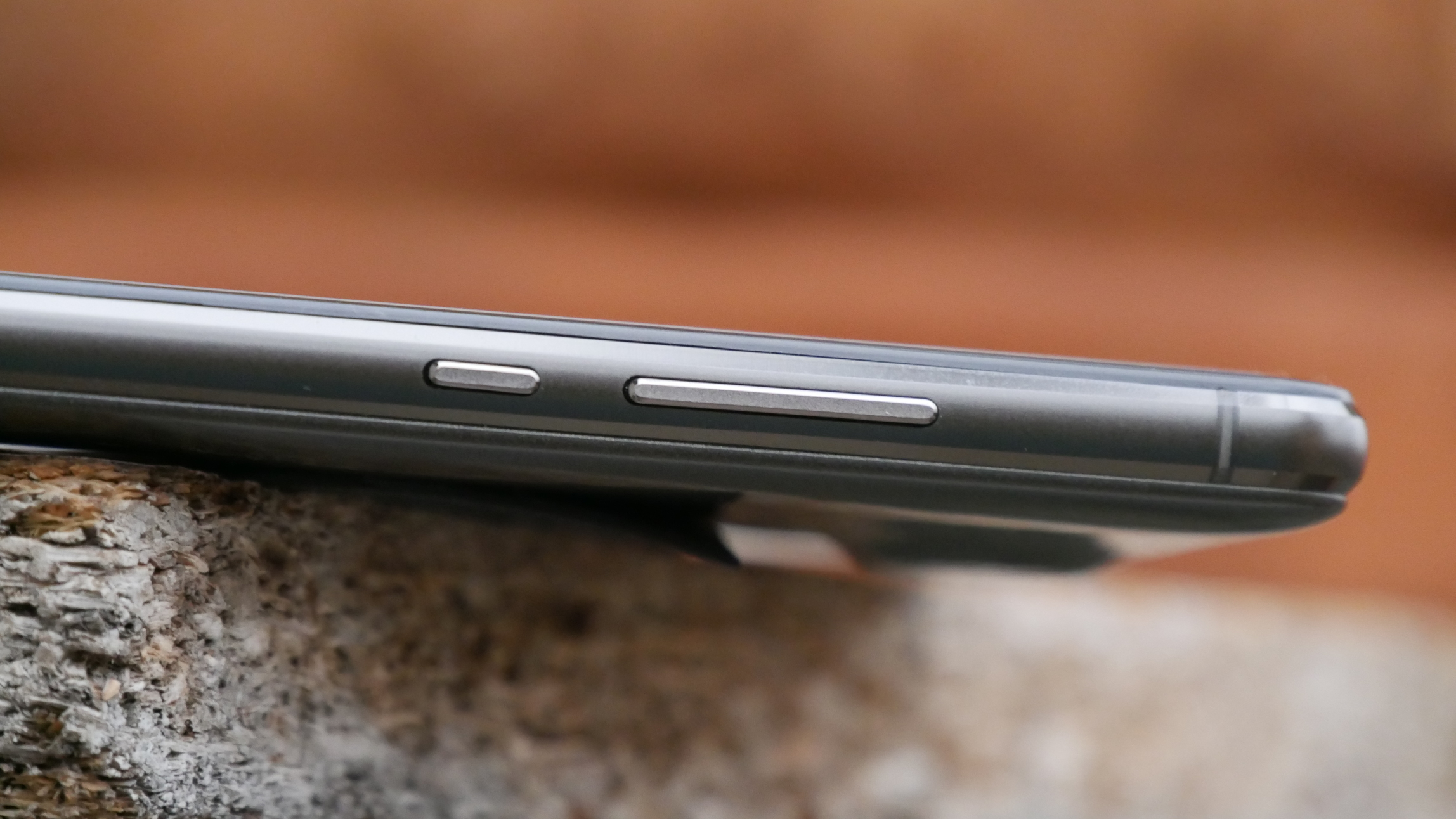
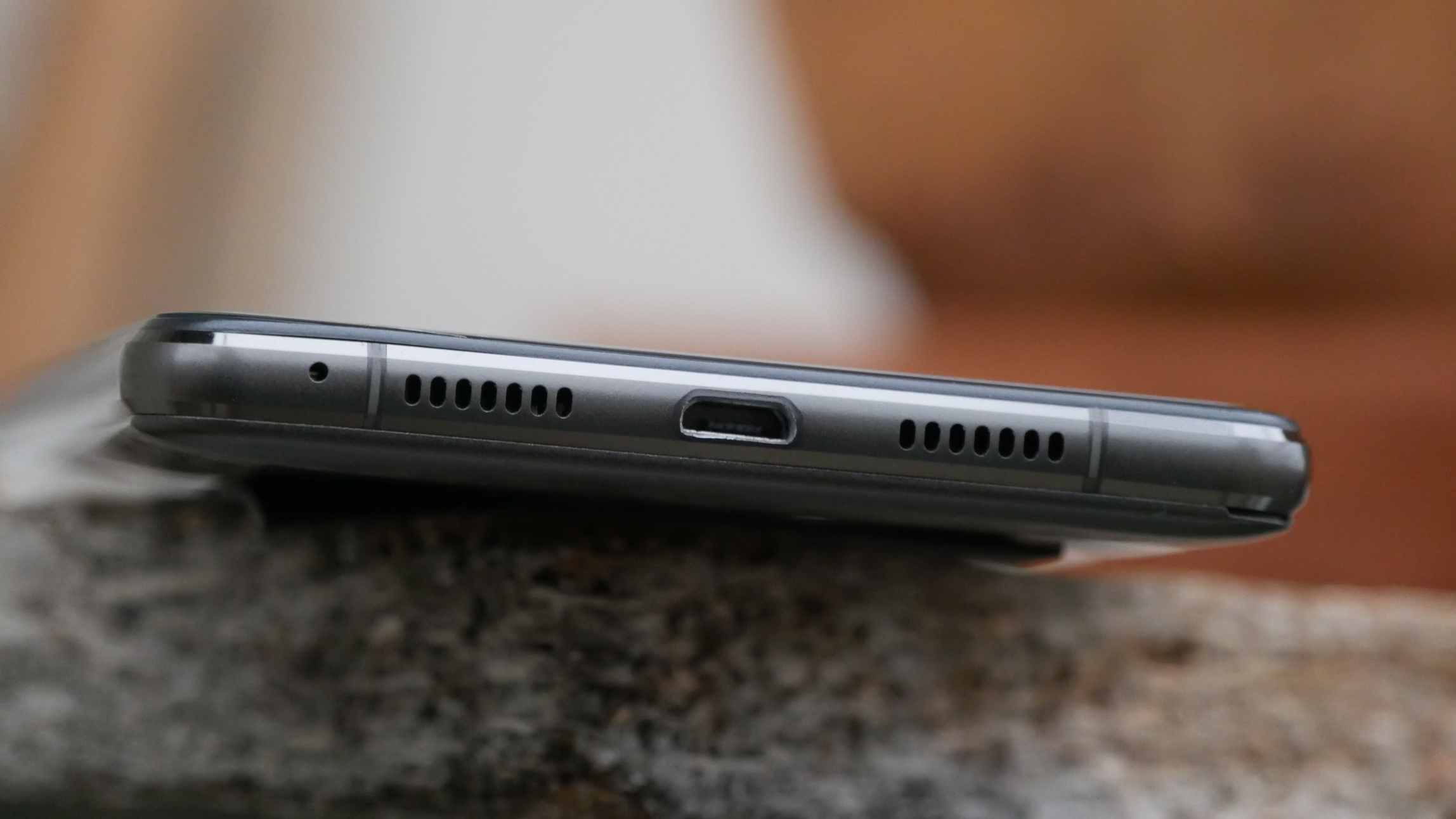
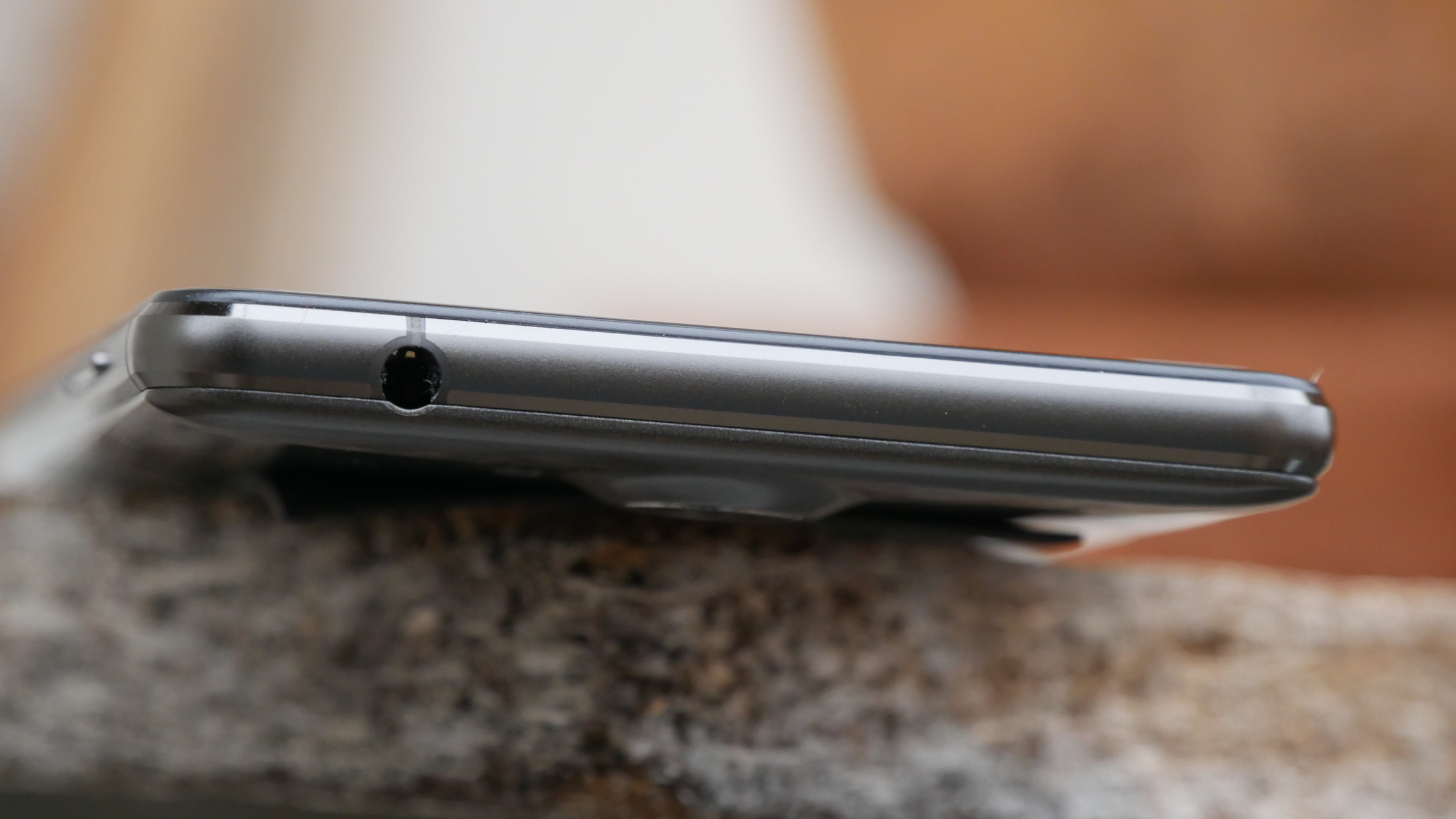
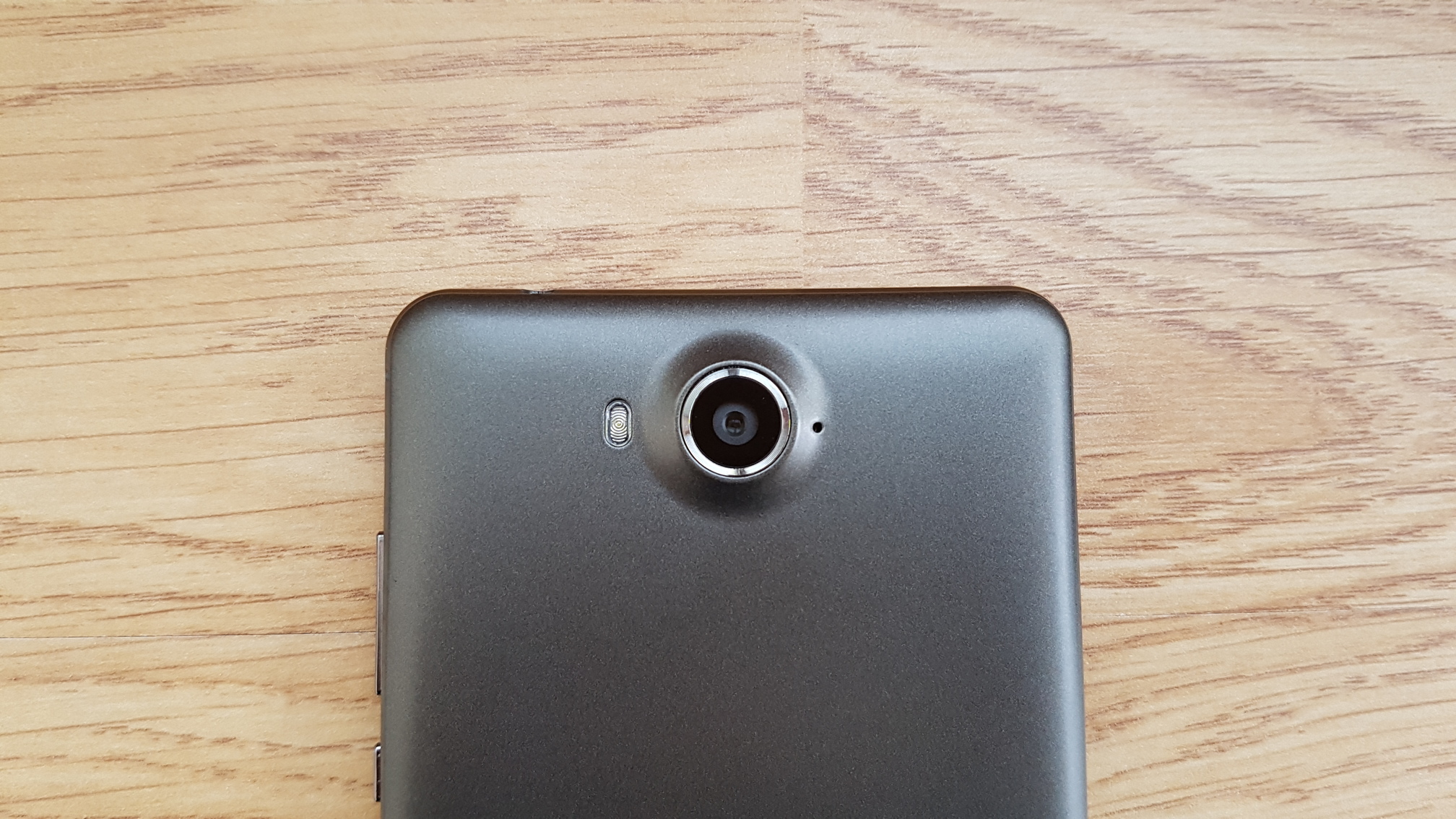
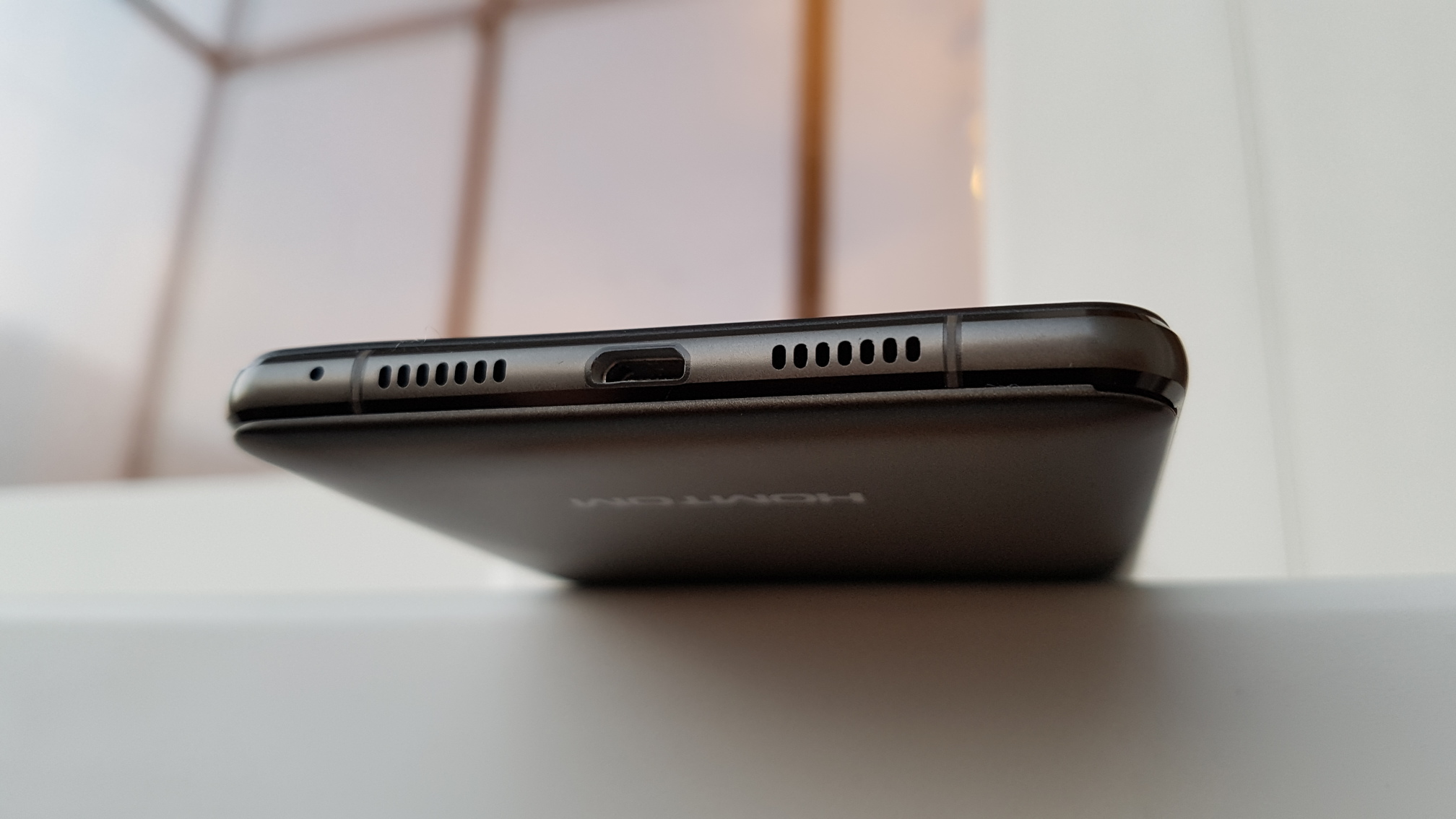
Camera placements, power button, volume rocker, and SIM tray are the same on both phones. The Meizu M5 Note has its earphone jack at the bottom, on the left hand side of the USB port and lacks an IR blaster but Xiaomi’s Redmi Note 3 has its audio jack at the top on the other side of the IR blaster.
Display
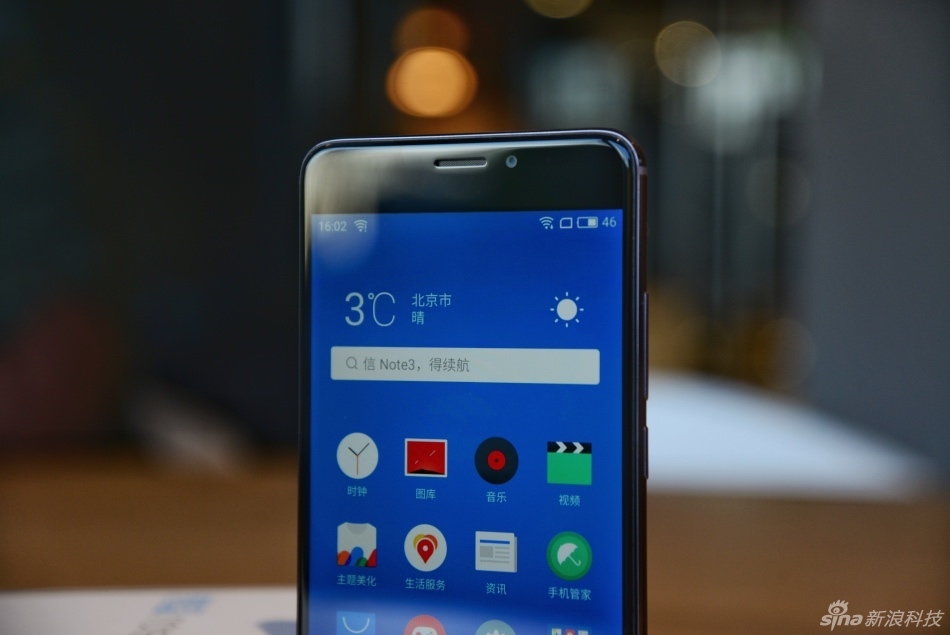
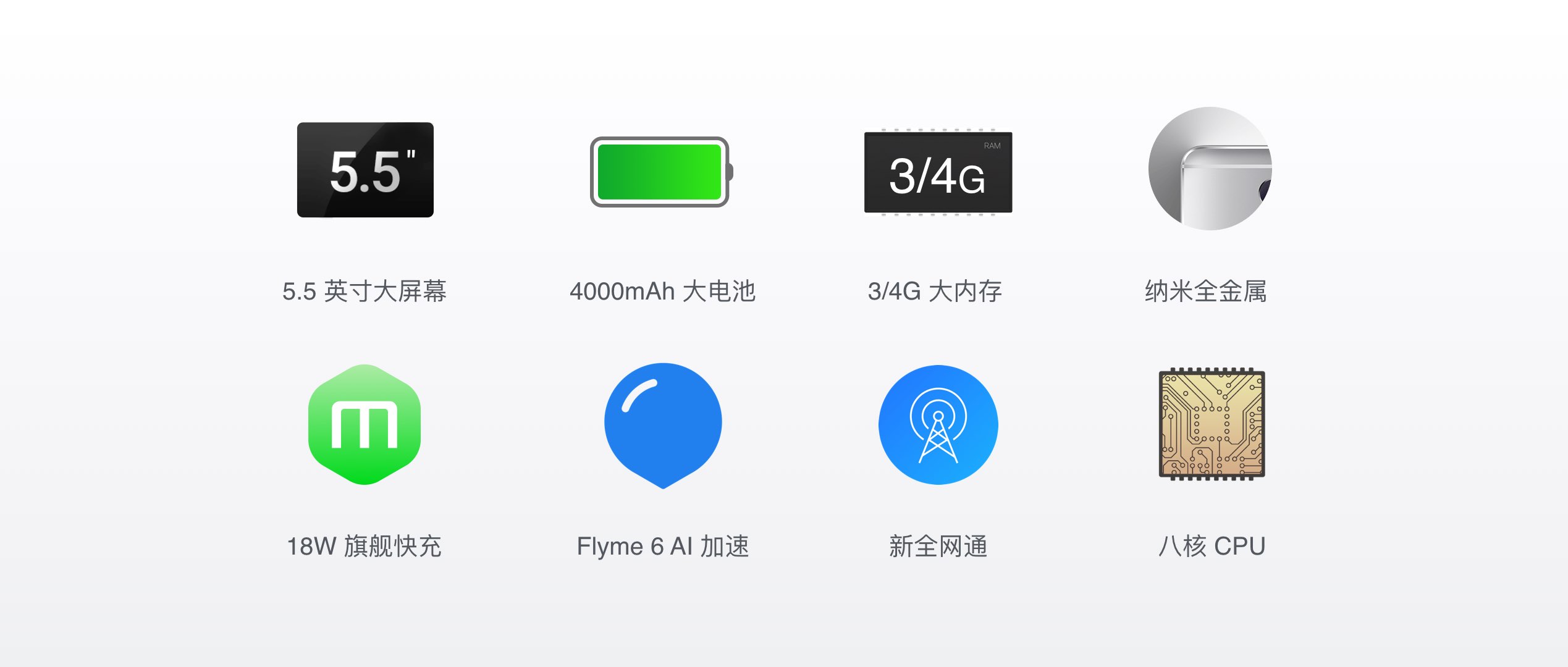
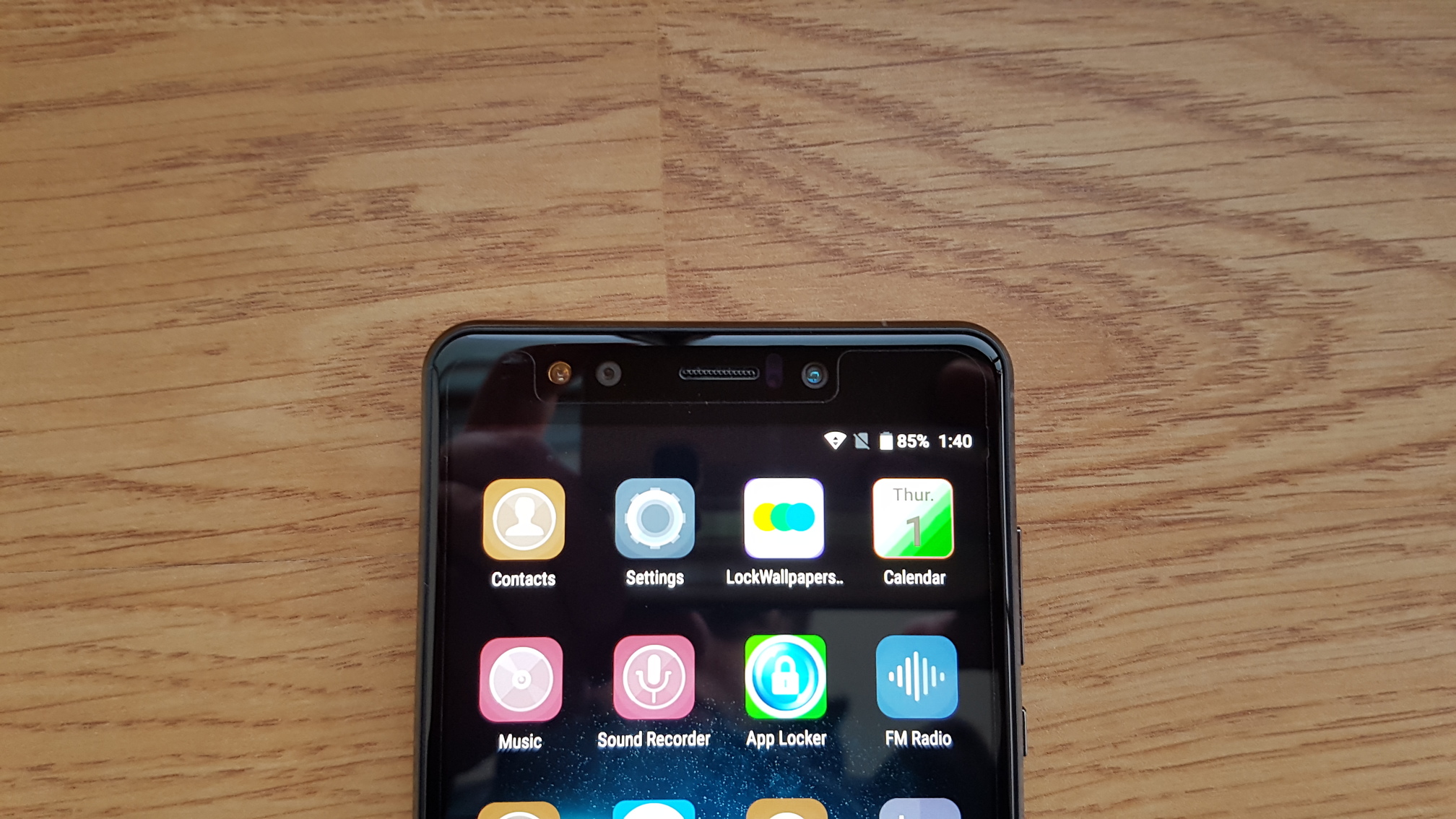
The Redmi Note 4 and Meizu M5 Note are equipped with the same 5.5” screens and Full HD resolution. While the Redmi has a higher screen-to-body ratio, the Meizu has a higher ppi. However, this differences are negligible and would probably not be noticed.
RAM and ROM
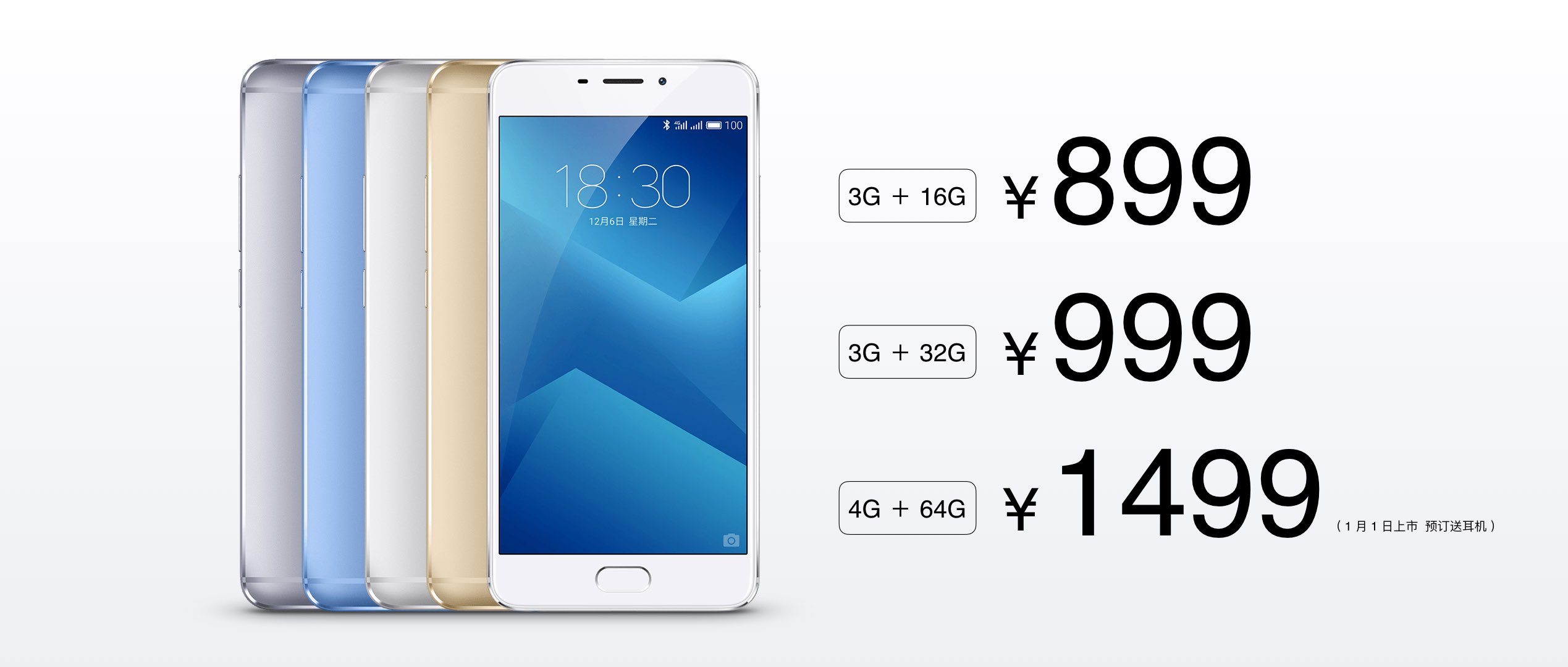
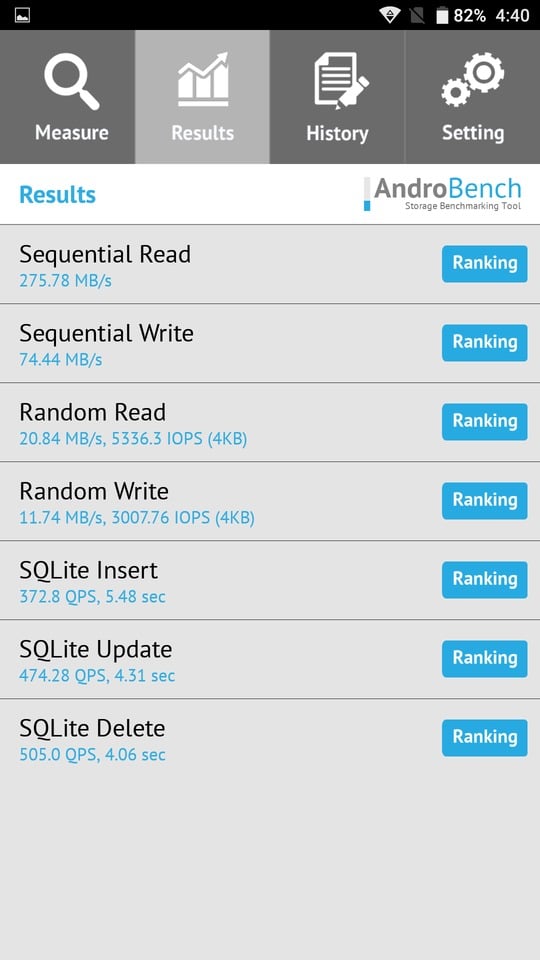
This is where both phones really differ. The Meizu comes in three storage variants: 3GB+16GB/32GB and 4GB+64GB. There is also an option to use a SD card slot which can add up to 128GB of extra storage. The Redmi Note 4 on the other hand is also available in three memory options: a 2GB RAM model with 16GB of storage and a 3GB RAM version with 32GB or 64GB ROM. You can also decide to expand the storage via the SD card slot which allows you add up to an extra 256GB.
Software
Meizu just launched a new version of its Flyme OS and the Meizu Note 5 is one of the phones that comes with it out of the box. The Flyme 6 OS runs atop Android 6.0 Marshmallow and it brings a ton of new features. Meizu also says it has a built-in AI engine called One Mind.

Xiaomi’s Redmi Note 4 also runs Android Marshmallow with the company’s heavily skinned MIUI 8 overlay. It doesn’t have an AI engine but it gives you a deeper level of customization you won’t find on stock android.
Cameras and Processors
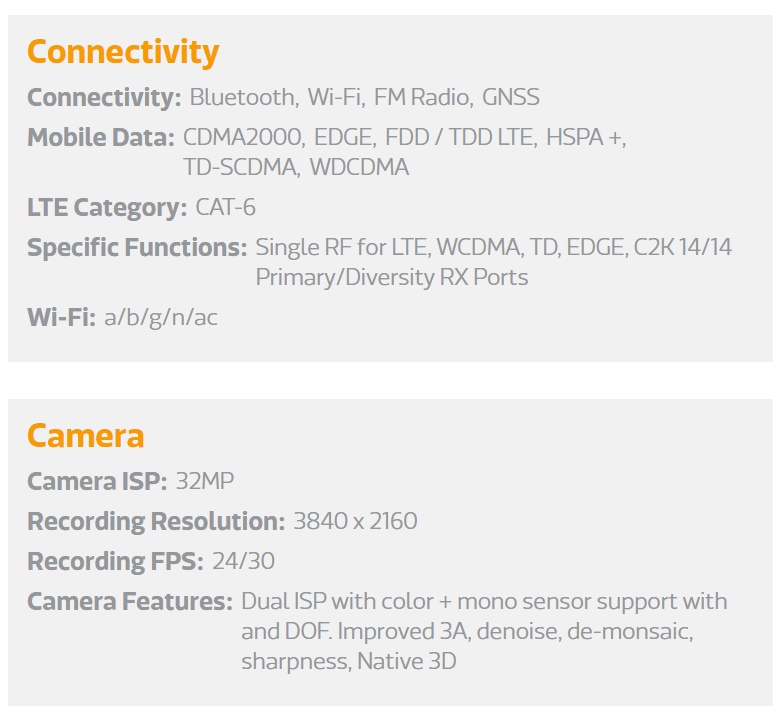
The Meizu M5 Note has a 13MP f/2.2 Sony camera with a 5P lens PDAF, and dual-tone LED flash on the rear.The front camera is a 5MP f/2.0 with ArcSoft beautification technology.
Xiaomi’s camera is a 13MP f/2.0 sensor.It also has a 5P lens, dual-color temperature flash, HDR, PDAF, and real-time filters when taking pictures. The selfie camera is a 5MP sensor too with the same f/2.0 aperture.
Theoretically, the Xiaomi’s main camera should take better pictures because of its large aperture which will let it take in more light, but that is not the only factor for determining the better camera as post processing and other software enhancements.
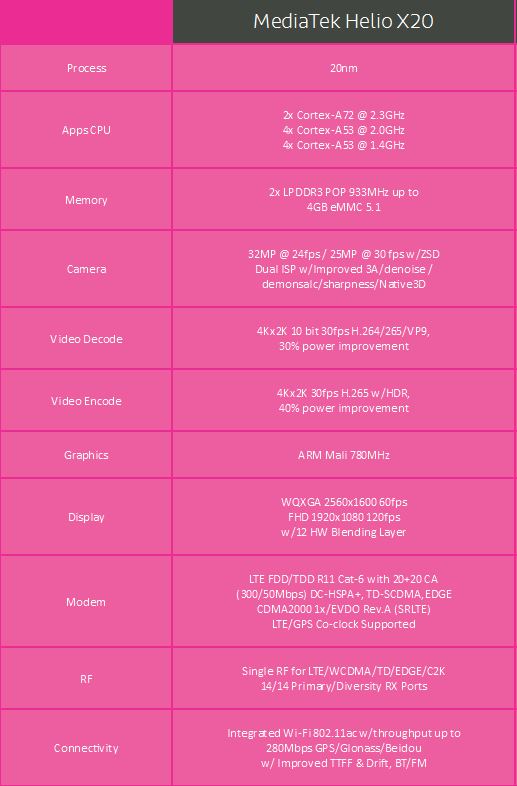
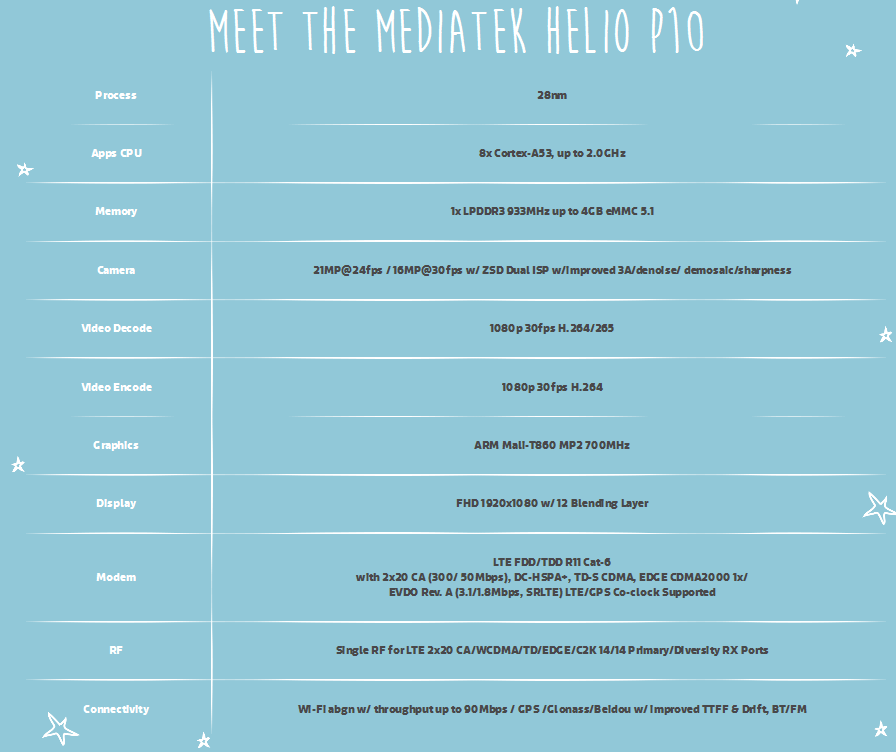
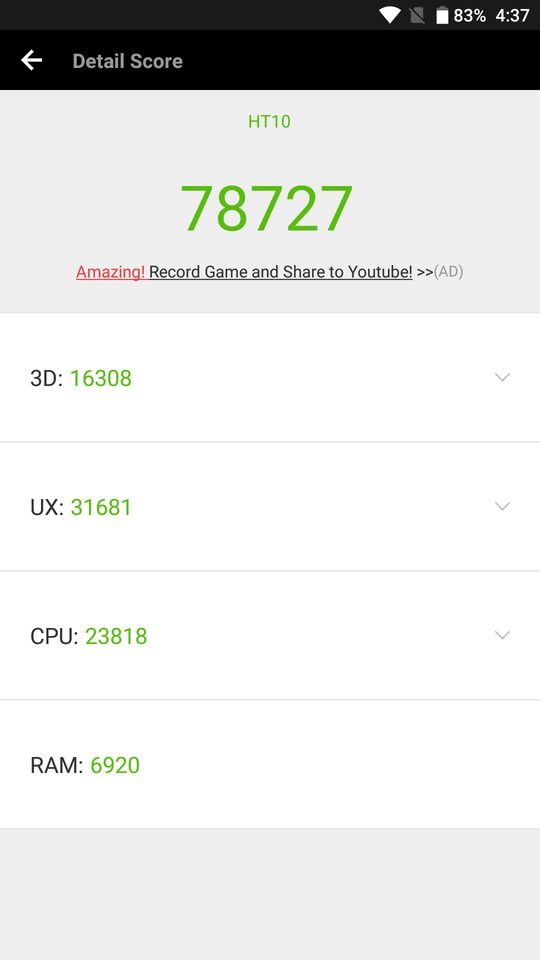
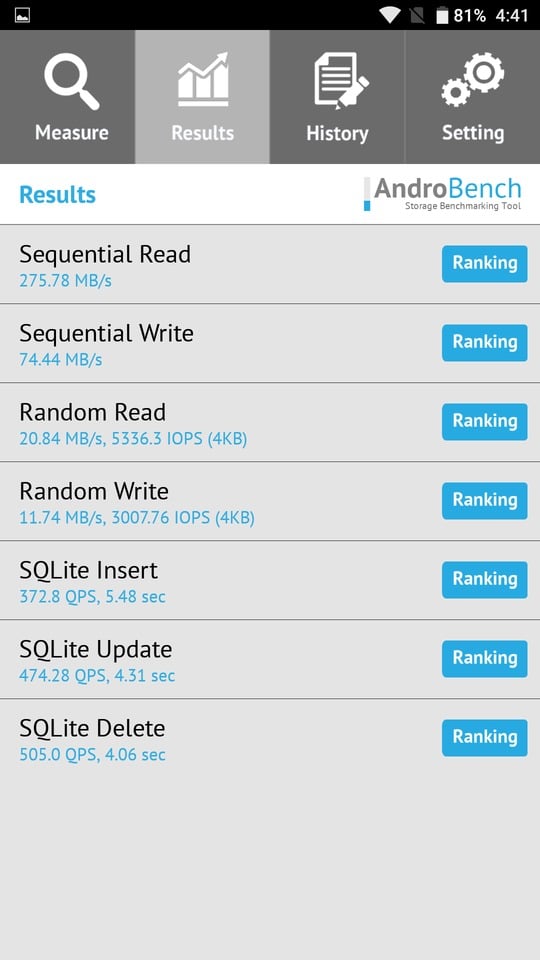
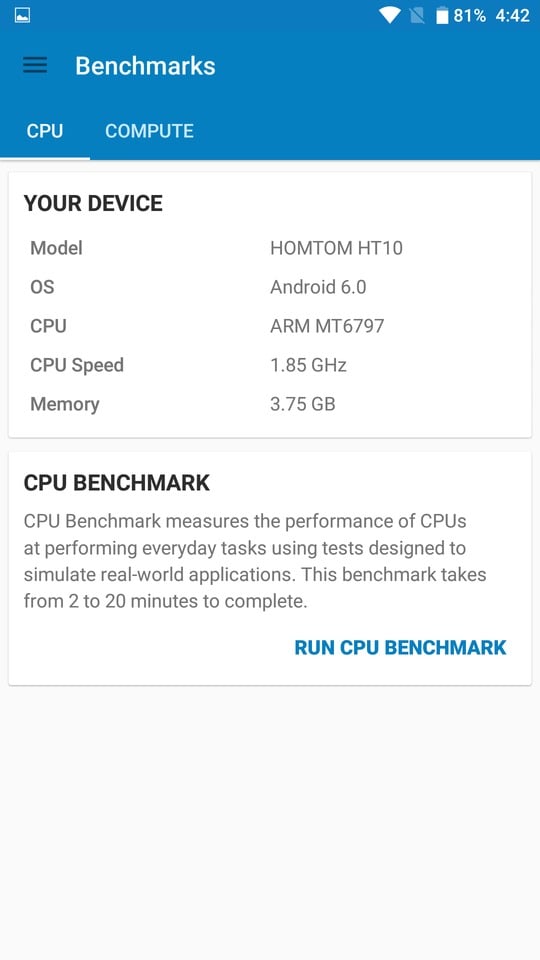
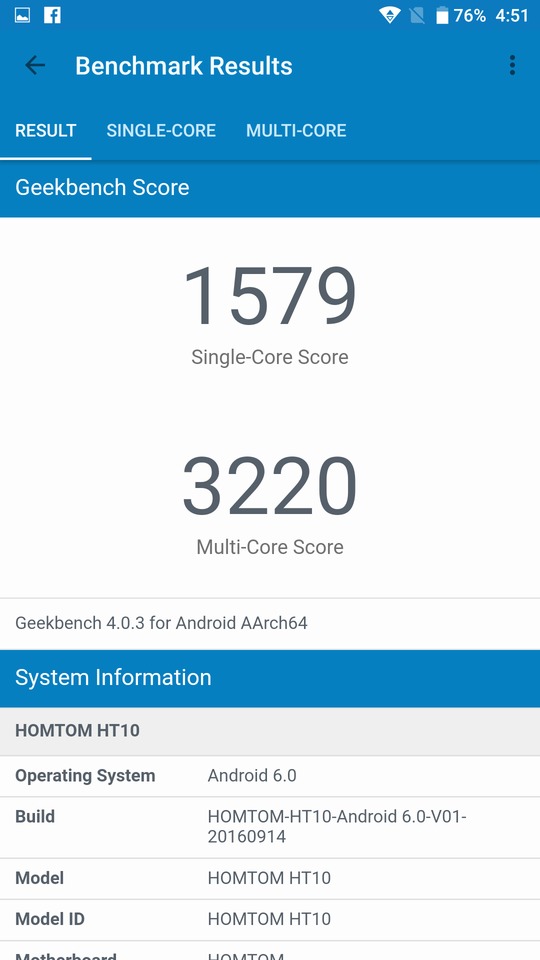
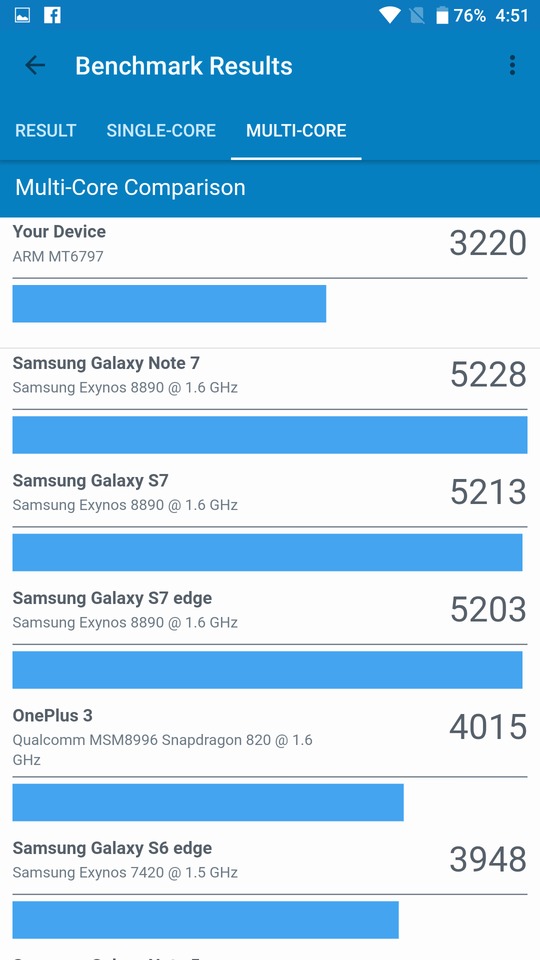
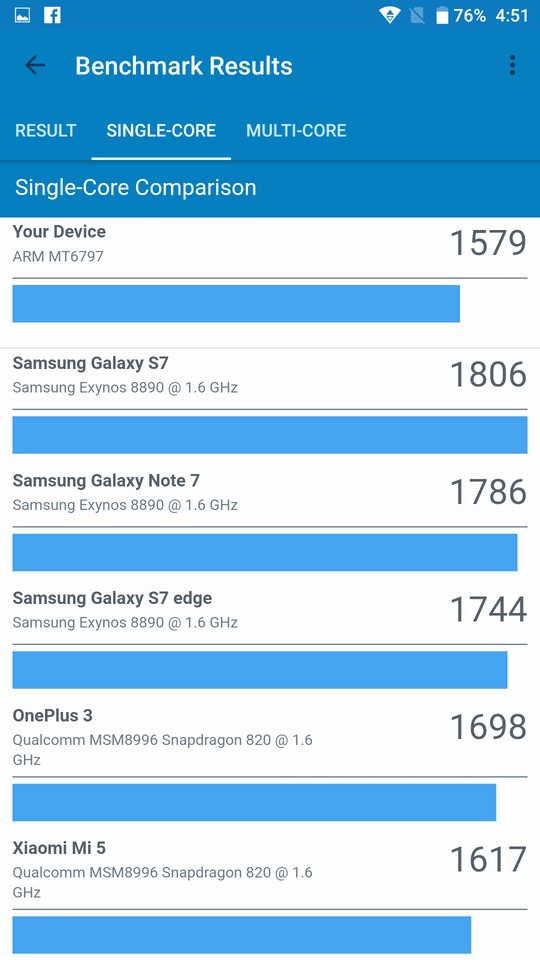
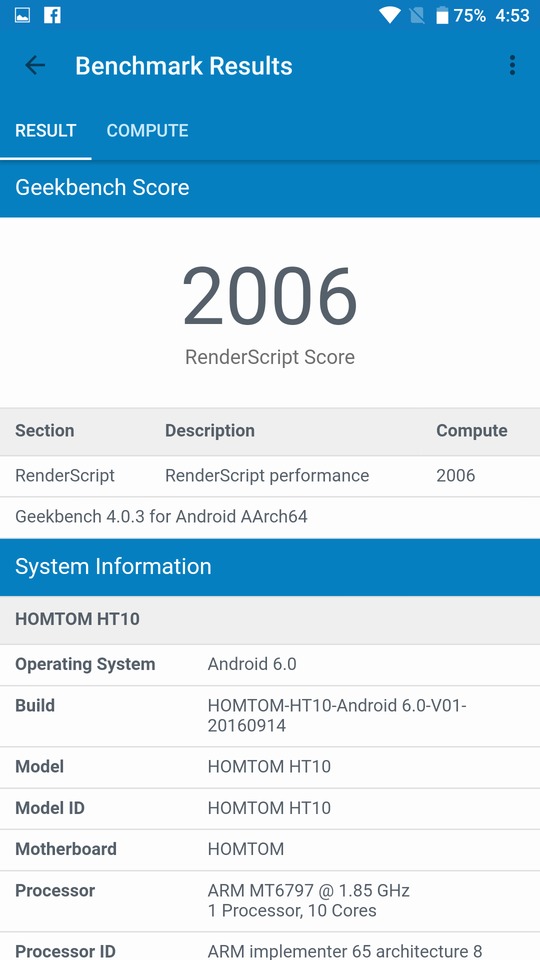
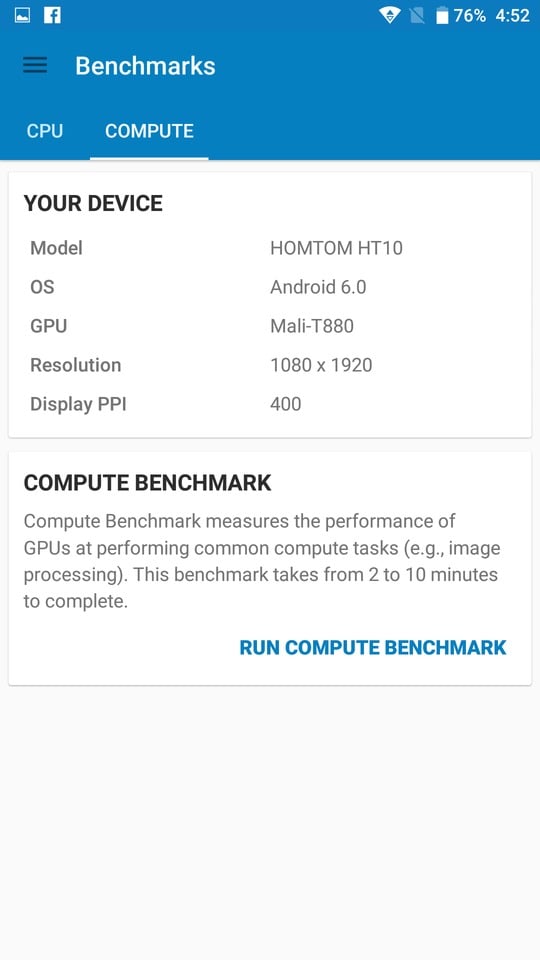
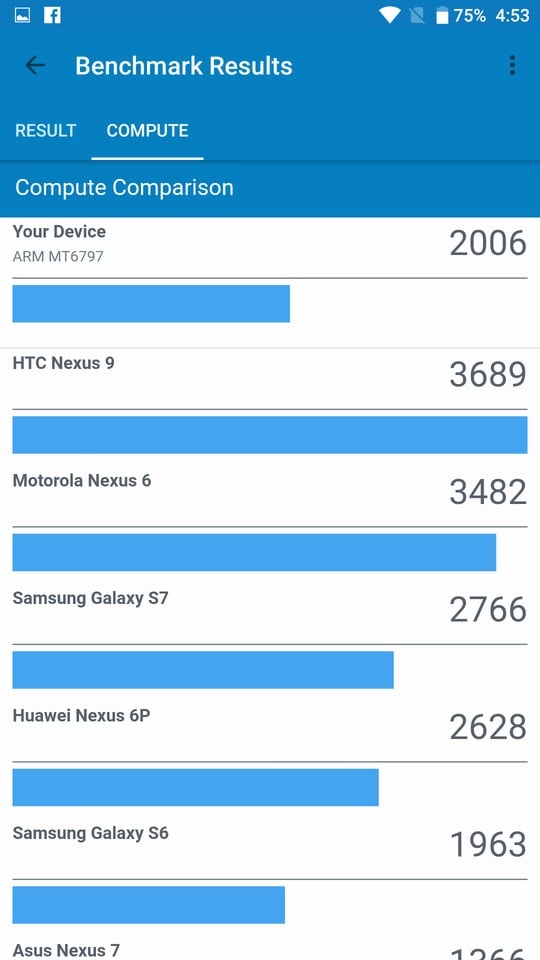
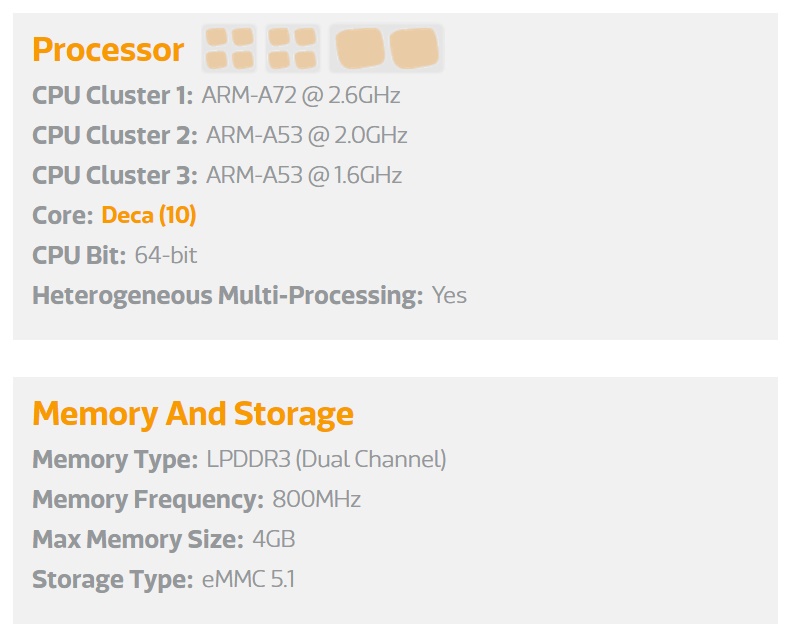
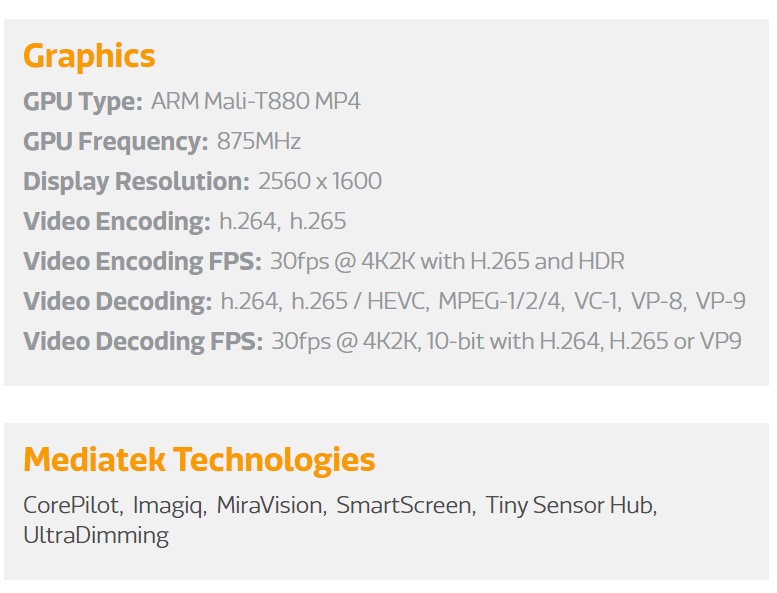
Both phones use Mediatek processors but while the Xiaomi uses the Helio X20, the Meizu uses the Helio P10. They are built on different architectures (20nm for the X20 and 28nm for the P10) and feature different number of cores (10 cores against the P10’s 8 cores). The X20 chip offers a better all-round performance than the P10, from a higher clock-speed due to its more powerful Cortex-A73 cores, to its better GPU and more advanced fingerprint technology.
READ MORE: Meizu Pro 6 Official: A True Flagship with Exynos 8890, Quad HD Display and More