Xiaomi makes some of the best value for money smartphones that we have seen in the market lately, but the company has one major drawback, inadequate supply of its products. Many of the new smartphone launches from the company are hard to get even in China, which means most of the desired consumers are left disappointed. But looks like the company is taking appropriate measures to change this.
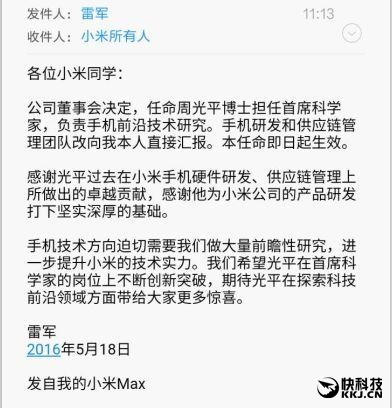
In an internal letter sent by Xiaomi’s CEO Lei Jun, he has stated that from now onwards, he will personally be responsible for the phone supply chain of Xiaomi. The existing supply chain head, Zhou Guangping will now take care of the technology research department of the company. Now that the CEO himself is going to take care of the supply of Xiaomi smartphones, it looks like this issue has been given due attention. And this change should positively affect the company. If the supply improves, the sales will improve and everyone is happy end of the day. It was an urgent matter and we hope it will solved real soon.
So, what do you think? If Lei Jun, the CEO himself is in charge of the supply of the company’s smartphones, will we be seeing a significant improvement in the overall availability of Xiaomi products?
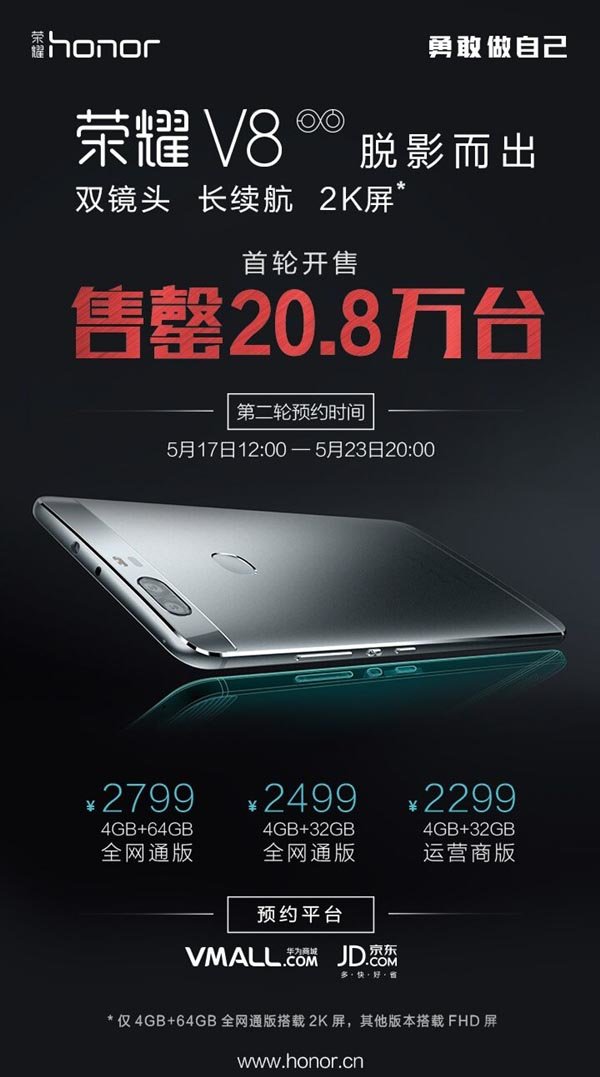
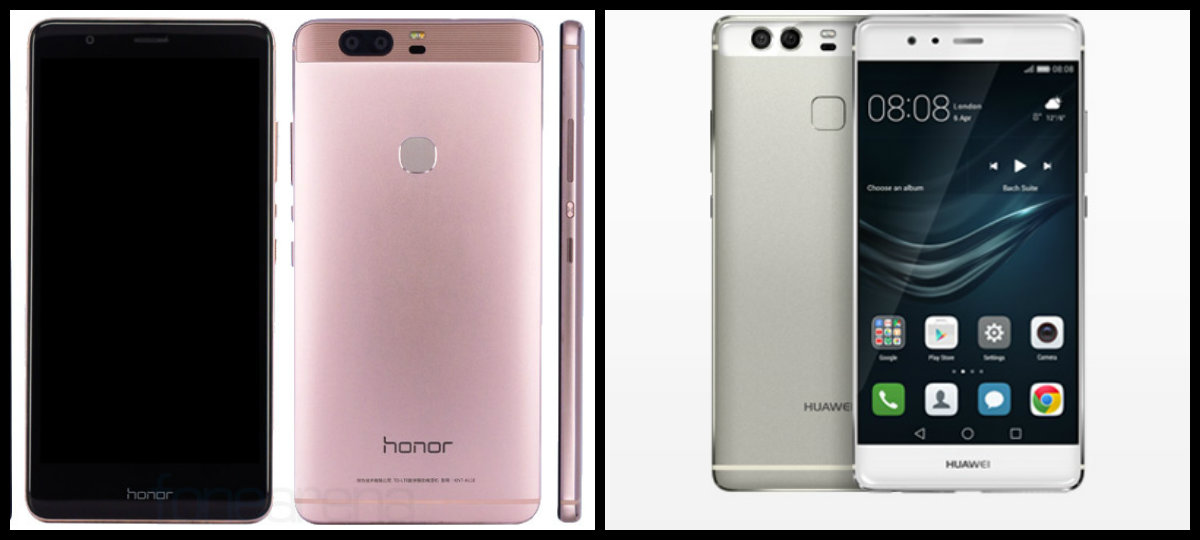
On the same day that Xiaomi announced the Xiaomi Mi Max phablet, Huawei announced their affordable flagship smartphone, the Honor V8. The phone came with similar specs and design as the Huawei P9 series, but at a much lesser price tag, making it a good option for buyers who are in the lookout for a cheap yet powerful flagship. What’s more, the phone is large, featuring a 5.7-inch display and you get a variant that has 2K resolution as well. So, overall, despite its Honor branding, the phone is quite powerful.
The first batch of Honor V8 went for sale in the flash sale today and the phone was immediately sold out. The company has now revealed that it sold a huge number of units today, 208,000 in total which means the phone has been well received by customers in China. While this is a great achievement for the Honor series, if you remember, even the OPPO R9 flagship lineup received a similar kind of response from consumers. We saw that OPPO managed to sell around 180,000 units of the R9 in the first day of launch, but that was through both online and offline channels. In four days, this number reached to an impressive 400,000.
In case you are wondering, the next flash sale for the Honor V8 is going to be on May 24 at 10 AM in China.
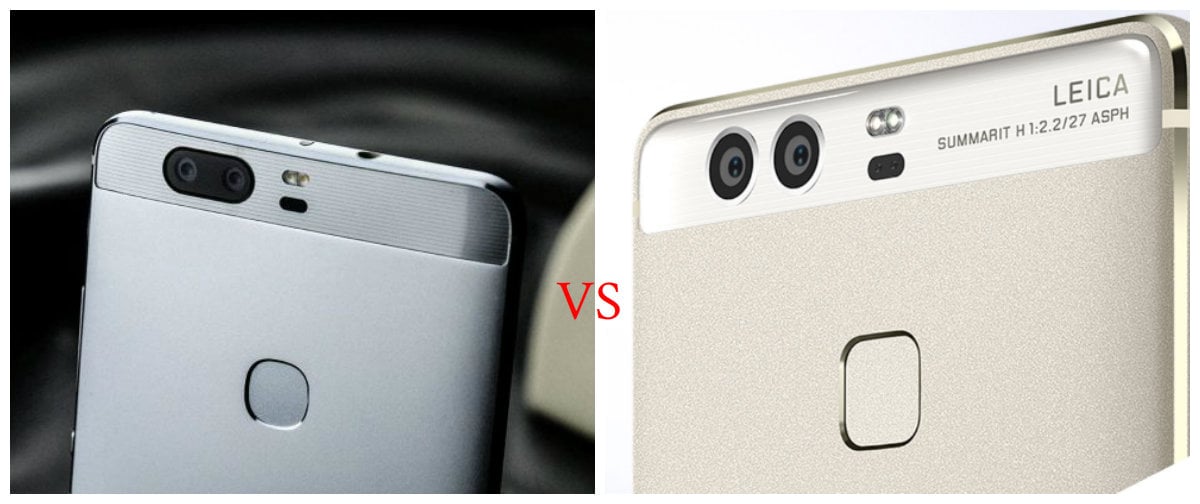
The Honor V8 comes with a similar 12MP dual camera setup as the Huawei P9 series, but without the Leica branding. We have compared these two devices in detail to see why P9 is costlier despite both phones having same specs. You can read more about this comparison from here.
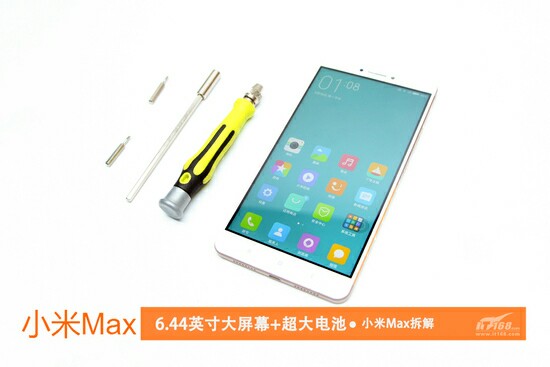
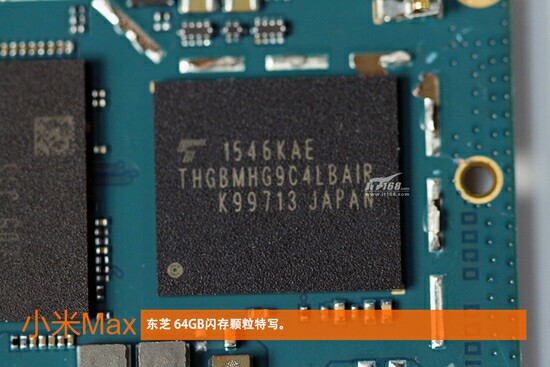
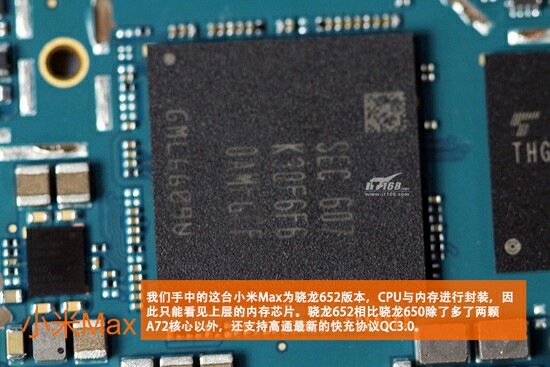
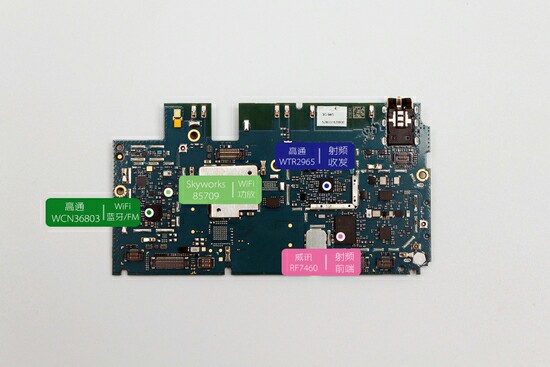
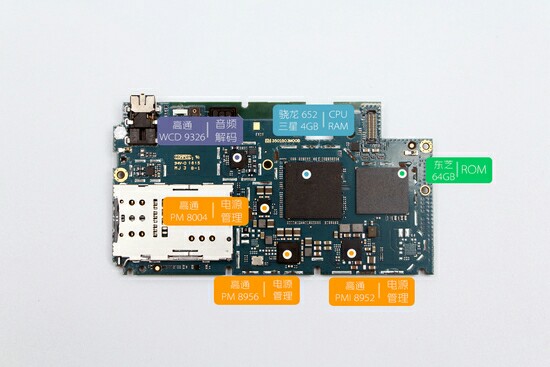
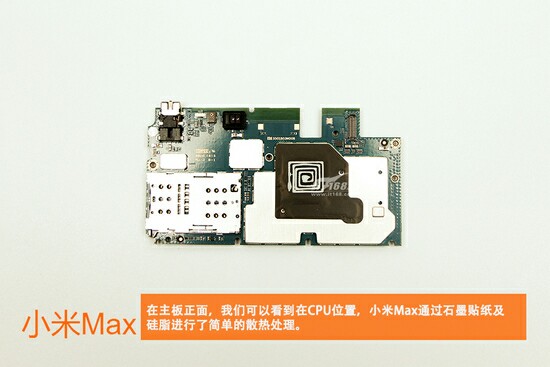
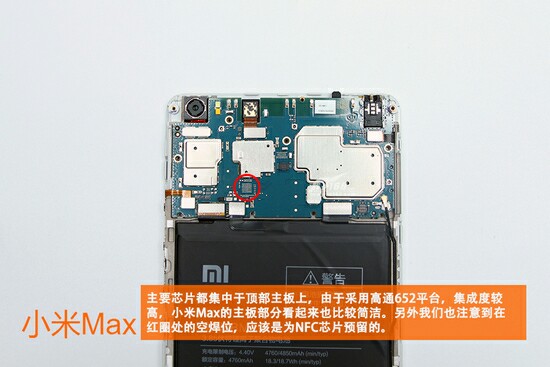
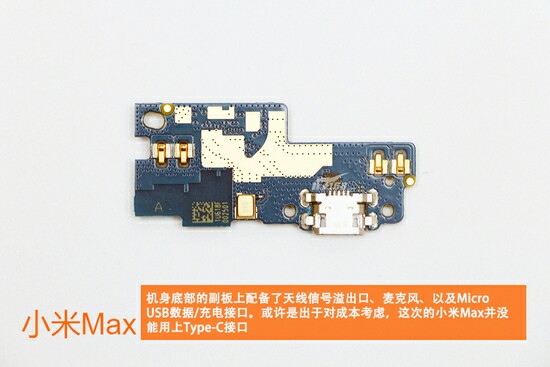
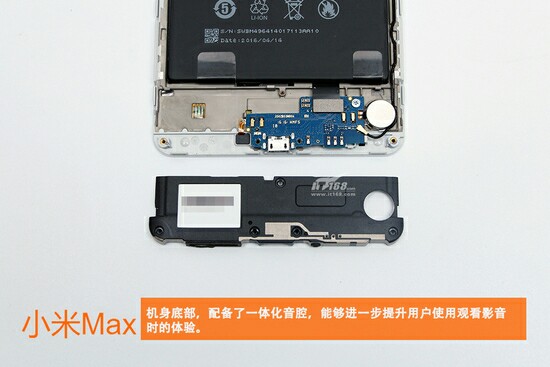
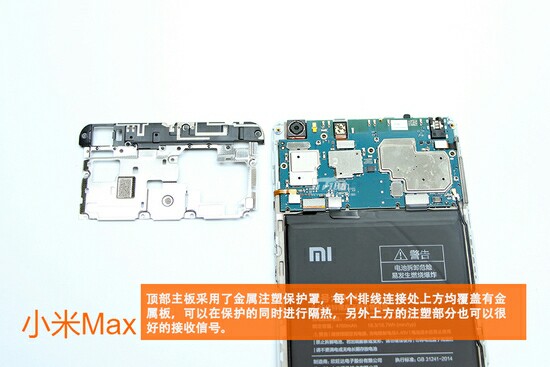
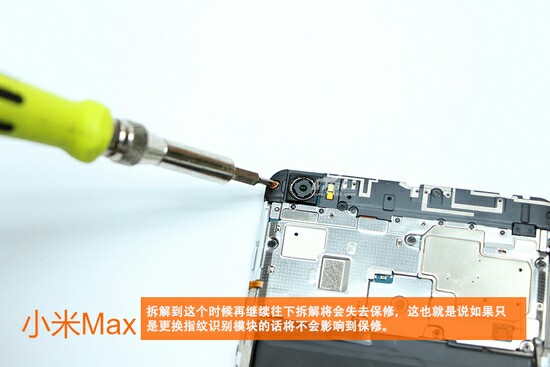
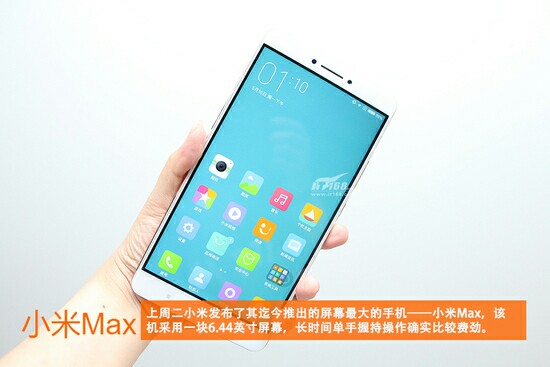
Xiaomi announced the company’s first phablet smartphone, the Xiaomi Mi Max aka Xiaomi Max on May 10 and like most other Xiaomi products, the demand for the device was quite impressive. The company received over 10 million registrations for the first flash sale of the device, which shows the popularity of the device in the home country of China. Now that the phone is announced, the Mi Max has received the teardown treatment. The teardown comes directly via IT168 who is known for tearing down famous smartphones (even the Mi 5) in China.
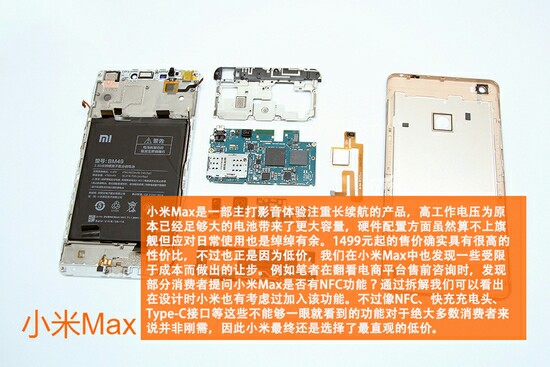
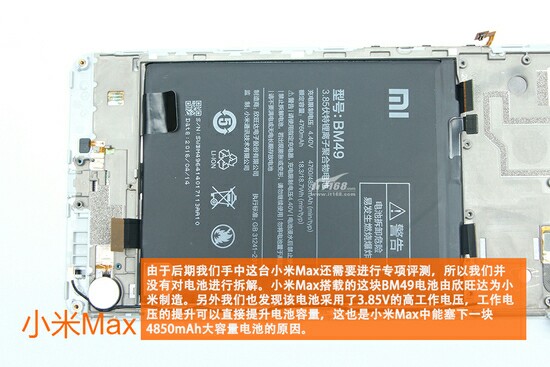
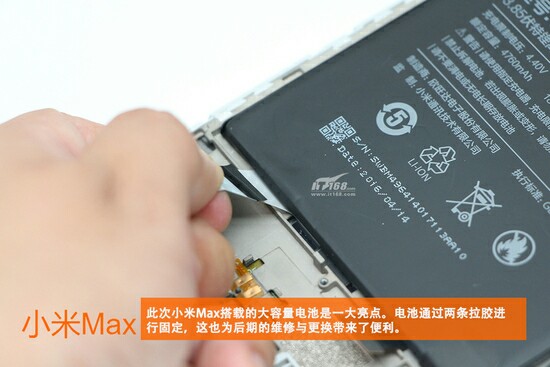
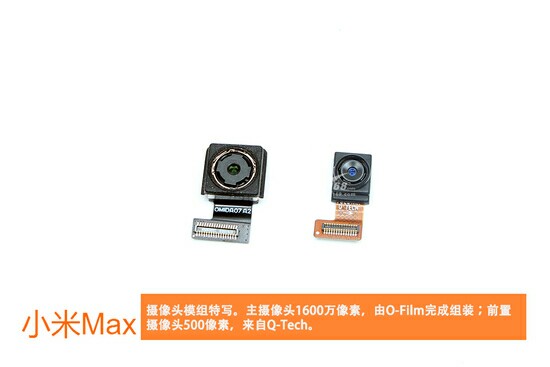
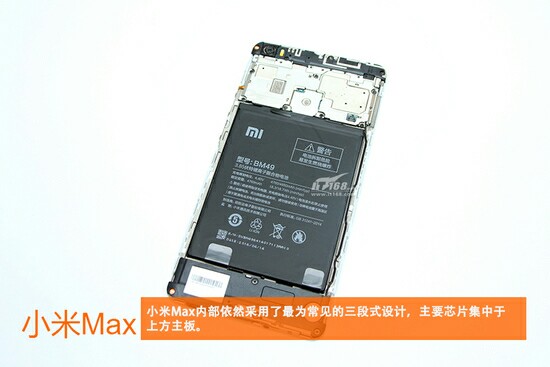
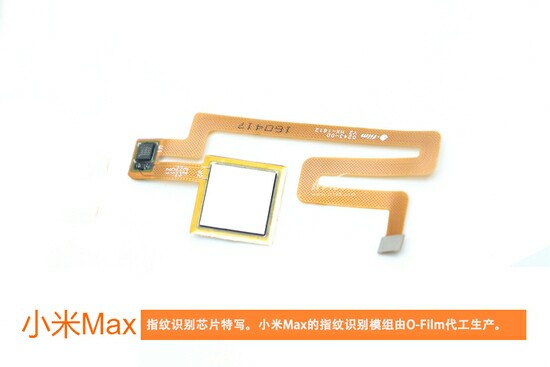
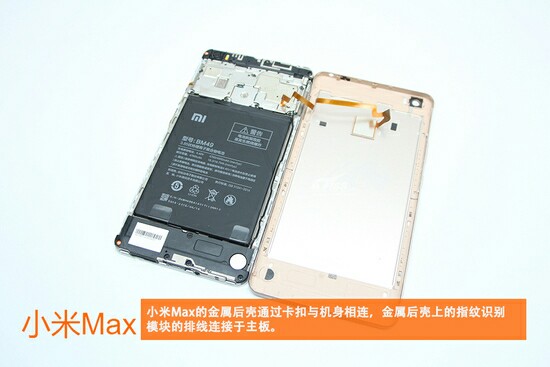
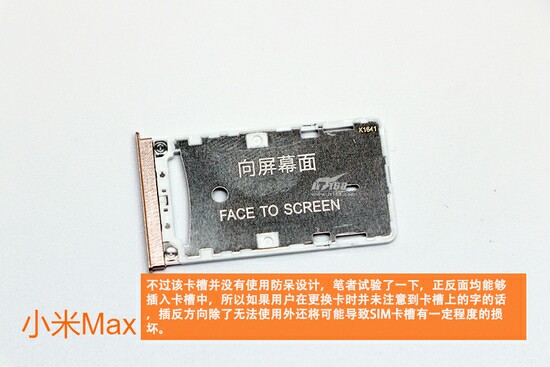
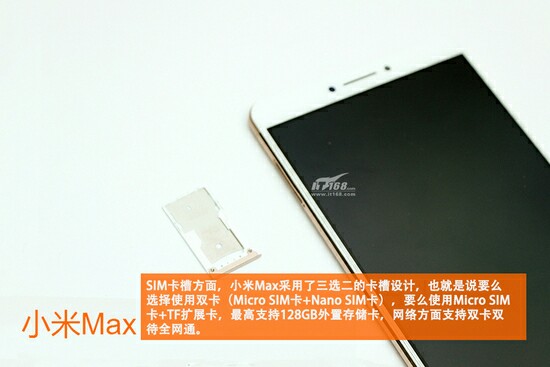
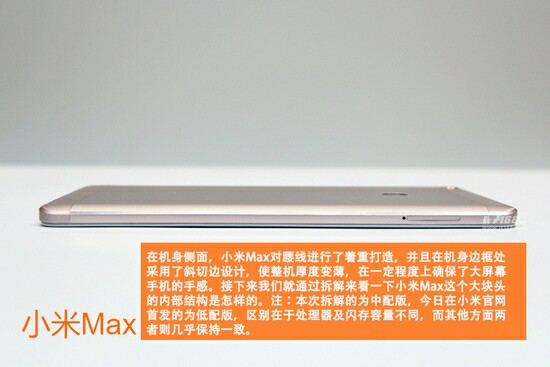
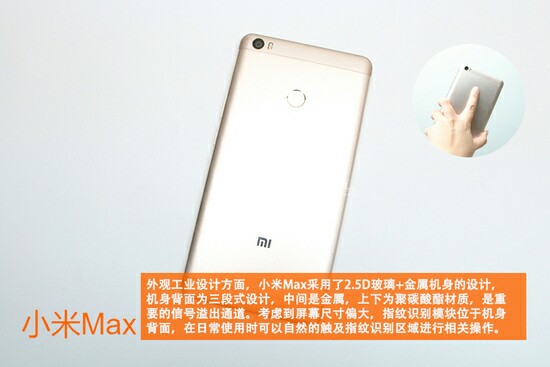
Like most other Xiaomi smartphones, the Xiaomi Mi Max was easily taken apart. The entire process reportedly didn’t take that long, which means this metal + plastic smartphone can be repaired with ease, in case you come across any issues. The teardown also reveals that the majority of the back surface is taken up by the mighty 4850mAh battery underneath. You can check out all the teardown pictures from down below.
To recap, the Xiaomi Mi Max comes with a large 6.4-inch FHD 1080p display with 3GB / 4GB RAM and 32GB / 64GB storage options. You also get the option to choose between Snapdragon 652 and Snapdragon 650 chipsets. At the back, the phone comes with a 16MP rear camera, while up front, you get a 5MP shooter. The phone runs on Android 6.0 Marshmallow with MIUI 8, and comes with a 4850mAh battery inside a 7.5mm body.
There’s no doubt that wearables are one of the hottest items right now, with every tech manufacturer trying to bring out their own version of the gadget. Now, a new tech startup from China, ASU has come with a unique gadget in the segment, called as the ASU Cast One Smartwatch. What makes this smartwatch really interesting is that it is the world’s first wearable laser projector watch. In simple words, it comes with a laser projector inbuilt which allows you to project anything from movies, games, texts, videos etc directly on any surface like your hand, wall, floor or table. You can even watch online videos in 720p resolution using this smartwatch.
So how is this made possible?
ASU is reportedly using the world’s smallest laser projector optical module and its projection size ranges from 2-inches to a maximum of 60-inches. It provides a resolution of 1280 x 600 pixels and supports up to 720p video playback. The projection will be done via the right side of the device and the best projection distance is between 1.5 cm to 2 cm. The company states that the projection technology used in the Cast One is much superior to the traditional DLP projectors.
Inside this wearable, you get a quad-core Qualcomm APQ8026 processor with 768MB of RAM, 4GB of ROM and Android 5.1 operating system. You can connect to the smartphone for answering calls, checking notifications etc or directly connect to the Wi-Fi network. But it needs to be connected to the companion smartphone for advanced functions. It comes with a 740mAh battery but we aren’t sure how long it can project on a single charge.
The new wearable was announced in China today. The company has listed the Cast One wearable on sale for a price tag of 2999 Yuan ($459).
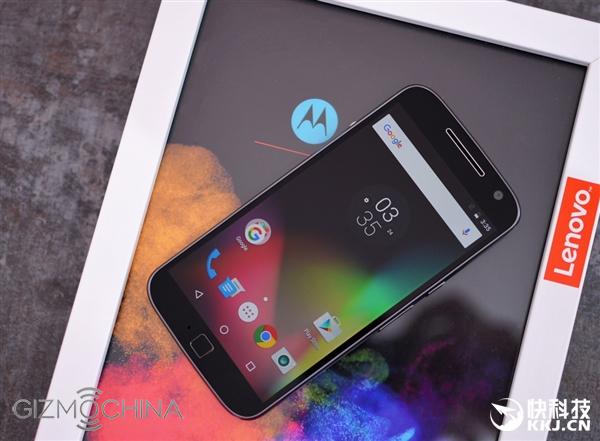
With the recent onslaught of Chinese smartphone in the market, the basic definition of budget smartphones have changed. But even before their entry, we knew one particular smartphone lineup that was popular among budget users, namely Motorola’s Moto G series. The phone featured decent specs for a price tag of around $200 which made it an instant hit among buyers.
But things have changed in recent times and Motorola will have to step up their game if they want to maintain their name in the market. And now, this Lenovo owned company is back again to make a mark in the market, with not one, but two new Moto G generation smartphones, namely the Moto G4 and the Moto G4 Plus.
Both the phones have similar looks, feature a textured back and round corners with a pill shaped camera module at the back. These two devices come with a 5.5-inch 1080p display protected by Corning’s Gorilla Glass 3 and the octa-core Snapdragon 617 chipset inside. You also get a 3000mAh battery on board which reportedly provides up to 6 hours of battery life in just 15 minutes of charging, thanks to the company’s Turbo charging technology.
Camera is where the similarity ends. The Moto G4 model features a 13MP Sensor with f/2.2 aperture and dual tone LED flash. Up front, there will be an 84-degree wide angle camera. As for the Moto G4 Plus model, you get an upgraded 16MP OV sensor with f/2.0 aperture and 1.3um sized pixels. To aid the camera, you get PDAF and Laser Autofocus. You also get manual controls on the software side. The front camera remains the same as the G4.
Another major difference between the two models is the presence of a fingerprint sensor on board the Moto G4 Plus. You can clearly see the sensor and the physical home button on the front of the device.
Both the models run on Android 6.0.1 Marshmallow version out of the box with the company’s Pure UI on top. So, you should get access to some Moto specific features such as Moto Display on both the devices. Other features include 4G LTE support, MicroSD expansion and dual SIM dual standby on 4G / 3G.
As for the pricing, the Moto G4 Plus with 16GB ROM and 2GB RAM will retail for Rs. 13,499 in India ($202) and the 3GB RAM and 32GB ROM version will sell for Rs. 14,499 ($217). Both these variants will be sold exclusively via Amazon later today.
At the moment, we haven’t got any details on the pricing of the Moto G4 model, but it is said that the phone will be available next month.
So what are your thoughts on the two new phones from Motorola?
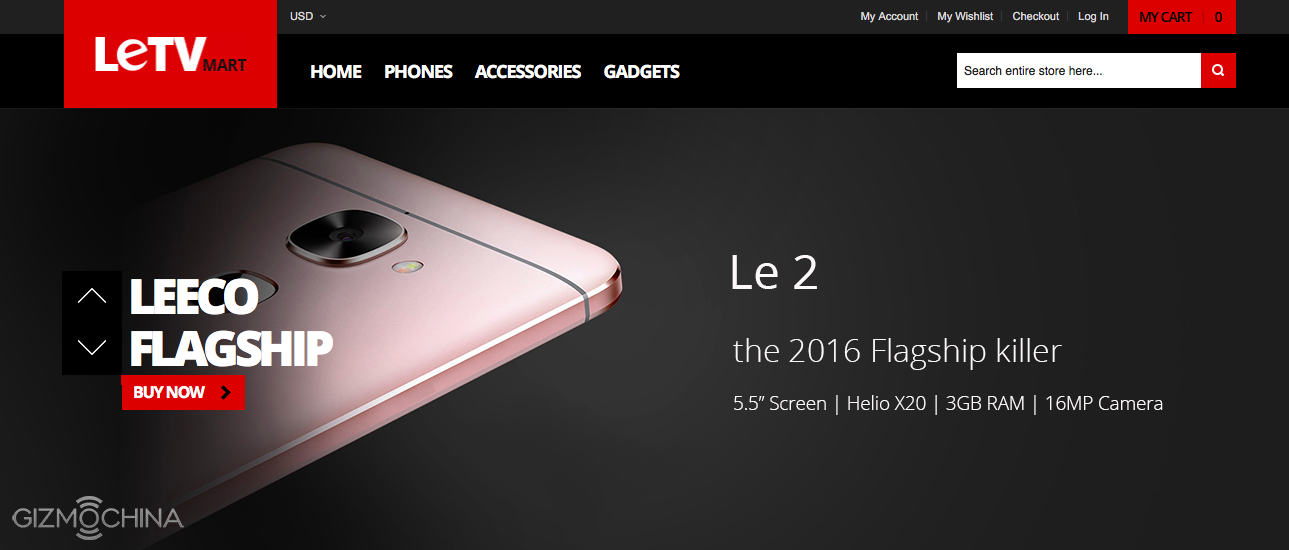
After its entry into the smartphone market last year, LeEco has left no stone unturned to market and promote its smartphones. In fact, the company has quickly built a huge fan following in China and this year in India as well. Its products offer tremendous value for money, which is why we have seen a lot of LeEco phones being sold internationally. While there are a few websites like OPPOStyle who ship OPPO smartphones worldwide, now, a new e-tailer has come up online, called Letvmart to sell LeEco smartphones internationally. Given that LeEco operates officially only in China and India, such retailers come in handy if you want your phone to be shipped worldwide, especially in Europe.
We had a talk with the guys over at Letvmart and they seem to have an understanding with the company to sell LeEco smartphones online. The reseller reveals that they want to make Letvmart the one-stop destination for international LeEco customers. Since LeEco operates officially in India and China, this particular retailer won’t be selling phones in these two regions. Instead, the main focus is to cater to the market in Europe and other regions.
This seems like a legit unofficial retailer for LeEco phones and if you are interested, do check out their website from here. For now, it looks like the pricing is in line with other online resellers for Chinese smartphones.
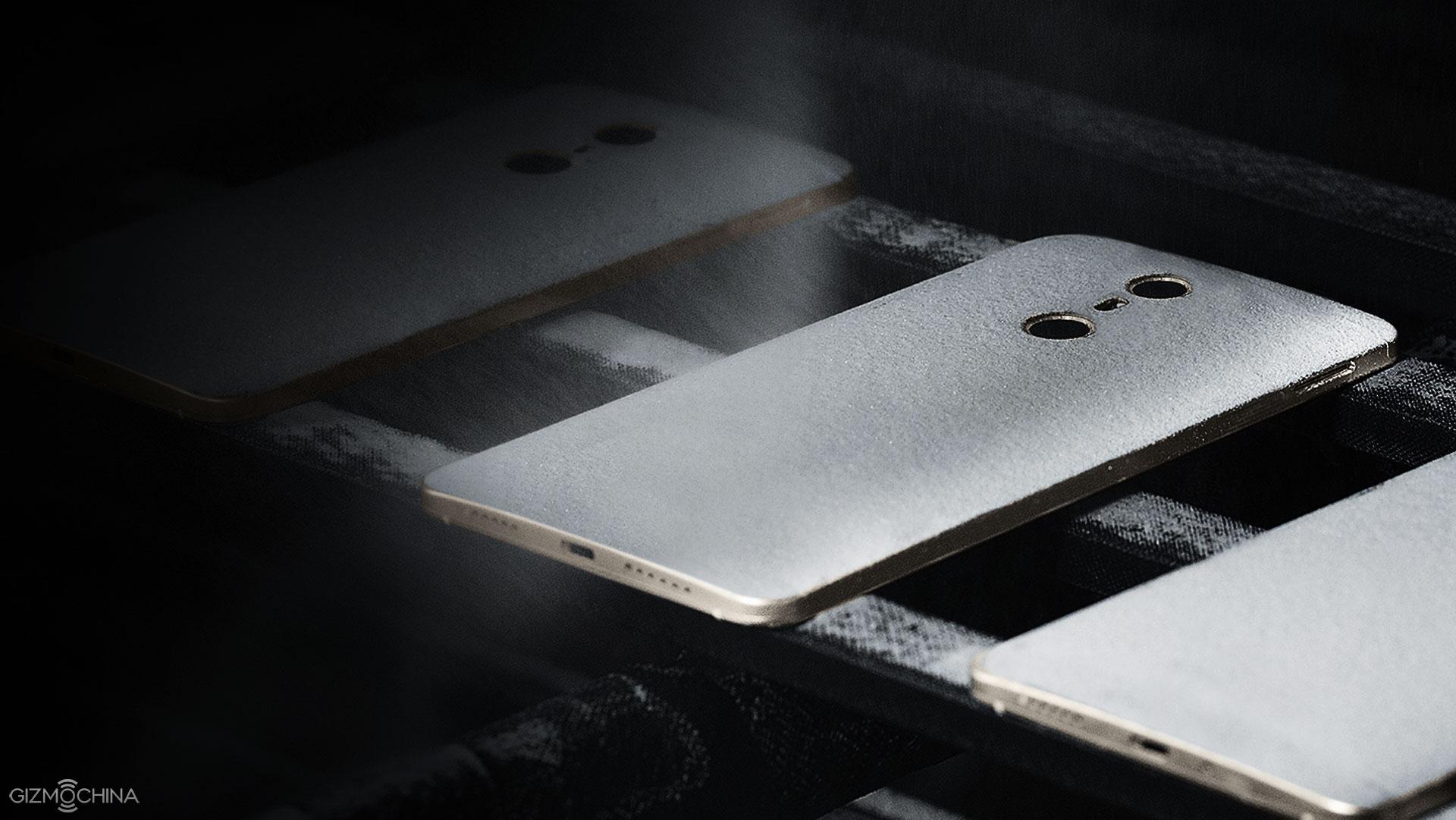
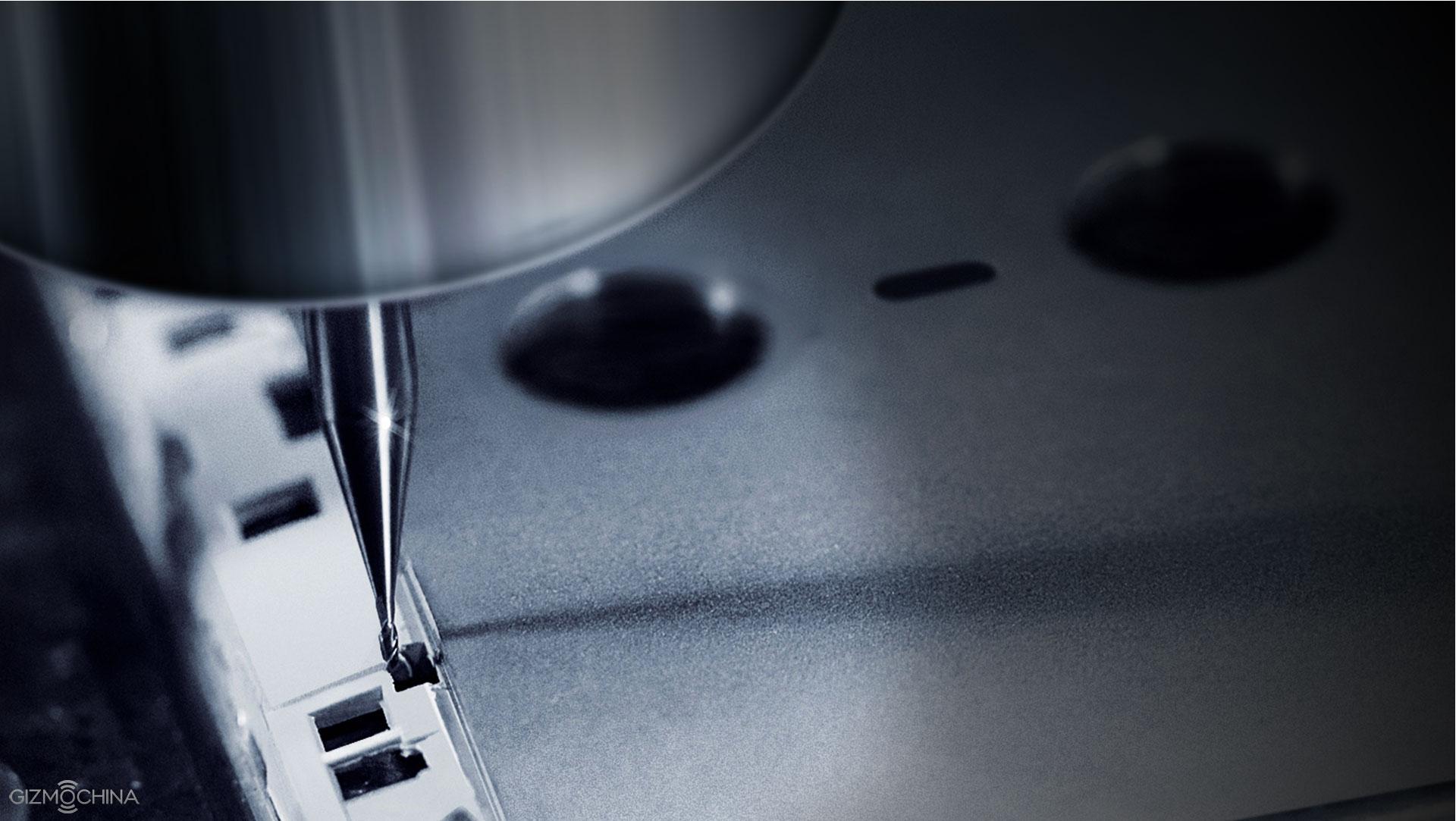
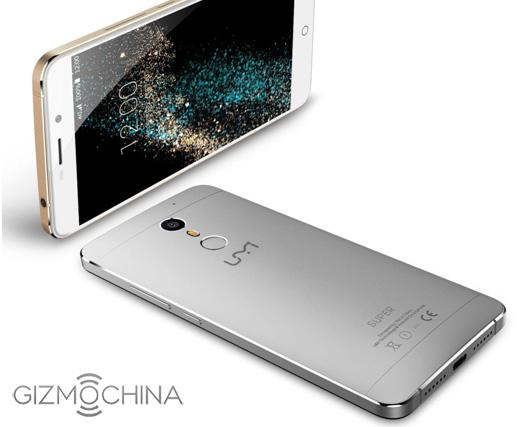
Since our first mobile phone, we have continued exploring new metal processing technologies and breaking limits. For the UMi Super, we chose lighter and solider magnalium alloy used for aircraft. After more than 100 strict processes including CNC cutting and carving, PBT nano-molding, 360-degree polishing, 3D abrasive blasting and multi-color anodizing, we scaled new heights and proudly present the unique UMi Super.
Polished Perfection
Polishing the metal body of the UMi Super takes more than you would think. It is polished after coating, and coated after polishing. This process is repeated five times, and takes more than 40 hours to complete. This is costly, but it’s the only way to ensure a perfectly uniform coloring on the metal body of the UMi Super!
Metal in the making
Despite its resilience, manufacturing the metal back cover is a delicate process. We perfected the color and touch of aluminum by sandblasting both the inner and outer sides of the back cover. This detailed process refines the edges and rims with a polished shine.
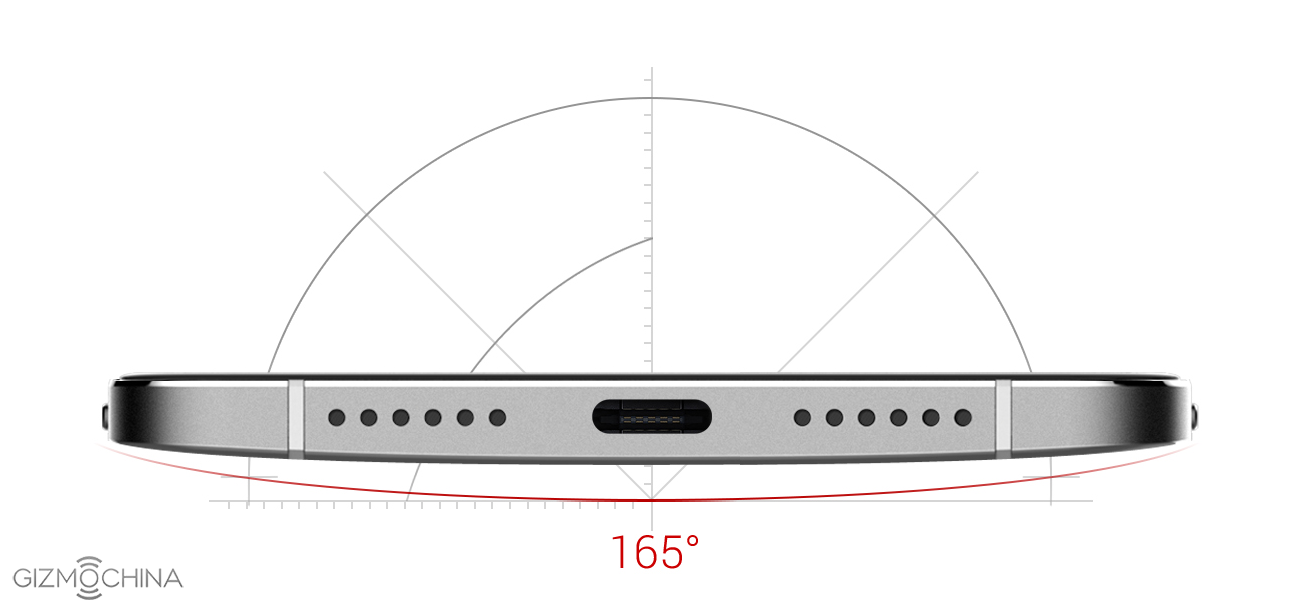
165° Palm Arc Design
Friendly curved to fit in your hand
Curved all around the edges, UMi Super has a seamless, comfortable grip that feels natural in your hand.
The best size of 4000mAh yet
UMi Super uses the latest battery technology from SONY supplier to fit an extra 26% capacity without any excess bulk. Thoughtful engineering design such as the compact circuit board and indented inner back cover maximize room for more battery.
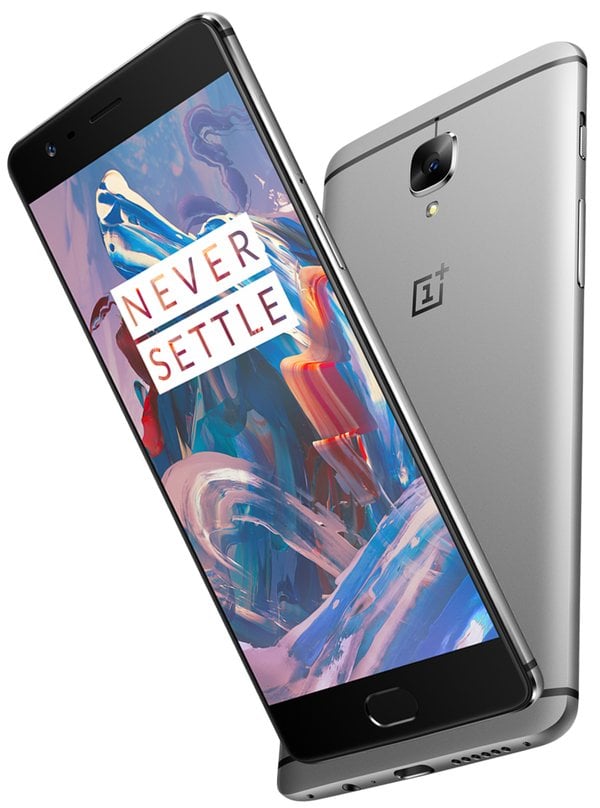
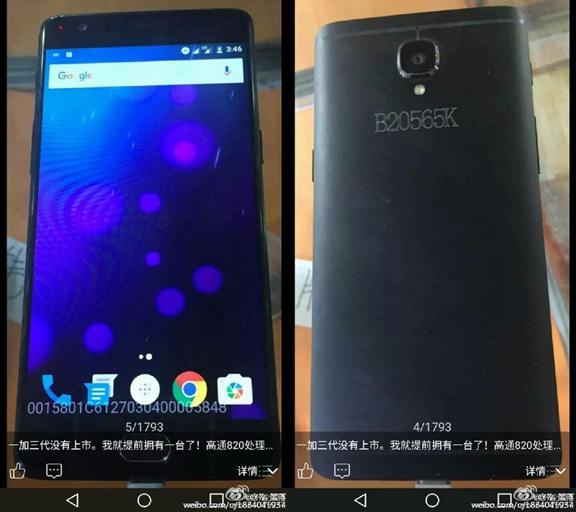
Despite no official confirmation from the company yet, we seem to be inching closer to the launch of the new flagship model from OnePlus, which should most likely be called as the OnePlus 3. We have already seen renders of the new flagship before, and the company seems to have taken inspiration from both Meizu for the front home button and HTC for the back’s design. But all those renders looked ugly and they weren’t something that we would have liked the new OP3 to look like.
Now, Evan Blass aka evleaks has revealed a new promo image of the upcoming OnePlus 3 flagship and turns out, the phone isn’t as bad looking as we thought earlier. But there is definitely a familiarity in the phone’s design. The back looks like its inspired from HTC’s design philosophy, while the front has a feel of the OnePlus 2 with a physical home button that’s inspired from Meizu’s Blue Charm series. To be honest, in this render, the all metal back and the sleek body looks quite good. In fact, this makes us want to see more of the device, which hopefully we will, in the coming days.
Similar to the previous renders, this particular image confirms a toggle switch on the left side along with the volume keys. The power button is located on the right. All the ports seem to be at the bottom, including USB Type-C and 3.5mm headphone jack along with the speakers and microphone openings.
oneplus 3 old leak
Well, evleaks not only revealed this new promo image, but also stated that the upcoming phone was going to come with AMOLED display and a 3000mAh battery. This contradicts earlier rumours which said that the phone would come with a 3500mAh battery with fast charging.
No other details about the specs of the OnePlus were leaked today, but earlier rumours have given us a very good idea about the phone’s configuration. The OnePlus 3 is said to come in two different variants, one with 4GB RAM and another with 6GB RAM. Most of the specs were revealed in an earlier major leak, which you can read from here.
Meanwhile, let us know what you think about this new design of the OnePlus 3?
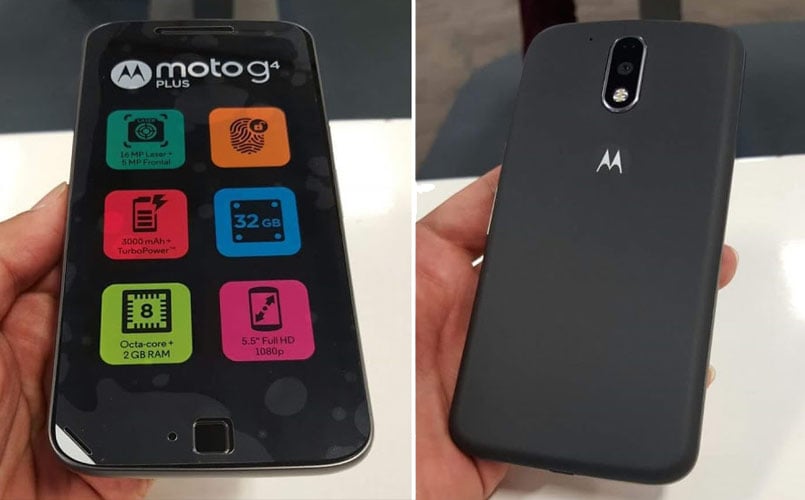
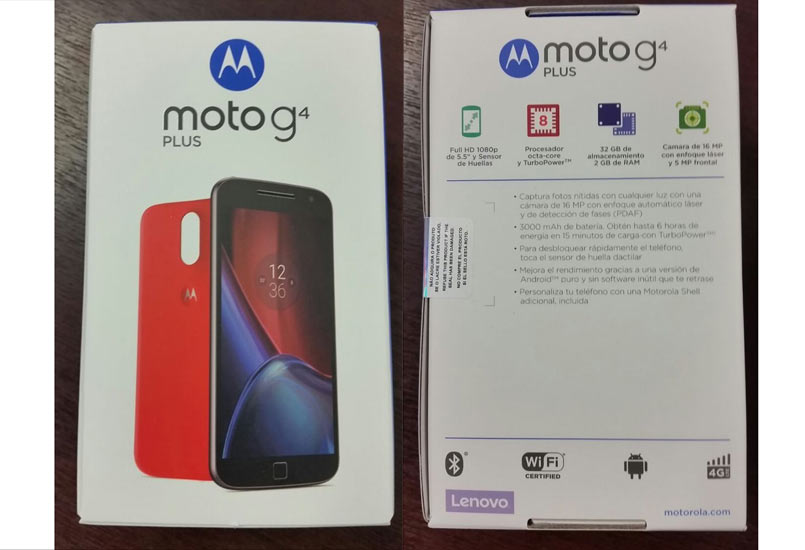
Motorola is expected to announce the brand new Moto G4 and Moto G4 Plus smartphones at two separate events in Mexico and India later today. Despite the event being just a few hours away, leaks are continuing to come in about the upcoming devices. The latest leak comes in the way of a Moto G4 box, which basically confirms the name, design as well as specifications of the device. From the written material at the back, it looks this leak comes from Mexico.
So, first let’s look at the design revealed by the box. It is in line with the previous leaks, with curved corners and a physical square home button with fingerprint just below the display. The name is also confirmed, so like expected, it will be called as the Moto G4 Plus. Coming to the back, the phone features the standard ‘M’ Moto logo on the back panel, along with the pill shaped camera module, which includes dual tone flash and laser autofocus along with a 16MP sensor.
Thanks to today’s leak, even the specs were confirmed. The Moto G4 Plus will come with a 5.5-inch 1080p display powered by an octo-core processor with 2GB of RAM on board and 32GB of internal storage. At the back, you will find a 16MP camera sensor with PDAF and laser autofocus while up front, there will be a 5MP shooter. Under the hood, the phone comes with 3000mAh battery with Turbo Charging. Other features include Android Marshmallow out of the box, 4G LTE support, Wi-Fi and Bluetooth.
Pricing is still a mystery as it is yet to be confirmed, but official details should be announced in the next few hours. As you already know, there’s another variant, the Moto G4 which should be an less powerful and affordable than the G4 Plus. Both the smartphones are expected to be announced later today, so stay tuned for details.
Now, IHS research director, Kevin Wang has just revealed a few details about the volume production of the three major flagships in the market, namely Xiaomi Mi 5, Huawei Mate 8 and OPPO R9. First up, he reveals that Xiaomi Mi 5’s current production capacity is around 700,000 per month, which is low considering the huge demand for the device. So, it looks like the company still has to increase the total production to satisfy the demand. But increasing production won’t be that easy since the phone is powered by Snapdragon 820 chipset and there are lots of new flagships in the market that run on this chip. So, if the production of Mi 5 has to be boosted, the supply of SD820 chips also have to be increased.
But having your own chipset inside your flagship smartphone doesn’t help that much either. For example, the Huawei Mate 8 flagship which was announced last year has a volume production capacity of around 900,000, which although is higher than the Mi 5, but not by a big margin.
But what’s really the star of the market is the OPPO R9, which reportedly has a production capacity of nearly 2 million every month. That’s nearly three times the capacity of Mi 5. We knew the phone was received well and was selling well in the home market of China, but producing 2 million units a month is really an achievement. And guess what, the phone is powered by a Mediatek MT6755 Helio P10 chip inside.
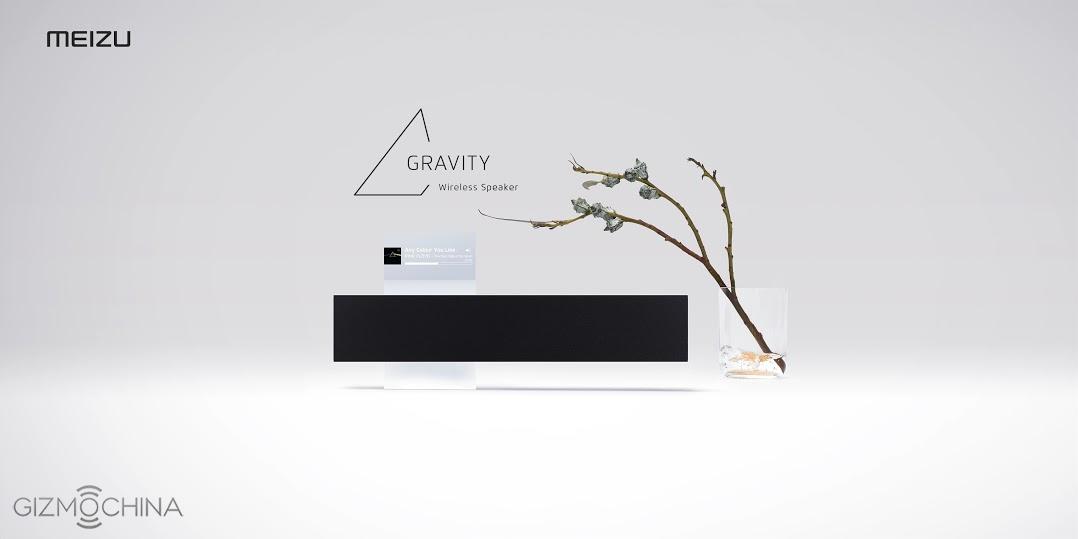
Chinese smartphone maker Meizu has officially entered the US market, but the company’s first product in the region is not going to be something that it’s popular for — smartphones, instead, the company is launching a brand new wireless speaker called as Gravity. While Meizu is a popular brand in China, out of its home country, the company is yet to make a big name. This could be a good opportunity for Meizu to show off what it’s capable of in the international markets.
Unlike other Meizu products like smartphones, which are financed directly by the company, it will be resorting to crowdfunding to manufacture the new Gravity wireless speakers. Given the size of the company, crowdfunding may not be necessary for a product like a wireless speaker, however, Meizu states that the company wants direct feedback from customers for its product, which is why it resorted to this method of financing. So, the company wants to test out the competitiveness of its product in a mature market like US where there are lots of wireless speaker options available.
Now, let’s take a look at why Meizu is calling its new speakers Gravity and it’s design.
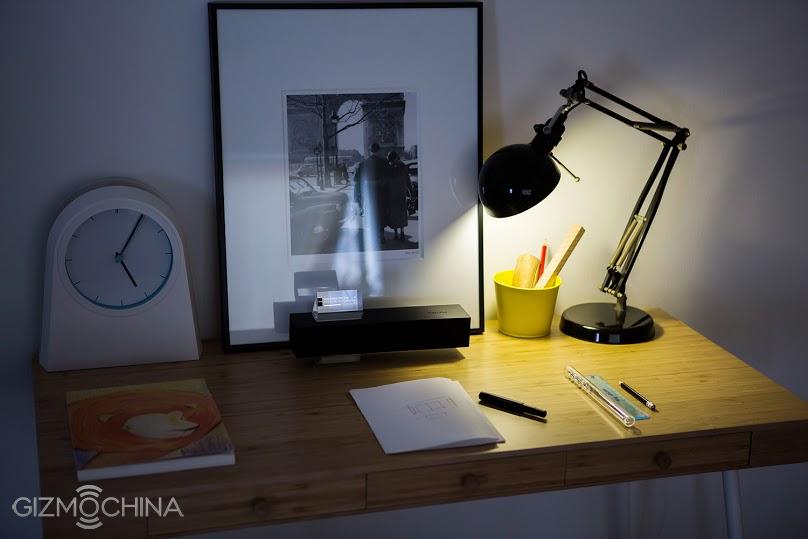
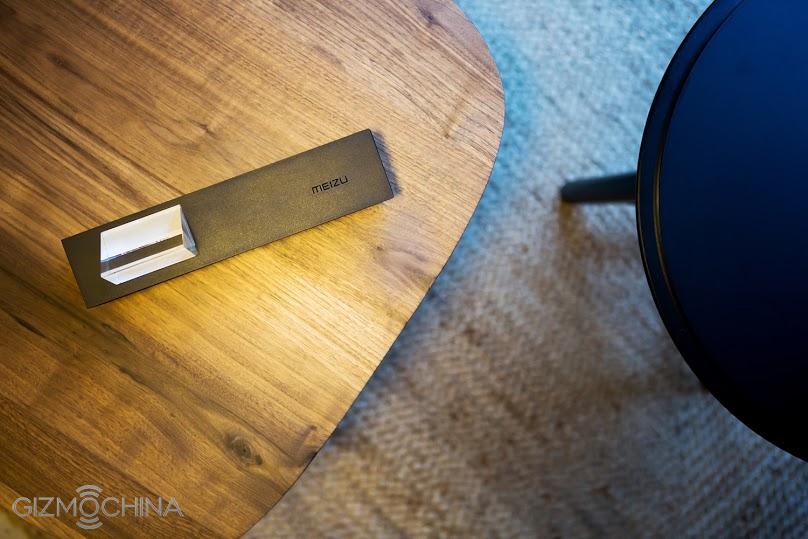
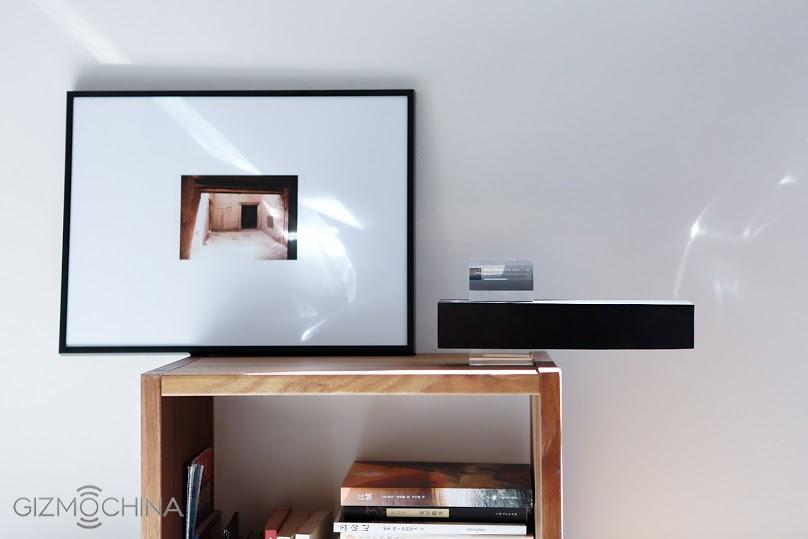
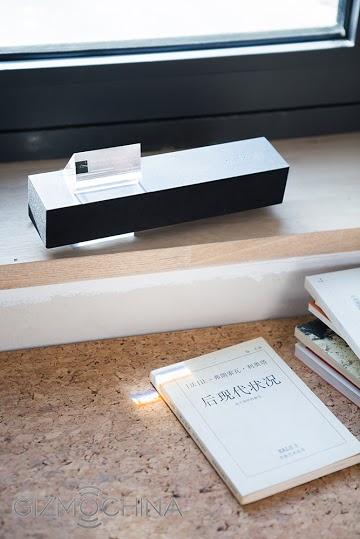
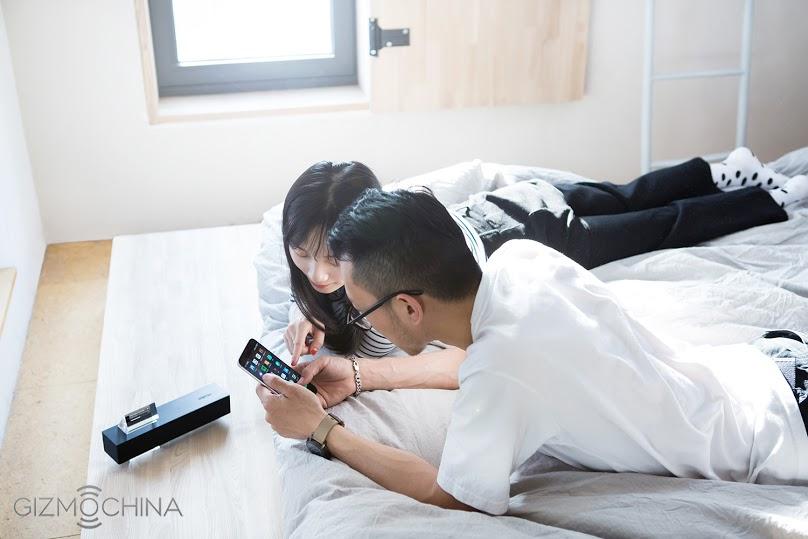
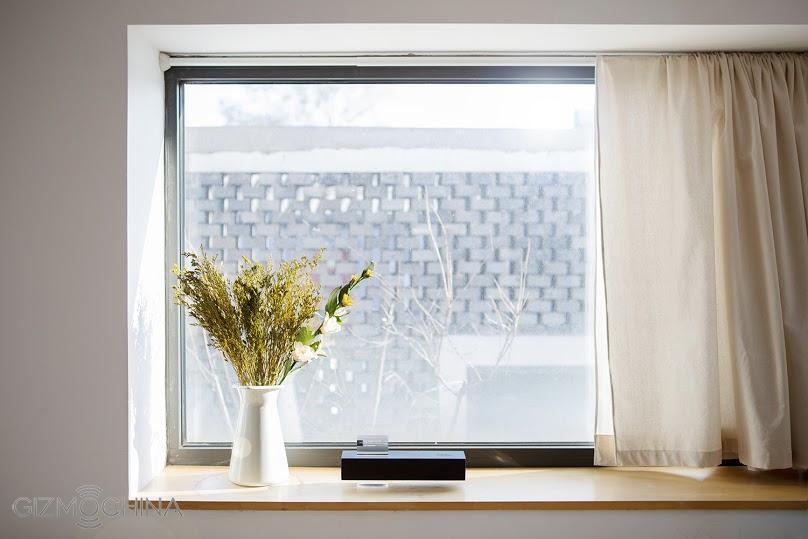
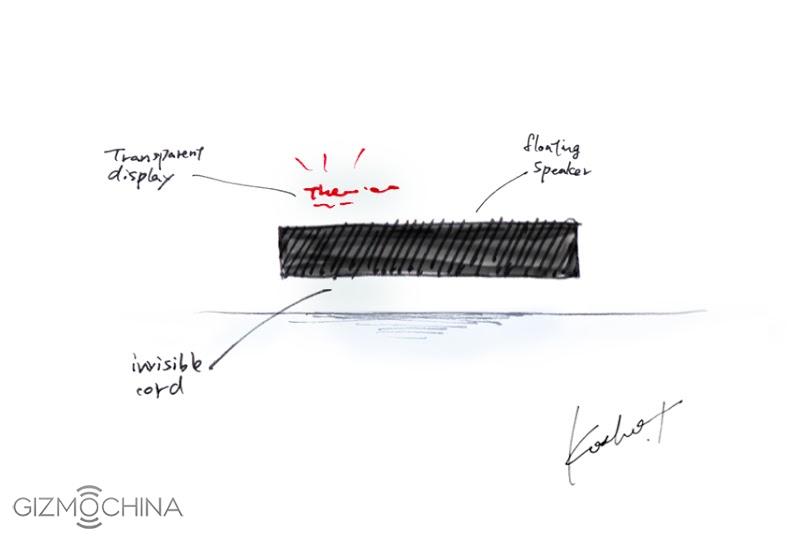
If you have checked out the pictures in this article, you would know that Gravity comes with a floating design. When placed on a flat surface, at certain angles, it looks like the black speaker module floats in the air. This is made possible by using a transparent acrylic base at an off-central location. Further, on top of the speaker is a prism heads up display, which will show important track and playback information on its transparent surface. The company claims that it is the first to use a prism design on a wireless speaker. The use of a special coating called ‘Half Mirror’ makes it possible for the prism to hide the black display box inside it. The complete design of the Gravity wireless speaker was conceived by the Japanese designer, Kosho Tsuboi.
Gravity does have a unique look to it, and it is meant to be an artistic piece, in addition to being a powerful speaker. In the sound department, the company has teamed up with Dirac for getting good quality sound output from its small (size: 262mm x 58mm x 47mm) form factor. The company reportedly have used custom built speakers for Gravity with “dual passive resonance membrane” for a more vigorous low-frequency output. The amplifier is the latest 5-series chip from Texas instruments and the speakers also come with Dirac HD Sound at the hardware level.
Connecting to the speakers is easy, with the option of using the Gravity smartphone app to connect and operate the speakers via Wi-Fi. However, there is an aux port as well as Bluetooth connectivity option as alternatives. Given its design and the requirement of a power input at all times, it isn’t portable. So, naturally no batteries inside and you can’t carry it around like some other wireless speakers in the market.
As for the target market, the company is aiming the Western markets and China with this new wireless speakers. This would be the company’s first product that’s going to be sold in US. As for the pricing, the Gravity’s official price tag is going to be $249. But on Indiegogo, early backers can get it for just $169. Given that the company ships Gravity worldwide, we can expect good backing from fans around the world.
Now, coming to one another question that I am sure every US reader is going to ask. Does the company has plans to release smartphones in US? Well, at this moment, Meizu is not going to launch its phones in the region. This is because the company knows that US is a competitive and mature market and it would be hard to enter the market right now. So, at least for now, no Meizu smartphones are going to be sold officially in the region.
So, this was about the first US product from Meizu, the Gravity Wireless Speakers. If you liked what you read till now, check out their Indiegogo crowdfunding page and maybe even back the new speakers from the company.
Also, let us know what you feel about this new product.
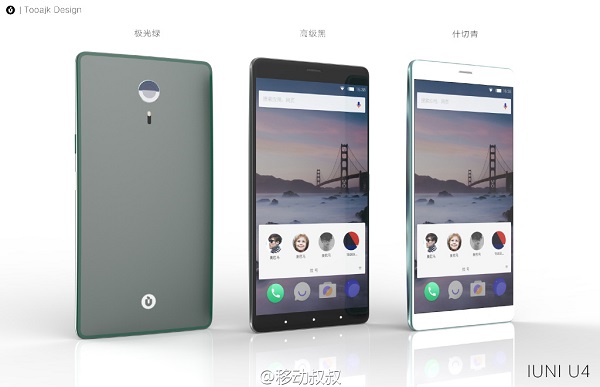
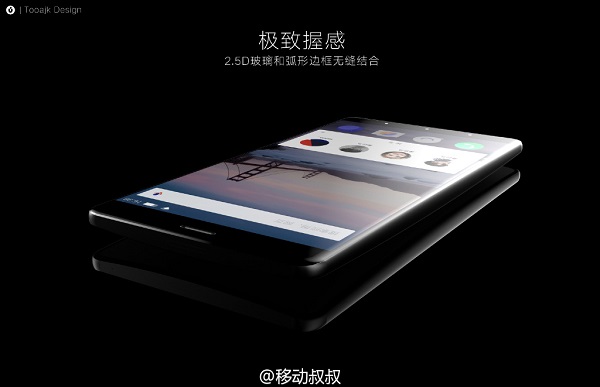
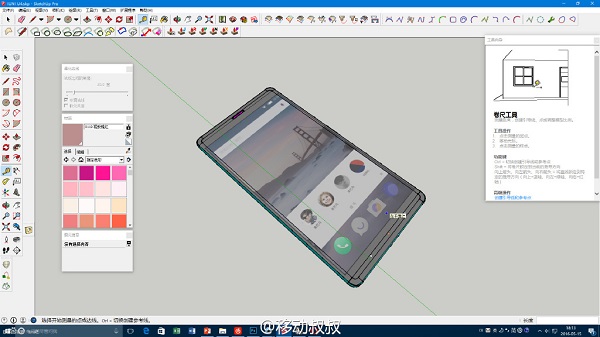
Chinese smartphone market is filled with manufacturers who go underground for a few months or even years and suddenly come up with a surprise handset out of the blue. IUNI is one such smartphone maker and the last smartphone from the company was released back in 2014. So, for the past two years, we haven’t heard much from the company, which was disappointing since its smartphones had both looks as well as powerful hardware. But now, it looks like we could meet a new IUNI smartphone, namely the IUNI U4 with powerful specs. We have to caution you that the leaked renders and specs seem to be made by a designer, so we are not entirely sure whether this would end up being announced this year. Anyway, let’s take a look at what IUNI U4 could look like.
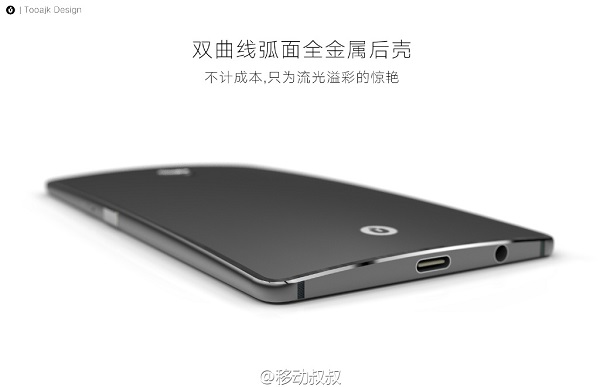
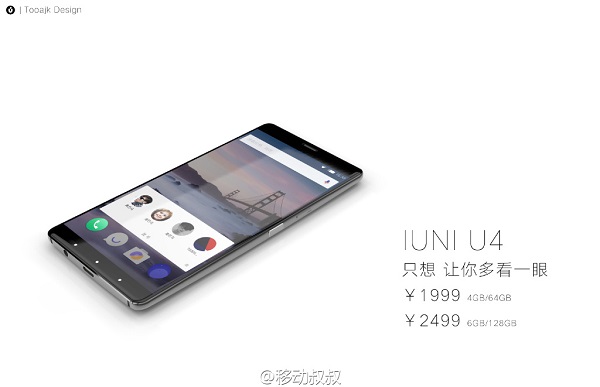
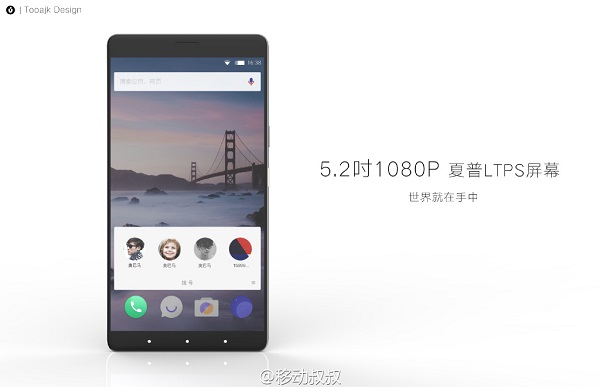
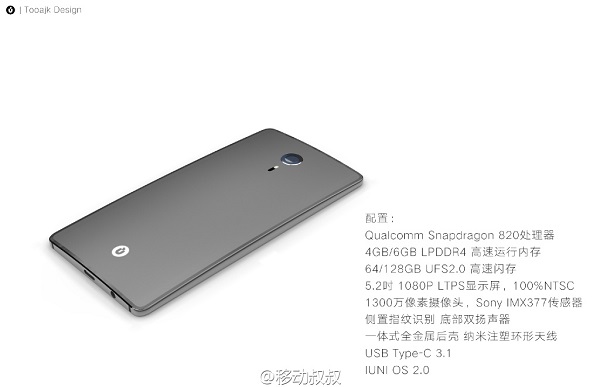
First, let’s take a look at IUNI U4’s design revealed by the new renders. We can see that the phone looks quite premium in these pictures. You get a curved back and a body measuring just 7.2mm in thickness which is pretty slim even for today’s standards. The 5.2-inch display up front looks great because of the super thin bezels on the sides. There are three capacitive buttons just below the display. Further, we can see that the phone has a side mounted fingerprint sensor. Overall, design wise, the phone is beautiful.
Now coming to the specs, the IUNI U4 will come with the mighty Snapdragon 820 quad-core processor clocked at 2.15GHz. There will be two RAM and storage options, 4GB / 6GB (LPDDR4) and 64GB /128GB (UFS 2.0) storages. At the back, the phone reportedly features a 13MP Sony IMX377 sensor. Other features of the phone include side mounted fingerprint ID, IUNI OS 2.0 and a price tag of 1999 Yuan ($308) for the 4GB + 64GB version. The 6GB RAM + 128GB version is said to retail for 2499 Yuan ($382).
Like mentioned above, these renders and information seem to come from a third party designer. So, we aren’t sure whether it would end up as the real deal. Hence, make sure you take this news with a pinch of salt.
So, what do you think about the phone’s designs and specs?
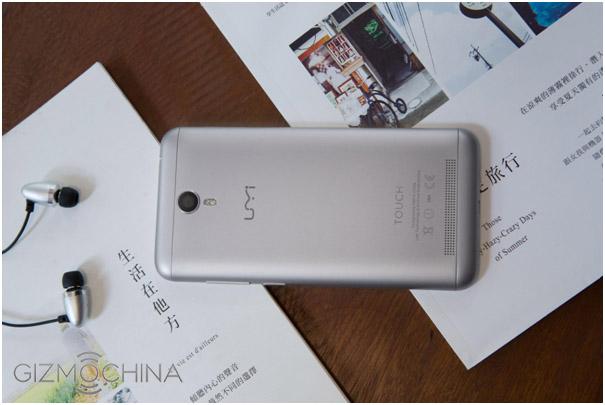
UMi TOUCH is a device with 8.5mm metal body 4000mAh battery, which continue to gain a good feedback in the users.
UMi TOUCH was designed based on the recommendation from thousands of users, who expressed on Apollo Project which features they would like to see in this smartphone.
UMi designed a device with 8.5mm metal body 4000mAh battery, front fingerprint scanner, 13-megapixel camera, 5.5-inch screen with full HD resolution, octa-core processor, 3GB RAM and the latest version of Android: Marshmallow 6.0.
Currently, UMi TOUCH at flash sale of price at just $129.99! The coupons were being quickly taken on the community. So today UMi released the second UMi code for users to continue shop at $129.99.
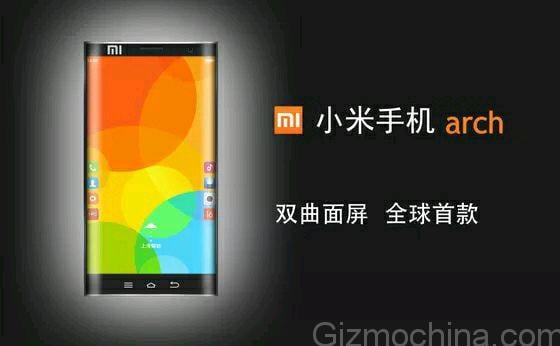
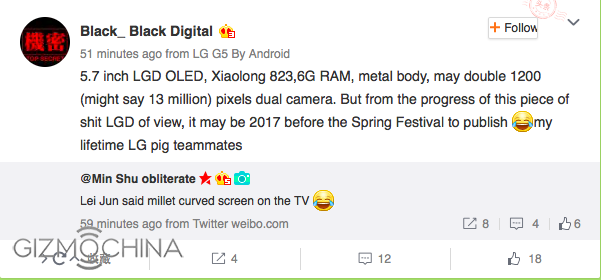
Lei Jun seems to have confirmed the development of a curved screen smartphone from the company earlier today. While this was a big news, he failed to give out further details about the device. But that didn’t stop a Weibo user from revealing the possible specs of the device.
When it comes to curved screen smartphones, Samsung is clearly the leader, having two major flagships in the market, namely the Galaxy S7 Edge and the Galaxy S6 Edge. But according to this new rumour, Xiaomi is reportedly going to use LG’s Curved Display panel on its curved screen smartphone. While the resolution of the device was not revealed, it is said the phone will feature a 5.7-inch OLED panel.
What’s more, the phone is said to come with a metal body, something that all major smartphones seem to feature these days. There will be a Snapdragon 823 chipset inside along with 6GB of RAM, and dual 12MP (or 13MP) rear cameras. As for the release date, don’t expect the phone to be launched anytime soon. It is said that LG’s Curved display panel is not yet available on a large scale, at least, in the short term. So, one can expect the phone to be released sometime in the Spring of 2017.
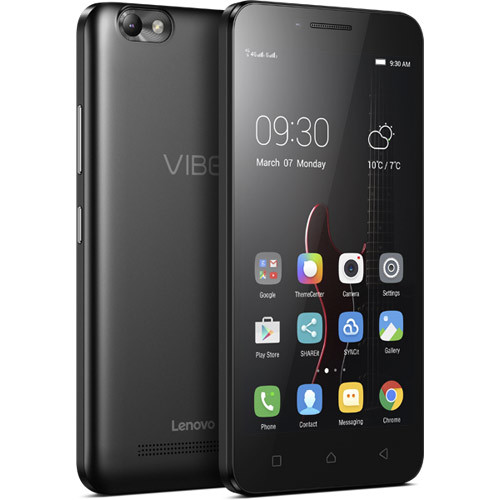
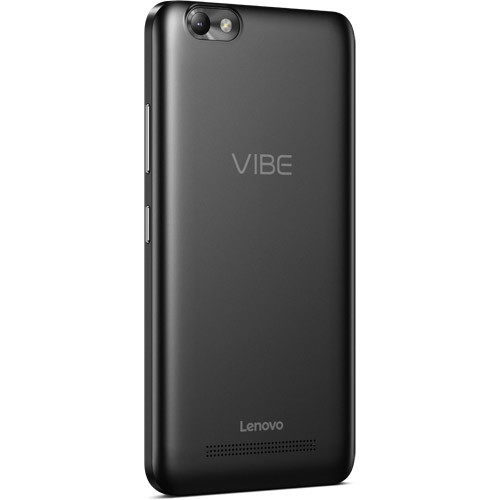
Lenovo Vibe series is the company’s affordable smartphone lineup offering decent specs for an attractive price tag. Now, it looks like the company is all set to update this lineup with a new smartphone, namely the Lenovo Vibe C. This particular model was just spotted on the Croatian retailer website with the above mentioned name, for a price tag of $106. The website also adds that the phone will shipping for pre-ordered customers from May 18. The phone looks pretty good for its price tag, coming with a polycarbonate body in black colour.
As for the specs, considering this price tag, expect entry level hardware. So, the phone will come with a quad-core chipset under the hood with 1GB of RAM and 8GB of internal storage further expandable up to 32GB via MicroSD. The phone sports a 5-inch IPS display with 720p resolution. You also get a 2300mAh battery inside a 8.95mm body. Don’t expect much from the rear 5MP camera and front 2MP shooter. As for software, the phone will reportedly come with Android 5.1.1 Lollipop OS out of the box and supports 4G LTE networks.
For $100, this seems like a good handset. Since most Chinese budget smartphones end up costing much more than its cheap price in China, the Lenovo Vibe C could be an alternative for consumers looking for a budget handset.
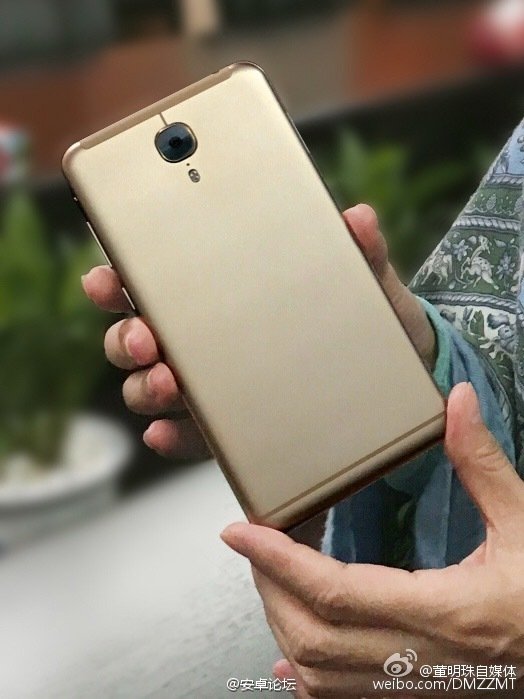
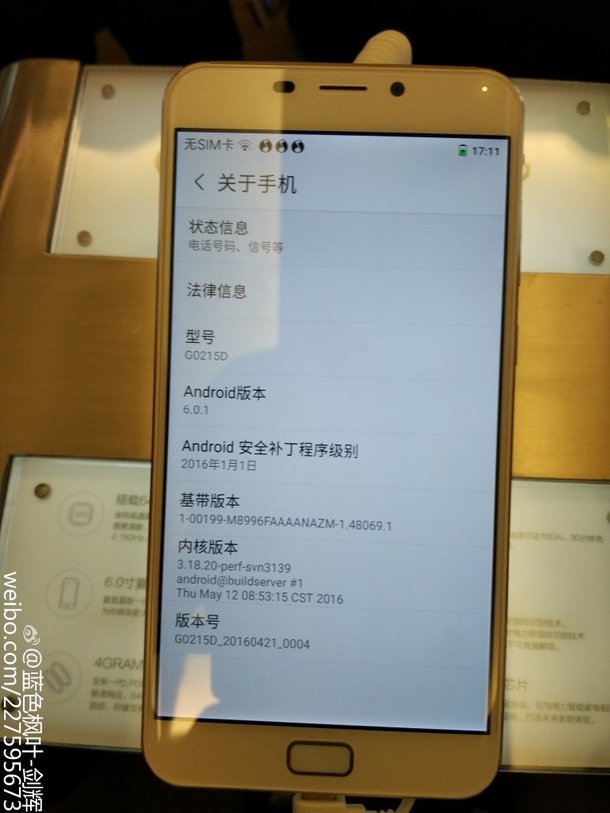
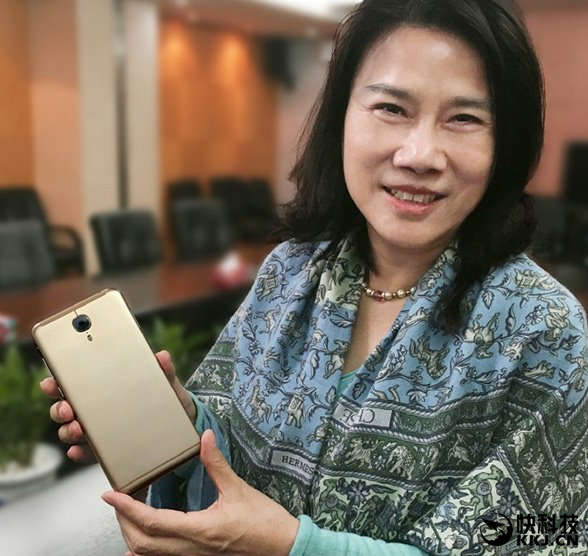
GREE is a famous consumer electronic manufacturer in China. The company entered the smartphone industry last year, like many other tech companies have done in recent times, however, the first generation smartphones didn’t get the attention the company would have expected. Now, GREE is back again, this time with a flagship with powerful hardware and good looks. While we would have expected the phone to be announced with much fan fare, the company decided to unveil it silently this year.
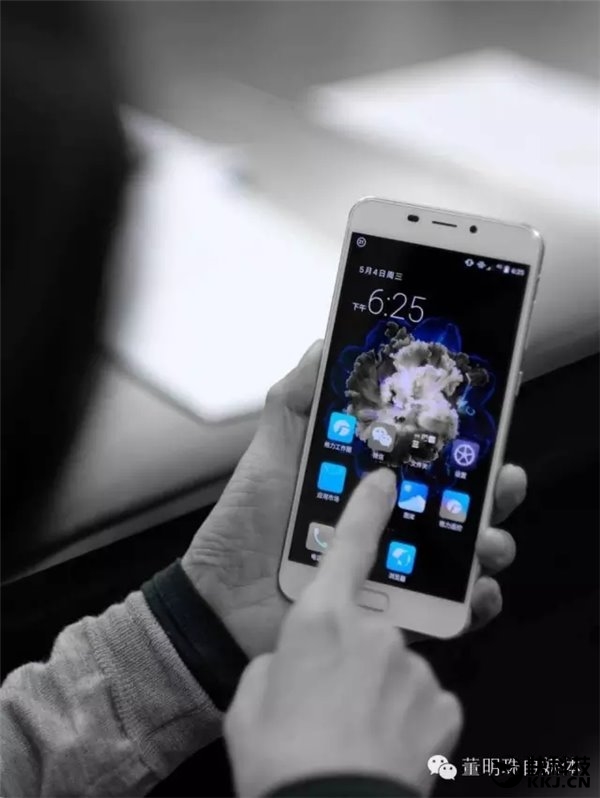
So, what does GREE 2 offer to the consumers? First of all, the phone will come with a metal unibody design. It is going to be large owing to the massive 6-inch display up front, and we can clearly see that it is not going to be an easy handset to operate with one hand. But for phablet lovers, the phone is going to be a treat, especially because it comes with a high-resolution 2K display. Coming to the front, the bezels seem to be decently thin, and no thick ugly black borders on the sides. There is a physical home button up front, just below the display which supports fingerprint recognition.
Specs of the GREE 2 are really powerful, starting with the quad-core Snapdragon 820 chipset under the hood. There will be 4GB of RAM on board and 64GB of internal storage. Given the large 6-inch display with 2K resolution, the phone will come with a decently large non-removable battery as well, of 4000mAh capacity. At the back, the phone features a 16MP rear camera sensor while up front, you will get an 8MP shooter. As for the software, the phone runs on Android 6.0.1 Marshmallow OS out of the box.
Finally, for the pricing, GREE 2 isn’t very cheap. The phone will go on sale early June for a price tag of 3300 Yuan which comes to $504. Despite its higher price tag as compared to rival such as LeEco Max 2 and ZUK Z2 Pro flagships, we will have to wait and see how this new smartphone from GREE sells in China.
After Huawei Mate 8, this Chinese smartphone giant announced the brand new Huawei P9 series smartphones back in April. Almost a month later, the company released another flagship series model, this time in the Huawei Honor series, called as the Honor V8. These two are very similar models, with similar specs and similar design. But when it comes to the pricing of the two handsets, they differ quite significantly. Now, this brings us to the main question, why would Huawei release two different smartphones with similar design and specs in two different series? And why is there such significant difference in the pricing of the two handsets when they are so similar? We attempt to find answers in this article.
First let’s look at the design of both the handsets. Surprisingly, Huawei decided to use the same design as the Huawei P9 series on the new Honor V8 as well. While companies try to differentiate two different series with its own unique design, it looks like Huawei felt that both the phones should have the same design, which in my opinion looks pretty good. But if you had to differentiate between the two models, you would find the fingerprint sensor at the back to be slightly different. And of course, the logos are different, with the P9 coming with ‘Huawei’ branding while V8 coming with ‘Honor’ branding at the back.
Even the specs, including the dual camera setup at the back are similar. But there’s nearly a difference of 1000 Yuan ($153) between the models in the V8 and P9 series. So, why this difference in pricing?
The only major difference between the two models is the Leica certification on the Huawei P9 and its absence on the V8’s dual cameras. Let’s take a look at the setup in detail.
Huawei P9 vs Honor V8 Dual Cameras:
Huawei P9 comes with a 12MP dual camera setup with the components being developed to meet’s Leica’s strict standards. The company reportedly collaborated with Leica to co-engineer the structure of the camera module. Plus, the phone comes with Huawei’s digital image processing. Then there are Laser Autofocus and dual tone LED flash to assist the dual cameras in photography.
Coming to the Honor V8, even this particular device features 12MP dual camera setup. But Lecia was not involved in the development of V8’s dual camera module. But the basic idea remains the same as the P9’s setup. The phone features 1 RGB sensor which collects colour information and another black and white sensor. These two work together to take pictures. The module supports depth of field, laser autofocus and larger aperture ranging from f/0.95 to f/16.
As you can see, on paper, the V8’s dual cameras also looks like a powerful setup, but only when we have real camera samples from both the P9 and the V8 can we ascertain how better the P9 Leica branded camera is as compared to the V8’s setup.
Since we have seen that the major difference in the camera department was the Leica branding, let’s look at what specs both phones bring to the table.
On the other hand, the Huawei V8 comes with Kirin 950 (slightly under clocked) with 4GB of RAM, 64GB of storage, 5.7-inch 2K display and NFC. This particular model in the V8 series costs 2799 Yuan ($427).
Now, as you can clearly see in the above comparison, the P9 series with similar specs (in fact it comes with just 1080p display as compared to 2K on the V8) costs 1000 Yuan ($153) more than the Honor V8. Leica branding is what drives up the cost of the P9.
End of the day, what matters is whether the Huawei P9 takes better pictures and videos than the Honor V8. If it does, than the difference in the pricing is justified and I am sure, consumers would be more than happy to shell out more for an advanced camera module. We hope to get these two smartphones soon to see their camera performance.
So, what are your thoughts on the difference in the pricing of these two Huawei models?
Recently, we came across new information about OPPO’s Find 9 series. The phone was spotted on the benchmarking app, AnTuTu revealing some key information about the device. However, like always, AnTuTu only revealed some hardware specs of the device. Now, more information about the phone’s battery have been revealed.
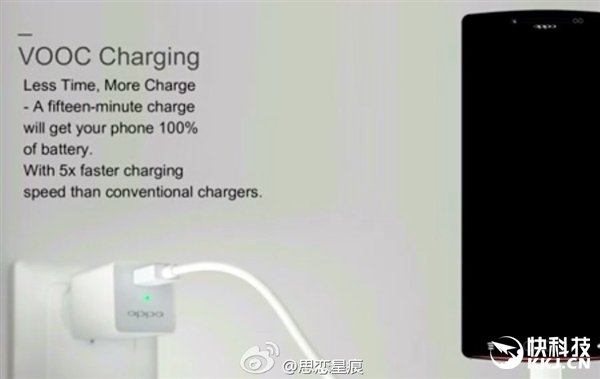
It is said that the OPPO Find 9 will come with the company’s recently announced Super VOOC fast charging technology. So, a simple 15 minutes charging will get your phone to 100% which is highly impressive. But when OPPO demoed this feature at MWC, it was with a 2500mAh battery. Although the charging time will be so less, we don’t think customers would be happy with a small 2500mAh capacity battery on board a flagship model. So, it would be interesting to see how big of a battery OPPO fits inside its new device.
A couple of renders of the Find 9 were also revealed, which shows an unusually long physical home button just below the display. Considering its length, we can expect this to come with a fingerprint sensor.
As for the specs, the leak earlier today revealed a low-end version of the OPPO Find 9. This particular model, namely X9007, comes with Snapdragon 820 quad-core chipset with 3GB of RAM, 32GB of storage, 1080p display of unknown size, 16MP rear camera and a 4MP front camera. Considering these specs, we can expect a high-end version as well, possibility with 2K display and 4GB / 6GB RAM options.
Earlier rumours state that the phone will be released sometime in June this year, which is just a few weeks away. So, if true, we can expect more details about the phone pretty soon.
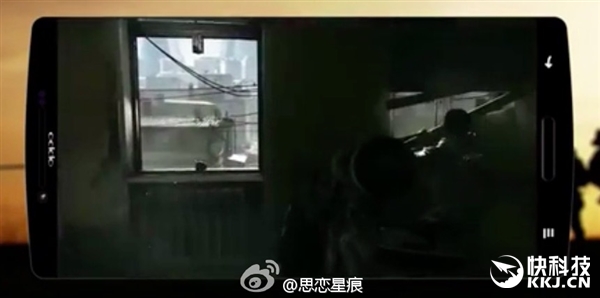
OnePlus 3 has been making the headlines for the past couple of days, and we have seen some clear renders of the device. Up till now, the renders revealed that OnePlus could be taking some inspiration from other smartphone makers like HTC and Meizu. But now, alleged official renders of the device have been spotted online, revealing a slightly different design.
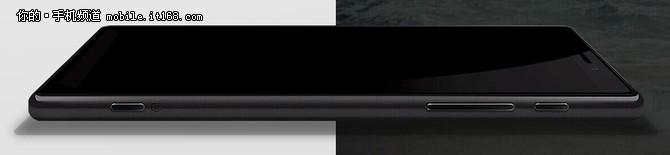
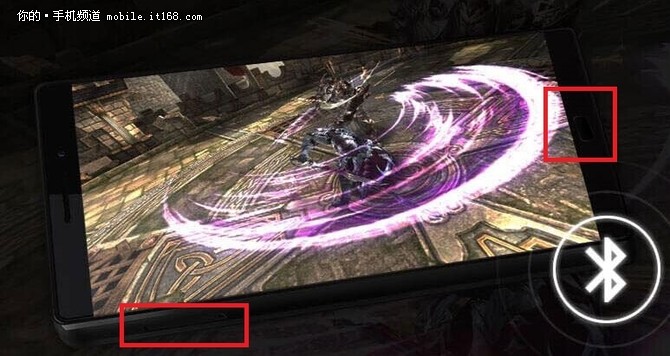
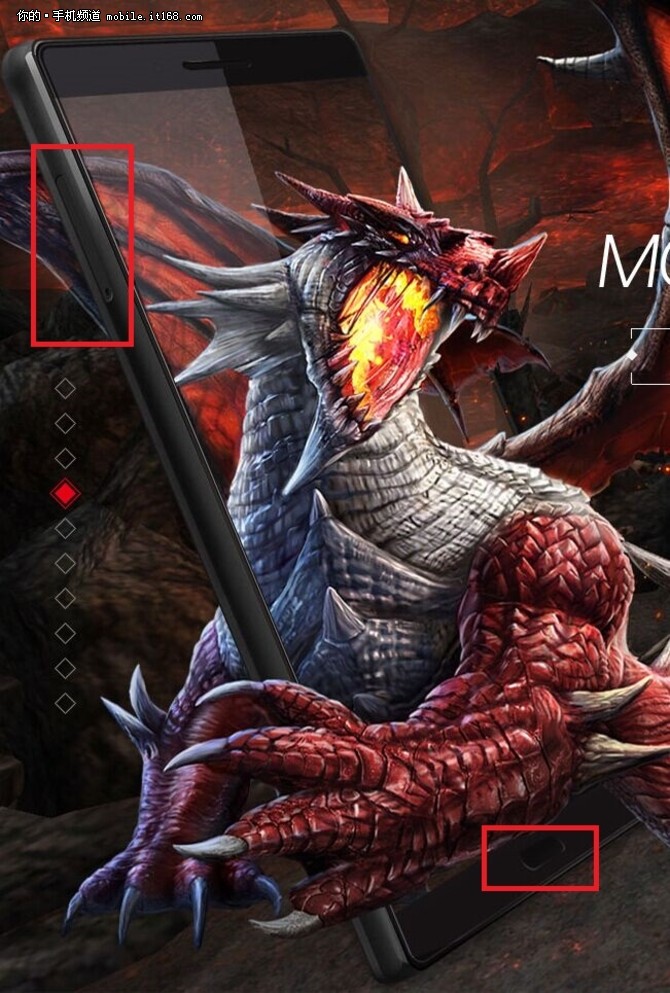
It is said that the images that were spotted on an online games website, but were soon replaced. So, it looks like the website posted those pictures by mistake. The device in the new images look much better than the previous renders, and this time around it looks the device has taken inspiration from Sony. The phone features a solid rectangular design, which looks a lot like Sony’s Xperia range.
The new renders reveal a glossy metallic frame and a dedicated button which should be for the camera, in addition to the power button and volume buttons. What we can see further is an oval physical home button, similar to the ones we have seen on Meizu’s smartphones. The bezels seem to be super thin as well, but that’s usually the case with all renders, so better wait for some real life images. Unfortunately, these new images do not reveal the back of the device, so we can’t confirm whether it’s similar to HTC’s back.
Also, according to the latest information, the phone will have a 128GB storage variant as well. It is said that the phone will be announced on May 28 and will be released early June. The 4GB RAM version of the phone will reportedly go on sale for 1999 yuan ($308), while the 6GB RAM version is said to retail for 2499 Yuan ($382).
As for the specs, the OnePlus 3 is expected to come with Snapdragon 820 quad-core chipset, 5.5-inch Super AMOLED 1080p display, Android 6.0.1 and 3500mAh battery, possibly with OPPO’s low voltage fast charging technology. Read more about the phone’s specs from here.
So, what do you think of the alleged OnePlus 3 renders leaked today?
After official announced full specification of UMi Super, UMi now is opening a questionnaire with giving away this Super phone. You can now join here.
UMi Super is the upcoming flagship from UMi after their success with UMi TOUCH, which is smartphone features with numbers of well-known brands as component suppliers to guarantee bring out the MAX positive performance of each part. It’s made with Aerospace-class aluminum unibody carries a 4000mAh big battery. Octa-core P10 4GB RAM with 256GB extend memory. Android 6.0 out of the box.
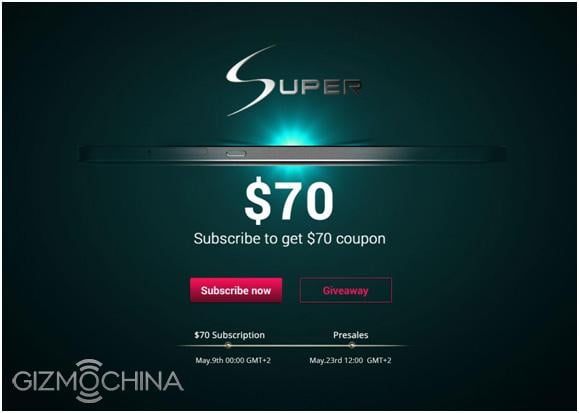
UMi Super will be available to be pre-order by May 23rd for $249.99. However, you can now go to the website and subscribe with your email, you will then receive a $70 coupon code to pre-order when the presales starts.
We use cookies on our website to give you the most relevant experience by remembering your preferences and repeat visits. By clicking “Accept”, you consent to the use of ALL the cookies.
This website uses cookies to improve your experience while you navigate through the website. Out of these, the cookies that are categorized as necessary are stored on your browser as they are essential for the working of basic functionalities of the website. We also use third-party cookies that help us analyze and understand how you use this website. These cookies will be stored in your browser only with your consent. You also have the option to opt-out of these cookies. But opting out of some of these cookies may affect your browsing experience.
Necessary cookies are absolutely essential for the website to function properly. This category only includes cookies that ensures basic functionalities and security features of the website. These cookies do not store any personal information.
Any cookies that may not be particularly necessary for the website to function and is used specifically to collect user personal data via analytics, ads, other embedded contents are termed as non-necessary cookies. It is mandatory to procure user consent prior to running these cookies on your website.