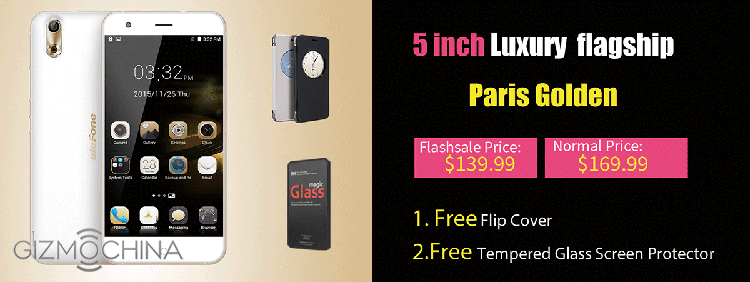
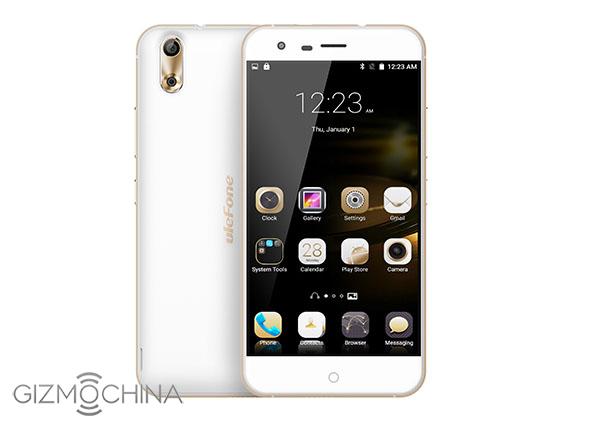
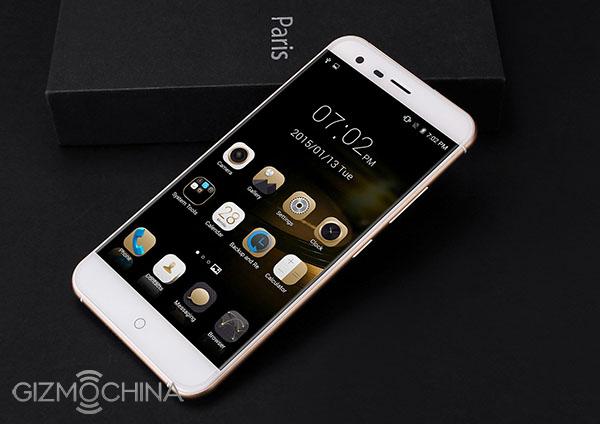
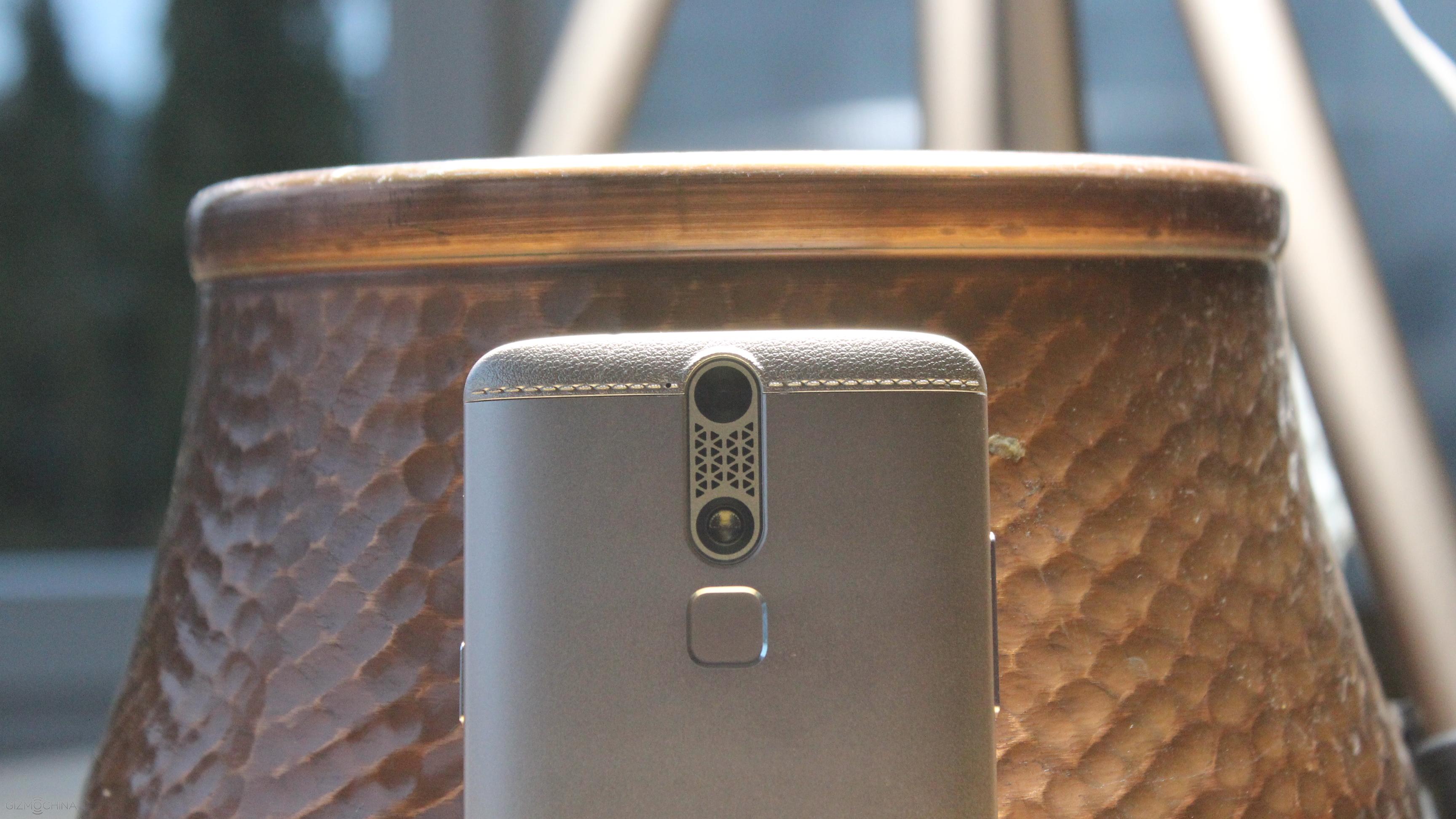
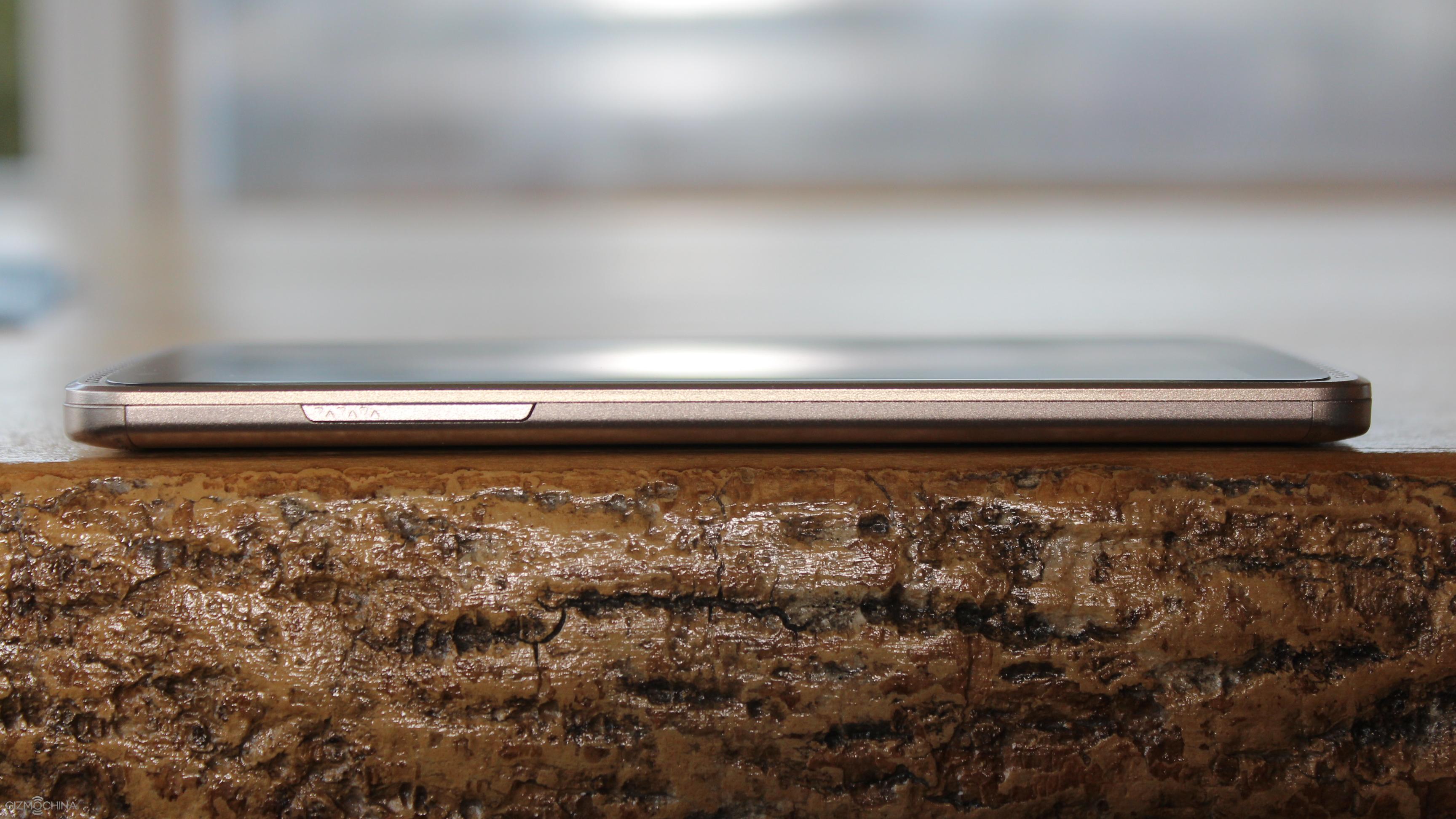
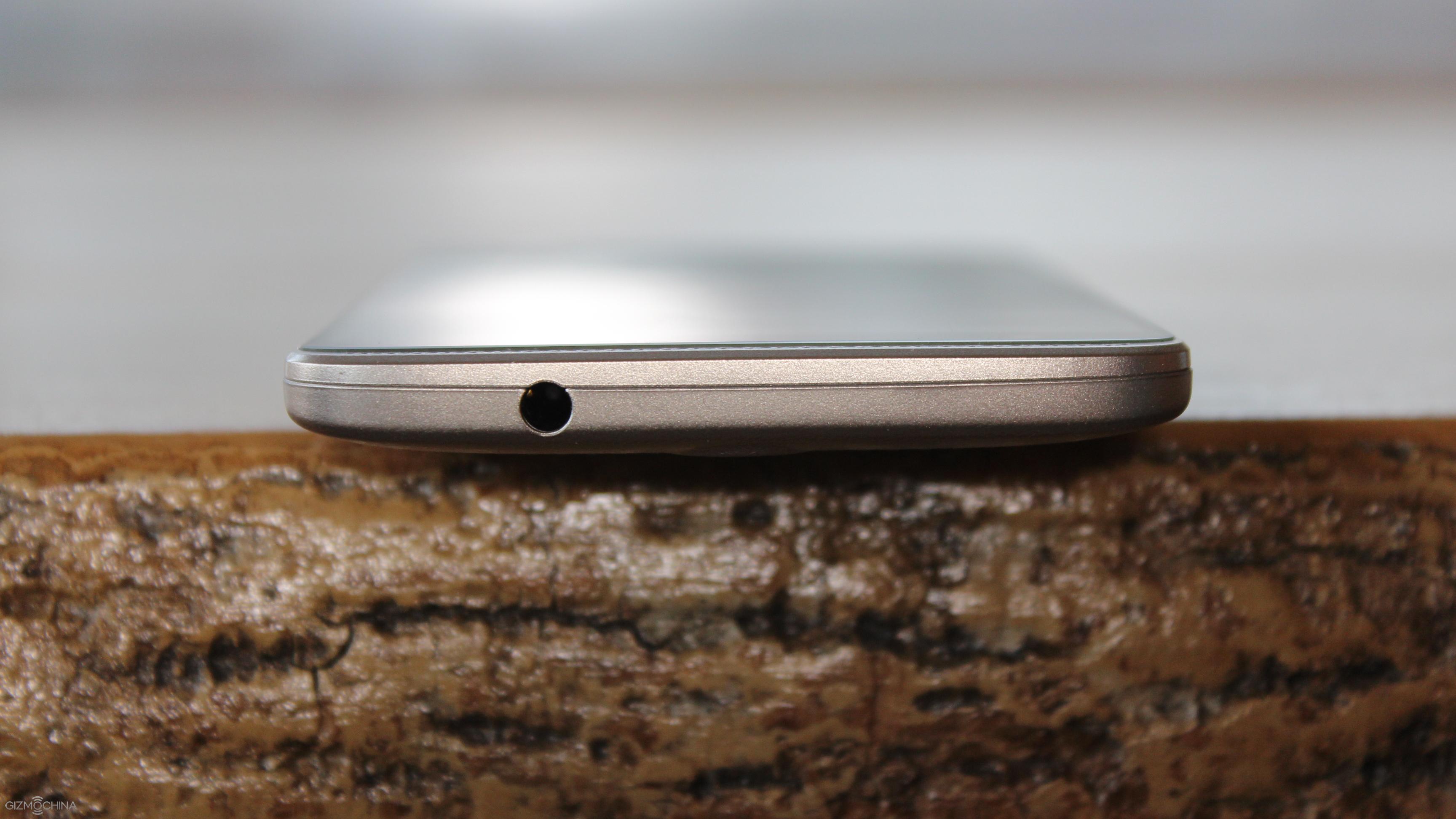
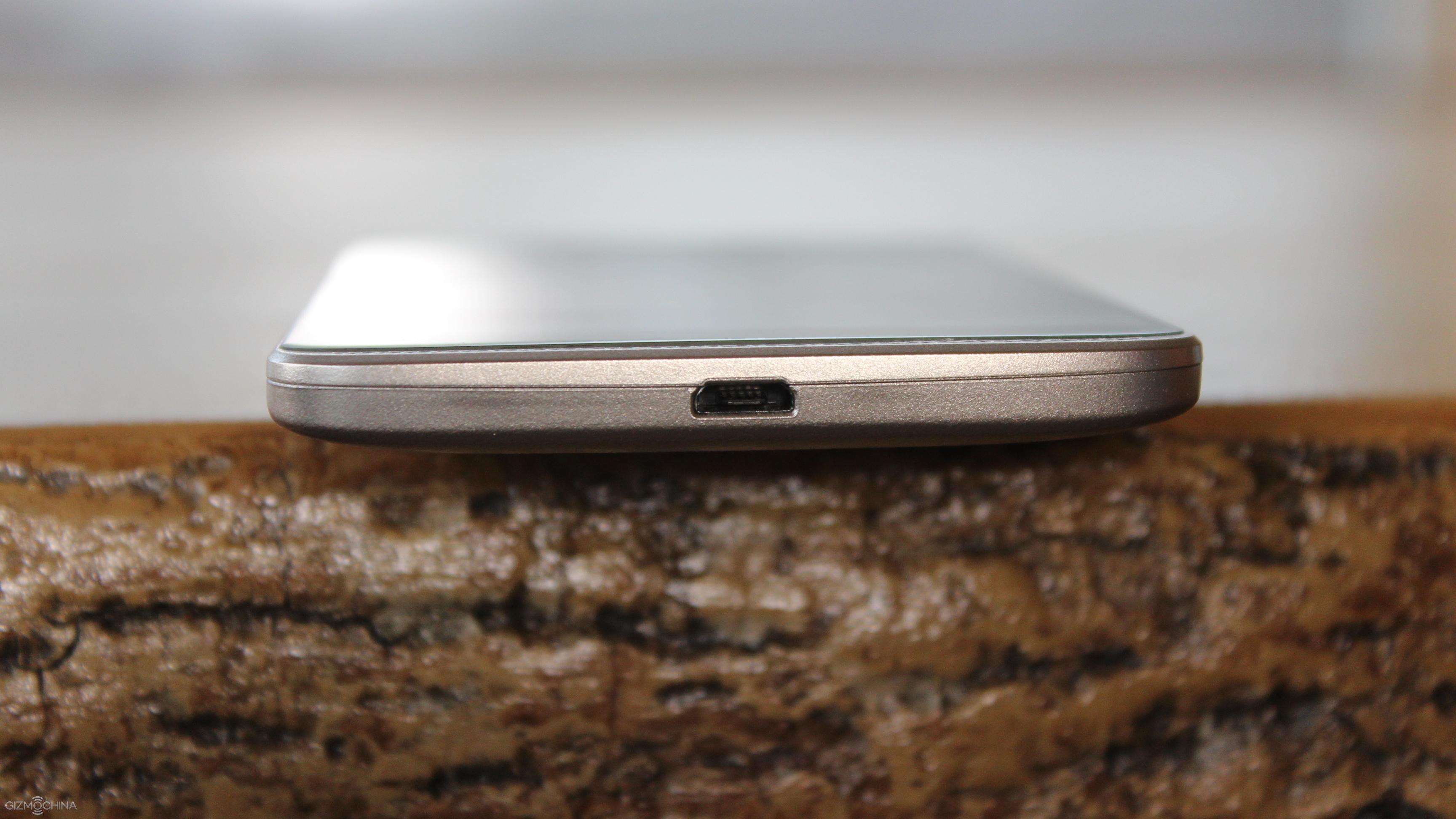
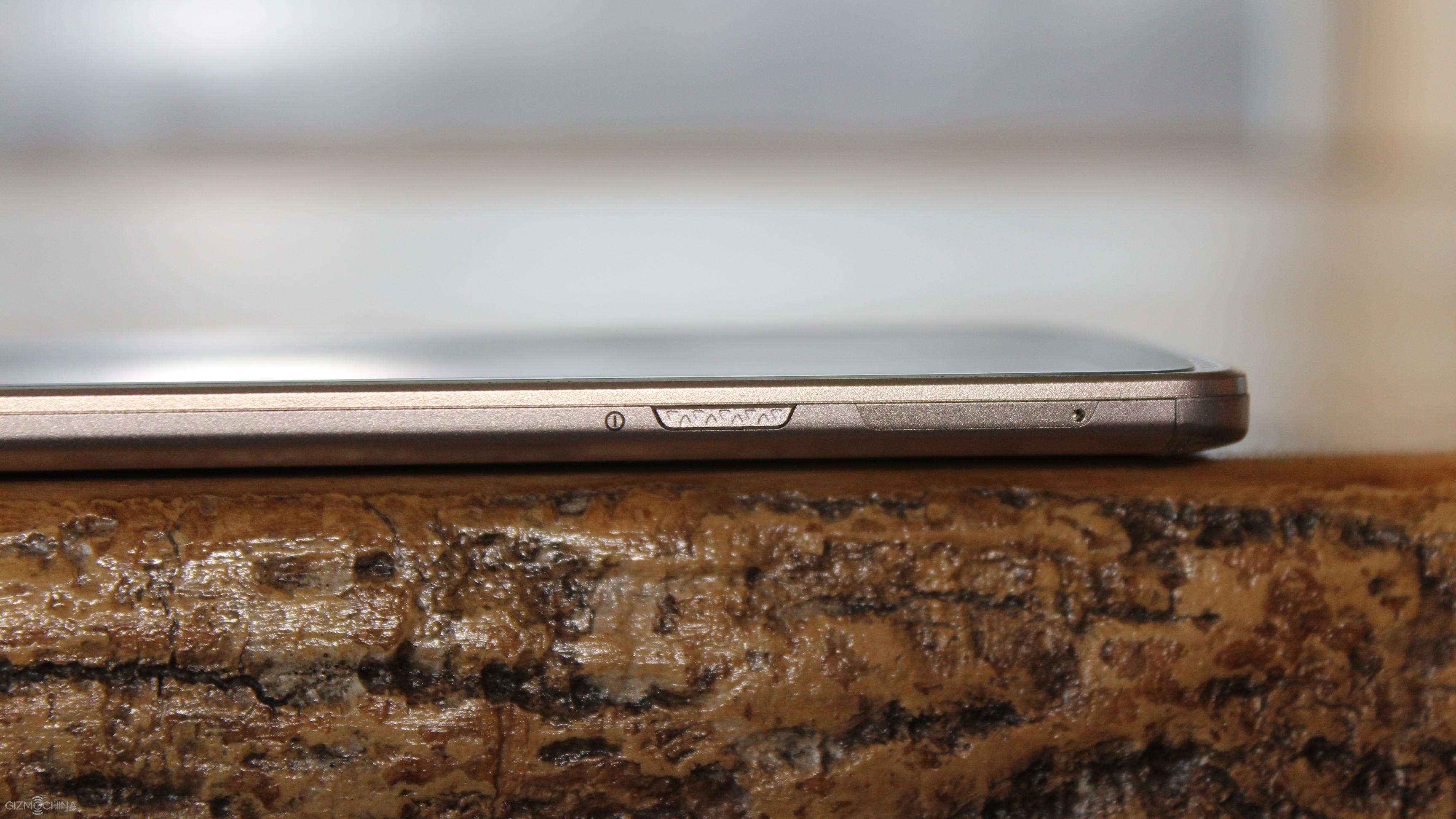
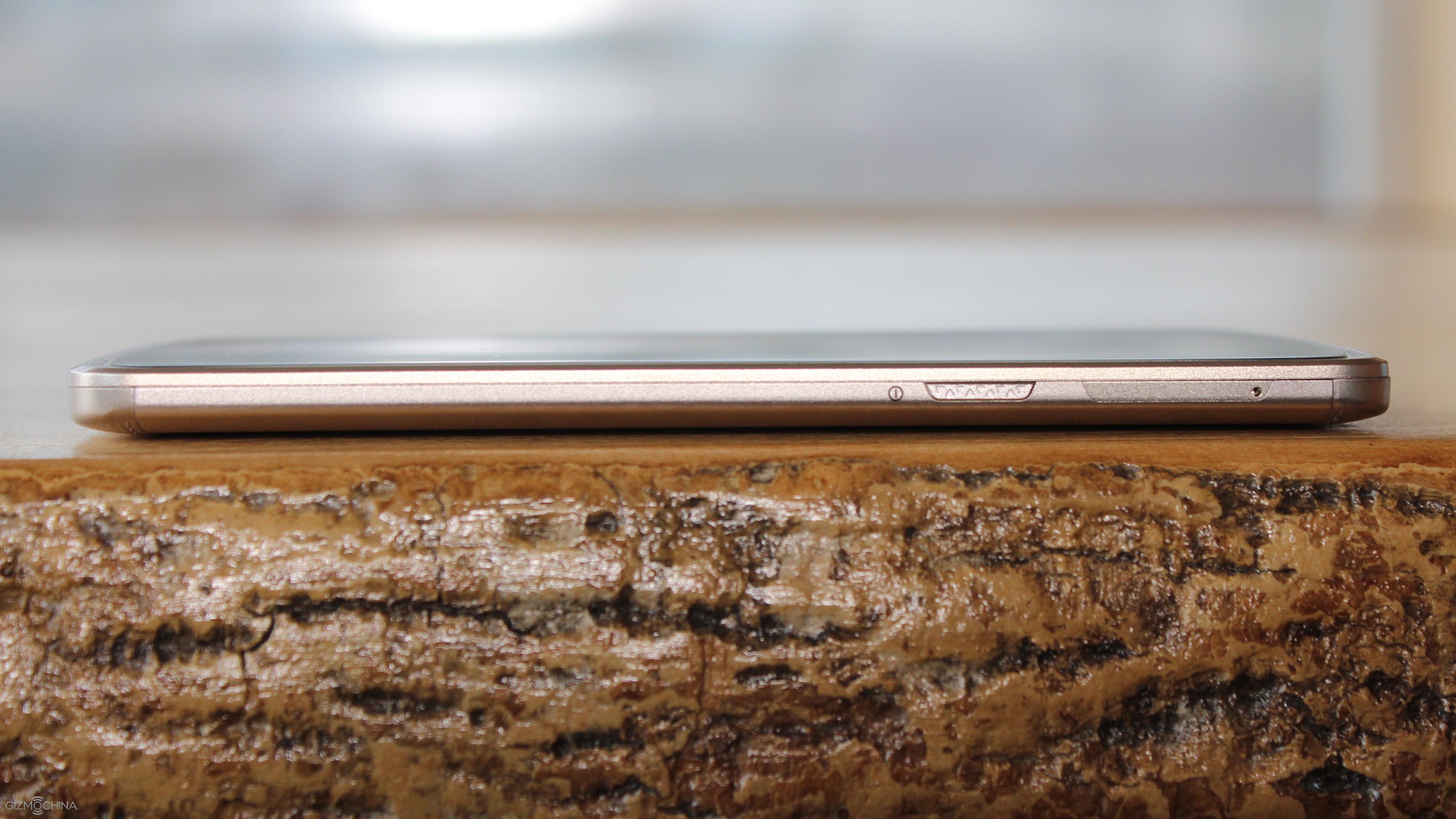
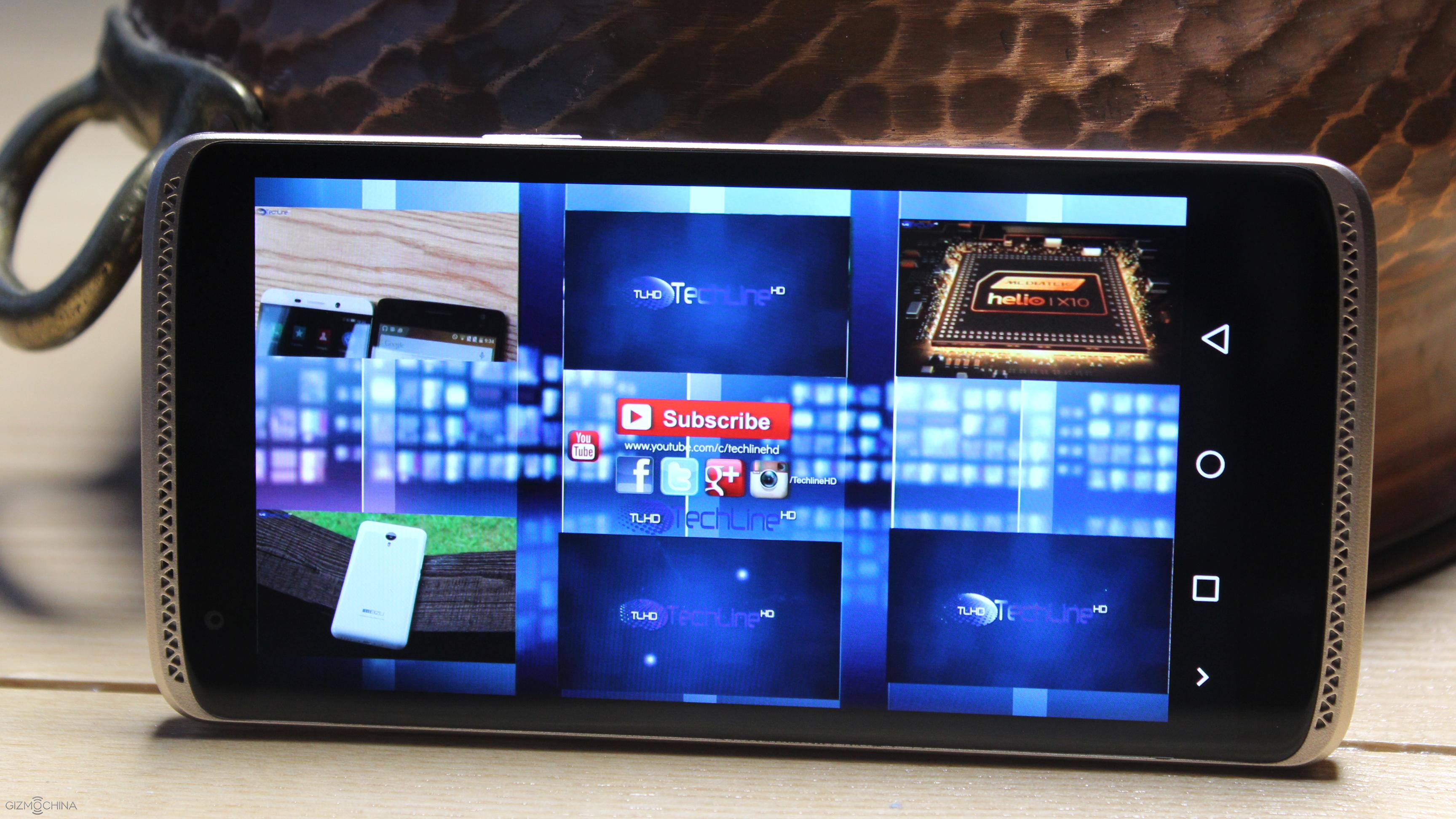
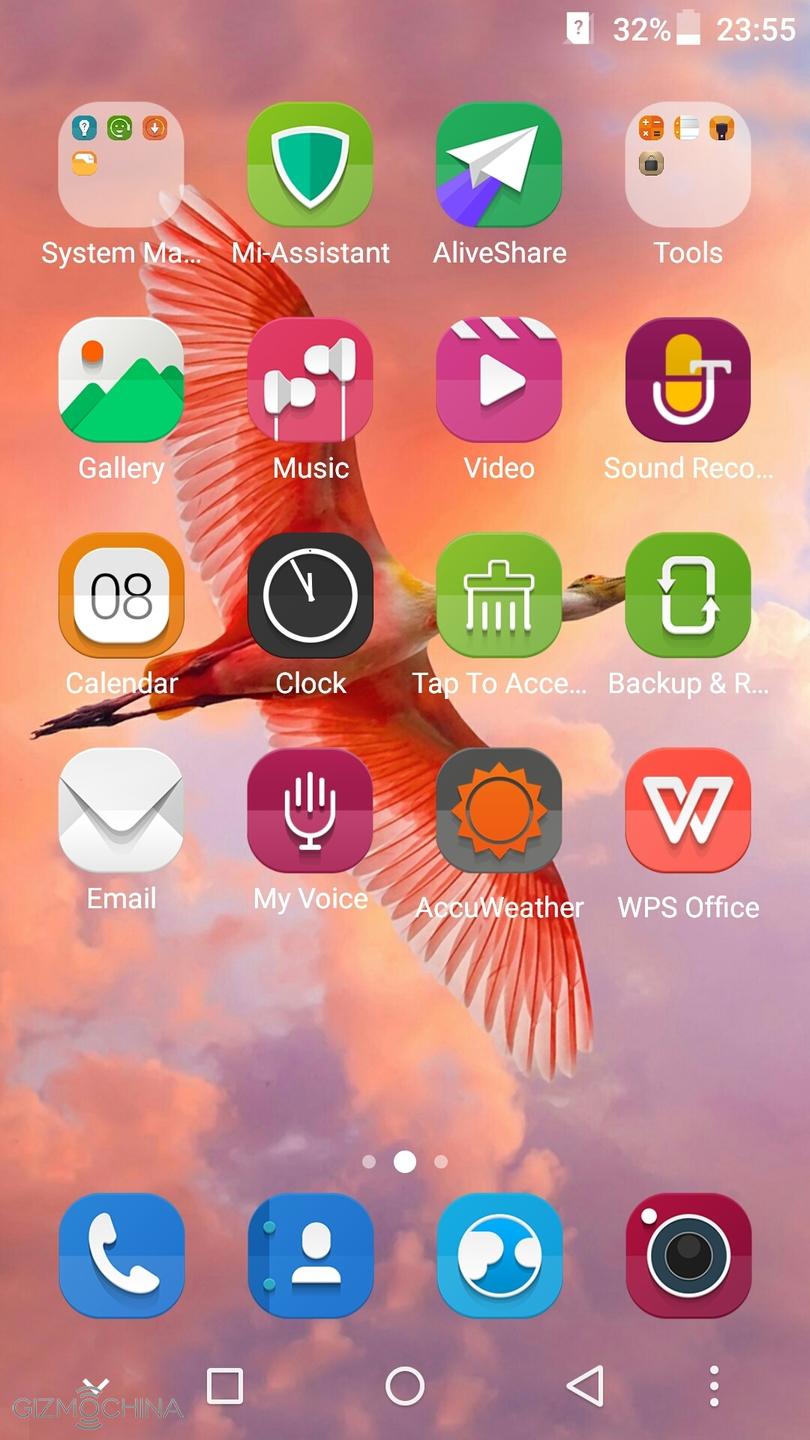
As expected to happen, Ulefone starts to promote the Ulefone Paris in golden, with a USD30 discount off the original price of USD129.99, plus a flip cover and a tempered glass screen protector as free gifts worth about USD20 in total.
Similar to the white and grey Paris, the golden version will also feature 5-inch HD on-cell screen, MTK6753 8-core 64-bit chipset, 2GB RAM, 16GB flash storage, 13MP OV13850 camera, 2250mAh battery and android 5.1. With enough items in stock, Ulefone promises to ship in 48 hours. Besides, users will probably be able to upgrade their golden Paris to newest software on arrival, given that Ulefone plans to release the 5th update for the Ulefone Paris model before yearend.
We can see on the Ulefone official promotion page that the white and grey versions of Ulefone Paris are also listed, with the special price of USD129.99, but without free gifts. So you if you like to use your phone naked, this is apparently the smarter choice.
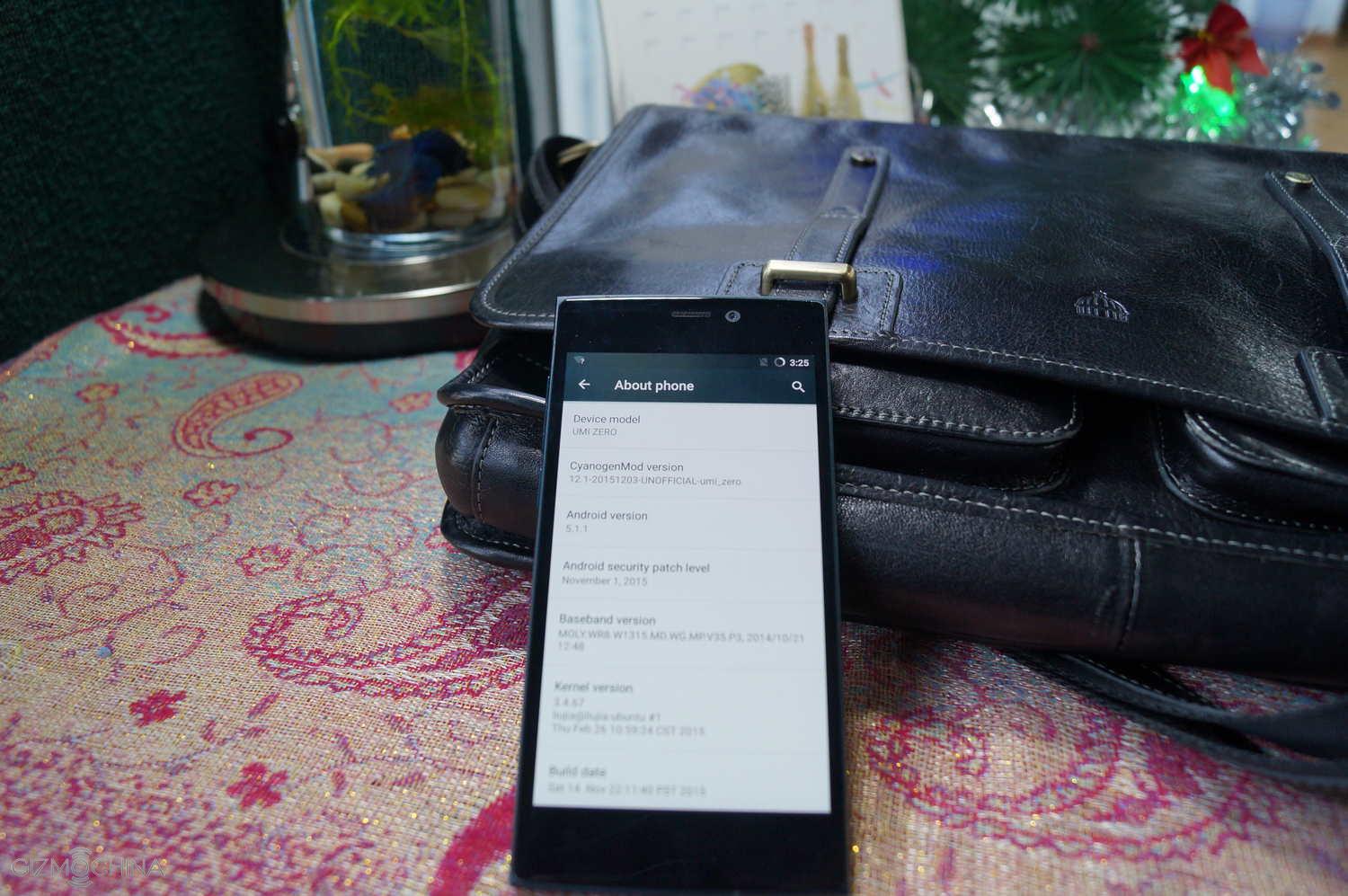
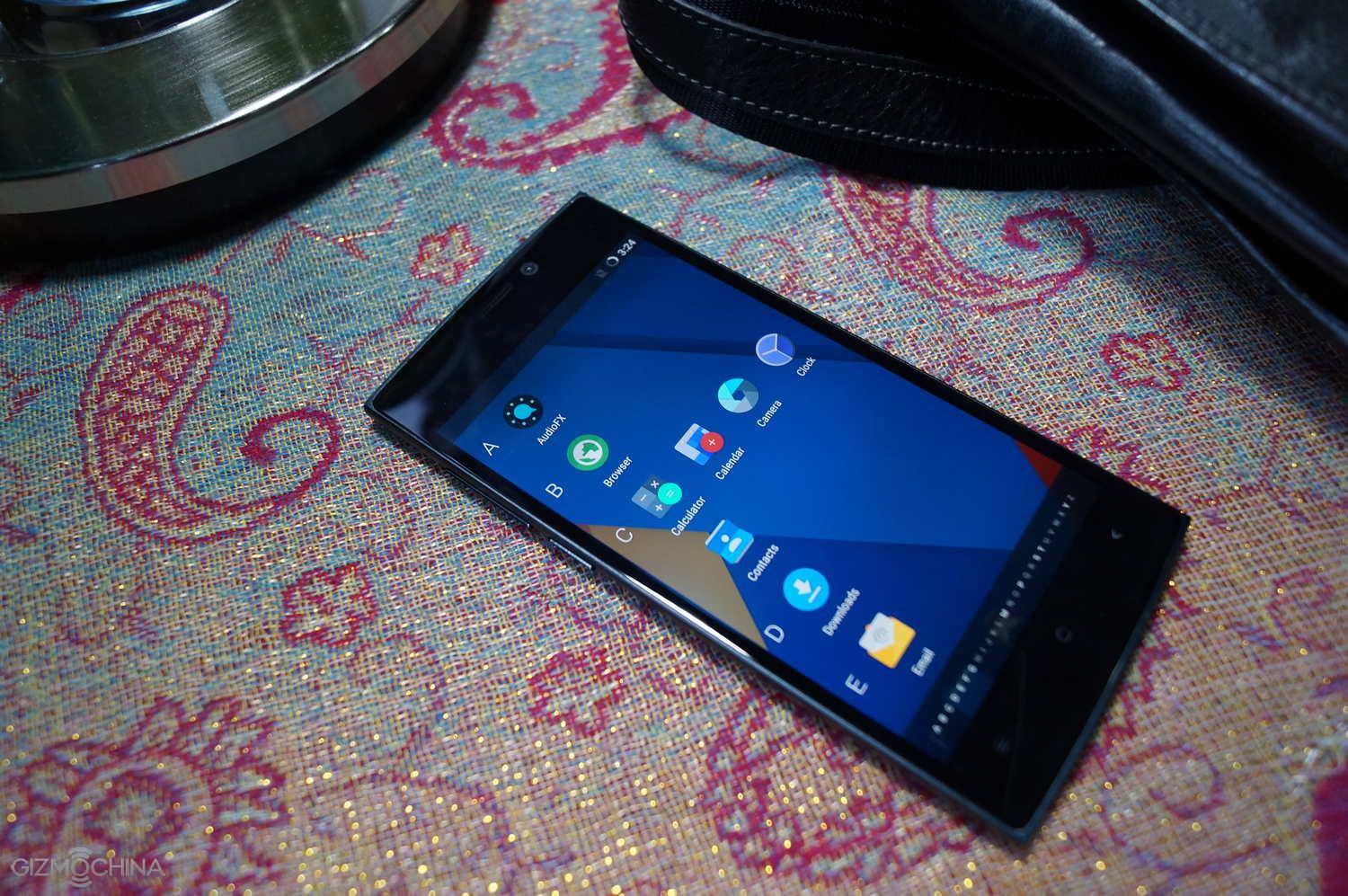
Back when UMI Zero was released, it came with Android 4.4 KitKat OS out of the box. The company had promised an update to Android Lollipop after the release, but the release was delayed considerably. However, now UMI, staying true to its promise has just released the CM 12.1 version for the UMI Zero handset. This means the users can now upgrade their phones to Android 5.1 Lollipop. The process is made simple as the update can be flashed using the company’s RootJoy software.
It’s good to see a small time manufacturer supporting its year old products. Most Chinese handset makers often forget their smartphone once launched and more often than not, you may not get an update for the device after a couple of months. UMI seems to be breaking that trend. The company’s RootJoy app further simplifies the process of flashing a new ROM, making backups or even managing applications.
Even UMI Iron has received an update to its Flyme OS ROM. Users can access and install both the ROMs directly from the RootJoy app.
Further, the company is has launched the Make A Wish Campaign on over 6 different websites. You can read more about that from the UMI Community.
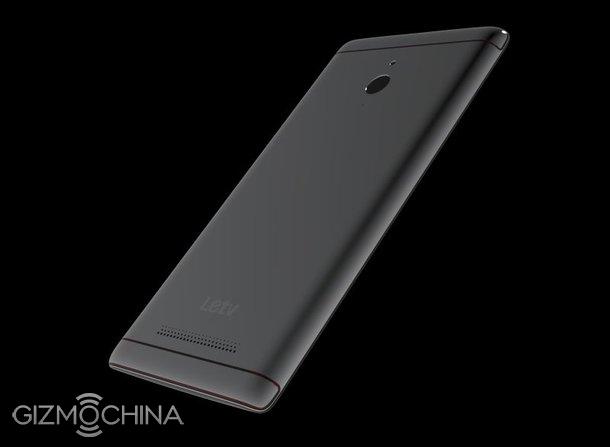
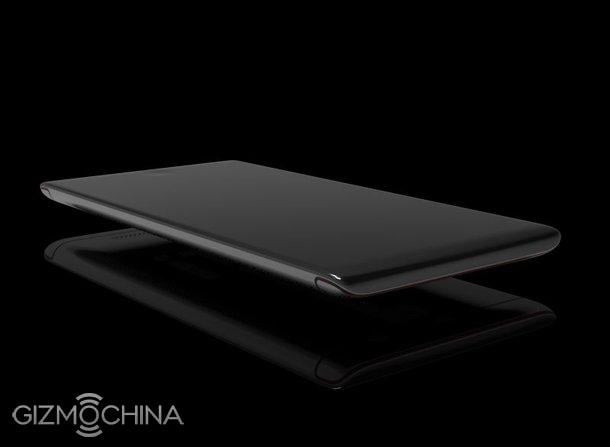
After the launch of the value for money LeTV 1S, all our eyes are set on the high-end flagship that’s going to debut next year, namely the LeTV Max Pro. We have already seen the handset a couple of times on benchmarking apps revealing it’s powerful specs, and now, we have spotted some HD renders of the device. Of course, at this moment, there’s no way to confirm that these renders are the real deal, but from their design language, it seems to be a continuation of the design followed by other Le series phones.
According to the renders leaked today, the LeTV Max Pro will feature a slightly curved front. The curve is actually at the bottom region, and could possibly feature a fingerprint sensor (Qualcomm’s 3D Ultrasonic Fingerprint Sensor?). We don’t see a sensor at the back, hence, it’s possible that the sensor is under the front glass. All LeTV high-end models came with fingerprint sensor, so there’s no reason why the company would abandon the feature in its new flagship.
As for the back, it’s pretty clean except for the camera and the flash. The design is quite similar to existing LeTV phones, with the speaker grill located near the bottom region. Like the other models, the phone is expected to feature an all-metal design.
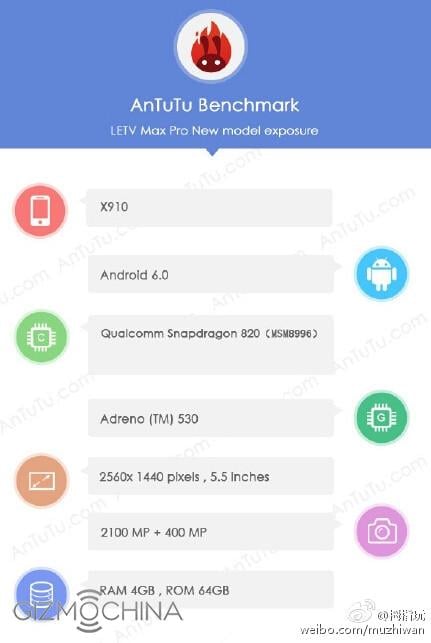
Like mentioned above, we already know the possible specs of the LeTV Max Pro. The phone is said to come with Snapdragon 820 on board with 4GB RAM and 64GB ROM. There will be a 5.5-inch display with 2K resolution. The back will feature a 21MP camera while, up front, it looks like there will be a 4MP Ultrapixel sensor. Finally, for software, you can expect the latest Android 6.0 Marshmallow version.
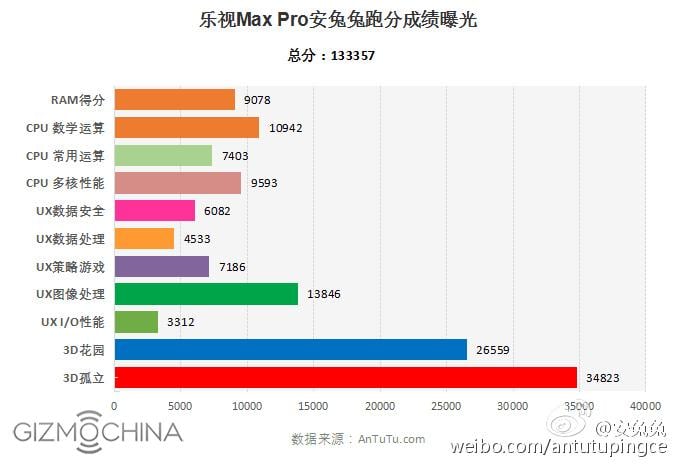
Snapdragon 820 along with these specs definitely make the phone a high-end device. That’s kind of confirmed by the recent benchmark scores revealed by AnTuTu. The phone managed to score about 133K on the AnTuTu benchmark test, which is much higher than anything that we have seen recently. So, the phone could turn out to be a real powerhouse.
So, what do you think about the renders? Do you like the design?
We have been hearing a lot about the upcoming Xiaomi Notebook PC. In fact, we have already come across the detailed specifications of a 15.6-inch model, which will be powered by the fourth gen Intel Haswell Core-i7 and NVIDIA GeForce GTX 760M.
However, the new Xiaomi Notebook may have more than one display variant. According to reports, there are two other smaller variants as well, namely a 12.5-inch model, which will be made by Inventec as confirmed earlier and a 13.3-inch model made by Compal. The smallest version, namely the 12.5-inch Xiaomi Notebook should enter mass production sometime in April next year.
As for the 15.6-inch model, we already have the specifications of the device, thanks to an earlier leak. They are as follows:
Operating System: Linux
Processor: CPU series Intel Core i7 4th-generation family
RAM: 8GB
Screen size: 15.6-inches
Screen Resolution: 1920×1080
Screen technology: LED backlight
Graphics chip: NVIDIA GeForce GTX 760M
Memory capacity: 2GB
Price: 2999 Yuan ($466)
As you can see, the specs are pretty impressive for the price tag. However, one thing we have to note here is that these chips are a couple of generations old. The Core i7 is from the fourth generation Haswell family. Currently, we have the sixth generation Skylake Core chips. Moreover, the NVIDIA GeForce GTX 760M graphic card was released way back in 2013, which means by next year it should be pretty old.
As a result, like Hexus pointed out, it looks like Xiaomi is going to use chips that are a couple of generations old to keep the price down. This should help the company cut down the cost of the laptop and price it aggressively. Plus, the use of Linux instead of Windows will help it avoid hefty licensing fees.
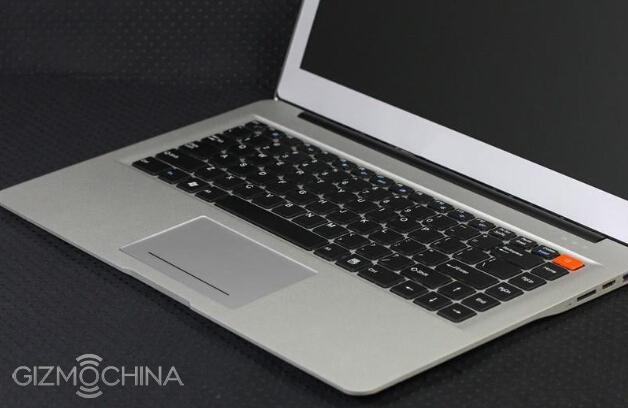
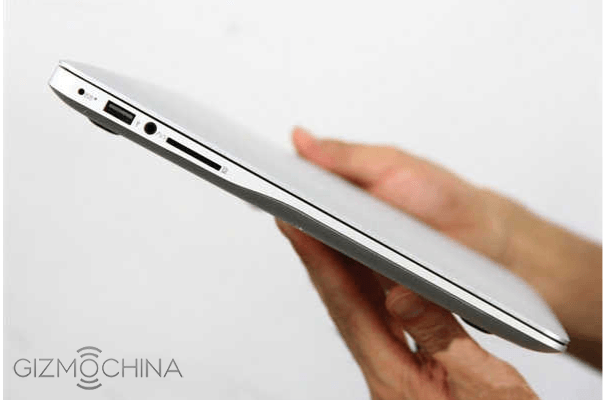
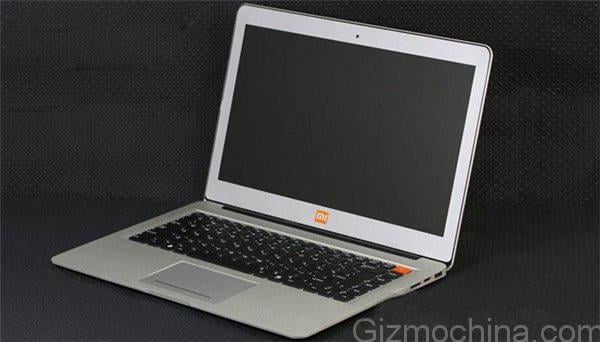
Moreover, it is said that the Notebook will feature Macbook like design with all metal chassis and a thin body. Good looks, powerful specs and a reasonable price should help the company make its mark in the PC industry.
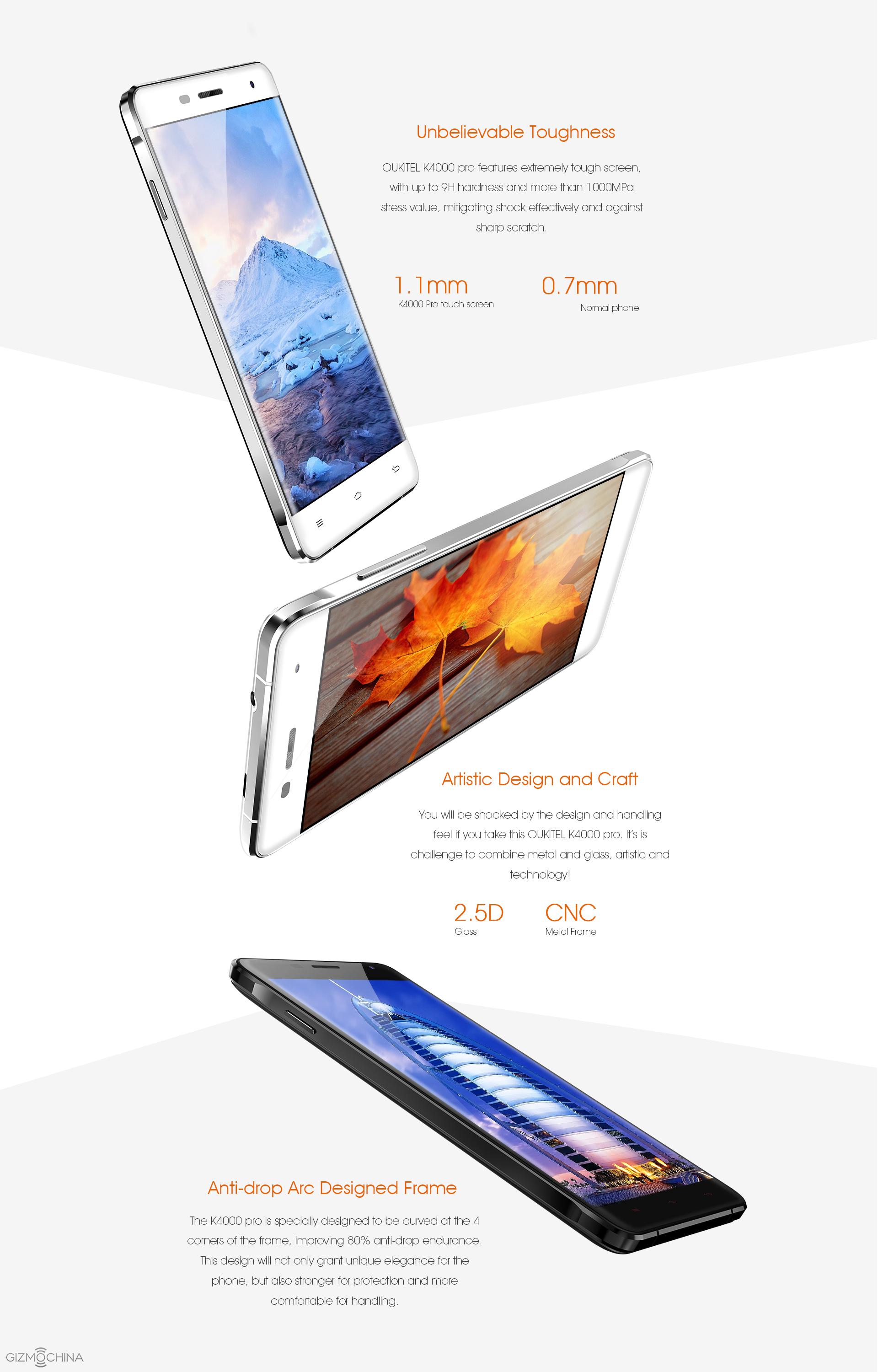
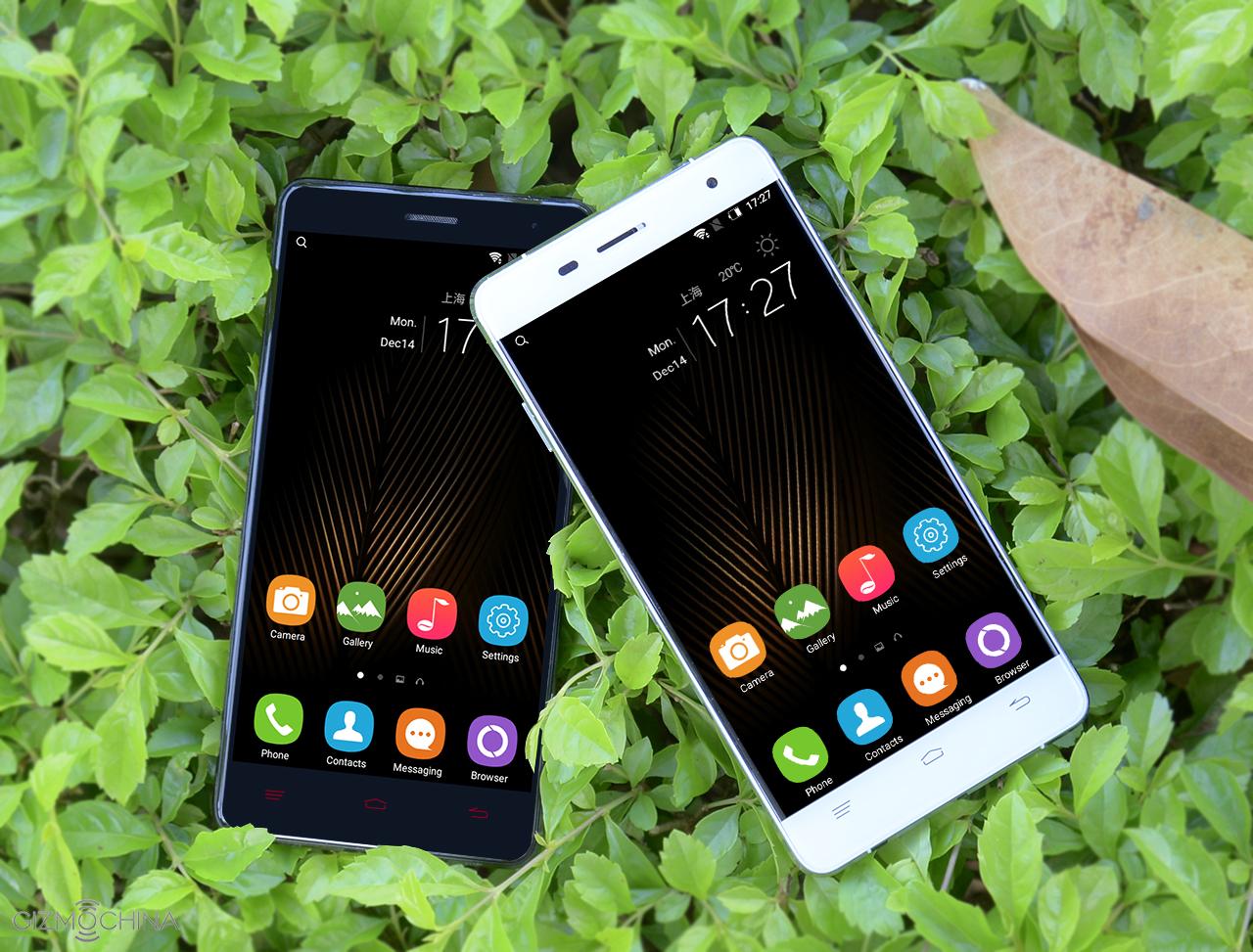
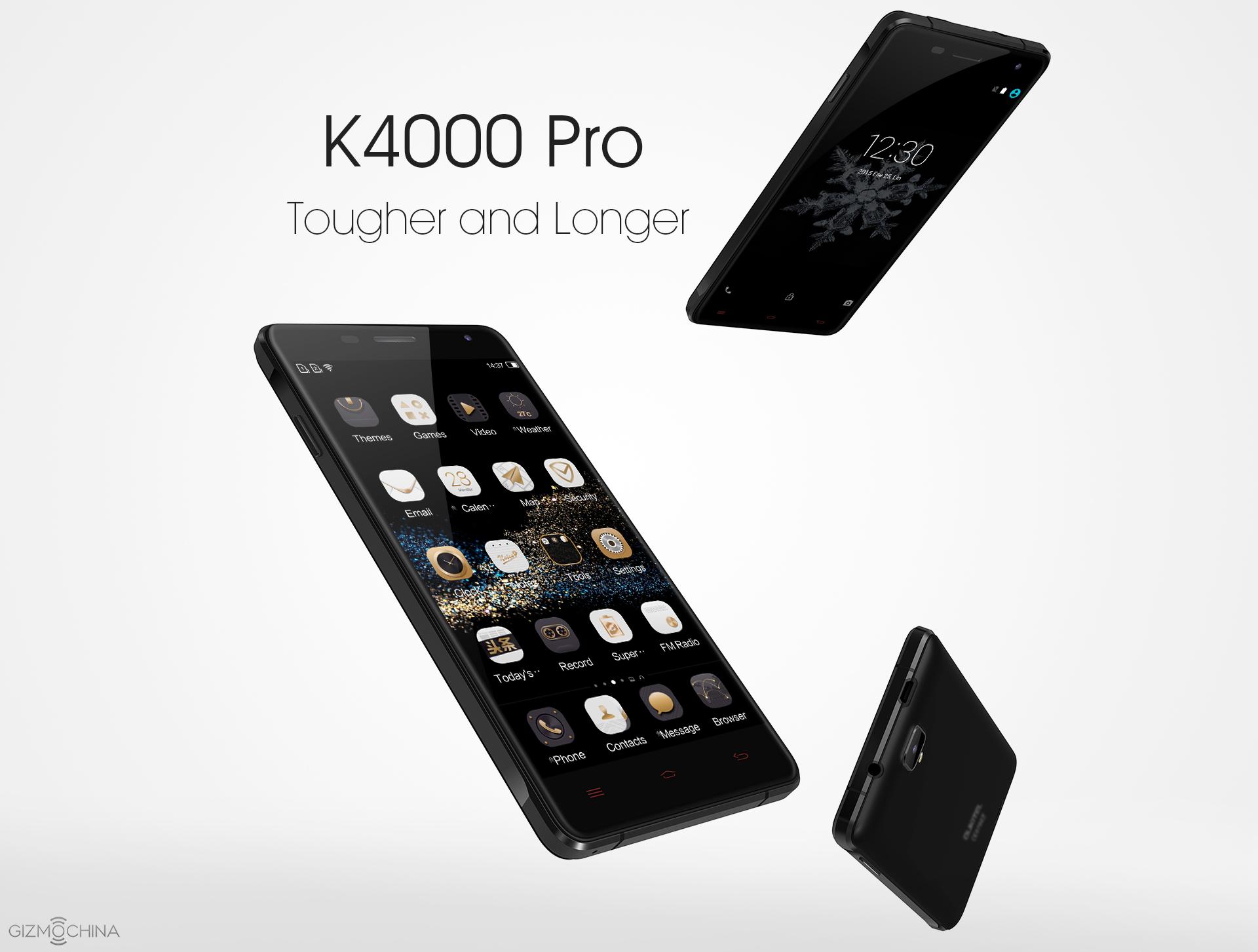
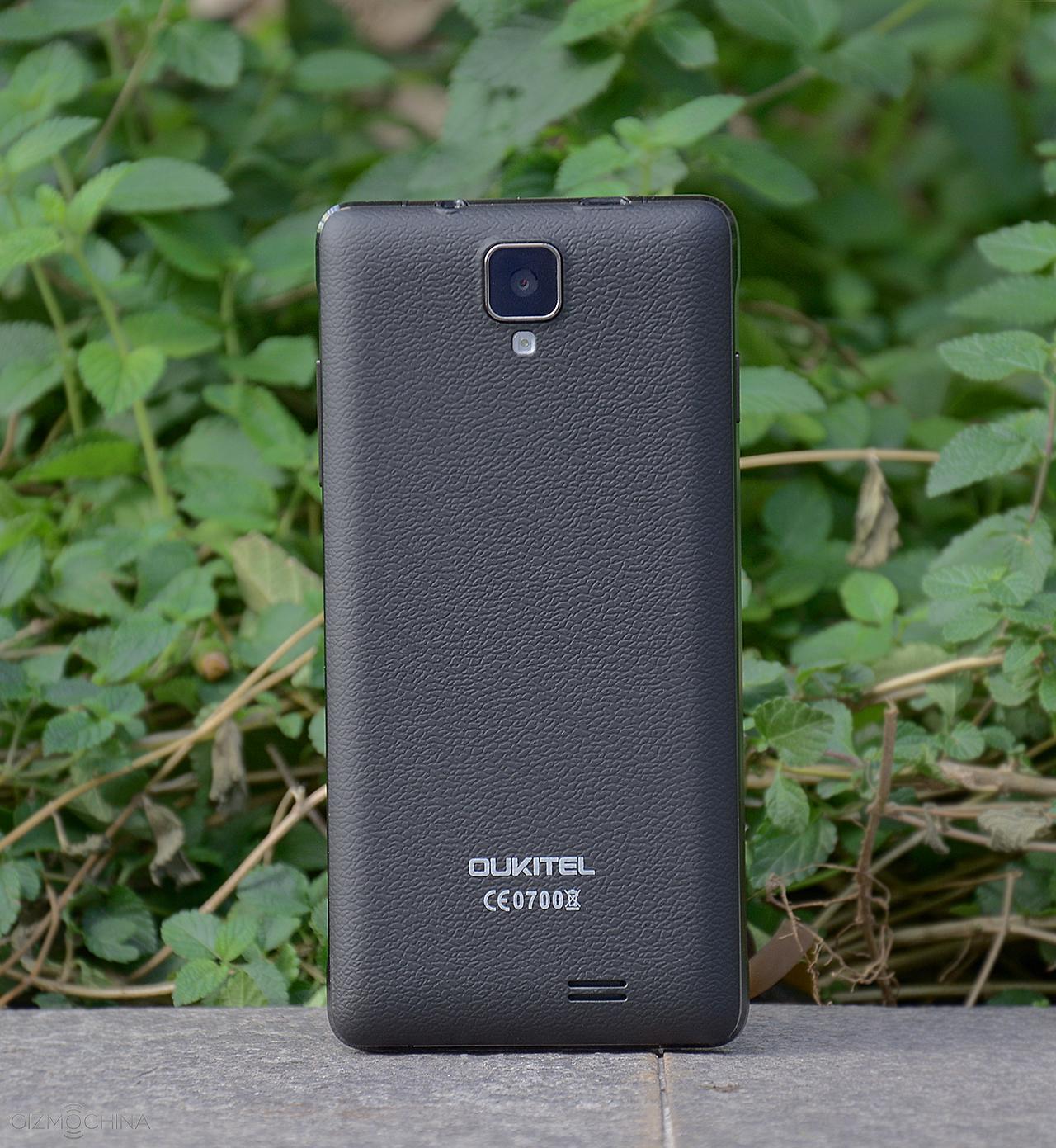
Oukitel K4000 Pro detailed specifications and new pics
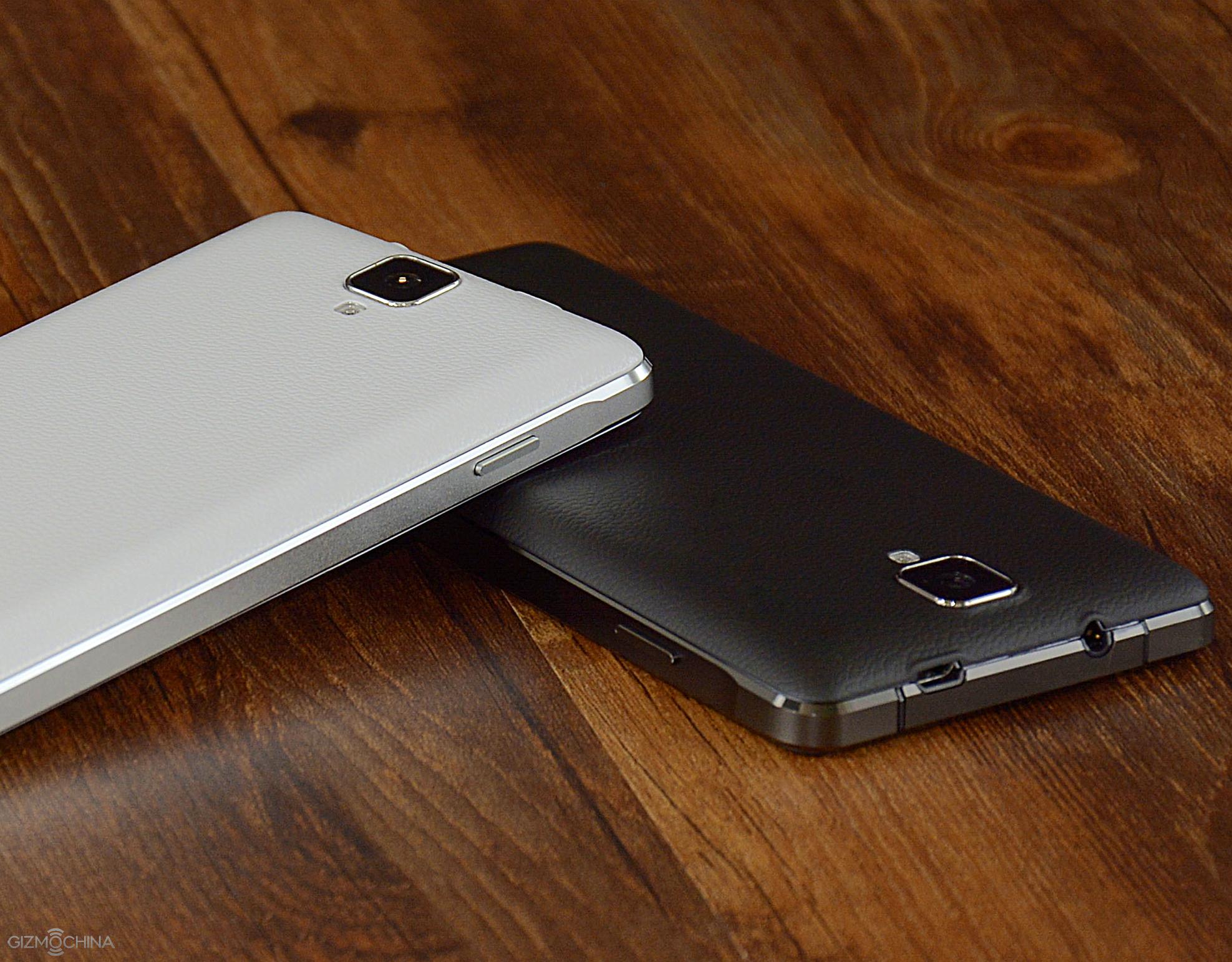
Today we have received some really nice pictures from Oukitel showing the soon to be released Oukitel K4000 Pro, along with a detailed set of specifications for the phone.
The specifications can be found below, Oukitel have chosen to go with lower consumption for their choice of components, in order to ensure a decent amount of time can be spent enjoying the phone between charges.
The Oukitel K4000 Pro features 5V/ 1.5A quick charging technology, to fill the 4600mAh Li-Polymer battery reasonably quickly.
The new battery sees an increase of 600mAh over the original K4000 handset.
I am just finishing up a review of the Oukitel K6000, the phone is averaging around 2 and a half days between charges.
I would think that the K4000 Pro should also last for a similar amount of time, given the fairly similar components used.
Its good to see a manufacturer going out on a limb and making larger capacity battery phones, filling the void left by most manufactures who chose slimmer bodies over battery life.
2 colours options will be available on release, these are white and Black.
OUKITEL K4000 Pro Specs:
Display: 5 inch IPS-screen,720*1280 HD display
Screen: tough screen with 9H hardness and 1000Mpa stress value
Design: crocodile leather back cover, 2.5D CNC curved metal frame
CPU Brand: MTK
CPU: quad-core MediaTek MT6735P 1.0 GHz
Dual Cameras: Front Camera – 5.0MP; Back Camera – 13.0MP
Memory: 2 GB RAM + 16 GB ROM,32GB Expandable
Network: 2G Frequency: 850/900/1800/1900
3G Frequency: WCDMA900/2100
4G Frequency: 1/3/7/8/20
Built-in Battery: 4600mAh
Charger: 5V/ 1.5A quick charge
If you have any questions or comments please feel free to leave them below and be sure to check back soon for more information and news on the Oukitel K4000 Pro.
Regards Shane
You can purchase the original Oukitel K4000 for just under $110 (£73)
Elephone Official announcement and Ele Cam 12 12 Deal
We received the following announcement from Elephone today, things got very busy during their 12.12 event, with websites running slow due to the shear volume of orders being placed.
In order to prevent the same thing happening again, Elephone are putting measures in place ready for the next round of sales between the 16th and 18th of December 2015
Hopefully you will be able to grap a bargain or too before they all sell out again, with 20,000 units sold last time you are in with a good chance.
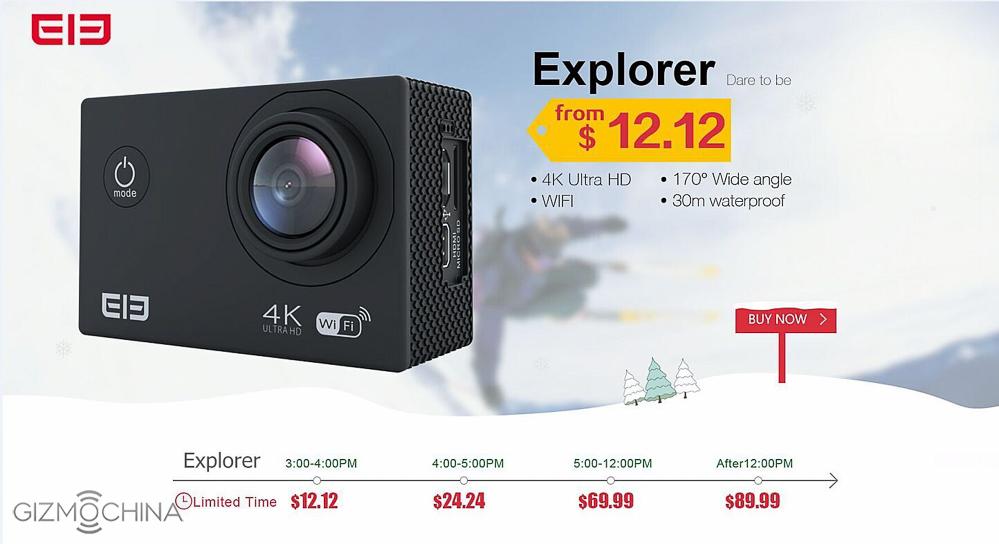
ELE Cam 12 12 Deal
Elephone are now including the ELE Cam Explorer to the growing list of tech in the 12 12 sales, the ELE Cam 12 12 deal comprise of a set of 1 hour time slots, with a different price each hour.
3pm – 4pm – $12.12
4pm – 5pm – $24.24
5pm – 12am – $69.99
12am onwards $89.99
Times are all GMT+8 hours
I will be posting a review of the ELE Cam soon, the Ele Cam shoots up to 4k Video at 15 frames per second, it will also shoot 1080p at 60 frames per second and 720p video at 120 frames per second, hopefully the review will show case the ELE Cam and also some amazing parkour skills too.
Copy of official Elephone announcement
Our big success on 12.12 event, 20K phones are sold!!
Our online sellers GeekBuying, PandaWill, ElephoneCC, ElephoneStore are alternatively online
Due to the high traffic, some delay on elephone official website and our seller websites has caused many people unable to complete their orders, which we are very sorry for.
But we have prepared sufficiently with our sellers to ensure this kind of situation will not happen on next event 16th-18th. .
Limited time&limited quantity. Users can go to our official website to choose the sellers.
Best
Please leave comments and questions below, be sure to let us know if you snapped up a bargain or if you missed out.
Xiaomi Mi 5 is coming real soon. But like any popular handset, many renders, leaks have already started circulating on the internet. In fact, we have been hearing about the company’s upcoming flagship for more than six months. Not surprising, considering that it’s been more than a year since we saw a new smartphone in the company’s flagship Mi lineup.
Up till now, we have come across a lot of Xiaomi Mi 5 Renders. As a result, I decided to get them all together in one place in order to compare and see which one turned out to be our readers favorite. I have added a poll inside this post where you can name your pick.
There have been four major Xiaomi Mi 5 renders we have seen recently. And guess what, three of them have a physical home button up front. I am not going to consider the ones that were leaked way back (early this year), but just ones that are new and were leaked in the past few months.
So, without wasting any more time, let’s take a look at the popular Xiaomi Mi 5 Renders that we have seen till date!
1. Xiaomi Mi 5 With Dual Camera Setup
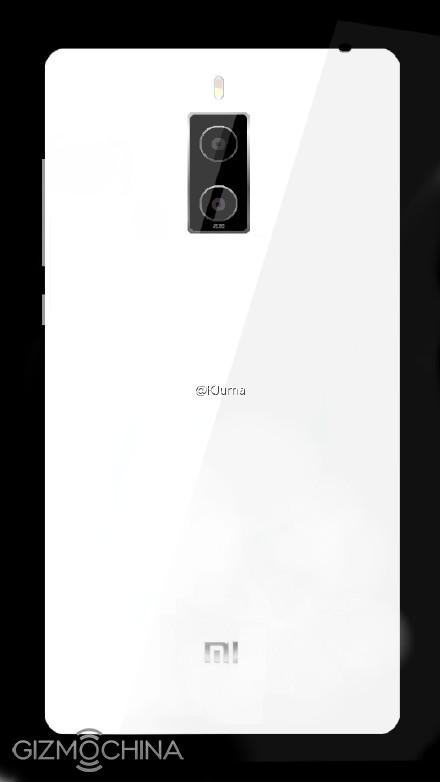
Xiaomi has a huge fan following and it’s likely that one of these creative fans decided to make a render of the upcoming Mi 5 flagship. This particular render, as you can see in the image shows off the bezelless Xiaomi Mi 5 with a dual camera setup. It was the first time we heard about the flagship featuring such a design. After that, there hasn’t been much talk about a dual camera setup on the Mi 5, which probably means this design won’t actually make it to the real world.
Still, it looks pretty good, especially since the bezels are thin on the top as well as the bottom. It makes the phone look quite compact, despite its large display. From the image, it looks like a phone that features a display upwards of 5.5-inches, which is not something that everyone would like.
2. Xiaomi Mi Note Look-alike
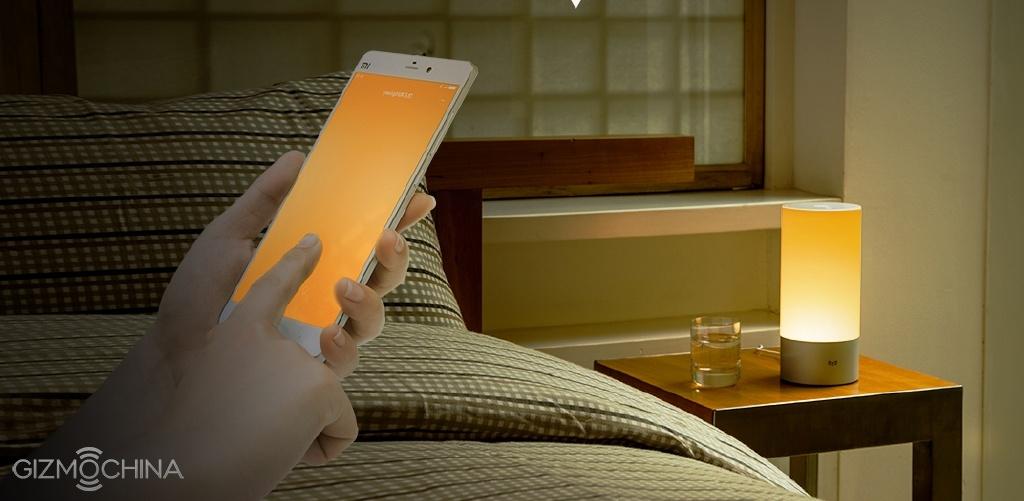
The second render comes directly from Xiaomi’s official Weibo account. While promoting its Xiaomi Yeelight lamp, the company released a photo via its account wherein a user was controlling the lamp using a smartphone that we haven’t seen till now. Well, it looked a lot like the Xiaomi Mi Note, but the bezels were super thin, nearly non-existent, which caught our attention. While we still don’t know whether Xiaomi intentionally teased a new handset, which probably is the Xiaomi Mi 5, the render did look quite good.
There have been multiple reports about the Mi 5 being bezelless, so this might be a good design for the upcoming flagship. However, it does look a lot similar to the Xiaomi Mi Note, which probably isn’t a good idea if the company wants to clearly distinguish the two series.
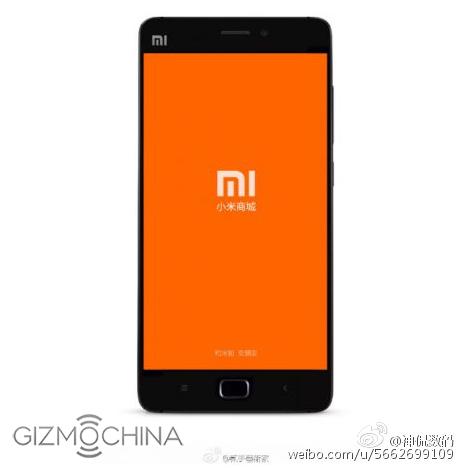
3. Xiaomi Mi 5 With Rectangular Home Button
After the initial two leaks, we came across yet another render claiming to be the Mi 5. This time around, the image was much clear and detailed, allowing us to see the entire front of the smartphone. Once again, we could see a front placed home button which most likely incorporates a fingerprint sensor.
The bezels are thin, but not non-existent as we saw in the earlier renders. In fact, it looks like this is the most believable render that we have seen of the Xiaomi Mi 5 till date. But, I personally wouldn’t want the same old design continue on the new flagship. So, I hope this is not the final design!
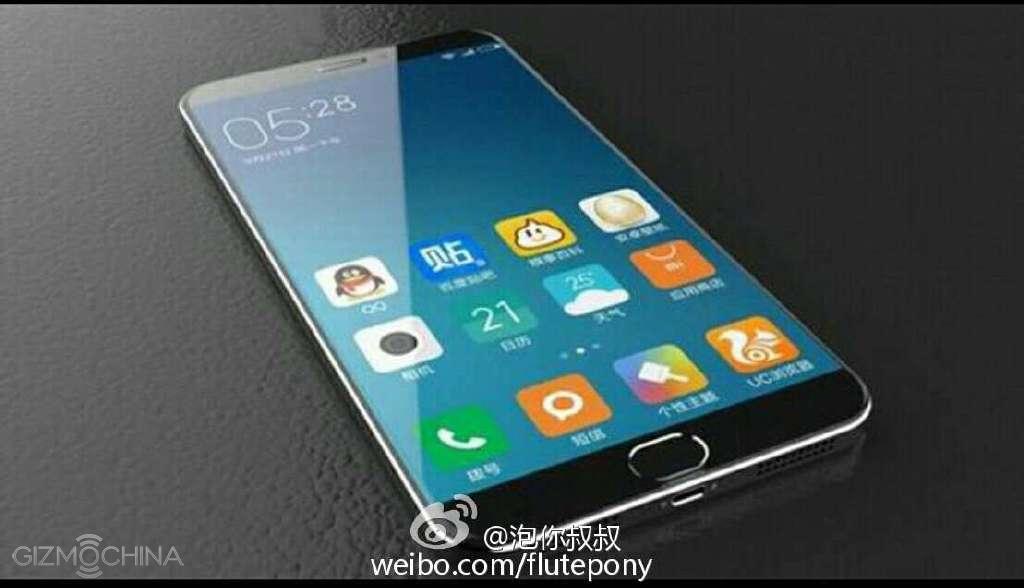
4. Xiaomi Mi 5 With Oval Home Button
A couple of days back, we came across another render of the Mi 5, this time, sporting an oval shaped home button up front. The design is a bit different than what we have seen on a Xiaomi phone till now, which makes things a bit more exciting.
As you can see, the corners are round and the phone looks a bit large as well, not like a 5.2-inch model as rumors suggest. Once again, the display is shown as bezelless. The bottom features dual speaker grills with the new USB Type-C port in between.
Overall, it’s quite different than all of the renders that we have seen till now. To support this render, we have seen the alleged front panel images of the Mi 5 similar to this design. So, could this be the final design of the Xiaomi Mi 5 flagship?
That’s all we have on the design of the Mi 5, at least for now.
So, which one would you pick as your favorite?
[socialpoll id=”2316136″]
I am sure in the coming weeks, we will get to see more such renders, and hopefully, one of them will turn out to be the real deal!
For the past few weeks, we have heard a lot about the upcoming Xiaomi Mi 5. Right from the specifications, design to the release, we have a solid idea about what to expect from Xiaomi’s long awaited flagship smartphone.
According to the latest information, the Xiaomi Mi 5 will support NFC (Near Field Communication) feature. There is often a debate about the usefulness of the NFC, some against it, saying it’s not a required feature while others for it, saying that they use it almost every day. Nevertheless, Xiaomi decided to remove the NFC feature on its Xiaomi Mi 4 flagship. While explaining the reason for this decision, CEO Lei Jun revealed that only 1% of the Mi3 and Mi2A customers actually made use of it.
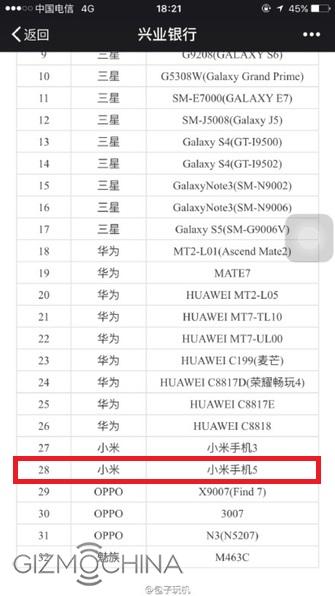
Now, it looks like the company has decided that NFC is useful again. We got to know that the Mi 5 will feature NFC chip thanks to a document released by China UnionPay, also known as CUP which is China’s only domestic card organization. The organization recently released a new NFC-enabled payment system, “Cloud Lightening Pay” (translated) which enables the customers to make payments via their smartphones. The technology works similar to other mobile payment systems we have seen in international markets, and relies on the phone’s NFC chip.
In the document released by the organization, among the first 32 smartphones that support this payment system, Xiaomi Mi 5 made it to the list. This is only possible if the phone supports NFC payments, which means we are almost sure that the Mi 5 flagship will come with NFC chip on board.
I am sure many Xiaomi fans will be excited to hear that the Mi 5 has this feature. It definitely helps those users who rely on mobile payments and other NFC-enabled features.
A couple of weeks back, we spotted a new smartphone from LeTV, the Max Pro (X910) on the benchmarking app, AnTuTu. At that time, we managed to get the full tech specs of the device, which revealed that the Max Pro was going to be a high-end device. However, the leak only revealed the specifications of the device and not the AnTuTu Benchmark scores. Now, we have that information as well.
According to the leaked benchmark scores of the LeTV Max Pro, the phone managed to score a whopping 133,357 points on the AnTuTu benchmarking website. This is one of the highest scores we have seen till date, even beating the score posted by the Snapdragon 820 powered Qualcomm Developer device.
This clearly shows the true power of the Snapdragon 820 chip that powers the Max Pro model. However, we also have to remember that the scores of most SoCs have increased after the AnTuTu update to v6.0. A few changes in the way the scores are calculated have led to this increase. But still, it shows that despite having just four cores, instead of the traditional eight-core design, Snapdragon 820 easily beats most chipsets.
As for the other specs of the LeTV Max Pro, they are the same as we saw early December. This means a 5.5-inch 2K display, 4GB of RAM, 64GB of storage, 21MP rear camera, 4MP Ultrapixel front camera and Android 6.0 Marshmallow update.
An analyst recently said that LeTV could be the first smartphone manufacturer to showcase a Snapdragon 820 powered phone as early as CES 2016. However, when we consider the actual release of the first Snapdragon 820 powered smartphone, Xiaomi could be the first, thanks to its Xiaomi Mi 5 which is expected to be announced in January and released in February.
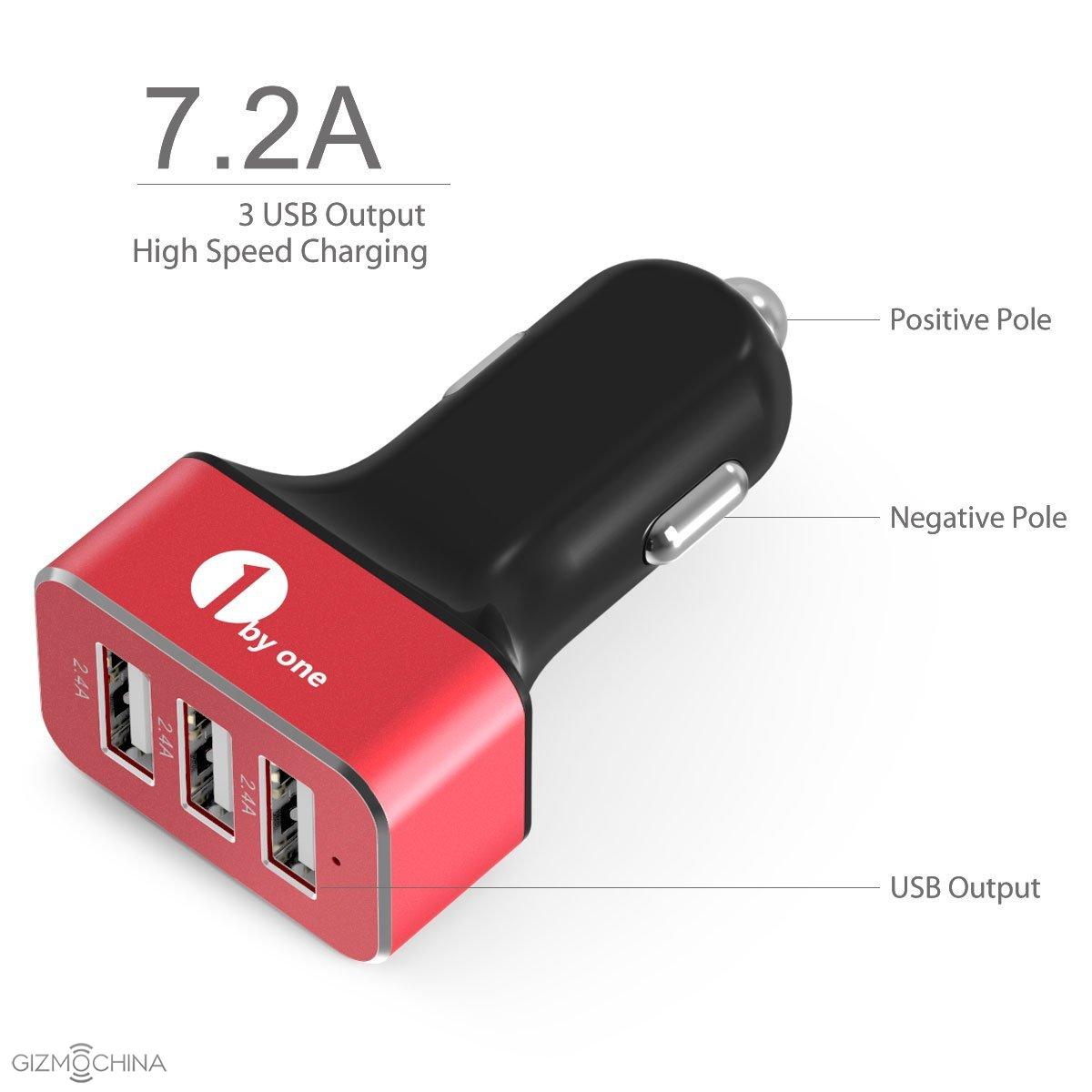
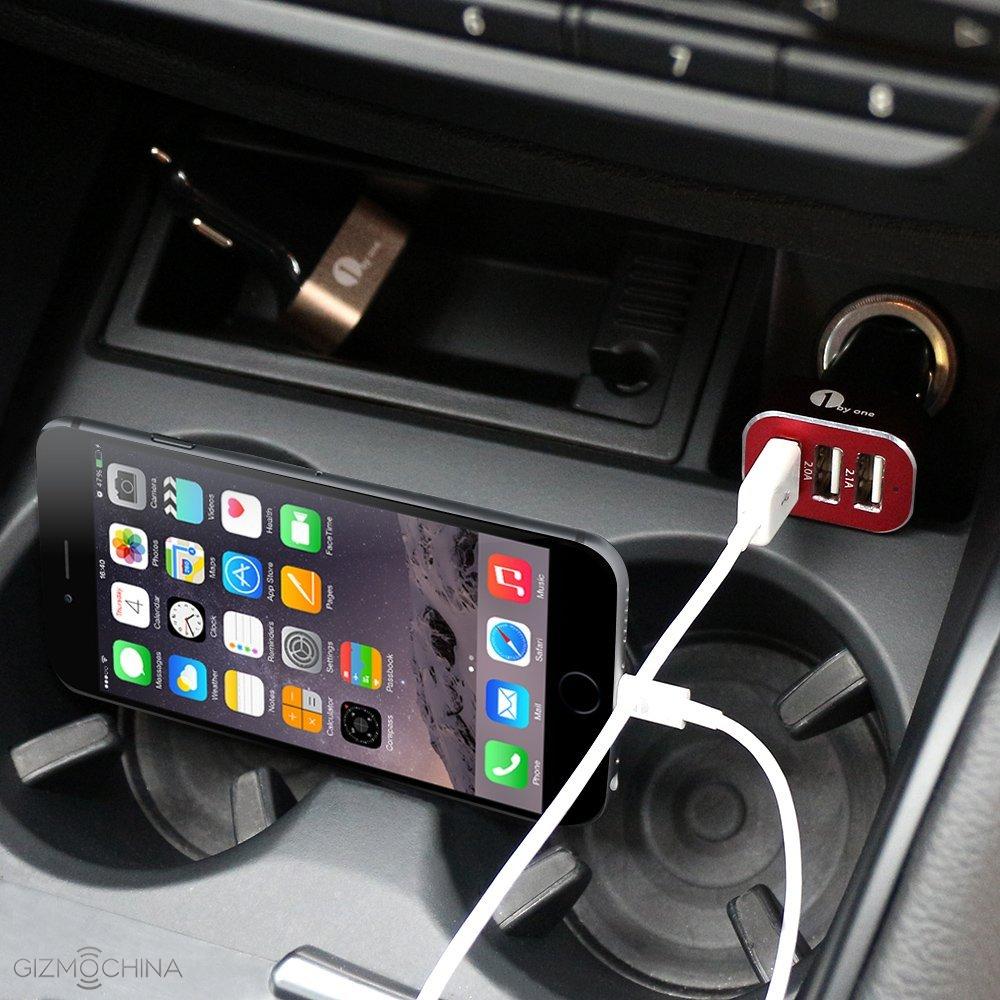
Charging our smartphones or other gadgets have become a daily routine for most of us. Gone are the days of old feature phones that could hold the charge for more than a week and thus we need to think more about charging solutions on the go. One of the options is the car charger and 1byone has a pretty could deal at the moment and it is one of the top sellers on Amazon.
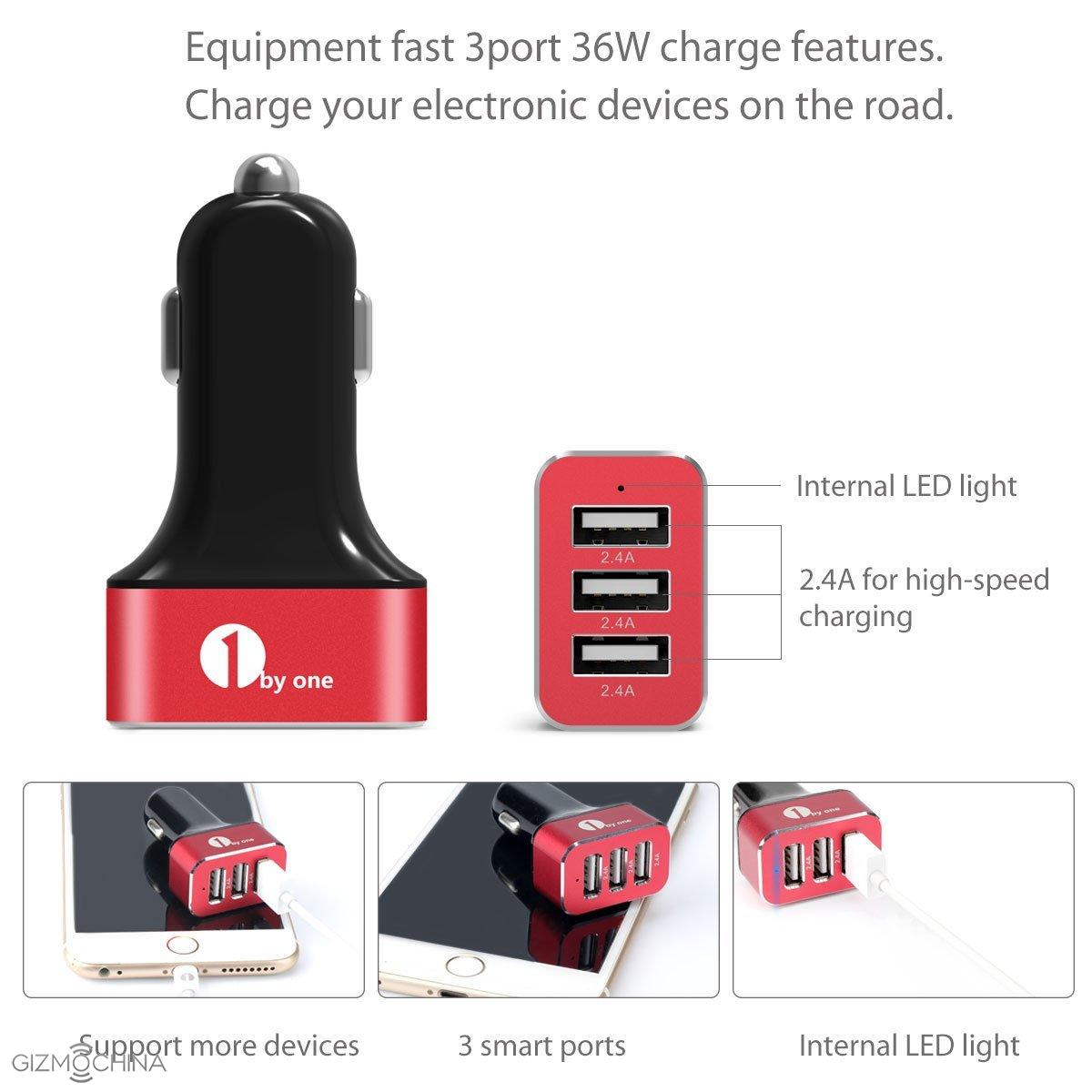
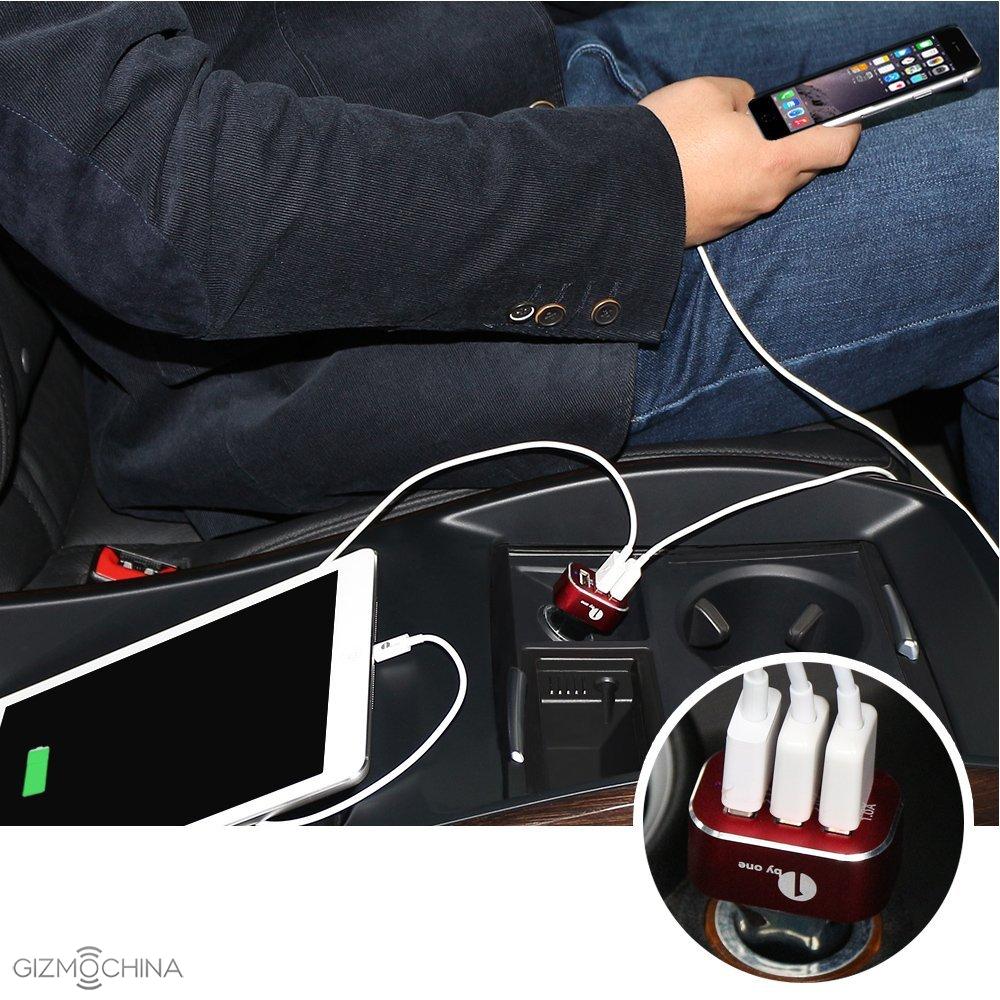
One of the main problems with the car chargers is that we usually do not have lots of time to use them unless you spend much time driving. In any case, the 1byone car charger is designed in a way that it charges devices fast. It has 3 ports and all of them have a power output of 2.4A, and they can be used simultaneously.
Also, the charger has a great all-aluminum design, so it does not seem to break anytime soon. In addition, the embedded LED light indicates the charging process.
Finally, this car charger usually retails for $8.99 on Amazon but 1byone has a limited time offer, which gives you $3 off with a coupon code 9UAFS5AL. Keep in mind that the deal applies only to red and black colours of the charger.
Deal summary:
Start Date: 12/11/2015 09:00 AM
End Date: 12/18/2015 11:59 PM
Original price: $8.99
Discounted price: $5.99
You Save: $3.00
Coupon Code :9UAFS5AL
Keep in mind that the deal applies only to red and black colours of the charger.
Elephone 12 12 sale get your hands on phones for just $12.12
If you head over to the Elephone site on the 12th of December you will have a chance to purchase selected phones at just $12.12, the Elephone 12 12 sale will be followed up by a second sale that will run from the 16th to the 18th of December.
A wide range of handsets will be up for grabs at just $12.12, with the choice of handset changing hourly.
Handsets including the P8000, M2,P6000 ProS2/S2 Plus and more will be available, so you could save up to $180.
This is is sure to be a crazy busy promotion, so make sure you get there early and keep checking in to see if you can grab a bargain or two.
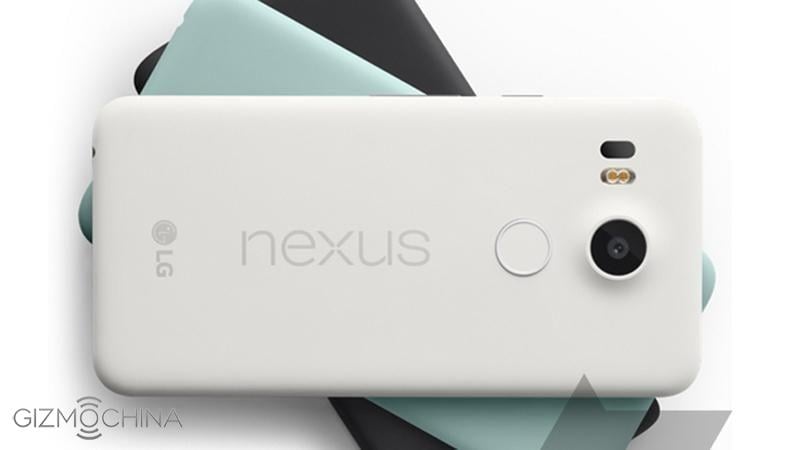
This year, for the first time, Huawei manufactured a Nexus device, and it turned out to be quite a powerful handset. Although Google is yet to confirm the extension of the Nexus 2016 project to Huawei, rumors about the new Huawei-made Nexus device have already started to come in.
Now, analyst Pan Jiutang has just revealed a few information about the Huawei-made Nexus 2016 handset. It is said that the new Nexus device, which will most likely be made by Huawei, will come with Snapdragon 820 chipset.
Apart from Nexus, there are a lot of other manufacturers who are keen on using this chip. The first Snapdragon 820 powered smartphone is expected to be the Xiaomi Mi 5. Even the upcoming Galaxy S7 flagship is said to come with this powerful chipset. Other possible manufacturers with Snapdragon 820 powered smartphones include Sony, LG, MOTO, LeTV, ZTE Nubia and even Meizu (according to new information leaked earlier today)! So, pretty much all the major smartphone manufacturers in the market.
Meanwhile, we have seen the initial performance of the Snapdragon 820 chip and it’s quite powerful as compared to competitors. You can read all about its AnTuTu benchmark test results from this article.
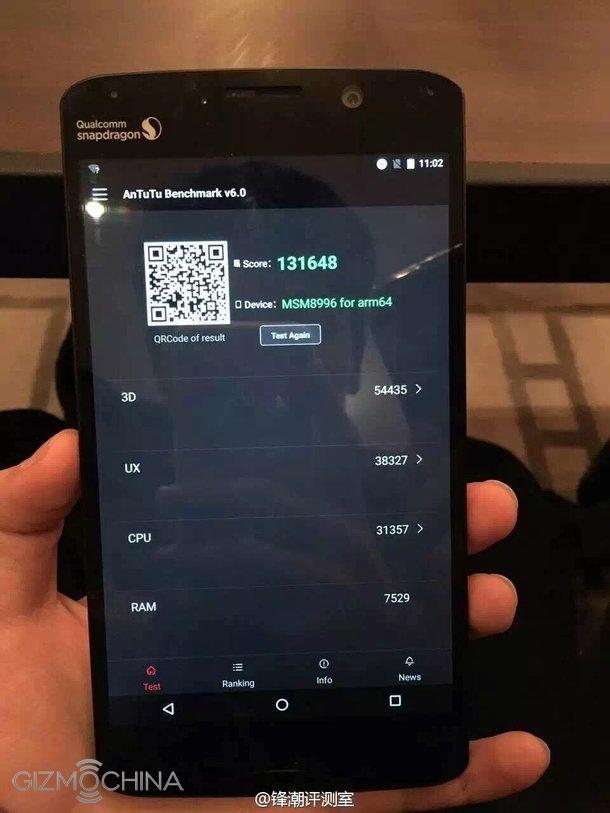
Qualcomm officially unveiled the Snapdragon 820 chipset in Asia earlier today at an event in China. Like expected, the company showcased a prototype Snapdragon 820 powered smartphone at the event. This also meant that we could check out the initial performance of the chip on AnTuTu benchmark app.
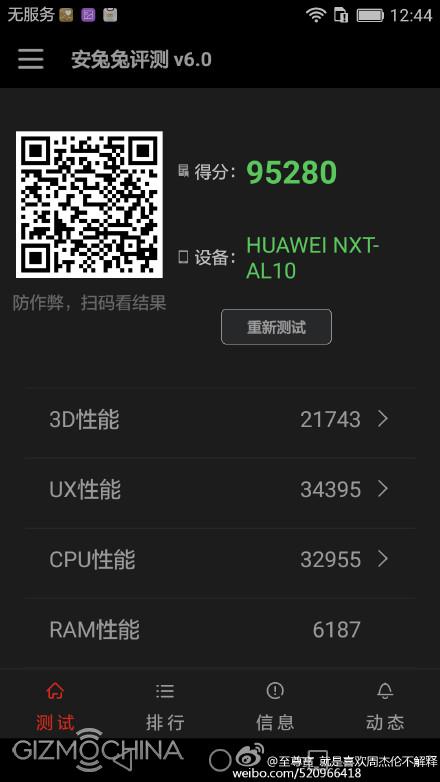
Given the high-end specs of the smartphone, which includes 3GB RAM, 64GB of storage and 2K resolution display, the phone managed to score about 131,648 points on AnTuTu. This is much better than any other scores that we have seen lately, which tells us a little about the performance of this chip. In fact, it’s much better than the already powerful Huawei Kirin 950 chip. The chip manages to score about 97,000 in the same test.
Mate 8 AnTuTu Scores
The CPU performance is slightly better on the Kirin 950, mainly because of the four extra cores, scoring about 33K points, whereas, the Snapdragon 820 scores only about 31K.
While the CPU performance is more or less similar, what really sets the Snapdragon 820 chip apart from Kirin 950 is the GPU performance, thanks to Adreno 530. As you can see in the AnTuTu test screenshots in the article, Snapdragon 820 blows away Kirin 950 when it comes to GPU performance. It’s more than twice as powerful as the Kirin chip which is really impressive. The Qualcomm chip scores about 54,000 points in the 3D test, where as Kirin 950 only scores about 21,000.
So, in the overall test, the Snapdragon 820 comes out on top. There are a lot of devices that are expected to be powered by this Qualcomm chip next year. We expect the Xiaomi Mi 5 to be the first phone with the chip, followed by other Chinese players like LeTV, ZTE Nubia and South Korean companies like Samsung.
We were definitely impressed by an affordable yet premium handset and this time around we are looking at a little brother – ZTE Axon Mini. It turns out that it is not only another mini version of a flagship but it is one of the world’s first Android smartphones (along with the Huawei Mate S Luxury Edition) that has a force touch display technology. Find out more in our full review.
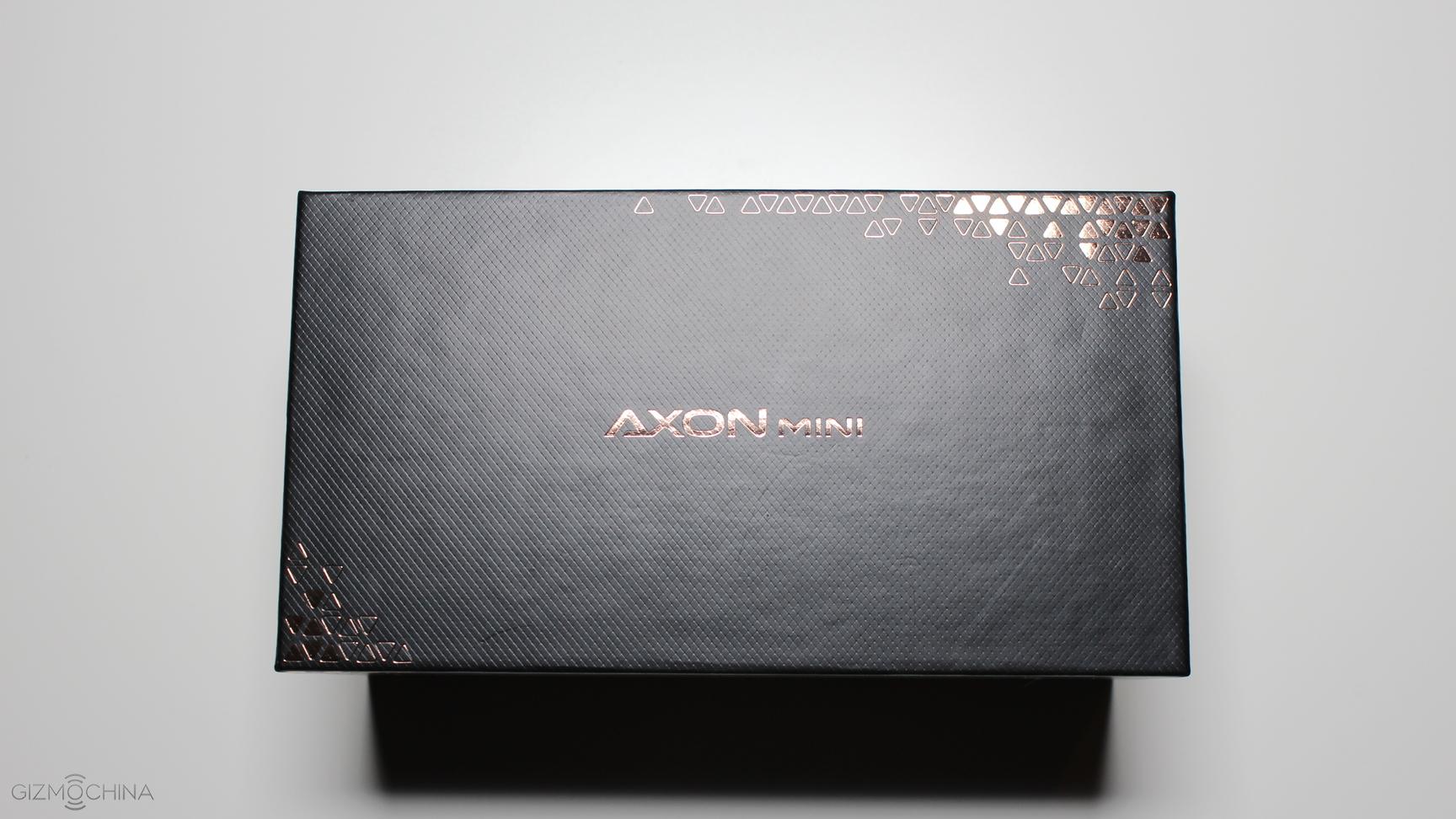
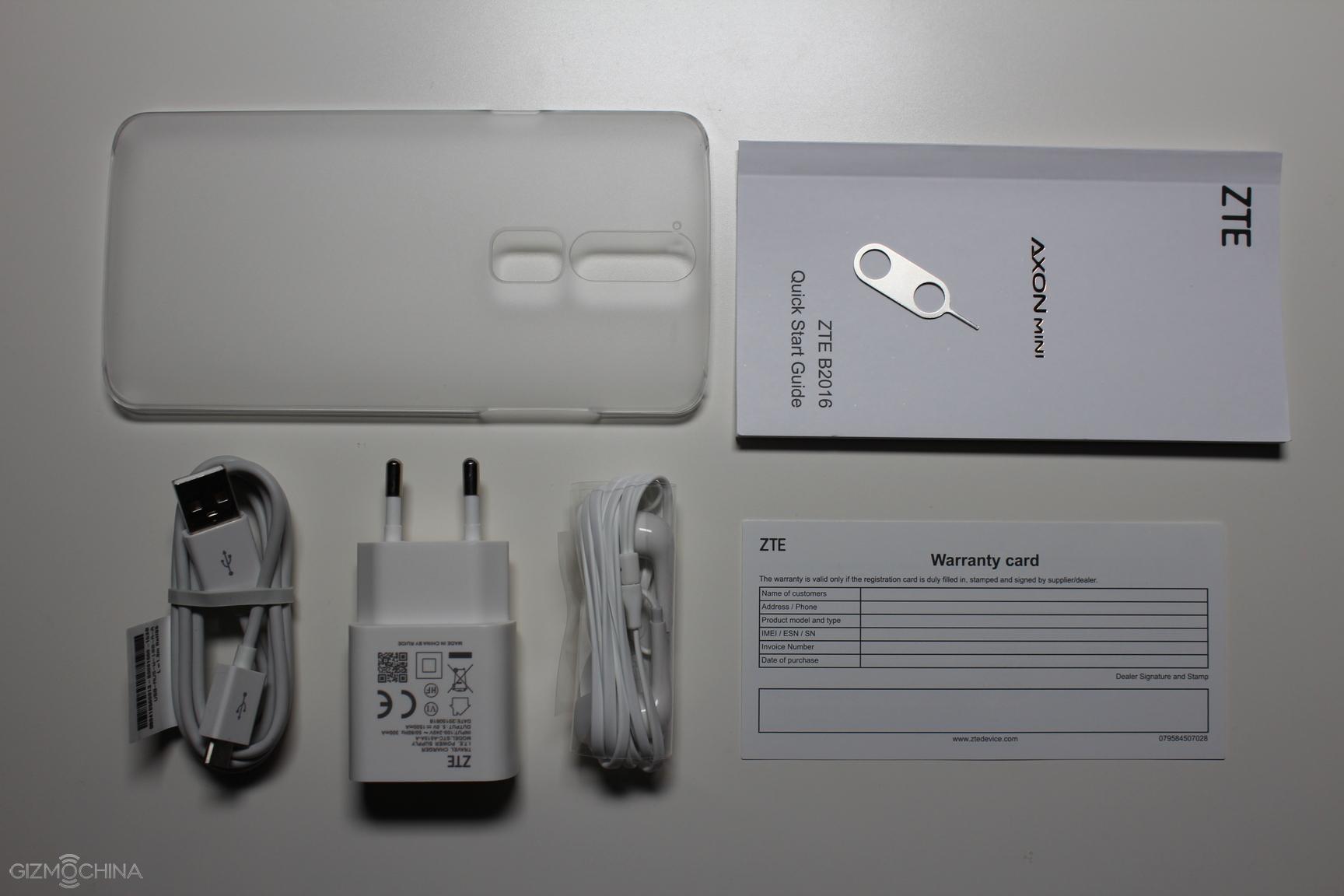
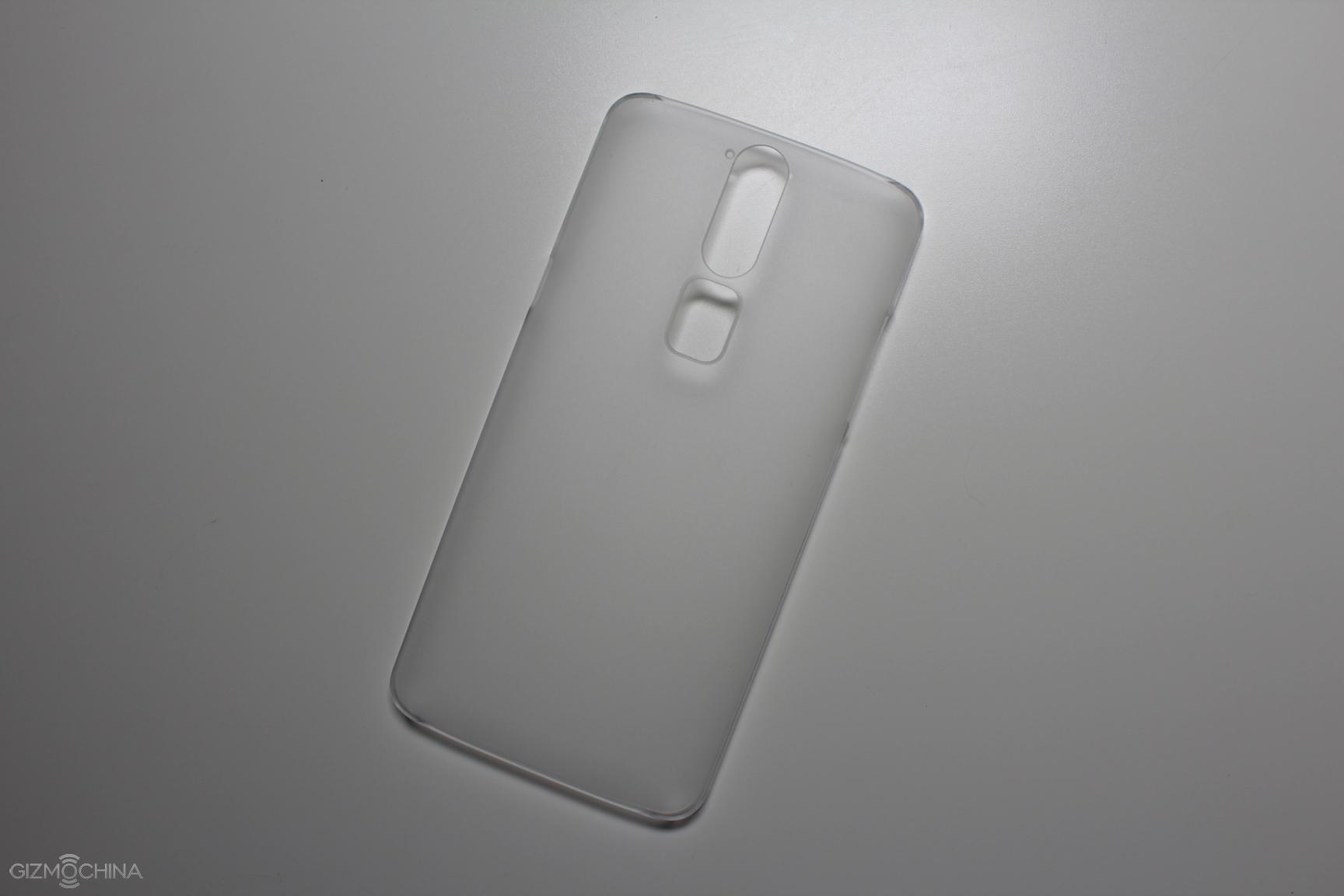
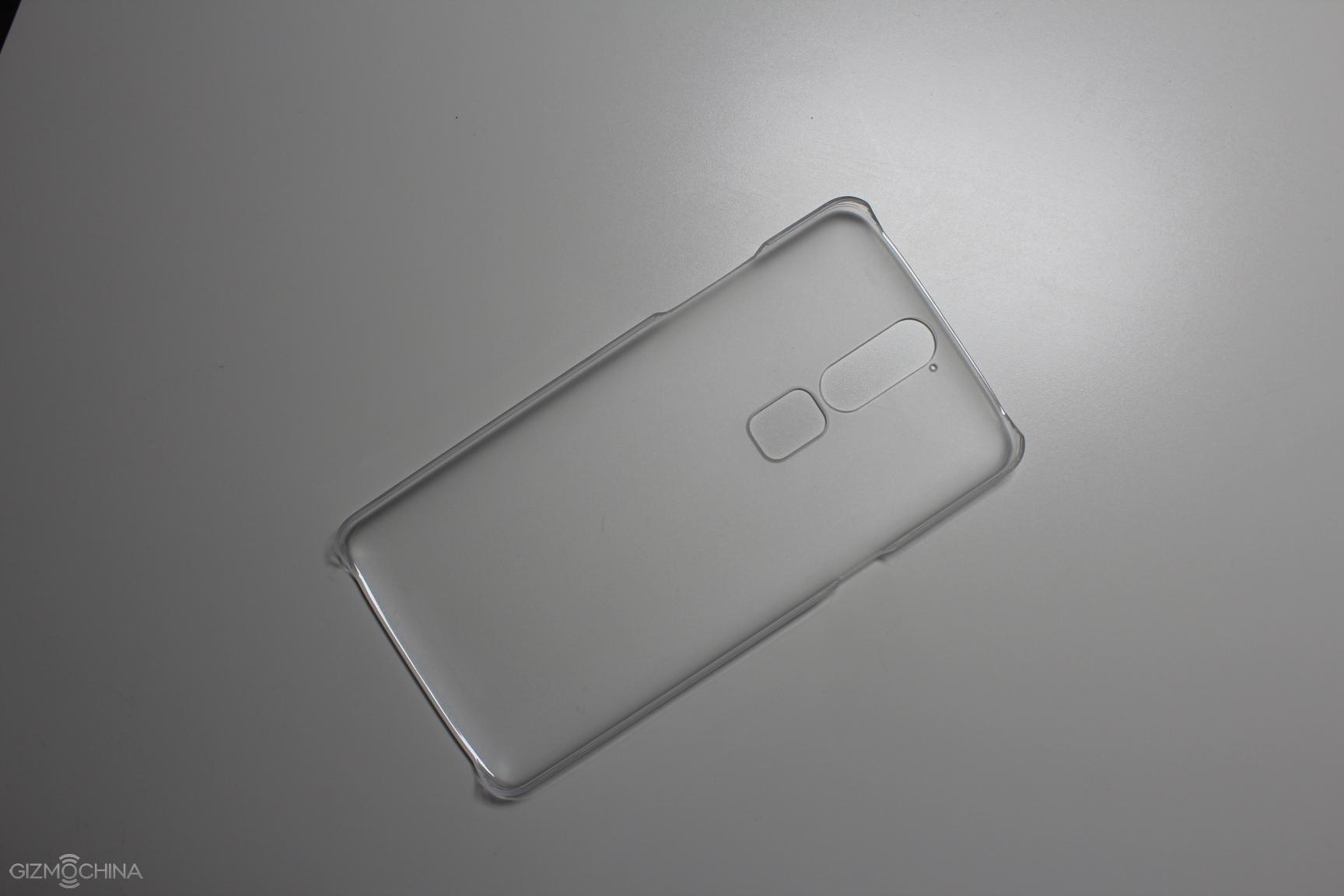
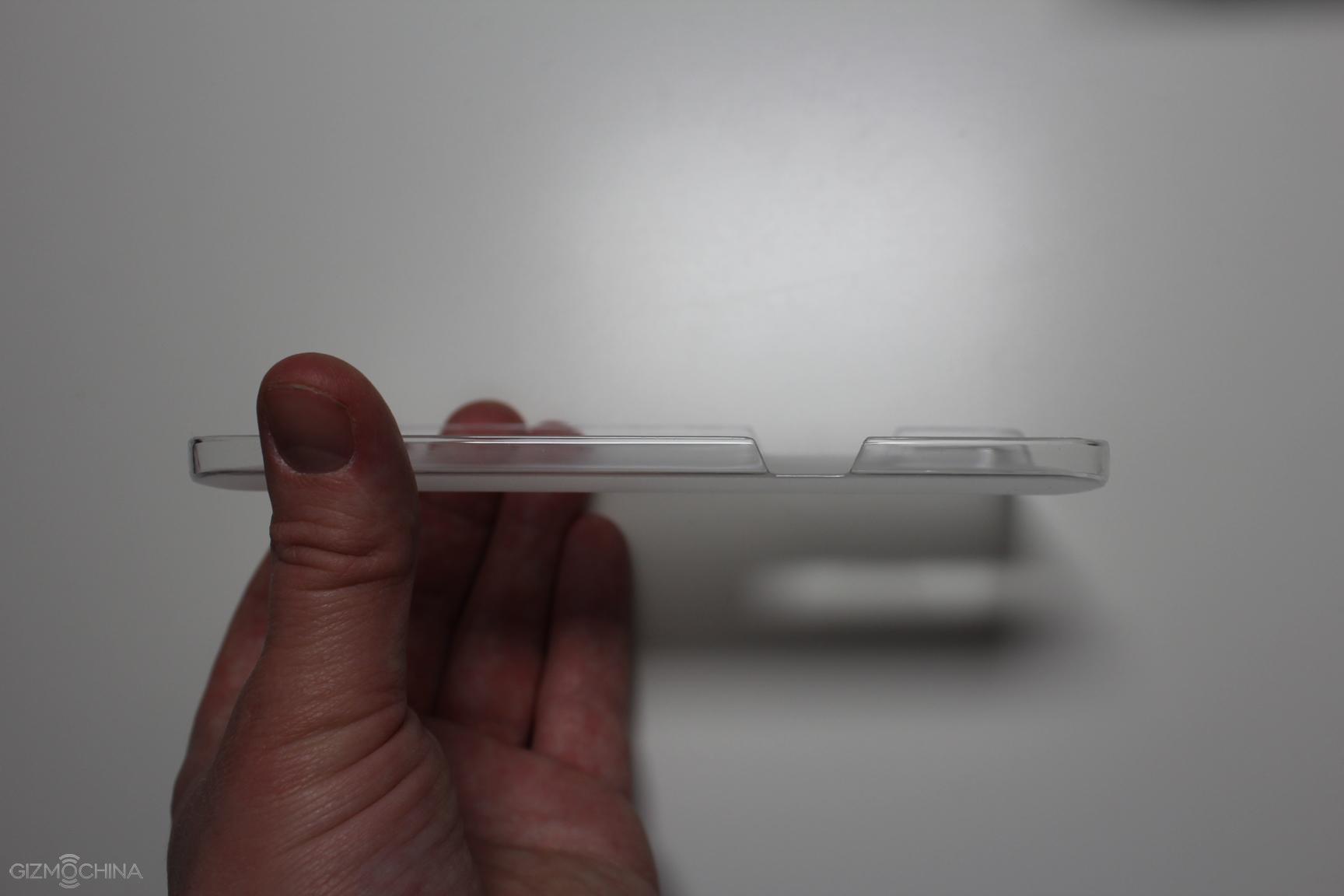
The ZTE Axon Mini comes in a premium looking packaging where all the items are packed neatly. The contents include the charging plug, USB cable, a pair of earphones, which actually sound pretty good; SIM ejector PIN, some documentation and a soft plastic case, which is always a nice addition to have.
ZTE Axon Mini: SPECS
Display
5.2″ 1080p Amoled (Full-HD)
Processor
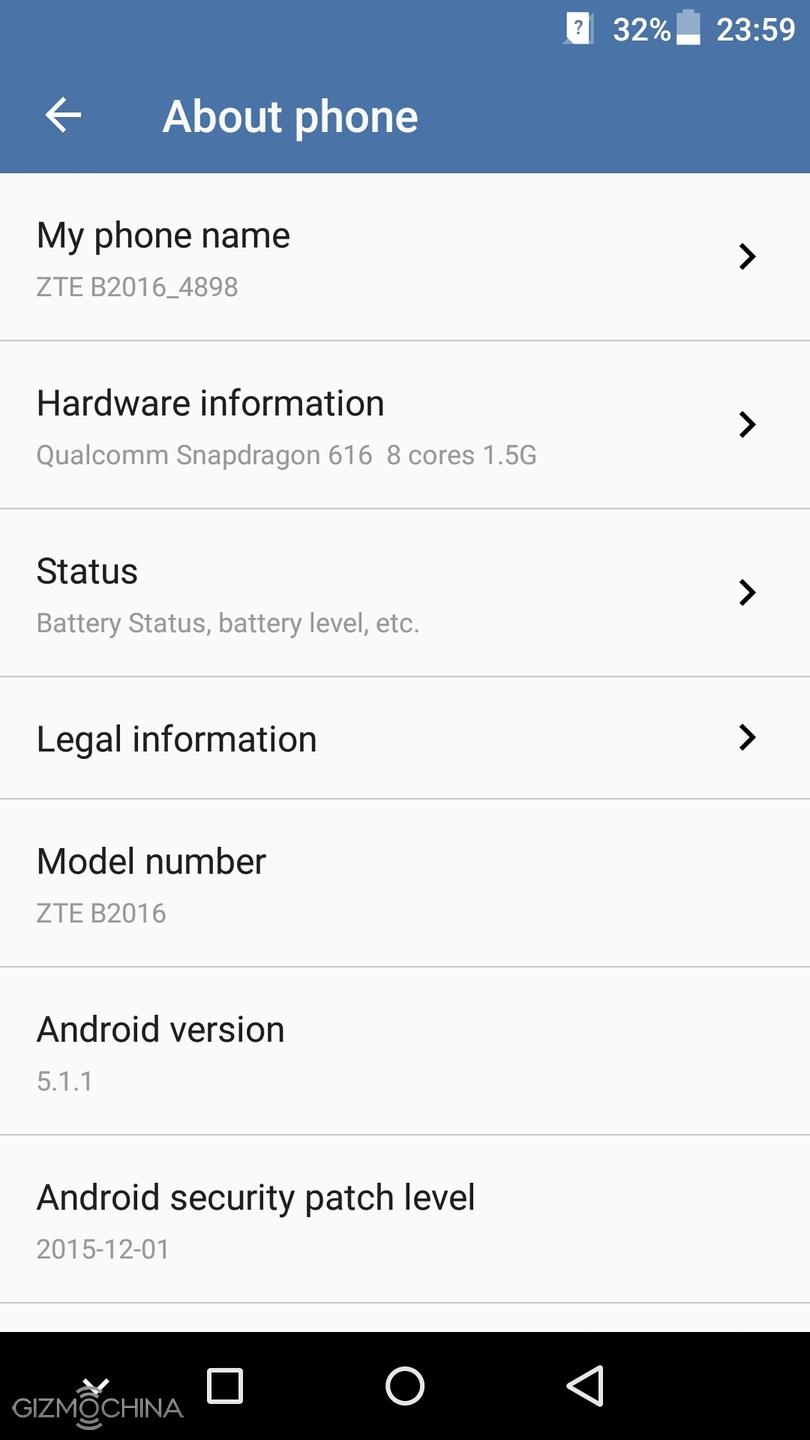
Qualcomm Snapdragon 616, 64-bit, octa-core (up to 1.5GHz)
143.5 x 70 x 7.9 mm (5.65 x 2.76 x 0.31 in) / 140g
OS
MiFavor 3.2.0 (based on Android 5.1.1)
Storage
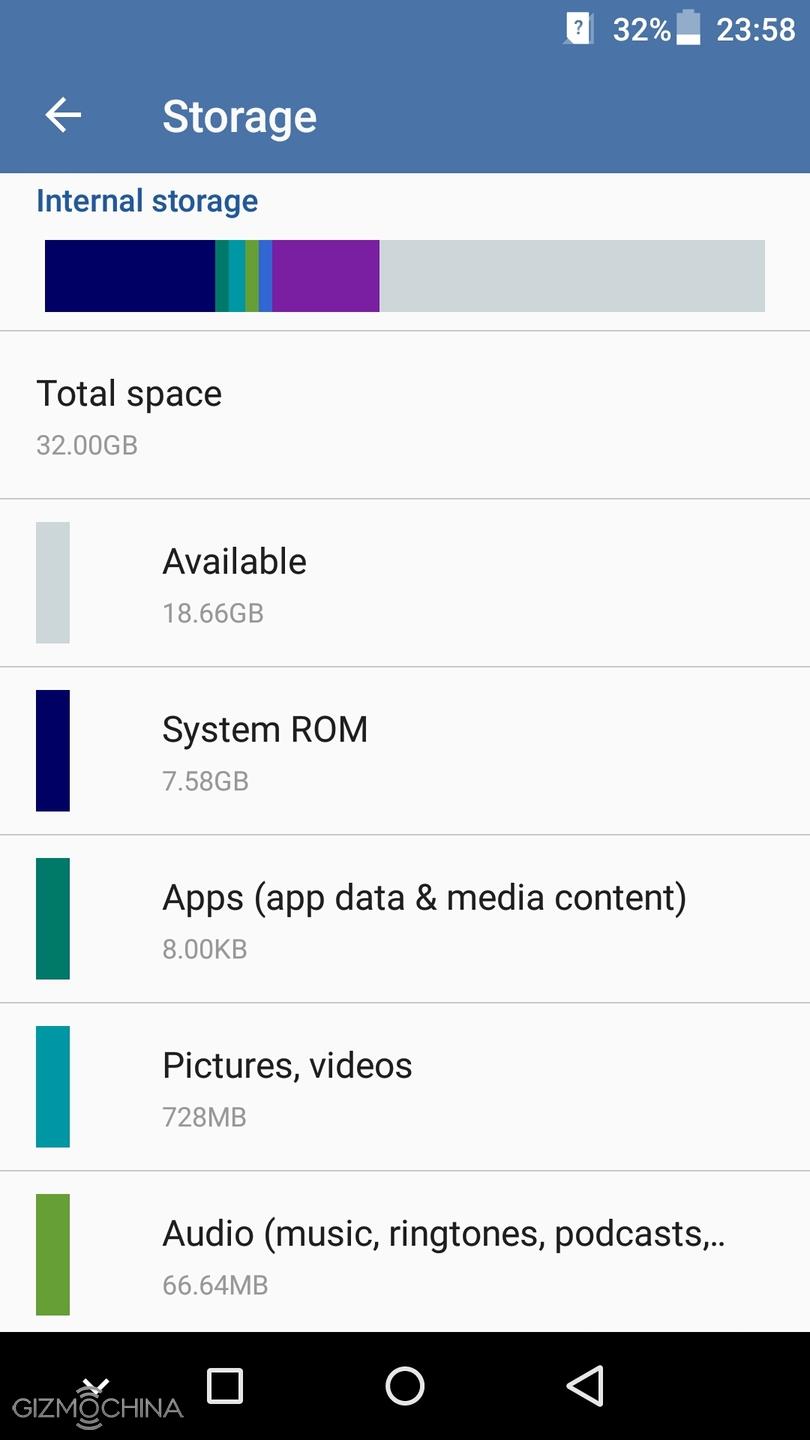
32GB (expandable via microSD card slot up to 128GB)
ZTE Axon Mini: DESIGN
As far as the design, we are looking a really premium and well-crafted handset. It is made almost entirely of metal except for those top and bottom parts on the back, which imitate a leather finish with some fake stitching. It is very subjective and many people may not like it but I have to say that they look okay to me. As a matter of fact, they have a somewhat rubberised finish, which definitely helps with the grip.
The front top and bottom parts may give you an impression that the Axon Mini sports a dual stereo speakers setup. However, the top part is dedicated only for the earpiece, usual set of sensors, notification LED light and 8MP selfie snapper.
The bottom is the place where you can find a front firing speaker along with the main mic.
The ZTE Axon Mini keeps the same design language as its bigger brother but this time around it ditches the dual-camera setup and opts in for a more conventional 13MP shooter with dual-LED flash.
Underneath the camera there is a fingerprint scanner. I’ve setup it up since the first minute I had the phone and I have to say that it is super easy to setup, very fast and accurate to use. Also, the rear placement of the scanner feels much more natural than on the one found on the front. Again, this may be subjective.
On the top there is a headset jack and on the bottom – a regular micro USB charging port. On the right we have a power key and a dual SIM card and the microSD card slot for storage expansion. On the left, there is a just a volume rocker.
Overall, the build quality is top-notch and I love all-metal design of the phone. The Axon mini definitely feels great in the hand and I really appreciate the fact that it is easily manageable with one hand due to its 5.2″ display.
ZTE Axon Mini: Display
As far as display, we have a 5.2” 1080p Amoled panel, which is just gorgeous to look at. Honestly, it almost looks like an LCD display as it has all the good aspects like colour accuracy, brightness of liquid crystal displays but adds a little bit of punchiness and saturation, which is typical to Amoled panels.
ZTE Axon Mini Review: UI
The Axon mini comes with the MiFlavor UI, which is built on top of Android 5.1. However, the app drawer has been removed and we are not huge fans of it.
1 of 14
As usual to the Chinese skins, the MiFlavor has quite a few customisation options, gesture controls and a lot of little tweaks and extra features, which work pretty well but it depends on your habits if you will actually use them.
1 of 2
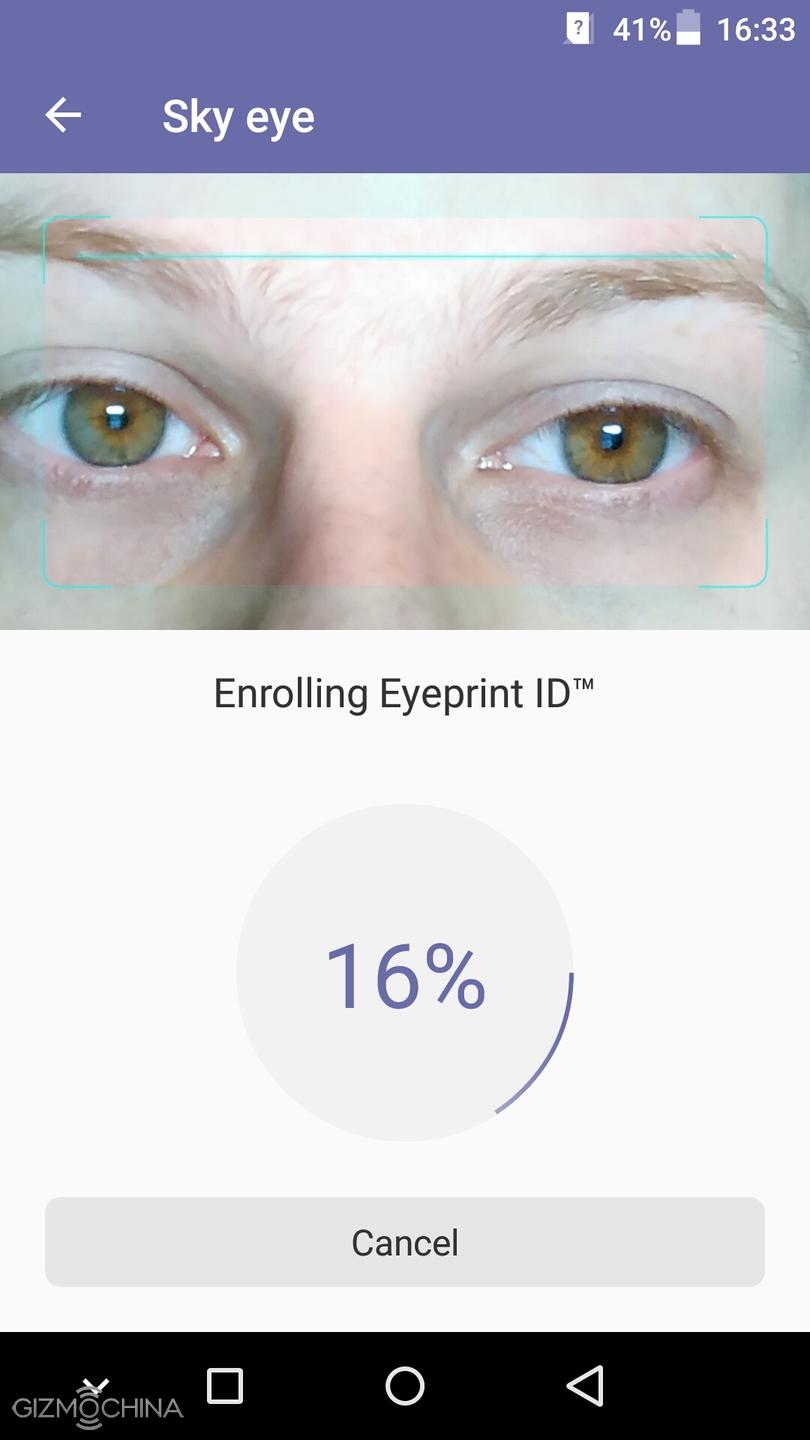
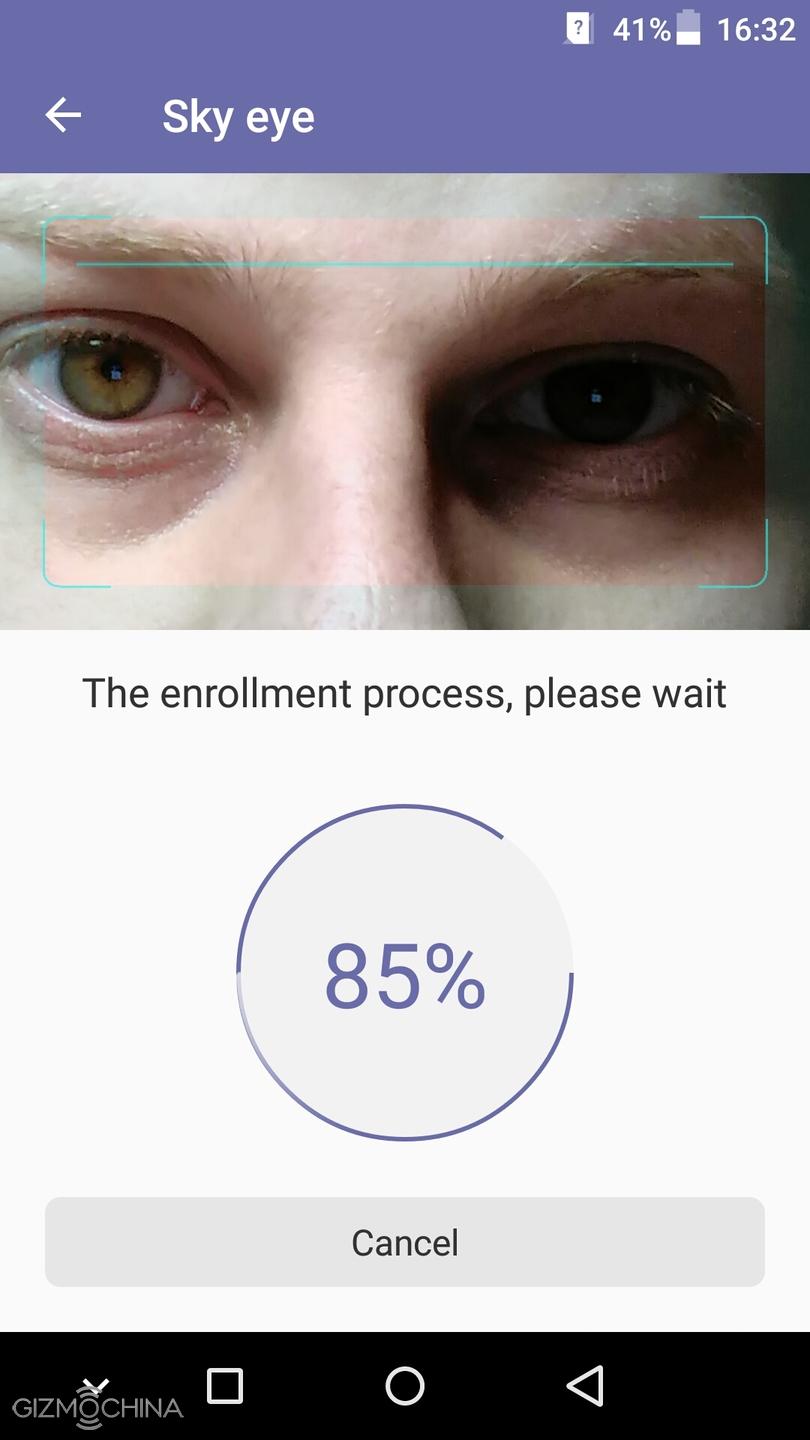
For example, the Axon mini has one of the best implementations of the iris scanner but I’m not sure if this feature is actually needed. Well, it may be cool to show it off to someone in the bar.
The Pressure Sensitive Display Tech: Features and Functionality
1 of 3
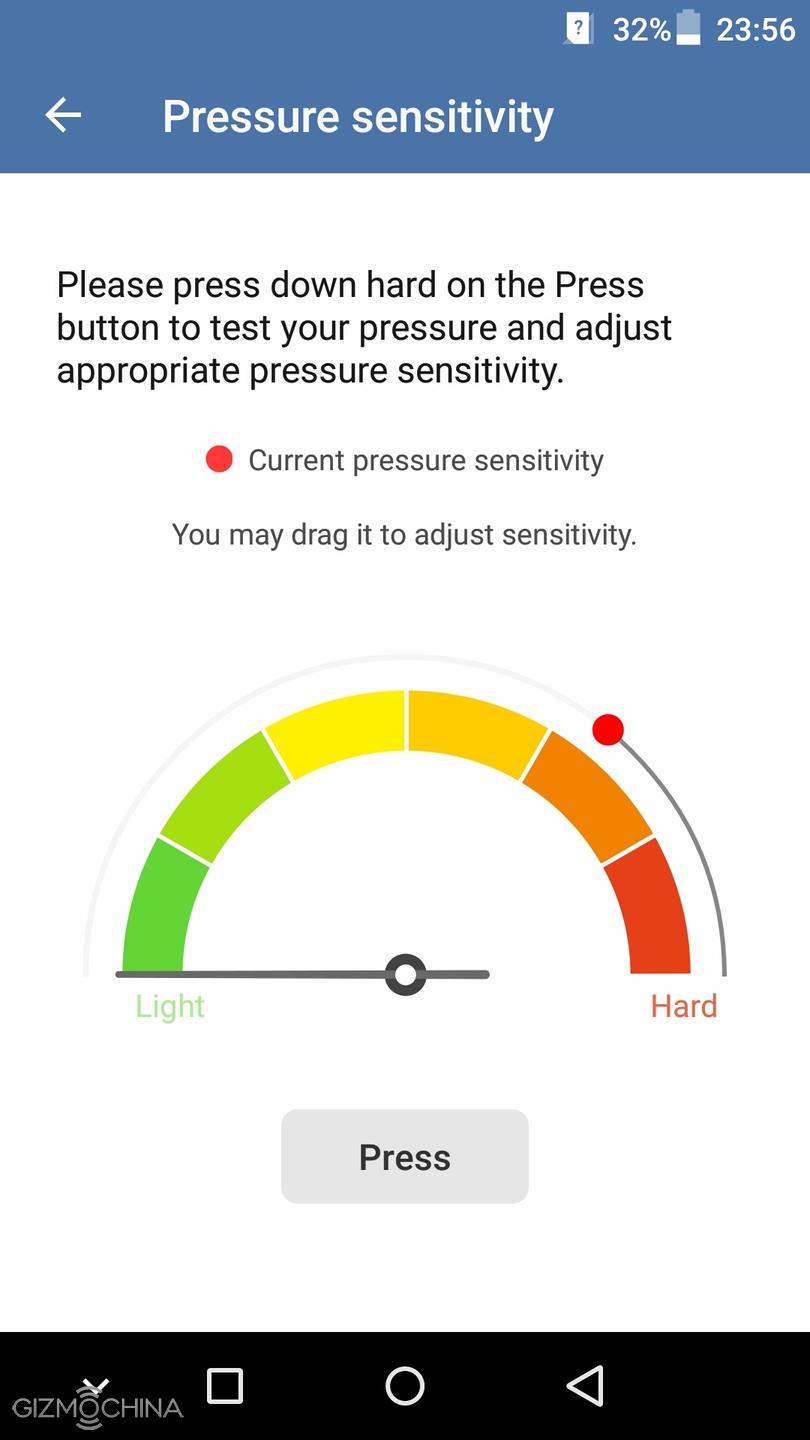
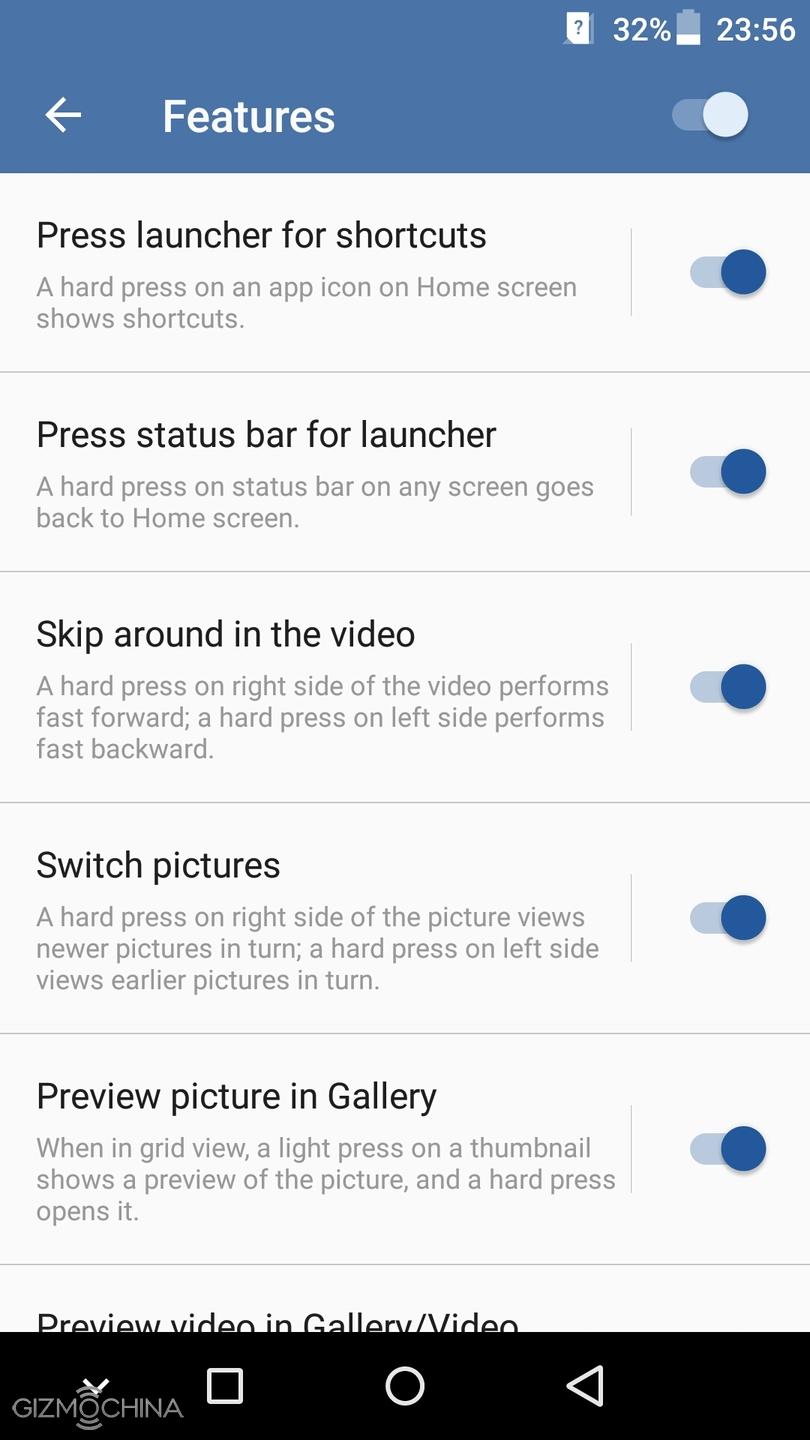
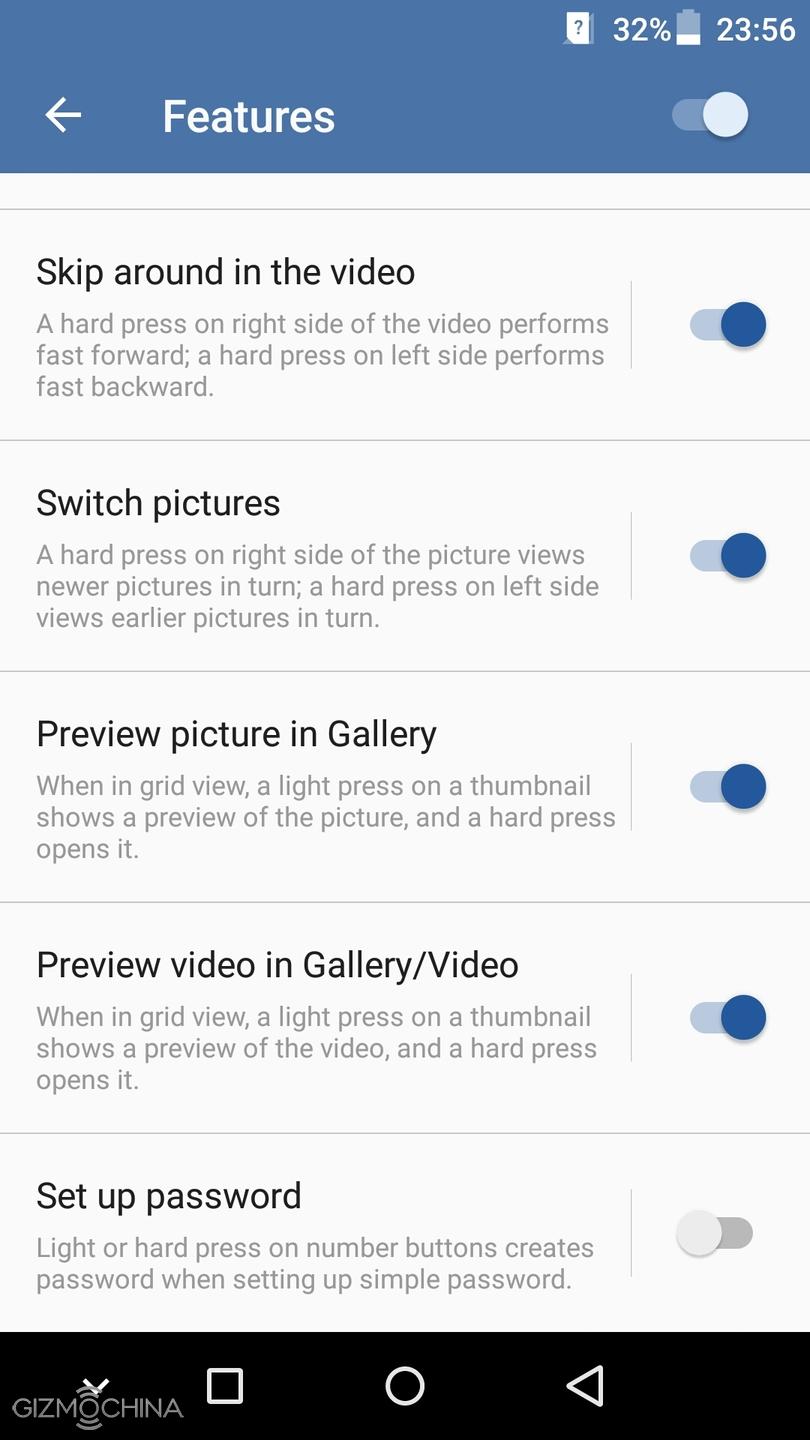
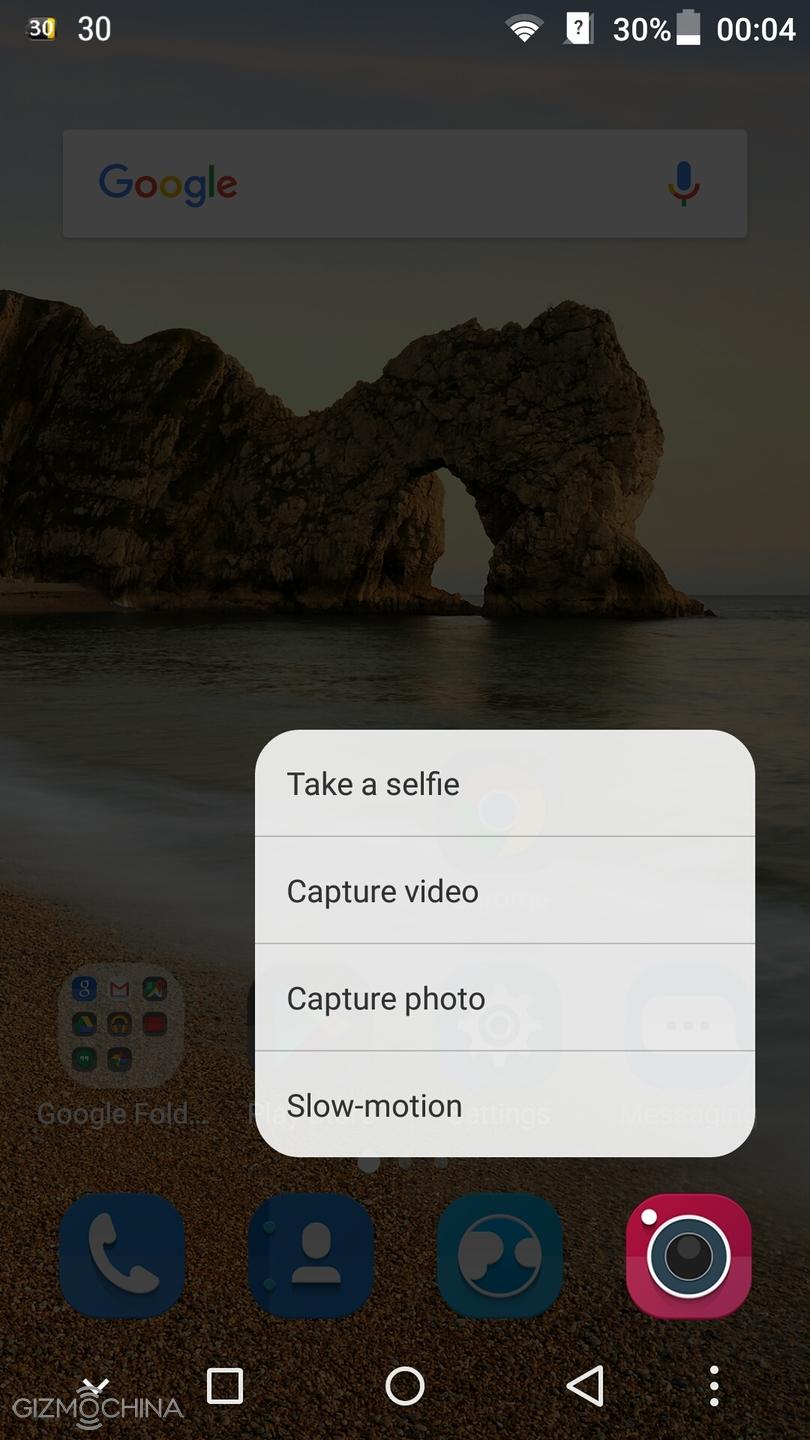
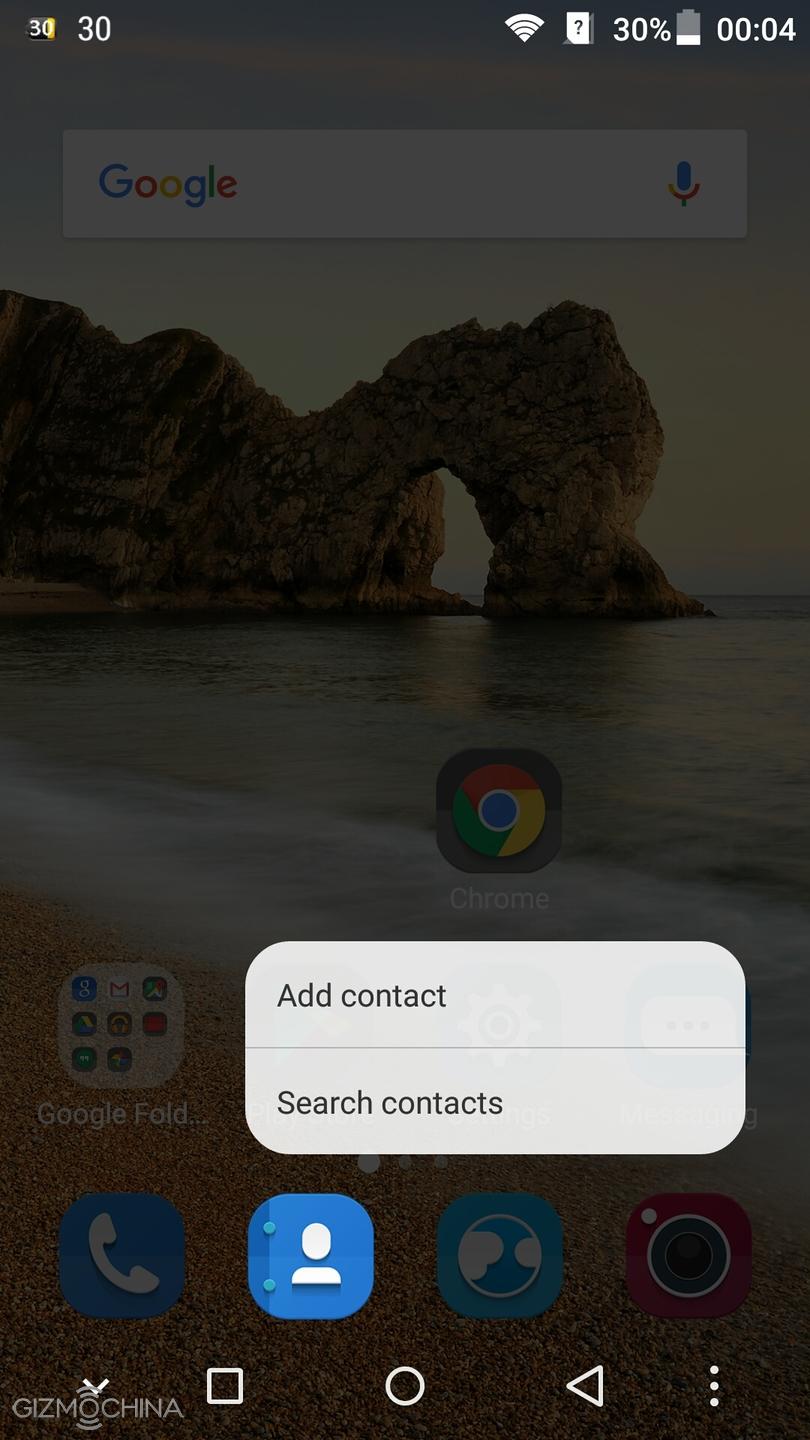
We’ve seen the latter features on other phones but the star of the show here is a force touch display technology and the Axon mini is one of the first Android phones to have it. Basically, it is a pressure sensitive display and, if we use Apple terminology, it works like peek and pop gesture as the panel recognises the amount of force of your pressure of your fingers.
1 of 7
The main question here: is it useful? Once you get used to it, definitely yes. Does it work well? Again, when you get used to it, it is. Most of the force touch features are associated with the built-in apps and gallery, and they work pretty well. If the app does not support this feature, the screen will just blink. However, you may have a few accidental touches there and there. Finally, if you asked me if this feature is really necessary, I would say no but it is definitely a fun and innovative way of interacting with your phone. Also, ZTE did a pretty good job with the implementation. We suggest you checking out the video review to see how this technology works.
All in all, the UI is running fast and fluid, and it is really impressive given the early software build of the phone.
ZTE Axon Mini Review: BENCHMARKS
1 of 8
ZTE Axon Mini Review: HARDWARE and PERFORMANCE
ZTE Axon Mini comes with an octa-core Snapdragon 616 chip with the maximum clock speeds of 1.5GHz, 3GB of RAM and 32GB of expandable storage.
The 3D games work well but you have to make sure that any power saving features are off. The graphics look great although not that spectacular like on flagship phones. I encountered with just a few skipped frames but nothing major.
Finally, the phone doesn’t have any overheating issues.
ZTE Axon Mini Review: MULTIMEDIA
As far as multimedia consumption goes, the Axon mini is just fantastic. The front firing speaker is loud and it has quite a lot of depth in its sound. Also, listening to music via earphones is just a blast. The integrated Hi-Fi audio chips really make a difference if you love high quality sound with lots of depth and rich tones.
ZTE Axon Mini Review: CAMERA
1 of 6
As far as the camera app, it is fast, responsive and easy to use. It has a few shooting modes to select but the settings menu works only in the portrait mode for some reason.
The 13MP camera can produce some nice and sharp looking images but it is inconsistent.
The positive side is that you will usually get a good looking image, which has a accurate colours, decent dynamic range and contrast.
If you are not lucky, you may take some daylight images with softer focus and not that impressive level of details.
1 of 17
When it comes to the low light shots, some of them are pretty good but again, the camera is inconsistent as some of the images have a huge amount of noise and the lack of details.
1 of 1
8MP selfie shooter is pretty good and will definitely do the tick for social media needs.
The phone can shoot videos at the max. resolution of 1080p. The most impressive thing is… the quality of sound recording. Other than that, the level of details is decent but the auto-exposure is too aggressive as it is jumping like crazy. Also, the footage looks shaky despite the fact that I tried to hold my hands as steady as possible. See a video review for the video sample.
All in all, the Axon mini has a good overall camera but hopefully we will see a software update as it needs some more polishing to show its full potential and be more consistent.
ZTE Axon Mini Review: CONNECTIVITY
The signal reception has been excellent and the call quality of the Axon phone is good. Also, other connectivity options like Wifi, Bluetooth, GPS work absolutely fine.
ZTE Axon Mini Review: BATTERY LIFE
The 2800mAh non-removable battery performs very well both in terms of active usage and standby. I could constantly get over 4.5 hours of screen-on time using max. auto-brightness setting, browsing the web, checking emails and social media, taking pictures and so on.
ZTE Axon Mini Review: CONCLUSIONS
So, there you have, the ZTE Axon Mini Premium with a pressure sensitive display tech. I have to tell you that there is a lot to love about this phone. It all starts with great design and all-aluminum-titanium body makes it look like an expensive handset.
Also, the Axon mini is very compact considering today’s standards as it has 5.2” display, which is just brilliant to look at and pressure sensitive related features are definitely a fun way of interacting with your phone if you get used to using them.
Also, the phone has a great battery life, a microSD card slot, good performance, fast and accurate fingerprint scanner and high quality sound.
However, while the camera experience is mostly positive and you may get some good looking images, we may want to see a software update to improve its consistency. Also, the video recording quality could be a bit better overall.
Finally, the ZTE Axon Mini Premium is definitely a great all-around phone despite a few shortcomings that may be even fixed with future software updates. All in all, given the current pre-order price of just below $300, it is easy to recommend it.
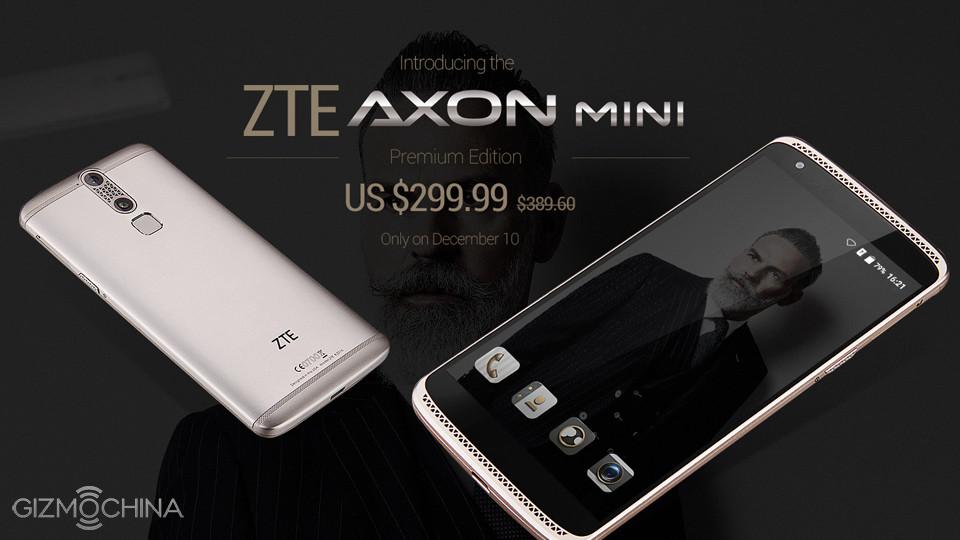
Those who want to try out the popular Force Touch display without having to spend a fortune can take a look at the ZTE Axon Mini Premium. The phone was one of the first models in the market to be announced with Force Touch display and usually retails for around $400. But as a part of a special one-day offer, the phone is currently being offered at just $299.99.
Force Touch brings a lot of new functionality to the device. For example, you can use the device as an electronic scale, or adjust the force with which you touch the screen while gaming or to even set 3D passwords which can identify whether your press is hard or light.
For the specs, the ZTE Axon Mini Premium comes with an FHD 1080p 5.2-inch display. The front features 2.5D glass and with such resolution, the pixel density goes up to 423ppi. Under the hood, the phone features the Snapdragon 616 octa-core chip with 3GB of RAM and 32GB of internal storage which can be further expanded via a MicroSD card slot.
At the back, there’s a 13MP Samsung 3M2 camera sensor with PDAF with f/2.2 aperture. The front features an 8MP sensor with f/2.2 aperture and wide angle lens for the perfect selfies. There are a lot of camera specific software features such as auto portrait perfection feature, creative manual mode and automatic face beautification.
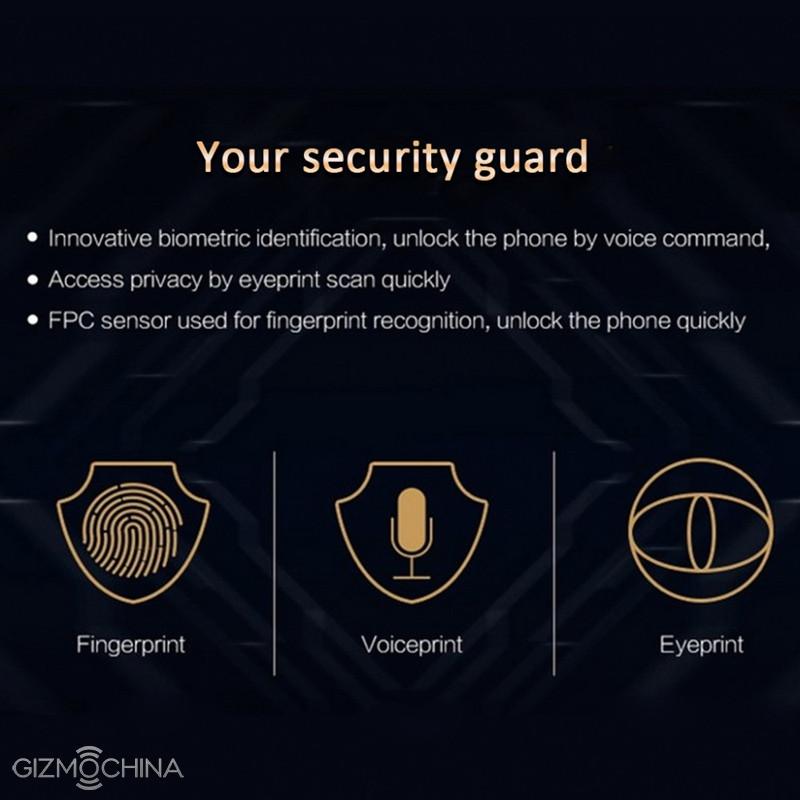
Like its elder sibling, the ZTE Axon, the premium edition Axon Mini comes with three different types of biometric security features. So, you can unlock the device with voice commands, or via eye scan or even via the traditional fingerprint sensor located on the back.
As for other features, there’s the AK4961 chip for better audio output, smart voice assistant, 2800mAh battery and dual SIM card slots with 4G LTE support. The supported LTE bands are as follows: FDD-LTE:800/900/1800/2100/2600.
Overall a great device for its price! You can check out more details from the link given below.
It looks like for the next one month we are going to be flooded with news about the upcoming Xiaomi Mi 5 flagship. After a couple of Xiaomi Mi 5 render that cropped up online in the last one week, today a new image claiming to be of the Mi 5 was spotted on the Chinese social networking website, Weibo. This is not as clear as the previous ones, nor does it come from a reliable source, so better take it with a pinch of salt. Still, the overall design is in line with what we have heard about the Mi 5 in the past few months. So, we decided to check it out.
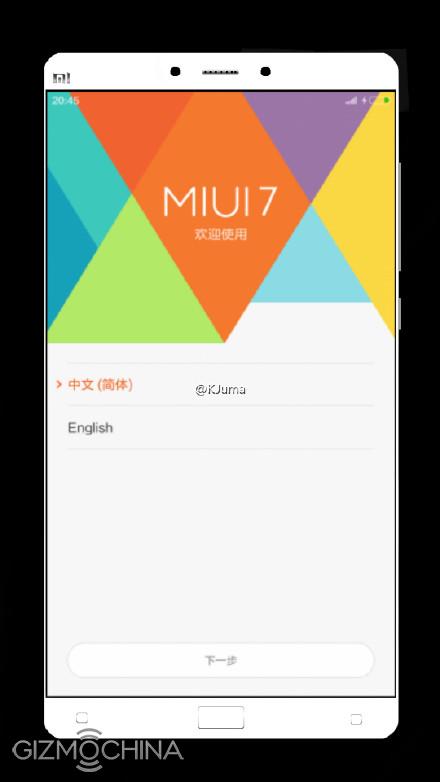
The new Xiaomi Mi 5 render comes with an all metal design and super thin bezels, in line with previous reports. You can see dual speaker grills at the bottom beside the USB port which is probably Type-C, considering the shape as seen in the image. Further, the physical home button makes a comeback in the image, which is now more oval shaped and will probably feature fingerprint recognition. Finally, we can see that the phone runs on MIUI OS.
Just like we said earlier, we can’t be sure of the image, at least at the moment. It could be a fan-made render, and looks a bit different than the ones that we have seen so far.
Specs wise, we are expecting a 5.2-inch 2K display with Snapdragon 820, 3GB + 32GB and 4GB + 64GB RAM options, 21MP rear camera, 8MP front shooter and a large battery. However, these are just speculations and hence, cannot be confirmed for now.
As for the new render, do you like it better than the other Xiaomi Mi 5 renders we have seen so far?
Just a couple of hours ago, a report citing insider sources said that the Xiaomi Notebook will start shipping from April 2016. Now, some exciting new information about Xiaomi Notebook’s specs has emerged, revealing a lot about the upcoming device.
The Xiaomi Notebook is said to come with pretty high-end specs, enough to take on the powerhouses from Dell and Apple. The laptop will reportedly come with an Intel Core i7 4th Gen chip with 8GB RAM, NVIDIA GeForce 2GB Graphics memory and Linux OS. This is in line with a previous report which said that the specs of the laptop will be pretty high-end.
The exact Xiaomi Notebook Specs leaked today are given below:
Operating System: Linux
Processor: CPU series Intel Core i7 4-generation family
RAM: 8GB
Screen size: 15.6-inches
Screen Resolution: 1920×1080
Screen technology: LED backlight
Graphics chip: NVIDIA GeForce GTX 760M
Memory capacity: 2GB
Price: 2999 Yuan ($466)
The pricing is also the same as we heard before, i.e. 2999 Yuan. However, one thing that is new here is the display size. An earlier report said that there could be two laptops, one with a 12.5-inch display and the other with a 13.3-inch display. But this leak states the display as 15.6-inches, so which one is going to turn out to be true, we can’t say for sure at the moment.
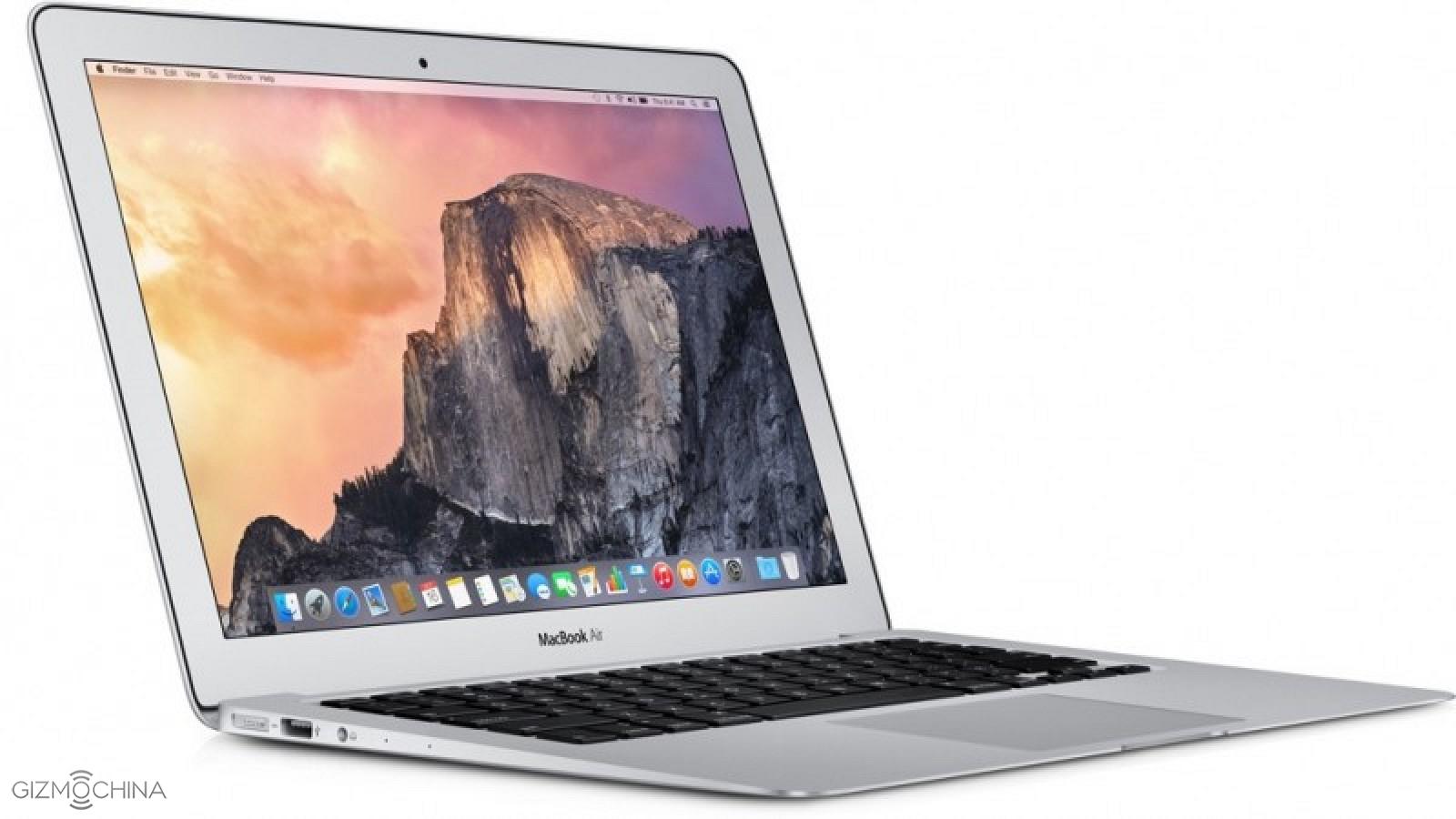
The design is expected to be quite similar to the Apple Macbooks with an all metal body. Inventec is expected to be the ODM in charge of designing and manufacturing the device.
Unfortunately, Xiaomi is yet to confirm the existence of a Notebook PC under development. But if it’s real, then expect more information about the device in the coming weeks.
With the sheer number of smartphones released every year, you would think Xiaomi is essentially a smartphone manufacturer. However, if you follow the company closely, you would know that
Xiaomi has diversified its product portfolio in a number of smart product categories such as smart air purifier, water purifier, shoes, baggage, wearables, tablets etc. Now, the company is all set to make its presence felt in the laptop market, which still haven’t seen the kind of progress that we are seeing in the smartphone industry.
For the past few months, multiple reports have revealed that Xiaomi is all set to unveil a Notebook PC in 2016. Many ODM names have come up, like Inventec and Compal who are supposed manufacture the company’s 12.5-inch and 13.3-inch notebooks respectively. However, the company is yet to officially confirm the existence, release or specs of the upcoming device.
Now, a new report originating from Taiwan states that the company’s 12.5-inch Xiaomi Notebook is slated to go into mass production by Q2 2016. The manufacturing will be taken care by the Shanghai factory of Inventec. Finally, the shipments will be ready by April 2016.
The report also gives us an idea about the possible design and pricing of the Xiaomi Notebook. It is said that the components will be supplied by Chinese makers. The overall design will be like Macbook Air with an all metal body. Finally, the pricing is said to be 2999 Yuan which comes to $470 approximately.
So, looks wise, you probably won’t be disappointed. But we still don’t know the exact specifications of the device. As for the software, it will most likely be Linux OS, which will help the company to avoid paying hefty licensing fees to Microsoft for Windows 10 OS.
Unfortunately, we still don’t have details about its larger sibling, the 13.3-inch model which is expected to be manufactured by Compal. Given the scarce amount of information available about the device at the moment, Xioami may announce this larger model after the release of the 12.5-inch one.
So, what do you think about the upcoming Xiaomi Notebook?
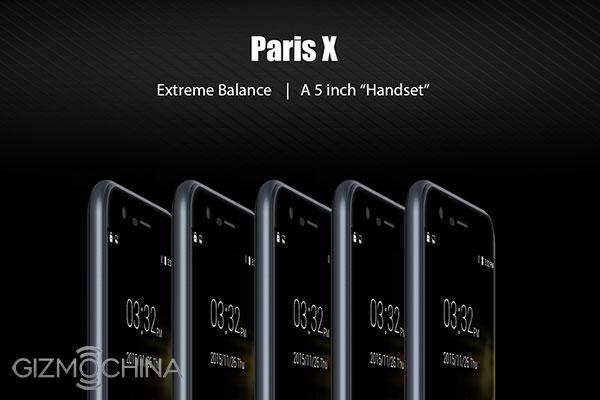
With its slim design and balanced specs, Ulefone Paris has been Ulefone’s best seller through out the fourth season of 2015. Of course they want to make more money by offering it to consumers with lower budget, so they will have Ulefone Paris X.
Ulefone Paris X will share exactly the same appearance with the original Paris and most specs of the 2 models will overlap, including 5-inch 720P display, 2GB RAM, 16GB storage, 2250mAh battery, 5MP front camera, and Android 5.1 operating system. However, the Paris X will pack the 64-bit quad-core chipset MTK6735 with clock speed of 1GHz, compared with MTK6753 64-bit octa-core 1.3GHz chipset employed on the original Ulefone Paris. Besides, the back camera of Paris X will adopt Sony’s IMX166 8MP camera, a downgrade from Ulefone Paris’ 13MP OV13850 in terms of resolution.
With the decline in specs, Ulefone will keep only a USD10 price gap between the high and low versions of Ulefone Paris, given that the presales price for the Ulefone Paris X will be USD119.99. The original Paris apparently has better cost performance, but for price-sensitive consumers, the budget Paris will make sense.
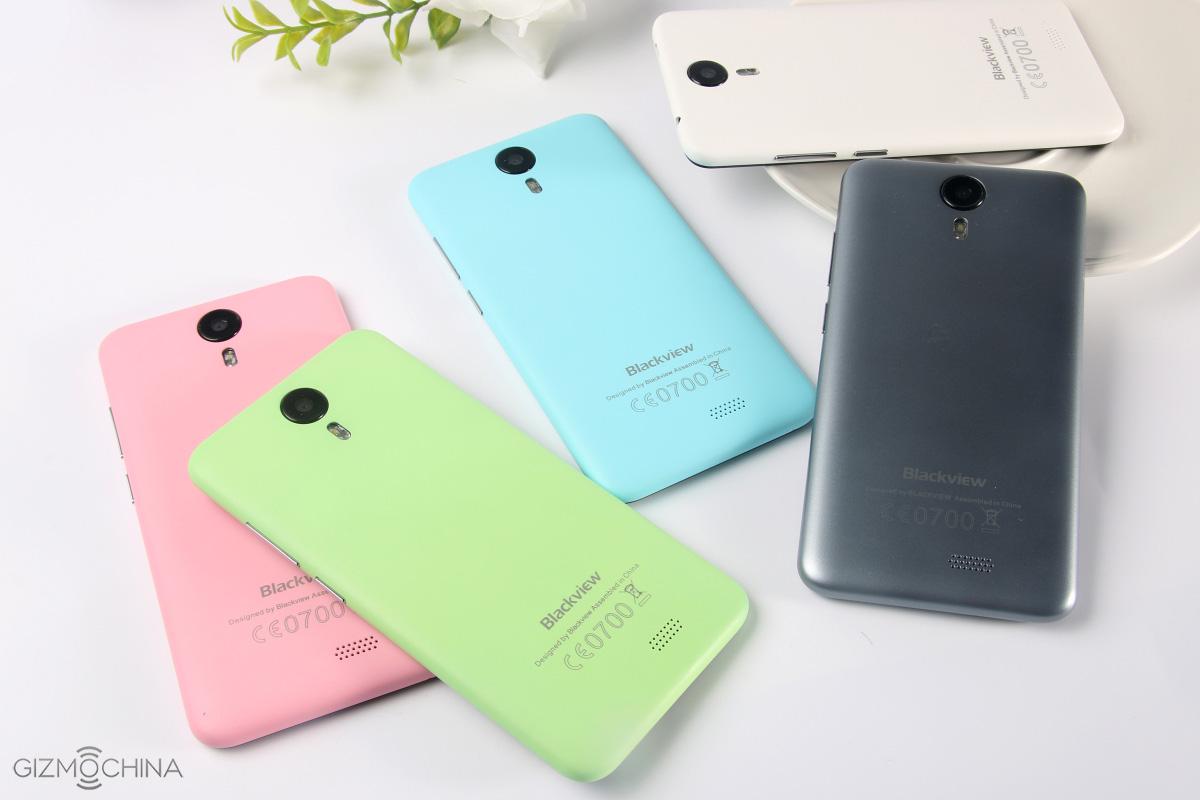
Yesterday, we launched a giveaway for the UMi Iron Pro flagship. Today, we have yet another giveaway for our readers, and this time around we are giving away one brand new Blackview BV2000 smartphone. We have to thank Blackview for providing us with one unit for this giveaway to our readers.
Blackview BV2000 comes with good looks, decent specs and a great price tag for a complete smartphone experience. The phone comes with a 5-inch 720p IPS LCD display. There are still many users who like a compact smartphone and a 5-inch display is just perfect for them. Under the hood, the phone features the 64-bit MT6735 quad-core processor with Mali-T720 GPU. There’s 1GB of RAM on board along with 8GB of expandable internal storage. At the back, you get a 5MP shooter while up front, there’s a 2MP camera sensor. For its size, the battery is quite decent at 2400mAh. Finally, for software, you get the Android 5.0 Lollipop which powers most devices in the market today.
One of the highlights of the Blackview BV2000 is the support for 4G LTE networks. Further, there are dual SIM card slots as well.
Blackview BV2000 SPECS:
5-inch 720p HD display
64-bit MediaTek MT6735 quad-core chip
Mali T720 GPU
1GB RAM
8GB ROM + Expandable via MicroSD
5MP Rear Sensor + 2MP Front Camera Sensor
Android 5.0 Lollipop OS
2,400mAh Battery
4G LTE
Dual SIM
Overall, a cheap yet attractive 4G LTE smartphone.
You can win one of these phones for free by participating in our giveaway. Like always, just follow the instructions given in the gleam widget.
Meanwhile, the company has another giveaway running on their Facebook page at the moment. There, they are giving away one Blackview BV5000 smartphone. It’s another great smartphone from the company and you can get a chance to win one for free if you participate in that giveaway. You can do that from here.
We use cookies on our website to give you the most relevant experience by remembering your preferences and repeat visits. By clicking “Accept”, you consent to the use of ALL the cookies.
This website uses cookies to improve your experience while you navigate through the website. Out of these, the cookies that are categorized as necessary are stored on your browser as they are essential for the working of basic functionalities of the website. We also use third-party cookies that help us analyze and understand how you use this website. These cookies will be stored in your browser only with your consent. You also have the option to opt-out of these cookies. But opting out of some of these cookies may affect your browsing experience.
Necessary cookies are absolutely essential for the website to function properly. This category only includes cookies that ensures basic functionalities and security features of the website. These cookies do not store any personal information.
Any cookies that may not be particularly necessary for the website to function and is used specifically to collect user personal data via analytics, ads, other embedded contents are termed as non-necessary cookies. It is mandatory to procure user consent prior to running these cookies on your website.