Xiaomi is very aggressive when it comes to product launches and almost every month we see something new from this Chinese company. Now Xiaomi has confirmed yet another event in China, to be held in the famous city of Chengdu. In case you don’t know, this city is famous for its giant pandas, thanks to the Giant Panda Breeding Research Base where tourist can get access and interact with these cute creatures.
Xiaomi Mi 8 Youth event teaser
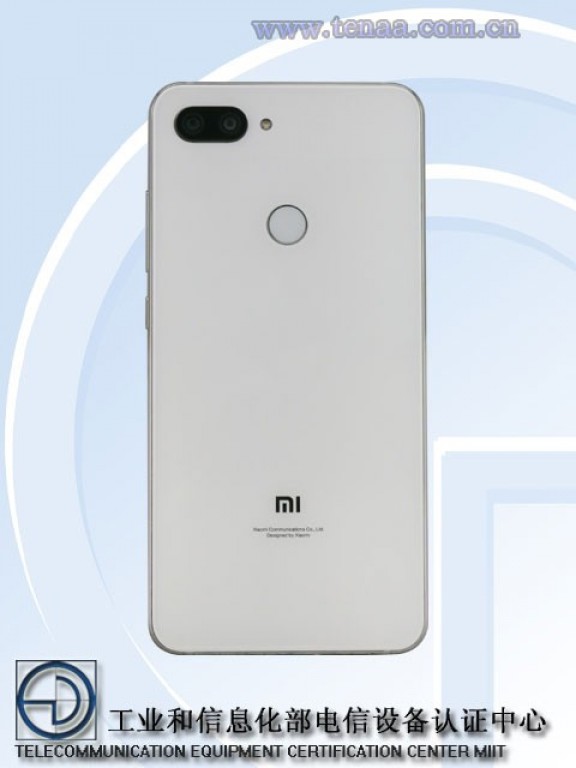
The company released a new poster an hour ago via its weibo handle to confirm the event at Chengdu but failed to give out any specific details. However, the teaser poster kind of confirms that the event is for the Xiaomi Mi 8 Youth Edition. If you look closely at the picture, there’s a smartphone in the pot down below. We can see that the phone has dual cameras arranged horizontally, which is identical to the design of the Xiaomi Mi 8 Youth edition that we saw in TENAA images a couple of days back.
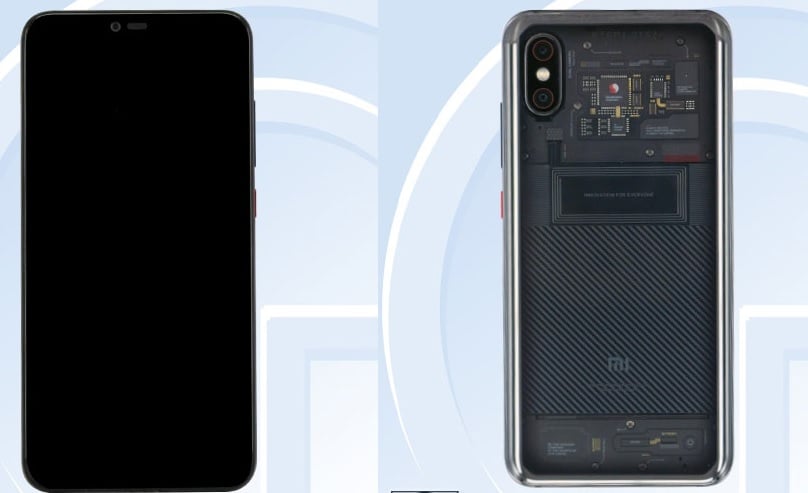
Xiaomi Mi 8 Youth TENAA
The Xiaomi Mi 8 Youth edition is said to come with a 6.26-inch 2280 x 1080 pixel resolution display and Snapdragon 710 chipset inside. There should be 6GB of RAM and 64GB of internal storage along with a 3350mAh battery on board. As for the cameras, there should be a 12+5MP sensor at the back and a large 24MP sensor up front for selfies.
These specs are very similar to the Mi 8 SE. So, it would be interesting to see how Xiaomi places this new model alongside the existing Mi 8 SE with SD710 onboard.
Electricity is a vital part of our daily lives. We rely on it to power various electronic items we use at home, office, school etc. On the downside, using more electricity leads to higher electricity bills.
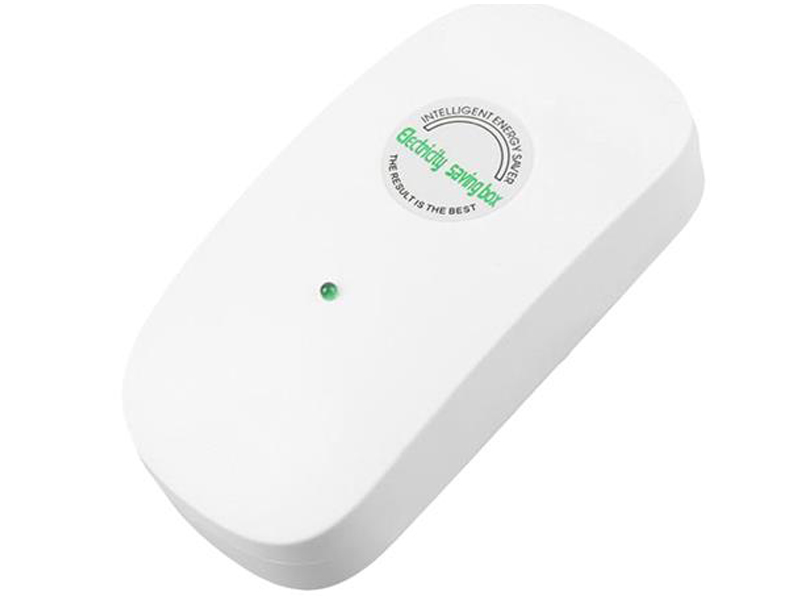
If you’re looking for an efficient energy-saving strategy that can help you save money and energy without burning a hole in your pocket, look no further. The Electricity Saving Bax will not only save energy, stabilize the voltage, balance the current source but also guard your device against any sort of harm.
More importantly, you can get this electricity saving device at a lowered price on GeekBuying. While it usually sells for $17.89 on online stores, the Home Intelligent Digital Power Electricity Saving Box is currently up for grabs at a discounted price of just $7.99.
But if that doesn’t rouse your interest, we’ll show how you can save a considerable amount of more money without breaking much of a sweat. Before placing your order, just apply coupon code CLMXSPIO to get an additional $2 off and bring your already lowered grand total further down to just $5.99.
Sporting a sleek, eye-catching design, the Electricity Saving Box comes with LED lights that indicate operation. Moreover, the easy-to-use device helps you save money by extending the life of your electrical appliances.
The Electricity Saving Box reduces and saves energy by keeping the voltage steady and therefore, reducing the peak power demand. As a result, there’s relatively less misuse of low efficient power.
You can click here to visit the promotion page if you’re interested in checking out more details and avail the discount. Note that the aforesaid coupon is expected to expire soon.
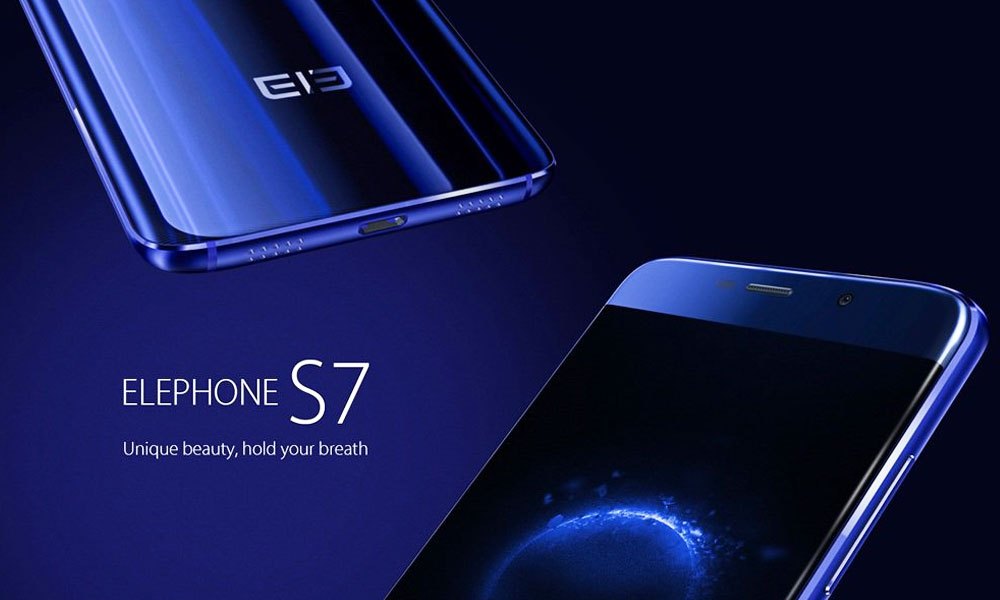
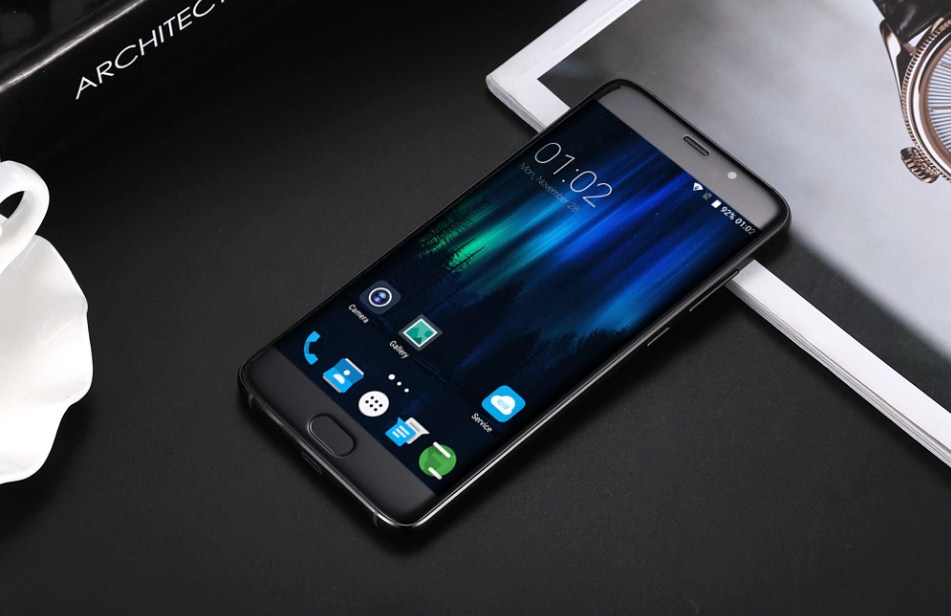
If you’ve restlessly been waiting to get your hands on a high-end smartphone that doesn’t empty your pocket, we got good news for you. The feature-laden S7 smartphone from Elephone is currently available at a reduced price on Banggood.
While the budget-friendly mobile company is currently offering a noteworthy 21% off on its well-received S7 smartphone on Banggood, it is worth noting that the promo is on the verge of wrapping up. This Elephone-branded phone would normally set you back $139.99 on online stores, but you can buy it at a dropped price of just $109.99 on Banggood.
An absolute bargain at this price, the S7 is the lastest Elephone smartphone which sports 5.5 inches FHD JDI LCD display with a screen resolution of 1920 x 1080 pixels. For added protection, the phone comes with Corning Gorilla Glass 3.
Powered by the Helio X25 Deca Core processor, the S7 packs an ARM Mali T880MP4 GPU, under the hood. Moreover, the phone offers 4GB of RAM 64GB of expandable onboard storage (up to 128GB) so that you never run out of space to store your favorite content.
On the photography front, there’s a 13.0MP rear-mounted camera and a 5.0MP selfie snapper. Furthermore, it runs on Android 6.0 Marshmallow operating system and draws its juices from a built-in 3000mAh battery.
On the downside, the promotion sale wherein you can avail the big discount is slated to end today and there were only 17 pieces left at the time of writing. You can visit the promotion page by clicking here and take advantage of the discount, which will be valid for the black, blue and gold color versions of the S7 smartphone.
Even nearly one year after hitting the store shelves, the Power 3 smartphone continues to garner popularity among smartphone lovers. Bearing its skyrocketing popularity in mind, Ulefone has now made the phone available to cost-conscious buyers on efox.
While the feature-laden Ulefone Power 3 would normally set you back a pretty penny on online stores, efox is currently doling out a noteworthy discount on the phone’s steep retail price. We’ll not only shed light on the aforesaid but also show how you can save more money at the time of checking out.
While you’d usually end up shelling out €279.99 to buy the Power 3 smartphone, you can now buy it at a dropped price of just €204.99 on efox. This is a noteworthy 27% reduction in the phone’s original asking price and it will be valid for the gold as well as the black color versions of the phone.
On top of that, you can apply coupon code LFBP3 to get an extra €2 off at the time of checking out. This will help you bring your already discounted grand total further down to just €202.99 without breaking much of a sweat.
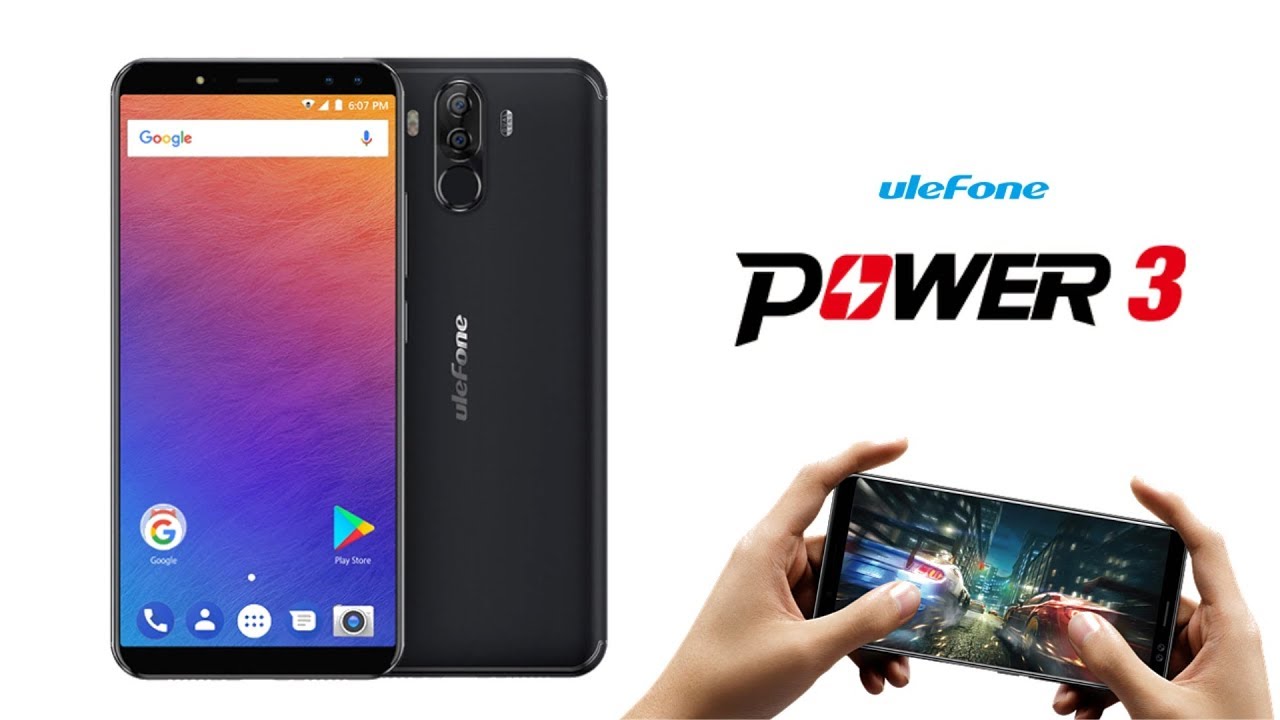
Marketed as the world’s first MediaTek MT6763 CPU-equipped smartphone, the Ulefone Power 3 is quite a bargain at this lowered price. The phone comes with a big 6.0 inches IPS, FHD+, In-cell display with a screen resolution of 1080 x 2160 pixels.
Under the hood, it packs a powerful GPU coupled with 6GB of RAM to breathe new life into your videos and photos. Aside from that, it offers a hearty 64GB onboard storage (expandable up to 256GB) so that you never run out of storage space to store your favorite content.
On the photography front, it houses a 16MP+5MP dual camera setup on the back and a 13MP+5MP front shooter for selfies and face-to-face video chatting. Moreover, the Power 3 smartphone runs on Android 7.1 Nougat OS and is backed by a robust 6080mAh battery which supports 5V 3A.
You can head straight to this link to check out the full specification and take advantage of the discount which will only be valid for a limited period of time. Note that the aforesaid coupon is also likely to expire soon.
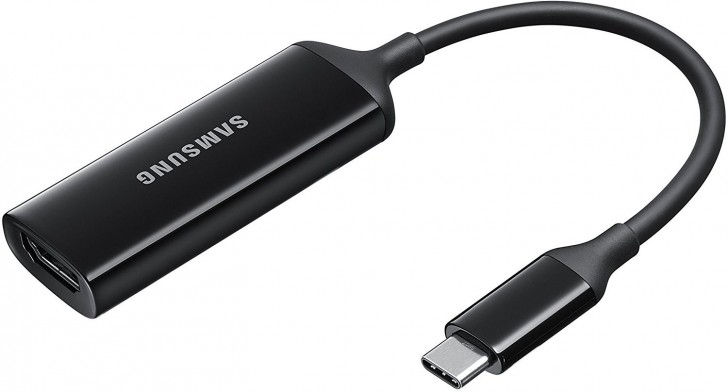
Samsung Galaxy Note 9 is definitely one of the best smartphones for productivity. It further gets additional points in this area as it can be turned into a PC thanks to a feature called DeX. Unlike its predecessor, this flagship is the first and only device that can turn into a PC without the aid of a physical dock. It can be done thanks to a simple USB-C to HDMI adapter which is now finally available to purchase on Amazon U.S. Thanks to this adapter, you can connect your phablet to a TV and make the Samsung Experience user interface transform into a desktop-like environment, in order to use your phone as a personal computer.
After connecting Samsung Galaxy Note 9 to a TV or an external monitor, you can then connect a wireless mouse or a keyboard to complete your workstation. The new adapter supports monitors with a resolution up to UHD with a refresh rate of 60 Hz. The standards supported are HDMI 2.0 and DisplayPort 1.2.
Samsung Galaxy Note 9 has been launched as one of the most expensive Android handset ever, but we are already seeing price drops. Indeed, it is actually possible to get it for less than $900 right now. It offers a glass + metal design with the IP68 certification and a 6.4-inch display with a Quad HD+ resolution of 1440 x 2960 pixels.
It includes a brand new S Pen with Bluetooth connectivity which can remotely control the phone and perform interesting actions such as shooting photos. Samsung Galaxy Note 9 is equipped with an octa-core Qualcomm Snapdragon 845 chipset in the U.S. version and an octa-core Samsung Exynos 9810 in the European one, paired with 6 or 8 GB of RAM and 128 or 512 GB of internal storage. On the rear side, it sports a dual camera with 12 MP resolutions and a variable aperture (f/1.5 and f/2.4).
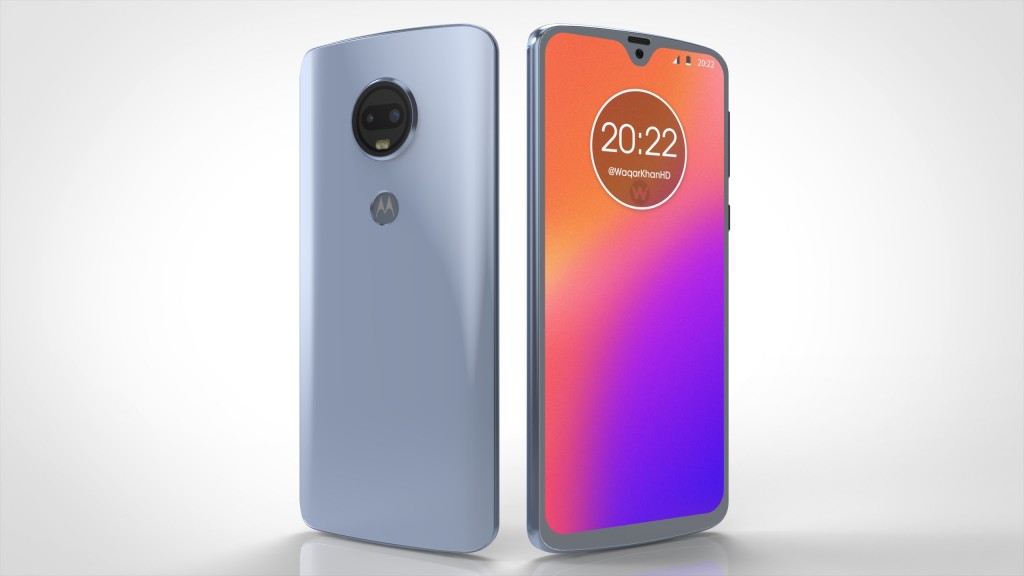
This year we have already seen various phones with new design concepts created to minimize the bezels around the display. Now, the designer Waqar Khan has published a new video and new concept renders, trying to imagine the upcoming Motorola Moto G7 that is surely among the most awaited midrange phones. And according to these renders, the device will adopt the most used method to reduce the bezels created in 2018: the tri-borderless design with waterdrop notch. The renders you can see below are not just a result of imagination, but they are based on important leaks surfaced until now.
So there is a high chance that the upcoming Motorola Moto G7 will really look similar to this. The device shows a front panel with a waterdrop notch containing the front camera only, as well as very narrow bezels with a slightly thicker chin. The rear panel is made of glass as expected, while the frame is made of metal. The back side does not differ so much from the Moto G6 and it sports a dual camera setup together with a dual LED flash. Under the rear cameras, there is a circular fingerprint reader which embeds the company’s logo.
The SIM tray is placed on the upper side, while the volume rocker and the power key are placed on the right of the phone. Even though the overall design does not differ in a consistent way from its predecessor, this Motorola Moto G7 still represents a solid upgrade due to its waterdrop notch. According to the most reliable hypotheses, Motorola Moto G7 will be officially announced in April 2019, and it will hit the shelves with price tags starting from $250 in the U.S. and €219 in Europe. Given that it will be a mid-ranger, we expect it to pack a Snapdragon chipset from the 600 series.
Microsoft confirmed through a teaser that it will hold a new event on October 2. The event will take place in the same location in which Google Pixel 3 and Pixel 3 XL will be unveiled a week later: New York City, at 4 PM Eastern Time.
Sadly, the teaser does not give any information about the specs of the devices which will be announced at the event, and we do not even know which devices from the Microsoft Surface line-up will be announced. If we base on previous announcements, we should see one of the following devices:
In case you do not know, the first case we are talking about is the successor of the first ultrabook from the Redmond giant. The second would be an All-in-One PC for productivity and graphics, while the third would definitely be the most awaited device from the company as it is its next 2-in-1. At last, the fourth device would be an even higher-end detachable laptop. Which devices do you expect to see at the event?
It has been reported that Xiaomi is working on the Redmi Note 6, a successor to the Redmi Note 5. The phone is supposed to be announced later this year and will join the already released Redmi 6A, Redmi 6, and Redmi 6 Pro. Ahead of the release, a live photo of the phone’s display assembly has leaked online.
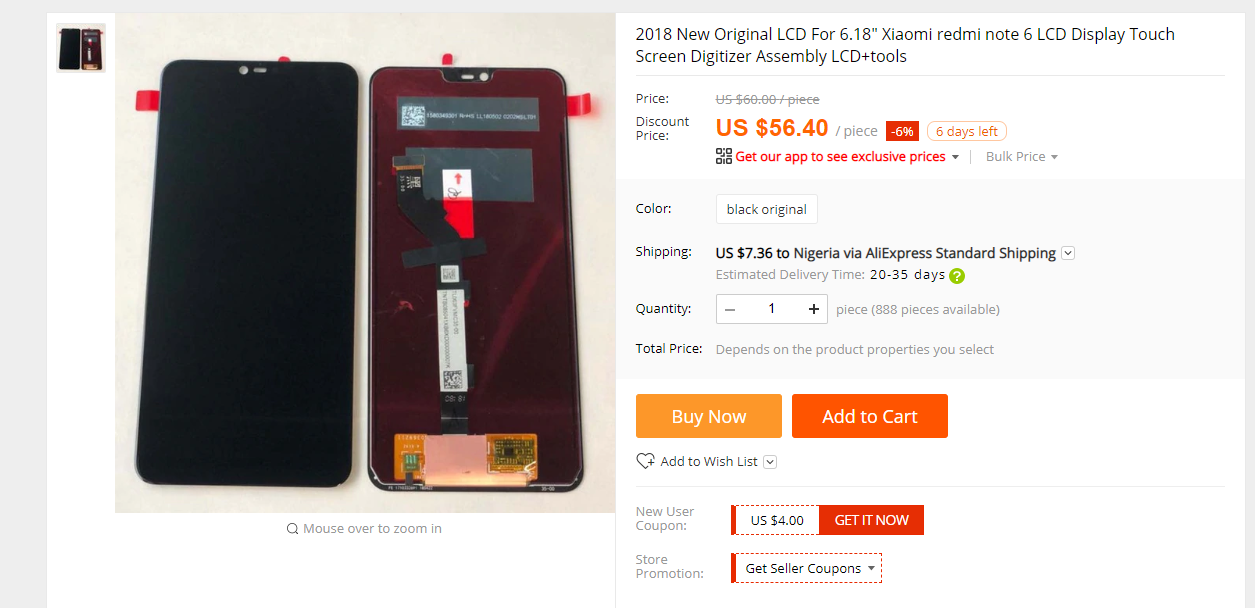
The image source is a store on the online shopping site, AliExpress. The images uploaded show the screen has a small notch at the top, about the same size as that of the Redmi 6 Pro. The notch has three cut-outs for the sensor, earpiece, and front-facing camera.
The item description says the screen is 6.18” in size and has a resolution of 1080 x 2246. The display is also the LCD type which shouldn’t be a surprise since the Redmi series are supposed to be affordable. However, the price of the screen isn’t that cheap as the seller has slapped a $60 (excluding shipping) price tag on it. However, an on-going promotion will let you pick it up for $56.40.
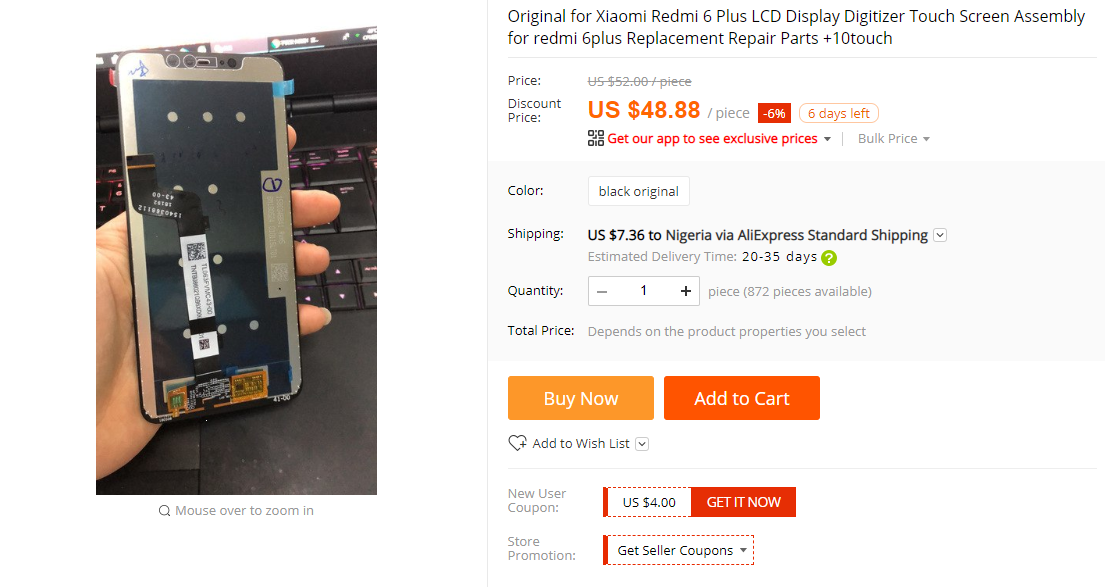
While doing some digging around on the store, we stumbled upon the display of another unreleased phone – the Redmi 6 Plus. Yes, it appears there is going to be a Redmi 6 Plus and its screen is also listed for sale by the same seller. This listing is the first time we are hearing about the device.
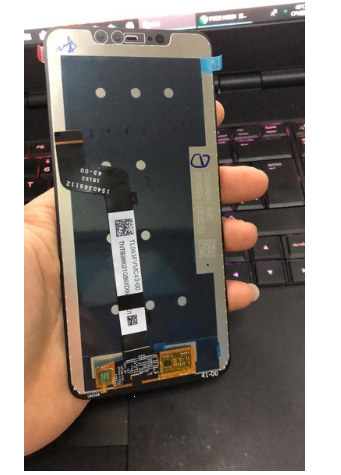
According to the item description, the Redmi 6 Plus’ screen is 5.99-inches with a 1080 x 2160 resolution just like that of the Redmi 5 Plus (Redmi Note 5 in India) but the screen size is where the similarities end. The photo of the display assembly provided by the seller shows it has a notch and it is much bigger than that of the Redmi Note 6. It also has five cut-outs in total.
Two of the cut-outs seem to be for cameras which means it will pack dual front-facing cameras, one is for the speaker, another for the sensors and the last one is most likely for an LED flash. The Redmi 5 Plus has a single front-facing camera and a LED flash, so this is definitely a big upgrade if this listing is genuine. The price for the screen is $52 but it can be purchased for $48.88 for a limited time.
The dust has barely settled following the launch of the Vivo X23 but Vivo seems to have another new phone on the horizon. The phone whose model number is given as V1730EA has been spotted on TENAA.
The Vivo V1730EA has a 6.26-inch OLED screen. Its 2280 x 1080 resolution confirms it has a notch but its the larger type like that of the Vivo V9. There is a 2.2GHz octa-core chipset which should be either the Snapdragon 710 or the Snapdragon 660 mobile platform. The phone has just 4GB of RAM with either 32GB or 64GB of storage. There is support for storage expansion via a MicroSD card slot.
[envira-gallery id=”210680″]
The dual rear cameras are a 16MP sensor and a 2MP sensor while the front-facing camera is a 16MP sensor. There is a fingerprint scanner positioned in the middle of the phone.
The Vivo V1730EA runs Android 8.1 Oreo but we expect it to come with the newer FunTouchOS 4.5. The battery capacity is given as 3,180mAh. When the phone launches, it will be available in Champagne Gold, Rose Gold, and Matte Black.
More often than not, companies have to play dirty in the race to the top. We have seen plenty of cases where a company was busted doing something really stupid just to get an edge over its competitor. Things like false advertisements, false specs by even established companies are not unheard of, but today let’s talk about something that Huawei was caught doing — benchmark cheating aka benchmark optimisation.
Huawei’s Benchmark Cheating Scandal
Huawei was recently caught by AnandTech optimising some of their smartphones like Huawei P20 to over perform in a specific benchmarking app, 3DMark. We have already talked about this here but the story in short is that Huawei P20 and a few other top flagships from the company were identifying benchmarking apps to extensively increase their performance with the primary goal of scoring way higher than in a traditional use case scenario.
In this age of AI, it’s not uncommon for smartphones to identify specific type of apps to boost performance. For example, new age phones can often detect gaming apps and switch to peak performance mode for the best user experience. However, what’s really the big issue here is that Huawei had tweaked its newer flagships to detect specific benchmarking apps (3DMark in this case) to run the phone at an unrealistic performance level. Apart from issues like overheating, such a level of performance decreases efficiency significantly, making the whole experience impractical for daily usage.
Another issue with this type of performance optimisation is the motive. The big reason why companies like to optimise their smartphones for benchmark is to score higher than the competition. That’s not really a good enough reason to push your smartphones beyond its limits.
Our Obsession With Benchmark Scores
That being said, I can’t personally crucify Huawei for trying to score high on benchmarks. History has shown us that almost every manufacturer has been found tweaking their smartphones for better benchmark scores. This list includes the big names such as Samsung, LG, Asus, HTC, Meizu, and even OnePlus. So, the only reason why this was made such a big deal is because Huawei didn’t seem to get the memo that this was unacceptable, even in 2018.
Given the number of companies that have tried tweaking their scores for benchmark, the fundamental question is why they are doing this, even now.
The answer directly points to our needless obsession with benchmarks.
I get why benchmarks are so popular. It’s really hard to quantify the performance of a smartphone in any other way. Benchmarks give us a figure which we can compare to determine which one’s better than the other. It kind of makes sense. But then, it doesn’t. Because, getting this figure involves the app running a few resource intensive tasks to get a final score. The process isn’t fool proof and now you know that the results aren’t either.
We must start giving less importance to benchmarks and more importance to the phone’s actual user experience.
The Right Way To Evaluate A Phone’s Performance With A Benchmark App
Whilst a higher benchmark score in general doesn’t necessarily mean that the phone is better than others, users need to start understanding the scores in the right way.
Instead of obsessing over a particular score, we should start to evaluate a smartphone on the basis of levels of performance.
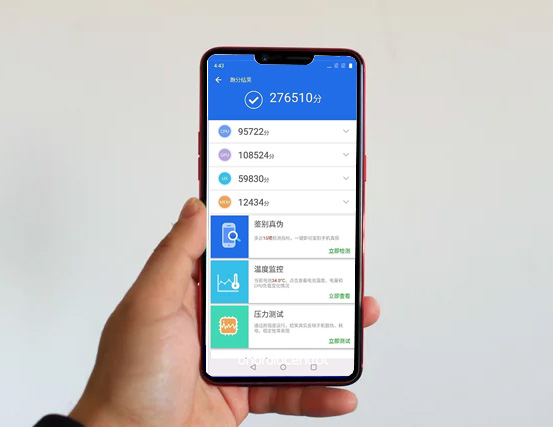
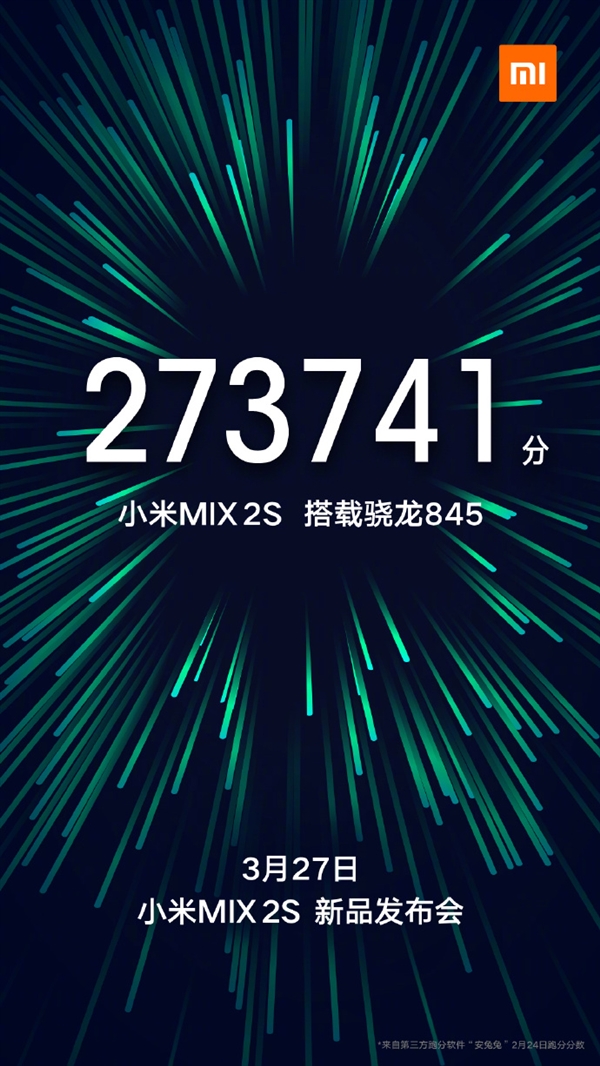
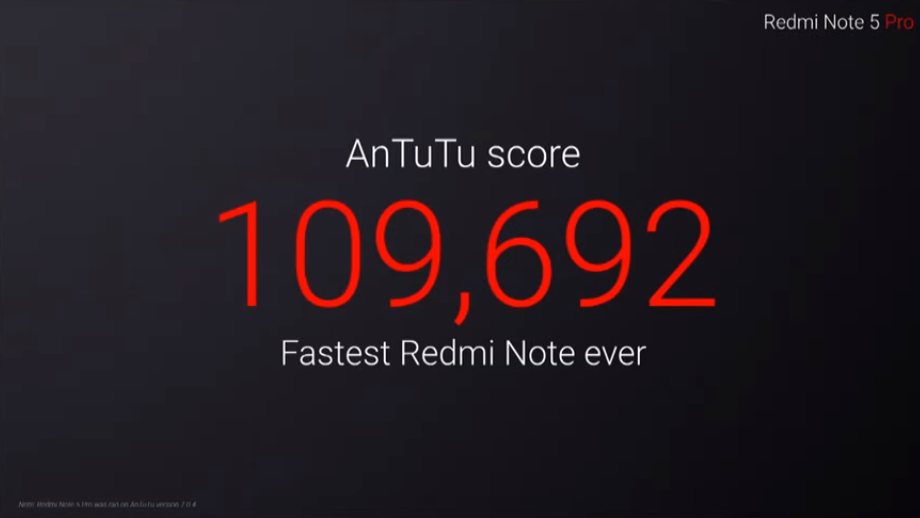
For example, take a very simple benchmarking app like AnTuTu. If a smartphone scores above a certain figure, for example 250K, its already established that the phone has a very powerful processor inside that can handle any task that you throw at it. Understanding that once a phone crosses a particular threshold, it doesn’t really matter whether the phone scores 290K or 261K on the app, is very important. What we need to realise is the simple fact that a score of 291K doesn’t necessarily mean that its better than a phone that scored 273K. In real life, the lower scoring phone could offer a much better experience than the other.
Xiaomi markets Mi Mix 2S’ high score just before its launch
I know as enthusiasts, it’s really hard to ignore specific benchmark figures, but once we learn to stop this practice, we will start seeing the real picture. A SD835 smartphone with great optimisation is hundred times better than a SD845 phone with a bad optimisation. After all, would you be happy with a phone that scores 280K on AnTuTu but has a crappy UI or a phone which scores 240K on the same app, but handles everything with butter smoothness?
Let’s start giving less importance to individual benchmark figures and more importance to their real life performance and we would no longer have to worry companies optimising / cheating on these apps. After all, figures do lie!
I know, its easier said than done. It’s really tempting to see higher and better benchmark figures on flagship devices every year, but as consumers, if we start giving importance to the right things, in the long term the industry will benefit as a whole.
That’s cool but does it perform well in real life?
So the next time you see a company marketing a very high benchmark score for its flagship, just say — that’s pretty cool but how does it perform in real life?
The Mi 8 Explorer Edition is at the top of the Mi 8 series. Since its launch, it has remained a China-exclusive but that may be changing soon.
Remember the Mi 8 Explorer Edition with a smaller notch seen on TENAA last month? A device with the exact model number has been seen at Singapore’s Infocomm Media Development Authority (IMDA). What is interesting is that the listing also reveals the Xiaomi M1807E8A will be marketed as the Mi 8 Pro and not the Mi 8 Explorer Edition.
Apart from having a smaller notch, the Mi 8 Pro has the same specs as the Mi 8 Explorer Edition. There are unconfirmed rumors that the smaller notch may mean it won’t have the advanced 3D face scanning technology of the Explorer Edition.
The Mi 8 Pro has a 6.21-inch OLED screen with a 2248 x 1080 resolution. It is powered by the Snapdragon 845 chipset with 4GB, 6GB, and 8GB of RAM. Depending on the RAM, the phone will have 64GB, 128GB or 256GB of storage.
There is a 20MP sensor in front and dual 12MP sensors on the rear. It has an in-display fingerprint scanner and packs a 2900mAh battery. It also runs Android 8.1 Oreo.
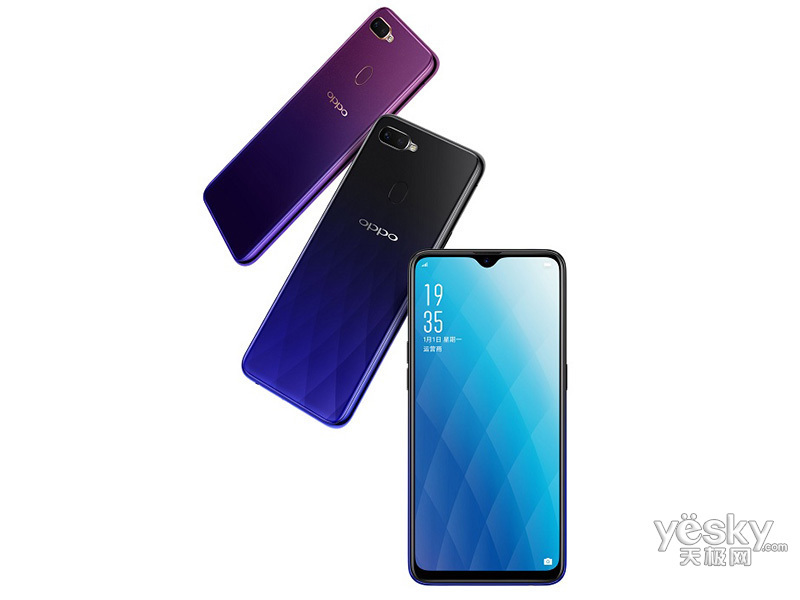
It is going to be raining water-drop notches for the next couple of months. OPPO kicked off the trend with its F9 and F9 Pro and we have seen phones from Honor and Vivo with a similar design. Now OPPO is back again with another phone, the OPPO A7X.
Official renders of the OPPO A7X have surfaced on the web and they show a device with a near identical design as the OPPO F9. Apart from having the same notch design, they share the same screen size and processor.
The OPPO A7X has a 6.3-inch 2340 x 1080 screen. It packs 4GB of RAM and 128GB of storage while MediaTek’s Helio P60 chipset powers it. Just like the F9, it has dual cameras on its rear in a 16MP + 2MP configuration. However, it swaps the 25MP front-facing camera for a 16MP sensor.
The phone runs Android 8.1 Oreo. It has the same dimensions as the OPPO F9 (156.7 x 74 x 7.99 mm) and even has the same weight (169 grams) even though it has a much larger battery capacity at 4230mAh. There is a fingerprint scanner on the back but it should also have Face Unlock. A MicroUSB port sits at the bottom along with a 3.5mm audio jack.
There’s a new app in town that’s taking the Chinese users by storm. It even threatens the biggest social app in China, WeChat, by registering millions of downloads within days of its launch. If you have never heard of the Bullet Messenger, here’s why you should!
Bullet Messenger targets WeChat’s spot with its sleek and simple design. One of the unique features that made it an instant hit among Chinese users is its automatic voice-to-text feature.
To understand how the Bullet Messaging rose to fame just days after its launch, we need to understand more about the app.
What Is Bullet Messenger?
Bullet Messenger a.k.a. Zidan Duanxin (in Chinese), is a social messaging app launched on Aug. 20 without much fanfare. But since then, its popularity has surged rapidly on Apple’s China App Store taking aim at the No.1 Chinese social messaging app WeChat. As of this writing, Bullet Messenger is at the top position on China’s iOS App Store raking in 8 million downloads.
Smartisan Technology Co. Ltd., the same company that manufactures Smartisan smartphones has a major stake in this app. Soon after its launch, this app had taken a shot at Tencent’s WeChat which dominates 86% of China’s social messaging app sector. Smartisan has preloaded this app in its recent Smartisan Nut Pro 2S smartphone.
What Made The Bullet Messenger An Instant Hit In China?
A start-up called Beijing Kuairu Technology developed the Bullet Messenger app for Smartisan. According to Kuairu, the primary reasons for the instant popularity of the social messaging app was its human-like interactions, ‘remind me later’ organizer, and most importantly its built-in integrated speech-to-text (automatic transcription). These features have helped the app soar to the top of the free download charts on China’s iOS App Store.
WeChat offers additional features like payment and gaming. Bullet Messenger, on the other hand, provides a simple messaging platform and a newsfeed- allowing users to respond to messages in fewer steps as compared to WeChat.
Here are the features that made Bullet Messaging an instant hit among Chinese users:
Bullet messenger is an app solely made for instant messaging, unlike WeChat which provides a lot of other services along with text messages.
It converts the user’s voice inputs into a text message as they start composing a message, a feature missing in WeChat.
It also allows a user to pause a voice message, drag and jump to specific areas, saving a lot of time.
And finally, its UI is fast and simple when compared to that of WeChat’s UI.
Luo, founder, and CEO of Smartisan said on his Weibo account, that the Bullet Messenger is offering a niche alternative to WeChat for users seeking faster communication.
Bullet Messenger’s quick rise to fame once again highlights the ever changing demands of Chinese users. While it’s very early to say whether it really threatens the market leader WeChat, it once again reminds us of the protean nature of this industry.
What do you think of the all-new Bullet Messenger? Can it topple the WeChat in China? Also, would you like to see an English version of the app with instant voice to text chatting feature? Tell us in Comments.
The foldable phone race is not only between phone makers but also display manufacturers. China’s BOE is one of the players in the display market and has been showing off its flexible displays for a while now. Earlier this week, a video showing off a prototype foldable phone with a BOE display surfaced online.
The 14-second video was shared on Twitter by Ben Geskin and he says the display is 5.99-inches with an FHD+ resolution. There are slightly thick bezels at the top and bottom of the screen. The phone also has a single camera on the back and doesn’t seem to have a fingerprint scanner. Since this is a prototype, we are not concerned about the specs.
The phone doesn’t seem to stay closed when folded as seen in the video. We are also not sure about the material used for the back of the phone though we want to believe it is a plastic material that can withstand multiple foldings without breaking.
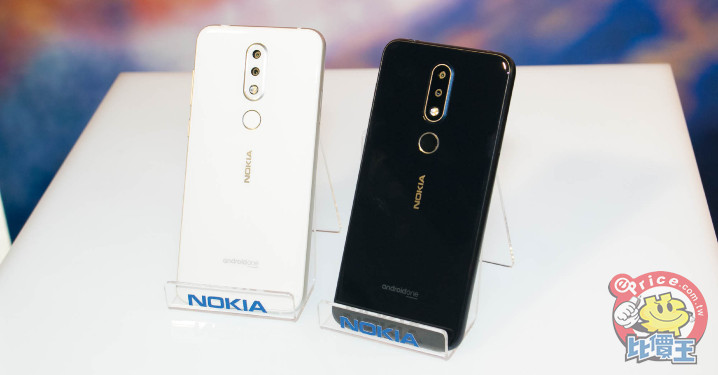
HMD Global sure knows how to keep her loyal customers and one way they are doing it is through regular updates of its software on new and existing models. The company rolled out new camera update for the Nokia 8 Sirocco, Nokia 7 Plus, Nokia 6.1. The Nokia 8 also got a Pro camera mode via update a couple of months back. Nokia’s Chief Product Officer, Juho Sarvikas has now disclosed that the device will get Android 9.0 Pie update soon.
The Nokia exec reveal this is in a reply to a Nokia 8 user who was querying why the company has not released the camera and face unlock update on the model on Twitter. Sarvikas revealed that Android 9.0 Pie will soon bring Face Unlock feature, ARCore support and another camera update. The Android Pie update is also being worked on for other of the company’s products and is expected to start rolling out to eligible models starting with the Nokia 7 Plus in early September.
The Camera 9.0 update earlier released for the Nokia 8 Sirocco, Nokia 7 Plus and Nokia 6.1 smartphones enables switching between different aspect ratios and shooting functions, along with adjustments to parameters within different camera modes, such as the intensity of effects like Bokeh and Beautify. With the update, the three smartphones have also received Google Lens support, directly in the camera app. The feature can be used for finding information about whatever image is being captured in real time. The update also enables Google Motion with which a user can capture short videos for directly sharing to messaging services and social media platforms as a GIF.
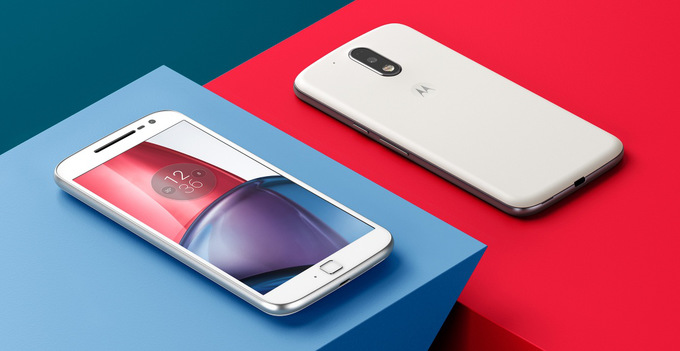
Its good news for Moto G4 Plus users –Android 8.0 Oreo is on its way. Due to customer’s outcry, Motorola is soon going to test Android 8.0 Oreo for Moto G4 Plus. Earlier, Moto G4 Plus was not included on the list of the smartphones to get the Oreo update. It’s quite late but you know how its said, better late than never.
On the other hand, Google has launched the Android Pie and has even rolled it on the Pixel devices. But some devices are lagging behind for Android 8.0 Oreo. Moto G4 Plus is still running on Android 7.0 Nougat and will keep running till next couple of months until the testing completes. In Brazil, Motorola is accepting new beta testers for the Moto G4 Plus. So, if we make a rough guess then you guys will be getting the update in the next few months and that too depends on how the testing proceeds. Motorola will start soak tests probably after a month upon recruiting. Recently, Motorola started rolling out the Android 8.0 Oreo for the Moto G5 and Moto G5 Plus.
Additionally, Moto G4 Plus carries Snapdragon 617 with 2/3/4 GB RAM coupling with 16/32/64GB of internal storage. It packs 16 MP rear shooter with a 5 MP on the front for selfies. There’s a 5.5 inches of display having a pixel density of 401 ppi and is covered with Corning Gorilla Glass 3. In connectivity, it carries Wi-Fi 802.11 a/b/g/n, Wi-Fi Direct, microUSB 2.0, A-GPS, GLONASS, BDS.
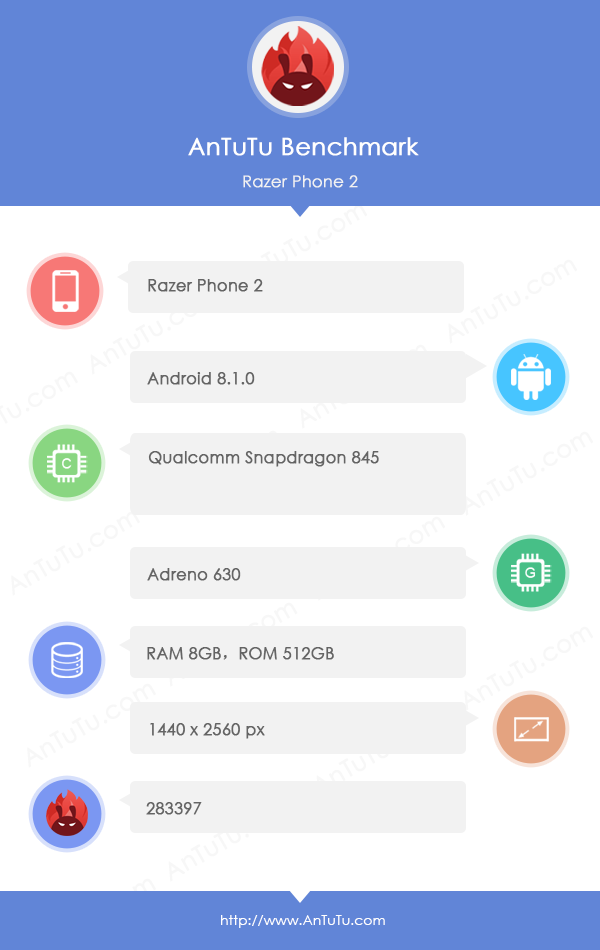
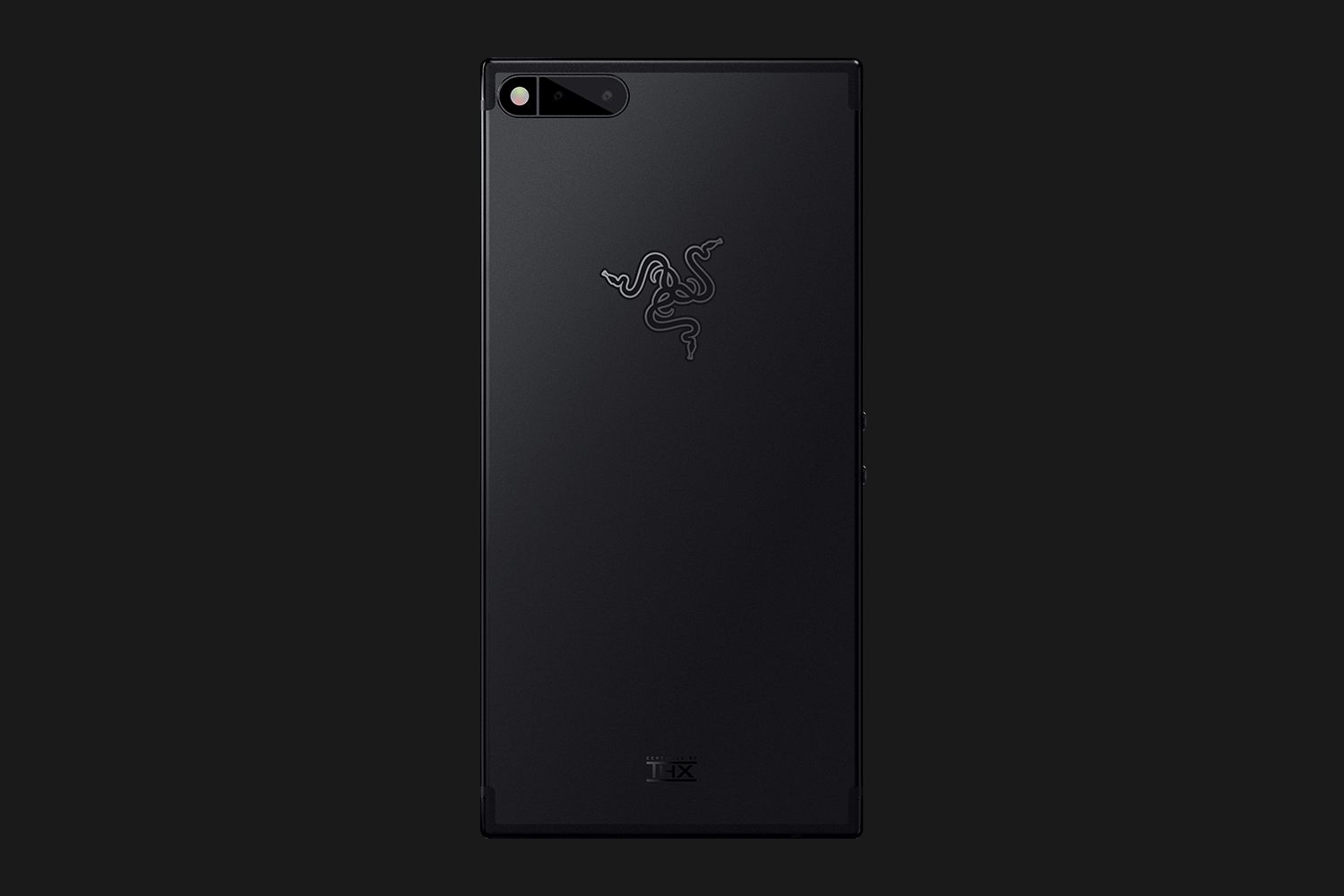
Razer Phone 2 has been spotted on the AnTuTu benchmark with some high-end specs. It carries Snapdragon 845 with 8 GB of RAM and 512 GB of ROM. The new appearance has confirmed the previously leaked benchmark results on Geekbench. Previously, Razer Phone was spotted on Geekbench with similar specs. Along with the spec details, it scored 283,397 points which is really huge in terms of overall performance. Recently, the renders of the device surfaced which allowed us to know more about its design.
This time thanks to AnTuTu, we have some more details about the Razer Phone 2. It carries 5.7 inch of Sharp IGZO LCD screen with a resolution of 2560×1440 pixels. Razer Phone 2 has attained higher refresh rates at 120 hz with the help of Qualcomm Q Sync display technology. It will ultimately help users while playing high end games on the mobile device. Currently, it’s not clear whether Razer Phone 2 will carry a big notch display or waterdrop display.
Razer Phone 2 specs
In terms of specs, Razer Phone 2 will carry Snapdragon 845 with Adreno 630 for high-end gaming. It will come in the combination of 8GB+512 GB storage, which is quite a big upgrade in comparison to the 64 GB storage with the previous year’s model. Razer Phone 2 will run on Android 8.1 Oreo out of the box.
In Geekbench, for the single core test it scored 2,026 points and for multi core it hit 8,234 points. On Antutu, it scored overall 283,397 points, but we suggest not to take these scores seriously, as these are attained under the testing environments. In reality, the device might have a different (likely lesser) score as it will be in a real environment.
Recalling the Razer Phone first generation specs, it carries the same 5.7 inch IGZO LCD screen with the 1440X 2560 display. It packs Snapdragon 835 with 8GB of RAM. In the camera department, there is 12MP+12 MP of dual sensors for better photography.
We expect the device to launch in the month of October or November along with the Android 9.0 Pie on the board. What other changes do you expect from this year’s Razer Phone 2 ?
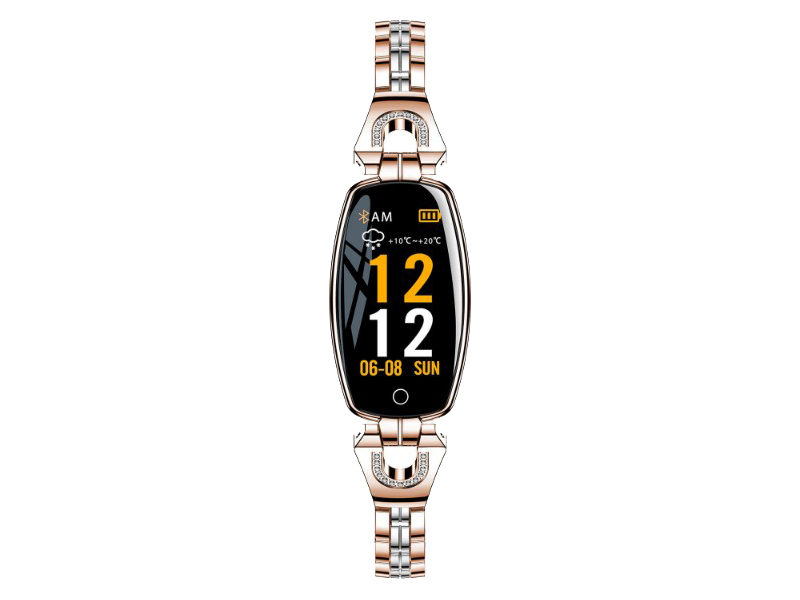
The Bakeey H8 is a one-of-a-kind fashion wear that’s not only elegant but also boasts an impressive array of features. While the market is brimming with other high-end and eye-catching smartwatches from popular brands, they don’t come cheap.
In a bid to made the H8 available to fitness conscious buyers who are on a tight budget, Bakeey is currently doling out a noteworthy discount on the coveted smartwatch bracelet. As a result, you can now preorder the H8 smartwatch at a dropped price of just $29.99.
This is a noteworthy 50% reduction in the device’s original asking price of $59.99 and it will be valid for the rose gold, silver and black color version of the smartwatch. The feature-laden H8 comes with a slew of useful functions such as alarm, sedentary reminder, distance, sleep tracker, a pedometer, a camera and lots more.
With the dynamic heart rate tracing feature, the H8 smartwatch ensures that your heart stays fit. Moreover, the device is capable of recording the whole heart data continuously for 24 hours.
The H8 has a real-time blood pressure monitor that can test your blood pressure without requiring a cell phone. Furthermore, it boasts an IP67 certification, which makes it waterproof; however, it is recommended to avoid wearing it while bathing with hot water.
On the downside, the aforesaid discount on the H8 smartwatch bracelet will only be valid for 10 pieces. The next 200 pieces will set you back $33.99, while the remaining pieces will carry a slightly steep $49.99 price tag.
You can follow this link if you’re interested in taking advantage of the discount before the remaining pieces are sold out.
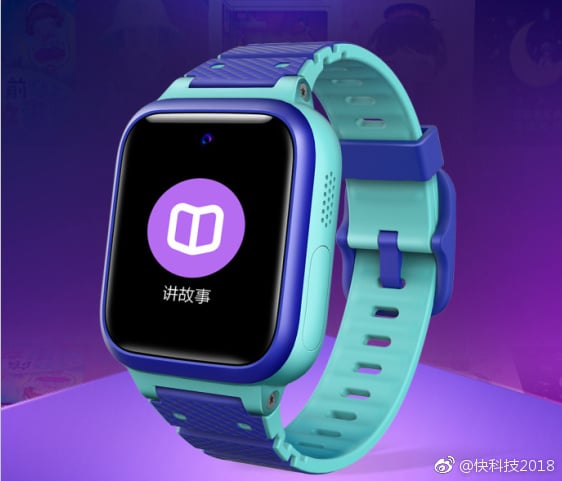
Xiaomi’s ecological chain company, Xiaoxun Technology which manufactures smartwatches for children, has announced the all-new Xiaoxun Children Smartwatch S2 which is an upgraded version of its Children Smartwatch S1.
Xiaoxun launched the Children Smartwatch S1 in early August of last year. Today, at the beginning of the back to school season, Xiaoxun has launched the upgraded version Children Smartwatch S2. It is launched at an introductory price of 299 Yuan (approximately $44).
Xiaoxun Children Smartwatch S2 Features:
Xiaoxun Children Smartwatch S2 comes with a 1.3-inch dial interface which is protected by a Japan-imported 2.5D curved glass. Xiaoxun has built the S2 watch with the macarons contrast color design strap to attract kids. As for the battery life, it is equipped with a 730mAh ultra-large capacity battery which the company claims to offer 7 days of battery life and 9 hours of conversation.
Xiaoxun Children Smartwatch S2 connectivity options include China Beidou and the GPS positioning system. It comes with a nano-sim type tray, micro USB port, built-in Wi-Fi. There are also options to call friends, family, calculate steps, etc.
Coming to the AI part of the Xiaoxun Children Smartwatch S2, its smart AI can translate texts, sing songs, recite poetry and even chat. There is also a camera sensor for photo scene assistance which can accurately locate the child’s position. Parents can control this Smartwatch with the help of its camera’s remote control function. They can remotely take photos and view the surrounding environment on their mobile APP.
Xiaoxun Children Smartwatch S2 uses a high-quality mainstream mobile phone antenna (LDS antenna). It offers a stable signal and reduces interference. This Smartwatch is also waterproof for day-to-day use. Coming to its safety features, it provides an option to call one of the guardians from the phonebook or by pressing SOS-button in a case of emergency. It also has an option to create a group chat using WeChat.
Xiaoxun Children Smartwatch S2 watch not only focuses on the child’s safety but it also offers a combination of fitness, games, and fun features.
What’s your thought on Xiaoxun’s latest Children Smartwatch S2? Tell us in comments!
Huawei is now trying to make some amends after being caught cheating on the benchmark tests. Today, Huawei said in a statement that they will provide an open access to “performance mode”. They explained that its a user’s desire what they want to do with their device. So, they have provided access to the “performance mode” which was hidden in Huawei devices from a long time.
What is Huawei Benchmark Controversy ?
We all are familiar with the benchmarks, it allows us to judge a devices performance. But results can be manipulated and various manufacturers have done this time and again to attain high scores. Benchmark manipulation has been in the industry for some time and many companies including OnePlus, Samsung and few other OEMs in the past have been found to tweak their benchmark scores for higher than normal results.
Couple of days ago, we got to know that Huawei devices were automatically shifting to the performance mode after detecting the benchmarking applications, which resulted in enhanced performance and better scores. Huawei and Honor devices such as P20, P20 Pro and Honor Play were using the “performance mode” to tweak the benchmarks. The results were attained by drawing more power from the Kirin 960 and Kirin 970 processors. Later in a report by UL, it is found that the power drawn by both the processors were more than sustainable levels for their architecture design.
Folks over at AnandTech exposed the whole scenario forcing Huawei to let users access the so called “performance mode”. Further, old devices such as Huawei Mate 9 and Huawei P10 are not affected. The devices prone to benchmark manipulation are primarily running on EMUI 8.0, the latest version of the company’s customised UI.
Affected Huawei Devices Delisted
Yesterday, after an uproar from various media houses and concerned authorities, UL delisted the affected Huawei and Honor devices from the benchmarks. Devices those were removed are Huawei P20 Pro, Nova 3, and Honor Play. UL stated that the devices were scoring 47% higher in performance on 3DMark app. It further added that “A device must run the benchmark as if it were any other application.”
Update: Official Huawei and UL joint Statement
Huawei has just revealed a statement saying that benchmark throttling is executed using ethical ways and there was nothing wrong in it. They emphasized that the AI technology is optimising the performance of their devices by utilizing the CPU, GPU and NPU at right time. Here’s the official statement:
Huawei always prioritizes the user experience rather than pursuing high benchmark scores – especially since there isn’t a direct connection between smartphone benchmarks and user experiences. Huawei smartphones use advanced technologies such as AI to optimize the performance of hardware, including the CPU, GPU and NPU.
When someone launches a photography app or plays a graphically-intensive game, Huawei’s intelligent software creates a smooth and stable user experience by applying the full capabilities of the hardware, while simultaneously managing the device’s temperature and power efficiency. For applications that aren’t as power intensive like browsing the web, it will only allocate the resources necessary to deliver the performance that’s needed.
In normal benchmarking scenarios, once Huawei’s software recognizes a benchmarking application, it intelligently adapts to “Performance Mode” and delivers optimum performance. Huawei is planning to provide users with access to “Performance Mode” so they can use the maximum power of their device when they need to.
Huawei – as the industry leader – is willing to work with partners to find the best benchmarking standards that can accurately evaluate the user experience.
In short, Huawei will make the hidden performance mode available for all to end the Huawei Benchmark Controversy.
So, what do you think? Is it a big deal for you that companies manipulate their devices to perform best on benchmarking apps?
We use cookies on our website to give you the most relevant experience by remembering your preferences and repeat visits. By clicking “Accept”, you consent to the use of ALL the cookies.
This website uses cookies to improve your experience while you navigate through the website. Out of these, the cookies that are categorized as necessary are stored on your browser as they are essential for the working of basic functionalities of the website. We also use third-party cookies that help us analyze and understand how you use this website. These cookies will be stored in your browser only with your consent. You also have the option to opt-out of these cookies. But opting out of some of these cookies may affect your browsing experience.
Necessary cookies are absolutely essential for the website to function properly. This category only includes cookies that ensures basic functionalities and security features of the website. These cookies do not store any personal information.
Any cookies that may not be particularly necessary for the website to function and is used specifically to collect user personal data via analytics, ads, other embedded contents are termed as non-necessary cookies. It is mandatory to procure user consent prior to running these cookies on your website.


 Electricity is a vital part of our daily lives. We rely on it to power various electronic items we use at home, office, school etc. On the downside, using more electricity leads to higher electricity bills.
 Even nearly one year after hitting the store shelves, the Power 3 smartphone continues to garner popularity among smartphone lovers. Bearing its skyrocketing popularity in mind, Ulefone has now made the phone available to cost-conscious buyers on efox.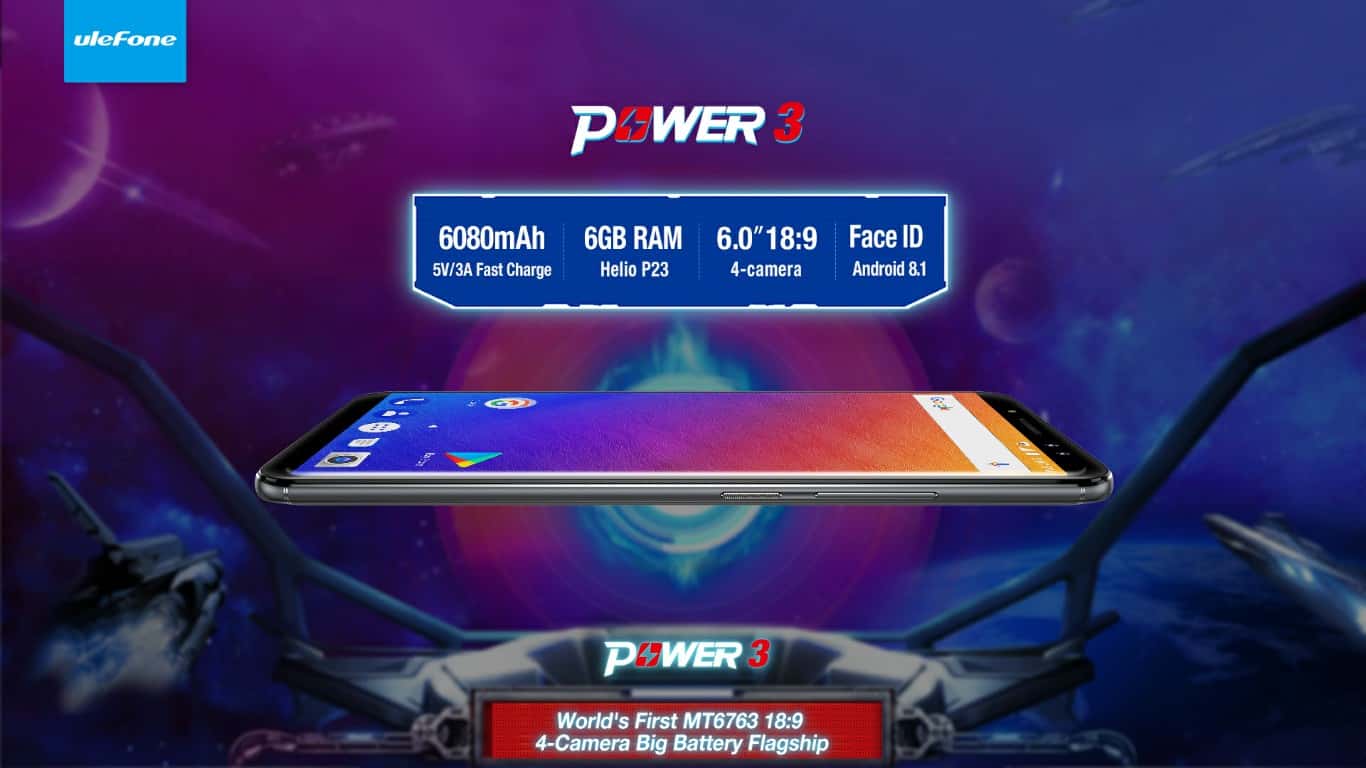






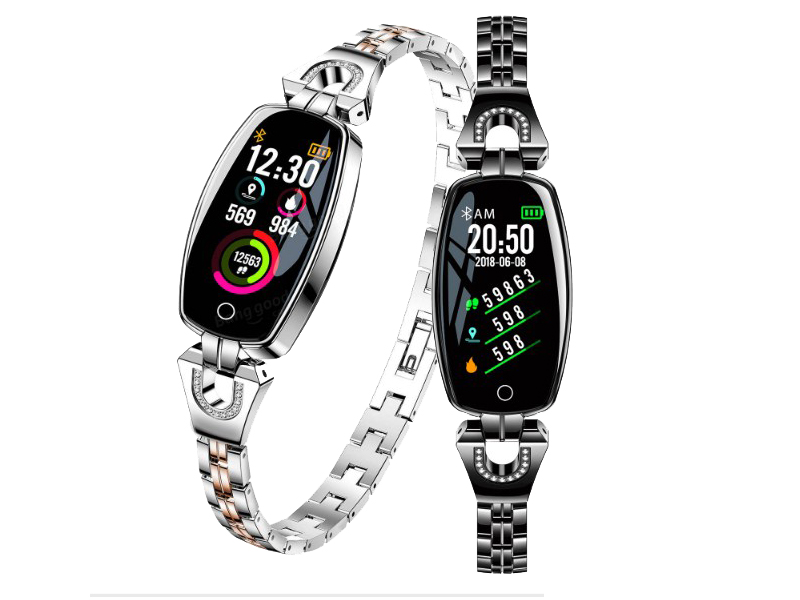 The Bakeey H8 is a one-of-a-kind fashion wear that’s not only elegant but also boasts an impressive array of features. While the market is brimming with other high-end and eye-catching smartwatches from popular brands, they don’t come cheap.