The OnePlus 5T smartphone was launched in November, last year. Despite bearing a relatively steep price tag, the long-awaited phone was very well-received by smartphone lovers.
On the downside, the OnePlus 5T failed to sweep cost-conscious buyers off their feet. If you’ve restlessly been waiting to get your hands on the 5T smartphone without emptying your pockets, we have good news for you.Banggood is currently offering a considerable discount on the OnePlus 5T smartphone’s original asking price. The phone normally sells for $579.99 on the site; however, you can now get a 16% discount and bring your grand total down to just $489.99.
Although the discount will be valid until April 2, there were only 31 pieces remaining at the time of writing. You can visit this link to take advantage of the promo before it comes to an end.
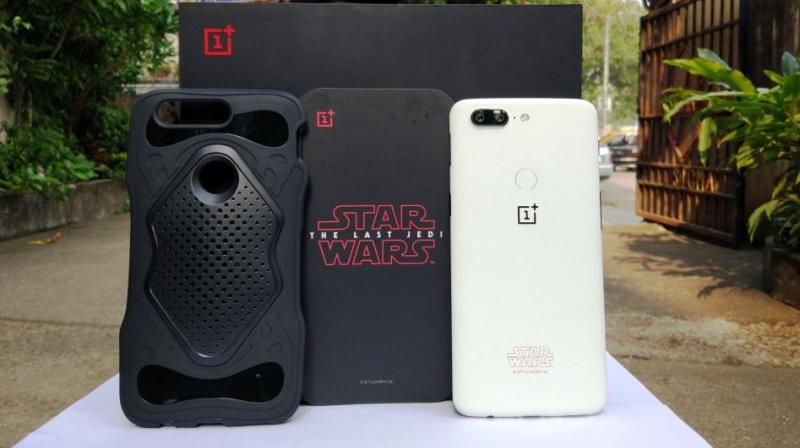
Alternatively, you can preorder OnePlus 5T Star Wars version and save a considerable amount of money. While you’d ideally shell out $699.99 to get your hands on the Star Wars version of the 5T smartphone on Banggood, the site is allowing buyers to preorder the phone for just $664.99.
But if that not a good enough reason for you to buy it, you can use coupon code ‘5TSWPUSH’ at the time of checking out and save an additional $75. In other words, you can bring your grand total down to just $589.99 simply by applying the aforesaid coupon code.
It’s worth noting that the phone is likely to retain its original selling price once the promo comes to an end. You can head straight to this link in order to take advantage of the promo and use the coupon code before it expires.
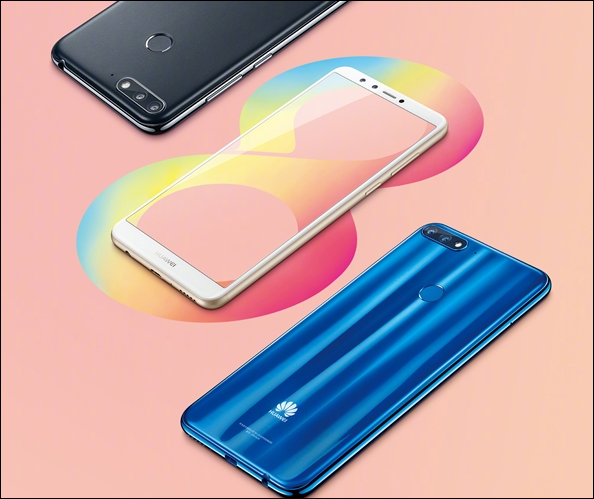
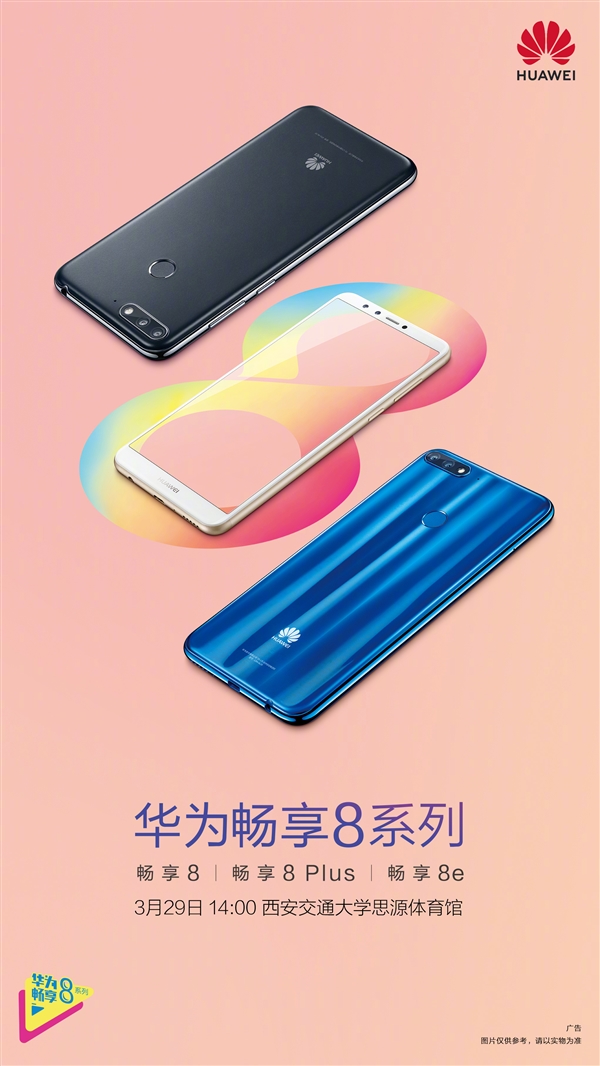
Huawei continues to strive undeterred despite the disappointing result it suffered in its bid to make an inroad into the U.S market. Instead, the Chinese giant is still on coasting on with full steam, dishing out smartphones week in week out, from budget models to flagships. From the look of things, Huawei isn’t stopping anytime soon. A launch poster has been revealed showing that the Huawei Enjoy 8 series models would be unveiled on March 29 at 14:00 UTC+8.
Huawei Enjoy series is known for competitively priced models with capable hardware. The last we saw from the series was the Enjoy 7S which was launched in December 2017. Before then, there was the Enjoy 7 which was launched around the middle of last year.
The expected Huawei Enjoy 8 series is comprised of the Enjoy 8, Enjoy 8 Plus and Enjoy 8E. Going by the poster, the trio will all be unveiled at the launch event which is just a matter of hours away. The models have at various times made appearances at TENAA for certification. All the models are expected to feature a 5.7-inch display with an HD+ resolution of 720 x 1440 pixels and an 18:9 aspect ratio. All the models are also expected to feature an Octa-core SoC clocked at 1.4GHz under their hood. Their differences may likely lie in the storage and RAM sizes available and perhaps camera configuration.
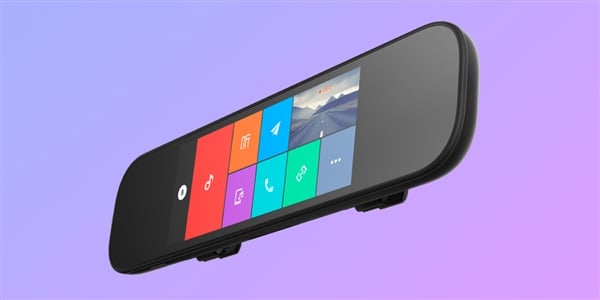
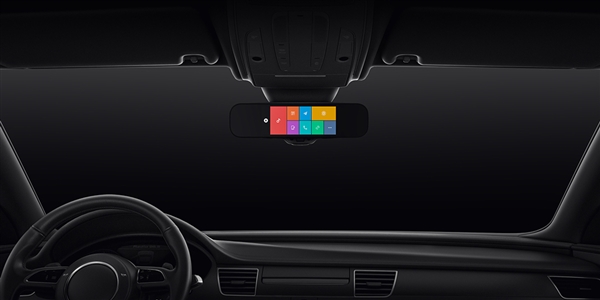
Xiaomi has launched a cool smart gadget under its ecological chain companies. The product is the Mi Smart RearView Mirror similar to the 70 Minutes Smart RearView mirror which was announced last year. This model carries Xiaomi’s branding and apart from that, it comes with some improvement in its feature and a more compact size. Despite the improvements, Xiaomi still retained the 999 yuan ($158) price tag the first-gen model was launched with.
Design wise, the Mi Smart RearView Mirror is compact, packing a 6.86-inch touchscreen display with a resolution of 1280×480 pixels. This is smaller than the 8.88-inch display the first edition features. It still comes in black color only. There is also an improvement in the cooling system. An aerospace aluminium material is processed into the unique thermal wings to greatly increase the cooling efficiency.
In terms of the camera, the Mi RearView mirror packs a Sony IMX291 image sensor that is capable of capturing anything even in low light condition. This sensor uses 6 sets of full-glass spherical lenses with each of them having 9 layers of coating. It comes with a large aperture of f/1.8 and 150 ° large wide angle.
In addition, the device comes pre-installed with Advanced driver assistance systems, or ADAS which supports FCW (Forward Collision Warning), PVS (Preceding Vehicle Starting), and LDW (Lane Departure Warning). It will save the video before and after the collision. We can even watch the videos in the rearview mirror as well via a mobile APP in real time. The gadget also comes with an emergency wake-up system.
The Mi Smart RearView Mirror also supports front and rear double recording and reversing camera functions, which can clearly and comprehensively observe the road conditions behind the car and give the driving process more safety protection. The rearview mirror is also integrated with the new Small Love AI speaker and so supports voice command. Besides simple operations such as increasing or decreasing the volume or capturing videos and photos, you can give ‘smart’ commands such as ‘I would like to go to the nearest airport’ or ‘play the latest song of Maroon 5’. By the way, this mirror has a huge amount of media resources including radio stations and music. The smart rearview mirror can also connect to the Mi Home app such that users can control their connected home appliances directly from your car.
Earlier today, OnePlus released a 30-second video in which they mentioned they want to “reimagine” the currency. A few seconds into the video, there is a text that says “Blockchain Meets Never Settle”.
At the end, we also see a spinning gold coin with a OnePlus logo on one side and the face of OnePlus co-founder, Carl Pei, on the other. There is also a parody of the United States motto “E pluribus unum” but written as “E PLURIBUS PEI-UM”. These hints point towards cryptocurrency.
So the big question is if OnePlus is truly launching its own cryptocurrency? Probably not. Some responses to the video say this is probably a teaser for OnePlus’ April Fool’s joke and they may be correct. However, even if this is a joke, we may get to see OnePlus cryptocoins (1coin sounds better) in flesh.
Google’s Android OS is available on billions of devices all over the world. Those devices are made by a plethora of manufacturers and some of these devices aren’t certified by Google. The tech giant wants that to change and has taken a big decision to fix that.
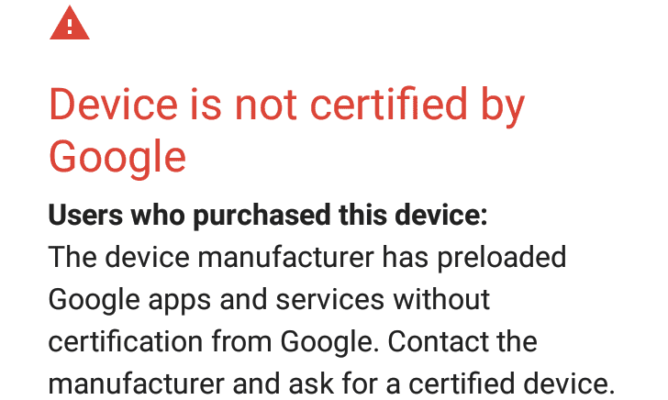
Last week, Android Police discovered that Google was locking users out of Google apps on devices that are not certified. Affected users are said receive a “Device not certified by Google” error message.
An official statement by Google (below) confirms the development:
“Certified Android devices offer users consistent experiences when using apps from Google and the Play Store, as well as various security benefits through Google Play Protect. We acknowledge that some manufacturers are building and selling devices that have not been certified by Google. Please see the website for more details.”
The website says certified devices go through hundreds of tests to ensure they “adhere to Android security and permissions model and have software builds with the recent security updates”.
Google adds that certified devices are required to ship without pre-installed malware and also include Google Play Protect which provides automatic virus scanning and Find My Device. New certified devices will also include the Play Protect logo.
For those with devices that are not Google certified, Google recommends you get in touch with the manufacturer or retailer for a fully tested and certified device.
However, there is actually a way for you to still use Google apps even after you have been blocked. Google provides an option for devices running custom ROMs but it requires your Google Services Framework ID. Google can’t actually tell if your device is truly running a custom ROM or not. So, if you get the error message, there is a link to a site where you can get exempted from the block.
The site requires you to sign in with your Google account details and then asks for your GSF ID. Getting the GSF ID is tricky but there are apps that you can use to extract the info. APKMirror has an app called DeviceID which can help you get the info, however, you must have Google Play Services installed to get the ID. Google will only allows 100 devices per user and it is reported that a factory reset may change your ID. So, anytime you do a factory rest, it counts against the 100 devices available.
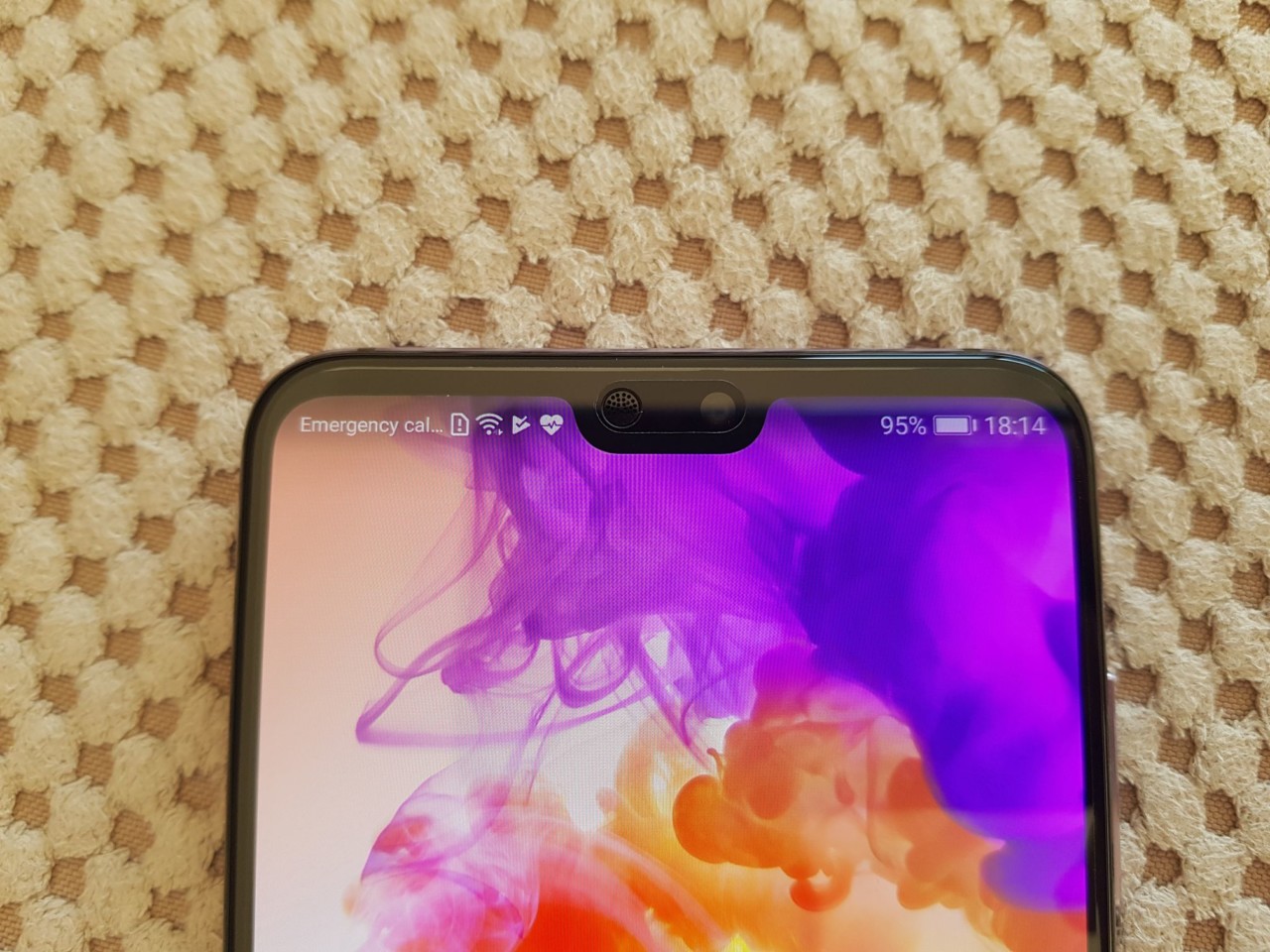
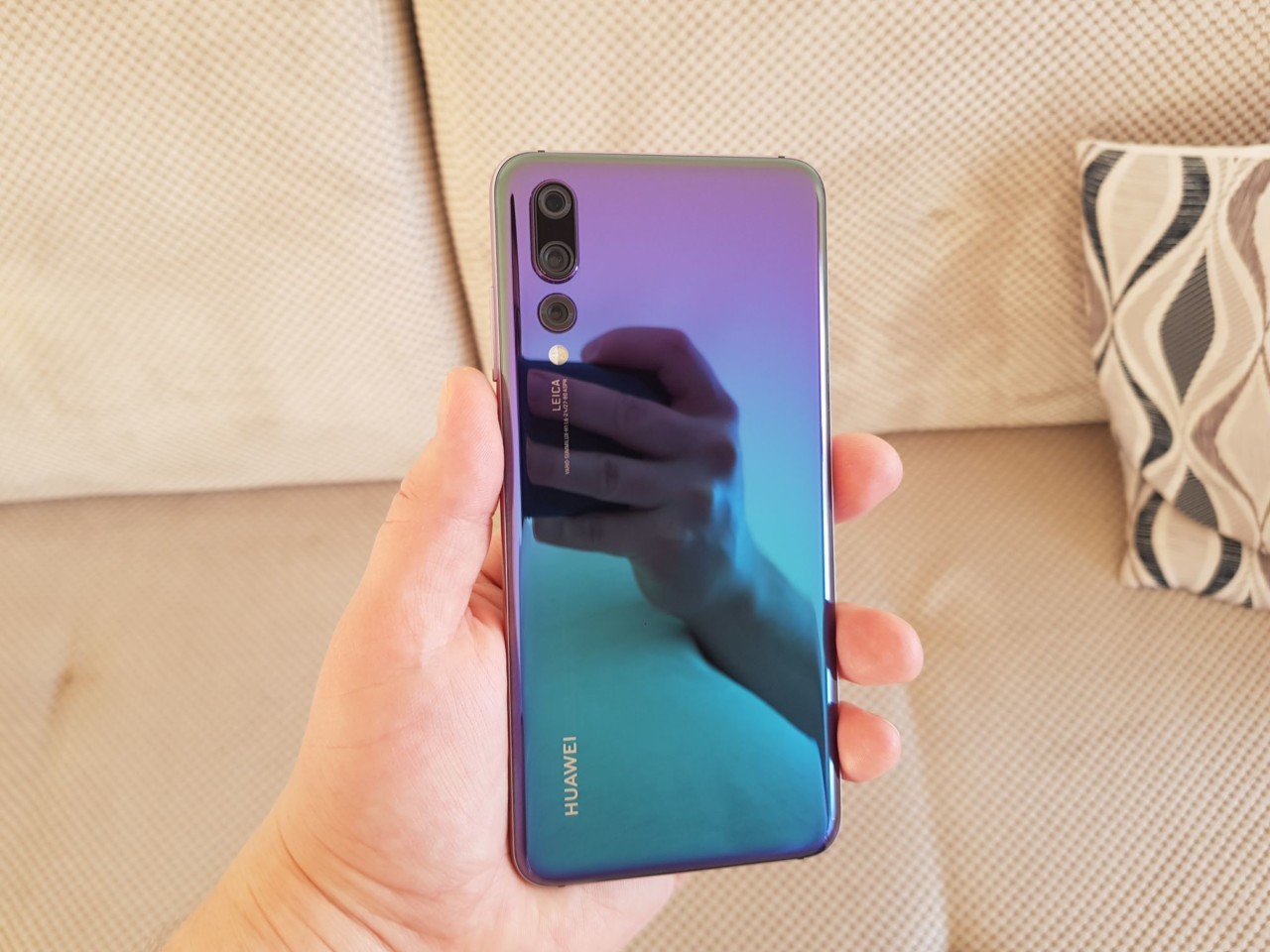
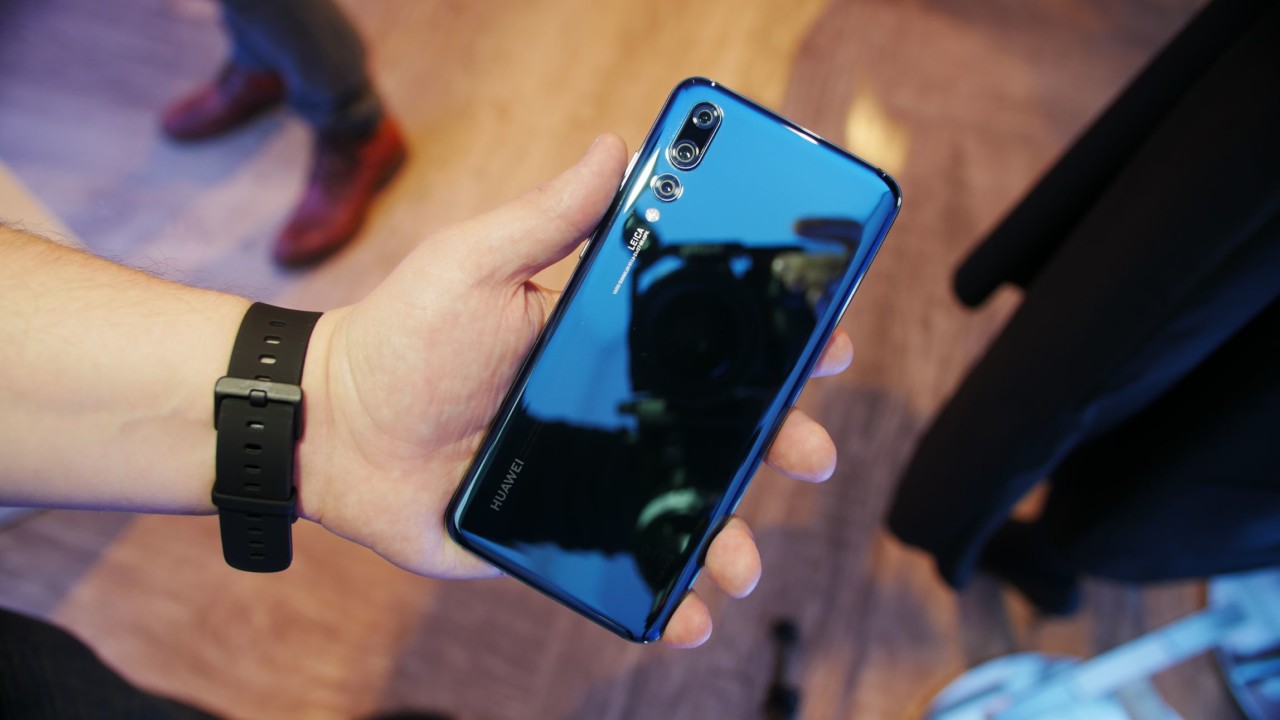
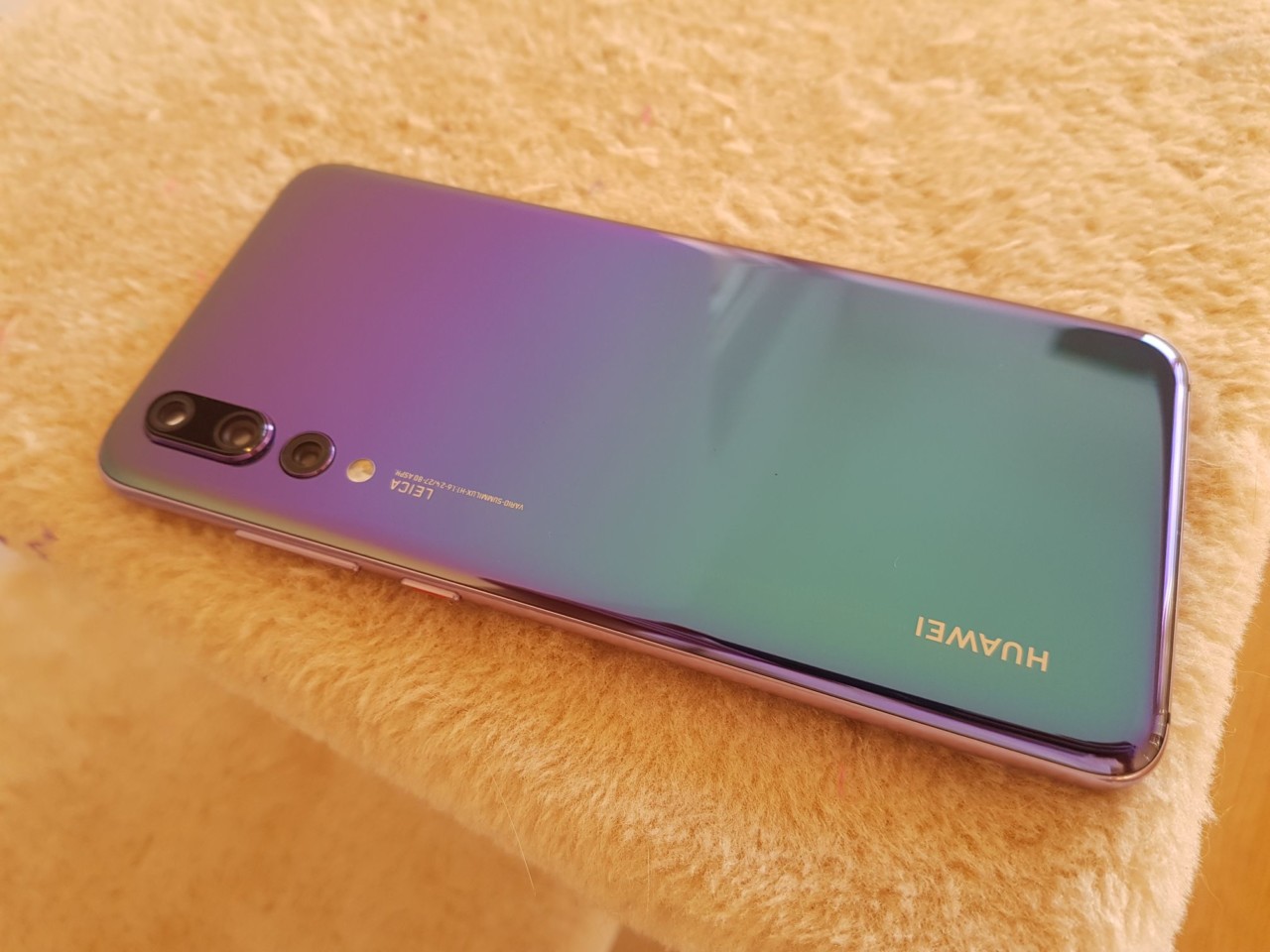
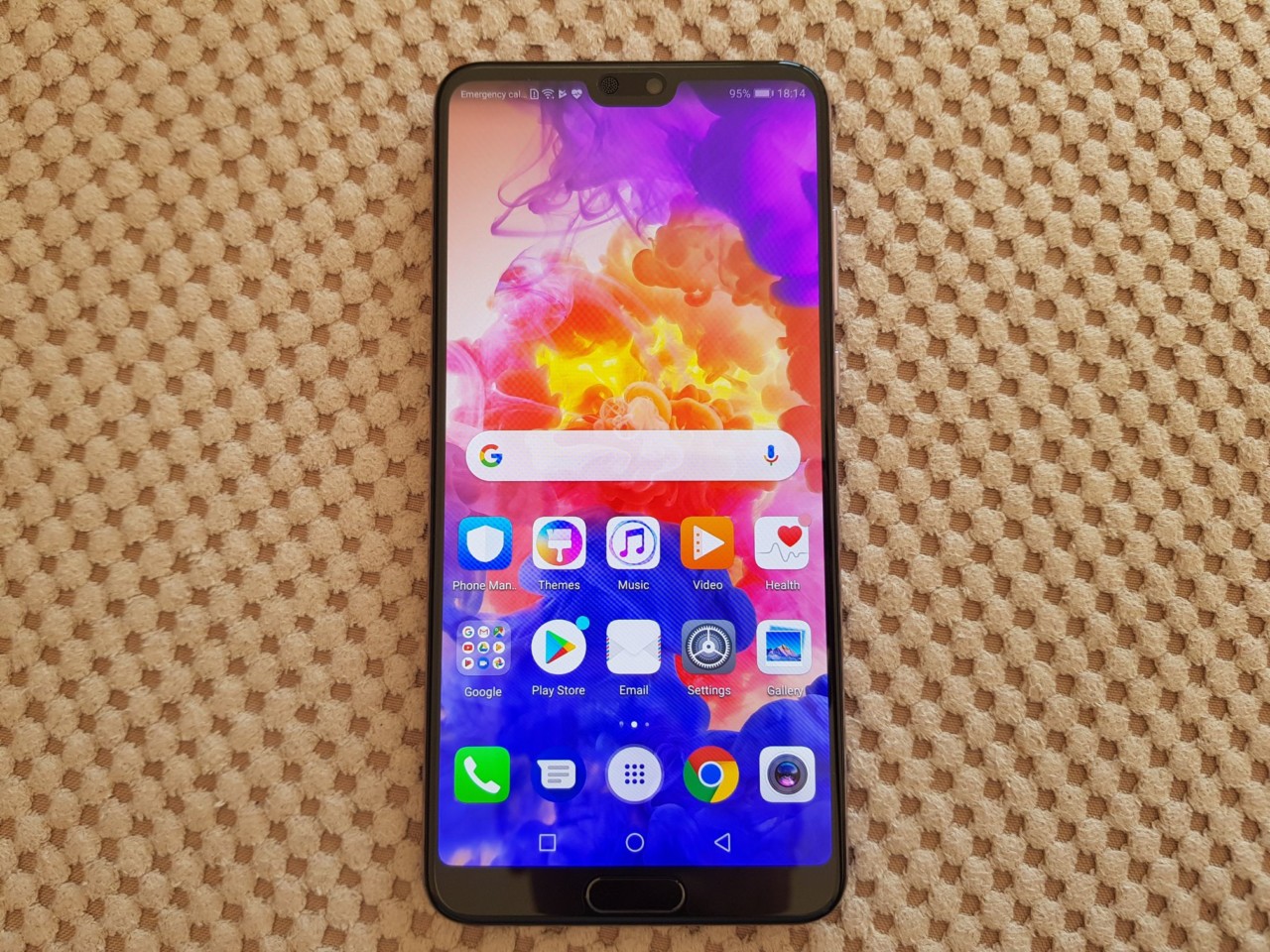
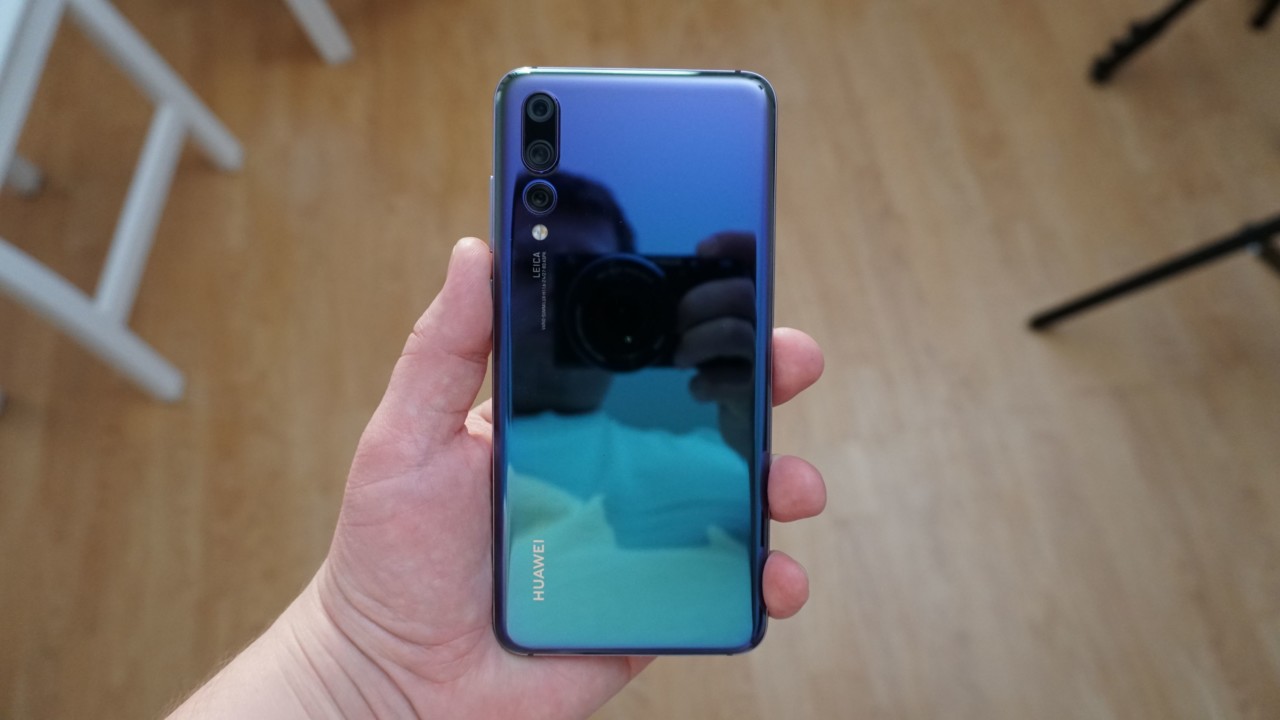
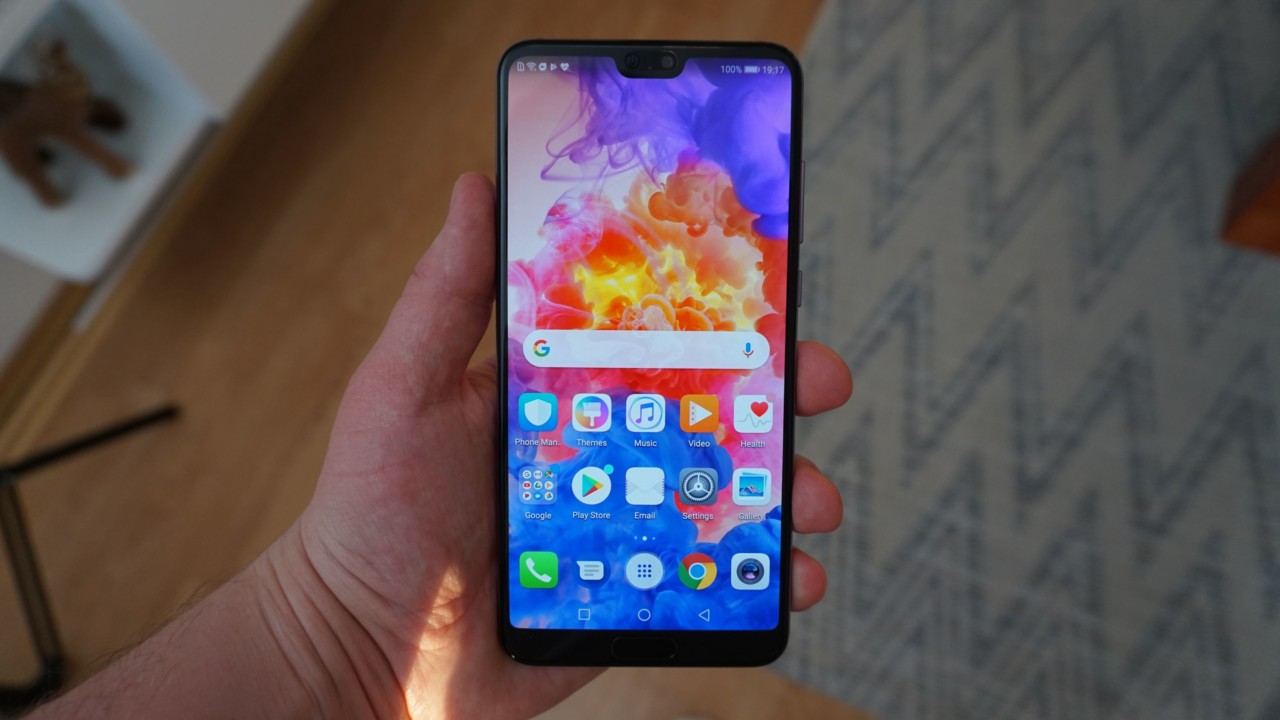
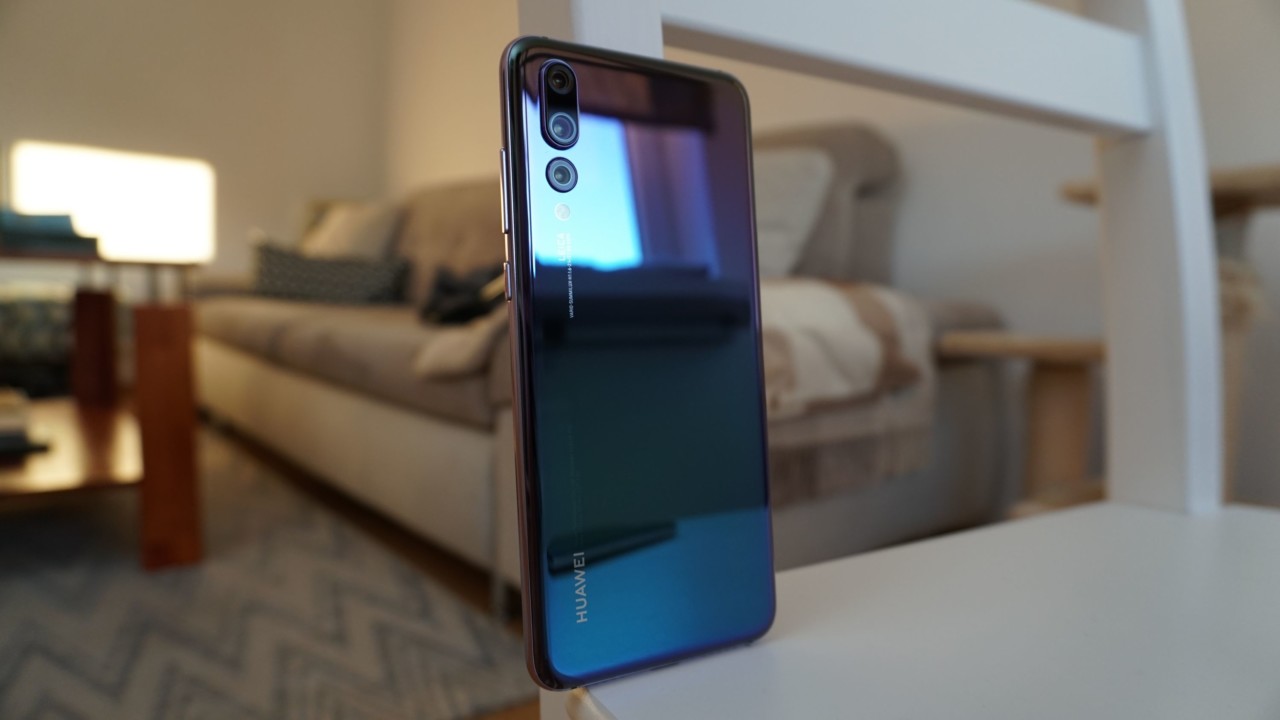
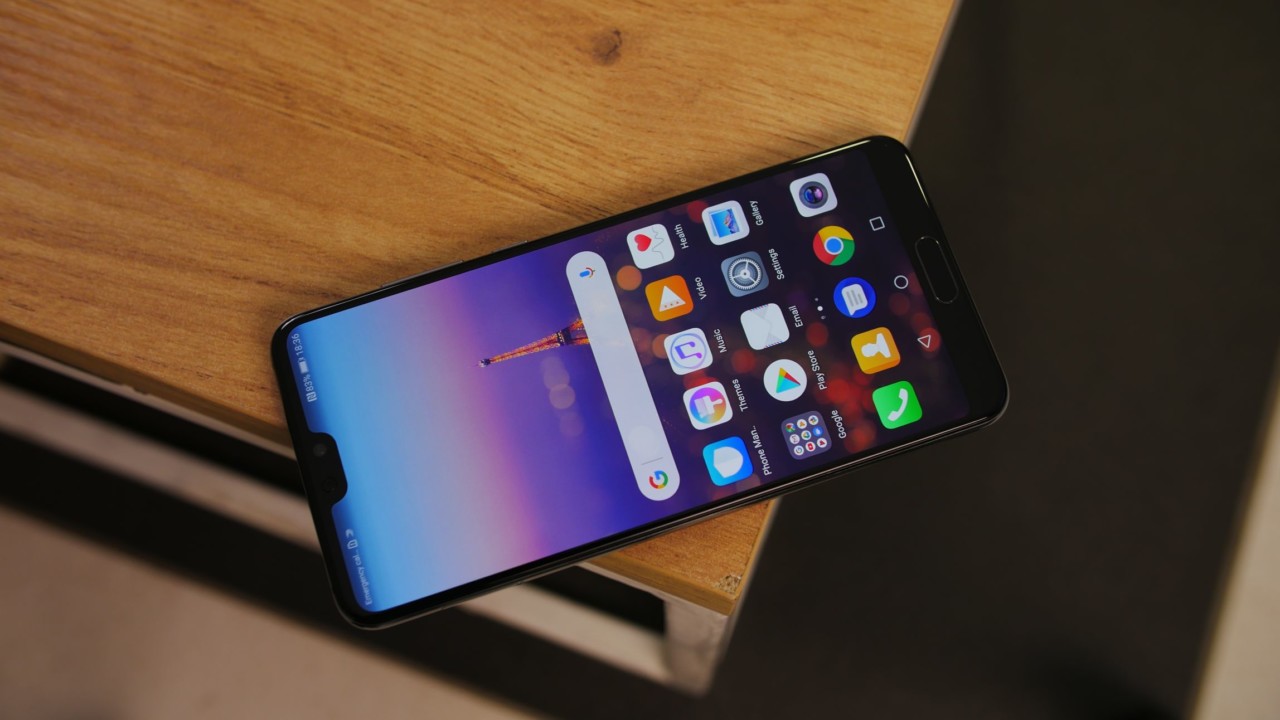
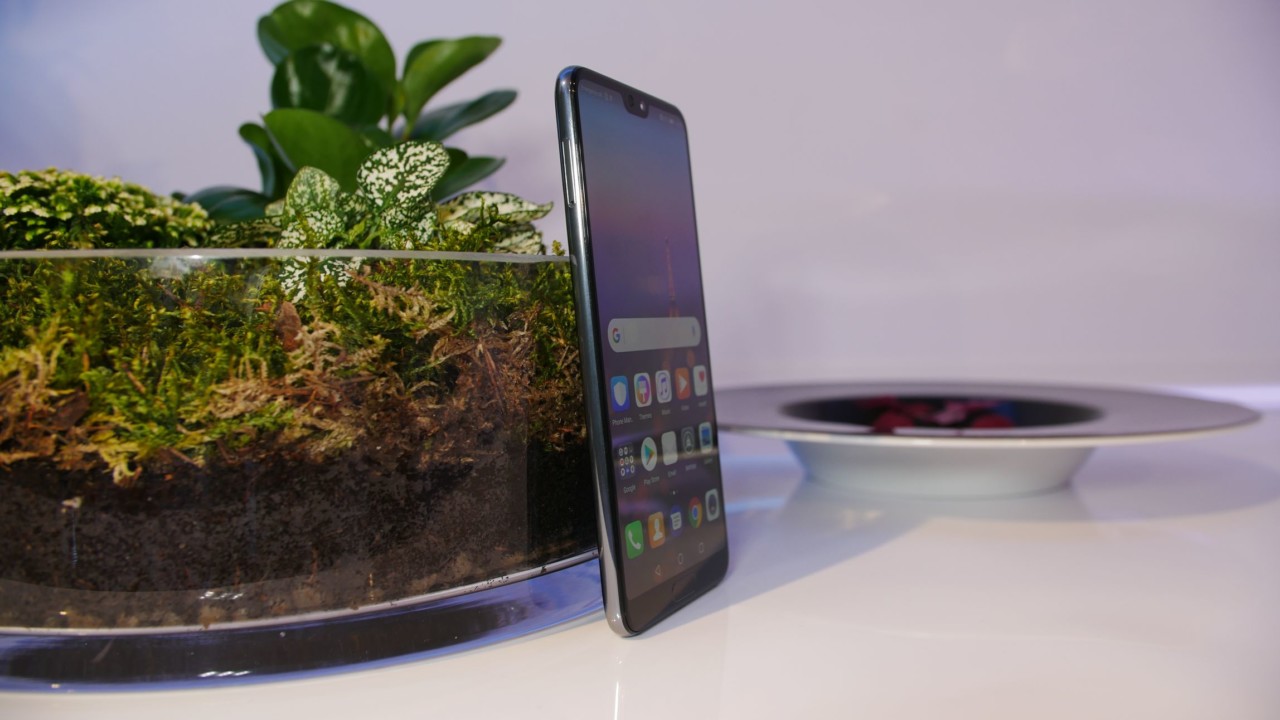
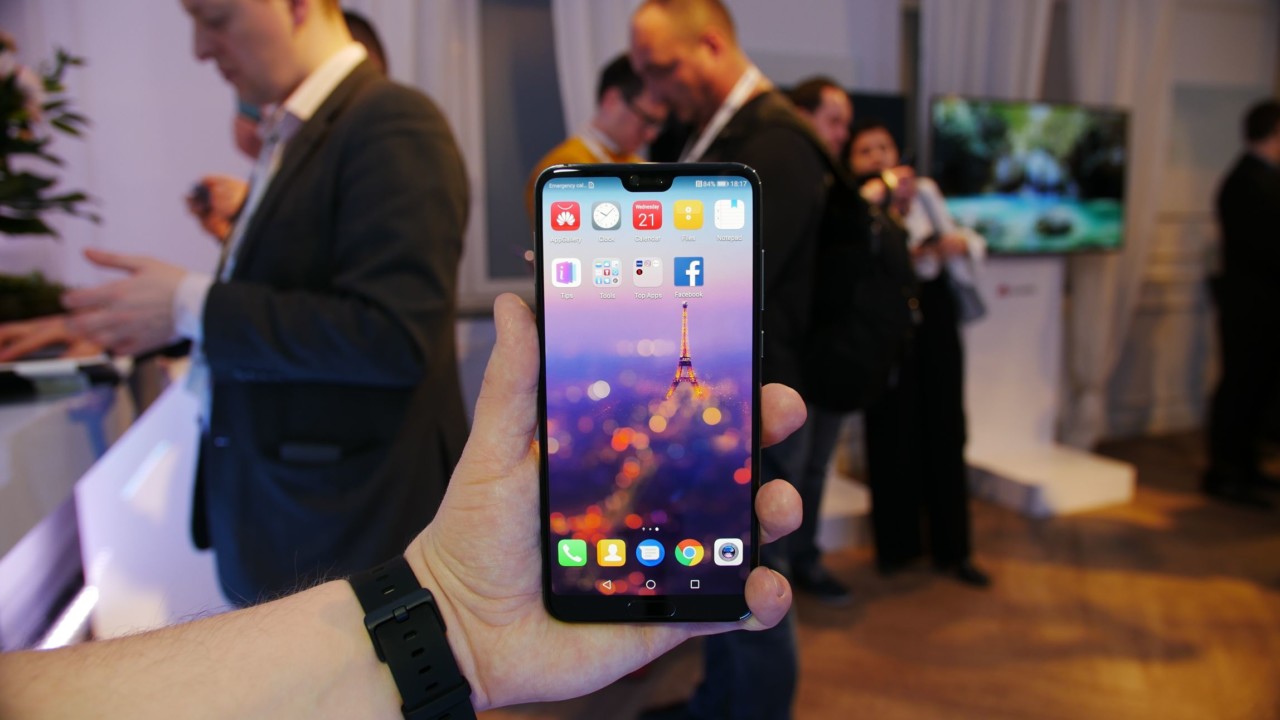
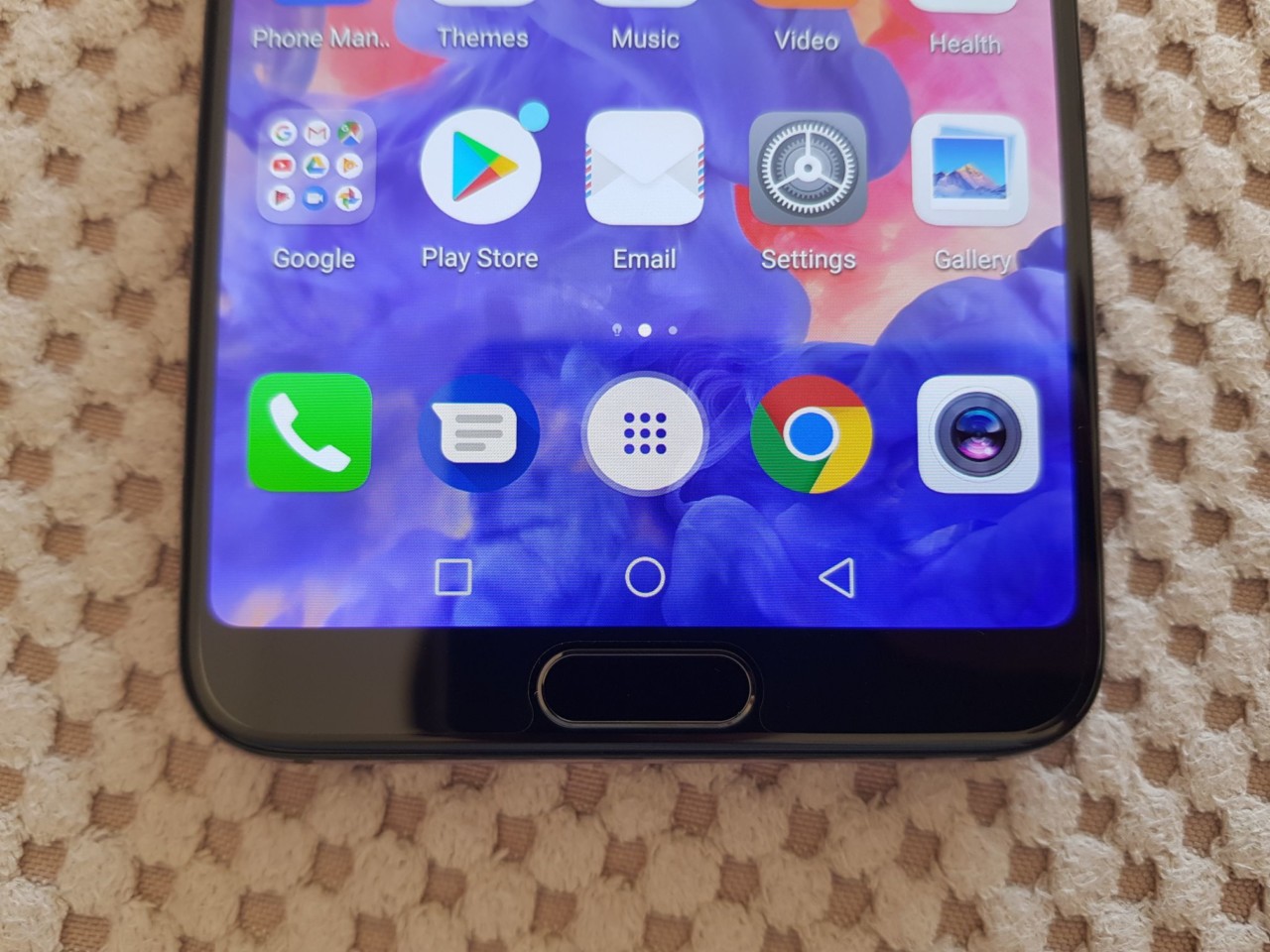
Huawei just launched the new P20 series flagships and I’m mostly interested in the P20 Pro, which alongside the P20, are successors to the P10 series that was launched last year in Barcelona. Learn more in our Huawei P20 Pro hands-on review.
In fact, this is a completely new phone with all new design, new powerful cameras, improved AI neural processing unit and much more.
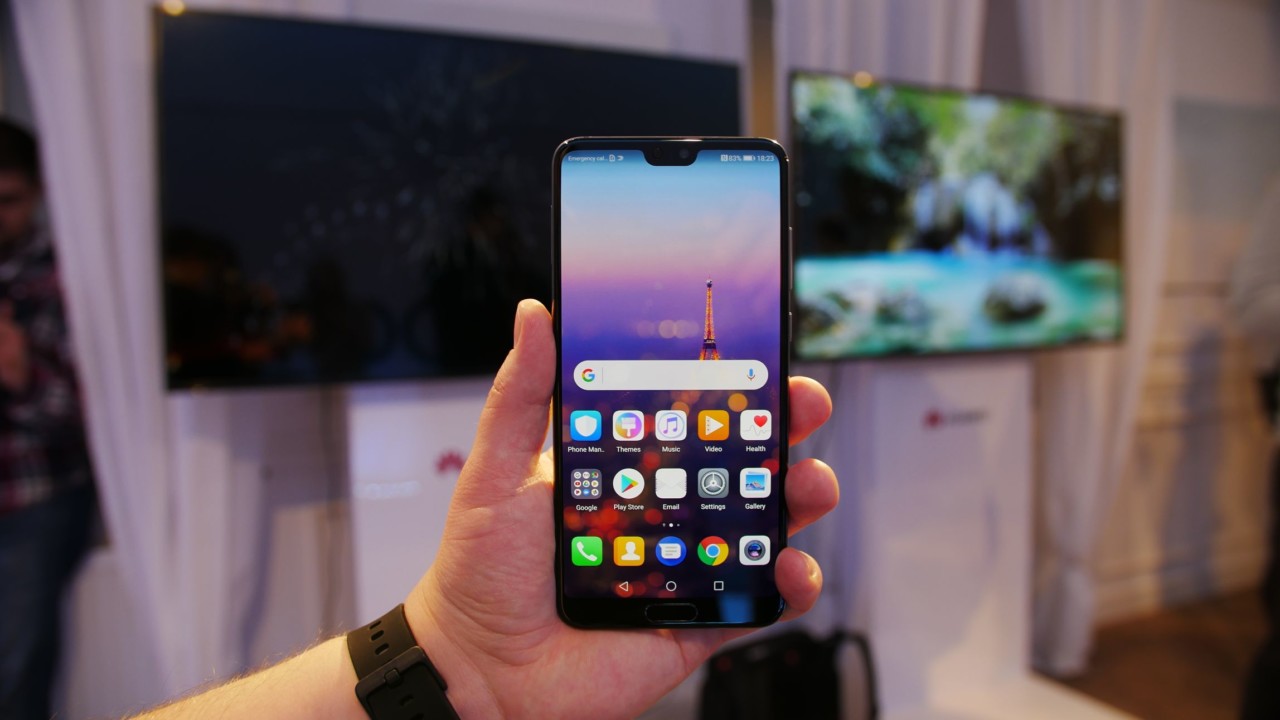
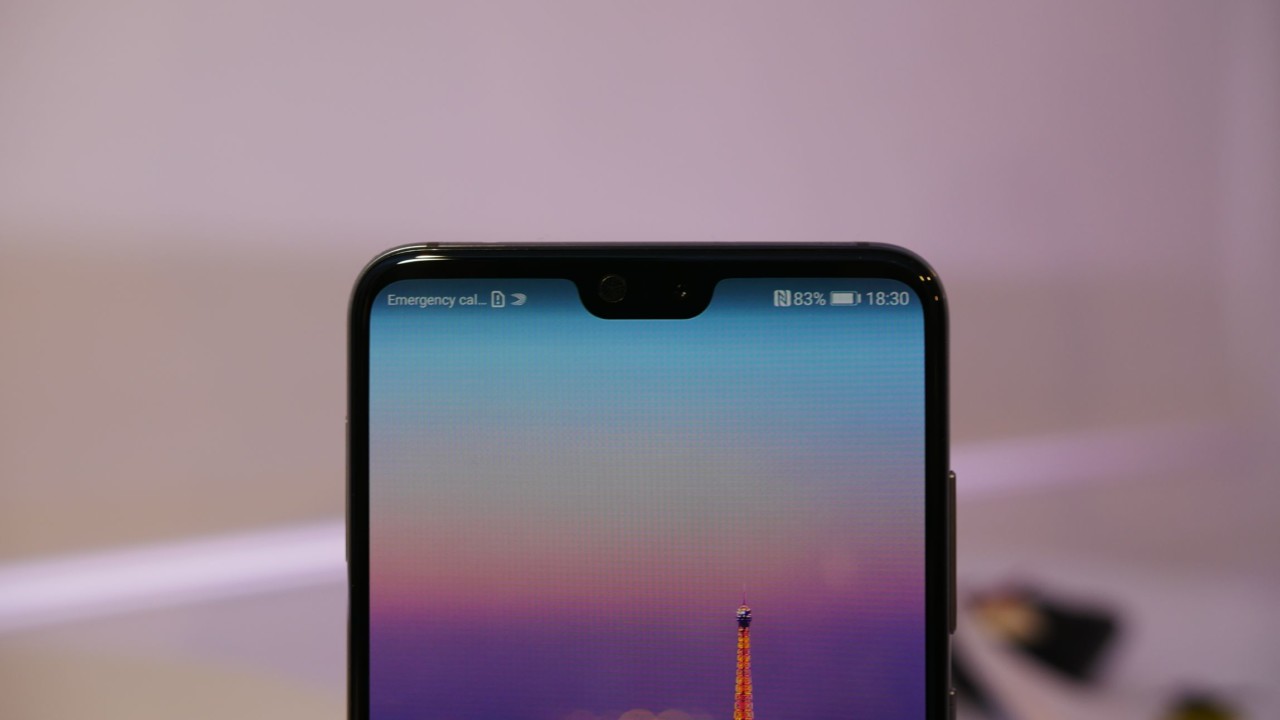
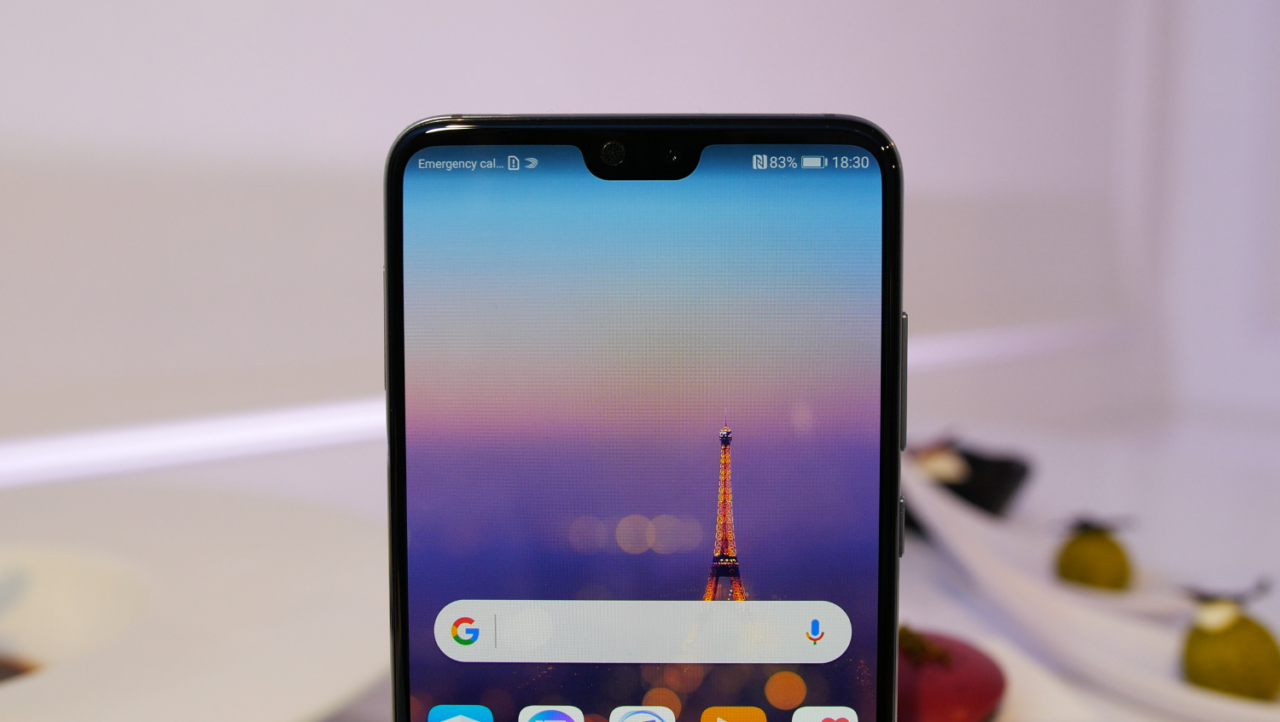
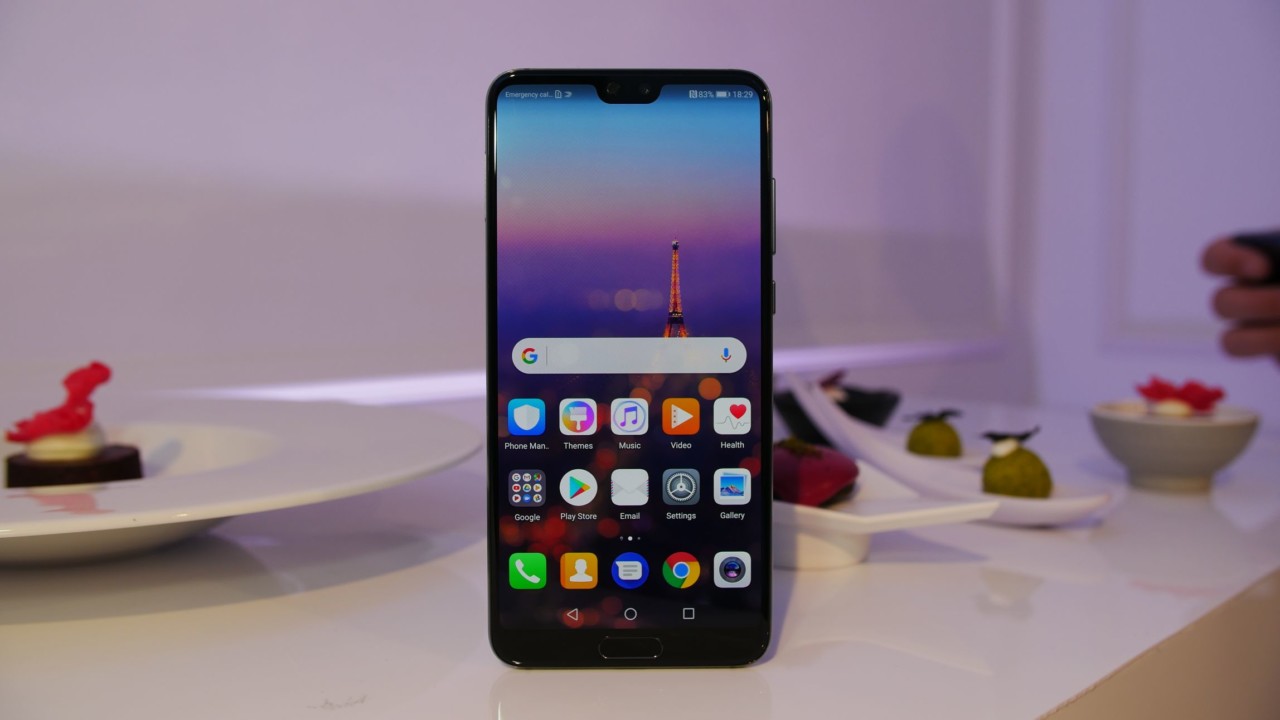
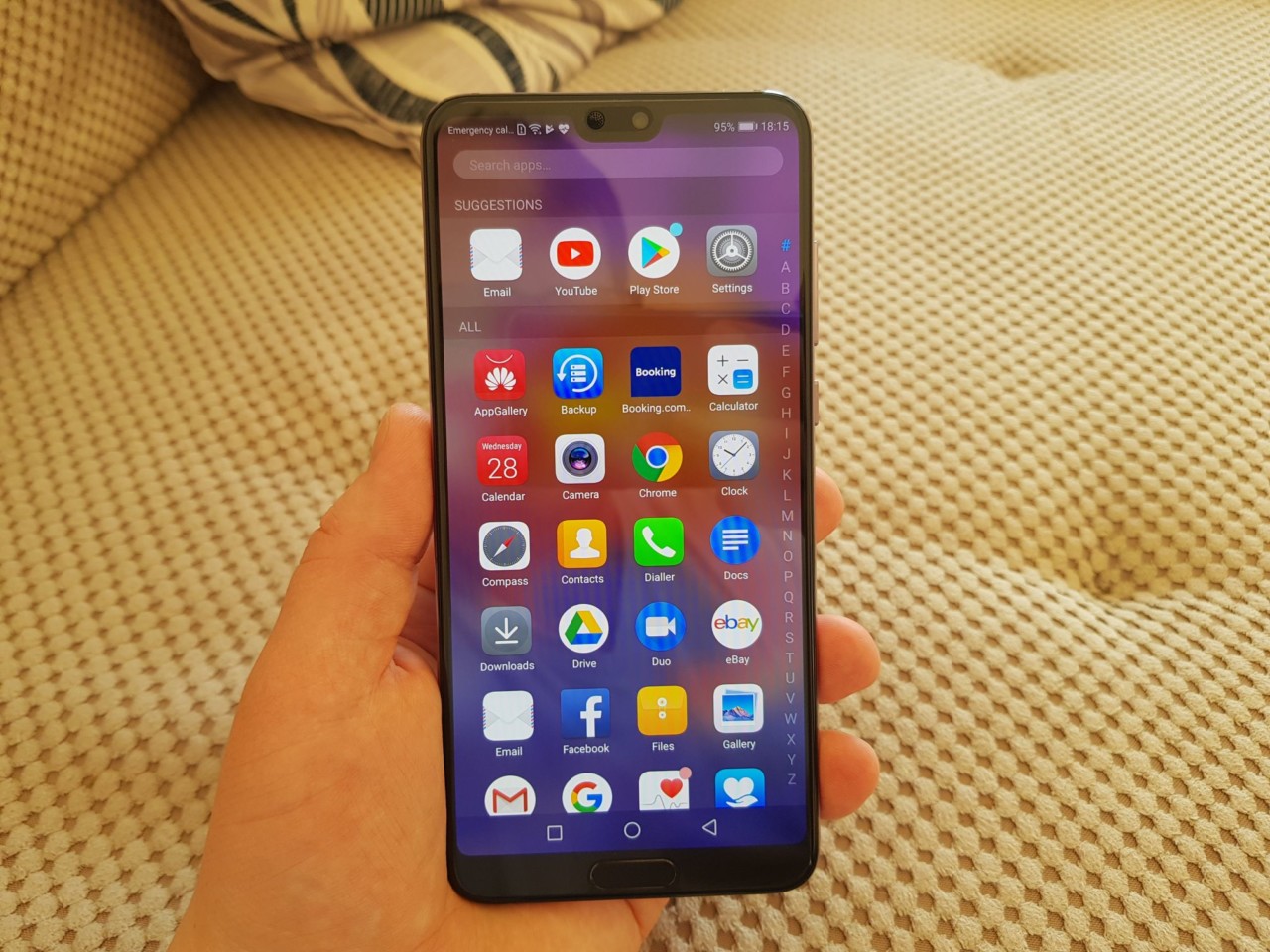
I’m not going to talk about the notch design in Android phones and P20’s similarities to the iPhone X. I will leave that for you, so make sure to use that comment section.
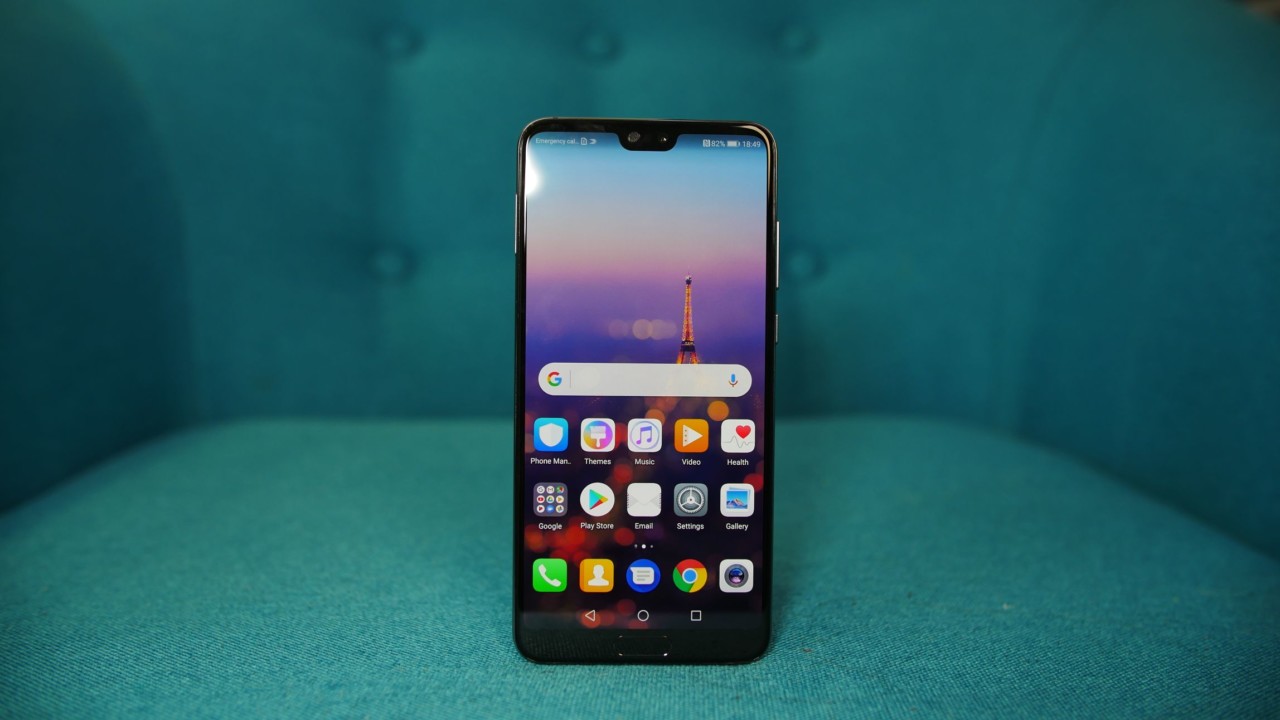
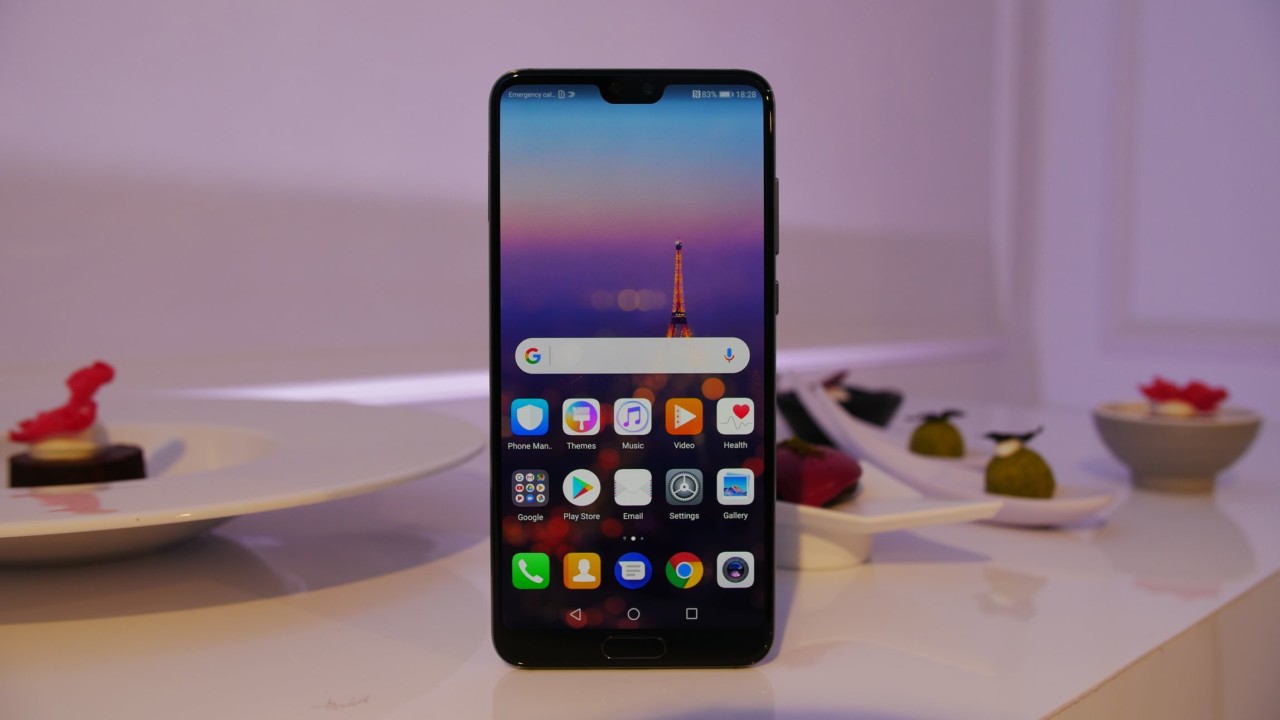
In case you don’t like the notch, you can always hide it. Thanks, Huawei, for giving us options. I will keep the notch as I got used to this design element very quickly.
First of all, let’s get the specs out of the way. Both P20 and the Pro will ship with the AI-powered Kirin 970 chipset but the Pro model will have more storage (6GB of RAM and 128GB ROM). Sadly, there is no microSD slot for storage expansion but both phones have dual SIM card slots.
In the hand, the P20 Pro feels very premium and expensive and it all starts with a large OLED full-view display, that I found to be really sharp and bright. The P20 will have a slightly smaller 5.8” LCD panel with the same resolution.
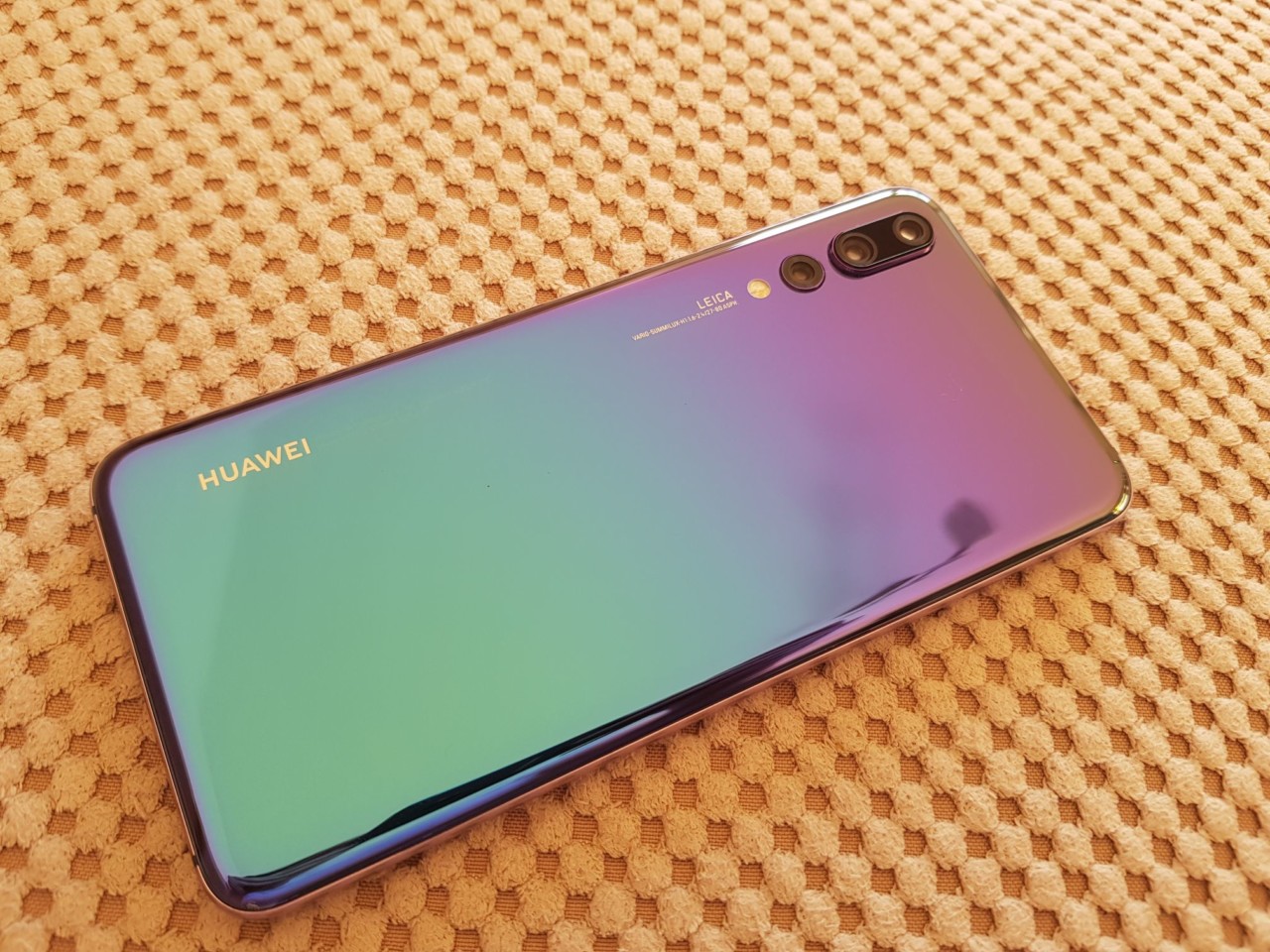
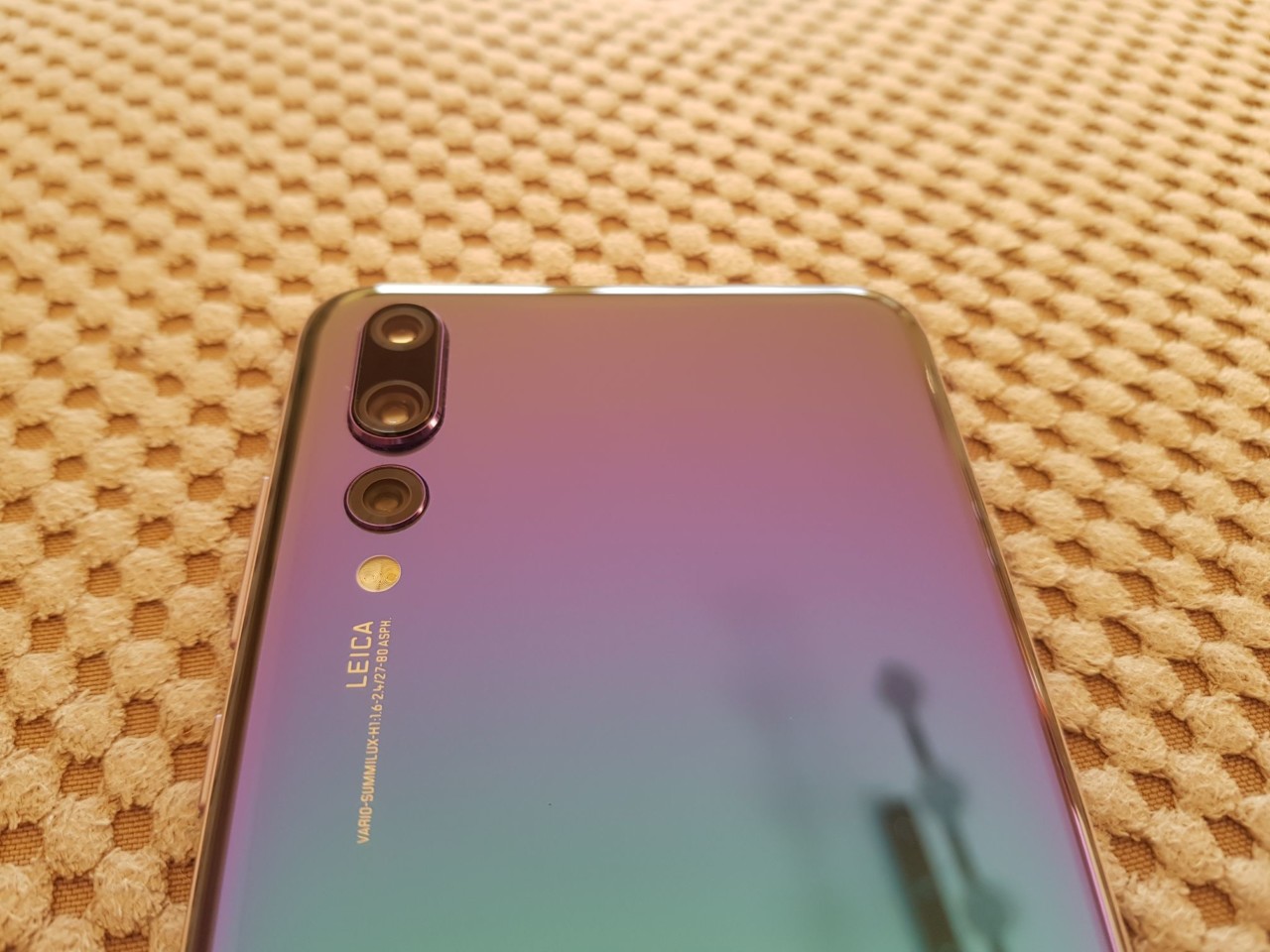
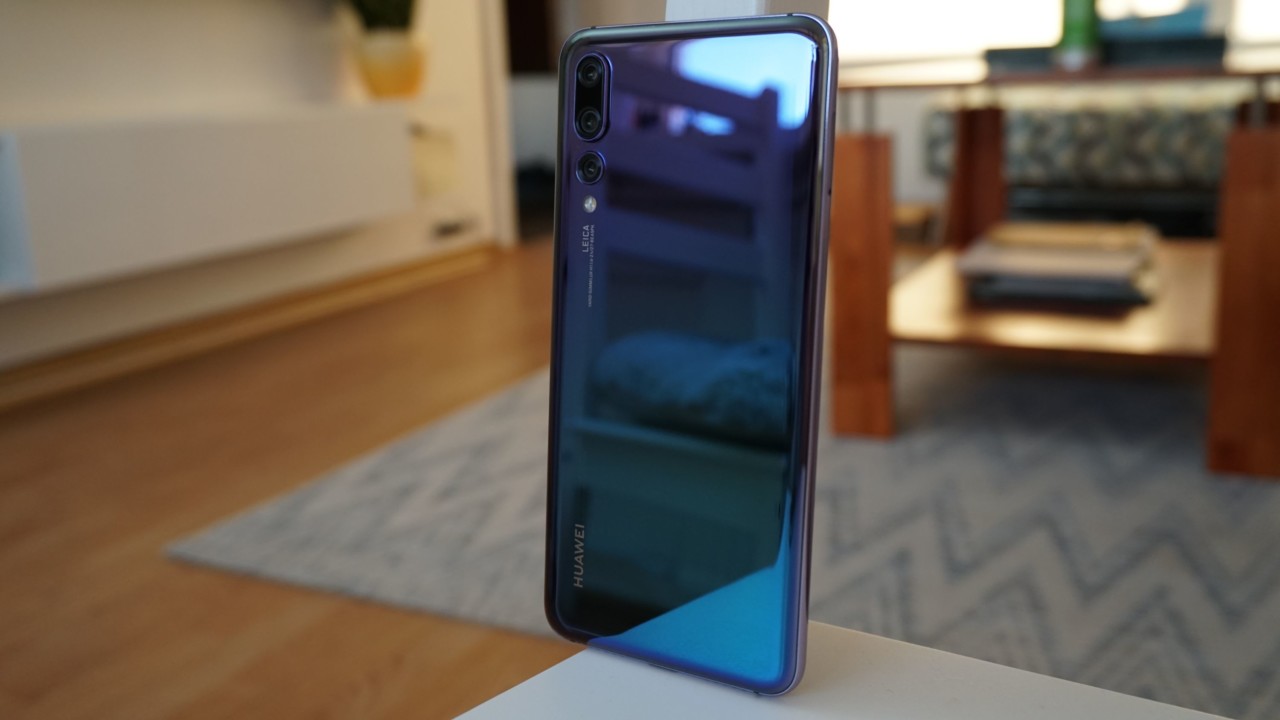
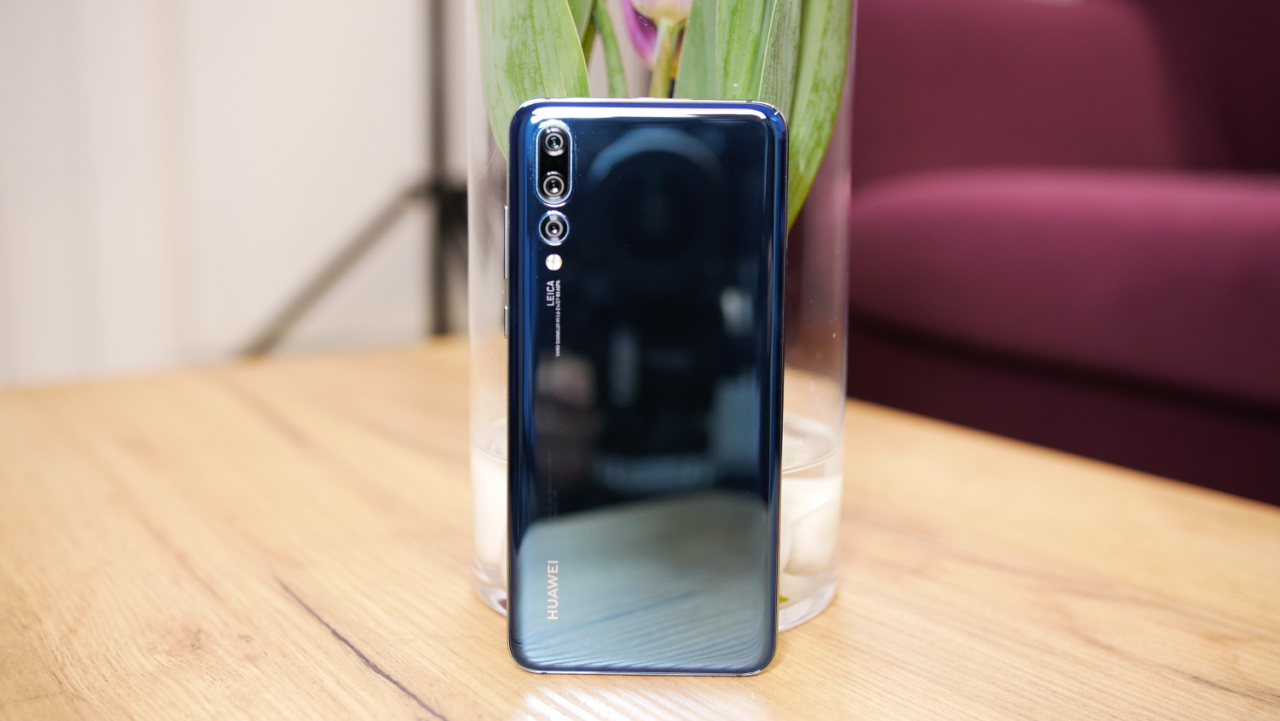
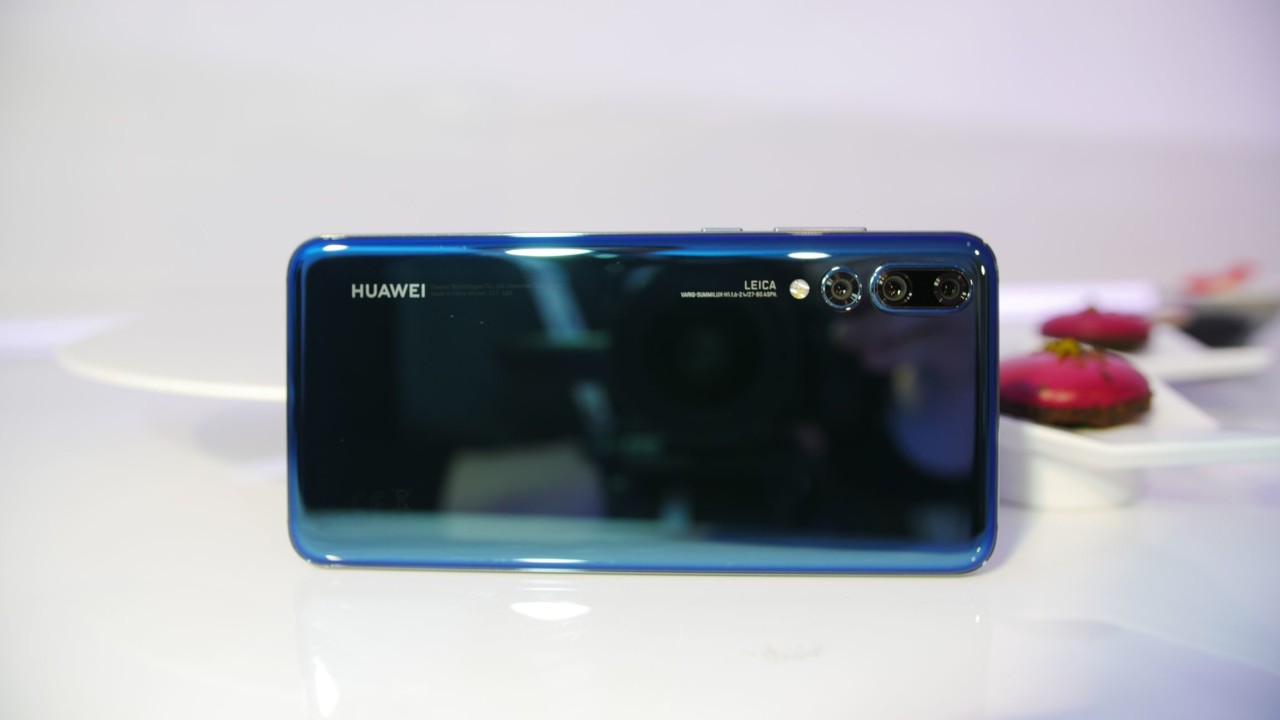
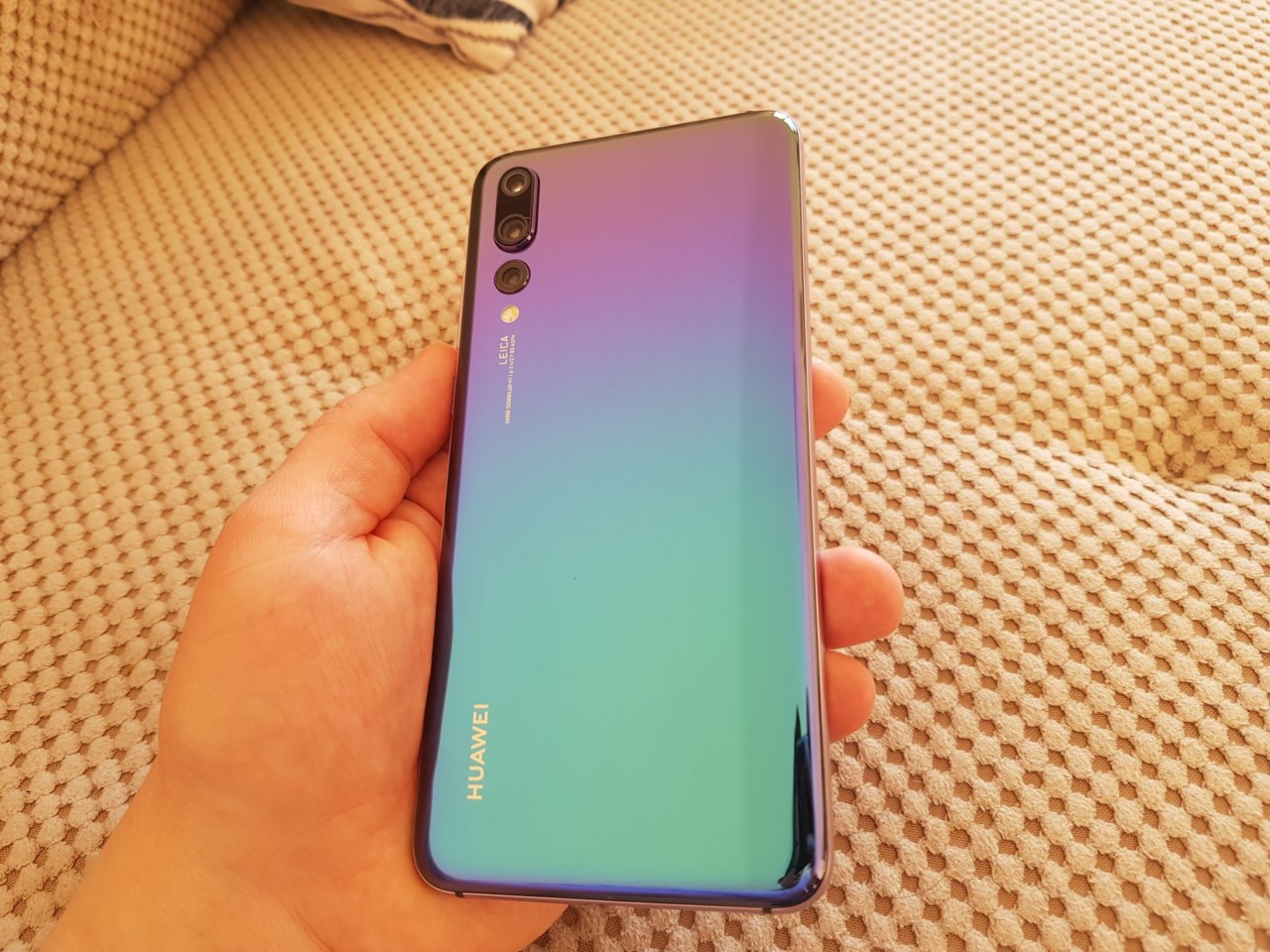
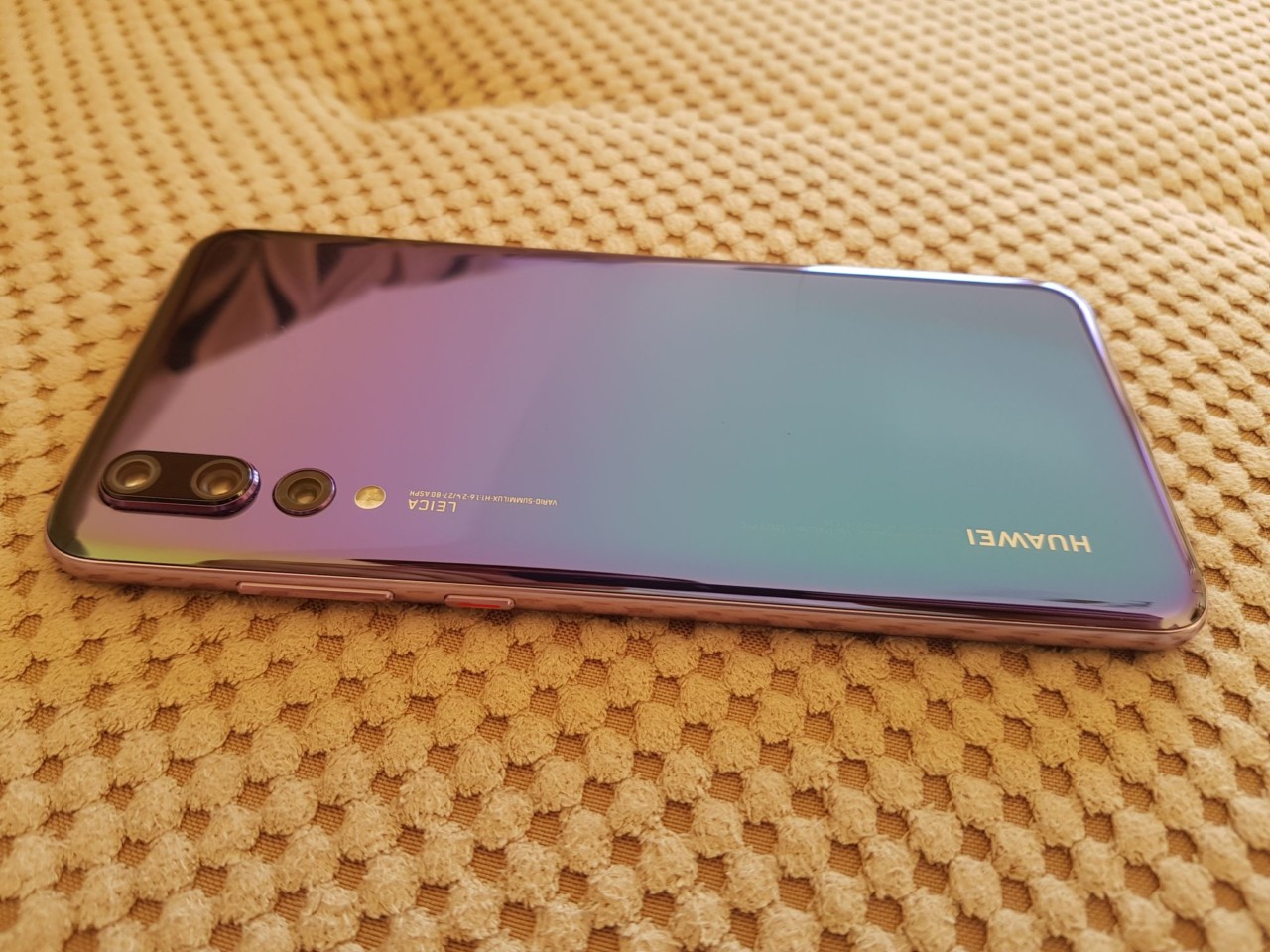
The P20 is said to be the world’s first to use gradient color and it looks beautiful, especially the color that I have. If you add a shiny metal trim and quality metal buttons, you are looking at a truly premium device.
I was also impressed by the fact that Huawei managed to cram in a huge battery into such a thin profile of the P20. The P20 has a 3400mAh power bank and the P20 Pro has a 4000mAh unit.
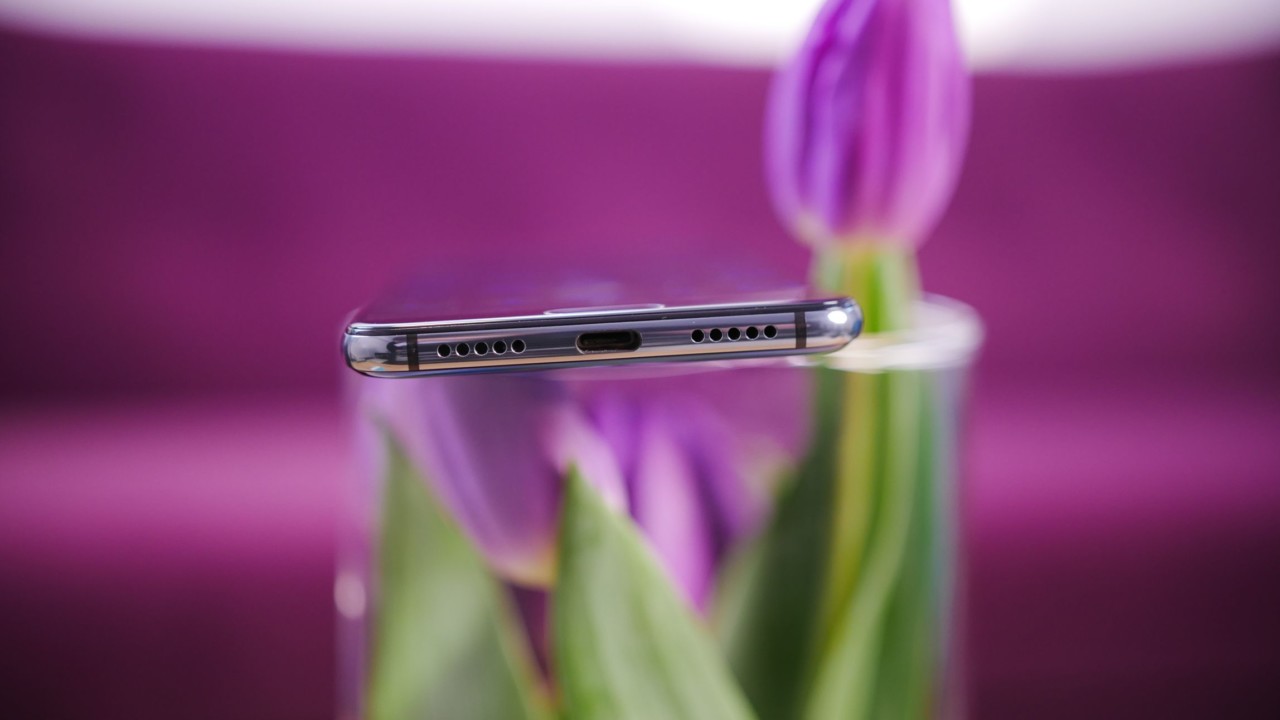
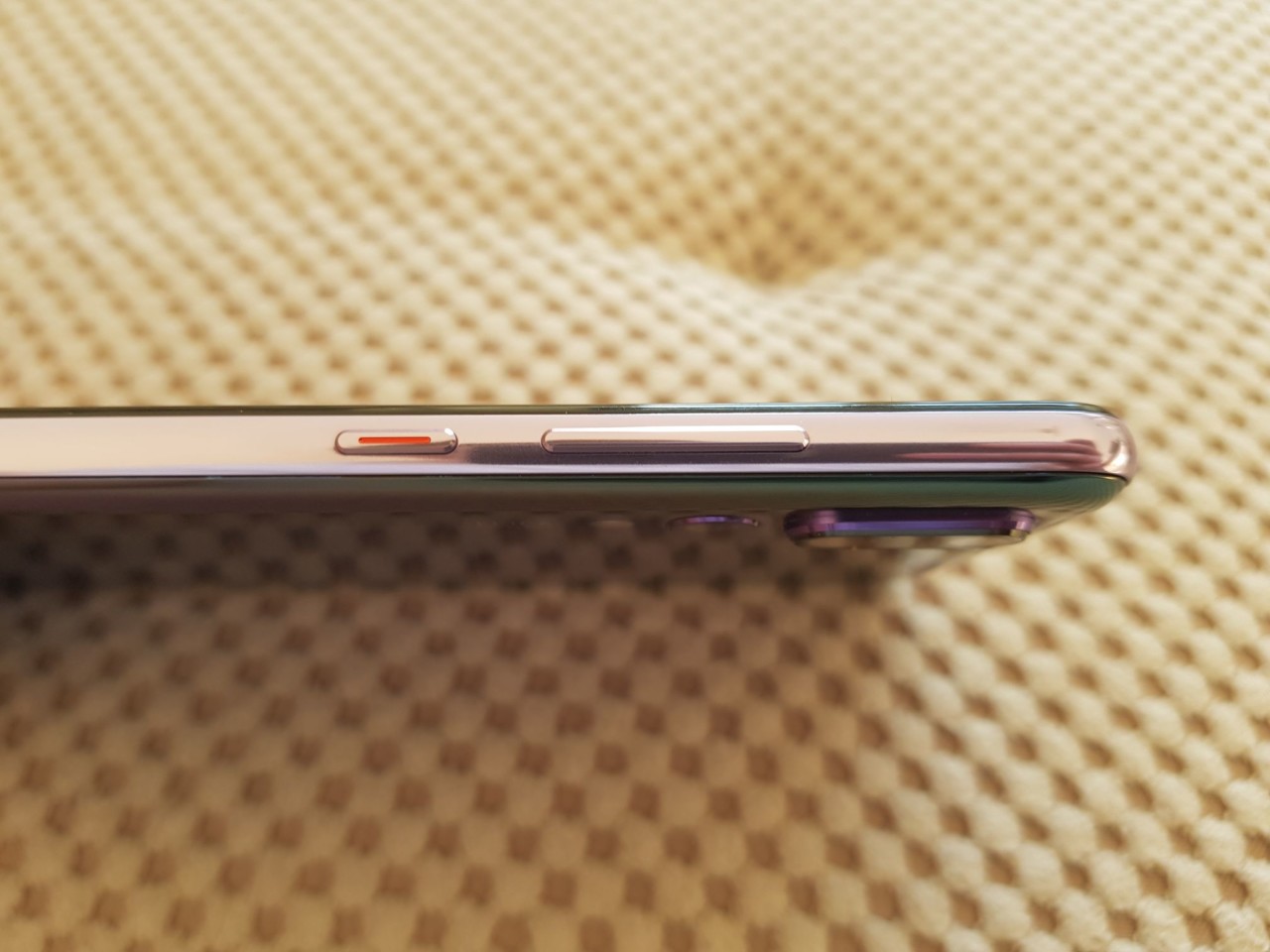
Other things you need to know about the design: there is no headset jack, the P20 Pro is IP67-certified for water and dust resistance whereas the P20 has a lower IP53 certification. Finally, the P20 has hi-fi wireless audio system that assures great sound quality via the Bluetooth.
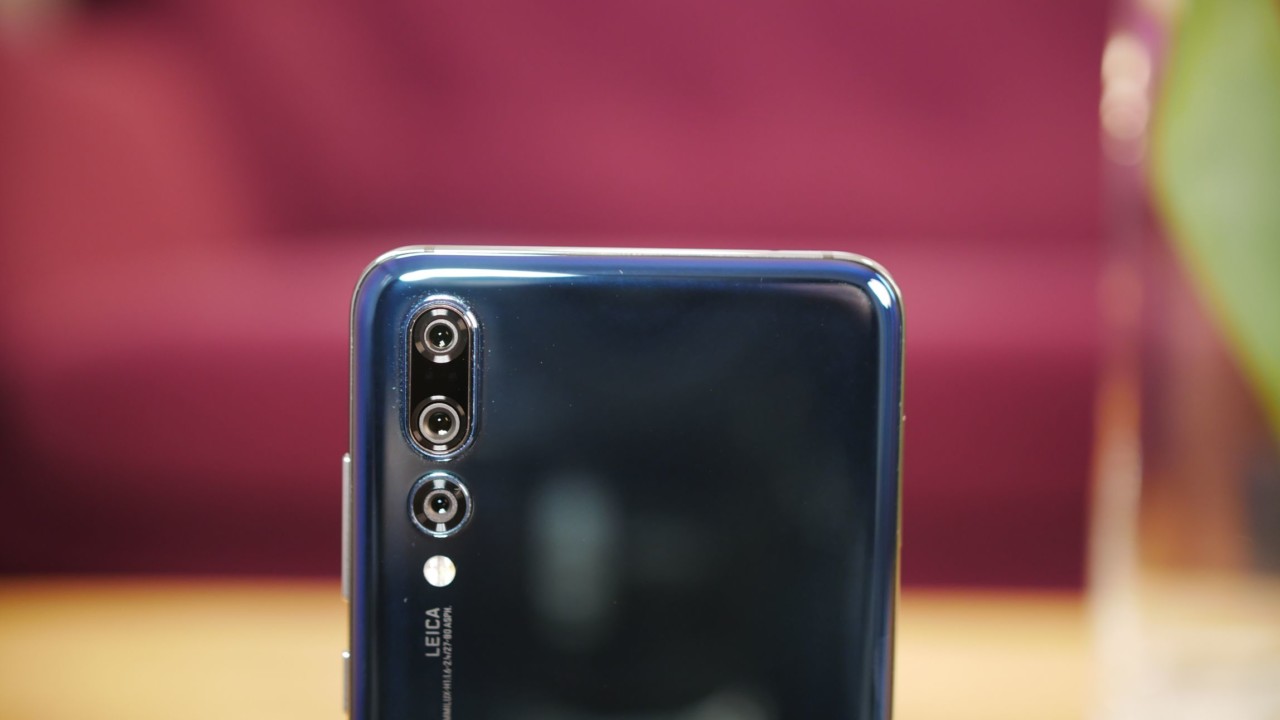
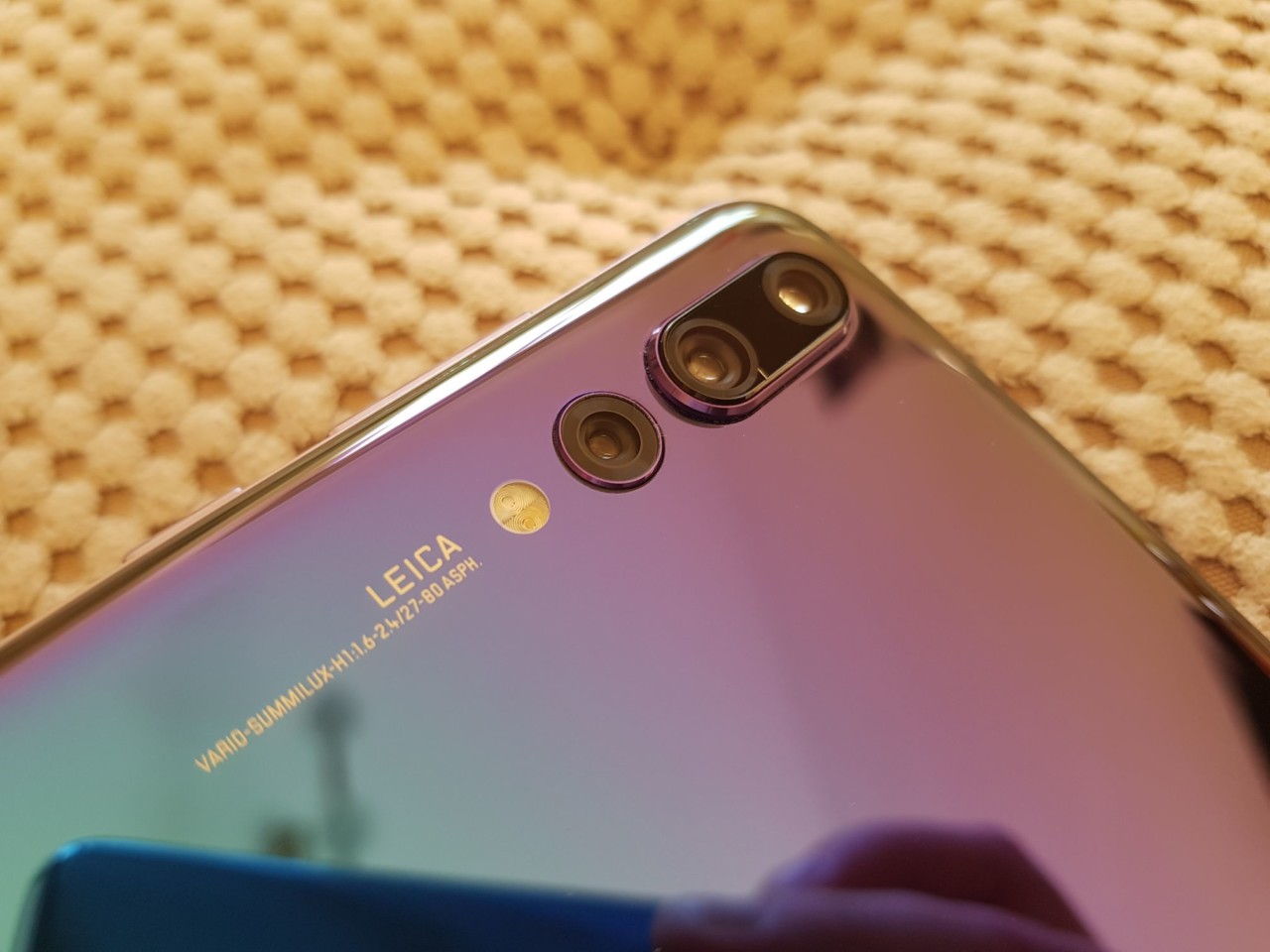
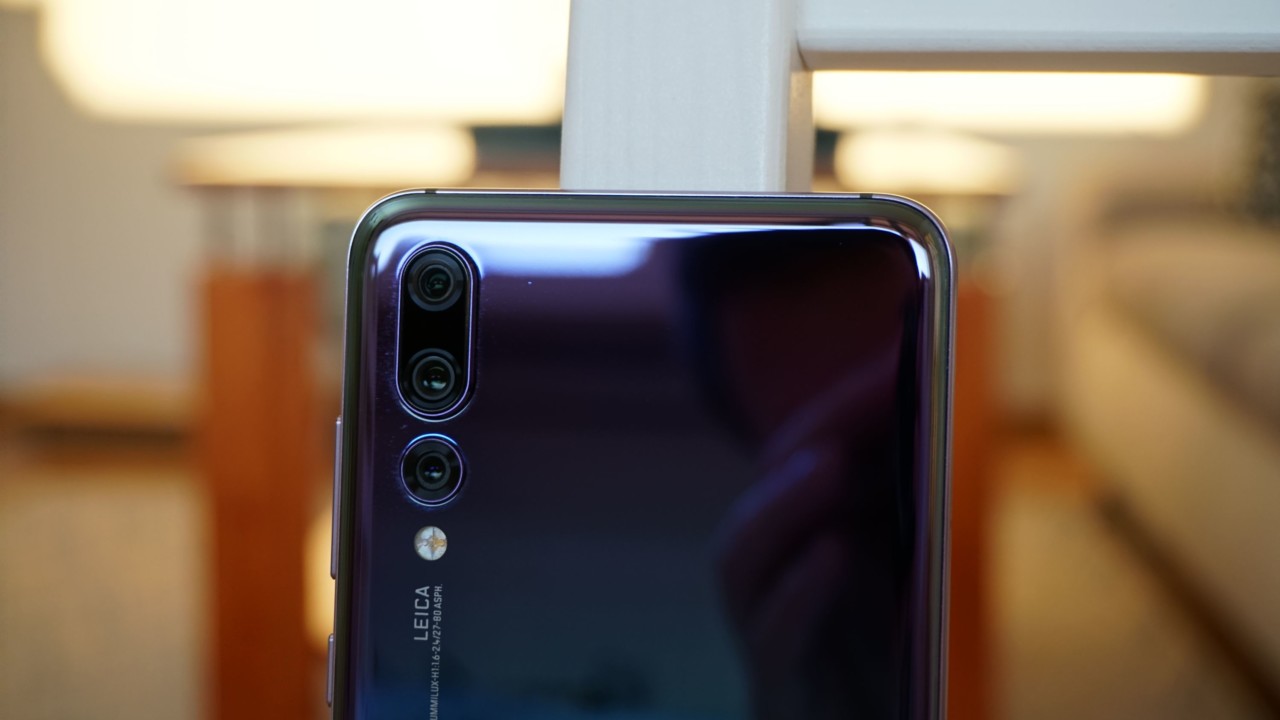
The P20 phones are all about the new powerful cameras. The P20 Pro is more interesting since it has 3 cameras that have combined 68MP. Well, there is a 4th selfie camera with impressive 24MP.
The first is a powerful 40MP RGB camera that is accompanied by the 8MP telephoto lens. The third is the monochrome sensor that also has plenty of megapixels to play with (20MP). Huawei also added a laser receiver to achieve fast auto-focusing speeds and a flash with the color temperature sensor that is used for white balance adjustment.
Here is more information about the cameras: the P20 Pro uses a 223% larger sensor than the competition, it has 5x hybrid zoom, 4 in 1 hybrid focus system, 4D predictive focus, it can achieve ISO levels up to 51200 and it can record 960fps slow-motion at 720p. Finally, the AI-powered Kirin processor makes the best out of this powerful hardware configuration. In other words, AI helps apply the best camera settings to take a nice-looking picture automatically in any light. Well, all of that sound really impressive on paper.
During my brief time with the device, I took quite a few pictures in low-light and first impressions about the image quality are pretty good thanks to no small part to AIS or AI image stabilization. In fact, Huawei claims that their image stabilization is so powerful, so you won’t need a tripod even in extremely low light situations. We’ll see if that’s true in the full review. I was also impressed with the 5x hybrid zoom as the image remained sharp and clear zoomed in. You can zoom in a lot as the object shown in the video was really far away. The camera app is really fast and responsive, and you can switch between different camera modes easily.There is also a pro and other modes that I will test in detail very soon.
USER INTERFACE
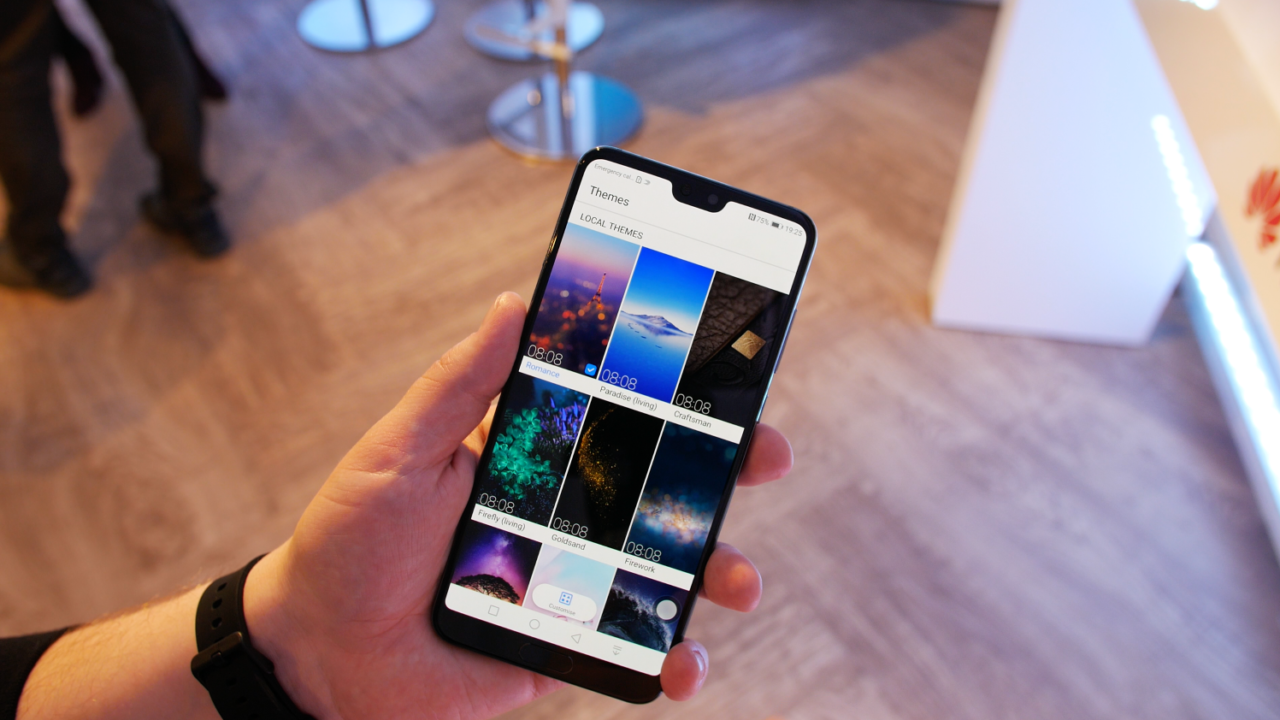
The EMUI 8.1 is based on Android 8.1, which is said to be a more capable platform for the AI.
As usual, there are plenty of features and customization options Huawei phones have been famous for. My first impressions – the phone is really fast and smooth thanks to a powerful chipset and neural processing unit that helps allocate resources to the specific task. Obviously, it will be interesting to see how the phone performs after installing plenty of apps. I also found the fingerprint scanner to be really fast but I was most impressed with the face unlock feature.
I used it in low light but it still unlocked the phone very fast but keep in mind that you still need to press the power button first in order to use the face unlock feature. The Huawei P20 will cost about 650 EUR and the P20 will cost about 900 EUR in Europe.
My first impressions of the P20 Pro are very positive as the phone looks and feels premium, the display is really nice, I’m okay with the notch design, the cameras produce good-looking images even in low-light and the phone is really fast despite many features and customization options in the UI. If you want to learn more about the Huawei P20 Pro, make sure to stay tuned for the full review which is coming out soon.
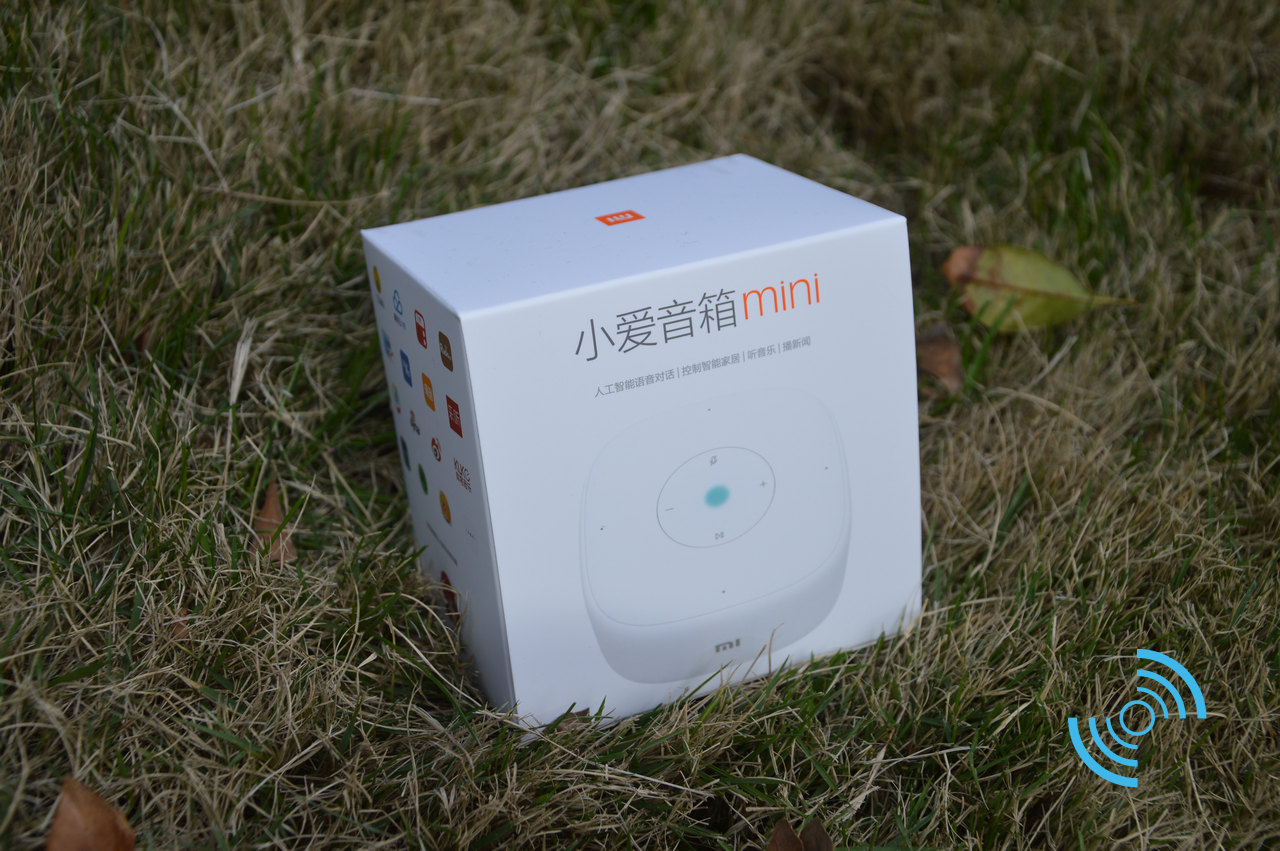
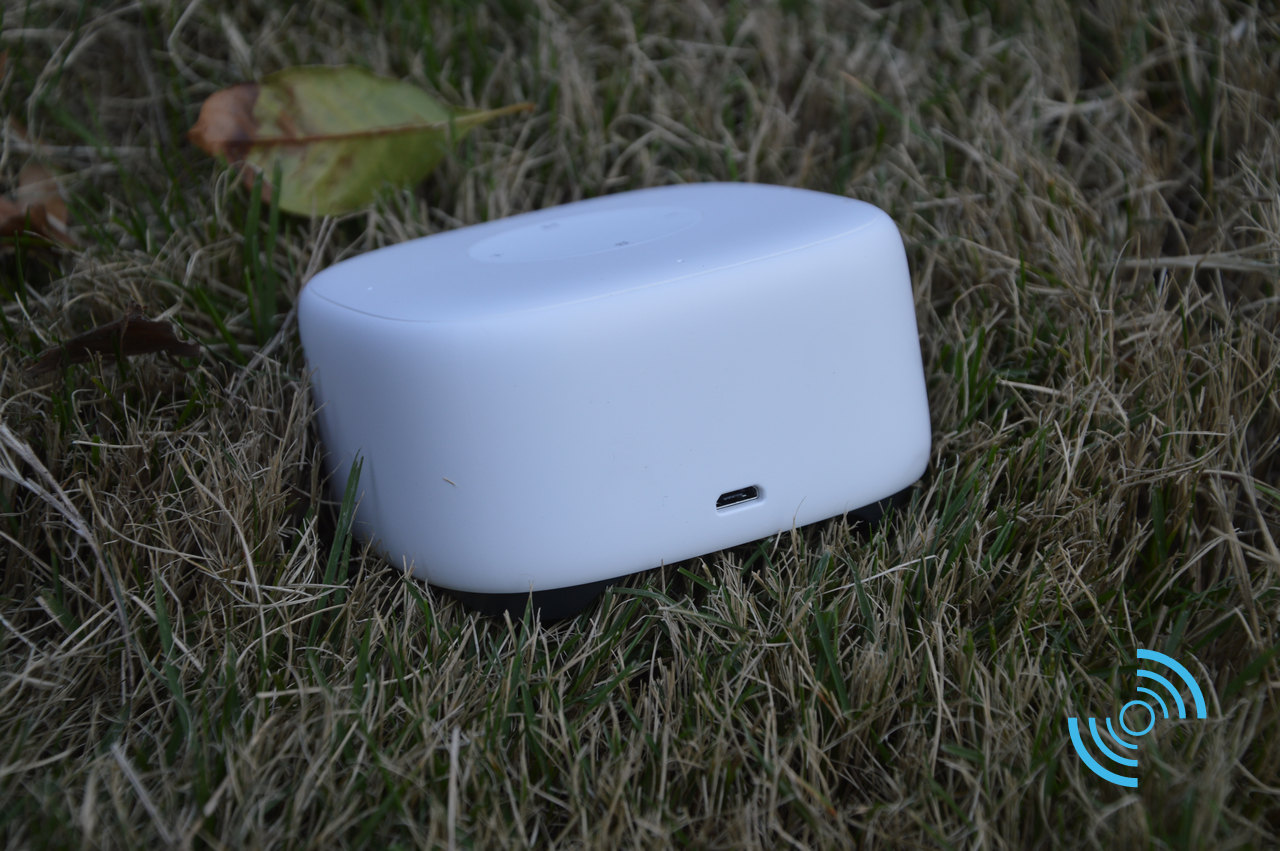
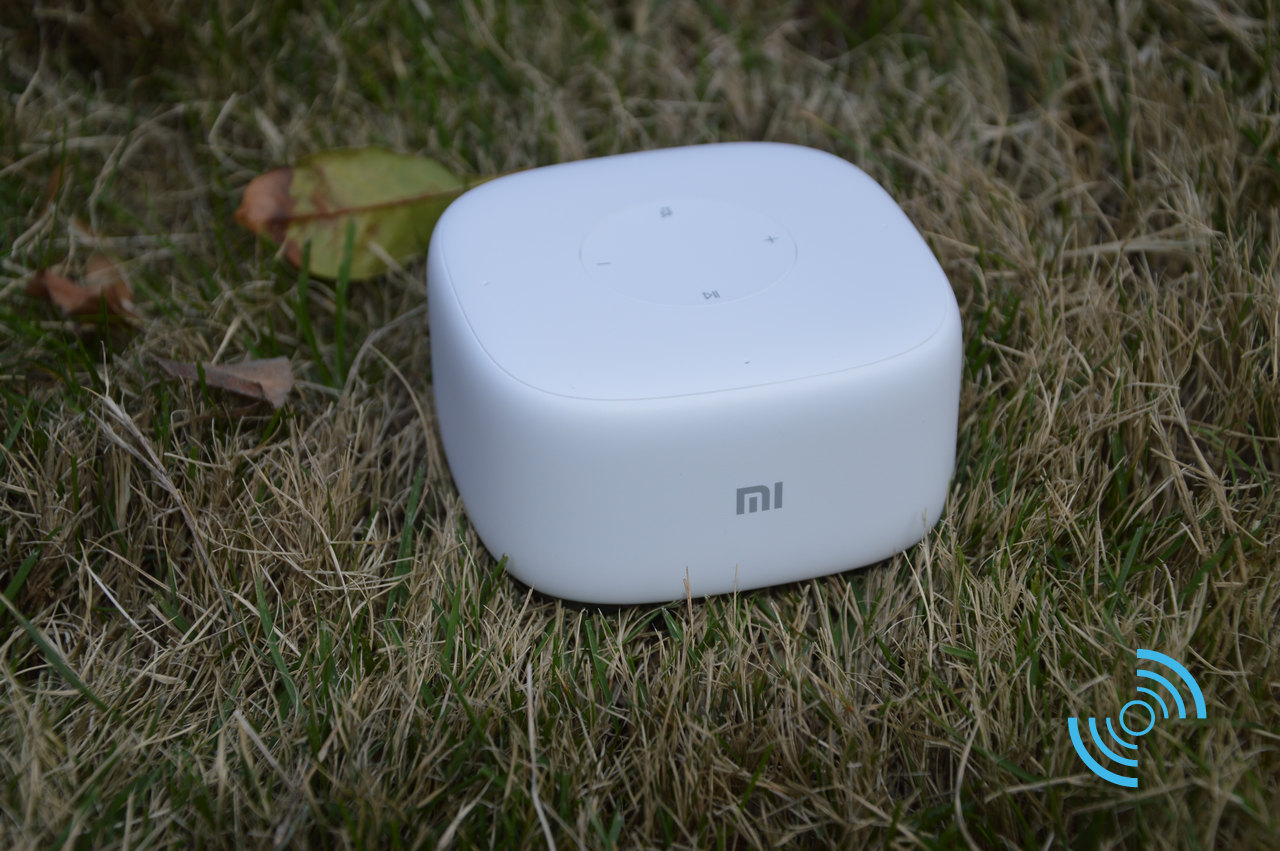
Smart speaker is the future of technology. The Simpsons predicted the arrival of such a device in people’s houses a long time ago. These special speakers can do several smart things: from setting alarms to playing music and interacting with smart home products. As one of the most important hi-tech giants in China, Xiaomi has announced two smart speakers, one of which has been unveiled yesterday: the Xiaomi Mi AI Mini Speaker.
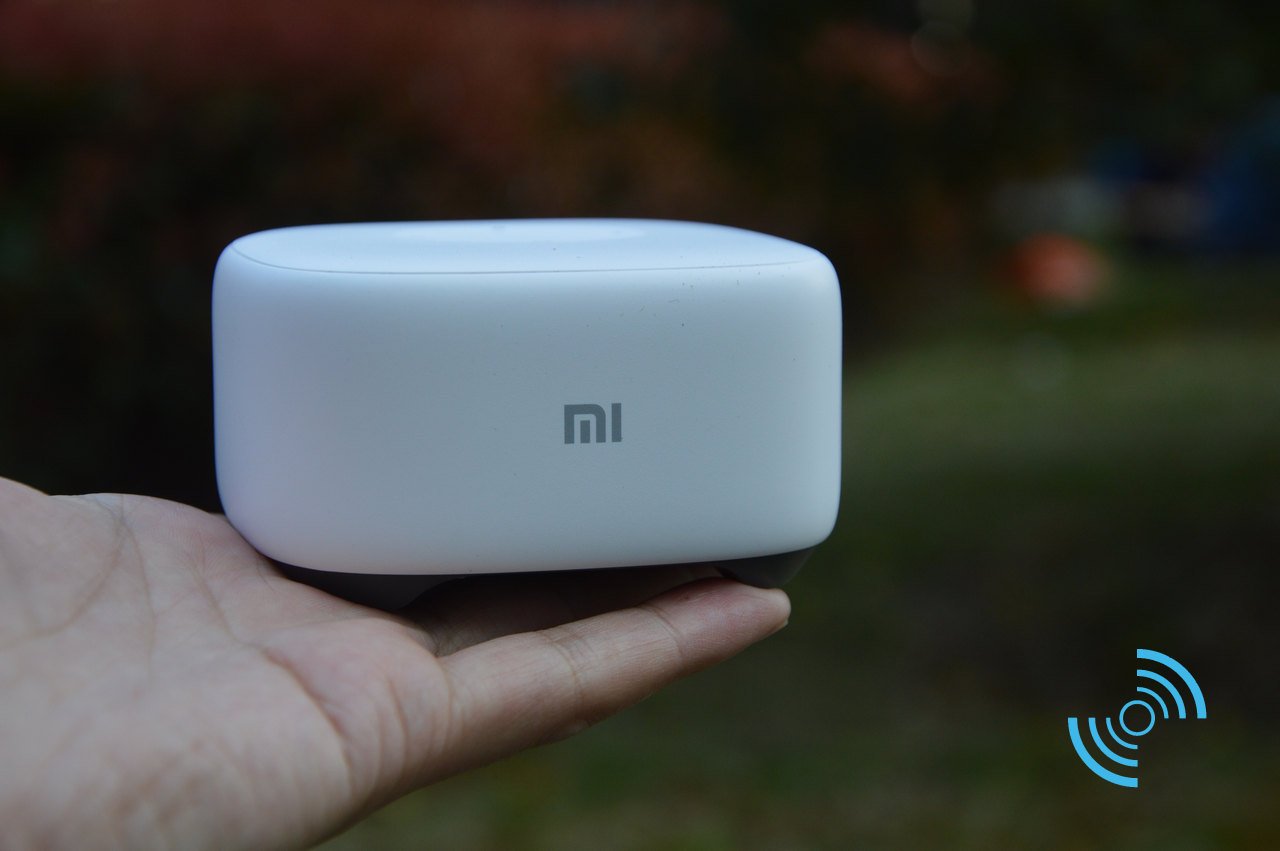
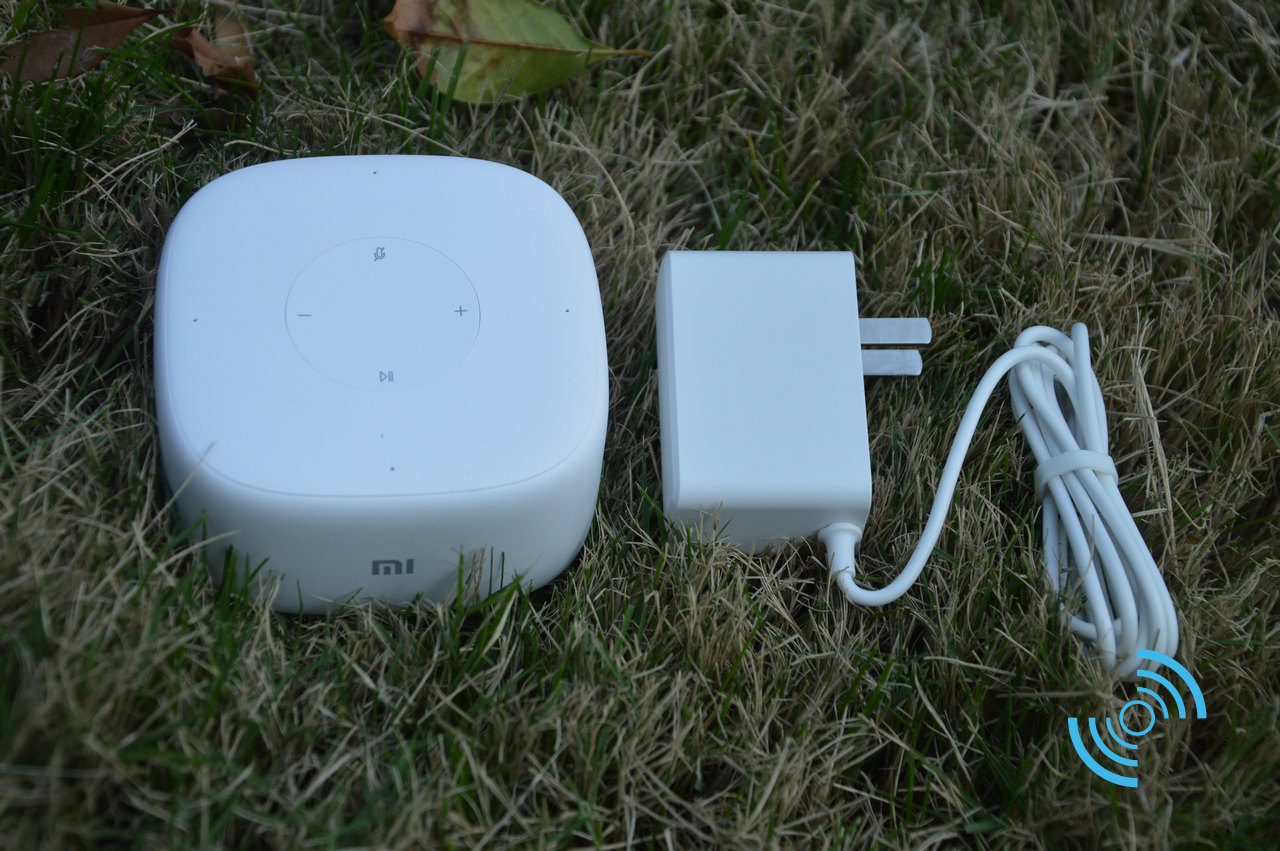
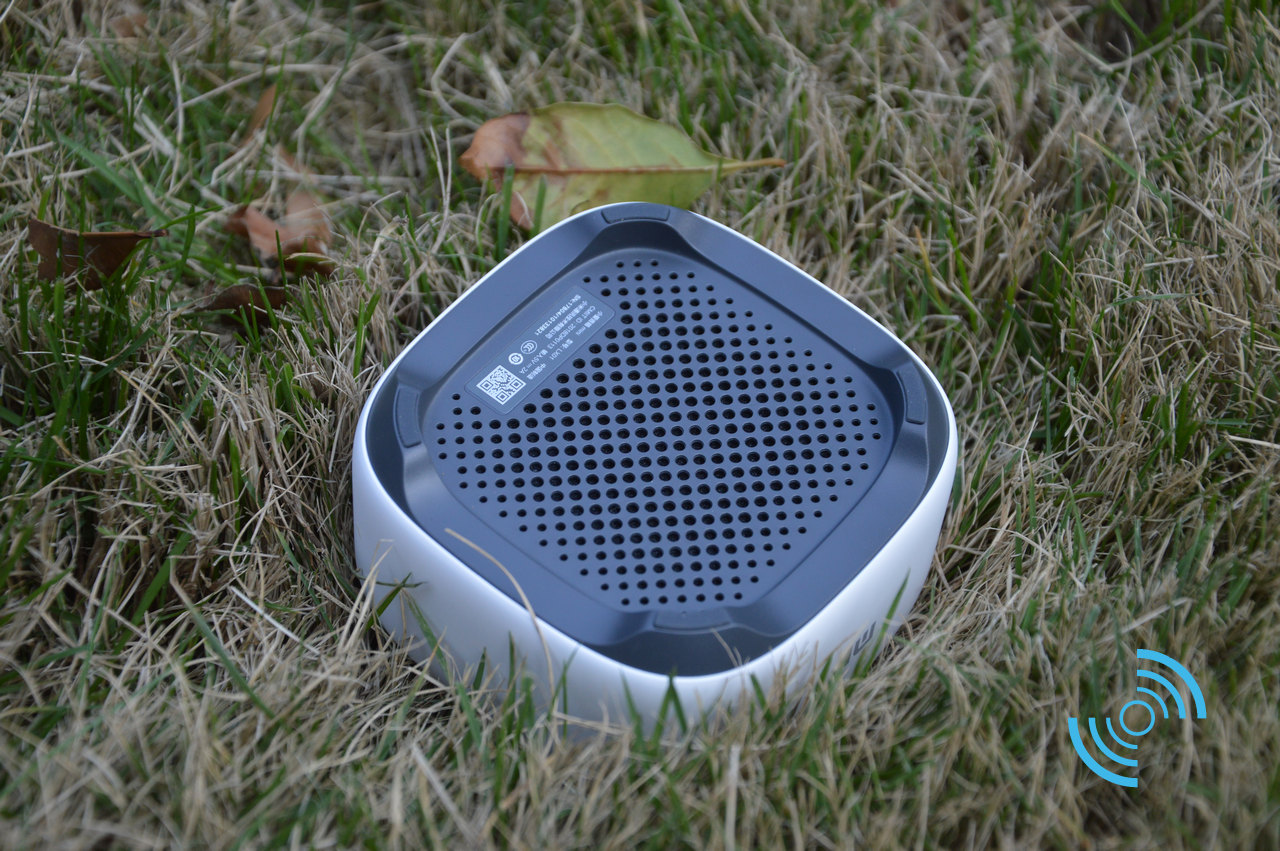
In this article, you can see the first hands-on photos which are showing the gadget in all its splendor. The speaker comes with a shape which is reminiscent of the Mijia Rice Cooker, and the photos are showing it in its White hue. The dimensions of Xiaomi Mi AI Mini Speaker are 90 x 90 x 50 mm (it is a lot smaller than the Rice Cooker) and its weight is 210g.
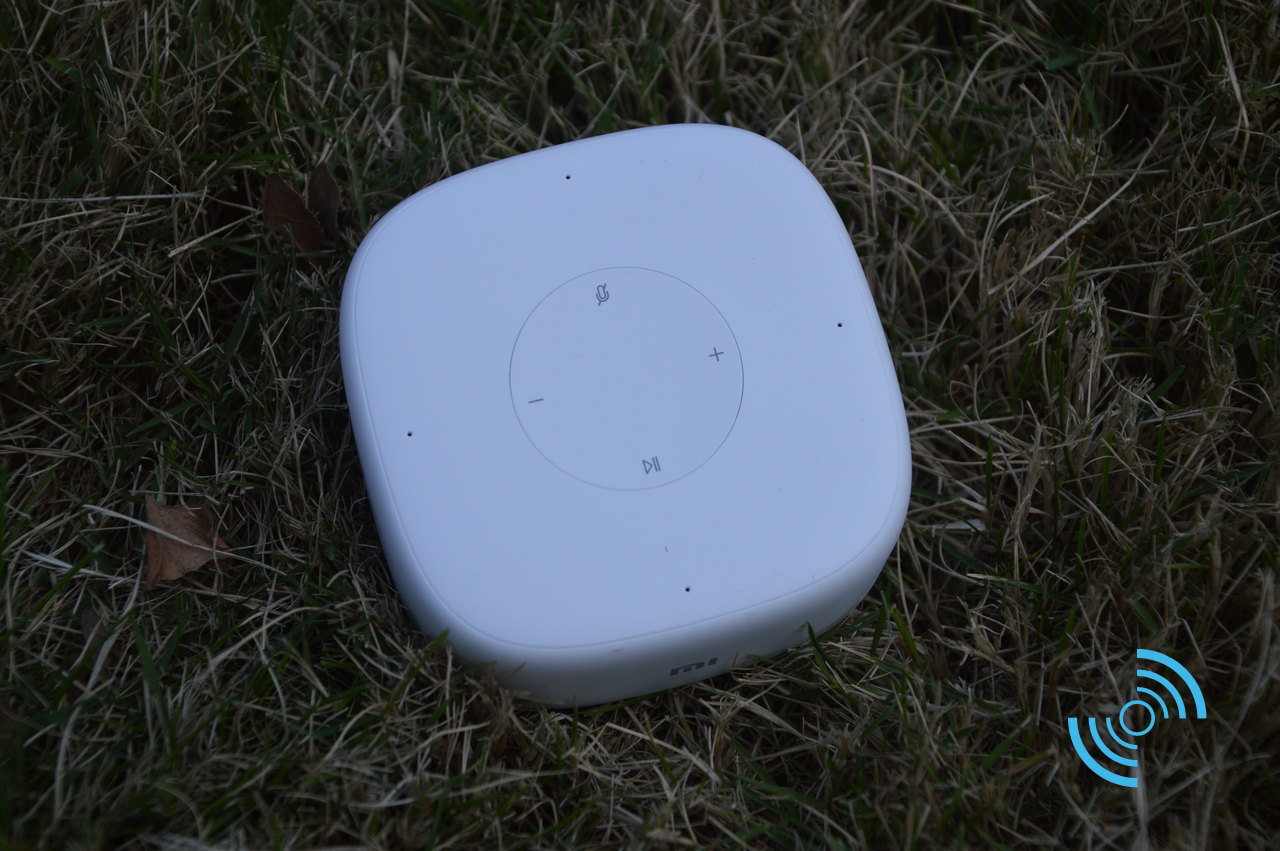
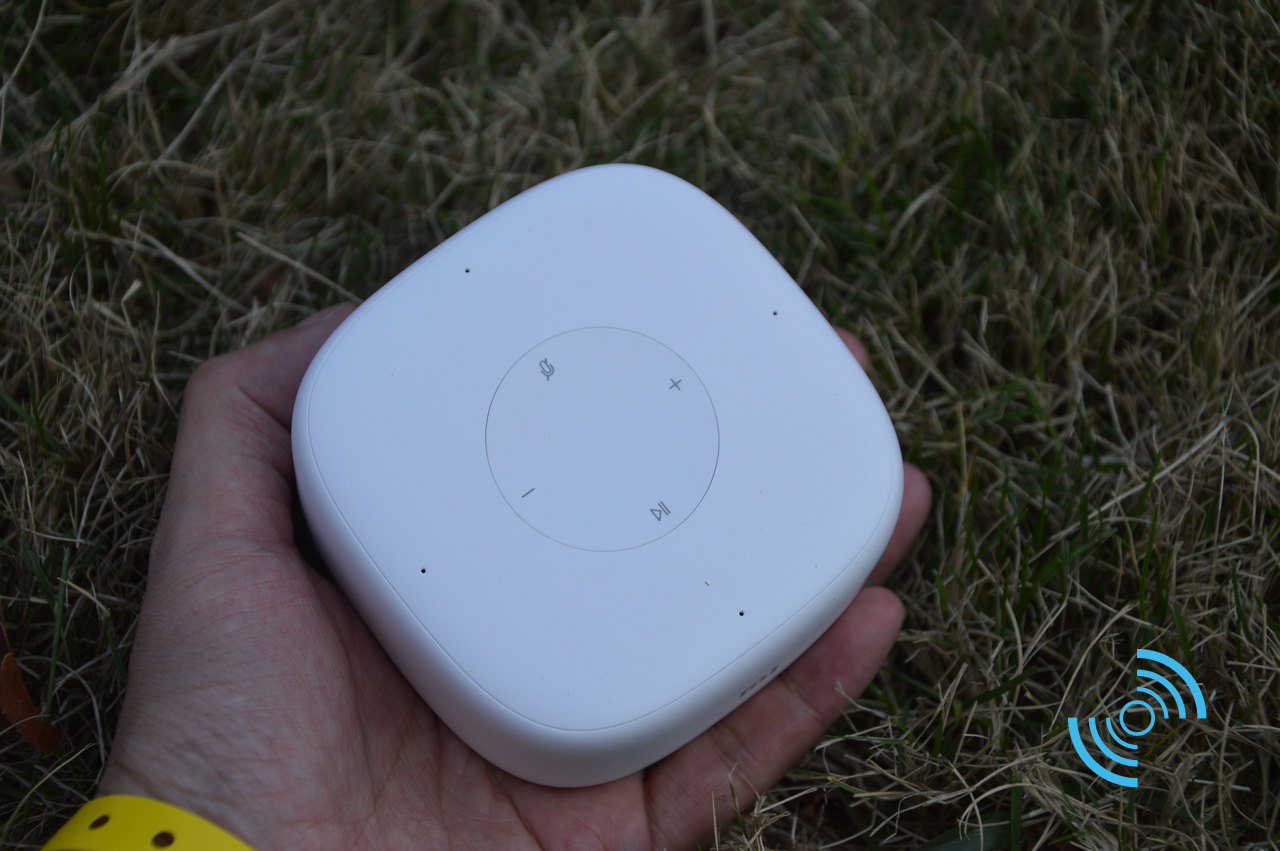
On the top of the device, there are volume controls, a “Play and Stop” key and a microphone key. Around the controls, there are four microphones, while in the middle there is a LED which will indicate the status of the gadget. You can learn everything about Xiaomi Mi AI Mini Speaker through our article about its official announcement.
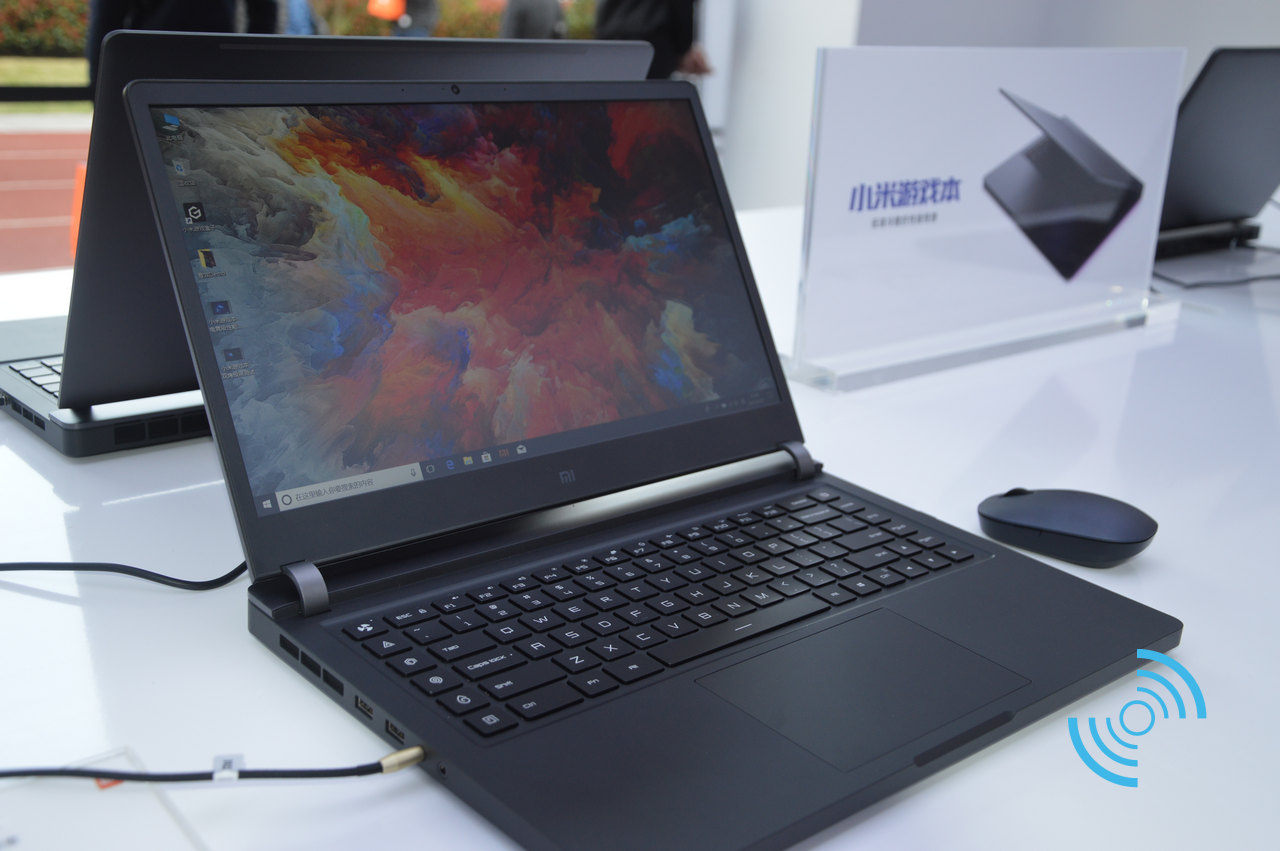
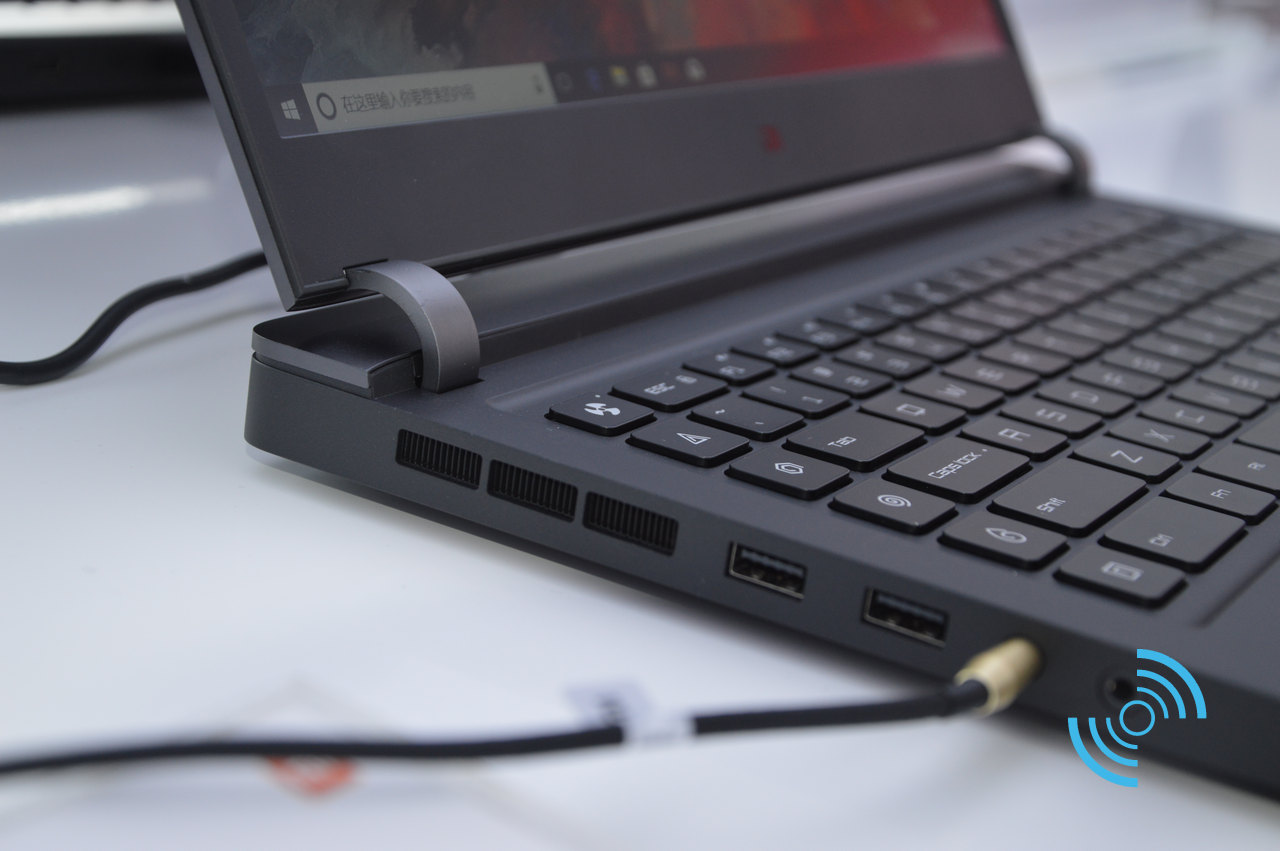
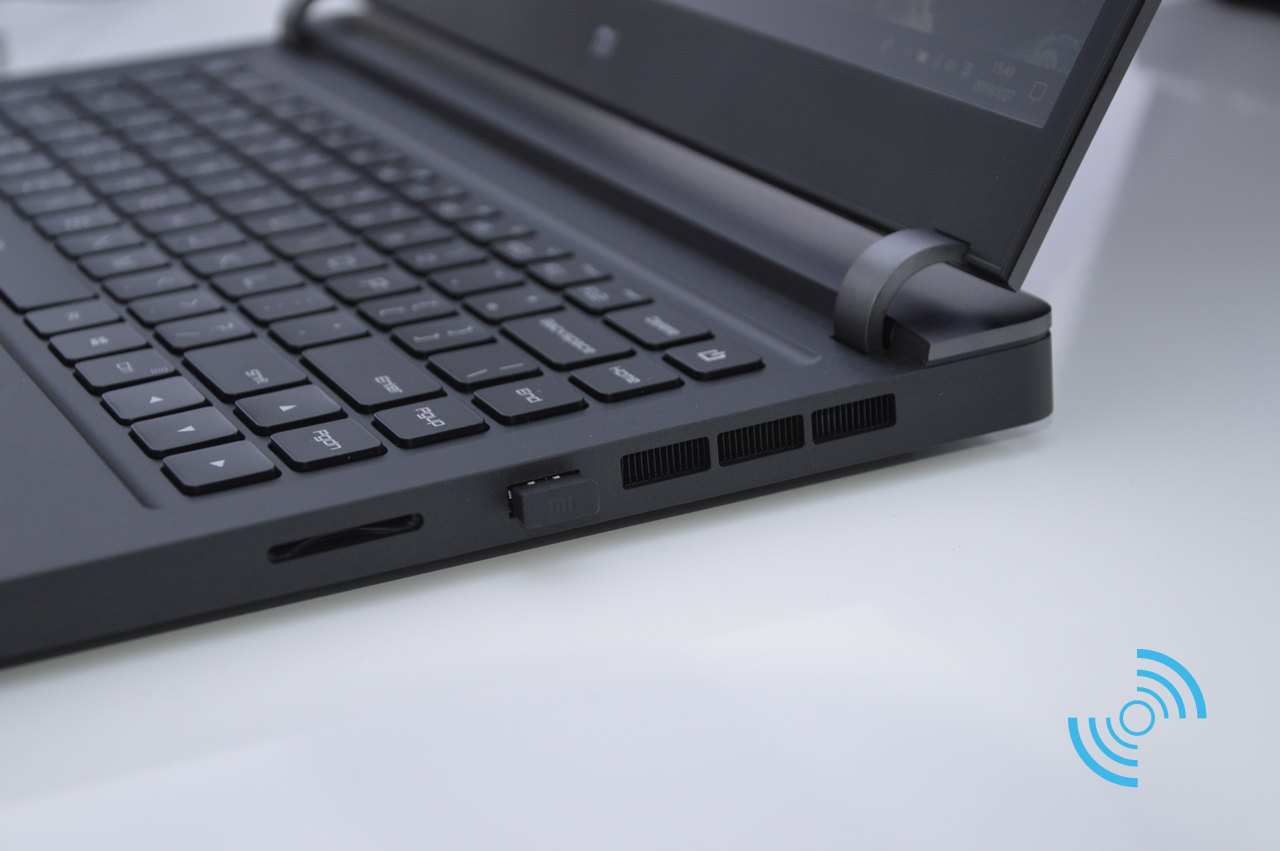
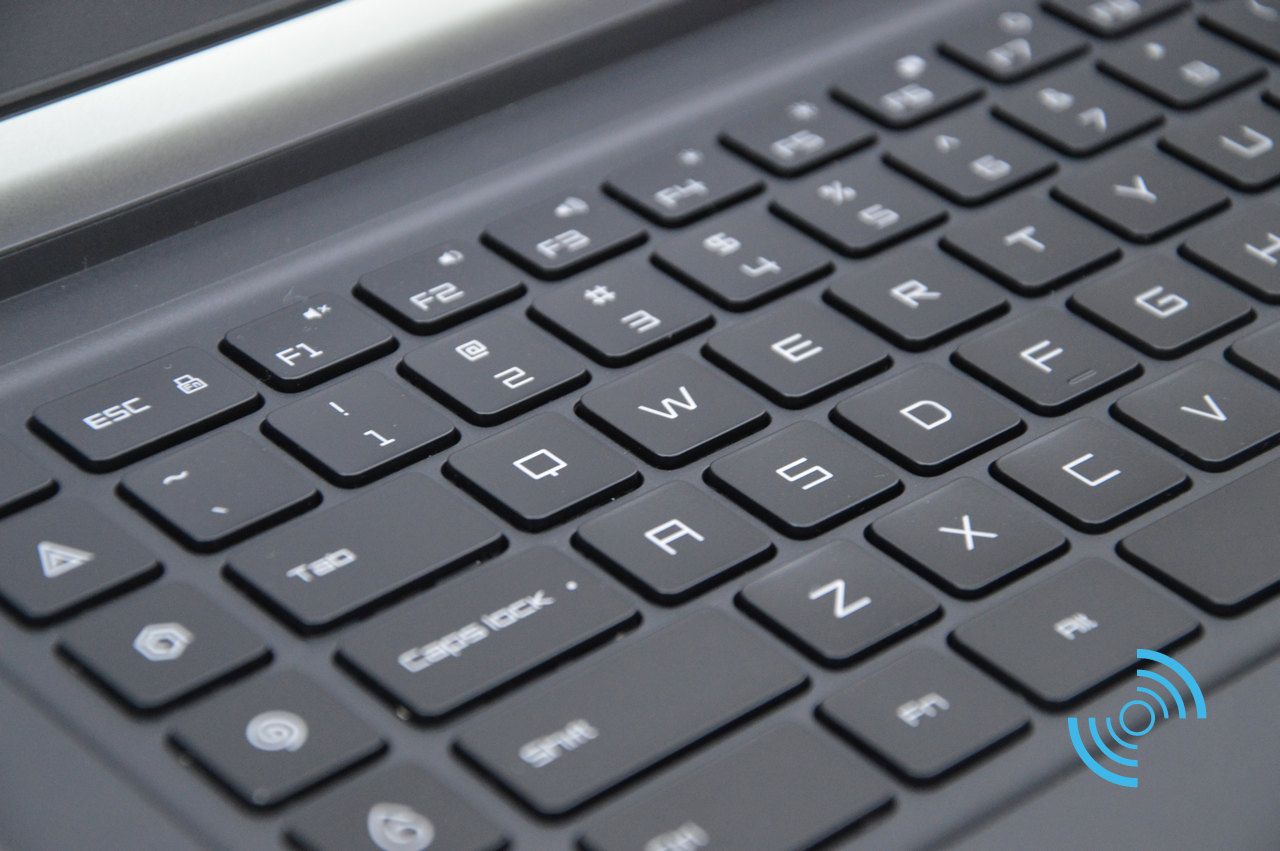
Xiaomi has just announced its first notebook gaming laptop. A monster which will be able to run every game thanks to its powerful Nvidia GTX 1060/1050 Ti GPU (depending on the configuration), and it will be sold at a very interesting price. We just got our hands on the first live photos of the new notebook thanks to which we can see its design in detail. Given that it is a gaming notebook, Xiaomi Mi Gaming Laptop is not as attractive as the other Mi Notebooks in terms of design. But it is very far from being the ugliest gaming laptop.
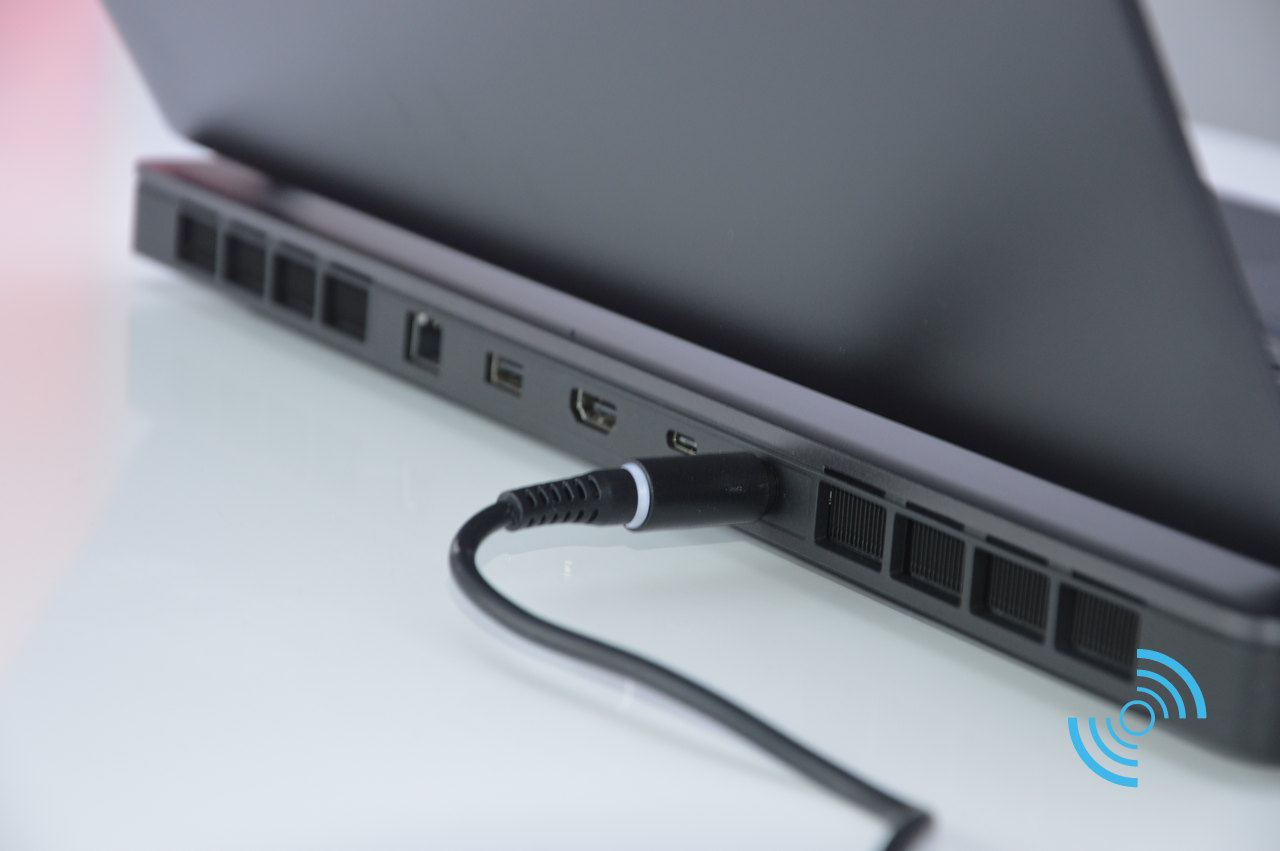
Unlike many other gaming laptops, its look is sober and suitable even for an office. Xiaomi Mi Gaming Laptop has a thickness of 20.9 mm and a weight of 2.7 Kg. On the right side, the machine sports a single USB port and an SD card reader, while on the left side there are two USB ports, an audio jack, and a microphone jack. This laptop sports two stereo speakers, they have a power of 3W and they support Dolby Atmos and Hi-Res audio technologies. On the rear side, under the monitor, there is an Ethernet port, an additional USB port, an HDMI port, a USB-C port and the AC port.
The keyboard boasts an RGB illumination and 5 programmable keys on its left side. Xiaomi Mi Gaming Laptop has a very wide touchpad which will allow playing a lot of games comfortably. The monitor comes with well-optimized bezels, a size of 15.6 inches, an anti-glare coating and a Full HD resolution of 1080 x 1920 pixels. For all the info about its specs, you can head to the official launch article. The laptop will be available to purchase in China starting from 5999 Yuan which roughly translates into $956. Click here to visit the official product page.
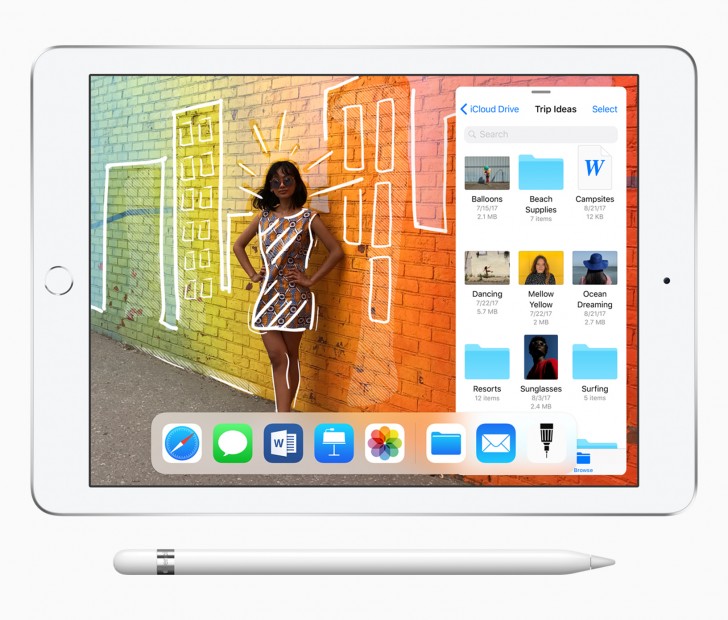
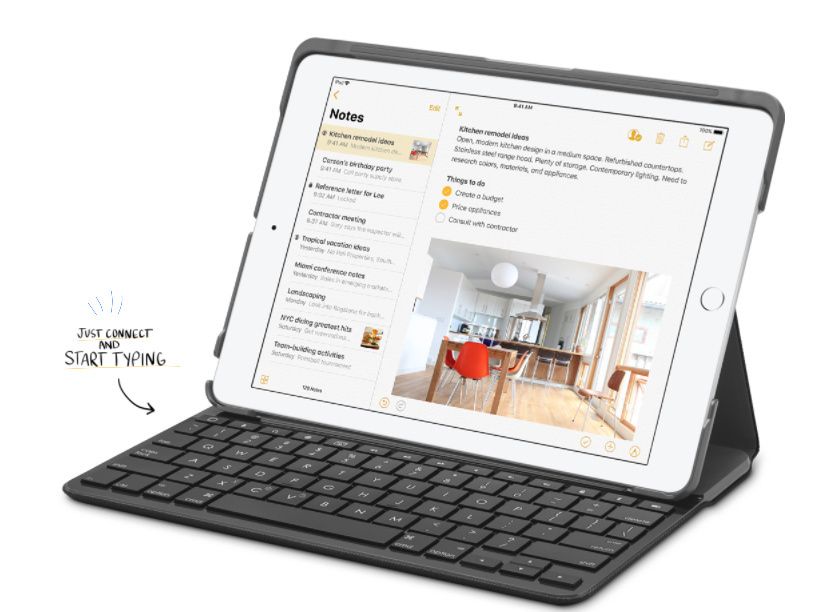
Apple has introduced a new 9.7-inch iPad as a successor for last year’s model. The new tablet that is priced at $329 is powered by Apple A10 Fusion chipset and it carries support for Apple Pencil.
New 9.7-inch iPad Specifications and Features
The 9.7-inch iPad supports super-high resolution of 2048 x 1536 pixels. Since it is an entry-level tablet, it does not offer features like True Tone display, wide-gamut color, ProMotion (120 Hz response rate) and so on that are found on high-end iPad Pro tablets. However, the screen offers enough real estate for browsing the web, watching movies, playing games and reading.
The 9.7-inch iPad that was released last year was powered by Apple A9 chipset. However, the successor model is driven by Apple A10 Fusion that features a quad-core processor that clocks at 2.2 GHz. It is the very same chipset that fuels the iPhone 7 and iPhone 7 Plus smartphones. The new chipset supports better graphics and users can also run AR apps on it. The SoC is coupled with 2 GB of RAM.
The new tablet from Apple features an 8-megapixel rear-mounted camera with f/2.4 aperture. There is no flash for it, but it is capable at recording full HD videos. The front panel of the device is fitted with a 1.2-megapixel FaceTime HD camera. The front camera can be used as Retina Flash to light up the display while shooting from the front.
The iPad Pro models come in 64 GB, 256 GB and 512 GB storage models, but the iPad models come in 32 GB and 128 GB storage variants. Each of the storage model is available in Wi-Fi only and Wi-Fi + LTE models.
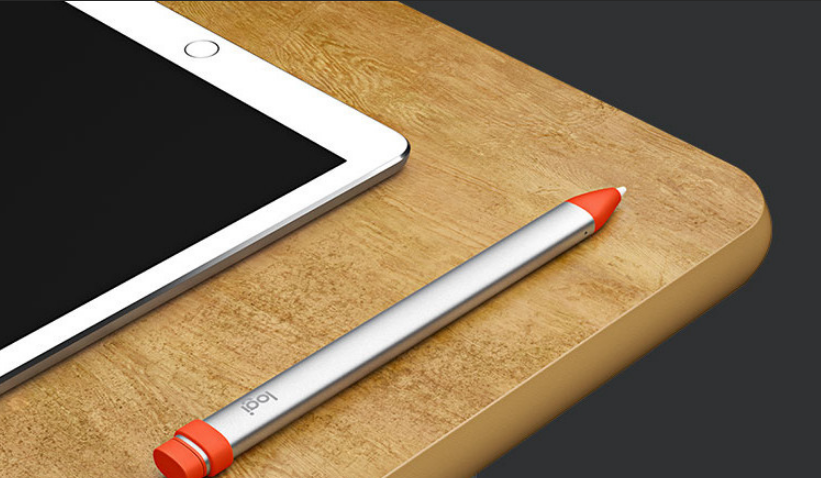
As mentioned above, it is the first iPad model to support Apple Pencil. The new iPad official supports Logitech Crayon pen that carries a pricing of $49. Its pressure sensitivity is nowhere close to Apple Pencil, but it offers the same kinds of features. One should be aware of the fact that the Logitech Crayon will be only available in schools.
For schools, it includes the latest version of iWork productivity apps. It features tools designed for schools. It also brings along 200 GB of free iCloud storage compared to 5 GB storage for regular customers.
The new iPad measures 240 x 169.5 x 7.5mm and it weighs 470grams. Its body is made out of metal. Its other features include GPS, compass, gyroscope and accelerometer.
The Wi-Fi only 9.7-inch iPad with 32 GB of storage is priced at $329. Its Wi-Fi + LTE model is priced at $459. The Wi-Fi only 128 GB 9.7-inch iPad costs $4429 and its Wi-Fi + LTE variant has a price tag of $559. Each of these models are available with $30 discount for schools. Also, the Apple Pencil that usually sells for $99 will be available at a reduced price of $89 for students.
The new 9.7-inch iPad is available for pre-orders starting from today. A week later it will be coming to markets like Australia, Austria, Belgium, Canada, China, Czech Republic, Denmark, Finland, France, Germany, Hong Kong, Hungary, Ireland, Italy, Japan, Luxembourg, Netherlands, New Zealand, Norway, Poland, Portugal, Singapore, Spain, Sweden, Switzerland, UAE, the UK and the US.
India, Russia, Thailand and Turkey and some others belong to the second batch of markets that will be receiving the new 9.7-inch iPad in the next month. At the beginning of May, it will be available in South Korea and rest of the world.
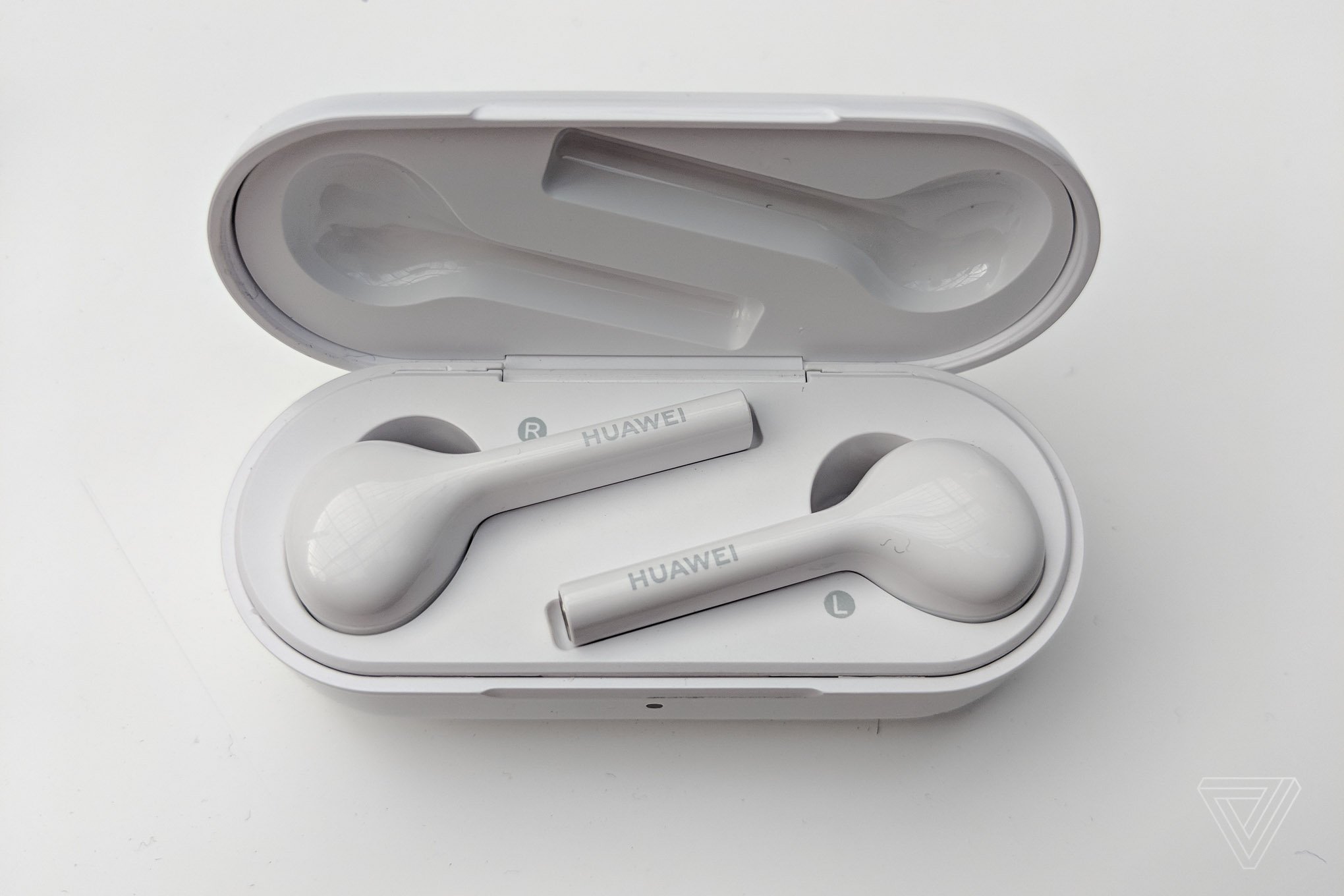
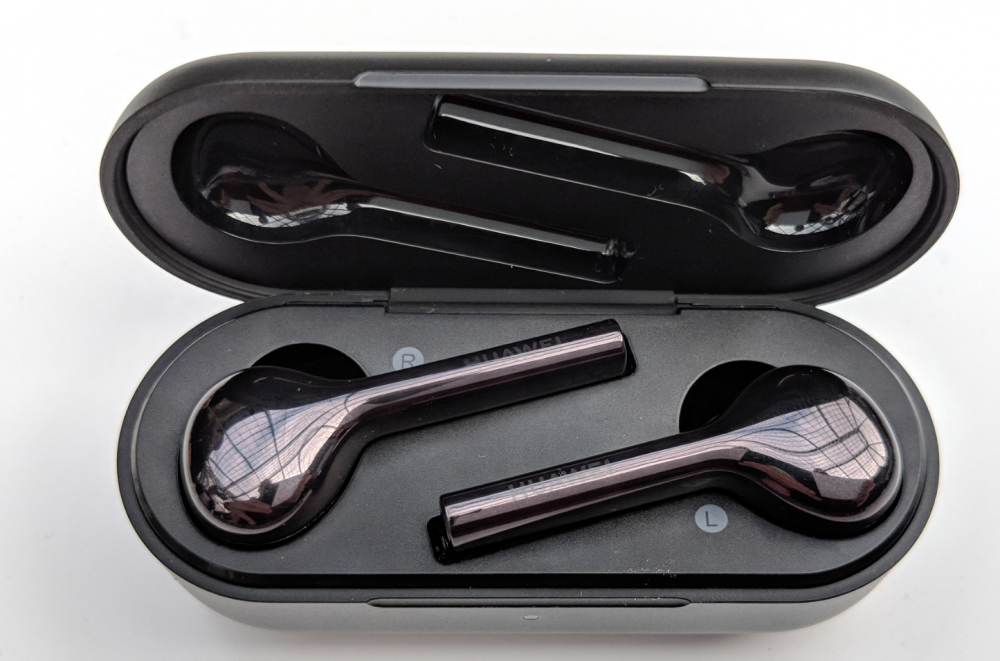
Okay, Huawei took the lid off the much-anticipated Huawei P20/ P20 Pro and along with them came the Huawei FreedBuds among other accessories. The FreeBuds is a pair of wireless earbuds that looks very much like Apple’s AirPods but in this case, they come in White and Black colours.
Huawei FreeBuds
The Huawei FreeBuds comes with an in-ear design which Huawei says offer better noise isolation than Apple’s AirPods. They also offer 10 hours of playback when fully charged and this is twice the 5 hours play time offered by the AirPods on a single charge. The FreeBuds also comes with a carry case that offers extra charges. The device was announced along with the Huawei Active Noise Canceling Earphones and a new DAC Headphone Amplifier which uses an “audiophile-grade” digital-to-analog converter to get the best audio out of your smartphone.
Huawei’s FreeBuds comes with a price tag of €159 (~$196) which is slightly higher than the $160 price tag which the AirPods clutched when it was launched in 2016. But then, getting twice the battery power is worth the extra bucks.
Before we move on to the rear camera, let’s check out some front camera samples.
RN5 Selfie Sample
Up front, the Chinese Redmi Note 5 comes with a 13MP setup instead of a 20MP setup as found on the Pro variant in India. Lower resolution doesn’t necessary mean lower performance, and the front camera on the Redmi Note 5 does pretty well, especially if are fond of background blur. Note that there is just a single camera up front with LED flash and Xiaomi uses software to get the depth information for bokeh photos. To be honest, the software does pretty well to detect your face and blur out the background effectively. So, if you are into this kind of selfies, you won’t be disappointed. Overall, the quality of the front camera is pretty good in the budget segment.
Coming to the rear camera setup, there’s a dual 12 MP (f/1.9, 1.4 μm) + 5 MP (f/2.0, 1.12 μm) setup withdual-pixel phase detection autofocus. It’s better than the f/2.2, 1.25 μm setup found on the Indian model, and should ideally capture better photos too. Unfortunately, we didn’t have the Indian Redmi Note 5 Pro model with us to compare, but overall, the Chinese model does pretty well, especially in day light photography.
Saturation levels are good in the samples. The phone is quick to focus and you’d be happy with the amount of details captured in each image. In some pictures, you can clearly see that the colors pop out really well. For example, in the image of the salad, the veggies look fresh and colourful. Maybe a tad bit more colourful than in reality, but I’m sure users who are into food photography would love the result.
This was about daytime photography, but when the lights go down, so does the image quality. Noise kicks in and images are dull, and to be honest, there’s nothing spectacular about the Redmi Note 5’s night time photography. You’d manage to take a few decent shots by adjusting your angle and light, but still it won’t be extraordinary. In its defence, the phone isn’t meant to click photos like a $500 flagship, but we could use a slightly better result in low light conditions.
As for the background blur from the rear camera, it works pretty well. AI has helped Xiaomi improve its edge detection algorithms and on most occasions, you’ll get a good bokeh shot from its rear dual camera setup.
Check out the samples below to see how the Chinese Redmi Note 5 performs in the camera department.
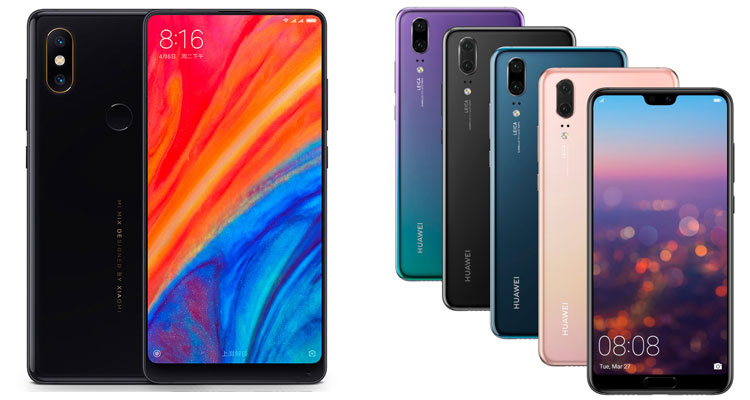
Xiaomi Mi Mix 2S and the Huawei P20 line-up, the best Chinese smartphones of 2018 yet, have been launched on exactly the same day. Both Mi Mix 2S and P20 are two flagship devices which will be available to purchase at moderate prices. So, they will be among the best phones of 2018 if we consider the quality-price ratio. Given that they are actually the best “affordable” flagships of this year, a comparison between Xiaomi Mi Mix 2S vs Huawei P20 is mandatory to discover which one has the best value for money. So here we go!
Dual 12 + 12 MP f/1.8 + f/2.4
5 MP f/2.0 front camera
Dual 12 + 20 MP f/1.8 + f/1.6
24 MP f/2.0 front camera
BATTERY
3400 mAh
20W Fast charging (Quick Charge 3.0)
3400 mAh
Fast Charging
ADDITIONAL FEATURES
Qi wireless charging
Hybrid Dual SIM slot
While Huawei has decided to take inspiration from Apple iPhone X by releasing a P20 with a notch, Xiaomi has decided to stick to the old form factor by making a tri-bezel-less phone with the front camera and the main sensors placed on the lower part of the front panel. Xiaomi Mi Mix 2S has a back cover made of ceramic, while Huawei P20 has a glass back. Even though the P20 has a notch, Xiaomi Mi Mix 2S has a higher screen-to-body ratio. But on the other hand, the P20 has a fingerprint reader placed on the front side which will comfortable for many users.
While we can still not tell you anything about the display quality, we can predict that Xiaomi Mi Mix 2S will have better performances thanks to its Snapdragon 845 SoC paired with 6 GB of RAM. There are still no camera samples, but the rear camera setup (we got a dual camera in both cases) is slightly better on the P20, according to DxOMark.
While Xiaomi Mi Mix 2S has obtained a score of 97 points (101 photos – 88 videos) thanks to its fast and accurate autofocus and its color quality, Huawei P20 is at the second place of DxOMark’s ranking with 102 points.Further, Huawei P20 has a 24 MP front camera, while its opponent sports a classic 5 MP f/2.0 snapper. Both the handsets have a battery with a capacity of 3400 mAh, but only Xiaomi Mi Mix 2S supports the Qi wireless charging technology which can be enabled with a dedicated charging dock.
Huawei P20 will be available to purchase in Europe with a price of €649/$805, while Xiaomi Mi Mix 2S will launch in China with a price of €428/$530. It is hard to choose one of these two devices. If price is your primary deciding factor, the Mix 2S is the definite choice here.
To conclude, Xiaomi Mi Mix 2S looks more promising in terms of performances and battery, while Huawei P20 should have a better camera department and maybe even a better display and more powerful speakers. Both devices are wonderful choices, but we would prefer Xiaomi Mi Mix 2S.
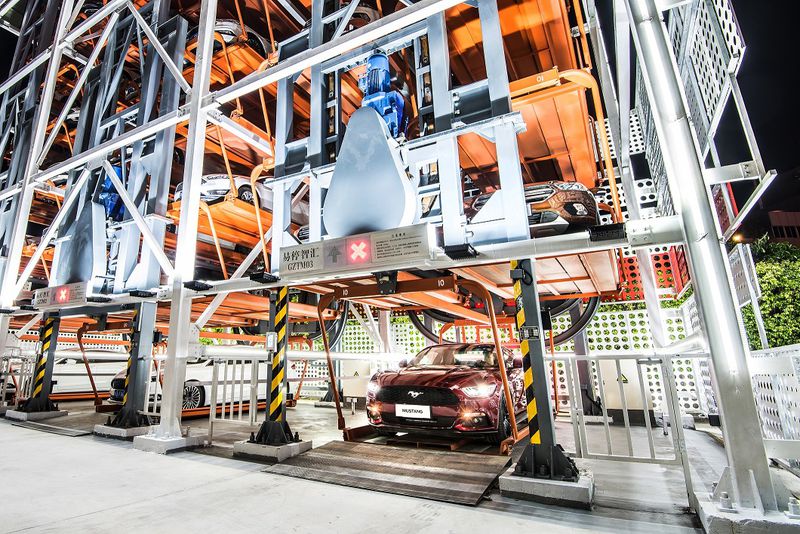
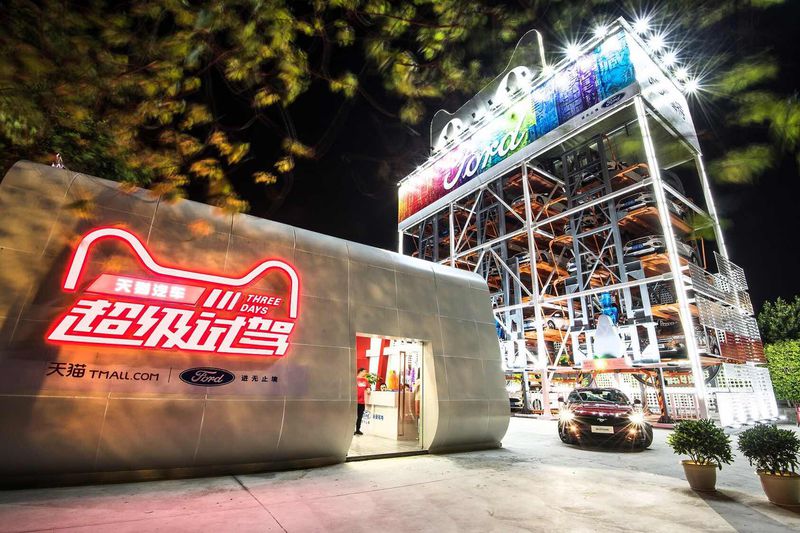
Chinese e-commerce giant Alibaba last year signed a partnership with Ford which would see both companies work together on new technological opportunities. Alibaba is well renowned for the innovativeness that has driven it to the top as China’s number one e-commerce giant. Both companies have now unveiled a cat-themed car vending machine in Guangzhou, China. The vending machine lets customers easily test-drive Ford vehicles they’re looking to buy.
Alibaba and Ford signed a deal to form a partnership last year that would see both companies working together on new technological opportunities. Now, the companies have opened a cat-themed car vending machine in Guangzhou, China, that lets customers easily test-drive Ford vehicles they’re looking to buy.
The “Super Test-Drive Center” is without any staff manning it and is fully digitalised. It works with Alibaba’s Tmall app. From the app, users select the car model they are interested in, put down a deposit electronically, schedule a pickup time, and snap a selfie so the vending machine can recognize them when they pick up the car for a test drive. Customers having a very respectable credit score of 700 and above get to test drive the car of their choice free. Not just for a day, but for three days! Those with lower credit rating will have to pay a fee to be able to test drive the cars. The credit rating is based on Alibaba’s affiliate, Ant Financial’s credit ranking known as Zima or Sesame Credit.
Coolpad has been under the radar for a while following the woes of its former largest stakeholder, LeEco. The smartphone company was also in the news recently over patent issues with Xiaomi but it appears it is back to making phones as a new device has been spotted on TENAA.
The Coolpad 1801-T0 has a 5” 720 x 1080 display. It is powered by a 1.3GHz quad-core processor with 1GB or 2GB of RAM. Depending on the RAM variant, you either get 8GB or 16GB of internal storage. However, a MicroSD slot will let you add an additional 32GB.
[envira-gallery id=”181845″]
The phone has dual rear cameras – a 5MP and 2MP combo, and another 5MP front facing camera. It runs Android 7.0 Nougat and packs an 1800mAh battery.
The Coolpad 1801-T0 doesn’t score points for design. It is just the regular candy-bar design we are used to. It has thick bezels with the lower one housing capacitive buttons.
Yesterday, Xiaomi had launched the Mi MIX 2S smartphone through a launch event in Shanghai. However, Twitter user @FunkyHuawei had revealed vital information of the smartphone well ahead of its launch through its leaked firmware files to XDA Developers. Today, the same source has found key information on a mysterious upcoming Xiaomi flagship phone through its firmware files. According to the publication, the leaked firmware files may belong to the Xiaomi Mi 7 Plus.
The firmware files of the Xiaomi Mi 7 that had surfaced in the recent past had revealed that it would be arriving with a notched display like the iPhone X. It is rumored to be codenamed as Dipper. The publication claims that @FunkyHuawei has come across two firmware files that respectively belong to devices that are labelled as dipper and dipperold.
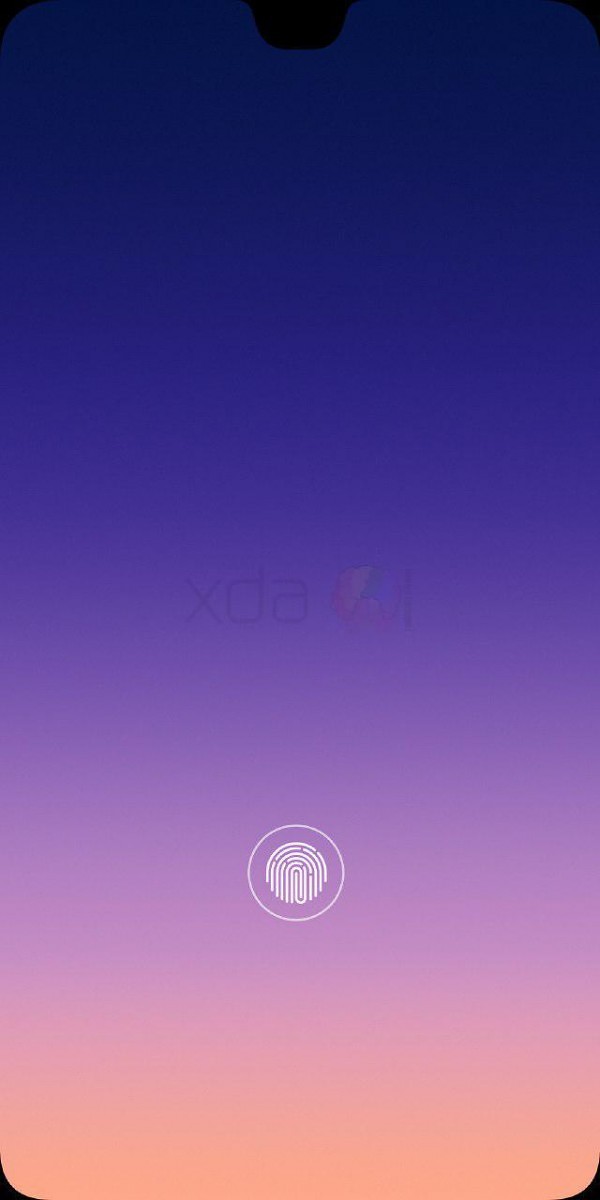
After scouring through firmware files of the two phones, it was revealed that only the dipperold features an in-screen fingerprint scanner from suppliers Synaptics and Goodix. The presence of “old” in dipperold label suggests that it could be the scrapped Mi 7 prototype. An XDA member has shared the following mock-up image of the mysterious Xiaomi phone that features a notch and an in-screen fingerprint scanner.
The publication claims that there is another smartphone that is codenamed as ursa that is packed with similar features like the dipper phone. It’s a flagship phone that features notch enabled OLED display, Snapdragon 845 chipset, optical zoom and 4,000mAh battery. The ursa phone also features Synaptics and Goodix in-screen fingerprint scanner.
Xiaomi is known for using constellation names as codenames for its Mi series phones. Like dipper, ursa too is a constellation name. Hence, there is a possibility that the Xiaomi ursa with in-screen fingerprint scanner could be the Mi 7 Plus that is speculated to debut alongside Mi 7. However, there is no direct evidence to prove that ursa will launch as Mi 7 Plus.
The publication claims that apart from dipper and ursa, there are some other Xiaomi phones that have come across through firmware file leaks. However, information on these upcoming phones will be revealed by XDA later on.
OPPO has launched a new smartphone in India. The smartphone is dubbed OPPO A83 Pro and as the name implies, it is closely related to the OPPO A83 which was launched in January. The new version is, in fact, an upgrade of the A83 and it has a higher RAM size and more storage space. Apart from the difference in RAM and storage, both models are basically the same.
Specs wise, the OPPO A83 Pro sports a 5.7-inch HD+ LCD display with a resolution of 1440 x 720 pixels and 18:9 aspect ratio. The smartphone measures 150.50×73.10×7.70mm and weigh 143 grams. The device is powered by a MediaTek MK6737T processor that has an octa-core CPU and clocked at up to 2.5GHz. The processor pairs with 4GB of RAM as against 3GB on the A83 while there is 64GB storage onboard (32GB storage on the A83). The storage is expandable up to 256GB.
The A83 Pro features a single 13MP rear camera sensor with an LED flash while at the front, there is an 8MP camera for selfies. The device is a dual-SIM phone and it runs Android 7.1 Nougat-based ColorOS 3.2. The smartphone has Wi-Fi, Bluetooth v4.2, GPS/ A-GPS, Micro-USB port, and a 3.5mm headphone jack on the connectivity front and comes with a facial recognition feature to unlock the screen using your face. Sensors on board include an accelerometer, ambient light sensor, and proximity sensor. Under the hood, the device packs a 3180mAh battery.
As for the price, the OPPO A83 Pro comes with an Rs. 15,990 price tag in India, just Rs. 2,000 different from the Rs. 13,990 price of the A83. At this price, the device is well positioned to take on the likes of Xiaomi Redmi Note 5 Pro, Vivo V7 and Samsung On7 Prime. It comes in Black and Rose Gold colours. There is no word yet as to when it would go on sale.
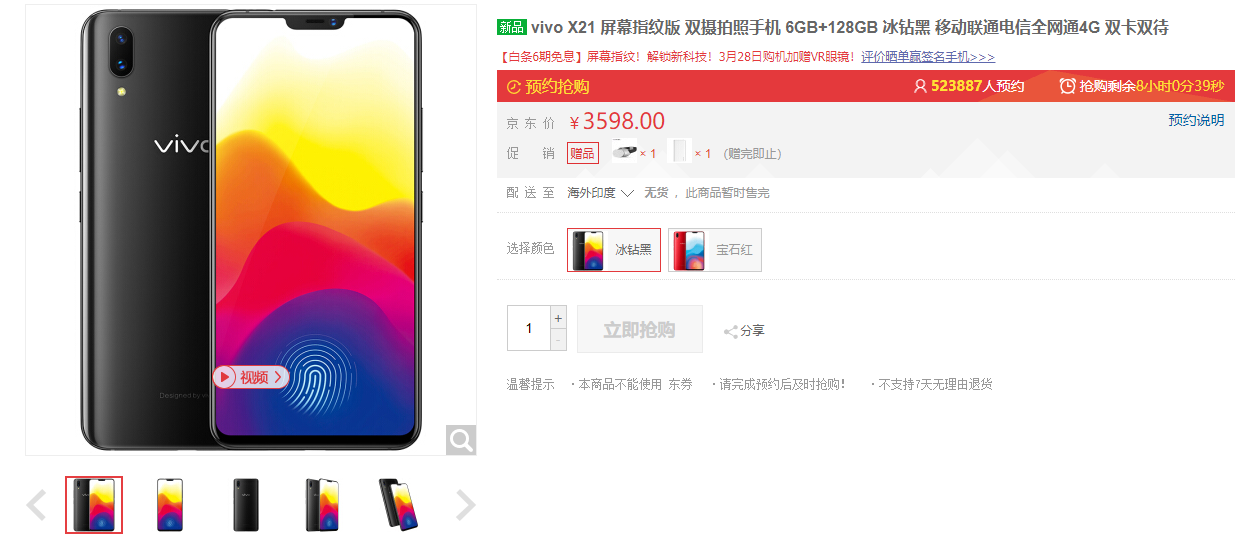
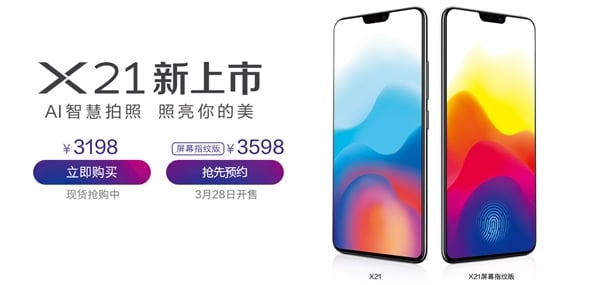
On March 19, Vivo had launched the high-end Vivo X21 and X21 UD smartphones as successor models for X20 and X20 UD phones from last year. At the unveil event, the company had confirmed that the regular Vivo X21 will be available for buying soon after its launch while the X21 UD featuring an under-display fingerprint scanner will go on sale from March 28 in China Since the day has arrived, the Vivo X21 UD is now available for buying with a price tag of 3,598 Yuan (`$509) in the home market.
The regular Vivo X21 features a rear-mounted fingerprint scanner. It is available for buying in Aurora White, Drill Black and Ruby Red color options. Its 64 GB storage + 6 GB RAM and 128 GB storage + 6 GB RAM variants are respectively priced at 2,998 Yuan (~$477) and 3,198 Yuan (~$509).
On the other side, the Vivo X21 UD that is available for buying starting from today comes in colors like Drill Black and Ruby Red. It features 128 GB of storage and 6 GB of RAM.
The Vivo X21 and X21 UD are packed with identical specifications. The X21 features a 6.28-inch supports Full HD+ resolution of 2280 x 1080 pixels. Like the iPhone X, it delivers an aspect ratio of 19:9. The Snapdragon 660 chipset is present under the hood of the phone.
The notch of the Vivo X21 houses a 12-megapixel selfie camera with f/2.0 aperture. With IR emitter inside the notch, the X21 also offers 3D mapping of the users’ face for unlocking it through facial recognition. The dual camera setup on the back panel of the phone features an f/1.8 aperture 12-megapixel sensor and an f/2.4 aperture 5-megapixel sensor. It includes a 3,200mAh battery. It runs on FunTouch OS 4.0, a customized version of Android 8.1 Oreo. The other features of the X21 include Jovi AI assistant, AK4376A Hi-Fi audio chip, Wi-Fi 802.11ac, 4G LTE, Bluetooth 5.0, microUSB and GPS.
After launching Galaxy S9 and S9+, the next flagship smartphone from South Korea-based Samsung is the Galaxy Note 9. Although we are months away from the launch of Galaxy Note 9, details about the smartphone keep surfacing.
According to the latest report, the Samsung Galaxy Note 9 will come with a bigger capacity battery than the Galaxy Note 8. A leaker with a credible track record has suggested that the Galaxy Note 9 will come with a 3,800mAh battery, which is larger than the 3,300mAh battery in the Galaxy Note 8.
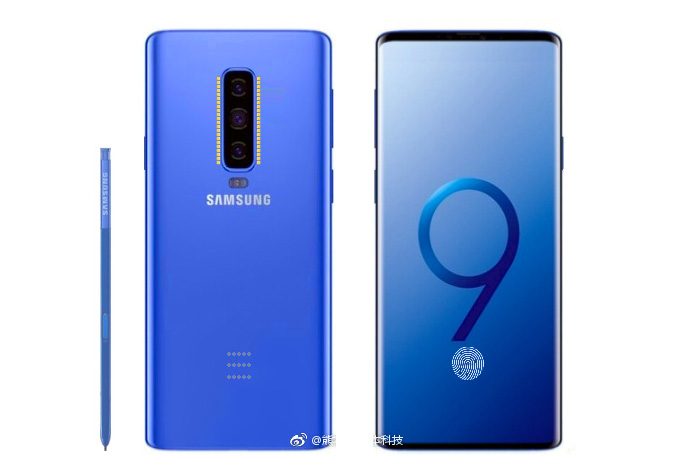
One of the reasons for opting to include a bigger battery could be the use of Infinity Display 2.0, which was first introduced with the recently launched Galaxy S9-series. Further, there are reports which claim that the Galaxy Note 9 could also come with an in-display fingerprint sensor. So, these new features may demand a bigger capacity battery.
However, there’s no certainty about the type of fingerprint sensor of the upcoming flagship smartphone. While earlier it was said that the phone will have under display fingerprint sensor, another report claimed that it’s unlikely to happen due to the technology not matching Samsung’s standards. But, the latest report claims that the phone will have in-display sensor instead of a traditional fingerprint sensor.
As of the specifications, the Samsung Galaxy Note 9 is expected to be powered by the Qualcomm Snapdragon 845 processor or the company’s own Exynos 9810. The processor will be paired with 6GB RAM and 128GB of internal storage for the base model.
The phone is expected feature the same-sized 6.3-inch S-AMOLED screen with 18.5:9 aspect ratio as its predecessor. Further, the device is also expected to come with the improved dual-camera setup at the back. Recently, a fan-made render of the phone appeared online with triple-camera sensors, but that is unlikely to happen.
While the company has not yet revealed anything surrounding the Galaxy Note 9, several reports suggest that the Galaxy Note 9 could be unveiled sometime early in August.
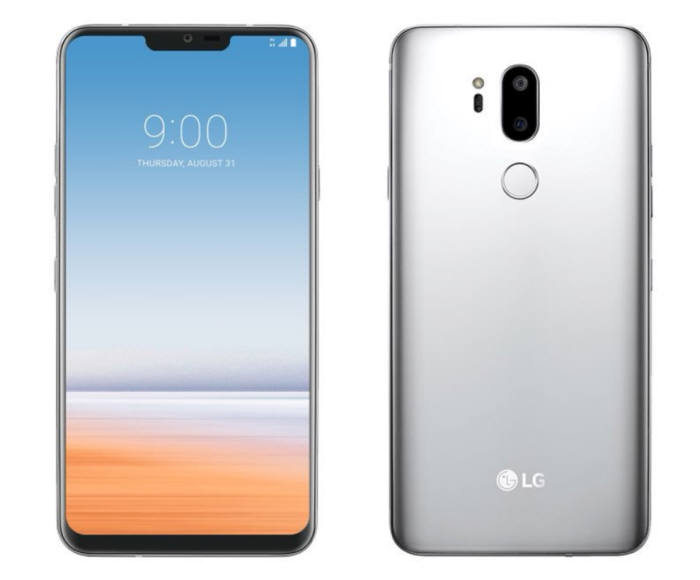
A recent report had revealed that LG may announce the upcoming LG G7 smartphone at the end of the next month and it will be hitting the shelves in May. According to a newer report on a South Korean publication, the LG G7 could be arriving in the market two versions featuring a LCD display and an OLED screen. This seems to be inspired from Apple’s strategy of launching premium iPhone X with OLED panel alongside iPhone 8 and 8 Plus phones with LCD panel. A leaked video and a recently spotted render of the LG G7 has revealed that it would be coming with a notched display like the iPhone X.
Citing industry sources, the publication claims that the LG G7 variants featuring LCD and OLED screens will be packed with the same specs and the only difference between them could be the display type. OLED is a thin and lightweight display compared to LCD. Moreover, it costs twice more than LCD. Hence, the LG G7 with OLED display may carry a costlier price tag while the LCD display variant may come with cheaper pricing. These models could be aimed at different markets.
Selling LG G7 with different kinds of display will possibly allow to gauge which model is more popular and accordingly plan its future phones. According to previous reports, the LCD variant of the LG G7 may feature an MLCD+ display which is a new technology that consumes less power and offers brightness of up to 800-nits.
LG G7 Render By Benjamin Geskin
After encountering consecutive losses since a couple of years, LG decided to delay the arrival of LG G7. Hence, instead of launching it in the first quarter of 2018, it plans to unveil it in second quarter. Also, one of its newer strategies is to retain its existing flagship for longer duration by launching upgraded models. Hence, the South Korean company had launched the LG V30S ThinQ and V30S ThinQ+ at the Mobile World Congress (MWC) 2018. These LG V30 variants have more RAM and storage than the original phone.
LG G7 rumors that have surfaced in the recent past have revealed that it would be coming with specs like 19.5:9 aspect ratio screen that supports a resolution of 3120 x 1440 pixels, Snapdragon 845 chipset, f/1.6 aperture 16-megapixel dual cameras, 3000mAh battery, IP68 certified chassis, iris scanner, and support for modular accessories. The 64 GB LG G7 may feature 4 GB of RAM whereas the G7+ model may be packed with 128 GB of storage and 6 GB of storage. The LG G7 is likely to be priced between $850 to $900.
OnePlus is gearing up to launch its upcoming flagship smartphone — OnePlus 6. The company has already stopped selling its OnePlus 5T in North America.
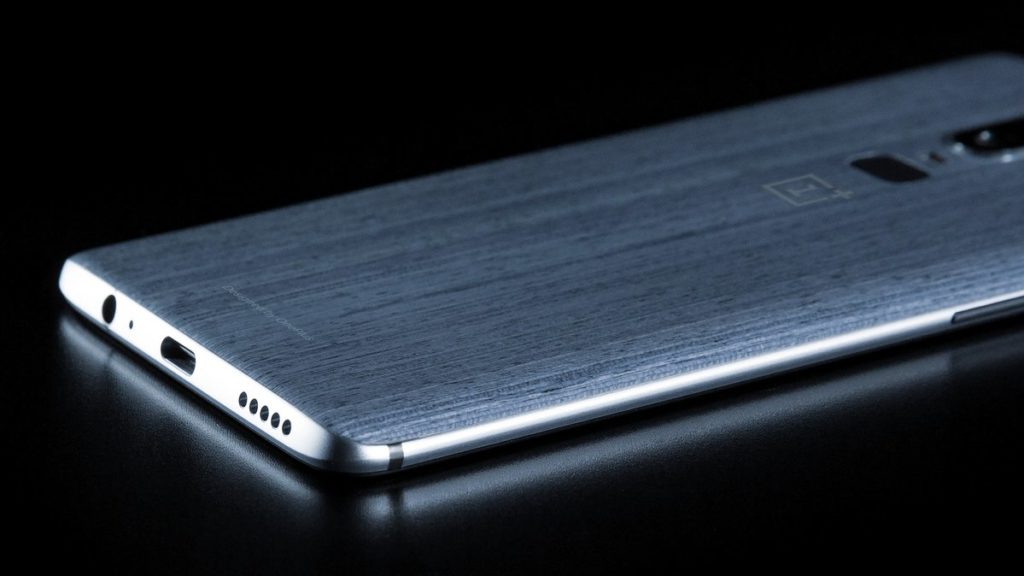
While the company is still a few weeks away from launching OnePlus 6, well-known leaker Evan Blass has posted a new image of the upcoming smartphone on Twitter, showcasing the phone’s back panel.
The leaked image shows the back panel with a woodgrain texture. Also, it is clearly seen that the phone has retained the 3.5mm audio jack, which most smartphone manufacturers are ditching. Along with the headphone jack, there’s also a USB Type-C port and a speaker grille.
Further, the phone has a rear-mounted fingerprint sensor, placed right below the camera module. As of the camera, the image hints at dual-camera setup, with sensors stacked vertically. Since fingerprint sensor is at the back, the OnePlus 6 will come with the trendy full-screen display, which OnePlus first introduced with the OP5T.
While earlier leaks suggested that the OP6 could come with glass back panel, this newly leaked image shows that the phone uses wood/bamboo or brushed metal. The textured finish on the back panel is not because of the skin as there’s a tag at the bottom which reads “Designed by OnePlus.”
Based on the previously leaked details, the OnePlus 6 will feature a 6.28-inch Full-HD+ AMOLED display with screen resolution of 2280 x 1080 pixels with 19:9 aspect ratio. The phone is expected to be powered by Qualcomm‘s flagship processor — Snapdragon 845 clocked at 2.7GHz, which is powering almost all of the flagship smartphones announced this year.
The smartphone will pack 6GB RAM with 128GB internal storage. The highest configuration model of OP6 will have 8GB RAM with 256GB onboard storage and is expected to be priced at $749.
As of the camera department, the rear camera of the OnePlus 6 is said to be consisting of 16-megapixel primary sensor and a 20-megapixel secondary sensor with a f/1.7 aperture on both lenses. The camera specs are exactly the same as the company’s current flagship device — OnePlus 5T. On the front side, the phone will come equipped with a 20-megapixel sensor with f/1.7 aperture.
Coming to the software, it is said that the OnePlus 6 will be running on Android 8.1 Oreo operating system out-of-the-box with the company’s own Oxygen OS custom interface. The phone will be fuelled by a 3,450mAh battery and we expect that it will support the company’s own fast charging technology — Dash Charging.
We use cookies on our website to give you the most relevant experience by remembering your preferences and repeat visits. By clicking “Accept”, you consent to the use of ALL the cookies.
This website uses cookies to improve your experience while you navigate through the website. Out of these, the cookies that are categorized as necessary are stored on your browser as they are essential for the working of basic functionalities of the website. We also use third-party cookies that help us analyze and understand how you use this website. These cookies will be stored in your browser only with your consent. You also have the option to opt-out of these cookies. But opting out of some of these cookies may affect your browsing experience.
Necessary cookies are absolutely essential for the website to function properly. This category only includes cookies that ensures basic functionalities and security features of the website. These cookies do not store any personal information.
Any cookies that may not be particularly necessary for the website to function and is used specifically to collect user personal data via analytics, ads, other embedded contents are termed as non-necessary cookies. It is mandatory to procure user consent prior to running these cookies on your website.

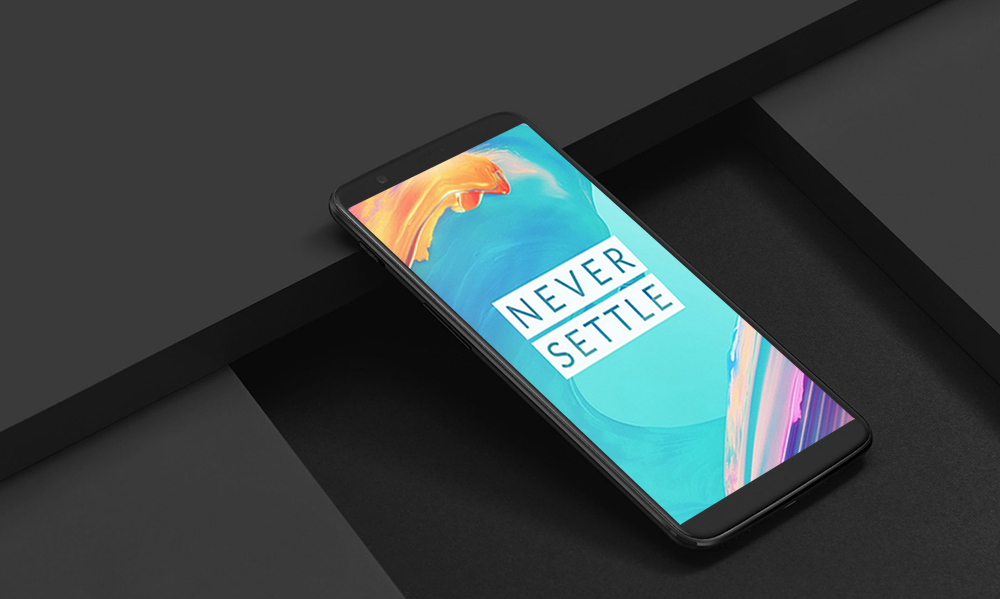
 Banggood is currently offering a considerable discount on the OnePlus 5T smartphone’s original asking price. The phone normally sells for $579.99 on the site; however, you can now get a 16% discount and bring your grand total down to just $489.99.