If you’ve been waiting with bated breath to get your hands on Xiaomi Mi 6 flagship smartphone without spending a fortune, we got good news for you.
The Beijing-based online retail company, LightInTheBox is offering a massive 70% discount on the Mi 6’s original asking price of $1,167.67. As a result, the highly sought-after handset is currently up for grabs for just $349.92.
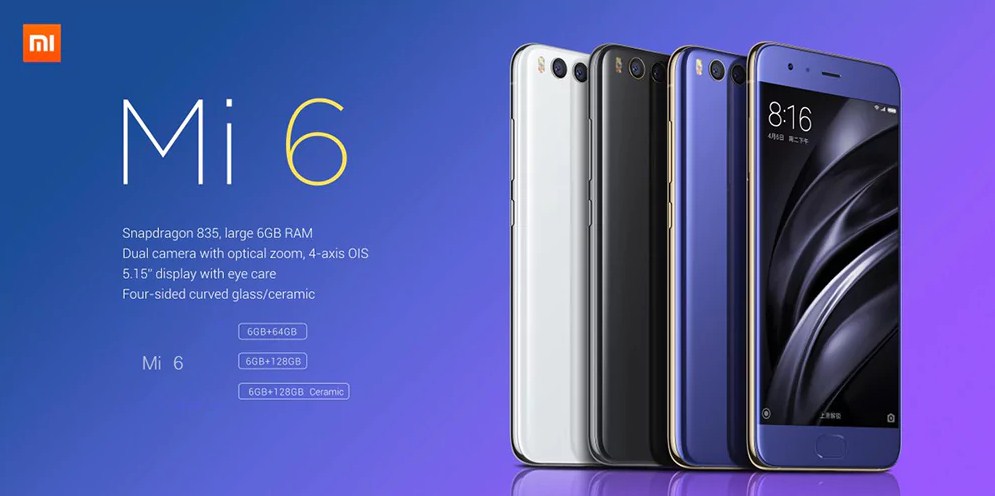
Despite paying an unbelievably low price for the Mi 6, you do not compromise in terms of specs. The dual-SIM smartphone packs Qualcomm Snapdragon 835, 6GB of RAM and a considerable 64GB of onboard memory, under the hood.
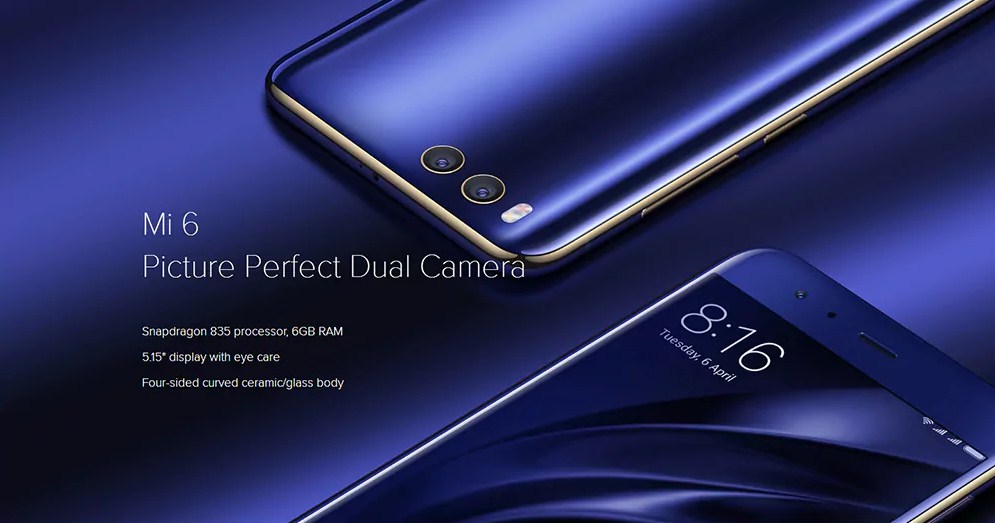
The Mi 6 sports a 5.15-inch display with a screen resolution of 1920×1080 pixels at 428 pixels per inch (PPI). It comes with a 12MP + 12MP dual camera setup at the back and an 8MP front shooter.
You can buy the black color version of the Mi 6 smartphone at a heavily discounted price on LightInTheBox simply by clicking here before the promo comes to an end. It is also imperative for you to bear in mind that only 172 pieces were left at the time of writing.
The advent of full-screen designs made a shift to OLED display panels on smartphones utilizing the full-screen design more like compulsory. Samsung has been the biggest beneficiary of this situation as the company is said to be lining up between 200 – 300 million units for the iPhone X. Last year the company reportedly supplied 50 million units of OLED panels to Apple for the iPhone X. Samsung’s monopoly may soon be broken as Sharp has announced that it is ready to commence mass production of its own OLED panels.
Sharp’s President and CEO Dai Zhengwu stated this in a media briefing held this week. The CEO disclosed that Sharp had finished the production of OLED sample panels for smartphones and is now ready to start mass producing. However, we may not see the panels very soon as they would only be ready for use on smartphones launching in June or July this year. Sharp is also reported as planning to launch its own OLED display-packing smartphone around June or July.
Earlier on, Nikkei had reported that Sharp will be the first display panel maker based in Japan that is capable of producing OLED panels. This is good news for the company, considering that Sharp is now owned by Foxconn who manufactures the iPhone X and other models for Apple. It is hoped that this would open up the market for the use of OLED panels among OEMs. A recent report states that Huawei, OPPO, and Xiaomi are looking to switch to mini LED panels due to OLED shortages but that may not happen anymore due to this recent development.
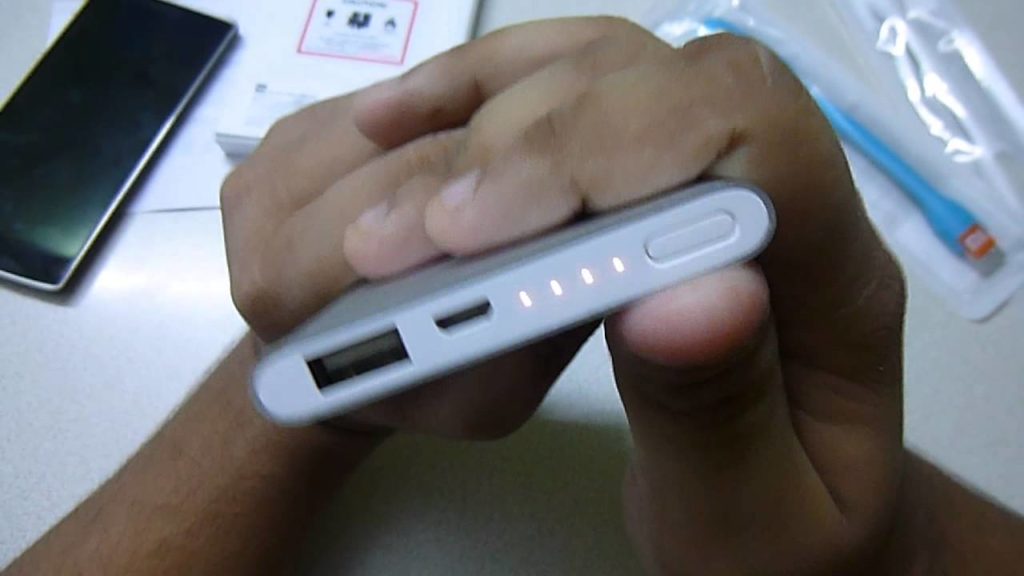
Gadget buffs constantly panic about losing power on their smartphones, digital cameras, tablets, pc, and handheld gaming devices. Most of us are likely to drop everything and head straight to home in order to charge our phones and other gadgets. But with Xiaomi Power Bank 2, you can now handle the low battery anxiety without breaking much of a sweat.
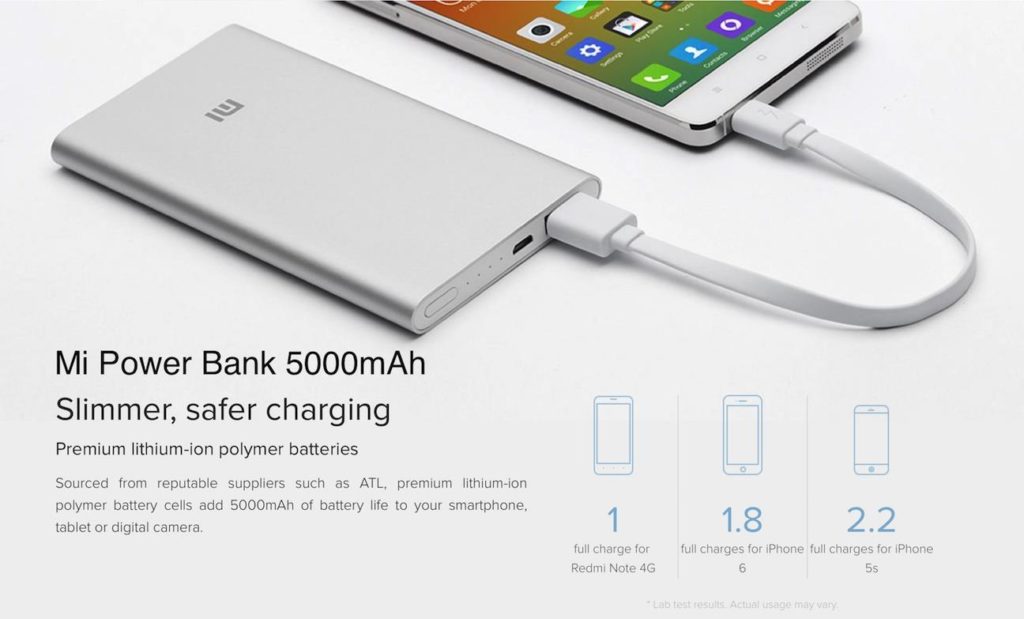
Housed in an ultra-thin 10.7mm alloy metal case, Xiaomi 5000mAh Power Bank 2 weighs in at just 150g, which makes it highly portal. Moreover, it is so slim you can comfortably carry it everywhere you go and you don’t even need to shell out a lot of money to get your hands on the highly useful device.
You get a 21% discount when you pre-order the Power Bank 2 on Banggood. While the device’s original selling price is $18.99, you only pay $14.99. On top of that, you earn 14 Banggood points.
Xiaomi Power Bank 2 is backed by a robust 5000mAh battery and it is compatible with a broad range of devices. It offers short-circuit protection and sports over-charge protection four LEDs that indicate battery level.
You can head straight to this link and save a considerable 21% by preordering the Xiaomi-branded power bank for mobile phone and other devices before the promo comes to an end.
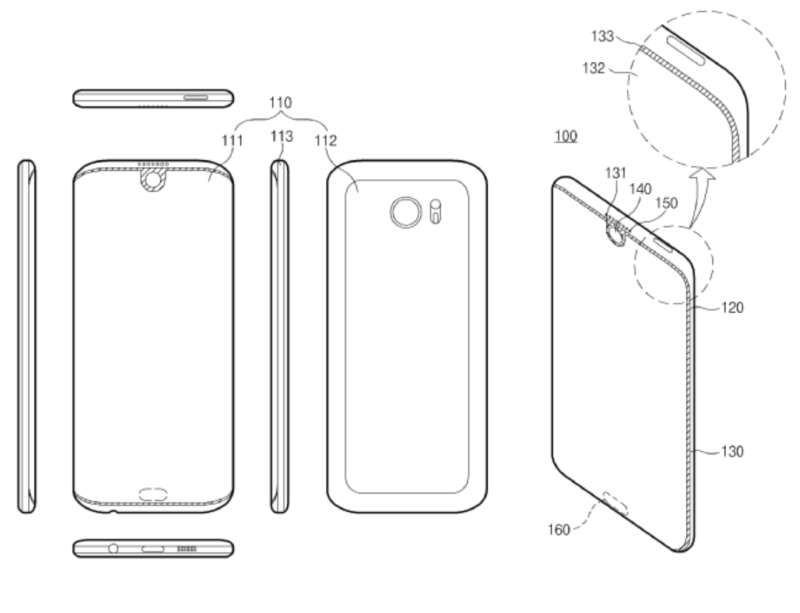
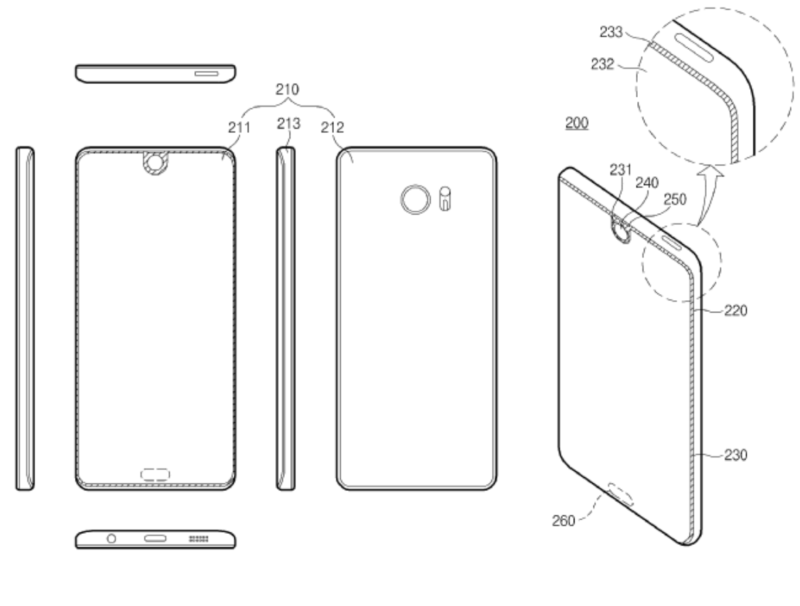
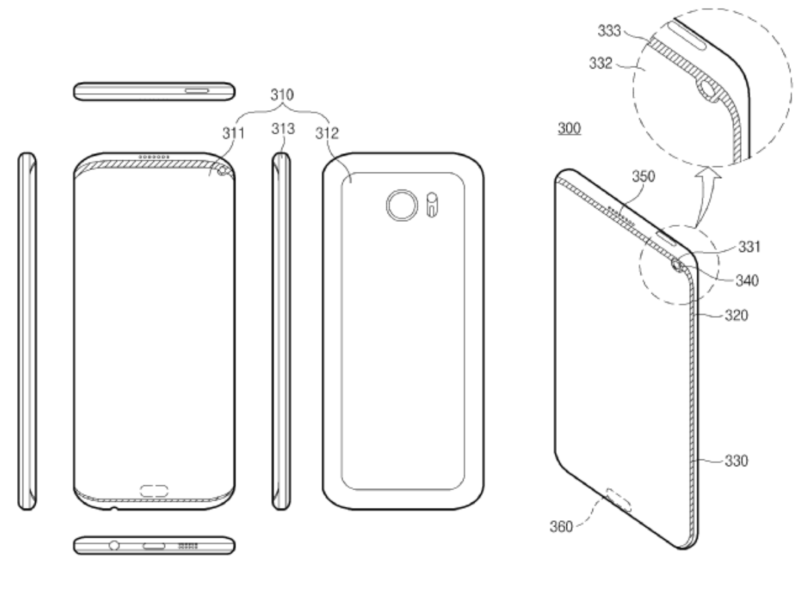
Samsung R&D is one busy arm of the conglomerate considering the spate of patent filings from the tech giant, some of which may never be used on its gadgets. The company has now filed a patent for a new design style for its smartphones. The patent is packed with several new and classic designs which would no doubt change the face of the smartphone market whenever they are implemented on new models. The new patent design was spotted at the World Intellectual Property Organization (WIPO).
The patent which was filed under the international patent number PCT/KR2017/007043 was filed in July 2017 and was only published recently on January 11, 2018. The patent tends to cover most areas of smartphones ranging from the sensor, speaker, and camera placement with a bezel-less display. This new patent could hint at a potential concept smartphone for the future.
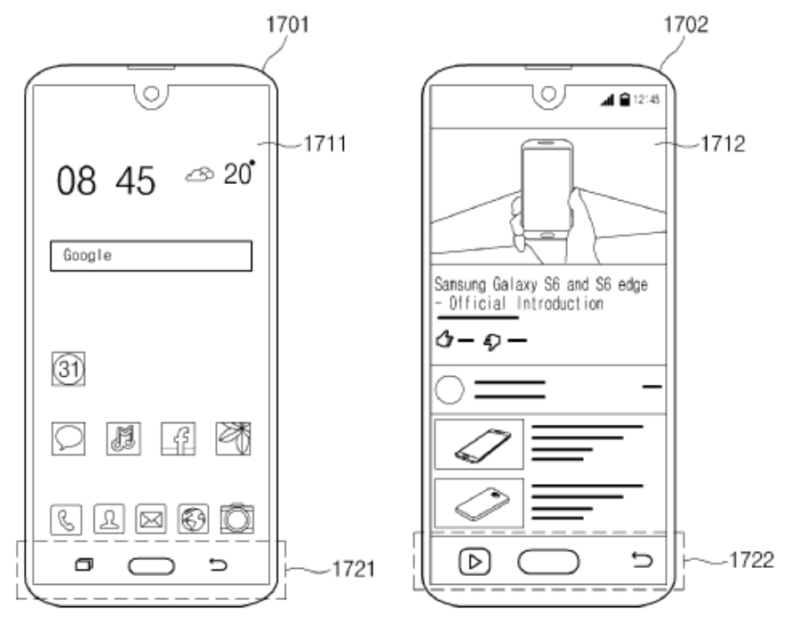
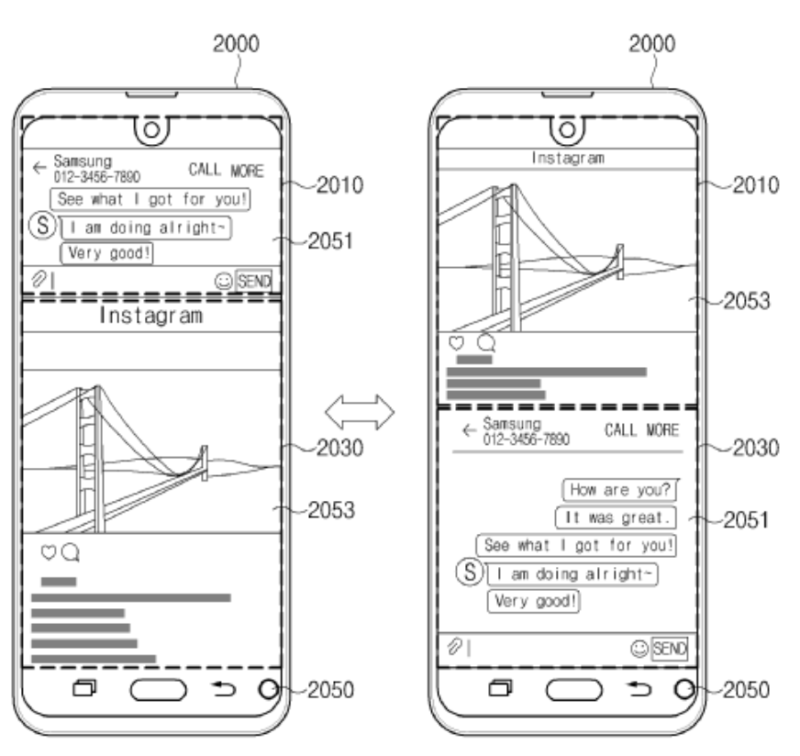
From the patent, many designs are showcased and unlike other designs that would look so much similar, each of the design shown in the patent comes with its own features which distinguish it from other devices. One similar feature of each design is the concept of an almost completely bezel-less screen, even along the top and bottom of the screen. The design used either behind-the-screen technologies or notches which tend to hold the various components expected from a top-notch smartphone in order to eliminate the use of bezels. One noticeable change in the designs is the power button which was placed at the top of the smartphones to enable further chamfering of the edges.
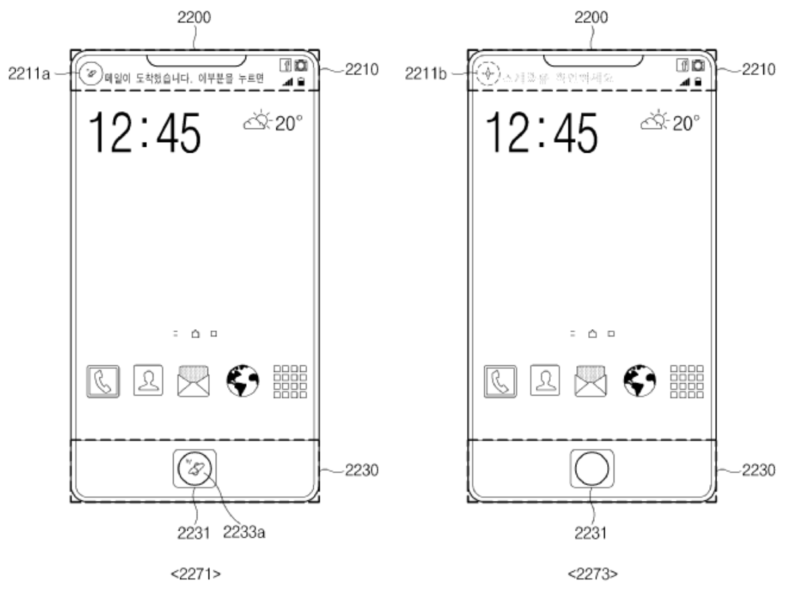
Other designs with a great idea spotted include a fingerprint sensor which is directly built into the display of the device, the notification bar, and the quick setting which is placed at the bottom of the screen and not at the traditional top.
Samsung has been known for trying new technology and concepts, and with these designs, we could get an idea of Samsung’s vision of how its future smartphones should look and function. However, this patented designs may likely not find its way into an actual product very soon.
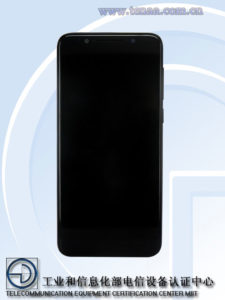
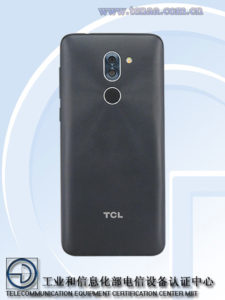
Chinese smartphone maker TCL may be cooking up a smartphone for us after a long time, according to a recent TENAA listing. A TCL smartphone identified as TCL V760 has appeared on the website of the Chinese Telecoms Regulatory Agency TENAA.
Except for the fact that it has been quite a while we say a TCL smartphone, the device doesn’t tickle in any way. Well, except that it packs a dual camera setup at the rear, which is aligned vertically. The device also packs a rear fingerprint sensor just under the display. The device isn’t a full-screen mode but even at that, the bezels at the top and bottom edges look unusually large. The device also has all its capacitive keys at the right side of the display.
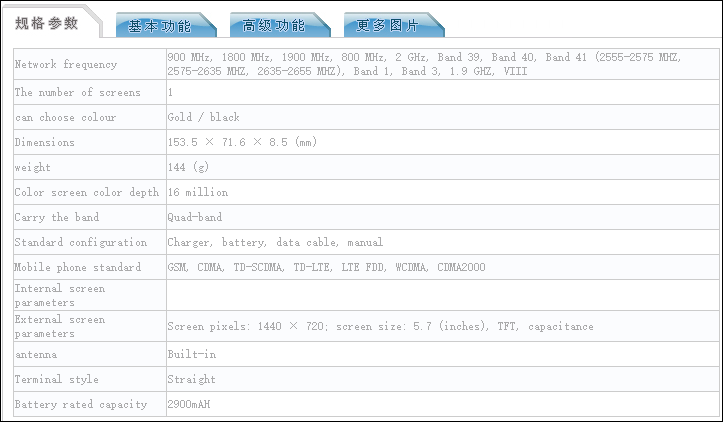
On the specs angle, the TCL V760 is listed with a large 5.7-inch display with a resolution of 1440 x 720pixels (HD). The device comes with 3GB of RAM as well as 32GB of native storage which is expandable up to 128GB. Keeping the lights on is a 2900mAh battery while there is an 8MP selfie camera as well as an 8MP main sensor at the rear. The resolution of the second rear shooter isn’t known. In addition, the TCL V760 runs Android 7.1.1 Nougat out of the box.
We can’t say for sure if the device will be unveiled soon and even if it does launch, there isn’t much to make it tickle a market already heading in the direction of full-screen models
Until recently, the waterproof body is usually the characteristics of rugged smartphones or feature phones. But now flagship models are usually advertised as having IP ratings good enough to guarantee protection from water and dust. In case you don’t know, IP stands for “Ingress Protection”. They are used to define levels of sealing effectiveness of electrical enclosures against intrusion from foreign bodies (tools, dirt etc) and moisture. Today, most mobile phones with IP ratings are usually IP67 certified, and one of such phones advertised as having an IP 67 rating is the Huawei Mate 10 Pro.
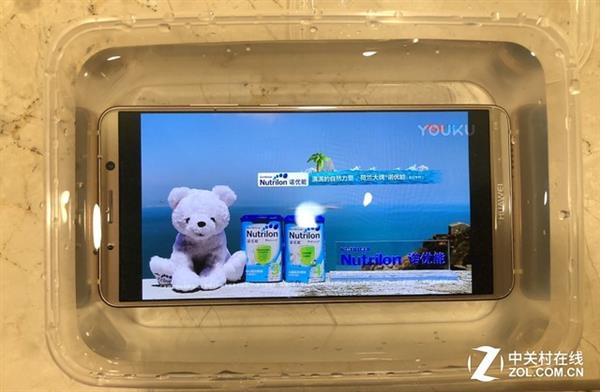
That IP67 rating was seriously put to test recently in a manner that we’d never have expected. The smartphone was inserted into a bowl of water while a video was playing and then the bowl was kept in a freezer for four hours reaching up to a temperature of -24 degree Celcius. All these while, the Mate 10 Pro was being monitored to see if it will go off. At the end of four hours, the smartphone was removed from the freezer and after the ice thawed, the smartphone still kept working. Even after such an extreme test!
Even though we don’t recommend trying this at home, the test goes to show how durable the Mate 10 Pro is. Despite the waterproof body claim which has now been proven, damage to phone caused by water isn’t covered by warranty and that is clearly stated on the warranty card of most IP67-certified phones. So, the phone maker takes no responsibility for any damage caused by insertion in water. You can find out more details of the test from the source link below.
Following the launch of the HTC U11 Eyes in China, the flagship HTC U11+ has gotten a price cut. We are surprised since the phone just started selling less than two months ago. But who says no to a price cut? Definitely not us.
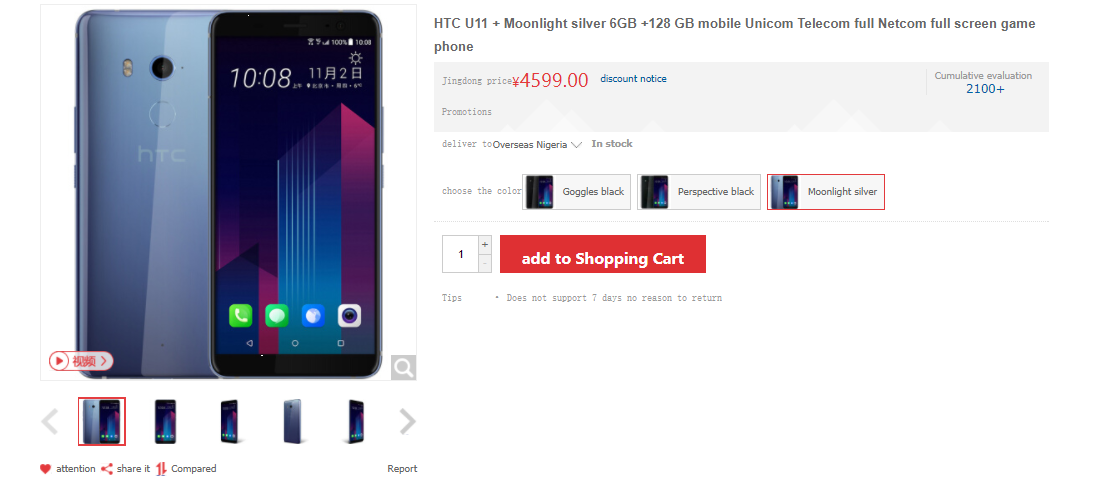
The HTC U11+ originally launched for ¥4999 (~$775) but has now been slashed to ¥4599 (~$713) on JD.com. The price cut is applicable to all three color variants.
HTC’s U11+ which is said to be the cancelled Google Pixel 2 XL Muskie packs a lot of interesting features. It has a 6.0” 2880 x 1080 display with an 18:9 aspect ratio. Both sides of the phone are covered with Gorilla Glass 5.
Like most of the flagships released in 2017, the HTC U11+ is powered by a Snapdragon 835 processor. It also has 6GB of RAM and 128GB of expandable storage.
There is a single 12MP F/1.7 UltraPixel camera with OIS+EIS on the rear and an 8MP selfie camera. Underneath the glass back is a 3930mAh battery.
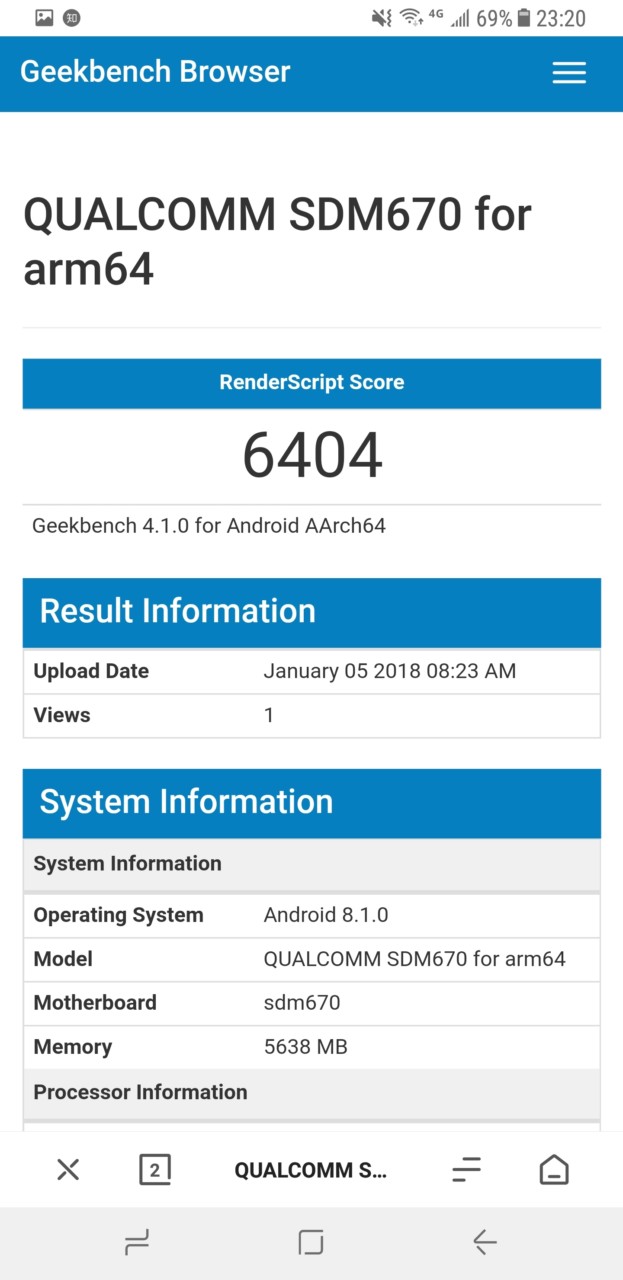
Snapdragon 670 will probably be the most powerful midrange SoC released by Qualcomm in 2018. After an initial sighting on Geekbench, the processor has been spotted in the RenderScript project which revealed its GPU performances. The results of the benchmark test are outstanding: the Adreno 620 GPU has scored 6404 points. It is very close to the results obtained by Snapdragon 820, the Qualcomm flagship SoC from 2016.
Even though numbers are not everything and a test like this does not evaluate the real graphics performances of the SoC, this result is still very encouraging. In terms of graphics performances, Snapdragon 670 also seems an important improvement over the Snapdragon 660: just consider that Xiaomi Mi Note 3 has scored 5483 points in the same RenderScript test. The SoC has already been spotted on Geekbench previously and its specs have leaked multiple times.
Rumors say, SD670 will be composed of 4x Kryo 360 custom cores and 4x Kryo 385 custom cores which will have max frequencies of 2Ghz and 1.6 GHz respectively. Besides the Adreno 620 GPU, it will sport a Snapdragon X16 Cat. 16 LTE modem. The modem will be able to reach a Gigabit-speed in download and 150 Mbps in upload. On Geekbench, Snapdragon 670 has scored 1863 points in single-core CPU performances and 5256 points in multi-core performances. Considering the specs, we should see this SoC in some of the best upper mid-range smartphones of 2018.
Do you think Qualcomm is going to kill MediaTek in the mid-range segment just like it did in the flagship one?
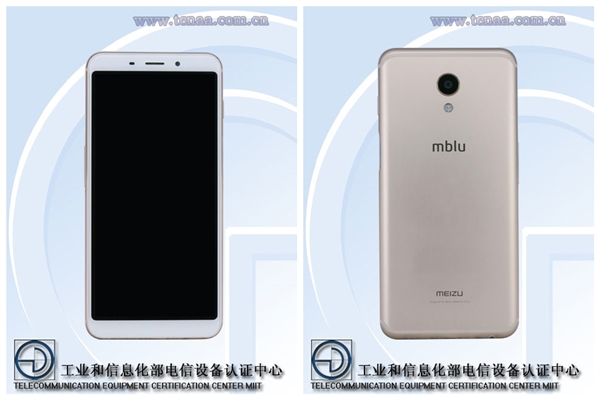
Meizu mBlu S6, also known as Meizu M6s will be officially unveiled tomorrow. The Chinese company has just published a post on the social network Weibo with a teaser image attached, confirming the official announcement. The upcoming device is going to be affordable, but it will still be innovative. In the teaser image, we can clearly see the shape of the phone and its edge-to-edge display.
In the new teaser, the company adds that the S6 will be more than just an 18:9 screen device. This is a hint that the phone is going to have another big selling point. The company didn’t elaborate on this, but we’ll hear more about it real soon. It could likely be the Exynos chipset inside, or it could be something else.We are not sure at this moment.
The handset will be the first smartphone from the company with an 18:9 aspect ratio. The picture reminds a lot of LG G6 and Xiaomi Redmi 5/5 Plus, and we hope that it will have the same great value for money. This is the only info about Meizu mBlu S6 surfaced with this teaser. According to the Chinese regulatory agency, TENAA, the device will have a 5.7-inch panel with an HD+ resolution of 1440 x 720 pixels.
On the hardware side, there will be an octa-core Samsung Exynos 7872 SoC (including the Mali-G71 GPU) paired with 3 GB of RAM and 32 GB of internal storage. The battery will have a capacity of 3000 mAh, which should be enough to guarantee a decent battery life with an HD+ display. Even though it will be cheap, Meizu mBlu S6 will have a full metal unibody design, and a fingerprint reader placed on the right side.
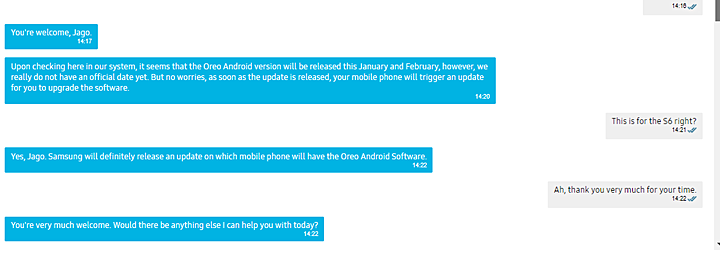
Usually, the best smartphone manufacturers roll out the major Android update on their most important devices for two generations, but it seems that Samsung Galaxy S6 will get more support from the Korean giant. According to a Samsung customer care rep, the Samsung Galaxy S6 will get updated to Android 8.0 Oreo, even though this former flagship is three years old. It is not the first time that we are hearing this: the customer care reps of the company have already confirmed the update a few months ago.
But now it is different because in the leaked conversation there is a new important detail: the time frame of the release. According to the conversation with the Samsung employee, Samsung Galaxy S6 will get Android Oreo “no later than February. Not only the phone will get updated to the latest version of the operating system released by Google, but it will also get it before many other flagships from the last generation, even though it is three years old. It is a totally unexpected move by the company, especially considering that usually, Samsung flagships are never the first phone to get updated to the latest major Android versions.
Samsung Galaxy S6 was officially announced in March 2015, and it had Android 5.0.2 Lollipop installed out of the box. A very outdated version that we cannot find anymore, even on the most affordable phones. There was no mention of Galaxy S6 Edge and S6 Edge Plus in the conversation. Even though this is a chat with a Samsung customer care rep and this is not the first time that the update was confirmed, keep taking everything with a pinch of salt as there is no official confirmation from the company at this moment.
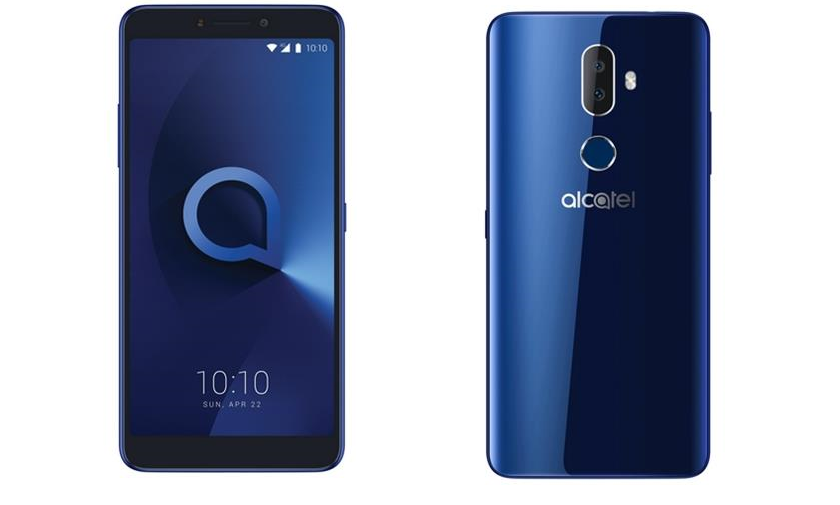
TCL-owned Alcatel has a bunch of smartphones expected to launch within a week. The brand has restructured its lineup into three categories – the Alcatel 1, Alcatel 3, and Alcatel 5 series. Specifications as well as possible pricing of the Alcatel 3V (belonging to the 3 series) have been leaked online.
The info was posted on Twitter by Roland Quandt (@Rquandt) who had earlier mentioned that three new Alcatel phones will be released in the coming week.
The Alcatel 3V will have a 6” 2160 x 1080 screen with an 18:9 aspect ratio. It will be powered by MediaTek’s MT6737 1.45GHz quad-core processor paired with 2GB of RAM. Storage is 16GB and is expandable.
The Alcatel 3V as seen in earlier leaks does sport dual rear cameras. One is a 16MP sensor and the other is a 2MP sensor most likely for capturing depth of field details. The front camera is an 8MP sensor.
Beneath the vertically arranged dual rear cameras is a fingerprint sensor and under the mirror-like rear plate lies a 3000mAh battery. The phone has a micro USB port, Bluetooth 4.2, and Cat. 4 LTE. It is said to be 8.05mm thick and weighs 169g.
MIUI is one of the most popular versions of Android in China. Not only is it the version run by Xiaomi phones, it is also available for a bunch of non-Xiaomi devices. The Android ROM is now in its 9th version and has been rolling out to devices in the past few months.
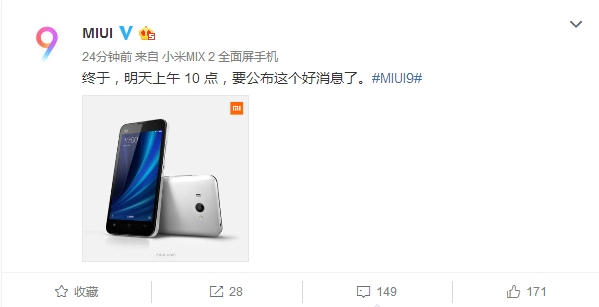
Today, the official MIUI Weibo revealed that there will be an announcement tomorrow at 10:00 AM (local time). No one has an idea what it is about except that it is “Good News” according to a rough translation of the post. The post also includes a photo of the Xiaomi Mi 2.
There are reports that the announcement has to do with MIUI 9, more specifically the final roll-out to the remaining supported devices. The phones belonging to this last batch is said to include the 5-year old Mi 2 hence the use of its image in the post.
Xiaomi’s MIUI has been lauded for its support for older devices, a feature that is uncommon to stock Android and a number of other ROMs of Chinese origin.
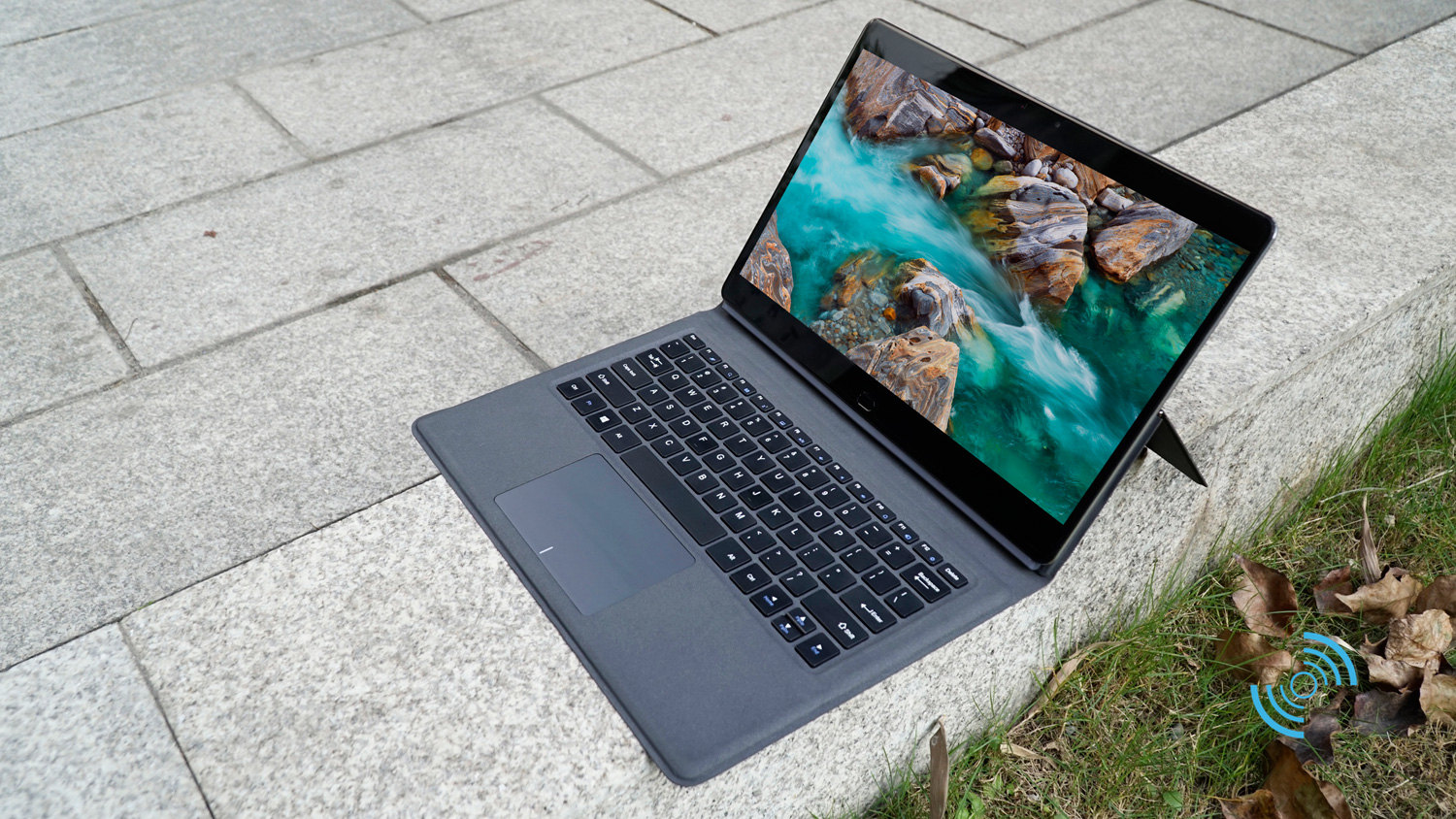
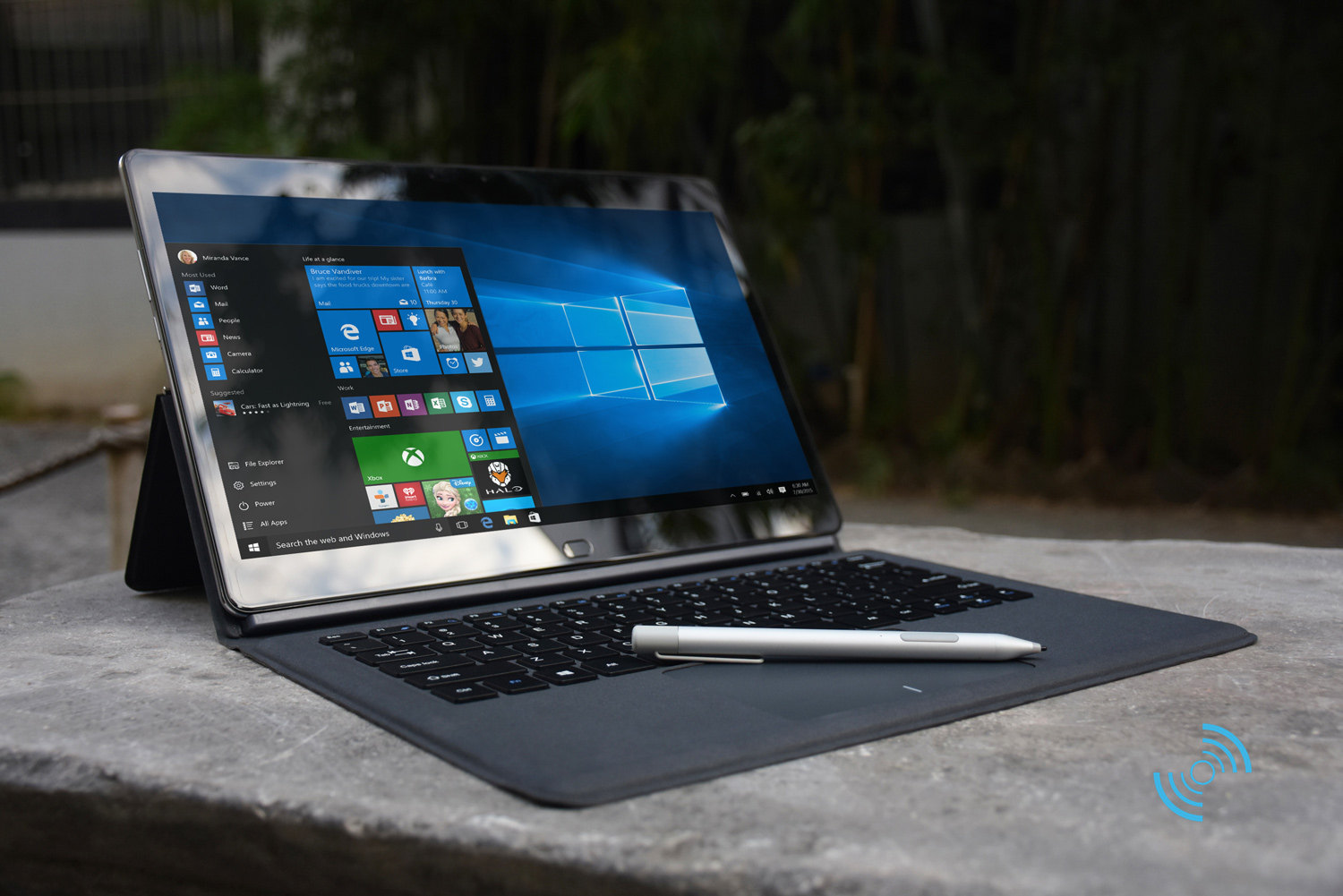
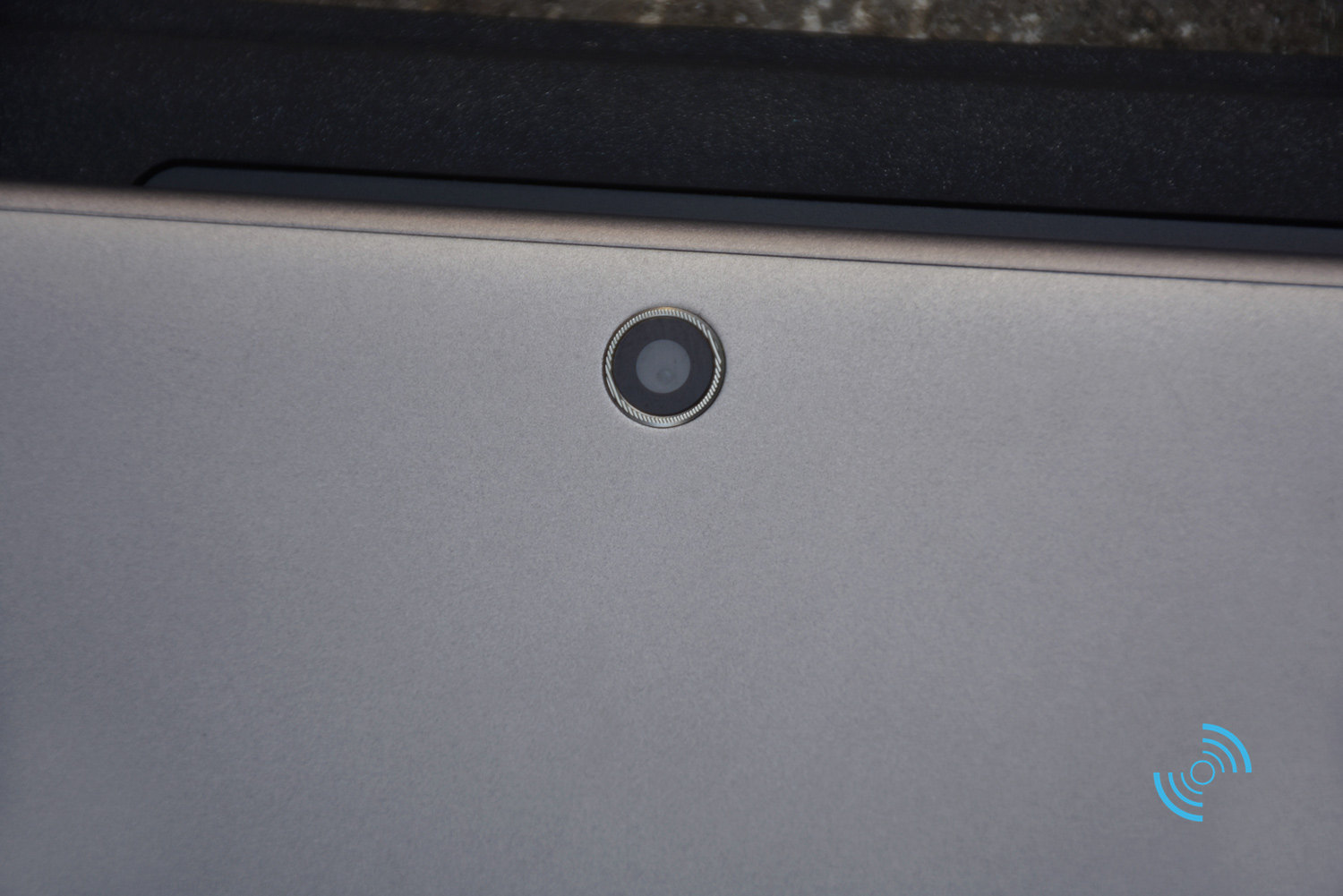
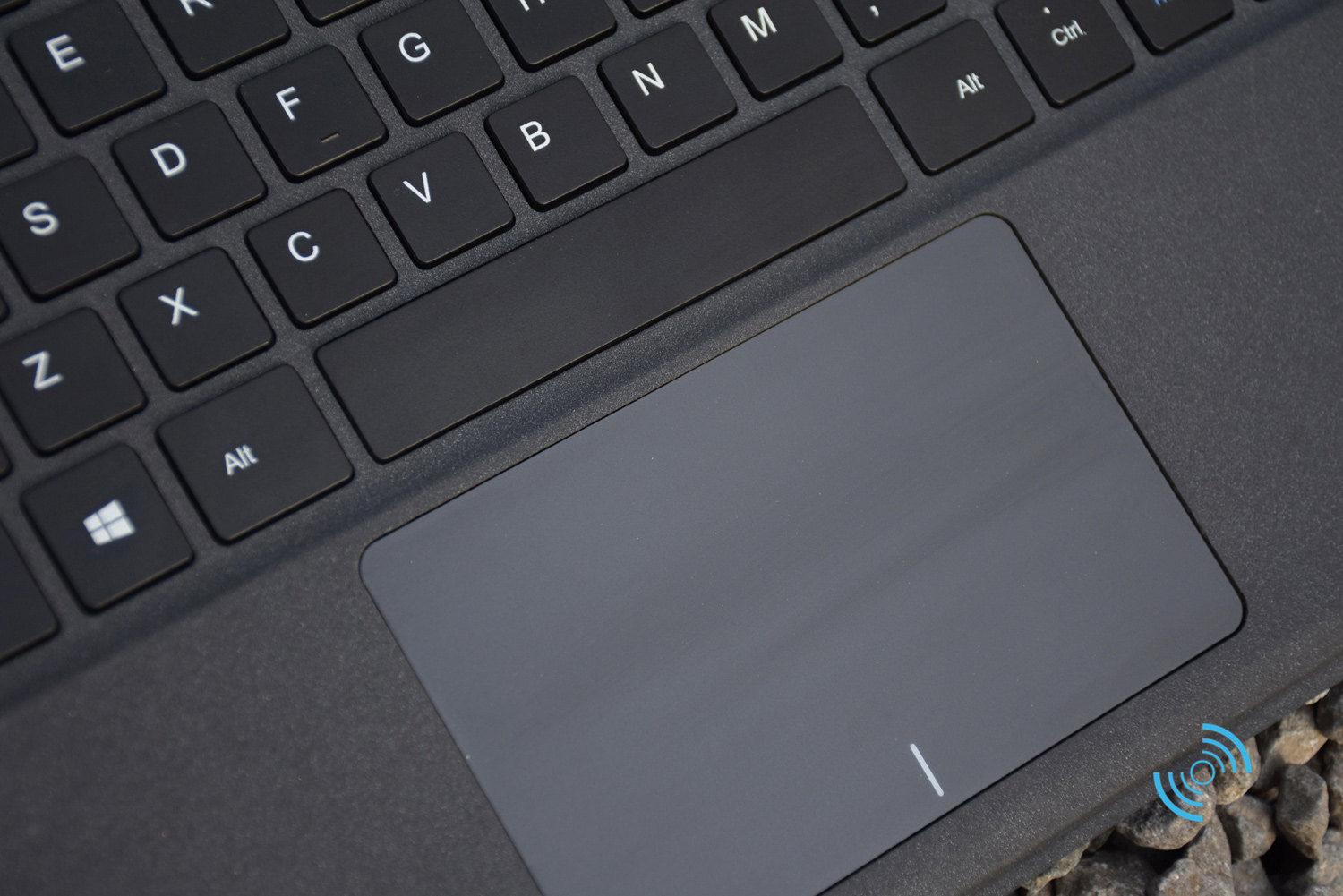
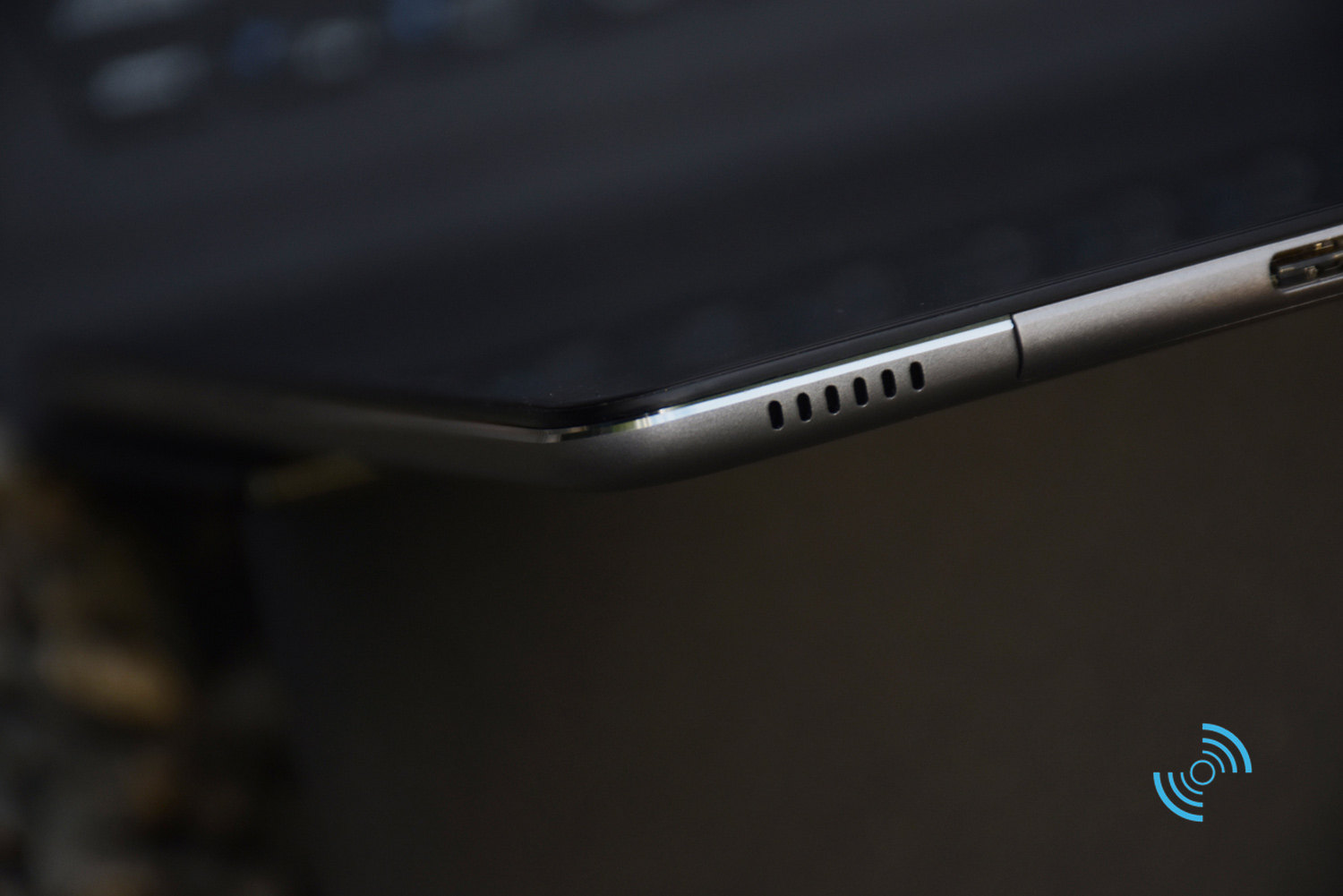
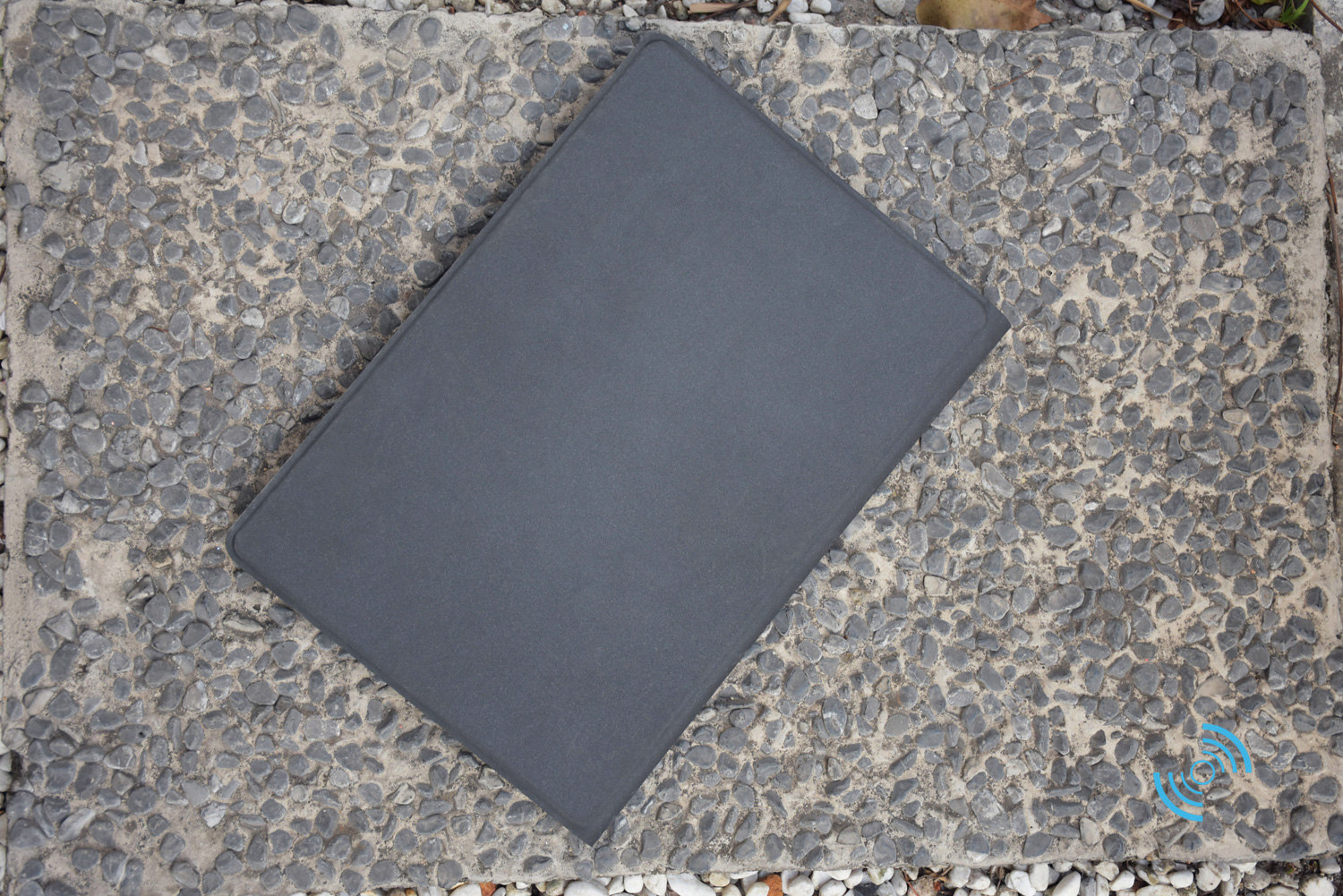
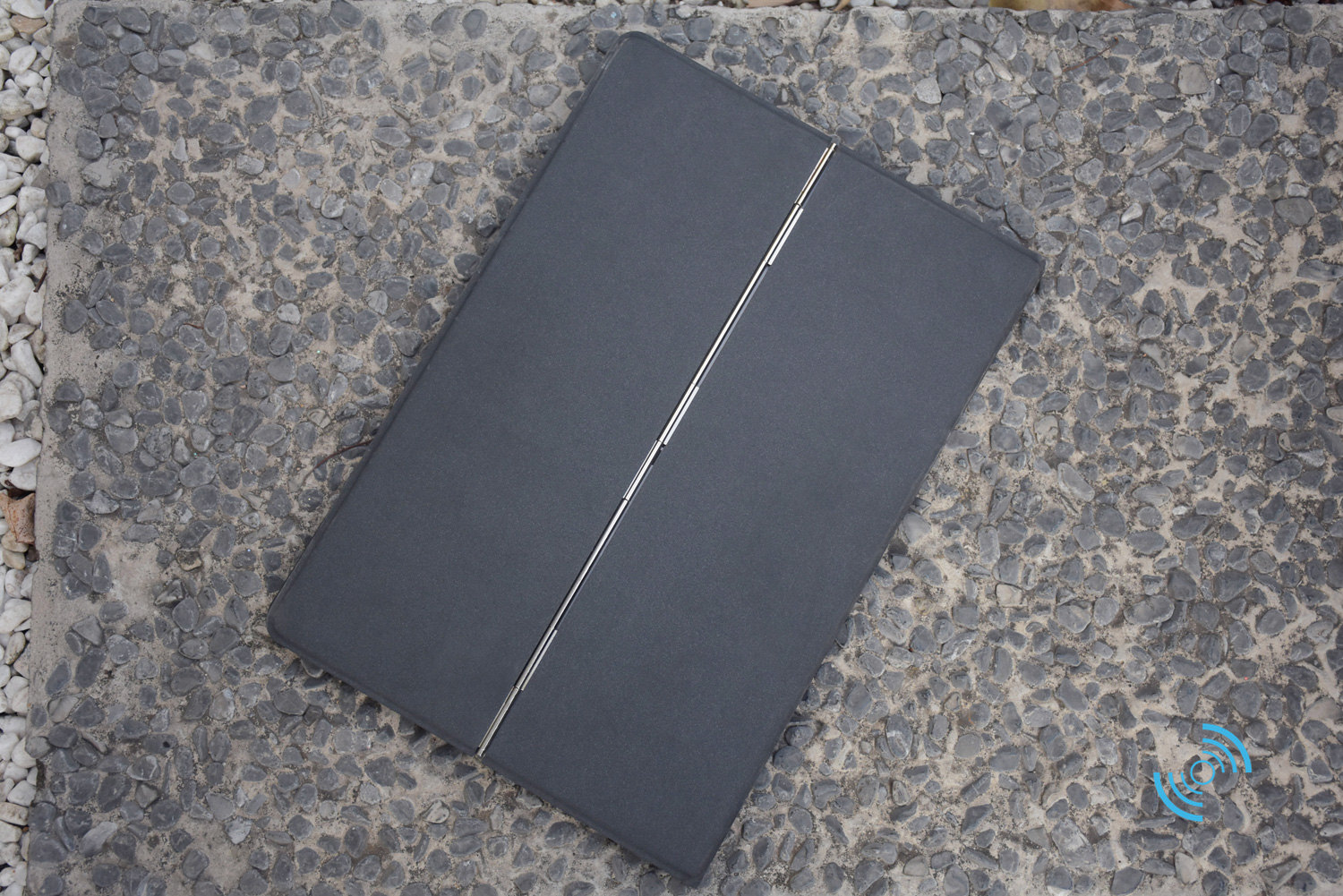
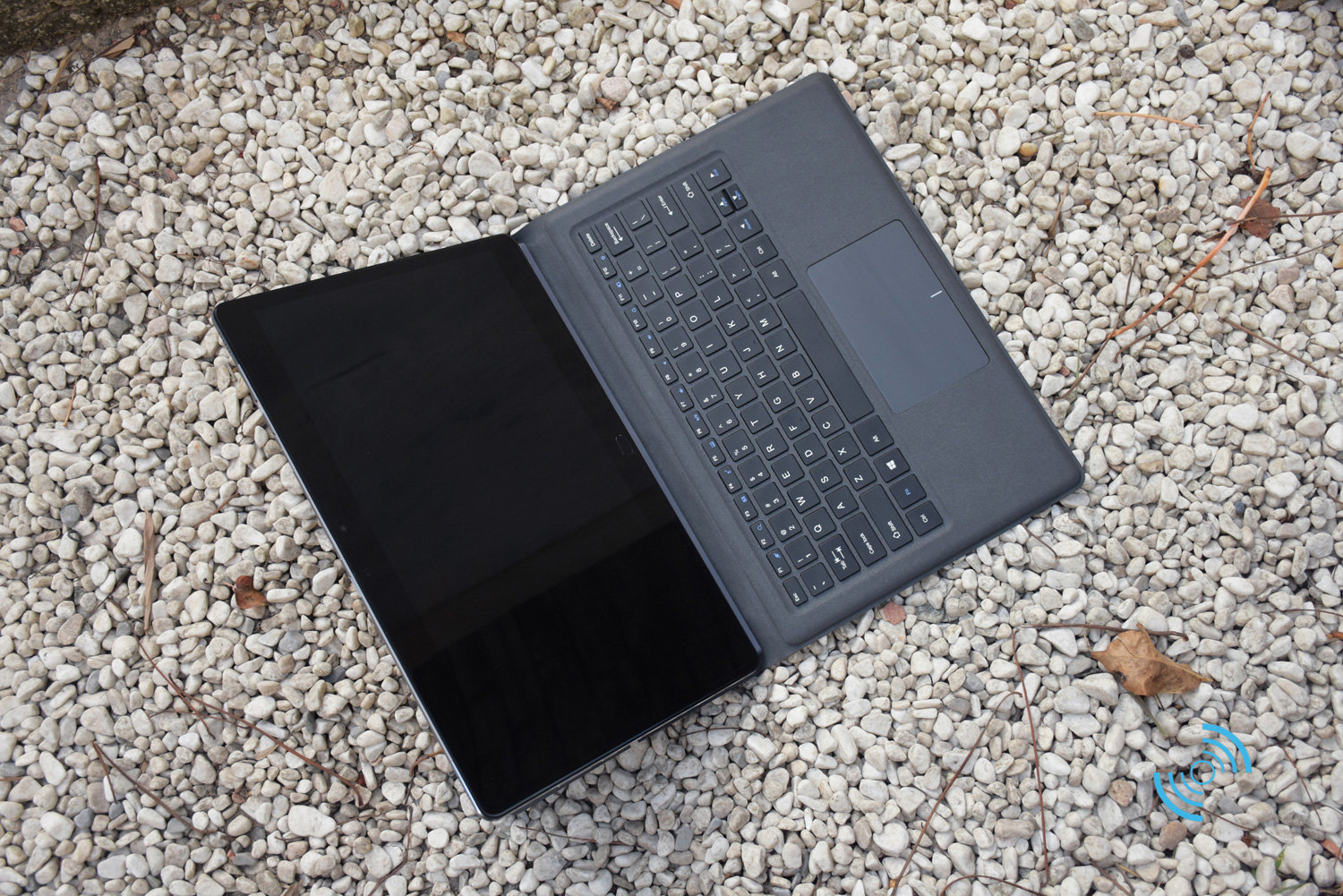
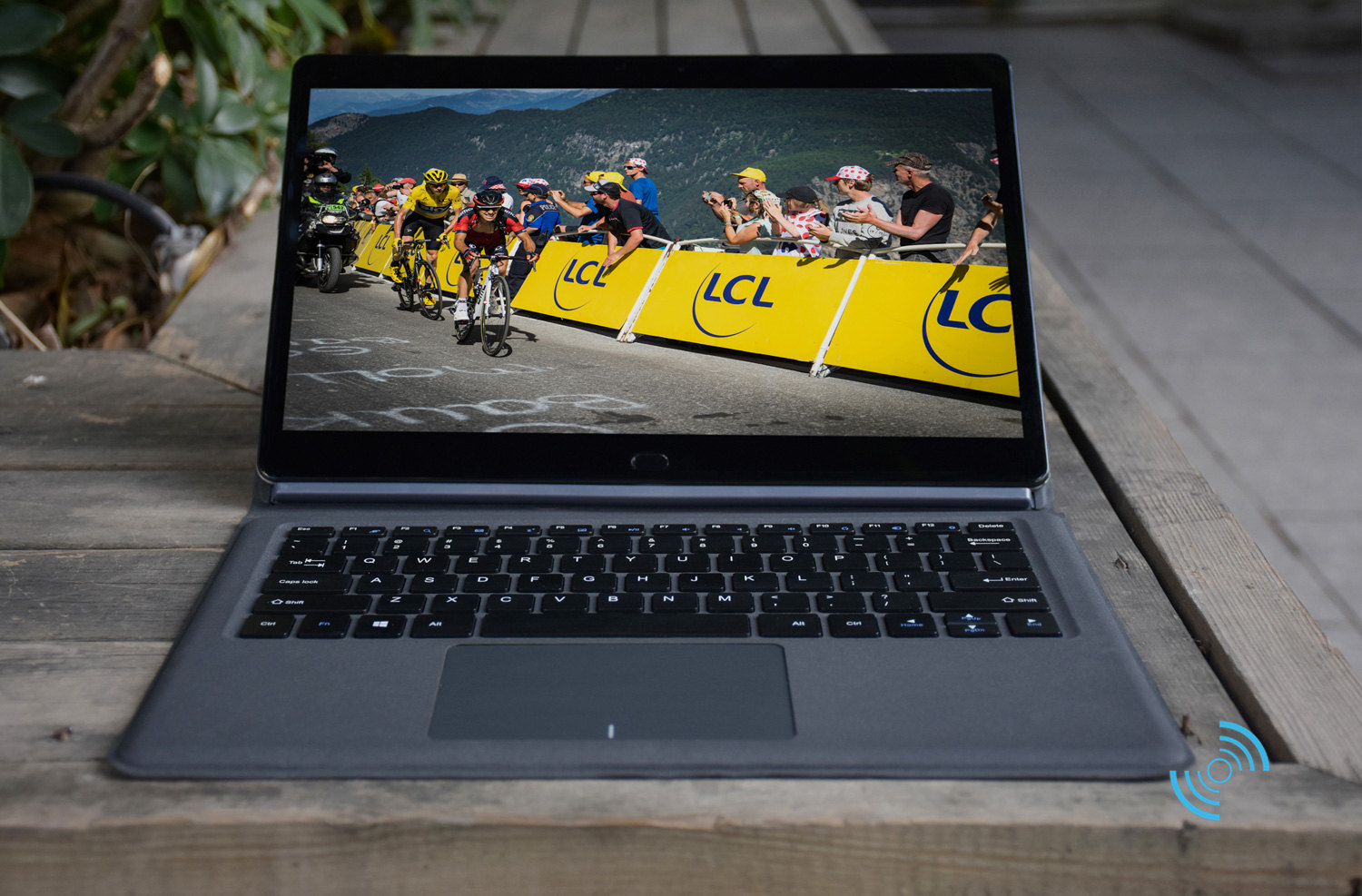
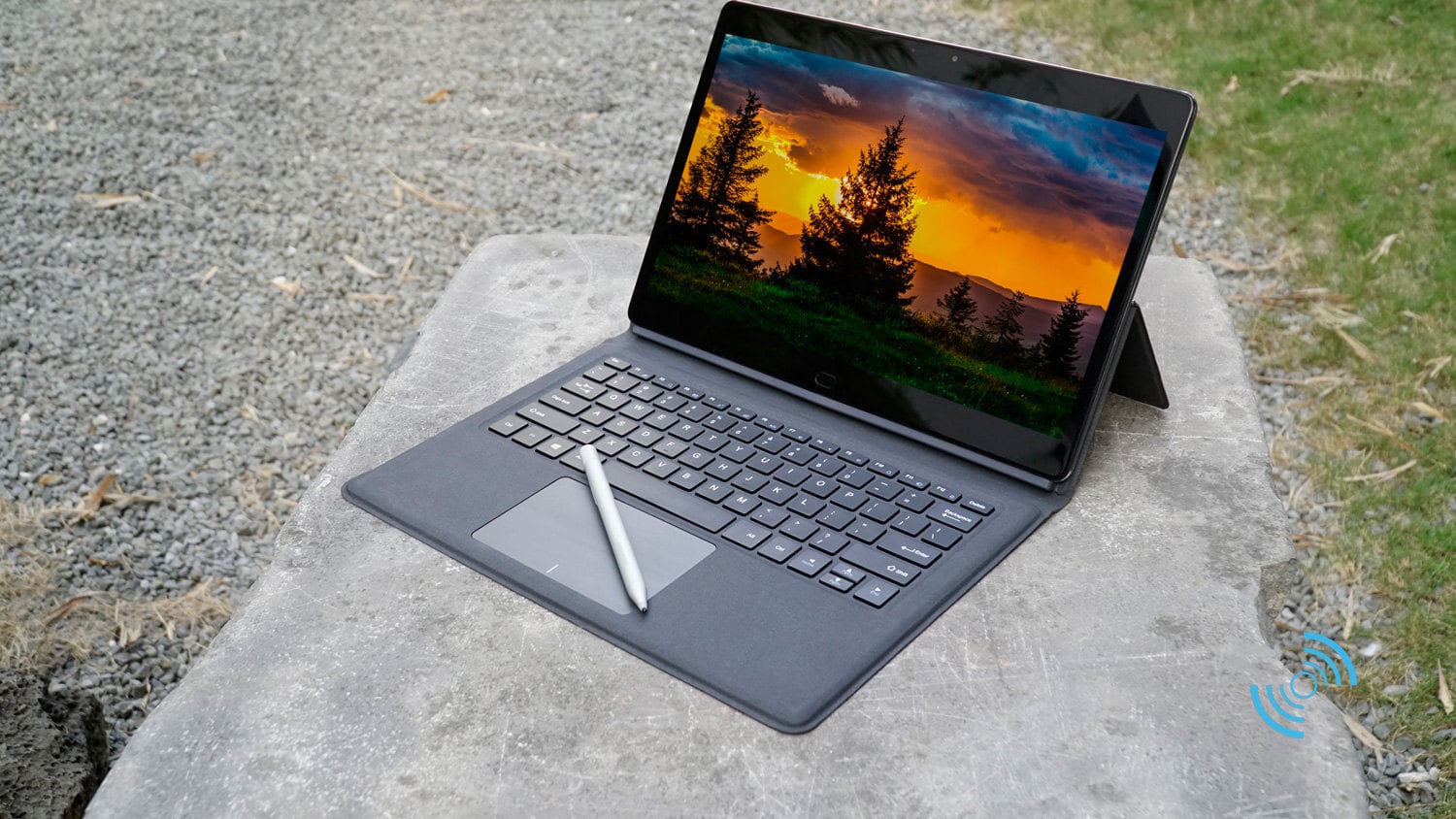
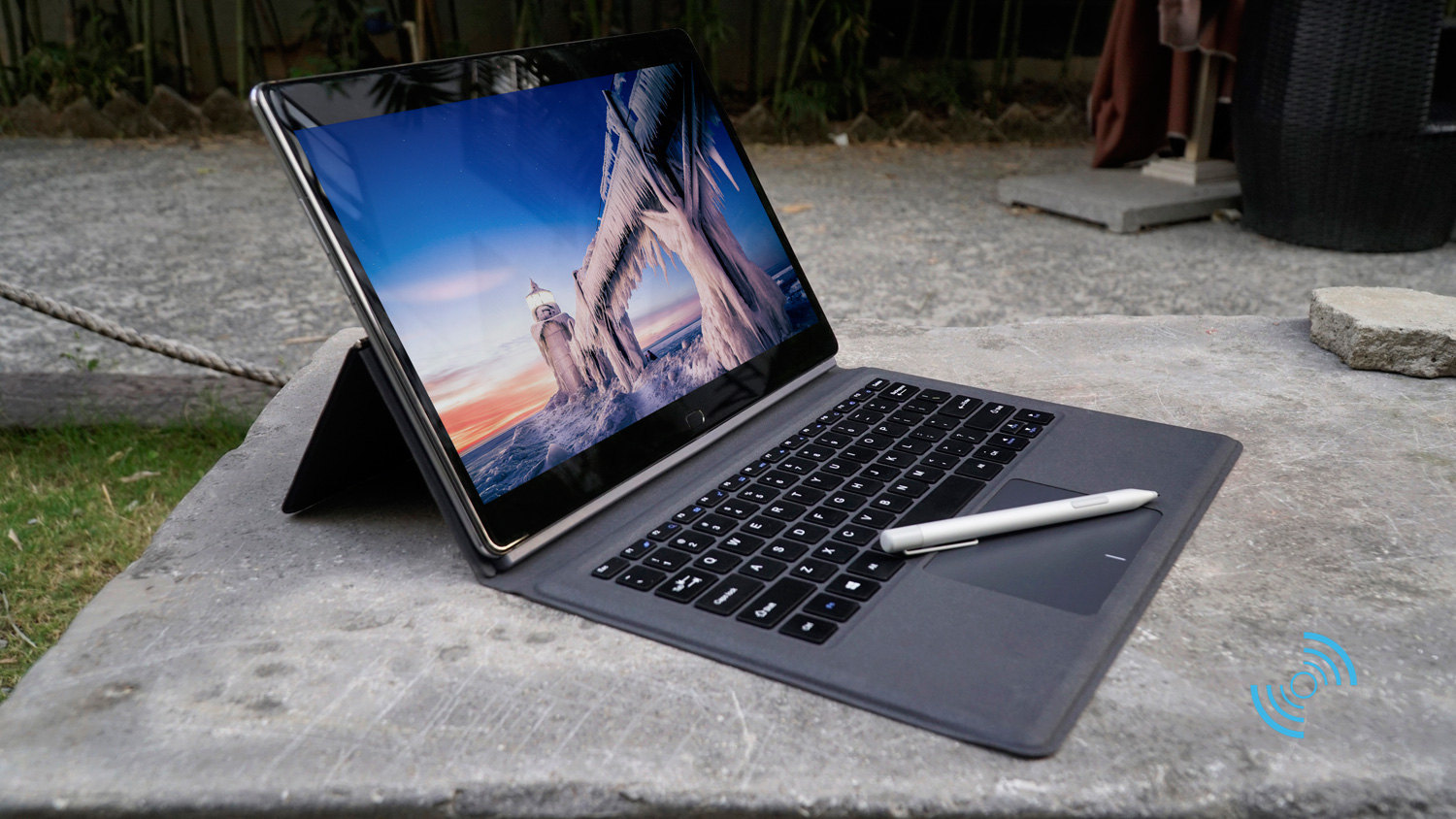
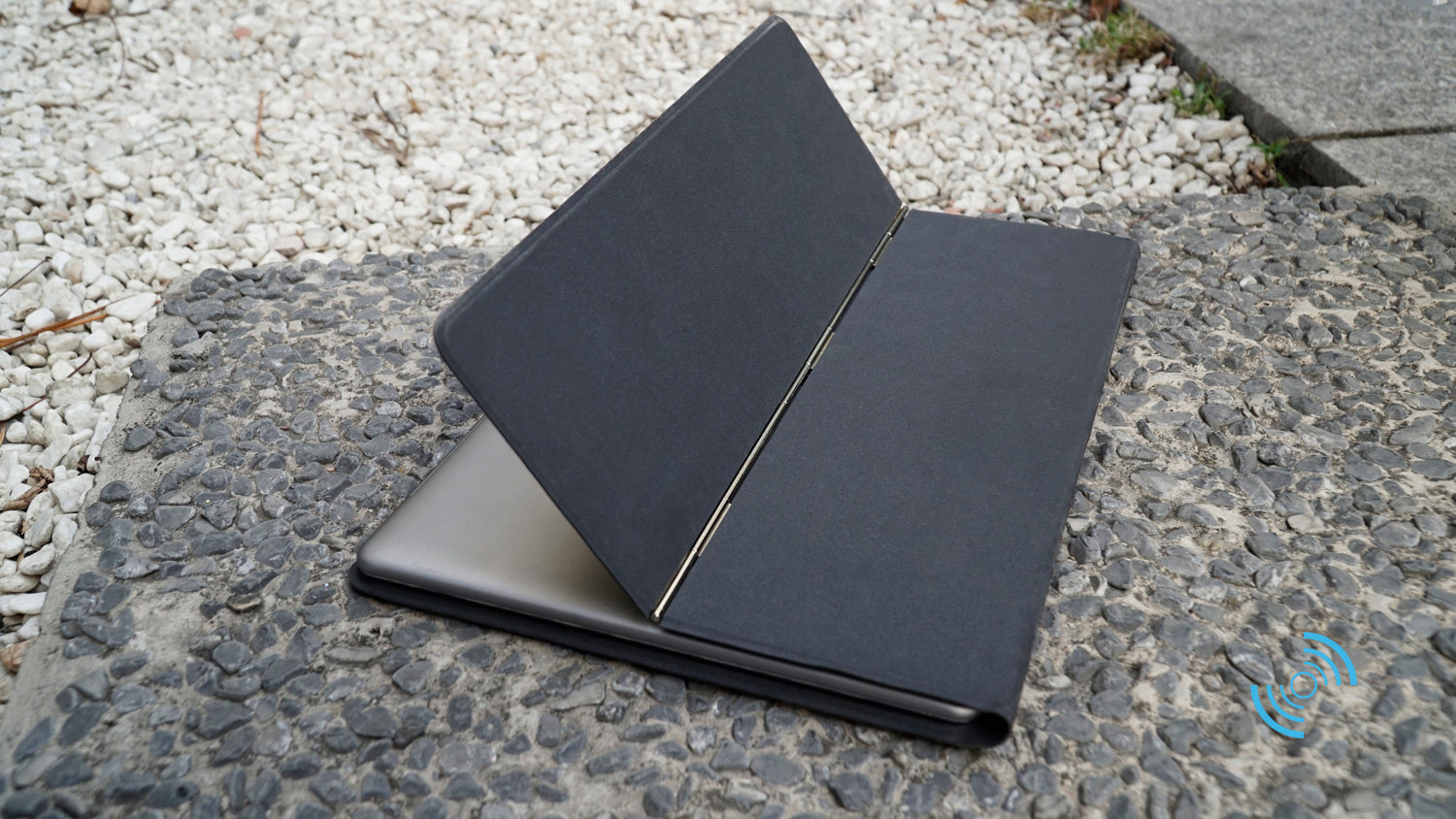
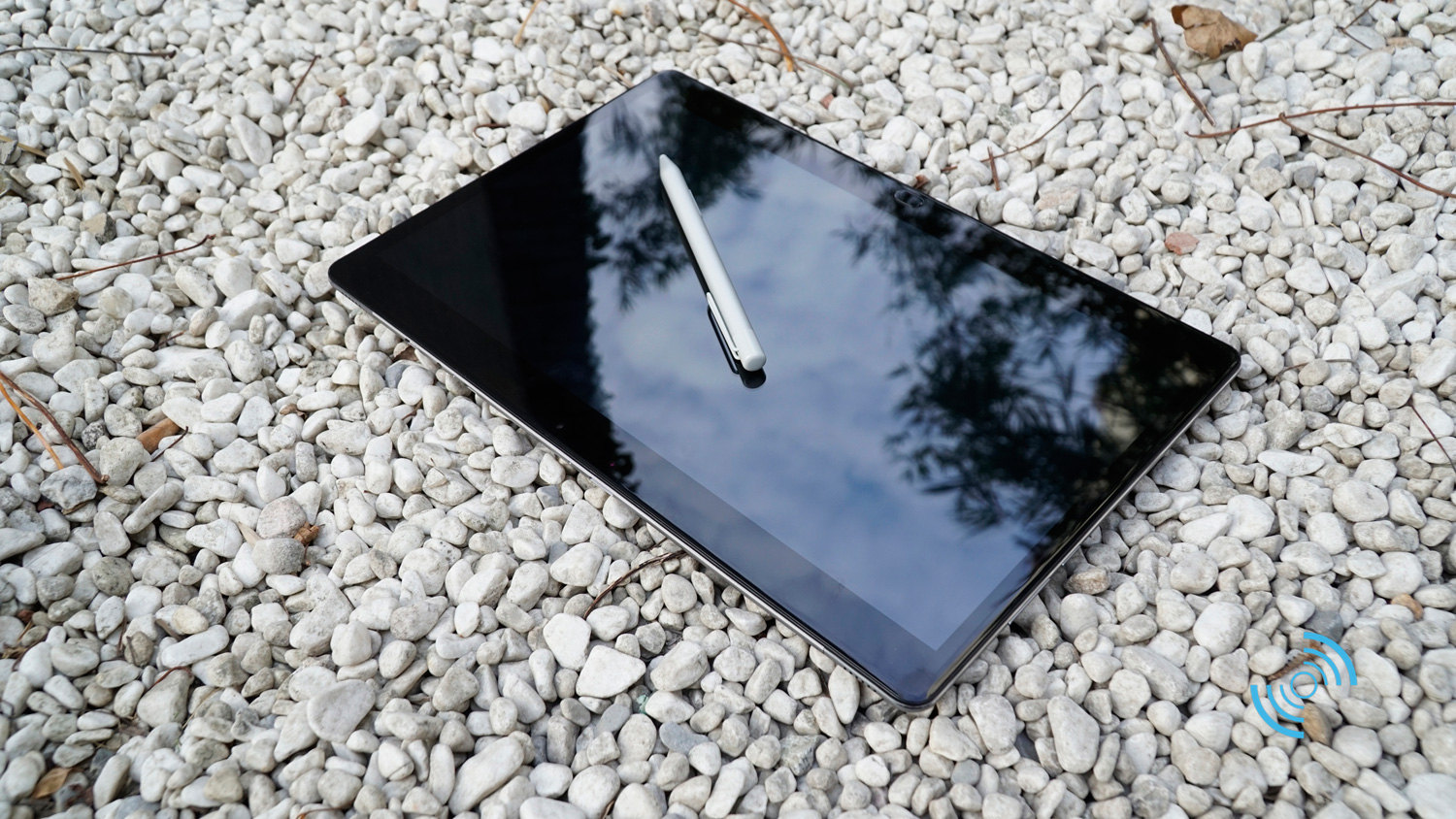
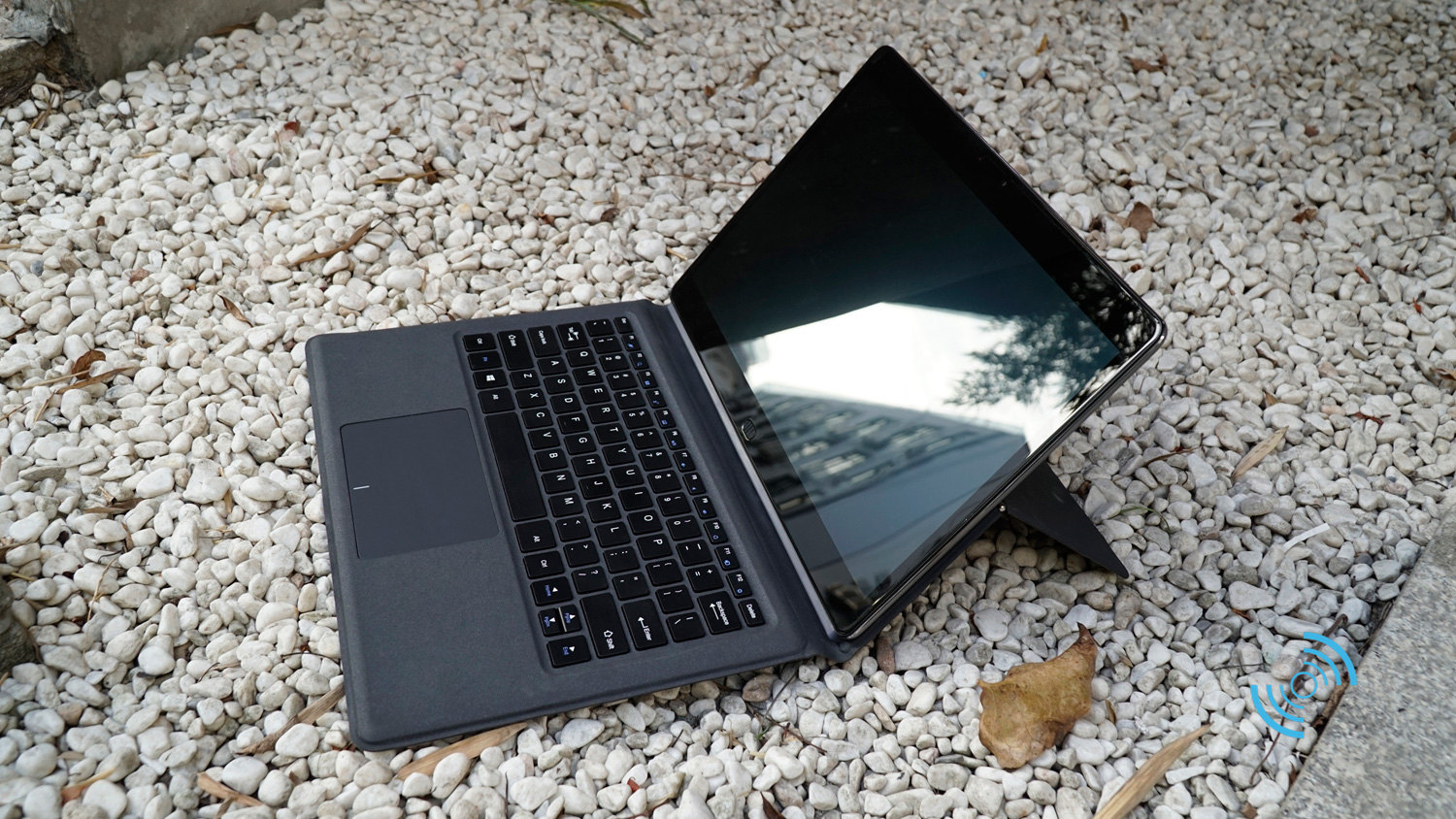
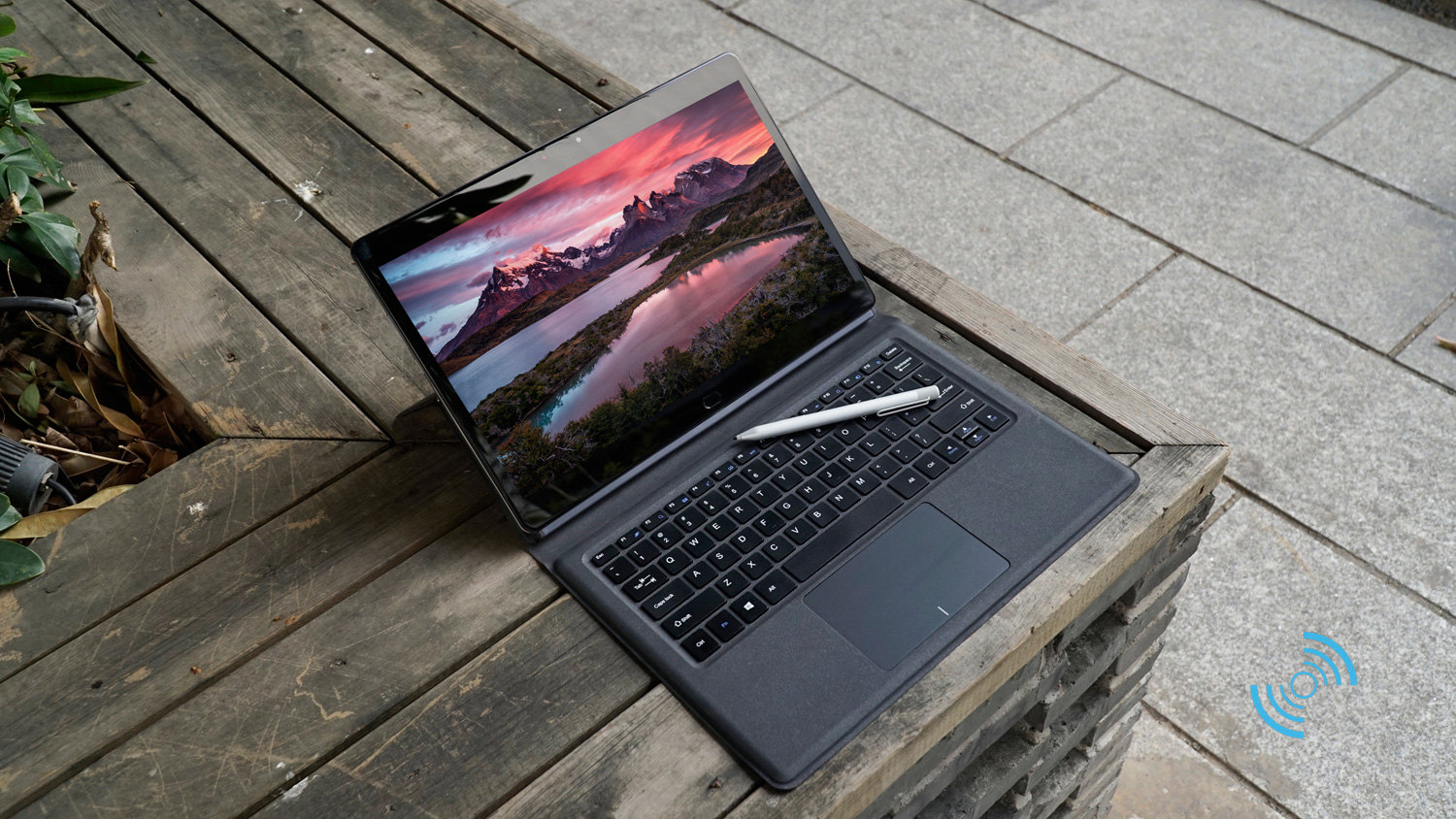
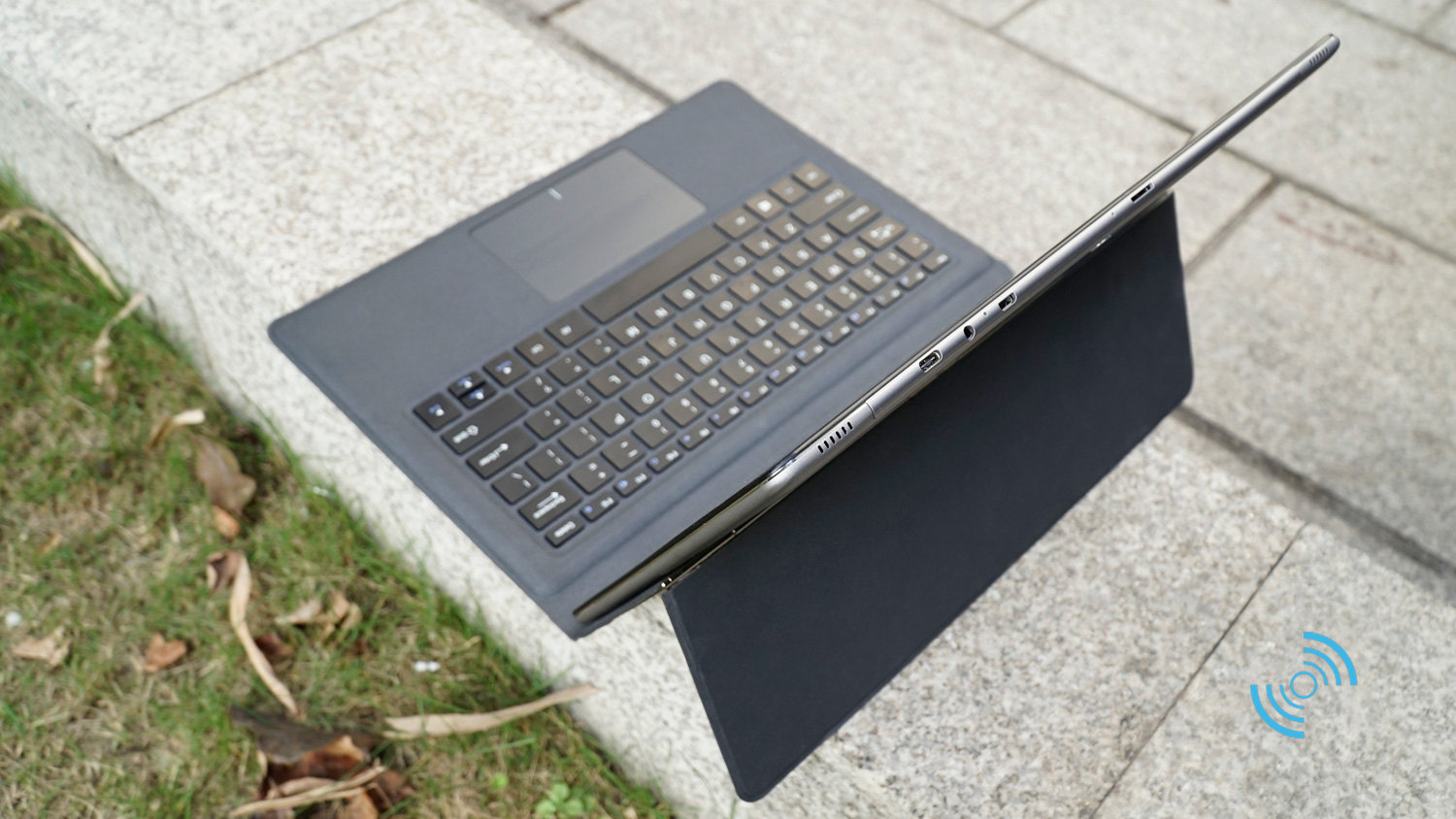
Convertibles notebooks were always expensive — you often had to shell out more than $1,000 to purchase a decent high-end model which is suitable for productivity. But in the past few years, a new series of convertible tablets have made great success. We are talking about the Chinese Microsoft Surface-wannabes, like the new Chuwi CoreBook. It is a powerful 2-in-1 launched, thanks to IndieGoGo, after the company reached the $30,000 crowdfunding goal. Today, we can show you the Windows 10 monster with detailed hands-on photos. The similarity with the new Microsoft Surface Pro is evident, even though the materials are not exactly the same because unlike the Microsoft flagship, this is an affordable device.
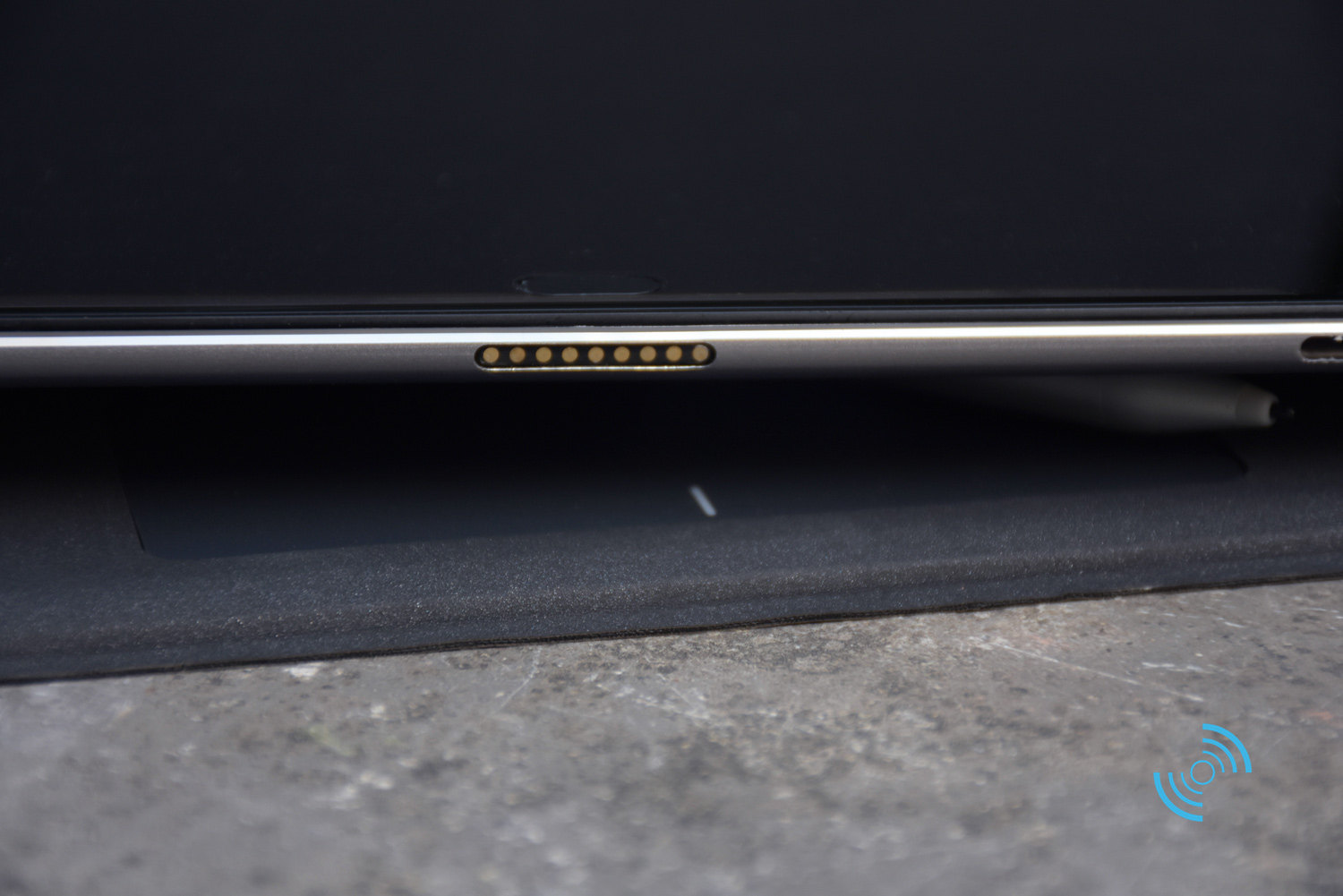
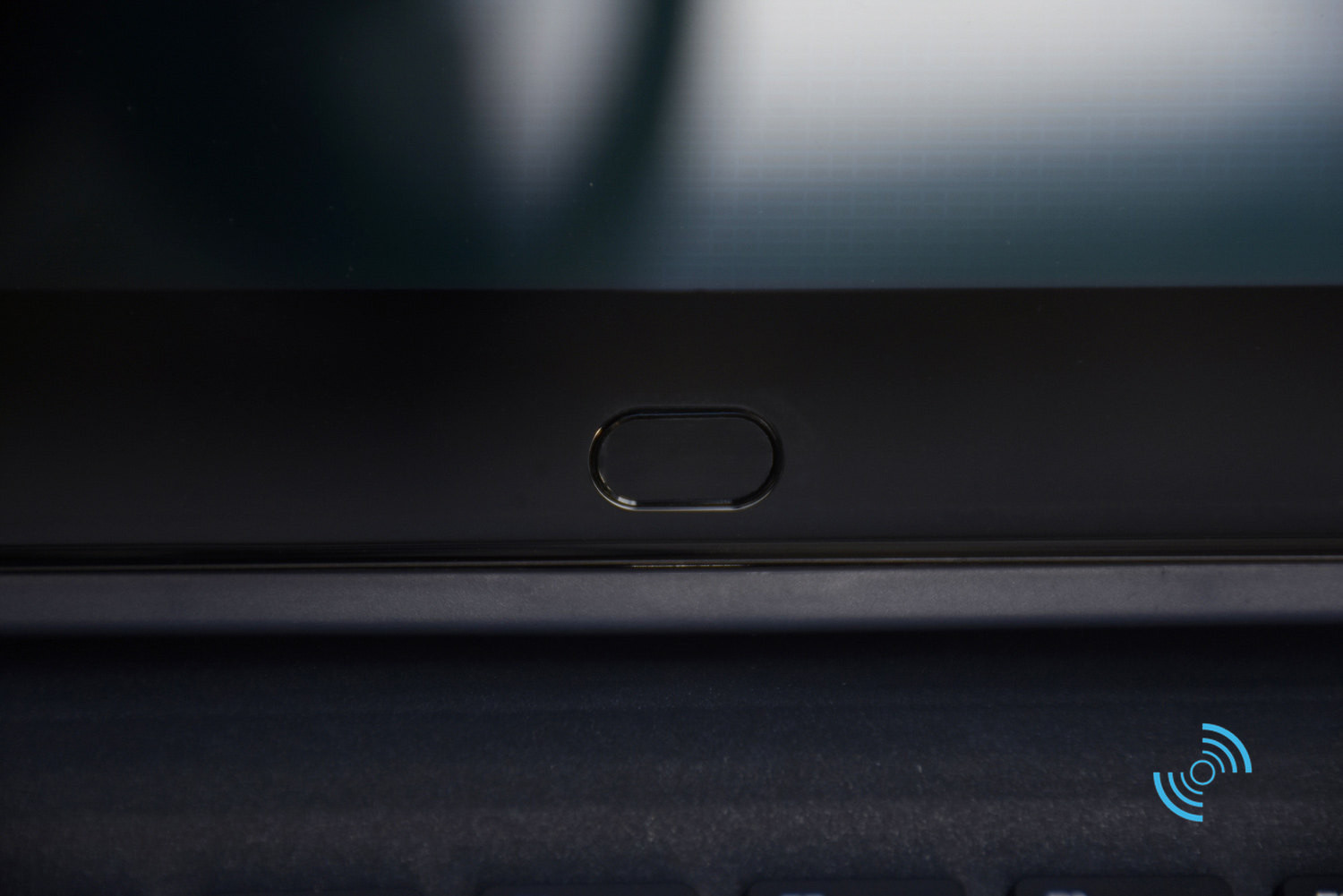
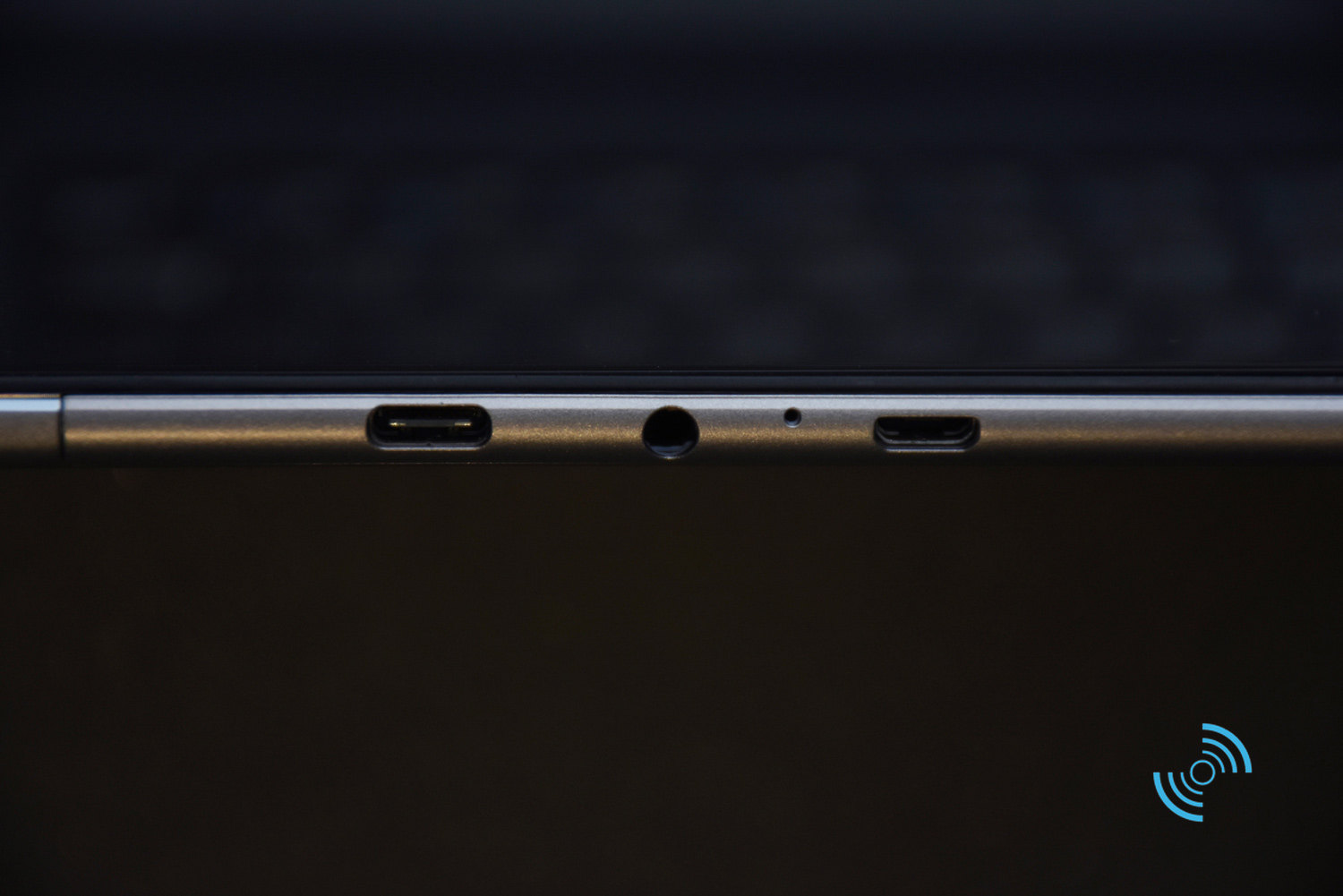
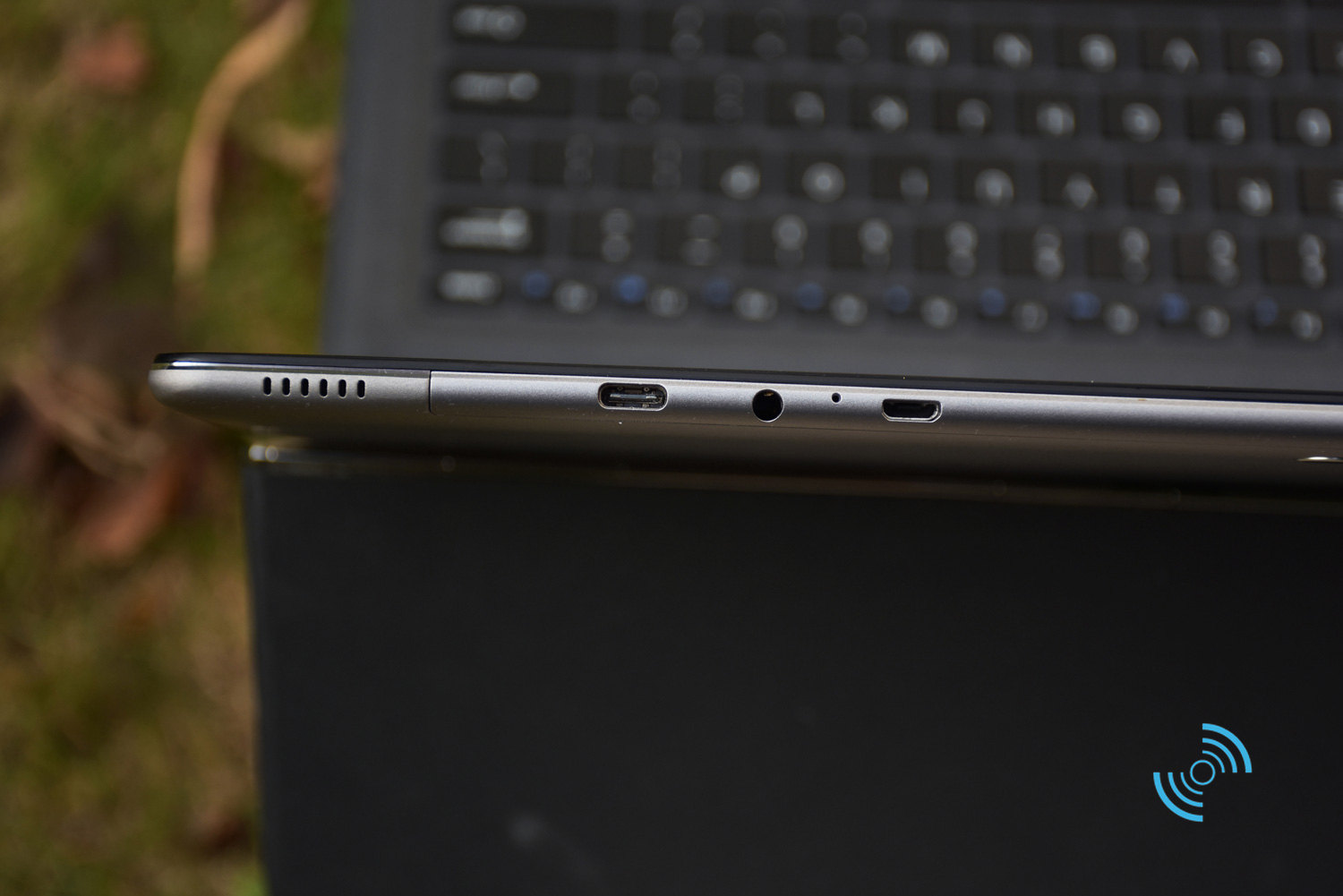
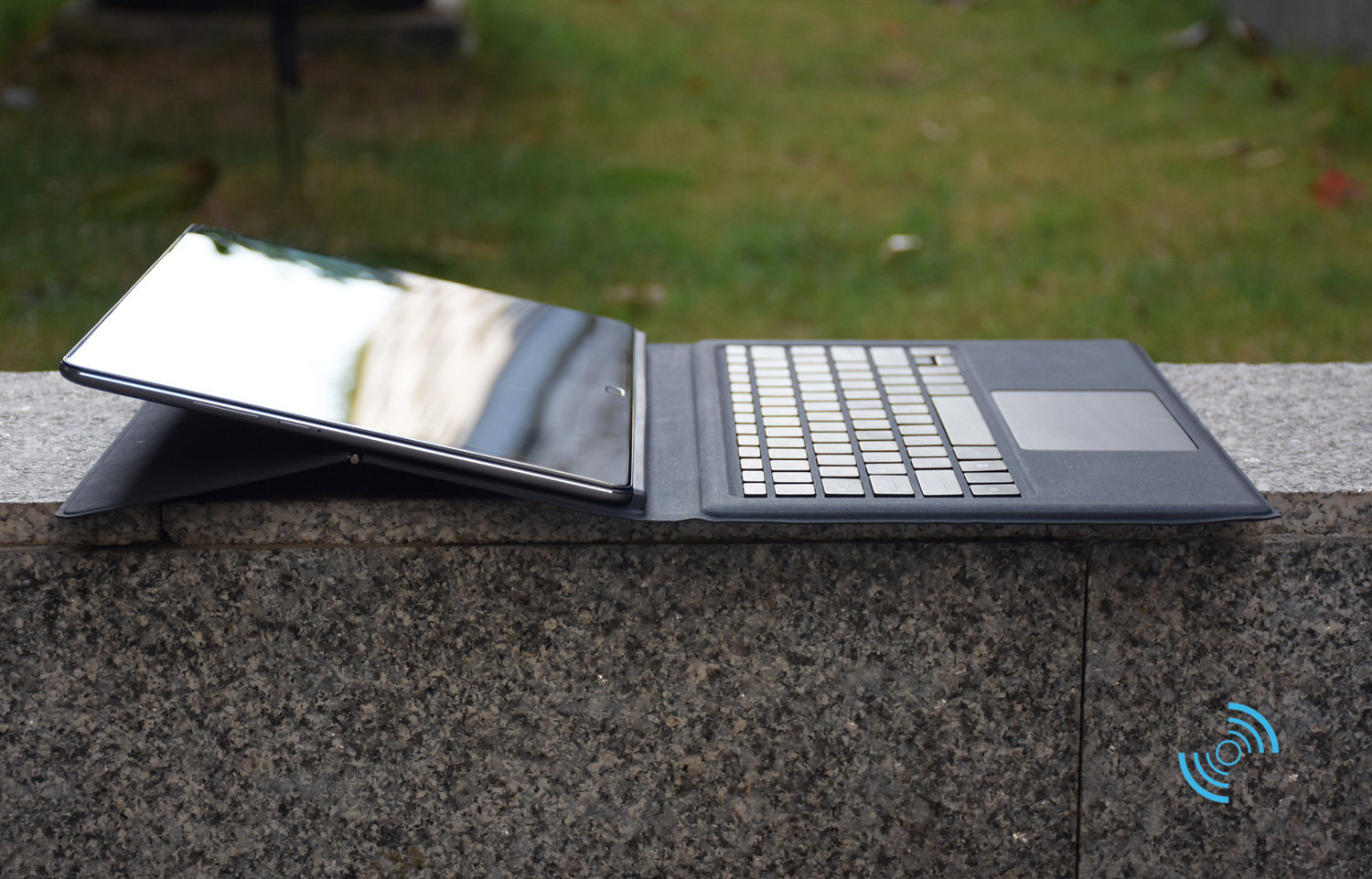
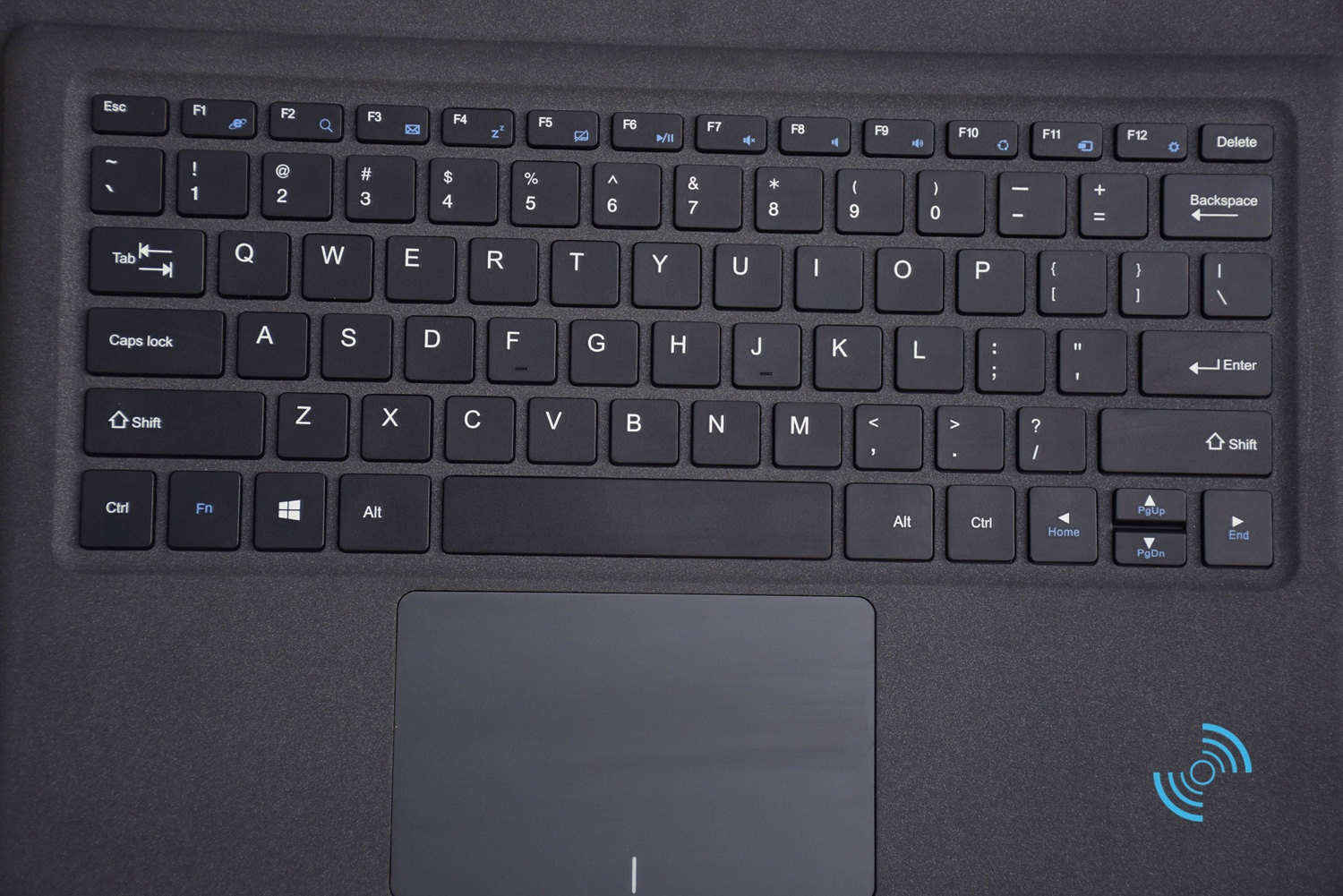
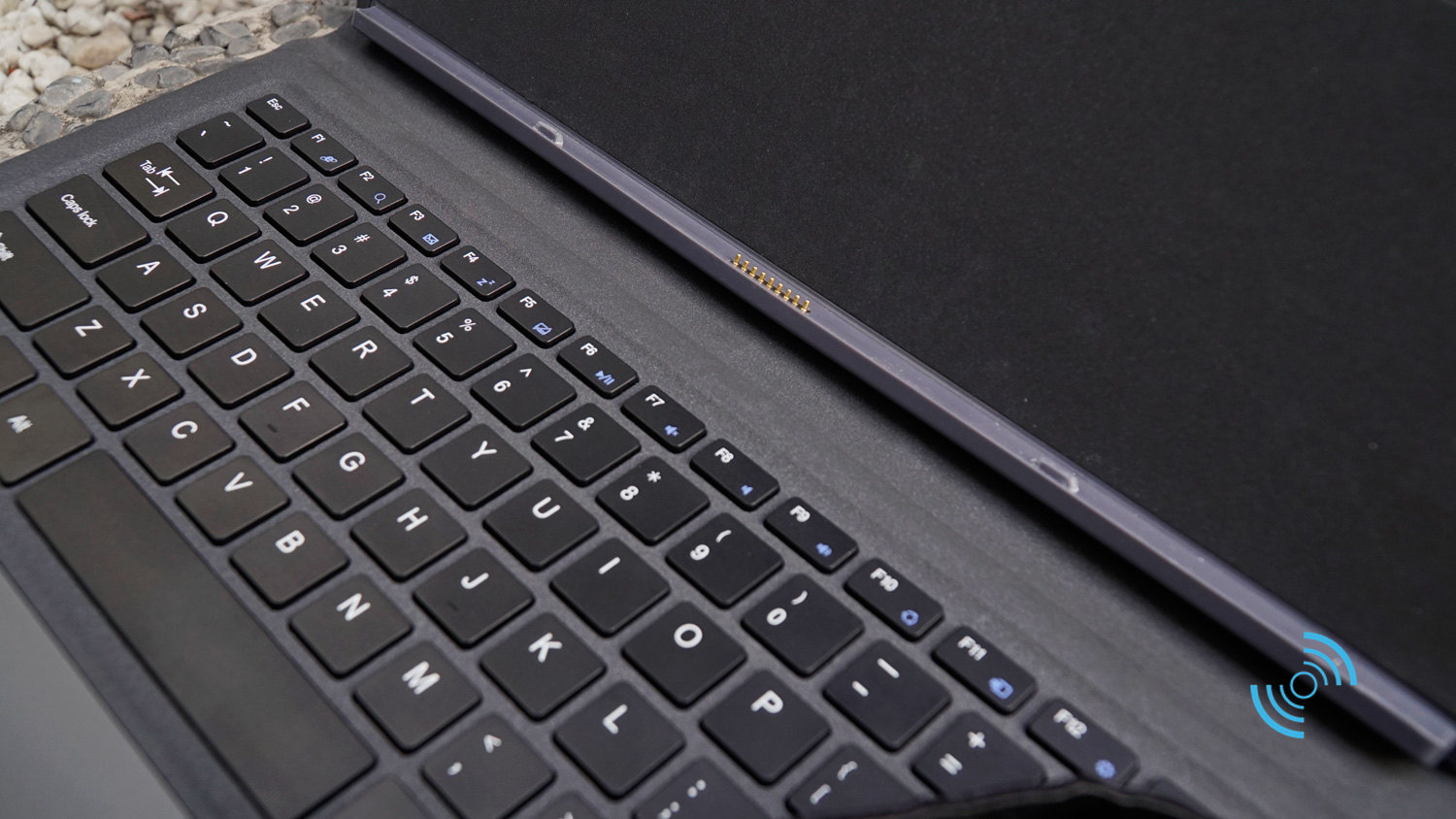
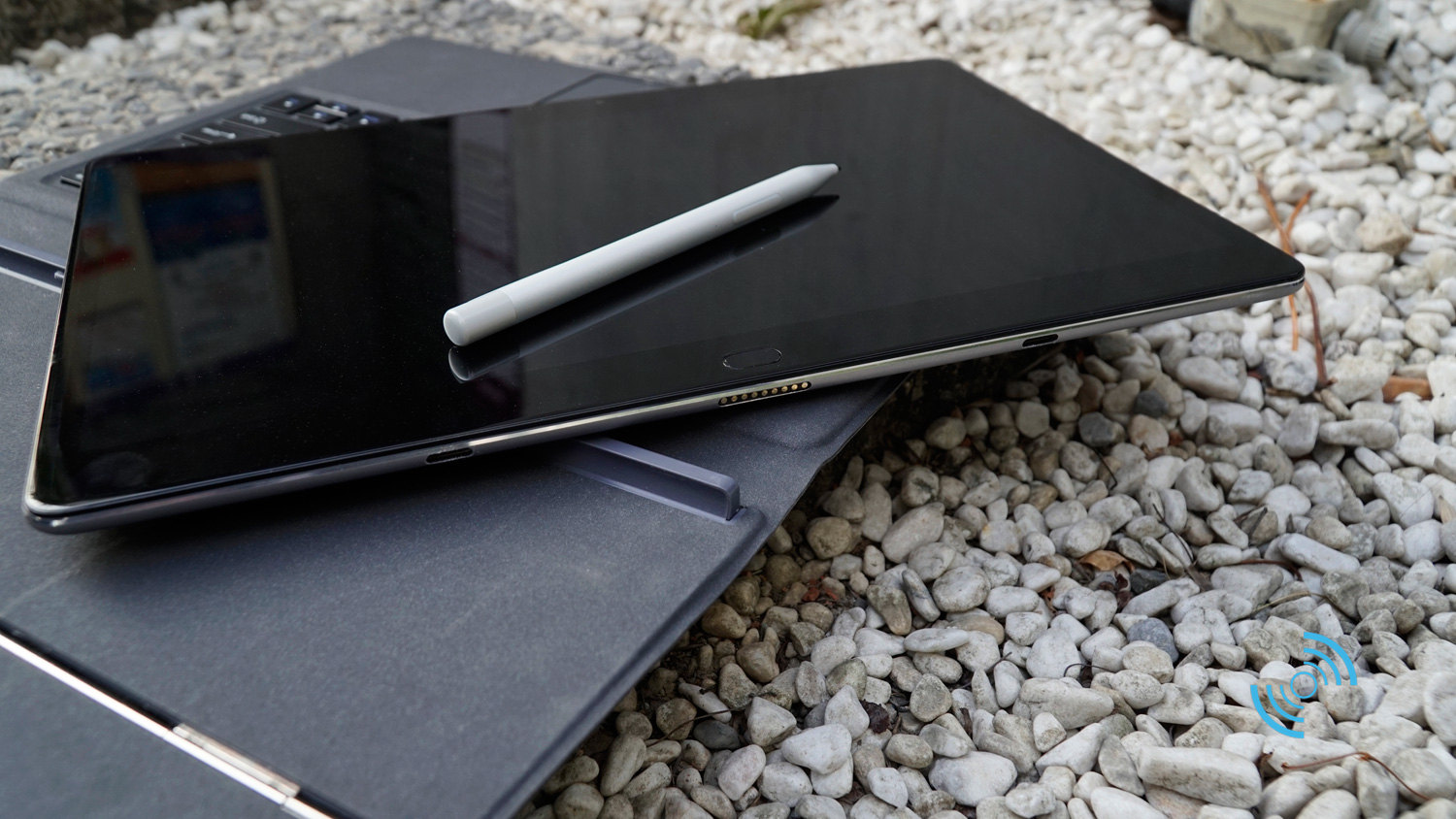
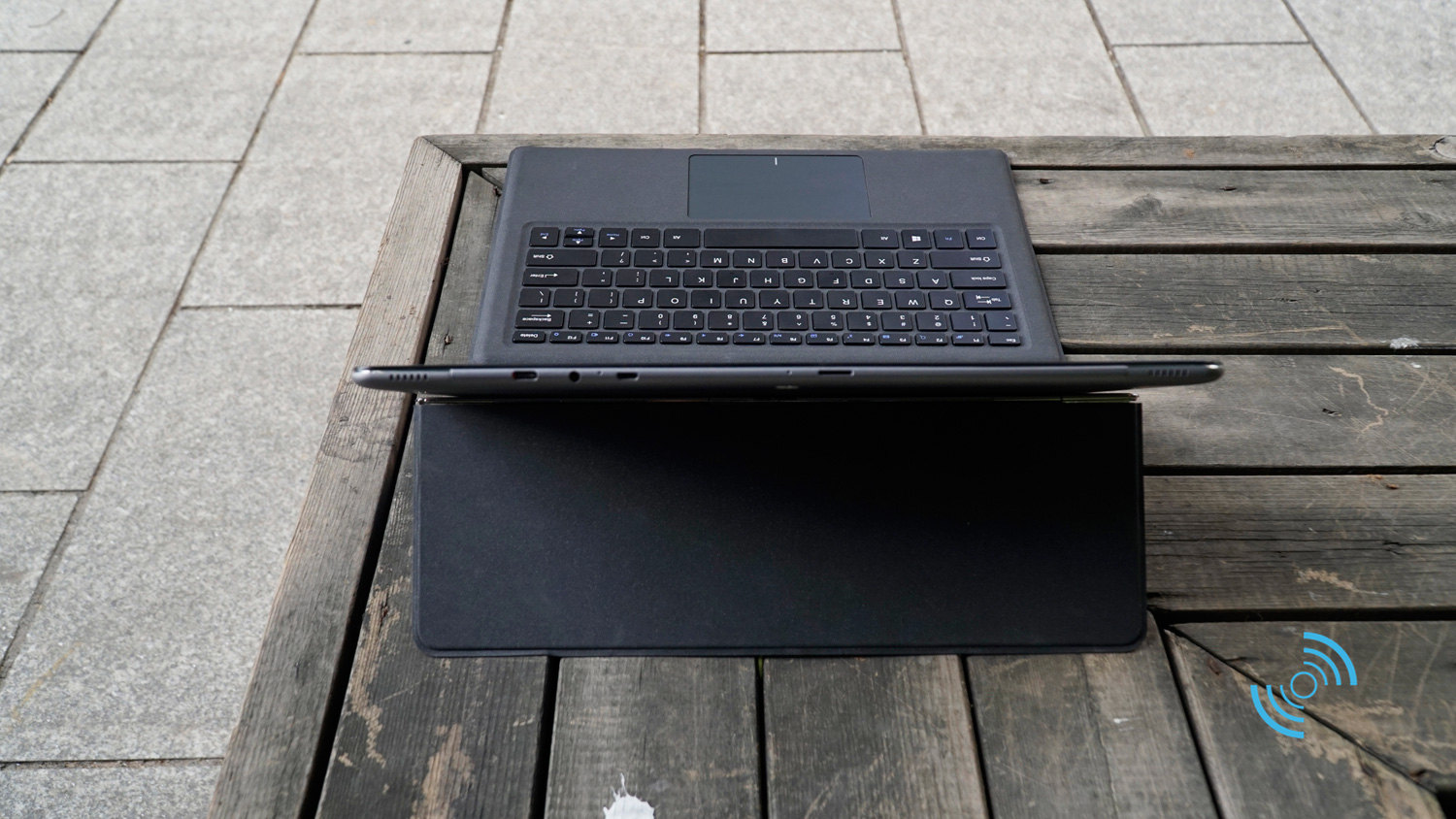
Chuwi CoreBook rocks a full metal unibody design and a detachable magnetic keyboard which can also be used as a cover for the tablet. The kickstand will transform it into a notebook. The bezels around the display are well-optimized, but there is space for a fingerprint reader under the screen. Unfortunately, due to its sleek design, there are no USB full-size ports, but there is a USB Type-C port to which you can connect a USB hub to add some full-size ports, or to connect a mouse, a USB key or other peripherals. Chuwi CoreBook includes an active digitizer: this means that you can use a stylus for handwriting or drawing.
However, this tablet only supports 1024 pressure levels, while the best convertible tablets like the Surface Pro support up to 4096 pressure levels. Chuwi CoreBook has a 13.3-inch display that shows images with a Full HD resolution of 1080 x 1920 pixels. Under the hood, it sports a dual-core Intel Core M3-7Y30 CPU (Kaby Lake architecture) with Hyper-Threading, a 4.5W TDP and a max clock frequency of 2.6 GHz. The powerful CPU is paired with 8 GB of RAM and an SSD disk with a capacity of 128 GB. The price tag for the Corebook on IndieGoGo was just $459, now its $499. You can check out more of our Chuwi Corebook hands on photos down below.
The past two years haven’t been great for Meizu. In fact, last year, we saw the company limit its launches significantly, sticking to mainstream lineups like the mid-range Meizu M series and high-end Pro series. Even they didn’t do so well, despite the Meizu M6 Note offering pretty good value for money. So, 2018 is going to be an important year for the company and the Meizu mBlu S6 is going to kick start the year for them.
In case you remember, Meizu was split into three divisions last year, Meizu, Blue Charm, and Flyme. The mBlu S6, which we also call the Meizu M6S, will be the company’s first rebranded Blue Charm smartphone. It actually makes sense to rebrand the mid-range cost effective series, so that it’s given a separate identity, especially when the company is reportedly focusing on high-end devices in 2018.
So, being the first mBlu branded device, we are all interested to see what’s in store for us tomorrow. Luckily, there were enough leaks in the past few months to paint a complete picture of the mBlu S6 and below is a summary of these details.
DESIGN:
Meizu mBlu S6 has adopted a very simple design, keeping the front as well as back clean. So, you have no intrusive buttons or sensors on both the sides. This also means that the company is going to ditch the popular mBack physical home button that we all love. This might not be the best decision, but let’s reserve our judgment until tomorrow. There’s the new mblu branding at the back along with U shaped antennas on the top as well as bottom.
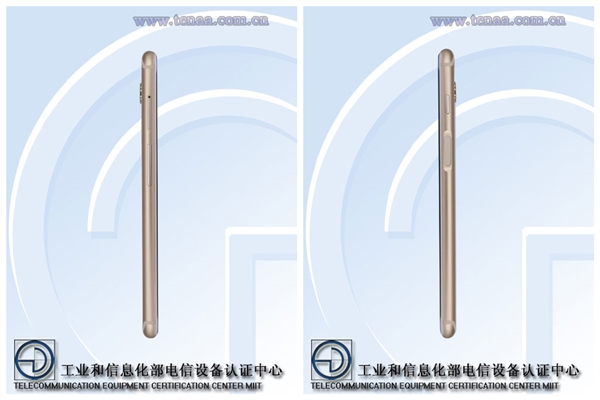
You have the usual power and volume keys on the two sides, but what’s really interesting is the fingerprint sensor that’s placed just below the power button. We have seen companies usually prefer rear placed sensors for 18:9 long screen phones, but Meizu has decided to go with a side mounted one. I am personally not a big fan of rear placed sensors, so this does make things interesting.
Apart from this, there’s nothing special to talk about the mBlu S6’s design. Oh yes, one more thing, expect on screen buttons for navigation.
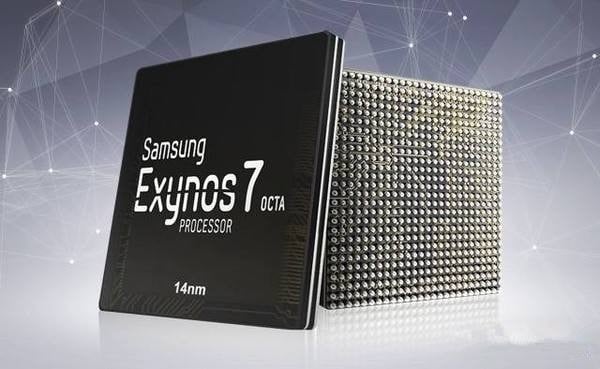
The Exynos 7872 inside the mBlu S6 is said to be manufactured on a 14nm node featuring an hexa-core architecture. The chip is said to sport 2 x Cortex A73 @ 2GHz and 4 x Cortex A53 @1.6GHz cores inside. Graphics is taken care by Mali-G71 MP3 GPU with other notable features including Bluetooth 4.2, Cat 7 LTE, and dual SIM support. According to the Geekbench scores of the mBlu S6, the Exynos 7872 does really well in single core test but lags behind in multi-core test as compared to SD625 (which scores near 4K).
As for the other specs of the mBlu S6, the phone should come with 3GB + 32GB / 64GB storage options, 5.7-inch HD+ 1440 x 720p display with 2.5D curved glass on top, 3000mAh battery with 18W fast charging, Android 7 with Flyme OS, and 16MP rear / 8MP f/2.0 front cameras.
The company confirmed the 18:9 display on the phone earlier today and even added that there was a surprise feature on the phone. I guess, we’ll have to wait until tomorrow to know more details.
PRICING:
The mBlu S6 is said to be a 1000 Yuan segment smartphone and the likely price tag could be 1299 Yuan ($199). The phone launches tomorrow in China and the first set of orders should likely ship within next week.
CONCLUSION:
Everything looks pretty good for the mBlu S6, expect for the fact that with the above mentioned price tag, it competes directly with the Xiaomi Redmi 5 Plus. But in terms of the specification that we have seen so far, the mBlu S6 would struggle in front of the Redmi 5 Plus. The resolution is lower on the S6 (HD+ vs FHD+) and the battery is smaller as well (3000 vs 4000). From the specs, the phone is better suited to take on the Redmi 5, which retails for 799 Yuan ($125).
So, the pricing is going to be crucial for the mBlu S6. Or maybe there’s a feature that sets the phone apart from the Redmi devices.
Well, all we have to do now is wait and see if Meizu finally starts the year with a good launch.
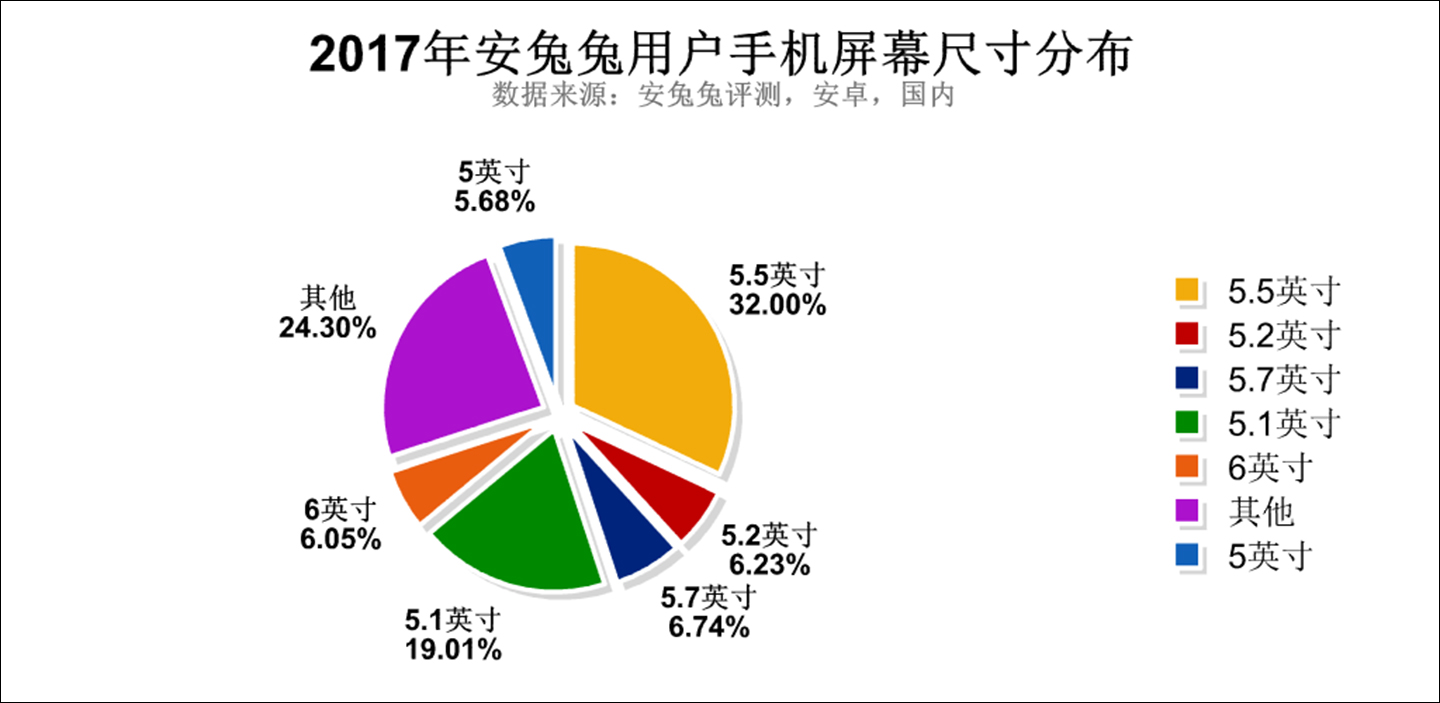
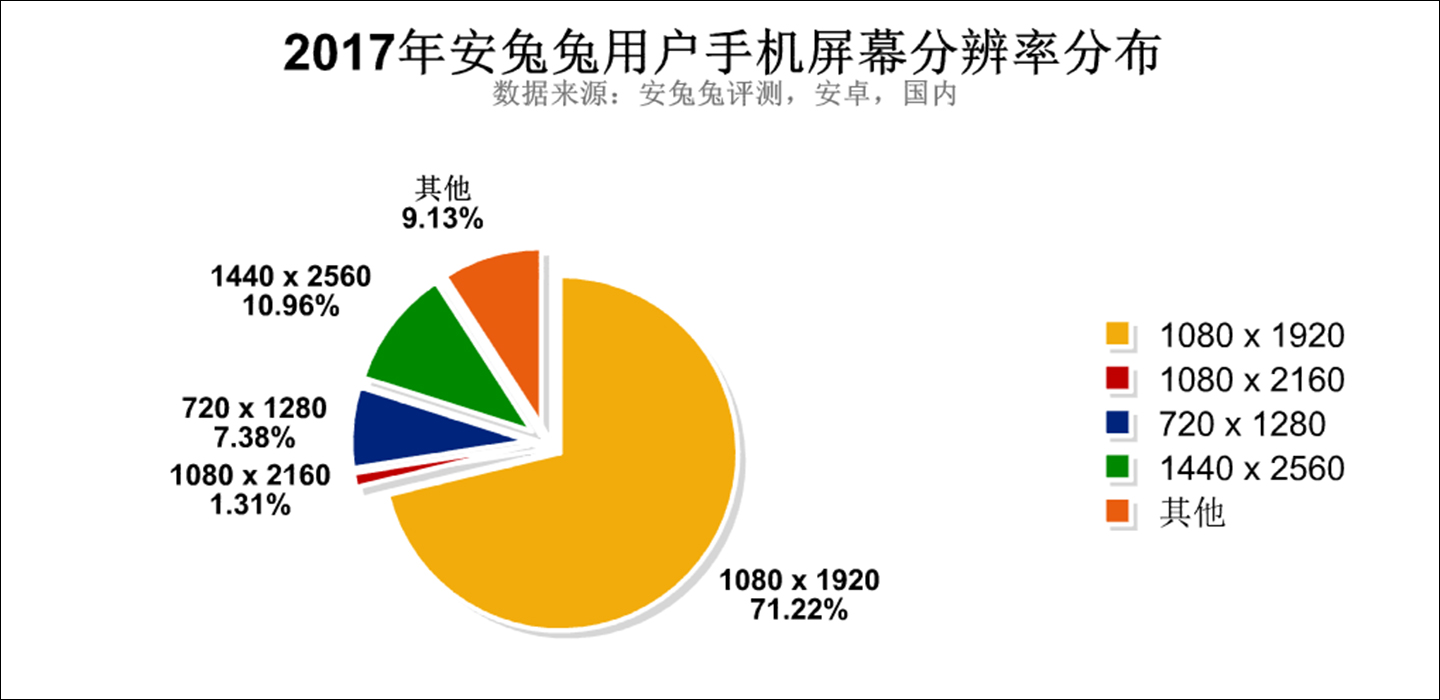
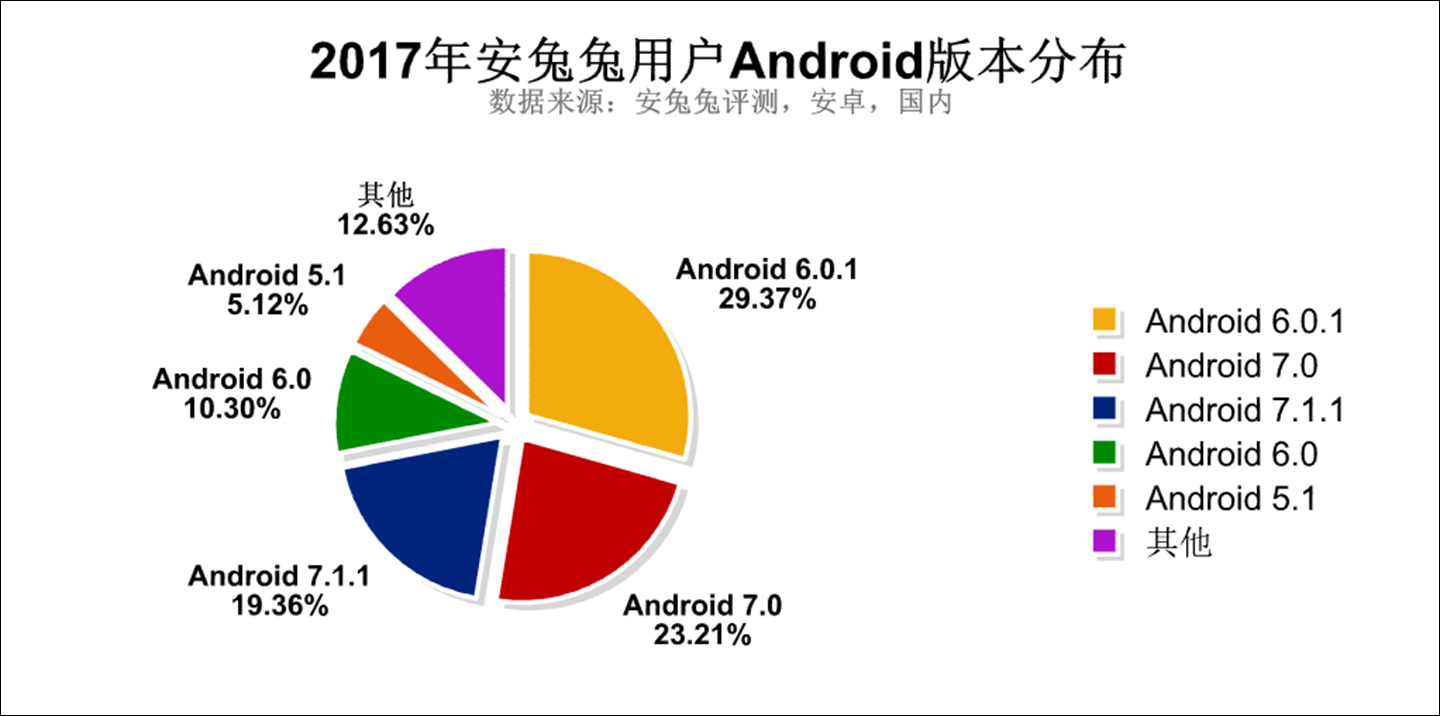
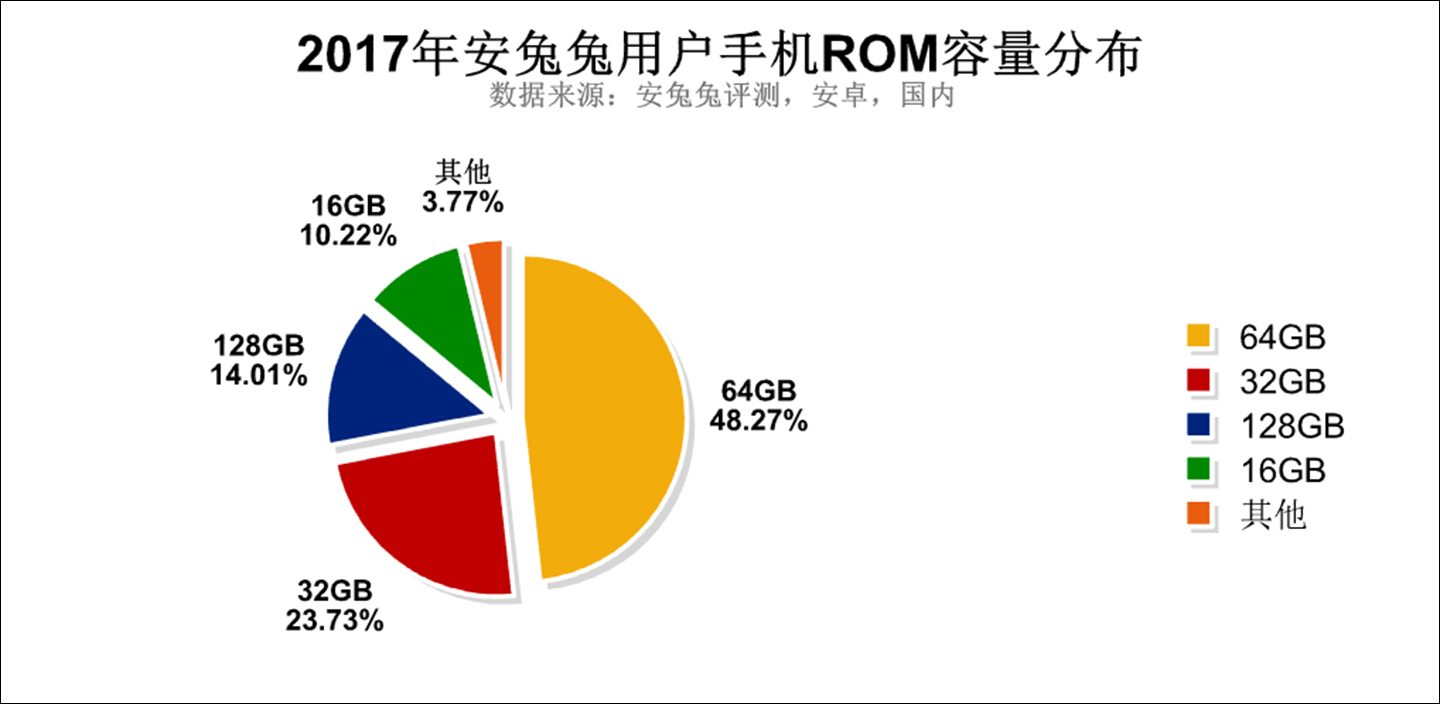
AnTuTu has released its statistical report covering the mobile phone user preference spanning from January to December 2017. The data encapsulates users preference on screen size, storage size, RAM size, Android version, and chipset type.
On the display size, the statistics show that most users went for smartphones with 5.5-inch screen size (32%) and this is followed by 5.1-inch screen size. In an era bigger sized smartphones are dominating, it is interesting to see a decline in the adoption of 5-inch smartphones with just 5.68% distribution. Other screen sizes that were adopted the most in 2017 include the 5.7 inches models, 5.2 inches and 6 inches. Still, there are others still in production, like the under 5 inches displays but the distribution isn’t significant enough to earn a percentage so, they are all grouped with a 24.30% cumulative distribution.
In terms of display resolution, the Full HD (1920 x 080 pixels) resolution as would be expected, is the most popular ratio as it accounted for 71.22% share of the market. In an era when the FHD+ display became a trendy design, it is interesting to note that the spread isn’t as wide as we thought. FHD resolution (2160 X 1080pixels) accounted for just 1.31% of the market. The second most popular display isn’t even the HD display found on budget models but the QHD display (2K 2560 x 1440 pixels) with a market share of 10%.
On the Android version, Android 6.0.1 Marshmallow still continues to lead with 29.37% distribution. This is followed by Android 7.0 Nougat with 23.21% and Android 7.1.1 with 19.36%. Android 6.0 and Android 5.1 still see a significant distribution of 10.30% and 5.12%. Other Android versions including the Android 4.4 KitKat takes a 12.63% share.
Talking about the storage variants, 64GB ROM occupies almost half of the chart with 48.27% distribution. It is followed by 32GB ROM with 23.73%, 128GB ROM with 14.01%, and 16GB at 10.22%. There are other variants like 8GB ROM and others with a 3.77% distribution.
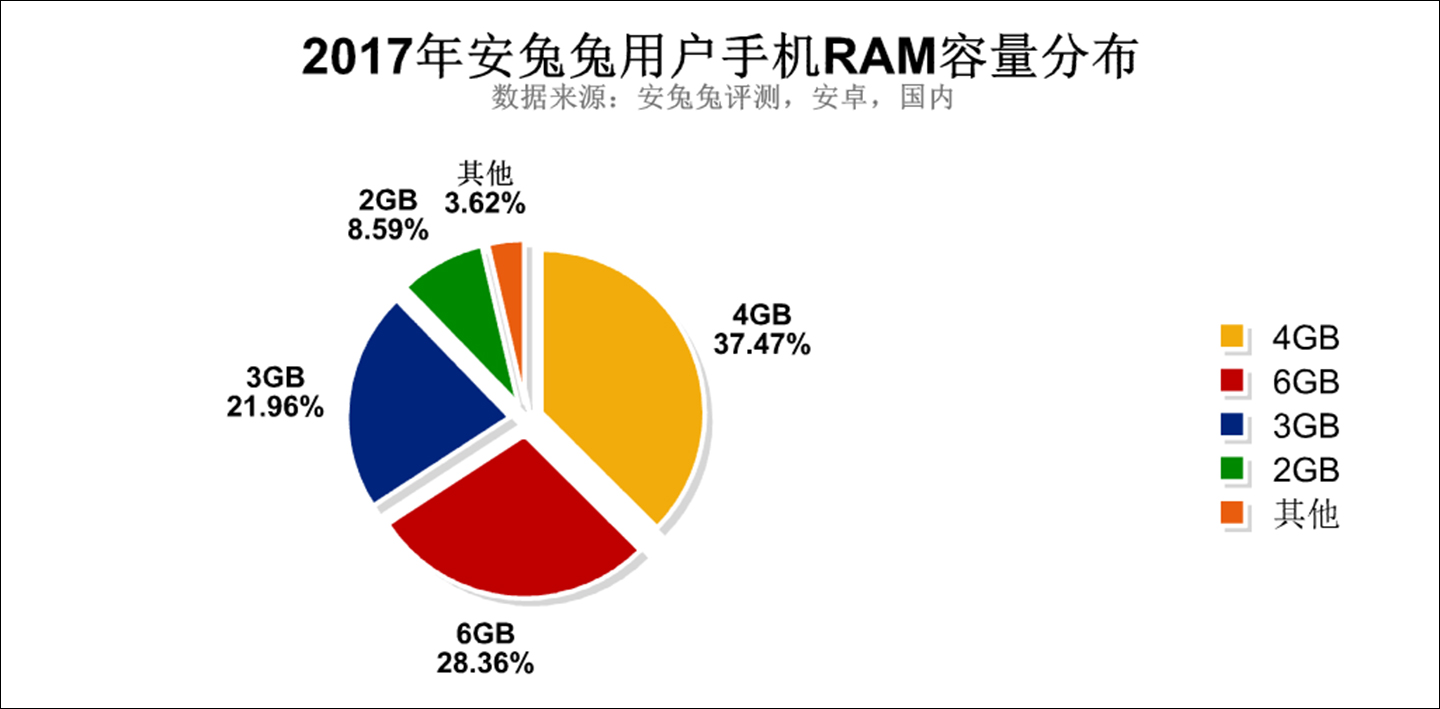
The popular 64GB ROM is usually paired with a 4GB RAM and indeed, the 4GB RAM claims the top spot in RAM distribution. This is followed by the 6GB RAM which also usually pairs with 64GB ROM. 3GB RAM is also popular with a 21.96% distribution. The 2GB RAM completes the cart with 8.59%. There are still phones with 512MB RAM and 1GB RAM but from the look of things, their usage is dwindling.
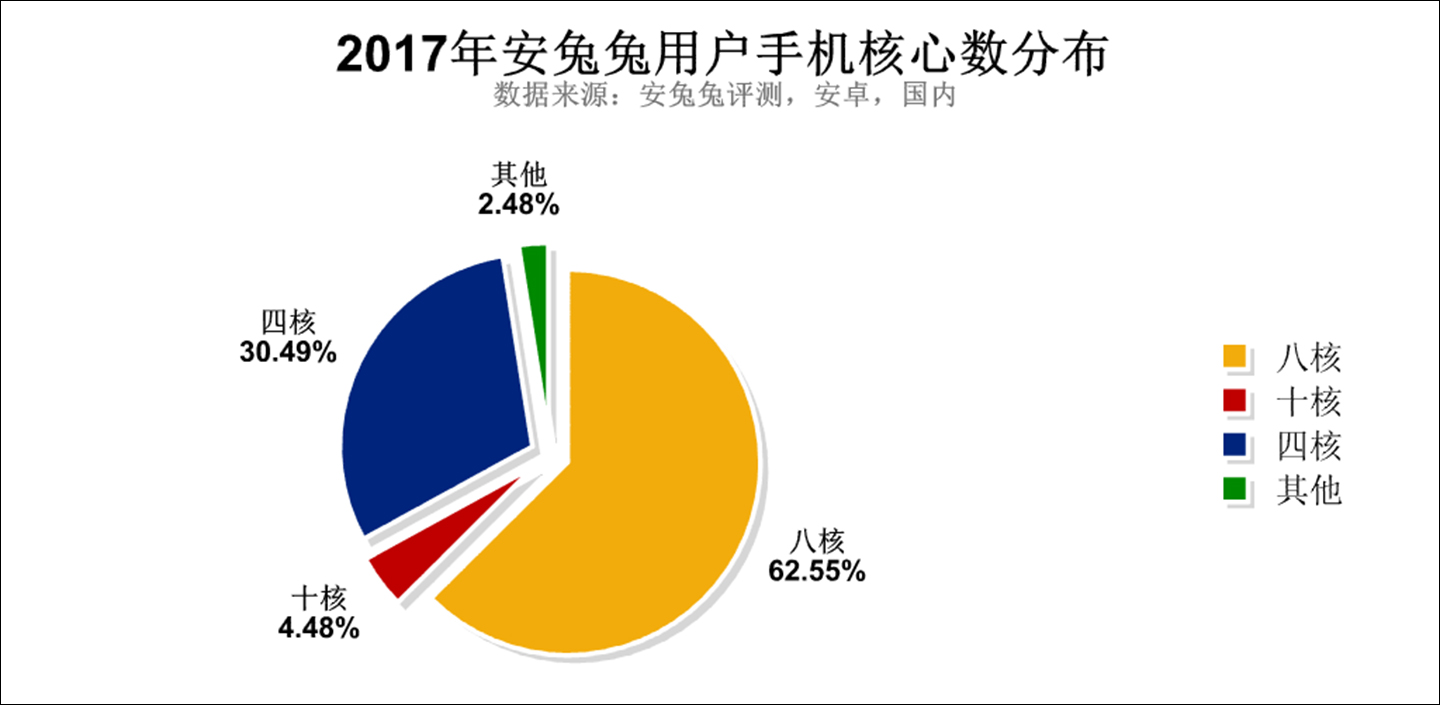
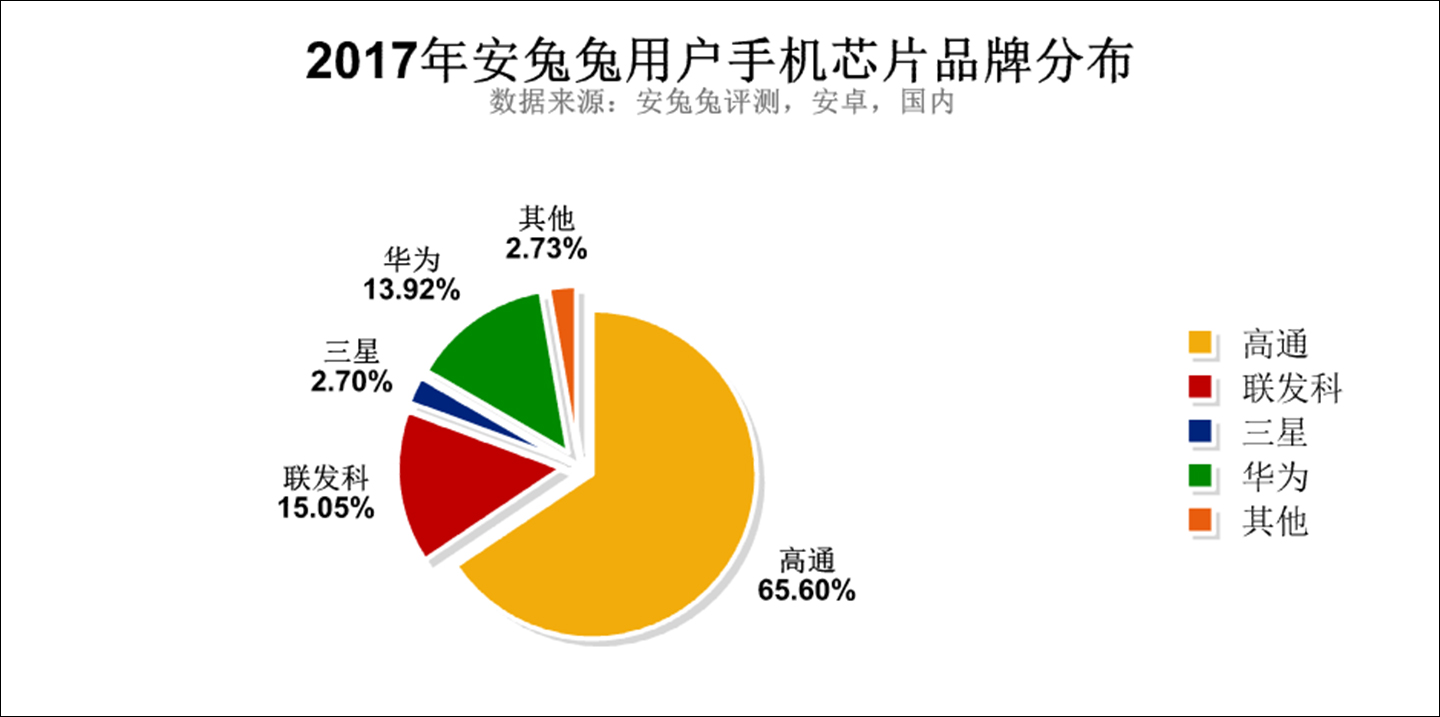
On the aspect of mobile chip cores, the Octa-core chip still remains the most used with a distribution of 62.55%. type with 30.49% share. Finally, Qualcomm processors are the most widely distributed processors used on smartphones with a 65.60% distribution. MediaTek occupies the second position with a spread of 15.05%, which is mostly comprised of mid-range chips. The third spot is occupied by Huawei with a 13.92% market share.
If we are to piece all the parameters together, most of the smartphones released in 2017 were equipped with 5.5-inch displays with 1080p resolution. They equally feature octa-core chipsets with Qualcomm processors onboard. The processors are in most cases paired with 4GB of RAM and buyers prefer the 64GB storage version which is adequate for the average user. In addition, they usually run on Android 7.0 Nougat OS.
At the recently concluded Consumer Electronics Show, Vivo showcased a phone with an under-display fingerprint scanner. Most people focused on that singular feature and not the rest of the specs, not even the name.
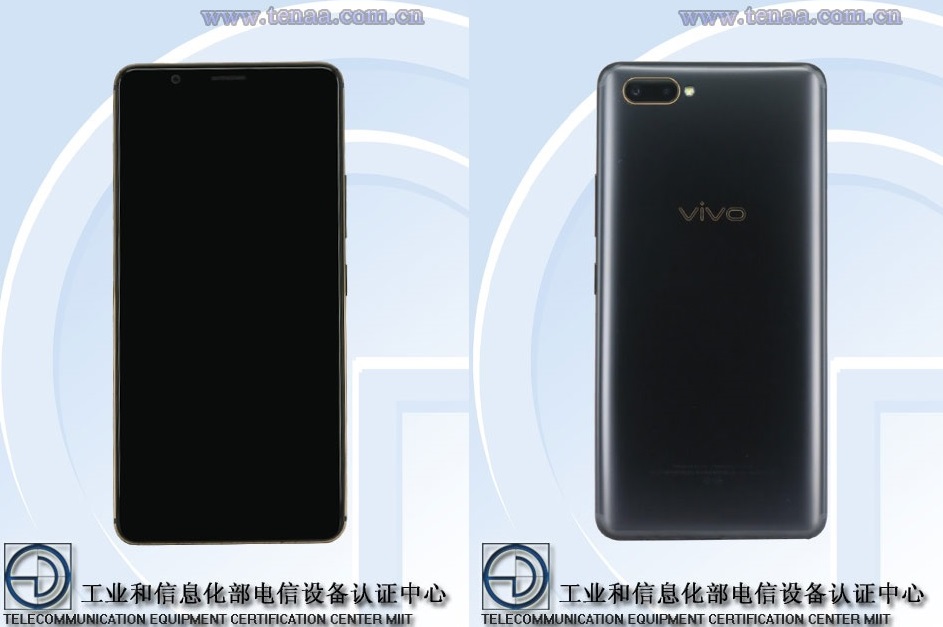
Popular leaker Roland Quandt, did some digging and revealed that the phone is actually the Vivo X20Plus A, a variant of the X20Plus with its fingerprint sensor under the display. It turns out that the X20Plus A and the X20Plus UD from a few weeks ago are more or less the same device based on pictures of the latter that has now appeared on TENAA.
The Vivo X20Plus UD was first heard of a few weeks ago when it was seen getting its 3C certification. It was deduced that the UD in the name is short for Under Display – a hint at the fingerprint scanner residing beneath the screen.
According to TENAA, the Vivo X20Plus UD will have a 6.43” 20160 x 1080 OLED display. This is the same display size and resolution as the original X20Plus.
It will have 4GB of RAM, 128GB of expandable storage, and be powered by a 2.2GHz octa-core processor which is most probably the Snapdragon 660.
[envira-gallery id=”167485″]
Just like its sibling, the Vivo X20Plus UD will have a 12MP + 5MP dual camera combo on the rear. Front facing camera will also remain a 12MP sensor.
However, the phone will come with a slightly smaller 3800mAh battery instead of 3900mAh. Its dimensions are also a tiny bit smaller at 165.2 × 80.02 × 7.35 (mm) but weight is now 183.1g.
Samsung is all set to launch its flagship smartphones of the year — Galaxy S9 and Galaxy S9 Plus. Both the devices have been subject to numerous leaks, revealing the phone’s design information as well as specifications.
While the Galaxy S9 series was expected to launch early than its predecessor, there were no exact dates known, until now. Today, Evan Blass (@evleaks) has revealed the phones’ launch date, along with the pre-order dates and availability information, citing C-level executives at the major case-making company as the source of information.
Recently, Samsung’s chief of mobile, DJ Koh, confirmed that the Galaxy S9 series will be unveiled at the upcoming Mobile World Congress (MWC) in Barcelona, Spain. Now, the new leak gives us more information and reveals that the Samsung Galaxy S9 and Galaxy S9 Plus will be launched on 26th February. Further, the leak suggests that the devices will be available for pre-order from 1st March and will start shipping from 16th March. However, the company has not yet confirmed these dates.
According to the previous leaks, the Galaxy S9 is expected to pack 4GB RAM and will be available in two variants based on the internal storage — 64GB and 128GB. On the other hand, the Galaxy S9 Plus will come with 6GB RAM and will have four storage variants — 64GB, 128GB, 256GB and 512GB. However, the 512GB internal storage variant is expected to be available in select regions only that too in limited quantity.
Both the devices will be powered by Qualcomm‘s Snapdragon 845 processor in the United States and China, while the international variant will be powered by the company’s own Exynos 9810 chipset, which comes with improved CPU, GPU performance, artificial intelligence (AI), and deep learning.
The display size will be same as of their predecessors — Galaxy S9 will have a 5.8-inch display while the Galaxy S9 Plus will feature a 6.2-inch display. The phone is rumoured to sport a single rear-facing camera, while the S9 Plus will feature a dual rear-facing camera setup. Earlier today, a leak from ANATEL, Brazil’s equivalent of the FCC, revealed that the Galaxy S9 will have a 3,000mAh battery while the bigger variant, Galaxy S9 Plus will have a 3,500mAh battery — same as their predecessors.
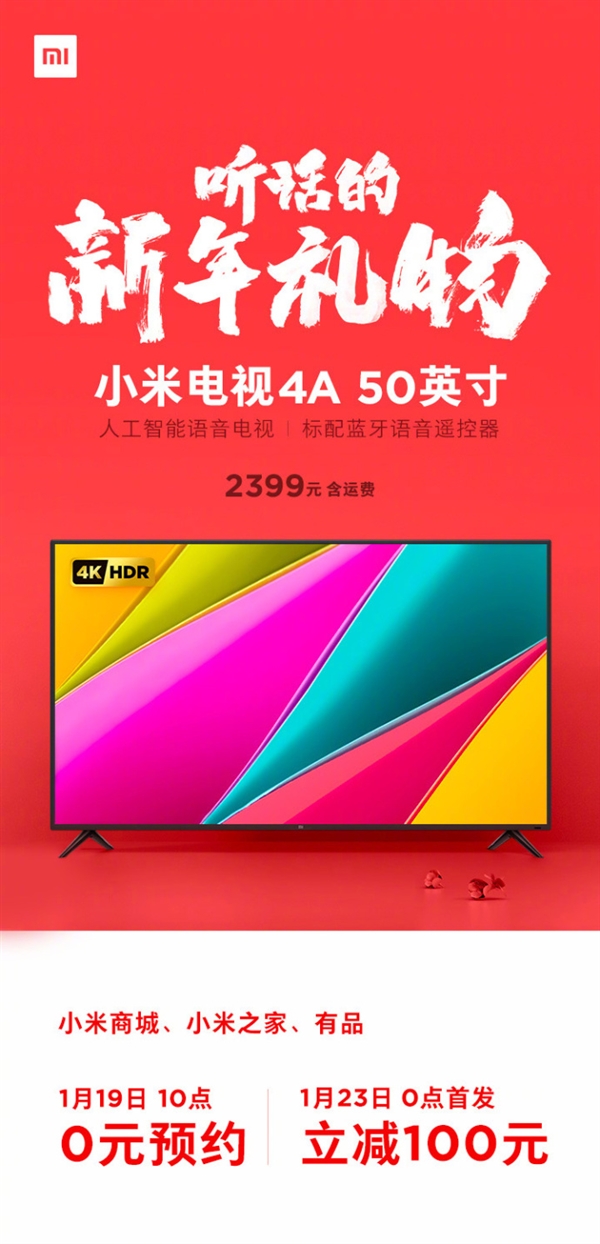
Over the last few years, Xiaomi has included TV’s in its product lineup. Boasting over 20 models, the Mi TV lineup got a new member today in form of the 50” Mi TV 4A.
The Mi TV 4A was first announced last year and consists of five models (32”, 43”, 49”, 55”, and 65”) already. The new 50-inch model brings that number to six.
The 50” Mi TV 4A packs a number of features. The display has a 4K UHD (3840 x 2160) resolution and a 60HZ refresh rate with support for HDR10+ HLG. It also has stereo speakers with support for Dolby Audio and dtsHD.
With Xiaomi’s smart TV interface built-in, there is an endless amount of content that cuts across various genres for all ages. The TV remote also supports voice input, allowing you search for your favorite shows, control playback, ask questions, and even control other Xiaomi smart products connected to the same network as the TV.
The 50” Mi TV 4A has 3 HDMI ports, 2 USB ports, AV input, an ethernet port, and a S/PDIF audio output port. It has 2GB of RAM, 8GB of built-in storage, and an Amlogic L962 quad-core processor. There is also Bluetooth 4.2 LE for connecting additional hardware such as a mouse or keyboard.
As part of its New Year promo, Banggood is offering an additional discount on a slew of electronics and other selected items for a limited period of time. On top of that, buyers can save up to 100% on shipping.
You need to take shipping coupons in order to take advantage of this promo. Next, you have to choose from a broad range of products that comprises laptops, RC toys, and cameras just to name a few.
By using coupon codes on an already discounted price of items you get double saving. It’s worth noting that the coupons are only valid for VIP members. You too can become a Banggood VIP member simply by placing your first order on the website.
The final step involves selecting the PDM shipping method at the time of checkout. You can reduce your shipping time for up to 20 days.
Blitz Sale
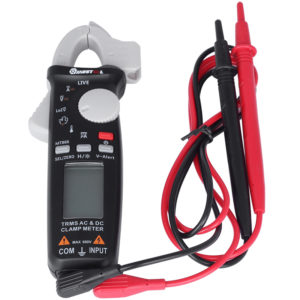
Under this section of the promo, you can get heavy discounts on various items such as Mustool MT866 Digital True RMS, UHANS MX 3G smartphone, Bakeey X6 smartwatch, ANENG AN8009 Temperature Tester, and Raitool 3.7V 35W mini electric drill tool.
Top Recommend
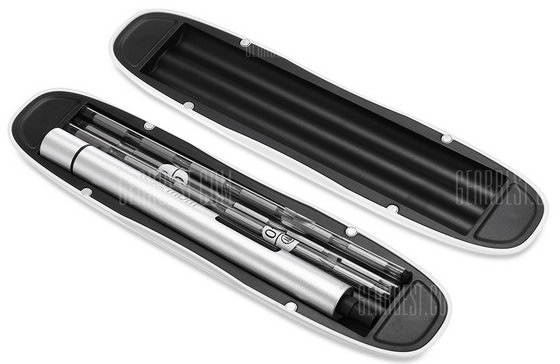
This category is likely to sweep tech buffs off their feet. You can buy various items including Eachine E58 WIFI FPV RC drone quadcopter, 9-24V 3A 72W AC/DC Adapter, and XIAOMI Wowstick 1FS electric screwdriver at a heavily-discounted price. Consumer Electronics
This section features a myriad of consumer electronic items such as Jumper EZBOOK laptop, GUUDGO GD-SC03 IP camera and lots more. You can get up to 43% off on the items displayed in the category.
RC Toys and Hobbies
Banggood is also offering a massive discount on several RC toys. For instance, you can get your hands on Eachine E010 Mini RC drone quadcopter by shelling out just $12.99.
This is a considerable 19% reduction in the device’s original selling price of $15.99. Similarly, other items in this category of the promo are available at a lowered price.
Life Style
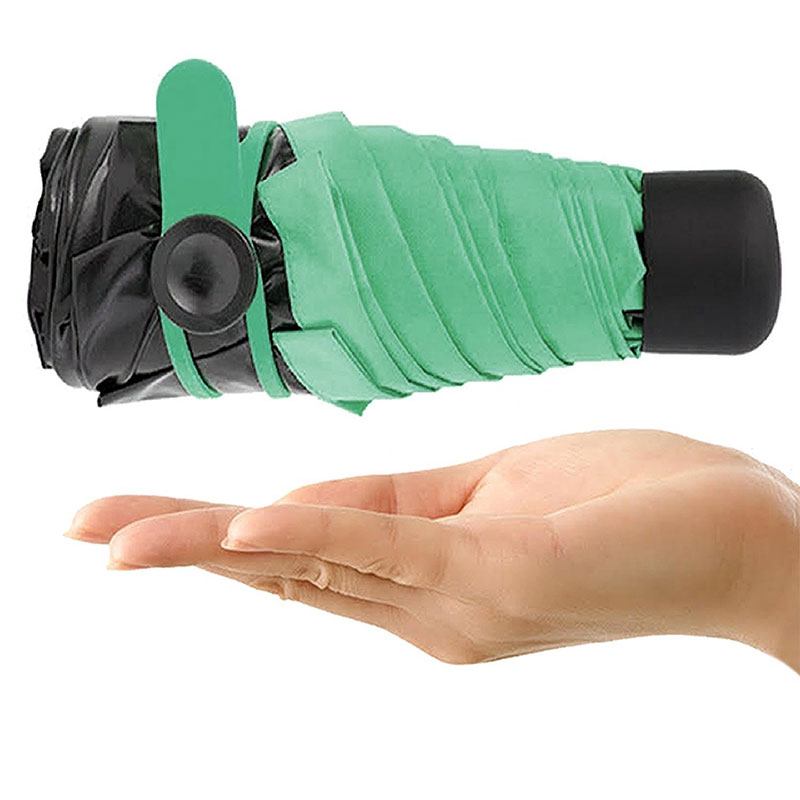
You can buy KALOAD F1 Sports Smart Bracelet, Honana HN-KU3 Compact Mini Travel Umbrella and a slew of other lifestyle category products on Banggood without burning a hole in your pocket.While there’s a 54% discount on Pair 36W LED headlight lamp, Digoo DG-TH6699 outdoor sensor clock is available for just $19.99, which is a 33% discount on the device’s original selling price of $$29.99.
Holiday Gifts
If you’ve been planning to give someone a gift without shelling out a lot of money, we got good news for you. Banggood is offering up to 30% discount multiple gift items such as Finger Baby interactive pet monkey induction toy at a discounted price of just $19.99.You can head straight to this link in order to take advantage of the New Year promo before it comes to an end.
Xiaomi is running a discount on a number of its products. The discount begins today and runs till Friday, January 19. Most are phones and include the Mi MIX 2 flagship and the entry-level Redmi 5A.
The Mi MIX 2 is Xiaomi’s latest flagship phone. Sporting a 5.99” 18:9 FHD+ display and powered by the Snapdragon 835, the Mi MIX 2 can hold its own against a number of flagships in the market.
For the duration of the sales, Xiaomi has cut off ¥300 from all the models except the Starck Edition. The 6GB +64GB variant will now sell for ¥2999 (~$466) and the 6GB + 128GB version will sell for ¥3299 (~$513).
Next is the Mi Note 3, Xiaomi’s first and only Snapdragon 660-powered smartphone. The upper mid-ranger can be termed as a bigger Mi 6 with a less powerful processor and a much better selfie camera. For the period of the sales, the 6GB + 128GB version gets ¥300 off and will sell for ¥2299 (~$357); the 6GB + 64GB gets ¥200 off to sell for ¥2099 (~$326) ; and the 4GB + 64GB gets ¥100 off to sell for ¥1899 (~$295).
The entry level Redmi 5A also gets a discount. Originally priced at ¥599 (~$93), Xiaomi will offer you a ¥30 coupon at checkout that brings it to ¥569 (~$88). The bigger and better Redmi Note 5A on the other hand gets ¥100 off to sell for ¥799. (~$124)
Going back to the mid-range category, Xiaomi is also offering discounts on the big-screen Mi Max 2. Buyers get ¥100 and ¥200 in discounts for the 64GB and 128GB variants respectively. The new Redmi 5 Plus doesn’t get a discount but you get a free pair of Xiaomi piston earphones.
We use cookies on our website to give you the most relevant experience by remembering your preferences and repeat visits. By clicking “Accept”, you consent to the use of ALL the cookies.
This website uses cookies to improve your experience while you navigate through the website. Out of these, the cookies that are categorized as necessary are stored on your browser as they are essential for the working of basic functionalities of the website. We also use third-party cookies that help us analyze and understand how you use this website. These cookies will be stored in your browser only with your consent. You also have the option to opt-out of these cookies. But opting out of some of these cookies may affect your browsing experience.
Necessary cookies are absolutely essential for the website to function properly. This category only includes cookies that ensures basic functionalities and security features of the website. These cookies do not store any personal information.
Any cookies that may not be particularly necessary for the website to function and is used specifically to collect user personal data via analytics, ads, other embedded contents are termed as non-necessary cookies. It is mandatory to procure user consent prior to running these cookies on your website.






 Consumer Electronics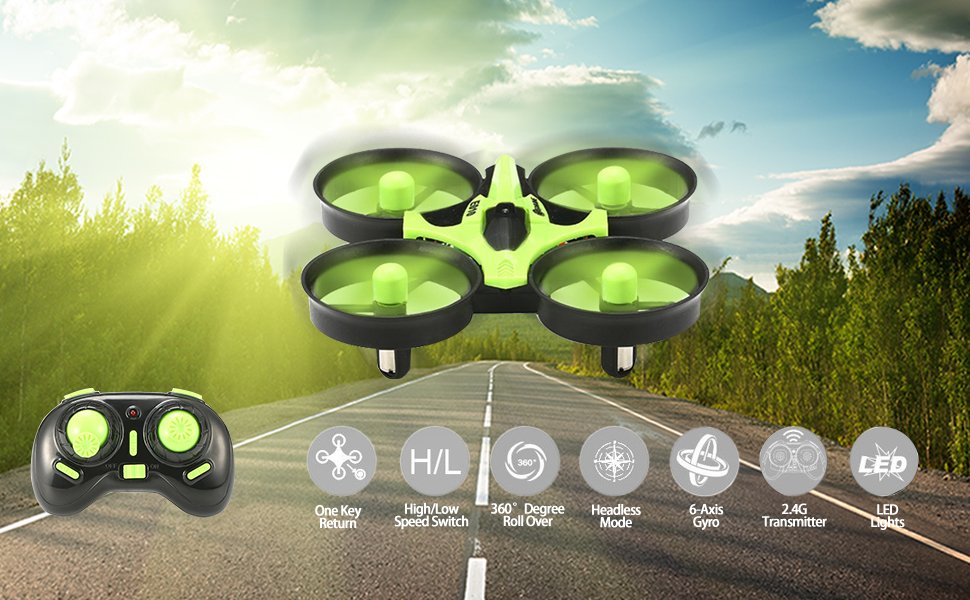
 While there’s a 54% discount on Pair 36W LED headlight lamp, Digoo DG-TH6699 outdoor sensor clock is available for just $19.99, which is a 33% discount on the device’s original selling price of $$29.99.
 You can head straight to