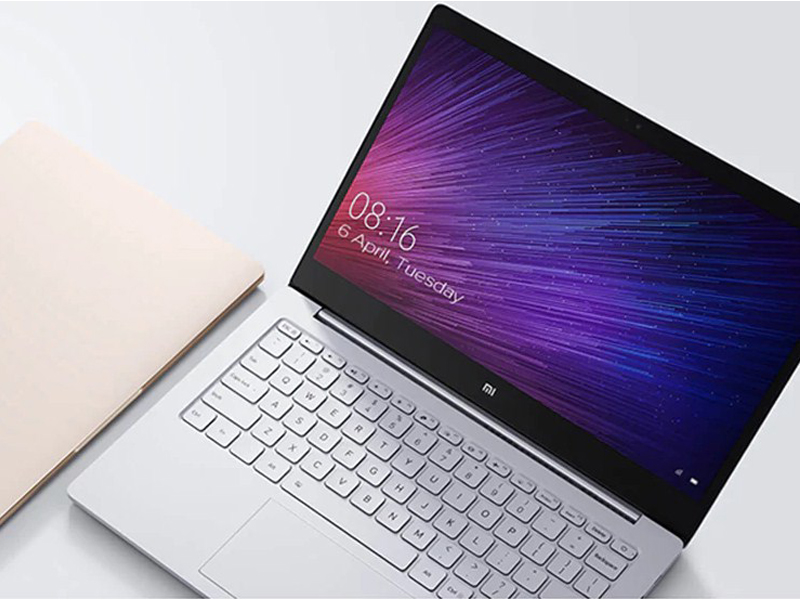
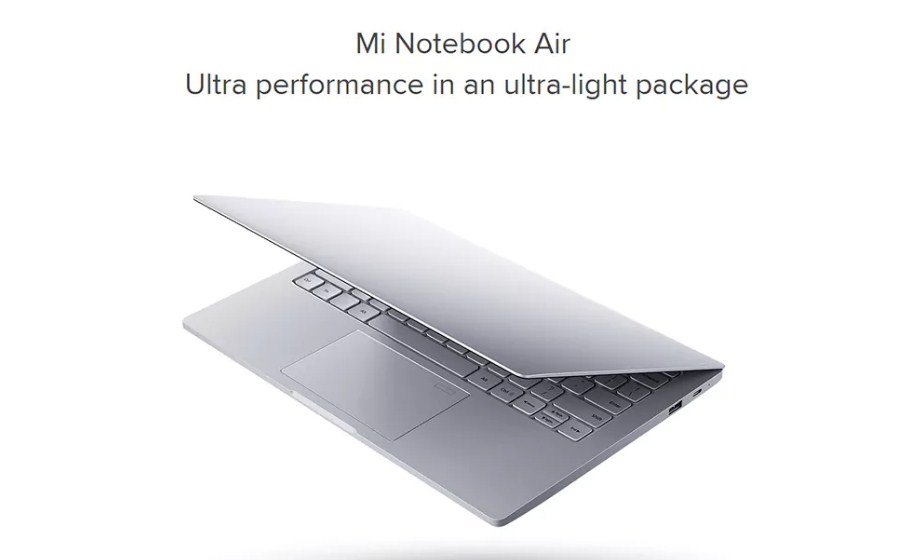
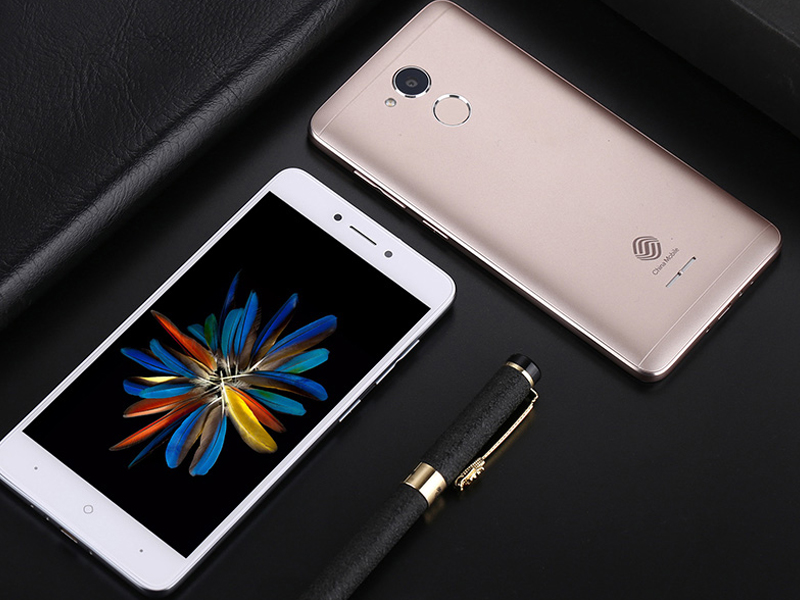
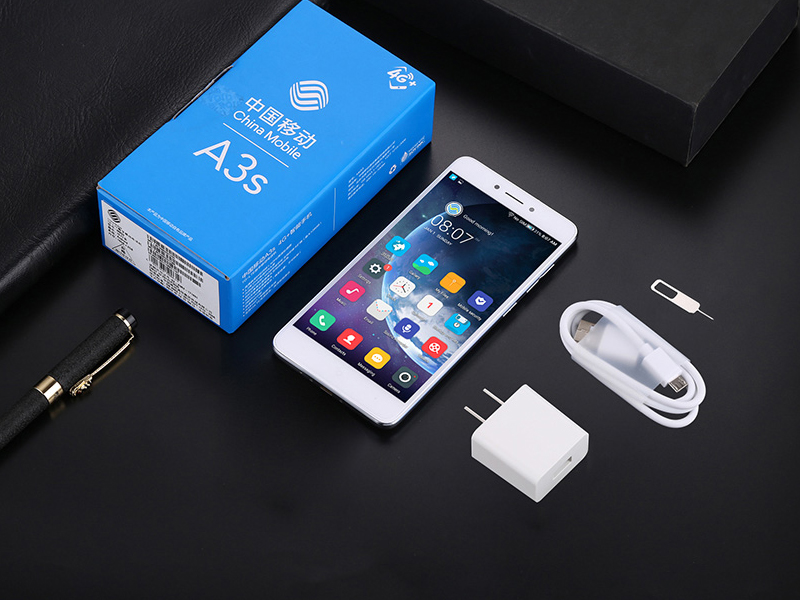
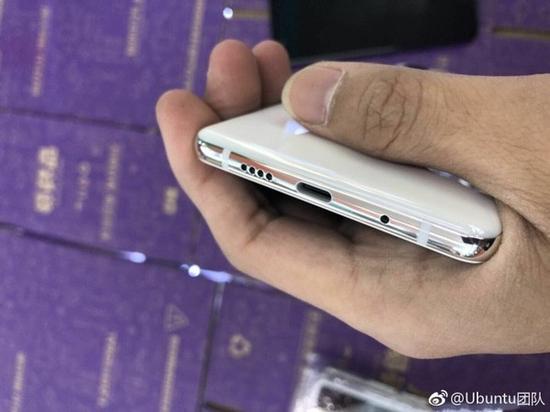
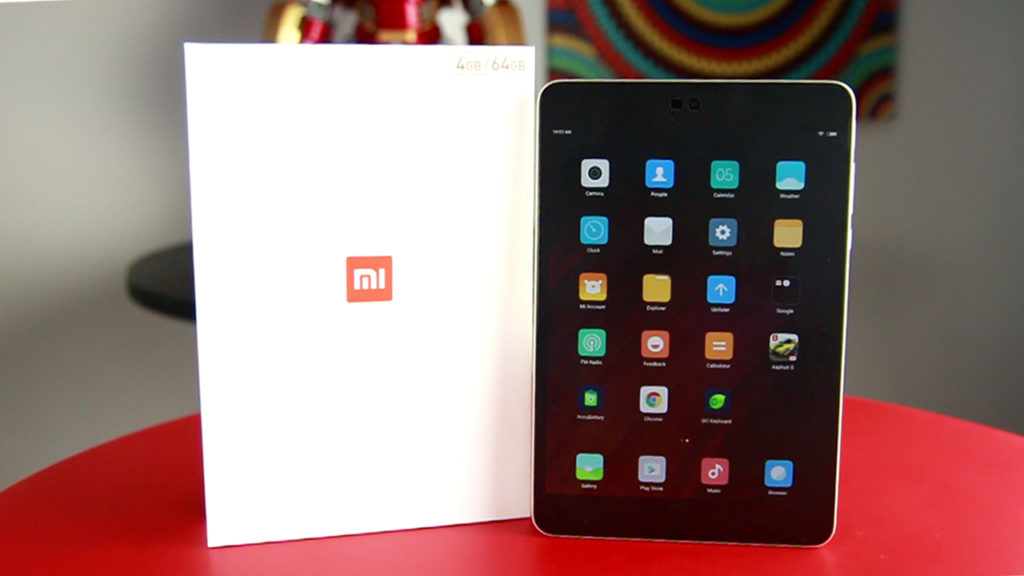
Chinese smartphone manufacturer Xiaomi has announced that it will be giving away rewards worth 150 million Yuan (approximately $22.7 million) during the upcoming shopping festival.
The announcement comes at a time when the company is very close to achieving its yearly target. The company had earlier said that it aims to ship 90 million smartphone units this year. By the end of October, Xiaomi has already managed to ship over 70 million handsets worth 100 billion Yuan.
During the upcoming shopping festival, which will take place between 19th December and 26th December, Xiaomi will be giving away 1 million coupons worth 100 Yuan and 1 million coupons worth 50 Yuan. The coupons can be sued to purchase products from the company’s online store.
Along with the cash coupons, the China-based company will also be giving away smartphone accessories such as cables to those who could not get the coupons. According to the company, a user will be able to save up to 2,200 Yuan during the sale.
While announcing such offers, Xiaomi’s founder and CEO Lei Jun said on his official Sina Weibo account that the company wanted to offer an “unpredictable” way to express gratitude to its supporters as the company reported a good performance this year.
The company, which was once touted as the world’s most valuable startup, stumbled in terms of smartphone shipments last year given the cut-throat competition in its home market as well as in India — which is the second largest market for Xiaomi.
However, the company managed to turn the tides and has been registering good growth this year. One of the major reason behind that is the change in the company’s strategy. It has now started focusing on the offline channel along with the online sales channel. Xiaomi is now planning to establish over 1,000 Mi Stores in different Chinese cities by the year 2020.
Also, the company solved issues related to the production capacity. Thus, the sales of its smartphones have increased given that there are enough units available to purchase during each flash sale.
Xiaomi was recently ranked as the leading smartphone vendor in India, along with Samsung. According to IDC, both the companies have managed to grab 23.5 percent of Indian smartphone market. IDC currently ranks Xiaomi as the fourth largest smartphone vendor in China, shipping 15.7 million units in the third quarter with a market share of 13.7 percent.
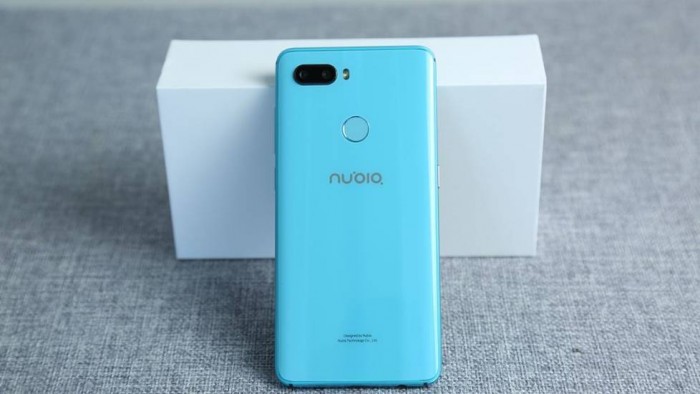
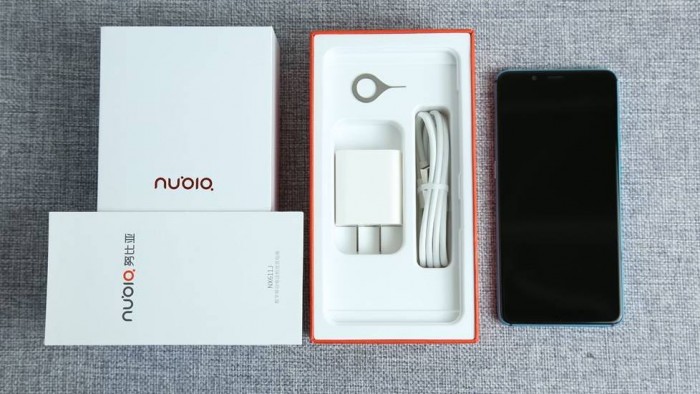
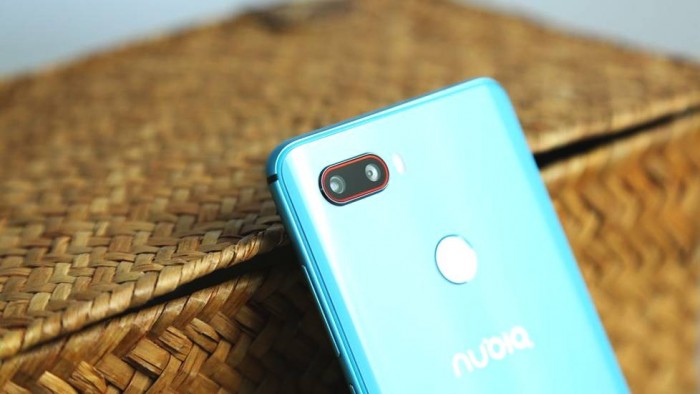
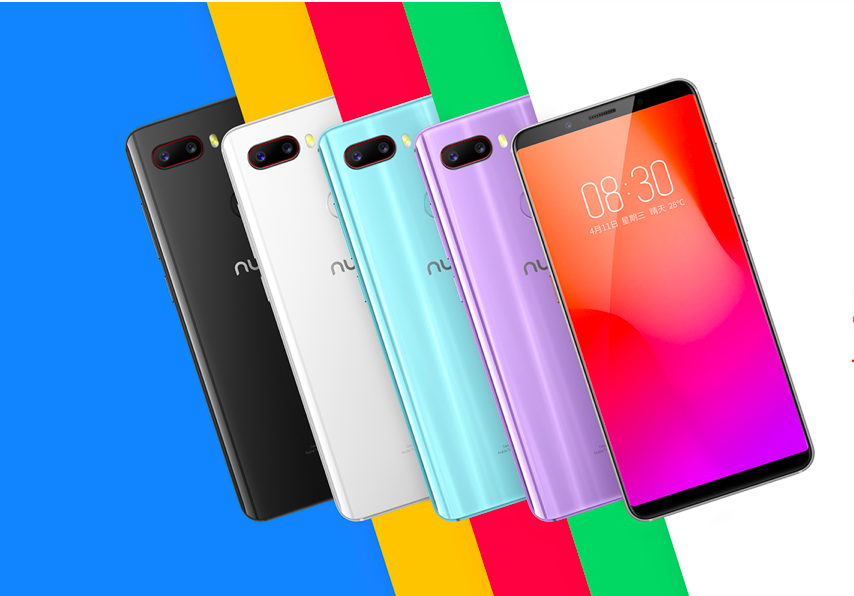
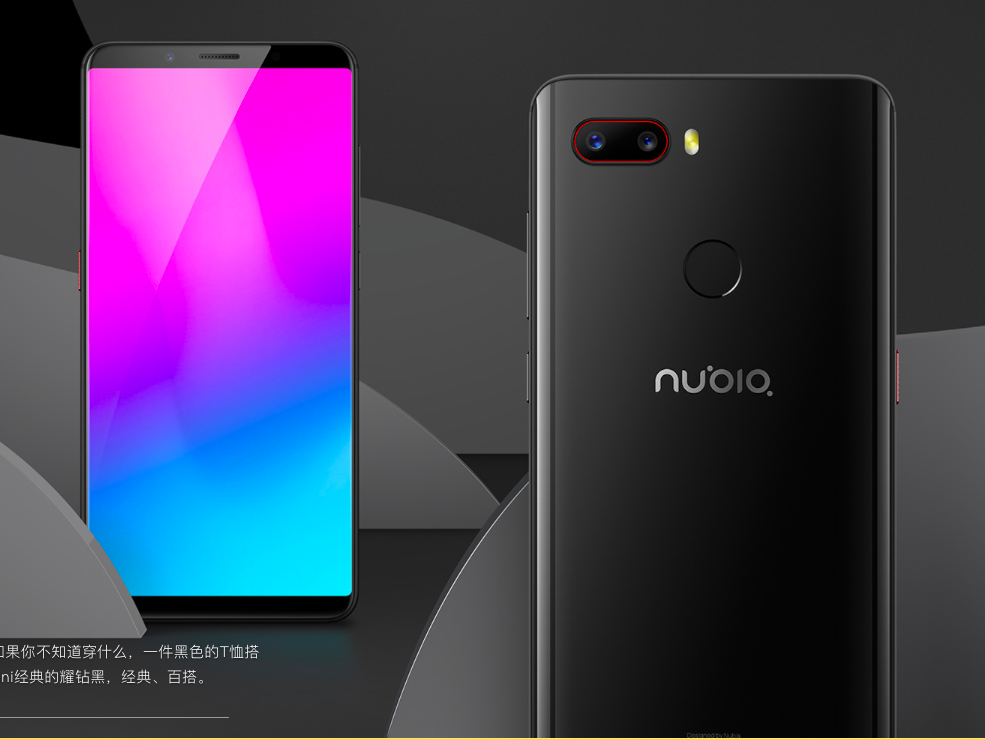
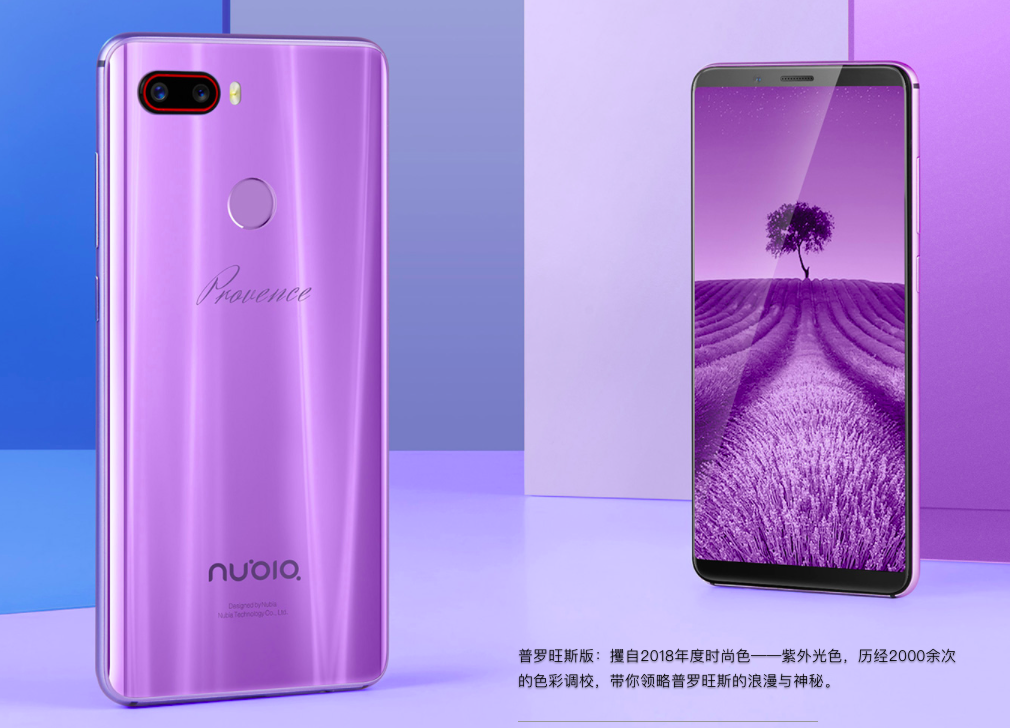
Nubia announced the Nubia Z17 Lite around the end of August for around $380 in China. The phone was meant to be a cheaper alternative to the flagship Z17 series that costs upwards of $400. However, Geekbuying is currently offering the Nubia Z17 Lite at a discounted price of just $289.
At $289, the Nubia Z17 Lite is an irresistible smartphone, given that it comes with a bezel-less display, powerful dual rear cameras, Snapdragon 653, 6GB of RAM, and 64GB of ROM. Nubia is known for its quality of workmanship and these specs make the phone a bargain under $300. The phone up for sale is the Black Gold version, but there’s a Blue color version as well. Note that you can also opt for a bundle consisting of the smartphone, a soft case, and tempered glass for an additional $19.
Just head over to this link to avail the deal. Note that the Geekbuying promotion for the Z17 Lite kicked off from December 15 and goes on until December 22. So, if interested, grab the deal as soon as possible because post-December 22, the price goes back to $300.
Other than Gionee, Huawei is another manufacturer that has churned out full-screen smartphones in quick successions. Its latest is the Enjoy 7S, another mid-ranger sporting the Kirin 659 processor and also dual rear cameras.
Huawei Enjoy 7S Design
The Huawei Enjoy 7S sports a full-screen display with minimal bezels and a two-tone finish on the rear. The upper part where the cameras sit and the lower part which houses the antenna have a lighter shade compared to the rest of the phone. Our guess is that the lighter parts are made of plastic while the area around the fingerprint scanner is metal.
Image Source: CNBeta
The cameras are raised but sit closer to the edge compared to that of the Honor 7X. However, both the 7S and 7X share a similar front design even though the latter has a larger display.
The Honor 7S measures 150.1 x 7 2.05 x 7.45 (mm) and weighs 143g.
Enjoy 7S Specs
The Huawei Enjoy 7S packs a 5.65-inch 2160 x 1080 display. It comes in 3GB RAM + 32GB and 4GB RM + 64GB variants and both are powered by the Kirin 659.
It has dual rear cameras like its cousin the Honor 7X but in a 13MP + 2MP combo. There is also an 8MP front facing camera for selfies.
While the Honor 7X comes with Android Nougat out of the box, the Enjoy 7S gets Android Oreo with EMUI 8.0 on top. Some of the features it brings includes single key split-screen and face unlock.
The Enjoy 7S has a 3000mAh battery capacity, dual SIM support (nano only), storage expansion slot (256GB max.), rear mounted fingerprint scanner, and Bluetooth 4.2. You also get a micro USB port and a 3.5mm audio jack at the bottom.
Send us a mail ([email protected]) with the link to the review and the link from giztop / online shop (under $20) of the case that you select for your smartphone.
You’ll get a confirmation mail for the successful review and case for your smartphone.
Once confirmed, send us your address and we’ll take care of the rest.
Wait for a few days until we ship out your selected case and it reaches your address.
I hope this makes the process straighforward and simple. I’m hoping to see a lot of reviews from our readers in the coming weeks.
As always, you can shoot a mail to me at [email protected] for any queries or questions related to this new program!
Samsung’s upcoming smartphones — Galaxy A8 and Galaxy A8 Plus, has appeared in a hands-on video ahead of its official launch. The smartphones are said to be the successor of the Galaxy A5 and Galaxy A7.
The newly leaked hands-on video reveals the smartphone’s design. The video confirms that there will be a fingerprint sensor placed at the back of the phone, located just below the camera module. However, it seems that the video has now been taken down.
The camera sensor is equipped with a single LED flash. At the back, there is a 16-megapixel rear-facing camera sensor while at the front, the phone features an 8-megapixel sensor. The front-facing camera also supports face recognition feature.
The video also reveals that the phone will come with a full-screen display with an aspect ratio of 18:9. The phone will feature speakers on the side and interestingly, the devices won’t have dedicated Bixby button.
Internally, the smartphones will be equipped with Samsung‘s own Exynos 7885 processor along with 6GB and 4GB RAM models, and 64GB / 32GB internal storage. There is also a microSD card slot, allowing users to further expand the storage capacity of the devices.
The difference between both devices — Galaxy A8 and Galaxy A8 Plus is the display size and the battery capacity. While the Galaxy A8 will come with a 5.5-inch Full HD+ Super AMOLED display, the Plus variant will feature a 6-inch Full HD+ display with Super AMOLED display. Similarly, the Galaxy A8 packs 3,000mAh battery whereas the Galaxy A8 Plus is fuelled by a bigger 3,500mAh capacity battery.
The smartphone are said to come with IP68 certifications, making the devices water and dust resistant. While the phone’s launch date is not known yet, but since the hands-on video has been leaked, it is expected to make its way to the market soon. We are expecting the devices to get announced at the Consumer Electronics Show (CES) 2018.
Huawei MediaPad series tablets are one of the cheapest Android tablets available in the U.S. It appears that the country will be receiving a new MediaPad tablet soon as the unannounced MediaPad M5 has received Bluetooth certification. It is speculated to arrive as the successor for MediaPad M3 slate that was unveiled in October this year.
Well, with the rumor of MediaPad M5 surfacing after the MediaPad M3, it can be guessed that the company would be skipping the MediaPad M4 moniker for its upcoming MediaPad tablet as the number 4 is considered bad omen in some of the Asian countries including China.
The MediaPad M5’s Bluetooth certification has revealed that it will be supporting v4.2 Bluetooth. The device will be carrying an 8.4-inch screen that will be supporting a resolution of 2560 x 1600 pixels. The powerful Kirin 960 chipset will be present under the hood of the MediaPad M5. It will be shipping with Android 8.0 Oreo and EMUI 8.0 skin
The tablet is expected to feature a fingerprint scanner and Cat. 4 LTE modem. Other features include a 3.5mm audio jack and a USB-C port. As of this writing, there is no information on the build of the device. However, it is speculated that the MediaPad M5 would be featuring an aluminum body as well as stereo speakers like the M3.
The Chinese firm is yet to confirm the existence of the tablet. However, since the device has received Bluetooth certification, it can be guessed that it will be releasing soon. The Consumer Electronics Show (CES) 2018 will be held in early January at Las Vegas.
Previous reports have claimed that the Huawei Mate 10 and Mate 10 Pro will be announced at CES 2018 for the U.S. markets. These phones are rumored to be available through AT&T and Verizon in the country. It is speculated that the Chinese company will be using the same platform to debut the MediaPad M5 tablet. It may be priced around $350 like the MediaPad M3.
Announced in 2014, Project Tango by Google was its early attempt at bringing AR (augmented reality) on smartphones. However, since it never gained popularity, Google has confirmed that it will be ending its Project Tango on March 1. It will be succeeded by ARCore, a new AR system by Google that was introduced in August this year.
As Project Tango is a hardware-reliant approach, smartphones based on Project Tango such as the ASUS ZenFone AR and Lenovo Phab 2 Pro were launched with special sensors to support AR. However, Google’s major rival Apple managed to bring AR on its iPhones without adding any special hardware. In other words, Apple brought a software solution to augmented reality and its ARkit has metamorphosed iOS into a huge AR platform.
Since the time Google had launched ARCore, it was speculated that the search giant may kill the Project Tango initiative. Today, the company has released an official statement on it on Tango’s Twitter handle. It has confirmed that the “Google is continuing AR development with ARCore.” Also, it has been taken down the Project Tango website. Google had introduced the ARCore system by simply introducing AR stickers for Pixel and Pixel 2 phones. In the near future, the platform is expected to receive an OS-wide implementation.
The ASUS ZenFone AR that was announced at Consumer Electronics Show (CES) 2017 in January was made available for buying starting from June. It is the first 8 GB RAM smartphone that carries support for both Project Tango AR and Daydream VR. Since Google has officially confirmed the shutting down of Project Tango, it may be soon available with discounted pricing.
LG Pay, the mobile payment solution from LG was introduced in South Korea in June this year. The service is only available on LG’s high-end devices such as the LG G6 and LG V30. However, fresh information revealed by a South Korean company claims that the LG K10 (2018) could be its first mid-range phone that will carry support for LG Pay.
The LG K10 (2018) is rumored to arrive with a 5.3-inch display that will be supporting full HD resolution of 1920 x 1080 pixels. So, it will be won’t be sporting FullVision full screen design unlike the LG G6 and V30 phones. It will be fueled by a 1.2 GHz quad-core processor and 3 GB of RAM. It will be coming with a native storage of 32 GB. It will be arriving with a 3,000mAh battery.
The backside of the LG K10 (2018) will be housing a 13-megpaixel snapper whereas its frontside will include a 5-megapixel selfie camera. The back panel of the phone would be featuring a fingerprint sensor. It will also include an FM Radio.
The LG K10 (2018) is expected to get announced at CES 2018 exhibition that will be held in Las Vegas in the next month. As of this writing, there is no information available on its pricing.
According to a South Korean publication, Samsung and LG will be announcing new smartphones at the upcoming Consumer Electronics Show (2018) that is scheduled to take place at Las Vegas in early January. Both the companies are rumored to debut new midrange phones at the upcoming CES 2018 event.
Samsung will be reportedly announcing the Galaxy A8 and Galaxy A8+ smartphones at CES 2018 whereas the LG may debut LG K10 smartphone. As of this writing, there is no official confirmation from Samsung and LG on which phones they will be unveiling at CES 2018.
The Galaxy A series phones by Samsung and K series smartphone from LG are mid-range devices. The Galaxy A8 and A8+ are rumored to arrive with some traits from the Galaxy S8 and S8+. Hence, the Galaxy A8 duo are expected to feature Infinity Display design with 18:9 aspect ratio and Bixby home button.
The A8 duo will be supporting Split View (multi-window) and Pop-Up View (picture-in-picture) features. These phones are expected to be available for buying in South Korea by mid-January.
On the other hand, the 2018 edition of the LG K10 is unlikely to arrive with a full screen design. Its 5.3-inch display is expected to deliver an aspect ratio of 16:9. The quad-core processor driving the phone will be coupled with 3 GB of RAM and 32 GB of storage. It is also expected to include LG Pay and FM Radio.
Samsung and LG will be checking the responses of the consumers for the first time in 2018 through the upcoming CES event. Hence, it is an important place for both companies. Even though the rumor mill has claimed that Samsung will be showcasing the Galaxy S9 and S9+ flagship phones behind closed doors to the investors, the publication has no information on whether the South Korean tech giant will be really doing that at CES 2018.
Other smartphone manufacturers will be using the CES 2018 stage to unveil their new phones. The event will begin on Jan. 9 and will come to an end on Jan. 12.
On Thursday, Honor will be unveiling the Honor 9 Lite smartphone with full screen design. The specs and the pricing of the phone have been already leaked earlier in this month. Recent reports have revealed that the two models of the Honor 9 Lite would be costing 1,299 Yuan (~$196) and 1599 Yuan (~$242). However, the pricing of the two variants of the smartphone that have been found listed on China Telecom’s website are different from the previous leaks.
The Honor 9 Lite is a toned down version of the Honor 9 phone that was unveiled earlier in this year. It is expected to feature glass on its front and rear sides. However, instead of a metallic frame, it is now rumored to arrive with a plastic border. New leaks claim that it would be arriving in color choices like blue and gray. However, previous leaks have also suggested that it would be available in other color options like black and white.
The Honor 9 Lite will be housing a 5.65-inch display that will be supporting 18:9 aspect ratio. It is expected to support Full HD+ resolution of 2160 x 1080 pixels. The front and rear sides of the phone will be featuring dual camera setup that will include a 13-megapixel sensor and a 20-megapixel sensor. The handset will not be supporting NFC and 4G+. It will be fueled by Kirin 659 chipset.
According to the listing of the Honor 9 Youth Edition on China Telecom, it will be arriving in two models such as 32 GB storage + 4 GB RAM and 64 GB storage and 4 GB RAM. These models are respectively priced at 1,999 Yuan (~$302) and 2,399 Yuan (~$363). Interestingly, there is no mentioning of the 3 GB RAM variant that the rumor mill had revealed earlier.
Since the base model of the Honor 9 was priced at 2,299 Yuan, it is speculated that the two variants of the Honor 9 Lite would be respectively priced at 1,799 Yuan (~$272) and 2,199 Yuan (~$332).
2017 seems to be the year of budget bezel-less phones and Bluboo has made quite a few of them. We have definitely seen this design before but the phone has decent specs for the price and more. Learn more in our review.
As always, make sure to check out all the links and show notes in the video description down below. Currently, the phone retails for less than $150.
DESIGN and DISPLAY
In terms of the looks, we have already seen this design a lot of times as we have a display that takes almost the entire space of the front of the phone. The panel itself is really good overall.
The build quality is very good too and I have to say that the phone looks really nice in white but you can also get a black color option.
We have a dual-camera setup on the back, inconveniently placed 8MP interpolated shooter on the front and nice buttons on the side.
The fingerprint scanner is quite accurate but the display could light up faster. Also, the phone does not have a headset jack and it lacks a notification LED light. Finally, the loudspeaker quality does not really impress.
HARDWARE and PERFORMANCE
The phone ships with really good specifications for the price but in reality, you may find the phone struggling even while playing some older 3D titles like Asphalt 8 on the highest graphics settings. You can play most of the games on reduced graphics but I also found that the phone gets hot quickly.
BENCHMARKS
USER INTERFACE
The phone runs Android 7 which is great but I’m not a huge fan of the fact that Bluboo removed the app tray and customized the icons in a cartoonish way. On a positive side, the phone has quite a few features and customization options to play with and most importantly, it runs fast and fluid.
My favorite features include the ability to customize the navigation bar or simply use the home key. Also, I use a few gesture controls but they are not always reliable. Finally, you can use the fingerprint gestures, which work well.
IMAGE QUALITY
The overall image quality is just average. Sure, some of the pictures will look okay on social media but pictures could definitely have more detail, sharpness and the color reproduction is not always accurate.
Selfies image quality does not impress either.
1080p video quality is just average and the selfie videos are shot only in 480p, meaning that the quality is bad.
As far as connectivity, I would rate the call quality above average and other options work just fine.
Also, the phone has a gyroscope for VR compatibility.
BATTERY LIFE
You should expect to have a pretty much standard battery life on this phone. I was able to get about 5 hours of screen-on time.
However, it takes over 2.5 h to fully charge the phone with the supplied charger.
CONCLUSIONS
Bluboo S1 is yet another budget bezel-less phone that aims to deliver a lot of value for the price. For about $150, you indeed get a nice-looking phone that works well on the daily basis, has decent battery life and has quite a few features in the UI.
Just like on most of these budget phones, you should not expect to have stellar image quality. Also, this phone does not perform well handling 3D games.
Still, you get quite a lot for the price of the phone. Hopefully, my list of pros and cons helped you out and if it did, please like the video, drop me a comment down below if you have any questions and please subscribe for more content like this.
Here is an extra discount for our readers: before pay your order(pending payment status), add a message “YH34” in the shopping cart, select no warranty service, then the seller will change the price for $135.99 after a while.
Qualcomm recently announced its latest mobile chipset — Snapdragon 845, which is going to power almost all of the upcoming flagships smartphones. While Xiaomi‘s Mi 7 or Samsung‘s Galaxy S9 could be the first smartphone to run on Snapdragon 845 processor. Now, we know that Sony H8216 will also pack the same processor.
Sony is also going to launch a new smartphone next year, likely in Q1 2018, which will be powered by the Snapdragon 845 processor. According to the latest specifications leak, Sony’s upcoming smartphone with model number H8216, which is likely to be the Xperia Z2 — the successor of the Xperia Z1, will be powered by Qualcomm Snapdragon 845 processor.
A new specifications leak related to the smartphone reveals that along with Snapdragon 845 SoC, the phone will pack 4GB of RAM and 64GB of internal storage. Further, the handset will measure 148 × 73.4 × 7.4 mm, and will weight about 156 grams. The leak also suggests that the phone will have an an IP65/68 rating, making it water and dust resistant.
Earlier, it was revealed that the device will come with a 5.48-inch Full HD HDR Triluminos display with X-Reality image processing and a screen resolution of 1920 x 1080 pixels. It is said that the phone could come with two 12-megapixel camera sensors at the back and a 15-megapiel selfie shooter on the front side with an f/2.0 aperture.
The device is expected to run Android 8.1 Oreo operating system out-of-the-box and will be powered by a 3,130mAh battery, which will also support the Quick Charge technology.
However, we could not verify if this new details about the phone are actually true or not. We’ll just have to wait for more leaks surrounding the phone or till the company makes an official announcement, which could happen at the upcoming Consumer Electronics Show (CES) 2018 in Las Vegas or at Mobile World Congress (MWC).
Recently, there were reports suggesting that Sony is also going to jump into the bezel-less display smartphones next year with the next-generation Xperia XZ Premium smartphone. Also, a bunch of upcoming Sony smartphones were uncovered in different user agent profiles — H81XX, H82XX and H83XX
Koogeek is known for its smart products which cover a broad range of categories. To celebrate the holidays, the Dodocool subsidiary has marked down a number of its products in various countries.
Most of the deals are available in all the countries Koogeek has an online store in but we’ll focus on the US prices for the sake of this post.
Setting up a smart home? Items like the Apple Homekit Smart Plug and HomeKit Smart Bulb have been discounted to $24.64 and $31.44 respectively from original prices $28.99 and $36.99.
If you don’t take care you will lose yourself to all the cakes and puddings flowing around this holiday and add a few pounds. Monitor your weight with the Koogeek Wireless Digital Body Scale which is down to $25.99 from $36.99.
A week ago, Xiaomi unveiled its first affordable phone with an 18:9 near-borderless display. The Xiaomi Redmi 5 was also announced alongside Xiaomi Redmi 5 Plus. Someone might already think that the Plus version, due to its mid-end specs and its wide display, will replace the Redmi Note 5. In this article, you can find our first Xiaomi Redmi 5 Plus Hands on pictures to see its design in a detailed way.
The screen is surely the biggest innovation of this phone if we compare it with its predecessor. While Redmi 4 Pro had a small 5-inch panel, this handset offers a huge 5.99-inch display (just like Xiaomi Mi Mix 2!) with an 18:9 aspect ratio and a Full HD+ resolution of 1080 x 2160 pixels. Even though the display is big, the phone remains quite compact due to its narrow bezels which reminds me of LG G6 (dimensions: 158.8 x 75.45 x 8.05, weight: 179.5 grams). If you buy the Xiaomi Redmi 5 Plus, you will have to say goodbye to capacitive keys outside the screen, while the front camera remains at the same place, alongside the front speaker for calls.
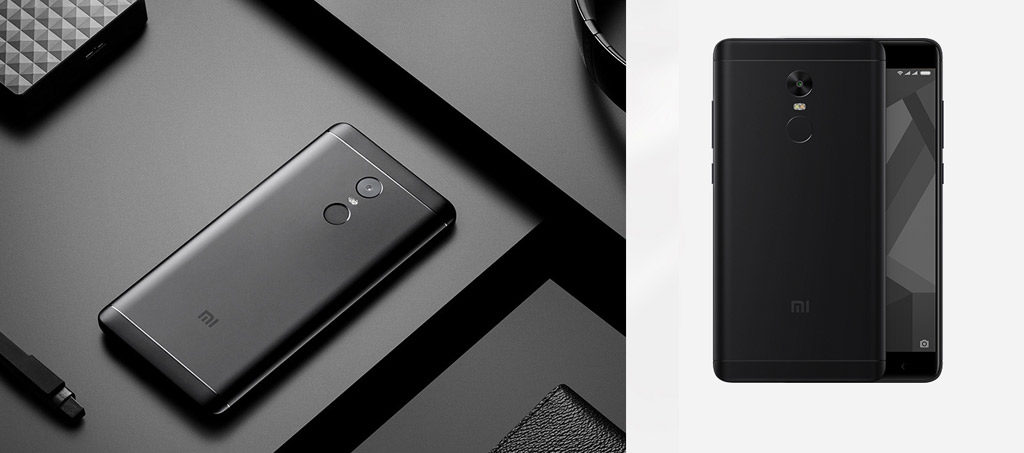
The body of Xiaomi Redmi 5 Plus is entirely made of aluminum and it is not so different from the one of Xiaomi Redmi Note 4, but the look and the ergonomics have been improved with more rounded borders. The rear side houses a single camera with a resolution of 12 MP which has a gold rim as you can see in the photos, but it is not gold-plated like the one of Xiaomi Mi Mix 2. Under the camera, you can find a dual LED, dual-tone flash, and a circular fingerprint reader just like other midrange Xiaomi phones. On the upper side, Xiaomi Redmi 5 Plus has a 3.5 mm audio jack for headphones and an IR sensor to use it as a remote.
On the left side, there is a dual SIM tray: the phone sports a hybrid dual SIM slot, you can choose to use the second slot as an additional SIM slot or a micro SD slot to expand the internal storage. On the right side you can find the volume rocker and the power key, while on the lower part there is a micro USB port to charge the battery (yes… still micro), the mono speaker and the microphone. The Gold variant in the photos is not the only color option, there is also a Rose Gold variant, a Black, and a Blue one. Other specs include a Snapdragon 625 SoC, 3 or 4 GB of RAM, 32 or 64 GB of internal storage (depending on the variant) and a 4000 mAh battery. The listing price in China goes from 151 to 196 dollars.
The camera department has never been a very strong point of Xiaomi phones, but with the latest devices launched by the Chinese giant, things are seeming to change. Look at the Mi Note 3 for example, which has been the first phone to enter the top 10 best camera phones by DxOMark. Now, thanks to our Xiaomi Redmi 5 Plus Camera samples, you can check if the quality has improved even on the affordable phones, besides high-end and flagship ones.
On the rear side, for photography, Xiaomi Redmi 5 Plus sports a single camera with a resolution of 12 MP and a f/2.2 aperture. It supports phase detection autofocus and HDR, and below the sensor, there is a dual LED dual-tone flash. It can record video at a max resolution of 1080p at 30 fps. The front camera has a 5 MP resolution and it can record videos in 1080p too. Photos shot in good light conditions show a pretty nice level of detail and also with a nice color accuracy. However, when it comes to low light conditions (indoor and at night), the level of noise increases in a noticeable way and there is a consistent loss of detail. Its not something that’s unacceptable for a phone on its price range, but we are definitely far from top camera phones.
Xiaomi Redmi 5 Plus can shoot acceptable photos, but it is not a phone which is mainly focused on the camera. So if your main concern is the camera department, you’d better go for the Xiaomi Mi A1 which can be found at a similar price. Regarding other specs, the handset sports a near-borderless display with an 18:9 aspect ratio, a size of 5.99 inches, and a Full HD+ resolution of 1080 x 2160 pixels. Under the hood, there is an octa-core Snapdragon 625 processor by Qualcomm, which can run at a max frequency of 2 GHz.
The SoC is paired with 3 or 4 GB of RAM depending on the variant that you choose to buy, and 32 or 64 GB of internal storage which you can expand with a micro SD. The battery has a capacity of 4000 mAh, which is way more than Xiaomi Mi A1 (3080 mAh). The body is entirely made of metal and it has been announced in four different hues: Gold, Rose Gold, Blue, and Black. In China, the device has been launched with a price tag of about 151 dollars for the base variant and 196 dollars for the 4 GB RAM version.
Samsung is not new to launching special edition variants of its phones. Its latest iteration is the Galaxy Note8 X 99AVANT. Just like the name hints, this version is limited to only 99 units.
Priced at KRW 1,991,000 (~$1,830/€1550), the Galaxy Note8 X 99AVANT Limited Edition is actually the 256GB Midnight Black Galaxy Note8 but with a specially designed case that has artist Han Sueng-Woo’s signature on the inside.
You also get a 69 x 45cm print of the tiger artwork that can be hanged in your home in addition to custom wallpapers and icons designed by the artist.
Is $1800 too much for this special edition Galaxy Note8? Not really but you are actually paying for the artwork.
The phone is not only limited to 99 units but is also limited to South Korea. If you are interested in getting a unit, head to the source link below and purchase a unit.
This week on Gizmochina Explains, we are taking a look at Wireless Charging – a technology that has existed for over a century but is still far from its peak.
Qi Wireless Charging Symbol
What is Wireless Charging?
Wireless charging, also known as induction charging is a form of energy transfer that makes use of electromagnetic fields generated by coils to transfer power from one point to the other. To achieve this energy transfer, the coil in the “generator” and “receiver” have to resonate at the same frequency.
Wireless charging was first demonstrated by Nikola Tesla in 1899, who foresaw a future where power would be transmitted around the planet without the need for cables. While the world has been built on the transmission of energy via wires, Tesla’s dream of a wireless future is slowly becoming a reality.
Benefits of Wireless charging
Ability to power devices that need to remain sealed or sterile such as medical implants.
Reduced risk of electrical damage such as short-circuiting, and reduced risk of electrical accidents caused by sparks.
Increase in the durability of devices – since there is no need for plugging and unplugging of cables, there is no case of damaged cables or ports. This also translates to a reduction in maintenance cost as mechanical connectors do not need to be repaired or replaced.
Increase in automation as charging can be programmed.
Disadvantages of Wireless Charging
Slow charging – wireless charging is still not as fast as wired charging, so devices take longer to charge.
It is more expensive.
Limited range – wireless charging operates within a very limited range compared to wired charging.
Still requires wires – Wireless charging still requires cords for the transmitter or charging pad.
Multiple Wireless Charging Standards – there are two main wireless charging standards (Qi and AirFuel Alliance), some devices support one and others support the other but there are also some that support both.
Wireless Charging Applications
Wireless charging has seen use in two main industries – transportation and mobile communications industry. However, we are also seeing a growing application in the healthcare industry.
Wireless Charging in The Mobile Industry
This year, Apple released the iPhone X, its first phone to support wireless charging. Apple is a little late to the party as manufacturers such as Microsoft (Lumia), Google (Nexus), and Samsung have all released phones with support for wireless charging as far back as 2012 and 2013. However, even the aforementioned manufacturers are not the pioneers of the technology in the world of mobile phones.
From L-R Palm Pre with wireless charging case attached, Palm Pre with a regular case, Touchstone Charging Pad. Image Source: Engadget
Back in 2009, the Palm Pre was the first smartphone to support wireless charging. To make use of the feature, you had to buy a $70 accessory combo that included a charging station called the “Touchstone” and a new rear cover for the phone different from the one that shipped with it originally. The new rear cover contained an induction coil that received power from the electromagnetic field generated by the induction coil in the Touchstone. Simply replacing the covers and placing the phone on the Touchstone allowed the phone to charge wirelessly, saving you the stress of fiddling with cables.
Moto Style Shells Brings Wireless Charging Support To The Moto Z Series
This method of adding wireless charging support to a phone by purchasing an additional accessory is one that is still in use till this day. Motorola’s Moto Style Shells released this year for the Moto Z series gives your phone not only a new look but also adds wireless charging support.
Image Source: Bmwblog.com
Wireless Charging in Transportation
Another industry that makes use of wireless charging is the automobile industry. With the rise of electric vehicles, it is no surprise that wireless charging has seen adoption by car manufacturers.
BMW is one of the first manufacturers to bring wireless charging to cars. Back in September, the car manufacturer unveiled a charging pad for the BMW 530e. The pad which is several times larger than that of a phone connects to a 220V outlet. Sensors in the car guide you as to how to position your car over the pad. Once in the correct position, turn off the ignition and the car begins to charge automatically.
According to BMW, the pad charges the car’s 9.4kWh battery in 3.5 hrs, close to the speed you get when charging the car with a cord.
You don’t have to own a BMW to enjoy wireless charging. Plugless is a company that offers wireless charging to electric vehicles not built with the feature from the onset. Just the way you buy accessories that add wireless charging to your phone, Plugless lets you add wireless charging support to your electric car. The hardware is split into two – one is installed to your car and the other is installed at your home. Installation of both takes a few hours and your car is ready to charge wirelessly. Supported vehicles at the moment include the Tesla Model S, BMW i3, Chevy Bolt, and Nissan Leaf.
Nissan has a more interesting approach to wireless charging. It released a video detailing what fuel stations of the future will look like. Rather than have a single charging pad for your car, Nissan believes in having smart streets with charging pads built underneath. Since cars will also be self-driving, your vehicle will simply drive onto the street and charge. When done, it can drive away from the spot allowing another car to charge.
For this to work, cars will need to communicate with each other using super fast and low power communication network. This is where 5G comes in. 5G Sensors built into cars will allow for communication between each other and even other devices. Your car will be able to receive and send information such as battery level, charging time left, and charging speeds from/to other cars.
Nissan’s vision doesn’t end there. Once your car is full, it can in turn power your home, sending charge from the phone to the house via an off-grid system. Nissan even believes this can be done on a bigger scale. Public buildings such as schools and hospitals can draw energy from several cars in the parking lot leading to an endless sharing of clean energy between buildings, streets, and cars.
Wireless Charging in Healthcare
Wireless charging in healthcare is not as popular as in transportation and mobile technology but it is the sector where its impact is likely to be the biggest. Health centers, in general, strive to maintain a germ-free environment and the best way to achieve this is through less contact. The lesser the things you come in contact with, the lesser the spread of germs.
You will agree with me that charging cables are one of the dirtiest things around the home. Picked up with dirty hands or dropped on the floor, it is easy for germs from the wires to spread to healthcare devices that have to be implanted or worn on the body.
Some of the medical devices that now support wireless charging are implantable blood glucose monitors and hearing aids.
More development is going on to create more implants that can be charged wirelessly so that there will be no need for implants with batteries which need to be replaced after a certain duration.
Conclusion
Wireless charging still has a long way to go especially when it comes to its limited range. There are manufacturers that are working on extending the range like the startup called Pi which demonstrated a wireless charging solution that uses resonant induction like Qi’s technology but modifies it with a beamforming algorithm that allows the magnetic field to be shaped and directed around the transmitter. This makes it possible for devices to be charged simply by placing them next to the transmitter instead of on top of it. However, this only increases the range by a few centimeters.
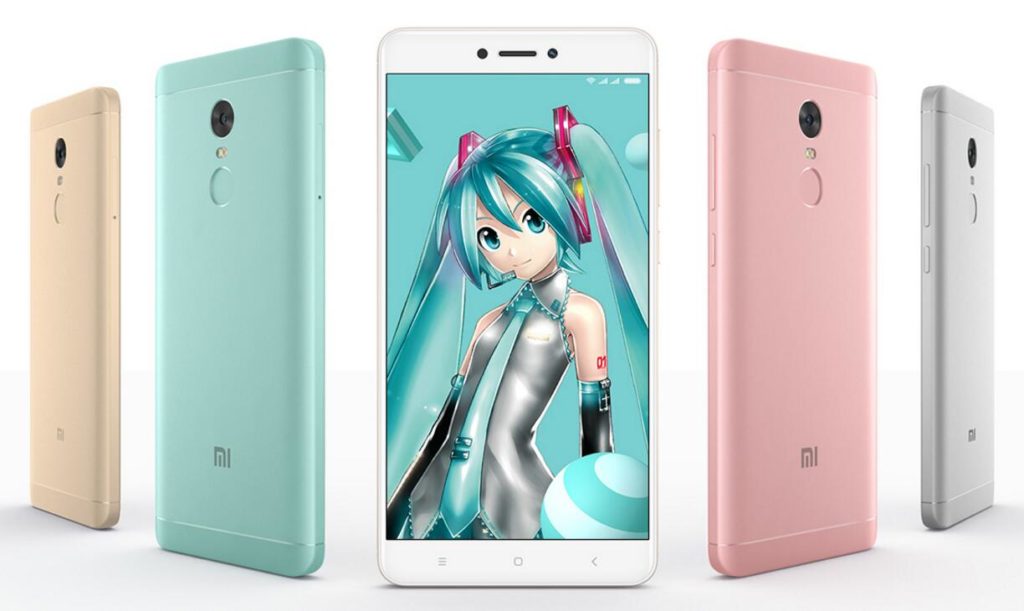
Entry-level phones are usually suitable for entry-level use: web browsing, lightweight apps etc. But this is not the case with the 360 N6 Lite and the Xiaomi Redmi 5, which are two of the best entry-level smartphones in the market. If you have a very limited budget, these may be the best handsets for you. If you do not believe in what we just said, read their specs and this comparison and it may change your idea about them.
If we talk about the design, Xiaomi Redmi 5 looks more innovative and good to hold due to the 18:9 display and its high screen-to-body ratio. One of the main disadvantages of Xiaomi phones was their design which always seemed the same, but the company is putting efforts into this department, and finally, we can see the result. In terms of display, it is very hard to choose between a Full HD panel with a 16:9 aspect ratio and an HD and 18:9 panel. But it is still not possible to make accurate tests as the phones have just been launched. The hardware is slightly better on 360 N6 Lite: it has a way more powerful processor (Snapdragon 630 vs Snapdragon 450, there is no challenge), paired with more RAM (4 GB) than its opponent and a good amount of storage.
Even the battery is bigger, and this means this phone should last longer than its opponent with a single charge. The camera department seems better on 360 N6 Lite. It has better aperture and more Megapixels on the front camera (MPs are not everything, but when we talk about low amounts like 8 vs 5 MP it can make the difference). Further, the front camera supports an AI beauty mode for selfies, and there is a camera assistant installed. 360 N6 Lite has better specs without any doubt and if you have the necessary budget you should choose it. But it is costlier. It has been launched in the Asian market with a price tag of 150 dollars (126 Euros), while Xiaomi Redmi 5 is available starting from just 120 dollars (101 euros) in the base version.
Oppo is following its trend to commemorate new year with a New Year Anniversary Edition smartphone. Just like it did with Oppo R9S last year, this time, the company has launched Oppo R11S New Year Anniversary Edition.
The Oppo R11S New Year Anniversary Edition comes in Red colour with a gold-coloured border surrounding the camera module at the back of the phone. Along with that, the company’s branding is also in gold colour.
Apart from those minor changes in the phone’s design, everything else, including specifications of the phone, remains same.
The smartphone features a 6.01-inch Full HD+ display with screen resolution of 2160 x 1080 pixels and aspect ratio of 18:9. Under the hood, it is powered by Qualcomm‘s Snapdragon 660 processor, coupled with 4GB of RAM and 64GB of internal storage.
As for the camera, the device comes with a dual rear camera setup, featuring a 20-megapixel sensor with f/1.7 aperture and a 16-megapixel sensor with f/1.7 aperture. There is also a 20-megapixel front-facing camera sensor which comes with AI features that adds some new tricks, along with the AI Beauty mode which has 200 facial enhancements, scene detection, and portrait mode.
The OPPO R11s is fuelled by a 3,205mAh battery which also supports the company’s own VOOC fast charging technology. It comes with the new Color OS 3.2, which is based on Android 7.1.2 Nougat operating system.
Recently, the company had launched 6GB RAM variant of the phone, which is priced at 3,599 Yuan (approx. $545) and is available in only one colour – Champagne Gold.
While the company has announced this new Oppo R11S New Year Anniversary Edition smartphone, the pricing and availability information has not been revealed yet. We expect the phone to go on sale by the end of this month, just in time to welcome the new year.
Recently, we came in contact with the renders and schematics of a bezel-less Nubia smartphone with some uniqueness in its design. Another render of the Nubia bezel-less phone has appeared online with the special highlight focused on the full-screen design and the unique selfie camera design.
The bezel-less Nubia smartphone render gives a close up shot of the front camera notch which is similar to that of the Essential phone. Apart from the notch, the upper aspect is completely bezel-less as well as the chin. The bottom edge has a very narrow bezel. At the rear, there is a dual camera setup aligned in a vertical direction with the rear-mounted fingerprint sensor sitting under the camera.
We don’t know how authentic the renders are but if at all Nubia is working on a full-screen phone just as the earlier leaked schematics and these renders are suggesting, then it may likely drop next year. There are rumours that the smartphone will be known as Nubia Z19 but that has also not been confirmed. The device is also expected to pack the recently announced Qualcomm Snapdragon 845 processor which would find its way into flagship models in Q1 2018.
We use cookies on our website to give you the most relevant experience by remembering your preferences and repeat visits. By clicking “Accept”, you consent to the use of ALL the cookies.
This website uses cookies to improve your experience while you navigate through the website. Out of these, the cookies that are categorized as necessary are stored on your browser as they are essential for the working of basic functionalities of the website. We also use third-party cookies that help us analyze and understand how you use this website. These cookies will be stored in your browser only with your consent. You also have the option to opt-out of these cookies. But opting out of some of these cookies may affect your browsing experience.
Necessary cookies are absolutely essential for the website to function properly. This category only includes cookies that ensures basic functionalities and security features of the website. These cookies do not store any personal information.
Any cookies that may not be particularly necessary for the website to function and is used specifically to collect user personal data via analytics, ads, other embedded contents are termed as non-necessary cookies. It is mandatory to procure user consent prior to running these cookies on your website.