Since the beginning of the year, Meizu has released multiple phones for the entry level and mid-range category but not a single flagship device. That is about to change with the Pro 7 that has been making rounds lately. Although it will arrive late to the party, coming after Xiaomi’s Mi 6, Nubia’s Z17, and even the OnePlus 5, it has managed to stir up a bit of excitement thanks to its rumored secondary display.
There are a bunch of phones with secondary displays. There is the YotaPhone 1 and 2, the LG V10 and V20, and the HTC U Ultra. However, Meizu’s design stands out. Unlike the HTC U Ultra and LG V series that have their secondary display right above the main one, Meizu has its own at the back.
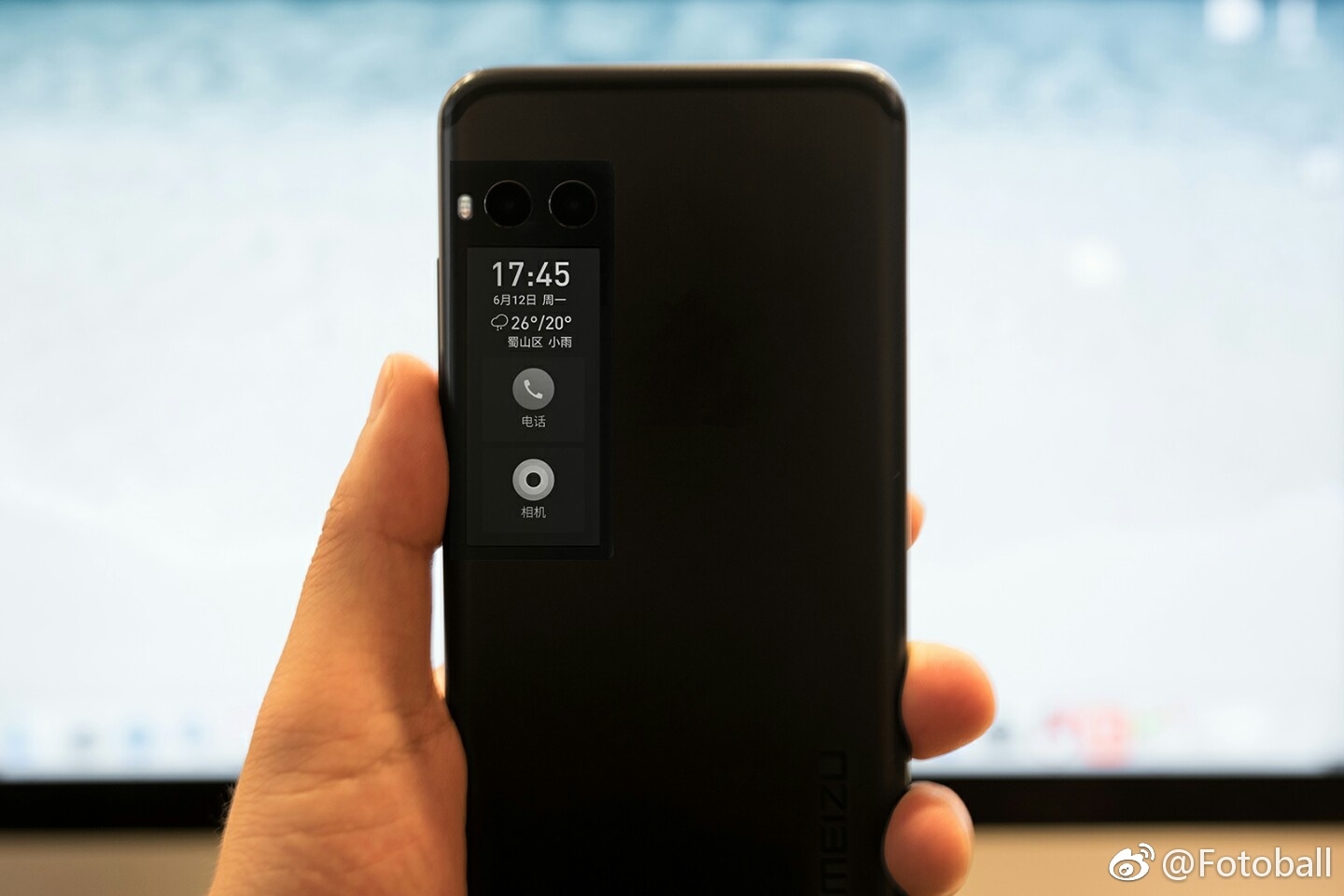
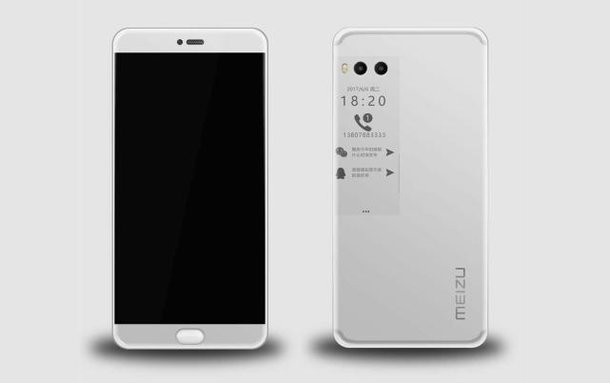
The second display is said to be an e-ink variety like that of the YotaPhone but only occupies a small area. It will show notifications, weather information and other important info.
We have seen renders of the phone and leaked images of the chassis. Today, we get to see a real life image leaked online by Weibo user @Fotoball. The image shows only the back, giving us a glimpse at the secondary display in action. We can also see the dual rear cameras and the LED flash positioned right above it.
Meizu Pro 7 is now enjoying the front seat in the media as more and more leaks of the device emerge. Meizu is known for its quality phones and the Pro 7 seems set to take the bar even higher if the leaks we are getting are anything to go by. Recently, a couple of leaked renders of the Pro 7 surfaced, suggesting that the device will not only have a front display but will also feature a secondary display.
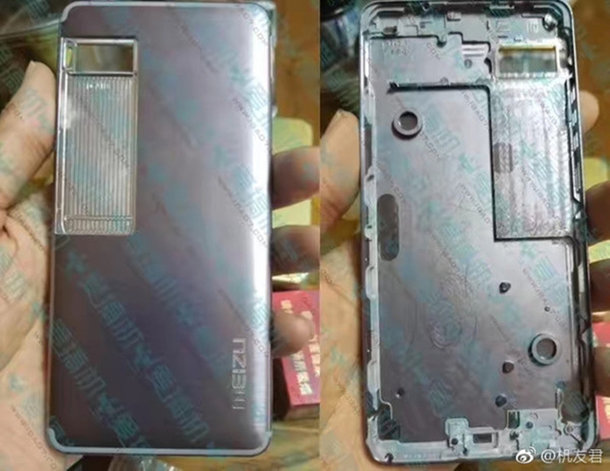
Another real live image of the Pro 7 which shows the design has appeared in a new leak. The leaked photo shows the rear cover of the device where the secondary display will sit. The rear casing is captured in two images showing the external and internal view of the device. The secondary display will be at the left corner and its function may be to display time and date, reminders, WeChat message notification and others. The display may likely be made from e-ink which would make it less energy consuming.
Despite the innovative design, we are still at a loss as to why a smartphone will come packing a rear display but then, there may be more to it than we know presently. Apart from the secondary display, the Meizu Pro 7 is also expected to come with an innovative design which includes an ultra-thin frame and Meizu’s mBack. The device is also tipped as packing a MediaTek Helio X30 chip, a 5.2-inch 1080p display up front and a dual Sony IMX386 + IMX286 dual camera etc.
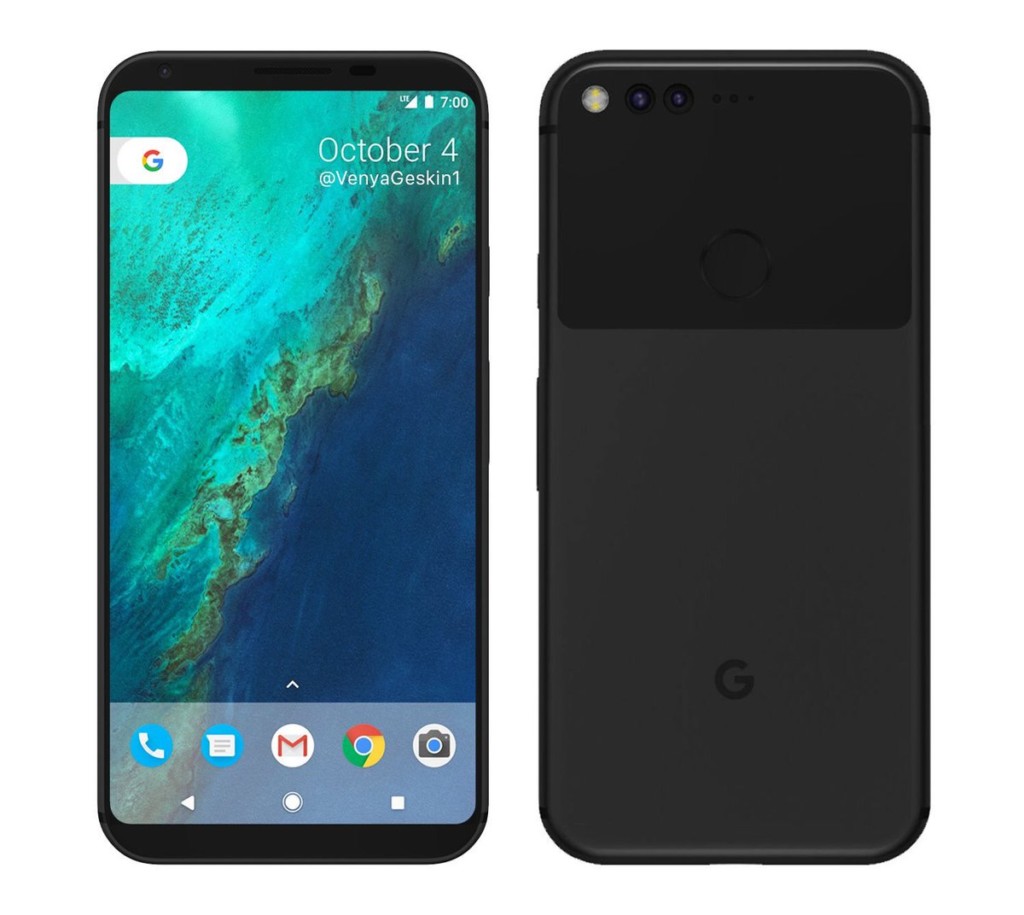
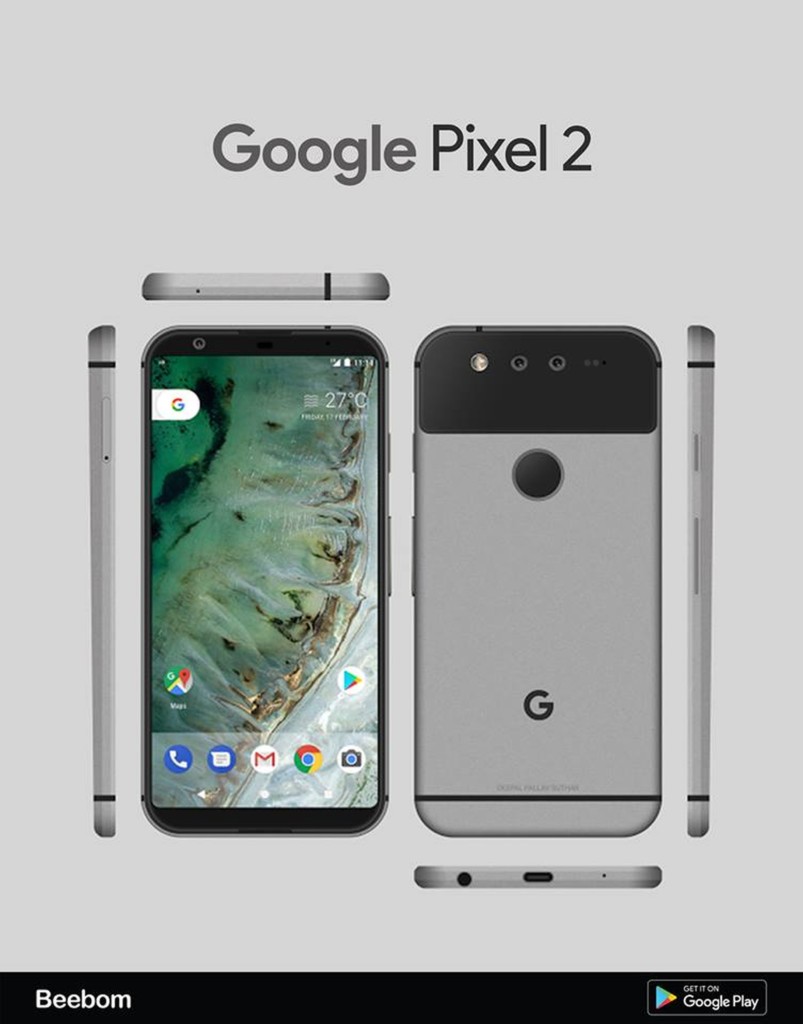
A leaked render of the Google Pixel 2 has smartphone has surfaced to reveal what to expect from it. Samsung has the impressed the world with the full-screen design that it introduced on Galaxy S8 and Galaxy S8+. The upcoming smartphones like Galaxy Note 8 and iPhone 8 are both expected to come with screens that will be surrounded by super-slim bezels around the four sides. Both the phablets are also expected to come with dual rear cameras. Hence, in order to rival with the Note 8 and iPhone 8, the upcoming Google Pixel 2 should come with full-screen design and dual rear camera feature. These features are available on the newly leaked render of the Google Pixel 2.
The Google Pixel 2 and Pixel XL 2 smartphones are slated to get announced in October this year. The leaked render that we have here cannot be confirmed as a real thing. It appears more like a creation of someone who wanted to add full-screen display and dual camera feature without bringing major changes to the design of the original Google Pixel phones.
As it can be seen in the above image, the Pixel 2 appears quite similar to the original Pixel smartphone. The most obvious change that can be noticed is that the phone has super-slim bezels on the left and right sides of the screen. The upper and lower bezels appear thick. The upper bezel houses a selfie camera.
The top portion rear side of the Pixel 2 shows the horizontally arranged dual camera feature that is coupled with a LED flash. There is no way to confirm yet whether Google will introduce twin rear camera feature on the upcoming Pixel 2 smartphones.
Some rumors have claimed that the Pixel 2 phones won’t be featuring the standard 3.5mm audio jack. However, the audio jack can be seen at bottom edge of the phone which appears to be a more convenient placement. The original Pixel phones have the audio port at the top edge. The bottom side of the phone also feature a USB Type-C port. The right side of the phone has a Power key and a volume controller whereas the left side has a SIM slot.
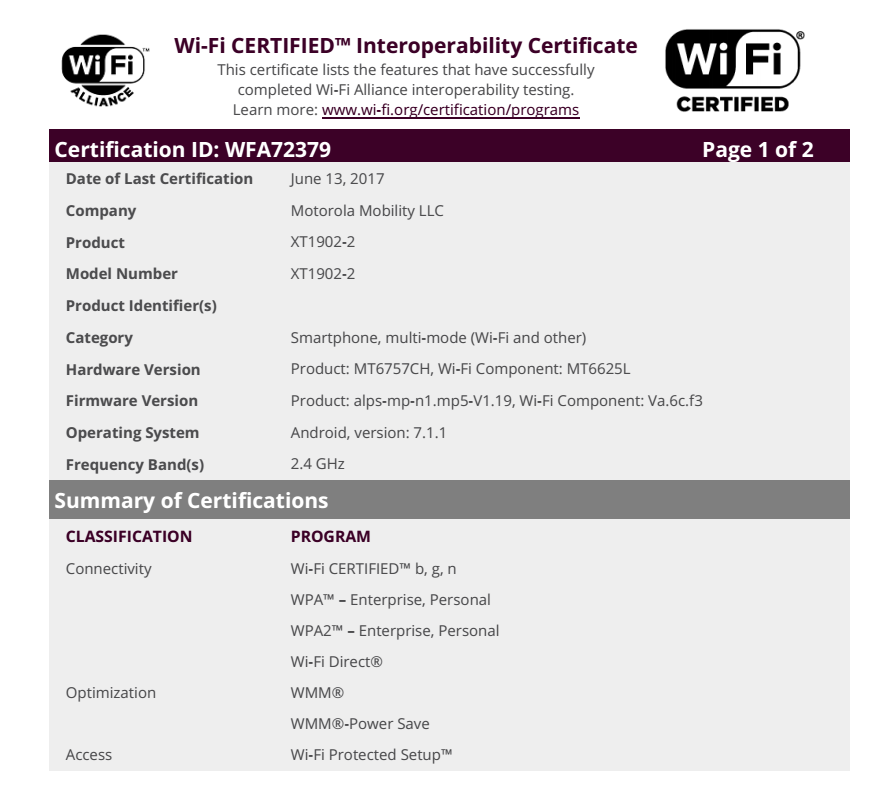
A few days ago we reported seeing a Lenovo XT1902-3 powered by the Helio X20 chip on Geekbench. We strongly believe it is the Moto M2 based on the configuration. A new Moto XT1902-2 seen getting WiFi certified may just be the second variant of the phone.
The Moto XT1902-2 was seen listed in a document from the WiFi Alliance. It runs Android 7.1.1 and has a MT6757CH a.k.a Helio P20 processor. Since the model numbers are almost identical, it shows that one is a variant of the other.
Last year when the Moto M was released, it came in two versions. The China version had a Helio P10 chip and the Indian variant featured a Helio P15 processor. It is not surprising that Lenovo/Motorola is following the same pattern this year for the Moto M2.
Apple HomePod, Google Home and Amazon Echo are some of the products that indicate that more and more companies are working on releasing smart home products. The Voice and Music division of Qualcomm has launched a couple of audio products at a developer conference in China that is expected to bring more features and improvements to audio devices and smart home products.
Qualcomm has announced a new high-end flash chip named CSRA68100 for wireless speakers and headphones. It has also launched a range of Bluetooth chips that belong to QCC3XXX family for low and mid-tier devices. For wired connections, Qualcomm has launched WHS9420 and WHS9410 chipsets that will work on USB Type-C enabled devices. It has also unveiled DDFA class-D amplifier that can be used with high-end speakers. To provide more power to the recent smart home speakers, the U.S. based chipmaker has introduced its smart audio platform that is driven by its Snapdragon technologies.
The CSRA68100 chip and QCC3XXX family chips are enabled with Bluetooth 5.0. These chips also support aptX codec from Qualcomm. It will be able to deliver the same sound quality even if the user is using a supported product based on older Bluetooth version. Its DSP capabilities are four times better than the predecessor CSR8675 chip. It carries support for voice control as it offers 24-bit 192 KHz codec through inputs and outputs. Its other features include NFC support, capacitive touch controller, and inbuilt power management features.
The QCC3XXX is an entry-level chip and does not come with most of the features that are mentioned above. However, its built to provide high-end features on lowly priced devices. The new range include 8 chipsets, out of which three are meant for Bluetooth speakers and the other five are built for different headsets. The support features include aptX codec, Bluetooth 5.0, ambient noise cancellation and TrueWireless tech from Qualcomm.
Newer devices allow audio support through USB Type-C. Some of these devices do not even feature the standard 3.4mm audio port. The WHS9420 and 9410 chipsets are built for catering earphones and other USB-Type C enabled devices that receive audio support from smartphones. The Direct Digital Feedback Amplifier (DDFA) has a lower power class-D design that will let original equipment manufacturers to configure output transistors for different power points on wide range of products like portables, home theater soundbars as well as high-end headphones.
The new Smart Audio Platform that is based on Snapdragon 425 and Snapdragon 212 supports Linux and Android. It has been developed to provide stellar audio experience by removing modem and camera capabilities. Even display and graphics capabilities have ben reduce, but it continues to feature Bluetooth and Wi-Fi support.
It can do more than a regular audio SoC because it is equipped with quad cores of Cortex A53 or A7, Hexagon DSP capabilities and All-Ways Aware technology as an optional feature. It supports numerous apps, voice recognition, 32-bit 192 KHz audio streaming, VoIP, digital assistants and biometric recognition through voice. It also supports 24-bit aptX HD wireless audio, noise cancellation, and AllPlay speakers. Also, the Smart Audio Program is enabled with support for touch screen display and configurable speaker output power.
With the Honor 9 released, the world’s eyes now turn to OnePlus 5 imminent launch on the 20th June. The upcoming, highly anticipated OnePlus 5 is expected be available for sale the next day, June 21st. OnePlus CEO, Pete Lau has been boosting the hype through social media.
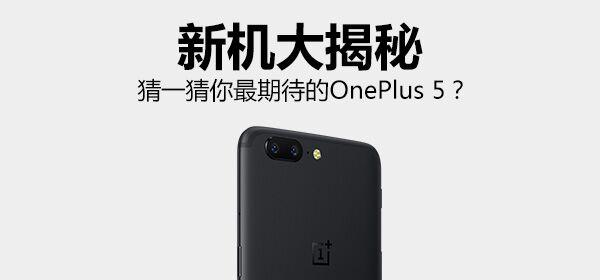
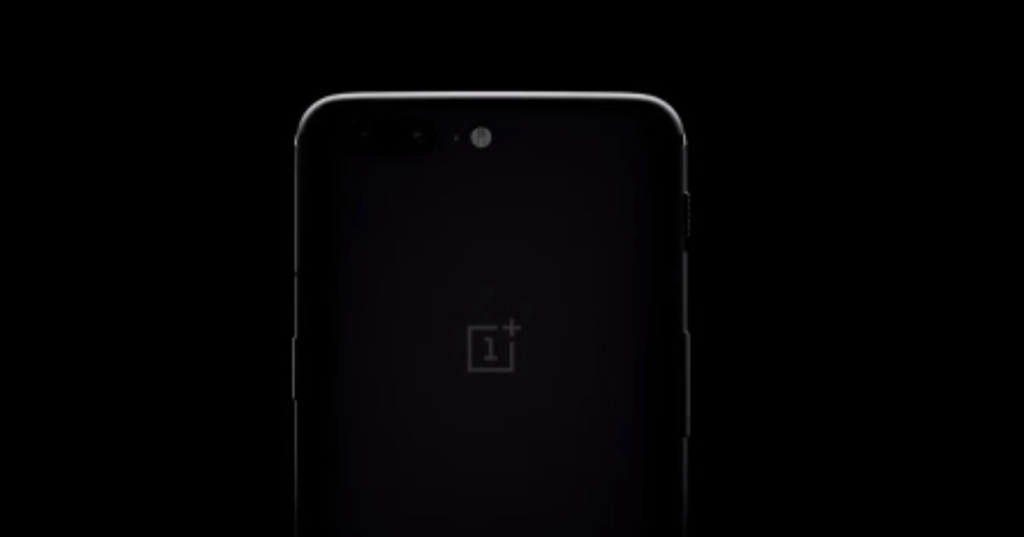
Currently, all we have factually are the images posted by Oneplus’ Twitter account. Revealing the OnePlus 5 sporting two shooters, one monochrome and the other an RGB sensor paired with picturesque photos promoting the idea that OnePlus is putting a clear emphasis on improved picture quality reproduction.
Recently, OnePlus CEO shared a picture of a winding road and commented on its beauty. However, one of the users suggested that this picture is probably a good depiction of the struggles it will take to get hold of the new OnePlus 5 once it launches on June 20. From the commentary, it suggests that OnePlus will have fans overcome a number of ‘winding obstacles’ for the OnePlus 5.
We believe this concern has become more prominent due to the issues with Qualcomm’s short supply of the Snapdragon 835, where other flagship phones, like LG’s G6, have skipped the component to reach the market early.
With concern from OnePlus fans about the OnePlus 5’s availability, OnePlus’ CEO stated the release will be a “relaxed and happy” experience, attempting to reassure consumers that OnePlus has enough Snapdragon 835 in stock for this year’s flagship; Pete Lau has seemed very confident when he stated this.
Another concern is the potential price hike of the flagship, suggestions point to a price increase to €550 ($615+), however this figure has not been confirmed.
Only time will tell if there’s enough stock of the OnePlus 5 to meet its possible huge demand.
What are you thoughts on the CEO’s claims? Share your thoughts down below.
The Moto Z line of smartphones were introduced last year. The original Moto Z phones as well as other Moto branded were sold as Lenovo devices in 2016. The Chinese firm is undergoing restructuring process and one of the things it is doing is bringing back the Motorola brand. This is proved through a new media invitation that has been released by the company for an upcoming launch event on June 27. Speculations are rife that Motorola may launch the Moto Z2 and Moto Z2 Force smartphones on June 27.
The other 2017 Moto phones that have not released yet include Moto G5S, Moto G5S+, Moto X4, Moto Z2 and Moto Z2 Force. Except for the Moto G5S, rumors have revealed all the other smartphones will be coming with dual rear camera feature. The above image of the launch invitation shows a girl holding a mysterious Moto phone that has dual rear cameras. This indicates that Motorola may unveil any of the aforementioned dual cam smartphones Since the invitation reads “Motorola is back,” it is likely that brand will return with a bang with the launch of Moto Z2 phones. However, there is no confirmation on it.
The above image shows that Motorola is also holding a launch event in Brazil on June 21. Recently, an unidentified Moto branded phone featuring a 5.5-inch screen and Snapdragon 430 chipset and 3,000mAh battery had received FCC certification. This phone could be the Moto G5S, an improved version of the Moto G5 that is powered by the same Snapdragon 430 SoC. Hence, it is likely that the Moto G5S and Moto G5S+ may get unveiled on June 21.
As far as Moto X4’s arrival is concerned, recent information has revealed that the Moto X4 may get announced at the end of this month on June 30. It is speculated to be an upper-midrange and first smartphone from the company to be powered by Snapdragon 660. Motorola has been releasing Moto X series flagship phones since 2013. However, in 2016, the Moto X was replaced by Moto Z phone. There is possibility that Motorola brand is coming back on June 27 with the launch of Moto X.
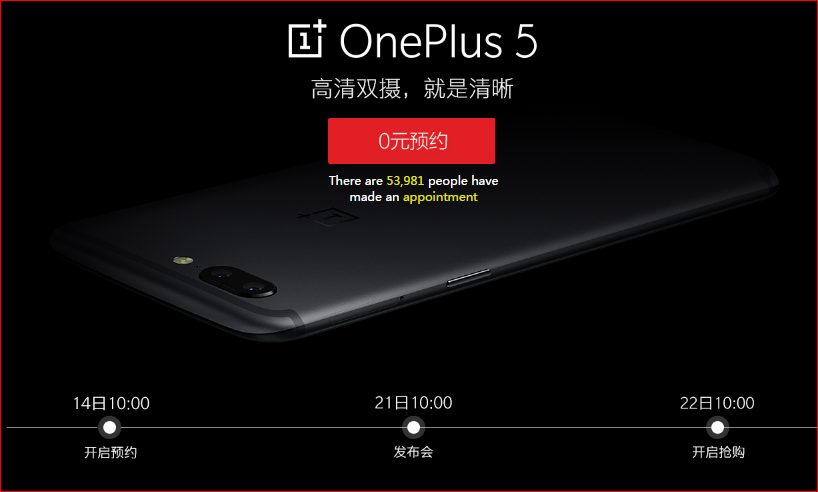
OnePlus‘ upcoming flagship device -OnePlus 5 is scheduled for launch on June 21 at a press conference holding in China. Ahead of the launch, the OnePlus 5 is on an early drive with the device already up for reservation on e-commerce platform Jingdong (JD.com). The reservation is an official one as it is being executed on OnePlus official flagship store on Jingdong.
The reservation opened on June 14 at 10 AM (CST) and will run right through the launch date which is June 21 until June 22 when the flagship device would be available for purchase. The most interesting thing is that even the 8GB RAM version is also stocked and can be reserved. The price of the OnePlus 5 is still not known because the reservation page doesn’t contain the price. However, the OP5 is believed to carry a price tag in the region of 3,000 Yuan. The price is not expected to exceed that amount.
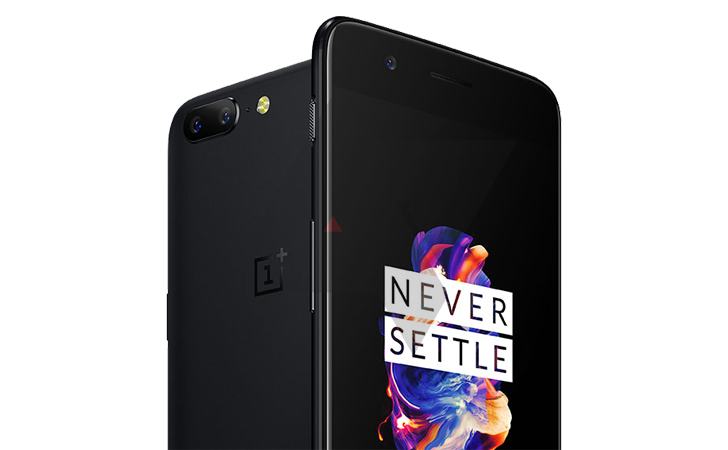
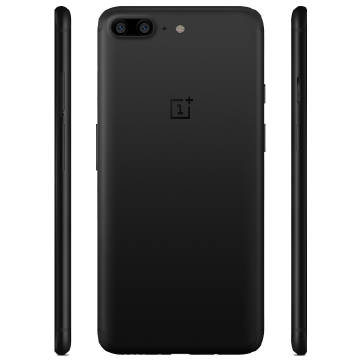
The OnePlus 5 Jingdong reservation affords us another opportunity to get to know the official specs and design details of the 2017 flagship. Of course, it is now confirmed the device will feature a dual camera setup at the rear, sitting in a horizontal plane. Another thing, the device will have an 8GB RAM version and another with 6GB RAM. The device will get all its juice from a Snapdragon 835 flagship chip and its body will be an all-metal one.
The OP 5’s antenna design is still the U-shaped antenna band design, there is a front fingerprint sensor and it comes in black as one of the colors. The design looks very much like that f the iPhone 7 Plus but we don’t that would affect the device’s outing. Already the number of reservations has clocked over 50,000 and that would rise astronomically as the news spread. We hope OnePlus has got enough stock awaiting the official launch.
Xiaomi‘s Mi series is the company’s flagship models which usually come with one upgrade on the other. Right from time, Xiaomi has always improved on the series’ cameras right from the Mi 2 to the dual camera packing Mi 6. The Mi 6 isn’t the first dual camera phone manufactured by Xiaomi. It is, in fact, the company’s third dual camera smartphone but the phone has turned out to be the Xiaomi’s best dual camera flagship till date.
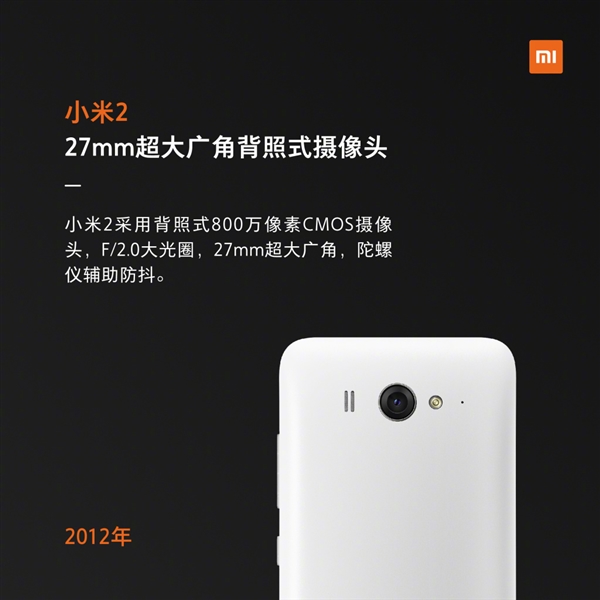
The Xiaomi Mi 2 was released in 2012 with a 4.3-inch display. Despte the size, the device featured an 8MP camera with f/2.0 aperture, autofocus, 27mm wide angle, back-illuminated CMOS and LED flash. The camera also features Geo-tagging, touch focus, face/smile detection, HDR and can shoot Full HD video 1080p@30fps. The Mi 2 also packs a smallish 2MP selfie camera which can also capture 1080p videos at 30fps.
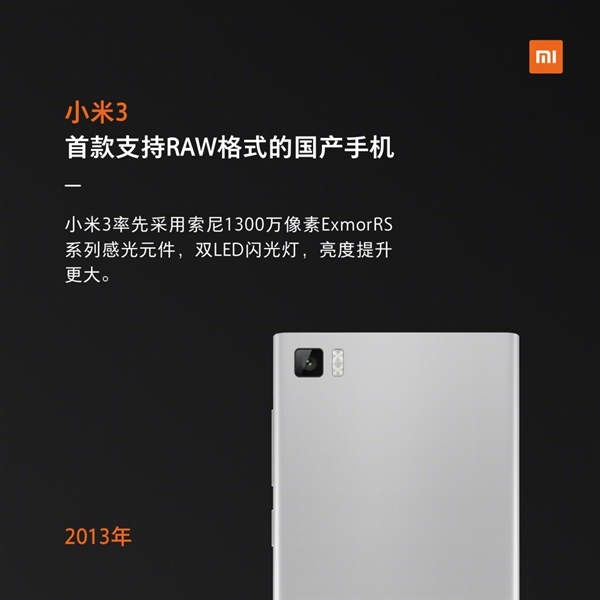
The Xiaomi Mi 3 quickly followed the Mi 2 and was introduced in 2013. The Mi 3 came with a more powerful 13MP ExmorRS main camera with f/2.2 aperture, 28mm wide angle, autofocus, dual-tone LED flash. The camera also comes with features such as Geo-tagging, touch focus, face and smile detection, HDR, Full HD video capture at 30fps. Xiaomi touted the Mi 3 camera as the first domestic mobile phone to support RAW format. The secondary camera is still a 2MP sensor with f/2.2 aperture which seems to suggest Xiaomi was focusing on the main camera during these years.
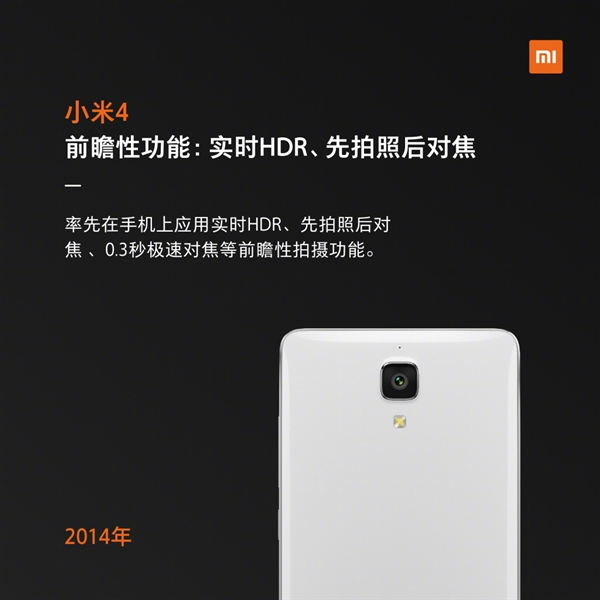
Xiaomi Mi 4 was announced in 2014, taking the rein over from the Mi 3. The sleek device is said to be the first Mi phone to feature real-time HDR and also touch focus. The Mi 4 packs a 13MP camera but with a smaller f/1.8 aperture. The Mi 4 also saw a huge leap from 2MP selfie camera to an 8MP selfie camera with f/1.8 aperture, signalling a shift towards better selfie cameras.
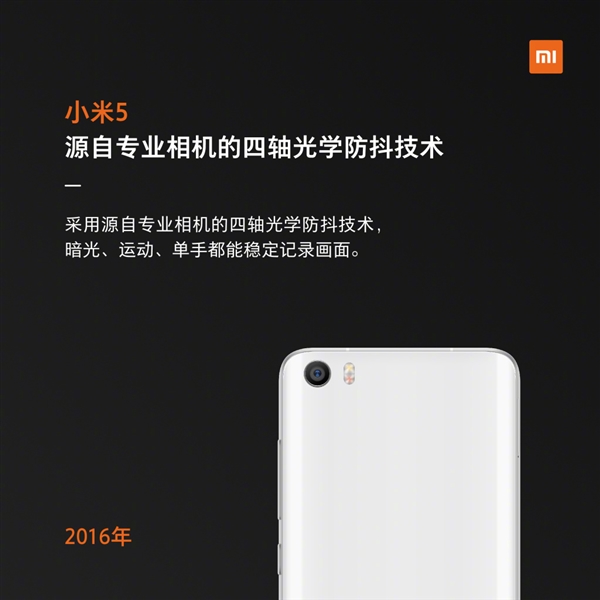
Xiaomi took things to another plane on the Mi 5 which feature a four-axis Optical Image Stabilization (OIS) found in professional cameras. The Mi 5 camera is a powerful 16MP sensor with f/2.0 aperture, dual-tone LED flash which the rear camera was reduced to a 4MP sensor for whatever reason best known to Xiaomi. The company spent two years before releasing the Mi 5 in 2016 and it was worth the wait.
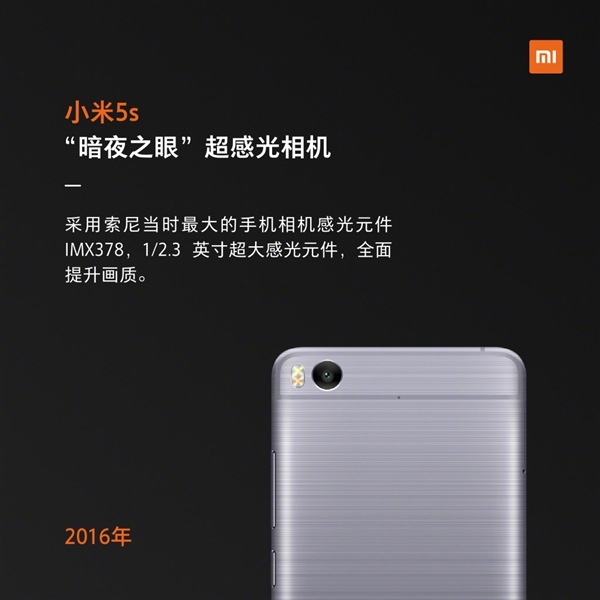
Xiaomi released the Mi 5S also in 2015 and it also had some improvements in its cameras. The main camera is a powerful Sony IMX378 sensor with f/2.0 aperture. The Mi 5s also features a 4MP camera. The Mi 5S Plus was aso released with dual 13MP cameras at the rear and a similar 4MP sensor at the front.
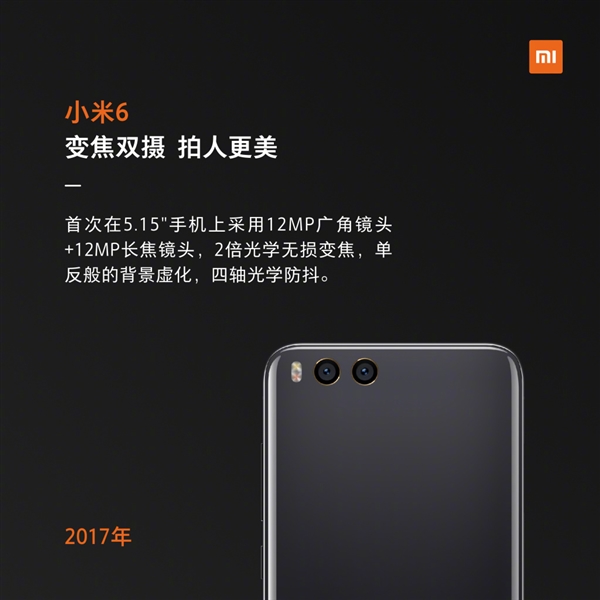
Now, with the Xiaomi Mi 6 which also has a dual camera setup, the company have taken things to another level, using a similar setup as the iPhone 7 Plus, a 12MP wide angle lens, and a 12MP telephone lens. The two rear cameras on the Redmi Pro were far from impressive but the setup on the Mi 5S Plus turned out to be quite good. The two cameras at the back managed to capture good-looking images especially in broad daylight, but the real difference due to the dual cameras was seen in the low light images. The stereo mode helped take pretty good low light shots, better than previous generations. Indee, with the Mi 6, you get two times lossless zoom and also better shooting.
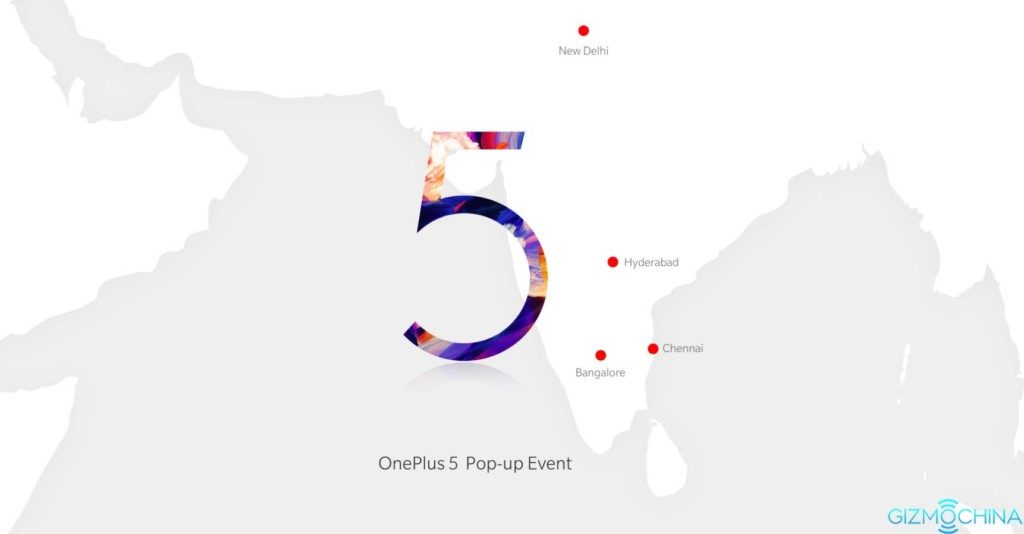
OnePlus has confirmed on their Indian Site that four cities within the country will have pop-up events where participants will have the opportunity to purchase the OnePlus 5 in-store.
These events will happen between June 23 and June 25; where New Delhi will begin at 13:00-21:00 (IST +5:30 hours) on June 23; June 24, Bangalore at 12:30-22:00 and Chennai between 15:00-21:00, on the final day Hyderabad 15:00-21:00.
OnePlus haven’t announced the official price in India yet; if we take numbers from the rumor mill, the expected price will be Rs. 32,999 (~$513) for the 64GB paired with 6GB RAM model, whilst the 128GB and 8GB RAM model will be set at Rs. 37,999 (~$590).
Due to the large fan base in India, OnePlus may expect large crowds of fans on each day, especially in populous cities such as New Delhi and Chennai.
Before the pop-up events begin, OnePlus will be launching the OnePlus at a live event on June 22, 14:00 (IST) at NSCI Dome Mumbai.
As the days grow closer, we hope the OnePlus 5 hype will not be a disappointment. We will be expecting OnePlus to provide a continuous record of high-quality flagships, keeping in mind that OnePlus hasn’t solidly confirmed what the components are in their fifth installment (counting the 3T as their fourth).
For the lucky ones that are able to attend the pop-up event, OnePlus is reminding participants that the number of OnePlus 5 stock will be limited.
Are you attending a OnePlus 5 Pop-up Event? What are your thoughts on the selected venues?
JerryRigEverything is well-known for carrying out various kinds of durability on popular smartphones. This time it has released a durability video of HTC U11 on YouTube to reveal durable the flagship is against different types of durability tests.
The HTC U11 is the 2017 flagship phone from the Taiwanese company that is driven by Snapdragon 835. The USP of the phone is that the metallic frame of the phone is equipped with sensors that can be pressed. This feature is dubbed as HTC Sense. By short and long presses on the sides of the HTC U11, users can access frequently used apps and perform some other functions.
The HTC U11’s comes with 5.5-inch screen that supports a QHD resolution of 2,560 x 1,440 pixels. It is flanked with Gorilla Glass 5. The first durability test carried on the HTC U11 by JerryRigEverything is the scratch test on the screen. It can be seen that the HTC U11’s screen’s durability is on par with that of iPhone 7 and Galaxy S8. Deliberate scratching using a pointed object as well as keys and other sharp items will not easily scratch the screen.
The fingerprint scanner placed below the display could scratch quite easily. However, even after the scratches, it worked fine. There is no metal grille placed on the earpiece and the selfie camera is well-protected because of Gorilla Glass 5. There is no plastic on the rear camera, but its dual-LED housing has plastic on it which gets scratch easily. The metal lining around the main camera housing could get scratched in two or three attempts.
The sides of the HTC U11 and the buttons present on it are made up of metal. The edges of the phone scratches easily. Does it affect the performance of the Edge Sense feature? Even after the sides of the HTC U11 was scratch, the Edge Sense functioned seamlessly without any signs of malfunction.
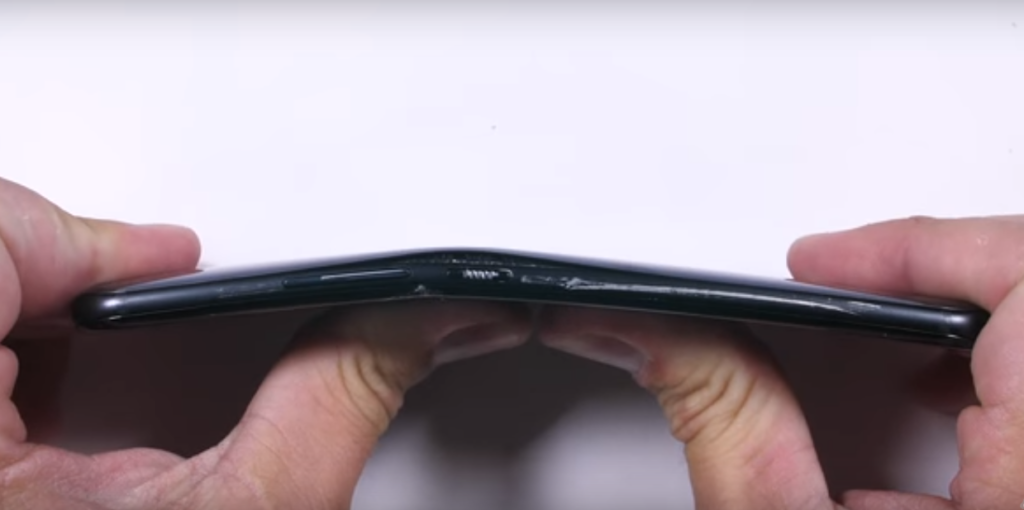
The burn test that lasted for 8 seconds blackened the portion of the screen where the flame was applied. However, the display could recover in few seconds. Next comes the bend test of the HTC U11 that measures 7.9mm in thickness. When the pressure was applied from the rear side of the phone, it could bend quite easily. When it was flexed from the front, the HTC U11 started cracking. The front glass as well as the LCD panel were affected.
The HTC 10 was one of the most durable smartphones of 2016. However, when it comes to HTC U11, it seems that the company has compromised on the durability of the phone in a bid to offer improved design and creativity.
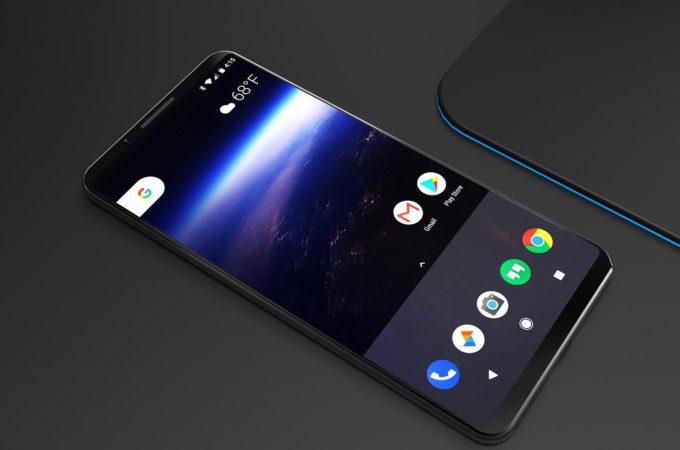
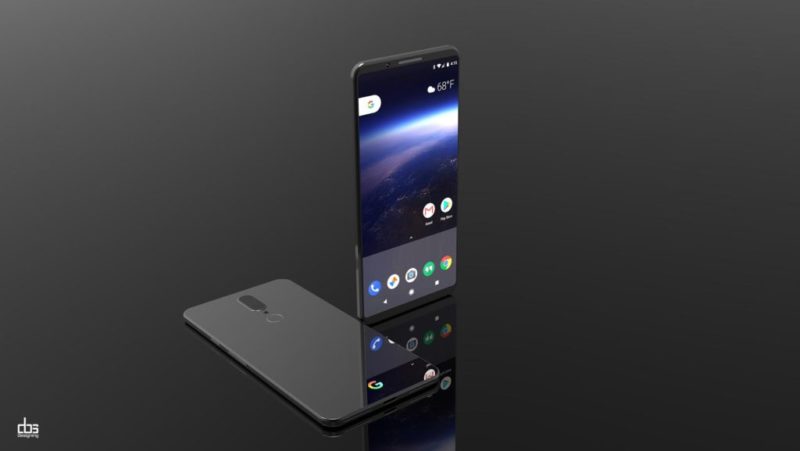
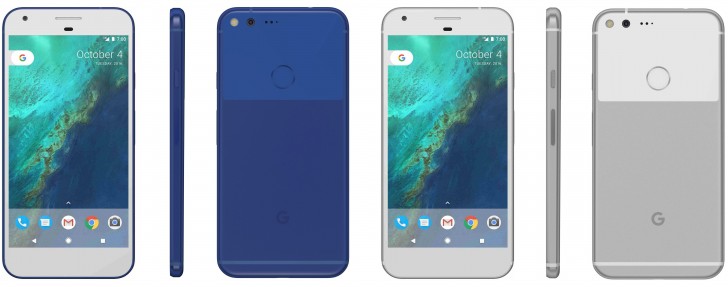
DBS Designing has built a concept edition of the upcoming Google Pixel 2 smartphone. The Pixel 2 concept is available on the website of Concept Phones. Even though it is just a concept model, it appears like a successor phone for the original Google Pixel smartphone from last year.
Google Pixel 2 Concept Design
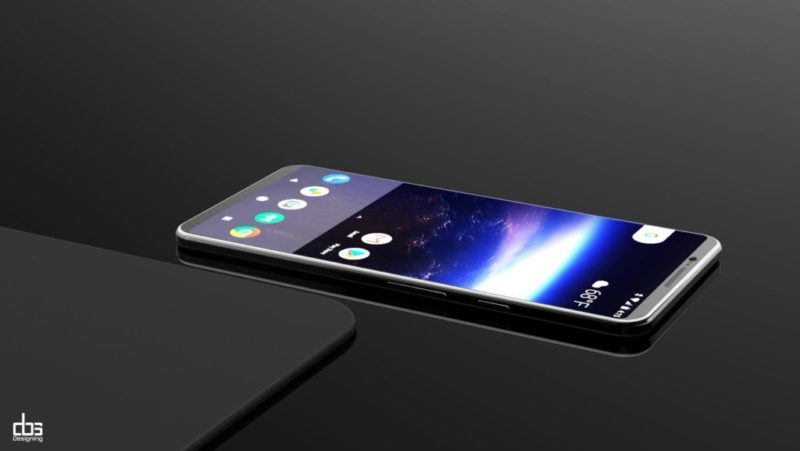
The Google Pixel 2 concept by DBS designing shows the smartphone with an edge-to-edge screen as it sports razor-thin bezels on the left and right side of the screen. Also, the top that houses a selfie snapper and bottom bezels are quite thin. The right edge of the phone has the Power button and volume buttons. The bottom edge of the concept phone features a USB Type-C port and the cutouts on the either side of it may belong to the external speakers of the phone. The top and left edges of the phone are barren.
The rear side of the Google Pixel 2 concept has a vertically aligned dual rear camera module. Below it is a small square-shaped LED flash for the camera. The backside of the phone also features a fingerprint reader. Google’s ‘G’ logo is seen sitting at the bottom of the back panel. The concept model appears in two colors like Black and Silver.
The Google Pixel 2 concept model’s 5.7-inch screen supports QHD+ resolution. The Samsung Galaxy S8 and Galaxy S8+ also supports QHD+ resolution of 2,960 x 1,440 pixels and an aspect ratio of 18.5:9. It is likely that the Pixel 2 concept with full-screen design may support a similar resolution and aspect ratio.
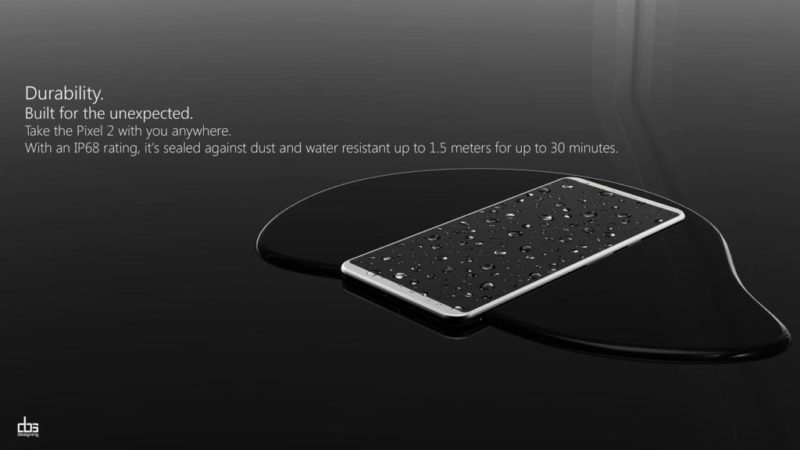
The specs sheet says that it features an octa-core processor and does not exactly mention name of the processor that powers the concept phone. Since the phone has a glossy appeal, the concept design shows that it has an all-glass body that is certified with IP68 rating for water and dust resistance.
Other specs include 6 GB of RAM and an internal storage of 128 GB. The rear dual camera system includes a pair of 12-megapixel sensors and the front houses a 7-megapixel camera. It is running on Android 8.0 (Android O) and is equipped with a 3,800mAh battery that comes with fast charging capabilities. As the rumor have been claiming that the 3.5mm audio jack will not be available on Pixel 2, the concept model shows that there is no standard headphone port.
Xiaomi has continued with its continuous releases under the MIJIA brand as it prepares to announce the 90th and 91st crowdfunding product on June 15. This is coming barely two days after the company announced its 89th product which turned out to be a multi-functional portable blanket.
Th 90th Crowdfunding product looks more or less like a shelf but what caught our attention the more is what the 91st product will likely be. The teaser, as usual, did not state what product we should be expecting but there are some vital clues pointing in the direction of the likely product. The poster contains the sketch of a box with a glass door and what looks like ice blocks inside. Accompanying the sketch is a couple of texts which mentioned Venetian explorer Marco Polo who exposed the existence of China to Europe during his travels. Marco Polo was said to have documented that he witnessed that 13th century China had ice-cream.
The Weibo post also describes the product as being cold like ice room. From the clues, we suspect this is an ice box which can keep things cold and preserved. The product will be officially unveiled on June 15 by 10 AM. We’ll find out more on that when it is launched.
The chip wars just got more interesting. Early this year, when news of the second-gen Pixel smartphones started to surface, there was a rumor that Google was working on its own chip. Some even speculated that Google was collaborating with MediaTek on the project. While the latter part seems unlikely to be true, Google is indeed working on a chip and it made its first major hire recently.
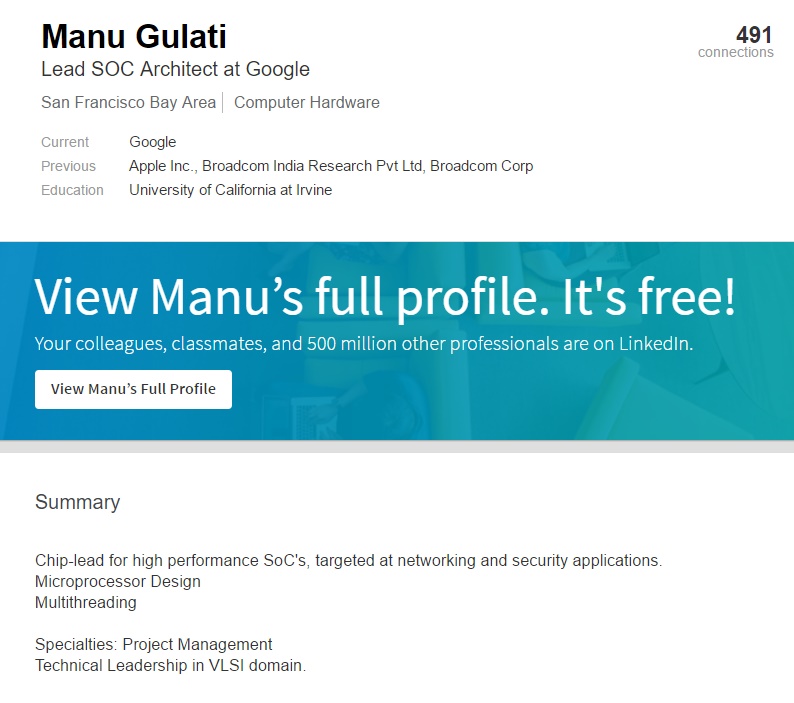
Manu Gulati used to work for Apple up until April 2017, but if you take a look at his Linkedin page, he now works for Google. His new role there is Lead SOC Architect. Let that sink in!
Mr. Gulati is reported to have played a key role in the development of Apple’s custom A-series SoCs. We don’t need to explain how powerful Apple’s chips are. The chips are well optimized for iOS that’s why they perform excellently well.
Google is getting serious with its hardware business and it started last year with the Pixel and Pixel XL, two devices that define what it believes Android smartphones should be. Now it is taking things further by developing its own custom chips that will power future Pixel phones and probably other Google devices.
Just like the Pixel phones, Google’s chip(s) will be designed how they want and how it should work with Android. If things go well, it may end up licensing its designs to other manufacturers.
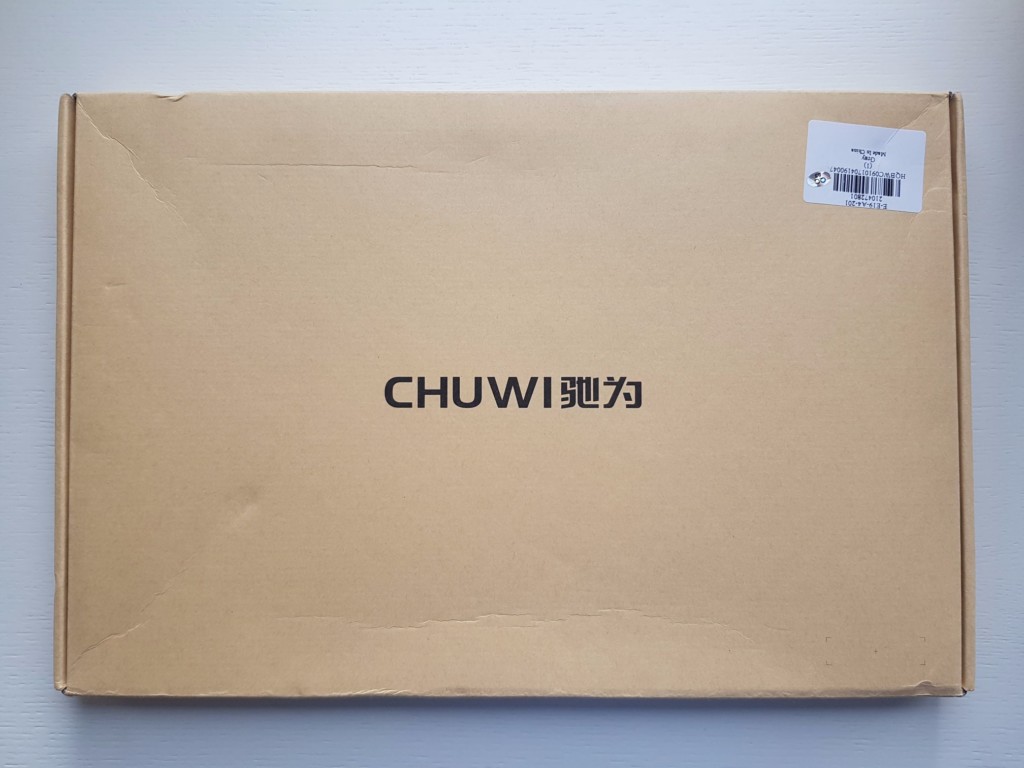
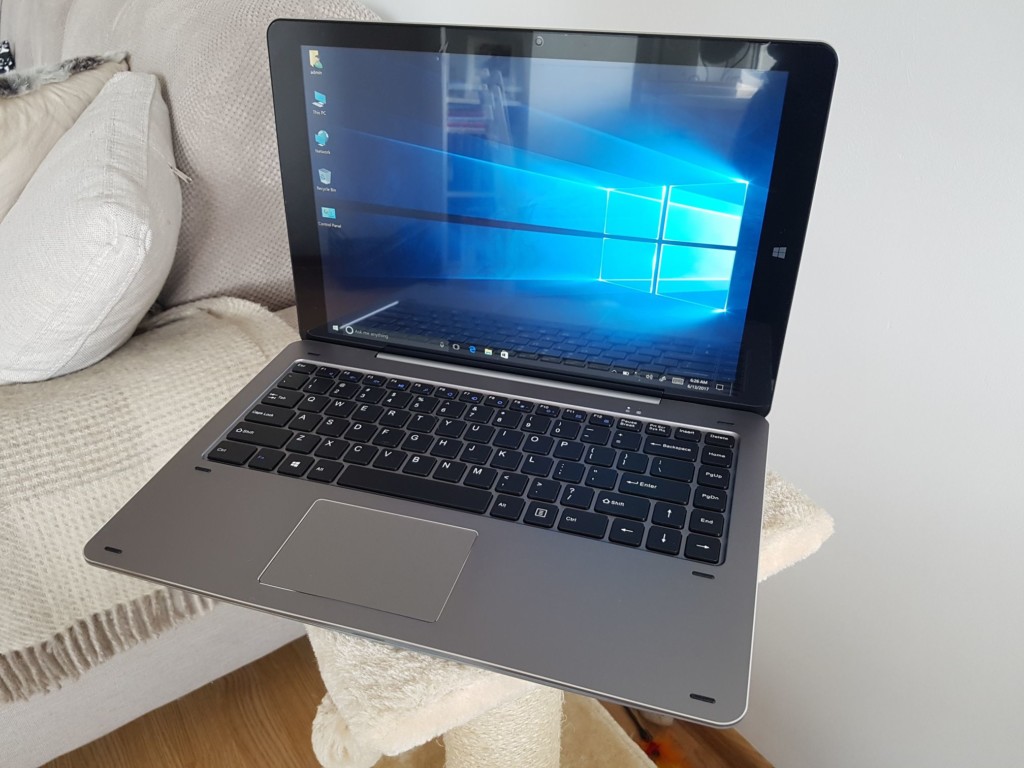
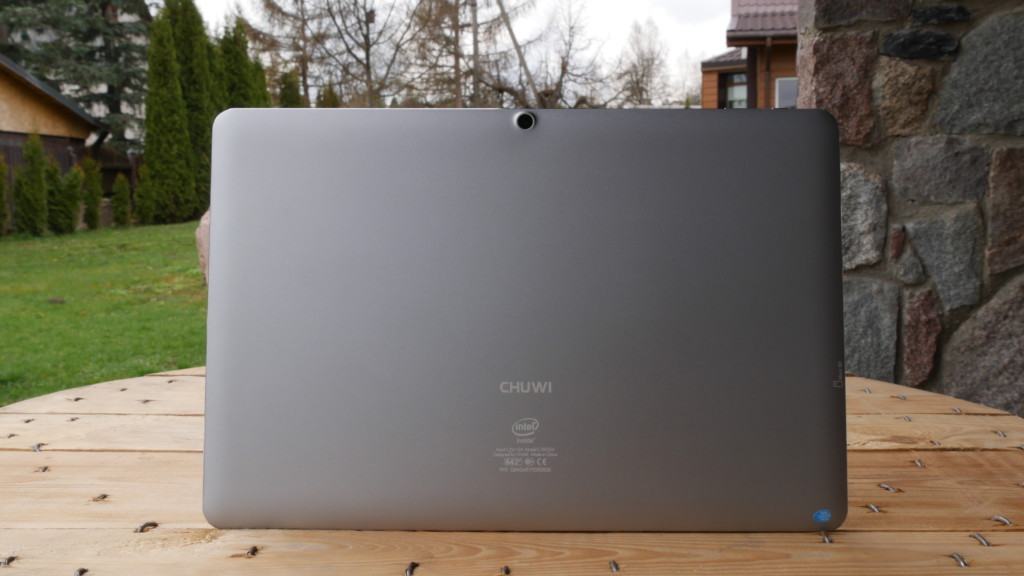
Chuwi is quite a popular Chinese tablet and laptop maker and their Hi13 model is without any doubt the largest tablet I’ve ever had. It sports a massive 13.5” display with a whopping 3k resolution and a lot more. Learn more in our Chuwi Hi13 review after 1.5 months.
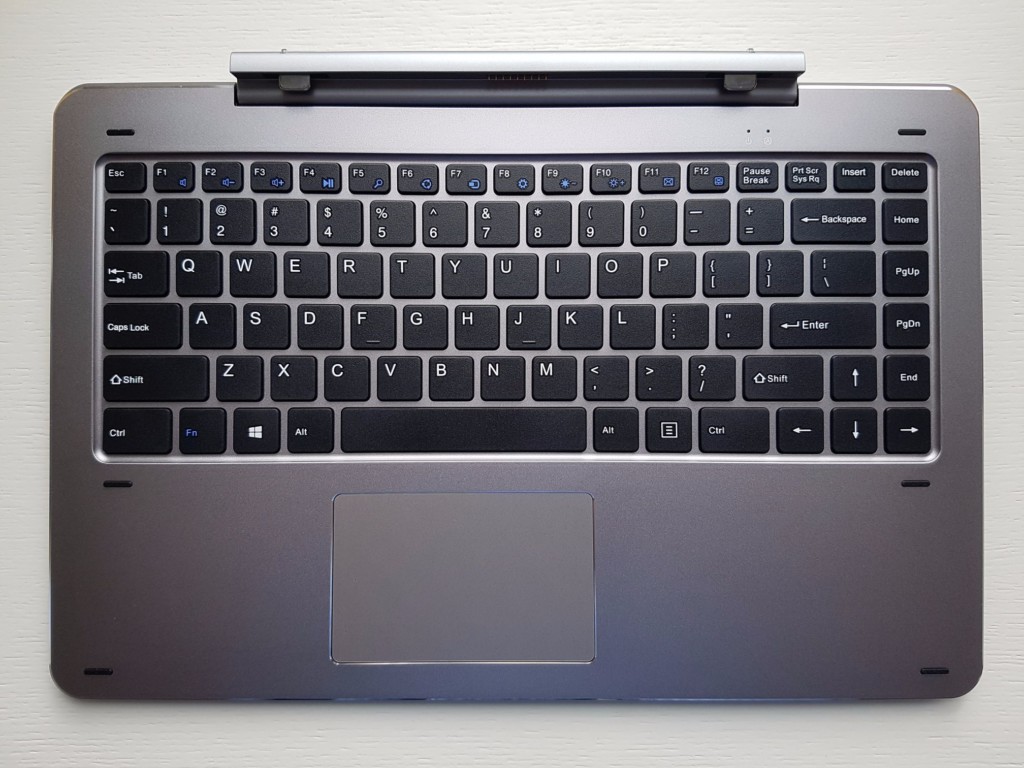
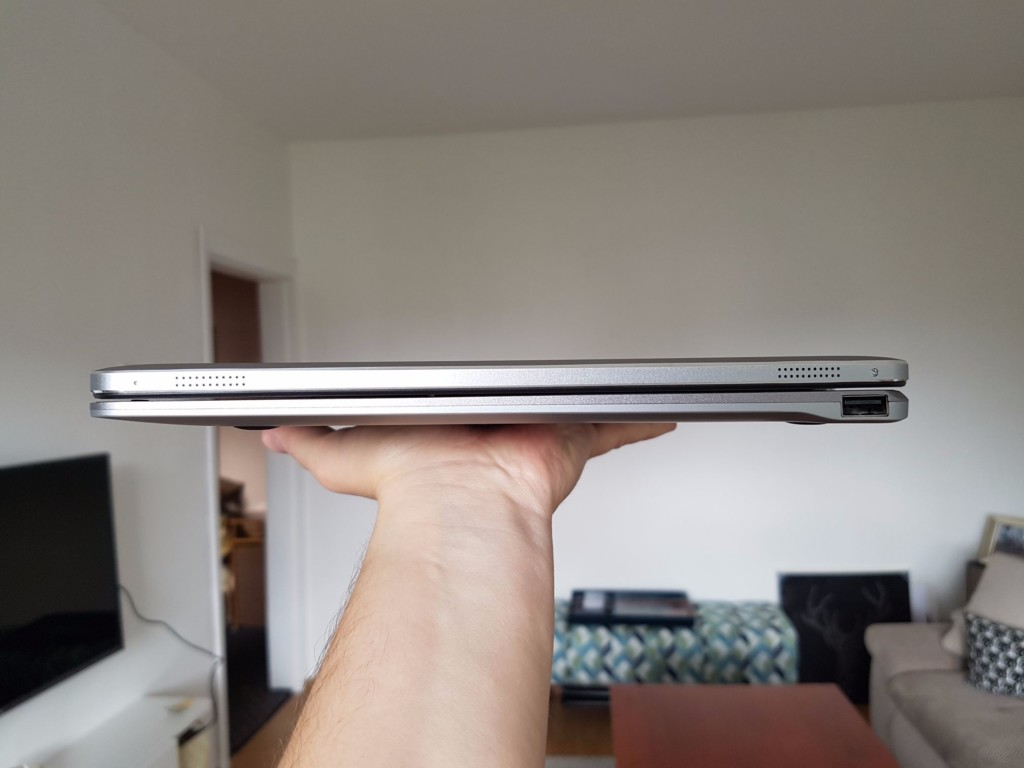
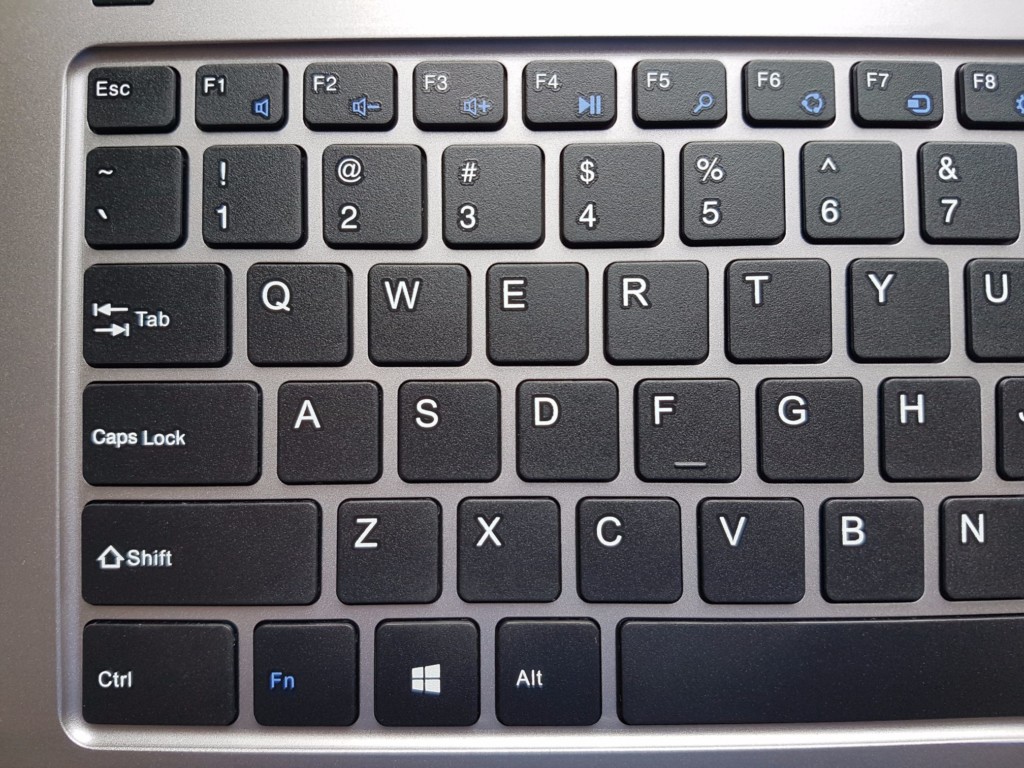
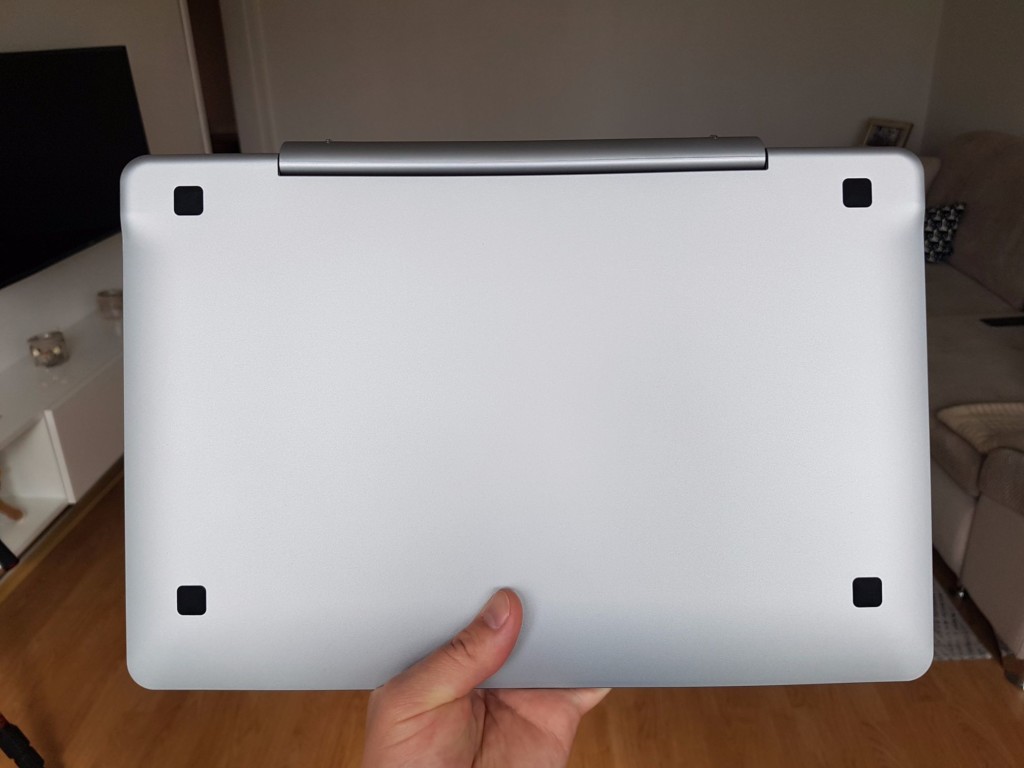
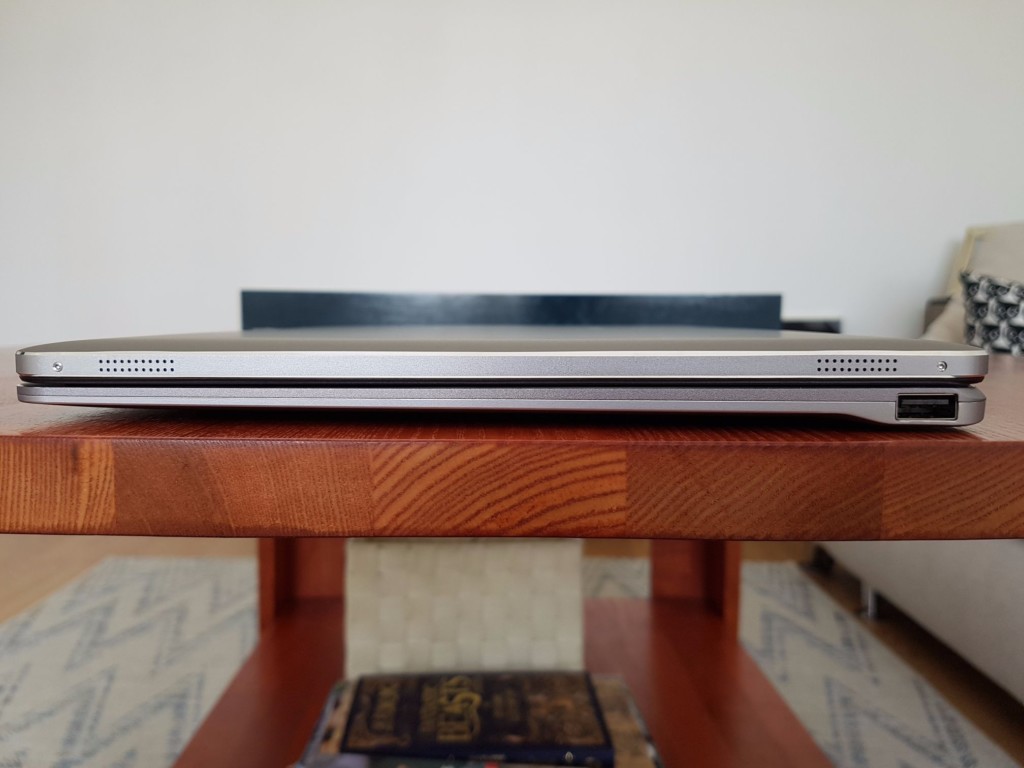
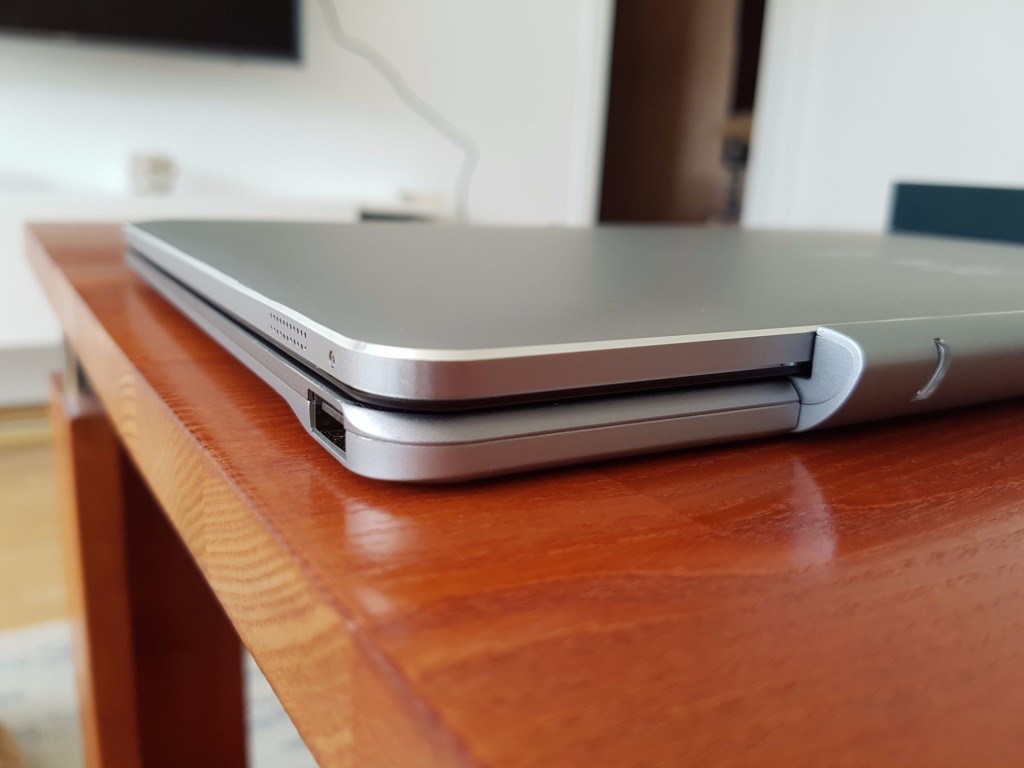
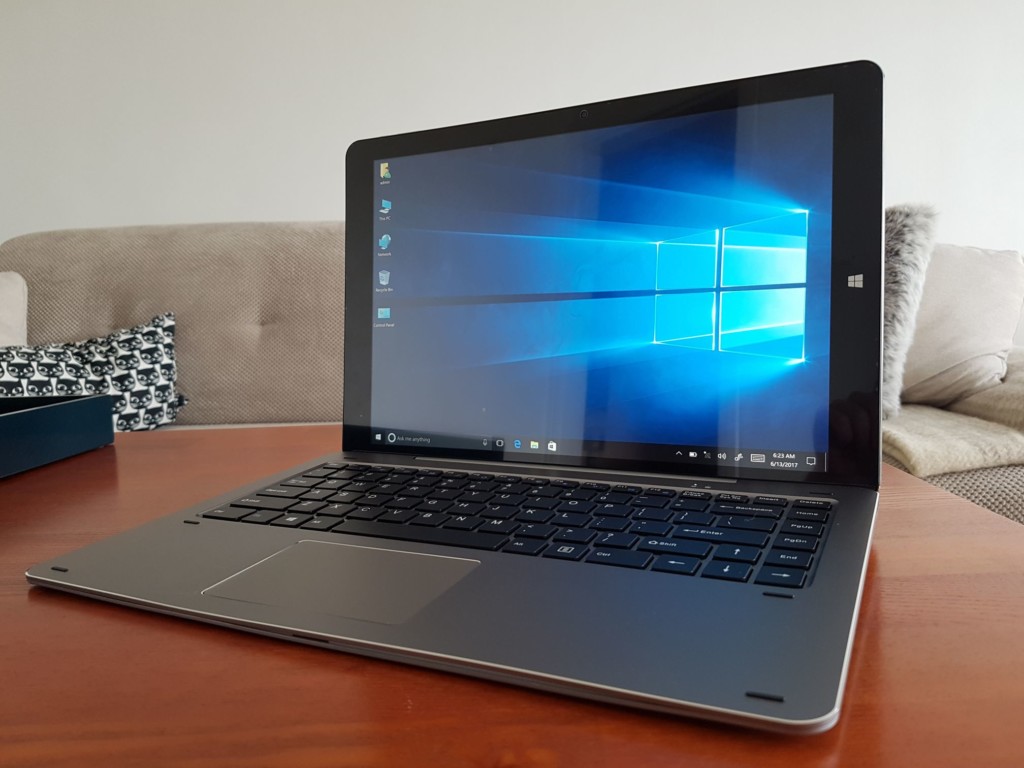
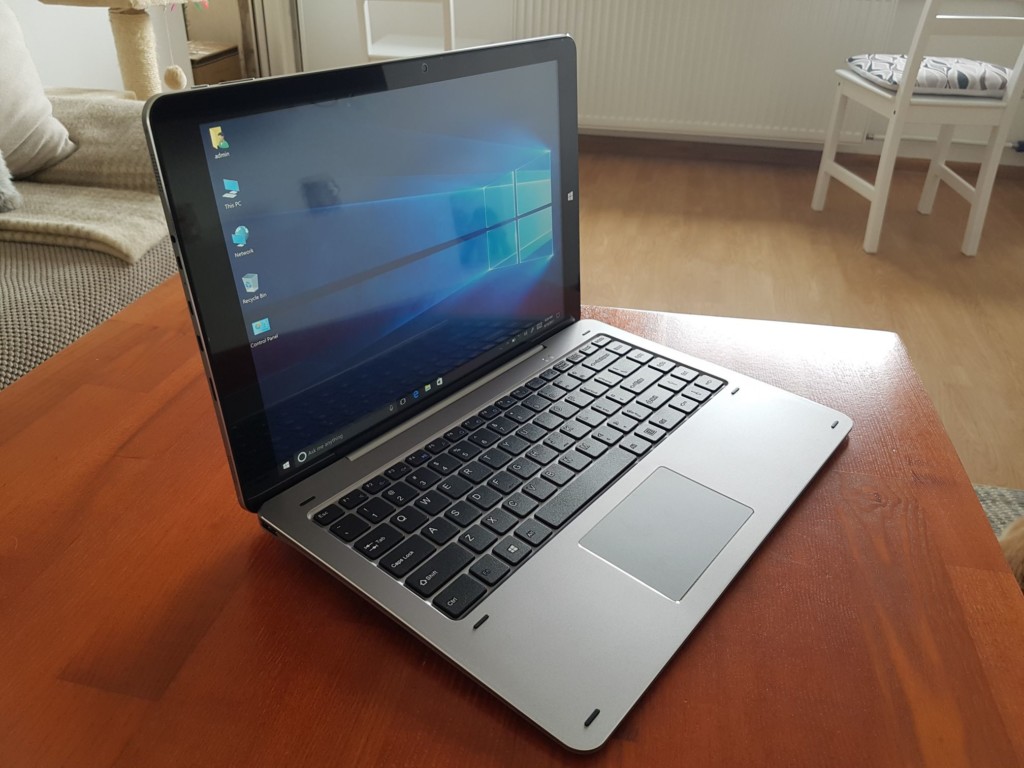
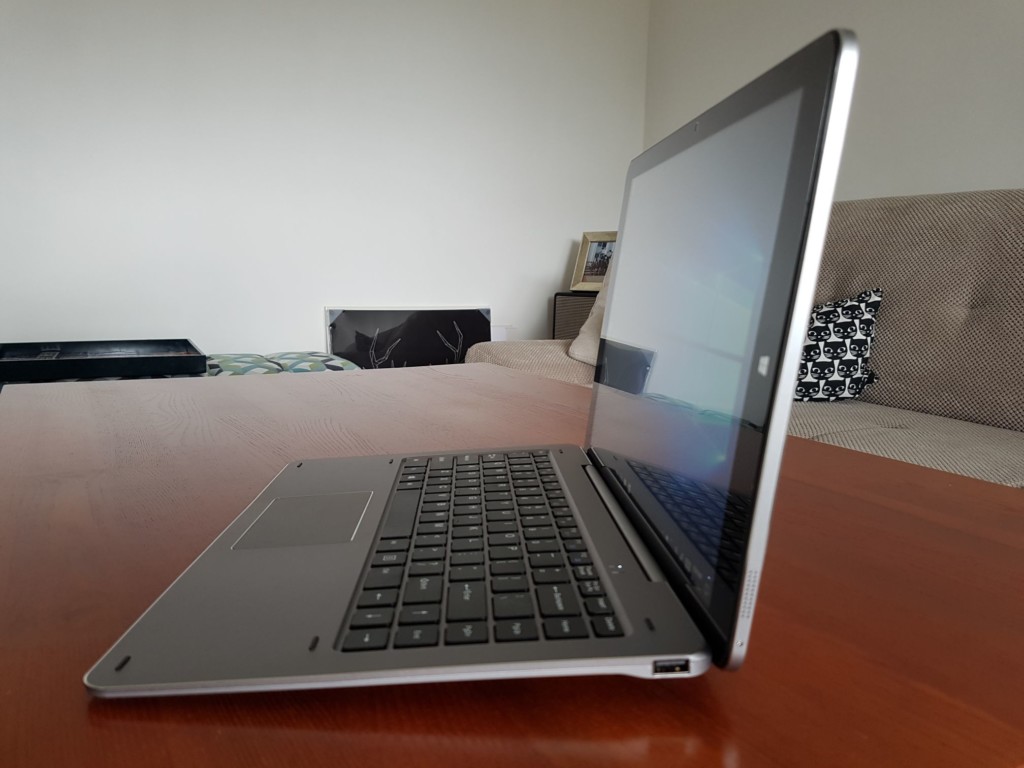
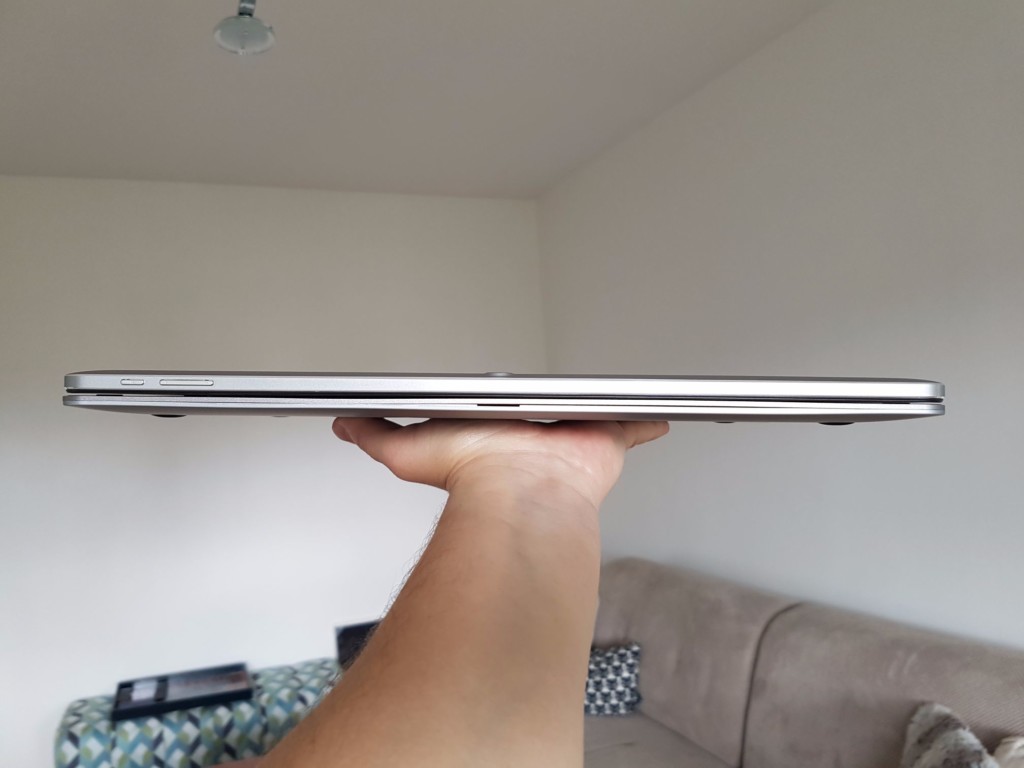
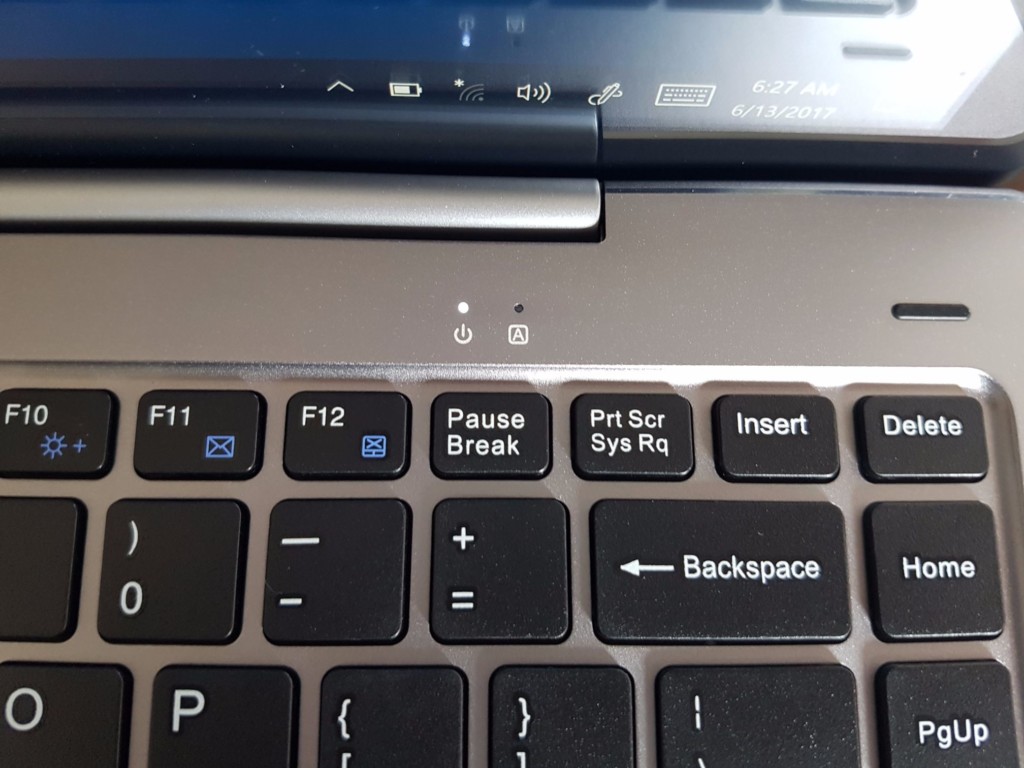
I am very impressed with the design and the overall quality of the keyboard. It uses metal casing on the top and plastic on the bottom, and it feels quite premium.
The buttons are easy to press and comfortable to type on. Also, they have a good travel and feedback. It took me just a few hours to get used to it to start typing normally.
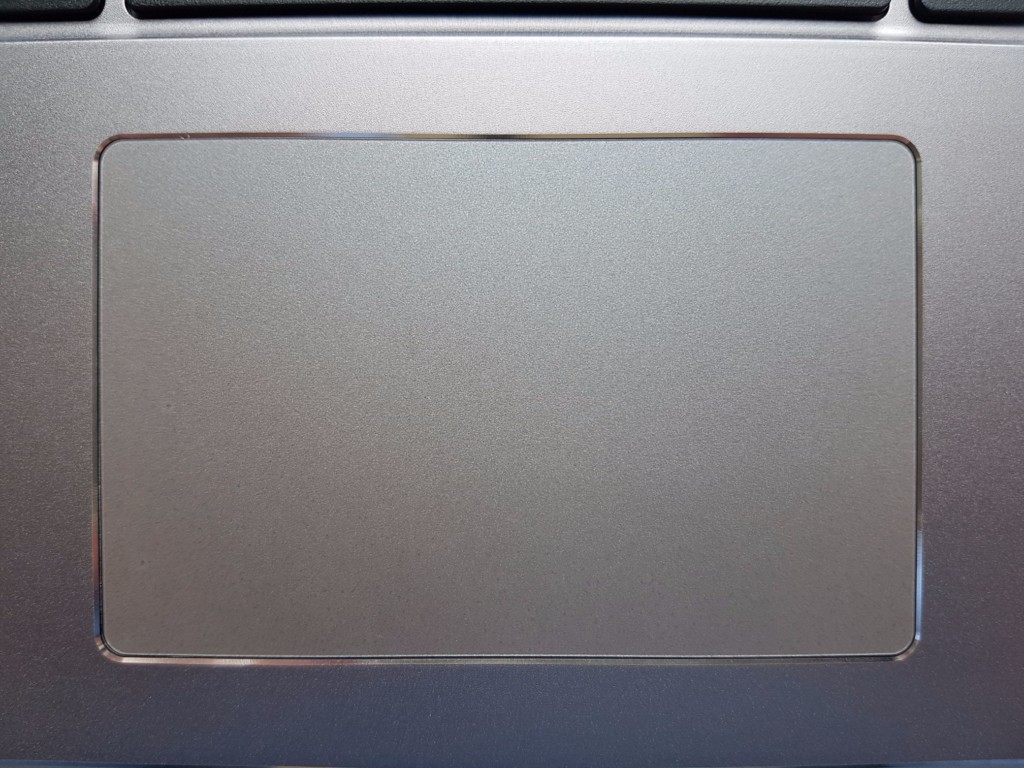
It has a trackpad, which is good but not great. It is fairly responsive and I can see an improvement over previous generation Chuwi keyboards.
You have to know that the keyboard does not have an embedded battery and it uses the power of the attached tablet.
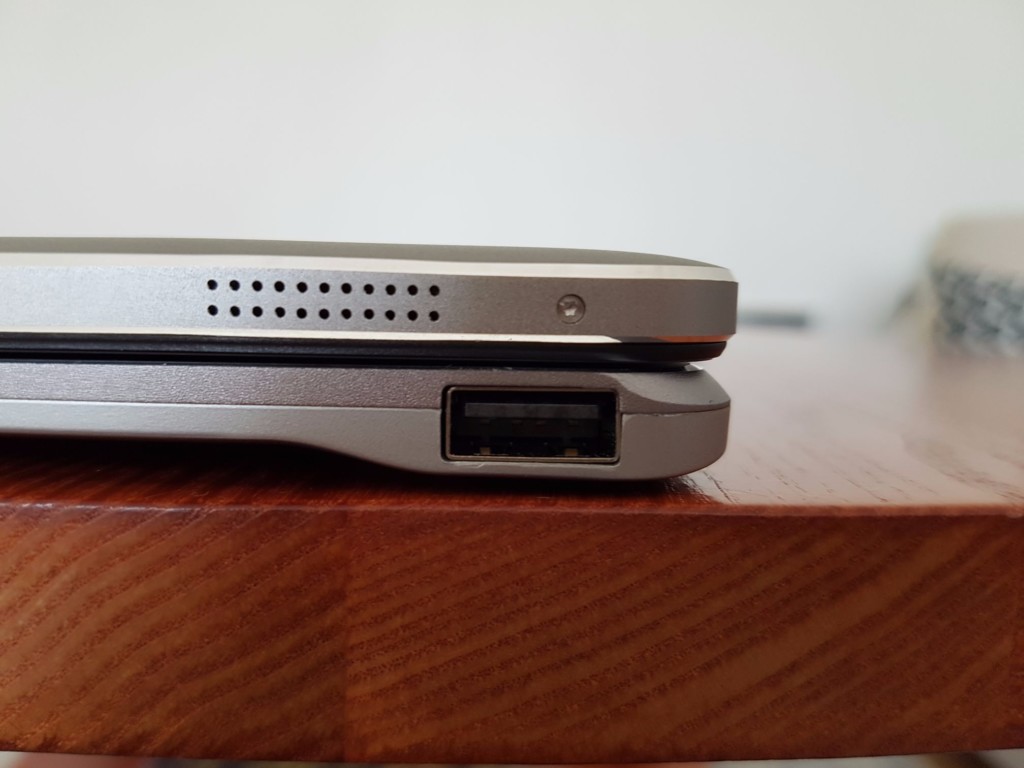
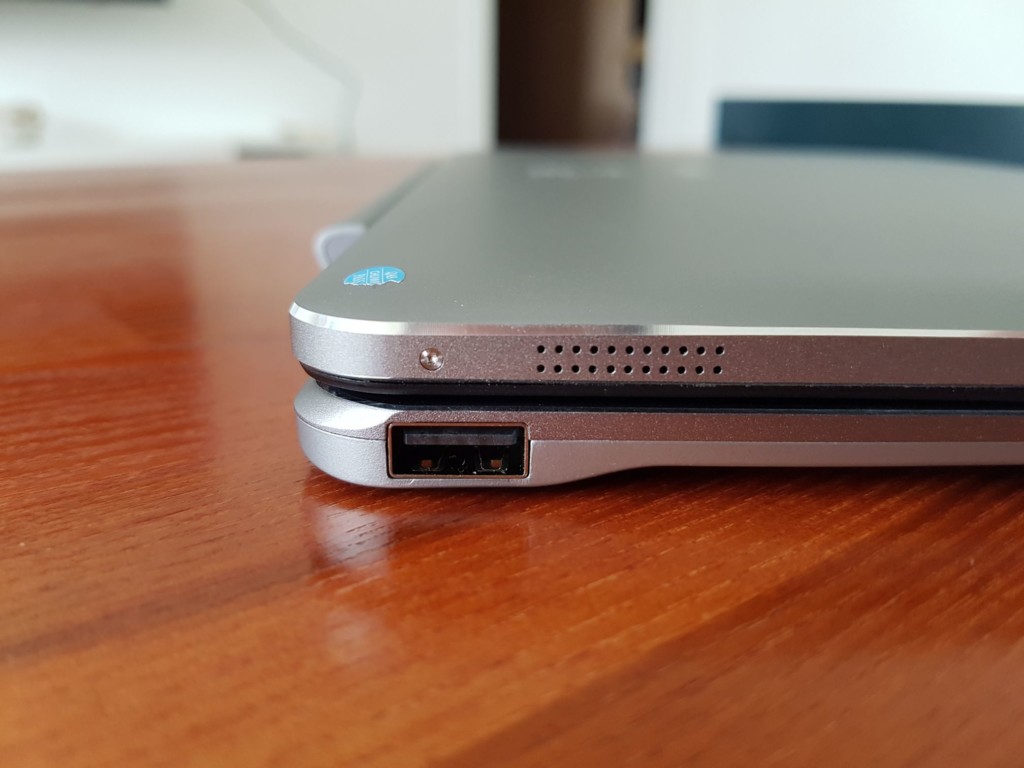
There are 2 USB 2.0 ports, which are great for connecting peripherals and USB sticks. Also, the ports support external hard drives without any issues.
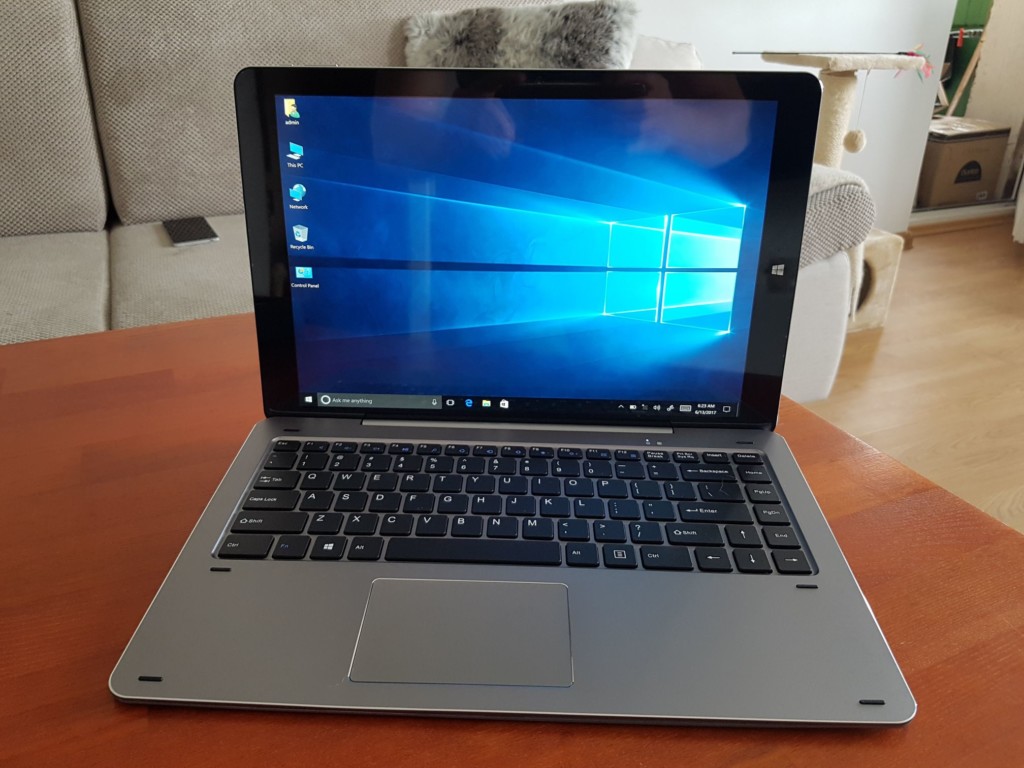
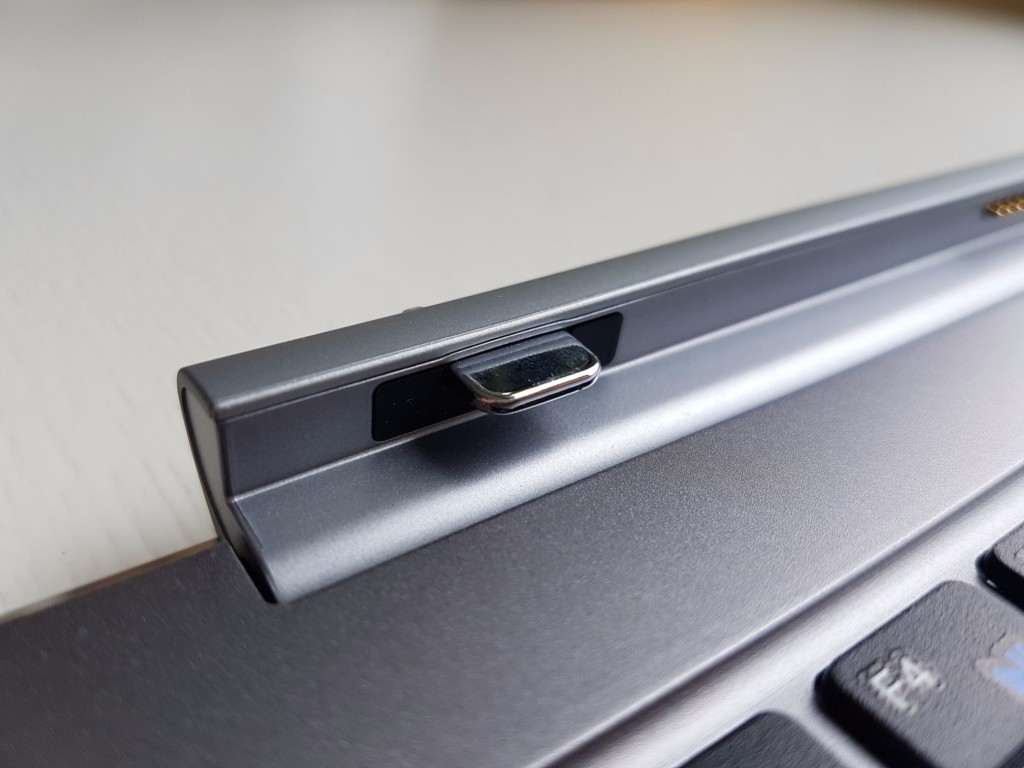
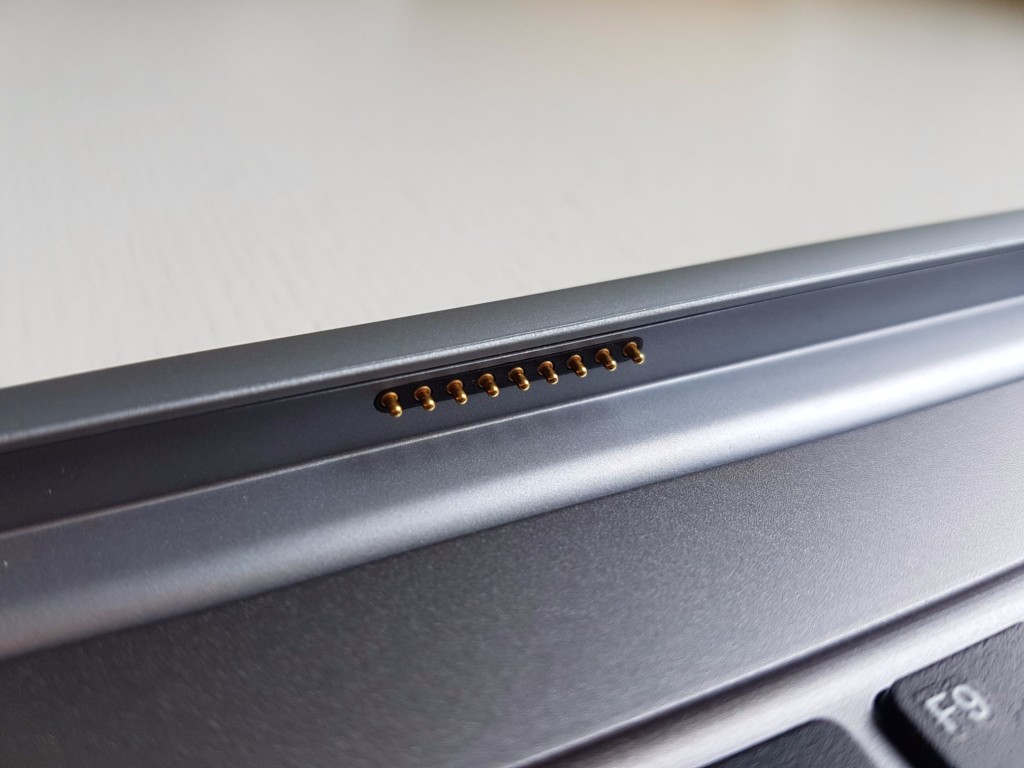
Attaching a tablet to the keyboard is very simple but removing the tablet requires a little bit of extra effort. I am absolutely okay with that as I prefer the tablet to stay firmly. The latching mechanism works fine and it holds the tablet in one position firmly. However, it could move a bit more gracefully.
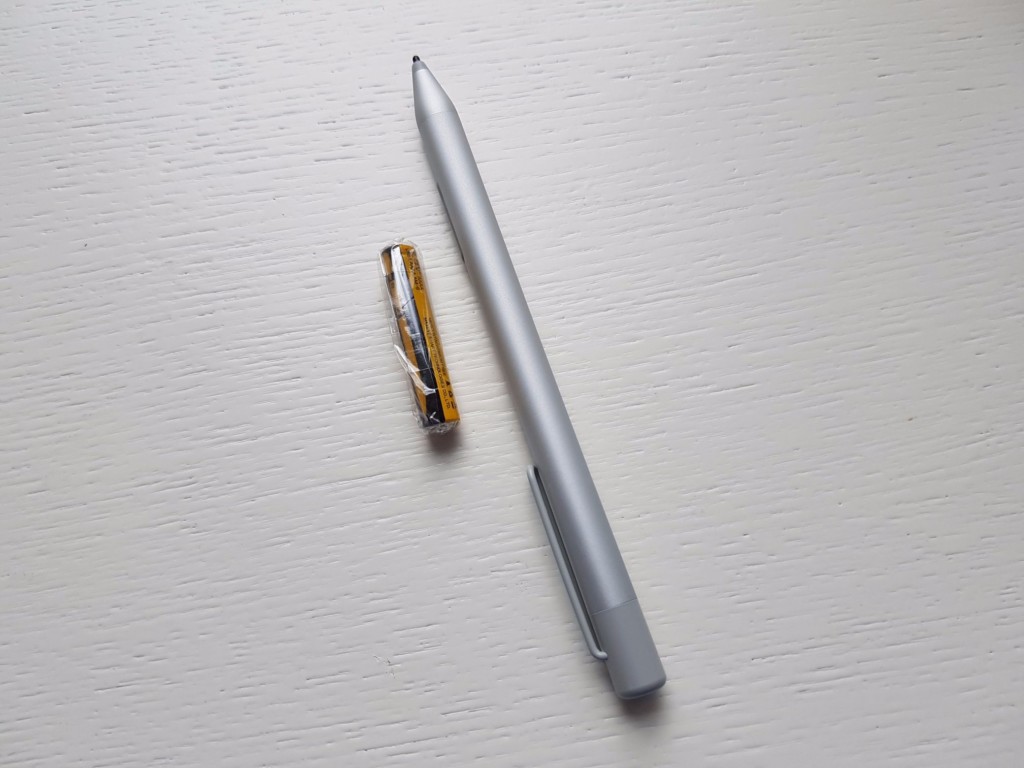
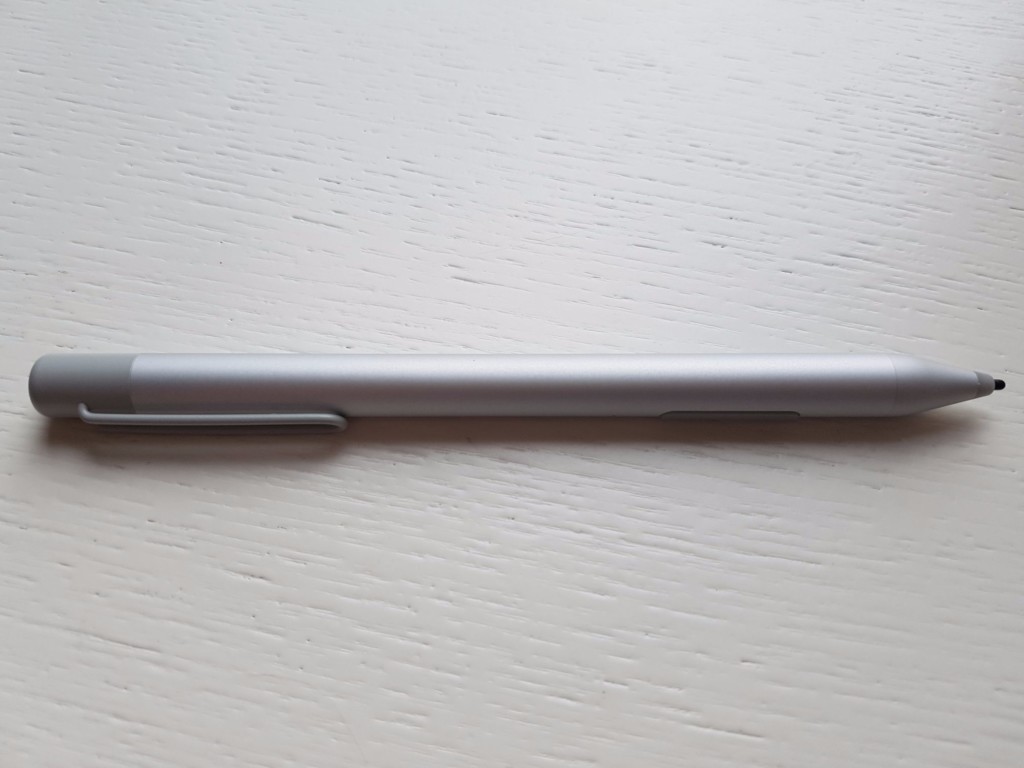
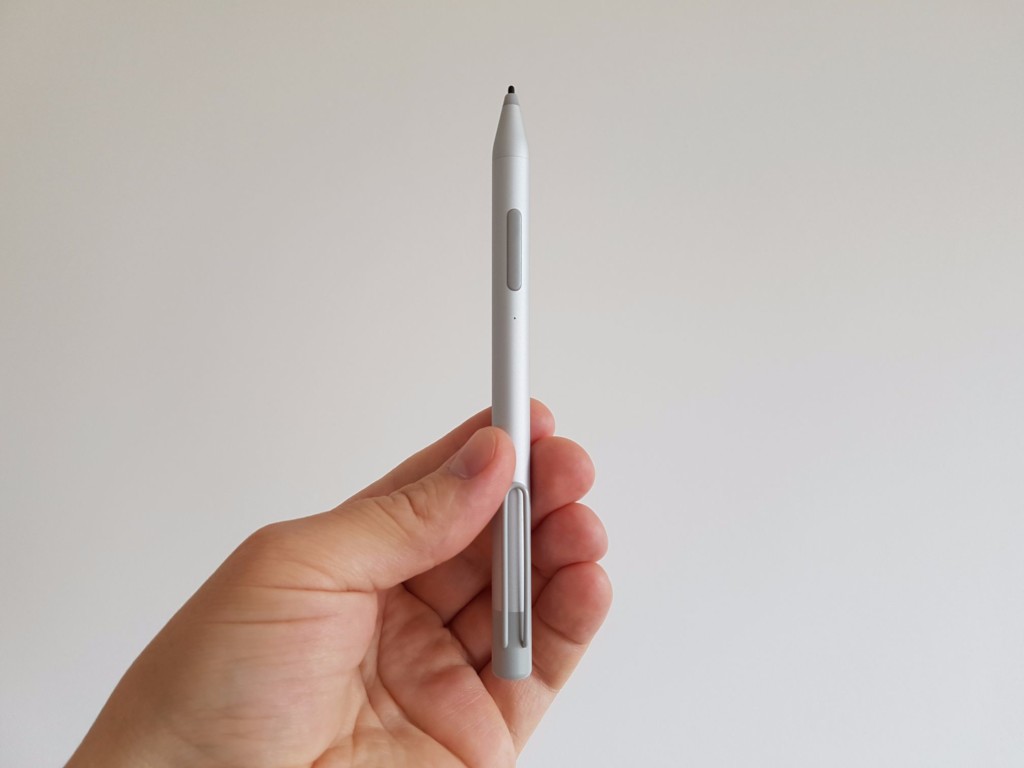
The HiPen H3 is made of metal and it does not feel cheap by any means. It is powered by a AAA battery that is supplied in the retail packaging.
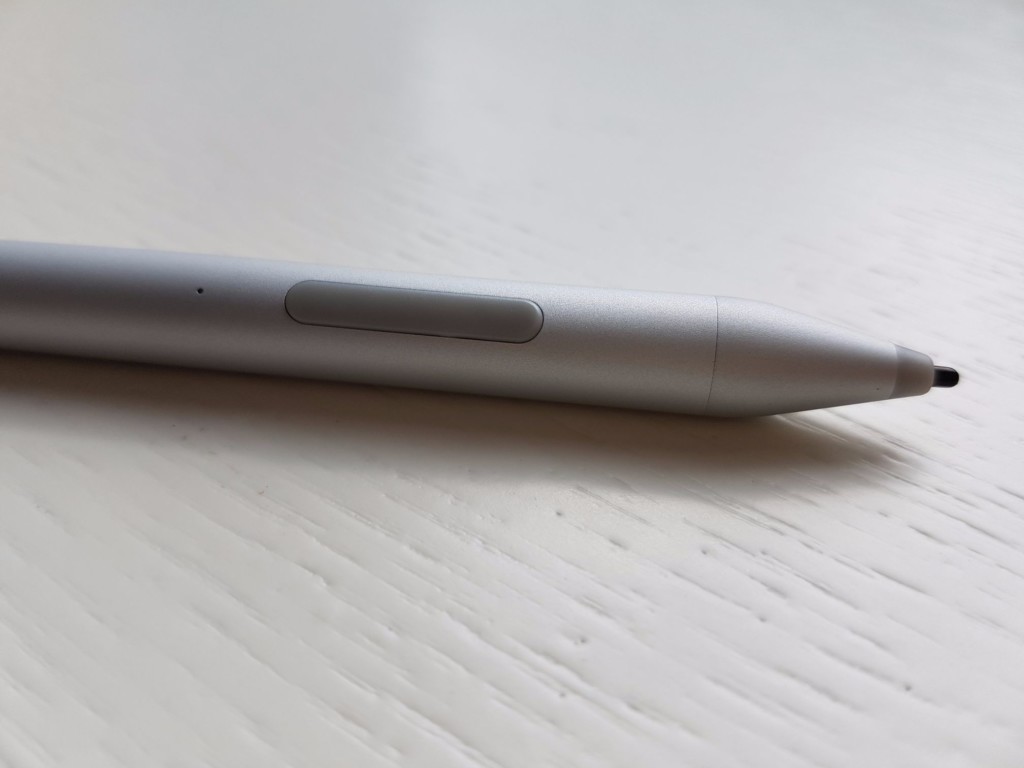
I found the buttons on the side to be working well.
The stylus performs quite well in terms of accuracy, sensitivity and palm rejection.
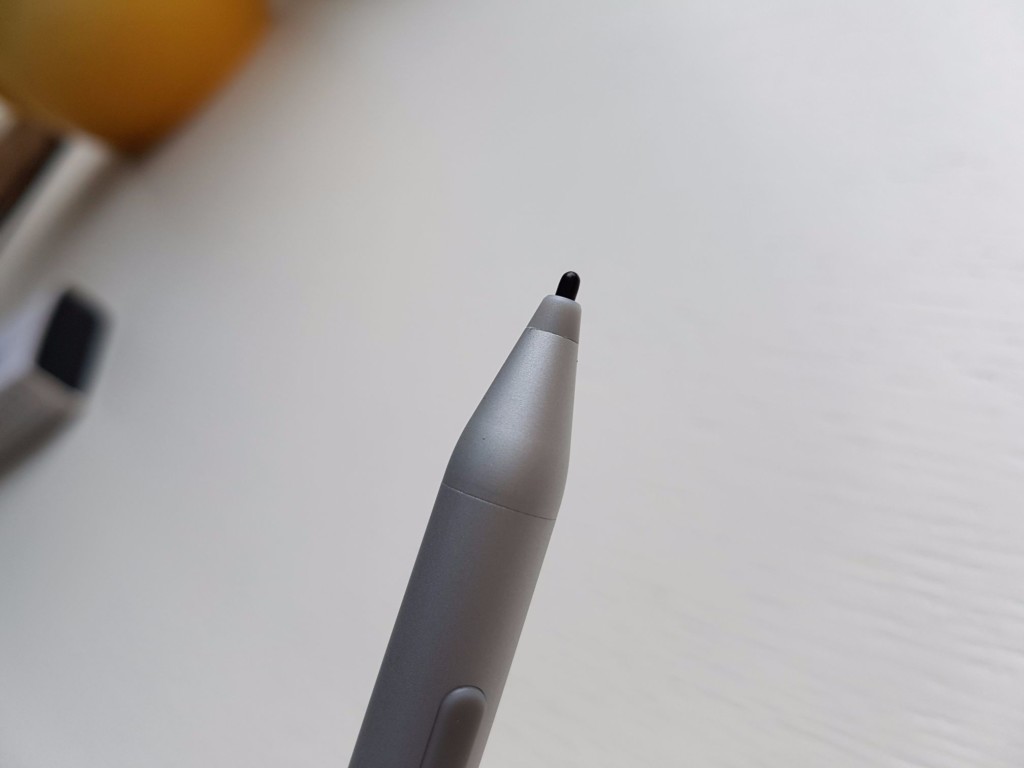
The tip of the stylus is made of plastic and so far using it it has not scratched the screen protector. Magnets on the side of the tablet hold the stylus in place firmly. So you can place it there when not in use.
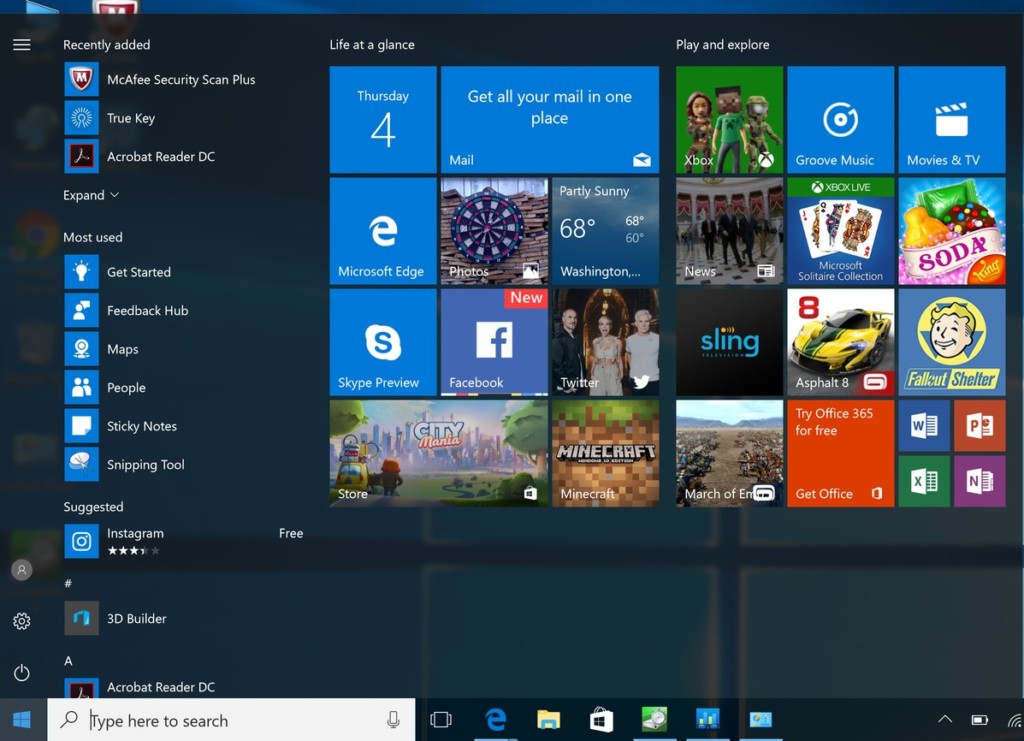
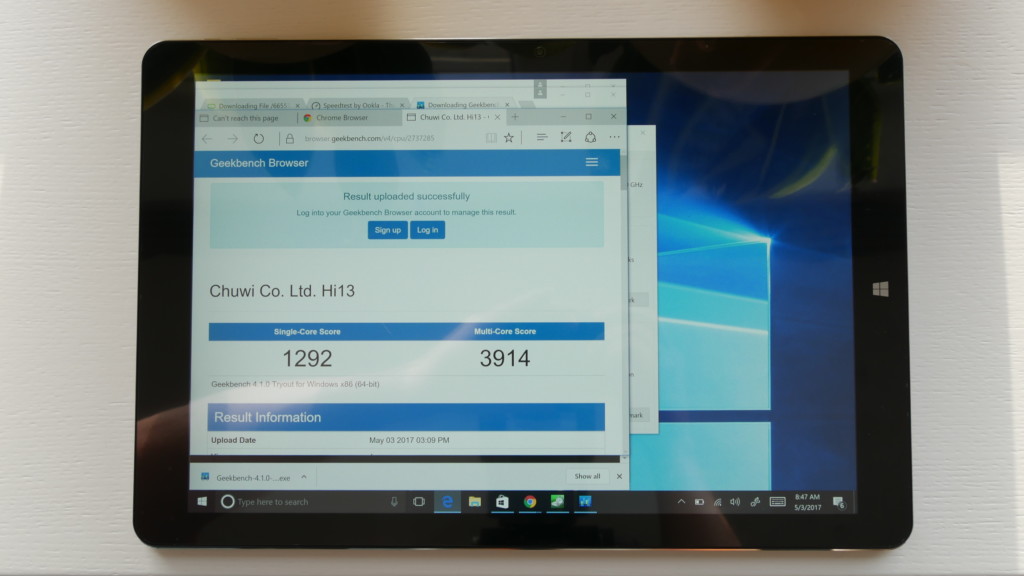
I used the tablet for the basic stuff like browsing the web, editing some word documents, installed some apps and so on. The overall speed of Windows is decent but I found some skipped frames in the Windows start menu animations.
Also, web browsing is faster using Microsoft Edge than Google Chrome, which is disappointing for the Chrome users. Reading larger PDF files is possible but you may see a bit of stutter if you scroll very fast or zoom in and out if use Adobe Reader like I did.
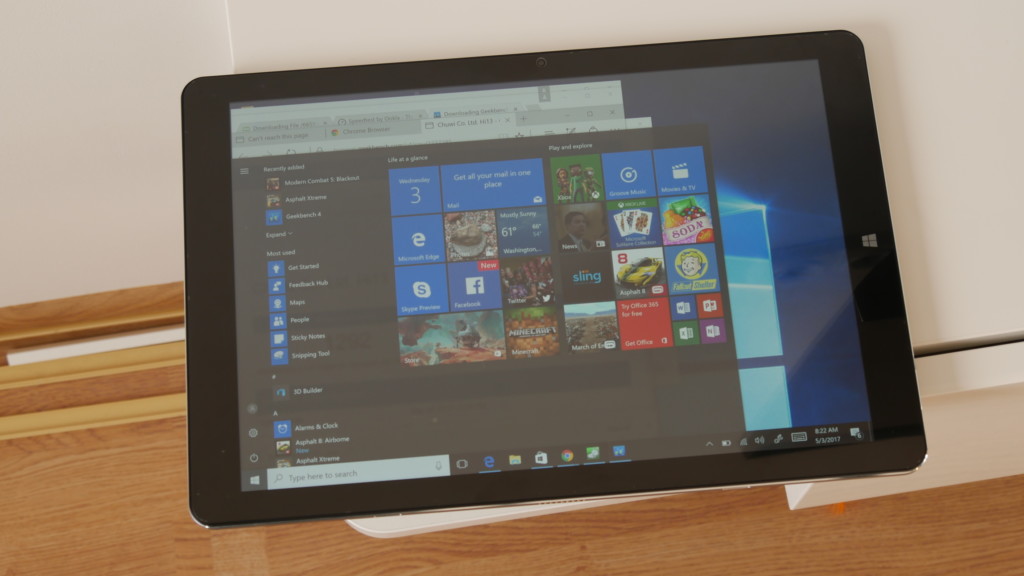
I still love a massive 13.5” display that has a whopping 3000×2000 resolution and 3:2 aspect ratio. The panel is sharp, vibrant and high quality. In fact, this is exactly the same display used in the Surface Pro. However, I found it to be quite reflective outdoors, mainly because the tablet ships with a cheap screen protector.
I didn’t take the tablet much outside, so it still looks like new thanks to the robust aluminum housing.
The Chuwi Hi13 ships with a 10000mAh battery that will let you use the tablet for around 6-7 hours, depending on your usage habits. My usage involved browsing the web and other basic stuff. Naturally, you should expect a huge decrease in battery life if you are a gamer, like on any other device.
CONCLUSIONS After 1.5 Months
The Chuwi Hi13 has been working quite the same as at the time of our initial review. I’m mostly glad with a massive display, which makes life easier if you like multitasking and keeping a lot of windows open.
However, you have to keep in mind that there may be a little bit of stutter here and there in Windows, the speakers and the cameras do not impress, to say the least, and the display is quite reflective outdoors.
At the end of the day, the Chuwi Hi13 has a ton of features for the price and it is a decent offering, despite those shortcomings and considering the fact that you can actually convert it into a full laptop for just extra $60.
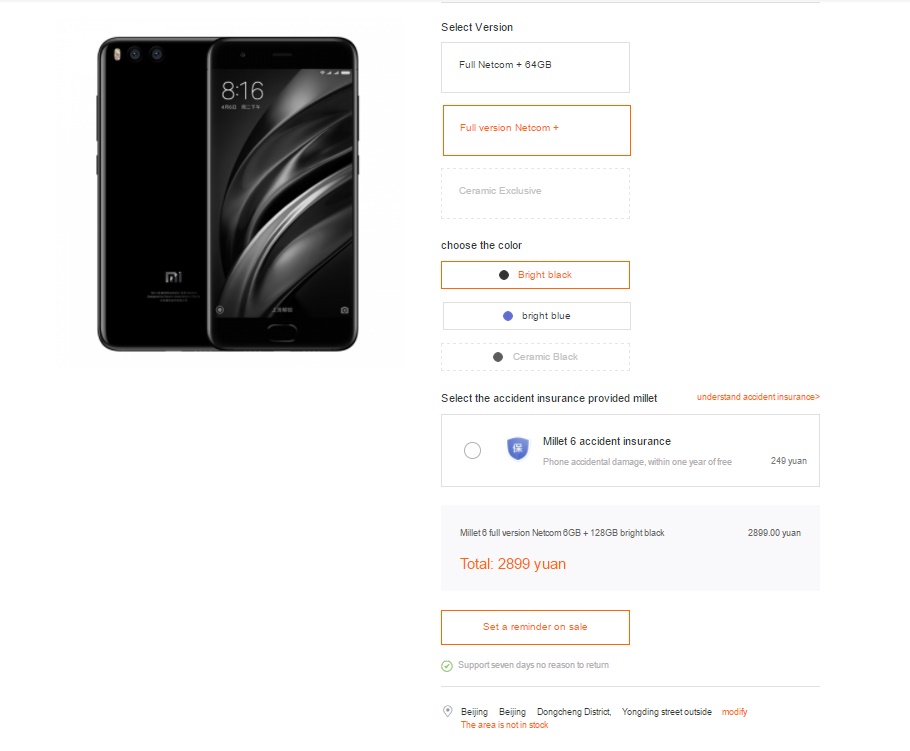
The Xiaomi Mi 6 is a fantastic device. The build quality is amazing, performance is what you should expect from a 2017 flagship and the price is just right at ¥2499 (~$368). There is however a problem with the phone. There is not enough stock
.
Xiaomi has announced another round of pre-sales today for the Mi 6 and the newly announced Mi Max 2. The time provided for the items to ship shows that there is still an issue of supply at Xiaomi. The Mi 6 is said to ship in 2 to 4 weeks. Add that to delivery time and you probably won’t get your phone until the third week in July or later.
The Mi Max 2 on the other hand will ship in two weeks. Not as long as the Mi 6, but still a long wait. If you head to the official site now, both items are out of stock. Xiaomi has included an option to be reminded when its available.
It is also out of stock on Jingdong (JD.com) but those tied to network operators are available and sell for ¥2699 (~$397). Xiaomi needs to fix its supply issues or it will end up losing customers to other brands.
If you plan to get the Xiaomi Mi 6, it is available on Giztop for just $409 and that’s a very good deal if you ask me. Do note that this is the black version with 6GB of RAM and 64GB of storage.
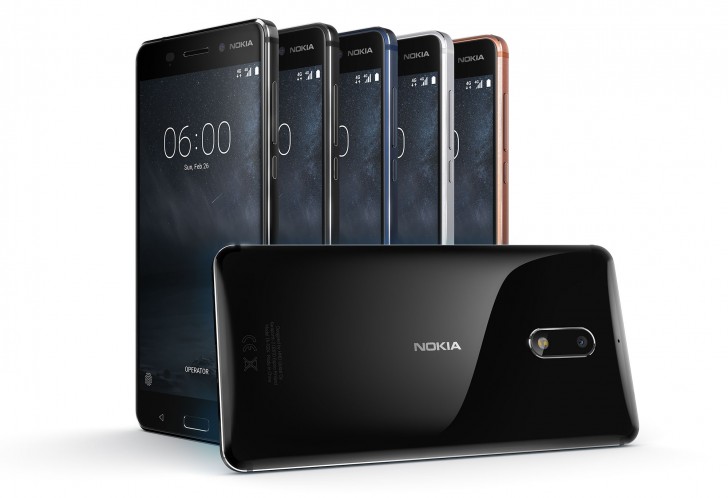
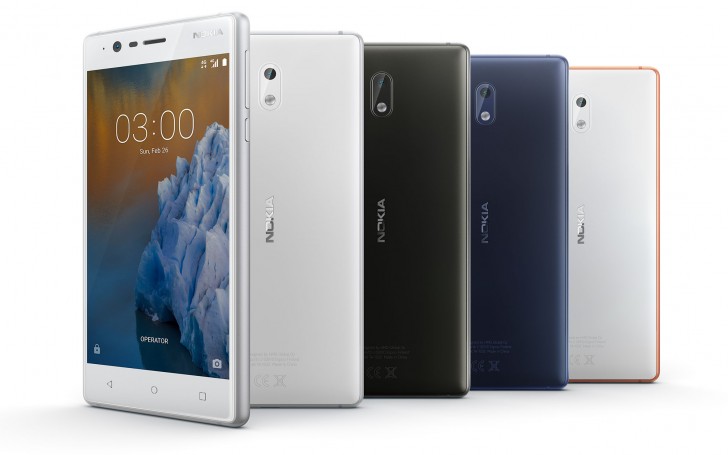
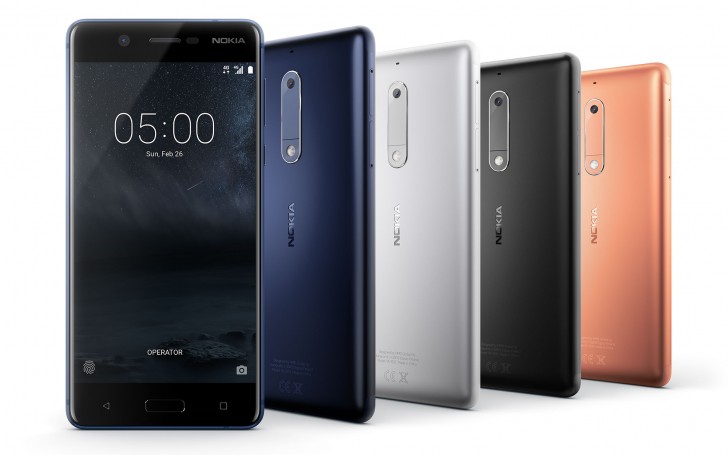
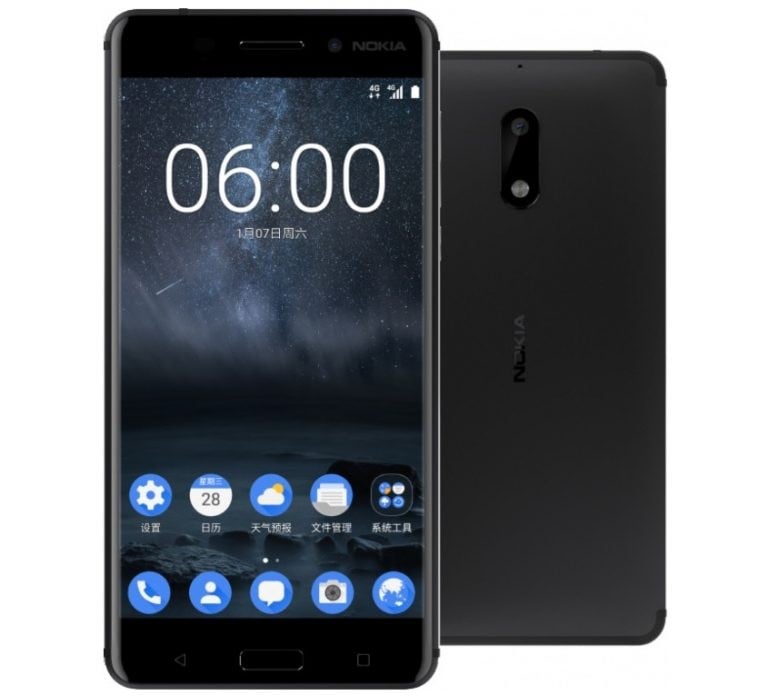
HMD Global Oy’s Nokia has made its foray further deep into the Asian market with the launch of its three new smartphone models in India. The mid-range Nokia 3, Nokia 5 and Nokia 6 were all unveiled Tuesday in India and comes not too long after the new Nokia 3310 was announced for India. Nokia also disclosed during the event that from henceforth, all Nokia phones would be manufactured in India.
The Nokia 6 which is the most expensive of the trio will be the only model that would be sold online. The Nokia 6 will be exclusively sold via Amazon India while the Nokia 5 and Nokia 3 will be on sale offline via various retailers. As for the prices, the Nokia 6 comes with a price of Rs. 14,999 ($233) and will go on sale from July 14. Pre-orders are already being accepted and there’s even a Rs. 1000discount for customers who pre-order using their Amazon Pay wallet before the registration period is over.
On the other hand, the Nokia 3 happens to be the cheapest, priced at Rs. 9499 ($147) while the Nokia 5 will sell for Rs. 12,899 ($200) in India. The two models (Nokia 3 & 5) will be sold via offline sales channels only. Despite being manufactured in India, the prices of all three Nokia phones seem to be on par with that of Europe and China.
Here is a summary of the Nokia 3, 5 and 6 respective specifications.
Nokia 3
Nokia 3
Nokia 3 comes with a MediaTek MT6737 quad-core chipset clocked at 1.3GHZ with 2GB RAM and Android 7 out of the box. There will be 16GB of internal storage, expandable up to 128GB via MicroSD. The display is of 5-inches with 720p resolution. At the back, the phone comes with an 8MP AF camera with 1.12um sensor and f/2.0 aperture with LED flash. The front camera is also an 8MP sensor with 84 degrees wide angle lens and display flash. Further, there is a non-removable 2650mAh battery on board along with NFC, USB OTG and Cat. 4 LTE support.
There are four color options for the Nokia 3 — Silver White, Matte Black, Tempered Blue, and Copper White.
Nokia 5
The Nokia 5 comes with a 5.2-inch HD display with 2.5D glass and Snapdragon 430 chip. There is 2GB of RAM on board, 16GB of expandable storage up to 128GB and Android 7.1.1 Nougat out of the box. For the camera, the phone comes with a 13MP sensor (1.12um, f/2.0) with PDAF and dual tone flash. Up front, the phone has an 8MP shooter with 84 degrees wide angle lens. The phone also supports NFC and features a 3000mAh battery. There are four colour options; Tempered Blue, Silver, Matte Black and the unique Copper.
The Nokia 6 is the top model, though a mid-ranger but it packs a Full HD 5.5-inch 1080p display, dual speakers with Dolby Atmos certification, Snapdragon 430 chip, 3GB of RAM, 32GB storage and Android Nougat 7.1.1.
Today is Tuesday and that means a new product on the Mijia platform. Today’s product is the Every Night Multi-Functional Portable Blanket by Jiangsu Textile Technology Co. Ltd. This is the same company behind the Every Night Cotton Bed Set launched back in April.
The blanket is referred to as multi-functional because you can practically use it anywhere. It won’t look odd if you take it along to work, on a trip, or use it at home. Plus it is also designed to be of use whether it is hot or cold.
The Every Night Multi-Functional Portable Blanket measures 140 x 80 cm and can be folded into a size not bigger than a small throw pillow. The blanket is filled with gray goose feathers and covered with cashmere. It also has buttons that hold it in place when you drape it over your shoulders, allowing you use your hands for other tasks.
Google is hard at work on the next generation Pixel smartphones. Originally though to be three, new info says there are now just two. Muskie, the codename for the Pixel XL 2 is reported to have been cancelled and replaced by Taimen.
A report from 9to5Google says Taimen may be built by LG and they cite a bug entry on the Android Issue Tracker as proof. The bug entry was reported by an employee of LG. A Google employee requested that the bug be moved to thread: Android > Partner > External > LGE > Taimen > power. LGE is presumed to stand for LG Electronics.
If this is true, this will be LG’s 4th device in partnership with Google. The Korean manufacturer is responsible for the Nexus 4, the Nexus 5, and the Nexus 5X. However, this time we won’t see their name on the device. The Pixel and Pixel XL were made by HTC but have no HTC branding on them.
Full display smartphones have been on the increase since Xiaomi blaze the trail with the release of the Mi Mix flagship. A similar trend would be followed by LG on the G6 and recently, Samsung on the Galaxy S8 and S8+ as well as Nubia and its sleek Nubia Z17 flagship. Apple is expected to tow the same line on the iPhone 8 which would be launched later this year. There are also several other Chinese brands working on full-screen phones like Doogee, Bluboo and a host of others. In keeping with the emerging trend, there are indications that the expected Xiaomi Redmi Pro 2 may present with a full display design.
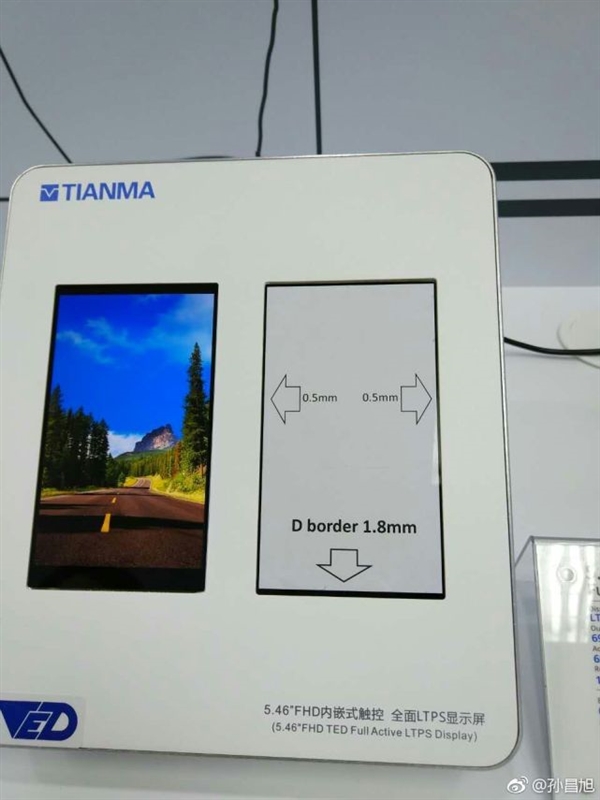
There has been an earlier report Huawei, Xiaomi, OPPO, Vivo and others are also interested in having a full display phone which has prompted display manufacturers in Taiwan to commence manufacture of displays with 18:9 screen-to-body ratio. Xiaomi is specifically tipped to use the display type on the Redmi Pro 2. The display that would be featured on the Redmi Pro 2 was said to be on display at Computex in Taipei recently and would be manufactured by Tainma. According to a diagram of the prototype, the screen has only about 0.5mm bezel at the sides while the bottom bezel is about 1.8mm. The screen comes with an 18:9 aspect ratio.
According to the rumoured schedule, the sample would be out this June even though the Redmi Pro 2 is tipped for launch in July. There are speculations that the Redmi Pro 2 will feature a Snapdragon 660 processor along with 6GB RAM and 64GB of storage. The device is expected with a 5.1-inch 1080p display while the camera will be a single 12MP sensor at the rear. There is no way to verify if these details are factual but we know Xiaomi is indeed working on the Redmi Pro 2 after its brief appearance on the tech giant’s official website. Apart from that, there is always some facts in every rumour coming out of the Chinese smartphone industry.
We use cookies on our website to give you the most relevant experience by remembering your preferences and repeat visits. By clicking “Accept”, you consent to the use of ALL the cookies.
This website uses cookies to improve your experience while you navigate through the website. Out of these, the cookies that are categorized as necessary are stored on your browser as they are essential for the working of basic functionalities of the website. We also use third-party cookies that help us analyze and understand how you use this website. These cookies will be stored in your browser only with your consent. You also have the option to opt-out of these cookies. But opting out of some of these cookies may affect your browsing experience.
Necessary cookies are absolutely essential for the website to function properly. This category only includes cookies that ensures basic functionalities and security features of the website. These cookies do not store any personal information.
Any cookies that may not be particularly necessary for the website to function and is used specifically to collect user personal data via analytics, ads, other embedded contents are termed as non-necessary cookies. It is mandatory to procure user consent prior to running these cookies on your website.









 .
.