Xiaomi will be holding its annual MIJIA conference for this year on June 28 in Beijing just as we reported earlier, and there are suggestions that the company will launch its most expensive product ever during the conference.
This idea was apparently borne out of a series of teasers which as been released about the new product expected to be unveiled during the June 28 conference. The product is thought to be a home laser projection TV, believed to have the name Mi Laser TV and would be a smart giant screen home theatre system with Full HD resolution. The video teaser released by Xiaomi which is meant to project the June 28 conference suggests that the product is a smart TV.
In addition, the product seems to have been listed on Mi home with a huge 12,999 Yuan price tag. If this turns out to be true, it’ll make the TV indeed the most expensive product ever in Xiaomi’s lineup. The most expensive product presently is the Xiaomi Mi TV 4 65-inch which costs 9,999 Yuan. You can check out the video teaser for yourself from here to see if you can get a different clue from it.
Sharp has always been known its innovation in LCD TV technology right from producing the world’s largest LCD TV standing at 108 inches in 2007 to the manufacture of the first television with 8K resolution in 2015. The company has been blazing the trail in that direction but unfortunately, has been struggling in the face of one financial crisis or the other. Foxconn first announced its intent to acquire up to 66% controlling stake in Sharp in February last year. The deal was worth 700 billion Japanese yen (US$6.24 billion). The deal was finalized with Foxconn agreeing to pay US$3.5 billion for the stake instead. This investment by Foxconn resulted in Sharp’s first operating profit in three years, announced in April 2017 attributed to the restructuring efforts by Foxconn.
Looks like Foxconn is looking at diversifying the Sharp brand beyond its stronghold of LCD TV production as there are reports from Japan that Sharp may soon start manufacturing OLED TV panels at one of its plants next year. The report carried in the Japanese Times states that the tech giant will invest 57.4 billion Japanese yen ($515 million USD) in building two production lines for OLEDs, one located in Sakai, Osaka Prefecture, and in the town of Taki, Mie Prefecture.
According to the report, the new production lines are expected to go into operation in April-June next year. The production lines would no only manufacture OLED panels for TVs but will mass-produce small and medium-size OLEDs for laptops and smartphones. Specifically, the Sakai plant is where the company plans to promote the development of large displays for TVs.
The Foxconn-controlled company will, however, continue producing LCD panels, especially the development of 8K ultrahigh-definition liquid crystal display TVs as well. The addition of OLED production lines will only help in revamping the fortunes of the company as the demand for OLED panels is higher and Foxconn, as a contract manufacturer, already has a large client base where it would utilize the OLED panels Sharp would produce.
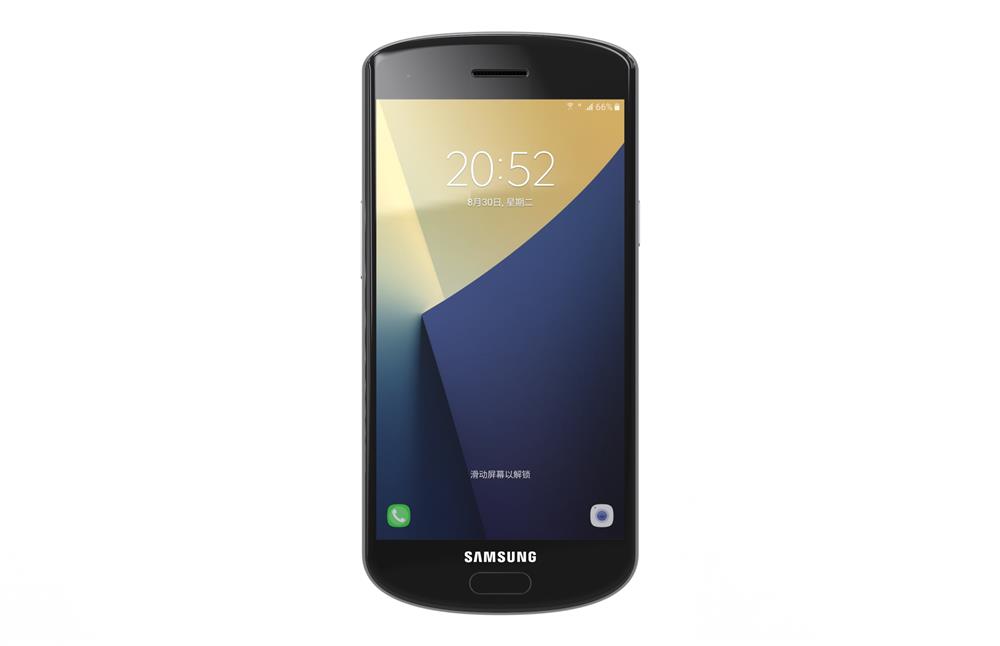
A Samsung Galaxy Stellar 2 has been spotted in the online wilderness sporting a 4.5-inch display.
In light of the current market’s trend of larger and larger displays, where 5.1 to 5.2-inch smartphones are deemed small devices today, according to the source, 4.5-inch devices are still highly demanded regardless of the mainstream trend.
For those small smartphone users, it appears Samsung has provided a solution to meet their requirements, at least according to these concept render images.
Galaxy Stellar 2 Specs
From the source, a model named ‘SCH-i300’ also known as the Galaxy Stellar 2, will sport a 4.5-inch Super AMOLED display at a resolution of 720p. The chassis will take a more rounded design, noticeable around the edges of the device.
The screen will be covered by 2.5D glass and plastic casing, supported by a metal frame for structural integrity. In terms of features, we can only judge from the photos that we’ll be expecting a fingerprint sensor located where the home button is.
For internal specs, the smartphone will be powered by an entry/mid-level Snapdragon 626 processor (8-core clocked up to 2.2 GHz) paired with an odd 2.5GB RAM and 32GB internal storage.
Photography and videos are taken with a 5-megapixel rear facing shooter and a 1.2-megapixel selfie shooter. The phone will have a large 3500mAh battery, supporting ‘Quick Charge 2.0’ via microUSB.
The Galaxy Stellar 2 will run Android 7.0 (Nougat) which is always welcome.
According to the source, the Galaxy Stellar 2 will be priced at $99 (¥699).
What are your thoughts on Samsung’s 4.5-inch device? Do you think it meets 4.5-inch user’s requirements? Leave a comment down below.
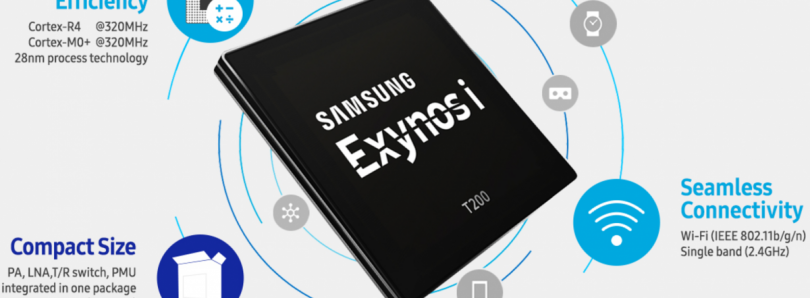
Samsung has announced a new processor which happens to be its first System-on-Chip (SoC) optimised for Internet of Things (IoT) gadgets. The chip dubbed Exynos i T200 is Samsung’s WiFi-based integrated solution for Internet-of-Things (IoT) applications. The new chip is built on 28nm process technology and features two high-performance MCU cores, on-chip security solution, and ancillary blocks.
The Exynos i T200 comes with integrated baseband modem and RF transceivers for 802.11b/g/n single band and is certified by the WiFi Alliance which is an indication that it is capable of providing a reliable wireless connection. The new chip also integrates power amplifier, low-noise amplifier, and T/R switches for WiFi solution that benefits system’s bill-of-material.
Configuration wise, the Exynos i T200 has two MCU cores (Cortex-R4 and Cortex-M0+ core) for enhanced performance. For efficiency, different tasks can be assigned to different MCU for independent processing. For example, Cortex-M0+ can be used for I/O or LED control while CorteX-R4 controls system management (Operating System). This eliminates the need for an addition microcontroller in the system in case there are workloads that can’t be effectively managed with a single microcontroller.
Samsung believes the improved security and support for wireless connections gives it an advantage in the expanding IoT market. The security hardware allows for passwords and backing up of data. This new chip coupled with Samsung’s Tizen OS on which its uses for IoTs and other smart gadgets, the new chip may likely find its way into other gadgets apart from smartphone.
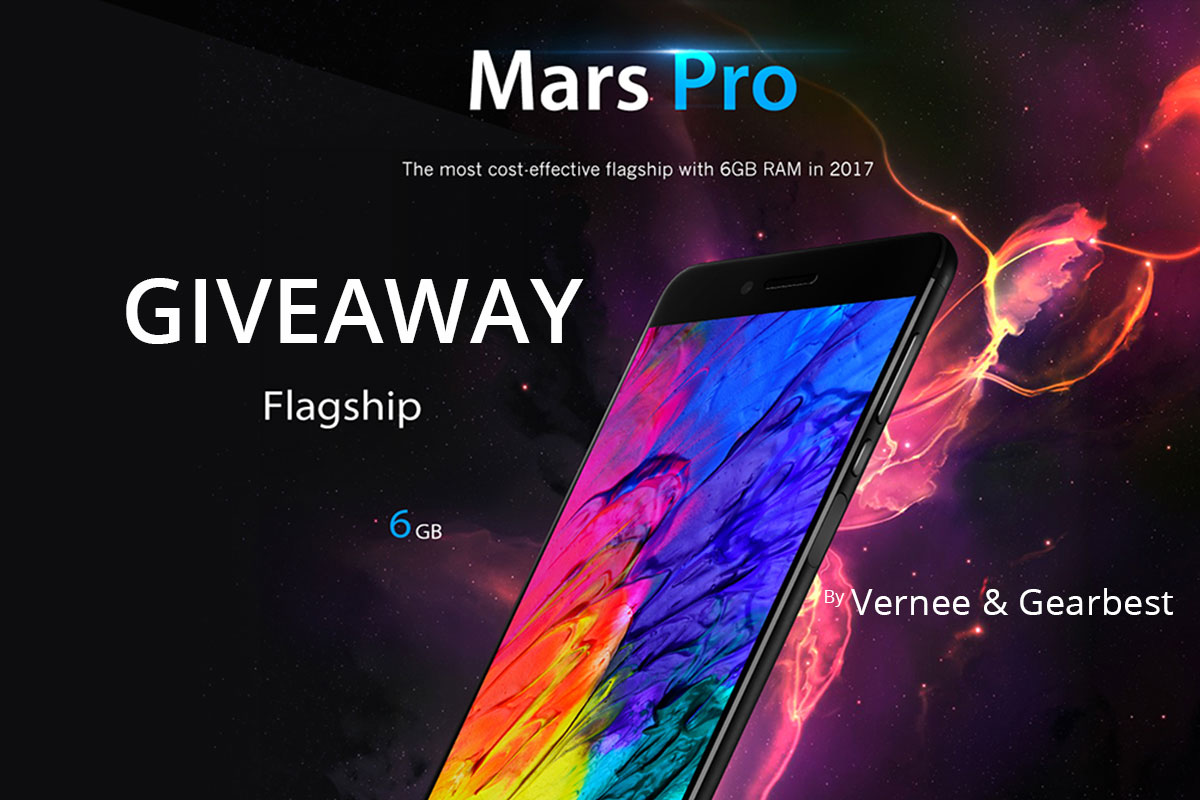
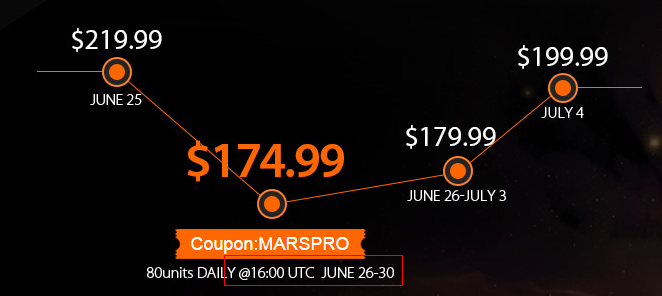
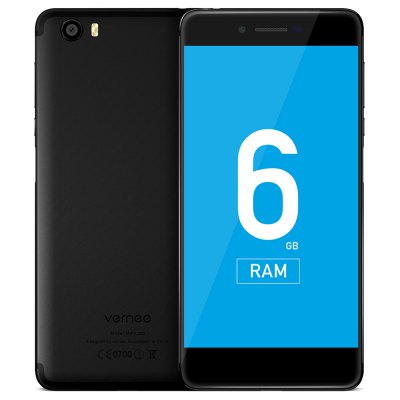
Gizmochina along with Gearbest is conducting a Vernee Mar Pro as Giveaway gift to one of our lucky readers. Like always, you just have to follow the steps mentioned on the Gleam widget to get a chance to win this amazing phone. The Vernee Mars Pro is available for pre-order on Gearbest now, $40 off on the flash sale before June 30.
To pre-order the Vernee Mars Pro, please click here
1. The giveaway is an international giveaway.
2. We are not responsible for lost shipments.
3. We are not responsible for any duties, import taxes that you may incur.
4. We reserve all rights to make any changes to this giveaway.
5. The prize will be shipped in a week when the giveaway end.
Just follow the steps mentioned in the Gleam widget to participate in the giveaway.
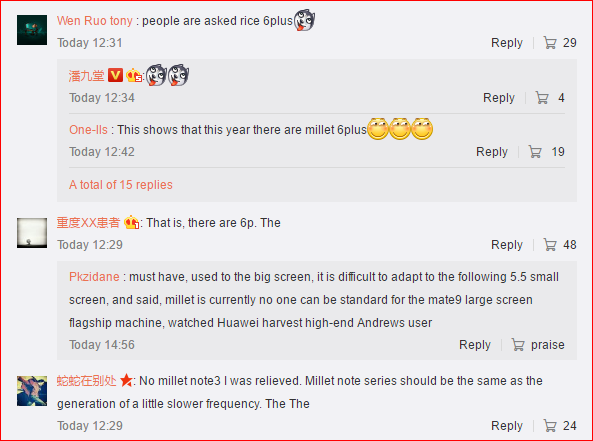
Despite the fact that Xiaomi‘s latest flagship – Mi 6 is still not readily available, talks of the Mi 6 Plus launching later this year is gathering momentum. Not too long ago, we were treated to a purported real live image of the Mi 6 Plus standing beside the Mi 6. Later on, a protective glass cover said to be for the Mi 6 Plus also appeared online showing its massive size.
Now, popular industry analyst Pan Jiutang seems to have hinted that Xiaomi will indeed launch the Mi 6 Plus this year. The analyst was responding to a question as to whether the mi 6 Plus will be launched this July. He didn’t respond directly in an affirmative manner but actually listed models which won’t be dropping this year, like the elusive OPPO Find 9, Vivo XPlay 7, Smartisan T3, Xiaomi Mi Note 3 and Honor Magic 2. The omission of the Mi 6Plus on the list could be an indication that the model will be launched this year.
Curiously, it was Pan Jiutang that also informed us of the postponement of the Mi 6 Plus due to the demand for Qualcomm’s flagship Snapdragon 835 chip by Samsung for use on the Galaxy S8. The analyst didn’t say if the Mi 6 Plus will be launched in July as asked but he at least gave us some ray of hope that the device is still in the works.
The Xiaomi Mi 6 Plus is expected to feature the same design as the Mi 6, packing a dual camera setup, glass body, with the 3.5mm audio jack also missing. The model is also expected to use Qualcomm’s latest SD 835 and would feature a 5.7-inch display as well as a 4,050mAh battery. The Mi 6 Plus is rumored to cost around 2,999 Yuan.
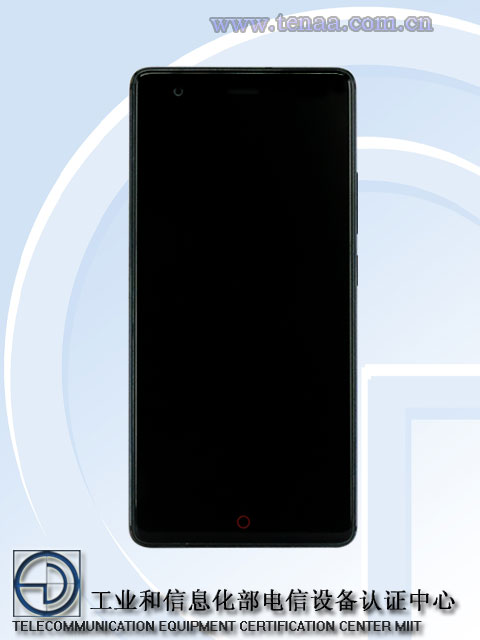
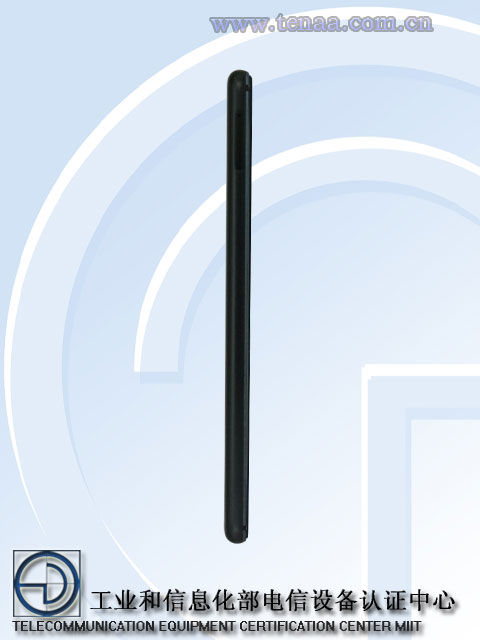
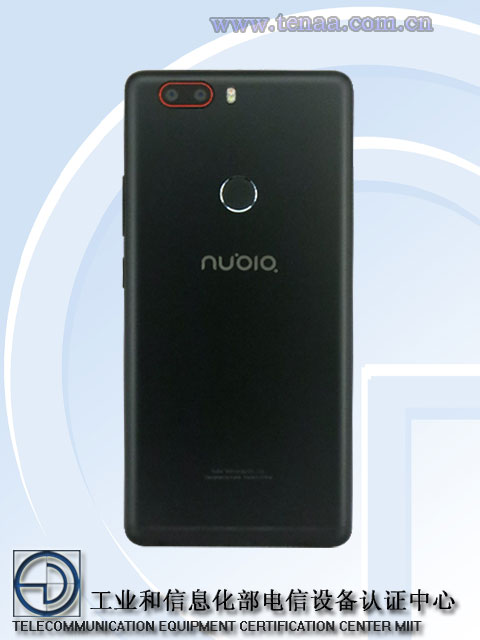
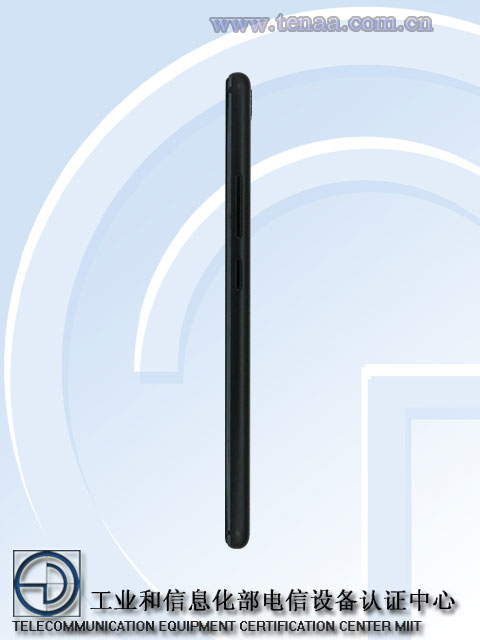
The Nubia Z17 flagship smartphone that was released recently is one of the most powerful smartphones of this year. Now, ZTE appears to be working on the launch a stripped-down edition of its flagship. The alleged Nubia Z17 Lite has surfaced on TENAA with a model number of NX591J.
According to TENAA listing, the NX5911 Nubia phone measures 152.8 x 72.55 x 7.95mm and its weight is 169 grams. It features a 5.5-inch TFT screen that offers FHD resolution of 1,920 x 1,080 pixels. Below the display is the trademark red ring Home button. The alleged Nubia Z17 Lite is fueled by 2.0 GHz octa-core processor. The exact name of the chipset is not present on the TENAA listing. It will be coming with a 3,100mAh battery which is slightly smaller than the 3,200mAh battery present on the Nubia Z17.
The alleged Nubia Z17 Lite features 6 GB of RAM. The native storage of the phone is 64 GB. The phone features a dual rear camera system. However, the TENAA listing only reveals the main camera of the dual camera module as 12-megapixel and it does not mention any information about the secondary camera sensor. A dual-LED flash can be seen next to the twin camera system.
Like the Nubia Z17 flagship, its alleged Lite edition may also feature a 12-megapixel sensor + a 23-megapixel sensor. The front side of the phone has a 16-megapixel sensor. The rear side of the phone also features a fingerprint reader and a nubia logo at the center. It will come loaded with Android 7.1.1 Nougat that will be overlaid with the latest nubia UI skin. It will be arriving in color choices like black, silver and gold.
Since the device has appeared on TENAA, it seems that the arrival of the Nubia Z17 Lite is close at hand. At present, there is no information on the pricing and availability of the phone.
The Nubia Z17 that is currently only available in China is the world’s first smartphone to support Quick Charge 4+ rapid charging feature from Qualcomm. Moreover, it is also the first Snapdragon 835 smartphone with 8 GB of RAM. Apart from its dual camera feature, it features a true bezel-less display. The only major competitors for the Nubia Z17 is the OnePlus 5 and Xiaomi Mi 6.
Before the launch of the first Snapdragon 660 smartphone, Vivo X9S was tipped to be the first smartphone powered by a Snapdragon 660 chip. That is now history because we are yet to see the Vivo X9S while the OPPO R11 is already priding itself as the first to utilise Qualcomm’s latest mid-range chip.
Despite that situation, Vivo may be gearing up to launch the X9S along with the X9S Plus as the next set of SD-660 phones, perhaps. A photo has been shared on Weibo which looked like a promotional poster for the Vivo X9S and X9S Plus. The Weibo tipster who shared the photo hinted that the poster was spotted in a Vivo experience store apparently in China. The tipster thinks and we do too, that the poster could be an indication the model will soon be launched. Recall that OPPO used the same format in promoting the R11 before it was eventually launched.
The poster itself reveals the renders of what should be the X9s and X9s Plus even though we cannot distinguish the two. We can also gather from the renders the presence of a single rear camera unit, something that casts a doubt over the authenticity of this leak. Also, up front, the device seems to have a dual selfie camera setup. The dual setup at the front is part of the promotional caption of the poster which projects the 20MP dual selfie camera with soft flash which the TENAA listing for the X9s Plus reveals is a 20MP + 5MP combination.
The Vivo X9s and X9s Plus are basically upgrades of the X9 and X9 Plus released last year. The X9s recently received 3C certification in China. Both models will, as usual, be different from each other in size but their specs would be similar while they would come with some upgraded specs over the previous-generation models. Some of the specs include a 3,920mAh battery inside the X9s Plus and a front fingerprint sensor embedded under the physical Home button.
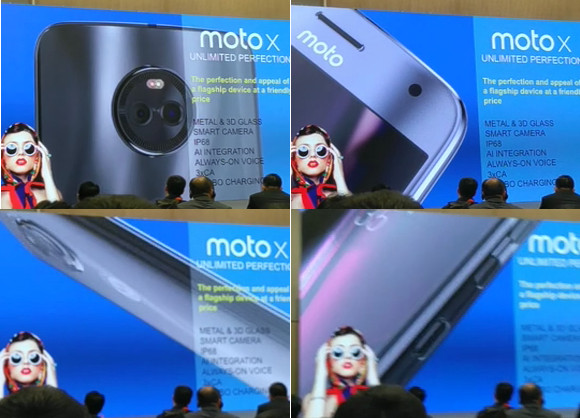
Previous rumors have revealed that the Motorola may launch the Moto X4 smartphone on June 30. However, Andri Yatim, a leakster who has been consistently revealing information on upcoming Motorola devices claim that the Moto X4’s arrival has been delayed. He also states that Motorola may mention the Moto Z2 on June 30.
It is likely that the delayed arrival of Moto X4 is because Qualcomm is struggling to fulfil the demand of Snapdragon 660 that is expected to power a couple of mid-range phones including the Moto X4. There is no confirmation on which device the company would be unveiling on June 30. On the same date, Motorola is expected to release the Moto E4 Plus in the U.S. The Moto X4 comes with 5.2-inch FHD, Snapdragon 660 chipset, 4 GB RAM, 32 GB / 64 GB storage versions, dual rear cameras, IP68 certified body with 3D glass finish, and 3,800mAh battery. The Moto G5S and Moto G5S+ are said to arrive as improved versions of the Moto G5 and G5 Plus.
June 30 will be anticlimactic. #MotoE4+ launch and MAYBE a mention of Z2, instead of scheduled X4 launch. Thanks, Qualcomm.
The Moto Z2 will be a higher-end version of the Moto Z2 Play that was unveiled at the start of this month. Rumors have revealed that the Snapdragon 835 chipset and 4 GB of RAM. The native storage of the phone is 64 GB. It is also rumored to feature a microSD card slot. The original Moto Z phone that came in last year did not feature a 3.5mm audio jack. However, speculations have been hinting that the Moto Z2 will be coming with a 3.5mm headphone jack.
The Moto Z2 is expected to feature a 5.5-inch QHD display that will be covered with 2.5D glass. It will be arriving with a 12-megapixel rear camera and a 5-megapixel front camera. Like most flagship, the phone will come loaded with Android 7.1.1 Nougat. The Moto Z2 Force that is expected to come with an unbreakable screen dubbed as ShatterShield is also expected to launch alongside the Moto Z2. The Moto Z2 and Moto Z2 will support MotoMods accessories. Motorola is expected to release a couple of smartphones this year such as Moto X4, Moto Z2, Moto Z2 Force, Moto G5S and Moto G5S+.
Just recently, the Meizu Pro 7 was revealed as launching on July 26 which is next month. There is another leak which reaffirms that the Pro 7 will indeed be launched in July. The leak also says the Pro 7 may likely go on sale on August 4 after the July 26 launch event.
Meizu Pro 7 is the company’s flagship for this year and the device is expected to come with a spectacular design which has already been exposed and a powerful specs lineup. The device will be launched alongside the Pro 7 Plus with a bigger display. The prices of both the Pro 7 and Pro 7 Plus have now leaked and they are perhaps more than you’d expect. The Pro 7 will retail for 2799 Yuan (~$409) for the base model while the higher version will carry a price tag of 3299 Yuan (around $484). On the other hand, the Meizu Pro 7 Plus will start at 3299 yuan (~$484) while the higher version will sell for 3799 yuan (~$555). The prices are ridiclously high such that these are too bad instead of too good to be true.
In addition, the latest rumored specs of the Pro 7 tips the device as packing a 5.5-inch display as against 5.2 inches on previous leakes. However, the new leak also tips the Pro 7 as coming with a MeidaTek Helio X30 chip. and a dual Sony IMX386 + IMX286 dual cameras among others. But we still don’t know if the product with a Exynos 8895 version but there are rumours it does. Other specs include a 16MP front camera, 3.5mm audio jack as well as a USB Type-C port. The device is also expected to come with Meizu’s trademark mBack home button and its fast charging technology. We won’t forget in a hurry the e-ink secondary display the Pro 7 is said to come with which would be located at the rear and would show notifcations as well as display time, date etc.
Samsung has been launching its Note series smartphones in the month of August since 2015. However, well-known leakster, Evan Blass, is of the view that the Galaxy Note 8 would be launching in the second half of September this year.
On Venture Beat, Blass has revealed that the Galaxy Note 8 would be the costliest mass-produced smartphone and it will be launching in September’s second half. However, a previous rumors had revealed that the Galaxy Note 8 would be launching in August. Blass claims that the Note 8 would be priced at €999 in European markets. In the US, the phablet is expected to be arrive with a slightly lower price of about $900.
The leakster has further stated that the Galaxy Note 8 will be arriving with a 6.3-inch dual edge curved screen. As the Galaxy S8 and Galaxy S8+ smartphones, the Note 8 would be supporting an aspect ratio of 18.5:9.
Samsung will differentiate the Galaxy Note 8 from the 6.2-inch Galaxy S8+ by providing exclusive features for the S-Pen stylus. On the software front, the Note 8 will deliver better split-screen multitasking experience. The S-Pen is expected to come with new features like language translation for full sentence and currency conversion. It will also bring the ability to add handwritten notes on always-on display.
The Samsung Galaxy Note 8 would be coming with a pair of 12-megapixel cameras enabled with OIS on its rear panel. Even though the rumor mill has been claiming that the Note 8 would be featuring a front-mounted fingerprint reader, Blass has revealed that the phablet would continue to feature a rear-mounted fingerprint reader. He has added that the fingerprint sensor will be placed on the right side of the LED flash and hear rate sensor. However, there would be a greater distance separating them. Like the Galaxy S8 and S8+ phones, the Galaxy Note 8 would be also carrying support for DeX desktop mode through the same dock.
Depending on different markets, the Note 8 would be coming in Snapdragon 835 and Exynos 8895 variants. This debunks the rumors that claim the Note 8 would be the first phone to be driven by Snapdragon 836 SoC. The SoC will be coupled with 6 GB of RAM. The RAM capacity will also different the Note 8 from the Galaxy S8 that feature 4 GB of RAM in certain markets in the U.S. Other rumors hint that there would a Galaxy Note 8 Emperor Edition featuring 8 GB of RAM in certain markets like South Korea and China. In the U.S., the Galaxy Note 8 would be made available through all the popular carriers.
The Galaxy Note 8 is expected to house a 3,300mAh battery. It indicates that Samsung will reducing the battery size by 200mAh as compared to 3,500mAh battery on the discontinued Galaxy Note 7. The Note 8 would be coming in colors like black, blue and gold. Blass has also said that the official name of Samsung’s upcoming phablet will be official named as Galaxy Note8 and not Galaxy Note 8.
Anti-theft feature that have been available since the past few years have helped in considerably reducing phone thefts. However, such a feature has not been made available for laptops. It is not easy to catch laptop thieves because after stealing the laptops, they wipe off all the data present on the device and then sell it off.
At the end of May, Microsoft and Qualcomm announced a collaborative effort called Cellular PCs. It will be running on ARM-based CPUs and full edition of Windows 10. These devices will be able to deliver faster data connectivity through X16 LTE modem with eSIM connectivity. This upcoming initiative as well as a new patent from Microsoft will allow users to prevent laptop thefts even without a cellular subscription.
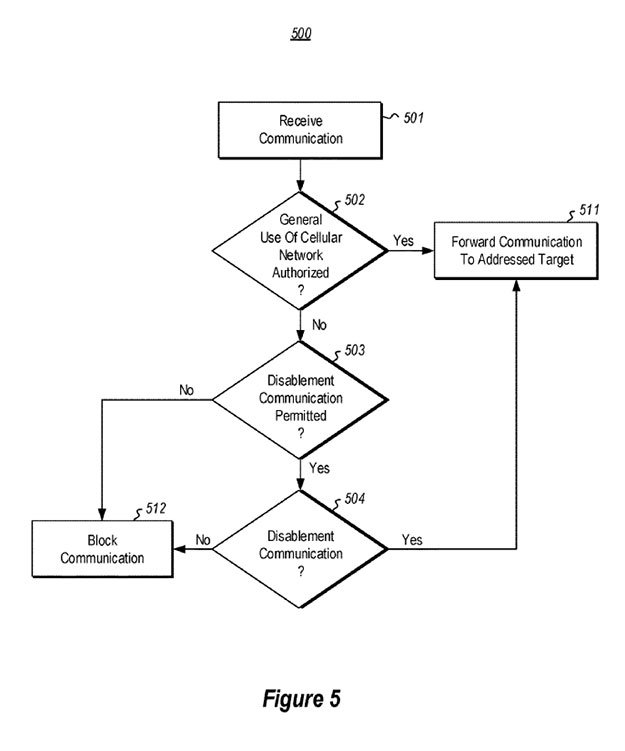
The new patent allows users to disable a lost or stolen laptop even without a SIM. It means even if the thief turns off the cellular network or removes the eSIM, users will be able to make use of function similar to emergency call that will transmit a signal over the cellular network to the device to disable it.
It seems that in order to implement this feature, Microsoft will have to collaborate with cellular service providers. The Redmond giant has signed up with worldwide cellular service providers like Vodafone, AT&T, T-Mobile and BT/EE. It also appears that once a command is sent to disable the laptop, there won’t be any further user intervention to complete the process.
It seems to be an integral feature for laptop users. However, there seems to be a downside for it. If this feature becomes a reality, users will be having a risk of getting tracked even when the cellular connectivity feature is disabled.
As far as cellular PCs are concerned, Microsoft has confirmed that the Snapdragon 835 driven PCs will be running on Windows 10 and will offer always-on LTE connectivity along with longer battery life. This effort is Microsoft’s attempt on bringing Windows 10 experience to ARM ecosystem.
Tech giant Google is set to launch a new VR format dubbed VR180 which would offer more limited cinematic VR output. The tech giant hopes the new format would be readily accessible as regular YouTube videos that it hopes will be almost as accessible as regular YouTube videos. The new VR180 project is the product of a collaboration between YouTube, a subsidiary of Google and Google’s Daydream VR division.
VR180 will also include the production of a new line of compatible cameras by Yi, Lenovo, and LG as well as other partners who meet the VR180 certification standards. The VR180 won’t stretch up to those produced by 360-degree cameras. They’ll be immersive when the user is facing forward but won’t off rear views if the user decides to glance behind. The videos can also be viewed as traditional flat videos outside virtual reality but can also be watched in 3D VR via the YouTube app with a Google Cardboard, Daydream, or PlayStation VR headset.
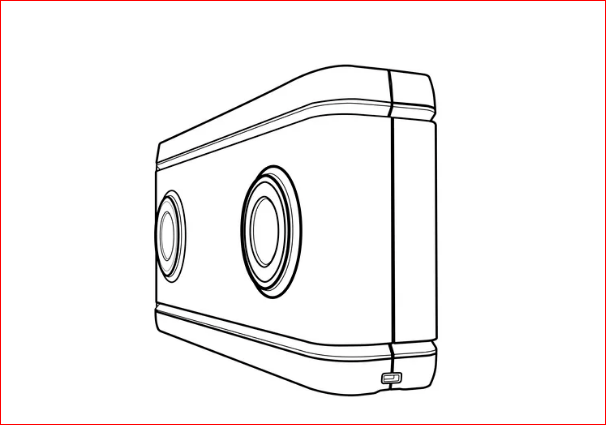
Video creators will also be able to shoot videos using any camera with a VR180 certification with the trio of Yi, Lenovo and LG emerging as pioneers that are working in collaboration with Google’s Daydream team for now. The first set of products are expected to be launched this winter and would likely carry almost the same price tag as the regular point-and-shoot camera. We still don’t know what the cameras will look like but a Line drawing of Lenovo’s own design was spotted recently. It appears to have two wide-angle lenses that can shoot stereoscopic video, and it’s just a simple design, a far cry from the expensive alien orbs that are often seen in VR film shoots.
The cameras may not be available to by sometime soon but Google is giving creators the opportunity to loan one from one of its YouTube Spaces, located in nine major cities worldwide. YouTube video creators will also be able to shoot just like they do with any other camera and in the near future the videos can be edited using Adobe Premiere Pro and other standard software.
In case you are wondering the benefits VR180 offer over 360-degree videos, there are a few big advantages. One of them is that it doesn’t need the same time-consuming (and often expensive) stitching as videos made with, say, Google’s 360-degree Jump system. Creators can easily put a person behind the camera without them appearing in the shot whereas 360-degree camera bares all with nothing hidden. Filmmakers often literally hide behind objects during a scene when shooting using panoramic cameras but that won’t be the case anymore. Another thing is that the file sizes would be reduced drastically so viewers will stream the videos faster and with less annoying buffering gaps while streaming.
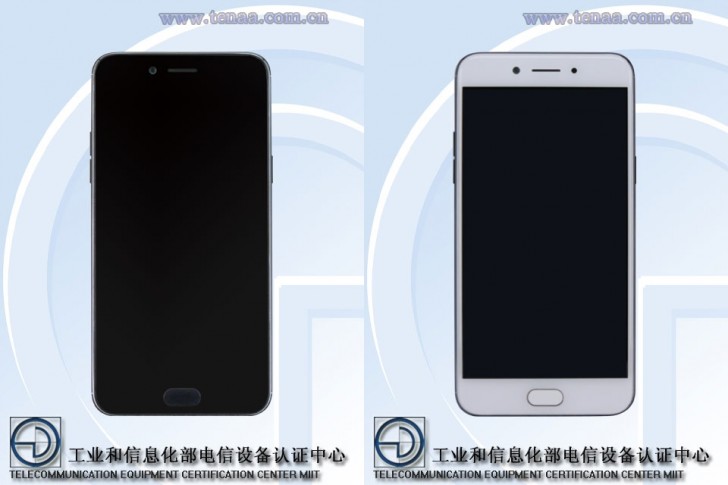
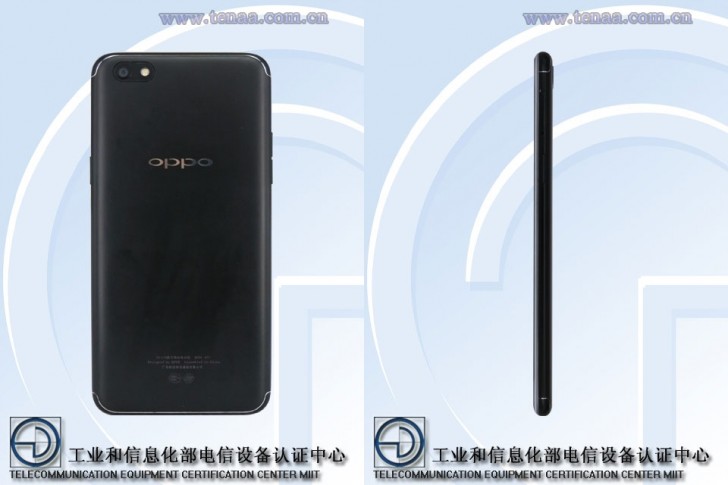
OPPO A77 smartphone was announced in May this year for Taiwanese markets. It is dubbed as the first phone with “Selfie Portrait” mode made available through a single lens system. Now, new editions of OPPO A77 have appeared on TENAA with A77 and A77t listings. Interestingly, these handsets appear different from A77. Also, there are some differences in the specifications.
The OPPO A77 that is currently available in Taiwan is driven by 1.5 GHz MediaTek MT6750T chipset and it is running on Android 6.0 Marshmallow OS. However, the newer OPPO A77 models are powered by a same 2.0 GHz octa-core processor. Also, they are preloaded with Android 7.1.1 Nougat OS. It will customized with the latest edition of Color OS.
The exact name of the chipsets present under the hood of the new A77 and A77t is not known. It is speculated that the new models are running on Snapdragon 625 or Helio P10 chip. The A77 and A77t smartphones are equipped with 3,115mAh battery which is smaller compared to the 3,200mAh battery from OPPO A77. As mentioned above, there are some design changes on the new A77 and A77t smartphones.
The original OPPO A77 measures 153.3 x 75.2 x 7.2mm and its weight is 153 grams. However, the newer models identically measure 153.3 x 75.9 x 7.4mm and they weigh 148 grams. The redesigned camera module includes the rear snapper and flash in the same window. The camera setup and design of the antenna bands look similar to OPPO R11. Gold, Rose gold and Black are color variants of the new OPPO A77.
Like the original OPPO A77, the new models come with 5.5-inch TFT screen that supports full HD resolution of 1,920 x 1,080 pixels. There is a 13-megapixel rear camera and a 16-megapixel selfie camera on both the new models. The original A77 also features the same set of cameras. These new models have the same 4 GB RAM and 64 GB internal storage.
The new OPPO A77 seems to be heading to Mainland China as the device has received TENAA certification. At present, there is no information on its pricing and availability. The original OPPO A77 was introduced in Taiwan for NTD 10,990 (~$362).
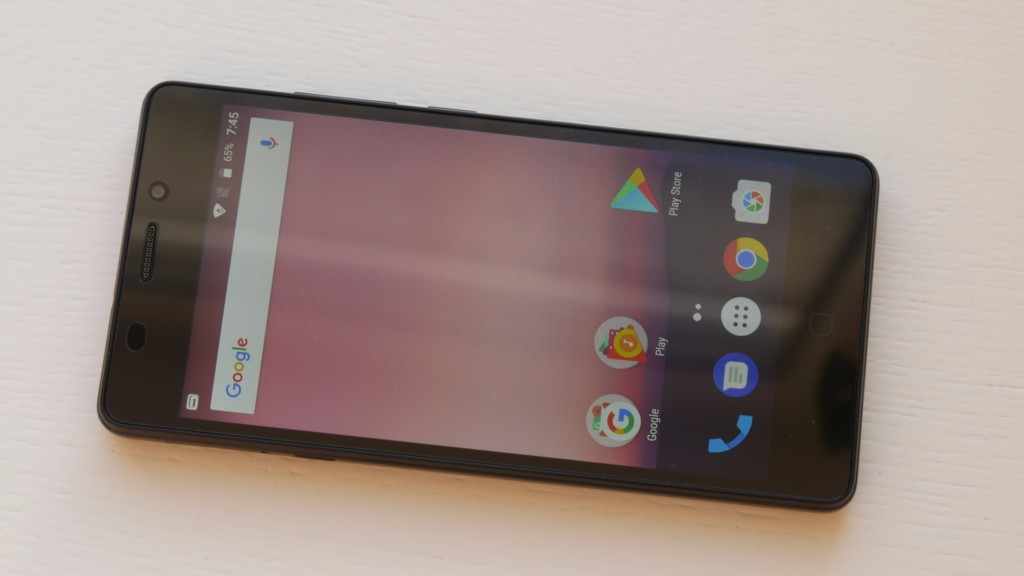
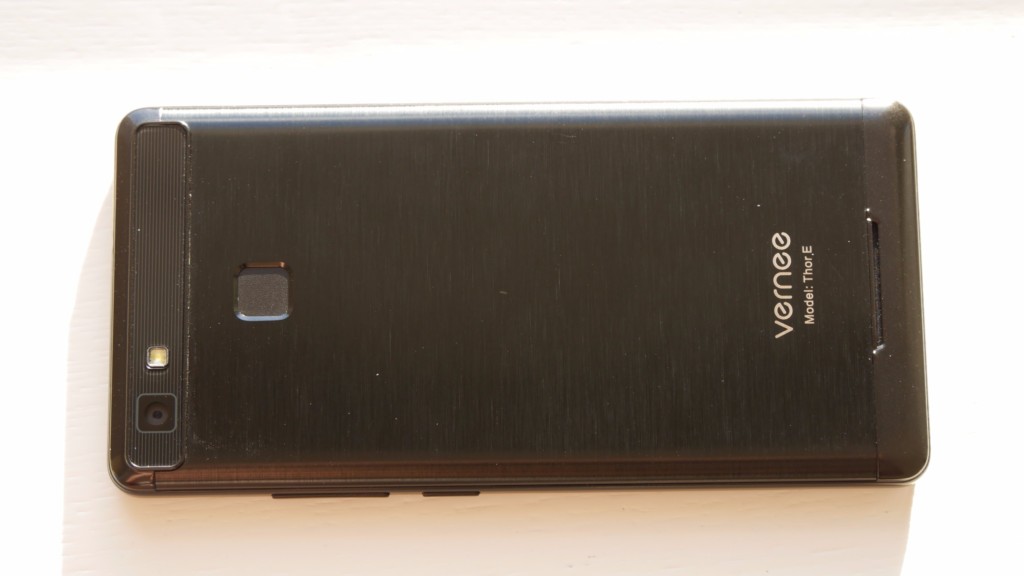
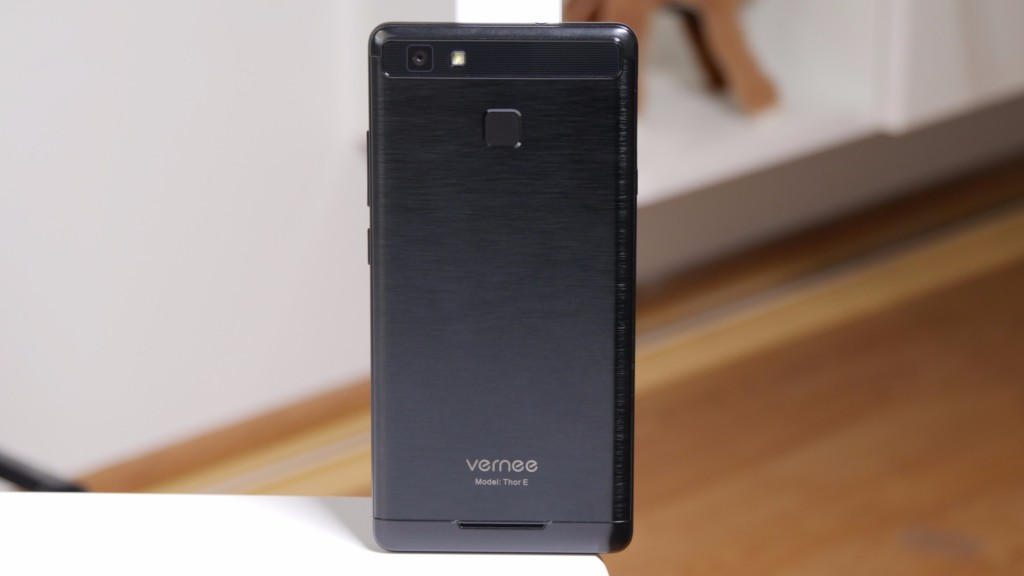
Vernee is known for its budget phones and the Thor E is one of their latest models. It offers some cool features like a black and white display that saves power, a huge 5200mAh battery and a lot more for less than $120. In fact, you can sometimes get the phone for as low as $99, which makes it a bargain. Learn more in the full Vernee Thor E review.
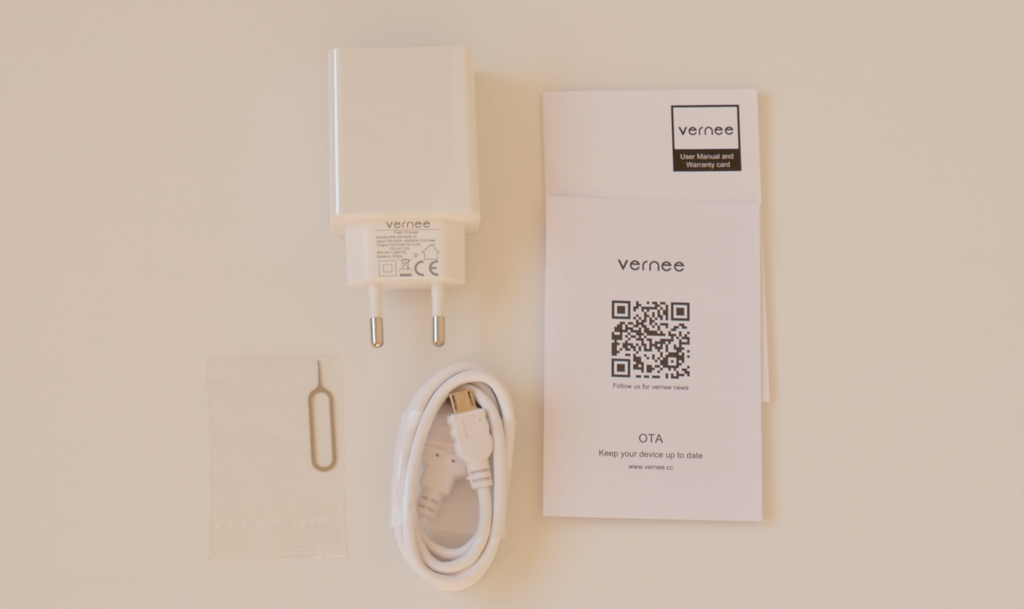
The phone ships with all the usual stuff that includes a fast charger.
DESIGN and DISPLAY
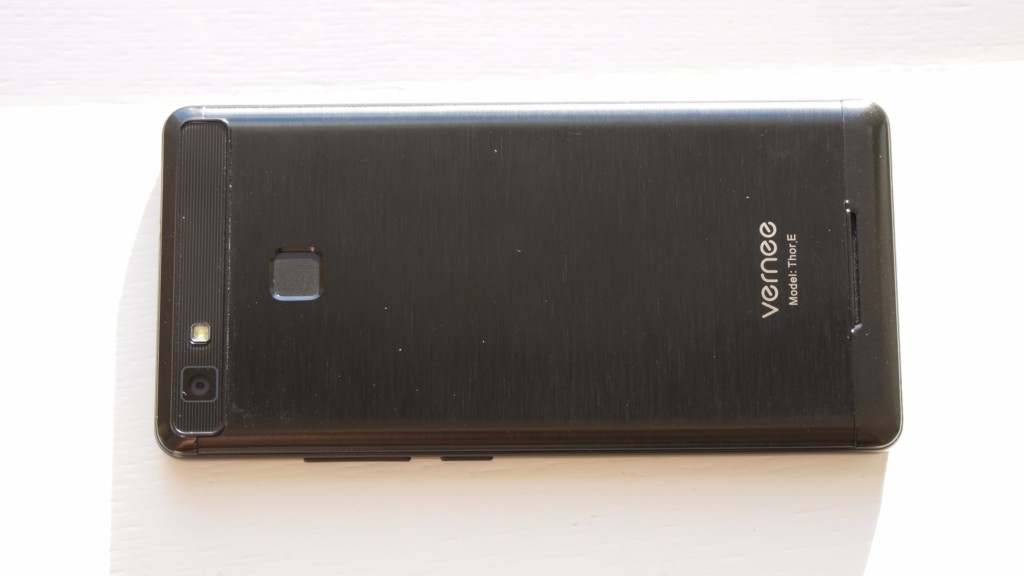
As far as design goes, the Vernee Thor E does not look exceptional by any means but it is well built, it uses a metal chassis, buttons and metal backplate, which is, however, prone to fingerprints like most of the glossy black surfaces.
What is surprising is that the phone is very light and thin considering its beefy 5200mAh battery. In fact, the Thor E measures at just 8.2mm of thickness.
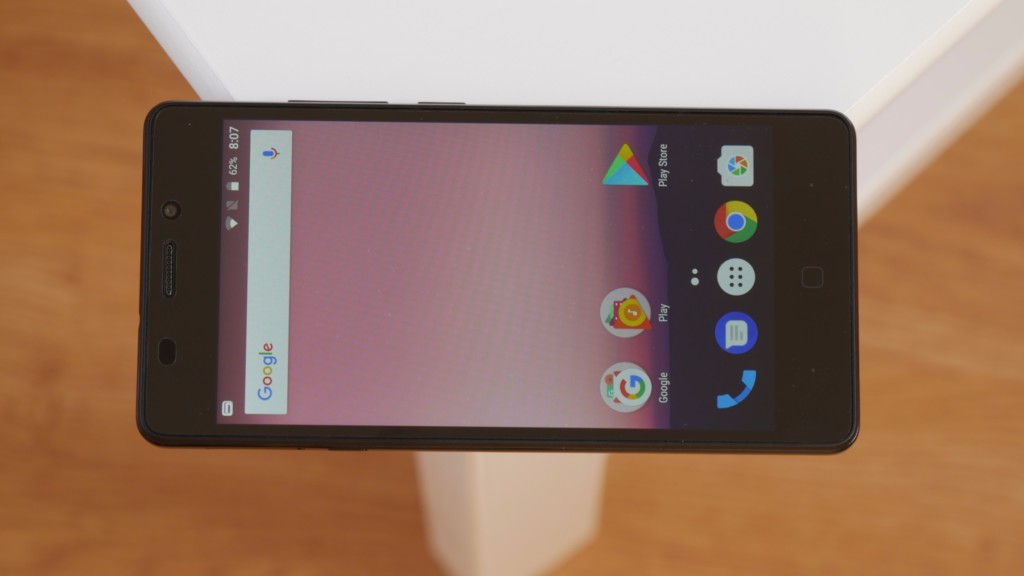
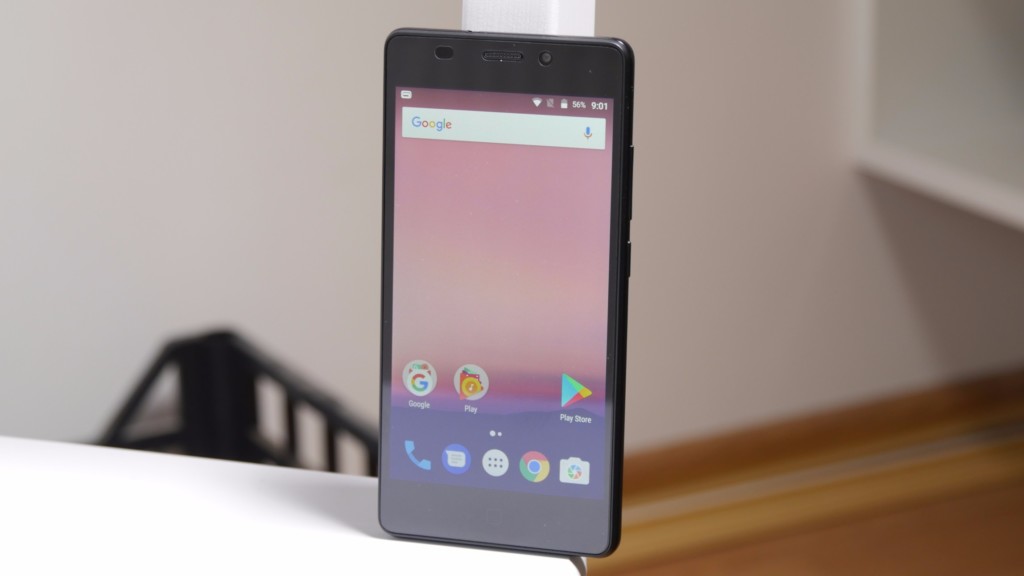
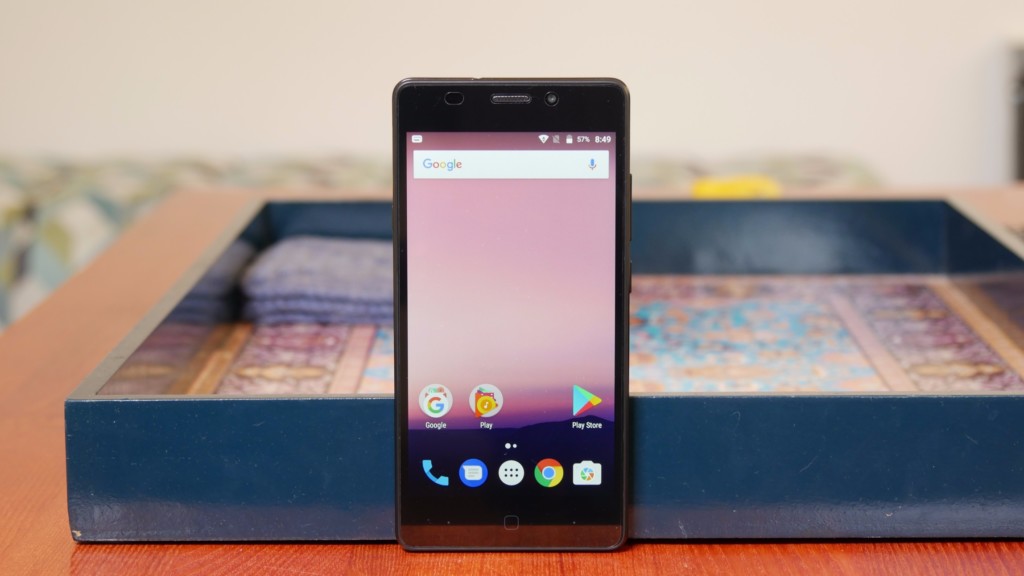
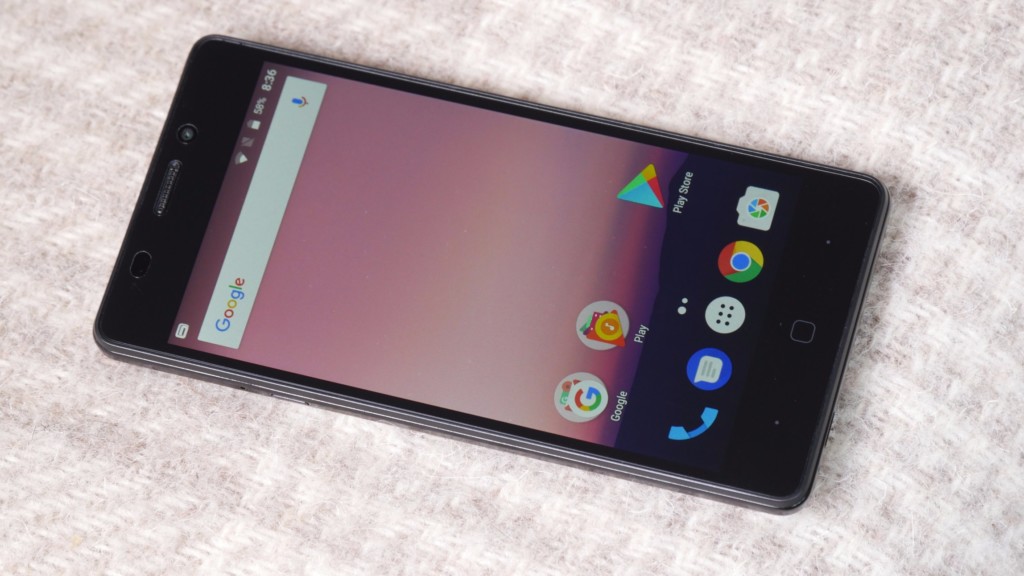
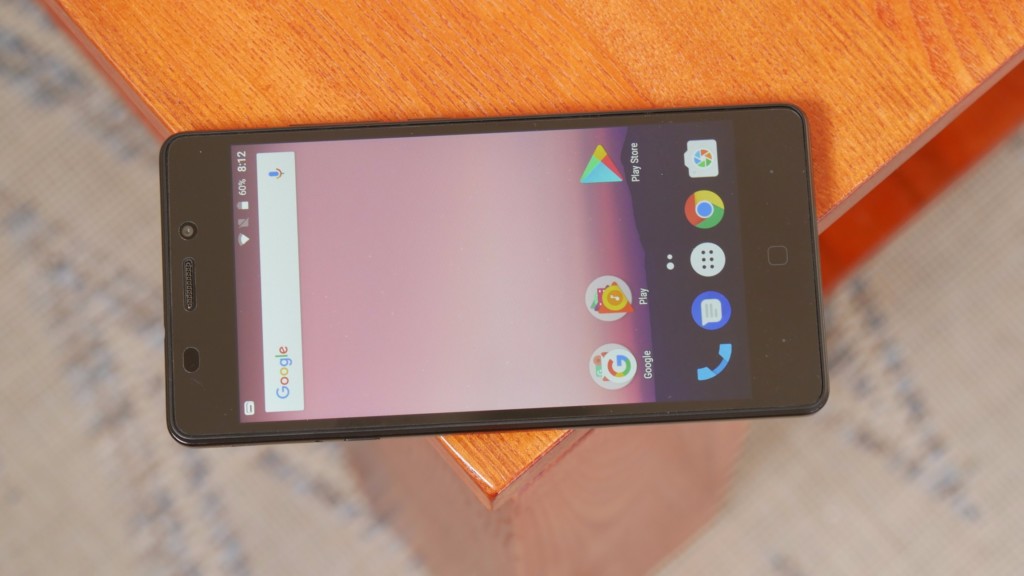
Also, the phone is compact due to its 5” 720p display, which is definitely not the sharpest out there but it gets the job done for a cheap phone.
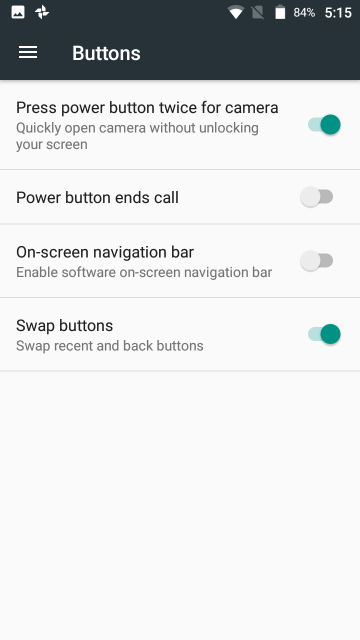
We have an interpolated 5MP selfie shooter and LED notification light but the capacitive keys are not backlit. However, you have an option to switch to on-screen keys and customize them.
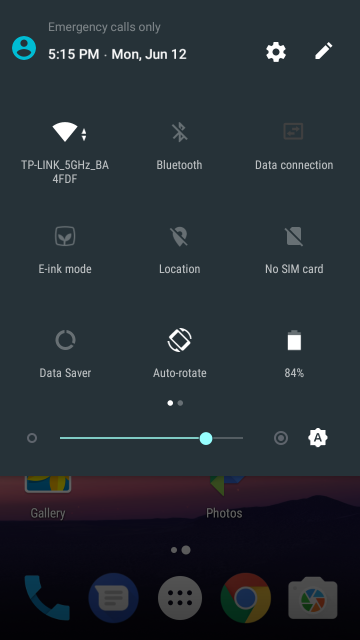
One of the key selling points is a physical button that turns on the E-Ink power saving mode that switches a display to a monochrome mode and turns off some power hungry features. I think this is a really cool idea we haven’t seen on other cheap phones. More on this feature in the battery life section.
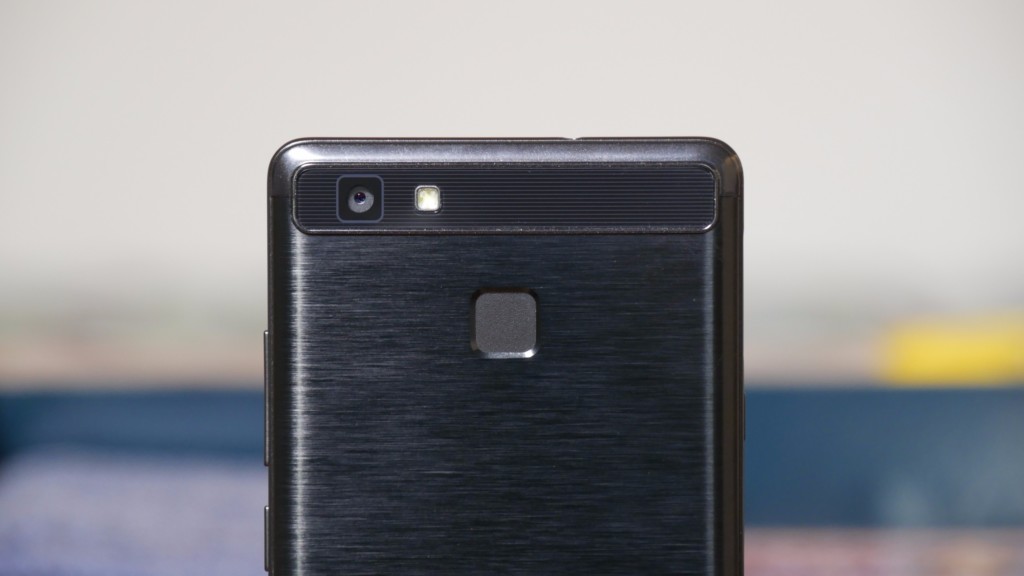
As for optics, we are looking at a 13MP interpolated camera that is coupled with a single LED flash. A fingerprint scanner is easily one of the best you can find on any cheap phone. It also unlocks the phone straight from the standby mode.
The loudspeaker quality is kind of poor and there are definitely some better cheap phones in this department.
HARDWARE and PERFORMANCE
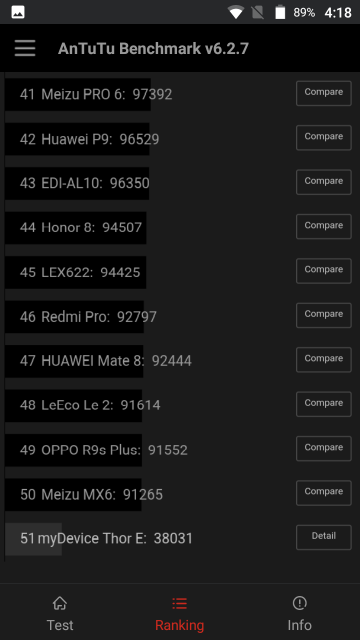
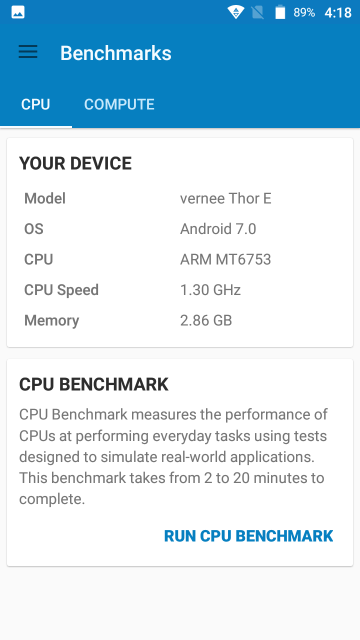
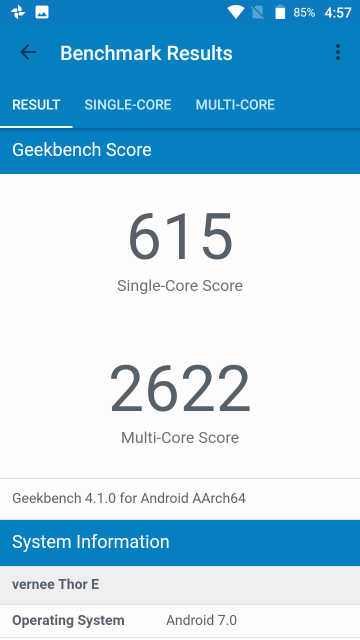
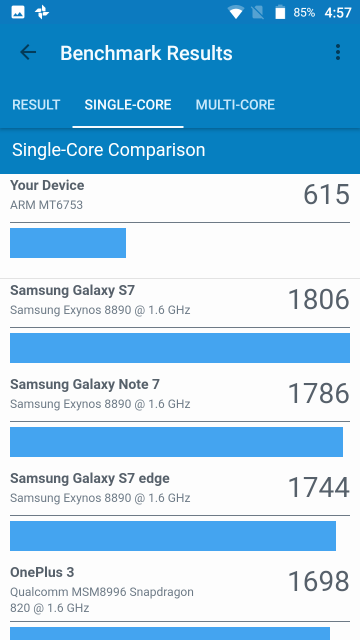
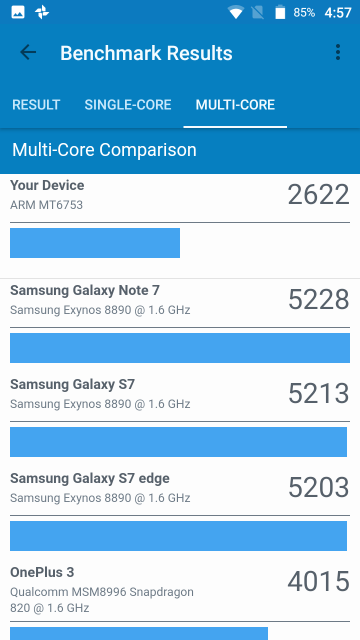
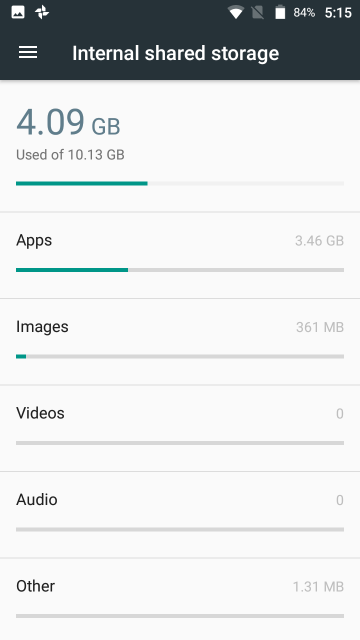
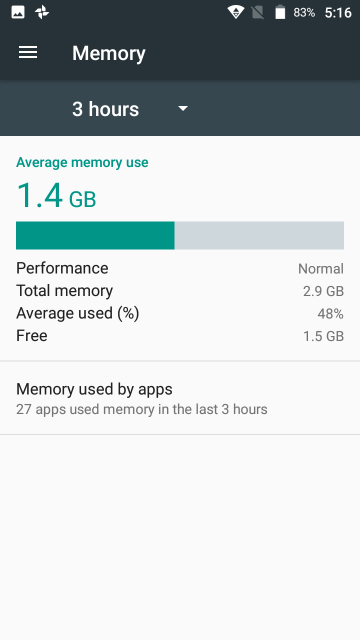
As for hardware, the Vernee Thor E has decent specs for the price that includes an octa-core MTK6753 CPU, 3GB of RAM and 16GB of expandable storage.
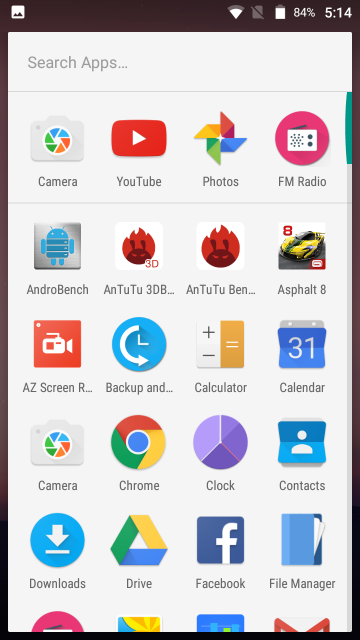
The phone handles 3D gaming very well. I was surprised that Asphalt 8 ran with no lag or stutter even on highest graphics, with just a few skipped frames.
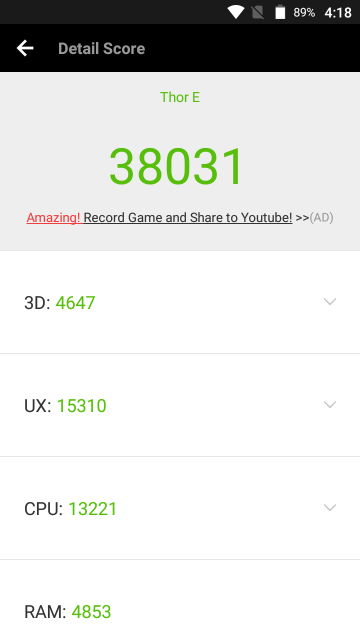
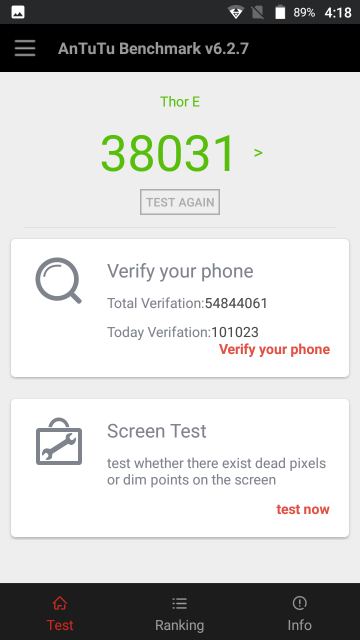
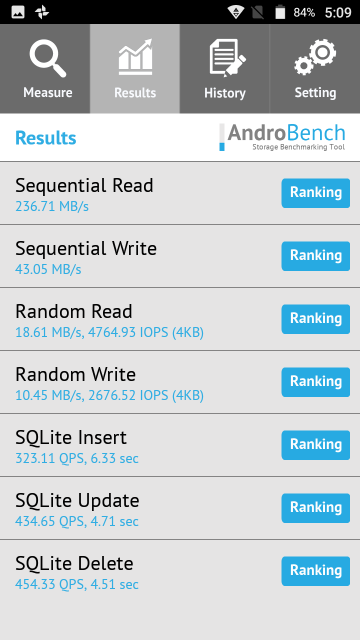
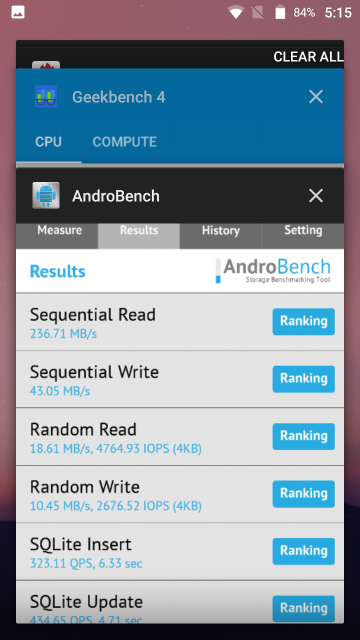
BENCHMARKS
UI
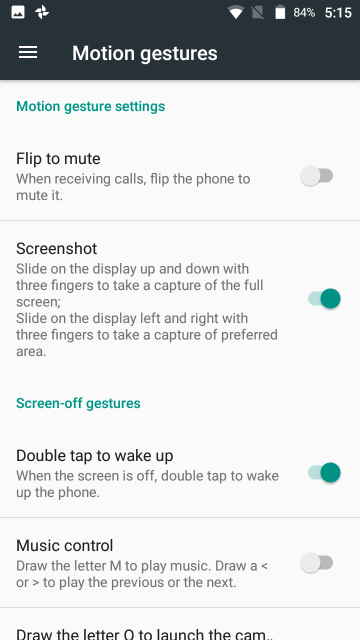
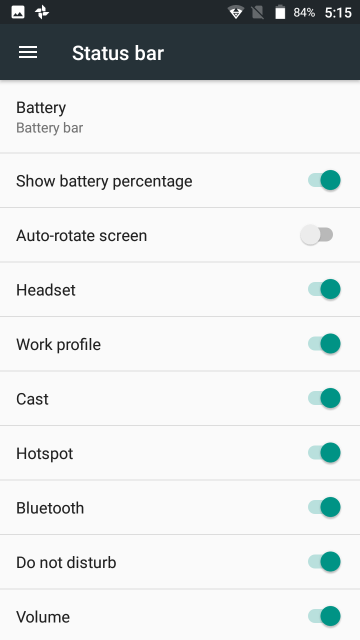
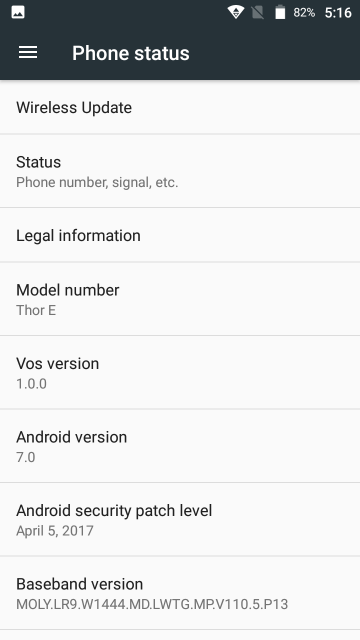
I love that the phone ships with the stock Android 7 with just a few added features like gesture and motion controls that work quite well.
Also, I like that the phone is very fast on the daily basis even after installing quite a few apps.
IMAGE QUALITY
The 13MP camera can take some decent looking images in good light but since we are talking about $120 phone, they are not ideal. The main issue that I found is that the colors look a bit washed out in some of the shots and there could definitely be more detail.
When it comes to the low-light shots, they look quite terrible. Also, the selfie pictures simply look bad.
Also, the selfie pictures simply look bad.
As for the video, it is just mediocre. Same can be said about the selfie video.
CONNECTIVITY
As for connectivity, I didn’t have any issues with this phone. Wifi, GPS, and Bluetooth works fine and call quality is decent.
BATTERY LIFE
Battery life is just amazing. I kept switching from a regular to the E-ink mode and honestly, I could get like 5 days of regular use of this phone or over 10 hours of screen on time thanks to a large 5200mAh battery that can be recharged in about 1.5h thanks to the supplied fast charger.
CONCLUSIONS
Vernee Thor E is a surprisingly good cheap smartphone that has a few features that make it stand out from the crowd.
The E-ink display feature is just awesome and it saves a lot of power. If you combine it with a huge battery, you will be able to use the phone for quite a bit of time.
Also, I like the form factor, even though the Vernee Thor E is kind of plain looking. Moreover, the phone is fast and it can even handle some 3D games quite well.
However, the cameras remain the weakest point of this device but if you don’t use the phone for taking lots of images in poor lighting, the Vernee Thor E is a pretty solid phone the price.
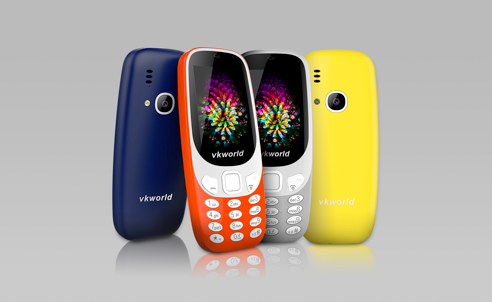
A few weeks ago, we reported that smartphone maker, VKWorld has a Nokia 3310 (2017) clone in the works. News, reaching us today lets us know that the VKWorld Z3310 will go on sale next week for just $25. That’s less than half the price of the Nokia 3310 (2017).
The VKWorld Z3310 will have a 2.4-inch 240 x 320 display protected by a 3D water-drop glass. There is a 2MP super clear camera with flash and another LED at the top for seeing in the dark.
It will also come with a FM radio that can work without plugging in earphones. A Class K amplifier helps pump out sounds at a high volume. VKWorld is shipping the Z3310 with a 1450mAh battery which is larger than that of the Nokia 3310 (1200mAh) and should last 2 weeks on standby. The phone will also have 20 built-in languages.
They say “better late than never” and that is exactly what Meizu is doing with the Nougat update for its devices. Just as we eagerly anticipate the final unveiling of Android O, the Chinese company has released a list of devices getting Android Nougat.
If you own any of the following devices, you may want to do a happy dance at the end of this post: Pro 6 Plus, Pro 6, Pro 6s, Pro 5, MX6, M5 Note, M3 Note, and M3 Max.
Meizu says owners of any of these devices will be able to register for the open beta program from today till July 2. Update itself will begin rolling out to devices on the 10th of July.
The update will be in three batches: first batch will receive the update on July 10, the second batch on July 17, and the final batch on July 31.
Google’s Pixel and Pixel XL phones are two of the best Android phones you can buy at the moment. Released last year to replace the Nexus line, Google will be releasing a second generation in a few months.
Initially, there were three devices, codenamed Walleye, Muskie, and Taimen. However, Muskie which was believed to be the Pixel XL 2 is said to have been cancelled, leaving Walleye and Taimen. Taimen has a larger screen than the cancelled Muskie and will reportedly be built by LG.
New details have emerged regarding the specifications of both devices. According to XDA Developers, a trusted source who has spent time with the devices revealed the info to them.
Taimen
The device which will be built by LG will have a 5.99-inch 1440 OLED display (supplied by LG as well). This is even larger than the LG G6 which has a 5.7-inch device. If you loved the Motorola-built Nexus 6, then you will appreciate the extra screen estate but with smaller bezels than the first-gen Pixel XL
Taimen will also have a 128GB variant along with 4GB of RAM and a Snapdragon 835 chip clocked at 2.45GHz. Its rear will retain the half metal and half glass finish from the previous model. However, the top glass part won’t cover the fingerprint scanner (rear-mounted again). Camera for Taimen is a single sensor with dual LED flash.
Walleye
Walleye a.k.a Pixel 2 will have a 4.97-inch 1080p display. The design is reported to be almost identical to last year’s model down to the bezels. One addition Google is adding is stereo speakers. The extra speaker will sadly come at the death of the 3.5mm audio jack which the source says Taimen doesn’t have.
RAM and processor are the same with Taimen but storage comes in at 64GB.
Nexus Imprint
The source says that he discovered that the pre-production software on Taimen referred to the fingerprint scanner as “Nexus Imprint” while Walleye’s settings referred to its own scanner as “Pixel Imprint”.
It is still unclear what this means. Google already announced that it was done with the Nexus line, so we do not want to jump into conclusions. It may also be an error that wasn’t fixed or a sort of throwback to when LG used to make Nexus devices.
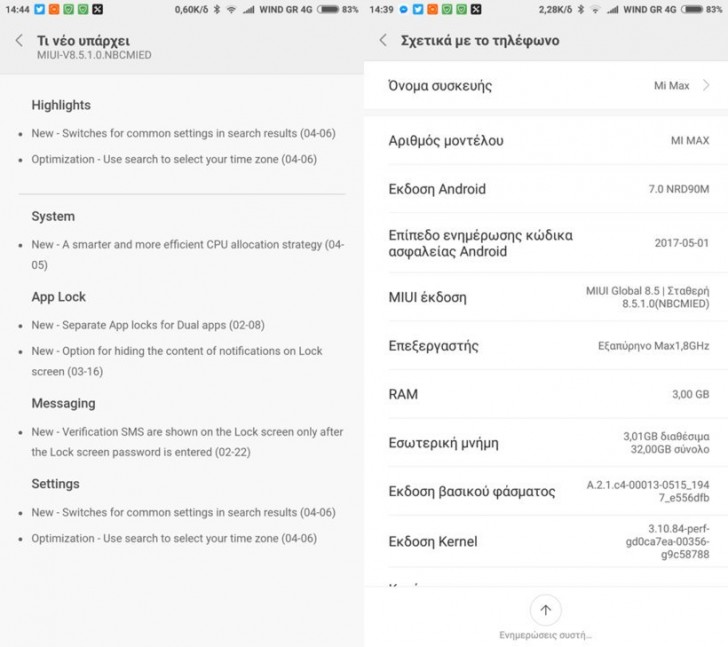
The Mi Max 2 might not seem like much of an upgrade but it does bring a number of new features, one being Android Nougat. The original was stuck on Android Marshmallow for a while until now.
Android 7.0 is rolling out in form of a MIUI 8.5.1 update to the Mi Max. The report comes from a Facebook Group “Greek Xiaomi Lovers” with screenshots as proof. Apart from the bump in Android version number, the update also brings May’s security patch, a more efficient CPU allocation and some app lock features.
The screenshot also shows that the version with the update is the 3GB RAM variant with a Snapdragon 650 processor. We have no info about the 4GB RAM + Snapdragon 652 Prime version.
The Mi Max has a 6.44-inch display, a 16MP rear camera, and a 5MP front facing shooter. There is a hybrid dual SIM slot that accepts up to 256GB microSD card. There is also a rear mounted fingerprint scanner and an IR blaster.
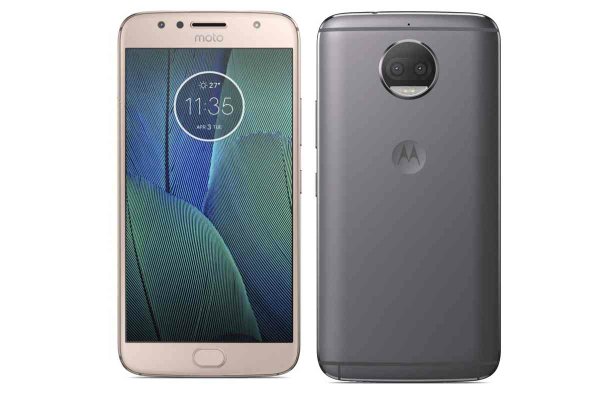
A couple of renders of the Moto G5S Plus had leaked a while back showing the device will be available in four different colour variants. The colours on display include Gold, Grey, Silver model with White front and Gold model with a white display bezels. A new render has leaked showing there is likely to be another colour variant which will have a Grey body and a Gold colour upfront on the display bezels.
The design of the new render is exactly the same as the earlier ones, showing a dual rear camera setup among other features. The tipster also revealed a few specs of the Moto G5S Plus including a 3,068mAh battery and what looks like the price in India which will likely fall between Rs. 18,999 – Rs. 19,999 ($295 – $310).
The Moto G5s Plus is expected to be launched along with the Moto G5S but the specifications of both models are still unknown. They join a growing list of models Lenovo is expected to release this year under the Moto line. Other models like the Moto Z2, Moto Z2 Force, Moto Z2 Play, Moto E4, Moto E4 Plus, and Moto X4 are all expected this year. With such long lineup of models in the works, there is absolutely no doubt that Lenovo is really serious about focusing on the Moto brand to help its smartphone business which isn’t yet as successful as the PC arm.
We use cookies on our website to give you the most relevant experience by remembering your preferences and repeat visits. By clicking “Accept”, you consent to the use of ALL the cookies.
This website uses cookies to improve your experience while you navigate through the website. Out of these, the cookies that are categorized as necessary are stored on your browser as they are essential for the working of basic functionalities of the website. We also use third-party cookies that help us analyze and understand how you use this website. These cookies will be stored in your browser only with your consent. You also have the option to opt-out of these cookies. But opting out of some of these cookies may affect your browsing experience.
Necessary cookies are absolutely essential for the website to function properly. This category only includes cookies that ensures basic functionalities and security features of the website. These cookies do not store any personal information.
Any cookies that may not be particularly necessary for the website to function and is used specifically to collect user personal data via analytics, ads, other embedded contents are termed as non-necessary cookies. It is mandatory to procure user consent prior to running these cookies on your website.