Meizu has been rumored to be working on another flagship device, despite the avalanche of releases we’ve seen from the phone-maker this year. Now the latest rumor takes it even further, revealing that Meizu would likely release two smartphones before the end of the year, finishing off the year in grand style.
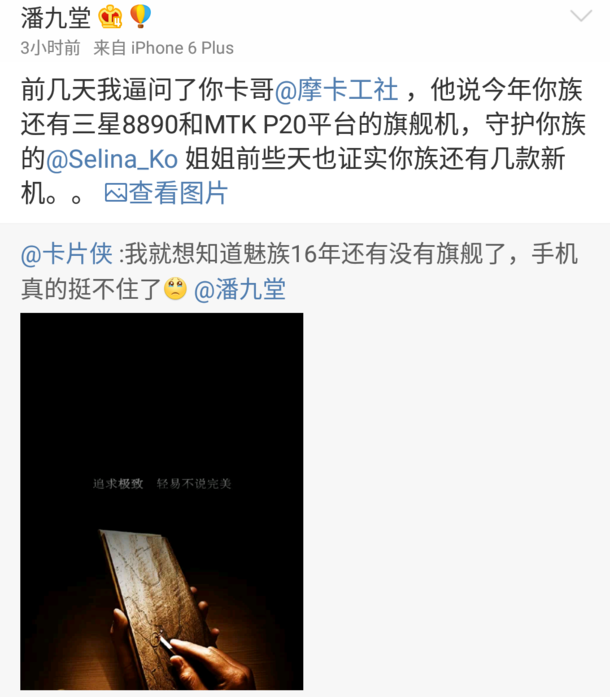
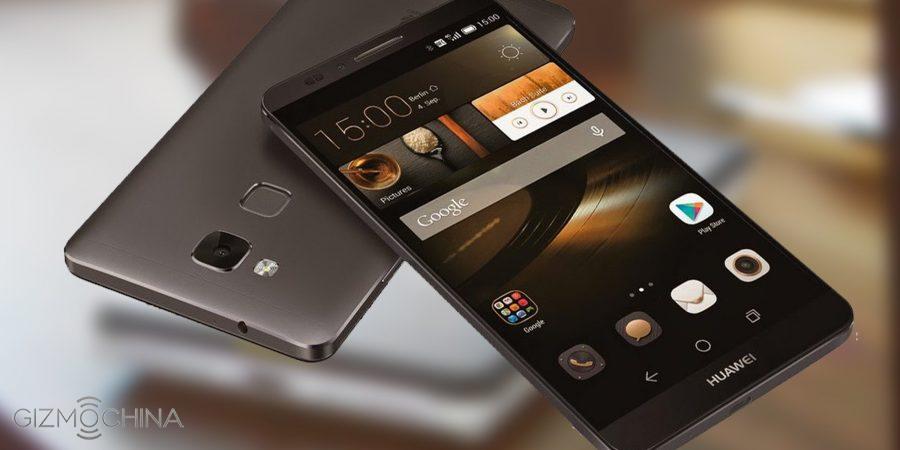
According to industry analyst Pan Jiutang, one of the devices we may likely be seeing is the flagship Meizu Pro 7 which according to the analyst, would likely be called Meizu Pro 6s and not Pro 7. The well-known analyst also disclosed that the Meizu Pro 6s would likely be equipped with the Samsung Exyunos 8890 chipset. This rumor contrasts with earlier rumor that Meizu would be replacing the Exynos 8890 on the flagship.
Other specifications of the now Meizu Pro 6s include that the device would feature a 5.7-inch display with 2K resolution, along with a 12MP and 5MP front facing camera. On the memory lane, the Pro 6s is said to pack 4GB of RAM and 32GB of expandable internal storage.
Pro 6
Aside the rumor of a Pro 6s, the analyst also disclosed that Meizu is likely to release a second flagship before the year’s end which would be powered by the MediaTek MTK P20 processor. However, no detail about the configuration the second smartphone is known at this moment.
Meizu has a track record of releasing many devices each year but we’ll need to be on the watch to see if this latest turns out to be true. We have already seen quite a number of phones from Meizu up till this point and this number includes one or two flagship devices.
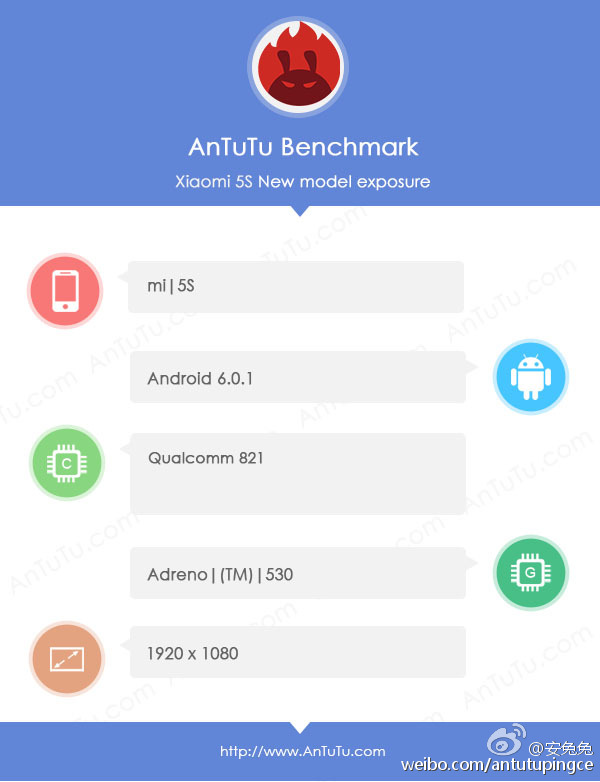
Xiaomi’s expected Mi 5S flagship has joined the list devices which have hit AnTuTu benchmark of late. Before now all we know about the Mi 5S were based on rumors. We didn’t even know for sure if the Mi 5S actually exists and is in development. However, the recent AnTuTu benchmark listing which was drawn from their database and featured on AnTuTu’s Weibo page gives us some insight into the specs line-up for the Mi 5S.
According to the listing, the Mi 5S will run on Android 6.0 Marshmallow operating system whenever it launches. The stand out feature on the leaked specs sheet should be the fact that the Mi 5S would be powered the Qualcomm Snapdragon 821 processor, tagging along Adreno 530 GPU. The display resolution is revealed as 1920 x 1080 pixels and the size as 5.15-inches. With these specs on board, the phone managed to score around 150K on AnTuTu.
We got nothing also about the memory, both RAM, and ROM, from the AnTuTu data but earlier leaks had disclosed that the Mi 5S will pack 6GB of RAM and 256GB of built-in storage. It is very likely, though, that there will be more than one memory versions on the smartphone. No data about the camera as well, but it is expected that the Mi 5S would pack an improved package from the Mi 5. We still don’t know when Xiaomi will release this one.
August has been a busy month in Chinese smartphone market, talking about new model launches. There have been new models like Redmi Pro (end of July) and Redmi Note 4 from Xiaomi, M3E from Meizu, Cool1 from LeEco and Coolpad marriage, Q5 series from 360. More will come before the end of this year including some flagship models. There is a big war between phone makers to catch a piece of this billion $’s cake.
As the second version of our “Smartphone Buyers Guide” today we will take a look for the models that cost between 100$-200$. There are so many choices when we include old models from last year too, I mean models with old chipsets that has been updated with new series. So they will be eliminated, otherwise this list won’t end 🙂 As an example, I didn’t include Meizu M2 Note or Meizu Metal in this guide, even though both are still very good phones under 200$, because there is M3 Note out and you can buy it under 200$ too. There will be some exceptions, of course, if it’s a bargain.
Speaking of Meizu, let’s start with this makers phones under 200$.
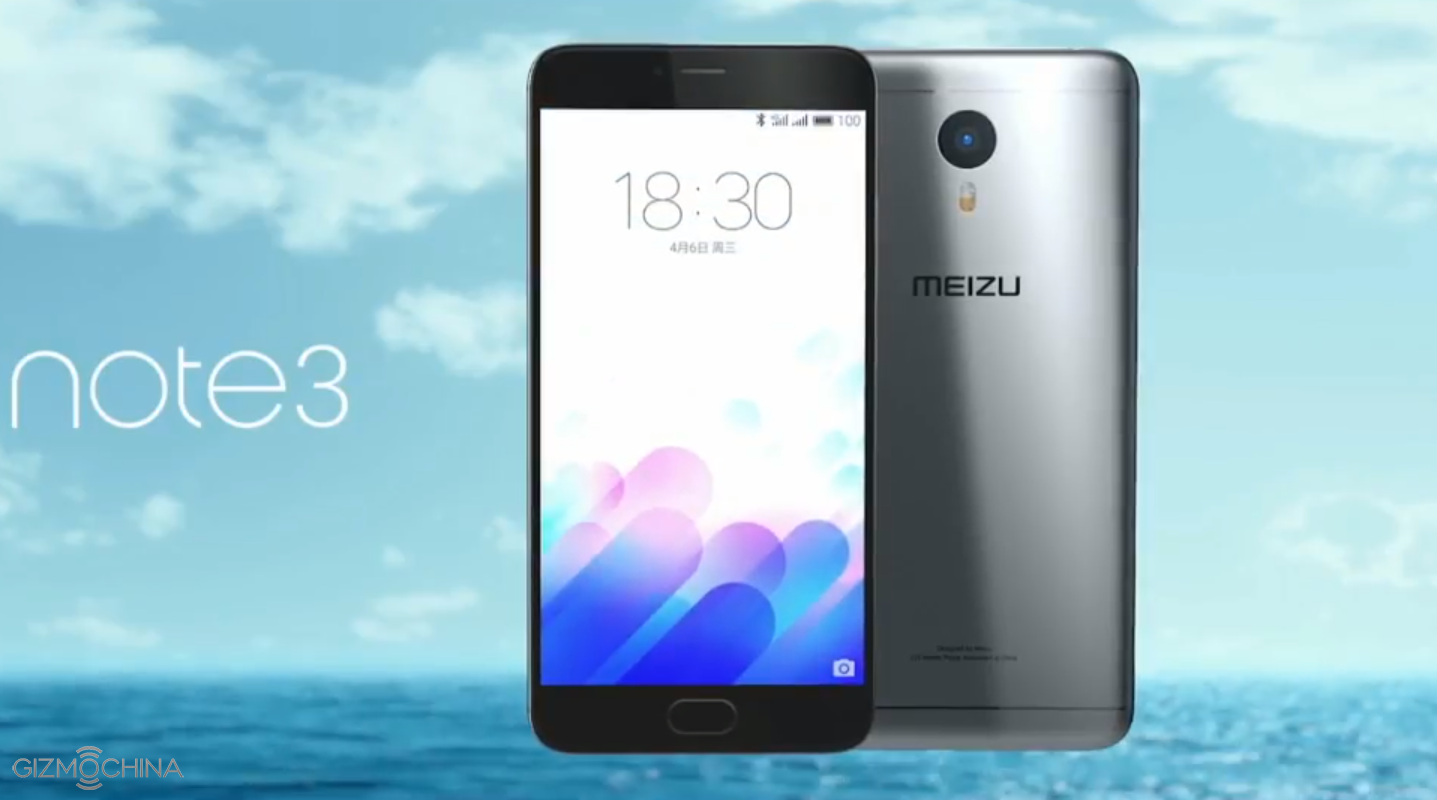
MEIZU M3 Note
$145.89 for 2GB/16GB, $186.99 for 3GB/32GB version.
Display: 5.5 inch 1920 x 1080 ( FHD ) screen 403 PPi
CPU: Helio P10 Octa Core ARM Cortex-A53 1.8GHz x 4 + ARM Cortex-A53 1.0GHz x 4
GPU: ARM Mali T860 image processor
System: Android 5.1 ( Flyme 5.1 )
RAM + ROM: 2GB RAM + 16GB ROM / 3GB RAM + 32GB ROM. TF card up to 128GB
Camera: Rear camera 13 megapixel, Corning Gorilla 3 glass, f/2.2 aperture, 5-element lens, Continuous shooting, Panorama, PDAF auto-focus, Two-tone flash
Front camera 5 megapixel, f/2.0 aperture, 4-element lens, FotoNation 2.0, FaceAE
Bluetooth: 4.0
GPS: GPS/A-GPS/GLONASS
Sensors: Hall magnetic sensor, Gravity sensor, IR proximity sensor, Gyroscope, Ambient light sensor, Touch sensor, Digital compass
SIM Card: Dual SIM, Dual standby, Dual Micro SIM cards
Battery Capacity (mAh): 4100mAh
Network:
2G: GSM 850/900/1800/1900MHz
3G: WCDMA 850/900/1900/2100MHz
4G: FDD-LTE 1800/2100/2600MHz
Product size: 15.36 x 7.55 x 0.82 cm / 6.05 x 2.97 x 0.32 inches, 163gr
6000 Series Aluminum alloy, means you have a very solid phone in your hands. Meizu always been about “quality”and last year even its budget phones carried production quality to next step. M3 Note, powered by the octa-core 1.8GHz MediaTek Helio P10 chipset is capable of every daily needs of yours, plus more. 4100mAh battery power will be enough for heavy use whole day, for regular use 2 days. When it comes to fingerprint I’m a fan of front placement, simple idea, I want to unlock my phone to see my notifications when it’s on the desk with a simple touch, don’t want to bother to grab it and place my finger to the back of the phone. Meizu’s mTouch is one of the best in the market, combining 3 key functions in 1 and adding fingerprint sensor to it. As we know from the reviews, both cameras of M3 Note do the job for this price range, i mean they are good enough for most of users. Maybe not as good as Oppo R9 with the same chipset inside (Helio P10), but you get Meizu M3 Note for the half price.
Display: 5.0 inch 2.5D Arc 1280 x 720 HD Screen
CPU: MTK6750 1.5GHz 64bit Octa Core
System: Android 5.1
RAM + ROM: 2GB RAM + 16GB ROM / 3GB RAM + 32GB ROM. TF card up to 128GB.
Camera: 5.0MP f2.0 front camera + 13.0MP f2.2 back camera
Bluetooth: 4.0
GPS: GPS/A-GPS/GLONASS
Sensors: Gravity sensor, Proximity sensor, Gyroscope, Ambient light sensor, Electronic compass
SIM Card: Nano SIM
Battery Capacity (mAh): 3020mAh
Network:
2G: GSM 850/900/1800/1900MHz
3G: WCDMA 850/900/1900/2100MHz
4G: FDD-LTE 1800/2100/2600MHz
Product size: 14.20 x 7.00 x 0.80 cm / 5.59 x 2.76 x 0.31 inches , 142gr
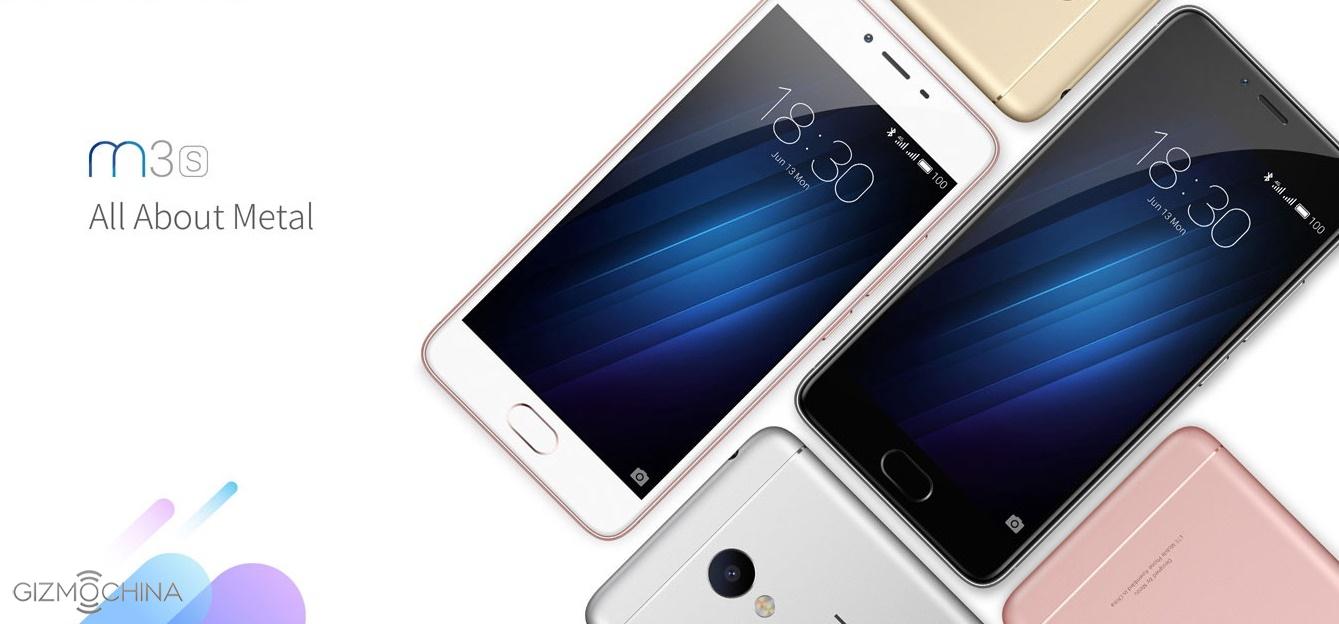
5.5″ is too big for you ? Here is the little brother of M3 Note — Meizu M3S comes with 5″ HD screen, 2.5D curved glass on top of it. Again with metal body, same mTouch 2.1. A powerful CPU from the same class as Helio P10. Having said that, let’s explain this.
MTK6750 is the toned down version of the MTK6755. Features a similar setup as the MTK6755, including an 8-core 4×4 big.LITTLE configuration with Cortex-A53 CPUs. The difference is that the higher-clocked CPUs will only be set to a maximum of 1.5GHz as opposed to 2.0GHz with the MT6755 Helio P10. The typical setup of MT6750 will be [email protected] and [email protected]. GPU is the same, ARM Mali T860 MP2.
Display: 5.5-inch, 1920 x 1080 Pixel Screen with 403 PPI
CPU: Qualcomm Snapdragon 650 64bit 1.8GHz Hexa-Core ( 2 x A72 + 4 x A53 )
GPU: Adreno 510
System: MIUI 8
RAM + ROM: 3GB RAM + 32GB ROM
Camera: 5.0MP with f/2.0 aperture front camera + 16.0MP with 78 degree wide-angle, f/2.0 aperture back camera
Sensor: Light sensor, G-sensor, Proximity sensor, Hall Sensor, gyroscope, E-compass and fingerprint sensor
SIM Card: Dual SIM dual standby. One is Micro SIM card slot, the other is Nano card slot, which can also be used as a TF card slot.
Note: Nano SIM card and TF card cannot be used together, because they share the same space of card slot.
Feature: GPS/ A-GPS / Glonass / Beidou
Bluetooth: 4.1
SIM Card: Dual SIM dual standby, dual Micro SIM cards
Battery Capacity (mAh): 4000
Network:
2G: GSM 900/1800/1900MHz
3G: WCDMA 850/900/1900/2100MHz; CDMA 2000: BC0
4G: FDD-LTE 1800/2100/2600MHz
Product size: 15.00 x 7.60 x 0.87 cm / 5.91 x 2.99 x 0.34 inches, 168gr
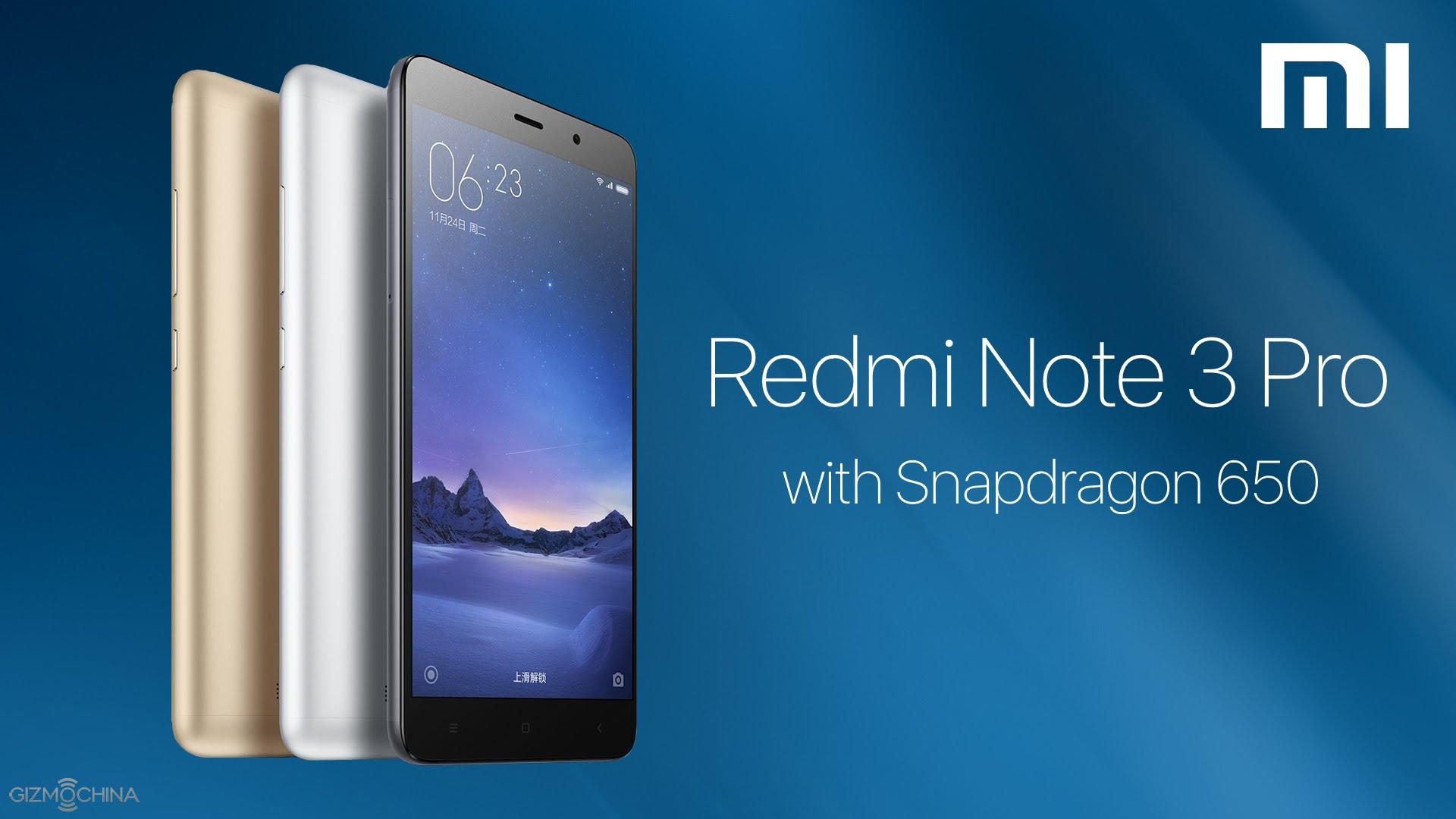
Yes, Xiaomi Redmi Note 4 will be on the market soon, but Redmi Note 3 Pro with Qualcomm Snapdragon 650 Chipset will still be most users first choice in this price range. Especially for gamers, because of the Adreno 510 GPU of course. For 5.5″ inch screen size lovers, Xiaomi’s Redmi Note series has always been very popular because of its price/performance ratio. Note 3’s 4000mAh battery will help at least one day under heavy use, more with regular use. Phone has a metal back, but its not unibody, you can take out the back metal cover, still feels nice in hand with matte finish. Has a decent 16MP camera with PDAF supporting 0.1s ultra-fast focusing + two-tone flash light. Finger print sensor is on the back that unlocks your phone in 0.3s. Redmi Note 4 will come with Helio X20 CPU as we all know, so Qualcomm fans probably won’t change their Redmi Note’s for a while.
Display: 5.0 inch 1280 x 720 HD screen
CPU: Qualcomm Snapdragon 430 Octa Core 1.4GHz / Adreno 505 GPU
System: Android 6.0
RAM + ROM: 2GB RAM + 16GB ROM / 3GB RAM + 32GB ROM
Max Storage Expansion: 128GB
Camera: Back camera 13.0MP + front camera 5.0MP
Bluetooth: 4.1
Feature: Fingerprint Scanner, GPS, A-GPS
SIM Card: Dual SIM dual standby, one is micro SIM card, the other is nano SIM card
Battery Capacity (mAh): 4100
Network:
2G: GSM 900/1800/1900MHz
3G: WCDMA 850/900/1900/2100MHz CDMA 2000 BC0
4G: FDD-LTE 1800/2100/2600MHz
Product size: 13.90 x 6.90 x 0.80 cm / 5.47 x 2.72 x 0.31 inches, 144gr
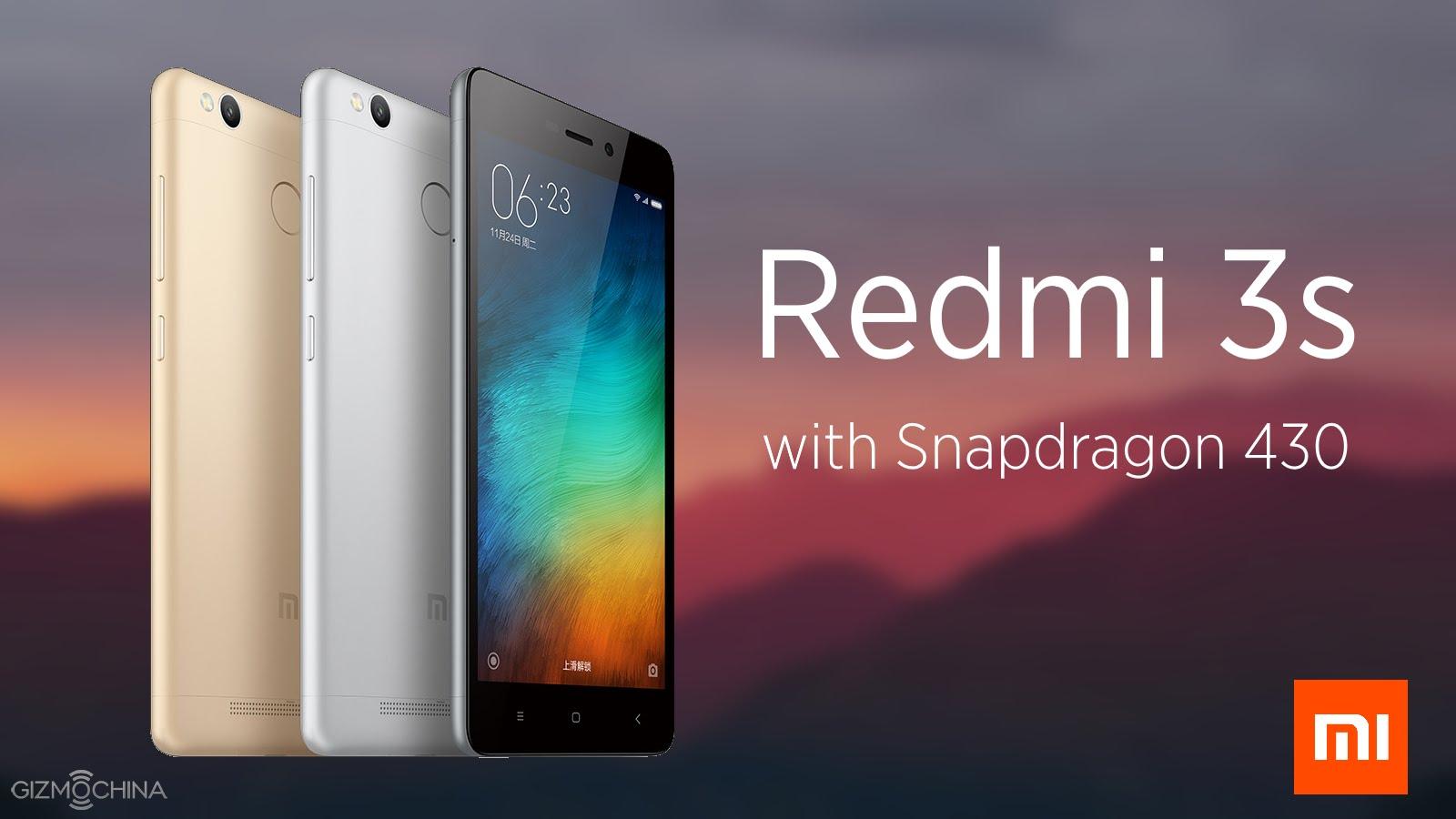
5″ Redmi 3 series was updated with a new chipset recently, powered by a Snapdragon 430 CPU and the model name became Redmi 3s. Snapdragon 430 brings us Adreno 505 GPU with. These specs made Redmi 3s the most powerful 5″ phone in this price range, made it the little brother of Redmi Note 3 Pro. Redmi 3s has an even bigger battery with 4100mAh capacity and having only HD 5″ screen, this little brother will last longer. With that battery, the Redmi 3s weighs only 144 gm, which is good. 13MP/5MP front and rear cameras and fingerprint sensor sounds as the minimum standards in phone industry lately.
Display: 6.44 inch, 1920 x 1080 Pixel 2.5D Arc Screen
CPU: Qualcomm Snapdragon 650 64bit 1.8GHz Hexa core
GPU: Adreno 510
System: Android 6.0 ( MIUI 7 )
RAM + ROM: 2GB RAM + 16GB ROM
Camera: 5.0MP with f/2.0 aperture front camera + 16.0MP with f/2.0 aperture back camera
Sensor: Light sensor, G-sensor, Proximity sensor, Hall Sensor, gyroscope, E-compass, Infrared, Fingerprint sensor, Accelerometer, etc.
SIM Card: Dual SIM dual standby. One is Micro SIM card slot, the other is Nano card slot, which can also be used as a TF card slot.
Note: Nano SIM card and TF card cannot be used together because they share the same space of card slot.
Feature: GPS/ A-GPS / Glonass / Beidou
Bluetooth: 4.2
Battery Capacity (mAh): 4850
Network:
2G: GSM 850/900/1800/1900MHz
3G: WCDMA 850/900/1900/2100MHz
4G: FDD-LTE 1800/2100/2600MHz
Product size: 17.30 x 8.80 x 0.60 cm / 6.81 x 3.46 x 0.24 inches, 203gr
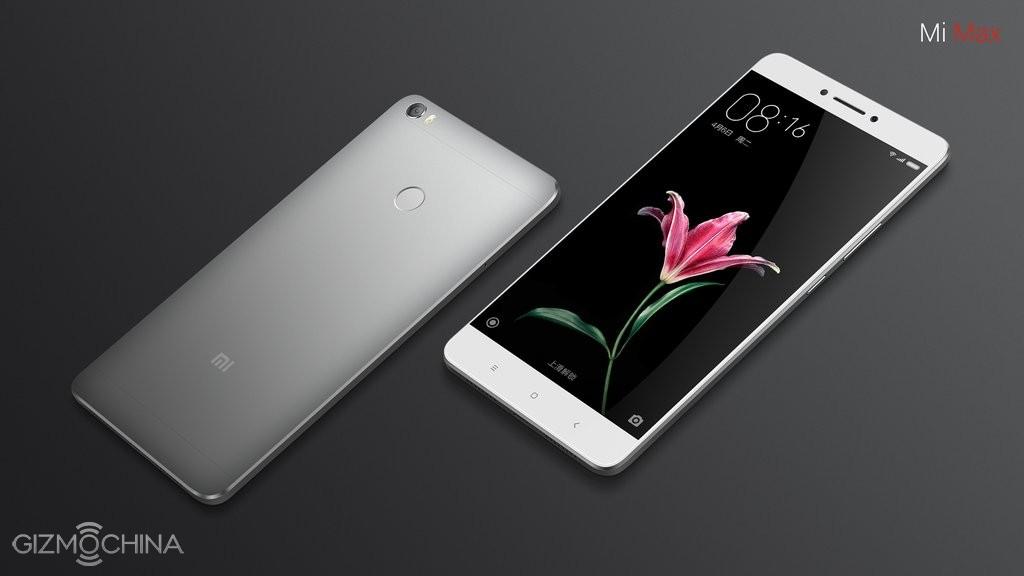
A BIG surprise in every aspect ! You want the biggest screen size in a smartphone ? And you also want the biggest battery with it ? 6.44 inch + 4850mAh battery for under 200$. Biggest brother of the family, comes with same CPU of Redmi Note 3 Pro, Snapdragon 650, but with less Ram, 2GB for this edition. 16GB for ROM option is not very important because Mi Max has a SD card slot. If you spend much of your time looking on a mobile phone’s screen during the day, especially for media, biggest screen powered with the biggest battery for just 183$, I think this phone is a bargain for its specs.
Display: 5.5 inch 1920 x 1080 Screen
CPU: Helio X20 MTK6797 Deca-Core
System: Android 6.0
RAM + ROM: 3GB RAM + 16GB/32GB ROM
Cameras: Front 8.0MP + Rear 16.0MP AF with flash
Bluetooth: BT4.0
SIM Card: Dual SIM dual standby. ( Dual Nano SIM cards )
Battery Capacity (mAh): 3000
Network:
2G: GSM 850/900/1800/1900MHz
3G: WCDMA 850/900/1900/2100MHz
4G: FDD-LTE 1800/2100/2600MHz
Product size: 15.11 x 7.41 x 0.77 cm / 5.95 x 2.92 x 0.3 inches, 152gr
MediaTek Helio X20 (and X25 with more CPU speed) series started to power many phones. It’s a flagship-grade CPU for sure, not the fastest yes, but little under 100K Antutu score is still something. Heli0 x20 is a deca/10-core CPU to remind you. GPU is also powerful enough, a quad-core Mali T880. This combination is better than any on the market, except flagships like Snapdragon 820 and Exynos 8890 from Samsung, but hey, we are talking about under 200$ phones here, remember.
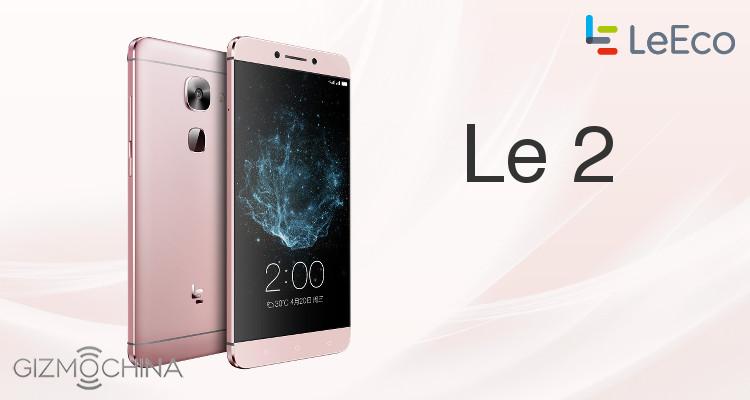
Le 2 comes in a metal unibody, very well crafted. The screen is 5.5″ in-cell full HD IPS panel. The phone has no 3.5mm headphone jack, first in the market, you get audio from Type-C port in Hi-Fi format. Don’t worry, there is adaptor included in the box, if you still want to use your beloved headphones.
Back Camera is 16MP, supporting 4K video shooting mode, front is 8MP, both sensors are from OmniVision. They give you surprisingly good results for this price range. Only downside may be, for some, battery capacity is 3000mAh. So if you want the most powerful phone in this price range and flagship grade build quality, LeEco Le 2 is your choice.
PS: I need to say something about the colors. I’m enough of these gold, rose gold, grey or white, missed all black phones like in the old days. Matte black would be amazing on Le 2 and I think, most of you will agree. Hopefully, new models will have this options : http://www.gizmochina.com/2016/08/19/black-leeco-le-2s-back-cover-looped-antenna/
Display: 5.5 inch 1920 x 1080 FHD screen
CPU: Helio X10 Octa core 2.0GHz
System: Android 5.0
RAM + ROM: 3GB RAM + 16GB ROM
Cameras: 5.0MP front camera + 13.0MP rear camera with AF face beauty and true flash light
Bluetooth: BT4.0
Sensor: Light sensor , G-sensor , P-sensor, Hall Sensor,Proximity sensor
Navigation: GPS, A-GPS, GLONASS
SIM Card: Dual SIM dual standby. ( Dual micro SIM cards )
Battery Capacity (mAh): 3000
Network:
2G: GSM 850/900/1800/1900MHz
3G: WCDMA 850/900/1900/2100MHz
4G: LTE 1800/2100/2600MHz
Product size: 14.70 x 7.40 x 0.95 cm / 5.79 x 2.91 x 0.37 inches, 170gr
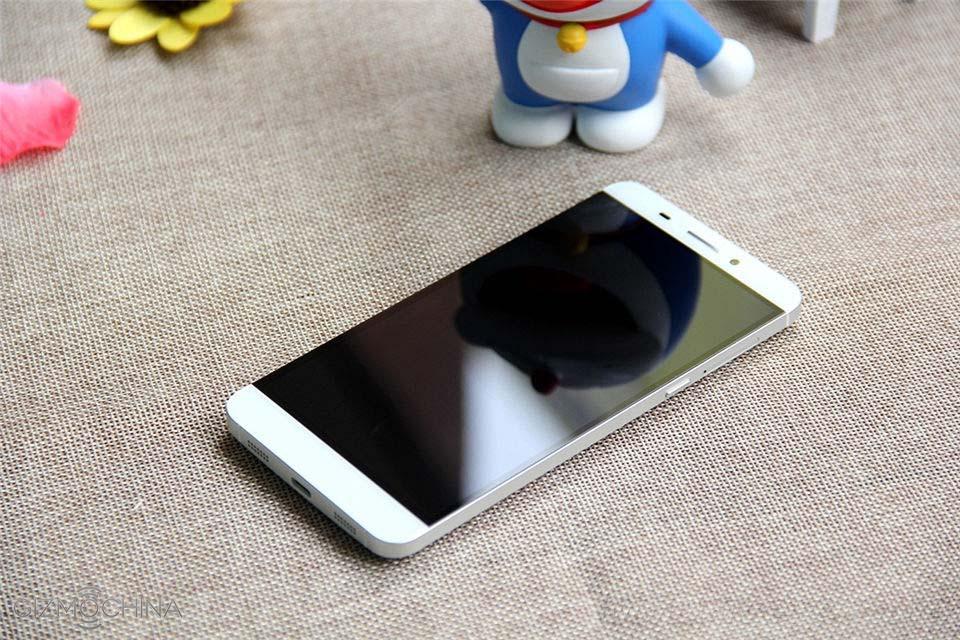
The whole success story of LeEco (LeTV) began with this model X600. Dont need finger print ? Is 16GB enough for you (for me its still enough) ? Then just grab this hero for about 117-118$ on some online stores, this will be a real bargain for you. Coming with octa-core 2.0 GHz Helio X10 chipset and 3GB of Ram has a very good configuration for this price. Screen is from Sharp, very vivid, design is very attractive even, for my taste its better looking then X500 or X620, has a style for sure. Sound output is one of the best and 3.5mm headphone jack is present. Helio X10 is last years first example of MediaTek’s Helio series and if we should compare it this years P10, X10 is still better when it comes to performance, except energy efficiency of course:
Display: 5.5 inch 1920 x 1080 FHD Screen
CPU: Qualcomm Snapdragon 615 64bit Octa Core 1.5GHz
GPU: Adreno-405
System: Android 5.1
RAM + ROM: 3GB RAM + 16GB ROM
Camera: Back camera 13.0MP with flashlight + front camera 8.0MP
Bluetooth: 4.0
Improve Touch:
To protect your privacy, avoid of personal information let out. Promise you an undistracted and safe daily life.
GPS: Yes
Sensor: Accelerometer, Proximity sensor, Light sensor, Geomagnetic sensor, Gyroscope, Hall sensor
SIM Card: Dual SIM dual standby. Dual Micro SIM
Battery Capacity (mAh): 3030
Network:
2G: GSM 900/1800/1900MHz
3G: WCDMA 850/900/1900/2100MHz
4G: FDD-LTE 1800/2100/2600MHz
Product size: 15.18 x 7.55 x 0.83 cm / 5.98 x 2.97 x 0.33 inches, 156gr
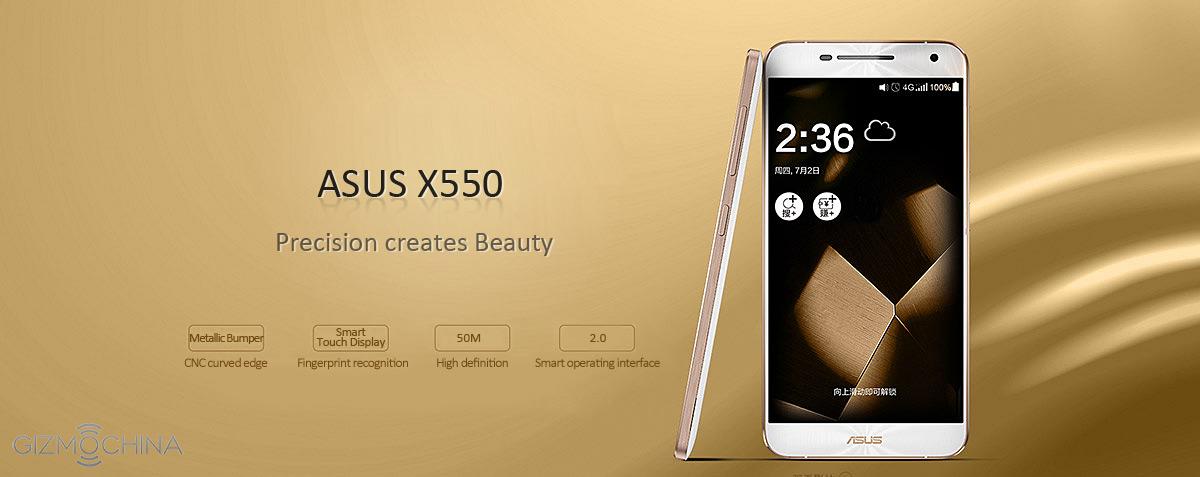
An interesting model from IT giant Asus. Does not have a finger print sensor but has a whole screen to scan your hand-print ! “Equipped with high-tech touch chip owned high capacity of information operation” says Asus. “A totally new way to protect your information”. X500 has a very attractive design and good screen to body ratio with aerial aluminum alloy. Very good cameras indeed for this price, 13MP rear and 8MP f/2.0 aperture front. Promises good low light performance. CPU is last year’s first edition octa-core from Qualcomm, Snapdragon 615, don’t expect much raw performance but it is energy efficient for sure. 3GB Ram is more than enough, you can put a SD card in it so 16GB of Rom is not a big issue. Phone is not unibody so you can change the 3030mAh battery with your second one, many still prefer this solution. 5.5″ full HD screen with 3rd gen Gorilla protection.
Display: 5.5-inch, FHD(1920×1080 pixels) Screen, the 3rd Gorilla Glass Screen
CPU: Qualcomm Snapdragon 615(MSM8939) 64bit Octa Core (Quad-core 1.5 GHz Cortex-A53 and quad-core 1.0 GHz Cortex-A53)
GPU: Adreno 405
System: Android 5.1(Vibe UI 2.68)
RAM + ROM: 2GB RAM + 16GB ROM
Camera: 5.0MP front camera + 13.0MP PDAF back camera with dual color flashlight and auto focus
Sensor: Accelerometer sensor, G-sensor, Proximity sensor, Electronic Compass
Bluetooth: 4.1
GPS: GPS/AGPS
SIM Card: Dual SIM dual standby, Dual Nano SIM
Battery Capacity (mAh): 5000
Network:
2G: GSM 850/900/1800/1900MHz
3G: WCDMA 800/850/1900MHz
4G: FDD-LTE 1800/2100MHz
Product size: 15.30 x 7.50 x 0.90 cm / 6.02 x 2.95 x 0.35 inches, 189gr
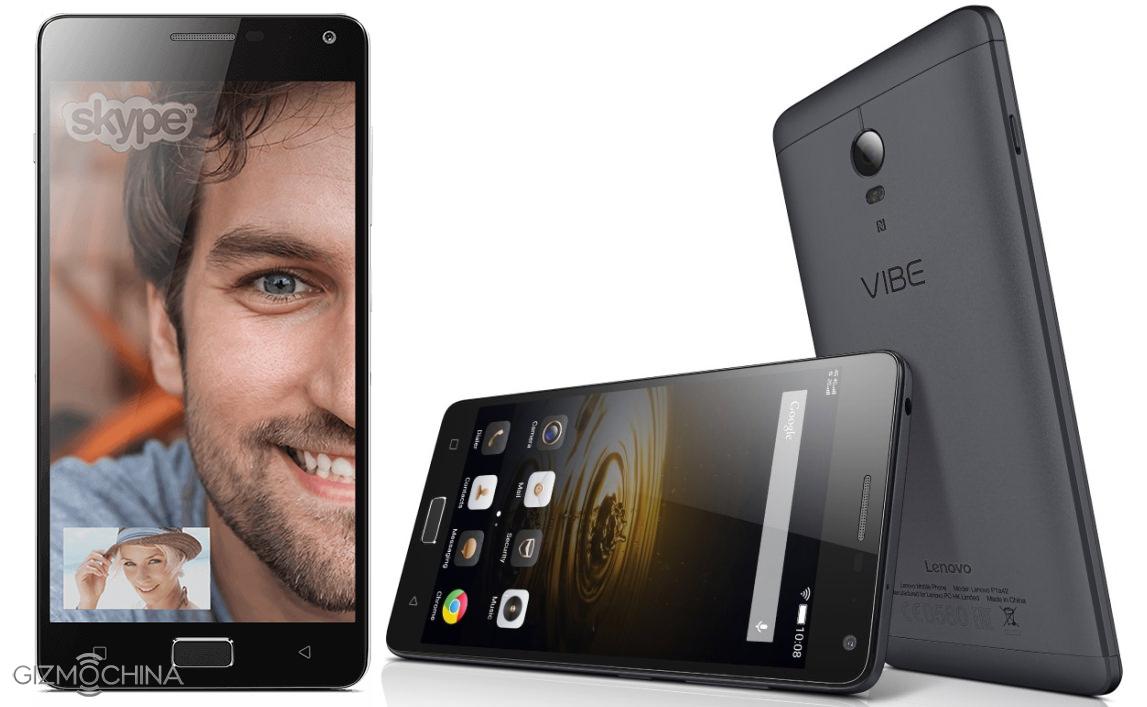
Biggest battery capacity in our list with 5000mAh, yes even bigger than Mi Max. Here is a complete package from Lenovo for daily (long) use. Front placed finger print sensor, 5.5″ full HD good screen with Gorilla Glass 3, 13MP PDAF rear camera with dual color flashlight, 128GB SD card expansion, and metal back build. The black color looks not bad either.
Display: 5.2 inch, FHD(1920×1080 pixels)
CPU: Hisilicon Kirin 650 64-bit octa-core
GPU: Mali T830
System: EMUI 3.1 base on Android 6.0
RAM + ROM: 2GB RAM + 16GB, support external microSD to 128GB
Camera: 13 Megapixel BSI camera, F2.0, support HDR Movie, 8-Megapixel, f/2.0 front camera
Sensor: Accelerometer sensor, G-sensor, Proximity sensor, Electronic Compass
Bluetooth: 4.1
GPS: GPS/AGPS
SIM Card: Dual SIM dual standby, Dual Nano SIM
Battery Capacity (mAh): 3000
Network: GSM: 850/900/1800/1900MHz , WCDMA: Bands: B1/B8, LTE FDD: Bands: B1/B3
Product size: 147.1mm × 73.8mm × 8.3mm, 156gr
The Kirin 650, 16nm FinFET manufacturing process (less chip size = less heat), new midrange class octa-core CPU from Huawei’s own kitchen. Clocked at 2.0GHz and holding Mali-T830 MP2 GPU in it, promises many things on paper. The iPhone 5SE killer (who cares?) Honor 5C uses this architecture.
I’m not a fan of Huawei phones, because they always cost more against what they give back to customers in the name of performance.
Honor 5C comes with 5.2″ FHD screen, may be the optimum size for many smartphone users. Does not have any protection glass. Cameras are ok on paper, build quality is: metal back on plastic body. Finger print is on the back. Onscreen keys, reduces screen size to 5″ at home screen. You get a decent performance for this price that’s for sure, the rest is kind of a taste.
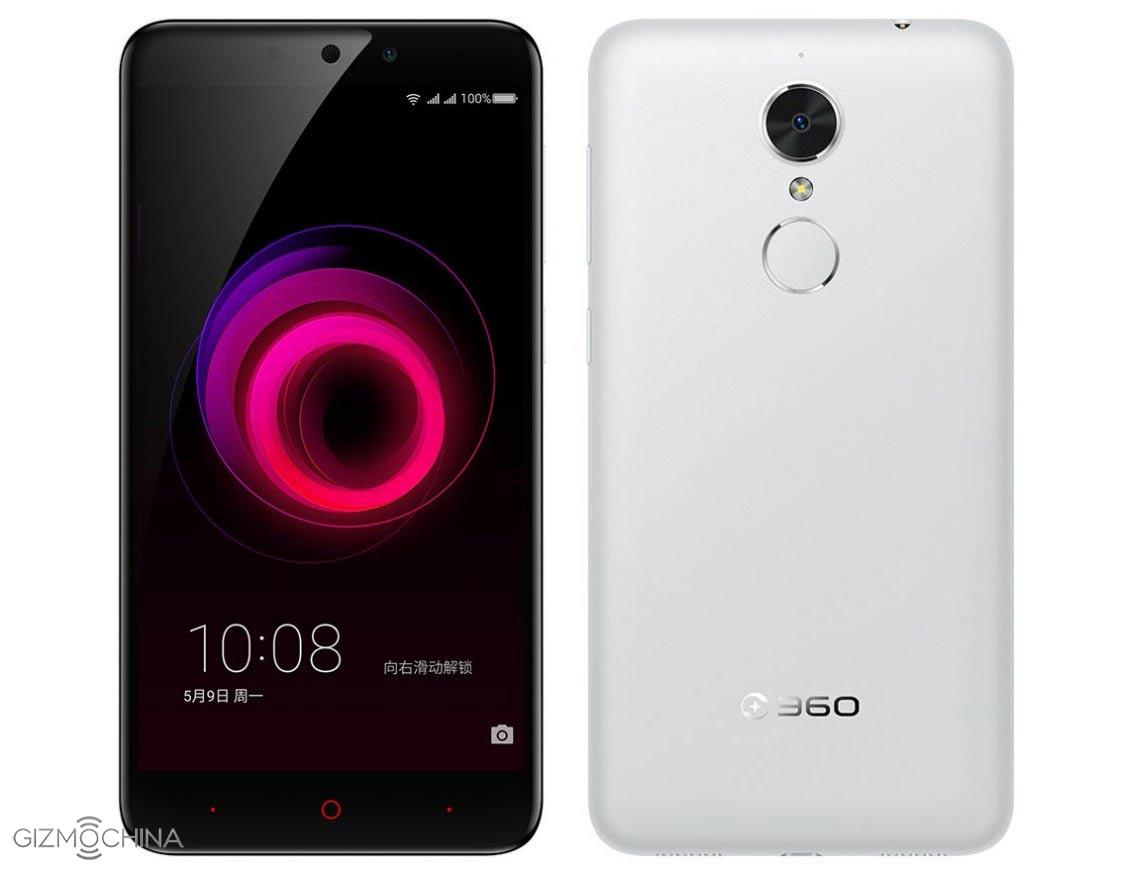
Editor’s Choice (if you can find one to buy). MediaTek X20 is a very good chipset, like I stated before. Supporting it with 4GB of Ram is very future based (talking about Android versions). Plus IP67 dustproof and waterproof and a very good design (149mm for a 5.5″ is awesome), having hardware keys (big fan of this red round home key and two little tiny dots, ok the idea belongs to Nubia we all know) and not loosing from screen size in that matter is very ergonomic. 32GB Rom supported with an SD card slot. Good cameras both rear and front, 13MP rear Sony IMX258 sensor, f/2.0 aperture, PDAF, 5MP front, f/2.0 aperture. And all these specs for under 189 $ (official price is even under 150$), believe me most of us don’t need more than this in a smartphone. Downside being, you can’t find 360 N4 easily to buy, and there is upgraded version announced that has 5000mAh battery inside. If 360 manages to produce those phones in enough numbers to feed the smartphone market, can be the next succeess story from China. Their next line is worth to look if you haven’t yet : 360 Q5 & Q5 Plus.
Elephone S3
149.99 $
Display: 5.2 inch Bezel-less 2.5D Arc FHD Incell Screen
CPU: MTK6753 64bit Octa Core 1.3GHz
System: Android 6.0
RAM + ROM: 3GB RAM + 16GB ROM. TF card up to 128GB.
Camera: 5.0MP OV5670 f2.4 front camera + 13.0MP Sony IMX135 f2.2 back camera
Bluetooth: 4.0
SIM Card: Dual SIM dual standby (Micro SIM + Nano SIM)
Battery Capacity (mAh): 2100
Network:
2G: GSM 850/900/1800/1900MHz
3G: WCDMA 900/1900/2100MHz
4G: FDD-LTE 800/1800/2100/2600MHz
Product size: 14.20 x 7.05 x 0.83 cm / 5.59 x 2.78 x 0.33 inches, 145gr
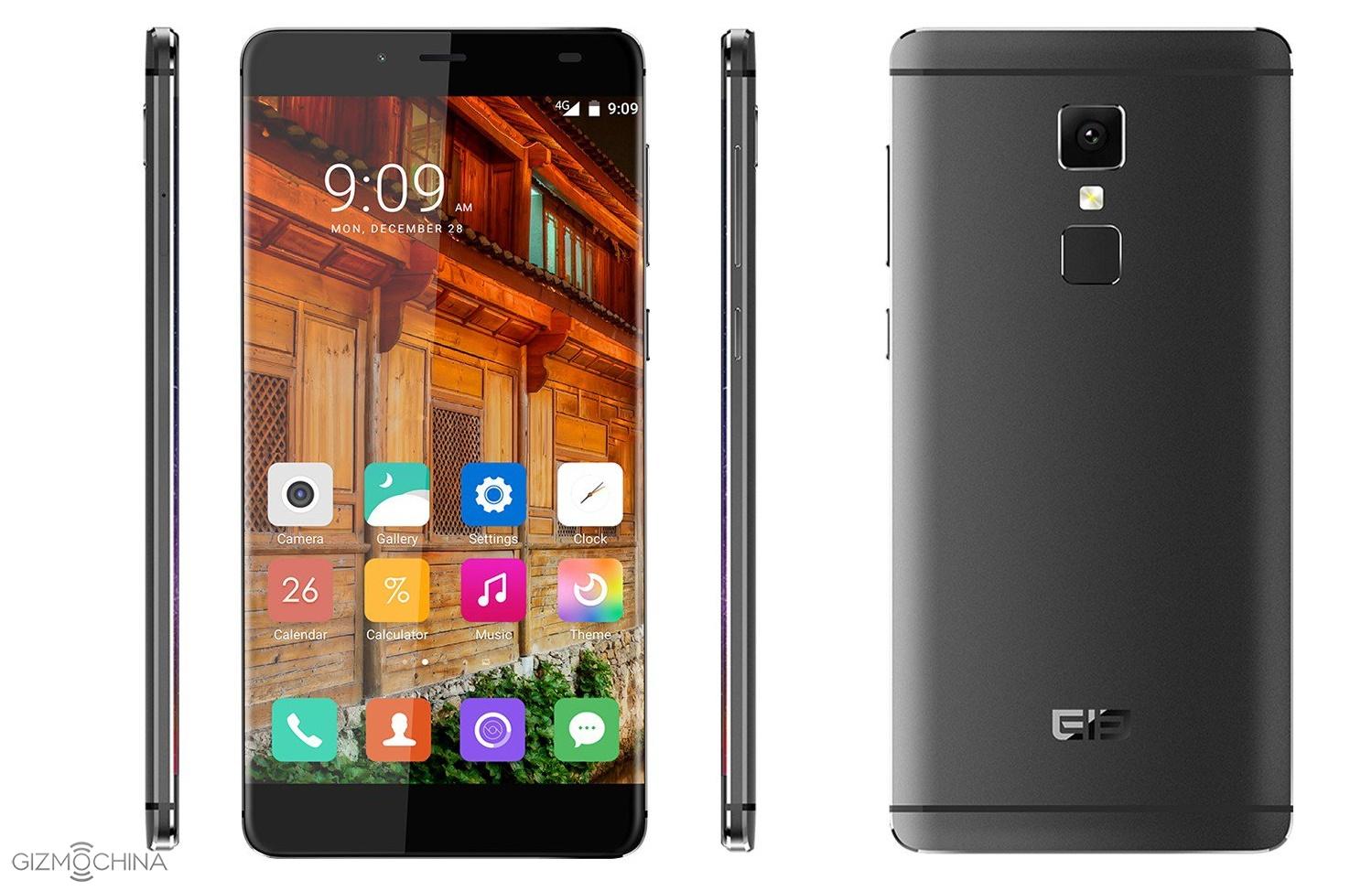
I decided not to include any MediaTek MTK6753 based phone in this article (MTK6592 was the king of this class), because for a little higher budget you can get a Helio P10 or X10 even. Elephone S3 is an exception because of its bezel-less design. This phone just don’t have any bezels both sides like Nubia Z11 and has a full metal frame. It has 3GB of Ram, 16GB of Rom supported with an SD card slot. A fingerprint sensor on the back and 13MP+5MP camera configuration with not bad sensors at all. 5.2″ screen size is pocket-friendly. I think Elephone S3 is worth 150$, this is a very good looking and solid phone for sure. Not everybody knows about Antutu benchmark, there are still plenty of users who use these machines as mobile phones only, and I am one of them 🙂
For buyers just around the limit of 100$, please check our “phone buying guide under 100$” too. Pepsi P1S still is the best value for money with its 96.99$ price, having MTK6592 64-bit Octa-Core (sorry, it’s a 32-bit CPU) 1.7GHz CPU and a fingerprint scanner in a metal body of 5.5″ size.
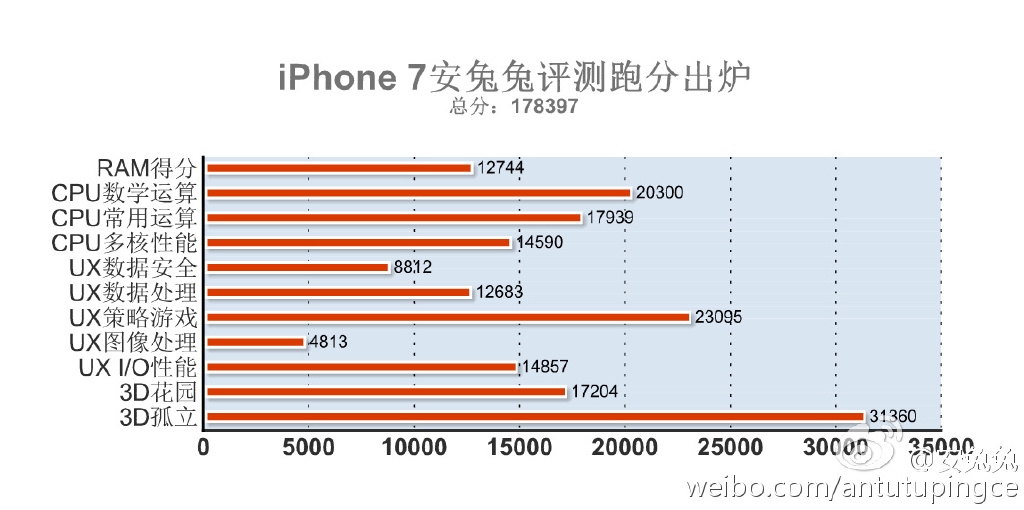
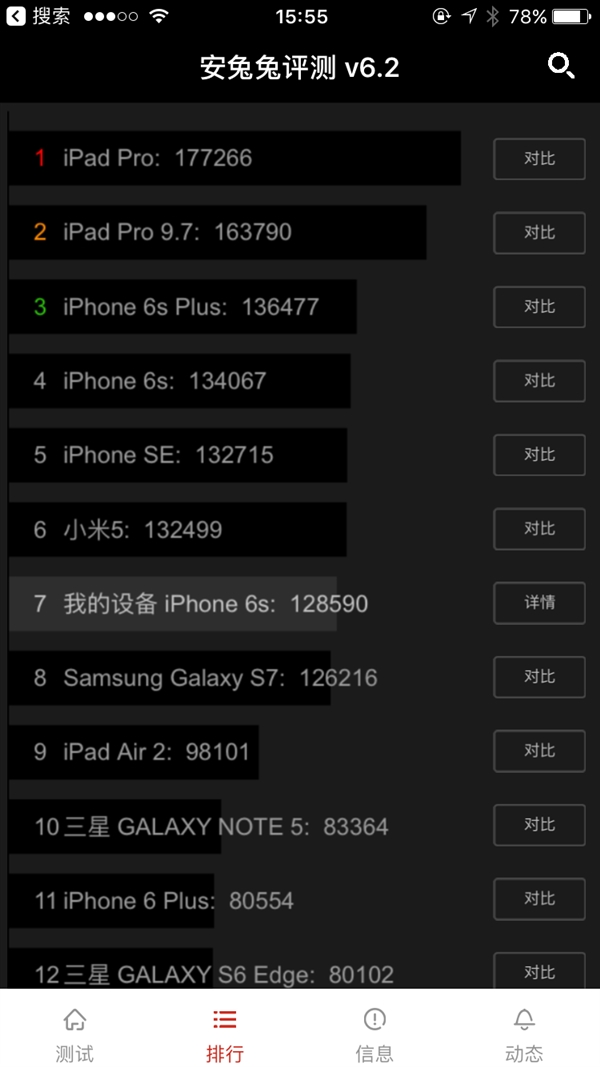
Apple iPhone 7 has appeared on AnTuTu benchmark, posting a score that could be classified as a stunner to say the least. One major feature of the iPhone 7, launched last week in the US, is the new A10 Fusion chip, that the device alongside the dual-camera packing iPhone 7 Plus feature.
The iPhone 7 scored a total of 178397 points on AnTuTu benchmark, to dwarf the AnTuTu scores of previous Apple chips. The closest to the iPhone 7 score is that of the iPad Pro which scored 177266 points when it hit AnTuTu back then.
On the sub-score, the single-core performance and GPU performance reveals the outstanding performance of the new A10 chip. The quad-core A10 Fusion chip on the new Apple flagship comes along with 3.3 billion transistors and there is no need telling why the new chip in the block is said to be 40% faster than the previous A9 chips.
This AnTuTu posting at least gives Apple fans something to cheer about, after the barrage of criticism the new iPhone 7 and 7 Plus have faced in these early days for lacking tangible innovations, big enough to justify their sky-high price tags. No other chip from rival chip makers have come close, not even the flagship SD 821. Perhaps the Snapdragon 830 chip expected next year could rival the Apple A10 but for now, it is in a class of its own.
Nubia was present at IFA Berlin this year, which means we got some time to play around with the three new smartphones showcased at the event.
The ZTE Nubia Z11 was the pick of the Nubia devices at the event, coming with top-end hardware including Snapdragon 820 and a beautiful bezel-less display. Our reviewer Linas got some time to play around with the three devices which were shown off at the event, the ZTE Nubia Z11, Z11 Mini and the Z11 Max. You can check out our first hands-on with these three devices from the video down below.
https://www.youtube.com/watch?v=hKk4aRn6GUQ
The Z11 mini is the most compact and cheapest device of the lot as it retails for around $230. But the international availability is yet to be confirmed.
The phone sports a familiar design we’ve seen on a lot of phones. It uses metal and glass, which is a huge fingerprint magnet.
The phone is compact due to its 5” display and it has almost 70% screen to body ratio.
The main specs include a Snapdragon 617 chip, 64GB of expandable storage and 3GB of RAM. We have a 16MP camera on the back and it is said to be very good but I will tell you what I think in the full review.
Unfortunately, the phone comes with Android 5.1 out of the box the Nubia’s skin on top of it. The update to the Android 6.0 should definitely arrive soon.
The UI runs fast and there are quite a few features and customization options that I will go through in just a bit.
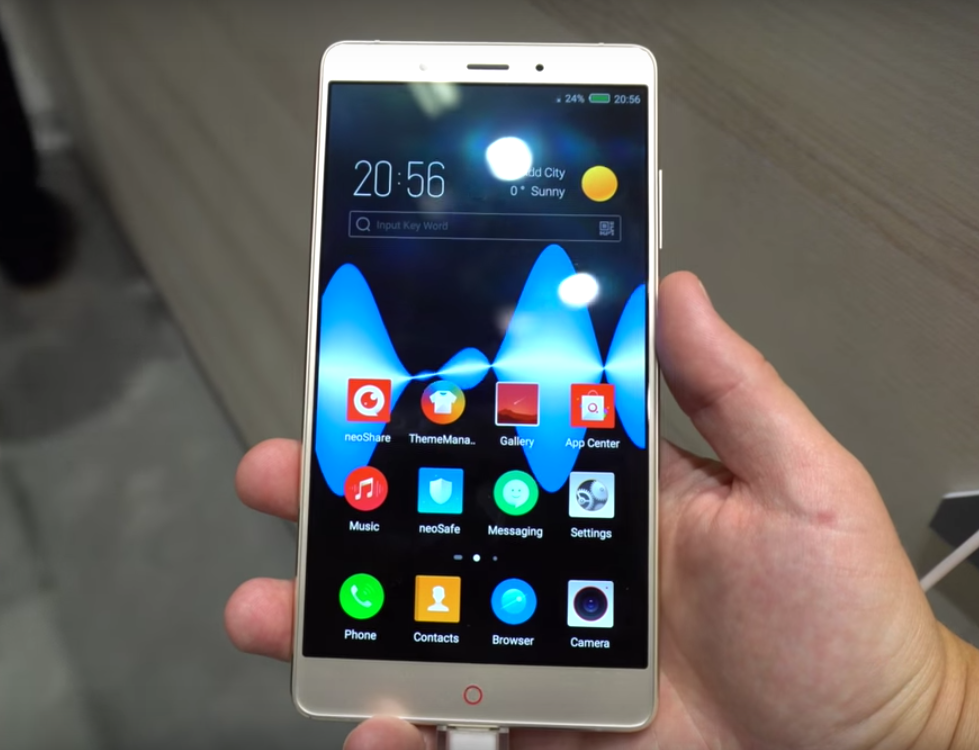
The Nubia Z11 Max is the largest smartphone as it has a 6” 1080p display, which is sharp and vibrant, just like on the Z11 mini.
It has similar specs but it comes with a more powerful Snapdragon 652 chip, 4GB of RAM, larger battery, and fast charge support.
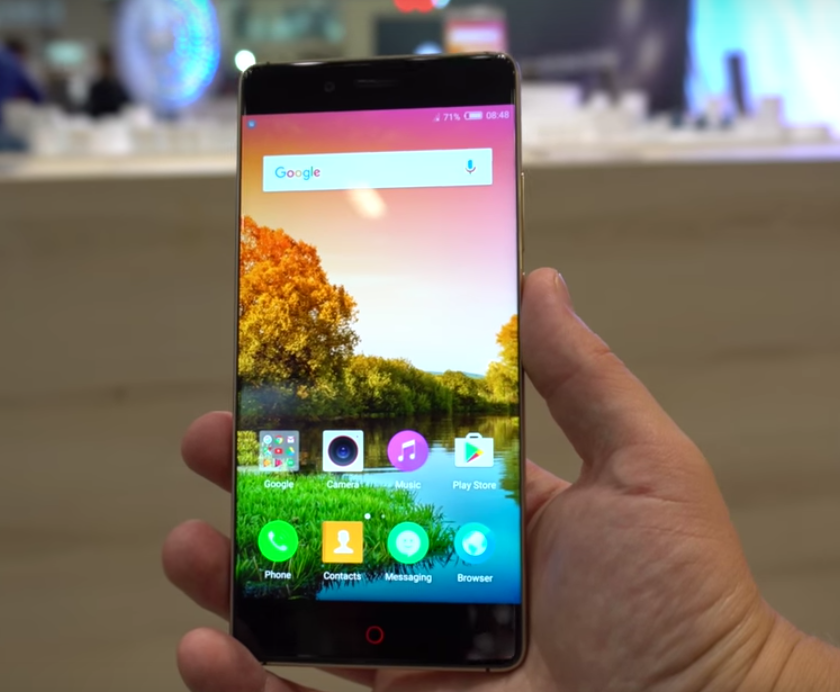
Last but not least, we have the Nubia Z11, which is a true flagship device and it will be officially available for purchase for 499 EUR later this month in some countries in the EU, India, Asia and in north and south America.
The phone sports a 5.5” 1080p true bezel-less display, which looks just gorgeous. In fact, the phone has 81% screen-to-body ratio, which is one of the best in the business.
The build quality is top notch. The phone is made of metal and it feels solid in the hand. We have a 16MP camera on the back and it is said to provide DSLR-level photos and we can’t wait to test it out in our full review.
Other specs include Snapdragon 820, 4GB of RAM and 64GB of expandable storage. In fact, you can opt it for a gorgeous looking Black Gold Edition model, which will cost more but it has 6GB of RAM.
As for UI, the phone runs on the Android 6.0 with the Nubia’s skin on top of it. There are plenty of features to use that bezel-less display that we haven’t seen on other phones, e.g. you can swipe from one edge to change the desktop. Also, you can swipe down from the edge to switch between recently used apps.
All in all, the Nubia Z11 lineup has some pretty solid phones that we can’t wait to test them out. Our reviews of these devices should be up soon, so stay tuned!
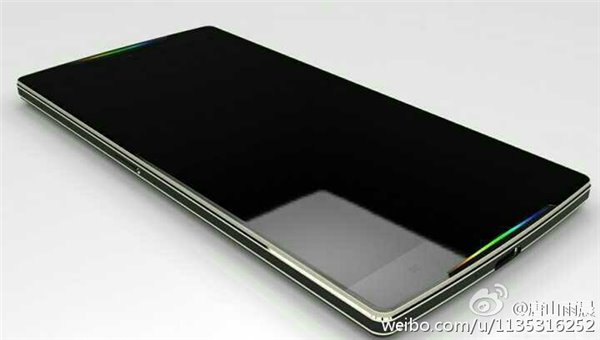
OPPO’s flagship Find series hasn’t seen an update in over two years and there is a very good chance that the company has scrapped the lineup in favor of its OPPO R9 series. However, rumors about the OPPO Find 9 flagship, which should ideally be the successor to the OPPO Find 7 smartphones have continued to come in. Earlier, it was said that the Find 9 will be announced sometime in June this year. That clearly didn’t happen and now, noted analyst Pan Jiutang says that the Find 9 could possible release by Summer next year.
According to the analyst, he reportedly found OPPO Find 9 project recently, proving that the phone is still under development. He further added that the phone has very powerful hardware. We already know that if the OPPO Find 9 makes it to the market, then it should feature the company’s super-fast Super VOOC Fast Charging technology, which charges a phone in just 15 minutes. There are other features like top-end Snapdragon chipset, 6GB RAM and powerful camera setup that we can expect on the device.
If the release is indeed next Summer, we will have to wait for a few months more to get more details on the device. But it remains to be seen whether OPPO would consider releasing an update to the Find 9 series almost three years after the Find 7 was announced in the market.
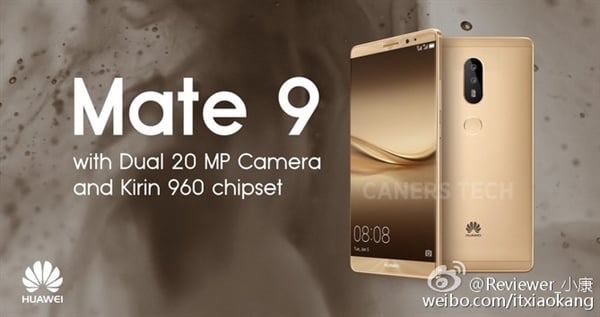
Huawei released the new Huawei Nova smartphones at IFA Berlin this year. While the new phones are pretty good when it comes to its looks and specs, they are nowhere near the flagship Huawei Mate series. We know for sure that we will see at least one new high-end model in the Mate series later this year and now, a leaked poster seems to reveal more details about the upcoming flagship, the Huawei Mate 9. Ideally, we should see the Huawei Mate S2 model before Mate 9’s release, but details about the former device are quite scarce at the moment.
The Huawei Mate 9, according to this new leaked poster, will come with dual 20MP cameras at the back. Now, this is something that we have been hearing quite a number of times in the past few months. A few months back, an analyst had said that the Mate 9 will feature dual 20MP sensors at the back, with Leica certification, and this poster seems to be backing that claim. Until now, Huawei has been using a monochrome + RGB sensor combination on its dual camera flagships and we can expect a similar setup on the upcoming handset. It should also feature OIS, according to another analyst who revealed this information recently.
Another important information revealed by this poster is that the phone will come with Kirin 960 chipset. This will be the new generation flagship chipset from Huawei’s Kirin range that should use the new Cortex A73 Artemis cores.
One thing to remember is that the Huawei Mate 9 poster that’s leaked today is quite basic. The dual camera setup arranged vertically is the only major design change that differentiates the device in the image and the Mate 8. Rest of the design, especially from the front looks identical to the Mate 8 flagship. Hence, it’s quite likely that this is a fan made poster and the details are based on the previously leaked information.
We can expect the Mate 9 sometime later this year, ideally around November- December period. So, there is still a couple of months left for the official launch.
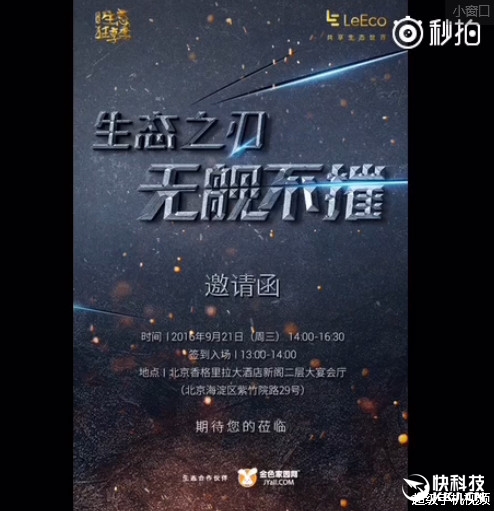
Chinese tech giant LeEco has officially released notice of a launch event taking place on September 21. The innovative tech company revealed this via a post on China’s social networking website, Weibo, with a theme that seems to suggest that the new device would be a stunner which would change our entire perception of what a flagship phone should be. We had already gotten the wind before now that LeEco is preparing something powerful which would pop in September with top-notch specs.
According to previous rumors, the expected device is the Le Pro 3 which is expected to be the first Chinese smartphone to feature Qualcomm’s latest flagship Snapdragon 821 chipset. The Le Pro 3 is also said to pack 6GB of RAM and 64GB of expandable storage onboard. The flagship Le Pro 3 is also expected to feature a mammoth 5,000mAh battery, and still have a thin body touted to be just 7mm thick. The Le Pro 3 will also rock a 16MP rear camera and an 8MP front camera.
The LeEco Le Pro 3 had earlier appeared on AnTuTu benchmark, pulling a marvelous score of 163K, which is an indication of the power that LeEco has infused on the upcoming flagship device. The score makes this look more powerful than any device we’ve seen lately.
LeEco’s CEO had earlier taken to Weibo to criticize Apple for launching a flagship iPhone 7 which lacked credible innovations that would justify the exorbitant price tag. Well, that might just have been a publicity stunt to grab some attention but it could also be that he knows what they have in the offing would sure dwarf what the iPhone 7 and 7 Plus pack. Also, so you’d know, the name of the expected device is a bit confusing as earlier rumors have revealed the phone to be called as the Le 2S Pro. So, we will have to wait and see the name the device will launch with. September 21 is the date, as always, we’ll keep you posted as more news emerge here on Gizmochina.
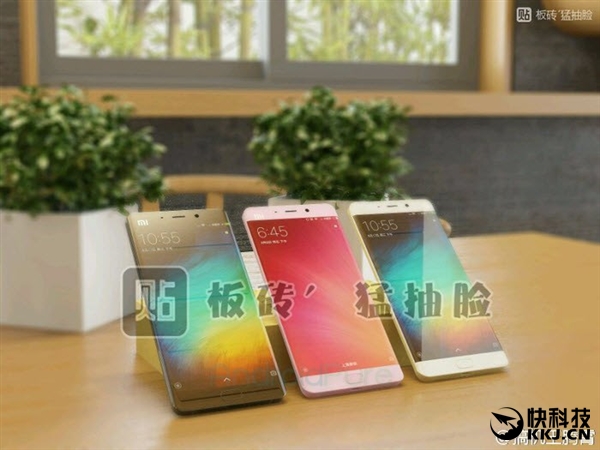
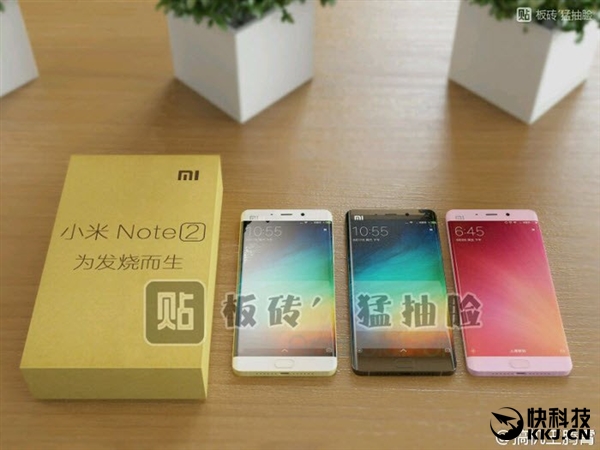
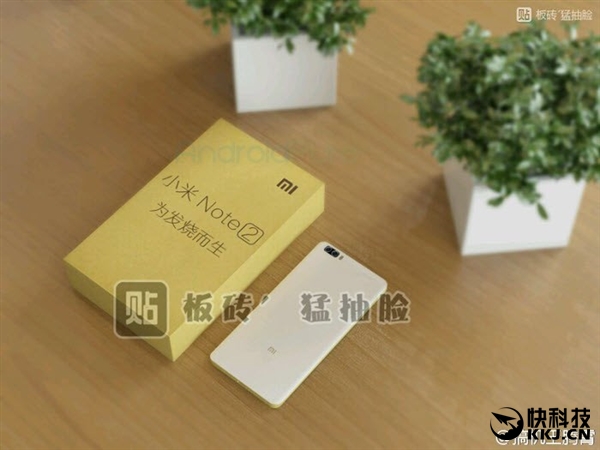
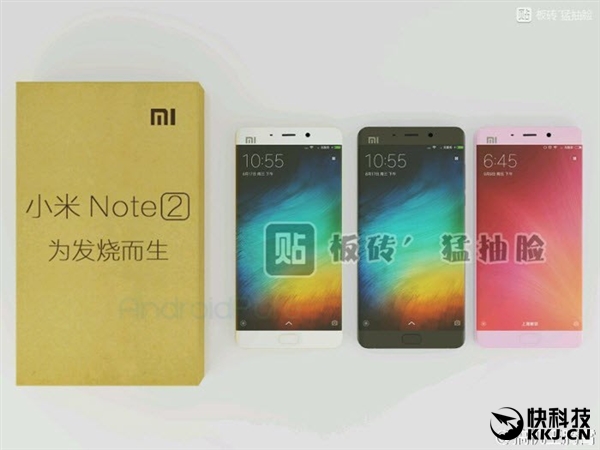
Looks like the Xiaomi Mi Note 2 is very close to hitting the market, considering the avalanche of leaks the flagship has seen in recent times. A fresh, new set of leaked renders have once again surfaced online, detailing the beautiful design Xiaomi has put in on this one, and also giving us a glimpse of the official specs the device will launch with as well as the box casing. This one looks like nothing we have seen before because the devices on display look set for the market.
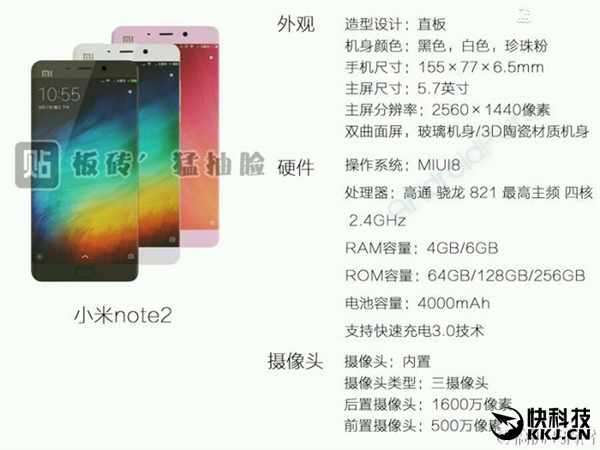
The renders reveal two color variants, white and black which may be the only colors the Mi Note 2 will be available in. Of course the curved edge display is also very visible, not too curvy as seen on some prototype renderings leaked in the past.
The key specifications of the Mi Note 2 were also listed on one of the renders and it reveals the device will rock a 5.7-inch curved screen display with 2K resolution, an all-metal body design with glass covering on both sides. The device is also shown to be equipped with a Snapdragon 821 processor, clocked at 2.4GHz, alongside two RAM size options, one with 4GB of RAM and a second version with 6GB of RAM. The Mi Note 2 will also come in three storage versions of 64GB, 128GB, and 256GB.
That’s not all, the entire device is listed to a dimension of 155 x 77 x 6.5mm, and under the hood a 4,000mAh battery with Quick Charge 3.0 will provide the power source. The Mi Note 2 as expected, will run on MIUI 8 based on Android Marshmallow and would sport a dual camera setup at the rear.
In all, this recent leak is consistent with previous ones we have seen and it looks very much authentic. The specs line-up is also similar to earlier the ones earlier rumored. The Xiaomi Mi Note 2 is expected to be launched on September 14, according to earlier rumors and if that turns out to be true, that’s when we’ll know the exact price tag Xiaomi will stamp on it.
News of a Xiaomi Mi 5s was first reported about 5 months ago and the first detail leaked was of a curved display that supports 3D Touch. Today we have another leak listing the full specs of the phone. The spec sheet which was posted on weibo says this is an exclusive version which means there will be other variants as well.
The Mi 5s will have a 5.15” screen with 3D touch, a snapdragon 821 processor clocked at 2.4GHz, Adreno 530 GPU clocked at 650MHz, and a 6GB LPDDR4 RAM.
Xiaomi is going the iPhone 7 route by offering 256GB of storage (UFS 2.0). The rear camera is a 16MP shooter with PDAF and 4-axis OIS. It can also shoot 4K videos at 30 fps.
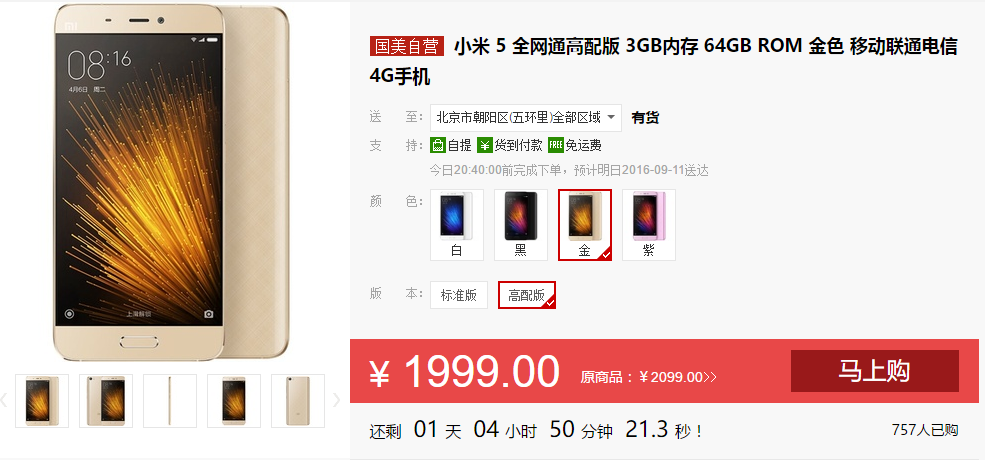
The Xiaomi Mi 5 is one of the cheapest Snapdragon 820 phones in the market right now. But the Mi 5 has an under-clocked processor compared to that of other phones, 1.8GHz to be precise.
Now a retailer in China is selling versions of the Mi 5 clocked at 2.15 GHz which is actually the normal clock versions of other SD820 phones (OnePlus 3, ZUK Z2 etc.). So you see why I don’t want to say it’s overclocked? Ok, it’s still overclocking.
Xiaomi Mi 5
The online shop called GOME, is offering the Xiaomi Mi 5 Extreme Version in multiple colour variants. The white, purple, and gold version sell for $298.50 each. If you want the more elegant black, you will have to pay an extra $7.50 which brings it to $306. The deal is supposed to end today but let’s hope the seller offers it beyond this date.
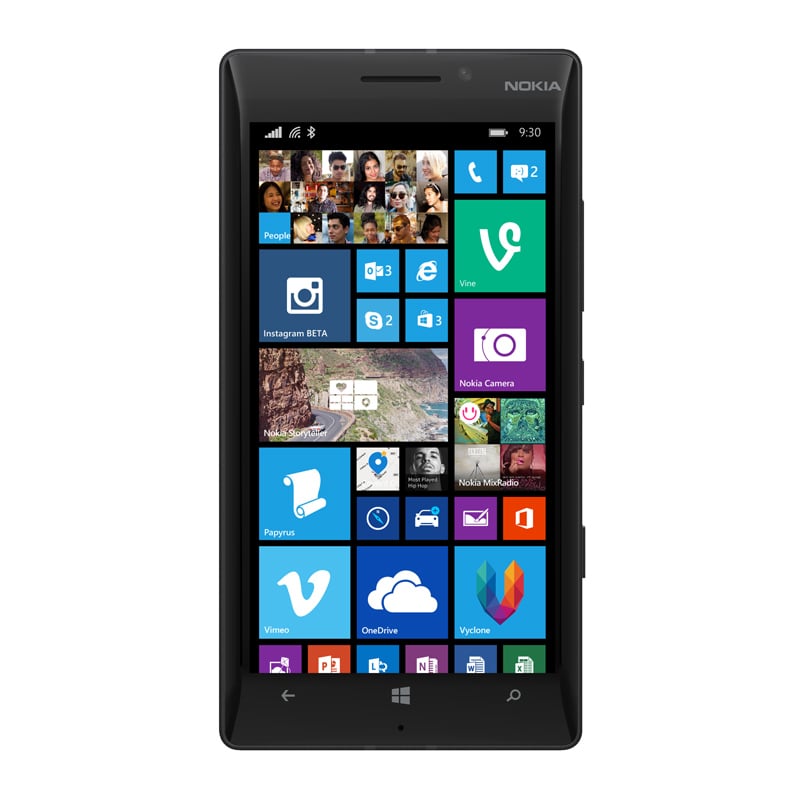
Microsoft and a couple of stores and carriers (in the US) have been offering some mouth-watering deals on Lumia phones for a while now. The thing is, the company isn’t just looking for more people to embrace the Windows Phone OS, but according to an insider at Microsoft, the company is trying to clear stock.
Lumia 930
Usually, when a manufacturer reduces the price of their phones in order to clear stock, the reason is because there is a new model(s) launching soon. But in this case, it is because the company is shutting down the Lumia line by December, as revealed by the Microsoft employee.
We’ve seen fewer manufacturers release phones running windows. The latest we covered here is the SoftBank 503LV made by Lenovo for Japanese carrier, Softbank.
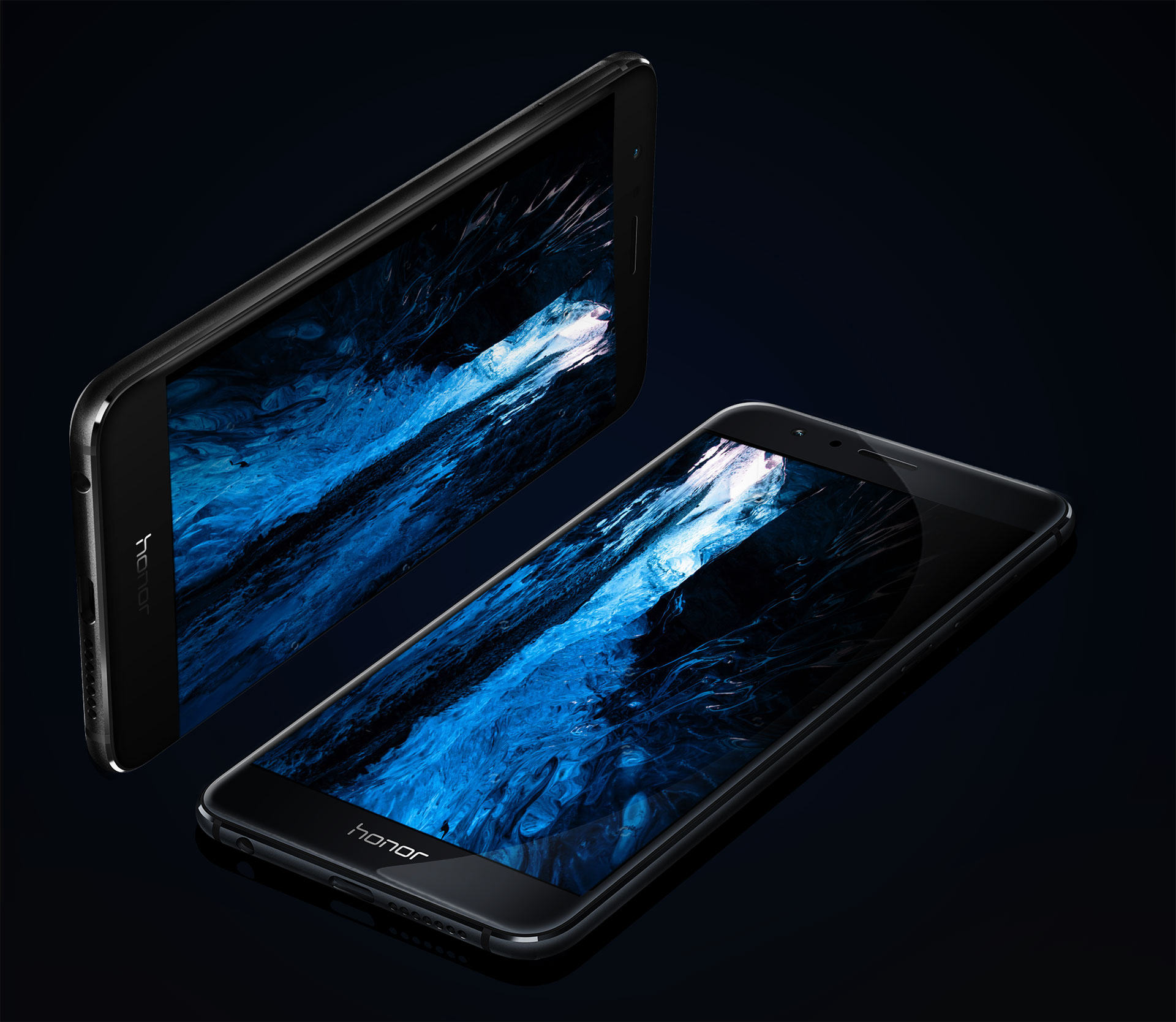
Huawei is having a great year, a really great year. After announcing 2 months ago that they have shipped over 60 million phones in the first half of the year, the company has announced the number of Honor 8 units they have sold since the phone launched in July.
Vice President of Honor Announcing The Sales
At a press event held on Friday, Honor’s Vice President, Zhao Ming, announced that the company has sold 1.5 million Honor 8 units till date. Not stopping at that, he also added that ever since the sub-brand was formed almost 3 years ago, they have sold a total of 100 million phones. Part of this numbers can also be attributed to the massive success of the Honor 5x in North America.
The Honor 8 has gotten lots of positive reviews in the US and Europe most especially for its great build quality and price tag. The phone sports a 5.2” FHD display, 4GB of RAM, 32GB/64GB of storage, dual 12 MP rear cameras with laser focus, a front facing 8 MP camera, fingerprint scanner, and an IR blaster.
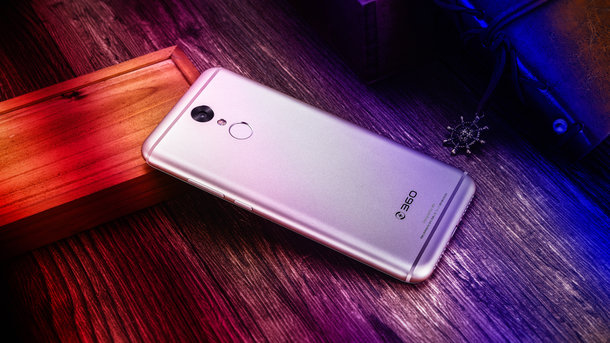
Chinese smartphone maker 360 Mobiles released its 360 N4S smartphone in July, packing an impressive specs line-up. The N4S was touted back then to feature two variants running different processors. The rumor seems to be transforming into facts, because the company has sent out a sort of teaser, hinting at an upcoming launch event taking place on September 12. The name “N4S” was inscribed somewhere on the poster as well, which indicates whatever it is that would be released on September 12 would likely be related the 360 N4S.
The teaser appears to be a shot of two box casings of the N4S lying adjacent to each other’s end. While one of the boxes gives the front view, the second paper box casing shows the back view. A crown cork with a text in Chinese scribbled on it, literally translated as “Another bottle”, lies in between the two boxes. Perhaps, the crown cork is teasing the cheap price tag of the N4S, maybe cheap enough to buy a bottle of drink with? Well, not likely, but all the same the expected higher version would likely clutch a moderate price tag. The September 12 launch date was also teased on Weibo by the phonemaker, telling us to expect a surprise in about 93 hours from now.
The 360 N4S hit the market in July cramming a MediaTek Helio X20 chipset alongside 4GB RAM but the upcoming higher-end version of the N4S is rumored to be powered by a Snapdragon 652 chipset with 6GB RAM on board. That would likely be the major upgrade the expected N4S version would sport.
In other specs, the N4S sports a 5.5-inch Full HD LCD display, with a 2.5D glass laid on top. It comes in three storage versions of 32GB, 64GB, and 128GB and also there is a MicroSD card slot for expansion up to 128GB. The device also features an IR blaster on the top edge, which can be used for controlling household electronic like TV, Fan, AC, and others. There a massive 16MP rear camera and an 8MP sensor on the front end.
As for the price, the 32GB memory version is priced at a lowly 1199 Yuan ($180) and that is a bargain for all these specs. September 12 is just 3 days away, not too much time to wait for the expected surprise package. The surprise might turn out to be a new device entirely.
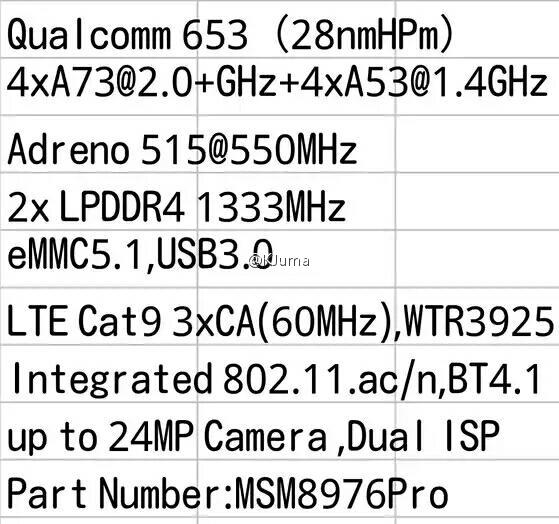
China’s Weibo is the home to many rumors and speculations about upcoming products and earlier today, a new leak seems to have thrown some light on the possible specifications of the next generation Qualcomm Snapdragon 653 (MSM8976Pro) chipset. This should be the successor to the Snapdragon 652 octa-core chip that powers many flagship grade models in the market today.
According to the leak, the Snapdragon 653 will be manufactured using the same 28nm process as the 652, which is kind of disappointing. Further, in the specs department, the leak reveals some changes. So, the new 653 (MSM8976Pro) chip is expected to come with the same octa-core architecture as its predecessor, however, it will be 4 x Cortex A73 @ 2GHz + 4 x Cortex A53 @1.4GHz. Another upgrade will be in the GPU department, this time coming with Adreno 515 clocked at 550MHz. Other rumored features include LTE Cat. 9 3 x 60MHz CA, Bluetooth 4.1, 802.11 ac Wi-Fi support, LPDDR4 RAM, Dual ISP and 24MP Camera sensor support.
At this moment, we can’t verify the authenticity of this leak, so it’s best to take it with a pinch of salt.
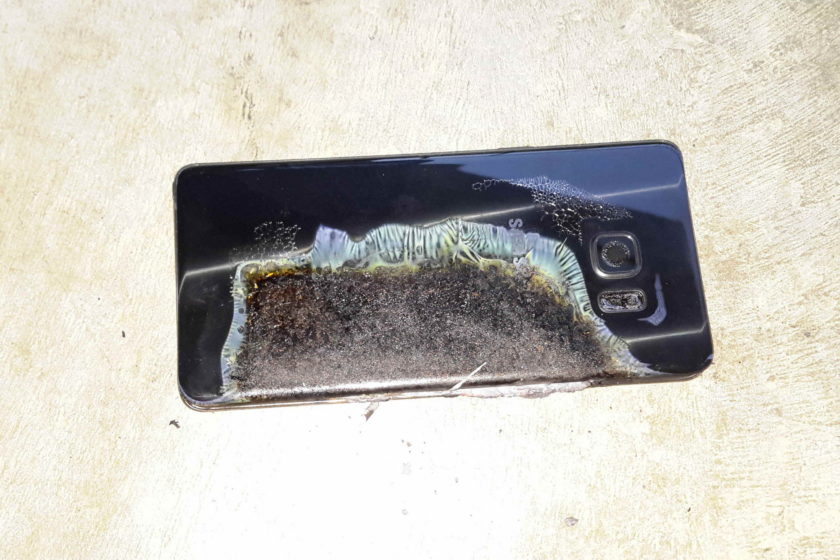
Samsung is sure going through a turbulent time right now, especially as the ill-fated Galaxy Note 7’s SDI manufactured battery continues to wreck havoc on its latest Galaxy Note 7 flagship, even despite Samsung recalling the device with that battery model. The Galaxy Note 7 started off on a very strong note, recording a pretty encouraging number of pre-orders and high interest. That was soon eclipsed by reported cases of exploding batteries. What was thought to be a few minor cases of perhaps, use of wrong charger or something, soon became a cause for concern. Just recently, a family in the US accused the Galaxy Note 7 as causing the fire that destroyed their Jeep. The numbers just keep increasing, so is the bad publicity and already competitors have starting capitalizing on that.
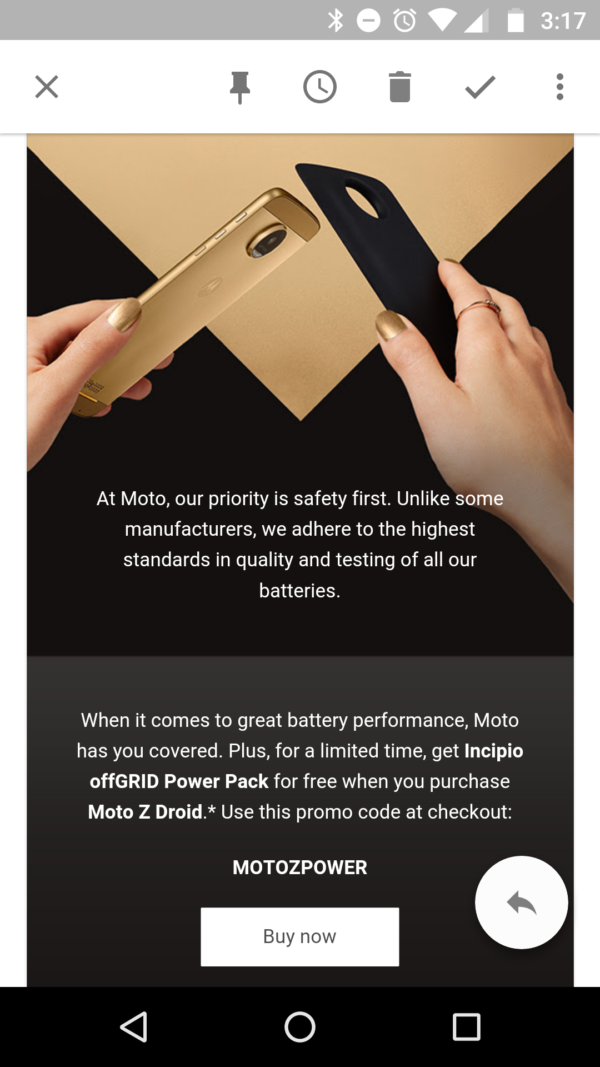
A recent image which looks like a promotional post for the Moto Z Droid by the Moto brand currently owned by Lenovo was sighted. The promotional image clearly centered on the Galaxy Note 7’s flawed battery, even when the write-up did not categorically mention Samsung or the Galaxy Note 7.
Moto boasts on the ad that unlike other manufacturers, the company adheres to the highest standard in quality and testing of all our batteries. Talking about smartphone manufacturers and battery quality at this period, the first name that comes to mind is Samsung. The promo which talks about just the battery and not the features of the Moto Z Droid, also talks about how safe the Moto battery is and they even added a promo offer of a free Incipio offGRID Power Pack to extend battery life. Samsung should get prepared for more of these, after all, who isn’t eying the top of the sales chart.
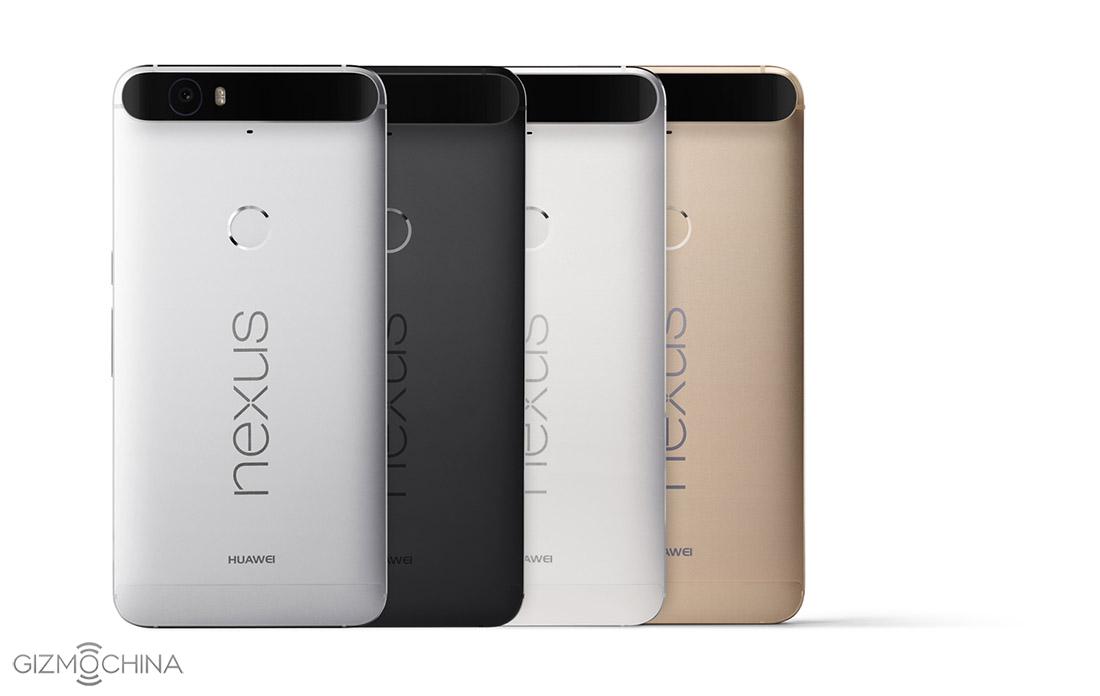
Google first released the September security update for its Nexus devices but surprisingly, Android N update for the Nexus 6P was missing. Only the Android Marshmallow build of Nexus 6P got the security update.
Nexus 6P
However, Google has finally posted a factory image and OTA for the Nexus 6P which can now be downloaded.The Android 7.0 Nougat software update only started rolling out to some Nexus devices very recently, months after the Android N developer preview build was released. Several complaints were gotten from some who updated their softwares to Android 7.0 Nougat on the Nexus 6P, bordering on performance or battery life issues and in some cases both. This latest September security update hopefully will fix all those.
Google Android 7.0 Nougat brings over 250 new features with it. Some of the new features that Google is highlighting includes the 72 new emojis, as well as new Quick Settings controls. Now you’ll be able to customize these Quick Settings to your liking. Something that manufacturer skins and custom ROMs have long been doing. Nougat will make you more productive as well, with multi-window, Direct Reply and Quick Switch. Some apps have already included support for the Direct Reply API, after all Nougat was in developer preview phase for over 5 months, so developers have had plenty of time to get going with Nougat.
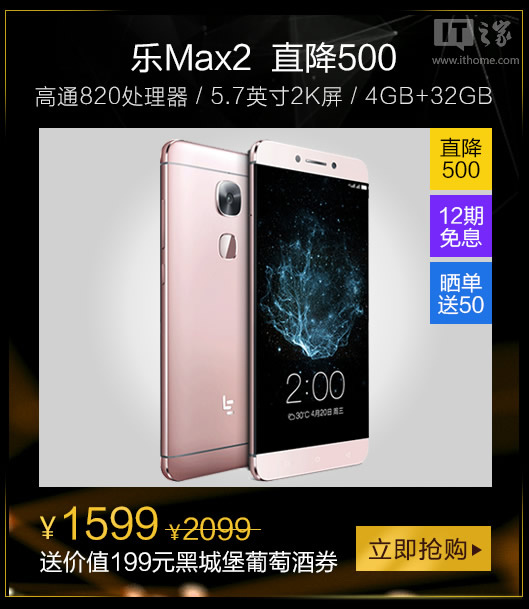
The LeEco Le Max 2 seem to be getting aclearance sales, perhaps to make way for the expected Le 2S. Not too long, the Le Max 2 got its price slashed by up to $160 on OppoMart, this time around the Snapdragon 820 powered flagship has gotten a 500 Yuan ($76) price cut on online shopping mall Taobao.
Now the Le Max 2 is available off Taobao for 1549 Yuan ($233), down from 2,099 Yuan ($315). That’s because aside the 500 Yuan initial price slash, there is also a 50 Yuan discount during purchase. So you get to pay 1549 Yuan ($233) instead of 1599 Yuan. Now, this should be the cheapest price tag we’ve seen on the Le Max 2.
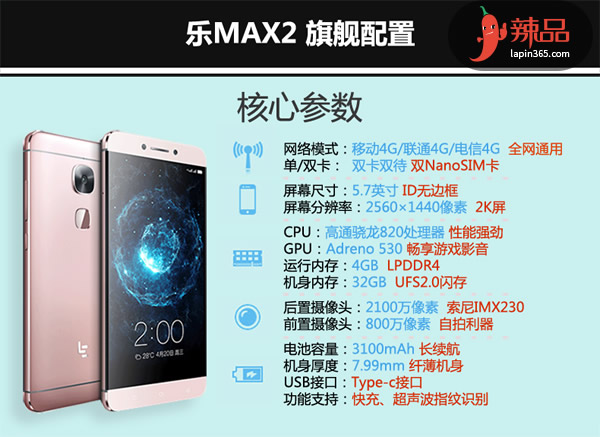
The Le Max 2 happens to be the first device to sport the Snapdragon 820 flagship chipset from Qualcomm. The flagship rocks a 5.7-inch display with 2k resolution, 4GB of RAM, 32GB of non-expandable internal storage, as well as a 3,100mAh battery with support for fast charging. In addition, the dual-SIM device packs a 21MP rear camera and an 8MP selfie sensor upfront. The Le Max 2 is devoid of the 3.5mm audio jack and instead has a USB Type-C port for headphones and a host of connectivity options are available on the device.
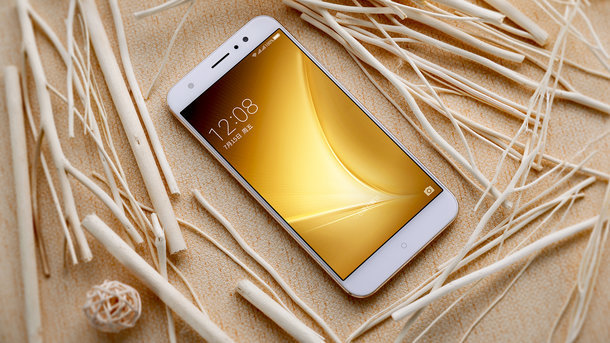
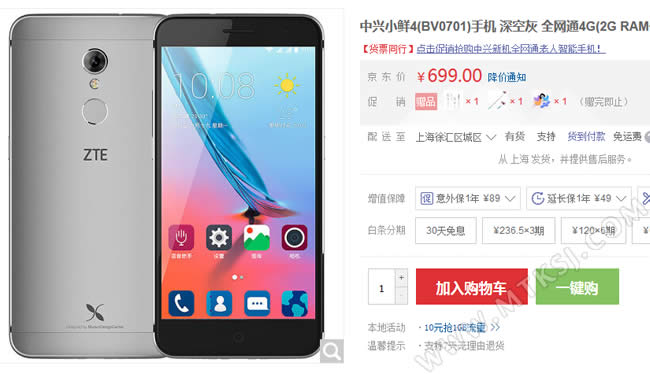
The ZTE Little Fresh 4 also known as ZTE BV0701 was announced a few months ago. Sporting a 5.2” FHD 2.5D display, it was launched at a price of 1090 Yuan ($163) but now it is available for less at 699 Yuan ($105) bringing it into the $100 FHD league.
$105 is a fair price for a phone that also has LTE (you might want to check the bands), 2GB of RAM, 16GB of built-in storage, a fingerprint sensor, 13 MP rear camera with autofocus, and a 5MP front camera. The ZTE Little Fresh 4 is powered by a MT6753 chip and juice is supplied by a 2540mAh non-removable battery. You also get Android 6.0 Marshmallow out of the box.
ZTE’s Project CSX is quite interesting wherein the company is trying to take inputs directly from the users around the world in order to design the perfect mobile device. While companies like OnePlus are already doing it on a limited scale, with Project CSX, ZTE is trying to take things to a whole new level. In the first stage of the project, the company asked users to pitch in their ideas, and the company got over 400 ideas. Now, in the second stage, the company is taking votes for these ideas.
Make sure you participate and vote for the best idea. You can read more about the project from the link at the end of this article.
We were at IFA Berlin this year and we got some time to spend with the design team of Project CSX. The panel gave us some insight on the design and other important aspects of the Project CSX. We managed to take everything said by the panel on video and we are here to share it with you.
https://www.youtube.com/watch?v=6cNWM96IcjU
It’s a pretty long video but you can check out the ideas and other details about the project in it.
You can read more about project CSX and how to participate in it from the link here.
We use cookies on our website to give you the most relevant experience by remembering your preferences and repeat visits. By clicking “Accept”, you consent to the use of ALL the cookies.
This website uses cookies to improve your experience while you navigate through the website. Out of these, the cookies that are categorized as necessary are stored on your browser as they are essential for the working of basic functionalities of the website. We also use third-party cookies that help us analyze and understand how you use this website. These cookies will be stored in your browser only with your consent. You also have the option to opt-out of these cookies. But opting out of some of these cookies may affect your browsing experience.
Necessary cookies are absolutely essential for the website to function properly. This category only includes cookies that ensures basic functionalities and security features of the website. These cookies do not store any personal information.
Any cookies that may not be particularly necessary for the website to function and is used specifically to collect user personal data via analytics, ads, other embedded contents are termed as non-necessary cookies. It is mandatory to procure user consent prior to running these cookies on your website.











 $105 is a fair price for a phone that also has LTE (you might want to check the bands), 2GB of RAM, 16GB of built-in storage, a fingerprint sensor, 13 MP rear camera with autofocus, and a 5MP front camera. The ZTE Little Fresh 4 is powered by a MT6753 chip and juice is supplied by a 2540mAh non-removable battery. You also get Android 6.0 Marshmallow out of the box.