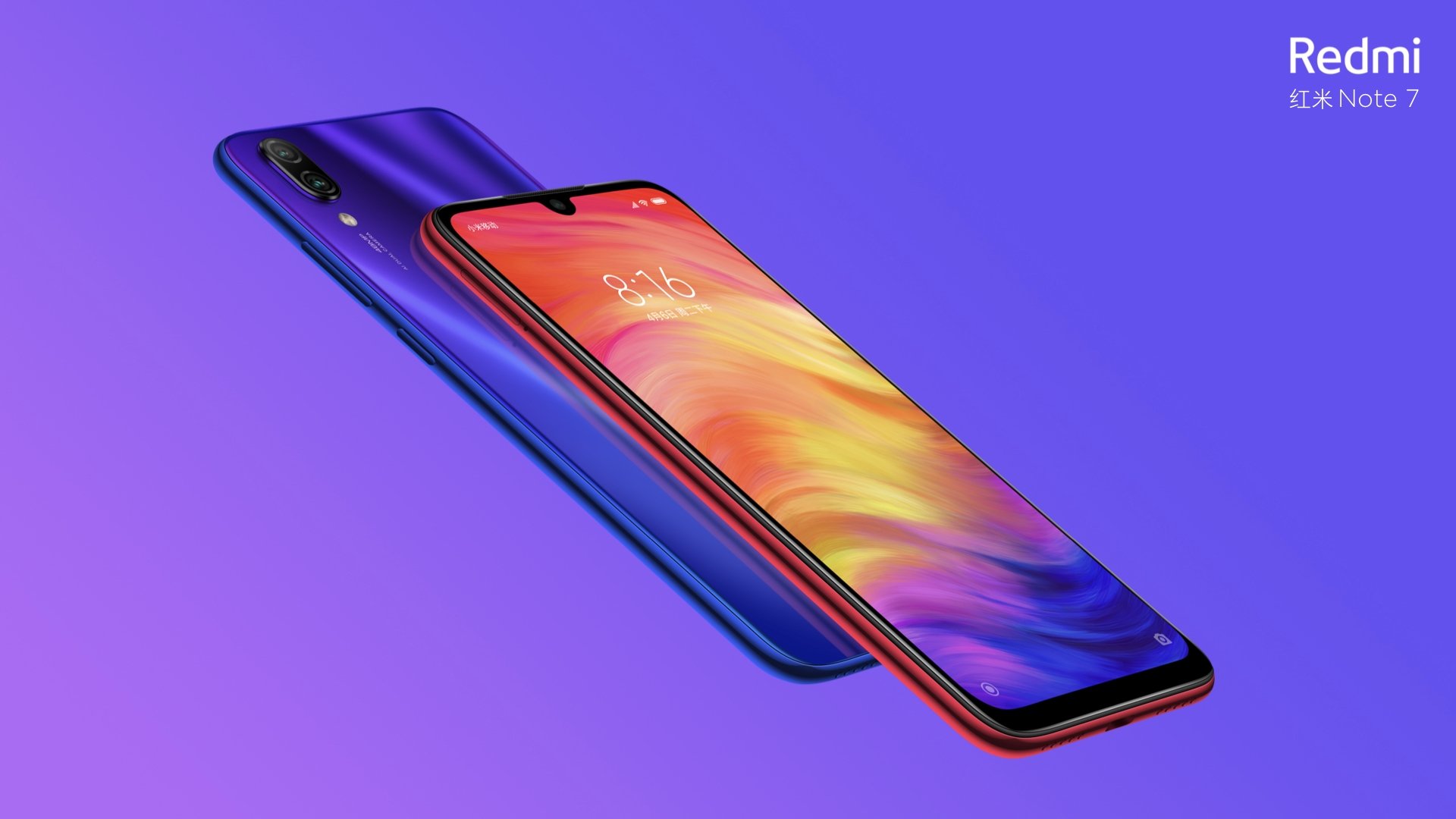
Advertisement

LG Q9 One with SD835, Android Pie launched as the second rebranding of the G7 One

It is no longer news that LG‘s mobile division is faltering despite the brand’s overall positive business outlook. Thus, we have seen the Korean giant release fewer phones than it used to. Lately, LG seems to have adopted the model of releasing their successful products under a different brand name in new markets. The LG G7 One is now a two-time recipient of this rebranding. LG first launched the X5 in Japan in December last year and now the LG Q9 One has been announced in South Korea.LG Q9 One

The LG Q9 is entirely similar to the G7 One that was first announced at IFA 2018 in Berlin, Germany. The major difference is that the G7 One comes with Android 8.1 Oreo but the Q9 One will run Android 9.0 Pie from the go. The model is released under Google’s Android One program which means even the G7 One is already ported to Android Pie.

The device also arrives with an outstanding design coupled with an impressive specs lineup. You get a huge display with an iPhone X-like notch at the top which houses the earpiece and the selfie shooter. The device features a gigantic 6.1-inch QHD+ notch display with a 19.5:9 aspect ratio. The aspect ratio ensures the phone still fits the palm despite its large display. The Q9 One is powered by a Qualcomm Snapdragon 835 chipset which is 2017’s flagship SoC from Qualcomm. The Snapdragon 835 chipset onboard teams up with 4GB of LPDDR4X RAM and 32GB of storage (UFS 2.1). The storage can be expanded via a microSD card slot which will allow you to add up to an additional 512MB of storage. On the camera end, you get a single 16MP rear camera with a f/1.6 aperture and a 71° wide angle lens and a single 8MP f/1.9 80° front-facing camera. The G9 One also packs a rear-mounted fingerprint sensor located below the rear camera and there is equally a dedicated Google Assistant button. Other features on the device include a 3.5mm audio jack, Hi-Fi Quad DAC, DTS-X audio and a Boombox speaker like the G7 ThinQ.LG Q9 One

Read Also: LG’s CEO expresses resilience to stick with its mobile division despite woeful performance

Further, the LG Q9 One comes with an IP-68 waterproof and dustproof build and the build is also MIL-STD-810G certified. For connectivity, you get NFC, Bluetooth 5.0, and a USB-C port. It also has an FM radio. Under the hood, is crammed a 3,000mAh battery with Quick Charge 3.0. The colour variants were not announced but the promotional pictures are filled with a new Moroccan Blue colour variant. There could be the Mystic White variant as well. As for the pricing and availability, the phone will be available only on the LG U+ carrier with a price tag of KRW599,500 (around $535).

(source)

Moto G7 vs Asus Zenfone Max (M2) vs Honor 10 Lite: Specs Comparison

Since the Moto G7 series was released a few days ago, we compared each and every model with two of their most important rivals in the actual market, except the Moto G7. Now, it is the turn of the vanilla G7, that we decided to compare with the Asus Zenfone Max M2 and the Honor 10 Lite by Huawei due to their similar specs and price range. This is a comparison regarding midrange phones that you should choose if you want a performing device without spending too much. You will find well-balanced specs, but these devices do not reach the excellence on any side.

Motorola Moto G7 vs Asus Zenfone Max (M2) vs Huawei Honor 10 Lite

Motorola Moto G7 Asus Zenfone Max M2 Huawei Honor 10 Lite
DIMENSIONS AND WEIGHT 157 x 75.3 x 8 mm, 172 grams 158.4 x 76.3 x 7.7 mm, 160 grams 154.8 x 73.6 x 8 mm, 162 grams
DISPLAY 6.2 inches, 1080 x 2270p (Full HD+), 405 ppi, LTPS IPS LCD 6.26 inches, 720 x 1520p (HD+), 269 ppi, IPS LCD 6.21 inches, 1080 x 2340p (Full HD+), 415 ppi, IPS LCD
PROCESSOR Qualcomm Snapdragon 632, octa-core 1.8 GHz Qualcomm Snapdragon 632, octa-core 1.8 GHz Huawei HiSilicon Kirin 710, octa-core 2.2 GHz
MEMORY  4 GB RAM, 64 GB  – micro SD dedicated slot 3 GB RAM, 32 GB – 4 GB RAM, 64 GB – micro SD dedicated slot 4 GB RAM, 64 GB – 6 GB RAM, 64 GB – 6 GB RAM, 128 GB – micro SD slot
SOFTWARE Android 9 Pie Android 8.1 Oreo Android 9 Pie, EMUI
CONNECTIVITY Wi-Fi 802.11 a/b/g/n, Bluetooth 4.2, GPS Wi-Fi 802.11 b/g/n, Bluetooth 4.2, GPS  Wi-Fi 802.11 a/b/g/n/ac, Bluetooth 4.2, GPS
CAMERA Dual 12 + 5 MP f/1.8, and f/2.2
8 MP front camera
Dual 13 + 2 MP f/1.8
8 MP f/2.0 front camera
Dual 13 + 2 MP f/1.8
24 MP f/2.0 front camera
BATTERY 3000 mAh, fast charging 15W 4000 mAh 3400 mAh
ADDITIONAL FEATURES Dual SIM slot Dual SIM slot  Hybrid Dual SIM slot

Design

If you need the most futuristic, clean and elegant design, go for the Huawei Honor 10 Lite without thinking twice. It is equipped with a stunning reflective glass back that you can choose in gradient hues, with small modules for cameras and very compact size. It even comes with very narrow bezels around the display, as well as the smallest dewdrop notch of the trio. You should instead go for the Motorola Moto G7 if you are seeking the best build quality. First of all, it offers a more solid aluminum frame, as well as a resistant glass back protected by Gorilla Glass 3. Further, it is splash resistant, a very rare thing on midrange and entry-level devices.


Display

The display of the Moto G7 by Motorola should offer something more in terms of image sharpness and brightness thanks to its LTPS technology. On the paper, it looks like a better panel, but not a high-end one. But the differences in the display quality if we compare it to the Asus Zenfone Max M2 and the Huawei Honor 10 Lite will be just marginal. In each case, we are talking about Full HD midrange-class IPS panels that usually do not differ too much.


Specs & Software

If your priority is speed and smoothness in every scenario, grab a unit of the Huawei Honor 10 Lite. You should do that simply because it comes with the most powerful SoC: the Kirin 710. To give you the idea, we can say that it has similar performances to the Snapdragon 660 chipset, which is way superior to the Snapdragon 632 that you can find on the Asus Zenfone Max M2 and Motorola Moto G7. You can even get a variant of the Honor 10 Lite with 6GB of RAM and 128 GB of internal storage, while the most powerful configuration of both Asus Zenfone Max M2 and Moto G7 has just 4/64 GB. But note that Honor 10 Lite is the only to come with a highly-customized user interface, while the others have stock Android. However, Zenfone Max M2 is still based on Oreo unlike its rivals already running Pie.


Camera

Motorola always equipped its midrange phones with incredibly well-optimized cameras, so we have high expectations for the Motorola Moto G7. On the paper, it seems that it will be indeed better with its great pixel size and a secondary depth sensor with a higher resolution. But if you want the best selfies, it will probably not be able to compete with the Honor 10 Lite and its stunning 24 MP front sensor that comes with an f/2.0 focal aperture.


Battery

Asus Zenfone Max M2 was realized with battery life in mind: unlike its opponents, it has an efficient HD+ and there is probably a reason for it: guaranteeing a very long battery life. Further, it has a huge 4000 mAh battery that can provide up to two days of intensive usage on a single charge. Motorola Moto G7 has the smallest battery but it can be charged faster thanks to both its smaller capacity and its 15W fast charging technology. Honor 10 Lite is average.


Price

Despite the bigger battery of the Asus Zenfone Max M2, Honor 10 Lite wins this comparison because of its great design, better performances, good display, and great cameras. You can even get it for less than Moto G7: just €210/$237, while Moto G7 and Asus Zenfone Max M2 cost €250/$282. On the other hand, Asus Zenfone Max M2 has a very high value for money as it costs about €150/$170.


Motorola Moto G7 vs Asus Zenfone Max (M2) vs Huawei Honor 10 Lite: PROs and CONS

Motorola Moto G7

PROs

  • Better display
  • Fast charging
  • Good camera
  • Micro SD dedicated slot

CONS

  • Small battery


Huawei Honor 10 Lite

PROs

  • Good design
  • Affordable
  • Great front camera
  • Better performance

CONS

  • Nothing particular


Asus Zenfone Max M2

PROs

  • Solid design
  • Good camera
  • Bigger battery
  • Front-facing LED flash

CONS

  • Still Android Oreo

Xiaomi’s Sun Changxu expresses surprise after seeing Mi 9’s camera sample

Xiaomi is expected to launch the Mi 9 flagship within the next couple of months but details have been quite scanty about the device. A new TENAA listing suspected to be the Mi 9 had appeared recently giving us a few details of the device. Xiaomi’s officials have also been throwing subtle teasers about the device. Recently, a Xiaomi senior engineer shared a photo on Weibo which was quickly deleted. The photo contains some cups of rice wine apparently shot during the Chinese New Year celebration. The crisp clear nature of the picture prompted a netizen to ask the exec to describe how to adjust the camera settings to achieve such a shot. His response suggested the photo was captured using a triple camera phone which is likely the Mi 9.Xiaomi Mi 9

Now, another executive Sun Changxu has also shared some hint about the device. She hinted of a photo taken by”Rice wine” and expressed admiration at how crisp clear the shot was. Two things we can draw fro the Weibo post. The first is that the Mi 9 goes by the codenamed “Rice wine” and secondly, the camera output would be outstanding.

Read More: Xiaomi Mi 9 certified in Singapore; Launch could be near

Xiaomi’s flagship phones are usually known for their outstanding camera output going by recent DXOMark rankings. The flagship Mi Mix 3 had a score of 103 points which puts it on the same level with the TC U12+ and Galaxy Note 9. Going by DXOMark’s ranking, only the Huawei Mate 20 Pro, P20 Pro and iPhone XS Max had better camera performance. Apart from the camera aspect, the Mi 9 will also come with 27W fast charging, going by the TENAA listing. The device is expected to pack a Snapdragon 855 chipset and on-screen fingerprint sensor.

(source)

Latest updates brings January’s security patch to the OnePlus 6 and OnePlus 6T

A new update is rolling out to the OnePlus 6 and OnePlus 6T. The update brings January’s security patch to both devices.

OxygenOS OTA OnePlus 6 and OnePlus 6T

The update comes as OxygenOS 9.0.4 to the OnePlus 6 while the more recent 6T gets it as OxygenOS 9.0.12. Apart from the security patch, the update fixes bugs and improves system performance. It also brings deep integration with Google Duo and optimizations for the display of the OnePlus 6T.

READ MORE: OnePlus attending MWC 2019, sends invite for a closed-door event

As usual, this is rolling out incrementally, so if it hasn’t hit your device yet, you should look out for it over the next few days. If you can’t wait, some users have reported that changing your VPN to Germany or Canada brings up the update. The update is 138MB in size for the OnePlus 6T and 143MB for the OnePlus 6.

(Source, Via)

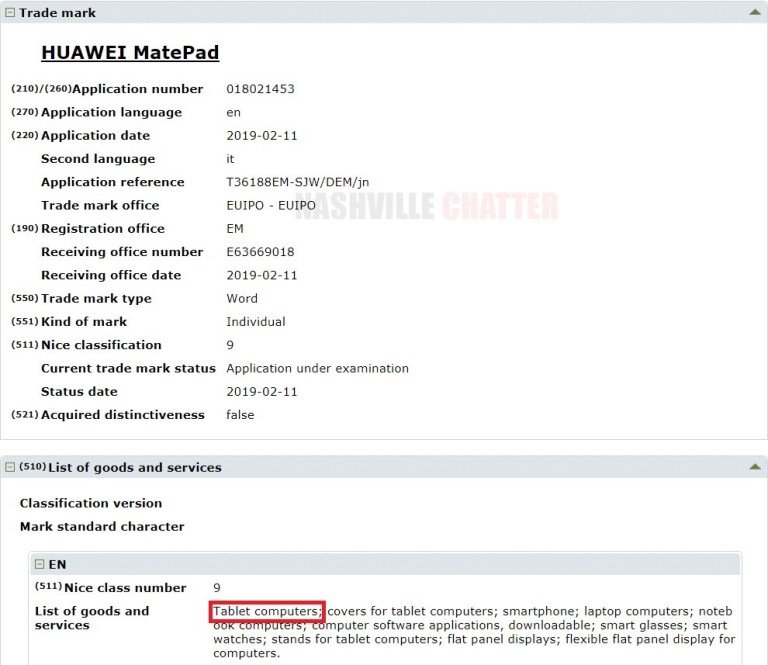
Huawei files trademark application for “ Huawei MatePad”

Huawei‘s tablets have always launched under the MediaPad name but that may be changing soon. The Chinese giant has filed trademark applications for “Huawei MatePad” at the European Union Intellectual Property Office (EUIPO).

Does this mean it plans to retire the MediaPad line? Probably not. We believe the MatePad will be its line of flagship tablets that will come with the same chipset as the one found in its flagship phone for the year.

Huawei-MatePad trademark

Last year’s MediaPad M5 Pro (10-inches) which is the top of the M5-series is powered by the Kirin 960 chipset, the same processor inside the 2016 Huawei Mate 9 and 2017’s Huawei P10 and P10 Plus. Samsung too did something similar with its Galaxy Tab S4 10.5 which it released last year. Instead of the flagship Snapdragon 845 or Exynos 9810 processor, it is powered by the Snapdragon 835 from 2017. Compare that to Apple‘s 2018 iPad Pro models which even have a more powerful processor than the one in its phones.

So we believe the Huawei MatePad will come with the latest specs that will see it as a worthy competitor to other flagship tablets while the MediaPad series will target the mid-range and entry-level categories.

READ MORE: Huawei’s new patent shows AR glasses that connects with a smartwatch

New teaser confirms February 14 launch isn’t for the Meizu Note 9

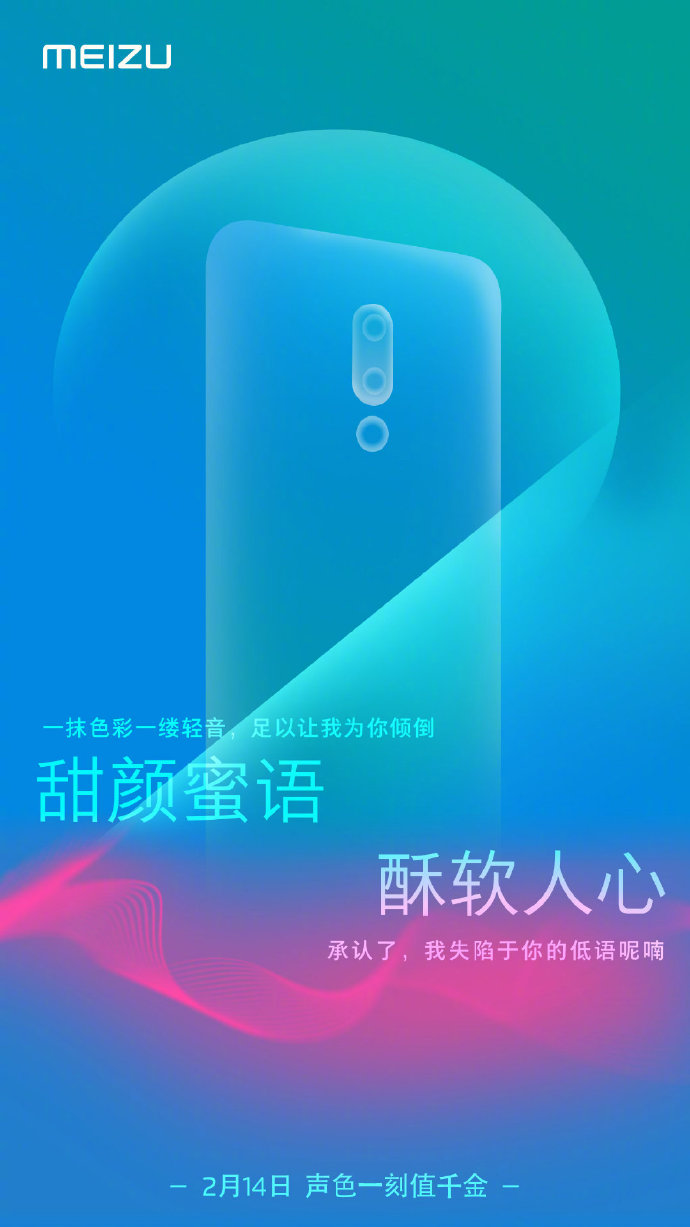
Meizu has released another teaser poster for its launch event which is scheduled for Thursday, 14th of February. Sadly, the new poster confirms it isn’t the much-awaited Meizu Note 9 launching.

Just like yesterday’s teaser poster, this also shows the silhouette of a phone but this time, of the rear. The phone has dual cameras positioned in the middle and arranged vertically while the LED flash sits below it.

Meizu February 14th teaser poster 2

Images of the Meizu Note 9 revealed by TENAA show that this isn’t the device pictured above. Its dual rear cameras are on the far left and it has a rear-mounted fingerprint scanner. This leaves the above device as either one of the Meizu 16 series or the Meizu Zero. And since the latter just launched a few weeks ago, it possibly can’t be it getting another launch.

READ MORE: Vivo Apex 2019 vs Meizu Zero: holeless phones comparison

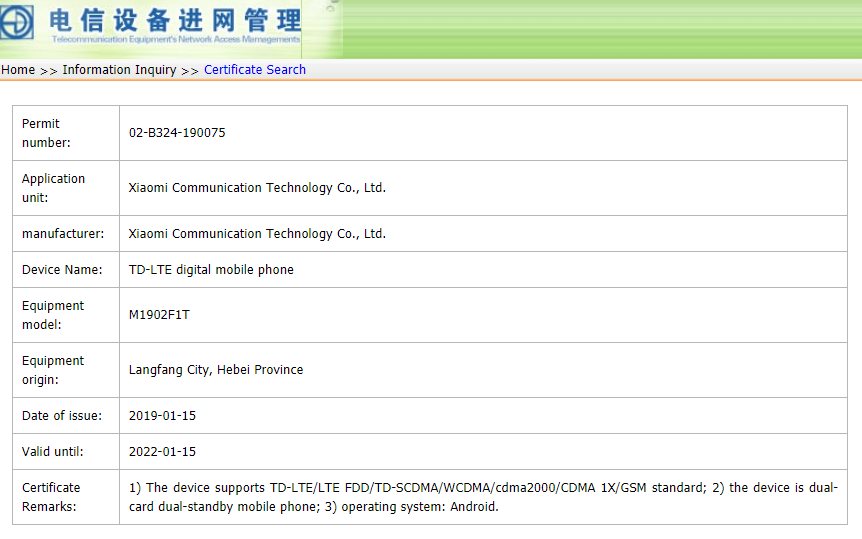
Xiaomi Mi 9 February release hinted by Xiaomi executive as M1902F1T bags TENAA approval

Recently, the Xiaomi M1902F1G was certified as Xiaomi Mi 9 in Singapore. Hence, it is speculated that the M1902F1A and M1902F1T phones that were 3C approved in January are the variants of the Xiaomi Mi 9. The M1902F1A has already appeared on TENAA, but its listing is yet to be populated with specifications and images. Last night the M1902F1T was also approved by TENAA. Yet again, there is no information on its specifications of the M1902F1T variant. These certifications suggest that the Chinese manufacturer is gearing up for the introduction of the Xiaomi Mi 9. Rumors have claimed that the Mi 9 may go official in February.

Recently, a Weibo user had to the official Weibo channel of Xiaomi mobile, “Can you tell whether the Xiaomi Mi 9 will be releasing in February? Can you reply with a dog’s head expression? A Xiaomi responded with the suggested expression indicating that the Mi 9 could be launching in February in China.

Last year, Xiaomi had introduced the Xiaomi Mi 8 smartphone alongside the Mi 8 Explorer Edition and Mi 8 SE smartphones on May 31 in China. There is no confirmation on whether the Chinese manufacturer will be unveiling the Xiaomi Mi 9 Explorer Edition and Mi 9 SE smartphones alongside the Mi 9.

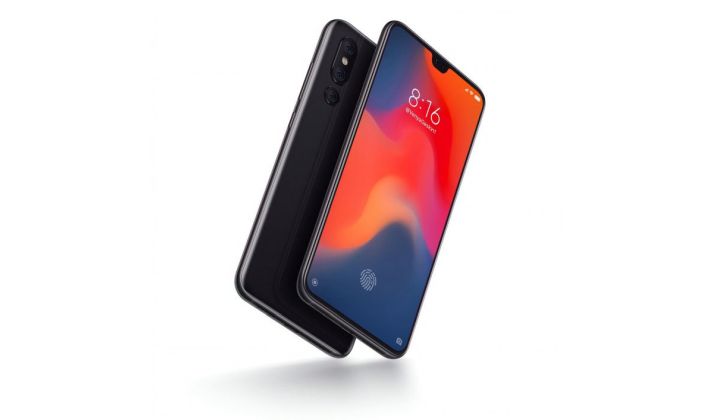
Xiaomi Mi 9 renders by Benjamin Geskin


It is believed that the Xiaomi Cepheus phone that had appeared on Geekbench in January with Snapdragon 855, 6 GB of RAM and Android 9 Pie OS could be the Xiaomi Mi 9 phone. The smartphone is speculated to be equipped with an in-display fingerprint scanner. It may adopt Xiaomi’s new technology that supports larger screen fingerprint unlocking area of 25 x 50.2mm. The Mi 9 is expected to go official as the first Xiaomi phone with triple rear cameras. The smartphone is expected to sport a smaller notch on its display like the Redmi Note 7 smartphone. The 3C certification of the Mi 9 had revealed that it would be equipped with support for 27W fast charging.

Xiaomi Redmi 7 is 3C certified; Launch date could be near

In the past month, Redmi had introduced the Redmi Note 7 smartphone and before the end of the month, it will be debuting the Redmi Note 7 Pro smartphone. The newly established Redmi brand will be launching smartphones including the Redmi 7 series and Snapdragon 855 powered Redmi flagship phone. While there is no fresh information available on the Redmi flagship smartphone, the arrival of the Redmi 7 series seems to be drawing near since the M180F6LC/E/T models have been approved by 3C authority in China.

Last week, the IMDA body of Singapore had approved M1806FLG smartphone. The certification had confirmed that the smartphone will be releasing in Singapore as Redmi 7. The newly 3C certified M180F6LC, M180F6LE and M180F6LT devices are very similar to the M180F6LG phone in Singapore. Hence, the M180F6LC/E/T is nothing but the upcoming Redmi 7 phone.

Redmi 7 3C
The 3C listing of the Redmi 7 reveals that the MDY-09-EK charger that will be coming along with it will support not more than 5V/2A charging. Apart from the supported charging rate of the Redmi 7, there is no information available on its other specifications. Hopefully, its entire specs may appear on TENAA in the coming weeks.

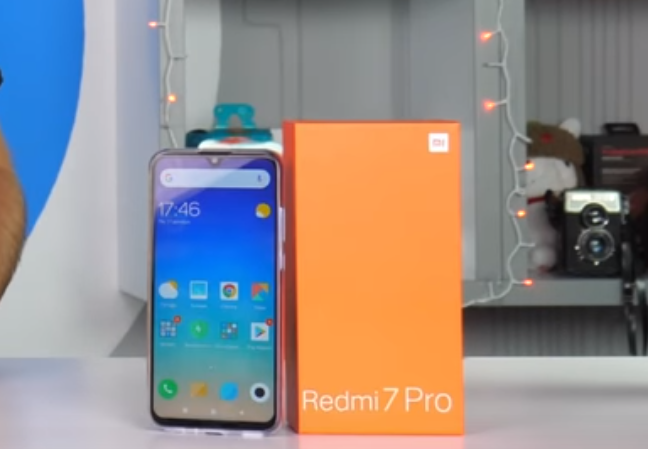
The Redmi 7 smartphone will be the successor of the Redmi 6 phone from last year. The Chinese manufacture may release Redmi 7A as Redmi 6A’s successor and Redmi 7 Pro as Redmi 6 Pro’s sequel. A Russian tech blogger had revealed the front design of the Redmi 7 Pro through a YouTube video. The phone featured a waterdrop-style notch like the Redmi Note 7 phone. The Redmi 6 Pro from last year featured a wider notch on its display. The Redmi 6 and 6A came with displays that supported 18:9 aspect ratio. Probably, their successor may feature notched displays like the Redmi 6 Pro.

Redmi 7 Pro

In January, Xiaomi CEO Lei Jun had claimed the price of the Redmi 7 series would be ranging between 700 Yuan and 800 Yuan (~$103 and ~$118). The Redmi 7 series may get unveiled in March or early in Q2 in China.

(via)

Xiaomi foldable smartphone’s 3D renders showcases the double folding design

While Samsung is all set to launch its foldable smartphone — Samsung Galaxy Fold, at a launch event on 20th February, another smartphone brand has confirmed that a foldable smartphone is under development — Xiaomi.

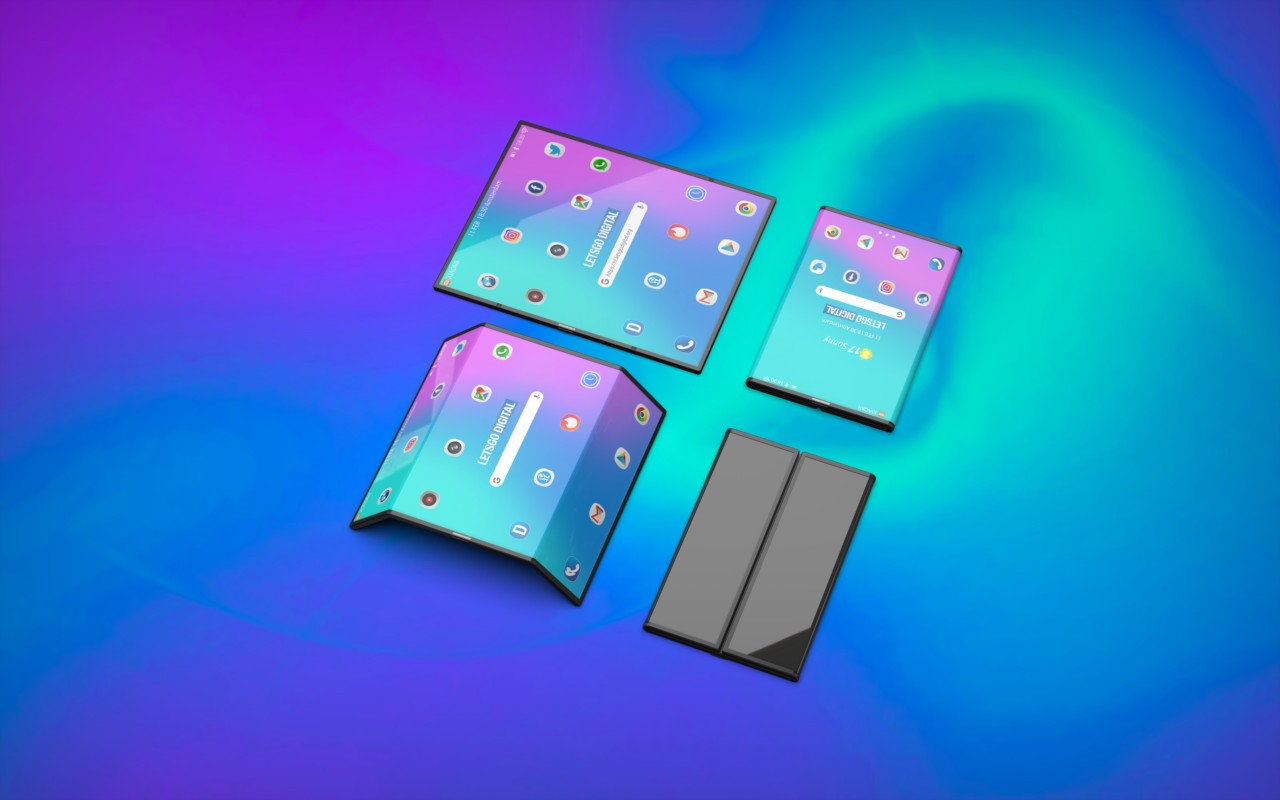
The concept 3D renders of Xiaomi’s upcoming foldable smartphone have surfaced online, showing the phone’s double folding design which turns into a table when unfolded.

Xiaomi Foldable Smartphone

Last year, it was reported that Xiaomi is developing a foldable smartphone. At that time, it was also reported that the said foldable smartphone from Xiaomi will be launched in the second half of 2019. A couple of weeks ago, China-based Xiaomi publicly confirmed that a folding smartphone in development.

Lin Bin, co-founder and CEO of Xiaomi, went a step further and published a video showing a prototype of the bendable smartphone. The smartphone with flexible display has a very unique design as it can be folded twice. The phone’s display is on the outside and is folded around the housing.

https://www.youtube.com/watch?v=w3-aDOMI6Mk

He said that the company has already overcome several technical problems, such as the flexible display, the folding mechanism, and the MIUI adjustment. He further added that the symmetric double folded design perfectly combines the experience of the tablet and a mobile phone, which is both practical and beautiful.

According to the reports, the company is currently in the process of finalizing the name of this prototype from these two — Xiaomi Dual Flex and Xiaomi MIX Flex. It is said that the company is still open for more suggestions.

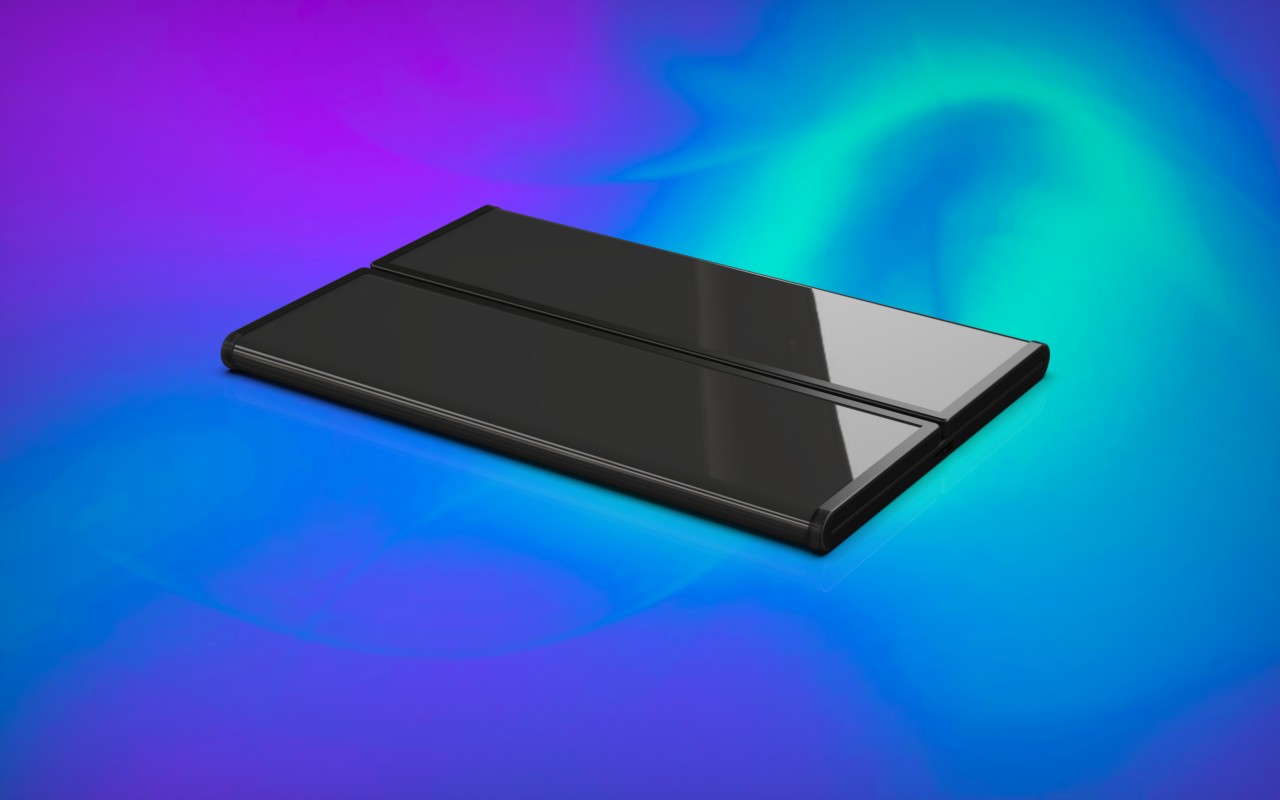
Xiaomi Foldable Smartphone Render

The render images show that the phone can be folded from the two sides of the screen and then close seamlessly, exactly in the middle, on the back of the device. Once folded, it’s a relatively short and wide smartphone and when unfolded, it seems like a table. On top, there’s an ON/OFF button while there’s a USB-Type C port on the bottom.

While the video shared by Xiaomi CEO shows the camera icon on the smartphone, information related to the camera module on the foldable smartphone still remains a mystery. Interestingly, no camera can be seen around the screen as well as on the phone’s back.

In a statement regarding this development, Xiaomi said that one of the key components of the phone — the flexible folding screen — is co-developed by Xiaomi and its supply chain partner. Aside from the screen, its design, folding mechanism and MIUI adaptation are developed by the company itself.


Read More: Xiaomi patents smartphone design with four-sided curved edge display


While Xiaomi’s foldable smartphone is still under development, the company is expected to officially launch the 5G variant of its Mi MIX 3 smartphone at the Mobile World Congress in Barcelona, Spain later this month, along with other products.

(Source)

Google preparing to develop its own chips; hiring engineers in India

As per a recent report from Reuters, it is believed that Google will soon start developing its own chipsets. Alphabet Inc’s Google is hiring some engineers in India to extend their “gChips” team. The Search giant has already hired 16 chip engineers and is still working to expand the team. Google is open with four positions in the same field at its center in Bengaluru, India. It could expand their “gChips” teams to 80 employees by the end of 2019.

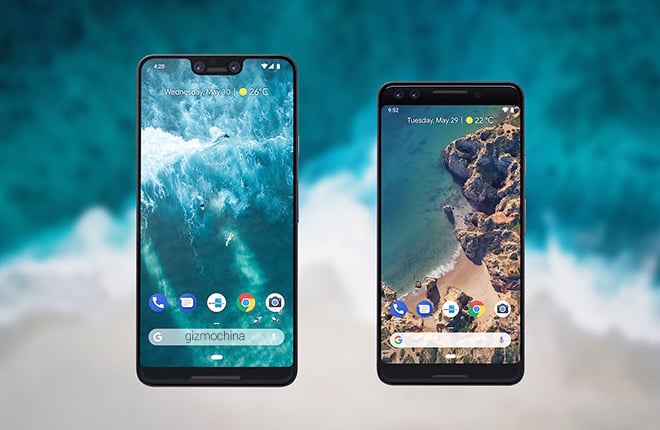
Google Pixel 3 2018

The sudden surge in the chip-related hiring process is indicating that Google is planning to develop its own chips. As per the report, the gChips team might be testing the new chipset designs before ending up on the final version. Although, Jim McGregor, an expert from the semiconductor industry also believes that Google is cooking something in Bengaluru. Google’s gChip base in Bengaluru makes sense as the city is already home to various traditional chipmakers in India.

Currently, there are speculations about the purpose of chip design. If it is for processors than Google could be the latest addition to the list of companies that are using their own processors as like of Apple, Samsung, and Huawei. It would give Google an ability to optimize the software with hardware more precisely. The search giant could also develop more specific chips for more specific purposes. It would allow them to build more particular devices with complex software algorithms. Although, Google’s home security and routers are inevitably going to benefit from their self-made chips.

Already, various online reports have hinted towards Google’s own chip development in the past. The recent from Reuters is making things more clear and precise.

Google is working on the chip’s design since 2014. Google has already developed various chips at a small level. They have integrated the Pixel Visual Core in the last generations of Pixel devices, allowing to compile HDR+ images at 5X better speeds. Similarly, there’s a Titan M security chip for Pixel 3, which improvises the security. There are a lot many examples where Google has put its hands on chip development.

Google’s recent staff hiring has made us think that the search giant is setting up a field to bring their own smartphone chipsets. Notably, big leads from Qualcomm, Apple have recently joined Google.

(Source, Via)

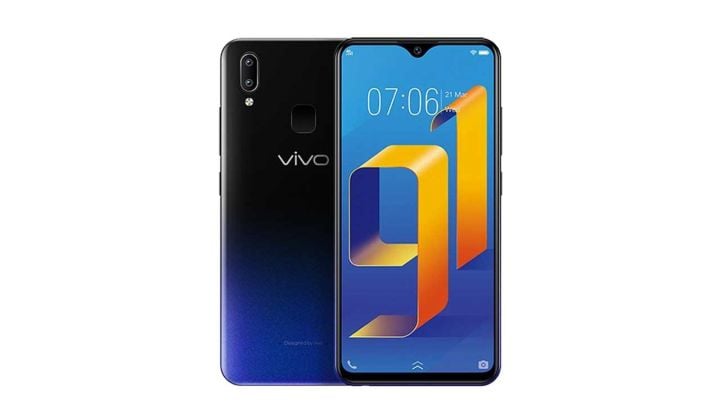
Vivo Y91C could be a new variant of the Vivo Y91 for Thailand

The National Broadcasting and Telecommunications (NBTC) body of Thailand has approved a new phone named Vivo Y91C with model number Vivo 1820. Since the company has already launched the Vivo Y91 phone in Thailand, it appears that the Vivo Y91C is a new variant of the same phone.

The Vivo Y91 smartphone that was launched in countries like Thailand, Malaysia and India are all powered by MediaTek Helio P22 chipset and 3 GB of RAM. It comes with an internal storage of 64 GB. The smartphone had first launched in Philippines in November 2018. The variant that hit the Philippines market was powered by Snapdragon 439 along with 3 GB of RAM. It had landed in Philippines in 32 GB and 64 Gb storage choices.

The Chinese manufacturer had launched the 16 GB storage + 2 GB RAM edition of the same phone as Vivo Y91i smartphone in December 2018 in Philippines. The Vivo Y91iv was also introduced in Thailand with 16 GB storage and 2 GB of RAM. However, it was powered by MediaTek Helio P22 SoC. Hence, the Vivo Y91C that will be releasing in Thailand in the near future could be either the Snapdragon 439 edition of the phone.

The Vivo Y91 and Y91i phones only different in RAM and storage capacities and the rest of their specs are same. The Vivo Y91 features a 6.22-inch waterdrop-style notched screen that produces HD+ resolution of 720 x 1520 pixels. The FunTouch OS 4.4 based Android 8.1 Oreo OS is preloaded on the device.

The backside of the phone features 13-mepagpixel + 2-megapixel dual camera and a fingerprint scanner. The front notch is fitted with an 8-megapixel selfie camera. It receives power from 4,030mAh battery.

Vivo Thailand has also certified Vivo V15 and Vivo V15 Pro smartphones. Hence, there is a possibility that these phones could be soon heading to Thailand. The Vivo V15 series will first go official in India on Feb. 20. The rumored specs of the Vivo V15 Pro include 6.39-inch AMOLED display with in-screen fingerprint reader, Snapdragon 675, 6 GB of RAM, 128 GB of storage, Android 9 Pie, 3,700mAh battery, 32-megapixel pop-up selfie shooter and 48-megapixel + 8-megapixel + 5-megapixel triple camera setup.

(via)

Get Assured 1-Week Delivery, 10% Site-Wide Coupon And Other Unmissable Deals On Banggood

Chinese New Year sets the stage for some great deals and big discounts each year, and 2019 has been no different.


In a bid to commemorate the beginning of a new year as per the traditional Chinese calendar, Banggood has launched a new campaign.

Dubbed as ‘EU Warehouse CNY Sale,’ this recently kicked-off promo not only features a wide selection of heavily discounted products, amazing deals, and lots more.

Aside from that, you can use 10% off coupon EU2019 which will be valid site-wide from EU warehouse. The coupon is slated to expire at UTC+8 on February 13th.

It is worth noting that the aforesaid coupon cannot be applied to save money for items that already carry discounts or are a part of any other promotional offer.

On top of that, the EU warehouse is more cost-effective compared to the CN warehouse. It warrants hassle free return of good, 100% 1-week delivery, free duties and is open all hours.

A wide selection of discounted products has been added to two categories including ‘Daily Deals For CNY,’ and ‘Always On Sale’ categories.

The ‘Daily Deals For CNY’ section has been further divided into multiple rounds, with each round lasting for one day.

For example, Round 6 began on February 12th and will conclude tomorrow, February 13th. In the meantime, Banggood users can buy items included in this section at heavily discounted prices.

Likewise, the ‘Always On Sale’ category features a slew of items that have been added to different sub-categories in a bid to expedite and simplify the search process.
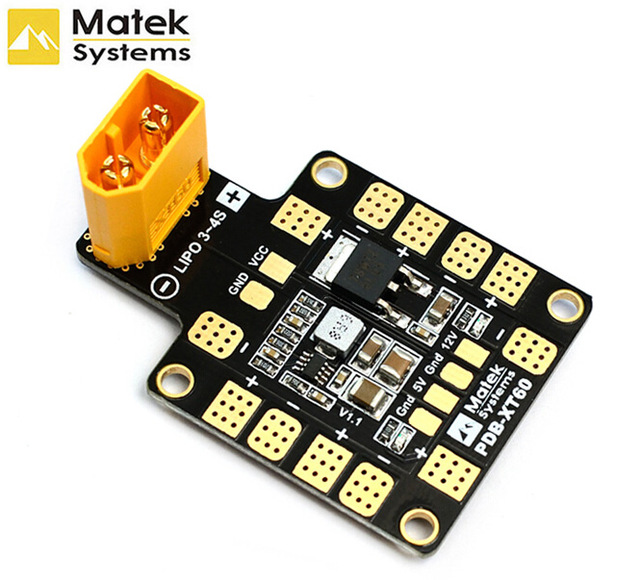
For the sake of an instance, the ‘Toys Hobbies and Robot’ section comprises items like Matek Systems PDB-XT60 W/ BEC 5V & 12V 2oz Copper for RC Drone, Waterproof Portable EVA Hard Handbag Storage Bag for Eachine E58 RC Drone Quadcopter etc.

More importantly, you can avail some great discounts on select items. However, it is imperative for you to bear in mind that the promotion sale is slated to end soon.

You can click here to visit the campaign page and check out the rest of the products and grab the discount before the promo comes to an end.

Vivo’s new “iQOO” sub-brand to sell premium flagship phones introduced

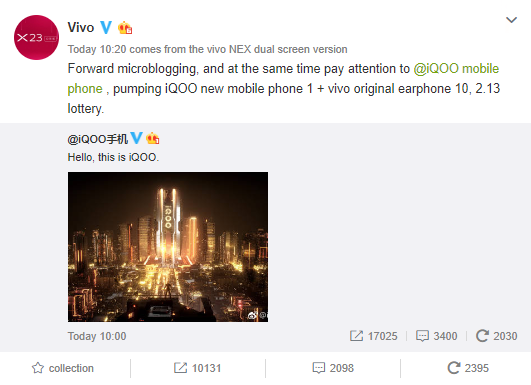
Through a Weibo post, Vivo has introduced a new sub-brand named iQOO. The official Weibo account of the newly established brand reveals that it is a mobile phone company. Since Vivo is already selling a wide range phones from entry-level to flagship smartphones, the iQOO brand could be used to sell premium flagship handsets.

Earlier today, Vivo used its Weibo account to introduced the new sub-brand with a repost of the “Hello, this is iQOO” message that was first posted on the official Weibo account of iQOO. Its Weibo account reveals that the brand belongs to Vivo Mobile Communications Co. Ltd. However, it is speculated that the brand will function independently like Xiaomi’s Redmi and OPPO’s Realme. There is not much information on the staff that is running the iQOO brand. It is urged fans in China to comment on

Vivo phones have been available in China within a price bracket of 1,000 Yuan (~$147) and 4,000 Yuan (~$590). The iQOO brand is expected to sell premium flagship phones worth 5,000 Yuan (~$738) and above. However, there is no information on the smartphones that belongs to the new brand.

The iQOO.com domain name is now active. However, it does not contain any details on the new brand but carries general information on Vivo. Hopefully, Vivo or iQOO may soon disperse a press release to reveal more about the brand. The below poster that has been shared by iQOO only suggests that its devices will be futuristic and topnotch technologies.

A quick search on Facebook, Twitter and Instagram reveals for the new brand reveals that Vivo had been hiring many employees for it in the second half of 2018 in Indonesia. This suggests that iQOO could be a global brand.

In China, many smartphone brands have launched 100multiple sub-brands to target at different price points and interests. Honor is a sub-brand of Huawei, Motorola belongs to Lenovo, ZTE has Nubia, Meizu has Charm Blue sub-brand, and POCO, Redmi and Black Shark are sub-brands of Xiaomi. With Mobile World Congress (MWC) 2019 tech exhibition fast approaching, Vivo may use the platform to announce more details on the iQOO mobile phone brand.

(source)

Xiaomi Redmi Note 7 surpasses sale of 1 million units in China

The newly launched Xiaomi Redmi Note 7 has hit 1 million sales in China. In the span of just a month, Xiaomi Redmi Note 7 sales have surpassed a million mark. As like of the speculations, the Xiaomi has achieved the new milestone in just a month. Moreover, the Xiaomi is working to bring new variants of Redmi Note 7 in other countries very soon. Mainly, they are just a few days away for its launch in India.

Today, Xiaomi has released the sale details of the last month starting from January 15th to February 11th. It’s the company’s new policy that has led to such a success in its home country. It proves that Xiaomi has strong product development and supply chain management in China. Xiaomi’s policy of providing high-end specs at an affordable price is making a difference throughout the world.

Additionally, Xiaomi Redmi Note 7 carries a Snapdragon 660 SoC with Adreno 512. It is coupled with a 4/6GB RAM and 32/64 GB Internal storage. It hosts a 6.3 inches Full HD display with the resolution of 1090 x 2340 pixels. It is secured with Corning Gorilla Glass 5 to protect against any minor scratches and damage.

In the camera section, it comes with a huge 48-megapixel sensor and an additional 5-megapixel sensor on the rear side. On the front side, it comes with a 13-megapixel sensor for selfies. In terms of battery backup, its 4000 mAh battery can withstand a full day of usage once fully charged.

Moreover, Xiaomi is working on Redmi Note 7 Pro which carries the improved performance with a lot many other changes. It is slated for launch very soon in mainland China at a similar price. It is expected to carry a 48 megapixel Sony IMX586 primary sensor instead of 48-megapixel Samsung ISOCELL GM1 sensor.

It is worth mentioning that it will soon debut in the Indian market. A lot more devices are slated for launch this year from Xiaomi. We hope Redmi Note 7 will get more sales in upcoming time due to its cost-effective combination with good specs. Currently, it is retailing in China for the price of 999 Yuan.

(Via)

Leaked Sony Xperia XA3 hands-on video effectively confirms a tall aspect ratio display

Just a couple of days back, real-life images of the upcoming Sony Xperia XA3 appeared online. Although the images were blurry, they show the device will have a tall aspect ratio, different from those on Sony’s current smartphones. The device has again appeared in a leaked video showing the model in all its glory. The video seems to be the source of the blurry image ad they give us a clear shot of the device.Sony Xperia XA3

The new video seems to confirm that we’ll be seeing a sort of thick-sized top bezel, but its bottom bezel will be extremely thin. The video also confirms the device will utilise a rather tall aspect ratio and looks quite tall but still fits the hand of the man holding it in the video. According to earlier leaks,  the top bezel only houses the usual components such as a selfie camera, an earpiece and some other sensors.

Read Also: Leaked Sony Xperia XA3 press renders reveal CinemaWide Display and dual rear cameras

The rear aspect of the Xperia XA3 is shown to have a horizontally aligned dual camera setup. The fingerprint scanner is not present on the rear shell of the device which means it will use a side-mounted fingerprint sensor. The device will run the Android 9 Pie OS and there are rumours of a Snapdragon 660 chipset onboard. Another rumour tips a Snapdragon 636 processor, though. The phone is expected to be unveiled on February 25 at MWC.

(source)

Lenovo Z5 Pro is now available through open sale in China, price starts at 1998 Yuan ($294)

Last year, in November, Lenovo launched its Lenovo Z5 Pro smartphone in China. Now after around three months of its official launch, the smartphone is now finally available for purchase in China through open sale.

The company has announced that the Lenovo Z5 Pro will be available for purchase via open sale in China. The 6GB RAM and 64GB internal storage model is priced at 1,998 Yuan (approximately $294) while the 6GB RAM and 128GB internal storage model costs 2,298 Yuan (approximately $339).

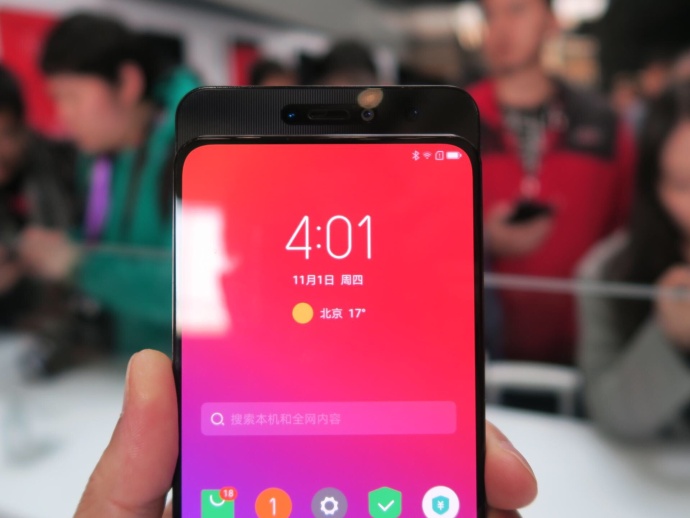
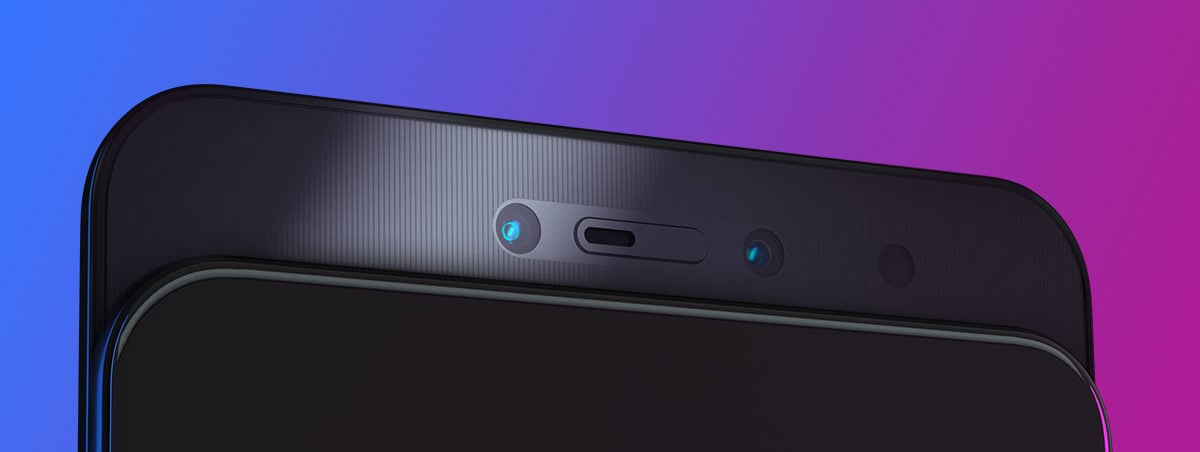
The Lenovo Z5 Pro is a slider phone that measures 9.3mm in thickness and it weighs 210 grams. The back panel of the phone is made out of glass that is curved on all four sides. For the slider, the Chinese manufacturer has employed six double helix springs.

Lenovo Z5 Pro

It features a 6.39-inch Super AMOLED display from Samsung. The notch-less display supports Full HD+ resolution of 2340 x 1080 pixels and offers a screen-to-body ratio of 95.06 percent and an aspect ratio of 19.5:9. The HDR 10 compliant AMOLED display is also embedded with the fifth-generation photo-electric under-display fingerprint sensor.

Under the hood, the device is powered by Qualcomm‘s upper mid-range Snapdragon 710 AIE chipset, coupled with 6GB RAM. There’s also an IntelliGo AI chip that is claimed to significantly reduce the noise during phone calls. As for the internal storage, it comes in two options — 64GB and 128GB. There’s no microSD card slot, thus the users won’t be able to expand the phone’s storage capacity.

Coming to the camera department, the smartphone comes with a dual front-facing camera, an infrared sensor, infrared light and proximity sensor. The front-facing camera setup comprises of an f/2.2 aperture 16-megapixel primary sensor and an 8-megapixel infrared camera. It supports AI-based capabilities for shooting beautified selfie images and it also carries support IR face recognition for accurately unlocking the phone in dim-light.

Lenovo Z5 Pro

On the back side, there are a vertically arranged dual rear camera sensors, consisting of a 24-megapixel Sony IMX576 sensor and a 16-megapixel Sony IMX519 snappers, equipped with features like dual f/1.8 aperture lens, autofocus, dual-tone LED flash, 4K video shooting, 1080p video shooting at 120 fps, HDR, PDAF, AI scene recognition and super night scene mode.

Connectivity options on the device include dual-SIM support, 4G VoLTE, Wi-Fi 802.11 b/g/n/ac, 2×2 MIMO, Bluetooth 5.0, NFC, GPS and USB-C. It offers immersive audio experience, thanks to the Dolby Atmos support.


Read More: Lenovo device believed to be the Phab 3 hits the FCC, packs large battery and single rear camera


The smartphone comes pre-installed with ZUI 10 based on the Android Oreo operating system. There’s also AI game acceleration mode, that can throttle the CPU, GPU, and memory performance while playing games. The device is powered by a 3,350mAh battery that is equipped with support for 18W fast charging.

Buy X26UL Mini PC And Qotom Mini Barebone PC At Unbeatable Prices On AliExpress

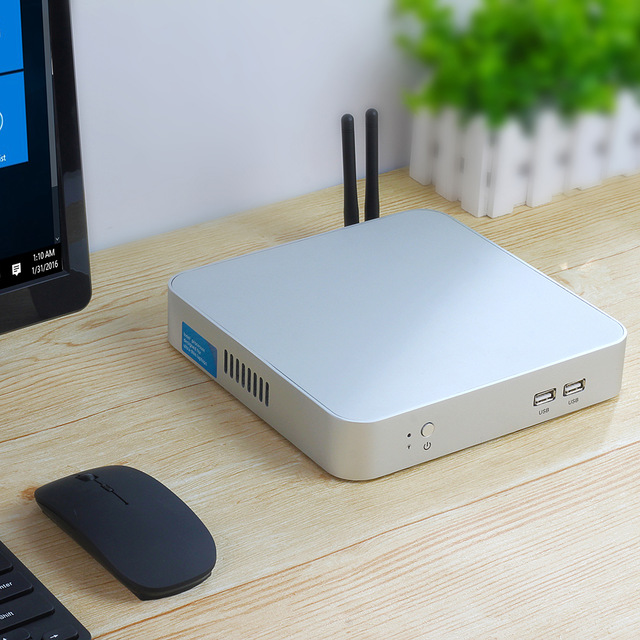
Designed to handle basic tasks like browsing the internet, accessing web-based apps, processing documents etc., Mini Pcs are small-sized desktop computers.

Mini PCs are a great choice for those who do not fancy using desktops with giant towers but would rather go for a compact device that packs serious power.

Unlike their predecessors that could hardly hold up to the computing power users needed, newfangled mini PCs aren’t any less powerful, despite being housed in a compact frame.

It is worth noting that top-branded Mini PCs that boasts an impressive array of features aren’t easy on the pocketbook.

If you are in the market for a feature-laden Mini PC that doesn’t cost a bomb, we got good news for you.

Much to the relief of those who aren’t willing to spend a fortune on this tiny device, AliExpress is offering the X26UL Mini PC and the Qotom Mini Barebone PC at lowered prices.

X26UL Mini PC

Powered by Intel’s Core i7-7500U/i5-7200U/i3-7100U processors, the X26UL is an irresistible Mini PC that delivers the same performance as your regular desktop PC.

It supports 4K resolution display and features HDMI and VGA connectors, allowing you to easily connect it to various monitors, televisions, and projectors.

While the X26UL Mini PC would normally set you back a pretty penny, you can buy it for just $133.92 on AliExpress. This is a 52 percent reduction in the device’s original asking price of $279.


Aside from taking advantage of the aforesaid discount, new users can apply a $3 off coupon for extra discount.

You can choose between multiple kits including 8GB RAM, 120GB SSD Wi-Fi, 8GB RAM, 240GB SSD Wi-Fi and 8GB RAM, 480GB SSD Wi-Fi. Alternatively, you can go for a variant that doesn’t include RAM, ROM or Wi-Fi.

You can follow this link to grab the discount. Note that the promo is slated to end in just two days.


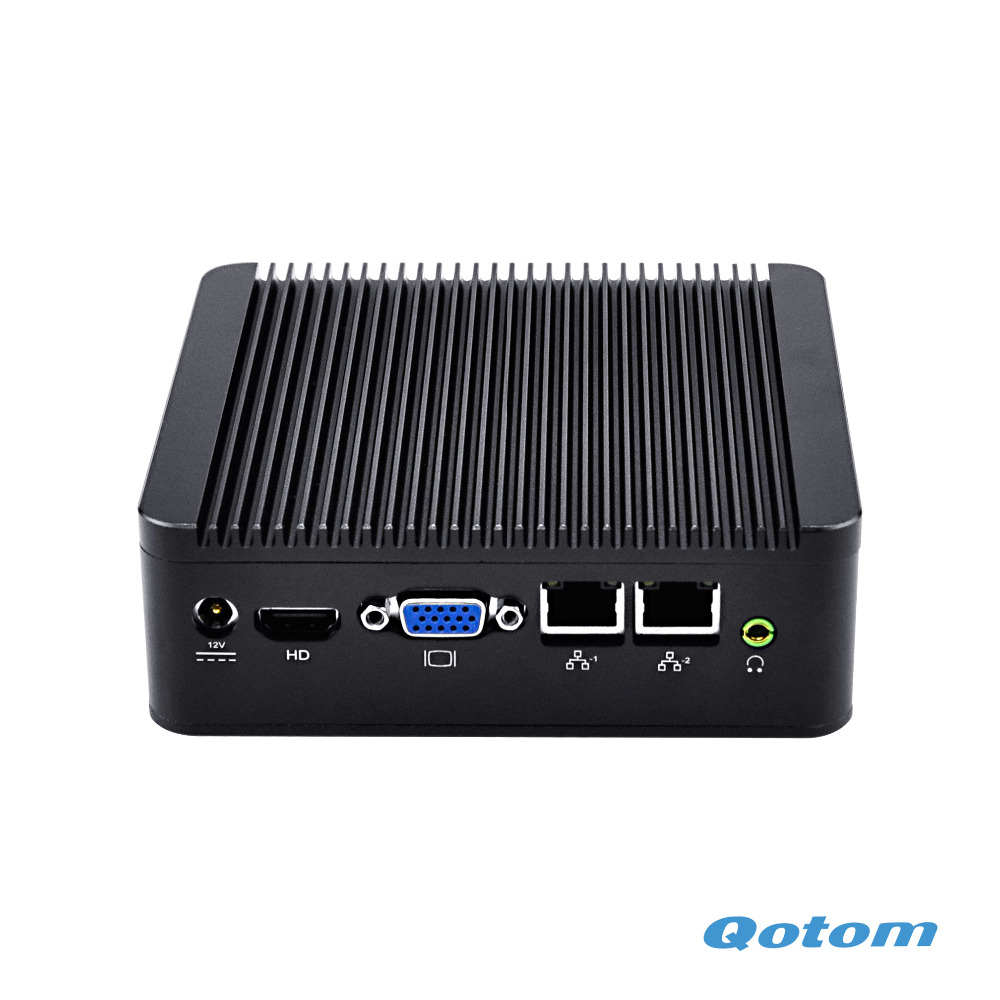
Qotom Mini Barebone PC

The Qotom Mini Barebone PC is ideal for those who fancy browsing the internet, watching your favorite film in 4K or just playing popular games on a big screen without leaving the comfort of your room.

It is powered by Intel Celeron J1800 Quad-Core processor along with a built-in Intel HD Graphics VGA. The built-in LAN comprises 2 RJ45, and Realtek RTL8111E 10/100/1000.

This feature-laden desktop minicomputer comes in multiple variants like 2GB RAM, 32GB SSD, 4GB RAM, 32GB SSD, 8GB RAM, and 32GB SSD just to name a few.
Likewise, you can choose from four kits including Q180S-S02 NO WIFI, Q180S-S02 WIFI, Q190S-S02 NO WIFI, and Q190S-S02 WIFI. The price will vary based on the model you decide to buy.

For example, the Q180S-S02 NO WIFI kit combined with 2GB of RAM and 32GB SSD will set you back $148.99, but if you go for larger memory capacity such as 4GB RAM and 32GB SSD, you’d need to shell out $162.99.

If you are a new buyer on AliExpress, you can use a $3 off coupon and grab a discount without breaking a sweat.

You can visit this link in order to check out more details and buy a variant of the Qotom Mini Barebone PC that suits your fancy.

Samsung Galaxy M10 and Galaxy M20 to again go on sale in India today

Last month, Samsung launched its two new mid-range smartphones in the all-new Galaxy M-series — Samsung Galaxy M10 and Samsung Galaxy M20 last week. Both the phones went on sale in India this month for two times.

Now, both — the Galaxy M10 and Galaxy M20 will again go on sale in India today, for the third time, at 12:00 PM. The devices will be available for purchase through online marketplace Amazon India as well as Samsung’s official online store in India.

As for the pricing, the 2GB RAM model of Galaxy M10 is priced at Rs. 7,990 (approximately $112) while the 3GB RAM model costs Rs. 8,990 (approximately $126). The 3GB RAM model of Galaxy M20 costs Rs. 10,990 (approximately $155) and the 4GB RAM model is priced at Rs. 12,990, which roughly converts to $183.

Samsung Galaxy M20 render featured

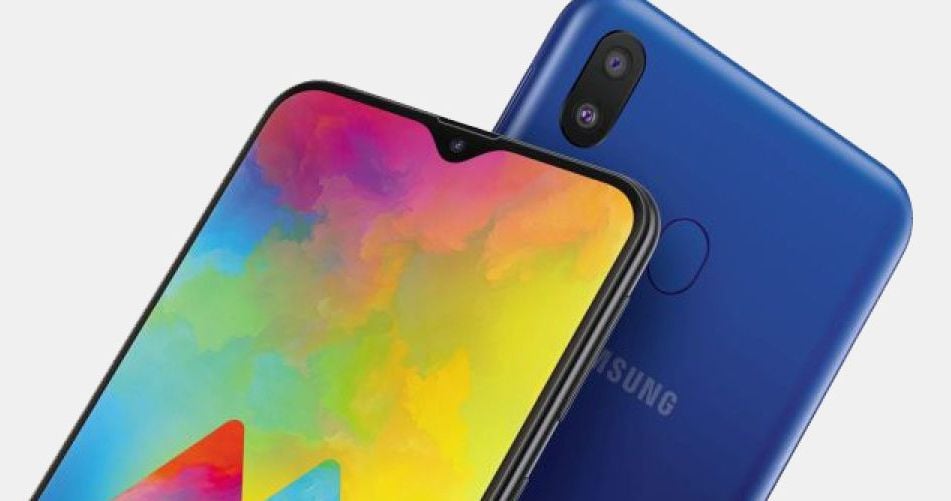
The Samsung Galaxy M10 features a 6.2-inch HD+ Infinity-V display with 720 x 1520 pixels screen resolution and 19:9 aspect ratio. Under the hood, the device is powered by Exynos 7870 chipset, along with 2GB/3GB RAM.

It comes with 16GB/32GB of internal storage and comes with a microSD card slot for expanding the phone’s storage capacity up to 512GB. As for the camera configuration, the device features a 13-megapixel primary sensor along with an f/1.9 aperture and a 5-megapixel secondary, ultra-wide sensor. For selfies, there’s a 5-megapixel front-facing sensor. It has an ultra-wide mode to support landscapes, cityscapes, and group photos.

The smartphone runs Android 8.1 Oreo operating system out-of-the-box with the company’s own Samsung Experience 9.5 UX. Connectivity options on the device include Dual 4G VoLTE, Wi-Fi 802.11 b/g/n, Bluetooth 5, GPS + GLONASS, and USB Type-C port. It is powered by a 3,400mAh battery that supports three times faster-charging.

Samsung Galaxy M20

On the other hand, the Galaxy M20 comes with a 6.3-inch Full-HD+ Infinity-V display with 1080 x 2340 pixels screen resolution and 19.5:9 aspect ratio. Under the hood, it is powered by the company’s own Exynos 7904 chipset, paired with Mali-G71 MP2 GPU, 3GB/4GB RAM, and 32GB/64GB internal storage.

The phone also comes with a microSD card slot which enables users to further expand the storage capacity up to 512GB. There’s a fingerprint sensor on the back and the phone also supports Face Unlock feature. For imaging, the Galaxy M20 comes with a dual rear camera setup along with a 13-megapixel primary sensor that has an f/1.9 aperture and a 5-megapixel ultra-wide secondary sensor. On the front side, it comes equipped with an 8-megapixel sensor along with an f/2.0 aperture.


Read More: Samsung Galaxy M30 specs leaked revealing a 6.38-inch FHD display, 5,000mAh battery and more


Connectivity options on the device include Dual 4G VoLTE, Wi-Fi 802.11 b/g/n, Bluetooth 5, GPS + GLONASS, 3.5mm audio jack, and FM Radio. The phone runs Android 8.1 Oreo operating system out-of-the-box with Samsung Experience 9.5 UX on top and is powered by a 5,000mAh battery with fast charging support.

Nokia 9 PureView key specs revealed through Android Enterprise listing

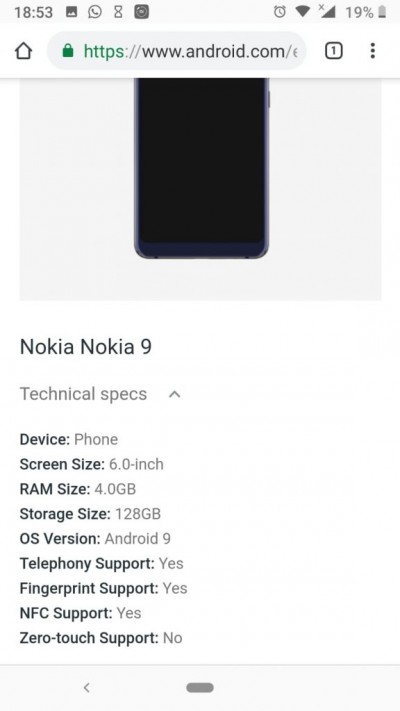
The arrival of the Nokia 9 PureView flagship phone is not far away since it is expected to get announce through HMD Global’s Feb. 24 event at the Mobile World Congress (MWC) 2019 tech exhibition in Barcelona, Spain. Multiple leaks have revealed the specifications of the Nokia 9 PureView smartphone. Now, the smartphone has appeared on Android Enterprise website. The listing shows the key specs of the base model of the smartphone.

As shown in the below screenshot, the Nokia 9 features a 6-inch display. The name of the processor that powers it is not mentioned. The SoC is supported by 4 GB of RAM. It comes with an inbuilt storage of 128 GB which indicates that the specs mentioned on the Android Enterprise website may belong to its base model. There is a possibility that there will be a higher variant with 6 GB of RAM. The handset carries support for fingerprint scanner and NFC among other features.

Nokia 9 PureView Android Enterprise Listing

While flagship phones running on Android are going to powered by the Snapdragon 855 mobile platform, the upcoming Nokia 9 PureView is likely to be fueled by the Snapdragon 845 chipset that fueled many flagship phones in 2018. Some rumors have claimed that there could be a Snapdragon 855 edition of the Nokia 9 PureView arriving later this year.

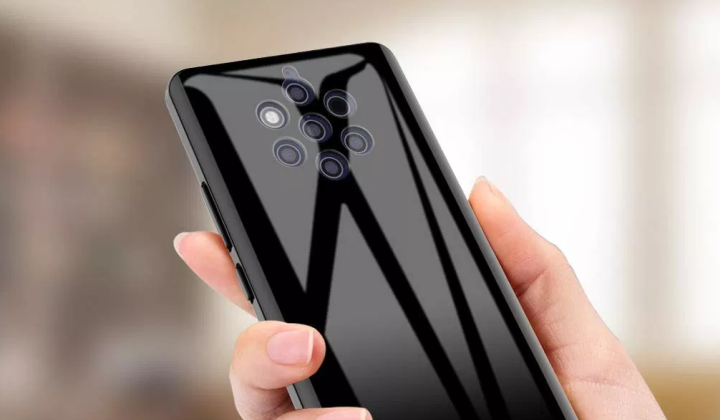
Coming back to the rumored specs of the Nokia 9 PureView, it is speculated to feature a 4,150mAh battery which is expected to not only carry support for fast charging, but also wireless charging. It goes without saying that the USP of the Nokia 9 PureView will be its penta-lens setup that may include different kinds of camera sensors like RBG, monochrome, telephoto lens, wide-angle lens and super wide-angle lens. There is no accurate information available on the price tag of the Nokia 9 PureView. Also, the AMOLED display of the phone could be equipped with an in-display fingerprint sensor.

Nokia 9 PureView real life

At the MWC 2019, the Finnish company is expected to announce some other smartphones too such as Nokia 8.1 Plus, Nokia 6.2 (2019), Nokia 1 Plus and a new feature phone.

Xiaomi’s 18W fast charger for the Redmi Note 7 goes out of stock

Redmi Note 7, the first smartphone from the Redmi brand after it split from its parent company Xiaomi earlier this year, has been on flash sale for a few times. The phone again went on sale today in China but the customers were not able to add the 18W fast charger to the cart.

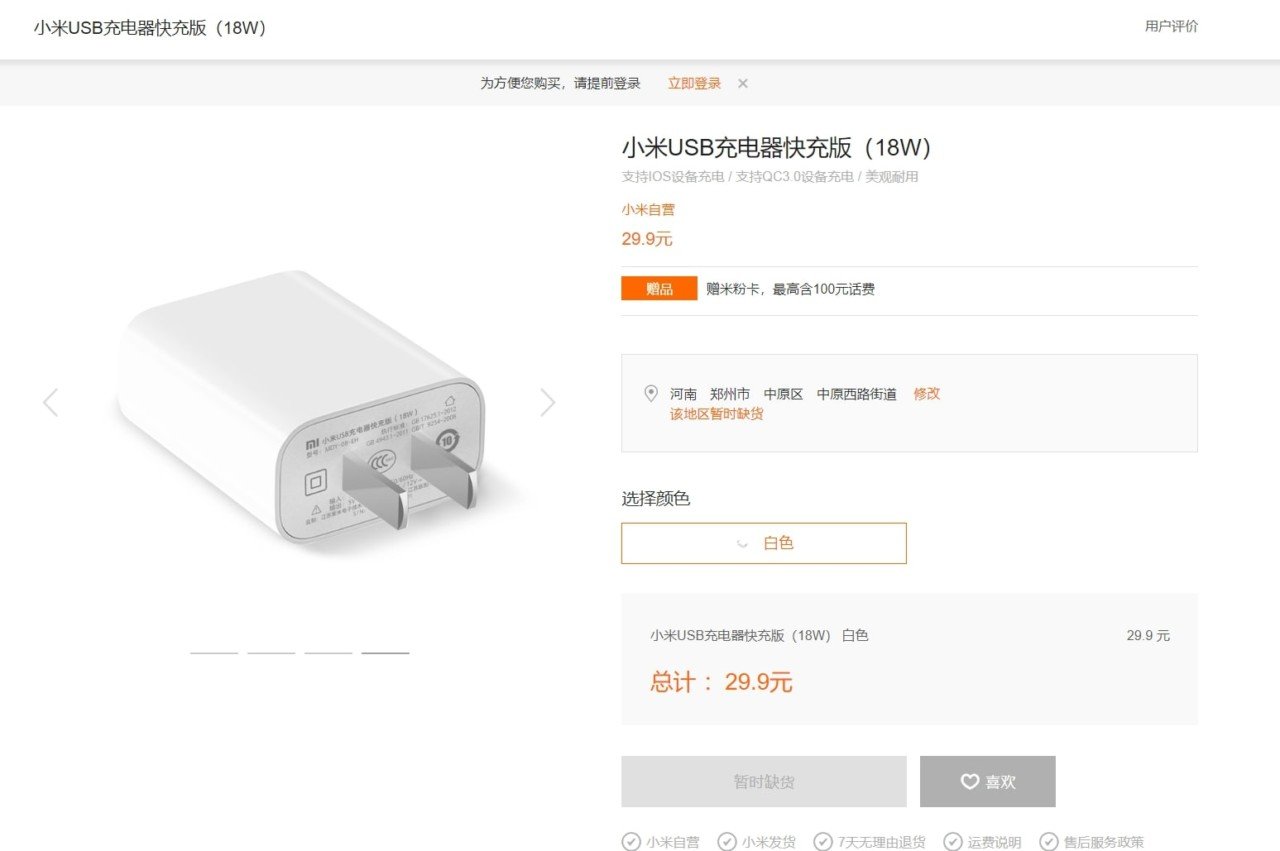
When customers started complaining about this on Weibo — the Chinese microblogging platform, Xiaomi CEO Lei Jun responded by stating that the fast charger has gone out of stock. On the Xiaomi Mall website also, the separate fast charger (18W) is showing as out of stock.

Xiaomi 18W Fast Charger Out of Stock

The Redmi Note 7 supports 18W fast charging but the device comes with the standard 10W charger in the box. To make use of the fast charging feature, users need to separately purchase the 18W fast charger, which was available for 10 Yuan (approximately $1.5).

However, at the time of launch of the smartphone, it was said that the 10 Yuan pricing for the 18W fast charger is temporary and is meant as an introductory offer as the company’s gesture to give back to its users. It seems that the offer period is now over and when it comes back in stock, it could carry a different price tag.

As for the pricing of Redmi Note 7 in China, the 3GB RAM + 32GB storage costs 999 Yuan (approximately $147), 4GB RAM + 64GB storage model costs 1,199 Yuan (approximately $177) while the top-end model with 6GB RAM + 64GB storage is priced at 1,399 Yuan (approximately $206).

Redmi Note 7 2

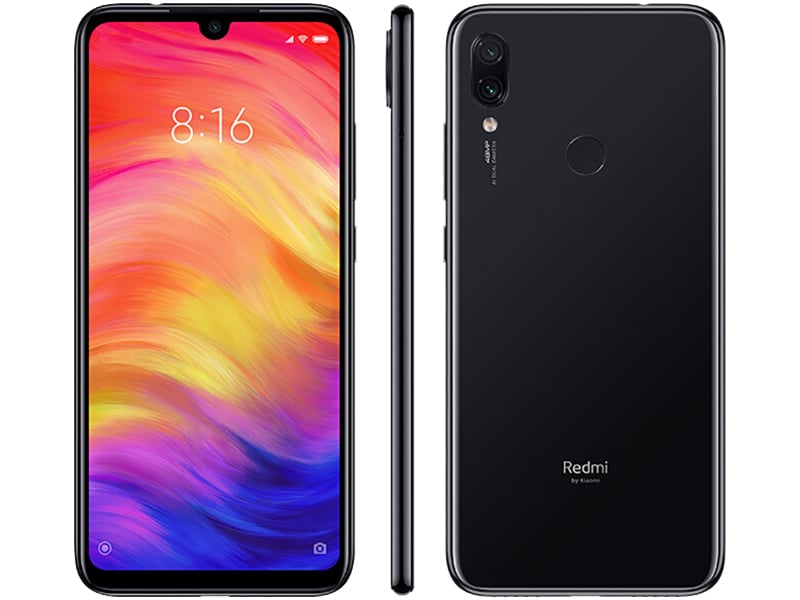
The phone features a 6.3-inch Full HD+ display with 2340 x 1080 pixels screen resolution and 19.5:9 aspect ratio. The display carries support for 450-nits brightness, 1,500:1 contrast ratio, sun legibility, and eye protection mode. It is powered by Qualcomm Snapdragon 660 octa-core chipset with 3GB/4GB/6GB RAM and 32GB/64GB internal storage.

It also comes with a dedicated microSD card slot allowing users to expand the storage capacity. The device features an f/1.8 aperture 48-megapixel primary sensor and a 5-megapixel secondary camera with artificial intelligence technology. On the front side, there’s a 13-megapixel camera housed in the display notch.

The camera is also equipped with features like AI Smart Beauty and AI face unlock. The Redmi Note 7 is equipped with a 3.5mm audio jack and features an infrared blaster which makes it possible to use it as a remote control. A fingerprint scanner resides of the backside of the smartphone.


Read More: Xiaomi Camera Department set for leaps and bounds with new technologies in 2019: CEO Lei Jun


In terms of software, the smartphone is running Android 9 Pie-based MIUI 10 out-of-the-box. The phone is powered by a 4,000mAh battery with support for Quick Charge 4.0 fast charging technology. With an 18W fast charger, the phone can be fully charged in just 1 hour and 43 minutes.