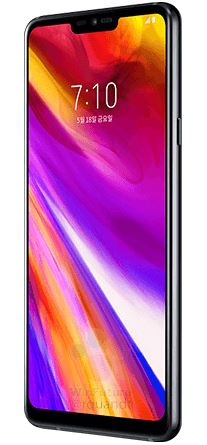
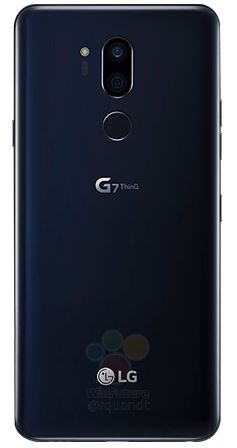
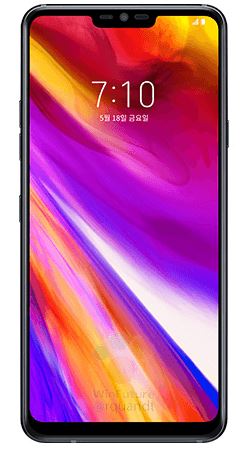
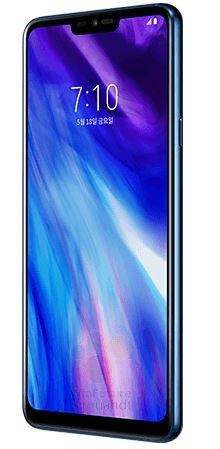
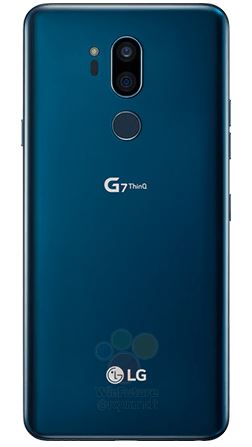
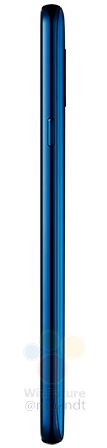
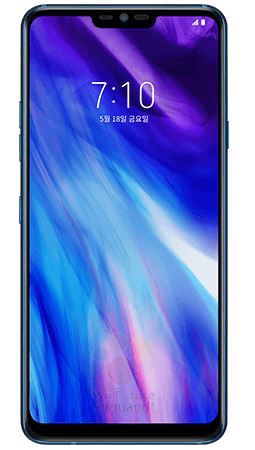
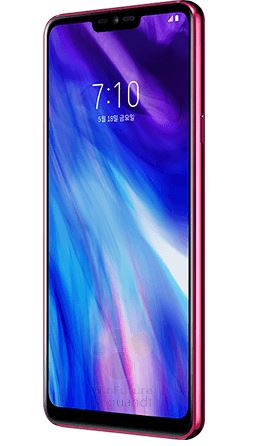
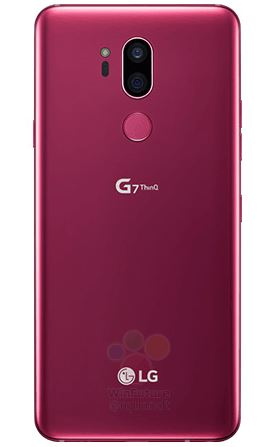
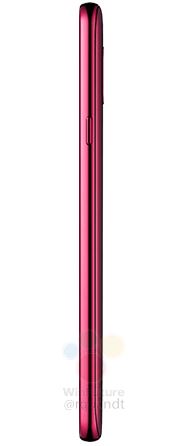
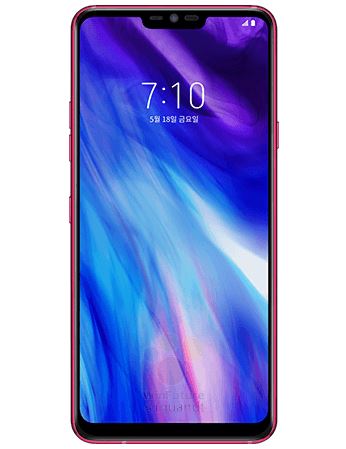
LG G7 ThinQ will be officially announced on May 2, but you no longer have to wait to know all the details about the upcoming Korean flagship rivaling Samsung Galaxy S9 and S9+. The famous and reliable leakster Roland Quandt has just revealed the specs and new renders of the device alongside its possible listing price in Europe. According to fresh render published by the German leakster, the flagship will come in at least three hues: black, red and blue.
It will exhibit a tall display with very narrow bezels, a notch and an incredibly tall 19.5:9 aspect ratio. Roland Quandt has revealed that this display will be an AMOLED panel with a 6.1-inch size and a Quad HD+ resolution of 3120 x 1440 pixels. It will have a maximum brightness of 1000 cd/m^2, the support to DCI-P3, 100% RGB color gamut and a 30% lower energy consumption compared to the previous models. The display will also sport an iPhone X-like notch to minimize bezels. Under the hood, there will be an octa-core Snapdragon 845 chipset, the best Qualcomm SoC with a max frequency of 2.7 GHz. There will also be 4 or 6 GB of RAM and 64 GB of internal storage, but Roland still does not know whether it will be expandable or not.
The rear side will be made of glass and it will house a dual camera setup with a 16.3 MP resolution and f/1.6 apertures. We expect to see a wide-angle secondary sensor, but this is yet to be confirmed. From what the leakster revealed, LG G7 ThinQ will have a 3000 mAh battery with the support of the latest Qualcomm’s fast charging technology: Quick Charge 4.0. Its price should be lower than €680 in Europe, that is rather cheaper than Samsung Galaxy S9 which has been launched with an expensive €849 price tag.
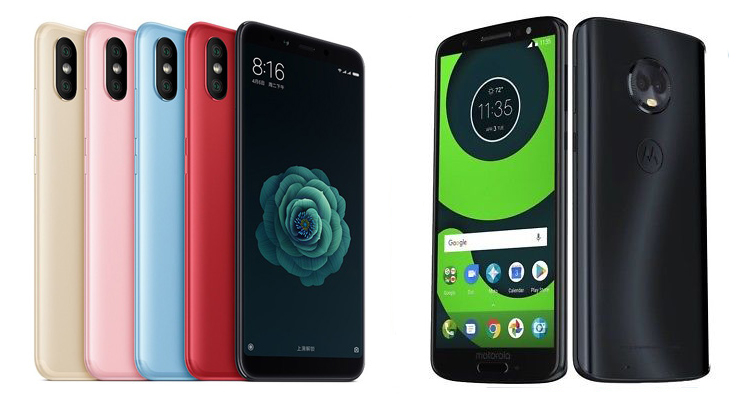
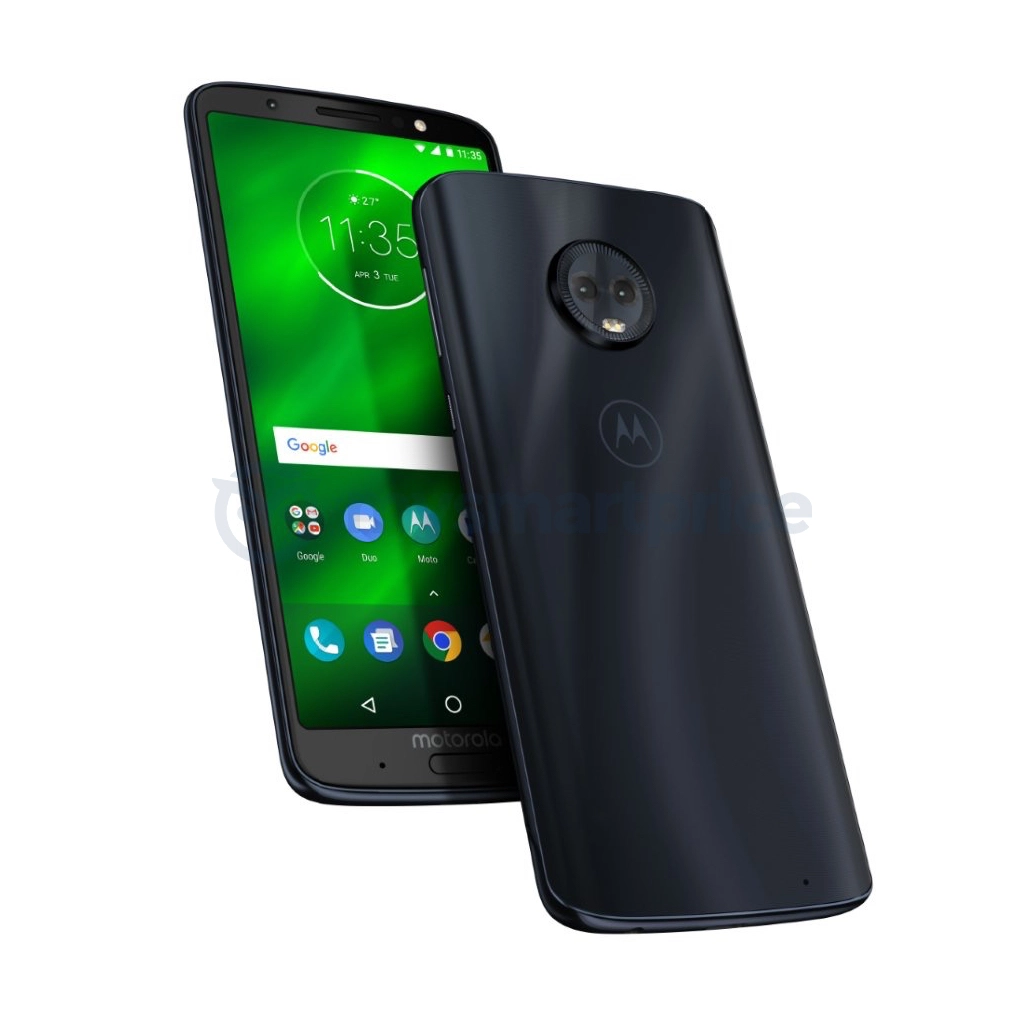
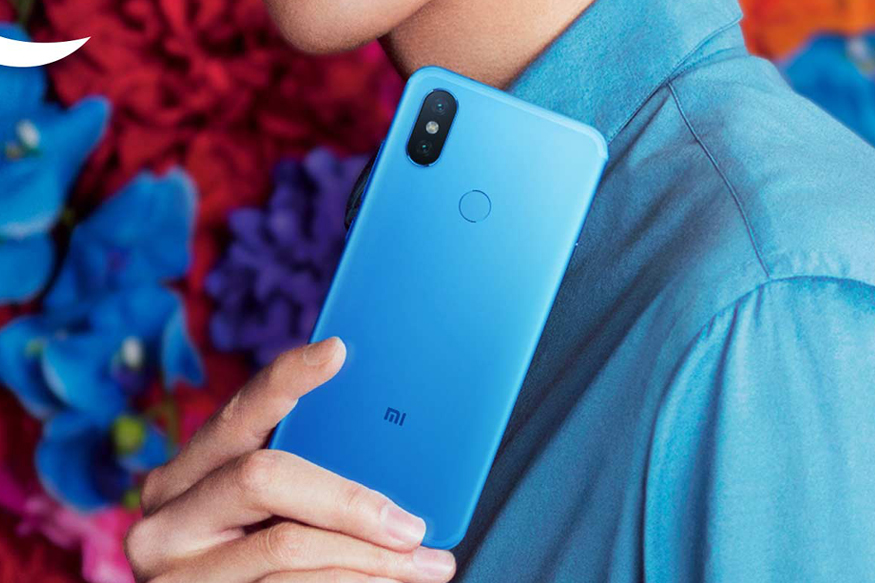
Xiaomi recently announced the Mi 6X, its most incredible budget phone till now. And around the same time, Lenovo unleashed the Motorola Moto G6 Plus. Both the devices can be located in the mid-range sector, and this means that they will be sold at a affordable price. By choosing them, you will be able to save a good amount of money and get a device which may leave you satisfied as much as a flagship. You will be far from getting the fastest performance ever, but these smartphones don’t easily disappoint. So are you ready to know their strong and weak points?
If yes, take a look at the Xiaomi Mi 6X vs Moto G6 Plus comparison below.
Dual 12 f/1.8 + 20 MP f/1.8
20 MP f/1.8 front camera
Dual 12 + 5MP f/1.7 + f/2.2
8 MP f/2.2 front camera
BATTERY
3010 mAh
Fast charging (Quick Charge 3.0)
3200 mAh
Fast charging (15W)
ADDITIONAL FEATURES
Hybrid Dual SIM slot
Hybrid Dual SIM slot
Aesthetics are much more refined on the Motorola Moto G6 Plus (even though Mi 6X has a slimmer body), but it’s always a matter of personal preference. But it’s worth noting that the Moto G6 Plus is a splash resistant device, while Xiaomi Mi 6X does not offer any kind of protection against water. But in the hardware department, Xiaomi Mi 6X should do well as it has a higher-end processor. So, on paper, the Mi 6X should provide higher performance in heavy apps and games.
Xiaomi Mi 6X has a promising camera setup composed of a Sony sensor which also supports AI for scene recognition and selfie beautification. We have compared the Mi 6X’s camera to the Meizu E3, you can check it out here! But do not underestimate Moto G6 Plus as it could be one of the best camera phones in its segment. To recap, the Moto G5 Plus managed to shoot outstanding photos. Also, Moto seems to be consistent in optimising its camera for the best quality shots in its segment, so the G6 Plus should be a worthy contender for the best camera phone in the mid-range segment.
At last, Moto G6 Plus has a slightly bigger battery (3200 vs 3010 mAh), but the margin is too low to establish which device could last more.
Qualcomm is known as a chip manufacturer but it also has another business which involves designing and marketing of wireless telecommunications products.
While most of its revenue is gotten from chip manufacturing, profit is actually from patent licensing. The latter has put it into troubles with clients like Apple and also regulators, with lawsuits and fines flying around. However, things may get better soon.
Qualcomm has two license patents for phone manufacturers – one is the full suite that costs clients 5% of the price of the phone and then there is a standard suite that provides what you need to connect to data networks for 3.25% of the cost of the phone.
Before, a lot of manufacturers used to apply for both licenses to avoid getting into trouble with Qualcomm but Qualcomm has been working on improving relationships by offering more features for the lower-priced patents. The cheaper license now includes 5G patents without an increase in price.
It has also been revealed by Qualcomm’s head of licensing division, Alex Rogers, that the patent fees only apply to the first $400 of the net selling price of the device. Before it was put at $500.
According to Rogers, the 5G licensing moves are “regulator friendly” and are “creating a foundation for stability going forward”.
LG will be launching the LG G7 ThinQ flagship phone tomorrow. The iPhone X’s notched display design has inspired many smartphone OEMs to launch notched smartphones. Leaks surrounding the LG G7 ThinQ have also revealed that it will be sporting an iPhone X-like full screen design. Fresh photos of the real LG G7 ThinQ have surfaced from South Korea to reveal its front and rear design.
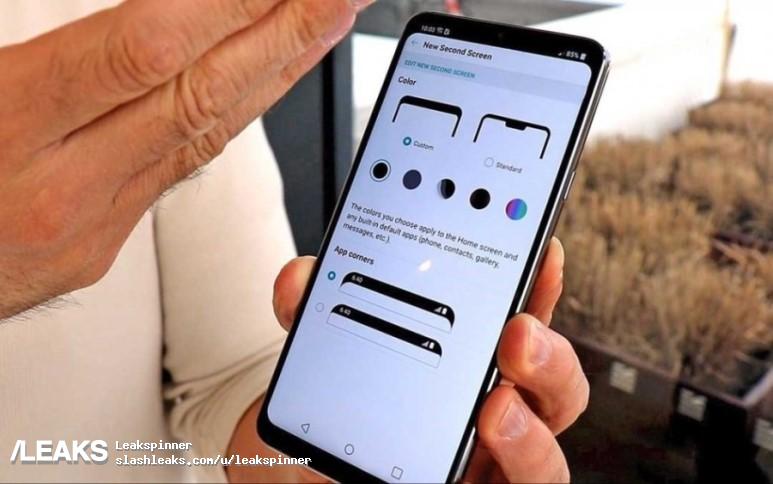
A leaked photo (shown below) that had surfaced in the previous week had revealed LG G7 ThinQ will have a setting for “New Second Screen” that will provide options like Custom and Standard, respectively for hiding and keeping the notch. Also, there are some other customizations like two kinds of design for the upper bezel. Leaked information has revealed that the G7 ThinQ’s notched screen will support QHD+ resolution of 3120 x 1440 pixels along with an aspect ratio of 19.5:9.
The volume up and down buttons followed by a dedicated for accessing the Google Assistant can be found on the left side of the LG G7 ThinQ. The right edge features a power key. The rear side of the phone is made out of glass. The leaked image shows that glass body easily attracts fingerprint marks.
The back panel features vertically arranged dual camera setup with an LED flash beside it. It is expected to include a pair of 16-megapixel camera with f/1.6 aperture. A fingerprint scanner is placed below the camera unit.
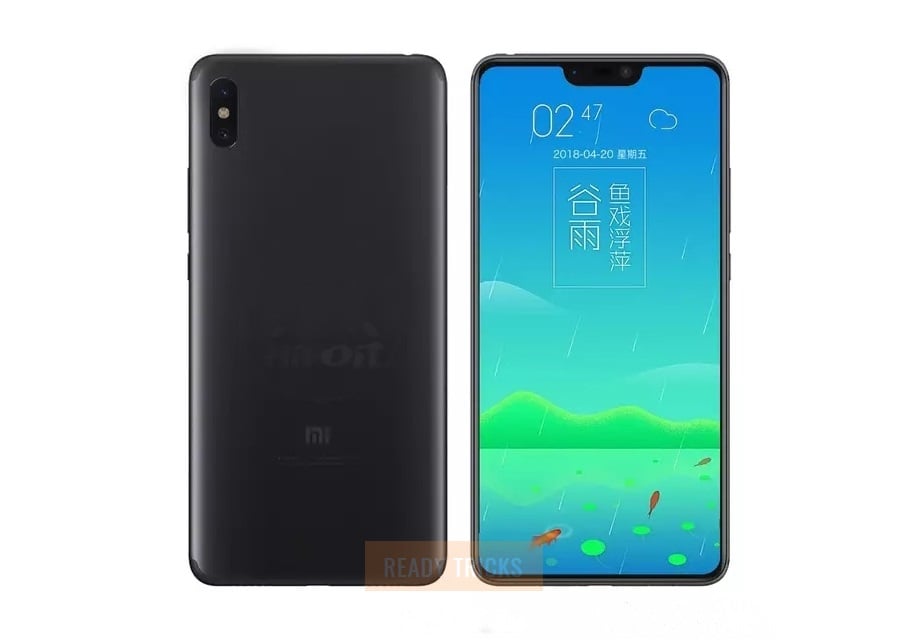
Xiaomi Mi 7 is one of the most awaited flagship phones of 2018. Rumors surrounding the smartphone have claimed that the company may debut the phone by the end of the first half of the year. There are some contradictory rumors too that claim that its launch date could be pushed back to third quarter, but May release seems more likely. When it arrives, it will be taking on the likes of the newly unveiled Honor 10 and the upcoming OnePlus 6 flagship.
So, here’s everything that we know about the Xiaomi Mi 7:
Notched OLED Display and 3D Facial Recognition
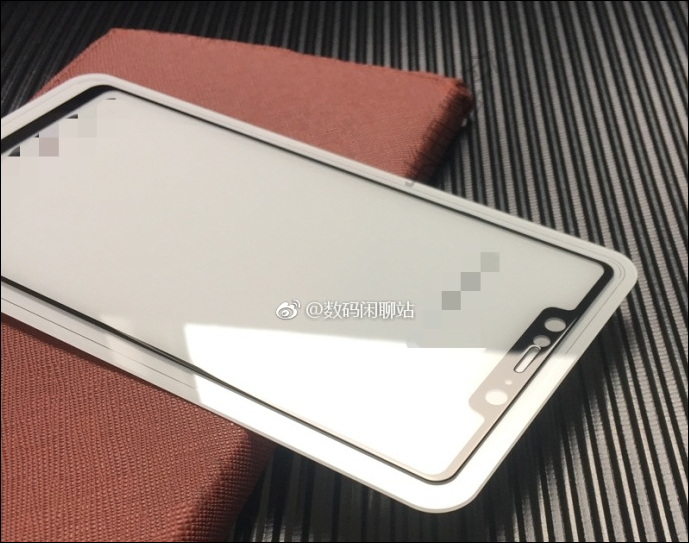
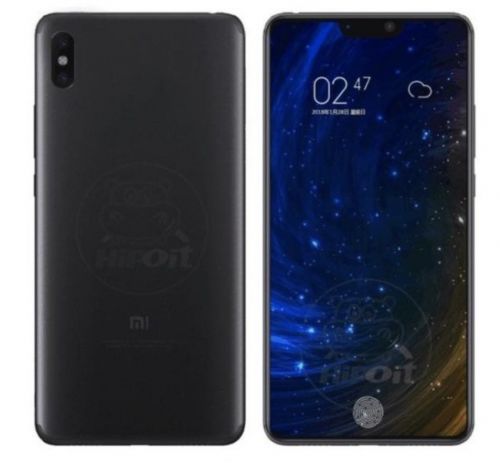
Plenty of details have surfaced through the leaked firmware files of Xiaomi Mi 7 that is reportedly codenamed as Dipper. The firmware files have revealed that the handset will be featuring a notched OLED display design like the iPhone X. Leaked photos of the alleged front panel of the Mi 7 have revealed that it will be arriving with notched design. The presence of OLED display suggests that it will feature an Always-On Display feature.
The exact size of the display is not known, but some rumors claim that it may house a 6-inch screen. To be precise, some reports suggest that the Xiaomi Mi 7 will be featuring a 5.6-inch OLED display and the rumored large-sized Mi 7 Plus may come equipped with a 6.01-inch OLED display.
The notch is expected to feature an infrared camera which suggest that the Mi 7 will carry support for 3D facial recognition. However, this 3D facial recognition could delay its release. The company is said to be facing issues with this tech, so it is said that the release is pushed back to Q3 2018. But we are not quite sure of such a late release for the Mi 7.
Chipset, RAM and Battery
The Snapdragon 845 SoC will be powering the Xiaomi Mi 7. The SoC is expected to be coupled with 6 GB of RAM. It may come in storage choices like 64 GB and 128 GB. The Chinese manufacturer has already introduced wireless charging on the Mi MIX 2S flagship phone. Hence, the 3,350mh battery of the Mi 7 is also expected to carry support for Qi wireless charging. For photography, the phone is speculated to feature dual 16-megapixel cameras on the rear panel.
Xiaomi Mi 7 Plus
Xiaomi is also reportedly working on a smartphone that is codenamed as Ursa. Leaked firmware files have revealed that it will be coming with specs similar to the Mi 7. Hence, it is being dubbed as the Xiaomi Mi 7 Plus. It is speculated to be equipped with an under-display fingerprint scanner. Xiaomi CEO Lei Jun has also hinted that the Mi 7 will be coming with an in-screen fingerprint scanner. However, there is no confirmation on whether the feature will be exclusively available on the Mi 7 Plus or it will be also present on the Mi 7. As far as the specs of the Ursa phone is concerned, it is expected to arrive with Snapdragon 845 chipset, OLED display, dual cameras with optical zoom, and 4,000mAh battery unit.
A leaked poster that had surfaced yesterday claims that the Mi 7 will be launching on May 23. But the quality of the poster is questionable which makes us doubt its authenticity. So, an exact release date is still far from confirmed.
Delaying the Mi 7 release could make some sense. Xiaomi would not want the Mi 7’s release to hamper the sales of the Mi Mix 2S or vice versa. Despite being placed in slightly different segments, both the phones are considered flagships in terms of specs. So, releasing the Mi 7 now may not be favorable for the one month old Mix 2S.
So, as far as the release date is concerned, we are not quite sure of a particular date.
But there are other indicators that the Mi 7 launch is near. The Xiaomi Mi 6 is currently only available in 64 GB storage + 4 GB RAM variant on the official Chinese site of Xiaomi. Rest of the variants are no longer available for purchase. Unless they come back in stock soon, it’s definitely an indicator that the company is preparing for the Mi 7 launch.
Are you waiting for the launch of Xiaomi Mi 7? Will it be better than the OnePlus 6? Share us your views by posting your comments below.
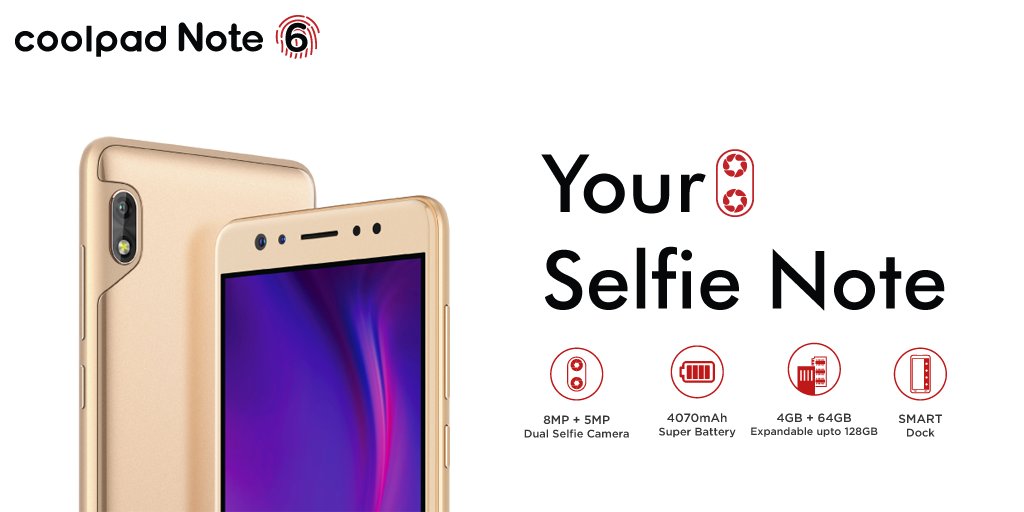
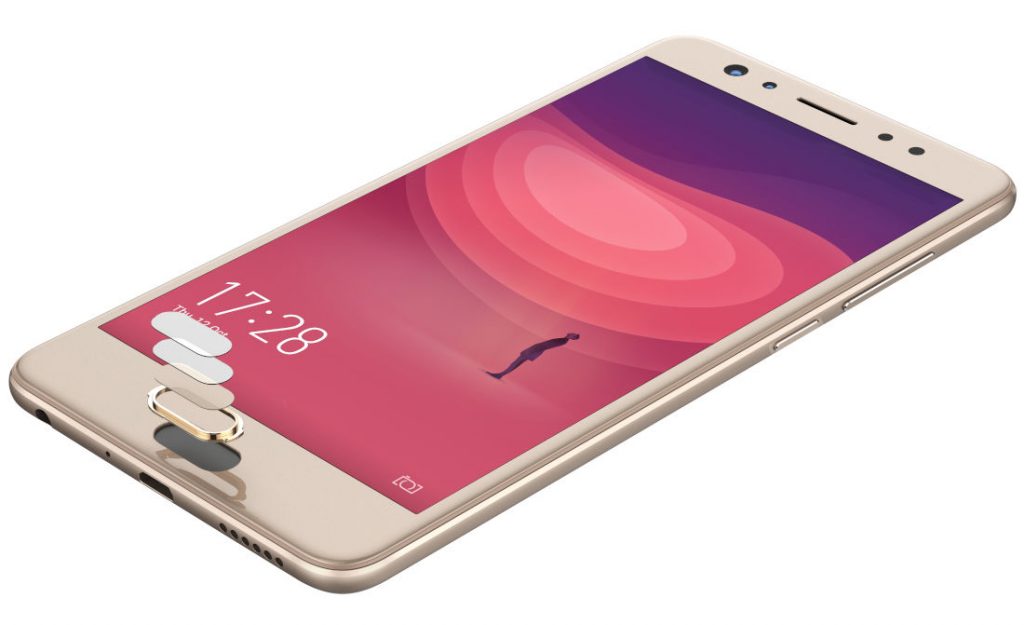
Today, Coolpad has introduced the all new Coolpad Note 6 phablet as a successor for the Note 5 phone that was launched in 2016. The USP of the Note 6 is that it features dual selfie cameras and a large-sized battery. Also, it comes with an affordable starting pricing of Rs. 8,999 (~$135).
Coolpad Note 6 Specifications
Dressed in metal body, the Coolpad Note 6 measures 153.7 x 76 x 8.62mm and weighs 170 grams. The 5.5-inch IPS LCD display of the phone supports Full HD resolution of 1920 x 1080 pixels. The screen is shielded by 2.5D curved glass. The official produce page of the Note 5 claims that the display offers a screen-to-body ratio of 70 percent. A fingerprint sensor enabled home button is available on the chin of the phablet.
The modest Snapdragon 435 powers the Coolpad Note 6 with 4 GB of RAM. It comes in two storage models of 32 GB and 64 GB. The handset features a dedicated slot for adding a microSD.
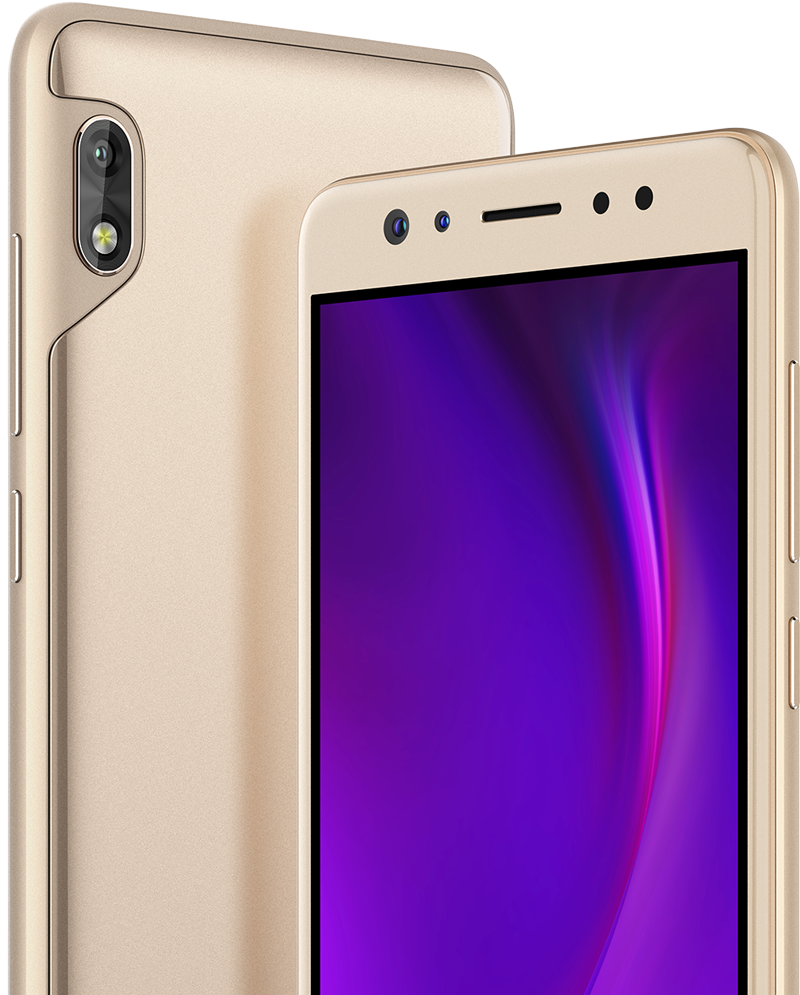
The 8-megapixel primary sensor of the dual selfie camera setup is assisted by 5-megapixel wide-angle lens that offers 120-degree field of view. Hence, the company claims that the Note 6 is not only good for capturing selfies, but also wide-angled groupies. The dual selfie cameras are enabled with LED flash for shooting better selfie shots in dark.
The metal body of the phone has a unique arrangement for the rear camera as it can be seen in the above image. It features an autofocus enabled f/2.2 aperture 13-megapixel camera with 6p lens. It offers with photography modes like Panorama, Beauty mode, Motion and Erase for removing undesired objects while shooting photos. The Night Shot mode is also available that shoots brighter shots in dim light conditions.
The Coolpad Note 6 comes loaded with Android 7.1 Nougat. Coolpad has include Game Mode on the phone to prevent distractions from incoming messages and calls while enjoying games on it. The company has added some other handy features as well such as Scroll Screenshot and Screen Split. The phone houses a huge battery of 4,070mAh capacity that delivers an impressive standby time of 350 hours. The other features available on the Note 6 include dual-SIM, 4G VoLTE, Wi-Fi 802.11 b/g/n, Bluetooth 4.1, GPS, microUSB 2.0 and 3.5mm headphone jack.
The 32 GB Coolpad Note 6 can be bought for Rs. 8,999 (~$135) while its 64 GB variant is available for Rs. 9,999 (~$149). The Note 6 comes in color variant like Grey and Gold. It is available for buying starting from today through offline stores in regions like Maharashtra, Delhi NCR, Tamil Nadu, Karnataka, Andhra Pradesh, Telangana, Haryana and Uttar Pradesh.
Do you think that it can compete with the likes of Redmi 5, Redmi Note 5 and Honor 9 Lite that are also available with similar pricing in the country? Share us your views by adding your comments below.
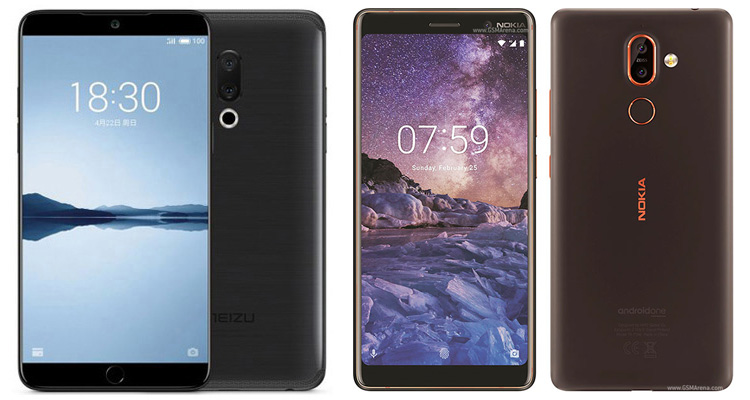
Recently, many smartphones manufacturers seem to be focusing on upper-midrange handsets instead of flagships. But despite their mid-range placement, these devices are equipped with excellent components and they offer high performance at half the cost of top-end flagships. Currently, many users don’t even need to get a flagship thanks to the existence of theseupper-midrange devices. Meizu 15 and Nokia 7 Plus are two models which describe this category of phones perfectly, and in this article will compare Meizu 15 vs Nokia 7 Plus specs and their value for money.
Meizu 15 vs Nokia 7 Plus
Meizu 15
Nokia 7 Plus
DIMENSIONS AND WEIGHT
143 x 72 x 7.3 mm, 152 g
158.4 x 75.6 x 8 mm, 183 g
DISPLAY
5.46 inches, 1080 x 1920p (Full HD), 16:9 ratio, Super AMOLED
Dual 12 + 20 MP, f/1.8, OIS
20 MP f/2.0 front camera
Dual 12 + 12 MP, f/1.75 + f/2.6
16 MP, f/2.0
BATTERY
3000 mAh, fast charging (mCharge 4.0)
3800 mAh, fast charging 9V / 2A
ADDITIONAL FEATURES
Hybrid Dual SIM slot, pressure-sensitive Home key
Hybrid Dual SIM slot
Both these devices make the quality-price ratio one of their strongest points. Nokia 7 Plus has a European price of €399 which roughly translates into $487 and Meizu 15 costs about €324/$395 in China, but we believe internationally, the Meizu model will cost a lot more, placing it closer to the Nokia 7 Plus. Even though they carry an affordable price tag, they offer a premium design.
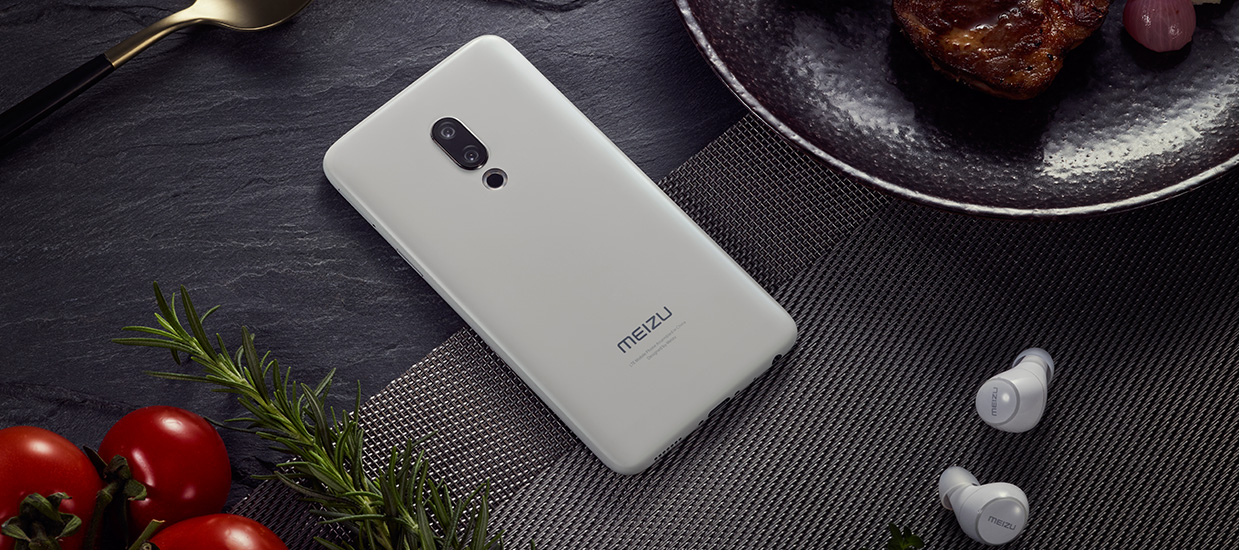
Meizu 15 White
Both feature a full metal unibody design, but the stainless painting on the Meizu 15 (as well as the attention to details from the company) and the ceramic-like painting on the Nokia 7 Plus make them unique as compared to the competition. Which design is better? It’s a matter of personal preference as both look beautiful.
Nokia 7 Plus
Meizu 15 has a more interesting Super AMOLED display with vivid colors, even though it is smaller than the Nokia 7 Plus. Further, it features a programmable Home key which you can assign gestures thanks to mEngine technology. The hardware is exactly the same on both handsets, so you would get similar performance. But note that Meizu 15 runs Nougat with Flyme 7’s customization, while Nokia 7 Plus runs a lightweight and stock version of Android 8.1 Oreo.
Nokia 7 Plus features an exceptional dual camera with Zeiss optics, but Meizu 15 with its OIS and incredibly detailed photos with low noise even in low light conditions has managed to get our attention. Nokia 7 Plus wins when it comes to battery life due to its much bigger 3800 mAh battery. Talking about audio quality, Meizu 15 Plus comes with really nice stereo speakers, while users and reviewing are complaining about the poor audio quality offered by Nokia 7 Plus’ mono speaker.
Overall, it is hard to choose a winner: I would personally pick Meizu 15, but if you care about battery life and love the stock Android experience and fast updates choose Nokia 7 Plus as it also features Android One.
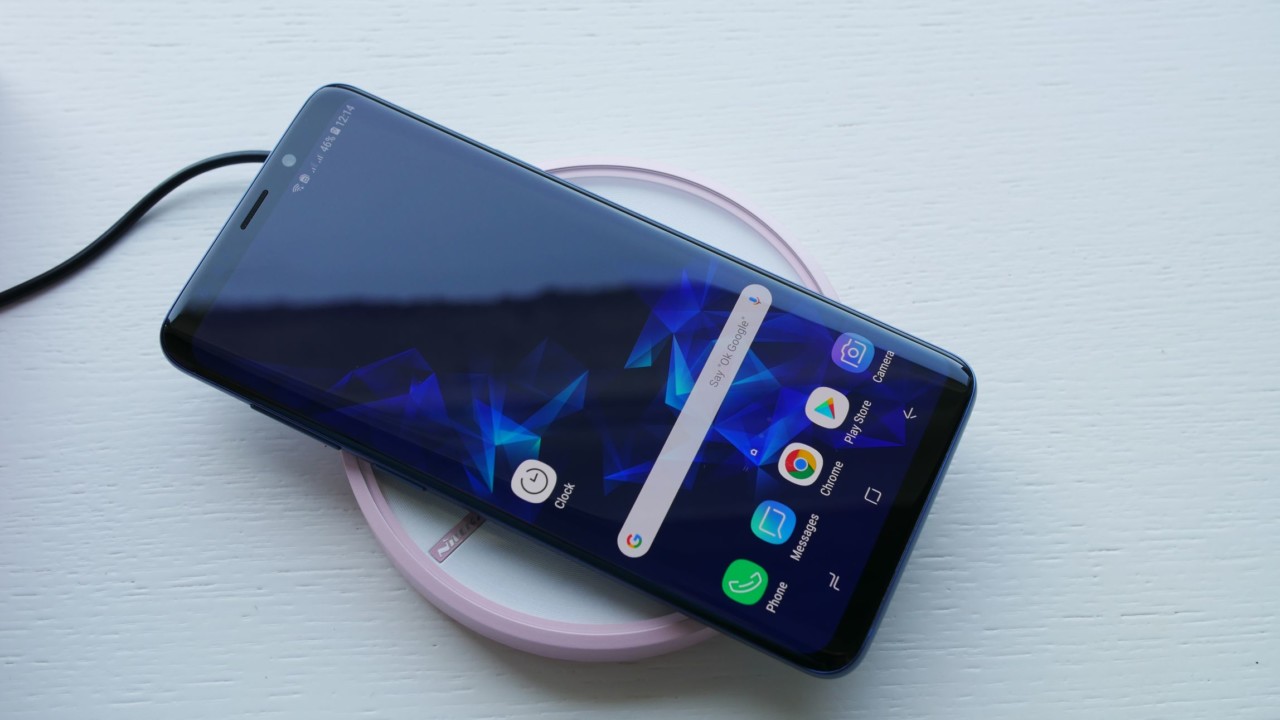
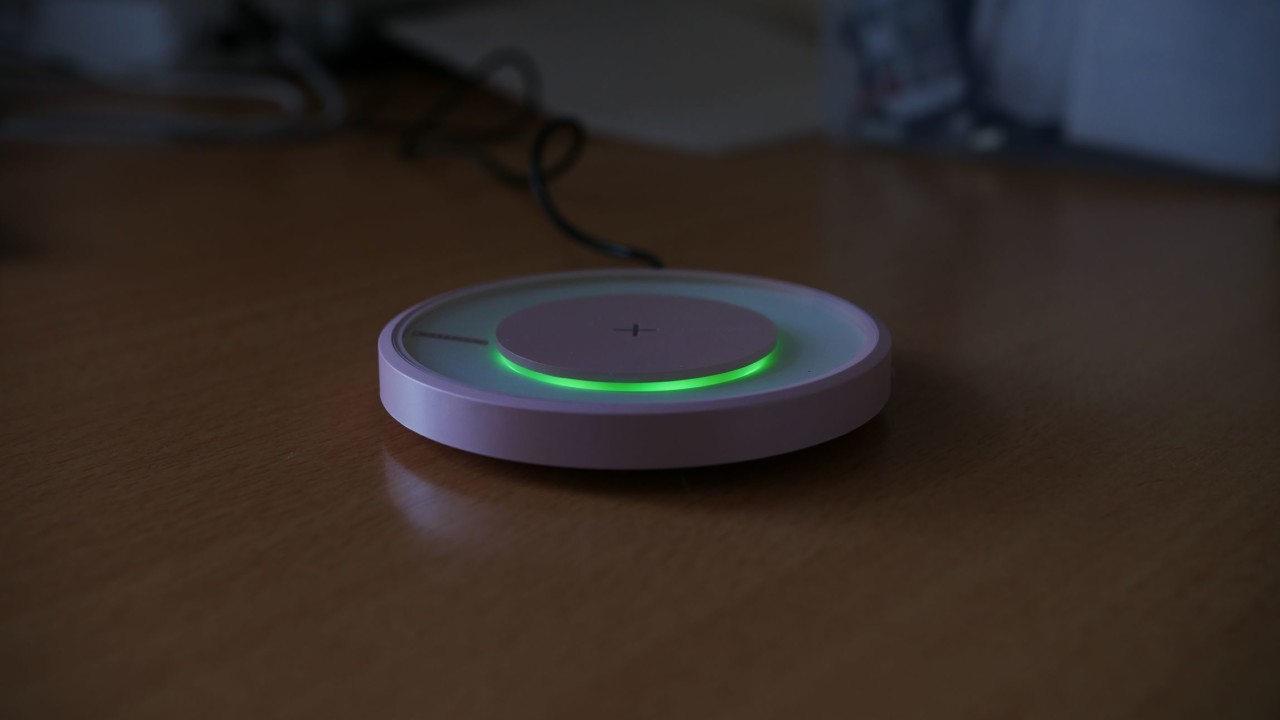
Wireless charging is a convenient technology that can be found in some flagship phones. Without a doubt, there will be more and more devices with this method of charging in the future. I just came across the Nillkin fast wireless charger that has a unique design. Check out our Nillkin Magic Disk 4 review.
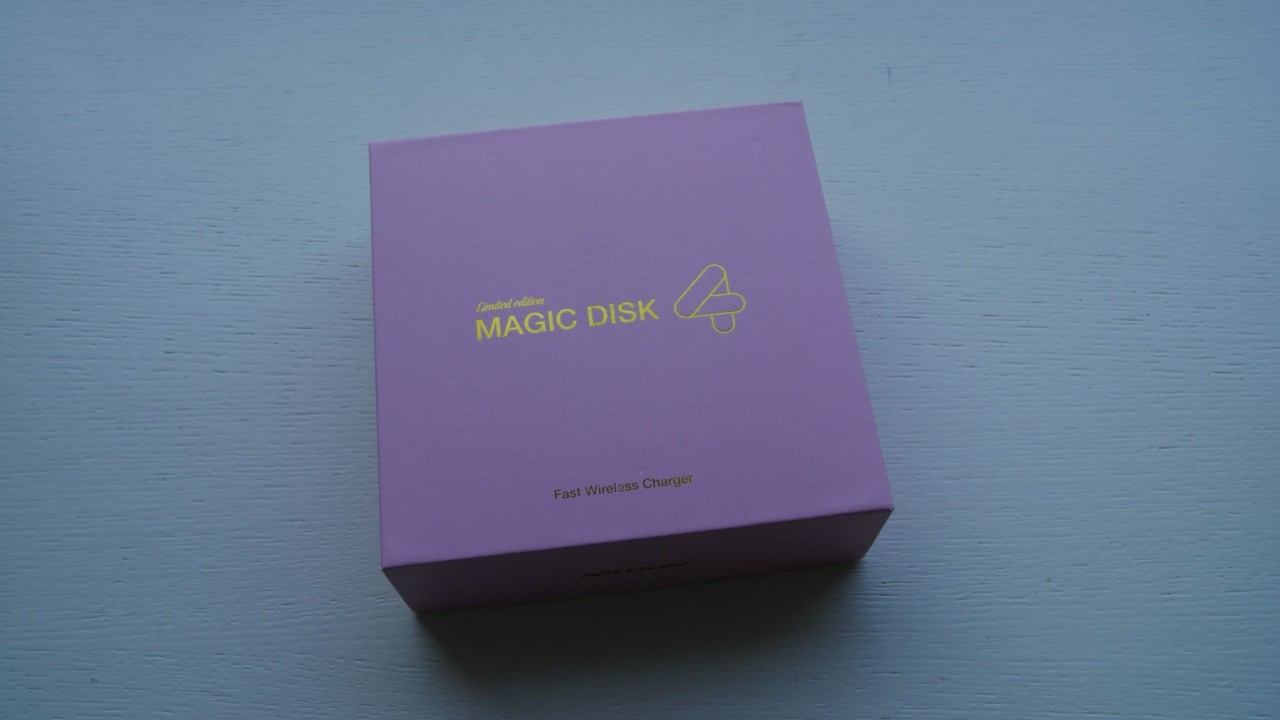
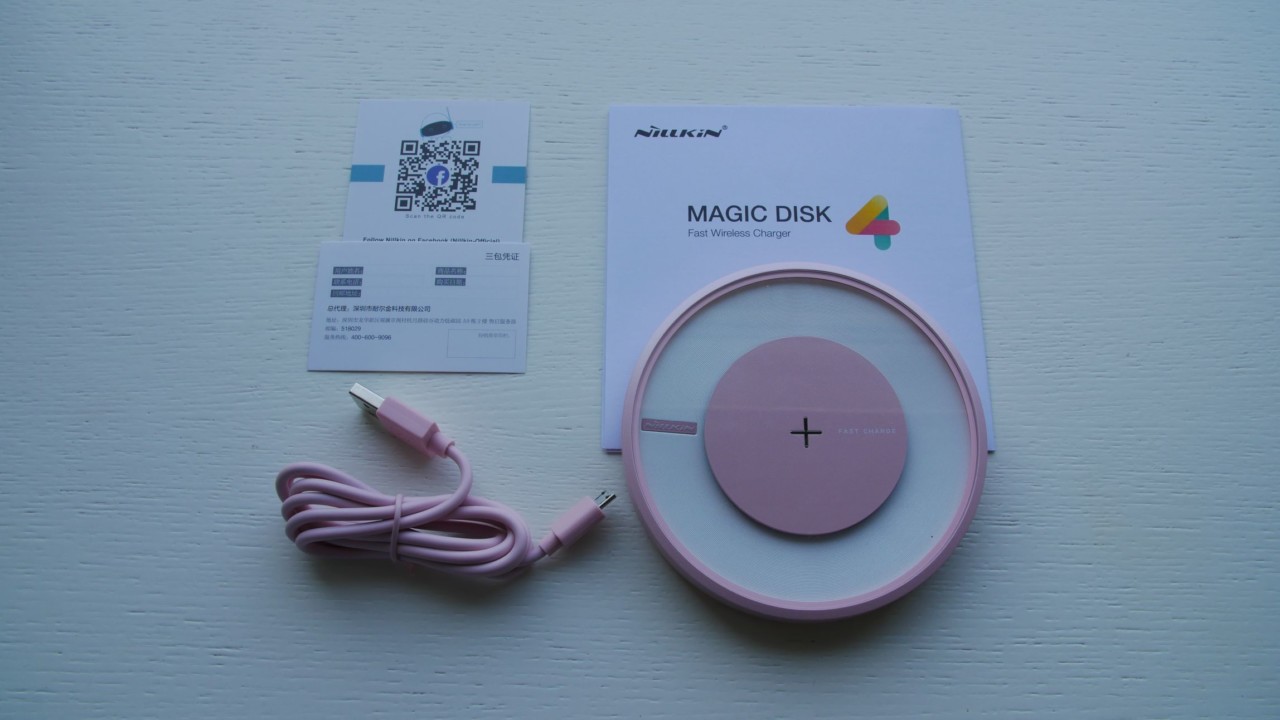
The charger ships in a nice box and inside of it, you can find some paperwork and USB cable.
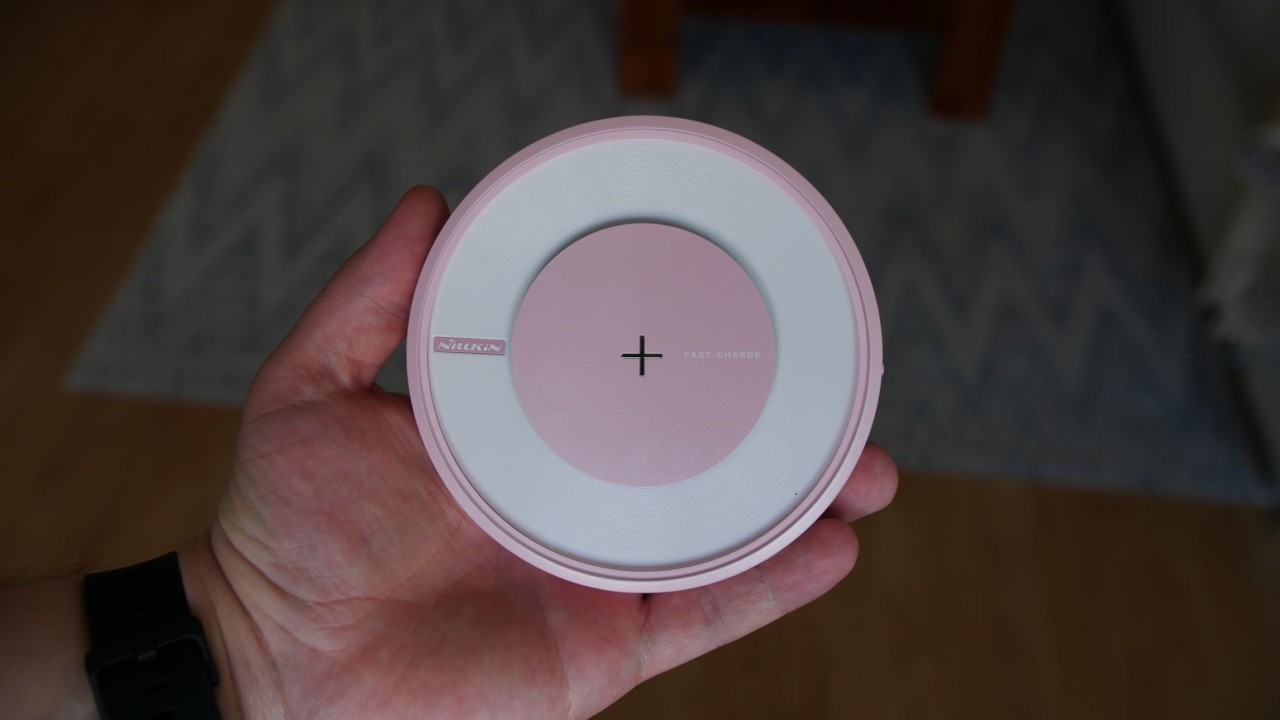
First of all, it is made of plastic and it comes in a couple of different colors. The one I have is pink.
The device supports fast wireless charging, which is 1.4x faster than regular wireless charging technology.
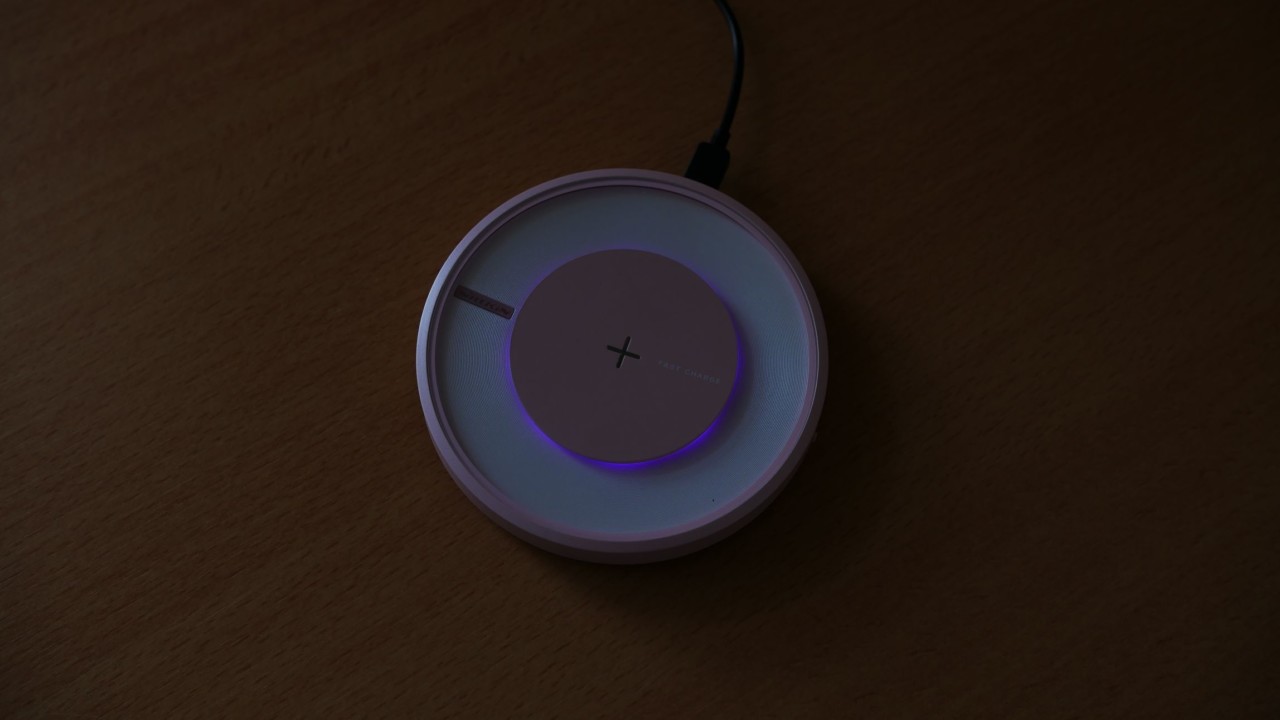
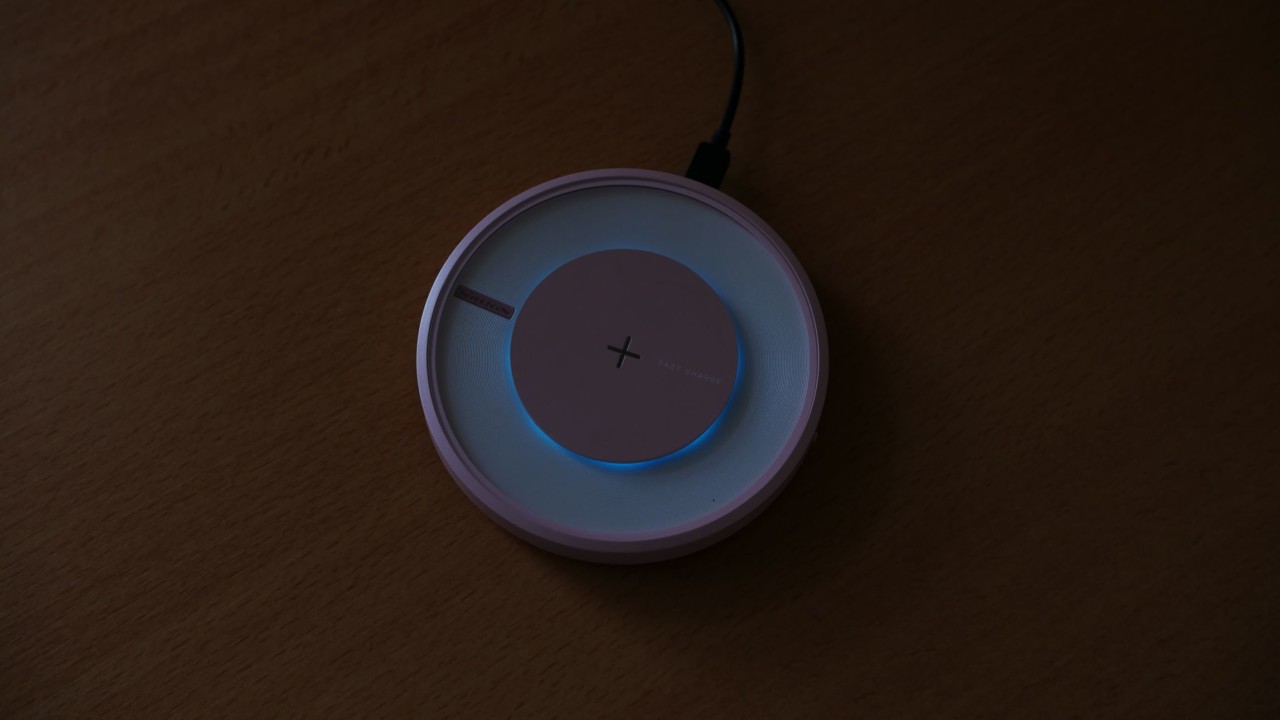
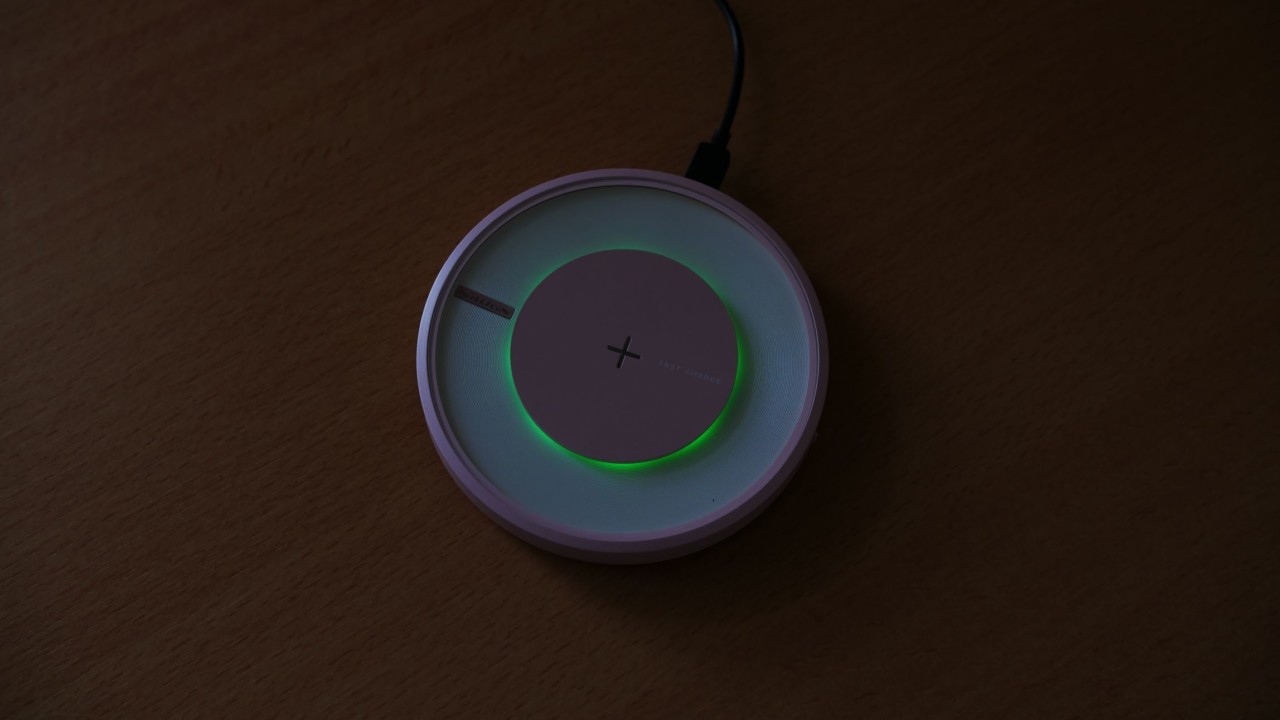
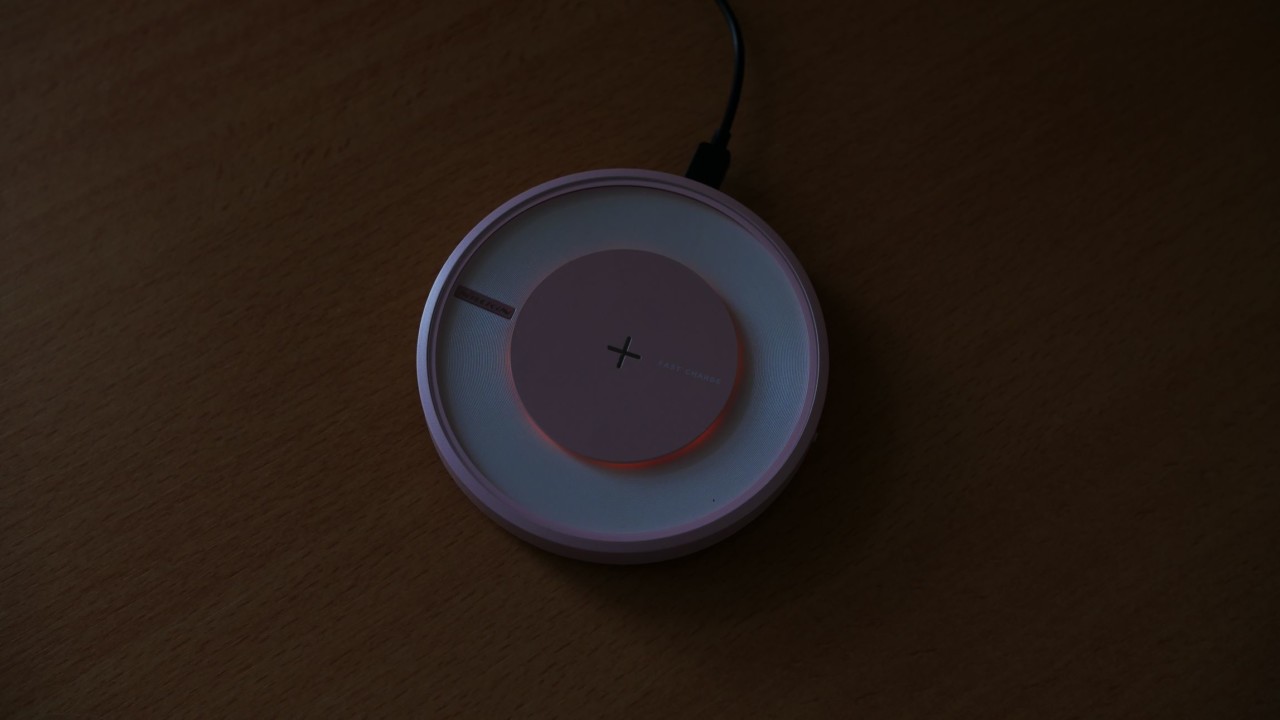
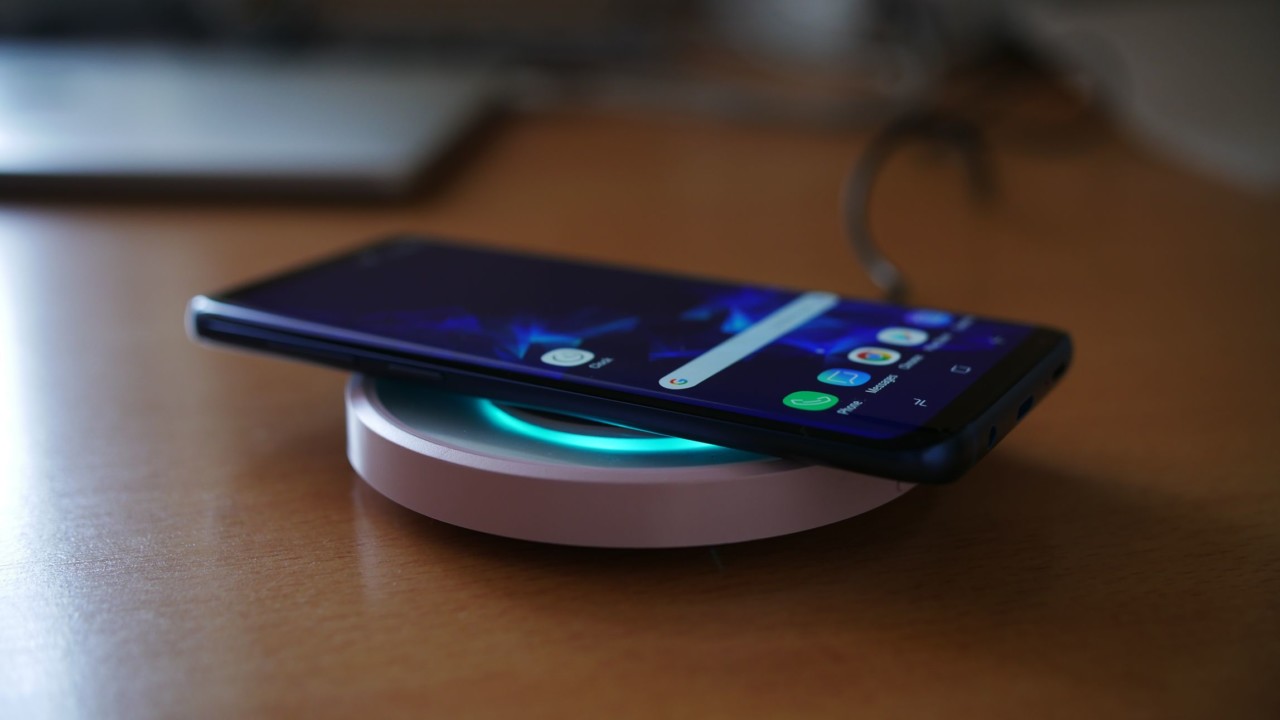
One of the key selling points of this device is the fact that there is a multi-color LED light. You can choose between the warm white light or colorful light in standby mode, cyan light in charging mode and you can control the light by pressing the button. The light looks really cool and it’s definitely my favorite feature of this charger.
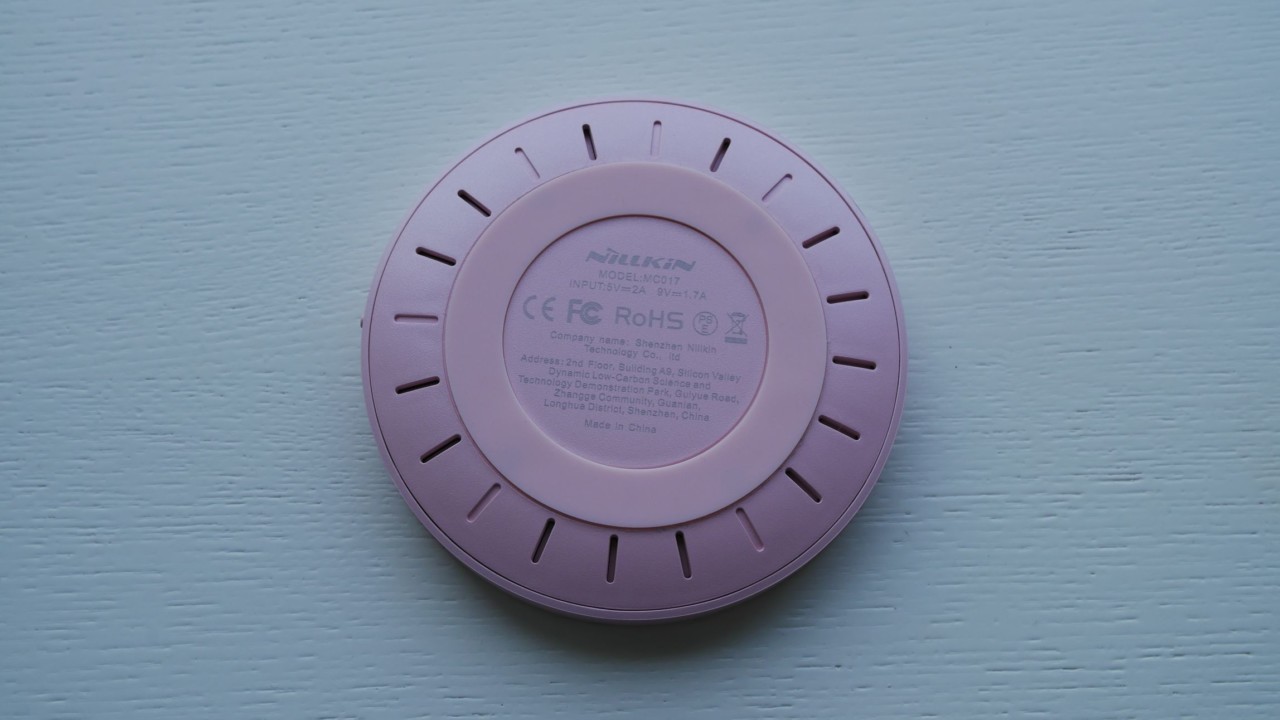
On the bottom of the device, you can find a silicone padding that prevents the charger from sliding on the table. There are also vent grills that help cool the charging pad down.
I’ve been using the Nillkin charger with my Samsung Galaxy S9 Plus for quite some time and it’s been working fine. Once you get used to wireless charging, it’s really hard to go back to the traditional cable charging method.
All in all, the Nillkin Magic Disk 4 is a unique fast wireless charger. It costs about $25 and given the fact that it has been working fine during our testing period and it looks really nice on the table, we can easily recommend it to anyone.
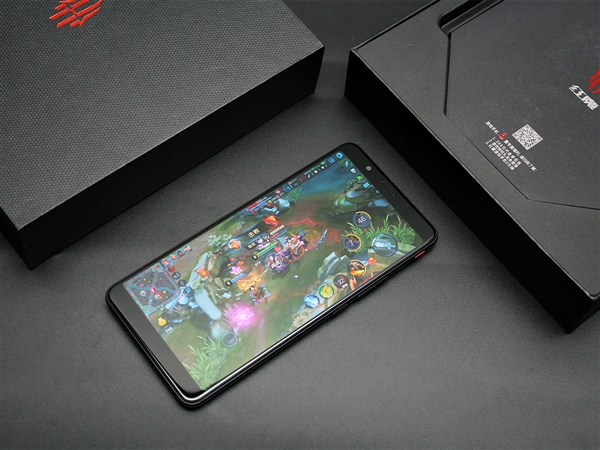
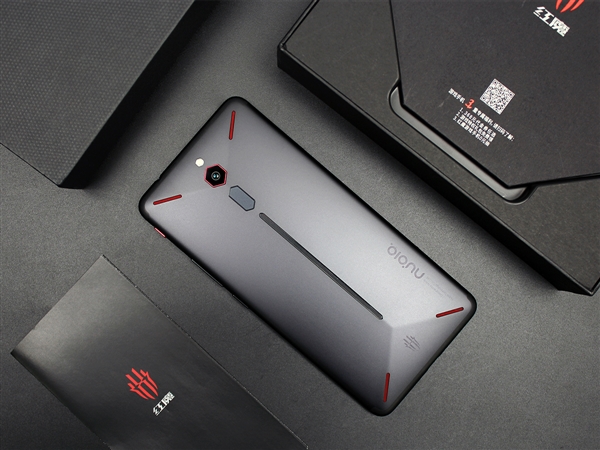
Last month, Nubia announced its new gaming brand — Nubia Red Magic and launched its first gaming smartphone under the brand — Nubia Red Magic Phone. The smartphone, which was unveiled on 19th April, first went on sale on 25th April.
Now, the company has announced that the Nubia Red Magic gaming smartphone will again go on sale today, i.e. 1st May. The 6GB RAM variant will be available for a price of 2,499 Yuan, which roughly converts to $395 through JD.com.
The smartphone is made out of aluminum and is ergonomically designed for extended gameplay. It uses advanced thermal modeling techniques and is claimed to be the first smartphone to use an all-new air convection cooling system.
The cooling system is designed in a way that it dissipates heat effectively across its diamond-cut design without compromising on performance. To make it stand out from the competition, the phone is branded with a distinctive RGB LED strip.
Nubia Red Magic Phone comes with a 5.99-inch Full HD+ display with an edge-to-edge 2.5D NEG T2X-1 screen, 18:9 aspect ratio and 1500:1 contrast ratio. Under the hood, the smartphone is powered by Qualcomm‘s Snapdragon 835 processor.
The processor is coupled Adreno 540 GPU, as well as 8GB RAM and 128GB dual-channel flash memory. The Nubia Red Magic comes with a GameBoost mode, which frees up memory-intensive resources and delivers higher frame rates.
As of the photography, there’s a 24-megapixel Samsung 5K2X7SX rear camera sensor with 0.9μm pixel size, f/1.7 aperture and supports 4K video recording at 30fps and slow-motion 720p video recording at 120fps.
On the front side, there’s an 8-megapixel SK Hynix HI-846 sensor with 1.12μm pixel size and f/2.0 aperture. Connectivity options on the device include 4G LTE, Bluetooth 5.0, MIMO 2×2, Wi-Fi 802.11 a/b/g/n/ac, GPS and GLONASS.
It comes with DTS Technology and Smart Amplifier system for an immersive sound experience. The smartphone runs on Android 8.1 Oreo operating system out-of-the-box and is powered by a 3,800mAh battery which can provide up to 7 hours of gameplay on a single charge.
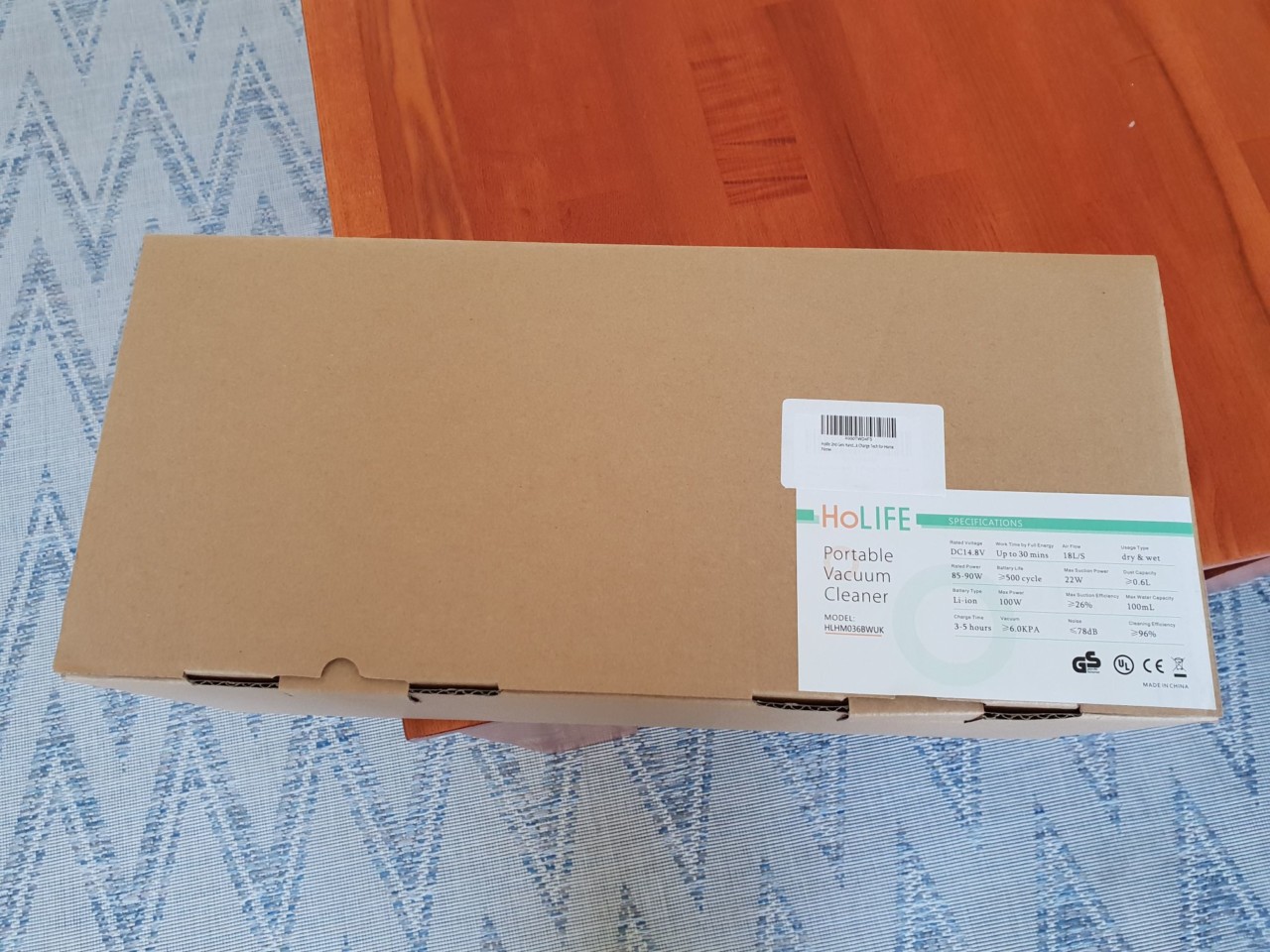
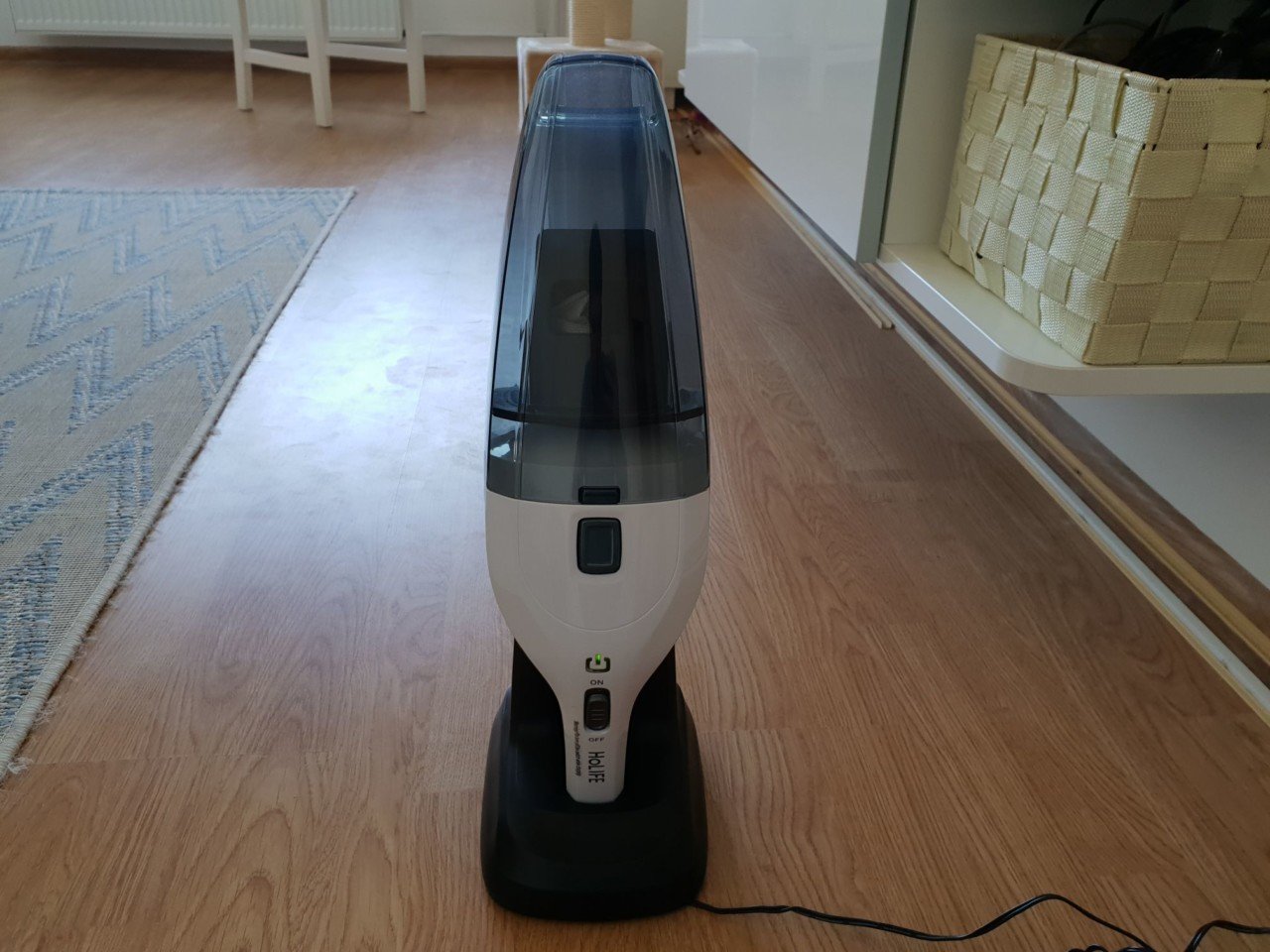
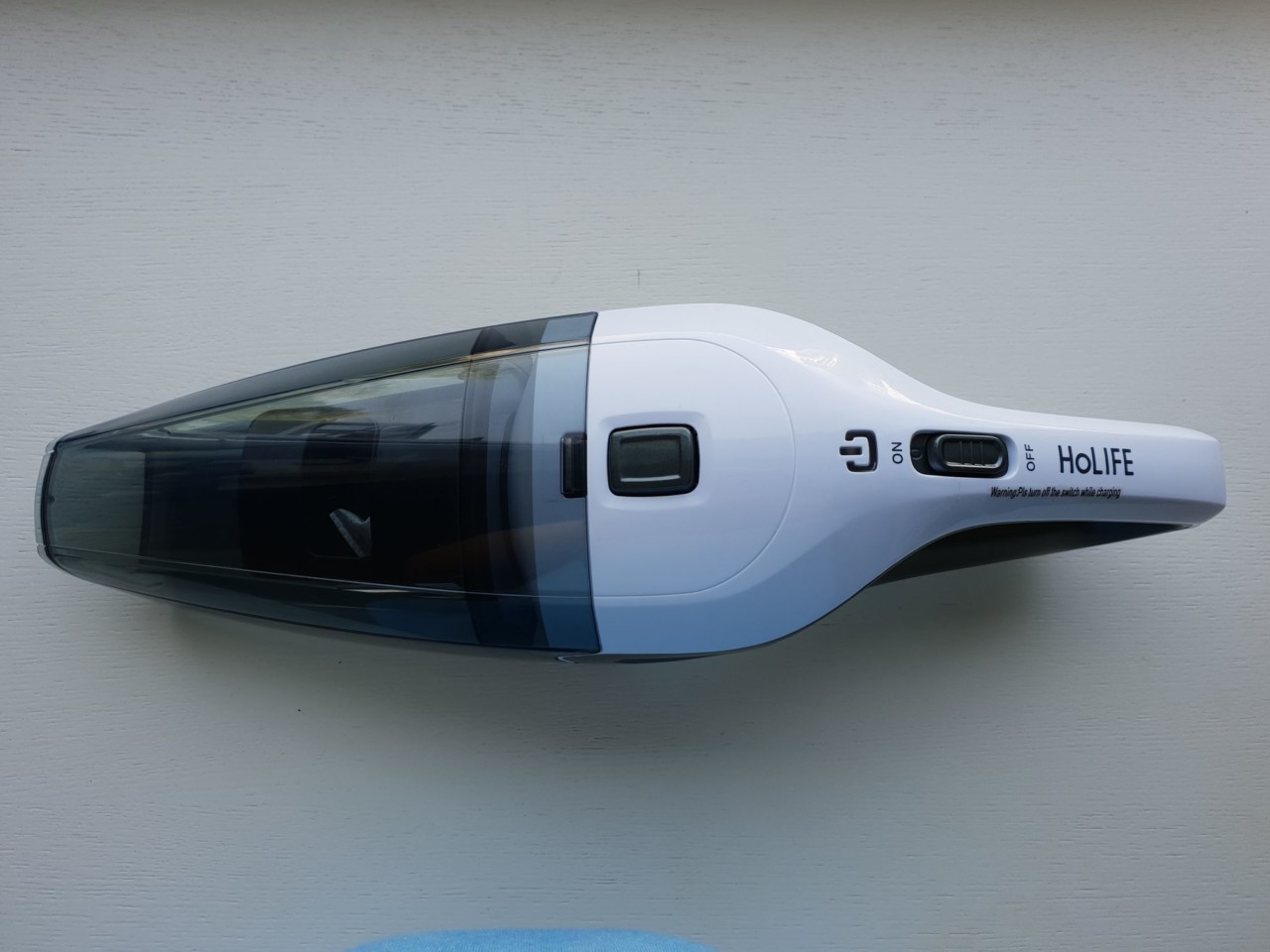
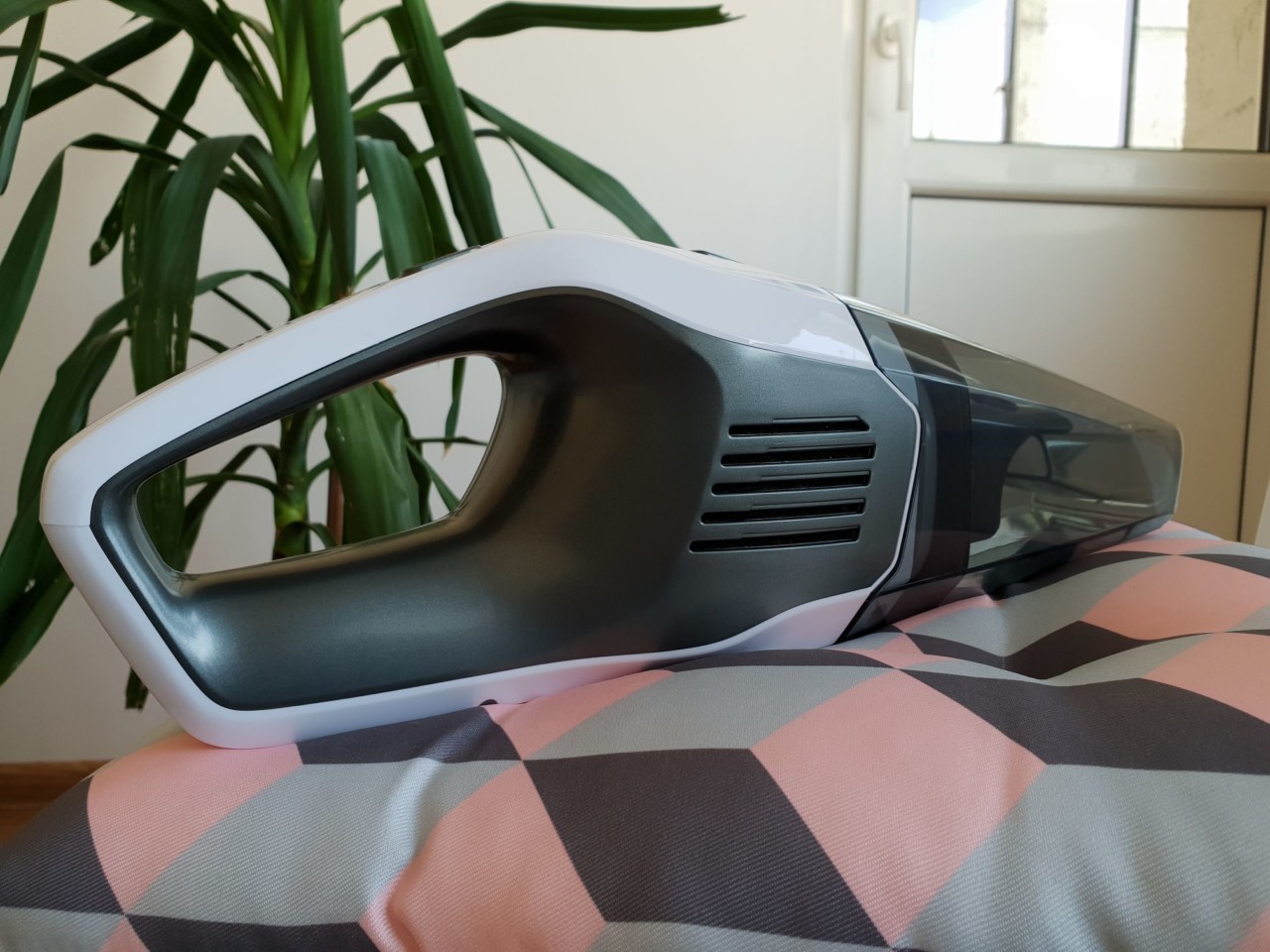
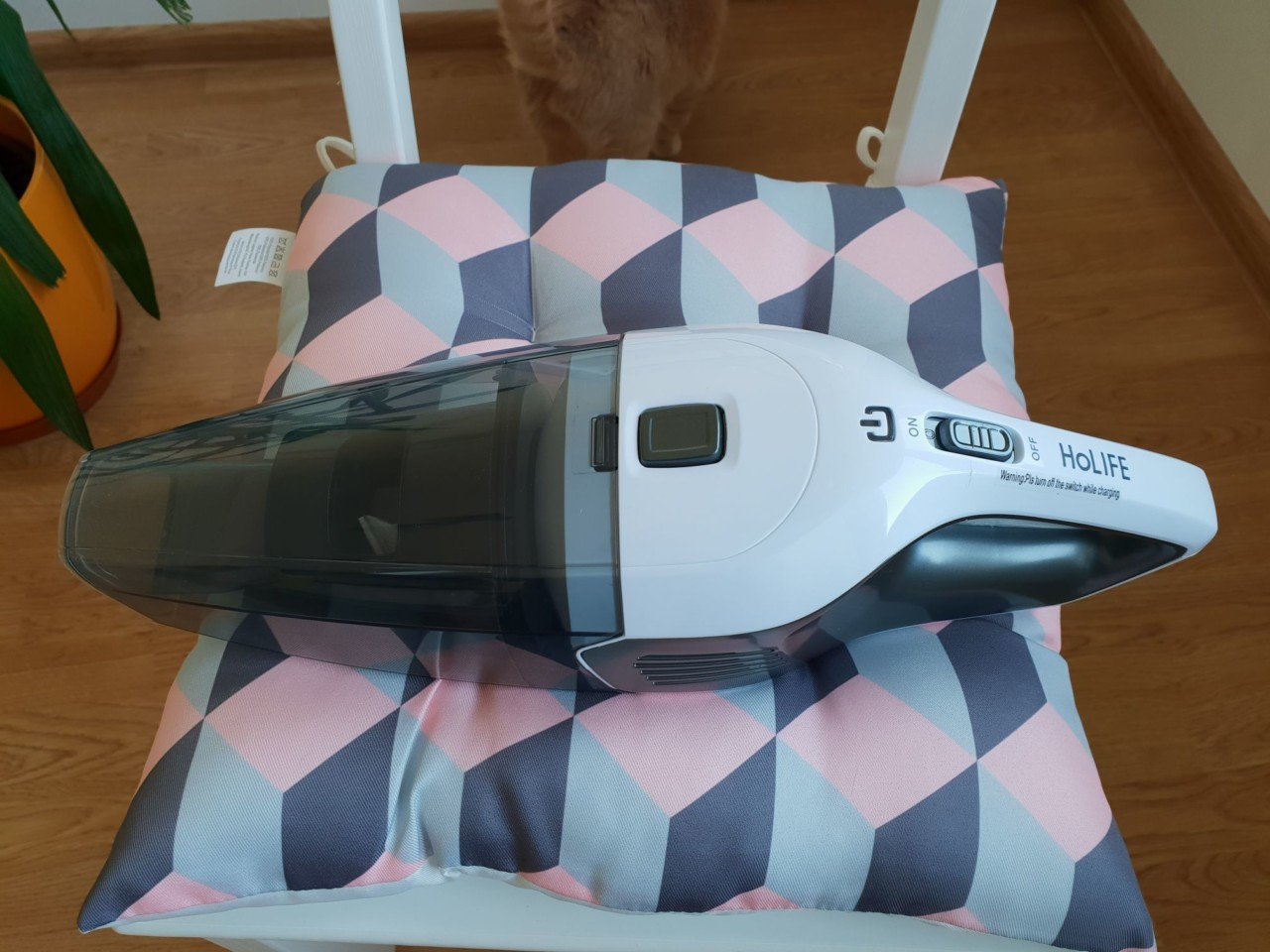
It’s not every day we review handheld vacuum cleaners but I actually needed one because my old one stopped working. I came across the Holife portable vacuum cleaner that has quite a few features for the price of£49.99.
UNBOXING
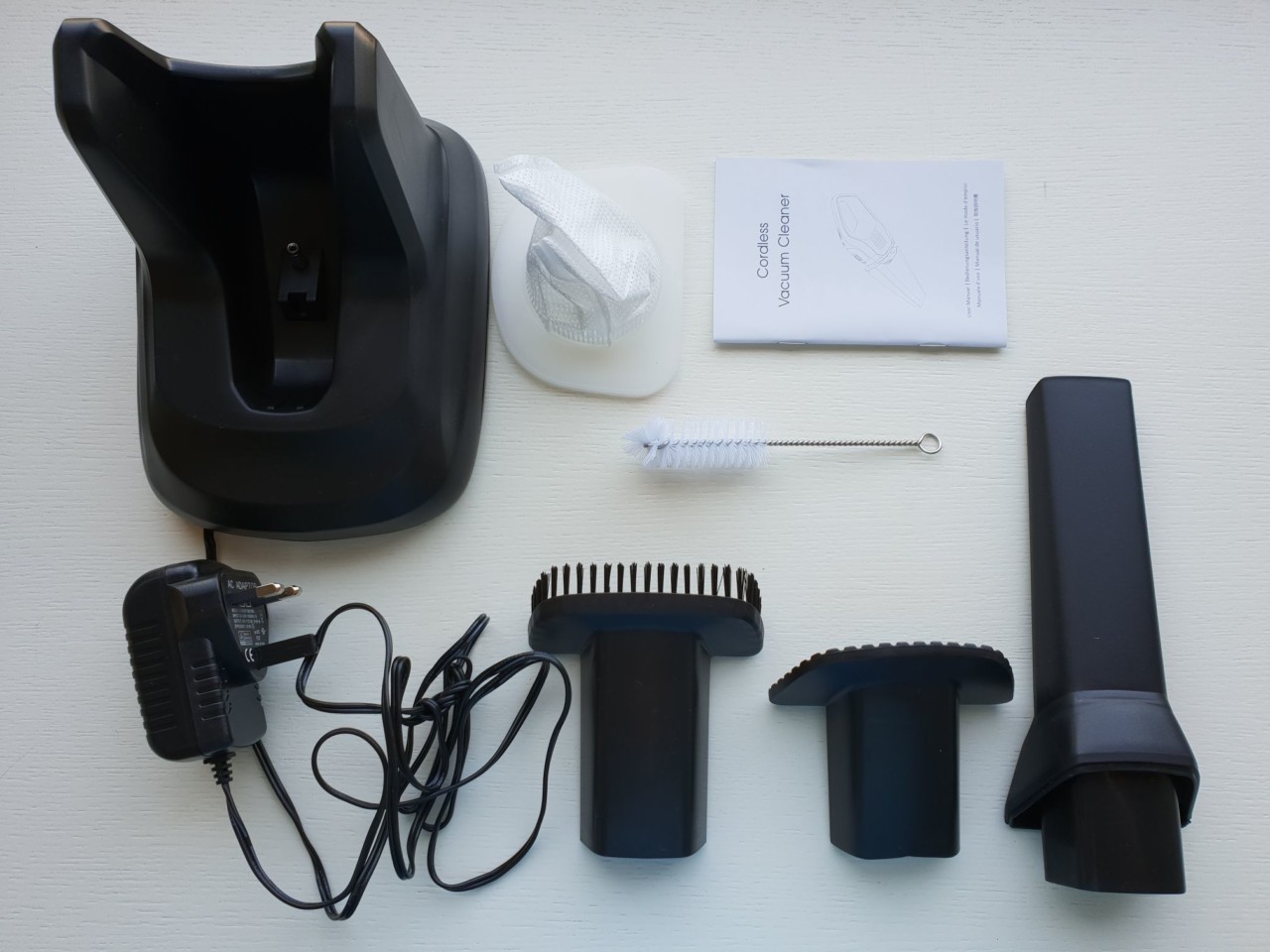
The device ships with a charging station and a cable. I found it to be really comfortable in practice since the device is always charged and ready to go.
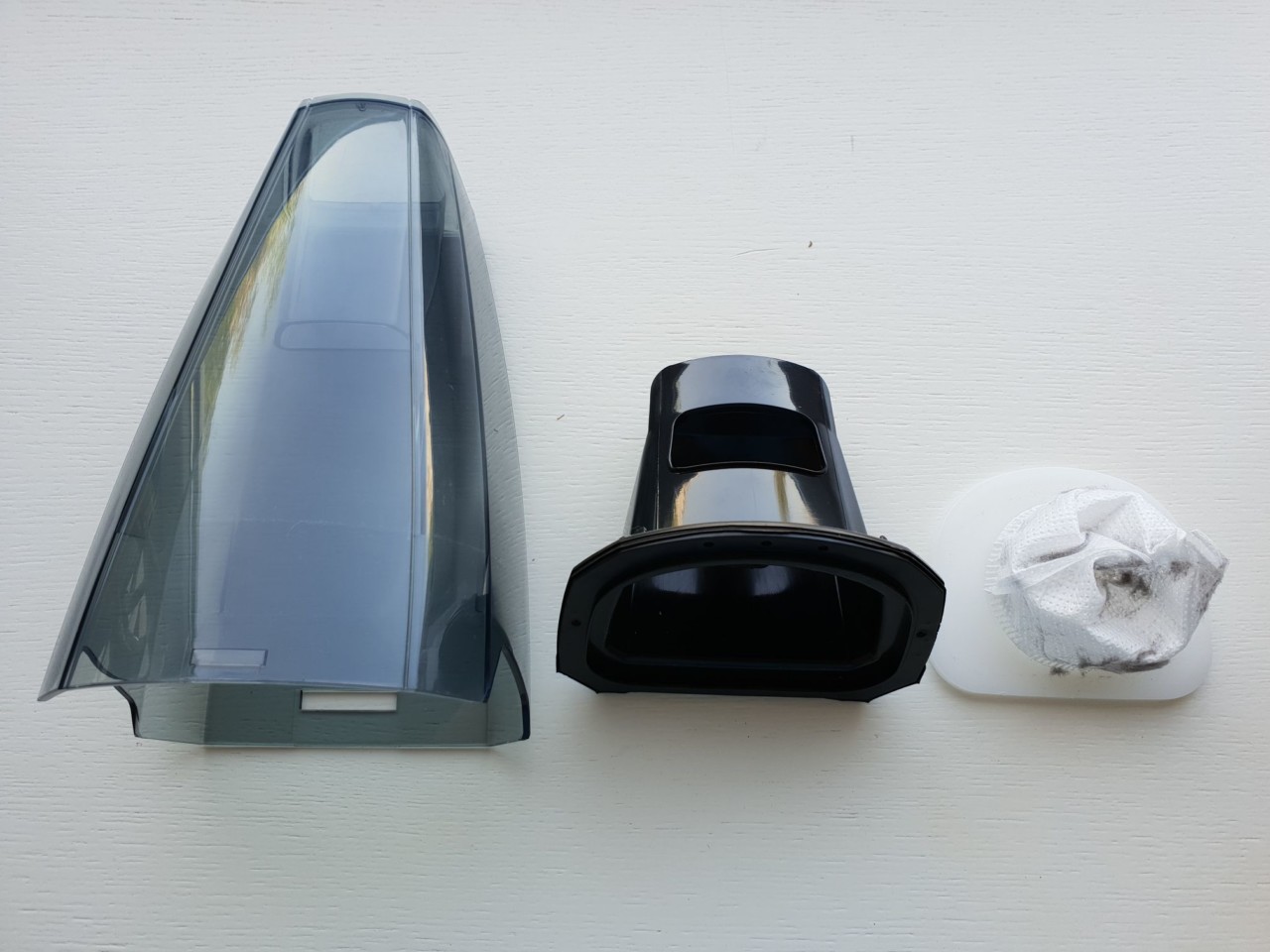
The vacuum comes with 3 serviceable attachments for added versatility: crevice tool for reaching debris in tight corners, dusting brush for easily picking up hair or dirt on delicate surfaces & upholstery; the liquid nozzle for cleaning unexpected liquid spills effortlessly. You also get a cleaning tool and an extra dust bin.
DESIGN and FEATURES
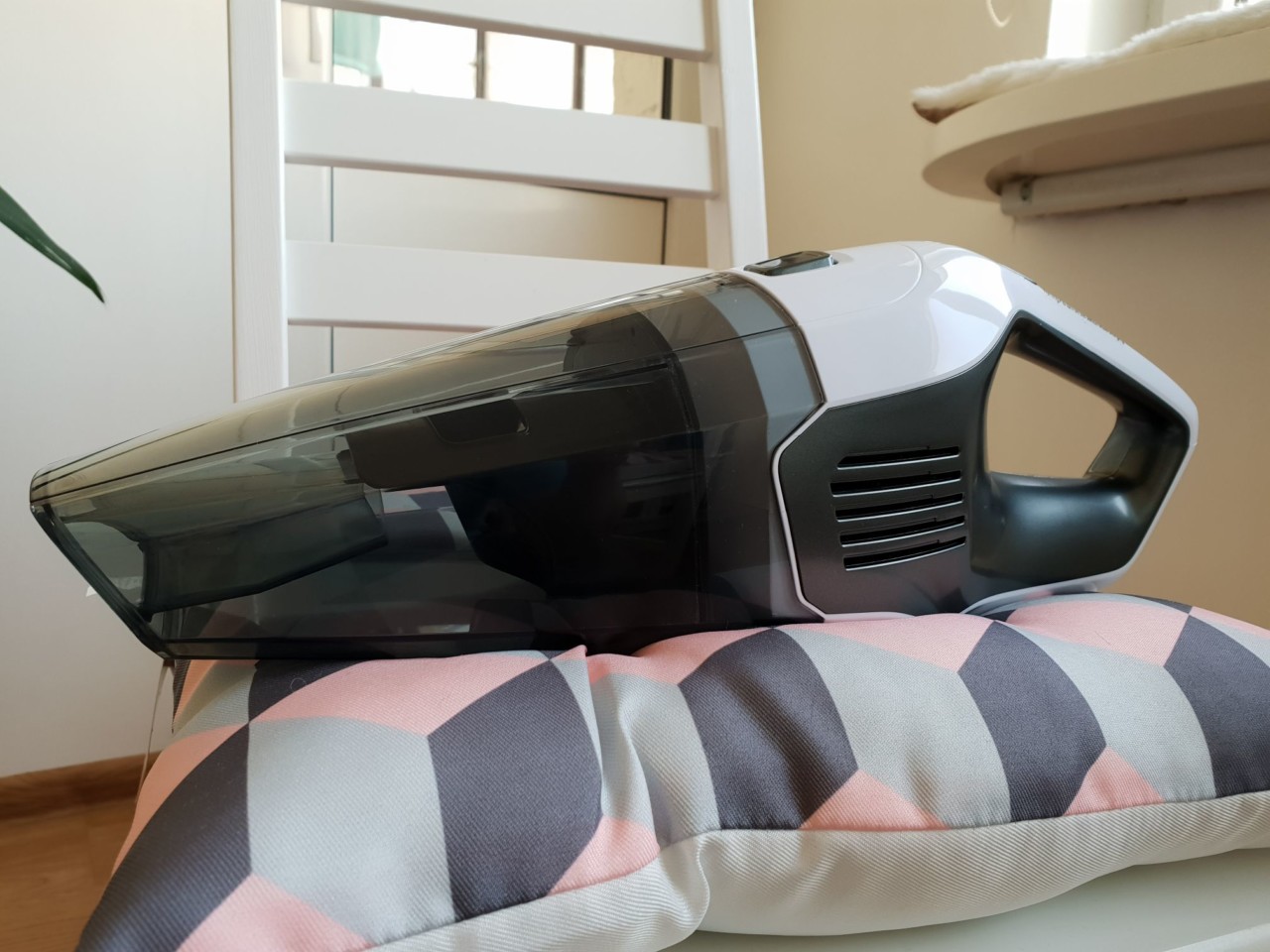
The cleaner is made of quality glossy plastic like most of the devices in this category. I found the overall build quality to be pretty good.
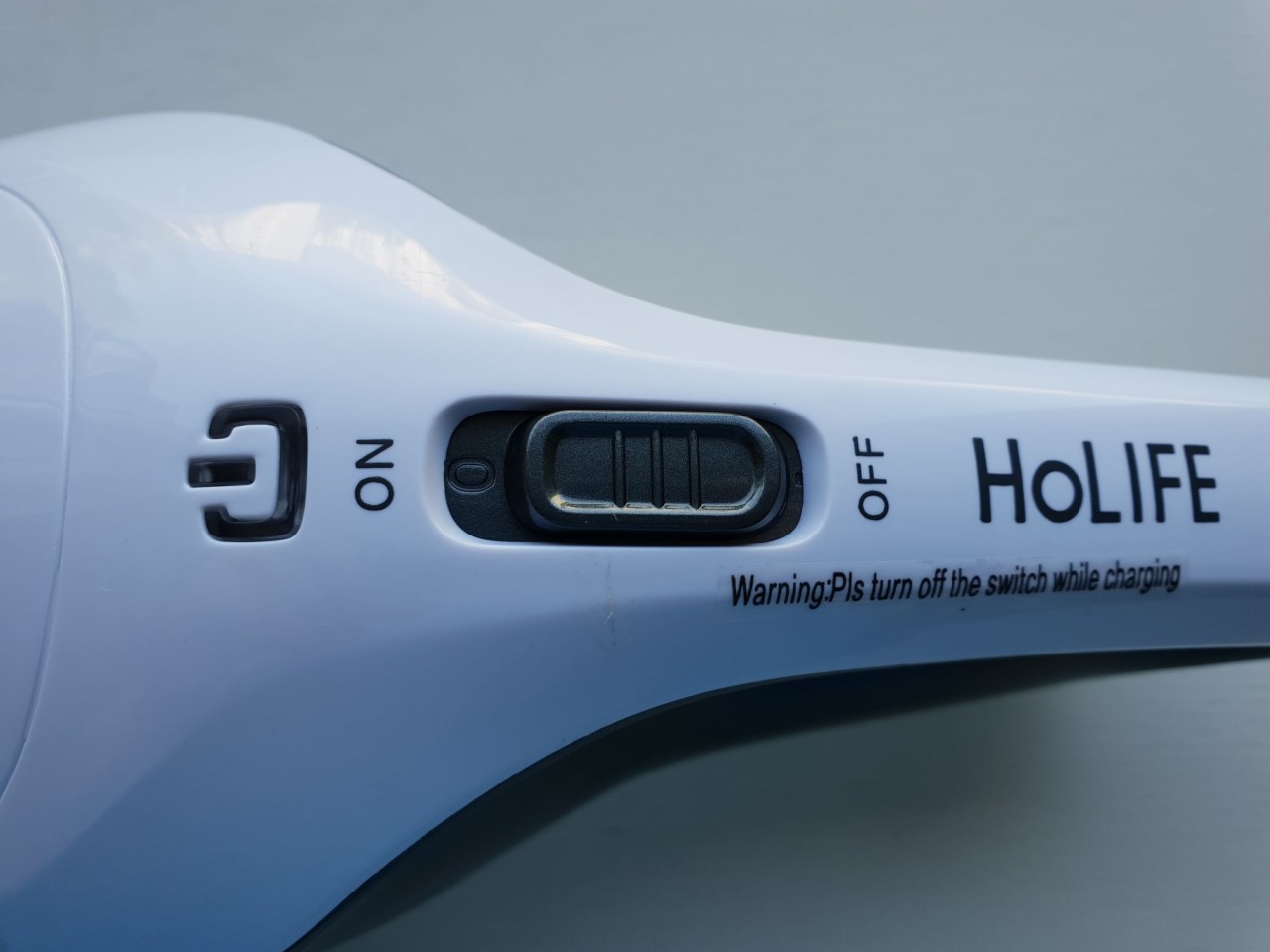
There is on/off switch that works well. Also, I really like the fact that it’s easy to remove the dust bin and clean it up after you finish cleaning. My previous vacuum cleaner required a lot more effort to do that.
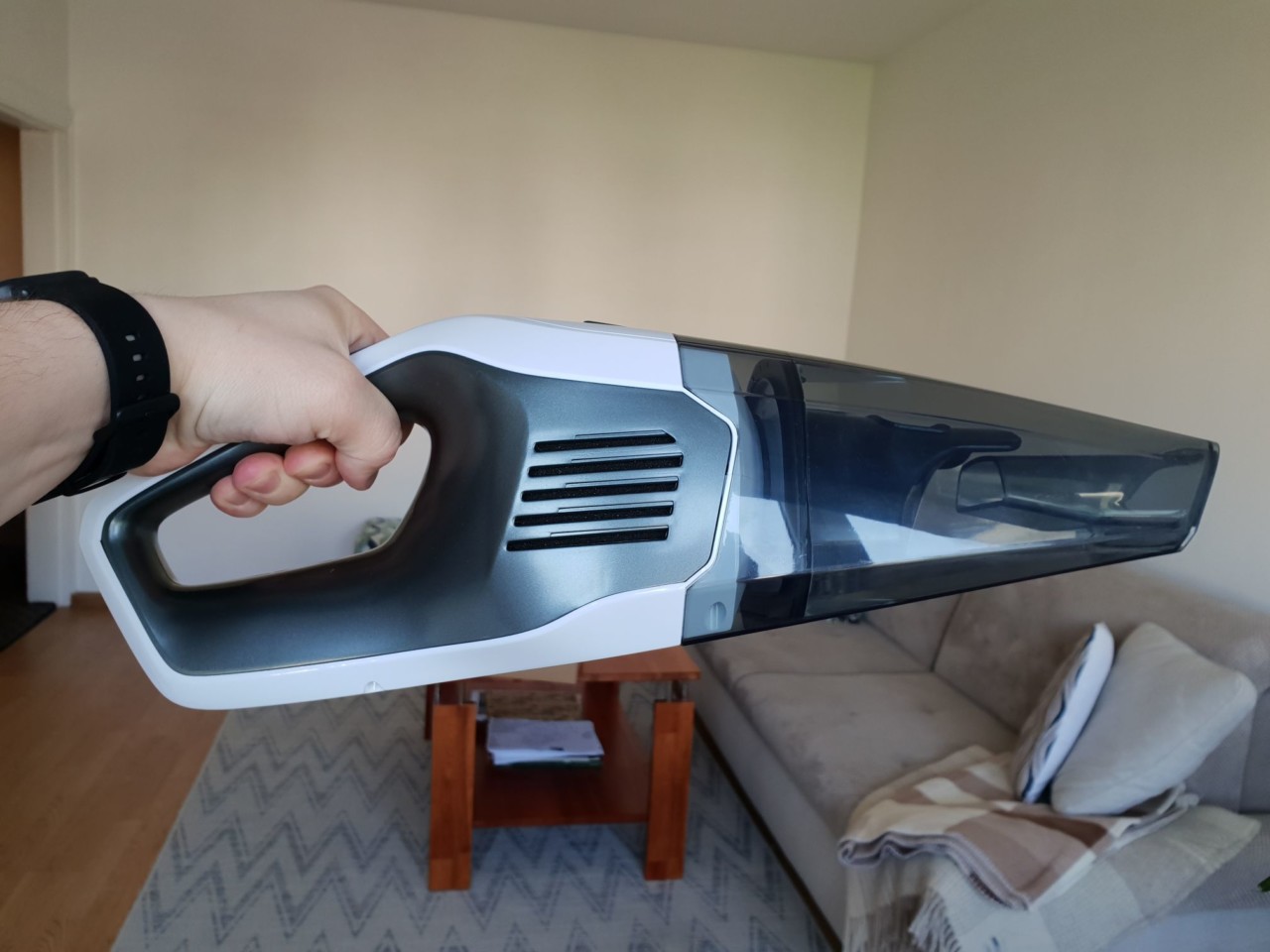
I also found the vacuum to be very light and comfortable to hold in one hand.
PERFORMANCE
Once you first turn the vacuum cleaner on, you will immediately notice how powerful it is for its size. 90W powerful motor & dual-action filtration system provides 6000 Pa strong suction.
One of the key selling points to me is that you can clean both dirt and liquids. I found the overall vacuuming performance to be very good. You can definitely feel that there is plenty of power under the hood.
That means that you don’t need to brush every corner precisely as the vacuum is able to pick the dirt easily. I found myself mostly using the dusting brush as I don’t want to scratch the table or other services. Other attachments work well too.
The battery life has been pretty good. I could get about 25 mins of runtime, which is great given powerful motors inside. Again, it’s really convenient to have a charging cradle, meaning that the vacuum is always fully charged.
CONCLUSIONS
The Holife handheld cordless cleaner is a very good product in its class. After using a few cheaper portable vacuums, I would not buy them again. The Holife is the best cleaner I’ve had. Some may argue that the price of £49.99 is pretty steep but given the overall feature set and performance, I can easily recommend the Holife vacuum cleaner as I personally use it myself on the daily basis.
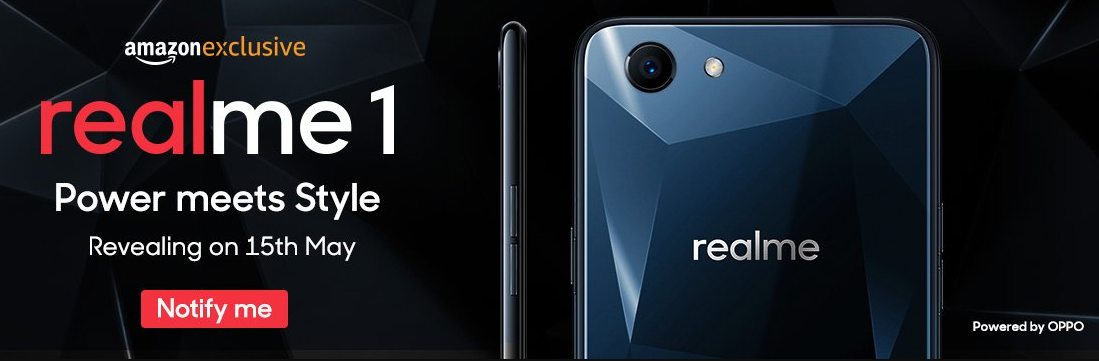
OPPO and Vivo that belong to BBK Electronics from China gained decent market share in India by aggressively selling their phones offline. Now, OPPO is gearing up to build its online presence by launching a new sub-brand called Realme. The Realme 1 will be the first smartphone under the new brand. The Chinese firm has officially confirmed that it will be launching the first Realme phone on May 15 and it will be exclusively available for buying through Amazon India.
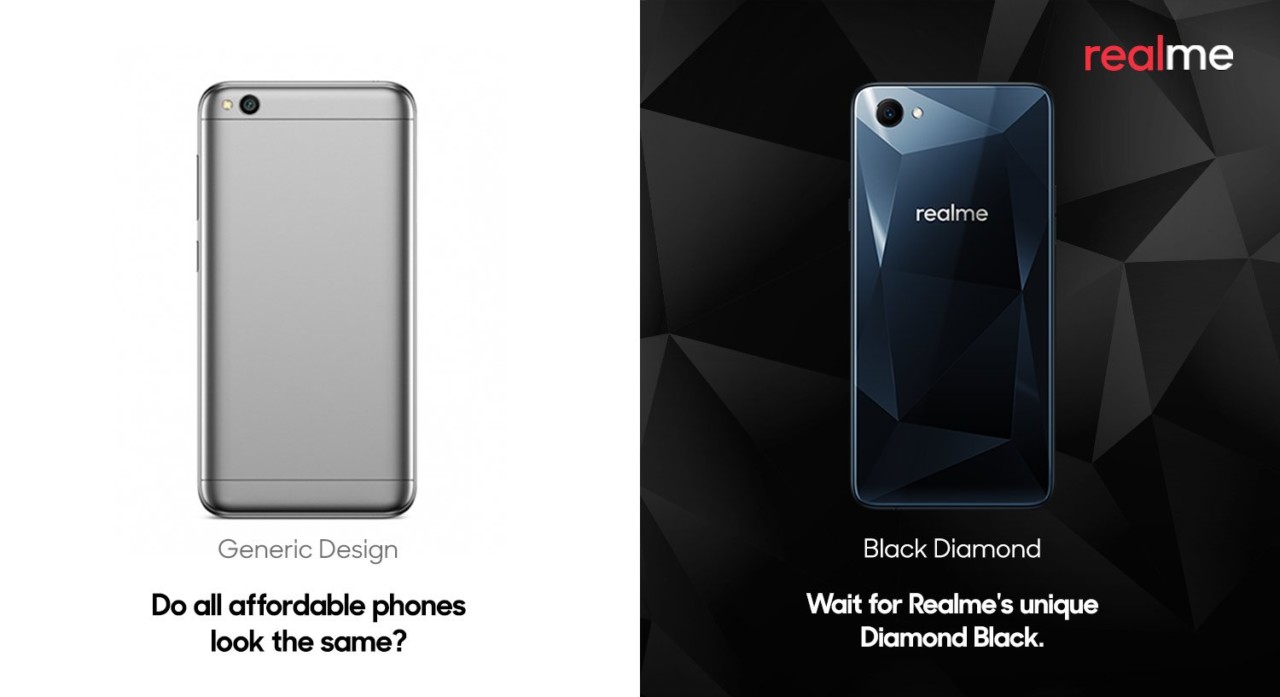
Rumors surrounding the Realme series reveal that forthcoming phones under the new brand would be priced between Rs. 8,000 (~$120) and Rs. 15,000 (~$225) and it will be aimed towards the youth. The below image shows that the Realme series would include stylish phones with impressive specs.
One of the images present on the landing page for upcoming Realme lineup on Amazon India shows that the upcoming Realme phone would be featuring a unique Diamond Black design. Also, the Realme series will be equipped with AI capabilities.
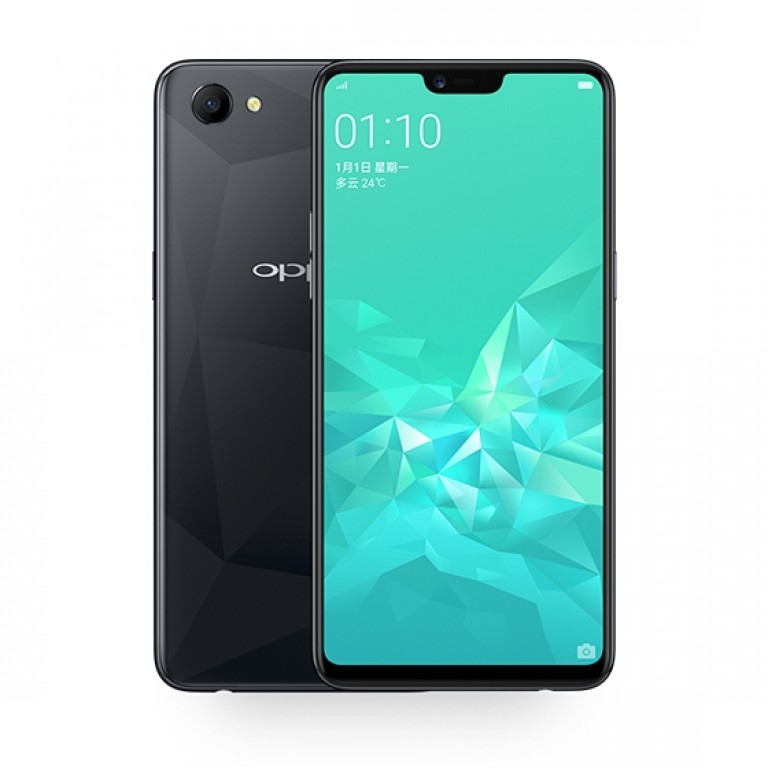
The above image resembles with the rear design of the OPPO A3 phone that was recently launched in China. Hence, it seems that the OPPO A3 could be rebranded as Realme 1 for India. The handset features a notched display designed like the iPhone X. As far as AI is concerned, it features AI-based beautification, scene recognition and 128-point facial identification features.
Xiaomi has Mi series such that generally includes phones with higher specs and expensive pricing are not doing very well in India. For instance, the Xiaomi Mi 5 was met with lukewarm response in 2016 because of which it had to skip the launch of Mi 6 last year. This year, the company again tried its luck in the premium smartphone market by launching the Mi MIX 2. Through a recent interview, Xiaomi CEO Lei Jun had revealed that the Mi MIX 2 was not received well in the country. However, the Redmi and Redmi Note series have been so successful for Xiaomi that it has managed to dethrone Samsung to become the number smartphone brand in India.
Huawei had launched the Huawei P9 series in India in 2016, but it skipped the P10 series last year. However, its again with the premium P20 Pro this year. On the other side, its Honor brand is doing quite well in India. Smartphones like Honor 7X and Honor 9 Lite have attained good popularity in India.
Motorola phones like Moto G series and Moto E series are popular in India. However, the Lenovo that owns Motorola brand has failed to attract the Indian audience. It had released the Lenovo K8 Plus in September 2017 and since it has not launched any Lenovo-branded phone. Motorola brand has more visibility in the country and the company has been consistently build up its retail presence in India by opening new Moto Hubs offline stores.
Dual branding has worked for some of these companies in China, but the strategy has failed to gain traction in India. Oppo has the new Realme sub-brand coming for India. Will the dual branding strategy work for Oppo? Will it able to disturb the sales of Redmi and Redmi Note series? Share us your opinion by posting your comments below.
Xiaomi has recently dethroned Samsung to become the number smartphone brand in India. The Chinese manufacturer was able to grab the number one spot because of the highly popular mid-range Redmi Note and Redmi smartphones. However, Xiaomi is not doing well in the market for premium tier smartphones. Xiaomi CEO Lei Jun had recently claimed that the Mi MIX 2 was not received well by the Indian customers. Fresh information reveals that the premium market was mainly dominated by phones like Samsung Galaxy S9+, Galaxy S9 and OnePlus 5T in the first quarter of this year. This has allowed Samsung to once again lead the premium tier market in India.
According to the latest market survey conducted by Counterpoint Research, the premium tier constitutes only 4 percent of the entire smartphone market in India. It has also stated that Samsung, OnePlus and Apple are the three main phone manufacturers that together account for 95 percent of the premium tier market.
In Q4 2018, Apple had reigned over the premium phones market in India because of phones like iPhone X and iPhone 8 series that were launched in the same quarter. The research firm claims Apple is now pushed to third position in Q1 2018 because of poor demand and increased import taxes that has led to overall volume decline of 55 percent. However, the company has been enjoying consistent sales for older iPhones on Amazon India and Flipkart.
The Samsung Galaxy S9, Galaxy S9+ and Galaxy A8+ smartphones that were unveiled in the first quarter of this year have received good reception in India. Samsung’s popularity in the premium segment buoyed by the arrival of Galaxy S9 duo that has allowed it capture half of the premium market along with a year-on-year growth 16 percent.
OnePlus is in the second position in the premium market in India. The Chinese brand has shown the most stability as it has been holding to the same position since three consecutive quarters. The OnePlus 5T that was launched in Q4 2017 went on to become the most popular premium phone in Q1 2018. Its limited-edition variants like Lava Red and Star Wars themed model that was exclusively launched in India along with brick-and-mortar sales allowed to remain popular for Galaxy S9, iPhone X, iPhone 8 and iPhone 8 Plus.
The upcoming OnePlus 6 is expected to increase the market share of the company in the premium segment since it has opened new stores and achieved wider brand awareness. Huawei has recently launched the P20 Pro in India and HMD Global has just released Nokia 8 Sirocco in the country. Both the companies are expected to compete with Samsung, OnePlus and Apple in the second quarter of the year.
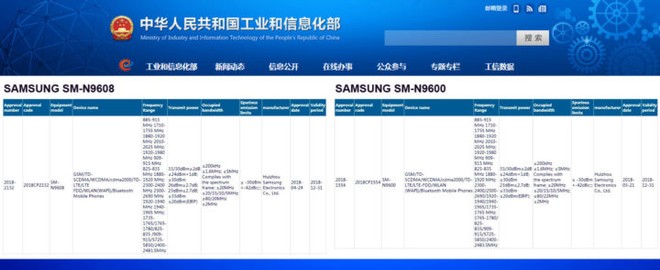
Recent reports hinted that Samsung Galaxy Note 9 may launch earlier than Note 8 this year, maybe because of the unsatisfying sales registered by the Galaxy S9 duo. Today, China Ministry of Industry and Information Technology has certified two variants of the upcoming flagship phablet from the Korean hi-tech giant. The two variants are identified by the model numbers SM-N9600 and SM-N9608. We are talking about the unlocked variant of the handset and a carrier-branded version, and both will be released in the Chinese market.
Unfortunately, the certification by China Ministry of Industry and Information Technology did not reveal any of the specs of Samsung Galaxy Note 8, neither the photos of the upcoming device. But we already know something about it as it has been recently spotted on the famous benchmarking platform Geekbench. From what Geekbench showed, it will have Android 8.1 Oreo installed out of the box, which will be obviously customized by Samsung Experience UI. The handset surfaced on Geekbench carries the model number SM-N960U. Under the hood, it has an octa-core Qualcomm Snapdragon 845 chipset paired with 6 GB of RAM. As it features a Qualcomm SoC, it is the version of the handset which will hit the shelves in the U.S. as the European version will boast an octa-core Samsung Exynos 9810 chipset.
The score obtained by Samsung Galaxy Note 9 on Geekbench is 2,190 points in single-core performance and 8,806 points in multi-core. According to recent rumors, the phablet will sport an in-display fingerprint reader just like Vivo X21 UD as the company was rumored to be working on this technology. However, these are only speculation and they are yet to be confirmed. The device should also sport a dual camera setup with variable aperture just like Samsung Galaxy S9 Plus. And like every device from the Galaxy Note series, it will carry the support to S Pen.
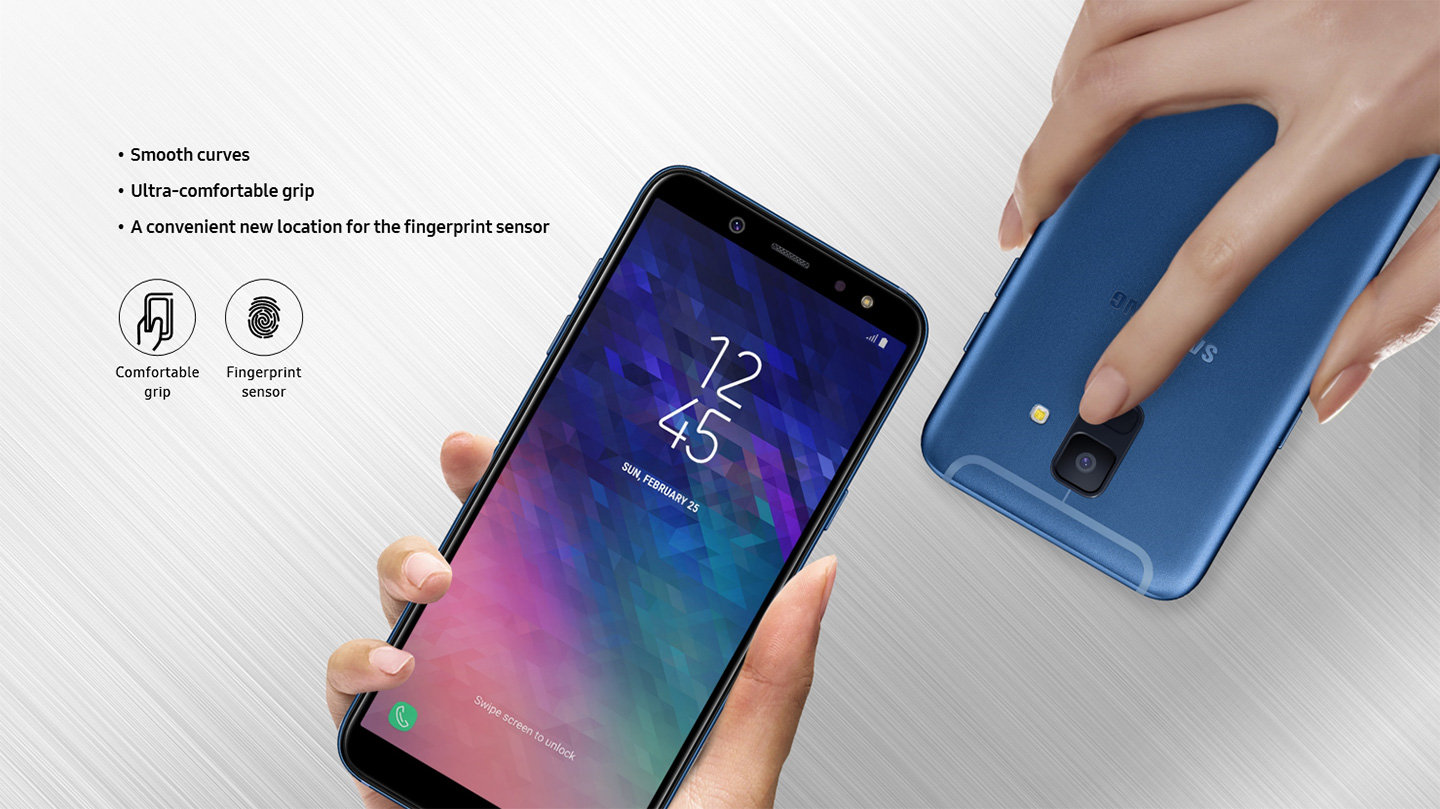
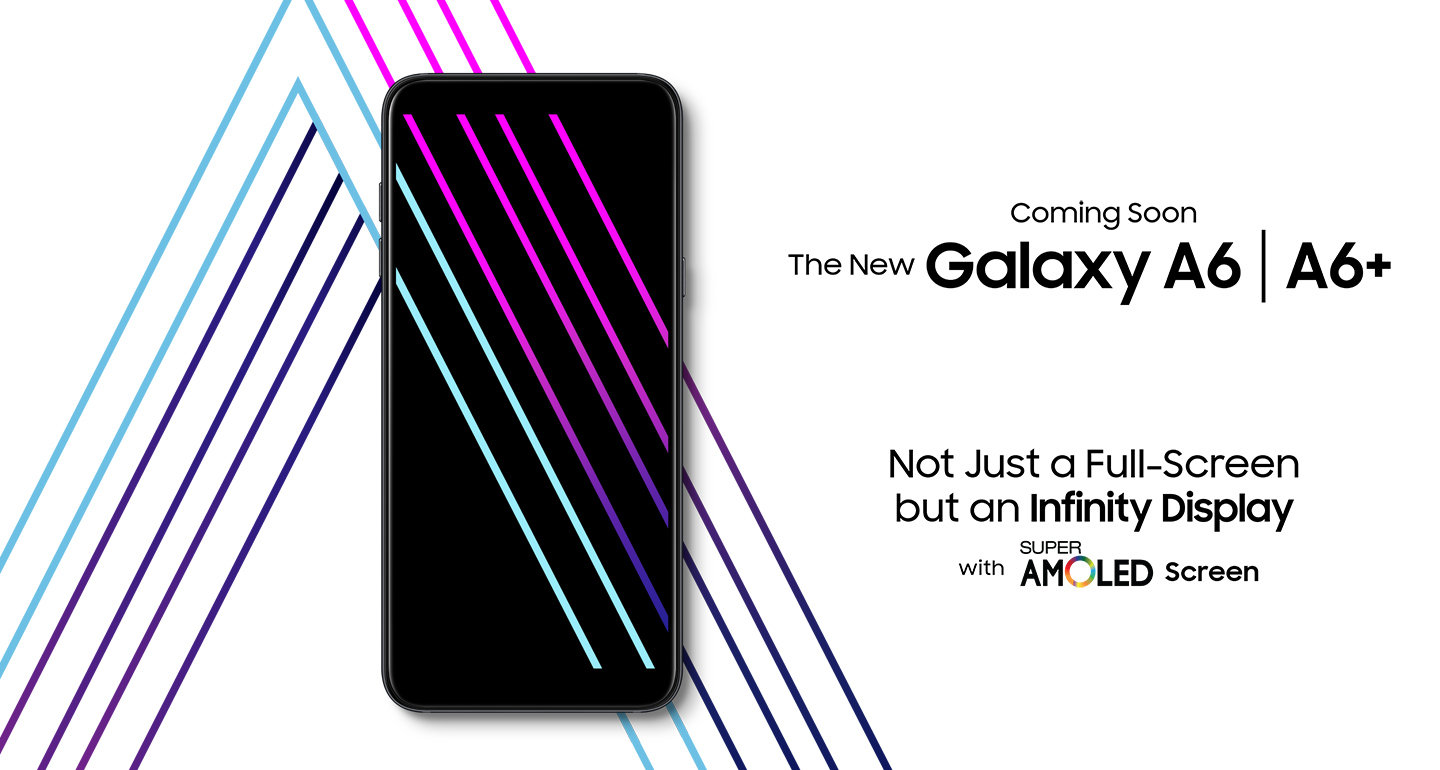
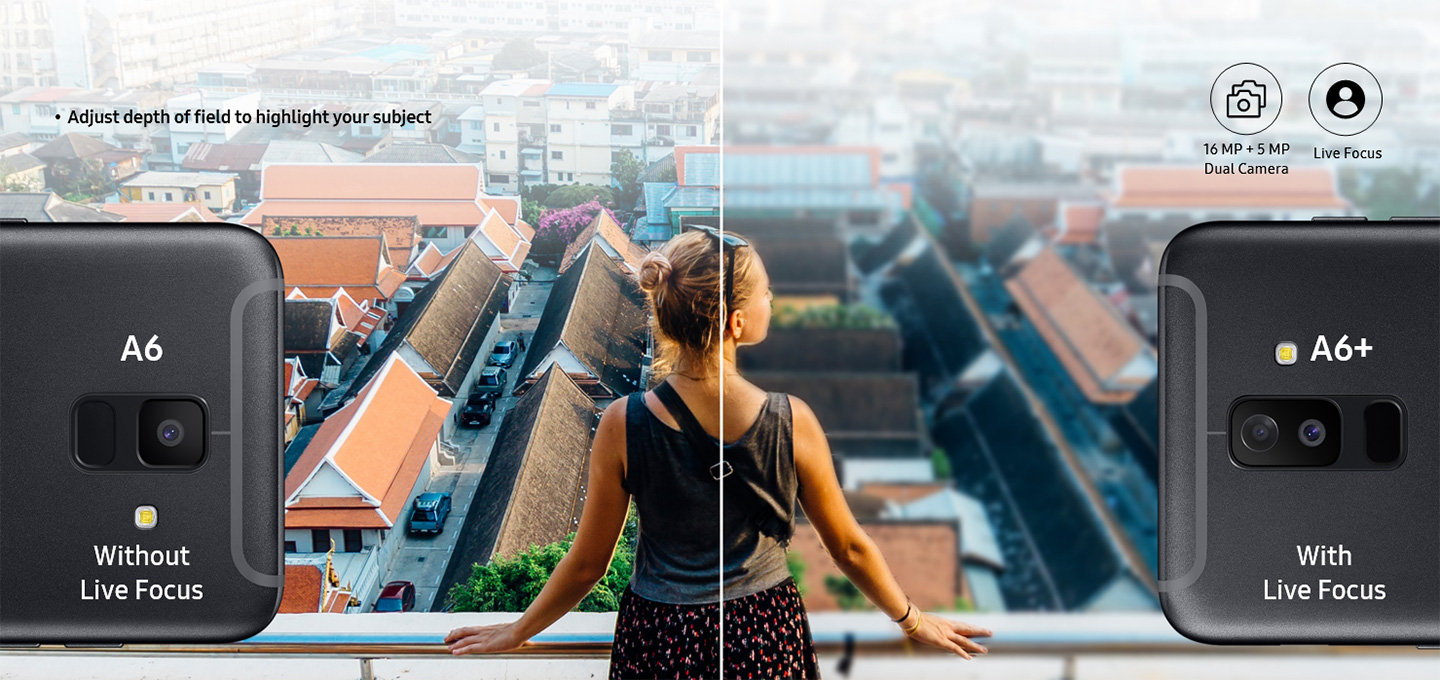
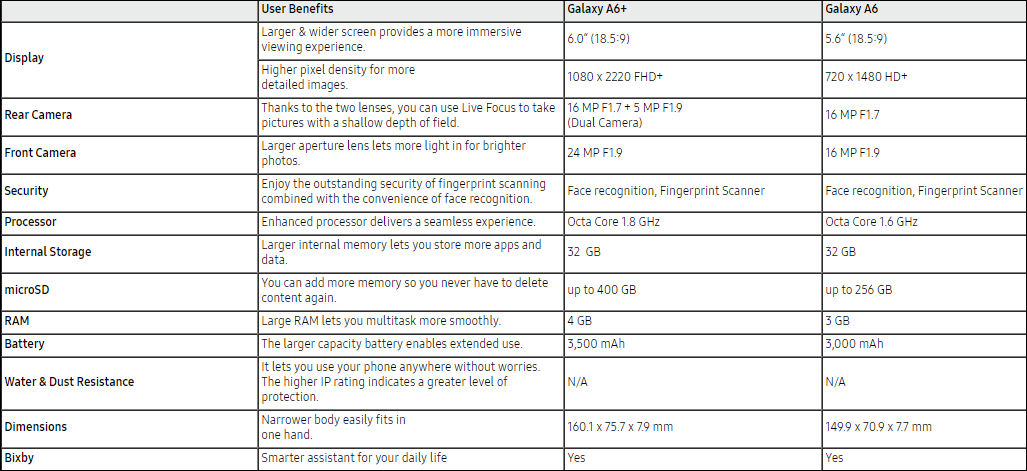
Samsung Galaxy A6 and Galaxy A6+ have been regulars on leaks and they have been coming in torrents these few days. The models are yet to go official but some of the leaked details have been official ones. Right now, Samsung Indonesia website has gone live with the Galaxy A6 and A6+ with all the details you would like to find out about the models listed.
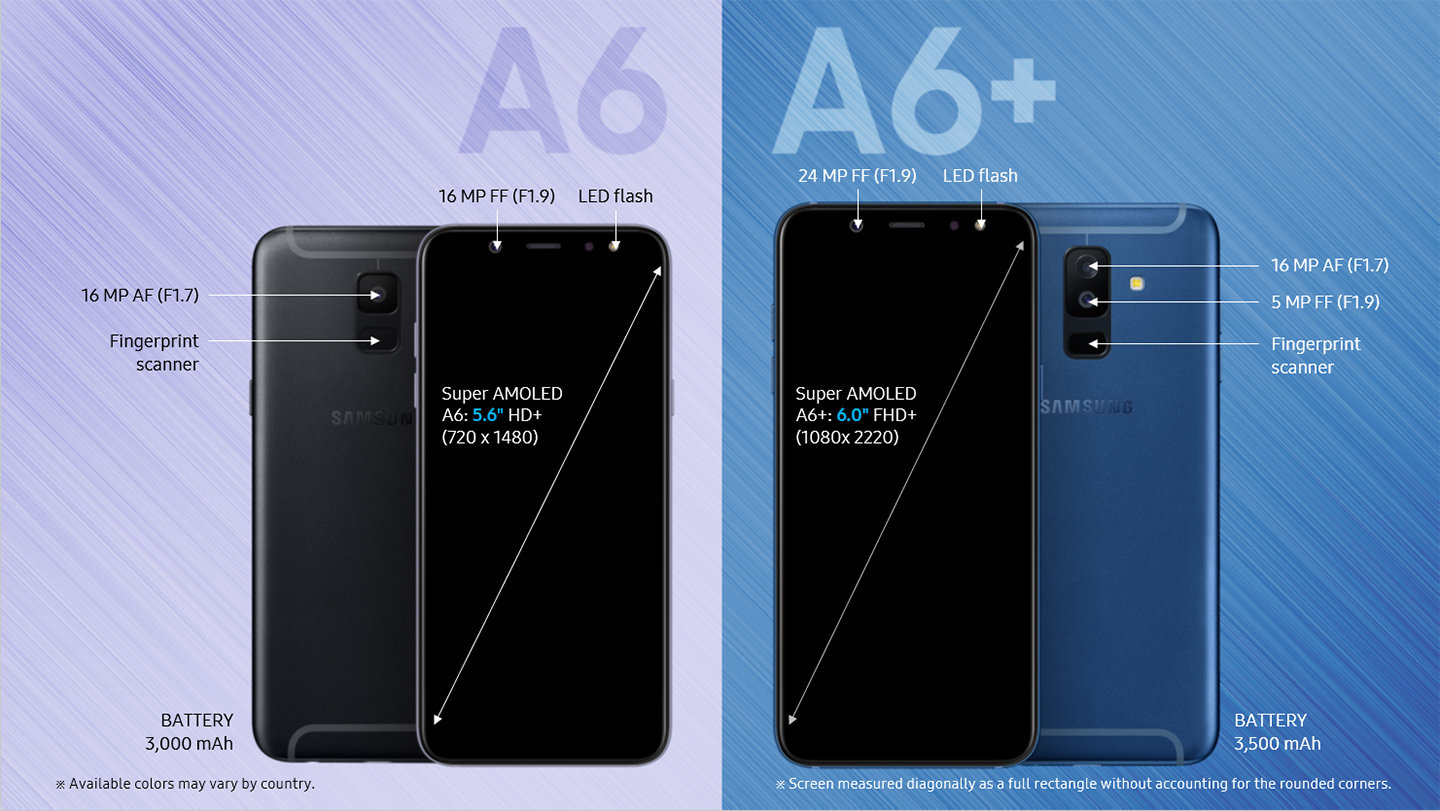
According to the specs sheet on the website, the new Galaxy A6 and A6+ feature 18.5:9 AMOLED “Infinity” displays, fingerprint sensors, unnamed 8-core SoCs, and front-facing camera flash. The bigger A6+ even has a dual-camera setup for parallax-based bokeh, and both cameras sport 16MP f/1.7 primary shooters. Prices and dates for availability are still unknown, though.
On the design aspect, both phones are a bit different and this is not just about the screen size difference. The larger A6+ steps things up in pretty much every regard, with a higher-resolution and higher PPI screen, more RAM, a bigger battery, faster clock speed, and dual-camera configuration. The smaller and lower-spec’ed A6 will almost certainly cost a less to make up for it, though. Although both phones list “Bixby” as a feature, they only seem to include Bixby Vision, Bixby Home and not Bixby Reminder. So if you were looking forward to Bixby Voice—for some sadistic reason—it doesn’t appear that these phones support it.
In addition, the sound and speakers on both phones have ostensibly been tuned by Dolby with its Atmos “immersive sound experience,” and they feature Samsung’s face recognition in addition to the rear-mounted fingerprint sensor, but neither device has any water or dust resistance.
With the deluge of details featured o the website, all that is left is for us to know the prices and launch date. A recent leak had suggested a price tag ranging from around $350 – $400 for the A6 and A6+ respectively. However, since Samsung has pushed this out officially, we are certain its launch is close by.
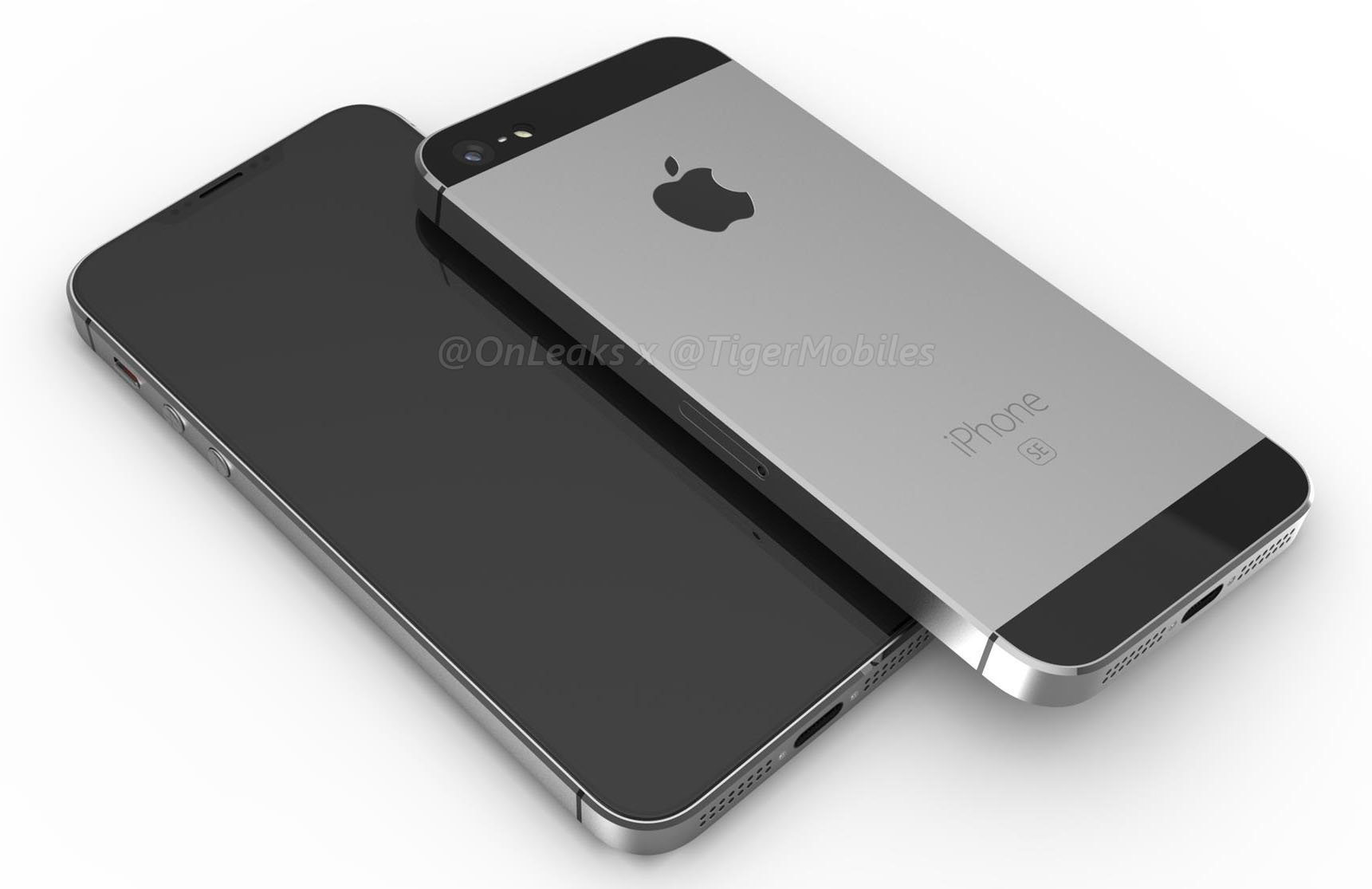
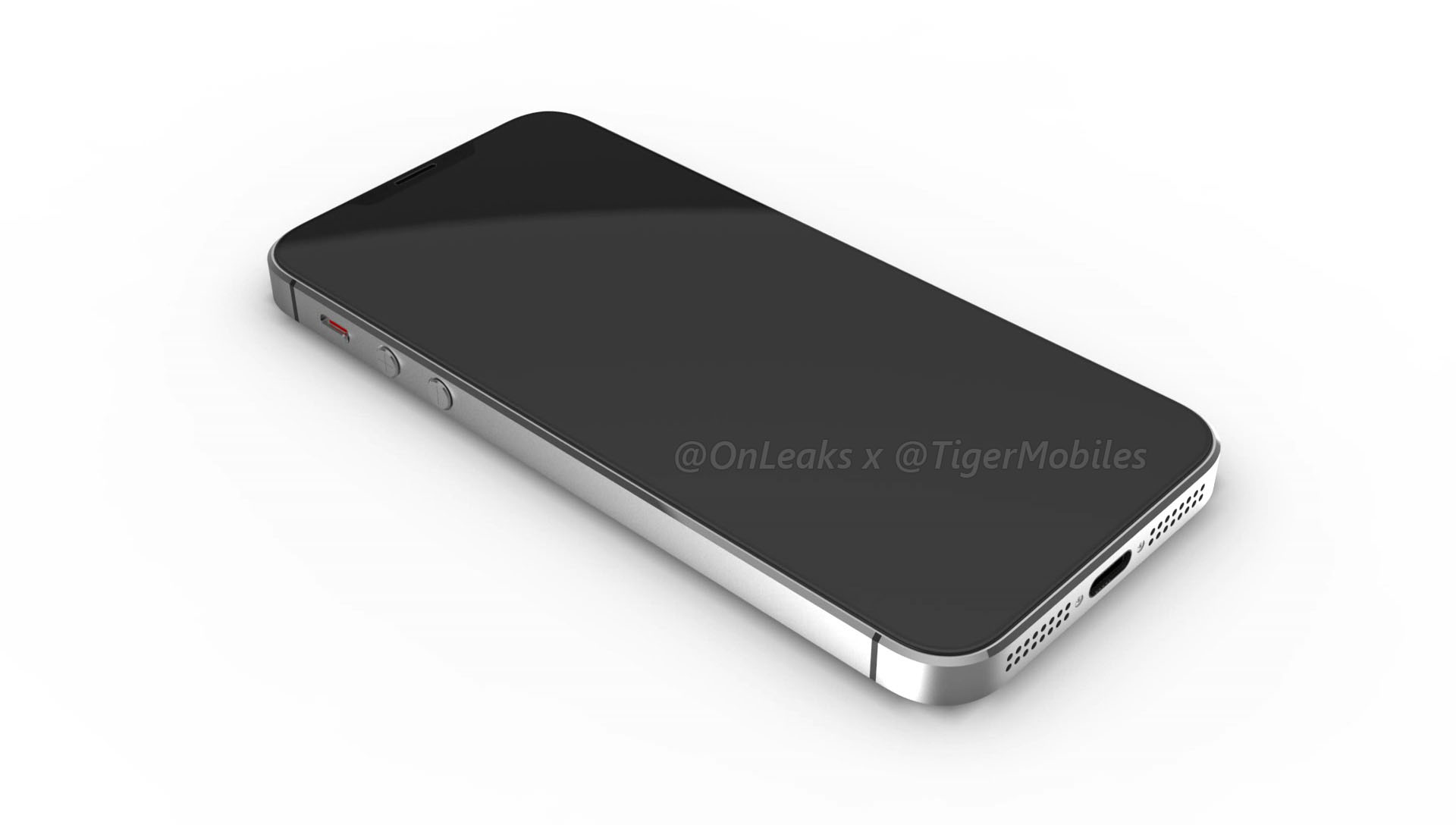
Apple is rumoured to be working on a successor of the iPhone SE, which could be named iPhone SE 2. Over the last few months, various leaks and rumours surfaced online related to the smartphone. Now, the renders of the iPhone SE 2 have been showcased online. It is uncertain if these are actually how the iPhone SE 2 would look when it is launched but the renders ain’t bad looking.
It has been two years since Apple first launched the iPhone SE so in the fast-paced smartphone world it’s long overdue an update. Whilst nothing official has come from the Cupertino giant we’ve seen tech specs, designs and leaked images of the purported iPhone SE 2 in recent weeks. Now, a designer has come up with these iPhone SE 2 3D CAD renders. The source of the CAD files used to draw up the designs is unverified. Thus, we can assume the renders are of an imagined design which could have drawn some inspiration from the series of leaks.
Just see this as something to talk about while we wait for the real iPhone SE 2 to appear. You can check out the iPhone SE2 renders using the source link below.
Apple was expected to commence volume production of its new budget-type MacBook Air in the second quarter of the year but the tech giant will now commence that in the second half of 2018, according to sources in the Taiwan supply chain This shift will affect the supply chain as they will stack up high material inventories and low capacity utilization before Apple starts to take shipments probably in the third quarter.
The sources hinted that Apple had informed supply chain partners that mass production of its new notebook model for 2018 will not kick off until the second half of the year, but failed to explain why it was rescheduled. However, some partners speculated that the postponement might be caused by problems with some key components such as processors.
The planned new MacBook Air will have a slim design, and come with Retina high-resolution screen and Intel’s latest notebook processor. Unit price for the new model is expected to be lowered from US$999 to US$899 or down further to US$799, which in turn may push up sales of MacBook series by over 10% in 2018 to regain part of market shares held by Chromebooks, according to market observers.
When a new smartphone is launched, there are several benchmark tests that are used to test the performance of the smartphone. When it comes to testing the durability or rather build quality, there is only one name which pops up and that is Zacks Jerry who runs the YouTube channel JerryRigEverything. Presently, the YouTuber has uploaded a video of the Huawei P20 Pro durability test.
Zacks Jerry’s durability tests usually includes a scratch test, bend test and burn tests. During the scratch test, the P20 Pro’s screen scratches only with a level 6 Mohs pick, and at level 7 there’s a deeper groove. Huawei fits the P20 Pro with a plastic screen protector from the factory, but it wasn’t advertised as having a Gorilla Glass on top of the display panel. The screen protector is just the generic tempered glass. The glass seems not to be strong enough as the P20 Pro’s front glass panel got cracked during the bend test. But then, the device isn’t anticipated to go through such extreme traumas during normal usage. Besides, the crack seems to have started from the faulty line created during the scratch test and it is just the glass that got affected and not the AMOLED panel underneath.
During the burn test, the Huawei P20 Pro’s AMOLED screen survives for about 20 seconds and after that, it never recovers. Check out the video from below.
We already know that Google‘s next Android operating system version is called Android P. As with previous versions before they go official, the meaning of the alphabet is usually a subject of rumours and teaser. Google is also well-known for generating hype around the naming scheme of its Android operating system, and each new release over the past few years was accompanied by a wide variety of theories aiming to uncover what the final OS name might be. In this case, there have been several suggestions of what P stands for. However, Google may have given us a hint via the Google I/O 2018 application.
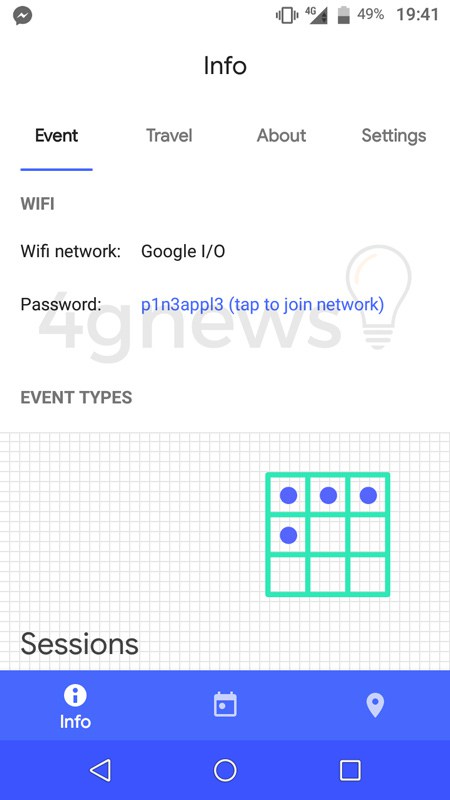
An Easter egg on the application seems to have uncovered the official name of the upcoming Android P update. TIt suggests that the next OS nomenclature is dubbed Android Pineapple. The hint is presented as a stylized password “p1n3appl3” for the Google I/O Wi-Fi network. Apart from this, Google provided no more details on the matter. But it is pretty safe to say this could be the likely name and this isn’t the first time it is suggested.
This isn’t even the first time Google was mentioning this moniker. Back in January, the tech giant began teasing its next I/O conference via an alternate reality game (ARG) that had participants roam around the company’s virtual offices in Mountain View in order to find clues and reveal the dates on which the conference will take place. One of the rooms contained a Pineapple cake, which fueled the idea that Android P might borrow the fruit’s name for a public release. This looks too simple a revelation though, so it could be a deception.
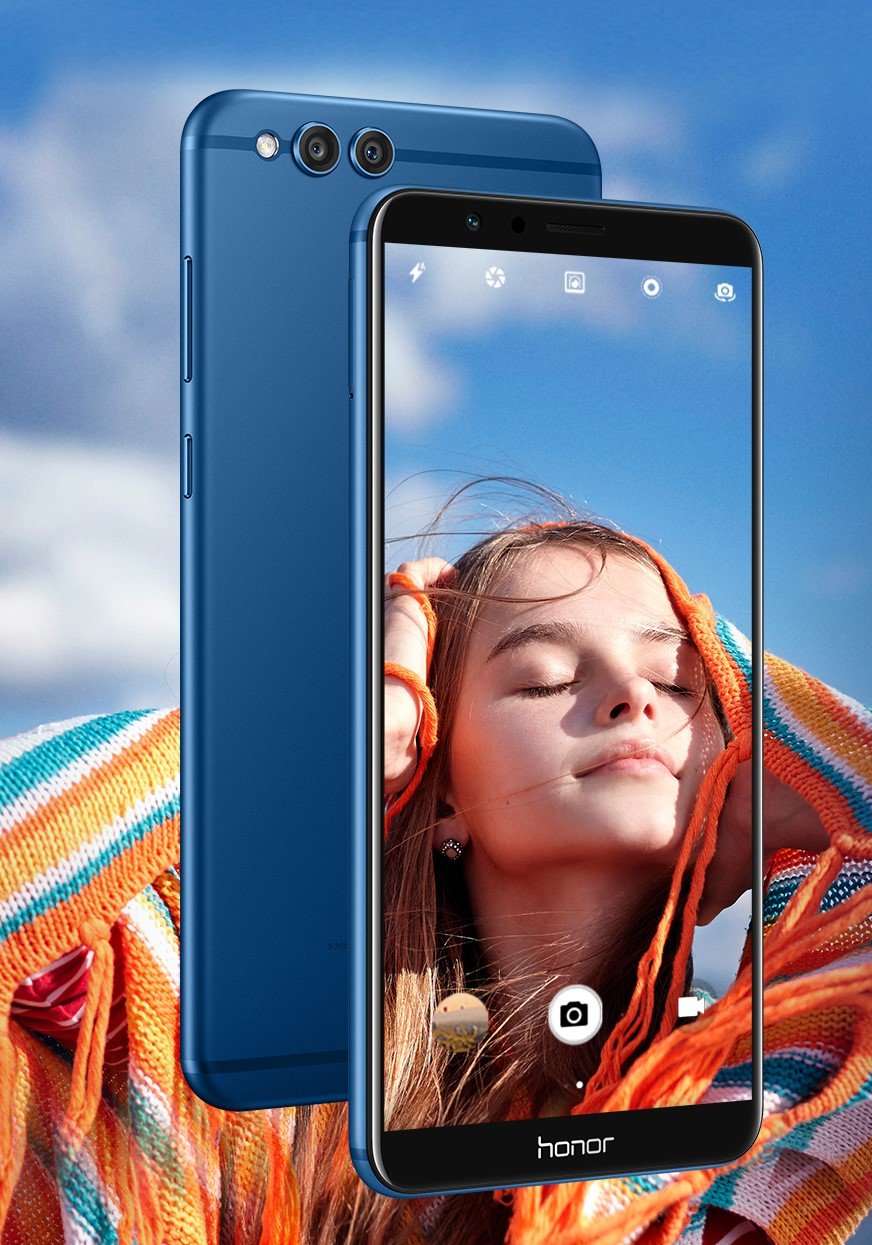
If you live in the US and own the Honor 7X, you may want to check for an update. The Huawei sub-brand has begun rolling out an EMUI 8.0 based on Android 8.0 Oreo update to the dual-camera toting mid-ranger.
A few months ago, Huawei released a closed beta version of EMUI 8.0 based on Android 8.0 for the Honor 7X and a couple of other Huawei phones. Now a stable version is rolling out. Below is the changelog for the update:
New floating navigation dock: With the newly added home screen shortcut, the floating navigation dock lets users navigate and operate their device from anywhere on the screen.
Updated setting menu and Phone Manager: The redesigned Settings menu is clearer and more intuitive. The updated Phone Manager automatically optimizes the system based on usage patterns, keeping the smartphone running at top performance all the time.
Phone gallery recycle bin: Users can now restore photos and videos if they accidentally delete them. The Gallery in the new UI features a recycle bin which retains deleted photos and videos for 30 days.
Seamless LinkedIn integration: Contacts and Email in EMUI 8.0 let users sync the career details of their LinkedIn contacts, making it faster and easier to manage contacts across platforms.
Link up two Bluetooth devices: Smartphones are now able to connect to two Bluetooth devices at the same me, boosting mobile experience and fun.
Face Unlock: Scans a recognized user’s face to unlock instantly. It also prevents unlocking with closed eyes and allows only device owners to see lock screen notification details, ensuring maximum security.
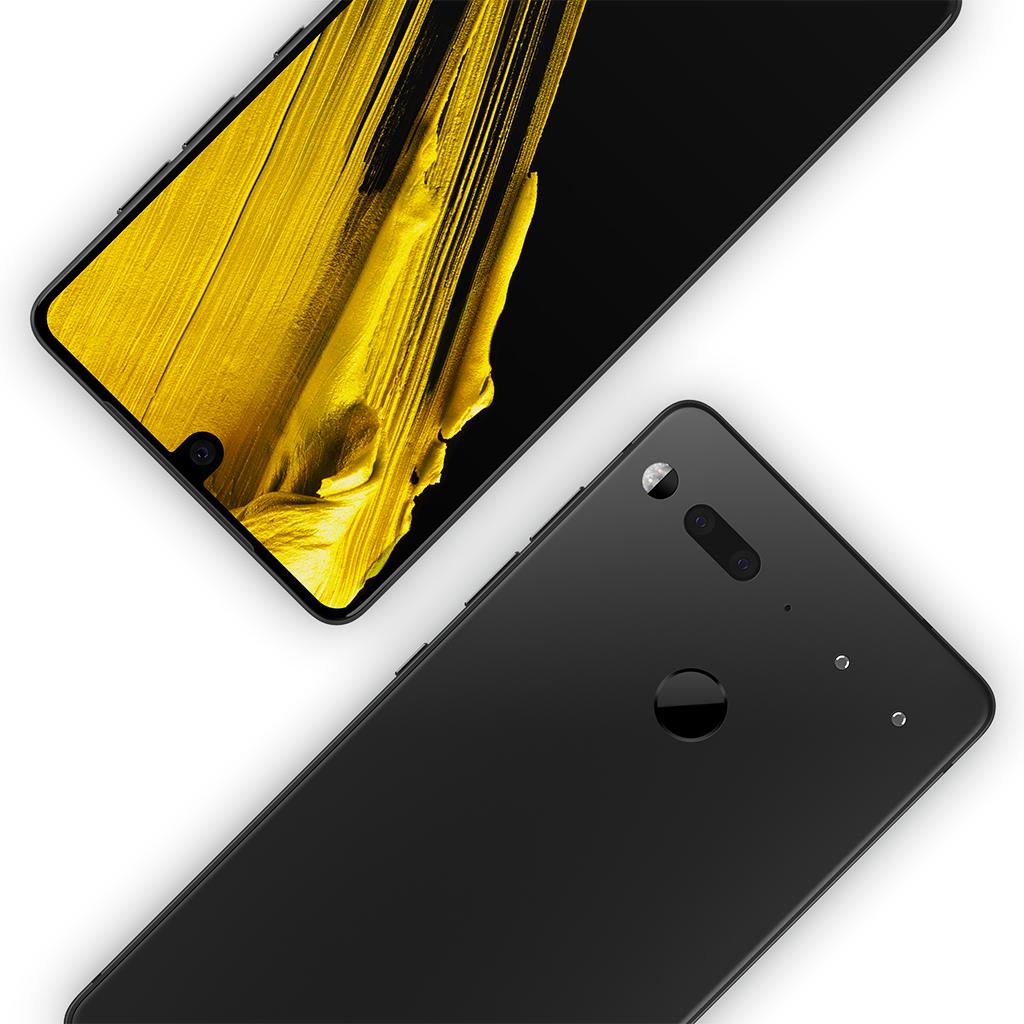
The Essential Phone is almost a year old but its availability has been limited to just North America alone. A few days ago, the manufacturer opened its online shop to a few more countries.
Essential Phone
If you reside in the UK, France, Germany, and Japan, you can now order the Essential PH-1 and have it delivered to you. Canadians can also order an unlocked version instead of purchasing from Telus.
Essential is practically just shipping the phone to you from the US. You also have to check out in US dollars.
The price starts at $499 for the Black Moon and Pure White and jumps to $599 for the Stellar Gray and Copper Black variants. Delivery to these regions is already included in the price.
The Essential Phone is still a great buy nonetheless. Its tri-bezel-less display, ceramic back, and titanium frame make it one of the best looking and durable smartphones money can buy. It also has a Snapdragon 835 processor, 4GB of RAM, and a whopping 128GB of storage.
We use cookies on our website to give you the most relevant experience by remembering your preferences and repeat visits. By clicking “Accept”, you consent to the use of ALL the cookies.
This website uses cookies to improve your experience while you navigate through the website. Out of these, the cookies that are categorized as necessary are stored on your browser as they are essential for the working of basic functionalities of the website. We also use third-party cookies that help us analyze and understand how you use this website. These cookies will be stored in your browser only with your consent. You also have the option to opt-out of these cookies. But opting out of some of these cookies may affect your browsing experience.
Necessary cookies are absolutely essential for the website to function properly. This category only includes cookies that ensures basic functionalities and security features of the website. These cookies do not store any personal information.
Any cookies that may not be particularly necessary for the website to function and is used specifically to collect user personal data via analytics, ads, other embedded contents are termed as non-necessary cookies. It is mandatory to procure user consent prior to running these cookies on your website.