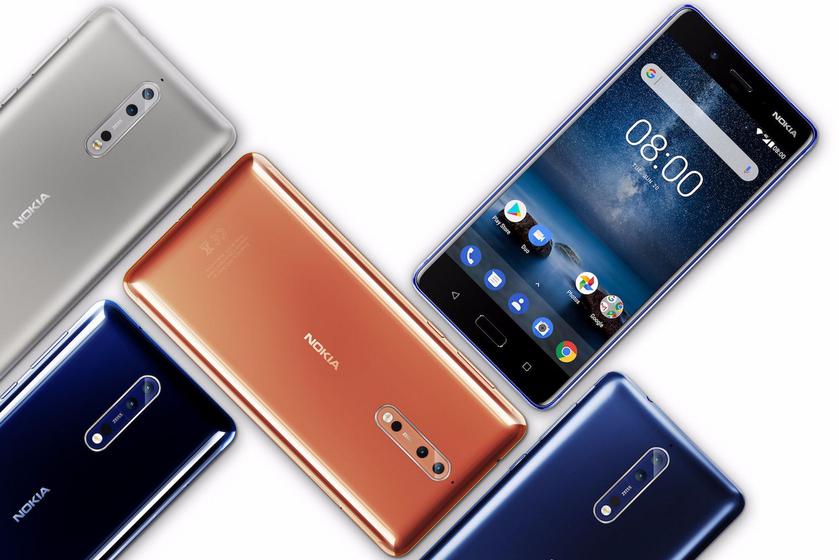
Earlier this month, we reported there would be a new smartphone from HMD Global called the Nokia X. The device was expected to launch on April 27 but it didn’t. Instead HMD Global had it on display at an event in China.
The Finnish company has sent out invites which reveal the Nokia X won’t launch until May 16. That is a good two weeks away from today.
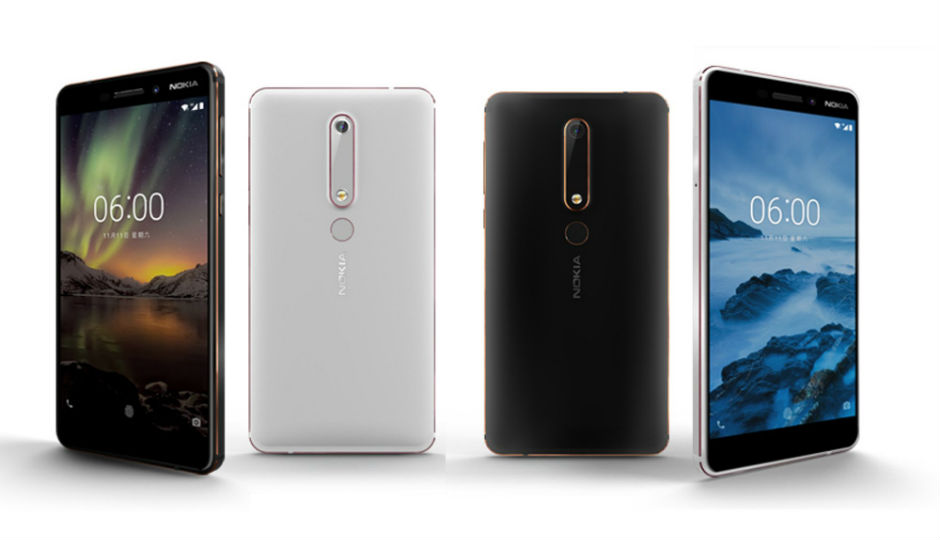
We already know what the Nokia X looks like. First, it has a notch at the top of the display, a first for a Nokia device. It also has dual rear cameras, a rear-mounted fingerprint scanner, and glass on both sides. What we do not know are its specs.
Those who got to see the device on Friday were not able to find out its specs as the device was locked in some way to prevent any digging. However, there are rumors about the specs.
First, the display is said to be about 5.8” in size with an FHD+ resolution. It is also reported to be powered by the Helio P60 chipset paired with 4GB of RAM. The choice of the chipset is actually a big deal. If it turns out to be true, then it should boost the popularity of the processor.
Most of the phones powered by the Helio P60 are limited to Asia for now. If the Nokia X gets an international release, it may be the first Helio P60 phone officially sold outside of Asia.
It won’t be the first HMD Global Nokia phone powered by MTK SoCs, the Nokia 3 and Nokia 1 are powered by MediaTek chipsets but those are entry-level chipsets.
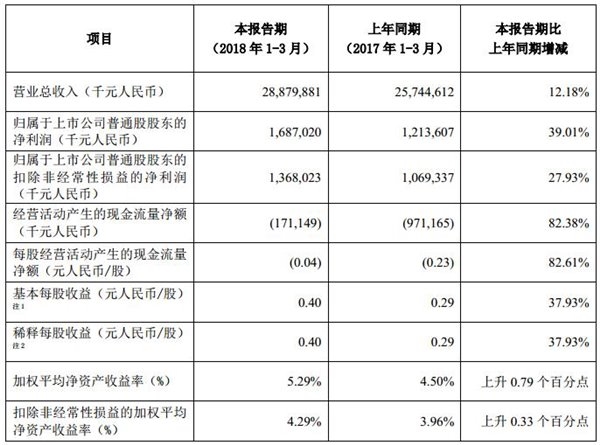
Just a little over a week after ZTE Corp. was slammed with a potentially catastrophic ban by U.S authorities, the company has released its financial statement for the first quarter of 2018. Surprisingly, the company still posted a 39 percent rise in first-quarter net profit which was attributed to improved sales in its telecom equipment and consumer businesses.
Unfortunately, the consumer business is about crumbling under the weight of the U.S sanctions which prevents any U.S company from selling made in American parts and software to the Chinese company. U.S. firms are estimated to provide 25 to 30 percent of components used in ZTE products such as smartphones and telecommunication network equipment. ZTE has responded, condemning the ban as unacceptable and that it threatened its existence.
ZTE admits that it was pretty difficult to assess the impact of the U.S. sales ban on its latest financial result. Bu the financial report shows the company’s profit for January to March reached 1.69 Billion yuan ($267 million), up from 1.2 billion yuan in the same period last year. It is difficult to tell if ZTE will still record profits in subsequent quarters of the year. Already, the ban has led to a suspension in trading of ZTE’s mainland- and Hong Kong-listed shares and that suspension remains in effect s at the time of writing this article. Also, Chinese mutual fund managers have since cut the value of ZTE stock in their portfolios by 20 to 30 percent. We sincerely hope this could be resolved amicably soon. Even if the company survives the next few quarters, how long can it hold on until the ban elapses in seven years time?
Last year Xiaomi released its first Android One phone, the Mi A1. Even though it was just a rebranded Mi 5X with stock Android instead of MIUI, the phone was well received. Right up to this moment, the Mi A1 is one of the best phones in the $200 segment.
Now that the Mi 5X has gotten a successor in form of the Mi 6X, fans of the brand are looking forward to when it will be announced as the Mi A2 – Xiaomi’s second Android One phone.
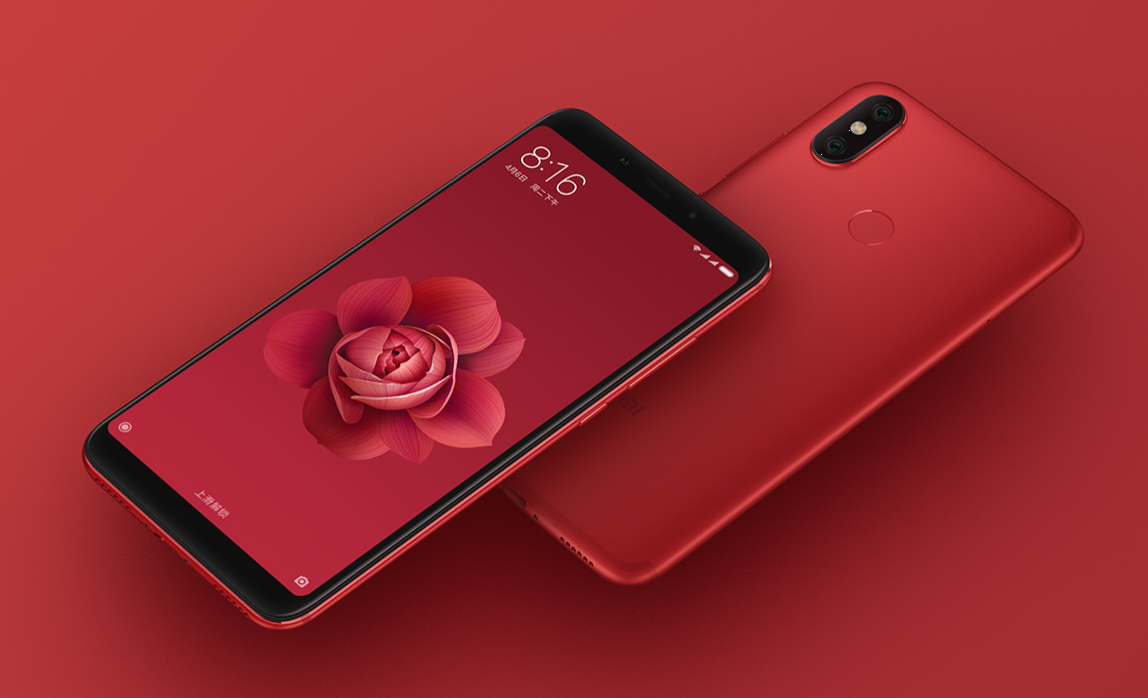
Xiaomi Mi 6X which is expected to launch as the Mi A1’s successor
However, while there is still no confirmation the Mi 6X will be launched as the Mi A2 outside China, the guys at XDA say there is confirmation that the Mi A1 will indeed have a successor but it won’t be the only Android One phone from Xiaomi this year.
First, let’s have a look at the details of the Mi A1’s successor.
The Xiaomi Mi A1 is codenamed “tissot_sprout”. “Sprout” is actually a name unique to first-gen Android One devices. In new firmware files, the name “jasmine_sprout” was found.
The firmware files were gotten by @FunkyHuawei, a name which should be familiar to those who have heard of FunkyHuaweiClub, a service for updating, rebranding (changing the region), and unbricking Huawei and Honor devices.
He was kind enough to share them with XDA Developers, although they couldn’t get the full dump of the firmware but were able to view key files from a partial dump and find out key info about the phone.
Not only did they find the “sprout” suffix, there are also no MIUI system apps in the build. The Android framework, SystemUI, and other system apps are stock Android-based.
There is also a file with the name “com.google.android.feature.ANDROID_ONE_EXPERIENCE.xml” under system permissions. It is said that this special permission can be read by apps to guard whether or not the app should have access to the device. A similar file is said to be found in Google Pixel phones to guard apps like the Google Camera. Lastly, the device has A/B partitions for seamless updates.
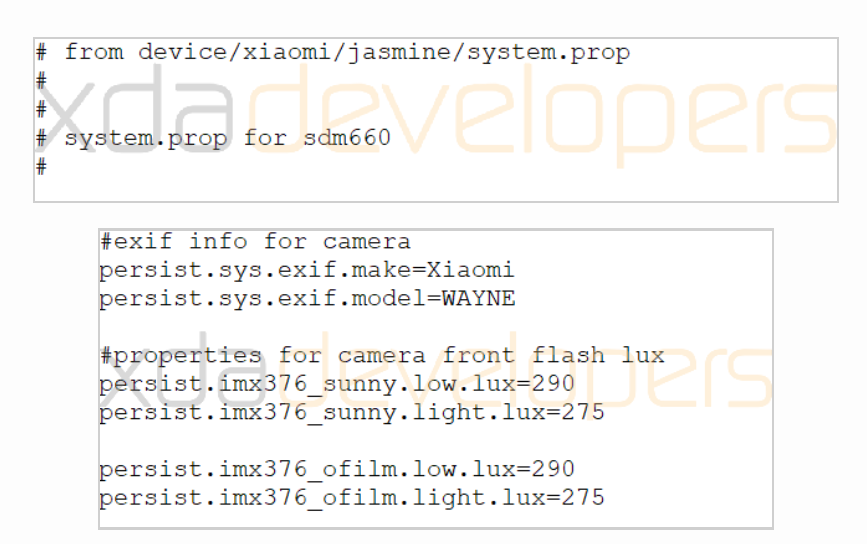
The firmware makes no mention of the device’s official name but there are some other hardware details. First, the device is powered by a Snapdragon 660 as revealed by the build.prop file and the mmi.xml file that contains hardware testing parameters.
There are also multiple camera-based parameters that are similar to that of the Xiaomi Mi 6X such as the EXIF model and the front camera. As seen below, the name “WAYNE” which is the codename for the Mi 6X is present in the firmware so also is (Sony) IMX376 which is the camera sensor found on the front of the Mi 6X.
These list of evidence point at jasmine_sprout being similar to the Mi 6X. When it does launch, it will come with Android 8.1 Oreo and support Project Treble.
Now that we are done with the Mi A1’s successor, let’s dive into the details of the second Android One device from Xiaomi.
While the first Xiaomi Android One device for the year will be from the Mi family, the second is likely from the Redmi family. The CEO, Lei Jun, actually made a statement (below) related to it last week.
“Yes, we plan to have more Android One devices. Some of our users in India seem to like stock Android, and we are willing to bring in more devices with Android One including the Redmi series.” – Xiaomi CEO Lei Jun
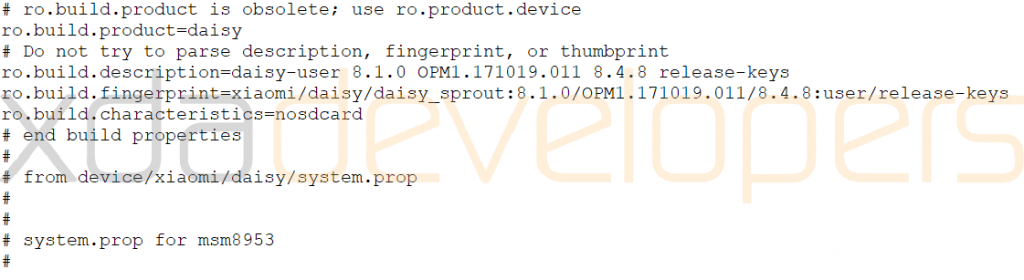
XDA Developers have found details of the device including its codename which is “daisy_sprout”. They say the device is powered by a msm8953 a.k.a. Snapdragon 625 processor just like the Mi A1 but will likely have a cheaper price tag.
Xiaomi already released a Snapdragon 625 Redmi phone recently and that is the Redmi 5 Plus but it also has another one on the way which is the Redmi S2.
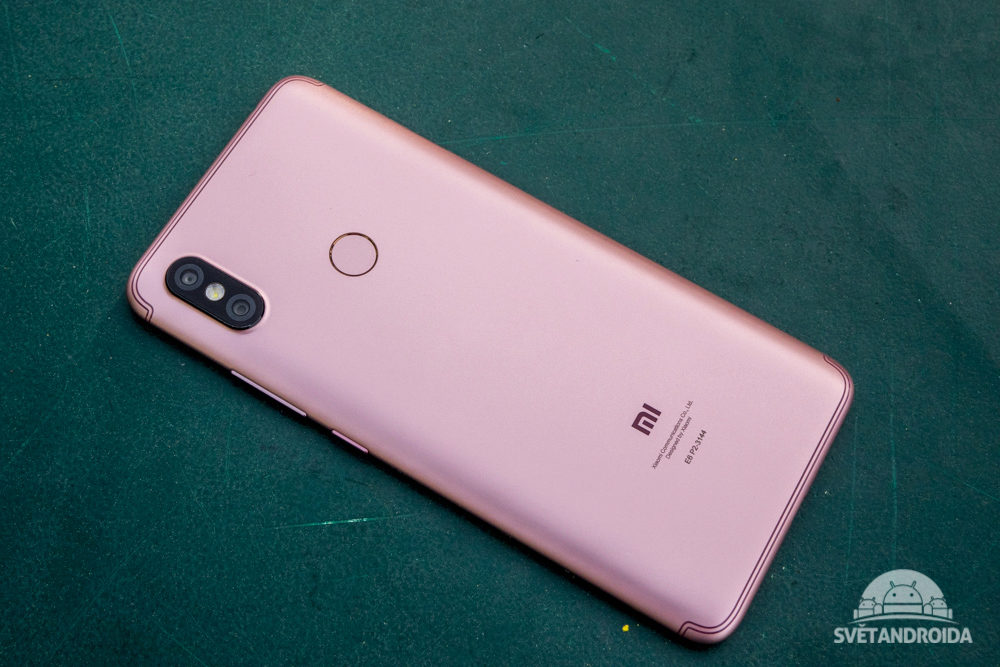
The Xiaomi Redmi S2 may be the first Android One Redmi device
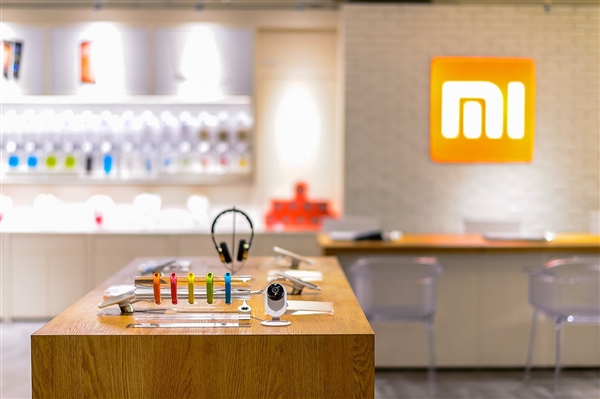
Xiaomi plans to ship up to 100 million smartphones that year and with a saturated market, it means the tech giant will look to expand to new markets. The Chinese tech giant launched its Mi Store in Spain in November last year. Six months after, it is reportedly set to continue that expansion to yet another European country, this time France.
Reports emerging from France indicate that Xiaomi will be opening its first Mi Store in Paris on May 22. The report also alleges that the tech giant promised to open more Mi Stores in several major cities in France.
Xiaomi Mi Store will not only bring its range of Mi branded smartphones to the country but will also make available the wide range of Mi Ecosystem products like the Mi Electric scooter and others. No mention was made of the models the tech giant will introduce first during the maiden Mi Store opening but we expect a gradual build-up of the number of products available on the shelf.
Earlier this month, HMD Global unveiled its three new smartphones in the Indian market — Nokia 7 Plus, Nokia 8 Sirocco and Nokia 6 2018. While the Nokia 7 Plus and Nokia 8 Sirocco were available on pre-orders, the smartphones are now finally available for purchase in India.
The Nokia 7 Plus can be purchased through Amazon India while the Nokia 8 Sirocco is available through Flipkart. Apart from these online stores, both the devices are available through Nokia Shop as well as select offline retail stores across the nation. The Nokia 7 Plus is priced at Rs. 25,999 (approx. $392) while the Nokia 8 Sirocco costs Rs. 49,999, which roughly converts to $753.
The Nokia 7 Plus features a 6-inch Full-HD+ IPS LCD display with screen resolution of 2160 x 1080 pixels and 18:9 aspect ratio. Under the hood, it is powered by Qualcomm‘s Snapdragon 660 processor, along with 4GB RAM. It packs 64GB of onboard storage that is expandable up to 256GB using a microSD card.
The smartphone comes with a dual camera setup on the back consisting of a 12-megapixel primary sensor and a 13-megapixel secondary sensor. It supports 2x optical zoom and is accompanied by a dual-tone LED flash and Zeiss optics. On the front side, the smartphone sports a 16-megapixel fixed focus camera with f/2.0 aperture and Zeiss optics.
Connectivity options on the device include 4G VoLTE, Wi-Fi 802.11 b/g/n/ac, Bluetooth v5.0, GPS/ A-GPS, NFC, USB Type-C (2.0), and a 3.5mm headphone jack. Running on Android 8.1 Oreo operating system out-of-the-box, the smartphone packs a 3,800mAh battery.
On the other hand, the Nokia 8 Sirocco boasts a 5.5-inch QHD pOLED display with 1440 x 2560 pixels screen resolution, traditional 16:9 aspect ratio and a 3D Corning Gorilla Glass 5 protection on top. There is an octa-core Qualcomm Snapdragon 835 processor, coupled with 6GB of LPDDR4X RAM and 128GB internal storage.
The smartphone has a dual rear camera setup that has a primary 12-megapixel image sensor with f/1.75 aperture, wide-angle lens and a secondary 13-megapixel sensor with f/2.6 aperture, telephoto lens. On the front, it packs a 5-megapixel sensor with a fixed-focus lens and f/2.0 aperture.
In terms of connectivity options, this one supports 4G VoLTE, Wi-Fi 802.11 b/g/n/ac, Bluetooth v5.0, GPS/ A-GPS, NFC, and a USB Type-C port. This one too runs Android Oreo out-of-the-box and is powered by a 3,260mAh battery.
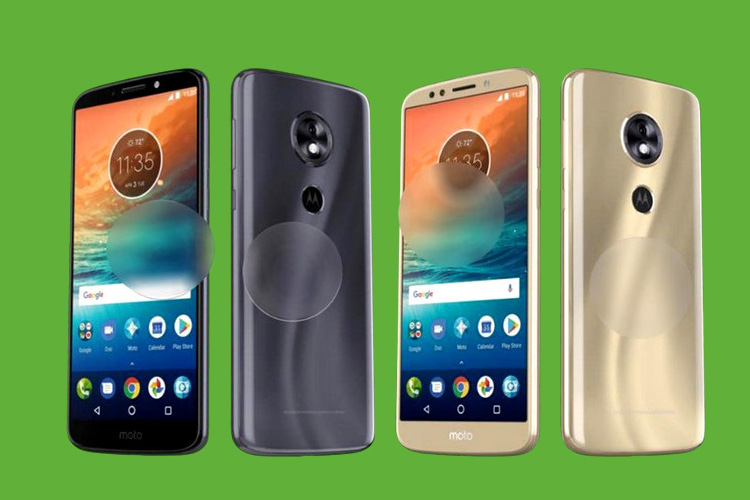
Motorola took the wraps off the Moto G6 family comprising the Moto G6, Moto G6 Play and Moto G6 Plus in an event held in Brazil. The models are yet to be available in many of the markets globally but that hasn’t stopped Motorola from releasing the Kernel source code for the Moto G6 Play. As you know, the Moto G6 Play runs Android 8.0 Oreo out of the box.
The source code was recently uploaded to GitHub where it is available for download. Developers and fans of the Moto brand can now have a look at the code and perhaps develop custom ROMs around it. On GitHub, the files are hosted under the device names “aljeter” and “jeter“.
As a reminder, the Moto G6 Play sports a 5.7-inch MAX Vision display with an HD+ resolution. The device also features a polymer glass back panel. It is powered by a Snapdragon 430 processor and comes in 3GB/4GB RAM variants with 32GB/64GB expandable storage variants.On the camera end, the G6 Play packs a 13MP F/2.0 camera and a 5MP camera secondary camera on the rear. It also has an 8MP front camera with LED flash too. Other features include a rear-mounted fingerprint scanner and a generous 4,000mAh battery.
Audio quality hasn’t been the primary focus of smartphone manufacturers in the past few years. Just to prove this point, note that Samsung Galaxy S9 is the first Samsung flagship with stereo speakers. But LG has always paid attention to speakers and it will continue to do so. The Korean company has just revealed that LG G7 ThinQ will boast a feature called “Boombox Speaker” to enhance the audio quality.
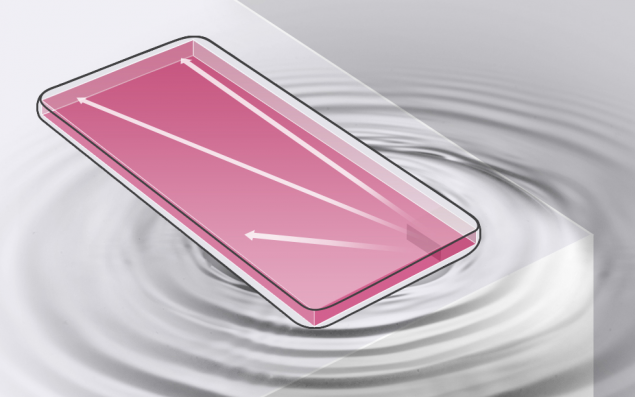
Thanks to this feature, LG G7 ThinQ will be able to double the power of bass frequencies and it will increase the base level of the sound by more than 6 dB. Thanks to these enhancements, the upcoming flagship will produce bass frequencies 10x times more powerful than other phones, and these bass frequencies will be even more powerful when the handset lays on a surface or on a box.
The phone should also sport a resonance chamber which will contribute to enhancing the bass quality. And these enhancements will not be the only ones to improve the audio quality of the LG G7 ThinQ. The flagship will also have a Quad DAC Hi-Fi chip and it will support DTS:X technology to produce 3D surround effects through both speakers and earphones. LG G7 will officially debut on May 2.
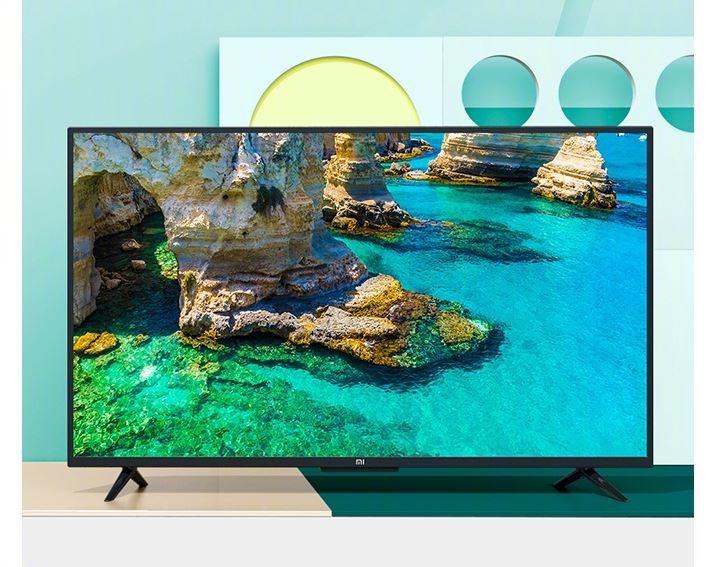
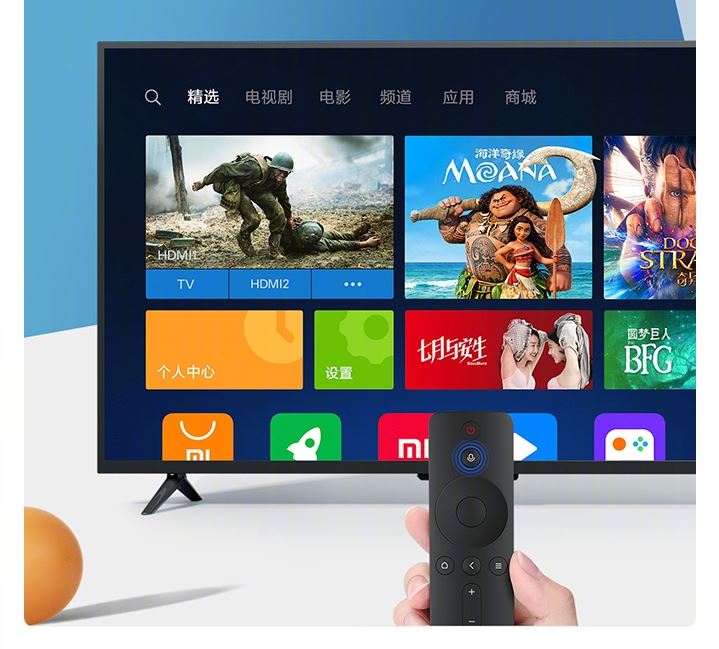
Xiaomi recently achieved another feat on its Smart TV business which emerged as the second largest TV brand in China after a record 550,000 units sales in China. The tech giant continues its renaissance with the addition of a new version of the Mi TV 4A. This time around, the company offers buyers a trimmed down version of the 43-inch Mi TV 4A with this model dubbed Mi TV 4A (43 inches) Youth Edition. It comes with an affordable price tag of 1699 Yuan (~$269), same with the recently launched 40-inch Mi TV 4A model.
In terms of design, the Mi TV 4A Youth Edition utilises a narrow frame design and has a resolution of 1920 x 1080pixels, a refresh rate of 60GHz. In addition, it has a viewing angle of 178 °. The body weighs 7.58kg (including the base) and the length is 965.89mm.
In case you are wondering where the difference with the Mi TV 4A (43-inch) lies, it is in the RAM size. This model packs a similar quad-core 64-bit high-performance Amlogic T962 processor clocked at 1.5GHz while the graphic is powered by a Mali 450 750MHz GPU. The processor is paired with just 1GB of DDR4 RAM. The device also offers jus 8GB eMMC5.1 flash memory which is equally the same as the Mi TV 4A (40 inches).
Furthermore, the Mi TV 4A Youth Edition comes with PatchWall OS and Artificial Intelligence voice control which allows its users to switch to a particular TV program, check the weather with voice command. The voice command can be activated via a dedicated button on the remote control. The AI technology becomes smarter as the user uses the feature more often.
In addition, the Mi TV 4A Youth Edition features support for HDR10 and the latest UHD HLG while also supporting the Dolby Vision format. The Smart TV also sports a dual-band WiFi connection as well as Bluetooth 4.2. The Bluetooth connectivity allows the TV to connect with accessories such as Bluetooth mouse, speakers, keyboard, gaming pad and others.
The Mi TV 4A Youth Edition will go on sale at 0.00Am GMT+8 on May 4 for just 1699 Yuan. If you are outside China, we expect this model to be available in the Indian market soon. It will also be possible to snap this up form online retailers like GearBest, Banggood and others in no distant time since most of the models, including the cheapest 32-inch model, are available on the e-retailers website for a while now.
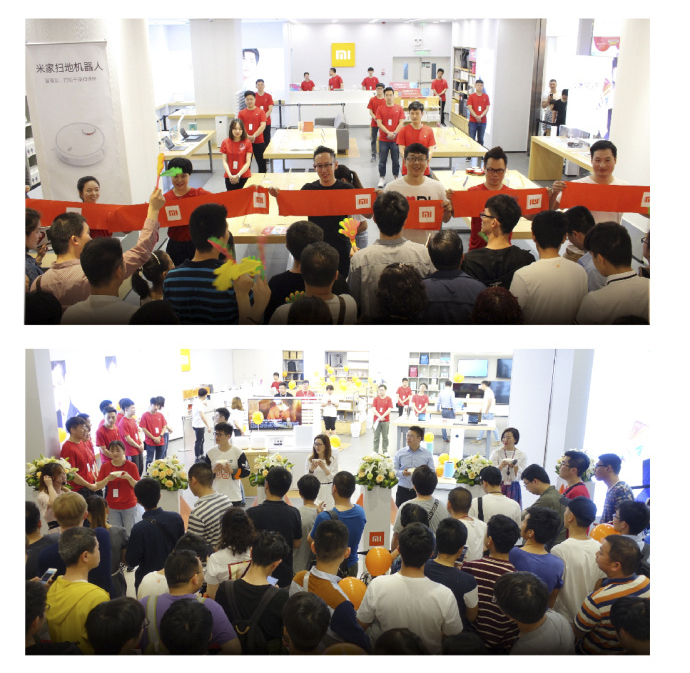
Xiaomi, the China-based smartphone manufacturer has been shifting its focus towards offline channels through Mi Stores after mastering the online-only sales model. In line with its strategy, the company has announced that it is opening 61 new Mi Stores across various cities in China.
At the beginning of 2017, Xiaomi had said that it planned to open 200 new Mi Stores across China in a bid to boost its offline sales. The Chinese tech giant was able to achieve that goal, which resulted in the jump in its sales and the company being ranked amongst the top 5 smartphone makers globally for last year.
While the number of Mi Stores are increasing, the company is still struggling to meet the demands for its products. The company has already said that it is planning to open 2,000 such stores in three years. Half of the Mi Stores were planned to be located overseas and that mission is on course.
Apart from the Mi Stores in China and India — the company’s biggest markets, it recently opened its first Mi Stores in the Philippines. There are also Mi Stores in Russia, Spain, and Italy. In India, Xiaomi recently opened its first Mi Home Experience Store in Chennai, located at Phoenix Market City Mall in Velachery. This marks the company’s 25th Mi Home store in the country.
The company is also planning to open at least one Mi Home Experience Store in the major cities of India, and after Chennai, the next two planned cities are Delhi and Mumbai. The China-based company says that it is on track to open its 100th store in India by the end of this year.
Xiaomi’s offline strategy has been proved fruitful for the company. After a struggling year in terms of sales, the company decided to double-down on the expansion of its offline stores to reach a wider number of people. Combining its online and offline strategy, the company witnessed the result it was hoping for. Since the last couple of quarters, Xiaomi has been ranked as the number 1 smartphone brand in India.
The company has emerged as one of the fastest growing companies in recent times. Xiaomi is reportedly set for a Hong Kong IPO sometime later this year and it’s predicted that the company could be valued at $100 billion at the stock exchange.
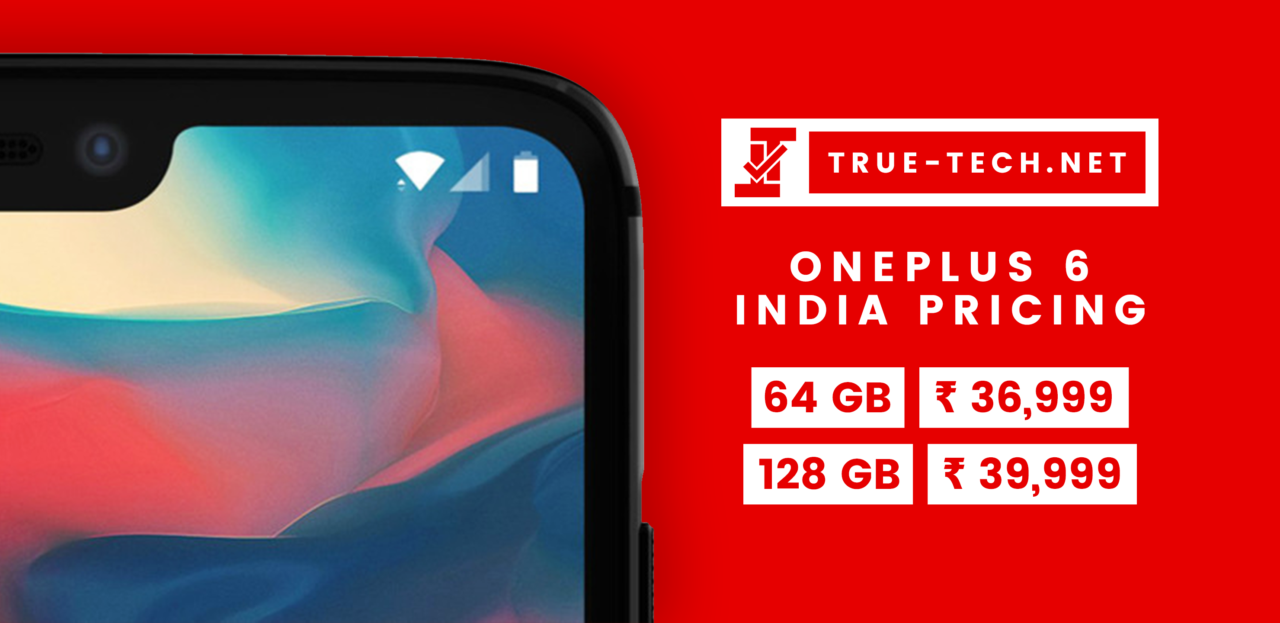
OnePlus has recently confirmed that it will be debuting the OnePlus 6 flagship phone on May 17. Today, TrueTech.net has shared the pricing of the 64 GB and 128 GB OnePlus 6 variants. The publication claims that it has received information from a reliable and verified source. Last year, the same source had leaked the accurate pricing of the OnePlus 5 variants before its official announcement.
Leaked information reveals that the 64 GB and 128 GB storage models will be arriving in India with respective pricing of Rs. 36,999 (~$557) and Rs. 39,999 (~$602). Each year OnePlus has been consistently increasing the pricing of its smartphones. The OnePlus 5T that was launched in November was launched with Rs. 32,999 (~$496) pricing for the base model featuring 64 GB of storage and 6 GB of RAM. The 128 GB OnePlus 5T with 8 GB of RAM was made available for Rs. 37,999 (~$572).
The pricing leak of the OnePlus 6 reveals that its base model will be costing Rs. 4,000 (~$60) more than the starting variant of the OP5T. The 128 GB OnePlus 6 will be priced Rs. 2,000 (~$30) more than the highest configuration model of OnePlus 5T. The increased pricing could be because of the new notched enabled full screen design, waterproofglass rear and the highly potent Snapdragon 845.
The publication claims that the source did not reveal any information on the pricing of the 256 GB storage model of the OnePlus 6 that is expected to include 8 GB of RAM. However, it has stated that there is a possibility that OnePlus may launch it alongside its other variants or later.
The latest OnePlus 6 leak does not include the amount of RAM for its 64 GB and 128 GB storage models. Recent leaks have revealed that the 64 GB variant will feature 6 GB of RAM whereas the 128 GB model will be housing 8 GB of RAM.
OnePlus 6 is confirmed to go official on May 16 in London. On the very next day, the Chinese manufacturer will be launching it in India and China. These regions will be also receive the special OnePlus 6 Marvel Avengers Limited Edition.
Amazon India that will be exclusively selling the OnePlus 6 online has already started receiving the registrations for it. Amazon Prime members will be able to take advantage of the Early Access Sale of OnePlus 6 starting from 12 PM on May 21.
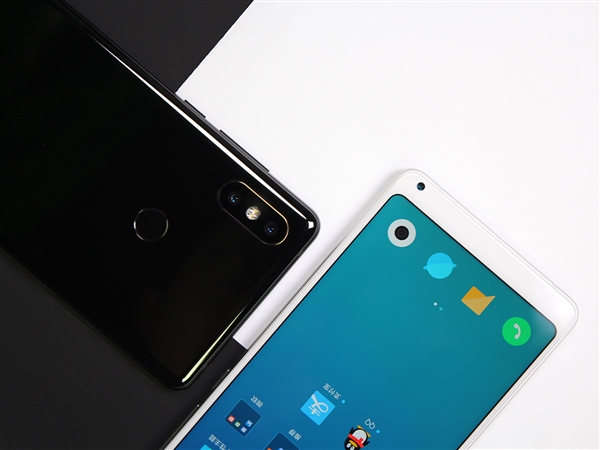
The Mi 7 is the next flagship phone from Xiaomi. The Chinese manufacturer has already launched the Snapdragon 845 powered Mi MIX 2S in the previous month as the first flagship phone for 2018. Rumors surrounding the Mi 7 suggest that the company may launch it within the first half of this year. Today, a leaked launch poster of the Mi 7 has surfaced on Weibo. It states that the company will be launching the Mi 7 on May 23.
The launch posters that are released by Xiaomi are always of high quality. However, the above poster seems to be fake since it is a low-quality image with a blurry Mi logo at the top right corner. If Xiaomi launches the Mi 7 on May 23, it may cannibalize the sales of the Mi MIX 2S that was launched on March 27
The Xiaomi Mi 7 is expected to arrive with a notched display design, but when it comes to hardware specs, it may house the same chipset, RAM and storage that are available on the Mi MIX 2S. Hence, it seems unlikely that Xiaomi may launch Mi 7 within two months of launching Mi MIX 2S. Moreover, a recent report had revealed that Xiaomi has encountered some issues with 3D facial recognition feature on Mi 7 because of which its launch could be pushed to the third quarter of the year.
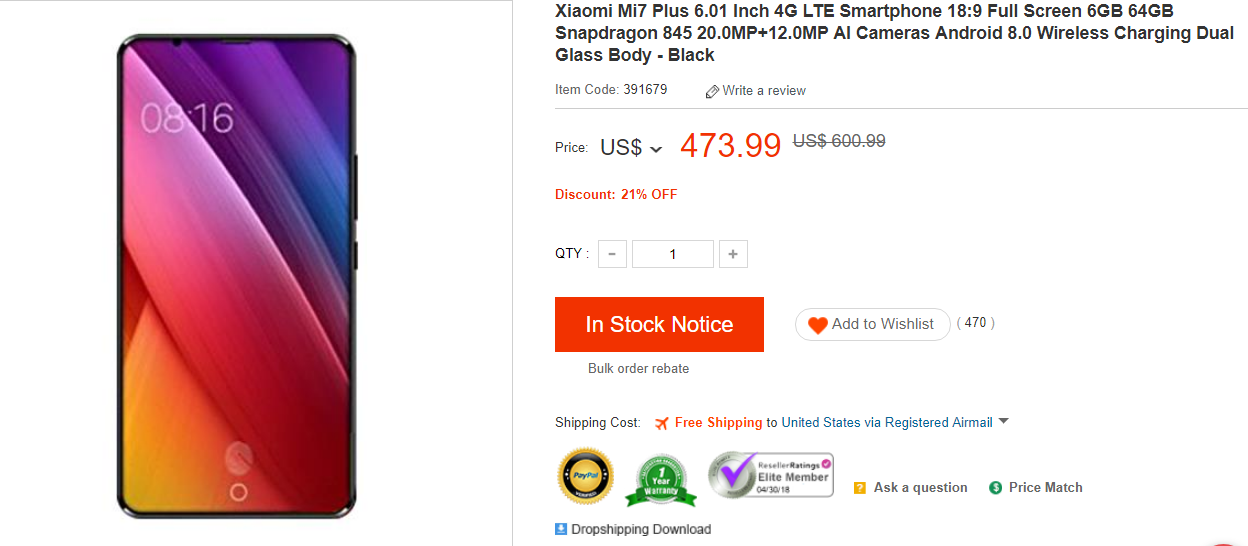
Recent reports have claimed that Xiaomi will be also debuting the Mi 7 Plus alongside the Mi 7 phone. Even before its official launch, Geekbuying has listed the Mi 7 Plus smartphone with a pricing of $473.99. The listing appears to be fake. The features mentioned on the Geekbuying’s Mi 7 Plus product page seems to be based on the rumors surrounding it.
According to the Mi 7 Plus listing on the Chinese retailer site, it features a 6.01-inch FHD+ display and the Snapdragon 845 SoC powers it with 6 GB of RAM. It has a native storage of 64 GB. Its rear features 20-megapixel + 12-megapixel dual camera setup and it has a front-facing camera of 20-megapixel. The Mi 7 Plus is powered by 3,500mAh battery and it includes support for wireless charging.
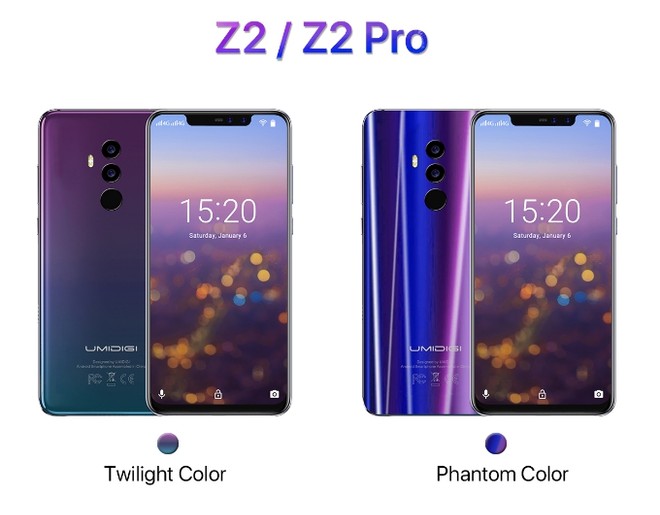
Every time a company innovates, we see several other manufacturers copy the trend. After Huawei launched gradient colors for its latest flagships Huawei P20, P20 Pro and Honor 10, UMIDIGI has confirmed the launch of its Z2 and Z2 Pro flagships with exactly the same hues. UMIDIGI Z2 and Z2 Pro will soon hit the market in the Twilight and Phantom color: the first hue is the same as Huawei P20 and P20 Pro, while the second is the one of the Honor 10. And the color is not the only feature which UMIDIGI Z2 and Z2 Pro share in common with the latest Huawei devices.
They even have a glass back and a notched display just like P20 and Honor 10. The only thing which does not make them look like perfect clones is the position of the rear camera, which is reminiscent of Huawei Mate 10 and 10 Pro. Indeed, the dual rear camera is placed at the center of the back cover and right under it, there is a circular fingerprint reader. The complete specs sheet of UMIDIGI Z2 and Z2 Pro is not known yet, but we know some of their key specs. They will boast a 6.2-inch display with a 19:9 aspect ratio which will show images at a Full HD+ resolution of 1080 x 2280 pixels.
Under the hood, there will be an octa-core MediaTek Helio P60 chipset which will also support artificial intelligence. So, even though they will be UMIDIGI’s flagships, they will not be real flagship phones but just upper-midranges. Thanks to their glass backs, they will support wireless charging with a 15W power. They will also support NFC and all the bands for European customers. Android 8.1 Oreo will be installed out of the box.
We believe that Z2 and Z2 Pro will not be the last devices which will be released in these gradient colors as they are extremely attractive and appreciated by the public. Do you like them or would you define them as too fancy?
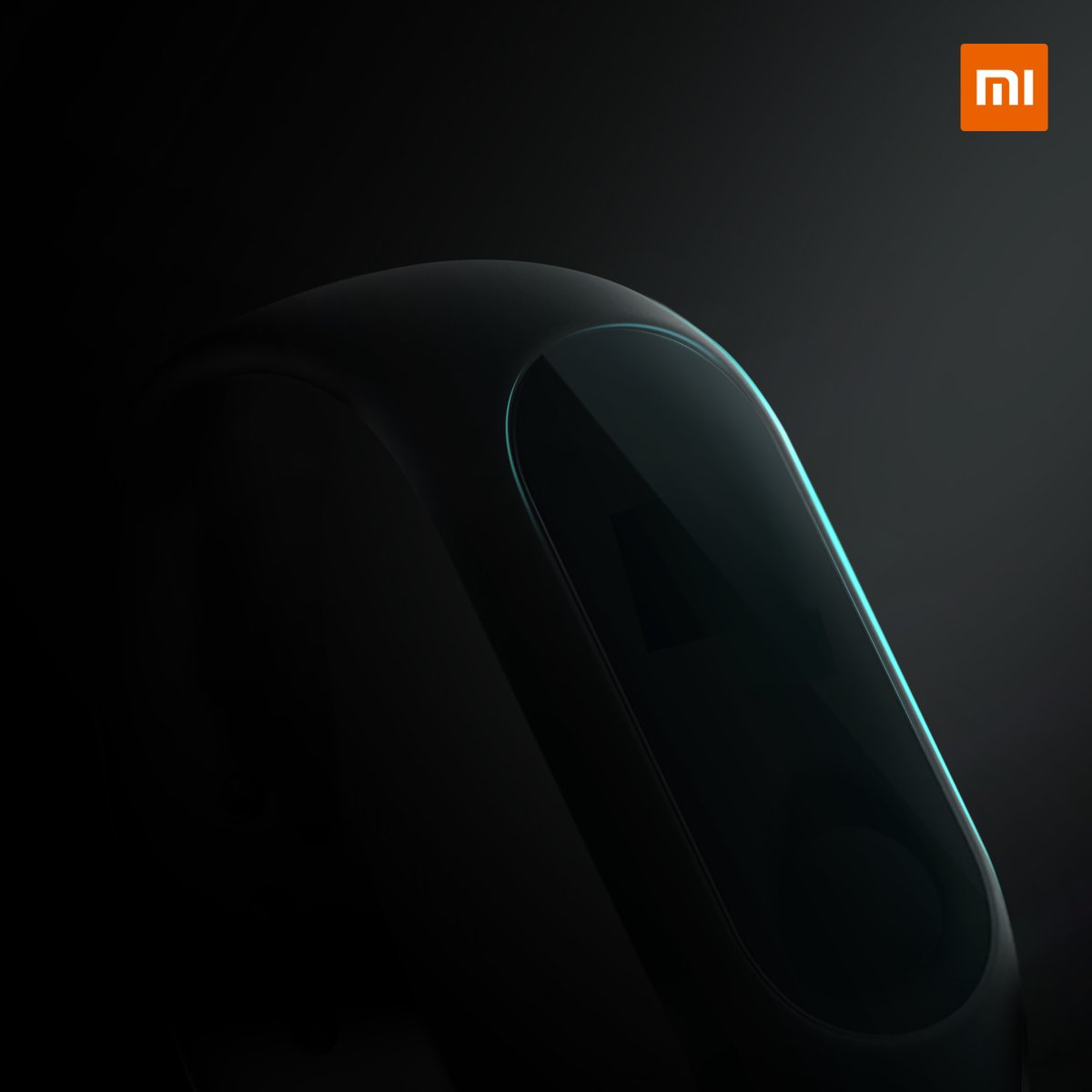
Xiaomi has recently released an official teaser of the forthcoming Mi Band 3 smartband. There is no information available on its technical specifications. However, the rumor mill has speculated on some of the features that will be available on the Mi Band 3.
Xiaomi CEO Lei Jun was wearing a mysterious smartband during the unveiling of the Black Shark gaming phone. It is speculated that he might have worn the Mi Band 3. The appearance of the Mi Band 3 in the recently released official teaser suggests that its form factor may not be very different from the predecessor Mi Band 2. However, unlike the Mi Band 2, its successor does not seem to feature a physical button.
Around a month ago, leaked screenshots of the companion app of the Mi Band 3 were spotted. It revealed that the upcoming fitness tracker from Xiaomi would be featuring a touchscreen display and it will carry support for gestures like long press, swiping up and down for carrying various tasks on it.
As far as other features are concerned, it is expected to be enabled with regular functions like heart rate sensors, step counter and sleep monitor. It is speculated to offer IP67 level of waterproofing like the Mi Band 2. At present, Xiaomi phones that are enabled with NFC can support for credit, debit and public transportation cards in China. The Chinese manufacturer is also speculated to bring support for NFC on the upcoming Mi Band 3.
Xiaomi Mi Band 2 was officially launched on June 7 last year. The Chinese manufacturer is yet to confirm on the unveil date for the Mi Band 3, but the Chinese media is speculating that it may get announced in May. As of this writing, there is no information on the pricing of the Mi Band 3.
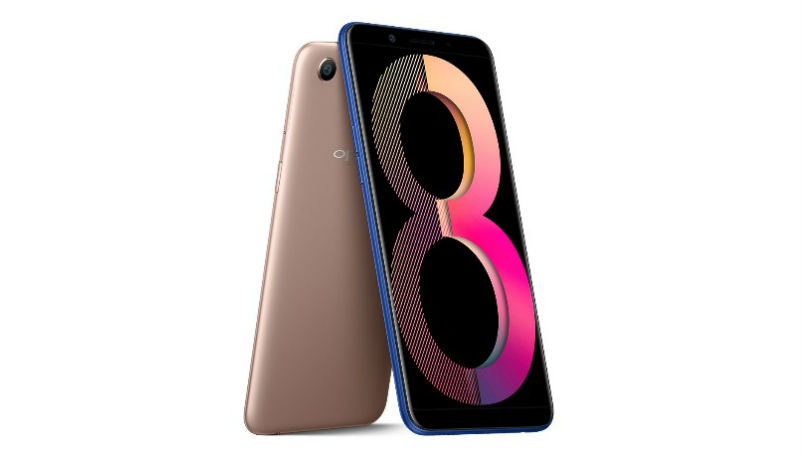
After launching its flagship smartphone Oppo F7 in India, the China-based company has now launched a new entry-level smartphone in the Indian market. Oppo has launched Oppo A83 (2018), which is an upgraded version of the Oppo A83 launched in January.
Just like its predecessor, the smartphone comes with a metal unibody design. It features a 5.7-inch Full View HD+ display with screen resolution of 1440 x 720 pixels and 18:9 aspect ratio. Under the hood, it is powered by MediaTek MT6763T (Helio P23) octa-core processor clocked at 2.3GHz along with 4GB RAM and 64GB of internal storage. Its predecessor packs 3GB RAM and 32GB of internal storage.
Coming to the camera department, the smartphone comes with an 8-megapixel selfie camera at the front with support for AI beautification technology which we’ve earlier seen on company’s more expensive devices. There’s also a 13-megapixel rear camera which also supports artificial intelligence technology for beautification effect. According to the company, its AI technology captures more than 200 facial points when a photo is taken and then uses its own data to refine features and compose the face contour.
The smartphone comes with a facial recognition feature which can be used to unlock the device. Connectivity options include Bluetooth v4.2, Micro-USB port, GPS/ A-GPS, Wi-Fi and a 3.5mm headphone jack. Sensors on board include an accelerometer, an ambient light sensor, and a proximity sensor.
It runs on the old Android 7.1 Nougat operating system out of the box with the company’s own ColorOS 3.2 on top. The smartphone is powered by a 3,180mAh battery.
The Oppo A83 (2018) is now available for purchase in India for a price of Rs. 15,990, which roughly converts to $241. It is available in Blue and Gold colors through online stores like Flipkart, Amazon, Paytm Mall as well as via offline stores.
China instituted a nationwide investment fund for the integrated circuit industry in January 2014 to encourage the development of the country’s integrated circuit industry. The fund known as National Integrated Circuitry Investment Fund or “Big Fund was managed by the China Development Bank (CDB) and since then, the fund has made investment decisions in several projects aimed at boosting local chip production and technologies. Up to 50 companies in the chip industry have benefited from the funds so far, including Hong Kong-listed Semiconductor Manufacturing International Corp and Yangtze Memory Technologies, a 3D NAND flash chip maker.
There are indications now that CDB is closing in on fresh investments worth $19 billion in a bid to accelerate the development of the domestic chip market. ZTE‘s U.S sanctions and trade tensions with Washington acted as catalysts for this latest move.
ZTE’s ban is said to have brought to the fore China’s heavy reliance on imported chips. China’s Ministry of Industry last week disclosed that the fund was raising its second investment round and that it welcomed foreign institutions to take part, without giving details. In the first instance, $22 billion was raised but this time around, the funding would raise up to $19 million for the project. The new funds will reportedly focus on three areas: memory chips, integrated circuit design and compound semiconductors such as silicon carbide and gallium nitride. The establishment of a viable local semiconductor industry will no doubt hurt the U.S chip giants like Qualcomm. But in this case, the U.S drew the first blood even though efforts in this regard had been in the works before now.
Google announced the first Android P Developer Preview in March and along with it came a number of changes which are now available for testing on the Pixel XL, Pixel 2, and Pixel 2XL. In what would be the first official public release of Android P for a non-Google device, Xiaomi’s latest flagship – Mi Mix 2s would soon get Android P for preview.
Xiaomi had announced over the weekend that the Mi Mix 2s will be receiving the Android P Developer Preview in the coming days and the ROM will be complete with all the features of Android P included. This was announced via a pot on MIUI Forum but the post has been pulled down. However, a few details were scooped from the deleted post and one of them is that the ROM has a tentative release date of May 8th. A tentative date of May 8th has been put forward as a release date, assuming all internal testing goes well. That may not be feasible now that the thread has been deleted.
However, it is interesting to note that the Android P firmware for the Mi Mix 2s was recently spotted by the guys at FunkyHuawei.club who have made it available for download. You can find the download link here but there is no guide on how you can install this ROM on your device if you want to do that. What definitely excites us the most is that Xiaomi may likely make an early entrance to Google latest Android version when it finally goes official. We hope that other Xiaomi models apart from its flagship will receive the Android P Developers Preview as well. Android P promises to bring several new features and improvements. Devices running on Android P will prevent background apps from accessing camera or microphone without the consent of the user. Android 9.0 will also prevent secret call recordings and it will also come with an efficient call-blocking feature to prevent spam calls. It will carry native support for iris scanning and HID Bluetooth. It will provide the power to mobile operators to modify the signal strength indicator. A new addition to Android P is the support for iPhone X-like notch.
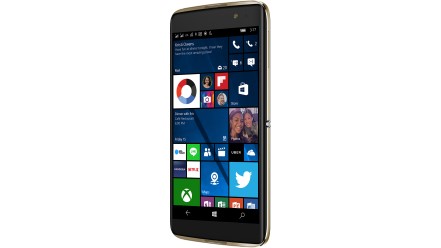
A majority of Windows phones were removed from the official Microsoft Store last week and for many people, this definitively marked the death of Windows 10 Mobile and the end of the availability of devices powered by this operating system. Well, it was not so: fans just got one last chance to get a Windows handset on the Microsoft Store as Alcatel Idol 4S is back in stock.
The flagship has been made available to purchase in a bundle with VR glasses with a price tag of just $169.00 in the U.S. Unfortunately, Alcatel Idol 4S was only available for a short time frame: now, it is listed as “out of stock” again. This probably means that only a few units of the Windows phone were available, and all of them have already been purchased. But we suggest you check the page again as it may return in the coming days.
Alcatel Idol 4S was the most powerful Alcatel device launched in the past few years, even though until a few hours ago on the Microsoft Store it carried the price of a mid-range device. It sports a 5.5-inch AMOLED display showing images at a Full HD resolution a high-end quad-core Qualcomm Snapdragon 820 chipset, 3 GB of RAM, and 32 GB of internal storage expandable with a micro SD.
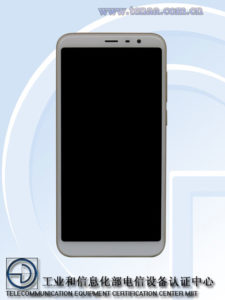
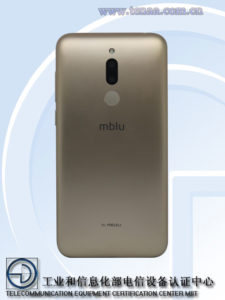
Meizu seems to still be fiddling with the mBlu brand name long after the company was expected to have changed the Blue Charm mid-range sub-brand to mBlu. The highly innovative Chinese company had launched the Meizu E3 and it bore the mBlu branding on the models first showcased at the launch event. The branding was somehow removed in subsequent units. A new Meizu model has just been certified by TENAA in China and the device isn’t only listed with the mBlu branding but also it has the mBlu logo stamped on the back panel.
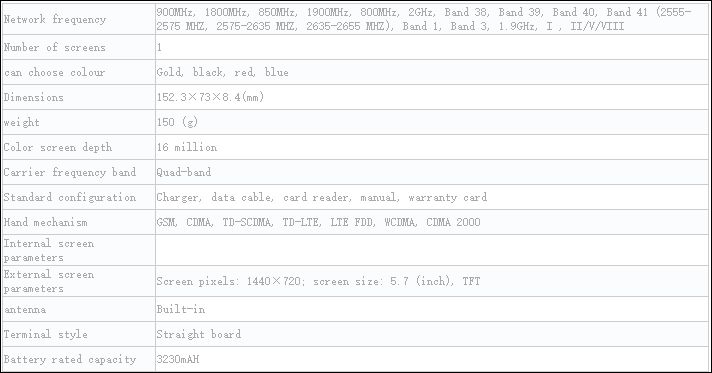
The Meizu mBlu model comes with the model number M811Q and comes with a dimension of 152.3x73x8.4mm, weighing in at 150g. The device also sports a 5.7-inch TFT display with a resolution of 1440 x 720p which is an HD+ resolution. Thus, the mBlu model will likely come with an 18:9 aspect ratio. The device will be available in Gold, Black, Red and Blue colour variants when it eventually hits the market. We can’t say which chipset will power the model but it is listed with a 1.5GHz CPU.
Further, the mBlu M811Q packs a dual camera setup at the rear. The cameras are aligned vertically in the middle and the design doesn’t include a protrusion. The rear camera is a 13MP + 2MP combo while at the front there is an 8MP camera. The device packs a rear-mounted fingerprint sensor placed just under the cameras, and under its hood, there is a 3230mAh battery. The device will also be available in 2GB, 3GB and 4GB RAM variants which would be paired with 16GB, 32GB and 64GB expandable native storage respectively.
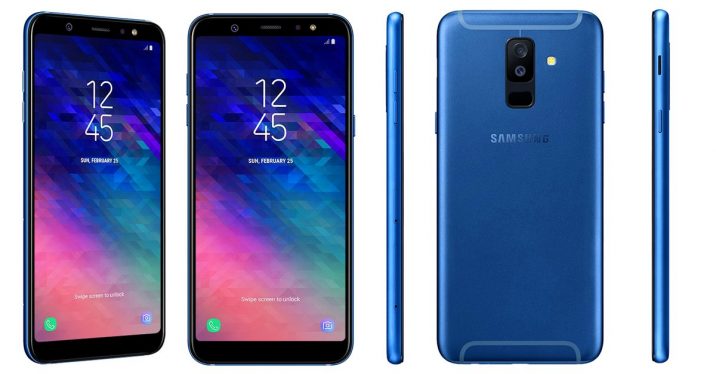
Vietnam seems to be a strategic market for smartphone makers. We chose to infer this considering the number of first-time leaks that have emerged from that end lately. Not too long ago, we spotted the price of the unannounced REdmi S2 from that end. Now it is the turn of the unannounced Samsung Galaxy A6 hands-on video to appear well before its launch. The video has since been deleted from the original source but thanks to the guy at Allaboutsamsung.de, here is a duplicate of the original video.
The video has the Samsung Training academy badge which means it is a training video about the specs and features of the phone meant for employees and promoters in the domestic market. The video is in Vietnamese so we really can’t make out much of what is being said but it shows the Galaxy A6 in its real skin. From the little we can grab from the video, the device will pack a 16MP with an aperture f/1.9. The rear camera is also a 16MP sensor with a slightly larger aperture of f/1.7. In addition, the Galaxy A6 (2018) is confirmed to feature a 5.6-inch Super AMOLED display with an HD+ resolution of 1440 x 720p and an 18.5:9 aspect ratio. The display is also covered with a 2.5D curved glass.
It is pretty obvious that the Galaxy A6 will be launched soon but as to when that will happen, we are still in the dark about that. To wrap this up, the Galaxy A6 will likely be introduced alongside the Galaxy A6+ which was recently certified by the Chinese telecoms regulatory agency, TENAA.
360 Mobiles has a new smartphone in the pipeline called the N7. Originally, there were reports the phone will come with a Snapdragon 636 processor, but it appears that may not be the case.
The 360 Mobiles N7 will not only ditch the Snapdragon 636 but won’t even come with a Qualcomm processor at all. How do we know this?
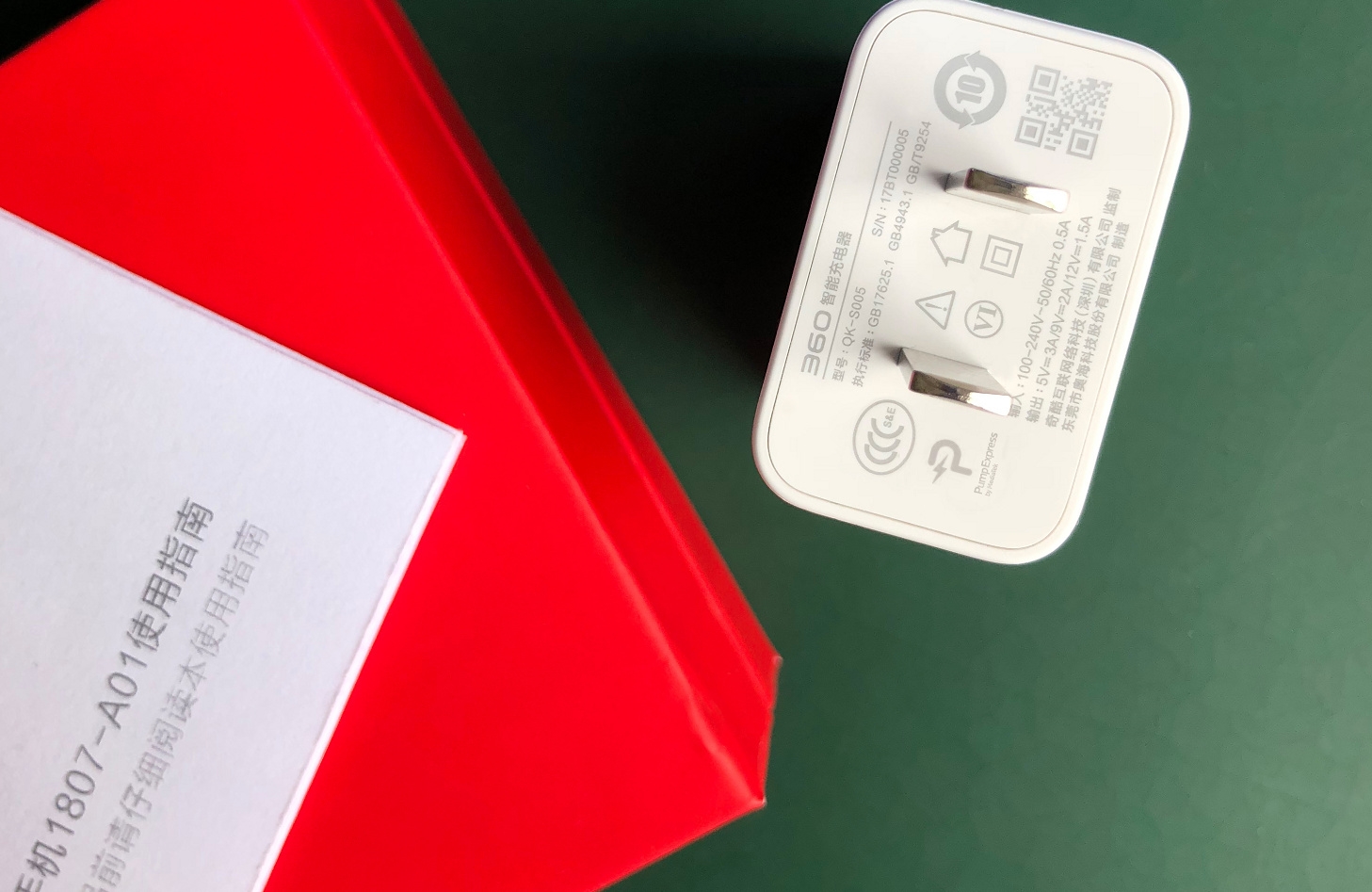
A photo of the phone’s charger has surfaced online and it shows the charger has MediaTek’s PumpExpress fast charging technology. The charger supports up to 18W fast charging which is similar to Qualcomm’s Quick Charge 3.0.
However, since the phone uses MediaTek’s fast charging technology, it means there is a MediaTek chipset inside. Seeing as the N7 is a flagship phone, the only plausible chipset is the Helio P60.
The Helio P60 is not only more powerful than the Snapdragon 636 but also power efficient and it offers a similar performance to the Snapdragon 660.
We use cookies on our website to give you the most relevant experience by remembering your preferences and repeat visits. By clicking “Accept”, you consent to the use of ALL the cookies.
This website uses cookies to improve your experience while you navigate through the website. Out of these, the cookies that are categorized as necessary are stored on your browser as they are essential for the working of basic functionalities of the website. We also use third-party cookies that help us analyze and understand how you use this website. These cookies will be stored in your browser only with your consent. You also have the option to opt-out of these cookies. But opting out of some of these cookies may affect your browsing experience.
Necessary cookies are absolutely essential for the website to function properly. This category only includes cookies that ensures basic functionalities and security features of the website. These cookies do not store any personal information.
Any cookies that may not be particularly necessary for the website to function and is used specifically to collect user personal data via analytics, ads, other embedded contents are termed as non-necessary cookies. It is mandatory to procure user consent prior to running these cookies on your website.