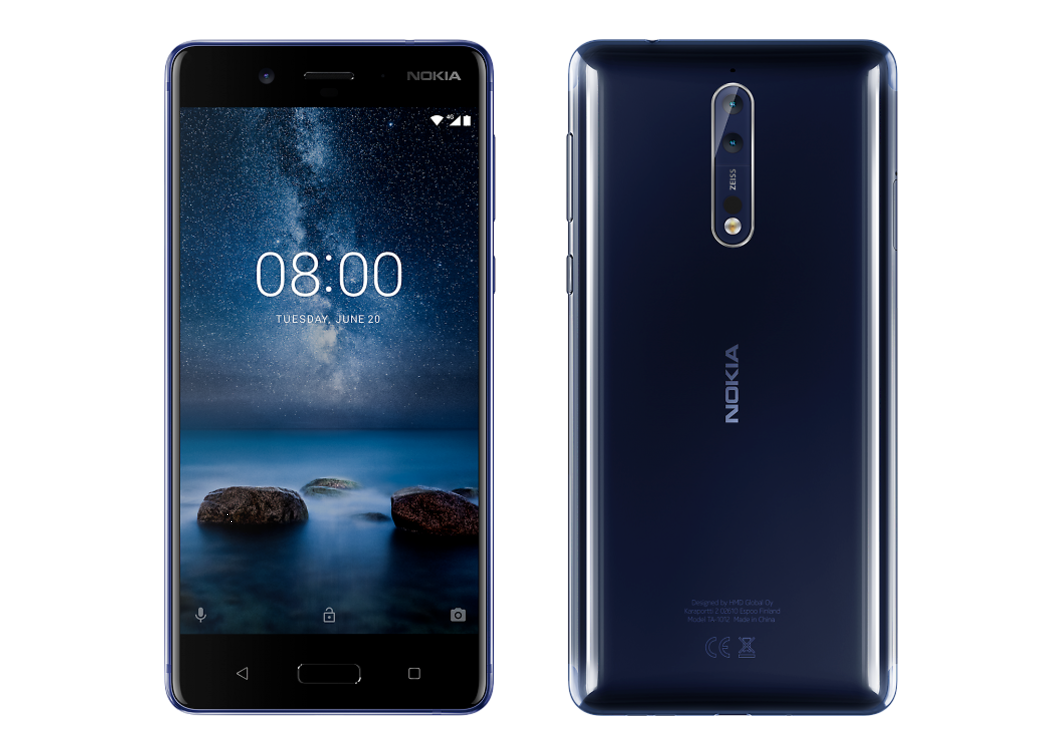
Just a couple of months after releasing the public build of Android 8.0 Oreo update for the Nokia 8, HMD Global has now started rolling out Android 8.1 Oreo beta update to the users of Nokia 8.
Juho Sarvikas, the Chief Product Officer at HMD Global, has announced through Twitter that they would begin testing the Android 8.1 Oreo beta update starting with the Nokia 8. This beta release of Android 8.1 for the Nokia 8 makes HMD Global one of the first OEMs to roll out this Oreo Maintenance Release to the non-Google devices.
This new beta version of the Android update is about 1.55GB in size and can be downloaded through Wi-Fi only. While there are no major changes in this update, it comes with optimized battery performance, Bluetooth battery percentage display, redesigned settings as well as fixed hamburger emoji. Further, the company has also included the latest January Android security patch.
The update is being rolled out through Nokia’s Beta Labs Program — a program which enables users to test public beta version of upcoming Android updates from the company. The program was started with the Nokia 8 with Android 8.0 Oreo beta update which was released as an official update a month later.
Nokia 8, having a 5.3-inch display, is powered by Qualcomm Snapdragon 835 processor, comes with 4GB RAM and packs 64GB of internal storage that can be expanded up to 256GB via a microSD card. As for the cameras, it features a 13-megapixel primary camera on the rear and a 13-megapixel front shooter. The Nokia 8 is powered by a 3090mAh non-removable battery.
While most of the smartphone manufacturers are still struggling to provide Android 8.0 Oreo update, HMD Global has now started releasing beta builds of Android 8.1 Oreo — making it one of the few companies to be at the front when it comes to software updates.
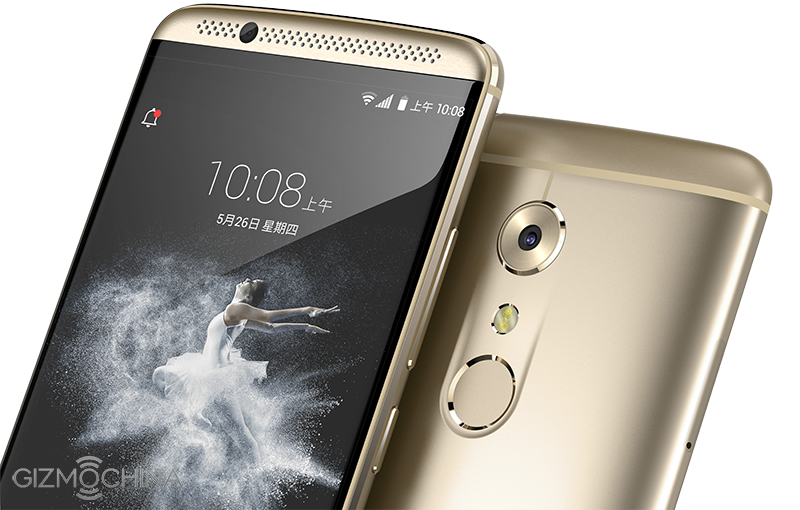
Fans of ZTE Axon 7 have been eagerly waiting for the company to announce a successor flagship phone for it. During the recent launch of the Axon M foldable smartphone in China, ZTE CEO Cheng Lixin announced that the company’s next flagship phone will be called ZTE Axon 9 and not Axon 8 as the rumor mill has been speculating.
In November 2017, the Chinese firm had confirmed that it is no longer making Axon 7 and it had also said that a worthy successor for it is in works. Finally, the company has confirmed that the Axon 9 will be replacing the Axon 7 flagship from 2016 this year. Even though the company has decided to kill the Axon 7, it has just rolled out the Android 8.0 Oreo beta update for it in the U.S. The stable Oreo update for Axon 7 is expected to arrive in Q2 this year.
The Axon 9 will be the company’s weapon to rival with the flagship phones from Samsung and Apple in the U.S. Skipping the Axon 8 moniker for its next flagship will allow it to compete with forthcoming Galaxy S9, Galaxy S9+ and iPhone 9.
Apart from confirming on the Axon 9 moniker, Lixin did not reveal any information on the specifications of the phone. ZTE is currently ranking on the 7th position in the list of top 10 smartphone brands in China. The executive that he would be working on the increasing the popularity ZTE phones in the home market.
In the past week, a mysterious ZTE phone running on Android 8.1 Oreo was certified by Wi-Fi Alliance. Since the smartphone is running on an Android version that is only available on Google and Nexus devices, it seems to be a 2018 flagship device from ZTE. The Axon 9 is expected to appear on Bluetooth SIG, TENAA and the FCC in the near future. As of this writing, it cannot be confirmed whether the Axon 9 will be debuting at the Mobile World Congress (MWC) 2018 tech trade fair.
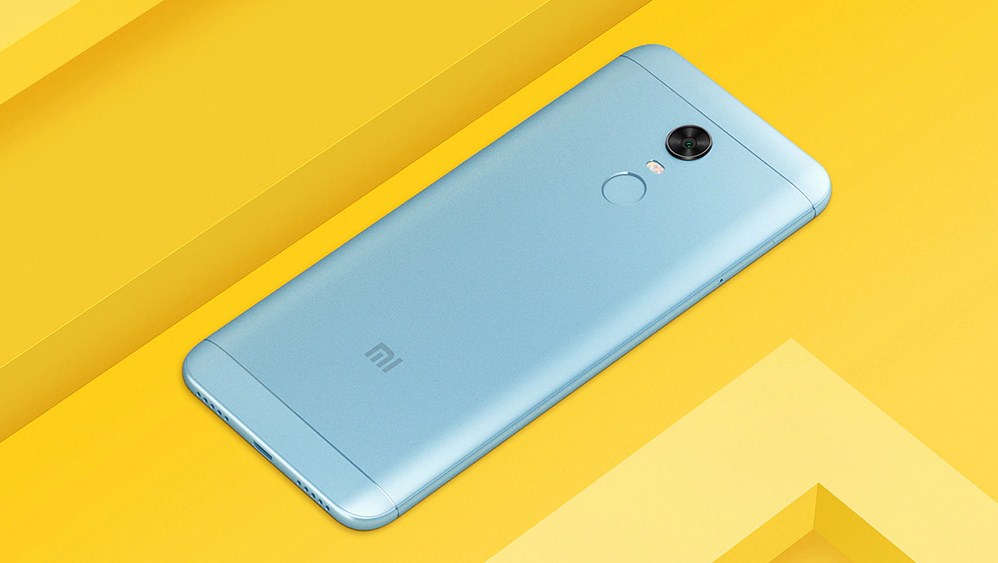
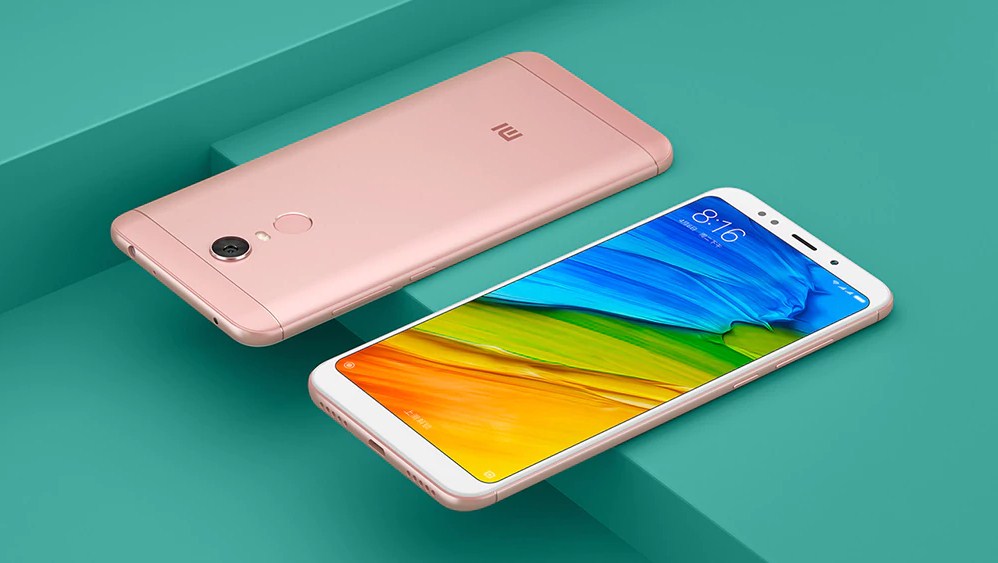
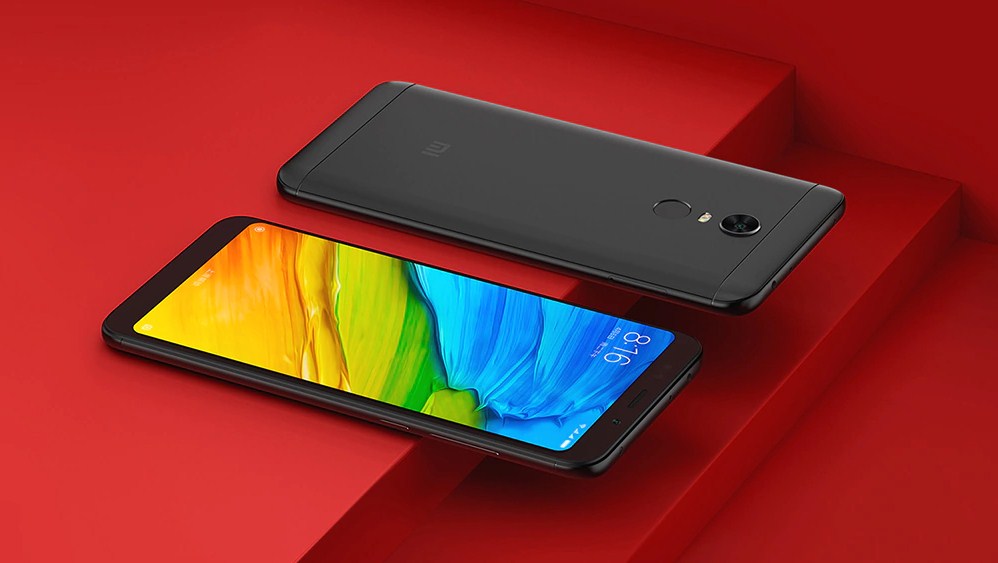
Looks like good news for Xiaomi fans that have restlessly been waiting to get their hands on the Redmi 5 Plus without shelling out a lot of money. The much sought-after 4G smartphone is currently up for grabs at heavily discounted price on LightInTheBox.
The Beijing-based online retail company is giving a massive 60% discount on the red, black and rose color versions of the Redmi 5 Plus smartphone bringing their steep selling price of $441.73, $443.45 and $466.33 down to just $175.97, $177.38 and $186.53, respectively.
In other words, by paying an additional $1.41, you can buy the black color version of the handset. But if you’re willing to spend an extra $10.56, you can go for the rose-colored version of Redmi 5 Plus 4G smartphone.
In terms of specs, the Redmi 5 Plus packs Qualcomm Snapdragon 625 processor with 4GB of RAM and 64GB of onboard storage, under the hood. On the photography front, it sports a 12MP camera on the back and a 5MP front shooter for selfie addicts. Moreover, the phone sports a 5.99-inch display with a screen resolution of 2160 X 1080 pixels.
To take advantage of this opportunity and get a considerable 60% discount on the Redmi 5 Plus smartphone’s original asking price, head straight to this link before the Lightning Sale comes to an end in 5 hours. Also, there were only 22 pieces remaining at the time of writing.
Numerically, after the Huawei P10 should come the Huawei P11, right? But then Huawei goes on to trademark the name “Huawei P20” and an importer in Israel also revealed the next flagship will be called Huawei P20.
Then we see test pages for the Huawei P11 and Huawei P12 appear on the official website. And I’m sure someone must have asked Huawei to make up their mind. It doesn’t seem as if they have though.
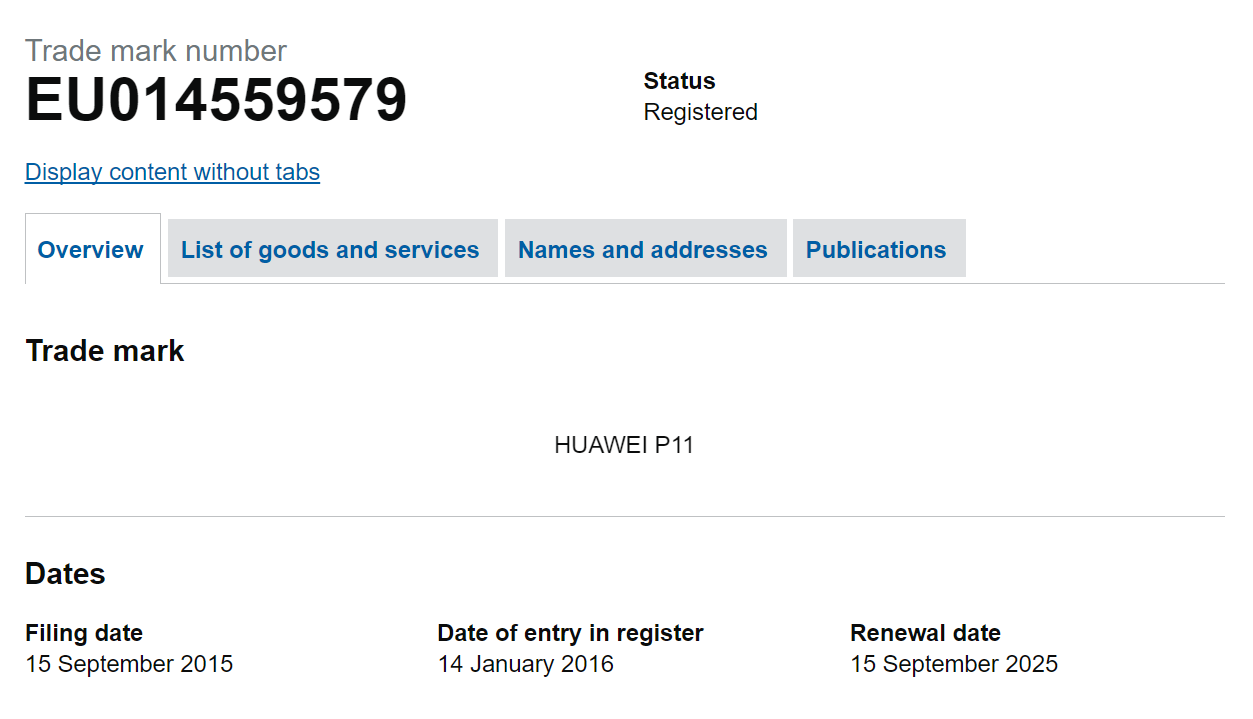
Latest report says the Chinese-giant has trademarked the name “Huawei P11” in the US, UK, Taiwan, and Hong Kong. Trademark for the “Huawei P11” name was filed as far back as 2015 in Europe though. The “Huawei P20” trademark was filed only in the States.
It is still unclear which of the names Huawei will use for its next flagship. There is a chance it may go under different names in various markets, so that may explain the multiple trademarks. However, since the P11 and P20 names were both filed in the states, that puts a hole in that explanation.
Come tomorrow, January 24, Vivo will launch the first commercially available smartphone with an in-built fingerprint sensor. Other manufacturers will follow suit and that will most probably be the trend for this year.
While Vivo’s X20 Plus UD uses a Synaptics’s sensor that is placed between the glass panel and OLED panel, Japan Display Inc. commonly referred to as JDI has a different approach.
This is the company’s first fingerprint sensor by the way, since they are naturally into display manufacturing. However, the display does play an important part in the way the scanner works.
Sample images of Glass-based Capacitive Fingerprint Sensor
Unlike traditional fingerprint sensors that are made of silicon and are not transparent, JDI’s sensor is made of a transparent material. It uses JDI’s Pixel Eyes™ technology which allows the sensor to be built right into the glass substrate of the LCD panel.
The technology has been perfected such that it can even detect the changes in capacitance caused by the recesses and ridges of one’s fingerprints when the finger touches the display.
JDI’s current sensor measures 8.0mm x 8.0mm but the company says it plans to develop larger as well as smaller sensors that will work with a variety of devices.
The Japan-based manufacturer says shipping in commercial quantities should begin within the 2018 fiscal year which ends March 2019. Chances are we won’t see it appear in devices until next year.
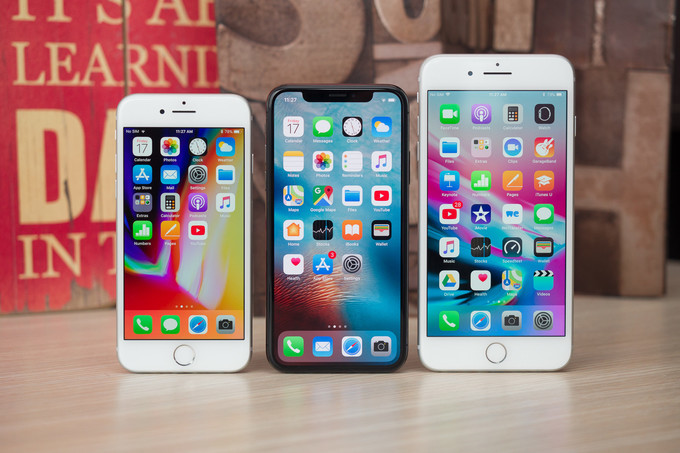
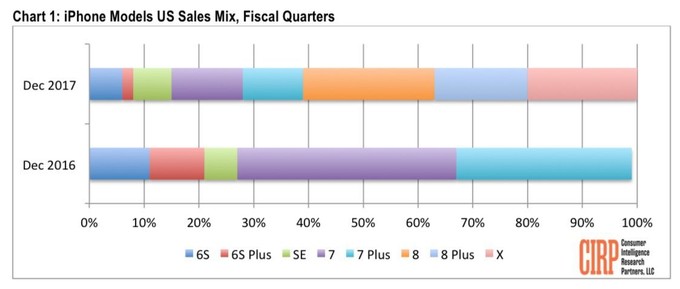
A recent research finding showed that public interest on Apple‘s latest flagship iPhones was on the low side across all three major U.S carriers – AT&T, Verizon, and Sprint. As if that wasn’t enough, a second research analysis has emerged painting a not-so-promising picture of the performance of Apple’s latest products. The latest data showed that U.S sales of the iPhone 8, 8 Plus and iPhone X represented a 61% sales of all iPhone sales in America last quarter.
Apple’s 2016 flagships – iPhone 7 and iPhone 7 Plus were able to command a much higher 72% sales of the total iPhones sold back then in Q4 2016. It is quite understandable that most fans preferred the iPhone X and so the late release of the X may have impacted on sales of the iPhone 8 and 8 Plus. Despite joining the party late, the iPhone X accounted for roughly 20% of all iPhones sold between October and December. So, it is expected that the records would tilt in favor of the new iPhones when the first quarter of 2018 ends in March.
The iPhone 7 and 7 Plus still continue to sell strongly, accounting for about 25% of iPhone sales in Q4. This is followed by the iPhone 6s and 6s Plus with an 8% share, and at the bottom end of the table is the iPhone SE which happens to have the lowest specs among the lot. The iPhone 8 accounted for the most sales of all three new iPhones in the quarter under review. That is an indication that it is preferred better than the bigger-sized iPhone 8 Plus by many of those who have bought one already in the U.S.
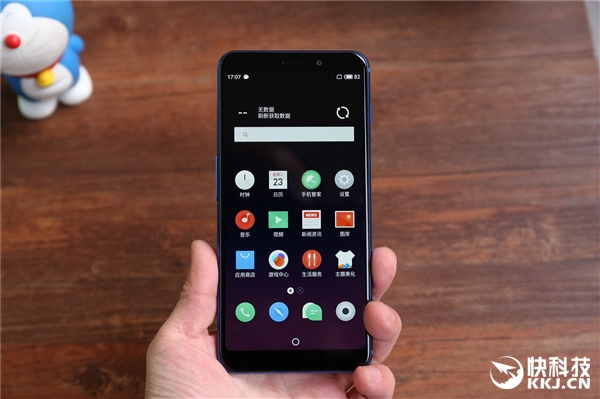
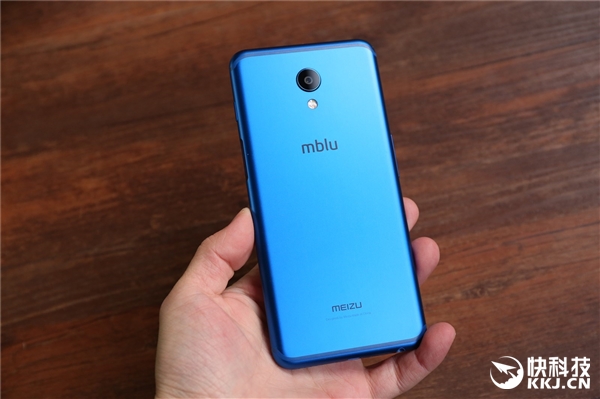
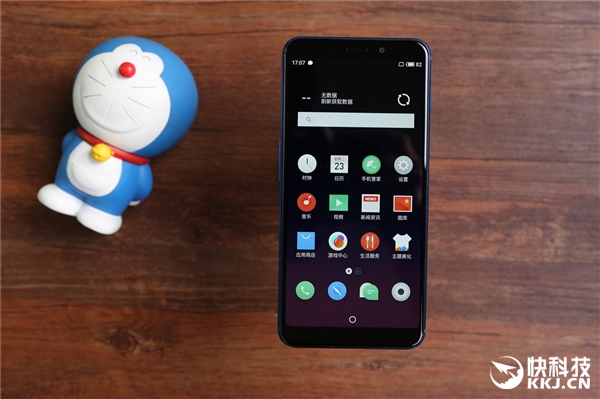
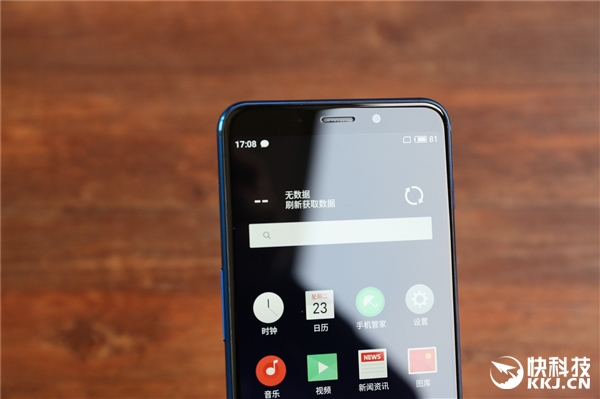
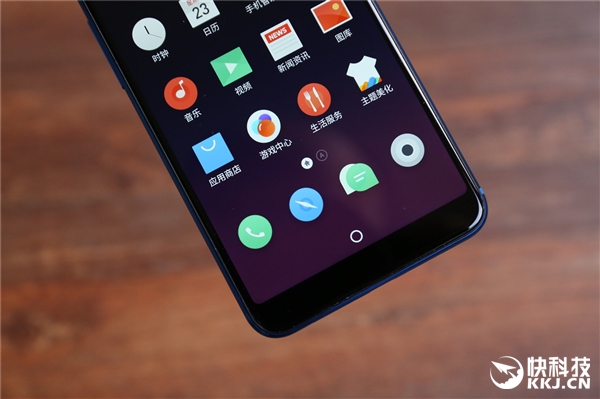
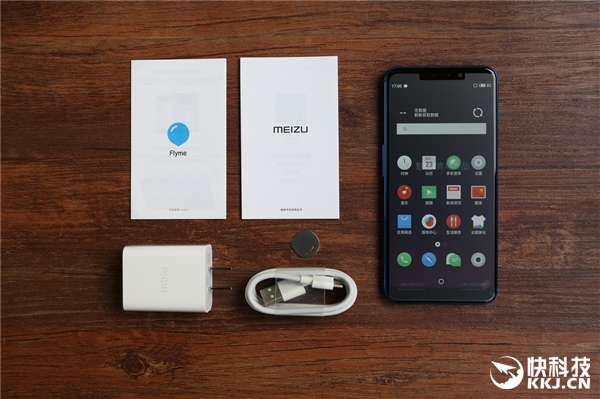
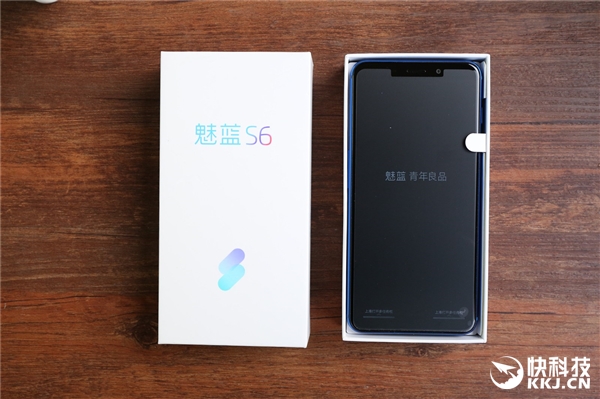
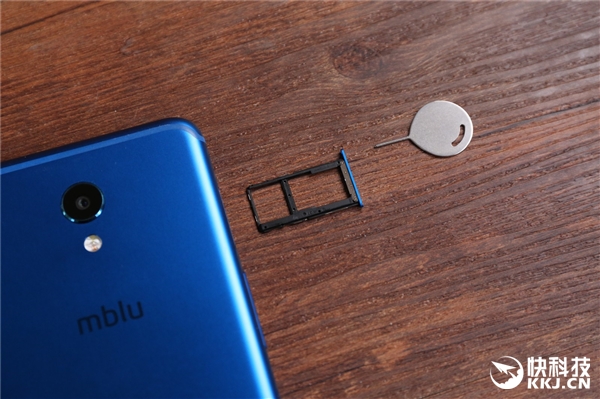
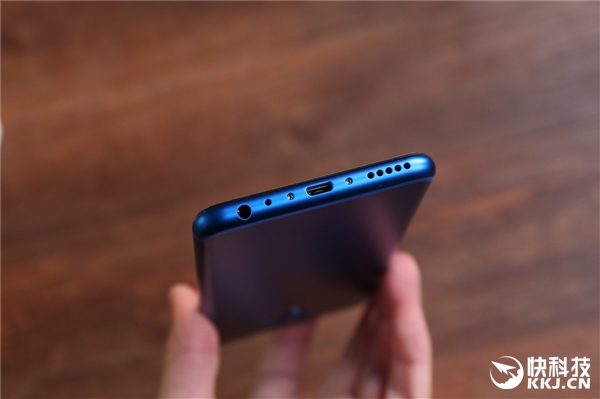
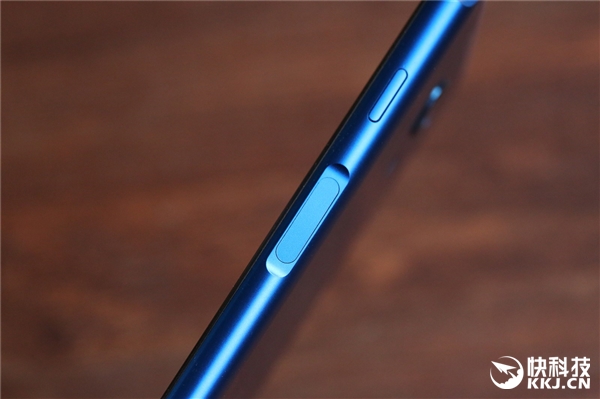
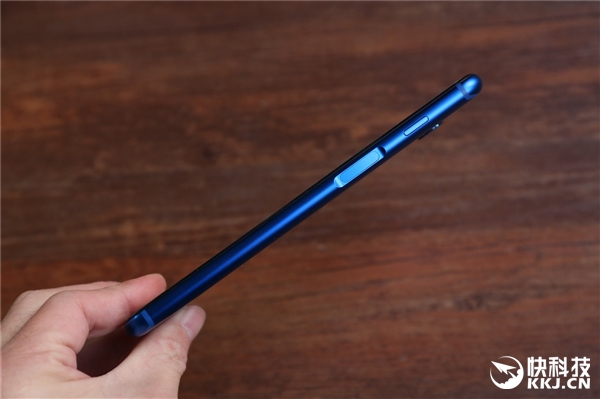
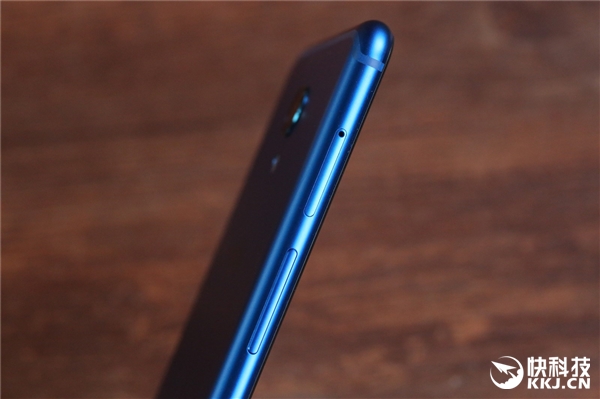
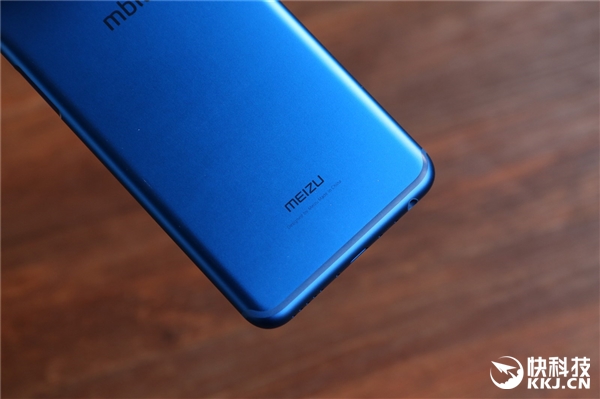
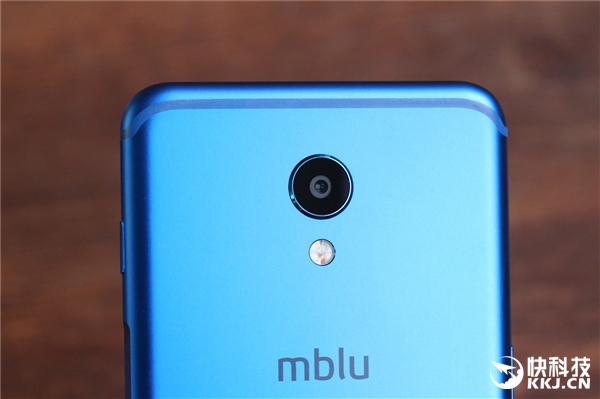
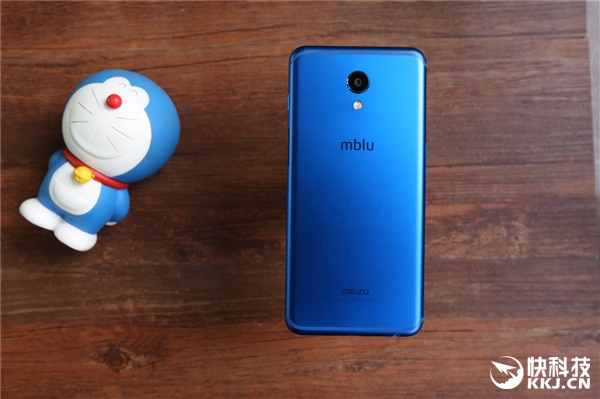
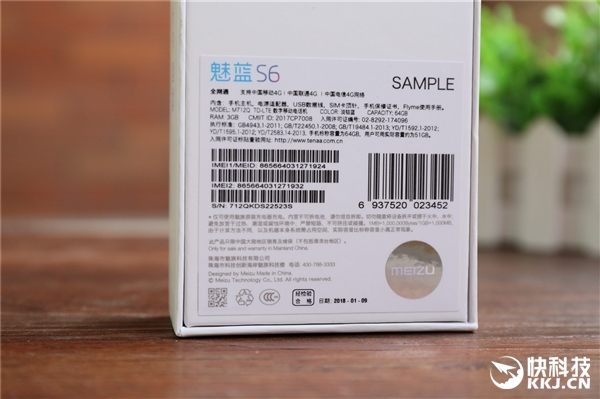
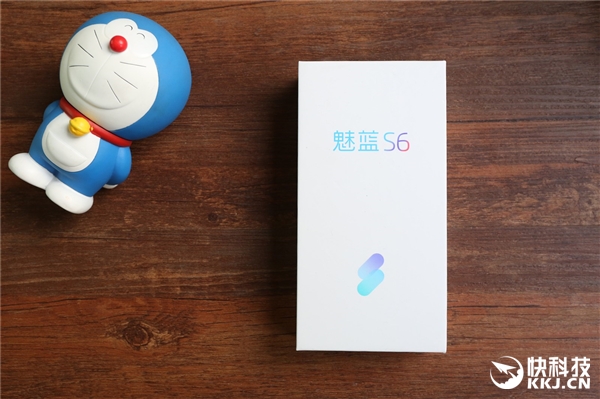
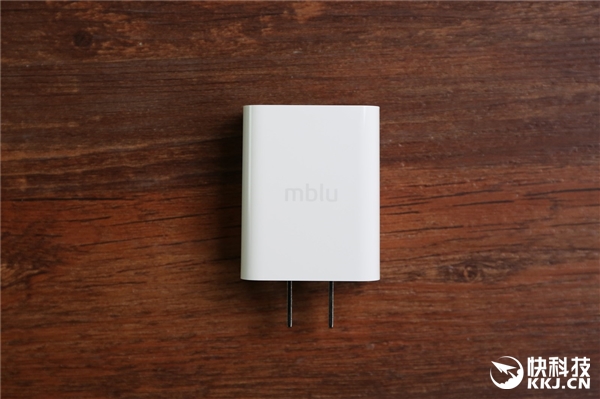
Meizu’s latest smartphone dubbed Meizu M6s is relatively a budget offering but the device comes with the trending full-screen design with a curved glass and it looks attractive. The device was launched last week and went on sale in China on January 19 priced around $150. Meizu is yet to reveal when the global rollout will take place but while we wait for news on that, here are fresh unboxing pictures of the M6s Cobalt Blue colour variant.
The M6S was announced to come in four colour options which include; Gold, Gray, Black, and Blue. The Cobalt Blue colour variant adds some ambience and sleekness to the budget device. Apart from the front screen, all other parts of the device got the blue paint job, giving it some form of prominence. Even the U-shaped antenna band gets a Cobalt Blue colouring as well as the ring bordering the rear camera. The mblu and Meizu write up inscribed at the rear panel are also having a blue coloration but a darker shade.
As a reminder, the Meizu M6S, also known as Blue Charm S6, features a 5.7-inch 18:9 in-cell display with 1440 x 720p HD+ resolution. The screen boasts of 450 nits brightness, wide viewing angles and 1000:1 contrast ratio. The M6S happens to be the first device to feature Samsung’s Exynos 7872 processor built on 14nm process with two Cortex A73 performance cores and four Cortex A53 efficient cores as well as full Netcom. The processor is backed by 3GB of RAM while the device will be available in 32GB and 64GB of storage options. It equally packs a 3000mAh with 18W fast charging that charges up to 52% in just 30 minutes. Providing the interface is the Flyme 6.2 OS with the company’s OneMind AI engine. All these for just 999 Yuan ($155) for 3GB + 32GB model and 1199 Yuan ($186) for the 3GB + 64GB model. Isn’t that amazing? Please find the complete Meizu M6s unboxing photos after the source link below.
The update to Android Oreo for LG G6 has been confirmed, but it is not coming as soon as you might expect. Two months ago an unit of the smartphone has appeared on benchmarks with Android 8.0 Oreo installed, but this did not mean that the handset was going to be updated soon, at least in Europe. The Italian website of the company mentions that the update will arrive on the smartphone within the first half of the year, and this means that in the worst case we will get the update at the end of June.
On the same page, the website mentions that LG V30 will get Android Oreo in the first quarter of the year. Indeed, in some nations, the latest flagship launched by LG is already running the latest version of the operating system. Another confirmation about LG G6 has arrived on Twitter, from LG Italy’s official account. According to LG Italy on Twitter, the update for this device will arrive in the second quarter, that is the period which goes from April to June. LG G7 might go on sale before LG G6 gets updated to Android Oreo.
The update will obviously bring all the most important features of Android Oreo, which will improve the user experience a lot. Among these, there will be surely the picture-in-picture mode for multi-tasking, which will allow you to reduce app as small floating windows on the screen and keep them under control while you are doing other things. On its website, the company invites its customers to periodically check the mentioned page and LG Newsroom. In this way, you will always know when a new update is going to hit an LG phone and you will not miss anything about all the old and new devices of the company.
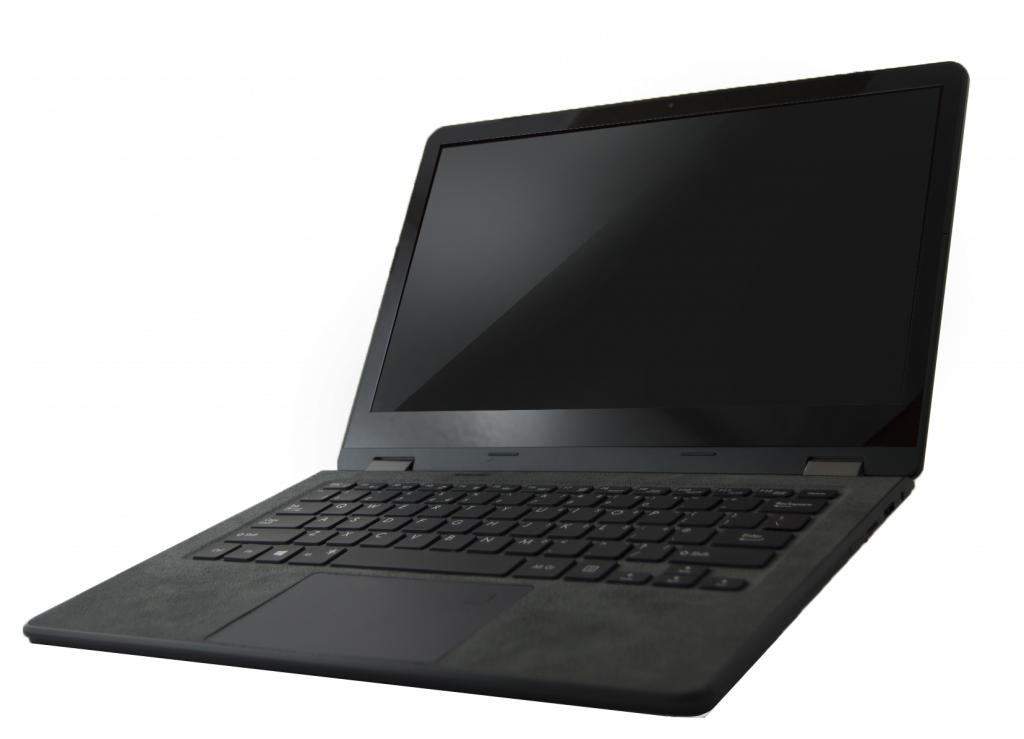
Microsoft is not only focused on costly devices like its Surface line-up, but it also thinks of people with a low budget and students. The Redmond giant has just unveiled four affordable notebooks made by two of its most important partners: Lenovo and JP. These notebooks will be available to purchase under $300 in the USA, they will have the Windows 10 operating system and they will also come with free Office 365 with OneNote and Teams pre-installed. Just to point out, only buying this software alone would cost more than $200, but with these laptops, you will also get a PC at the same price.
The first laptop unveiled by Microsoft is the Lenovo 100e, and it is also the most affordable one. Even though it is very cheap, it has a good CPU inside: an Intel Celeron Apollo Lake. It will be sold in the U.S. with a price tag of just $190. Then, we got a convertible laptop: Lenovo 300e, which has a touchscreen and supports a stylus for handwriting and drawing. The third notebook unveiled is the Classmate Leap T303 by JP, which supports Windows Hello for security. This one will be launched with a price of just $200.
At last, we got the Trigono V401 which is another convertible with the support to touch and pen input. This is the most expensive one, it will cost $300. These notebooks join some other ones for students which were already unveiled by Microsoft. One of these is HP Stream 11 Pro G4 EE, which has a display with an HD resolution, 4 GB of RAM and 64 GB of internal storage (eMMC). Each of the notebooks mentioned is an entry-level laptop, but they are excellent for their prices and do not forget that they offer very interesting programs to help students learn.
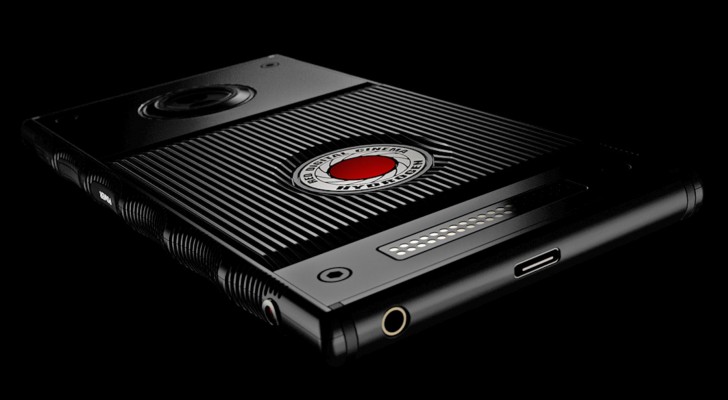
Last year, professional camera maker RED, announced its own modular smartphone – the HYDROGEN One. The phone which is priced between $1200 to $1500 awas available for pre-order last summer with a 2018 release date. New details have now surfaced about the phone.
Founder of the company, Jim Janard said in a forum post that he and the President of the company, Jarred Land, are both using working prototypes of the HYDROGEN One with serial numbers EVT1-0001 and EVT1-0002 respectively.
One of the unique selling points of the HYDROGEN One apart from its modularity is its display. Apart from being able to run in regular 2D mode like most smartphones, it can also run in a 4View mode (holographic).
According to Jim Janard, it is a “better than 3D” image that doesn’t require glasses. He says in the post that everyone who has seen the screen (in this mode) has been blown away.
For modularity, the HYDROGEN One has a set of pogo pins similar to the Lenovo Moto Z series. These pins will connect to modules that adds an additional battery or cinema-grade camera amongst others to the phone.
The post also listed a few specs of the phone:
5.7” 2560 x 1440 hi-res display
Snapdragon 835 mobile platform
Dual SIM slot (hybrid)
4500mAh battery
USB-C port
3.5mm audio jack
Stereo speakers
The good news is that the RED HYDROGEN One will be available to carriers. However, availability will be dependent on how soon a carrier certifies the phone. Due to that, estimated ship date for carrier-versions will likely be in the summer. Nevertheless, those who pre-ordered will get theirs unlocked and shipped to them earlier than that.
RED also revealed that they are planning a HYDROGEN Day at their studios probably in April where the technology behind 4View (4V) will be demonstrated.
RED’s target market for its phone are those involved in content creation, so if you do not fall into this category it may not be justifiable spending over a $1000 purchasing it.
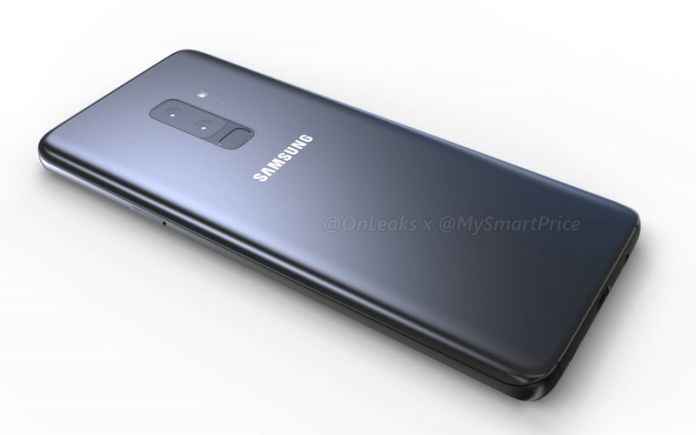
Samsung is expected to officially unveil its 2018 flagship Galaxy S9 and S9+ at the Mobile World Congress (MWC) holding next month at Barcelona, Spain. Ahead of the launch, more details of the two flagship models continue to appear online. The latest leak the Galaxy S9 series are getting comes in form of the specifications of their cameras.
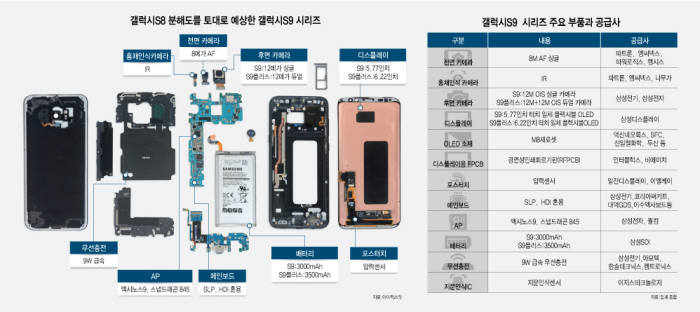
As we had already seen on previous leaks and even on renders, the Galaxy S9 is expected to feature a single rear camera just like its predecessor but the Galaxy S9+ is expected to pack a dual camera setup at the rear. The leaked details which purportedly emanated from South Korea shed more light on the camera specs of the duo. The details include that the Galaxy S9 will indeed feature a single 12MP rear camera with optical image stabilization which also has a variable aperture (f/1.5 – f/2.4) lens. The variable aperture setup was first implemented on the W2018 which was launched in November last year but this the first time such hardware will be available on a flagship model. The variable aperture lens allows users to adjust the aperture before taking a photo. The bright f/1.5 aperture lens should also allow the Galaxy S9 to deliver significantly improved low-light performance compared to the Galaxy S8 as well as the Galaxy Note 8.
On the other hand, the Galaxy S9+ dual camera setup is tipped to comprise of two 12MP sensors. The primary sensor comes with a f/1.5 aperture lens while the secondary sensor will pair with a f/2.4 aperture lens. The setup will allow users to capture photos using both sensors simultaneously, resulting in a superior image quality compared to previous Galaxy flagships. At the front, both flagships would have an 8MP selfie sensor with autofocus and iris recognition.
As a reminder, the Samsung Galaxy S9 is expected to feature a 5.77-inch Quad HD+ dual-curved Super AMOLED display while the Galaxy S9+ will come with a bigger 6.22-inch Quad HD+ dual-curved Super AMOLED display. The models are expected to pack either a Snapdragon 845 or an Exynos 9810 chipsets. The leaked detail also shos there would be a 3500mAh battery crammed inside the Galaxy S9+ while the S9 will have a 3,000mAh battery.
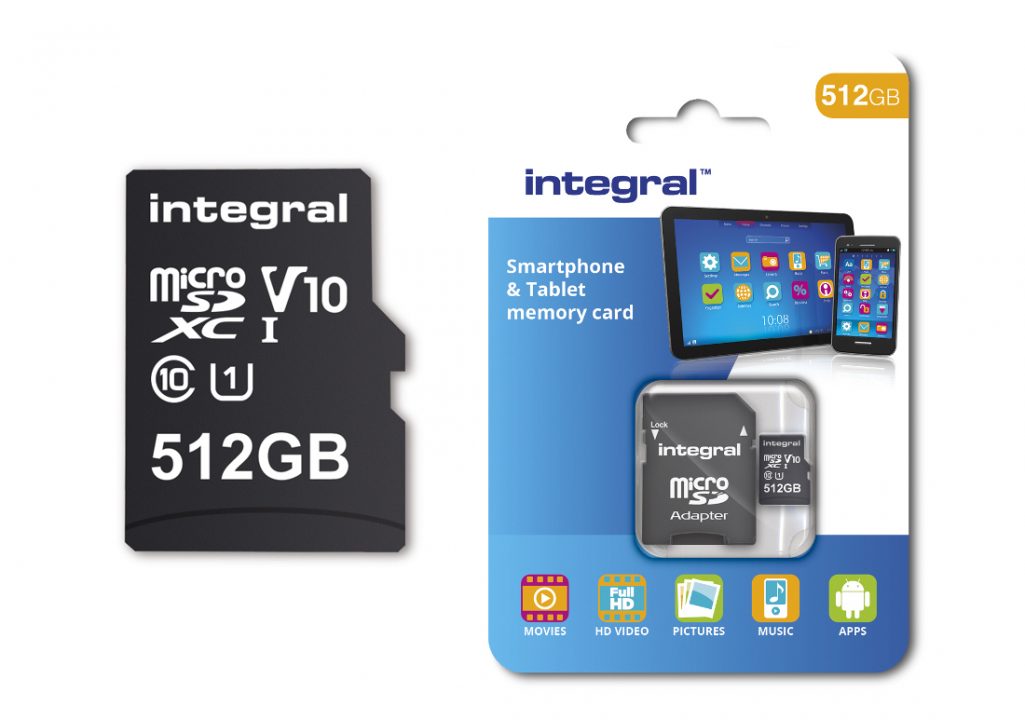
Last year SanDisk unveiled the world’s largest microSD card. With a capacity of 400GB and an A1 rating, the microSD card ticked most boxes for most devices. Less than 6 months later, UK-based Integral has snatched the crown with its 512GB microSD card.
The new microSD card won’t be available for purchase until February, but you may want to start saving up for it. SanDisk’s 400GB card sells for about $240, so expect this to cross the $300 mark.
The Integral 512GB microSD card has a UHS-I, Class 1 specification and a microSDHC/XC Class 10 rating. Intgral says it also has a transfer speed of up to 90MB/s and meets Video Speed Class 10 specification.
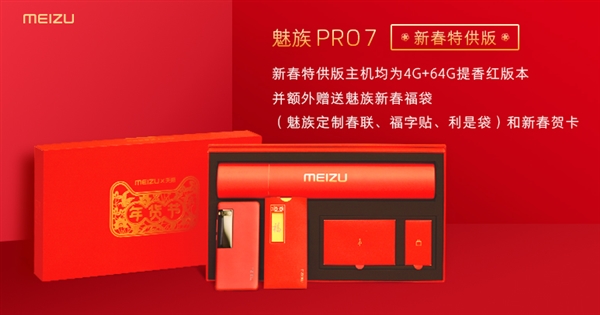
Meizu has officially announced that the flagship Pro 7 New Year Special Edition will be on sale on January 24 well ahead of the Chinese Spring Festival or New Year coming up on February 16. The Meizu Pro 7 Spring Festival special edition is actually the Titan Red variant but it comes with a gift bag containing a couple of stuff and is priced at 1,999 Yuan. Despite the free gift attached to the purchase, the Pro 7 still retains the 1,999 Yuan (~$312) price which it presently sells for in China.
The new edition features a design consistent with the regular model, including a secondary display at the back. The Spring edition is only available in 4GB RAM + 64GB storage and also contains a New Year gift bag with customized Meizu couplets, stickers and a New Year greeting card.
Apart from the sleek design which gets even sleeker in red and the gift bag which adds some more attraction, the Pro 7 in this case feature a MediaTek Helio P25 chip and not the Helio X30 processor. It sports a 5.2-inch Super AMOLED display with full HD resolution and is fueled by a 3000mAh battery with mCharge 3.0. The device gets its interface from the Flyme 6 OS based on Android 7.0 Nougat. The Meizu Pro 7 also comes with a 1.9-inch AMOLED secondary display located at the left side of the rear panel and it displays some notifications.The device also packs a dual camera setup at the rear among others. If you want to know more about the Pro 7, you can read our launch article from here.
Earlier today, Xiaomi’s MIUI team held a 2017 summary meeting that had in attendance co-founder and senior vice-president of Xiaomi Hong Feng. The company executive who also doubles as the head of the MIUI business unit took the opportunity to officially unveil MIUI 10.
MIUI 10 will be the name of the next version of Xiaomi’s custom Android OS and not MIUI X as earlier rumored. Sadly, no details about the upcoming version were released at the event.
A week ago, MIUI announced that it successfully upgraded 40 Xiaomi phones to MIUI 9 including the Xiaomi Mi 2, Mi 2s, and Redmi 1s. Sadly, MIUI 9 will be the last update for some of the models.
Last week, Huawei announced that it will soon start rolling out its upgraded operating system — EMUI 8.0, which is based on Android 8.0 Oreo.
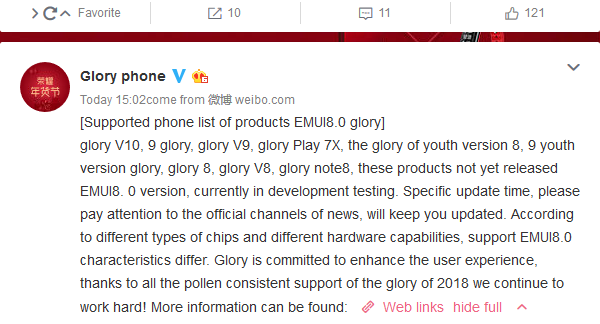
Now, the company has announced the list of devices that will be receiving this new software update. The list of phones includes Honor V10, Honor 9, Honor V9, Honor 7X, Honor 8 Youth, Honor 8, Honor V8 and Honor Note 8.
Interestingly, all the models which are slated to receive this new EMUI 8.0 update are powered by the company’s own Kirin chipset. However, the company’s official has said that the update for these models is still under development. The company has not yet provided any timeline for the update.
Huawei has described the upgraded EMUI 8.0 as “an avant-garde technological software which is efficient, secure and above all, user-friendly.” According to the company, EMUI 8.0 — which is the successor to EMUI 5.1 — comes with artificial intelligence that makes the software experience smarter and quicker.
Honor EMUI 8 Update List
The updated version of the operating system comes with features like Real-Time Scene and Object Recognition, Smart Tips, and AI-accelerated language translation, among others. It also brings some artificial intelligence-based capabilities such as resource allocation, context awareness as well as user behaviour or behaviour prediction.
Because the EMUI 8.0 update is based on Android Oreo, users will also have access to features like split-screen interface, navigation dock, one-hand operation and smart view.
The company’s spokesperson had previously said that users will be witnessing a faster and smarter phone experience, powered by advanced AI technological features. He had added that the update significantly cuts down on the number of steps needed to achieve the desired function through its smart applications like navigation dock and smart screen, and enables the user to reach 90% of the core functions in just a single click.
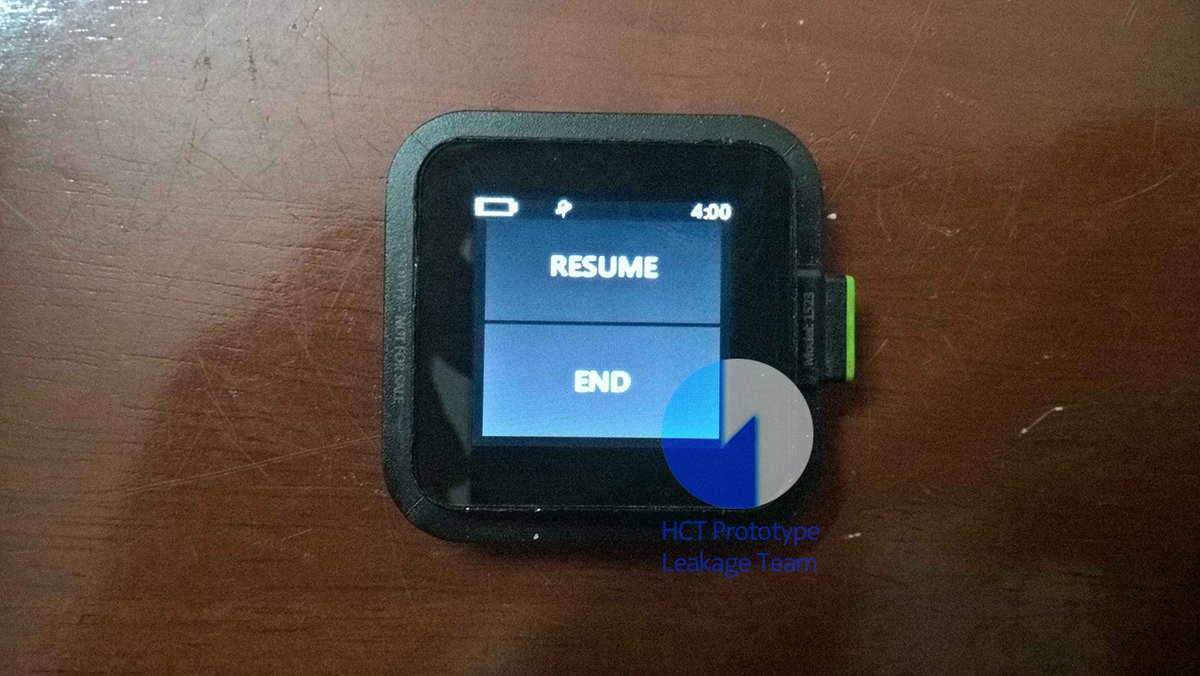
When the fitness wearable craze started a few years ago, several manufacturers jumped on the train. Microsoft was one of them and it released two smartbands – the Microsoft Band and Microsoft band 2. However there was a third fitness watch that didn’t get an official release – the XBOX Watch.
Twitter-user @Hikari_Calyx was able to get his hands on several units and has been generous enough to provide images of one of them turned on.
The XBOX Watch has a square frame with thick bezels around the screen. The UI is tile based with horizontal scrolling but the resolution is pretty terrible. From the images, we can see the XBOX Watch has GPS, a calorie counter, and a heart rate sensor.
While the front of the watch is a mix of gray and black, the rear is silver with an XBOX engraving. The charging pins and heart rate sensor are positioned in the middle.
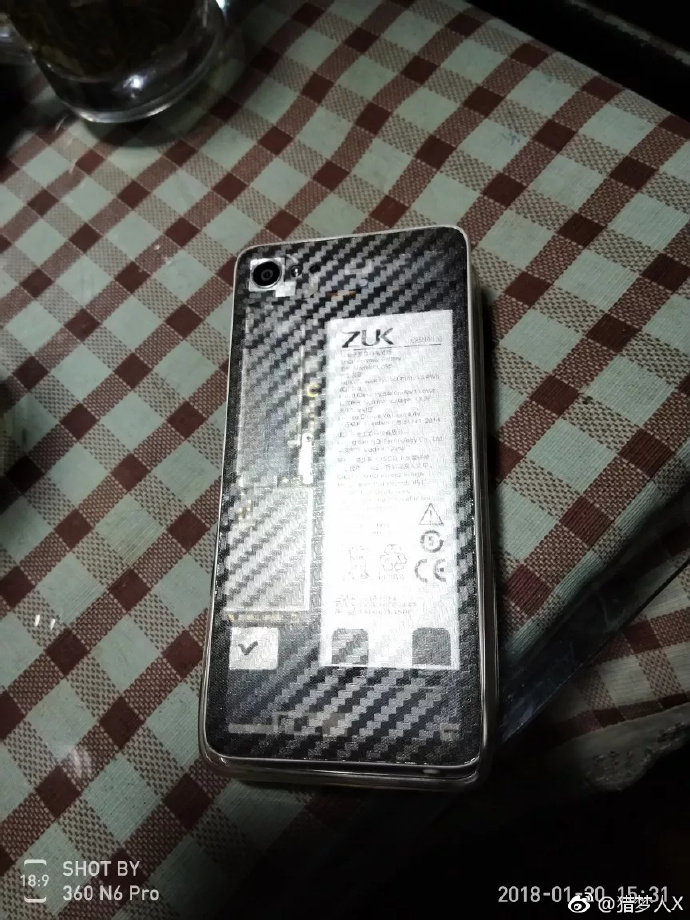
UPDATE: As one of our readers pointed out, this looks like the ZUK Z2 with a transparent case. So, it looks like we’ll have to wait for some time to get a glimpse of the rumored 2018 ZUK phone.
Recently, there were reports making rounds suggesting that the Lenovo’s subsidiary ZUK, which focused on offering affordable premium flagships, could be making a comeback in April this year.
In line with those reports, a new smartphone from ZUK has been spotted online through Chinese microblogging website Weibo. The leaked image shows a phone with a transparent but textured back panel, featuring a single rear-facing camera.
Also, there is no fingerprint sensor placed on the back panel. So, the phone could have a home button acting as a fingerprint scanner. Earlier, ZUK’s chief executive officer Chang Cheng had posted a photo of a smartphone on Weibo with Lenovo branding.
However, the earlier posted photo featured a metal build phone having a curved back panel with a reflective finish, while this newly leaked image shows a phone with a transparent back panel. However, there’s a possibility that this leaked image could be a prototype unit.
Recently, Chang Cheng, who is a Vice President of Lenovo Group, got transferred to the company’s MBG (Mobile Business Group) China. He is now responsible for the product organization, research, and development work in the country. This news sparked rumours about the brand’s return.
Sine last few weeks, there were rumours suggesting that the Lenovo sub-brand could make a comeback in April this year with its much delayed ZUK Z3 phone. This was reported after a discussion about the ZUK Z3 phone on Weibo and then some posters appeared with a message of April 23, which many started believing as the date when the company could announce a new product.
The last smartphone announced by the company was ZUK Edge, featuring a 5.5-inch Full HD display with Corning Gorilla Glass on top. It is powered by quad-core Qualcomm Snapdragon 821 processor along with 4GB/6GB RAM and 64GB internal storage. The phone packs 3,100mAh non-removable battery and with the recent price-cut, it costs 1799 Yuan (approx. $264).
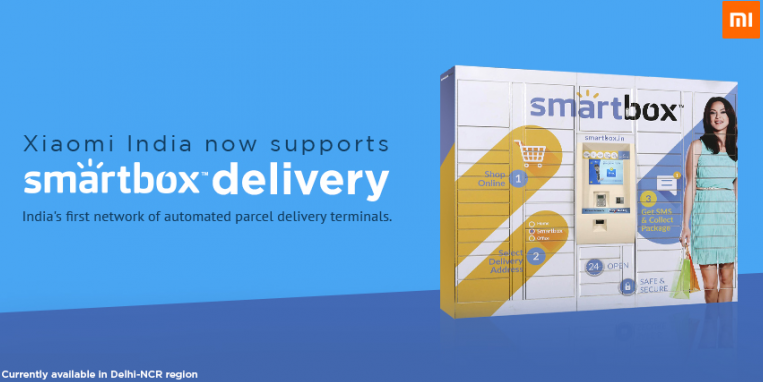
Today, Xiaomi officially confirmed its collaboration with Smartbox, a Noida-based startup from India that has created automated parcel delivery terminals across the country. Smartbox will soon appear as a new delivery option on Mi.com as well as Mi Store app v2.10.1 or higher. By selecting the new delivery option, customers can receive orders at the nearest digital locker.
The newly introduced Smartbox delivery option is a safe and convenient way to receive ordered products from Smartbox’s digital lockers from the nearest locations. Delhivery, Blue Dart, FedEx, Ecom Express and Xpress Bees are the courier partners of Smartbox.
Here are how users can place orders through Smartbox:
Select a product on Mi.com or Mi Store app and then add it to cart.
Add the delivery address and select Smartbox as the deliver option.
The Smartbox dialogue box will prompt the user to type in the closest Smartbox terminal.
Once the order is placed, Mi.com will send a confirmation and Smartbox will also send a message with OTP to the customer.
Once the ordered item arrives at the Smartbox delivery kiosk, the customer will be notified through a message.
If the customer has already paid for the order, he will have to provide the received OTP at the Smartbox terminal and collect the parcel
For orders with COD (Cash on Delivery), users can make the payment through cash, debit/credit card, PayTM or UPI payment options at the Smartbox terminal and receive the parcel.
One should be aware of the fact that once the parcel reaches Smartbox terminal, it will remain there for 72 hours. If the parcel is not collected in 72 hours, it will return to Xiaomi. As of this writing, the Smartbox delivery option is only available in Delhi NCR region. In the near future, the service will be also made available in other regions of the country.
In Q317, Xiaomi became the number one smartphone brand in India by equaling its market share with Samsung. The company has managed to salvage sizable market share in India mainly because of its strategy of selling its devices with aggressive pricing online.
The Chinese firm is now working on expanding its offline business in the country. It aims to open 100 Mi Home stores and numerous partner stores by mid-2019. Xiaomi Global Vice President and India head Manu Kumar Jain has said that the company is already ahead of its scheduled as it has already started 17 Mi Home stores in the country.
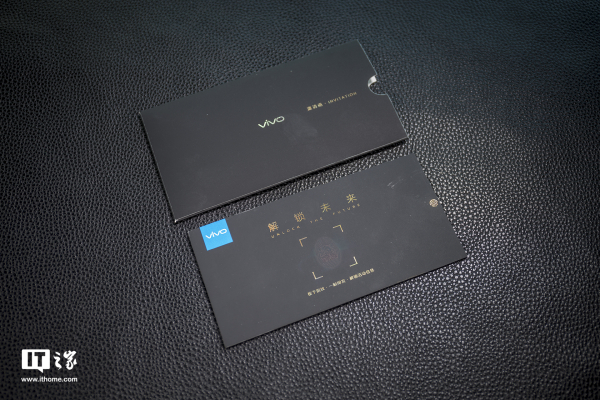
As you would recall, Vivo unveiled its latest Vivo X20 In-Screen Fingerprint smartphone at CES 2018 in Las Vegas. The technology at play happens to make the X20 Plus version the world’s first In-screen fingerprint smartphone and would be launched in China on January 24. Vivo has already sent out invitations to the launch event and we had seen a poster in that regard, stating the venue of the launch.
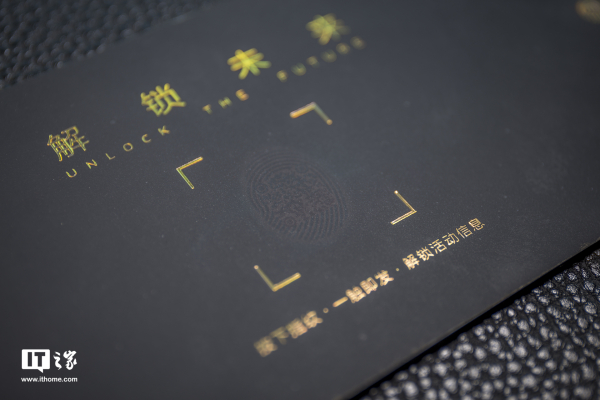
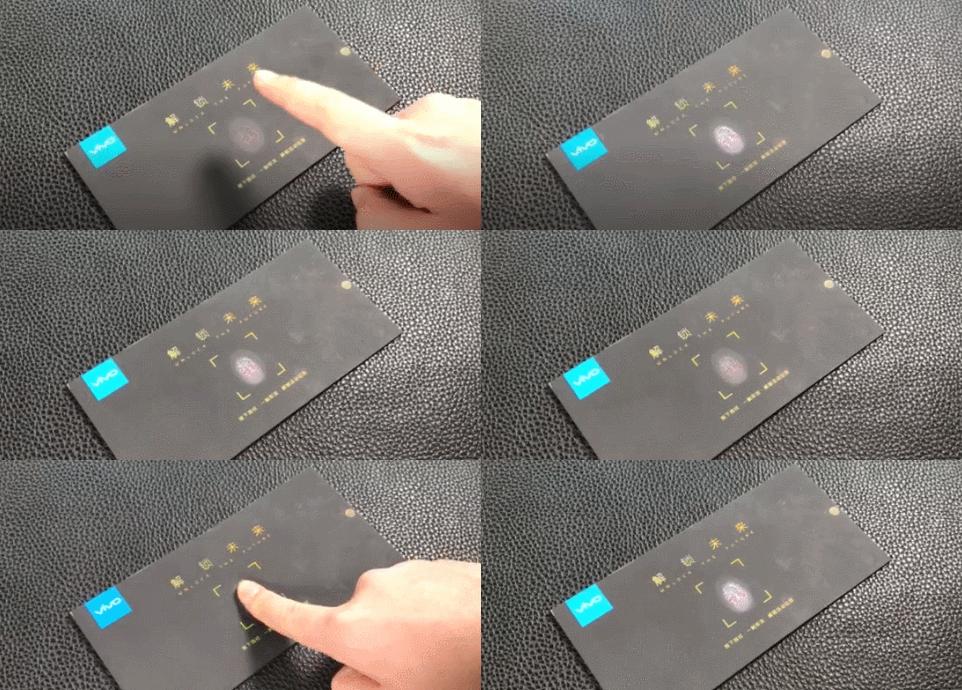
However, the official invitation to the launch had not been seen until now and it actually unlocks some interesting details. ITHome got an invitation card to the event and interestingly, the invitation card doesn’t look like the ordinary ones we may have seen in the past. It comes with an innovative imitation of the in-display fingerprint sensor and the imitation actually works! Well, except that when it is pressed with the finger, it reveals an embedded two-dimensional QR code. When the QR code is scanned with a smartphone, it opens a webpage where the evolution of the phone unlock is chronicled right from the days of Nokia phones and Motorola flip phones to the present set of unlocking technology.
The Vivo X20 Plus In-screen fingerprint version looks very similar in design to the regular version which has gotten quite a number of variation presently. The major difference is that there is no rear-mounted fingerprint sensor, instead, the device comes with a fingerprint module under the screen. The location of the fingerprint module seems to be lit-up with the fingerprint icon displayed, perhaps for ease of identification. The fingerprint sensor unlocks the device is just about 0.6s – 0.7 seconds which isn’t bad for a new technology making its debut for the first time. With time, the unlock speed will improve. In addition, chances of false recognition are said to be one in 50,000. The technology has been tailored to also bring efficiency to other basic fingerprint identification needs. The tech giant hinted that the fingerprint technology has even reached the level where it can be adopted for fingerprint payment authentication on platforms like WeChat, AliPay etc. In less than 24 hours from now, we’ll find out more details of the device as well as the retail price.
Dubbed as ‘Keep Calm And Get Back To Work,’ GearBest’s latest promo offers up to 50% discount on selected items that have further been divided into various sections. Let’s take a gander at the discounts each section has to offer.
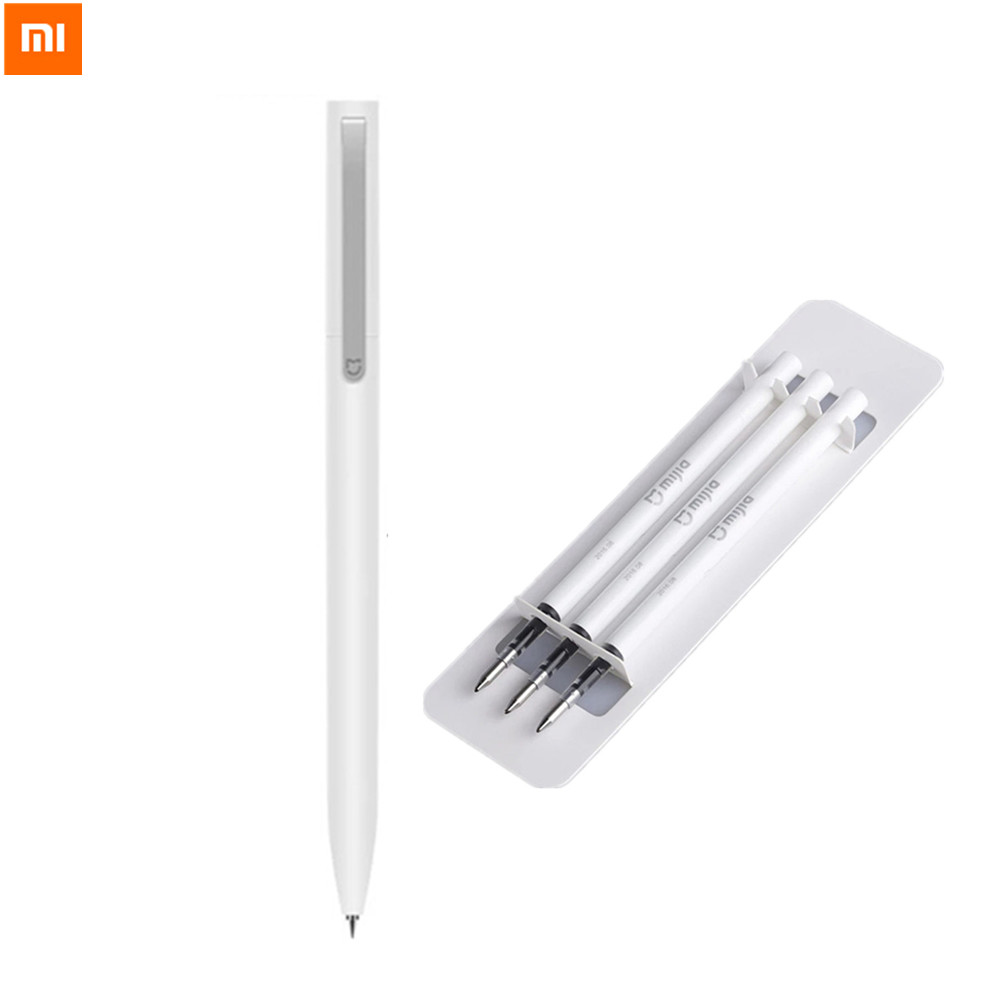
The site is offering 53% off on a set of 3 pieces of Xiaomi Ink Pen Refill, bringing its price down to only $1.69. This promo ends in 6 days and only 843 pieces were left at the time of writing.
Likewise, there’s a 12% discount on the original selling price of Ajazz NKRO Mechanical Keyboard. The discounted price of the keyboard is $47.99.
In line with this, there’s a considerable 21% reduction in the original selling price of JmGO V8 Projector as well. You can now buy the V8 projector by shelling out just $866.99.
Top Office Supplies
This category features a slew of office materials that carry big discounts. When you purchase HOIN HOP E801 thermal receipt printer, you save 43% on the device’s original asking price. There were only 44 pieces bearing the discounted price of $79.99 available at the time of writing.
Likewise, there were 47 pieces of Ajazz AK3.3 wireless Bluetooth keyboard left. There’s a 17% discount on the black color version of the keyboard that brings its original price down to $34.99.
Other items in this category include GOOJPRT PT-210 thermal printer, Erasable Reusable A5 notebook, MJ – 2877 laser barcode scanner and lots more.
Powerhouse Phones & Tablet
This segment is likely to sweep gadget freaks off their feet since it is crammed with some top-notch smartphones and tablets that have radically lowered price tags. You can buy Vernee X 4G Phablet for just $249.99, thanks to an 11% reduction in price offered by the site.
Furthermore, there’s an 18% off on OnePlus 5T 4G phablet, which reduces its cost to only $489.99. But there were only 183 pieces left at the time of writing.
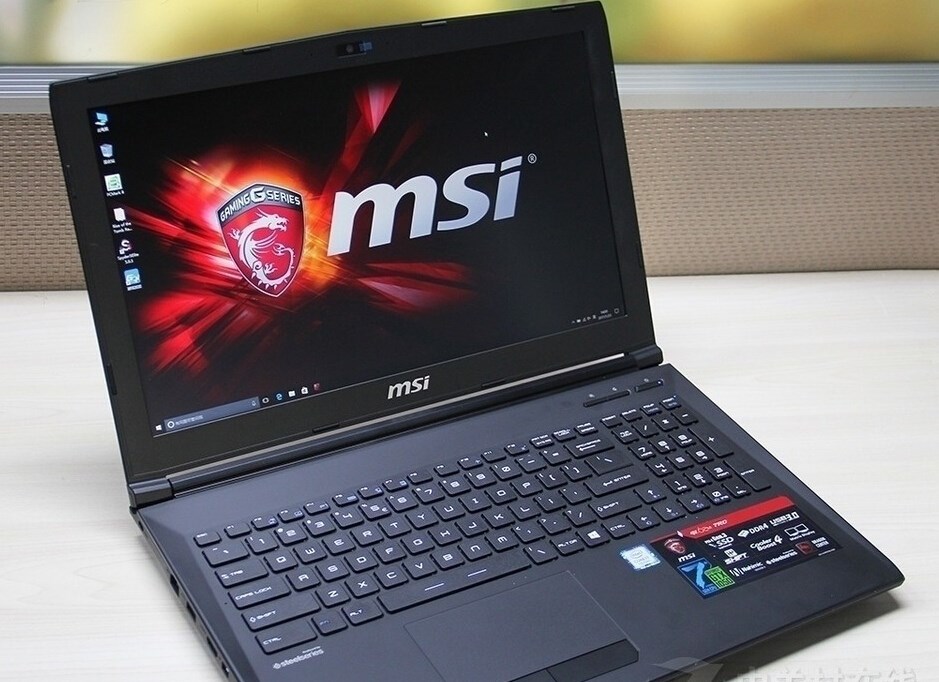
This category offers avid gamers something to cheer about as well. Video gaming fans can buy the MSI GL62M 7RD – 223CN gaming laptop at a heavily discounted price of $899.99. Only 97 pieces of the device were up for grabs bearing this discounted price at the time of writing.
Advanced Travel Tech
Travel junkies are in for a treat as well. For 3 more days, EUNI ES808 electric scooter is up for grabs at a slashed price of $259.99. There were only 2 pieces left.
Aside from that, a 10-inch dual inflatable tires scooter will be gracing the advanced travel tech category for 6 more days. A red color version of this self-balancing scooter has a discounted price tag of $148.99. The scrawl pattern version, on the other hand, is available for $145.89.
Skateboarders haven’t been neglected either in this category. The site is offering 11% reduction in the real price of the H2S 350W Hub Motor 4-wheel electric skateboard. As a result, you now need to shell out just $129.99 to get your hands on this e-wheel skateboard.
Your Fashion For Work
This category is likely to grab the attention of fashion-conscious buyers who want to wear trendy clothes and accessories without burning a hole in their pocket.
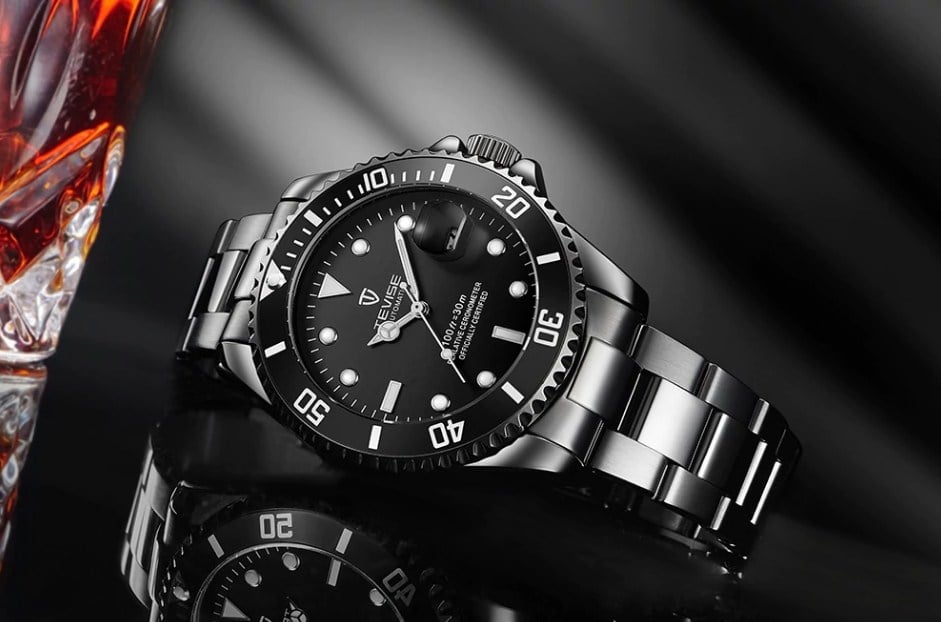
For instance, you can buy TEVISE T801A mechanical watch for men for just $17.99. This is a considerable 45% discount on the watch’s original selling price.
You can also go for HAUT TON genuine leather shoulder bag and save 34% by paying only $50.99 on GearBest. Likewise, there’s a 39% discount available on anti-slip hiking shoes for men in this category.
Work made Smart
This segment primarily focuses on devices that come in handy on daily basis. It features Unique Digital LED Alarm Clock, which has a discounted price of $7.99.There’s another multifunctional mirror finish alarm clock that is up for grabs for a flash sale price of $14.99. This is a considerable 43% reduction in the device’s original selling price.
Moreover, new members who download GearBest’s app are eligible to receive $100 of coupons free. You can head straight to this link in order to take advantage of this promo before it comes to an end.
We use cookies on our website to give you the most relevant experience by remembering your preferences and repeat visits. By clicking “Accept”, you consent to the use of ALL the cookies.
This website uses cookies to improve your experience while you navigate through the website. Out of these, the cookies that are categorized as necessary are stored on your browser as they are essential for the working of basic functionalities of the website. We also use third-party cookies that help us analyze and understand how you use this website. These cookies will be stored in your browser only with your consent. You also have the option to opt-out of these cookies. But opting out of some of these cookies may affect your browsing experience.
Necessary cookies are absolutely essential for the website to function properly. This category only includes cookies that ensures basic functionalities and security features of the website. These cookies do not store any personal information.
Any cookies that may not be particularly necessary for the website to function and is used specifically to collect user personal data via analytics, ads, other embedded contents are termed as non-necessary cookies. It is mandatory to procure user consent prior to running these cookies on your website.









 Likewise, there’s a 12% discount on the original selling price of Ajazz NKRO Mechanical Keyboard. The discounted price of the keyboard is $47.99.

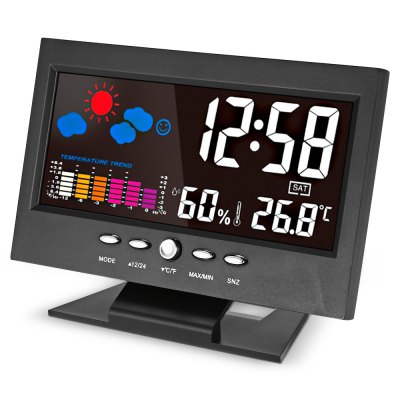 There’s another multifunctional mirror finish alarm clock that is up for grabs for a flash sale price of $14.99. This is a considerable 43% reduction in the device’s original selling price.