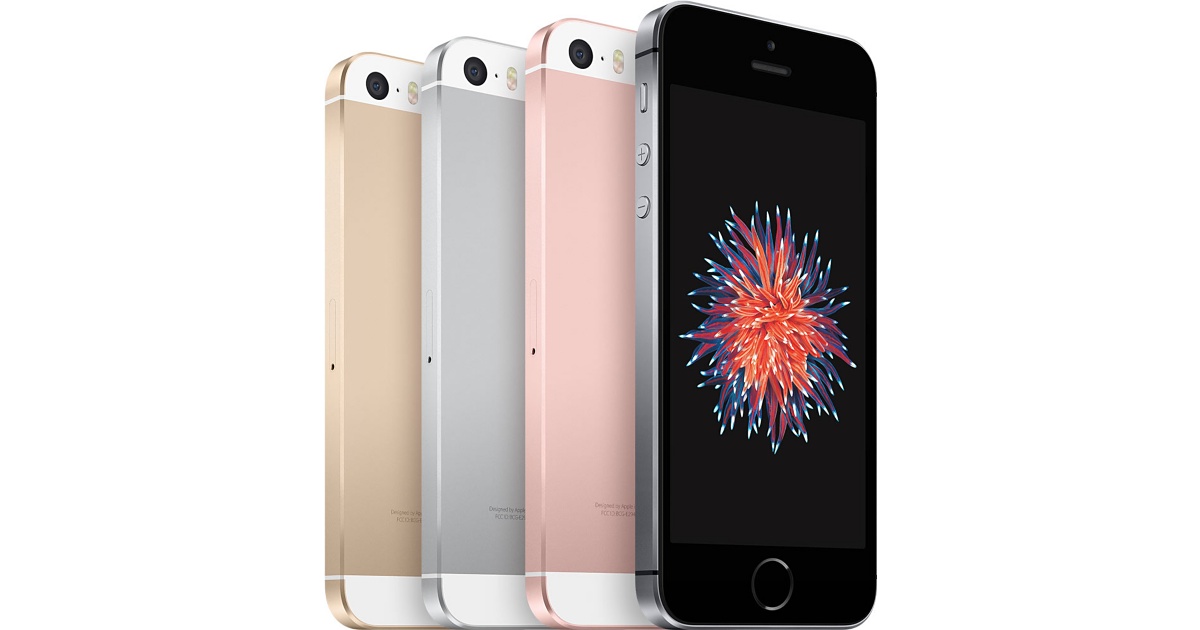
According to China’s Economic Daily News, Apple is gearing up to launch the successor of iPhone SE, dubbed as iPhone SE 2 in the first quarter of next year.
The report further states that the second-generation iPhone SE will be assembled exclusively by Taiwanese manufacturer Wistron at its manufacturing facility in Bengaluru, India. Currently, the iPhone SE selling in India are being assembled at the same factory.
The iPhone SE was launched with an intention of being a budget smartphone offering from Apple. Although it was primarily target at developing countries such as India, the smartphone has also found a niche following among those who prefer the pocketability and classic design of the smartphone.
The launch time-frame suggested in the report — first quarter of the next year, is in line with the launch timing of the original model, which was launched in the month of March last year.
However, this isn’t the first time the second-generation iPhone SE’s details have surfaced online. Previous reports surrounding the smartphone suggested that the device could come with a fairly modest update, featuring a faster chip.
It is believed that the phone will not have the latest A11 Bionic chip in order to keep the pricing at the lower side. Instead, the company is expected to upgrade the upcoming device with the A10 chip from the current A9 chip.
The smartphone is expected to come with the second-generation Touch ID sensor that was introduced on the iPhone 6S. It could feature a 12-megapixel rear camera that is available on the iPhone 7, along with a 5-megapixel selfie snapper.
The latest report also indicates that the smartphone will retain the 4-inch display and will offer current memory options — 32GB and 128GB. It also reveals that the pricing for the smartphone will start from $450.
If this report turns out to be true, then the Apple’s 2018 lineup for devices will be the company’s broadest lineup so far given that it is also expected to launch as many as three devices similar to the iPhone X next year.
Google launched the latest version of its Android operating system in August — Android 8.0 Oreo. Since then, only a couple of smartphone manufacturers have rolled out Android Oreo update to their devices.
While most users are waiting for the Android Oreo update, here are some good news for the users of Motorola. The company is soon going to start Android Oreo soak test for its Moto Z smartphone lineup.
Motorola has sent out invites to select users of Moto Z and Moto Z2 Force smartphones in Brazil who are a part of Motorola Feedback Network for the Android 8.0 Oreo operating system soak test. Motorola Feedback Network is the Lenovo-owned company’s testing programme.
A soak test is similar to Samsung’s Galaxy Beta Program where users sign up for a programme that enables them to receive beta versions of upcoming software updates or operating system build from the company. Once the soak test is completed, the company will roll out the official update.
While this is only a beta programme, it’s still good to see that Motorola and Lenovo are working on bringing the latest version of Android for its users everywhere. The soak test for Android Oreo, which is currently limited to Brazil, is expected to be expanded by Motorola to other global regions in the coming days.
The new Android Oreo update is expected to offer several improvements over the Android Nougat operating system, including faster booting time, extended battery life, more fluid user experience. It will also bring the latest security patches through Google Play Protect. It automatically checks for malware inside all the installed applications on the users’ smartphone.
According to the reports, the first beta may arrive in the next couple of days. While the company has not revealed date of the official rollout of Android Oreo, it is believed that Motorola might release the official update by the end of this year.
Earlier, Motorola had revealed the list of smartphones from the company that are eligible to receive the latest Android update. The list includes Moto Z2, Z2 Play, Z2 Force, Moto Z, Z Play, Z Force, Moto X4, Moto G5, G5 Plus, G5s, G5s Plus and the Moto G4 Plus.
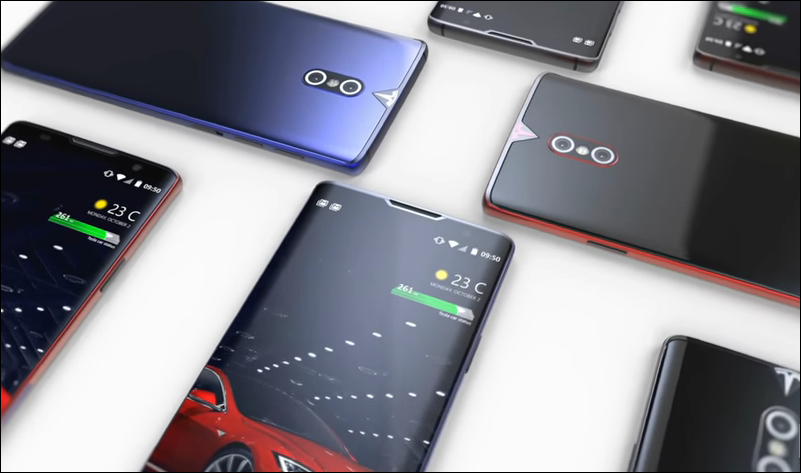
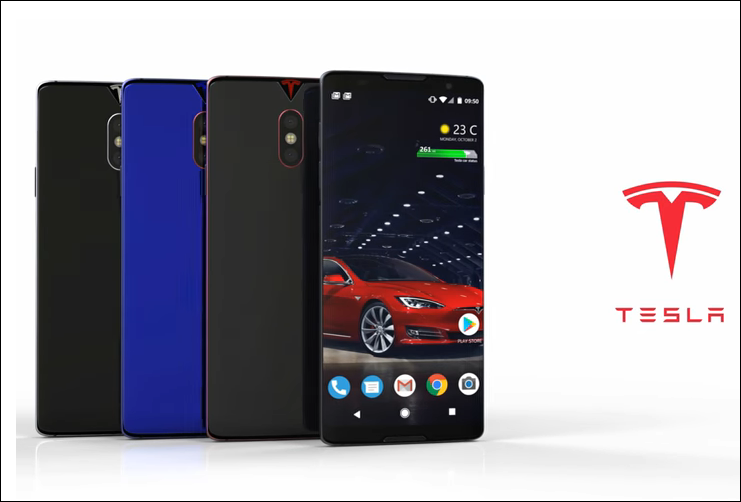
Elon Musk’s Tesla is best known for its works in the development of electric cars and solar panels but not in the smartphone industry. However, a video of a Tesla concept phone design has been uploaded to YouTube by Concept Creator. This isn’t the first time we are seeing concept designs by the same YouTuber and most of the times, the designs end up being just concepts which would never see the light of day. In this case, there is no indication that Tesla would deviate from its work in the automobile industry or energy storage to smartphone production but the design is worth giving a shot. Tesla may opt to delve into smartphone manufacturing in the future, perhaps with an emphasis on the energy storage capability.
The Tesla concept phone runs on the Android operating system and in terms of design, it does look nice with a full-view display style and ultra-thin bezels at the sides. The display is curved at the sides thus creating an infinity display. At the rear, the device packs a dual camera setup aligned in the vertical direction and there is a dual LED flash lying in between the two cameras. The rear also houses the Tesla logo at the top edge just above the rear cameras. Since there is no fingerprint sensor at the rear, the device may likely pack an underglass fingerprint sensor.
At the sides, there is what looks like an alert slider similar to the ones on OnePlus’ phones located on the left side. While at the right side is the power button and volume rockers. The device is designed with front-facing stereo speakers just like the Pixel 2 XL and that is about all we can pick up from the video. You can find the YouTube video of the Tesla Concept Phone below.
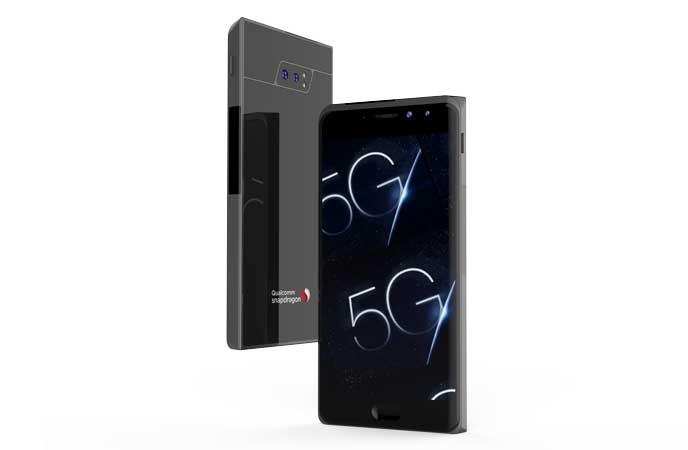
Top chip radio modem and processor manufacturer, Qualcomm, is one of the key players in the mobile industry. It has already begun working on the new 5G network standard and announced its first modem – the Snapdragon X50, last month. The Snapdragon X50 will power the first set of 5G-enabled smartphones when they begin to hit the market.
Qualcomm’s 5G Reference Device
Apart from the sale of processors, Qualcomm makes money from licensing its cellular technology which is one of the best in the market. Since 5G will soon become commercially available, it has released its royalty statement for OEMs interested in using its cellular standard for the new network.
In the statement, the chip manufacturer says its licensing program is consistent with its Fair, Reasonable and Non- Discriminatory (FRAND) commitments, and the European Telecommunications Standards Institute (ETSI) Intellectual Property Right (IPR) policy and industry practice.
The royalty rights for the use of its license by OEMs worldwide are as follows:
• An effective running royalty rate of 2.275% of the selling price of branded single-mode 5G
handsets; and
• An effective running royalty rate of 3.25% of the selling price of branded multi-mode
(3G/4G/5G) handsets.
Qualcomm says the above terms are consistent with the over 150 cellular essentials-only license agreements it has signed in China for 3G/4G phones, except that it will later offer to include later releases of 4G and the first 5G release without increasing royalty rates that are currently applicable under such agreements.
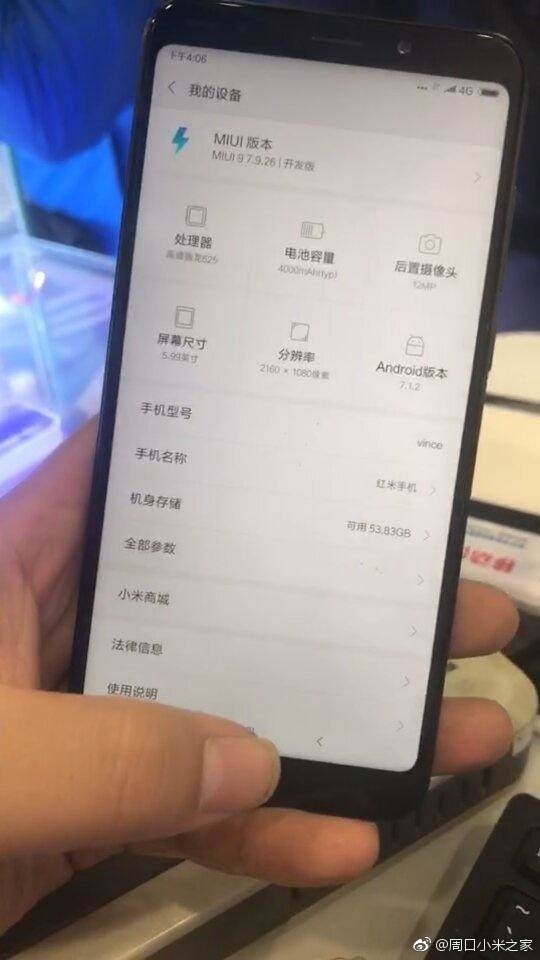
The alleged Xiaomi Redmi Note 5 smartphone has surfaced once again in a new leaked photo. The handset appears similar to the Note 5 that has surfaced in previously leaked images. In the new photo, the screen of the phone reveals some of the key specs of the Redmi Note 5.
The above image shows that the alleged Xiaomi Note 5 has a full screen design with rounded corners. The fingerprint scanner cannot be seen on the front side which indicates that it could be placed on the rear side. The right edge of the phone has the Power key and the left side features volume up and down buttons. The device seems to be sporting a metallic body.
It seems that the alleged Redmi Note 5 would be arriving with MIUI 9 flavored Android 7.1.2 Nougat preinstalled. It will be powered by Snapdragon 625 chipset and will be packed with an inbuilt storage of 64 GB.
It features an elongated display of 5.99 inches that carries support for full HD+ resolution of 2160 x 1080 pixels. It will be delivering an aspect ratio of 18:9. It will be housing a 12-megapixel rear camera. A massive 4,000mAh battery will be present inside the budget-friendly phablet.
The Redmi Note 5 was recently found listed on retailer sites like OppoMart and JD.com. As of this writing, Xiaomi is yet to confirm on the launch date of Redmi Note 5. With only few days remaining in this month, it is likely that the smartphone may debut in the coming month.
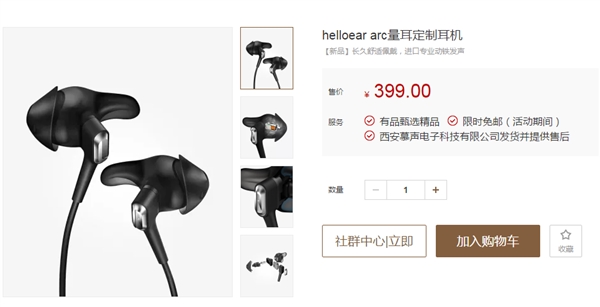
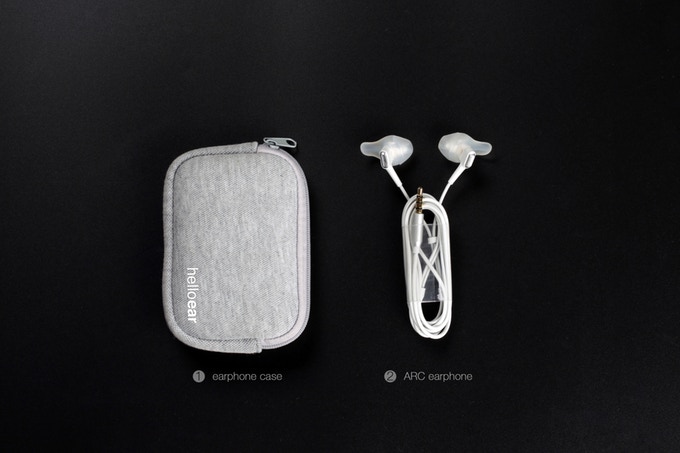
Xiaomi launched the customised HelloEar Arc headphones back in July as its 96th crowdfunded product with a retail price of 299 yuan ($43). The Hello Ear Arc is now available for purchase in China and it carries a slightly higher price tag of 399 Yuan ($60). Considering the features the accessory comes with, the price is still quite cheap.
The HelloEar Arc custom earphone uses a 3.5mm audio interface as well as Bluetooth interface, meaning it can be detached from wired to wireless. The gadget is developed in all aspects to provide a comfortable usage devoid of any form of hassle arising from pains from the earbuds or the wires. Talking about the wires, it has a very long cable wire which is 1.2 meters in length. The HelloEar Arc headphone features a Kevlar fibre core while the body is manufactured from aviation-grade aluminium that is sandblasted. The headphone also comes with a high definition silicon microphone with three buttons.
Chinese firm HelloEar who developed the product claimed they spent three years on research in order to produce a stunning product. The research involves collecting lots of ear samples, ear 3D scans, and thousands of real-ear wearing tests and this has given them a large database of different human ear types. Thus, the HelloEar Arc headphone is designed in a customised way to provide comfort and deliver a great sound. All the buyers need do is to take a picture of their ear along with a coin by the side and upload so that the company can produce a customised earbud that would suit the buyer’s unique ear cavity structure. But in all, the HelloEar Arc custom earphone comes with a half-size “Z” shaped support that fits the outer ear like a puzzle and then fills the cavity. Users won’t need to tighten it inside the ear or push it very deeply in to make it solid. The earbud is produced usingmedical grade silicone material with a custom airbag structure which disperses the ear pressure and prevents soreness after being worn for a long time.
No word yet as to when the product would ship globally but we stumbled on a Kickstarter funding project for the product which the company ran earlier this year and it was available to ship worldwide. That is an indication that they plan to sell this amazing earphone globally.
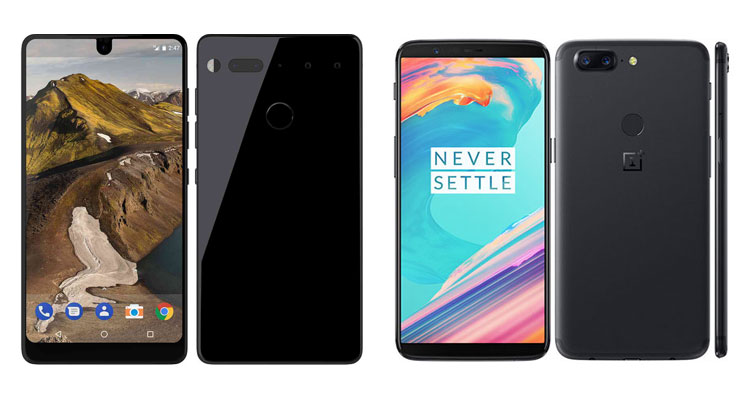
The average prices of premium smartphones have increased a lot in the past one year. Popular brands have decided to launch their flagships with a higher price tag compared to the previous models from 2016: for example, look at the listing price of Apple iPhone X, or check Samsung’s prices for the Galaxy S8, and the Galaxy Note 8, and even the Chinese company Huawei, who is selling P10 and P10 Plus with a higher price than their predecessors. But we cannot say the same about OnePlus 5T and Essential Phone PH-1. The latest flagship by the Chinese startup launched by BBK, and the first phone launched by the creator of Android (Andy Rubin), are among the cheapest flagships ever. In this comparison, we want to help you understand which one is worth buying.
OnePlus 5T vs Essential Phone: Design and build quality
This comparison includes phones with very innovative aesthetics. Indeed, both are bezel-less phones and both have a very refined design.
OnePlus 5T has a full metal unibody design with antenna bands positioned along the borders. It measures 156.1 x 75 x 7.3 mm and its weight is 162 grams. Its screen-to-body ratio is superior to 80% (80.5 percent to be accurate), and thanks to it, this device is ergonomic even though it is a very big phablet. The bezels are almost absent on the sides and they are very narrow on the upper and lower parts.
Essential Phone has a size of 141.5 x 71.1 x 7.8 mm, while its weight is 185 grams. It has an even higher screen-to-body-ratio than its opponent (about 85 percent). This, together with the smaller display, makes the device much smaller than OP5T. Obviously, thanks to its smaller size, it is also more ergonomic.
Now, let’s talk about the build quality. OnePlus 5T is entirely made of metal just like most other phones, but it looks solid and well-built. The display is protected by Gorilla Glass 5, the most efficient protection realized by Corning. So, even if it is a borderless display, it should provide a good resistance to shocks and drops.
Essential Phone is the first modern smartphone to sport a frame made of titanium, and it also has a back cover made of ceramic just like Xiaomi Mi Mix 2. They are unique materials and they also provide a better look and a better tactile feedback. At the same time, the phone is resistant to drops, as titanium is one of the most resistant materials.
So, if we talk about design alone, according to us, the Essential Phone wins the comparison.
OnePlus 5T vs Essential Phone: Display
Each phone has an innovative display with a wide 18:9 aspect ratio (19:10 for Essential Phone) which makes them suitable for multi-tasking and easy to hold with one hand.
OnePlus 5T has an Optic AMOLED screen with a size of 6.01 inches and a Full HD+ resolution of 1080 x 2160 pixels. It supports DCI-P3 technology and sRGB for very accurate colors, it has very high brightness, very deep blacks, and wide viewing angles. Even if the resolution is not the highest we can find in the market, it is still one of the best displays thanks to the other parameters described above.
Essential Phone has a 5.71-inch display with a notch on the upper part that was necessary to make space for the front camera. It offers LTPS IPS LCD technology with Quad HD resolution of 1312 x 2560 pixels. Even if it has higher details, we prefer the panel of the OnePlus 5T due to its better colors, usability, and bigger size.
OnePlus 5T vs Essential Phone: Hardware
There are no limits in terms of hardware, these phones sport incredible components.
The flagship by OnePlus has the best processor in the market: the octa-core Snapdragon 835 by Qualcomm with a max frequency of 2.45 GHz. The SoC is supported by 6 GB of RAM and 64 GB of internal storage in the cheapest variant, while the costlier one sports 8 GB of RAM and 128 GB of internal storage. The memory is not expandable but on the other hand, there is a UFS 2.1 storage, which delivers blazing speeds at data transfering. According to the company, this is the best performing phone ever. Seeing that its predecessor OP5 has the highest score in the Android market according to the benchmarking platform AnTuTu, we believe in what the company said. On the connectivity side, there is a dual SIM slot, a USB-C port, Wi-Fi 802.11 a/b/g/n/ac dual-band and even Bluetooth 5.0.
Essential Phone has an octa-core Qualcomm Snapdragon 835 SoC as well, paired with 128 GB of storage (UFS 2.1, so very fast). This phone does not have 6 GB RAM: it has a 4 GB RAM only, but it is still good for most activities. In both the cases, you would get a fast, stable and smooth phone, but OnePlus 5T feels better in terms of performances, at least on paper. We still have to test to confirm its super fast performance, but considering the performance of the OnePlus 5, we believe that Essential Phone will not be at the same level of its opponent (to be honest, many people noticed several lags on this phone, that we hope will be fixed after the next updates). Essential Phone’s connectivity includes a single SIM slot (without micro SD slot), a USB Type C port, Wi-Fi 802.11 a/b/g/n/ac and Bluetooth 5.0.
OnePlus 5T vs Essential Phone: Software
The user interfaces of these handsets are similar to stock Android: the companies chose simplicity and performance instead of implementing a lot of additional features.
OnePlus 5T has been launched with Android 7.1.1 Nougat out of the box and OxygenOS 4.5, a special fork with some customizations. Among the additional features, there is a special night mode which makes the display become similar an e-ink panel to read much without getting our eyes tired. There is also a very interesting feature for authentication called Face Unlock, which makes us unlock the phone with facial recognition in just 0.4 seconds. Android Oreo will not be available before 2018.
Essential Phone has Android 7.1.1 Nougat out of the box as well, but the first beta of Android Oreo has already been released and the phone is expected to update to the final firmware before the end of the year. There are no customizations in the software, which is identical to the stock Android experience, except for the management of the space near the notch on the upper part of the screen. Here, the user interface adapts in a particular way in order to avoid making the presence of the notch uncomfortable.
Overall, OnePlus 5T definitely has a better software.
OnePlus 5T vs Essential Phone: Camera
To describe the cameras of these phones, we can define them as good premium cameras, but not the best ones.
OnePlus 5T has a dual camera setup with resolutions of 16 and 20 MP. Both sensors have a f/1.7 aperture and they are able to capture a high detail even in low light conditions (they can do a 2x optical zoom, too). The main camera is equipped with electronic stabilization and it can record videos with a 4K resolution. The selfie camera is interesting too, thanks to its 16 MP resolution.
On the other hand, Essential Phone offers a dual camera with a 13 MP resolution and a monochromatic sensor that can capture more light. It does not have so many options in the software, but the colors are nice in every lighting condition. To be honest, we expected much better photo quality on a phone backed by Andy Rubin, I mean it does have a nice camera but it is still so far from the ones that we can find on the top camera phones. We can tell you exactly the same thing if we talk about videos. The camera from OnePlus 5T is way better and it wins the comparison.
OnePlus 5T vs Essential Phone: Battery
OnePlus 5T has a battery with a capacity of 3300 mAh. It has the same capacity as the battery from OP5, which can last until the end of the evening even with a stressed use. It is also possible to charge this phone very quickly thanks to the Dash Charge technology.
Essential Phone has a 3040 mAh battery which can last till the end of the day with moderate usage, but it may not easily last an entire day. If you want to stress this phone, you may be forced to use the battery saving mode to arrive until the end of the evening. There is a fast charging technology here as well.
OnePlus 5T has a longer battery life, so we choose it as the winner of the battery comparison.
OnePlus 5T vs Essential Phone: Price
The price is the most important advantage of these phones.
OnePlus 5T is going to be available in several nations with a price tag of 499 dollars/euros in the version with 6 GB of RAM and 569 dollars/euros in the most powerful variant with 8 GB RAM. For a flagship released in 2017, this is a very convenient price, especially if we consider that there is not an Android phone that can reach its performance, according to the company. The phone will be sold via the official website of the company and usually, it is rare to find a discount on OnePlus phones from the official site. Several months may pass before you will find this phone discounted in the market.
Essential Phone can be found at a price of just 449 dollars, but it is still not available to purchase in Europe (Andy Rubin has hinted that it will be launched soon in the Old Continent, but we still do not have an official date). Essential Phone is much cheaper to buy, as its price has dropped recently and if you like this phone we suggest you buy it immediately as this is the most important price drop since its release.
OnePlus 5T vs Essential Phone: Winner
OnePlus 5T wins the comparison: it has a better display, superior performance, a better camera and even a longer battery life. Essential Phone has a more refined design, but the design alone is not enough to make it compete with its opponent.
OnePlus has recently confirmed that the OnePlus 5 flagship phone that was released in June 2017 will be discontinued in the near future. The reason behind it is that the OnePlus 5T has arrived as its improved edition. The company has been releasing “T” branded versions of its flagship phones since last year. What about next year? OnePlus co-founder Carl Pei has revealed that the company has not yet planned to launch 6T version.
Pei claims that if only there is enough new technology then only the company will launch a T branded phone. This makes us feel that launching a T device is not a long-term product strategy of the company. Hence, it does not to launch T models every year.
Last year in June, OnePlus had launched OnePlus 3 phone with Snapdragon 820 chipset onboard. However, since Qualcomm had introduced an improved Snapdragon 821 SoC later in the year, OnePlus 3T was unveiled in November 2016 with SD 821 chipset.
Even though LG and Samsung had launched full screen design smartphones earlier in the year, OnePlus 5 came with a regular design. However, more and more companies started launching full screen design smartphones in the second half of 2017. Hence, OnePlus introduced the trendy full screen design on the OnePlus 5T which also includes some other improvements such as enhanced dual rear camera and Face Unlock feature.
As far as OnePlus 6T is concerned, it seems that OnePlus has not firmly decided on launching it. It appears that only when the company has something new to offer that is not available on the OnePlus 6, it will be consider launching the OnePlus 6T.
The OnePlus 6 rumors will gradually start swirling by the start of next year. Early speculation suggests that the OnePlus 6 may retain the full screen design that has arrived on the OP5T. It is speculated to be driven by Snapdragon 845 chipset. The OP6 is also rumored to come with enhanced dual rear cameras.
We are two days away from Black Friday – one of the biggest shopping holidays in the world where several items are discounted in multiple online and offline stores. Robot vacuum cleaner manufacturer, ECOVACS has announced a list of its cleaners that will be on sale come Friday, the 24th of November.
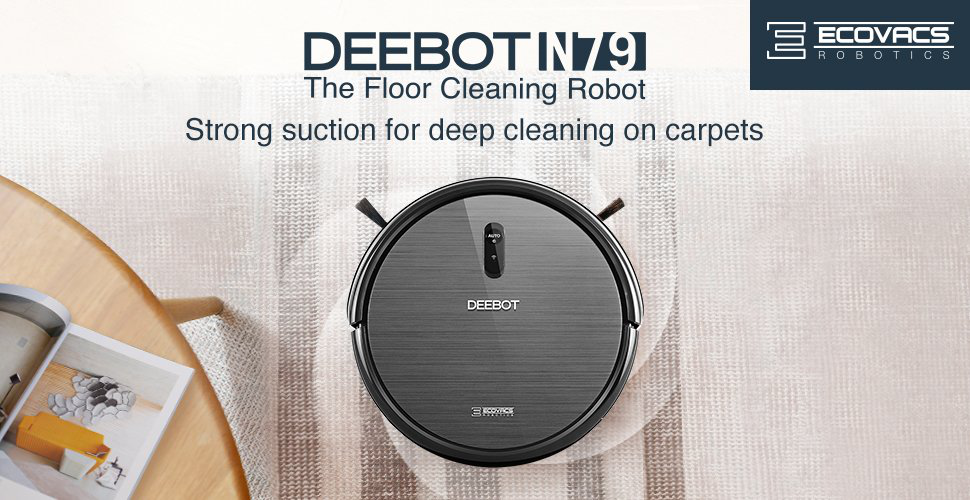
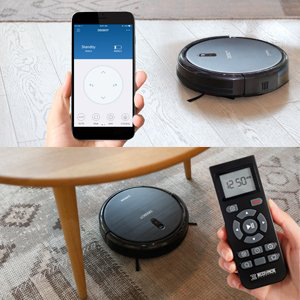
First on the list is the Amazon’s Choice Deebot N79 vacuum cleaner. Currently priced at $199.99, the N79 will get 25% off bringing it down to $149.99.
The ECOVACS Deebot N79 has a 100-minute battery life which should be enough time to clean your hard surface floors and thin carpets. It has app support which lets you configure cleaning schedules, cleaning modes, and monitor battery life. The app also sends alerts when parts need to be released.
If you are going to have guests over during the holiday, a vacuum cleaner does look like something that will come in handy to help with the cleaning.
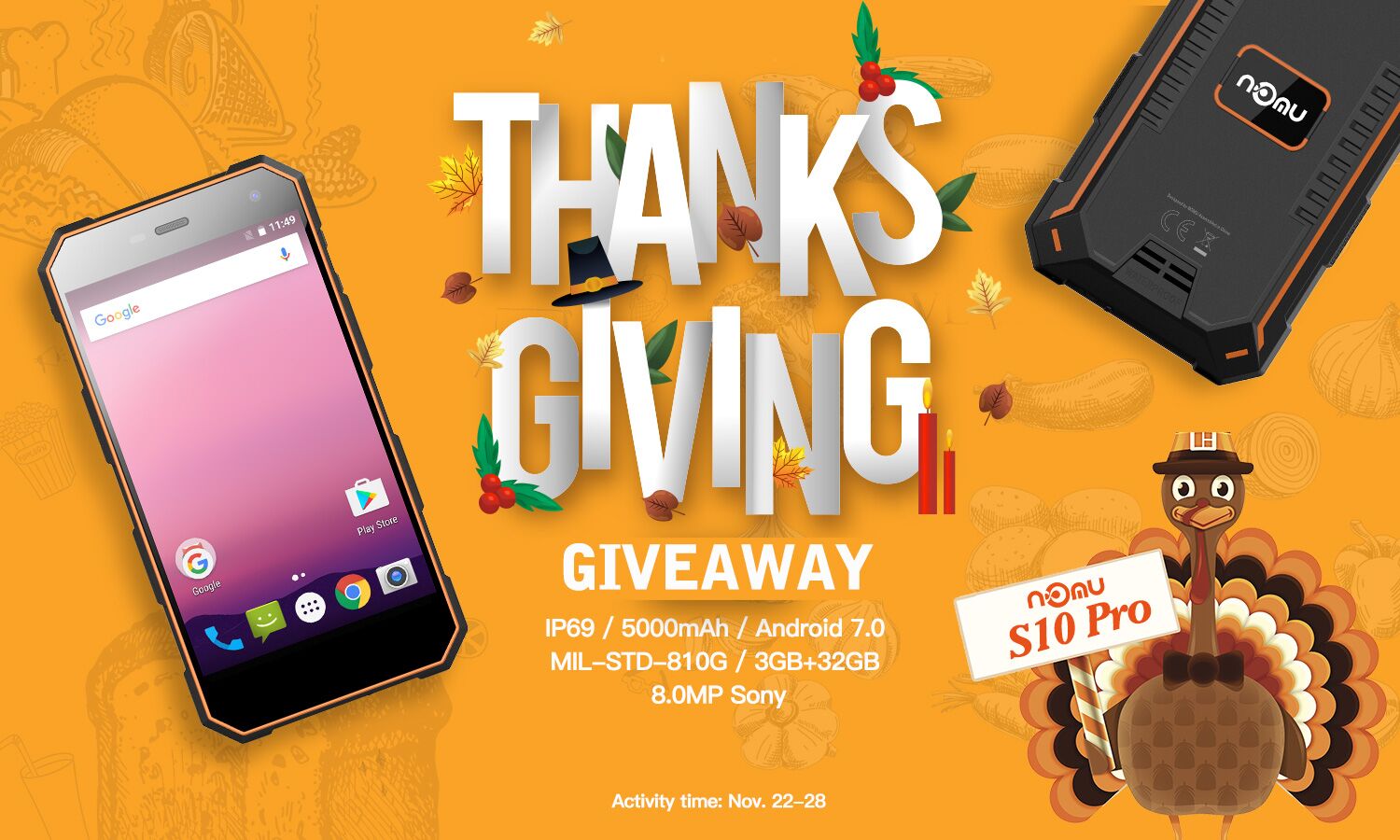
Gizmochina along with Nomu is conducting a Nomu S10 Pro phone as Giveaway gift to one of our lucky readers. Like always, you just have to follow the steps mentioned on the Gleam widget to get a chance to win this amazing phone.
A few months ago, Nomu released the S10 Pro with the waterproof level reaching IP69. Nomu S10 Pro is an upgraded version of the very successful Nomu S10, meaning it inherits all of the merits of S10, and then some more. Moreover, it comes with four breakthroughs. First of all, it breaks the record of the world highest waterproof rating IP68 and initiates IP69 new standard. That means it can be submerged to 2m underwater for up to 1 hour. Besides, it comes with Android 7 out-of-the-box, has 3GB of RAM and its internal storage expands to 32GB. Enjoy faster running and task-handling speed. In addition, the front camera is upgraded to 5MP.
Nomu S10 Pro main specs
IP69 Waterproof (Able to be 2 meters underwater for 1 hour)
How to entry this giveaway? Just follow these steps and Gleam widget, we will pick the winner from who has like Nomu’s Facebook and Instagram:
Visit the Nomu’s Facebook and Instagram page and LIKE it.
Visit the Nomu S10 Pro promotion page.
Sign up and leave comments on Gizmochina’s forum. (We will only pick the winner from who has signed up).
Terms & Conditions:
1. The giveaway is an international giveaway.
2. We are not responsible for lost shipments.
3. We are not responsible for any duties, import taxes that you may incur.
4. We reserve all rights to make any changes to this giveaway.
5. The prize will be shipped in a week when the giveaway end.
Just follow the steps mentioned in the Gleam widget to participate in the giveaway.
The Gizmochina community is growing everyday and we have millions of readers every month from across the globe. A majority of our traffic comes from smartphone users and we feel it’s about time we give our readers a platform to talk about the smartphones they are using.
The Gizmochina Forums can be a great tool to share your reviews/ opinions about the smartphone that you are using as your daily driver. Your opinion / experience about a phone can come in useful for a fellow gizmochina reader and in this regard, we want to help you to post your review on our forums.
REVIEW & REWARD PROGRAM (RAR)
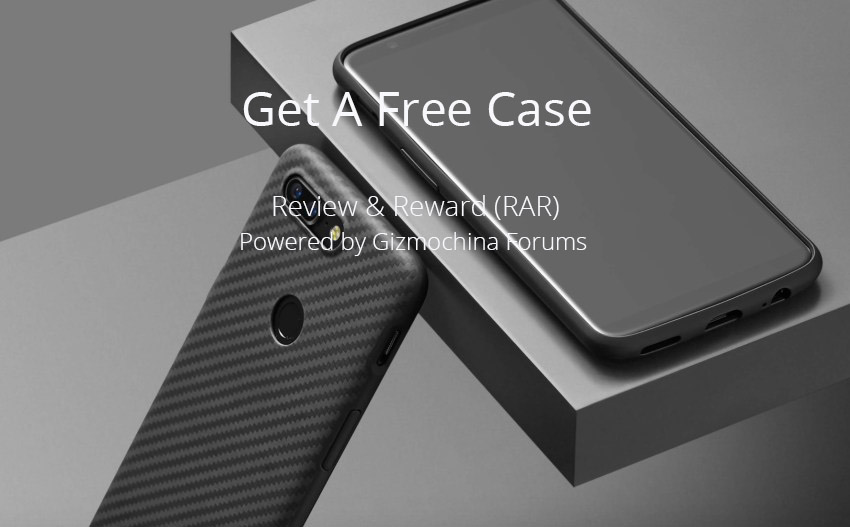
In order to push regular readers to share decent reviews of their smartphones, Gizmochina has teamed up with our store, Giztop to start the Review & Reward Program (RAR). So, we will give out a free case for every smartphone review shared on our forums, provided it follows a good review format. Once your review is posted on the forums and accepted, you can choose a case (under $20) for your smartphone on Giztop and send us a message on [email protected] or just message Shine Wong on our forums (from here) with the link to the case along with your your shipping details. We’ll take care of the rest!
To make your lives easier, we have created a format to make the review (added at the end of the post). This will help all reviews to be consistent and up to the mark. Also, make sure that all reviews are posted as a new discussion in the User Reviews category in our Forums section. You can find this category here!
I know a free case may not be a strong motivator for writing down a decent experience with your smartphone, however, note that your experience with the phone will definitely be valuable for other readers who are planning to purchase the device.
While we know not everyone can or is willing to post long, detailed reviews, we would further like to encourage great reviews on our forums by selecting the best reviews of smartphones and posting them on the Gizmochina.com website under your name. This will open up your honest opinion of the handset to millions of users worldwide, giving you a much deserved exposure. To make things even more interesting, we’ll give out a Redmi smartphone to the best review of the month on our forums.
Please note that to ensure that maximum readers benefit from this, we would like to add that only recent smartphones reviews, which are less than 6 months old will be eligible for the free case from Giztop.
You can check out the format for review from this link. Make sure to follow this review format to be eligible for the free case.
As always, if you have any suggestions or questions, you can comment down below or shoot a mail at [email protected].
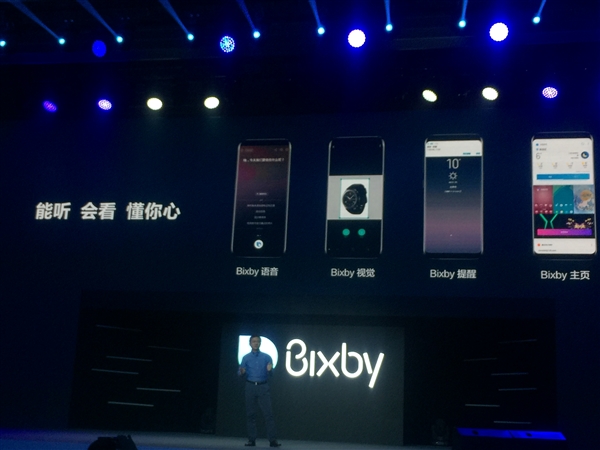
Samsung has officially launched the Bixby AI smart voice assistant for its smartphones in the Chinese language. The Chinese version of Bixby voice assistant will first be incorporated on the Galaxy S8 models and the Galaxy Note 8. The feature will be available to users of both models as from November 30. Also, future Samsung flagship models will come with Bixby smart voice assistant enabled.
Samsung first introduced Bixby voice on the Galaxy S8 and S8+ smartphones and the AI is already available in American English and British English after some initial bottlenecks. The smart AI was later introduced on the Galaxy Note 8 and also the Galaxy J7+ mid-range smartphone but not yet in China. Other mid-range models like the A-series would also get Bixby in the near future. The tech giant also recently announced that Bixby was now available in 200 countries, with plans in place to make it available in different European languages. It also introduced it in India but the Indian version only supports U.S English with some optimization which will enable it to understand English spoken in Indian accents.
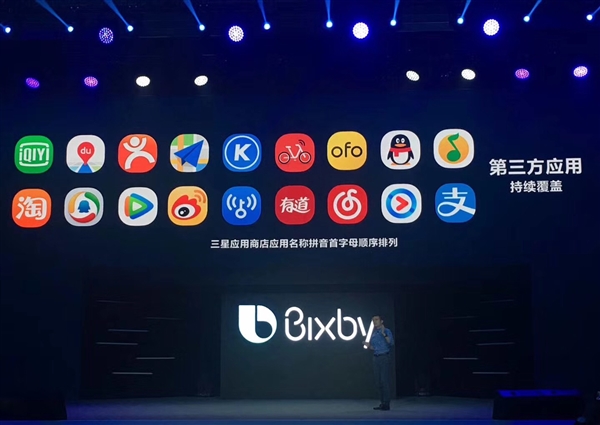
The Samsung Bixby offers basic functions like performing some basic tasks such as taking screenshots, turning on the Wi-Fi, adjusting brightness, turning on the flashlight, taking selfies and more in response to the relevant voice commands. Bixby would also be capable of performing advanced tasks such as controlling the smart home gadgets such as turning on the air condition, controlling the washing machine, managing groceries o the Family Hub smart refrigerator and much more. Samsung also made improvements to the Chinese version as it supports local applications and there are more than 20 third-party apps currently supported. The company hinted that they will continue to incorporate more apps in he future.
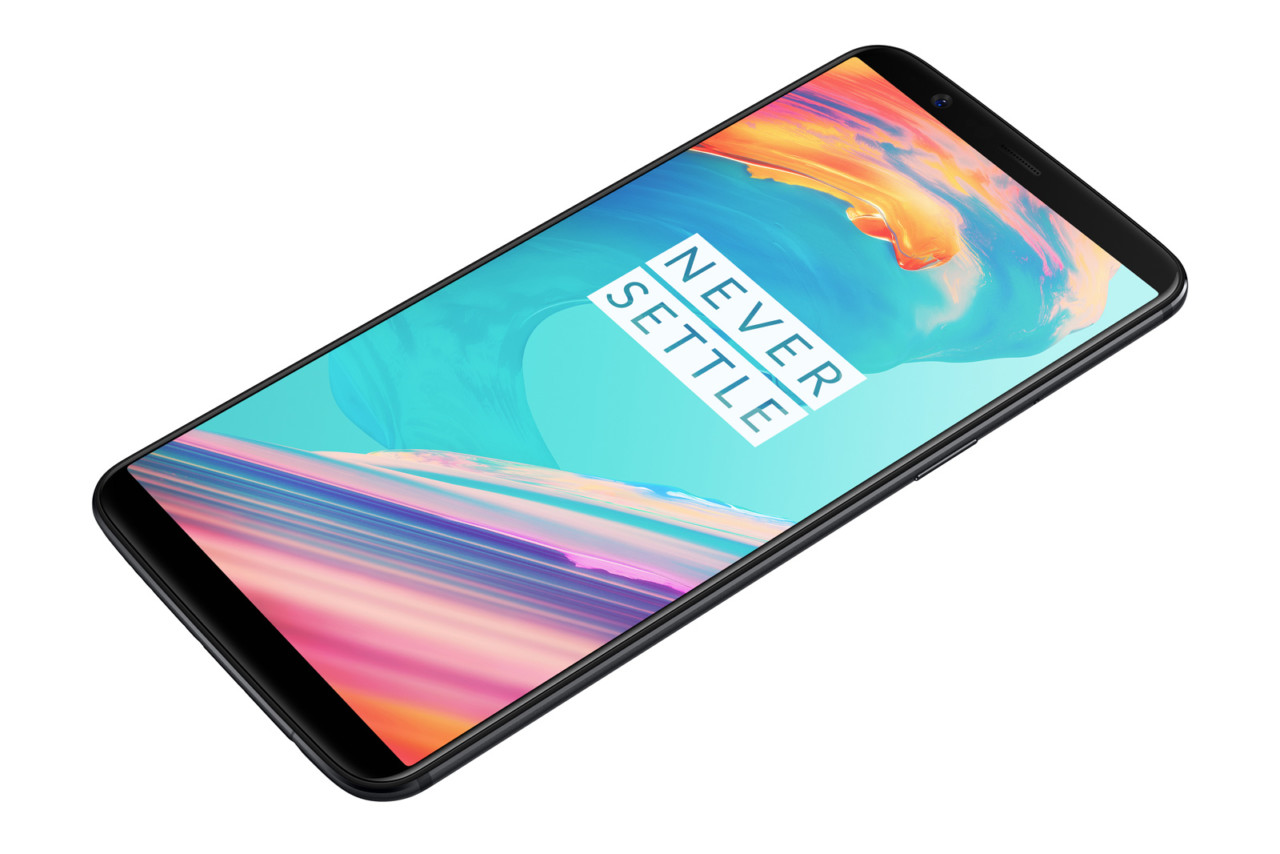
After several weeks of leaks, the OnePlus 5T was globally unveiled on Nov. 16. The handset was made available for purchase on Nov. 21 in the U.S. and Europe. OnePlus 5T has met with overwhelming response on the first day of its sales as the company has tweeted that it has become its fastest selling smartphone in just 6 hours.
OnePlus 5T will be soon arriving in other markets. In India, Amazon had carried out a flash sale yesterday, but the official sales are expected to begin next Tuesday. In China, it will be available for buying starting from Dec. 1 after getting unveiled on Nov. 28.
The OnePlus 5T that is packed with some new features has arrived as an improved version of the OnePlus 5. The Chinese firm has recently confirmed that it will be discontinuing OnePlus 5 once its stocks are over.
The dimensions of OnePlus 5 and OP5T are almost similar, but the company has managed to include a larger 6.01-inch display on the OP5T by reducing its bezels. The inclusion of a larger display that offers a screen-to-body ratio of 80.5 percent has resulted in the relocation of the fingerprint sensor to the back panel of the handset.
The new OnePlus 5 features a new Face Unlock feature that allow users to unlock it by scanning their face. The smartphone also includes an improved pair of rear-facing camera sensors.
OnePlus 5T is running on Android Nougat out of the box. However, the company will be beginning with the rollout of Android Oreo beta in the next month followed by its stable release in early 2018. The OP5T continues to feature the standard 3.5mm audio jack. It is powered by Snapdragon 835 chipset and Dash Charge enabled 3,300mAh battery.
Are you impressed by the OnePlus 5T? Will you be buying it? Share us your thoughts by adding your comments below.
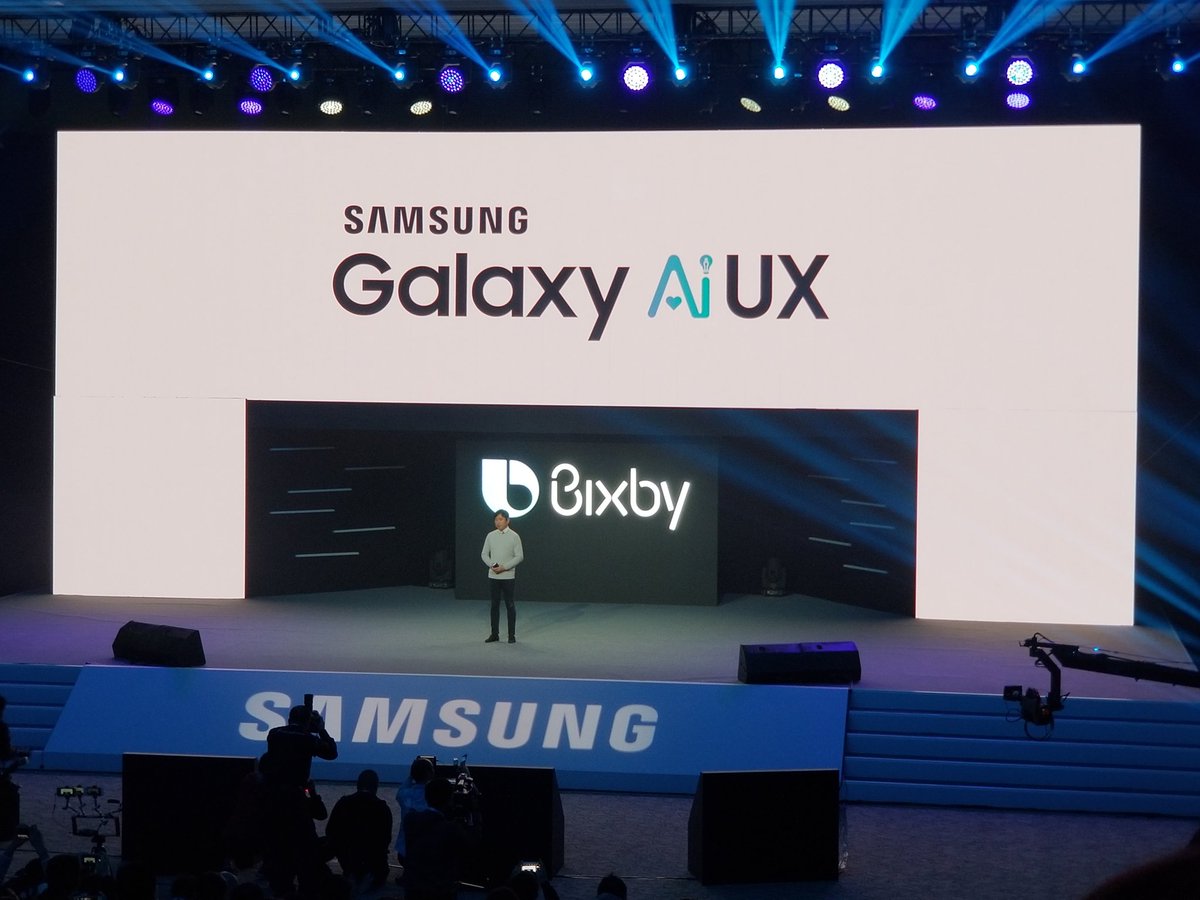
Just like full screen design, adding Artificial Intelligence (AI) capabilities is the latest trend in the smartphone industry this year. Huawei’s recently released Mate 10 and Mate 10 Pro flagship phones feature a dedicated Neural Processing Unit (NPU) along with the Kirin 970 SoC. During the Bixby Voice launch event that was held in China yesterday, Samsung announced that the Galaxy S9 UX has been rebranded as Galaxy Ai UX. This is a clear indication from the South Korean tech giant that the Galaxy S9 will arrive with AI features.
In the previous month, a South Korean publication had revealed that Samsung has invested a huge sum on a Chinese startup named DeePhi Tech which specializes in deep learning. And, it has invested $30 million on Graphcore, a AI company based in the U.K. These investments also suggest that AI will be one of the upcoming features of the Samsung Galaxy S9 and Galaxy S9+.
The inclusion of the dedicated chip for AI will allow the main processor to handle all the other tasks apart from AI which will ultimately help in improving the performance of the device. Rumors have revealed that Samsung may include a neural engine chip for speech recognition and neural language processing. It is also speculated to enhance facial recognition feature on the Galaxy S9.
According to one of the recent tweets from Evan Blass, the Galaxy S9 and S9+ are respectively codenamed as Star 1 and Star 2. These smartphones that belong to the Project Star codename have respective model numbers of SM-G960 and SM-G965.
The tipster claims that the 2018 will be a “tock” year to the “tick” year for 2017’s Galaxy S8 and S8+ phones. It suggests that “tick” could be hinting to the minor upgrade with design changes that came on Galaxy S8 duo. And “tock” could be indicating significant hardware upgrade arriving on Galaxy S9 duo. Hence, it seems that the Galaxy S9 and Galaxy S9+ may look like quite similar to their predecessors, but may feature improved hardware. The tipster has also claimed that he will be soon spilling more information the Galaxy S9 and S9+ phones.
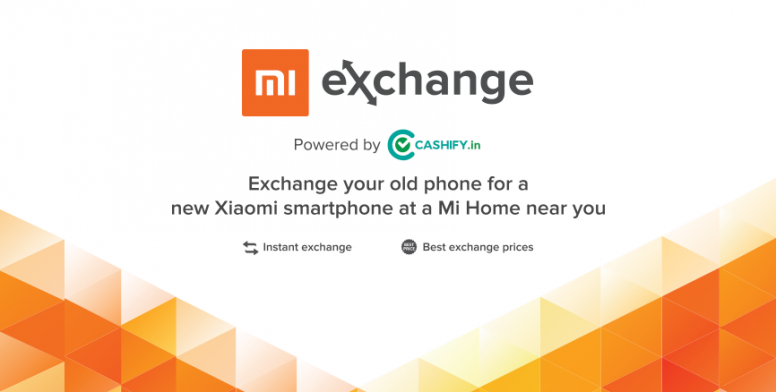
In a bid to boost domestic presence and enhance its existing sales, Xiaomi has launched Mi Exchange programme in India. The Chinese smartphone company has partnered with Cashify to enable customers to exchange their existing handsets with the new Xiaomi smartphones.
The service is available through Mi Home stores. In India, there are around 11 Mi Home stores across Bengaluru, Delhi-NCR, Hyderabad, Mumbai, Pune and Chennai.
With this new Mi Exchange programme, customers can visit a Mi Home store nearby their location to buy a new Xiaomi smartphone in return for their old smartphone. The Cashify team will determine the value of the old smartphone model and then propose a suitable amount that will be discounted for the new Xiaomi device.
The resale value of the old smartphone will be evaluated by the Cashify team on the basis of its condition and current market value. Also, the unit being exchanged should be listed in Cashify portfolio.
While announcing this new programme, Xiaomi said:
In collaboration with Cashify, we have introduced a new programme – Mi Exchange which lets you exchange your old smartphone for a new Xiaomi smartphone. What you need to do is simply bring your old smartphone to a nearest Mi Home.
While there are only around 11 Mi Home stores in India, Xiaomi has previously said that it is planning to open 100 Mi Homes across India in the next two years.
Xiaomi, which entered the Indian market in 2015 with an online-only flash sale model, has now expanded its presence to offline channels also. Lately, the company has been focusing on the offline channels to expand its sales. It has been launching new devices in order to keep its portfolio fresh.
Yesterday, along with launching Mi Power Bank 2i, the company also announced the opening of its third manufacturing facility the country, situated in Noida, Uttar Pradesh, in partnership with Shenzhen-based HiPad Technology.
Recently, IDC report ranked the Chinese smartphone brand as the top smartphone vendor in the country in the third quarter this year, along with Samsung, with 23.5 percent market share.
Chinese web services giant Baidu held its world conference on November 16 in Beijing, China. The Baidu world conference was an occasion for the company to showcase some innovative and futuristic products that they have manufactured. During the conference, Baidu’s GM of Intelligent Hardware and founder of Raven Tech Jesse Cheng Lyu unveiled Baidu’s Raven series. The Raven series is made up of AI-powered hardware products that can hear, understand and fulfil customer’s needs, thus transforming the smart home experience using Baidu’s latest technologies.
Raven H
One of the products is Baidu’s first smart speaker named Raven H and then two home robots that would be powered by DuerOS, the company’s conversational AI technology similar to Amazon’s Alexa or Microsoft’s Cortana. The two home robots are named Raven R and Raven Q. There are already more than 100 appliances ranging from smartphones to televisions, refrigerators and washing machines which use DuerOS as Baidu had earlier made the OS available to businesses and developers. However, the Raven series represents the first devices that would be showcasing Baidu’s AI services. DuerOS conversational AI is able to provide similar functionalities AI assistants like Alexa and Google Assistant can do, such as search the web, create reminders, perform transactions, control smart home devices, and play music. The company also revealed that all the Raven series products are integrated with Baidu’s AI technologies including facial recognition, computer vision, and even its Apollo autonomous driving technology.
Raven R
The Raven H smart speaker and the two home robots were designed by Raven Tech and Teenage Engineering, a start-up Baidu acquired in February. The smart speaker has an LED display touch controller that is detachable from the device’s base. The touch controller can also be used within Wi-Fi range for voice control. Also, the Raven H’s touch controller can be used to control Raven series and smart home devices. It will go on sale next month and is priced around $256.
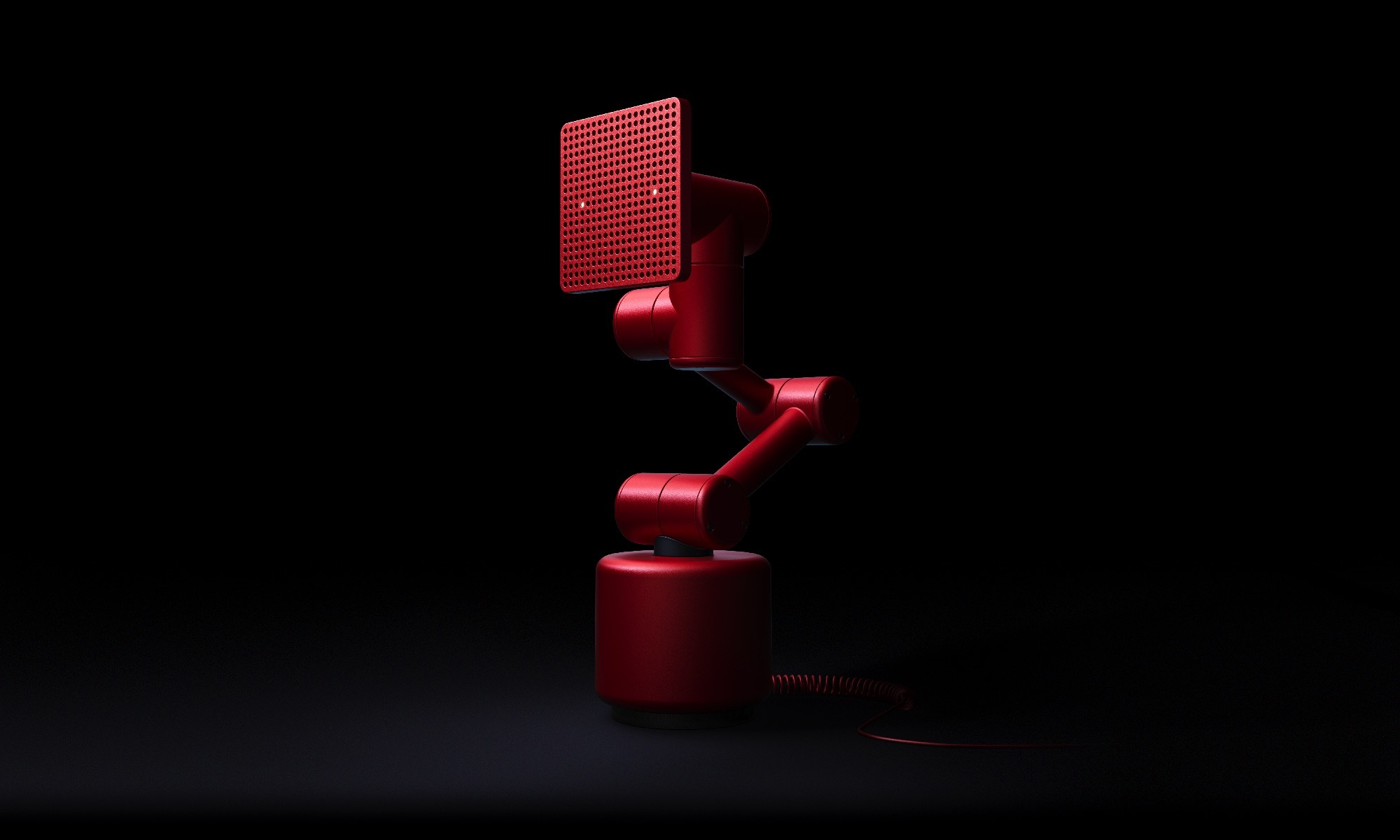
On the other hand, the Raven R is a home robot having an arm and LED display. The robot also has the ability to swivel and move to mimic expression and emotion. This could come in as a form of entertainment whenever you’re bored. You can watch how the Raven R dances from the video below.
Baidu also unveiled a third product in the Raven series and it is a home robot named Raven Q. The robot will utilise DuerOS natural language processing and computer vision to construct a 3D model of its surroundings. Baidu is yet to reveal the prices and release dates for both the Raven R and Raven Q home robots. We’ll bring you more details when both the smart speakers and home robots go on sale.
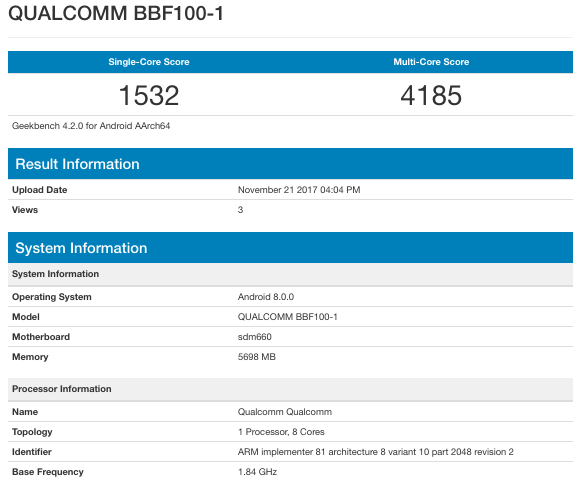
A new BlackBerry branded device labelled as QUALCOMM BBF100-1 has appeared on Geekbench benchmarking platform. The newly unveiled BlackBerry Motion has a model number of BBD-100-X and the BlackBerry KEYone has a model number of BBB100-X whereas X is a number based on the region it releases.
The BBF100-1 is speculated as the successor edition of BlackBerry KEYone. In the previous month, a user agent profile had appeared on TCL’s website which suggested that it could be working on a successor phone for BlackBerry KEYone.
It was found that the model number of the smartphone is BBF100-1 and it is driven by Snapdragon 660 chipset. It was also revealed that it will be equipped QWERTY keyboard and its display carries support for a resolution of 1620 x 1080 pixels. It indicates that the screen will deliver an aspect ratio of 3:2.
On Geekbench, the BBF100-1 is seen loaded with Android 8.0 Oreo. The benchmarking platform also shows that the KEYOne’s successor is driven by Snapdragon 660 and 6 GB of RAM. On single-core and multi-core tests, the BBF100-1 has respectively scored 1532 and 4185 points.
The BlackBerry KEYone is one of the well-receive BlackBerry brand phones. Its successor may arrive with “KEYtwo” moniker. The BlackBerry KEYone was officially announced at Mobile World Congress (MWC) 2017. TCL may launch the alleged BlackBerry KEYtwo at the upcoming MWC 2018 that is scheduled to begin from Feb. 26. More information on the smartphone is expected to emerge in the coming weeks.
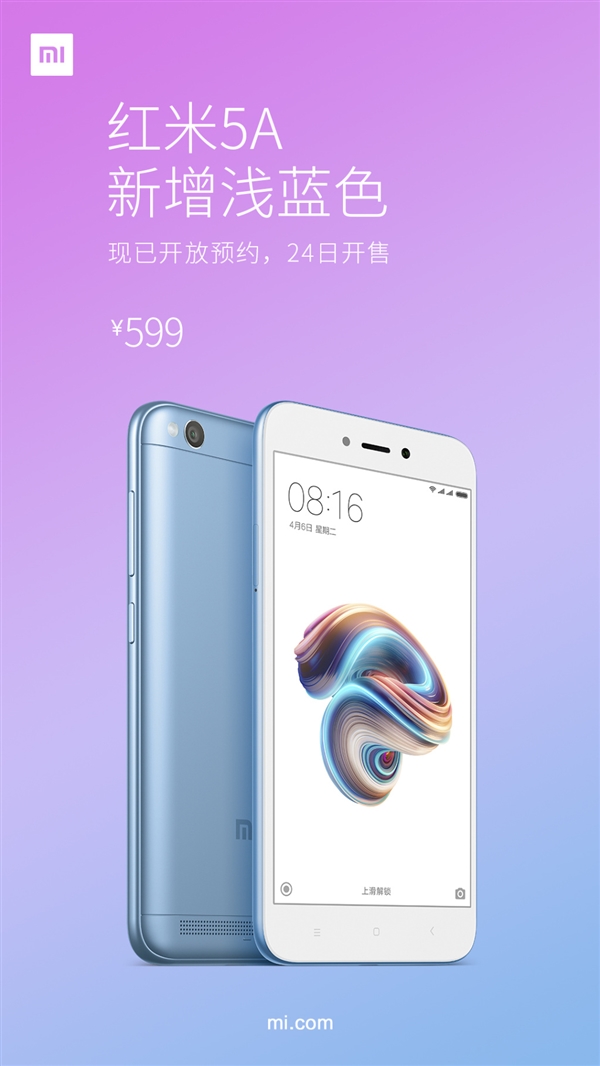
After launching the Redmi 5A smartphone out of the blue last month, Xiaomi has now introduced a new color variant of the phone — Lake Blue. This new variant of the smartphone retains the same set of specifications.
Priced at 599 Yuan (approx. $91), the Redmi 5A Lake Blue model will be available for pre-order from today onwards and will go on sale from November 24. The smartphone is already available in Champagne Gold, Platinum Silver Gray and Rose Gold colors.
The Redmi 5A smartphone takes over the reins from the Redmi 4A which was launched last year. The smartphone features an ultra-light all-metal body which is one aspect where it is different from its predecessor — the Redmi 4A.
The phone comes with a 5-inch HD display with a screen resolution of 1280 x 720 pixels. Under the hood, the smartphone is powered by a quad-core Qualcomm Snapdragon 425 processor, clocked at 1.2GHz. It also packs 2GB of RAM and 16GB of internal storage, which can be further expanded up to 128GB through microSD card.
Currently, there is no 3GB RAM version of the device launched, at least not yet. However, it is possible that Xiaomi could announce such model later, just like it did with the Redmi 4A.
At the back, the phone features a 13-megapixel camera sensor with phase detection autofocus (PDAF) and an LED flash. On the front, there is a 5-megapixel front-facing shooter. The smartphone packs a slightly smaller 3,000mAh battery whereas the Redmi 4A has a 3,120mAh battery under its hood which according to Xiaomi, can provide 8 days of standby time.
The smartphone ships with the company’s latest MIUI 9 out of the box, with features like split-screen multitasking, image search, and an AI assistant. It is based on Android 7.1.1 Nougat operating system. Connectivity options on the device include dual SIM, dual stand-by, 4G LTE, 3G, Wi-Fi 802.11 b/g/n, Bluetooth 4.2 and GPS. As mentioned, the device drives power from a 3,000mAh battery, 120mAh less compared to its predecessor.
The announcement of this new Lake Blue color option for the Redmi 5A smartphone comes just a day after the China-based smartphone company launched a cheaper variant of Mi Note 3, priced at 1,999 Yuan (~ $302), featuring 4GB of RAM and 64GB internal storage.
Xiaomi has been busy working on a stable version of the latest iteration of its custom version of Android, MIUI 9, so it didn’t pay much attention to Android 8.0 Oreo. Now that the roll-out has begun hitting devices, it can now focus its attention on Android 8.0 Oreo.
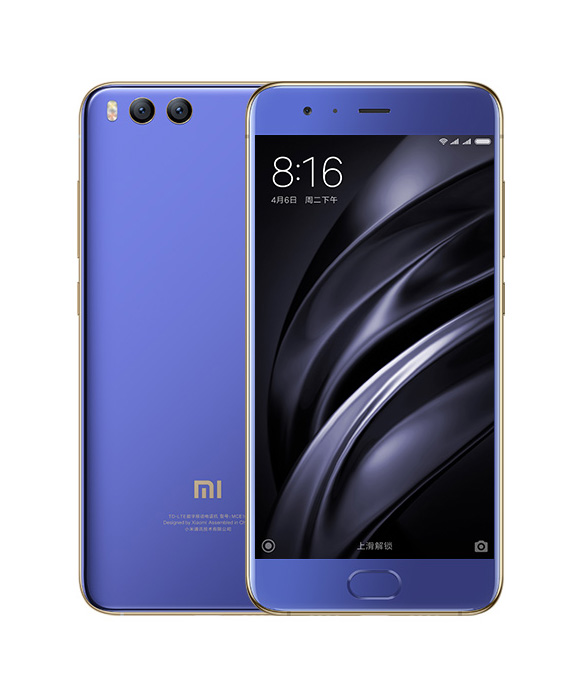
Report reaching us says Xiaomi has begun recruiting beta testers for Android 8.0 for its flagship device – the Mi 6. This is a closed beta and the selection may take a few weeks. Selected users will get to use the closed beta version for a month or so before it is then opened to more devices. A developer version will then be released as a public beta.
The pattern is similar to last year’s when it wanted to begin rolling out Android Nougat. We expect more devices to join the closed beta program before the end of the year and a public beta will be made available in January. A final stable update will arrive much later, most likely after the Mi 7 and a bunch of other new devices have been announced.
Xiaomi still attempts to sell its smartphones at affordable prices but the prices are not up to what many people expect. The tech giant seems to have joined the train of increasing smartphone prices sweeping through the industry, especially on the flagship and mid-range models. Such could not be said of the Snapdragon 835-powered Mi 6 which is the first flagship model manufactured by Xiaomi this year. The device is very affordable presently. The price of the flagship model presently revolves around $350-$400, cheaper than some mid-range models like the OPPO R11.
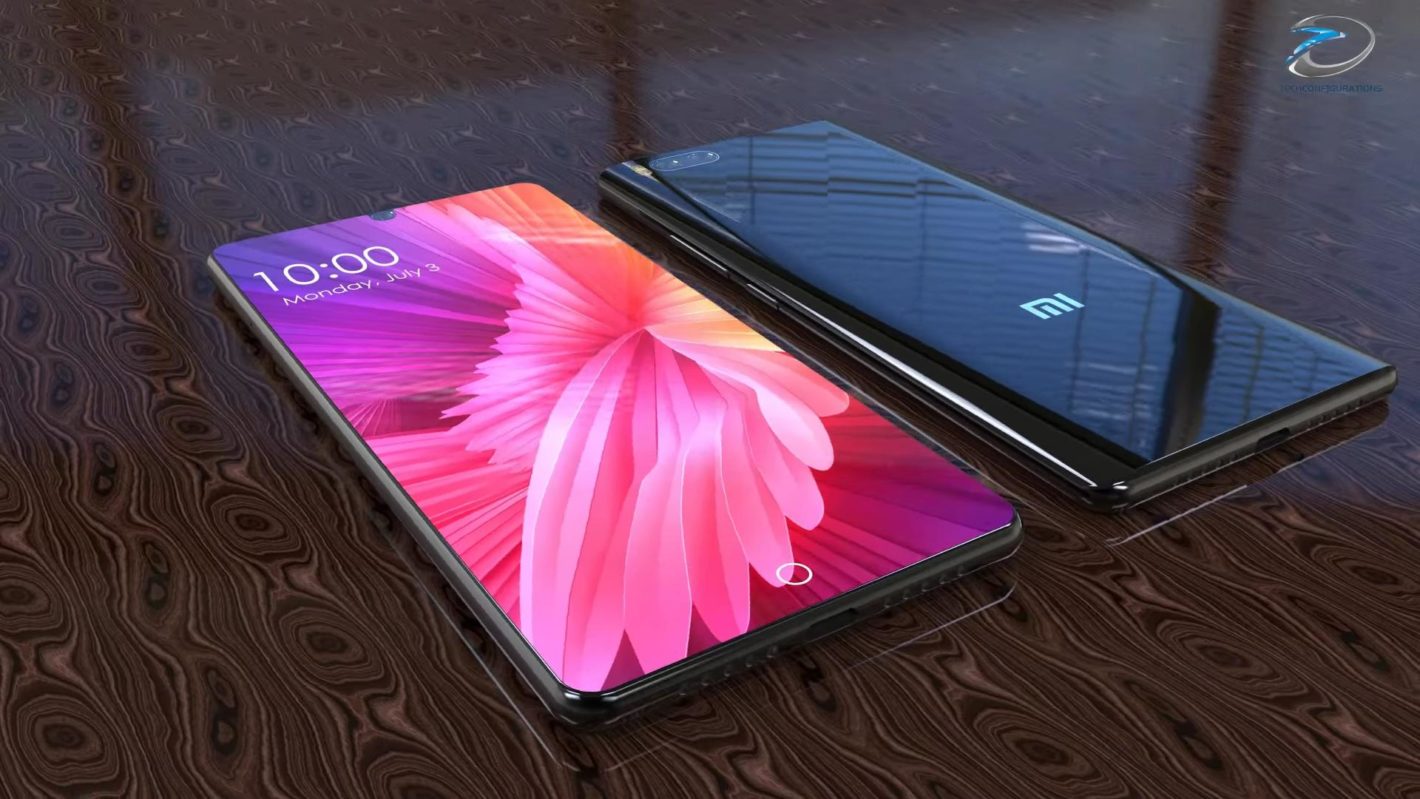
The likely specifications and prices of the next-gen Mi 7 flagship which Xiaomi is expected to release next year have now appeared online. The Xiaomi Mi 7 should be expected in the first quarter or early second quarter of 2018 and so it is not unexpected that details of the device have started to leak out.
The Mi 7 is tipped as coming with a full-screen design just like the trend currently sweeping through the smartphone industry. The device is expected to come with an 18:9 6.01-inch OLED display which would be supplied by Samsung. The 2018 flagship will also come with a rear fingerprint sensor as a result of the full-view display. On the driving seat would be the Snapdragon 845 processor, Qualcomm’s 2018 flagship SoC. The SD 845 chip is expected to be released next month and mass production should begin before March next year.
Further, the device is not expected to feature a 3D facial recognition technology according to information from Taiwan’s industry chain, the reason being that the corresponding technology is yet to be perfected. Other specs include 6GB of RAM, dual rear camera sensors said to be 16MP + 16MP sensor with an aperture of f1.7. The Mi 7 is also expected to pack the same battery capacity as the Mi 6 and will support fast charging among other features. As for the price, the Xiaomi Mi 7 is expected to start at 2699 Yuan.
We use cookies on our website to give you the most relevant experience by remembering your preferences and repeat visits. By clicking “Accept”, you consent to the use of ALL the cookies.
This website uses cookies to improve your experience while you navigate through the website. Out of these, the cookies that are categorized as necessary are stored on your browser as they are essential for the working of basic functionalities of the website. We also use third-party cookies that help us analyze and understand how you use this website. These cookies will be stored in your browser only with your consent. You also have the option to opt-out of these cookies. But opting out of some of these cookies may affect your browsing experience.
Necessary cookies are absolutely essential for the website to function properly. This category only includes cookies that ensures basic functionalities and security features of the website. These cookies do not store any personal information.
Any cookies that may not be particularly necessary for the website to function and is used specifically to collect user personal data via analytics, ads, other embedded contents are termed as non-necessary cookies. It is mandatory to procure user consent prior to running these cookies on your website.