Advertisement

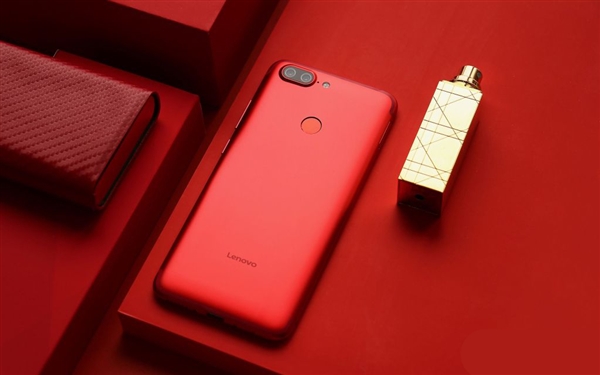
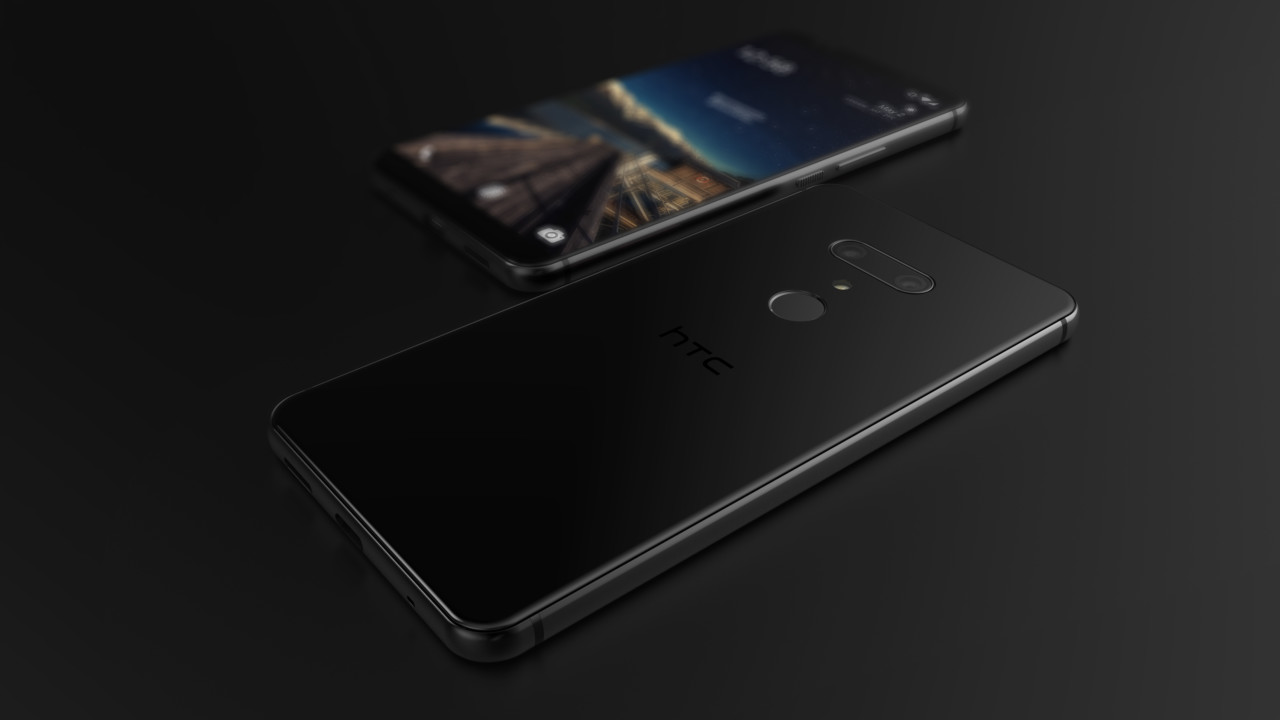
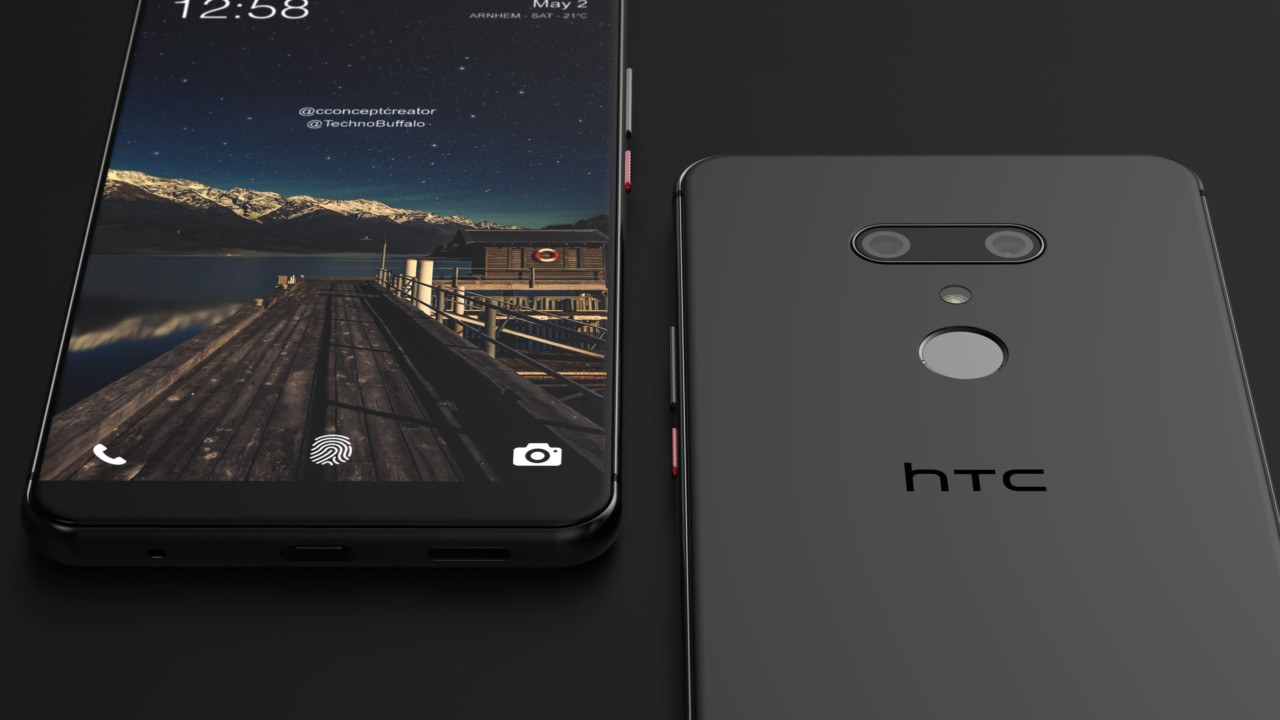
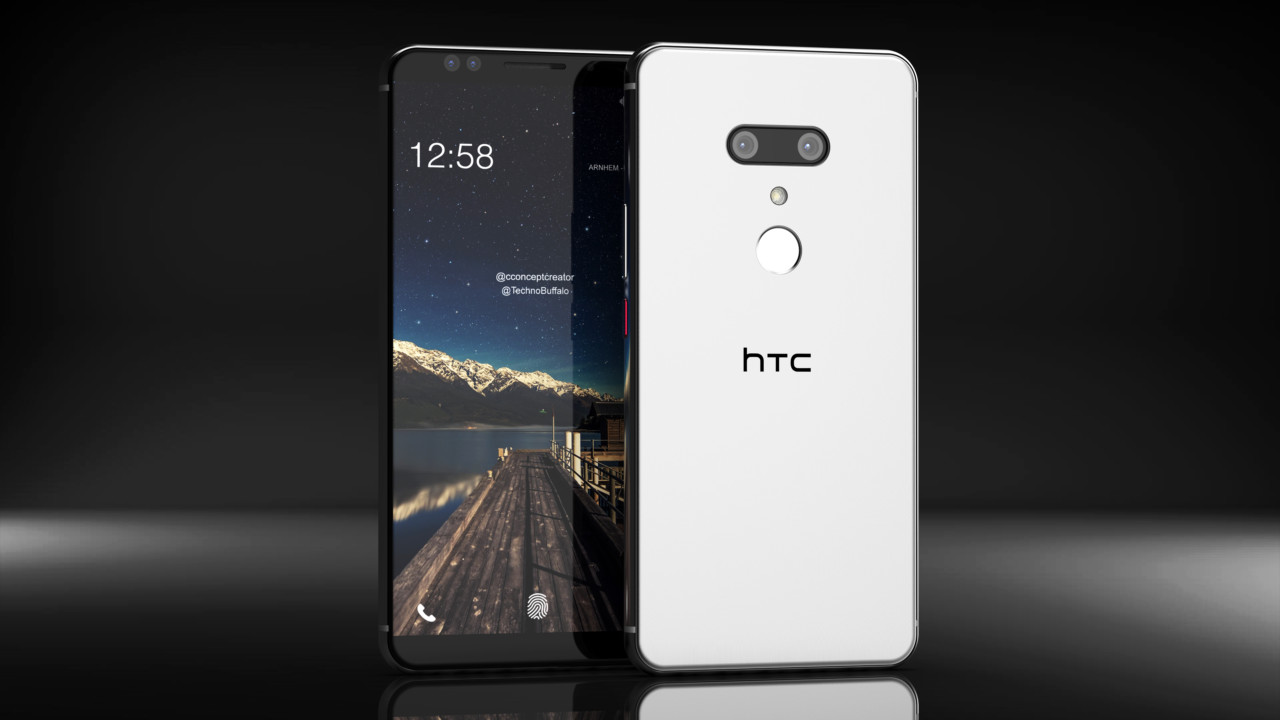
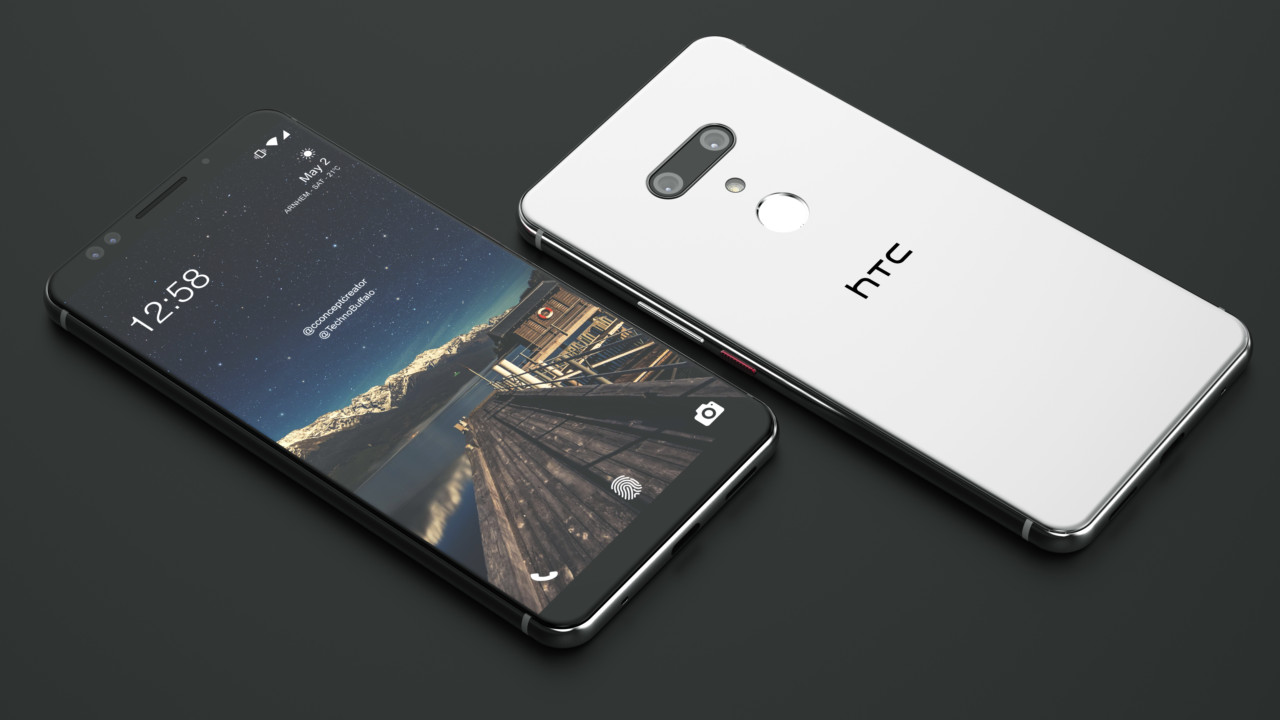
Photo of Rear Shell Of Unknown Meizu Phone With Dual Cameras and Fingerprint Scanner Surfaces, End of mBack Button?

One unique feature common to Meizu phones released in the last 18 months or so is the mBack button. This is a button that sits below the display and doubles as a home key/navigational keys and fingerprint scanner. Meizu adopted the design following the outcome of a ZTE lawsuit on its use of the holo circle capacitive button.

It appears Meizu may be doing away with the mBack button soon. A leaked image of the rear shell of an unknown Meizu phone may be the first proof of that.

Meizu Phone no mBack button

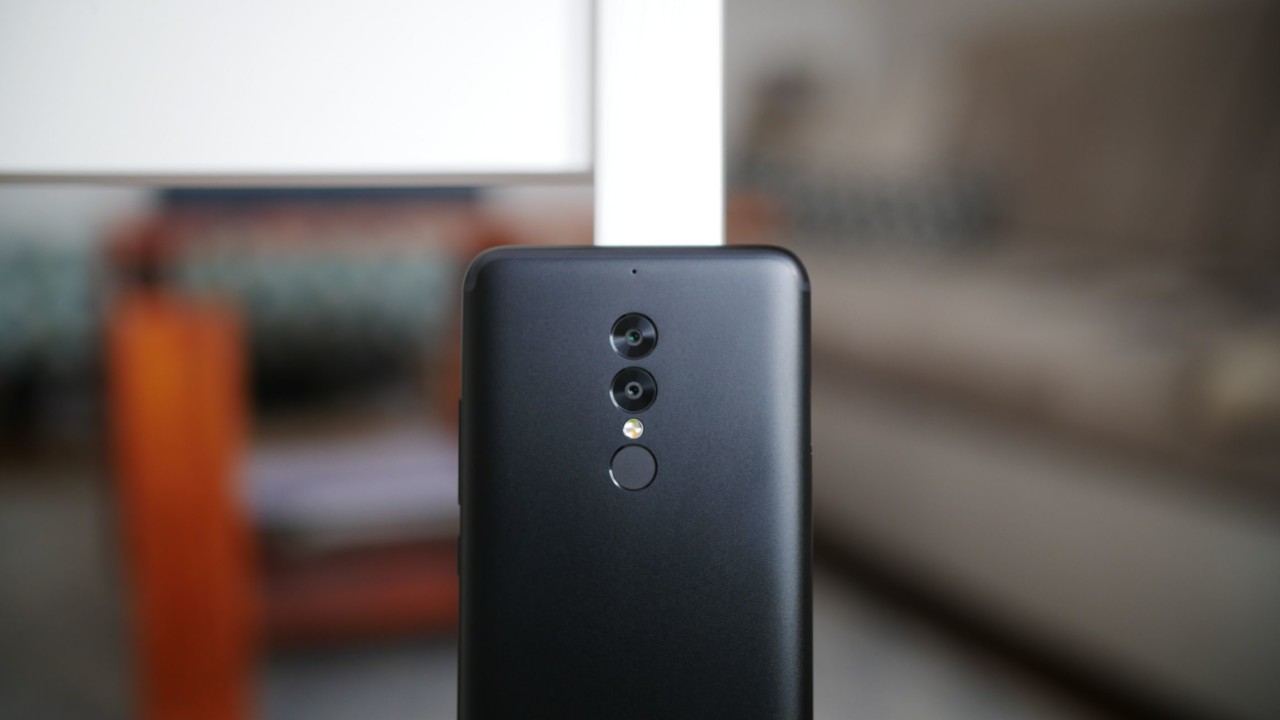
The photo which was posted on Weibo shows the shell of a phone with three circular cut-outs in the middle. All the circles are stacked on top of each other and a design like this only means one thing – dual cameras and a fingerprint scanner.

The only reason we can think of for this new design is possibly because of a full-screen display. If Meizu releases a phone with a full-screen display, it will have to move the fingerprint scanner to the back of the device just as we have seen other manufacturers do.

So at the expense of a larger display in a more compact body, one of the brand’s signature feature will have to go. However, the button will likely still be available in its other phones that launch with a regular 16:9 display.

READ MORE: Meizu’s New USB Charging Cable Comes With An LED Light

Five-Year-Old Xiaomi Mi 2 Gets Android 8.0 Oreo ROM

Xiaomi Mi 2 was released in August 2012, precisely five years and three months ago. The second-gen Xiaomi Mi model came at a time Xiaomi was still in its infancy but was among the models which set the company apart as a game changer. The phone sports a 4.3-inch display with HD resolution of 1280 x 720 pixels. It is powered by a Qualcomm APQ8064 processor paired with 2GB of RAM which seemed like a lot back then. By the way, the Mi 2 was the world’s first smartphone to come with a 28nm quad-core processor clocked at 1.5GHz.xiaomi mi 2

You may call the smartphone old and outdated but not everyone thinks so because there are a crop of ardent Mi 2 users on XDA forum who still explore their smartphone. One XDA forum developer has shared his latest Android 8.0 build for the Mi 2, Mi 2C, Mi 2SC with a lot of the features working fine on the interface. The developer disclosed that the audio, Bluetooth, camera, WiFi, FM, sensors and GPS are all working well but couldn’t test if the phone works well with CDMA SIM card. There are a few bugs, though, which he isn’t planning to fix soon because they are useless to him. The issues include; Sound recorder cannot resume properly after a pause. Also, the flashlight in the stock camera cannot open manually (“Always On” mode not working). Camcorder works, but you have to select a 720p or lower resolution on both rear and front camera in settings before your first record, Kernel(v3.4.0) need to be patched for less vulnerable and a few others.xiaomi mi 2

Read More: Xiaomi Doesn’t Forget Old Models! Xiaomi Mi 2S Updated With MIUI 8.2 Is Super Smooth

If you are interested, do head over to XDA forum to see how you can download. Do note that the ROM is for the Mi 2 and you’ll need to have an idea of how to flash your smartphone to do this.

(source)xiaomi mi 2xiaomi mi 2xiaomi mi 2xiaomi mi 2

360 N6 Pro Will Launch November 28, Invite Pays Tribute To Apple’s Jony Ive

360 Mobile promised there would be an announcement today regarding its next phone. But rather than officially announce the phone, it revealed the name and launch date. The next 360 phone will be called the N6 Pro and it will launch on the 28th of November.

360 N6 Pro launch poster

The smartphone manufacturer has sent out invites for the launch which actually has an interesting surprise. ITHome got a copy and decided to share photos of it.

The invite comes in a big box with a phrase that roughly translates into “full-screen and clear” confirming the phone will have a full-screen display.

Remove the cover of the box and you get a poster with the same image as the one on the box. Underneath the poster is a book. Now this is where it gets interesting. This is no ordinary book but a biography of some sort of famous Apple’s chief design officer Jonathan “Jony” Ives.

It is not unusual for Chinese manufacturers to include unusual gifts when they send out invites. Meizu is one manufacturer that is fond of that. It has included discontinued Nokia phones in its invites and even a pair of sneakers. However, 360 Mobiles takes things to a different level with the Jony Ives book.

They also included a quote from the top Apple executive that talks about the importance of a phone’s screen, possibly as a way to drive home the key feature of the N6 Pro. The quote is reproduced below:

“This analogy is to let everyone understand the importance of the screen in the heart, we want to develop a screen-specific products, the screen is the top priority … We talked about the iPhone earlier when the main focus on this concept …. It is an infinity pool where the display we want to magically appear. ”

–Jony lve

Asides the book, there is also a plastic mold of the display of the N6 Pro.

READ MORE: 360 N5S 32GB Version Announced for ¥1399 ($205)

German Telecoms Authority Bans Smartwatch For Kids Over Privacy Concerns

The German telecoms regulatory body has placed a ban on the sale of smartwatches designed for children, stating that such devices are spying devices. The regulatory agency had previously banned the sale of an internet-connected doll named – “My Friend Cayla” for similar reasons. The agency enjoins parents who had such smartwatches for their kids to destroy them.

The smartwatches are sold by several companies in Germany an are usually targetted at kids between the ages of 5 years and 12 years. The Federal Network Agency claims it had already taken action against several firms that sell the watches online but no name was mentioned. The watch in question is said to come with a SIM card and offers a limited telephone function controlled via an app. The statement also disclosed that the smartwatches come with an app that allows parents to use such smartwatches to secretly listen to a child’s environment. The agency also revealed that their investigation showed that parents have used the watches to isten to teachers in the clssroom. The watch is programmed to call a telephone number and when that is done, it can be used to secretly listen to converstions an this prohibited under German laws. Thus, such devices are seen as prohibited transmitters.

Read More: No.1 F5 Smartwatch with GPS and Real-Time temperature coming next month

The action of the German agency reflects growing concerns about the security and privacy risks associated with the risig number of smart gadgets referred it as “internet of things”. Surveillance is particularly a very sensitive issue in Germany where the former East German bloc’s Stasi secret police and the Nazi-era Gestapo kept a close watch of the population. The move could see IoT manufacturers adopting stricter security measures t curve the vulnerability of their gadgets.


MediaTek’s COO Zhu Shangzu Joins Xiaomi As Investment Partner

MediaTek’s Chief Operating Officer Zhu Shangzu has left the Taiwanese chip manufacturer for Xiaomi. The announcement was made today by Xiaomi CEO, Lei Jun.

Zhu Shangzu
Xiaomi CEO Lei Jun (l) and Zhu Shangzu (r)

Zhu Shangzu’s new position at Xiaomi is said to be as a partner in Xiaomi’s startup investment arm which also includes talents like Sun Changxu and Pan Jiu Tang.

During his period at MediaTek, Zhu Shangzu helped establish a strategic partnership between the semi-conductor company and Xiaomi. It is believed that his leadership skills and contacts in the tech industry will help Xiaomi achieve great success in its future investments.

Xiaomi’s investment company has invested in about 200 companies involved in hardware manufacturing, mobile payments, and mobile content development. In May of this year, it set up a ¥12 billion joint fund with Hubei Changjiang Industrial Fund.

Mr. Zhu Shangzu has a bachelor’s and master’s degree in electronics from Hsinchu Jiaotong University in Taiwan. he joined MediaTek in 1999 as the GM of Digital Consumer Electronics Business Unit and Digital Camera Business Unit.

READ MORE: Xiaomi Opens World’s First 24/7 Mi Store In Russia, Introduces Mi Mix 2

Tesla Launches PowerBank And Desktop Supercharger Priced At $45

Tesla — the US-based company known for its electric cars, has now launched a portable mobile phone charger that can be used to charge Android as well as Apple devices on-the-go.

The Tesla PowerBank packs a single 18,650 cell with a 3,350 mAh capacity. With such capacity, the device can charge an Android smartphone just once, or maybe less in some cases. The output rate of the device is 5V/1.5A and only offers USB, microUSB, and Apple Lightning charging cables. There is no USB Type-C port support, which is becoming the industry standard.

Tesla PowerBank

The lithium-ion cell inside the portable charger is the same type of cell that is packed among thousands of others inside the company’s Model S and Model X’s battery packs.

While the internals of the power bank are not impressive, the design of the device is quite impressive and will definitely excite die-hard Tesla fans. The PowerBank seems to have been inspired by Tesla’s supercharger monument at the Tesla Design Studio in California.

Priced at $45, there are better alternatives out there which offers much more feature and more charge cycles for smartphones. Currently, it is listed as sold out on the company’s website.

Tesla Desktop Supercharger

Read More: Meizu M20 Power Bank Launches With Two-Way Fast Charging

Along with the PowerBank, Tesla has also launched a Desktop Supercharger for the same price. Design wise, it looks just like a mini charging station that charges your phone. As per the company, it has used the same 3D CAD data used to make the actual Supercharger to make the minaturized replica.

A few days ago, Tesla showed off its upcoming truck, called the Tesla Semi which can travel 800 kilometers on a single electric charge while pulling a full load of 36,000 kilograms. Surprisingly, the company also launched the second-generation Roadster, a new version of the first car the company made.


Xiaomi Mi A1 Rose Gold Color Variant Launched In India

Xiaomi Mi A1 — the company’s first Android One smartphone, made its debut in India a couple of months ago. The smartphone was available in India in two color options — Black and Gold. But now, keeping the promise made during the launch of the Mi A1 in India, Xiaomi has introduced third color options — Rose Gold.

The Rose Gold color variant of the Mi A1 smartphone is now available for purchase in India, exclusively through Mi.com and Flipkart. Later, the smartphone will also be made available through Mi Home stores, Mi Preferred Partner stores, and retail partner stores. The Rose Gold color model is also price at Rs. 14,999.

Mi A1 Rose Gold

The Xiaomi Mi A1 comes with a 5.5-inch Full HD display with screen resolution of 1920 x 1080 pixels with a layer of Corning Gorilla Glass on top for protection from minor scratches. Under the hood, it is powered by an octa-core Qualcomm Snapdragon 625 SoC coupled with 4GB of RAM.

It comes with 64GB of inbuilt storage, which is further expandable upto 128GB through microSD card. However, the phone has a Hybrid SIM card slot, so you can either use microSD card or secondary SIM card.

As of the camera, the smartphone features a dual camera setup at rear, with two 12-megapixel sensors — one featuring a wide-angle lens with a 1.25-micron pixel sensor and f/2.2 aperture, while the other one sporting a telephoto lens, with f/2.6 aperture, and capable of delivering 2x optical zoom. There is also a 5-megapixel front-facing camera with a real-time beautification mode.

Read More: Xiaomi Lists More Redmi Series Smartphones On Amazon Spain Store

Connectivity options on the device include 4G VoLTE, dual-band Wi-Fi 802.11ac, GPS/ A-GPS and USB Type-C port. The smartphone is fuelled by a 3,080mAh battery.

For Mi A1, Xiaomi dropped its own MIUI for the first time as the smartphone runs on stock version of Android 7.1 Nougat operating system out-of-the-box. The company has promised to roll out the latest Android 8.0 Oreo soon.


Honor V10 China Launch Press Invite Is One Big AI Teaser, Expect Kirin 970 Onboard!

Huawei is expected to launch what should be its last flagship smartphone for the year later this month. The Honor V10 will be going official on December 5 in London, UK for the global market but before then, it would be unveiled in China on November 28. We have already seen launch posters flying around the internet and even banners have been erected in various cities in China projecting the November 28 launch. We have now seen a press invite for the event and one thing that stands out is the AI and fast slogan the new smartphone is teased with.Honor V10

This isn’t the first time the company will be teasing the AI power of the V10 but this time around the focus seems to be on the AI and not on the full-view display the V10 is expected to feature. What this tells us is that the device will come packing a Kirin 970 chip just as we thought. Huawei’s latest Hisilicon Kirin 970 is based on the 10n manufacturing process and is reputed as the world’s first chip with an independent in-built Neural Processing Unit (NPU) AI computing platform. This also brings the new AI capable chip to a device that is not as expensive as the Mate 10 models. Rumors have it that the Honor V10 would be coming with a starting price of 2,999 Yuan (~$450). honor v10

Read Also: Honor 6A Pro Launched in Europe with 3 GB RAM, Enticing Price Tag

The Honor V10 has featured in several leaks and rumours well ahead of its launch. The Honor V10 is expected to feature a 6.0-inch display with FHD+ resolution of 2160 x 1080 pixels which means it will come with an 18:9 aspect ratio. The Kirin 970 SoC will be accompanied by 6 GB of RAM and 8GB RAM on a higher version.  The device is also expected to be available in two storage models – 64 GB and 128 GB. On the camera end, the V10 will feature a 13MP selfie shooter and at the rear, there will be a 16MP + 20MP dual camera setup. The mobile will get its juice from a 4000mAh battery that will be coupled with 22.5W SuperCharge and would run on Android 8.0 Oreo-based EMUI 8.0.

(source)Honor V10


Honor 7X Launching in the U.S. on December 5

Honor 7X mid-range phone was launched in China in the previous month. Huawei’s sub-brand Honor has today confirmed that it will be bringing to the U.S. on Dec. 5.

Earlier in this month, Honor India had made it official that the 7X mid-range phone will be arriving in India in December. The registrations of the smartphone have already started on Amazon India. It seems that the Honor 7X will be also available in other markets like the U.S. and the U.K. in the next month.

The Honor 7X has a full screen design and it houses an 18:9 aspect ratio display of 5.93 inches. The smartphone supports a Full HD+ resolution of 2160 x 1080 pixels. The Kirin 659 chipset that powers the Mate 10 Lite is present under the hood of the Honor 7X. The SoC is supported by 4 GB of RAM.

Honor 7X cameras

It includes 32 GB of storage and carries support additional storage through microSD card slot. It is loaded with Android 7.0 Nougat and EMUI 5.1 skin. The dual camera system present on its rear features a main camera of 16-megapixel and a secondary snapper of 2-megapixel. Its front-facing camera is of 8-megapixel. It is packed with a 3,340mAh capacity battery.

Honor is yet to confirm on the pricing and availability of the Honor 7X for the U.S. However, the company is expected to reveal these information on 7X’s launch date of Dec. 5. In China, the 32 GB, 64 GB and 128 GB storage variants of the smartphone are respectively priced at 1,299 Yuan (~$195), 1,699 Yuan (~$256) and 1,999 Yuan (~$301).

Huawei’s sub-brand will be holding a big launch event in London on Dec. 5. It is expected to not only announce the Honor 7X on the said date but also it is pegged to debut the Honor V10 flagship phone.

Honor V10

Read More: Honor 6A Pro Launched in Europe with 3 GB RAM, Enticing Price Tag

Honor V10 is speculated as a stripped down edition of the Mate 10 Pro flagship phone. The TENAA listing of the phone has revealed that it has a metallic body and it houses a 5.99-inch FHD+ display. The AI driven Kirin 970 chipset and 6 GB of RAM will be powering the phone. It will be available in 64 GB and 128 GB.

Its back panel will be featuring a non-Leica branded 16-megapixel + 20-megapixel dual camera system. It will be coming with a 13-megapixel front-facing camera. A 3,750mAh battery that is coupled with 22.5W fast charging will be fueling the Honor V10. It will be running on EMUI 8.0 skinned version of Android 8.0 Oreo. The Honor V10 is scheduled to get unveiled first in China on Nov. 28.

(source)


OnePlus 5 Discontinuation Drawing Near, Confirms OnePlus India Head

OnePlus 5T has arrived as an improved version of the OnePlus 5 smartphone that was launched in June this year. Vikas Aggarwal who is the General Manager with OnePlus India has confirmed that the OnePlus 5 will be discontinued once it is sold out.

During a recent interview with an Indian publication, Aggarwal said that the last batch of OnePlus 3T was sold out during the recent shopping season of Diwali in October. The smartphone was then discontinued. The same can be expected for the OnePlus 5. He added that once the OnePlus 5 is sold out, the company would be selling only one smartphone – the OnePlus 5T.

According to Aggarwal, the OnePlus 5T cannot be dubbed as a whole new smartphone. Instead, it is a variant of the OnePlus 5 that has arrived with a larger display, enhanced cameras along with improved overall experience.

oneplus 5t

Read More: OnePlus 5T Hands On Photos: Hit Or Miss?

OnePlus has been competing with premium smartphones from other brands through its flagship killer phones. Aggarwal has said that the OnePlus 5T is capable of rivaling with existing flagship phones in the market. Since it is an extension of its current product line, the company decided to launch the OnePlus 5T with the same pricing as OnePlus 5.

As far as OnePlus mid-range phones are concerned, the executive made it clear that the company has no plans to launch it as it is focusing on the premium smartphone market. A recent IDC survey has revealed that the popularity of OnePlus has surpassed major brands like Samsung and Apple in the premium smartphone segment in India.

The 64 GB and 128 GB OnePlus 5T models are respectively priced at Rs. 32,999 (~$507) and Rs. 37,999 (~$584) in India. Amazon India is the exclusive online seller of the OnePlus 5T. Today at 4:30 PM, it will be running a flash sale for the smartphone exclusively for it Prime members. The actual sales of the OnePlus 5T will begin on Nov. 28.

Do you think that the OnePlus 5T is worthy upgrade over OnePlus 5? Share us your thoughts by adding your comments below.

(source)


Sony H4133 Could Be Snapdragon 630 Powered Smartphone Arriving in 2018

A mysterious Sony smartphone with model number Sony H4133 has appeared on GFXBench benchmarking site. It reminds us of another unreleased Sony phone with similar model number of Sony H4233 that had surfaced on the same benchmarking platform in September. Since these smartphones carry similar specs, the newly surfaced Sony H4133 could be a lower end edition of the Sony H4233 smartphone.

The Sony H4133 has a 5.2-inch display that supports full HD resolution of 1920 x 1080 pixels. The presence of Adreno 508 graphics indicates that the smartphone is powered by the Snapdragon 630 chipset. It is the same chipset that is found under the hood of other phones like Motorola Moto X4, Nokia 7 and HTC U11 Life. The SoC is aided by 3 GB of RAM and it has an internal storage of 32 GB.

The back camera of Sony H4133 is of 21-megapixel and it carries support for 4K video shooting. Its frontside could be sporting an 8-megapixel snapper. The smartphone comes preloaded with Android 8.0 Oreo.


The above snapshots show that the UAProf of the Sony 4133 also reveals that it features a FHD display and it is loaded with Android 8.0 Oreo. The device also carries support for Bluetooth.

Read More: H3213 Avenger Seen on GFXBench, May Be Sony’s First Dual Camera Smartphone

The Sony H4233 smartphone that was spotted two months ago features 6-inch FHD display and it is also powered by Snapdragon 630. It has 4 GB of RAM and a native storage of 64 GB. It is also running on Android 8.0 Oreo and features a 21-megapixel rear camera and a 16-megapixel front-facing camera.

The model numbers of the Sony smartphones that released this year had “G” in their model number. Hence, the Sony H4133 phone could be arriving next year as it has “H” in its model number. The Sony H4233 and H4133 mid-range smartphones may get unveiled during the Mobile World Congress (MWC) event in 2018.

(source 1, 2)

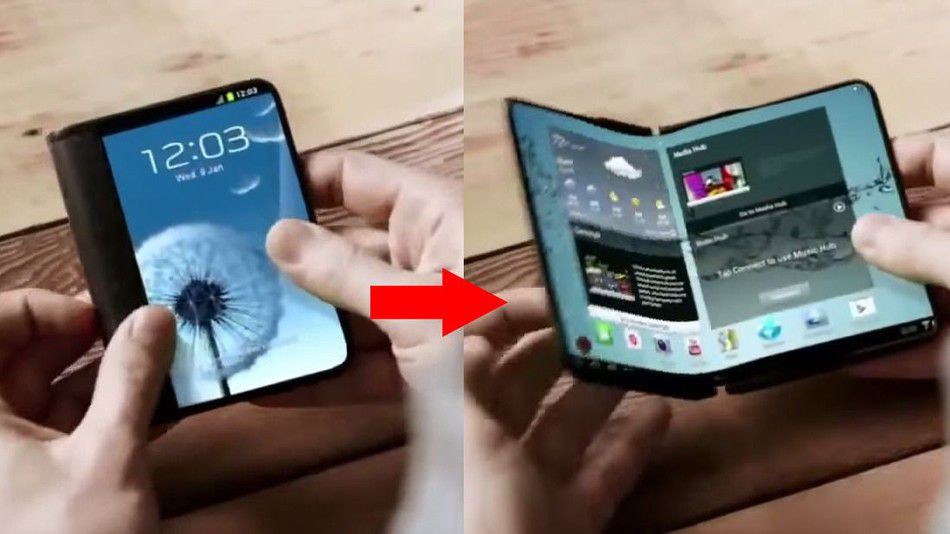
Support Page For Foldable Samsung Galaxy X Is Live

Does the model number SM-G888N0 ring any bell? For those who don’t remember, it is the model number for Samsung’s up-coming foldable smartphone – the Galaxy X.

Galaxy X SM-G888N0 Support page

The Galaxy X is not expected to launch until next year but a support page has showed up on the official Samsung Korea site. The page doesn’t include any specs but the fact that it is live is a another confirmation of the phone’s existence.

The Samsung Galaxy SM-G888N0 got Wi-Fi and Bluetooth certified months ago, but we still know next to nothing about its specs. However, the design is expected be the same hinge design like the ZTE Axon M, but with more of a flip-phone form factor than a book.

The core specs like the display size and processor are unknown. Will it be powered by the Snapdragon 845/Exynos 9810 that will power next year’s flagships or will it use this year’s top processors? The possibility of using this year’s chipsets is high seeing as the phone is expected to launch before the Galaxy S9 and Galaxy S9+.

READ MORE: Alleged Samsung Galaxy S9+ Geekbench Listing Reveals Exynos 9810, 4 GB RAM

360 N6 Pro To Come With Snapdragon 660 and 4000mAh Battery

360 Mobiles is expected to either launch its new phone, the N6 Pro tomorrow or to announce a launch date. According to the CEO, the phone will pack impressive specs and a competitive price.

Most of the phone’s specs are still unknown but one key feature it will have is a full-screen 18:9 display, thanks to the images seen on TENAA. The good news is that we may not have to wait till it launches to find out some of its other key specs.

360 N6 Pro Specs

Popular leaker @MochaRQ took to Weibo to reveal some details of the device. The specs were gotten from a poster announcing the brand’s 2nd anniversary celebration. To mark the event, the poster lists certain 360 phones that will be discounted and also includes a few specifications of an unnamed phone. This phone is believed to be the 360 N6 Pro.

The N6 Pro according to the poster will have a Snapdragon 660 and a 4,000mAh battery. There is also a ¥2999 (~$452) price tag mentioned which is surprising since one of the brands selling points is the low price tag it slaps on its devices.

The image does look genuine and the specs are not unusual, so this is likely what we’ll see when it eventually launches.

READ MORE: 360 Mobiles Files Application To Trademark “Flagship Device”

Counterpoint Reveals Xiaomi Now Fifth Largest Smartphone Brand in Russia

Barely seven months after Xiaomi made its official debut in Russia, Counterpoint research has revealed that the Chinese tech company is now the fifth largest smartphone brand in Russia. The Mi brand achieved this feat in the third quarter (Q3) 2017 according to the latest research finding by Counterpoint’s Market Monitor service.Xiaomi Logo

In a statement made available to the press, Counterpoint’s Associate Director, Tarun Pathak disclosed that Xiaomi grew by 325 percent YoY and was the fastest growing smartphone brand in Russia in both online as well as offline sales. Counterpoint also revealed that smartphone shipments in Russia grew by 7 percent annually and 38 percent sequentially during Q3 2017. The growth of the handset market in Russia during the third quarter is fingered to have been driven by aggressive marketing campaigns by new Chinese brands and subsequent price cuts from all the leading retail chains as a response to the high consumer spending precipitated by the new academic year and a ‘back-to-school’ season.

Xiaomi and Apple emerged as the leading smartphone brands in online sales during the quarter. Online sales channel also saw an increase from 12% to 15% YoY in Russia. Overall, Samsung led the smartphone push with market shares of 20 percent and 29 percent respectively during Q3 2017. Other global brands, including Samsung, raked in almost 58 percent of the smartphone market, closely followed by Chinese brands with 32 percent market share. Xiaomi with a growth of 325 percent, Bright and Quick (177 percent) and Huawei (140 percent) were the fastest growing Chinese brands YoY. Local Russian brands also grew in the quarter as well.

Read Also: Xiaomi Opens World’s First 24/7 Mi Store In Russia, Introduces Mi Mix 2

No doubt, results such as this and the strong outing in India would spur Xiaomi to venture more and more into other regions where fans are anxiously waiting to get their products directly.

(via)

Gizmochina Explains: 5G Network Standard

5G is the next big thing in the telecommunications world and all the big players from infrastructure builders, to component and consumer product manufacturers to network operators are already laying out plans and even executing them all ready for the new network standard.

5G

What is 5G?

Before explaining what 5G is, a short history class on network standards is necessary.

The first network standard or first generation wireless telephone technology referred to as 1G was introduced in 1981. It was later replaced by the 2G standard in 1992 which brought digital encryption, SMS, and data services.

3G was announced in 1998 but didn’t become commercial until 2001. It brought services like faster mobile internet access, video calls, and mobile TV. It was then followed by 4G in 2008 which later became mainstream in 2011/2012. 4G brought along mobile ultra-broadband access.

If you look at the dates, you will see that there is approximately 10 years between each mobile generation. 5G has been announced already and is expected to go mainstream by 2020/2021. It will operate on a much wider frequency than previous network standards and allow more devices to be connected to the internet.

There is no 5G standard yet but the GSMA has penned down 8 criteria that a network should meet to qualify to be referred to as 5G:

  1. One to 10Gbps connections to end points in the field
  2. One millisecond end-to-end round trip delay (low latency)
  3. 1000x bandwidth per unit area
  4. 10 to 100x number of connected devices
  5. (Perception of) 99.999 percent availability
  6. (Perception of) 100 percent coverage
  7. 90 percent reduction in network energy usage
  8. Up to ten-year battery life for low power, machine-type devices


5G Applications

Industries

While 4G and 3G have focused on devices with high data rates, 5G will address machine-to-machine communication. The deployment of 5G is expected to play a huge part in the next industrial revolution.

Factories of the future are expected to get smarter. Industries will be able to move from wired to wireless connections, thereby reducing cost of installations and flexibility of production processes.

Currently, the way machines used in factories are programmed doesn’t allow for much flexibility due to the use of wired networks. If you wanted to change a production process, it would require a lot of work, time and money.

[embedyt] https://www.youtube.com/watch?v=bMaDhf0LKAY[/embedyt]

In a case where several individual machines have to be re-programmed at a go, the total data required is large even though the update for each machine is small, and with wired connections, it is considerably slow.

With the use of 5G, it will be easier to update as the communication between machines is wireless and not wired and the latency is much more lower. Machines can be re-programmed on the go while being moved physically, thereby reducing production downtime.

5G Automated Driving
Image Credit: Intel
Autonomous Driving

Self-driving cars are already getting popular and will continue to increase in number in the coming years. These cars need data to communicate and current LTE speeds are not fast enough. Therein comes 5G.

According to Rob Topol, the GM of Intel’s 5G business and technology, 5G wireless networking will be like “oxygen” for self-driving vehicles.

Sensors built into the cars will be able to transfer and receive data at speeds up to gigabits per second using 5G modems built by manufacturers such as Intel. That way important data such as weather reports and road conditions can be sent to the cars as quickly as possible. The advantage this brings is fewer accidents overall.

Virtual Reality

The key advantage of 5G is its low latency (network delay). This will come in handy for areas like Virtual Reality gaming, where latency can affect the outcome of a game. There is also the speed 5G brings to the table, allowing data to reach consumers faster.

Image Credit: Qualcomm
E-health

Healthcare is one of the areas that will benefit most from 5G. Medical devices will become part of the Internet of Things (IoT) or rather, the Internet of Medical Things (IoMT), containing sensors that can receive and send data.

The advantage this brings is that patients will not need to physically check-in with doctors as diagnosis and treatment can be done remotely. This will help reduce the cost of healthcare especially for those who live far away.

Another advantage is that the connected medical devices which feed doctors with data about the patient can help with predictive analytics, resulting in early diagnoses.

The Internet of Medical Things is also expected to generate lots of revenue an create jobs for those in the manufacture of health wearables and health-monitoring devices.

However, these benefits will still need to be regulated by health bodies and agencies.

5G’s For The Mobile World

The big players for the mobile world is Qualcomm and Intel. Yes, Intel is back in the modem race as it announced its first 5G New Radio modem, the XMM 8060 a few days ago. Although this comes months after Qualcomm announced its own X50 modem, Intel may have snatched up a big customer in Apple.

Apple and Qualcomm are currently slugging it out in courts, so it comes as no surprise that it may want to switch to Intel for its modems.

Qualcomm on the other hand as lots of clients – its modems are used in most smartphones even those powered by other chipsets. There is also its partnership with Microsoft for the Windows 10 ARM PCs.

We are expecting the first Windows 10 ARM PCs to arrive this year. They will not only have Qualcomm’s Snapdragon 835 SoC but also its X16 LTE modem for connectivity. For the second gen PCs, expect them to come with the X50 5G modem.

Apart from super fast connectivity for mobile phones, another service 5G will bring is hologram video calls at least for Korean Telecom. Sadly, this is not Star Wars style hologram video calls as a display is still required but its different from current video calls.

READ MORE: GizmoChina Explains: How Does Facial Recognition Work?

Alibaba Acquires $2.9 Billion Stake In China’s Offline Retail Giant, Sun Art

China’s largest online giant, Alibaba Group Holding Ltd (Alibaba) is making moves to equally become a giant offline. As part of its efforts to do so, it announced that it will acquire a stake in Sun Art Retail Group, owners of hypermarkets Auchan and RT-Mart.

Alibaba Buys Stake in Sun Art

Sun Art is market leader in the offline grocery market with an 8.2% market share according to Kantar Worldpanel.

The deal will actually be carried out by Alibaba’s subsidiary, Taobao China Holding. Taobao will form an alliance with Auchan Retail S.A. and Reuntex Group. It will invest HK$ 22.4 billion (~$22.9 billion) in return for a 36.16% stake (from Reuntex) in the business. The acquisition will see Taobao become the second largest shareholder in Sun Art after Auchan (36.18%) while Reuntex will have a 4.67% stake.

Alibaba will use the acquisition as a chance to tap into China’s $500 billion food retail market and increase its foothold in the offline market. In recent years, it has started to invest in physical stores. So far, it has spent up to $9.3 billion since 2015.

READ MORE: Alibaba Sets $25 Billion Sales Record On Single’s Day

Vivo V7 With 5.7-Inch 18:9 Display And 24MP Front Camera Launched In India

After launching the Vivo V7 in Indonesia and China, the company has now launched the smartphone in the Indian market at a launch event in New Delhi. Vivo V7 is the watered-down version of the previously launched Vivo V7 Plus.

Just like the V7 Plus, this one too follows Vivo’s vision of focusing on selfie camera. The mid-range smartphone has a lot of similarities with its bigger sibling V7 Plus — from the design of the phone to the specifications.

The smartphone features with a 5.7-inch FullView display with a screen resolution of 1440 x 720 pixels, having an aspect ratio of 18:9 and a 2.5D Curved Glass. It boasts 83.6 percent screen-to-body ratio. On the other hand, the V7 Plus features a 6-inch display panel.

Vivo V7

Under the hood, the phone is powered by a 1.8GHz Qualcomm Snapdragon 435 octa-core processor, backed by 4GB RAM and 32GB internal storage. There is also a microSD card slot, allowing users to further expand storage capacity up to 256GB on the device.

Apart from display, the only major difference between the V7 and the V7 Plus is storage and RAM, with the Vivo V7 Plus having 6GB RAM and 64GB internal storage.

On the optics front, the smartphone features a 16-emgapixel f/2.0 rear camera with phase detection autofocus (PDAF) and a single LED flash. However, the highlight of the device is the front-facing camera, which comes with a 24-megapixel lens.

The camera also supports Portrait Mode and Live Photos, similar to Vivo V7 Plus. It has the ability to shoot 64-megapixel Ultra HD images by stitching multiple images. The selfie camera comes with Smart Beauty 7.0  and also has “VivoFace Access” technology that enables users to unlock the device through facial recognition.

Connectivity options on the device include 4G VoLTE, Wi-Fi 802.11ac, Bluetooth 4.2 and GPS. There is also a fingerprint sensor for added protection. The smartphone It runs FunTouch OS 3.2 which is based on Android 7.1.1 Nougat operating system. It is powered by a 3,000mAh battery but there is no support for fast charging.

Read More: Vivo to Enter European and African Markets in 2018

In India, the Vivo V7 will be available in Matte Black and Champagne Gold colours, at a price of Rs. 18,990 (~$292). It is currently up for pre-order exclusively via Flipkart and will go on sale from November 24.


Honor V10 Has Received TENAA Certification as Launch Date Nears

Honor V10 is scheduled to get unveiled on Nov. 28 through a launch event in Beijing, China. A Huawei phone with model number BND-AL00 has appeared on TENAA. It is speculated that this smartphone could be the upcoming Honor V10 flagship.

According to TENAA listing, the BND-AL00 is driven by Kirin 970 chipset. The official teaser of the Honor V10 hints that AI powered Kirin 970 will be powering it. Hence, the BND-AL00 could be the Honor V10 smartphone.

The images of the smartphone that have surfaced on TENAA shows it has rear-mounted fingerprint scanner and a full screen design. The images also suggest that the rumored Honor V10 may house a metallic chassis.

[envira-gallery id=”158607″]

Read More: Photos of Full-Screen Aurora Smartphone With Front-Mounted Fingerprint Scanner Leaked, Rumored To Be Huawei P11 Plus or Nova 3

The alleged Honor V10 features a 5.99-inch display that supports FHD+ resolution of 2160 x 1080 pixels. The Kirin 970 SoC will be accompanied by 6 GB of RAM. It is expected to be available in two storage models like 64 GB and 128 GB.

For shooting selfies, it will be featuring a selfie camera of 13-megapixel. The backside of the Honor V10 will be housing dual camera sensors of 16-megapixel and 20-megapixel. It includes a 3,750mAh battery that will be coupled with 22.5W SuperCharge. The V10 will be running on Android 8.0 Oreo and may feature same EMUI 8.0 skin found on Mate 10 series phones.

Rumors have suggested that the Honor V10 would be coming with a starting price of 2,999 Yuan (~$450). After Nov. 28 launch in China, the Honor V10 will be also showcased in London on Dec. 5.

(via)

Update: Sorry, this is not Huawei Honor V10

5G Coming As Qualcomm, ZTE & China Mobile Announce Test of World’s First 5G New Radio System

Internet speed is about going ballistic as Qualcomm, ZTE and China Mobile have announced on Friday, the successful test run of what they claim is the world’s first end-to-end 5G New Radio system. The new Radio system allows data to run at multi-gigabit per second speeds (>1 Gbps) with a latency of under 4ms. Compared to the 20ms latency that is the standard for current LTE networks, the difference is just out of this world.5g technology

The new 5G technology is based on the 3rd Generation Partnership Project (3GPP) standards. The 3GPP group is comprised of telecommunications companies that set the standards for 3G, 4G networks and now 5G networks and equipment. As a result of the 5G technology being built on the 3GPP standards, we can expect the development of commercial products that meet the 3GPP specification anytime soon.

Read More: Honor 6A Pro Launched in Europe with 3 GB RAM, Enticing Price Tag

The test employed ZTE’s 5G New Radio pre-commercial base station, Qualcomm’s 5G sub 6GHz New Radio prototype, and the data was transmitted over the 3.5 GHz band utilizing 100 MHz of bandwidth. The trial was conducted at China Mobile’s 5G Joint Innovation Center. The three partners intend to showcase this achievement at the China Mobile Global Partner Conference on November 23.

(source)

Get Xiaomi Mi A1 For $202 on Gearbest, Save $27 only today

Xiaomi Mi A1 featured

Xiaomi Mi A1 is the most popular budget phone from Xiaomi so far, it has mid-level specs and original Android OS.  The Mi A1 features a 5.5″ 1080p display and a Snapdragon 625 octa-core SoC along with 4GB of RAM, 64GB of internal storage, and a 3080mAh battery. In addition, it is equipped with a dual rear camera system comprised of two 12MP Sony IMX323 sensors and a front-facing camera with a 5MP sensor. It also has a fingerprint sensor in the back and comes with Google’s Android 7.1.2 operating system which will soon be updated to Android Oreo.


  • Xaiomi Mi A1 Main Features:
  • Display: 5.5 inch, 1920 x 1080 Pixel LTPS FHD screen, 450nit brightness, 403 PPI
  • CPU: Snapdragon 625 2.0GHz Octa Core
  • System: Android One
  • RAM + ROM: 4GB RAM + 64GB ROM
  • Camera: 5.0MP front camera + 12.0MP + 12.0MP back cameras
  • Sensor: Accelerometer, Ambient Light Sensor, E-Compass, Gyroscope, Hall Sensor, Infrared Radiation, Proximity Sensor, Touch Sensor
  • SIM Card: dual SIM dual standby. Nano SIM + Nano SIM
  • Feature: GPSA / GPS / GLONASS / BEIDOU
  • Bluetooth: 4.2
  • Network:
    2G: GSM 850/900/1800/1900MHz
    3G: Band B1/B2/B5/B8
    4G: FDD-LTE B1/B3/B4/B5/B7/B8/B20 TDD-LTE B38/B40