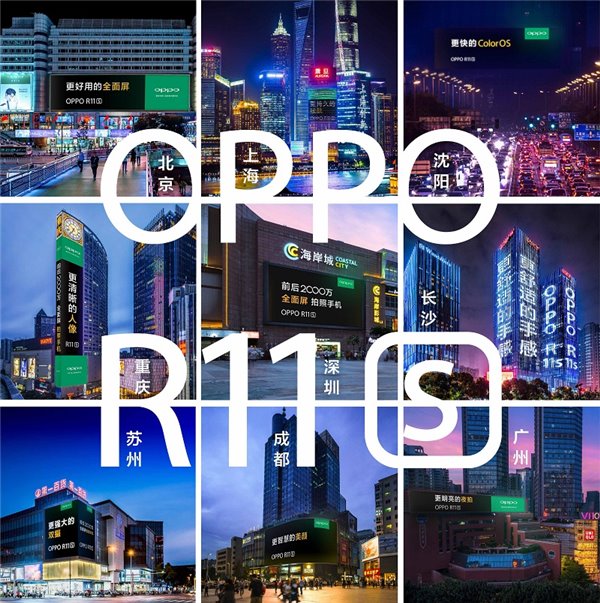
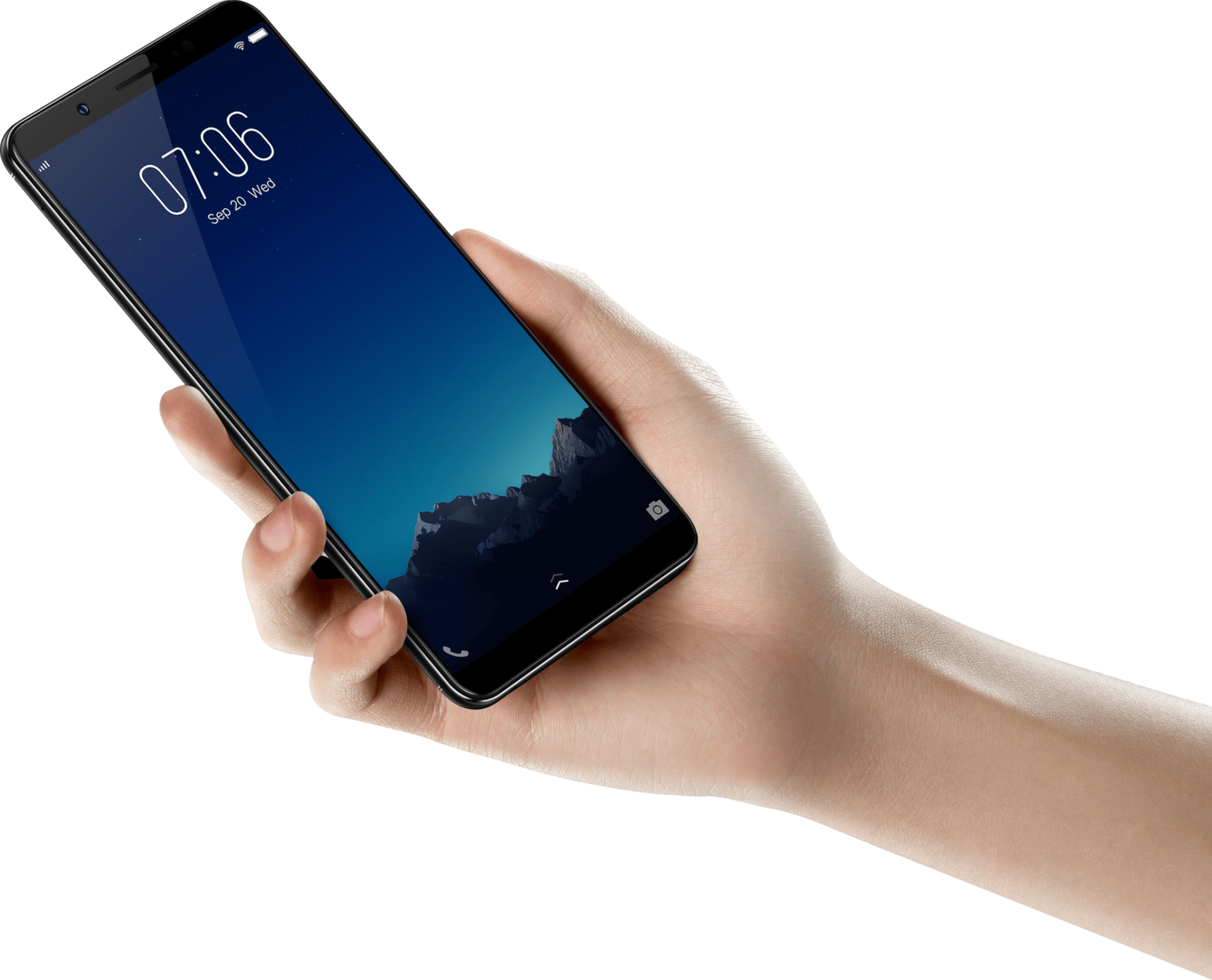
The OPPO R11 (and R11 Plus) was launched in June. Four months later, teasers of a successor have been seen gracing major landmarks in the city. The adverts tease a number of features of the successor called the OPPO R11S.
The OPPO R11S adverts can be seen at nine different locations around the city and tease features that roughly translate to “a better use of full screen”, “faster ColorOS”, “ 20MP dual cameras”, “clearer portrait” and “better night pictures” to name a few.
Four variants of the OPPO R11S were seen on the Chinese Compulsory Certification website last week. The certification site mentioned that it will have 5V 4A fast charging which is the proprietary VOOC fast charging technology.
The R11S is expected to launch with a full-screen display with an 18:9 aspect ratio. It will still have dual rear cameras but the fingerprint scanner will now keep the senors company at the back. The phone will be powered by the Snapdragon 660 processor and will come with 4GB of RAM and 64GB of storage.
The R11S will also have a bigger variant that will launch as the OPPO R11 Plus. It will have 6GB of RAM and its battery will be bumped up from the 3,200mAh of the R11S to 4,000mAh.
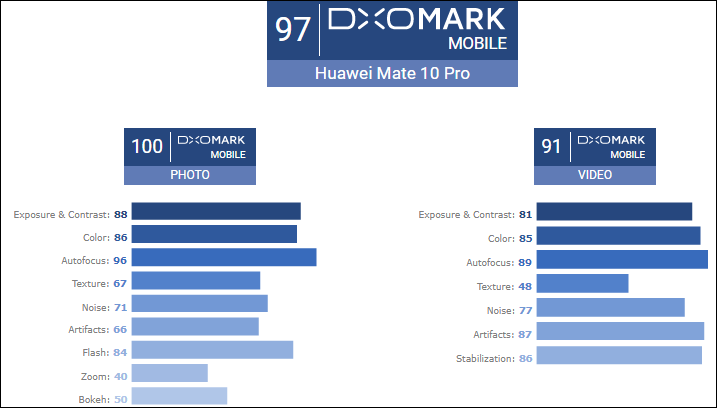
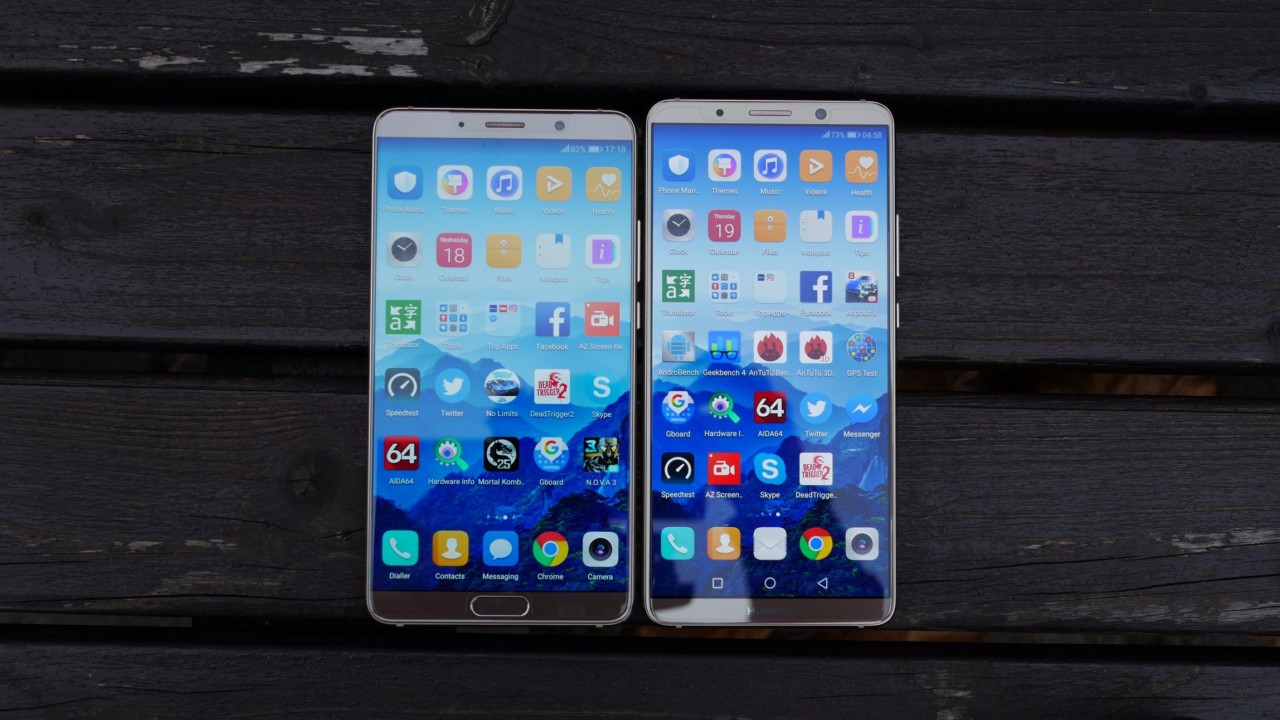
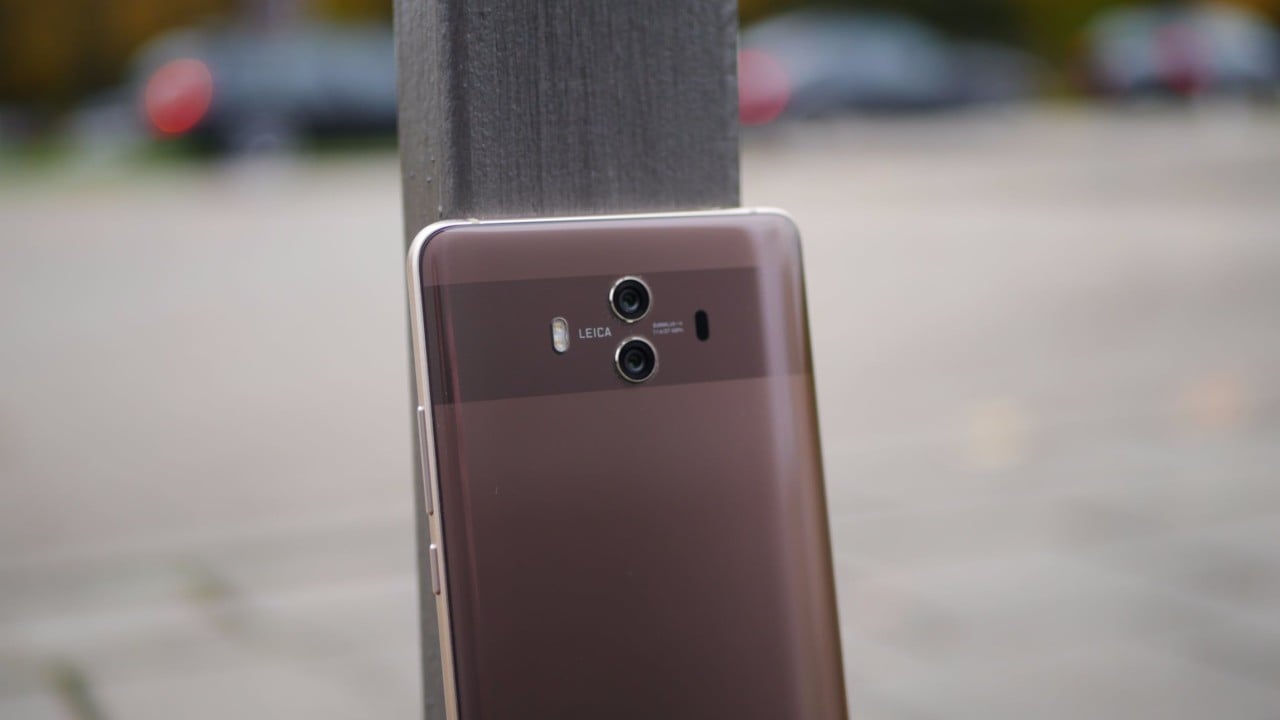
Huawei Mate 10 Pro has been revealed to have a DXOMark test score of 97 points, one point behind Google Pixel 2. As it stands, the Pixel 2 remains the highest rated phone camera according to DXOMark’s rating where it got a score of 98. This score shows that the Mate 10 Pro has the potential of being an outstanding smartphone for photography enthusiasts.
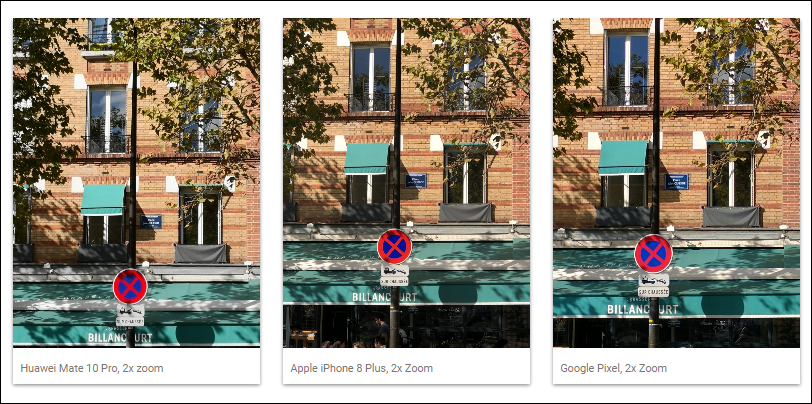
The Mate 10 Pro comes with an attractive design which includes a dual camera setup at the rear with the Leica badge. The rear cameras are a combination of a 12MP RGB sensor with a 20MP Monochrome sensor. This is a familiar setup which was used on the Mate 9 last year. The two sensors have f/1.6 apertures apiece with Leica optics. The camera also supports two times lossless zoom, phase detection autofocus (PDAF) and laser autofocus.
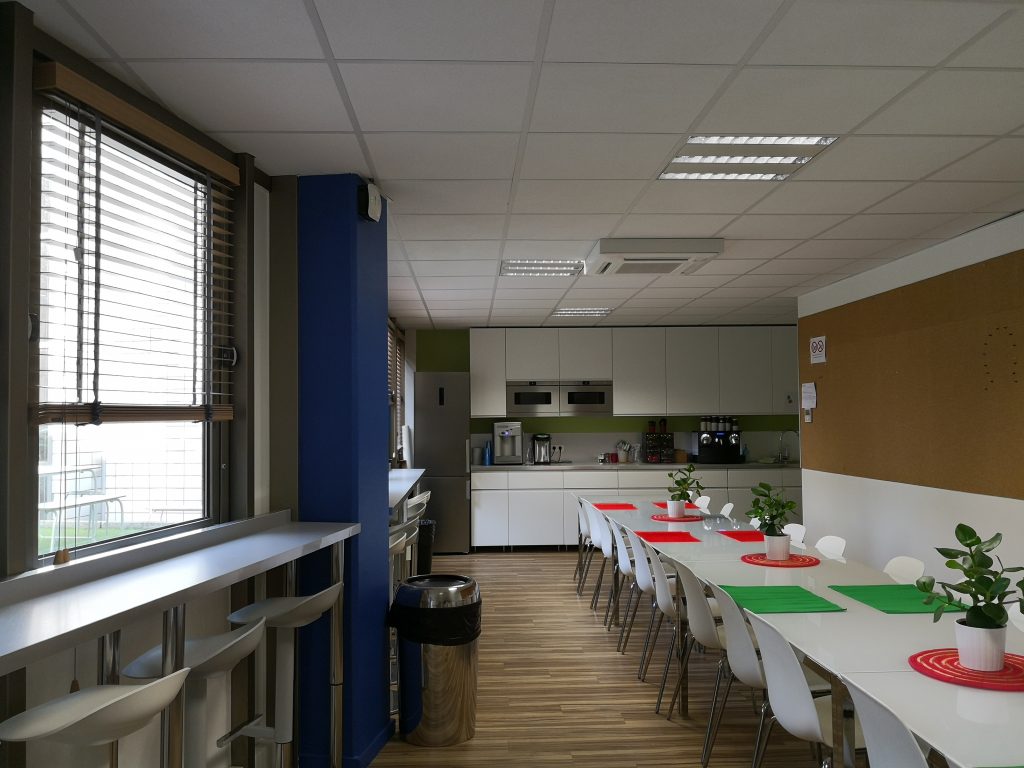
The summary of the DXOMark test shows that the Mate 10 Pro’s camera performed better in still photography than in the video aspect. The Mate 10 Pro recorded a sub-score of 100 points in the aspect of photos which matches the photo sub-score of the Galaxy Note 8. The key attributes which give the Mate 10 Pro camera its outstanding rating include its good exposures, particularly in indoor conditions; a very good wide aperture mode, which produces a mild, but attractive bokeh effect with few artefacts; and outstanding autofocus performance. The Huawei Mate 10 Pro also packs a capable video mode with a sub-score of 91 points. Check out more camera samples from the Mate 10 Pro below.
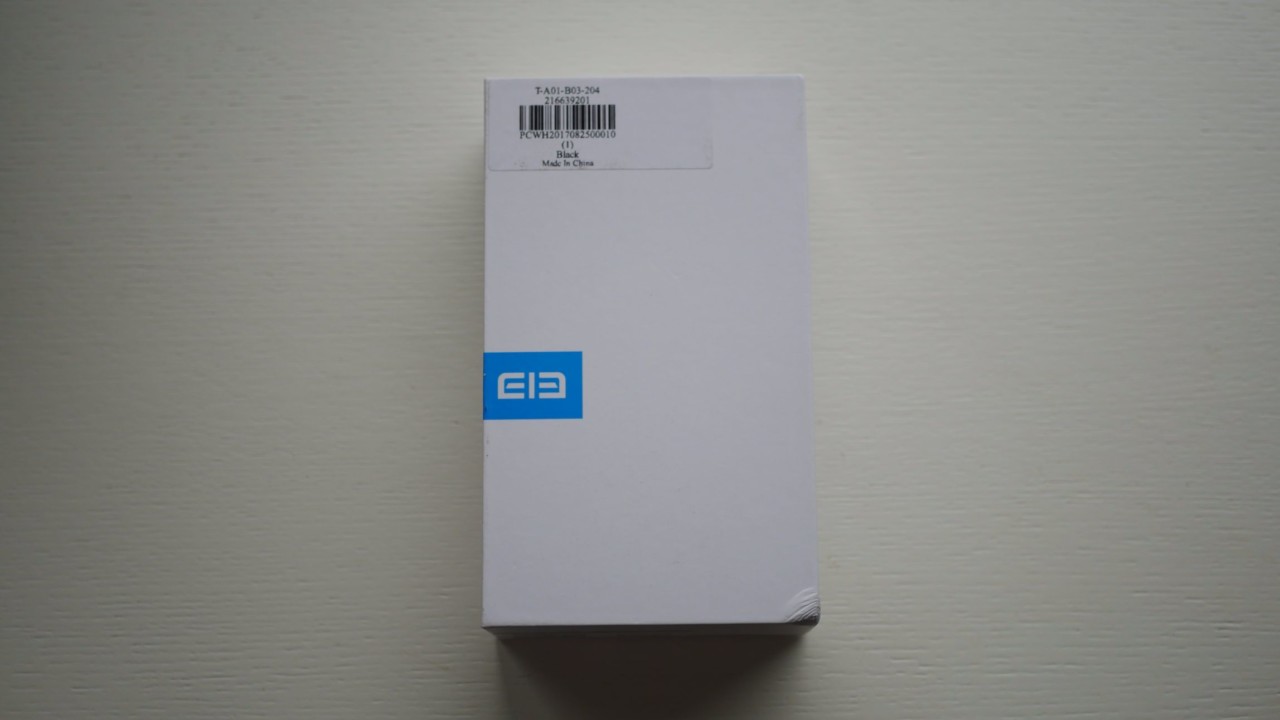
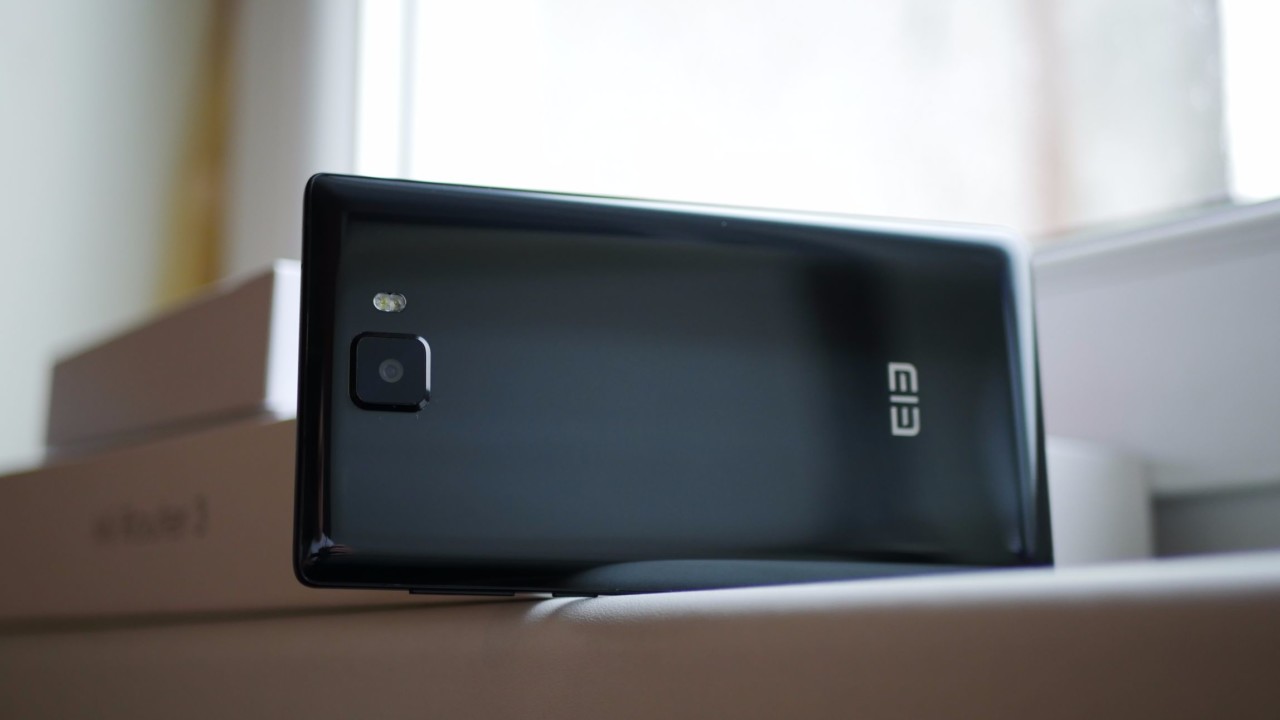
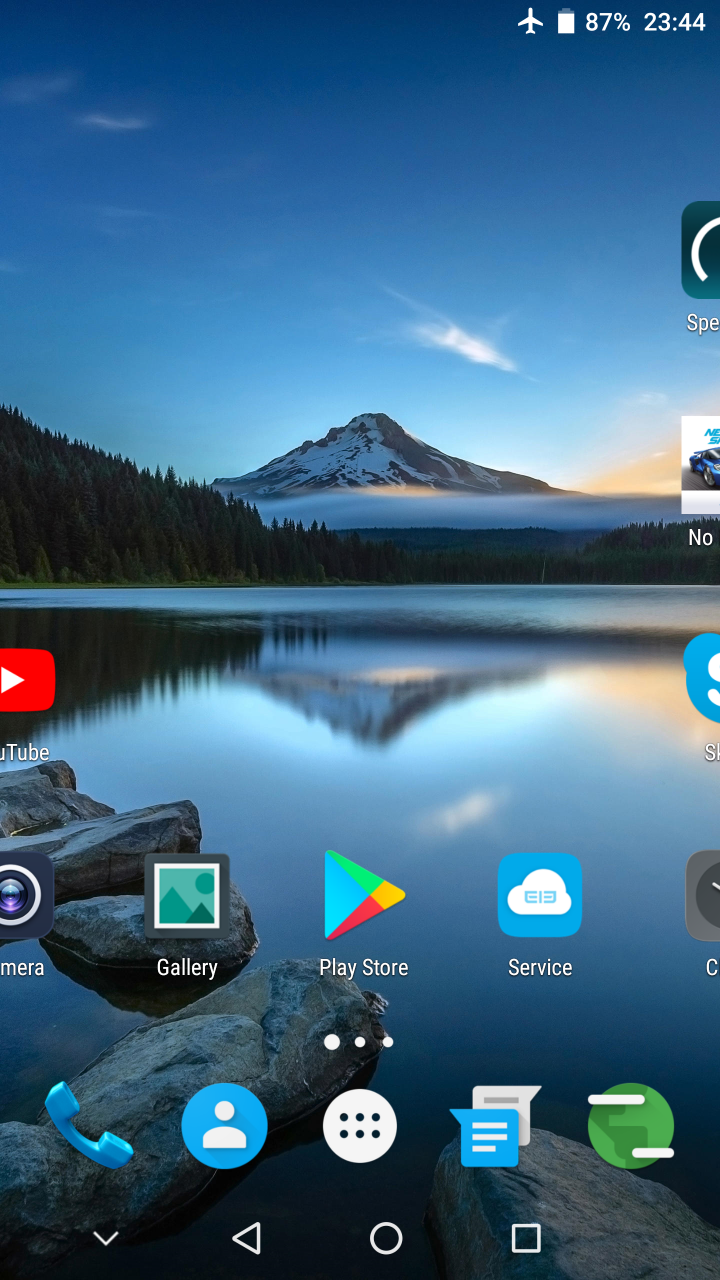
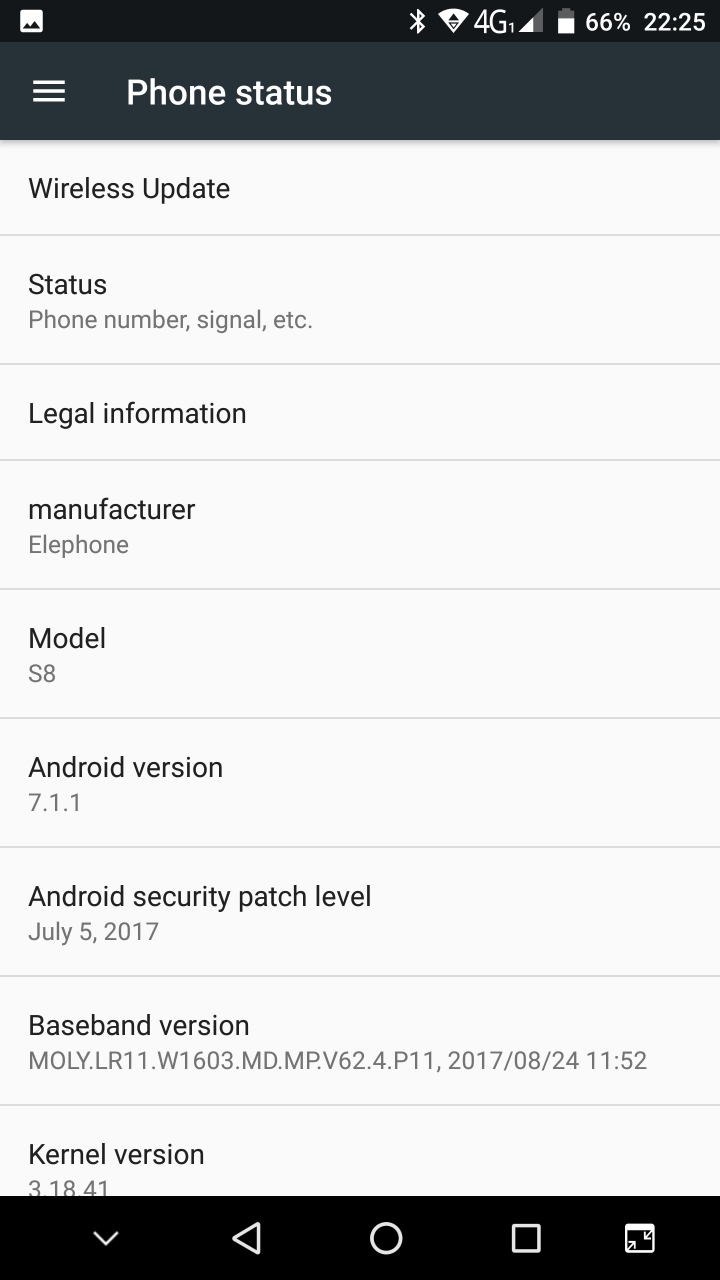
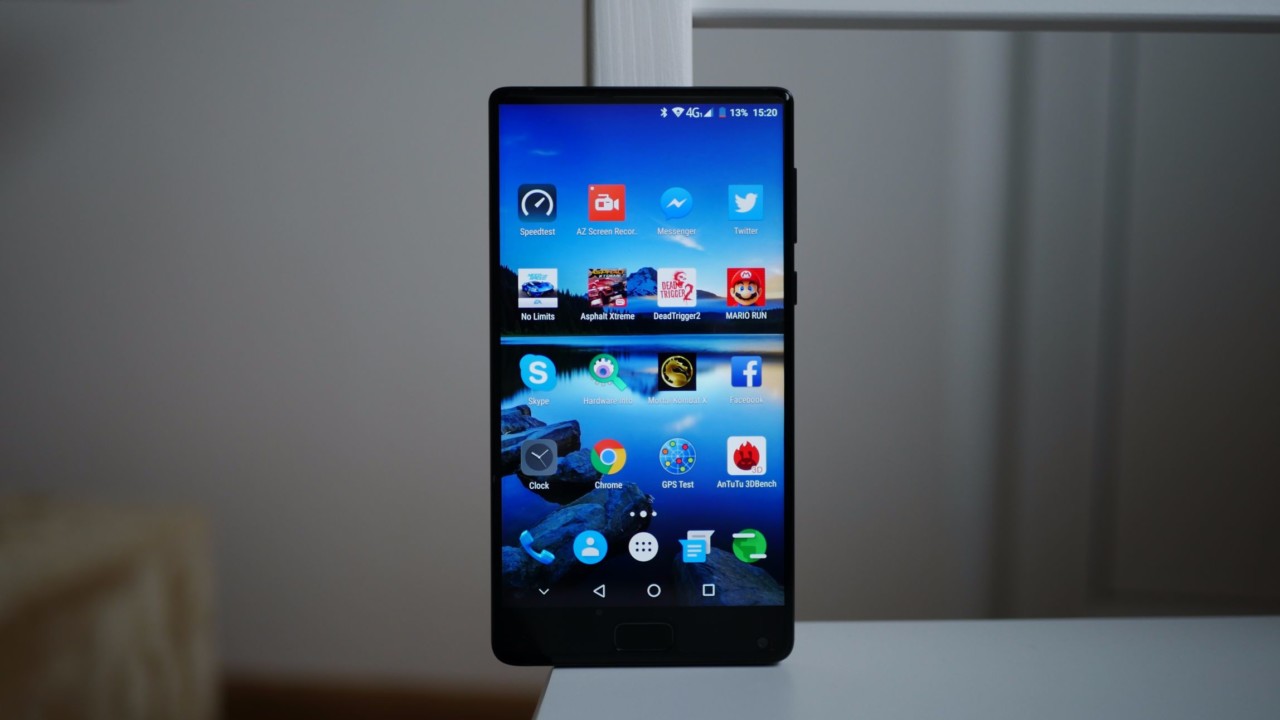
If you follow the trend of the budget Chinese phones, you know that manufacturers just love that full-screen design. Honestly, I don’t mind that because phones just look great. The Elephone S8 is one of the most powerful full-screen phones for less than $240. Learn more in the full Elephone S8 review.
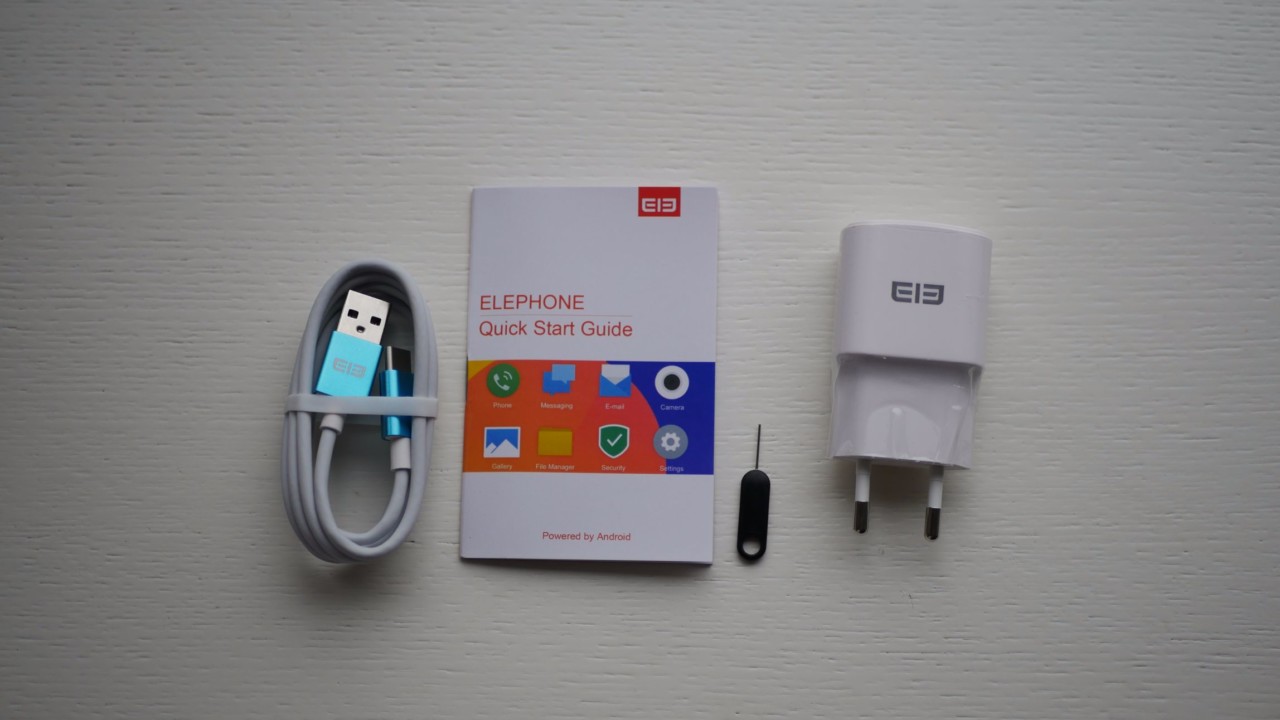
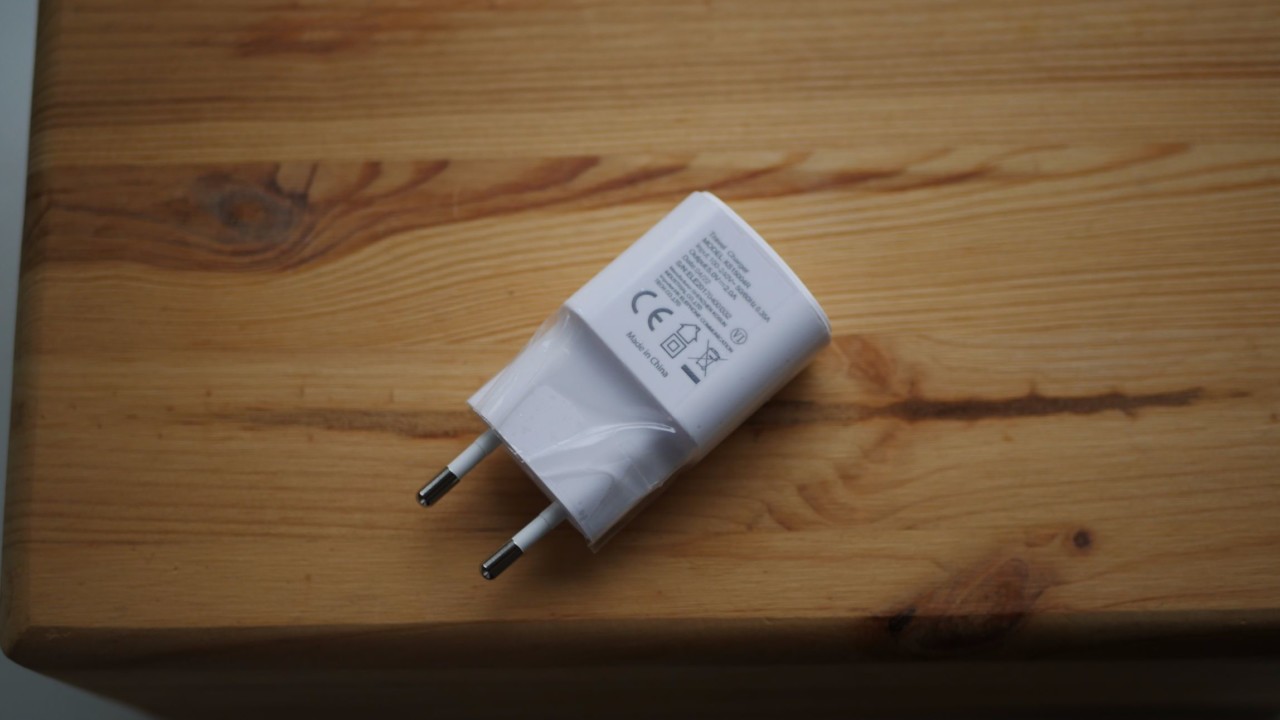
The phone ships with all the usual stuff, no extras included.
DESIGN and DISPLAY
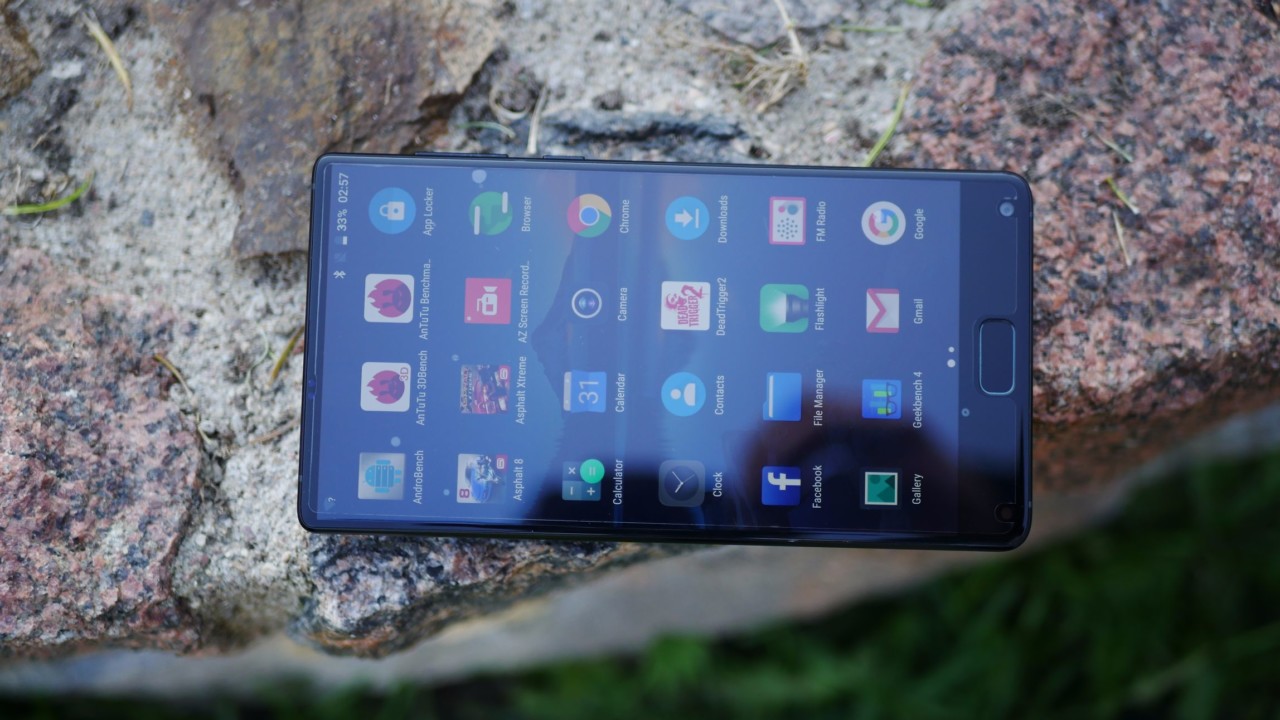
The 6” 2k resolution display is just gorgeous and probably the best I’ve seen on a budget all-screen design phone. It’s really sharp and it’s a great panel overall. Obviously, the tradeoff is that the phone is quite huge.
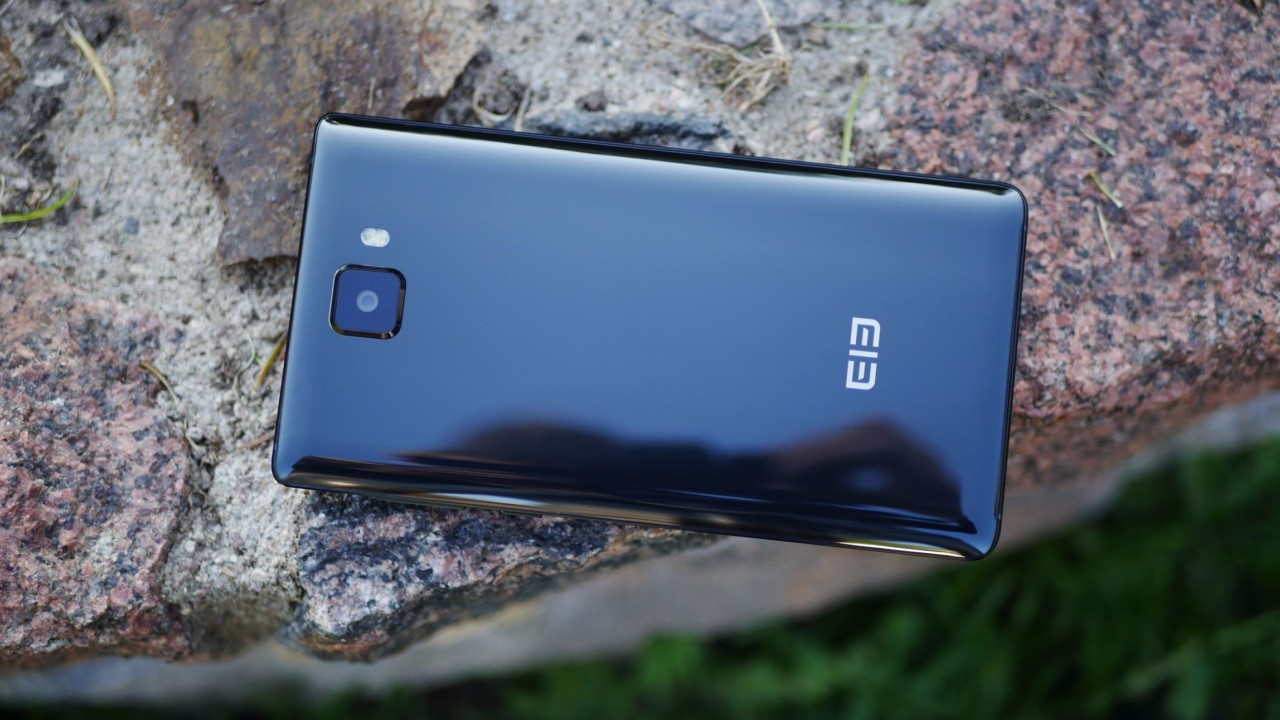
A nice glass back, a sturdy aluminum frame and precise buttons add quite a lot of a premium look and feel, and it’s just nice to hold the phone in the hand despite its huge footprint. One thing that bothers me is a hybrid SIM card tray that rattles just a bit.
There is a beefy 21MP camera and 8MP shooter for selfies that is implemented on the bottom right corner.
Now a few features as quickly as possible: there is no headset jack, which is a shame for a budget phone. The device uses USB C port, there is no LED notification light, the fingerprint scanner is fast and reliable but the display could light up a bit faster.
The loudspeaker quality is not the best but it’s significantly better than on other budget full-screen phones I’ve tested.
HARDWARE and PERFORMANCE
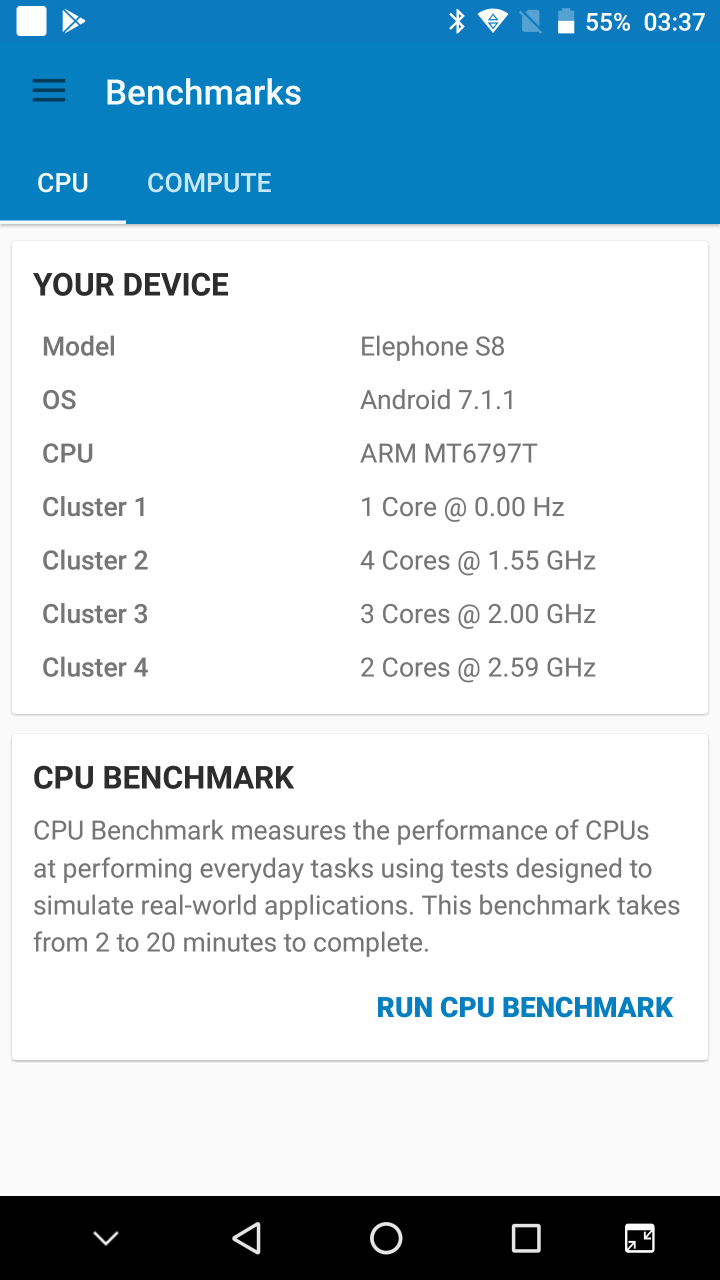
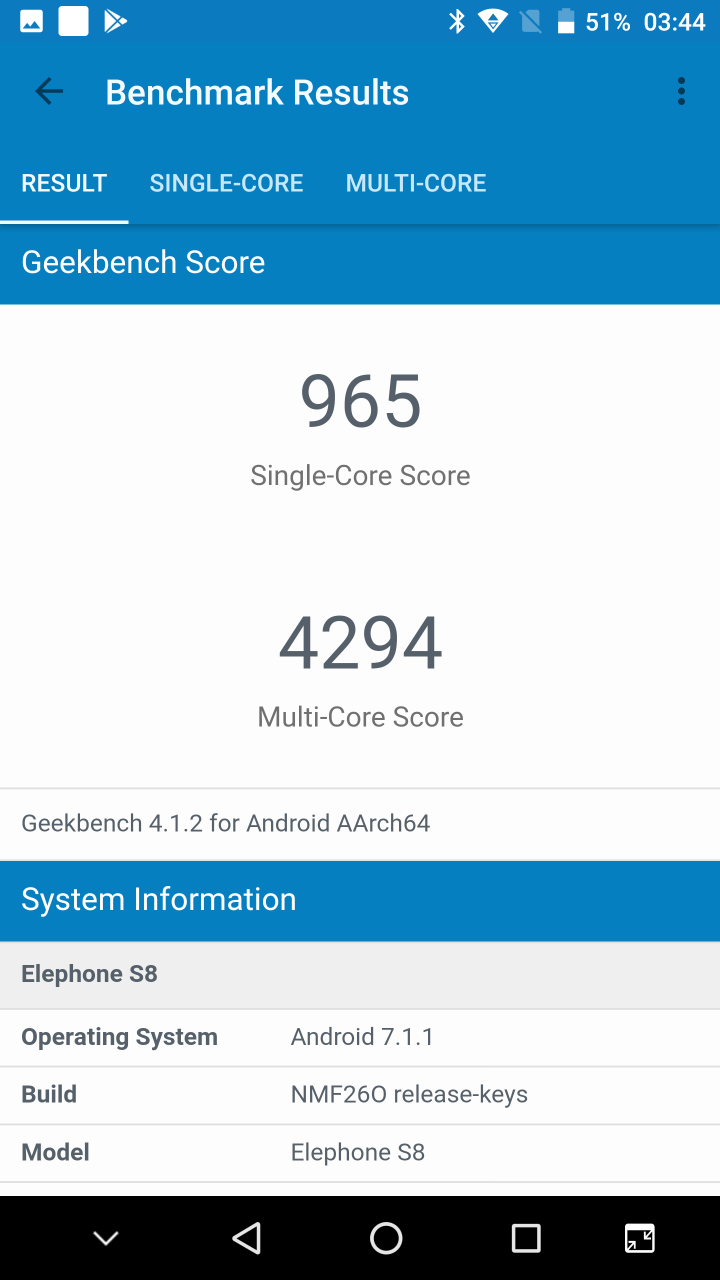
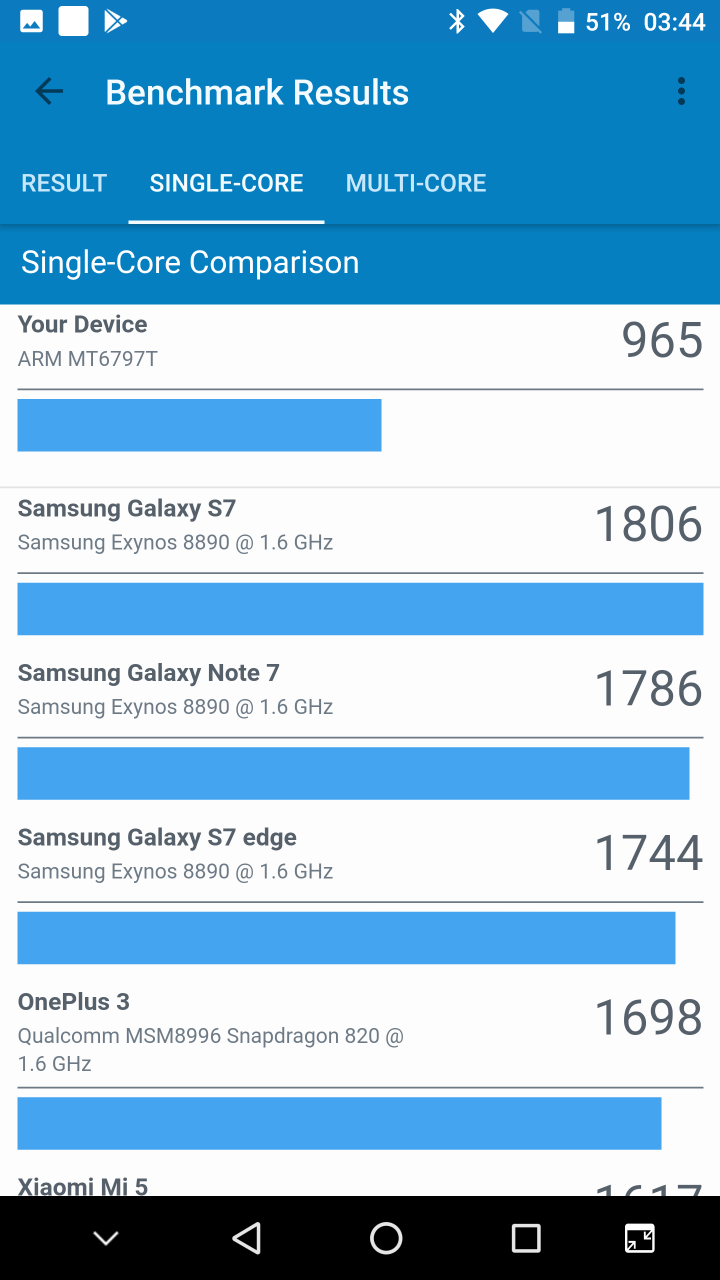
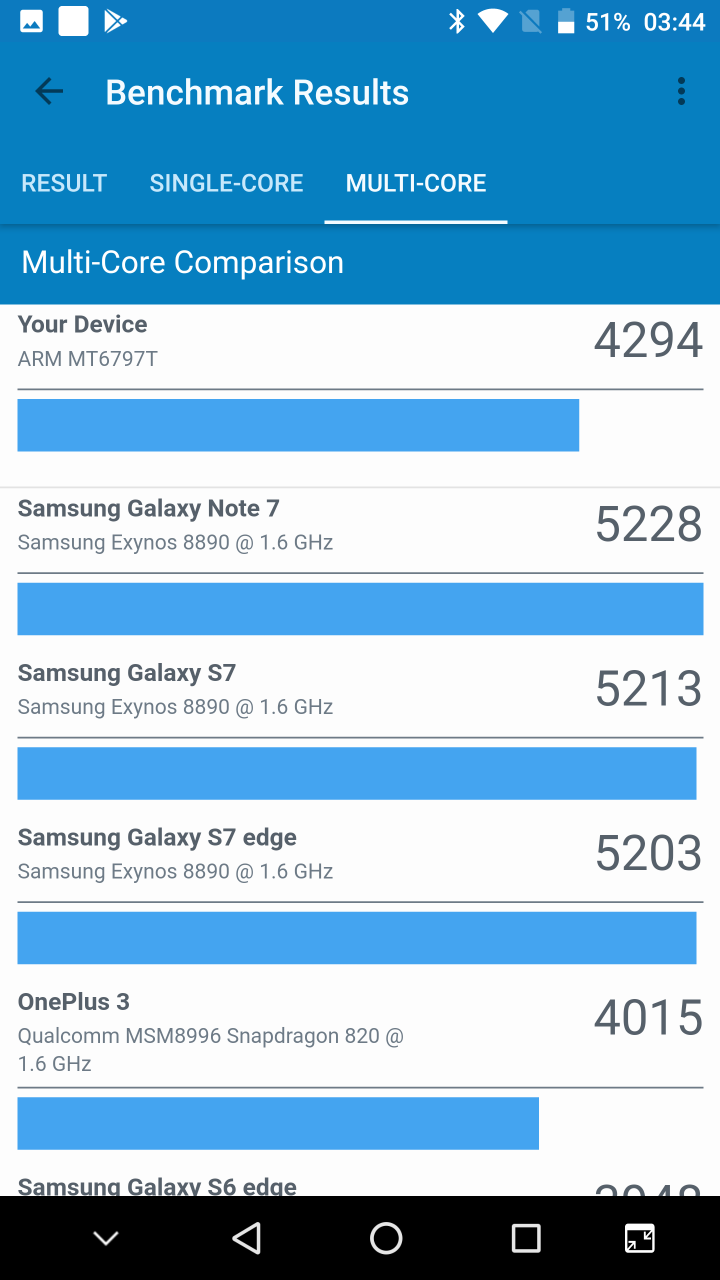
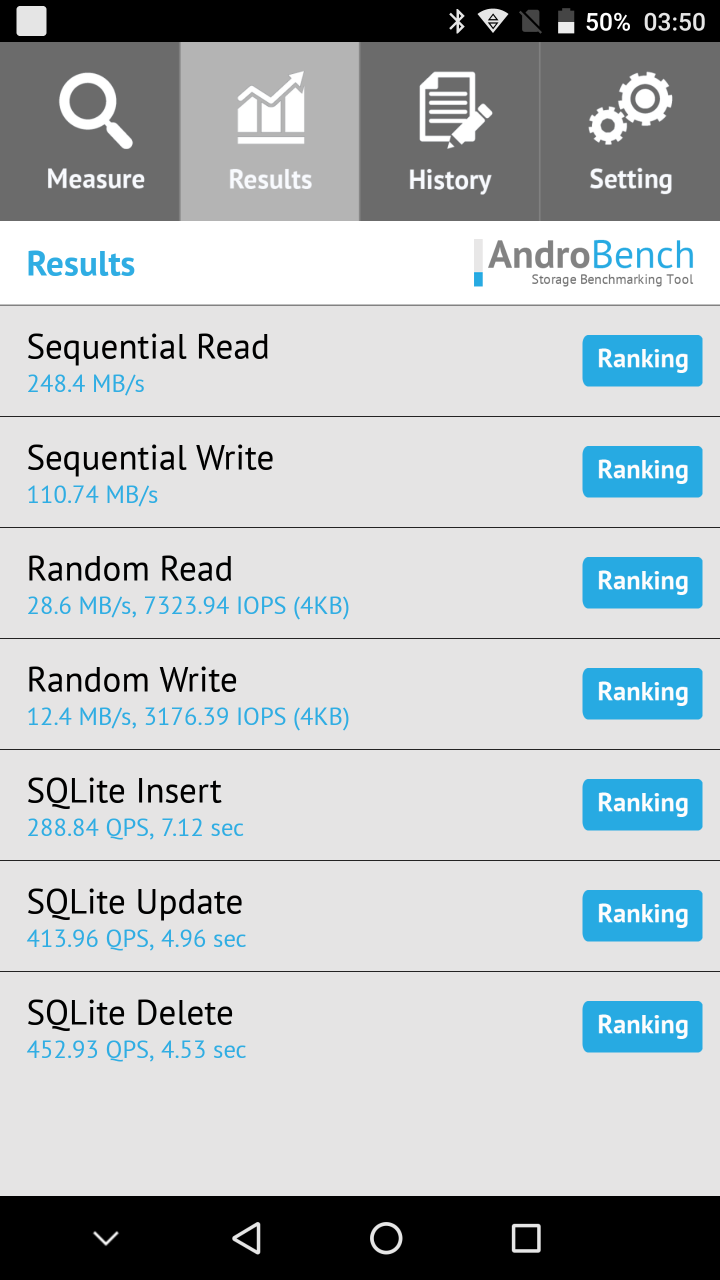
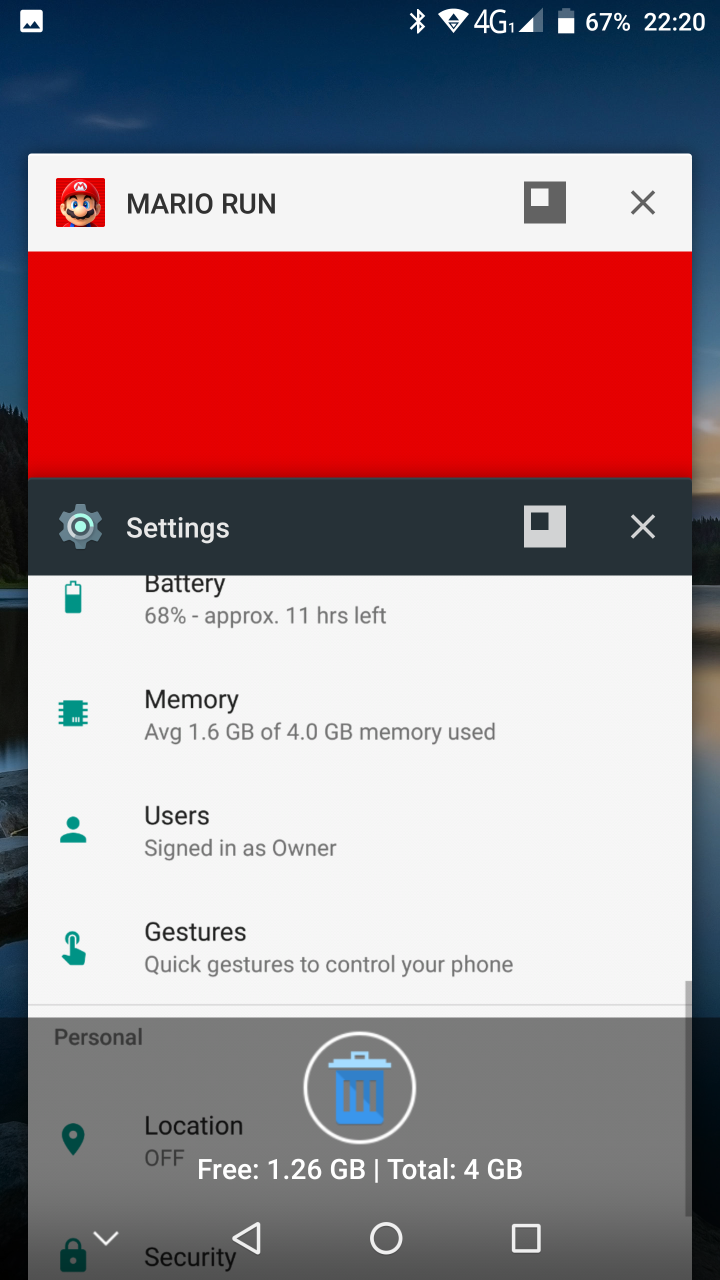
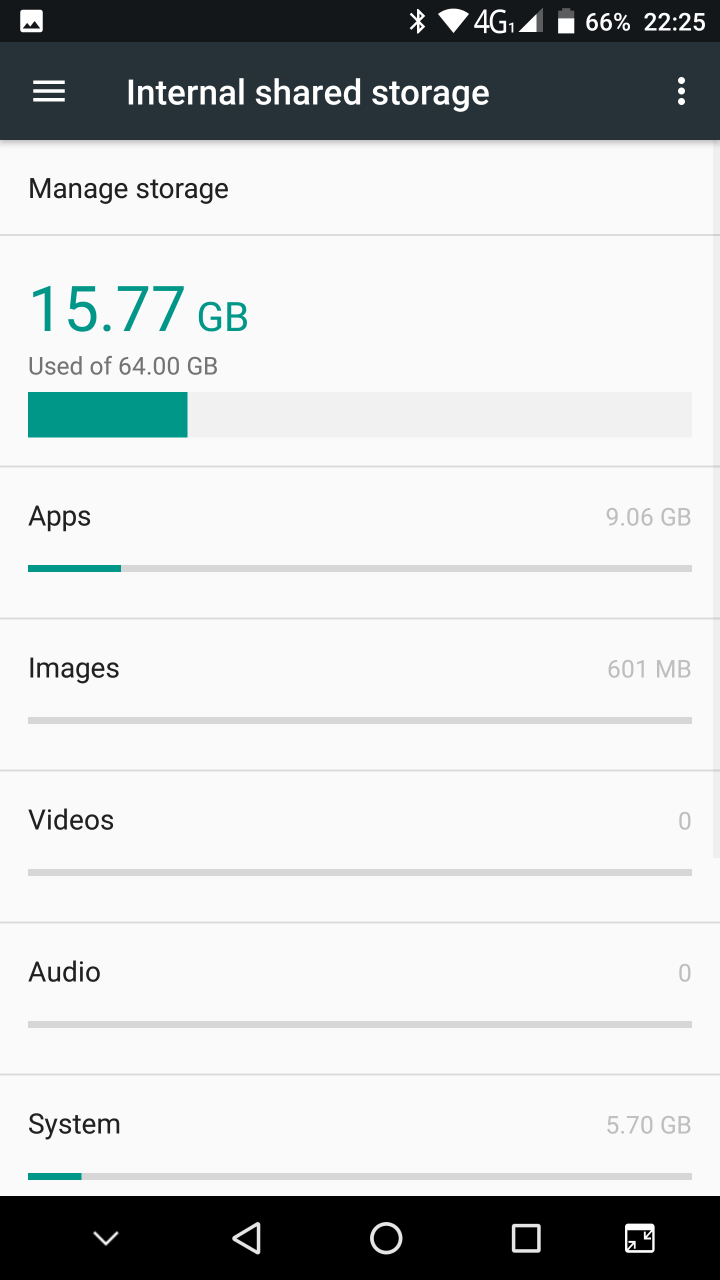
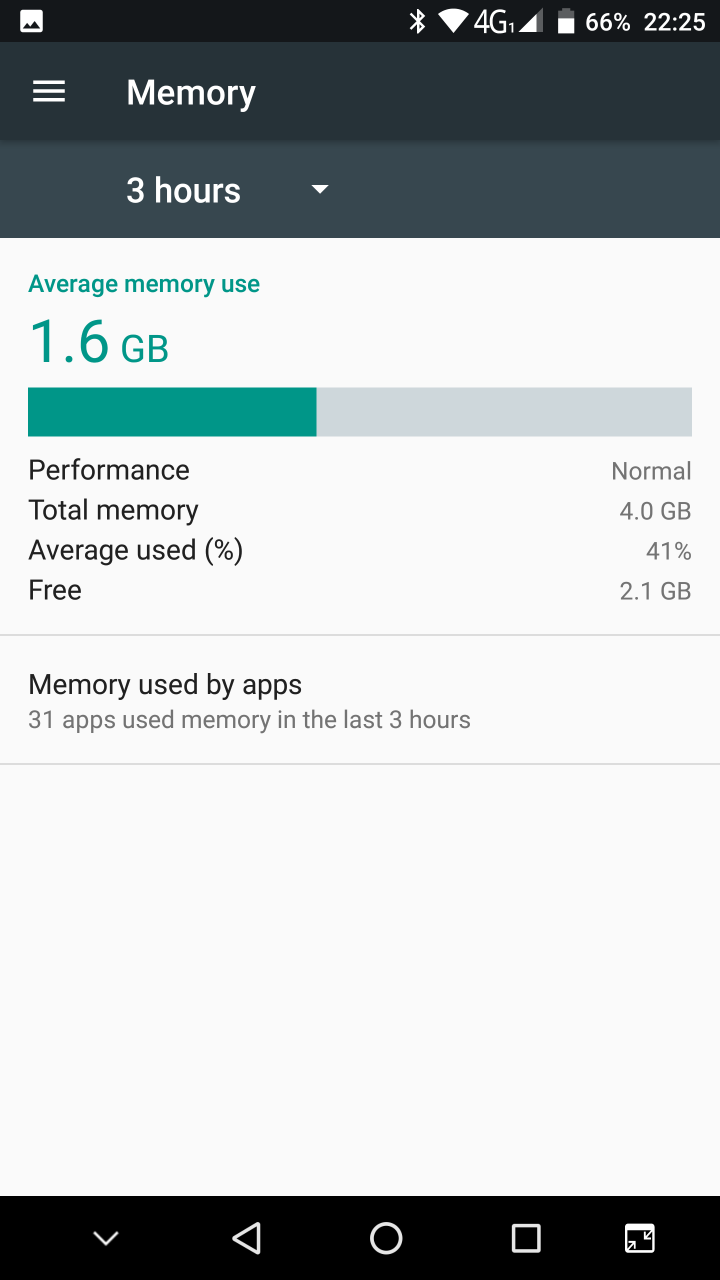
The Elephone S8 stands out from the crowd of budget full-screen phones because it’s a more powerful phone. The device has a deca-core Helio X25 chipset with the max. clock speeds of 2.5GHz, 4GB of RAM and 64GB of storage, which is not expandable for some reason.
Even though all the specs sound impressive, I found that the phone stutters in some 3D games on the highest graphics settings. I can’t say that the phone lags but there are quite a few skipped frames. The phone gets quite warm but it does not overheat.
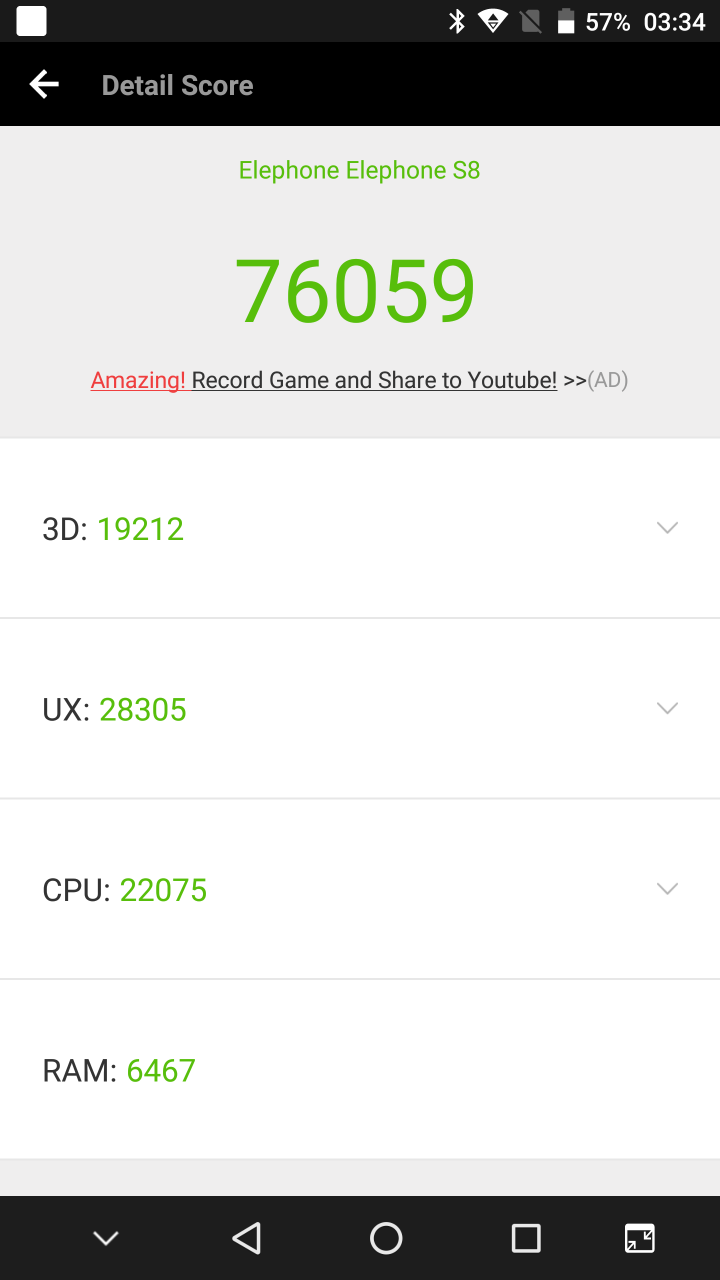
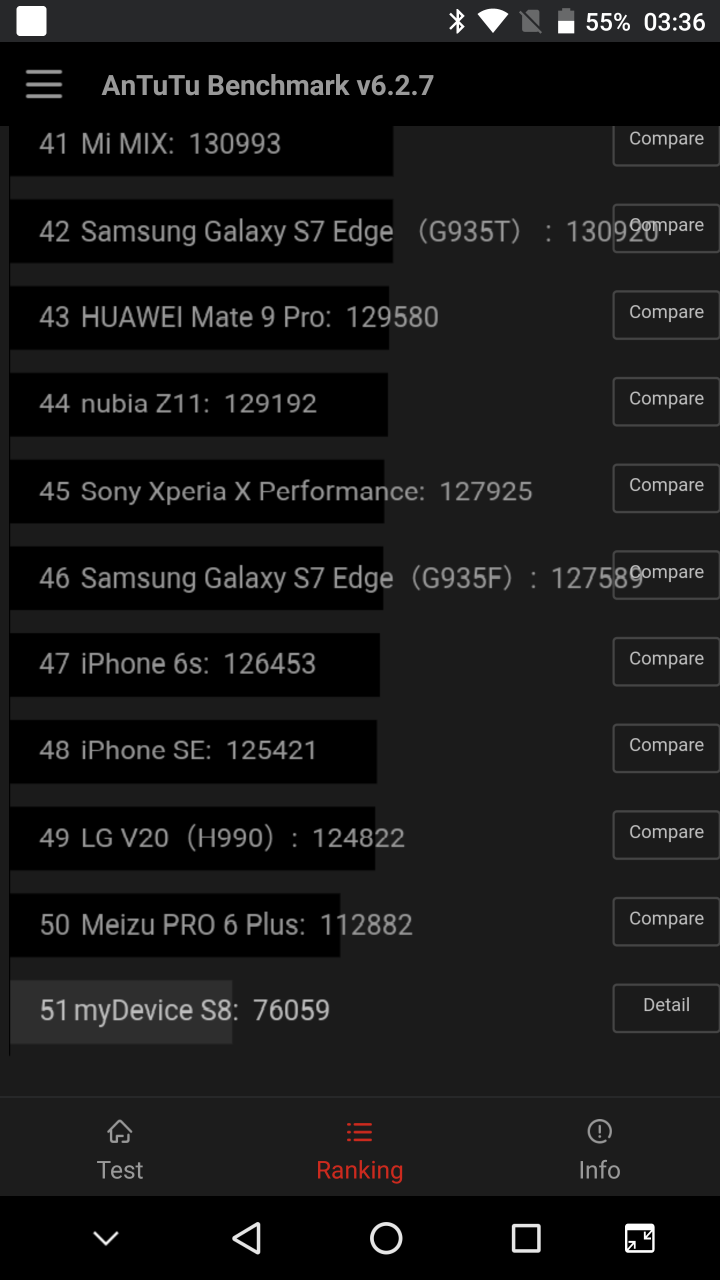
BENCHMARKS
USER INTERFACE
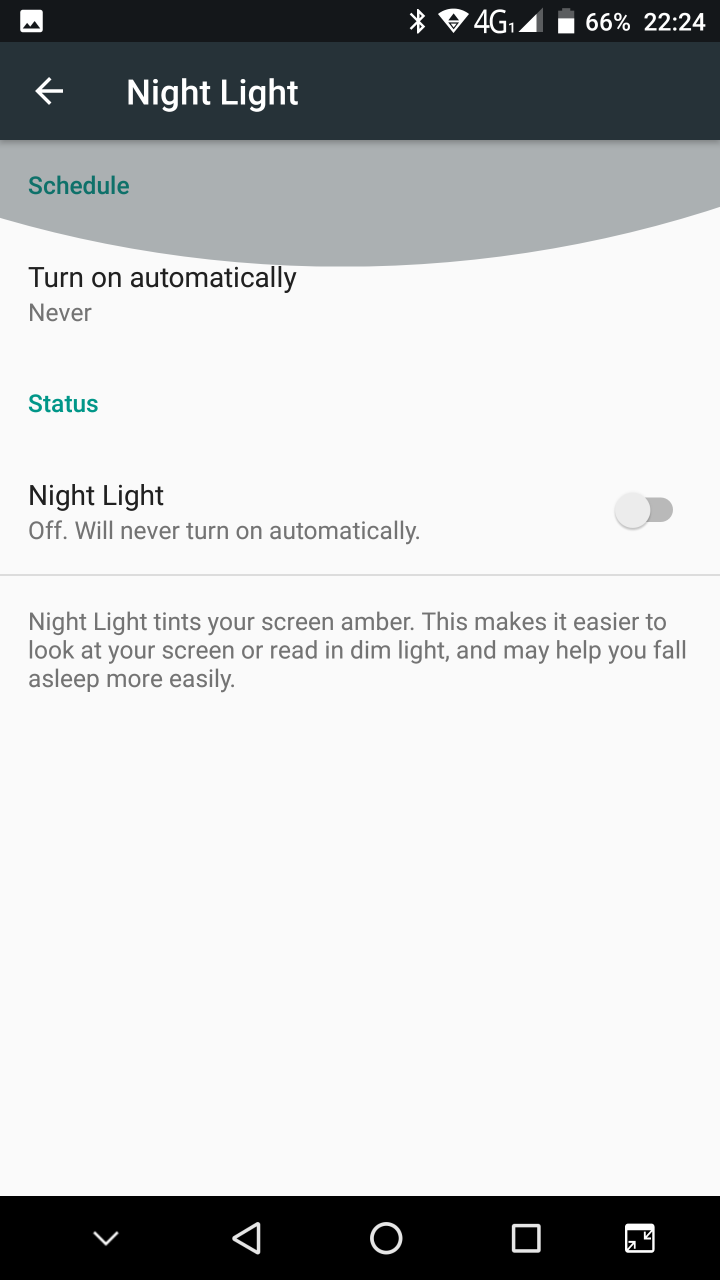
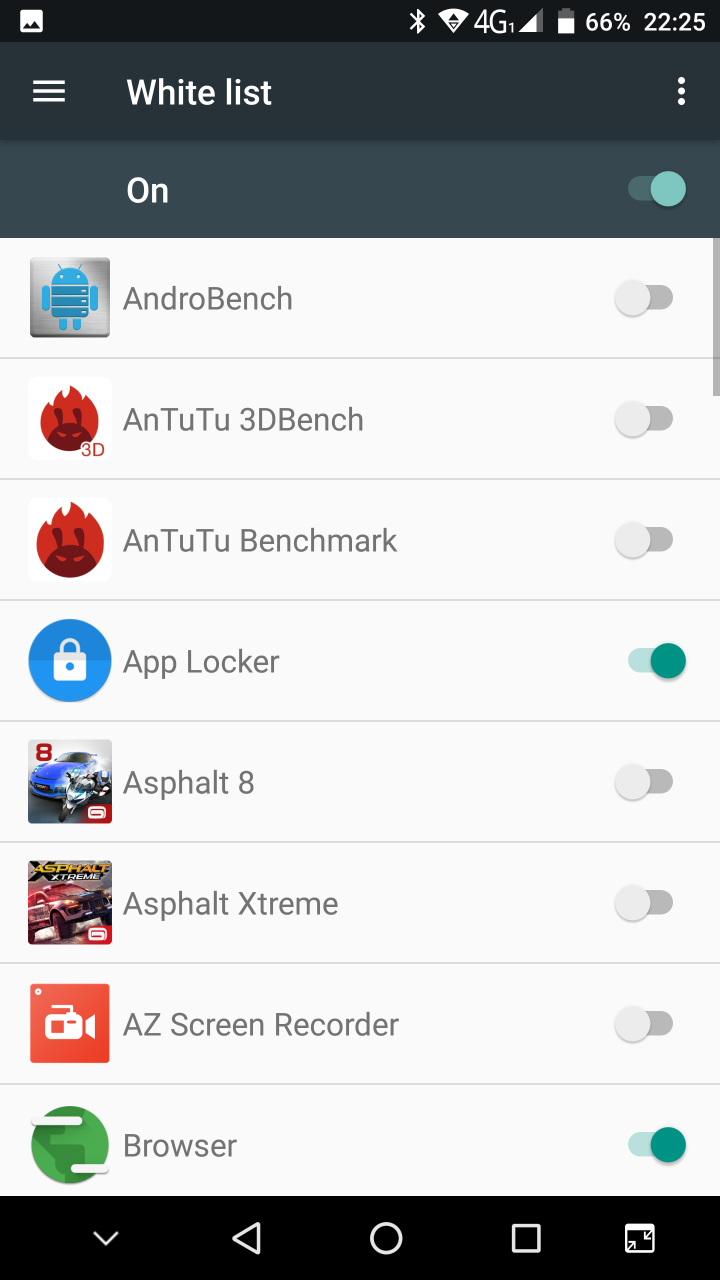
Where the phone does not stutter or lag, is the user interface that is based on Android 7.1. Well, there are some weird translations like a whitelist. Also, the blue light filter is called a night light and you cannot adjust the intensity of it.
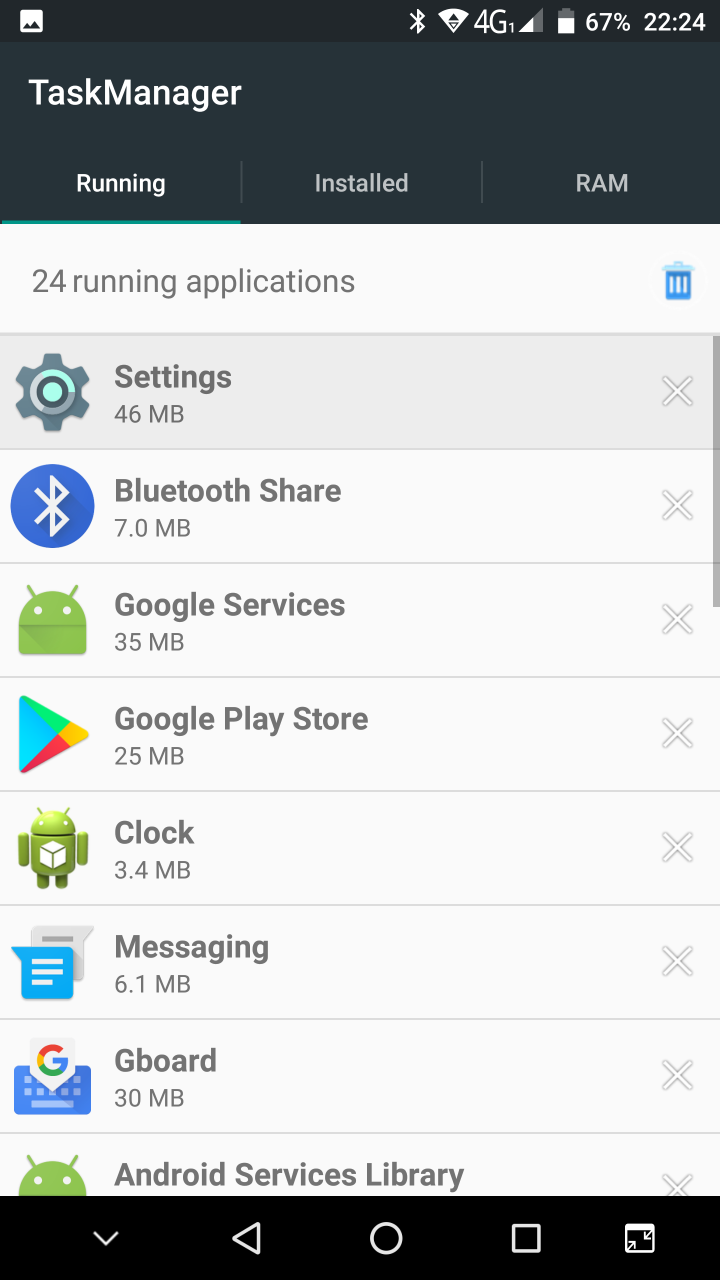
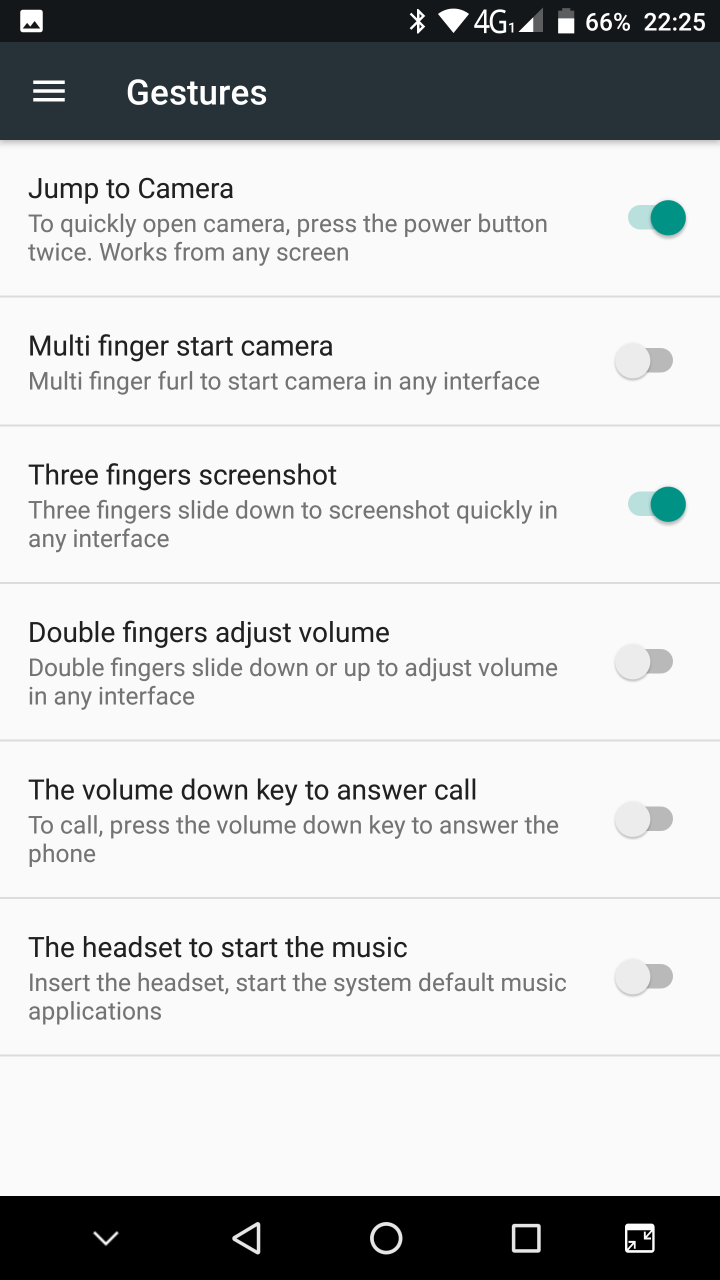
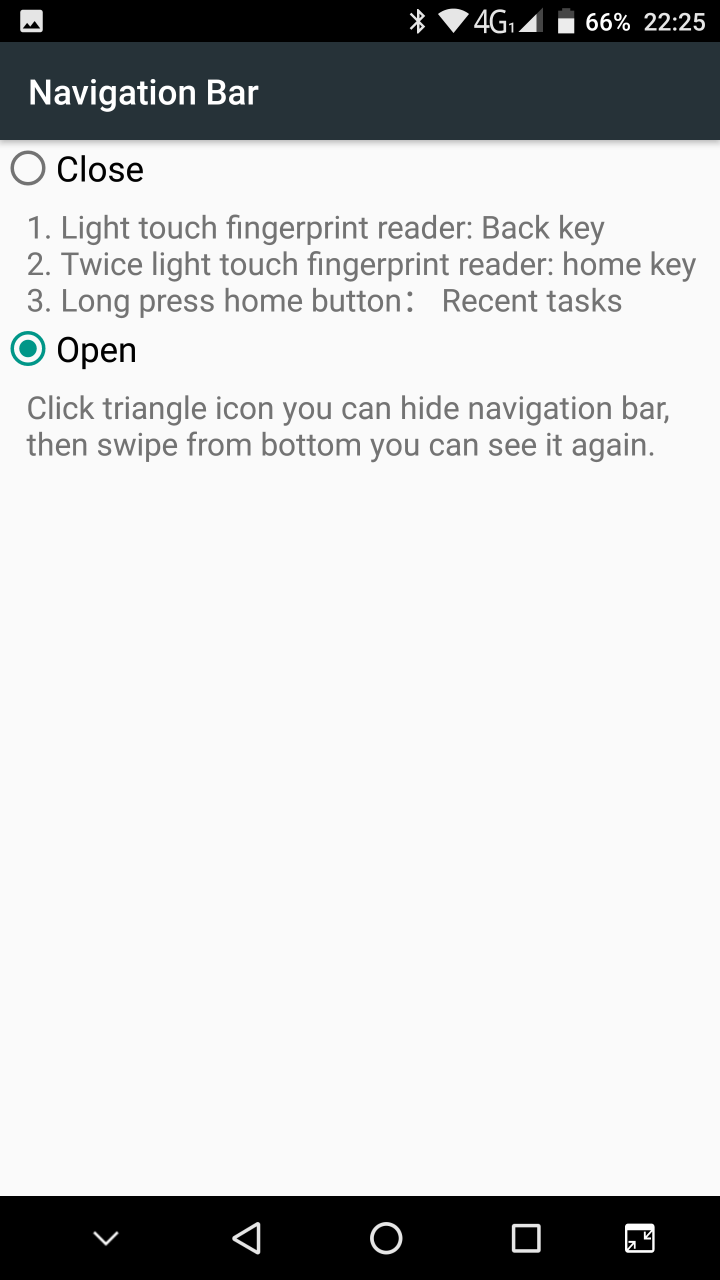
Other features like gesture controls work just fine if you plan to use them. My most favorite part is that Elephone preserved that stock Android look and feel and the phone is really fast, no matter what you do with it.
CAMERAS
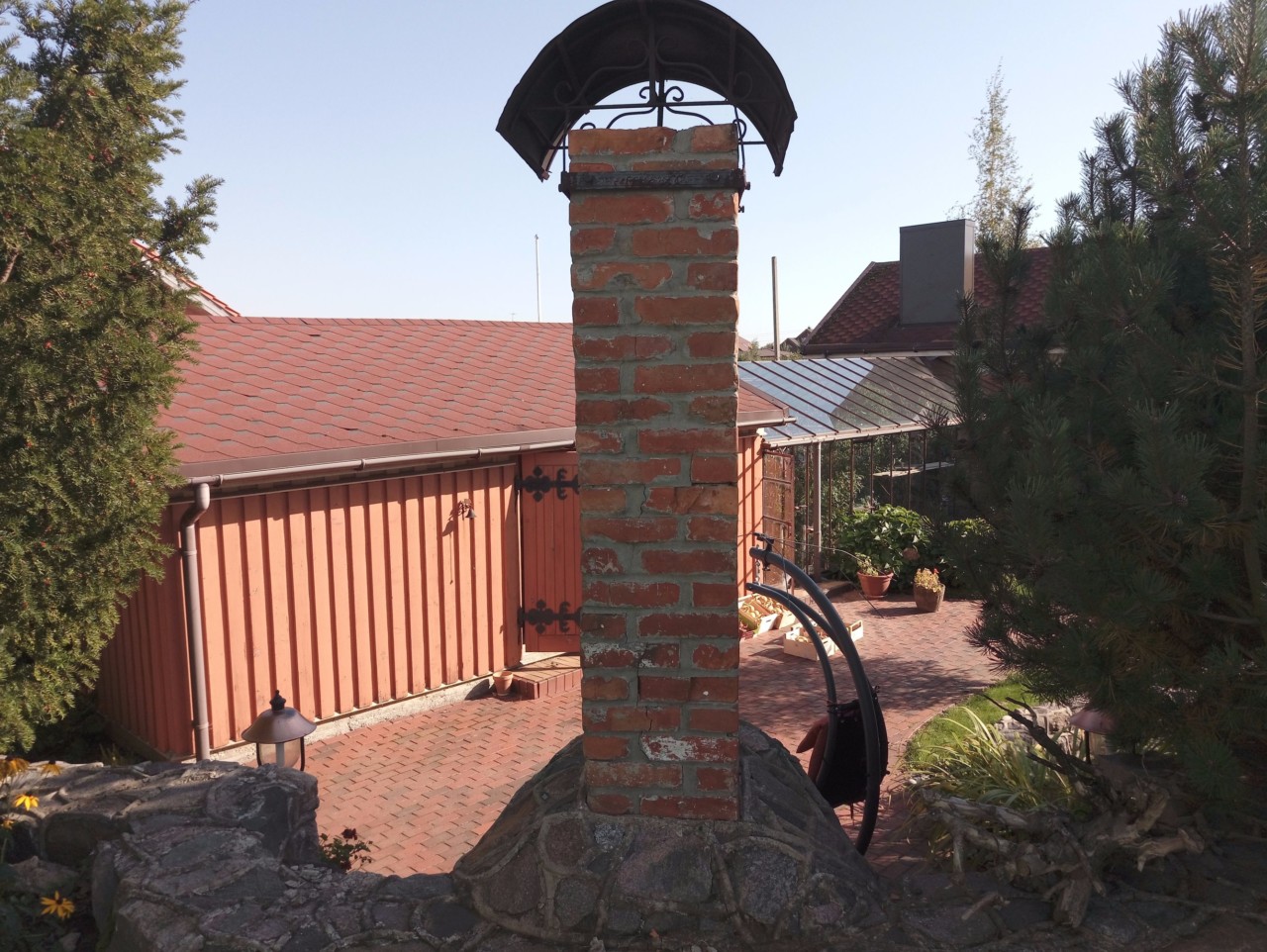
The camera department is where the Elephone is also better than other full display budget phones I’ve reviewed. Obviously, the pictures are not perfect as some of them lack sharpness, the colors look washed out and so on but in general, the daylight image quality is decent considering the price of the phone.
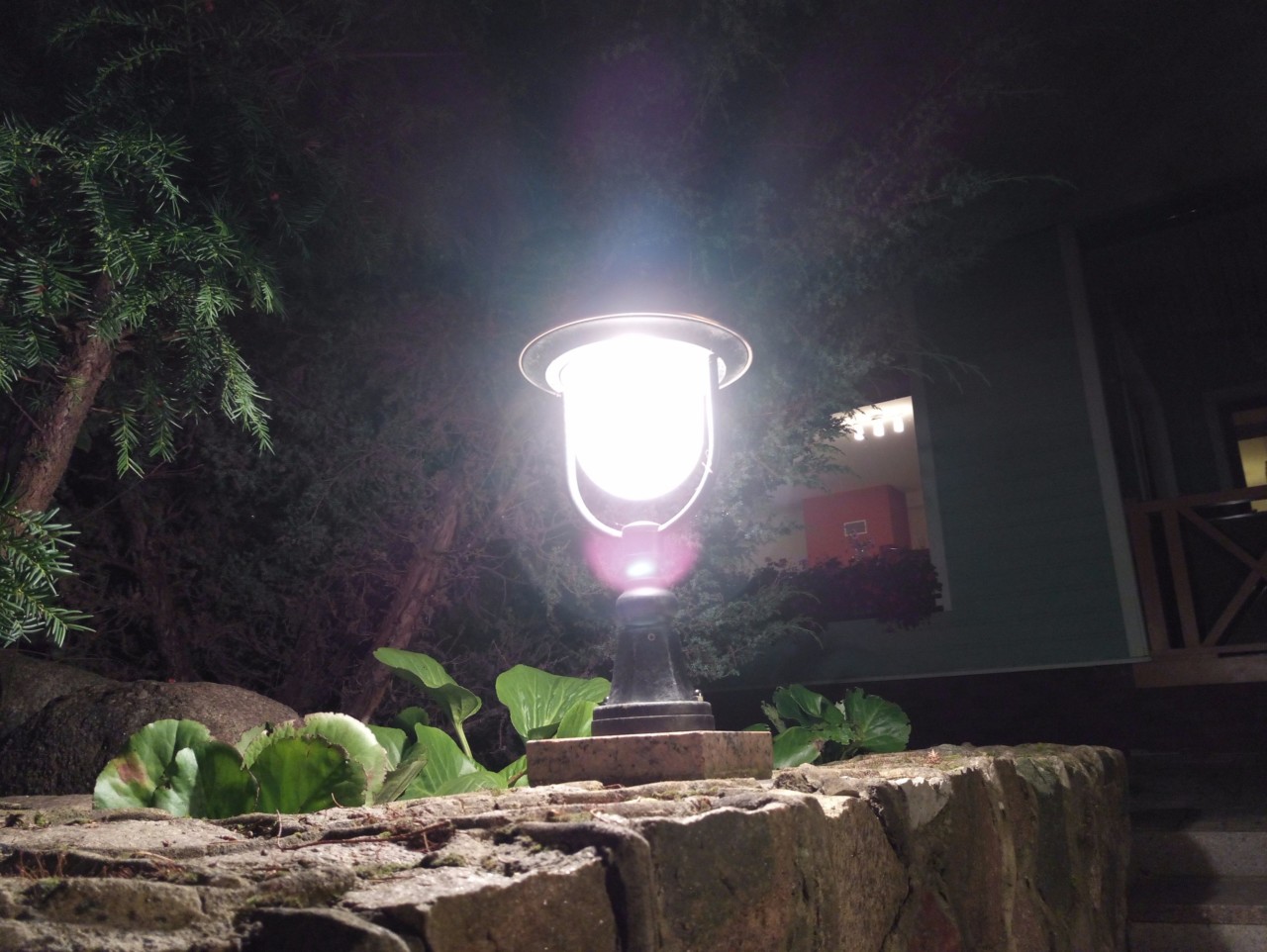
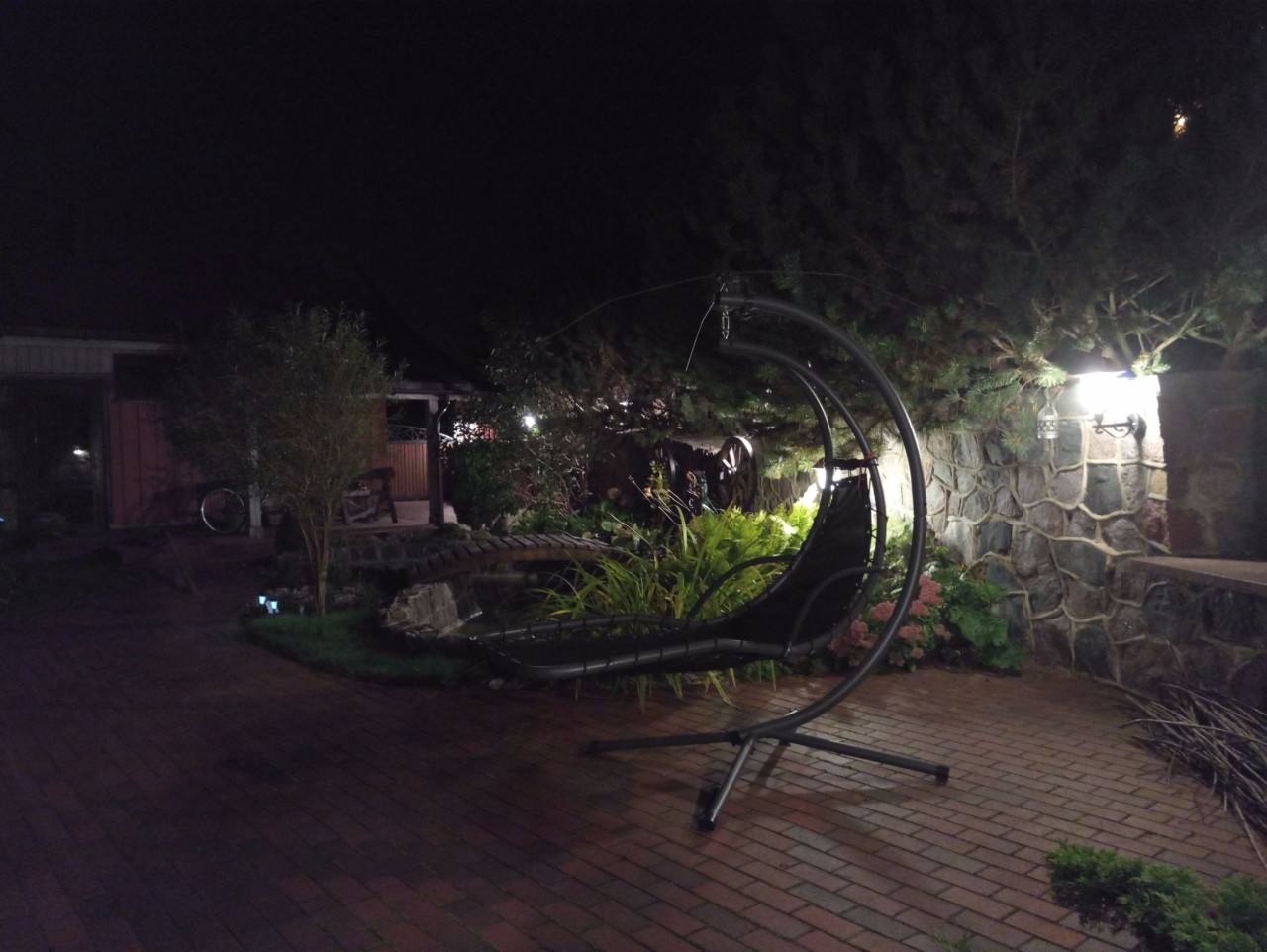
The night images are not that good but again, the quality is a bit better than I expected.
Selfies could look sharper but I think that will look pretty good on social media.
What is frustrating with all these full-screen phones is that they can shoot videos only in 480p. Still, the videos come out quite usable for social media or video chats. Obviously, you need to hold the phone upside down both when shooting videos or taking selfies.
Another con is that the phone uses HEVC format for videos, meaning that you need to convert it before you can use it. I know that’s easy to do but it is an extra step for a budget phone owner.
The quality of the video is pretty good but the footage could look sharper and have more detail. The sound recording quality is actually pretty good for a budget phone.
The call quality is not bad but it could be better. I didn’t have issues with other connectivity options like wifi, Bluetooth or GPS. The phone has 13 sensors including a gyroscope, so you are all set if you want to use the device with VR headsets.
BATTERY LIFE
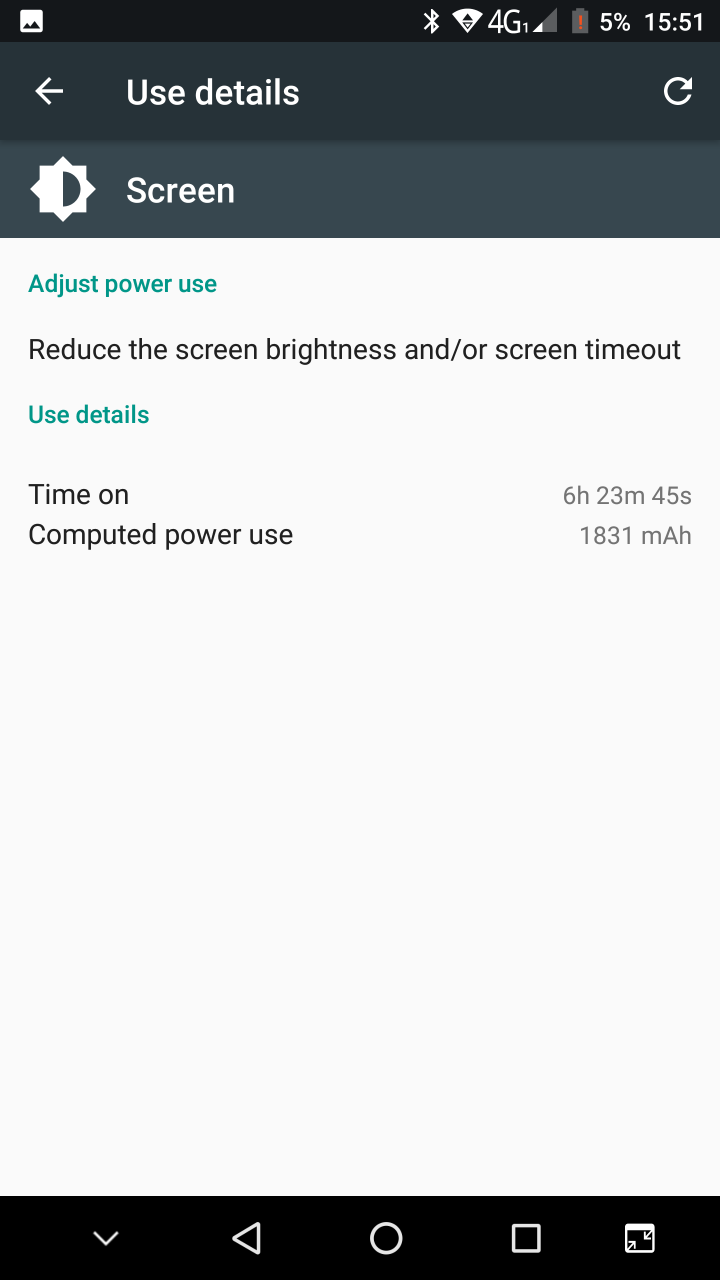
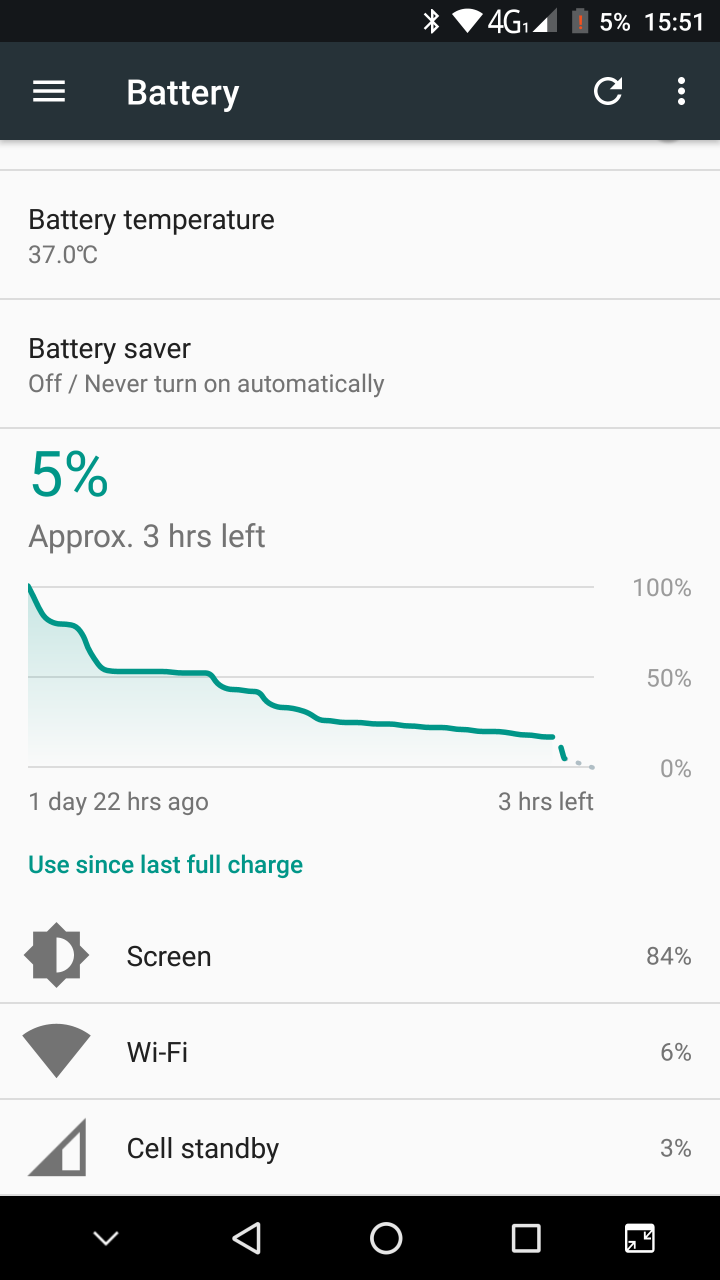
The phone rocks a huge 4000mAh battery that allows you to use the phone for an entire day or more. I could get about 6 or even 7 hours of screen on time even with quite a few apps installed and social media accounts that usually sync in the background.
It takes just over 1.5 hours to fully charge the phone with the supplied charger.
CONCLUSIONS
The Elephone S8 is the best budget full-screen phone I’ve tested so far. I just love its sharp 6” display, the overall build quality, the speed and fluidity, a great battery life and surprisingly decent cameras.
Obviously, you should consider the fact that the phone lacks a headset jack, there is no LED notification light, no NFC, no microSD card slot and the front camera shoots video only at 480p resolution.
If you can live with these shortcomings, the Elephone S8 is definitely one of the best full-screen phones on a budget.
The Nokia 8 is HMD Global’s flagship device for the year. It packs some impressive features such as dual cameras, a Snapdragon 835 processor, and dust and splash resistance. However, it has a regular 16:9 display. The upcoming Nokia 9 packs all that and swaps the display for one with an 18:9 aspect ratio.
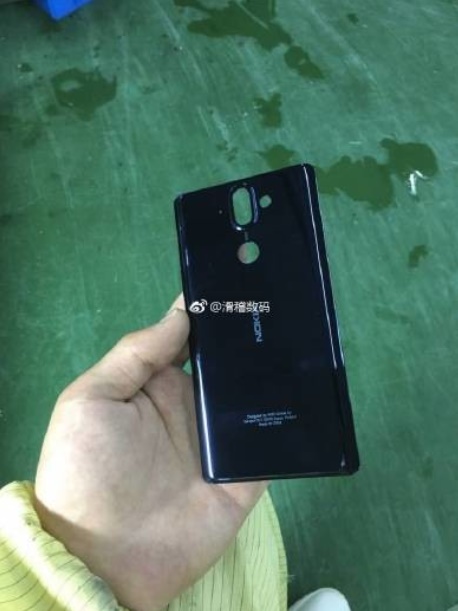
The Nokia 9 has been in the news a lot even before the announcement of the Nokia 8. There have been a bunch of leaks lately and the latest is an image of the rear cover.
The picture confirms some of the features we expect to see in the new flagship. There is a cut-out for dual rear cameras, flanked on the right by a circular LED flash. Just beneath the camera is a cut-out for a fingerprint scanner confirming that the display takes up the front of the phone.
We can’t tell what the material used for the cover is but it appears glossy. Our guess is glass.
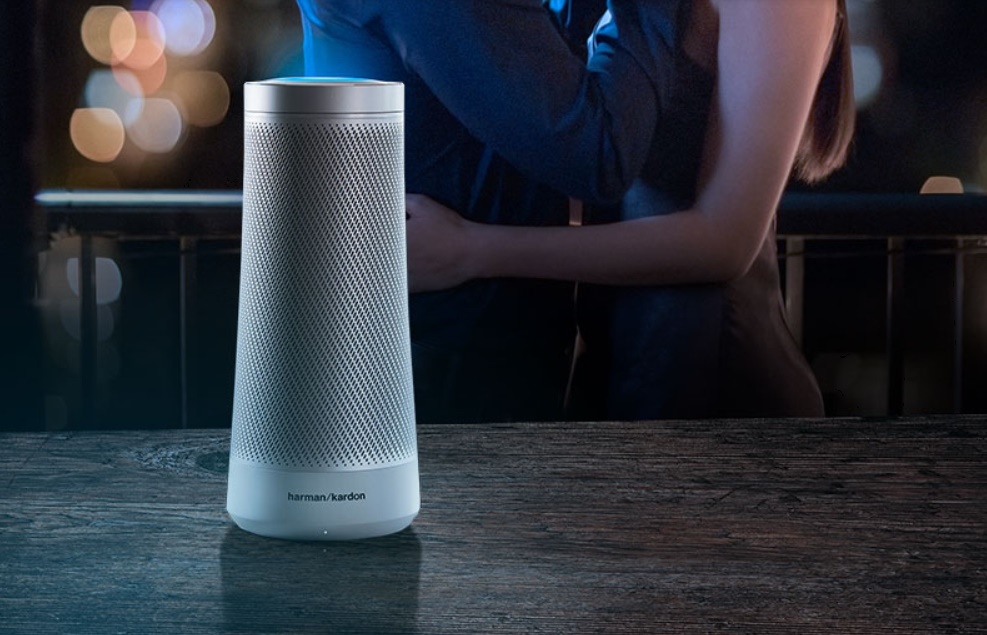
Microsoft’s Cortana is one of the major AI assistants in the market. Its main rivals – Amazon’s Alexa and Google’s Assistant both have smart speakers – a bunch of them actually which have been available for a while now. However, Microsoft just announced its first – the Harman Kardon Invoke a few days ago, and it is set to take on the Echos and the Homes.
Design
The Harman Kardon Invoke has the same tower-design as the Amazon Echo but gets bigger towards the base. There is a metallic speaker grille that wraps around a large portion of the phone save for the base (plastic) and the top.
It has a touch-sensitive top that lights up when Cortana is listening as well as when you rotate the dial to adjust the volume. At the base are two buttons – one for muting the microphone and the other for pairing with Bluetooth devices.
Specs and Features
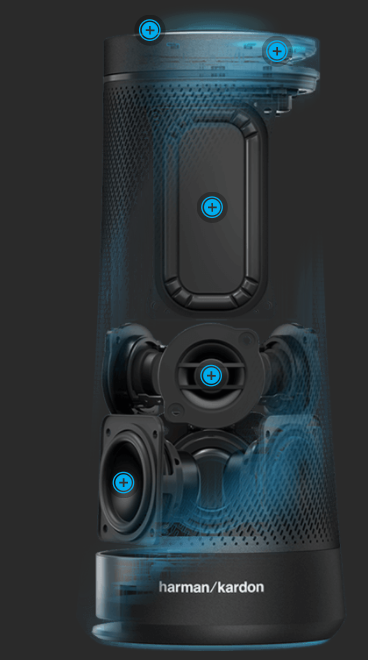
The Invoke stands at 242 mm tall. It is also pretty heavy at 1kg thanks to the three 45mm woofers and three 13mm dome tweeters under its metal and plastic body. At the top lies seven far-field microphones for picking up your voice from any corner of the room
Even with that weight, it doesn’t have a built-in battery. There is dual band Wi-Fi support and Bluetooth 4.1 for connectivity and a micro USB port at the bottom for power.
Like other smart speakers, you can ask Invoke to create reminders, lists, and answer questions. You can also make calls to landlines and mobiles using Skype. Got some smart home devices like thermostats and bulbs? Ask Cortana to turn the heat up or dim the lights.
Invoke can also stream audio from services like TuneIn, iHeart Radio, and Spotify. Although it is limited compared to what you have on other smart speakers, Microsoft says it is in talks to add more services.
Setting up the Invoke is easy. Plug it to an outlet, download the free Cortana app (Windows 10 PC or phone, Android 4.1.2+, and iOS 8.0+). Sign into your Microsoft account and you are ready to go.
HTC has announced that it has an event on the 2nd of November. The Taiwanese manufacturer is expected to unveil two smartphones – the HTC U11 Life and HTC U11 Plus, on that day.
New info from Evan Blass (@Evleaks) has revealed that only the Android One HTC U11 Life will be unveiled. So if you have been looking forward to the full-screen U11 Plus, you may have to wait a little longer.
The HTC U11 Life is a mid-ranger phone under the Android One program. This year, Google’s Android One phones have shifted from entry level devices to the mid-range category. The entry-level category, we presume will be covered by the Android Go program, a specially designed version of Android for devices with 1GB RAM or less.
The HTC U11 Life will be the first Android One phone to run Android 8.0 Oreo out of the box. It will have a 5.2” FHD screen, 3GB of RAM and 32GB of storage. Chip of choice is the Snapdragon 630 which will draw power from a 2,600mAh battery.
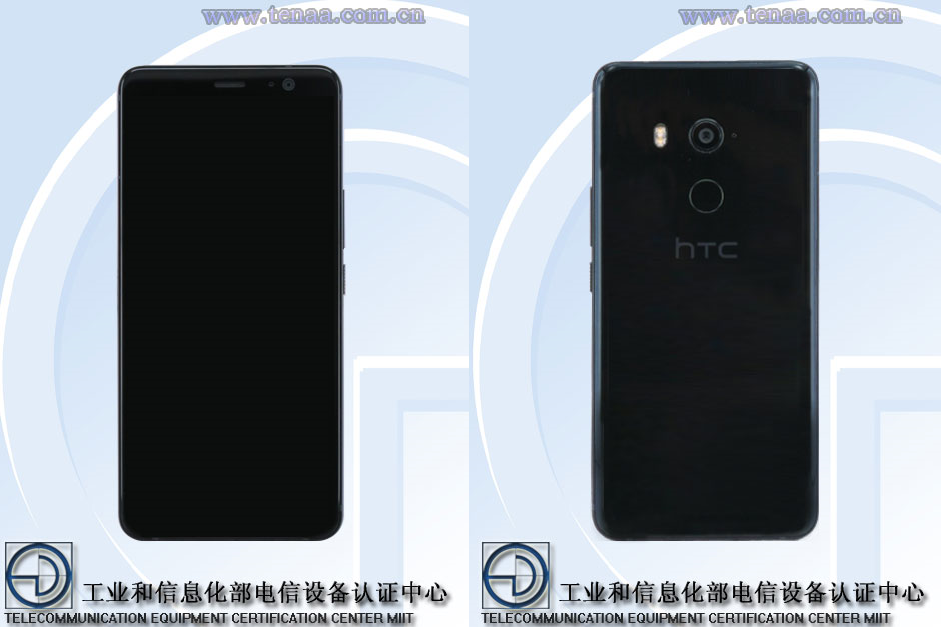
The HTC 2Q4D200 has been seen on the website of Chinese certification agency TENAA. The phone has the same design as the upcoming HTC U11 Plus full-screen flagship from the Taiwanese manufacturer but the display listed on TENAA is the same as that of the U11.
The HTC 2Q4D200 has a 5.5-inch 1440 x 2560 display. It is powered by an octa-core processor clocked at 1.9GHz for the 4GB RAM model and 2.36GHz for the 6GB RAM variant. Storage is listed as 64GB and 128GB.
The phone has a 12MP rear camera and an 8MP camera. Images provided show that there is a fingerprint scanner below the rear camera.
The HTC 2Q4D200 runs Android 8.0 Oreo and has a 3,830mAh battery. It measures 153.99 x 75.99 x 9.2 mm and weighs 170g. The length and width are exactly the same as that of the HTC U11. The extra thickness can be attributed to the larger battery capacity. TENAA also says the phone will come in black, blue, and white.
This is not the first time we have seen the HTC 2Q4D200. Three weeks ago it was seen on the China Compulsory Certification website were it was revealed that it will have fast charging.
Yesterday we reported that a Redmi MET7 phone was seen on TENAA. We didn’t have the full specs then as it wasn’t yet “fully entered” into the database. Today full details are now available along with a second model, the Redmi MEE7. Both phones differ with respect to memory and storage configuration only.
The Redmi MET7 and Redmi MEE7 both have 5.99-inch TFT displays with a 2160 x 1080 resolution and an 18:9 aspect ratio. This is different from the 5.7” HD+ it was speculated to have.
The MET7 and MEE7 are powered by a 2.0GHz octa-core processor. The cameras on both devices are the same too. You get a 12MP rear camera and a 5MP sensor for the front camera. Battery capacity is 4,000mAh and there is Android 7.1.2 pre-installed.
Where both phones differ is in the memory configuration. The Redmi MET7 packs 4GB RAM and 64GB of storage while the Redmi MEE7 has 3GB of RAM and 32GB of storage. Both phones have a MicroSD card slot for up to an additional 128GB.
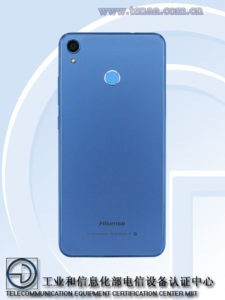
Hisense is a state-owned Chinese company that has interests in electronics and other goods but lately, the company has delved deeper into the smartphone industry. The selfie-centric Hisense H10 was released not too long ago, as well as the Hisense A2 Pro and a couple of others. In keeping up with the latest trend, Hisense has got a full-screen model in the works and that model has just been certified by TENAA.
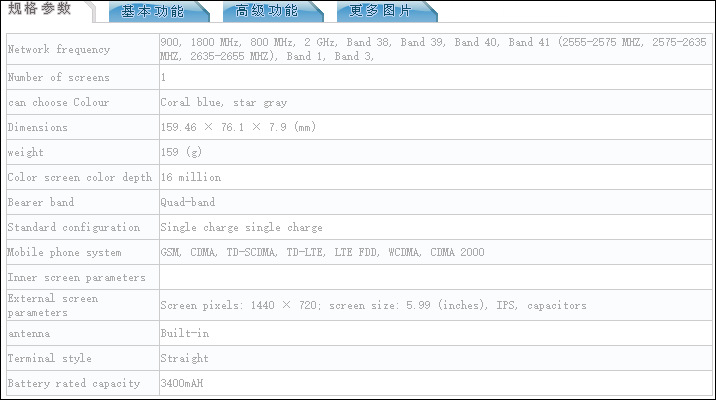
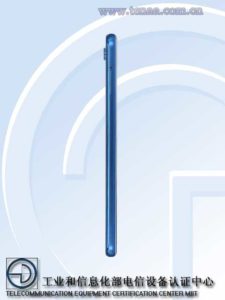
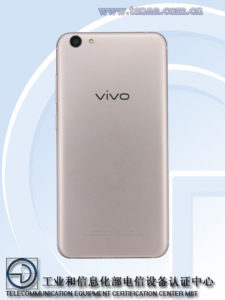
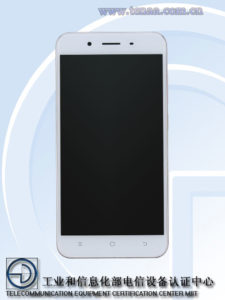
The device is identified with the model number Hisense HLTE300T and it packs a 5.99-inch IPS display with HD+ resolution of 1440 x 720 pixels. Lest we abuse the name bezel-less phone, the Hisense model is not a bezel-less model as it has a generous amount of bezels on all sides. However, the phone has a high screen-to-body ratio which makes it a full-screen model. The device will be available in Coral Blue and Star Gray colour variants when launched. It also has a dimension of 159.46 x 76.1 x 7.9mm, weighing 159g.
Going further, the Hisense HLTE300T packs a generous 3,400mAh battery and runs on Android 7.1.2 Nougat out of the box. The device features a 1.4GHz processor and two storage variants. There is a 3GB RAM + 32GB storage combo as well as a 4GB RAM + 64GB storage version. Both storages can be expanded up to 128GB via microSD. We don’t know when the new Hisense model would be officially unveiled but the TENAA appearance could be an indication that its launch is imminent.
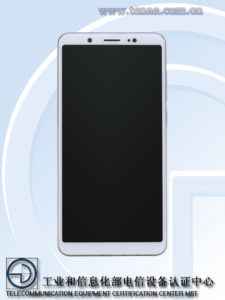
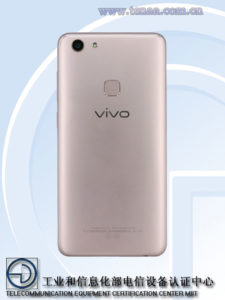
Just a few days after the Vivo Y66i and A75 were both certified by TENAA and thus listed on the agency’s website, two new models – Vivo Y66i A and Vivo Y75A have appeared on TENAA as well. The two models are undoubtedly variants of the Y66i and Y75 and pack similar specifications as the earlier variants, placing them in the mid-range category.
The Vivo Y66i A listed as sporting a 5.5-inch display with HD resolution (1,280 x 720 pixels). The device is powered by an unspecified chipset with a 1.4GHz quad-core processor. The processor is backed by 3 GB of RAM. THe phone comes with a 322GB internal storage which is also expandable via a microSD card slot.
Furthermore, the Y66i A runs on Android 7.1.2 Nougat and that will likely not be stock Android. On the camera aspect, the Vivo Y66iA packs an 8MP rear camera as well as a 5MP front-facing camera. The device will be fueled by a 2,930mAh battery. Interestingly both models are listed to come in Rose Gold colour which may be just one of its colour options.
On the other hand, the Vivo Y75A has a similar configuration as the Y75. They are both listed with a 5.7-inch display with a resolution of 1440 x 720 pixels and this is a reflection of the full-screen design it features. The Y75A is powered by an unnamed 2.0 GHz quad-core processor. The processor is paired with a 3GB RAM and there is 32GB of expandable storage onboard. The device is listed with an 8MP main camera, interpolated to 13MP while at the front there is equally an 8MP camera interpolated to 16MP. The device runs Android 7.1.1 Nougat and gets its juice from a 2,900mAh battery. It comes in Gold colour but this should also be one of the available colour variants.
LG Electronics has announced that it will jointly work with chipmaker Qualcomm for researching and developing technologies related to autonomous driving.
Both tech giants will now be involved in developing telecoms solution for autonomous driving. We will see the integration of LG’s strength in connected car parts and Qualcomm’s advanced communications chipset technology.
They have jointly opened a research centre in Seoul. It is now planning to set up another such centre in Seoul by the end of 2018. The collaboration will be based out of LG Electronics’ Science Park in Seoul.
In the research centre, both the companies will be working on developing 5G technology for vehicle and C-V2X (Cellular Vehicle-to-Everything) technologies that are said to be essential for the next-generation autonomous vehicles.
Kim Jin-Yong, executive vice president of LG‘s Vehicle Components Smart Business Unit, said,
LG plans to lead the next-generation vehicle components market by combining our experience in automotive communication technologies with Qualcomm’s advanced connected solutions from LTE to 5G. We are optimistic that the combined research strength of Qualcomm and LG will yield benefits that would not be feasible working independently.
Nakul Duggal, vice president of product management, Qualcomm Technologies, said,
With the automotive industry on a clear path to 5G, we look forward to working together with LG to meet the demands of today’s drivers and advance the commercialization of C-V2X technology in next-gen vehicles.
The technology for the fully connected car platform is expected to have 5 times faster speed and ten times lower latency than the quickest LTE technology. This will ensure that it delivers data at speeds that are essential for real-life driving situations.
Both the companies will also research other wireless technologies that will be needed for the safety of connected cars.
LG has been a components supplier for electric vehicles such as GM’s Bolt. It could become a major player in the connected car parts sector due to its vertical integration with affiliates for battery, display and camera modules.
On the other hand, Qualcomm is already the world’s leading smartphone chipset maker. The company recently revealed its first dedicated C-V2X chip aiming to make autonomous driving safer.
Most manufacturers have jumped on to the full-screen train releasing models that cut across all categories. Xiaomi’s Mi MIX 2 is its only 18:9 phone but that may change soon as a full-screen Redmi phone has been seen on TENAA.
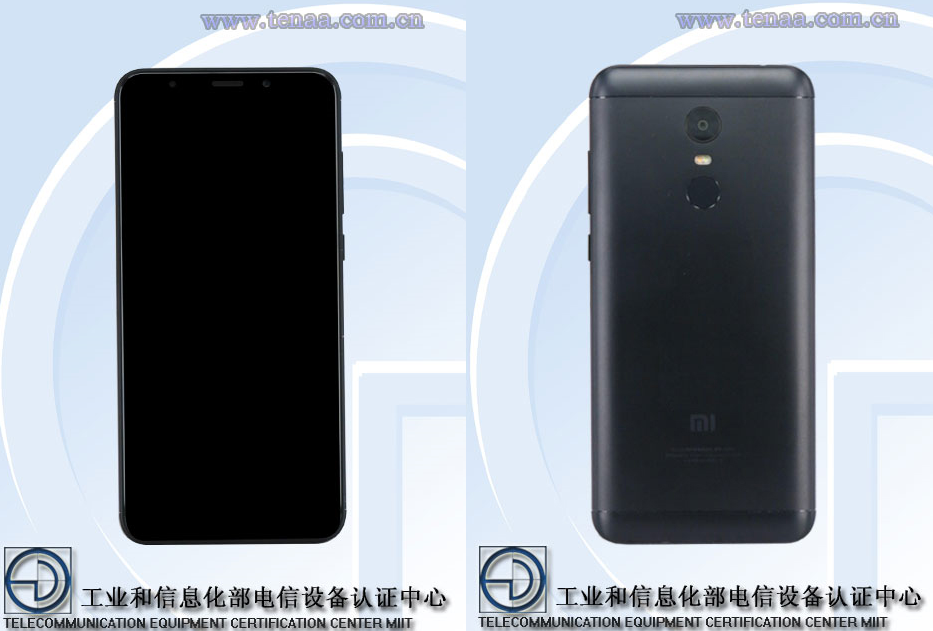
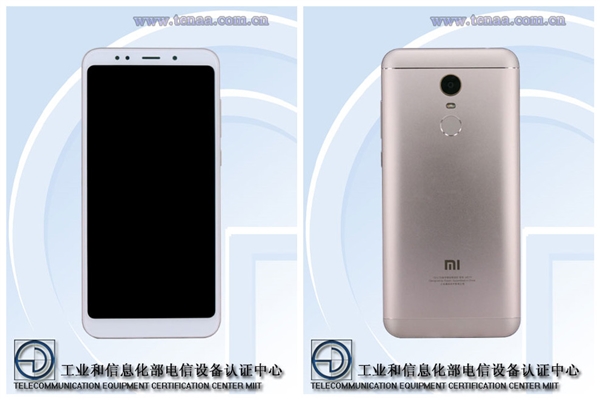
The Redmi phone with model number MET7 has smaller bezels compared to its predecessors but not as thin as we have seen on some other phones. It is easy to see that the display has an 18:9 aspect ratio. There are no markings on the lower bezel to signify that it has capacitive buttons so this should be on-screen buttons like the MI MIX 2.
The back of the phone still has that familiar Redmi look but seems to have been slightly redesigned. The back looks curvier to make handling easy and the antenna lines are not as thick. There is a single rear camera with a LED flash and fingerprint scanner below it, all three are arranged vertically. Towards the bottom is theMi logo.
The specifications of the Redmi MET7 are unknown as TENAA has not “fully added” it to its database yet. However, Weibo user @grass grass grass says the Redmi phone may launch with the 14nm Snapdragon 450 processor. The SD450 is an octa-core chip, taking over from the 28nm SD435 as the new entry level king.
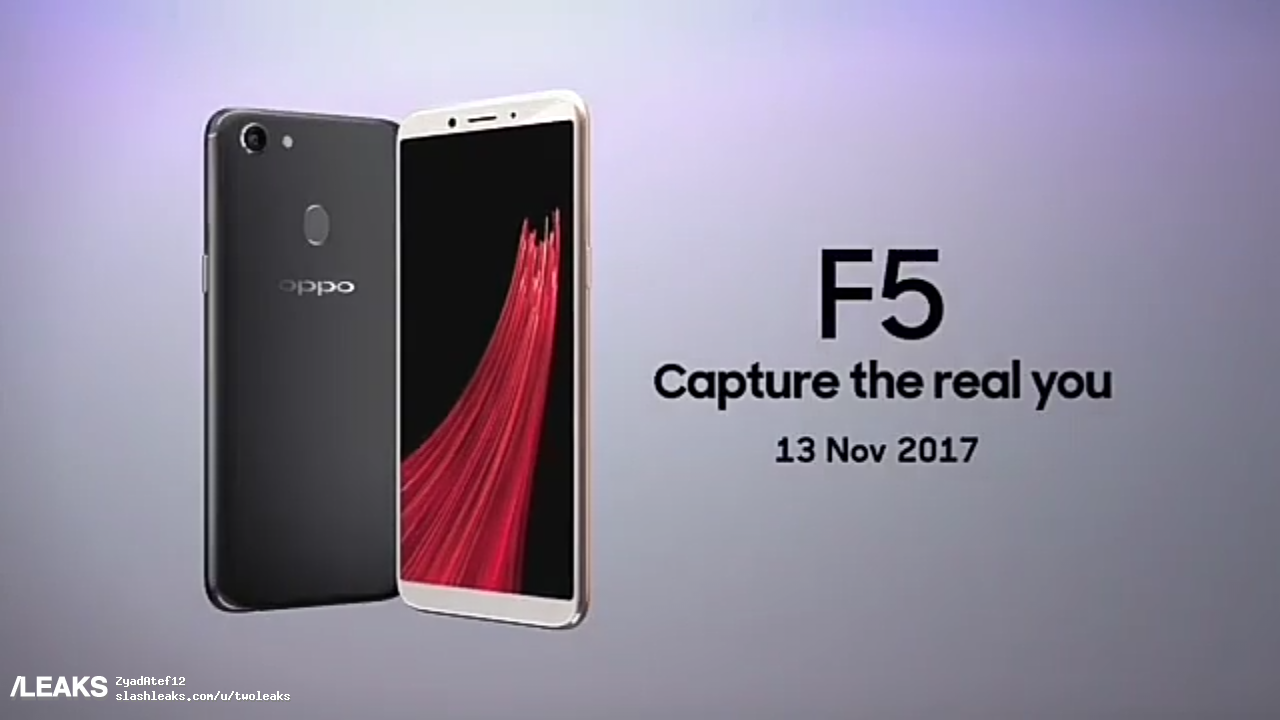
After a series of leaks related to Oppo‘s upcoming smartphone — Oppo F5, we now have a leaked promotional video of the device. It seems that the video is promoting the selfie camera on the phone.
The promo video of the device, which has been leaked on Instagram, features Indonesian stars Chelsea Islan and Raline Shah. They are seen talking about their perception of beauty.
At the end of the video, it shows the slogan “Capture the real you” and the date November 13, which we are assuming is the date on which the Oppo F5 will go on sale.
After seeing the phone in the video, it seems that the previous leaks related to the Oppo F5 were accurate. The smartphone is expected to come with a metal build design.
Recently, it was reported that the Oppo F5 will launch in three versions — the standard F5, F5 6GB and F5 Youth.
The Oppo F5 will come with 4GB RAM and will be available in Gold and Black colors. The Oppo F5 6GB will come with 6GB RAM + 64GB ROM, in Red and Black colors, while the Oppo F5 Youth will have a 16-megapixel front-facing camera and will come in Gold and Black color options.
Apart from these changes, all the remaining specifications are expected to be same. It will feature a 6-inch Full HD+ display with screen resolution of 2160 x 1080 pixels and 18:9 aspect ratio.
There will be a 16-megapixel snapper on the back of the device, while the front will have a 20-megapixel camera, except for the F5 Youth edition. The leaked video also reveals that the Oppo F5 will come with an oval fingerprint on the back.
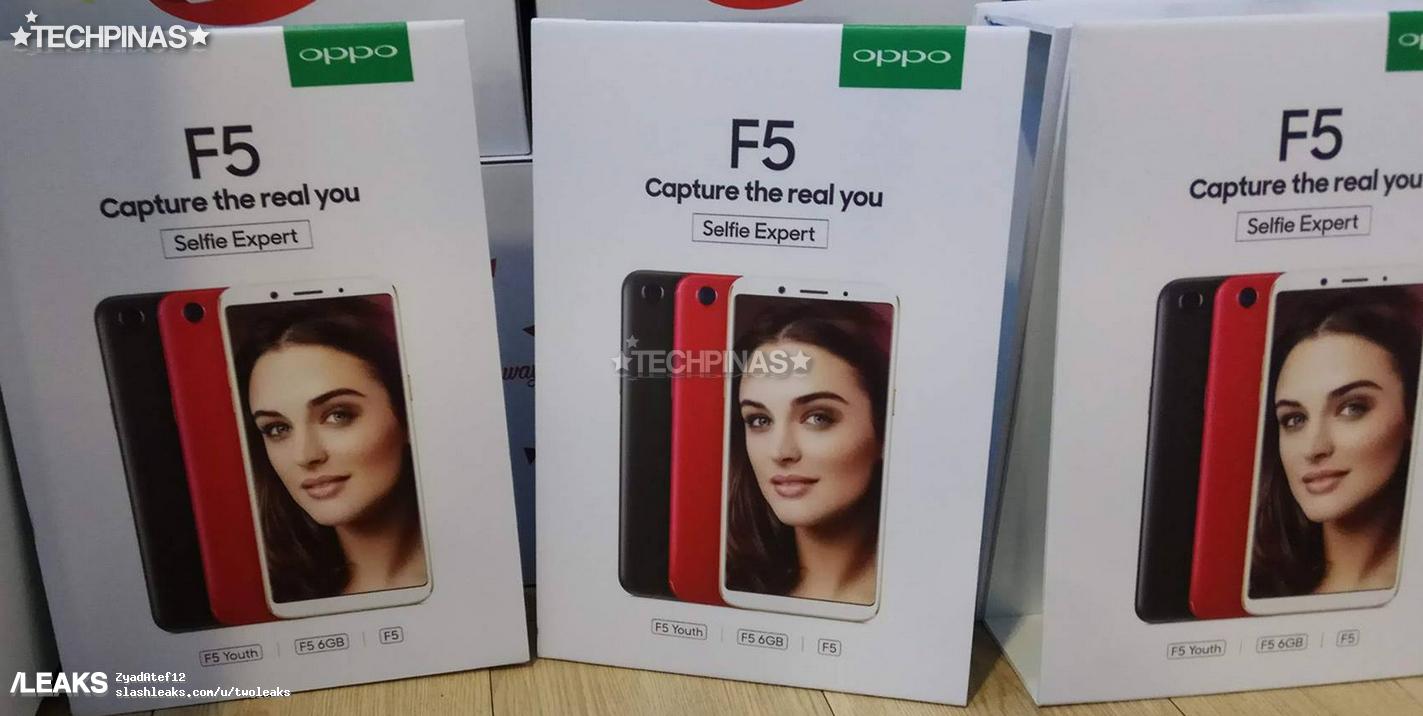
Apart from the promo video, the phone’s retail packaging has also been leaked. On the box, the front panel of the phone reveals thin bezels around the display. The back panel is shown in two different colors — Red and Black.
Just below the phone’s front and back panel, there is a listing of three variants of the phone — F5, F5 6GB and F5 Youth.
Oppo is hosting an event in the Philippines on October 26 to launch Oppo F5. Later, it will also be available in India, Indonesia, Malaysia, Myanmar, Thailand and Vietnam.
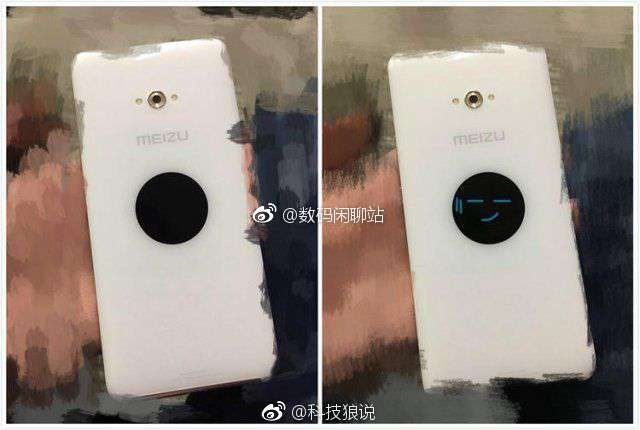
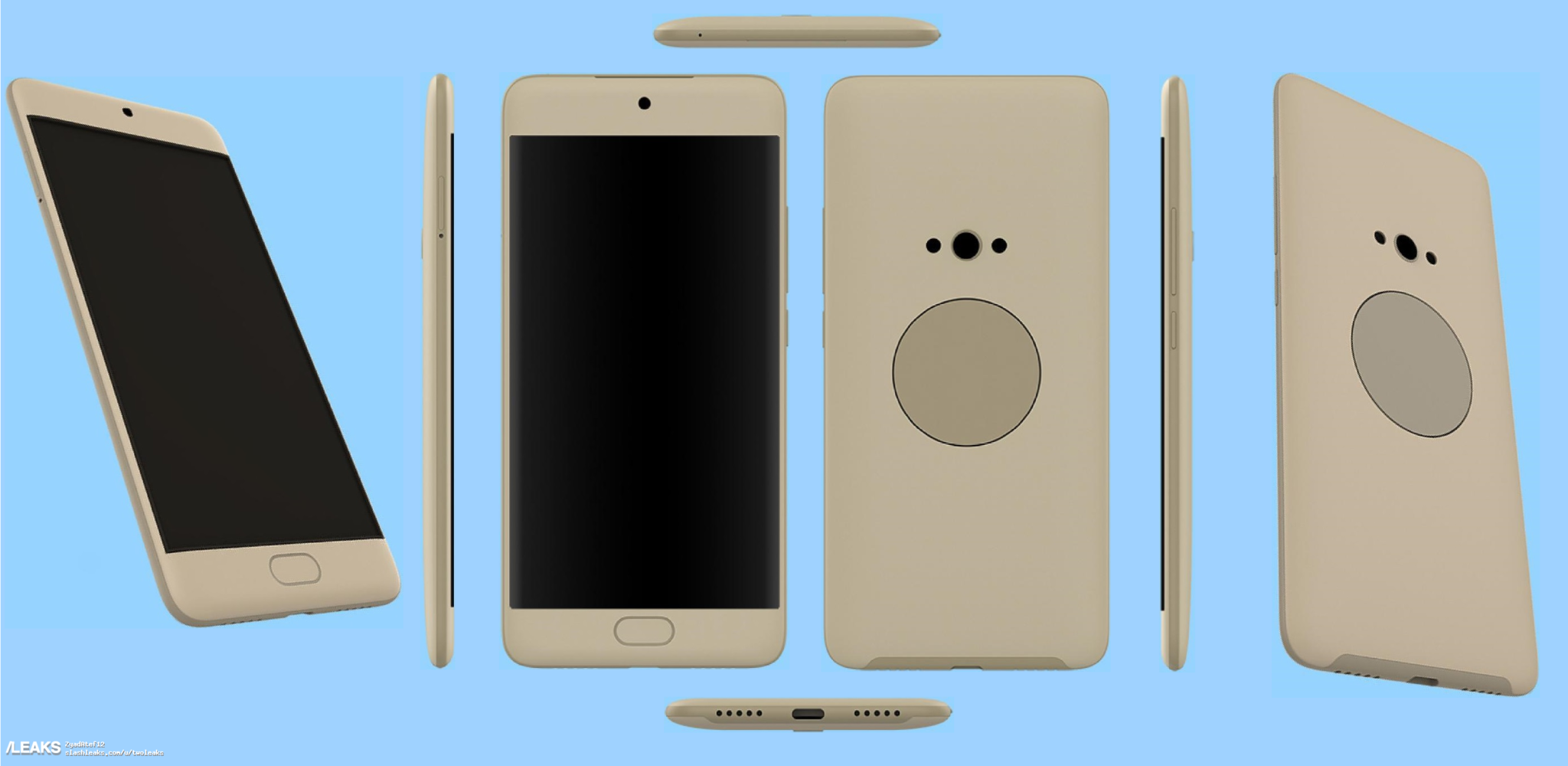
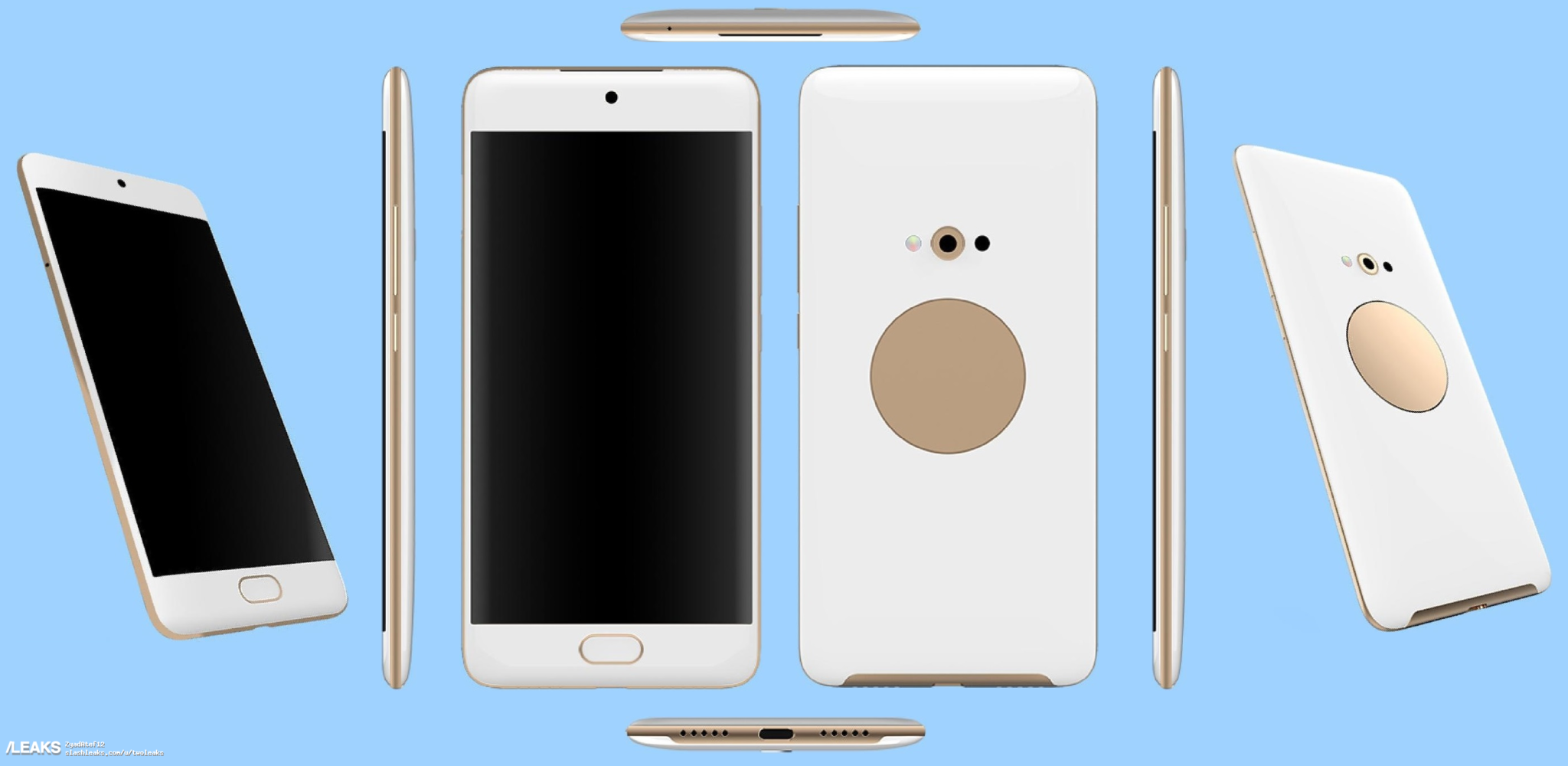
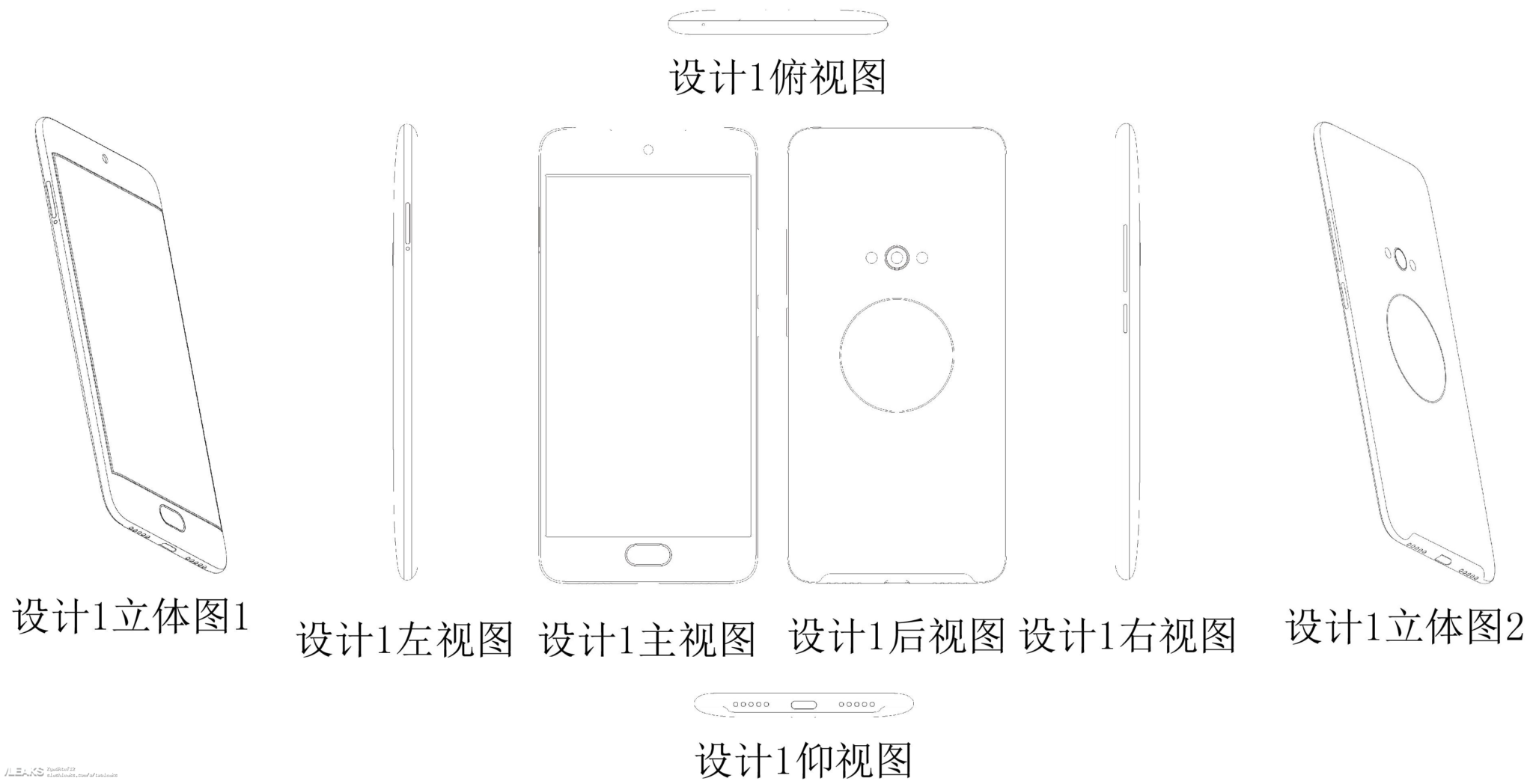
Meizu has always been an innovative company and that has been one of the company’s major selling points. Being a Chinese company, the patent office in China is usually a good source for information on what Meizu has in the works. A new set of renders said to be those of an unnamed Meizu smartphone has reportedly been spotted at the Chinese patent office. The device is unnamed but believed to be the Meizu X2 and a previous leaked live photos lend credence to that.
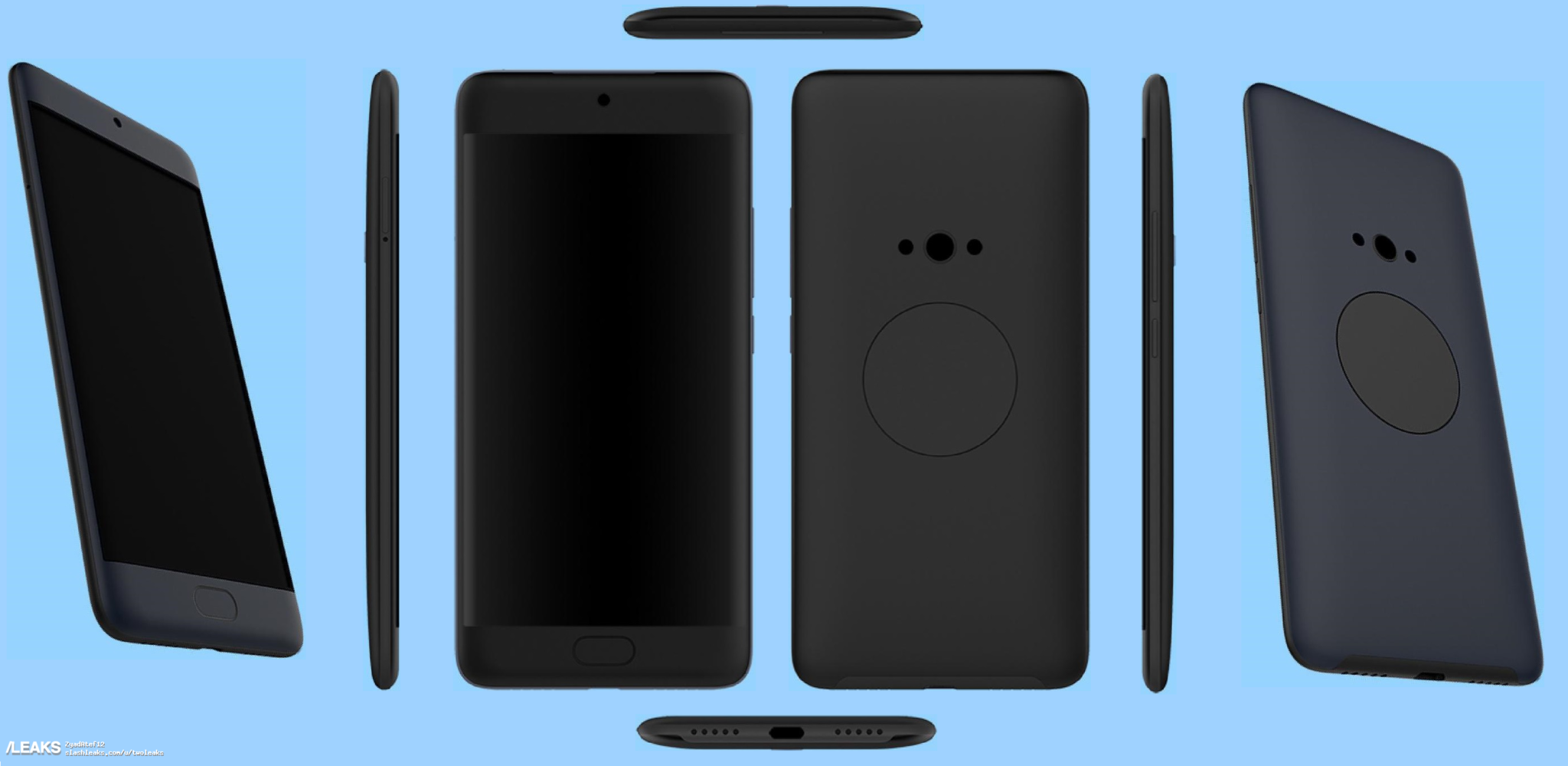
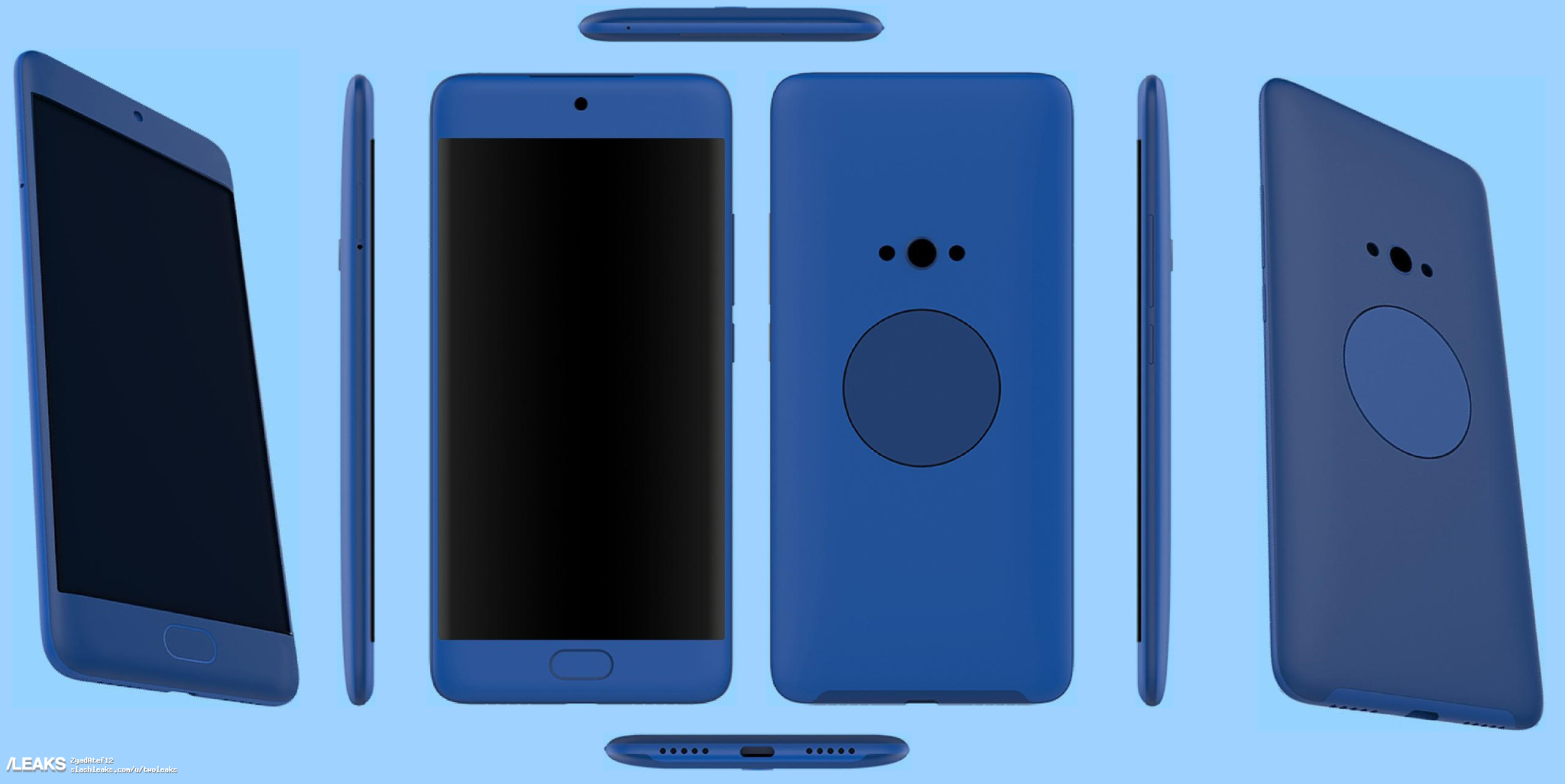
The device apparently found its way to the patent office as a result of the new design which it adopts and apart from the renders, the complete schematics of the phone was also spotted. The design is different from those of other Meizu phones we have seen in the past. The Meizu phone seems to have a secondary display just like the Pro 7 and Pro 7 Plus but the display this time around wears a circular design and is located right in the middle of the back panel. The secondary display may not have as many functions as those of the Pro 7 and Pro 7 Plus. The display may show only time, battery and perhaps a few notifications.
The Meizu X2 is said to belong to the Blue Charm series which is a mid-range series. The device seems to have a curved edge design and on the renders and schematics, the rear camera is located just above the secondary display. The position will likely be located a lot higher than where it is on the renders just as seen on the leaked images we saw in the past.The selfie camera will also be centrally placed at the top of the display where it will be housed by the large bezels there. The device also packs the trademark mBack button and looks like what will have a USB Type-C. There is no doubt the renders are real because apart from the leaked live images, a reader on Slashleaks also shared the photos of the device in the comment section and hinted that it is in the works. However, we don’t know when Meizu will release this model but a launch may not take place this year. We may have to wait till 2018 to meet with this new model.
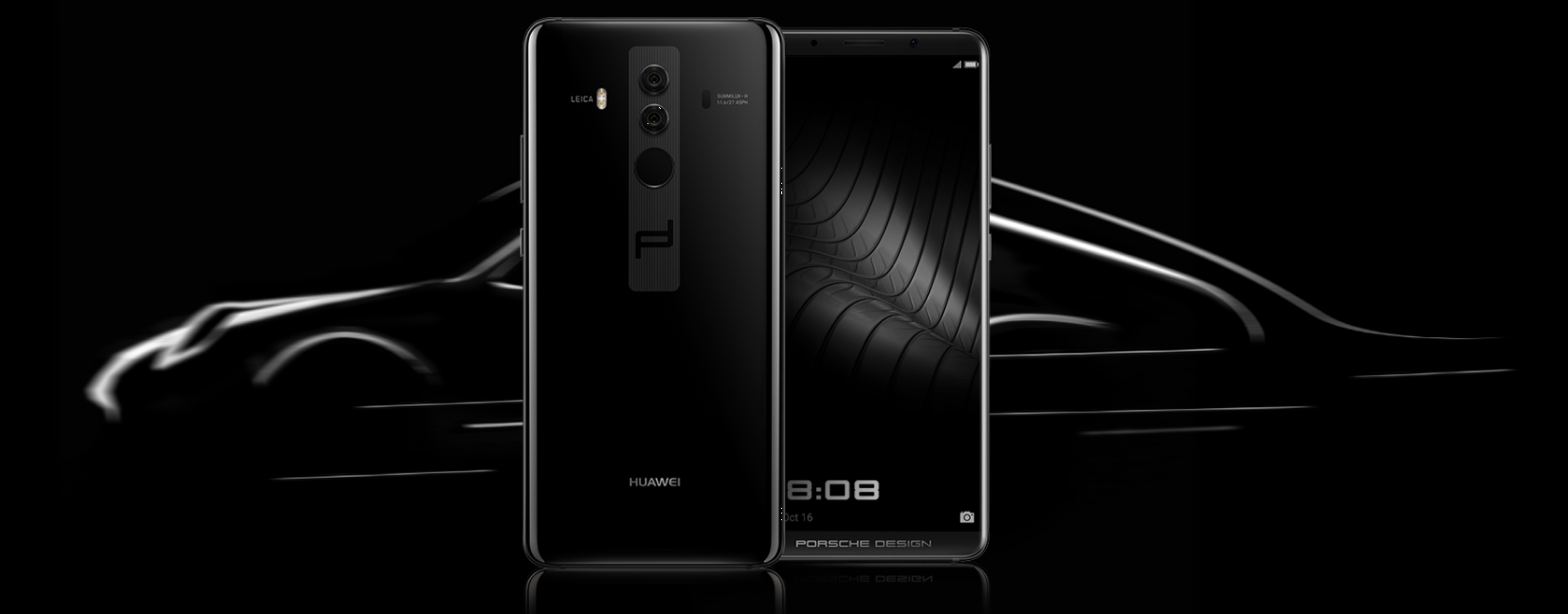
Today, at a press event, Huawei has announced the launch of its Mate 10 smartphone series in China. The company has launched three smartphones — Huawei Mate 10, Mate 10 Pro and Mate 10 Porsche Edition.
The Mate 10 series phones come in a metal body with thin bezels. The Mate 10 comes with a 5.9-inch display with screen resolution of 2560 x 1440 pixels, with a 16:9 aspect ratio, while the Mate 10 Pro features a 6-inch FHD+ display with an 18:9 aspect ratio.
Interestingly, in China, Mate 10 comes in two variants — 4GB RAM + 64GB storage and 6GB RAM and 128GB. Earlier, the company had announced just one model, with 4GB of RAM and 64GB of internal storage. This could mean that the 6GB RAM variant of Mate 10 is China-exclusive but there is no confirmation yet regarding this.
The Huawei Mate 10 Pro comes with 4GB RAM + 64GB ROM and 6GB RAM + 128GB ROM variants. While the Mate 10 has a fingerprint sensor on the front, incorporated in the home button, Mate 10 Pro features fingerprint sensor at the back.
Both the smartphones are powered by the company’s own Kirin 970 processor and a 4,000mAh battery which also supports SuperCharge fast charging. The devices run on Android Oreo-based EMUI 8.0.
Huawei has partnered with Leica for the cameras. The smartphones come with 12MP RGB + 20MP monochrome sensors at the back. It has 4-in-1 hybrid focus, hybrid zoom, and OIS. There is also an 8MP F/2.2 front-facing camera sensor.
Interestingly, the pricing for the Mate 10 series is cheaper than its pricing in the European market. In China, the Huawei Mate 10 is priced at 3,899 Yuan for the 4GB RAM and 64GB storage version while the 6GB RAM and 128GB onboard storage model costs 4,499 Yuan. It will be available in four color options — Black, Brown, Gold and Pink.
On the other hand, the Pro edition with 6GB RAM + 64GB internal storage is priced at 4,899 Yuan and the 6GB RAM + 128GB storage variant costs 5,399 Yuan. It will be available in Blue, Brown and Grey colors.
The Huawei Mate 10 Porsche Edition, which comes with 6GB RAM and 256GB internal storage, is priced at 8,999 Yuan and will be available in Black color.
While the Mate 10 will go on sale from today, the other two models will go on sale from 15th November. The smartphones will be available for purchase from the official Huawei store and other authorised resellers.
You can pre-order the Huawei Mate 10 through Giztop using this link.
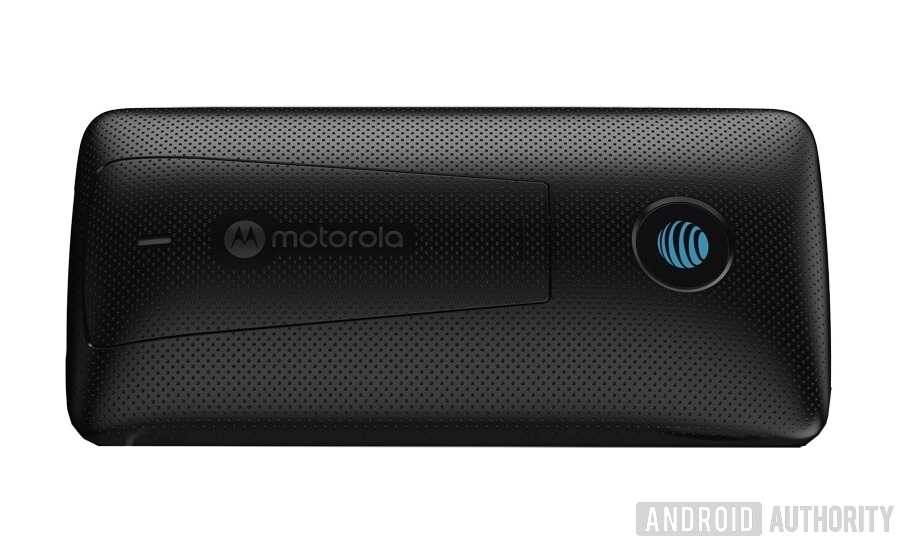
Just a few days after Motorola announced the Alexa smart speaker Moto Mod, details of a new mod has surfaced. The new mod called the AT&T Mobile TV Cast is for the network’s DirecTV Now streaming service.
The Mobile TV Cast Moto mod will let users watch DirecTV Now on a larger screen. It will require a stick that plugs into the external display. The source says it is a USB stick but since similar devices connect via HDMI, we think there is a mistake in the information.
The design of the Mobile TV Cast is similar to that of the Alexa speaker mod in that it completely covers the rear camera(s) when slapped on. The hole for the camera has AT&T’s logo and below it is the Motorola branding and what appears to be a LED light.
The mod doesn’t require any pairing process, just plug and play. Apart from streaming DirecTV Now, you will be able to use it to mirror your phone on the screen and watch local content from your device.
The mod has a 2,730mAh built-in battery, so you don’t have to worry about running out of juice on your phone. There is no detail about how much the AT&T Mobile TV Cast will retail for or when it will be available for purchase. Nevertheless, we believe it should be around the $150 mark just like the Alexa speaker.
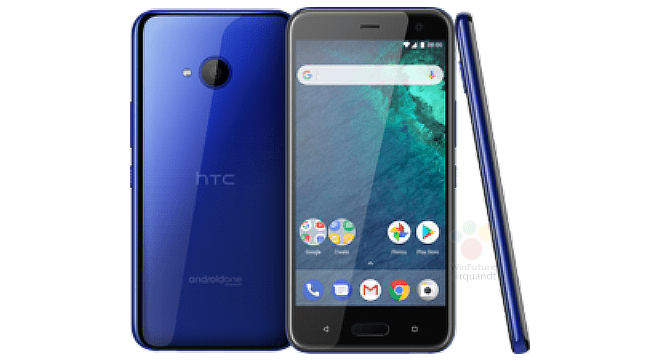
Xiaomi Mi A1 and Android One Moto X4 are the new and powerful Android One smartphones that were unveiled in the recent past. Fresh information shared by reliable tipster Roland Quandt reveals that HTC will soon announce the HTC U11 Life as its first Android One phone. He claims that the smartphone will be unveiled alongside the HTC U11 Plus flagship phone on Nov. 2.
Citing unnamed source, Quandt has revealed the entire specifications of the HTC U11 Life. He claims that it will be featuring a 5.2-inch Full HD resolution supporting display. The screen will be shielded by Corning Gorilla Glass. The bottom bezel of the phone will have a fingerprint sensor embedded Home button that will be placed between the two capacitive buttons.
Like the Android One Moto X4, the HTC U11 Life will be fueled by the Snapdragon 630 chipset. The SoC will be accompanied by 3 GB of RAM. It will be coming with an inbuilt storage of 32 GB and is also expected to feature a microSD card slot. It will include a 2,600mAh battery that will be able to last an entire day thanks to the power-efficient 14nm Snapdragon 630 chipset.
The 16-megapixel rear camera of the U11 Life will carry HDR support and it will also have the ability to record in RAW format. It will be featuring a selfie camera of 16-megapixel. The front and rear cameras will both carry support for 4K video shooting. It is expected to feature powerful microphones like the HTC U11 as it is pegged to carry support for high-resolution audio recording.
The Mi A1 and Moto X4 Android One phones are loaded with Android Nougat OS and they are yet to receive Android Oreo update. However, the tipster predicts that the upcoming HTC U11 Life will be the first Android One phone to arrive with Android 8.0 Oreo preinstalled.
Quandt adds that the HTC U11 Life Android One phone will be lacking a 3.5mm audio jack. The device will be shipping with a USonic headphones that can be connected to the USB-C port of the phone. Other features of the smartphone include NFC and Bluetooth 5.0. Like the HTC U11 and the upcoming U11 Plus, the U11 Life phone is also expected to feature squeezable frame for Edge Sense.
As far as pricing is concerned, he claims that the Android One HTC U11 Life will be selling in Germany with a price tag of 400 euros (~$472). The smartphone will have an IP67 certified chassis and it will be available in color choices like Ice White and Blue Sapphire.
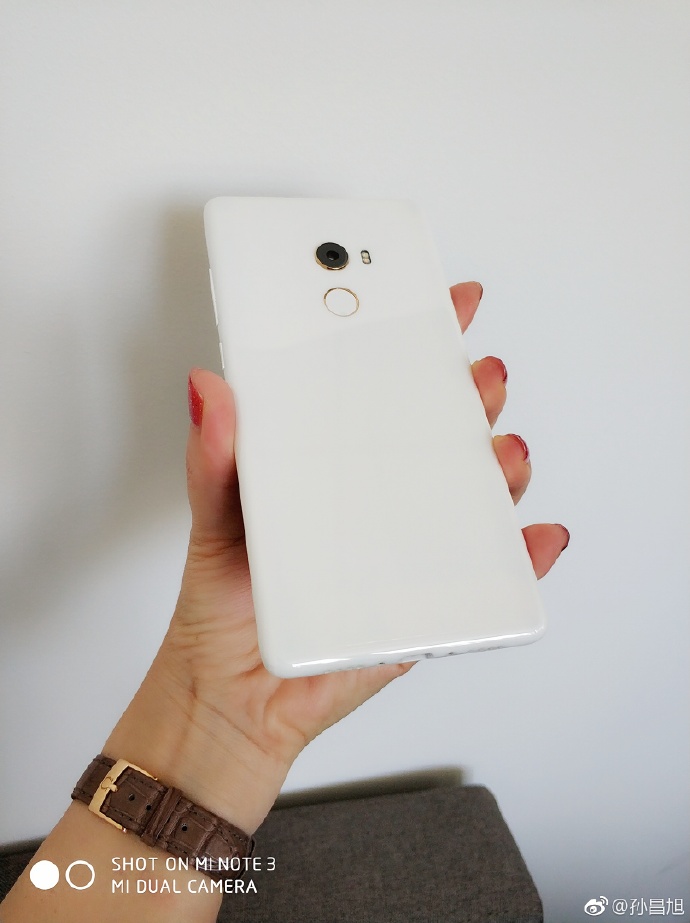
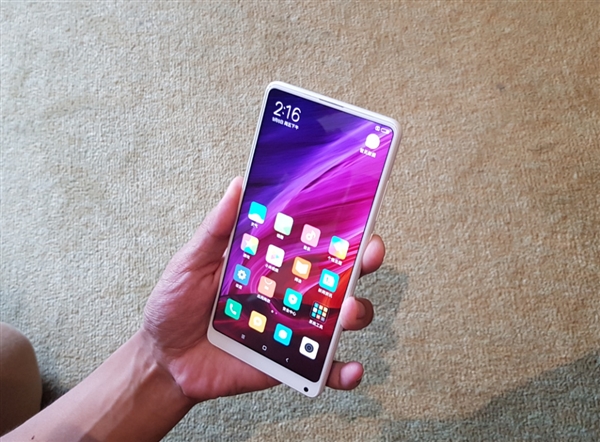
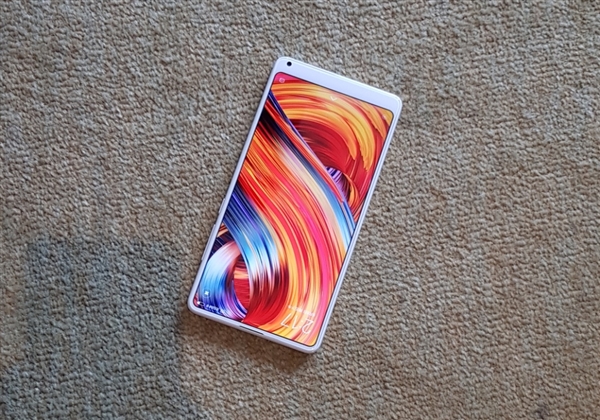
Xiaomi Mi Mix 2 is no doubt the company’s main flagship for 2017 even though some were left disappointed due to the fact that the device didn’t meet their expectation. Notwithstanding, the product has continued to gather momentum and Xiaomi is even planning to tweak things a little bit with the addition of an 8GB RAM variant. Not only does the new variant come with such large RAM size, it also adopts a new ceramic white colour. Sure. we have seen the device a couple of weeks back on Weibo, shared by Xiaomi’s Cloud platform head.
The Mi Mix 2 ceramic white variant has again been spotted online in the hands of well-known lady tech analyst Sun Changxu. At the same time, a Weibo user also disclosed that the Mi Mix 2 8GB RAM version would soon go on sale and would be available not just in Ceramic White but the black Ceramic version will also get an 8GB RAM version. The Ceramic white edition is said to have been manufactured by being subjected to a temperature as high as 1,400 degrees centigrade within a 7 days period. The process is a complicated one but the product is a beautiful finishing.
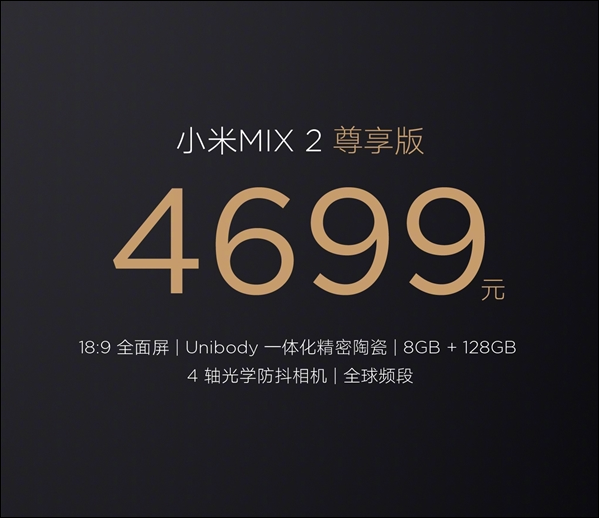
The Ceramic version may likely be released well in time for the 11.11 sales promotion which is usually a big one for Xiaomi. November 11 is the date. As for the price, the 8GB RAM version will be priced at about 4699 Yuan (around $700).
Samsung is reportedly working on Galaxy S9 and Galaxy S9+ flagship phones. Speculations have it that the company is well ahead of its schedule for the launch of Galaxy S9 and S9+. Hence, these flagship phones are speculated to debut at January end next year and arrive in the global markets by mid-February. Today, the alleged logos of the Galaxy S9 and S9+ have been shared by well-known industry insider Benjamin Geskin. He has also revealed key information on the model numbers and variants of the Galaxy S9 duo.
According to Geskin, the Snapdragon 845 edition of the Galaxy S9 and Galaxy S9+ will be exclusively available in the U.S. and China. Other markets will be getting 10nm Exynos 9 Octa powered Galaxy S9 and S9+. Both the chipset variants of the Galaxy S9 duo are expected to feature 6 GB of RAM and 128 GB of storage. Like the predecessor models, these variants will also feature a microSD card slot.
The Galaxy Note 8 is available in 256 GB storage option in certain markets like South Korea. Hence, it is likely that the Galaxy S9 duo will also come in 256 GB model in select regions. He has also revealed the following model numbers for the different variants of both the S9 models:
Recent rumors have revealed that other flagship smartphones such as the LG G7 and Xiaomi Mi 7 are slated to get announced in Q1 2018. Since both the smartphones are speculated to arrive with Snapdragon 845 along with full screen design, the Galaxy S9 and S9+ are expected to face tough competition from rivaling brands.
Vivo, which is now among the world’s leading smartphone brands, has announced its expansion plan to enter six new countries.
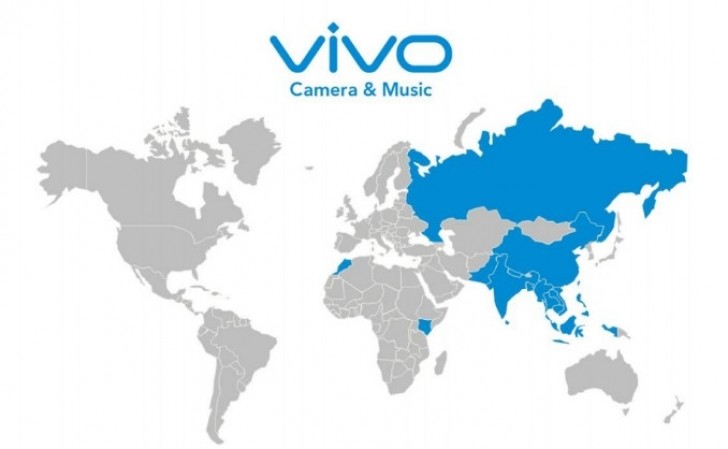
The company has announced that it will establish its presence in around six new regions in the coming months. It will soon launch in Taiwan, Singapore and Hong Kong.
It also has plans to enter the Russian market. For establishing its presence in the African market, the company will start with Morocco and Kenya. Later, the company is expected to spread out to European countries as well.
Vivo has already established its presence in India, Thailand, Philippines, Myanmar, Malaysia, Indonesia, Pakistan, Cambodia and Bangladesh.
The China-based smartphone manufacturer says that it aims to offer smartphones that “inspire confidence and self-expression in more young people”. It will continue to focus on camera performance and audio experience.
The company recently launched its flagship smartphone — Vivo V7+, which comes with a 24-megapixel front camera and FullView display. According to Gartner’s latest research, Vivo is ranked 5th in global smartphone sales in 2Q 2017 in terms of volume with 6.6% market share.
As a part of the company’s aggressive marketing and brand positioning campaigns, Vivo has signed a six-year partnership with FIFA to become an official sponsor of its tournaments. The deal covers Confederations Cup 2017, World Cup 2018 and the World Cup 2022 that will take place in Qatar.
It seems that with such massive amount being spent on marketing activities, the company is aiming to strengthen international recognition.
We use cookies on our website to give you the most relevant experience by remembering your preferences and repeat visits. By clicking “Accept”, you consent to the use of ALL the cookies.
This website uses cookies to improve your experience while you navigate through the website. Out of these, the cookies that are categorized as necessary are stored on your browser as they are essential for the working of basic functionalities of the website. We also use third-party cookies that help us analyze and understand how you use this website. These cookies will be stored in your browser only with your consent. You also have the option to opt-out of these cookies. But opting out of some of these cookies may affect your browsing experience.
Necessary cookies are absolutely essential for the website to function properly. This category only includes cookies that ensures basic functionalities and security features of the website. These cookies do not store any personal information.
Any cookies that may not be particularly necessary for the website to function and is used specifically to collect user personal data via analytics, ads, other embedded contents are termed as non-necessary cookies. It is mandatory to procure user consent prior to running these cookies on your website.