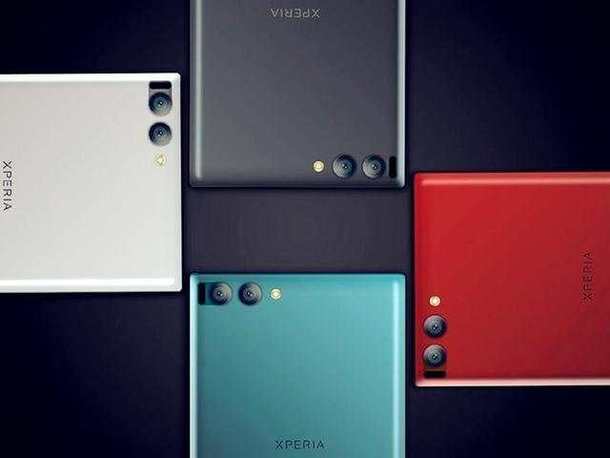
Since the Xiaomi Mi Mix concept phone pioneered the launch of phones with bezel-less display and high screen to body ratio exceeding 90%, there have been several other bezel-less phones shown to be in development like the Meizu concept phone, Huawei’s own concept device etc. But this Sony Xperia Edge concept phone design isn’t actually from Sony but is designed by designer Metti Farhang who shared it recently.
The design is said to be for a Sony device named Xperia Edge apparently because of its double curved-edge design. The concept device also comes with what is termed a triple bezel-less display with the screen edges at the top and sides having less design bezels but curving all the way to the rear. The device doesn’t seem to be curved at the bottom edge where there is a slight screen space that isn’t covered by the display. The device is designed with onscreen capacitive virtual buttons though, in typical Sony fashion.
No doubt this draws comparison with the Xiaomi mi Mix already on sale and the Sharp Aquos Crystal that Japanese smartphone maker is said to be developing. The design seems to be smaller than the 6.4 inches the Mi Mix came and there is a dual camera setup at the rear which sits to one end of the phone’s rear.
We wouldn’t forget so soon that Huawei has a concept device up its sleeves dubbed Huawei Honor Magic that would utilise similar near bezel-less display, and a high screen-to-body ratio. Huawei’s own device is set for launch on December 16. The possibility that this Sony Xperia Edge concept phone design will fnd its way out is near zero since its not from the company.
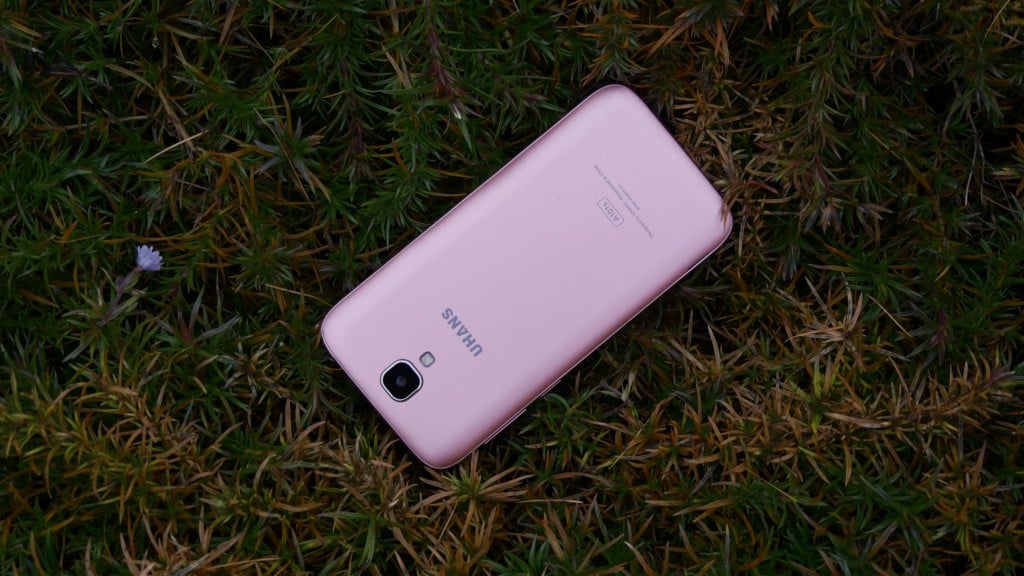
The market of cheap smartphones is crowded and it may not be easy to choose one. I just came across the Uhans A101S smartphone that costs just $70. Find out if this phone is any good in the full review.
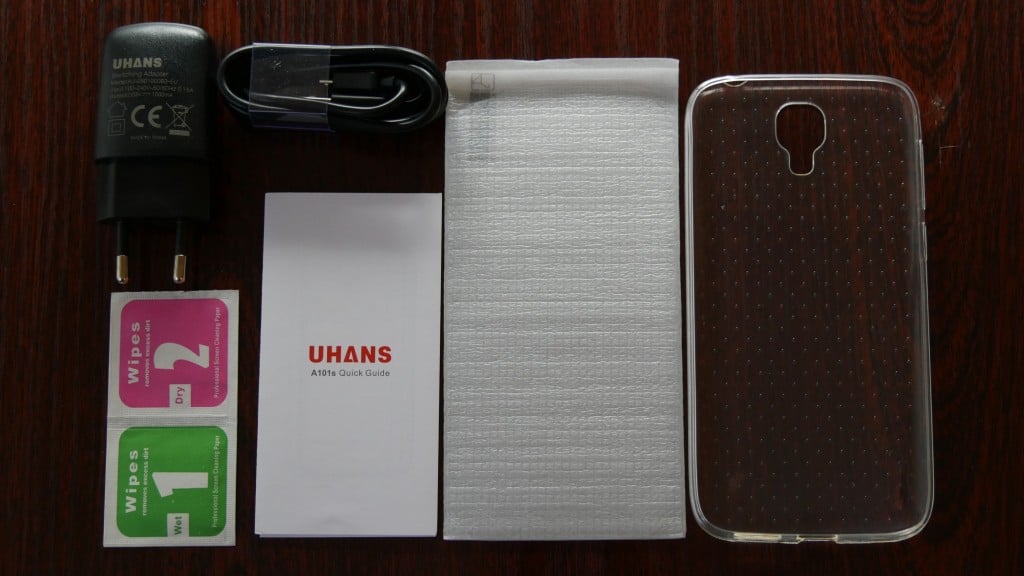
The phone ships with all the usual stuff and some extras include a screen protector and a soft TPU case.
Uhans A101S Review: DESIGN and DISPLAY
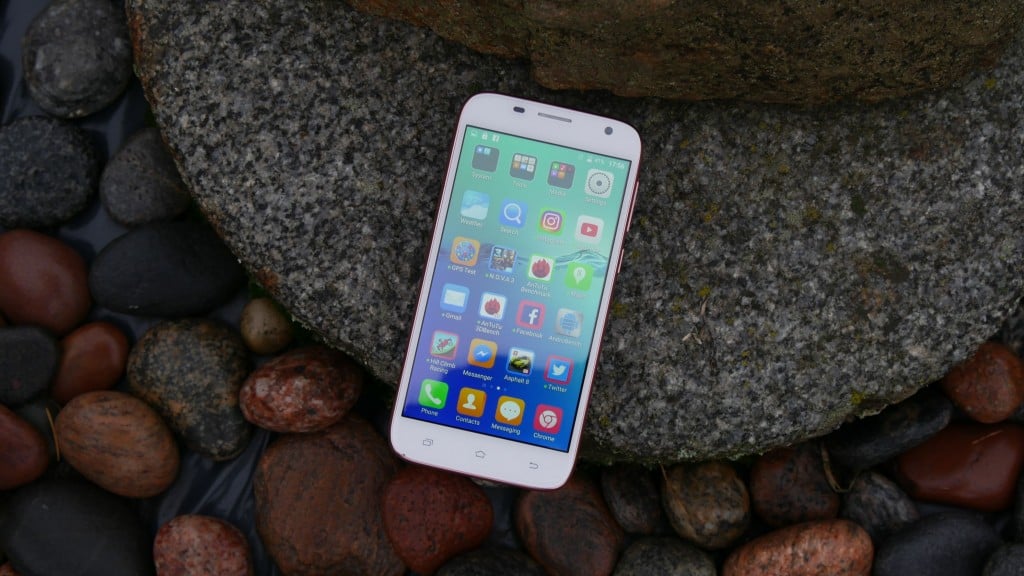
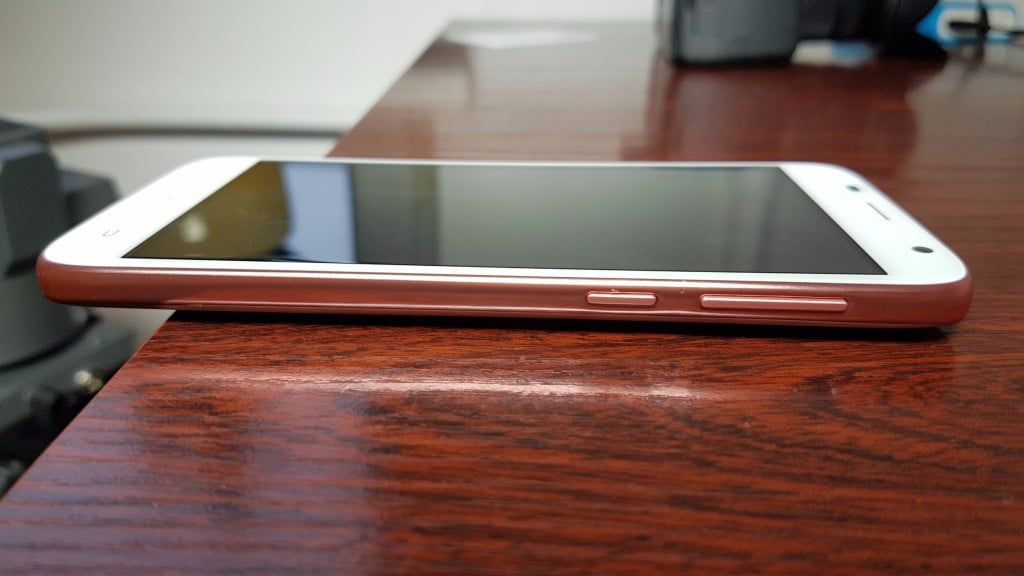
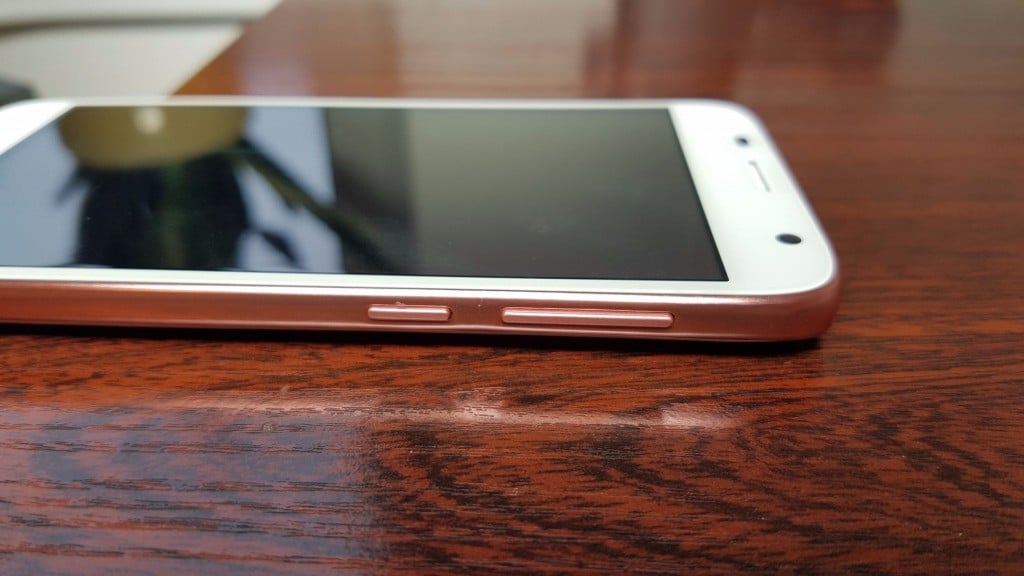
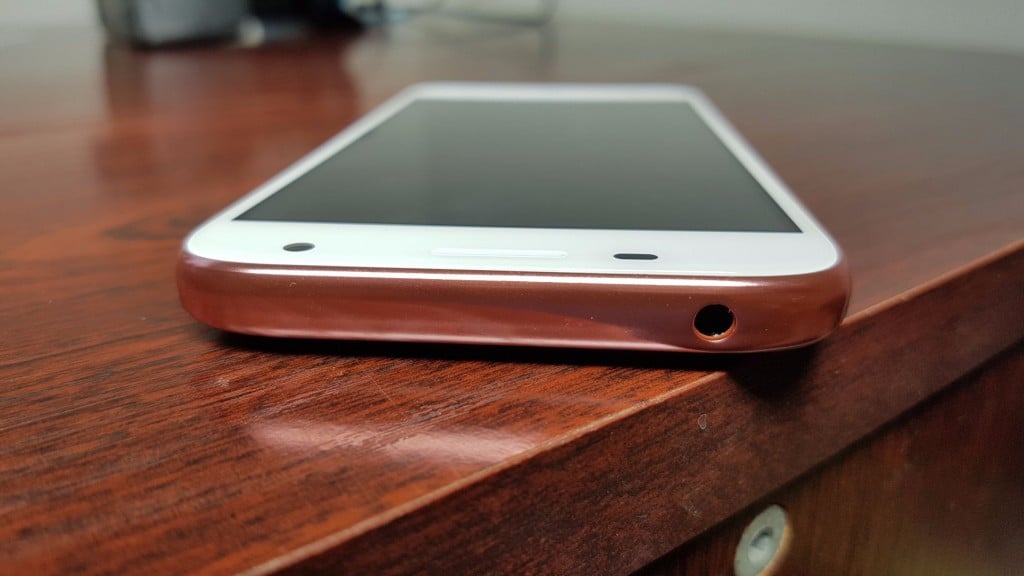
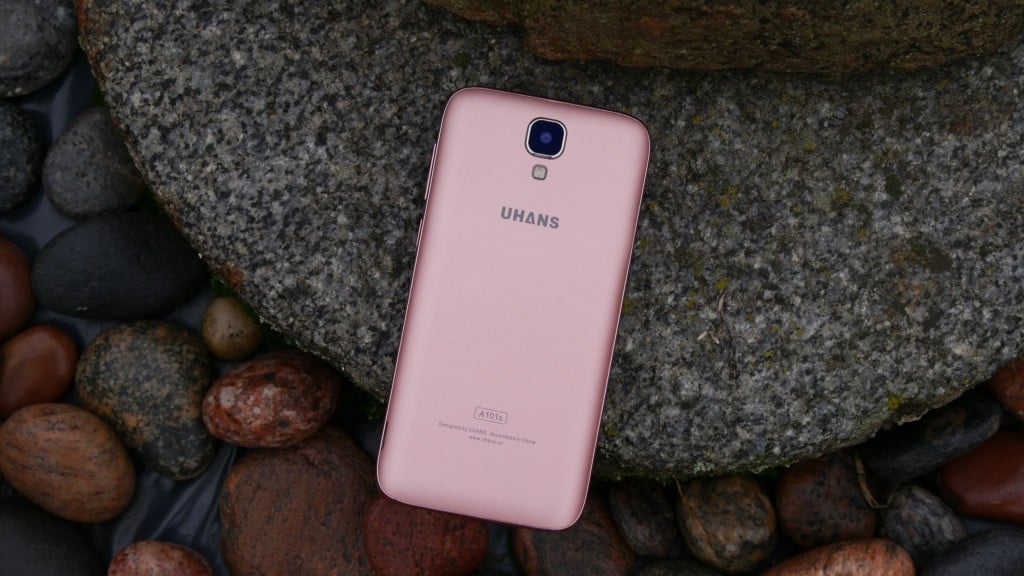
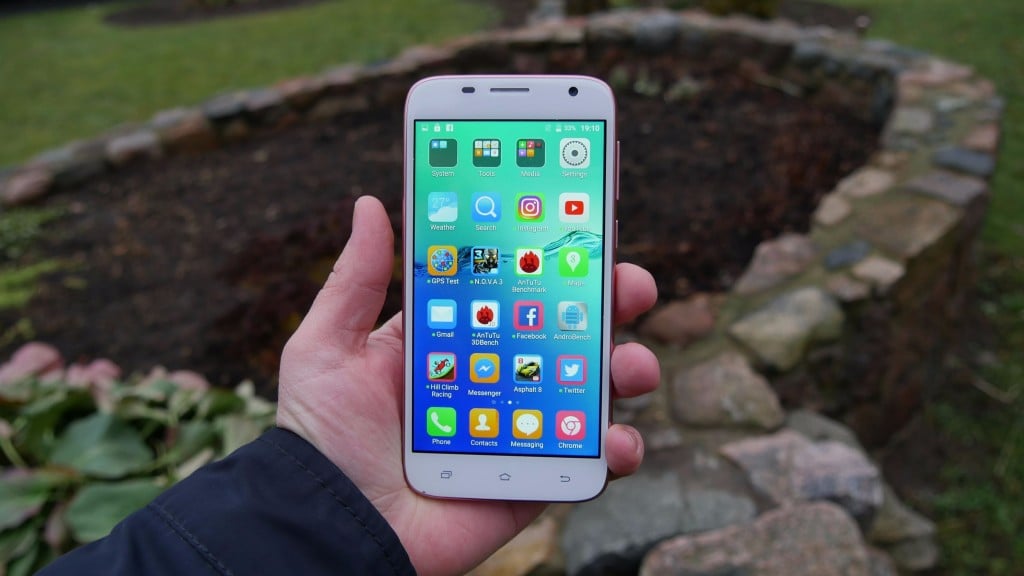
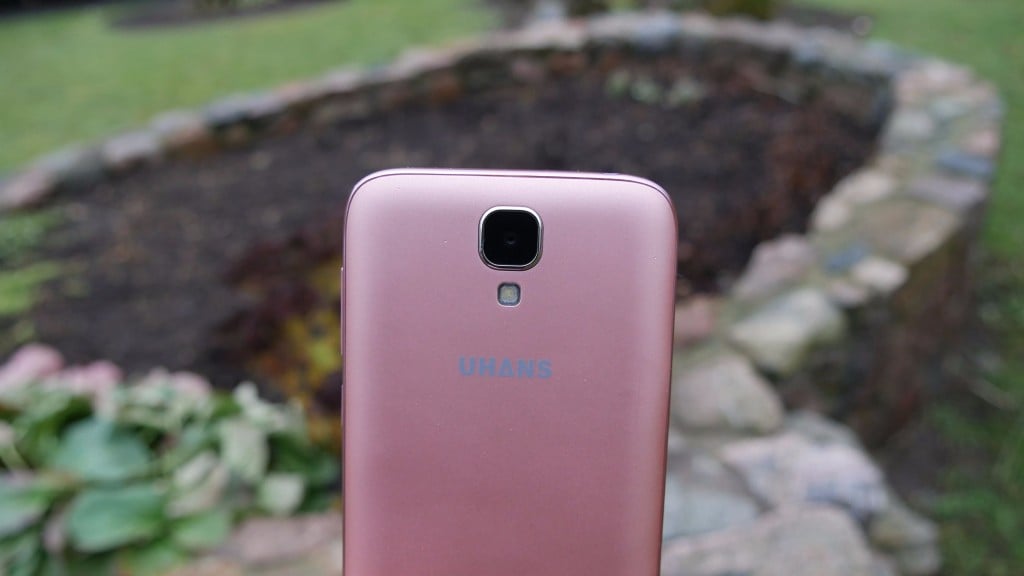
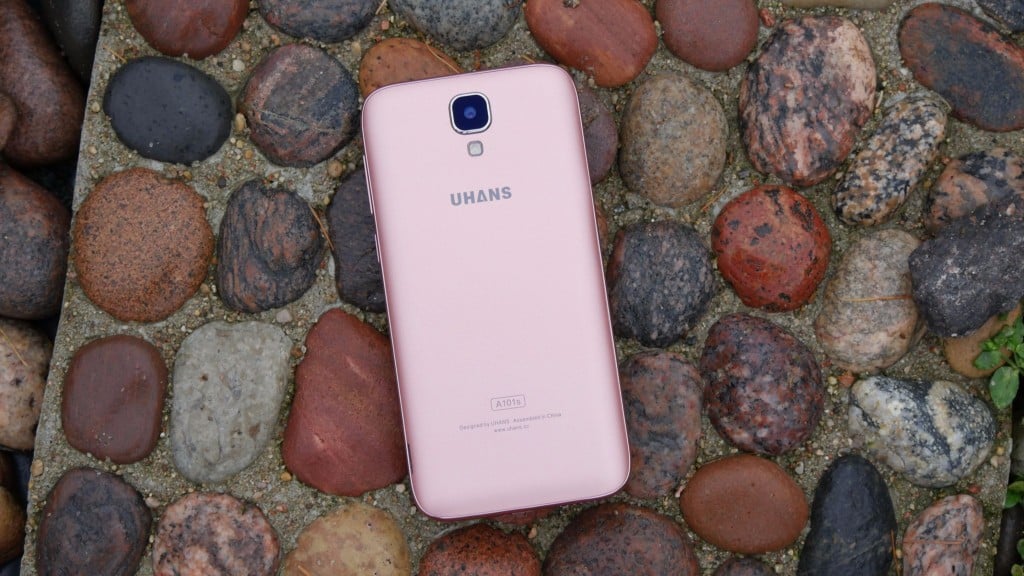
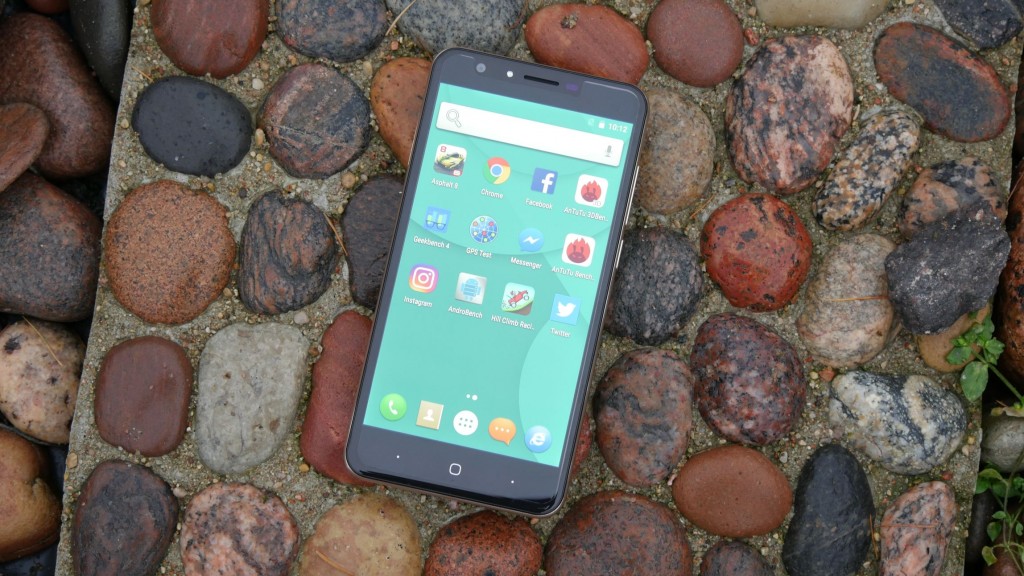
When it comes to the design, this cheap phone draws quite a bit of attention since my review unit comes in pink colour. You can also choose from other flashy colors.
The phone does not sport any premium materials in the construction but it does not feel cheap either.
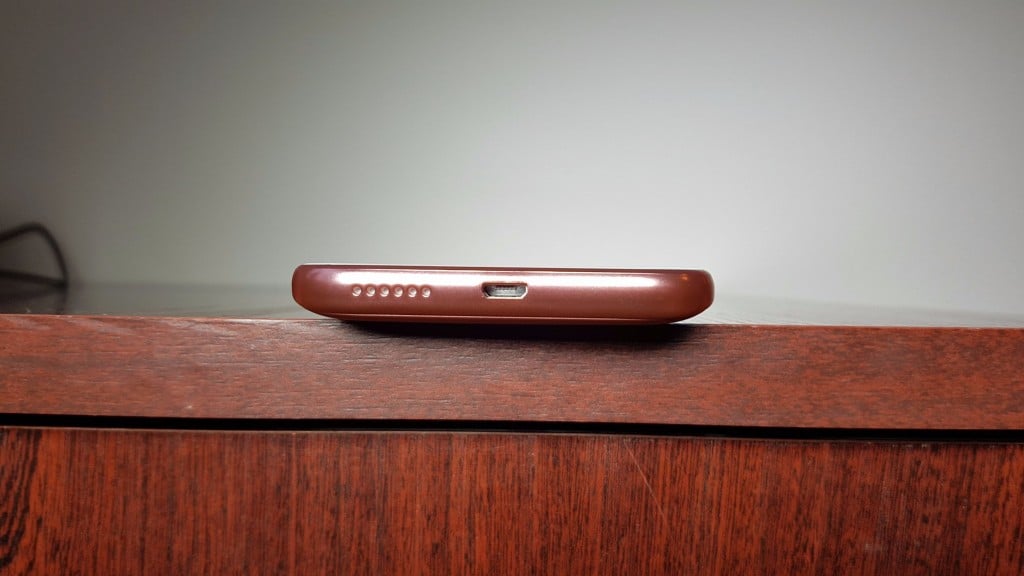
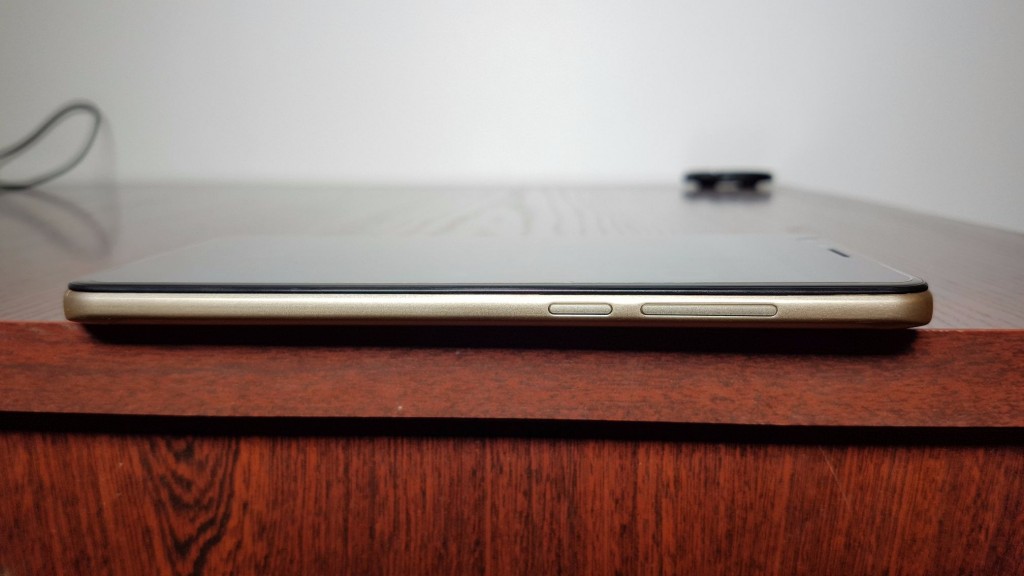
The buttons are nice and tactile, the backplate is made of rubberized plastic material and the phone sits nicely in the hand.
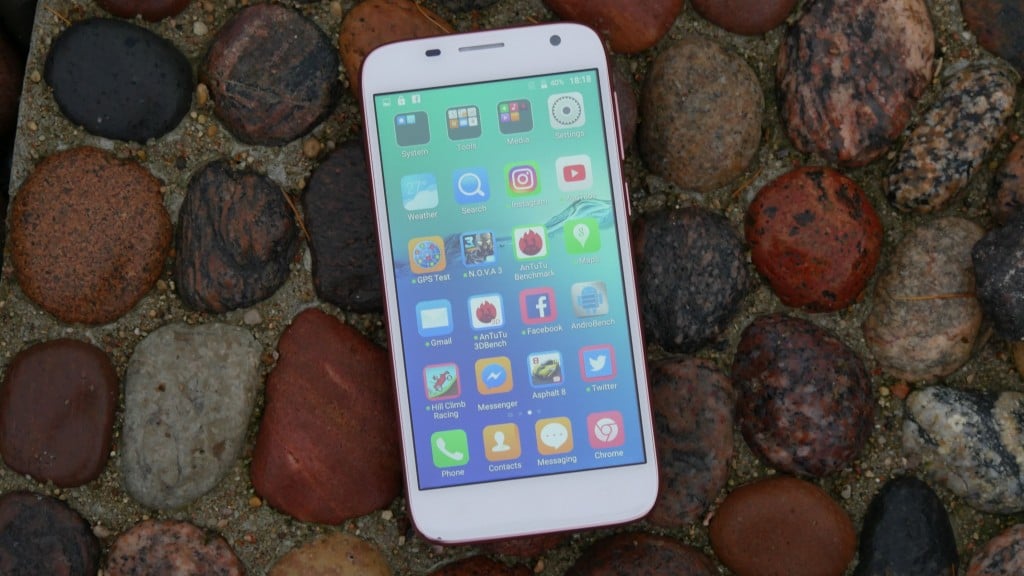
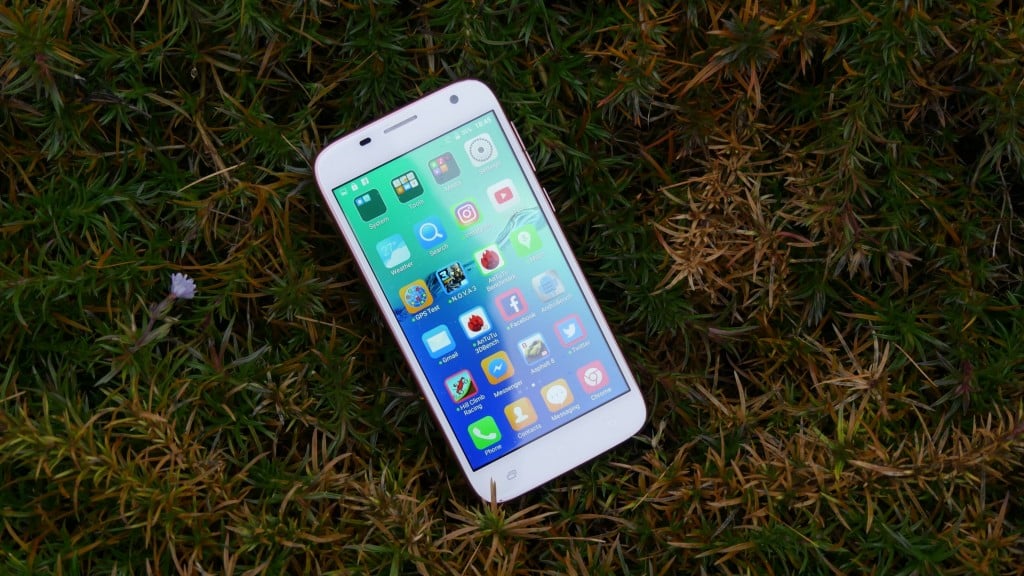
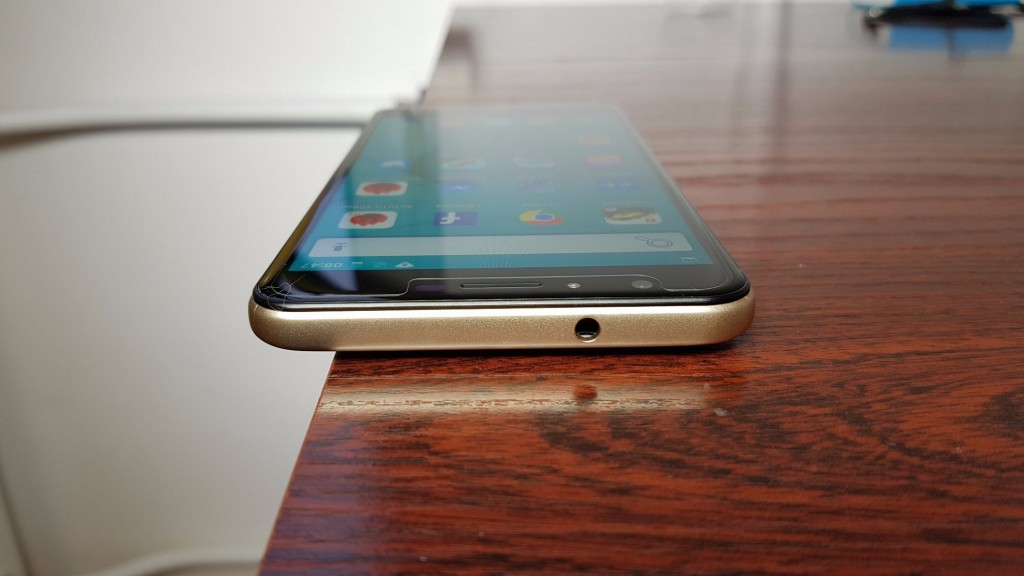
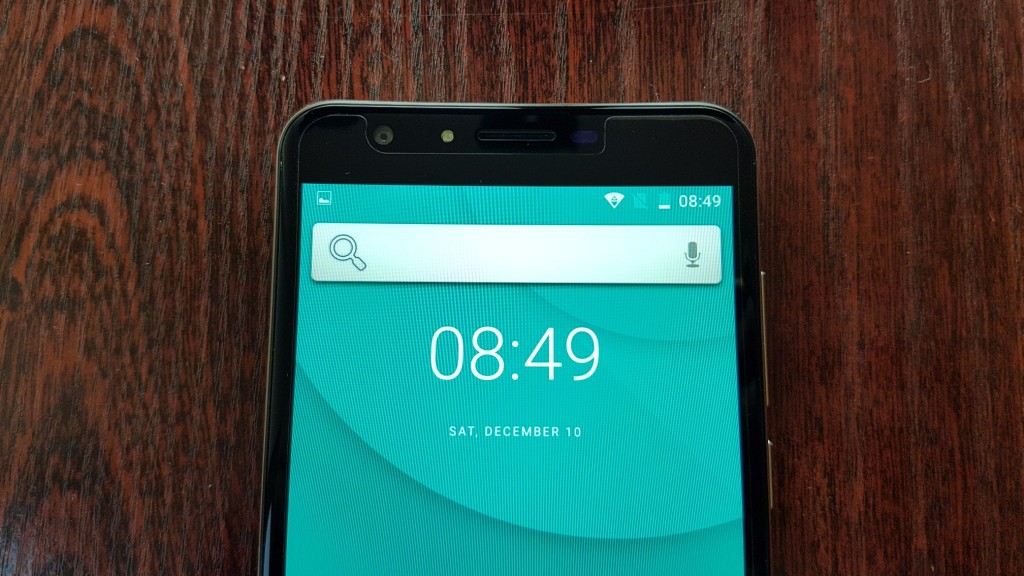
We have a 5” display, which has only 720p resolution but it is plenty sharp for everyday use.
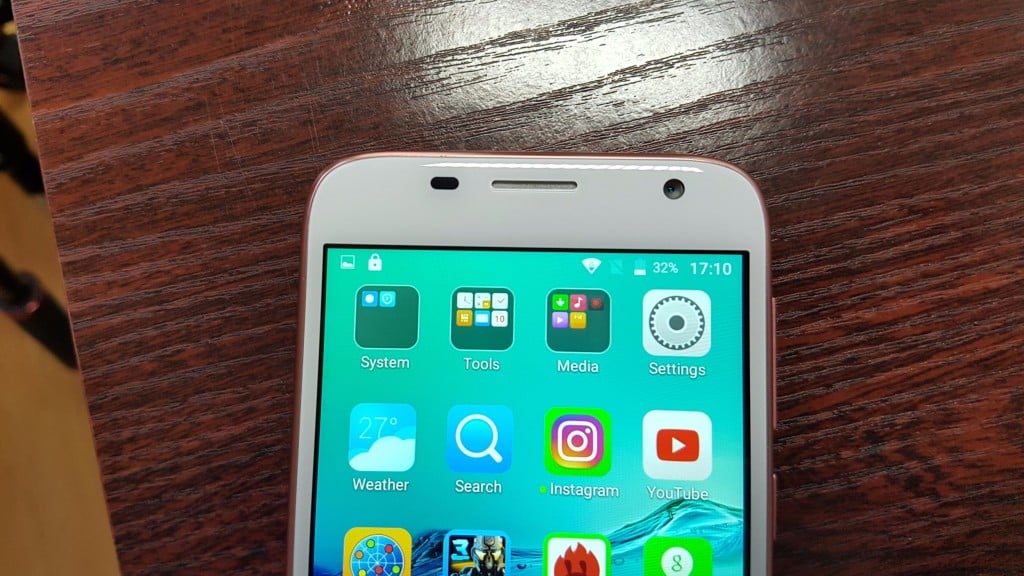
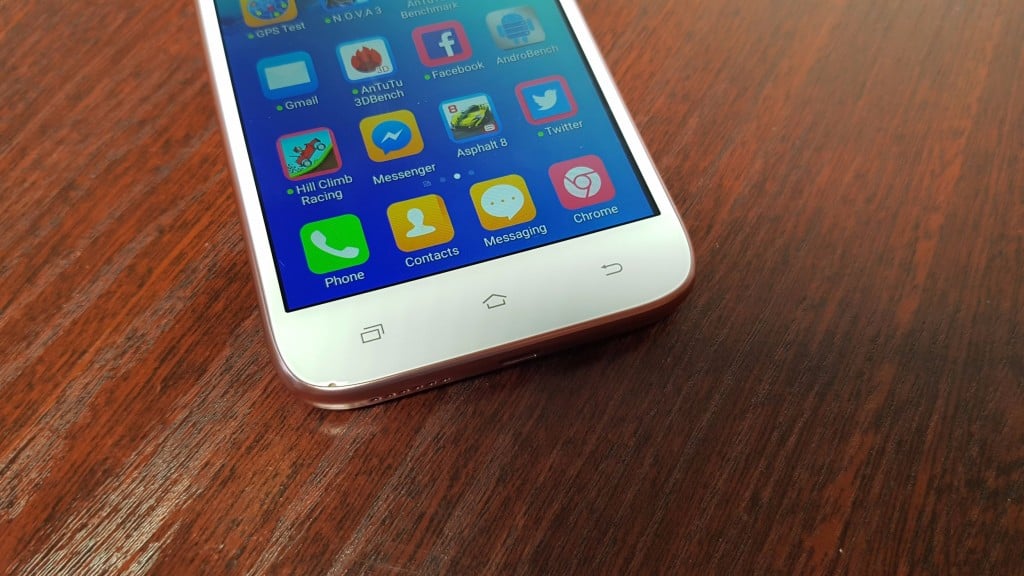
Also, there is a 5MP camera above the display but we don’t have neither LED notification light nor backlit capacitive keys.
On the back, we have an 8MP Sony camera with a single LED flash.
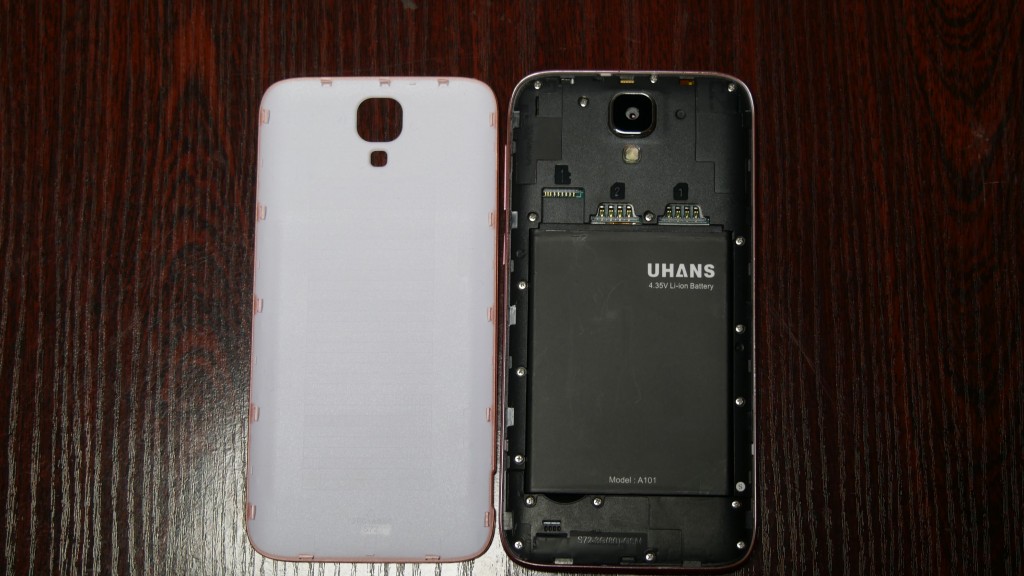
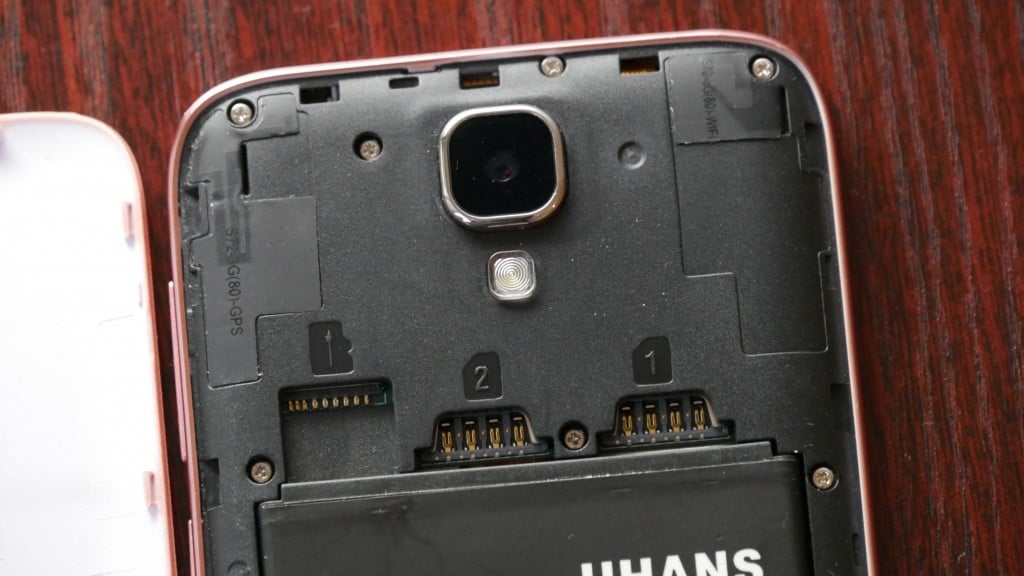
You can remove the backplate to access the microSD card slot, two SIM card slots and a removable 2450mAh battery.
The loudspeaker quality is like on most of the cheap phones. The sound is kind of flat.
Uhans A101S Review: HARDWARE and PERFORMANCE
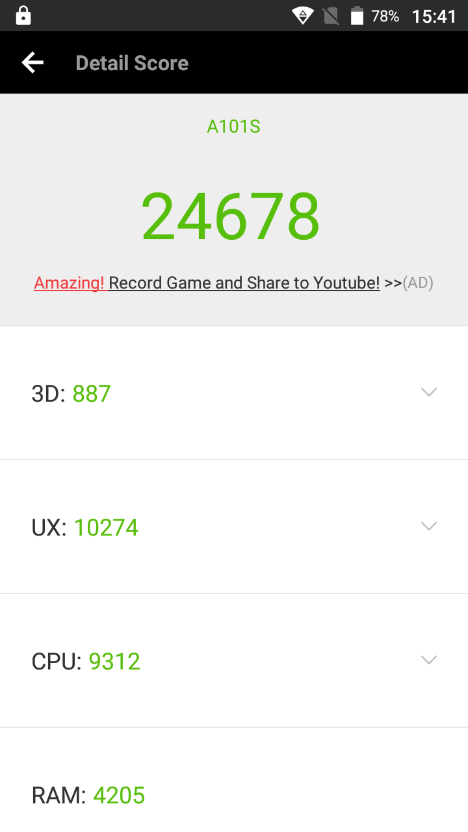
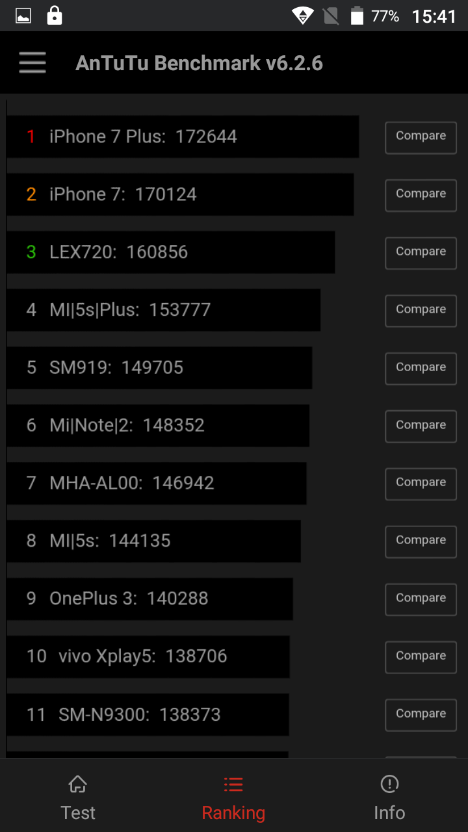
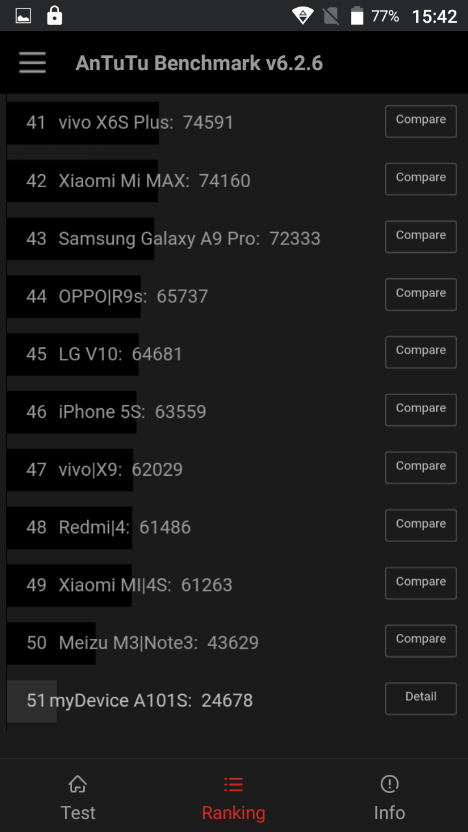
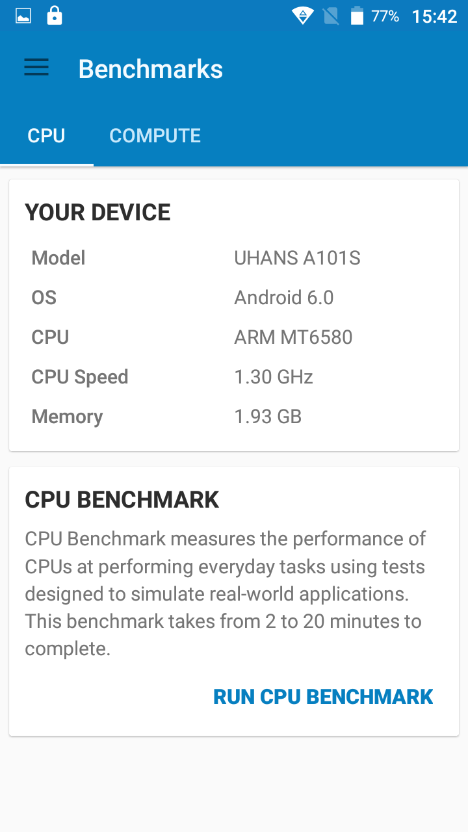
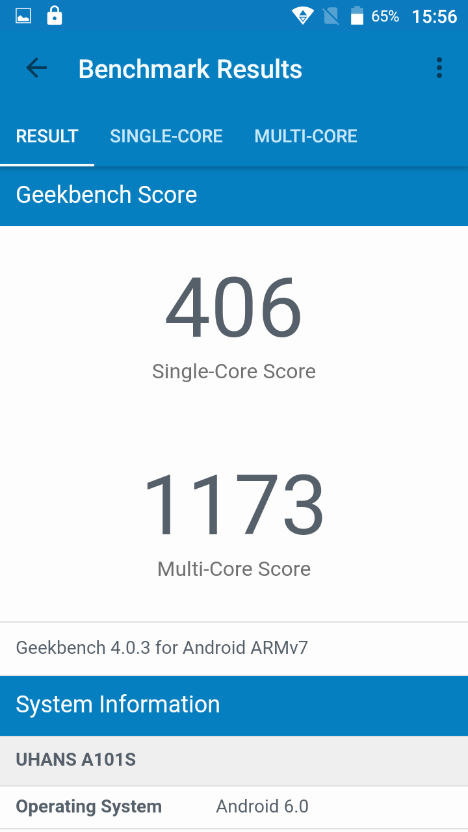
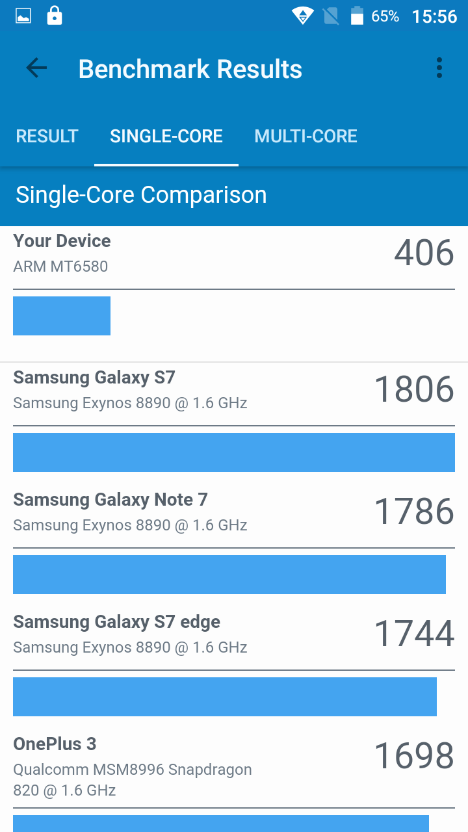
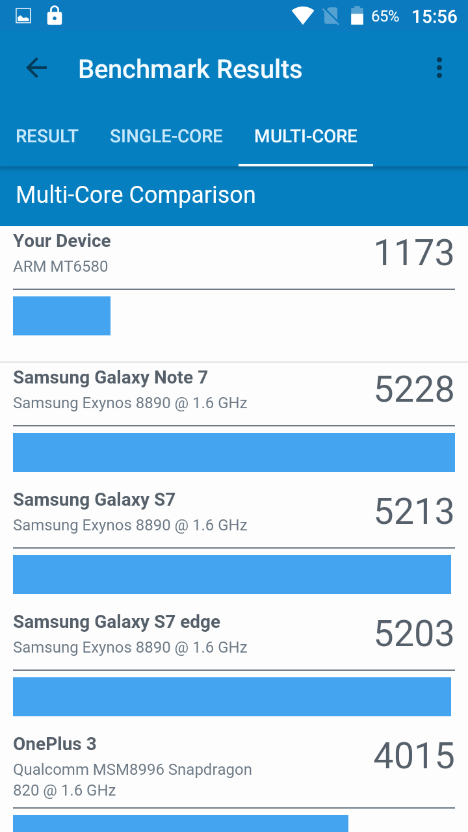
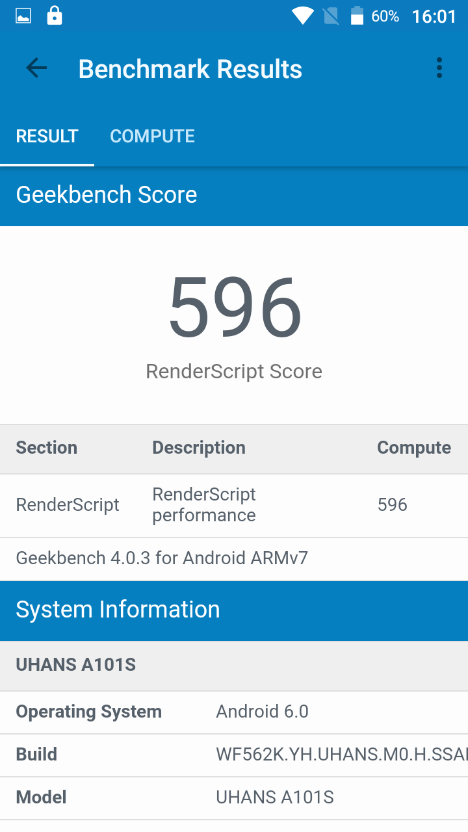
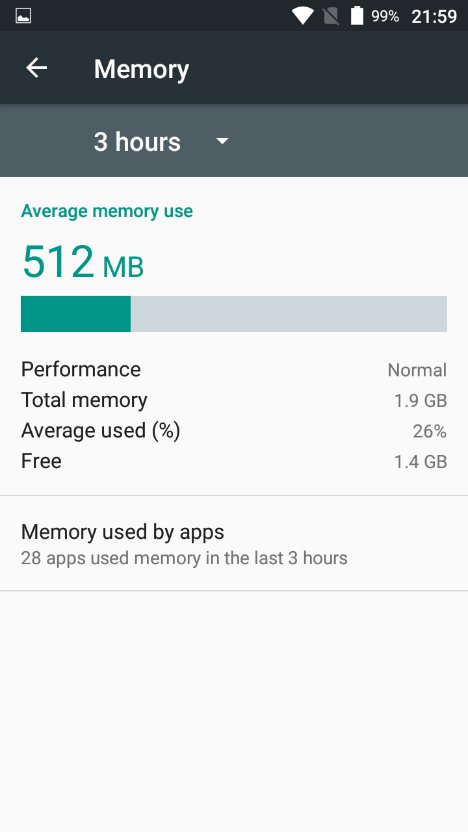
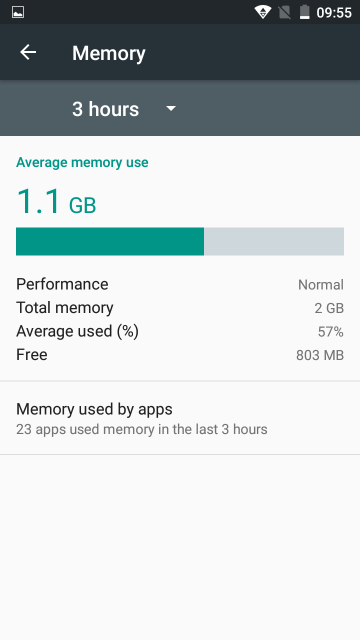
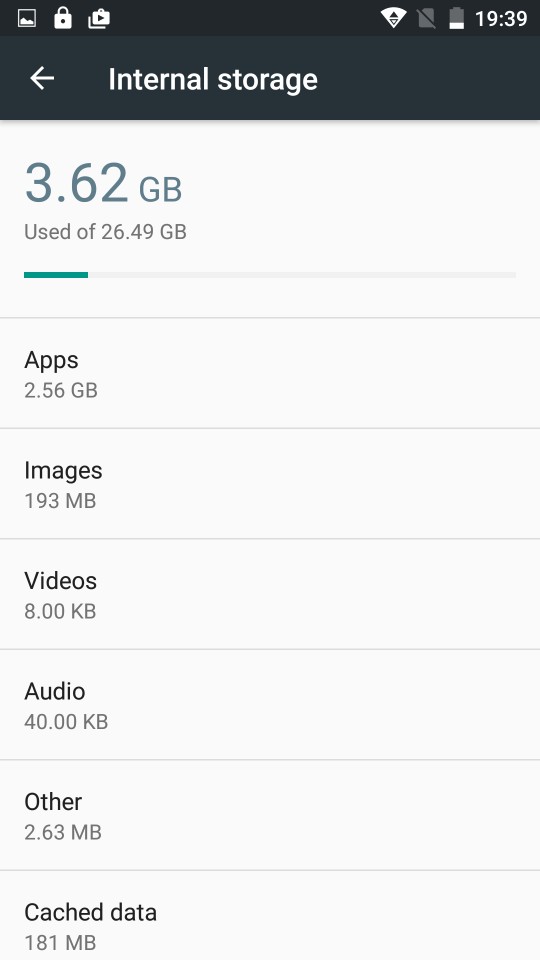
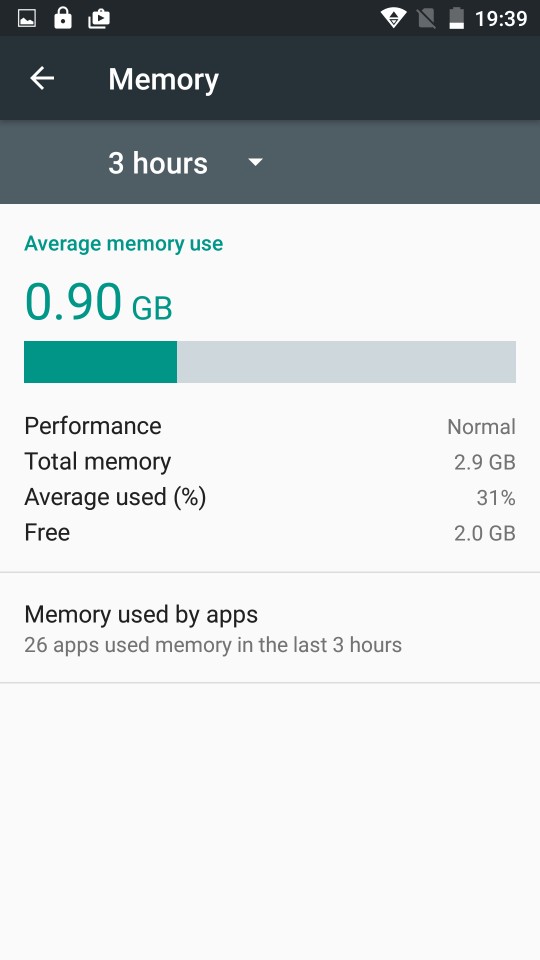
The Uhans A101S is not going to be your next flagship device but it still rocks solid specs for the price. The phone ships with the quad-core MTK6580 chip, 2GB of RAM and 16GB of expandable storage.
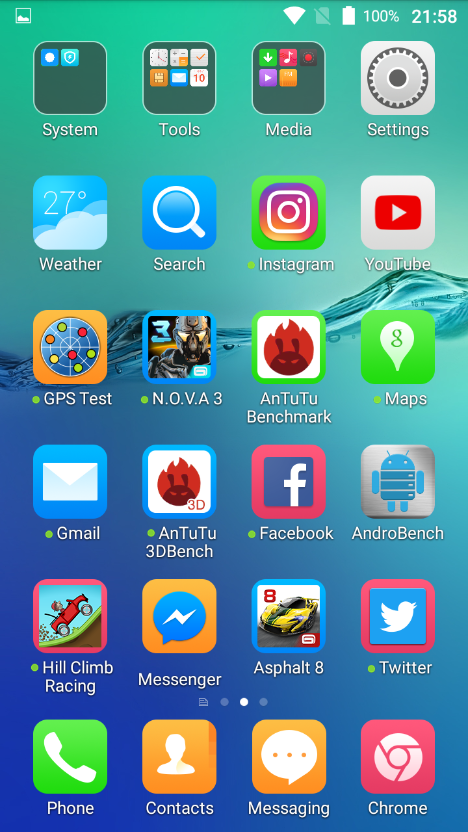
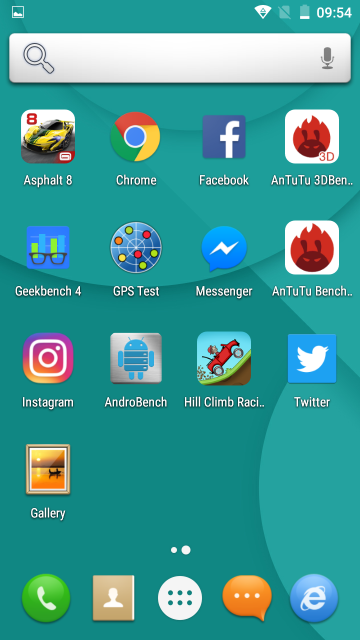
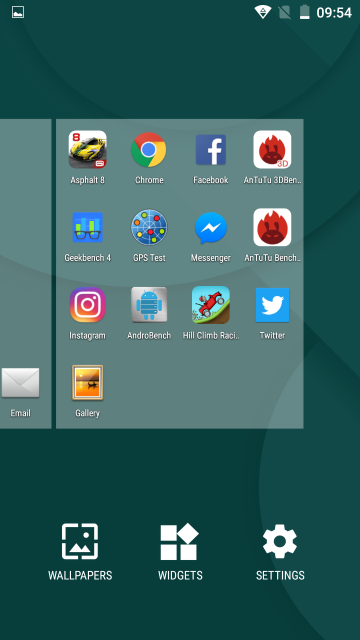
The 3D gaming performance is pretty good. Asphalt 8 on medium graphics runs absolutely fine without any stutter.
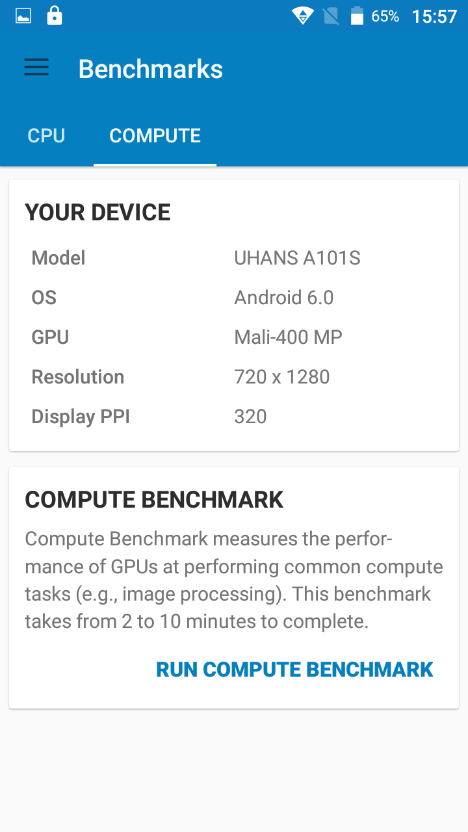
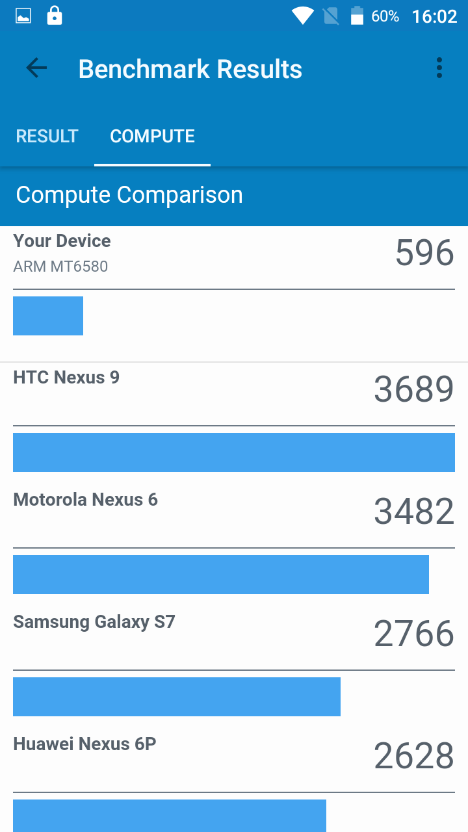
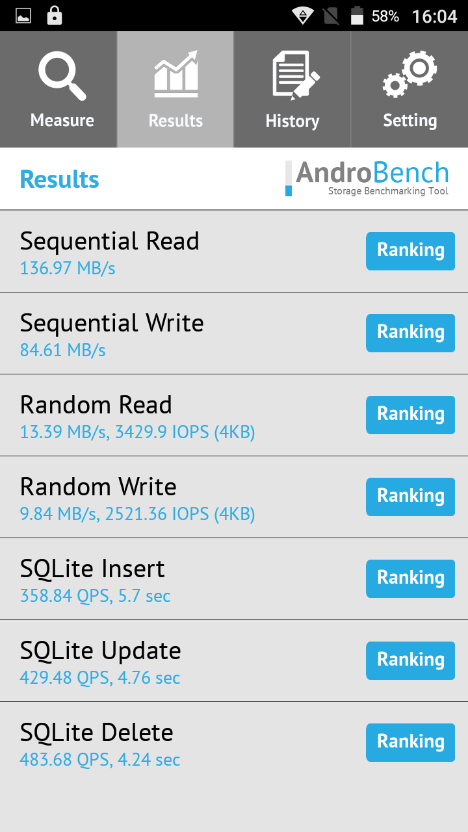
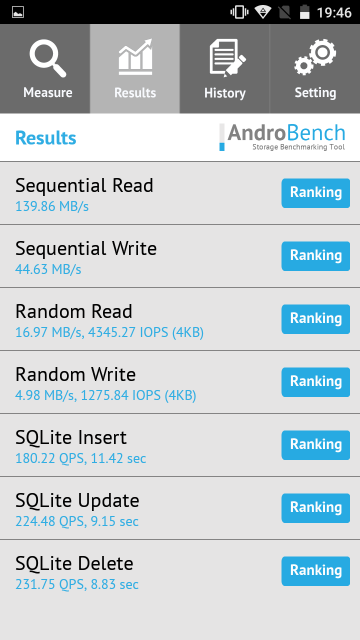
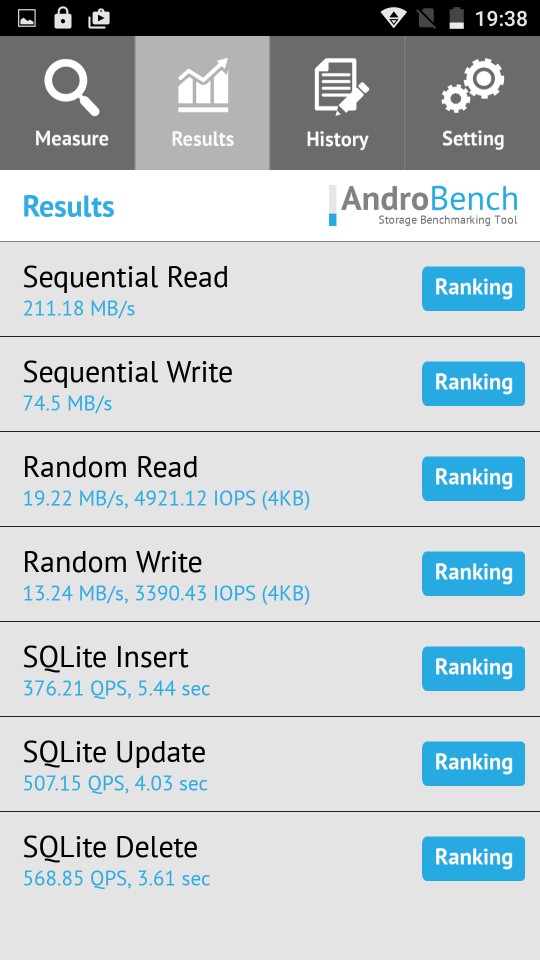
Uhans A101S Review: BENCHMARKS
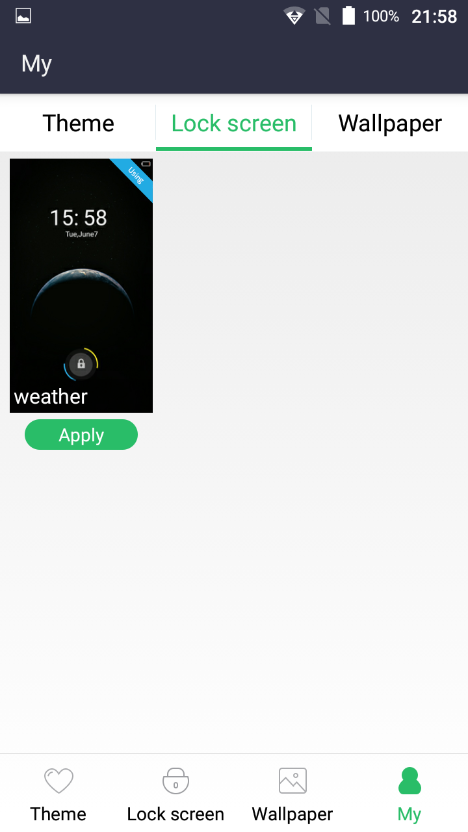
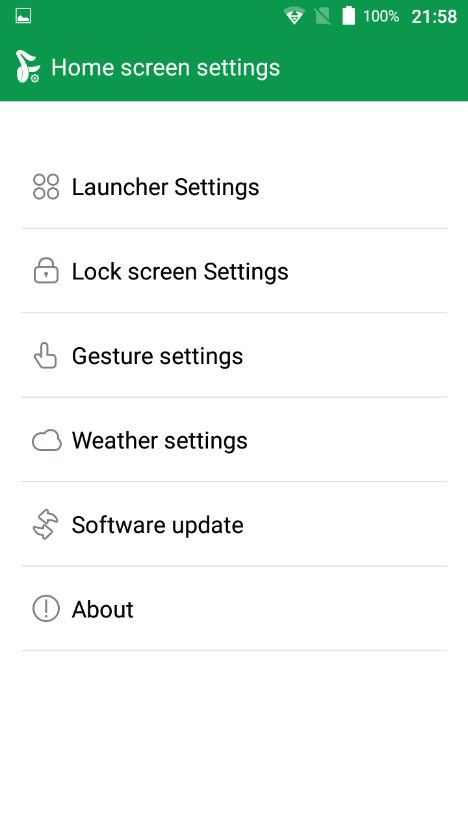
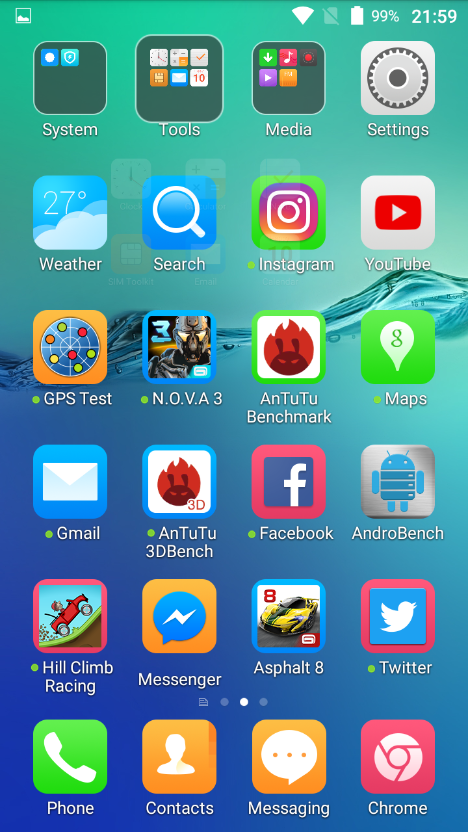
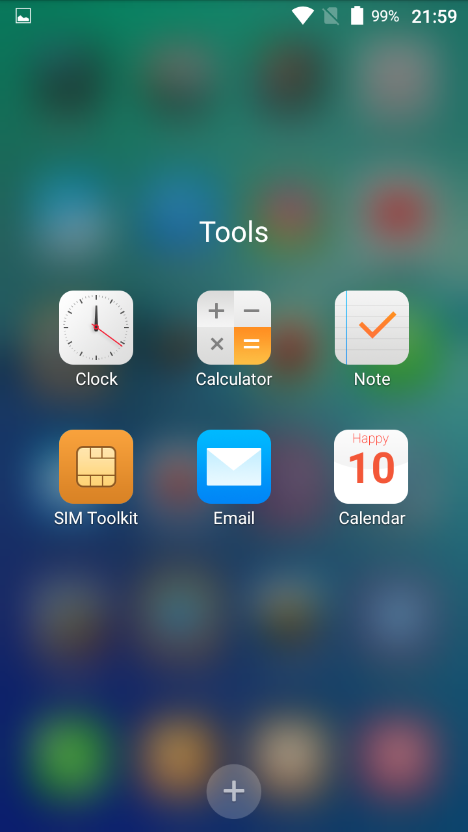
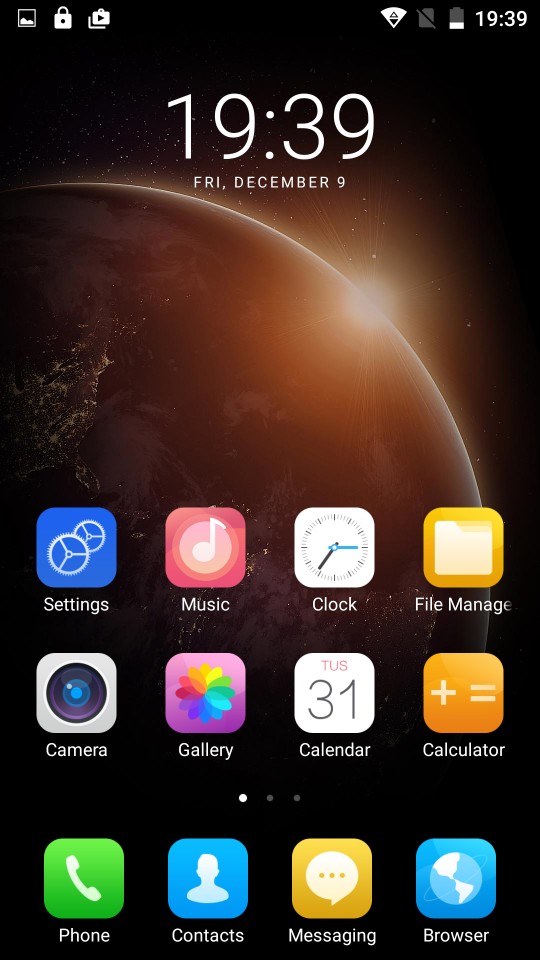
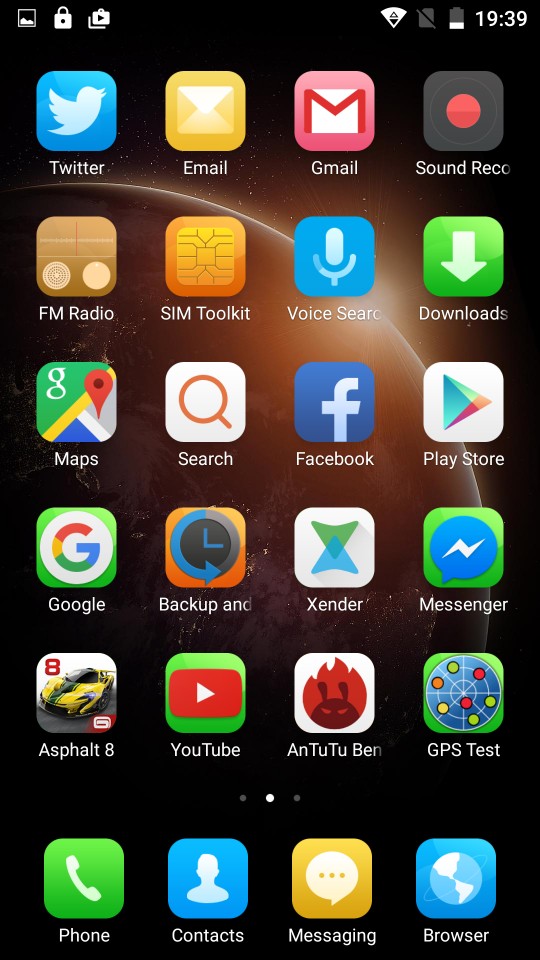
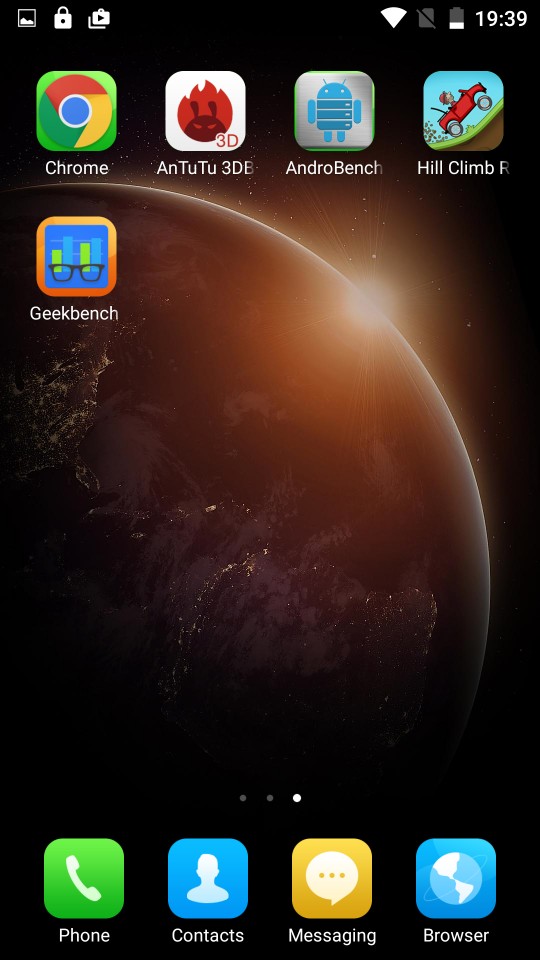
Uhans A101S Review: USER INTERFACE
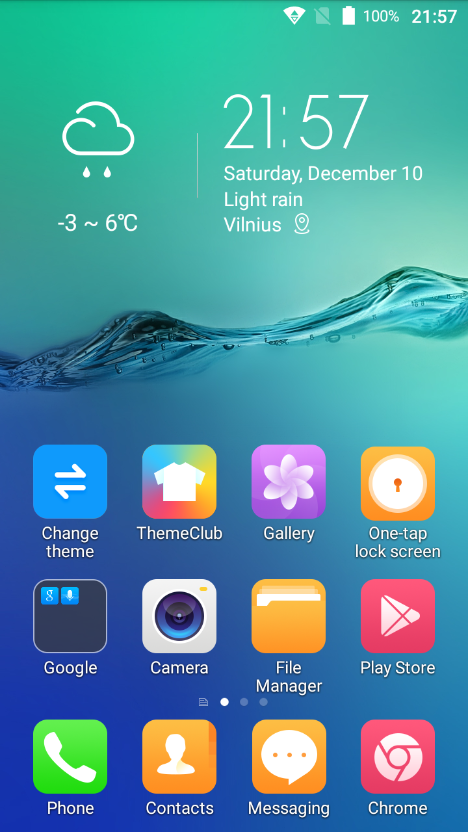
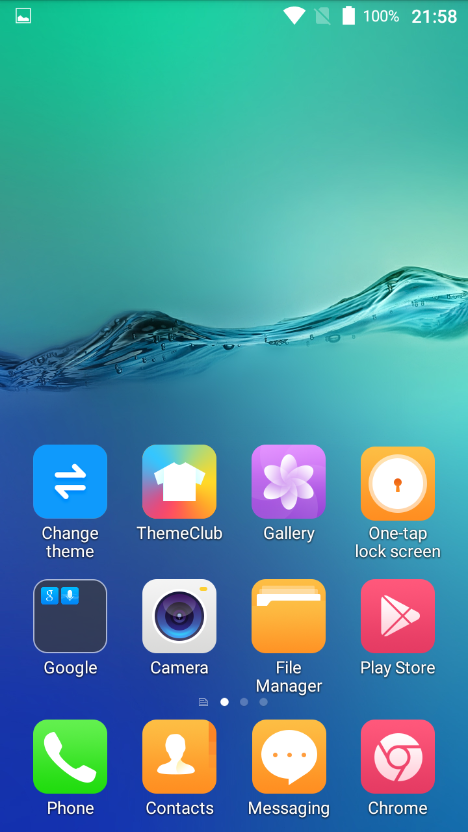
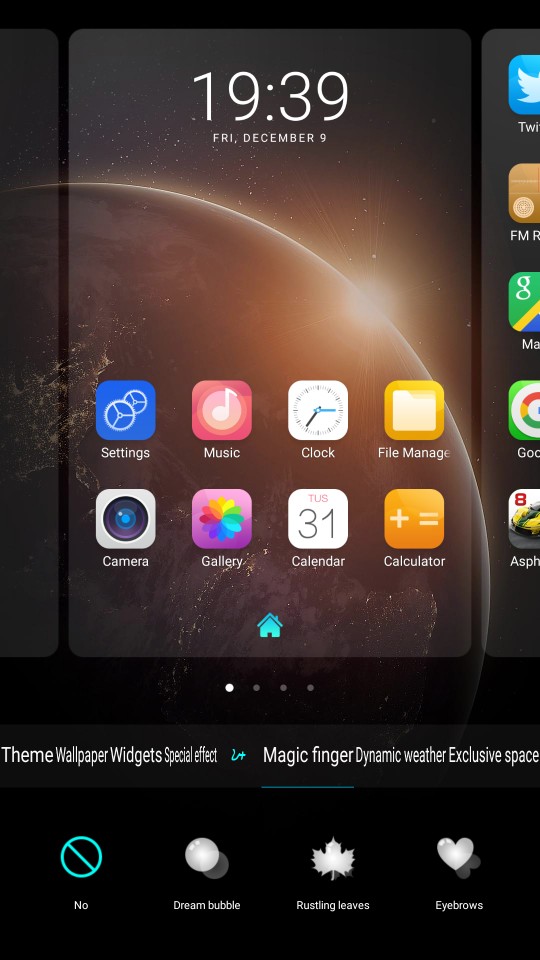
When it comes to the user interface, Uhans A101S is all about the features and customization.
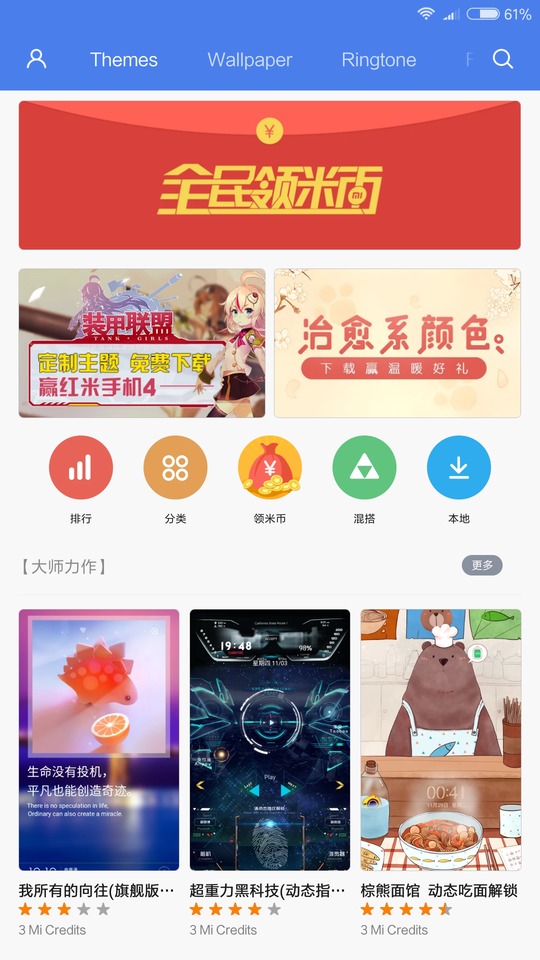
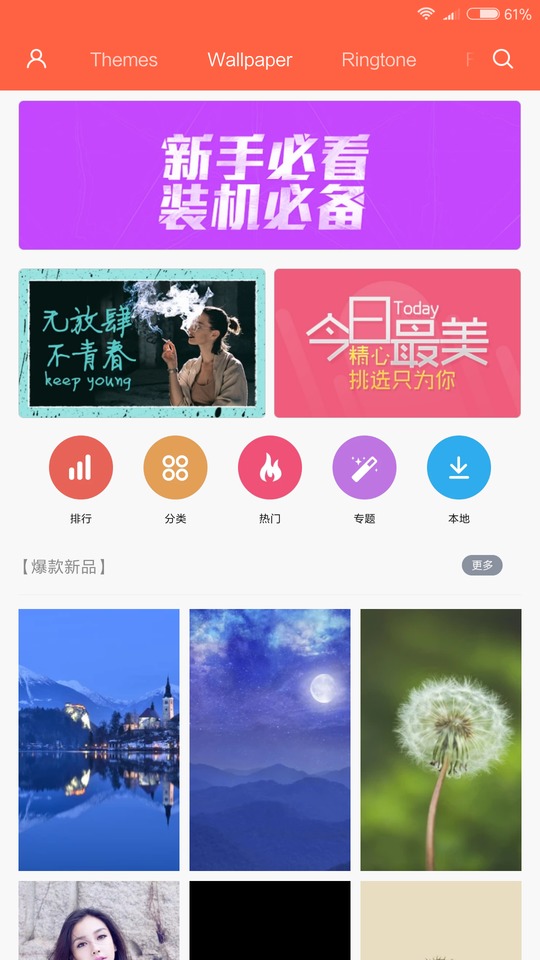
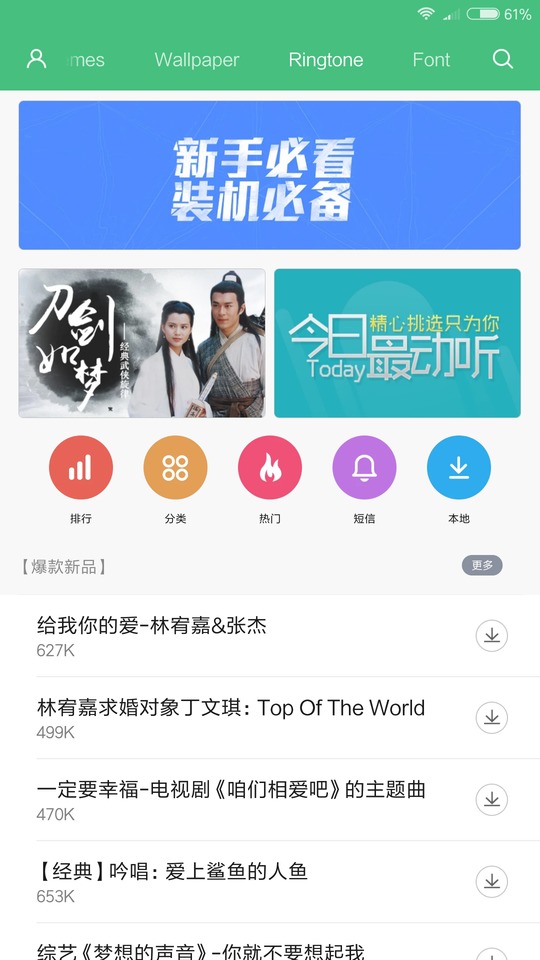
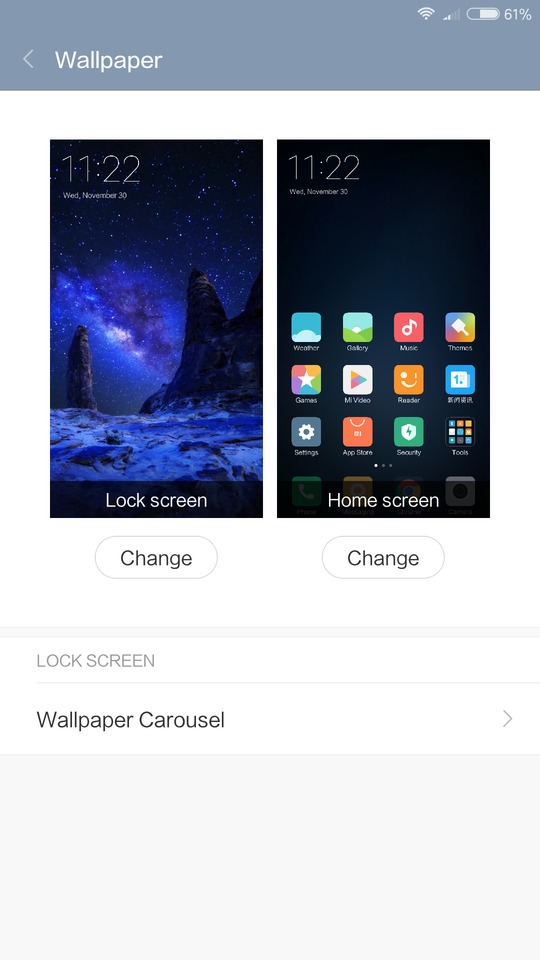
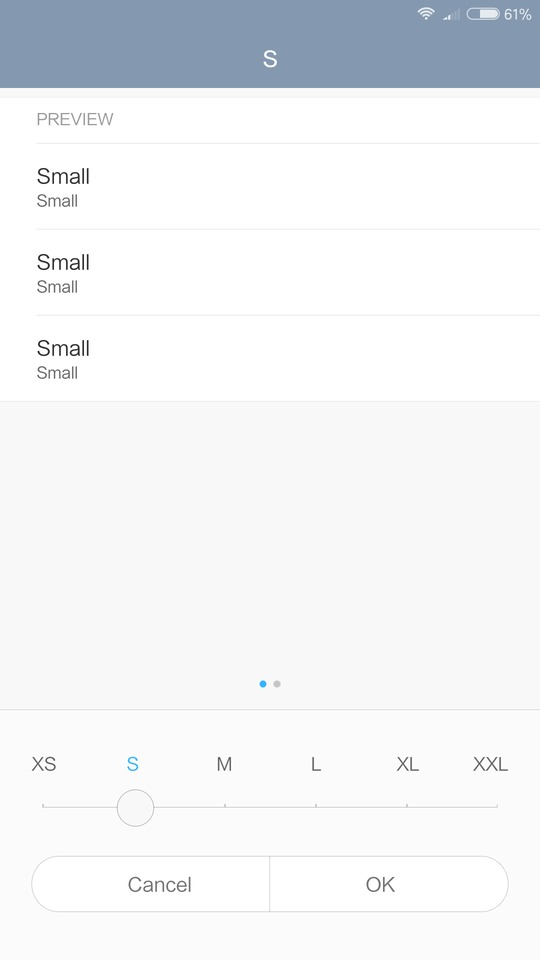
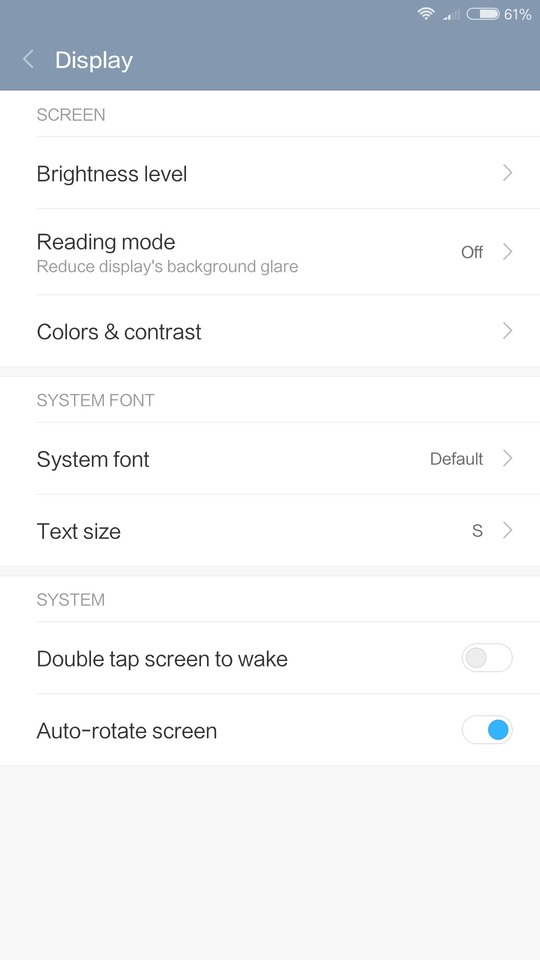
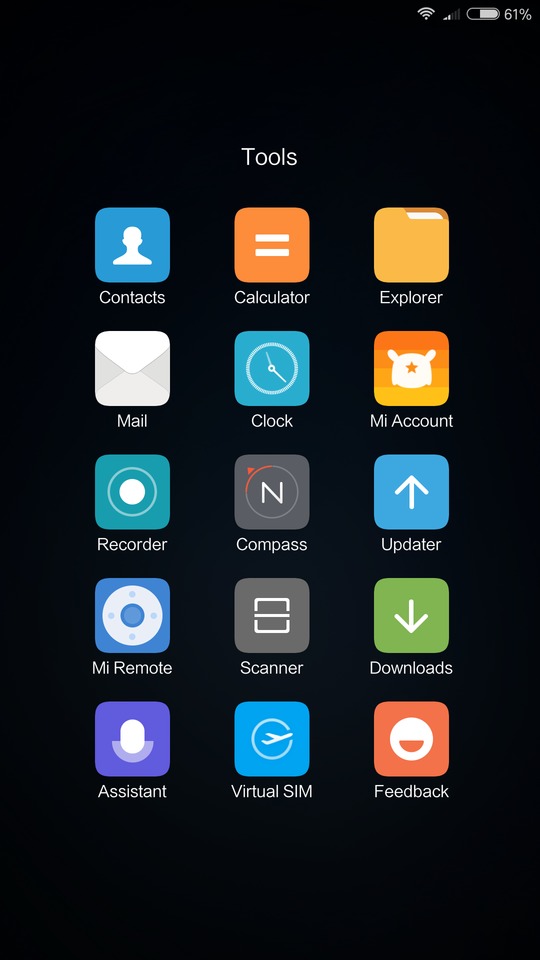
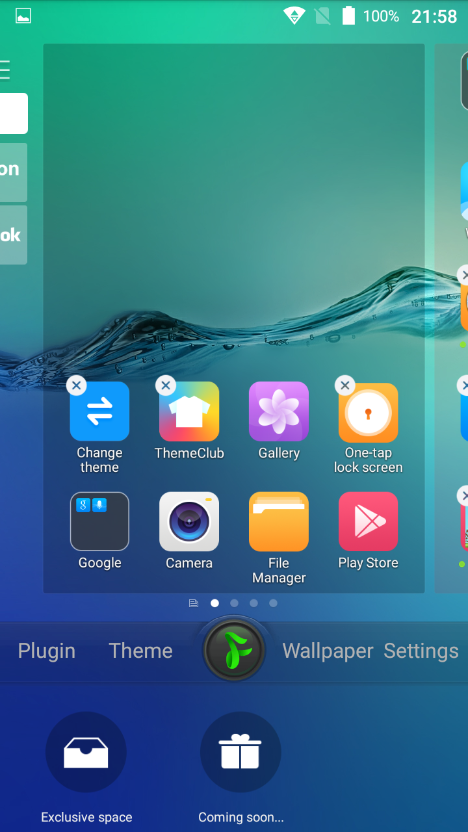
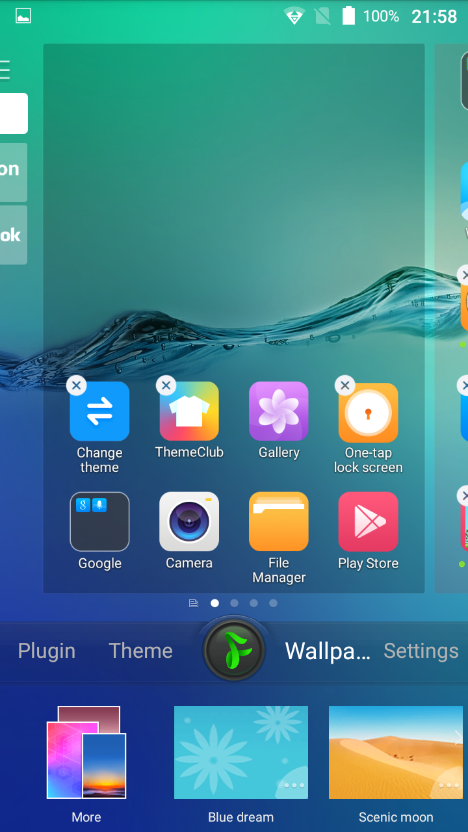
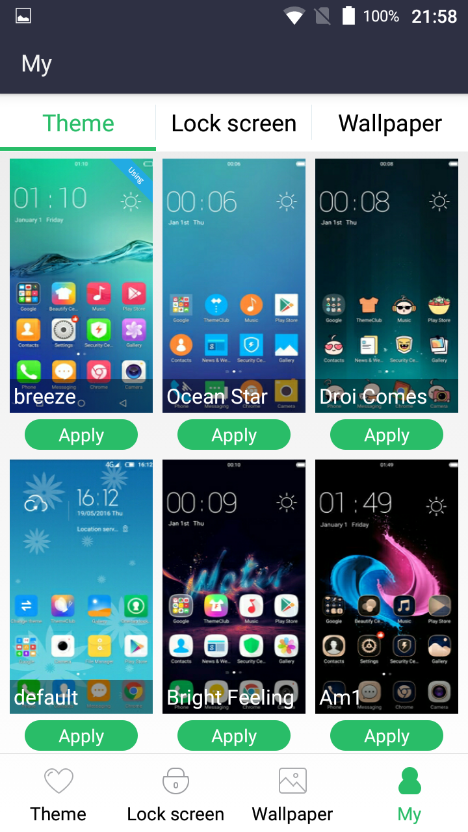
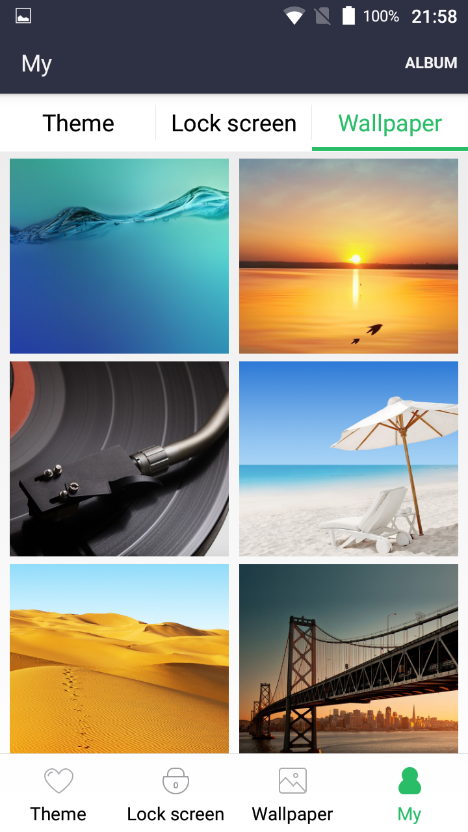
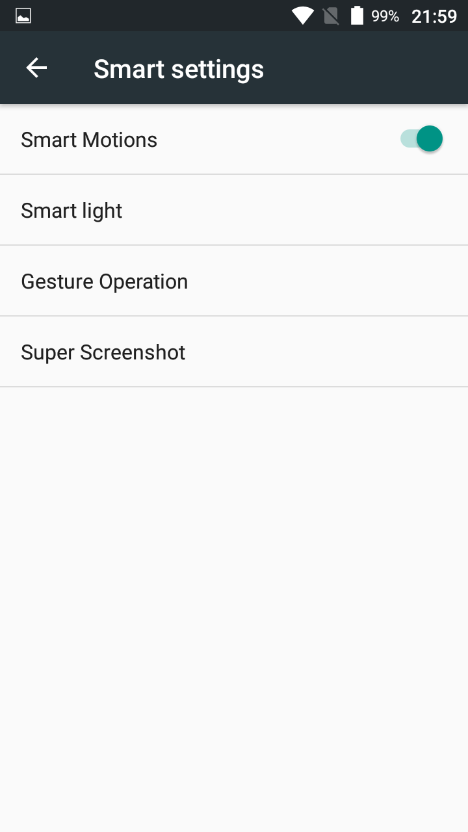
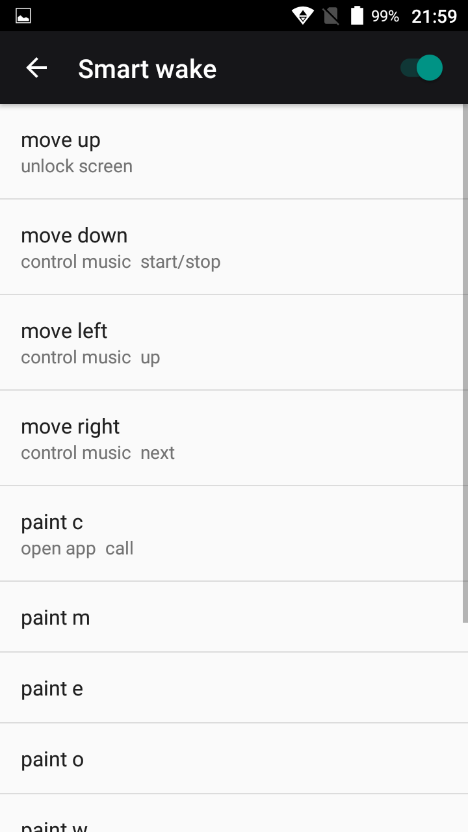
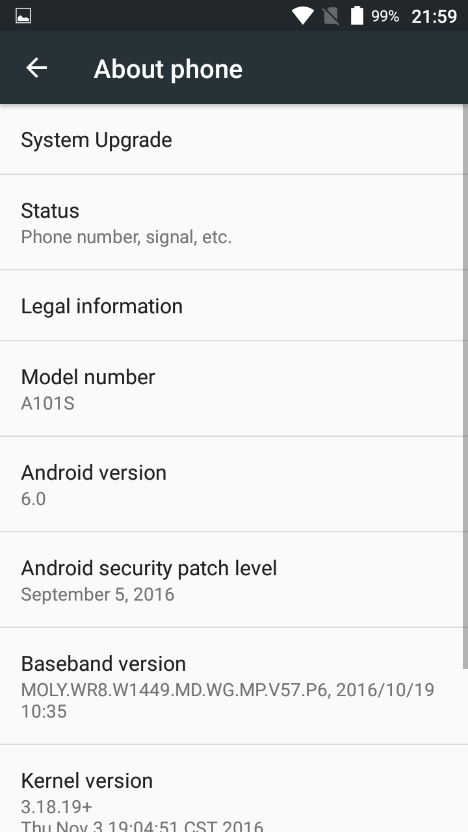
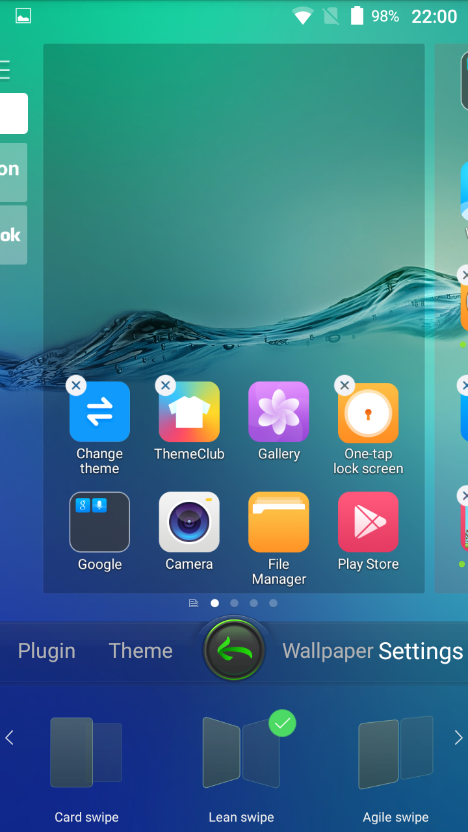
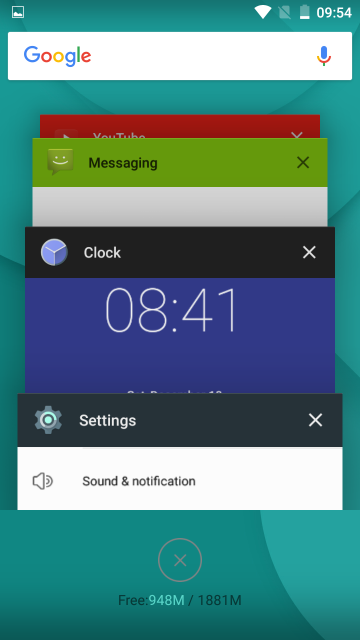
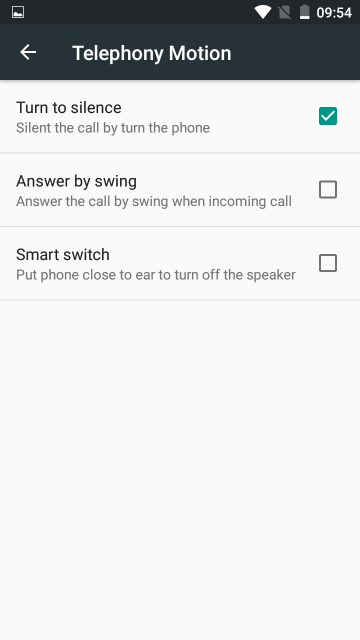
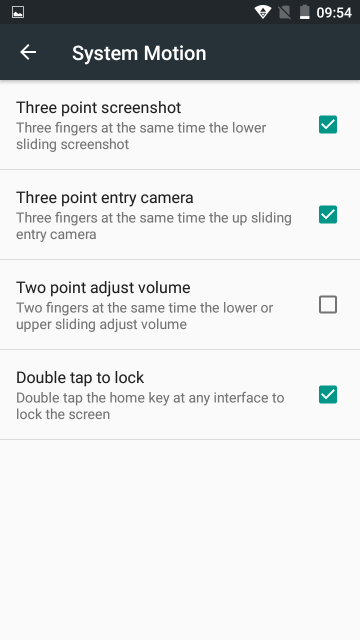
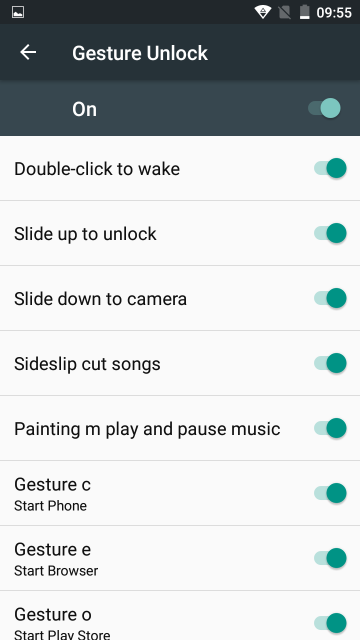
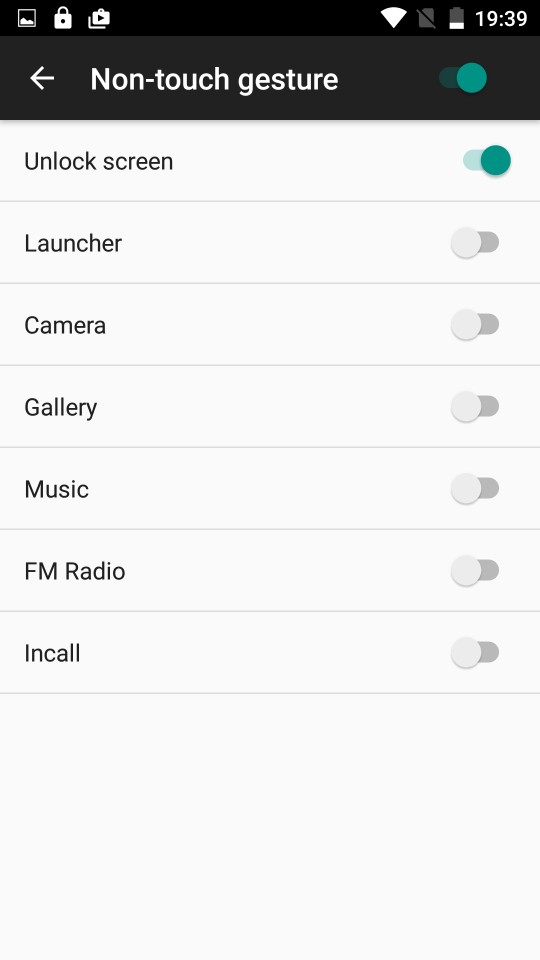
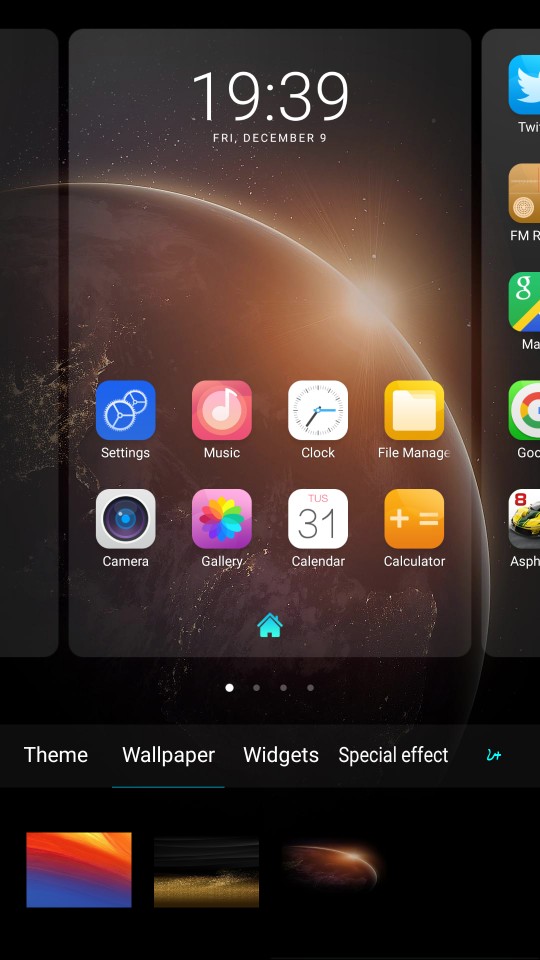
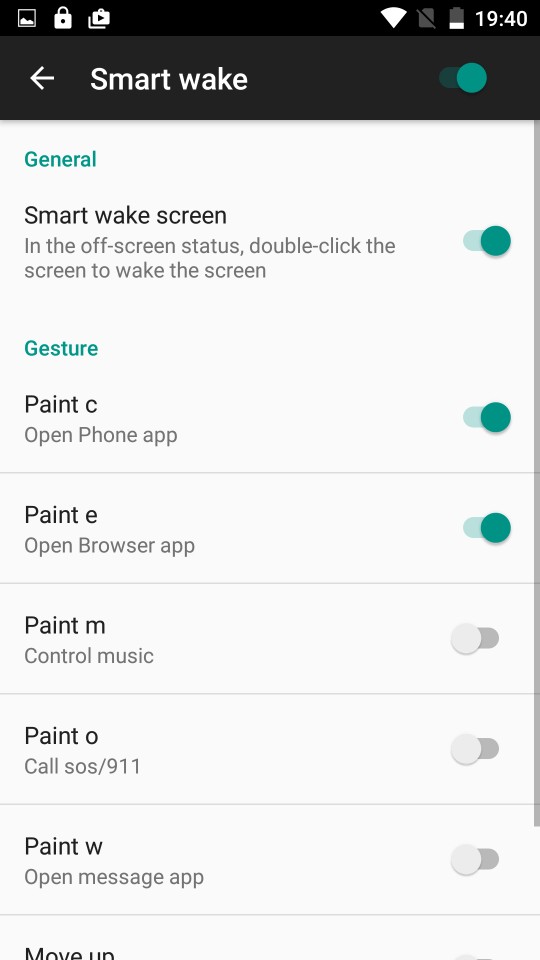
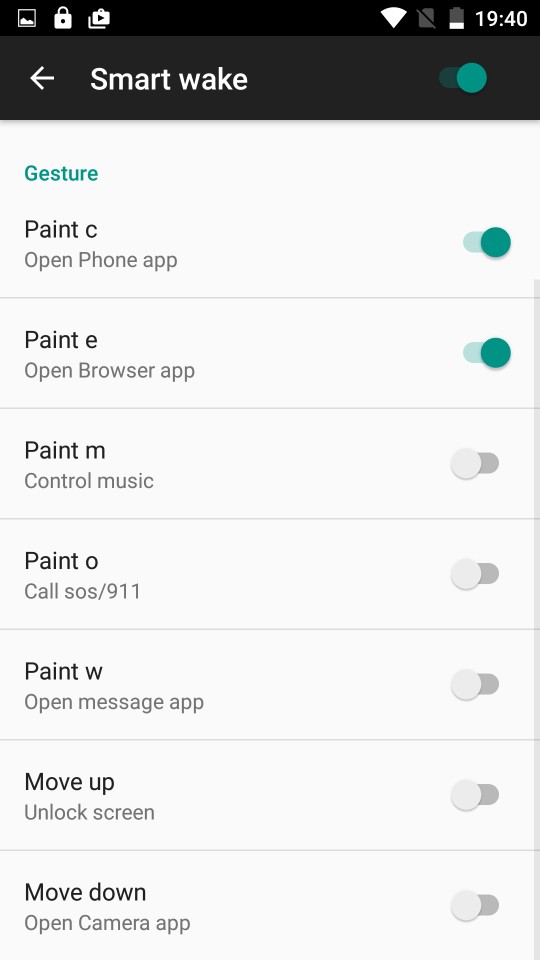
The Android 6.0-based UI offers you the ability to customize the phone using themes, wallpapers, various plugins and so on. You can also use some baked-in gesture and motion controls that work pretty well.
Last but not least, the phone is pretty fast on the daily basis and I believe this is the most important aspect on a cheap phone.
Uhans A101S Review: IMAGE QUALITY
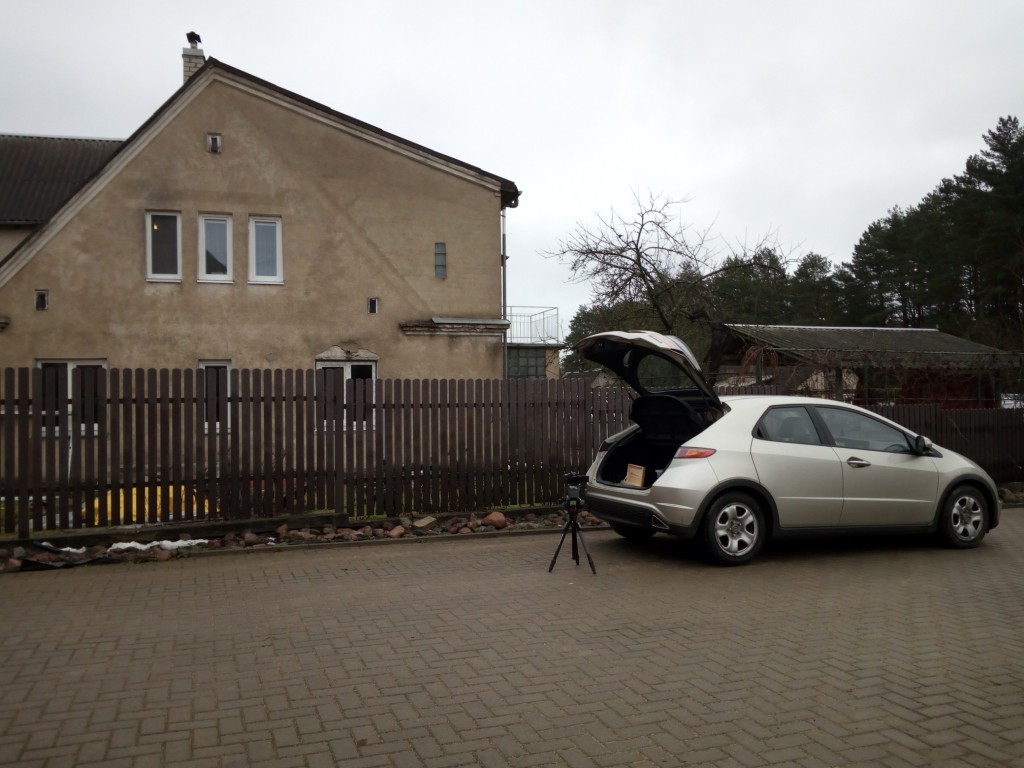
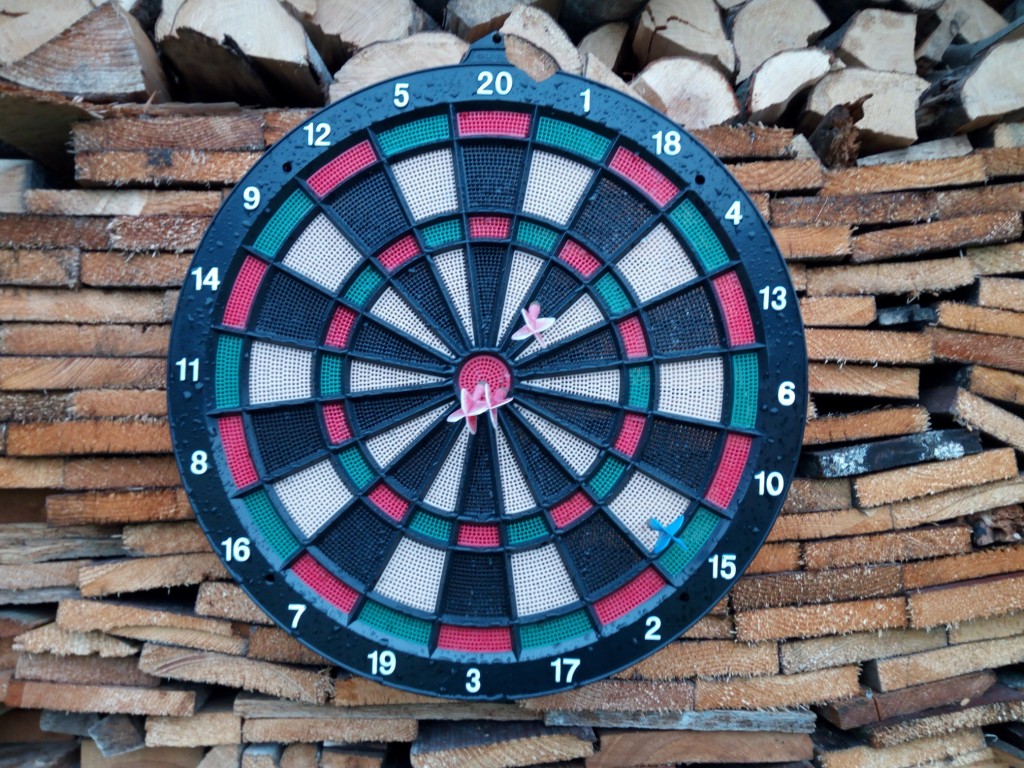
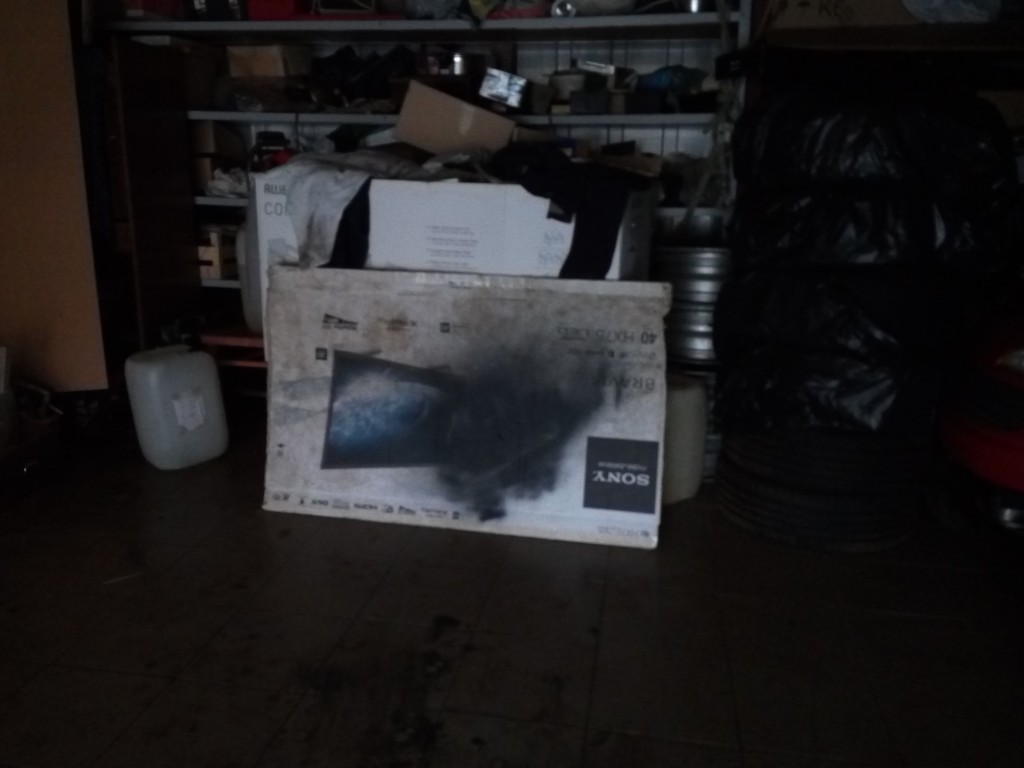
You should not expect any stellar results from these cheap phones but the Uhans A101S can take some nice pictures that are usable for social media. Obviously, the color reproduction is off, there could be more detail but in general, the camera does a decent job for a $70 phone.
The video quality is kind of poor like on most of the cheap phones.
The selfie pictures will definitely do the trick for social media.
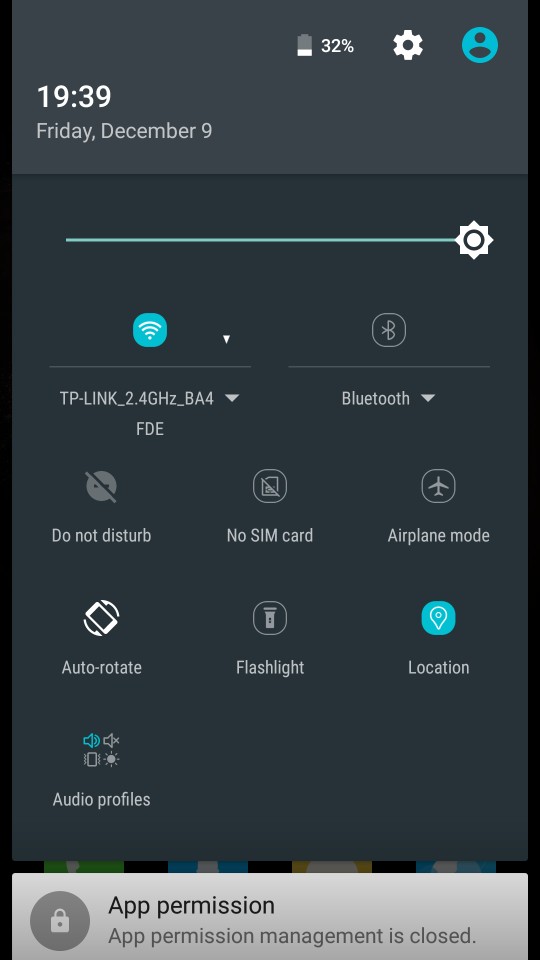
I didn’t have any major connectivity issues. The GPS works okay but it could be slightly more accurate.
Uhans A101S Review: BATTERY LIFE
The removable 2450mAh battery allows you to use the phone for quite a bit of time. I was able to get over 4.5h of screen-on time on a mixed usage of the phone, which is a pretty good result.
Uhans A101S Review: CONCLUSIONS
The Uhans A101S is a pretty nice $70 that I kind of enjoyed using for more than a week.
Sure, it comes with some flaws that most of the cheap phones have and it lacks some basic stuff like backlit capacitive keys or LED notification light but in general, it gets all the basics right.
Also, it has kind of flashy design, good UI and gaming performance, a decent camera and good battery life.
Finally, the Uhans A101S is a decent offering for the price, despite a few shortcomings.
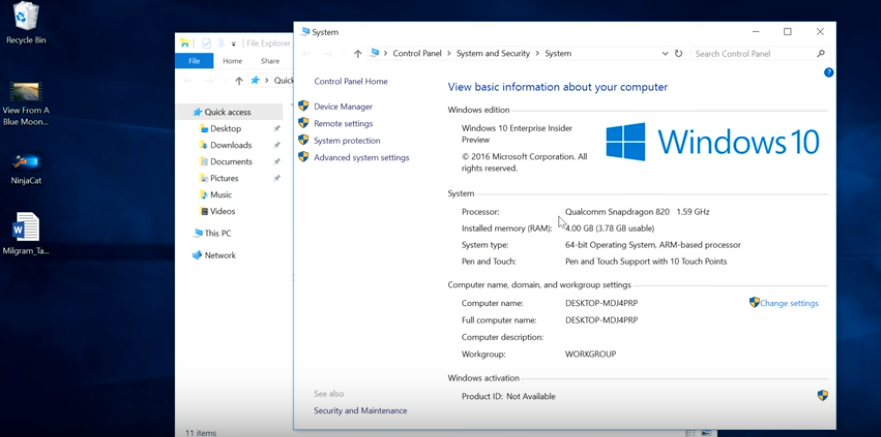
The video shows legacy windows apps like Edge Browser and Photoshop launched with no issues. However new reports are saying the processor can’t really handle x86 apps very well and hence the reason for settling for the Snapdragon 835 chips.
This comes as bad news for manufacturers who might have planned to use the still recent processor in devices next year. The Snapdragon 820 chip would have been a cheaper alternative for manufacturers who want to release their own Windows devices that can run x86 apps, since using a Snapdragon 835 chip will most definitely increase the final price of the devices.
The Honor Magic is one of the most anticipated phones for the year. The timing seems to be perfect, like the final act of the show before we pull the curtains on 2016. Launching in six days from now, more details are still showing up.
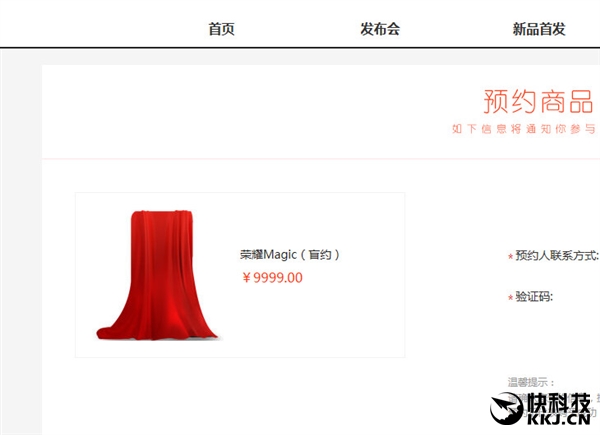
First is a possible pricing from online mall, JingDong who have the phone listed for ¥9999 (~$1447.62) which is really really on the high side. However, that’s not the official price but judging from the statement by analyst @Pan Jiutang in this article, we doubt the Honor Magic will sell for less than a $1000.
Next is an image of 16 possible configurations the Honor Magic might come with. There are a number of POSSIBLE configurations the Honor magic may have like dual cameras (rear and front) and curved edges, and some we think it is just not going to have such as a foldable display. One feature on the list we are sure of is the super fast charging battery. Other specs Huawei/Honor may throw in include water resistance, wireless charging, and artificial intelligence.
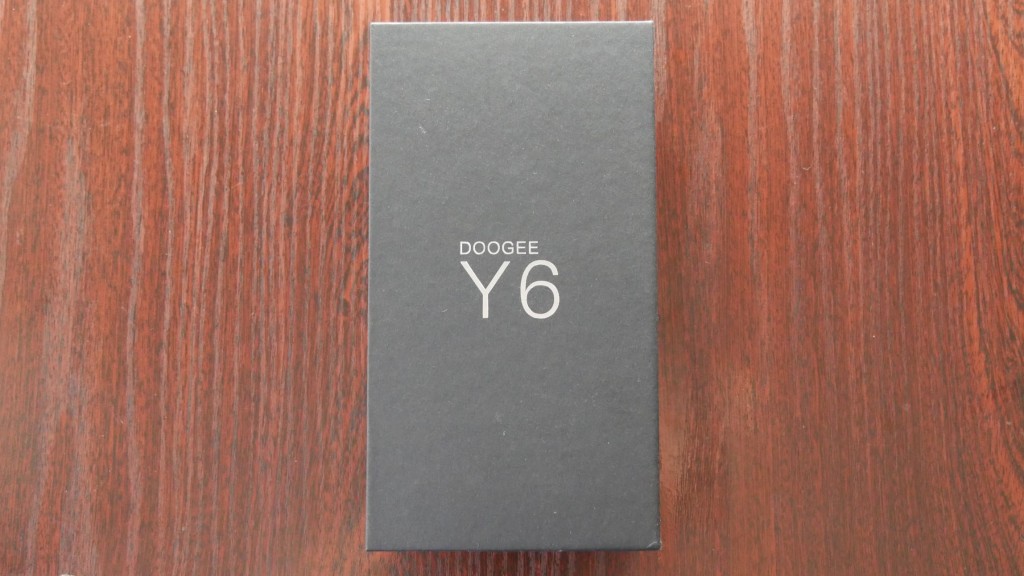
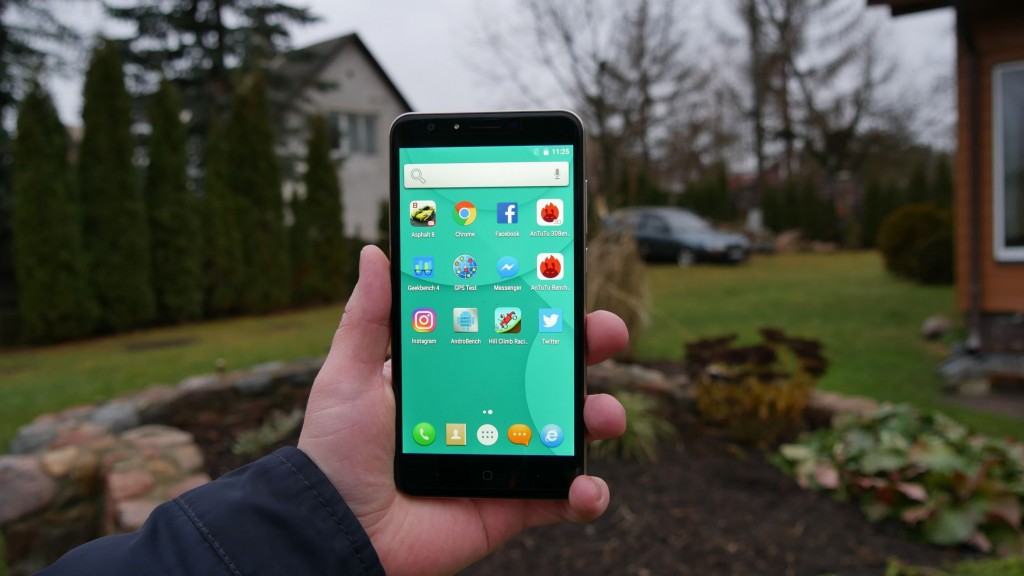
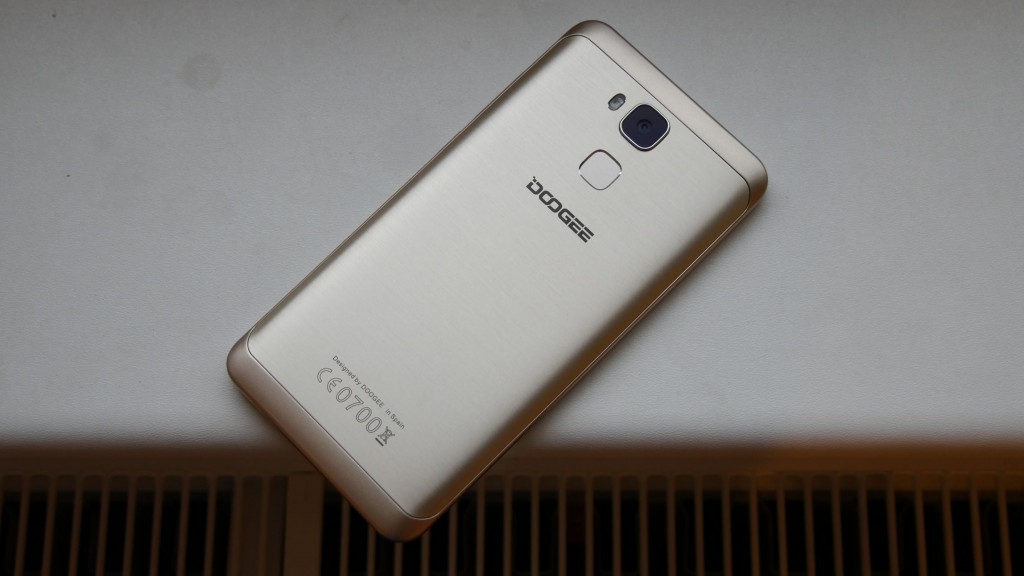
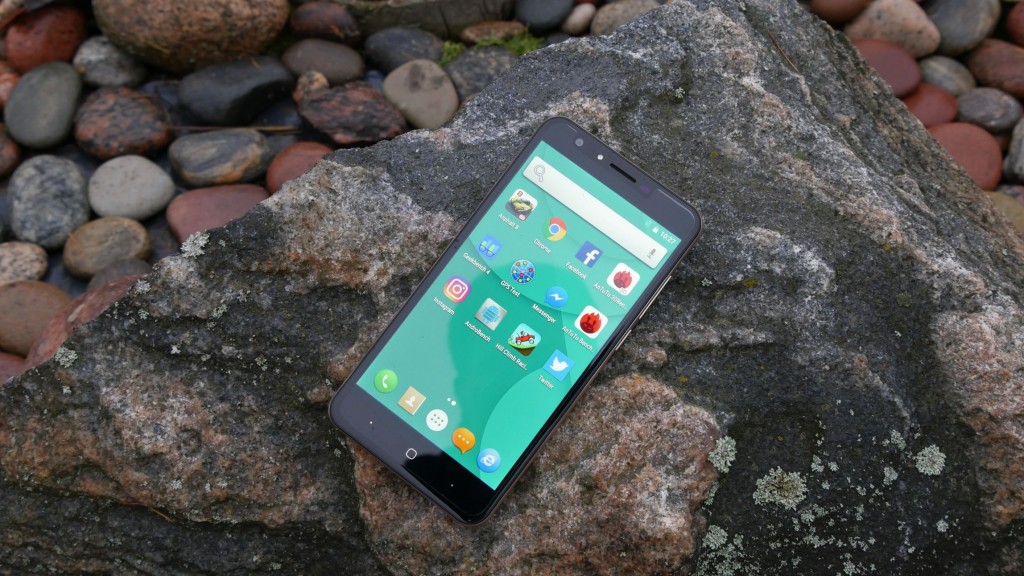
Doogee is a well-known cheap smartphones’ manufacturer that produces devices for quite a bit of time. The Doogee Y6 is a phone that has great looks, decent specs and it costs just $100. This is Linus, learn more in the full review.
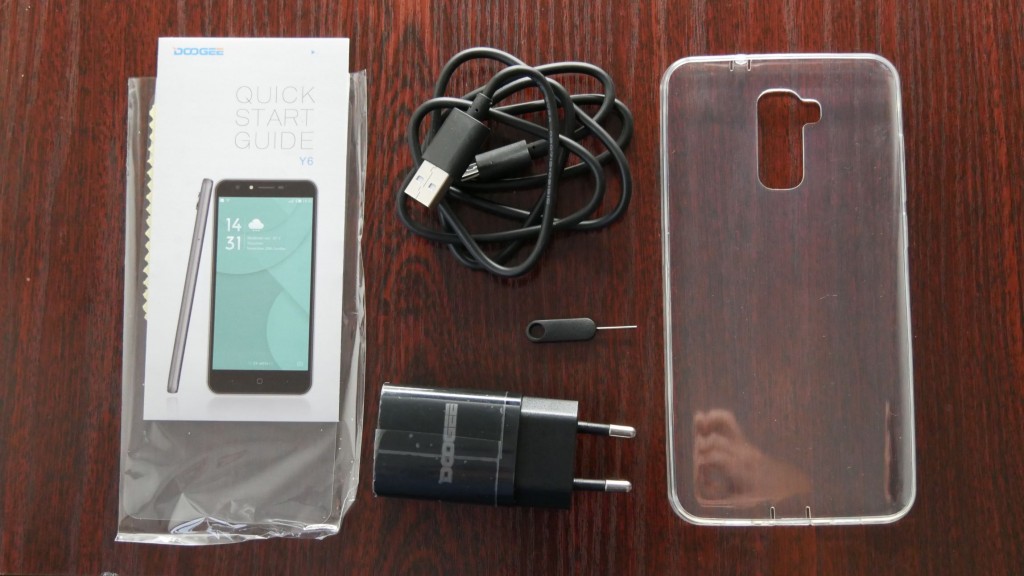
The phone ships with all the usual stuff and some extras include a screen protector and a soft TPU case.
Doogee Y6 Review: DESIGN and DISPLAY
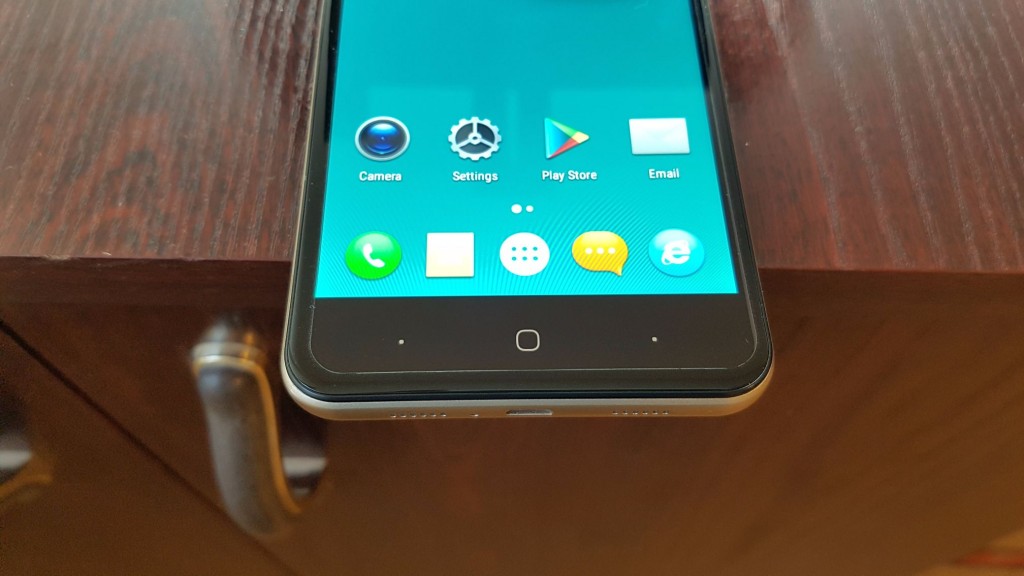
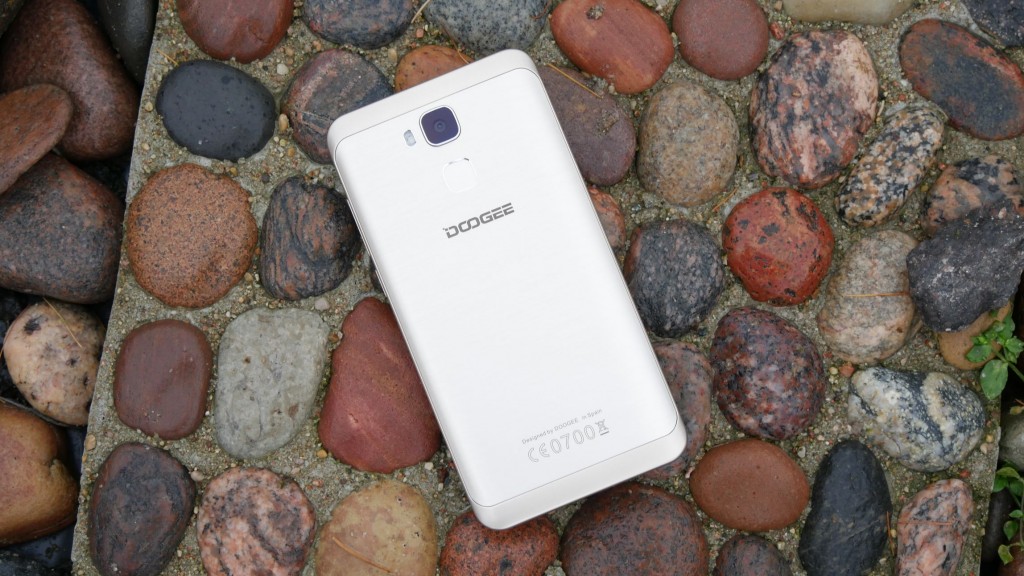
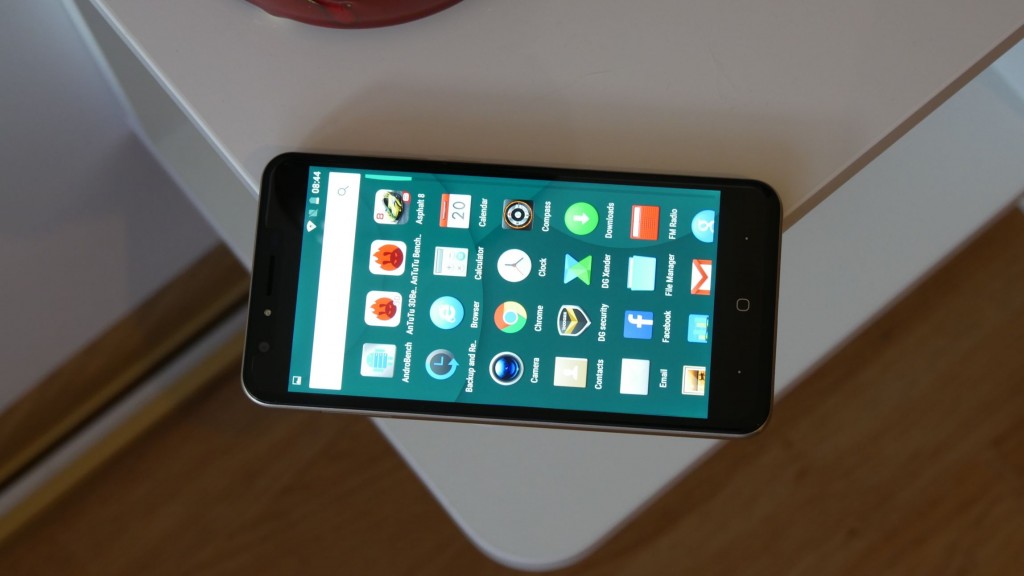
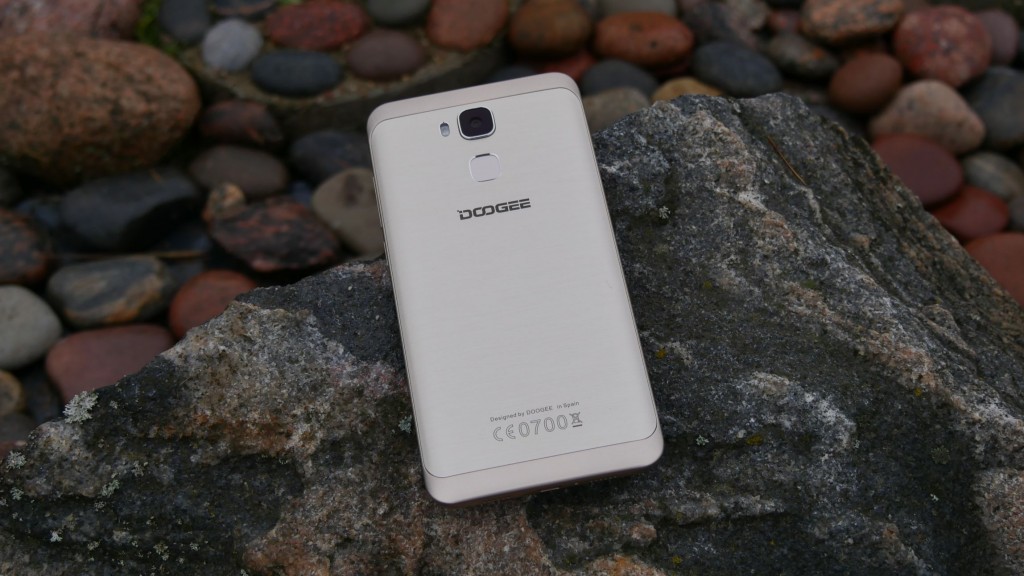
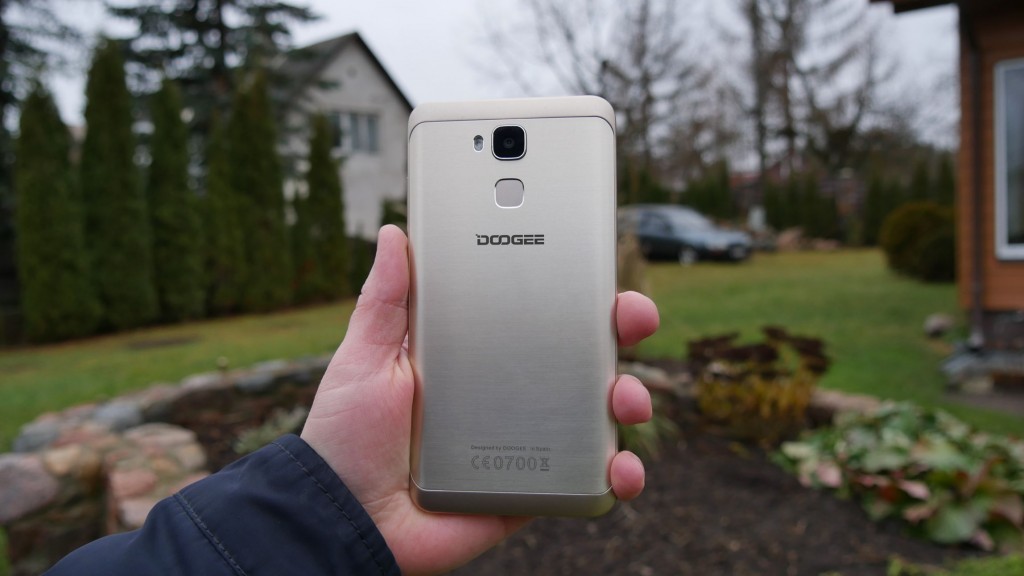
When it comes to the design, the Doogee Y6 looks very similar to the Huawei P7 Lite, in my opinion.
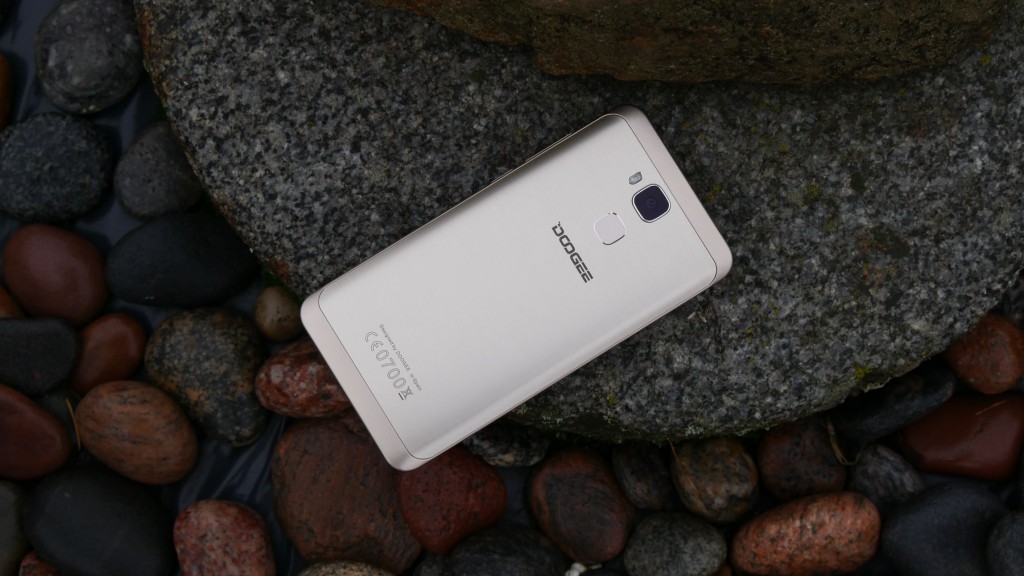
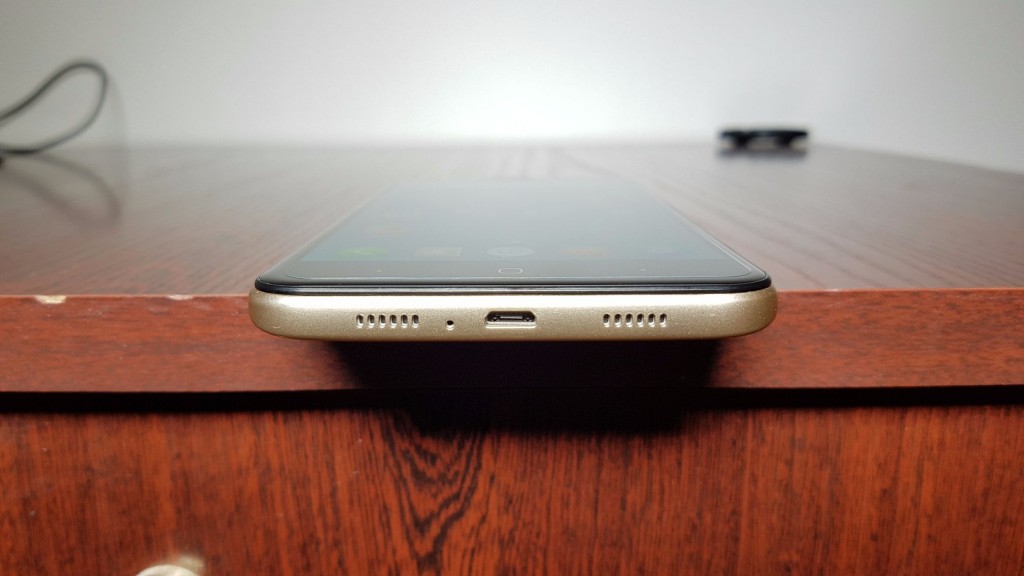
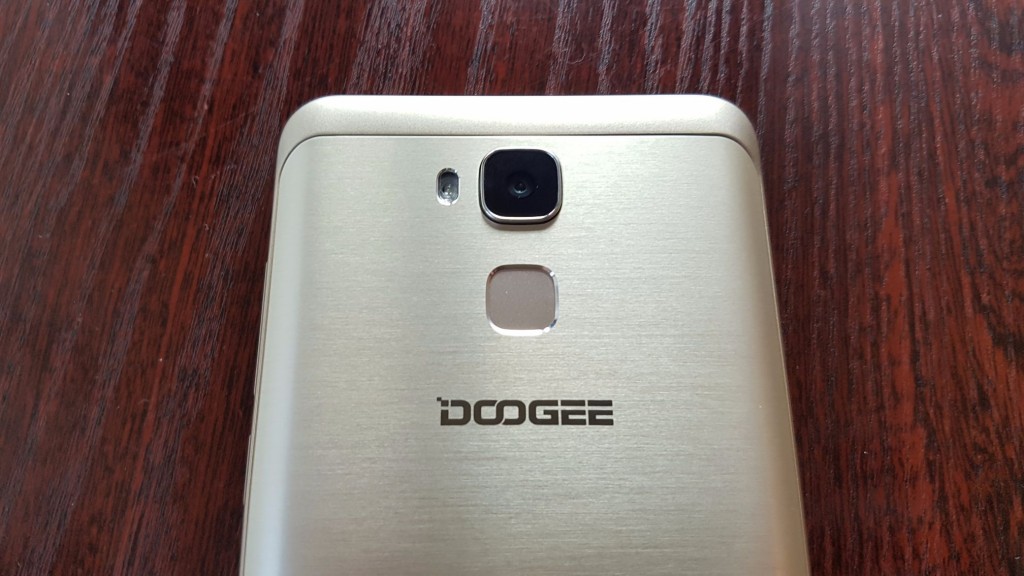
Nevertheless, the phone is well-built and it uses a metal backplate to give a bit of a premium look and feel. The frame and the buttons, however, are made of plastic.
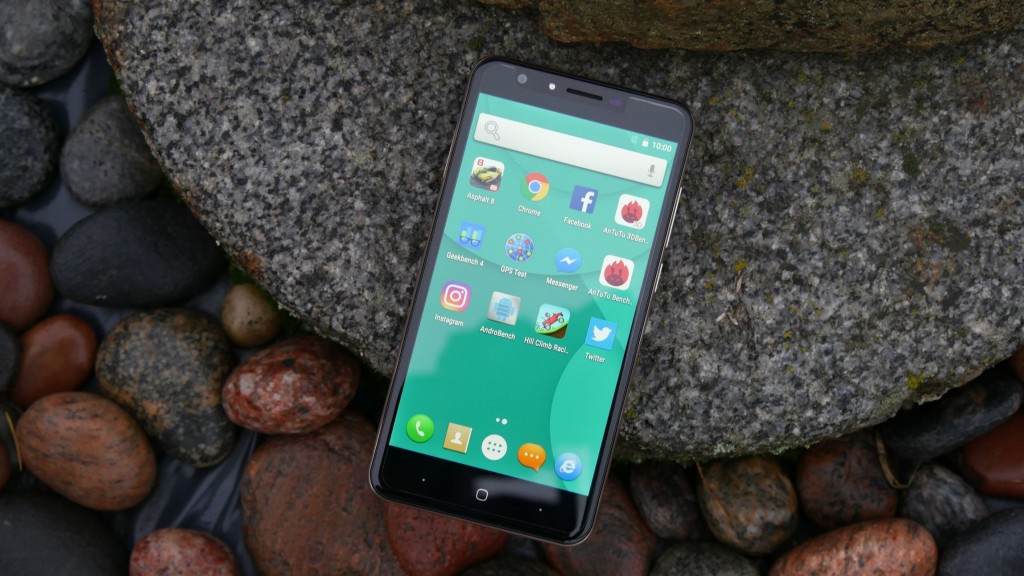
We have a 5.5” display, which has only 720p resolution but it is plenty sharp for everyday use.
Also, there is a 8MP camera above the display but we don’t have neither LED notification light nor backlit capacitive keys.
On the back, we have a 13MP camera with a dual-LED flash and a fingerprint scanner, which is not the fastest I’ve seen but it gets the job done.
The loudspeaker is pretty good for the class of the phone.
Doogee Y6 Review:HARDWARE and PERFORMANCE
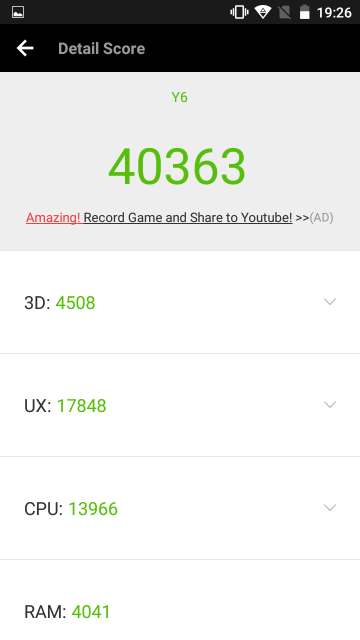
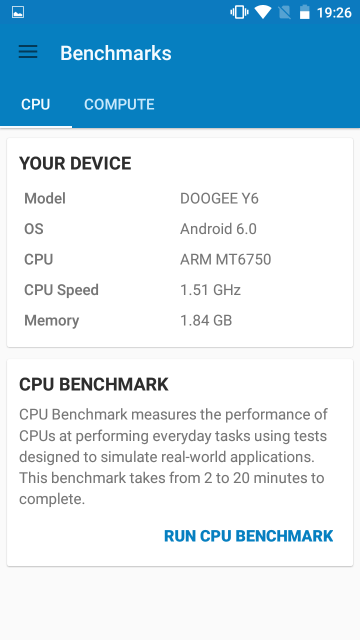
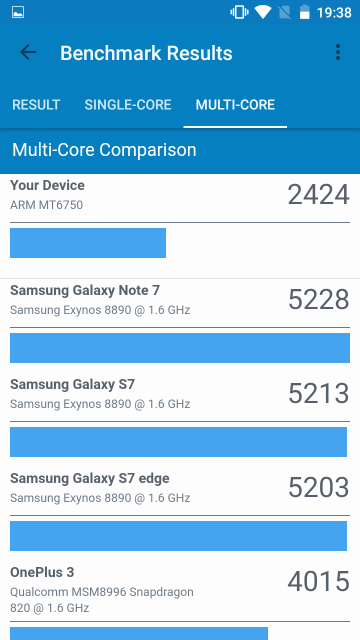
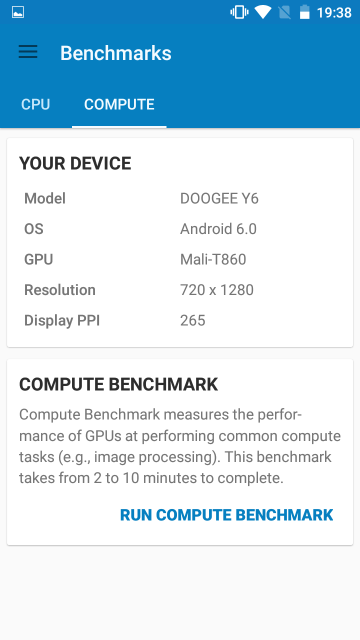
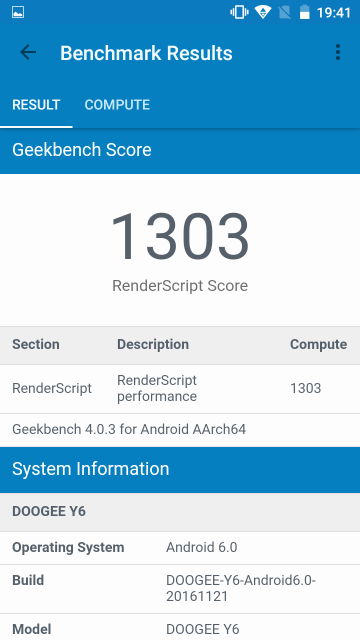
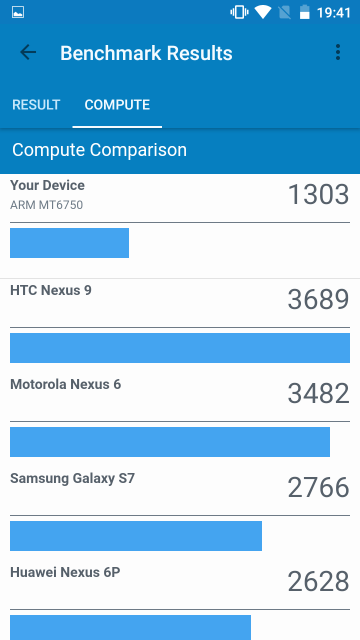
Doogee Y6 ships with an octa-core MTK6750 chip (1.5GHz) , 2GB of RAM and 16GB of expandable storage.
The gaming performance is good but not great. The phone can handle the games like Asphalt 8 on medium graphics very well but once you set the graphics to max., you should expect some skipped frames.
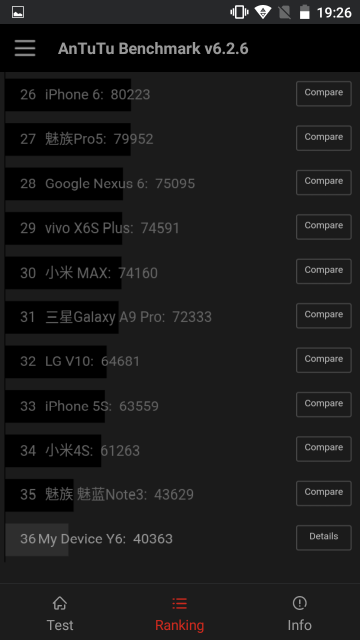
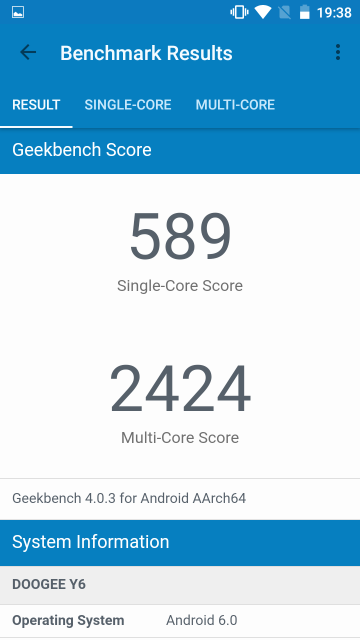
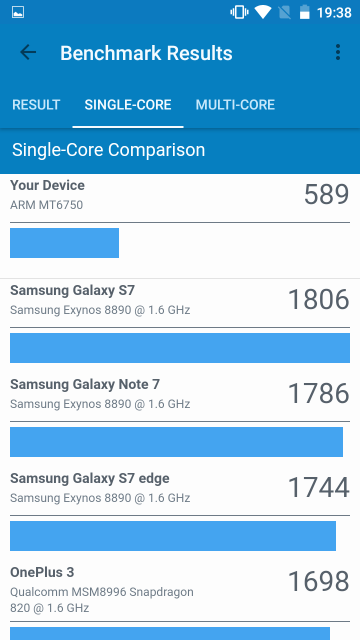
Doogee Y6 Review: BENCHMARKS
Doogee Y6 Review: USER INTERFACE
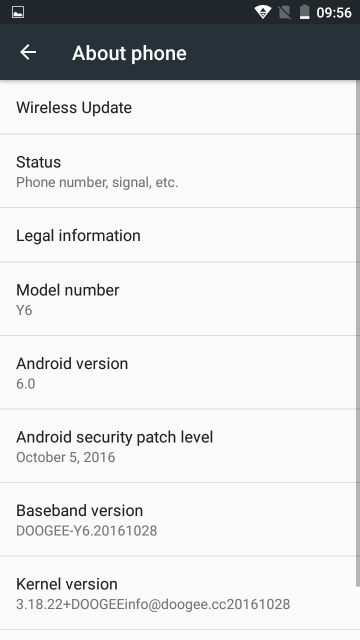
The phone ships with the Android 6.0 but we have quite a few added features by Doogee.
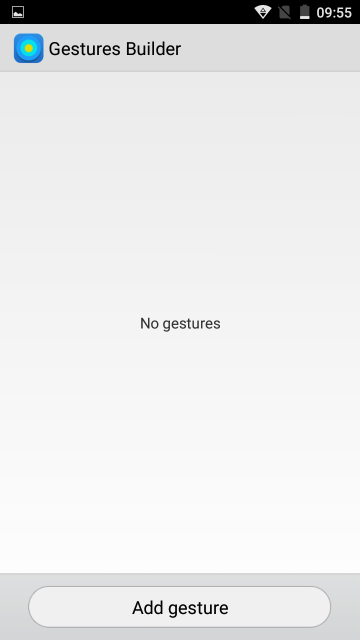
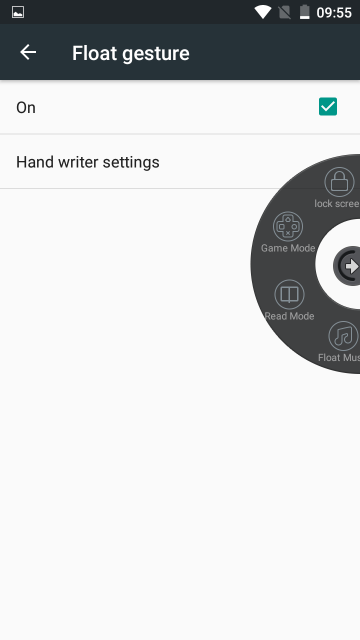
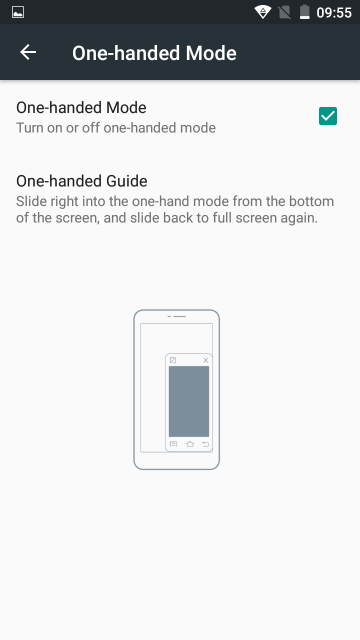
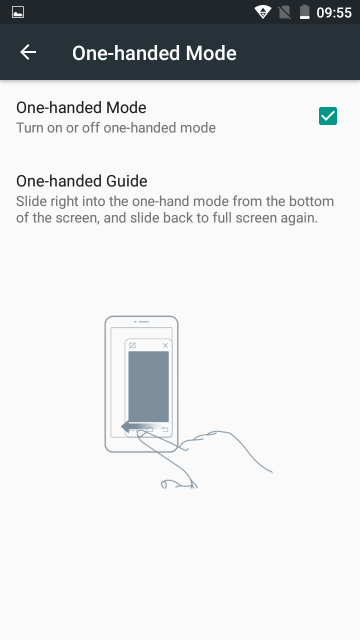
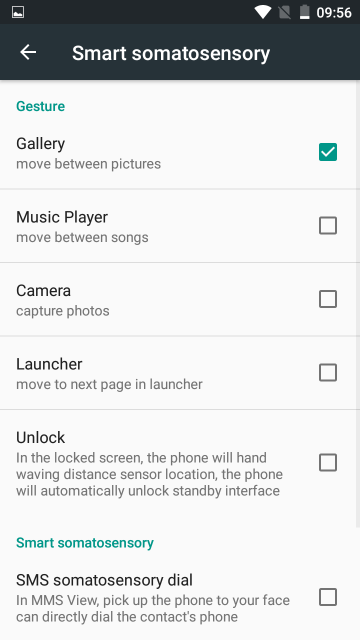
Just to name a few, you can select from a variety of gesture and motion controls that work pretty well. Also, you can use a floating gesture control bar if you wish. In addition, you can use a one-hand mode that is really convenient in some situations.
In general, the UI performance is good. I didn’t have lags or stutter on the daily basis.
Doogee Y6 Review: IMAGE QUALITY
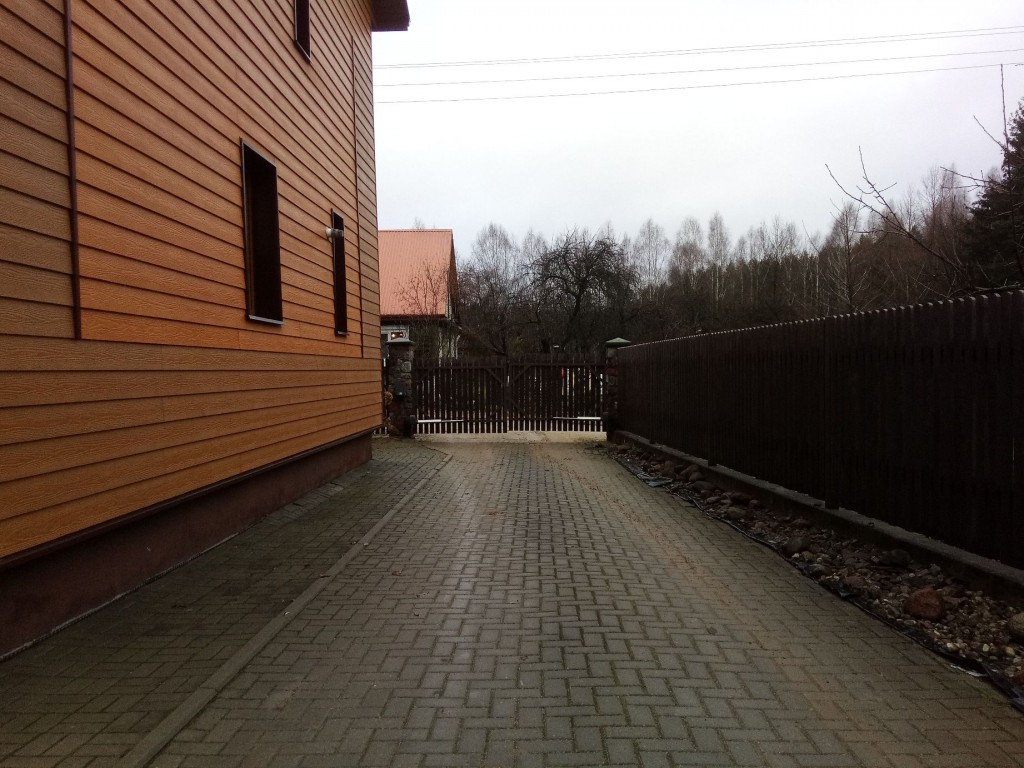
When it comes to the image quality, you can get some decent-looking photos out of this phone but you can’t expect a lot from a cheap phone. The biggest complaints would be the lack of sharpness and quite a bit of noise even in daylight situations.
As usual, the image quality decreases in low light.
Selfies could look a lot sharper and have more detail.
The video quality is mediocre as on most of the cheap phones.
I didn’t have any major connectivity issues except for the fact that once the GPS was pretty slow to get the position lock.
Doogee Y6 Review:BATTERY LIFE
The phone ships with the 3200mAh battery that performs pretty well for its capacity. You should expect about 5 hours of screen-on time but the results may vary, depending on the usage.
Doogee Y6 Review: CONCLUSIONS
Doogee Y6 is a pretty good sub-$100 phone but as usual to cheap devices, it is not perfect.
It has a nice design and it sits nicely in the hand, decent specifications assure a pretty good gaming and user interface performance and the device has a nice display.
However, you have to know that there is no LED notification light, the capacitive buttons are not backlit. Also, it would have been nice to see the metal frame and metal buttons.
At the end of the day, Doogee Y6 is a decent offering for the price but as always, it has some shortcomings that most of the cheap phones have.
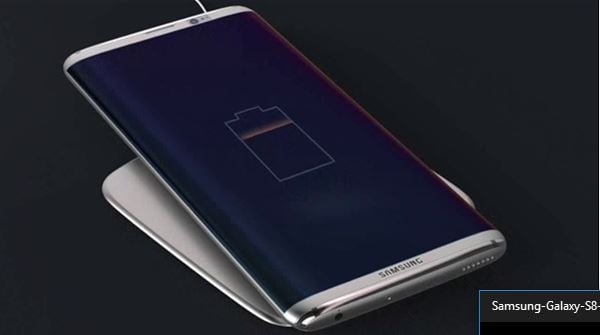
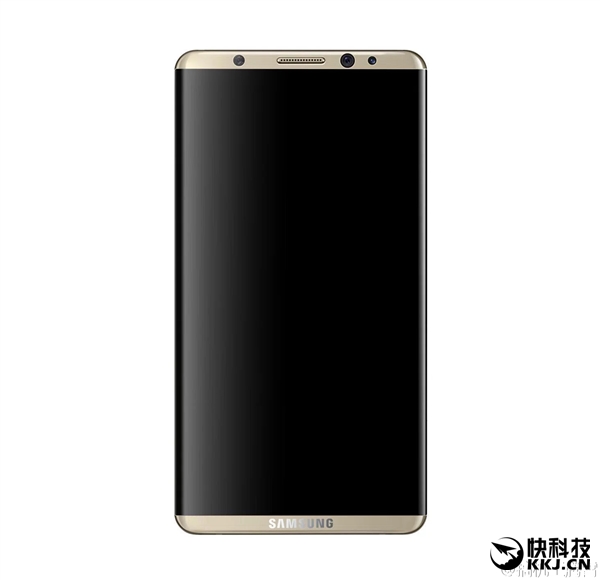
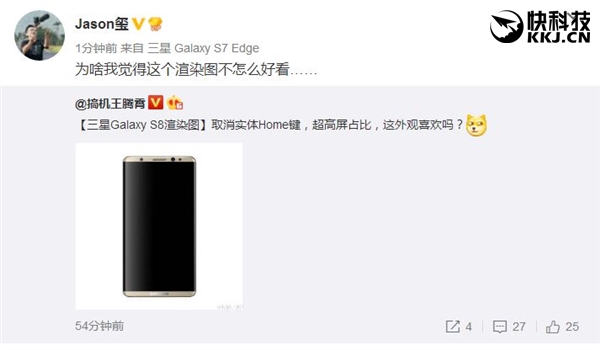
There is no end to the Samsung S8 news floating around the web and today the latest is in form of a render of the up-coming device. Already confirmed to be released at a date later than when Samsung usually releases its flagship device, the render shows some of the other rumors we have heard such as the removal of the physical home button.
The render shows the S8 with a dual-curved display and thin bezels on the top and bottom. The top bezel which used to have the Samsung logo atop the speaker grille, camera, and sensors now has only the speaker and is flanked on both sides by a camera and sensors. The lower bezel on the hand is now just a signboard for the Samsung logo. Taking the new design into consideration, the screen-to-body ratio should be about 90%.
The image which was posted on Weibo got the attention of a Samsung employee who praised the design but was quick to add that the Samsung S8 will not look like the device in the image.
After Xiaomi launched the Mi MIX, we have heard fact and rumors alike, that a number of manufacturers are planning to release their own bezel-less device. One of such manufacturers is Meizu. Initially we heard news of a Meizu device called the Meizu PRO 6 Edge with a four-curved display. We even got images of the alleged phone from the source who also said the phone will hit the shelves soon. Only for Meizu chairman, Jack Wong/Huáng Zhāng to release a statement that the company is not in a rush to release a curved-screen phone as it’s flat-surface phones are doing well.
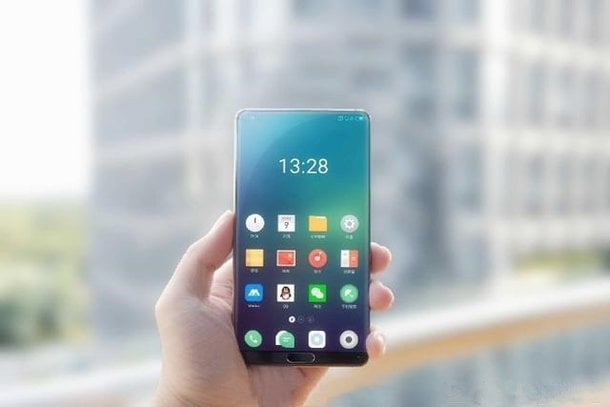
However, today we have a leaked image of a bezel-less device said to be from Meizu and it sure looks good. The phone is completely bezel-less save for the lower part that houses Meizu’s trademark mBack button albeit in a thinner form making the lower bezel much smaller than Xiaomi’s.
The screen-to-body ratio of the Meizu bezel-Less phone is assumed to be more than 91.3% and the display is expected to feature a 2.5D or 3D arc glass on top. Apart from the difference in the lower bezel, the front looks the same, even the front camera is placed in the same lower right corner as that of the Mi MIX.
Will we get to see this device in the near future? We have no idea, but a bezel-less display from Meizu will be a good alternative if people can get their hands on it unlike the Mi MIX which is currently only available at its original price via flash sales but sells for way more if you are buying from a reseller.
Just don’t expect Meizu’s phone to sport a Snapdragon 821 processor, maybe the Helio X27 if it’s coming out soon or the Helio X30 if it is pushed to next year.
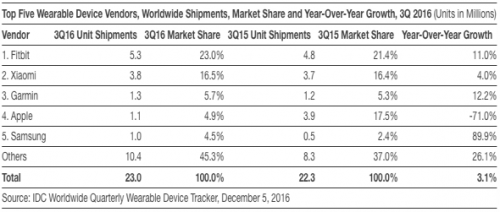
When it comes to mobile devices in general, smartphones are usually the highest selling. Tablets on the other hand have suffered a decline in sales over the years and seem to have been overtaken by wearables. The latest report from IDC shows the sales of wearable devices for the last quarter and the figures are pretty interesting.
The list shows the top five wearable device vendors for Q3 2016 and it is headed by one of the most disliked companies right now, Fitbit. Yes, disliked due to their recent acquisition of Pebble which has resulted in the cancelling of three new Pebble wearable devices that have already been backed on Kickstarter. Fitbit shipped a total of 5.3 million devices in the last quarter compared to 4.8 million in the same quarter in 2015. Fitbit now controls 23% of the market up from last year’s 21.4%.
Second on the list is no other than Xiaomi whose Mi Band sales puts them above other big names like Garmin, Apple, and Samsung. Sales of the Mi Band for last quarter comes in at 3.8 million which is just a hundred thousand units more than what they sold in the same quarter last year but more than triple of what Apple was able to sell this quarter even after the release of the Apple Watch 2. Xiaomi’s share of the wearable market is now 16.5%.
Makers of the Vivo, Fenix, and Forerunner series, Garmin, comes in at number 3 with 1.3 million units sold in Q3 2016. Apple is the shocker as they come in at the 4th position ahead of Samsung, but are the only one who has lost market share and a large one at that. Apple was able to sell 1.1 million wearable devices last quarter which is a sharp contrast to last year’s 3.9 million for the same quarter. Their market share also currently stands at 4.9% compared to 17.5% in 2015.
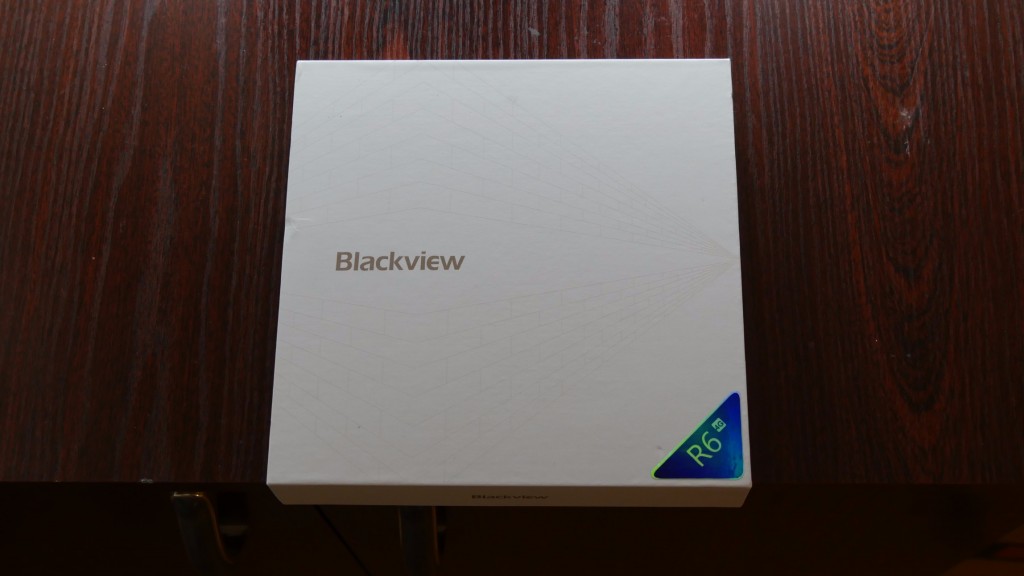
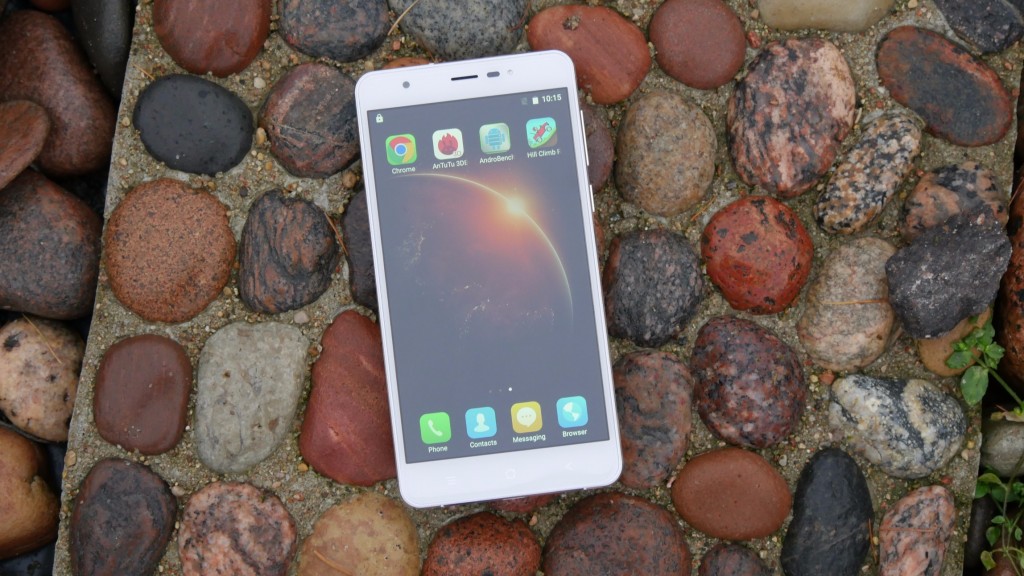
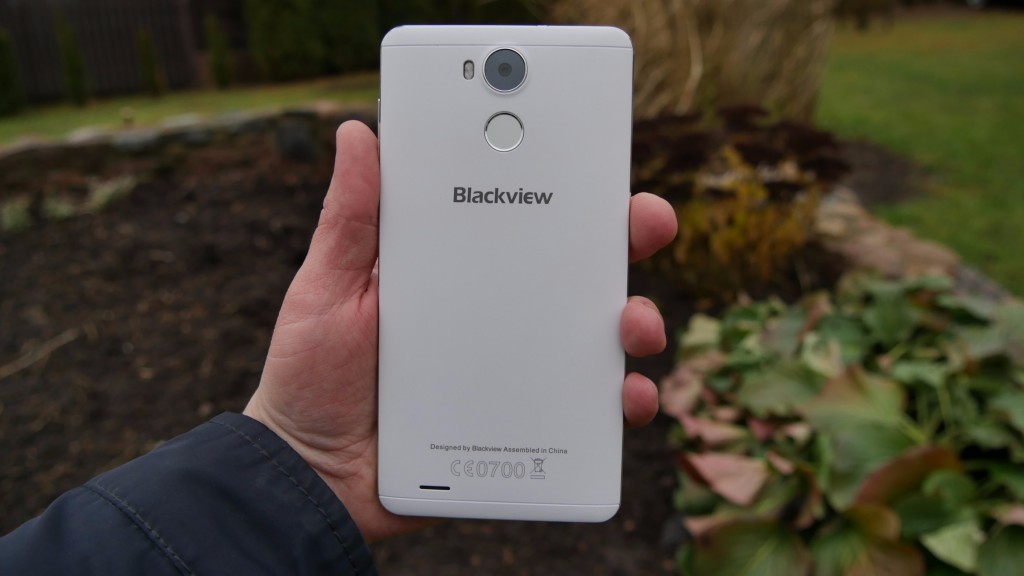
Blackview has released a lot of phones this year and the R6 model is one of them. It is well-made, it has some decent specs and it costs about $120. Find out if this phone is any good in the full review.
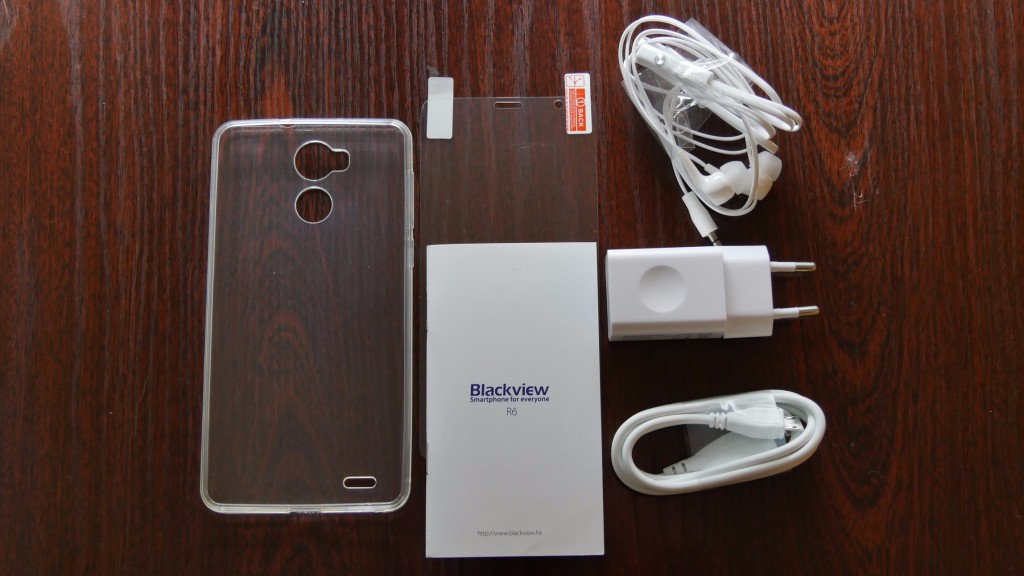
The phone ships with all the usual stuff and some extras include a screen protector, a pair of earphones and a soft TPU case.
Blackview R6 Review: DESIGN and DISPLAY
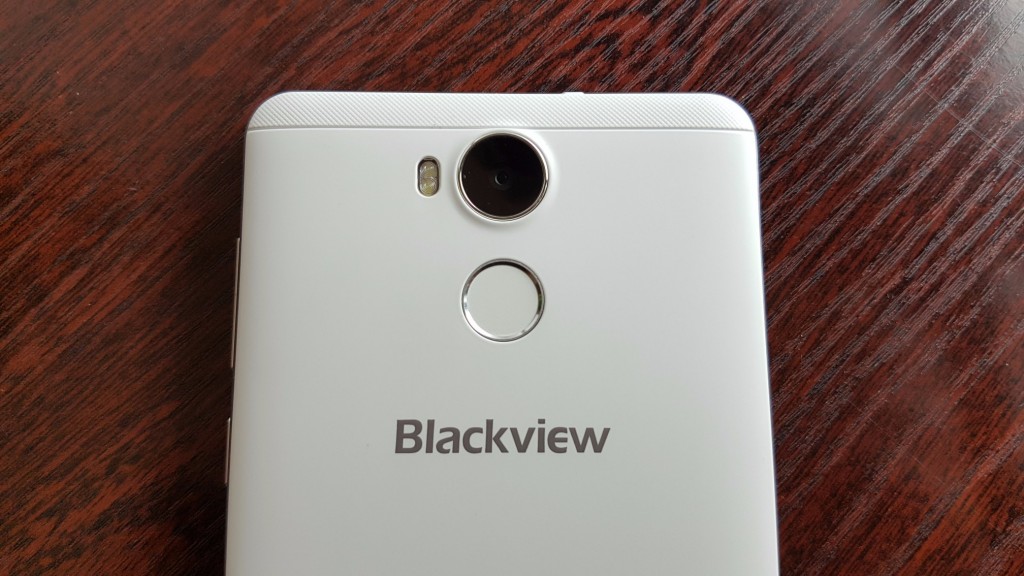
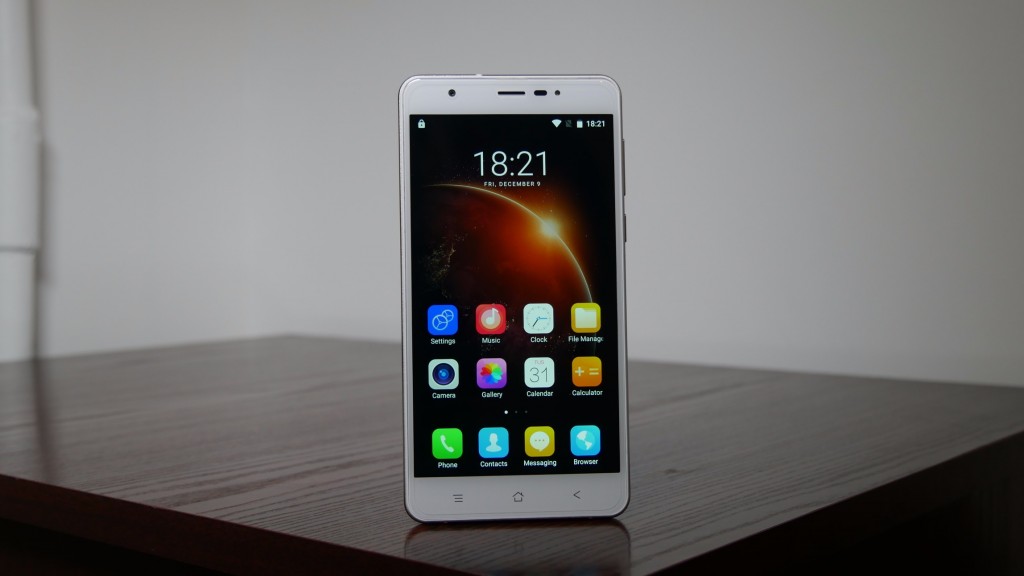
As for design, we are looking at a device that has a quality metal trim that goes all around the device and tactile metal buttons.
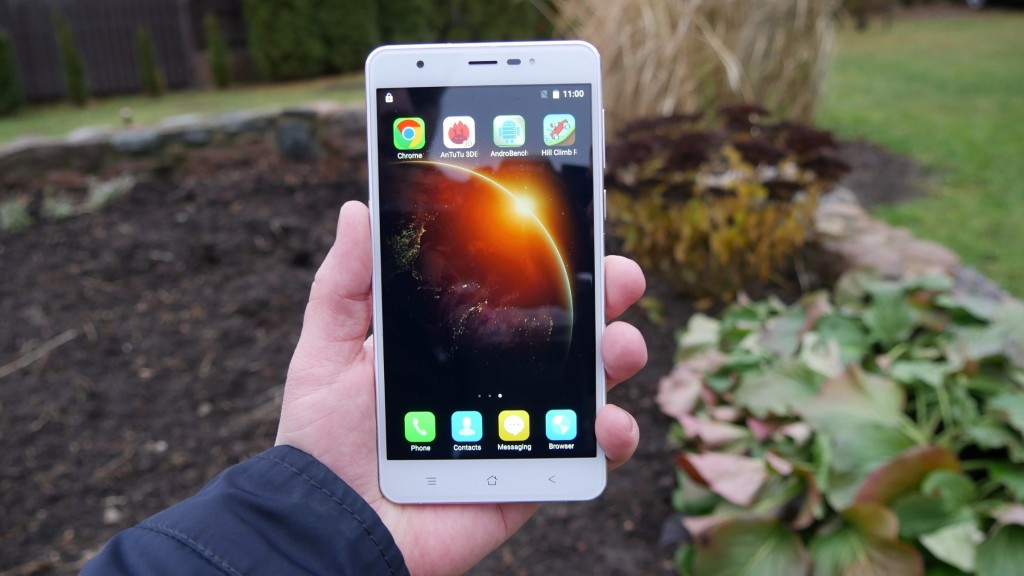
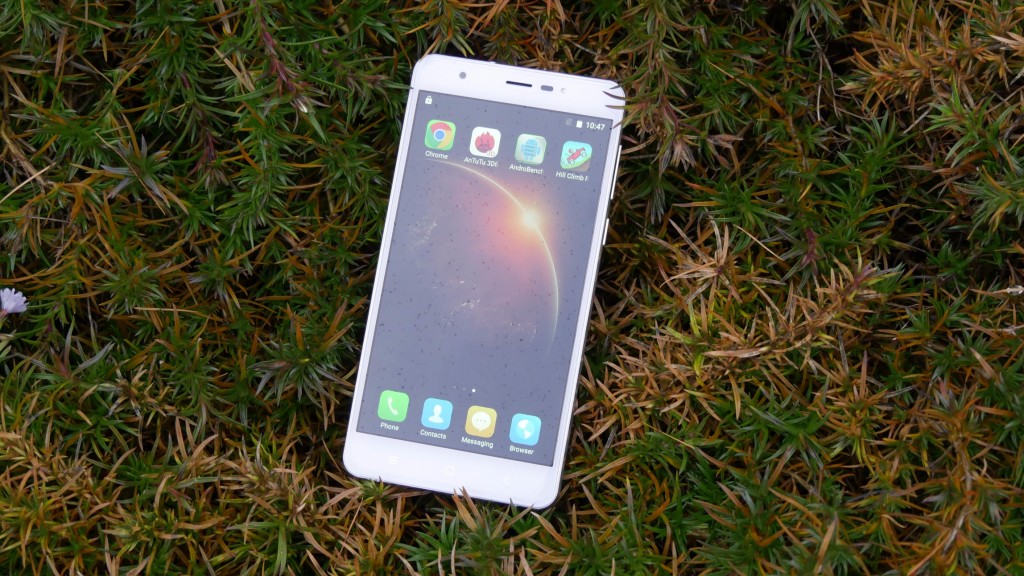
The 5.5”1080P display is pretty good for such a cheap phone whether you use it indoors or outdoors.We have a 5MP front-facing camera. However, there is neither LED notification light nor backlit capacitive keys.
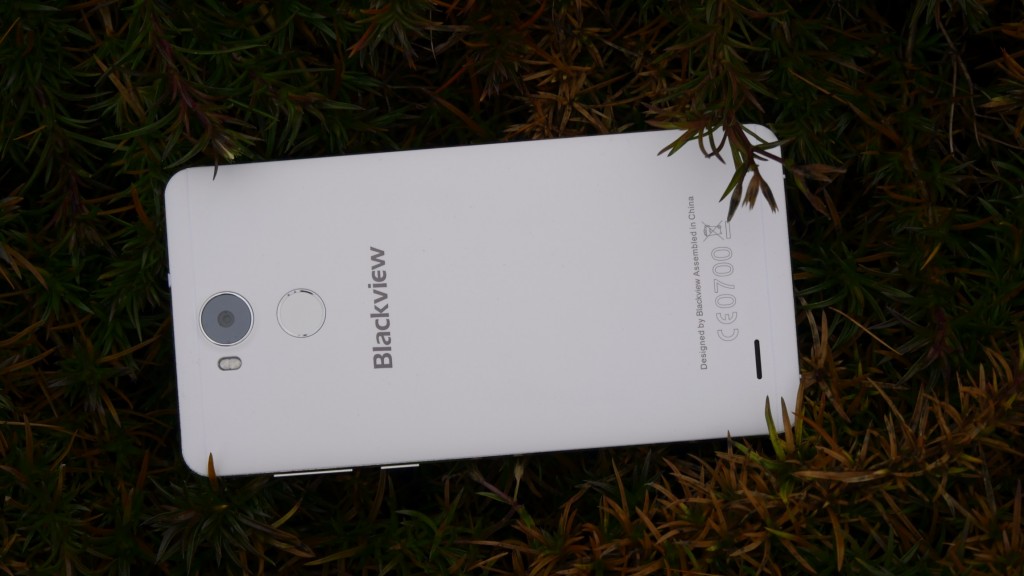
On the back, we have a 13MP camera with a dual-LED flash and a fingerprint scanner, which is not the fastest I’ve seen but it gets the job done.
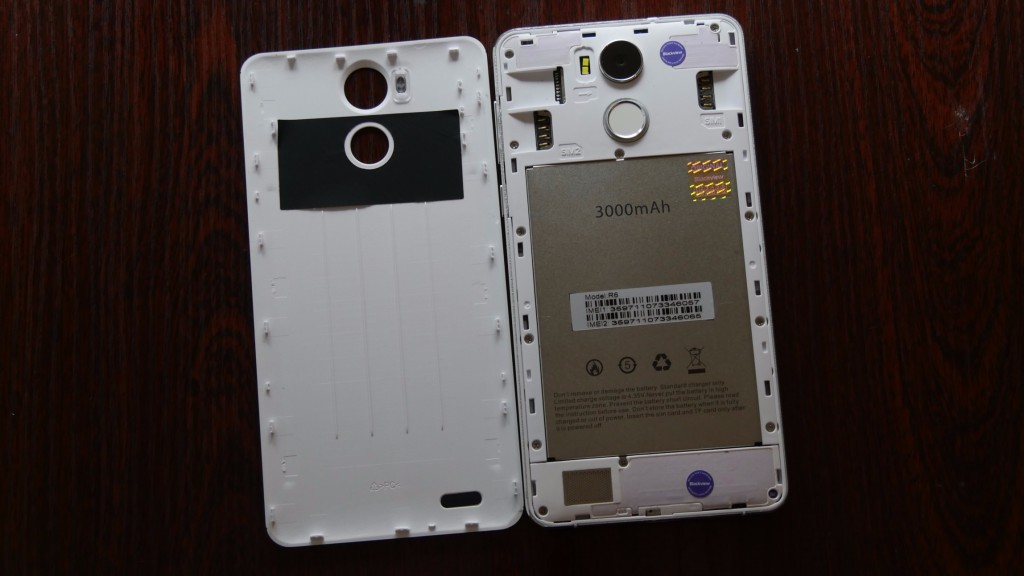
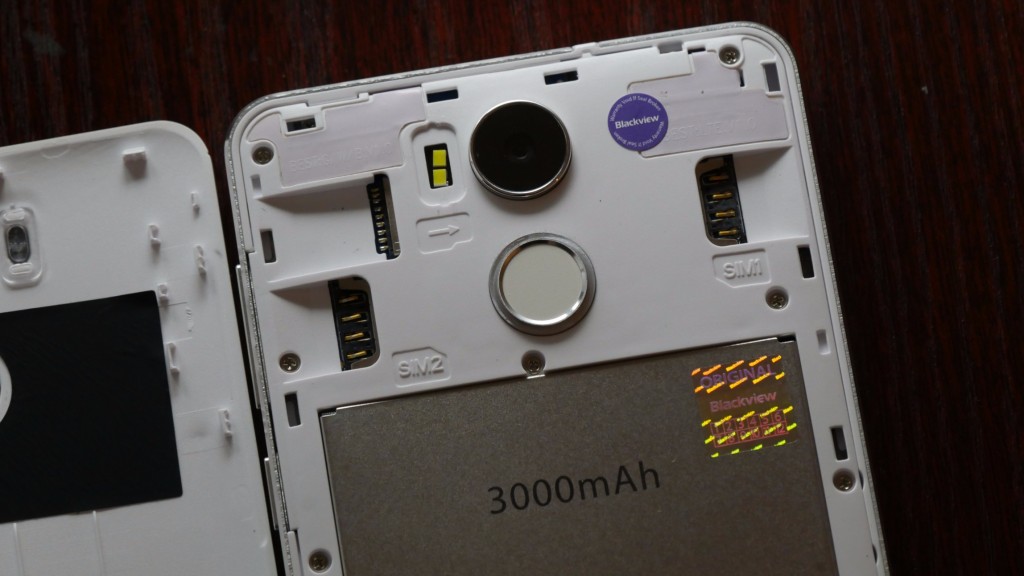
You can remove the backplate to access the microSD card slot and two SIM card slots. The 3000mAh battery is not removable.
Finally, the loudspeaker is pretty good for the class of the phone.
Blackview R6 Review: HARDWARE and PERFORMANCE
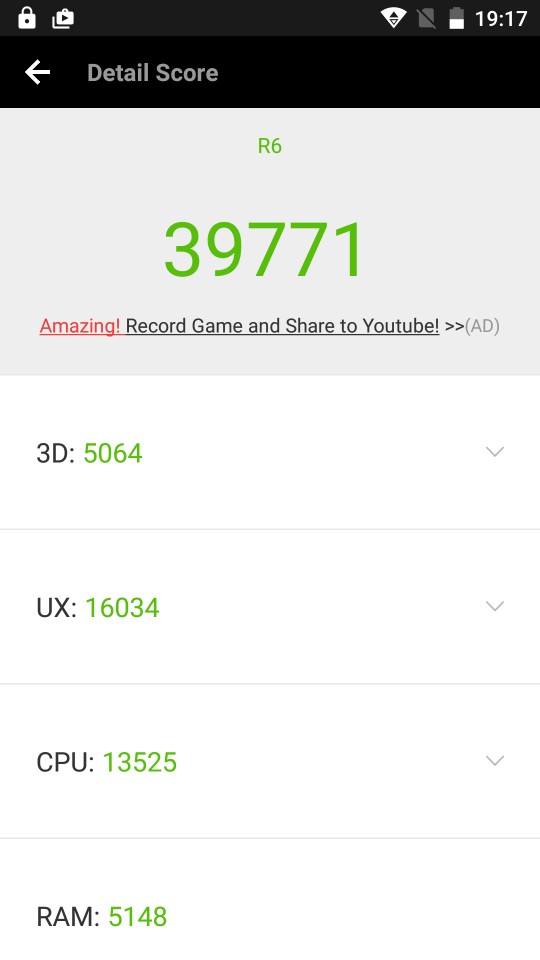
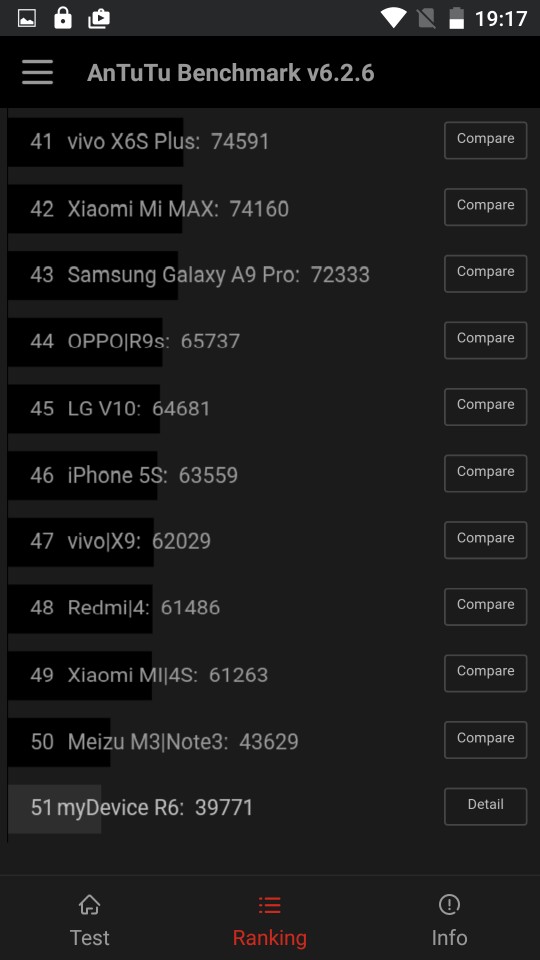
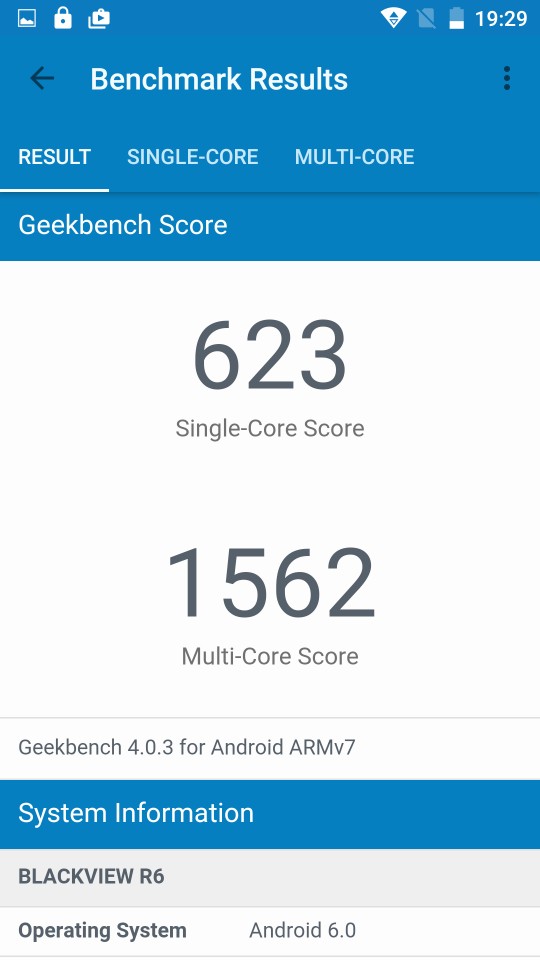
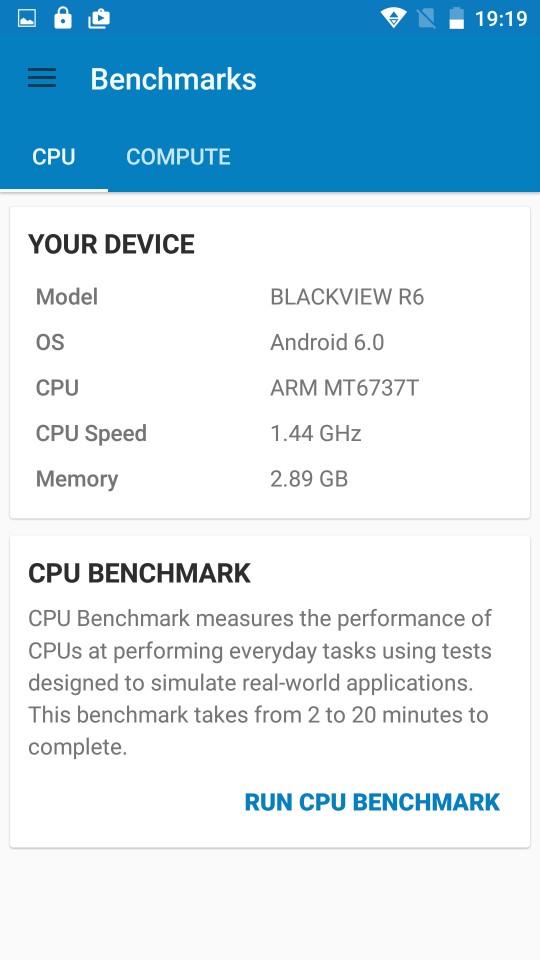
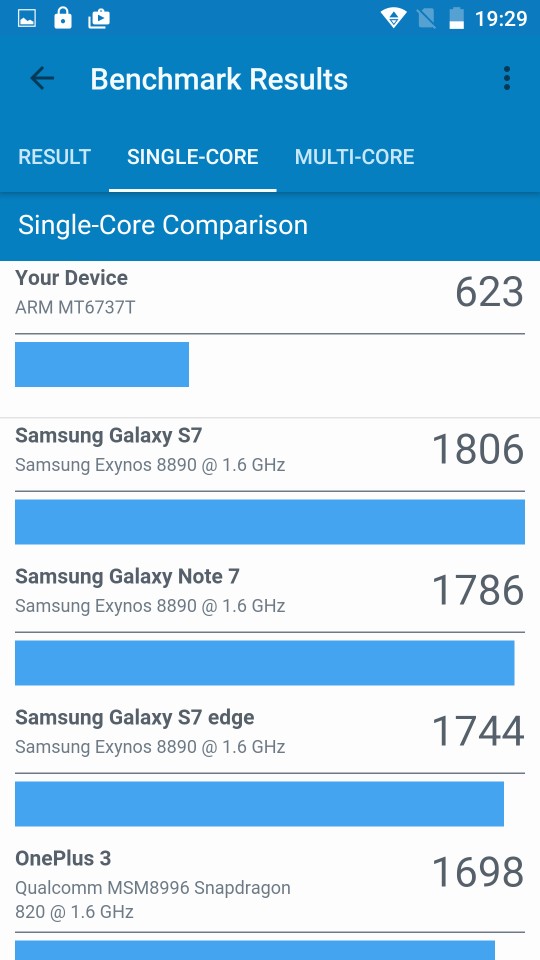
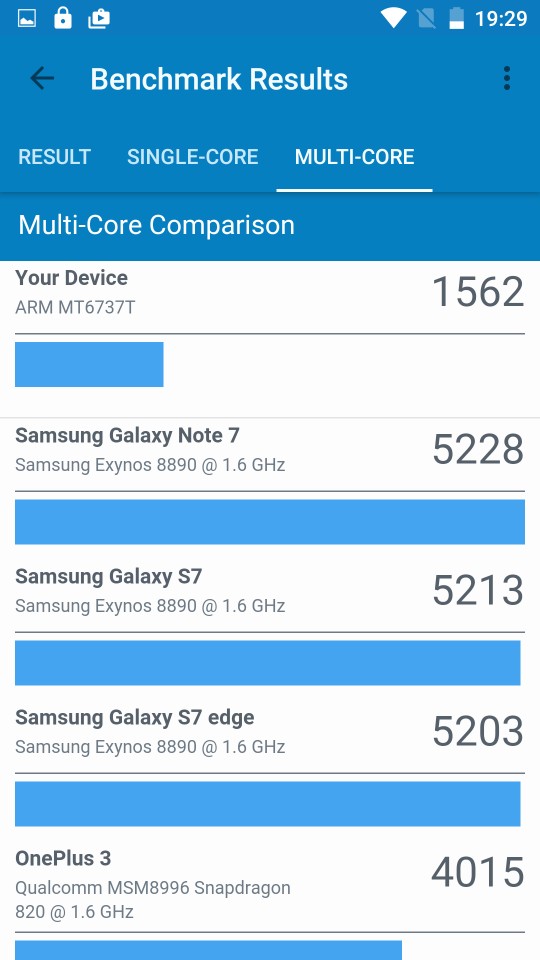
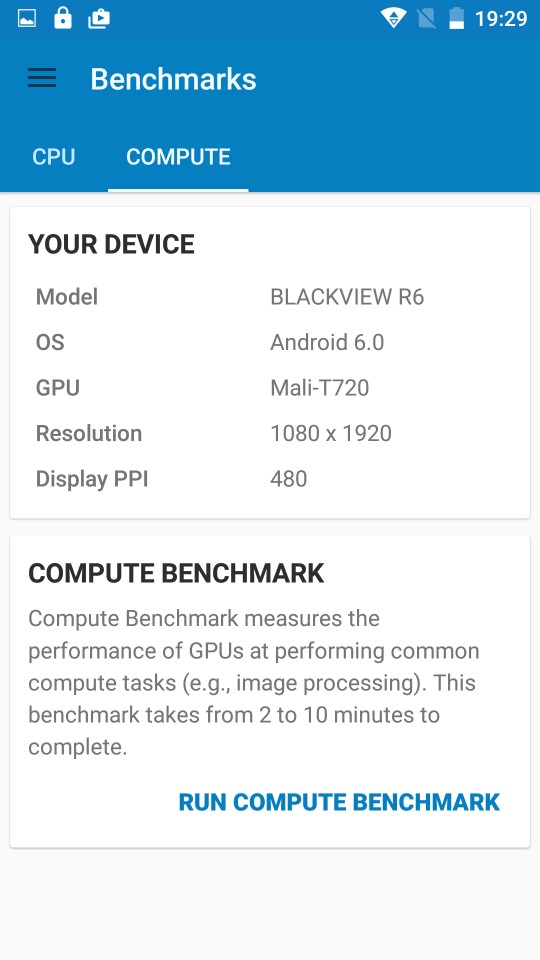
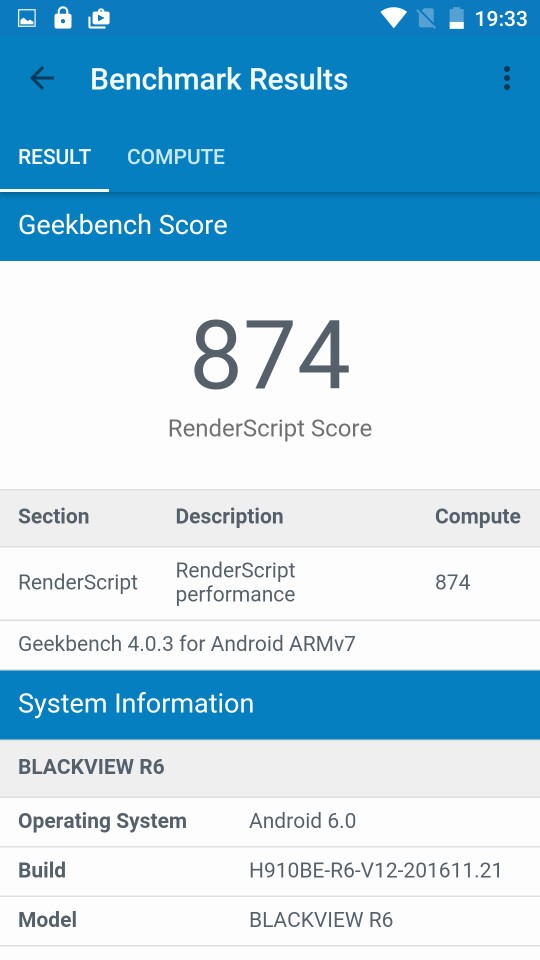
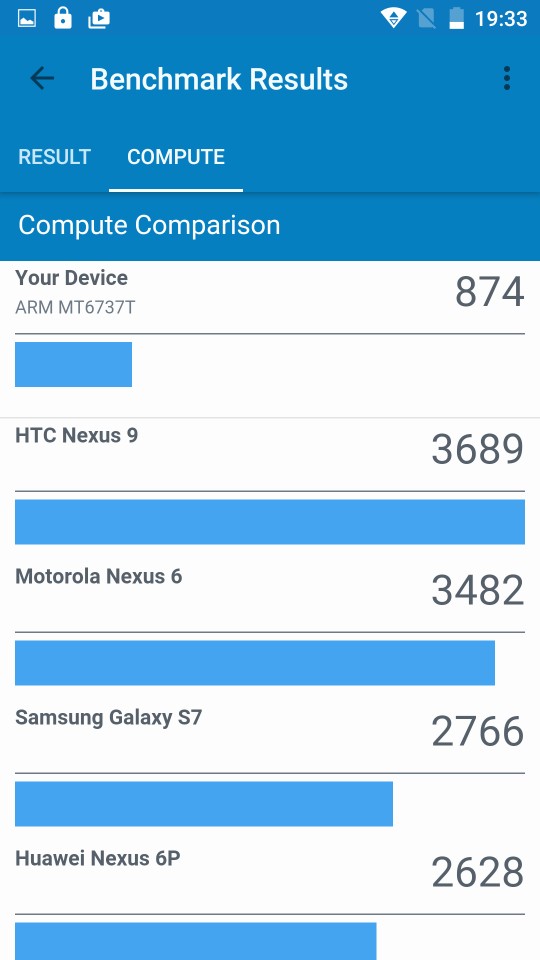
When it comes to hardware, the phone ships with the Mediatek MTK6737 chip, 3GB of RAM and 32GB of storage.
The gaming performance is mediocre. There may be a bug but you can only play the Asphalt 8 on low graphics. Still, there are some skipped frames.
Blackview R6 Review: BENCHMARKS
Blackview R6 Review: USER INTERFACE
The phone ships with the Android 6.0 but it has Blackview’s skin on top of it, which removes the app tray for some reason. Also, we have some redesigned icons and some other design touches.
There are a few features like gesture and motion controls that work pretty well but the phone could recognize gesture input faster. So far I didn’t have any hiccups or lag and the phone performs well on the daily basis.
Blackview R6 Review: IMAGE QUALITY
The image quality is okay. You can get some decent-looking photos out of this phone. However, there could be more detail in some of the shots but in general, our Blackview R6 pre-production unit can take some decent pictures given the good lighting. Keep in mind that the early review units came with the pre-release software and the retail versions of the phone has upgraded software that has improved the image quality.
As usual, the quality of pictures decreases in low light and the Blackview R6 does not impress.
The selfies don’t impress either. The pictures will do the trick for social media but they could look sharper.
The video quality is mediocre as on most of the cheap phones.
I didn’t have any major connectivity issues except for the fact that once the GPS was pretty slow to get the position lock.
Blackview R6 Review: BATTERY LIFE
The phone ships with the 3000mAh battery that performs pretty well for its capacity. You should expect just over 4 hours of screen-on time but the results may vary, depending on the usage.
Blackview R6 Review: CONCLUSIONS
The Blackview aims to offer a good build quality and some decent specs at affordable price with the R6 model and it succeeds in some ways.
The phone is well-built and it sits nicely in the hand, the display is pretty sharp and the phone performs fine on the daily basis.
However, you have to know that the camera is inconsistent, there is no LED notification light, the capacitive buttons are not backlit and last but not least, the 3D gaming performance is mediocre. Hopefully, things will improve with the future software updates.
At the end of the day, the Blackview R6 gets the basics right but as most of the cheap phones, it comes with some shortcomings you have to consider.
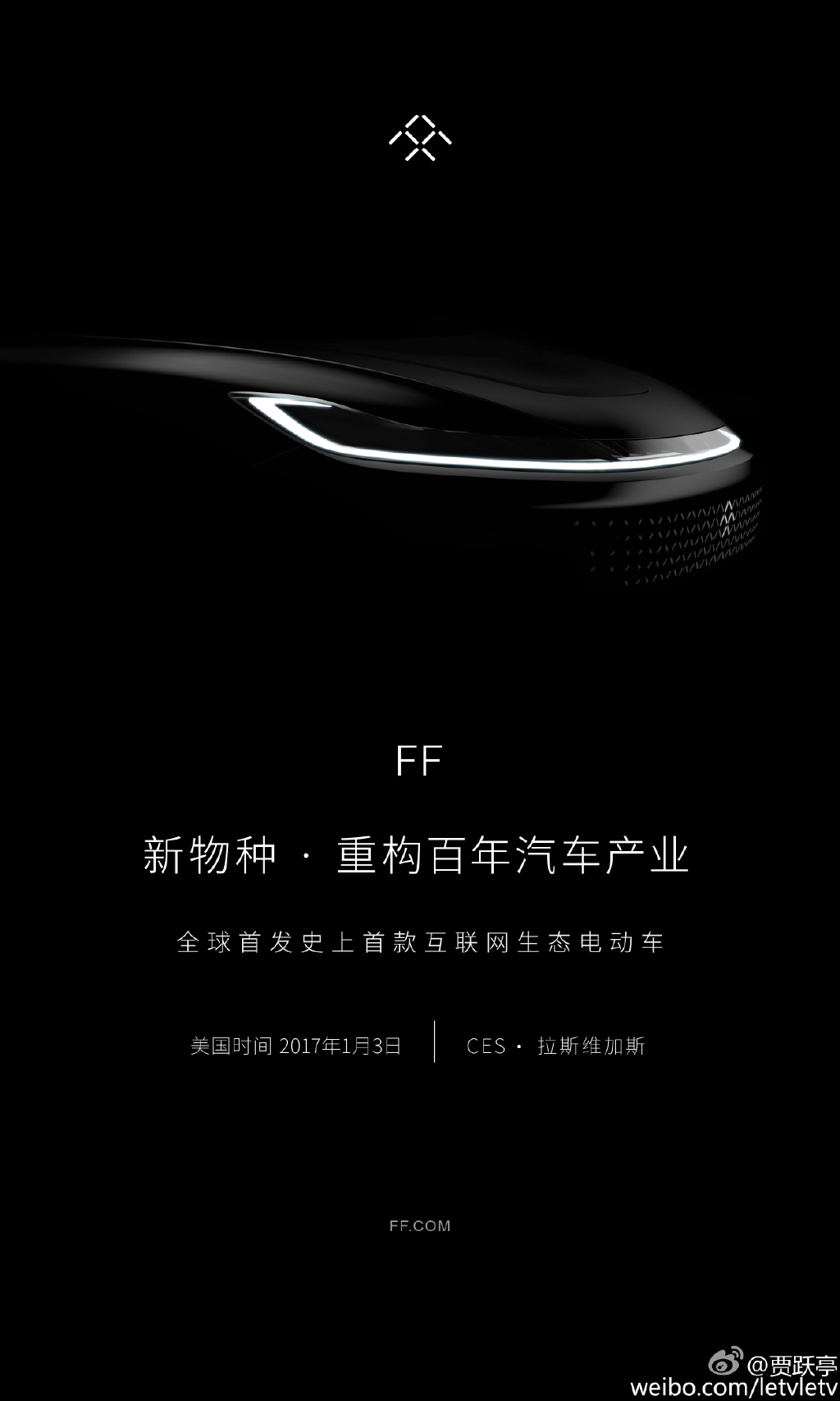
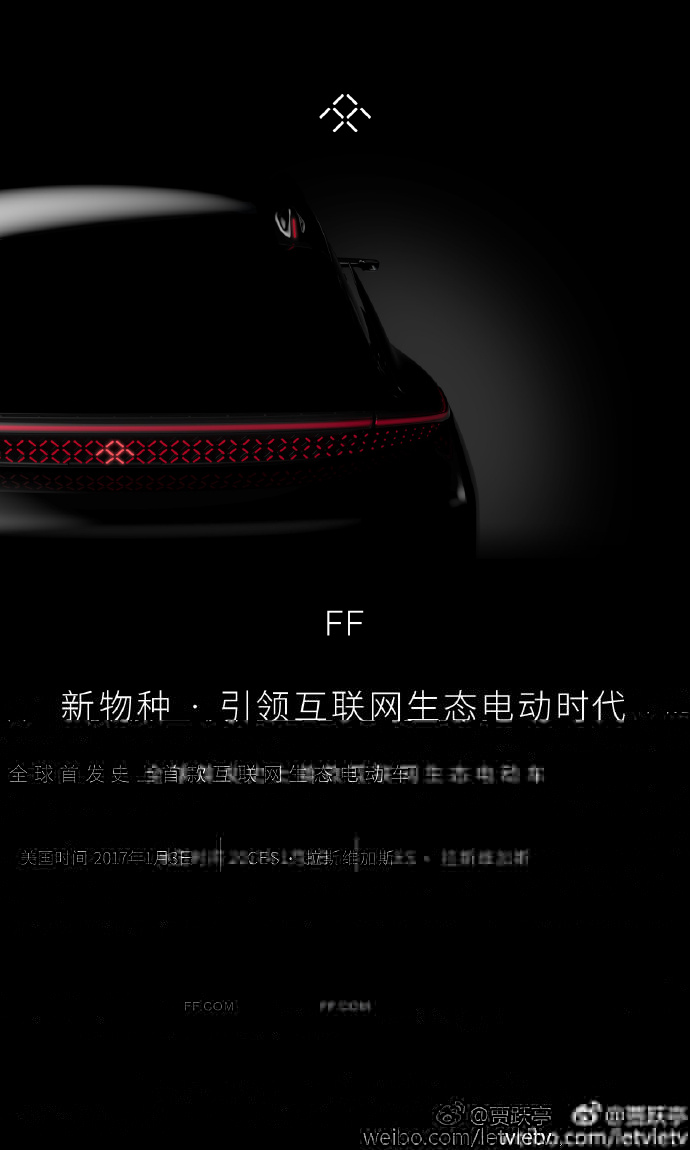
LeEco‘s strategic partner Faraday future recently announced that it would released its production version of the Faraday future electric car developed in partnership with LeEco on January 3. LeEco’s CEO Jia Yueting has also exposed the front view as well as the rear view of the car in a poster that teases the launch of the electric car on January 3 during CES 2017.
The car looks like one for these science fiction movies but it is real and is set to debut in less than a month’s time. The car features a streamlined body with a front headlight that runs from one end to the other. The tailgate also run from one end of the rear to the other. This is the first time we are seeing the front and rear design, as they were covered up when the car’s photo was first spotted in public in August this year.
The Faraday Future electric car is said to be a complete electric SUV and the design is something to look forward to. The electric car is touted as capable of achieving a maximum distance of 482km on full charge. We’ll get to know the complete specifications and capabilities of the electric car when it is launched on January 3, 2017.
Chinese smartphone manufacturers look poised to make their presence felt on the global scene at a regular basis. Not too long after Huawei confirmed its participation in CES 2017, LeEco‘s CEO Jia Yueting seems to have hinted the innovative Chinese company will also participate in CES 2017.
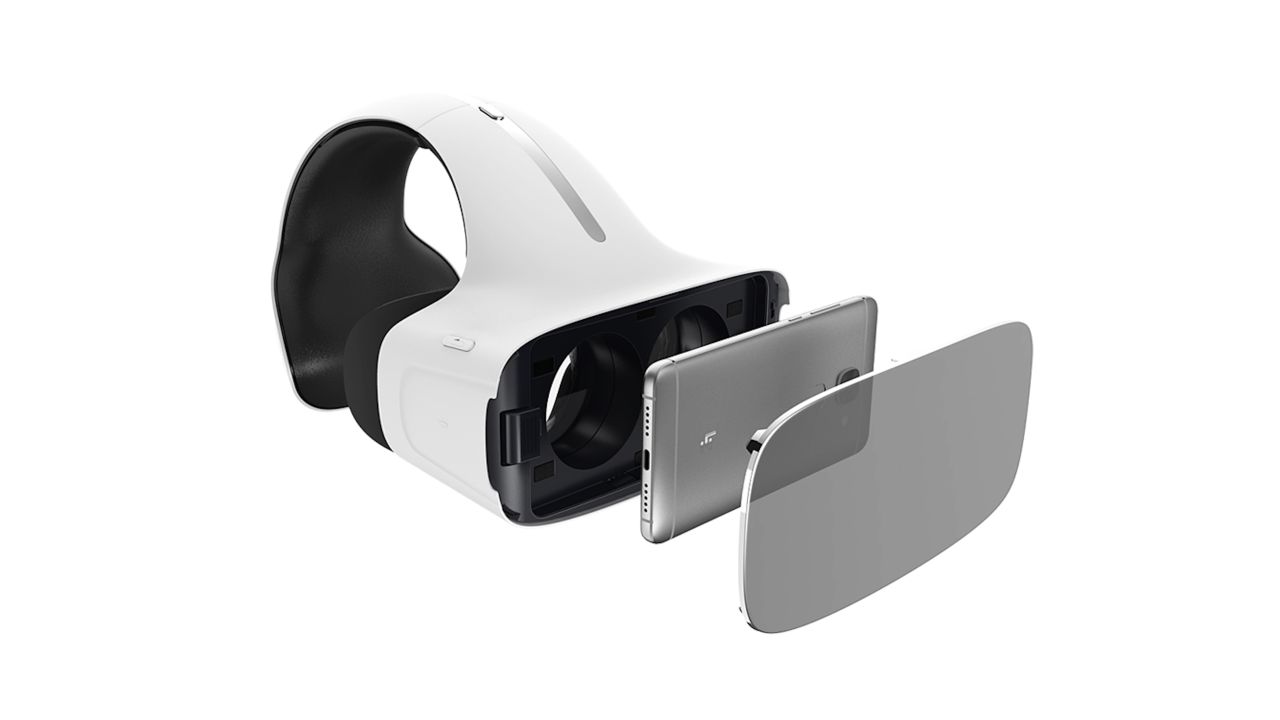
Jia Yueting had written a post on Weibo that suggested the company will participate in the CES 2017 exhibition in Las Vegas, Nevada, US. The Weibo post was accompanied with a poster containing several LeEco products such as Super TV, smartphones, smart bike, car, VR headset and others. The poster seems to announce a launch event billed for January 5 during the CES 2017 where the company will perhaps unveil most of its new products.
Curiously, the Weibo post was abruptly deleted from the CEO’s account not to long after it was posted. The reason for the deletion is unknown presently. We’ll still have to wait for official words as to whether the company will participate in CES 2017 or not. LeEco has been in the news of late as having financial problems which have led to the retrenchment of some of its work force amidst mounting debts. Huge investments in its Eco car project as well as other innovative projects are being fingered for the slump in the company’s financial prowess. Showcasing some of the products could help in bringing in more investors, thus revitalizing the company.
Last month, we came to know that Xiaomi was working on the Android 7 Nougat update for the Xiaomi Mi 5. Now, the company has officially revealed that the Android 7 Developer ROM for Xiaomi Mi 5 has entered open beta. This means anyone can head over to the forums and install the update. However, note that the open beta is for the developer ROM and not the stable ROM.
If you are already on the developer ROM, then you can upgrade the ROM to the version 6.12.8 for getting Android Nougat onto your device. Or else, you will have to clean install this latest version of the developer ROM (make sure to backup your data).
While you are officially updated to the Android 7 version, the MIUI 8 interface remains the same, so you will hardly notice any visual differences. Note that there are a few known issues with this ROM as well, like Wi-Fi and data disconnections, so better flash it at your own risk.
The update size is about 1.3GB, so you better be connected to a Wi-Fi network before downloading and installing this package. You can check out this link for all the details, change logs, as well as links to the package.
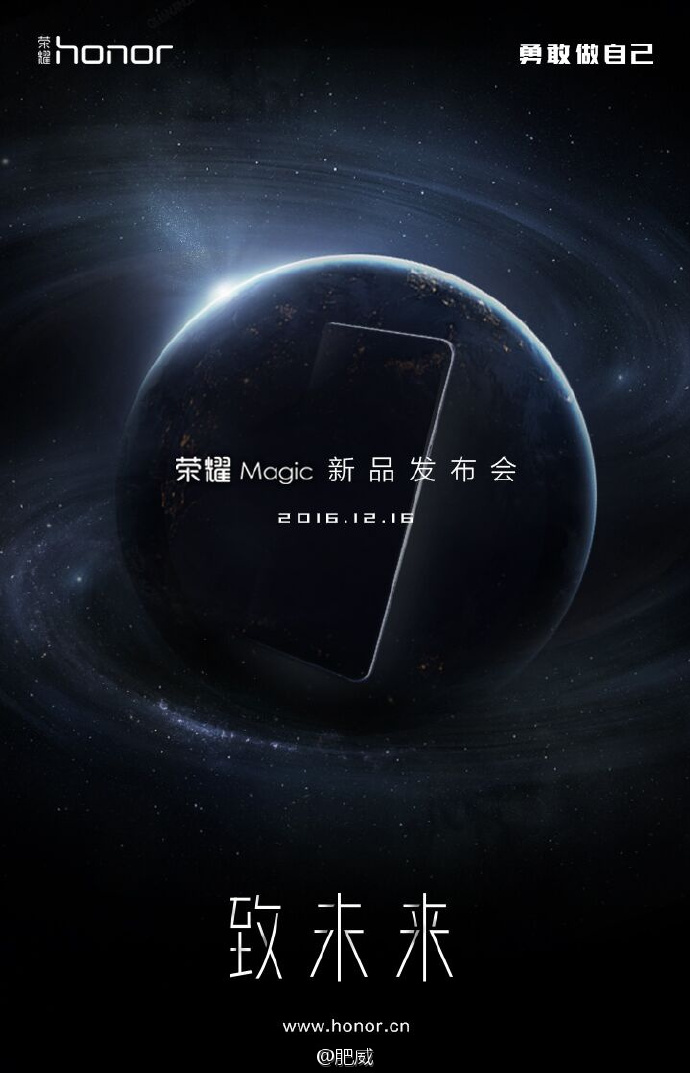
After the Xiaomi Mi Mix, we are all excited to meet the new concept smartphone to be announced soon, the Huawei Honor Magic. The company has already confirmed the release to be on December 16, which is less than a week away. While we are expecting some amazing specs on the device, new rumors about the phone has cropped up online, toning down the expected Honor Magic specifications to some extent.
The new rumor says that the Huawei Honor Magic will come with Kirin 950 octa-core chipset (when there’s already Kirin 960 used by the Mate 9) along with 4GB of RAM and 64GB of internal storage. This isn’t exactly mind blowing specification, but it’s still decent. Further, the phone is said to sport a compact 5-inch display with 2K resolution, which would translate into some serious pixel density (~587 ppi). There will be dual cameras on the front as well as the back (12MP). The front would also boast of Iris recognition. Finally, for fast charging, the Huawei Honor Magic is said to support 5V / 8A charging tech, which would translate into 40W charging, much, much faster than the current Mate 9’s 25W charging. However, the battery capacity is said to be limited to 2900mAh.
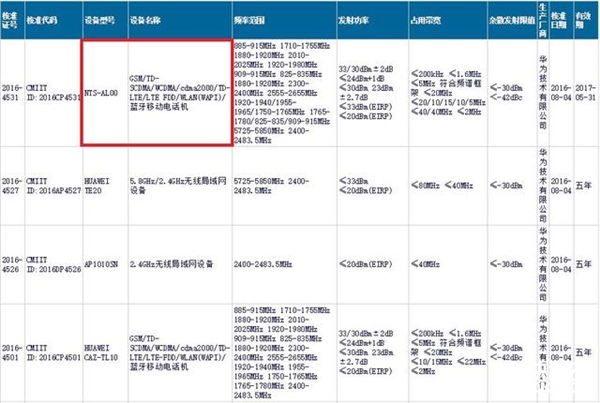
The Honor Magic is said to have already passed through the 3C certification website back in August under the model number NTS-AL00. Also, the code name for the phone is reportedly “Natasha”.
The Huawei Honor Magic seems like an interesting device and we are all waiting for December 16 when the company will finally take the wraps off the phone.
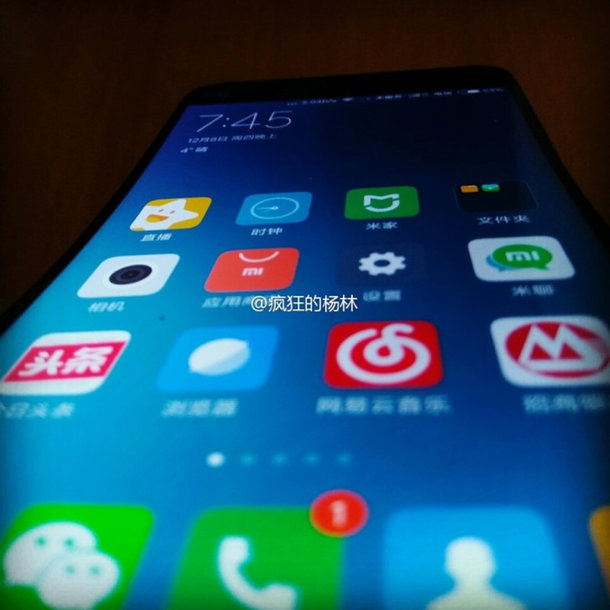
There is no denying that curved screen smartphones are the new trend in the market, and several known Chinese makers including Xiaomi have already released a curved screen flagship in the market. But Xiaomi isn’t a company that’s usually happy with just one flagship. So, could it be possible that Xiaomi has another curved screen smartphone in the works? At least that’s what a newly leaked image indicates.
Weibo is the hub of leaks, and the latest leak is said to reveal an unannounced curved Xiaomi smartphone. Now, the company already has two flagships with amazing displays — the Xiaomi Mi Mix and the Xiaomi Mi Note 2. But this one’s a bit different. We just get a glimpse of the alleged phone, but that’s enough to reveal a different style of curved display used on the device.
curved like the LG G Flex
The image shows that the phone is running MIUI and comes with a curve near the center, much like the LG G Flex. Now, if you remember, the Mi Note 2’s curved display is supplied by LG, so having a phone with a similar display as LG’s old G Flex isn’t entirely out of the picture. But given that the design didn’t really work out well for LG, it remains to be seen whether Xiaomi will experiment with the same design again.
Of course, before you get too excited, I would like to add that there is no conclusive evidence to say this is indeed a new smartphone from Xiaomi. So, we better wait for more details.
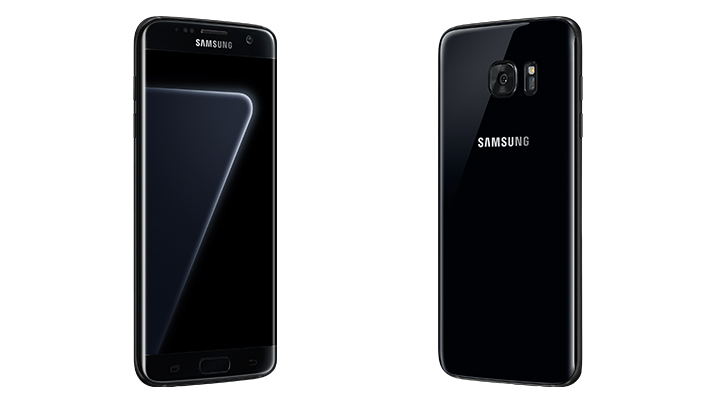
Samsung has officially launched a new Black Pearl color variant of its Galaxy S7 Edge flagship phone. The Samsung Galaxy S7 Edge Black Pearl variant comes as the seventh color variant of the popular Galaxy series device. It is the third color added to the lineup after the release of the Galaxy S7 Edge earlier this year and it brings to seven (7) the tally of color variants now available on the S7 Edge.
The Black Pearl color variant has a glossy outlook which radiates quality and luxury and will only be available on the top-end 128GB storage version. The color gives the device a stylish, sleek look and it covers the entire device, including the edges. The color even adds depth to the S7 Edge’s glass design.
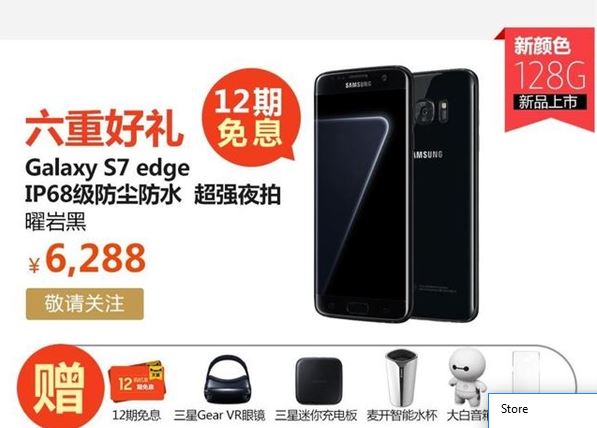
The Samsung Galaxy S7 Edge is now available in White Pearl, Black Onyx, Gold Platinum, Silver Titanium, Blue Coral, Pink Gold and the latest Black Pearl color. The Black Pearl version will be available in select market from December 9 but Samsung didn’t mention the specific market. However, rumor has it that Samsung’s home country, South Korea is one of the market the version will be available in. Also, the Black Pearl version is already listed on the official Samsung Lynx flagship store in China with a hefty price tag of 6288 Yuan ($911). This is an indication that the Chinese market will join the select market where it will be sold.
The Galaxy S7 and S7 Edge has come to be Samsung’s hottest smartphones presently, occasioned by the disappointing outingof the Galaxy note 7 which was supposed to take over the baton. The S7 Edge is set to be replaced, though, with the Galaxy S8 which is rumored to debut in March next year with an all-screen display without bezels and physical home button just like the Xiaomi Mi Mix.
There are indications that Samsung is planning to use an all-screen display on its next generation flagship, the Galaxy S8, billed for release early 2017. According to the source, the South Korean tech giant plans to scrap the inclusion of a physical home button on the device and instead settle for a virtual button.
The use of an all-screen display became popular this year following the release of the Xiaomi Mi Mix but the Galaxy S8 is also touted to come with a curved screen display which would be without display bezels at the sides of the screen. The bezel-less display will afford users a more robust viewing experience and coupled with the fact that Samsung uses AMOLED displays, the display is expected to be spot-on. There will also likely be a virtual home button in the absence of the physical one and it will be embedded under the glass at the bottom edge.
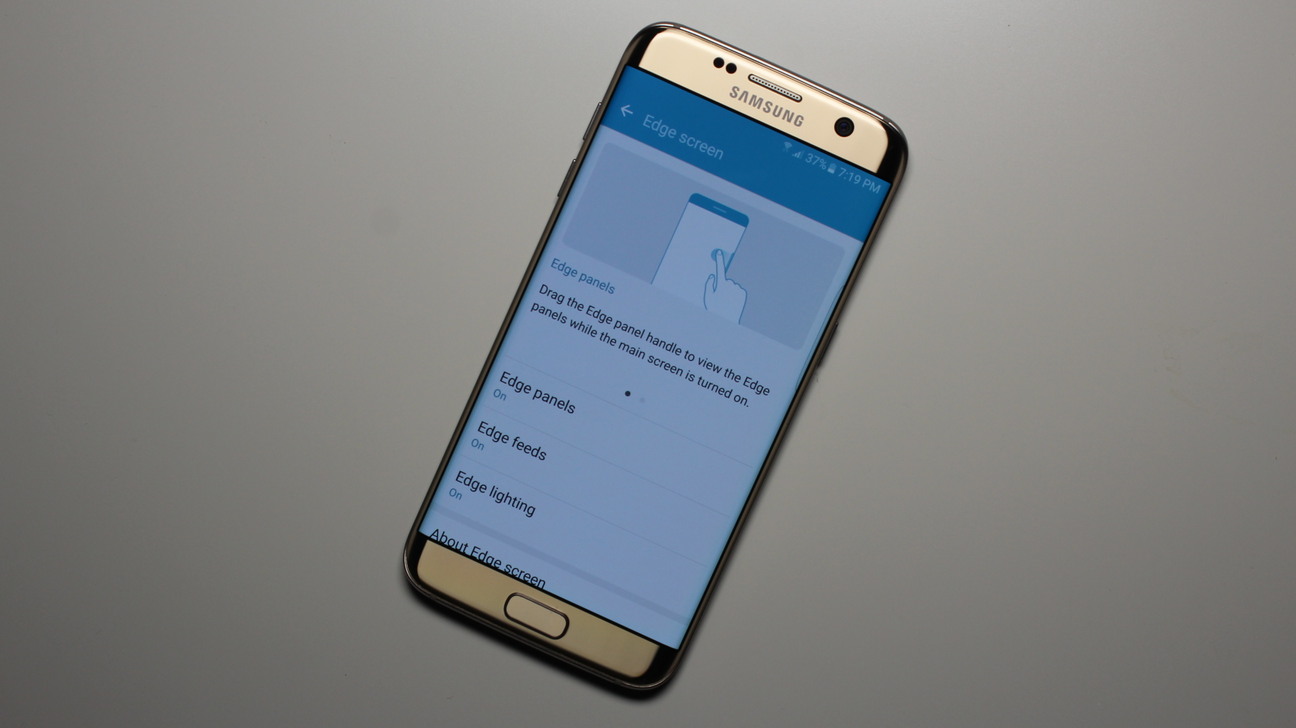
Galaxy S7
Earlier rumor had hinted at the use of curved displays on both Galaxy S8 versions and this latest rumor seems to tally with that. According to the sources who wished to remain anonymous, the phones will come with wraparound displays using organic light-emitting diode technology.
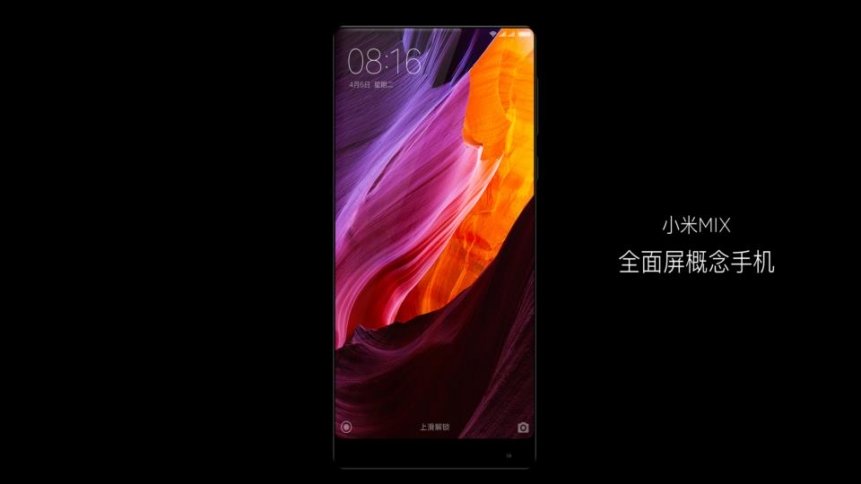
Xiaomi Mi Mix
There are suggestions also that the Samsung Galaxy S8 may not drop in March next year as speculated, but the release date may likely be shifted to April. The reason given was that the company wants to ensure it comes out with a device that had undergone multiple security checks so as to avoid the sort of incidence that trailed the defunct Galaxy Note 7.
In addition, the changes in the display screen won’t affect the screen sizes as the device is also tipped to feature the same size as the previous Galaxy S7 and S7 Edge models. As usual, some models would ship with Qualcomm’s latest Snapdragon 835 chip while others would sport Samsung’s Exynos processor. There might also not be dual cameras due to high cost according to a source. The Galaxy S8 will also come with AI-enabled features which is said to be different from those already in the market and would also likely have an upgraded digital assistant that will use voice commands to send text messages, make phone calls and provide daily appointment scheduling.
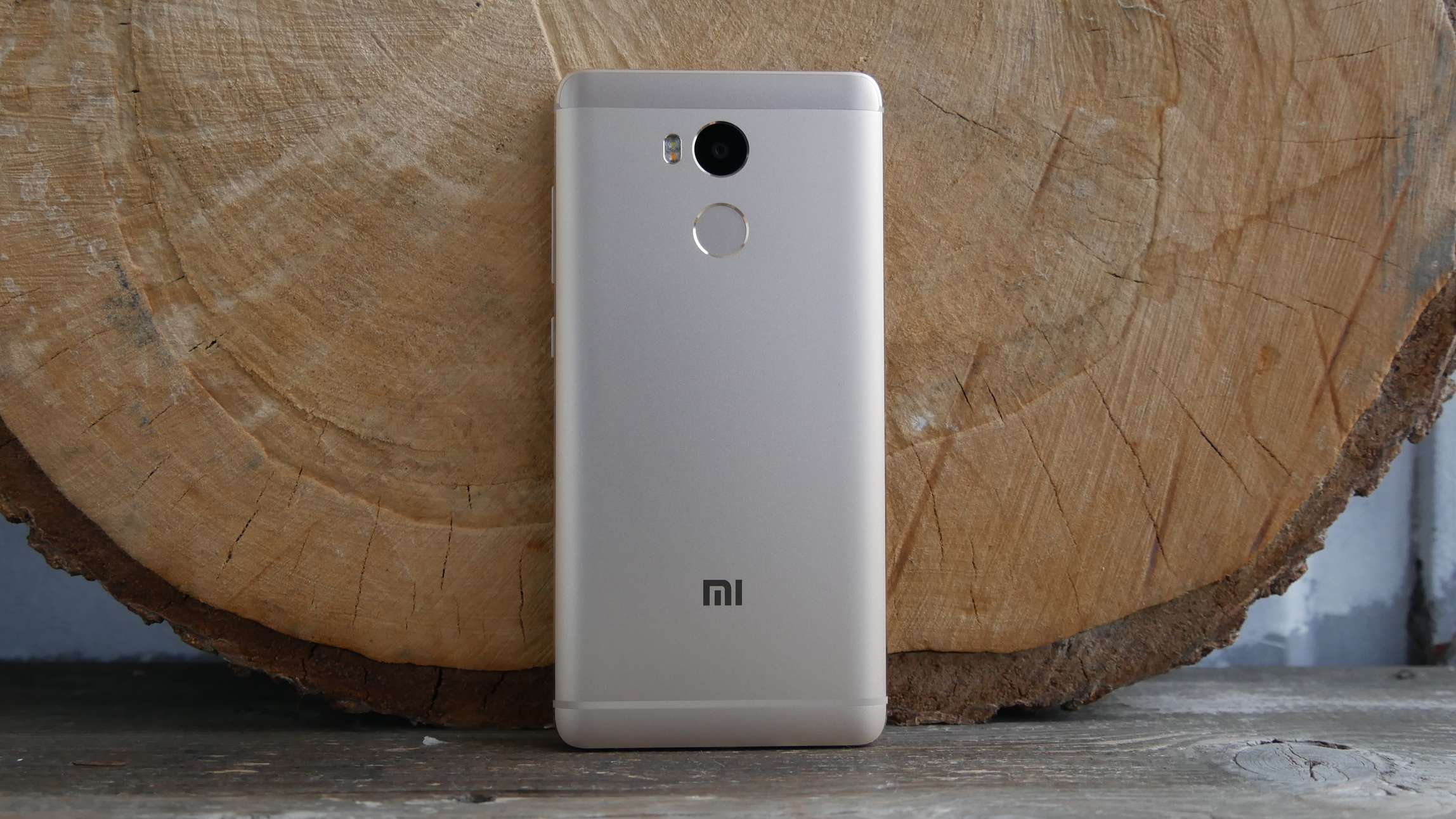
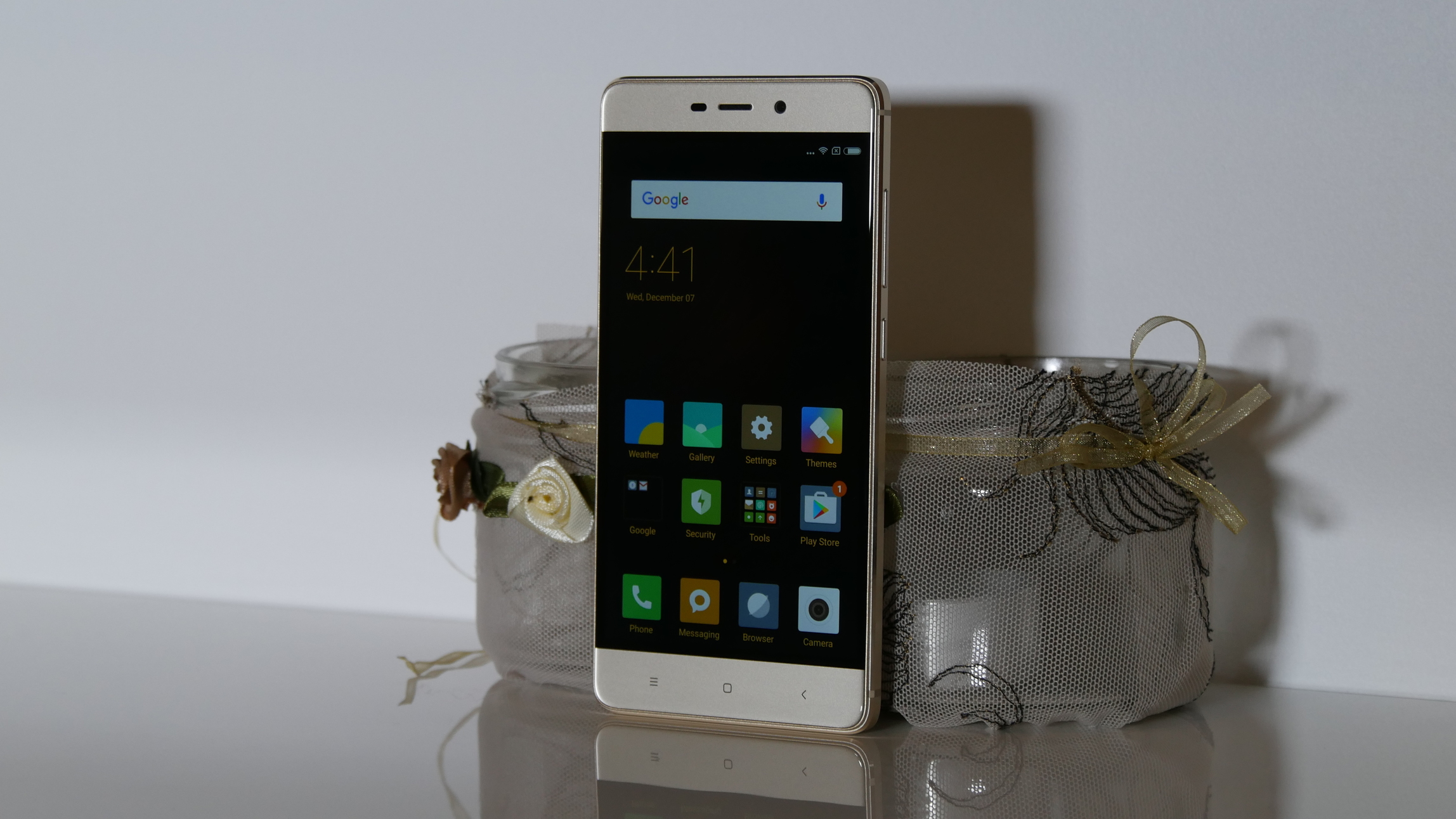
Xiaomi’s Redmi smartphones have been one of the most successful budget devices out there. The Redmi 4 Prime is one of the latest offerings and it costs just $160 but it has a premium design and great specs. But is it really worth the price? Learn more in the full Xiaomi Redmi 4 Prime review. Also, make sure to check out the coupon code for the discount at the end of the article.
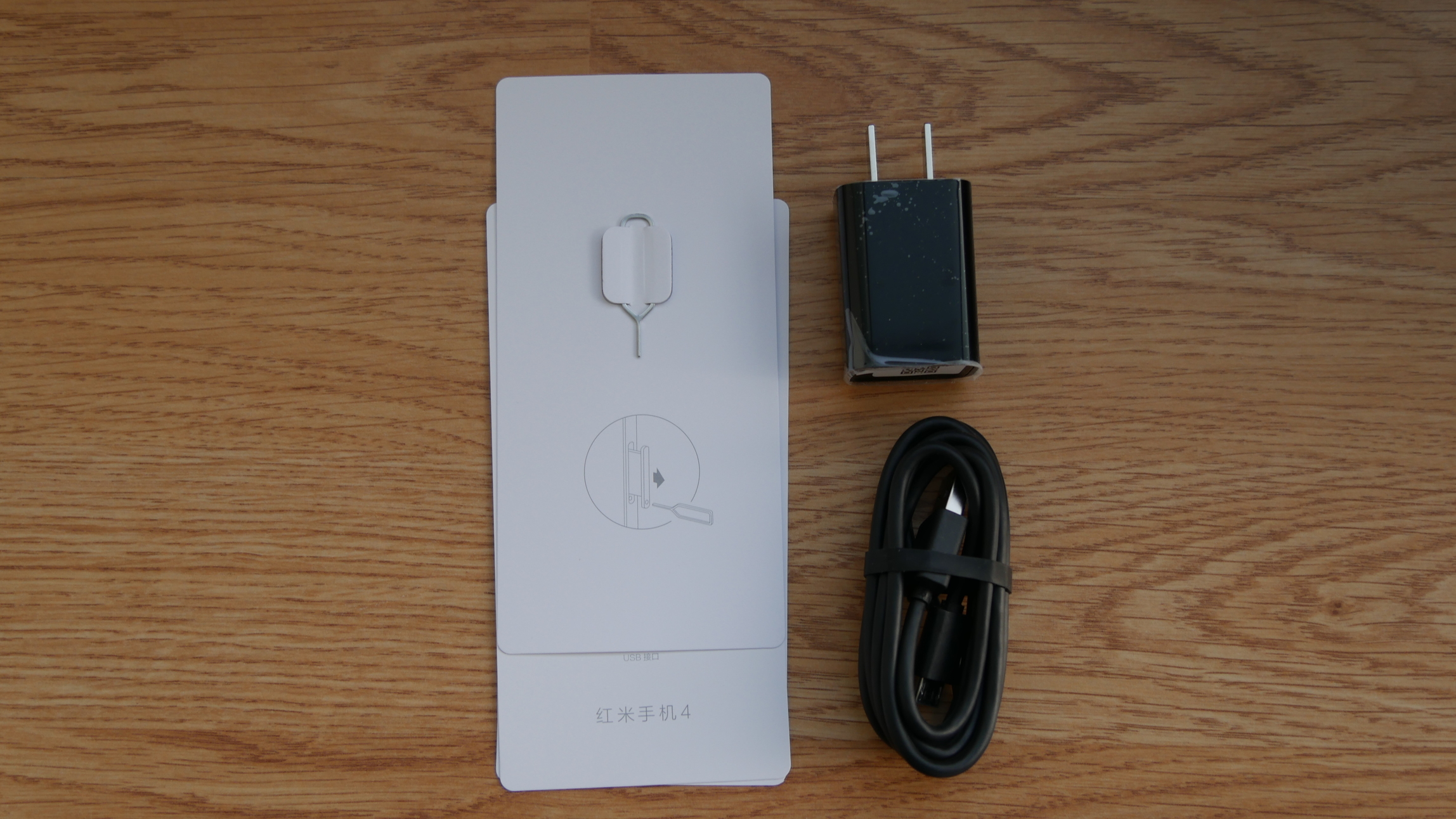
The phone ships with all the usual stuff that comes with most of the phones. No extras included.
Xiaomi Redmi 4 Prime Review: DESIGN and DISPLAY
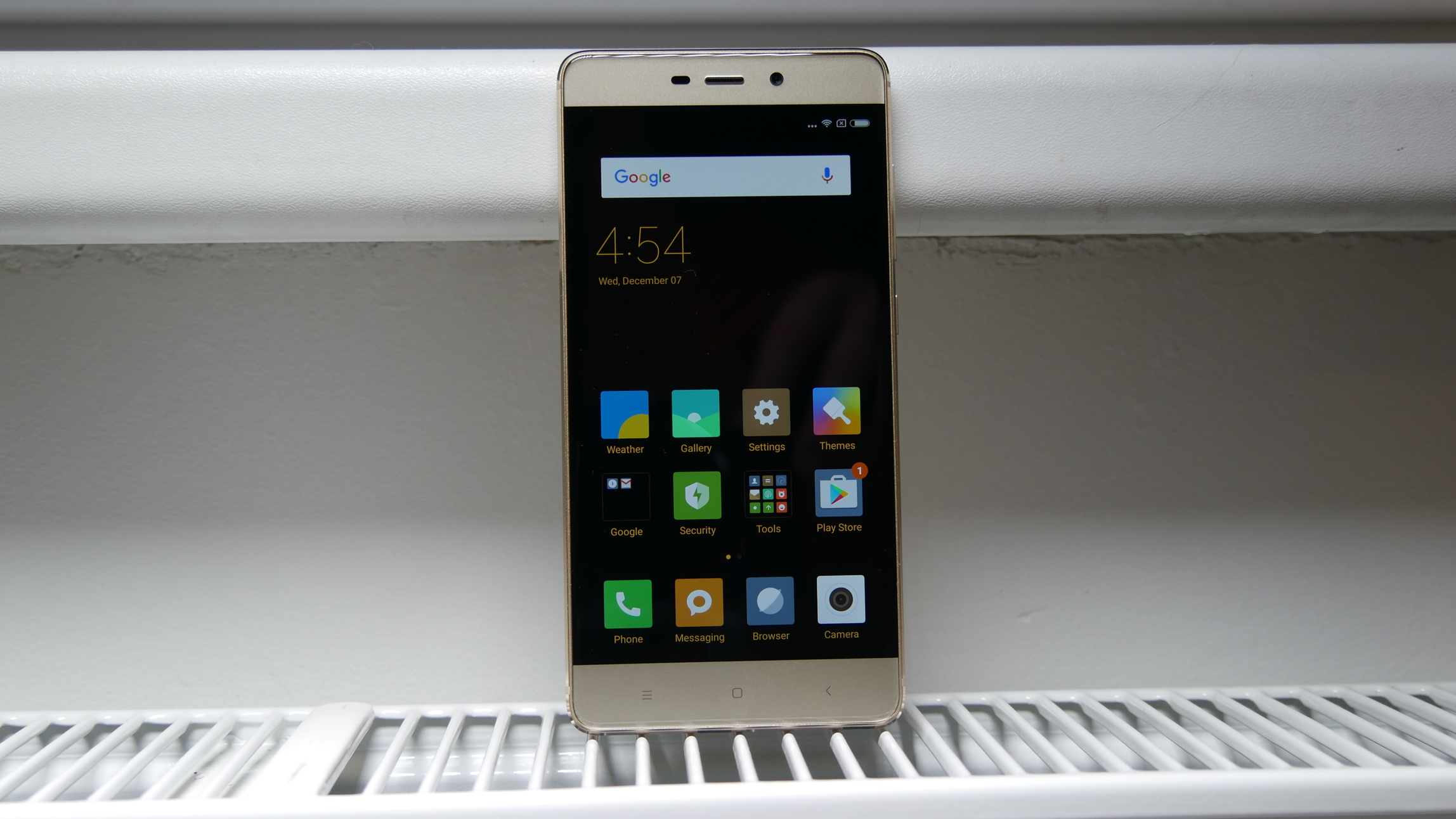
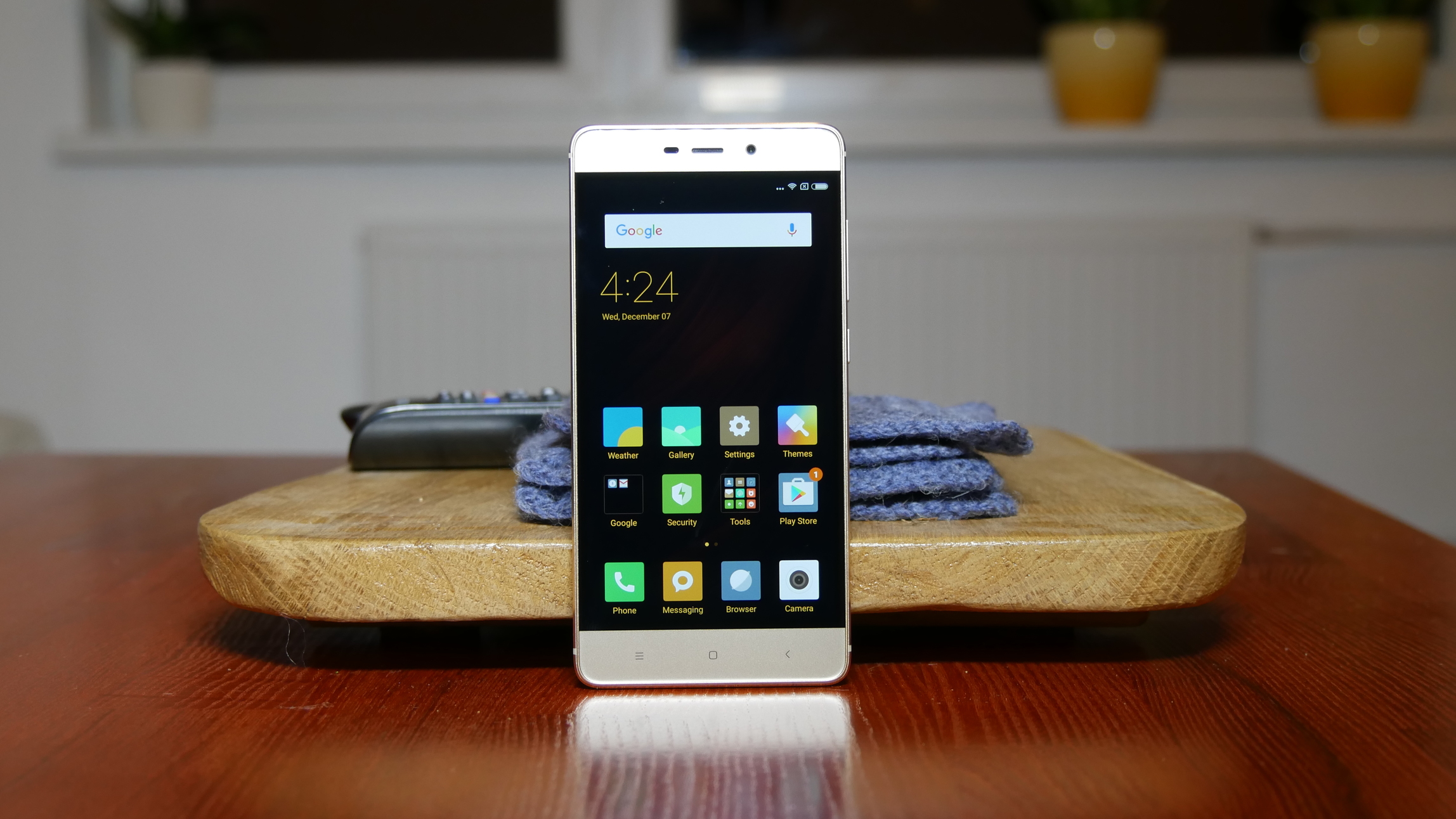
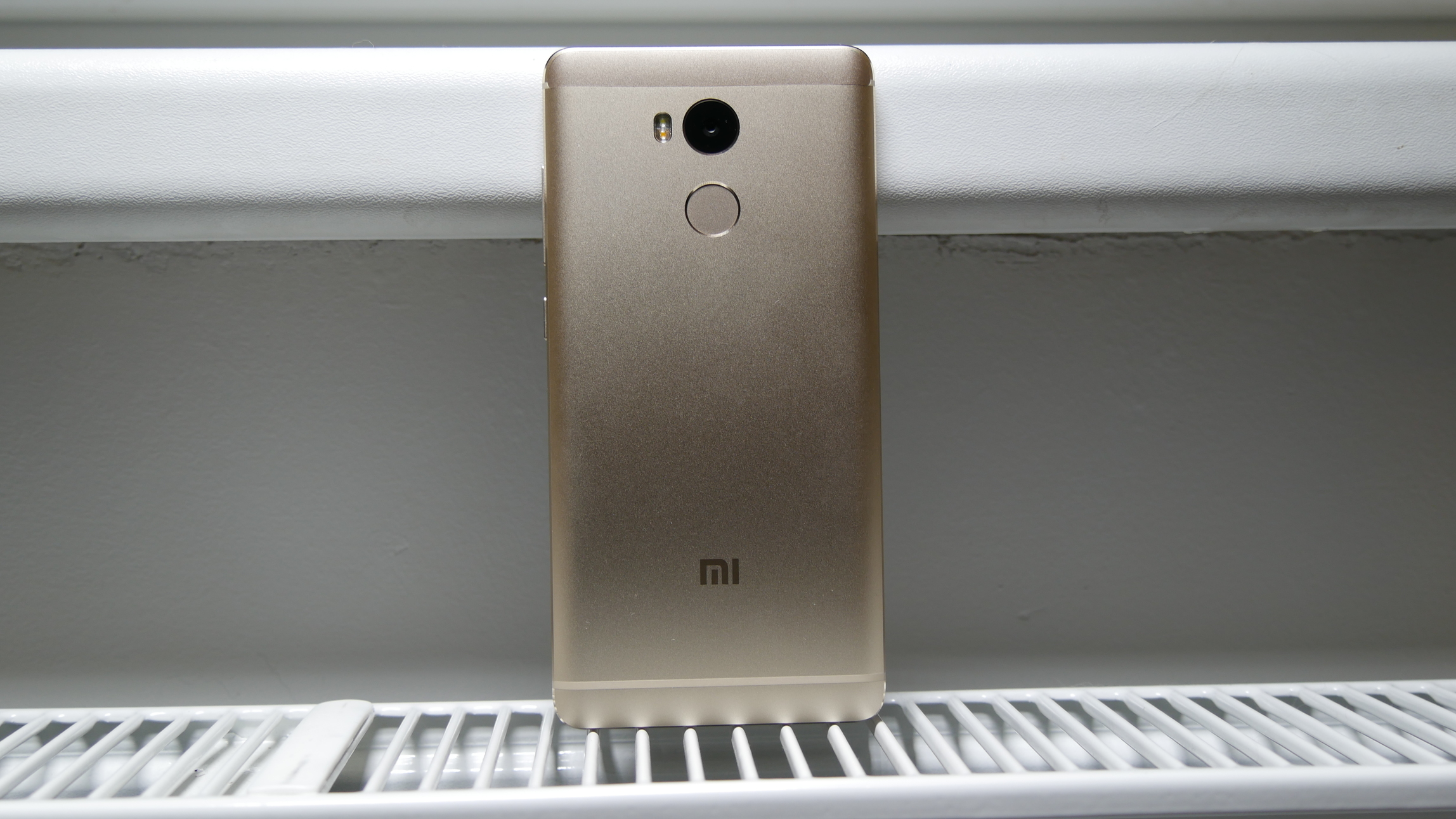
When it comes to the design, the Redmi 4 is definitely one of the best-looking and the most premium budget phones you can get. It’s made of metal, it sits nicely in the hand and its buttons are nice and tactile.
The phone is compact due to its 5” 1080p display, which is just great. It is sharp, bright and definitely one of the better panels you can find on a budget phone.
We have a 5MP shooter and notification LED light, which can be highly customizable.
Unfortunately, the capacitive buttons are not backlit.
On the back, we have a 13MP shooter with f/2.2 aperture and a dual-LED flash. As usual to Xiaomi phones, the fingerprint scanner is fast, accurate and it allows you to unlock the device straight from the standby mode.
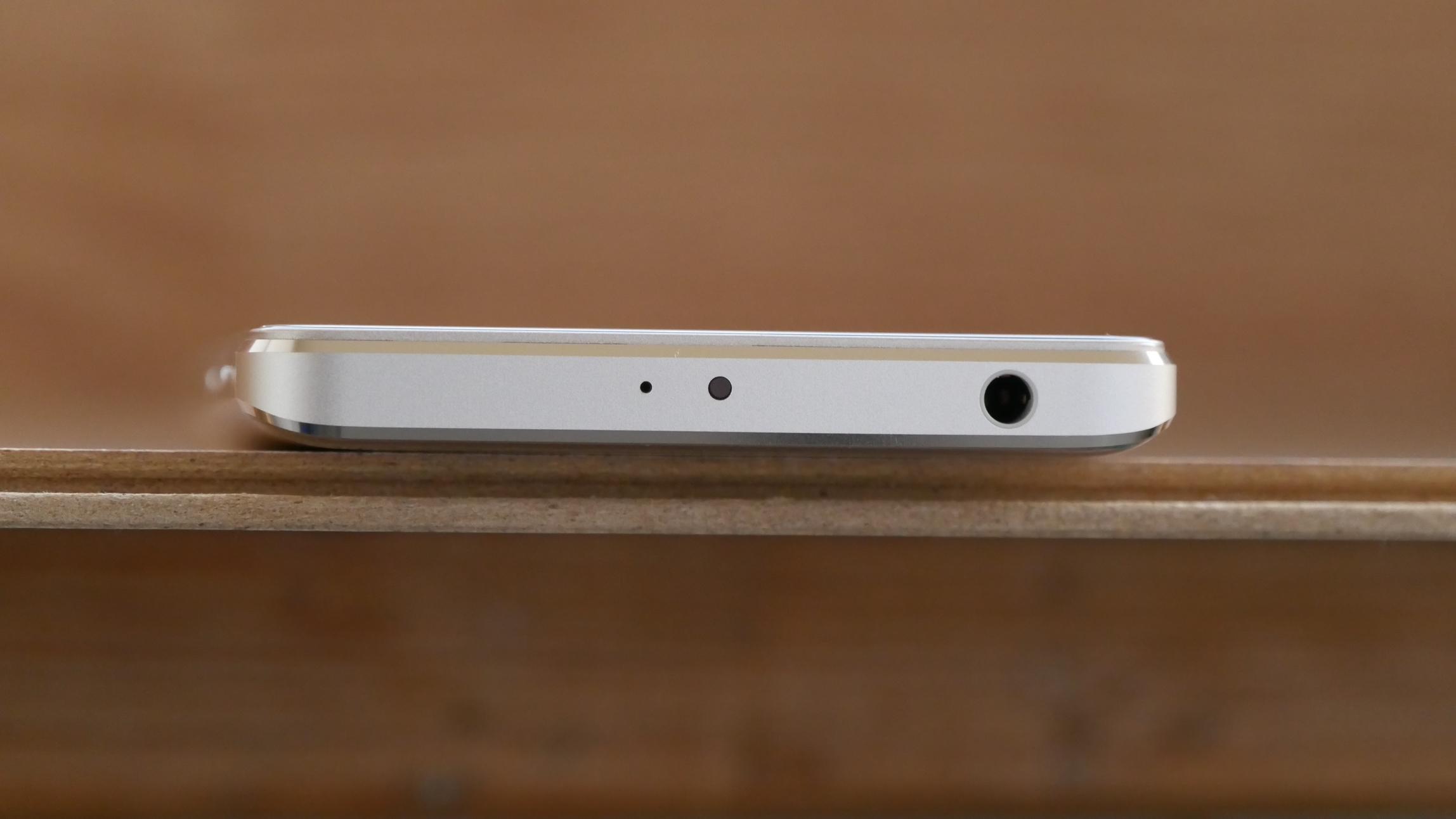
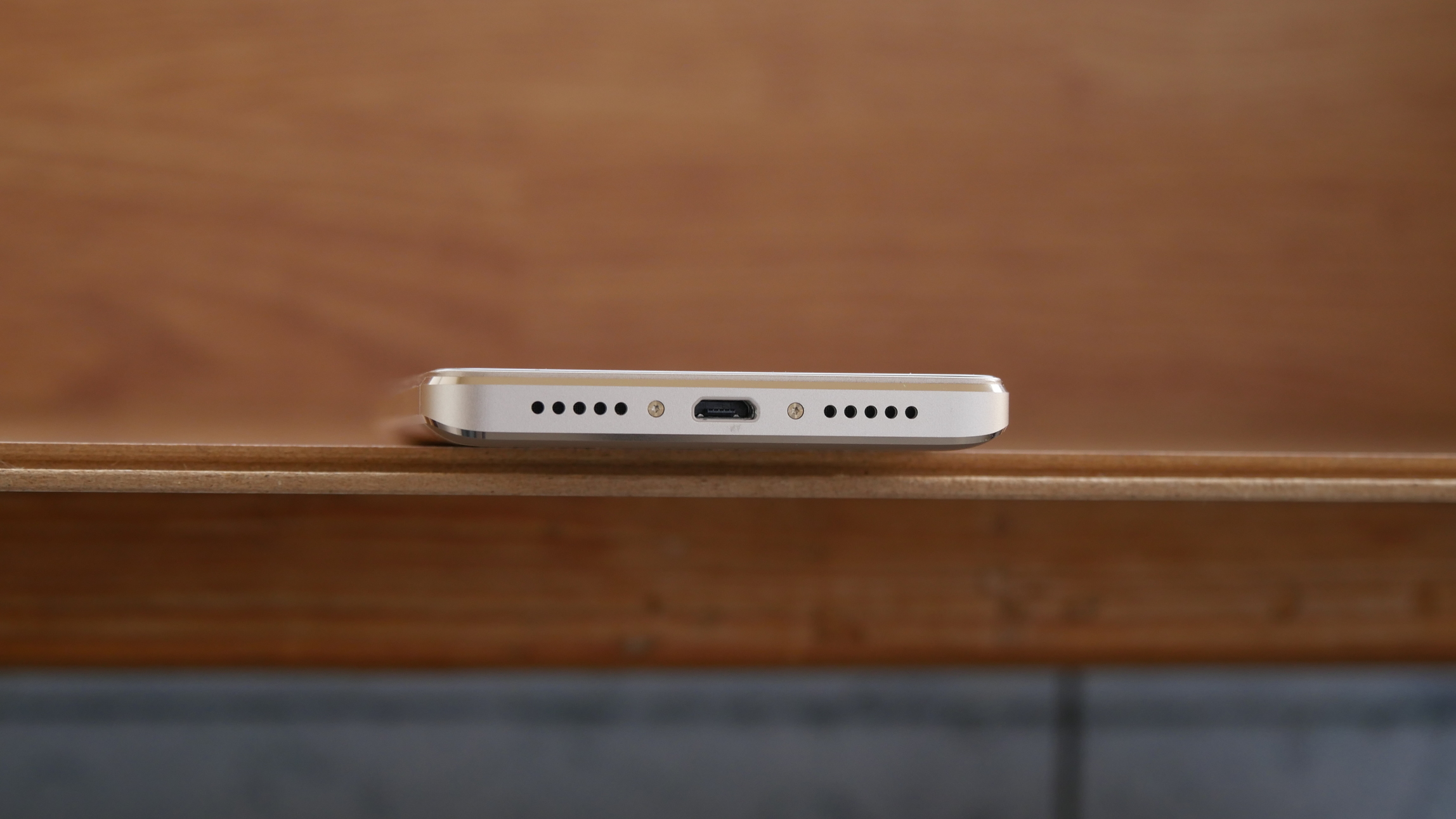
It’s great that we have the IR blaster to control devices like TVs. The sound quality via the headset jack is great. No distortions, rich and balanced sound and great volume output.
The loudspeaker quality is very good for a cheap phone like this.
Xiaomi Redmi 4 Prime Review: HARDWARE and PERFORMANCE
I have the higher-end Redmi 4 Prime that has an octa-core Snapdragon 625 chip, 32GB of storage and 3GB of RAM.
You can also opt in for the slightly cheaper Redmi 4 model with Snapdragon 430 chip, 2GB of RAM and 16GB of expandable storage.
The 3D gaming performance is great. There is no stutter at all and almost no skipped frames. Also, the graphics look good and the phone does not have any overheating issues.
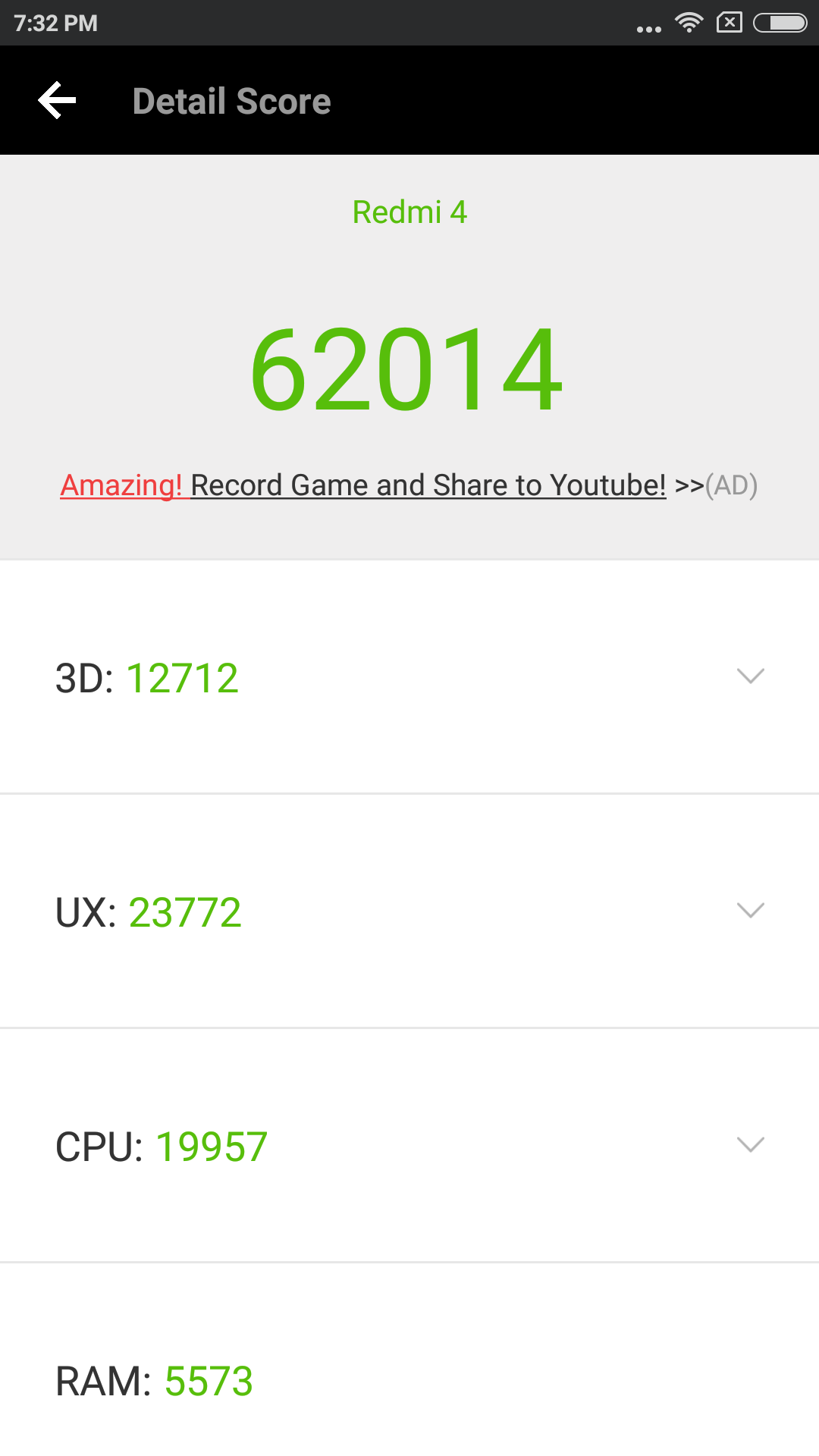
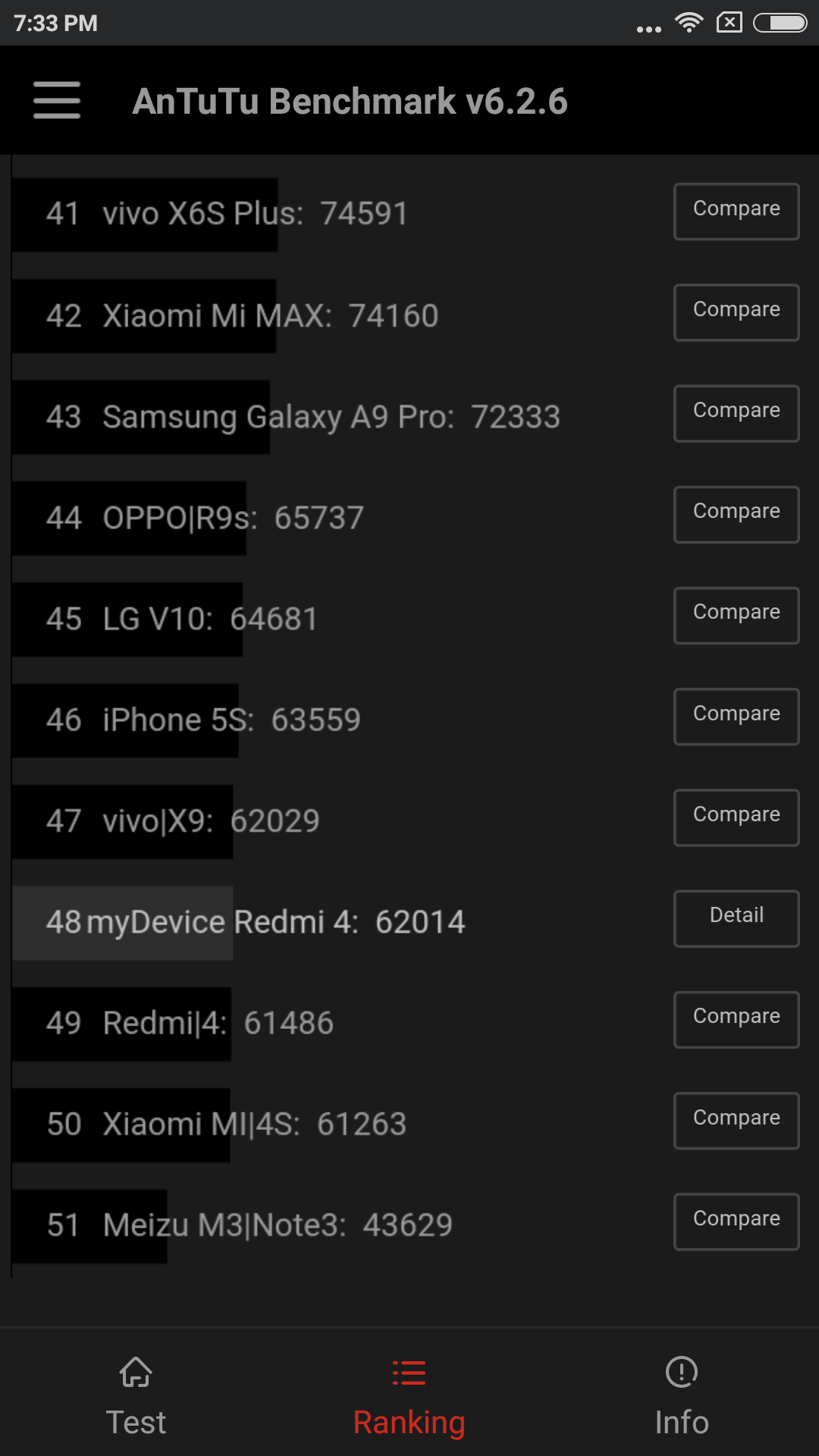
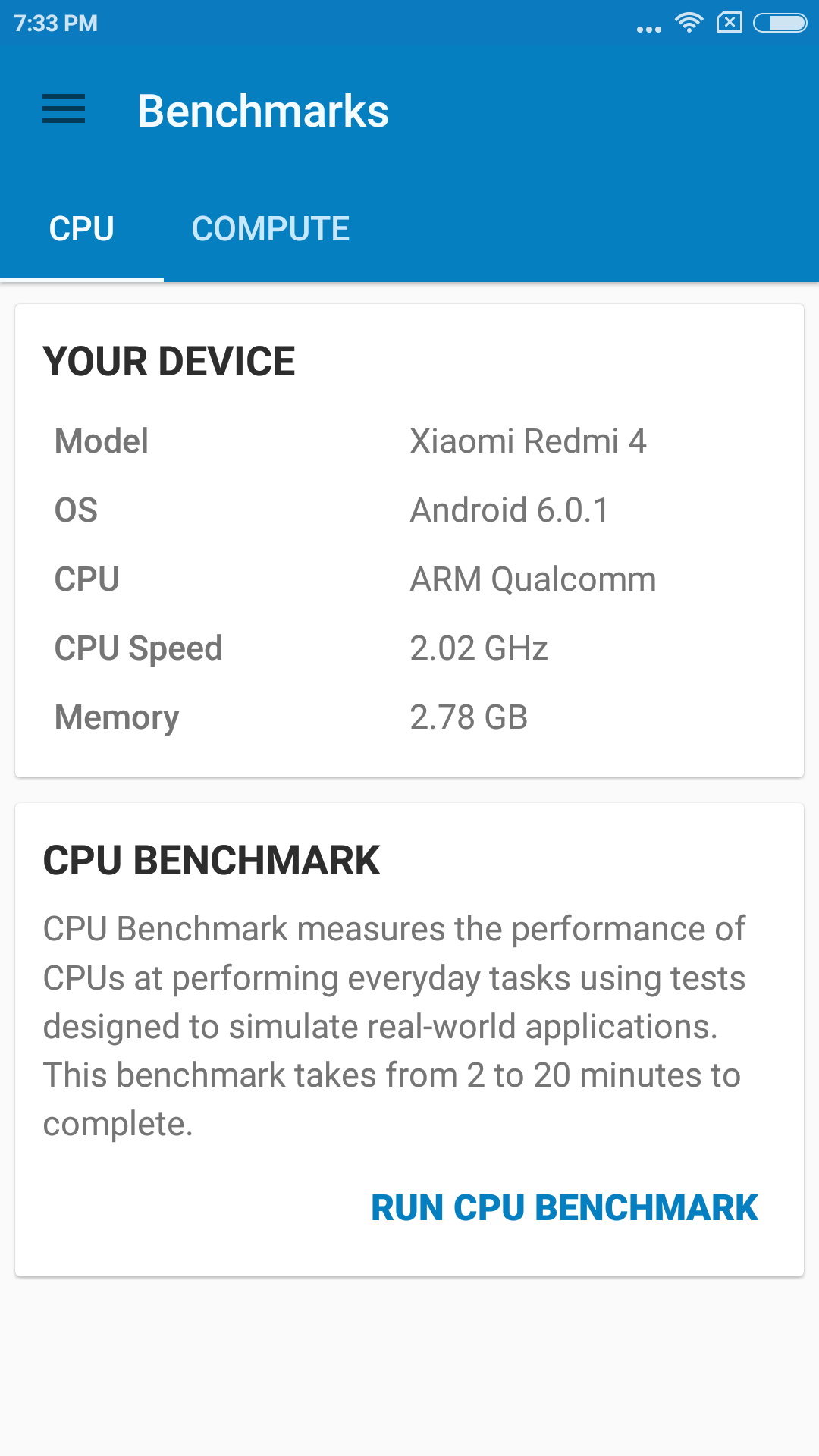
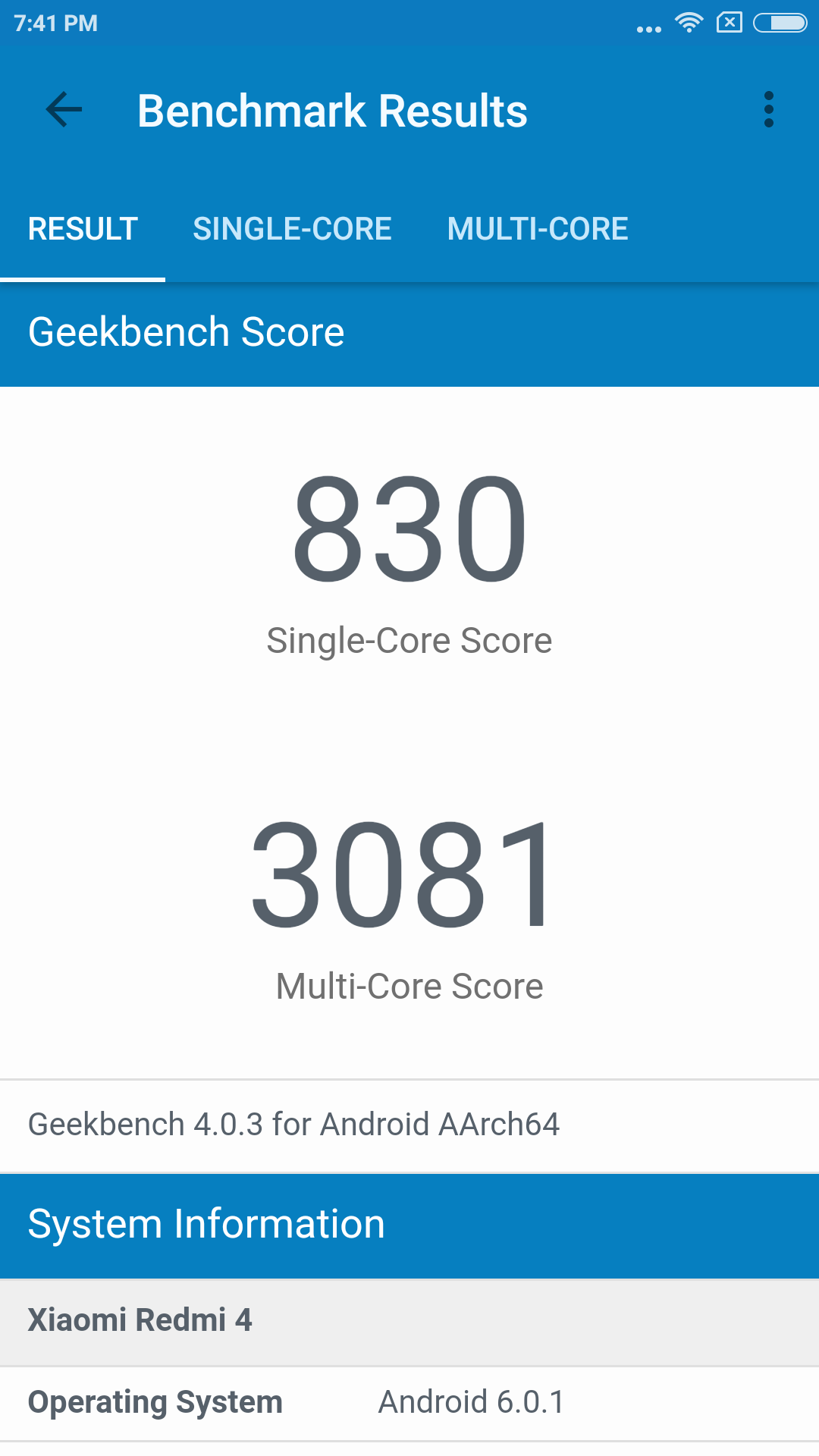
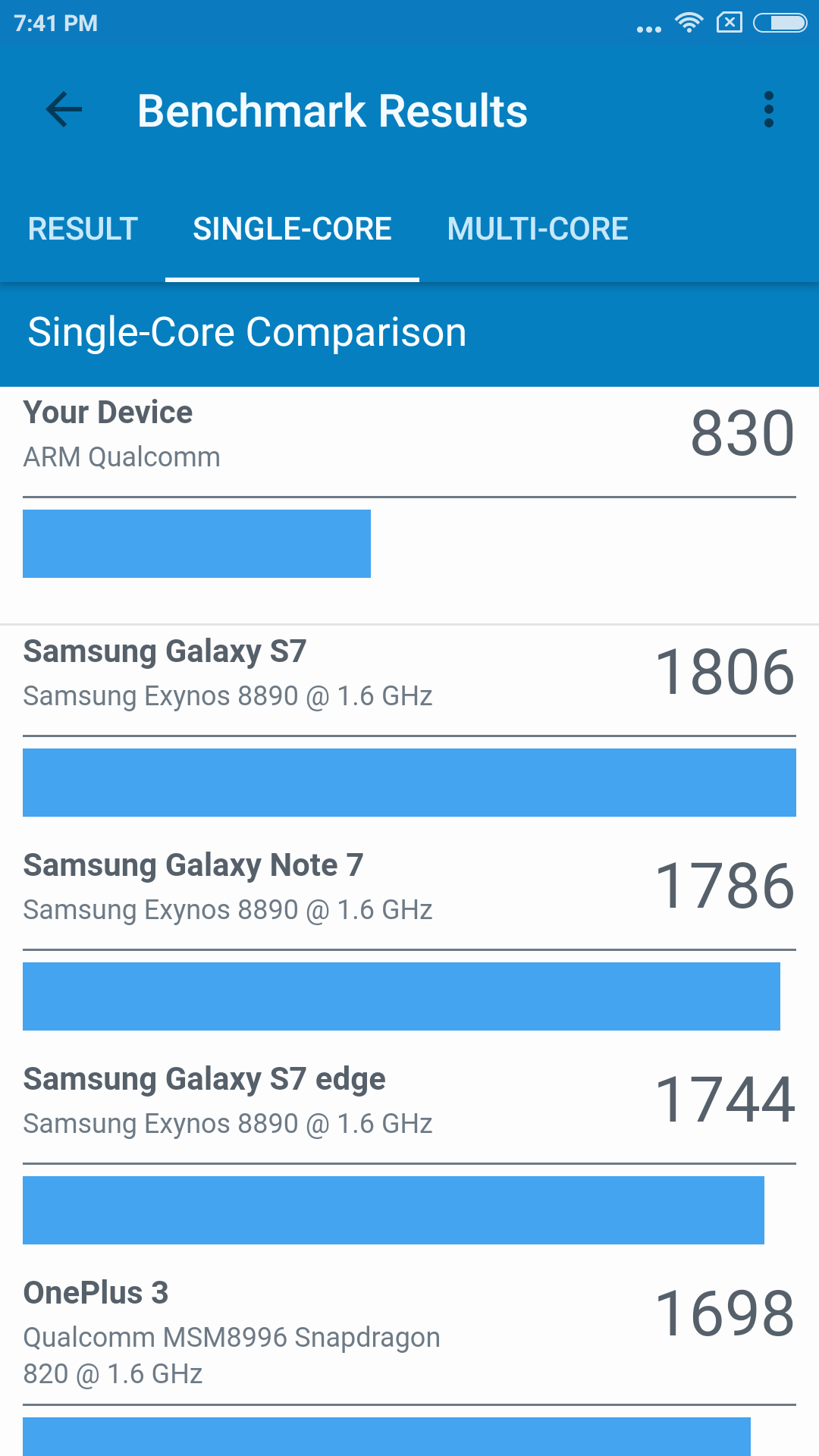
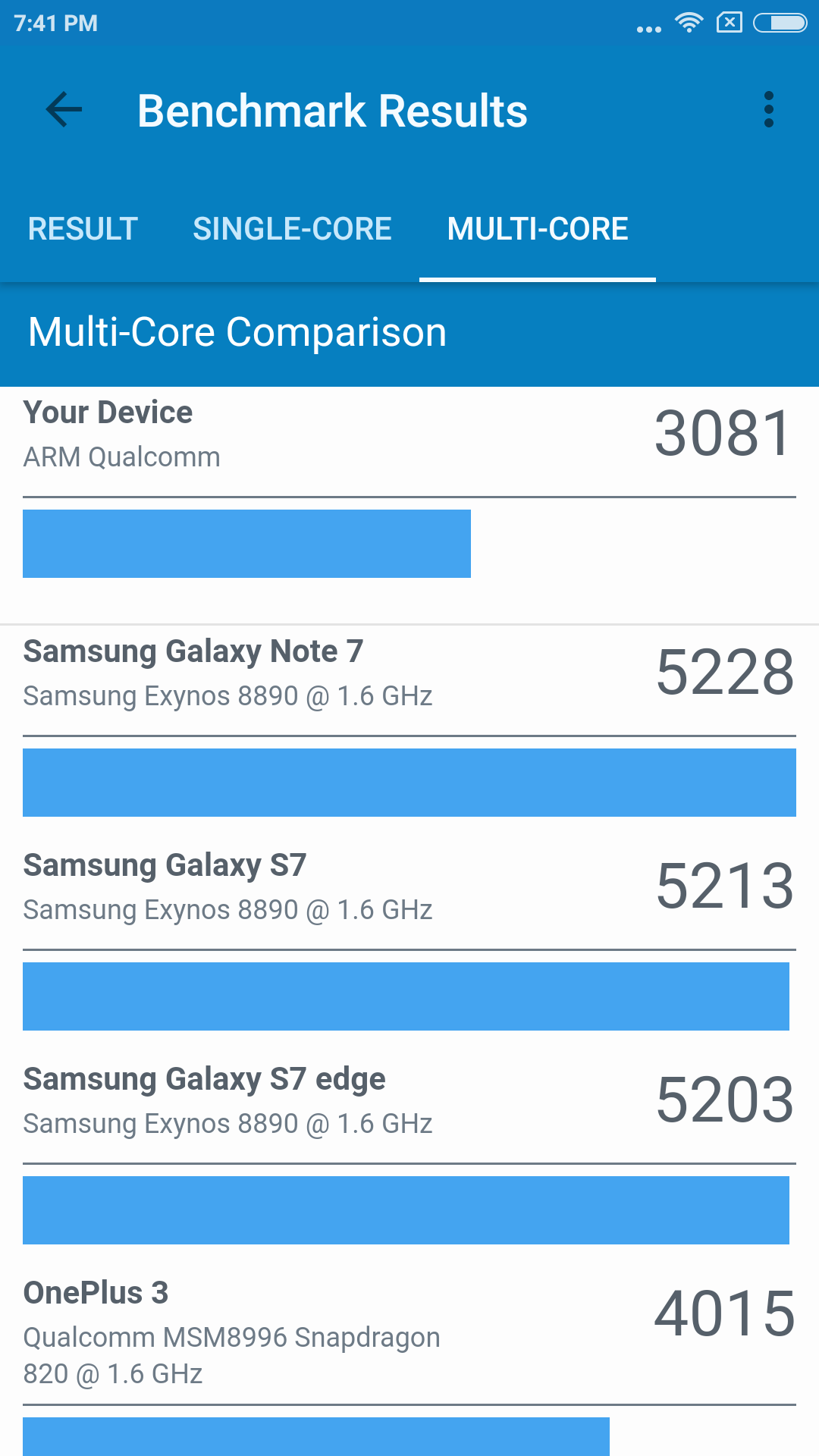
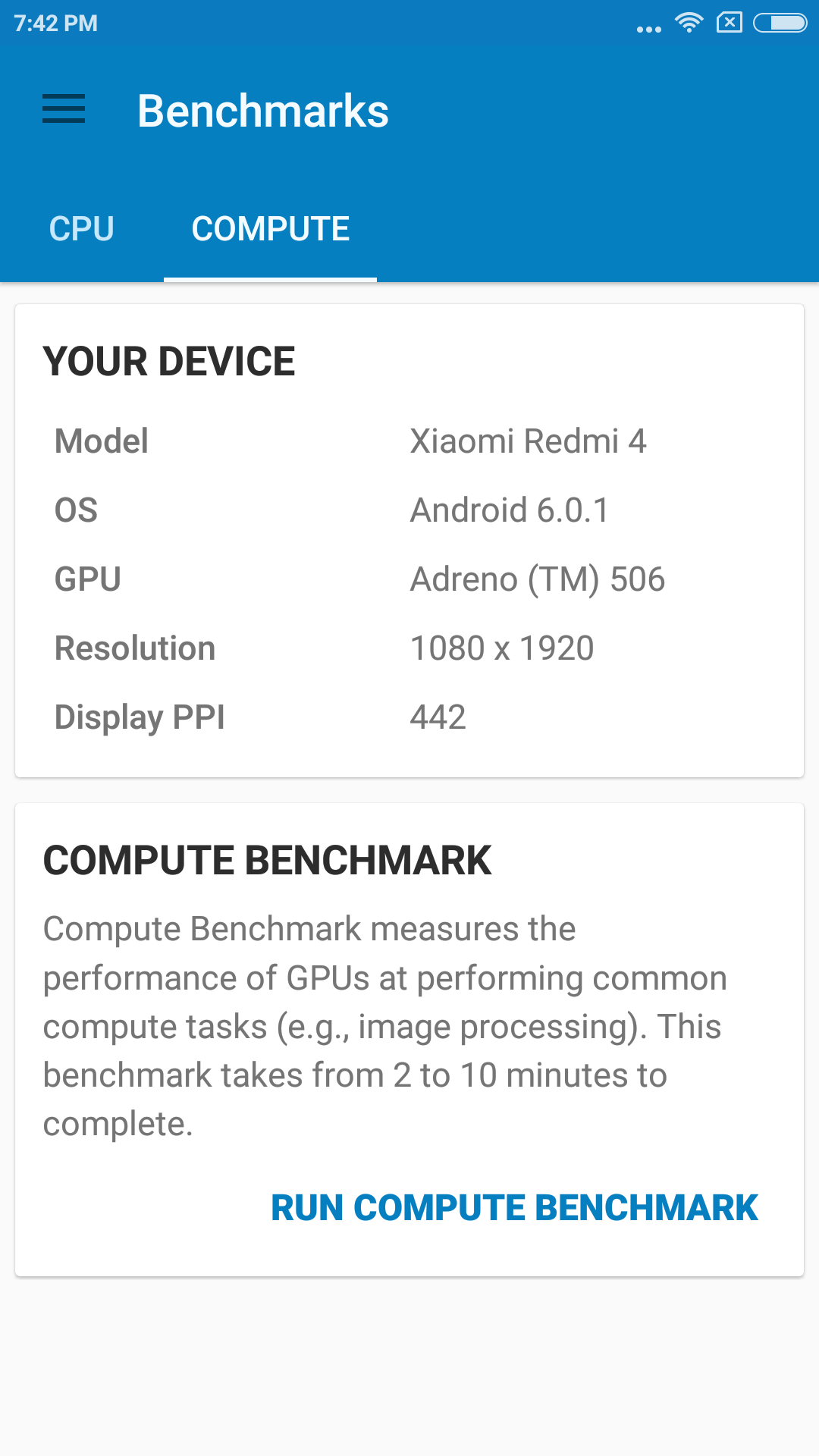
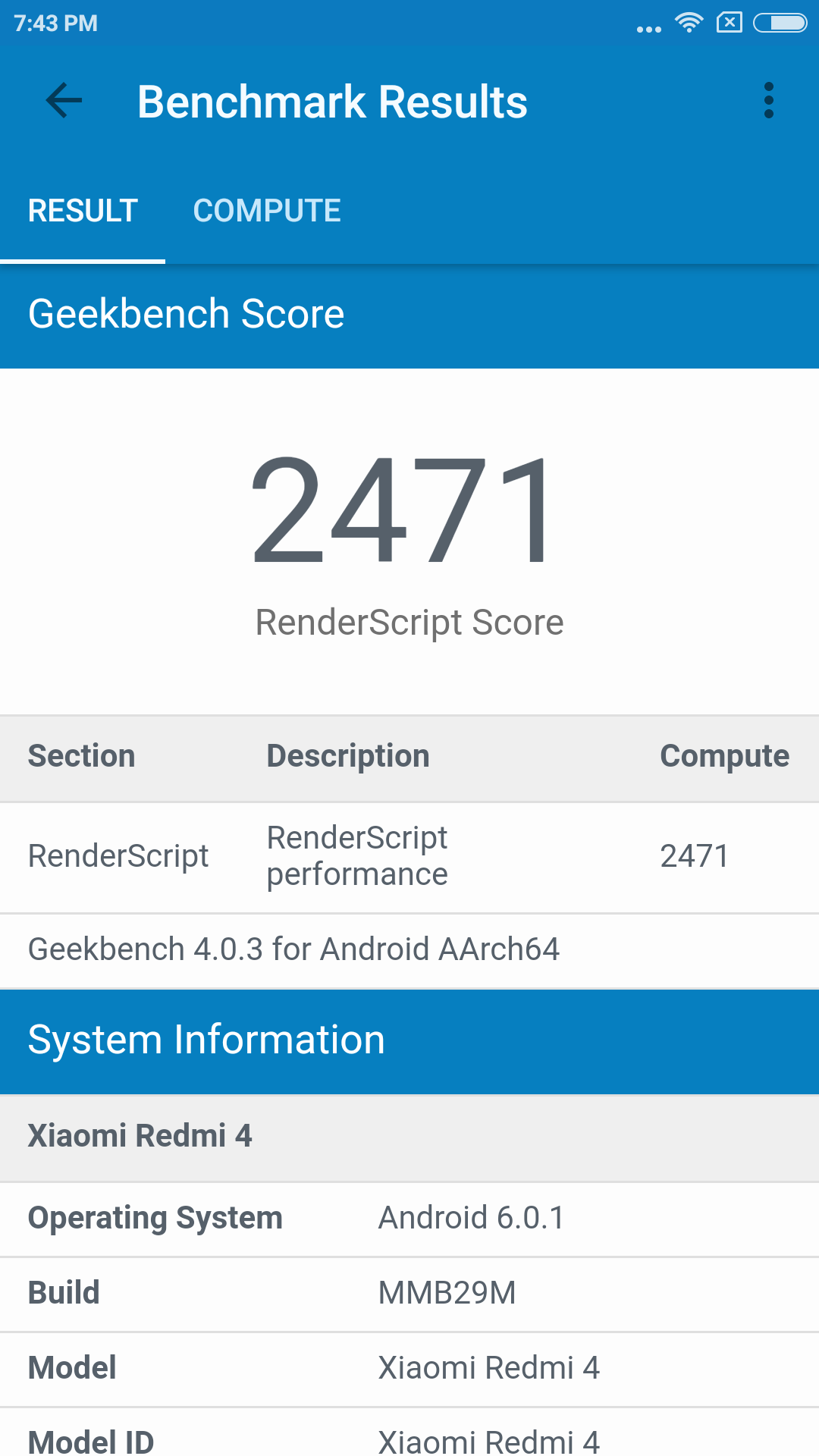
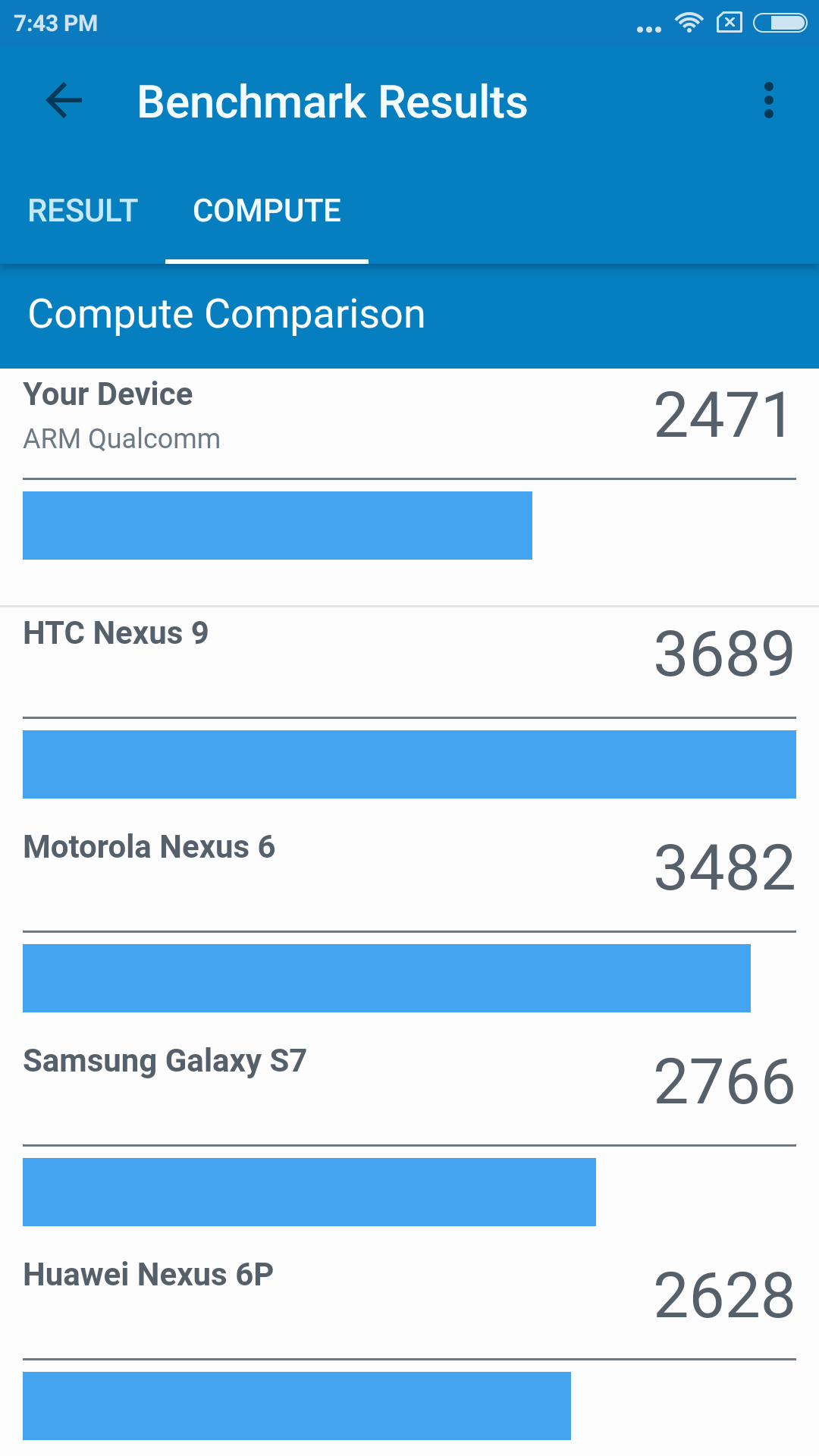
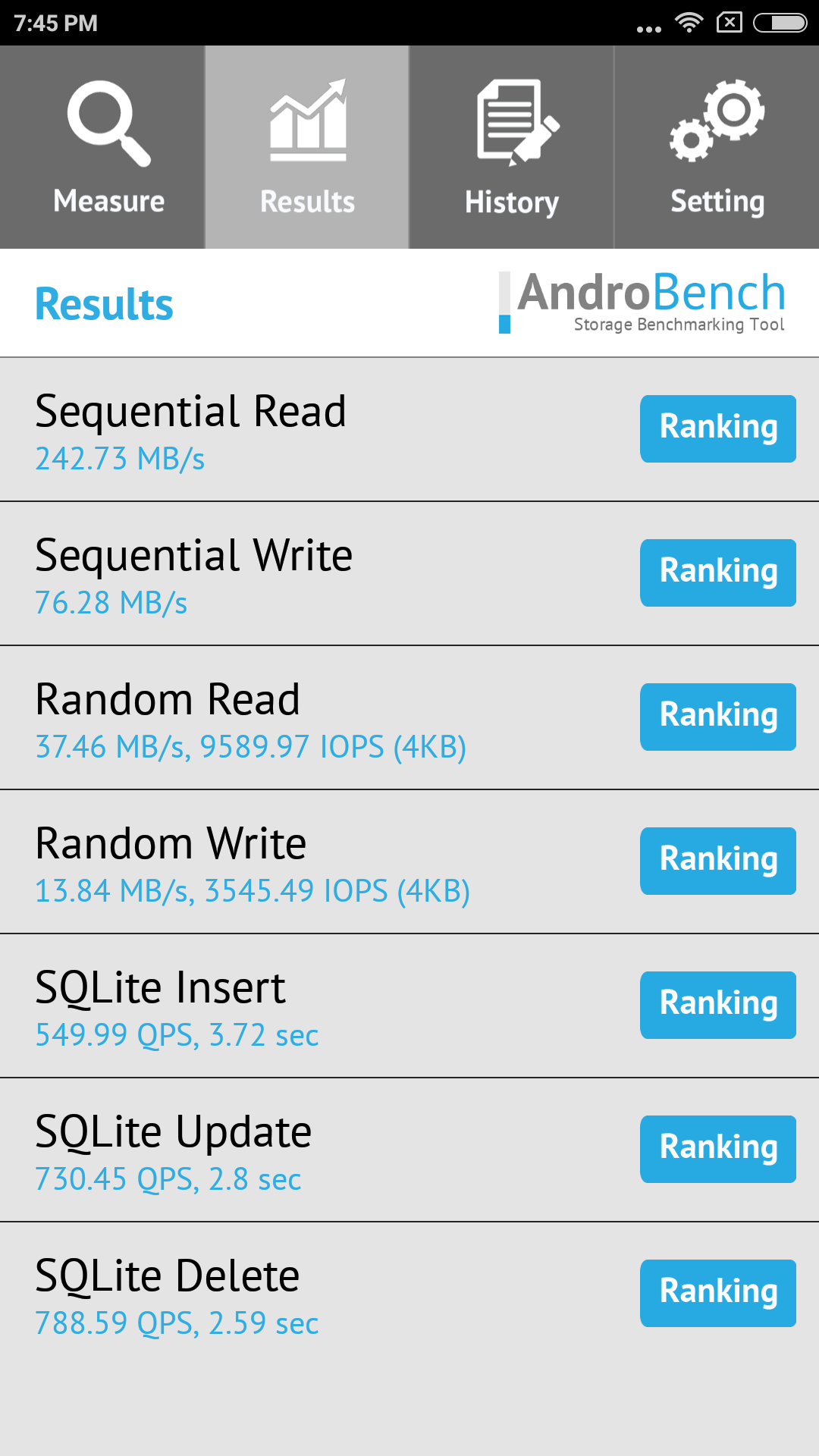
Xiaomi Redmi 4 Prime Review: BENCHMARKS
Xiaomi Redmi 4 Prime Review: USER INTERFACE
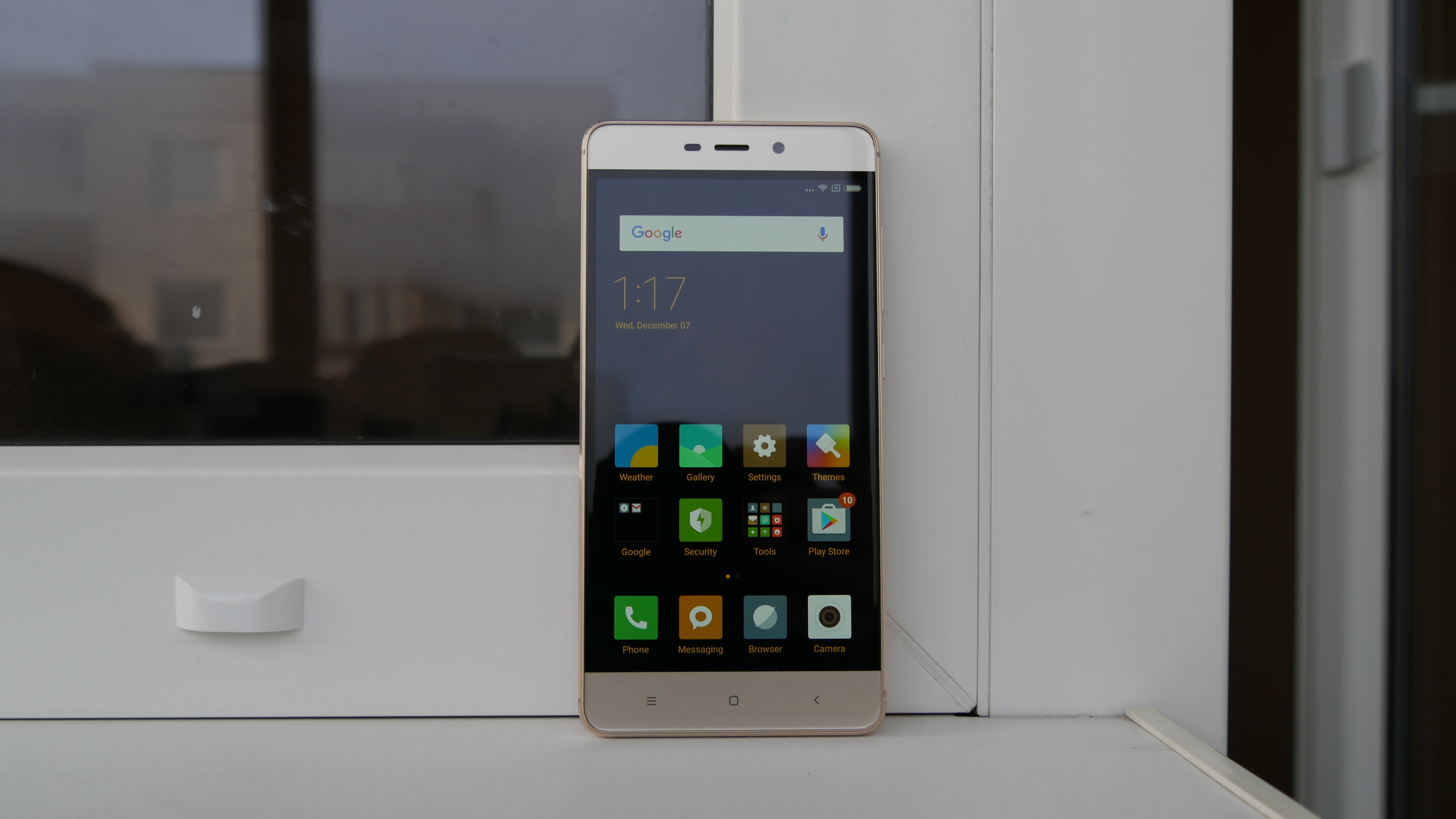
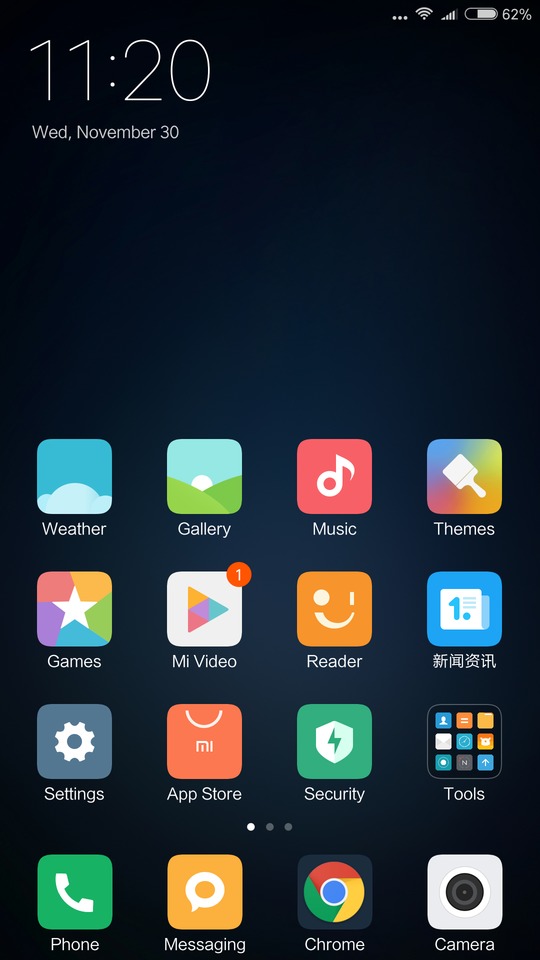
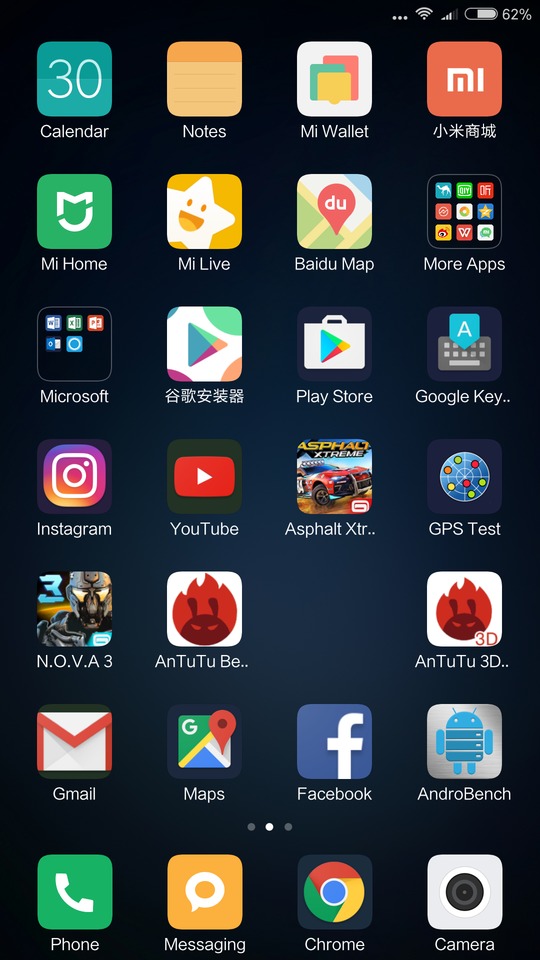
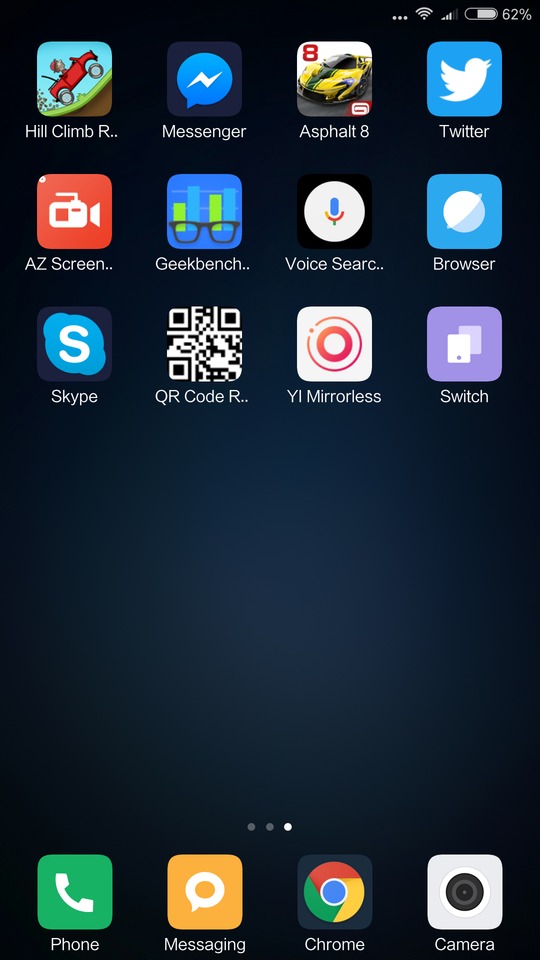
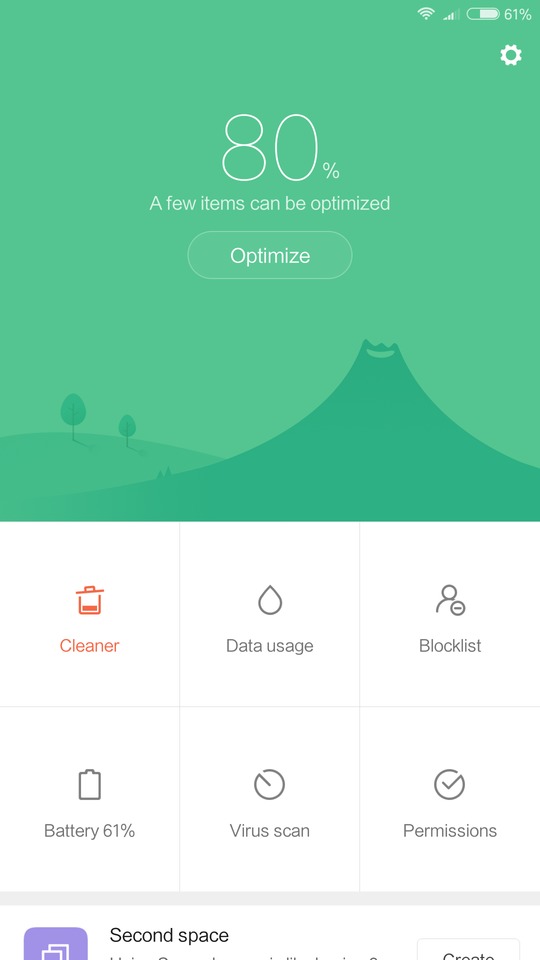
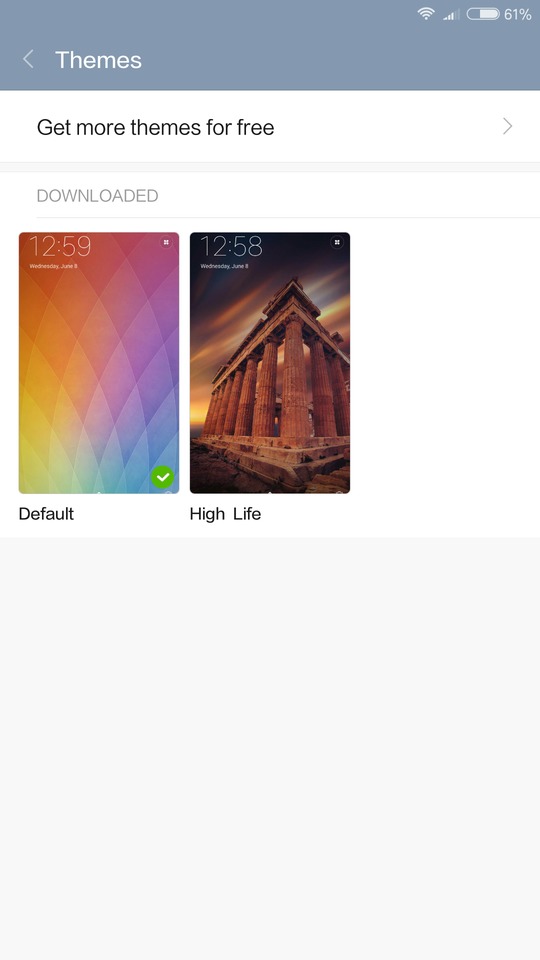
The Xiaomi Redmi 4 ships with the Android 6.0-based MIUI 8 that we have already seen on many Xiaomi phones. As usual, we have a ton of customization options, various settings, tweaks and little features to make the phone look your own.
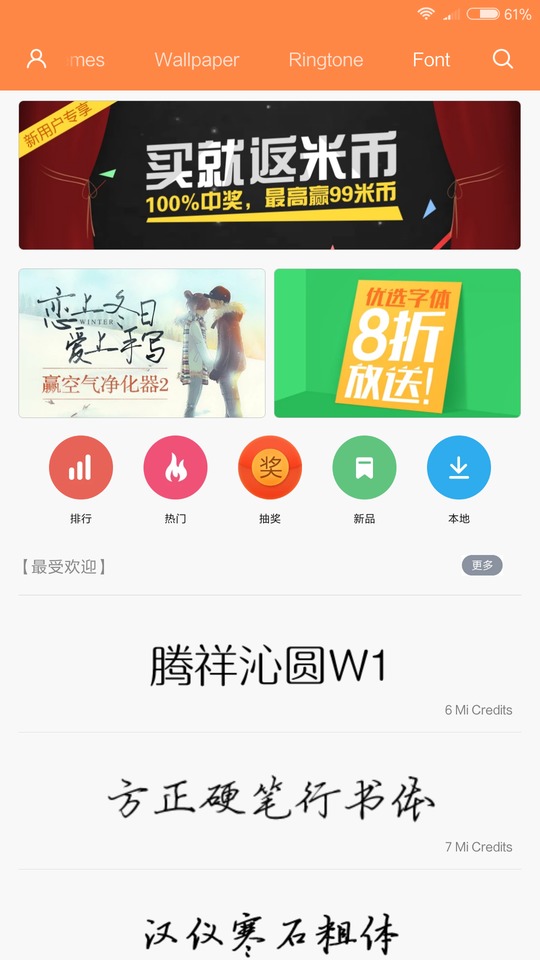
Some of the cool features include a baked-in theming engine, where you can choose from a lot of themes, fonts, wallpapers and so on.
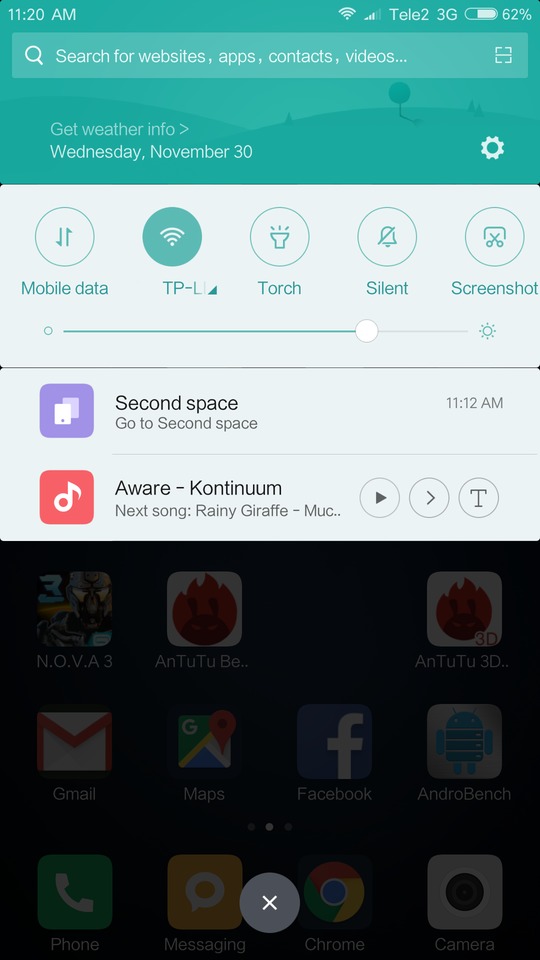
Also, you can go to the so-called second space, which is as Xiaomi says “like having two devices” at the same time. In other words, it is like having two accounts on the same phone.
Finally, the phone is pretty fast and fluid on the daily basis and I didn’t see any lag of stutter.
Xiaomi Redmi 4 Prime Review: IMAGE QUALITY
IT IS HIGHLY-RECOMMENDED TO DOWNLOAD FULL RESOLUTION CAMERA SAMPLES TO SEE THE ACTUAL IMAGE QUALITY. THE PICTURES UPLOADED ON THE WEBSITE ARE 50% SMALLER IN RESOLUTION.
When it comes to the image quality it is good yet not great.
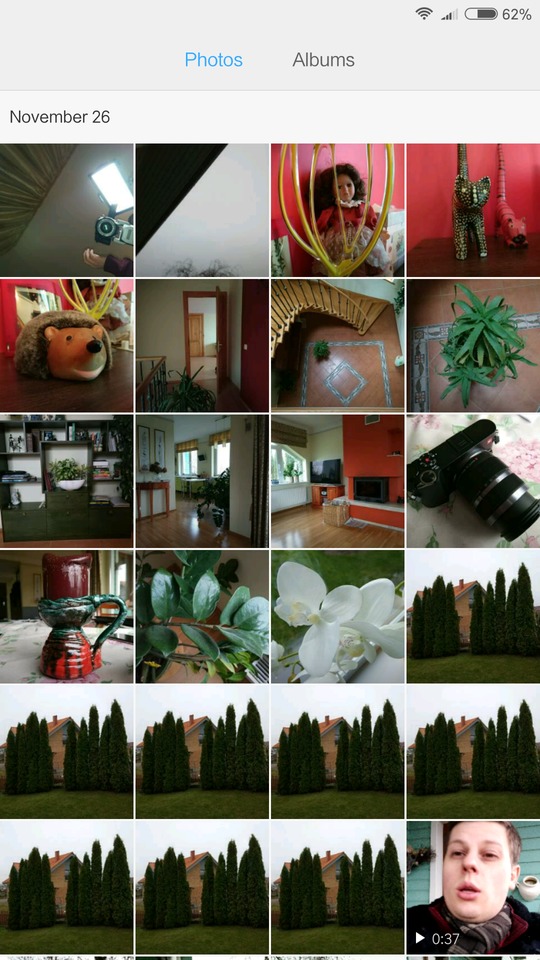
The Redmi 4 can take some good-looking daylight photos with a decent amount of detail, nice colour reproduction and sharpness. The dynamic range adjustment is not always perfect but the HDR does an okay job bringing the detail back to the shadows.
The image quality is not as good in lower-lit situations. Most of the shots look soft, there is a low amount of detail and the colours look washed out.
The night image quality is even worse. I don’t really want to say that “we may see a software update to improve the quality” but as of now, the photos don’t look good.
The selfie images will look okay on social media but in general, they could have more detail and sharpness.
The 1080p video looks pretty good for a cheap phone. A few complaints would be that the continuous auto-focus is a little jumpy and the footage may look a little shaky as there is no video stabilization built-in.
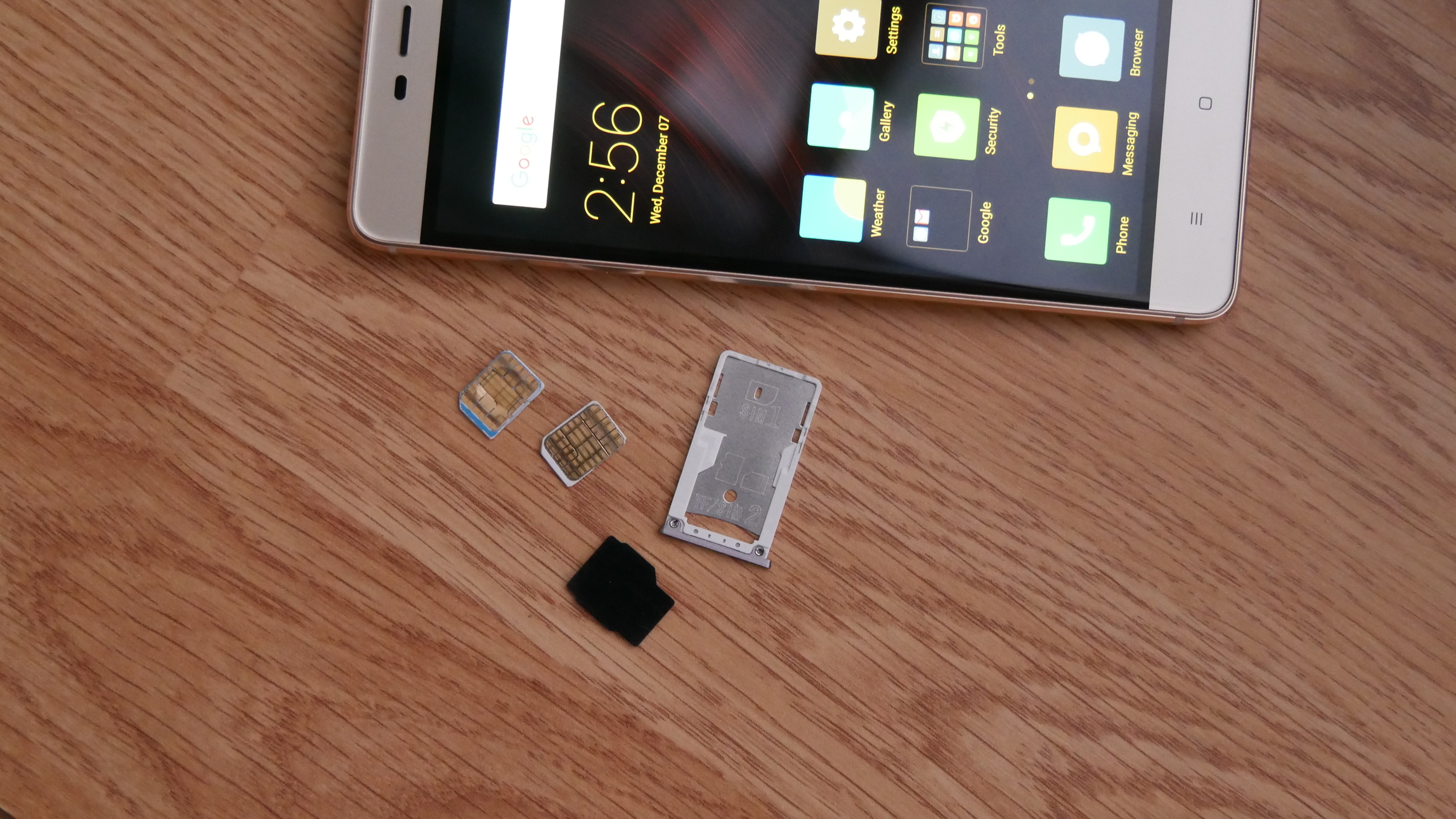
As most of the Xiaomi phones, the Redmi 4 ships with a dual SIM card tray that also doubles as a microSD card slot.
The call quality is okay, GPS is very accurate and in general, I didn’t have any issues when it comes to connectivity.
Xiaomi Redmi 4 Prime Review: BATTERY LIFE
The battery life can be summarized in a few words – one of the best on the market.
The 4100mAh unit will easily get you 2 days of heavy usage or even 4 days of lighter use, which is just an insane result. Seriously, it is very hard to kill this battery! In case you need to recharge it, the phone supports fast battery charging feature but it does not ship with the fast charger. I was able to fully charge the phone in about 2 hours with the supplied charger.
Xiaomi Redmi 4 Prime Review: CONCLUSIONS
The Xiaomi Redmi 4 is yet another great budget device on the market. In fact, it is one of the best you can get at this price point but it doesn’t mean it is a perfect phone.
The device has a top-notch built quality and nice design, the internal hardware components assure a good UI and gaming performance and the camera can take decent daylight pictures. Also, the battery life is just insanely good.
However, even at this price point, we want to see the backlit capacitive keys and a better low-light camera performance. Finally, the phone does not ship with the fast charger.
At the end of the day, the Xiaomi Redmi 4 is still one of the best budget phones you can buy at the moment but make sure to consider if the previously mentioned shortcomings are important to you or not.
Xiaomi today released a teaser on Weibo that seems to tease the launch of an unknown, unnamed new product which is billed to go official on December 12, another popular sales day in China. We do not know exactly what the product is, but the teased poster contained what looks like a car’s tire tracks as well as other clues.
Xiaomi’s CEO Lei Jun had last year categorically stated that the company has no plans for an electric car in the next five years. In addition, the official Weibo post hinted that the product isn’t likely an electric car. But then, all the clues on the poster point to an electric car / bike. This isn’t the first time talks of a Mi electric car is coming out, Xiaomi had been rumored to be working on an electric car named Mistla since 2014.
The poster contained likely features of the electric car such as E-ABS (electronic anti-lock braking system), cruise control, perforated brake discs, integrated die-casting motor and so on. All these are features of a car, not necessarily an electric car, though. So, it’s likely an electric bike. However, we’ll wait to see what it turns out to be. December 12 is the launch date.
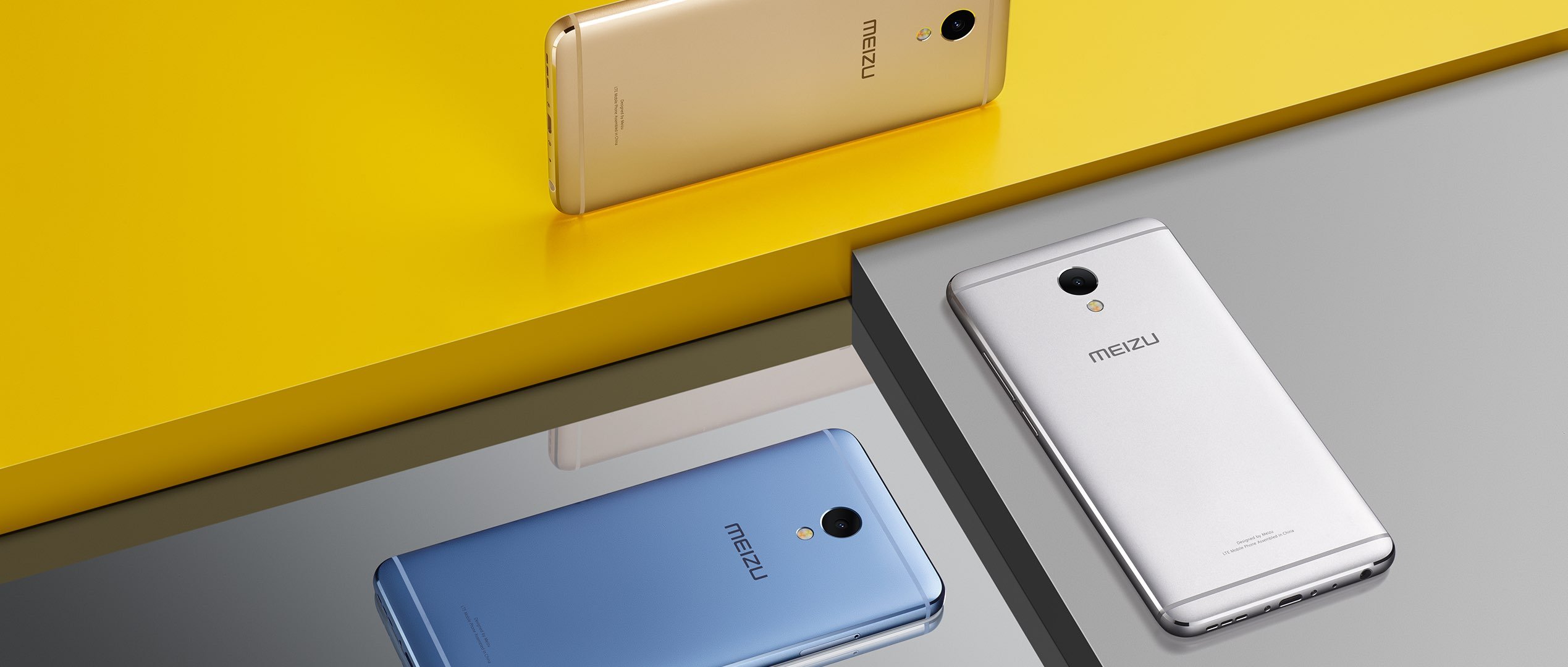
The recently launched Meizu M5 Note officially went up for sales in Jingdong (JD.com) and the results were phenomenal. In just 21 seconds, the number of units sold had surpassed the one million mark and is still on the rise.
The M5 Note came in four distinct colors of star gray, moonlight silver, champagne gold and glacier blue, all attractive. As if that wasn’t enough, the device launched clutching a pocket-friendly price tag for all three memory versions. The Meizu M5 Note starts at just 899 Yuan ($130) for the 3GB + 16GB model, 999 Yuan ($146) for the 3GB + 32GB model while the 4GB + 64GB model retails for 1499 Yuan ($218).
For these price tags, Meizu is gifting buyers a solidly designed and sleek device sporting a 5.5-inch 1080p display and powered by a MediaTek Helio P10 chip. There is also a large 4,000mAh battery on all models as well as a 13MP rear camera with PDAF, and a 5MP front camera. The device comes with dual SIM / dual standby support in addition to full netcom support.
Huawei announced yesterday that its Honor Magic concept phone is scheduled to launch next week Friday, 16th of December. The phone is said to bring new innovative features and a design that will probably disrupt the mobile phone world. It will however come with a price, and a heavy one at that, literally speaking.
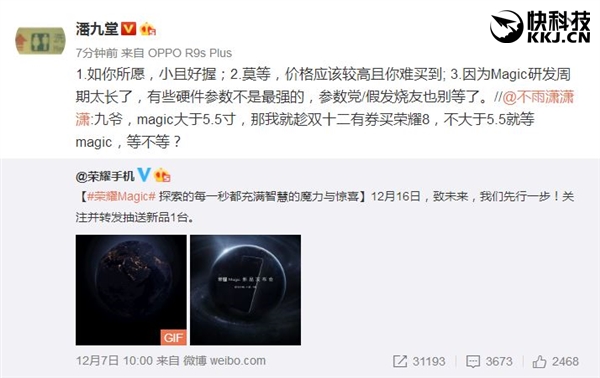
According to analyst, Pan Jiutang, the Honor Magic is going to be pretty expensive. He mentioned it in a Weibo post where he stated other features of the phone like it being small and having a good grip; and the specs not being mind-blowing probably due to the fact that it has been in the works for a while. So we should expect a phone with specifications that are already available in the market.
To sum it up, the Honor Magic is a phone that doesn’t go beyond the 5.5-inch size, probably has specs found in last year’s flagships, and still pretty expensive. Even with the cons, the Honor Magic will definitely be sold-out in a short while. As long as they get the design right and it has a couple of tricks up its sleeve, it still sounds like a winner to me.
We use cookies on our website to give you the most relevant experience by remembering your preferences and repeat visits. By clicking “Accept”, you consent to the use of ALL the cookies.
This website uses cookies to improve your experience while you navigate through the website. Out of these, the cookies that are categorized as necessary are stored on your browser as they are essential for the working of basic functionalities of the website. We also use third-party cookies that help us analyze and understand how you use this website. These cookies will be stored in your browser only with your consent. You also have the option to opt-out of these cookies. But opting out of some of these cookies may affect your browsing experience.
Necessary cookies are absolutely essential for the website to function properly. This category only includes cookies that ensures basic functionalities and security features of the website. These cookies do not store any personal information.
Any cookies that may not be particularly necessary for the website to function and is used specifically to collect user personal data via analytics, ads, other embedded contents are termed as non-necessary cookies. It is mandatory to procure user consent prior to running these cookies on your website.
























































 This is the first time we are seeing the front and rear design, as they were covered up when the car’s photo was first spotted in public in August this year.